DY Begay
Weaver
Tselani, AZ, USA
Recommended by Nest
Weaving art from the landscape
- DY creates distinctive landscapes and coloured weavings representing her local area
- Her materials are hand dyed and inspired by the environment around her
- While using traditional Navajo techniques, she has developed her own visual style
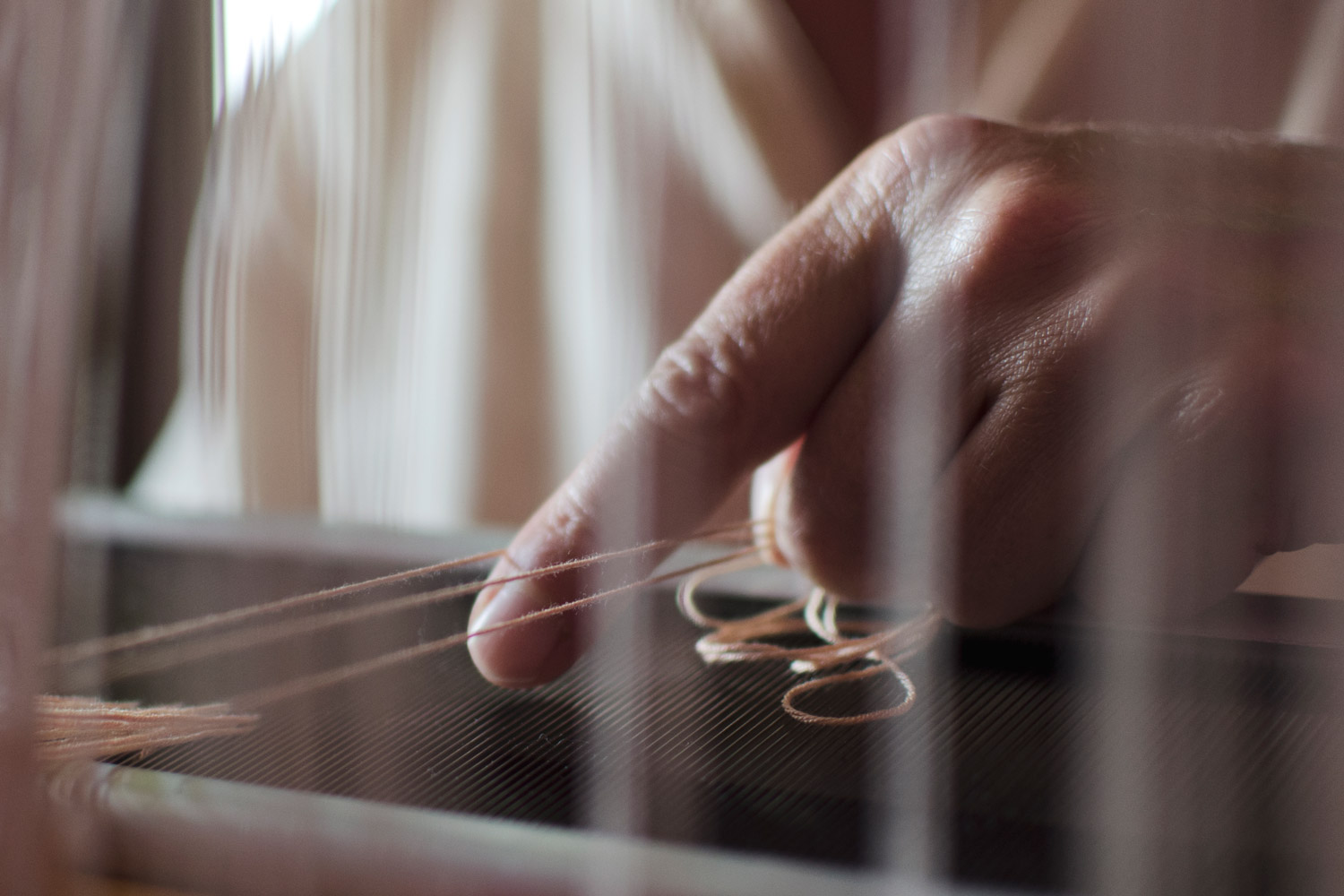
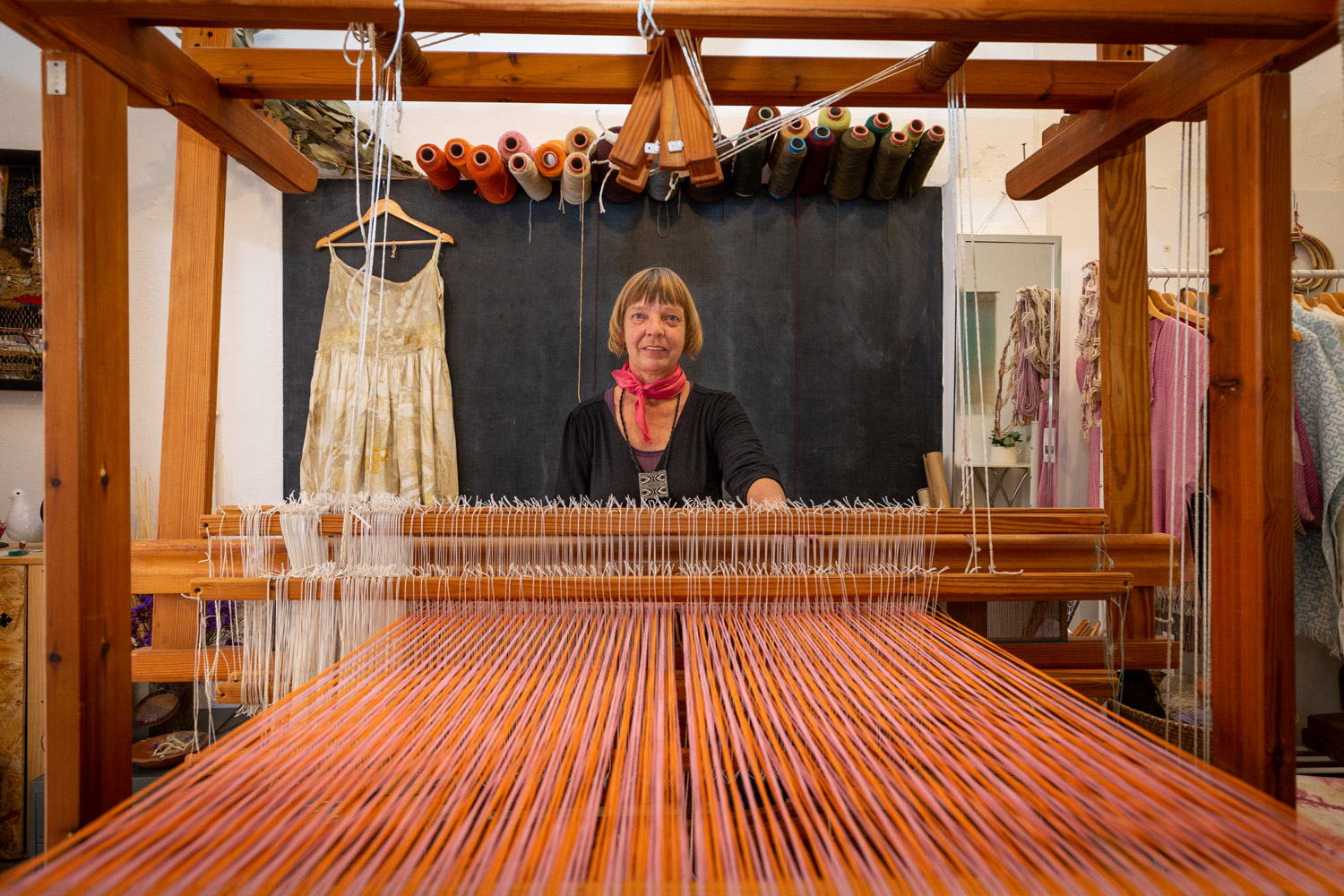
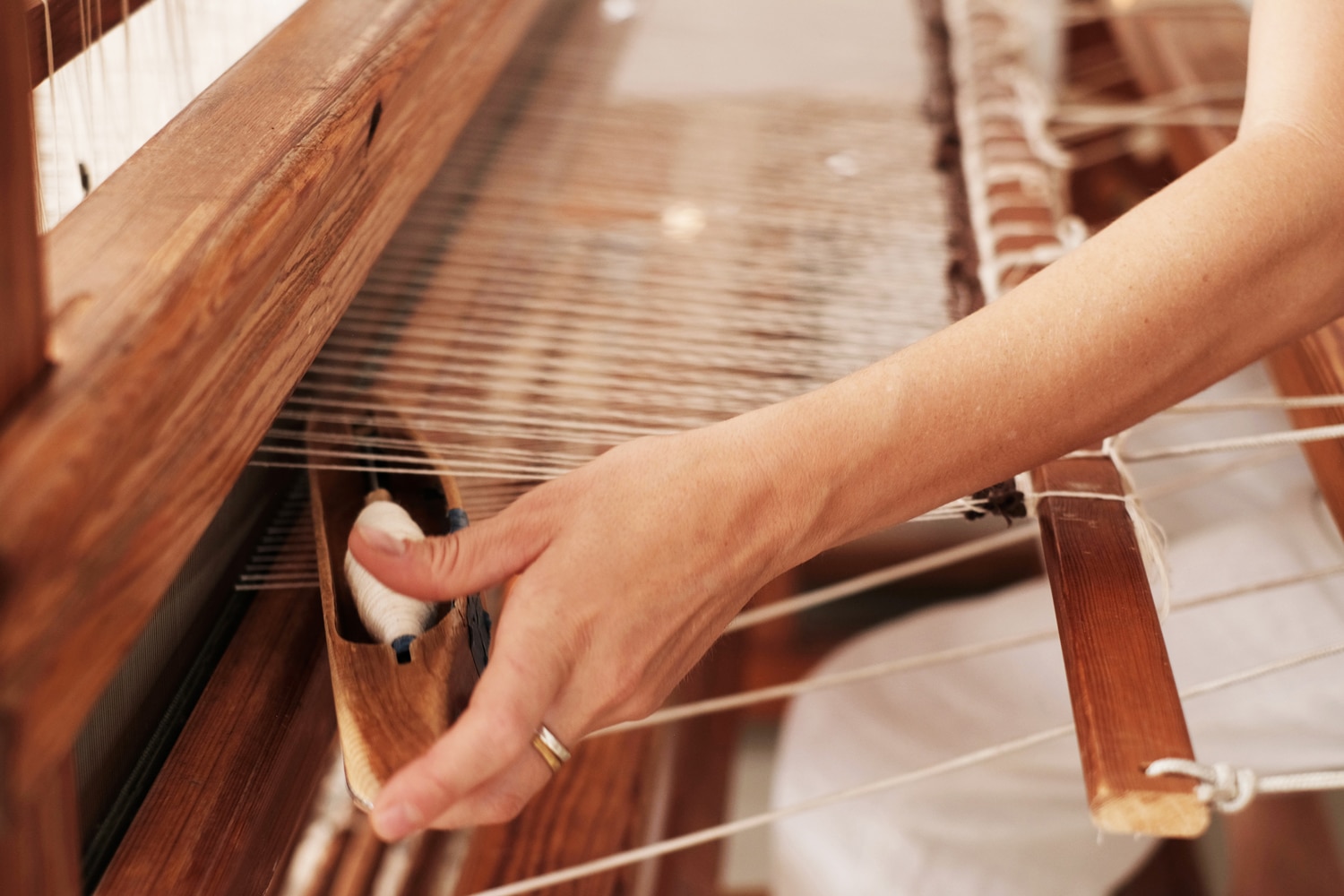
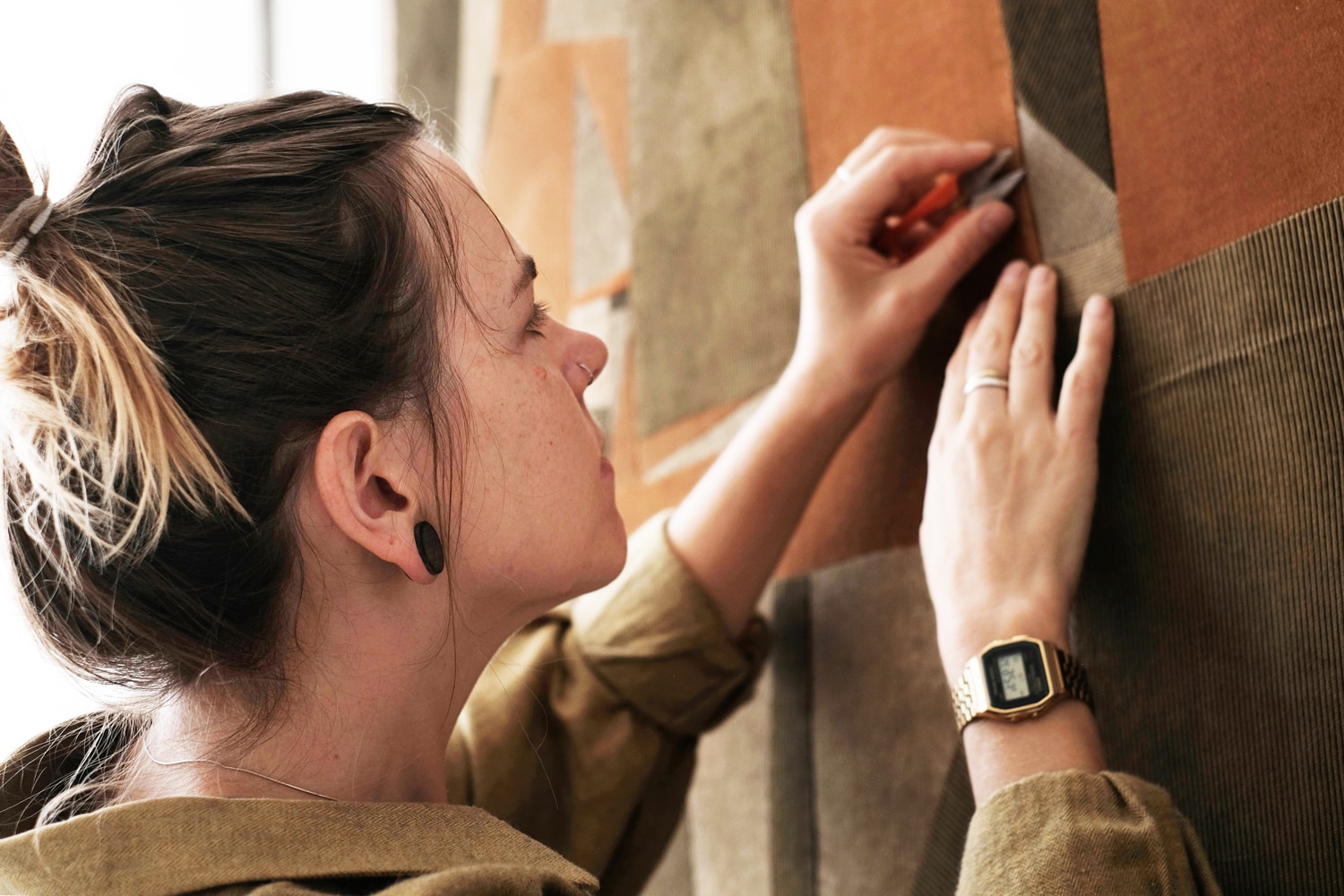
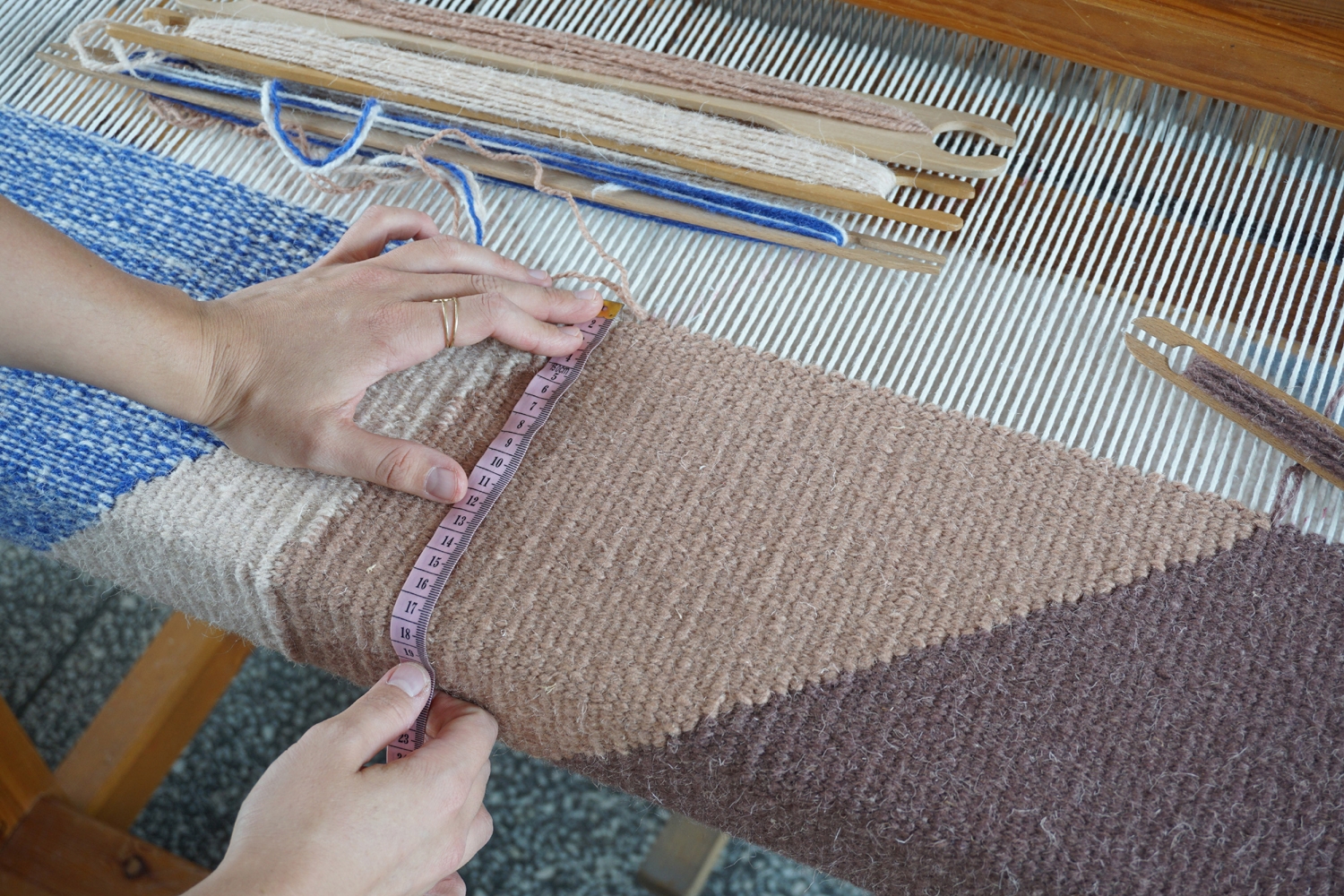
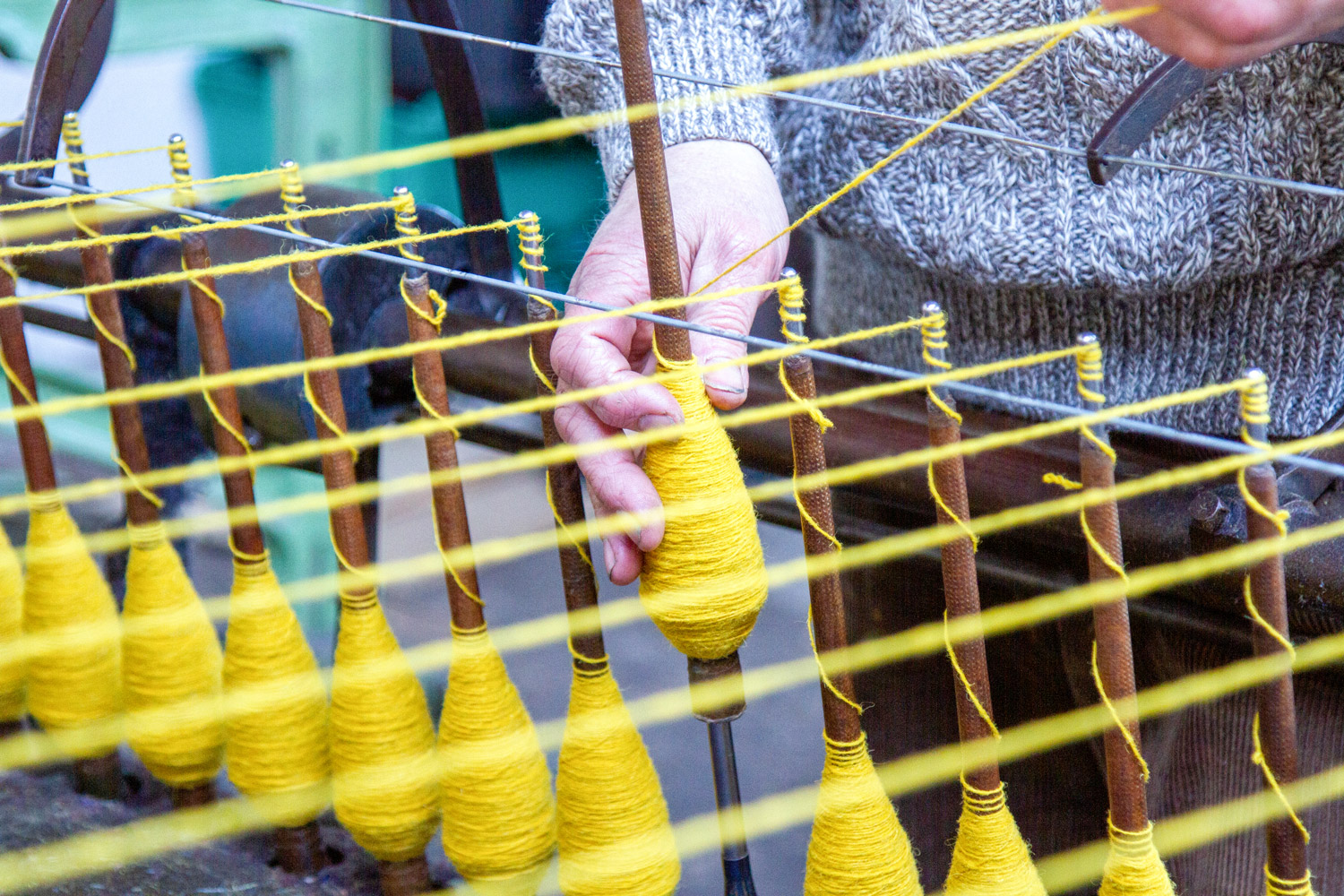
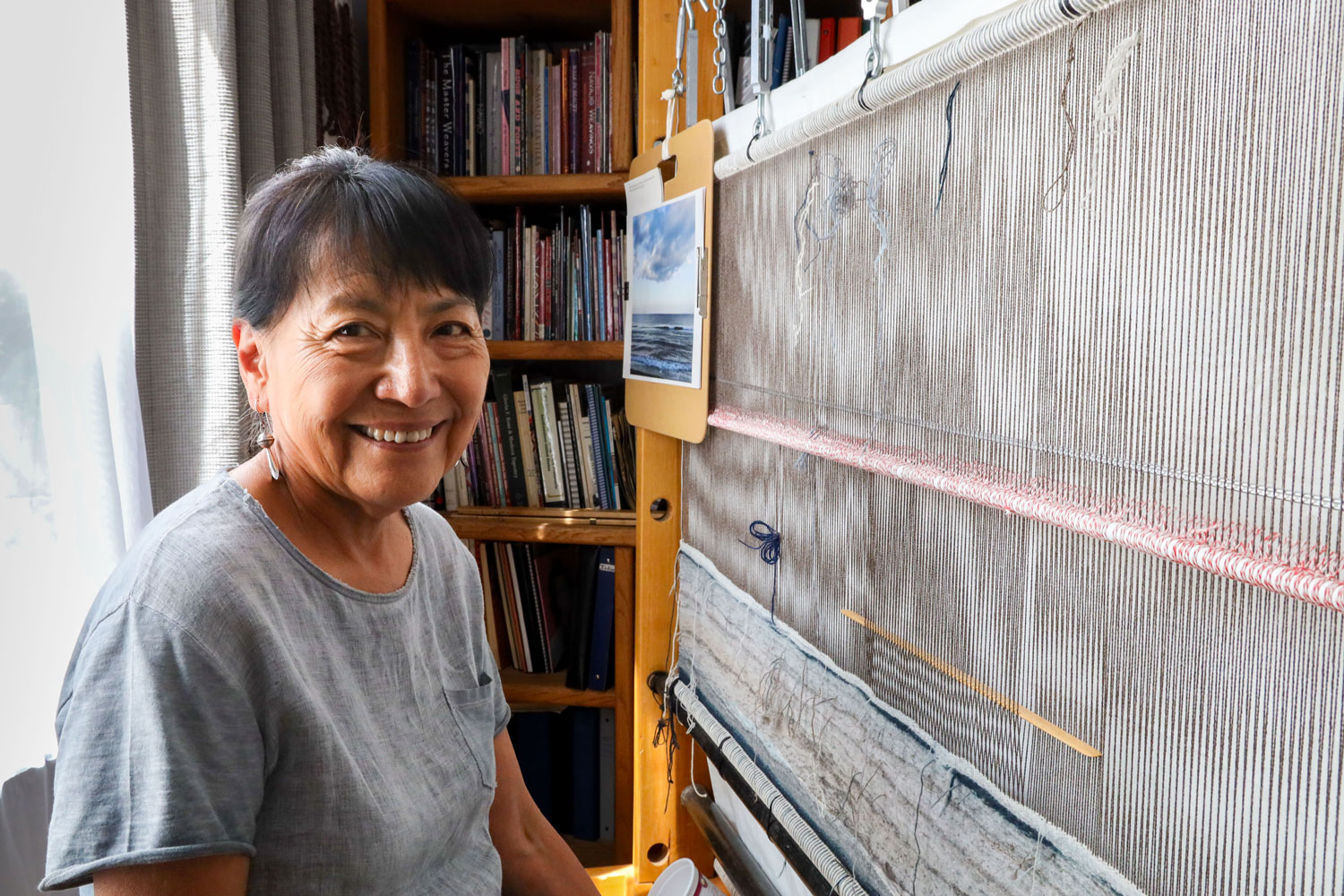
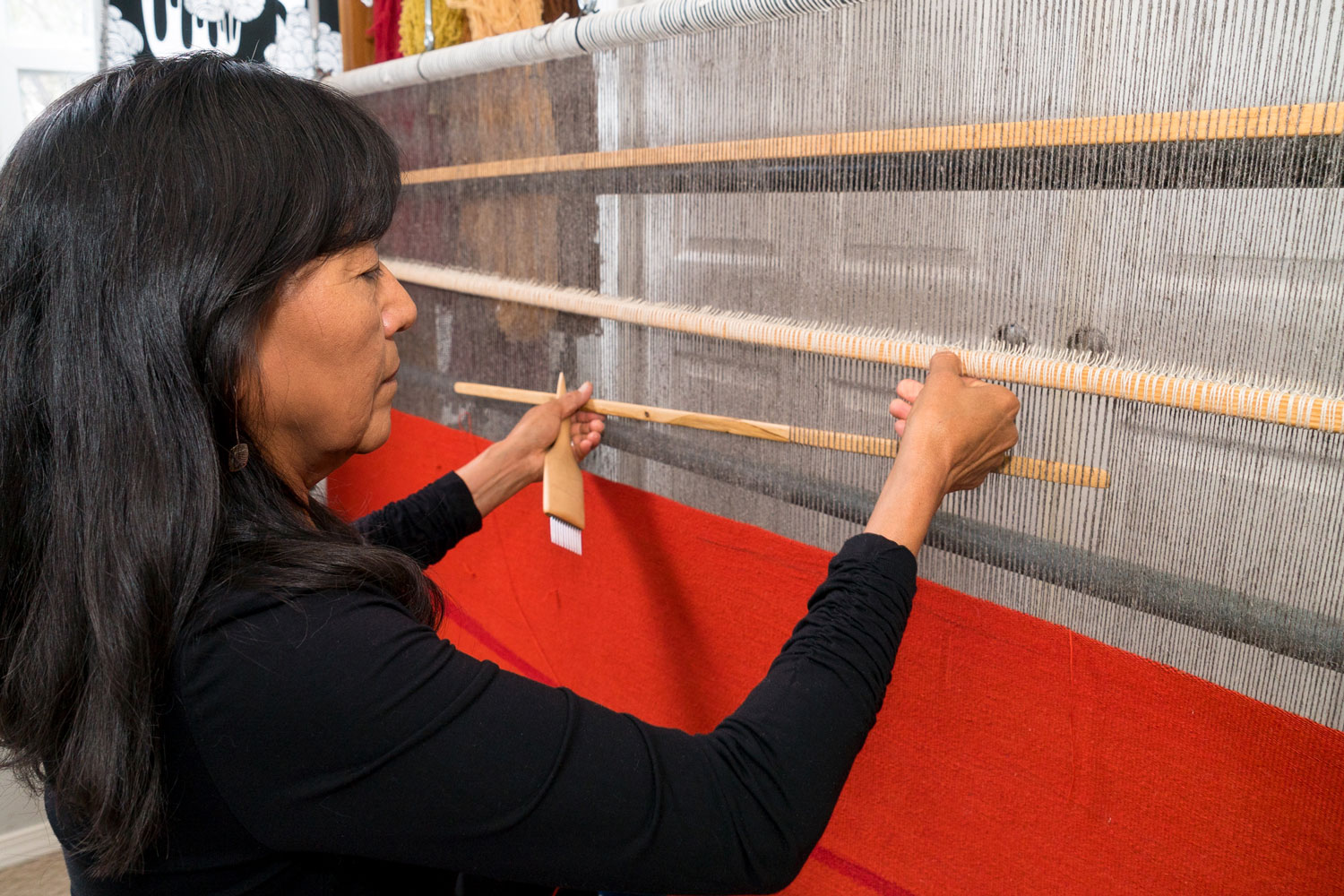
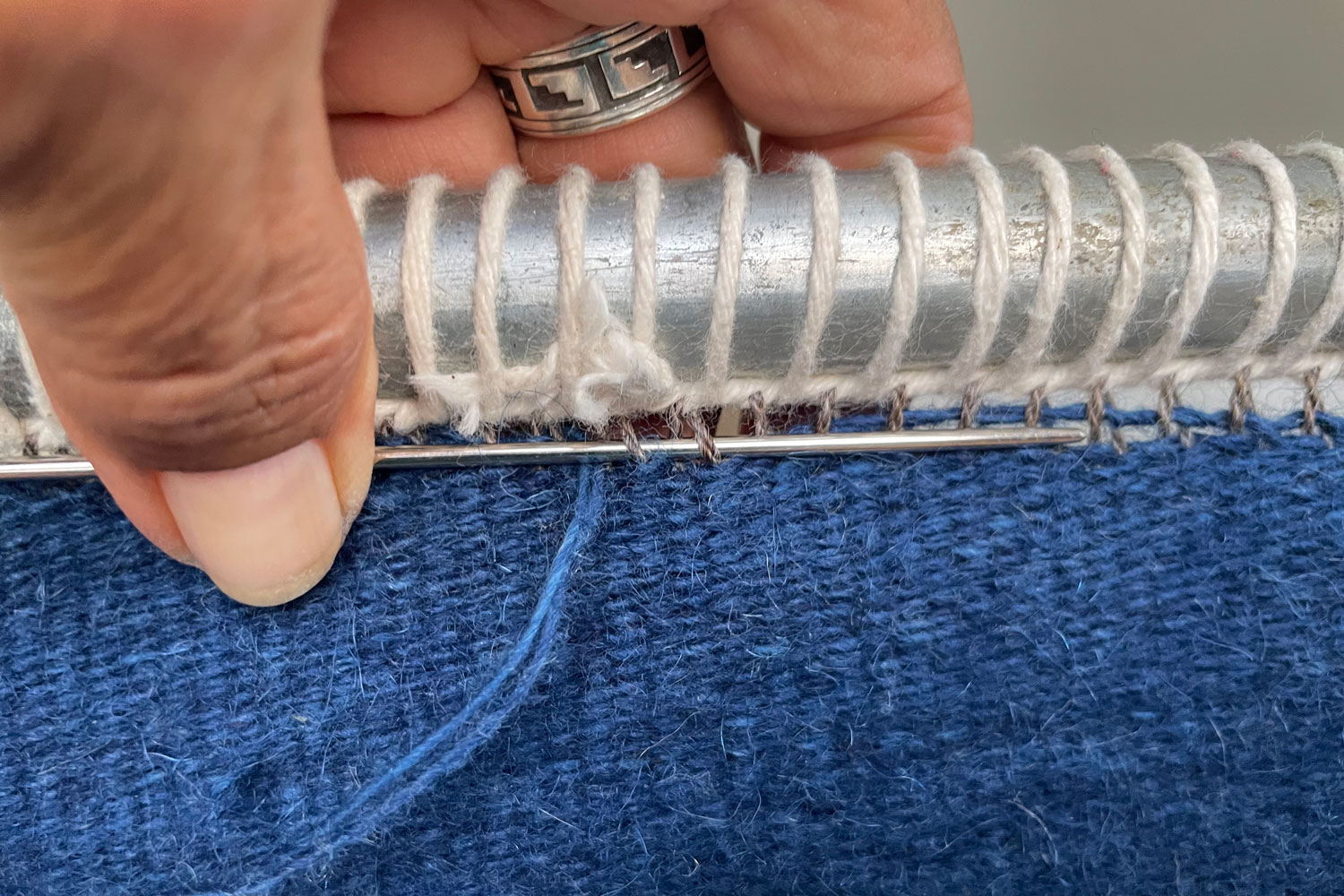
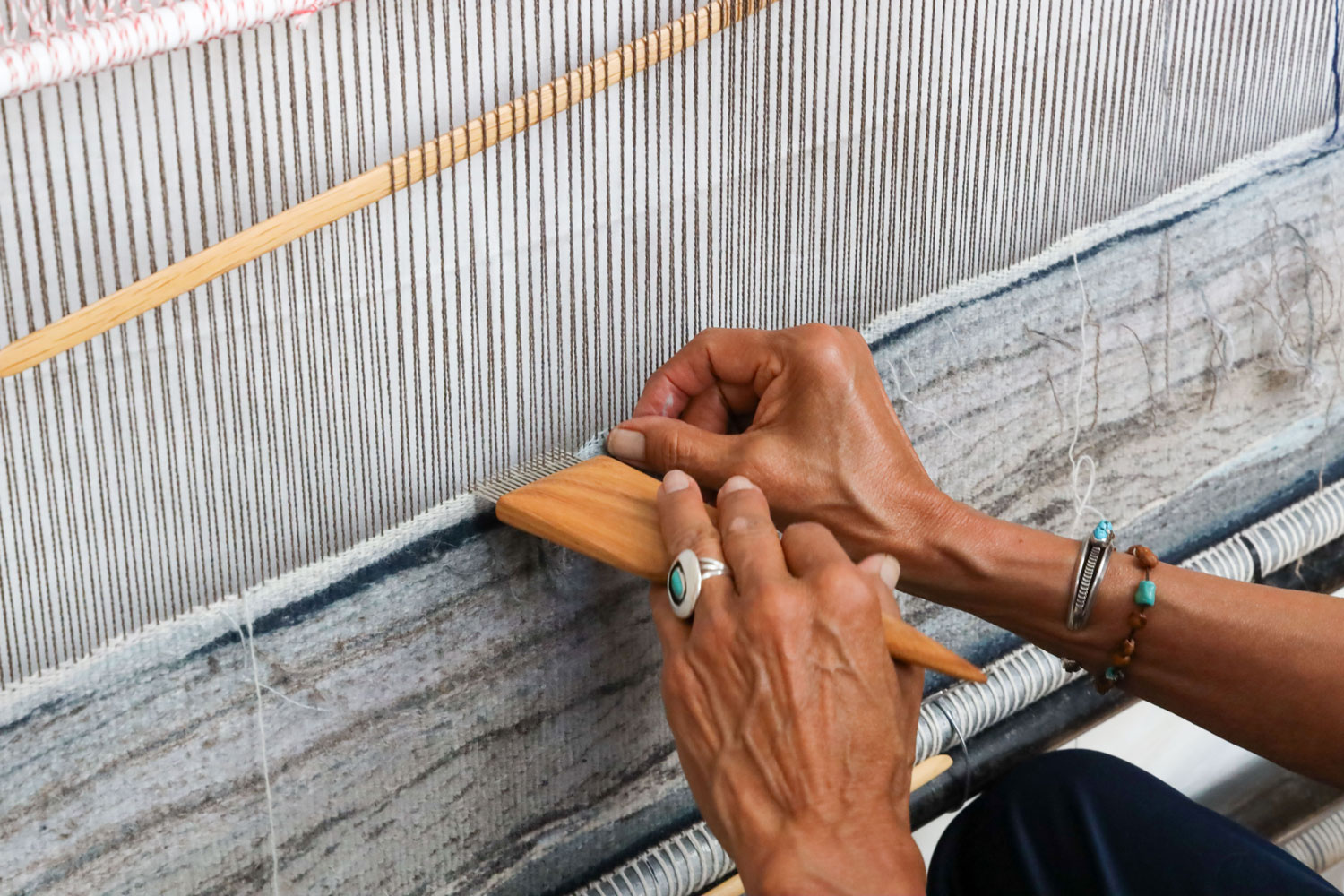
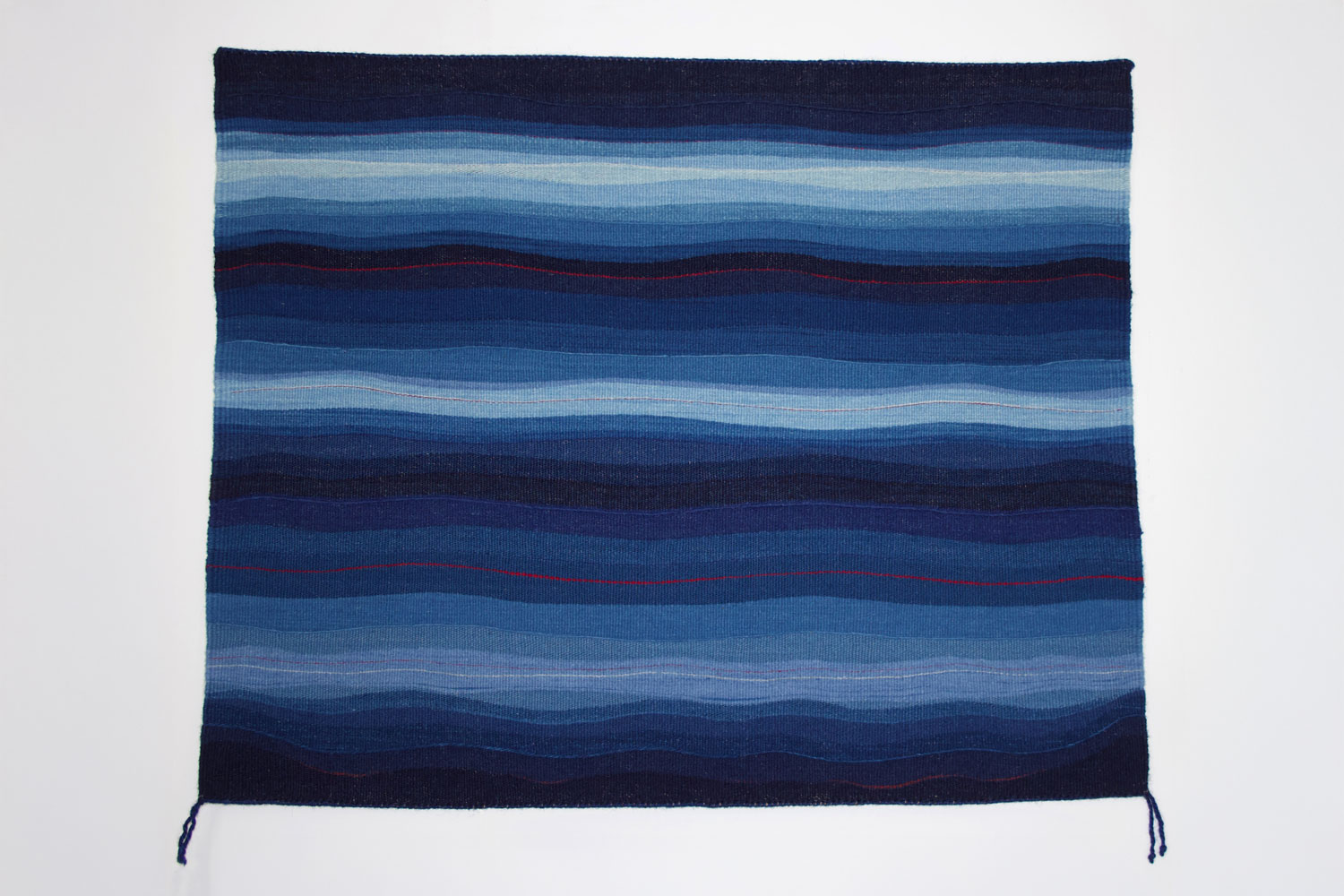
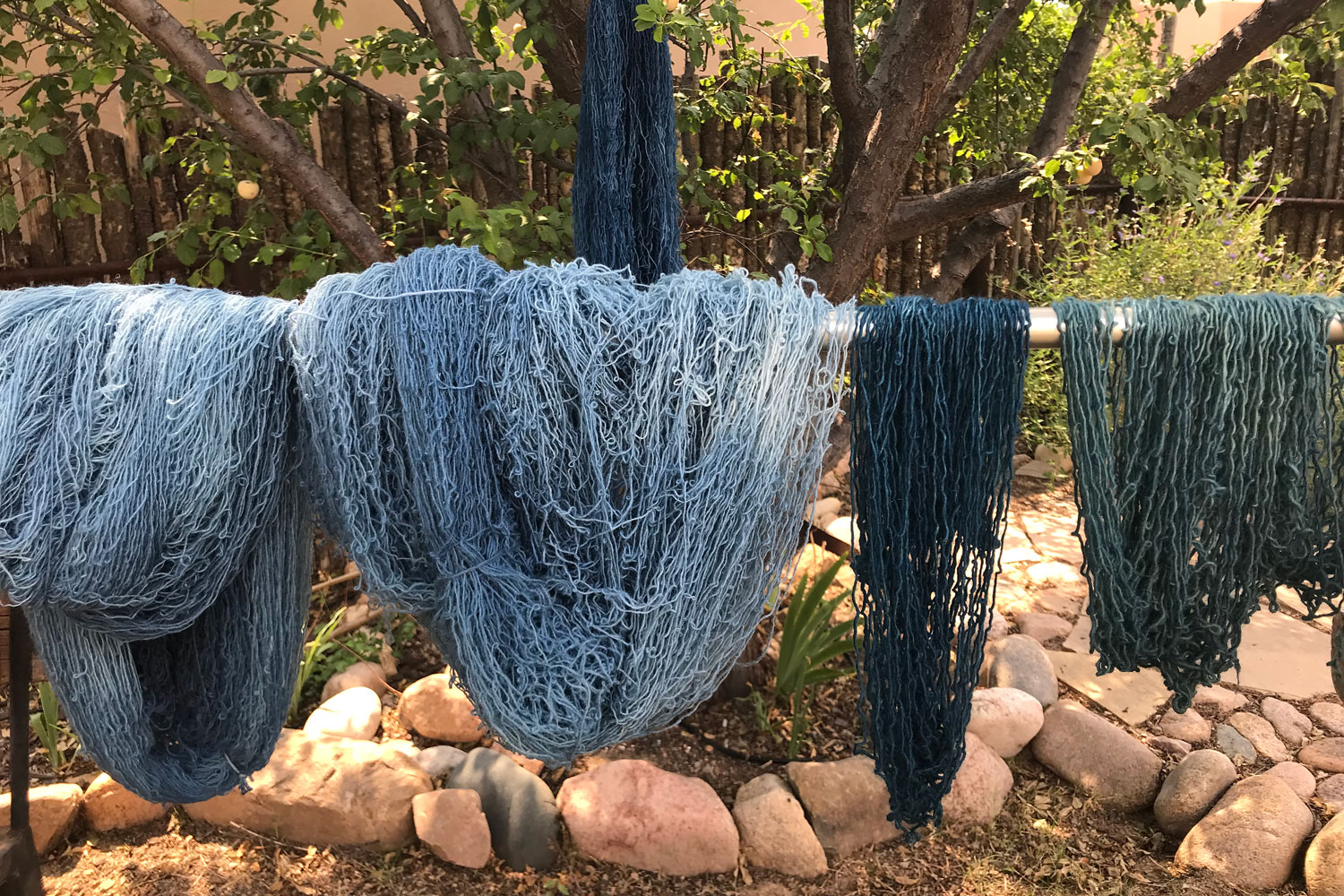
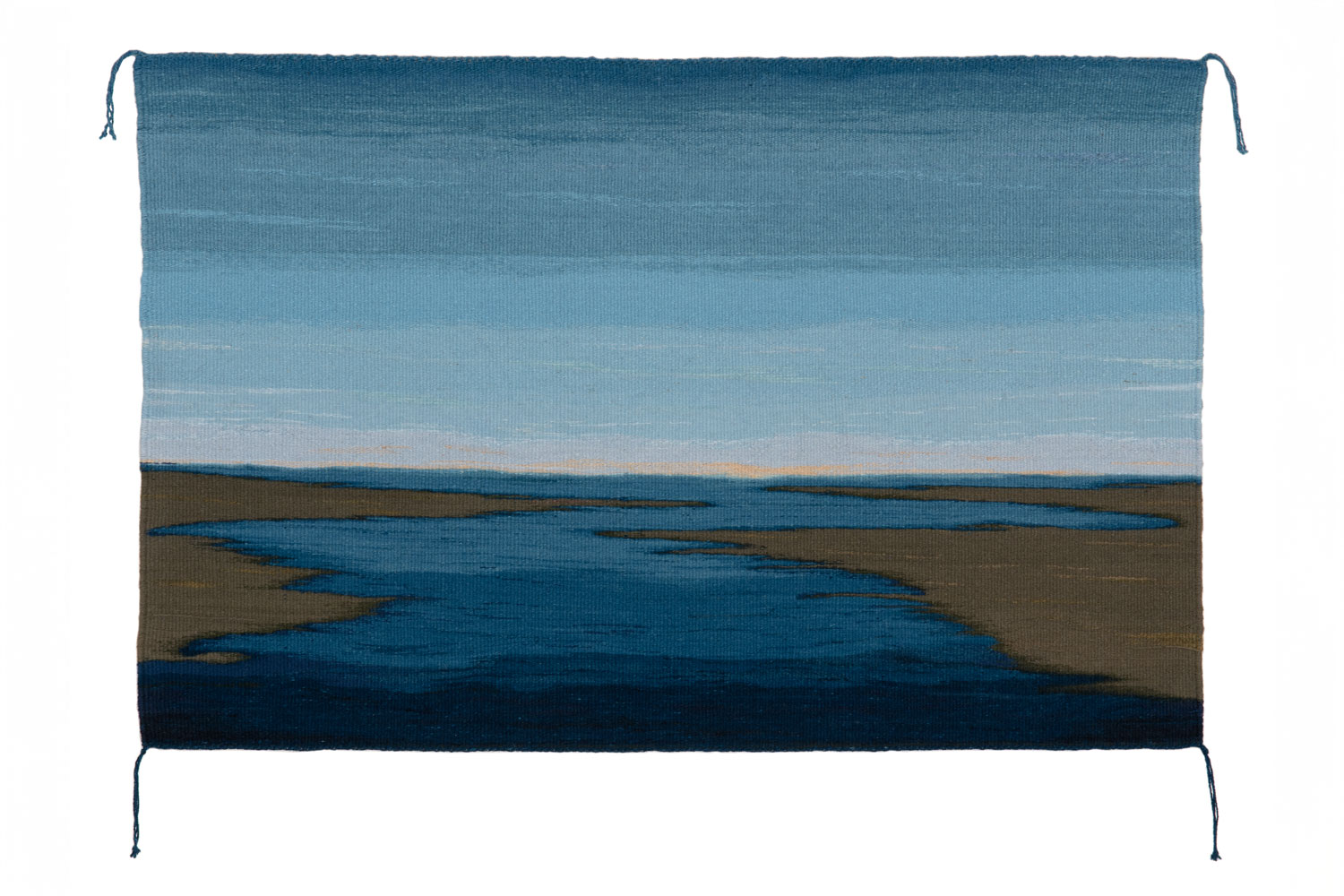
DY Begay’s weavings demonstrate a rich relationship with the land of the Navajo Nation. A fifth generation weaver, her family has long raised Navajo-Churro sheep, carding and spinning their wool by hand. DY’s pieces are made with her own hand dyed wool that she colours with foraged plants and insects native to the American southwest. Using a unique Navajo method honed over generations, she spins the fibre into a fine yarn with a spindle, the foot of which rests on the ground while the top rests against her leg. This process keeps the fibres under less tension and allows wool to be manipulated in a very personal, hands-on way. DY weaves distinctive landscape compositions rather than conforming to traditional regional patterns and palettes. “I delight in exploring ways to express my own style, create hues to paint the warps, and embrace my personal interpretation to capture the essence of place,” she says.
Discover her work
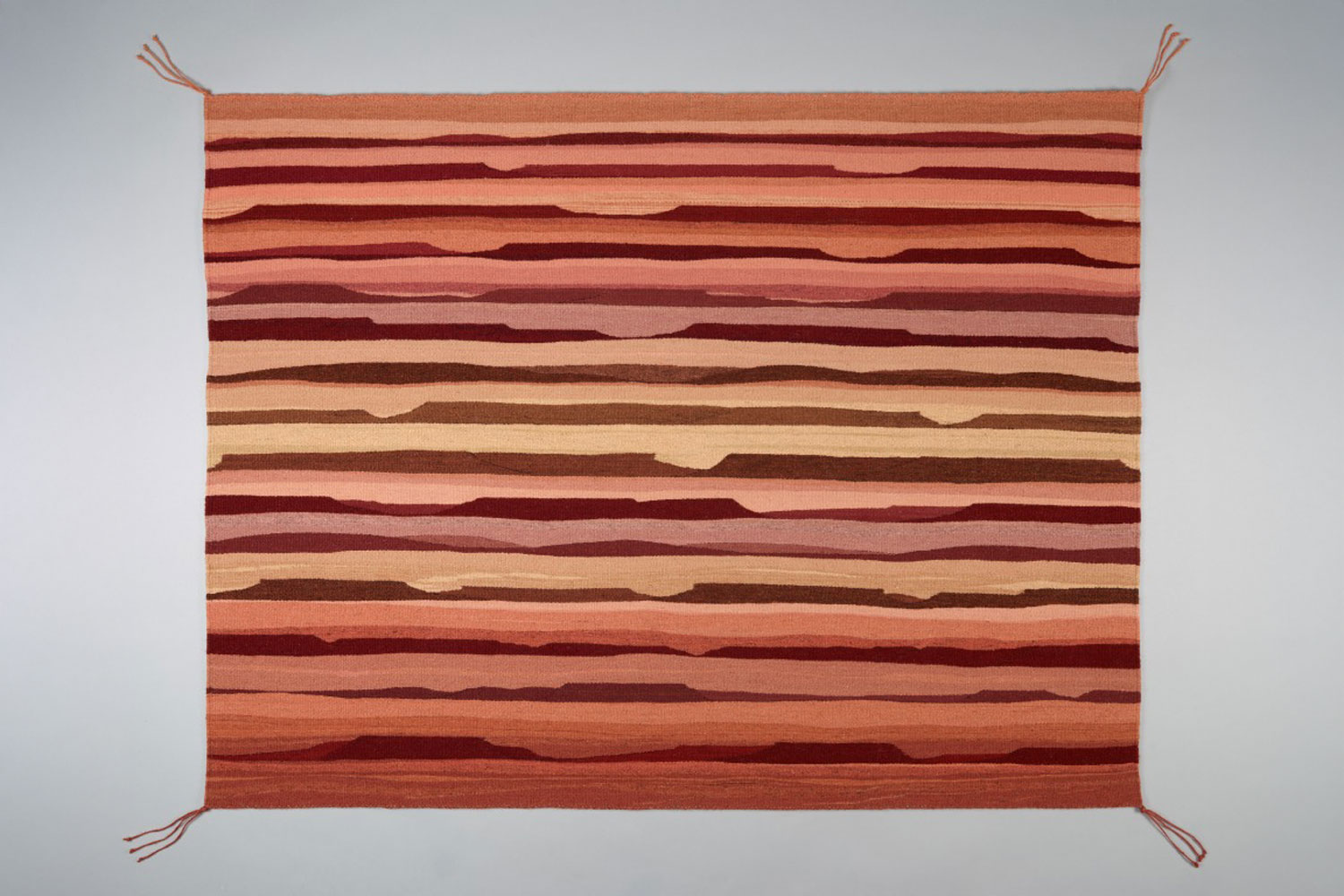
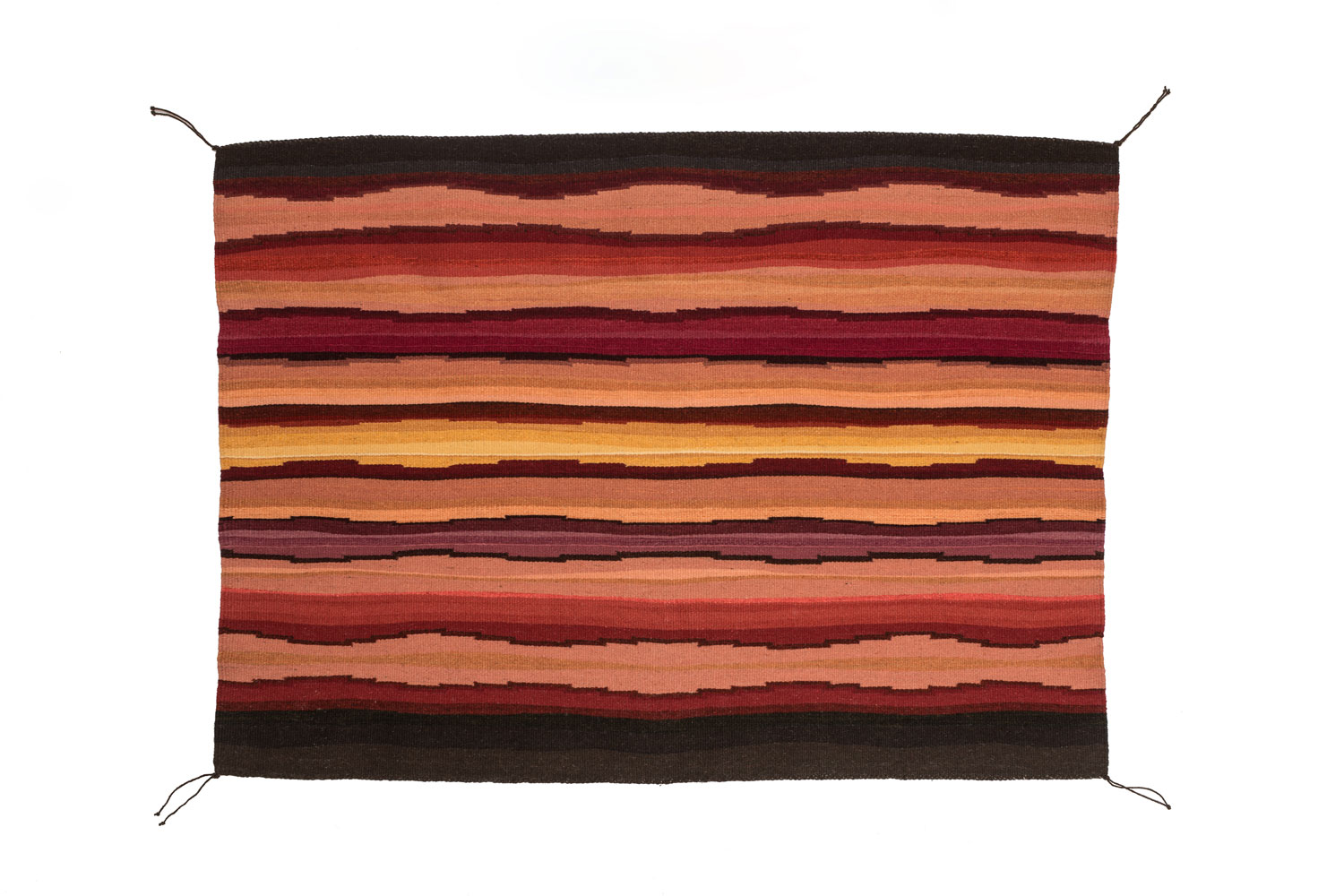
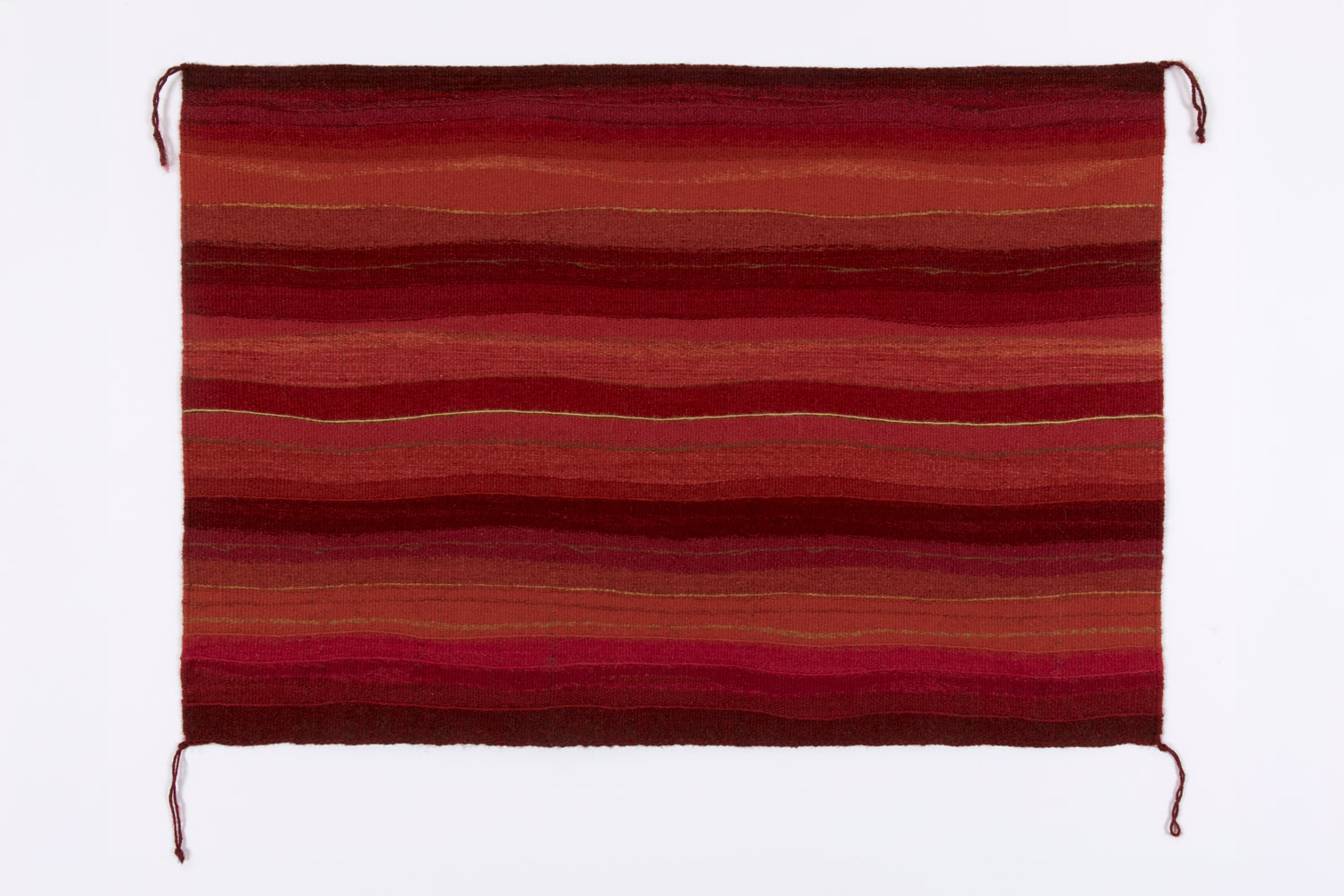
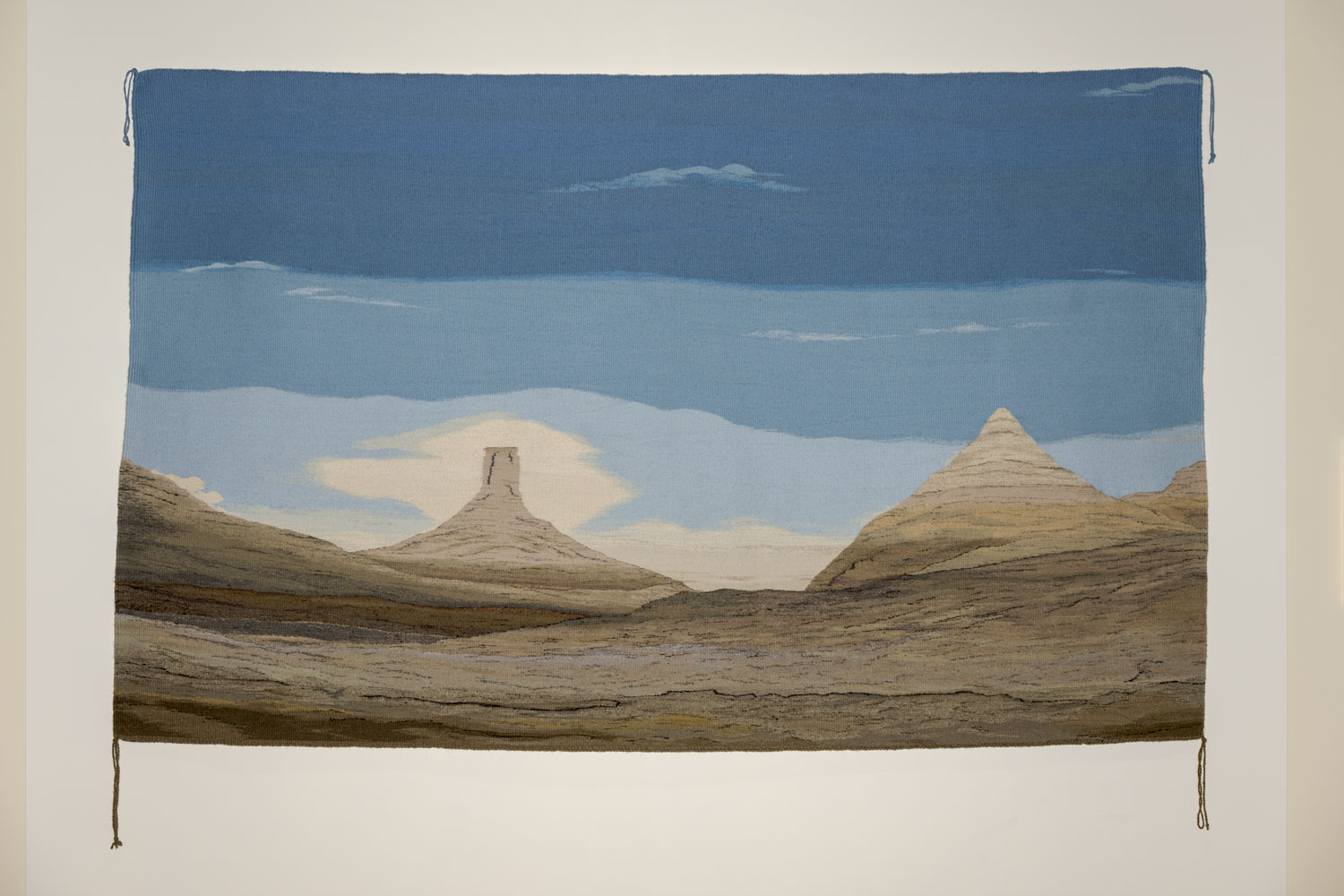
INTERVIEW
In a Navajo setting, weaving is taught through demonstration and observation. I was reminded to sit quietly, watch closely and follow the movements of the hands. Matriarchs share their weaving knowledge through showing and patience.
I love using local plants to create my colour palette. It is both traditional and essential in my culture to work with what the earth provides to create dyes for our yarn. I find making dyes from the earth is not only practical, but is also traditional and enhances creativity.
Many of my weavings have evolved after experiencing time in a locale where I walk, think, observe and photograph before starting a piece. Where I come from, Tsélání, the place of many rocks, is treasured by my Tótsohnii or Big Water clan relatives and community. I emulate the footprints of my ancestors as I, too, walk about this terrain, relishing its beauty.
I hope to offer a message of transformation. My tapestries hold my creative thoughts, my energy, and my vision of a landscape that has been transformed from a particular environment through my fingers onto the warp. I want the viewer to see and feel what prompted and inspired me to create the weaving.
DY Begay
Weaver
Tselani, AZ, USA
Recommended by Nest
ADDRESS
Address upon request, Tselani, AZ, USA
AVAILABILITY
By appointment only
PHONE
+1 6025385339
LANGUAGES
English
Homo Faber Finds is a new service aiming to inspire admirers of craft to connect and collaborate with exceptional artisans.
We invite you to submit an enquiry here.



DSC02402_©Meg-Lovell.jpg)
DSC01379_©Meg-Lovell.jpg)
DSC01458_©Meg-Lovell.jpg)