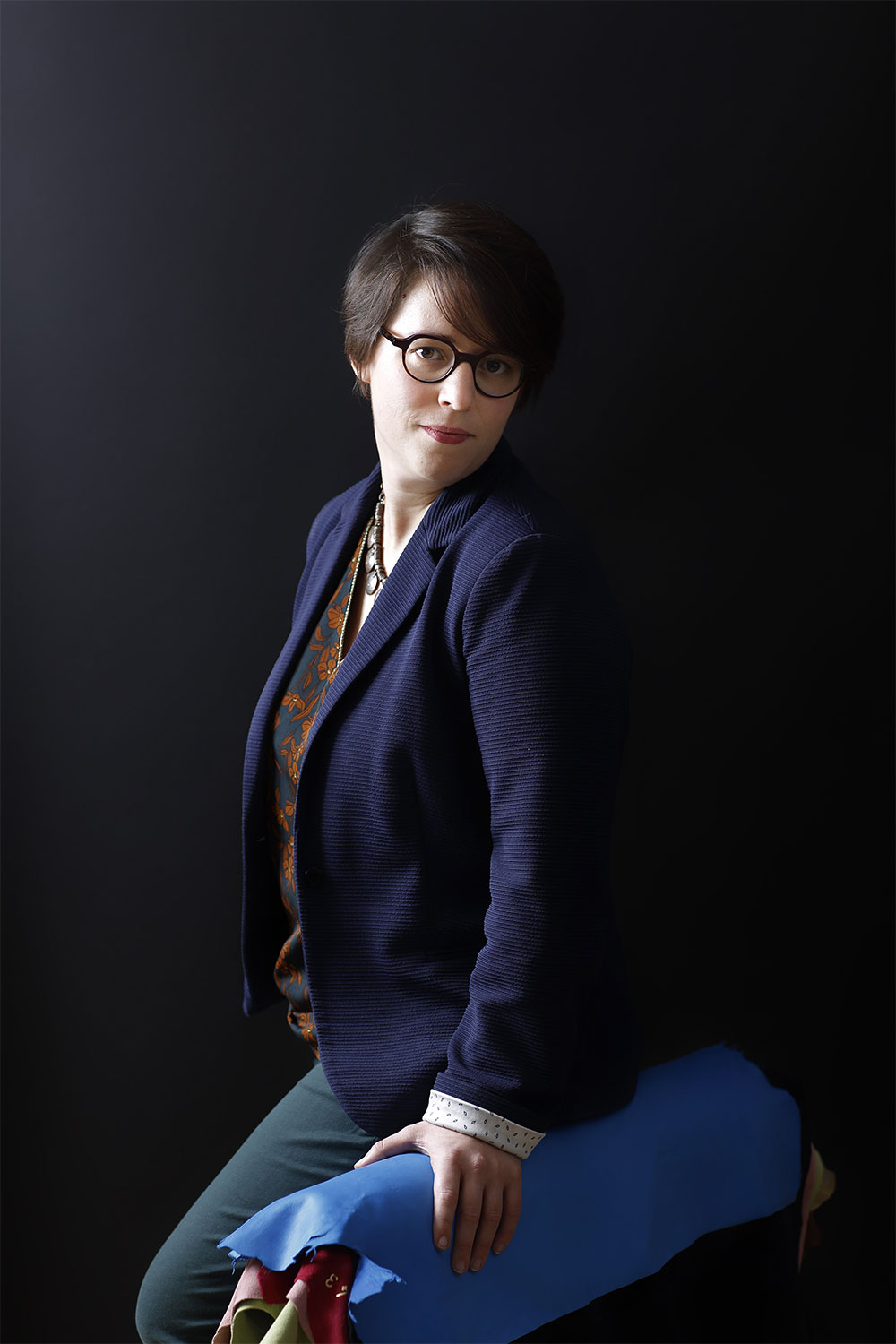
Justine Bossé
Kapara
Weaver
Sèvremoine, France
Reinterpreting the art of weaving
- Kapara means 'textile' in Hindi
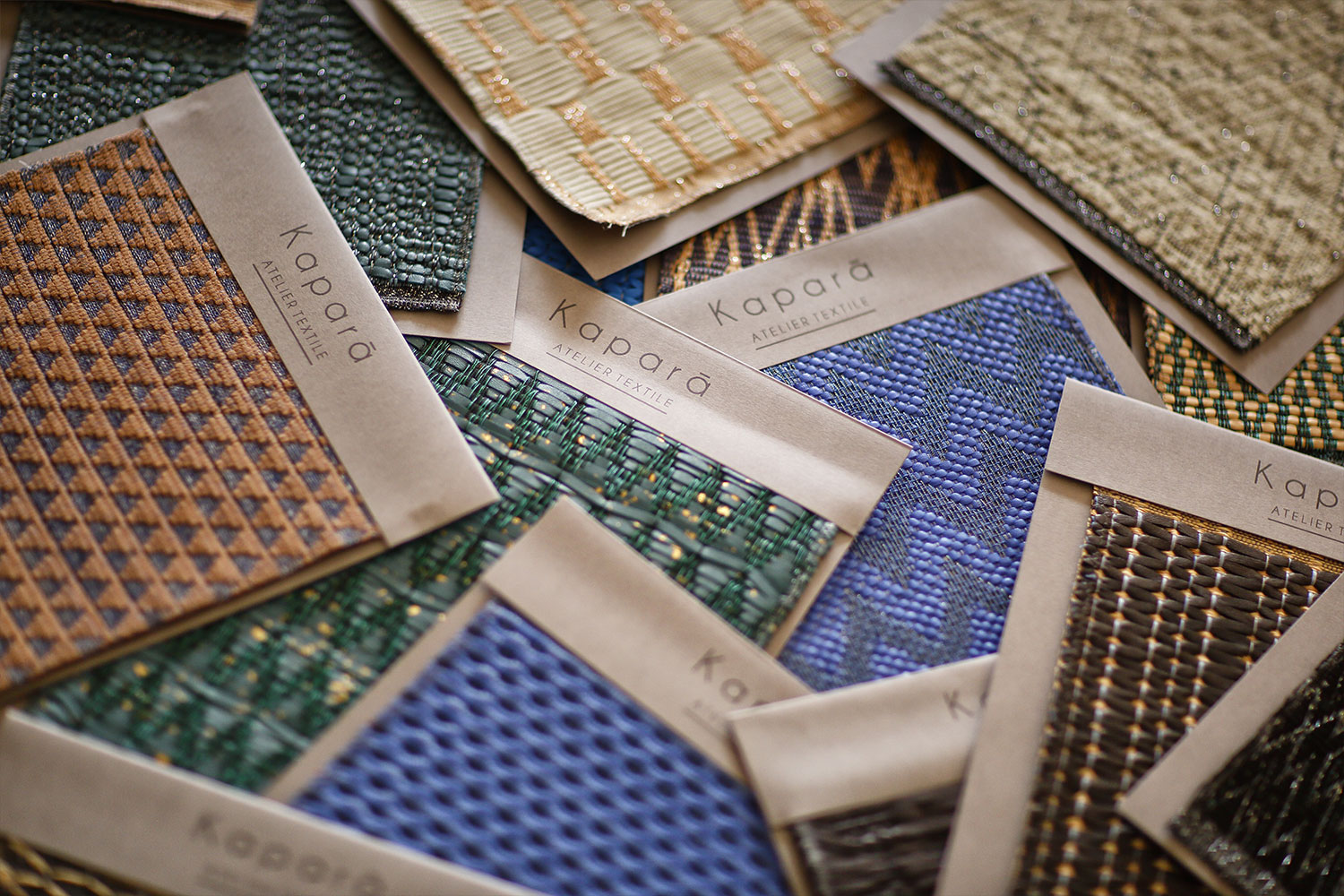
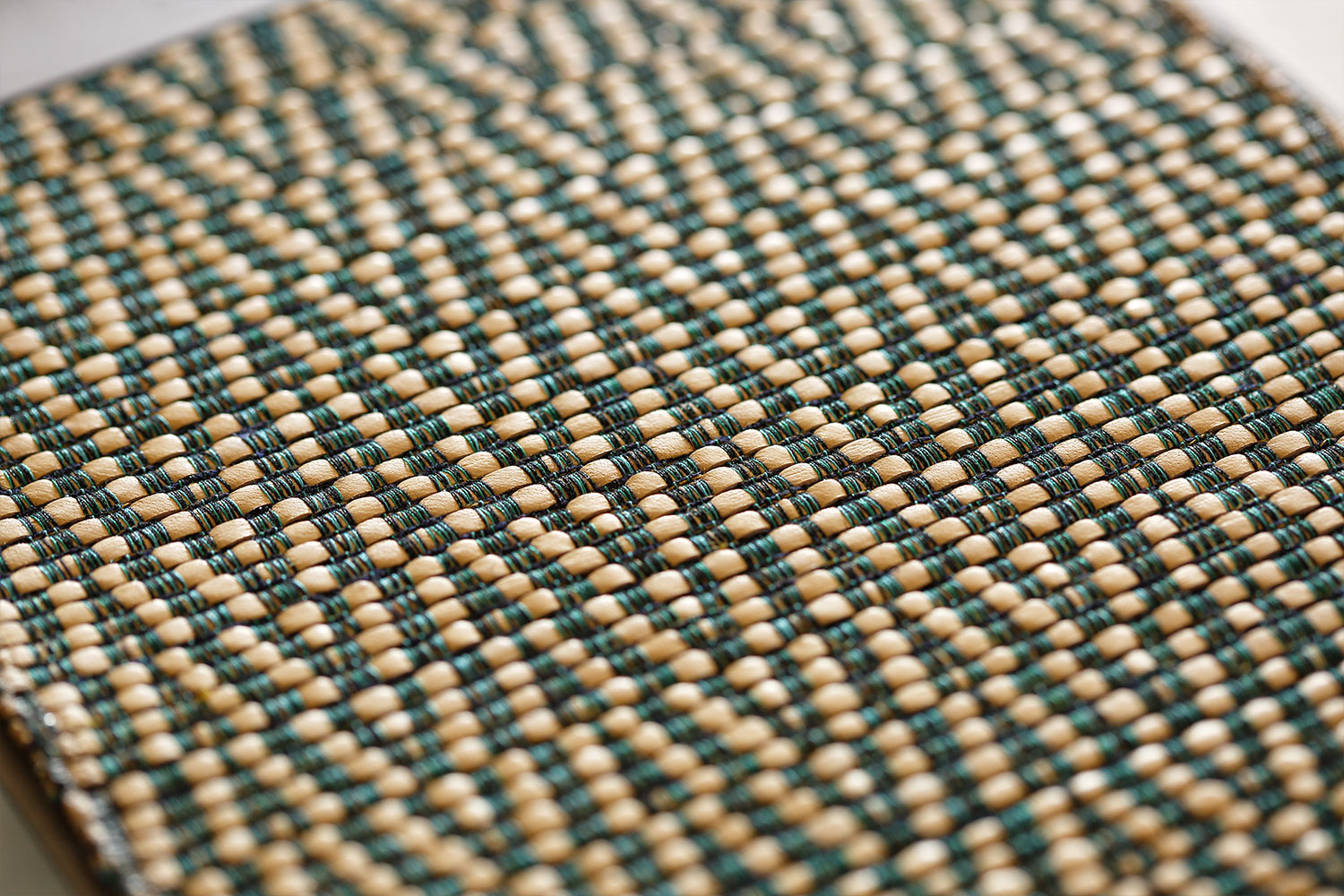
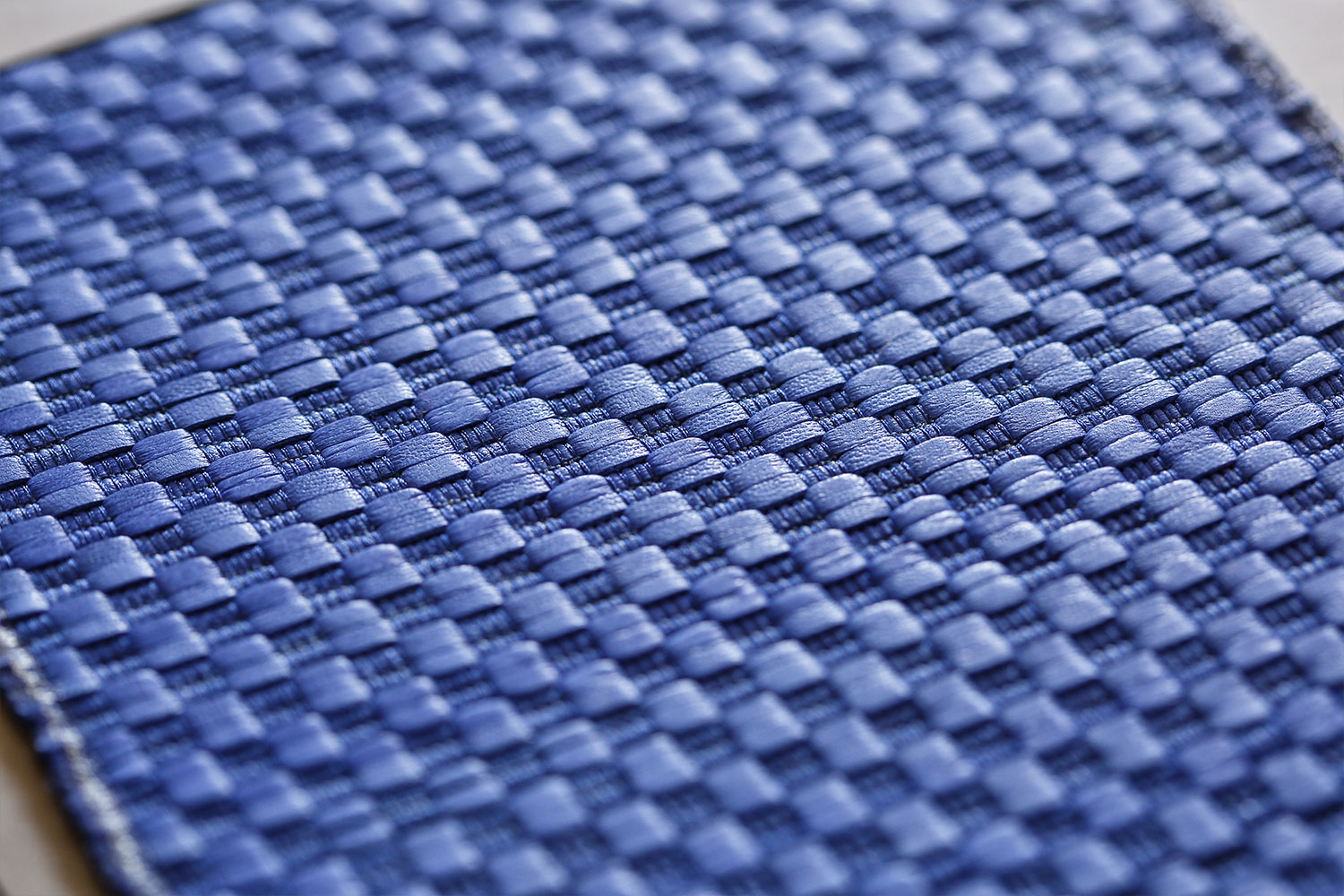
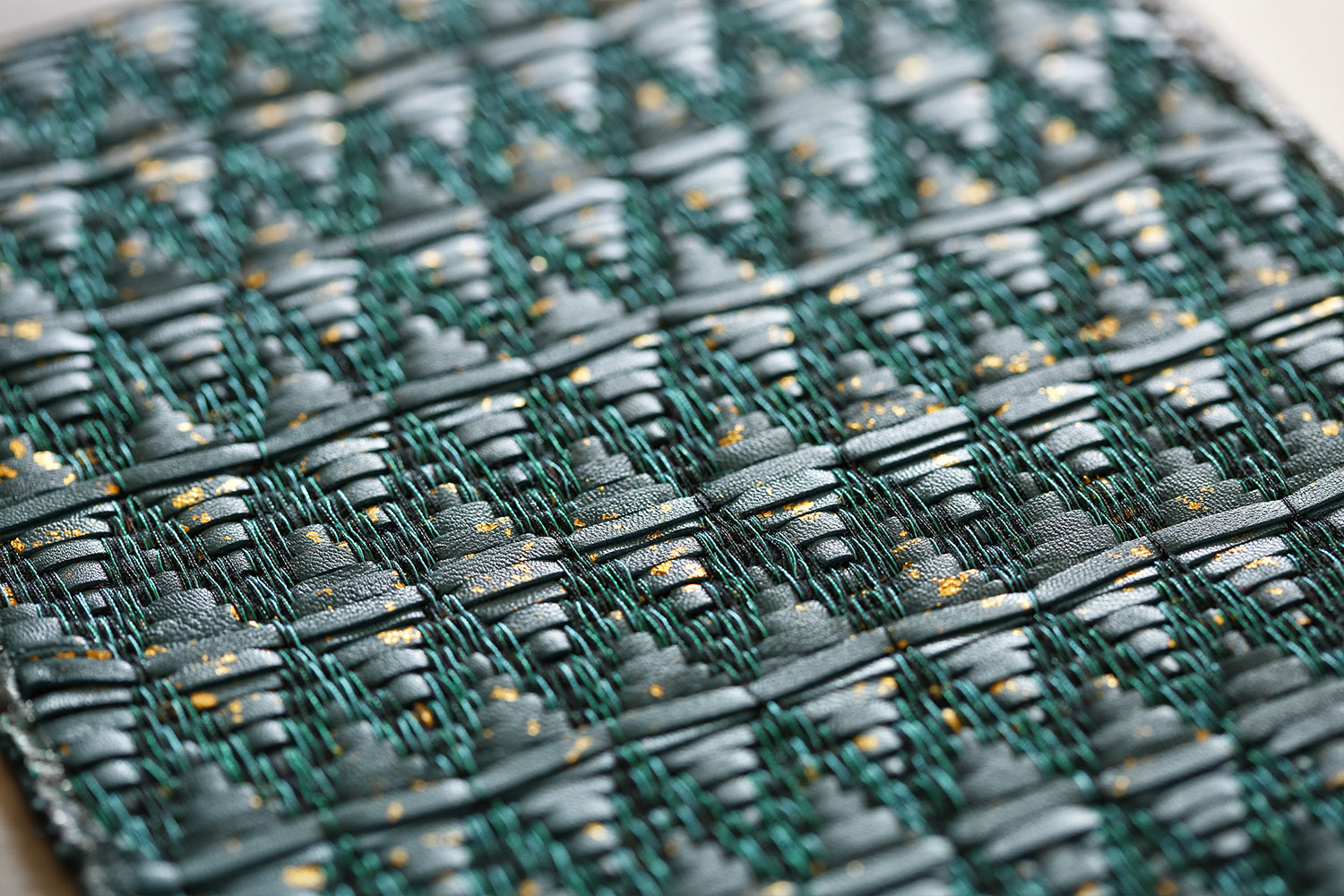
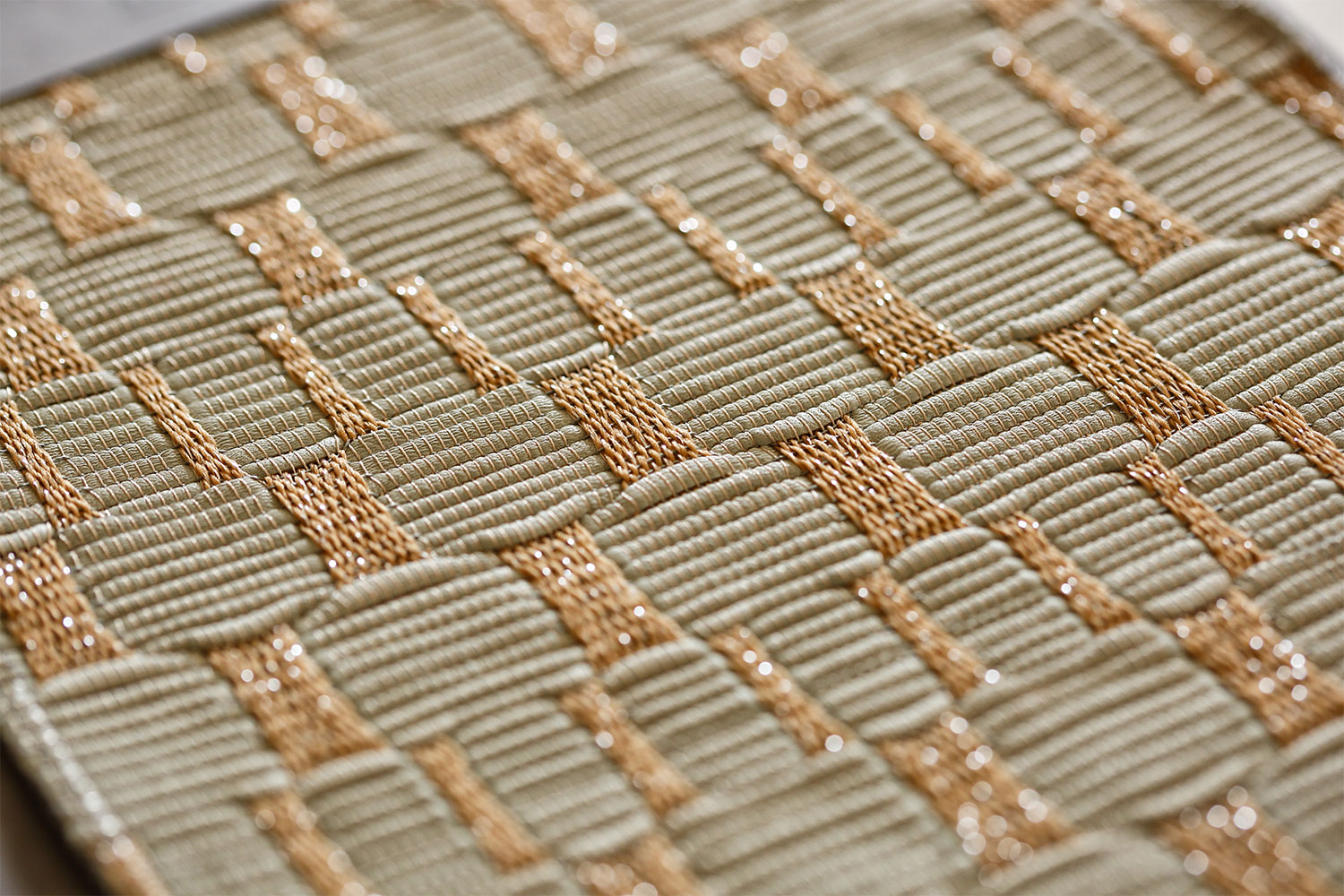
- Justine makes leather textiles for designers to use in their creations
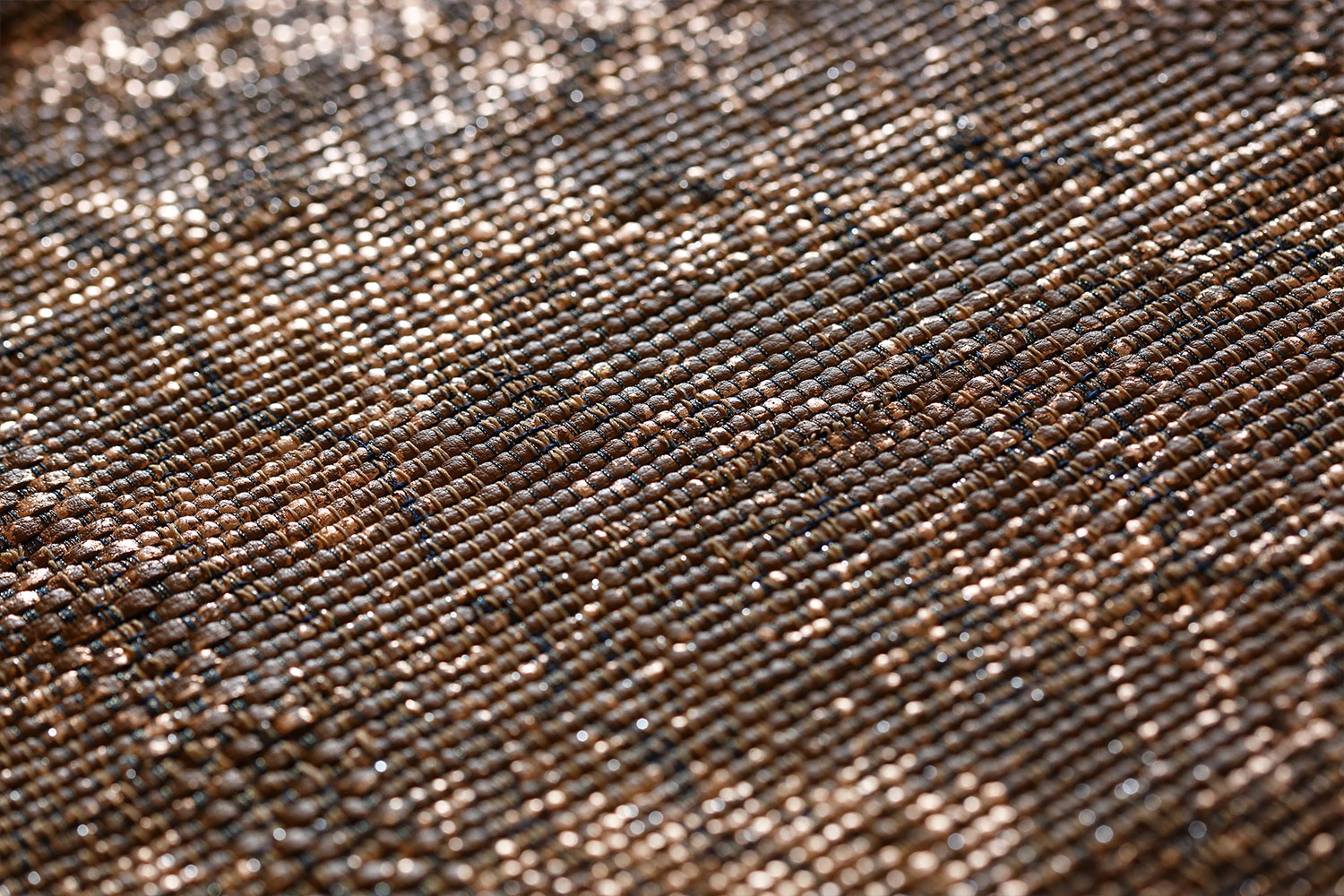
- She weaves leather to create her unique fabrics
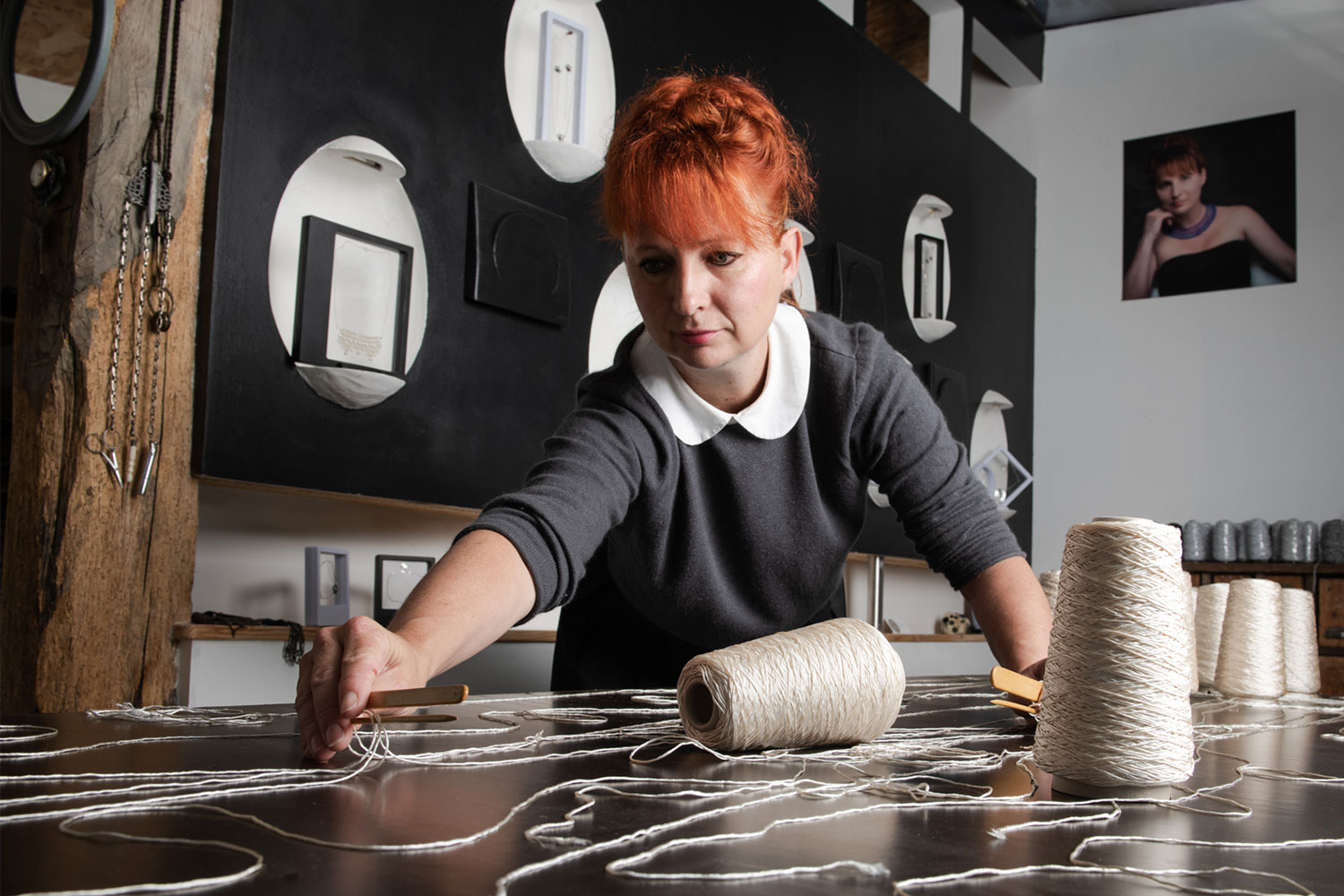
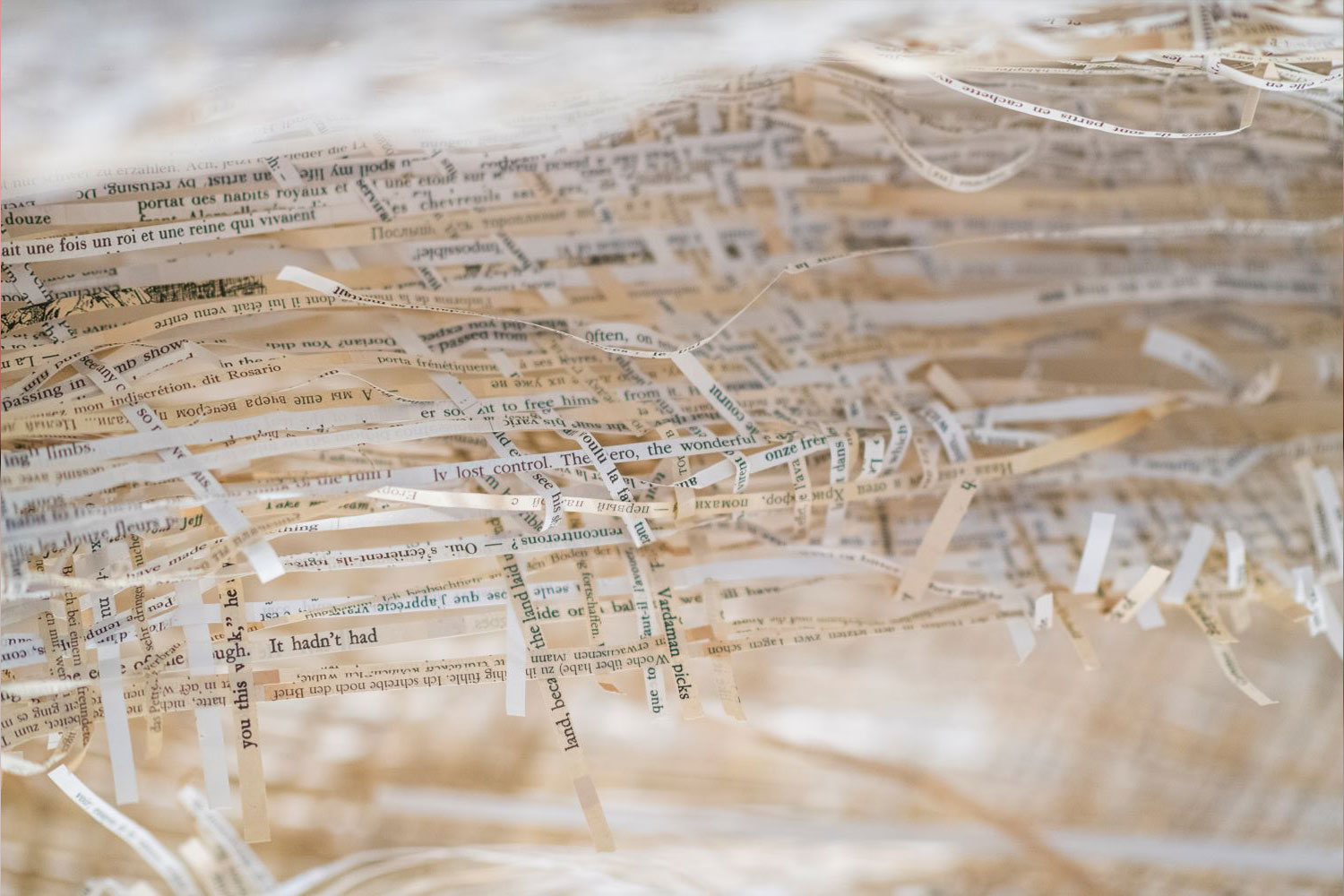
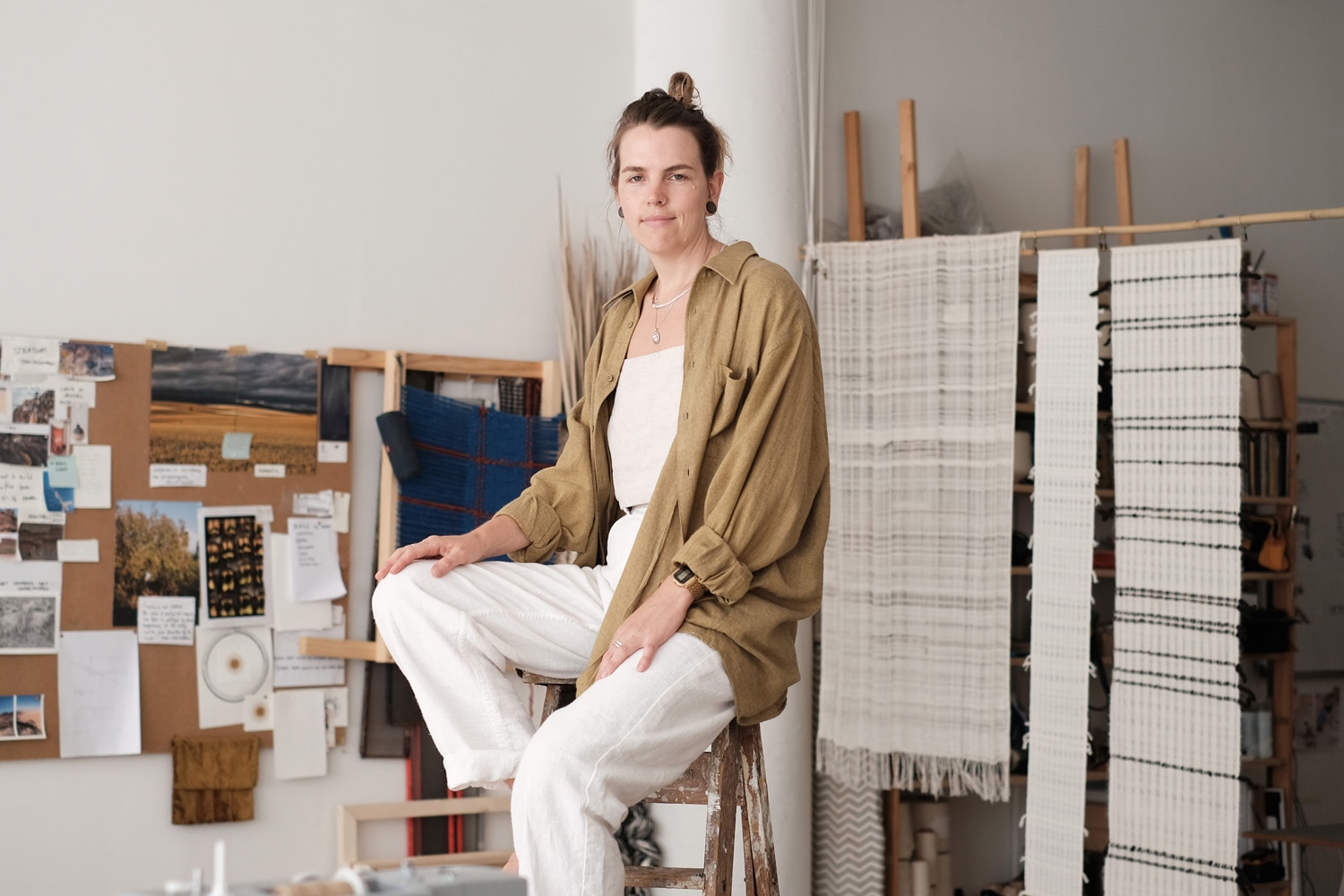
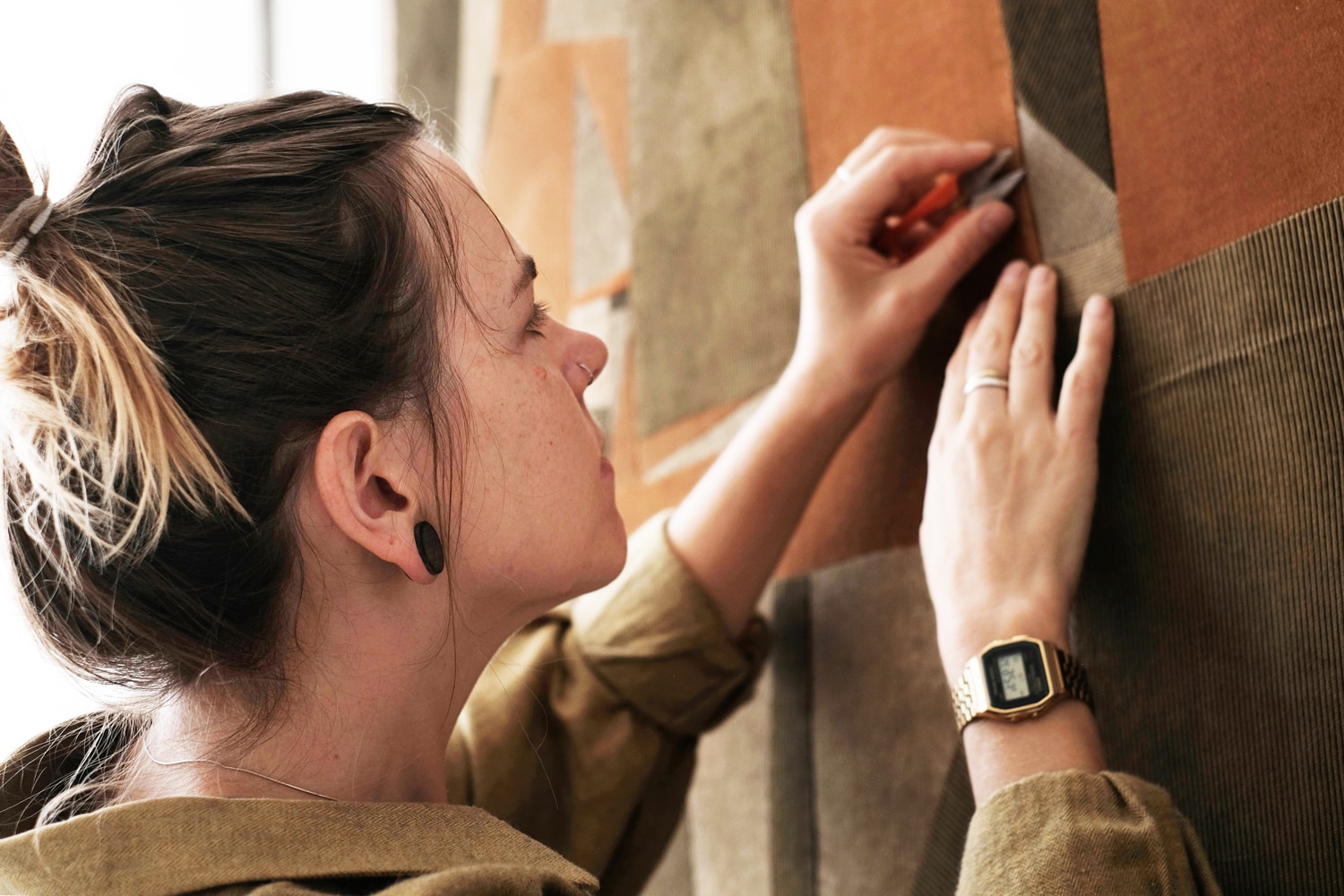
Justine Bossé discovered leather weaving during her student years, and leather became her material of choice because of its myriad textures and the technical challenges it presents. In 2014, she set up her workshop Kapara, where she dedicates herself to working with leather skins using techniques of the highest level. She believes in reinvigorating traditional weaving techniques by incorporating leather into textiles. The result: high-quality fabrics created from surprising and new leather yarns. With an exploratory spirit, Justine Bossé has reinterpreted textile weaving from her workshop in Nantes to create unique designs.
Discover her work
INTERVIEW
I had a strong desire to do something with my hands. I have always loved touching materials and transforming them into something new. Working on textiles came into my life in 2009, and in 2012 I discovered leather weaving, at which time leather became my favourite material.
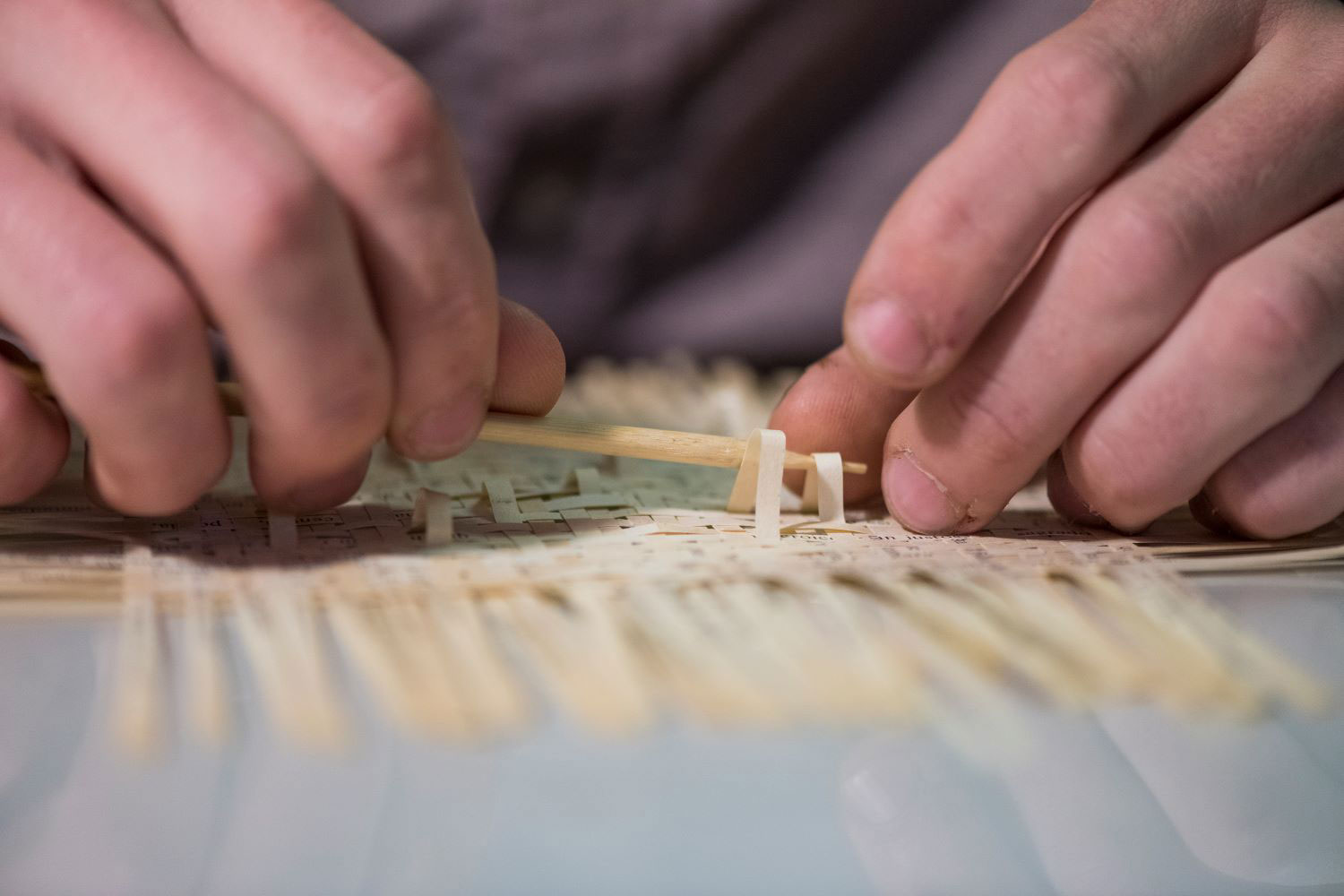
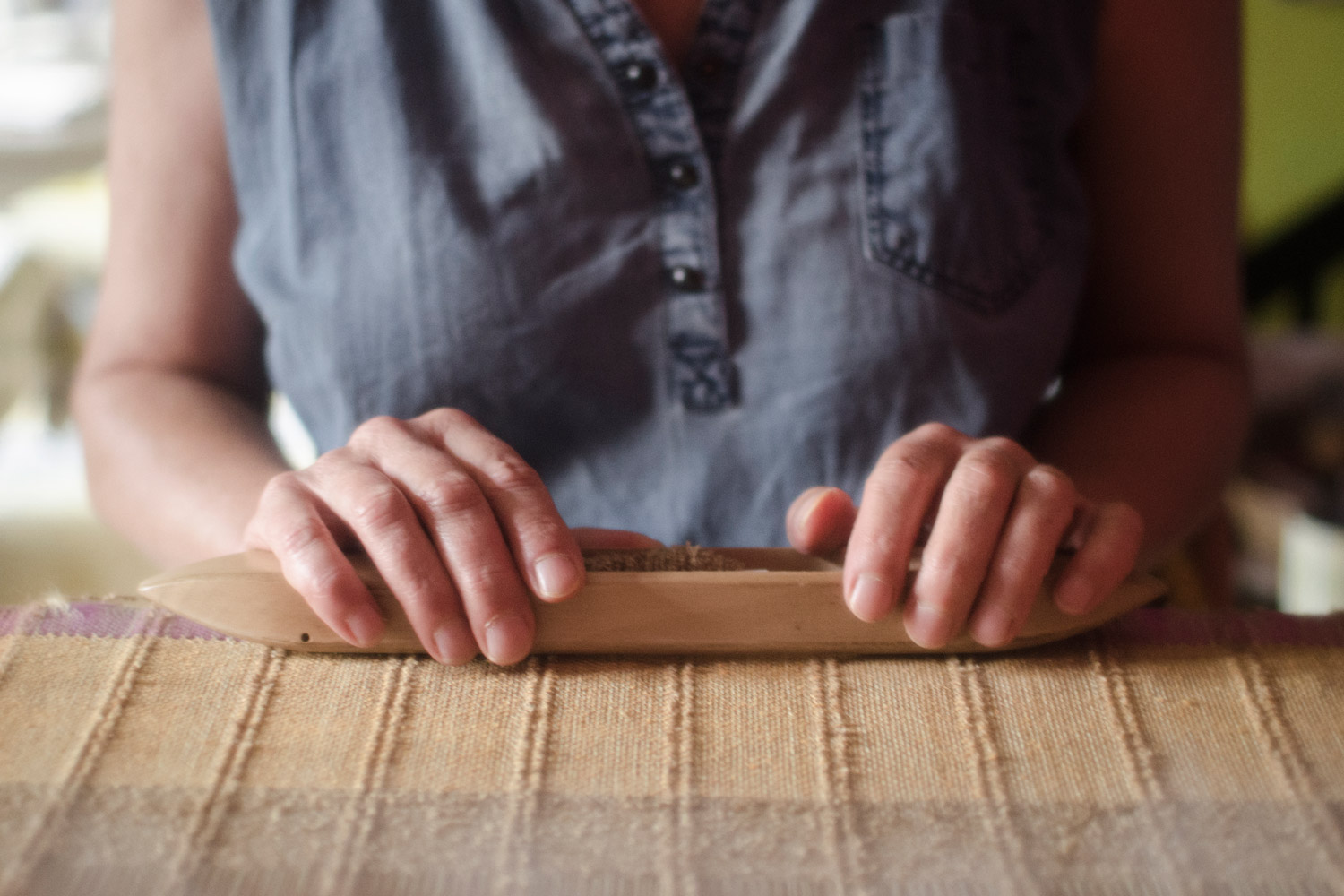
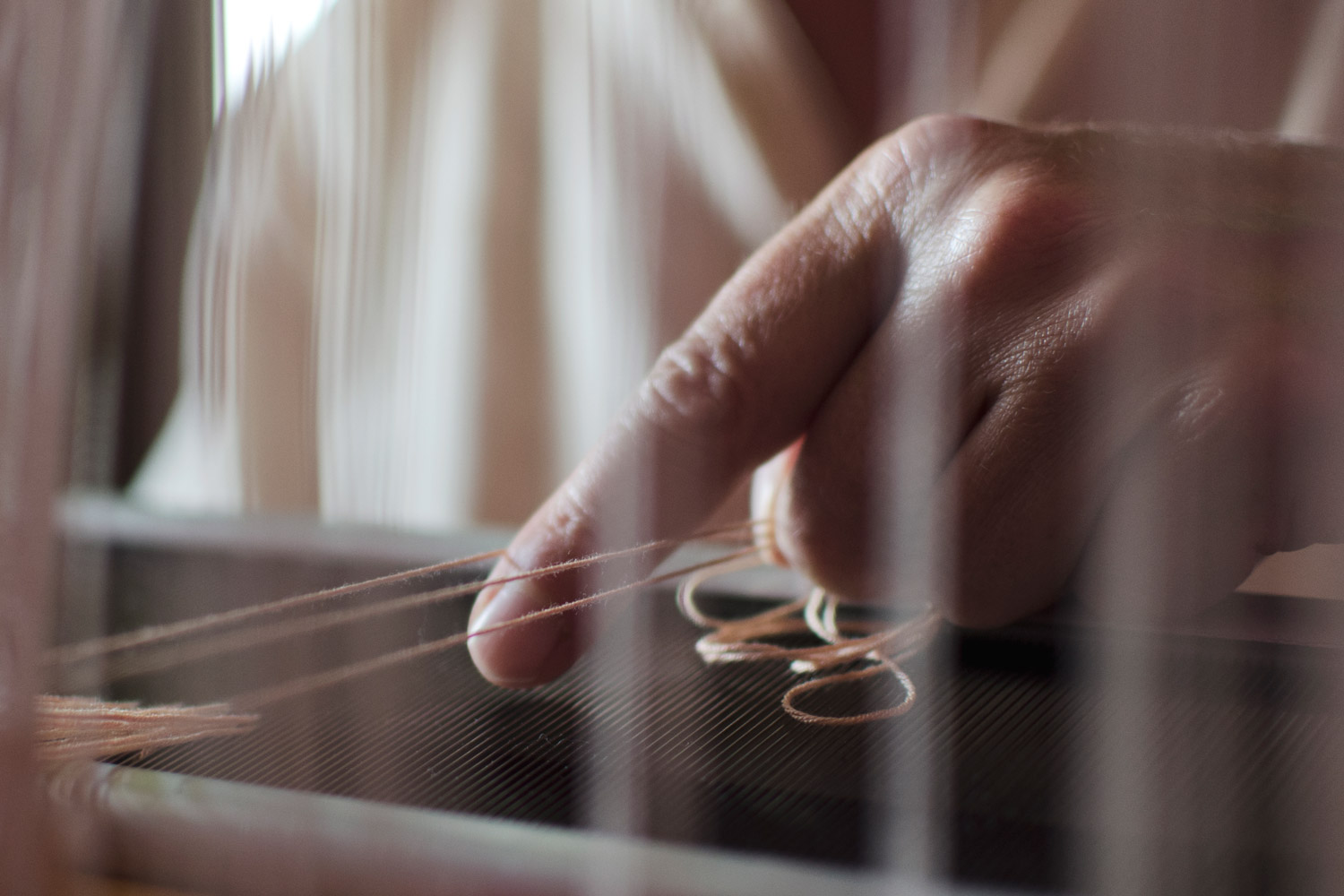
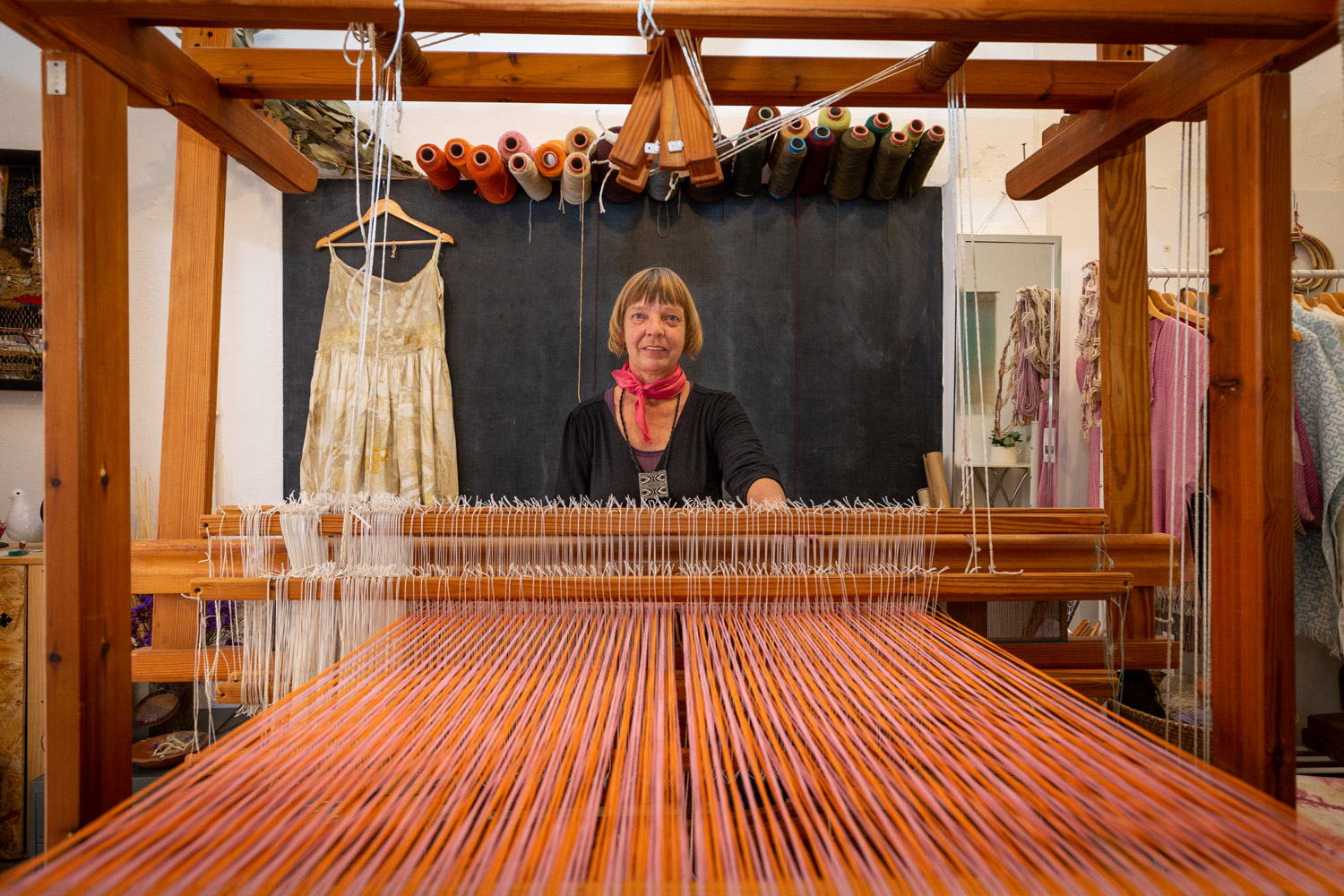
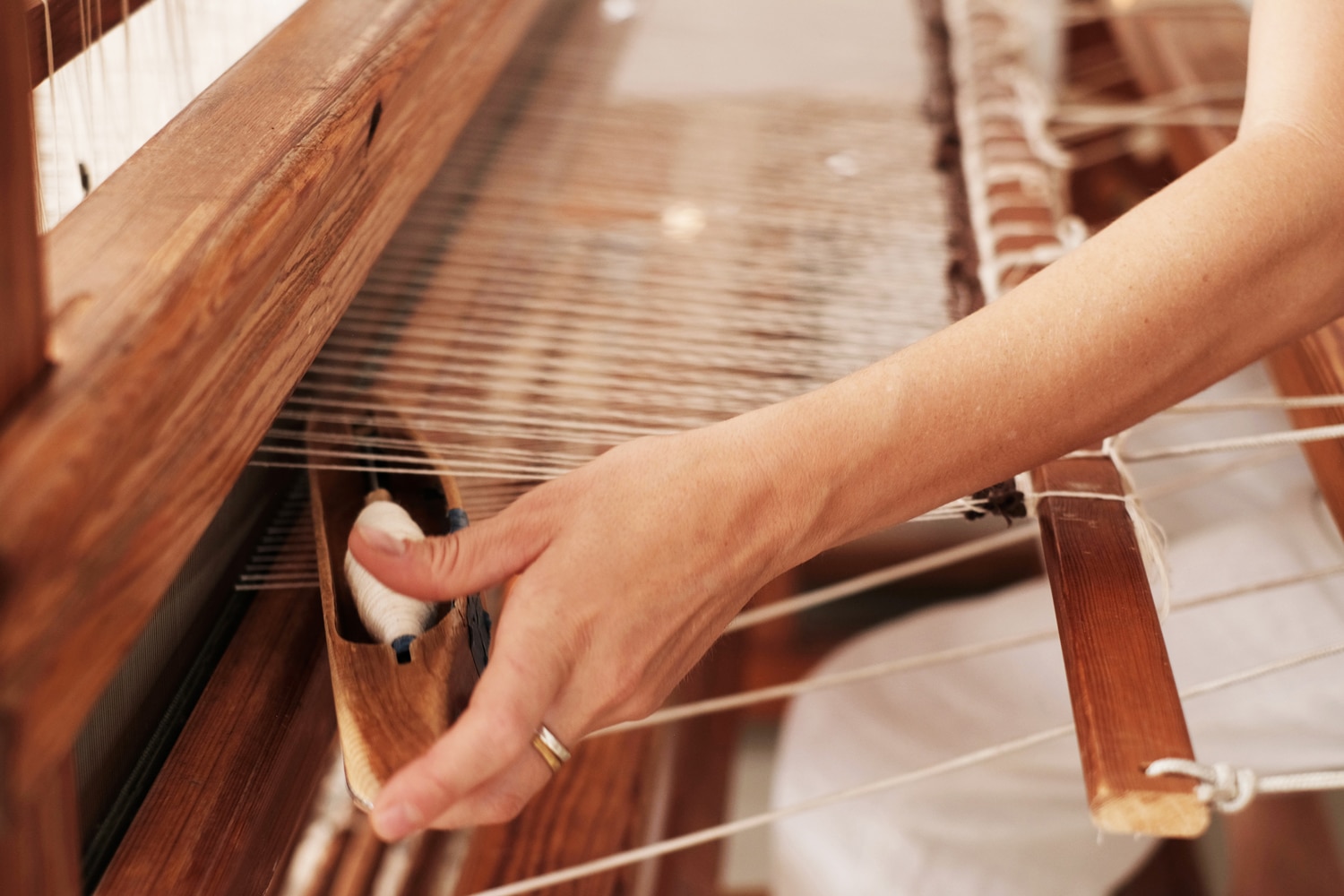
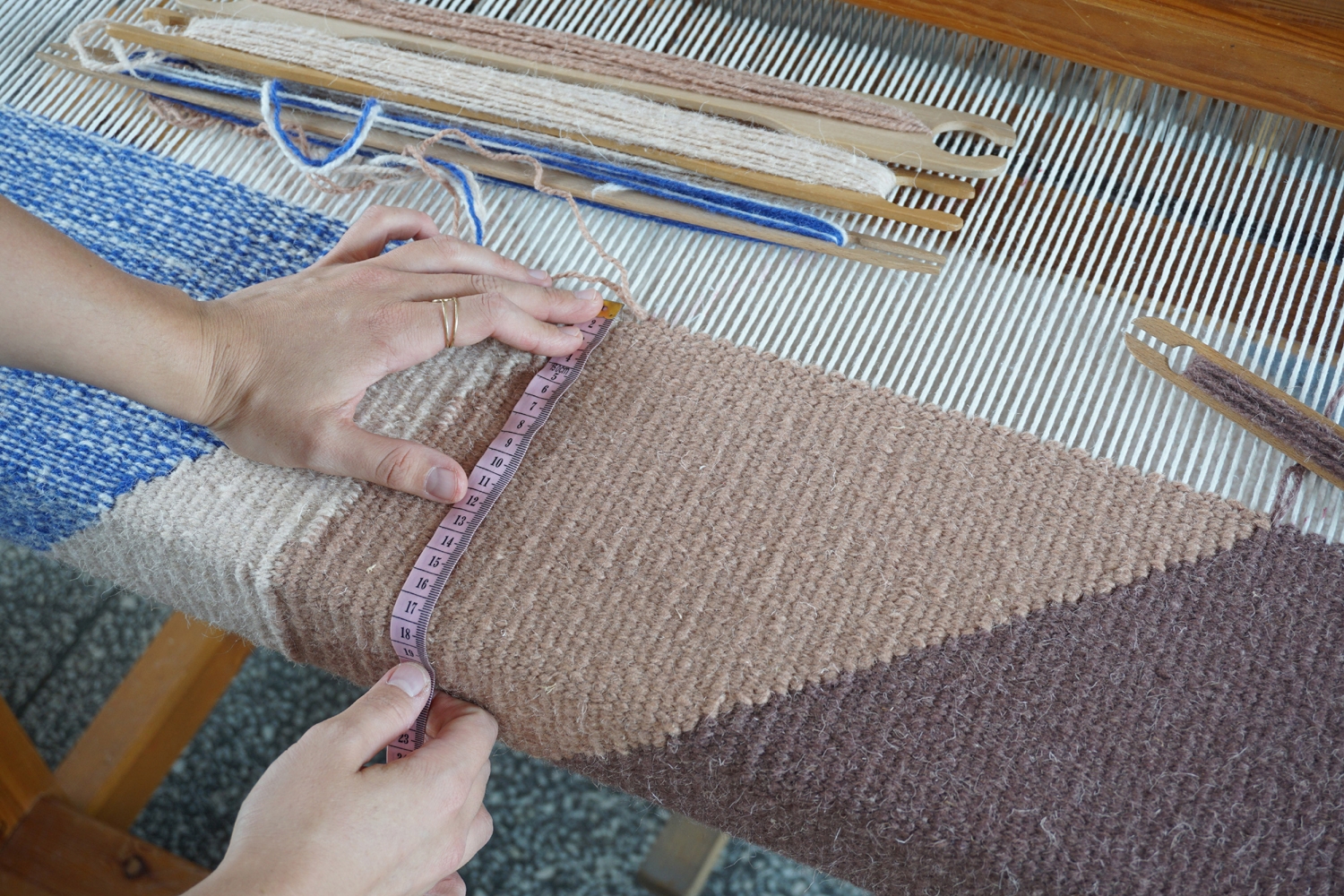
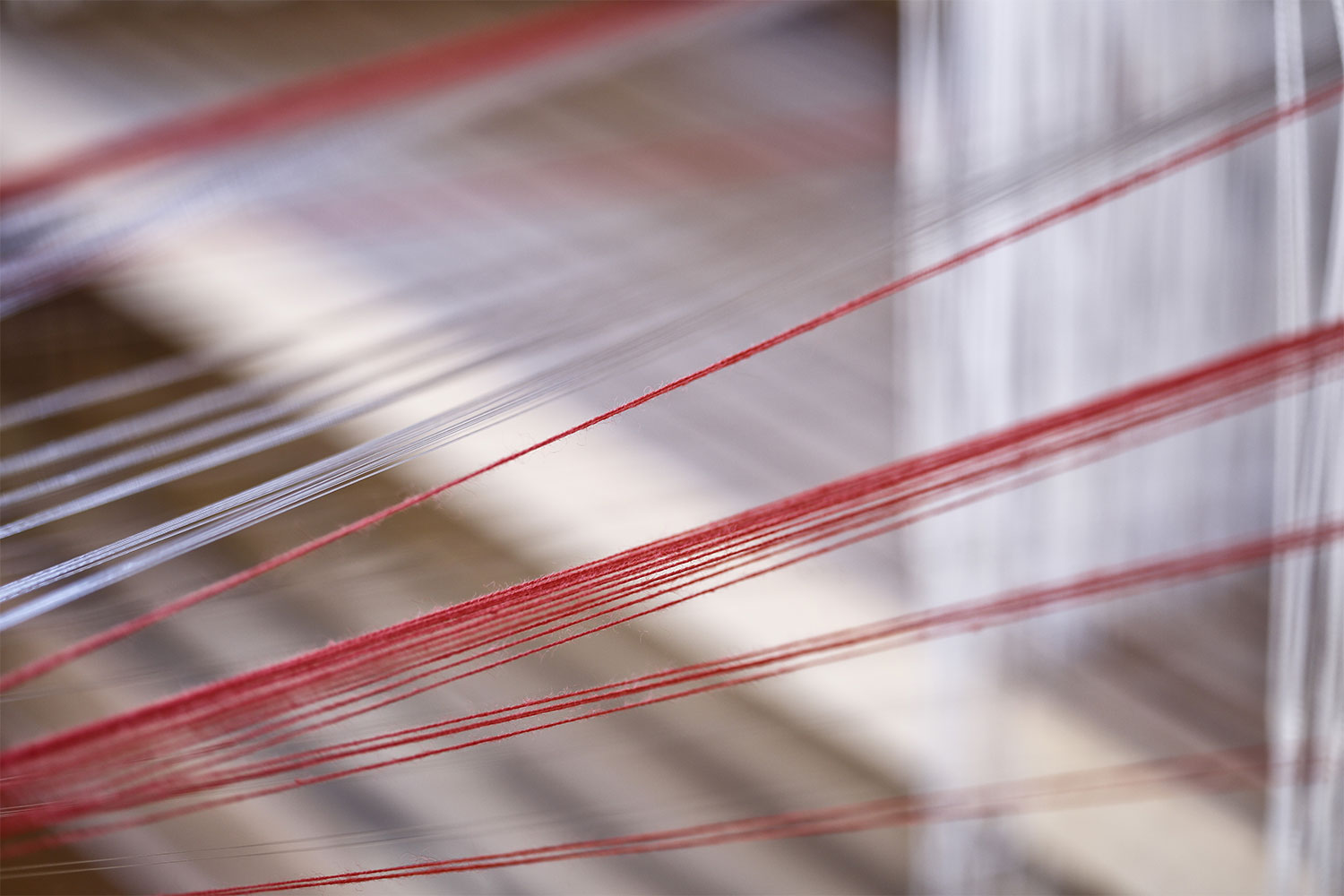
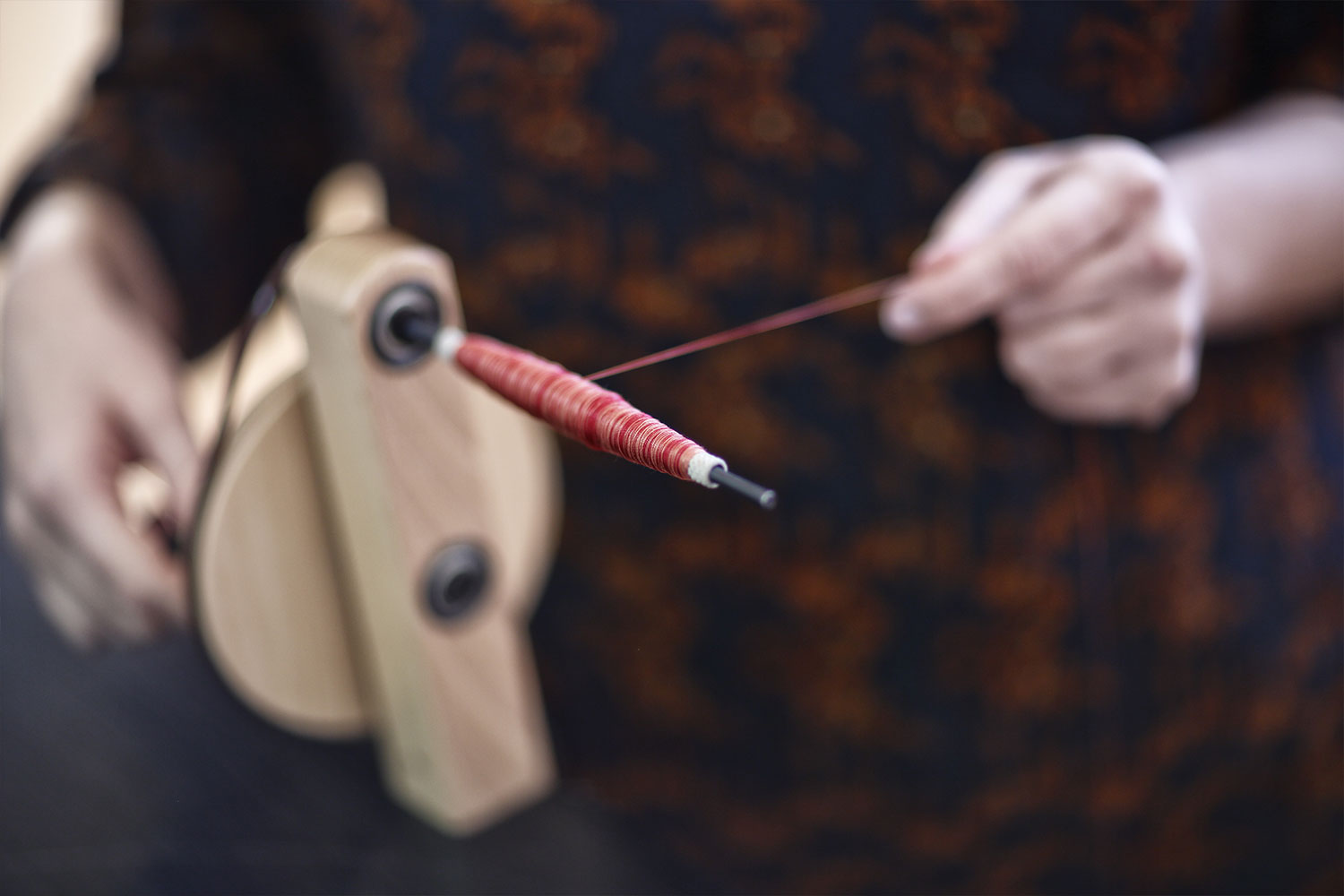
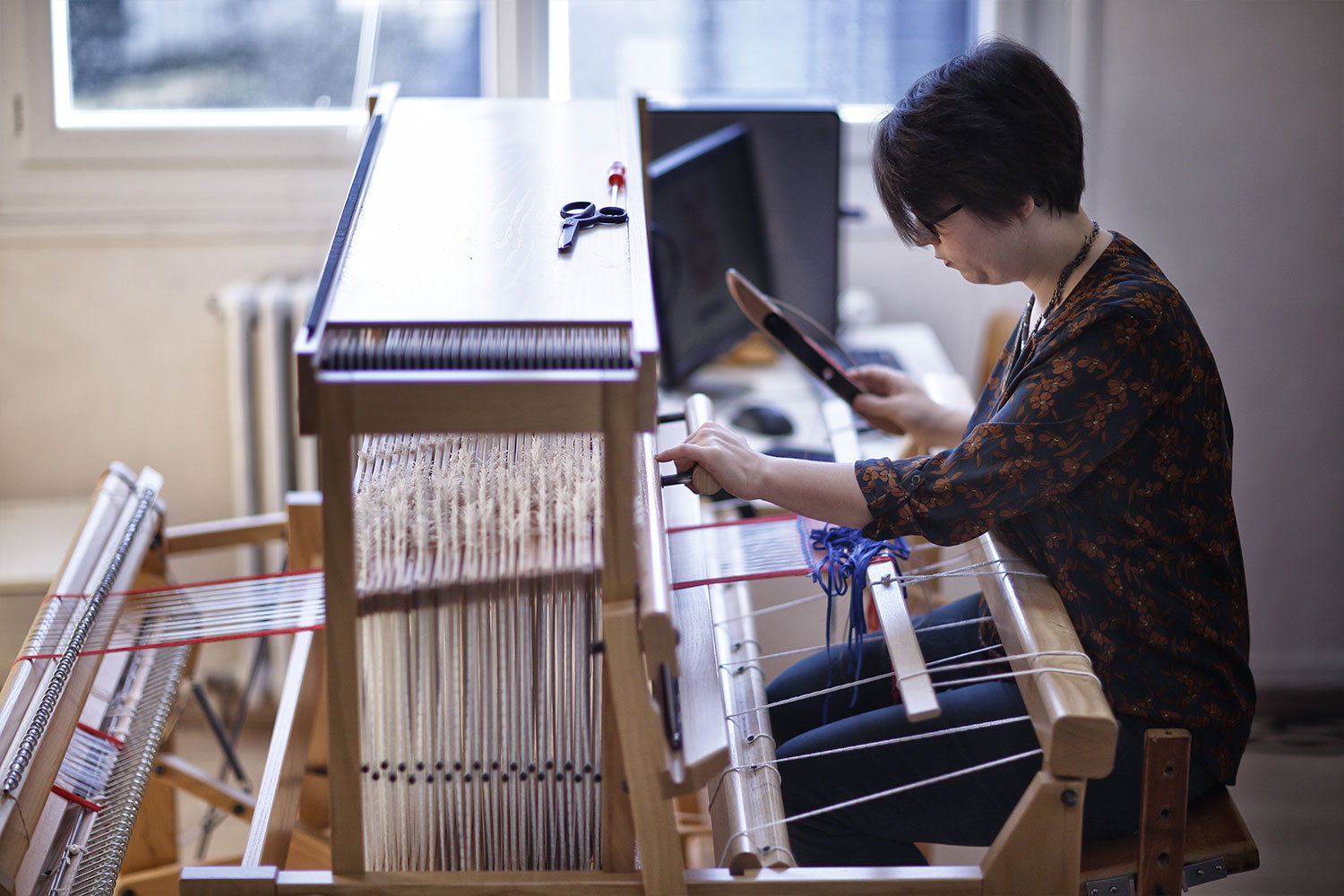
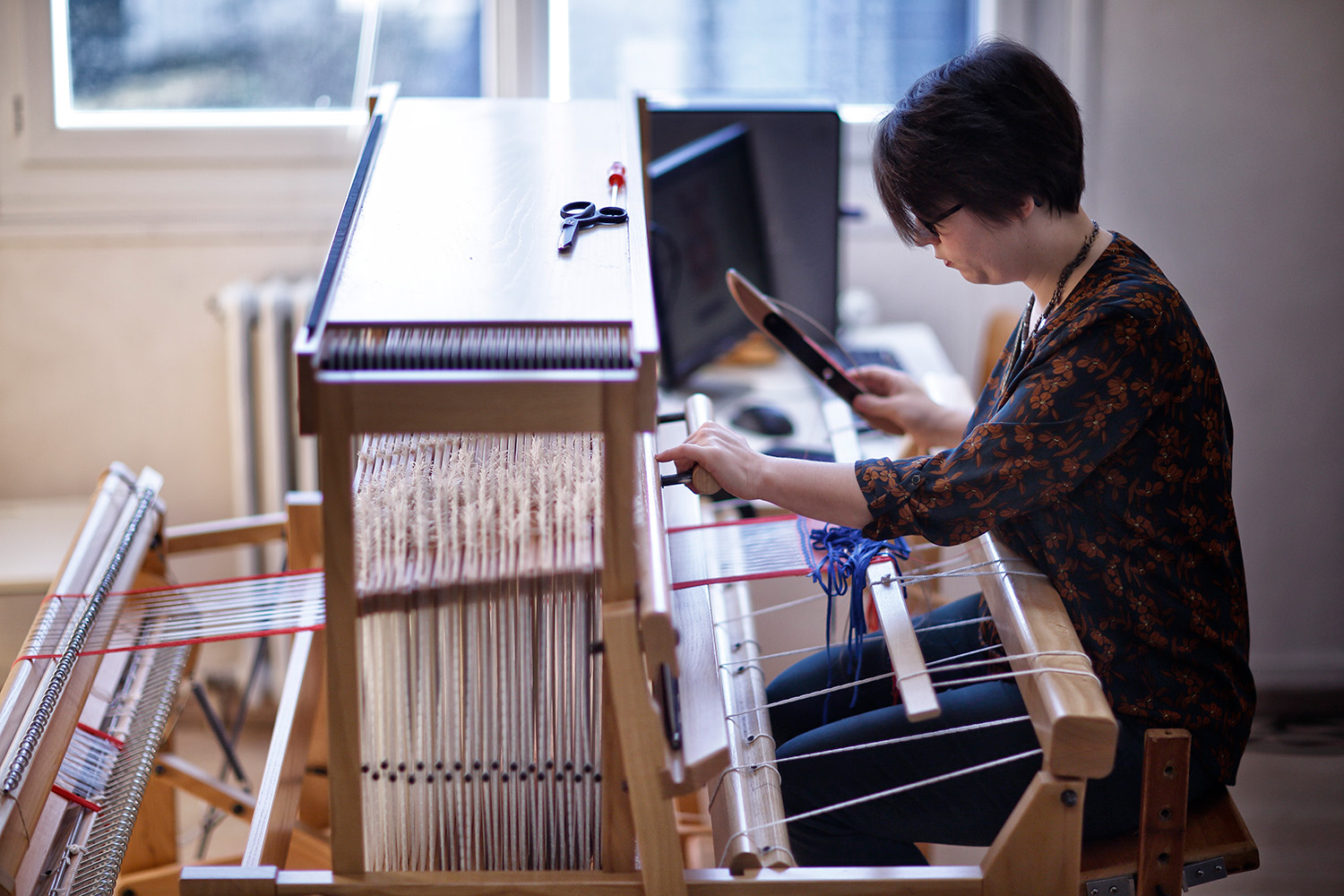
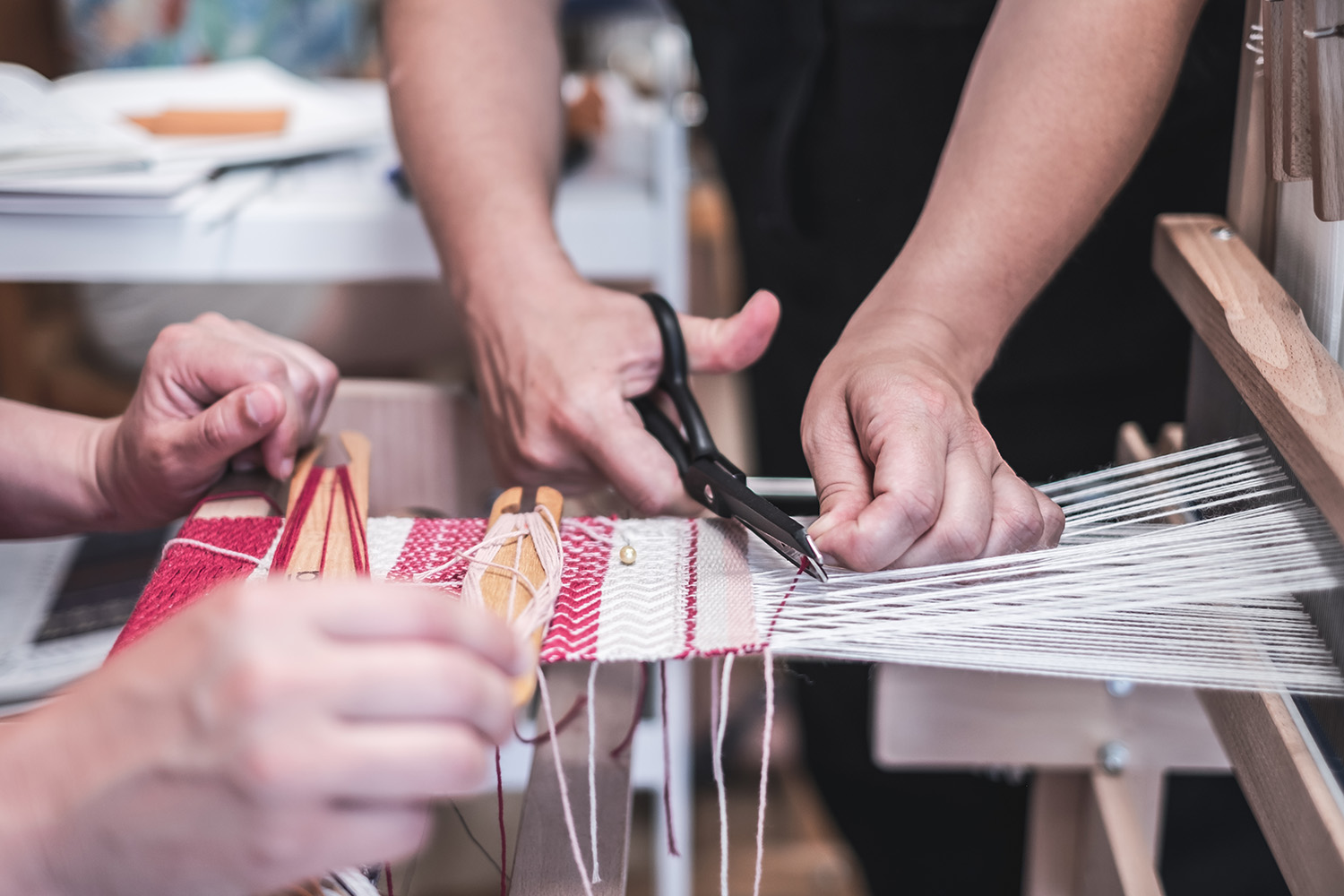
Yes, traditional low smooth weaving that I adapted to the leather laces to be able to create fabrics with mixed materials and leather. I combine materials and textures to create new surfaces. My loom is the extension of my arms; without a dialogue between the loom and myself, the textiles could not be created.
Tradition is at the service of creativity. In weaving, it is really the way in which the colours and materials blend together that brings surprises. And I use innovation to help expresses my artistic vision. I create patterns on a computer before weaving them on my loom, which allows me to compose a wider range of patterns.
For me, weaving is increasingly returning to the forefront. It is up to us as professionals in textile crafts to continue to keep this know-how alive and to pass it on to the next generation.
1 EXPERIENCE
Justine Bossé
Kapara
Weaver
Sèvremoine, France
AVAILABILITY
By appointment only
PHONE
+33 674481562
LANGUAGES
French, English, Spanish
Homo Faber Finds is a new service aiming to inspire admirers of craft to connect and collaborate with exceptional artisans.
We invite you to submit an enquiry here.