Anja Ritter
Siebörger Handweberei
Weaver
Ober-Ramstadt, Germany
Recommended by Zentralverband des Deutschen Handwerks
Fascinated by the weaving process
- Anja creates both secular and religious textiles
- Her traditional works take on new, playful structures
- She is inspired by both nature and the weaving of yarn
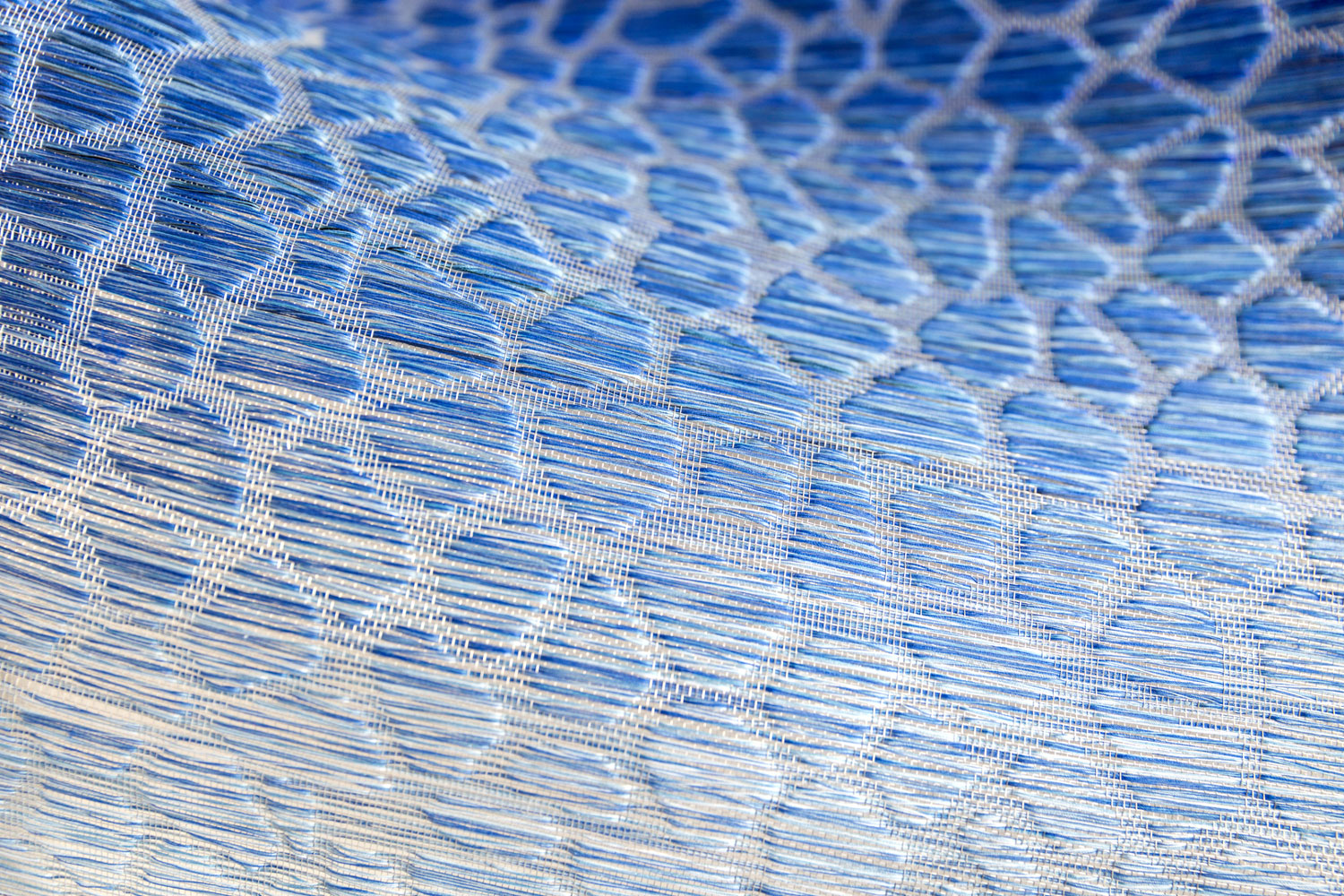
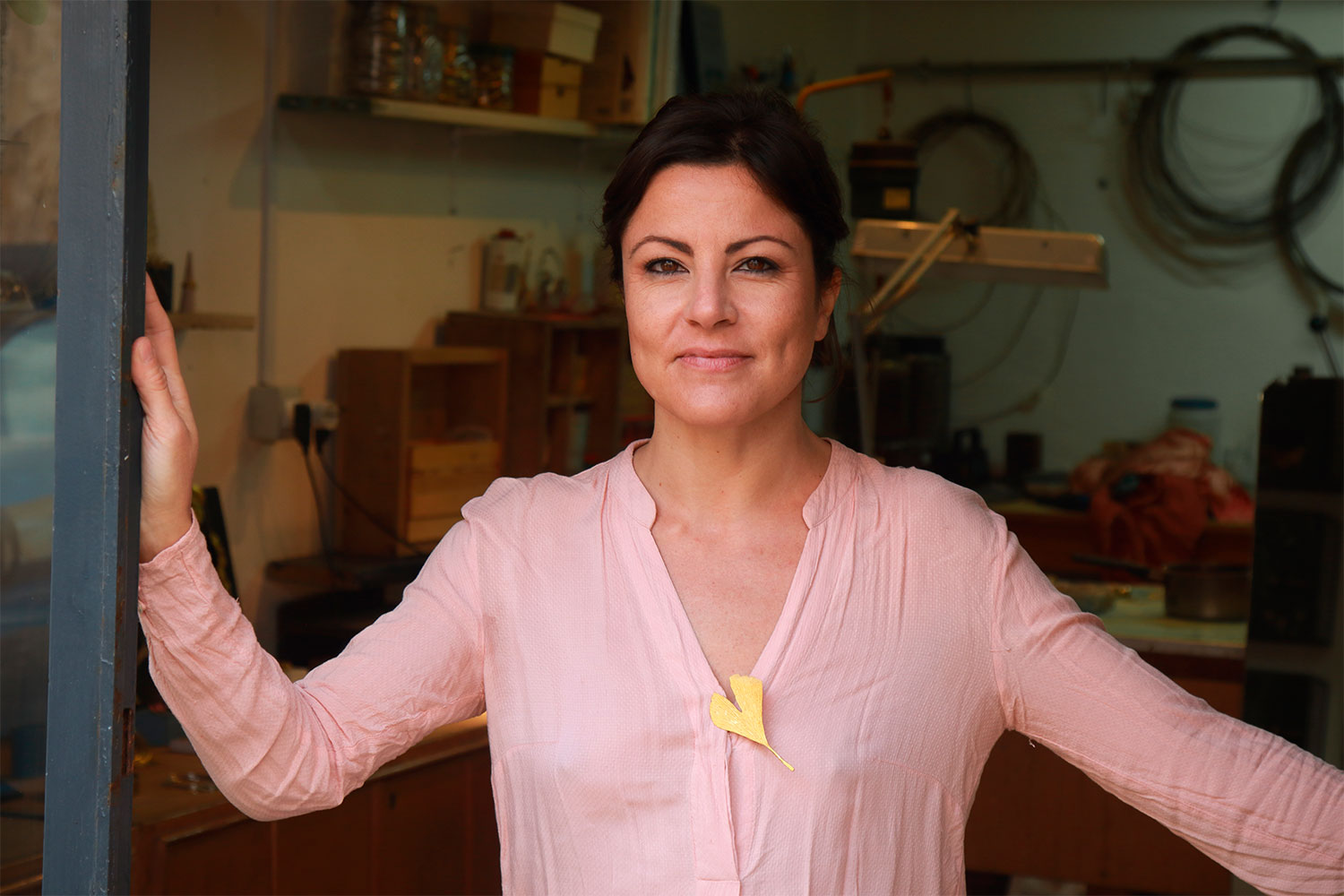
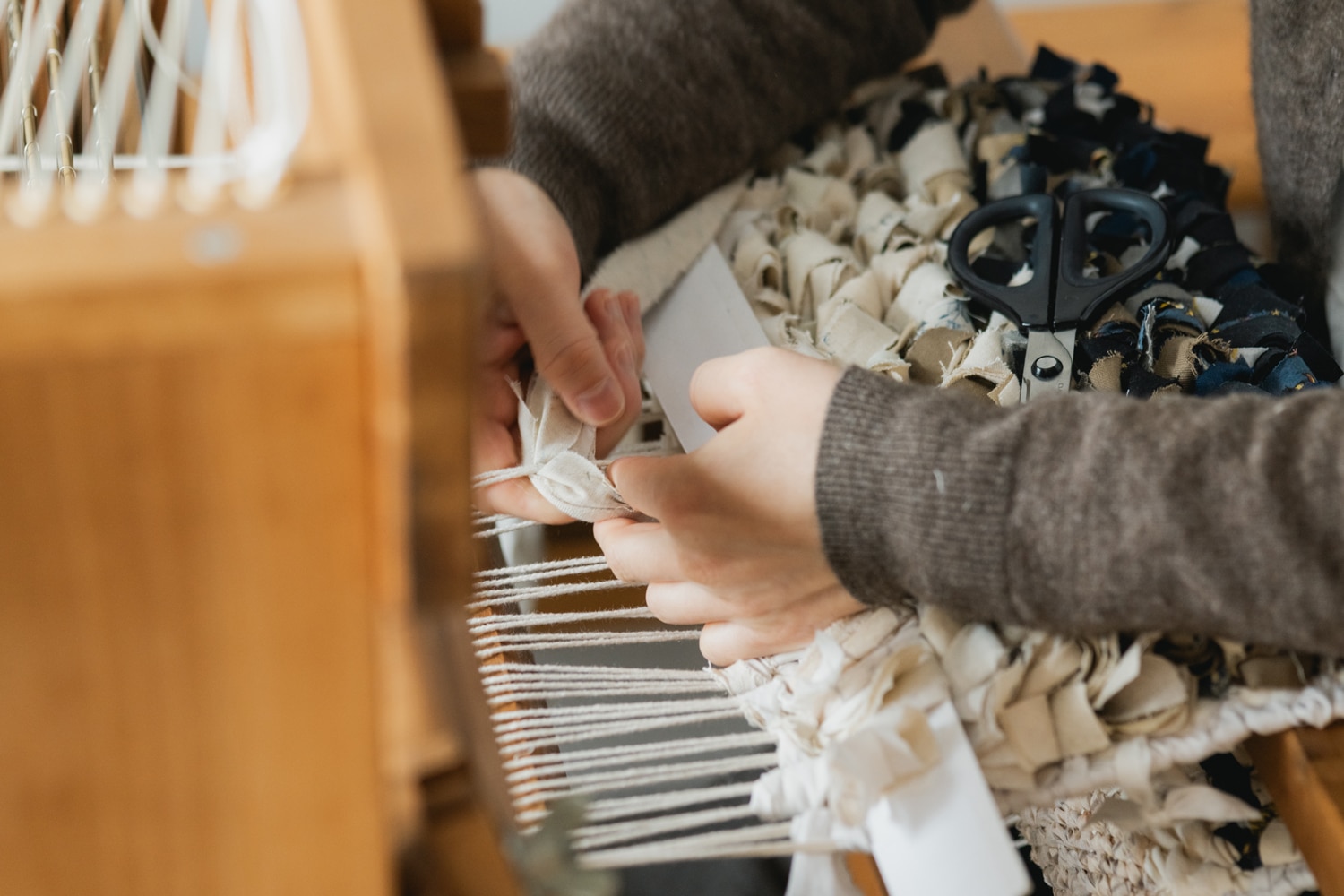
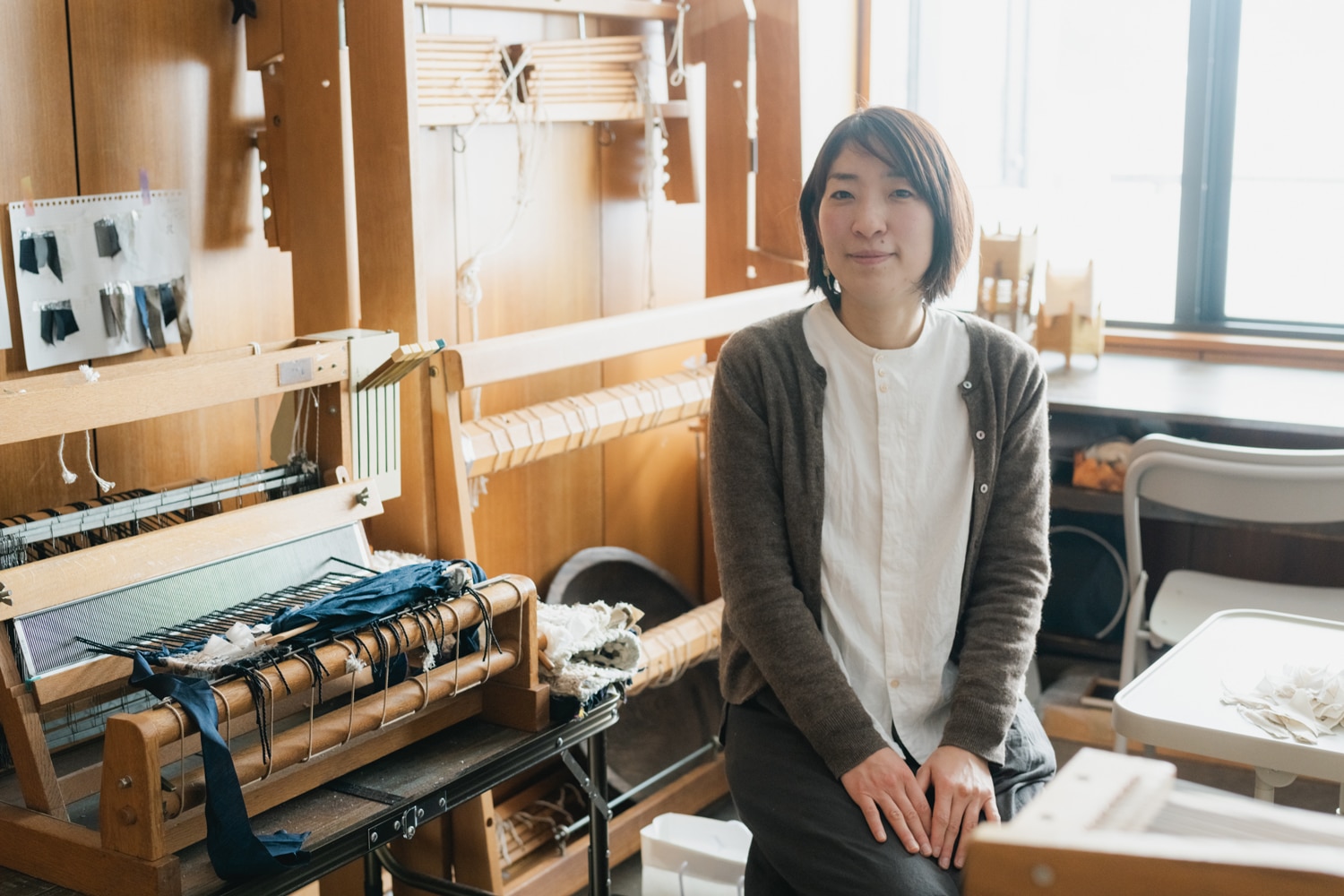
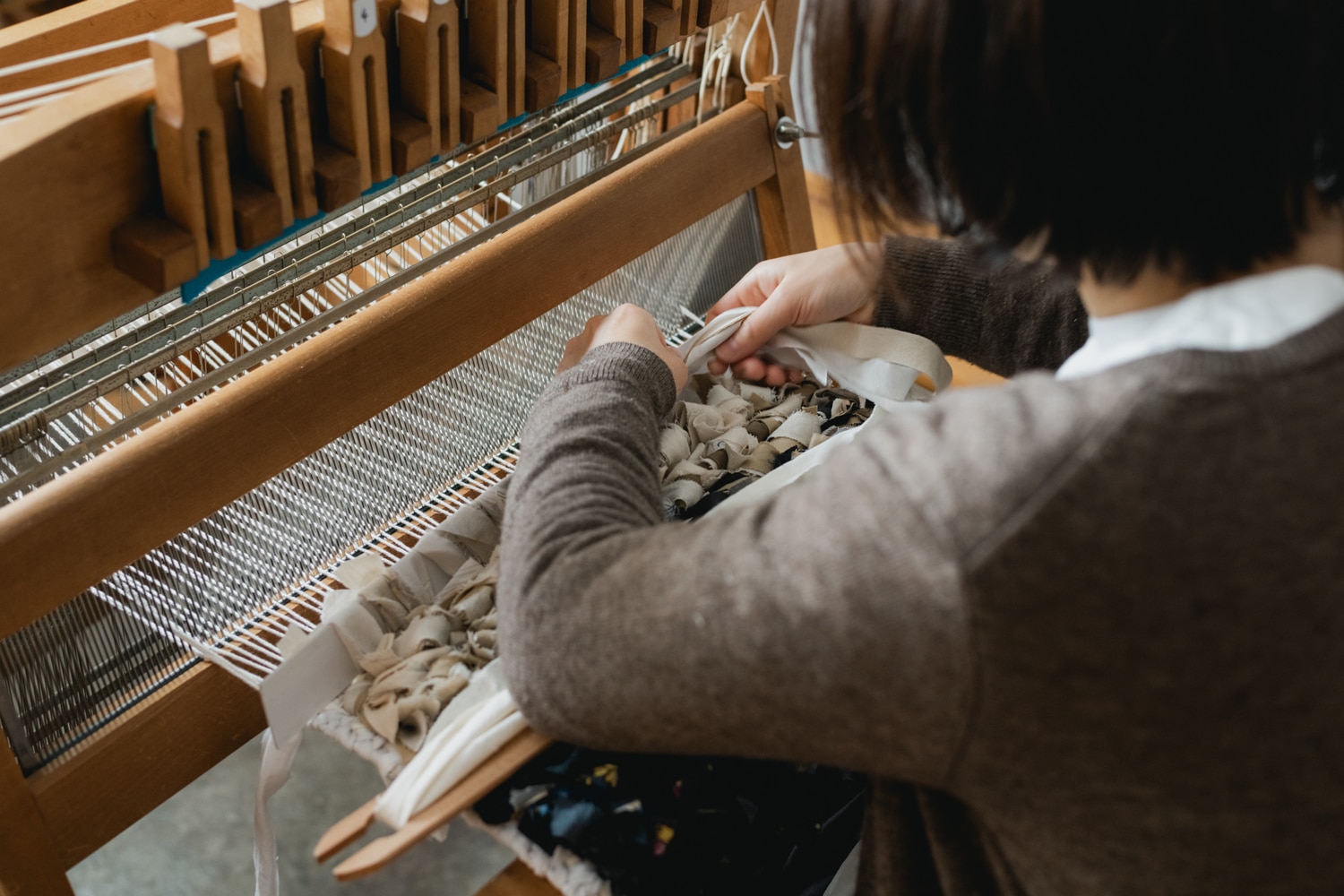
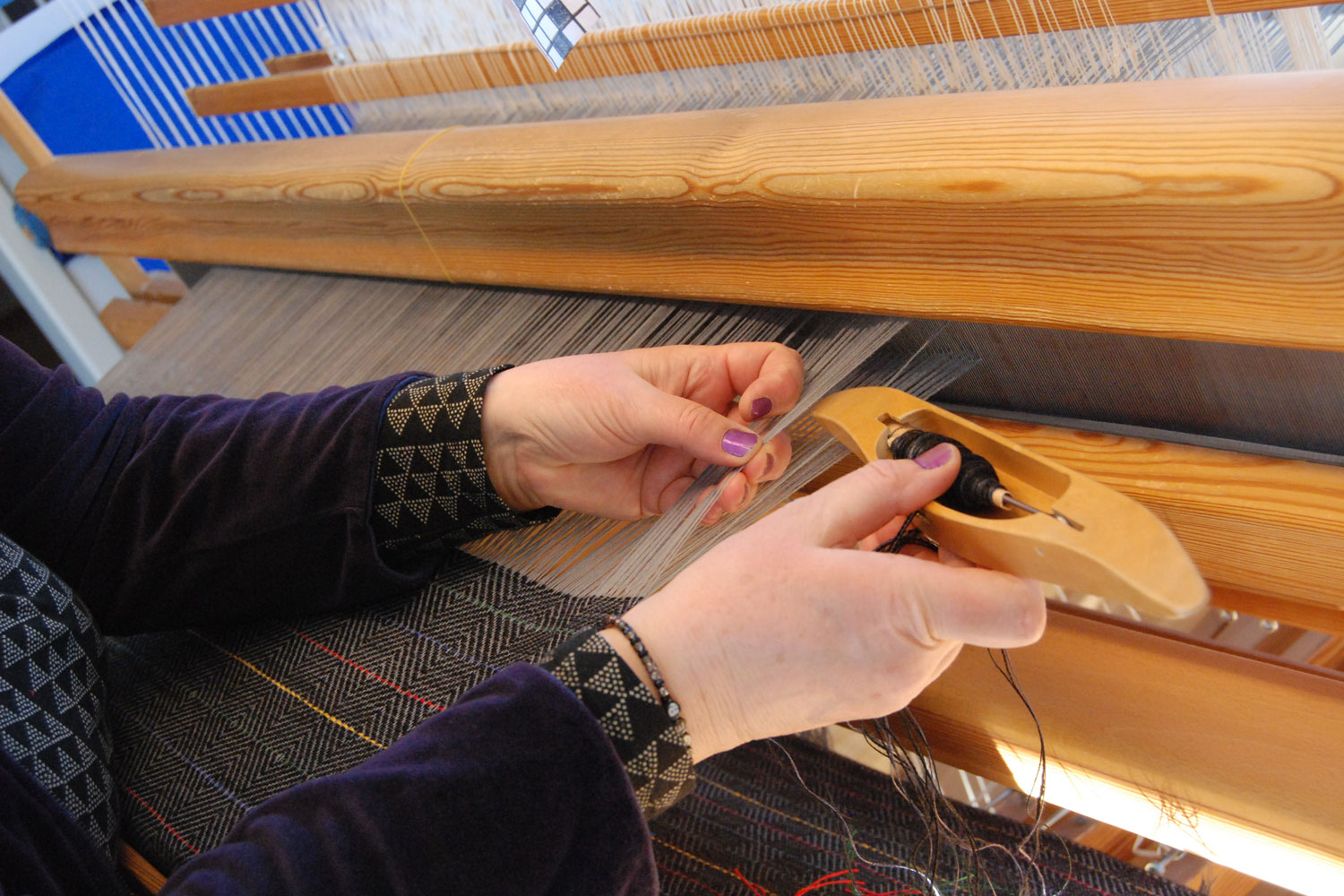
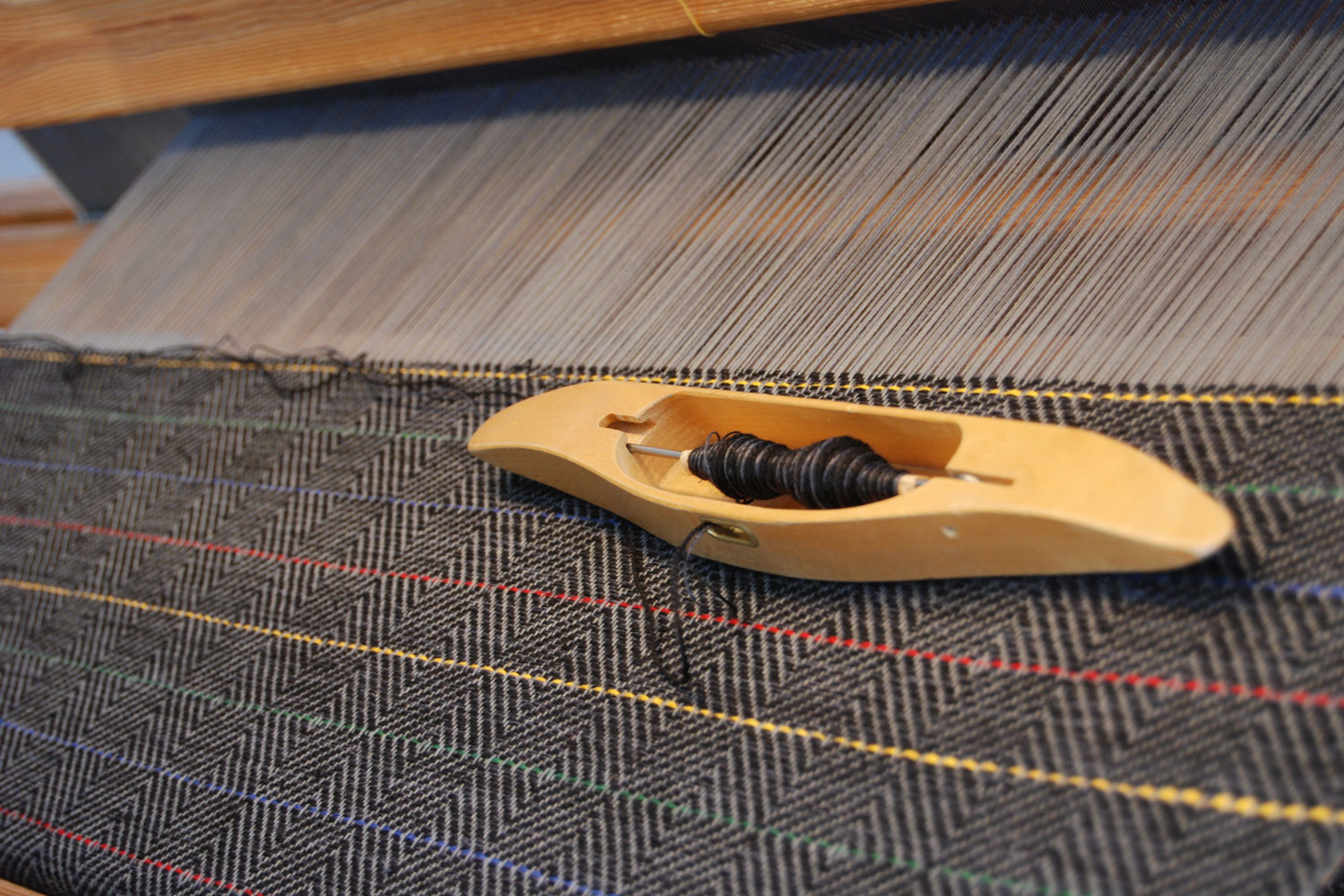
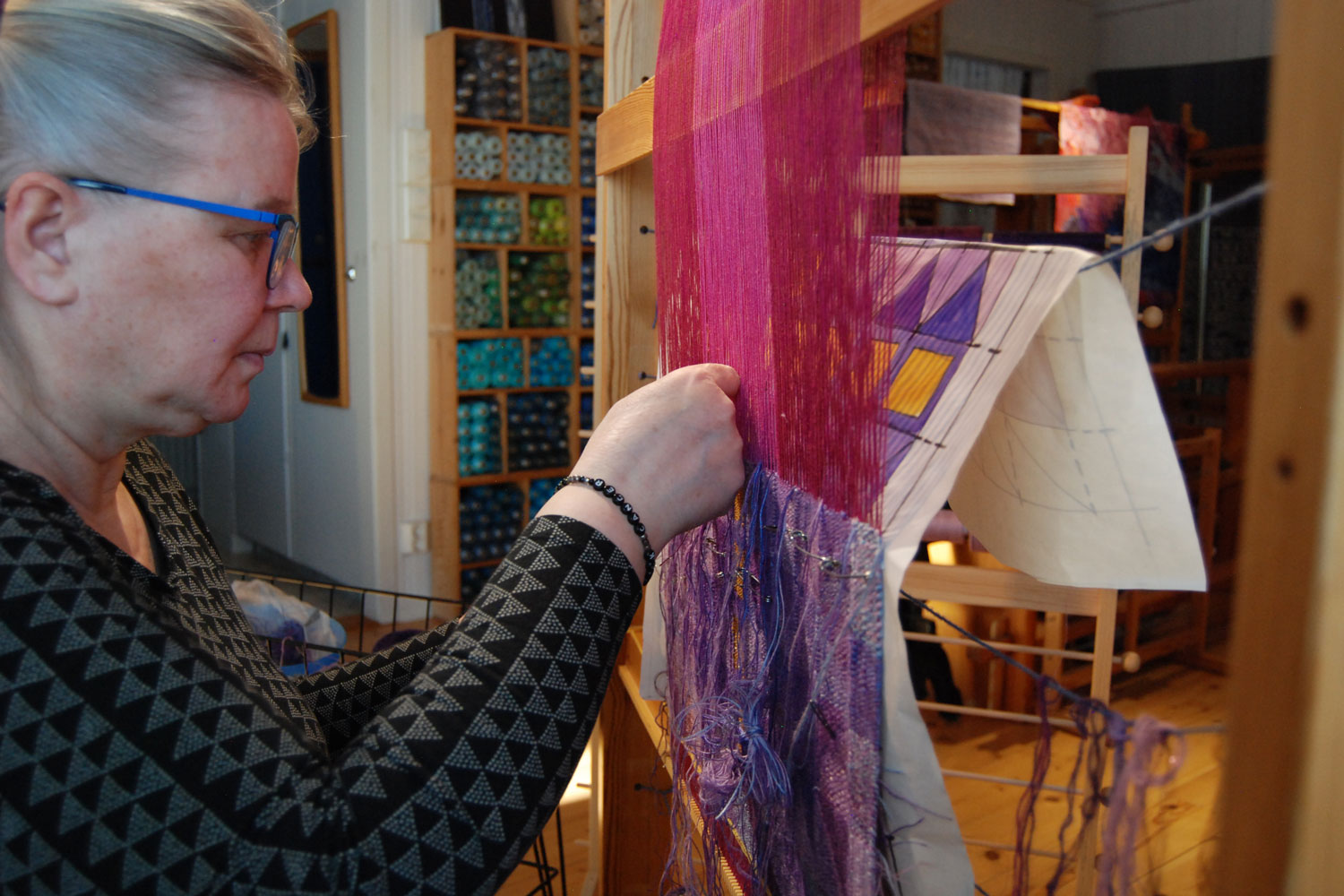
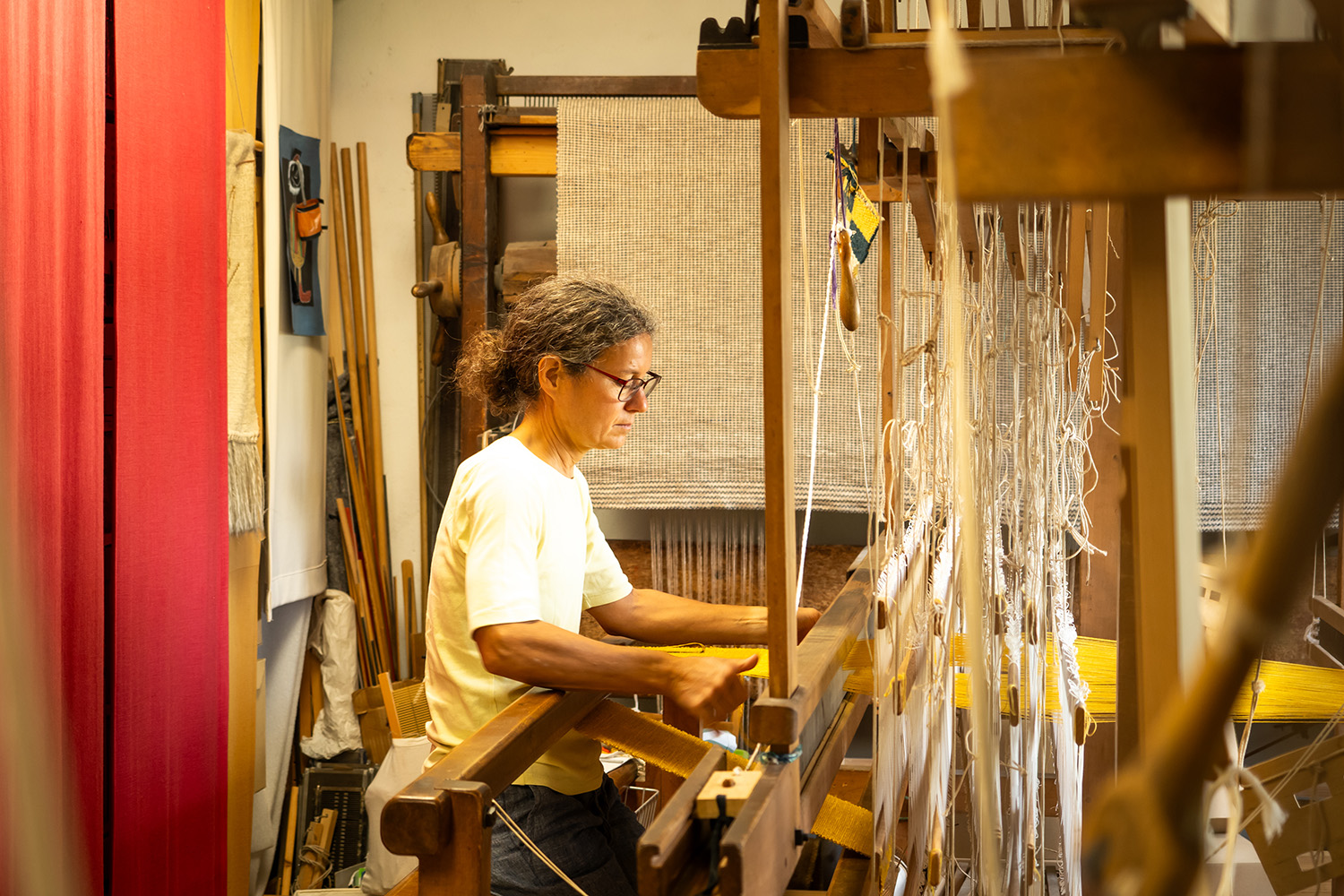
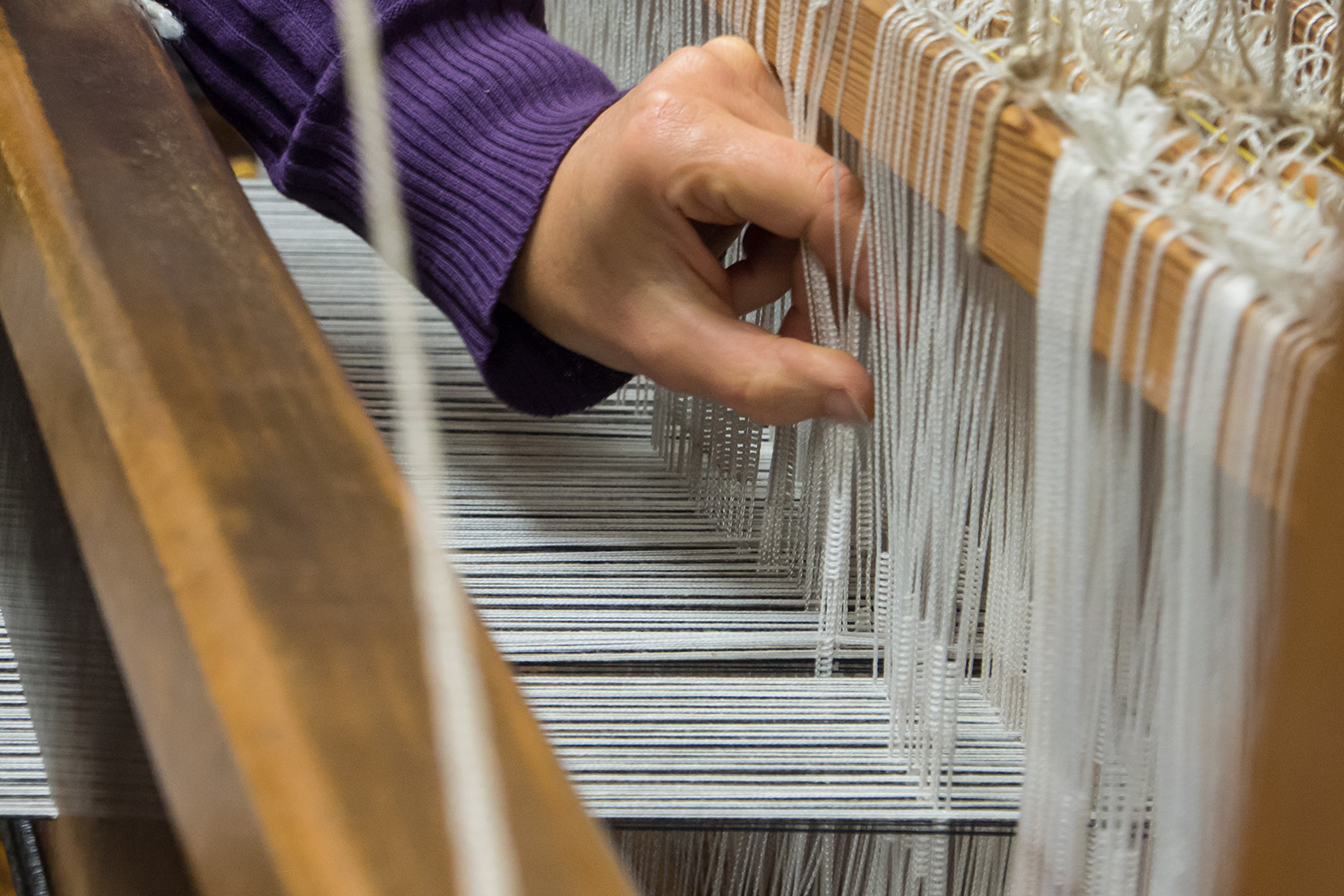
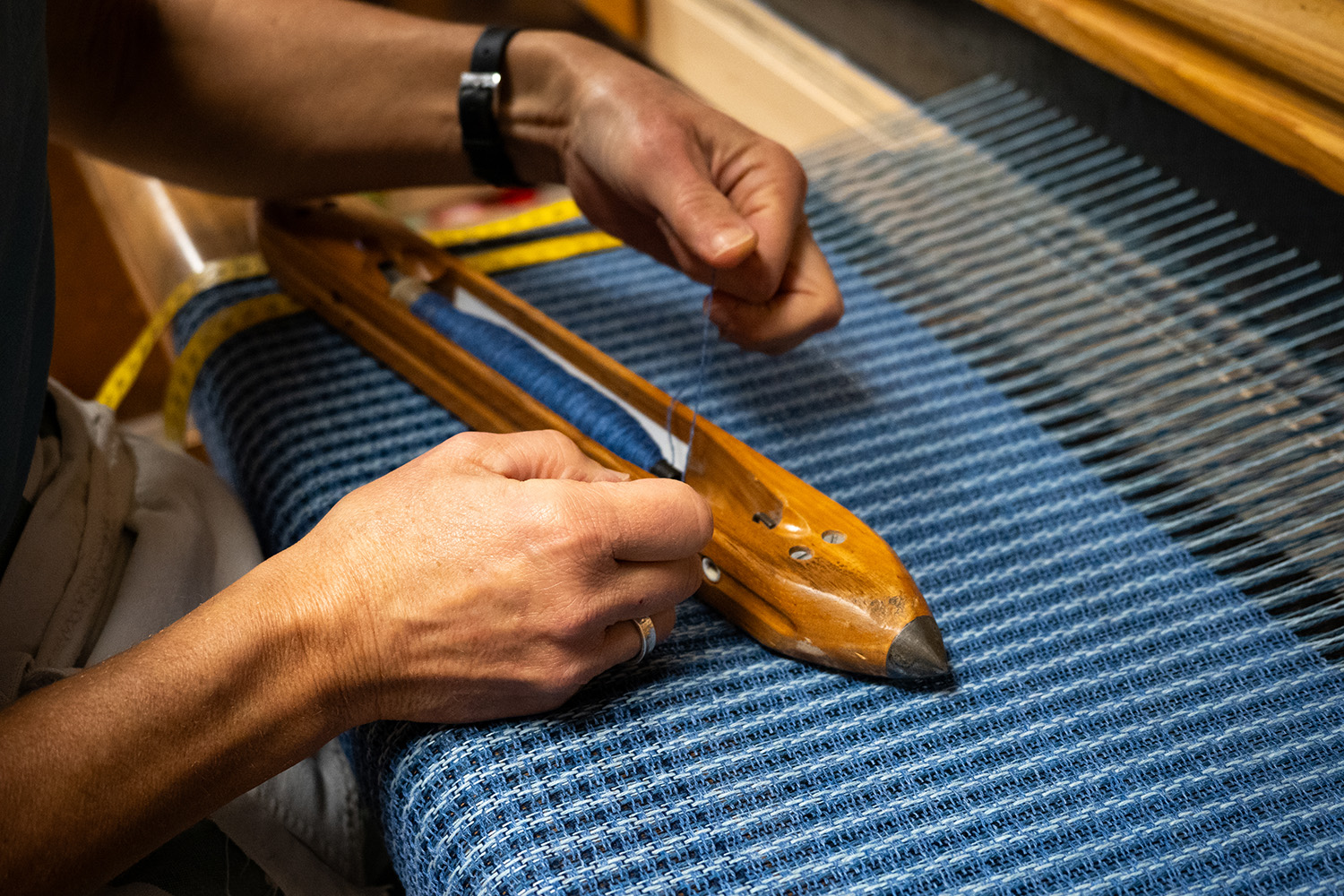
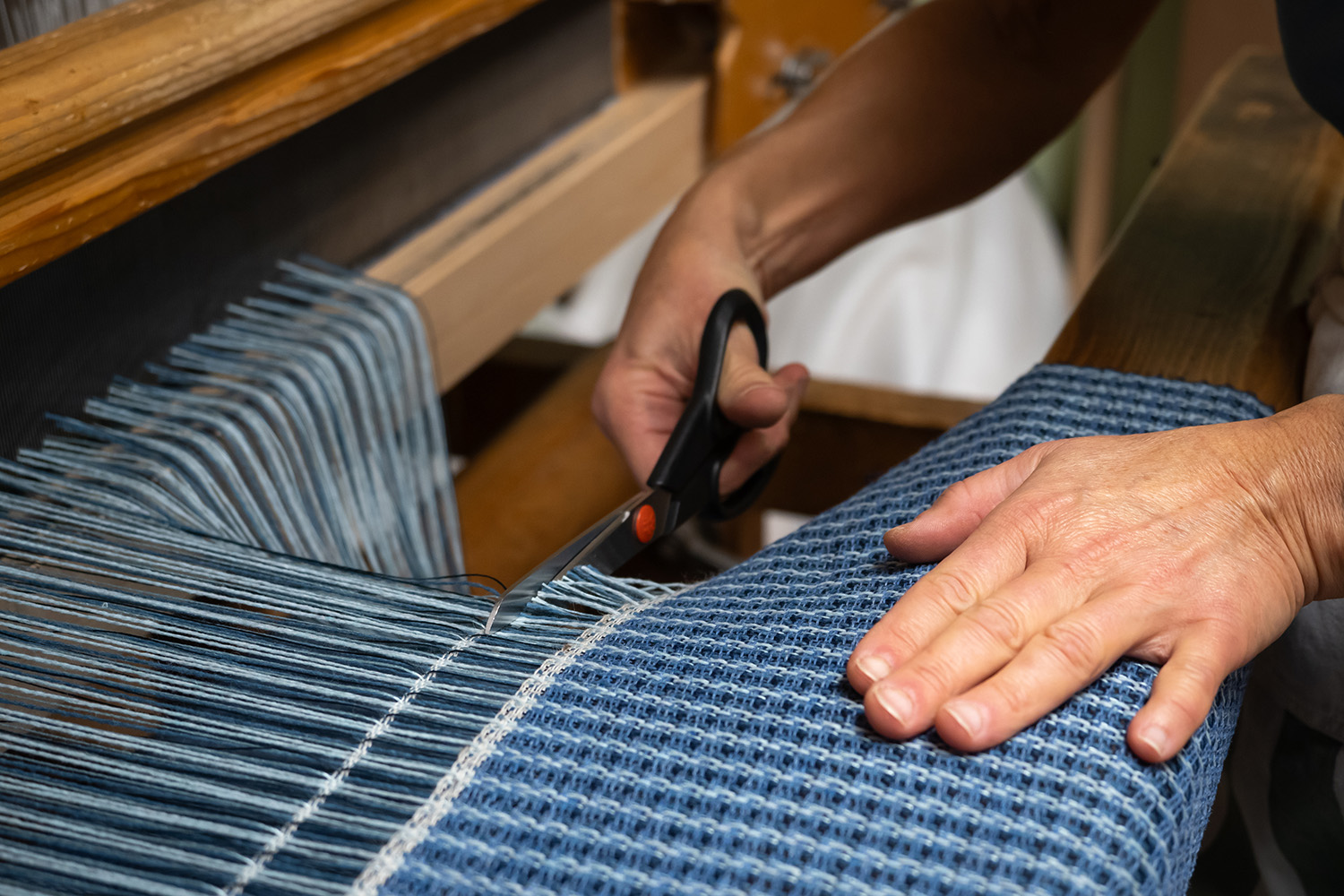
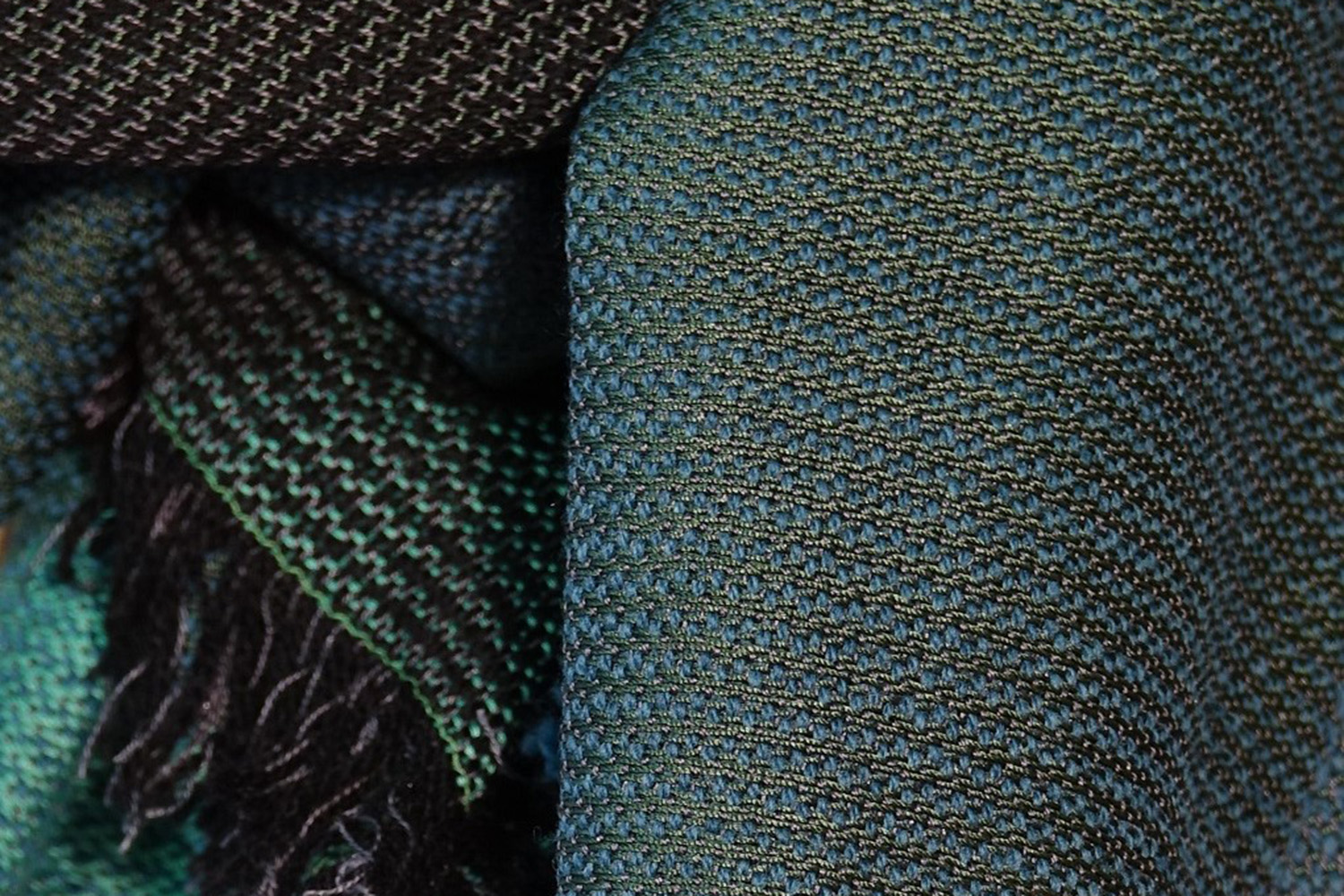
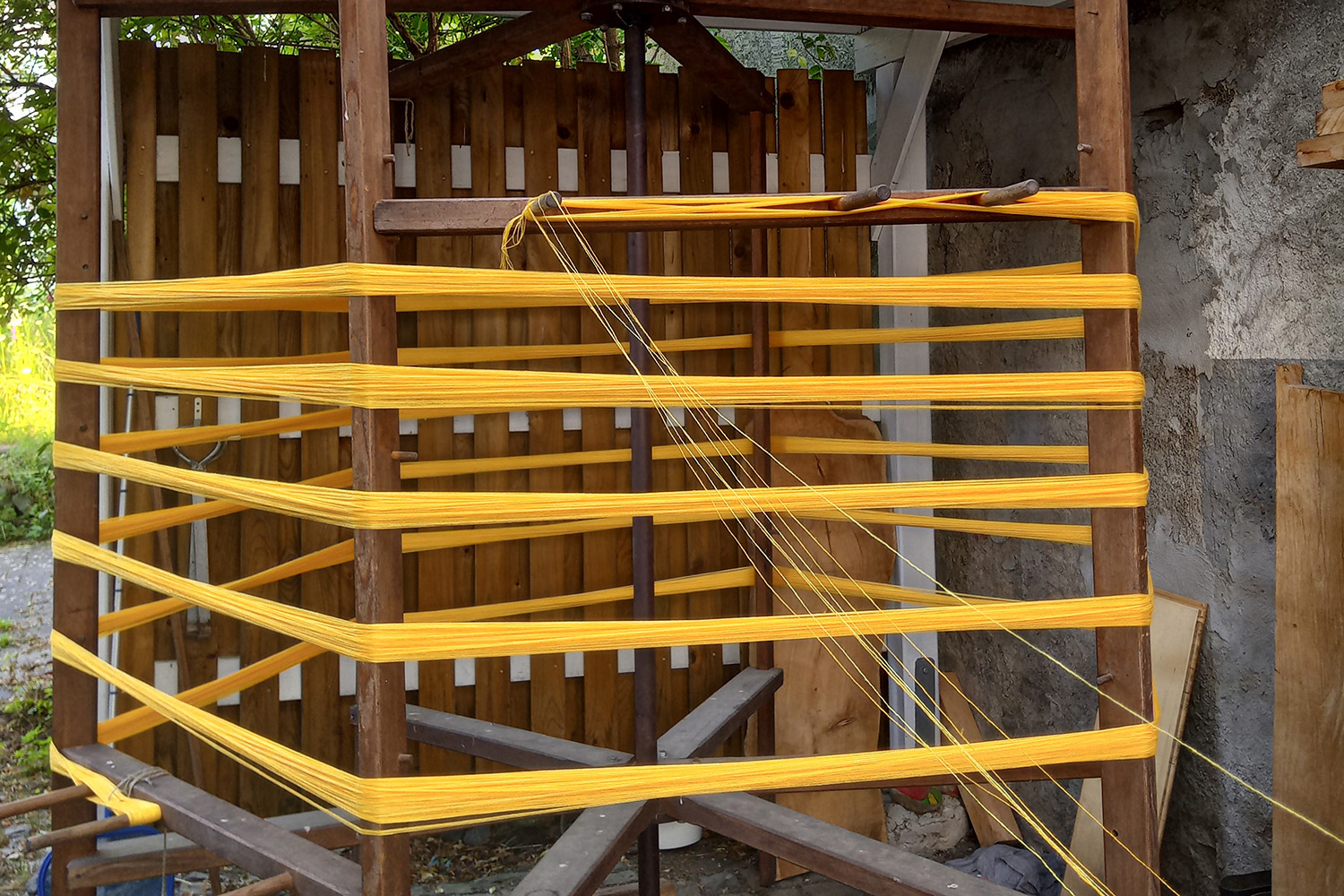
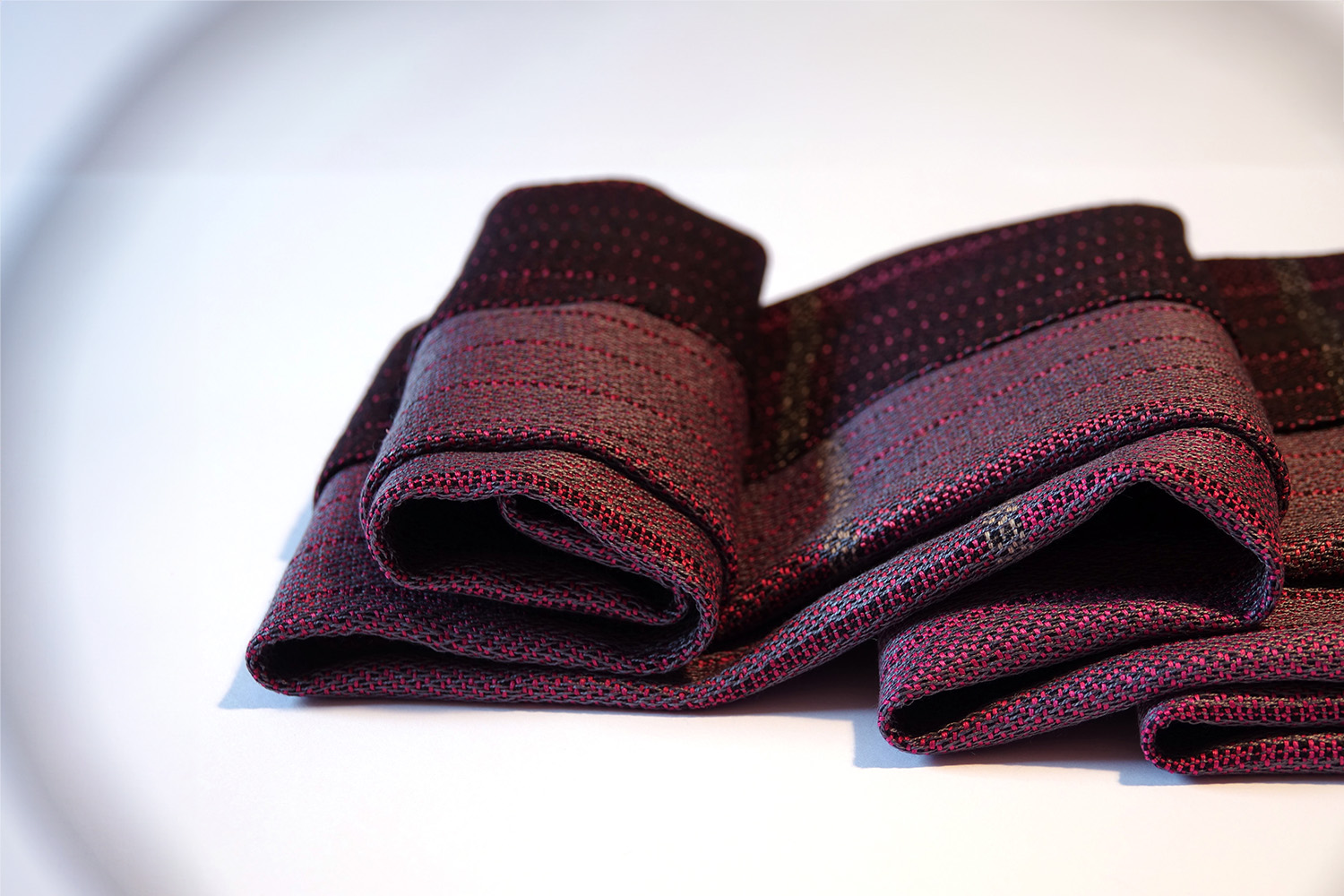
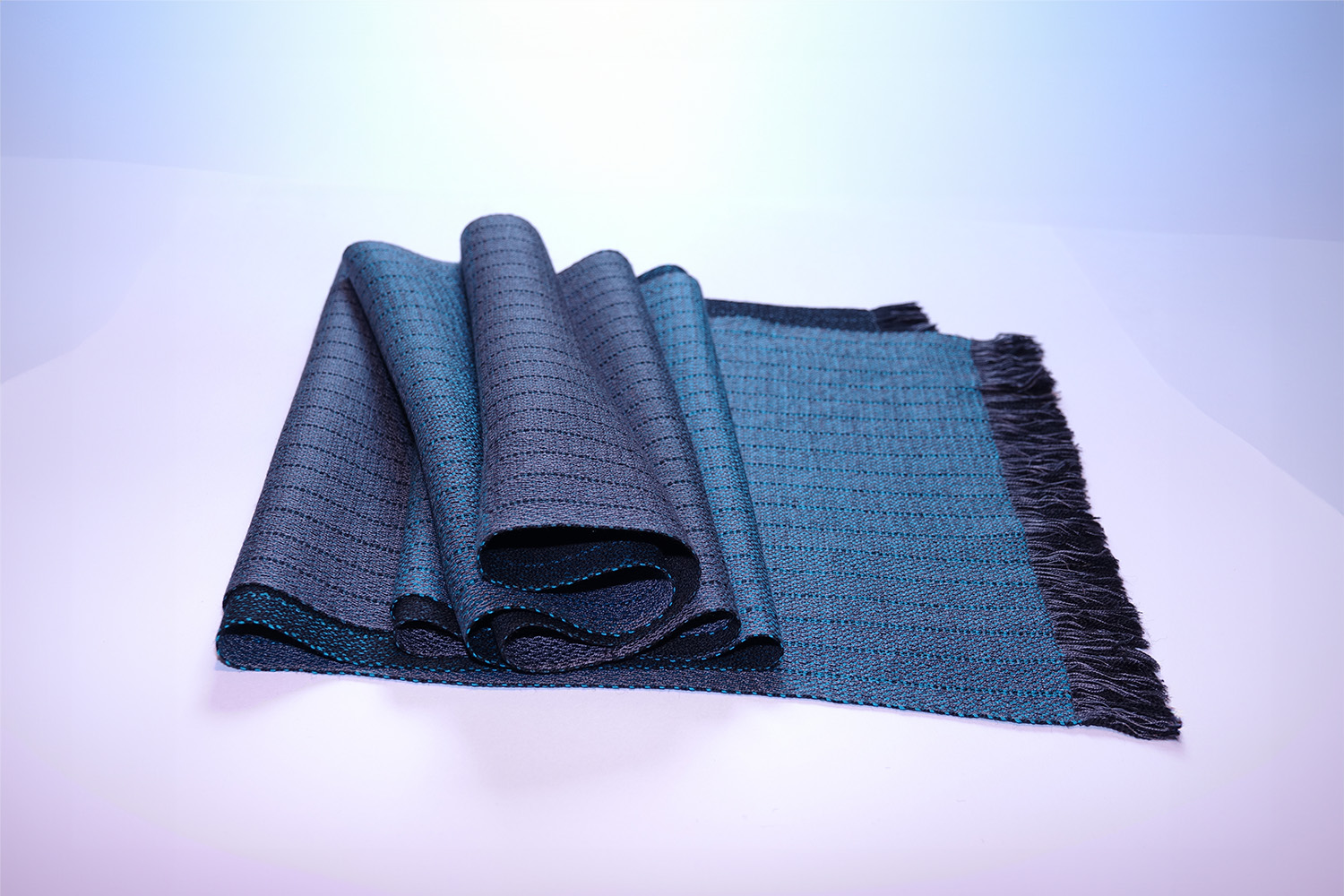
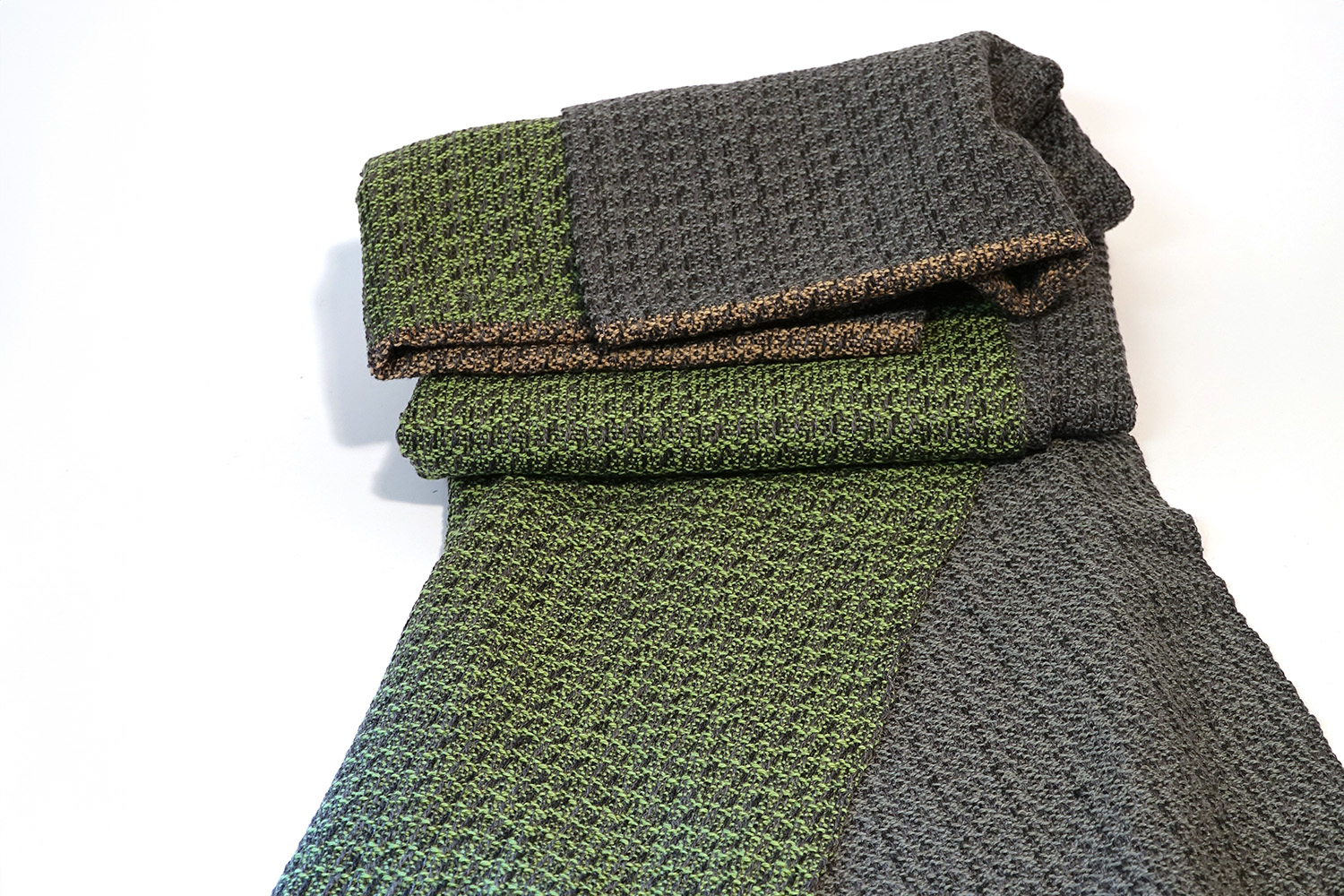
As a teenager, Anja Ritter became interested in weaving and wanted to learn to weave professionally. Since 2001, she has had her own atelier where she creates unique handwoven textile objects. She creates scarves and shawls on her 100-year-old hand loom using worsted linen, cashmere, silk or fine wool. Anja has a keen eye for colours, surface textures, and subtle nuances. She gives new shapes to traditional structures and plays with combining different yarns. Anja weaves interior textiles for private homes, but also for public, and religious establishments. She creates liturgical textiles for evangelical and Catholic churches, empathising with the ecclesiastical requirements and creating a particular mood through her fabrics. Both sides of her practice are equally important to her.
INTERVIEW
I was curious about the mixing of colours, warp and weft. I have always been fascinated by the process of how fabric is made and how different weaving techniques create different fabrics, textures, and colour variations. I was interested in how to combine yarns to make beautiful compositions.
Private customers, but I also work with churches, including evangelical churches in Germany, for whom I weave liturgical textiles and altar cloths. For Catholic churches, I have designed and woven vestments for priests.
When creating secular objects, they must look beautiful in the space. Of course, sustainability and durability are becoming increasingly important. This is also important for ecclesiastical textiles, but there are many more rules, and you need to know much more about everything—for example, the liturgical year, the colours, and their symbolic meaning.
I find inspiration in nature. For instance, the slate stone is one colour when it rains, reflecting other shades like green and grey when the sun shines. But sometimes I see yarn, wool or linen, and I think about what I could make with it. The materials themselves can also be a source of inspiration.
Anja Ritter
Siebörger Handweberei
Weaver
Ober-Ramstadt, Germany
Recommended by Zentralverband des Deutschen Handwerks
AVAILABILITY
By appointment only
PHONE
+49 6154623171
LANGUAGES
German, French, English
Homo Faber Finds is a new service aiming to inspire admirers of craft to connect and collaborate with exceptional artisans.
We invite you to submit an enquiry here.