Lesley Kice Nishigawara
Weaver
Fullerton, CA, USA
Recommended by Craft in America
Painting with a loom
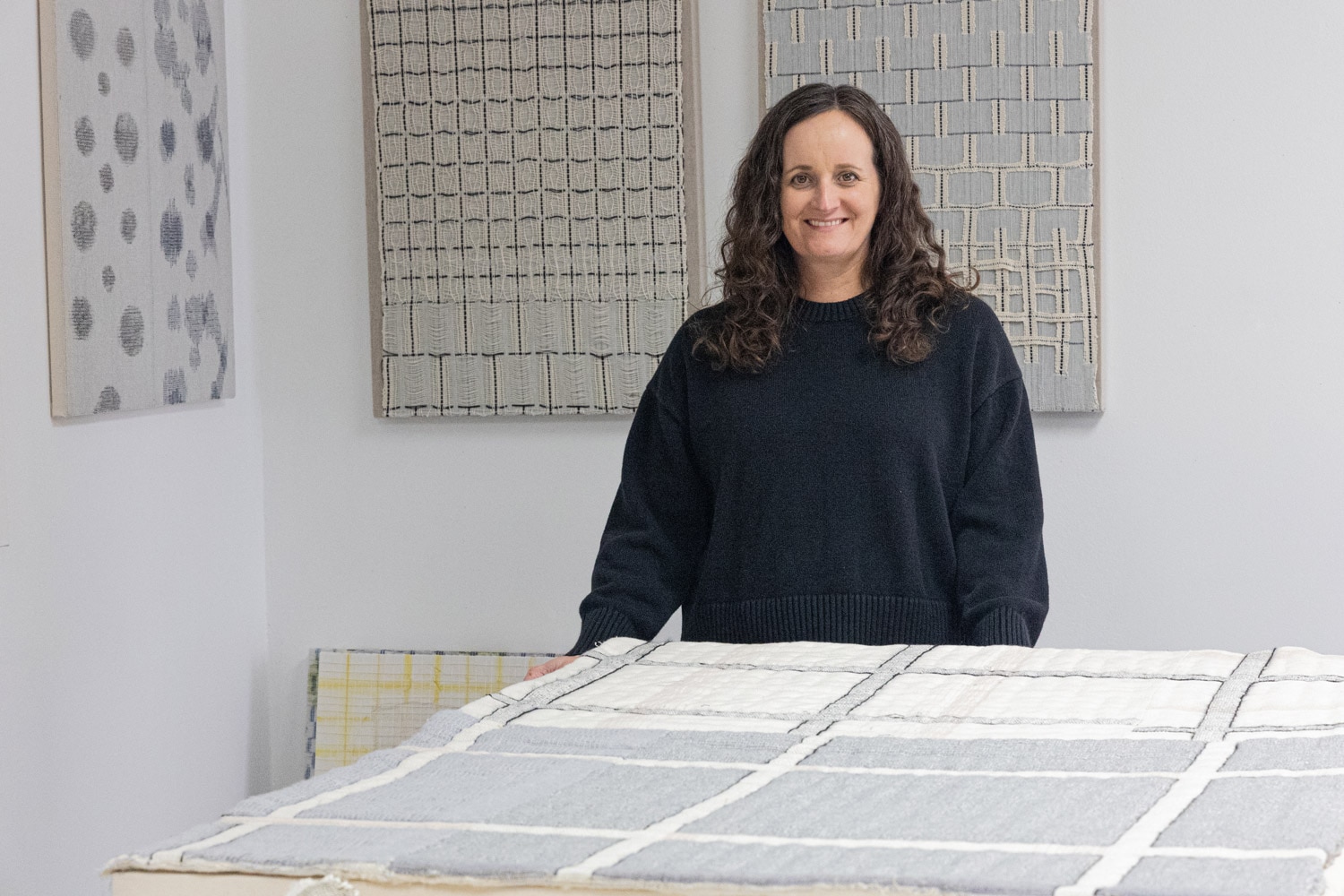
- Lesley designs multilayered woven art pieces
- She embraces the way new technologies can allow more ambitious works
- Her solo exhibition Pattern Shift featured at Stroll Garden Gallery in Los Angeles in 2025
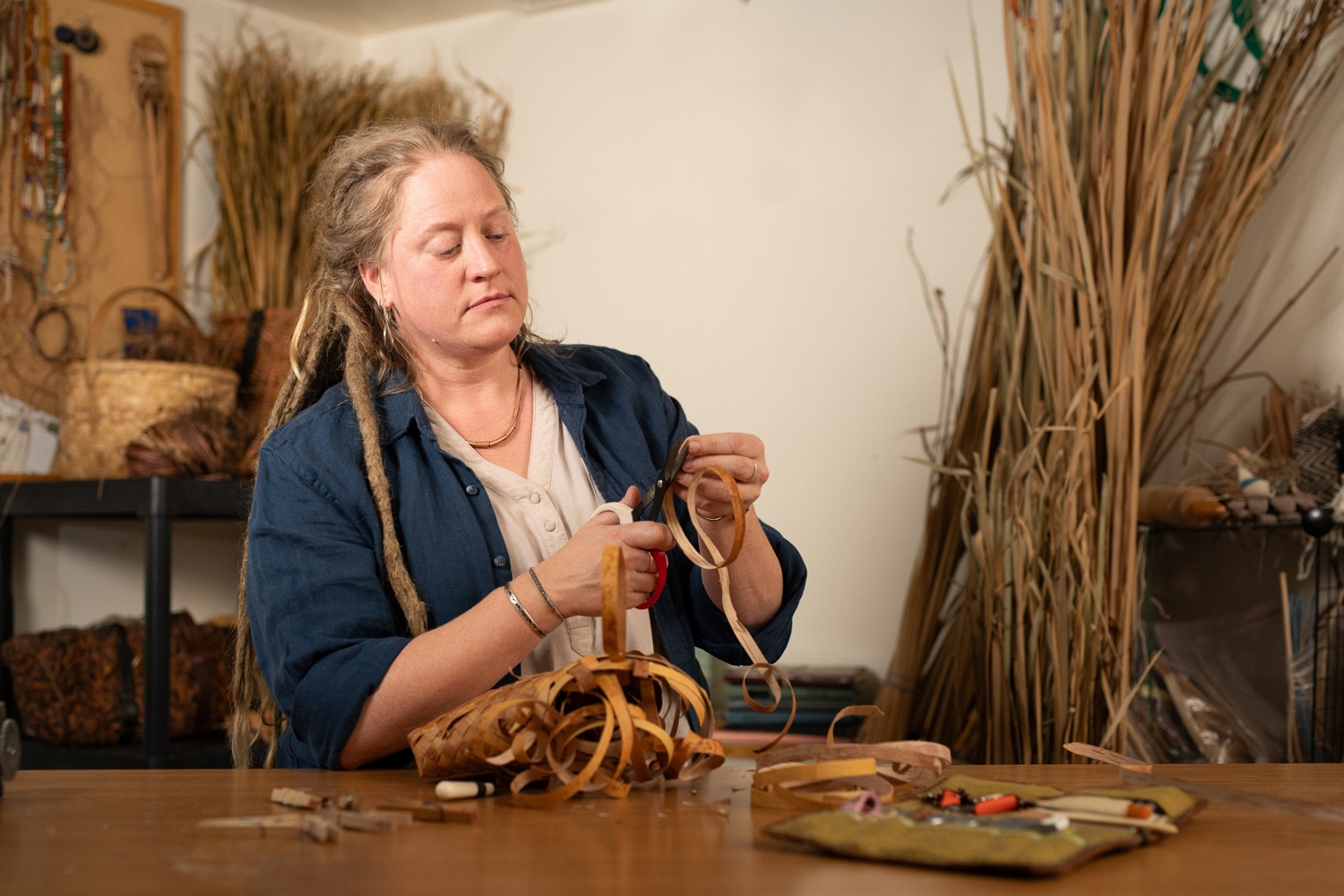
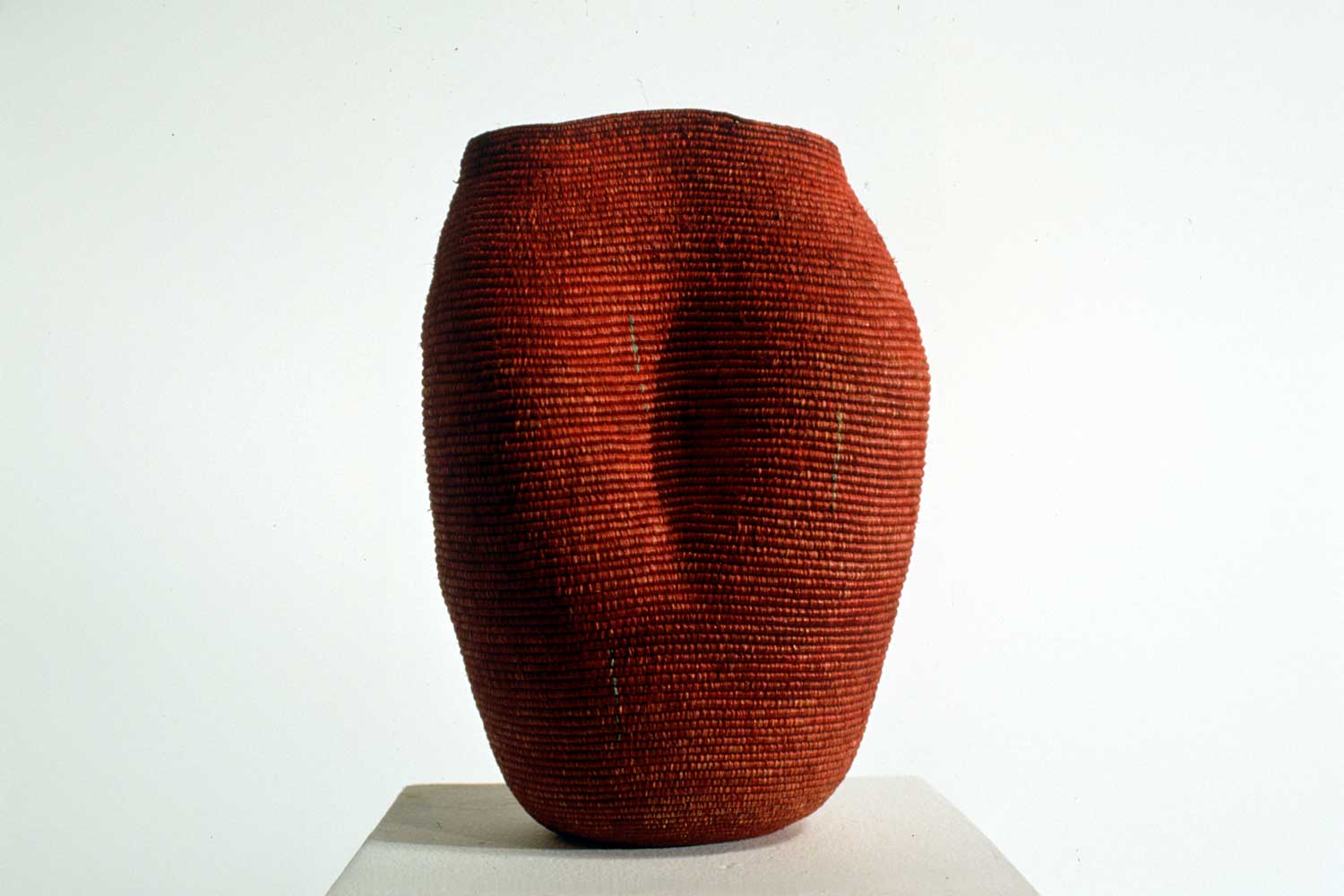
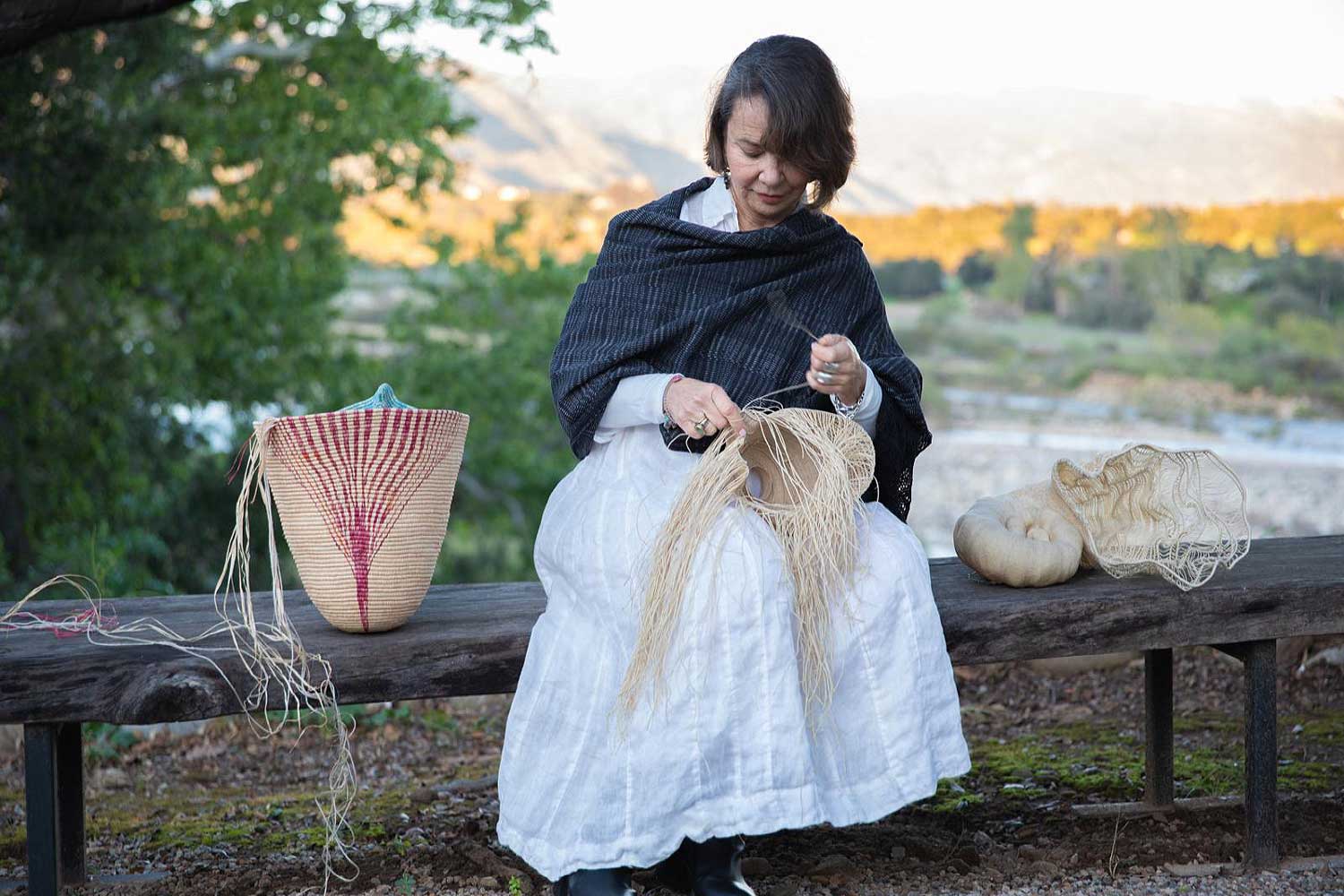
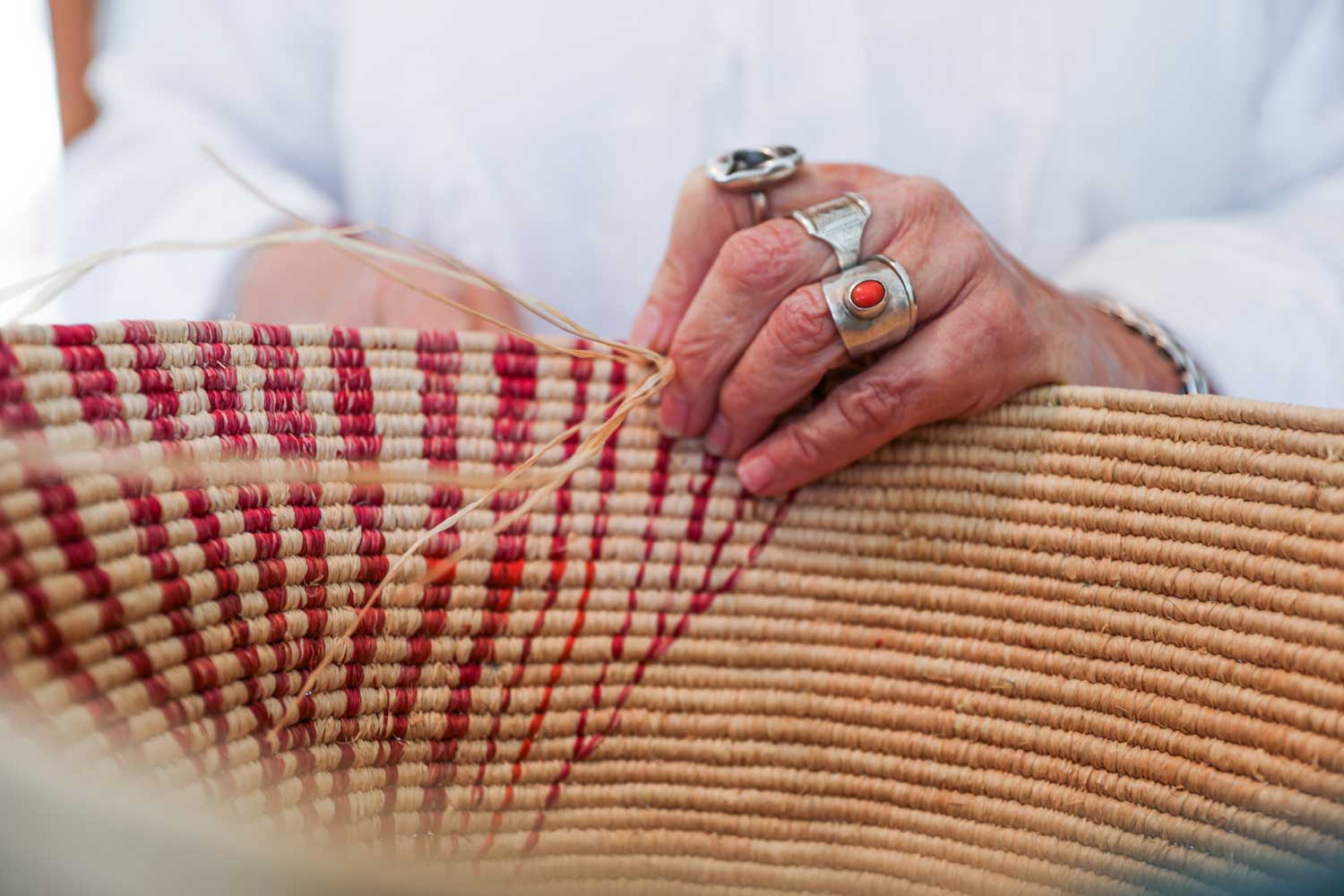
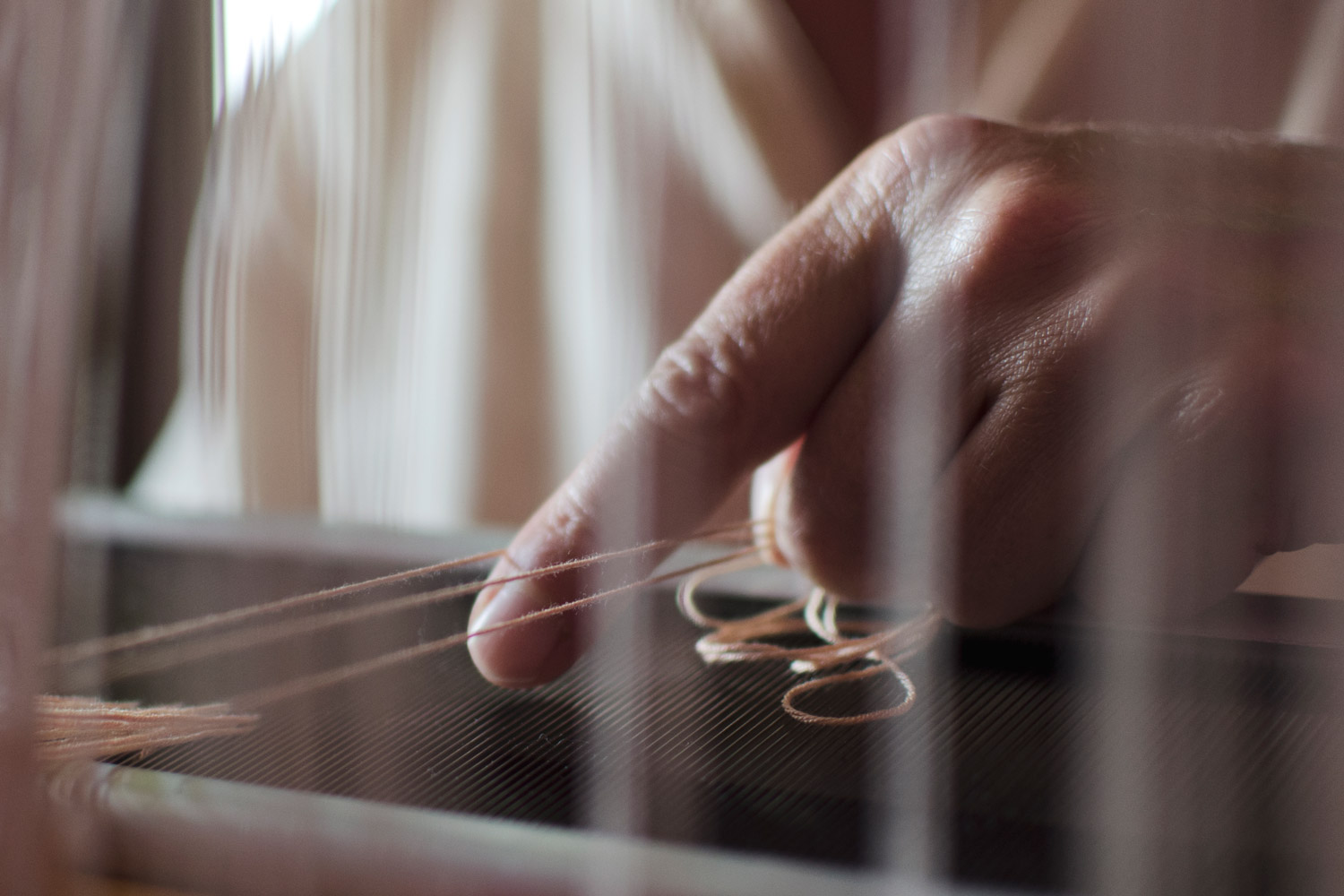
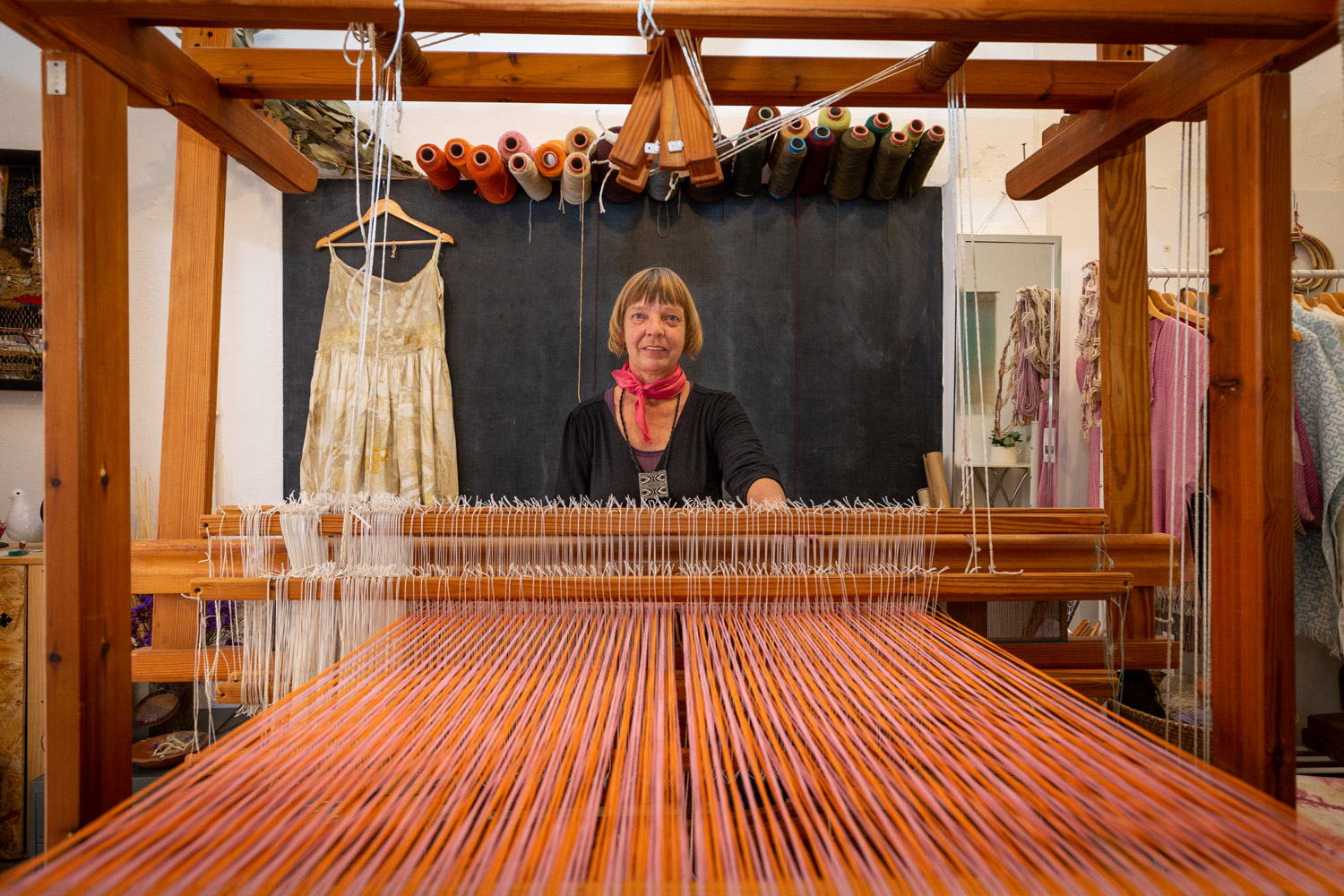
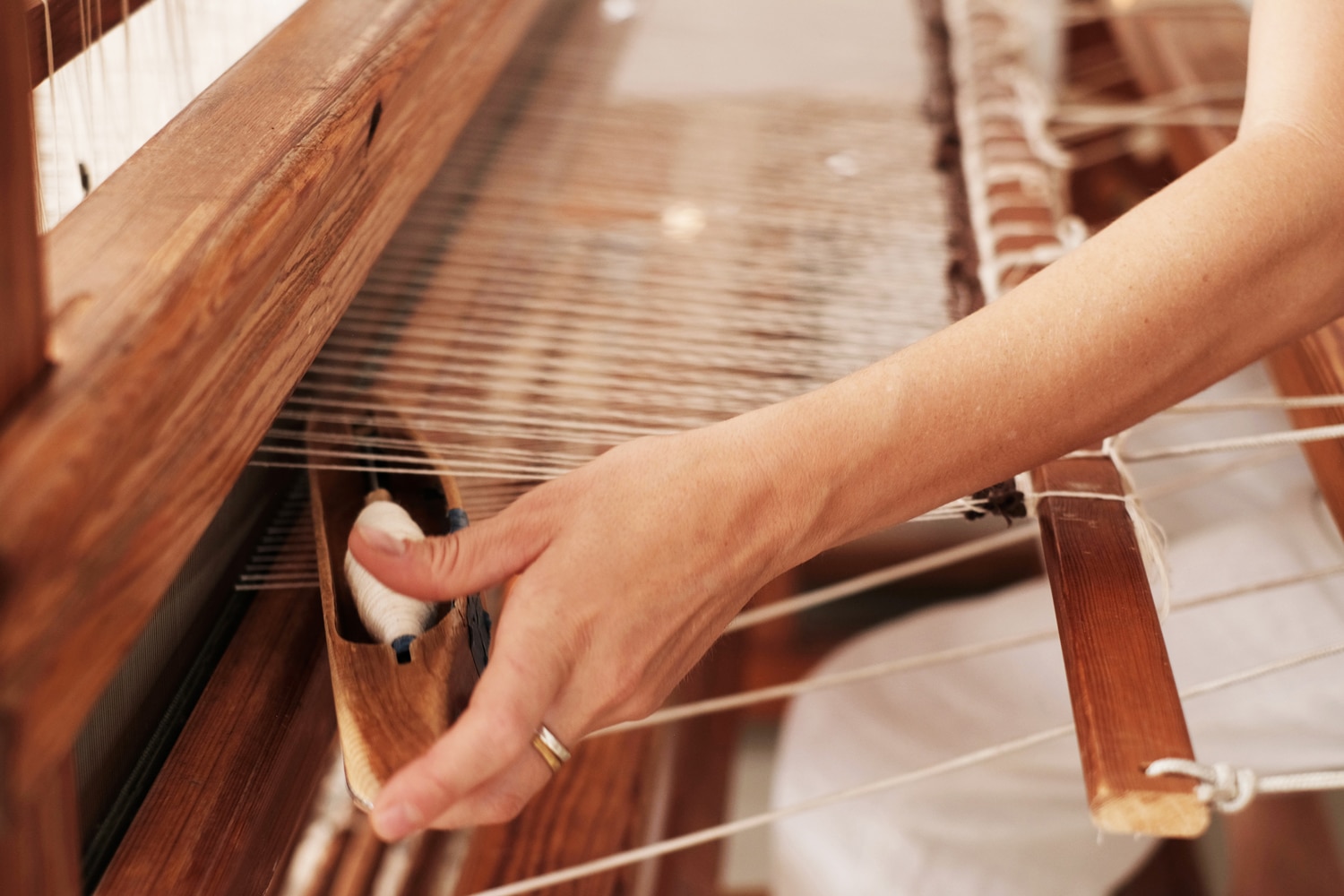
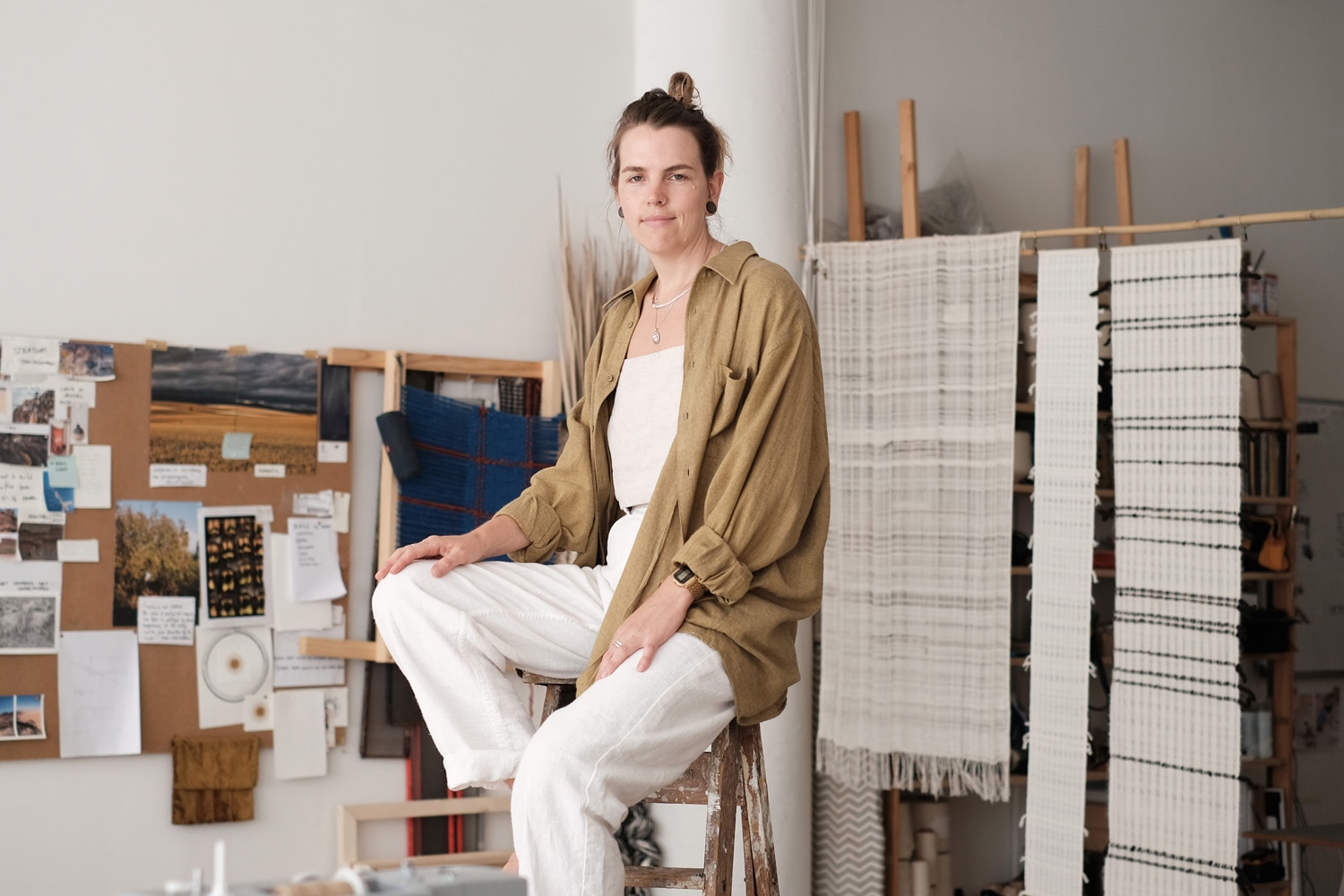
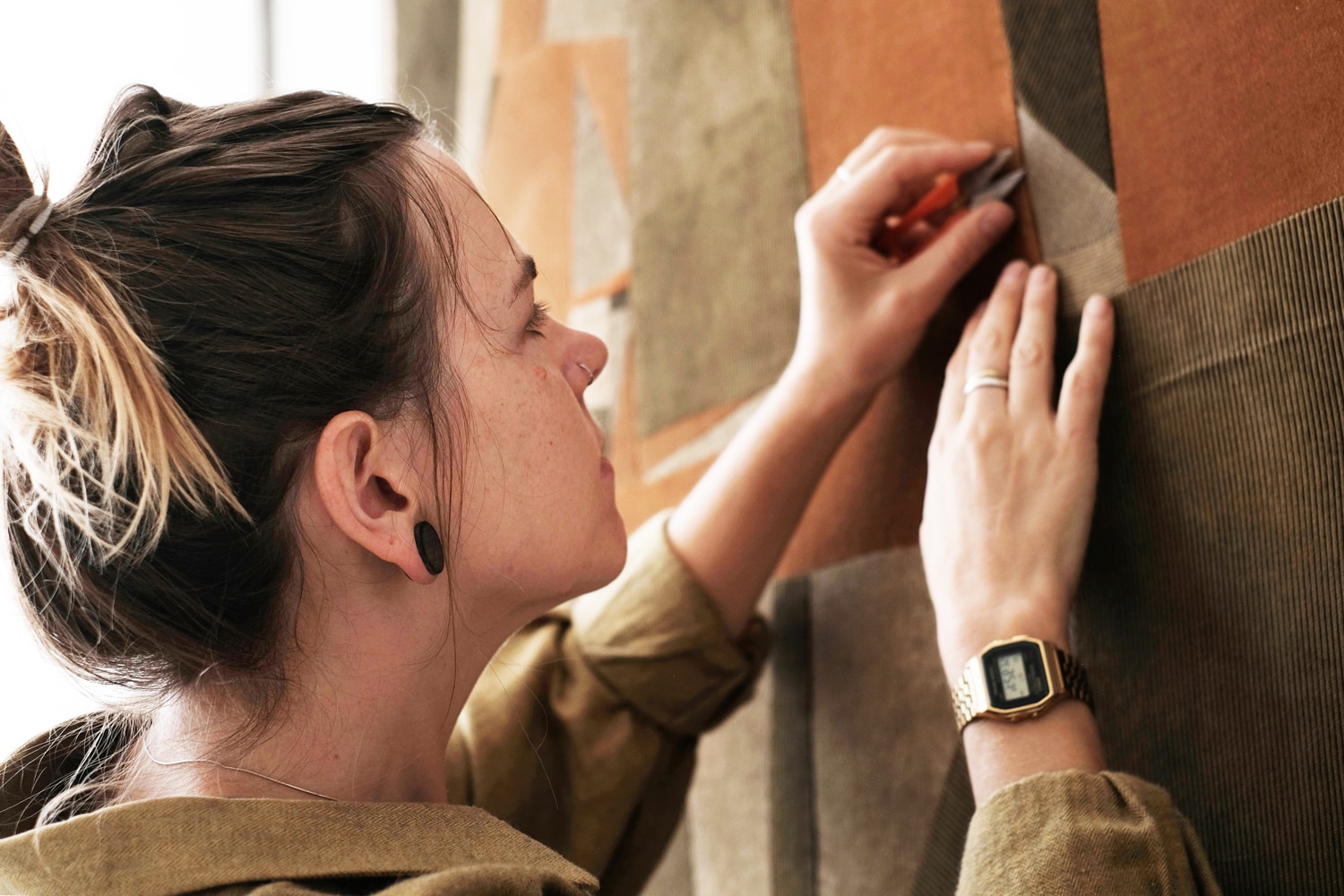
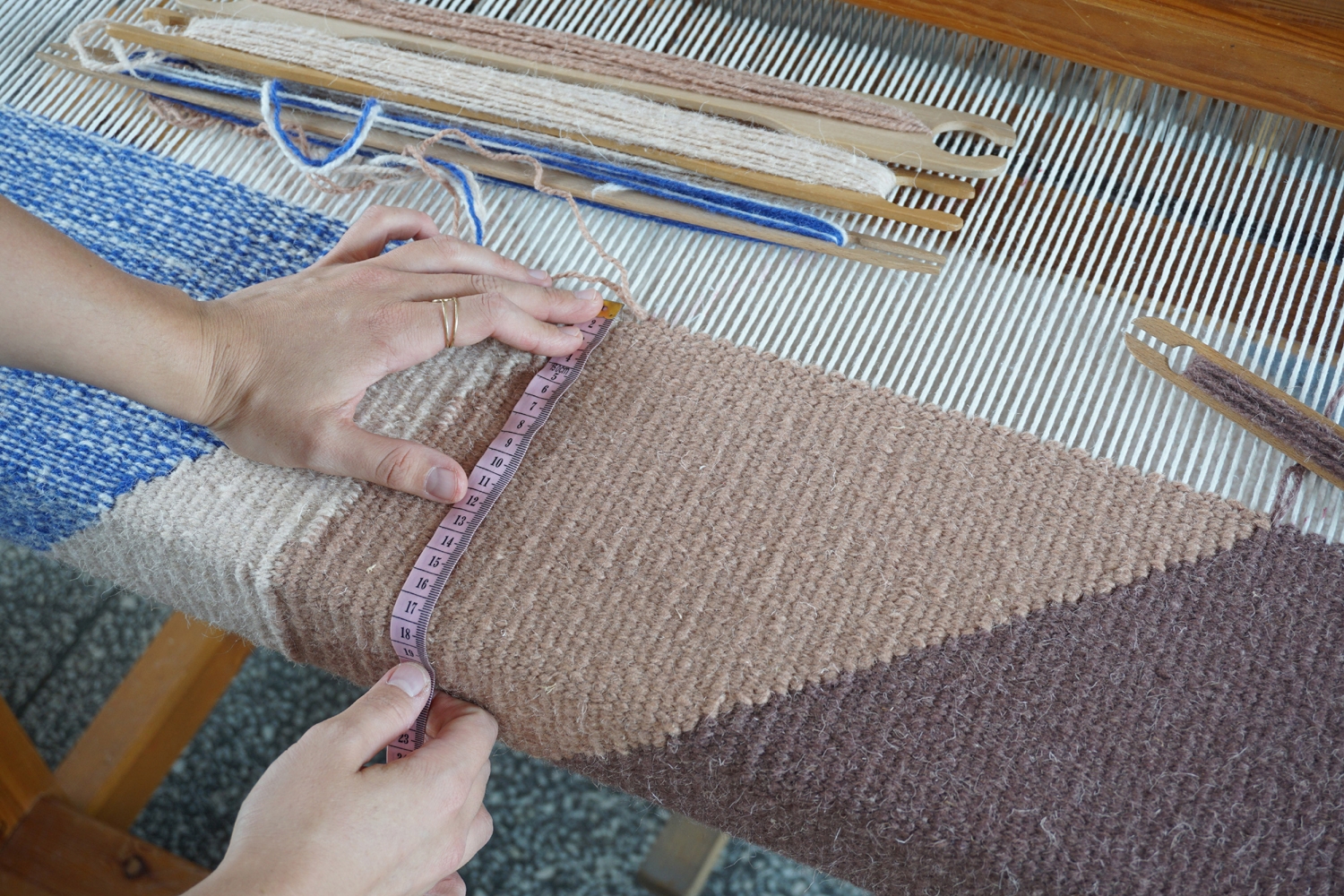
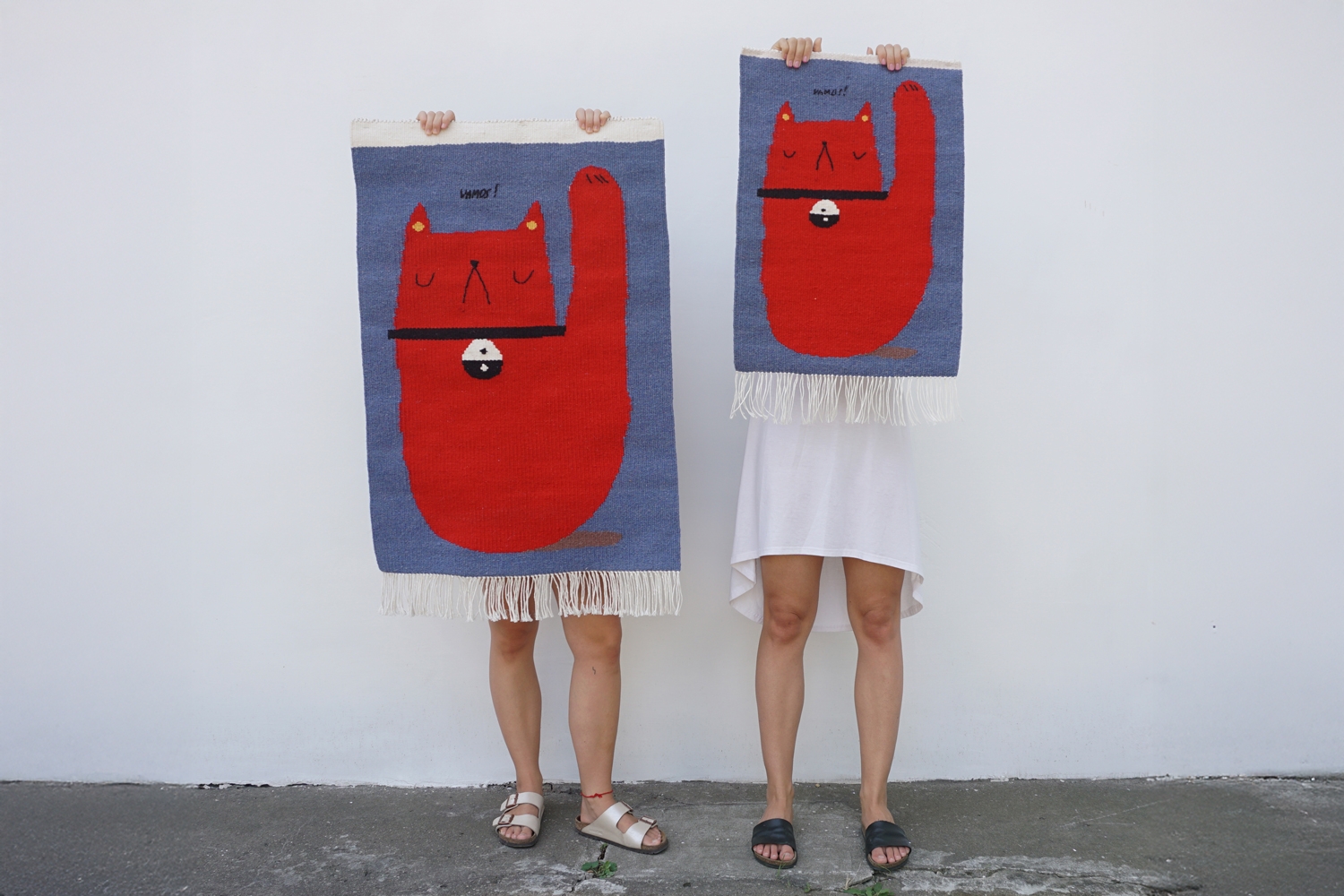
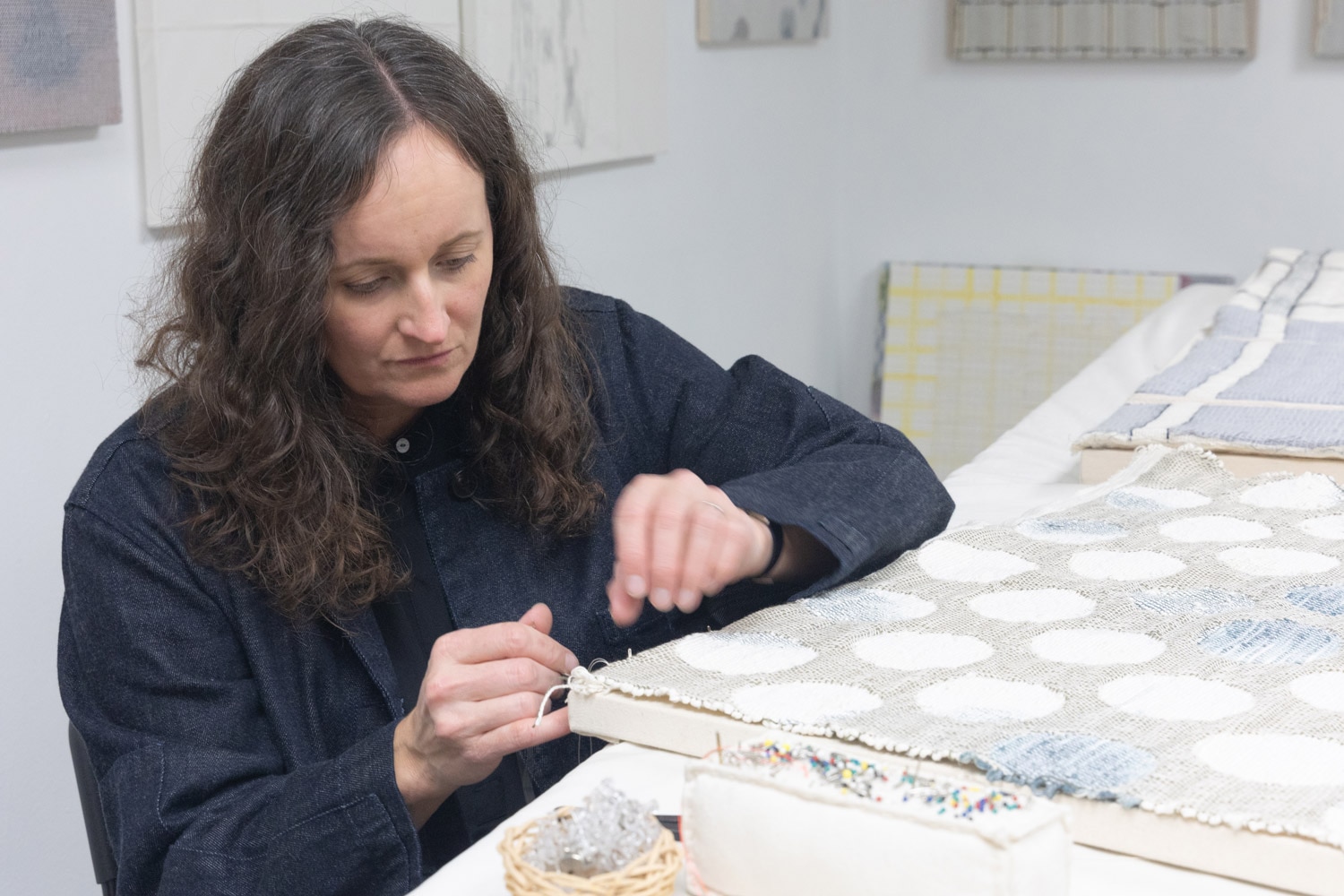
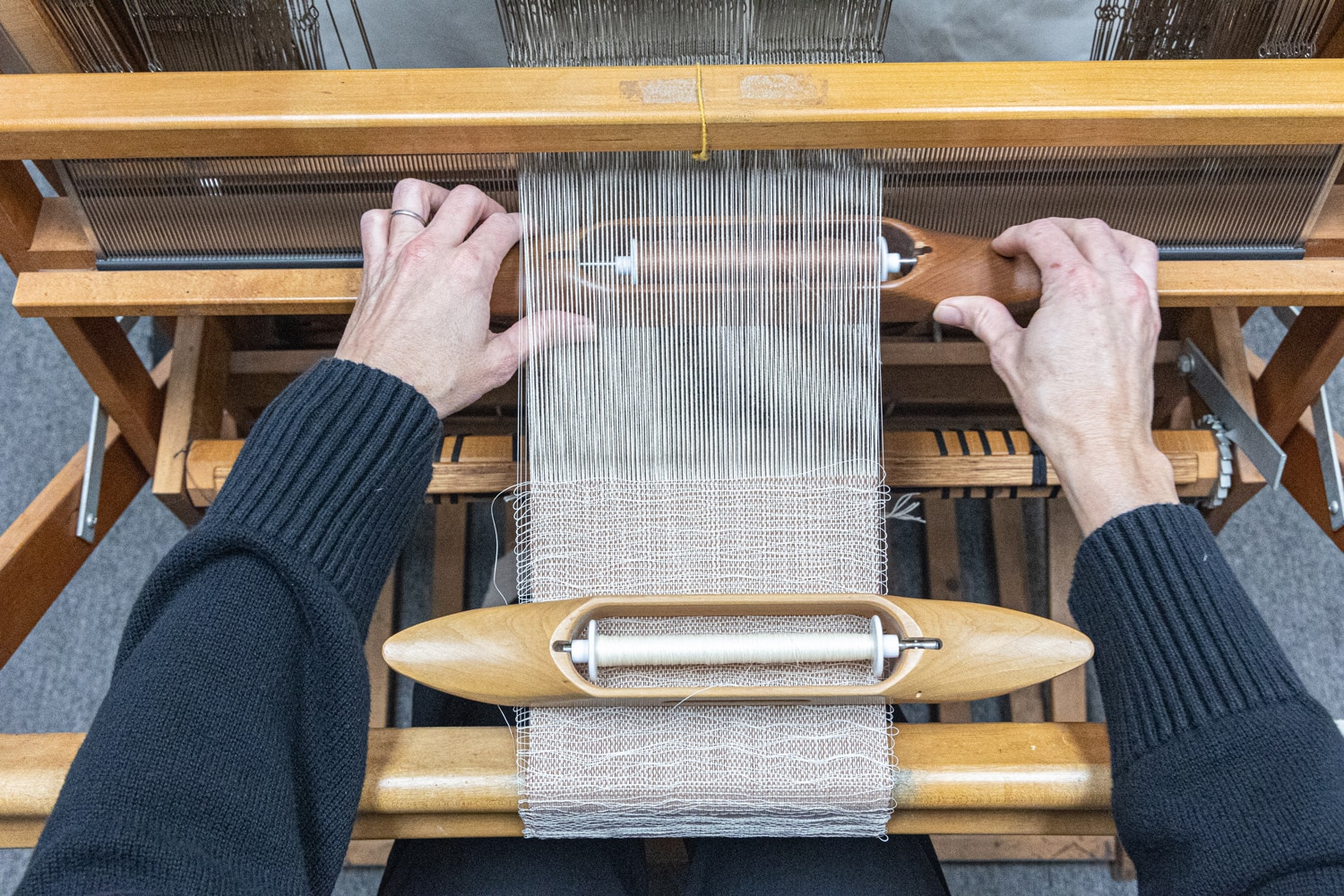
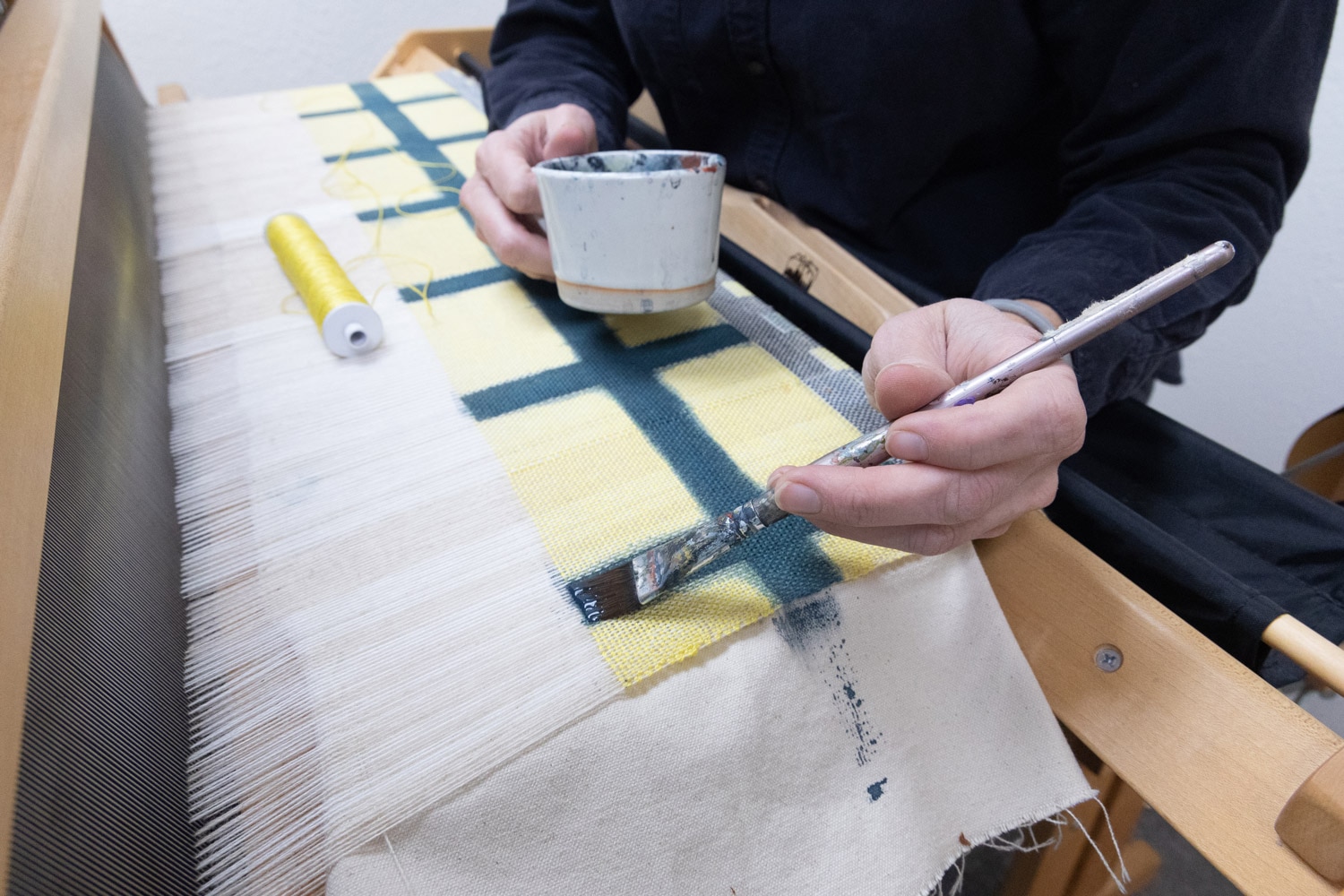
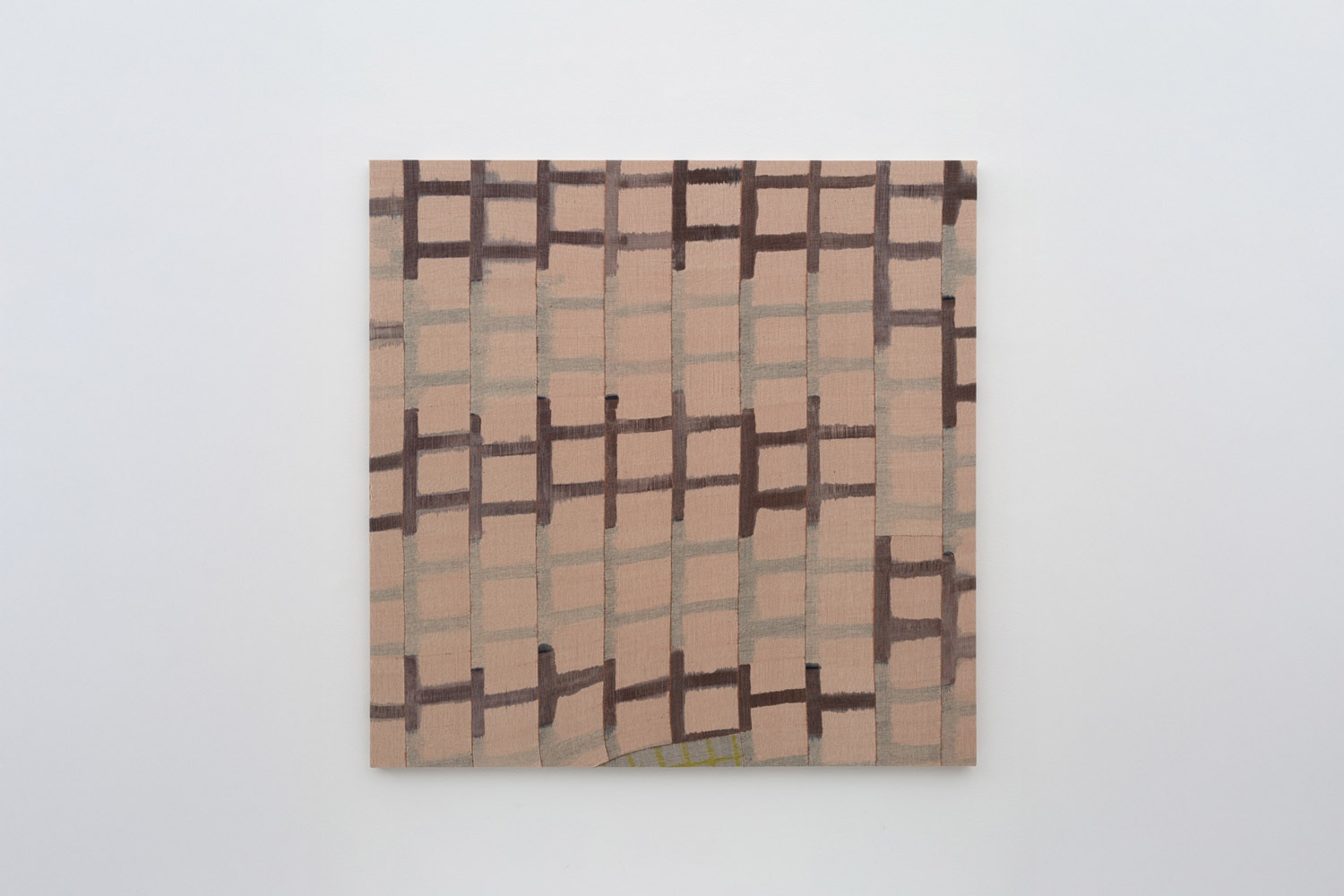
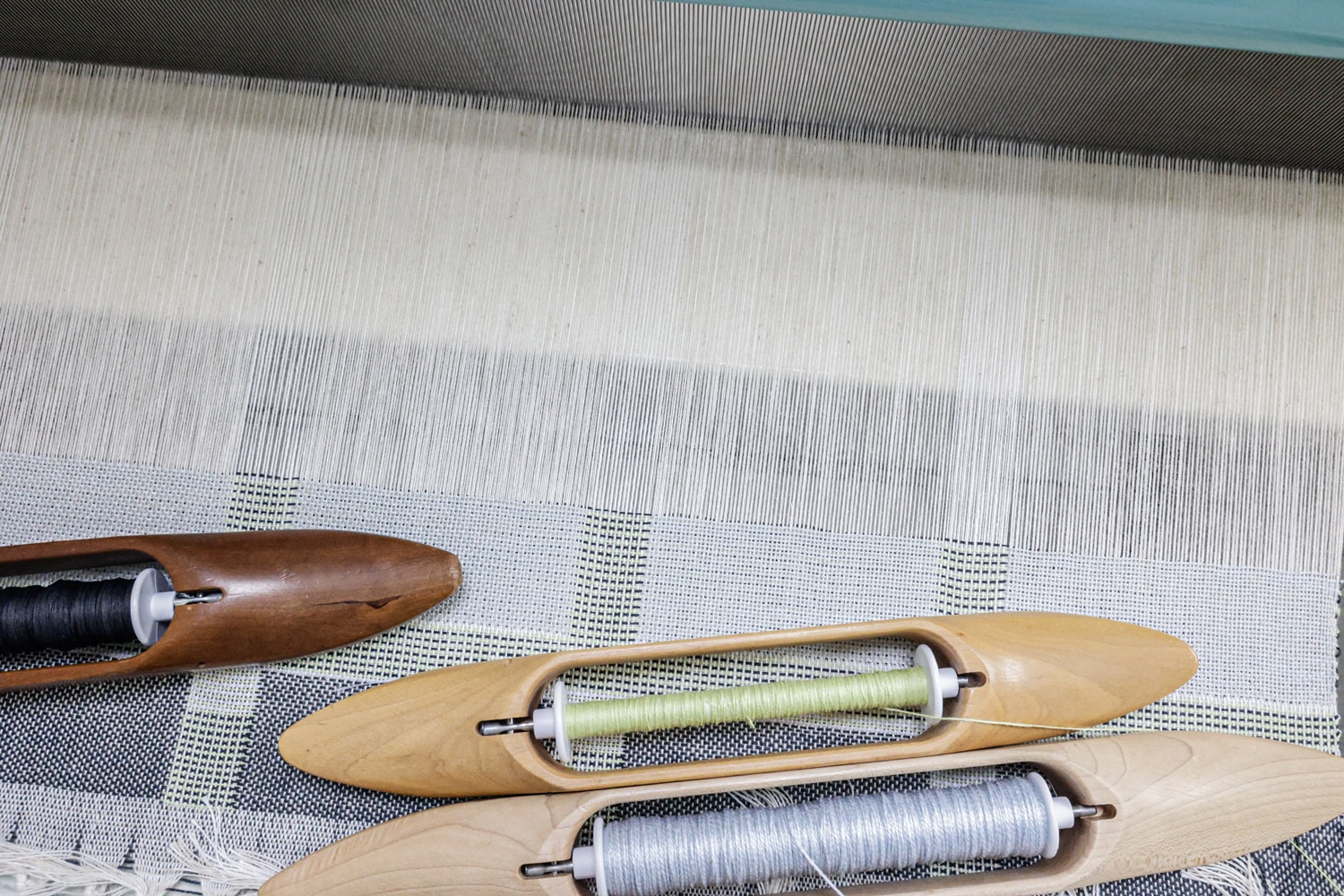
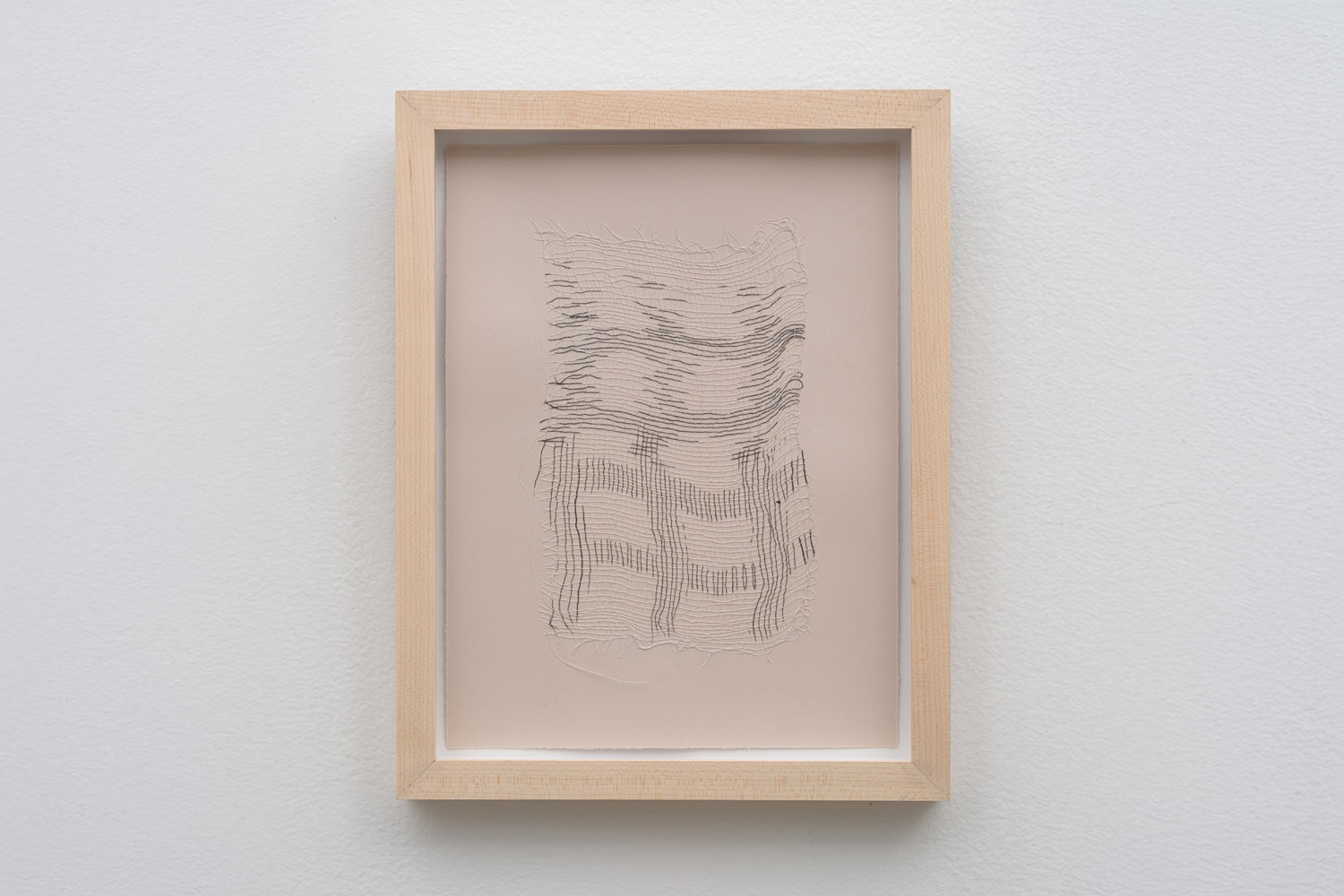
Lesley Kice Nishigawara discovered weaving as an undergraduate at the Kansas City Art Institute. “Before enrolling, I did not realise weaving was something I could study or even consider as a primary medium. Once I learned about the fibre department, I was immediately drawn to the tactile nature of the material and the expansive creative possibilities within fibre,” she says. Taught to weave and spin yarn, as well as design and surface dye it, Lesley developed her own practice. Her multilayered pieces feature painted warps and wefts and are created on a floor loom and a computerised Jacquard loom. She has been widely exhibited in the USA. Lesley continues to view the role of university fibre programmes as essential in opening access to the craft. “Colleges provide access to equipment and concentrated time for learning that many individuals would not otherwise have,” she says.
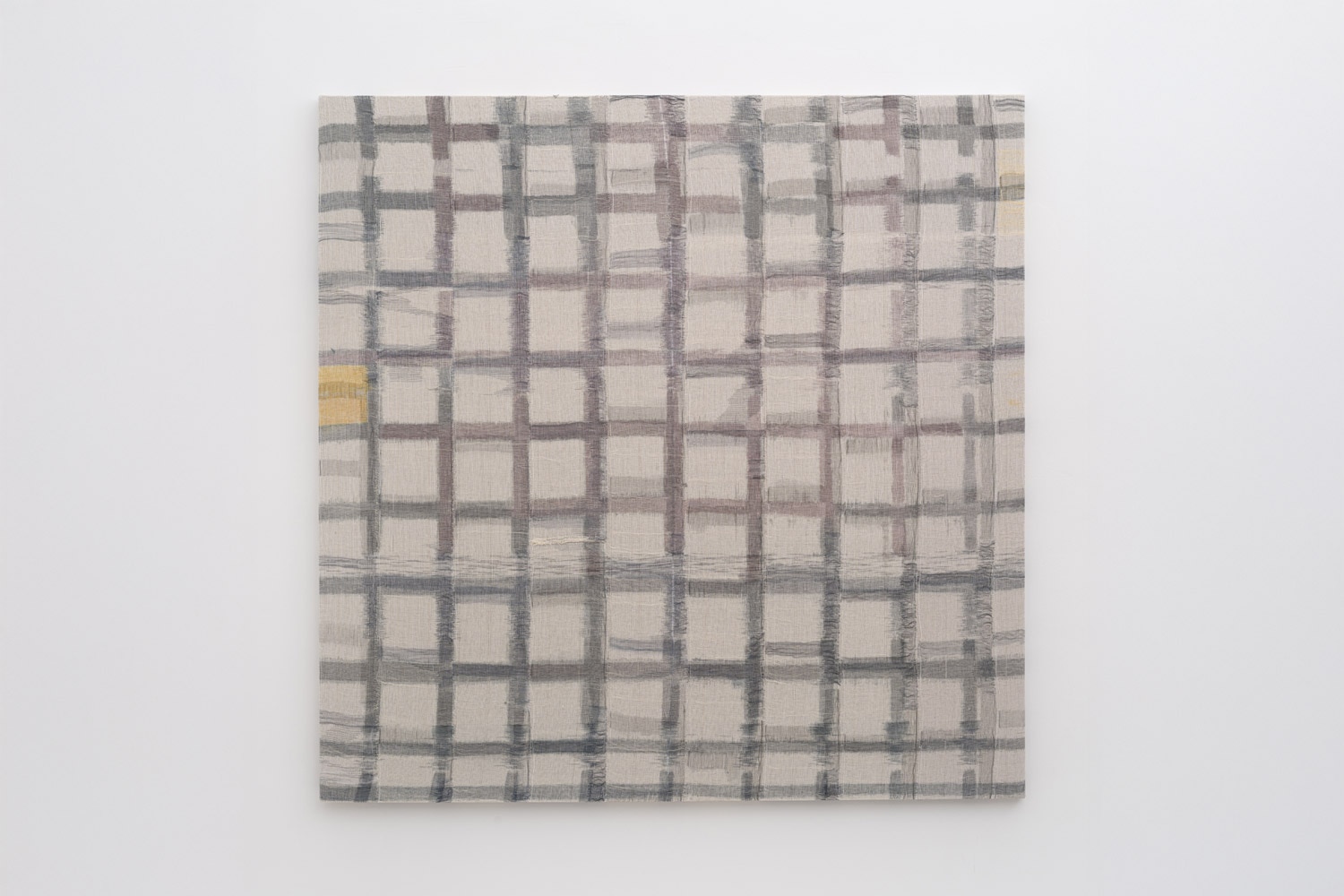
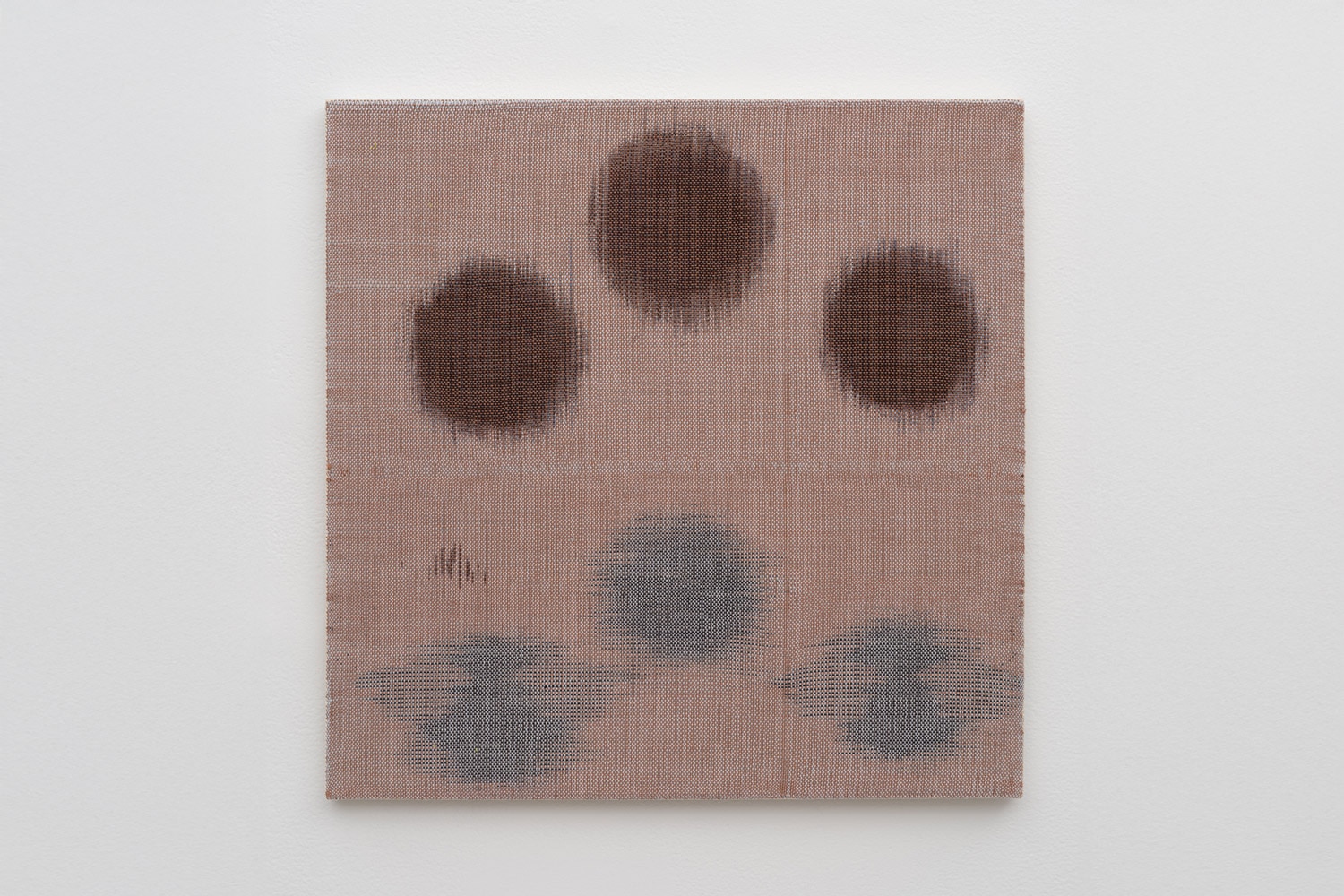
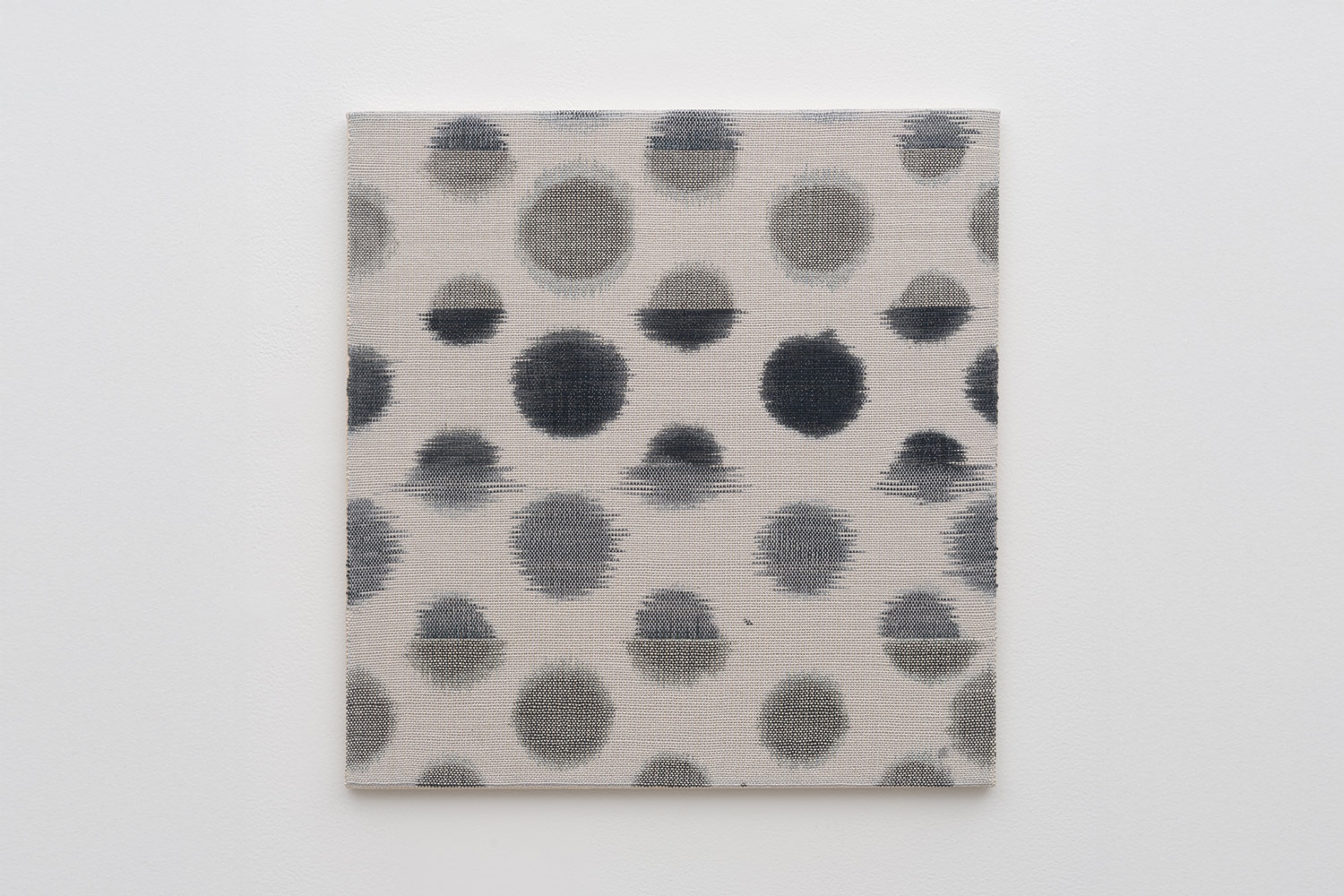
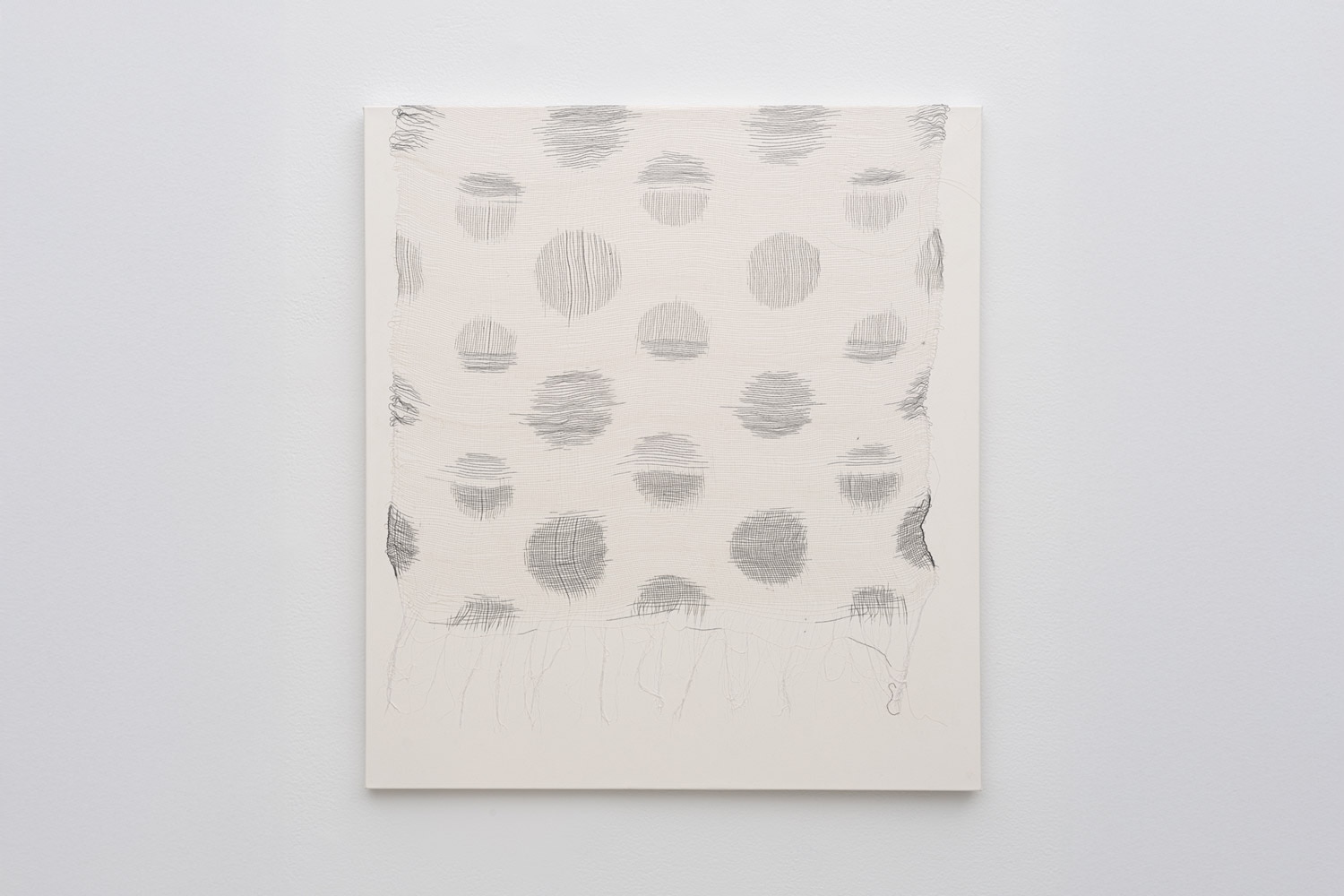
INTERVIEW
It gave me the flexibility to create layered weavings that would be extremely time-consuming to produce on a floor loom using the pickup double weave. With the Jacquard loom, the ideas in my mind can be translated into cloth within a reasonable amount of time.
I have learned the importance of patience and how to appreciate the time between planning and finishing a piece. I have also learned that mistakes are not truly mistakes, they can become integral to the work, adding variation and depth. I have begun to embrace these mistakes and explore how they can transform and enrich the final piece.
I am concerned about the environmental impact of synthetic materials. Beyond production issues, I also consider how fibres break down and the long term environmental consequences of textile waste. I always save my leftover yarn ends to create something new and reduce the waste produced in my studio.
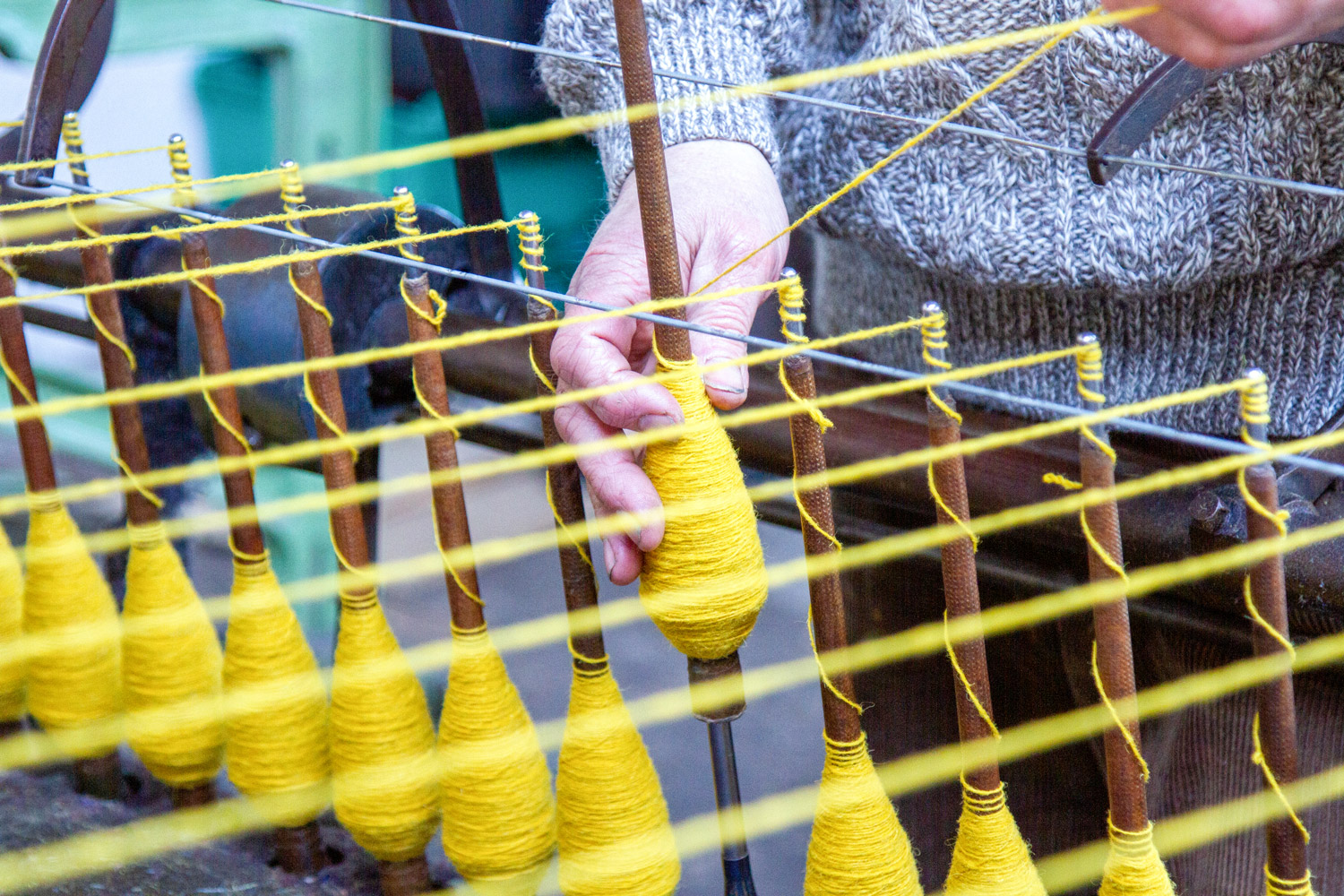
There are different ways to use technology in weaving. For example, yarn can be spun on a drop spindle, accelerated with a floor spindle, or produced more quickly with an electric spinner. These advancements allow artists to work at larger scales that might otherwise be too time-consuming, while still maintaining a strong connection to the process.
Lesley Kice Nishigawara
Weaver
Fullerton, CA, USA
Recommended by Craft in America
ADDRESS
Address upon request, Fullerton, CA, USA
AVAILABILITY
By appointment only
LANGUAGES
English
Homo Faber Finds is a new service aiming to inspire admirers of craft to connect and collaborate with exceptional artisans.
We invite you to submit an enquiry here.