Jessica Bovert
Weaver
Carmel Valley, CA, USA
Recommended by Nest
Weaving craft with fine art
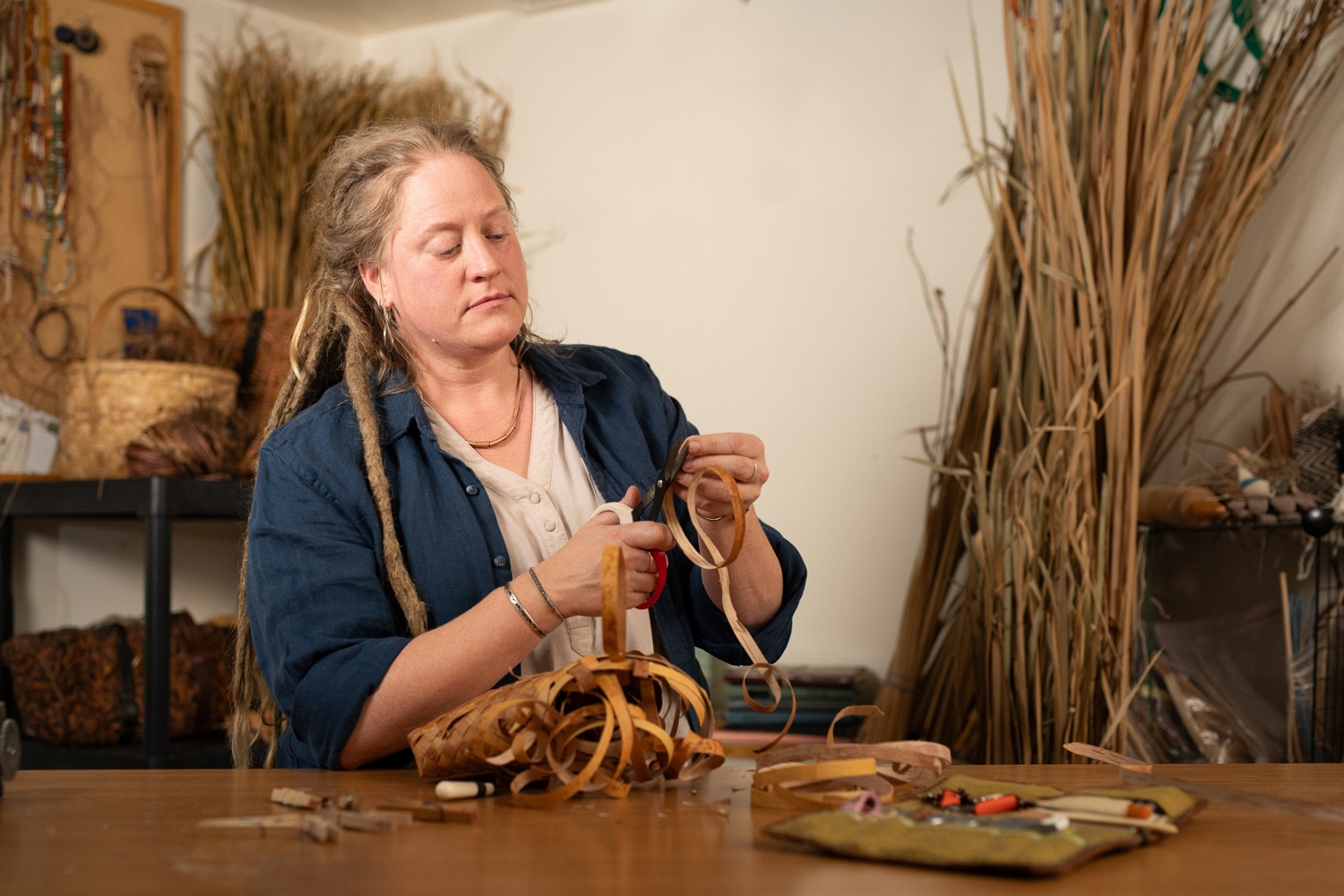
- Jessica’s studio is located on an alpaca farm in California
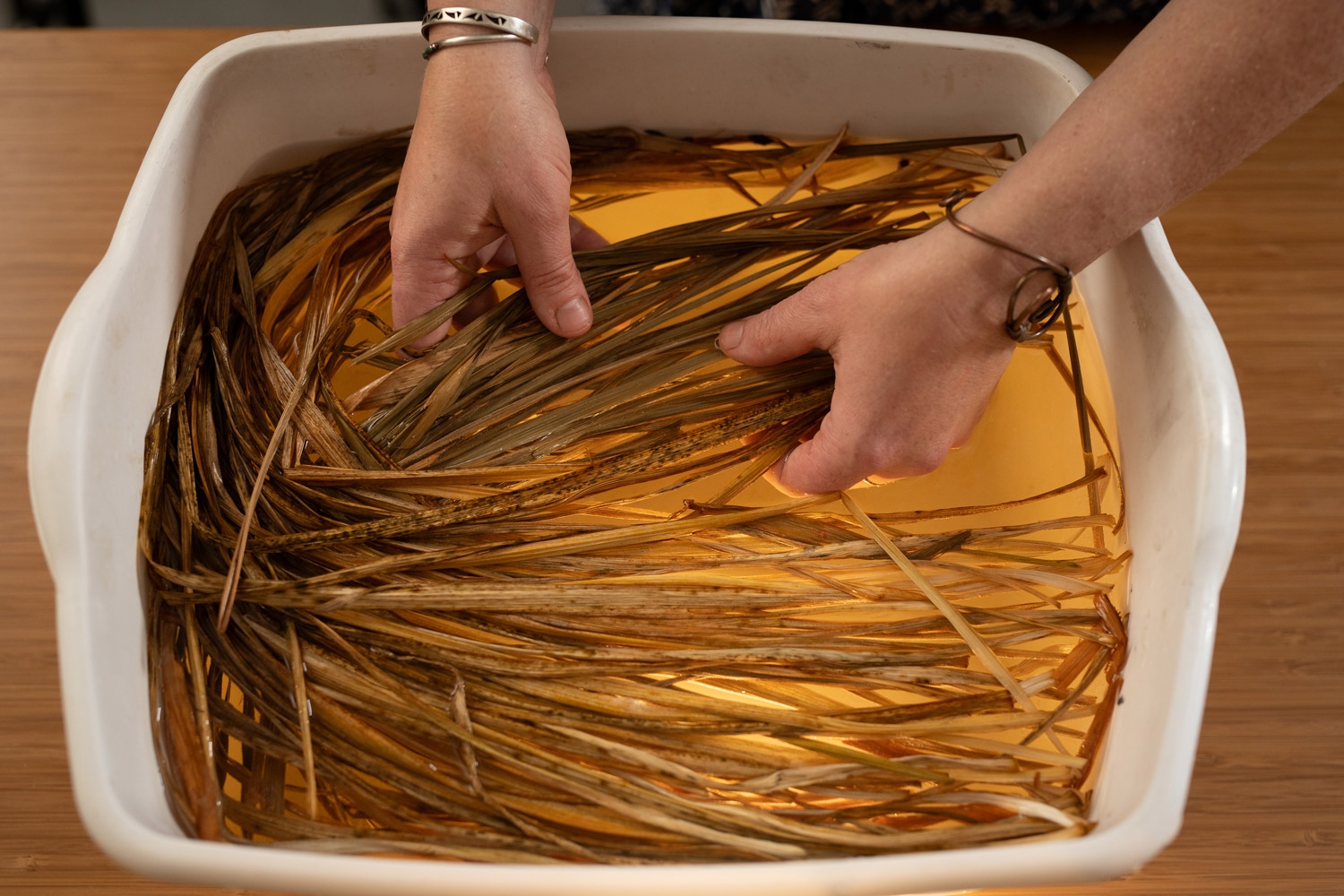
- Dyeing is an essential, hands-on part of her process
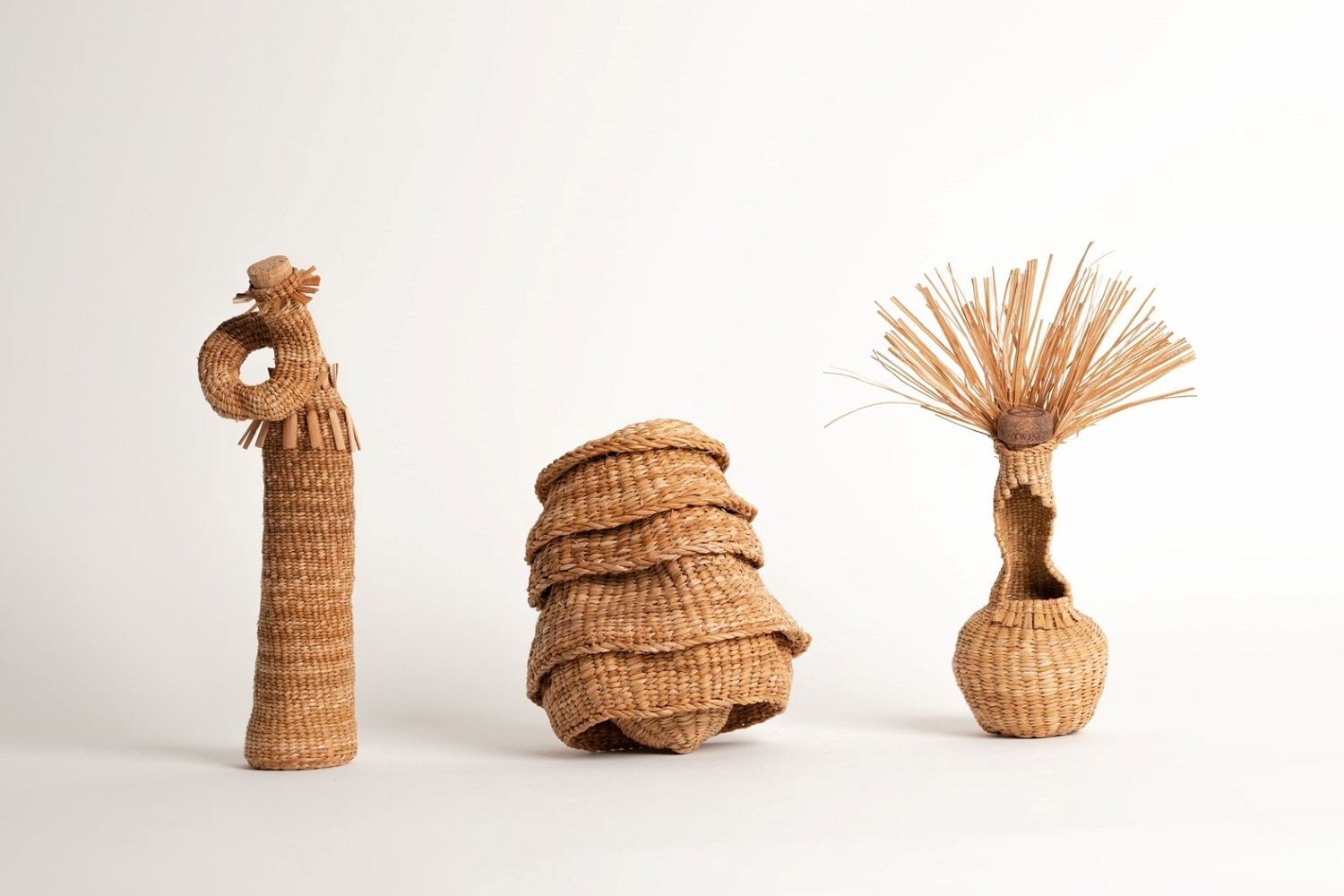
- Her practice blurs the boundaries between craft and art
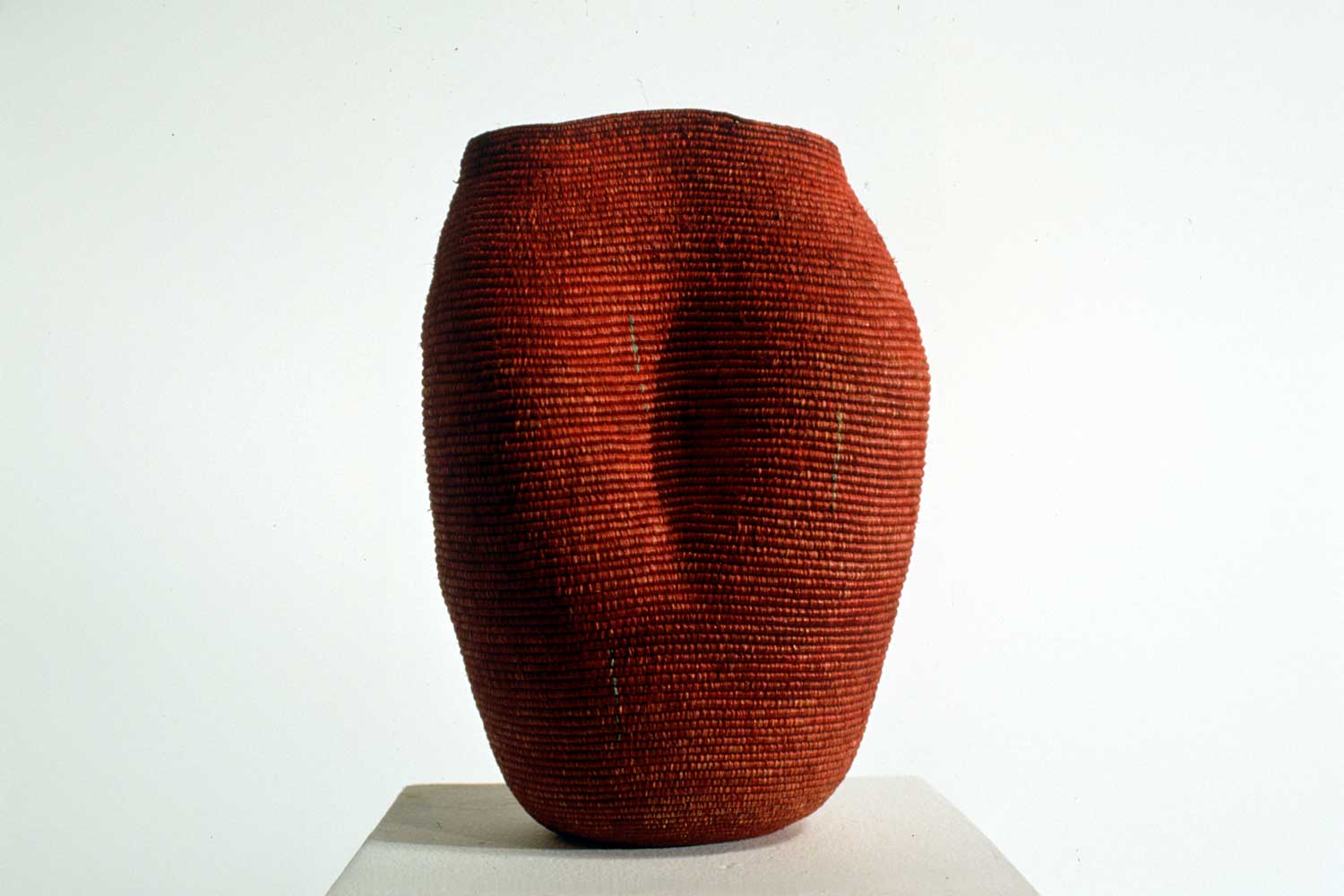
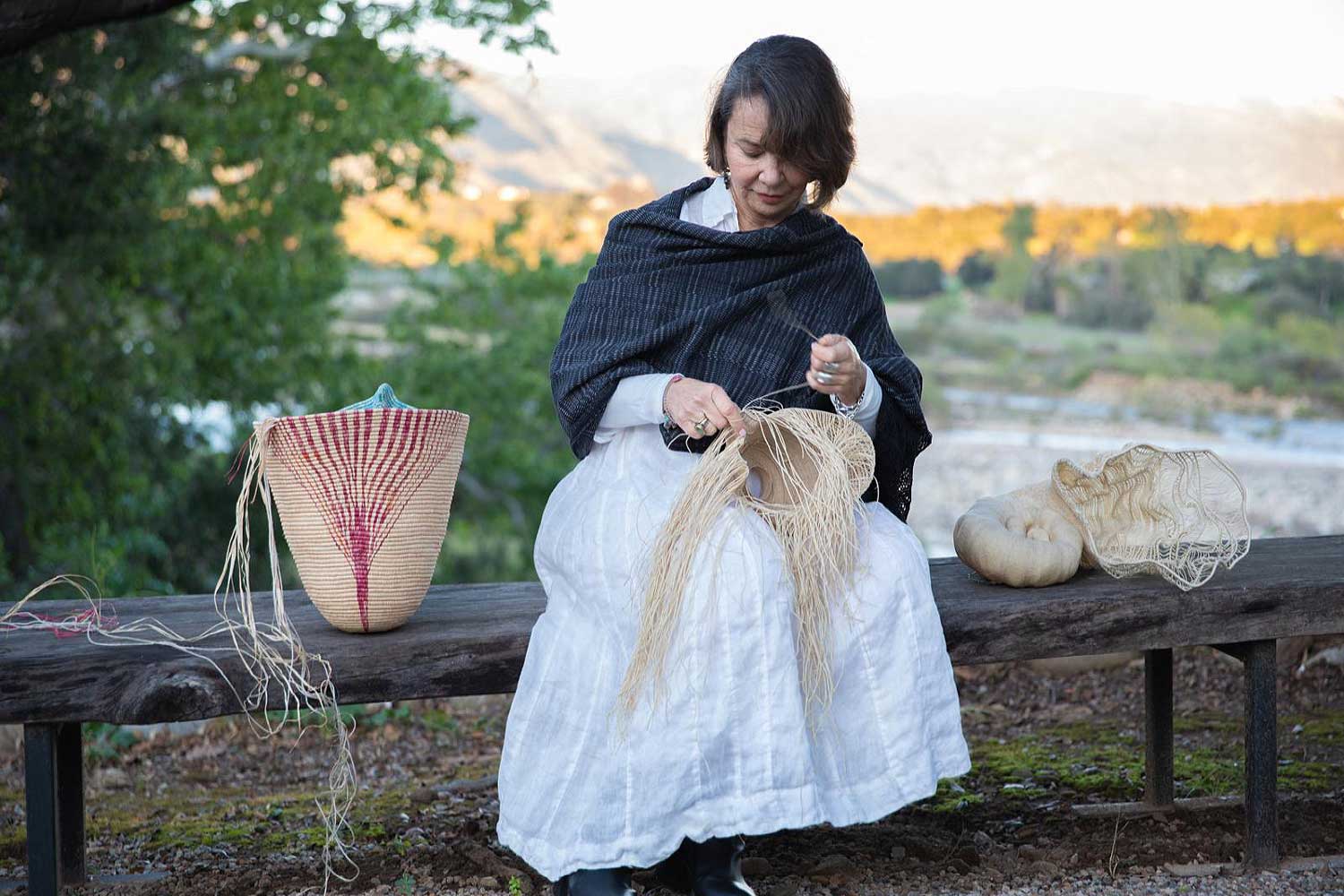
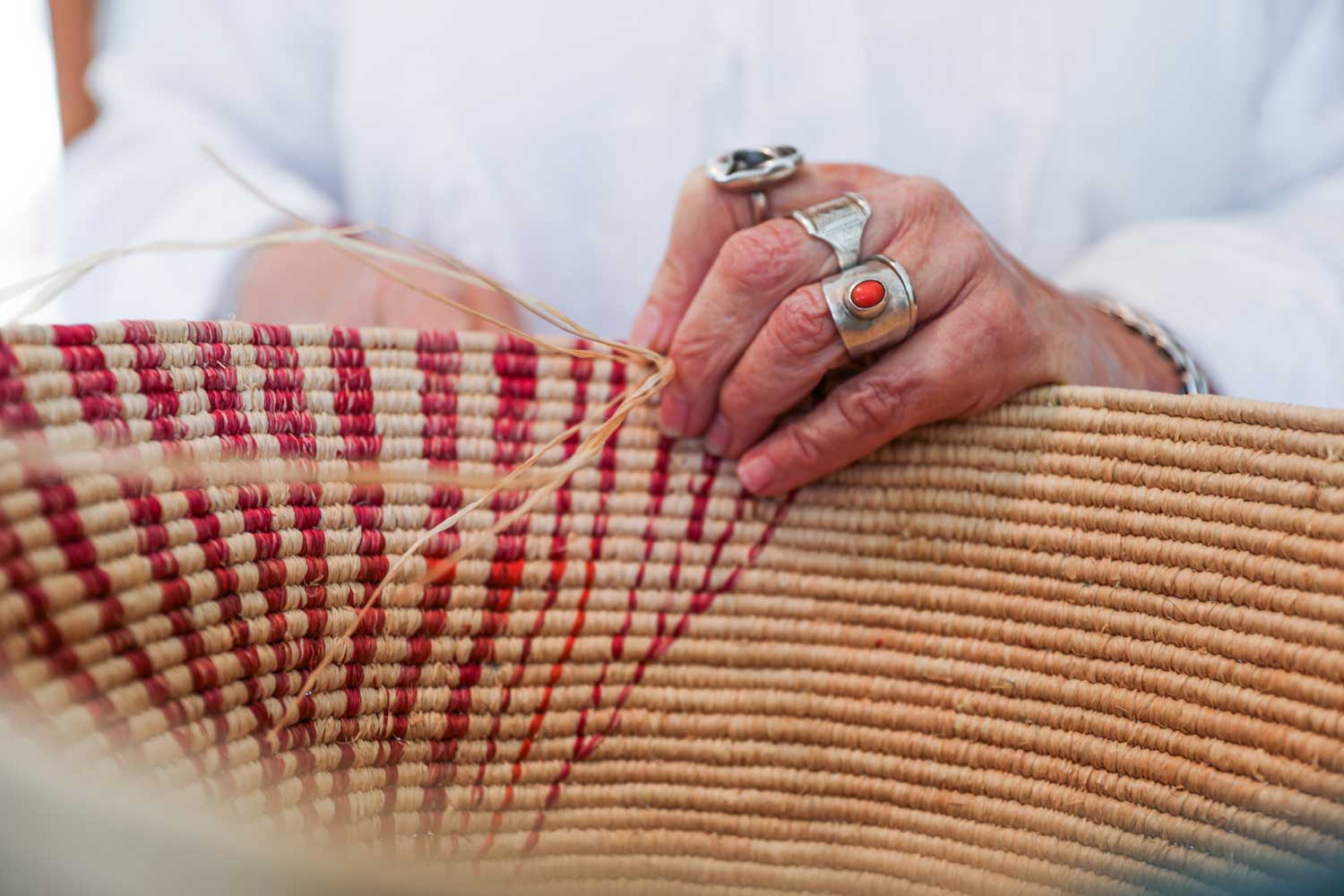
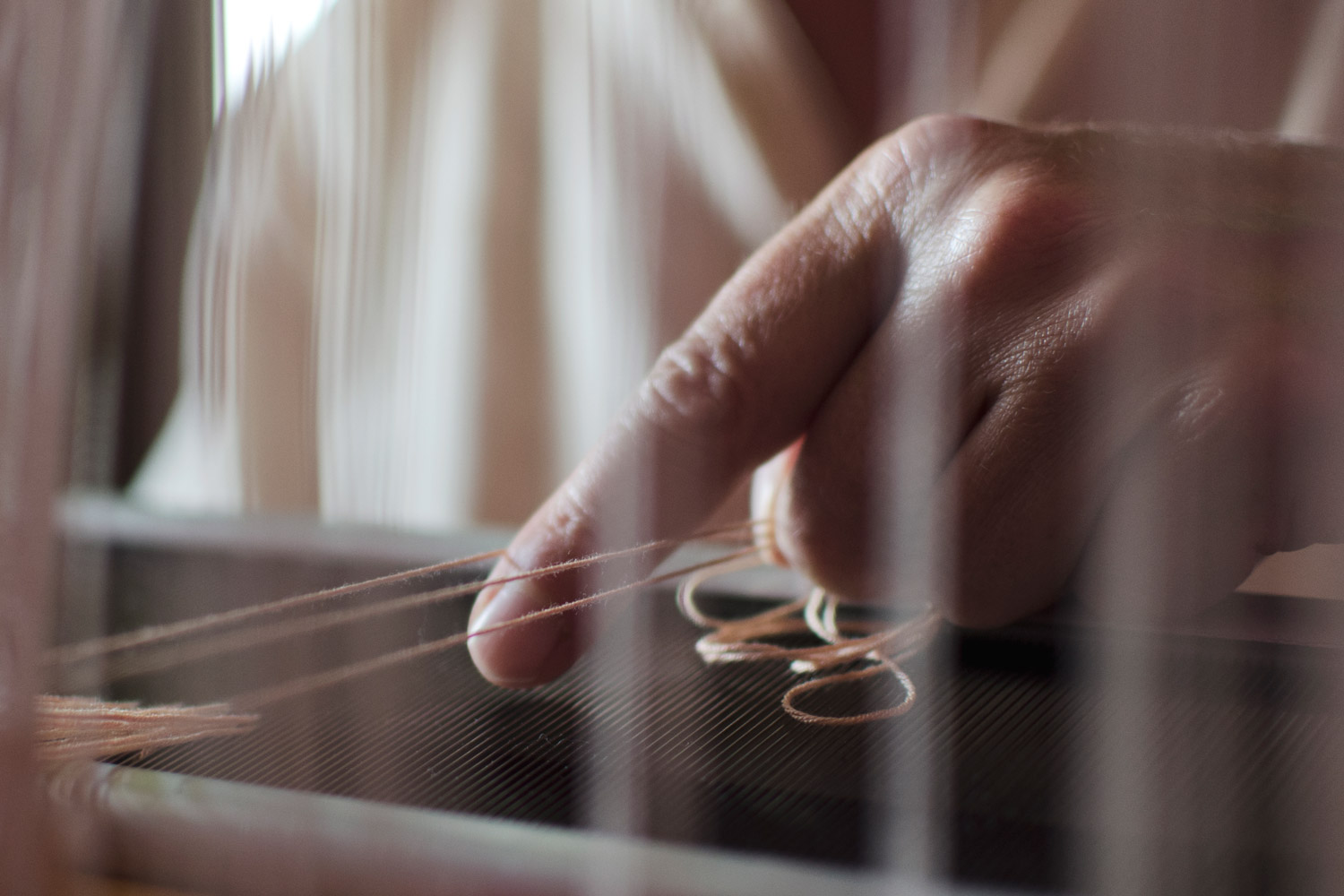
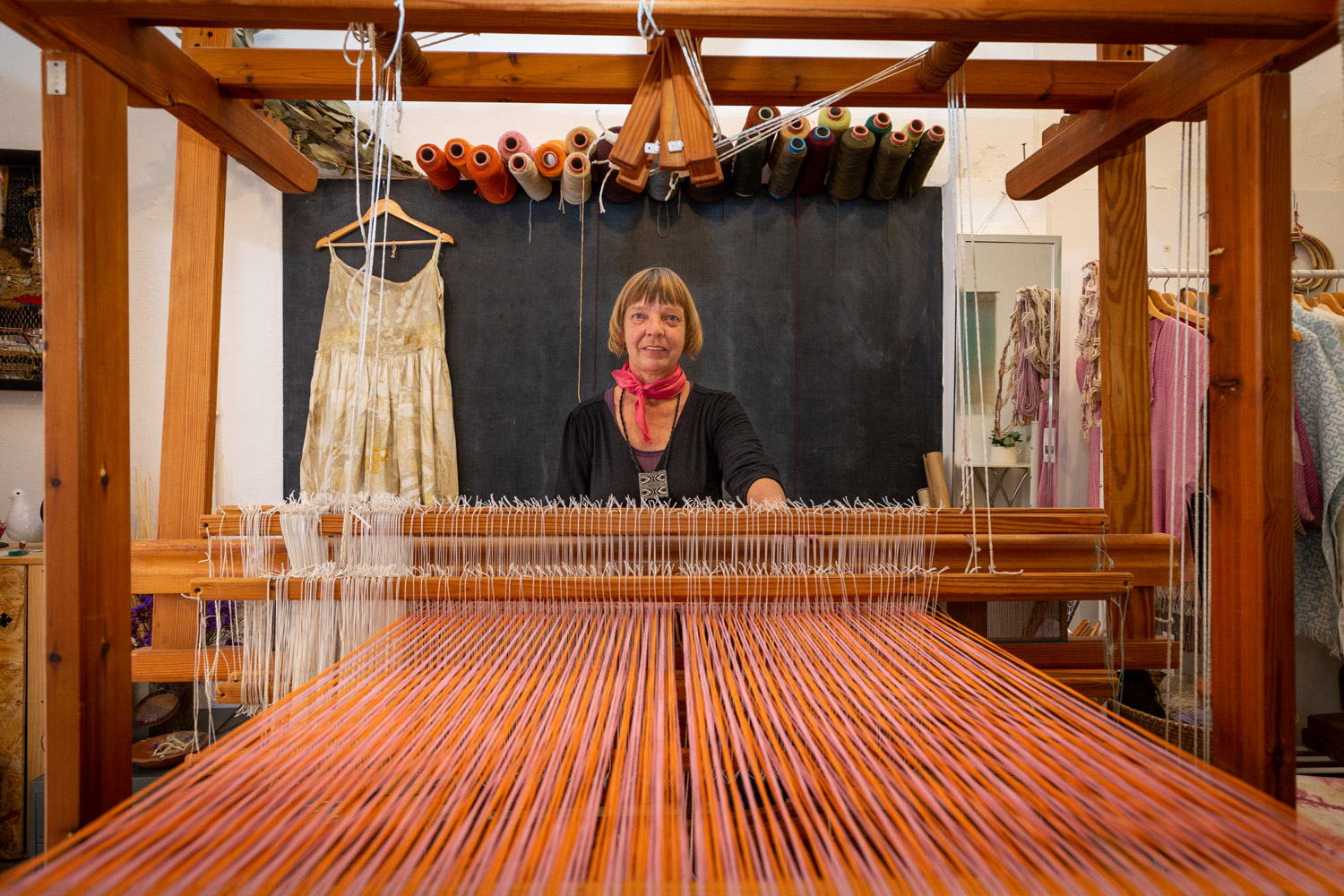
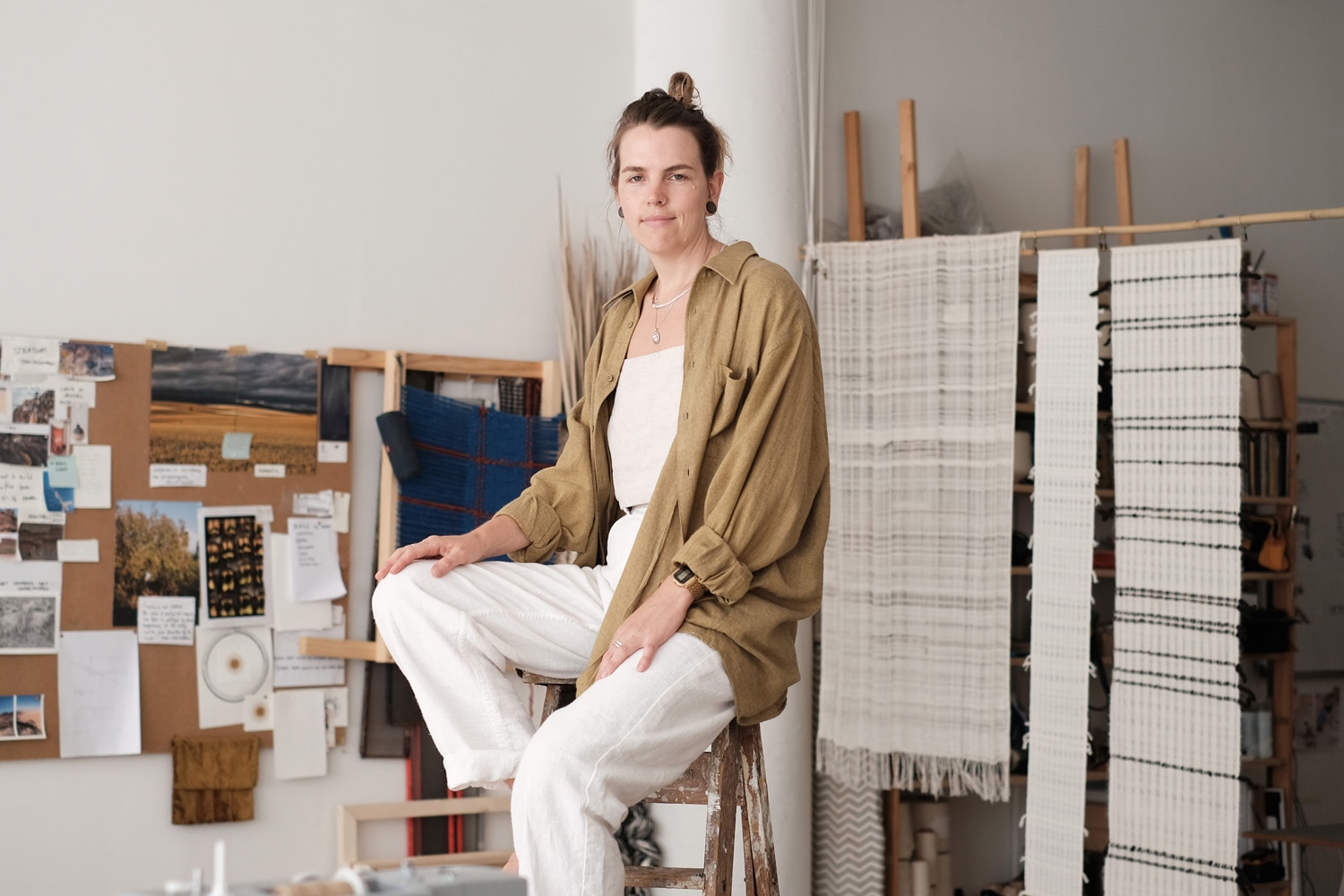
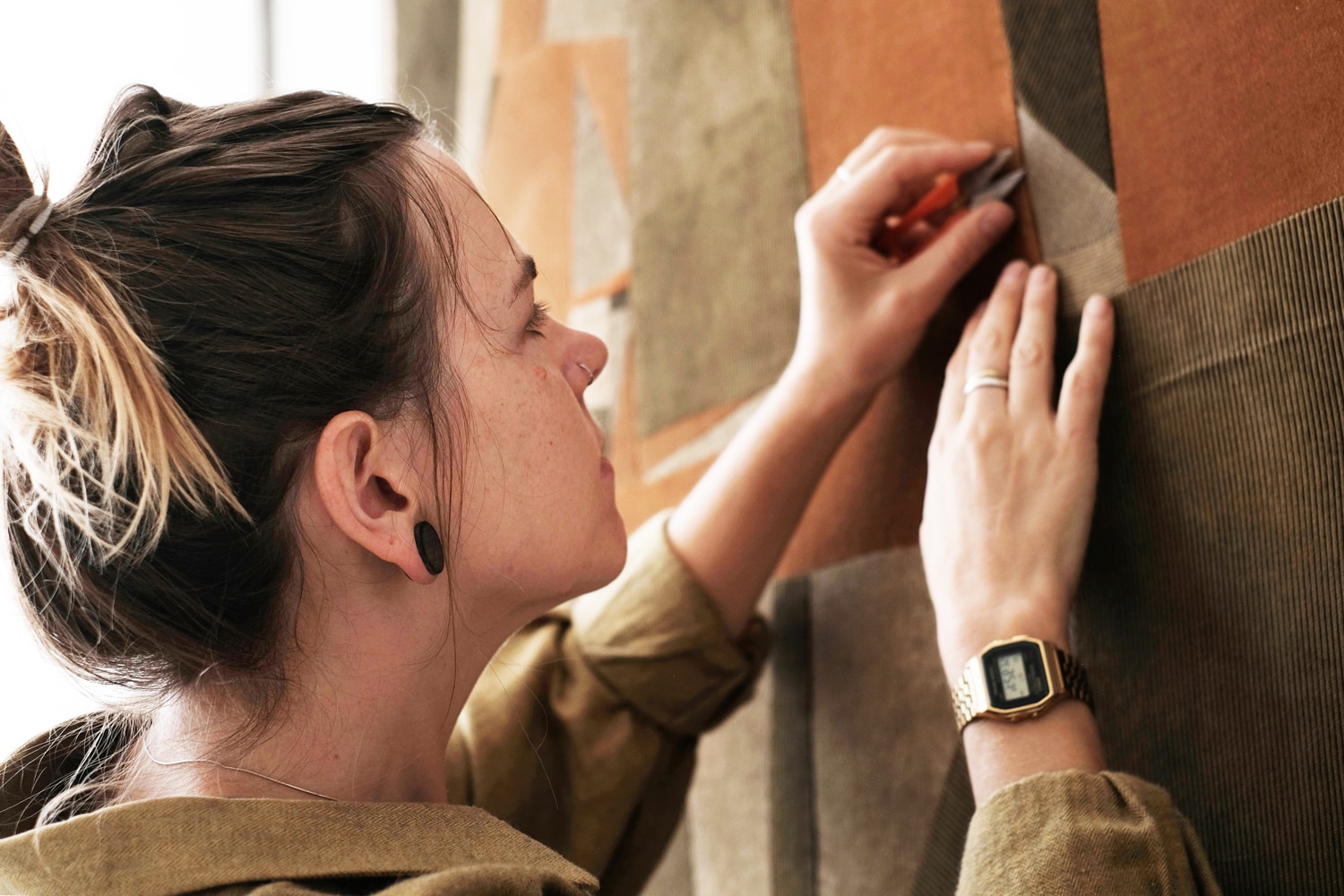
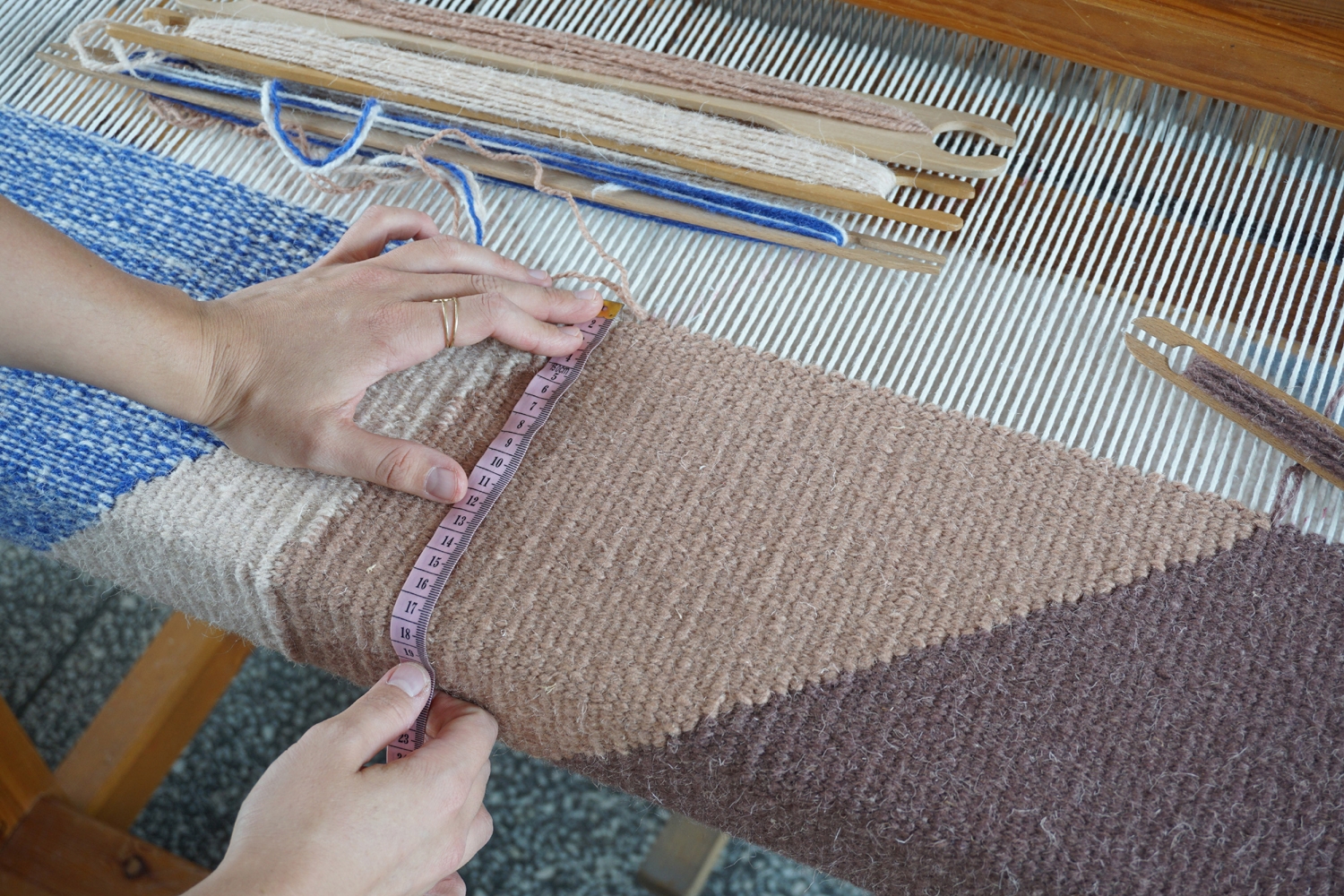
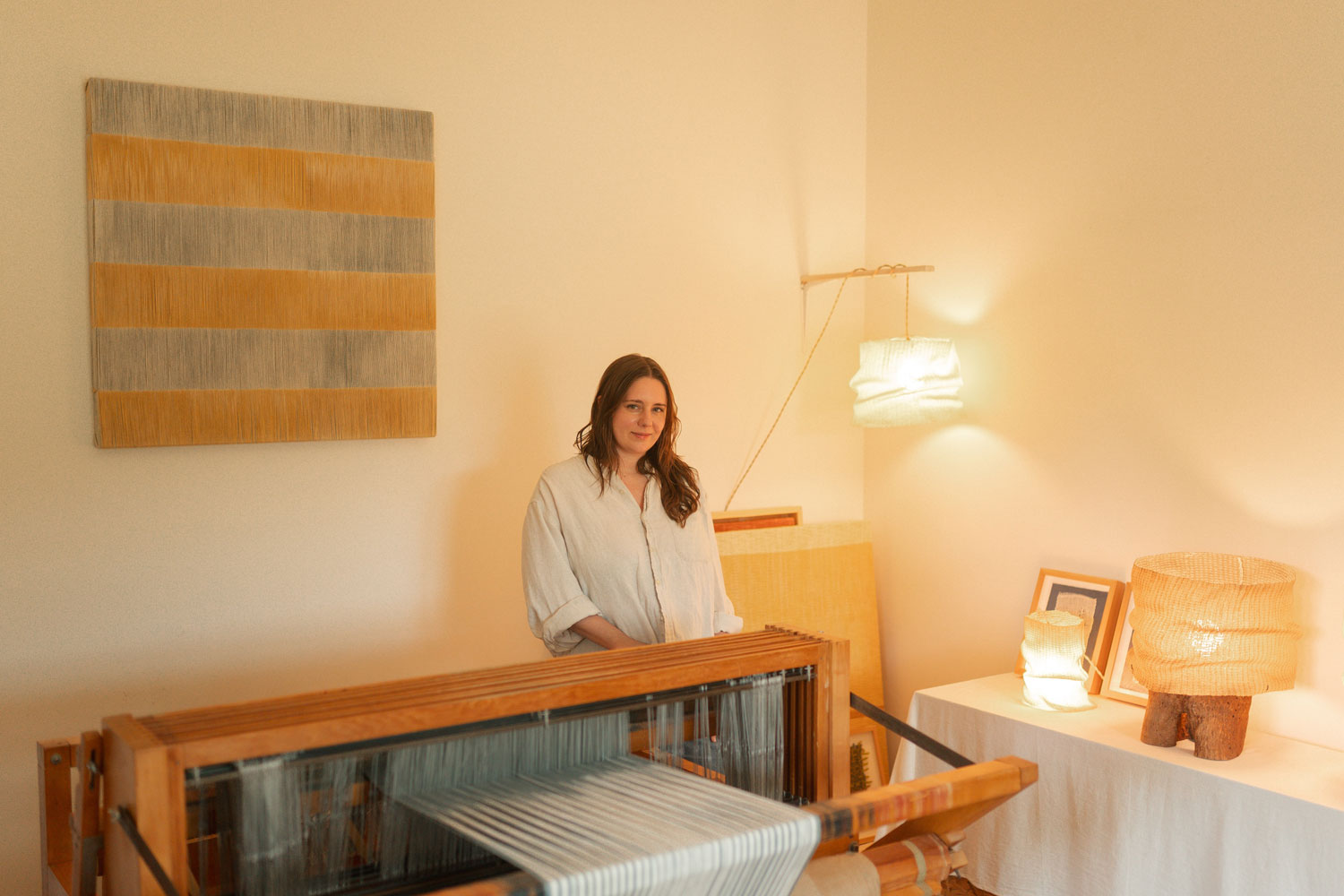
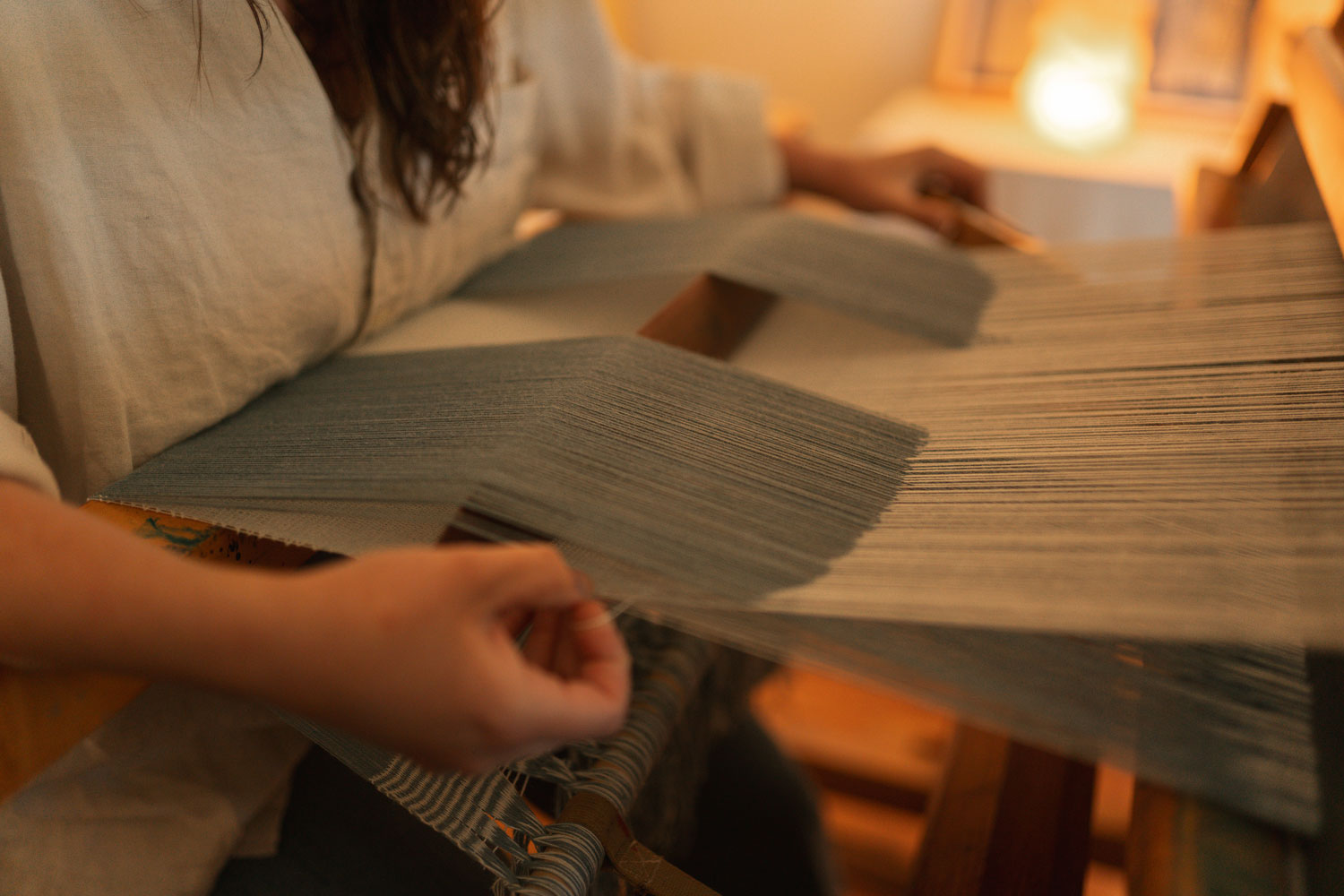
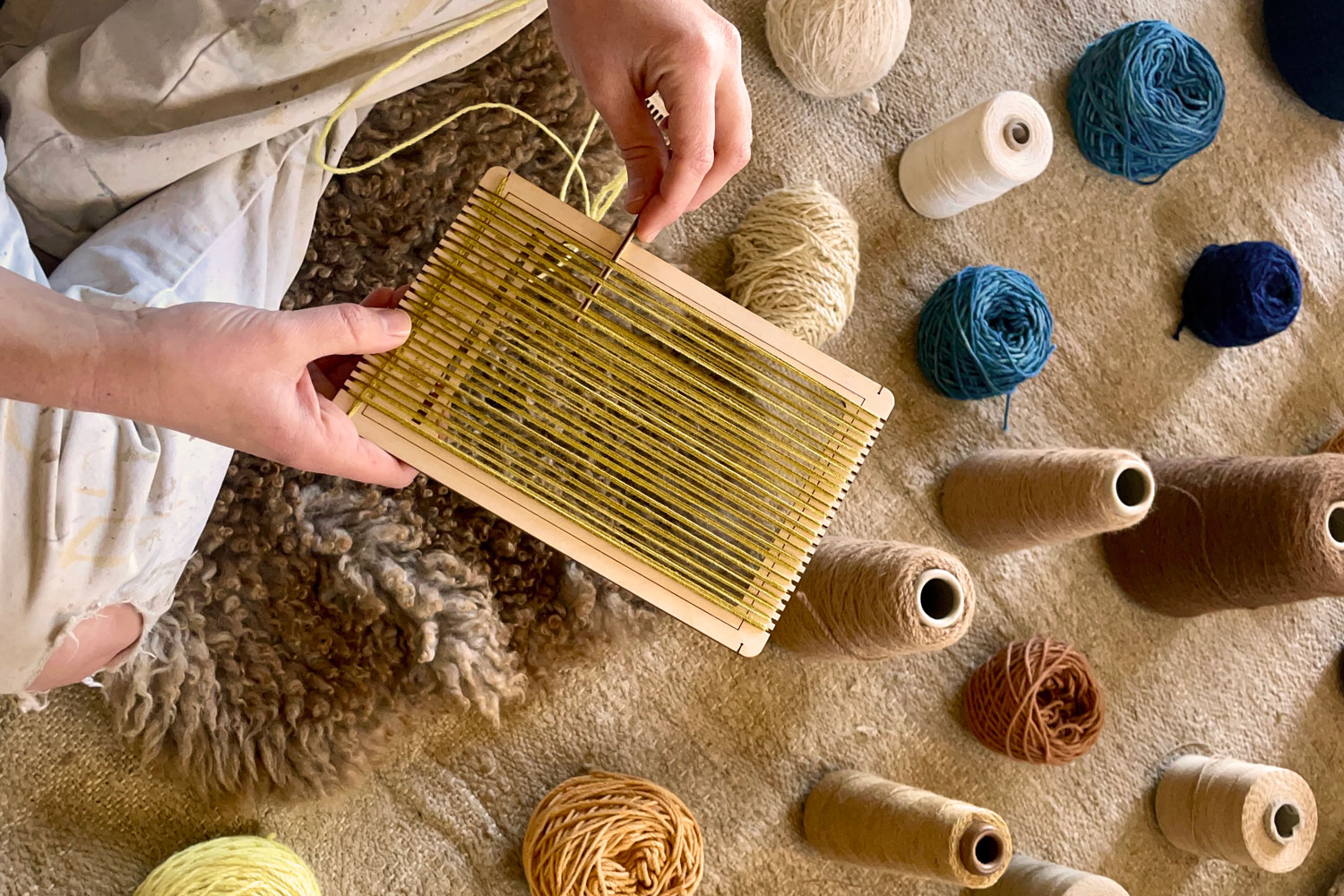
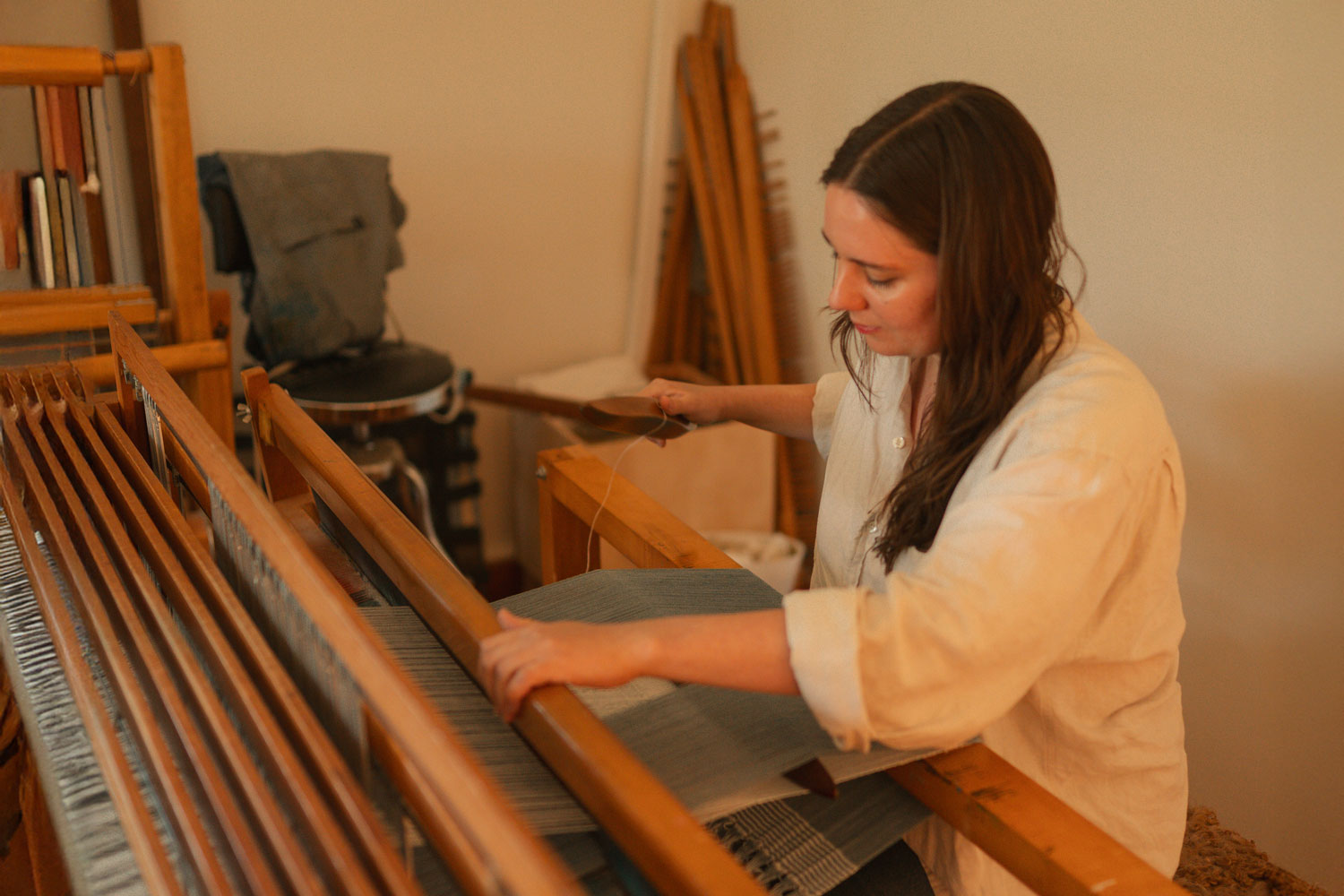
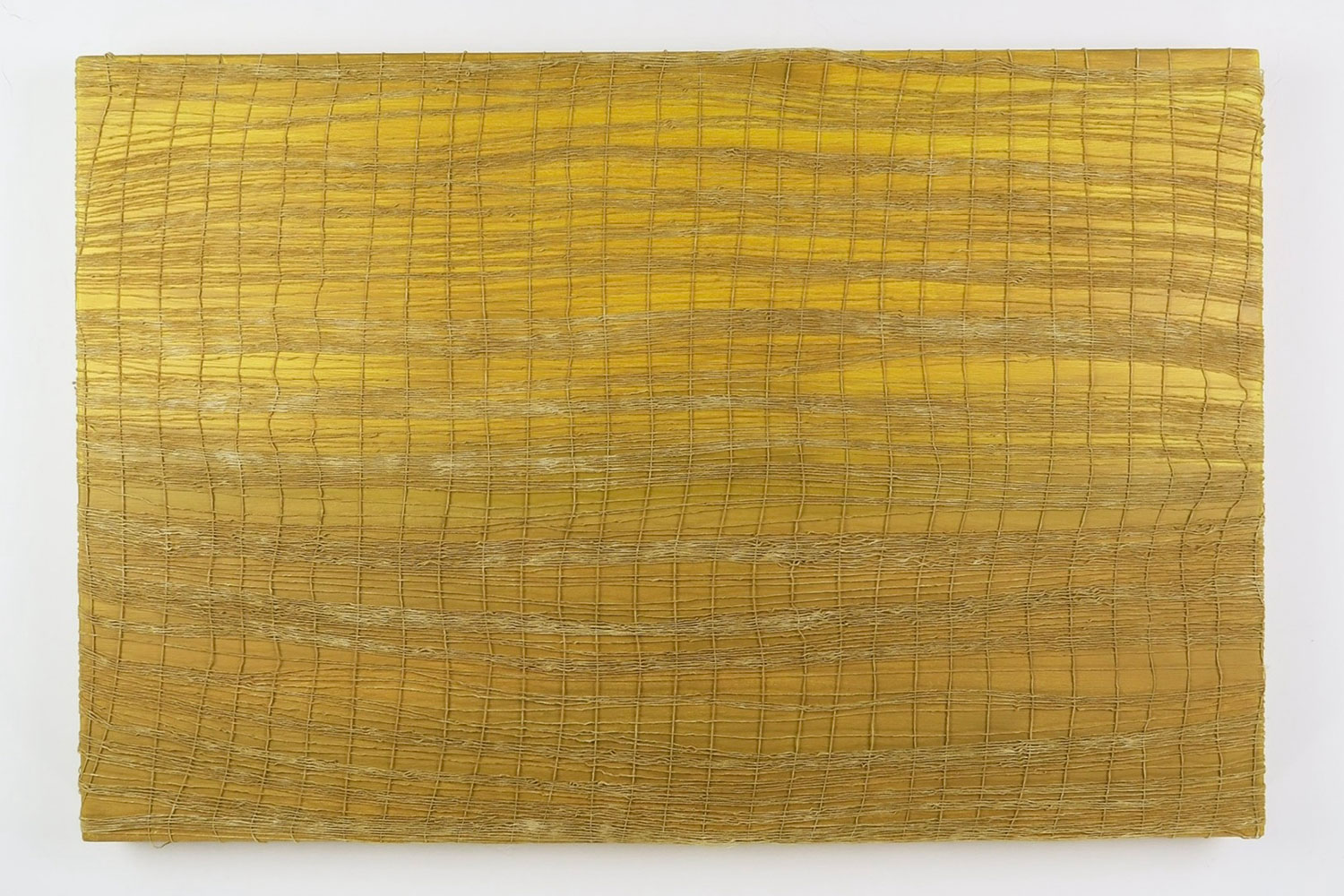
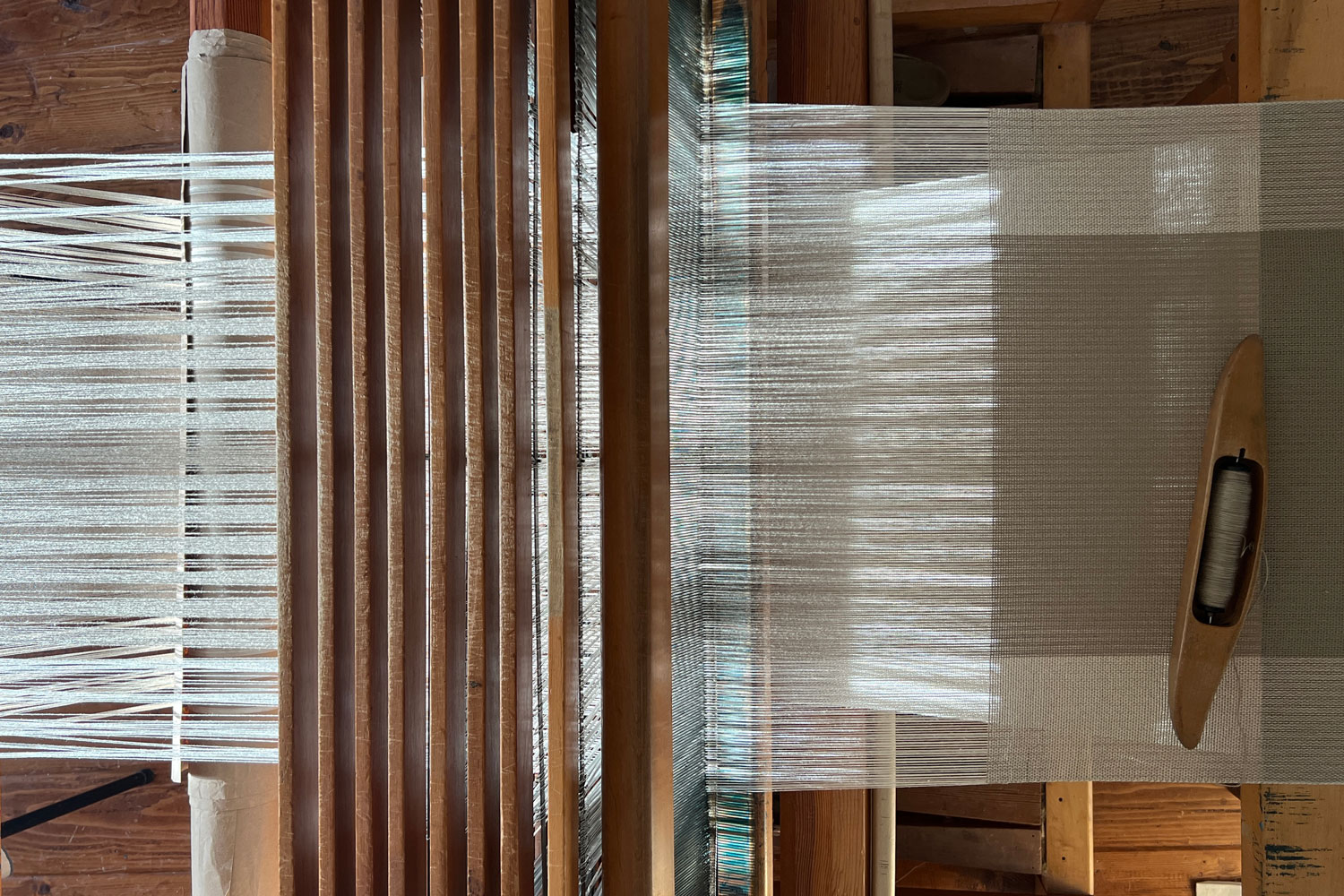
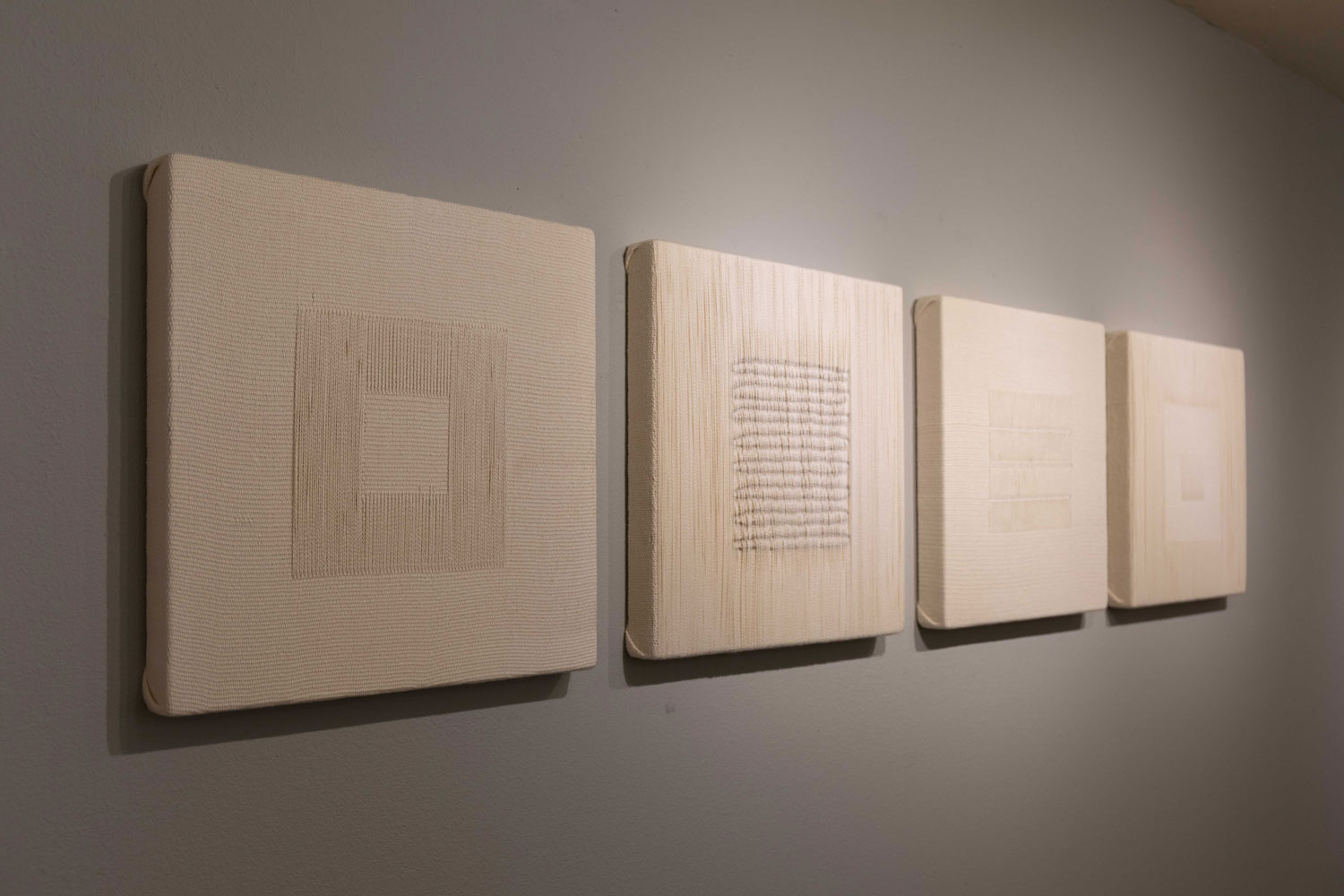
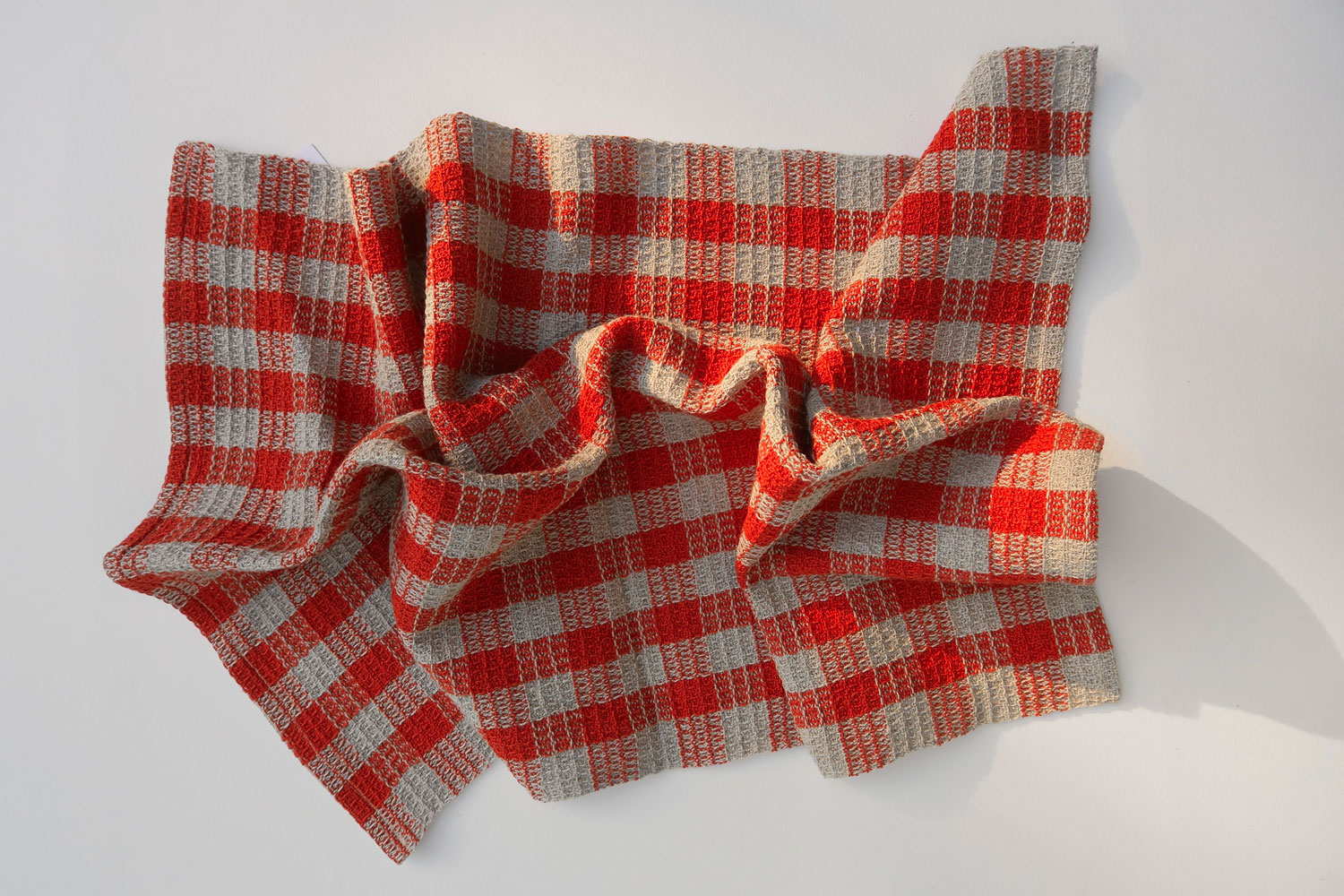
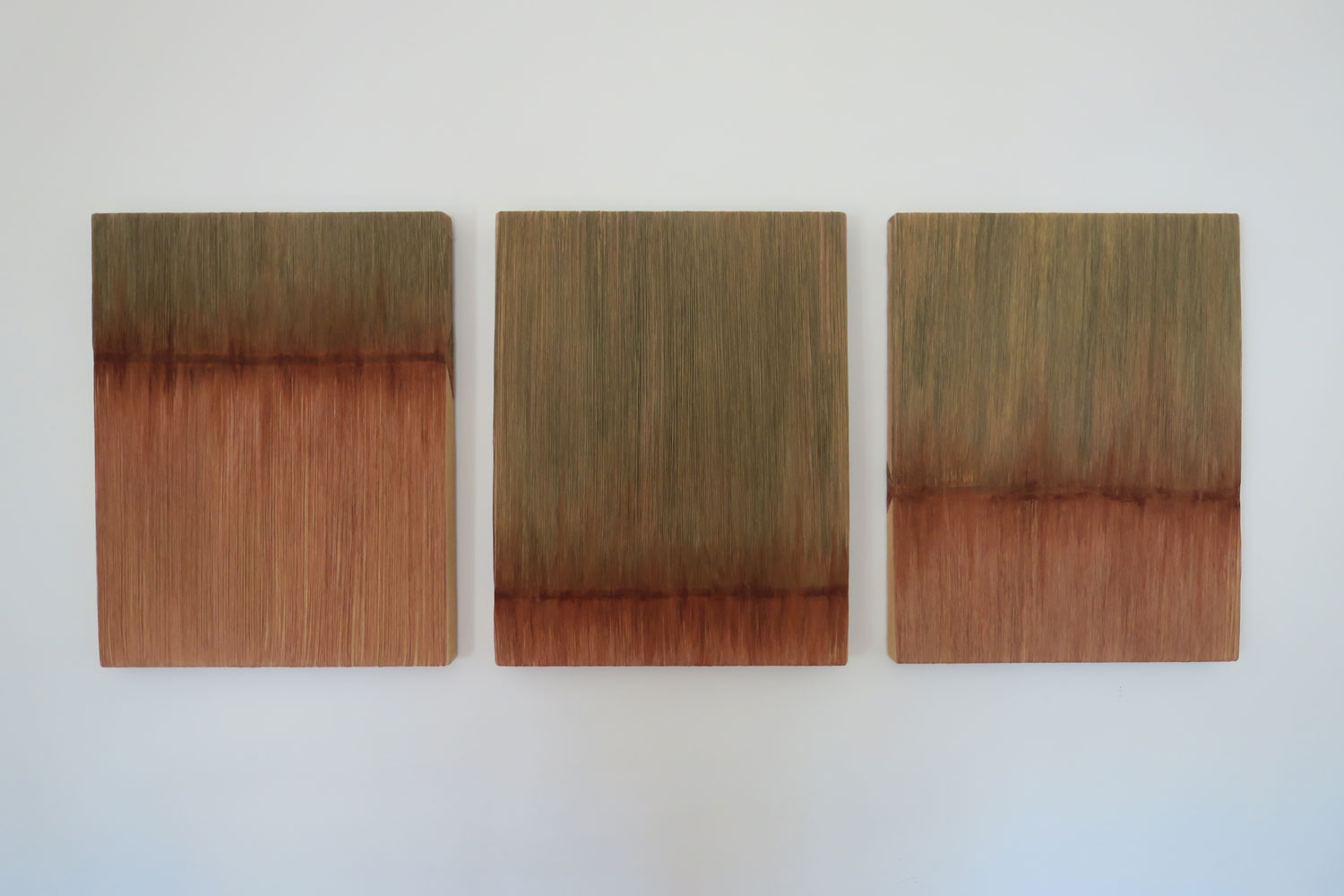
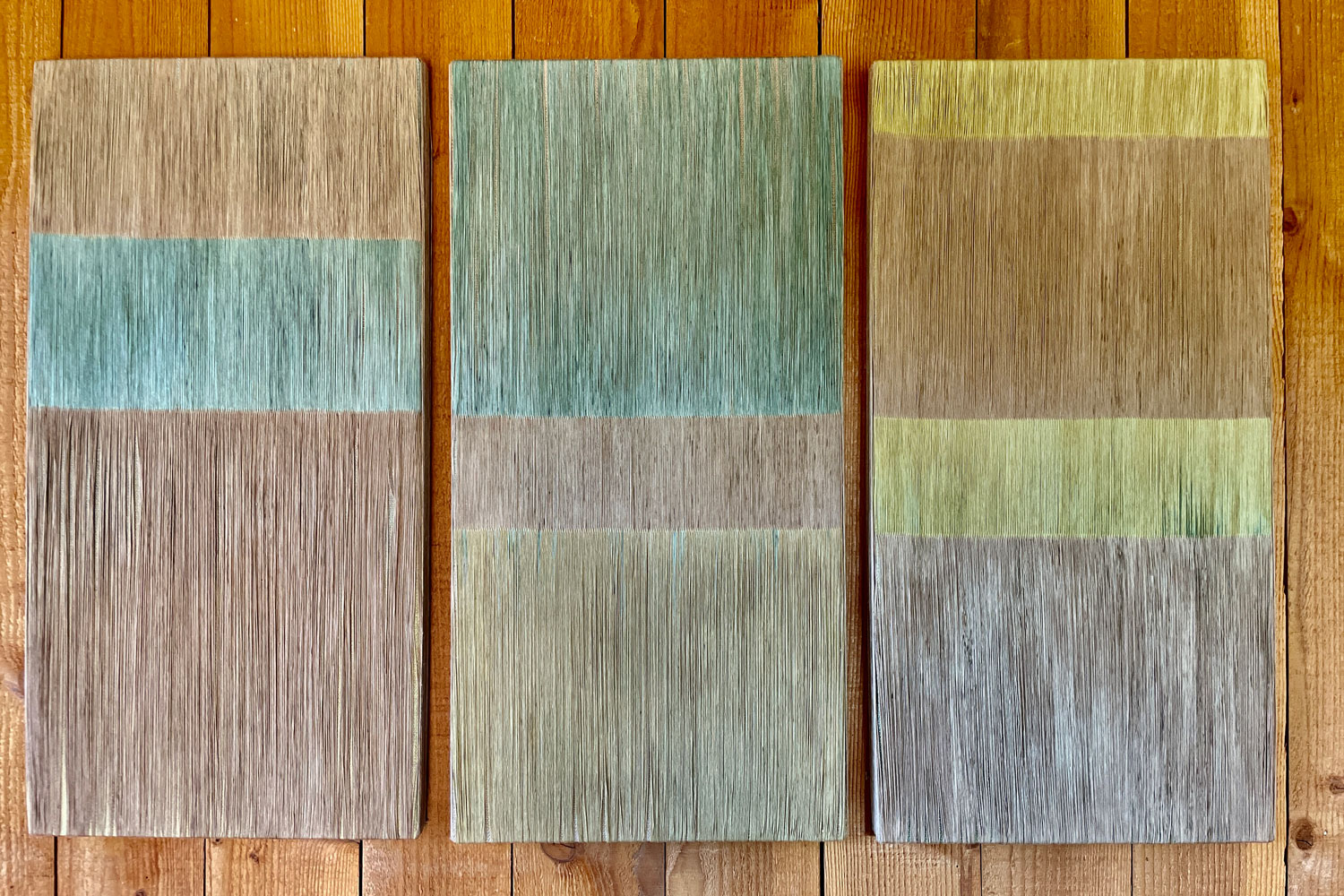
Drawn to textiles and making clothes from an early age, Jessica Bovert studied apparel design in college. When she was introduced to weaving during a year abroad in Milan, she was immediately captivated by its physicality and the slow, methodical nature of building cloth. Jessica’s pieces today primarily focus on cotton and linen, with alpaca, silk and sheep’s wool added for subtle variations in texture. She dyes many of her yarns herself, mostly with natural dyes including her own fermented indigo. “I found that abandoning the practical restraints of making utilitarian objects has given me immense freedom. Adding materials such as resin gives the textiles a sense of permanence and weight,” she says. Jessica also employs surface techniques, including painting directly on to yarn with dye, as she explores new perspectives within the craft.
Discover her work
INTERVIEW
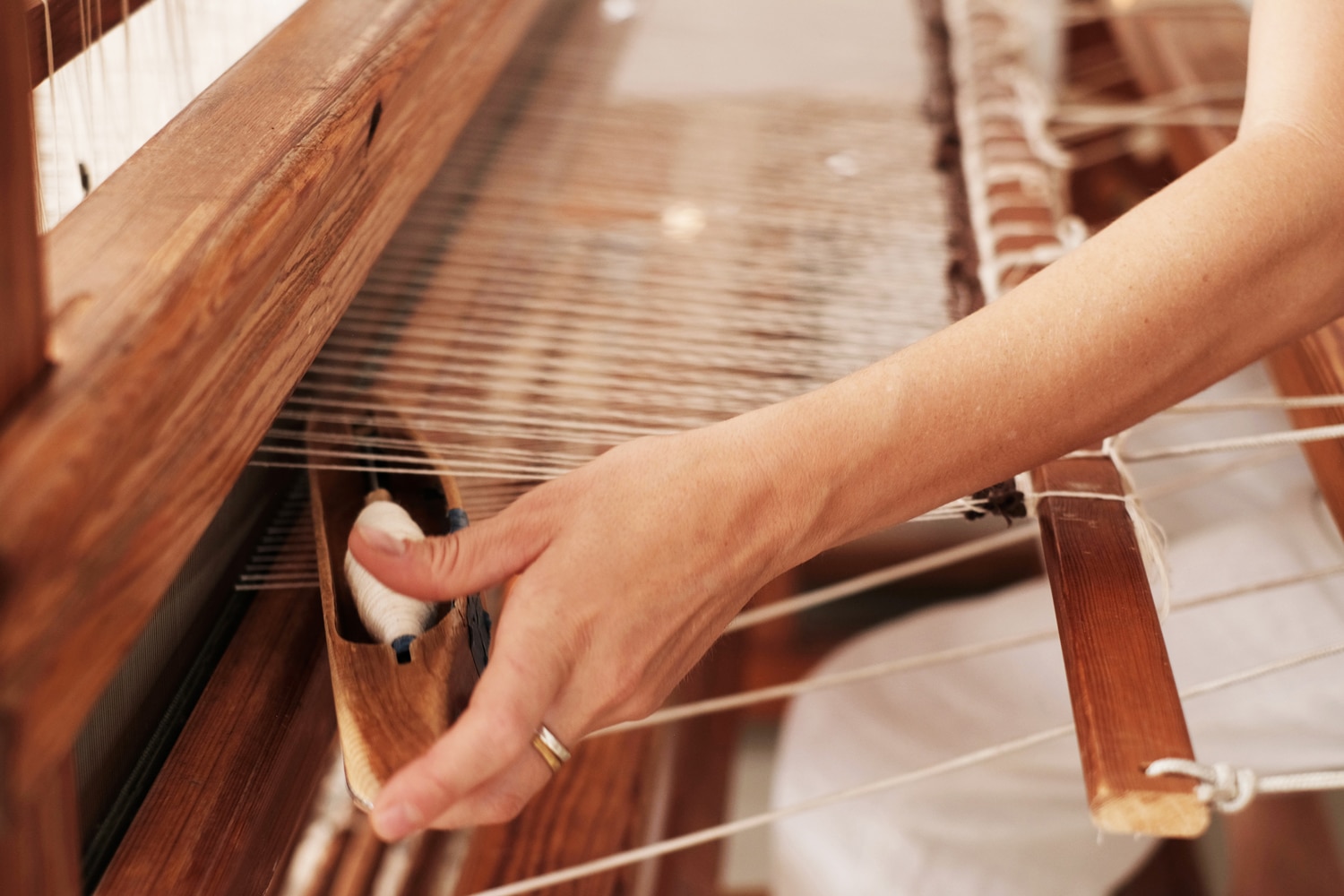
I work primarily on a loom, building on traditional weaving techniques as a foundation, and I push my pieces into more contemporary and sometimes sculptural forms. A lot of my practice is about blurring the line between craft and fine art, letting slow, process-based making exist in a contemporary context.
An artist residency at Pond Farm Pottery preparing for my first solo exhibition stands out. I was pregnant with my first child and I worked long days on my own, letting the rhythms of the environment guide the pace of my making. The quiet of the forest and the history of the place created an atmosphere that shaped both my practice and my thinking around it.
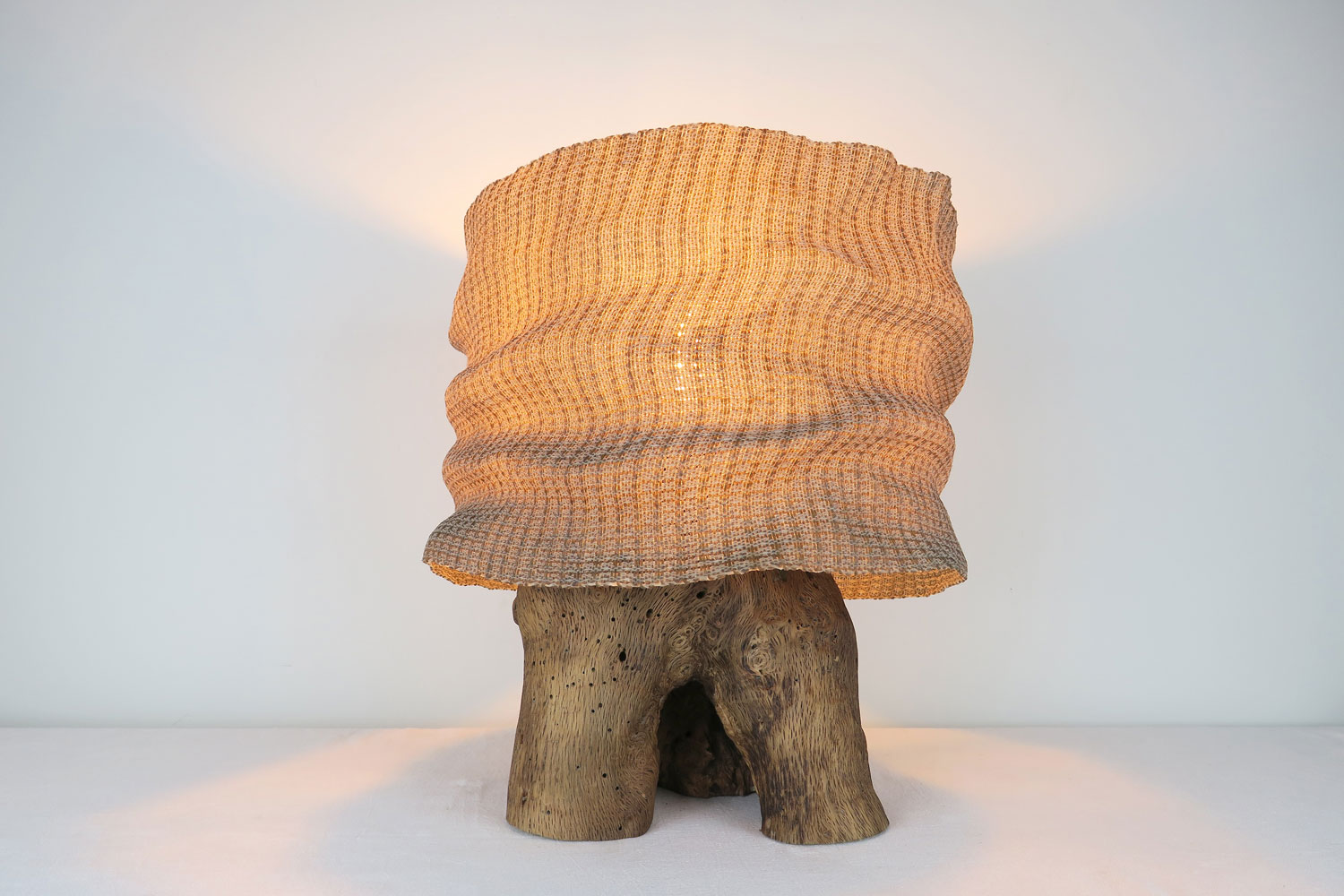
I often collaborate with friends and family which brings a level of trust and care that naturally finds its way into the finished pieces. Working with ceramics, wood and lighting introduces different constraints and problem-solving processes which have expanded how I think about structure, durability and form.
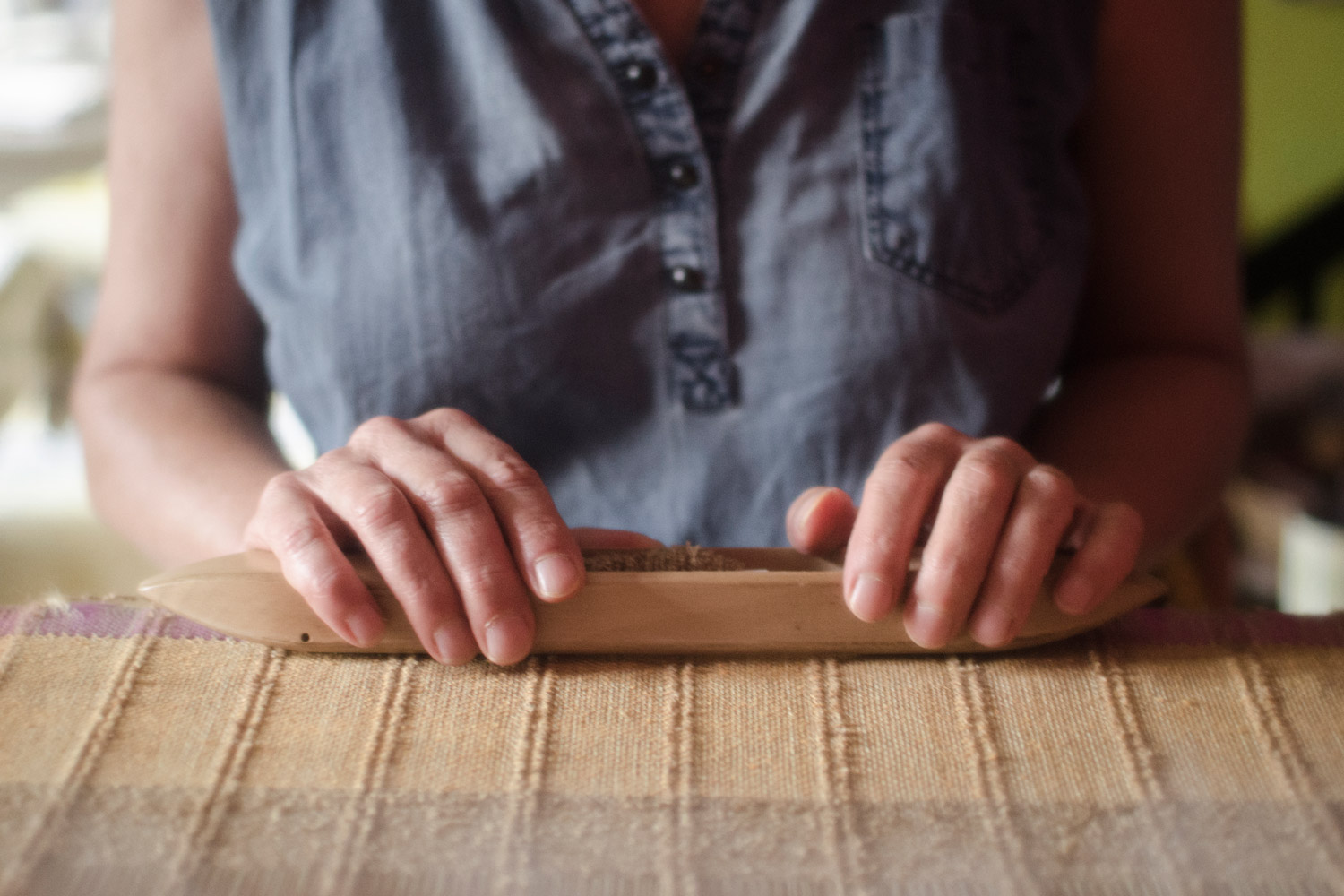
I love the slowness of weaving. It is repetitive and there is no way to rush the process. I also love that it allows me to hold the contradictions of softness and strength, permanence and impermanence, and function and form. The craft gives me a way to explore those tensions quietly rather than needing to explain them outright.
Jessica Bovert
Weaver
Carmel Valley, CA, USA
Recommended by Nest
ADDRESS
Address upon request, Carmel Valley, CA, USA
AVAILABILITY
By appointment only
LANGUAGES
English
Homo Faber Finds is a new service aiming to inspire admirers of craft to connect and collaborate with exceptional artisans.
We invite you to submit an enquiry here.
DSC02402_©Meg-Lovell.jpg)
DSC01379_©Meg-Lovell.jpg)
DSC01458_©Meg-Lovell.jpg)