Calvin Hunt
Copper Maker Gallery
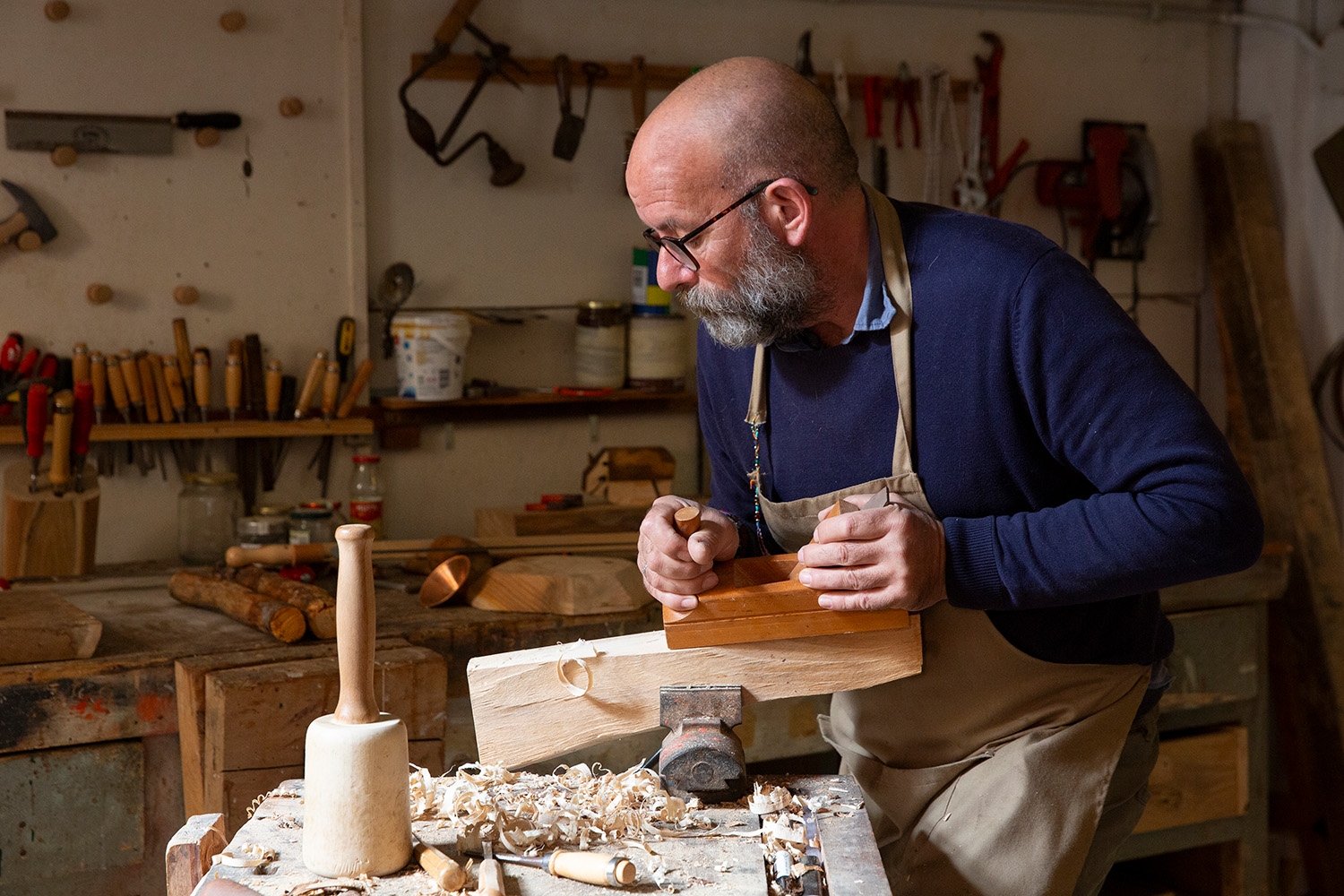
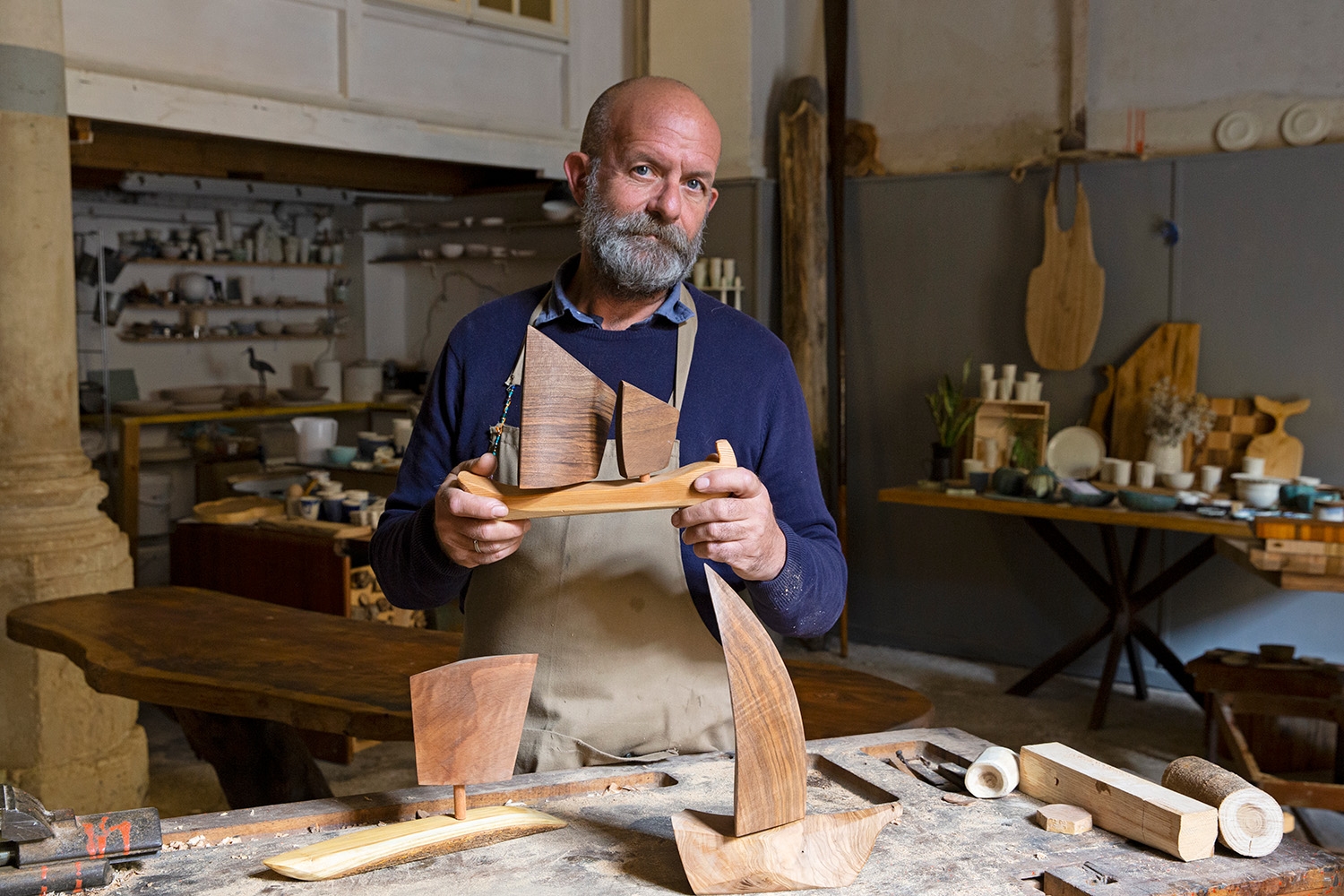
Woodcarver
Port Hardy, Canada
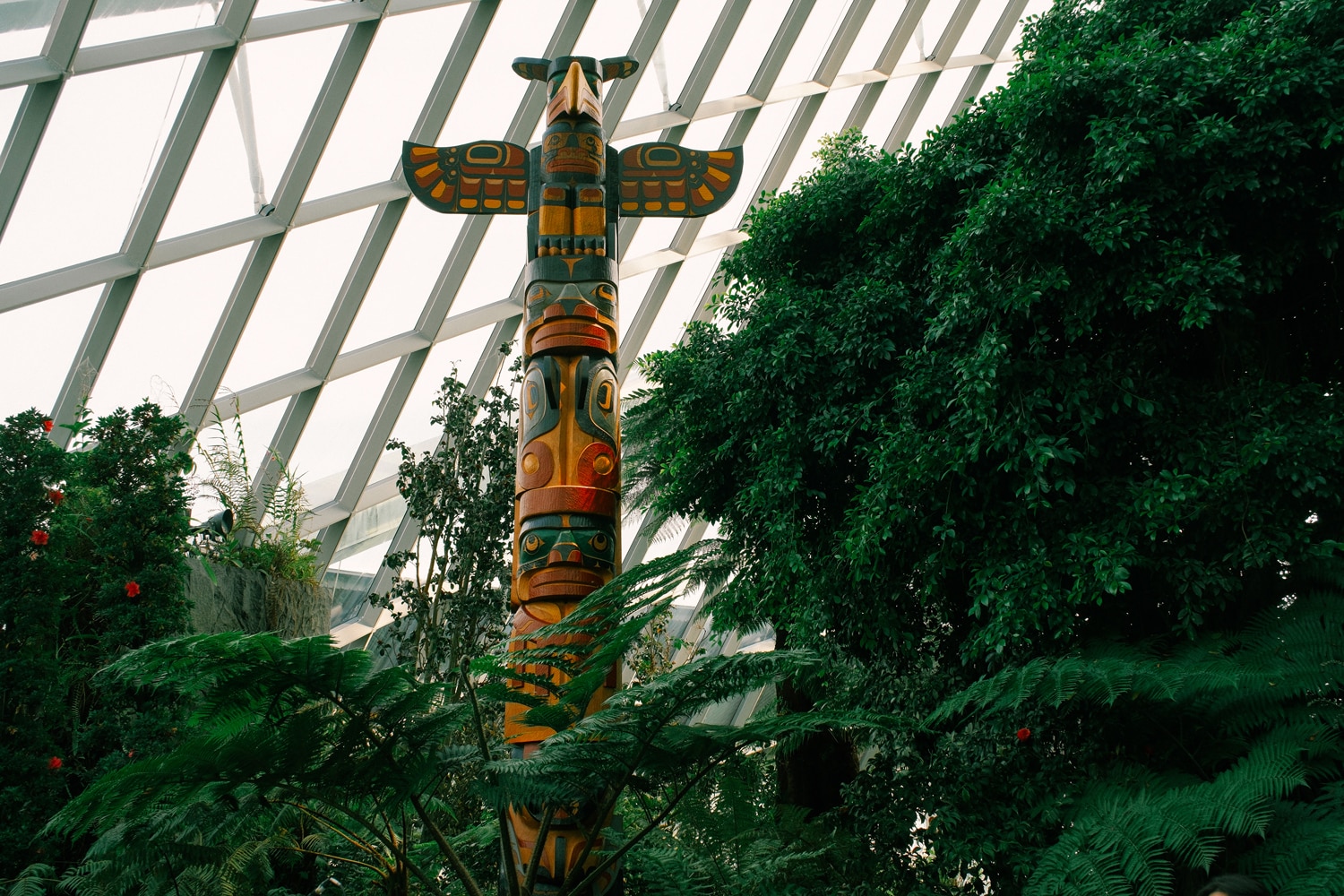
Monumental totems and ceremonial treasures
- Calvin comes from a long line of Kwagu’ł Chiefs and renowned carvers
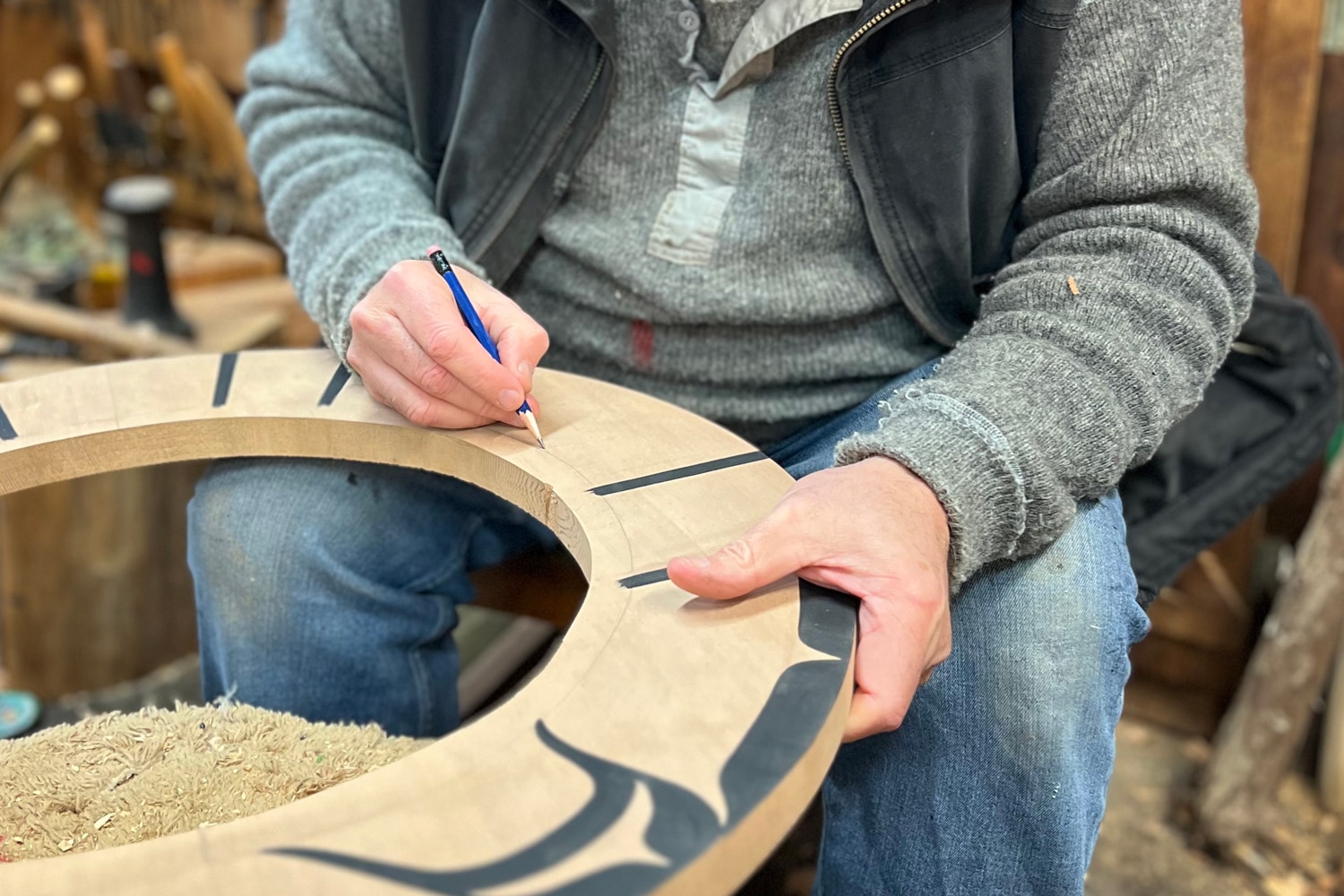
- He works in the traditional Northwest Coast Kwakiutl style
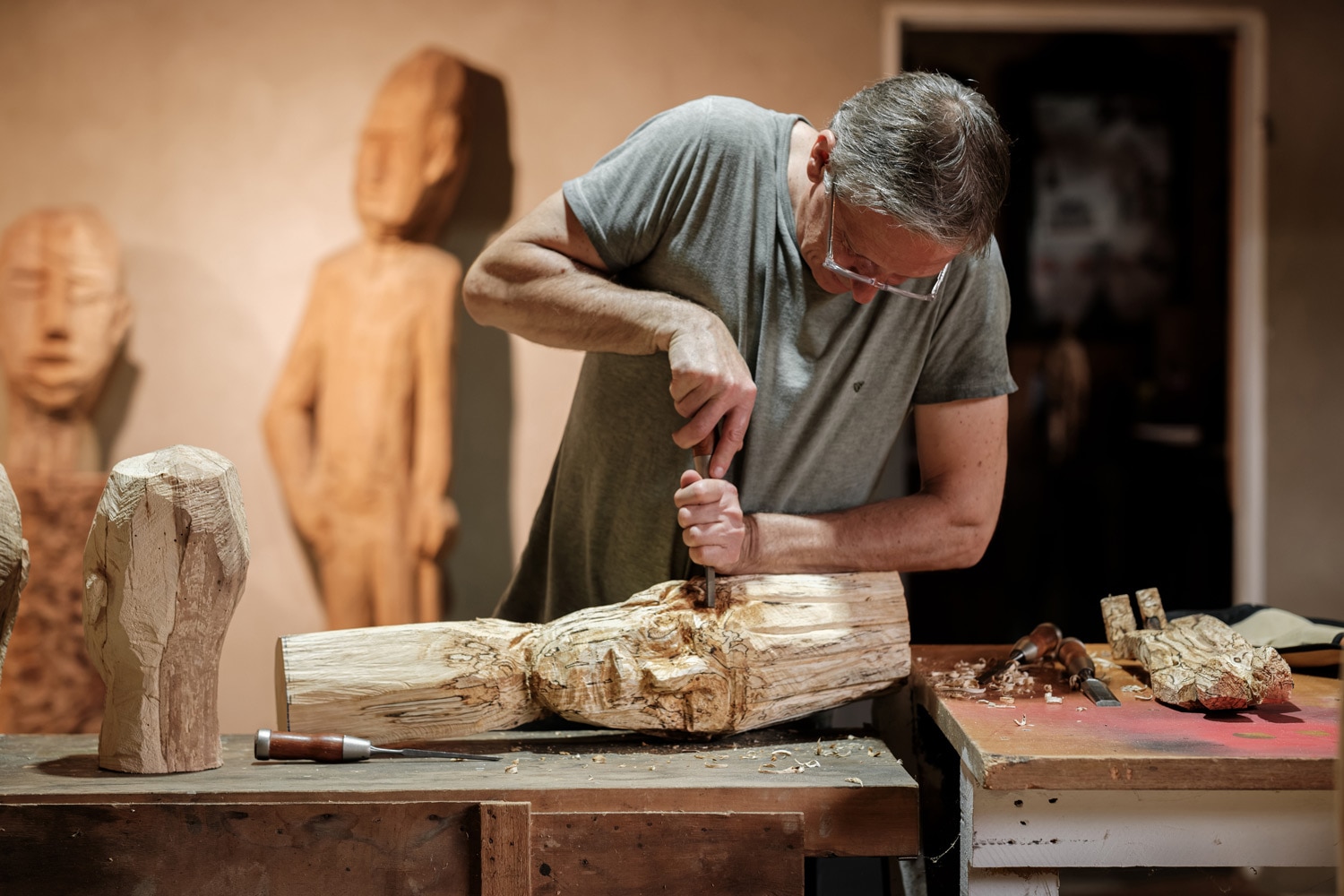
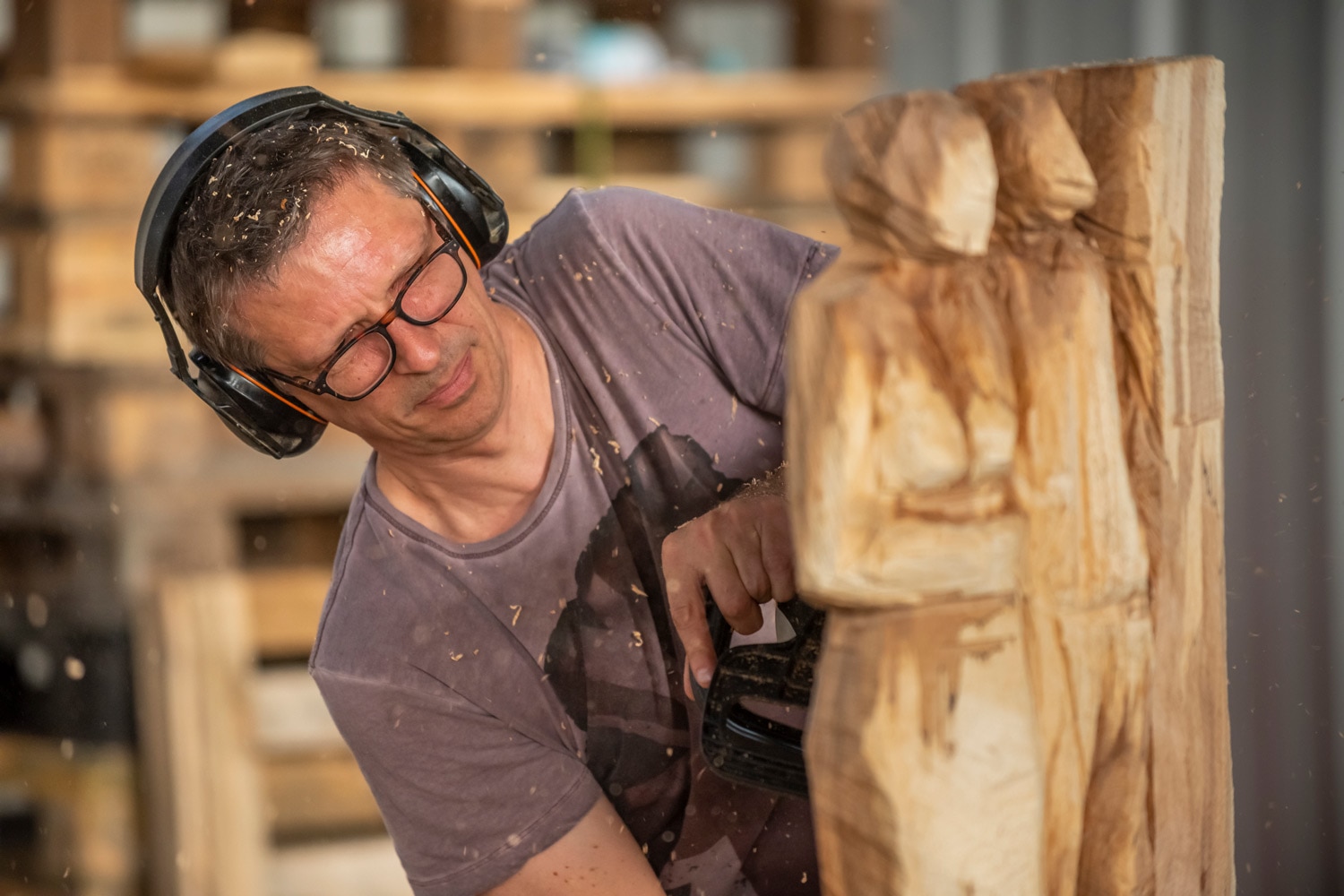
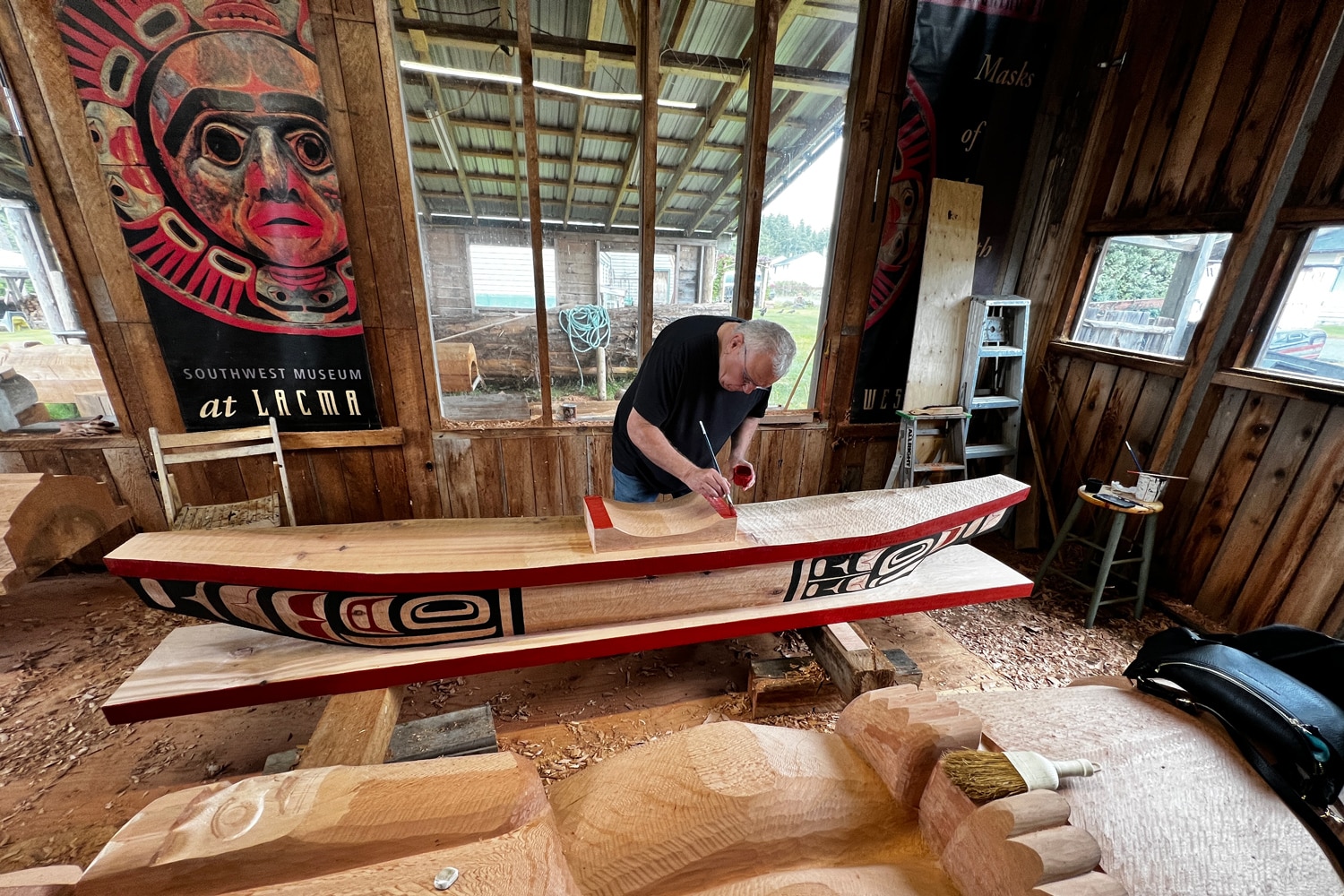
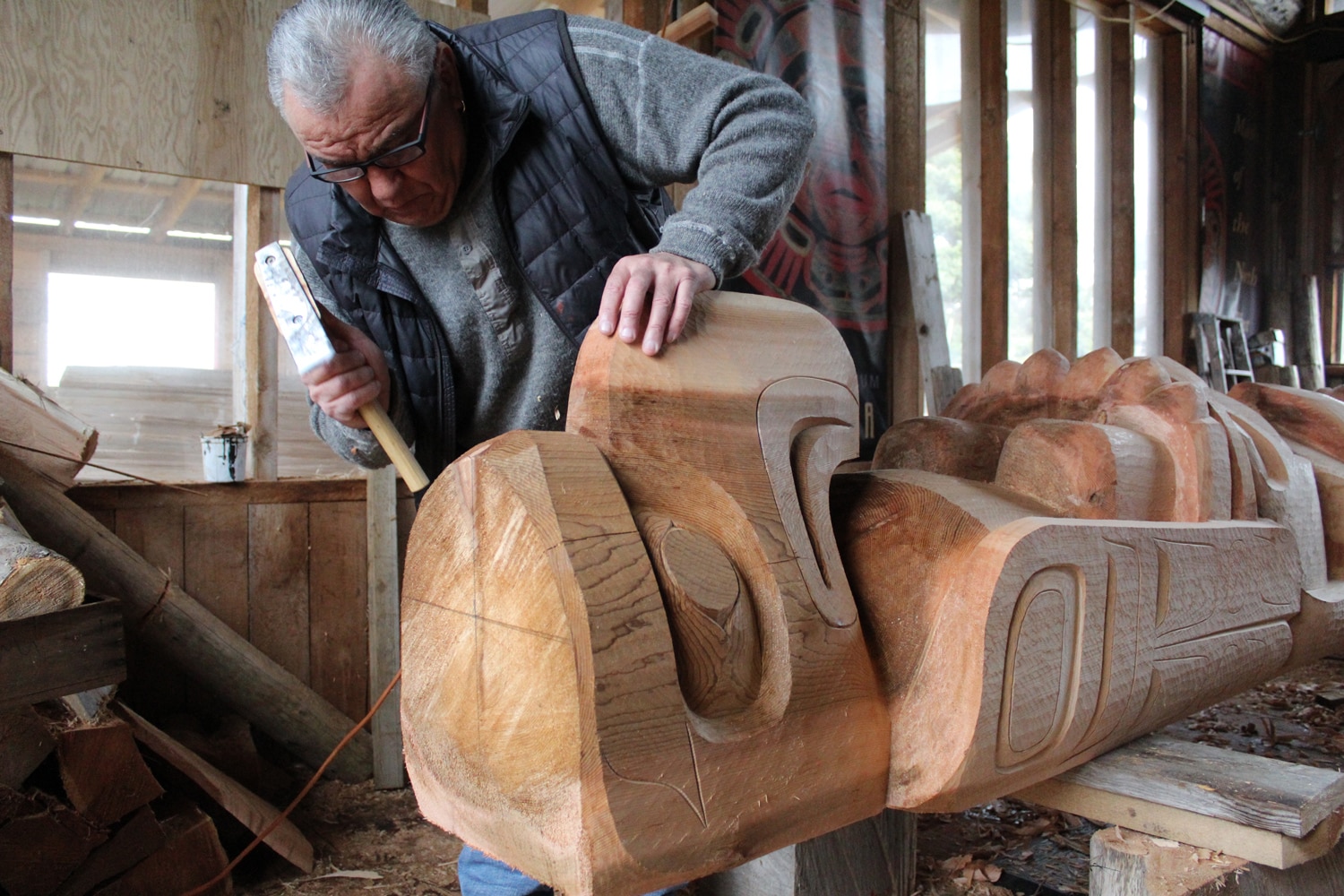
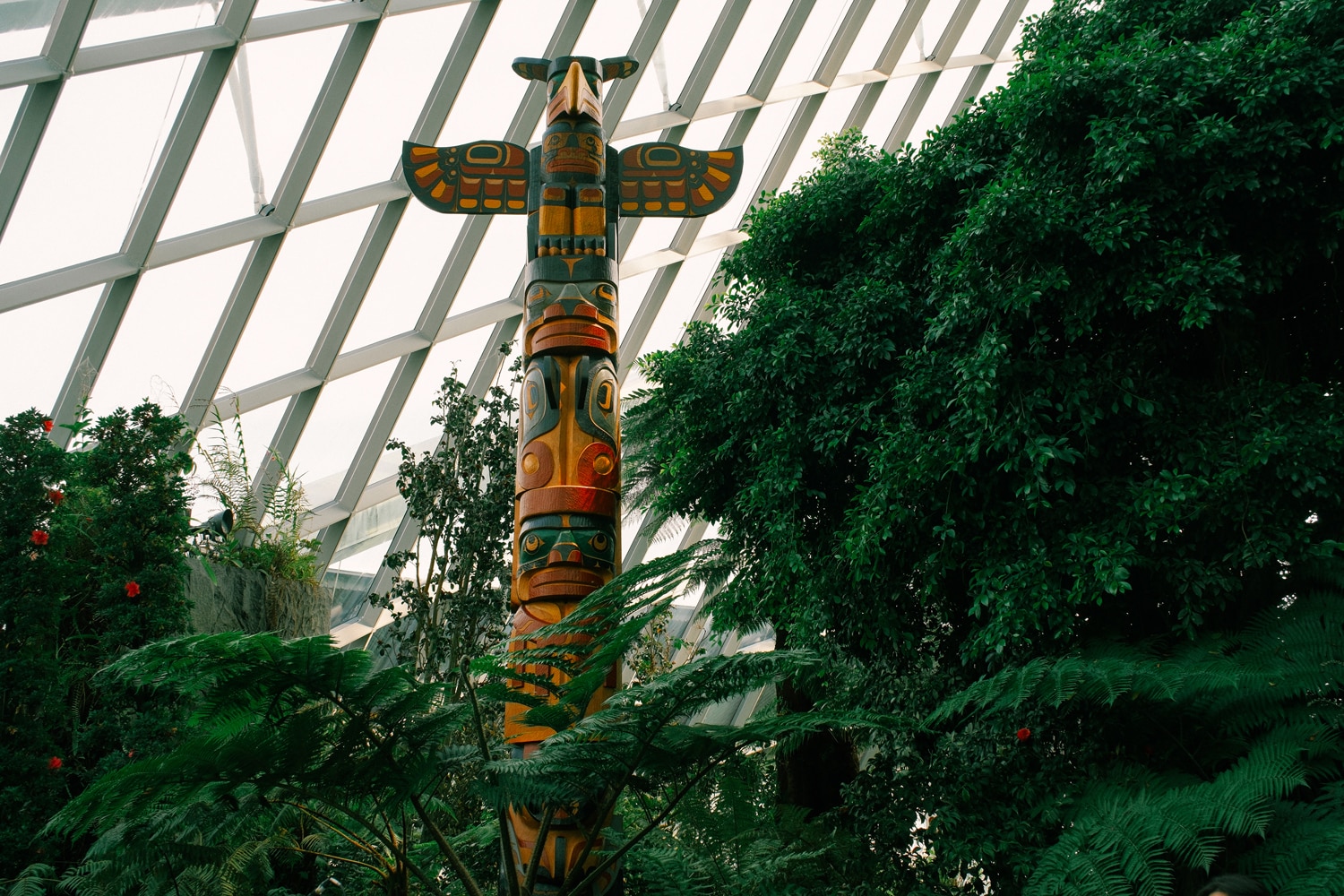
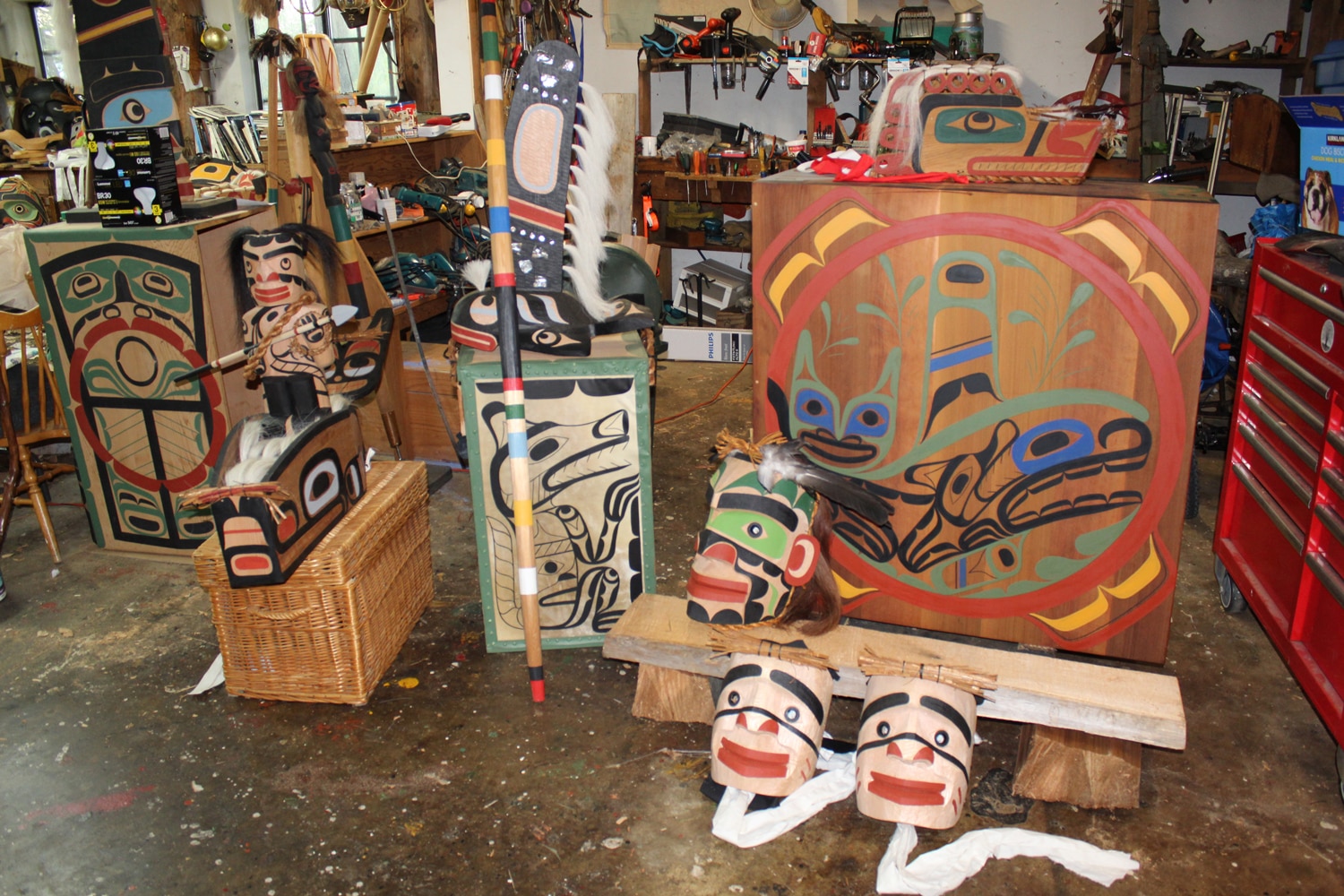
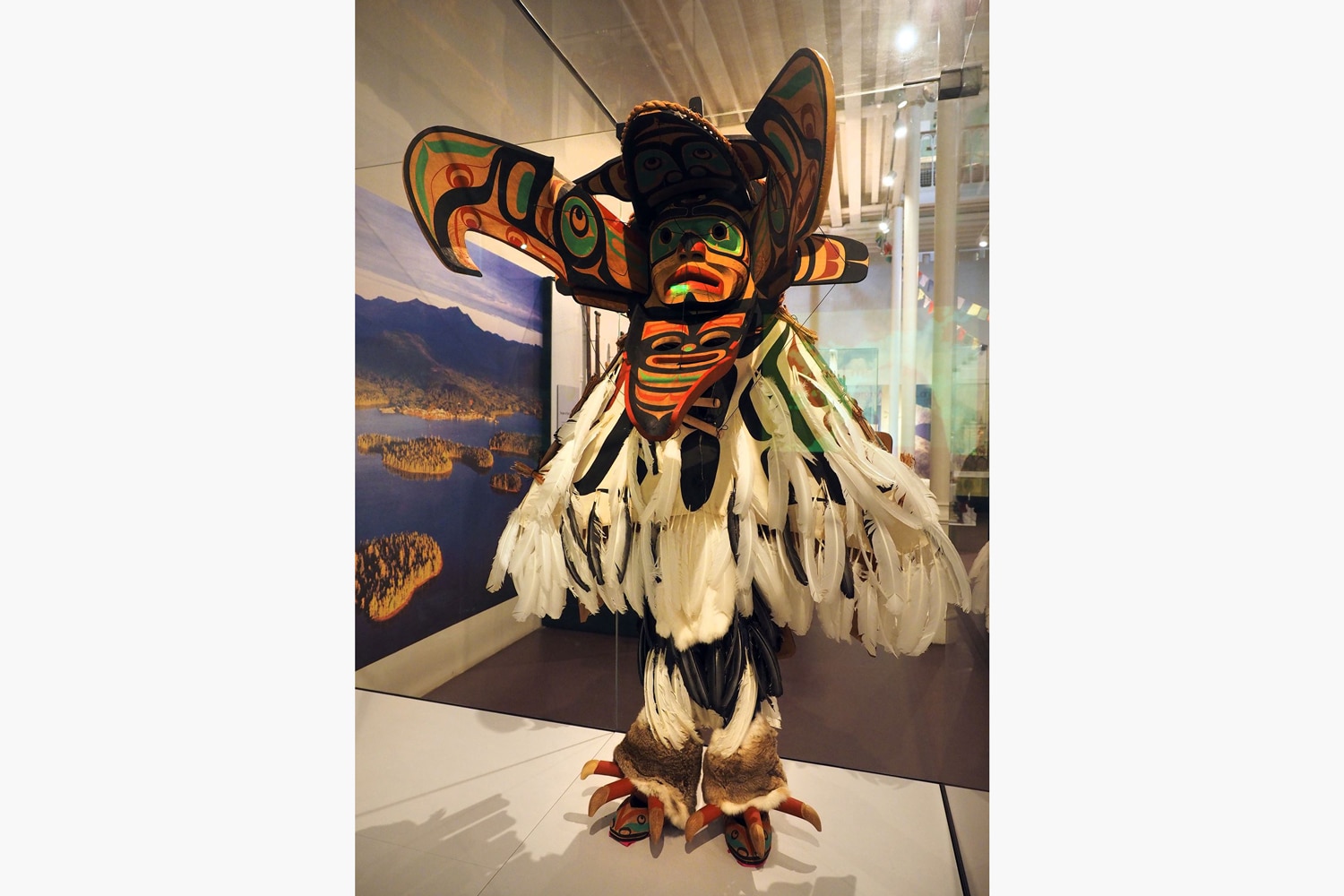
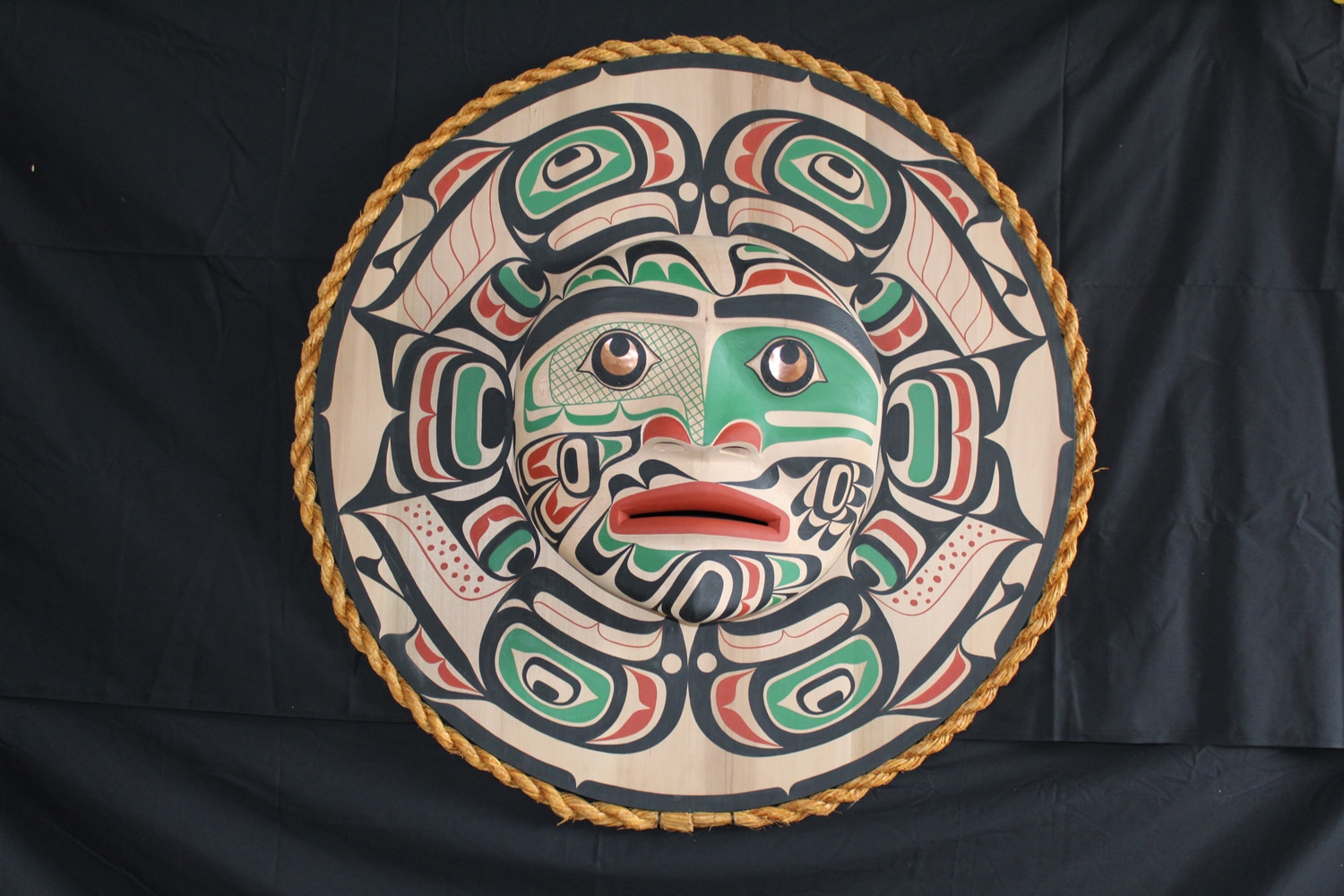
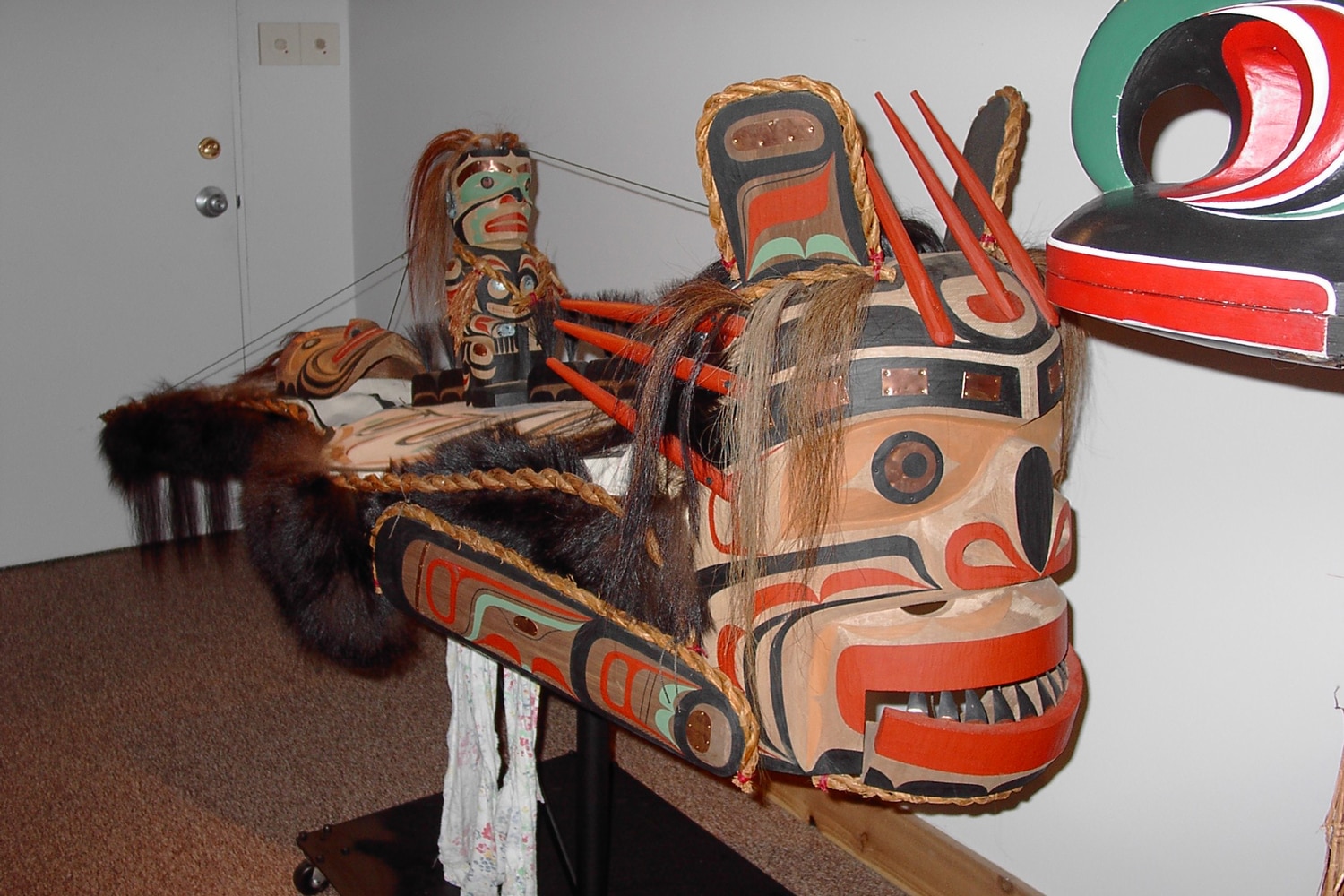
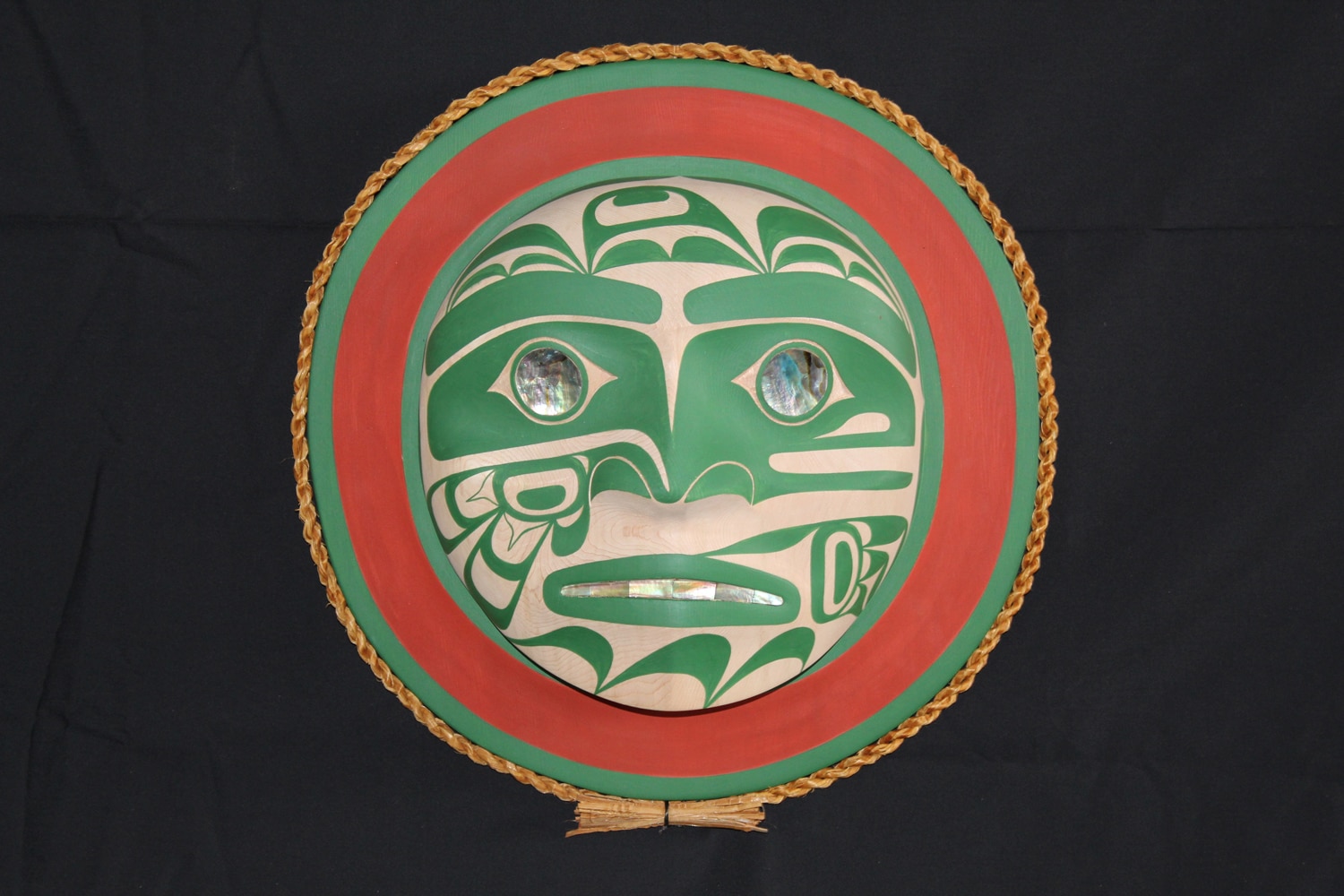
- His creations include totem poles, canoes, masks and dance costumes
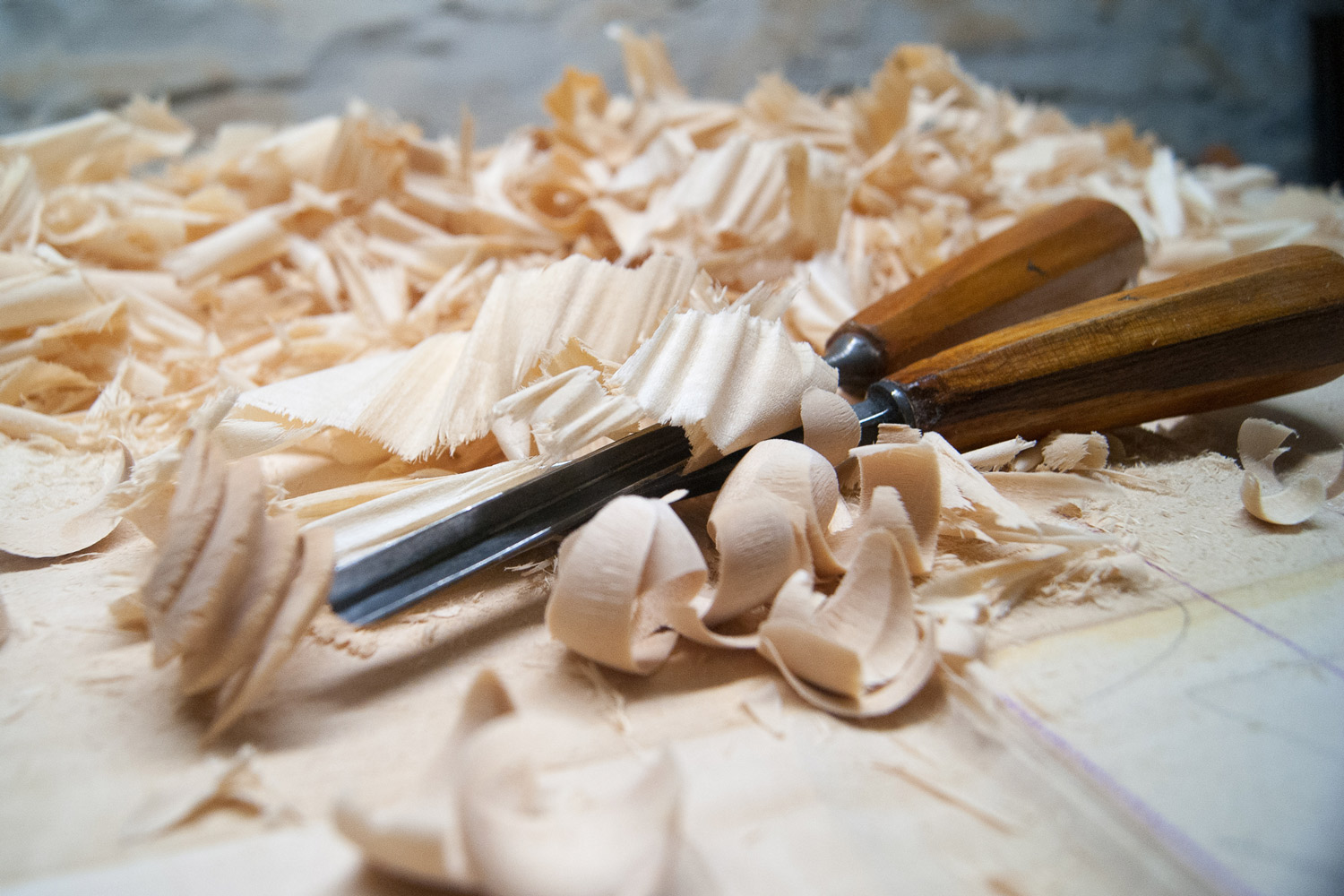
Working primarily with traditional colours and designs, Calvin Hunt's wood carving practice integrates subtle contemporary elements into symbolic representations of animals and legends. "While it was not in my nature to become a fisherman or skipper like my father and brothers, carving ran deep in my extended family," he says. Influenced at an early age by his grandfather Mungo Martin, Calvin learned his craft from his uncle Henry Hunt Sr. before carving as a full-time apprentice with his cousin Tony Hunt Sr. for ten years. In 1981, Calvin moved from Victoria to his ancestral territory where he established his workshop and a gallery with his wife Marie. A Kwagu’ł Chief and Hereditary Mowachaht Chief, he was inducted into the Royal Canadian Academy of Arts and received the British Columbia Aboriginal Achievement Award.
INTERVIEW
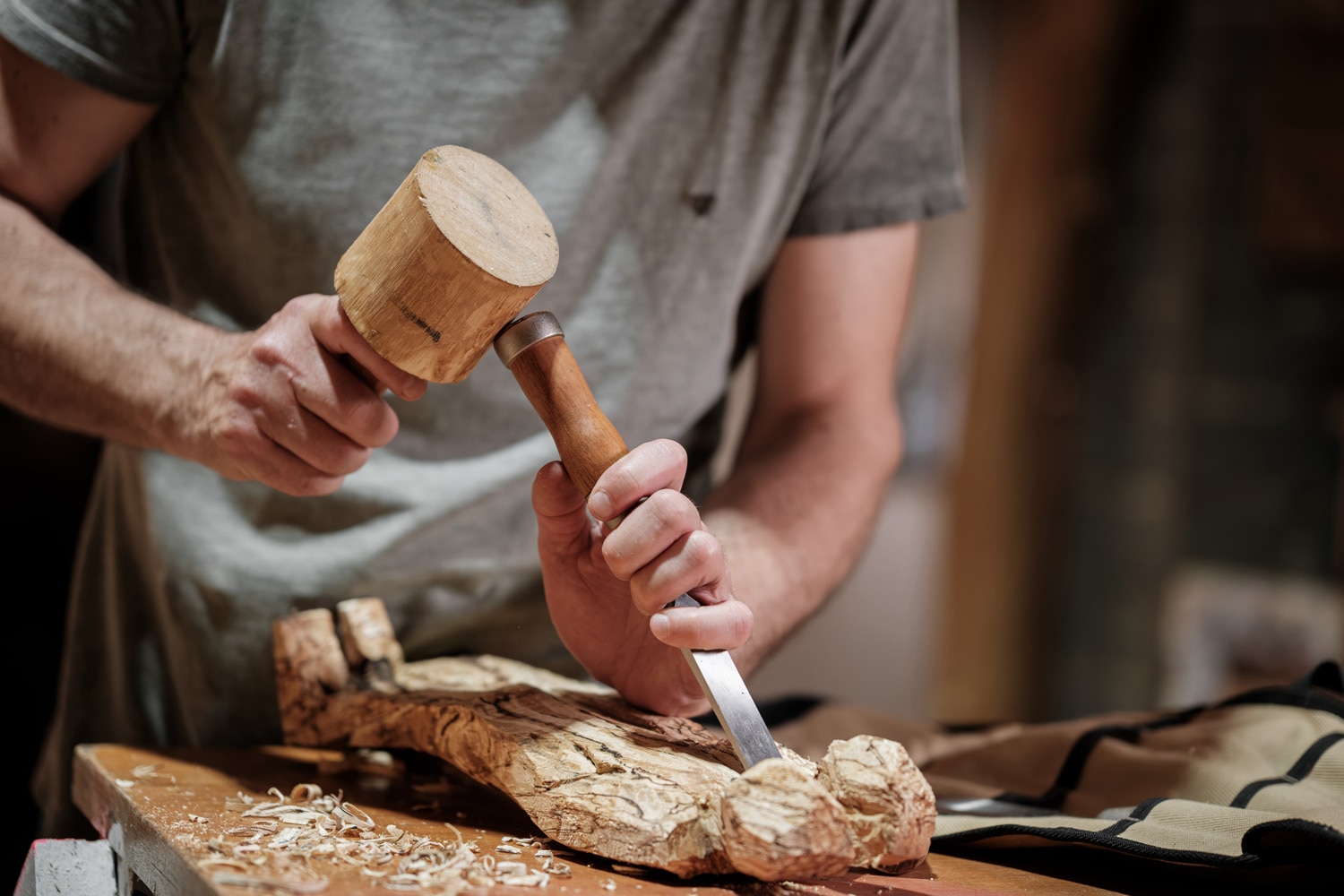
My first carving tool was an old fishing knife that my uncle made into a carving knife for me. My cousins and I would carve little paddles that he had drawn for us. I still remember the smell of cedar and linseed oil in his beautiful workshop in Thunderbird Park.
In 1984, I received my first commission for a totem pole. I spent a month in the IBM Atrium in Manhattan carving and finishing a pole that is now in display at the National Museum of the American Indian in Washington, DC. Following this project, I started receiving commissions in Japan, Indonesia, Germany and all over the world.
Our culture was nearly lost, but because our ancestors and elders held tight to our ways, we are experiencing a resurgence. Carving masks that are part of our family treasures is a profound honour. My work is proof that we are still here on our traditional territories, actively living our ceremonial traditions.
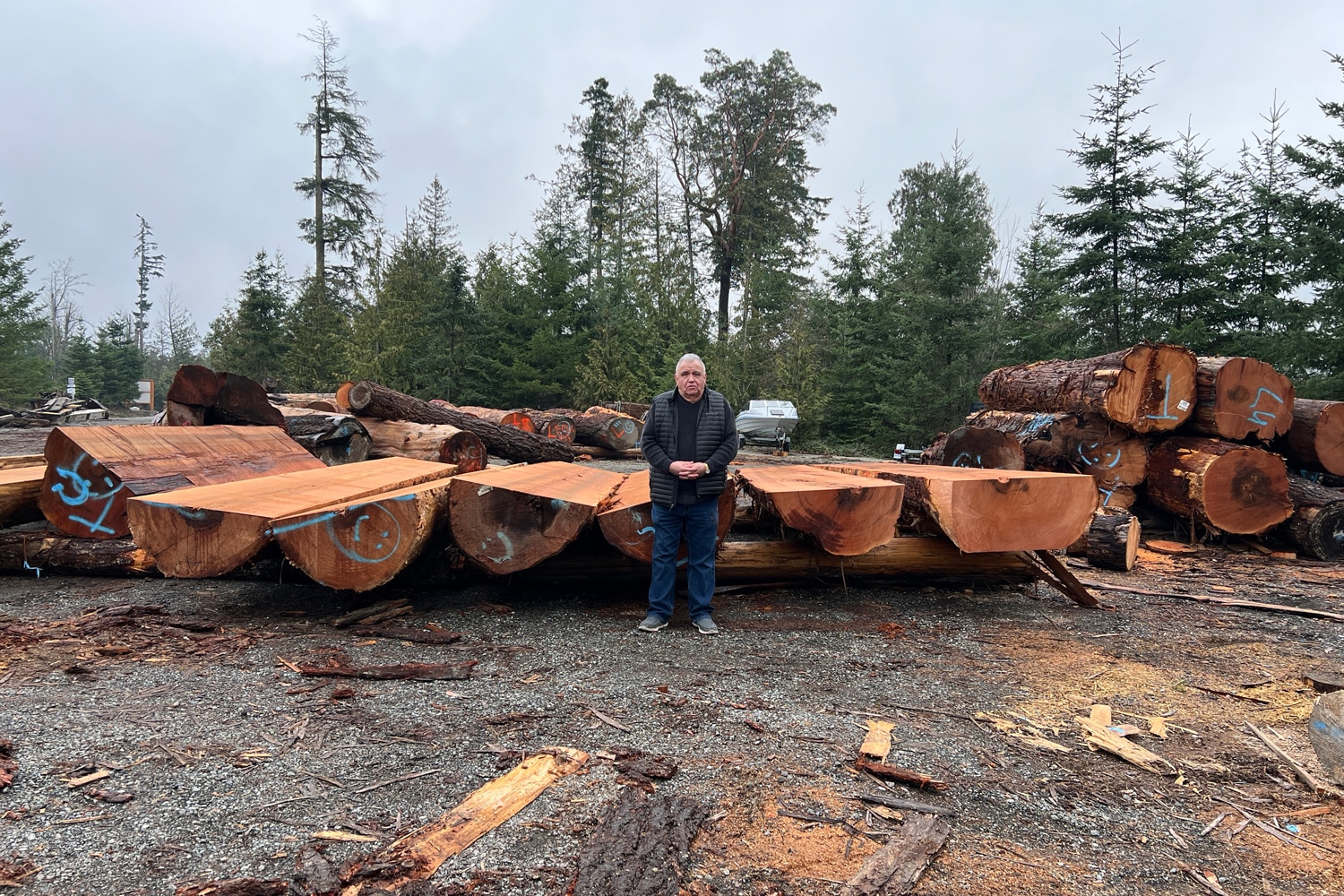
Less than five percent of old-growth forests remain on Vancouver Island. Furthermore, second-growth cedar becomes hard and brittle when it dries, meaning it does not finish well. Western red cedar requires a temperate climate, which means climate change poses a severe threat. Our Tree of Life tradition is key to our survival, so it is a continuous fight to protect these forests.
Calvin Hunt
Copper Maker Gallery
Woodcarver
Port Hardy, Canada
AVAILABILITY
By appointment only
PHONE
+1 2502304051
LANGUAGES
English
Homo Faber Finds is a new service aiming to inspire admirers of craft to connect and collaborate with exceptional artisans.
We invite you to submit an enquiry here.