Robert Davidovitz
Decorative painter
Toronto, Canada
Interwoven illusionism
- Robert’s rich multidisciplinary background informs his craft
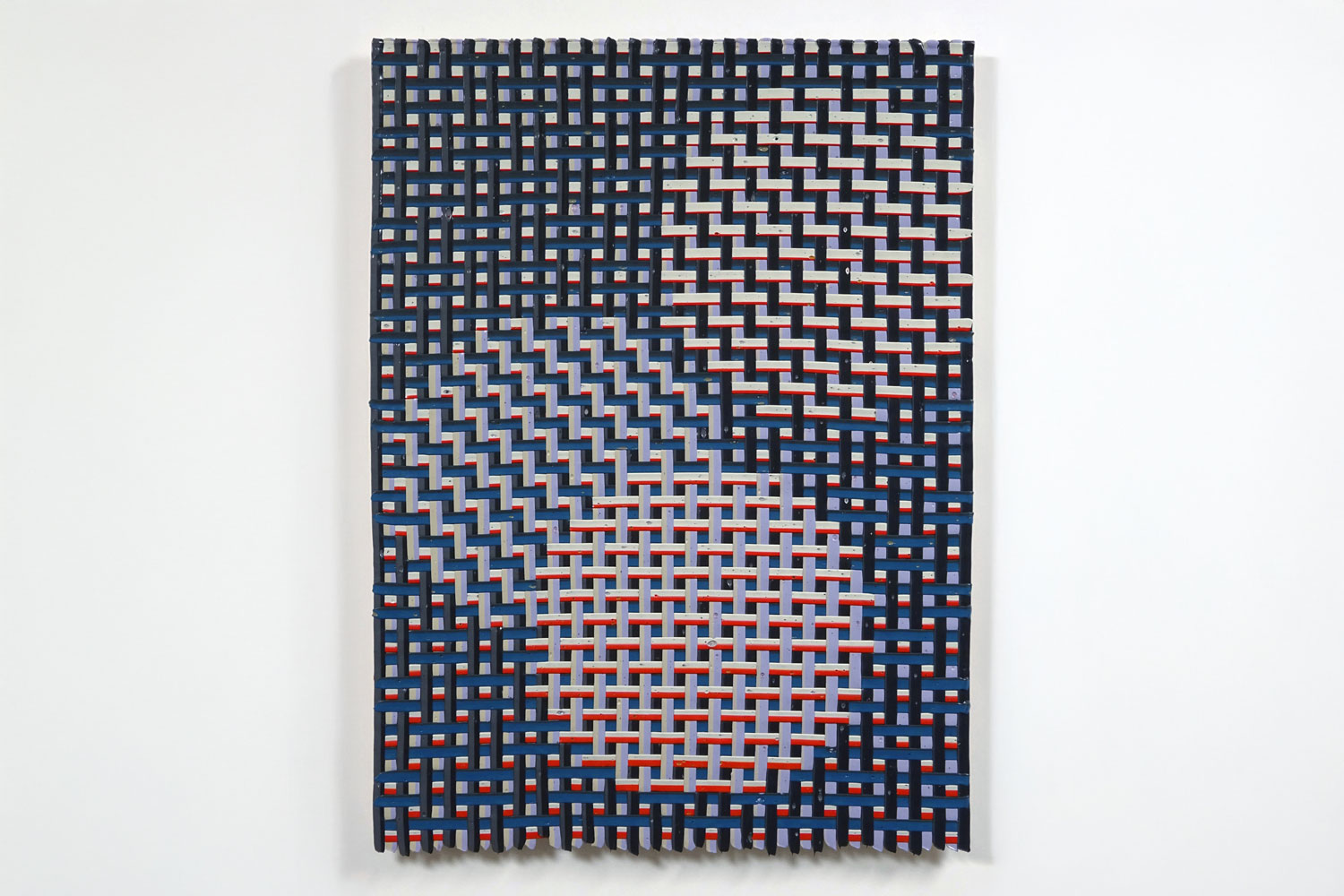
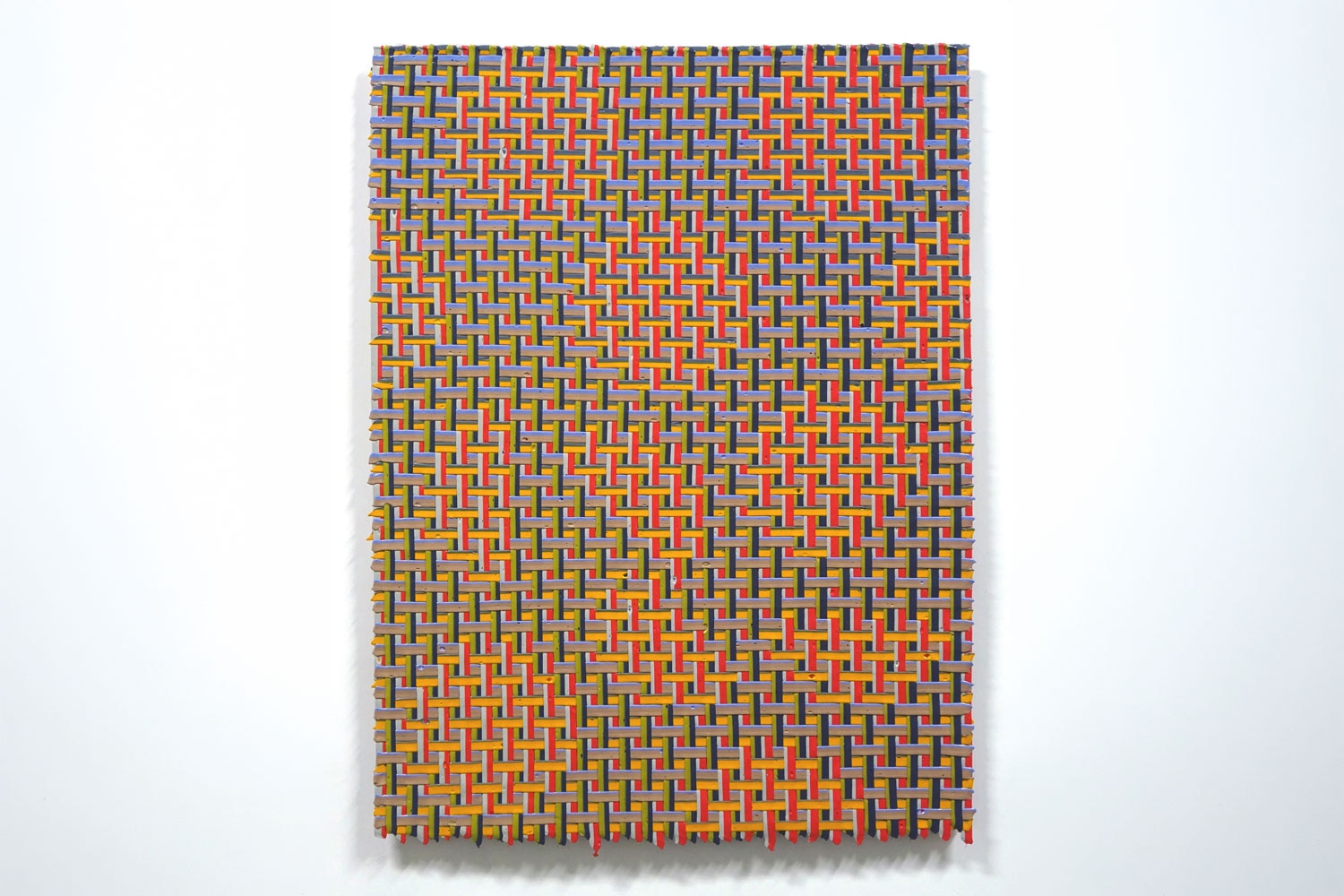
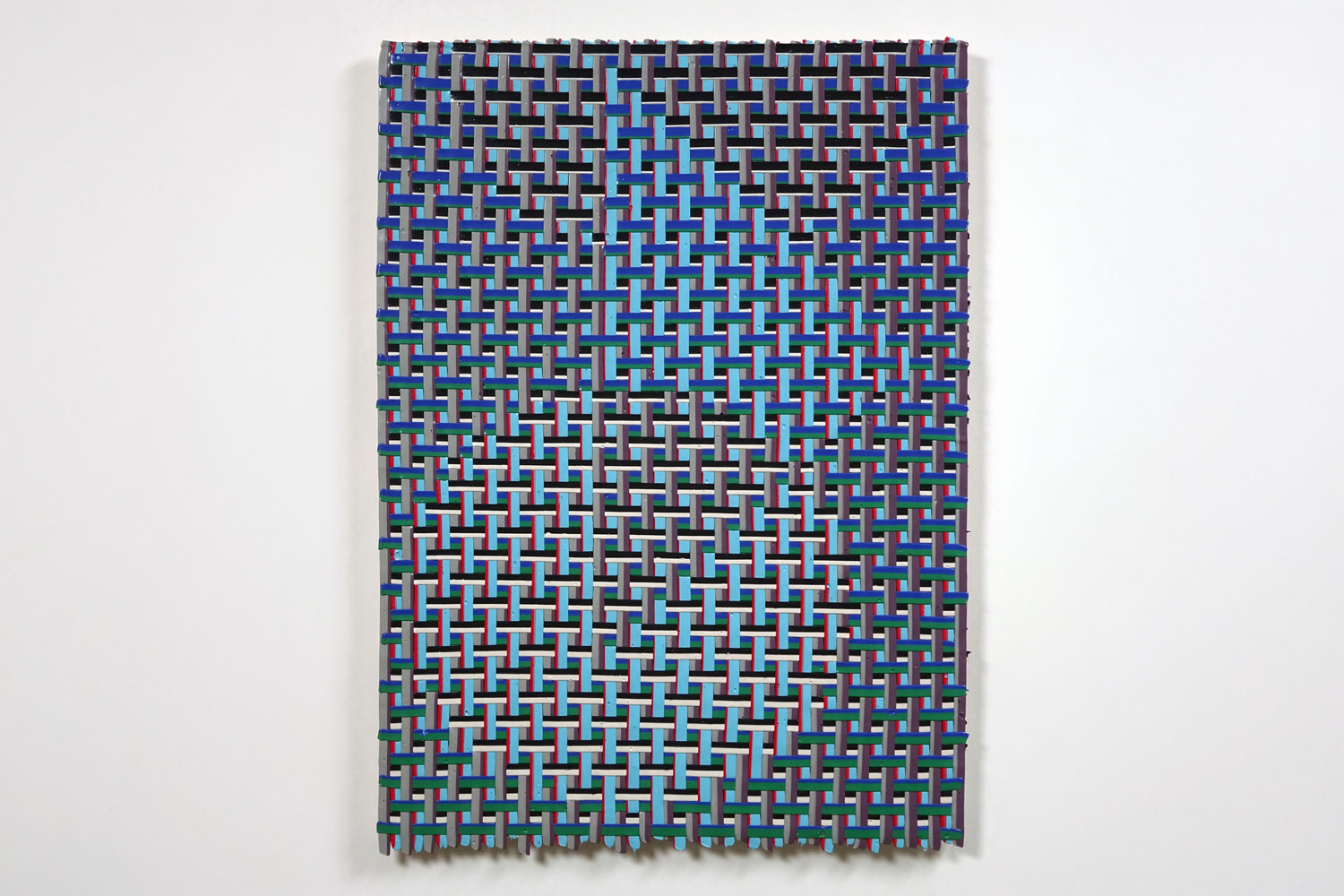
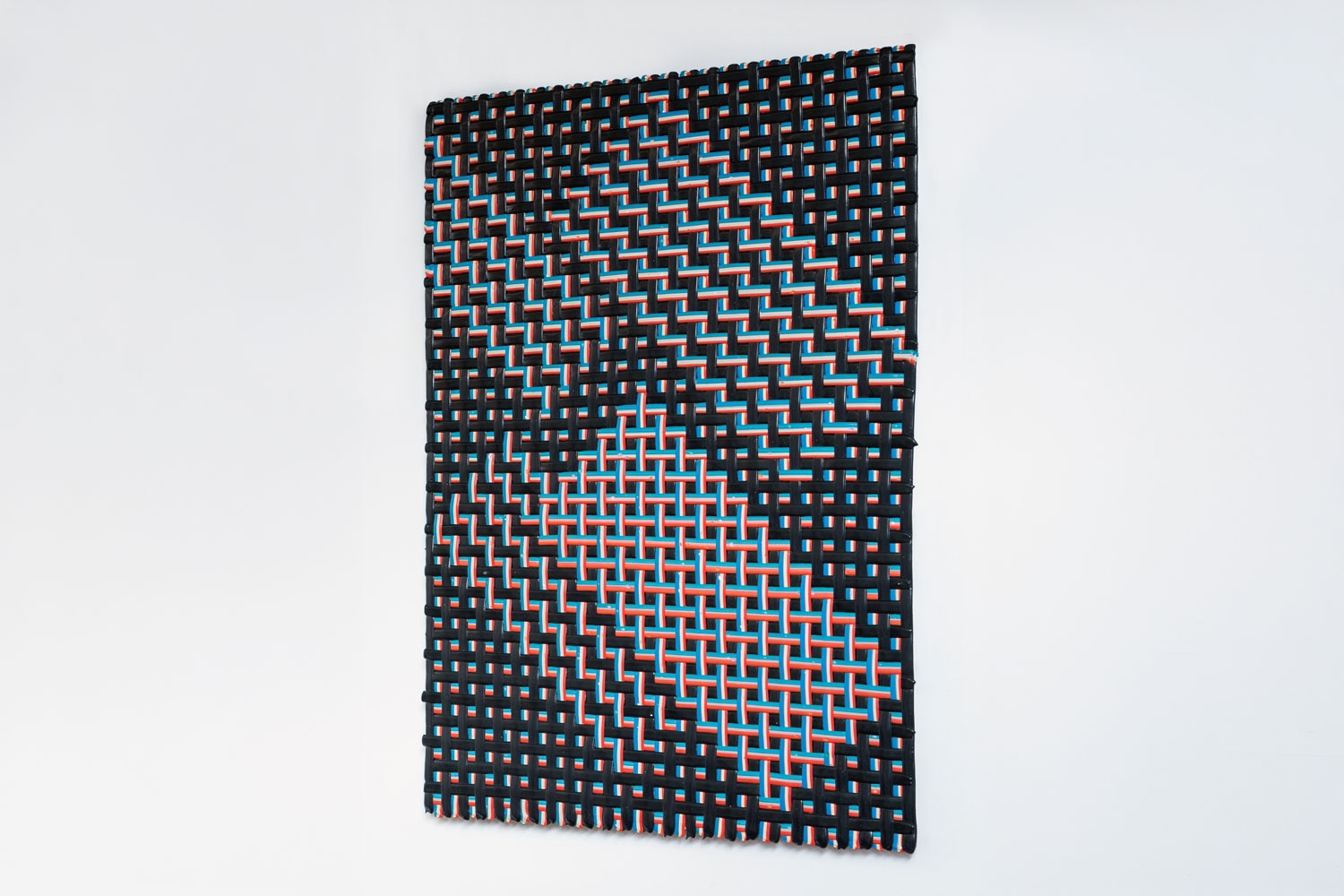
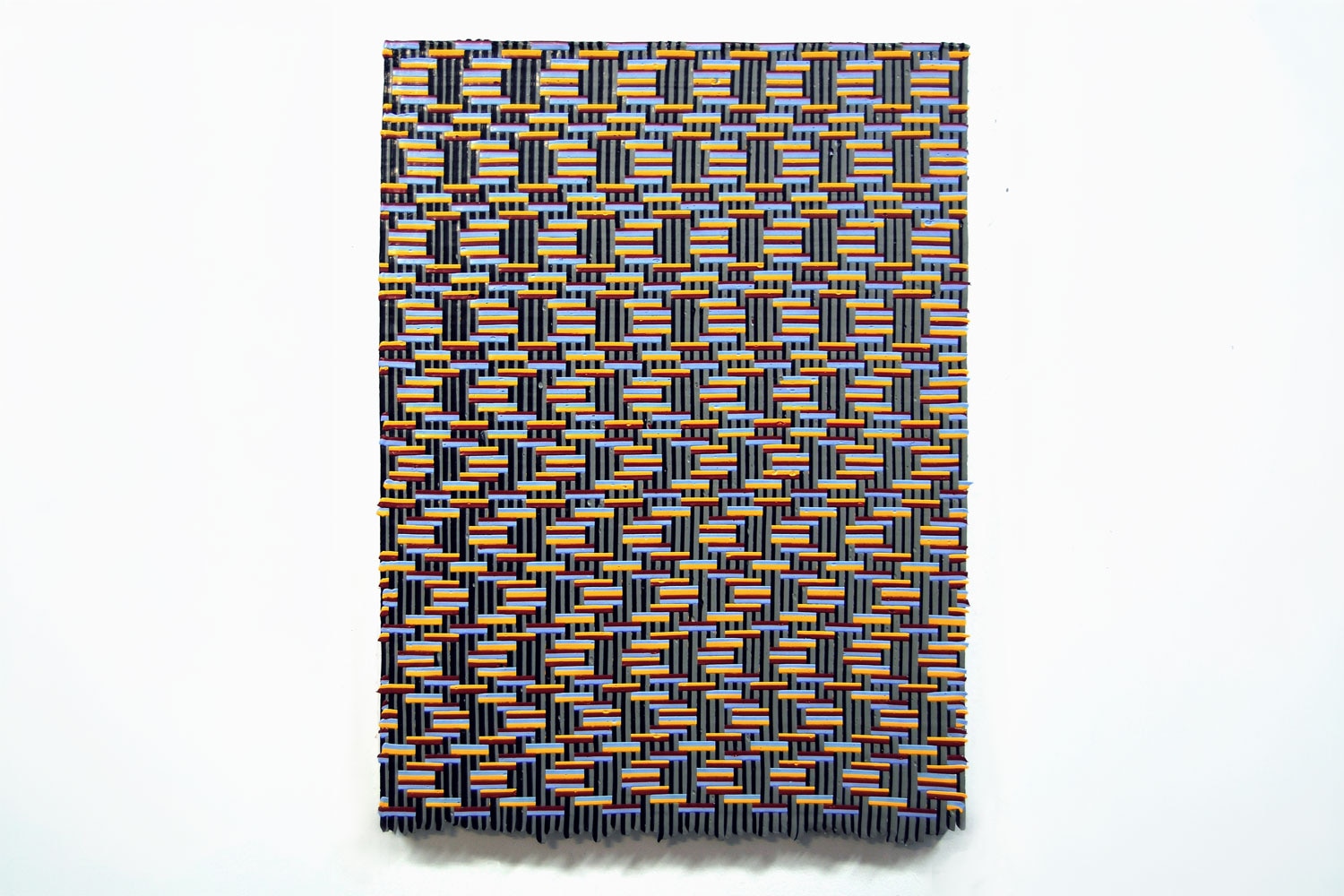
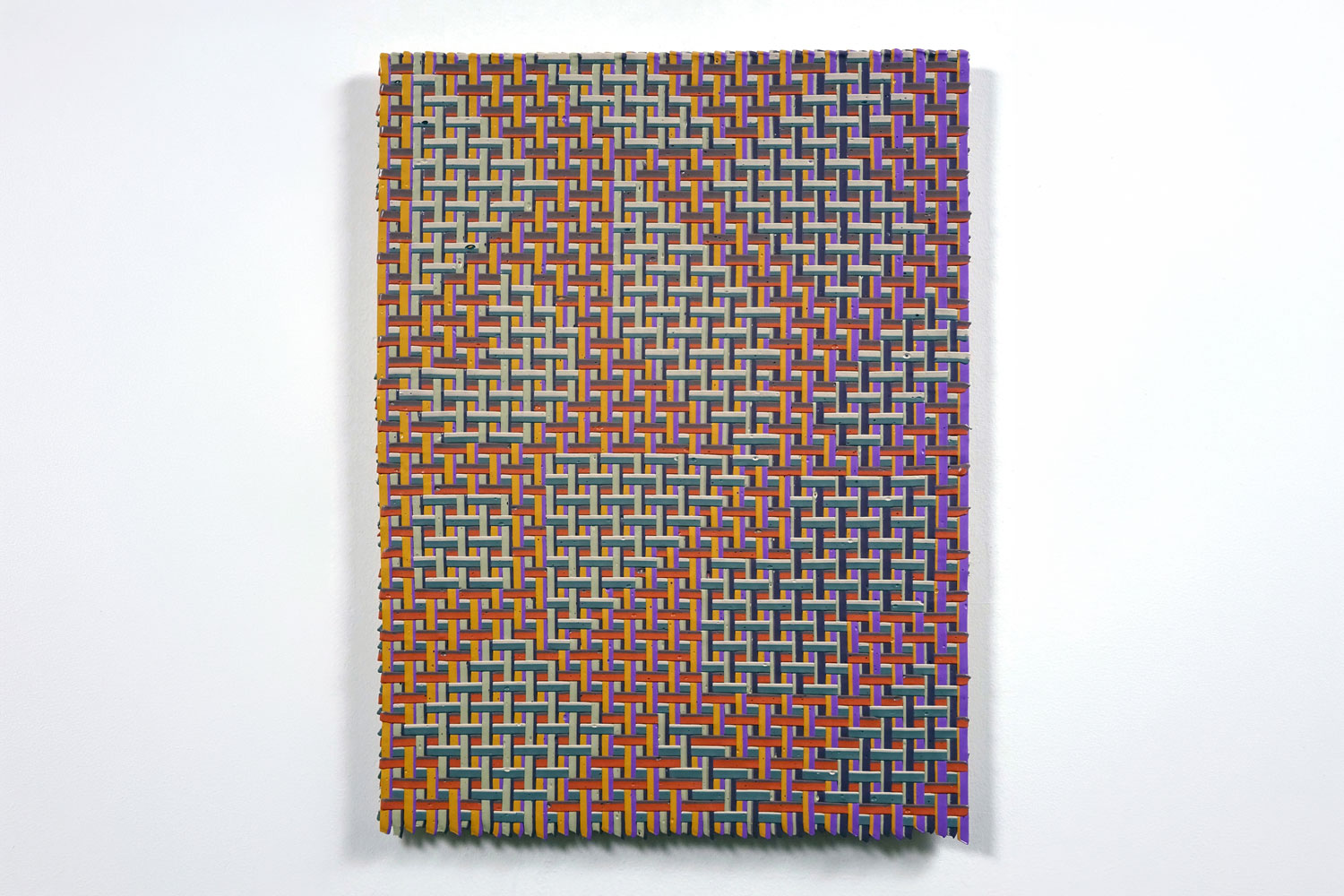
- His woven paintings explore optical effects and tactility
- He aims to connect human beings through creativity
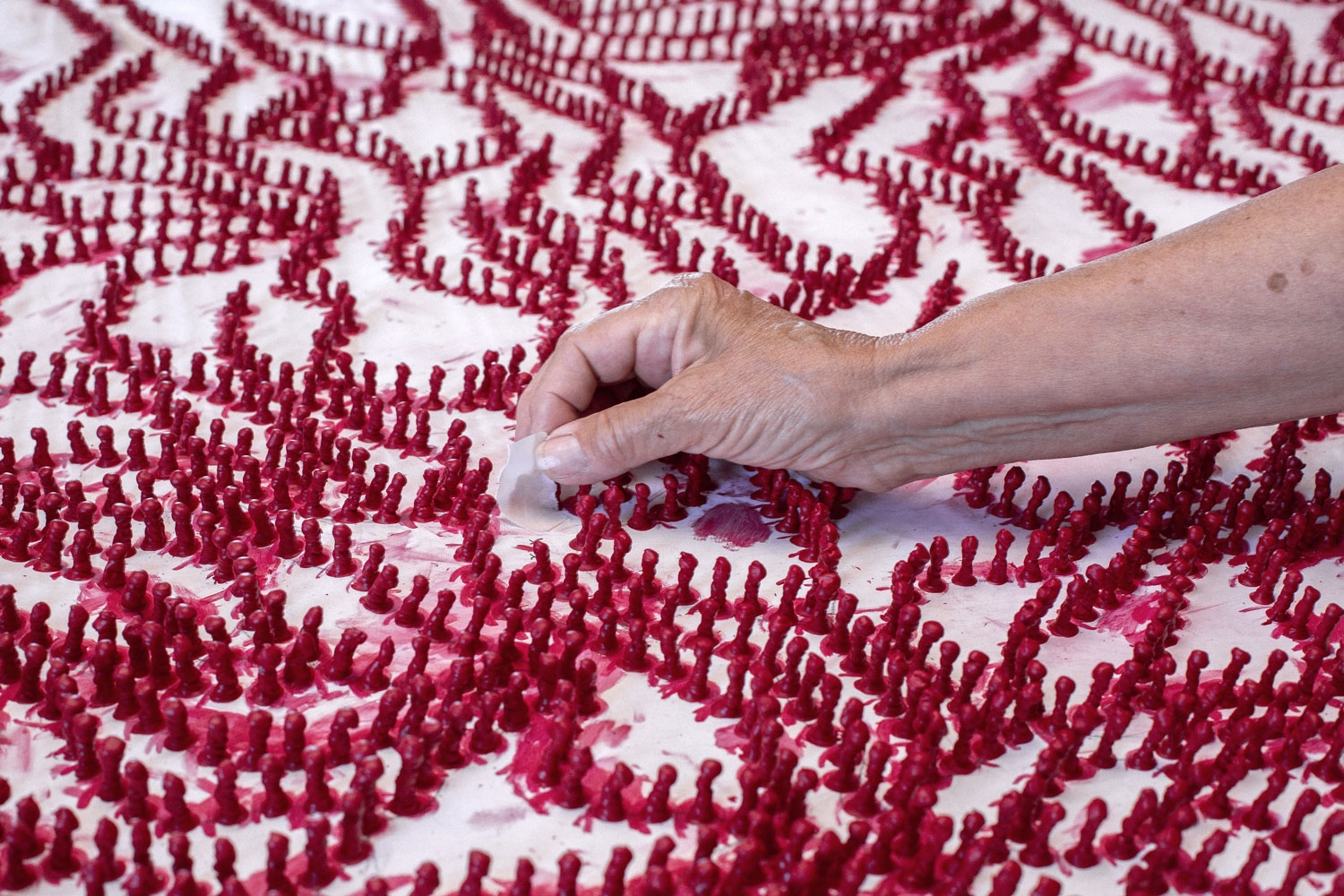
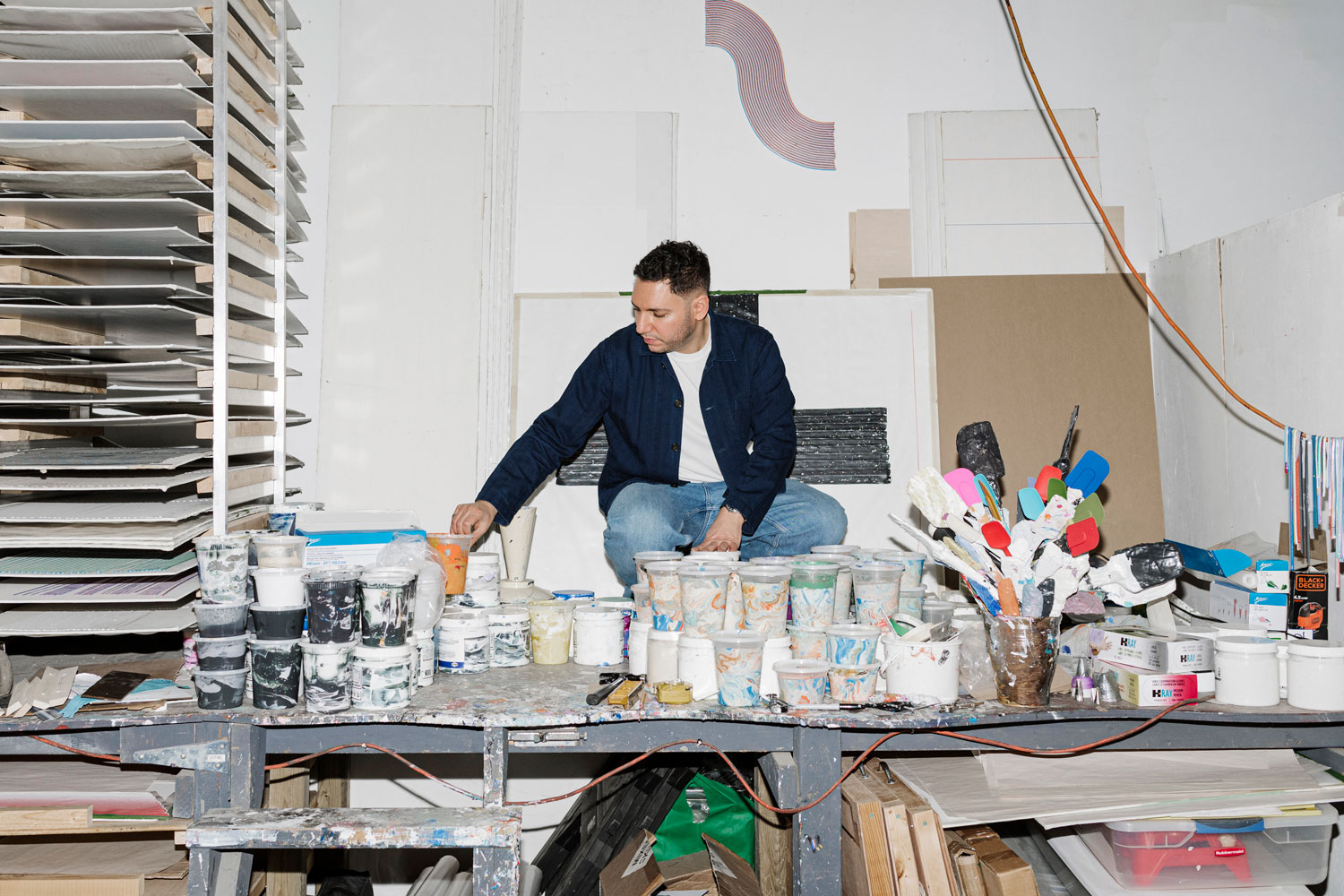
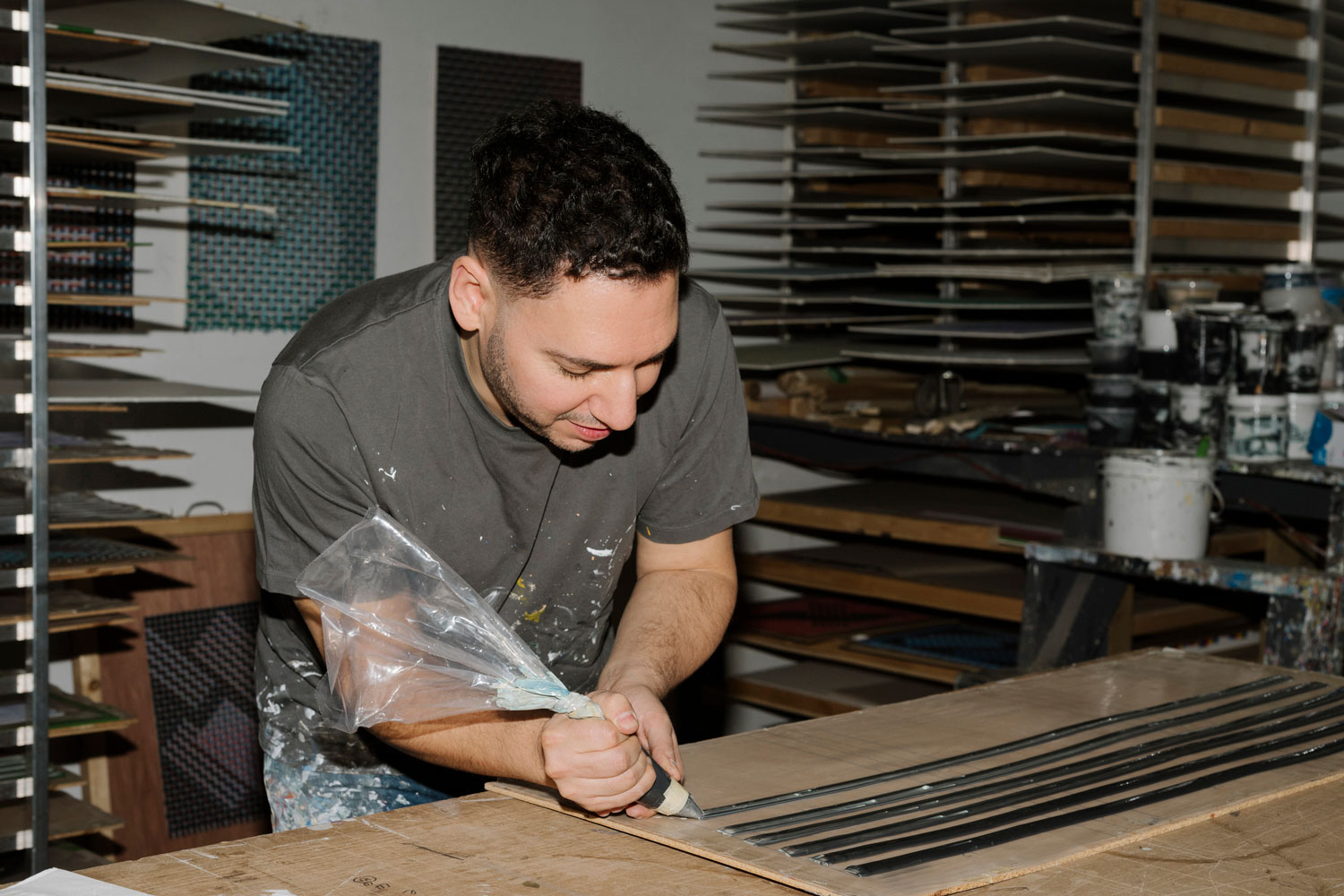
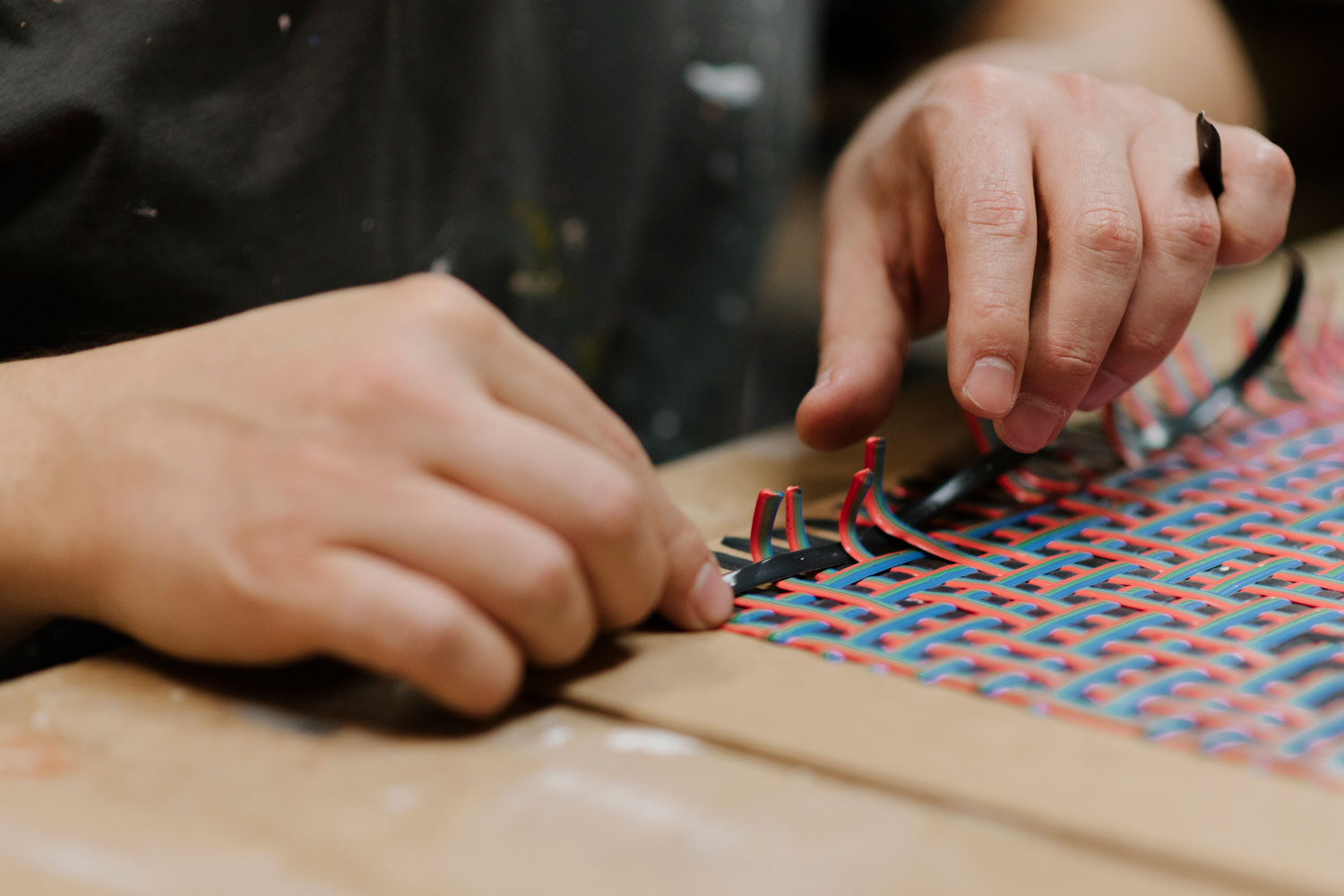
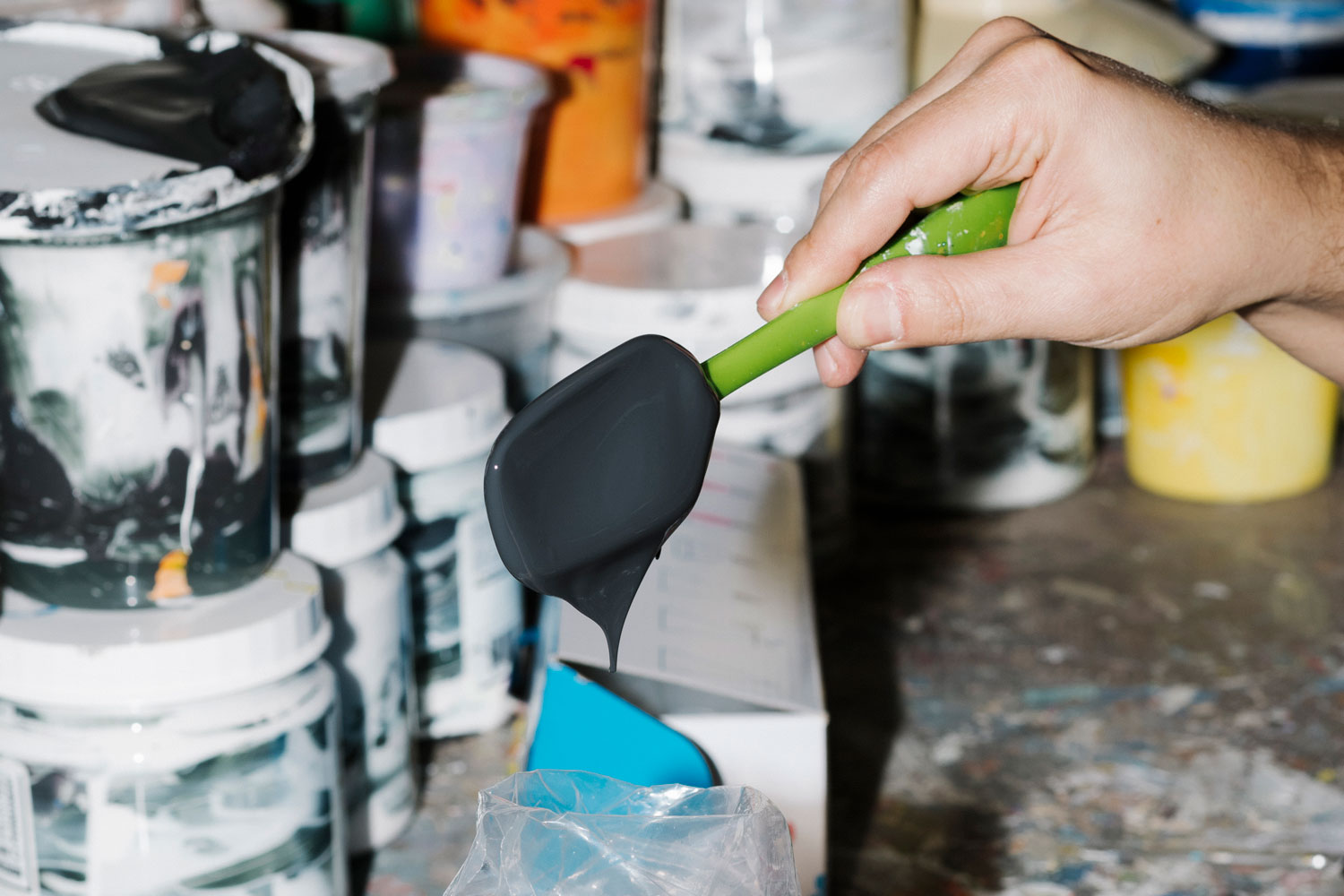
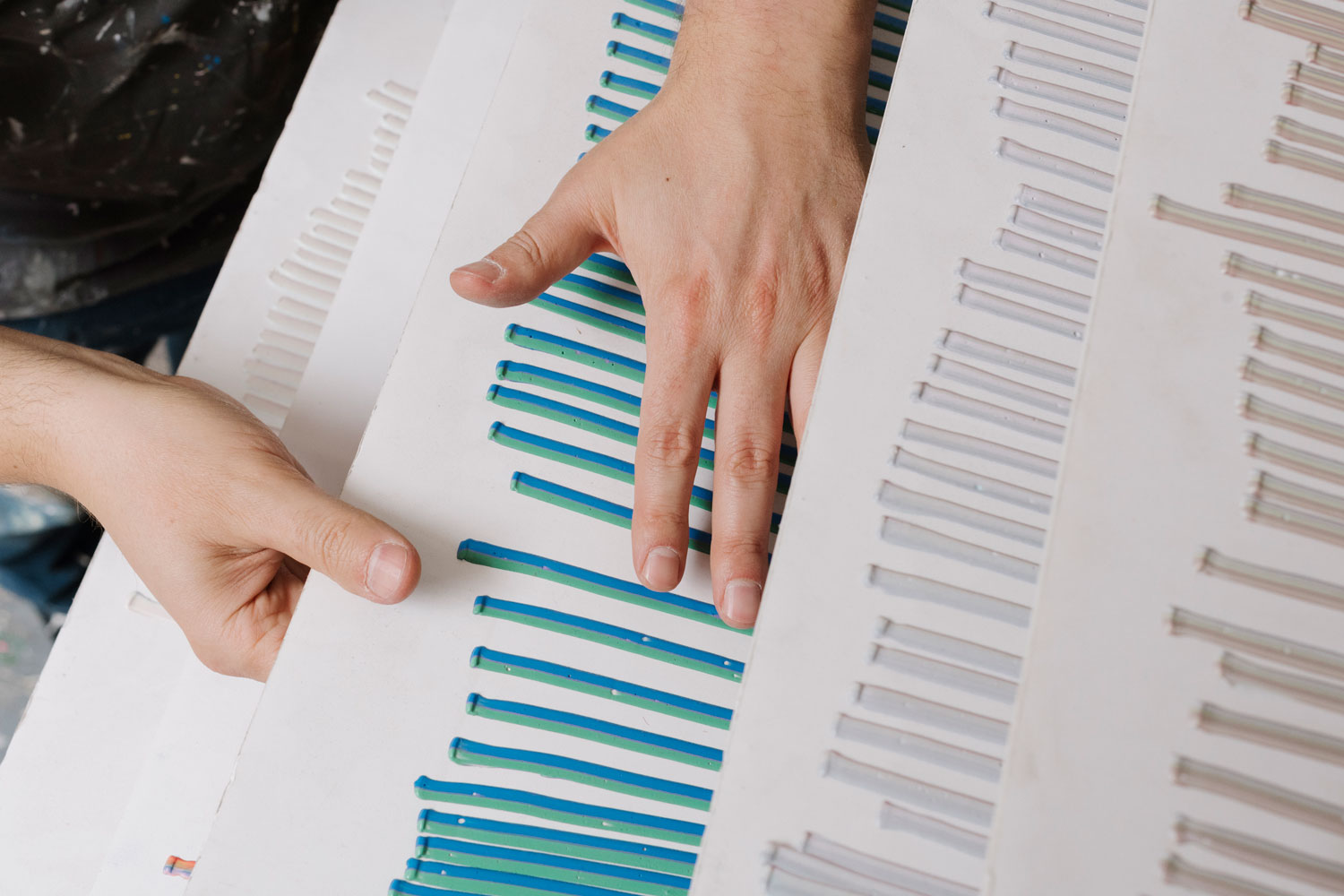
Robert Davidovitz specialises in paint weaving, a unique technique of weaving piped paint on a table using adapted looming techniques. "Born into a family of makers, I was always interested in art, even as a child," he says. In 2006, while studying painting and photography at York University and working part-time as a pastry maker, he was inspired to explore paint and painting in a whole new way. “I had this eureka moment,” he recalls. “I wondered, what if, instead of piping icing, I piped paint, and put it on a canvas?” The insight led him to experiment with creating multicoloured acrylic paint strands and weaving them into works that, by 2010, would feature intricate optical effects and strong elements of tactility and relief. Robert’s practice involves digital tools such as AutoCAD and analogue tools like mixing bowls and spatulas. "My current workshop resembles a bakery,” he says.
INTERVIEW
My style started taking shape around 2010, when I realised that I could weave paint, and that it could function as a textile medium. Over time, I began expanding and challenging myself with scale, imagery, colour and line gradations, pixelation, and more complex weaving structures.
My grandmother taught me the needlepoint technique. As a child, I was impatient with it, but I have come to realise how important patience and time are. As a teenager, I also learned stained glass working with my father and older brother. I have recently come back to the idea of design principles from those formative years.
While my work has affinities to certain movements like constructivism, Bauhaus or minimalism, I see those as secondary to the core of my practice. I am more interested in interacting with the material, exploring structures, and achieving balance.
I feel very privileged to be able to express myself this way. My practice is about touching people emotionally through art and craftsmanship, and connecting human beings through a tangible expression of creativity. There is always something new to discover, too.
Robert Davidovitz
Decorative painter
Toronto, Canada
ADDRESS
Address upon request, Toronto, Canada
AVAILABILITY
By appointment only
LANGUAGES
English
Homo Faber Finds is a new service aiming to inspire admirers of craft to connect and collaborate with exceptional artisans.
We invite you to submit an enquiry here.