Kathryn Bondy
Golden Age Botanicals
Paper artist
Toronto, Canada
A realistic reverence to nature
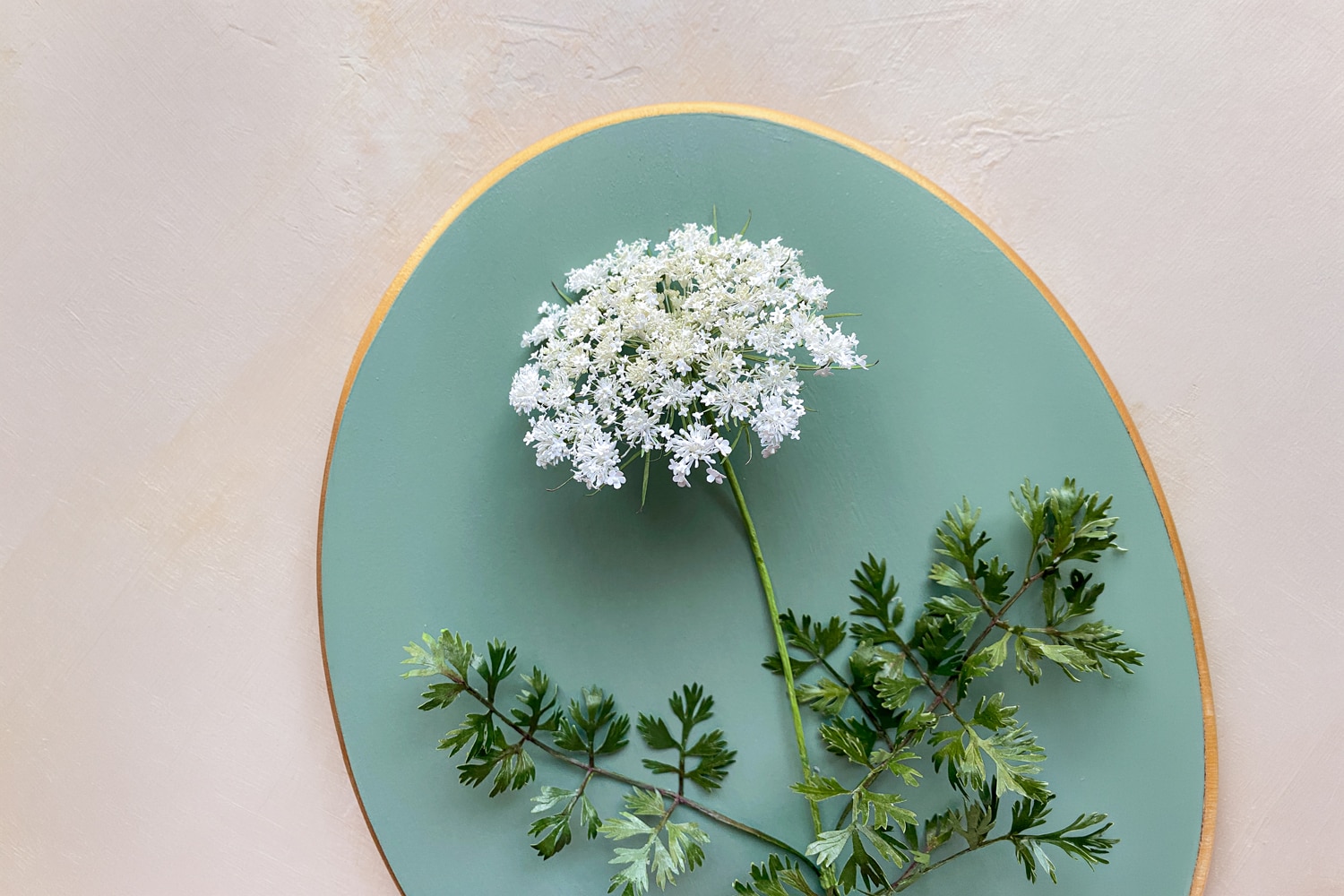
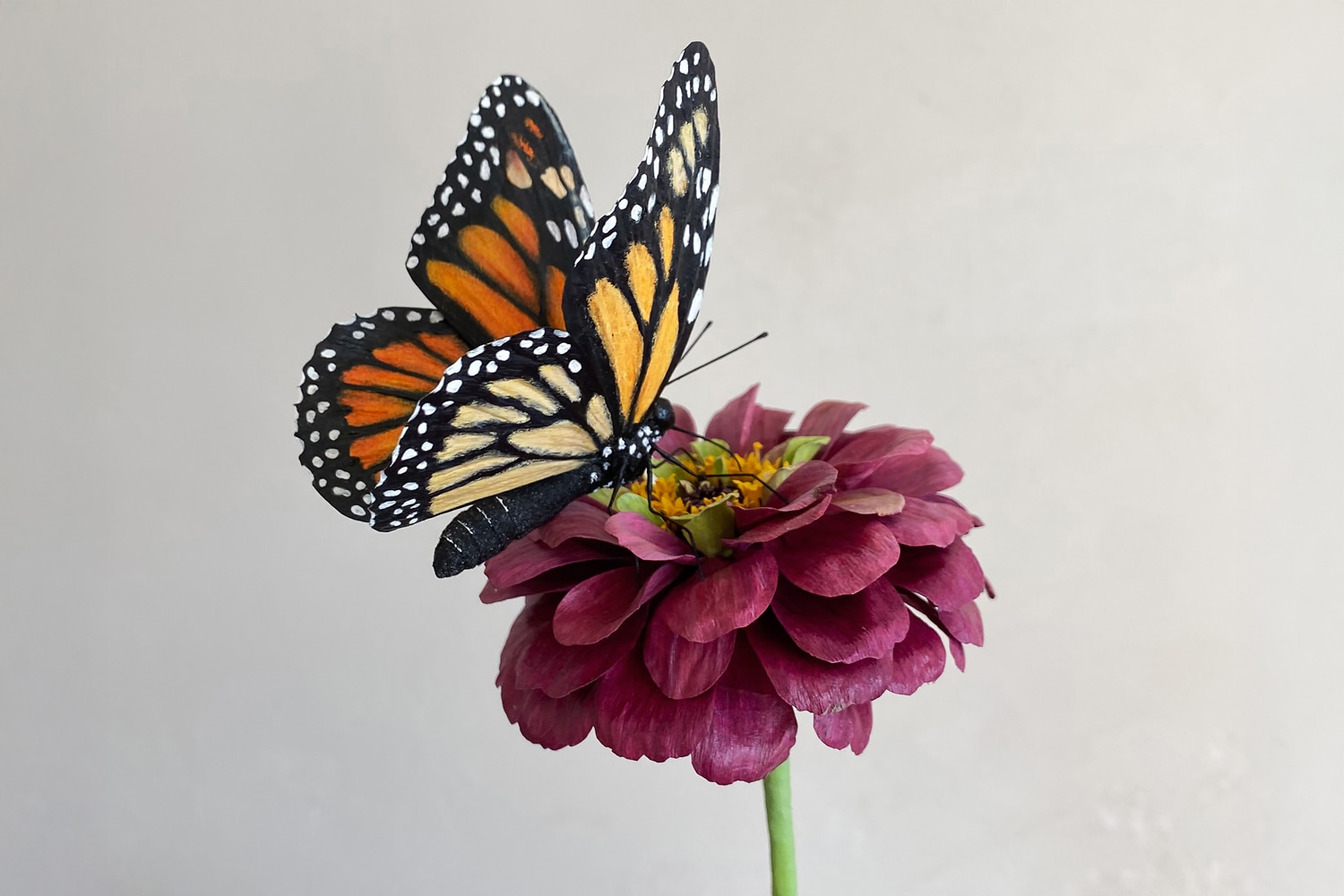
- Kathryn’s paper sculptures are inspired by classic still-life paintings
- Many of her pieces are commemorative commissions
- Observation and attunement are at the heart of her practice
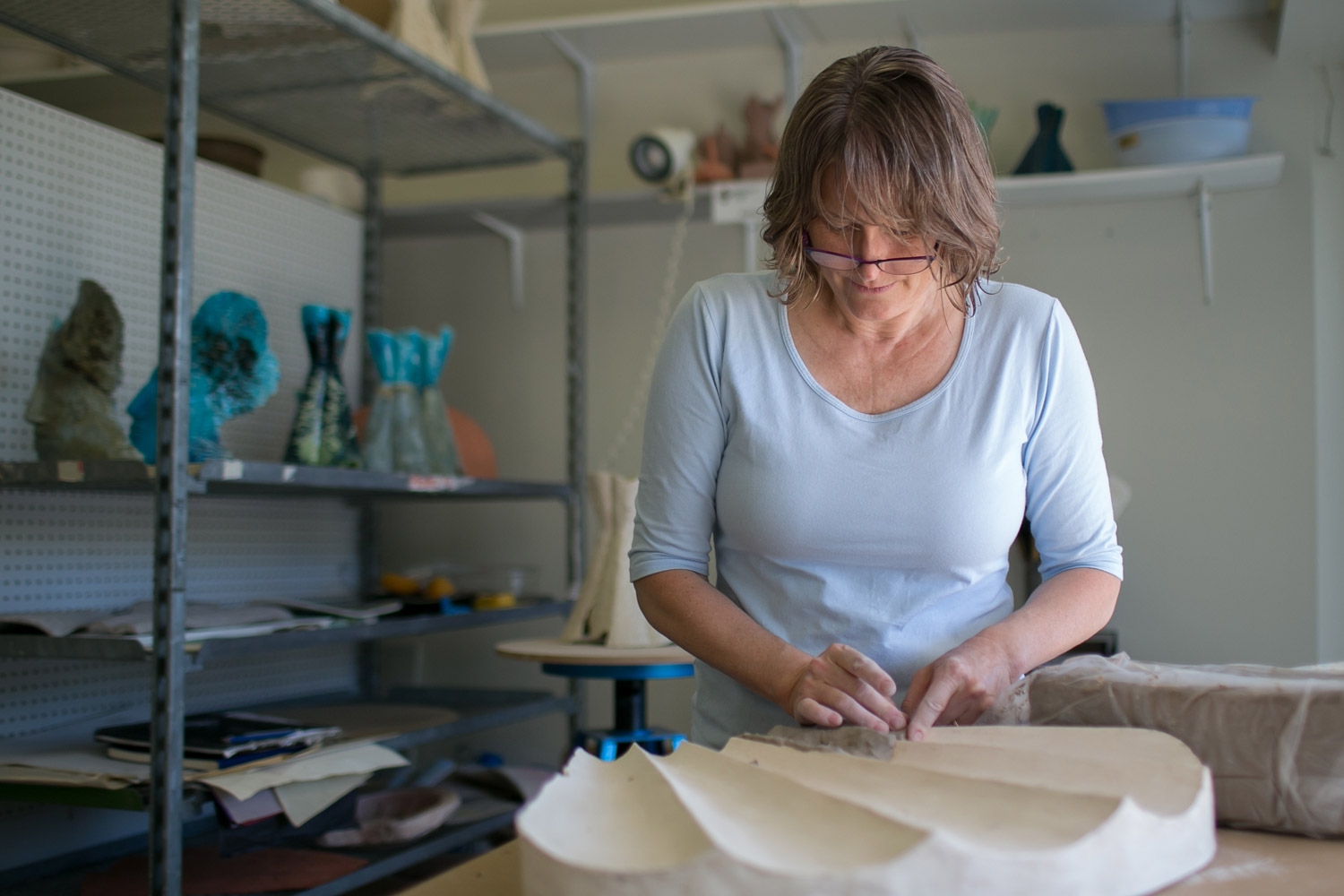
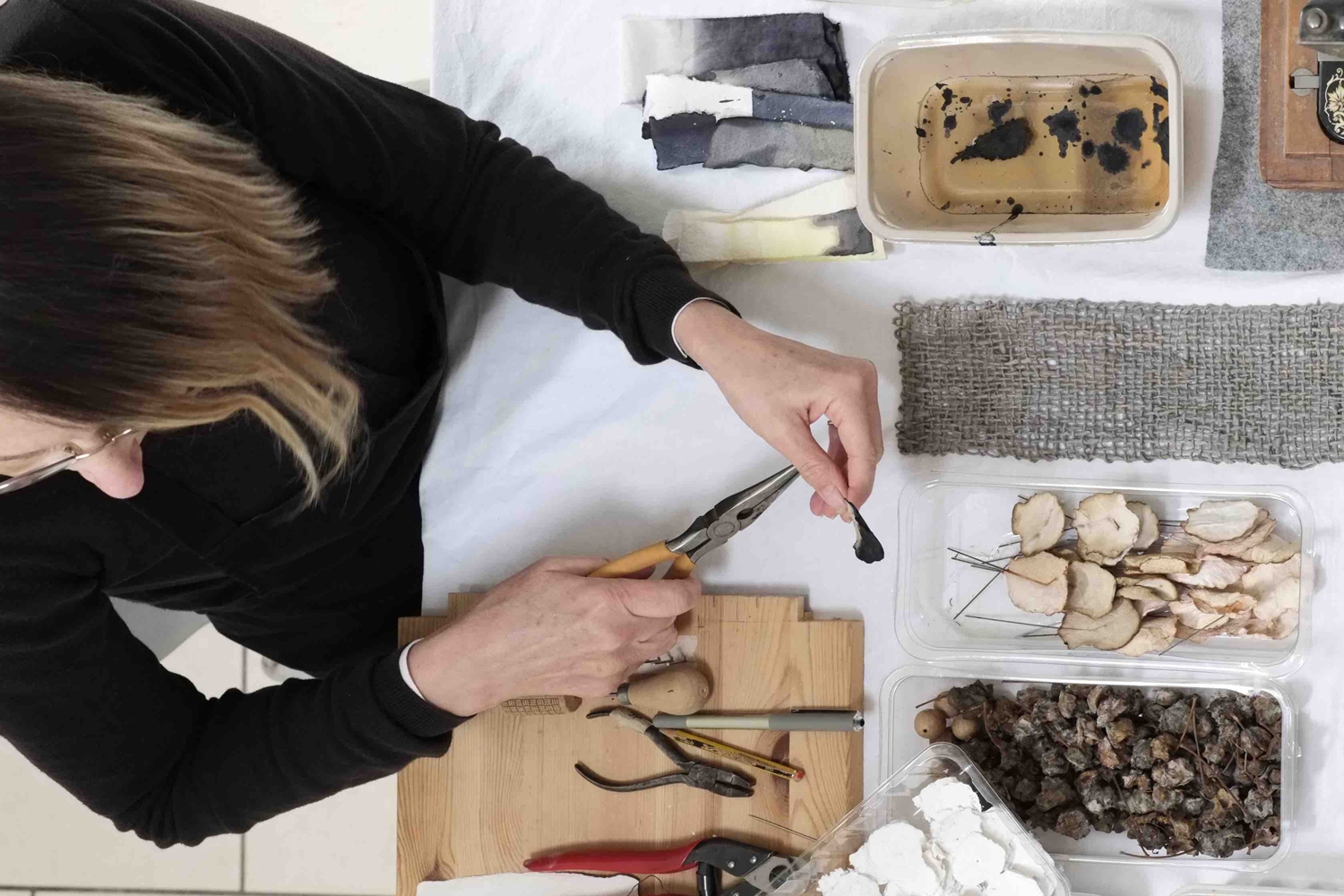
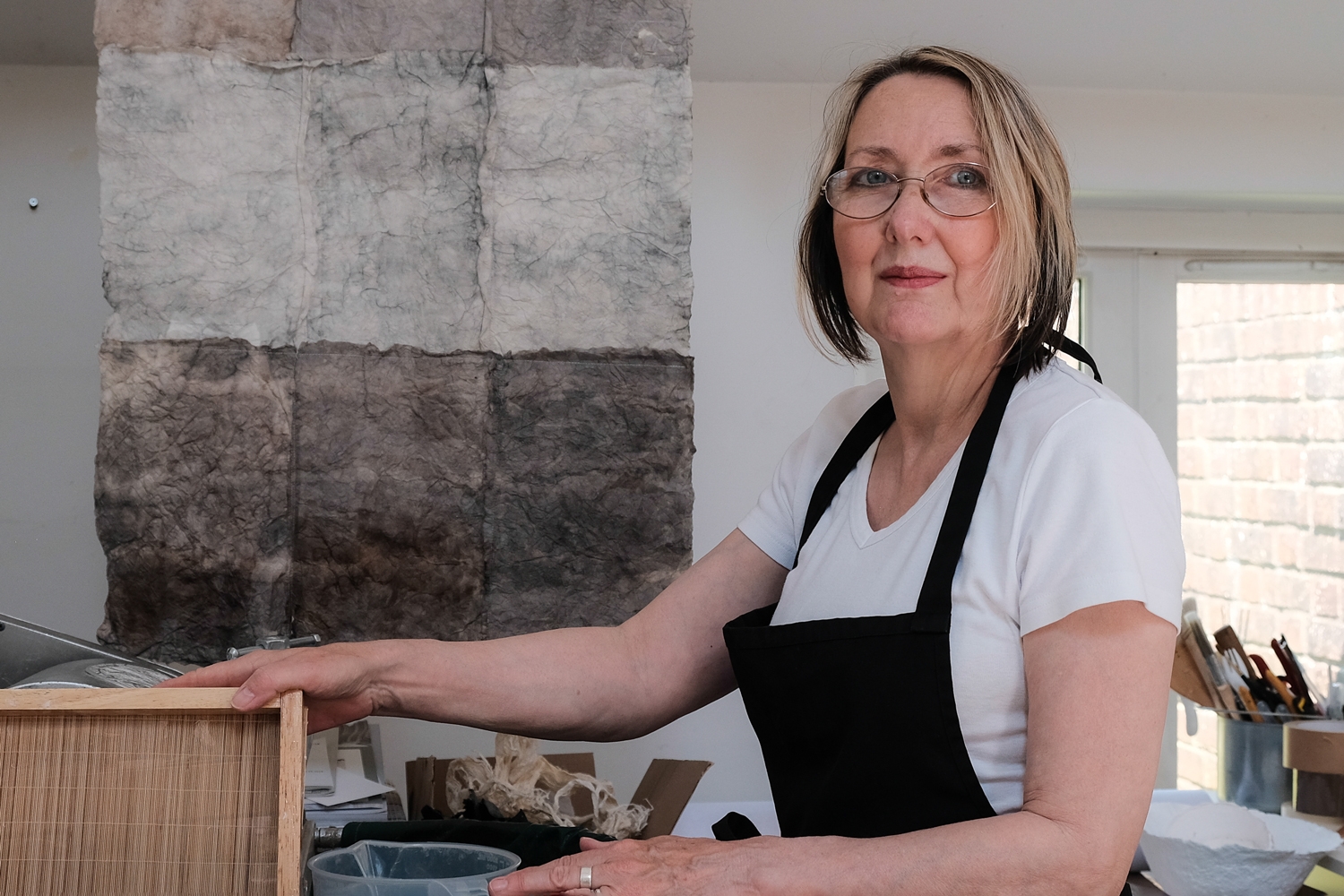
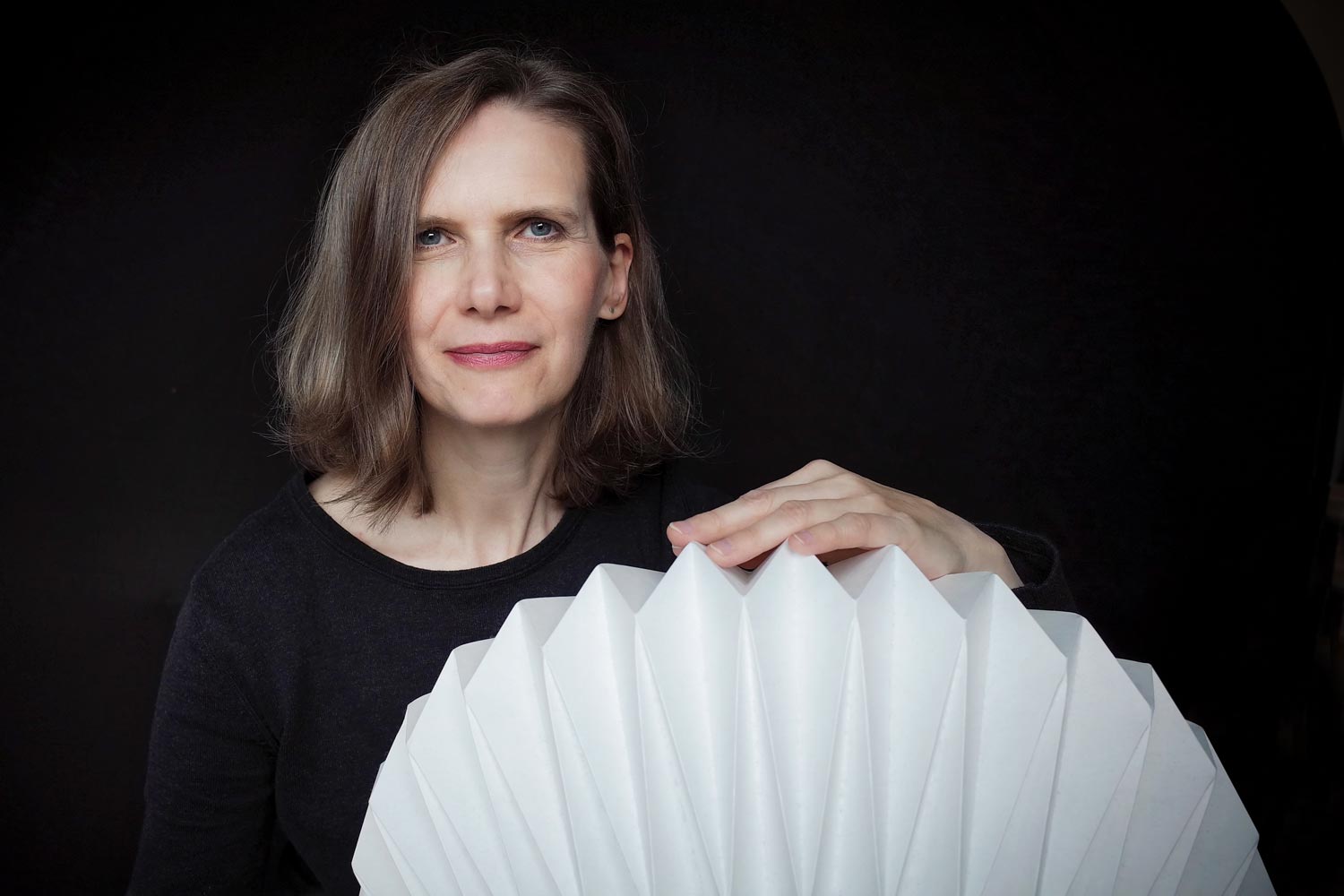
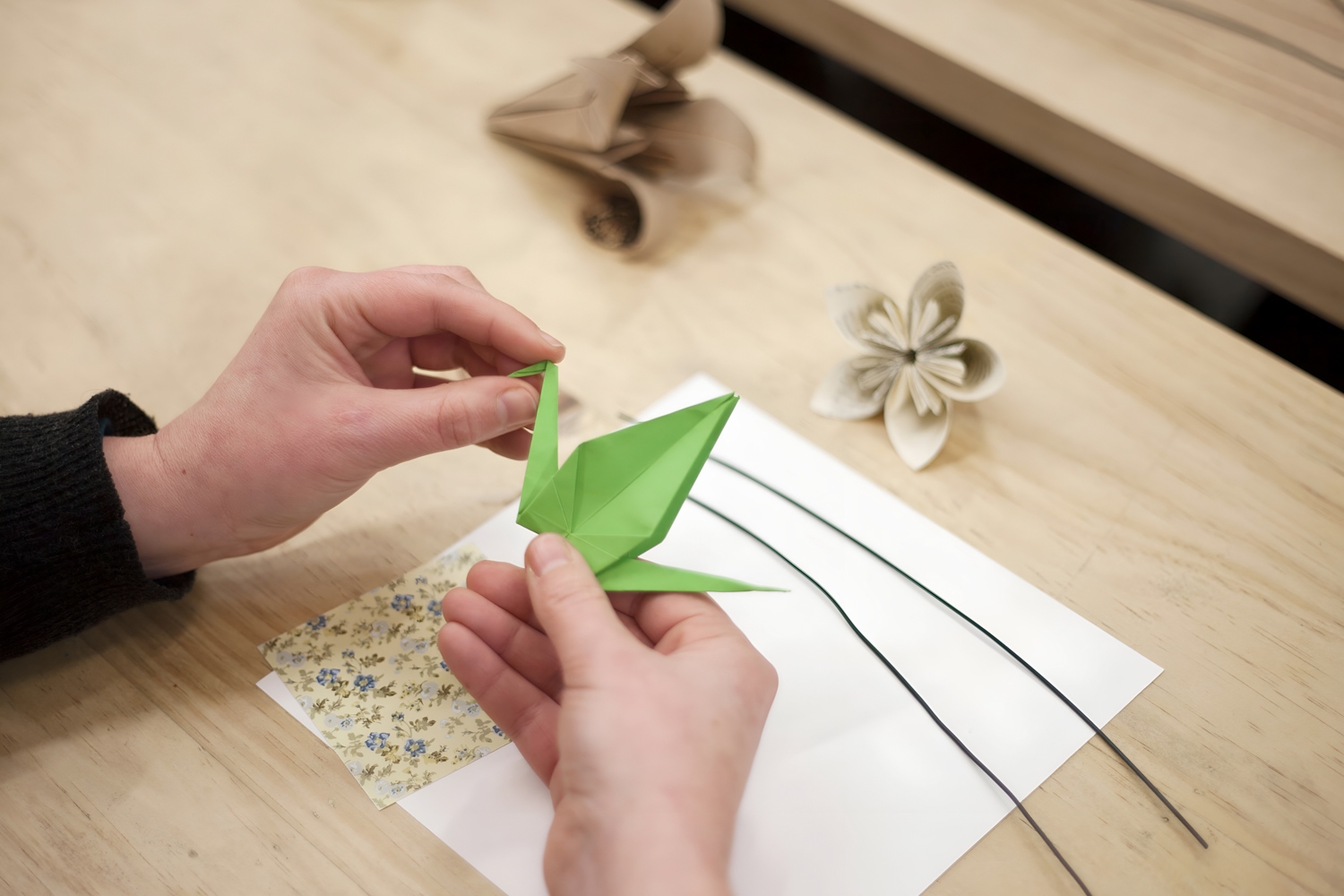
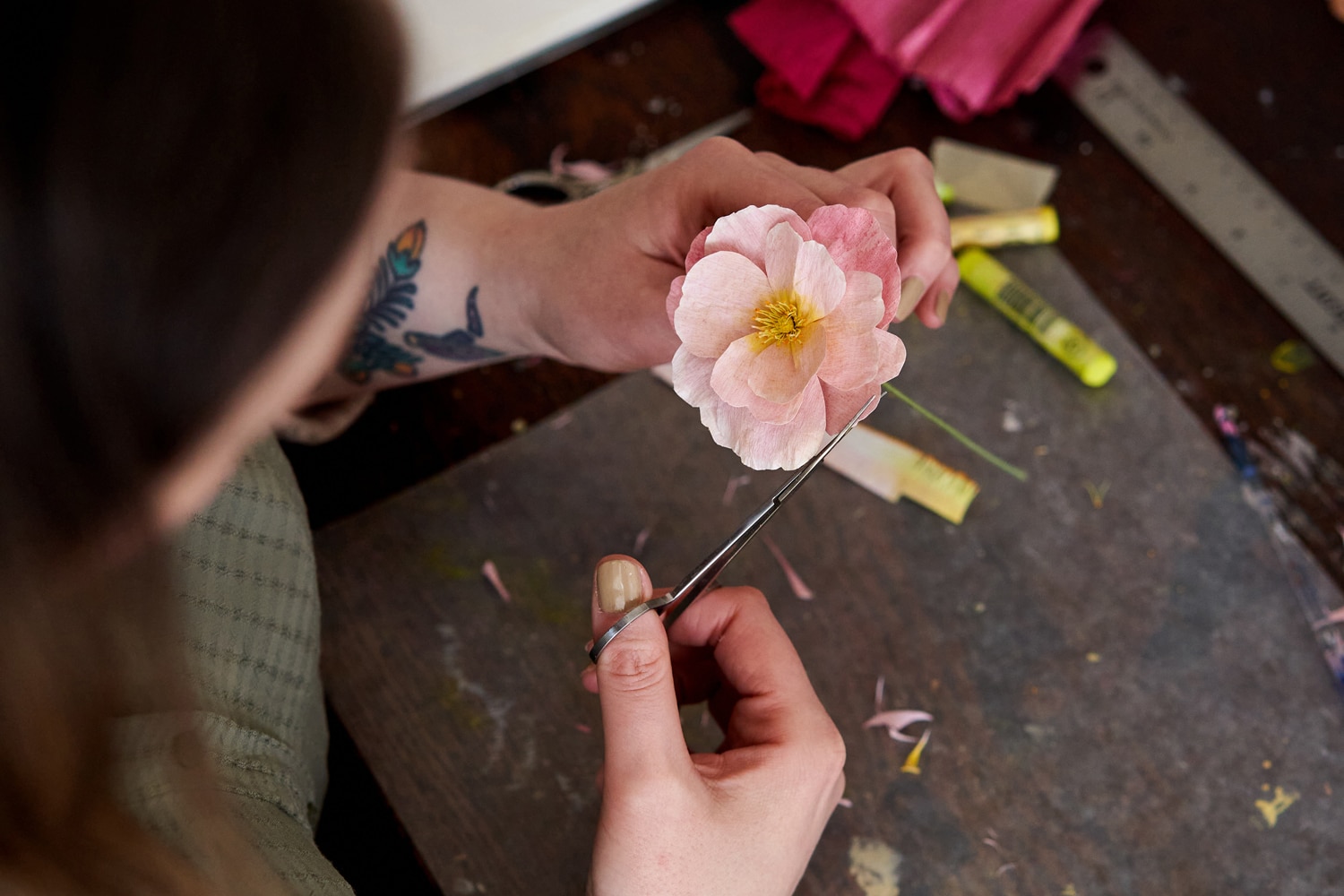
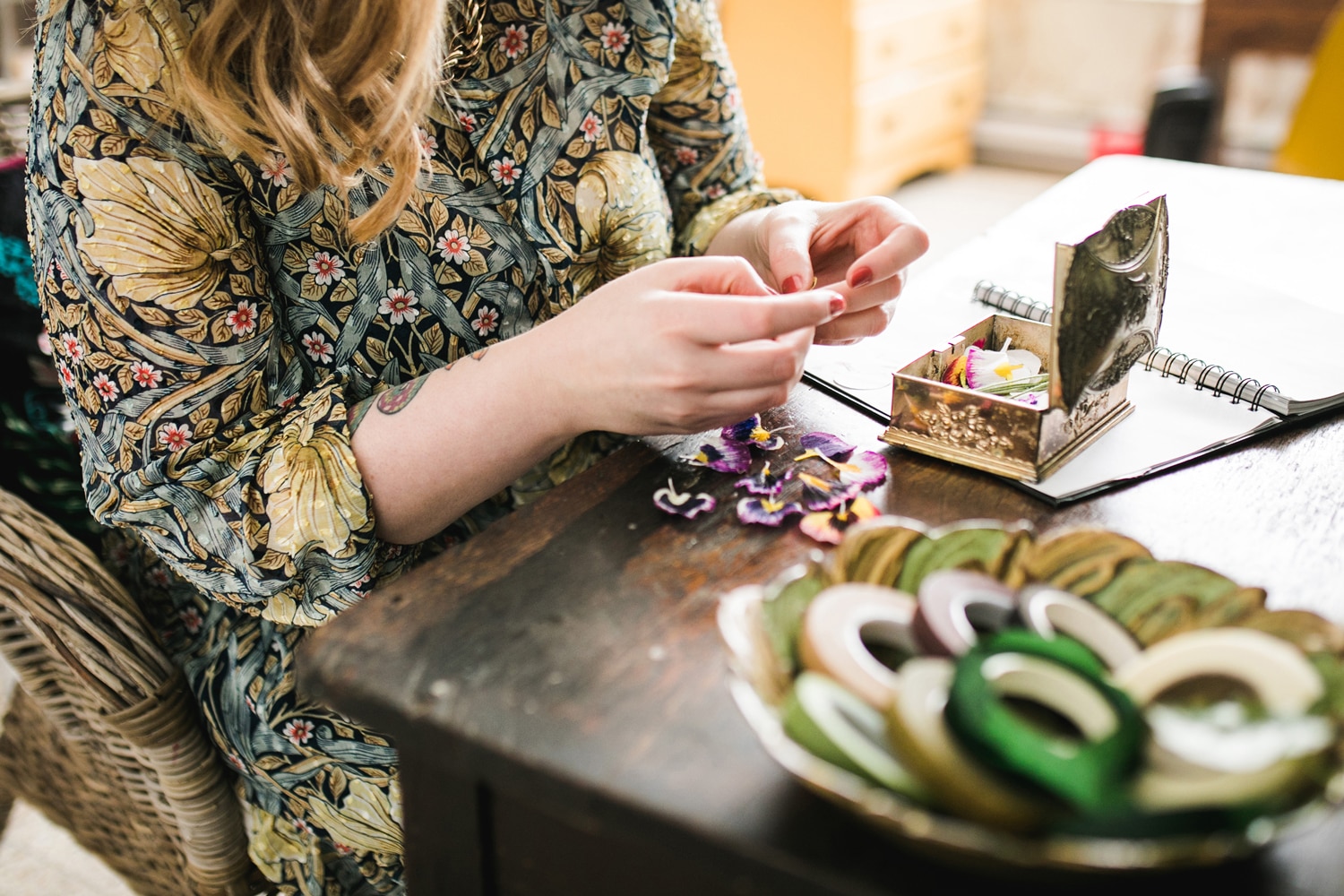
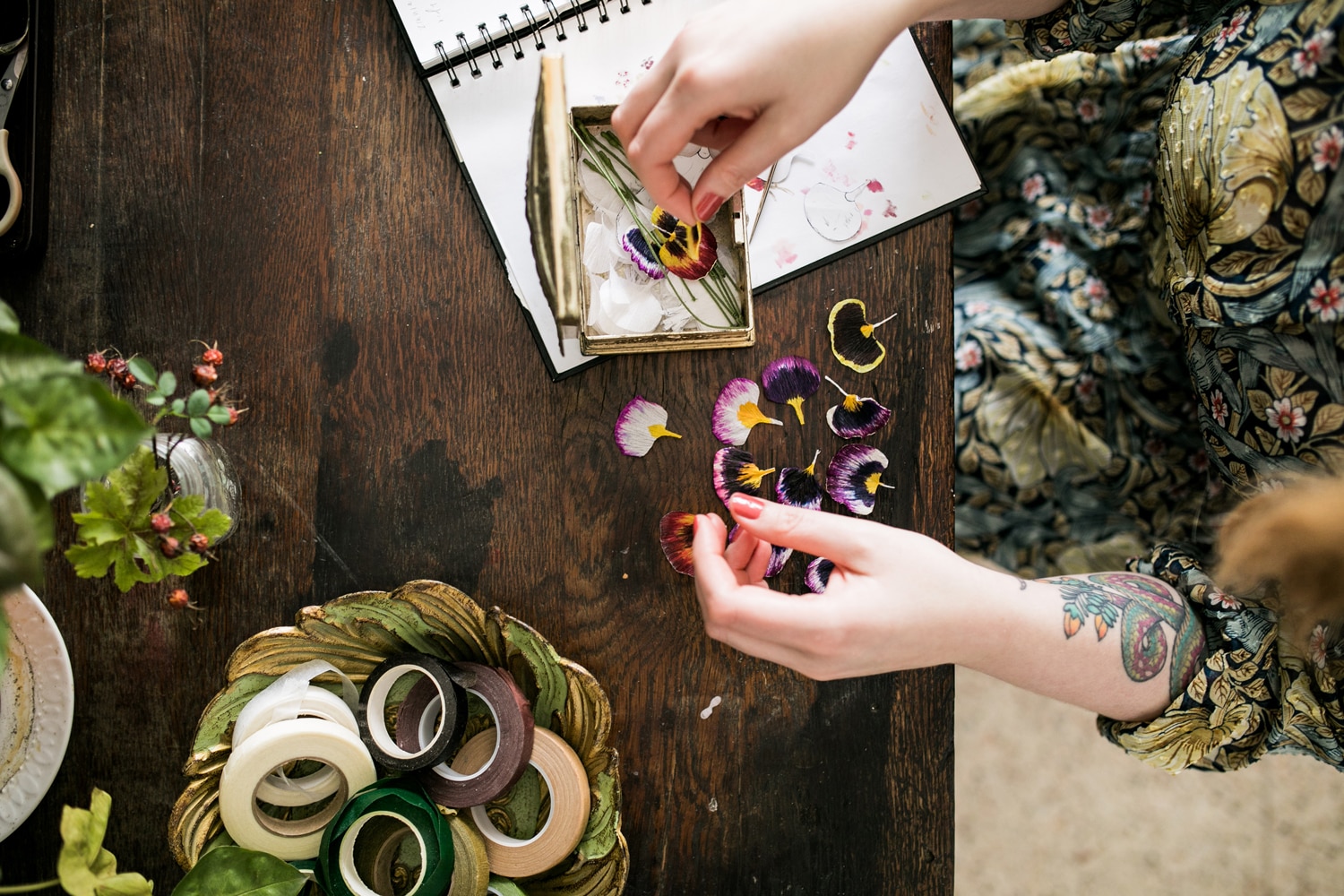
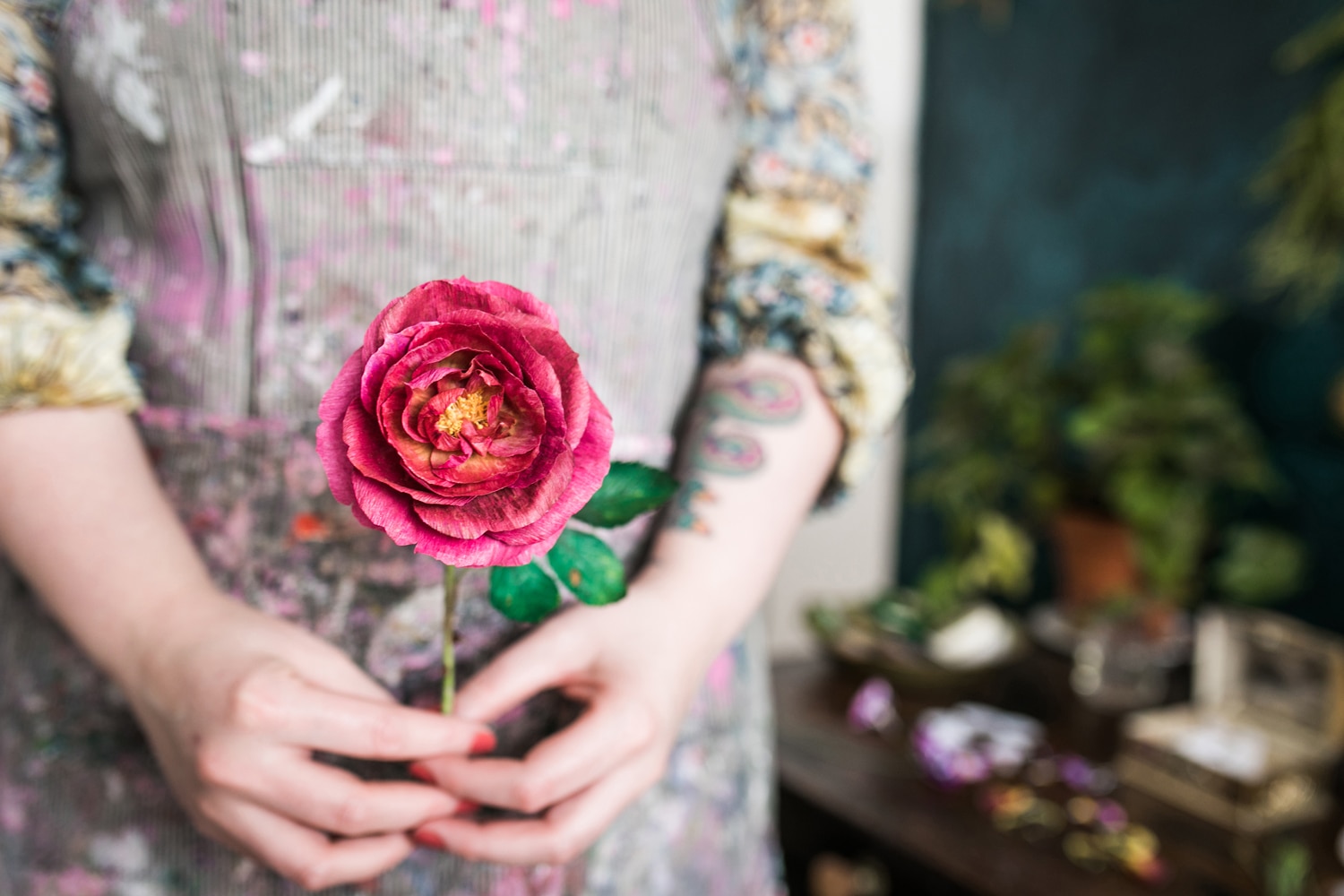
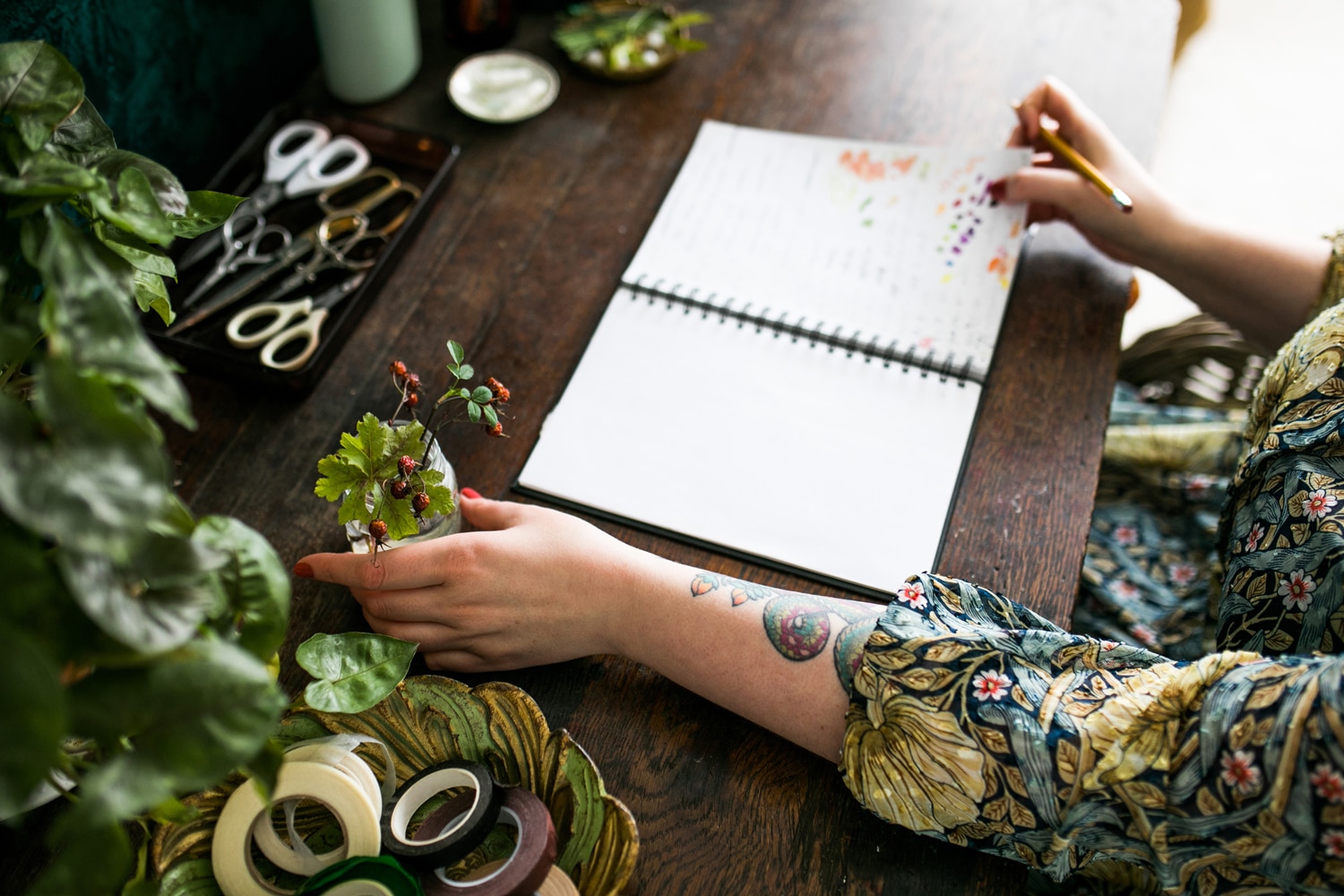
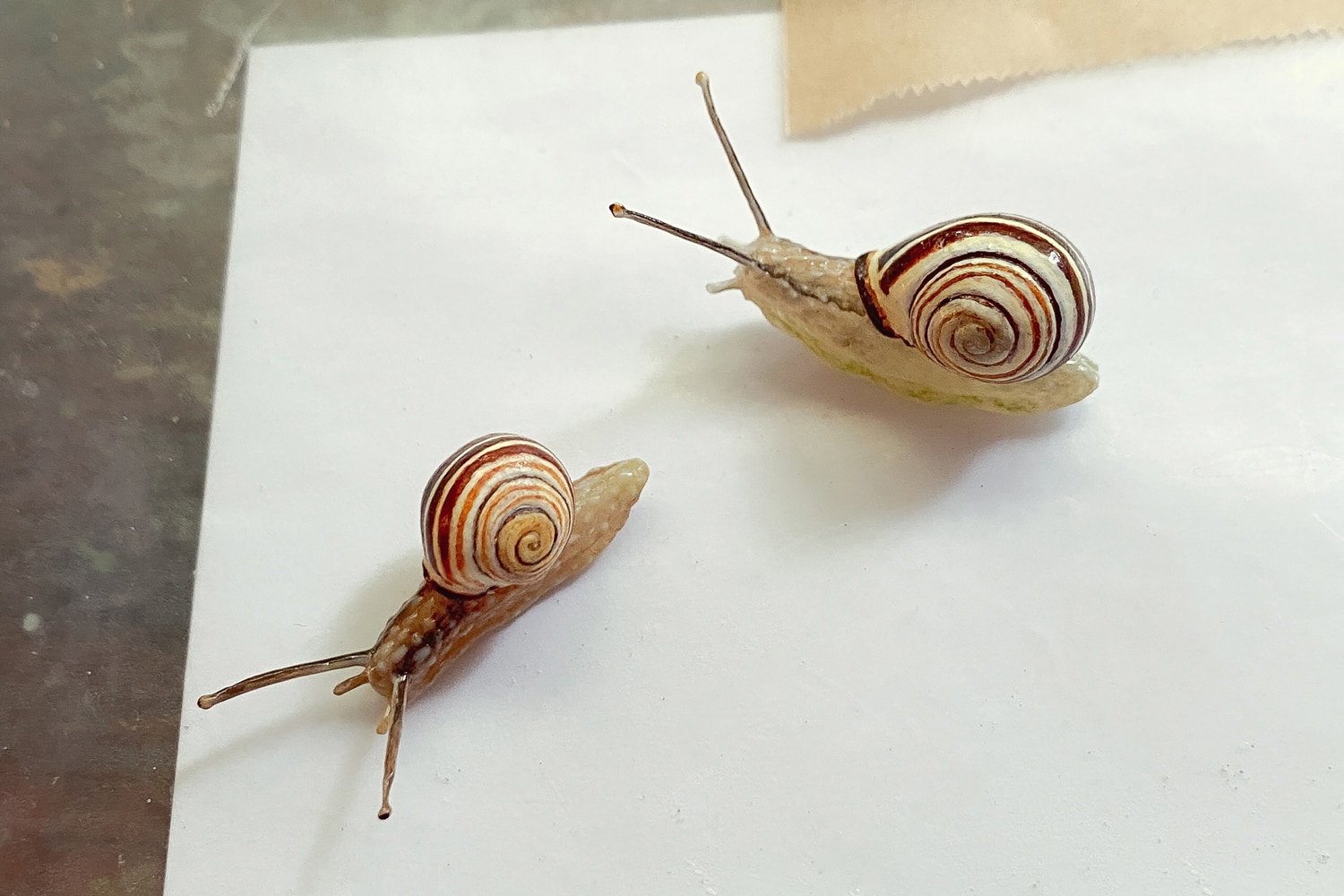
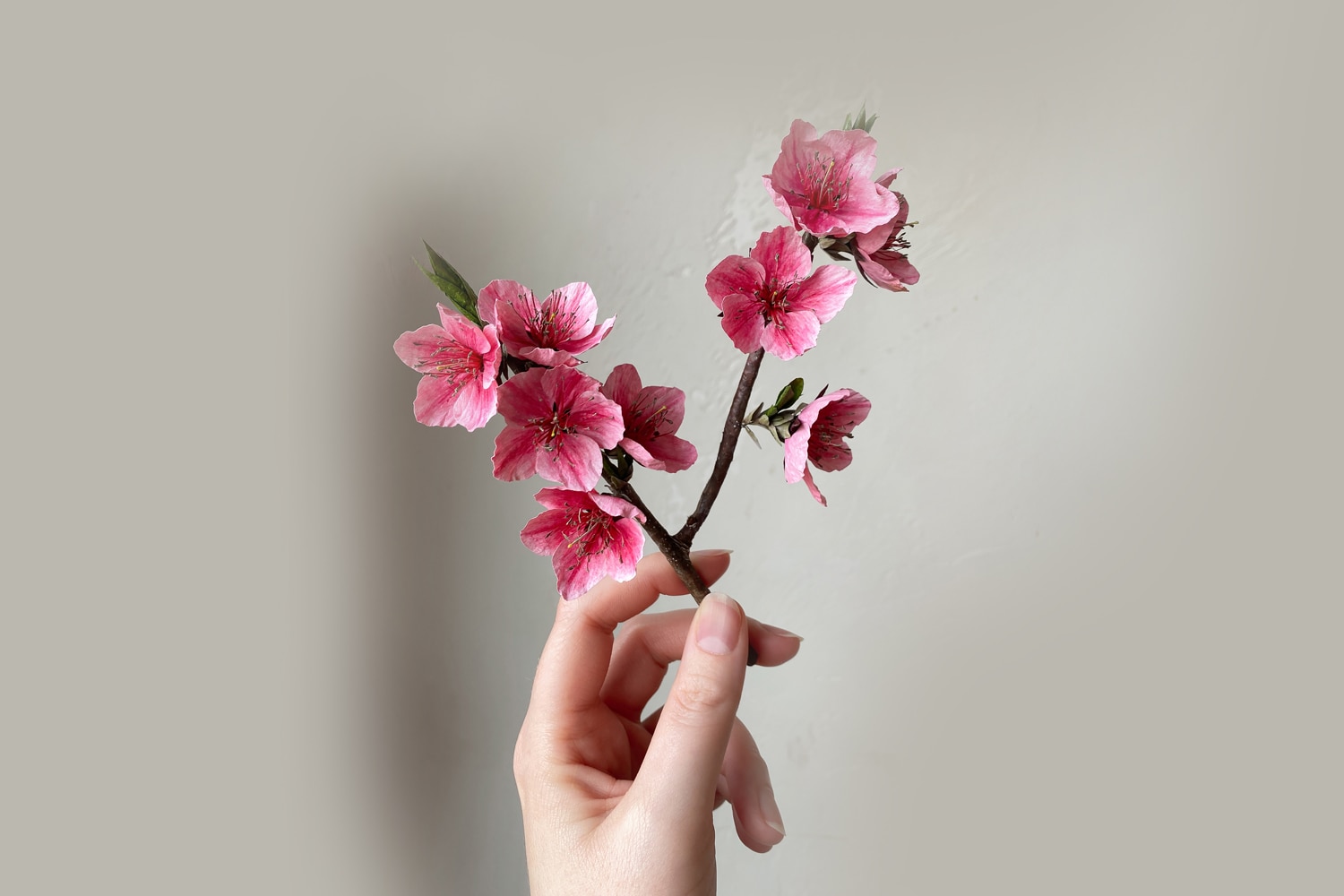
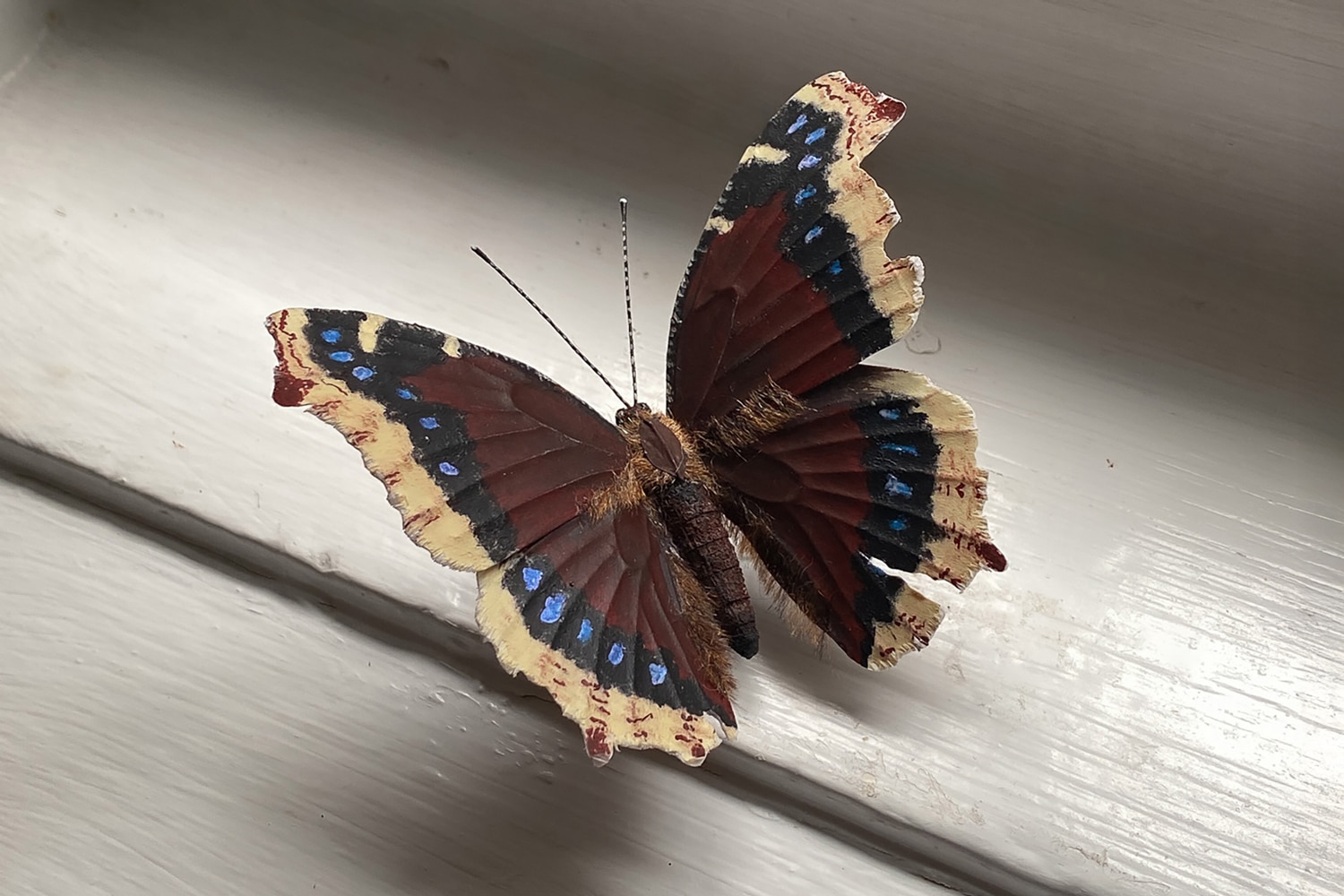
"I have been an artist my whole life,” says Kathryn Bondy, who sculpts plants and insects out of paper. She also uses paint, polymer clay and other materials to achieve her signature hyperrealistic works. During her studies in the Art Criticism and Curatorial Practices programme at the Ontario College of Art and Design from 2003 to 2007, Kathryn reports having learned about activating material and giving it life by working as a store artist to craft elaborate displays. “I had to tell a story with the objects and materials at hand,” she says. Storytelling still informs Kathryn's practice today, along with keen observation skills. Looking closely and shaping paper to mimick not only the shapes but the textures of flowers, plants and insects is the foundation of Kathryn's work. Clients contact her to create bespoke sculptures commemorating lives, stories and milestones, and she also holds workshops to share her skills and paperworking techniques.
INTERVIEW
The first source is Nature herself – the beauty, the detail, the interconnectivity, the way that living things are an incredible representation of their environment. The second is other people: their connection to nature, their personal histories…
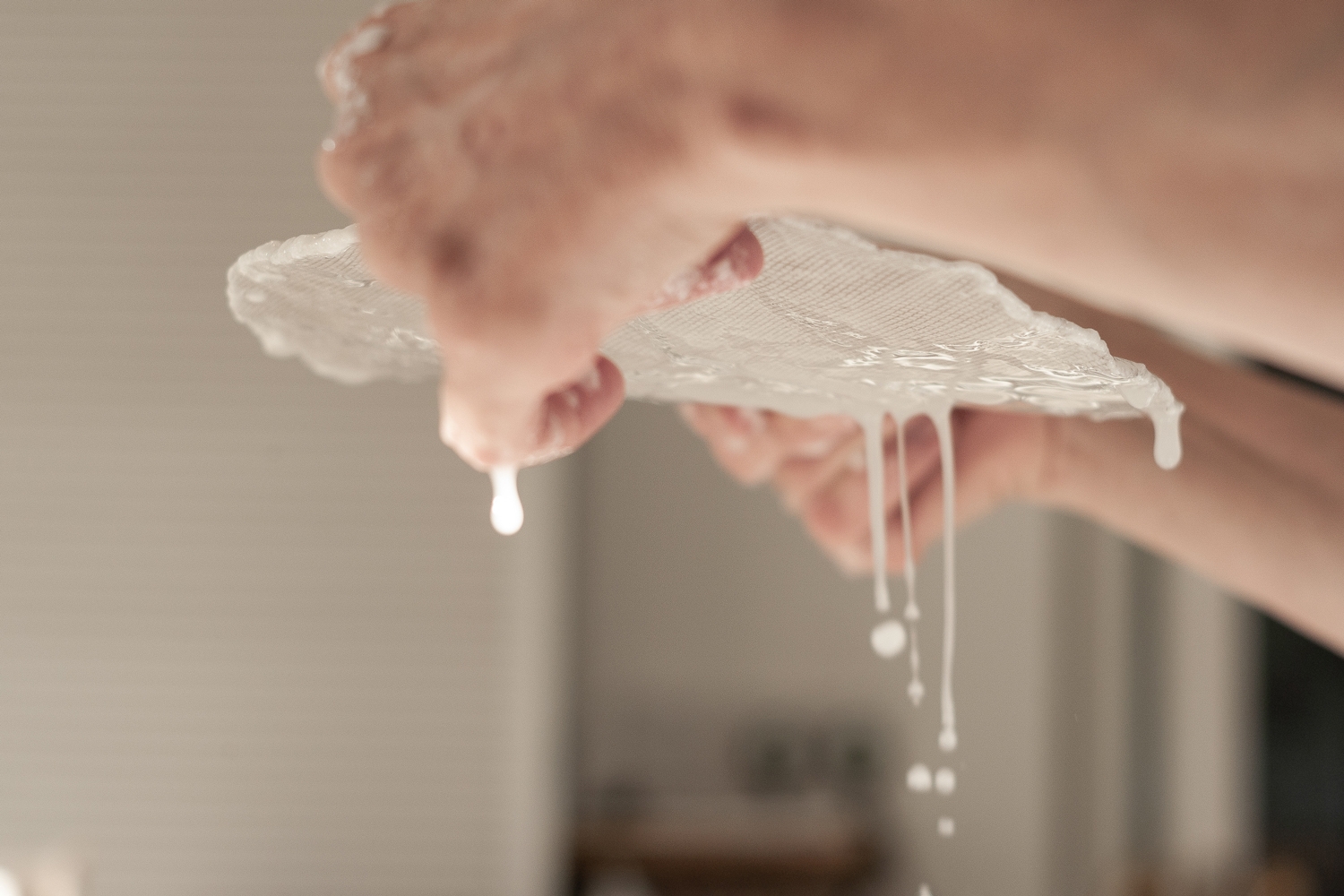
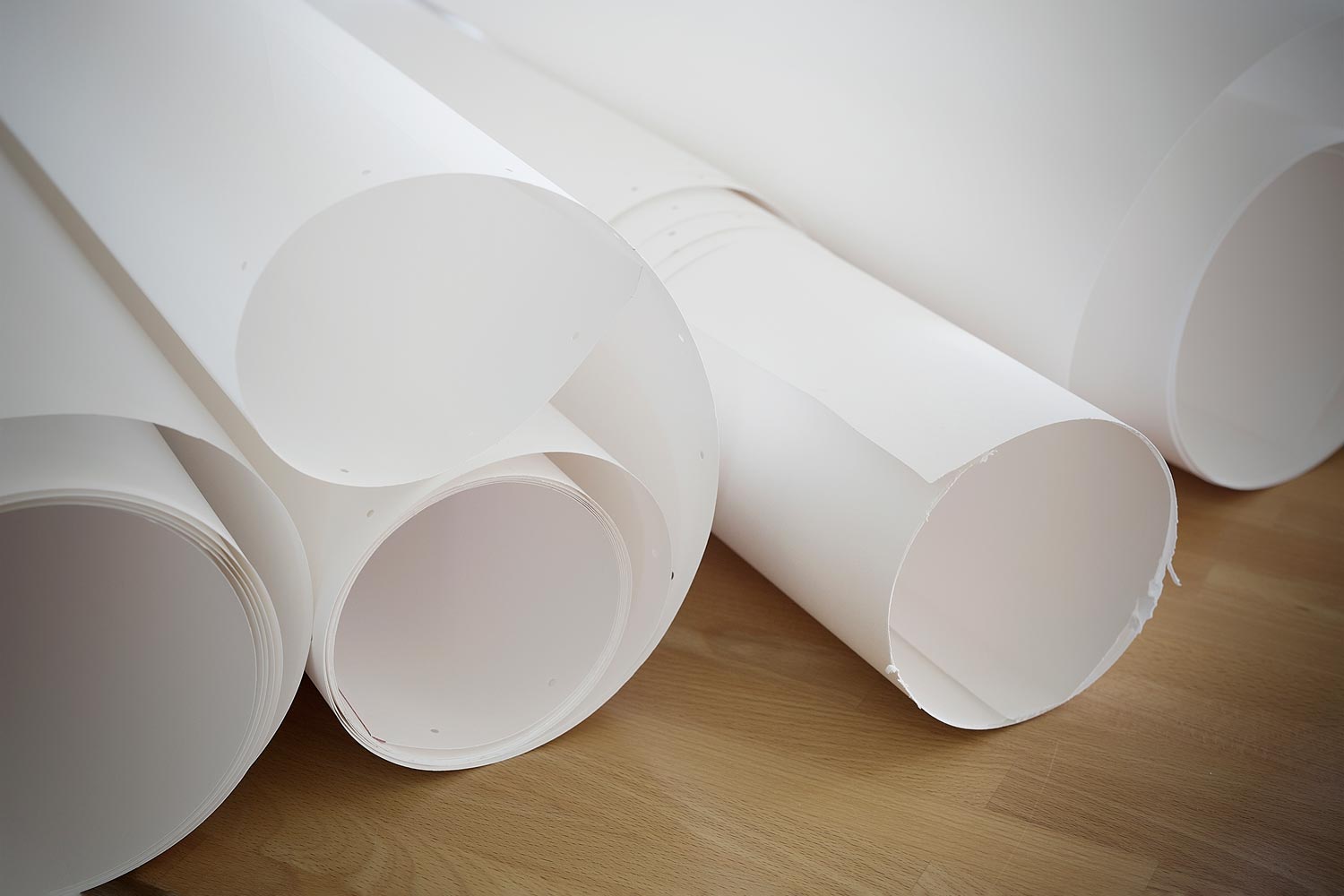
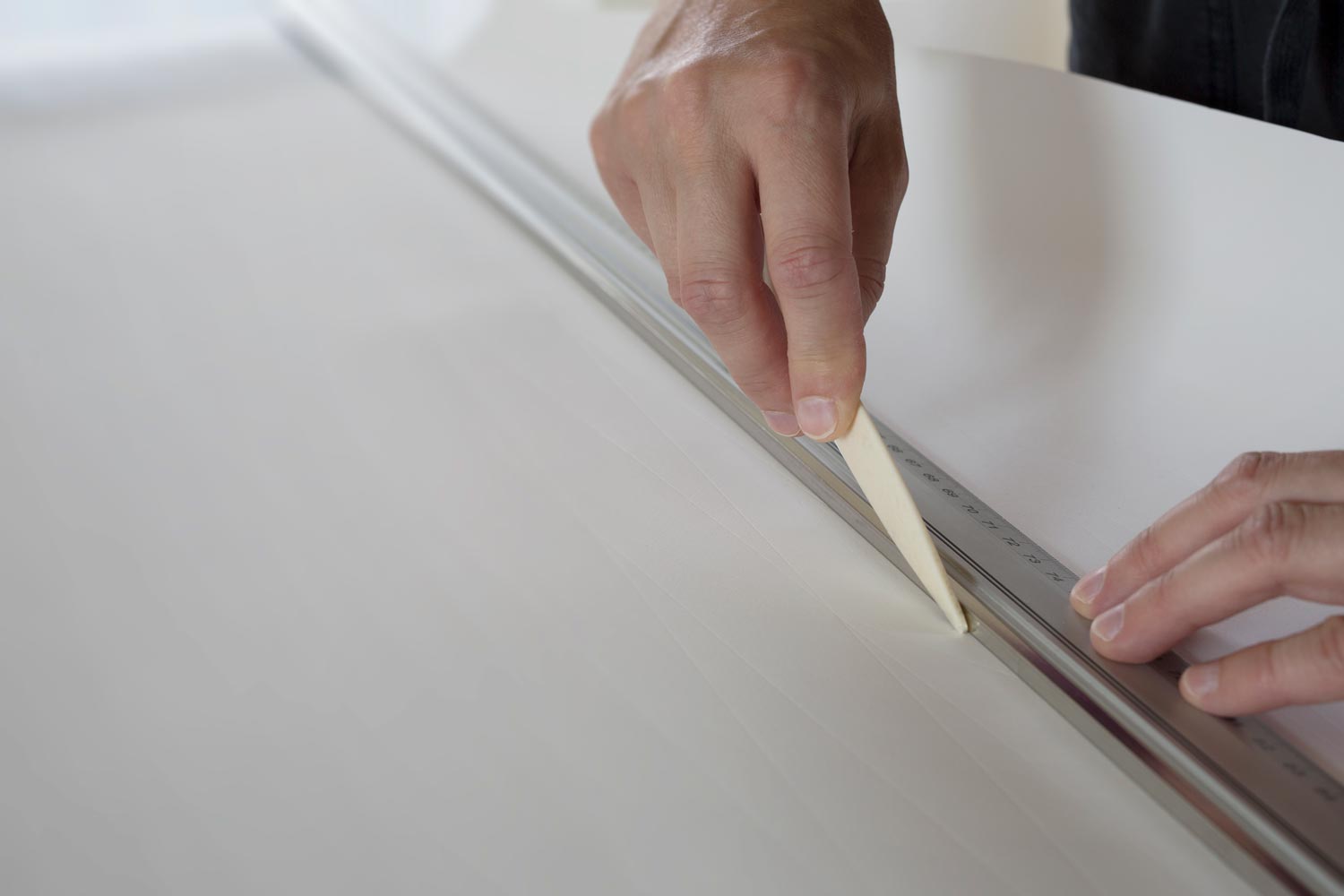
I am very stubborn about the time I spend transforming material, to the point where it becomes almost unrecognisable from its original state. I love recreating subtle shifts in colour, patterns or texture. I often use different types of colour media. Many thin layers get added on slowly.
The realism of my pieces, the optical illusion of the art, draws people in from a distance. As they get closer to it, they reach a point where, all of a sudden, their perspective shifts, and they realise the object is not what they thought it was.
Yes. I have described it before as the art of seeing, the art of paying attention, of attunement, of quiet observation. I have a hope that my work encourages people to pay close attention in the way that I do.
Kathryn Bondy
Golden Age Botanicals
Paper artist
Toronto, Canada
ADDRESS
Address upon request, Toronto, Canada
AVAILABILITY
By appointment only
LANGUAGES
English, French
Homo Faber Finds is a new service aiming to inspire admirers of craft to connect and collaborate with exceptional artisans.
We invite you to submit an enquiry here.