Jess Riva Cooper
Ceramicist
Toronto, Canada
Eco-fables told through clay
- Jess trained in fine art and ceramics
- She creates sculptures inspired by fables and folklore
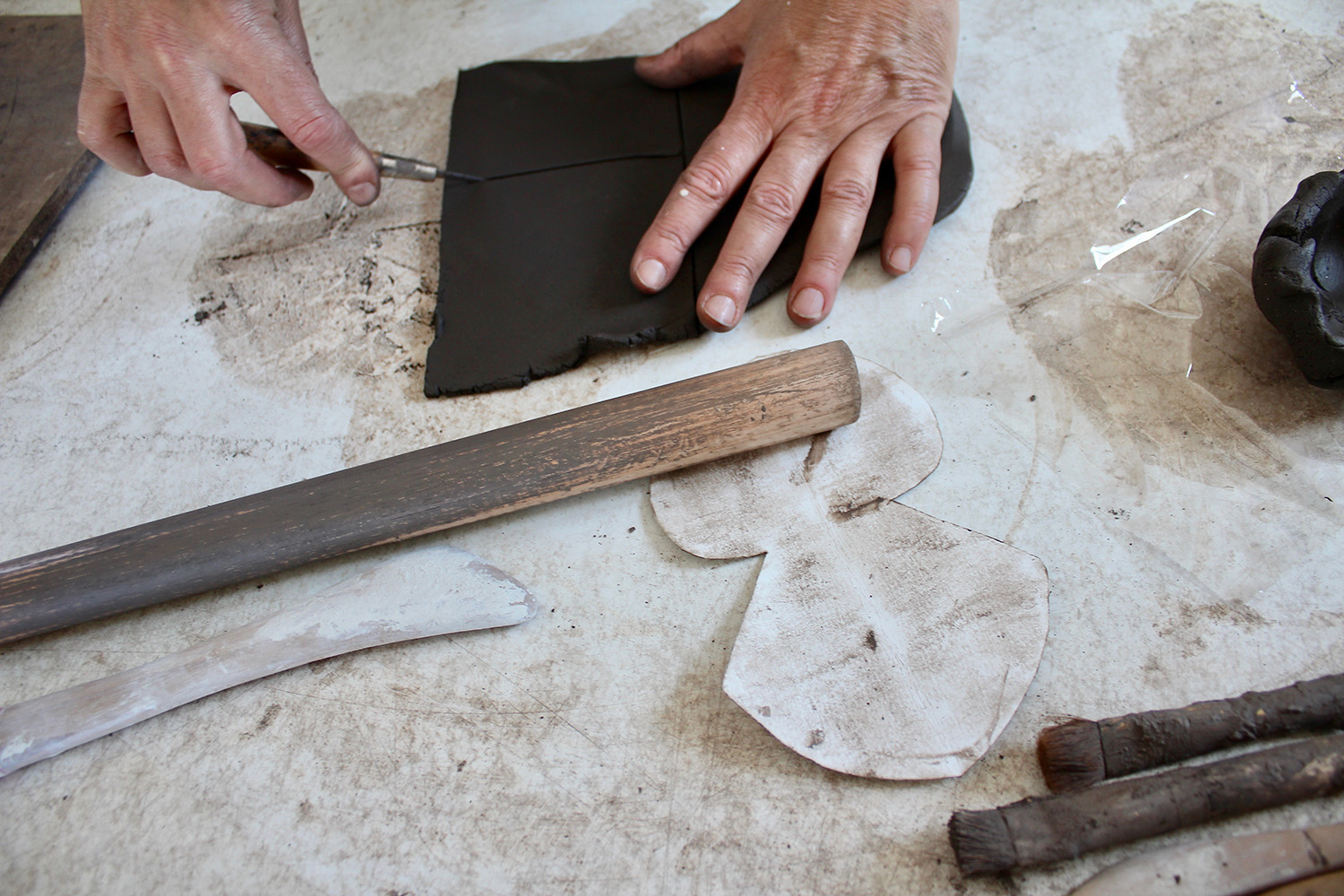
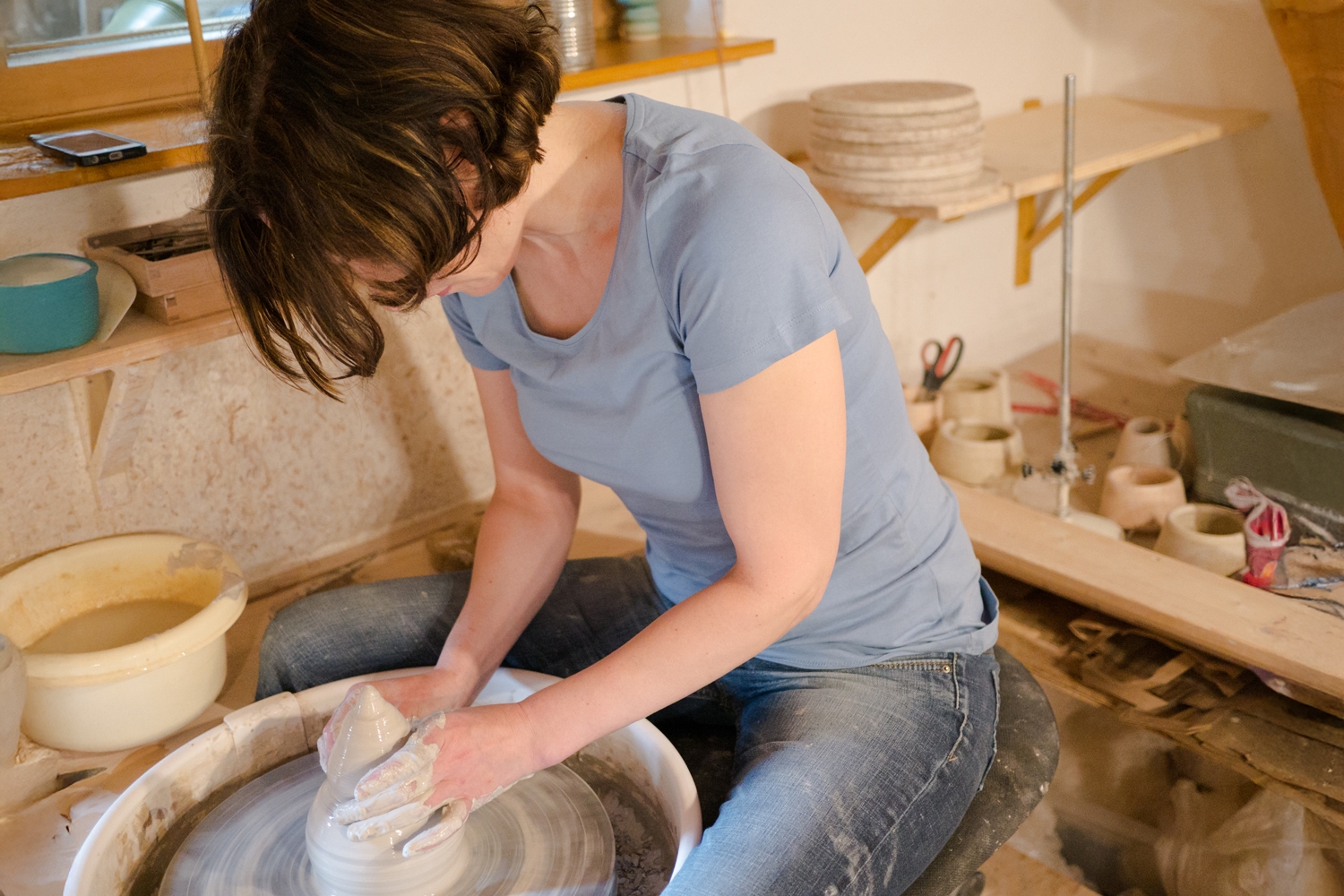
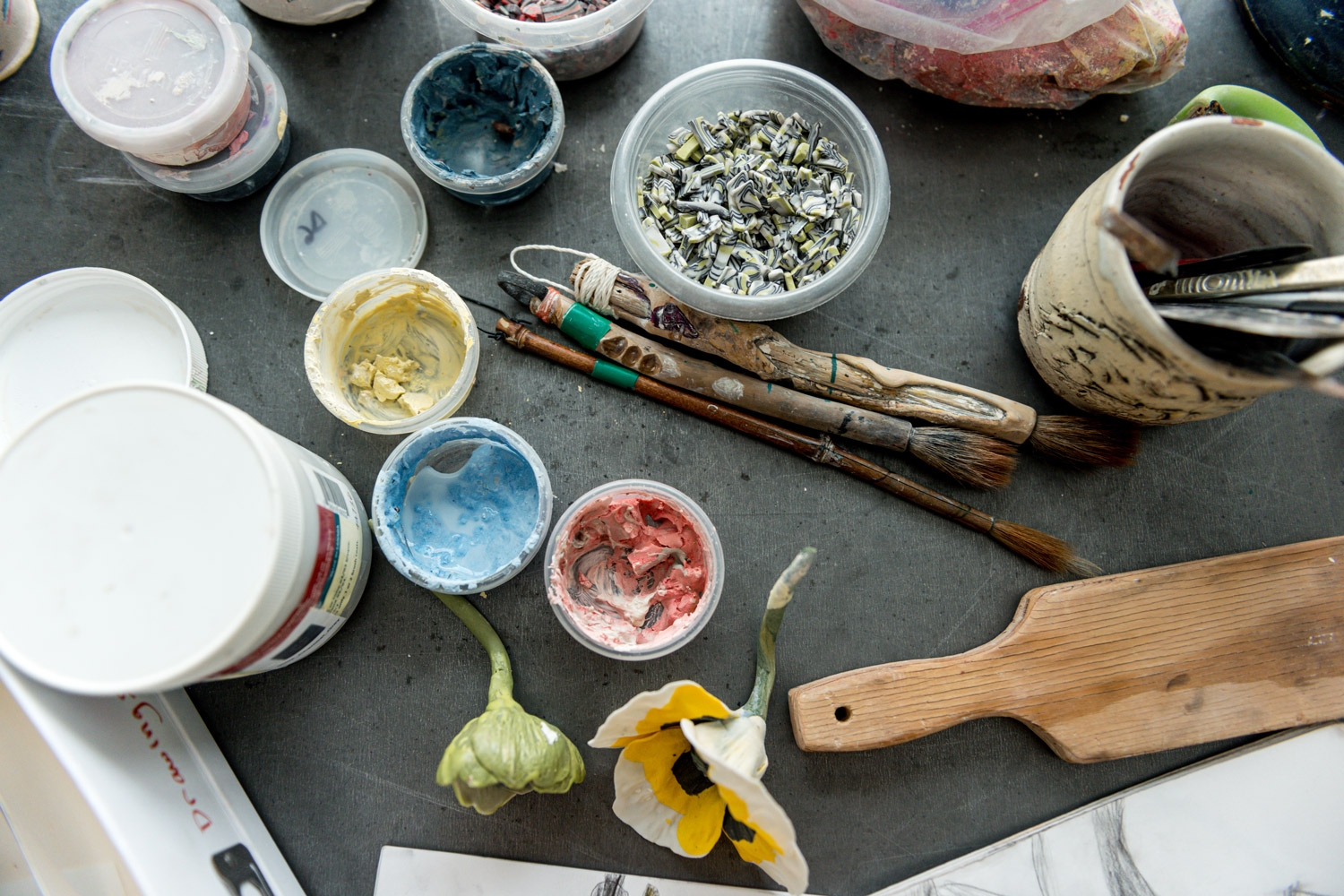
- Her process involves drawing and a material-led approach to clay
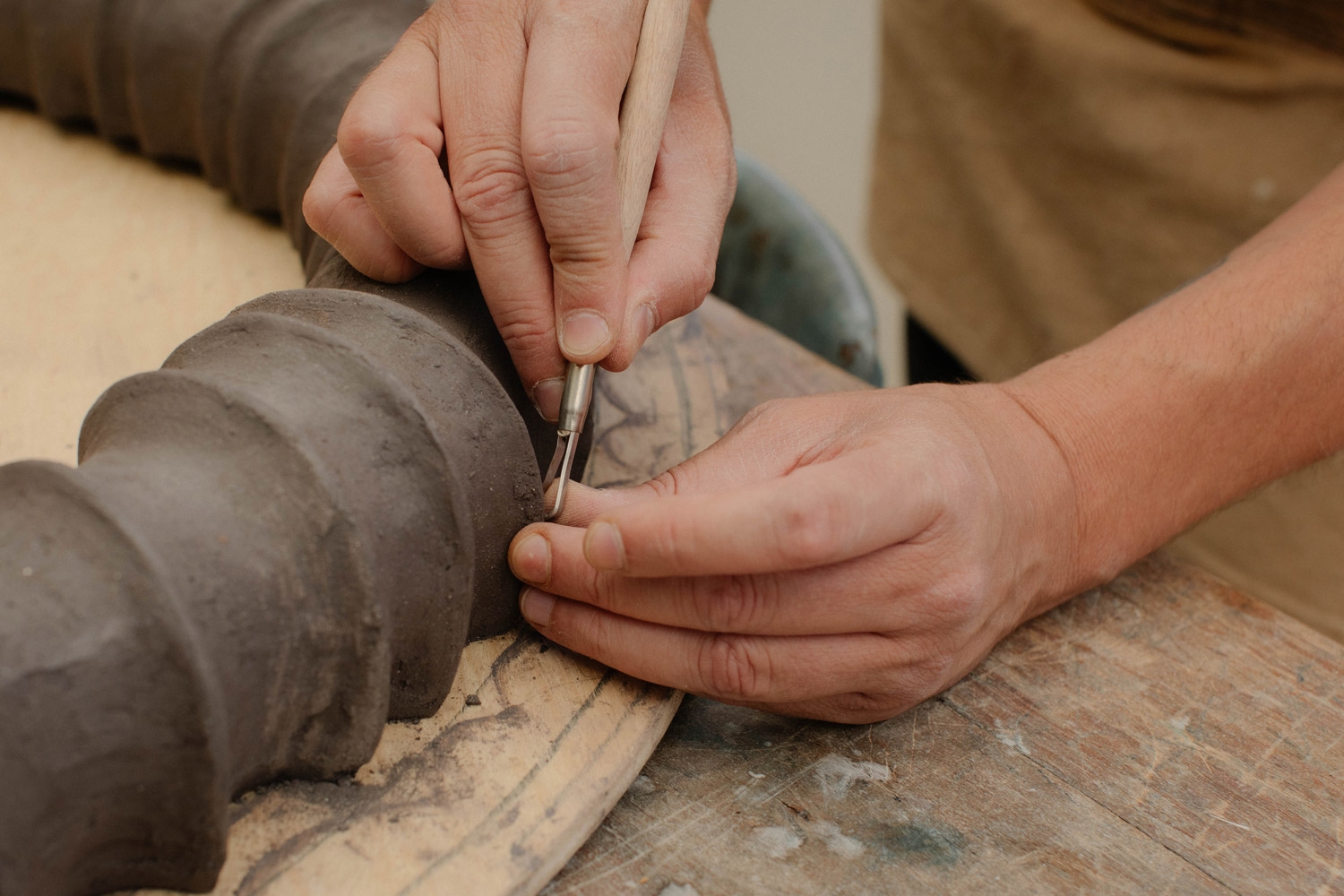
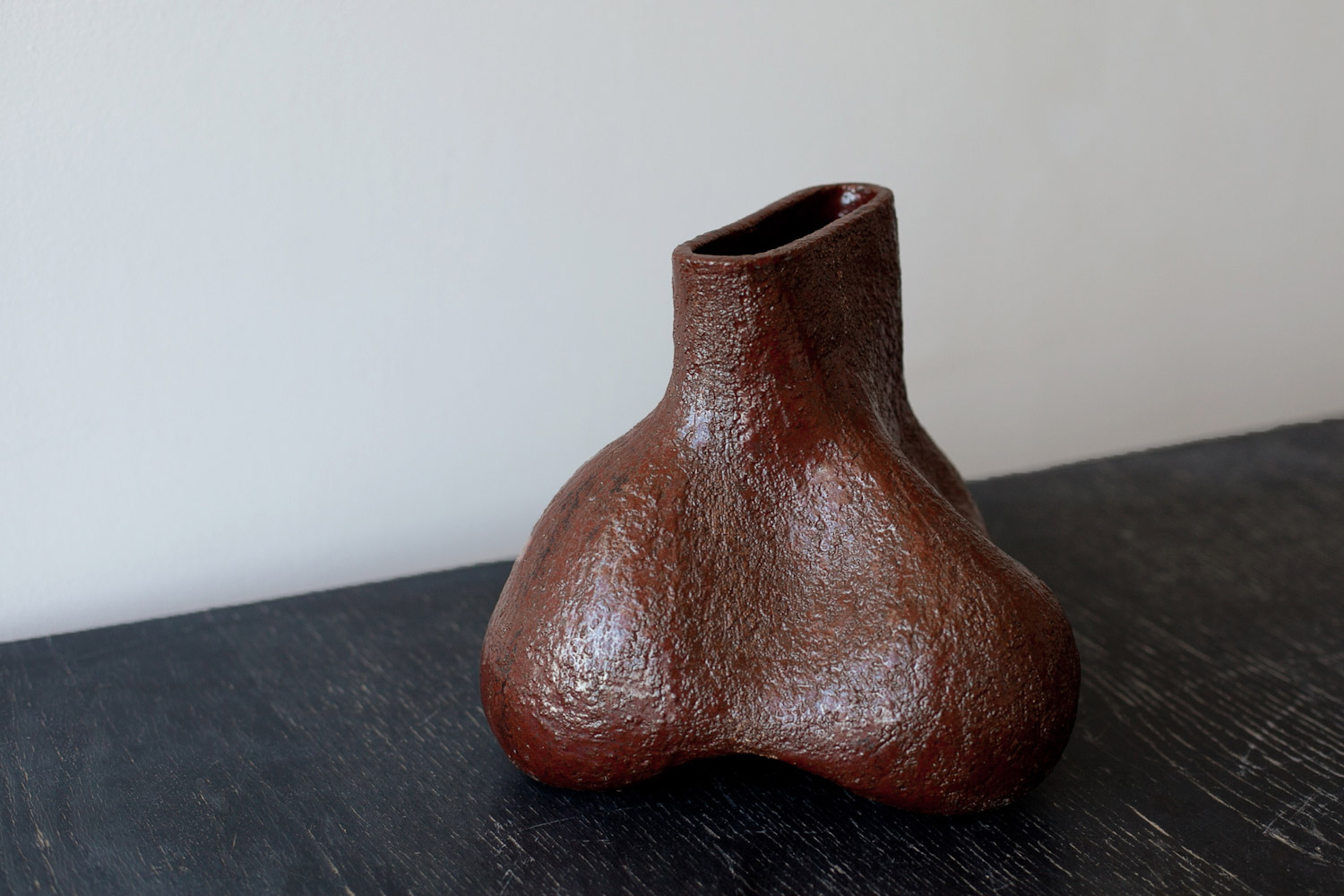
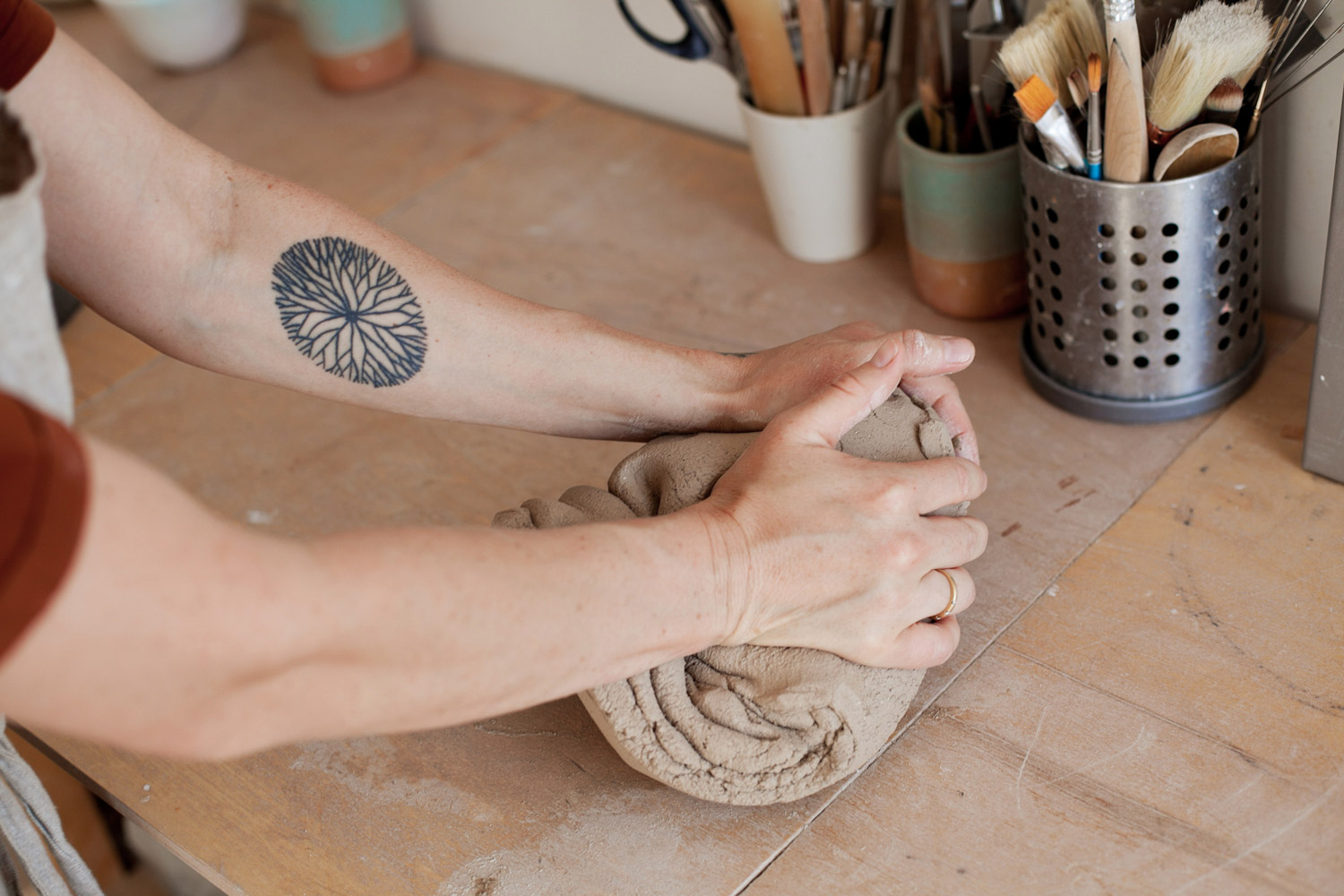
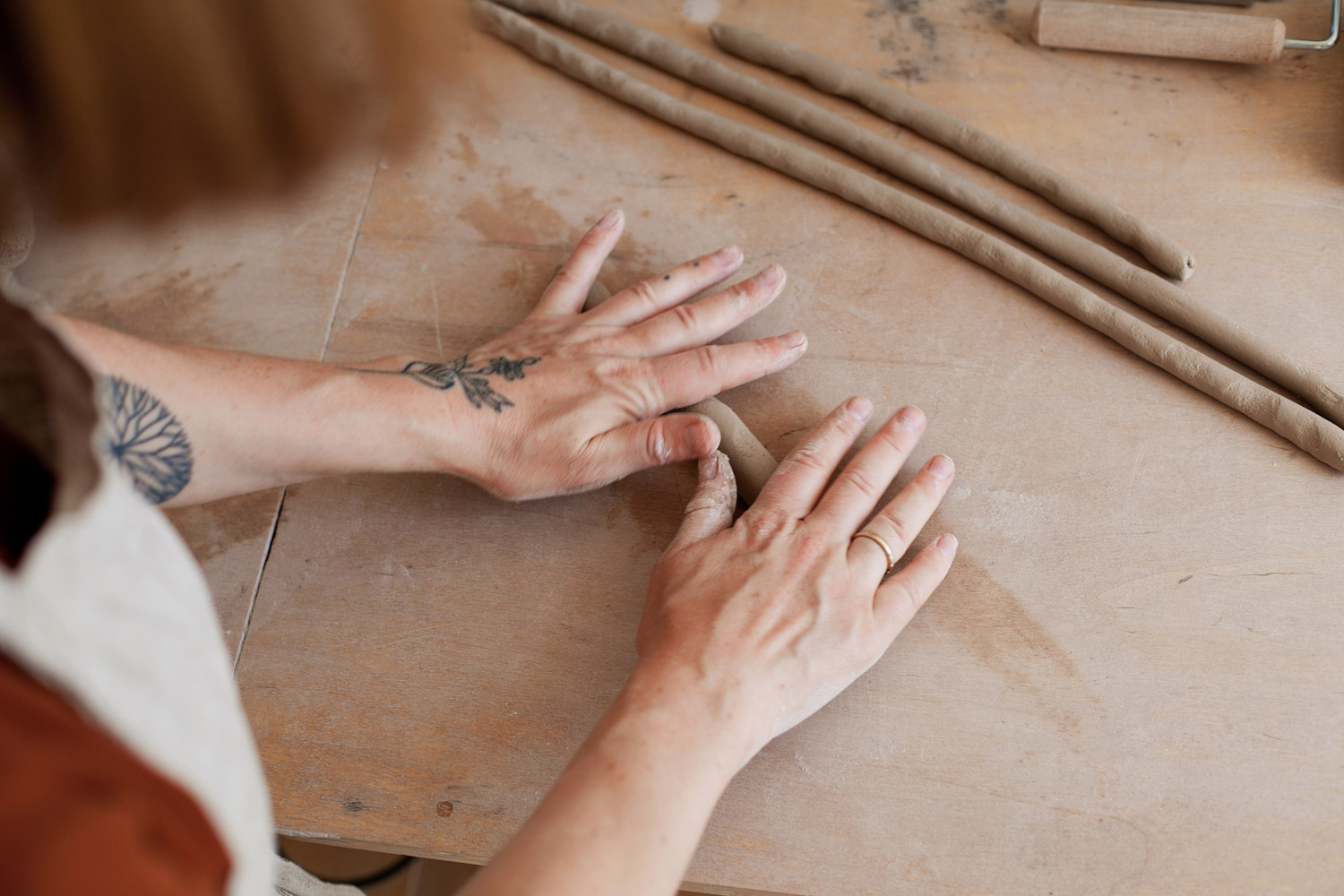
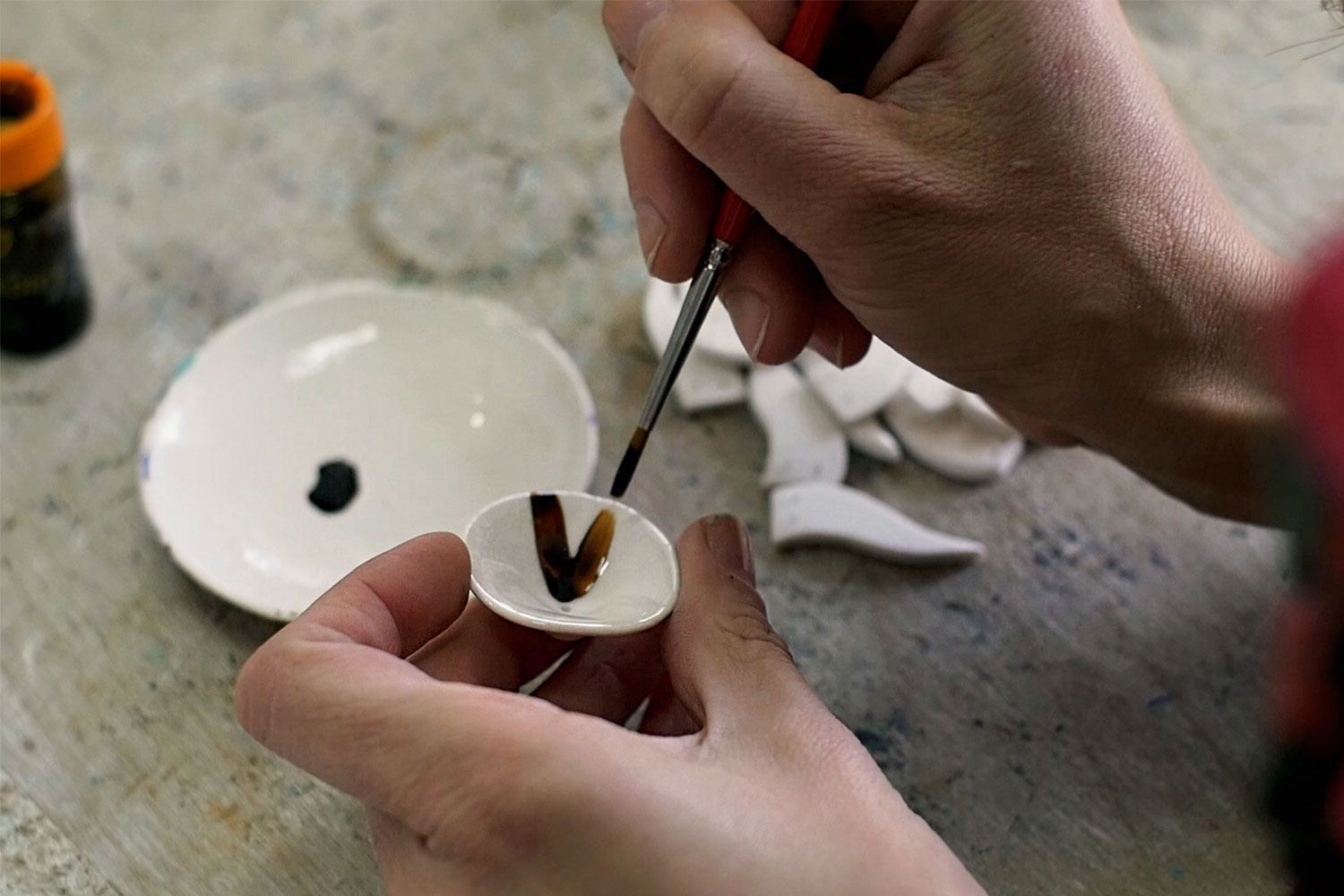
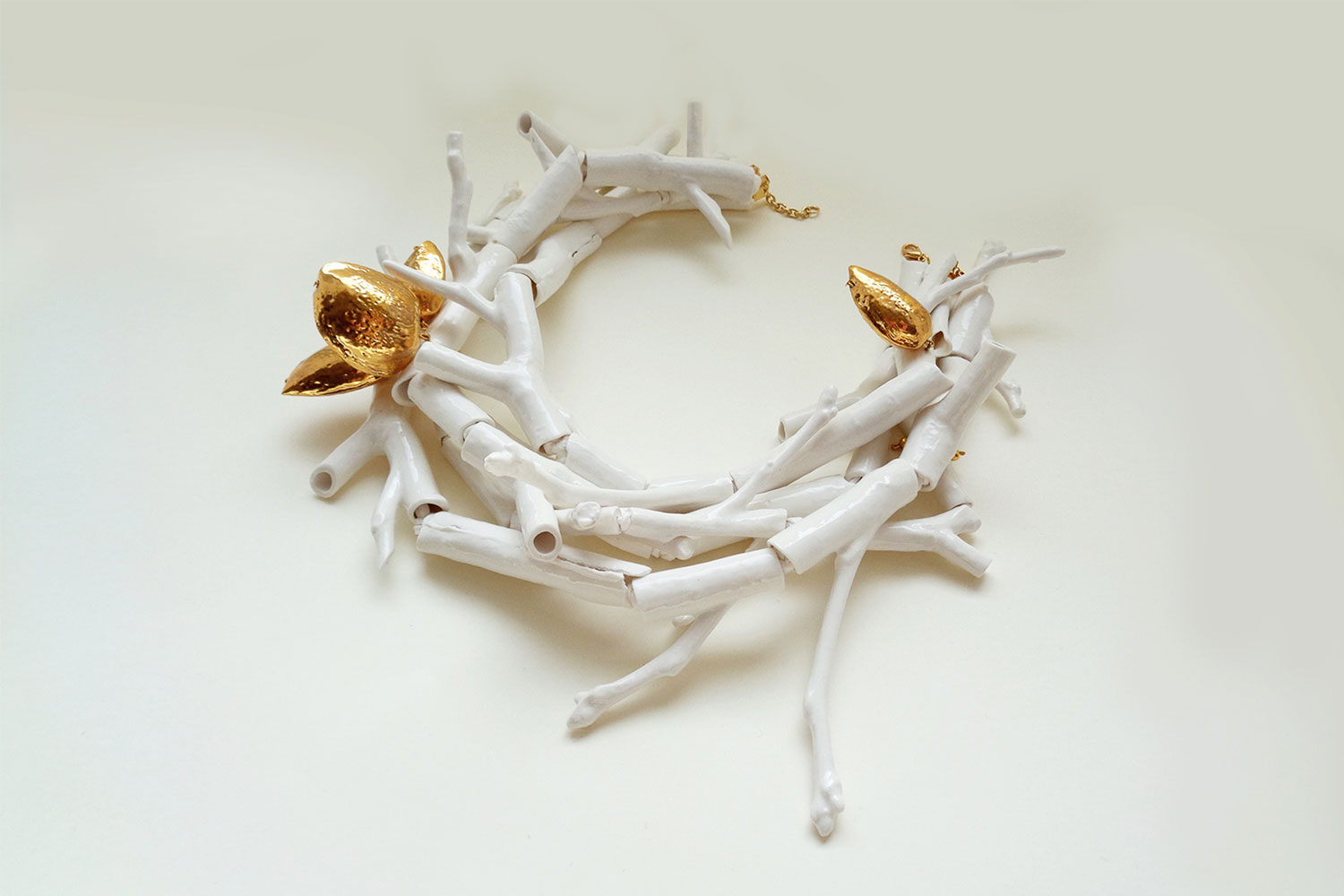
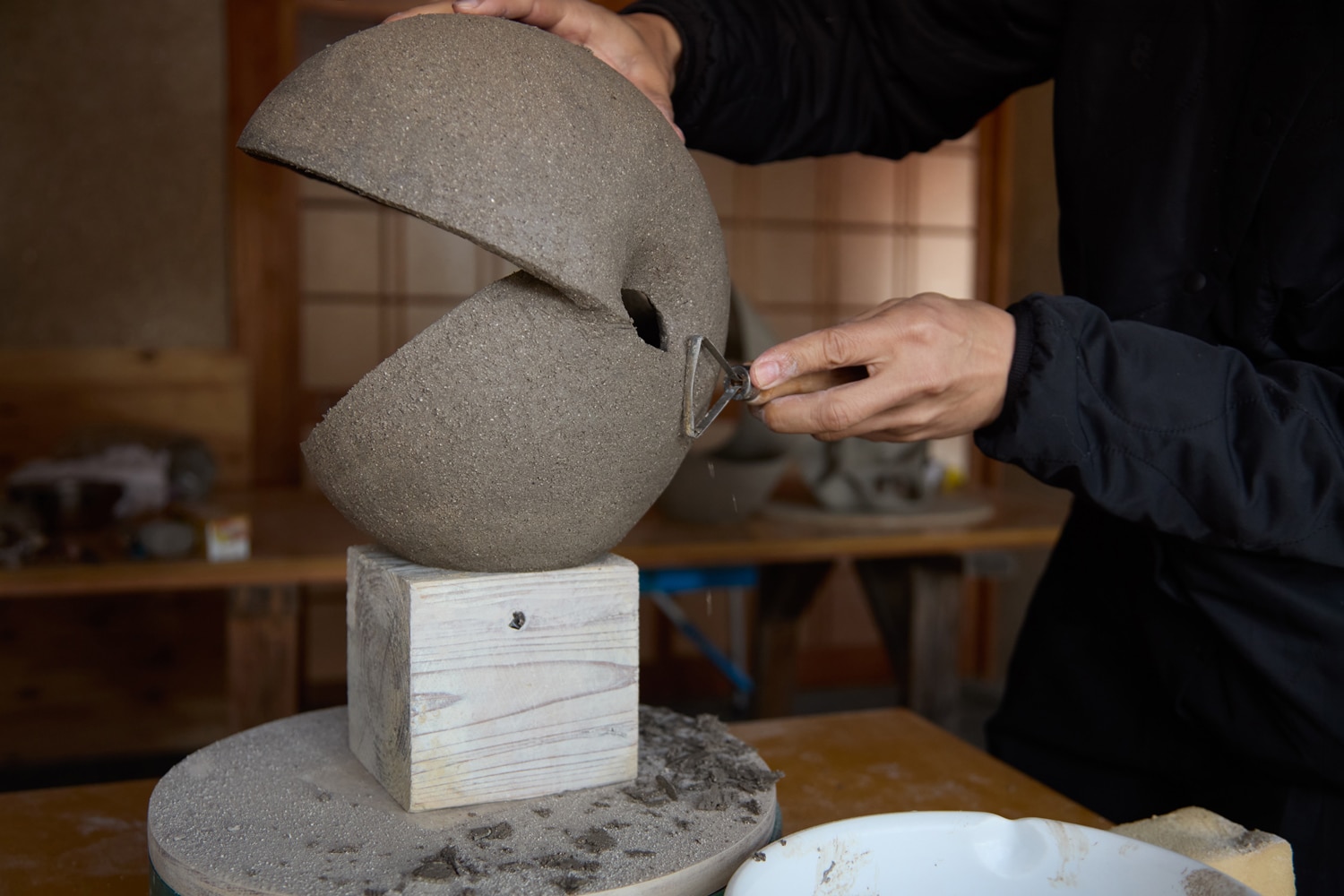
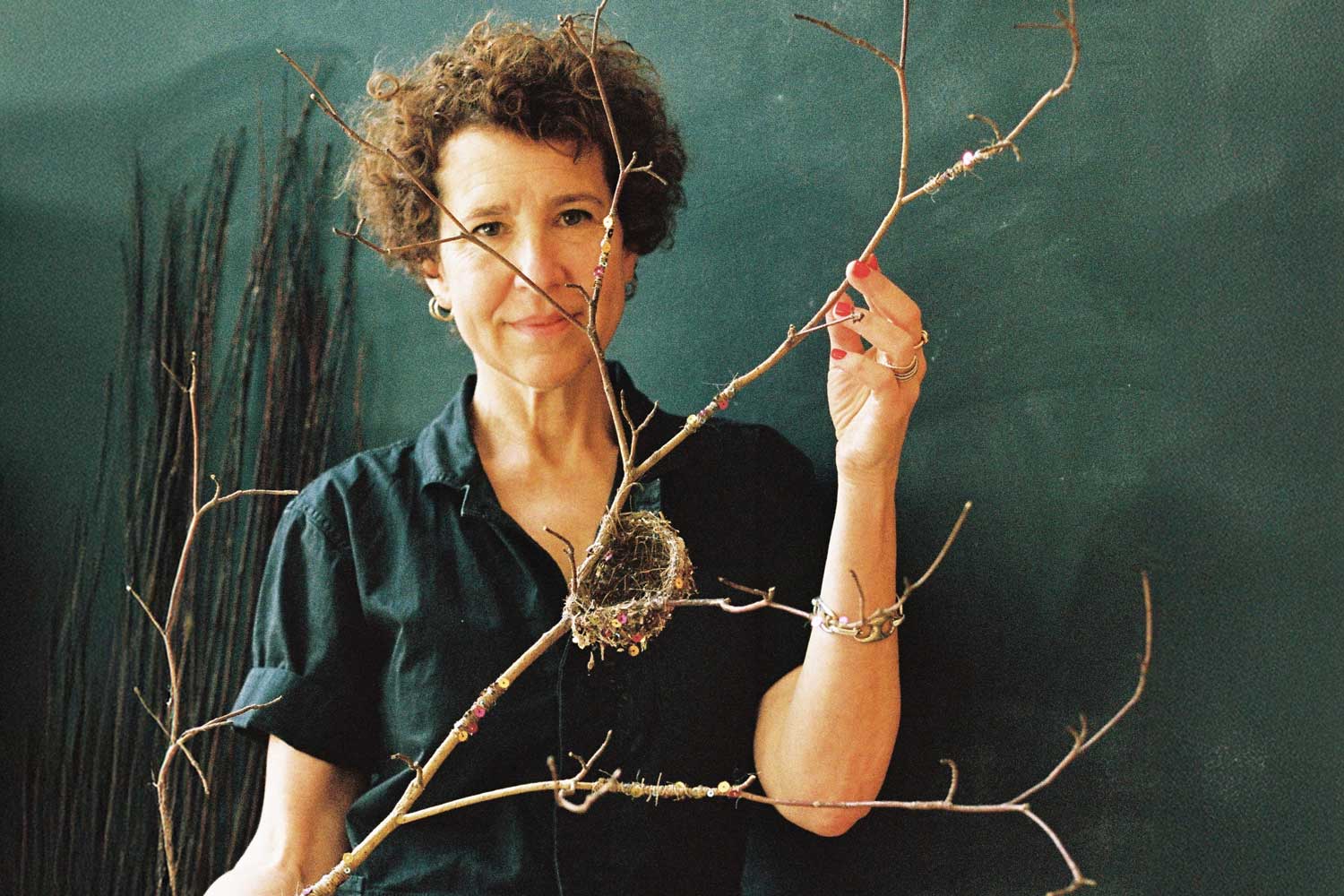
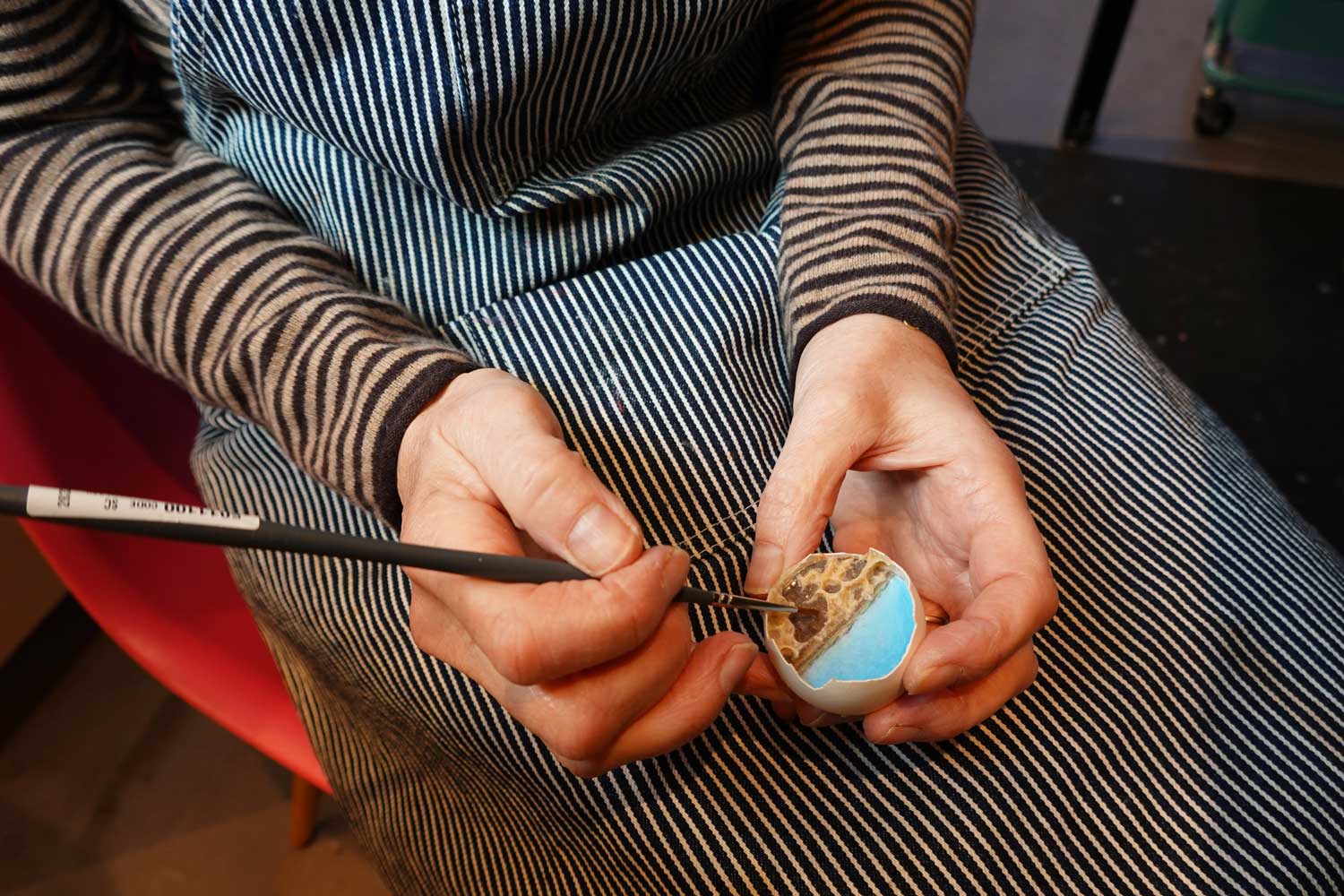
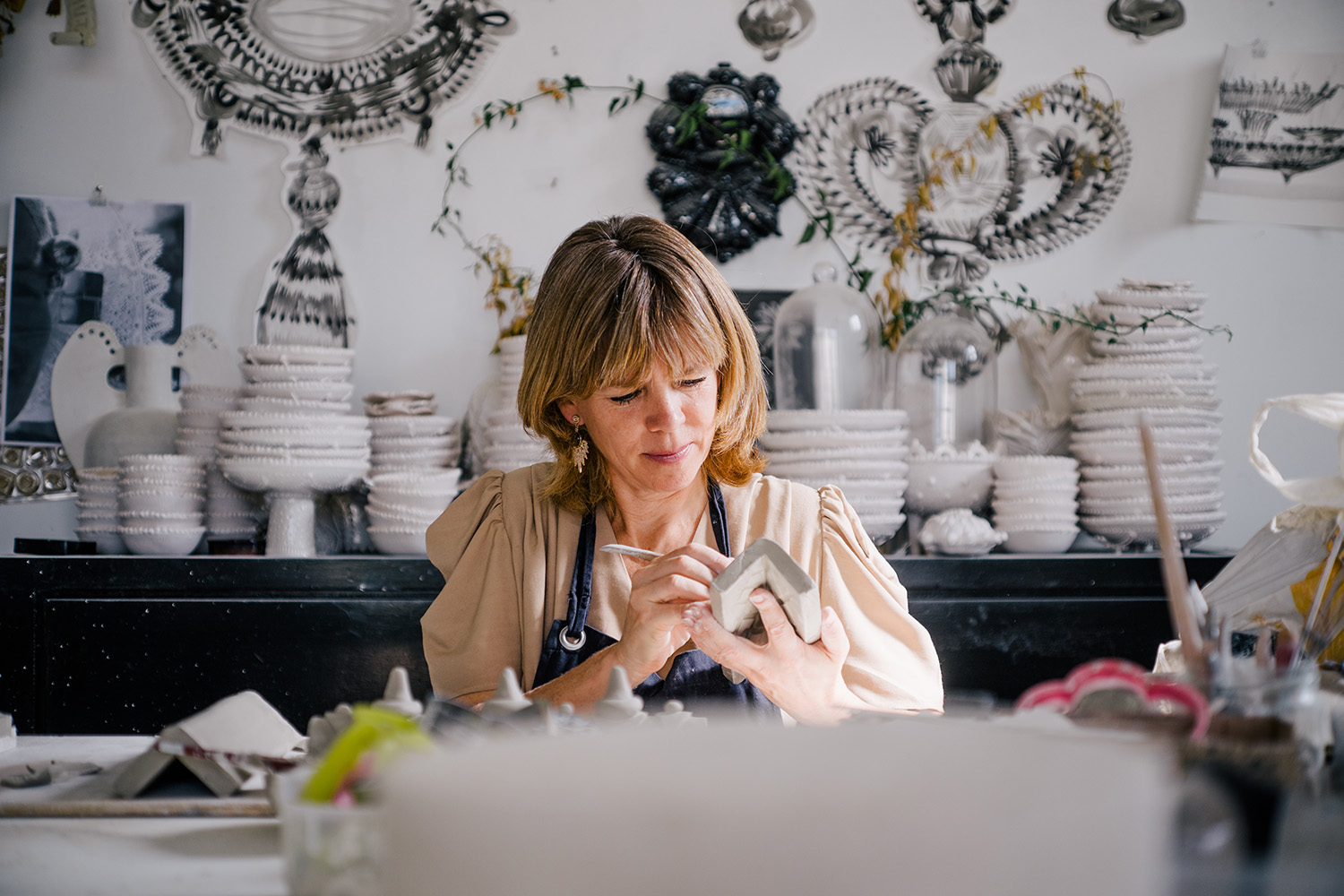
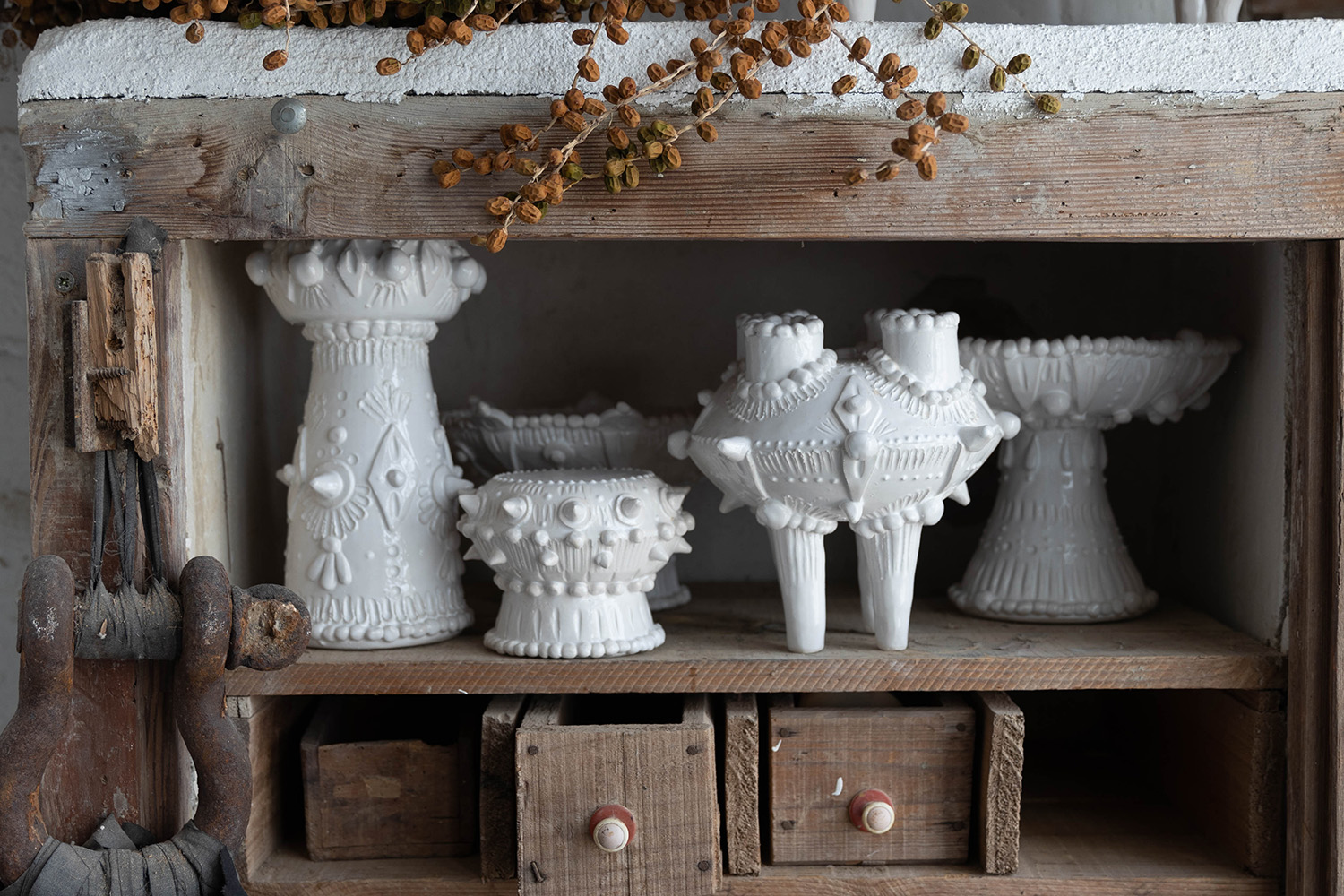
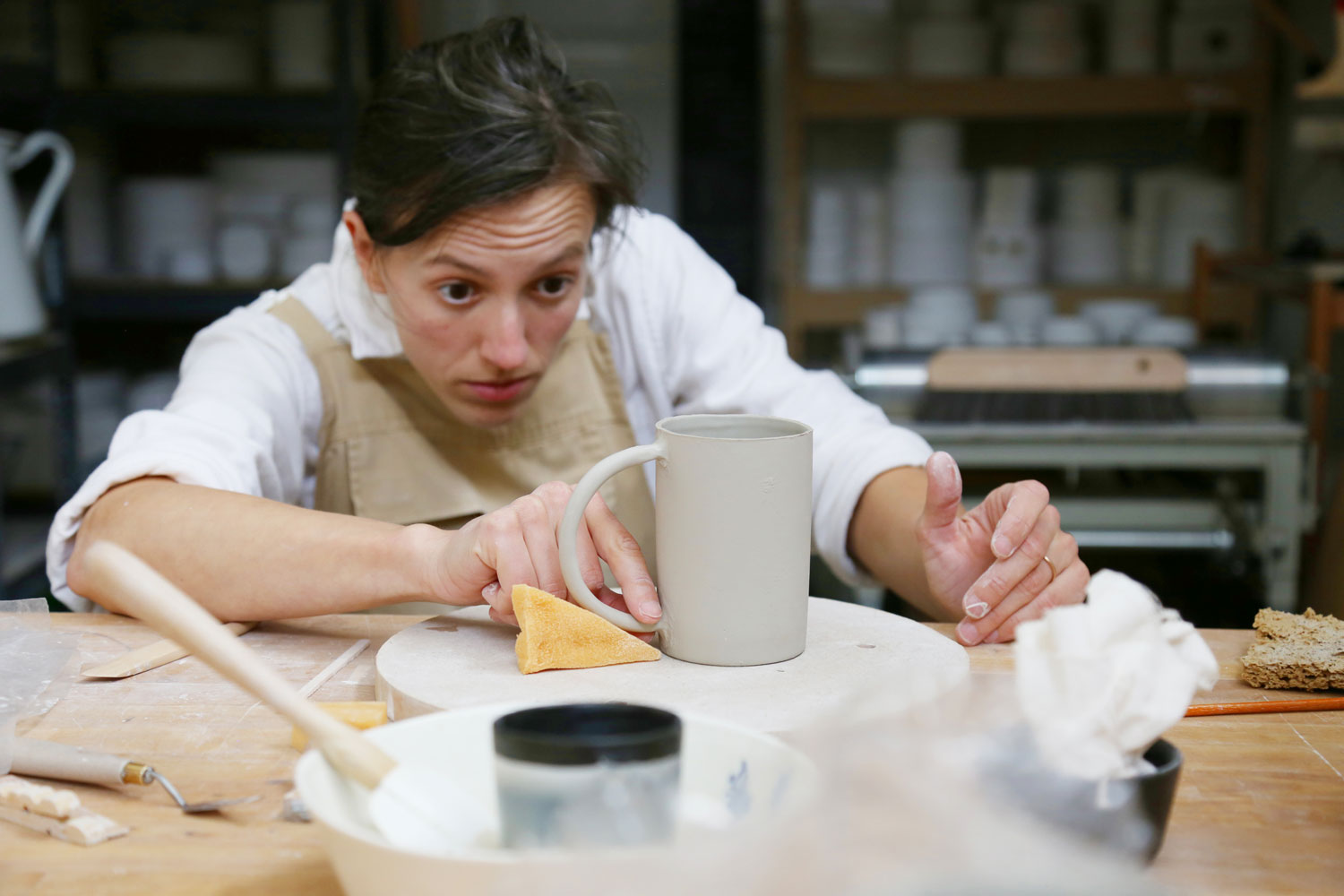
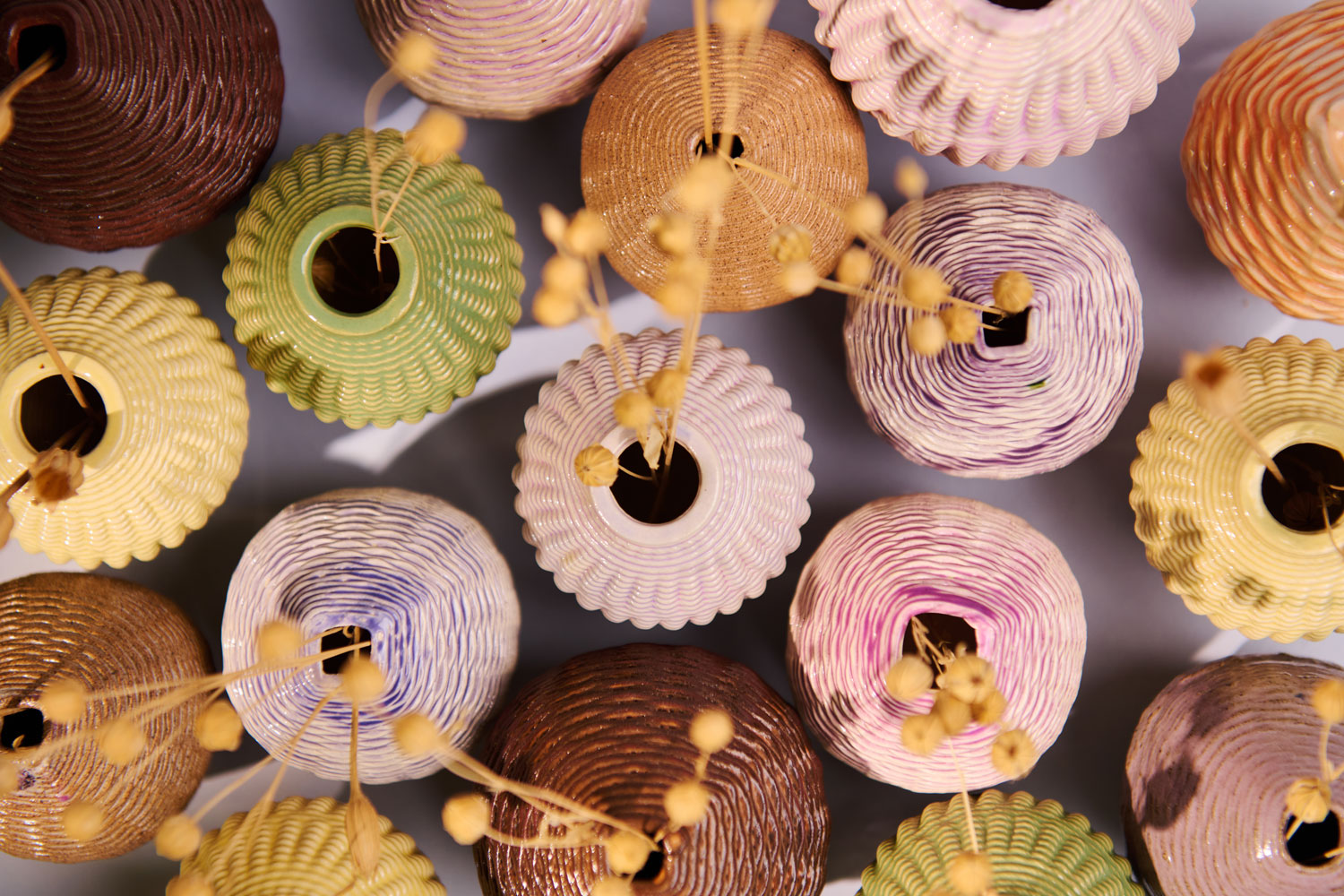
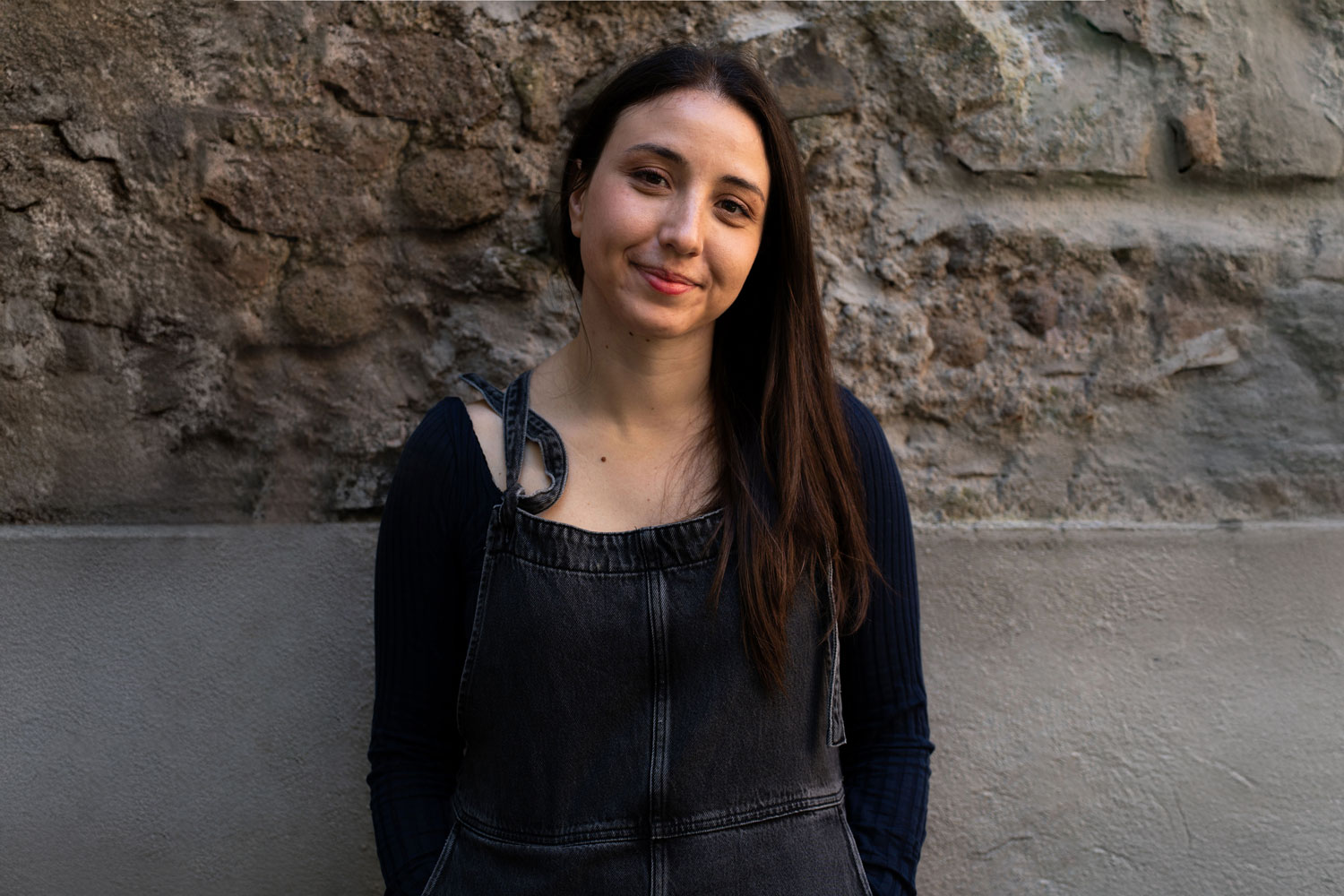
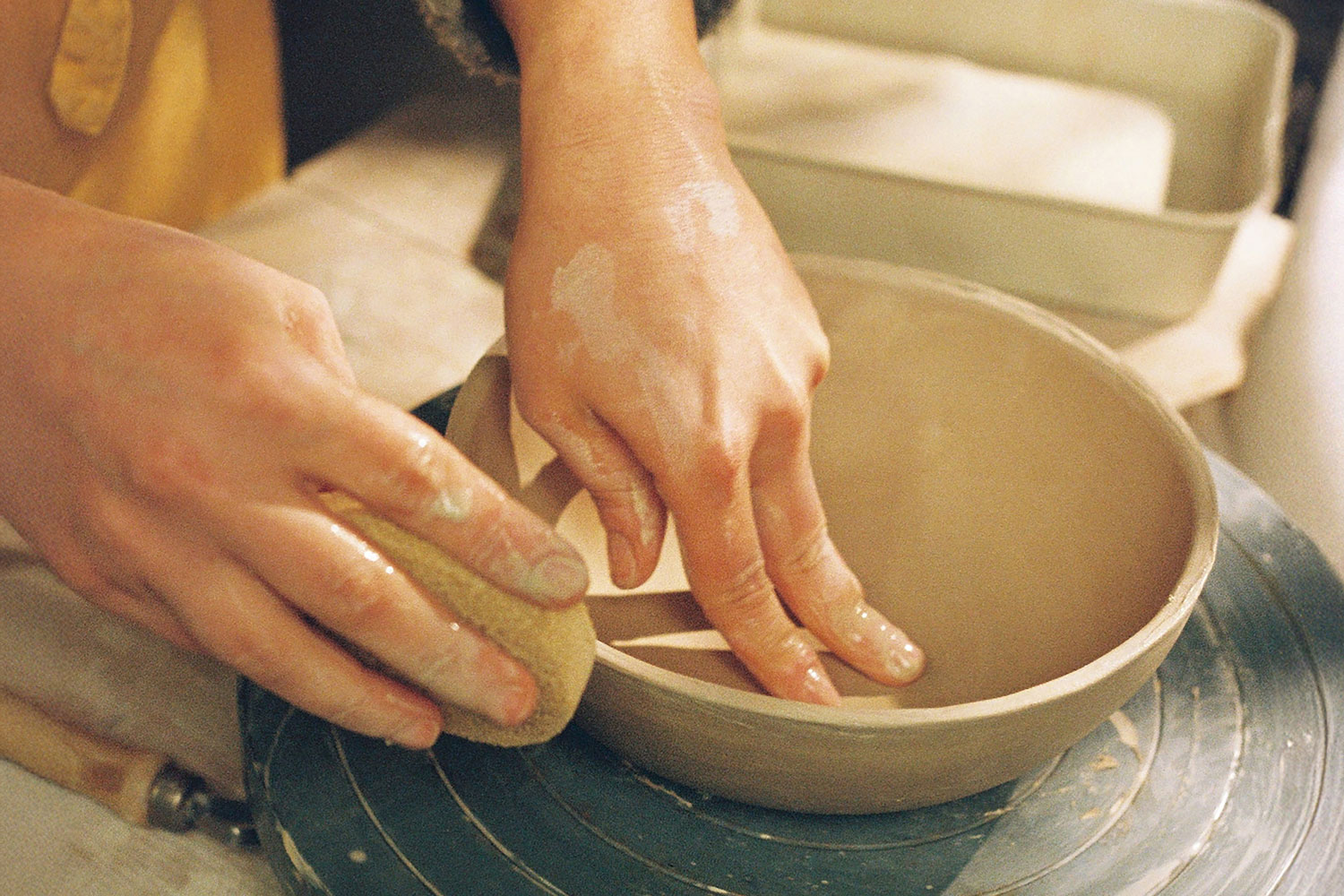
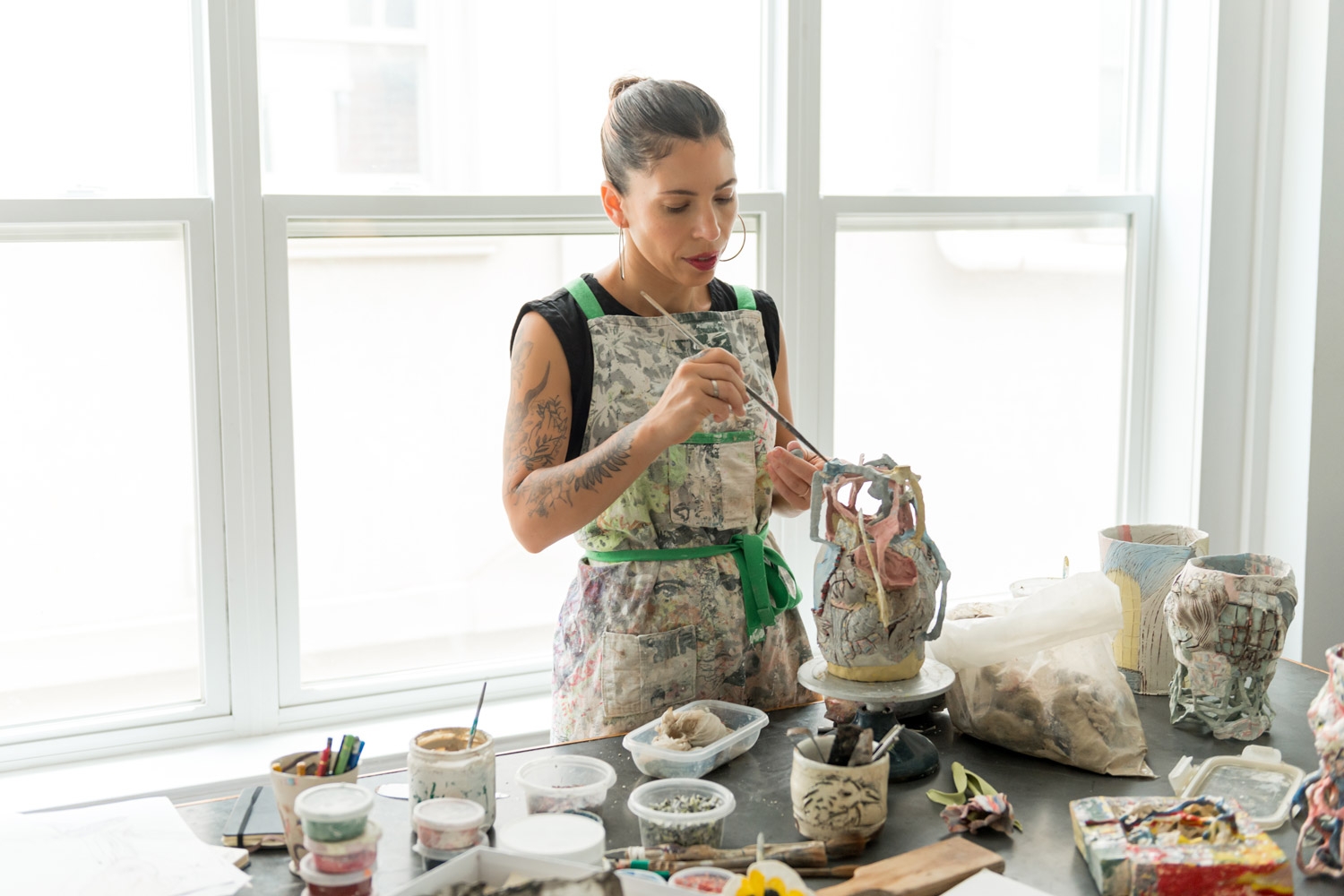
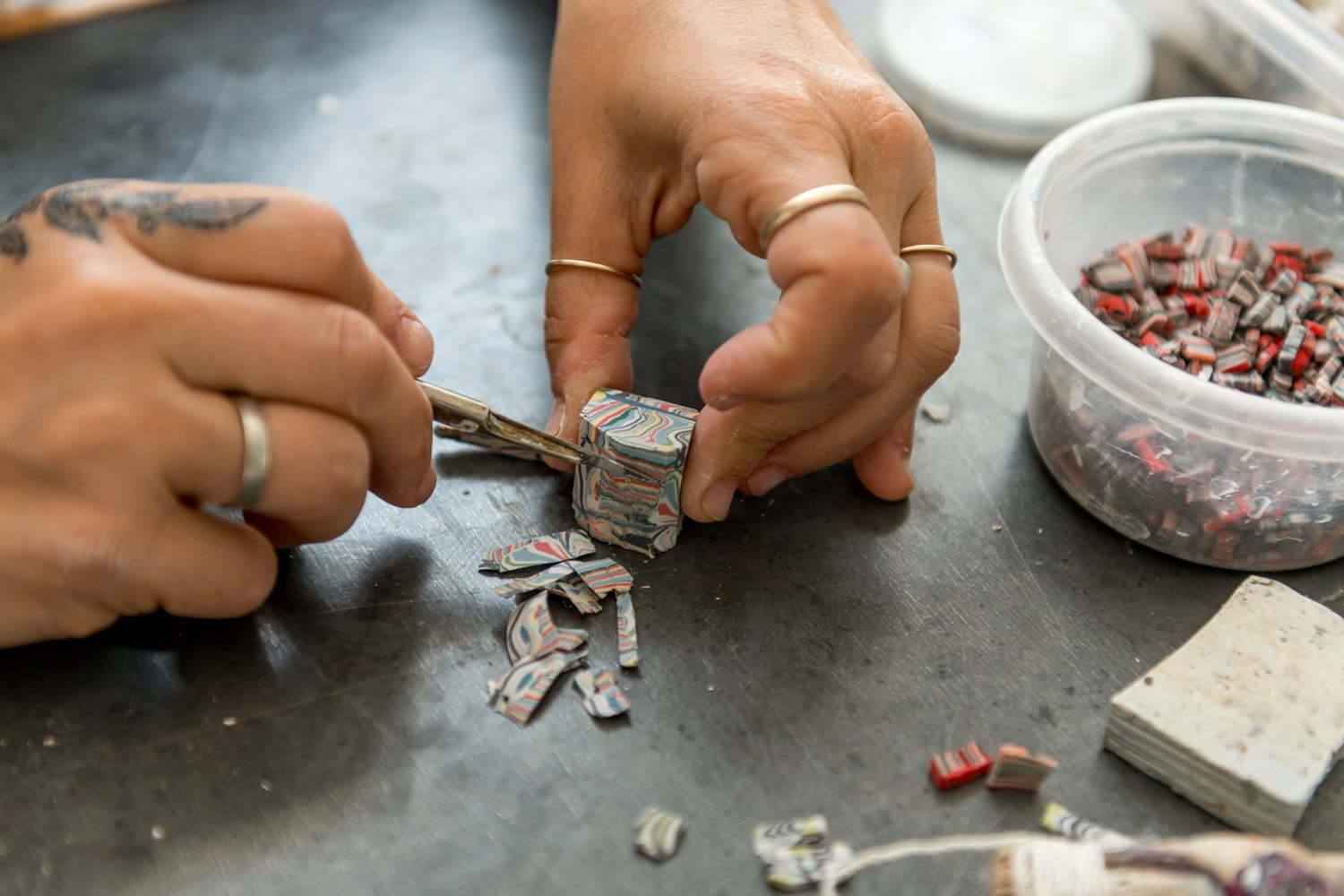
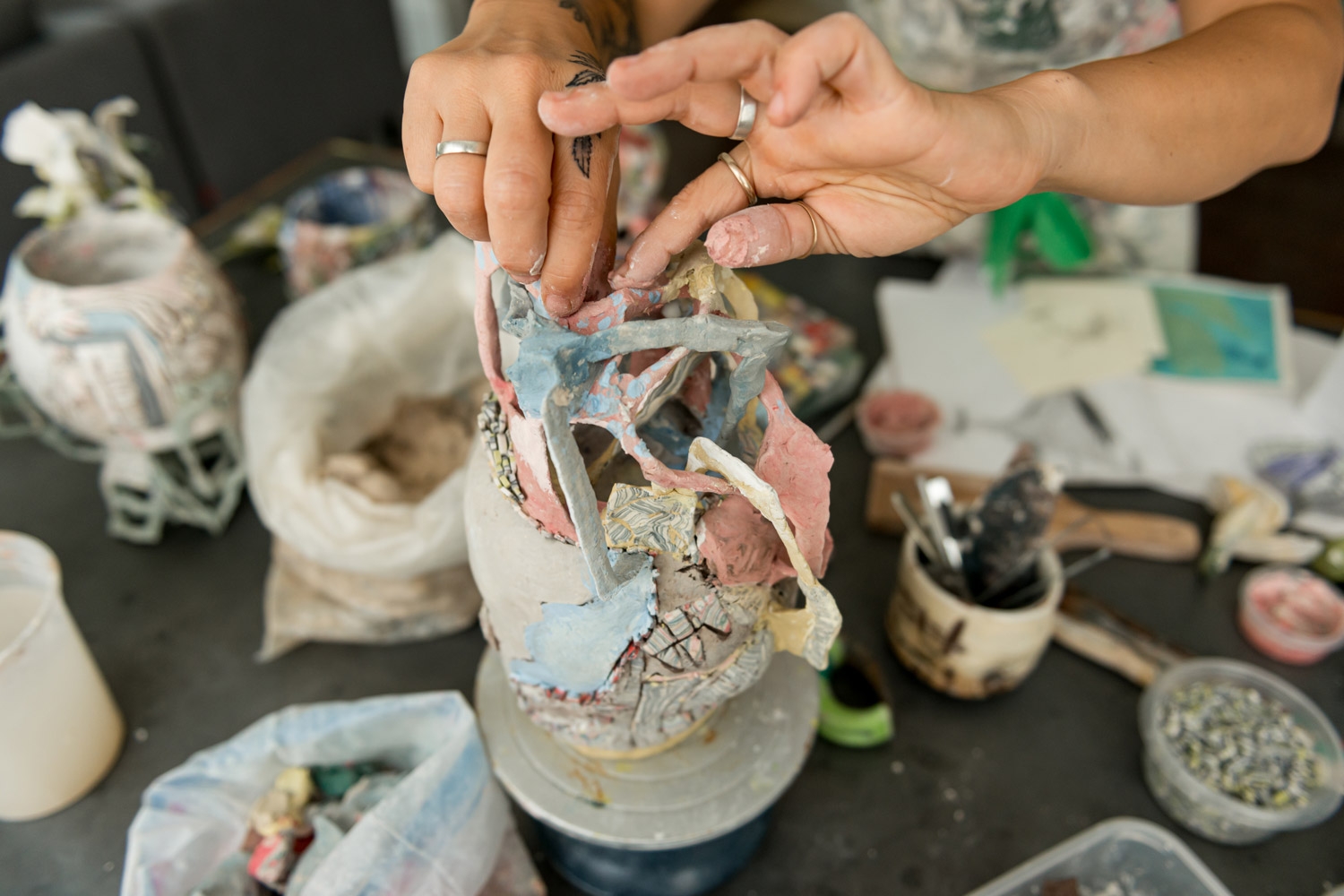
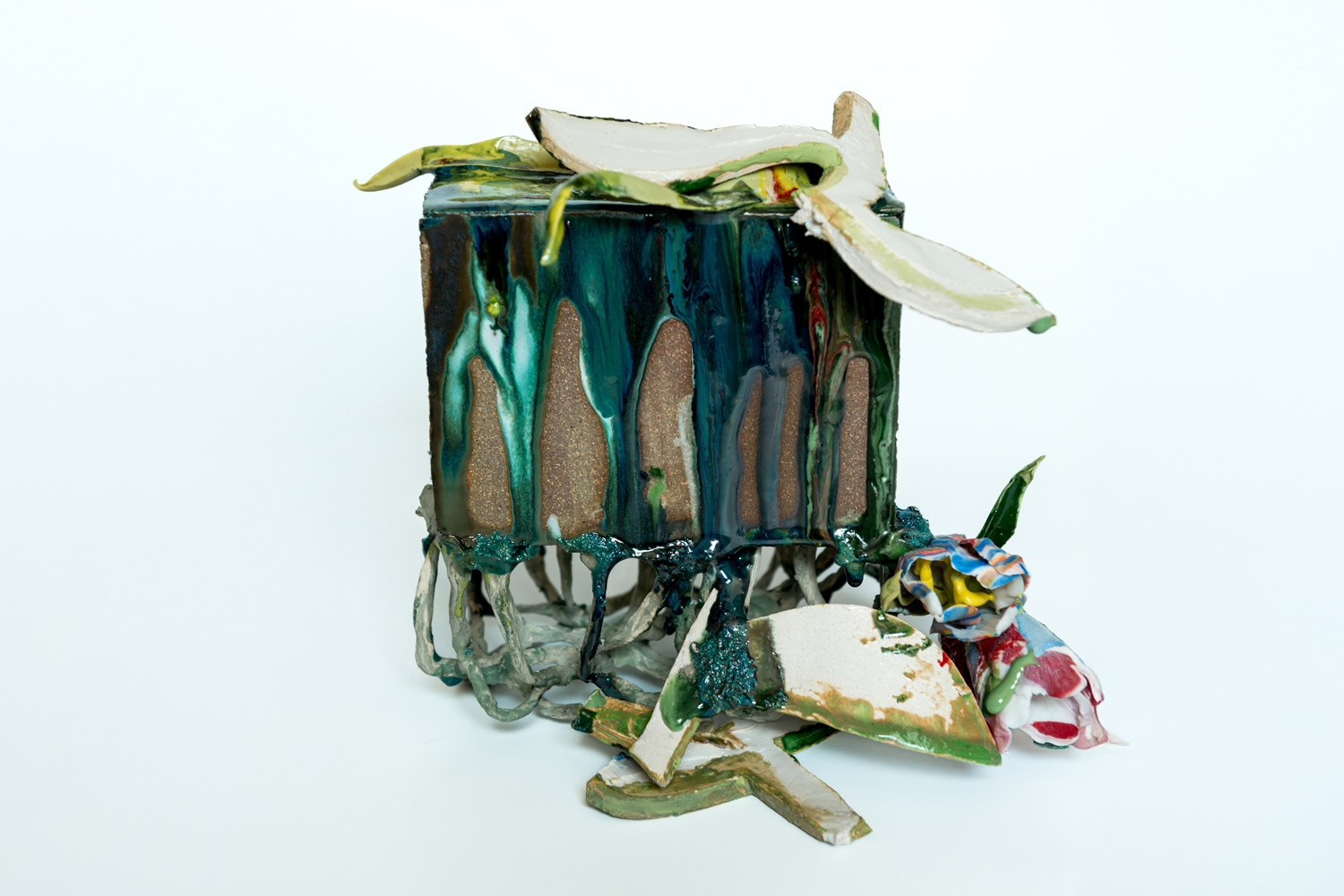
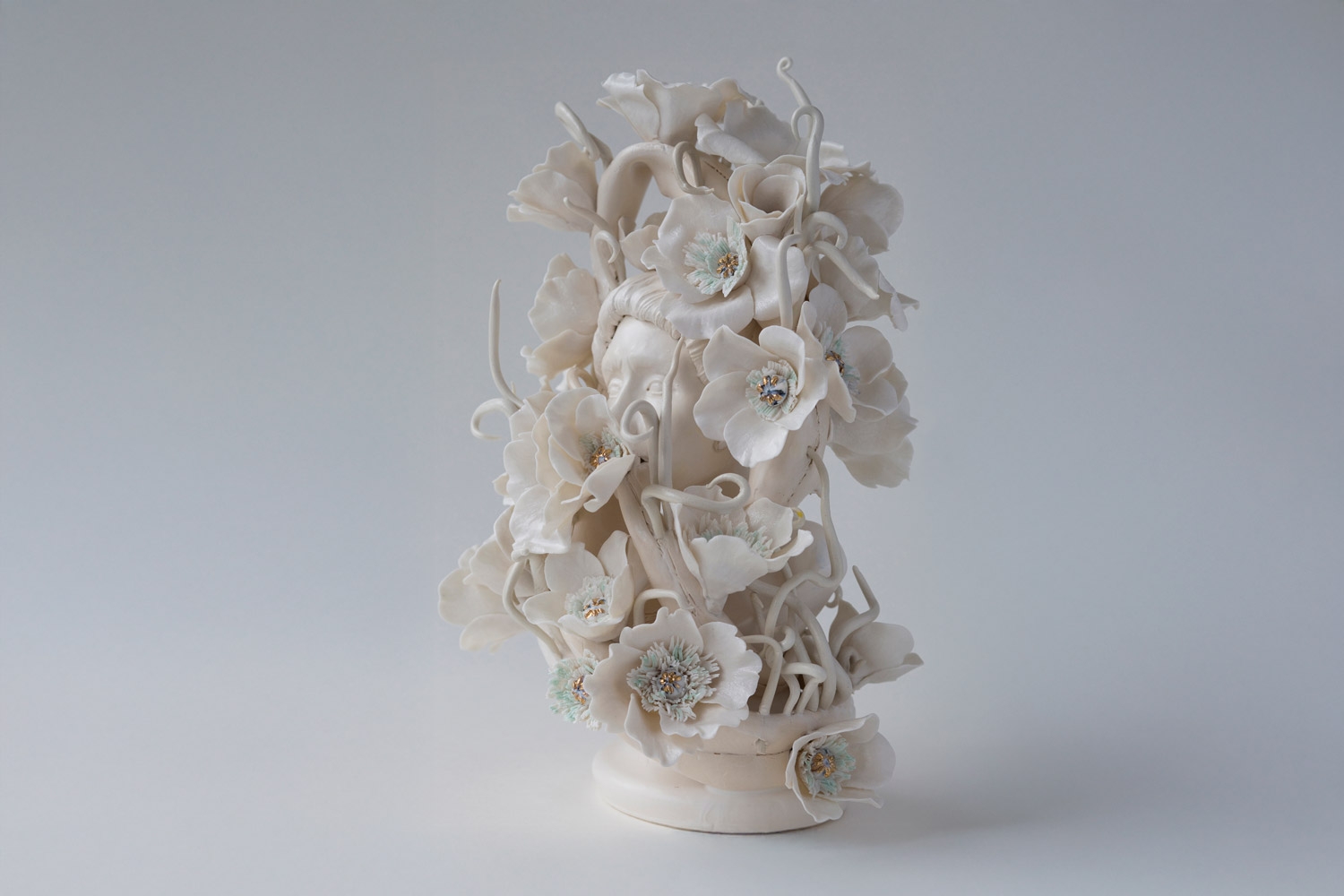
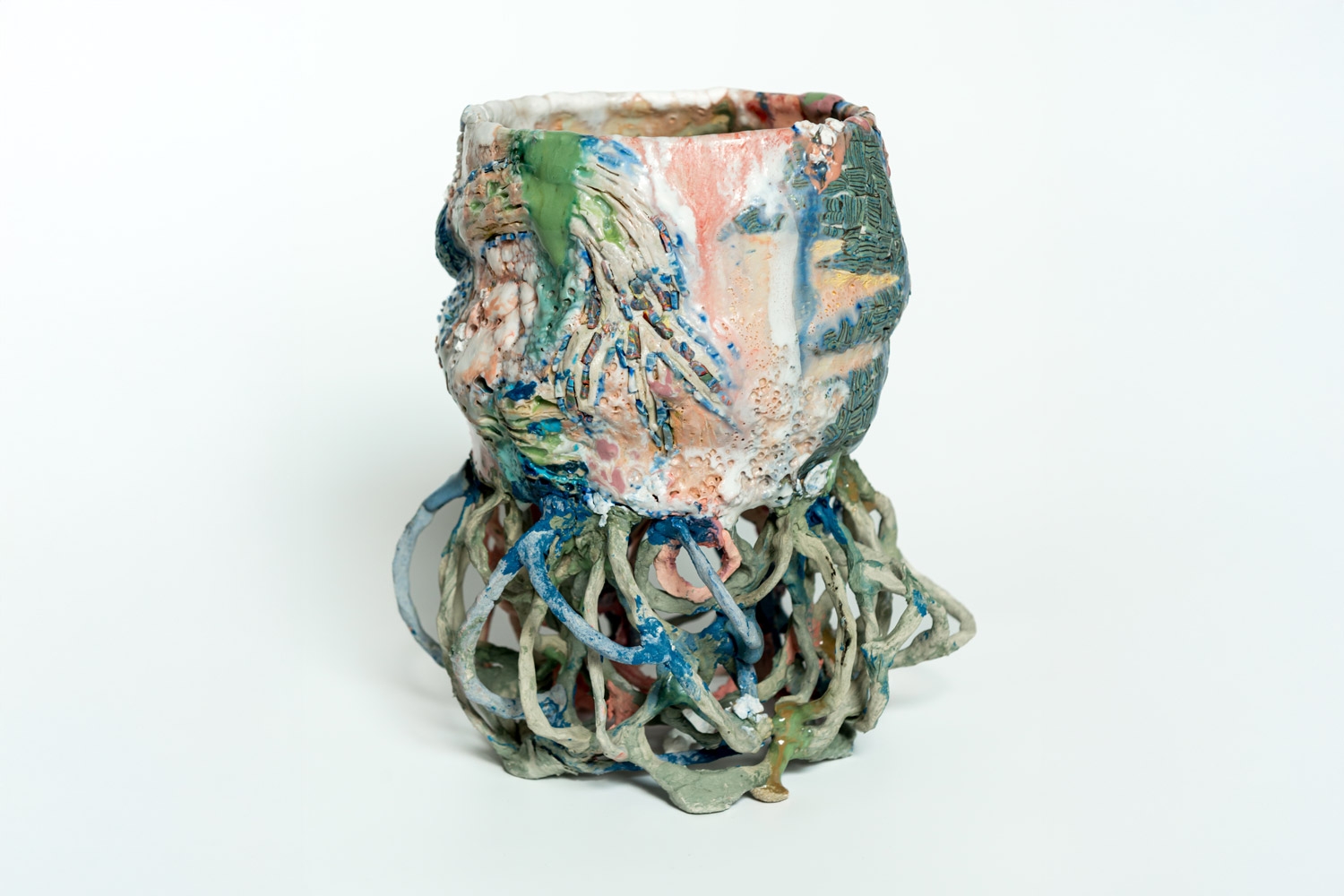
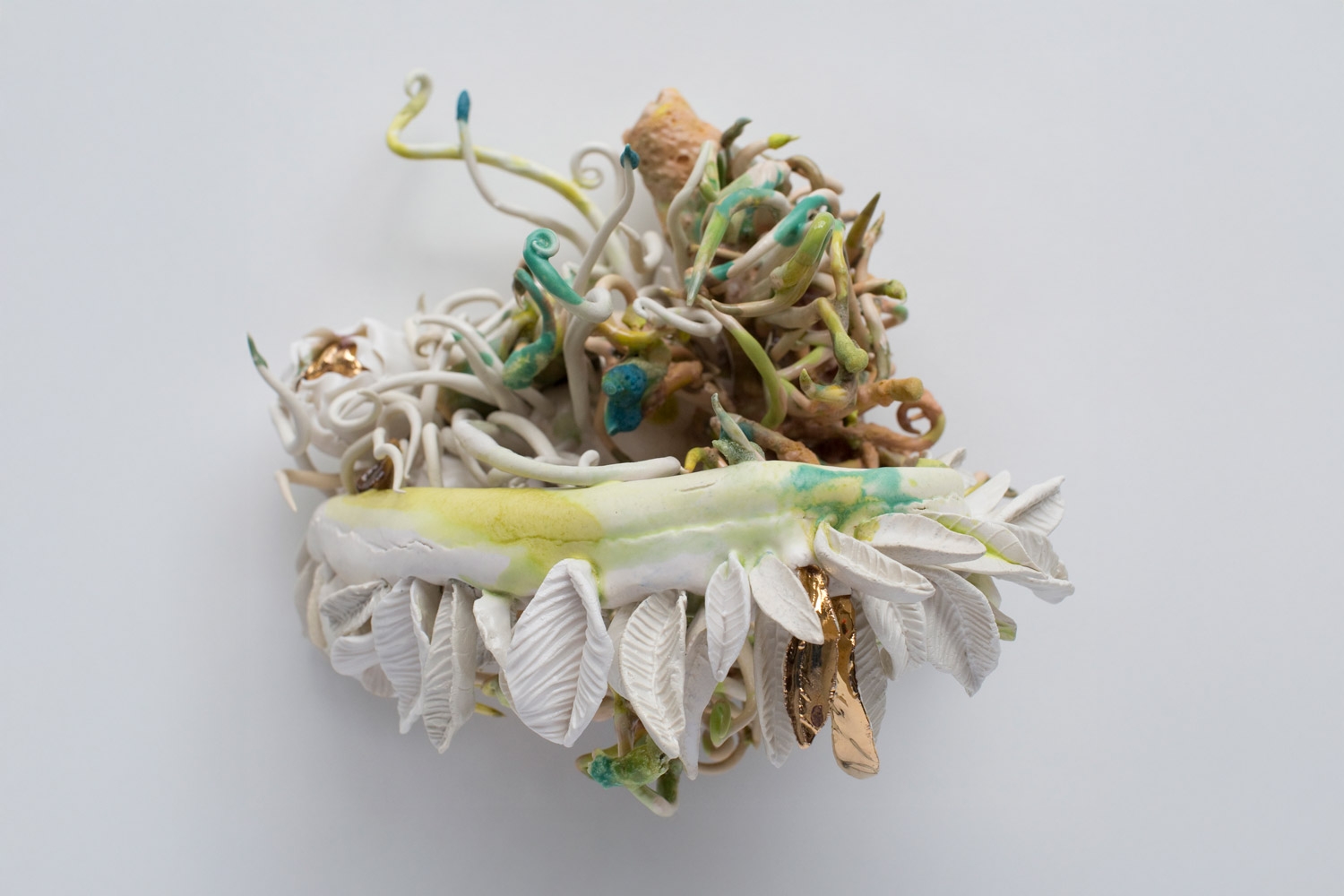
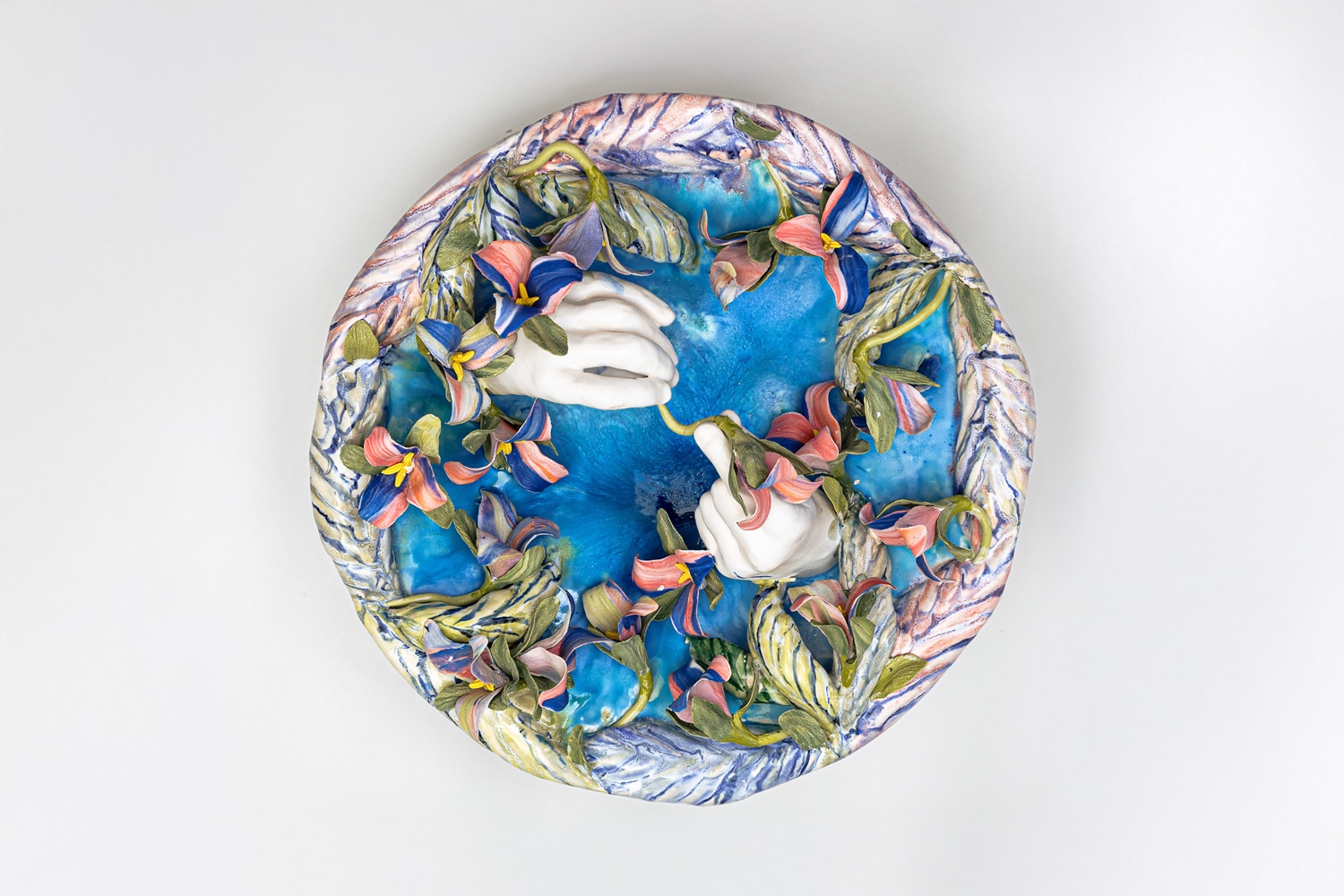
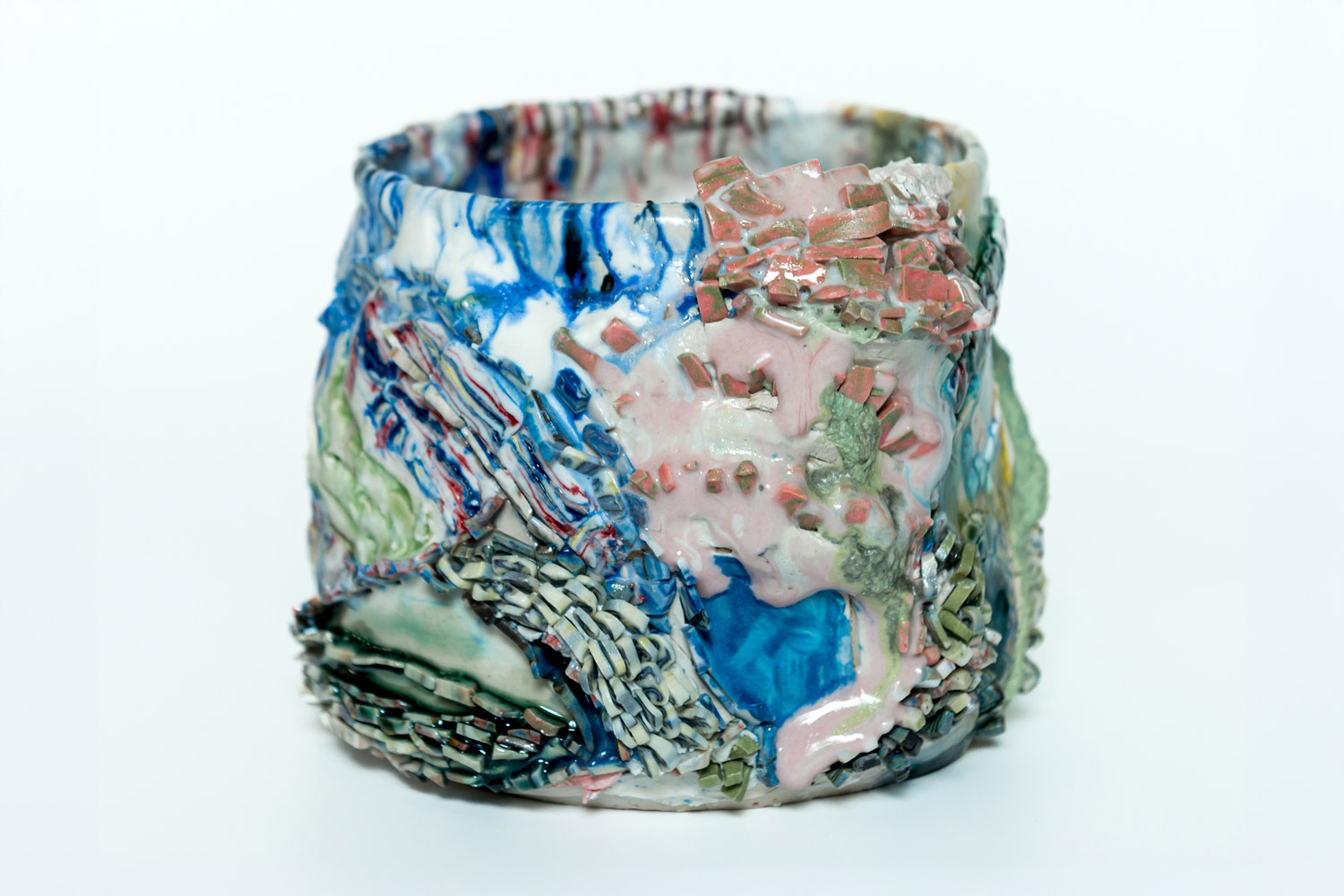
Jess Riva Cooper is a multi-disciplinary artist with a deep connection to the environment. She builds her ceramic sculptures by applying layers of ceramics, paint and fragments. Typically, Jess reuses older pieces in this process to minimise waste and tell a more complex story about nature and the environment. Her process also involves carving, scarifying and marking the clay to add visual depth to her otherwise pristine figures. “My sculptures of mythical human figures in the midst of invasive nature invite the viewer to reflect on our relationship to the environment,” she says. As well as creating ceramic sculptures, Jess enjoys teaching, a practice she centres on a practical, thinking through making methodology.
Discover her work
INTERVIEW
I have a bachelor in fine arts from Halifax Nova Scotia College of Art and Design University and a masters degree in ceramics from the Rhode Island School of Design. After my studies, I developed my craft through participating in prestigious residencies at major centres including Lillstreet in Chicago, the Archie Bray in Helena and Medalta.
On the surface, my sculptures may look beautiful but a closer look tends to reveal something more insidious or mischievous. I am interested in that contrast and realisation, a sense of innocence that is not really innocent. Literature is also important to me, and I am inspired by folklore, fables and speculative fiction.
I often think about what kind of environment we are leaving our children, and in my pieces, I am showing how I see our world. The viewer can make their own interpretations. In my practice, I have a zero-waste approach and I reuse everything.
First: think through making. You must make the bad thing before you can make the good thing. It is all part of the process. Second: show up daily. Doing the work produces the insight you need, not the other way round. Third: cultivate studio citizenship. Bring generosity, presence and care for your peers into your daily studio activities. It matters as much as talent.
Jess Riva Cooper
Ceramicist
Toronto, Canada
ADDRESS
Address upon request, Toronto, Canada
AVAILABILITY
By appointment only
PHONE
+1 4165757932
LANGUAGES
English
Homo Faber Finds is a new service aiming to inspire admirers of craft to connect and collaborate with exceptional artisans.
We invite you to submit an enquiry here.