©Calvin Nicholls
©Calvin Nicholls
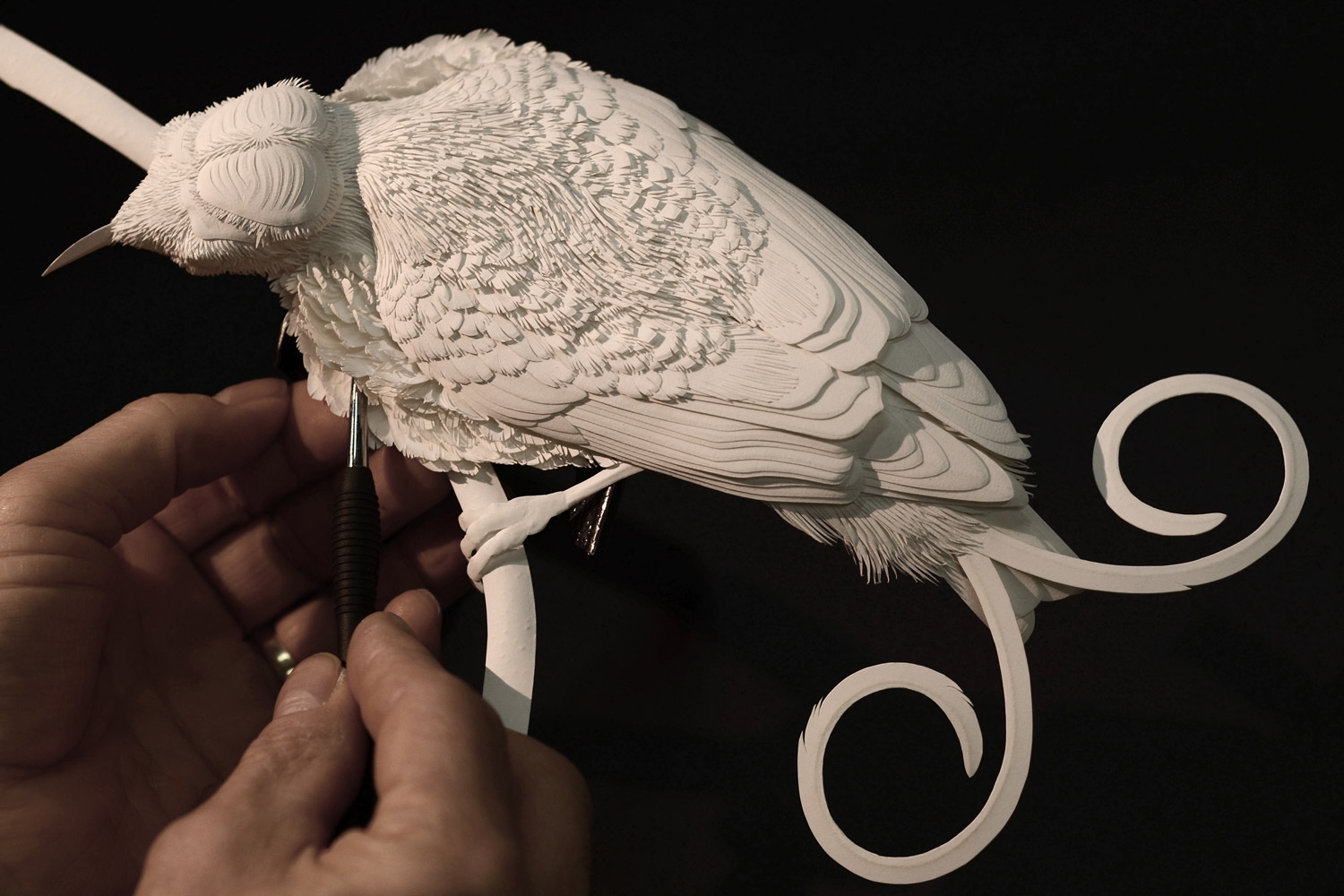
©Calvin Nicholls
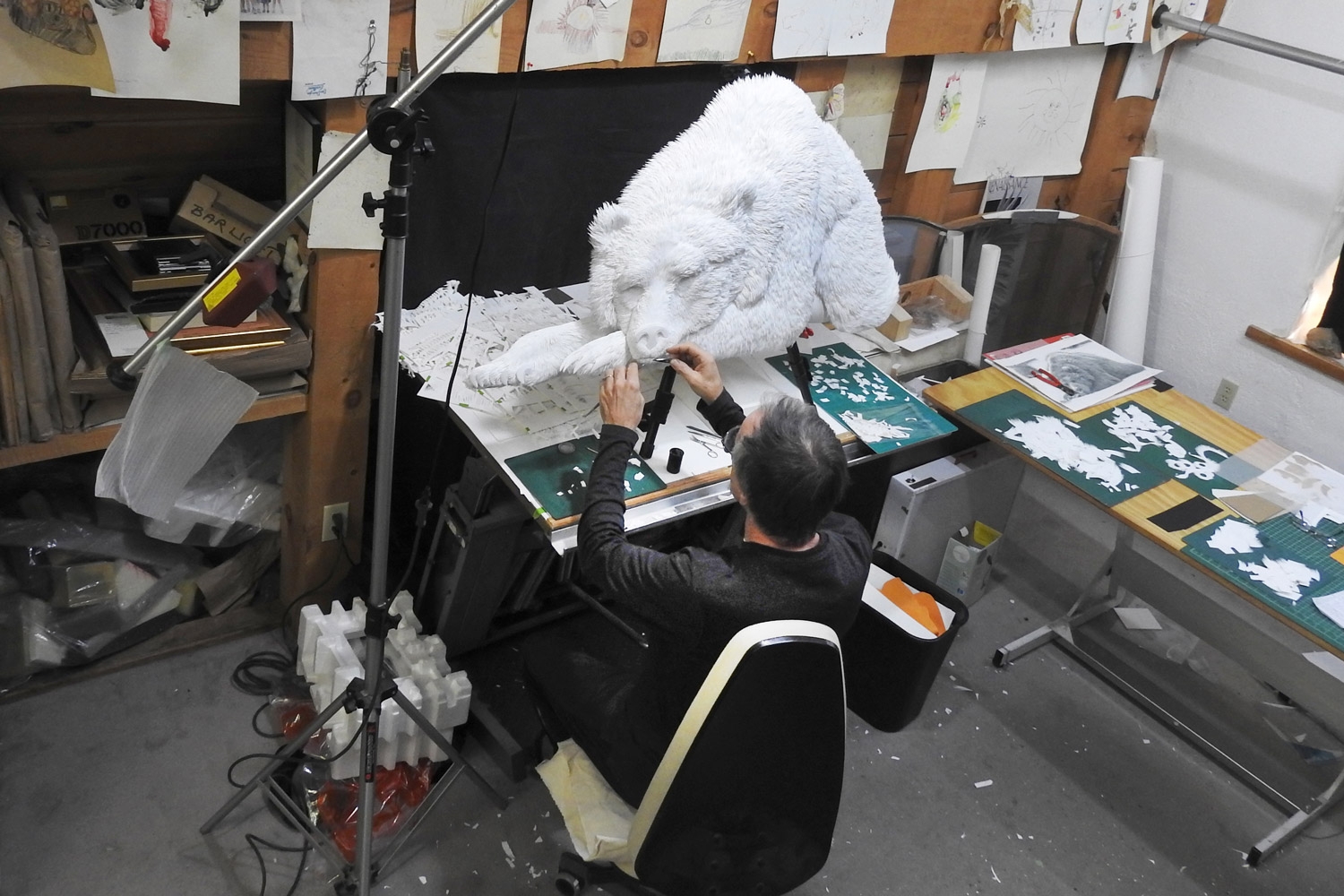
©Calvin Nicholls
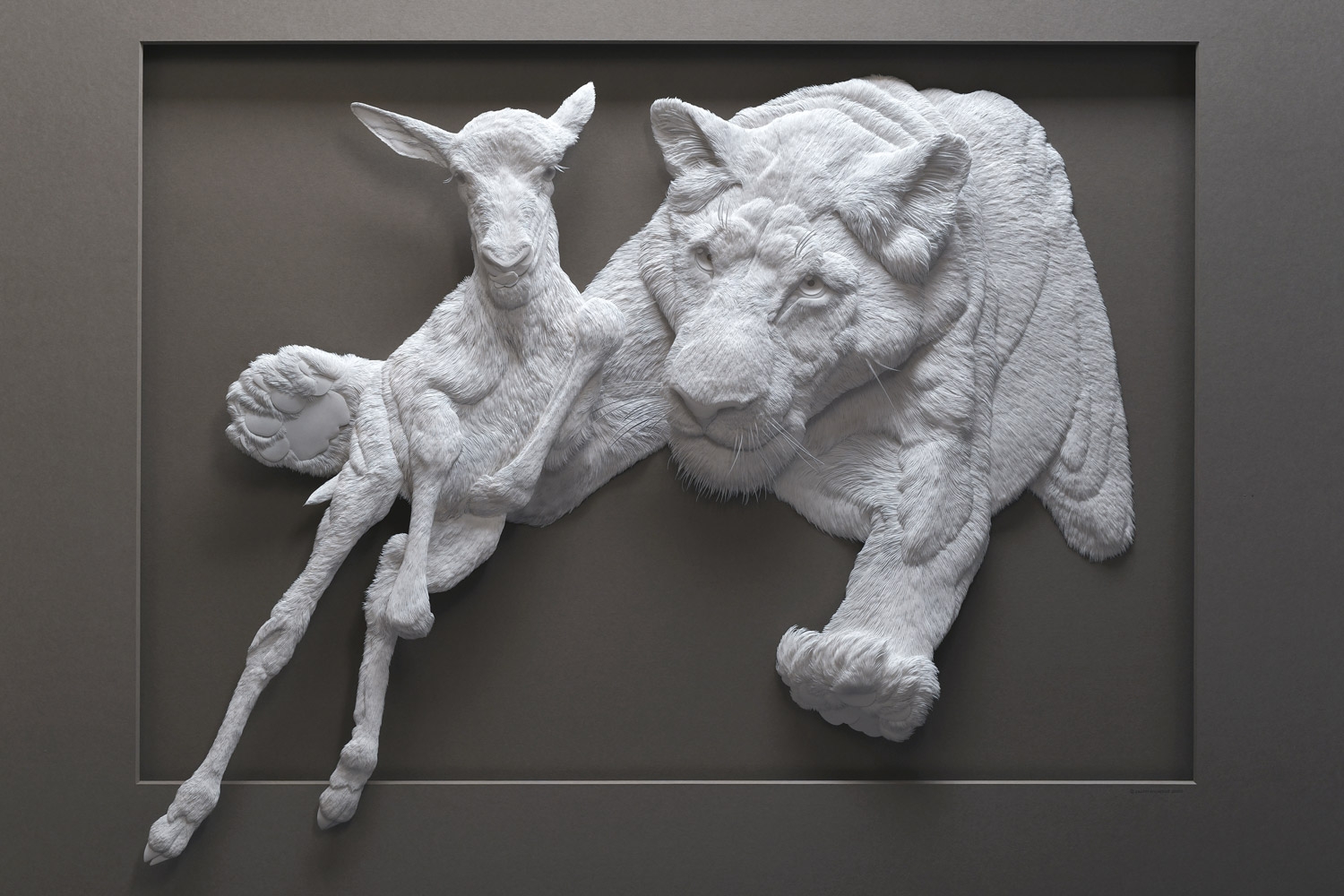
©Calvin Nicholls
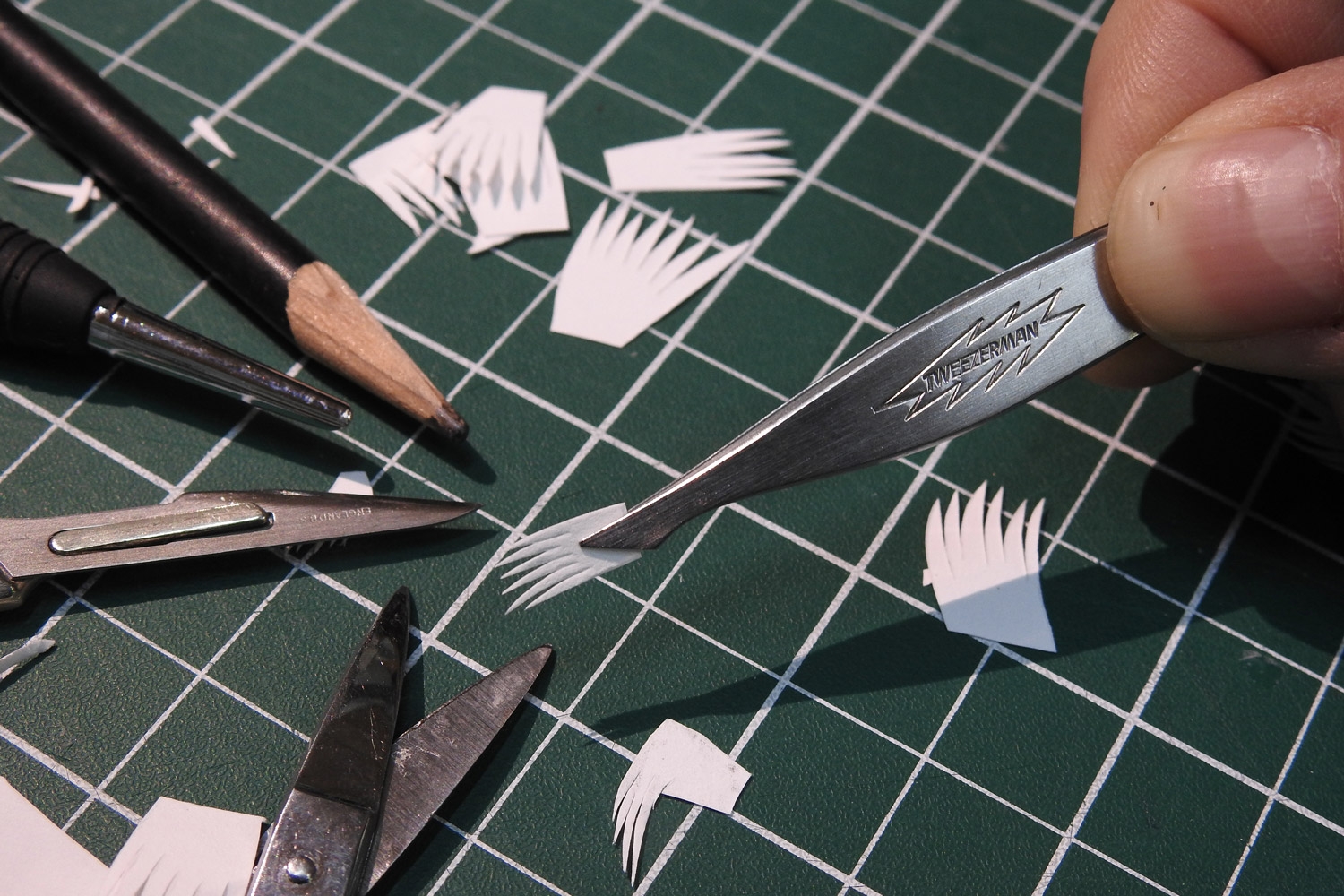
©Calvin Nicholls
Calvin Nicholls
Paper artist
Kawartha Lakes, Canada
©Calvin Nicholls
©Calvin Nicholls
©Calvin Nicholls
©Calvin Nicholls
©Calvin Nicholls
©Calvin Nicholls
©Calvin Nicholls
©Calvin Nicholls
©Calvin Nicholls
©Calvin Nicholls
©Calvin Nicholls
©Calvin Nicholls
Wild nature in delicate paper
- Calvin trained as a graphic designer before gradually becoming a paper sculptor
- He builds each piece from hundreds of layers of archival paper
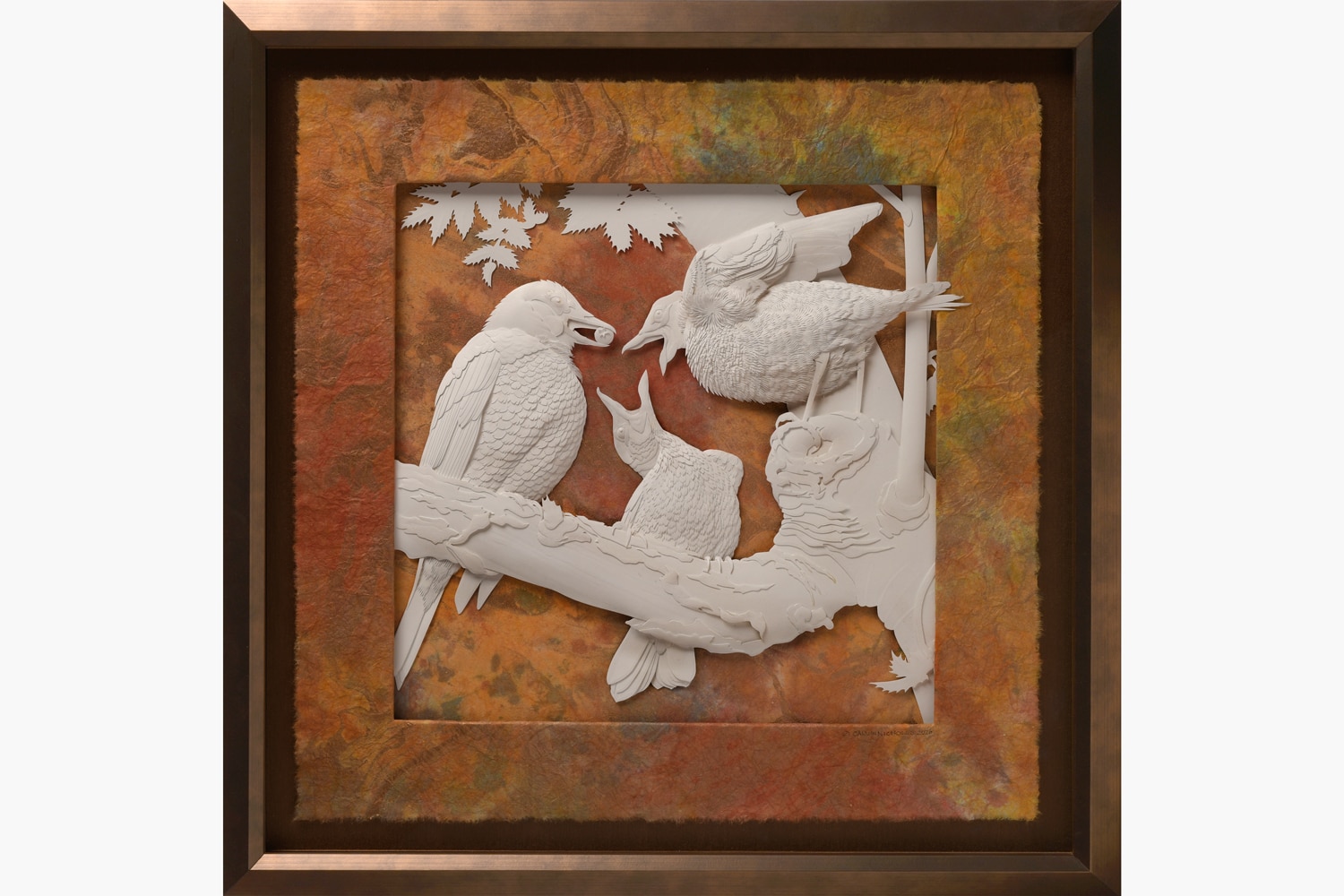
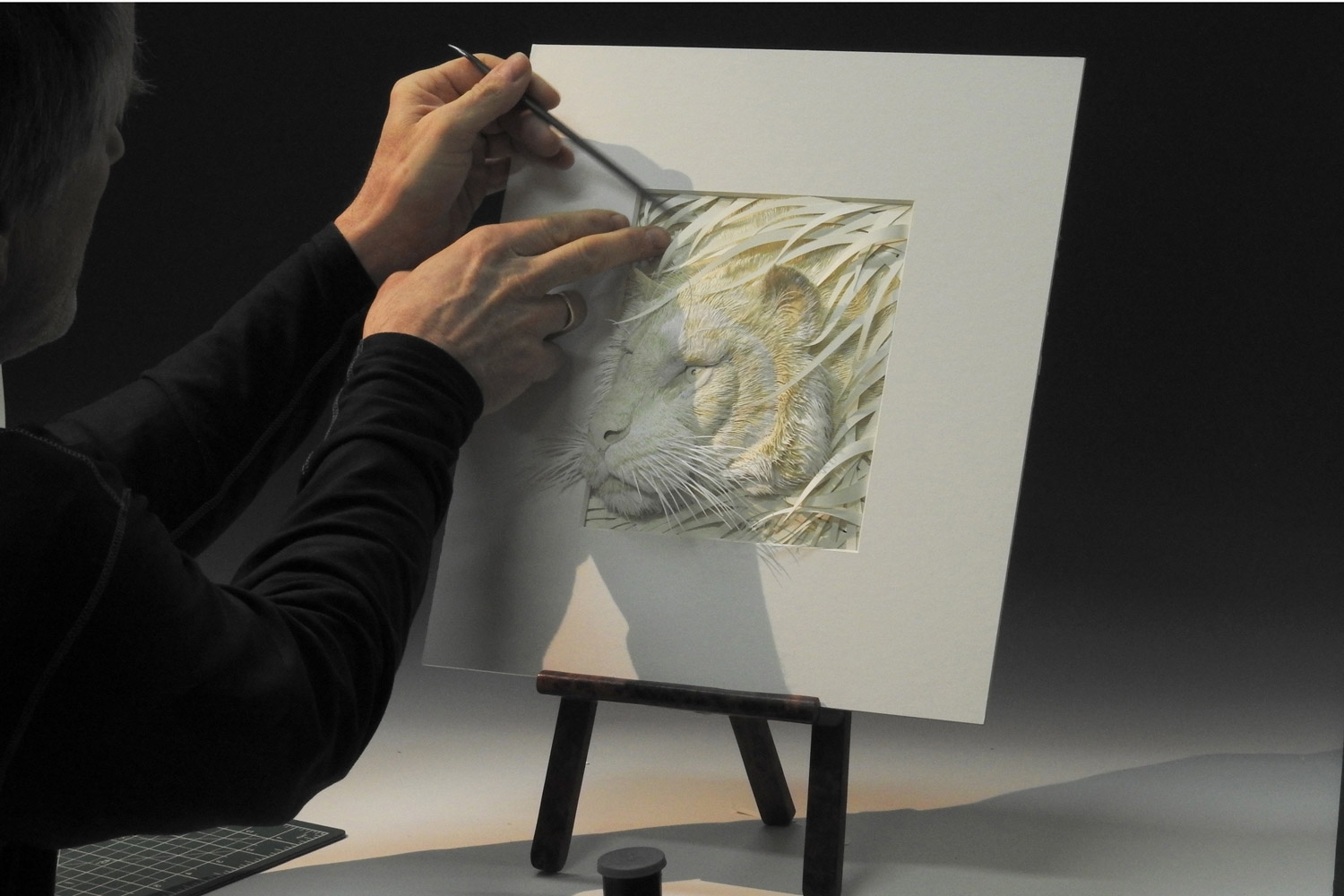
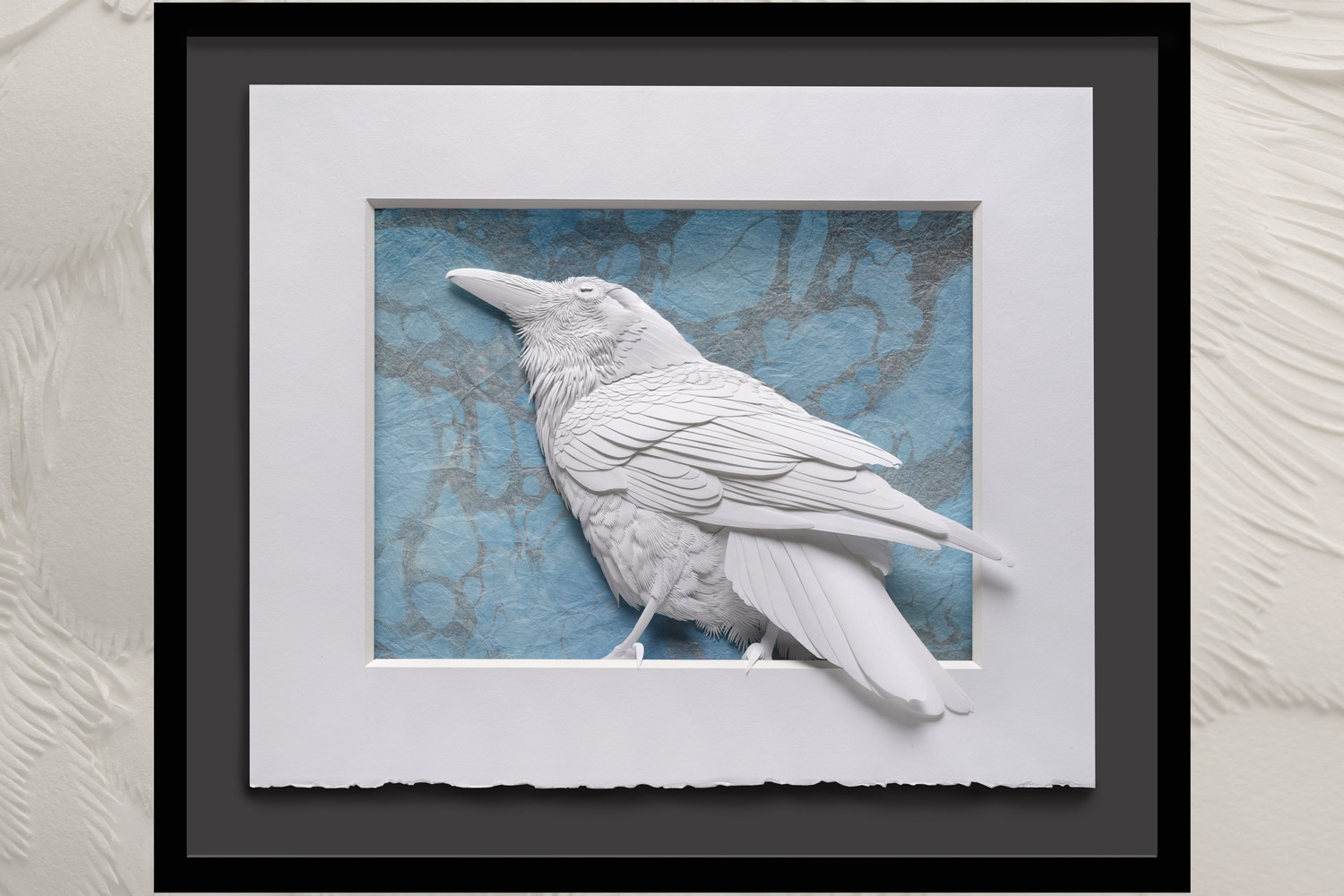
- His pieces depict realistic natural scenes from tigers to ravens
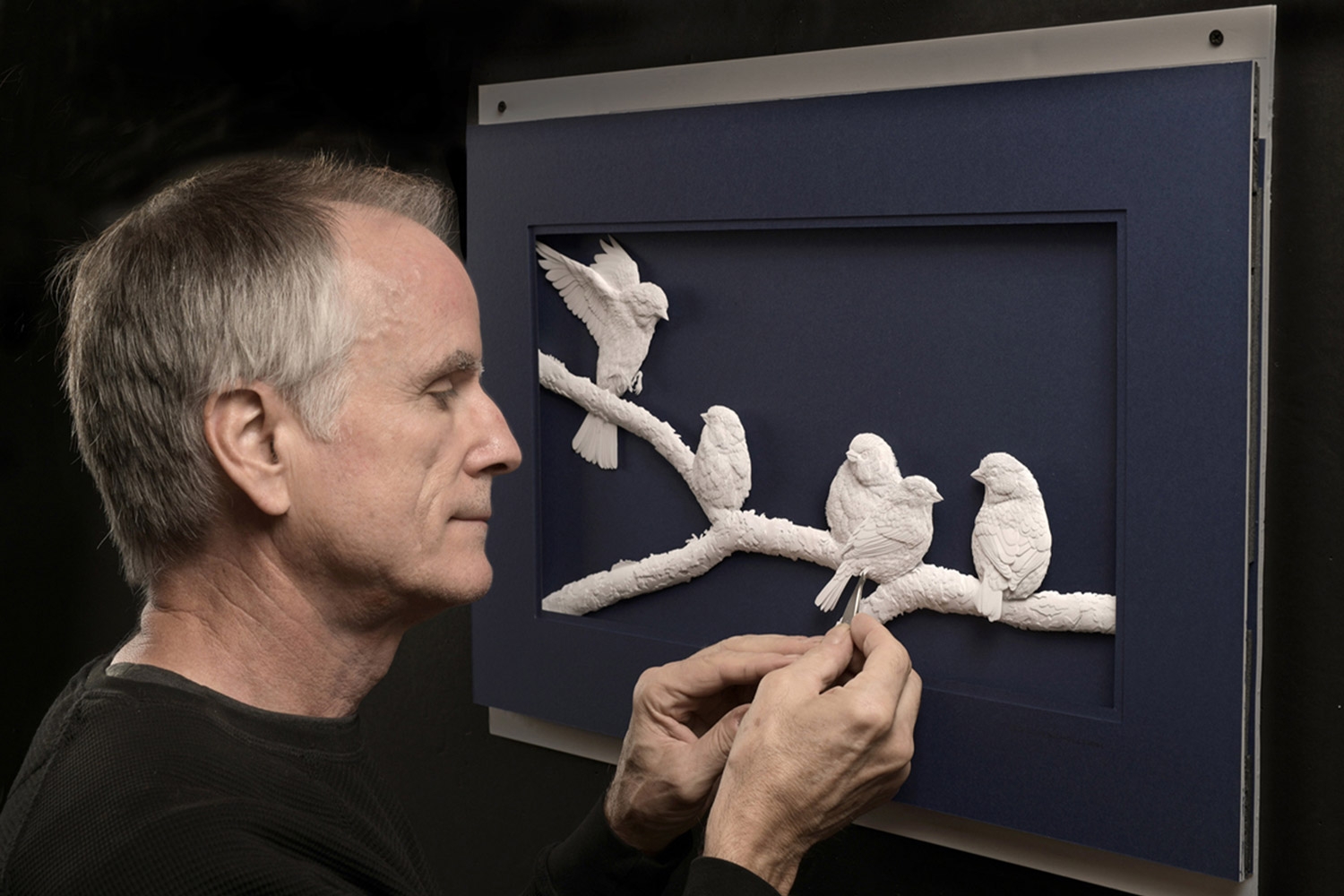
Calvin Nicholls creates intricate wildlife reliefs entirely from paper. As a graphic designer in Toronto in the 1980s, he discovered the sculptural potential of paper while working with clients, developing his own detailed and thoughtful process of layering, tooling and lighting as a self-taught artist. “Every piece begins with drawing. No cut is made before the entire form is planned,” he says. Calvin’s materials are 100% cotton and mulberry papers, chosen for their permanence and ability to hold and reflect subtle light and shadow. His larger pieces take hundreds of hours of careful, detailed attention. Calvin’s meticulous craftsmanship makes his luminous sculptures enduring pieces of contemporary paper art.
Calvin Nicholls is an expert artisan: he began his career in 1986.
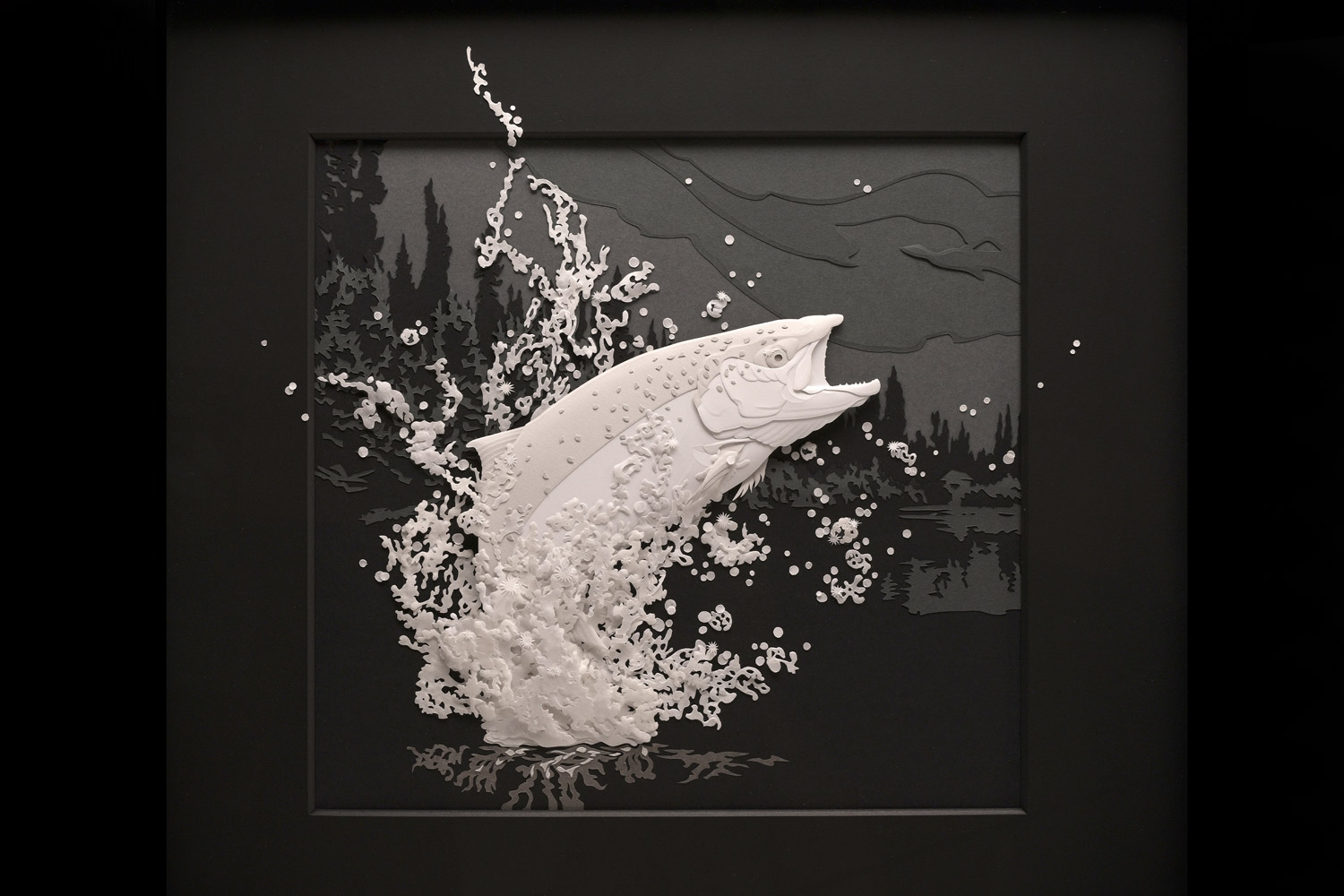
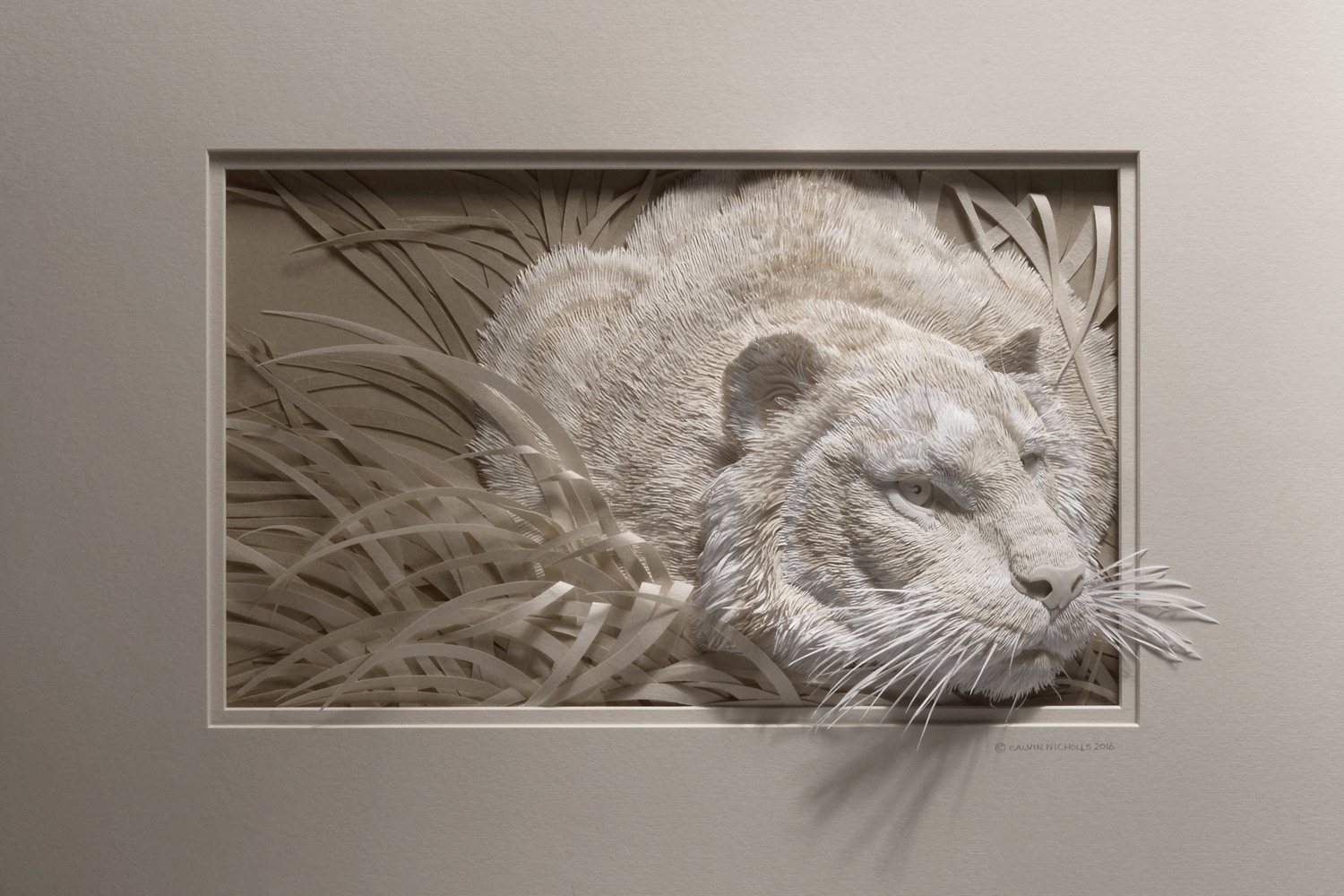
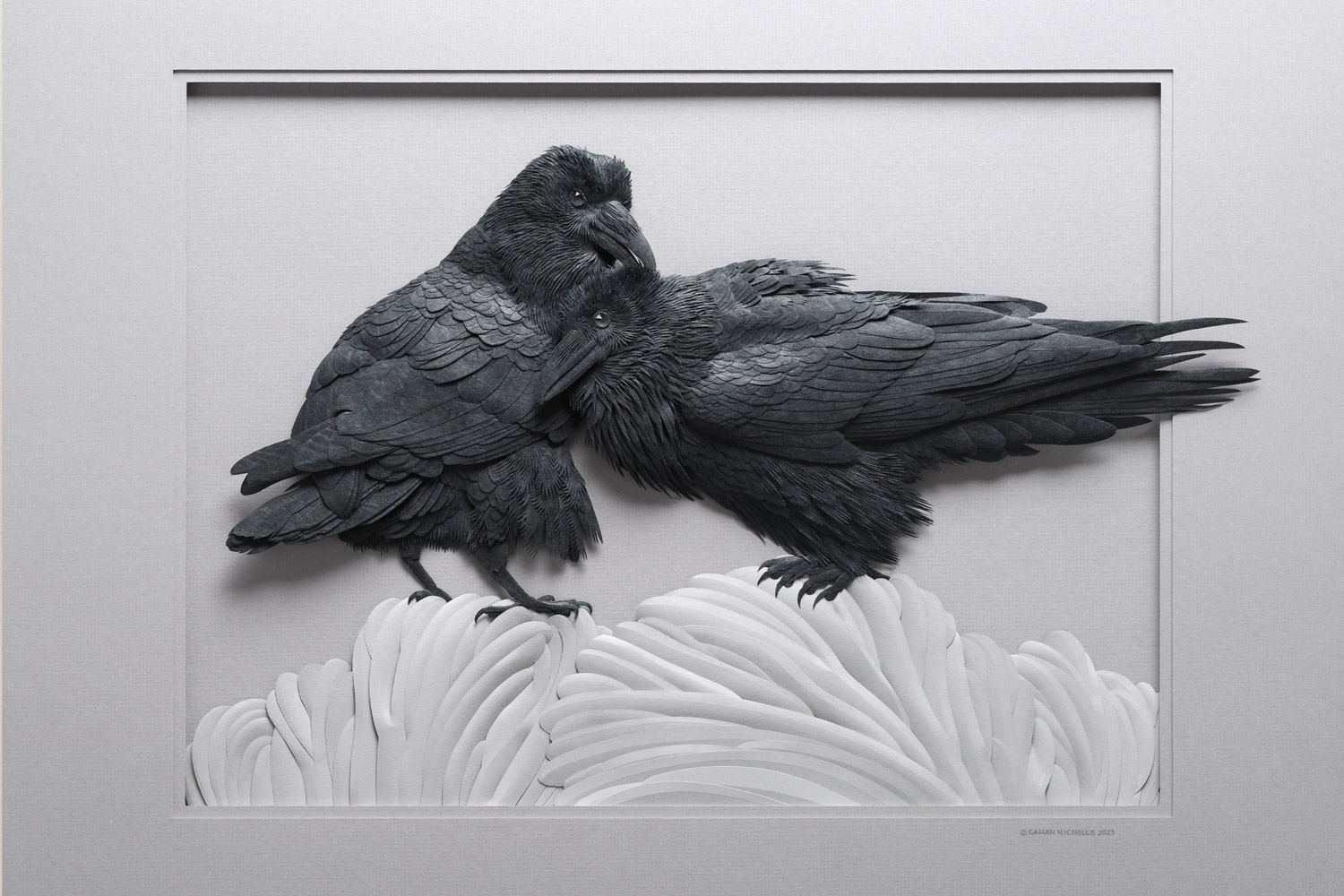
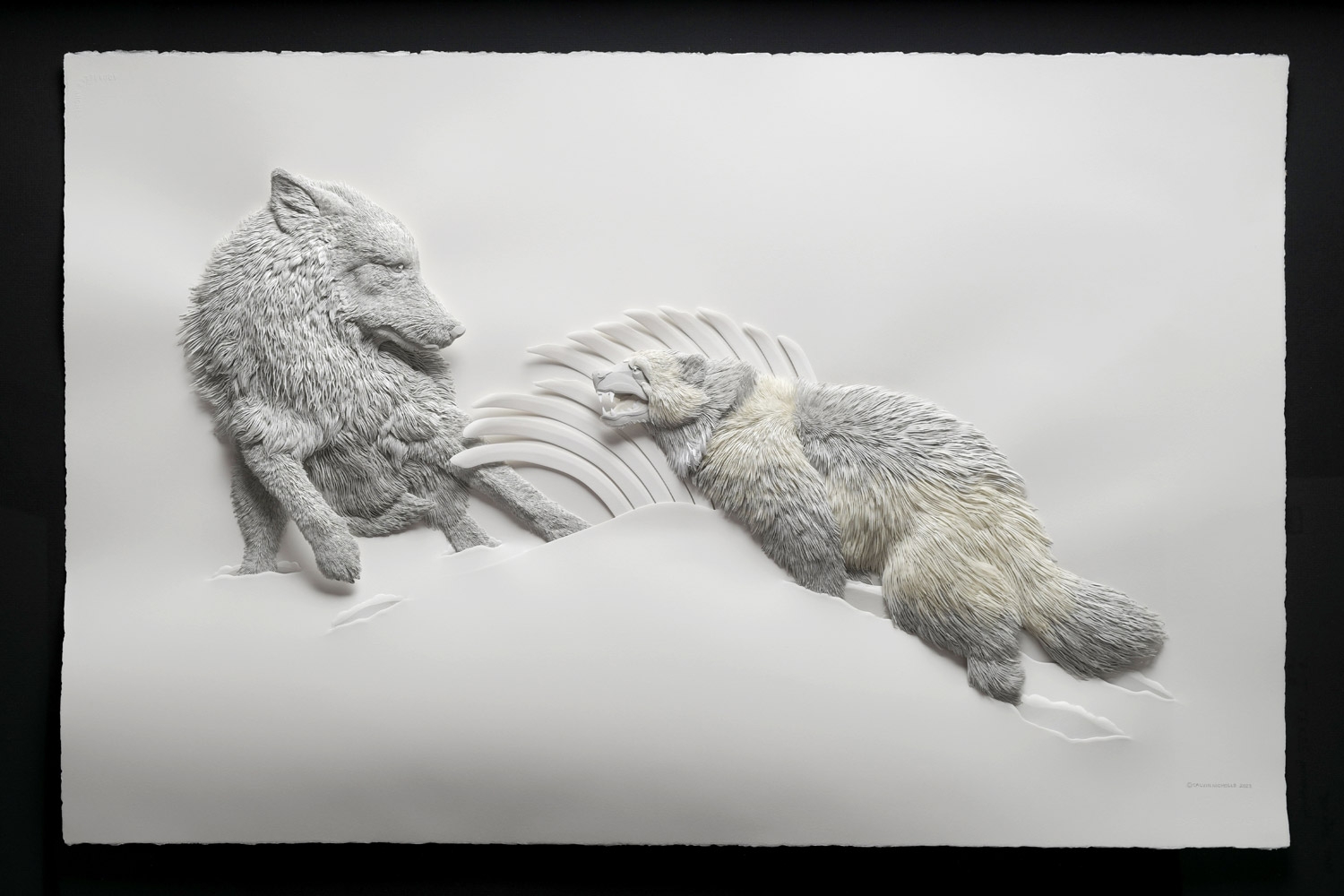
INTERVIEW
I spent a lot of time in paper sample rooms as a designer. It was like being in a candy store. I would take samples to try out various techniques of folding and scoring. Gradually, I introduced paper sculpture to my own design clients alongside photography and illustration. It was an organic progression.
It is simple and endlessly responsive to light. If you introduce even a slight form, a curve, bevel or emboss, light and shadow start to play across the surface. People think of paper as fragile, but presented properly it belongs in the same conversation as glass or porcelain: delicate, but permanent.
Growing up in a rural area, I spent a lot of time watching birds such as raptors, ducks and owls. I had a commission for a paper company to create a phoenix and it was a revelation. Paper lends itself to gradual layering and depth, closely mimicking how feathers work.
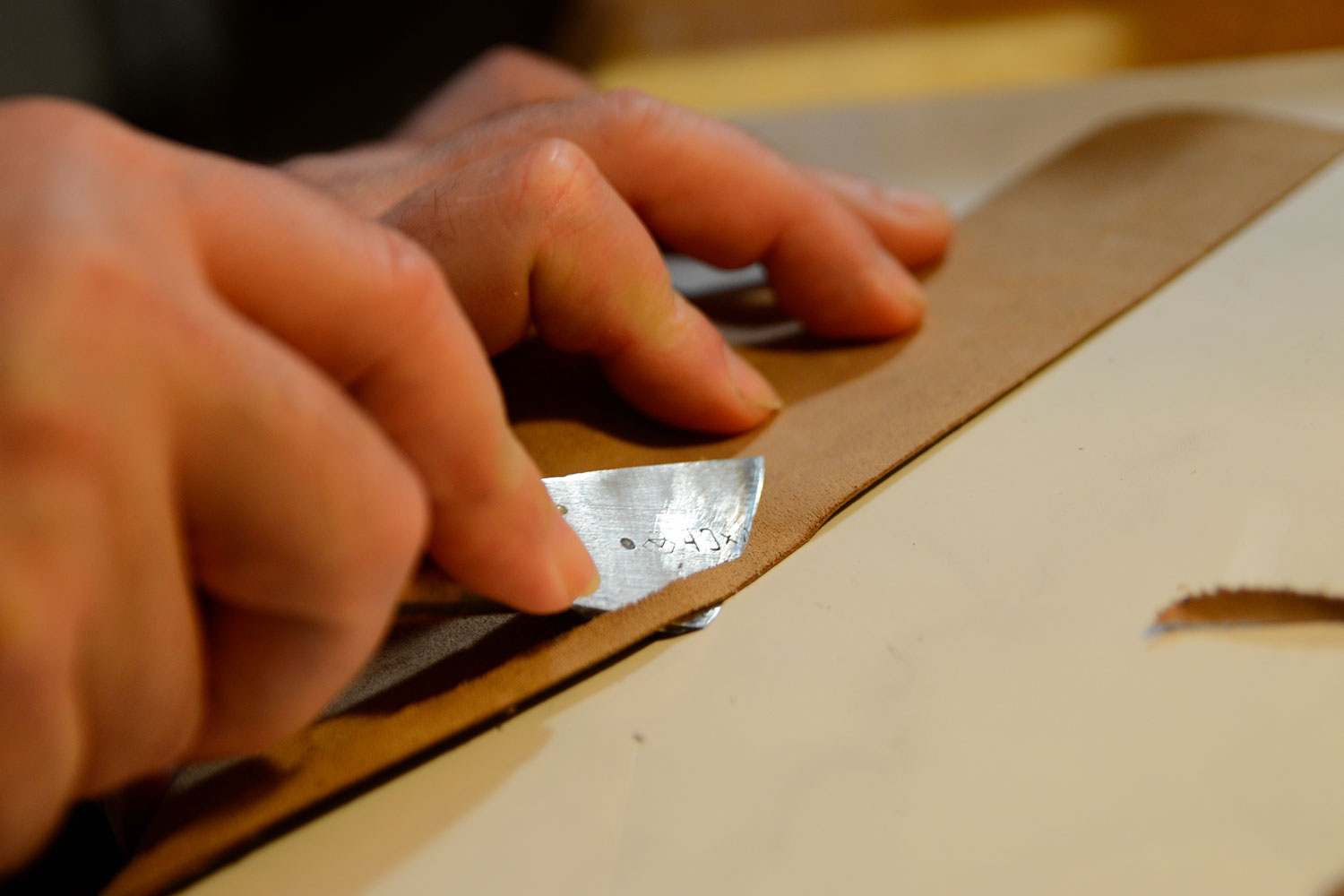
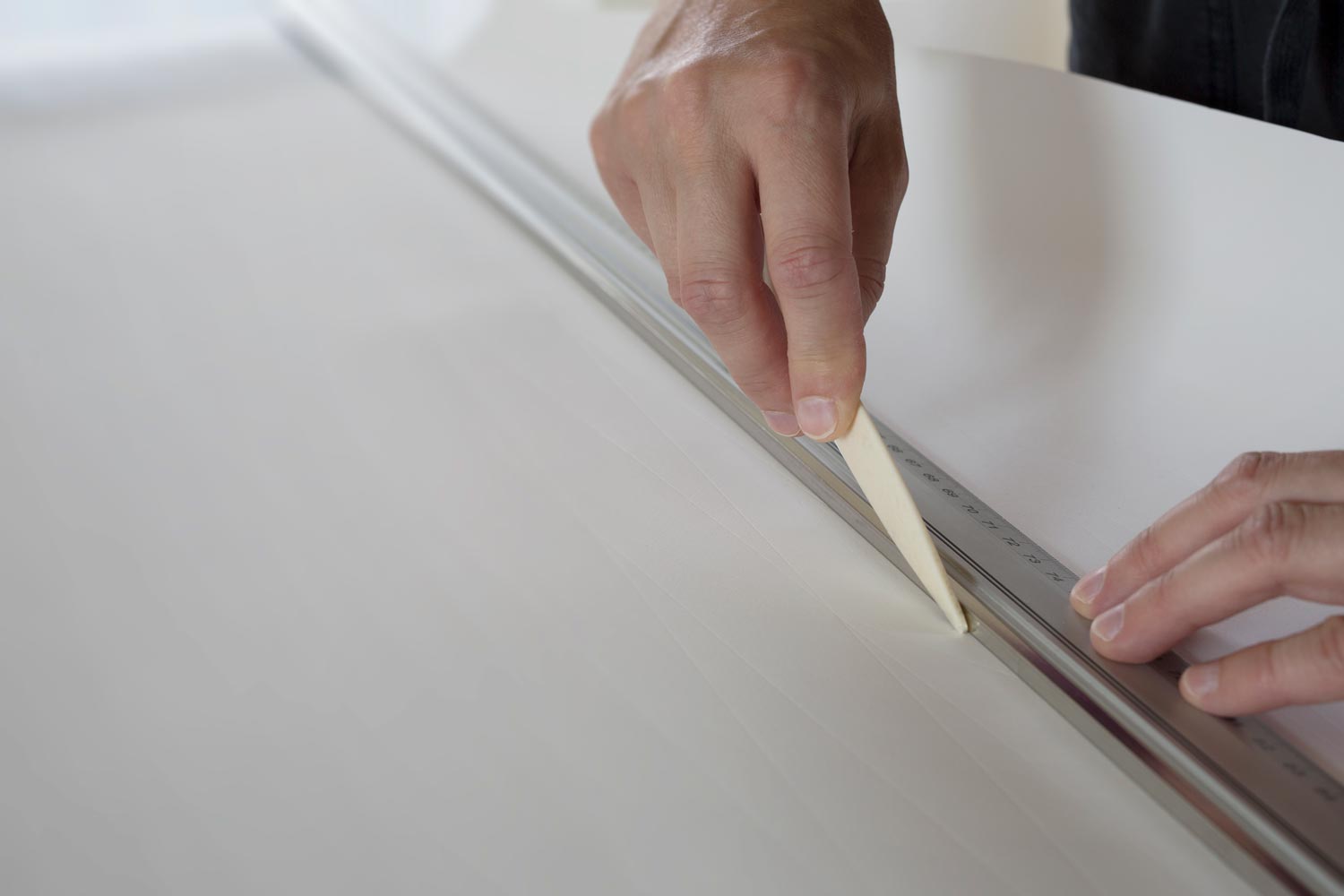
I do not cut anything I have not drawn. Research and rough sketches lead to refining positive and negative space, before transferring the pattern drawings to the chosen paper for cutting and tooling. A small bird often takes about 20 hours of cutting and assembly.

Calvin Nicholls
Paper artist
Kawartha Lakes, Canada
ADDRESS
Address upon request, Kawartha Lakes, Canada
AVAILABILITY
By appointment only
PHONE
+1 7059283000
LANGUAGES
English
HOMO FABER FINDS
Homo Faber Finds is a new service aiming to inspire admirers of craft to connect and collaborate with exceptional artisans.
We invite you to submit an enquiry here.