Brad Turner
Glassblower
Toronto, Canada
New visions for glass
- Brad is a glassblower of sculptural and functional objects
- Experimentation leads him to find new approaches and explore form
- His practice is focused on technical innovation and rigorous design
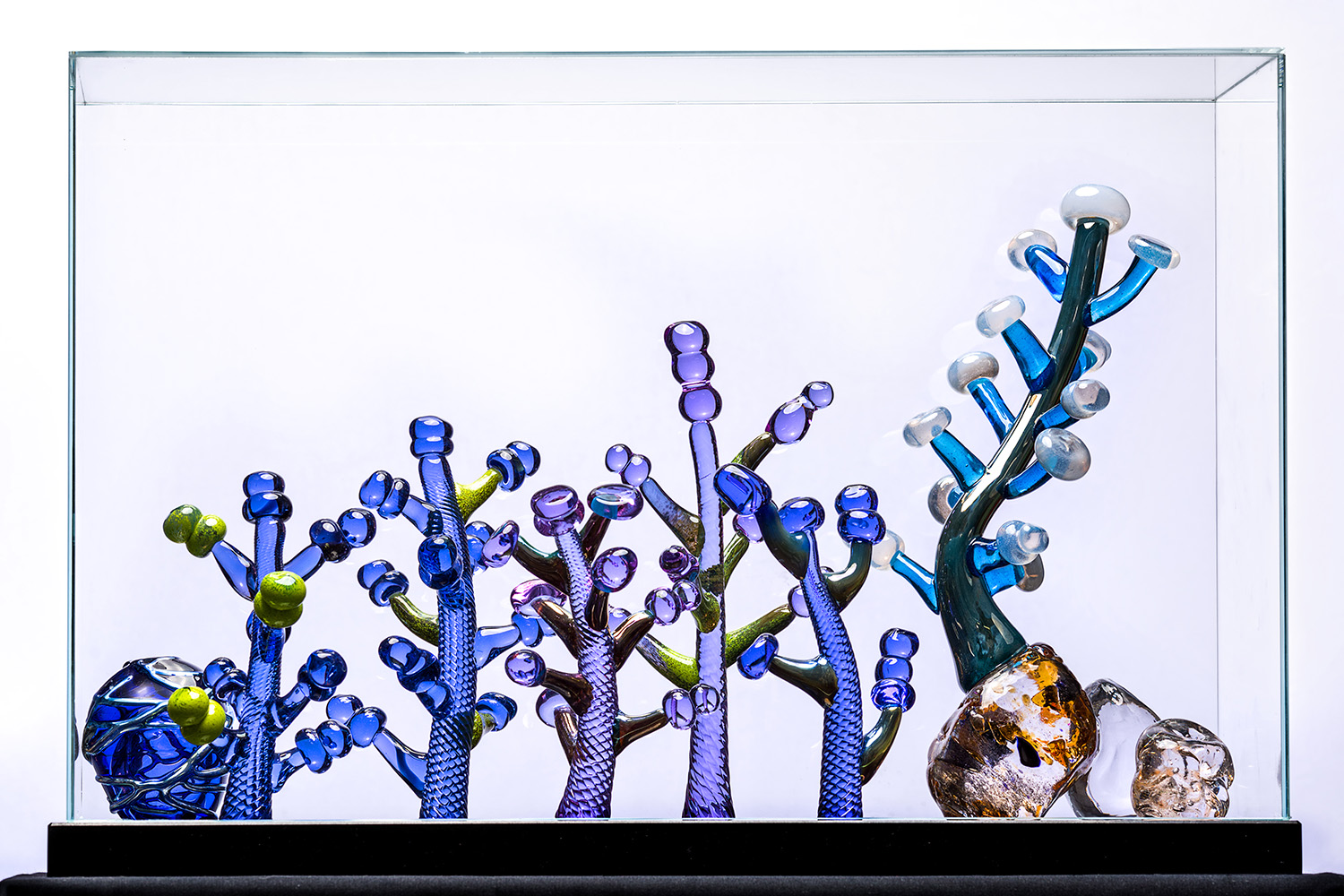
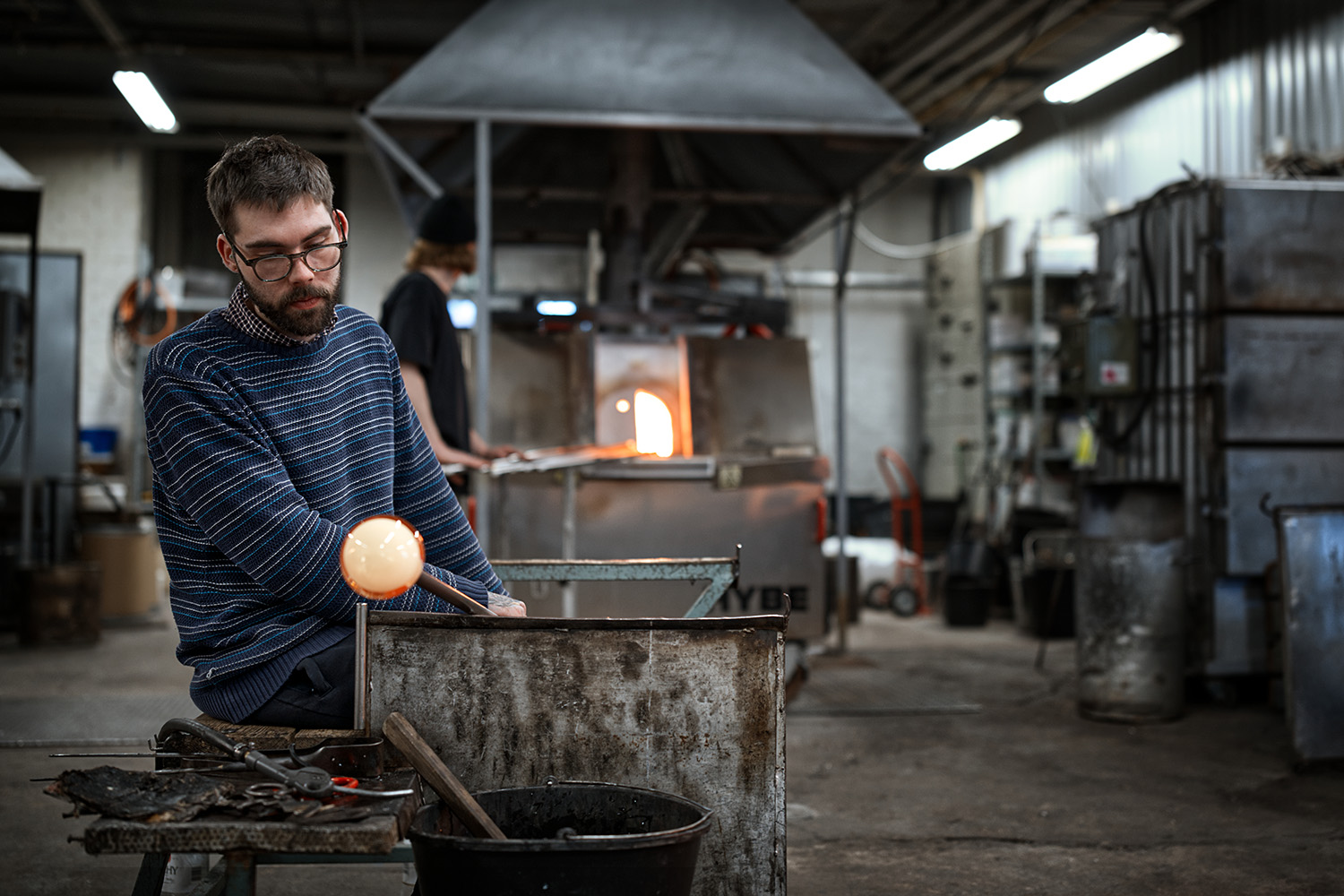
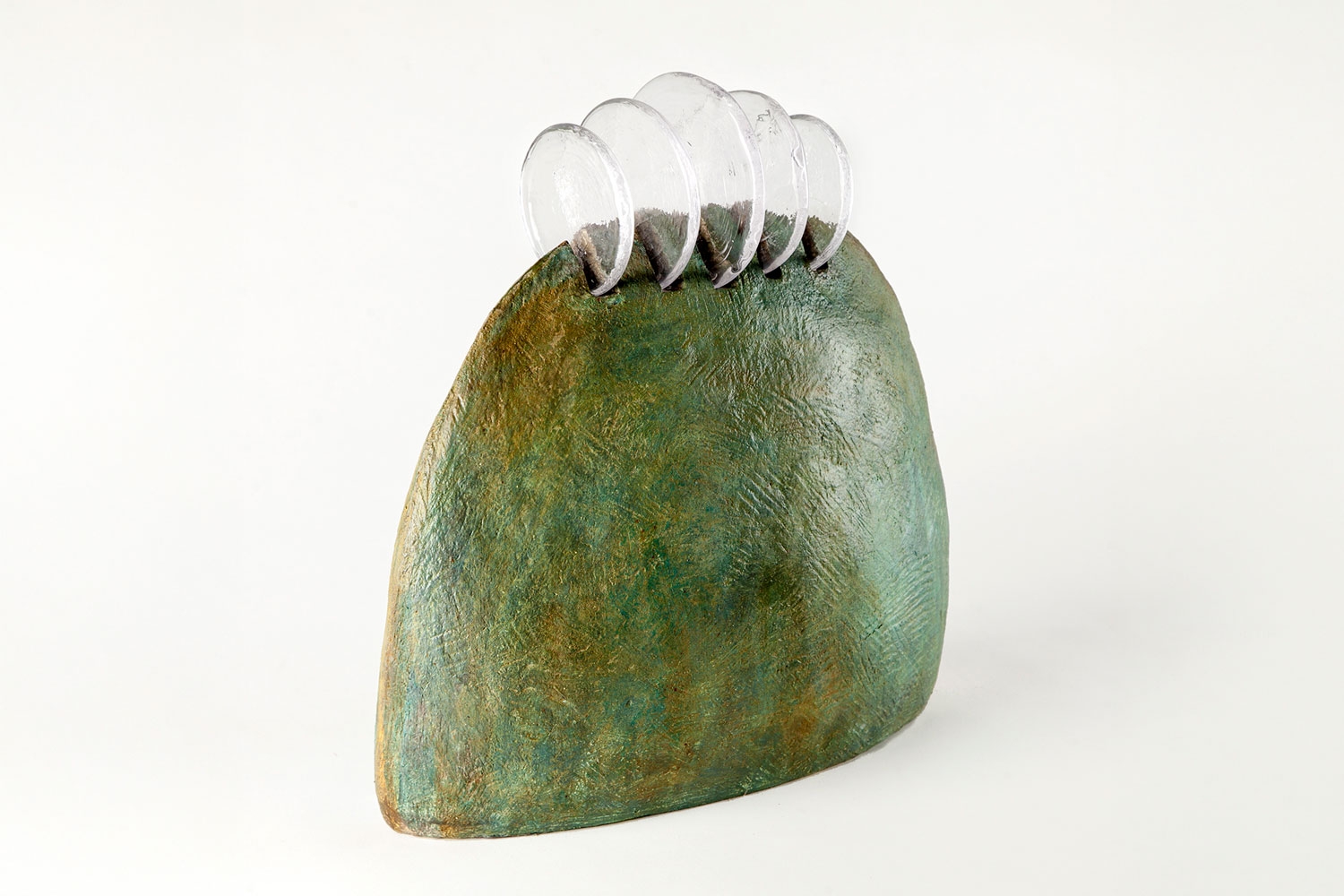
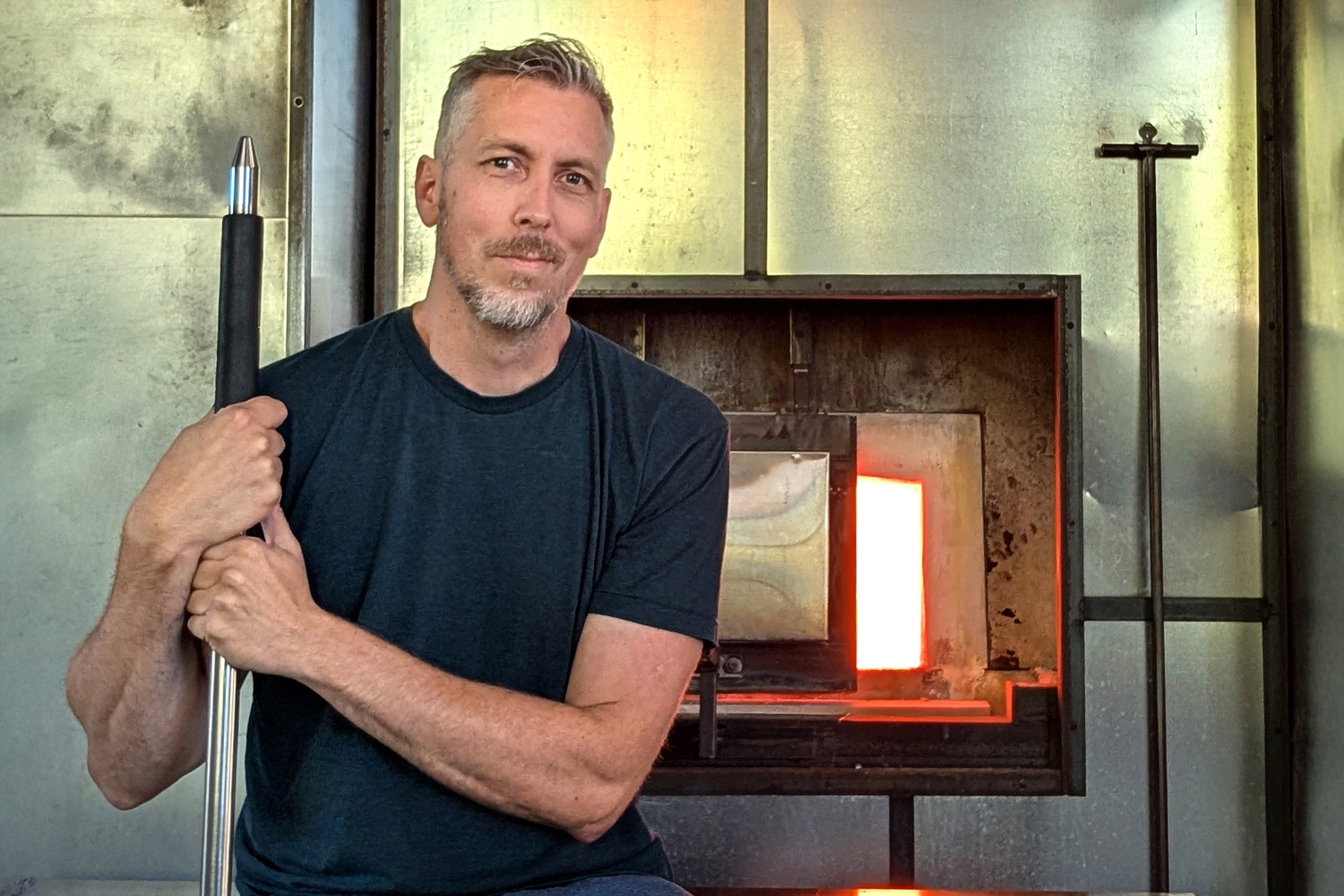
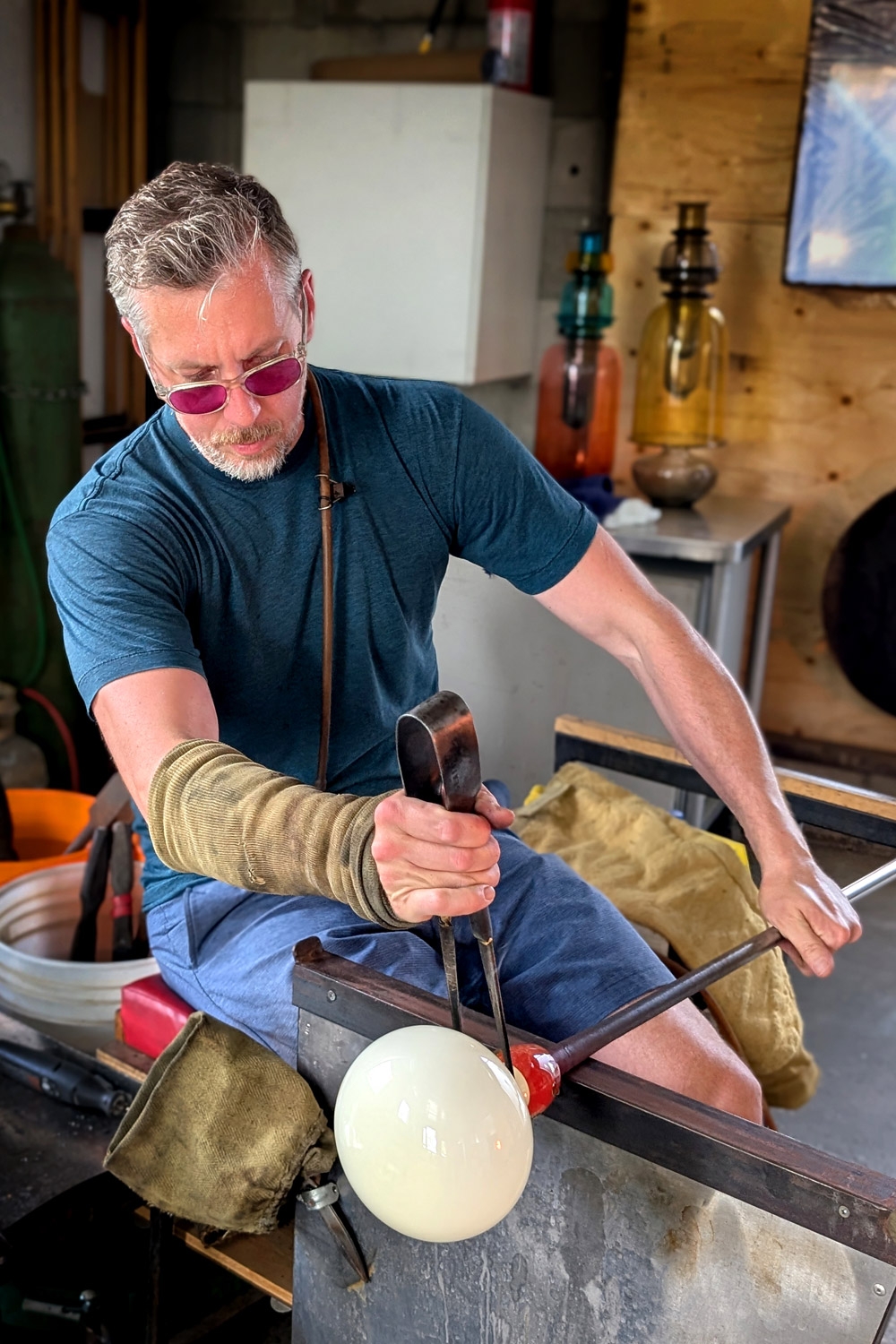
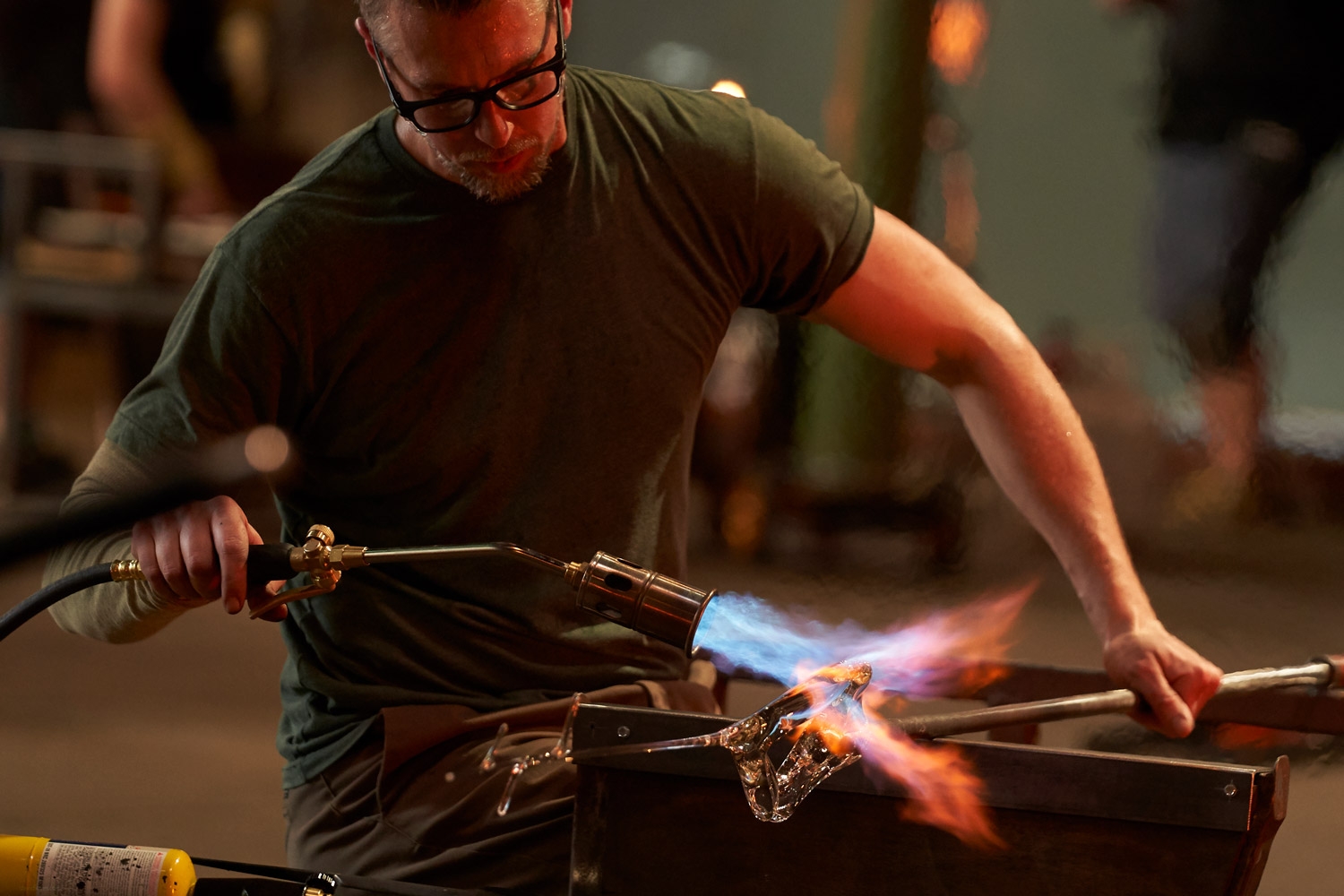
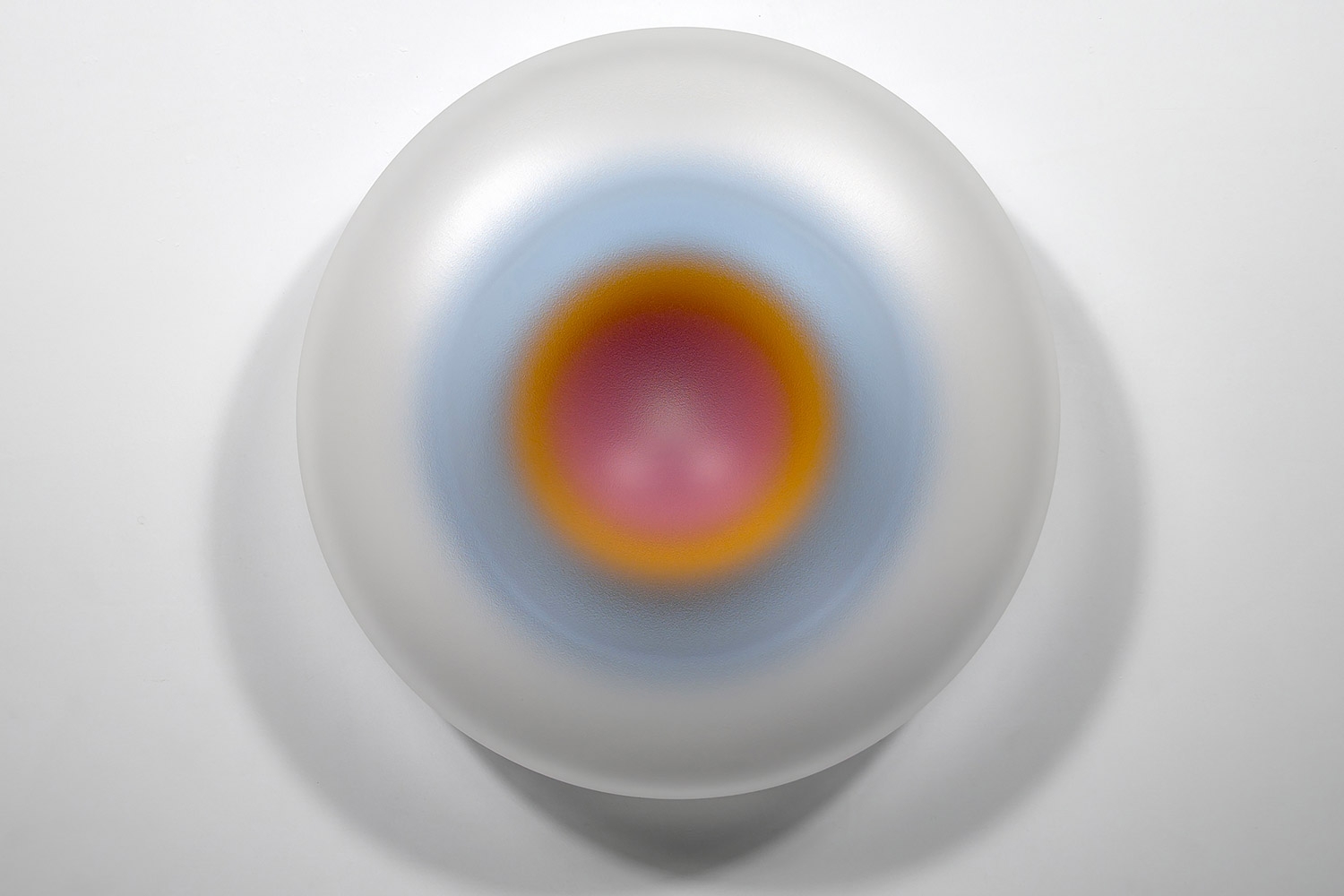
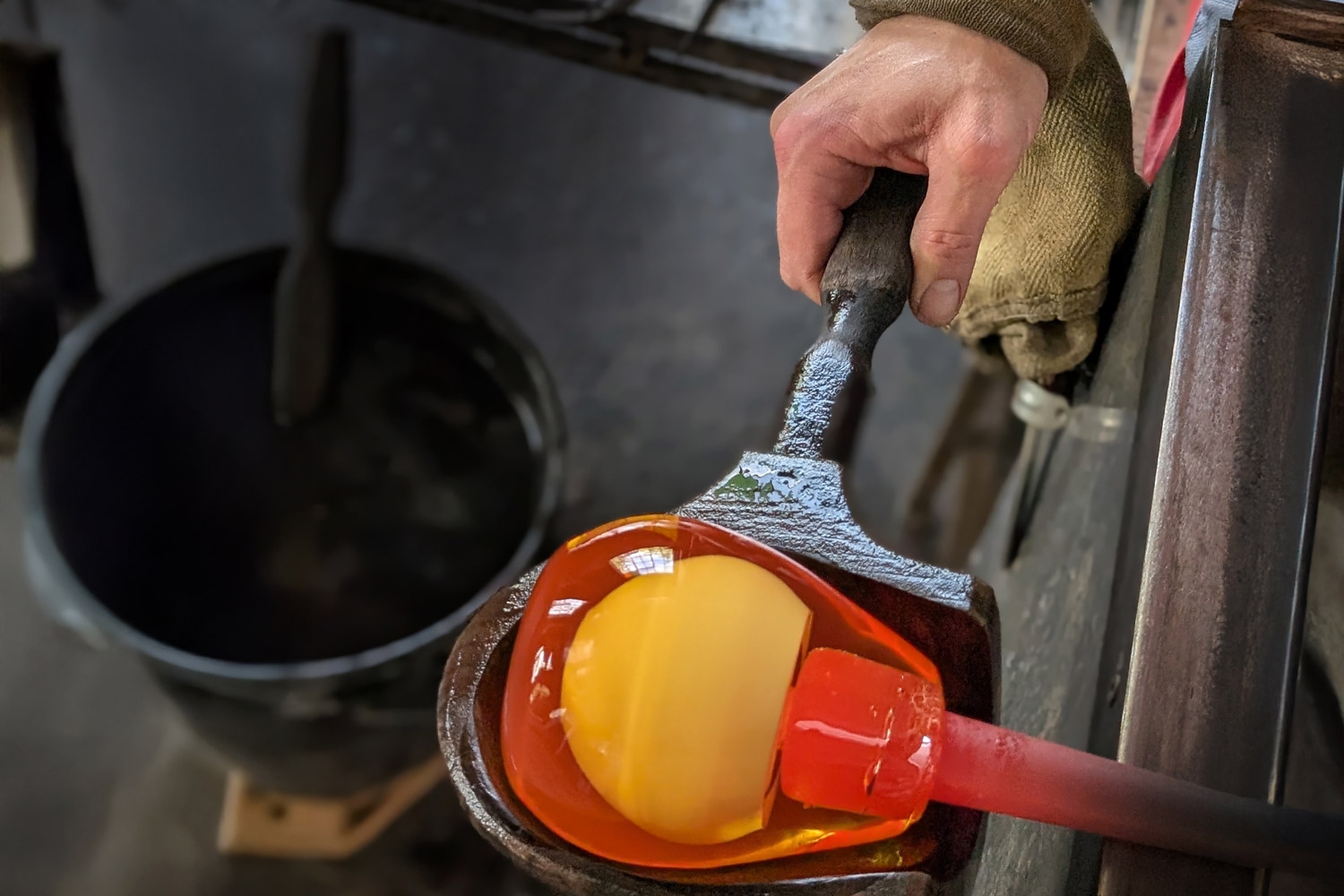
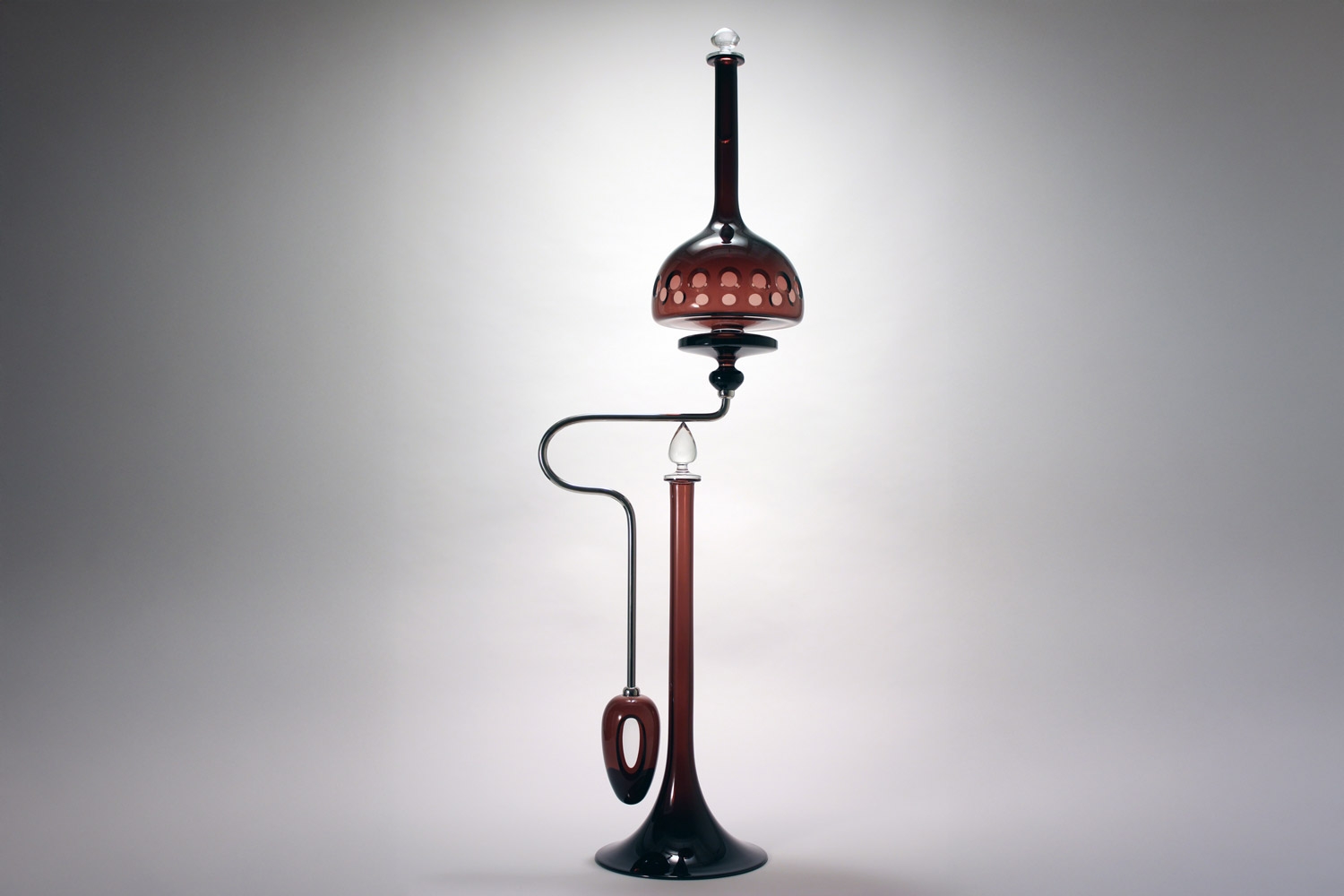
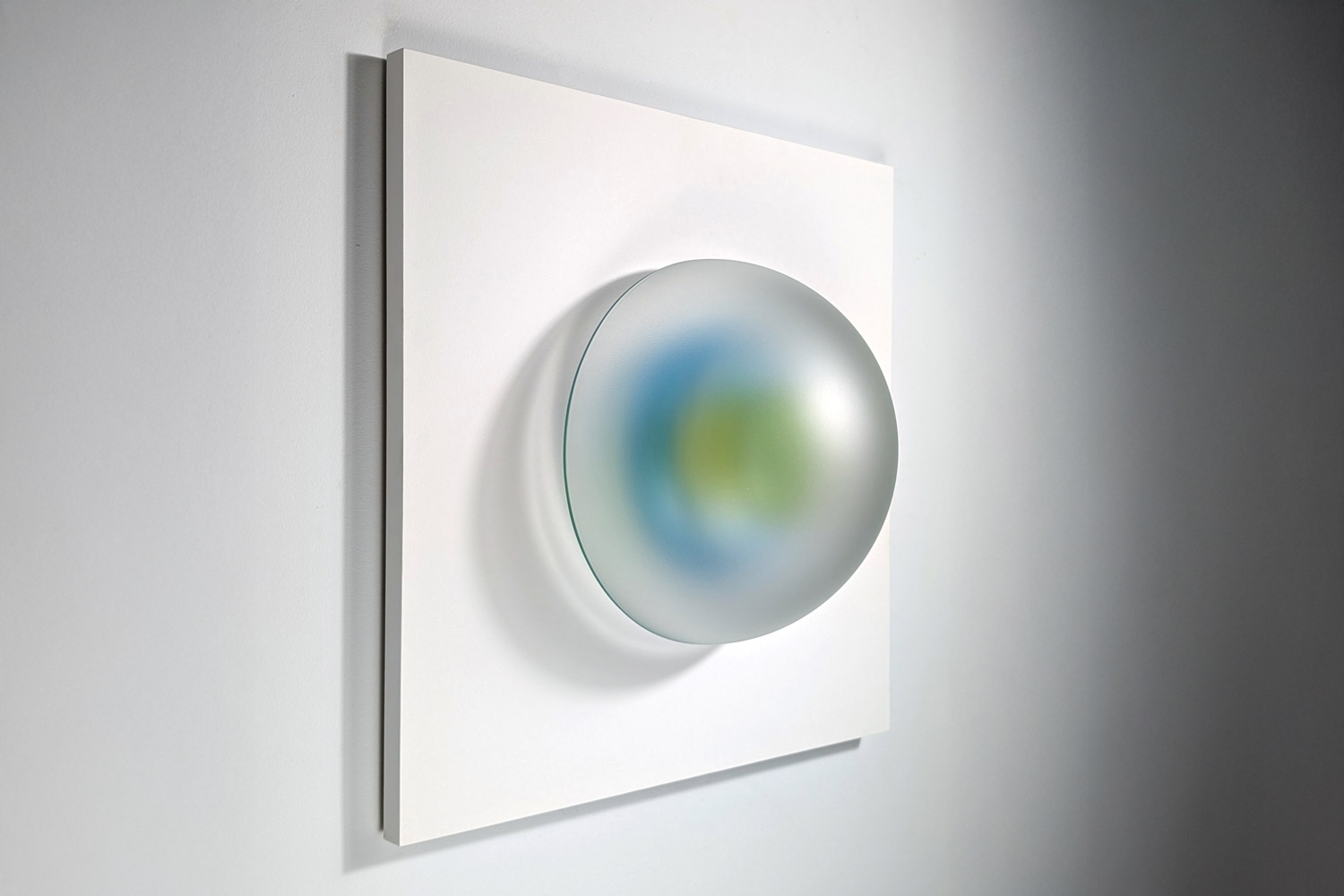
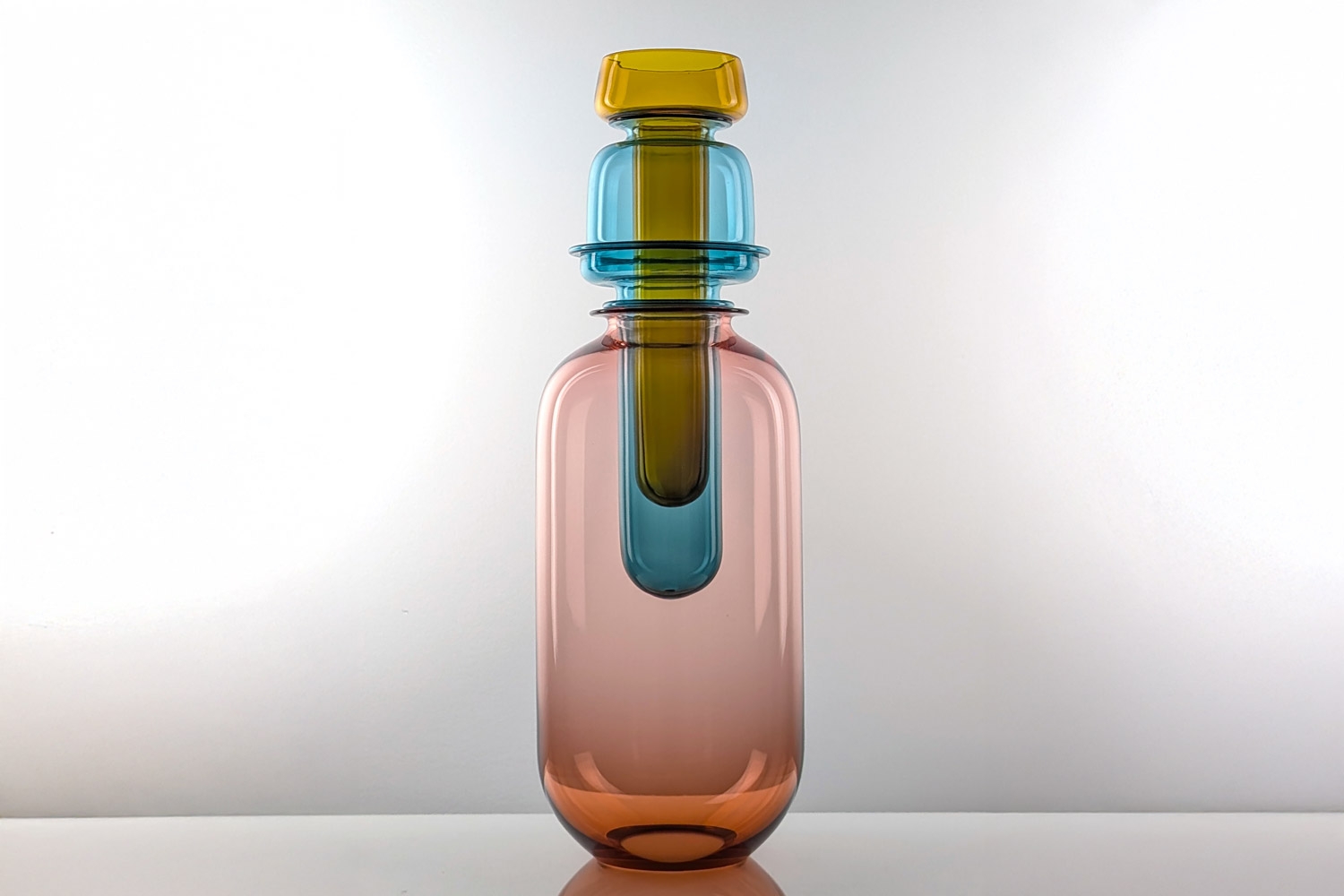
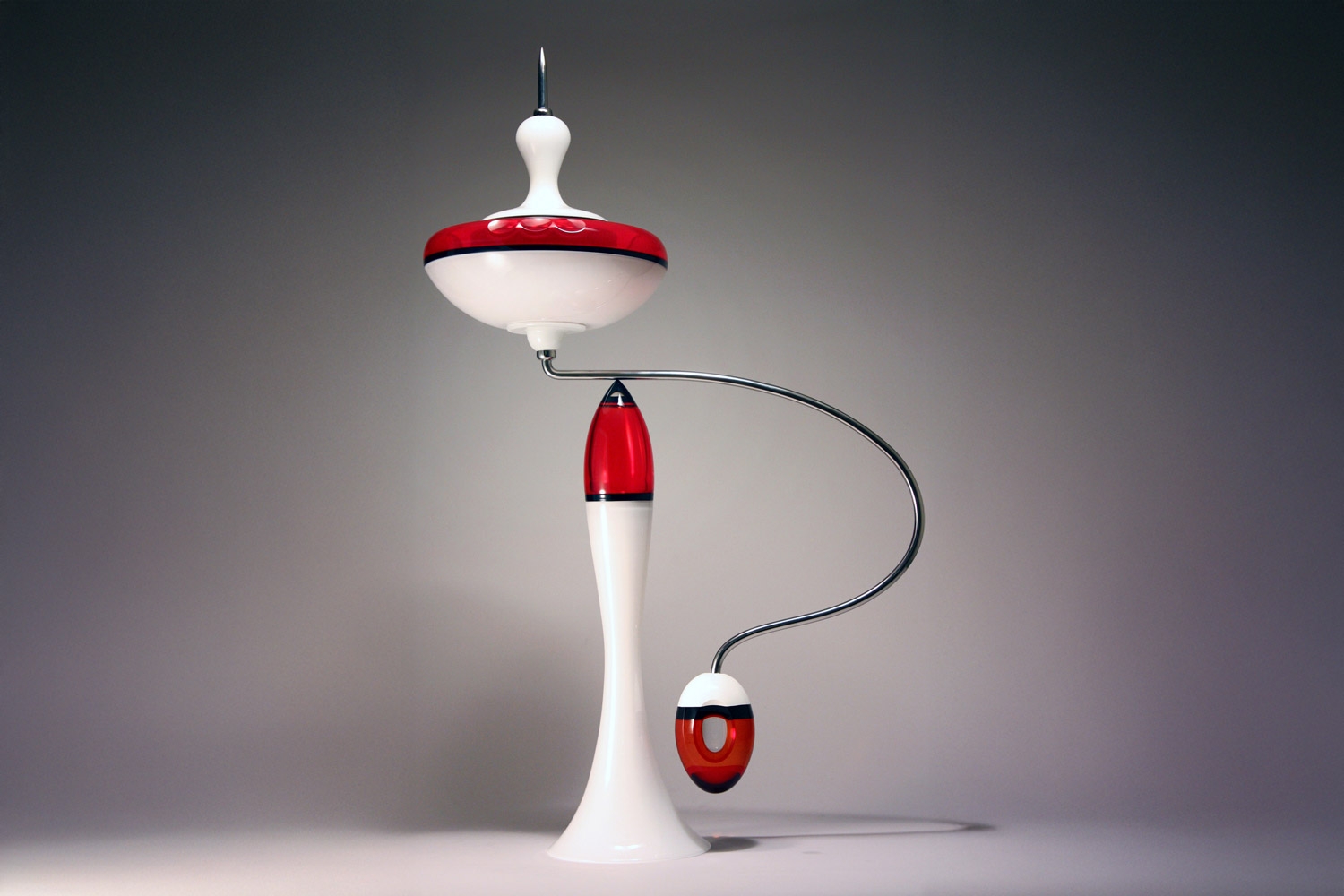
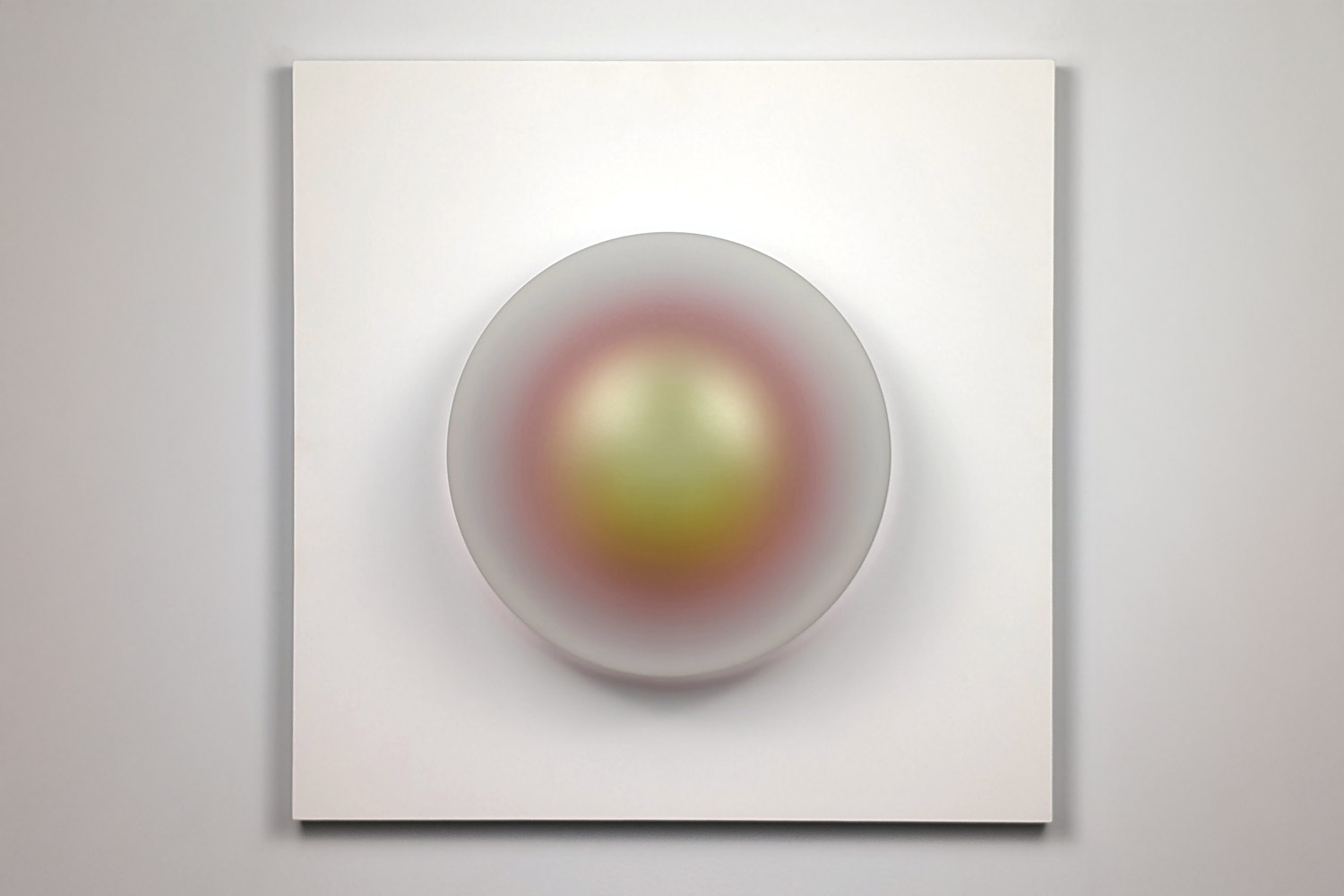
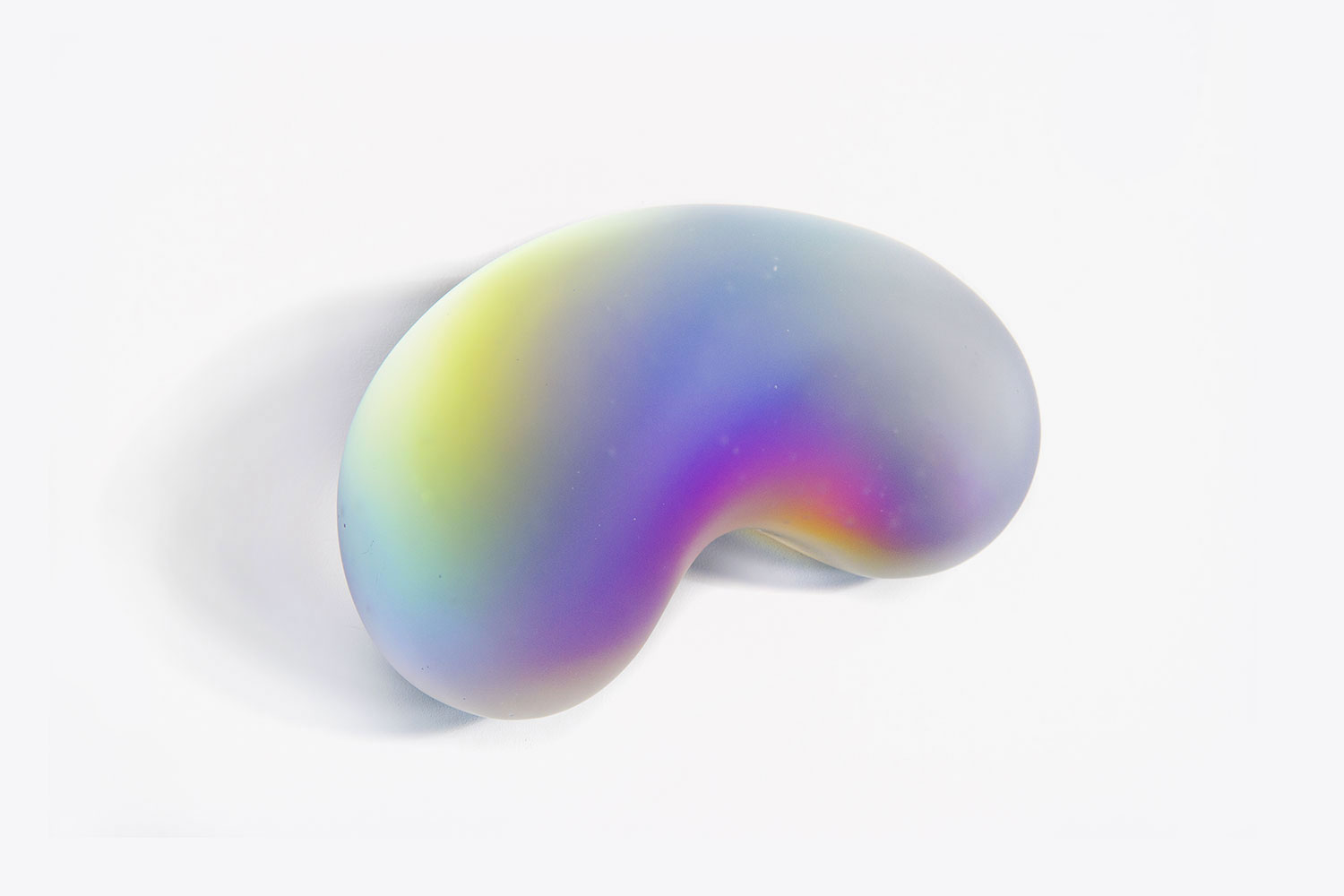
Brad Turner is a glassblower who creates sculptural and technically-innovative decorative pieces. He discovered glassblowing as an elective while studying illustration at the Alberta University of the Arts. Brad’s craft developed when he cemented his technique and broadened his approach with a residency at Toronto’s Harbourfront Centre followed by a MFA at Alfred University. He has exhibited internationally and won major grants and national awards for his detailed and innovative objects. While also pursuing his personal approach to glass sculpture, Brad leads blown-glass production at Goodman Studio in Toronto. “My practice is process-led, planned, measured and composed over multiple hot shop sessions,” he says. His work is known for its focus on pared-back forms, bold colour and finely tuned assemblies.
INTERVIEW
I grew up in Alberta and initially studied kinesiology before enrolling at the Alberta University of the Arts to study illustration. A glassblowing elective proved decisive: glass offered a sense of physicality that I enjoyed, along with the creative problem-solving I was missing at art school.
I have taught introductory glass classes in Vancouver and I teach digital design at OCAD University, in Canada, and I believe the best path is school plus assisting a working artist. At Goodman Studio, where I am the head glassblower, my assistants learn by doing.
By making. Momentum matters – one piece suggests the next, as I think ‘what happens if…?’ I always go into the hot shop with a plan. For my ‘Redundant Vessels’ collection, I make multiple components over several sessions, then compose across sets. Parts migrate until the right fit emerges. Some components fit immediately, others get remade several times in an iterative process.
Glass is resource-heavy in terms of energy, materials and time. I feel a responsibility to add something new that is distinctly mine, even if it is just a small variation. If I see an idea that is already out there, I tend to move on. If I am going to burn this much energy, I want the work I do to contribute.
Brad Turner
Glassblower
Toronto, Canada
ADDRESS
Address upon request, Toronto, Canada
AVAILABILITY
By appointment only
LANGUAGES
English
Homo Faber Finds is a new service aiming to inspire admirers of craft to connect and collaborate with exceptional artisans.
We invite you to submit an enquiry here.

Bottle Marsupial 2017 Tom Moore.jpg)
Studio Portrait Tom Moore.jpg)
Blowing Glass 4 Tom Moore.jpg)