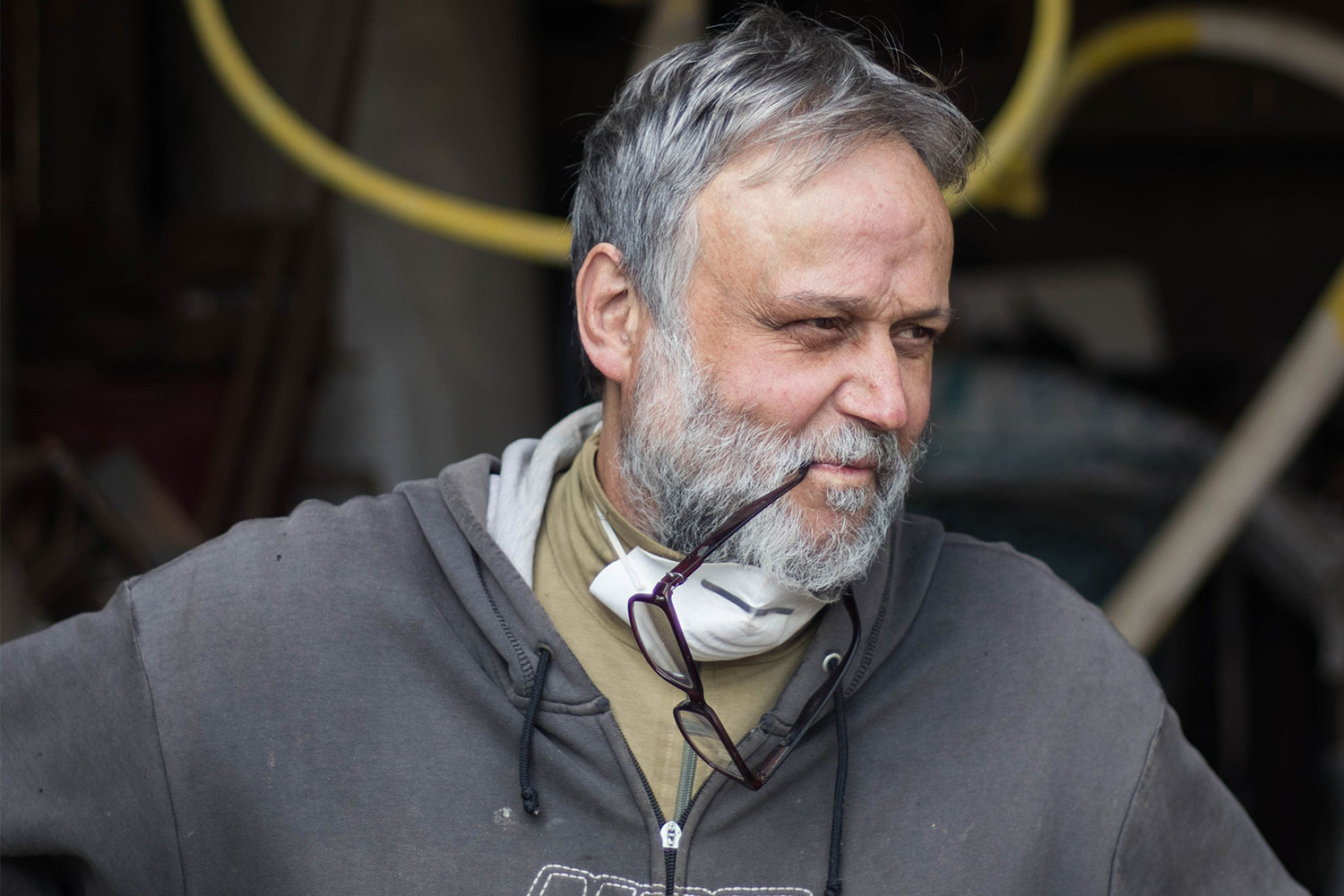
Waxamani Mehinako
Decorative painter
Gaúcha do Norte, Brazil
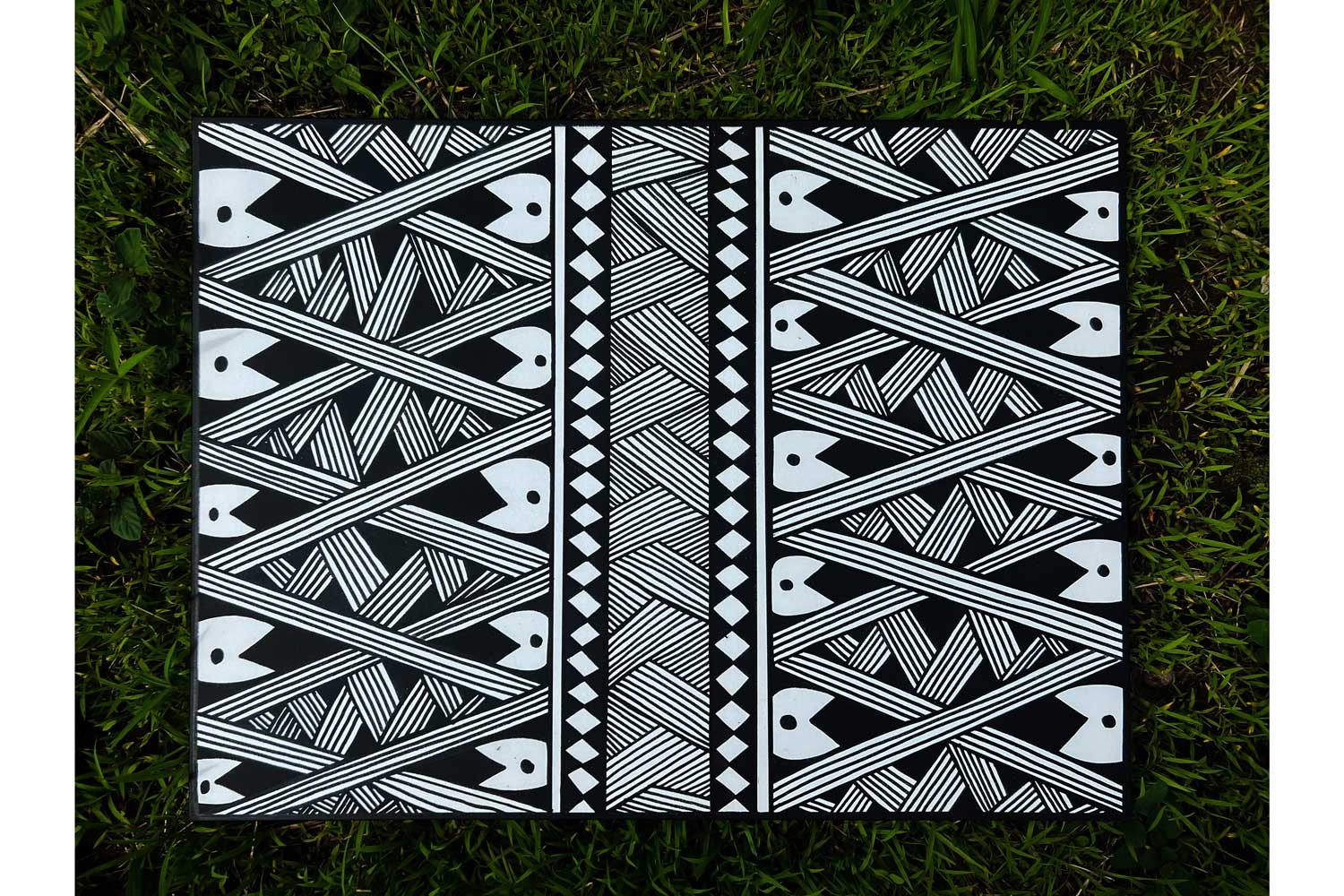
Capturing the symbolism of tribal graphics
- Waxamani's works are exhibited at museums in Brazil and worldwide
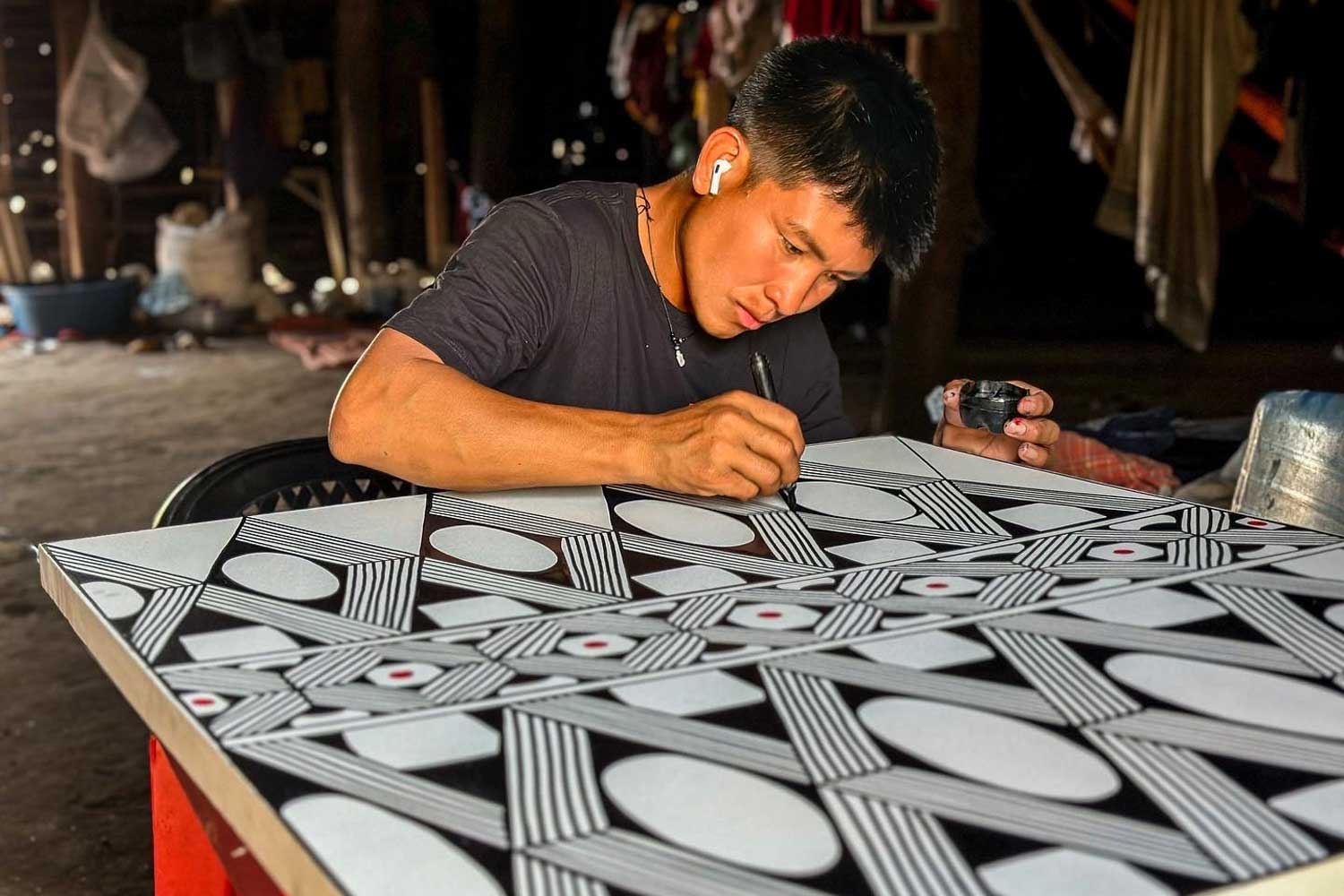
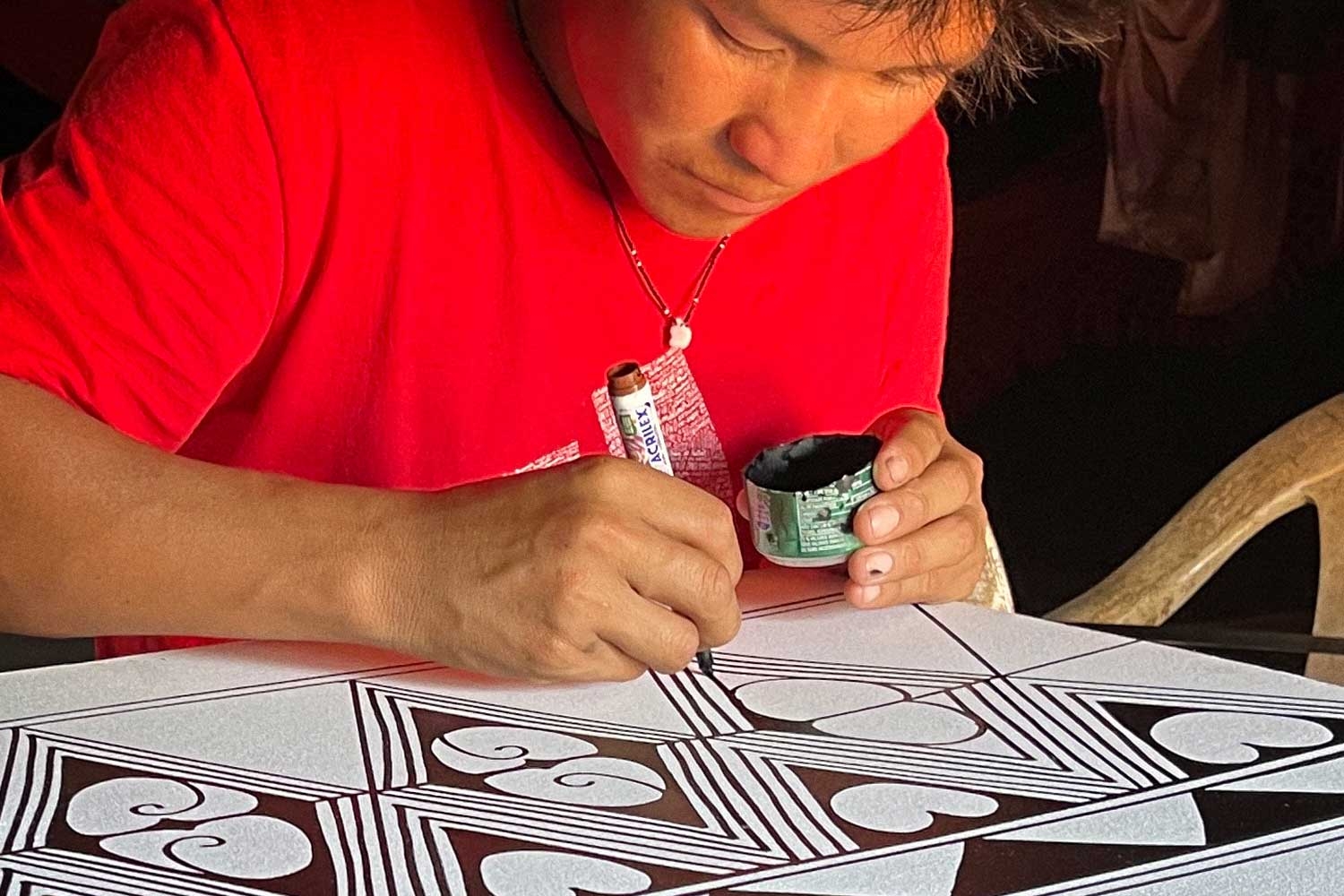
- He paints on canvas by hand, using no machinery whatsoever
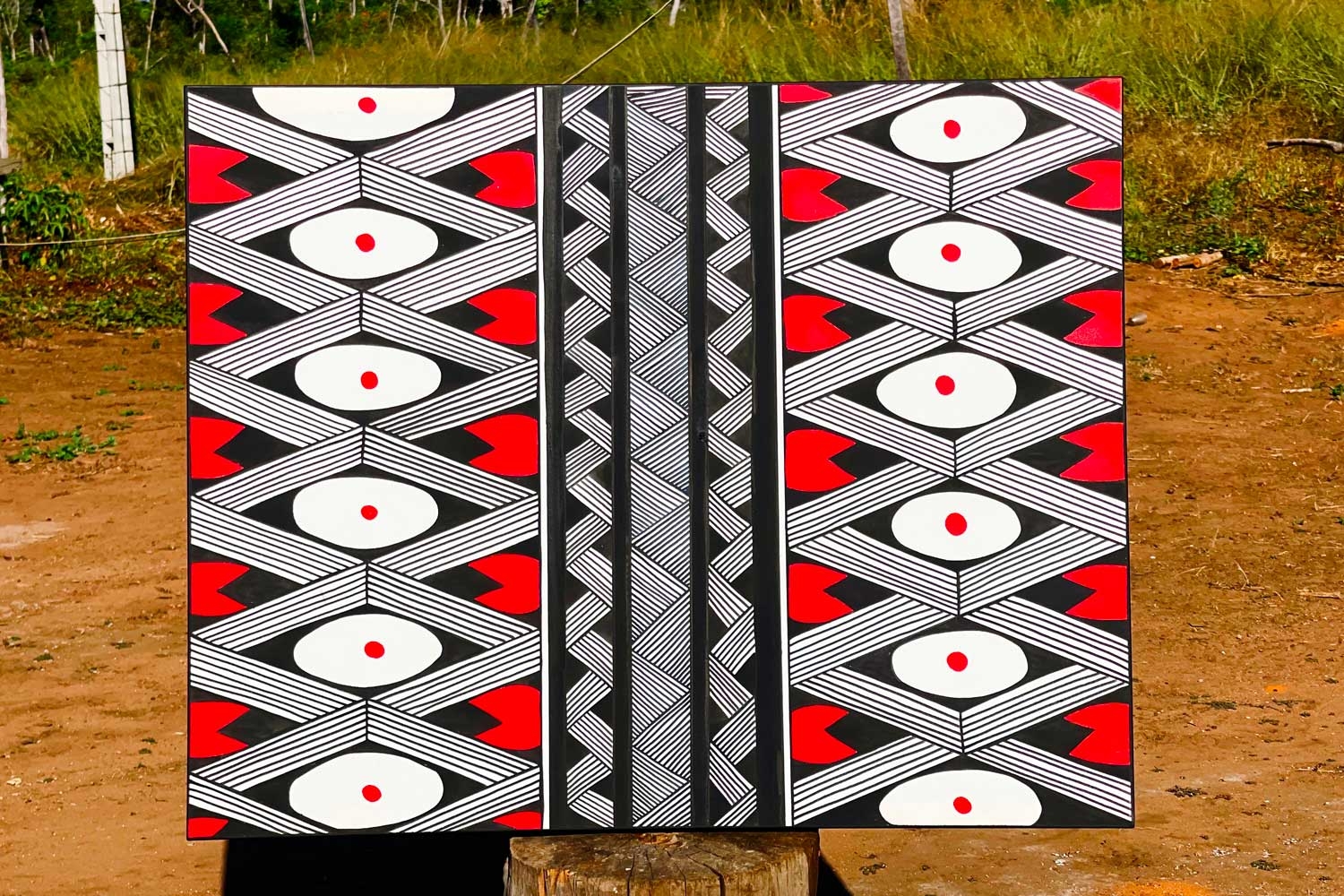
- His paintings convey the significance of millennia-old Mehinako graphics
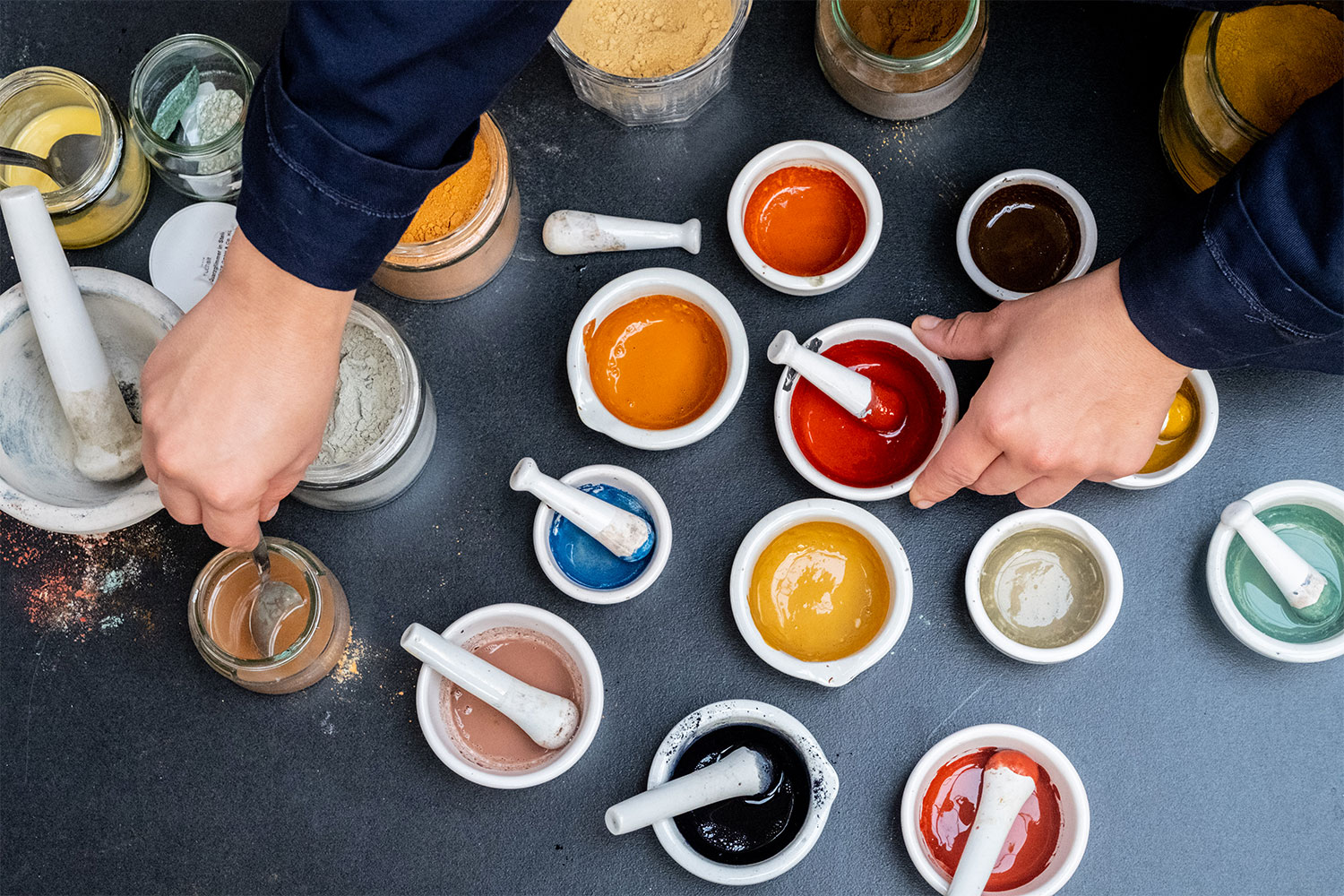
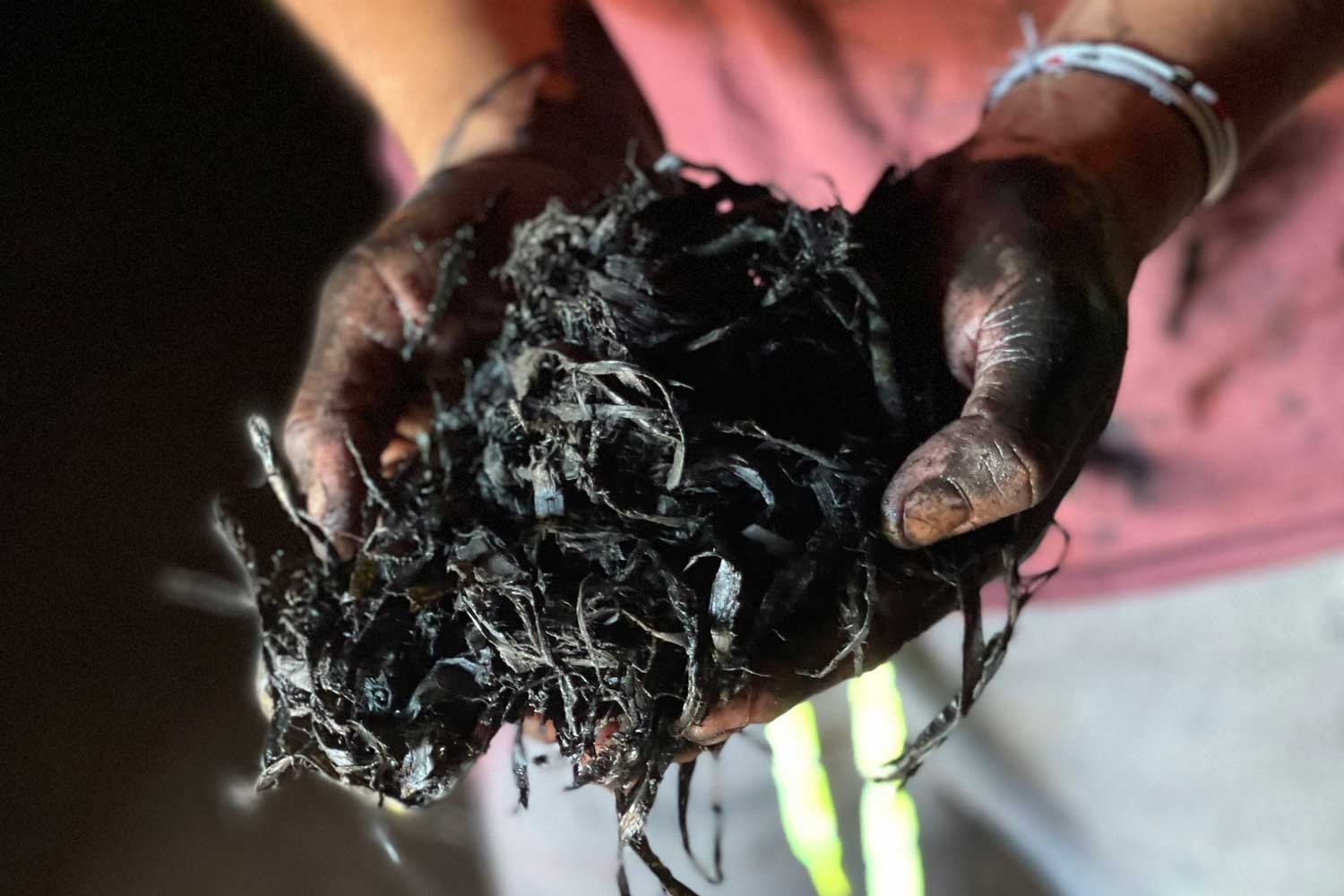
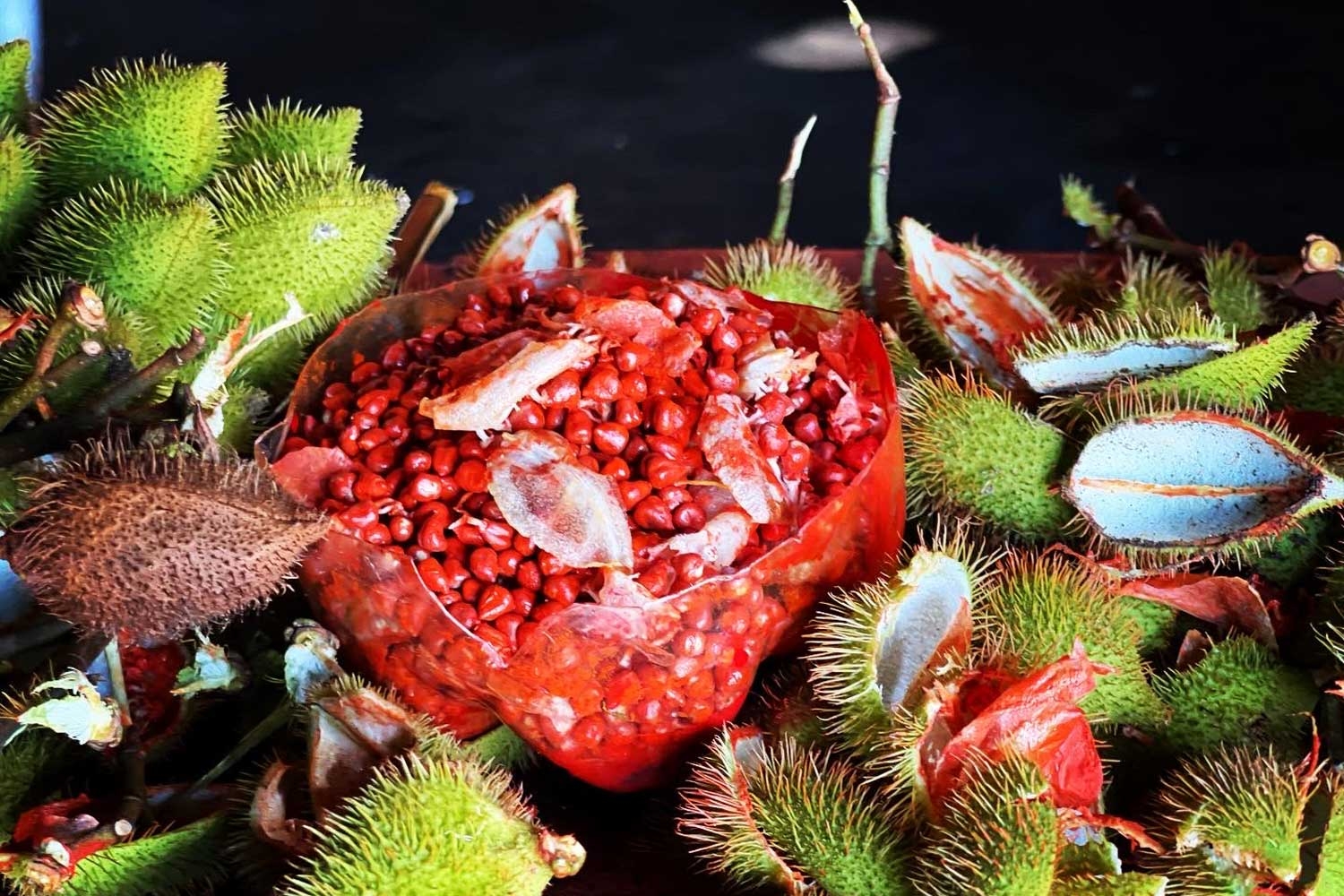
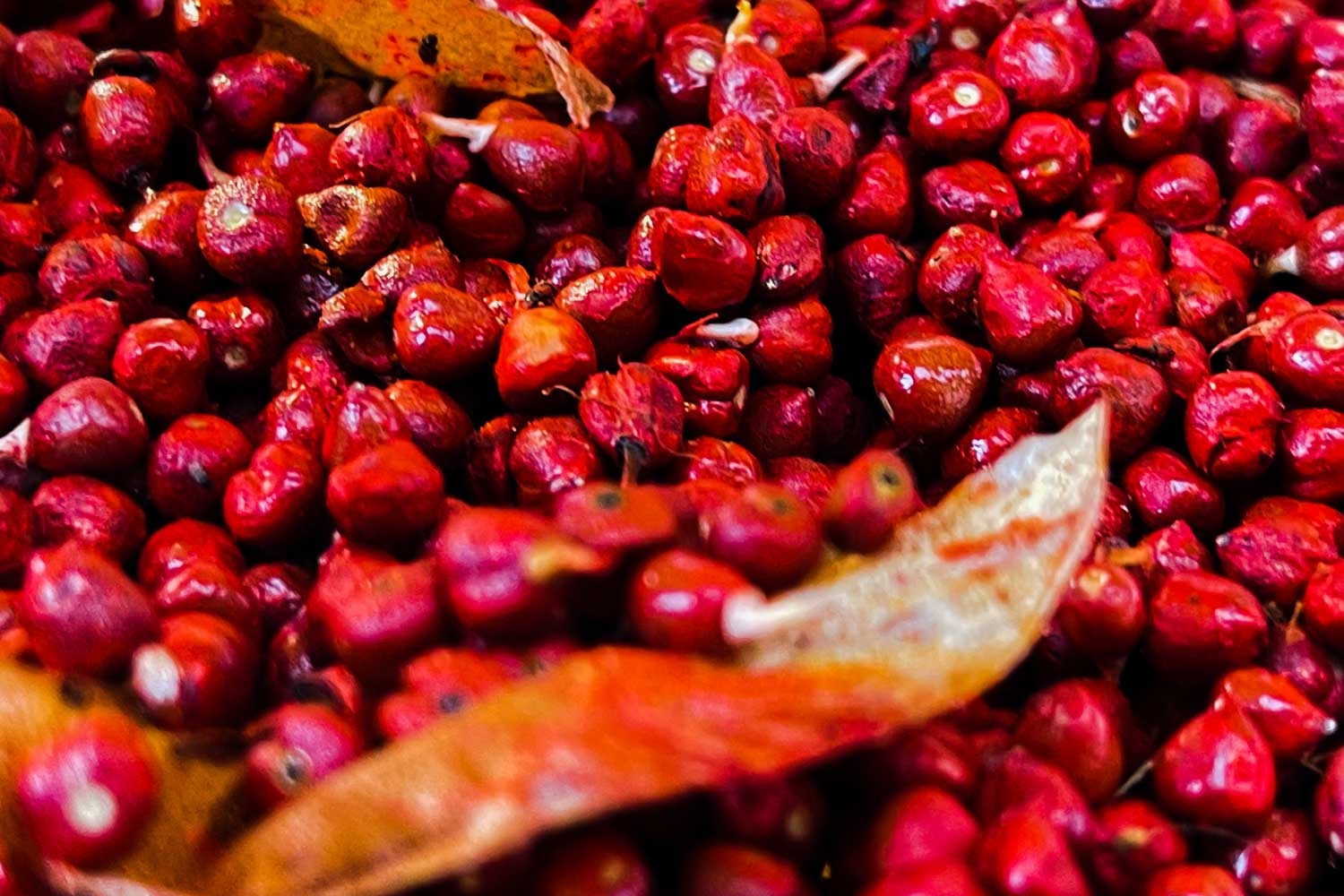
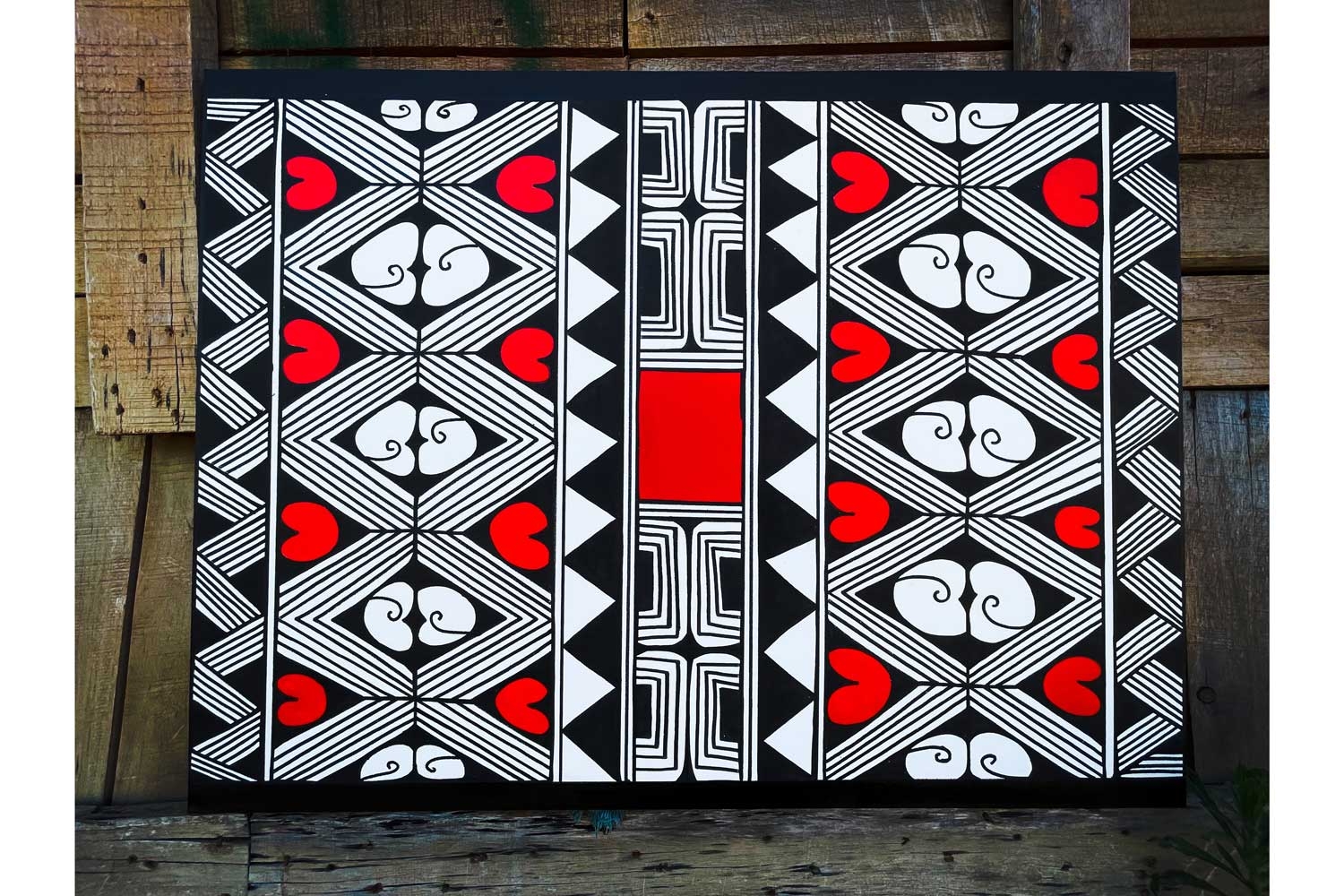
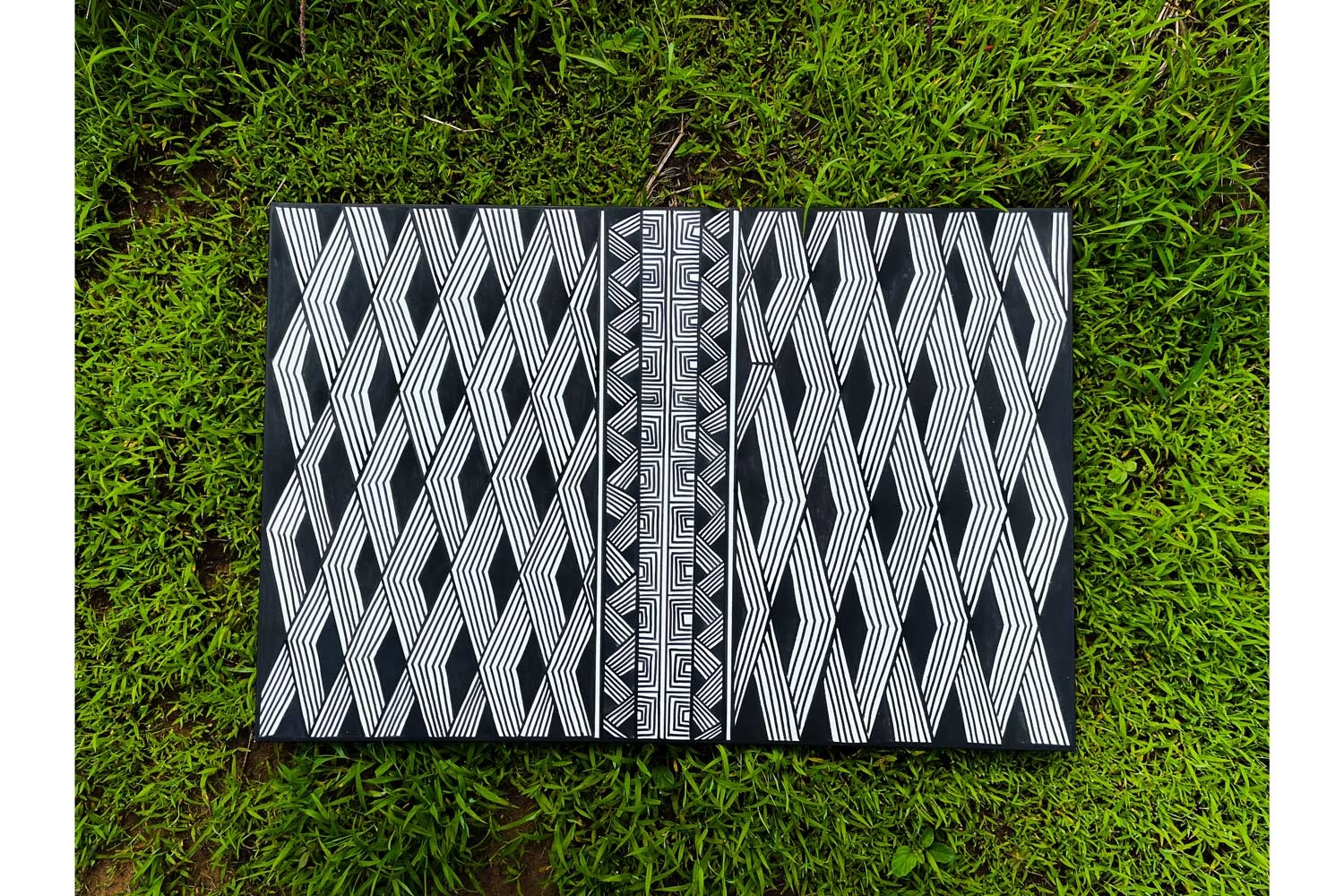
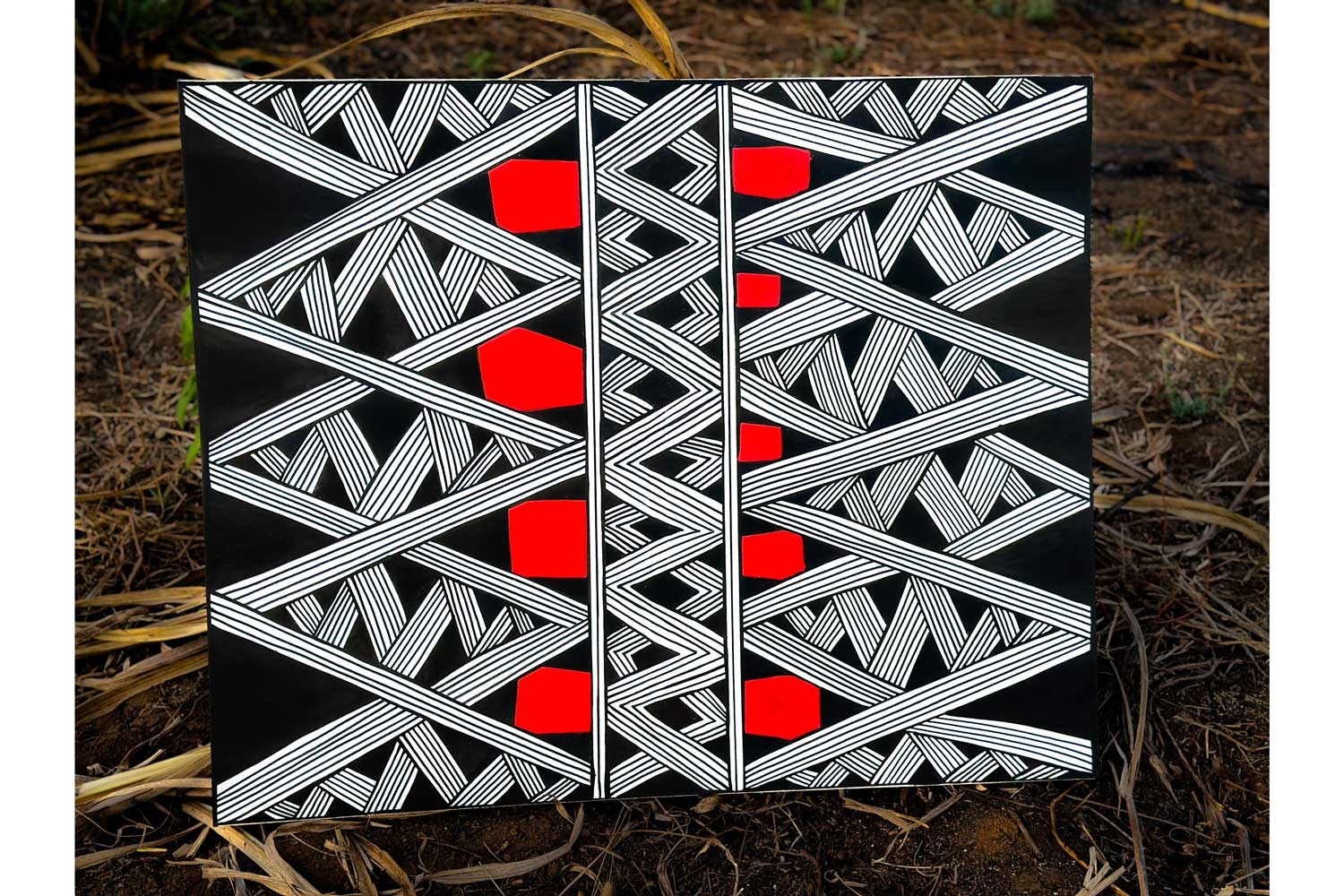
Waxamani Mehinako comes from Aldeia Kaupüna in Xingu, Mato Grosso. Through his work he immortalises Mehinako tribal graphics on canvas, anchoring their cultural legacy. As a representative of Mehinako and Aweti, he honours traditional graphic elements in his contemporary work, transcending mere aesthetics and communicating the symbolism of his ancestry. Waxamani's canvases become a vessel for a crucial mission—to preserve and support the diverse richness of native Brazilian culture. Waxamani's artistic process unfolds over days, revealing a commitment to authenticity. He makes black ink from charcoal and jenipapo, a traditional substance used by ancient peoples across the Amazon for body painting. The jenipapo juice, derived from the fruit, undergoes a meticulous process of mixing with water and boiling until it turns black. The red ink used in his paintings comes from urucum seeds. Through his work, Waxamani safeguards, shares, and revitalises a cultural narrative, promoting a deeper understanding of the past among local people and beyond.
INTERVIEW
I want to connect cultures through my work, sharing my heritage with everyone.
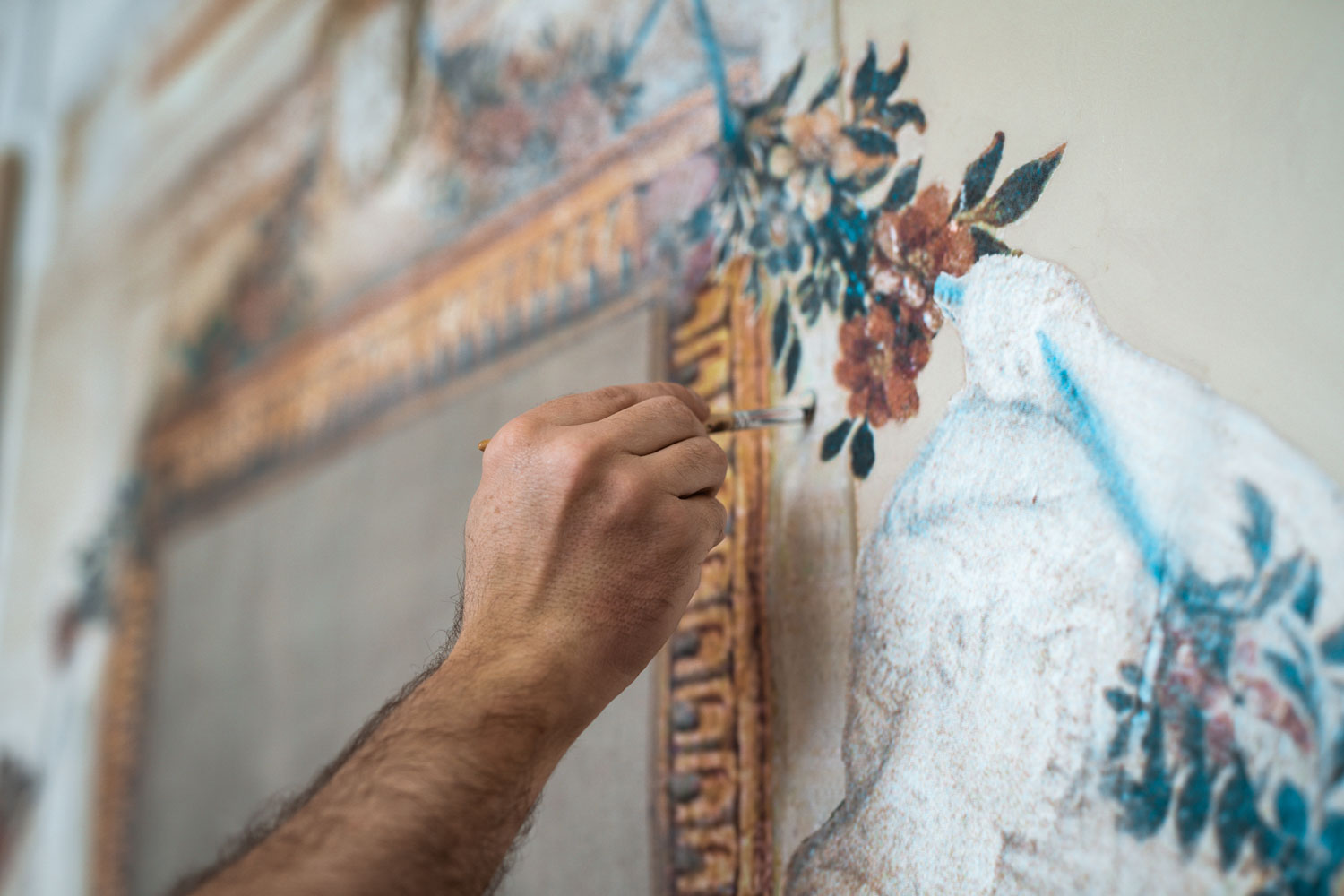
I have always enjoyed drawing. Now, I focus on painting canvases to safeguard nearly extinct graphics. To print on handmade cotton, I avoid modern-day tools like slide rulers, and instead I use my hand as a brush. I also employ wooden sticks and natural pigments like Urucum (red) and Jenipapo (black) to paint.
The graphics are a millennia-old form of expression, conveying rich visual communication through lines and geometric forms. Each pattern holds unique and meaningful connotations, representing ideas and experiences in a concise yet profound manner.
My work was exhibited at the Sao Paulo Biennial in 2022, Rotas Brasileiras – Sao Paulo Arte, and Indigenous Histories in 2023 and 2024, and at the Museum of Art in Sao Paulo. It is housed in collections across Europe, Australia, and the USA as well.
Waxamani Mehinako
Decorative painter
Gaúcha do Norte, Brazil
ADDRESS
Address upon request, Gaúcha do Norte, Brazil
AVAILABILITY
By appointment only
PHONE
+55 66984355453
LANGUAGES
Portuguese
Homo Faber Finds is a new service aiming to inspire admirers of craft to connect and collaborate with exceptional artisans.
We invite you to submit an enquiry here.