

Wagner Trindade
Furniture maker
Tiradentes, Brazil
From first lantern to lasting legacy
- Wagner’s work fuses tradition with bold authenticity to produce lamps and interior decoration
- A masterful combination of materials defines his work
- Minas Gerais’ cultural essence fuels his creative vision
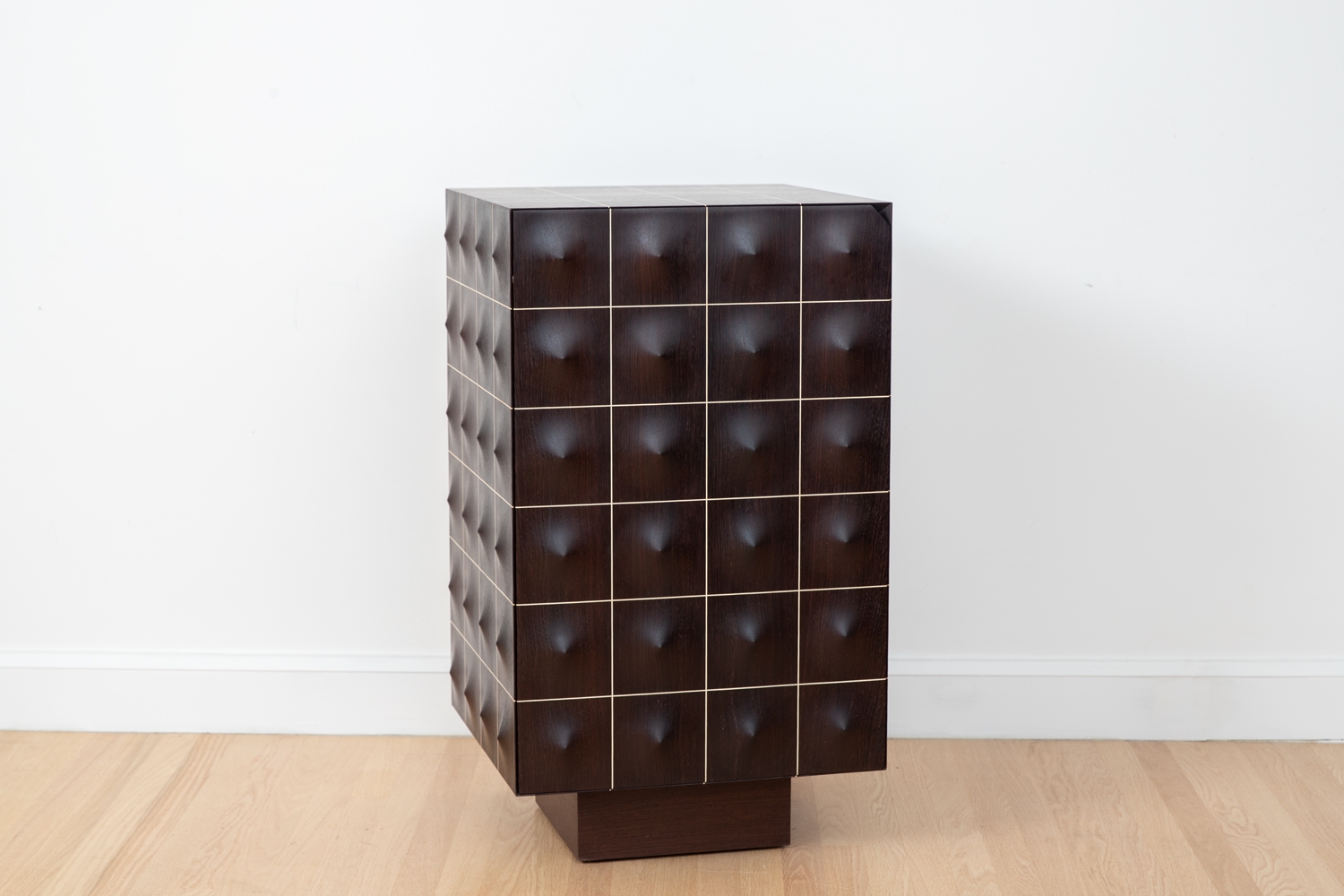
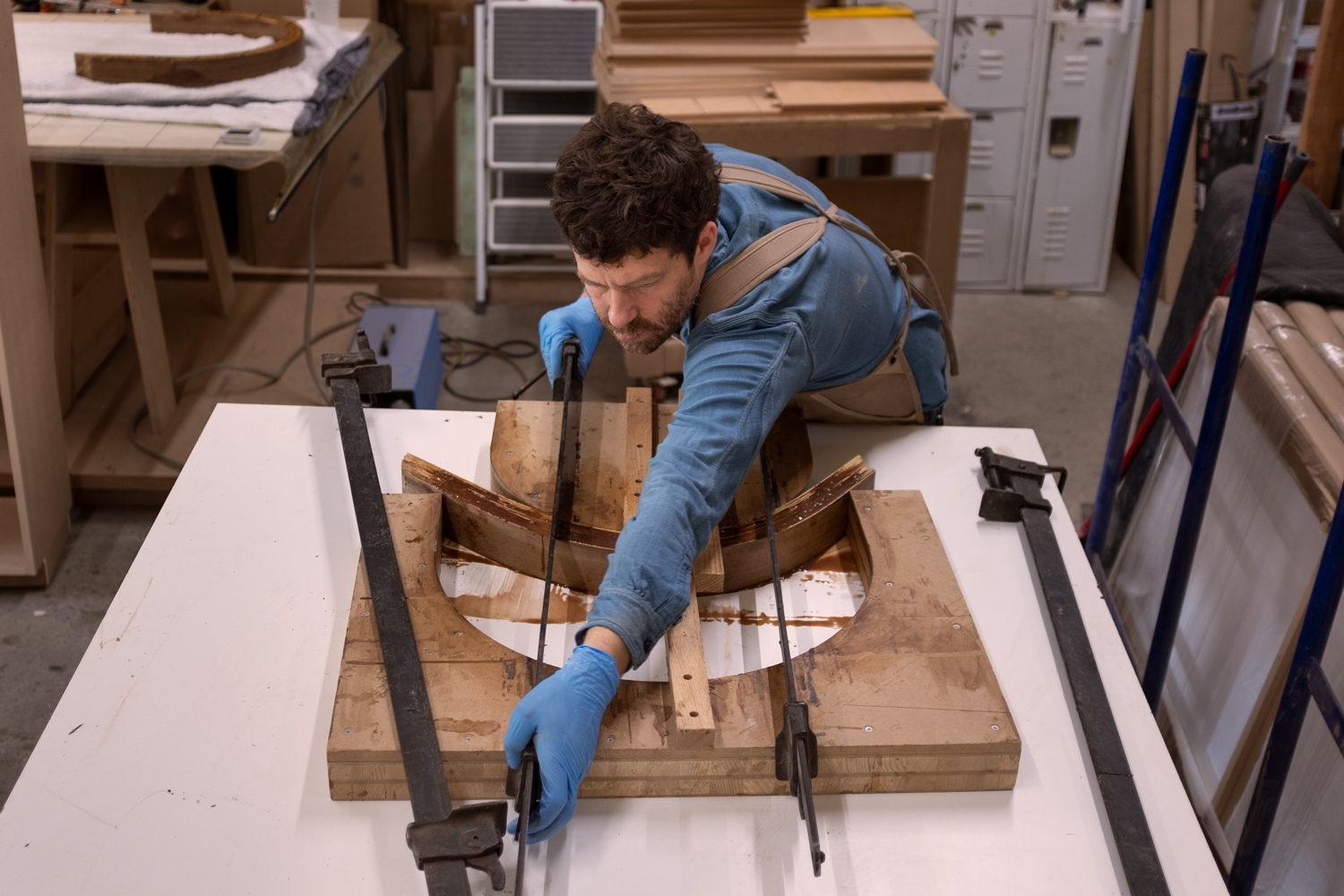
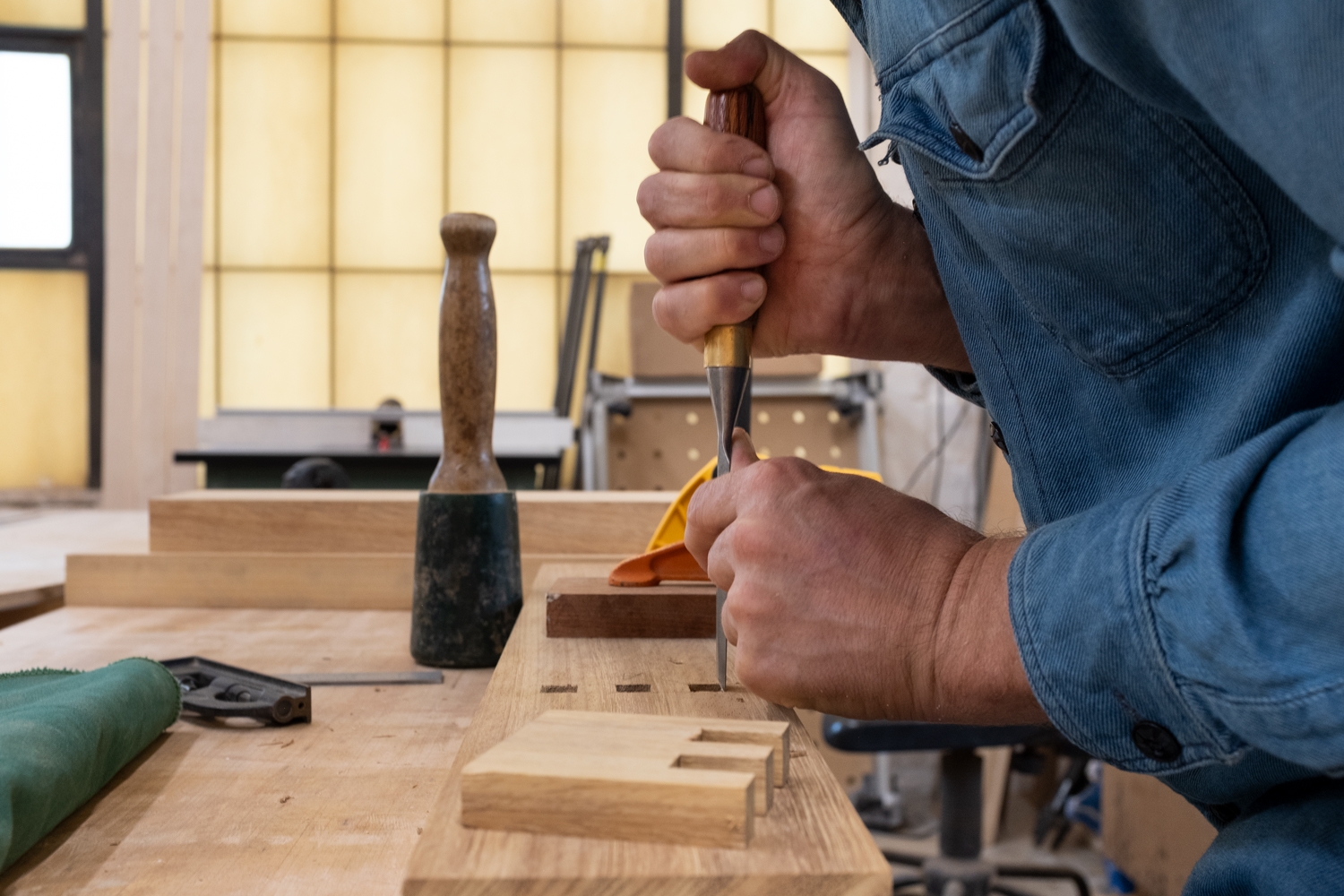
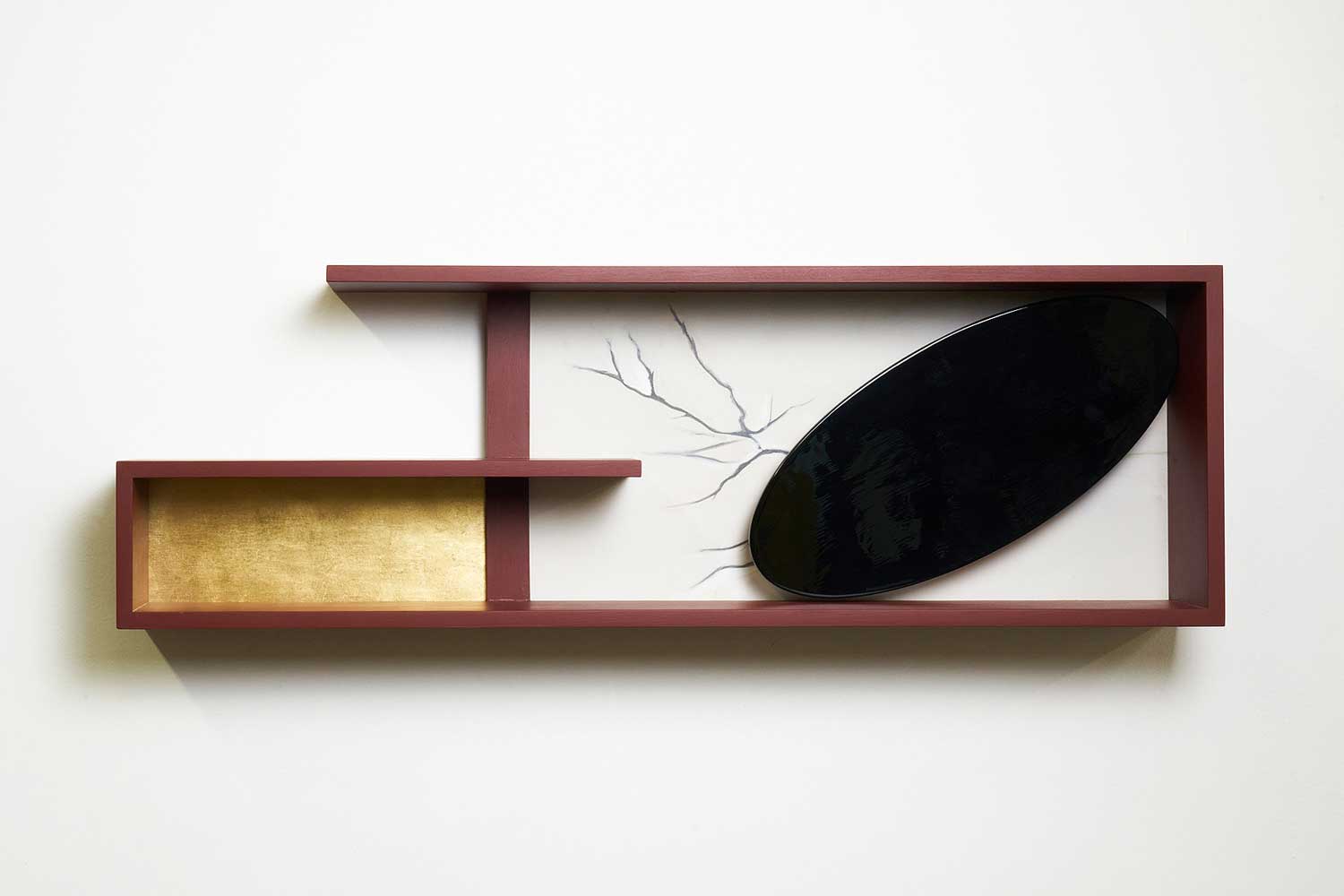
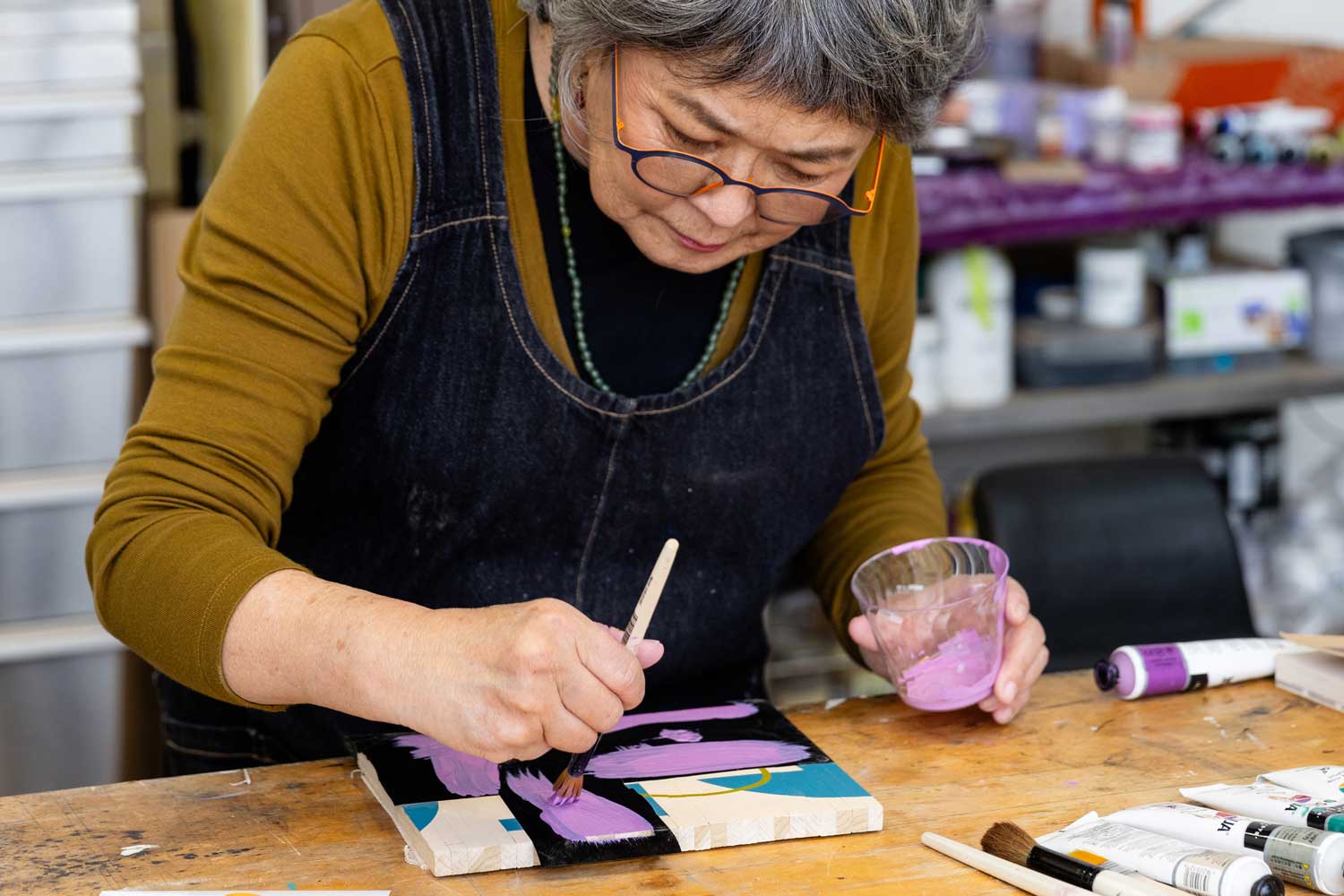
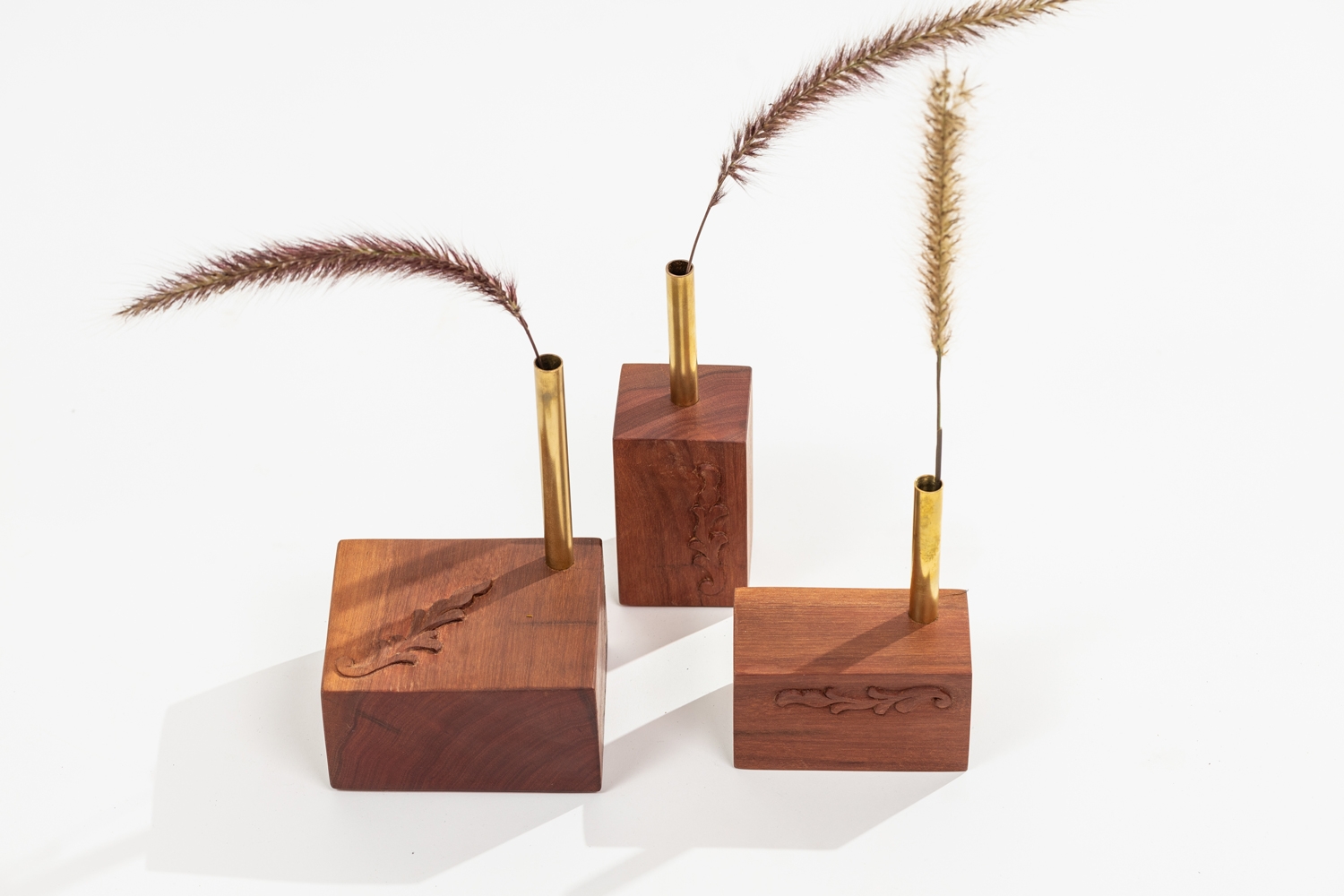
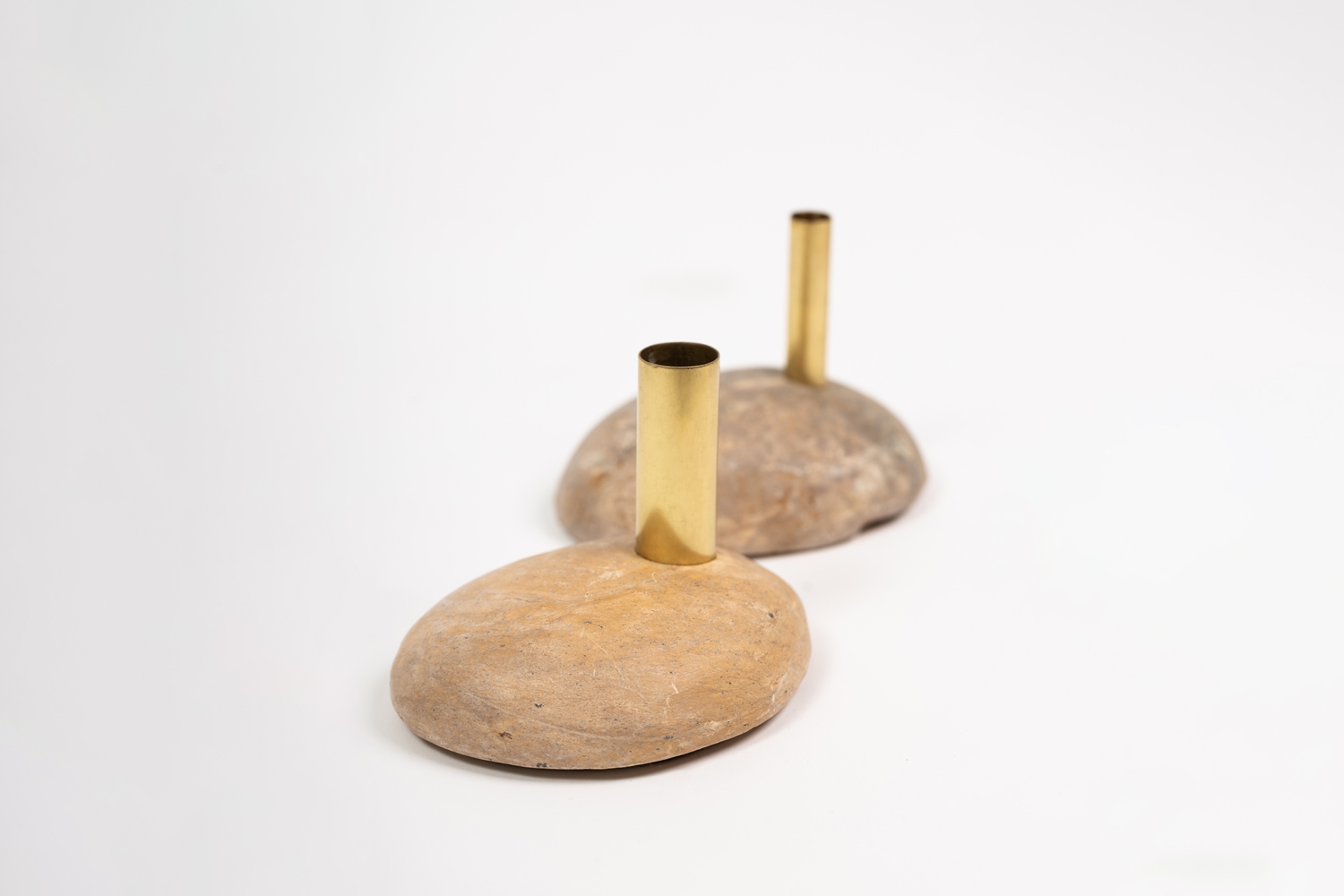
Wagner Trindade describes himself as a highly curious craftsman. Through a problem-solving approach, he explores ways to combine brass, glass, wood and stone into furnishing pieces. “Each material contributes its own identity and complements the others,” he says. At the age of 13, Wagner handcrafted his first lantern—a defining moment that asserted his connection to craftsmanship. Today, he continues the traditional Moroccan lamp-making techniques his father learned from a Portuguese artisan in the 1960s and passed down to him. Although deeply rooted in tradition, Wagner's work moves beyond it through a creative process he describes as free and intuitive, devoid of function, form, or material. “Sometimes, I have a sudden flash of inspiration; other times, I dream of a piece.” He adds, “The pursuit of authenticity has made me more confident and free to believe in my ideas.”


INTERVIEW
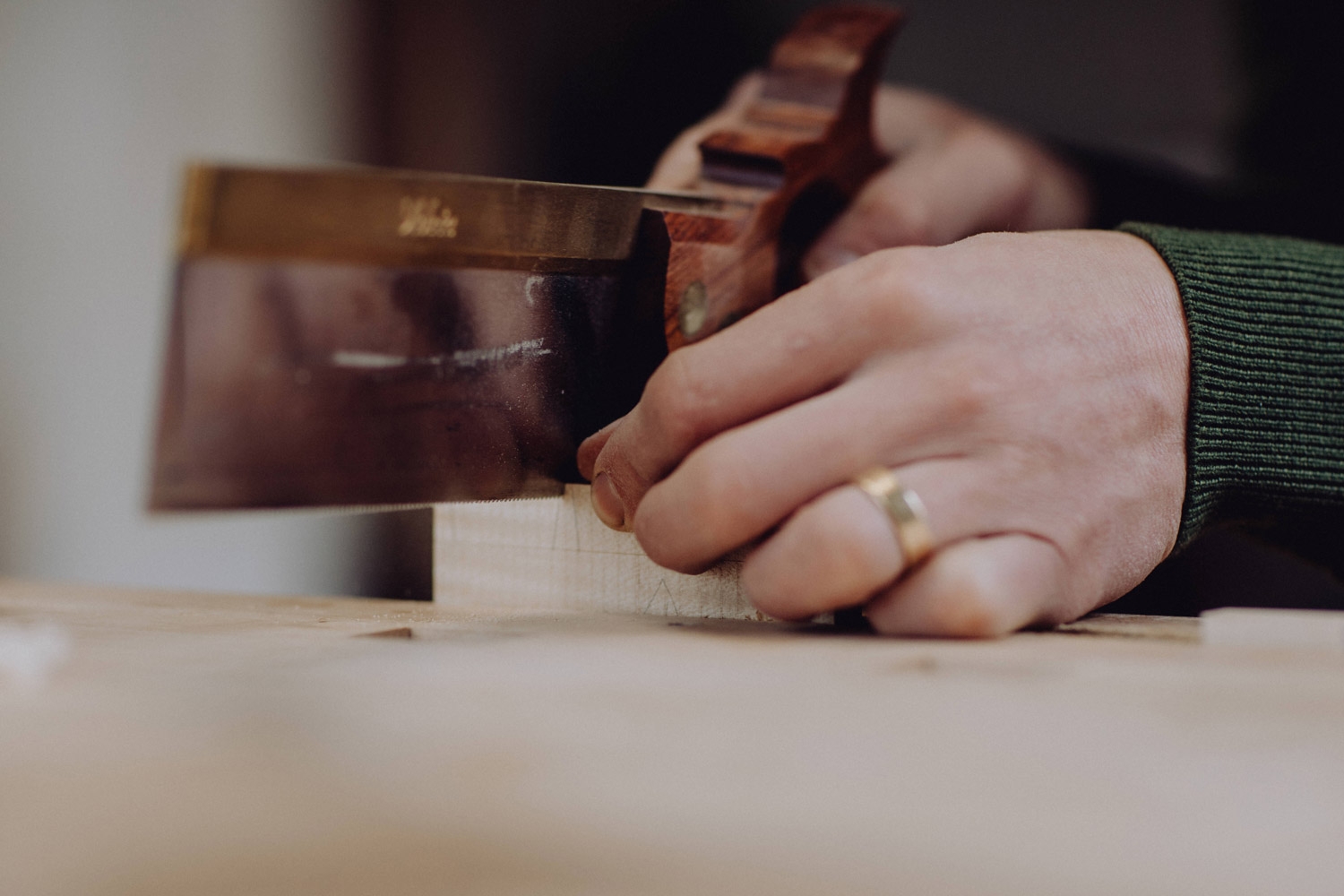
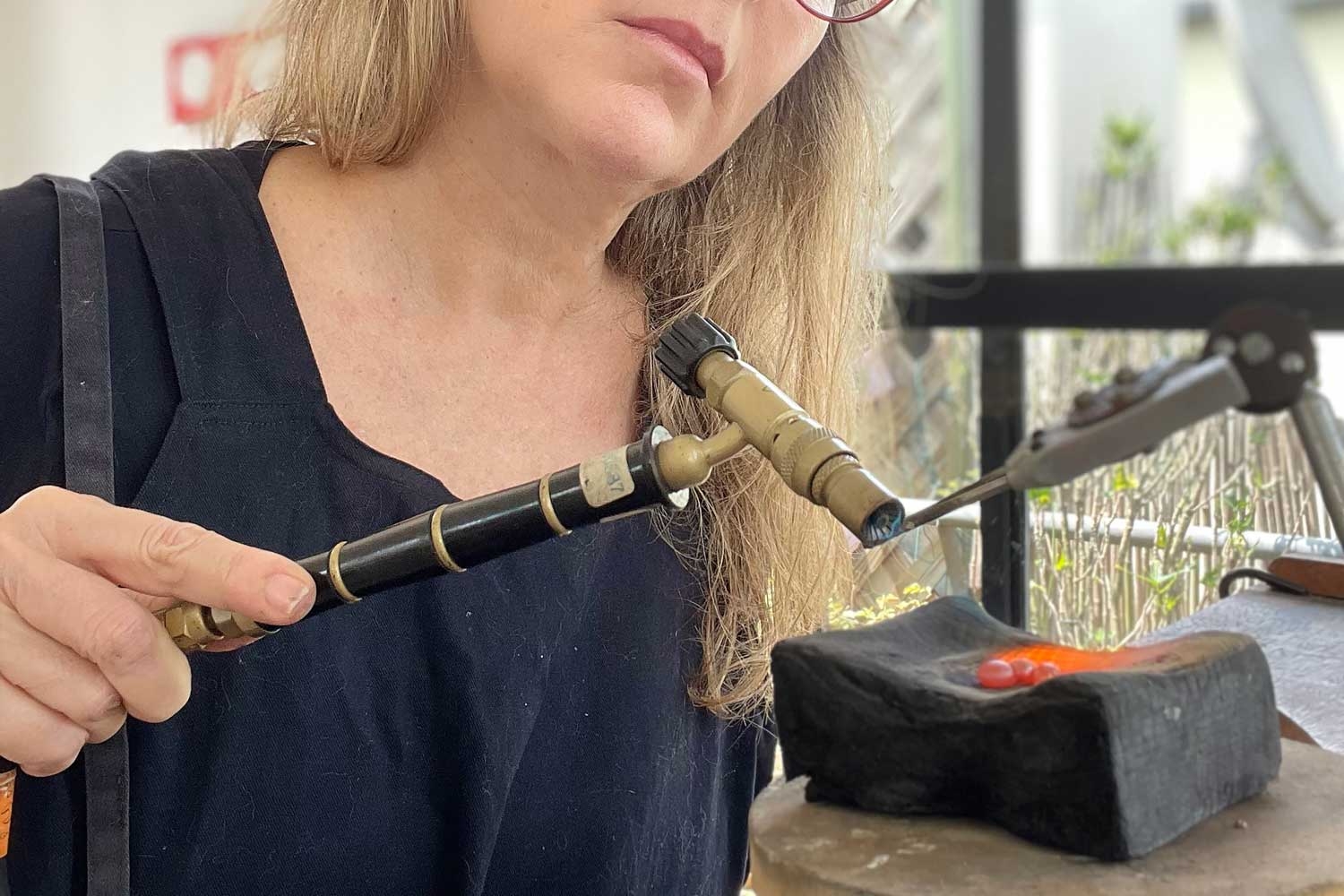
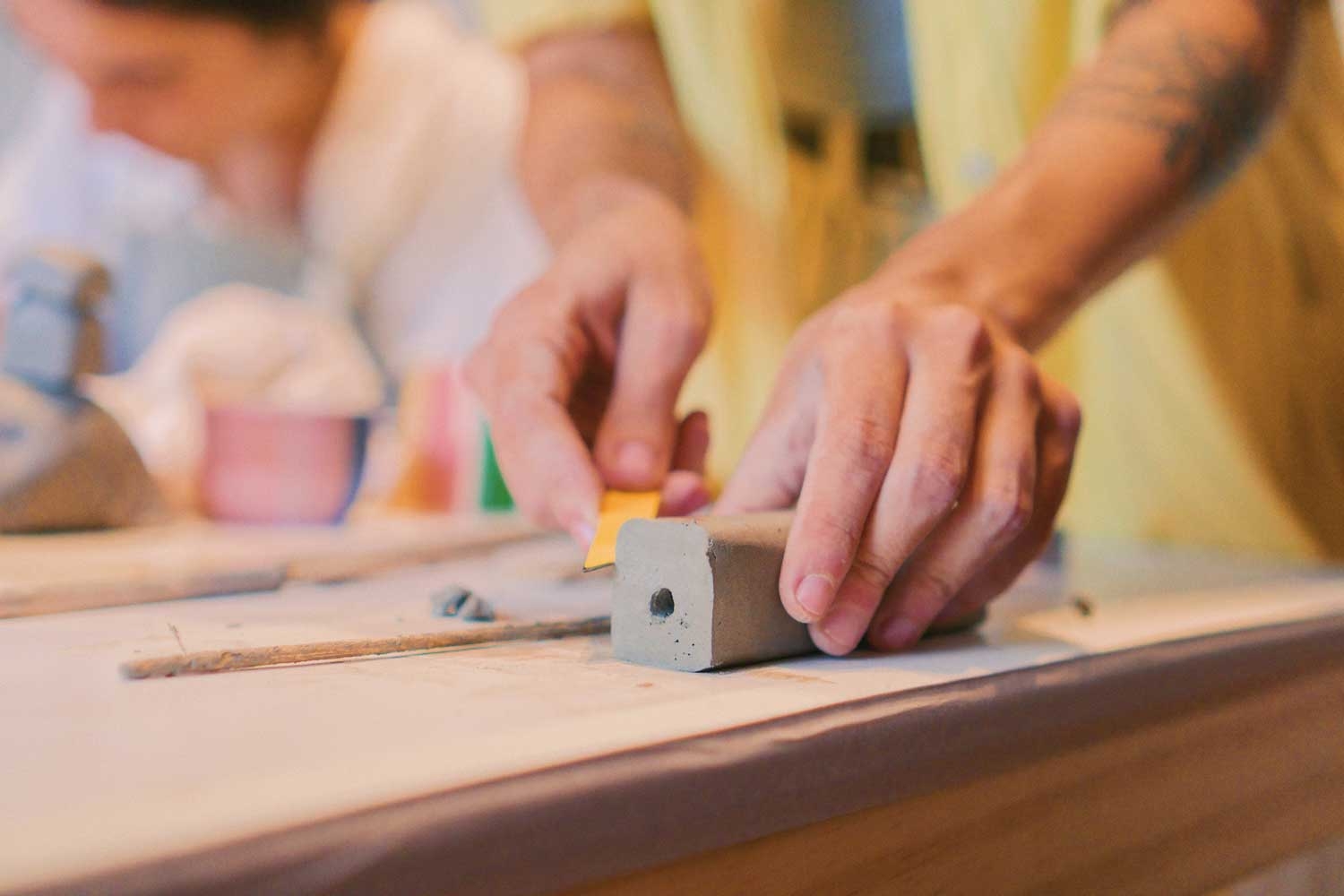
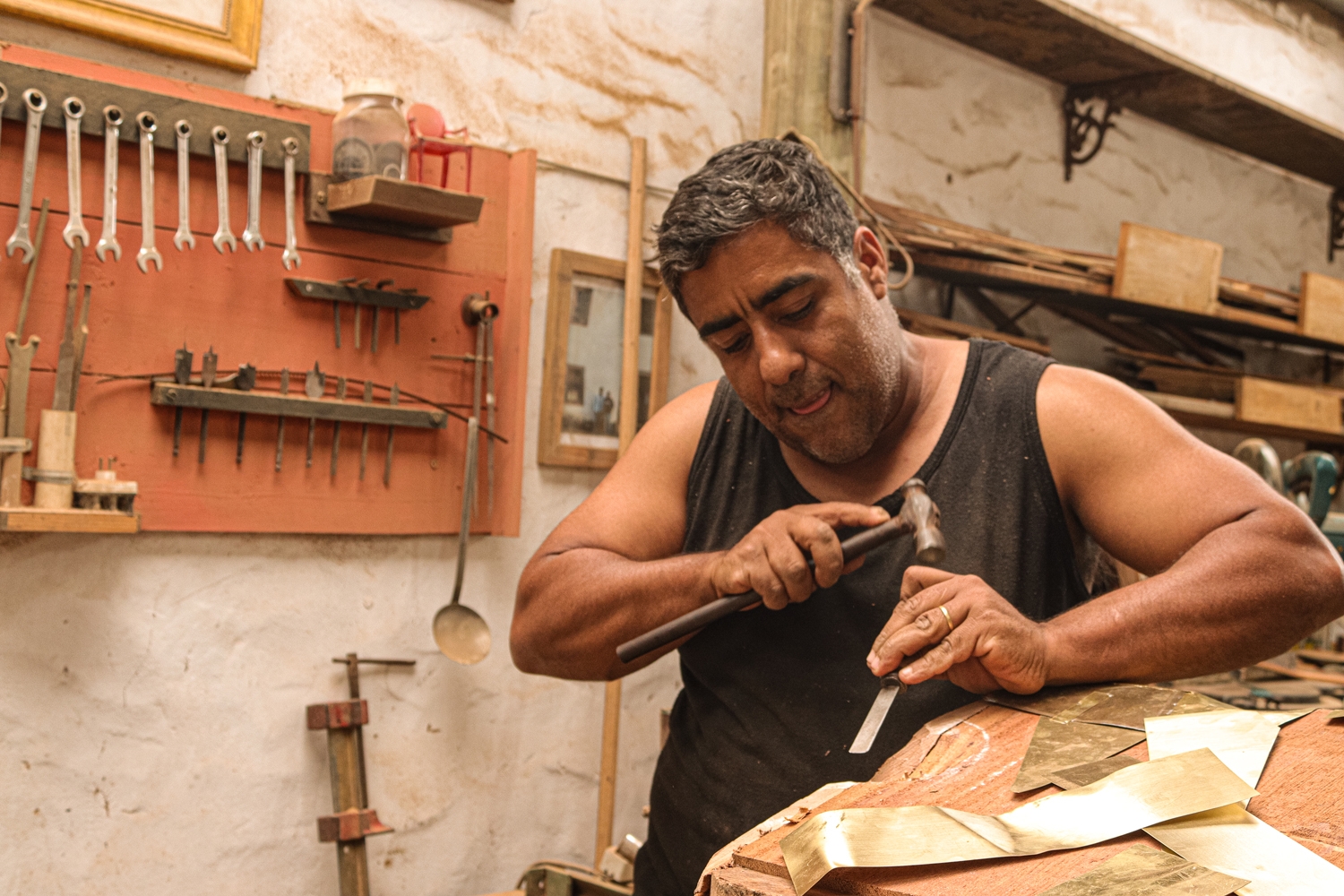
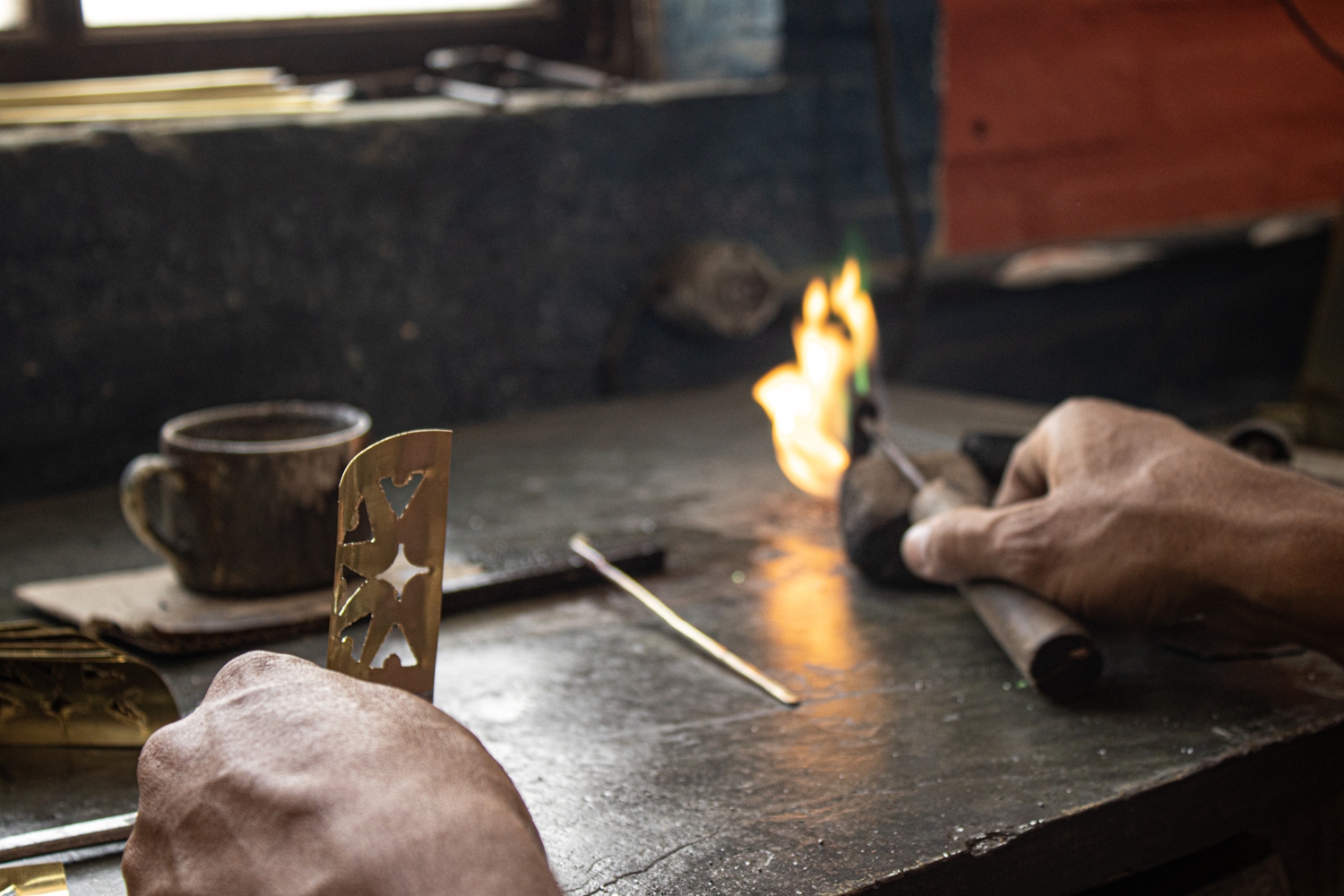
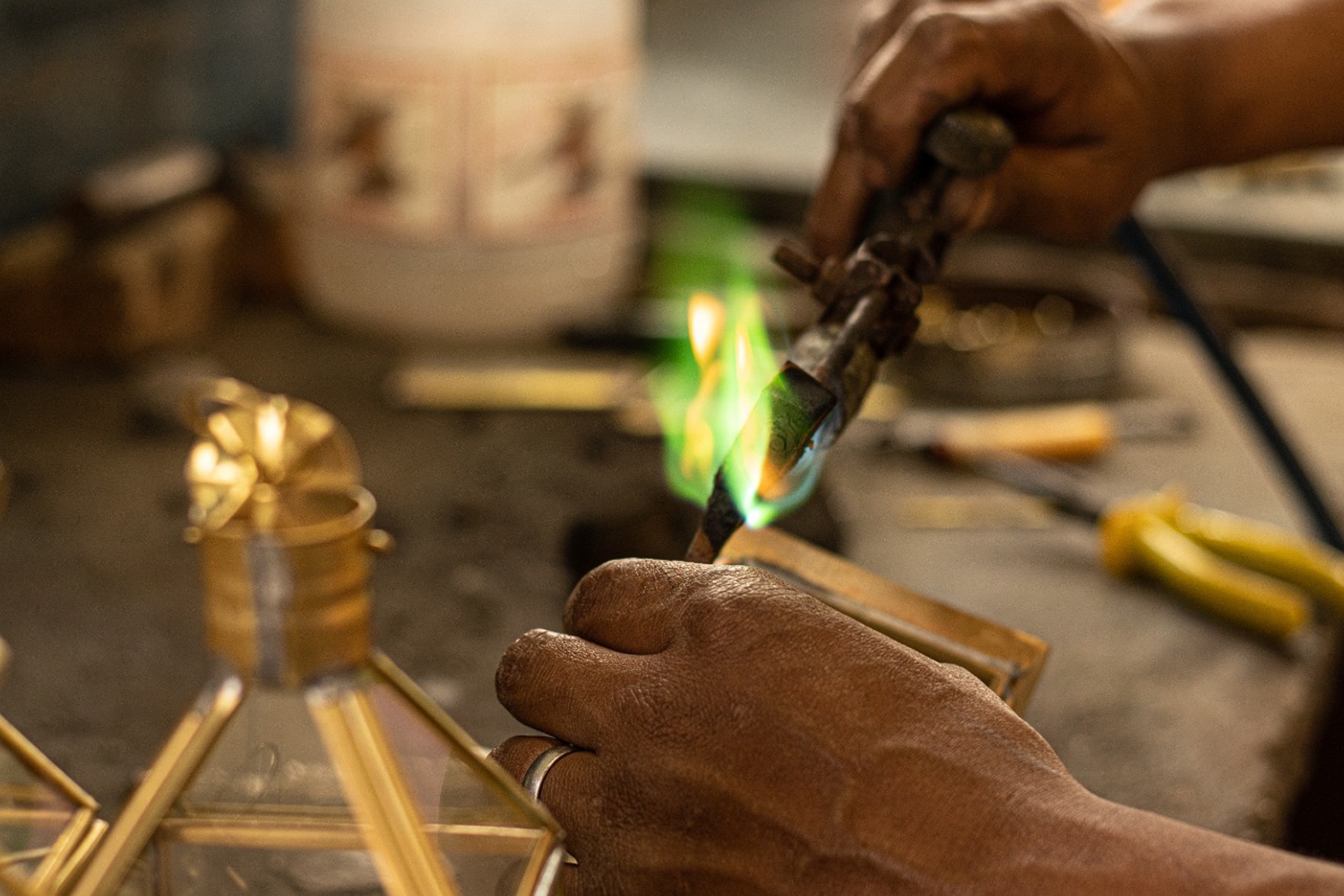
I use glass cutting with a diamond-tipped pen, tin soldering with a gas torch, and brass cutting, done manually or with a press. The entire process is handcrafted, preserved exactly as it was taught in the 1970s.
I hope they evoke emotions and bring the legacy of Tiradentes into their homes, connecting them to our history and traditions.
My home state of Minas Gerais, with its traditions, folklore, and Baroque colonial architecture, deeply inspires me. Tiradentes, in particular, is a constant source of ideas and knowledge, shaping my creative process.
I would advise them to trust in their abilities, not fear making mistakes, and embrace the journey. Craftsmanship is a long path that requires patience and resilience, but it is deeply rewarding and liberating.
Wagner Trindade
Furniture maker
Tiradentes, Brazil
AVAILABILITY
By appointment only
PHONE
+55 32988402234
LANGUAGES
Portuguese
Homo Faber Finds is a new service aiming to inspire admirers of craft to connect and collaborate with exceptional artisans.
We invite you to submit an enquiry here.