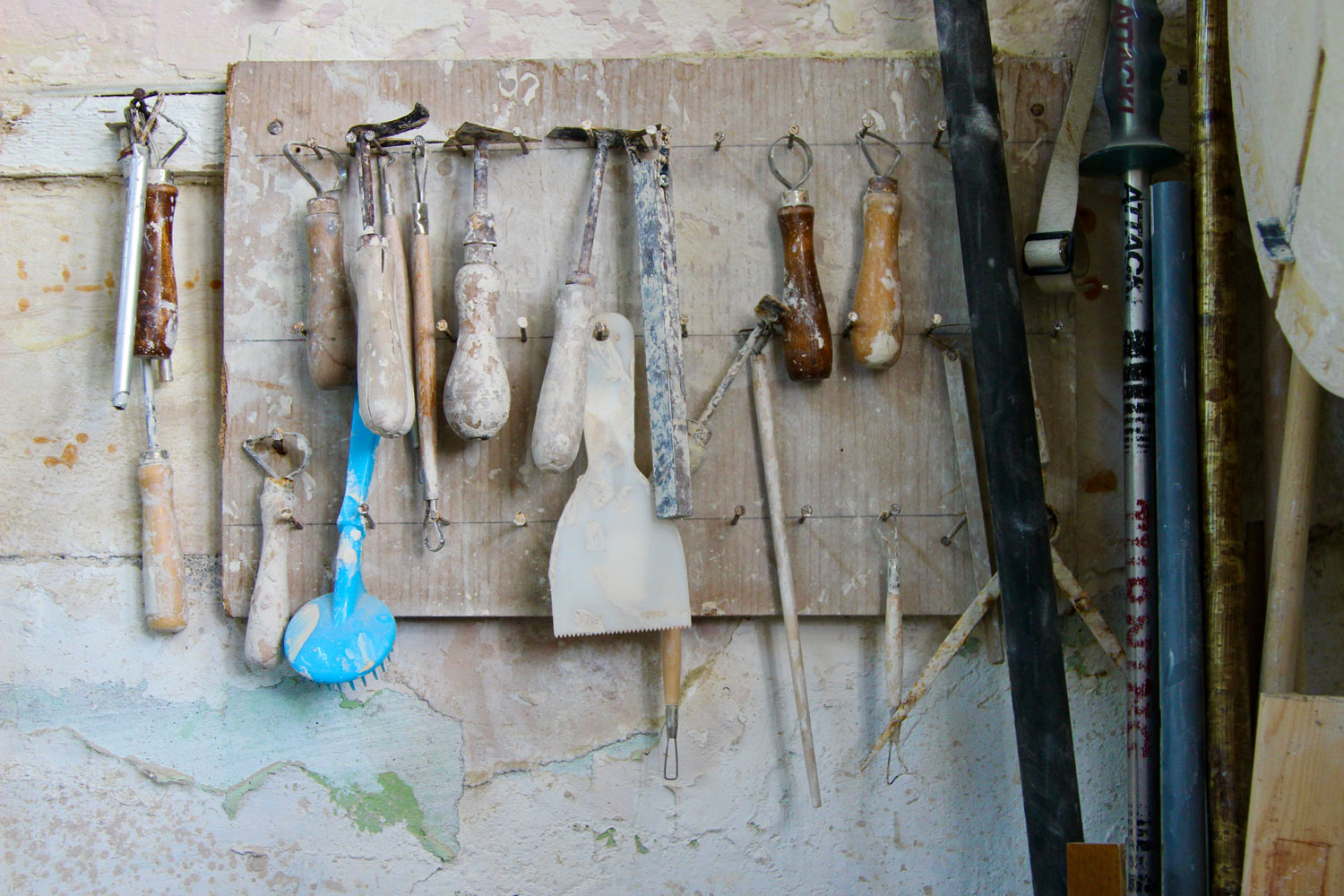
Vassos Demetriou
Ceramicist
Larnaca, Cyprus
Recommended by Michael Anastassiades
From nature to art
- Vassos has practised ceramics since he was 15
- He is a master of special firing techniques
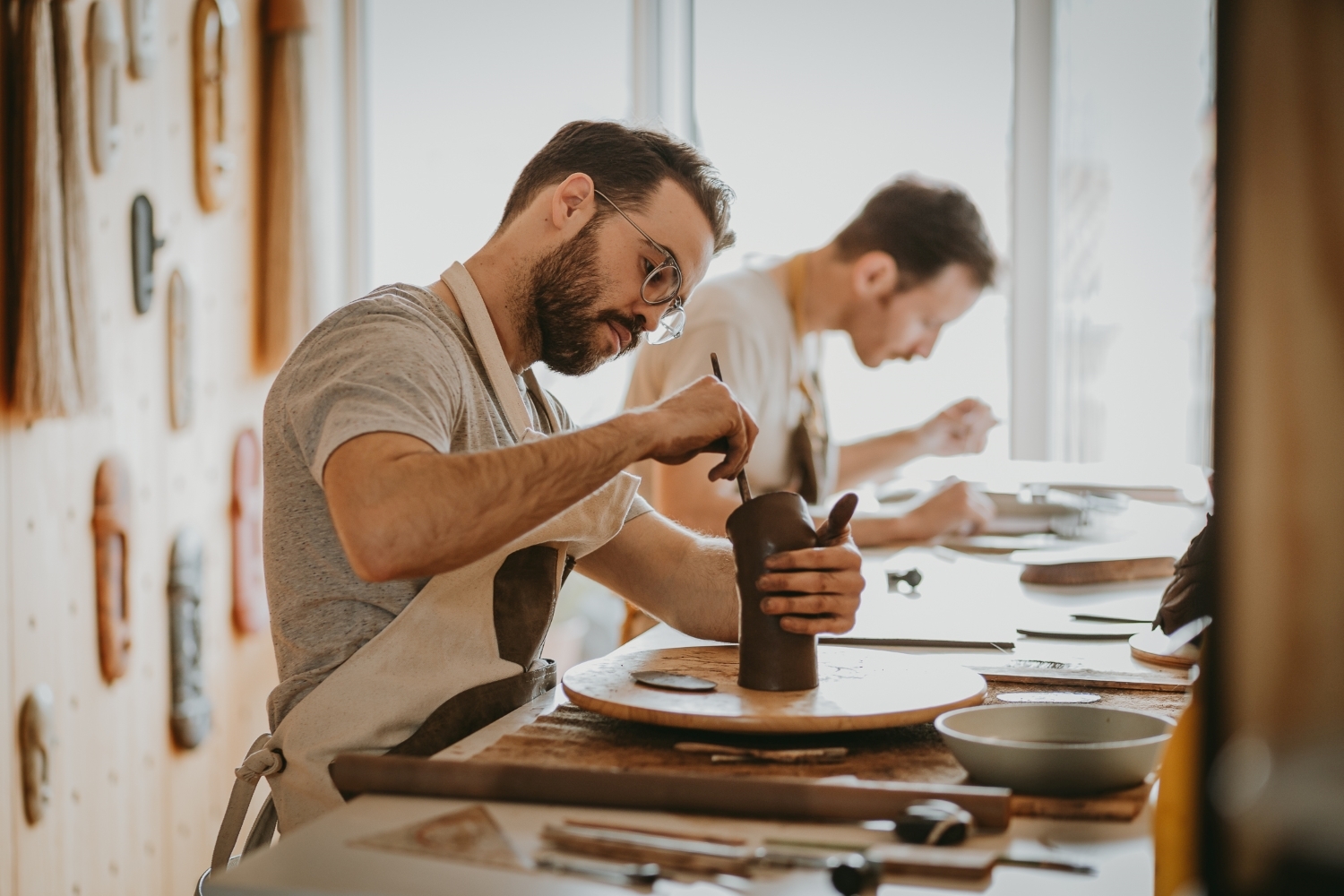
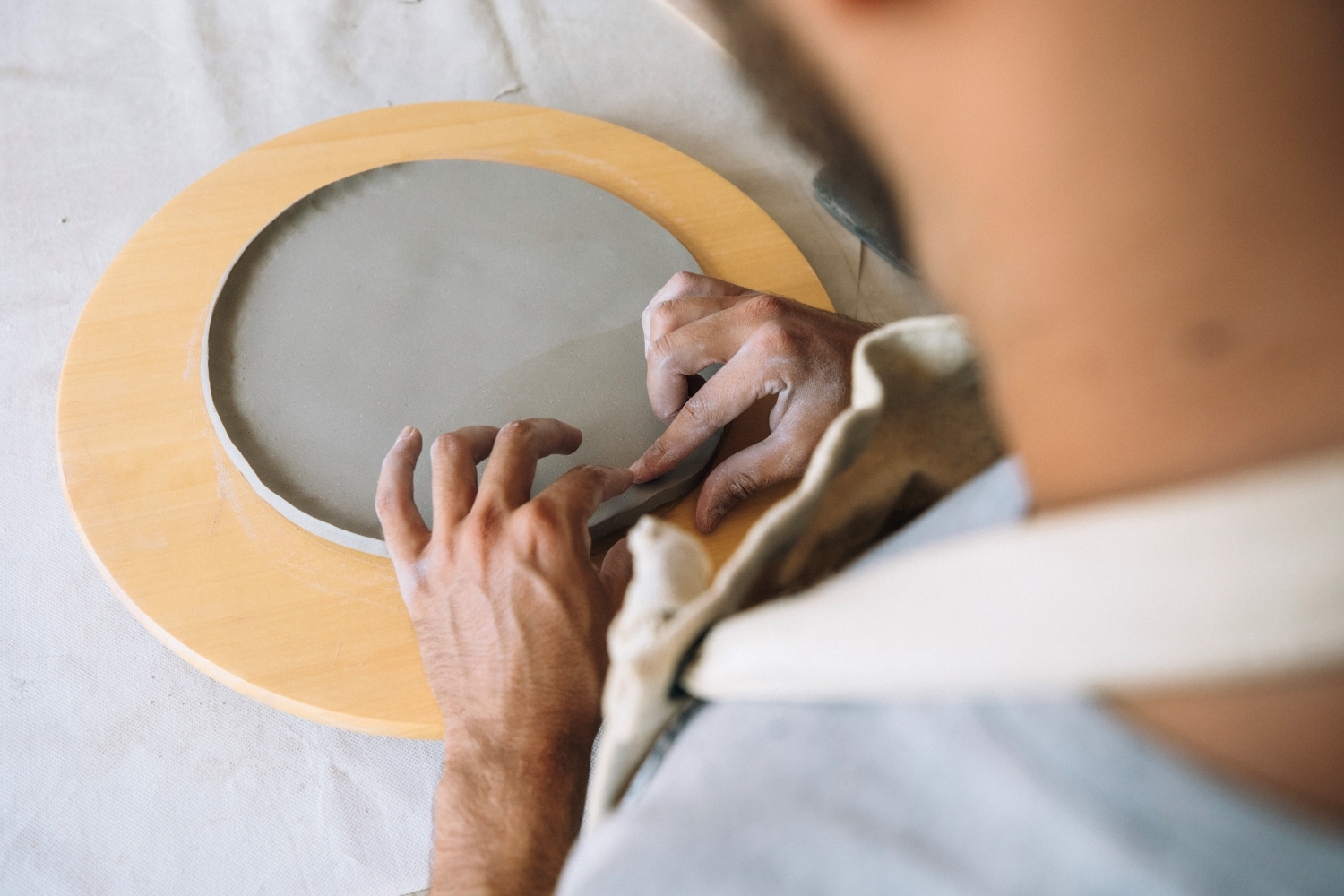
- He enjoys teaching pottery workshops
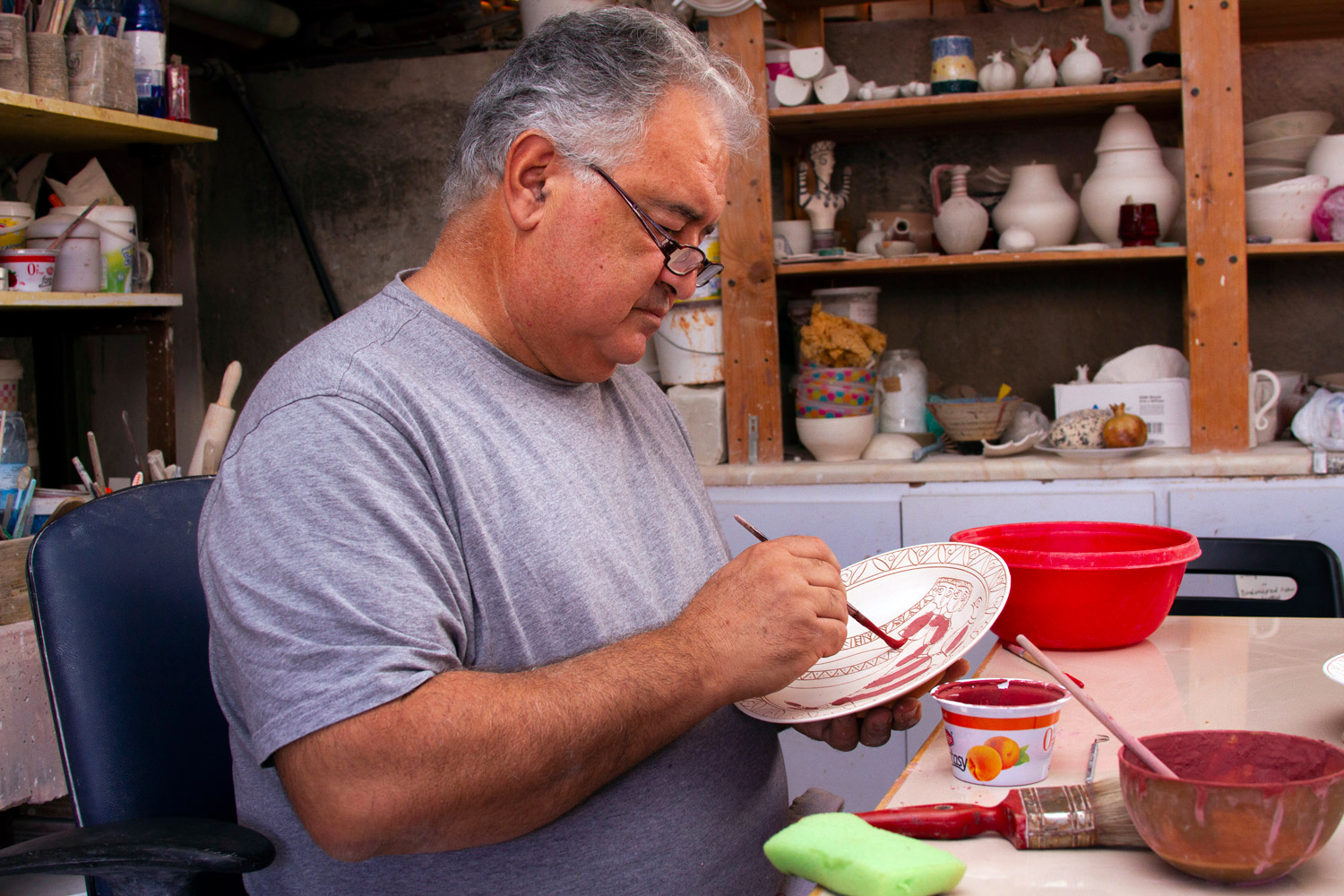
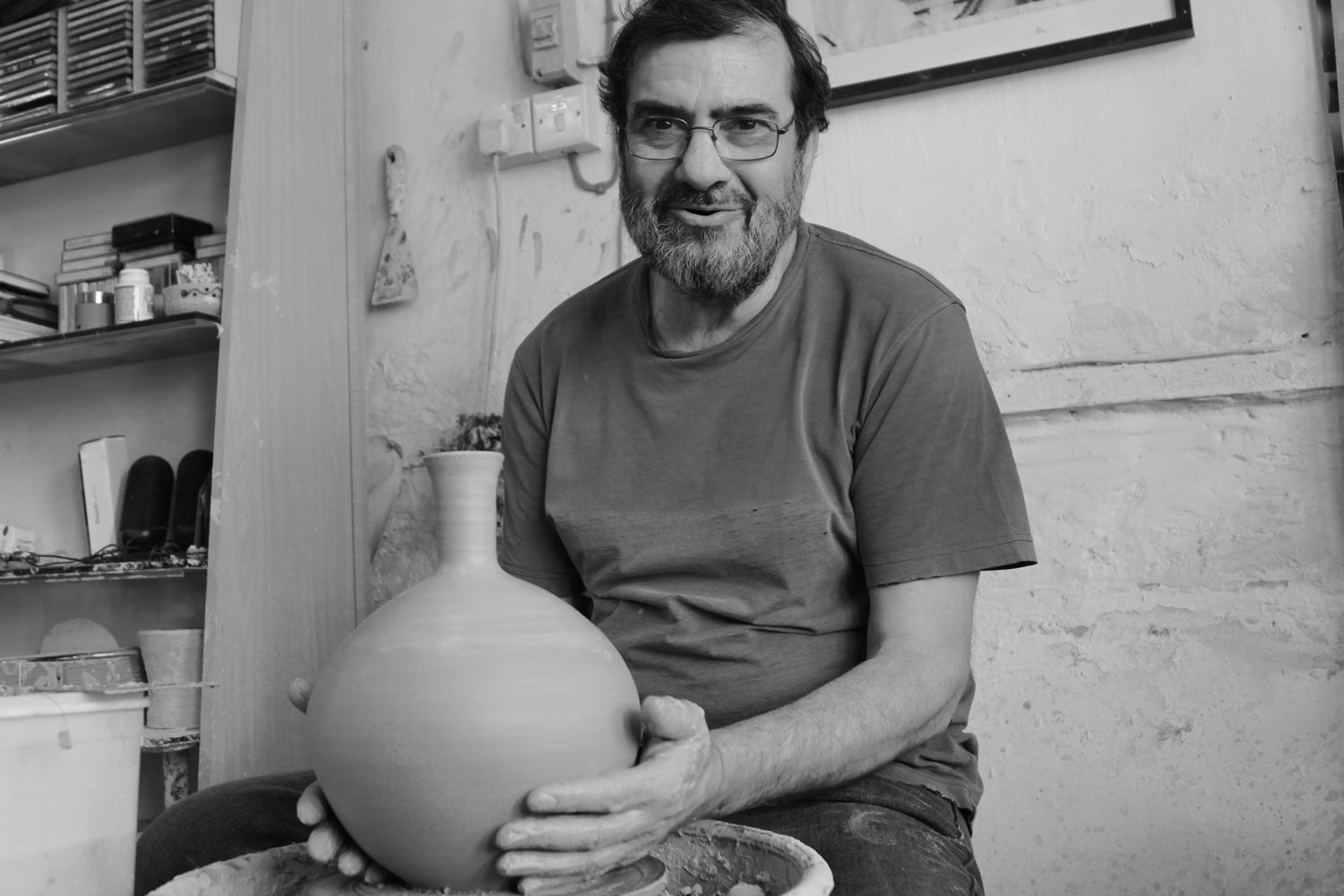
Vassos Demetriou was born in 1954 in occupied Famagusta. After graduating from Instituto d’Arte Ceramica in Italy, he returned to Cyprus and set up his own workshop in 1982. His first objects were raku pots and vessels but he eventually became an acclaimed potter, frequently receiving awards at the Panhellenic Ceramic Exhibition: 1st prize (1990), 2nd prize (2000, 1988), 3rd prize (1986 and 2010). He has had six solo exhibitions in Cyprus and has participated in various group exhibitions in Cyprus and abroad (Italy, Egypt, Malta, Kuwait, Bulgaria, Australia). He is quite optimistic about pottery, not considering it an endangered art, judging from the pottery classes he offers to both amateur and professional enthusiasts of the craft.
Discover his work
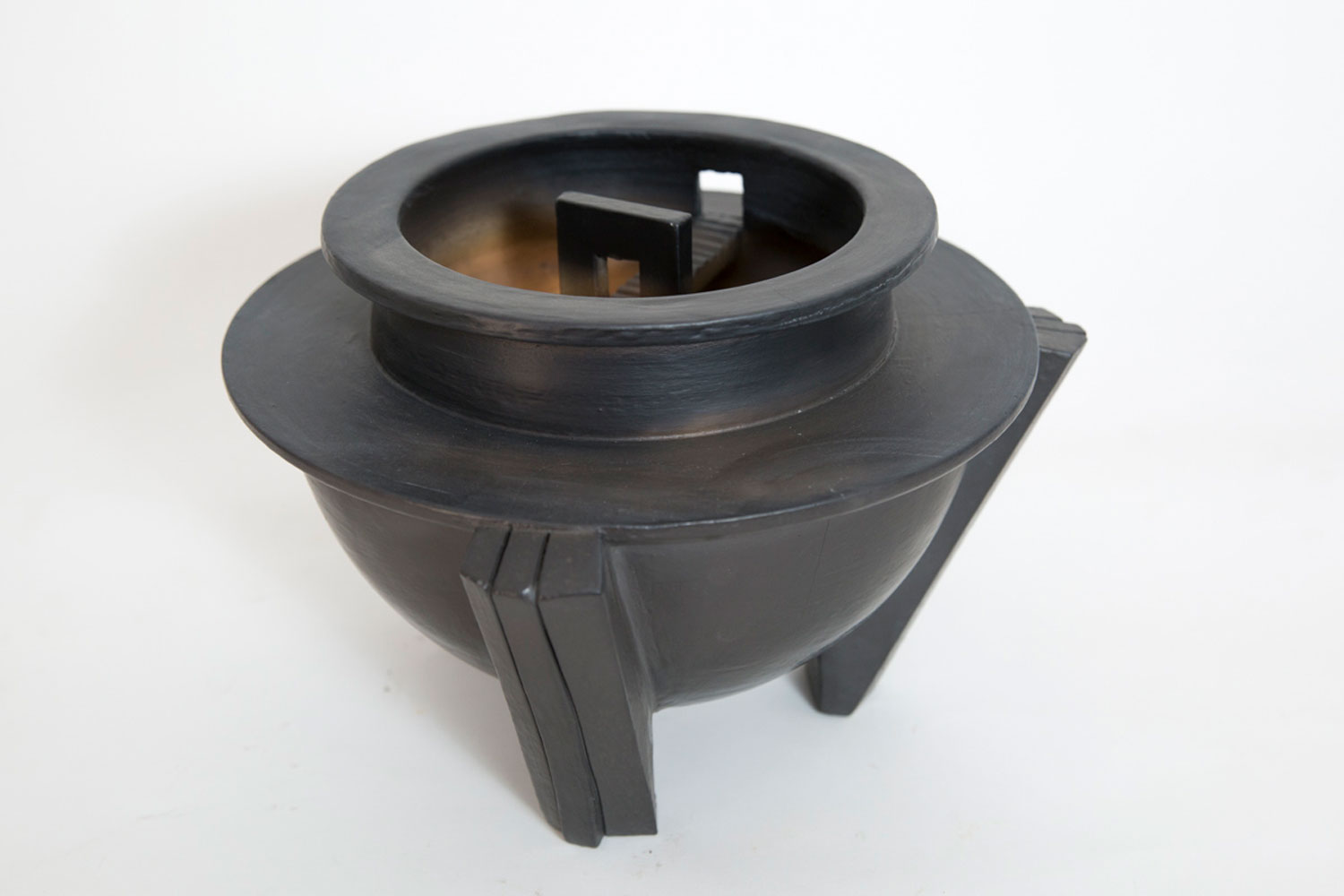
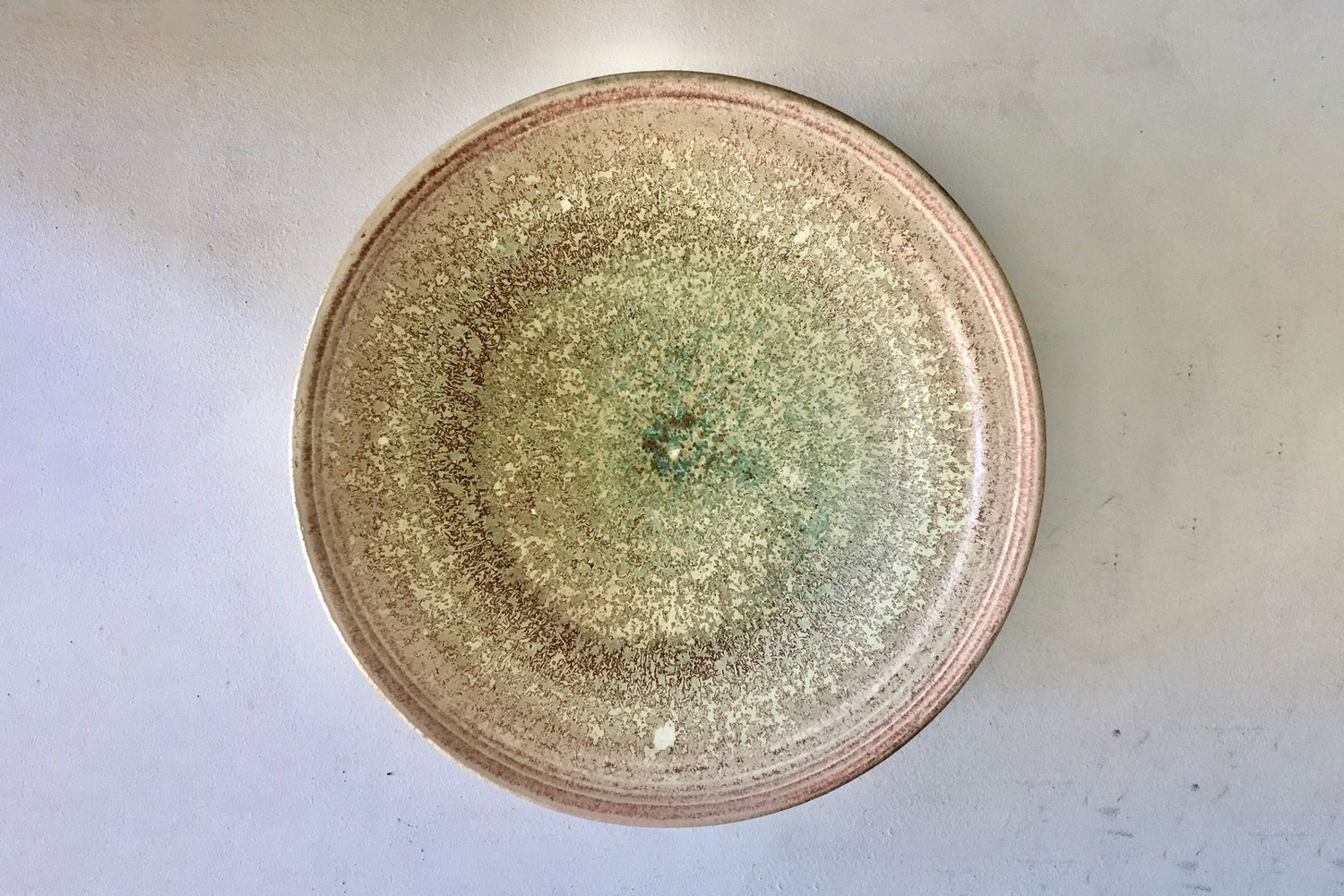
INTERVIEW
When I was 15 I took up ceramics at school. I found it interesting, though it wasn’t a popular subject. After graduating from the Famagusta Technical School for pottery in 1972 I got a scholarship at the Institudo d’Arte Ceramica in Faenza, Italy (1978-1981).
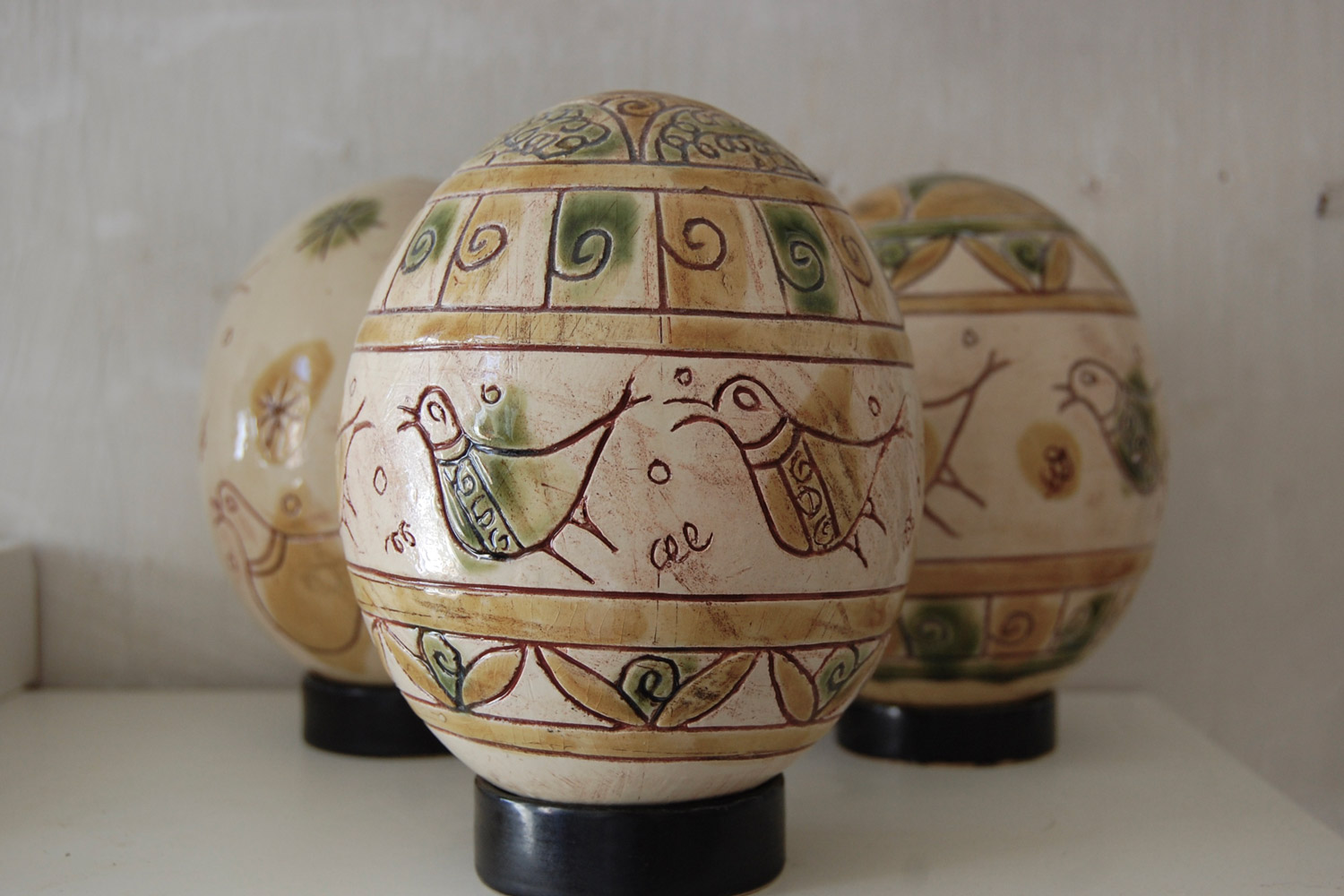
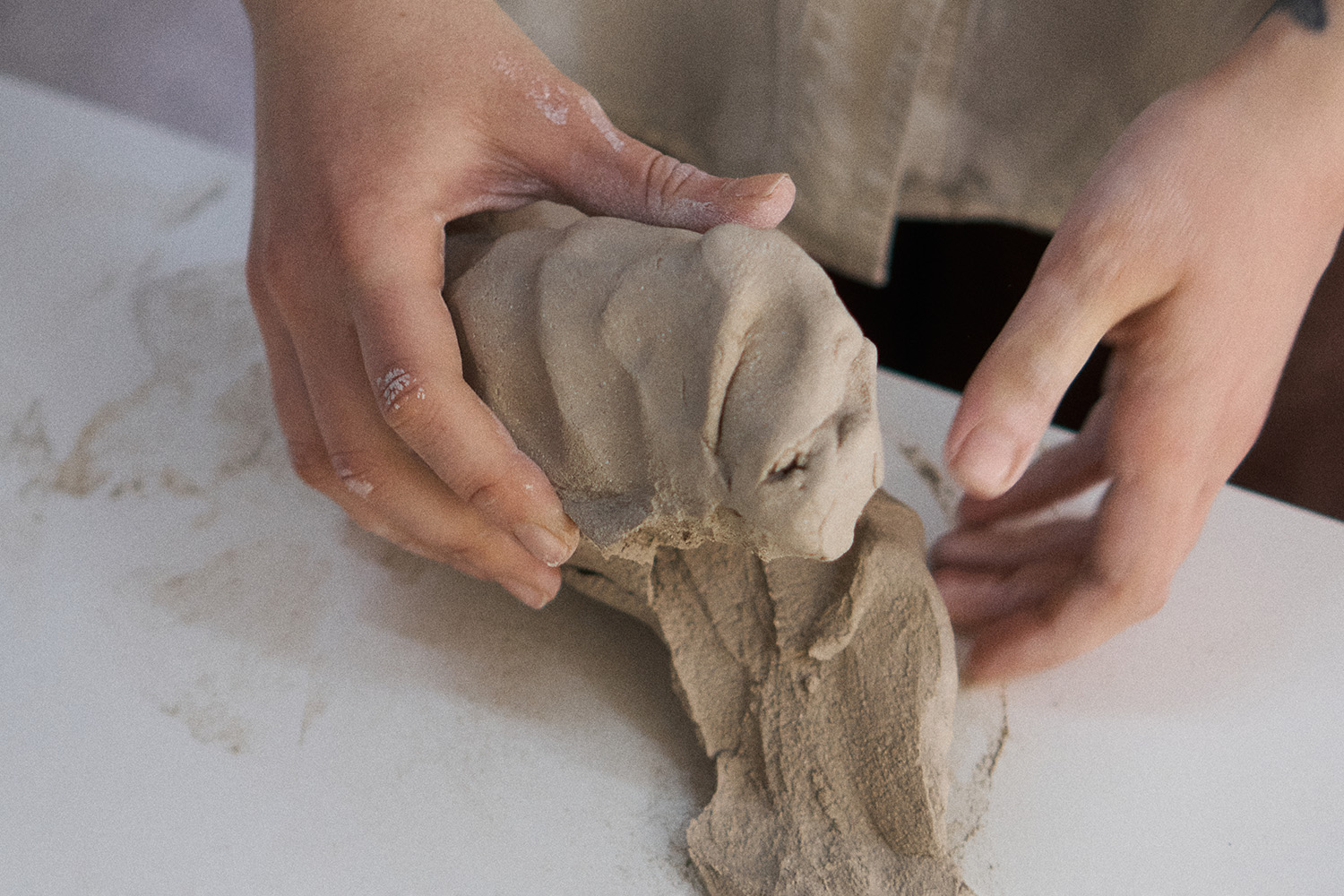
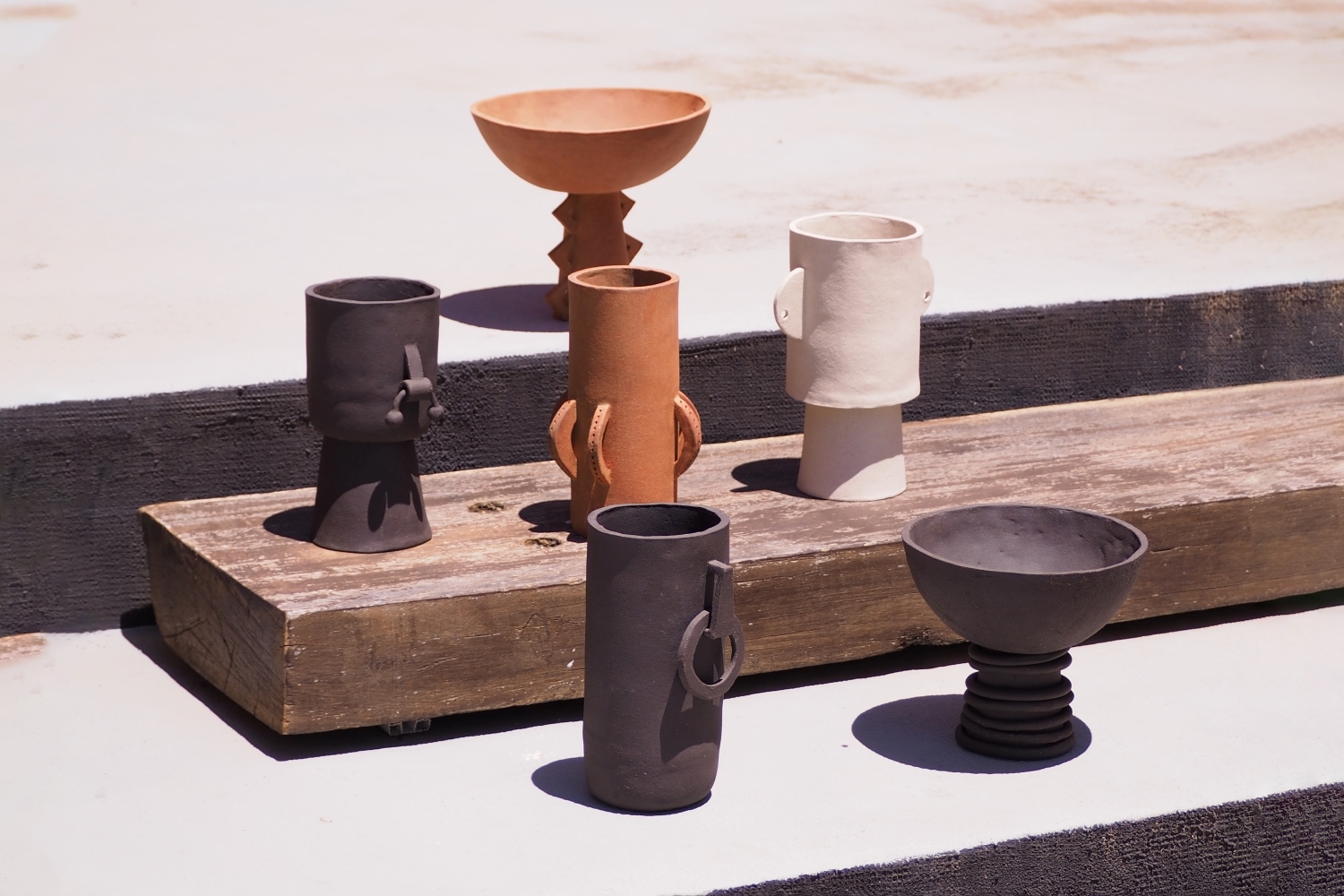
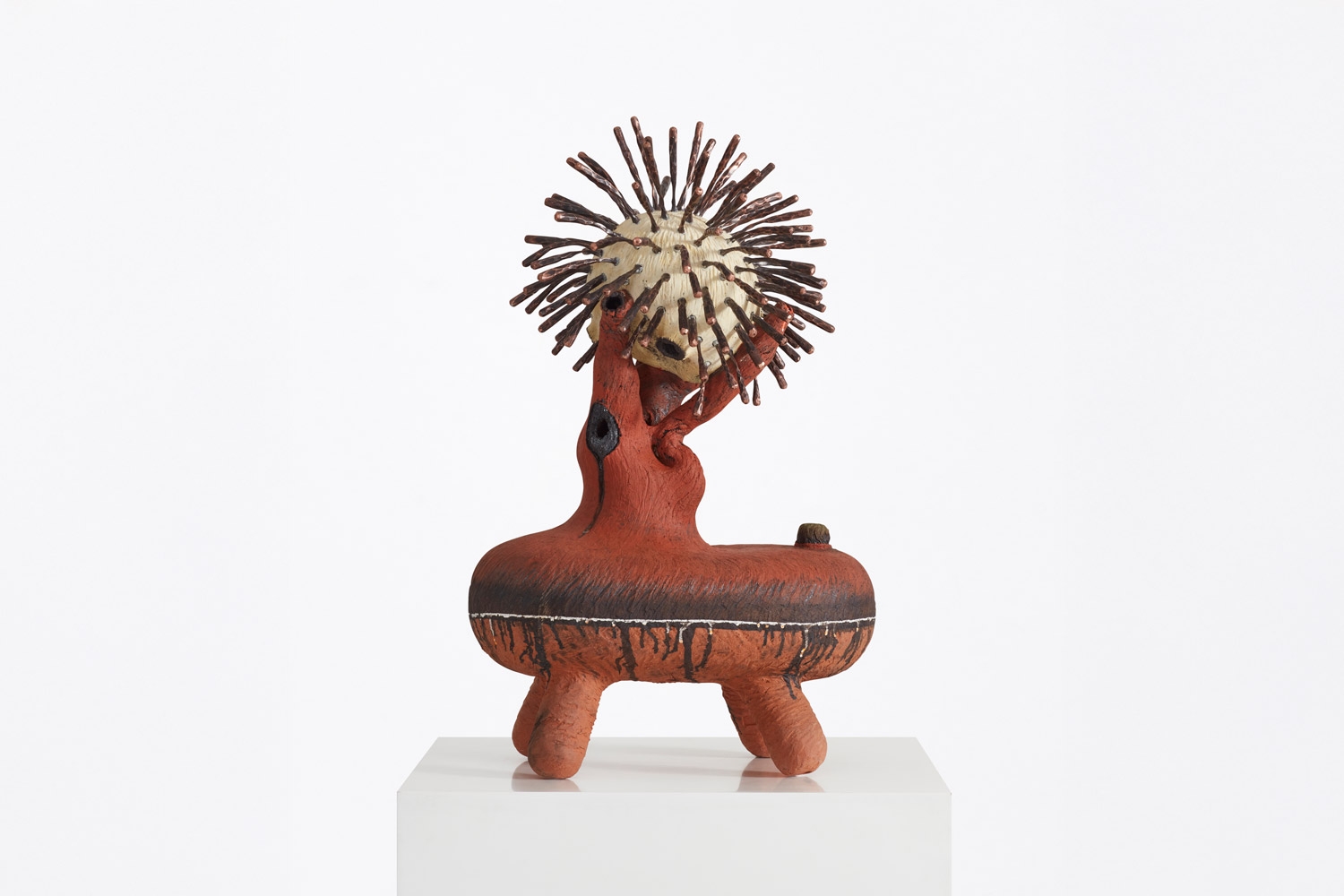
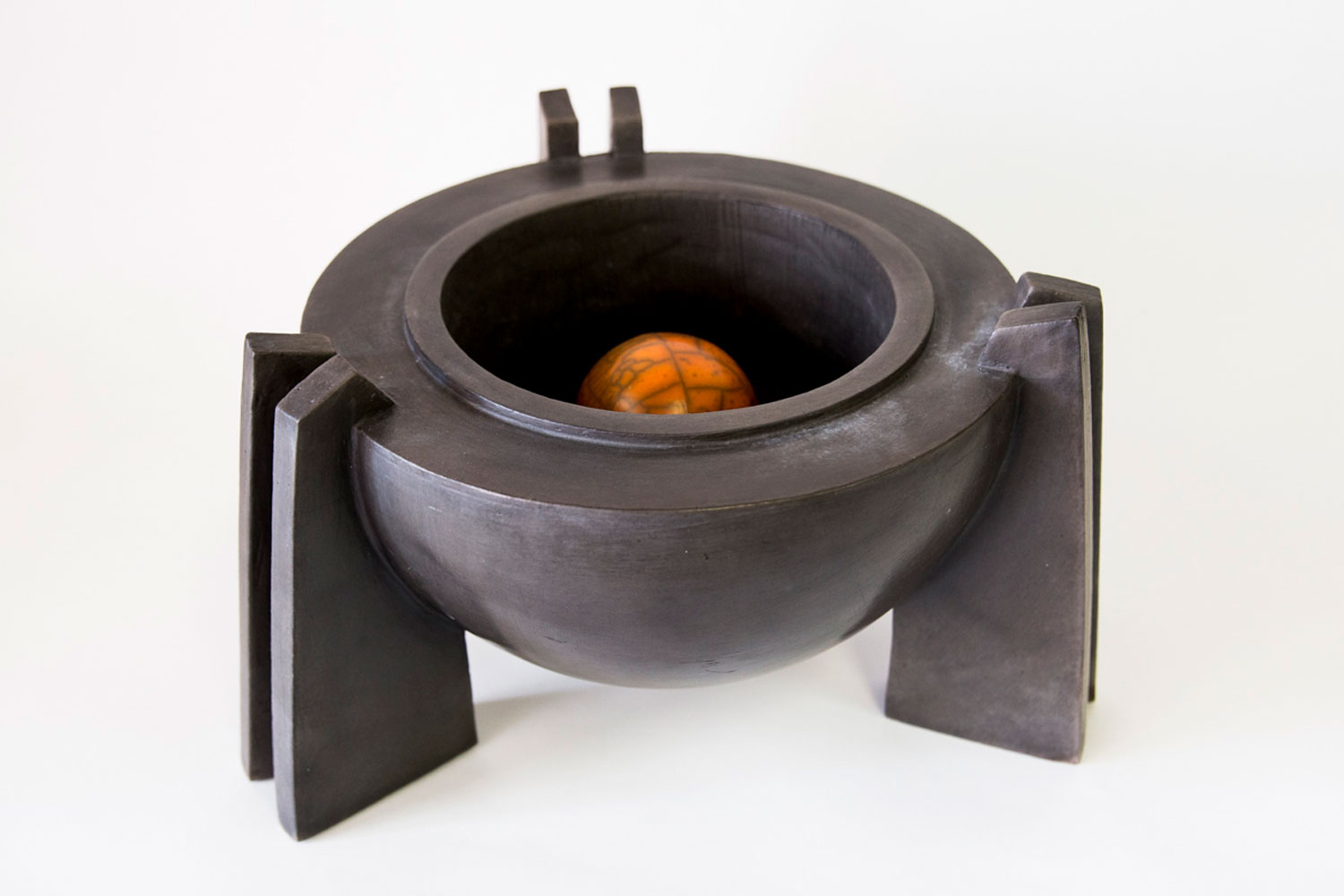
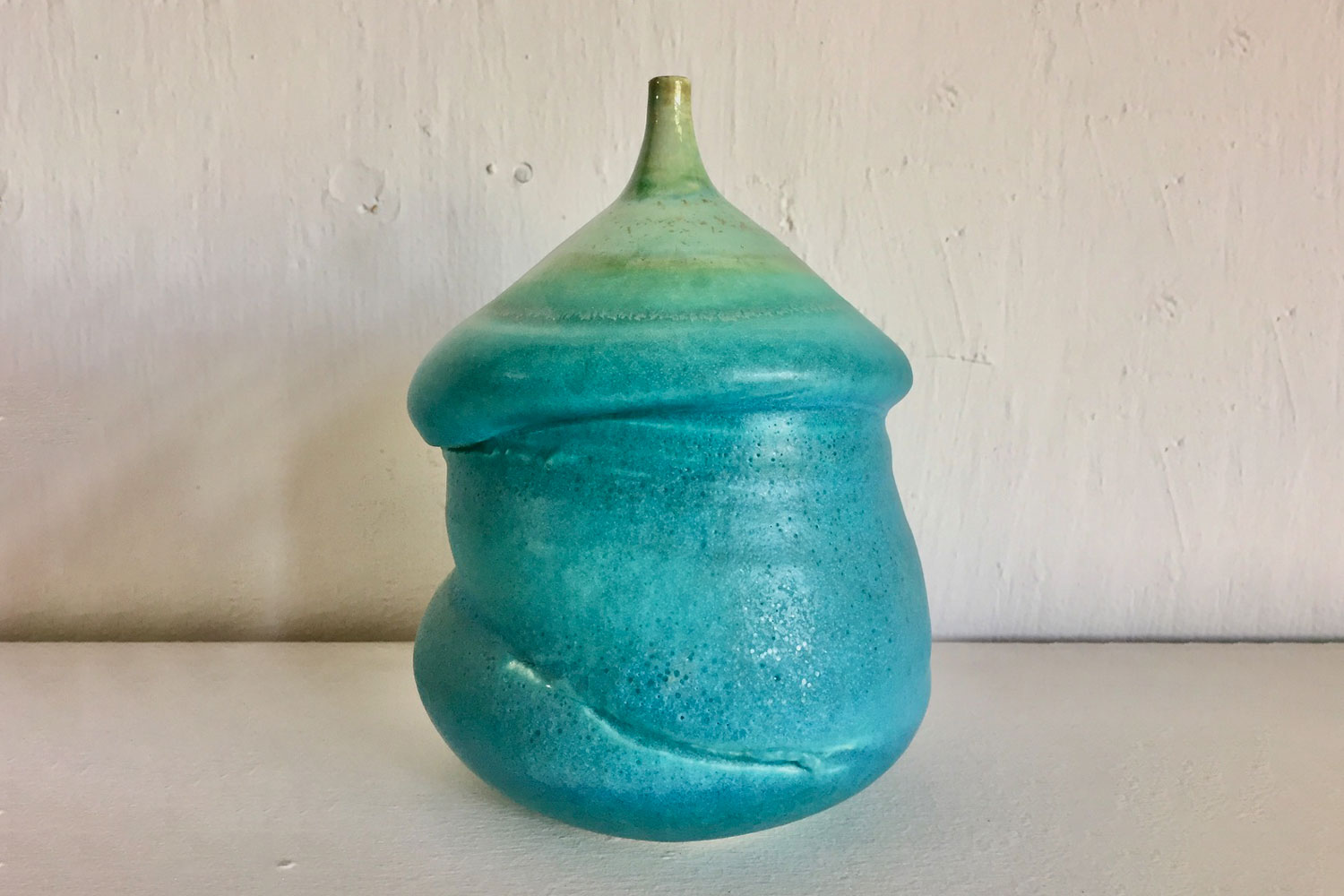
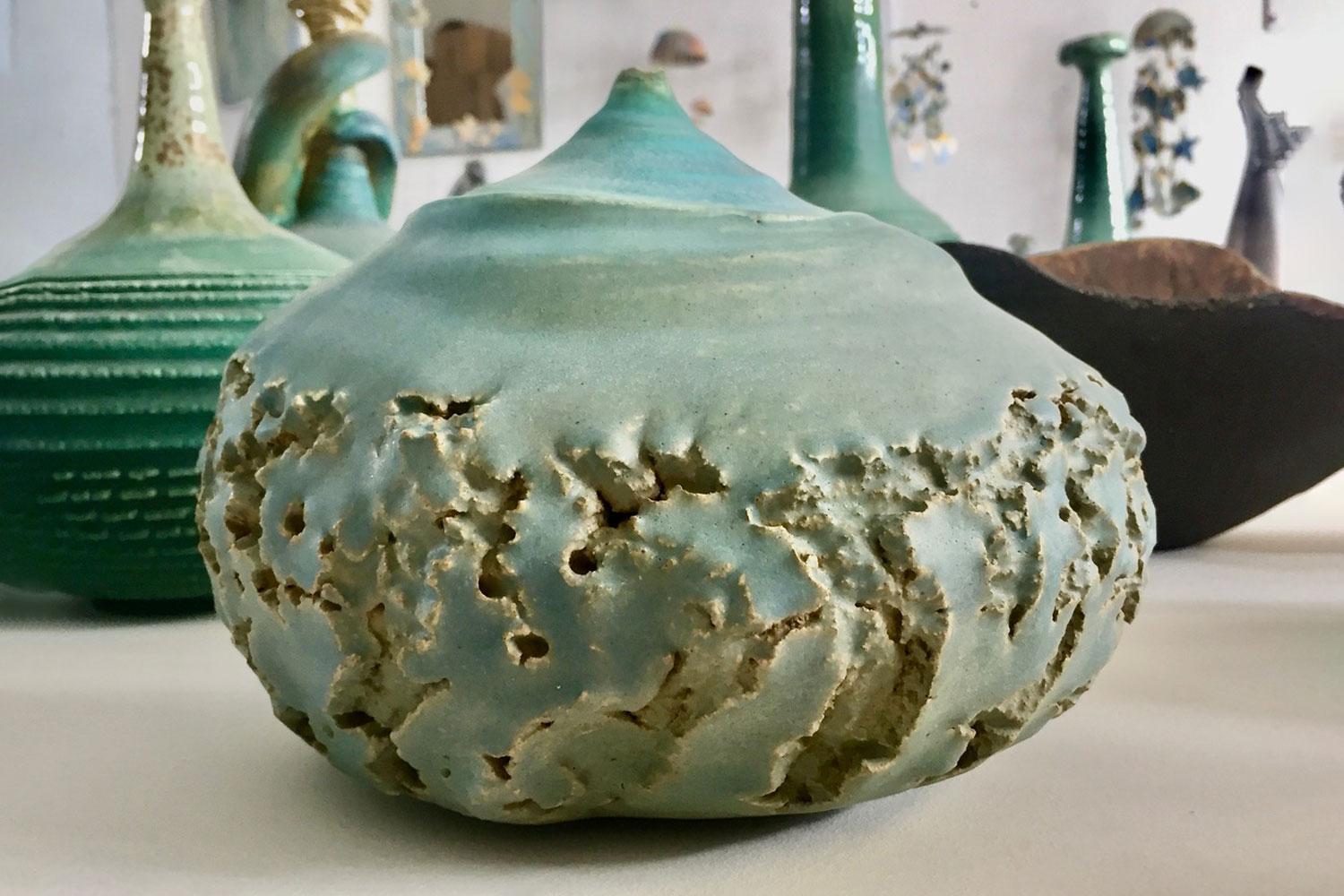
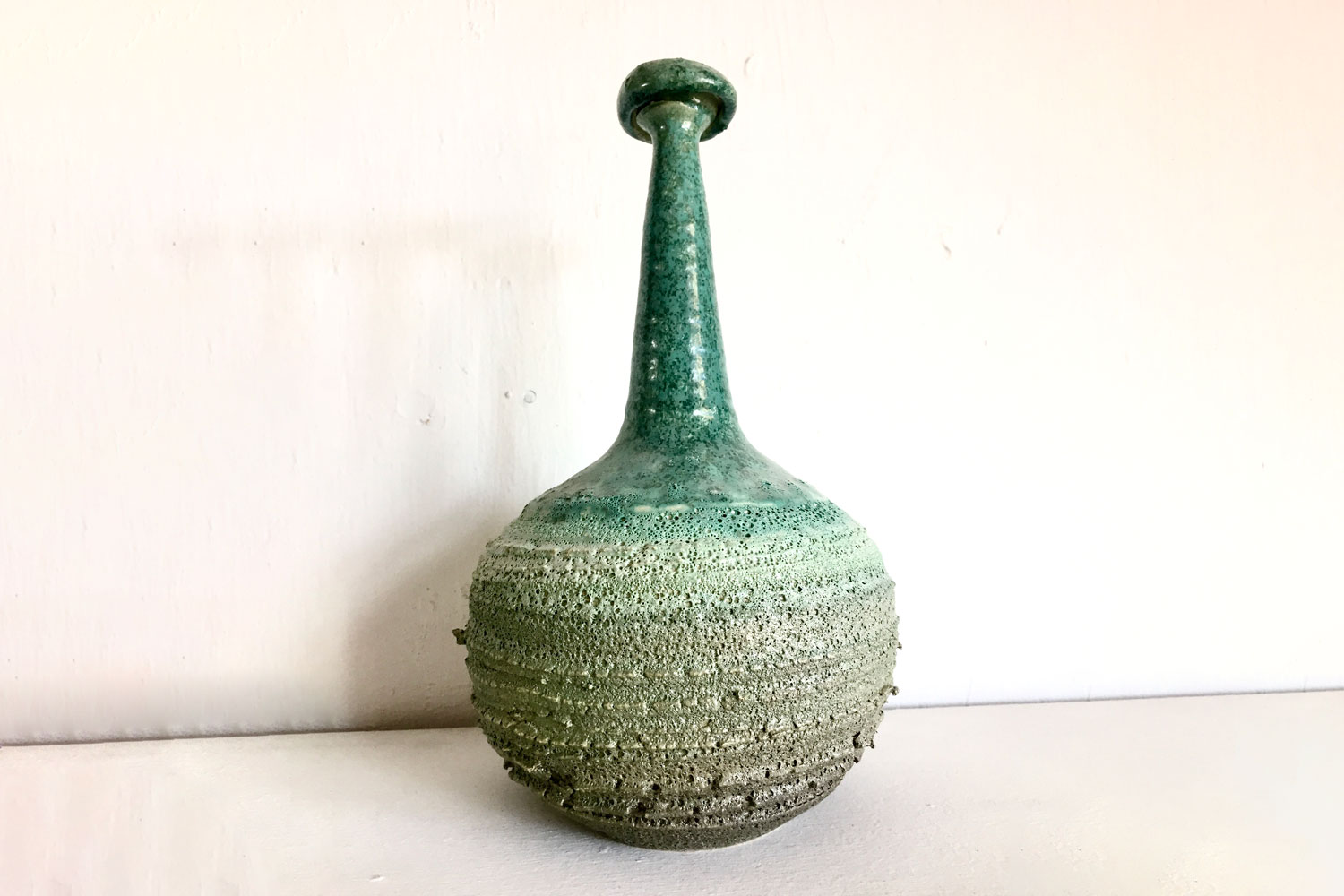
I like to experiment with local soil and stones which I collect myself and use them to make clay and glazes. I am greatly inspired by nature’s colours, texture and shapes. I use traditional forms and decoration as inspiration and I turn them to contemporary objects.
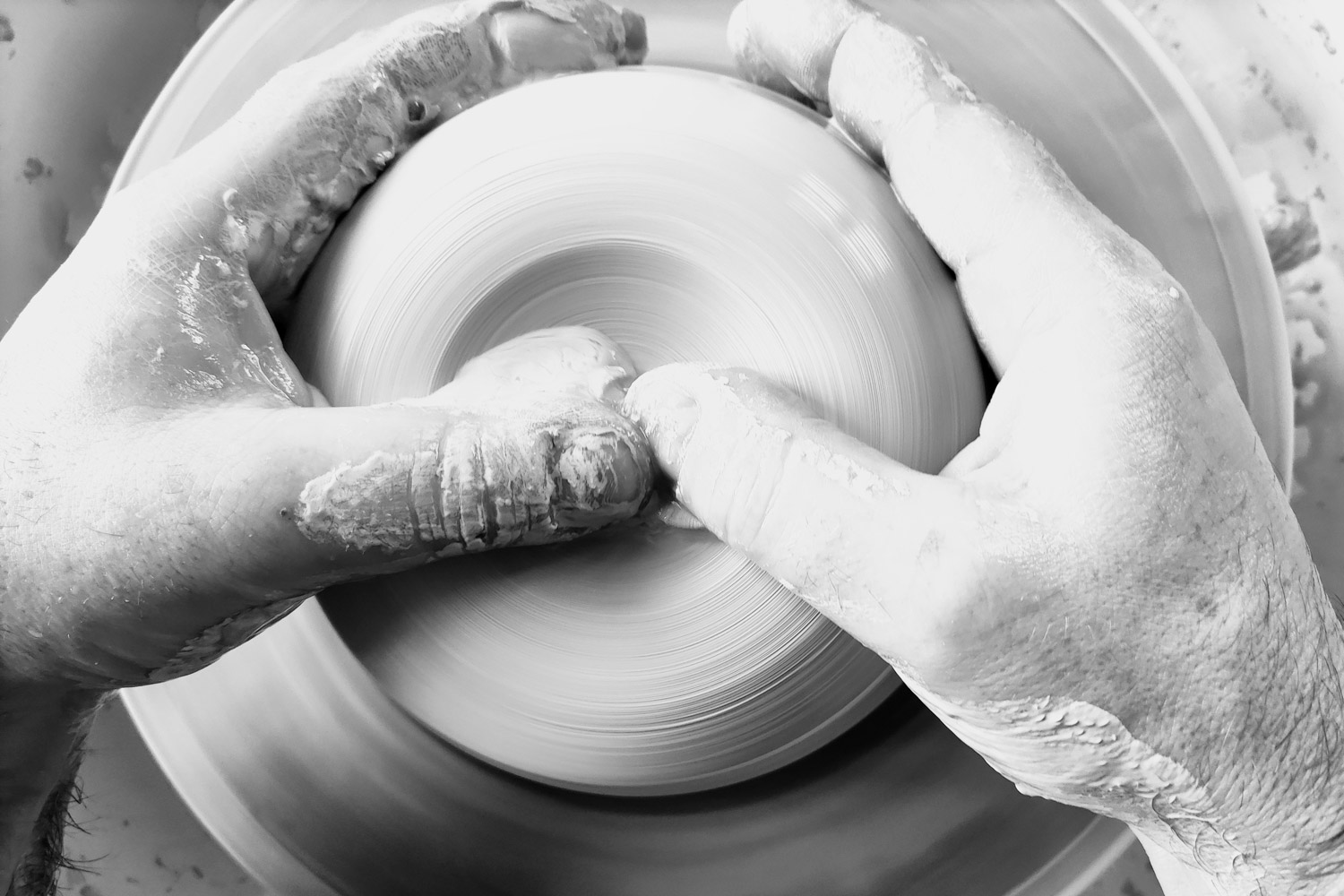
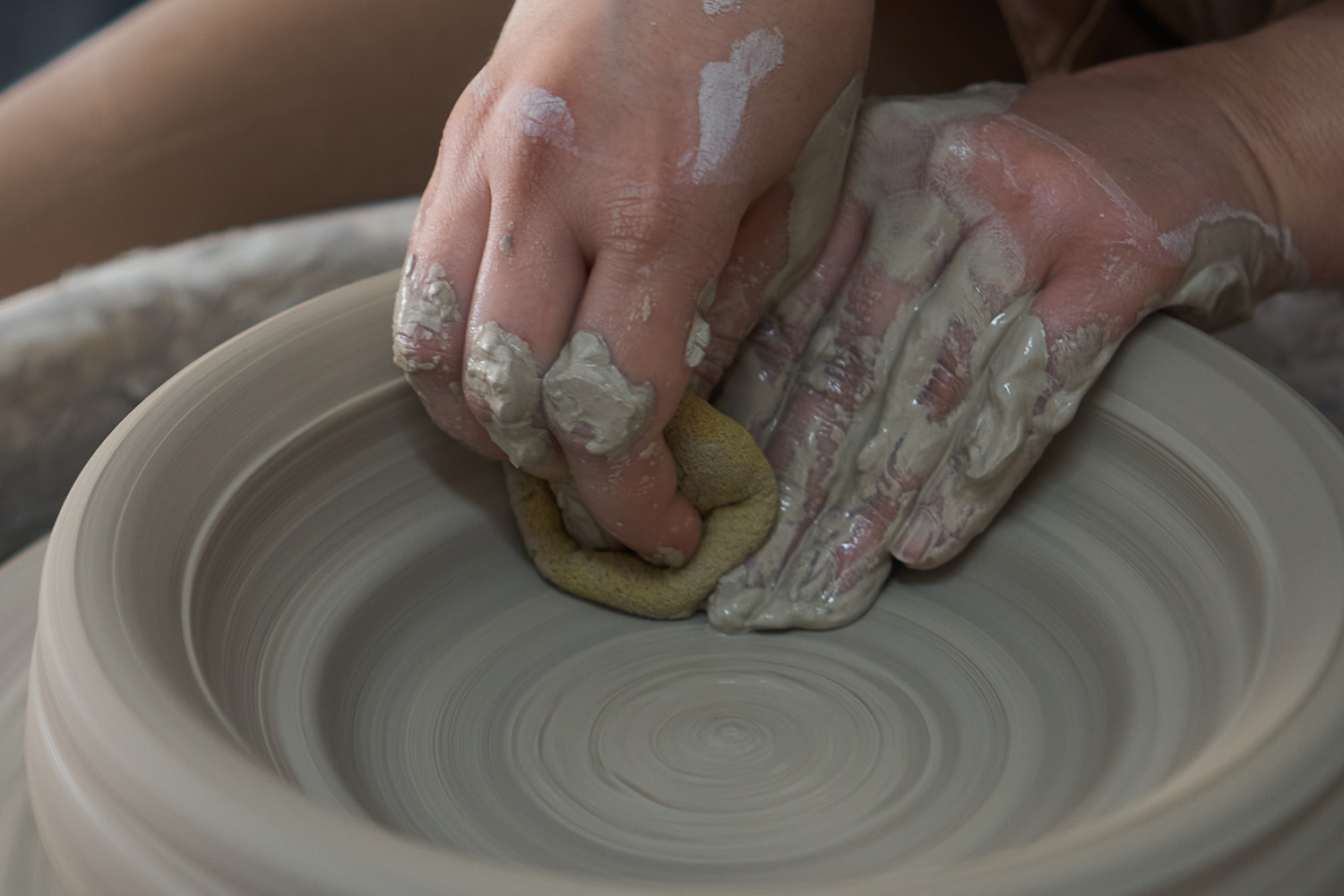
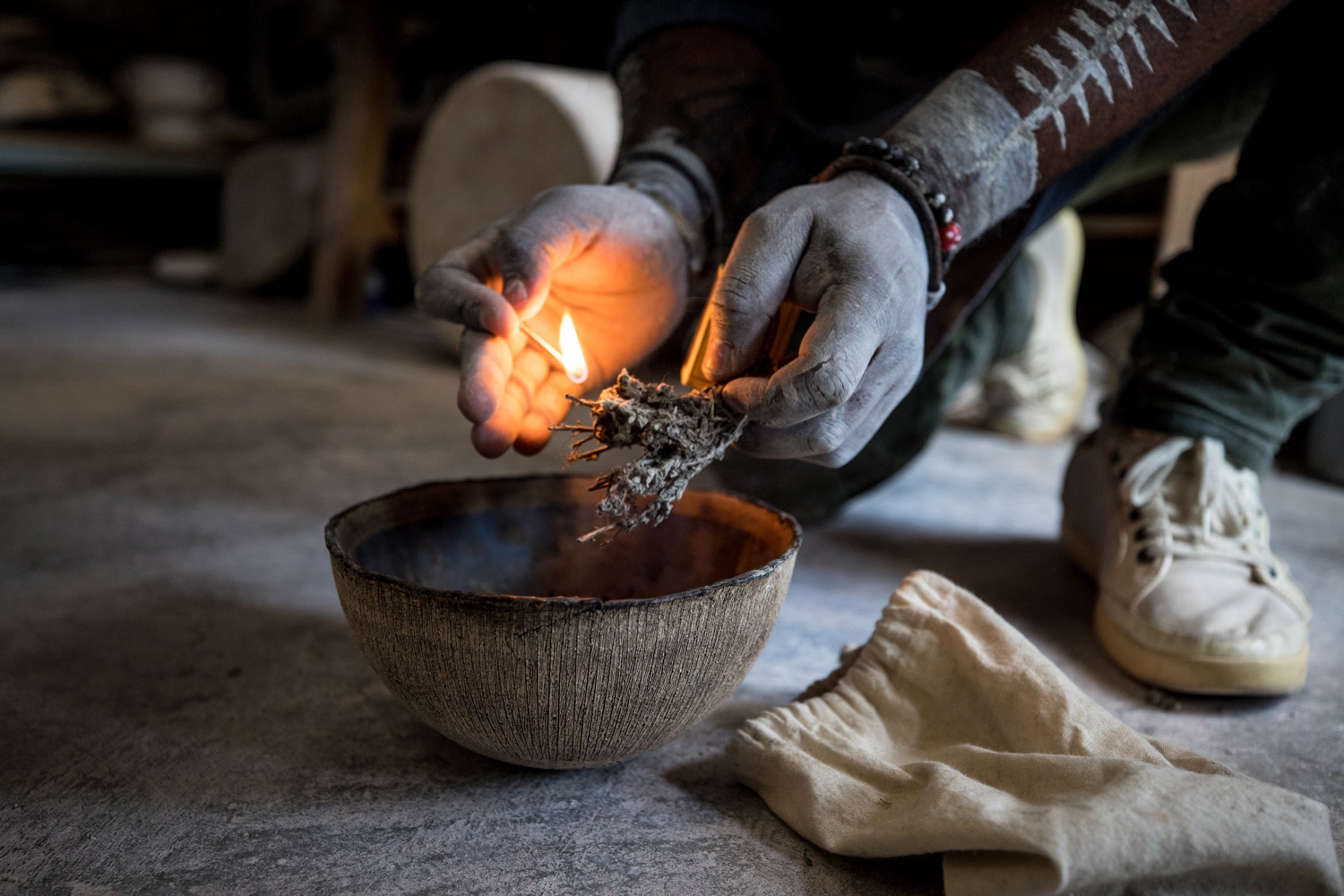
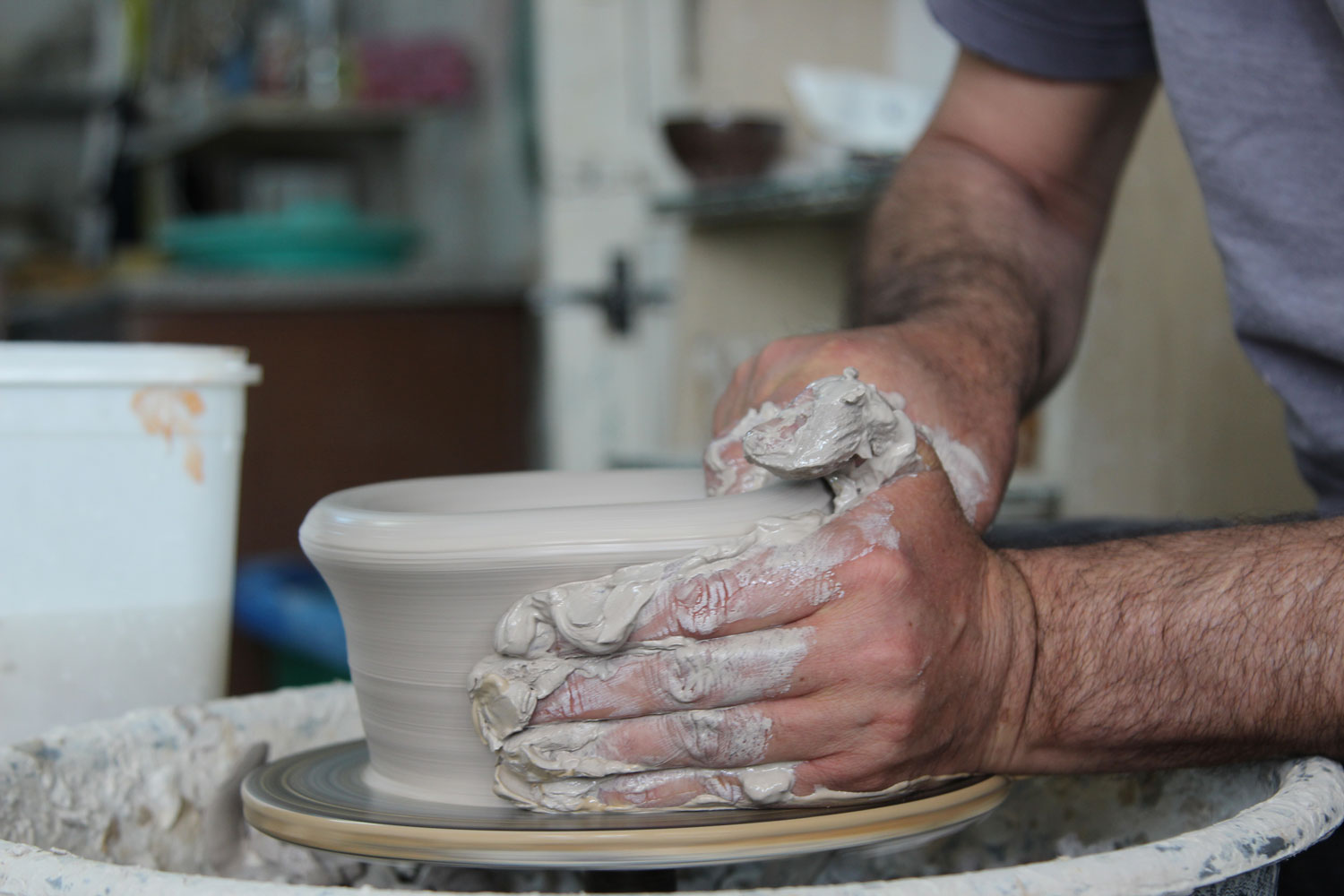
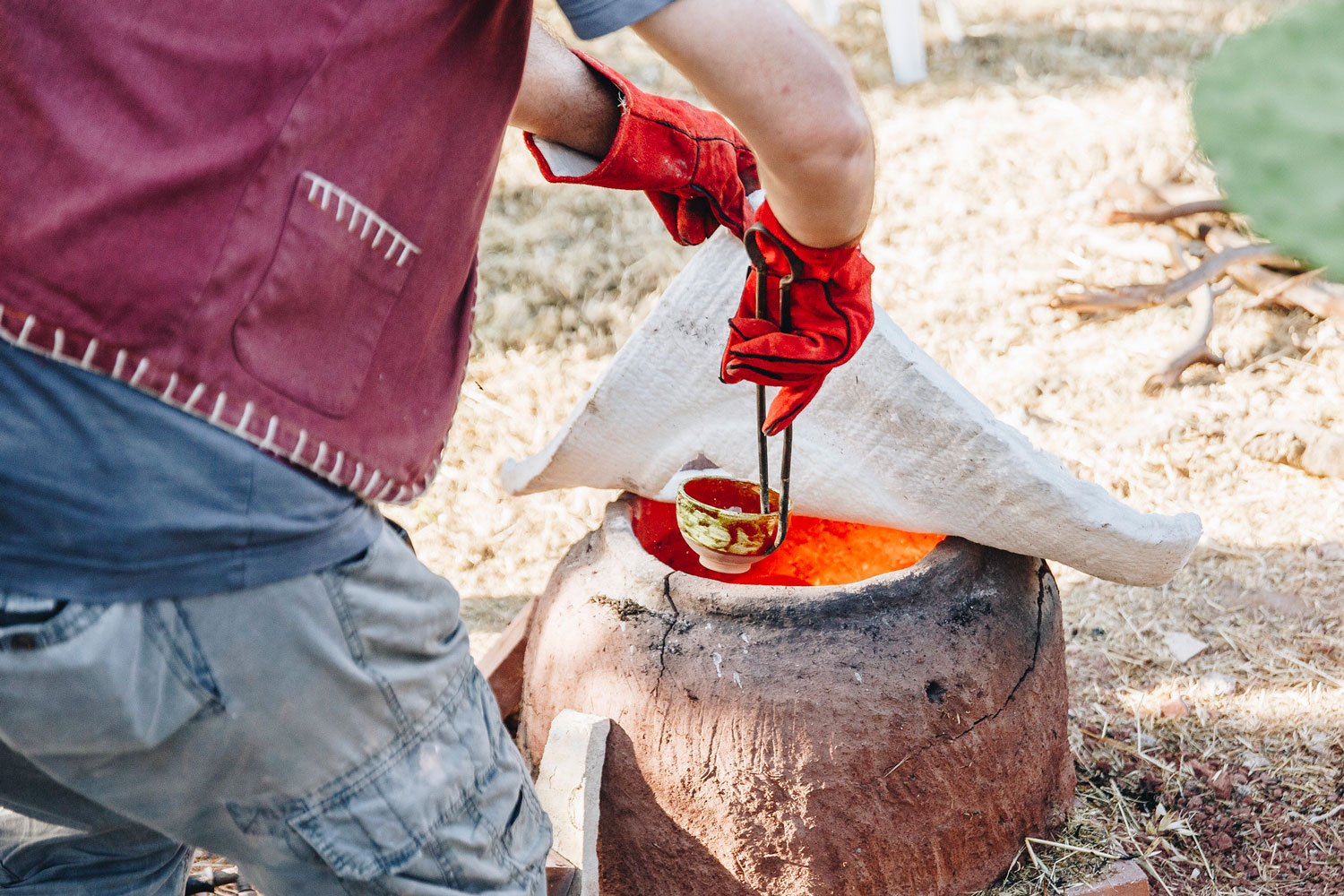
I do special firing techniques (wood firing, gas firing, reduction firing, raku, stoneware). I also do wheel throwing and glaze calculation. I particularly enjoy experimenting with the firing techniques.
To be authentic and never stop researching and experimenting. People don’t realise the amount of knowledge and depth of experience required in our craft. So they need to combine learning and aesthetic experimentation.
Vassos Demetriou
Ceramicist
Larnaca, Cyprus
Recommended by Michael Anastassiades
AVAILABILITY
By appointment only
PHONE
+357 99607563
LANGUAGES
Greek, English, Italian
Homo Faber Finds is a new service aiming to inspire admirers of craft to connect and collaborate with exceptional artisans.
We invite you to submit an enquiry here.