©All rights reserved
©All rights reserved
©All rights reserved
©All rights reserved
©Okamura Kichirou
©All rights reserved
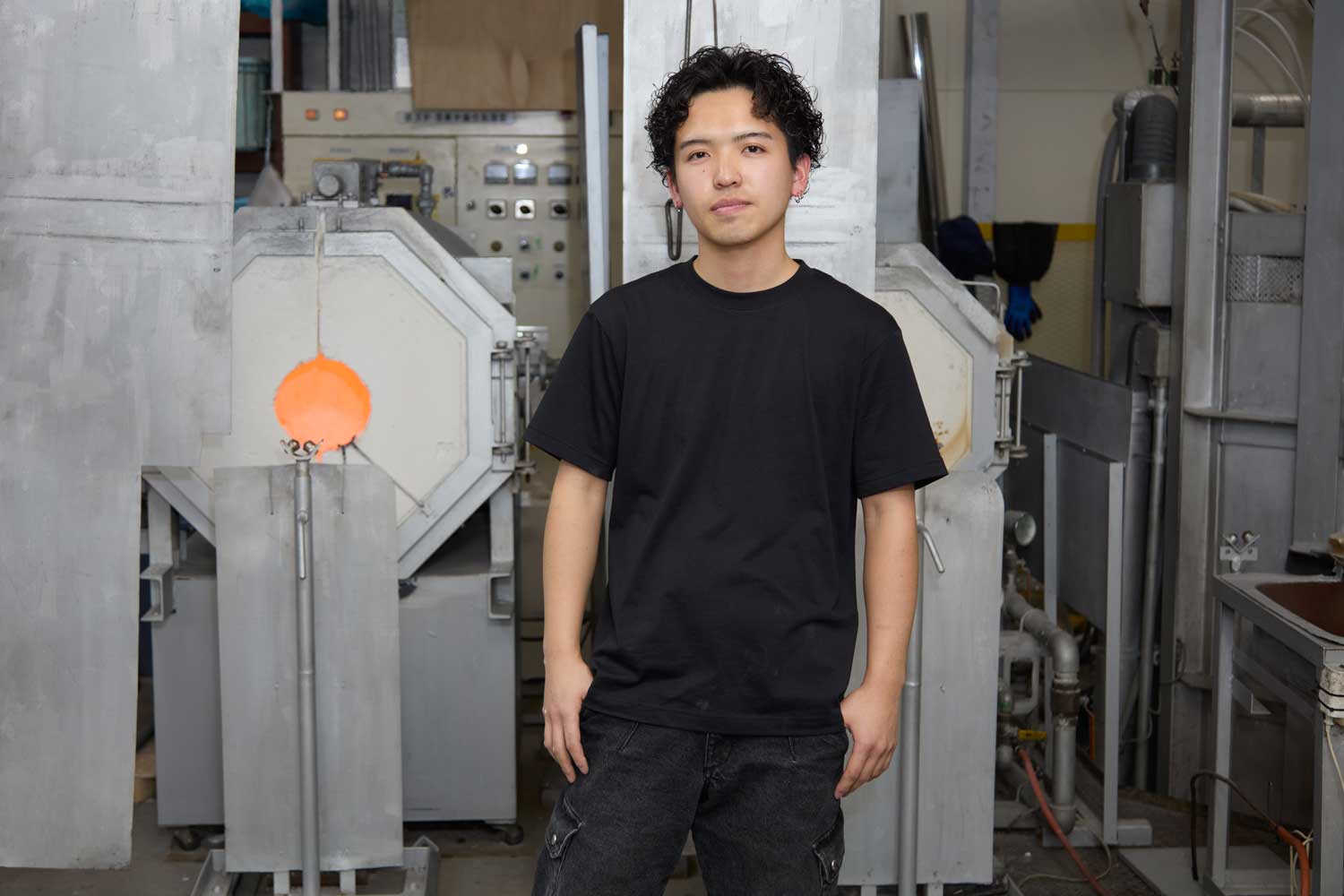
Toyoumi Kenta
Lacquerer
Kyoto, Japan
©All rights reserved
©All rights reserved
©All rights reserved
©All rights reserved
©All rights reserved
©All rights reserved
©All rights reserved
©All rights reserved
©Okamura Kichirou
©Okamura Kichirou
©All rights reserved
©All rights reserved
A new form of expression through lacquer
- Toyoumi creates artworks with lacquer, marquetry and inlays made from natural materials
- While respecting traditional techniques, he aims to develop contemporary expressions
- He has collaborated with renowned artists on the production of their work
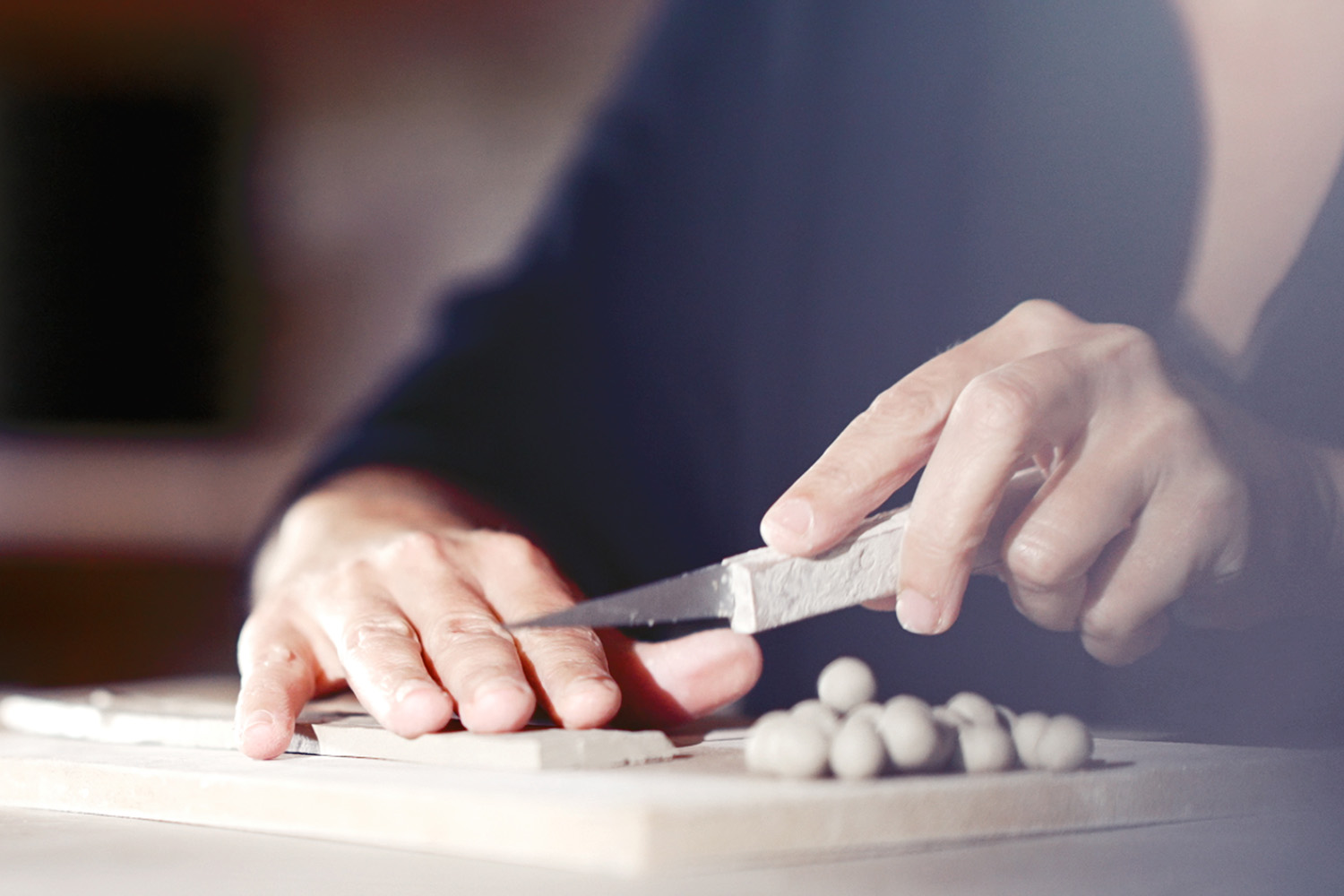
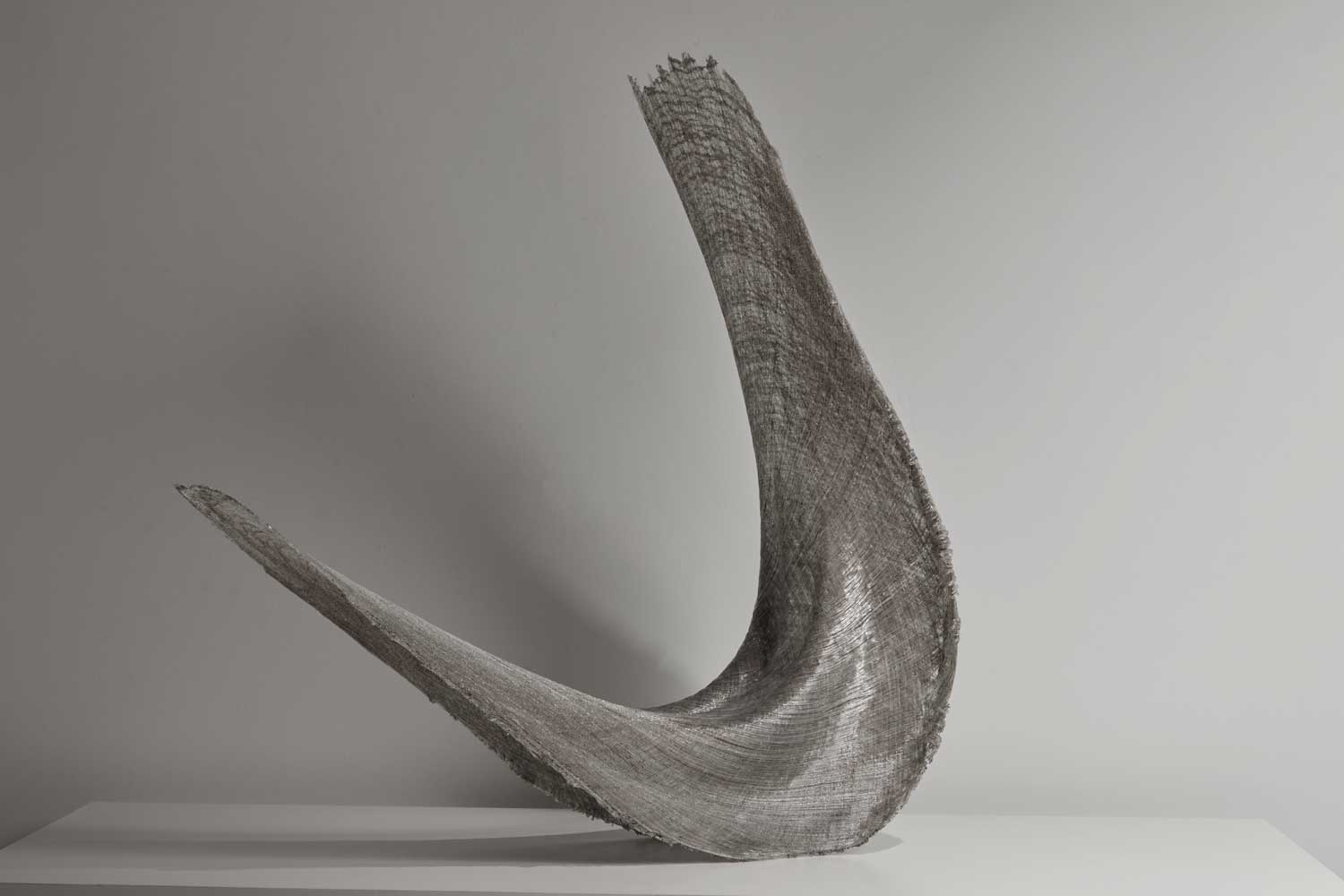
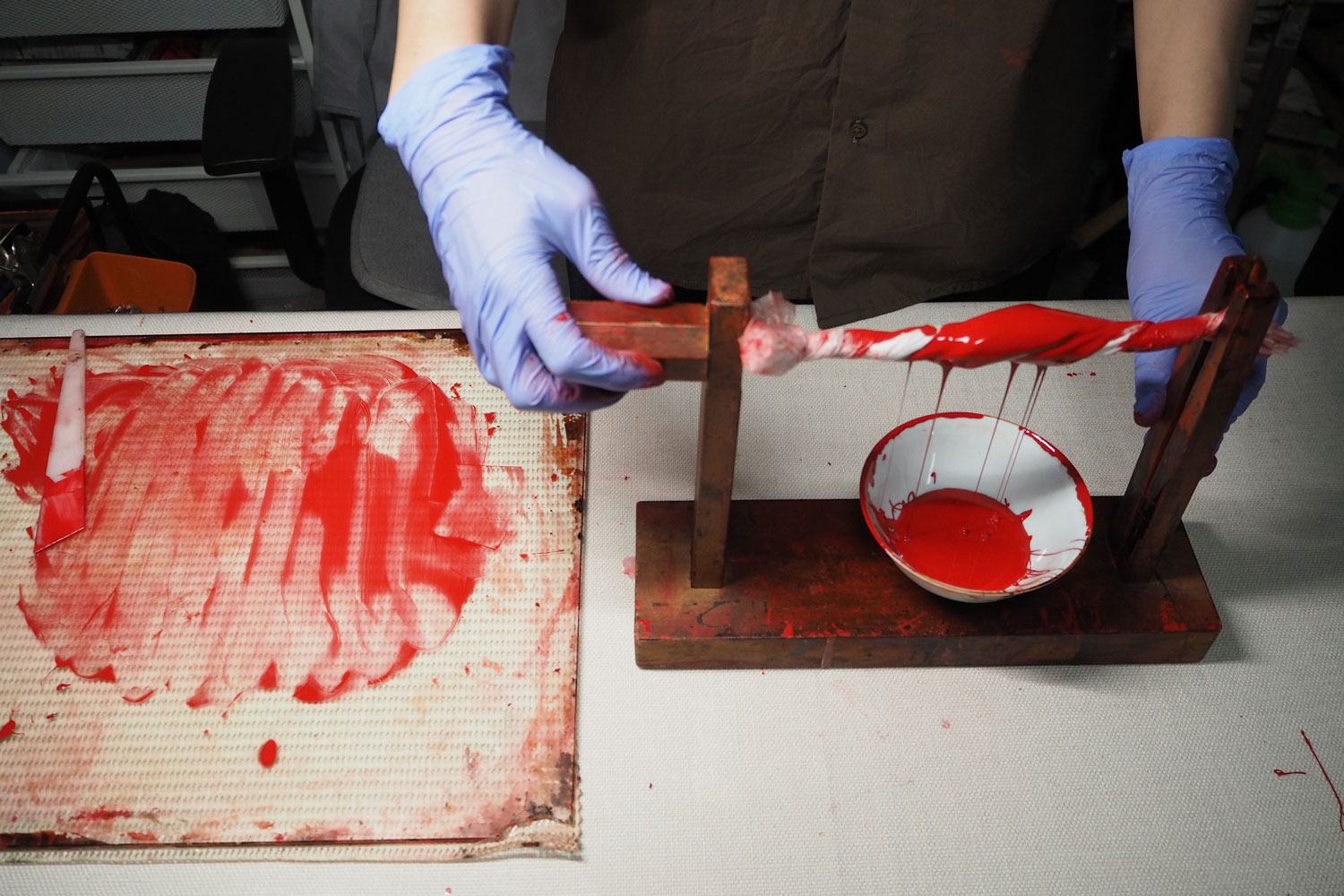
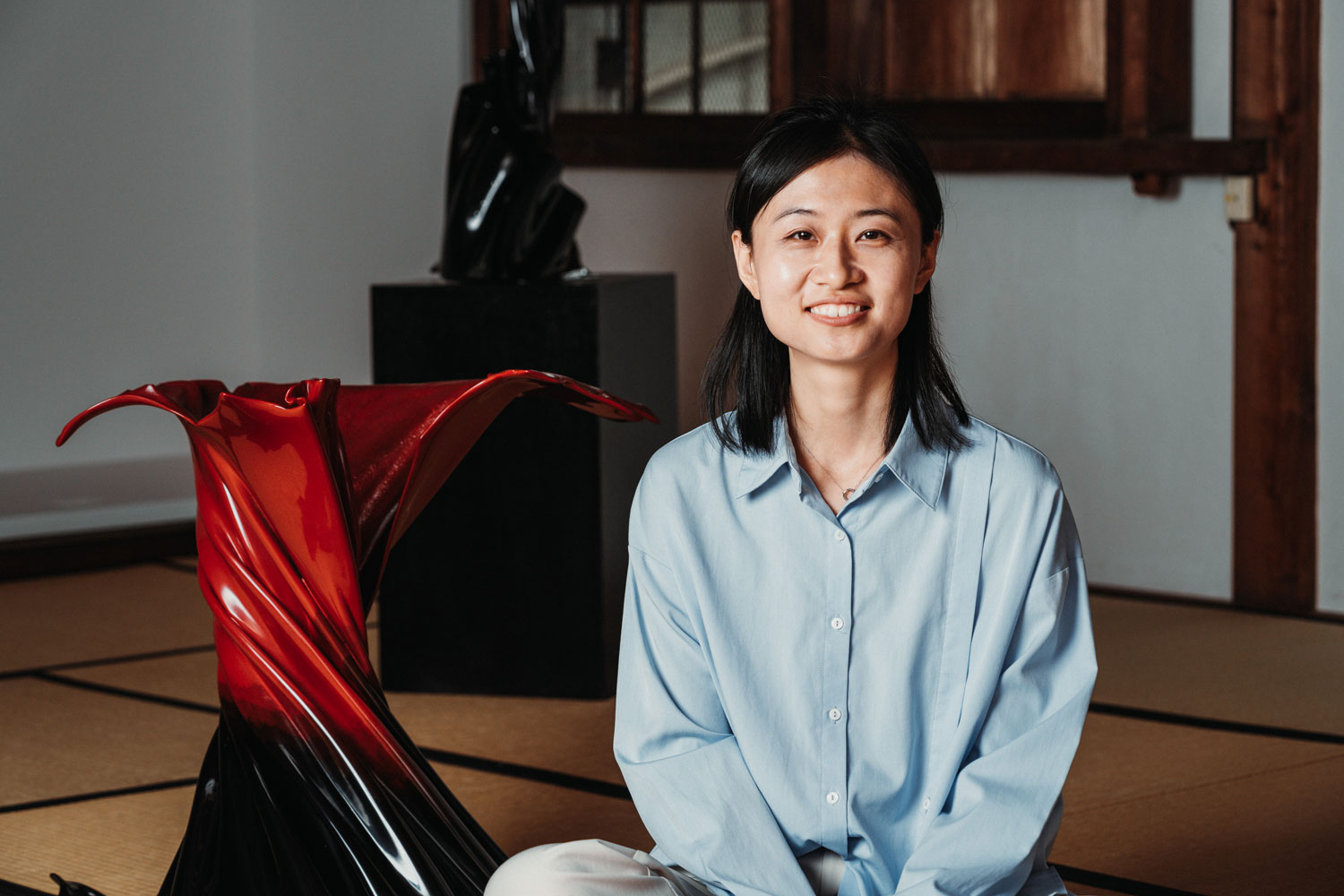
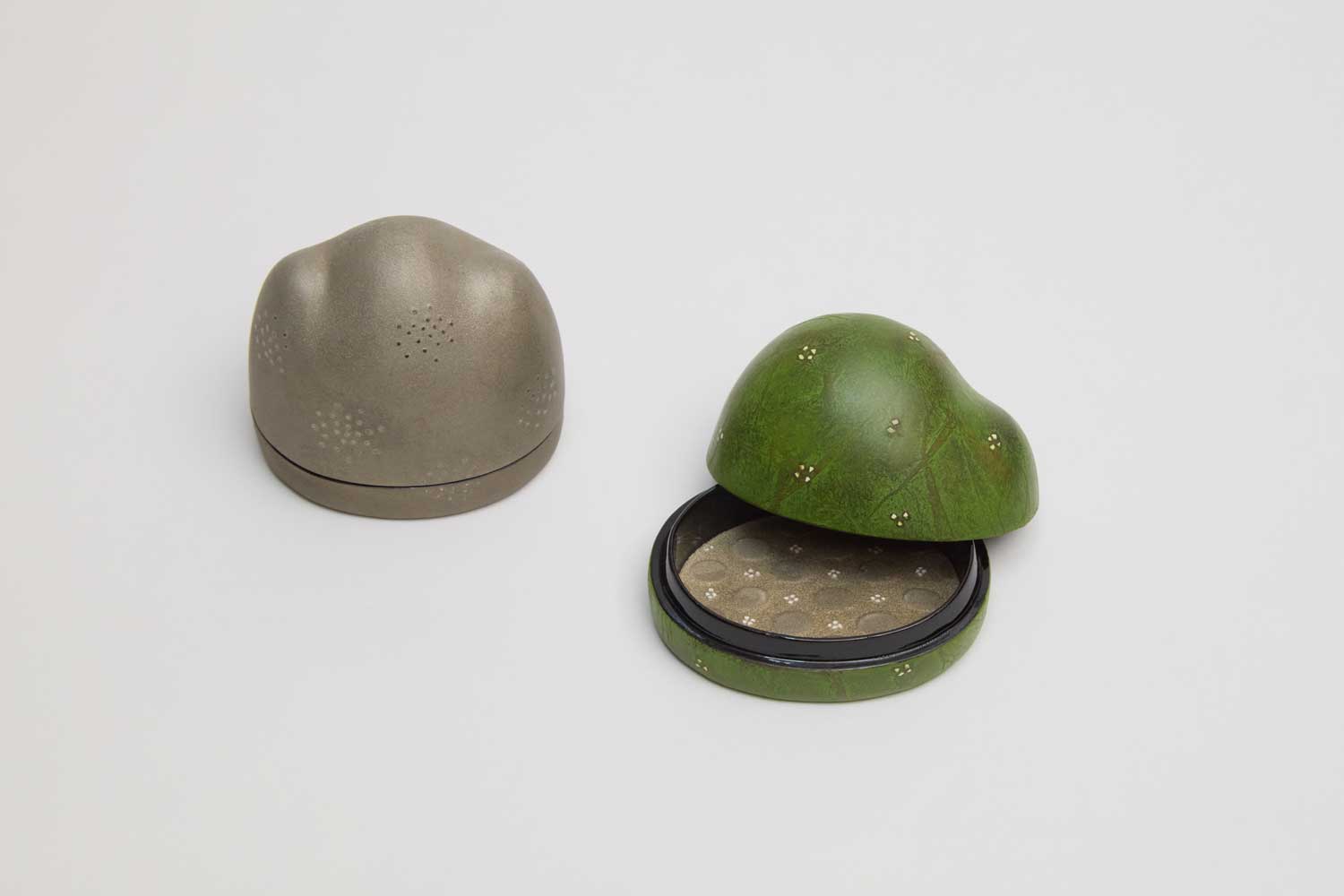
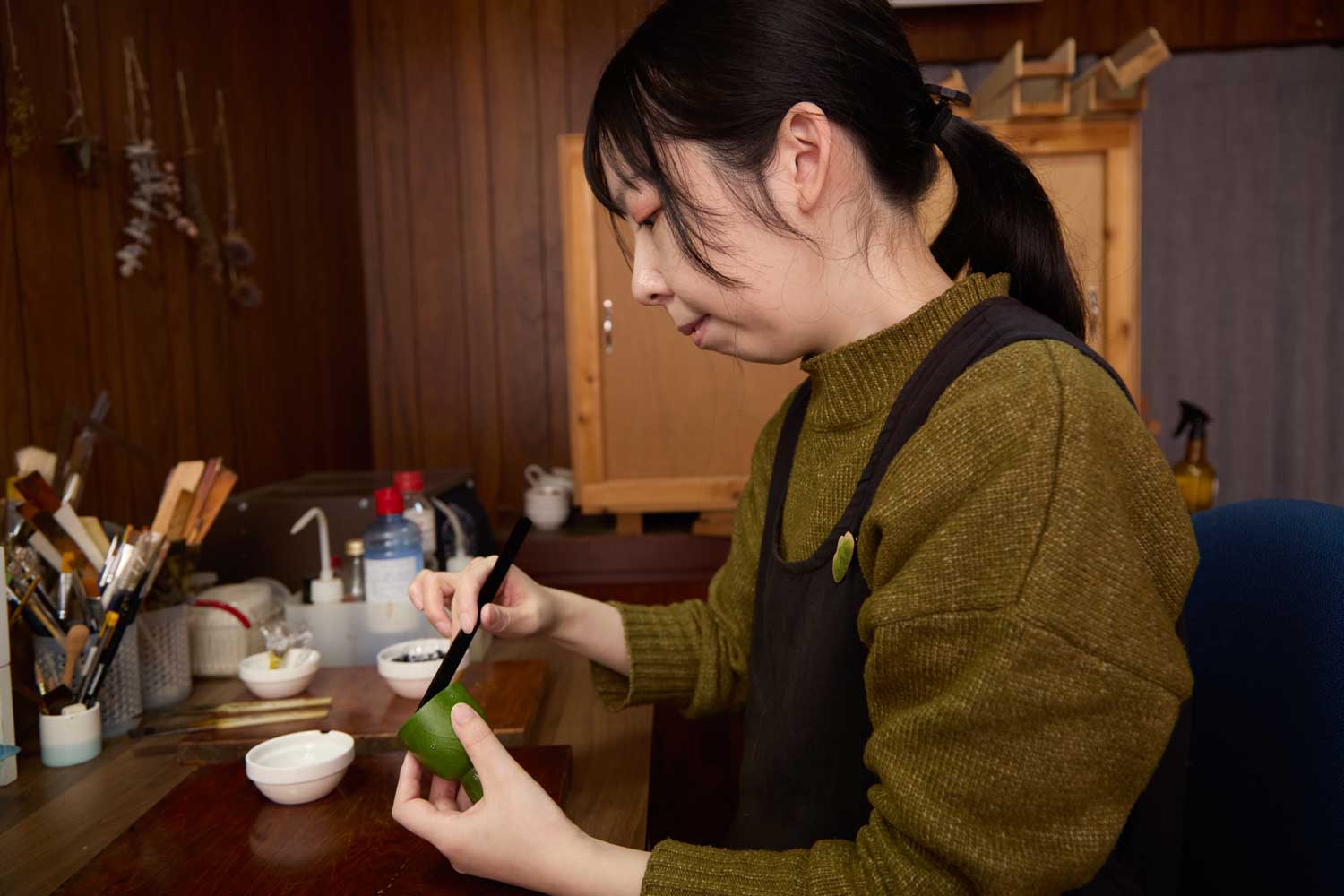
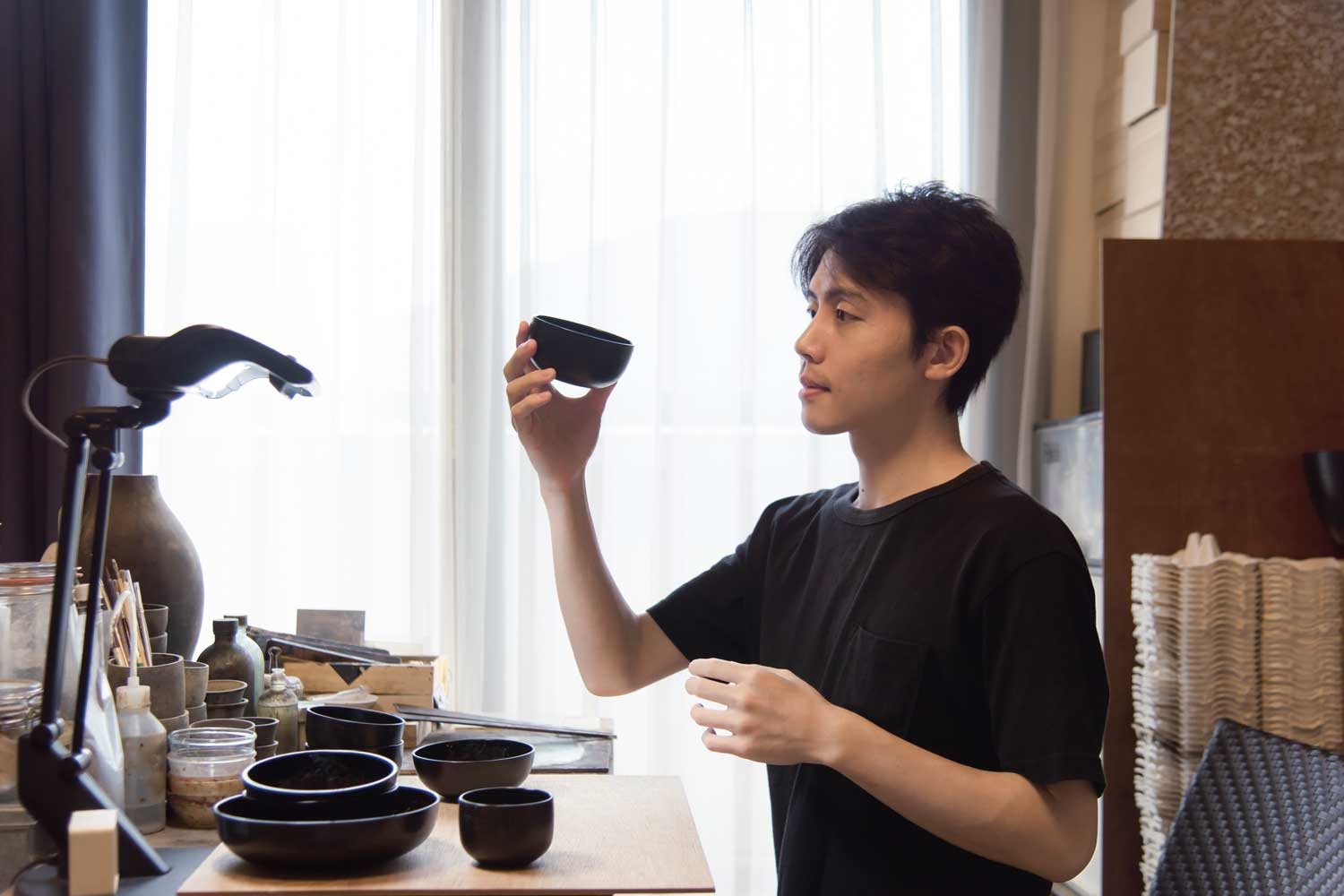
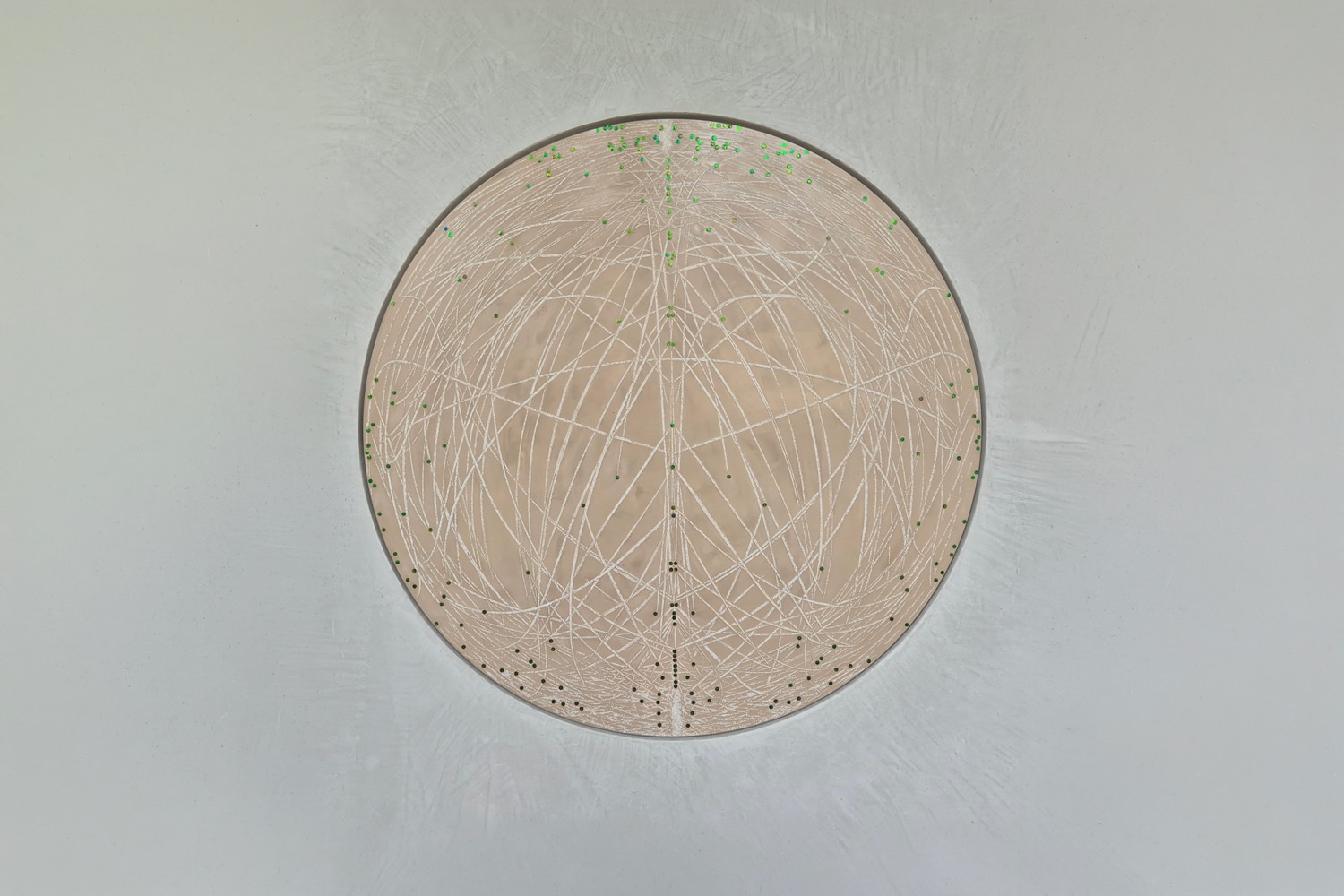
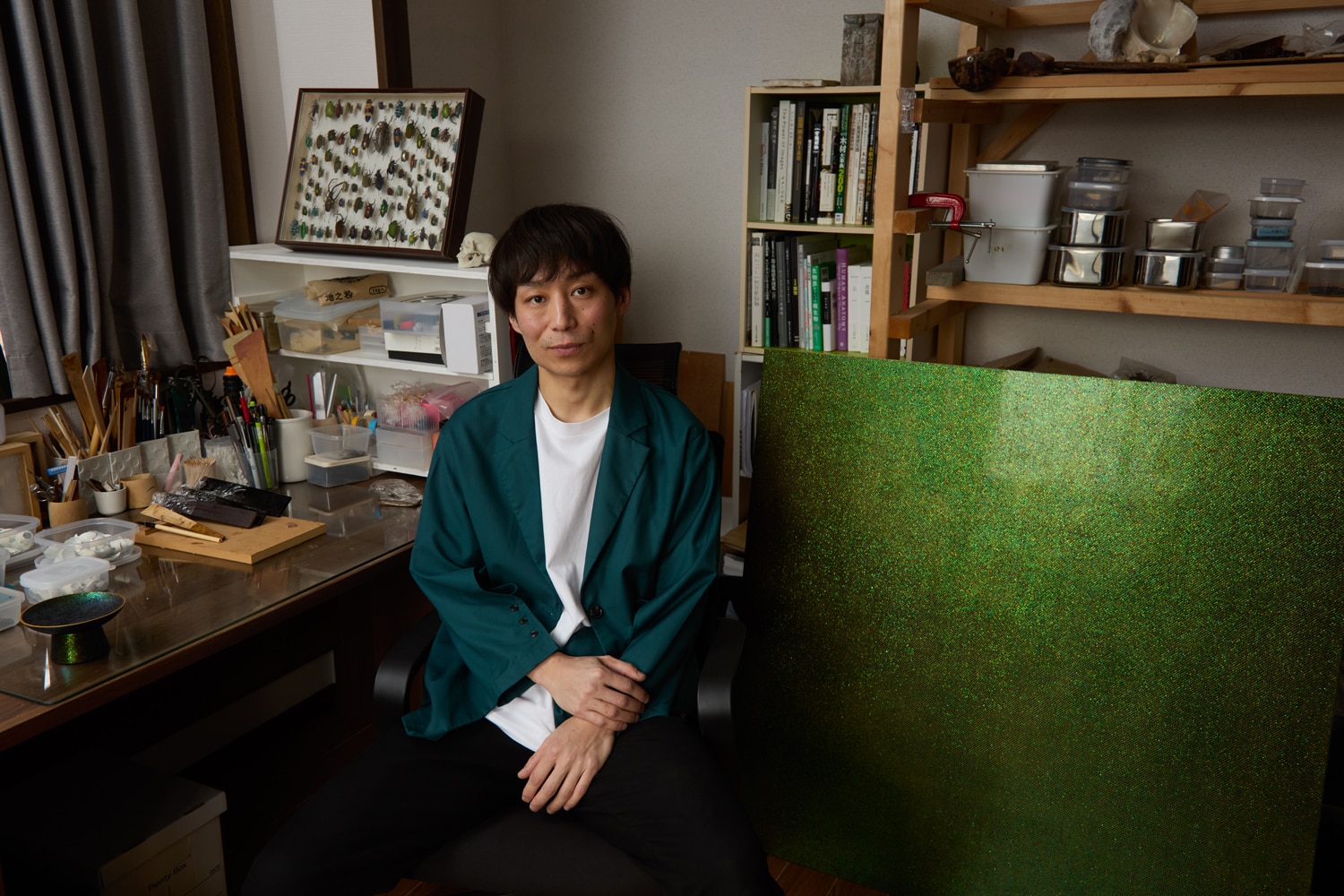
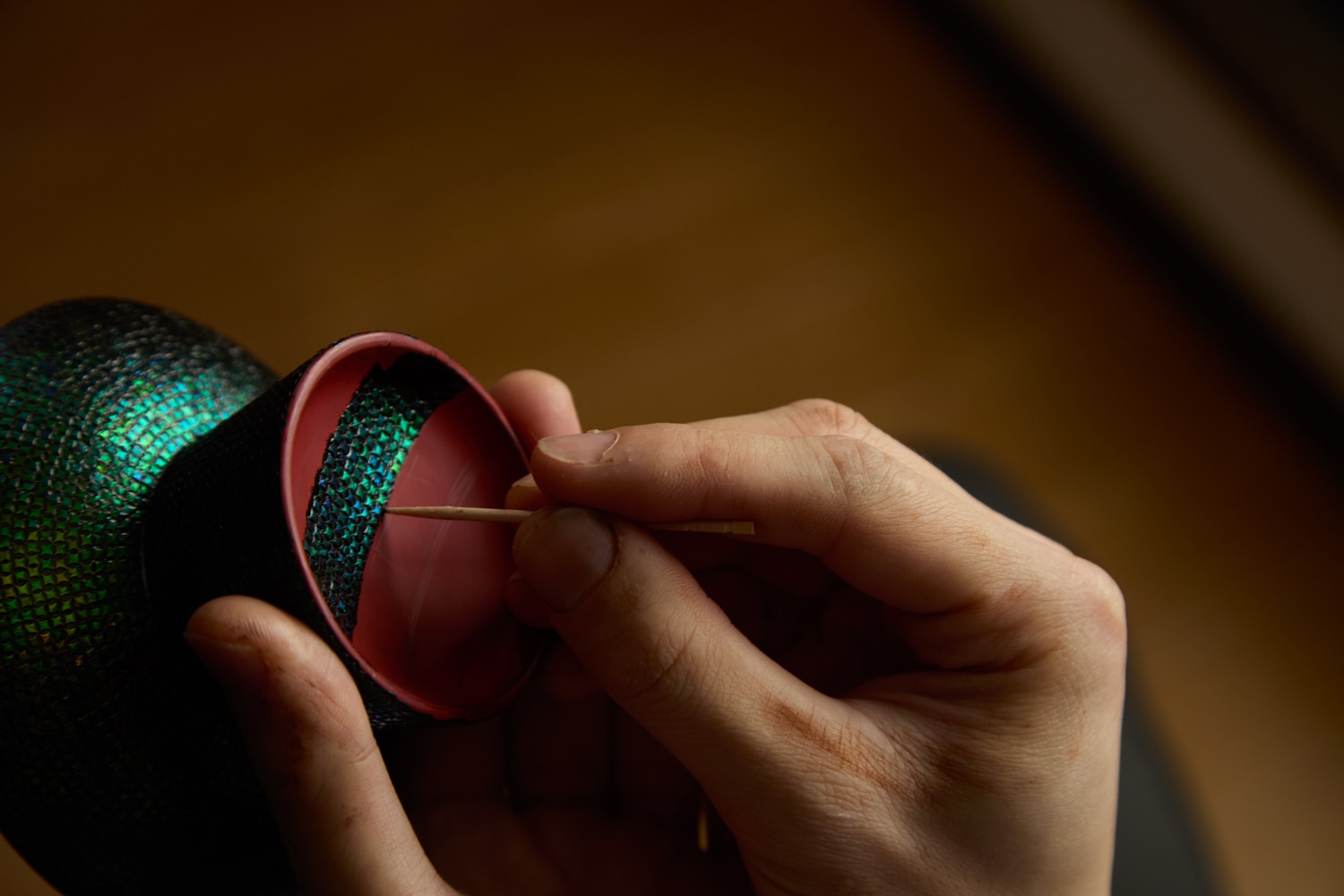
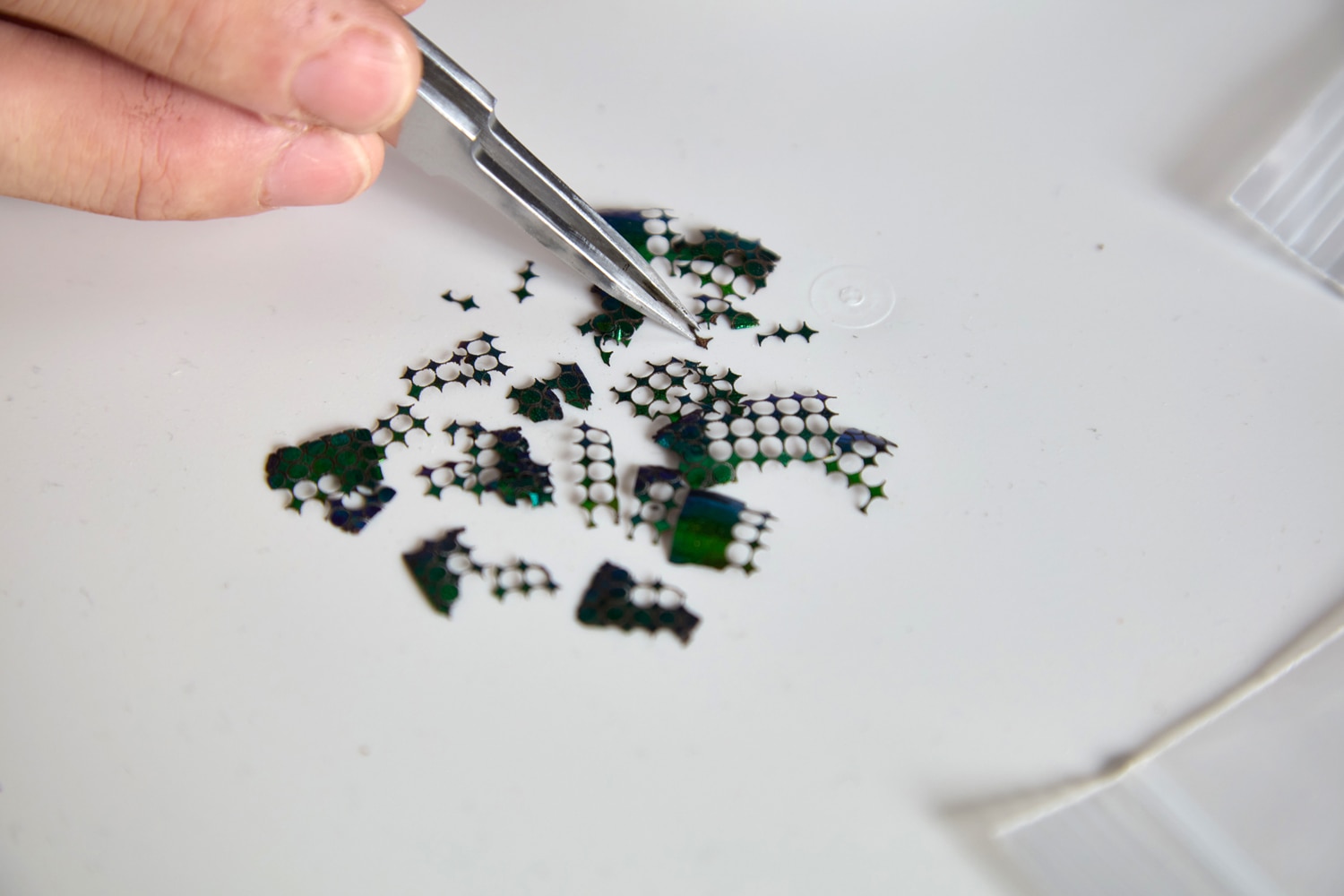
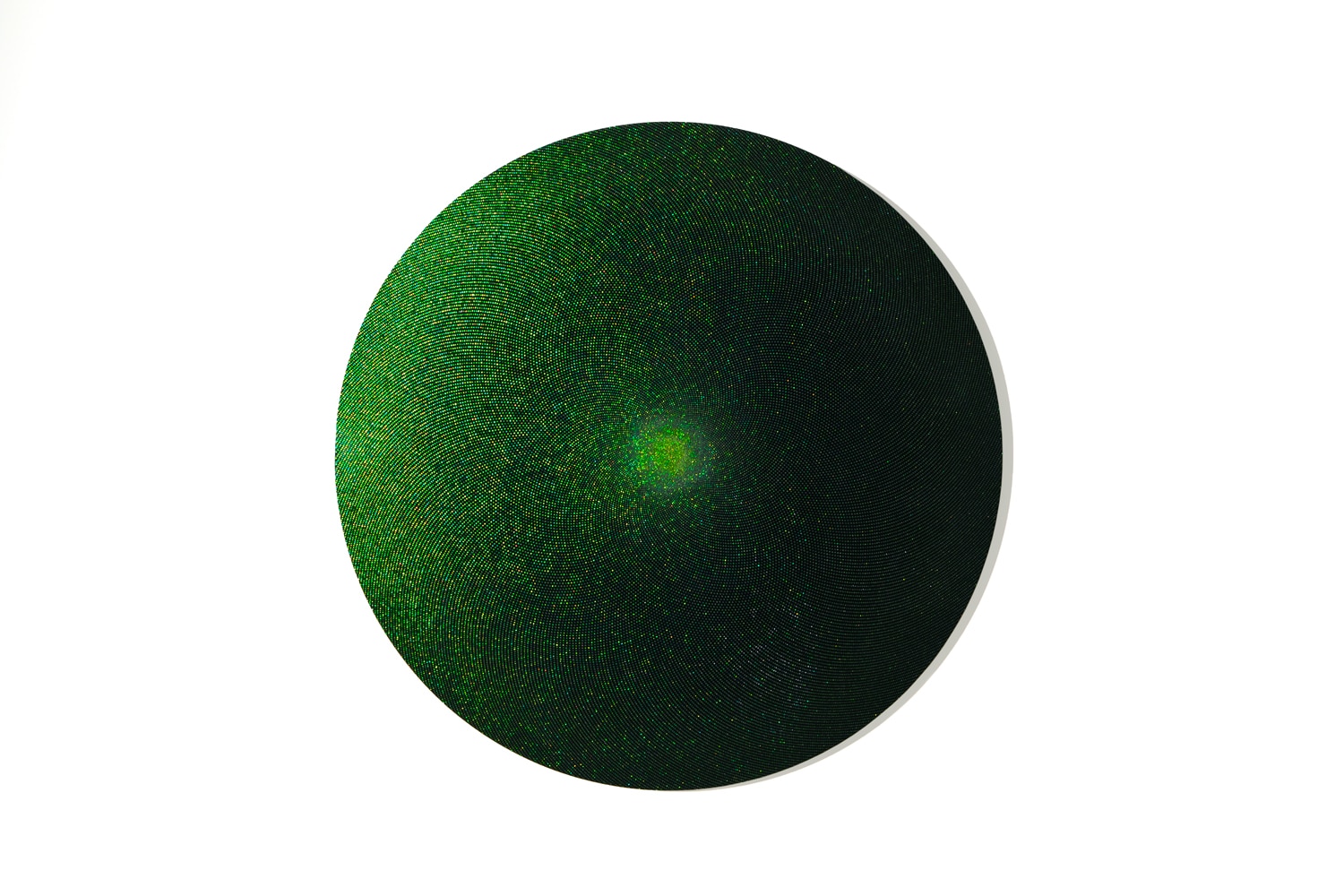
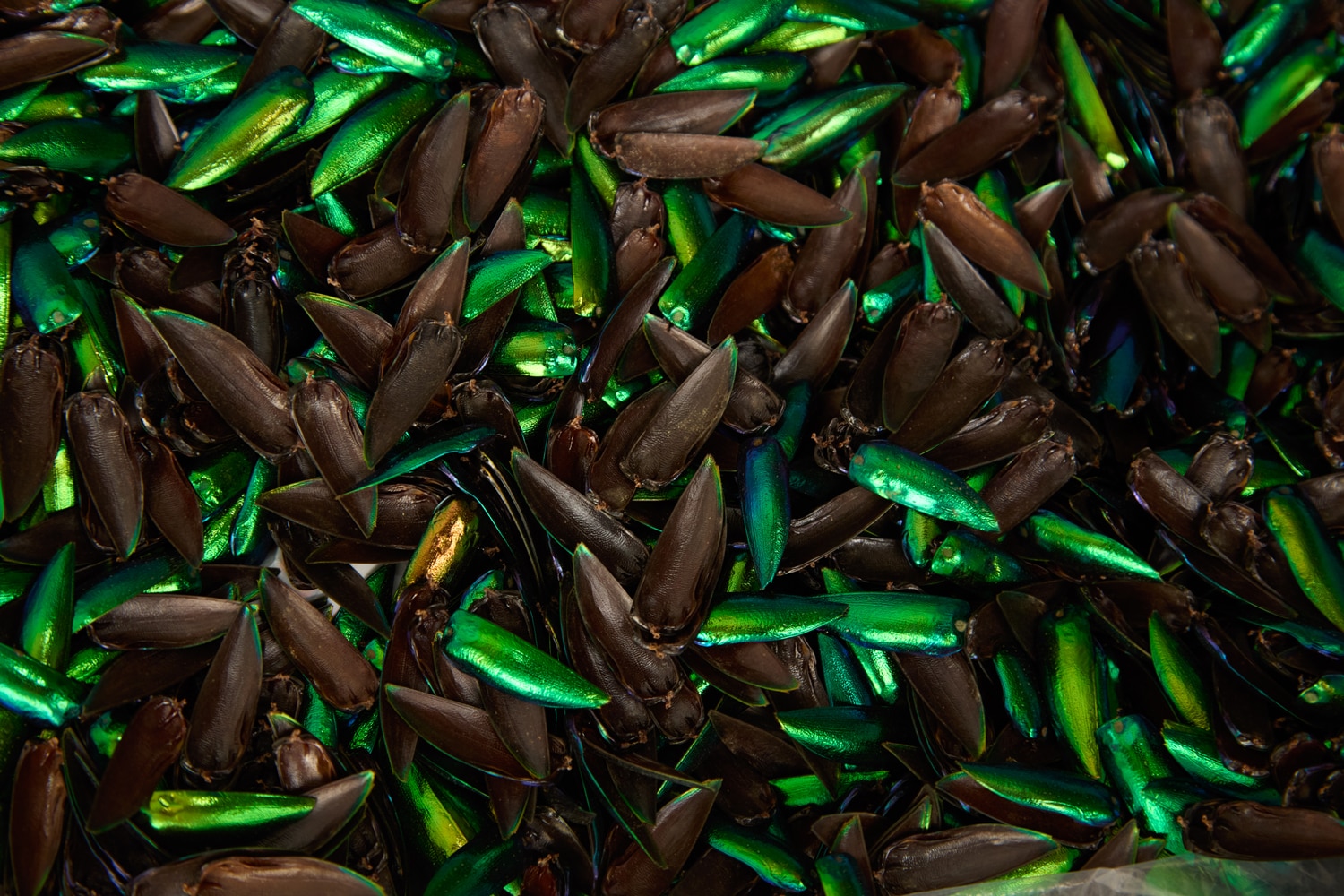
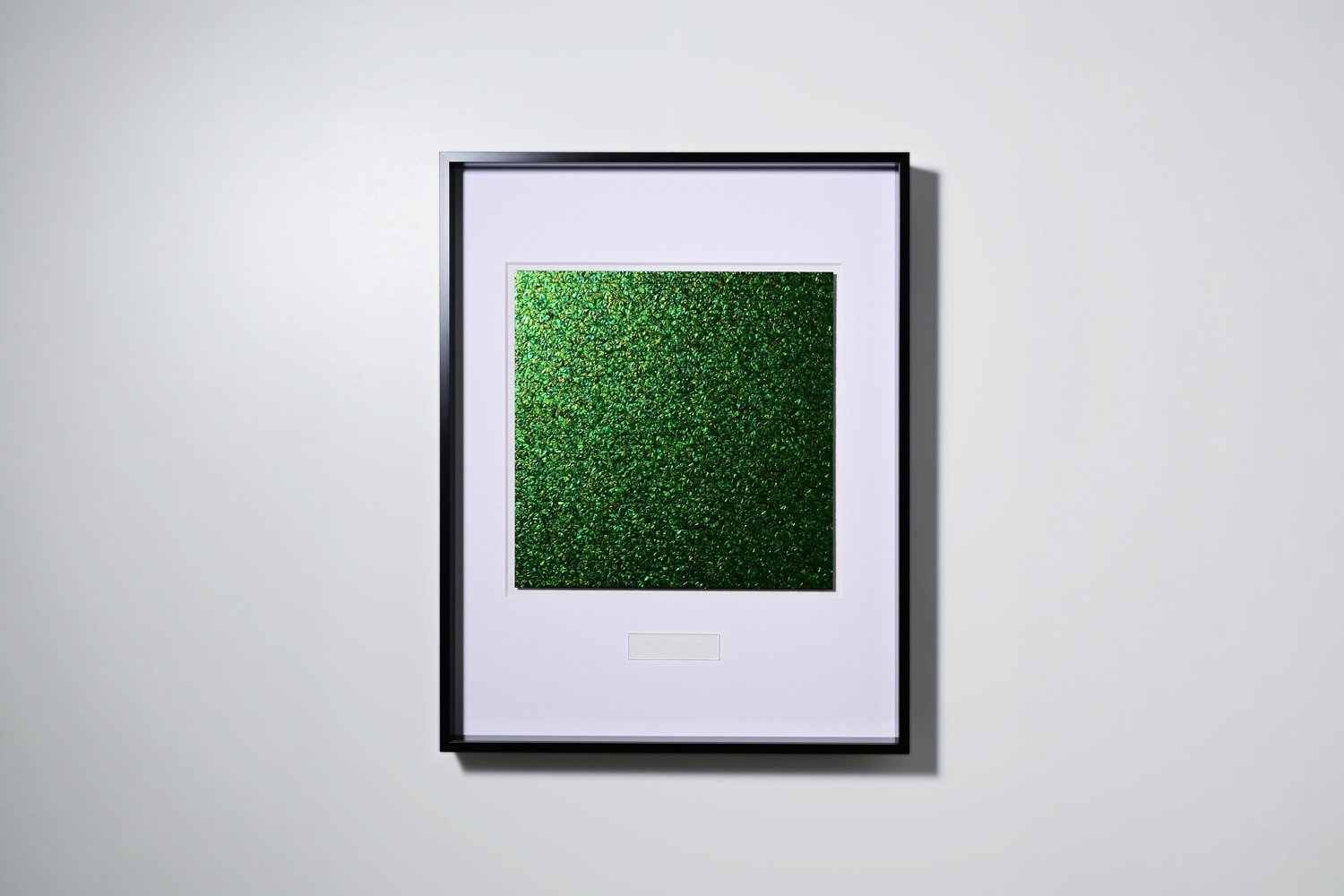
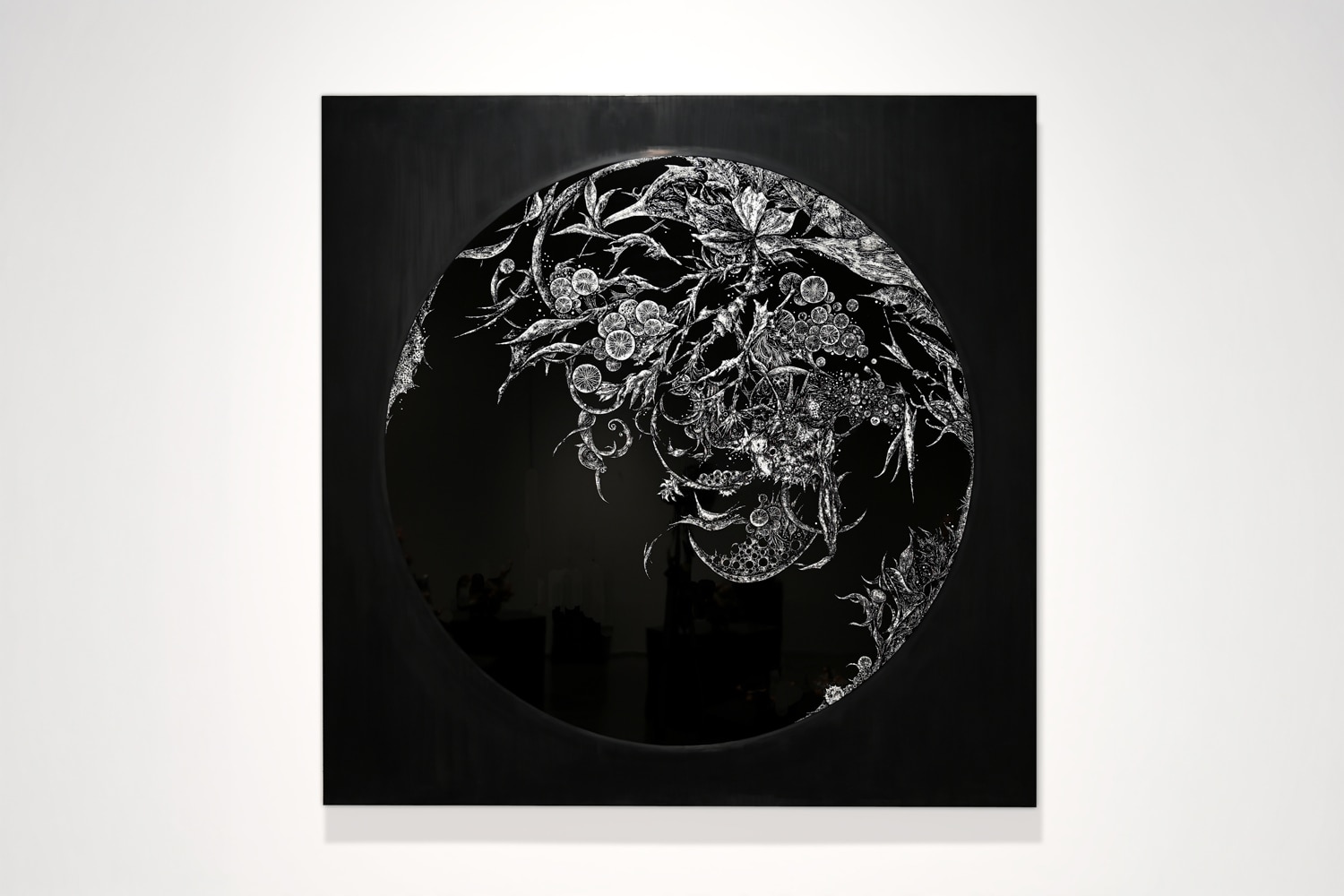
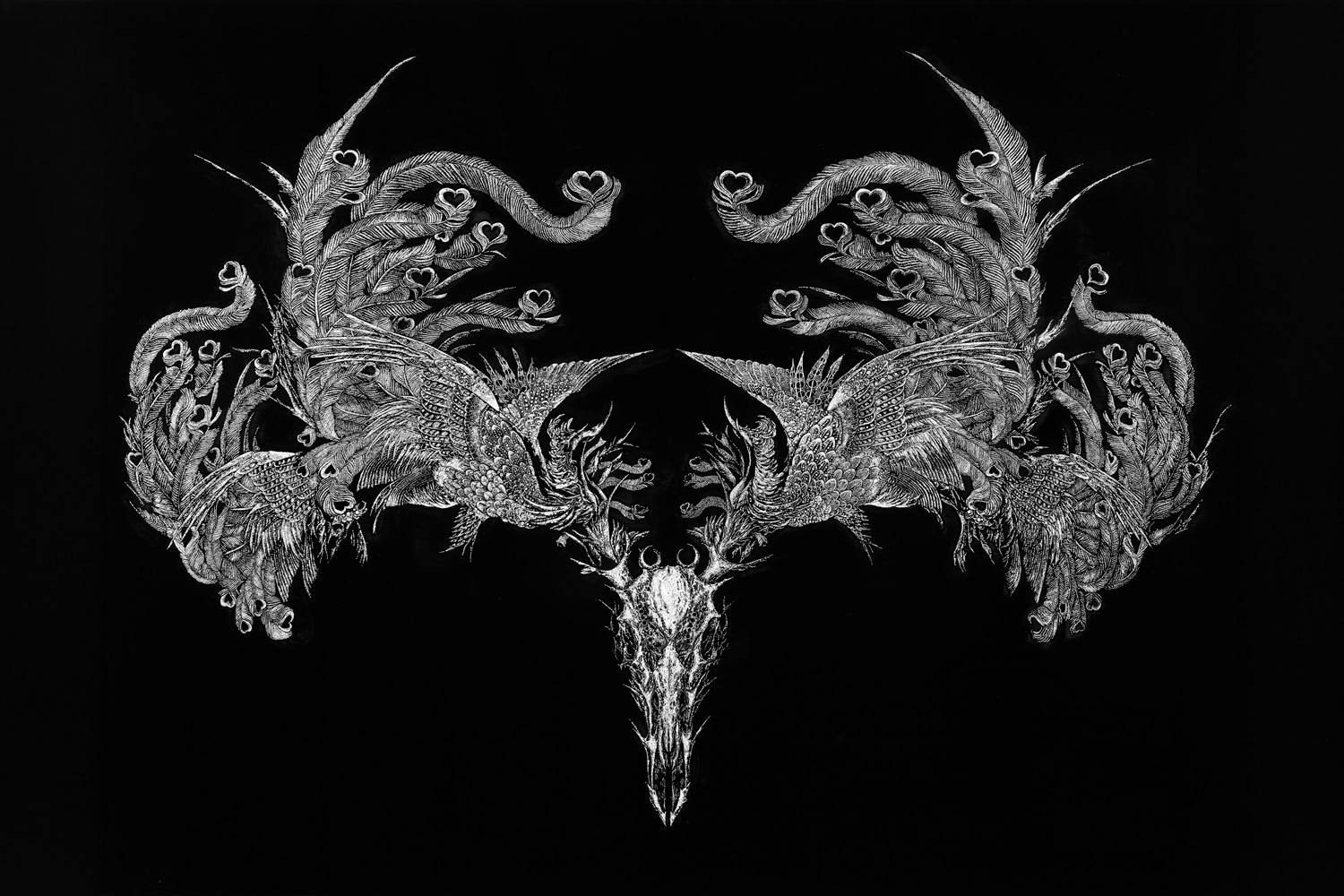
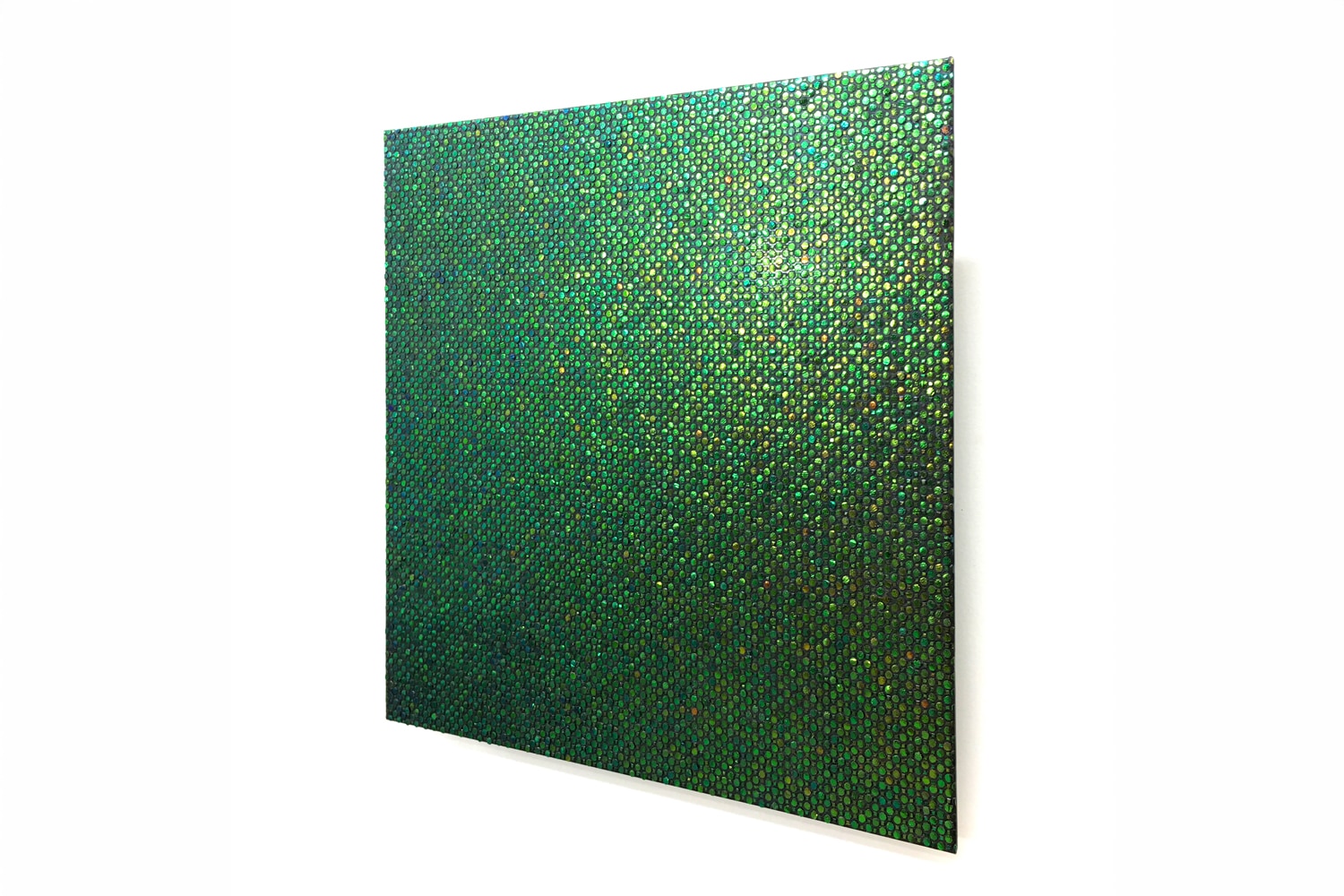
Toyoumi Kenta began making lacquer-based flat works during his bachelor degree graduation project at the Kanazawa College of Art. Initially drawn to painting, he challenged himself to explore pictorial expression using lacquer. "In my works I hope to capture the brilliance and the colour vibration of beetle wings when they catch the strong summer sunlight," he shares. Toyoumi has developed a distinctive visual language through his application of marquetry and inlay techniques, which he combines with lacquer work. His process is very meticulous, as he aims to showcase a sense of vitality evoked by the physical presence of the materials with which he works.
Toyoumi Kenta is an expert artisan: he began his career in 2009.
Discover his work
INTERVIEW
I currently work in Kyoto, but having previously worked in Kanazawa, I enjoyed how its rich lacquer culture – from material suppliers to daily interactions with other craftspeople – creates conditions for new talent to grow. I find it very interesting that the local government strategically positions culture as an important resource in its urban development and I hope that similar initiatives will spread to other regions.
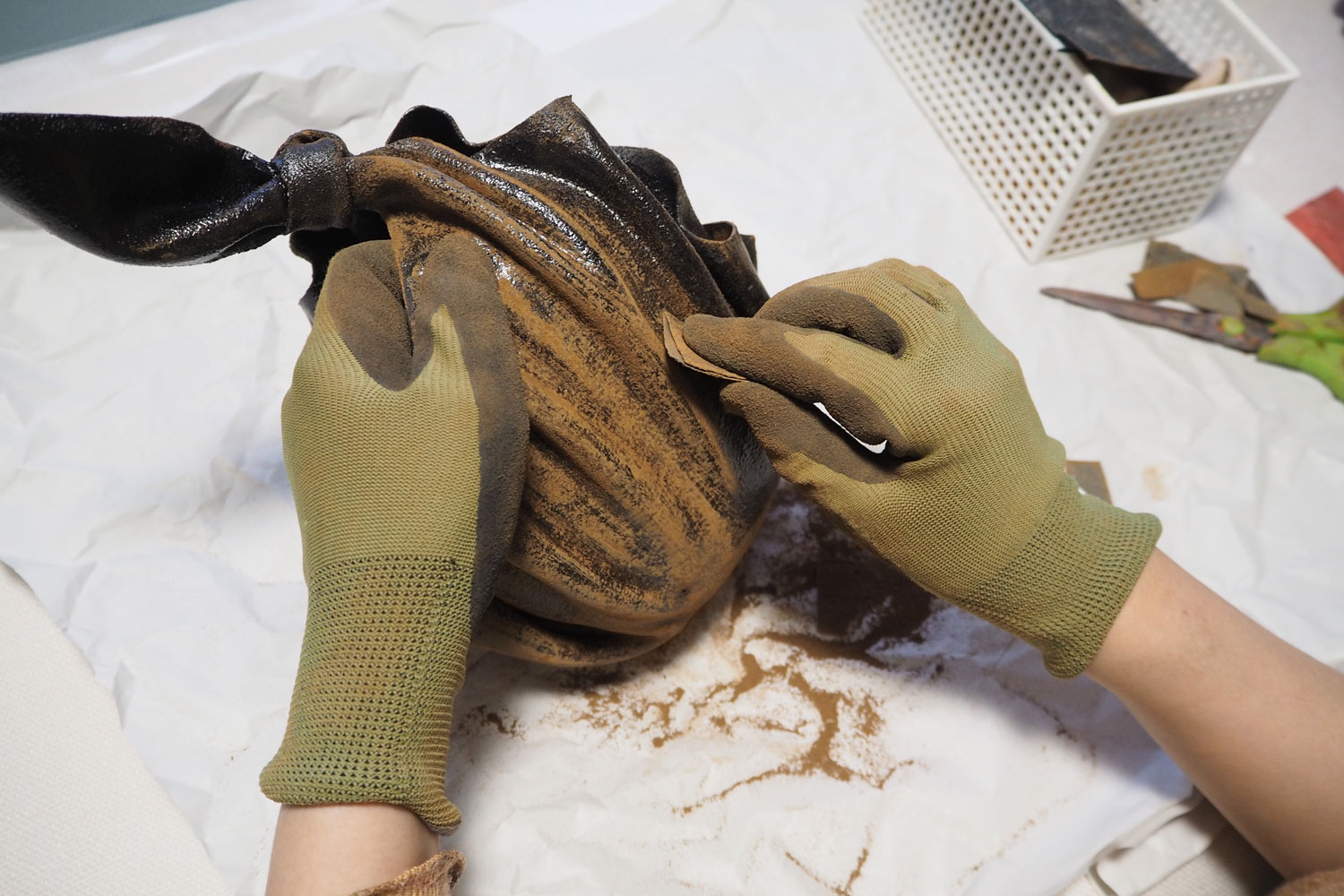
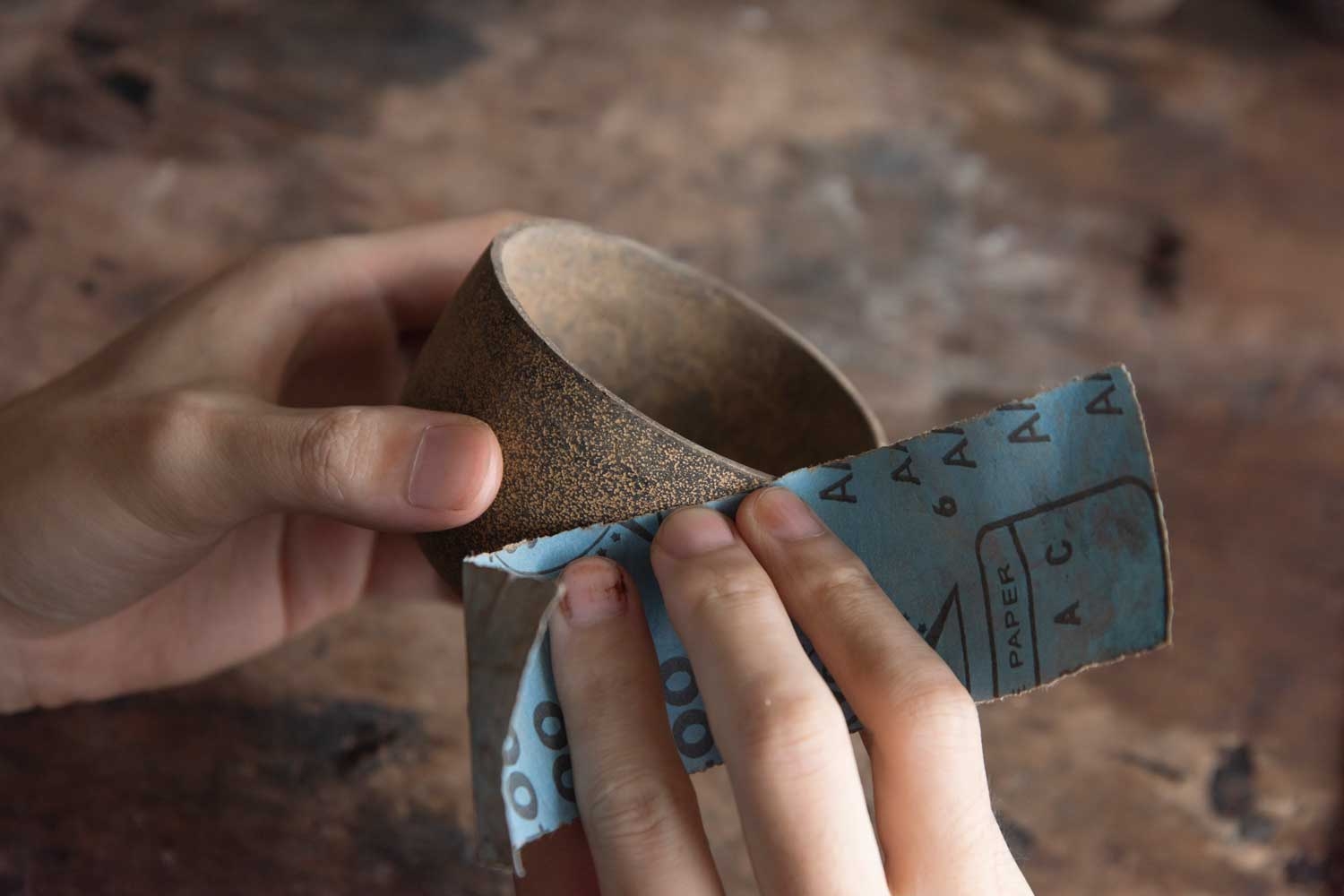
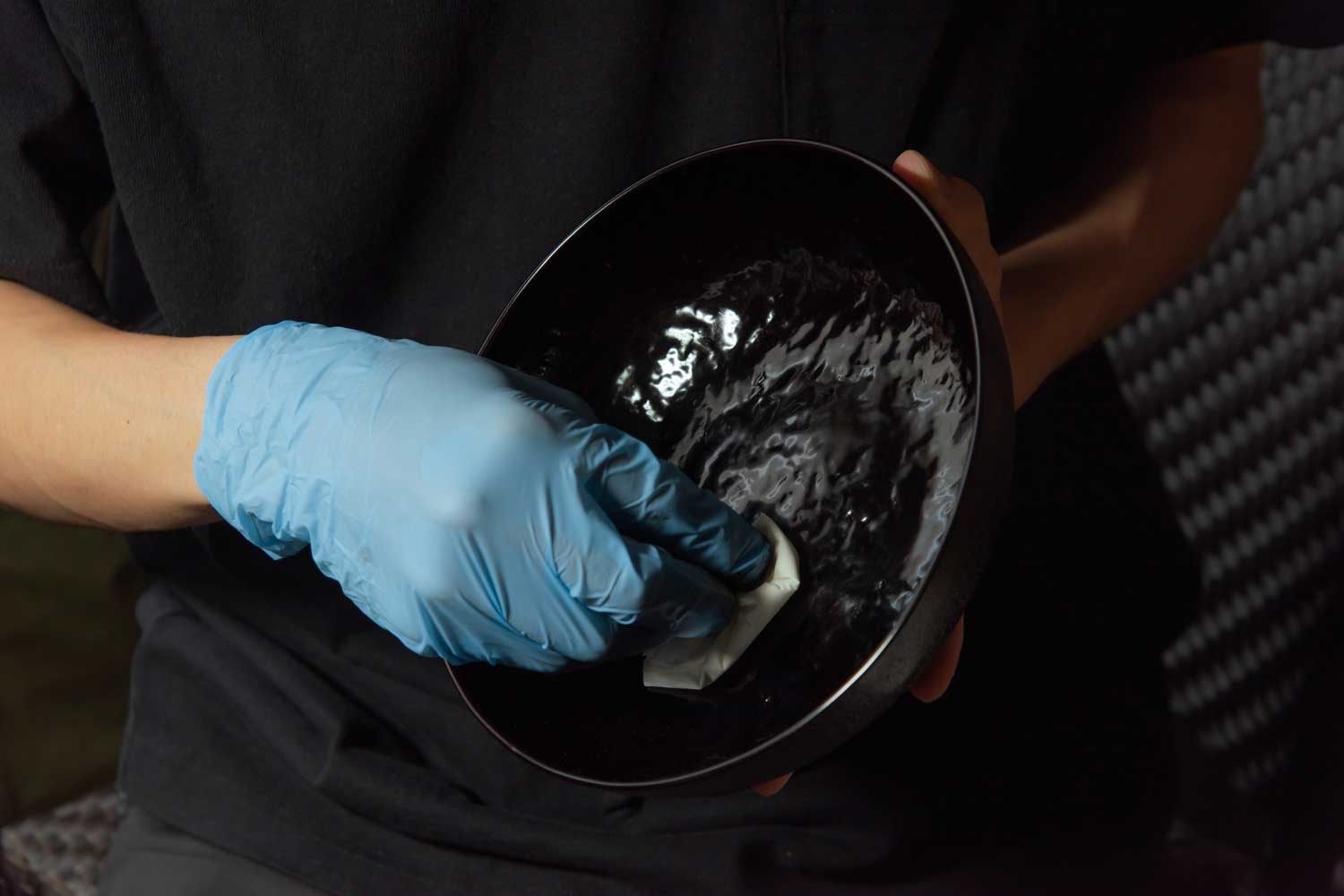
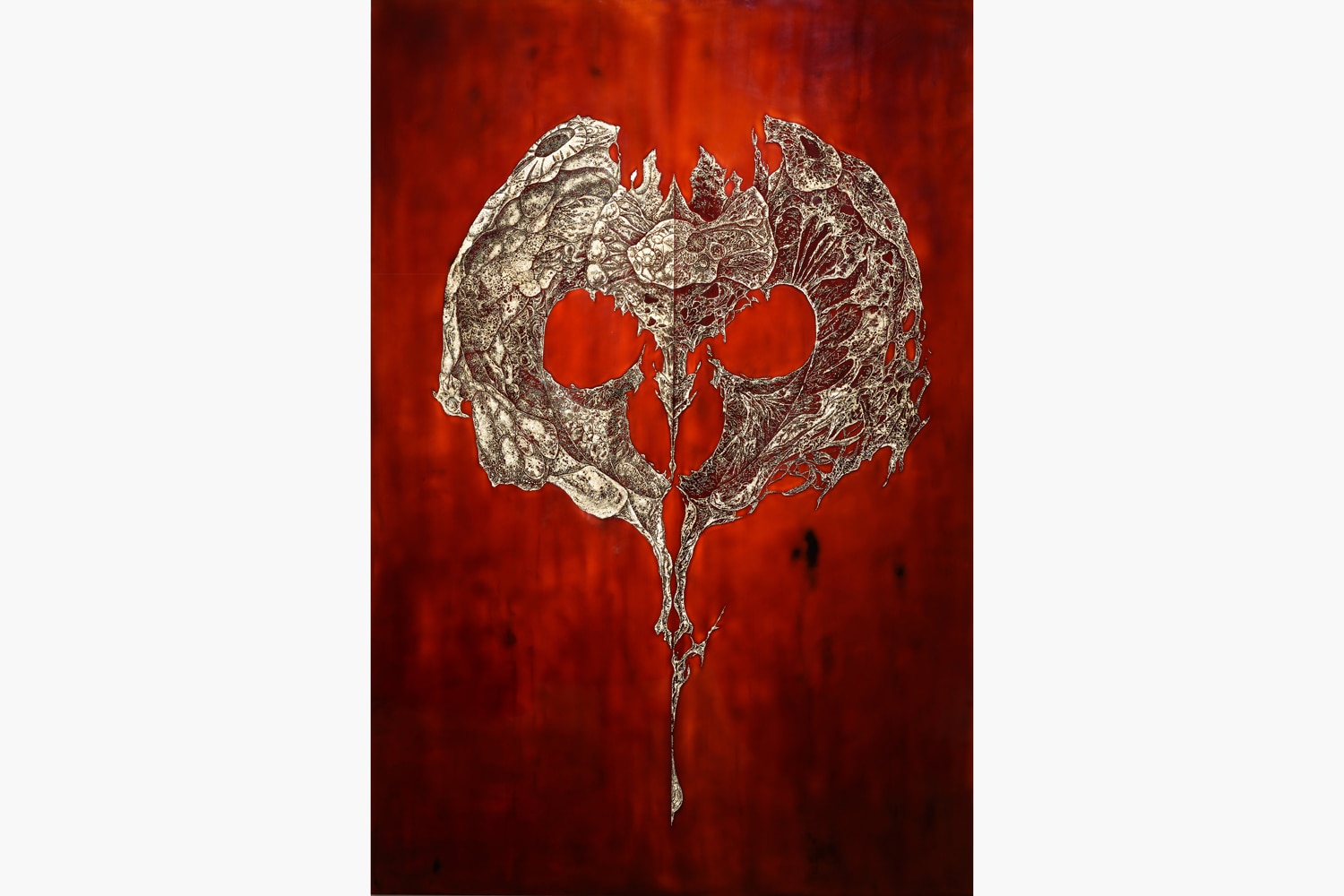
The decorative and polishing processes such as maki-e, mother-of-pearl, or eggshell inlay are where I feel that materials are transformed. I also associate certain images with each material: eggshell reminds me of bones or fossils; mother-of-pearl of cells of colour; jewel beetle wings of the energy of the sun. The deep and quiet concentration required during the final stage of polishing a mirror-like black surface is also particularly satisfying.
I will never forget the landscape of urushi trees cultivated in Okukuji, Ibaraki Prefecture. The neatly planted rows form a kind of forest, and the trunks bear many tapping marks where lacquer has been harvested. Seeing the fields of young trees maintained by leading seedling specialist Masunori Kaminaga made me feel, once again, the immense energy contained in lacquer as a material.
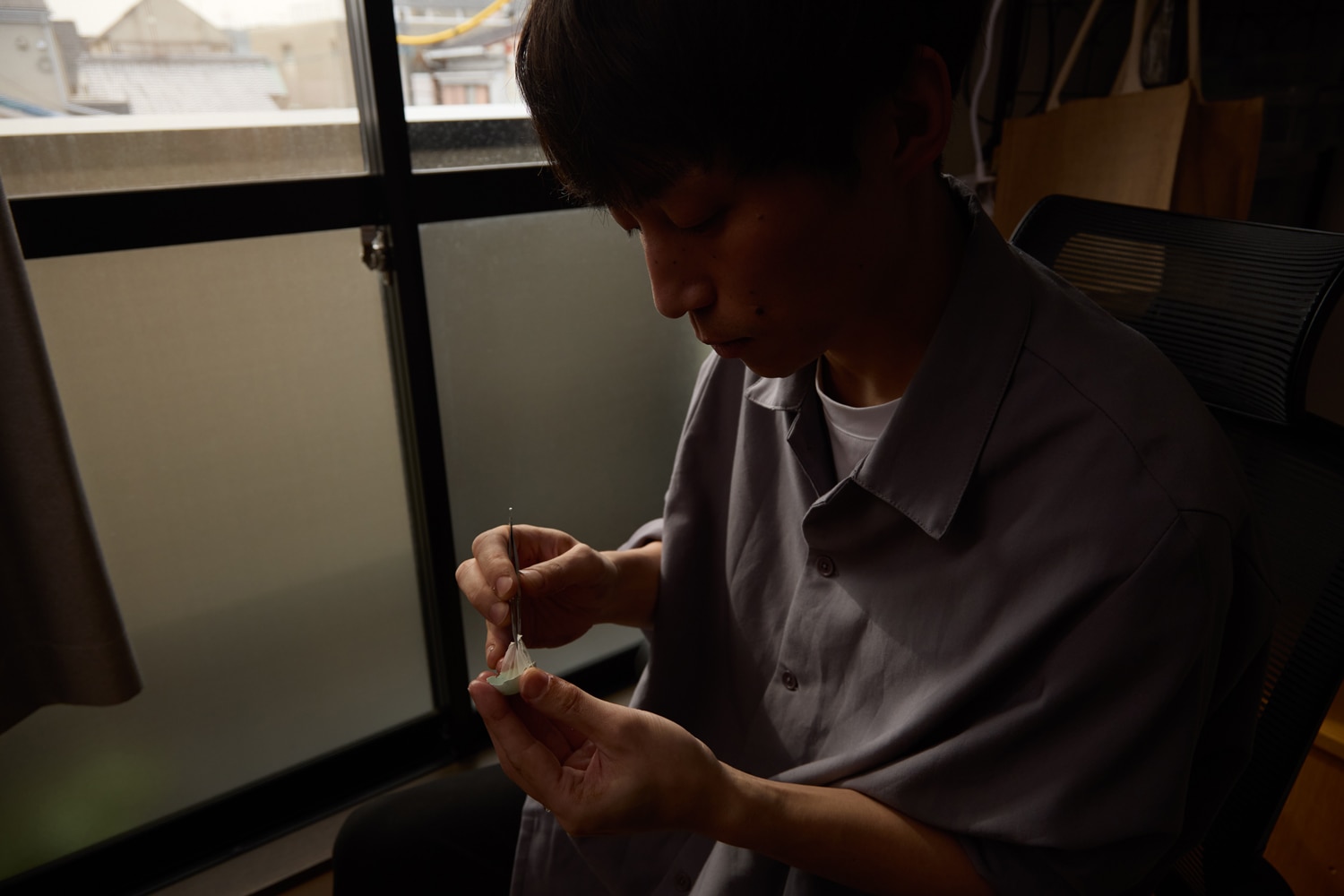
A curator once said something that stayed with me: “Craft is about performing chemical processes through bodily sensation." When working with lacquer, makers judge its condition entirely through their physical senses. In a modern world that values efficiency, relying on bodily perception may appear inefficient. However, I believe this is precisely why craft embodies the spirit and aesthetic sensibility of each maker.
Toyoumi Kenta
Lacquerer
Kyoto, Japan
ADDRESS
Address upon request, Kyoto, Japan
AVAILABILITY
By appointment only
LANGUAGES
Japanese
HOMO FABER FINDS
Homo Faber Finds is a new service aiming to inspire admirers of craft to connect and collaborate with exceptional artisans.
We invite you to submit an enquiry here.