Takami Kawai
Suikoushya
Carpenter
Kyoto, Japan
Beyond the Japanese tea house
- Takami chose carpentry after being inspired by a house designed by his artist great-grandfather
- He teaches the philosophy behind Japanese carpentry and culture
- He took part in the Ise Shrine construction in 2013
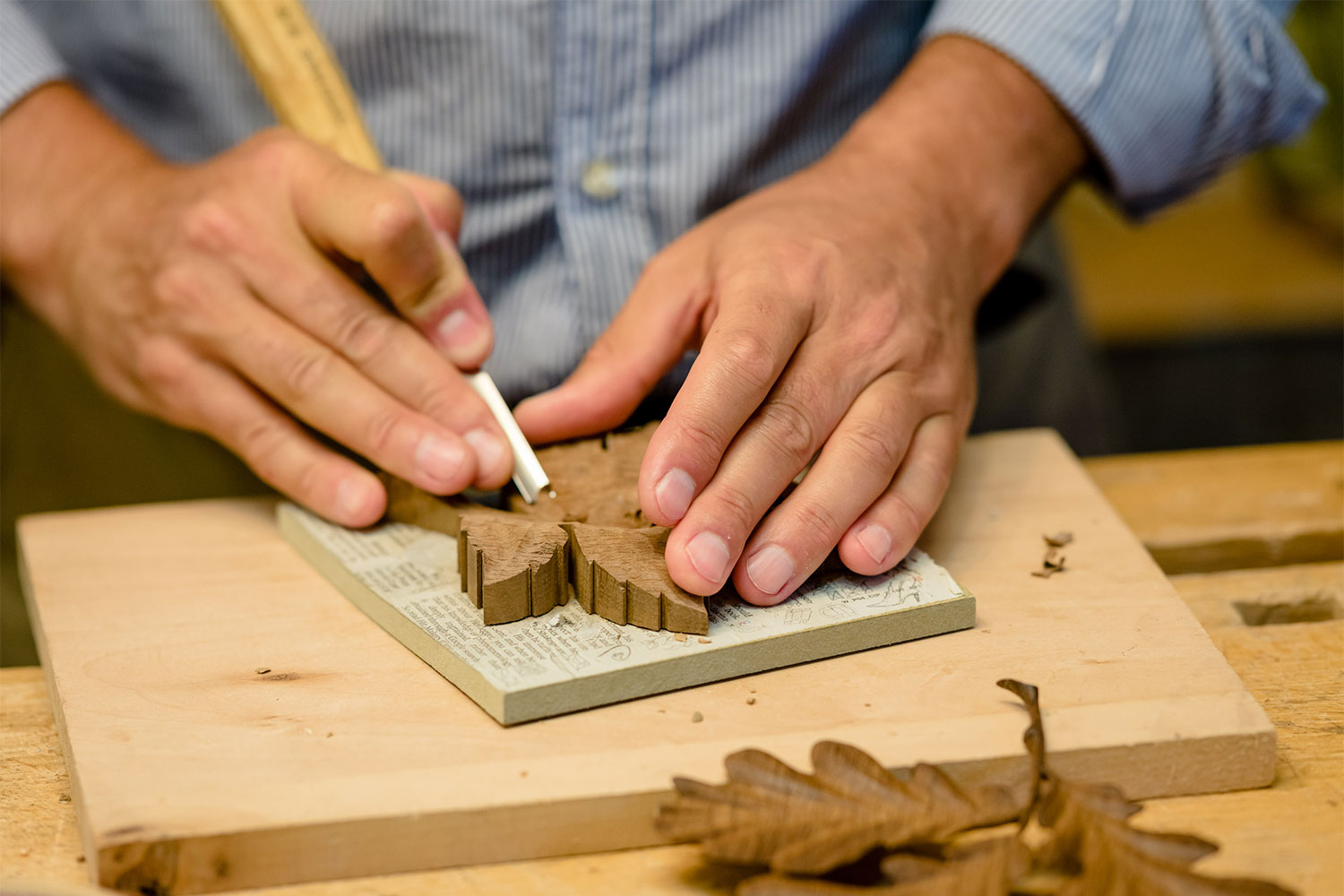
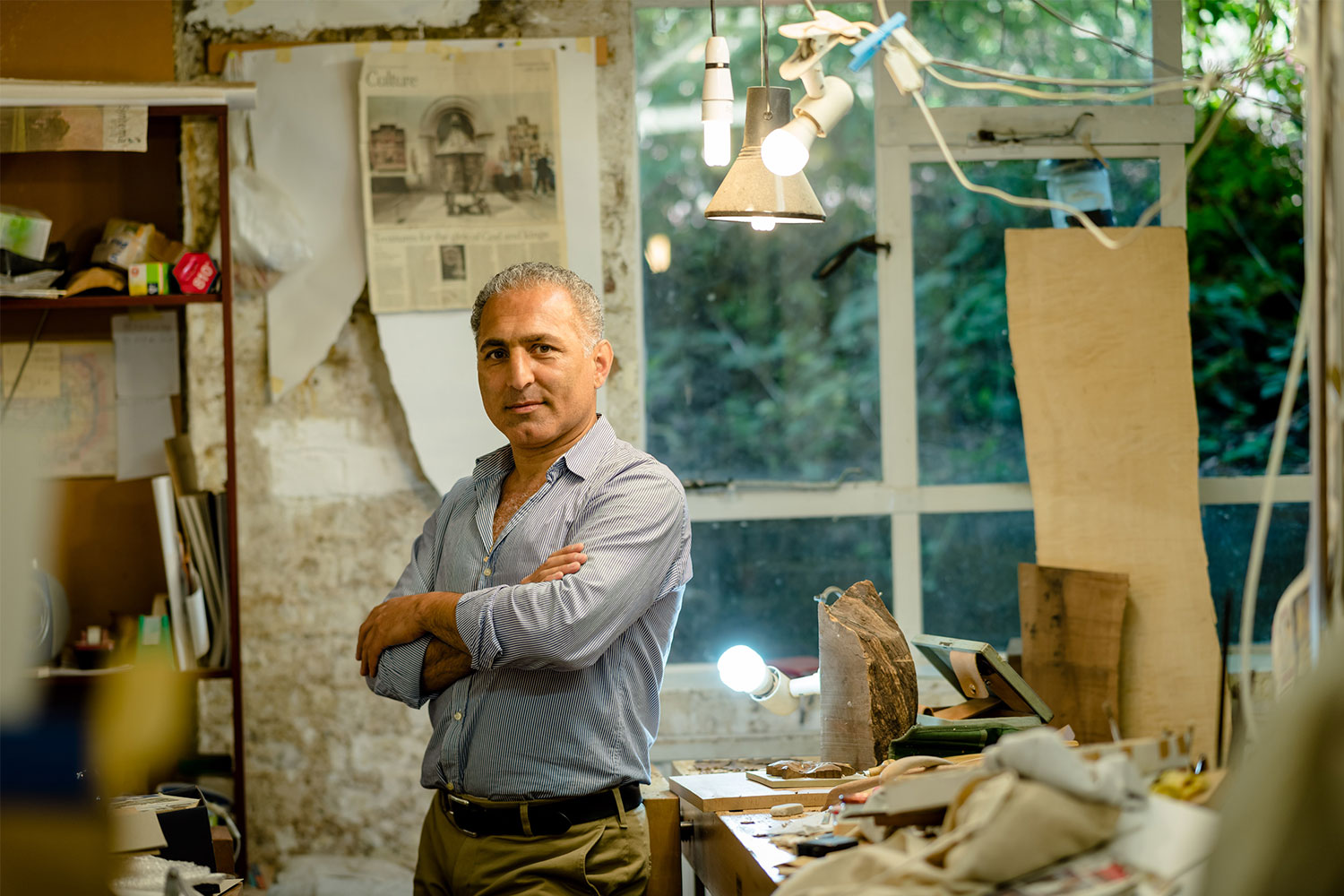
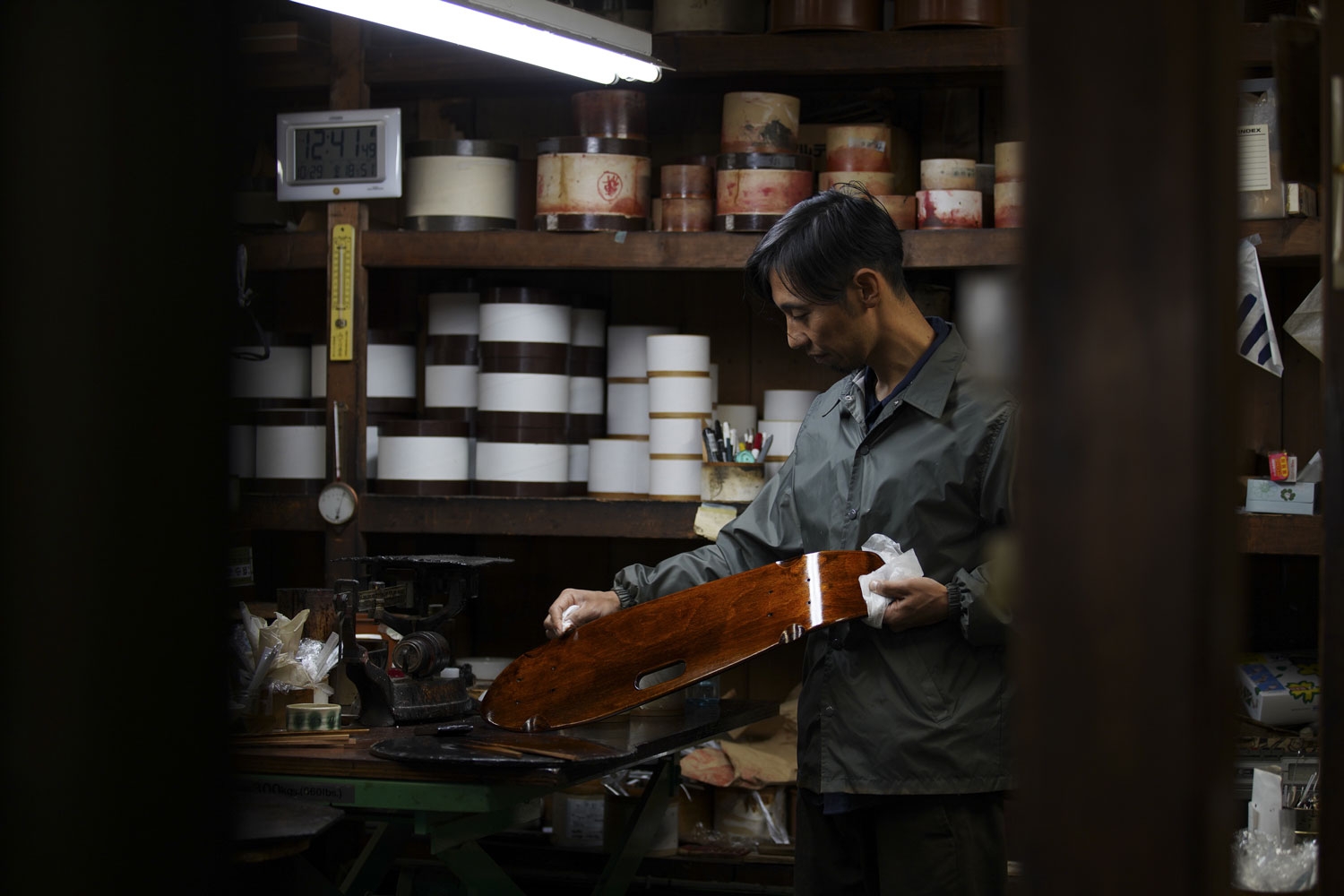
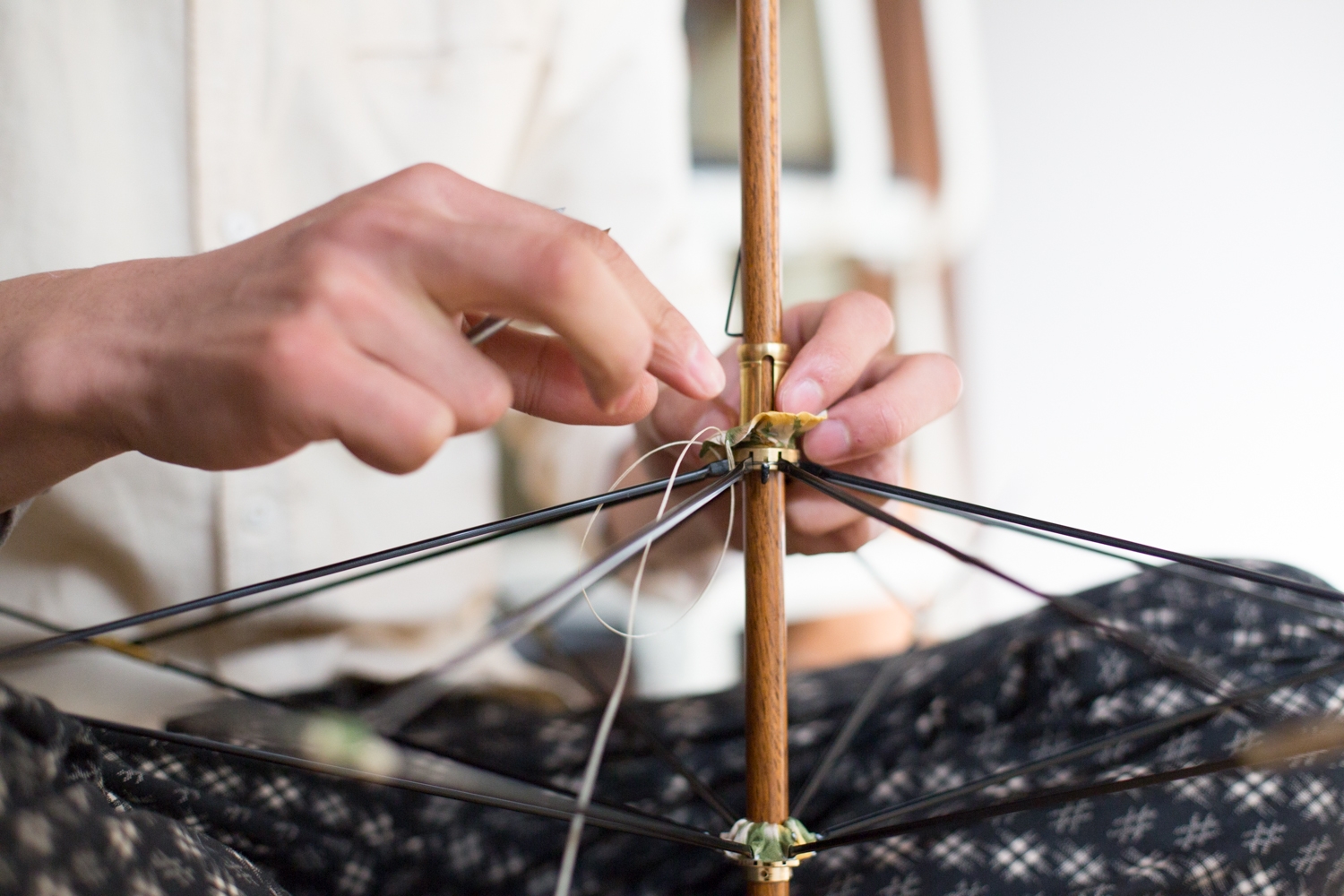
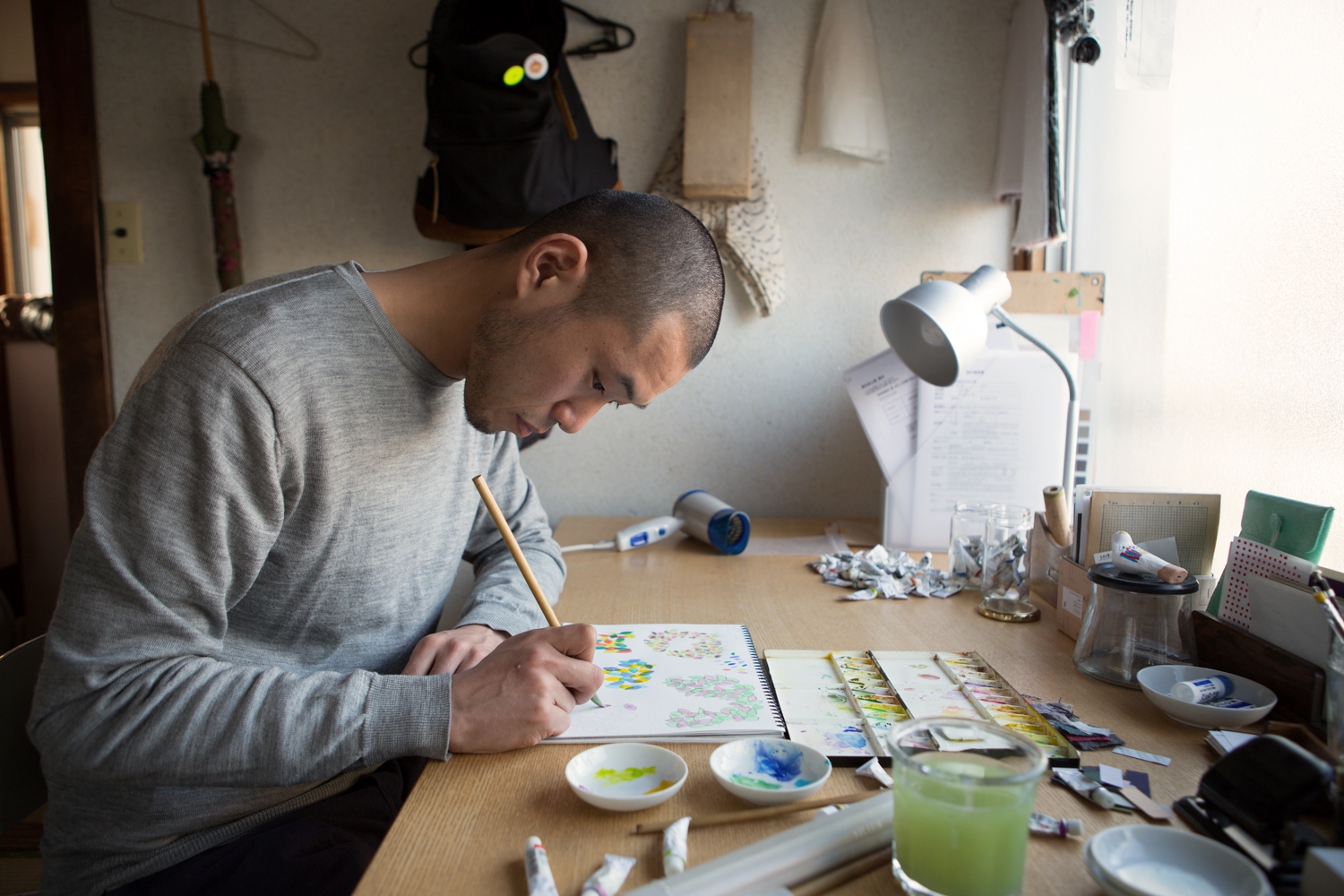
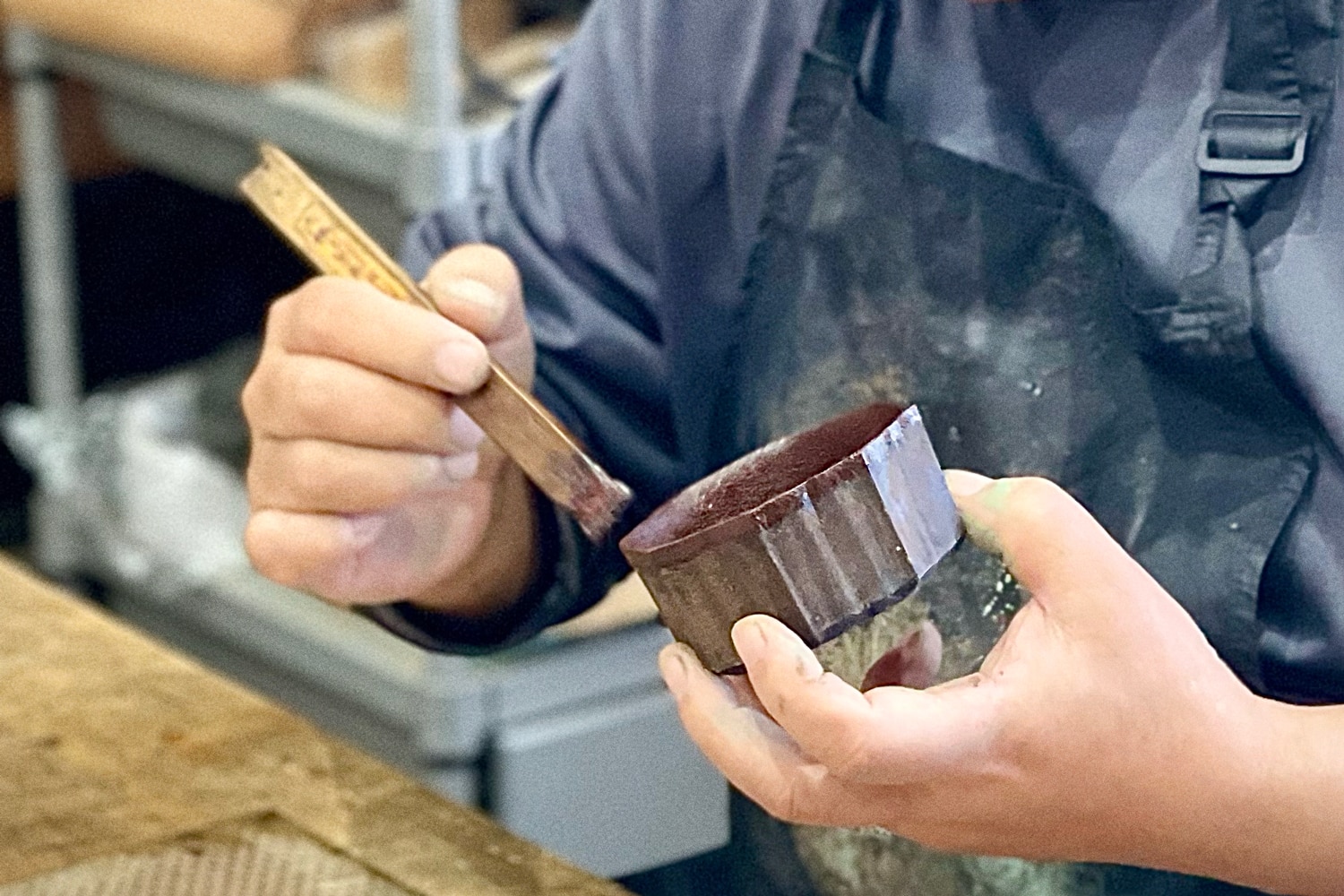
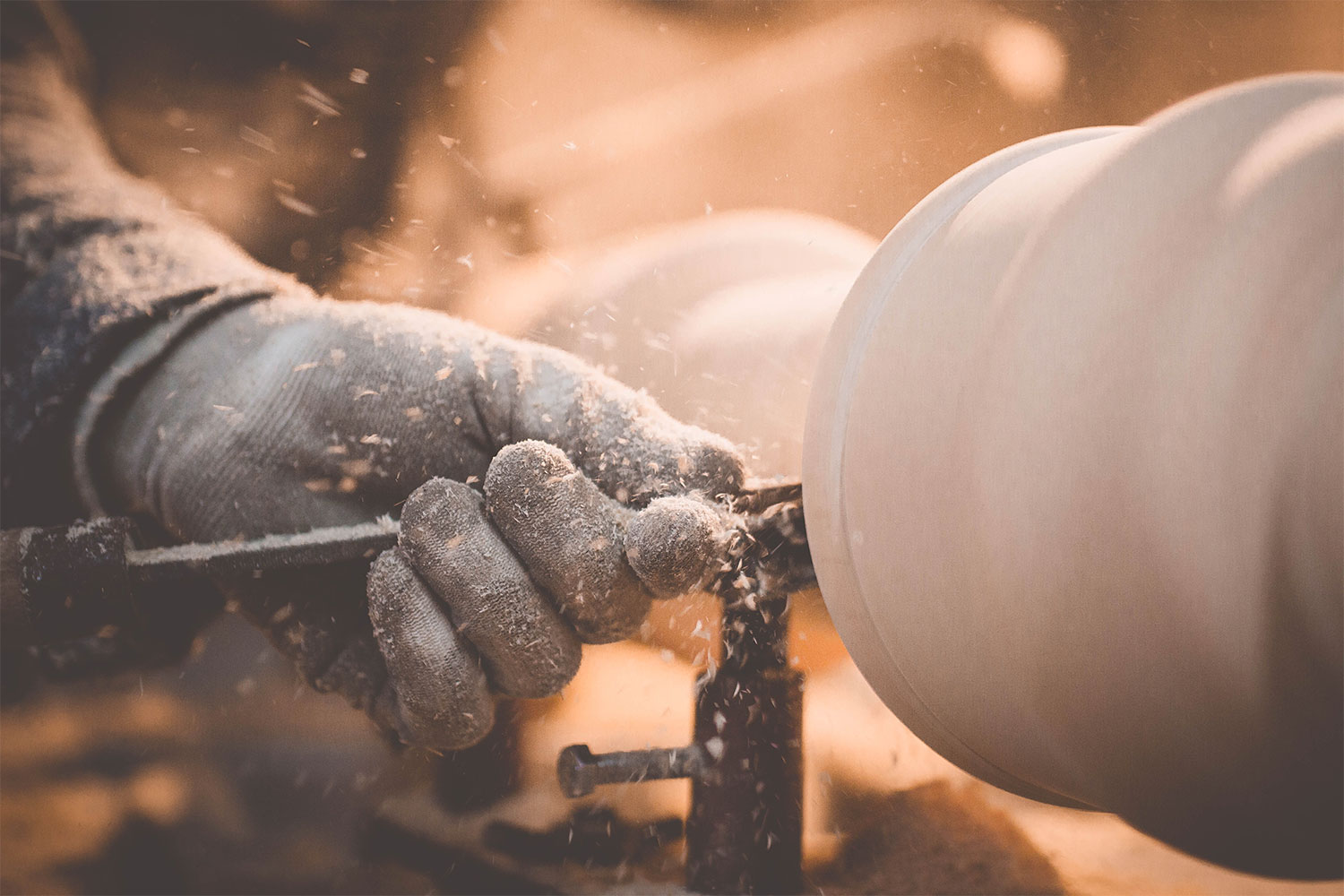
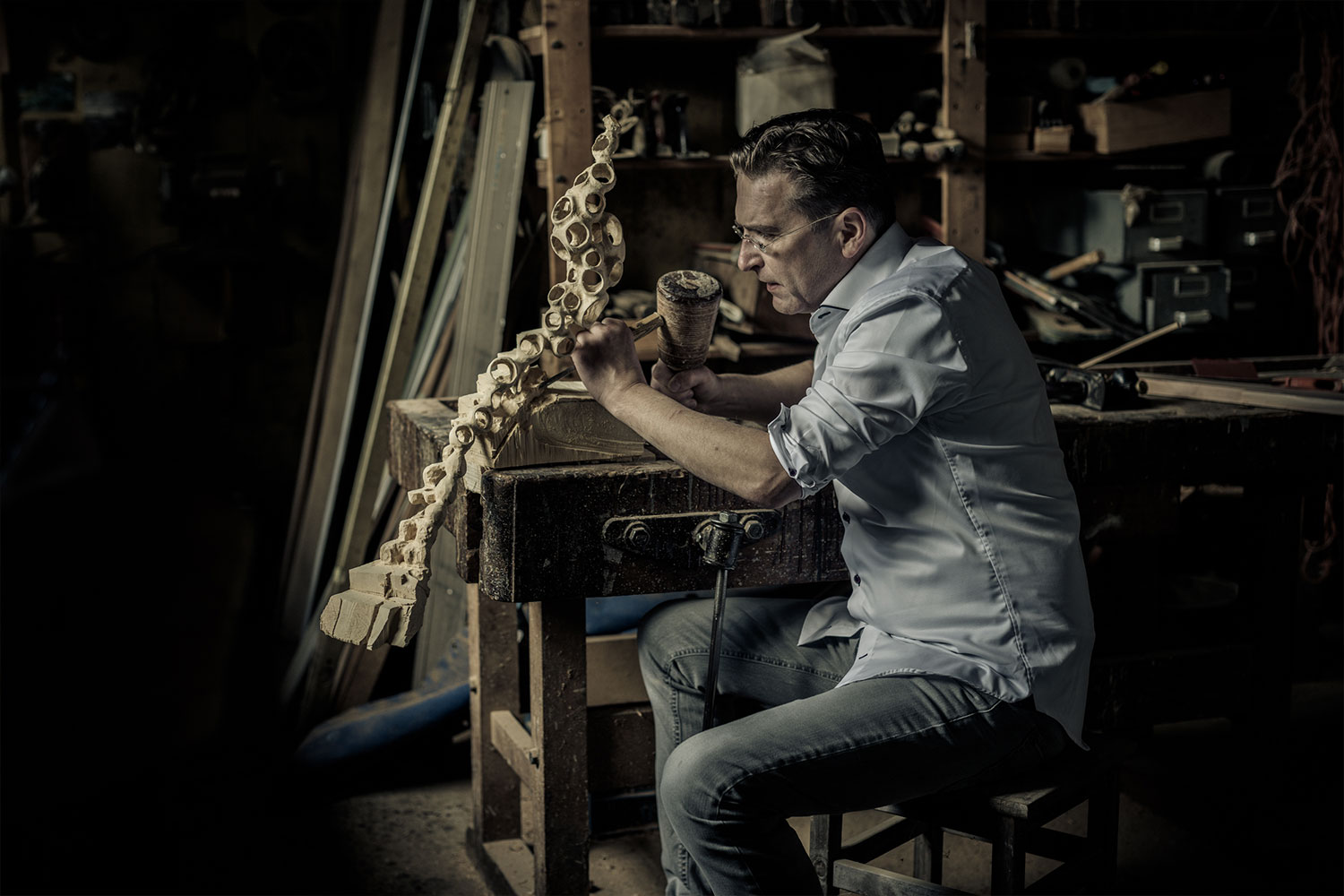
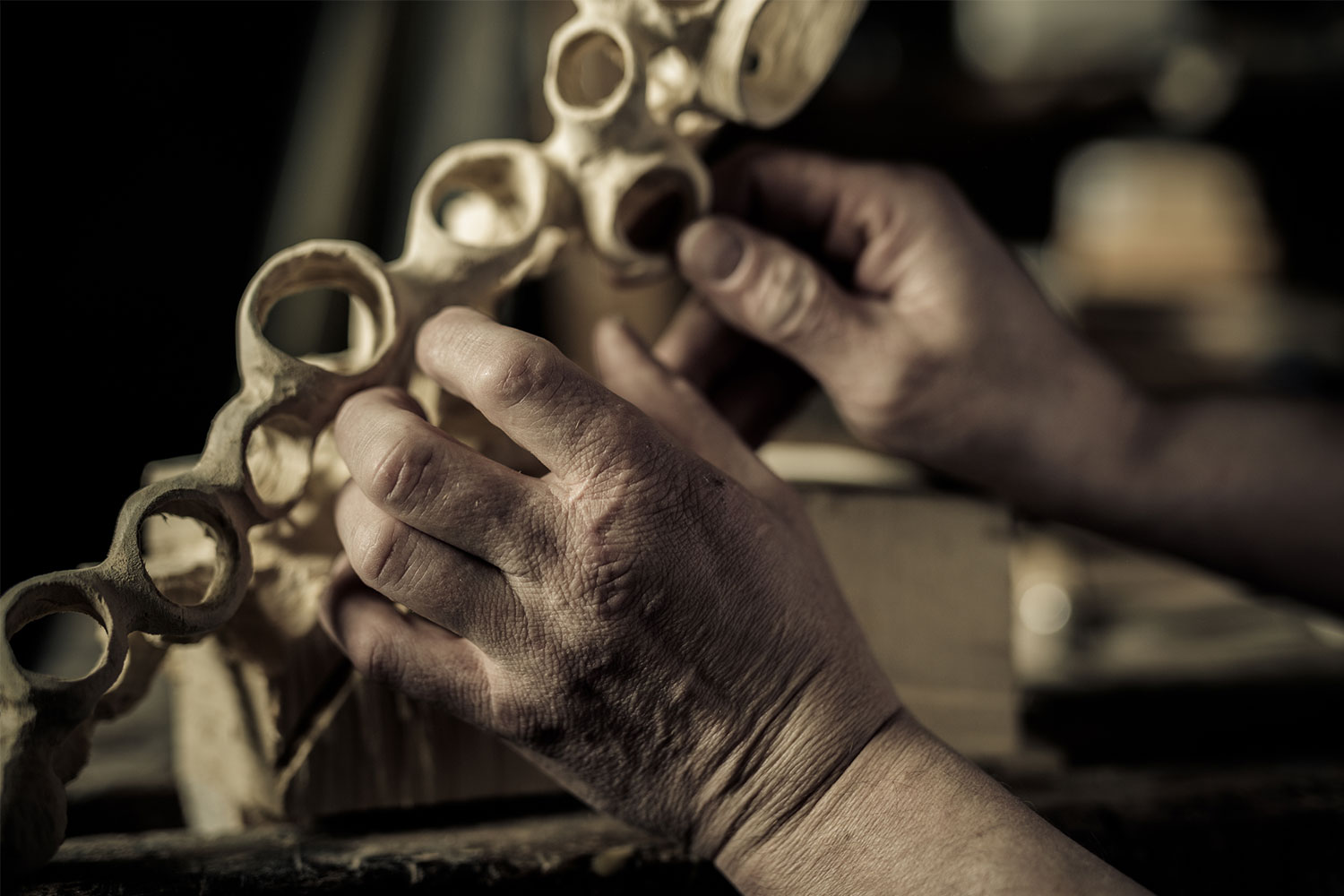
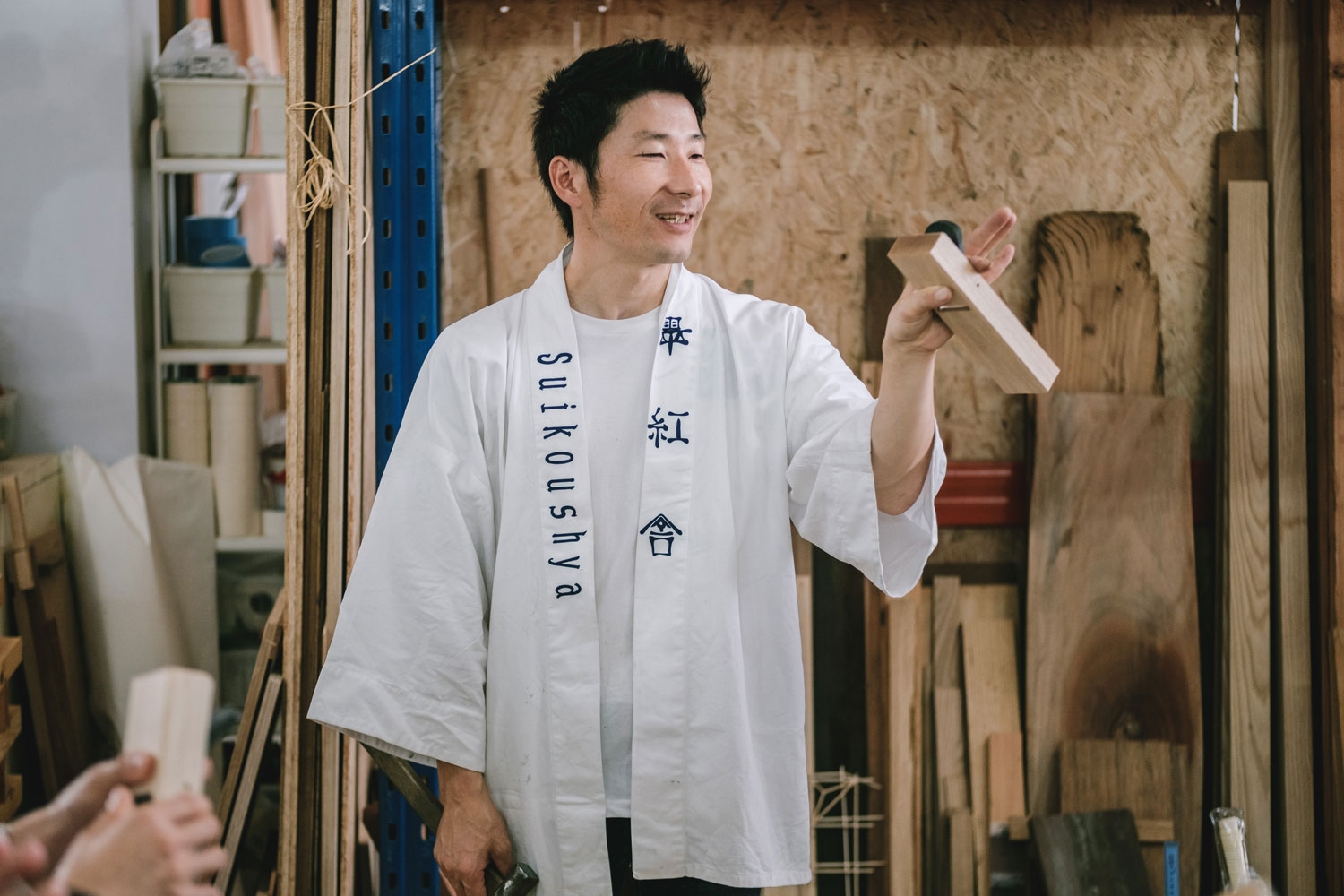
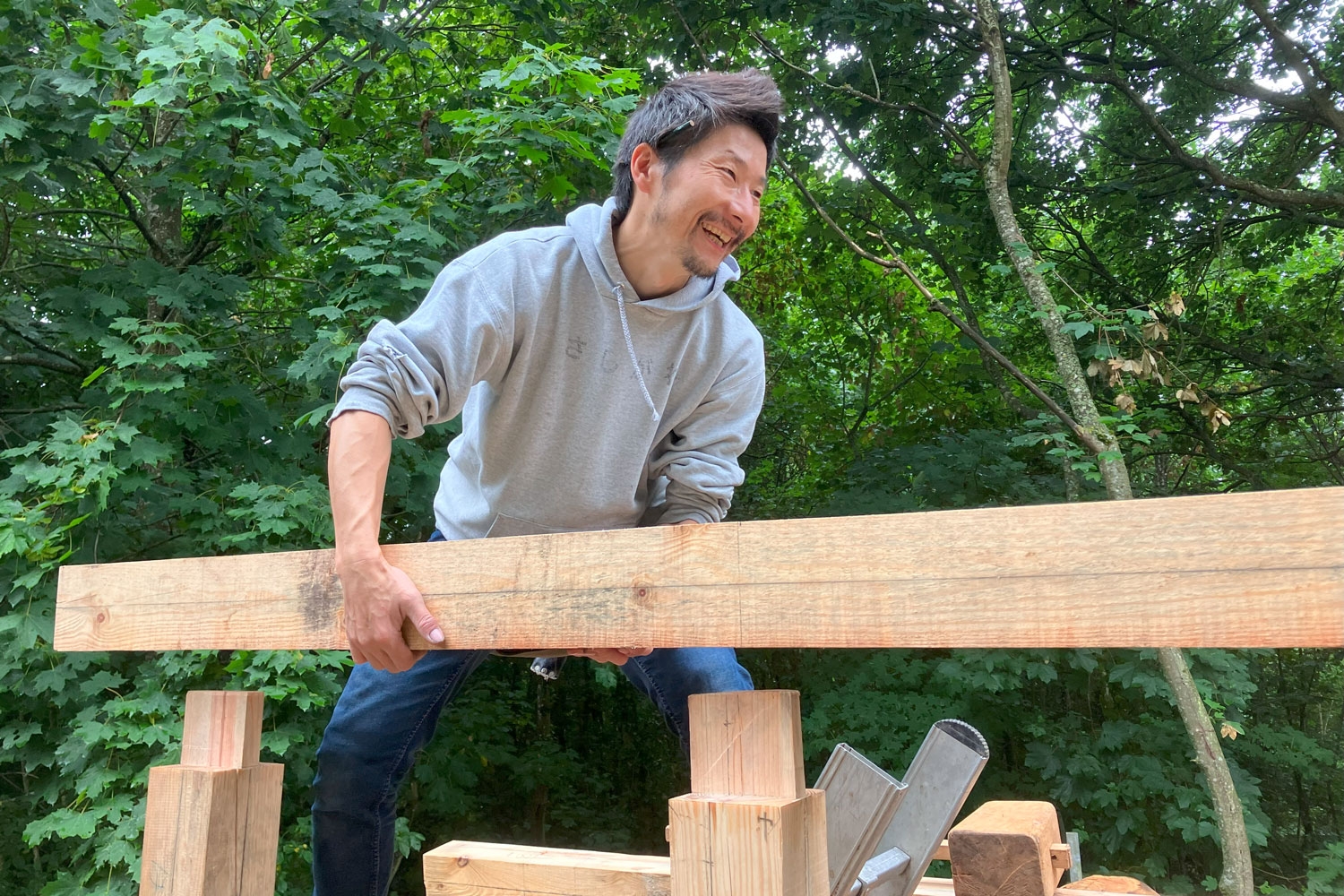
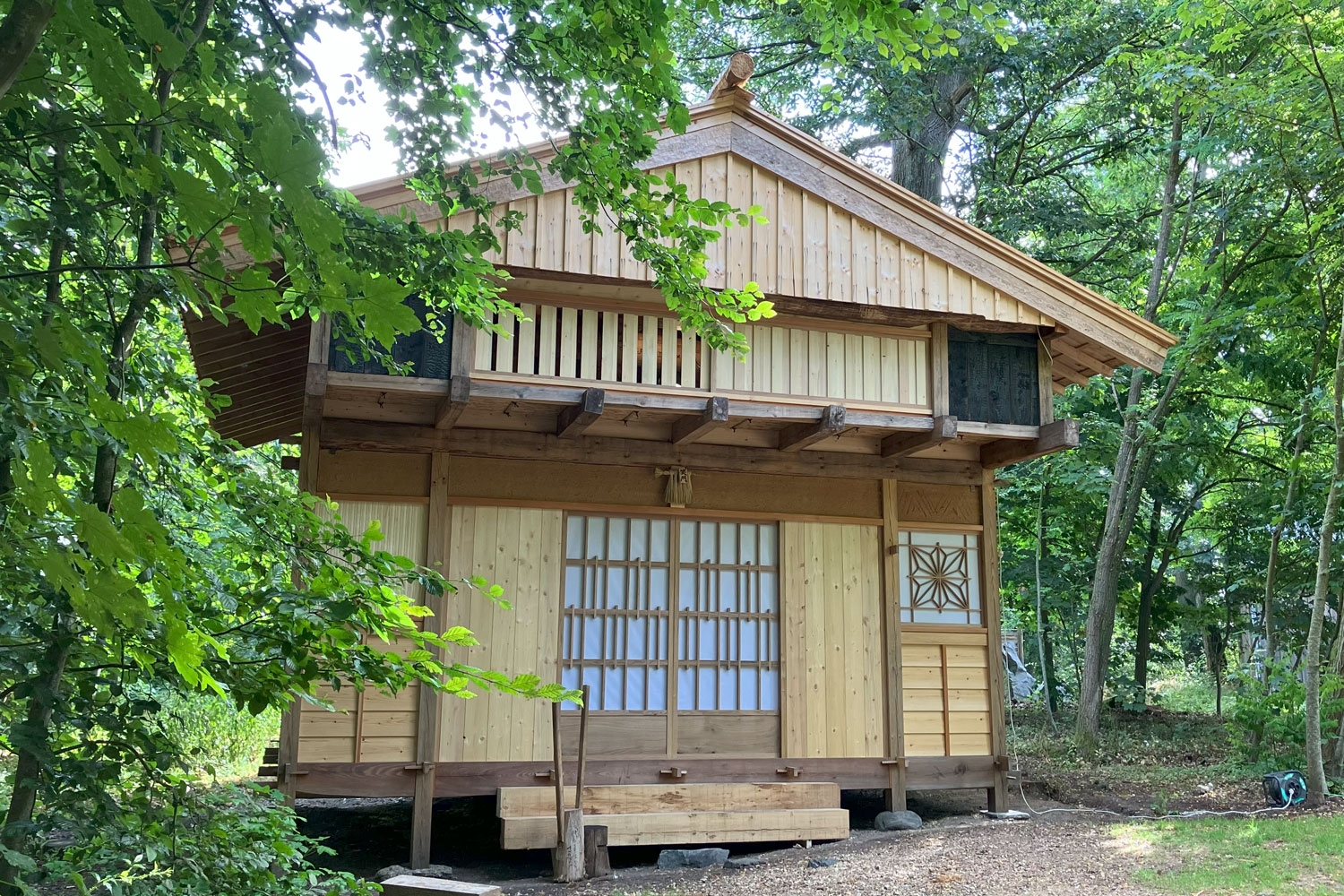
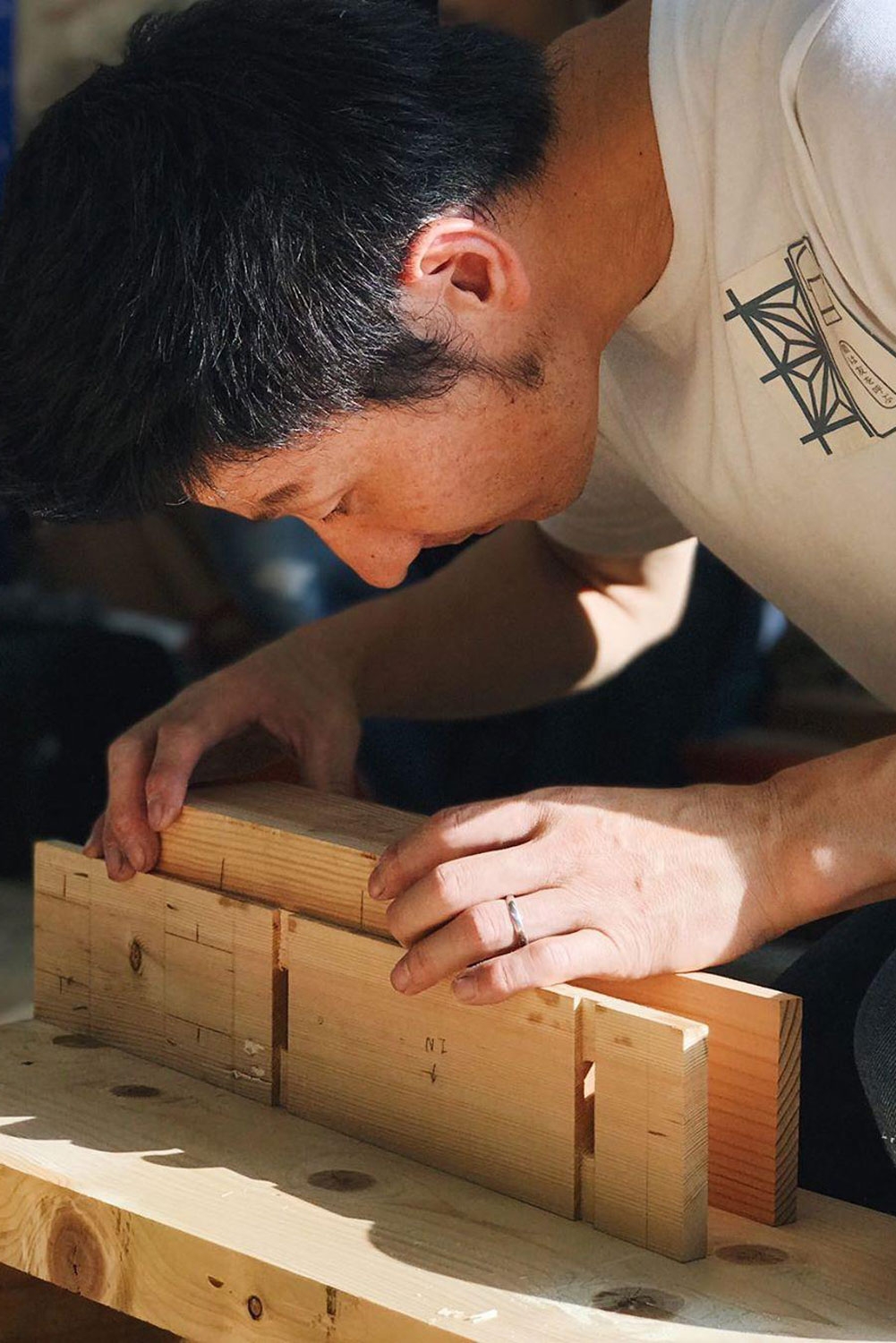
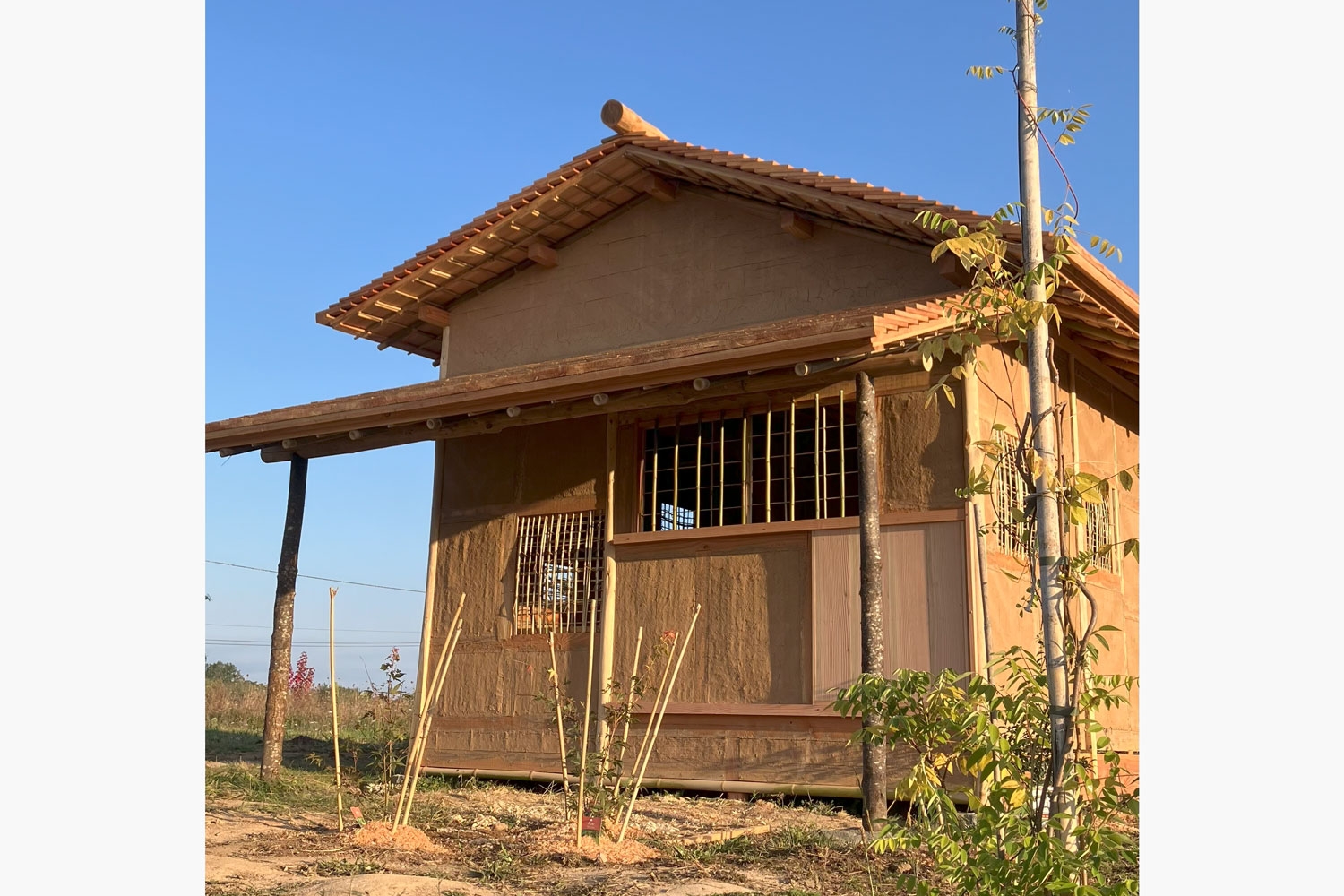
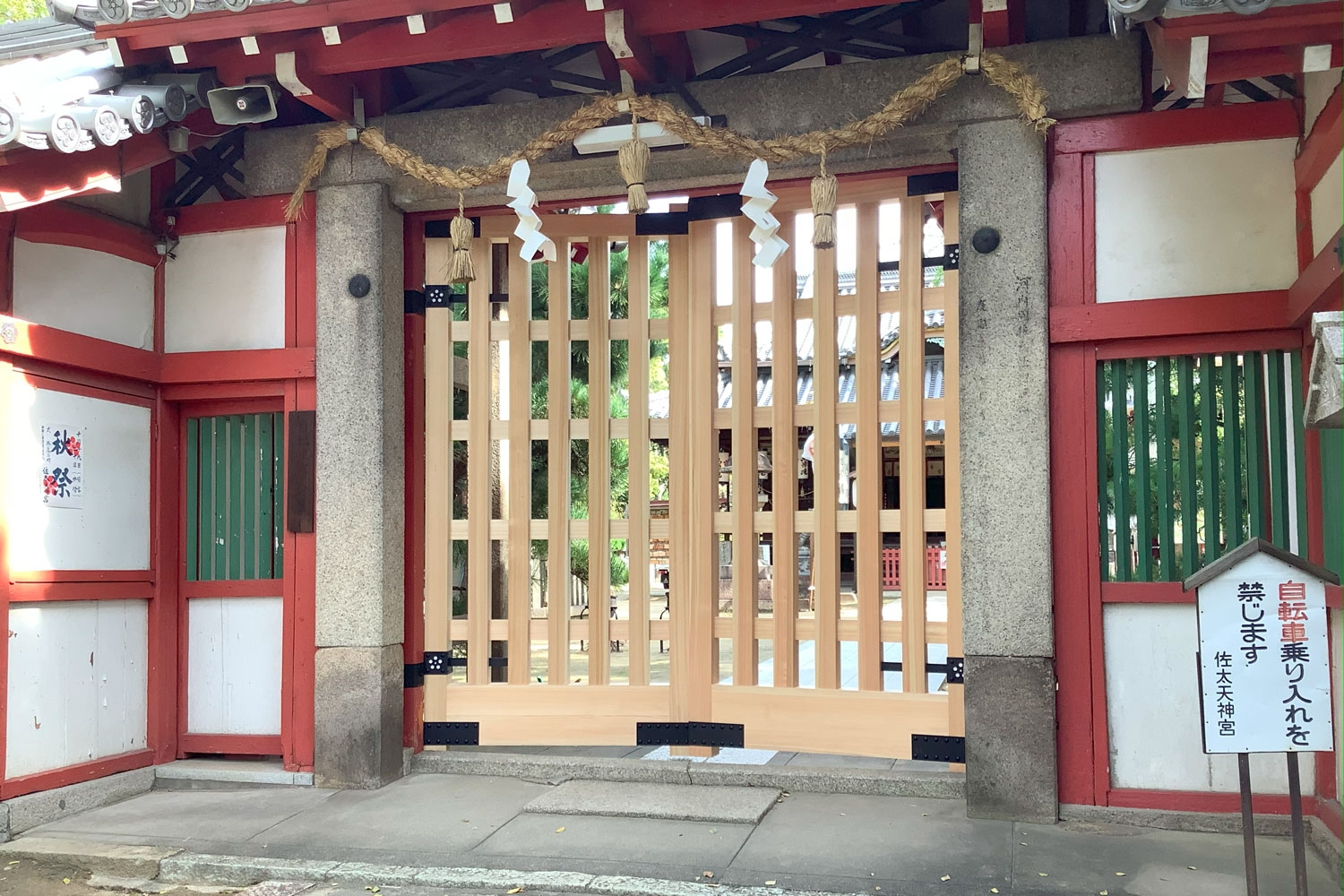
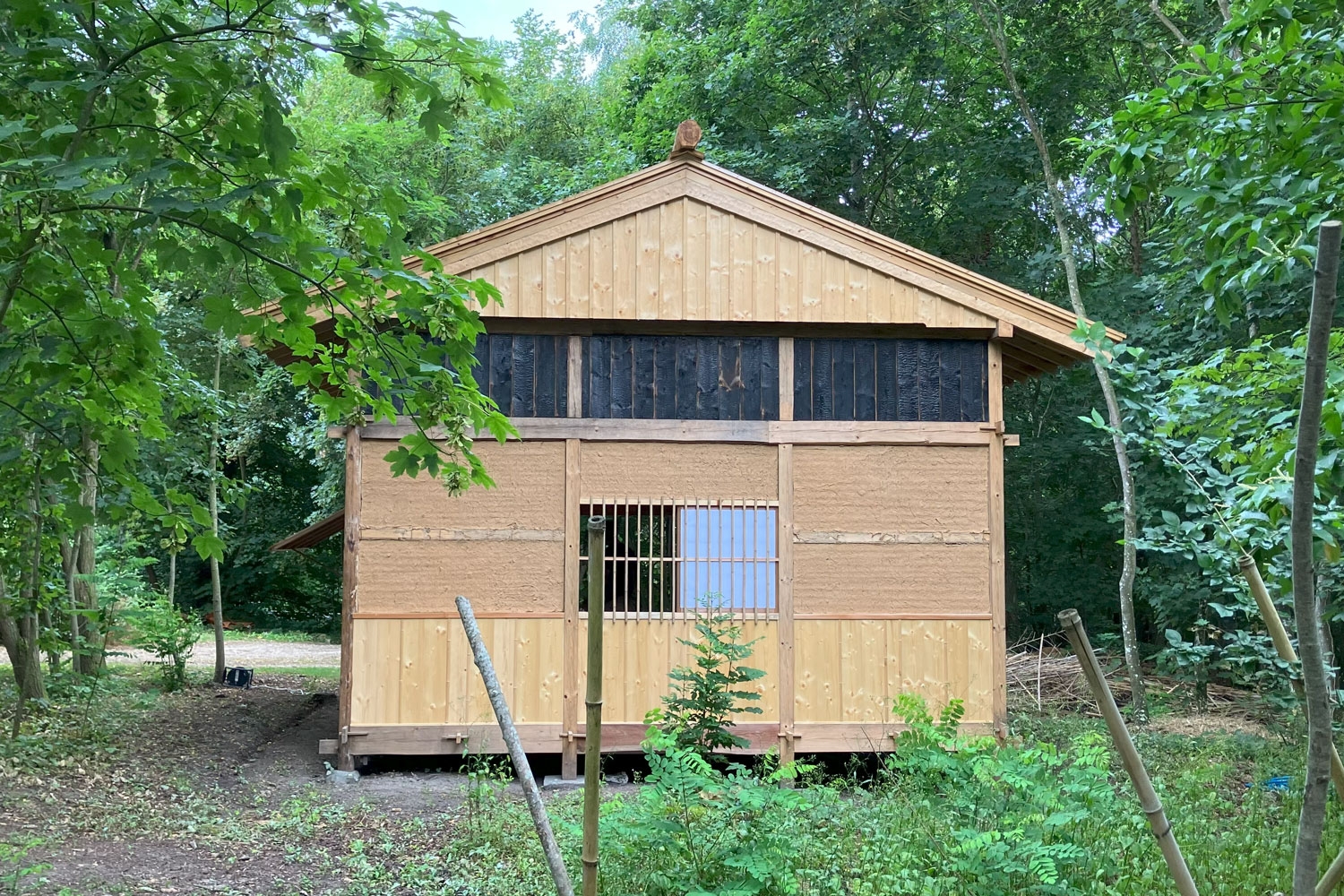
Takami Kawai builds Japanese houses and tea houses, and undertakes restoration projects for various religious structures. It all started when he first admired his great-grandfather’s house. "Building something this cool would make me happy," he thought to himself. Since then, this has become Takami's reality. "Practising the craft has kept me happy ever since," he says. He trained at a rural carpentry firm that specialised in restoring traditional Japanese farmhouses, and this is where he developed the foundational skills that now inform his work. Takami is also deeply committed to sharing the techniques and philosophy of Japanese carpentry. "Anyone can practise carpentry. It helps us reconnect with a kind of material intelligence, which we lost in today's age of consumerism. We have become used to buying rather than making," he says.
INTERVIEW
What I enjoy most is building houses, as I can freely weave together the skills and knowledge I have gained from working in different settings. Core carpentry techniques do not change, whether I am working on a shrine or a tea house, but each project has its own set of rules and traditions to follow.
I believe anyone can practice carpentry – this skill adds richness to our lives. When I teach, I try to share not only the techniques, but also the philosophy behind Japanese carpentry and culture. Fortunately, this has resonated with many international students eager to deeply engage with the craft.
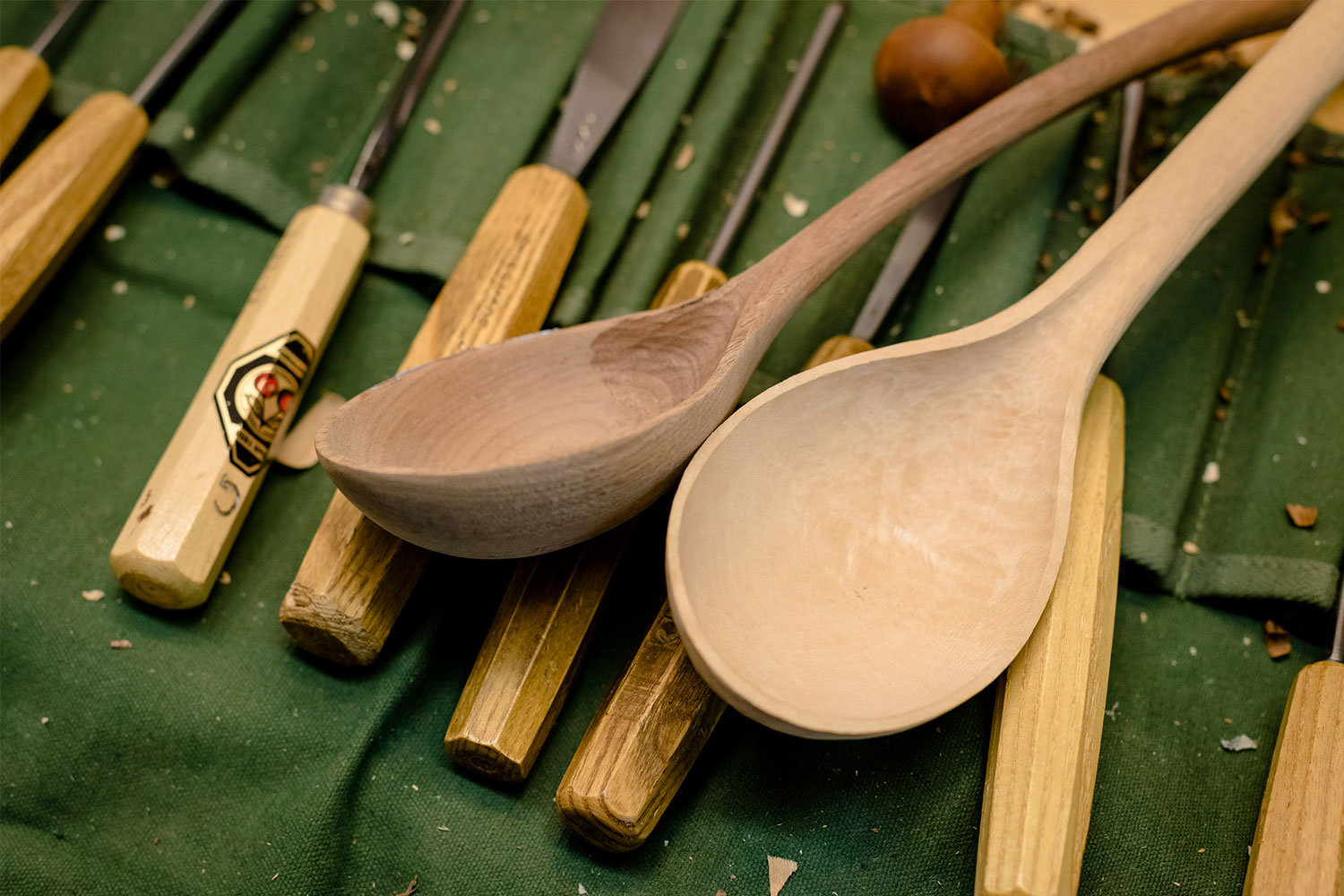
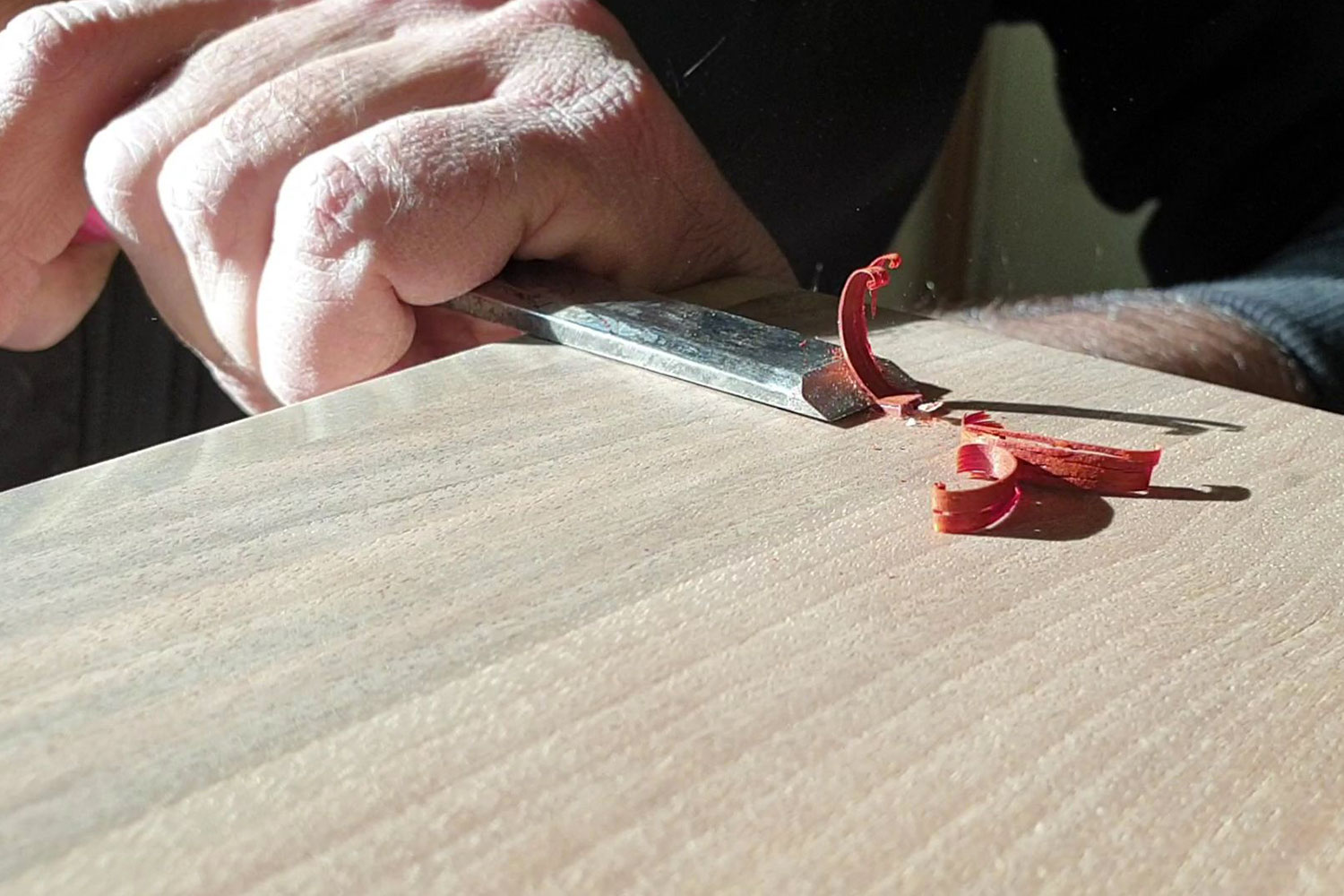
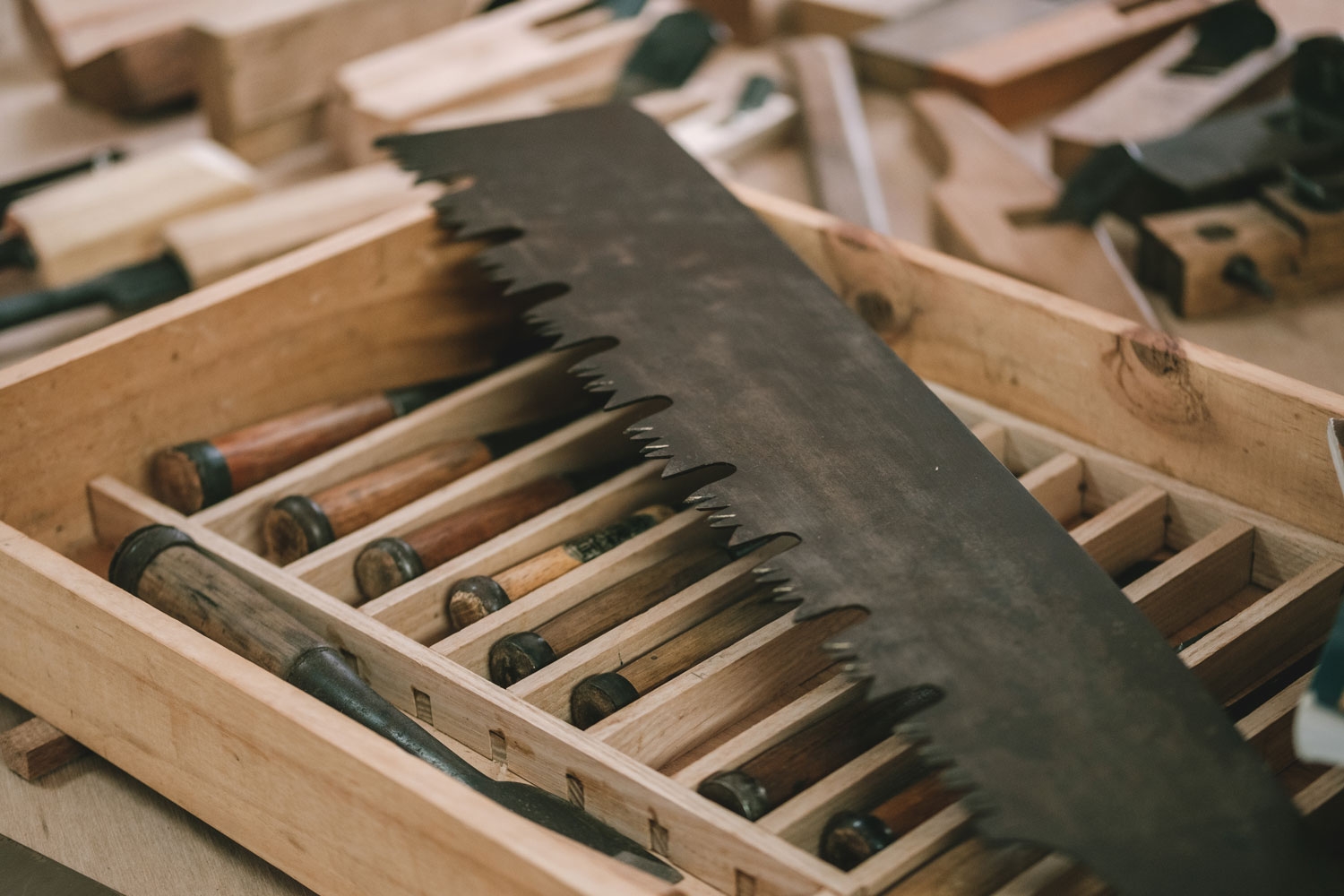
Building a solid foundation is important to start any project. In carpentry, this foundation is sharpening tools. If this process is dull or tedious to a person, this is not the craft for them – and that is okay. One's true work should be something they find themselves doing without needing to be told.
I live in a concrete house, which often surprises people. While I take great joy in building traditional Japanese homes, I do not necessarily want to live in one myself. If comfort were the only goal, the ready-made homes we see everywhere today would be ideal. What matters most is how a space feels to each person.
Takami Kawai
Suikoushya
Carpenter
Kyoto, Japan
ADDRESS
Address upon request, Kyoto, Japan
AVAILABILITY
By appointment only
PHONE
+81 7065469286
LANGUAGES
Japanese, English
Homo Faber Finds is a new service aiming to inspire admirers of craft to connect and collaborate with exceptional artisans.
We invite you to submit an enquiry here.