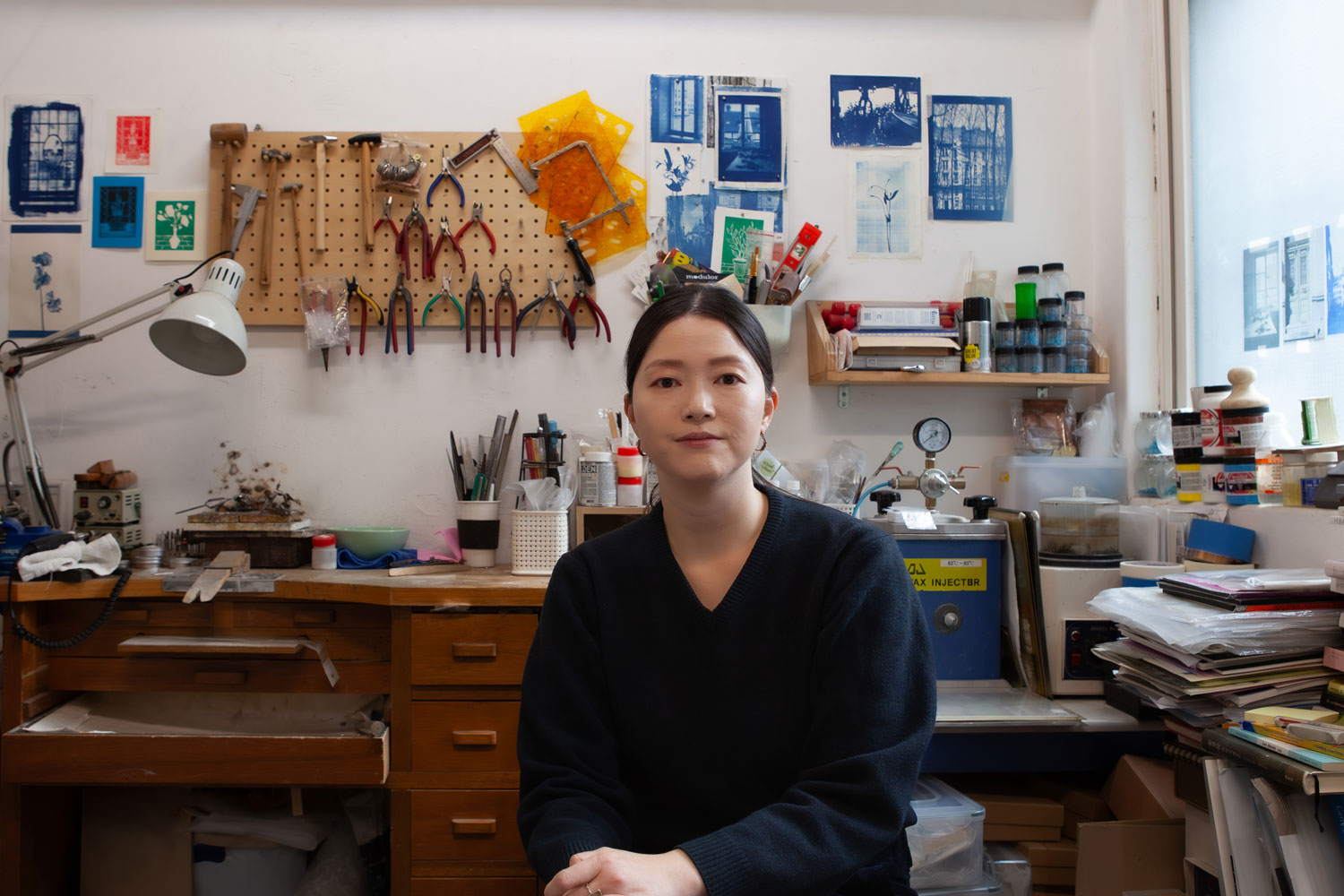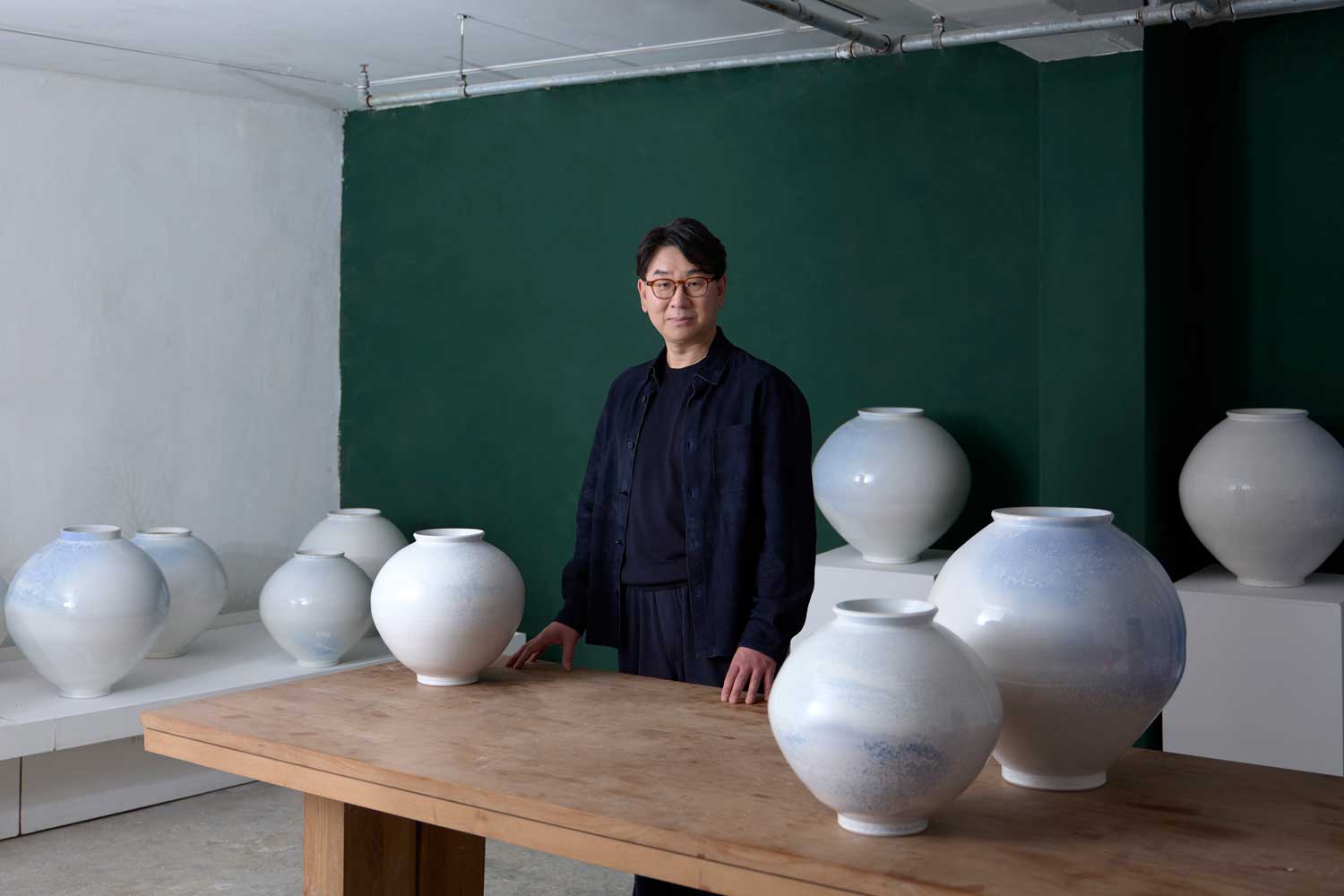
Sukkeun Kang
Lacquerer
Ulsan, South Korea
Trust in lacquer
- Sukkeun is a wood artist specialising in lacquerware
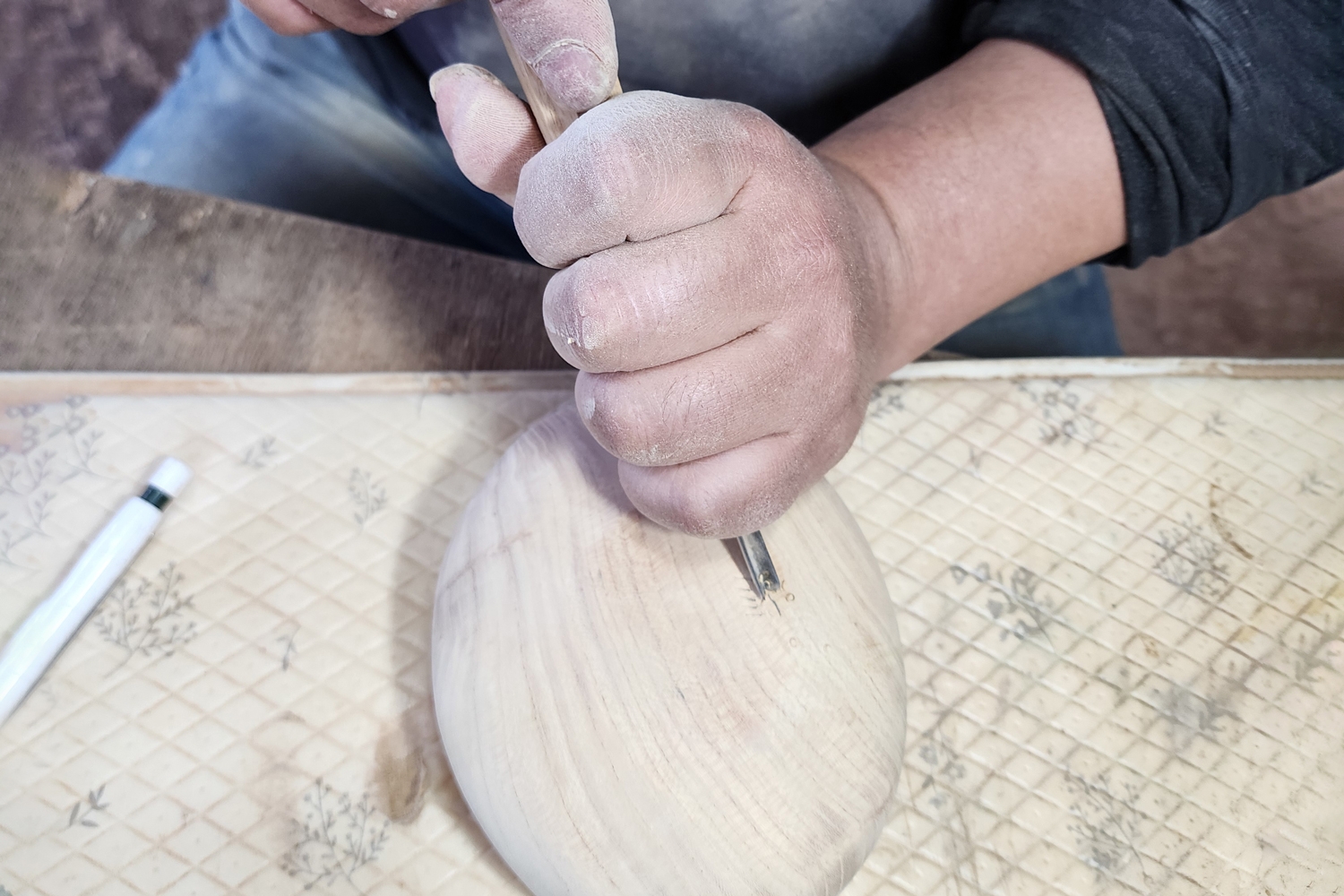
- He began teaching himself in 1997 and developed his own lacquer technique
- His works harmonise tradition and innovation
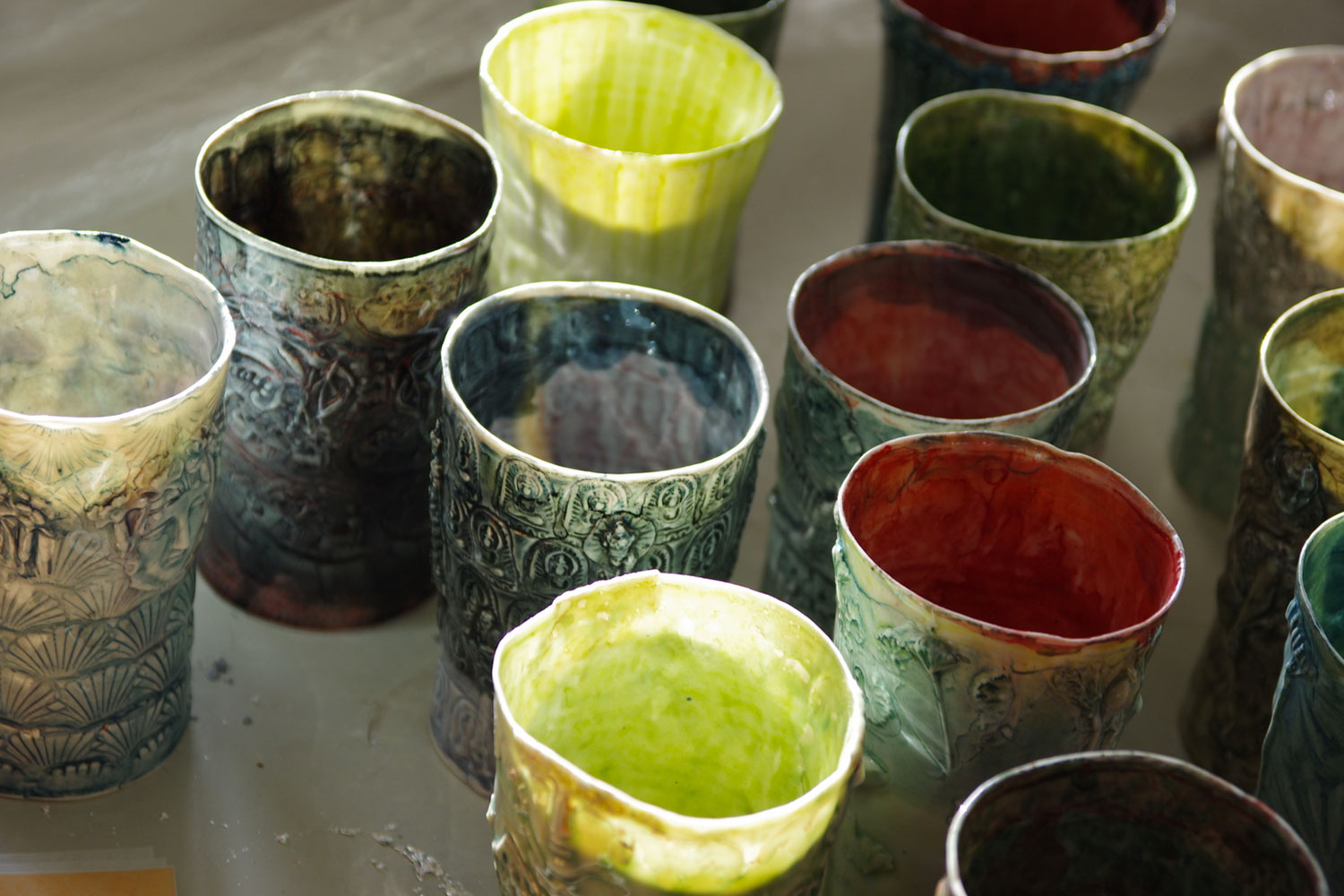
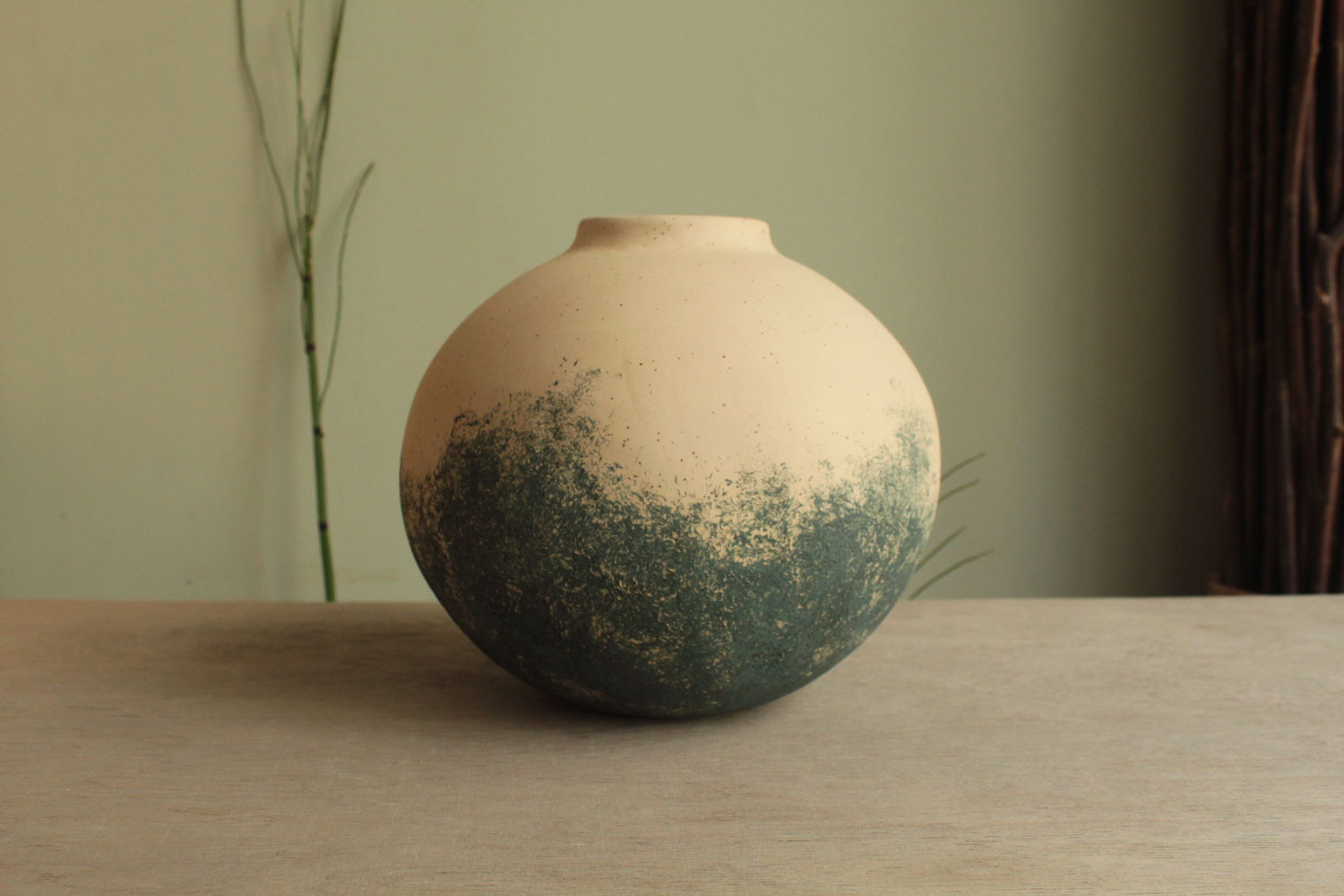
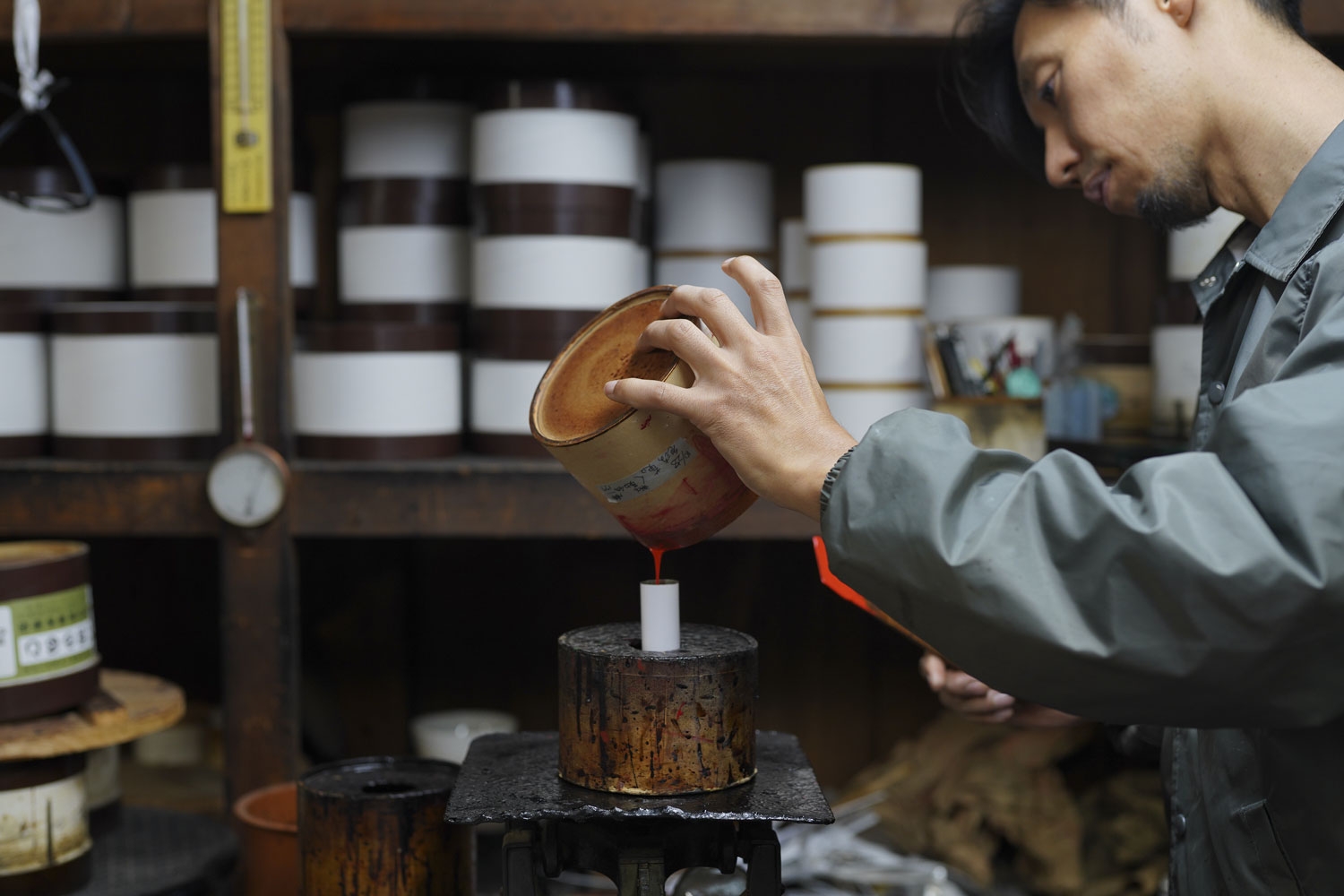
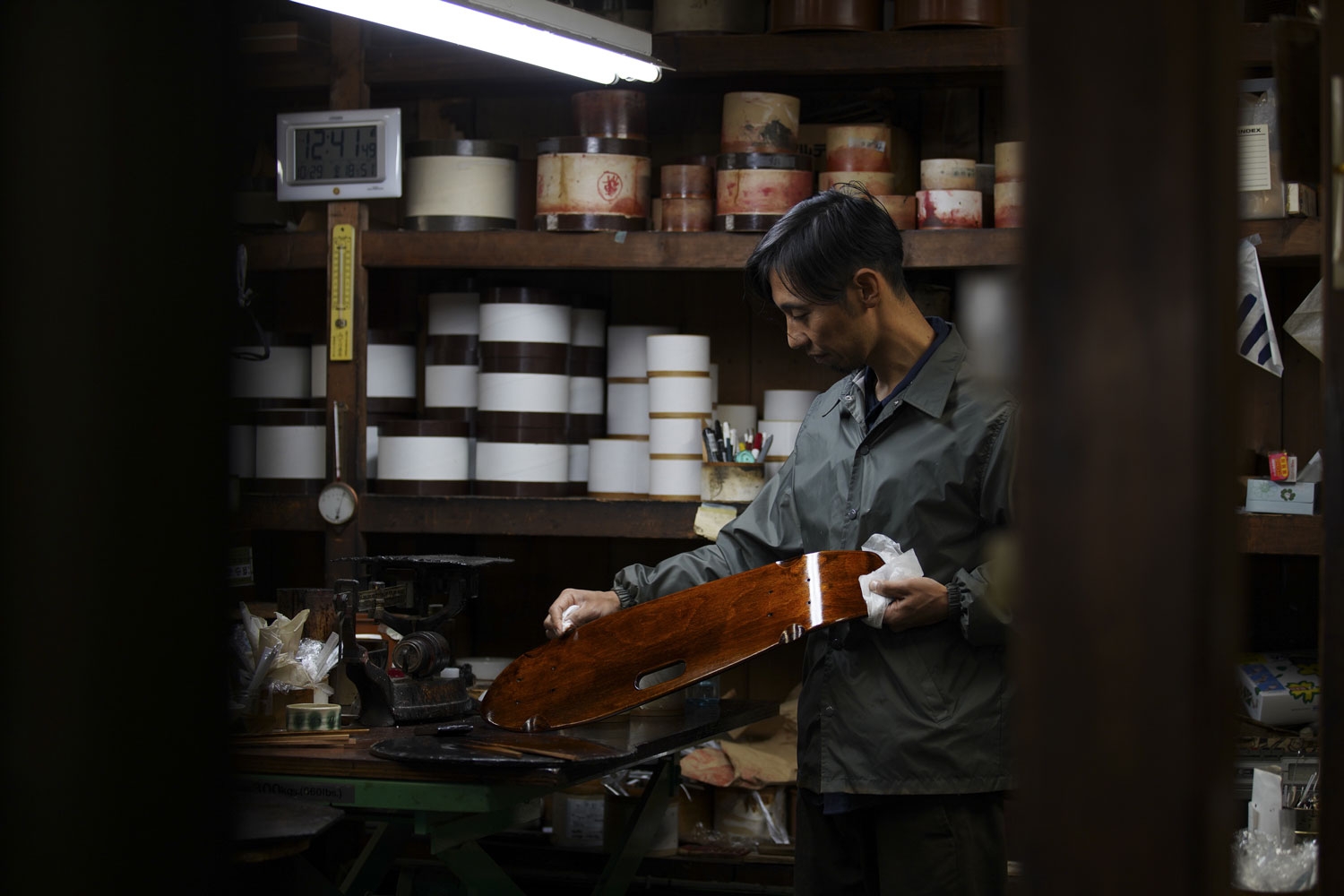
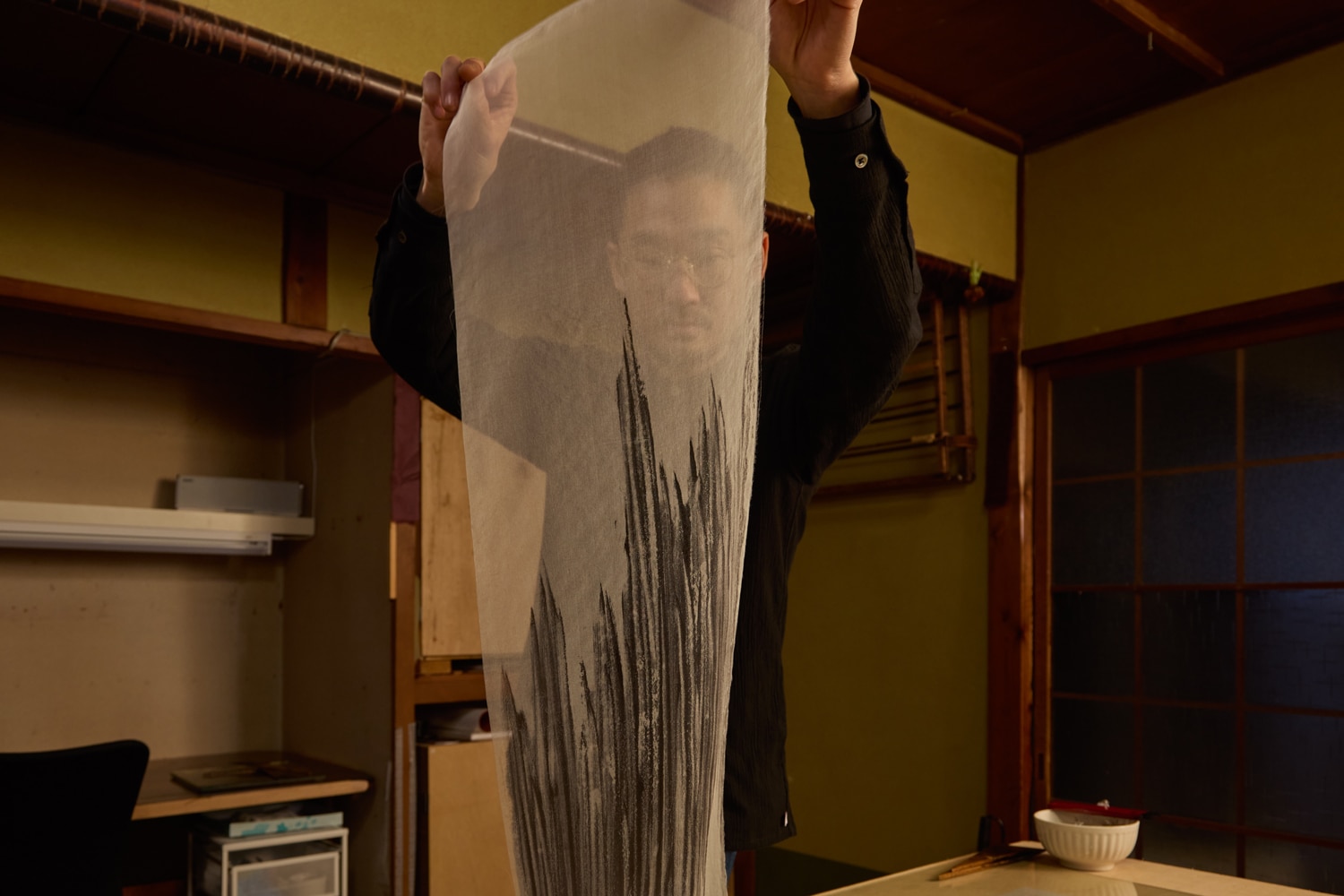
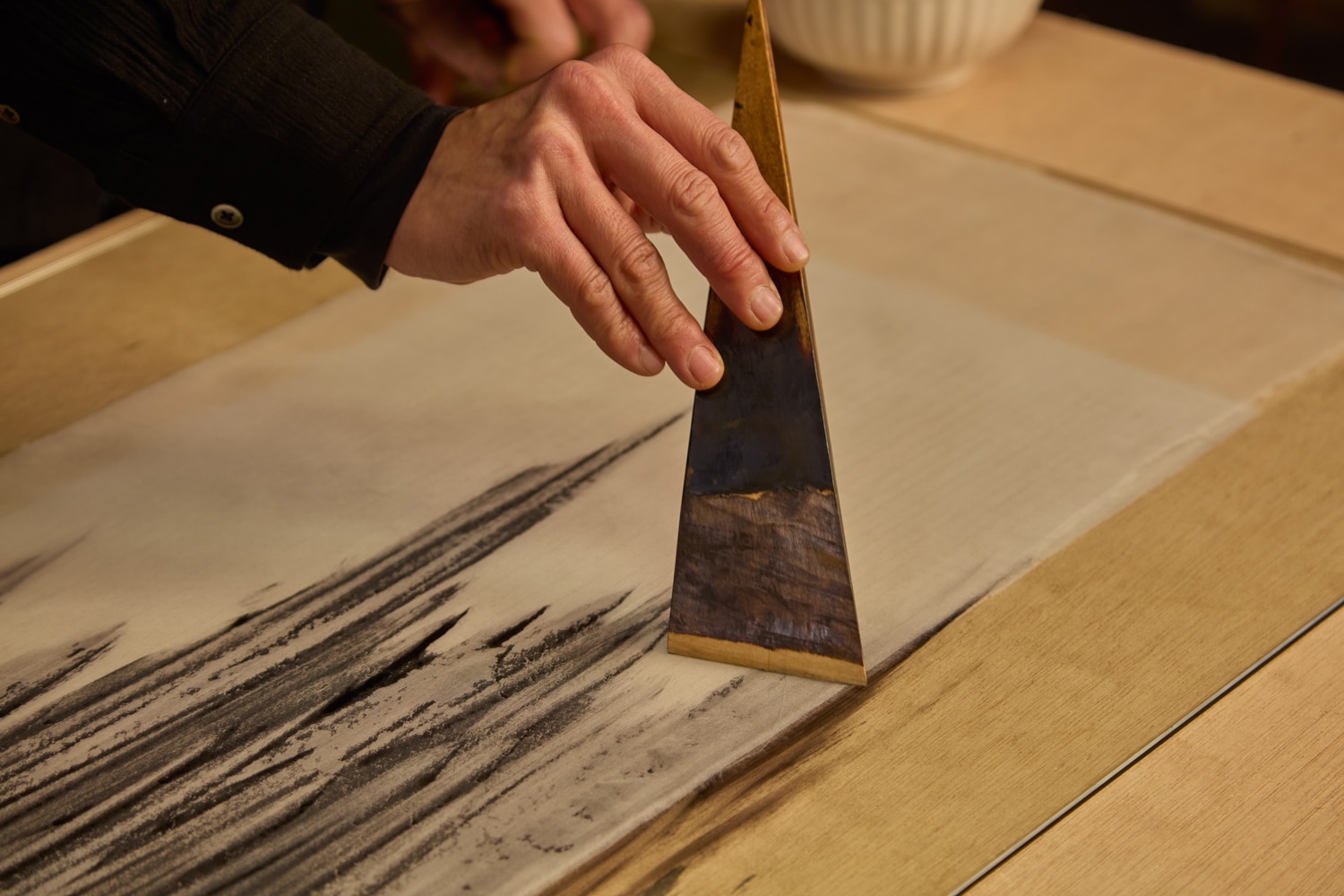
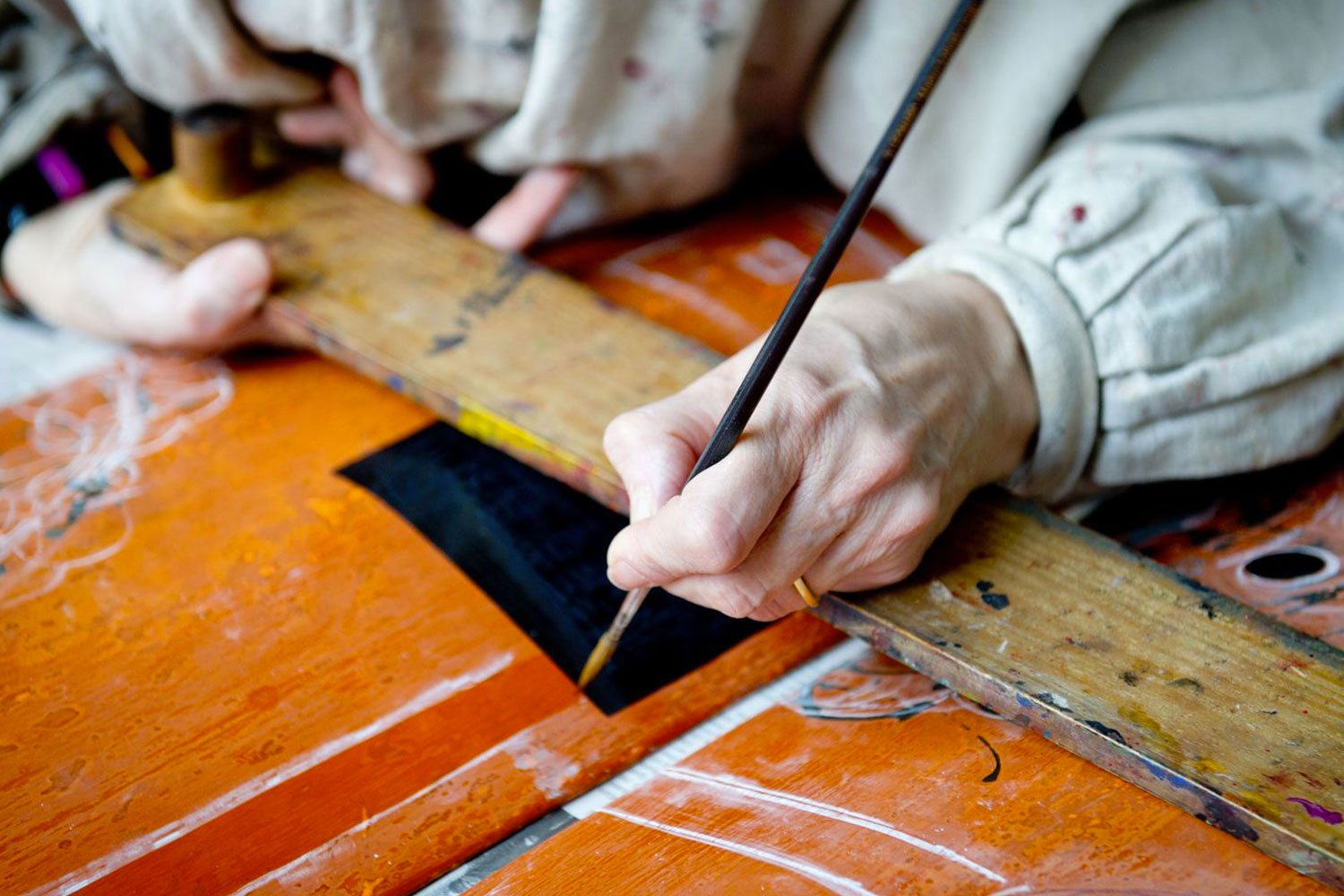
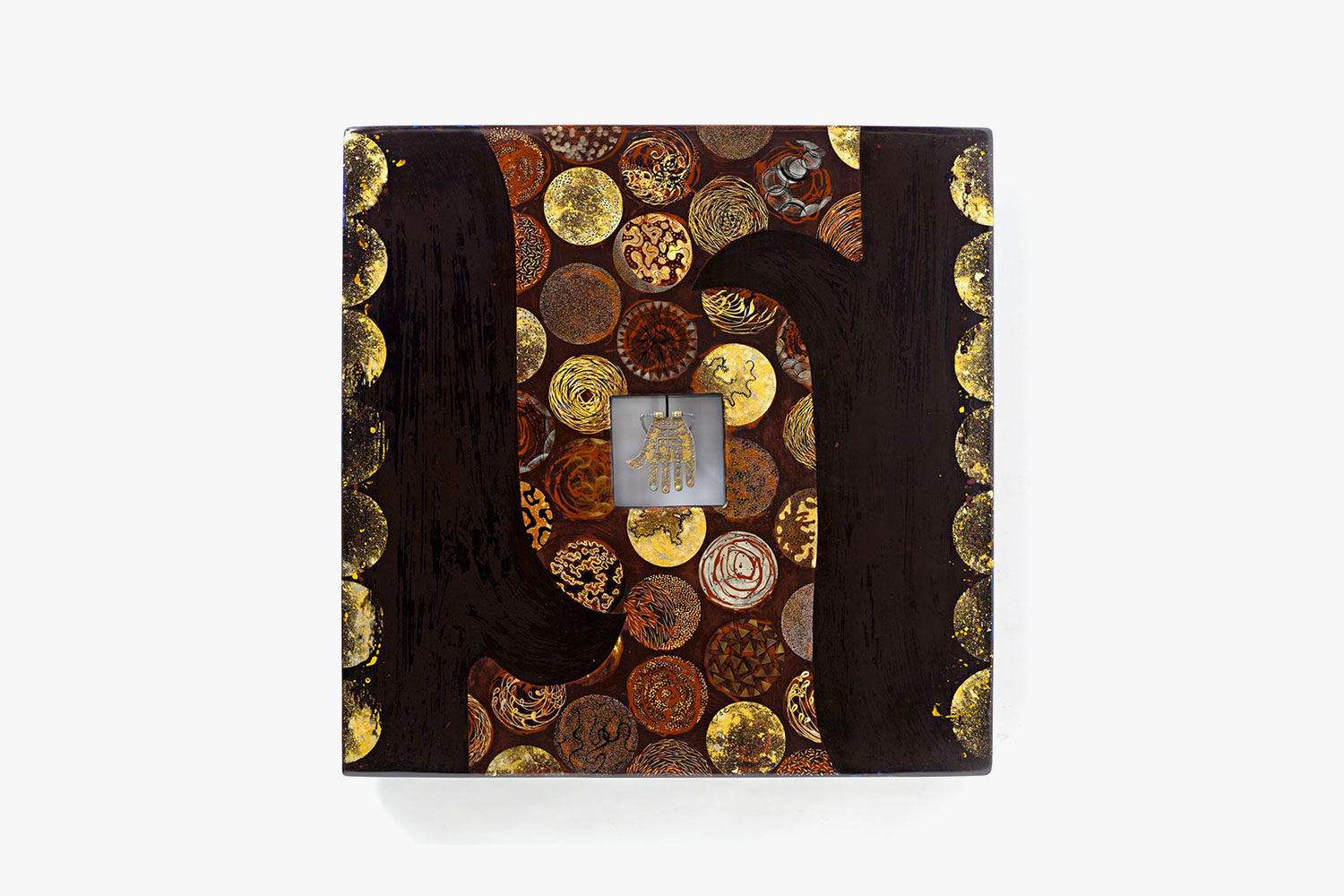
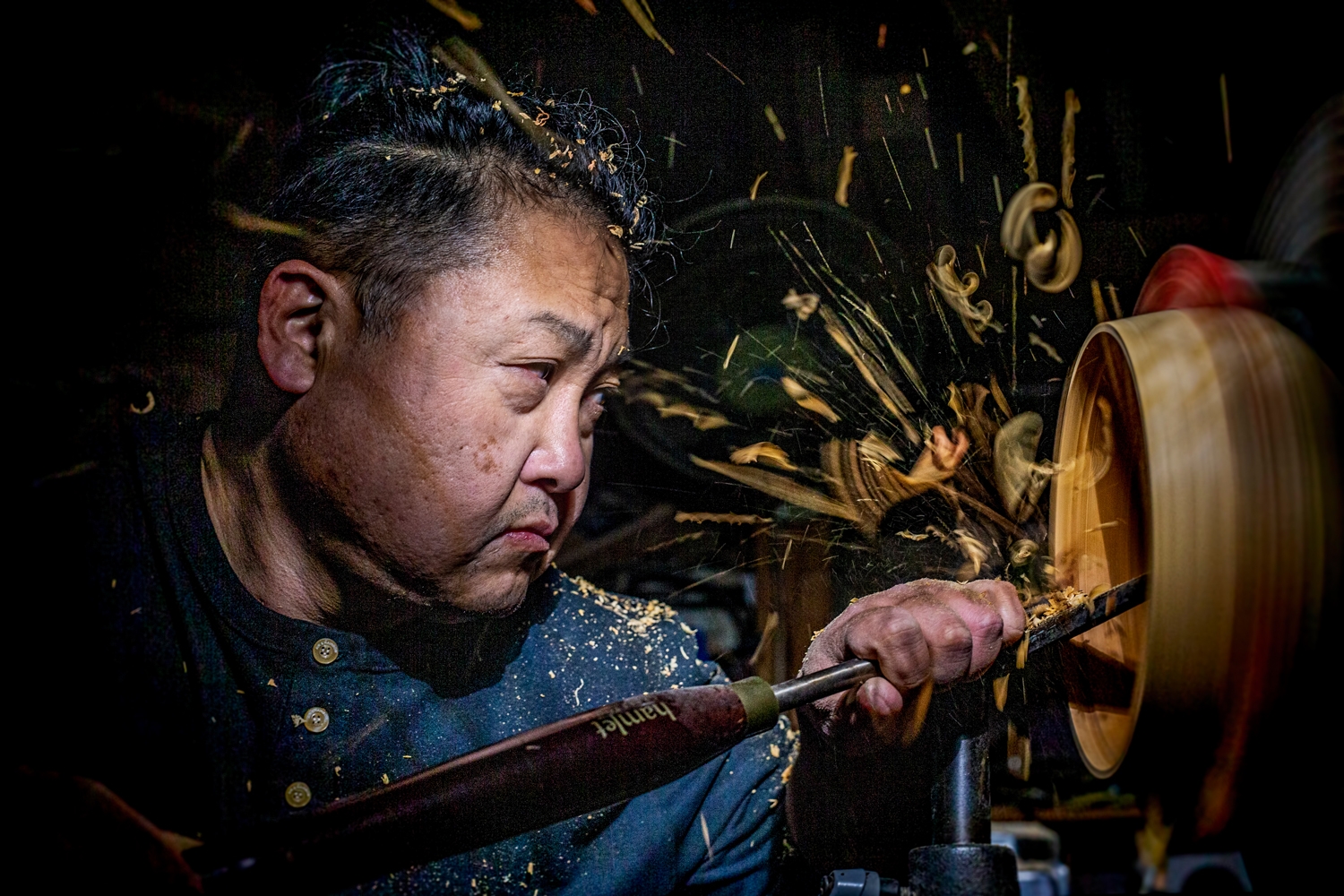
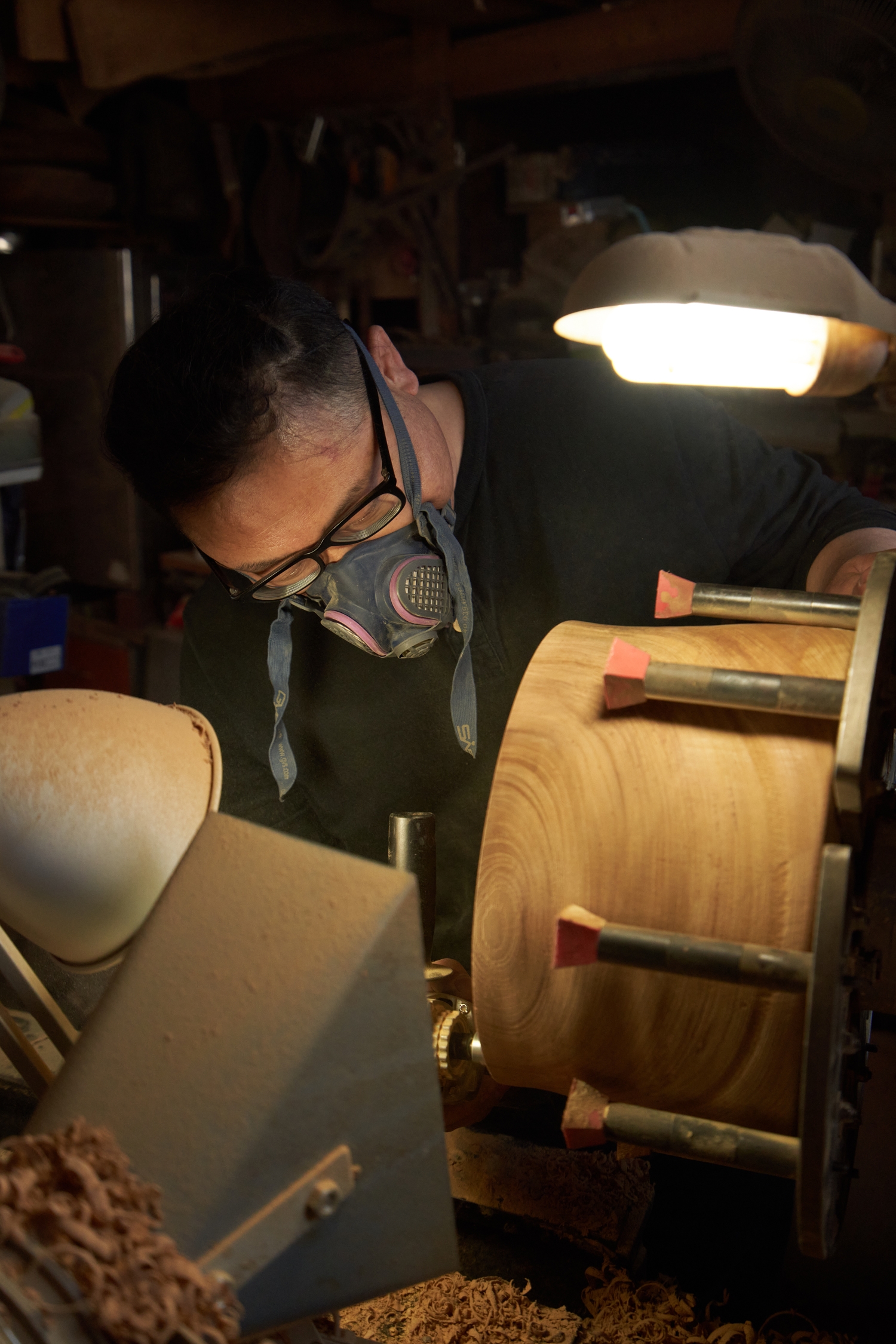
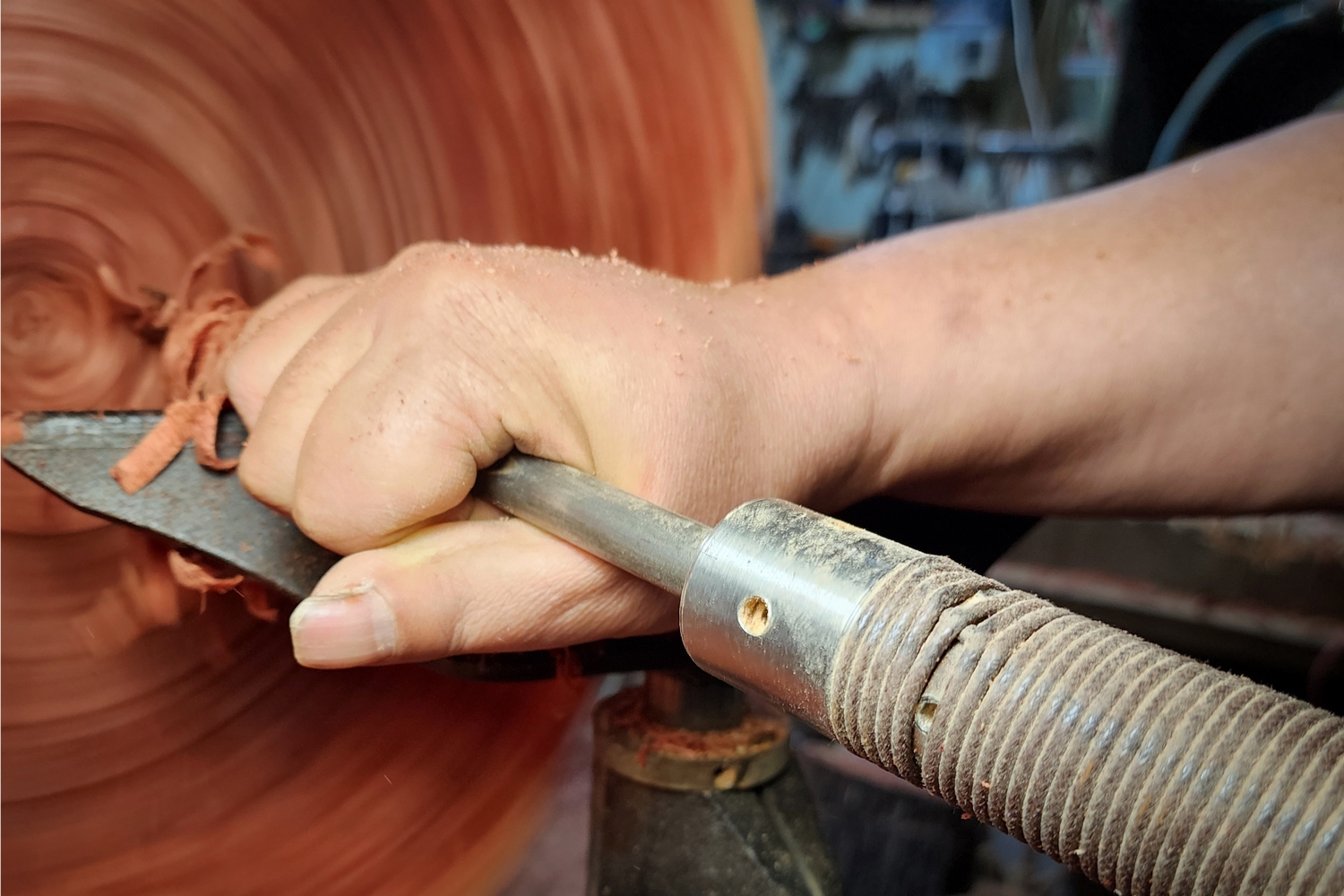
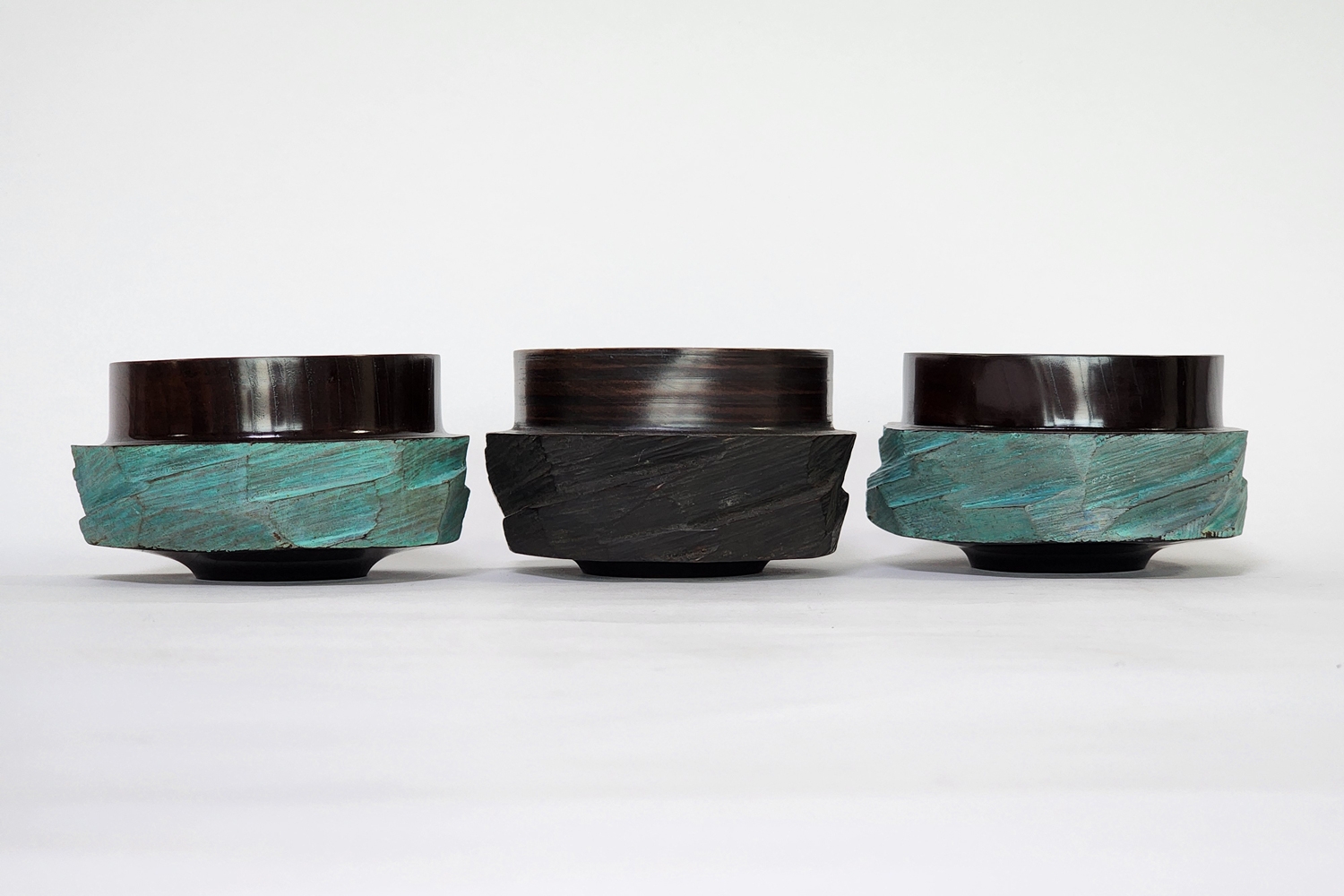
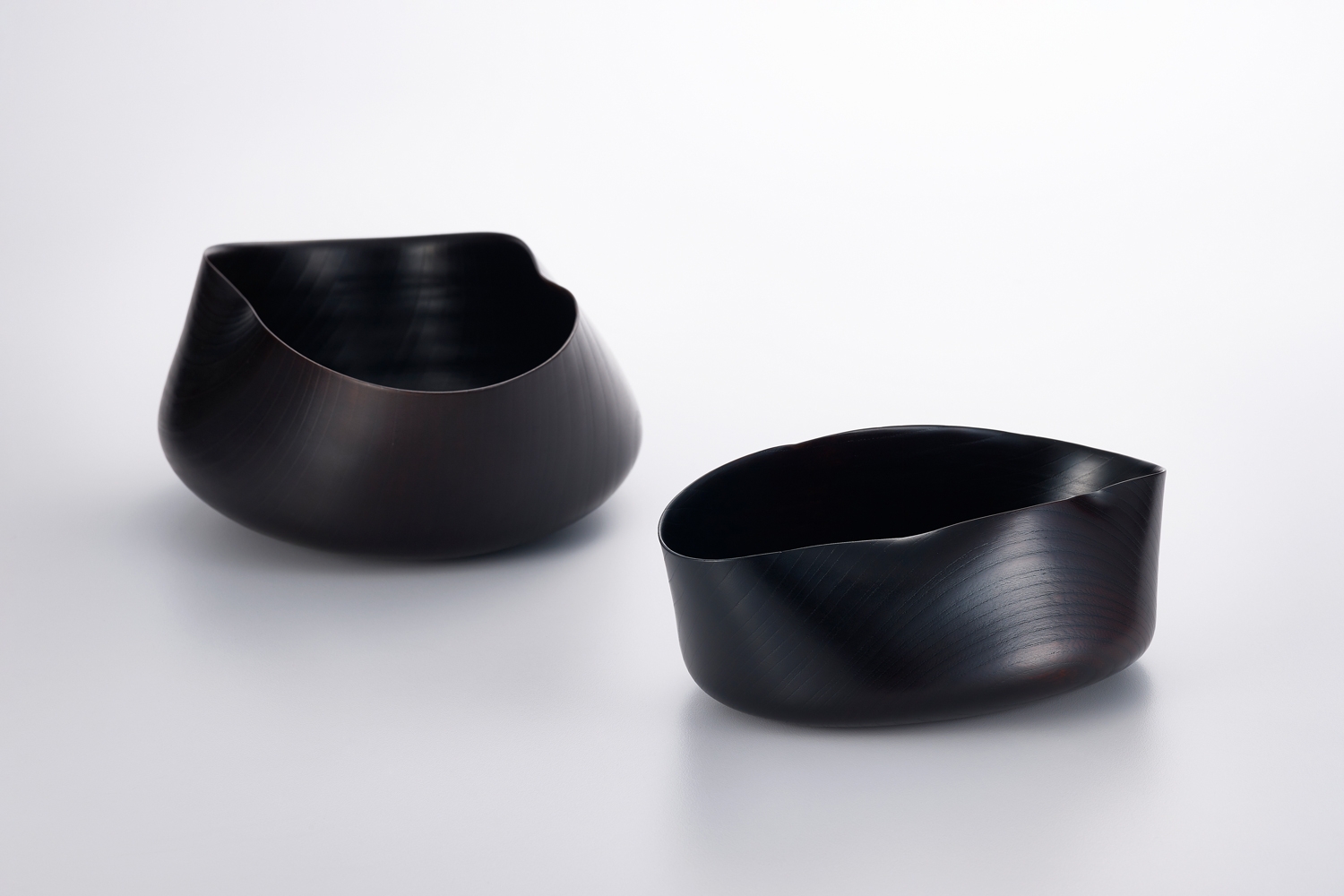
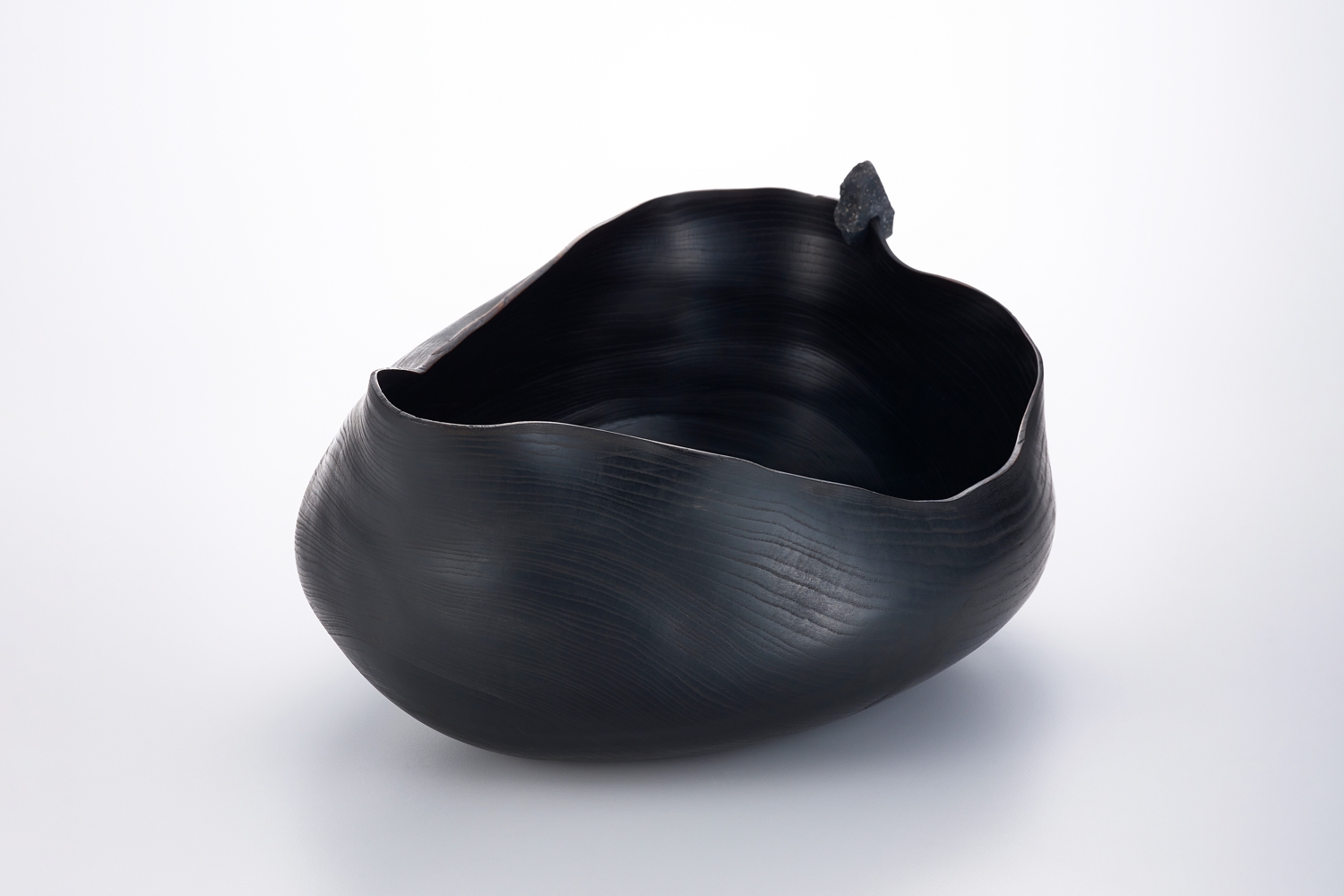
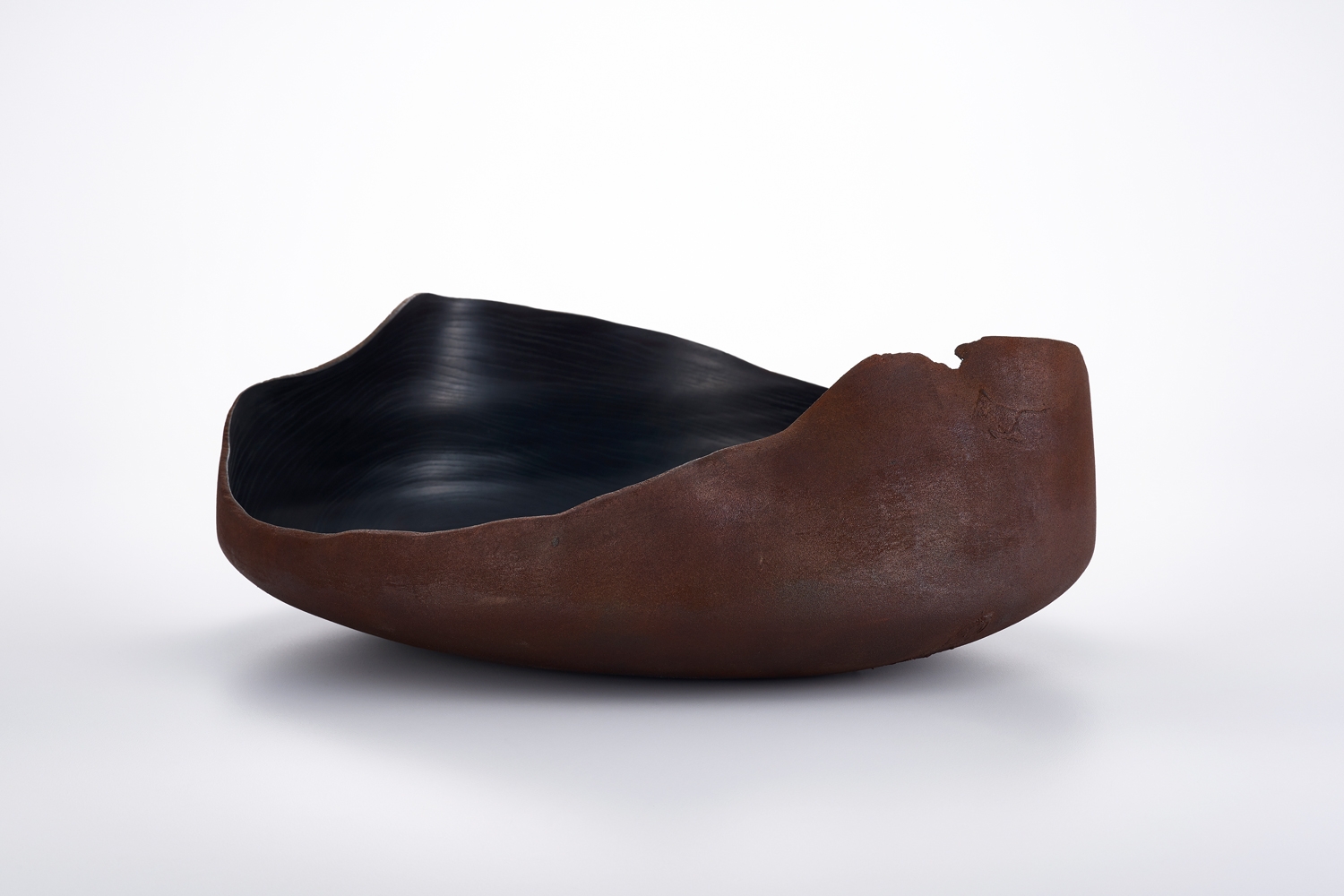
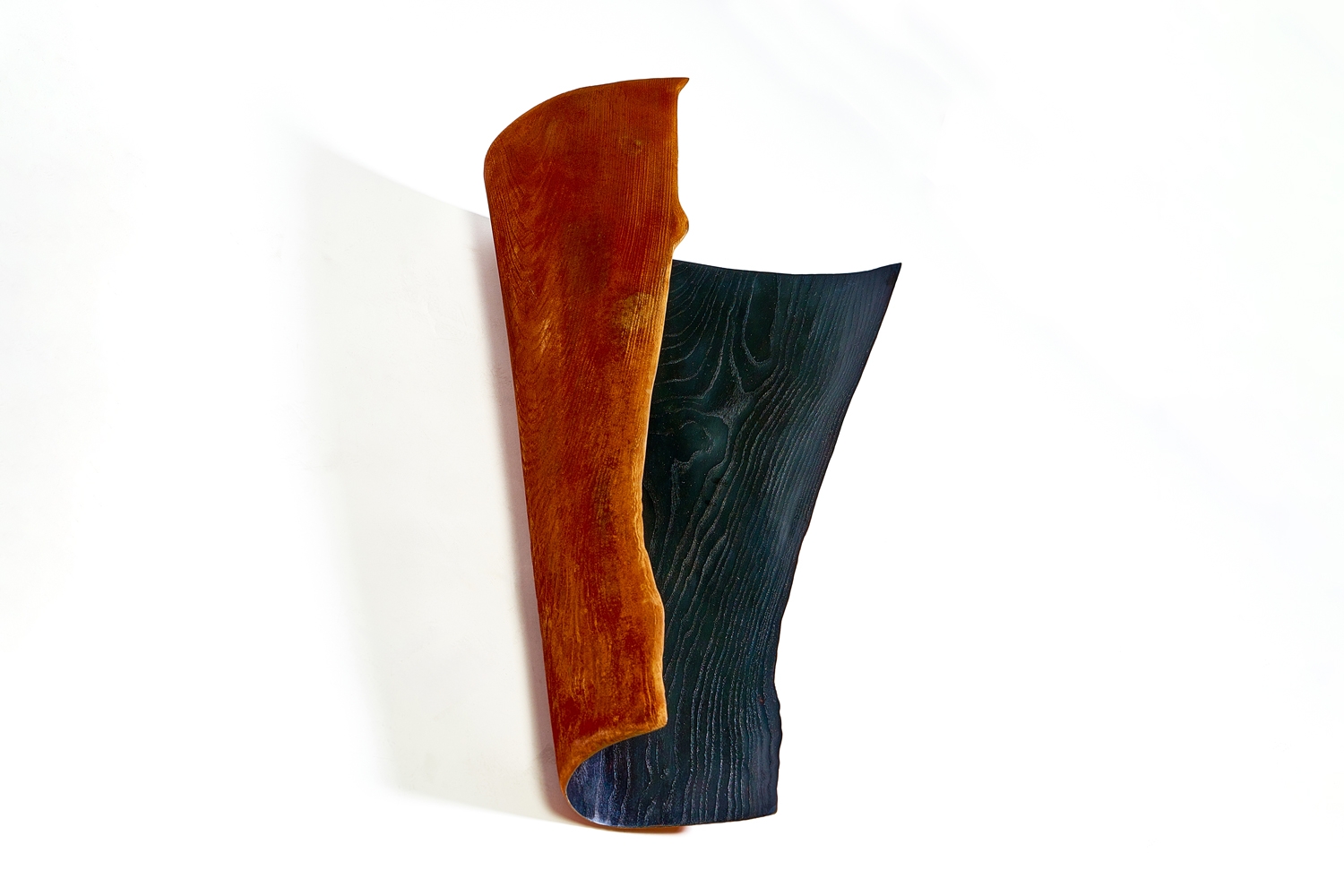
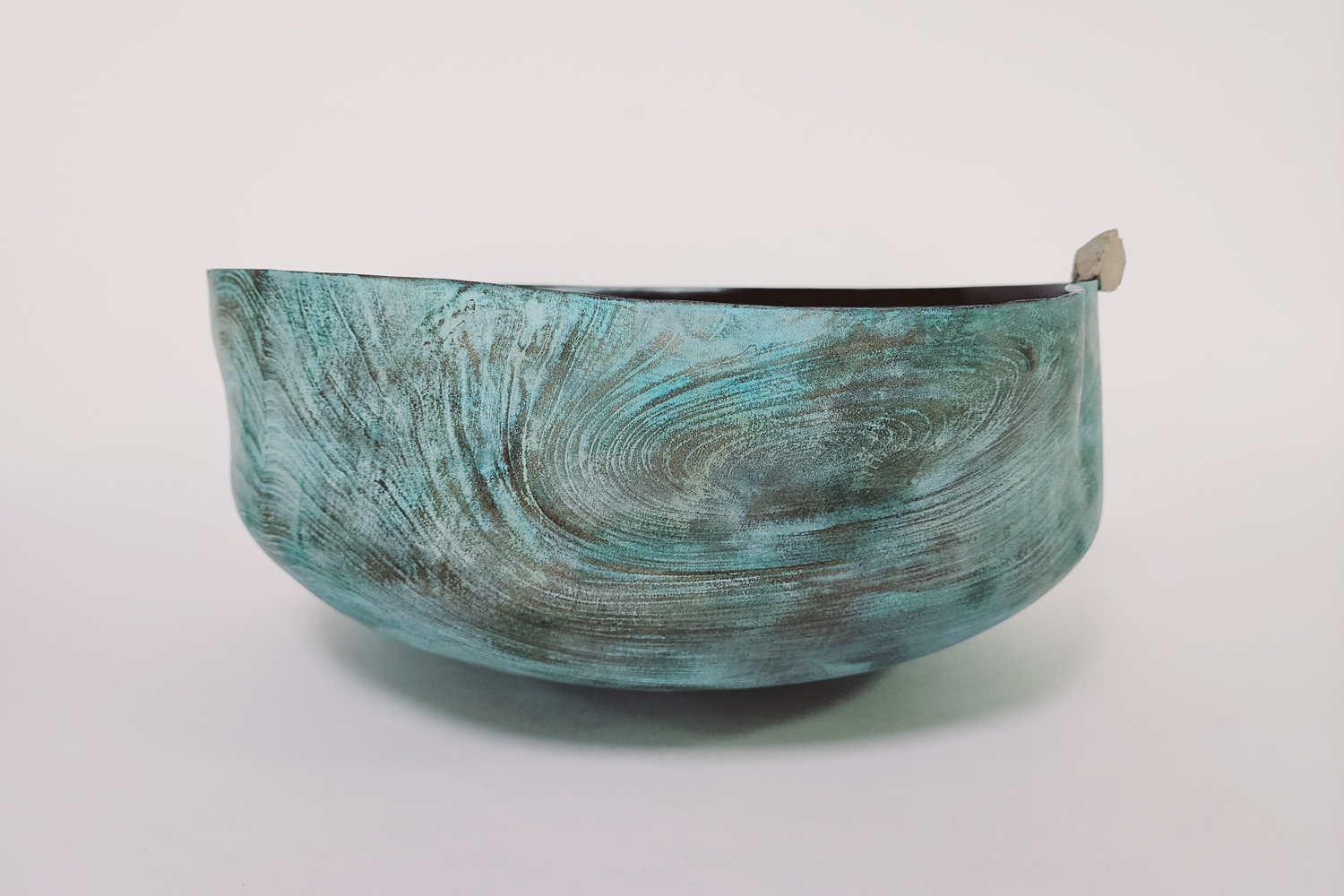
Sukkeun Kang started out in making beautiful yet practical wooden tableware for his wife, whose wrists often hurt. The history of Korean lacquered woodenware goes back thousands of years, but it had been kept for the privileged elite. This was because the craft was used mainly for decorative and artistic pieces. In this context, Sukkeun sought to turn lacquerware from decorative to everyday utilitarian. "In order to produce lacquerware that would not break or smell, I endured five years of constant failure as I perfected my technique," he shares. To this day, the self-taught artisan creates functional tableware pieces that exude an artistic sensitivity, as he aims to convey the spectrum of human emotions into every object.
INTERVIEW
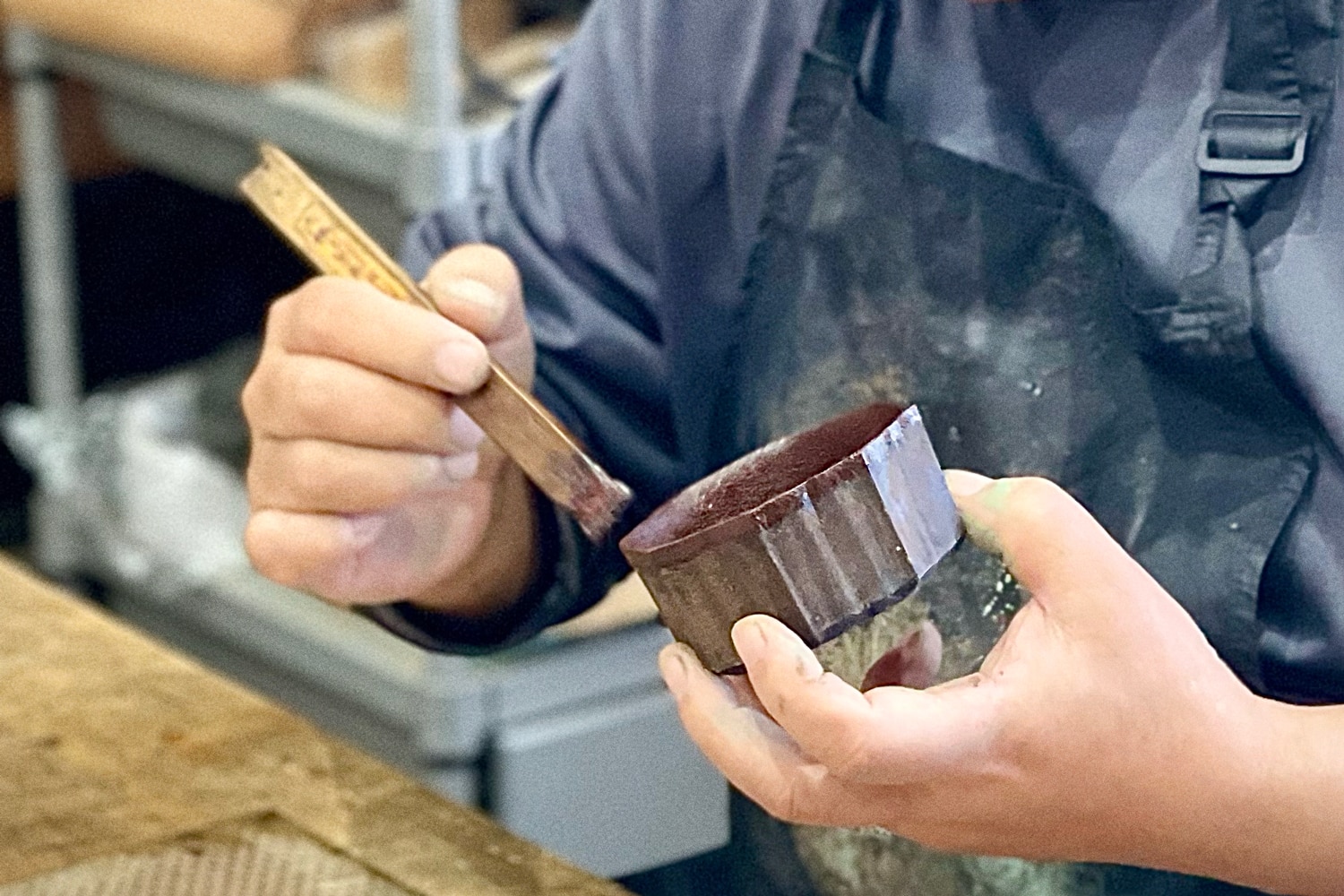
Ceramic bowls were too heavy for my wife to use, so I wondered if there could be tableware that was lightweight yet durable like ceramics. Wood is light, but it is vulnerable to moisture, decays easily, and is not hygienic enough for long-term use. I combined the lightness of wood with the durability and hygiene of lacquer.
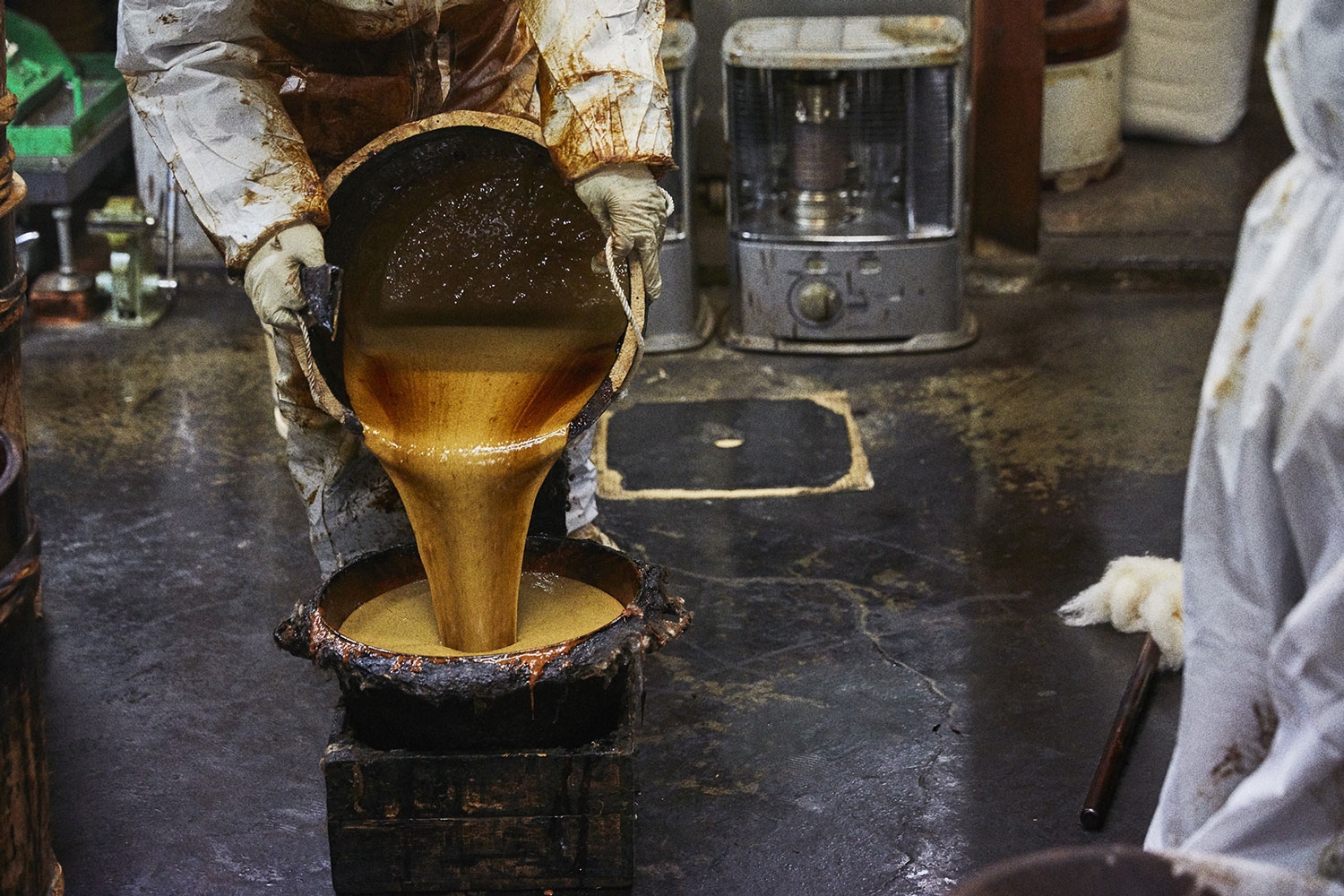
Applying lacquer to wood is not new, but it comes with several issues which I tried to mitigate. By using the traditional high-temperature hardening method on woodenware and curing the lacquered wood in a kiln heated to several hundred degrees, I was able to eliminate clouding and lacquer odour.
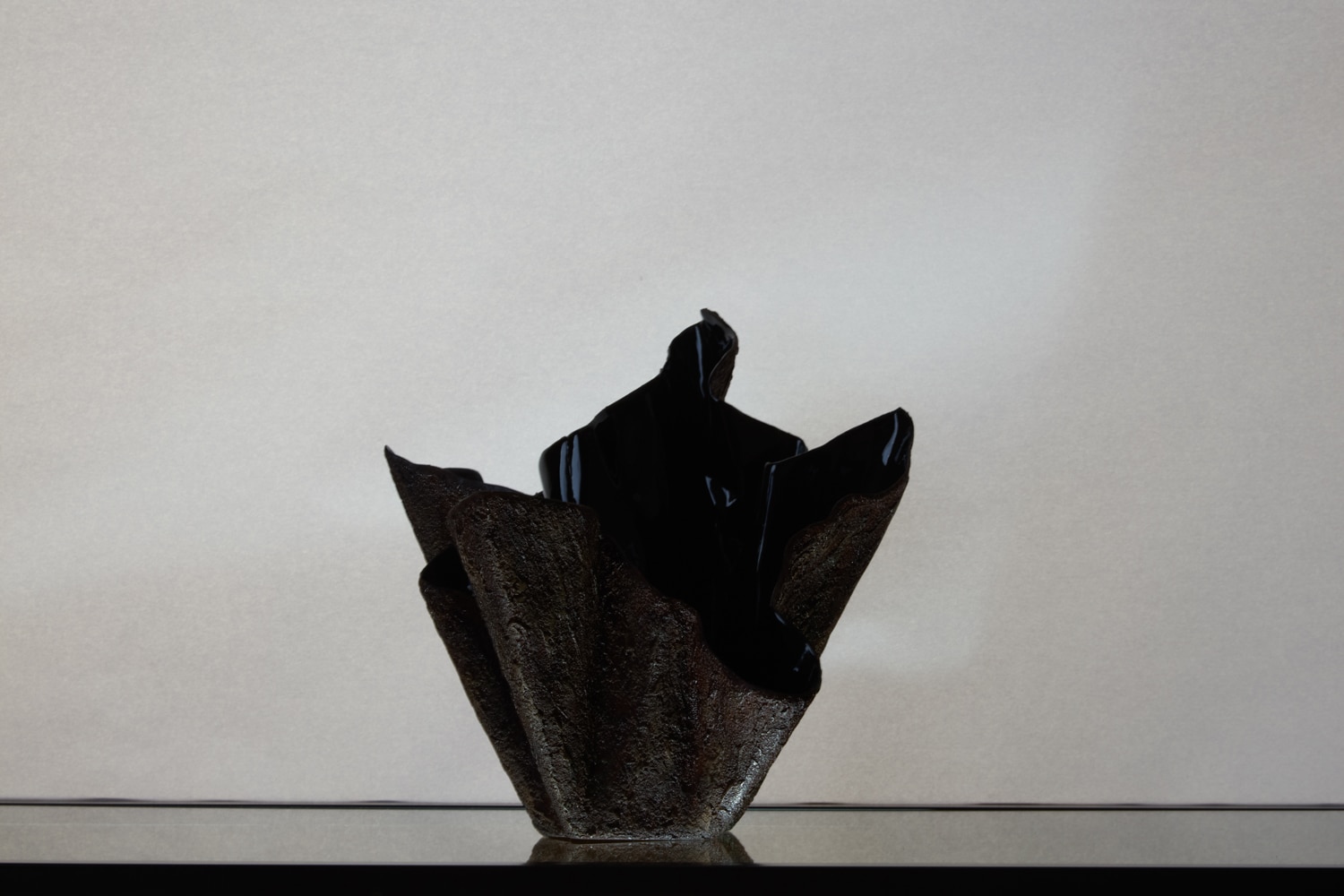
First and foremost, they must be practical. At the same time, I want my works to carry my life, philosophy and viewpoint, and to deliver a meaningful message. Just as I started this craft out of the desire to make my wife happy, I want to keep expressing human emotions, such as love and compassion through my work.
There are many paths for an artisan. From traditional crafts, to contemporary crafts, or fine crafts for those with a strong artistic inclination. I encourage each artisan to clearly recognise where their own disposition lies, and then carve out their path as a craft artist.
Sukkeun Kang
Lacquerer
Ulsan, South Korea
ADDRESS
Address upon request, Ulsan, South Korea
AVAILABILITY
By appointment only
LANGUAGES
Korean
Homo Faber Finds is a new service aiming to inspire admirers of craft to connect and collaborate with exceptional artisans.
We invite you to submit an enquiry here.