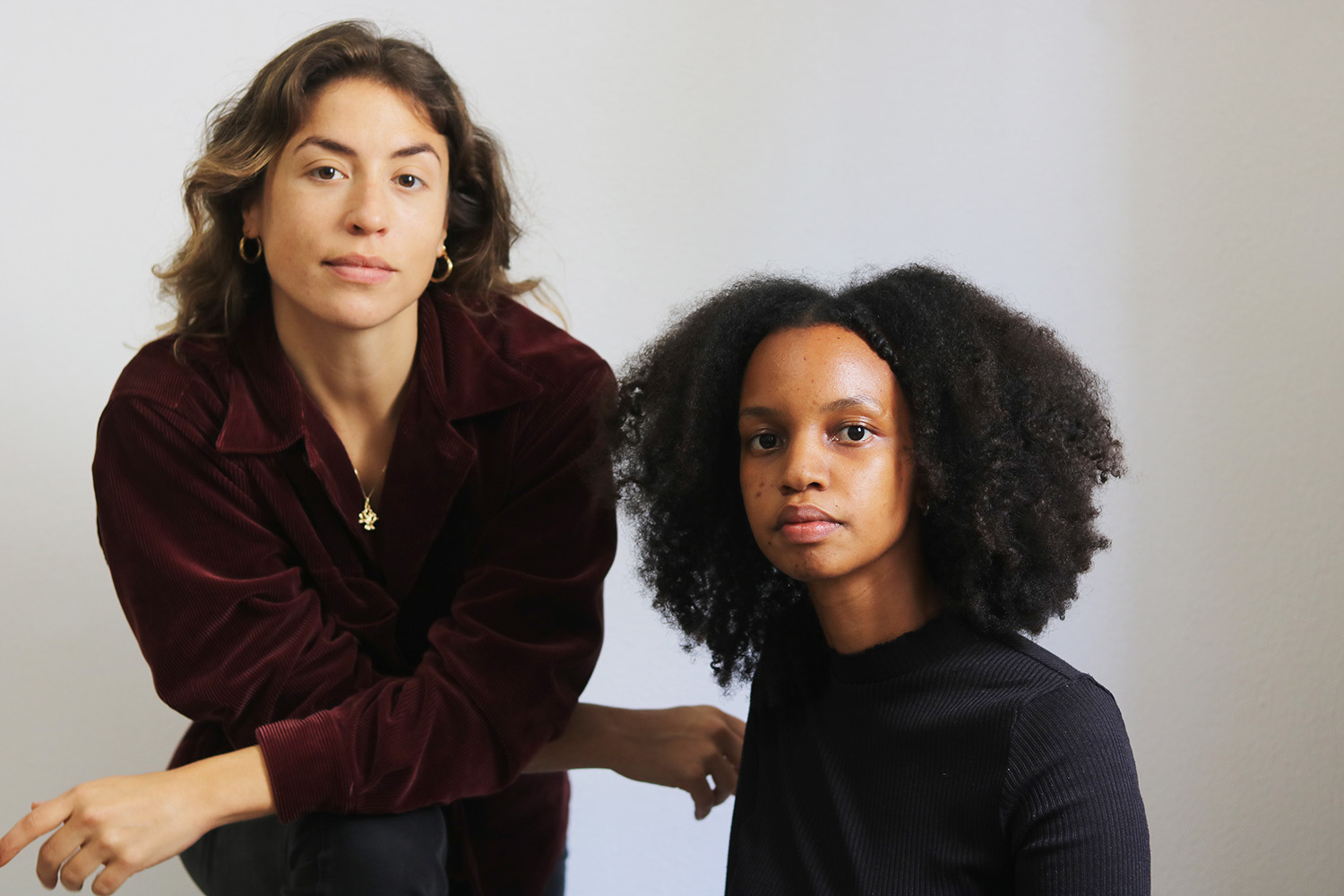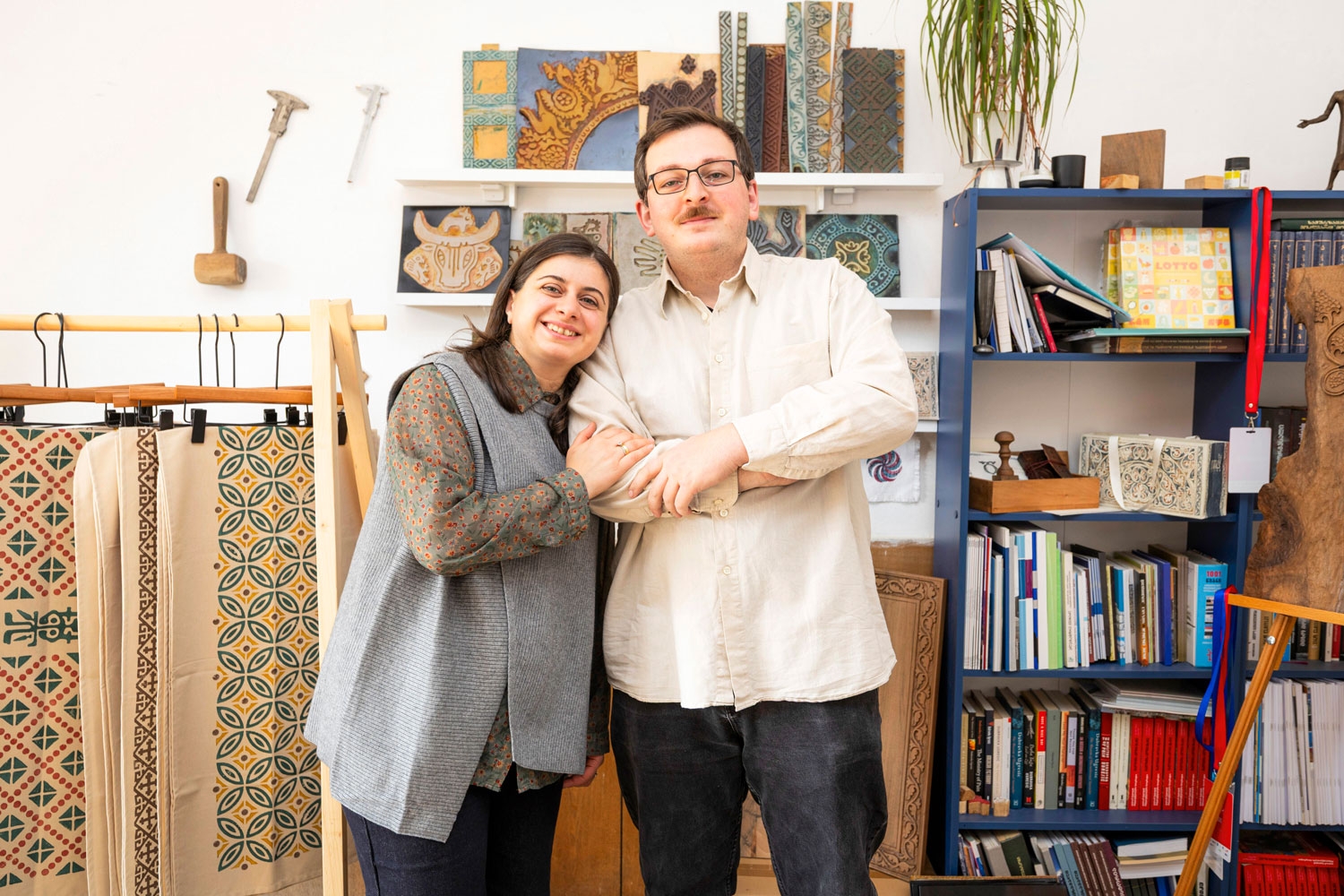
Ana Japaridze & Nino Kopaladze
CeramicArtge
Ceramicist
Tbilisi, Georgia
Recommended by Georgian Heritage Crafts Association
Connections in clay
- Ana and Nino met at the Tbilisi State Academy of Arts
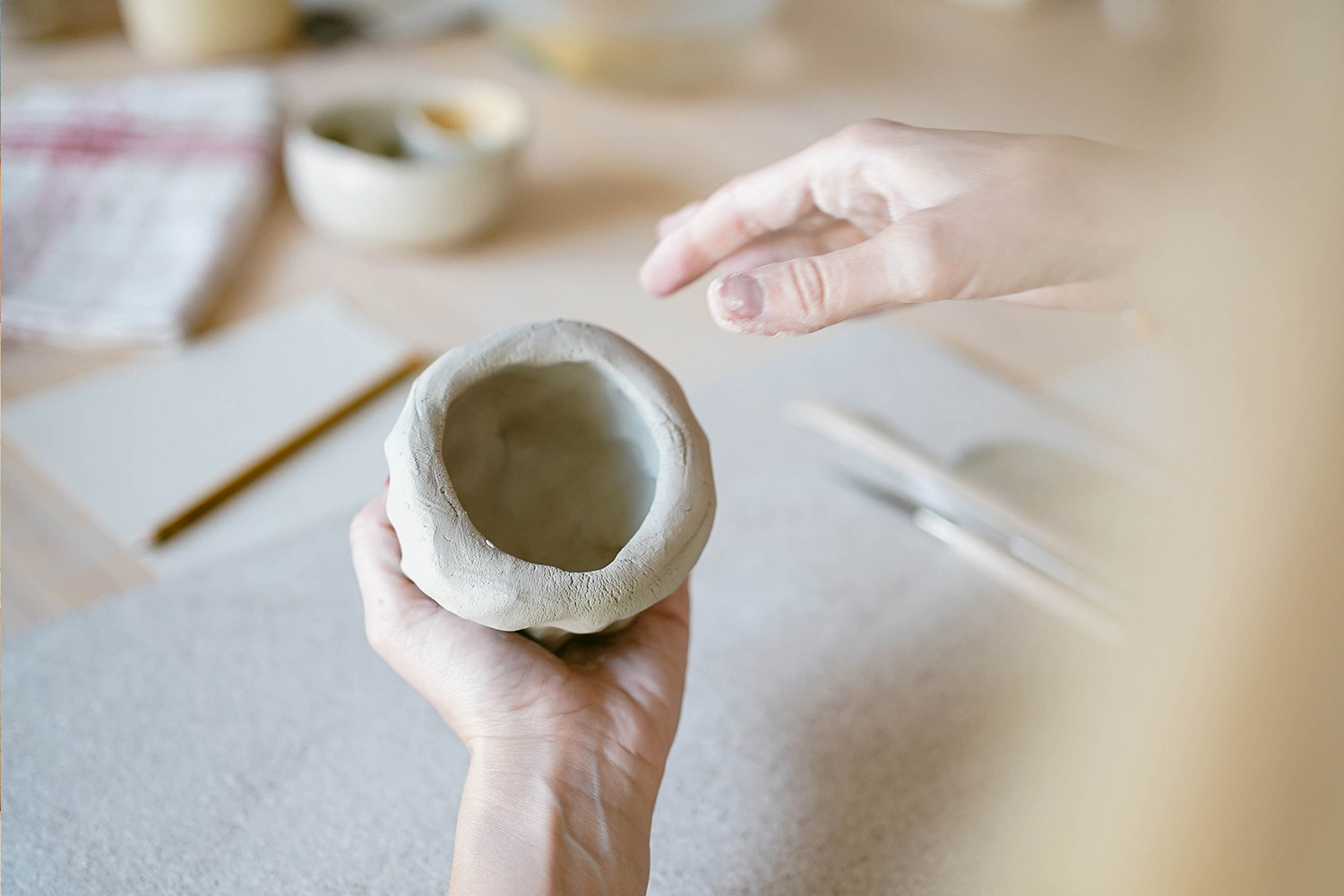
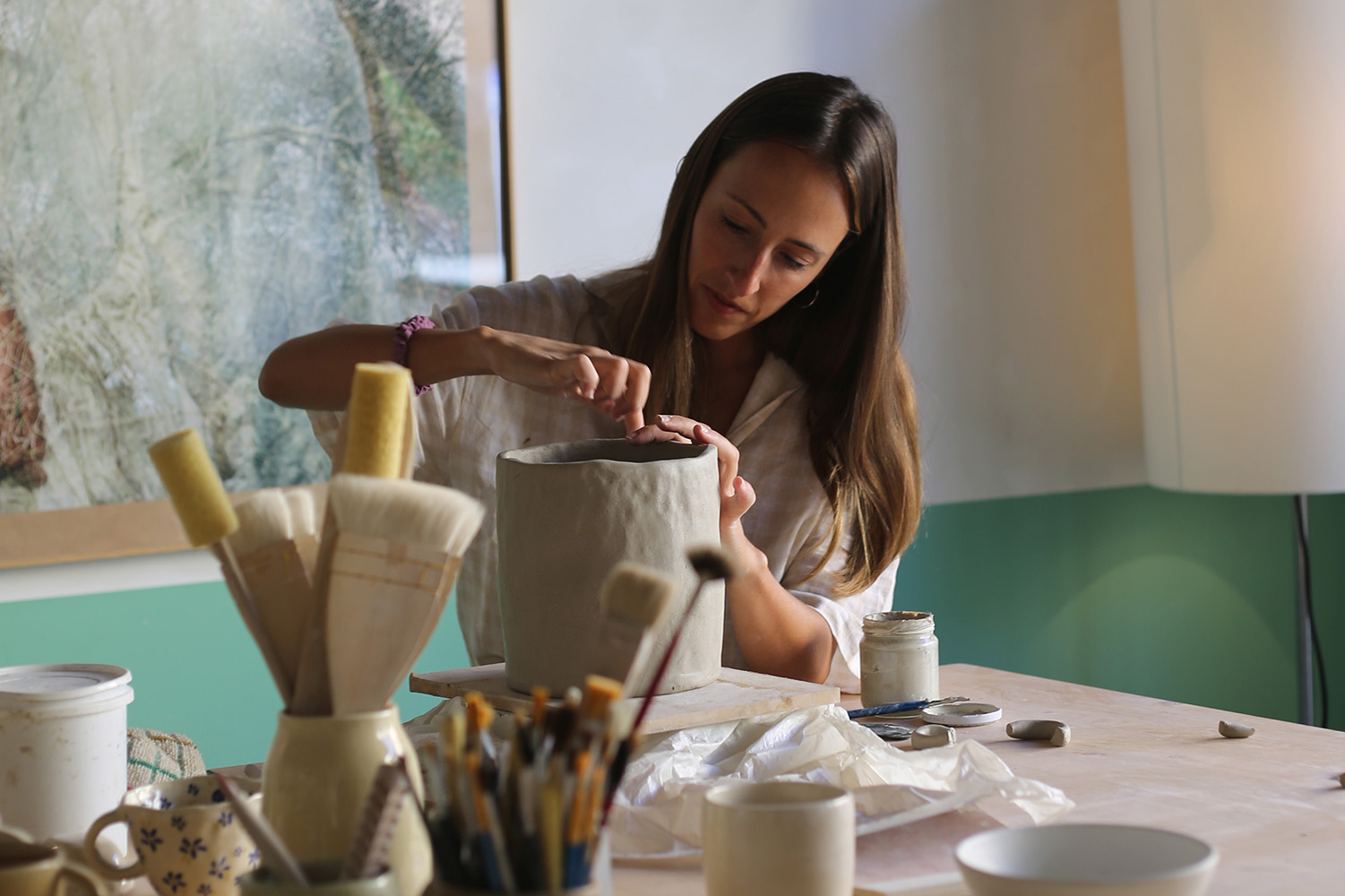
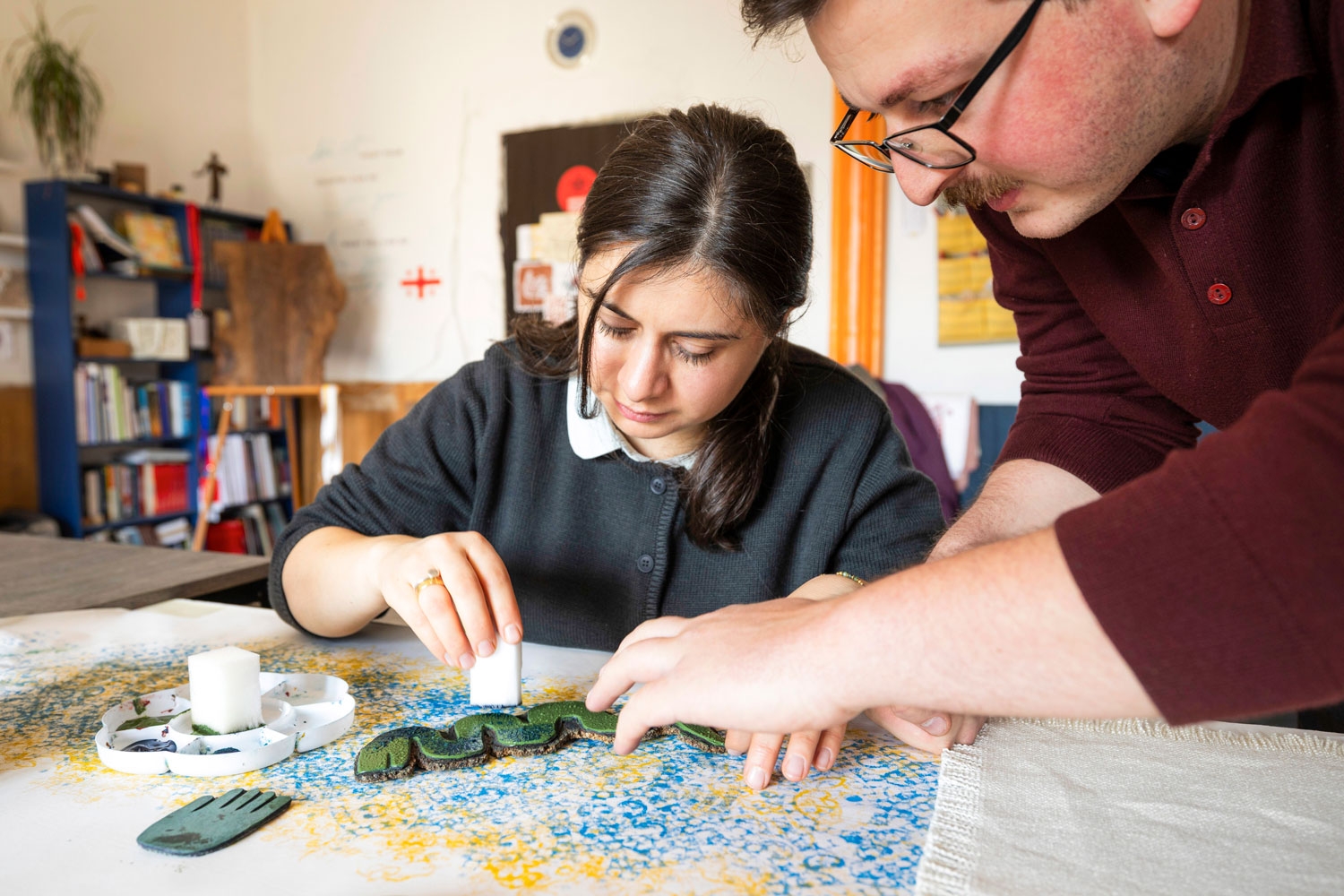
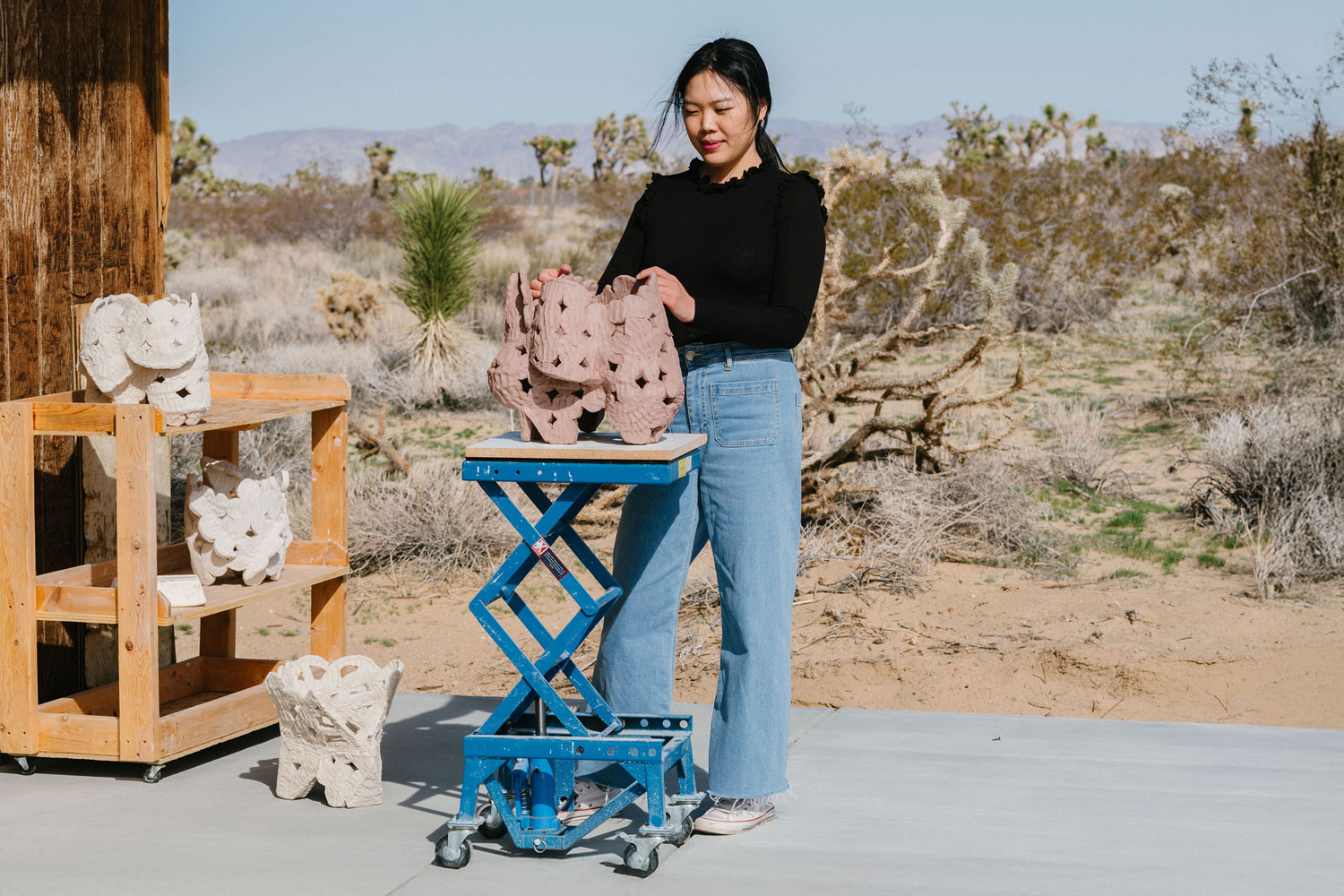
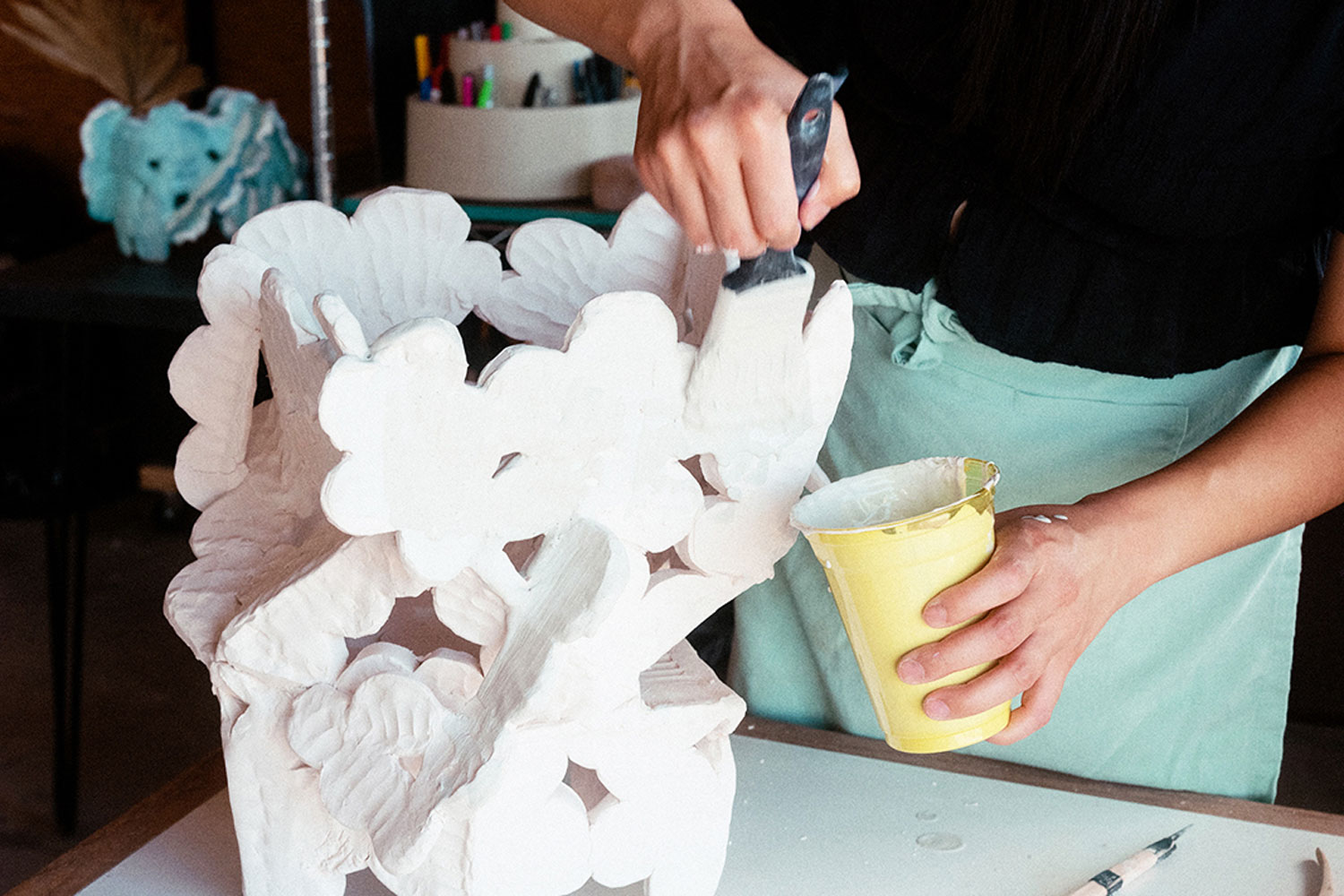
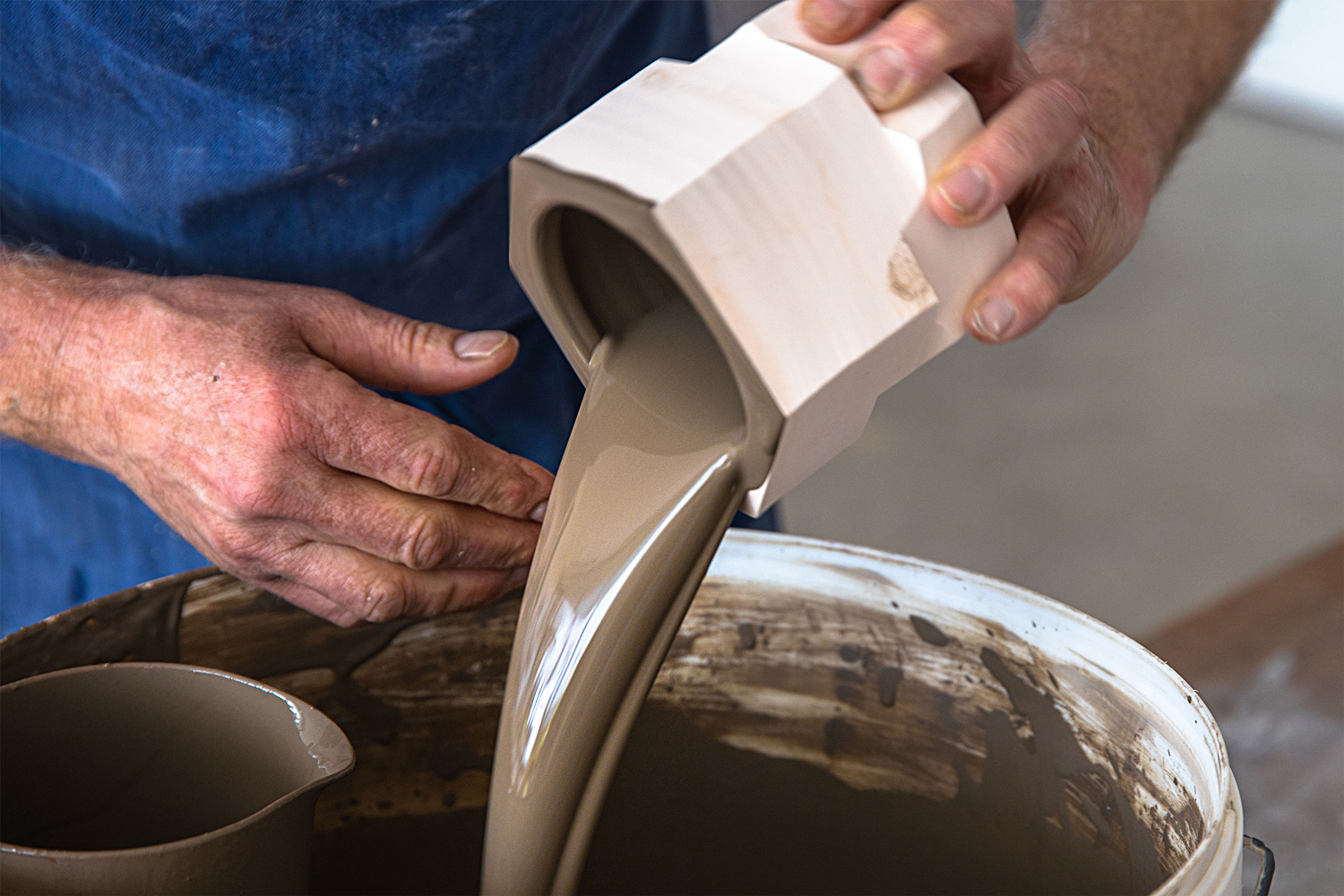
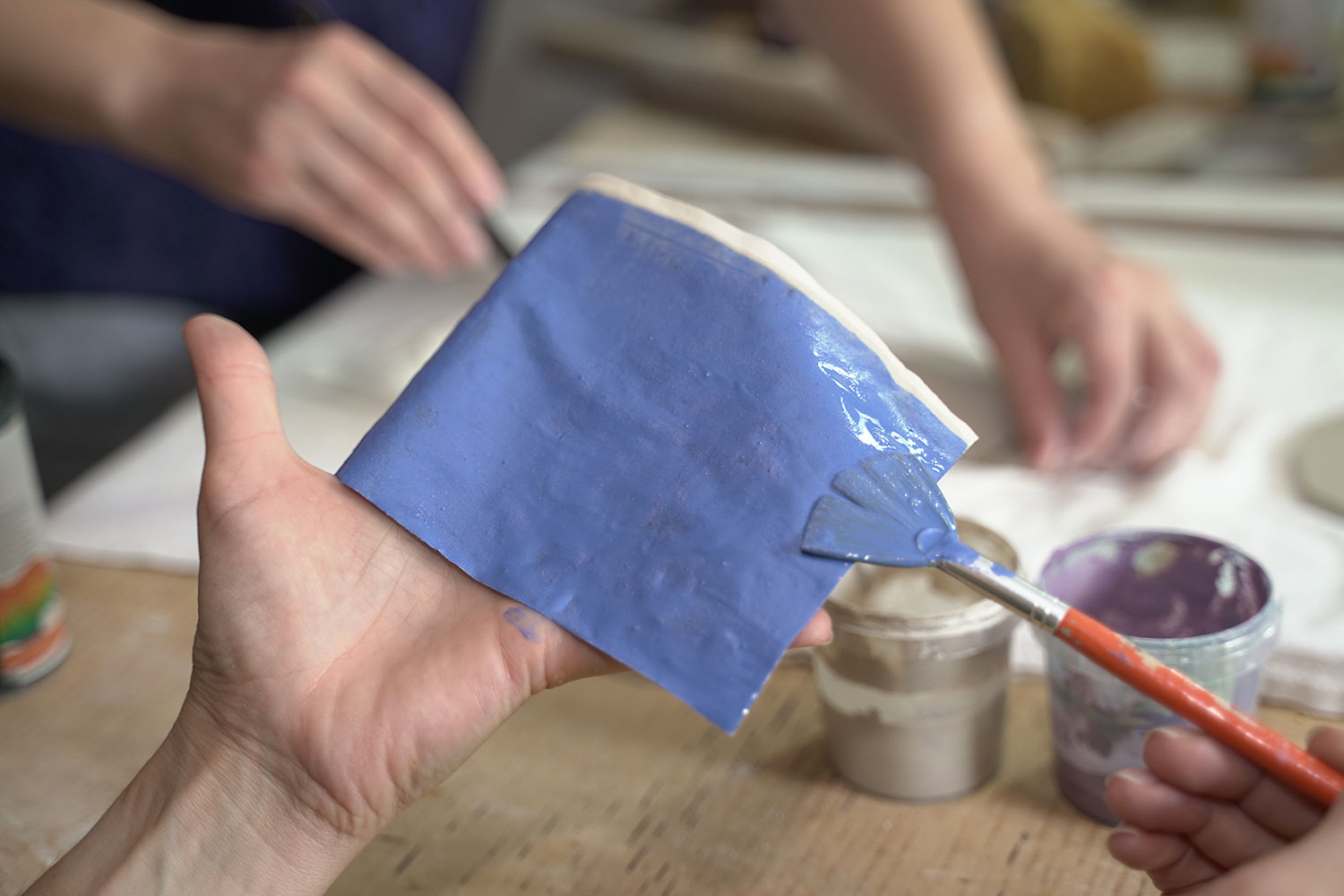
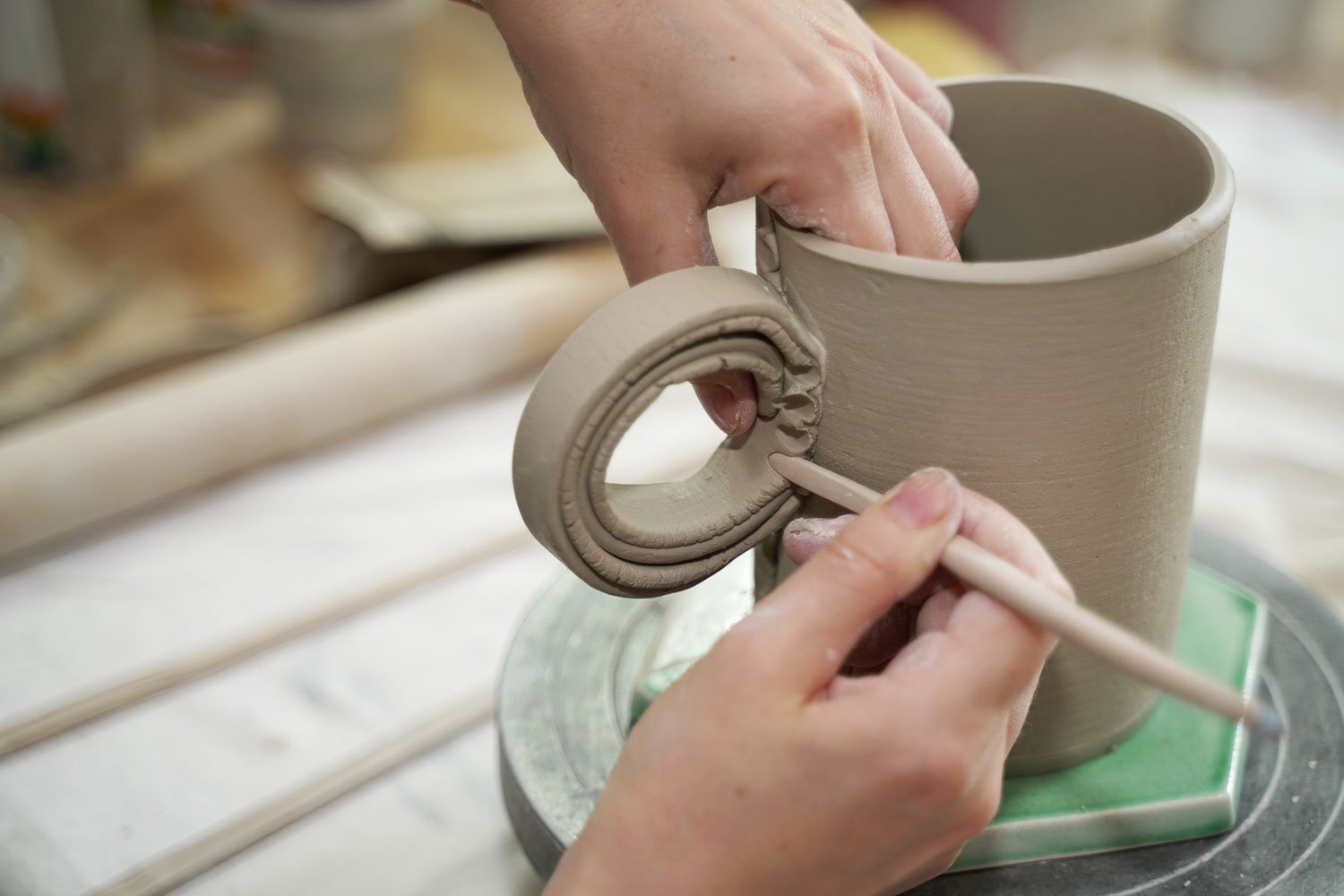
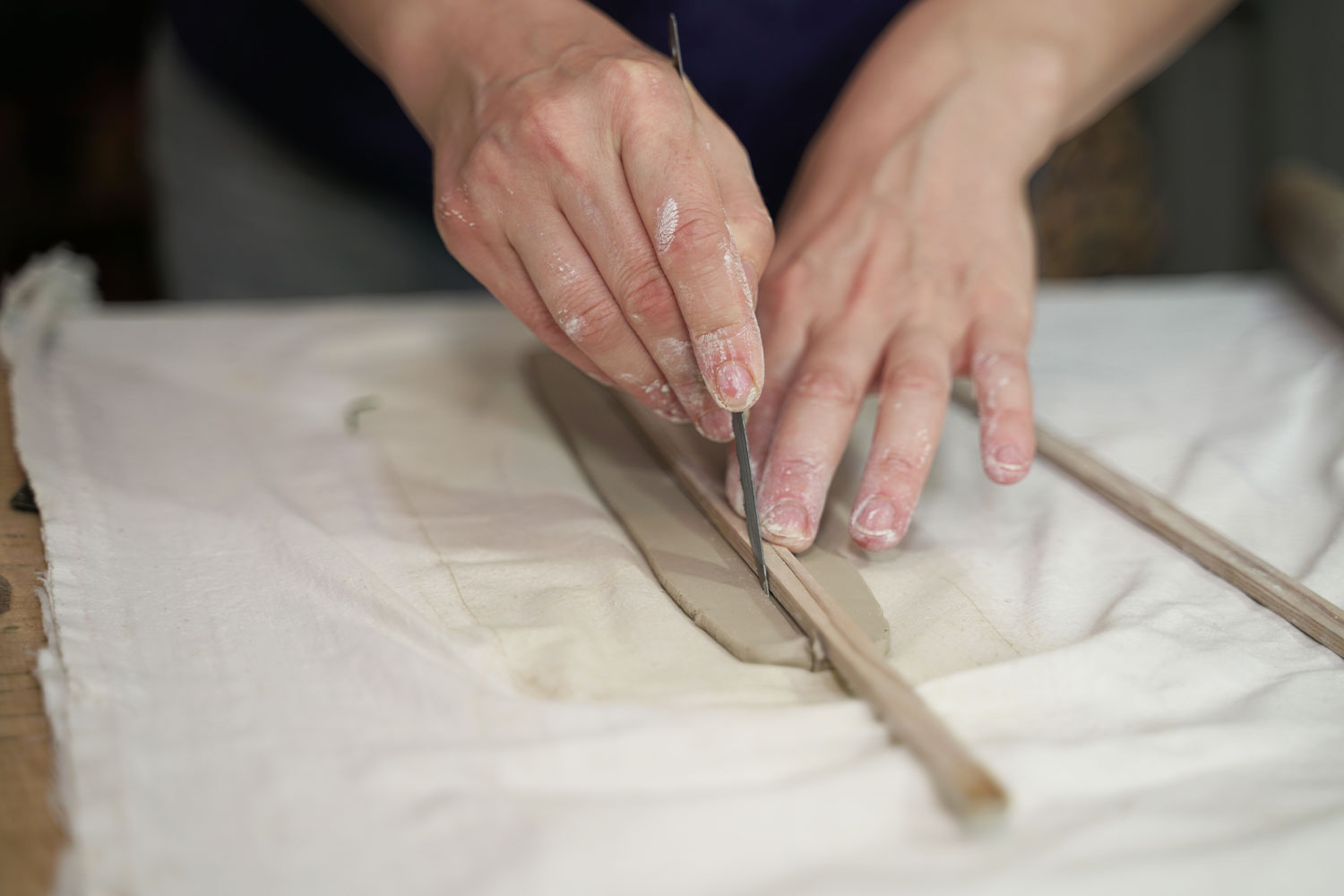
- They work mostly in slab building and monoprint painting techniques
- Their main inspiration is nature and the cultural heritage of Georgia
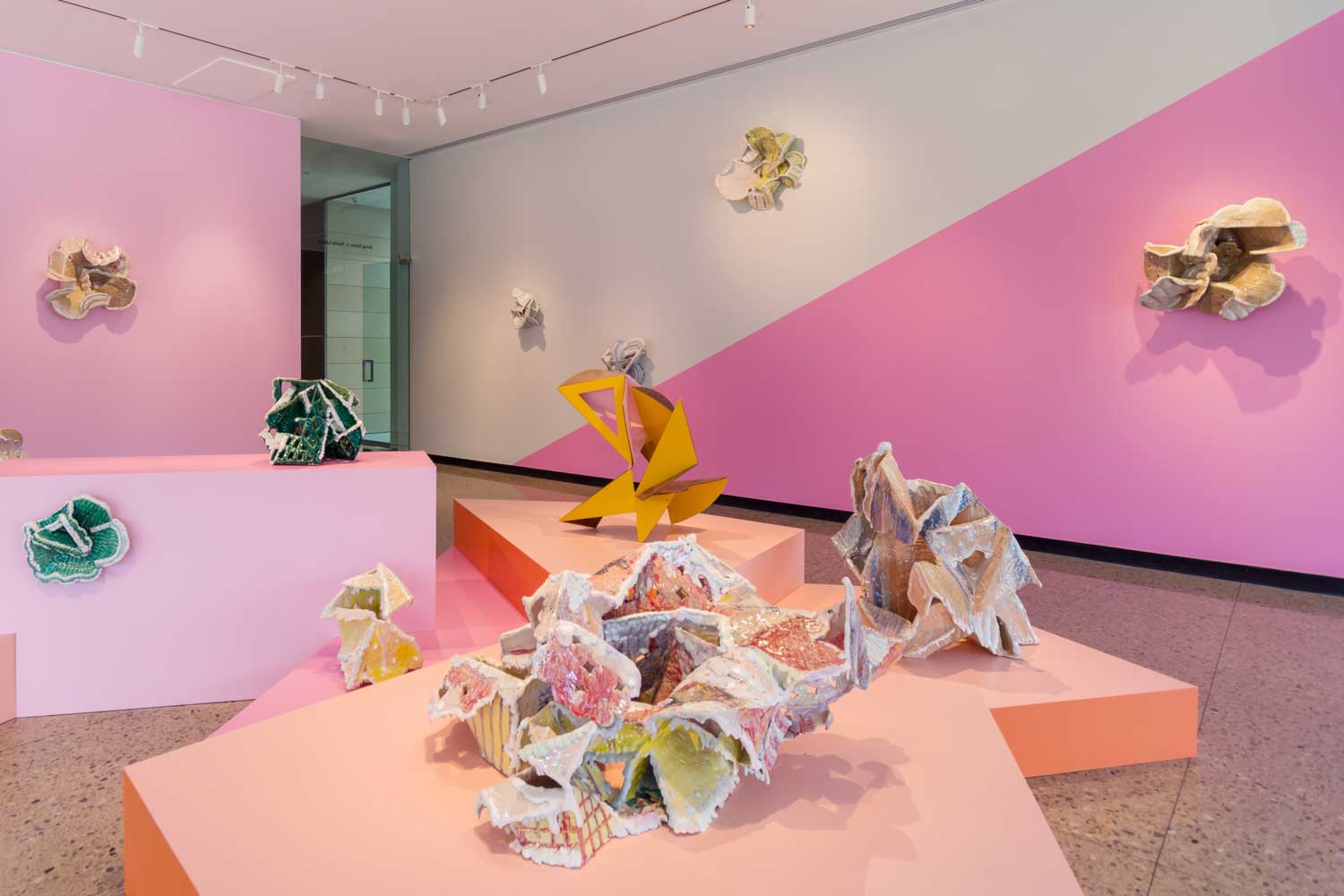
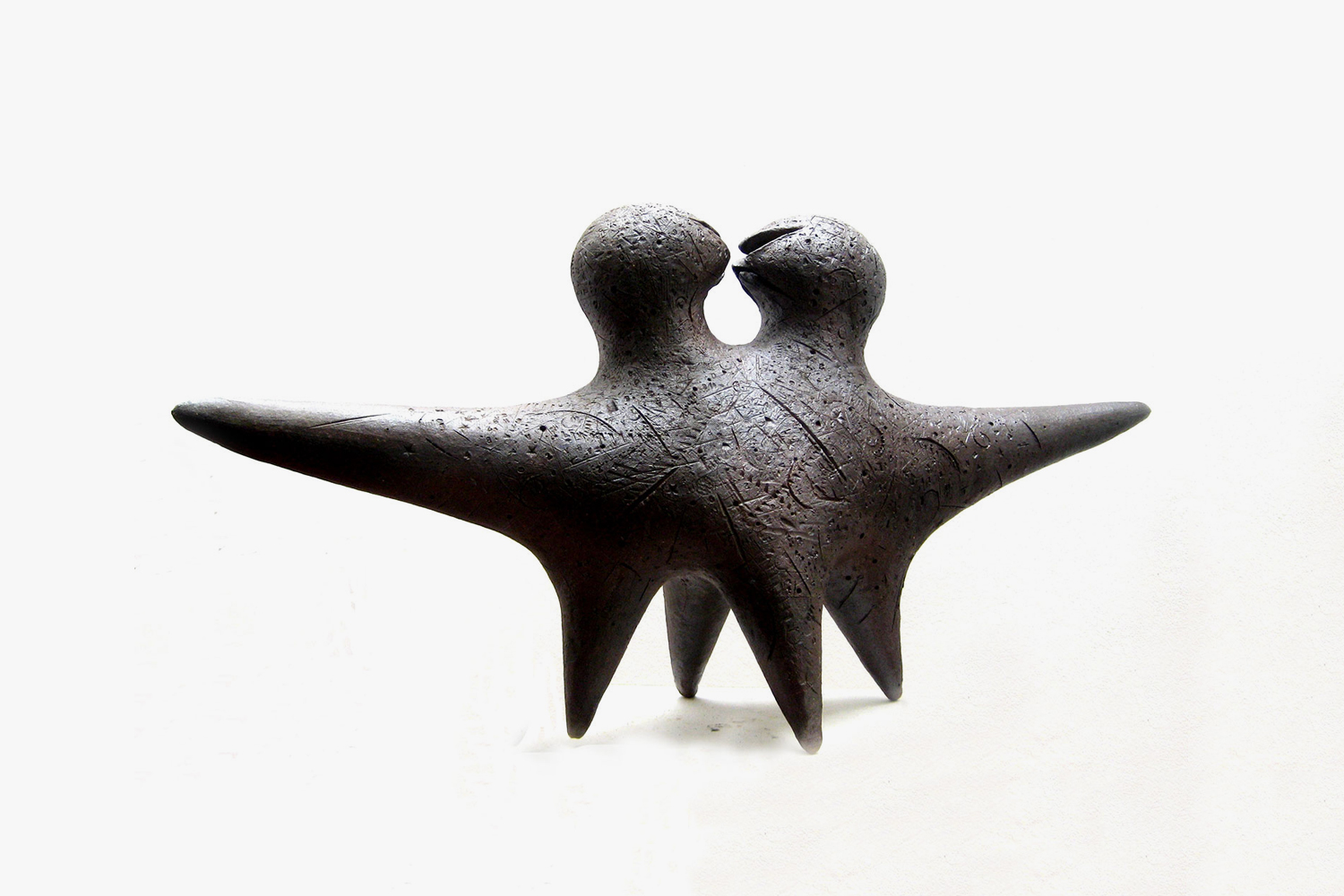
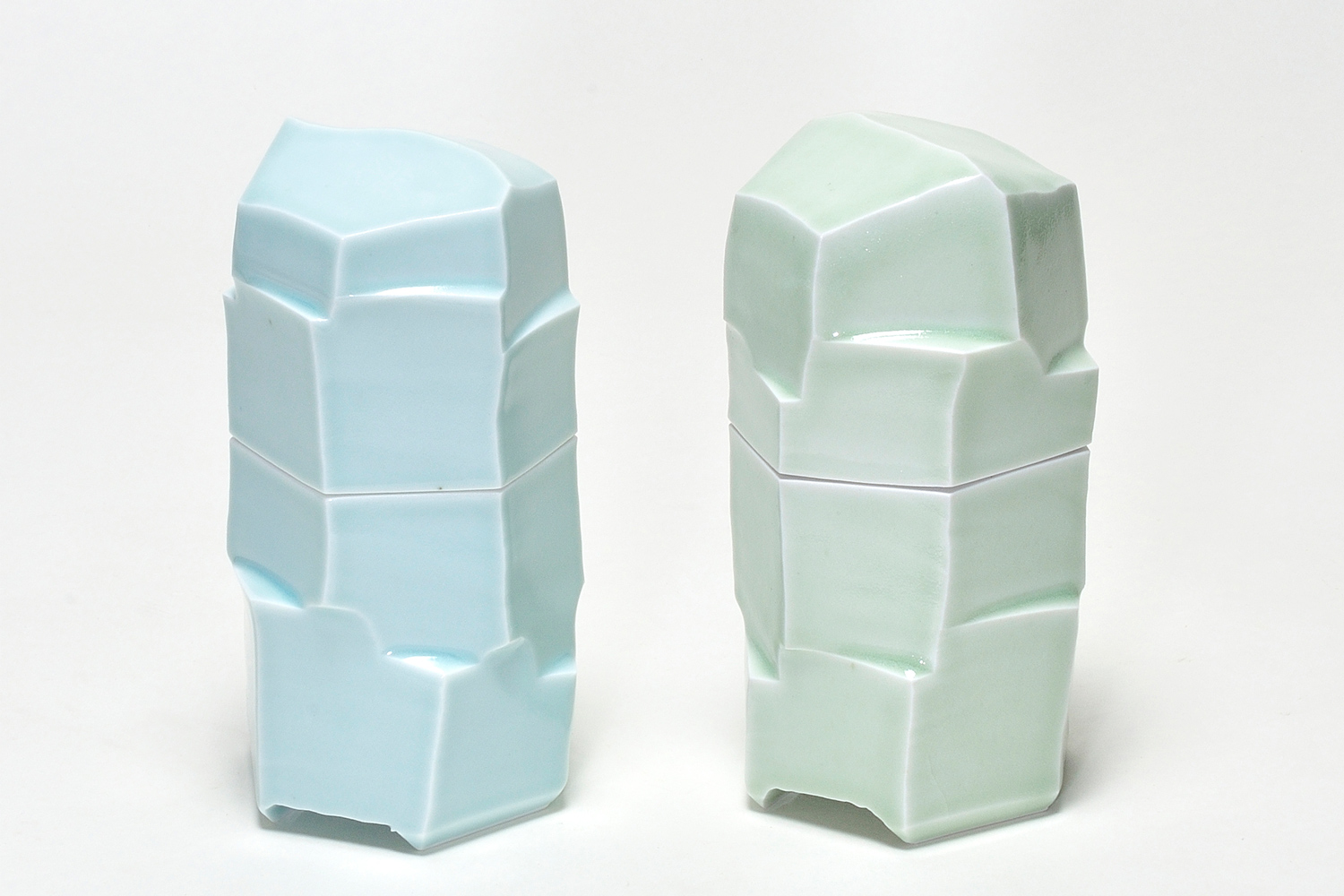
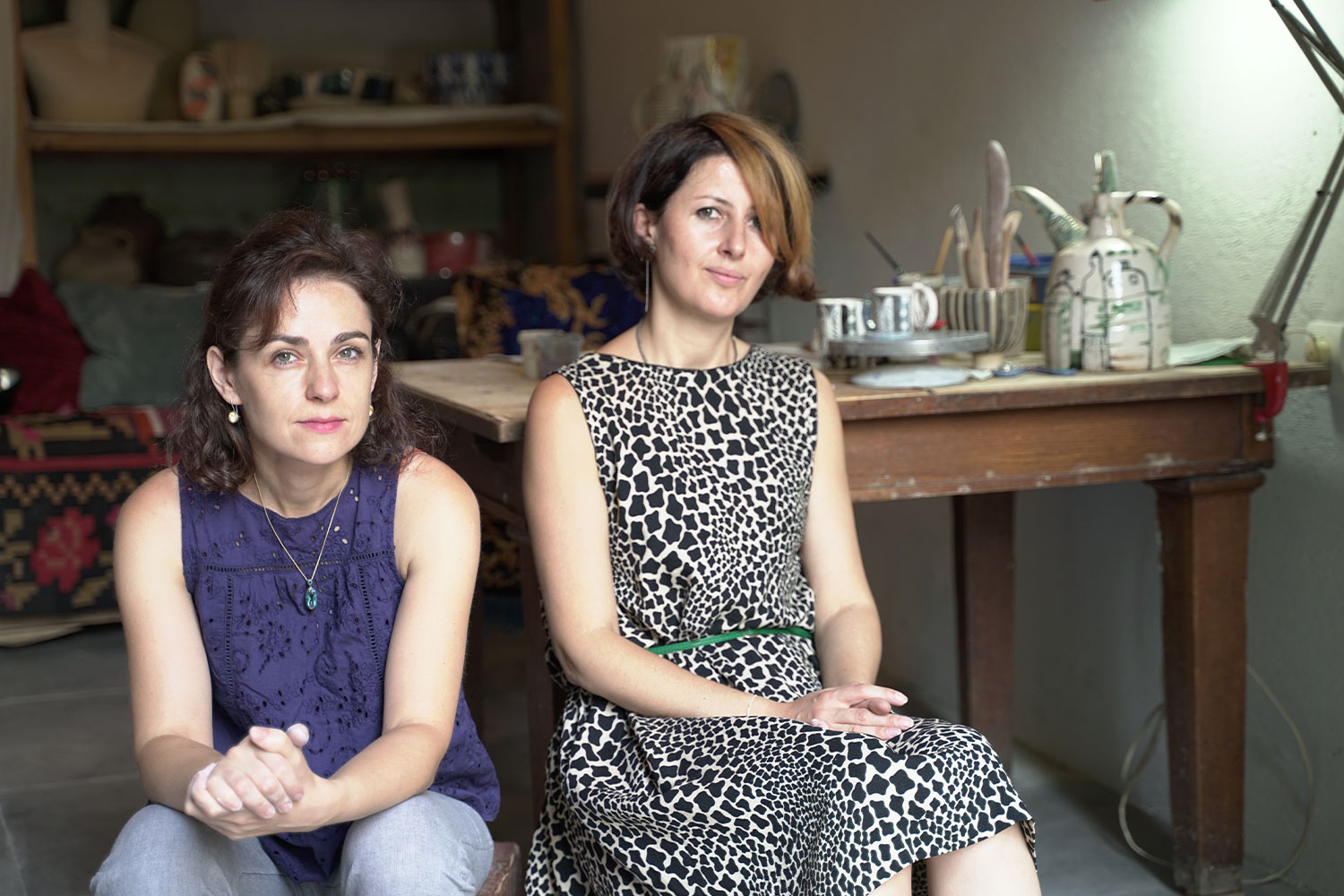
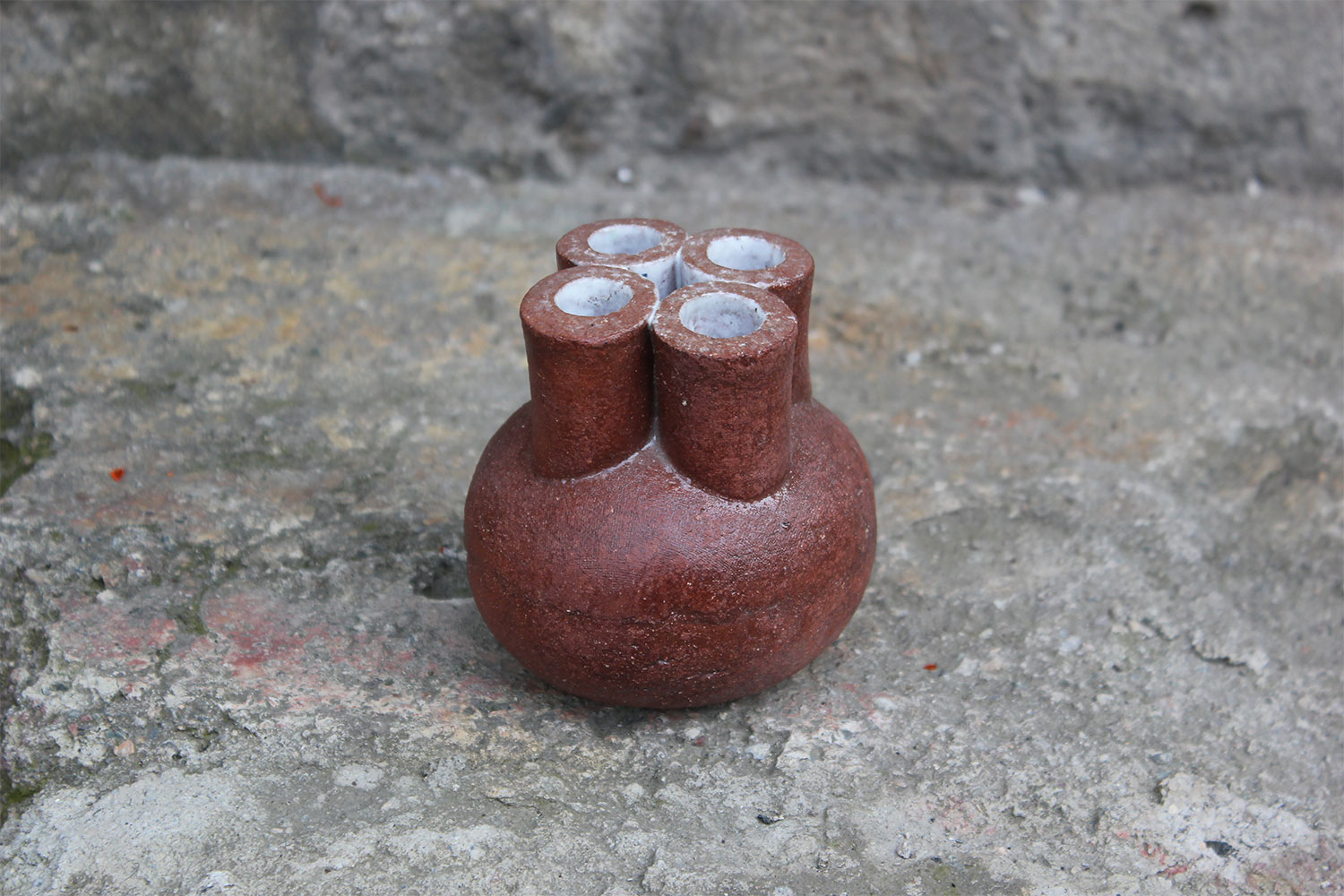
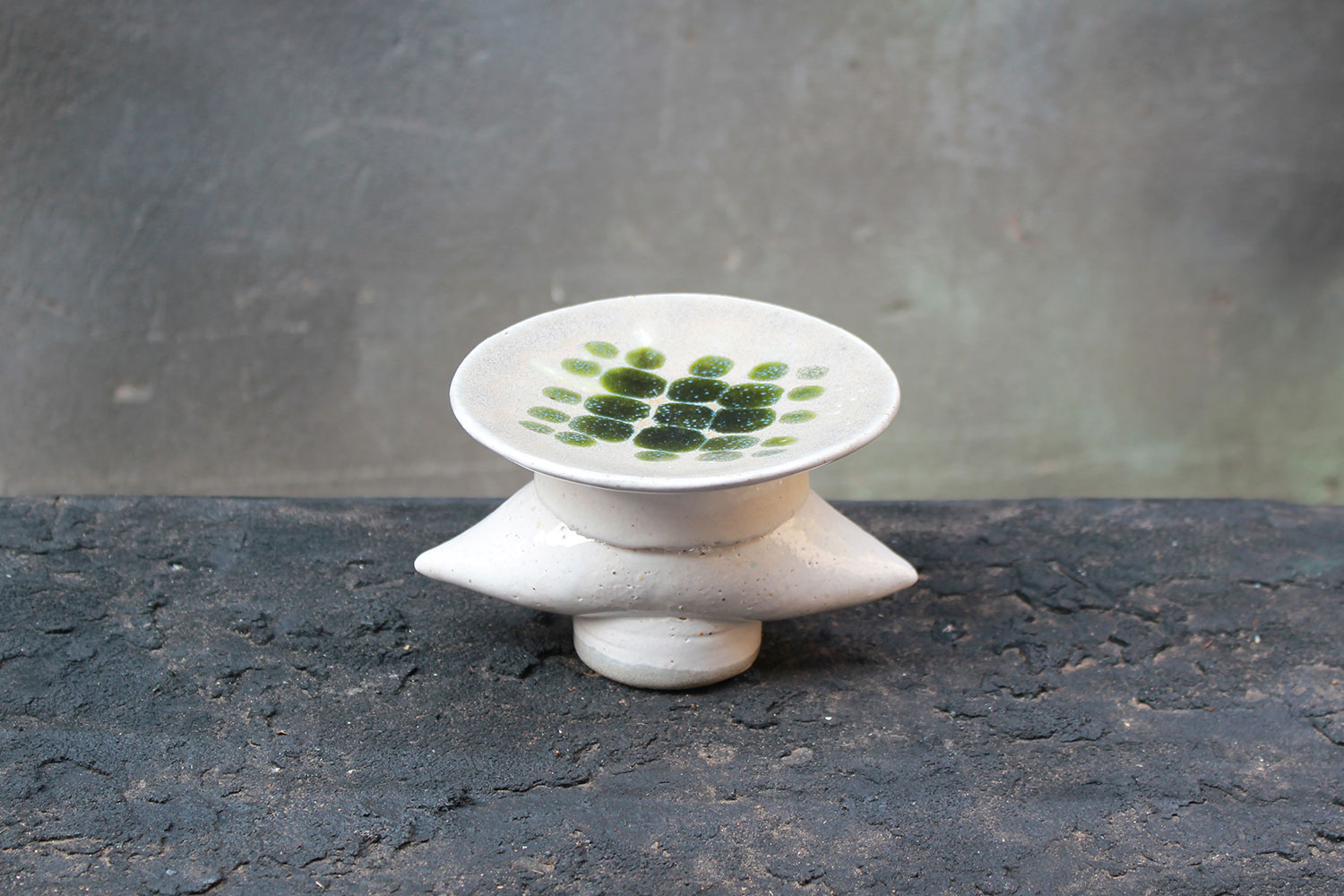
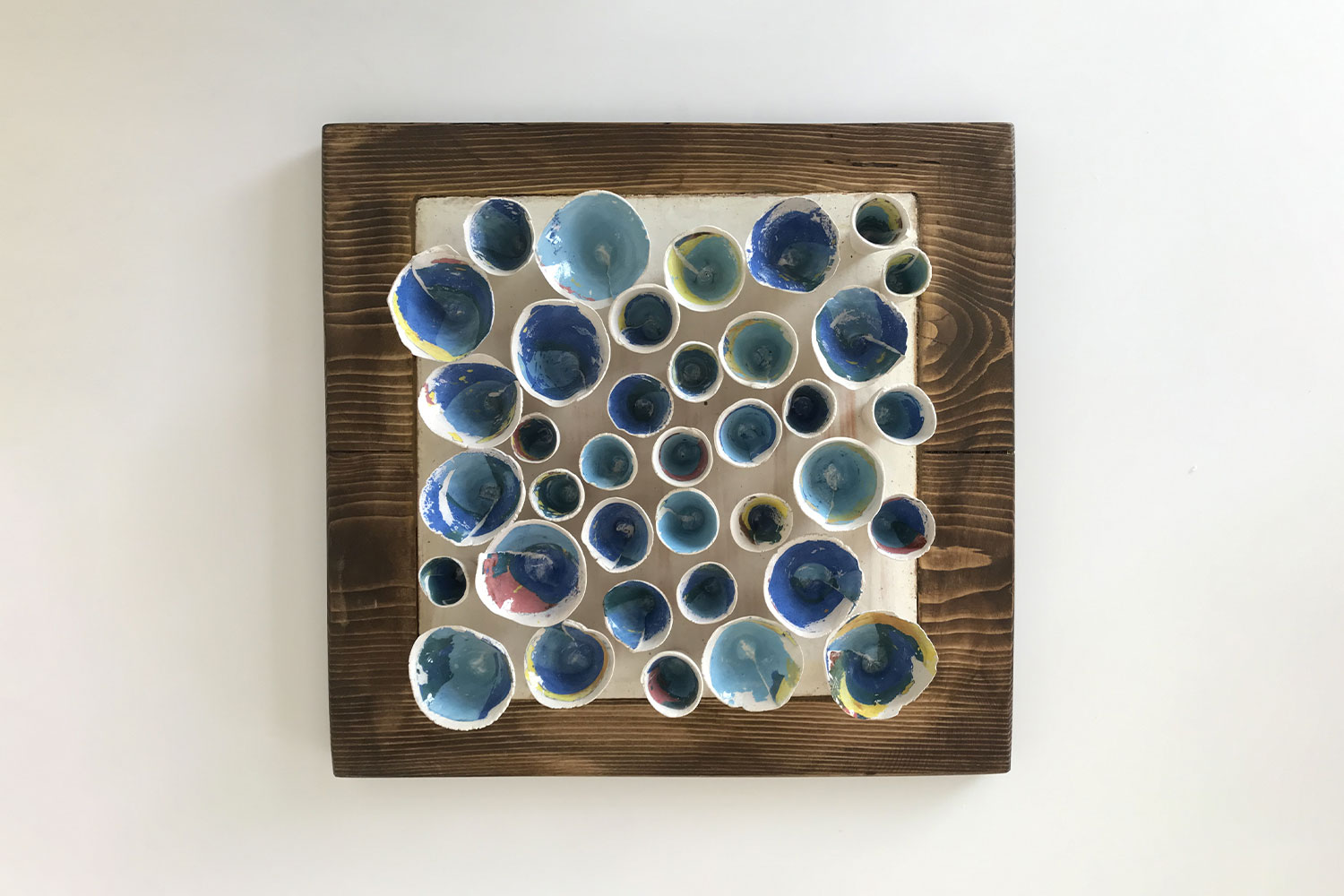
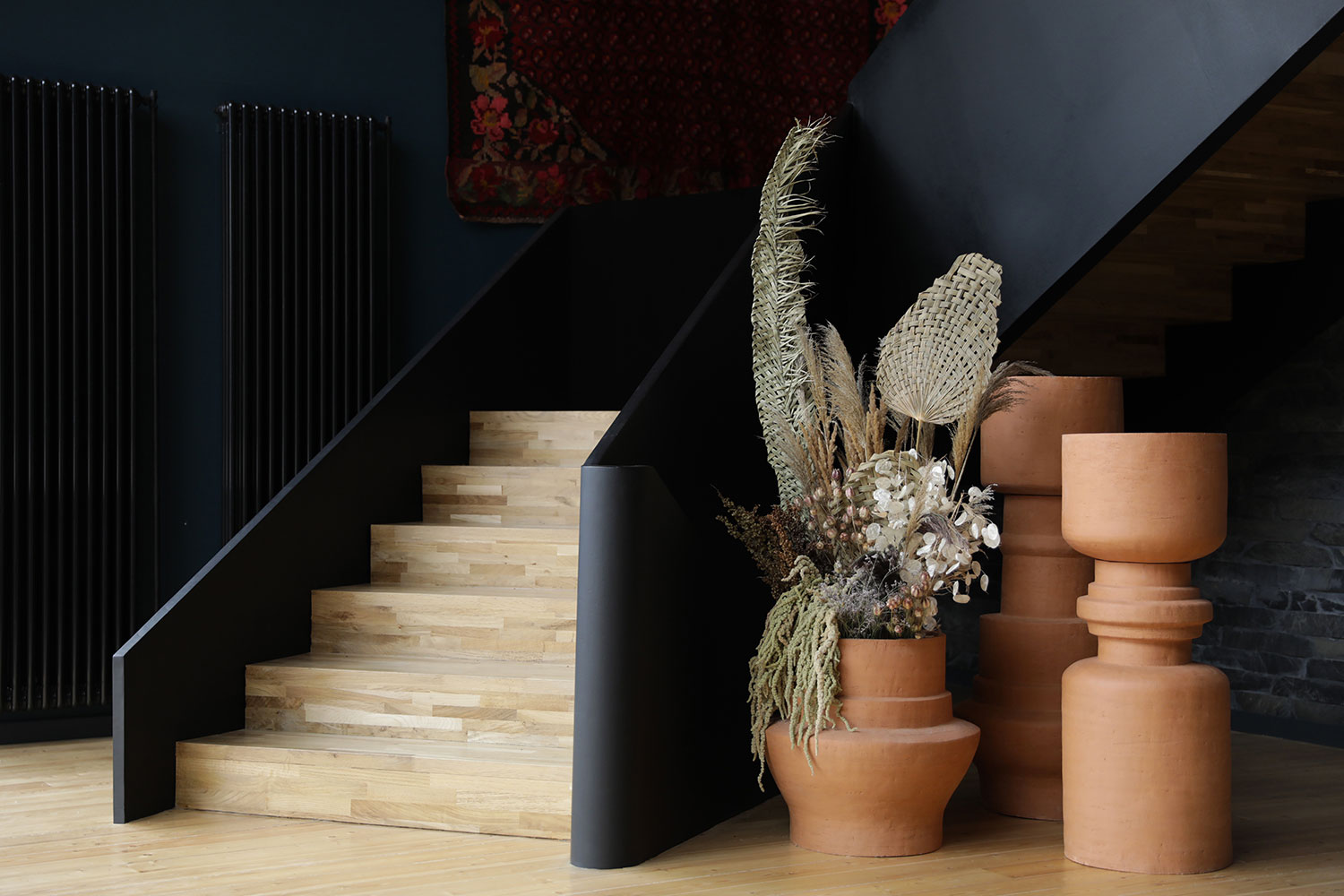
Ana Japaridze and Nino Kopaladze are ceramicists, designers but first and foremost close friends from Tbilisi. They are united by their love of clay and have shared their creative lives for more than 20 years. The duo founded the workshop, Ceramic Art, which brings together their artistic experiments and novel ideas. “After graduating from Tbilisi State Academy of Arts, we decided to work together. We always wanted to create works which would combine modern elements and traditional motifs.” Now, they create decorative objects and mugs, plates and different kitchenware which is distinguished by the irregularly slab-built, hand-modelled shapes and faded textures achieved through the extensive use of the monoprint technique. Their works are inspired by nature and Georgian heritage motifs, for example the balconies of Old Tbilisi or traditional textiles. “We love traveling together, wandering in nature, visiting the cultural heritage monuments of Georgia, and thinking about innovative ideas.”
INTERVIEW
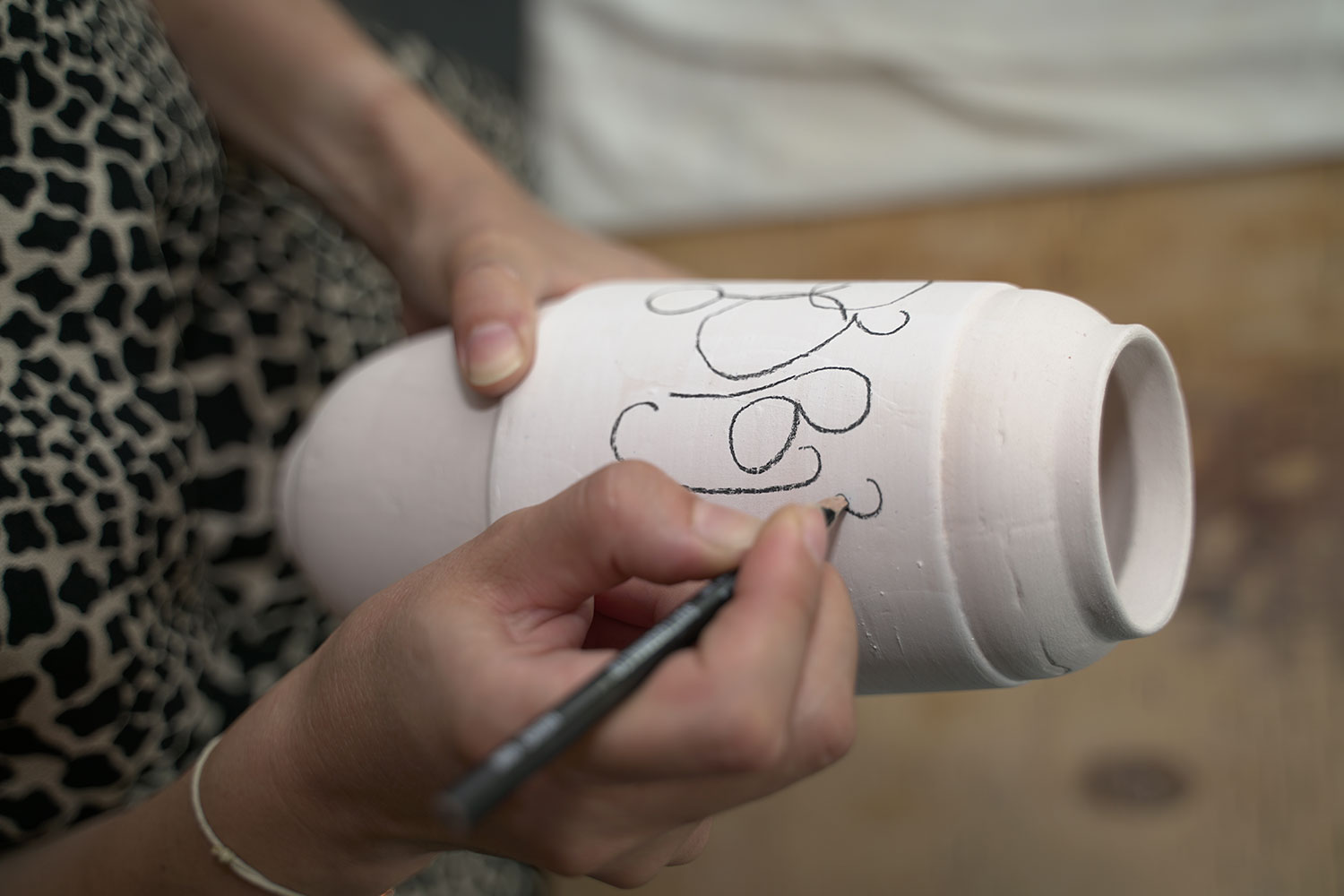
Ana: Slab building is our favourite technique. It enables us to create irregular surfaces, which – in turn – are painted with the mono-printing techniques. We usually apply paints on the surface of old newspapers layer by layer, so that the background is painted last. The final results are only seen when the paints are transferred to the clay.
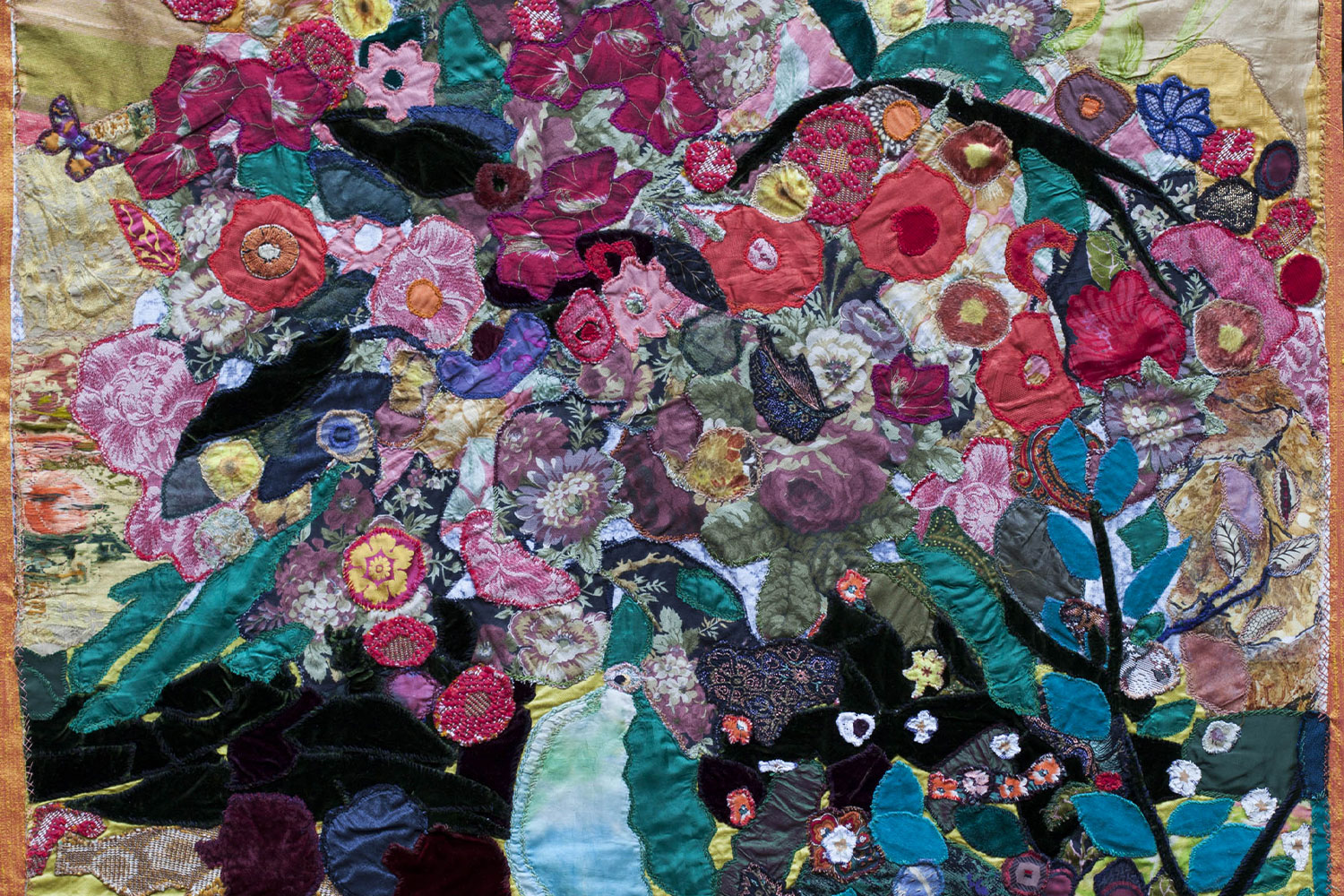
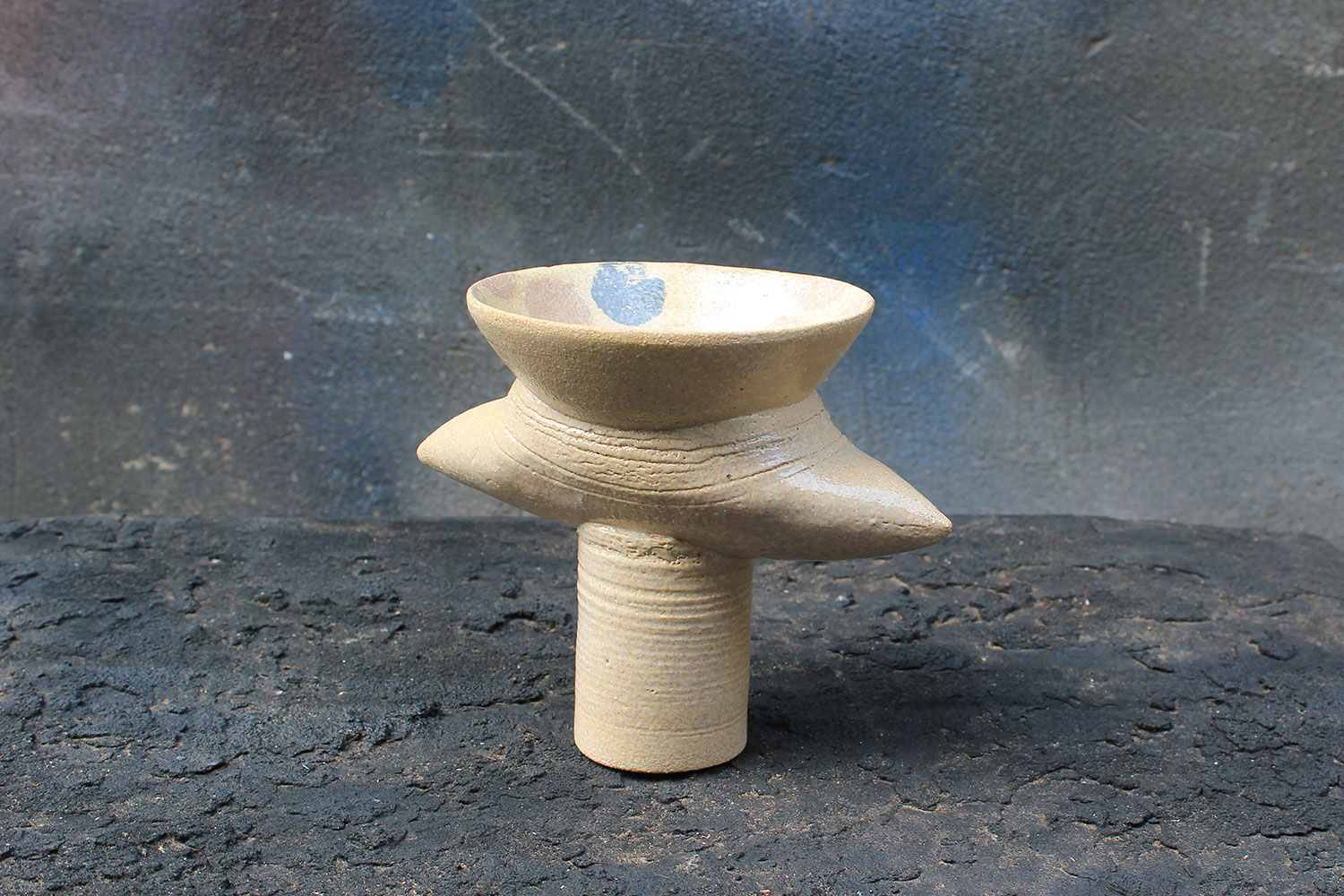
Nino: Our connection with tradition is very tight, as the majority of our favourite motifs and patterns are inspired by architectural details, old textile pieces, etc. Some of the shapes of our works reflect traditional vessels typical to Georgia. The innovation, on the other hand, is how we improvise and mix up these themes with unexpected elements by applying them to modern, everyday objects.
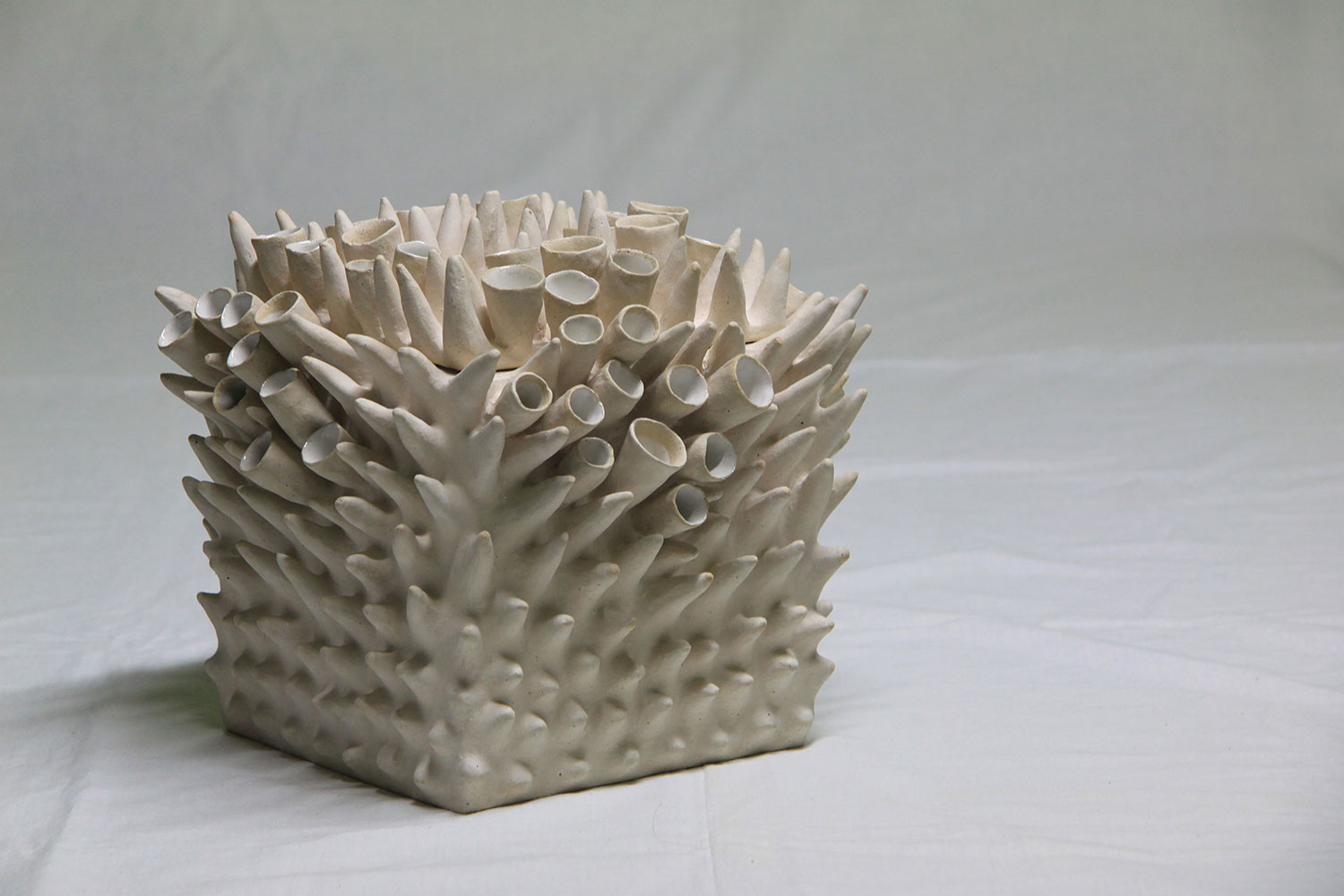
Ana: With white clay objects, we tried to add some brightness and optimism to the gloomy environment of the 1990s, which was a difficult transitional period – full of political and social turmoil – for the Georgian people. As western culture penetrated Georgia, we went back to exploring our own traditions and identity. Now, we’re thinking about the current challenges we face as a society, and our recent series of works reflects these issues.
Nino: Among our signature collections are mugs featuring the openwork patterns typical of the balconies of Old Tbilisi, as well as tableware bearing the motifs of Georgian blue tablecloths with a variety of zoomorphic (dear, stags, lions, fish, birds) and anthropomorphic images. People fell in love with these items, which helped us to grow our audience.
Ana Japaridze & Nino Kopaladze
CeramicArtge
Ceramicist
Tbilisi, Georgia
Recommended by Georgian Heritage Crafts Association
AVAILABILITY
By appointment only
PHONE
+995 593335677
LANGUAGES
Georgian, German, English, Italian
Homo Faber Finds is a new service aiming to inspire admirers of craft to connect and collaborate with exceptional artisans.
We invite you to submit an enquiry here.