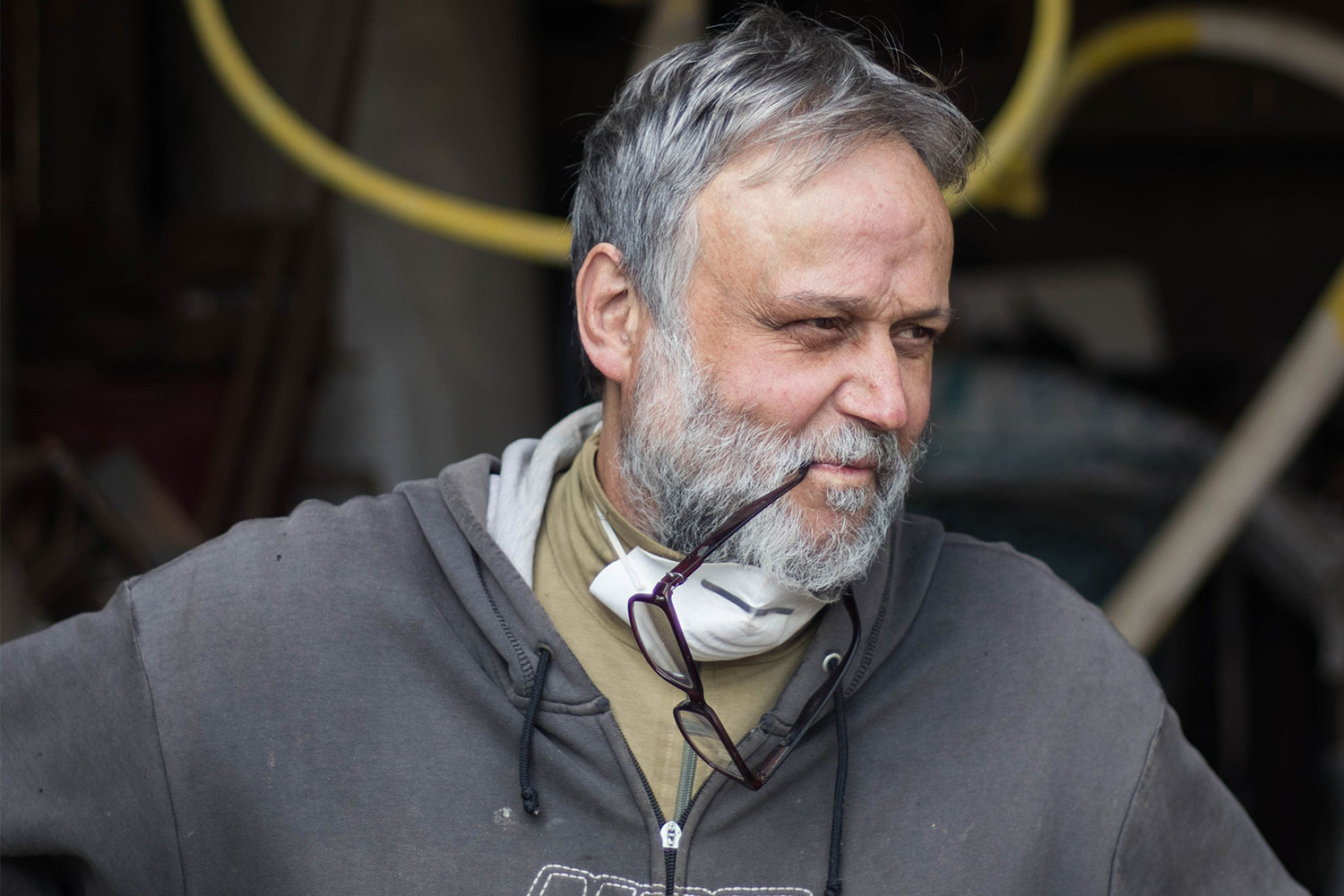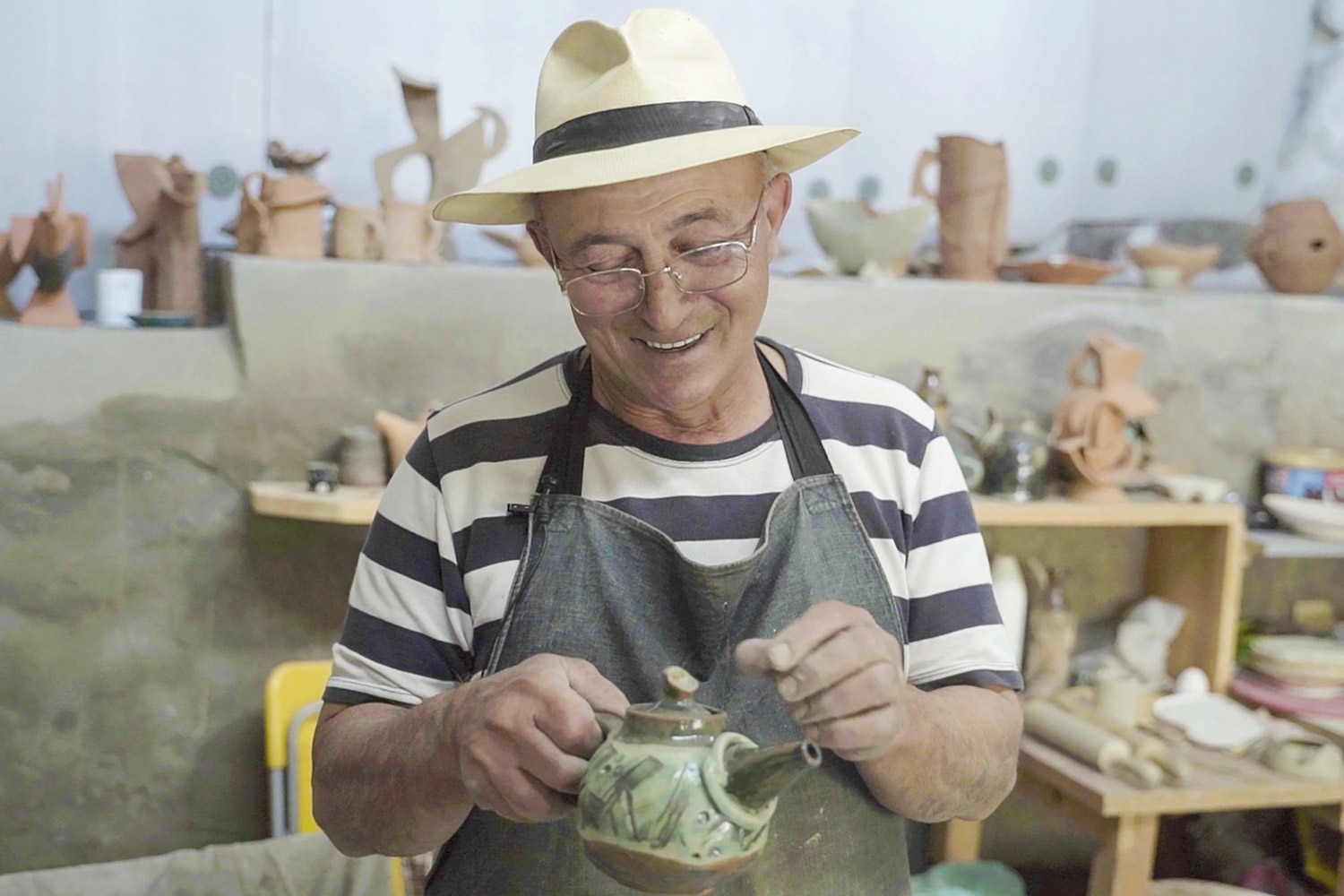
Otar Sharabidze
Ceramicist
Tetritskaro, Georgia
Recommended by Georgian Heritage Crafts Association
Every day a new form
- Otar's practice rests on a daily devotion to clay
- To him, all objects must be both utilitarian and beautiful
- He teaches ceramics and continues to encourage sustained making
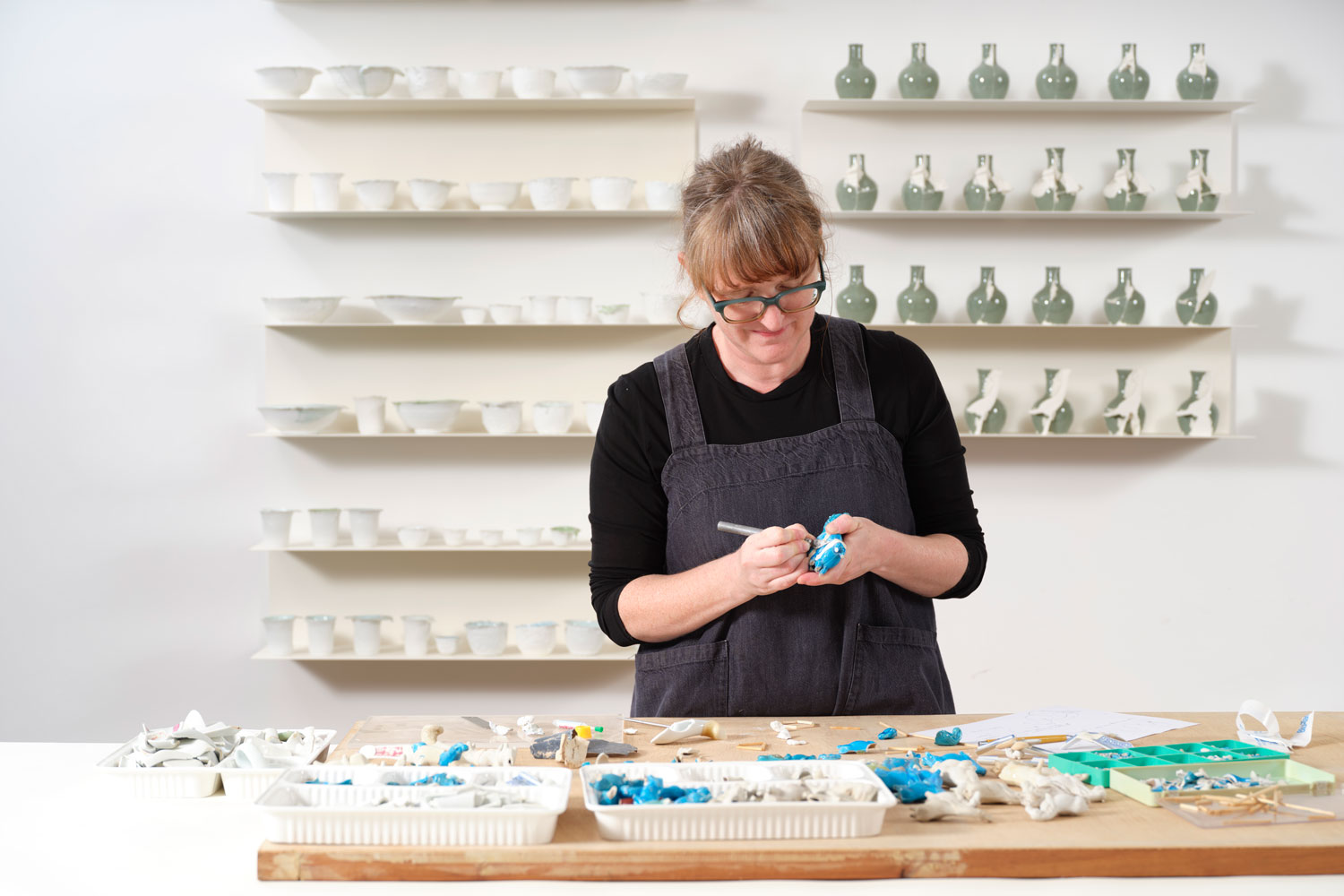
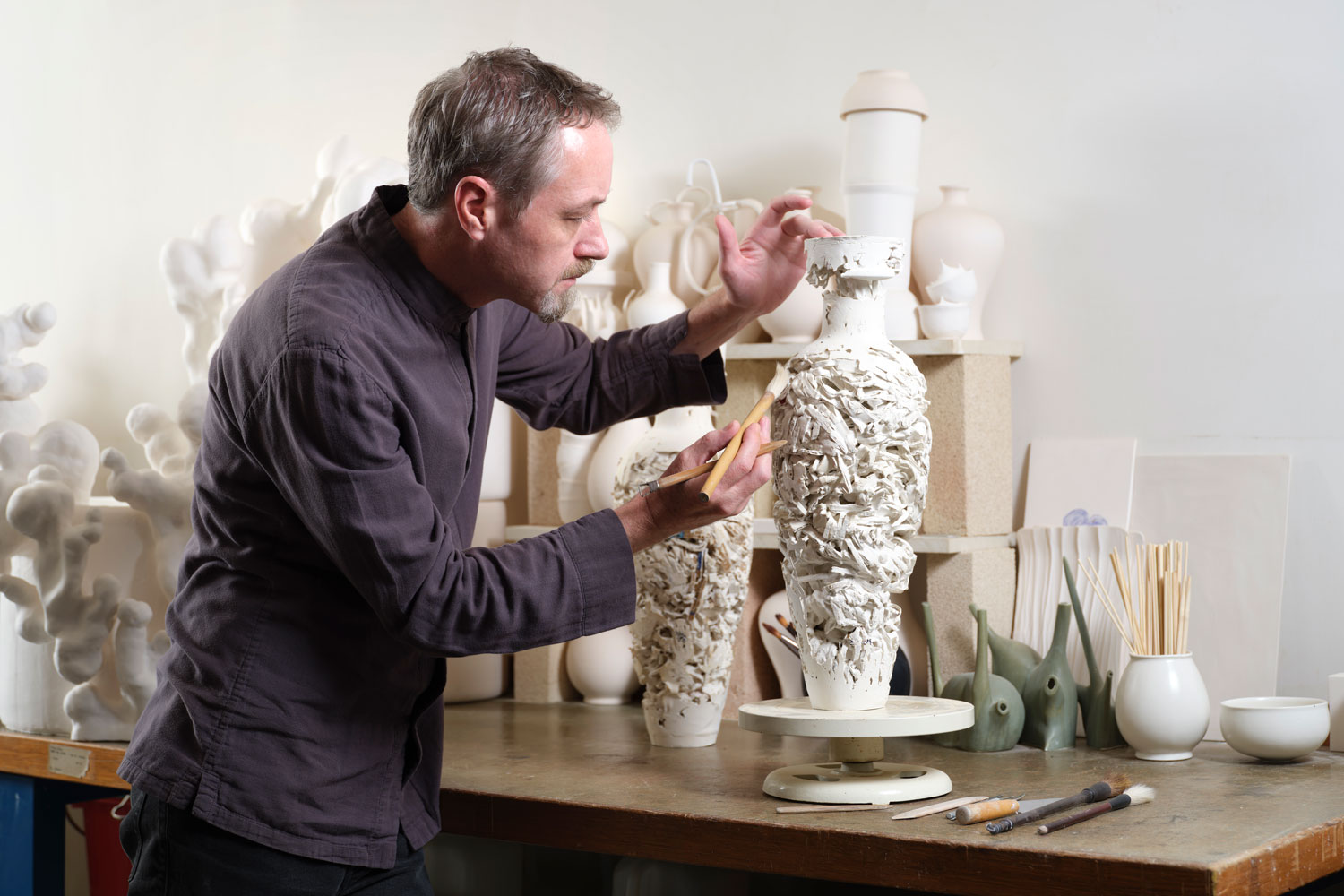
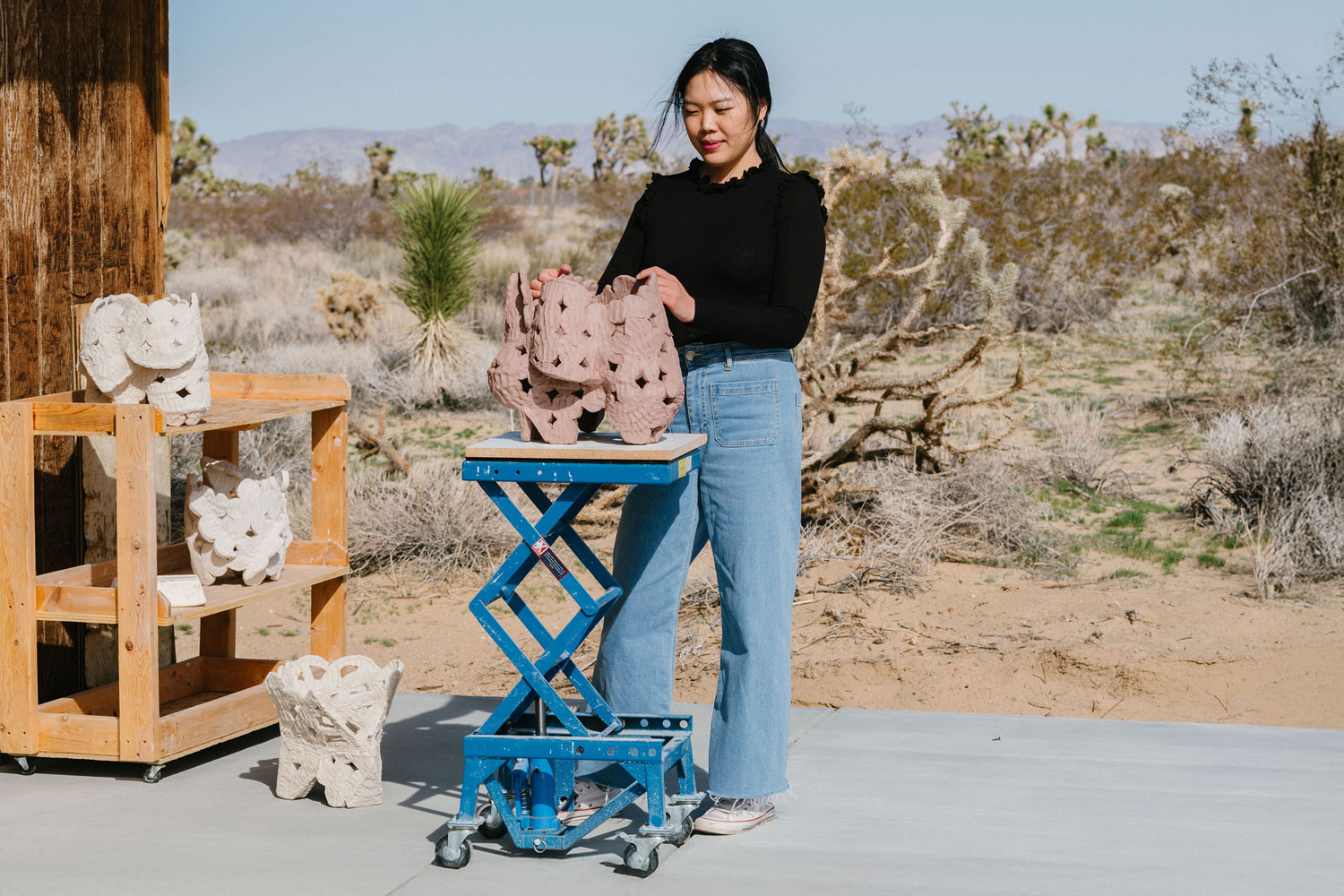
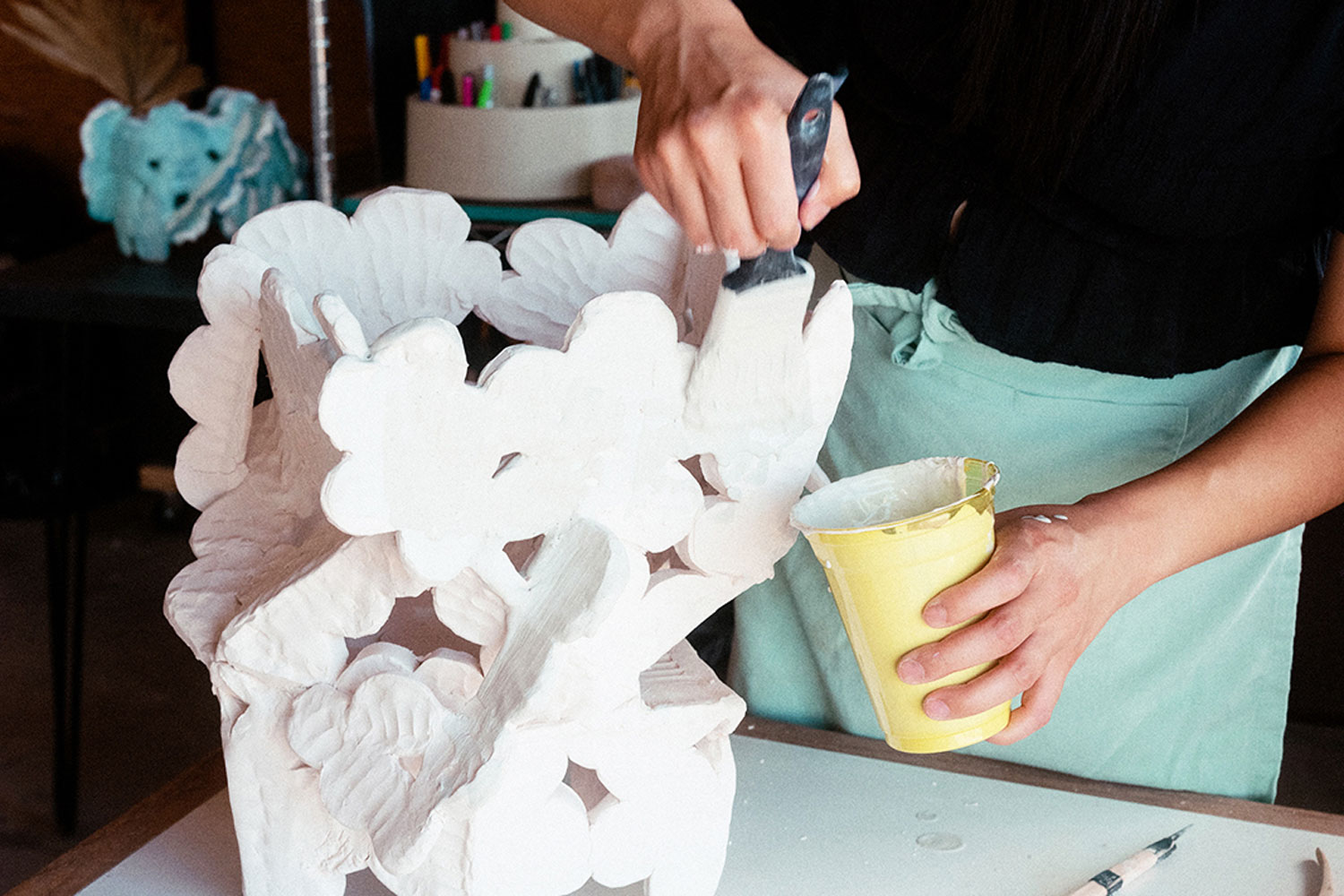
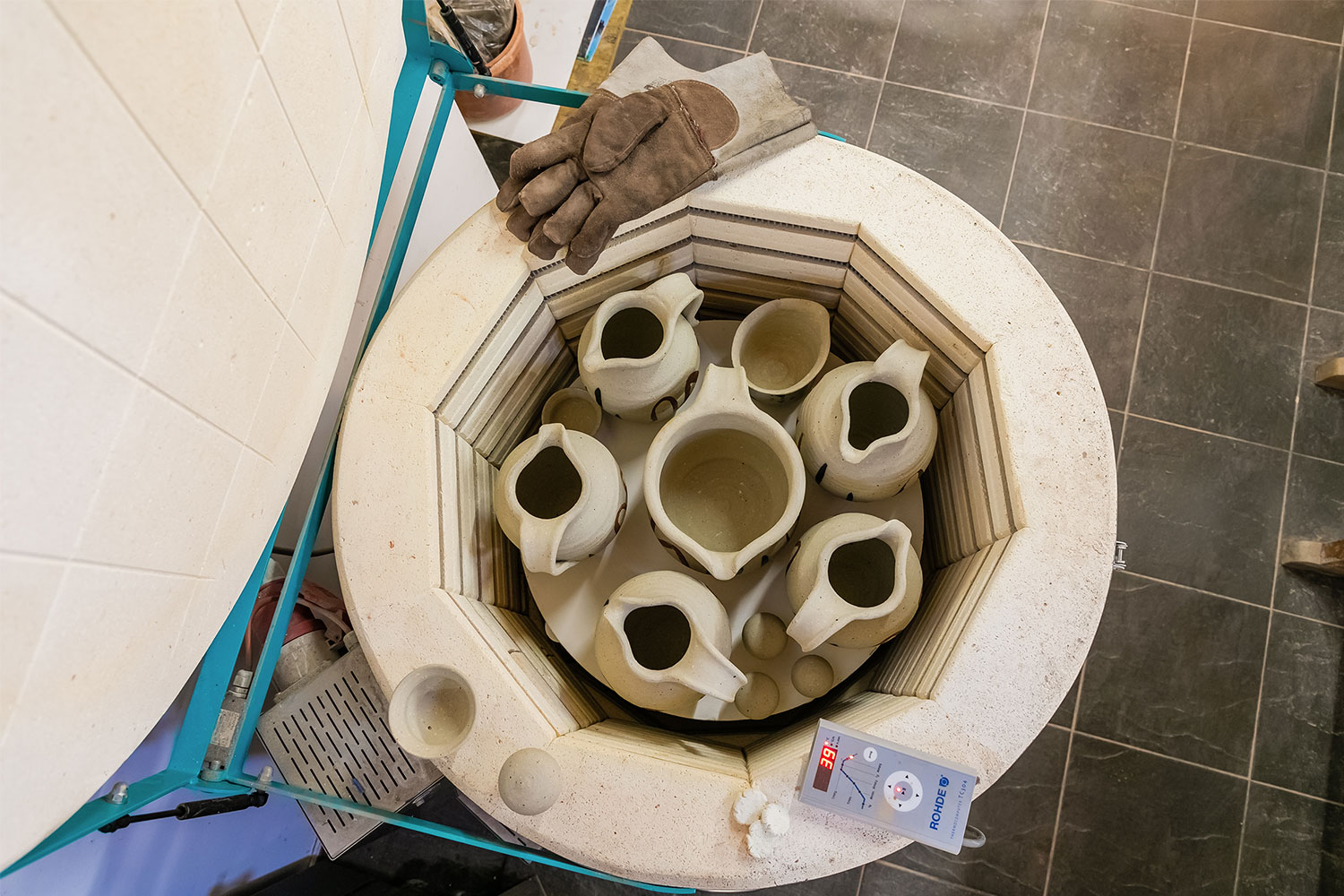
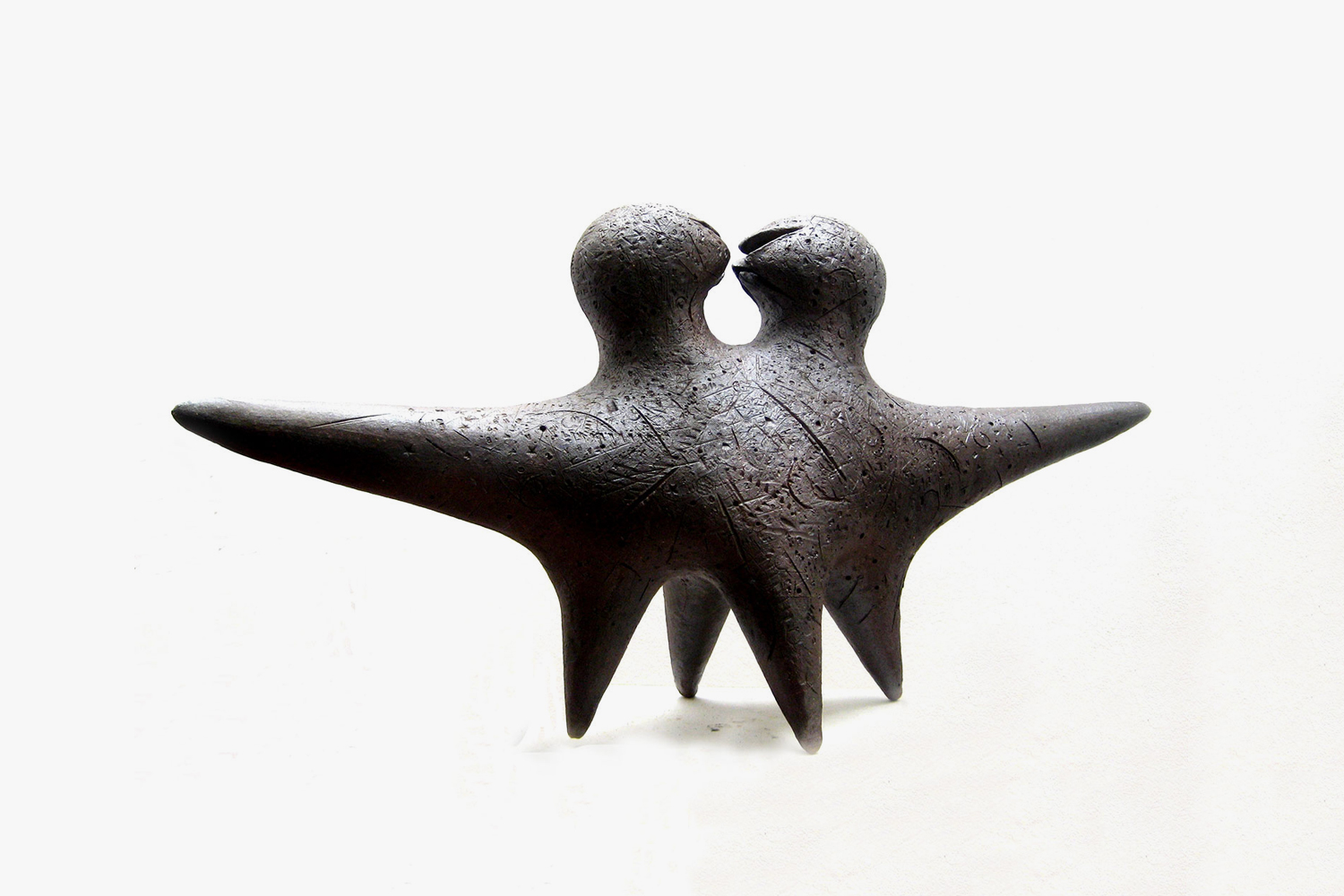
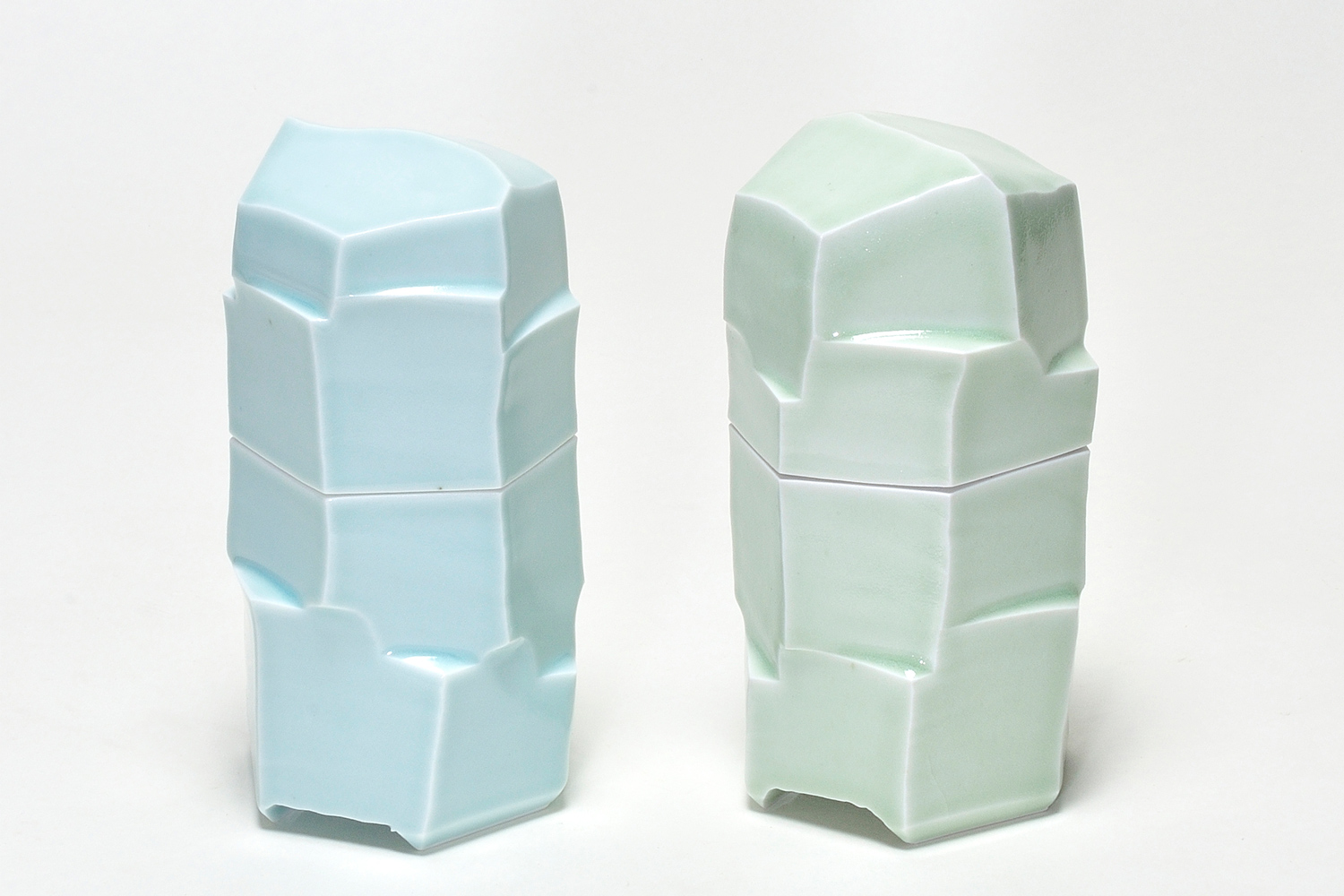
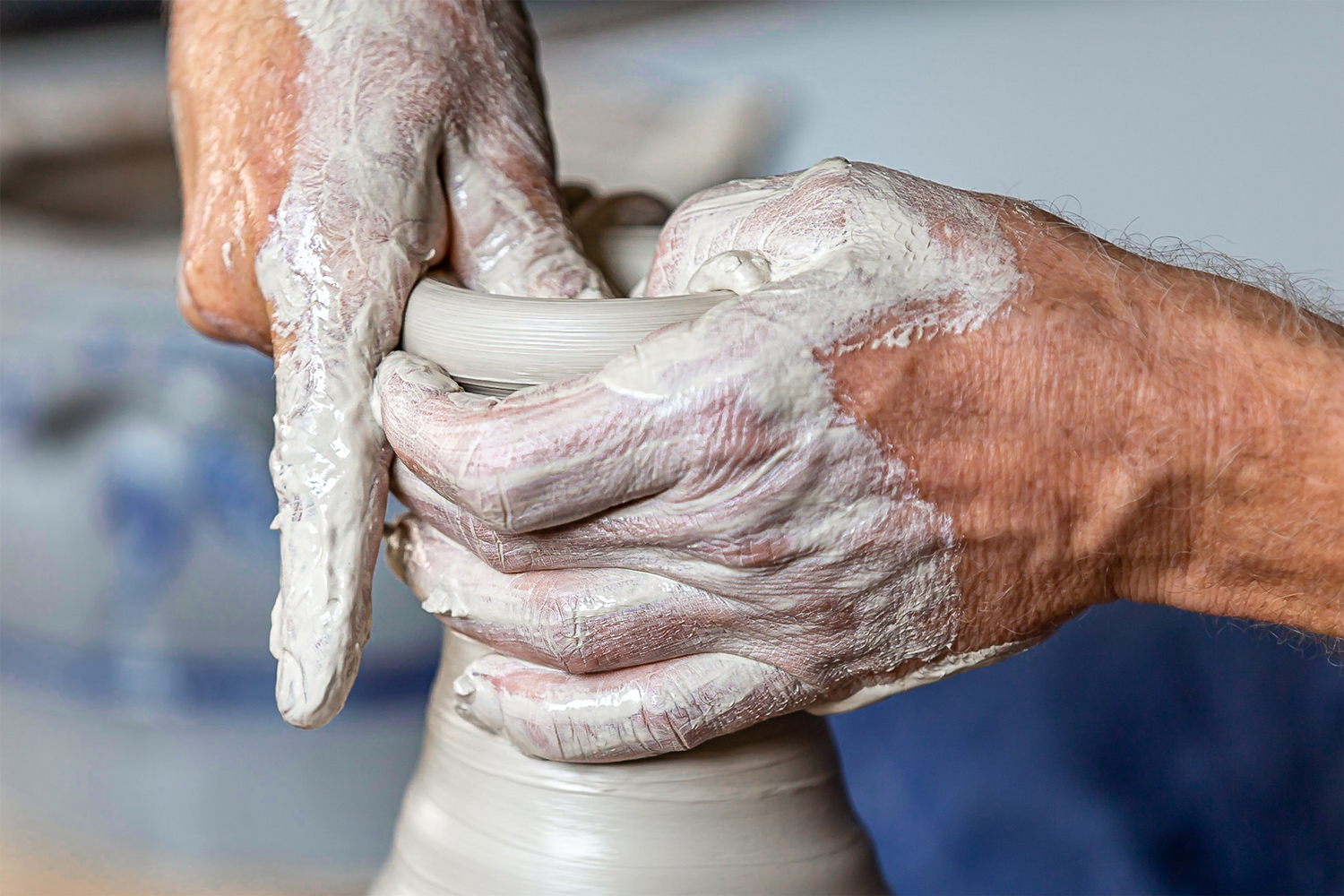
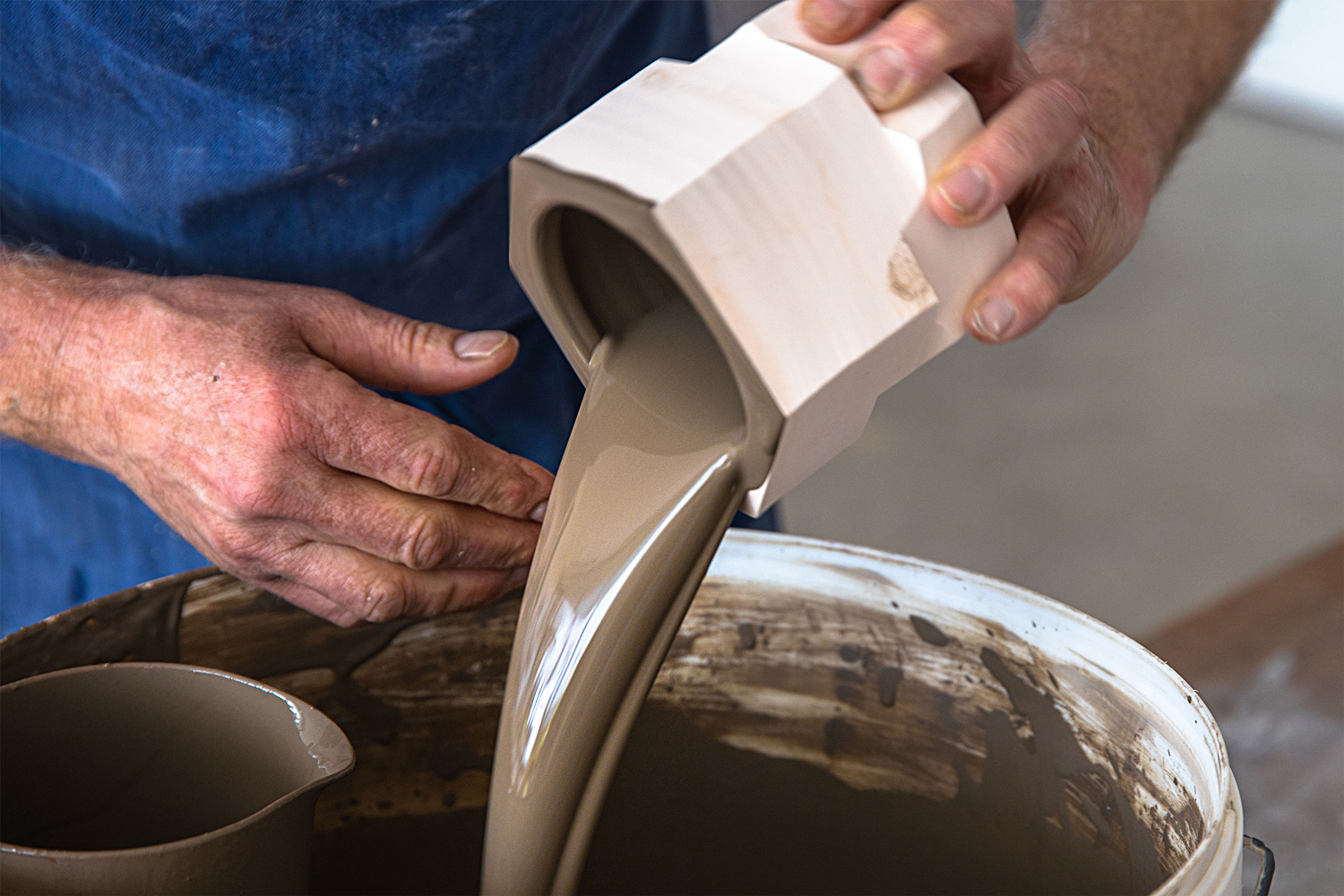
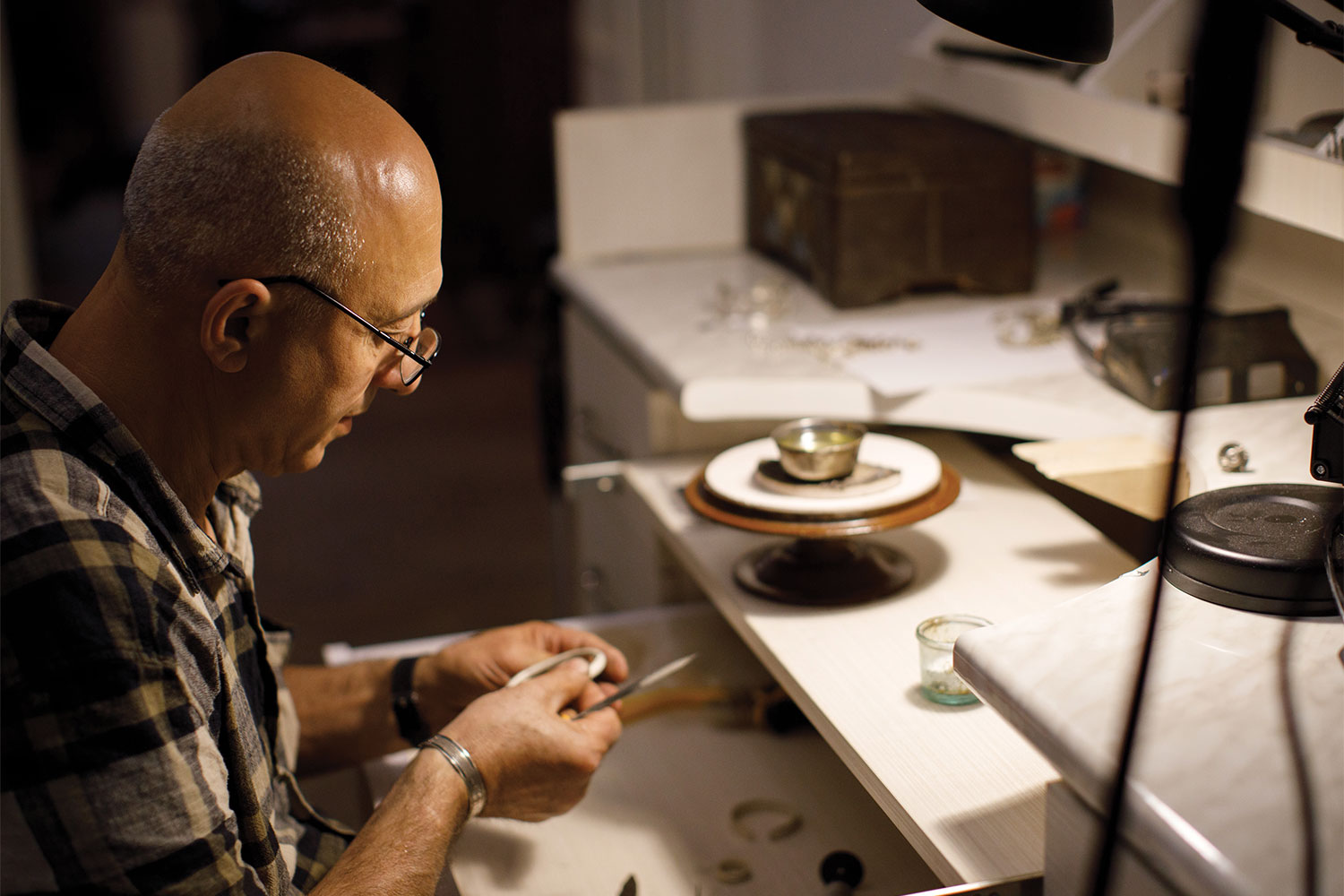
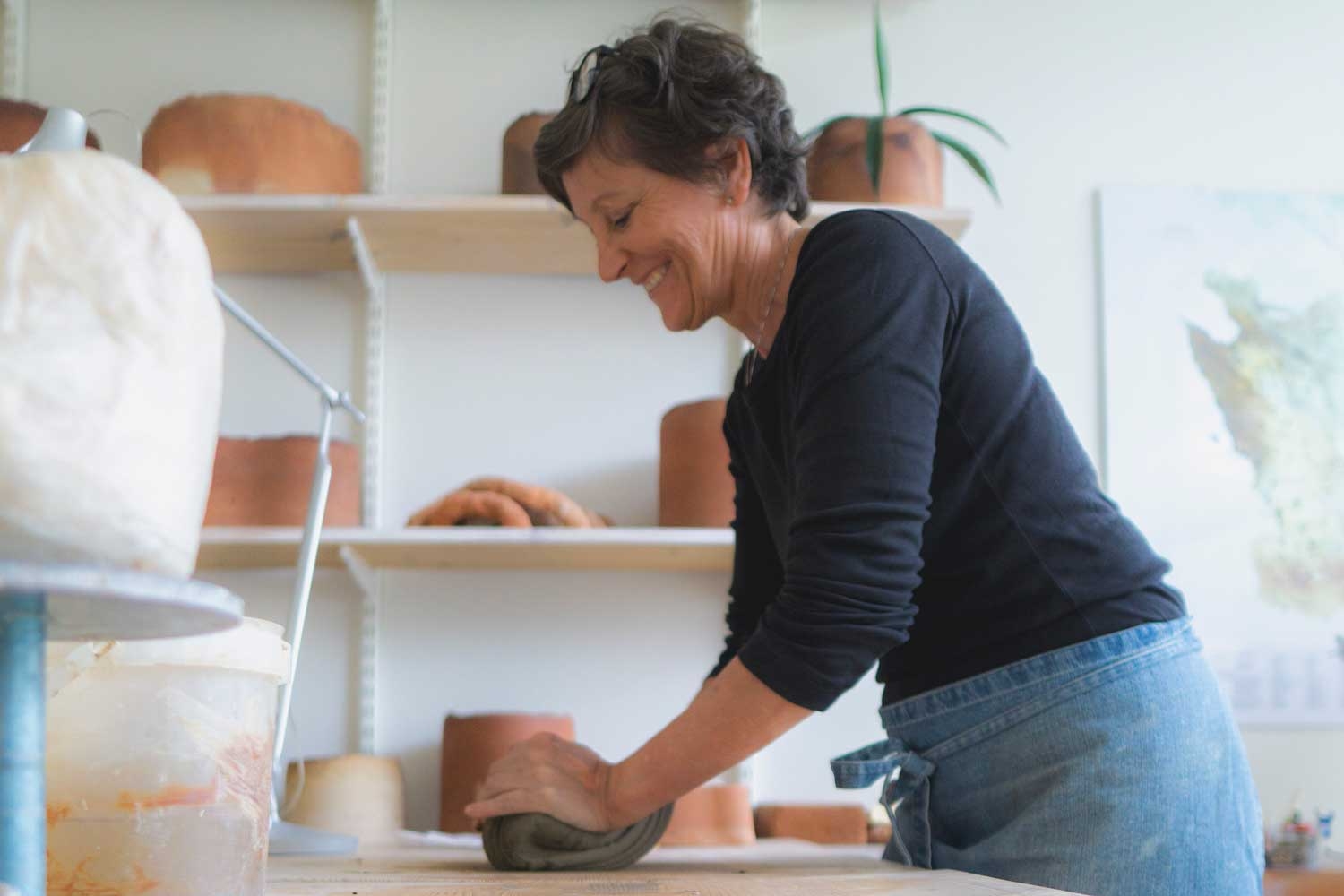
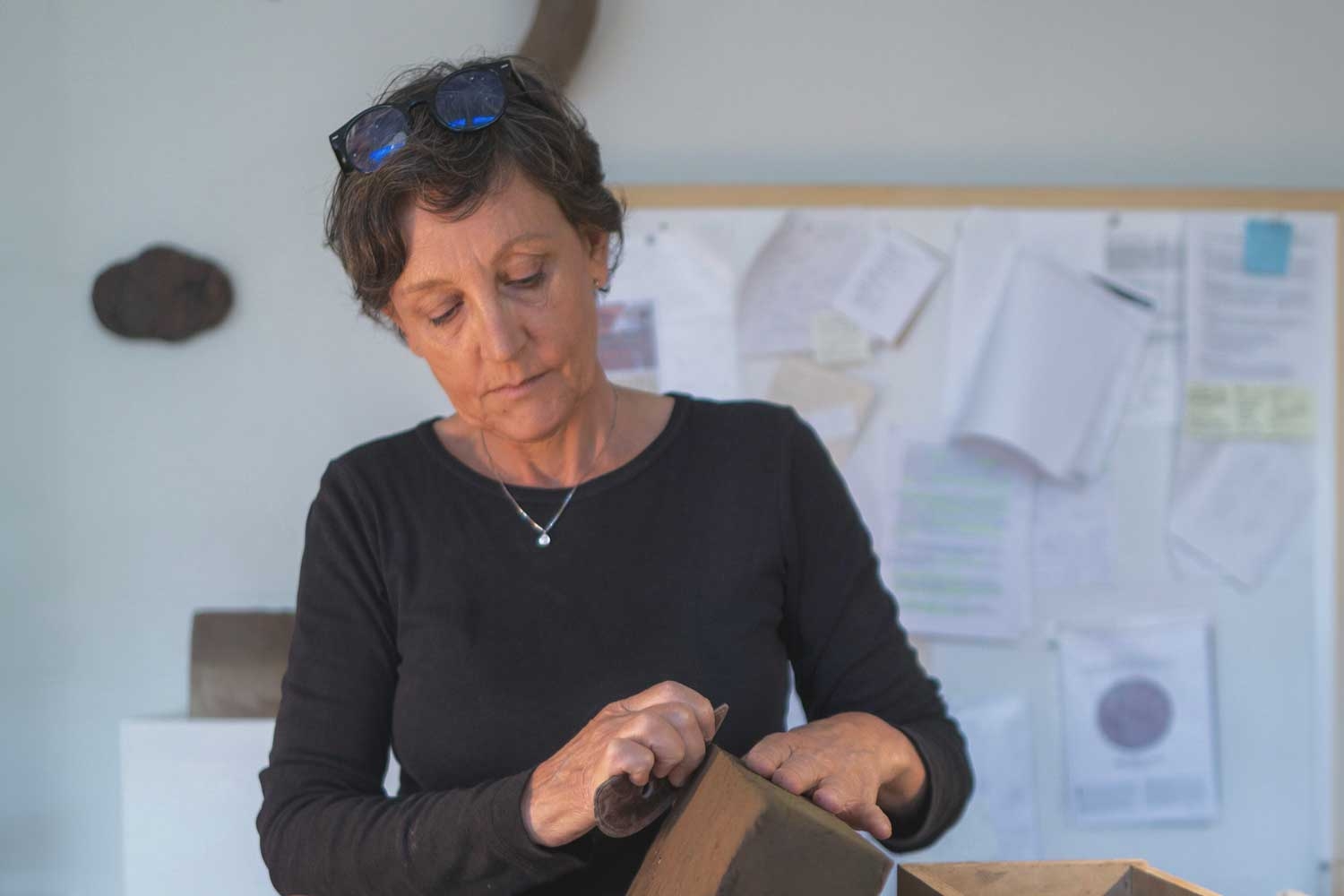
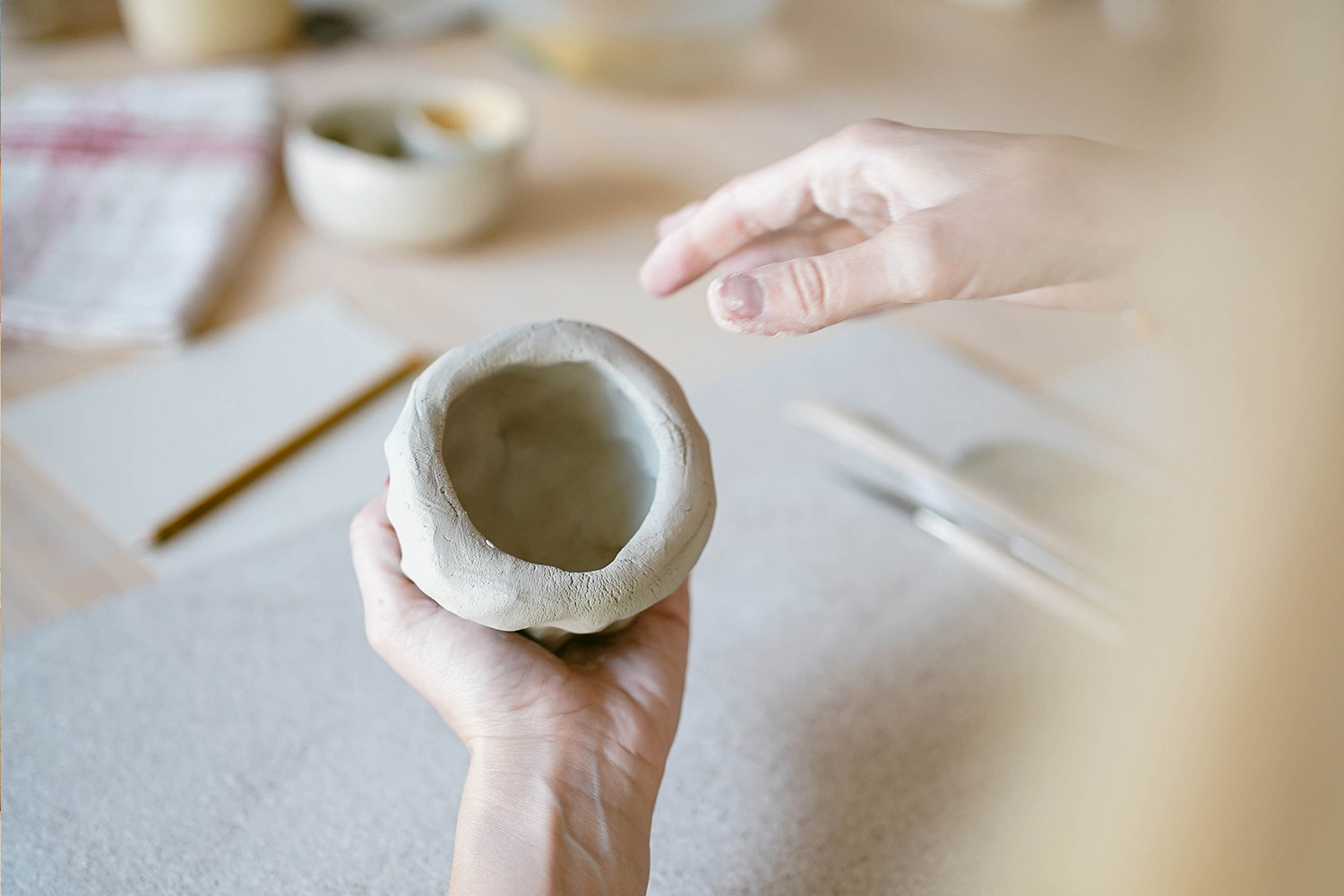
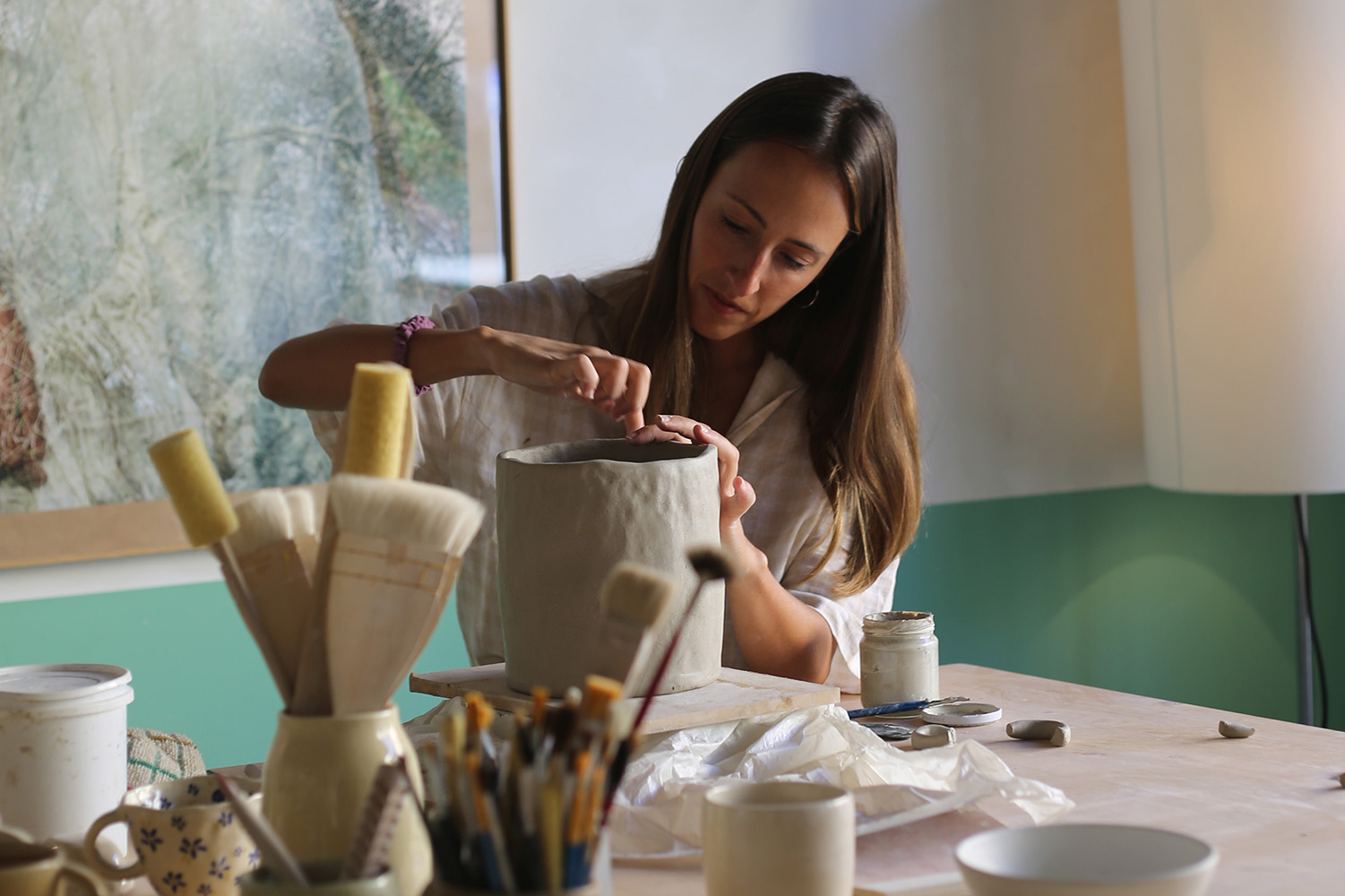
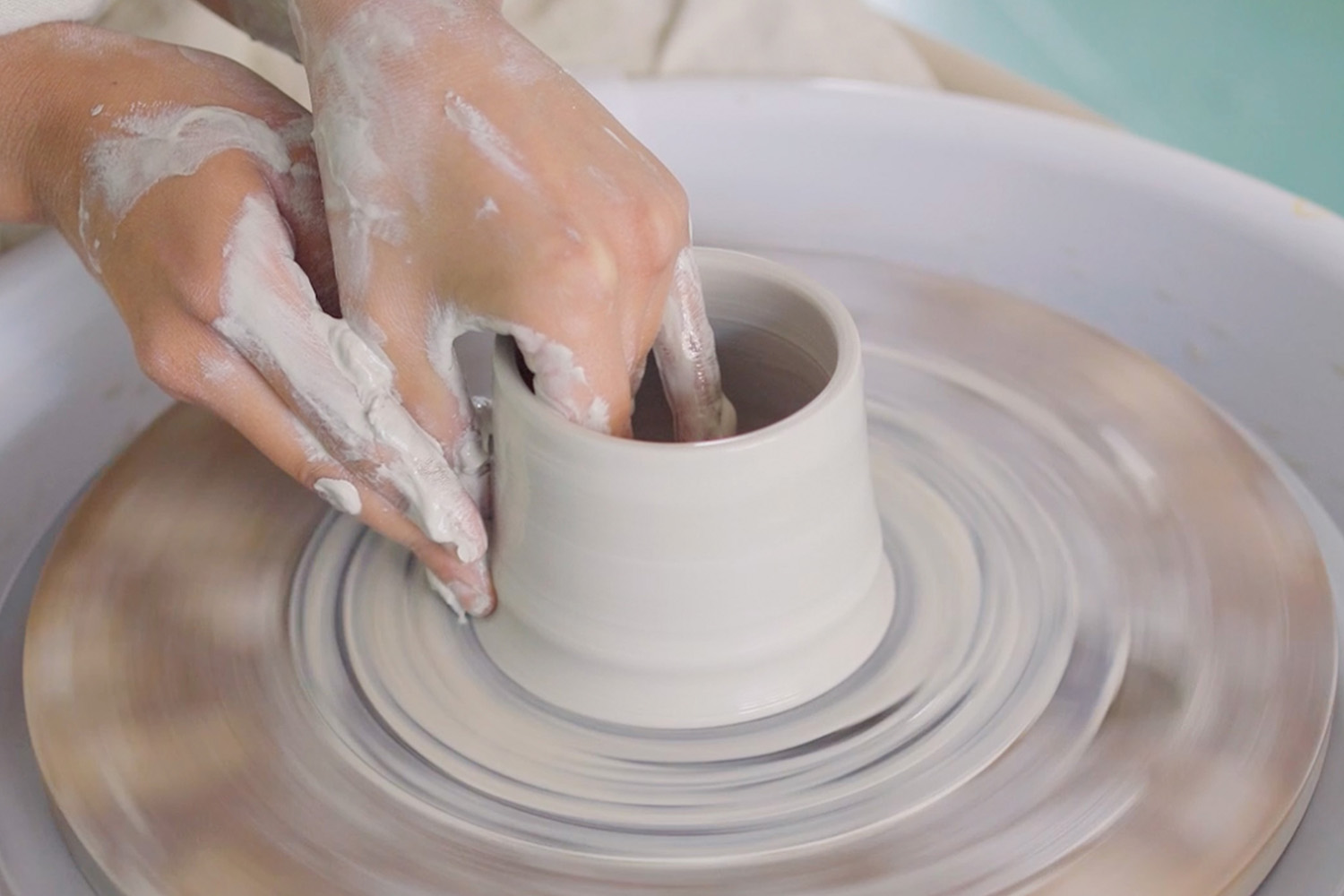
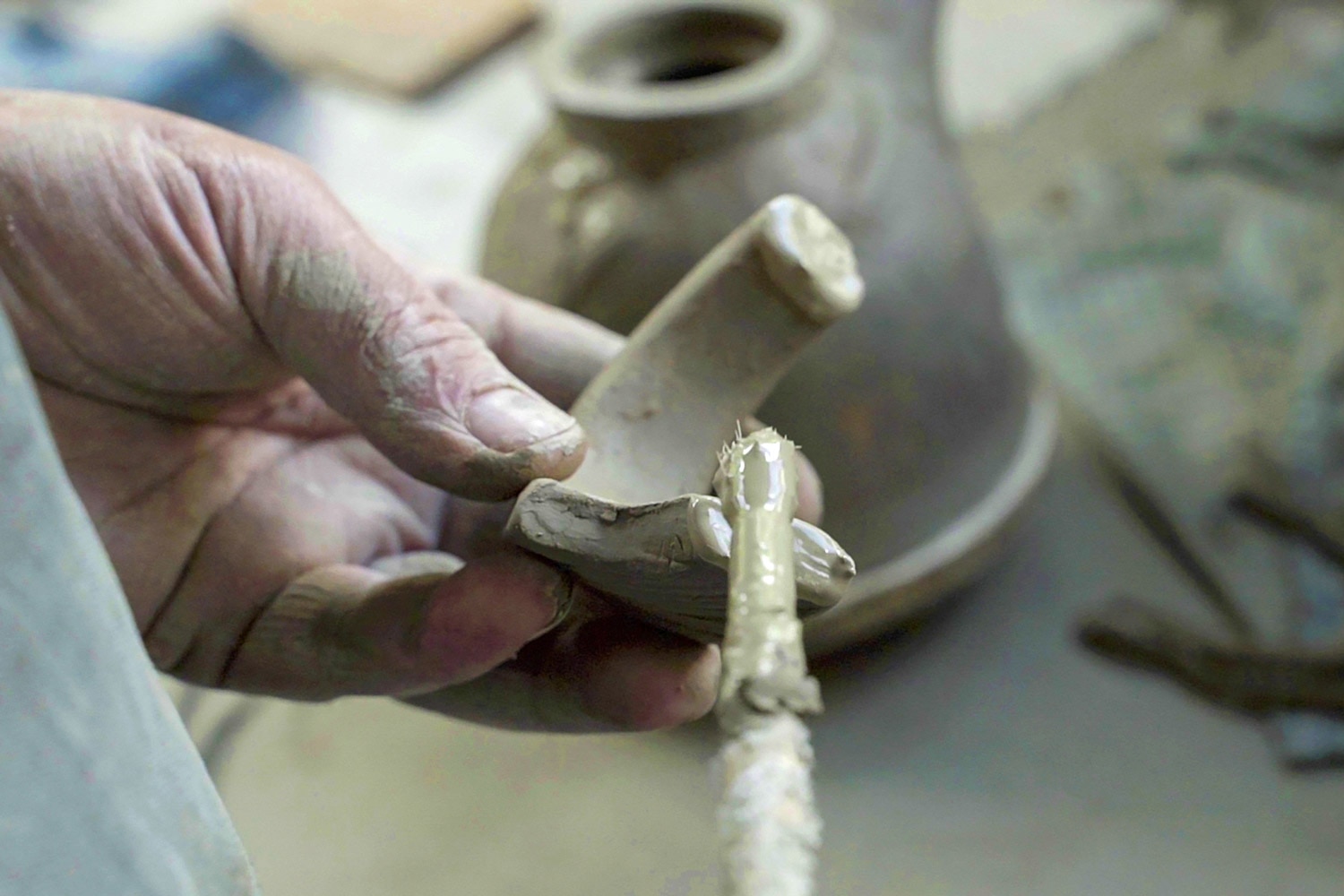
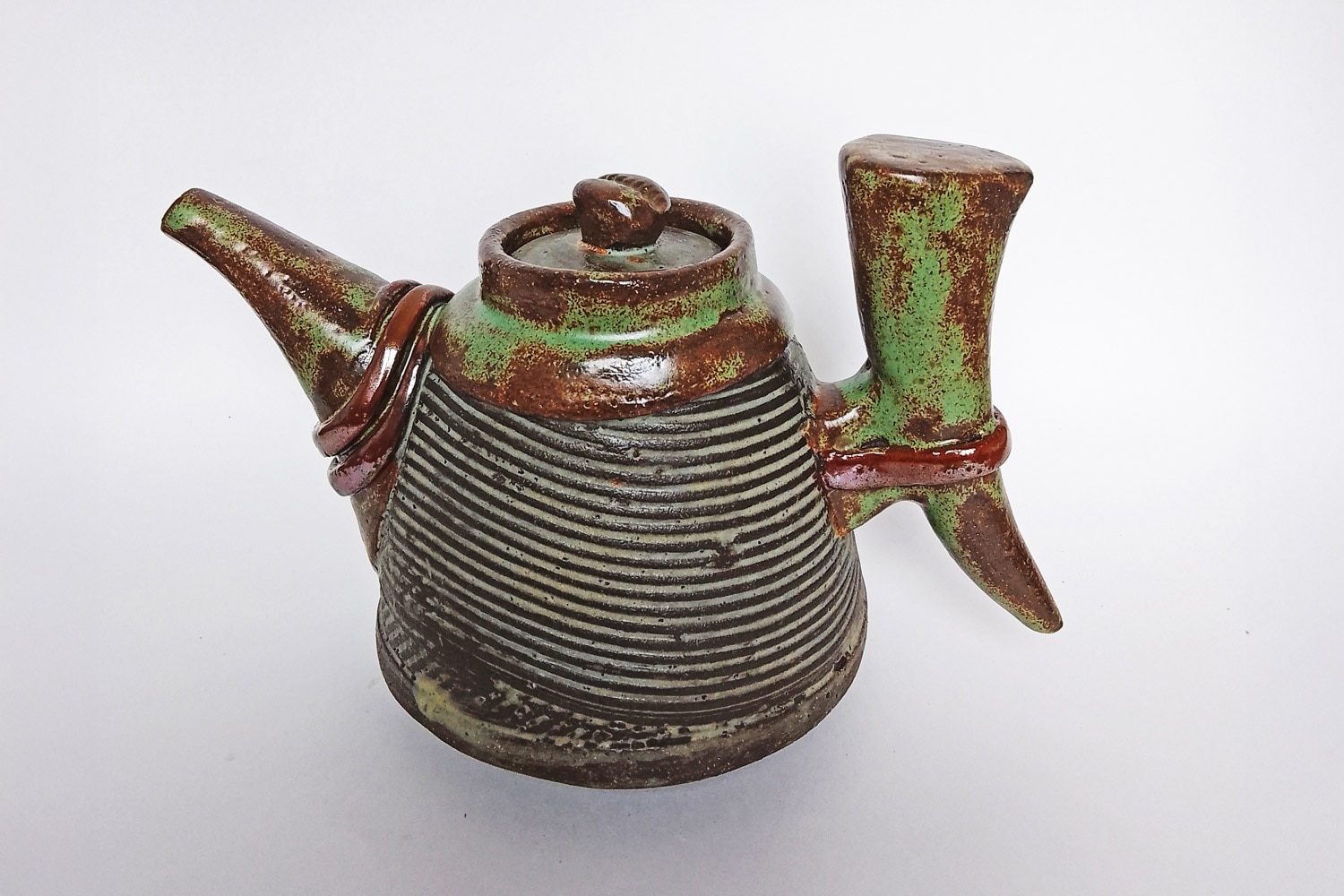
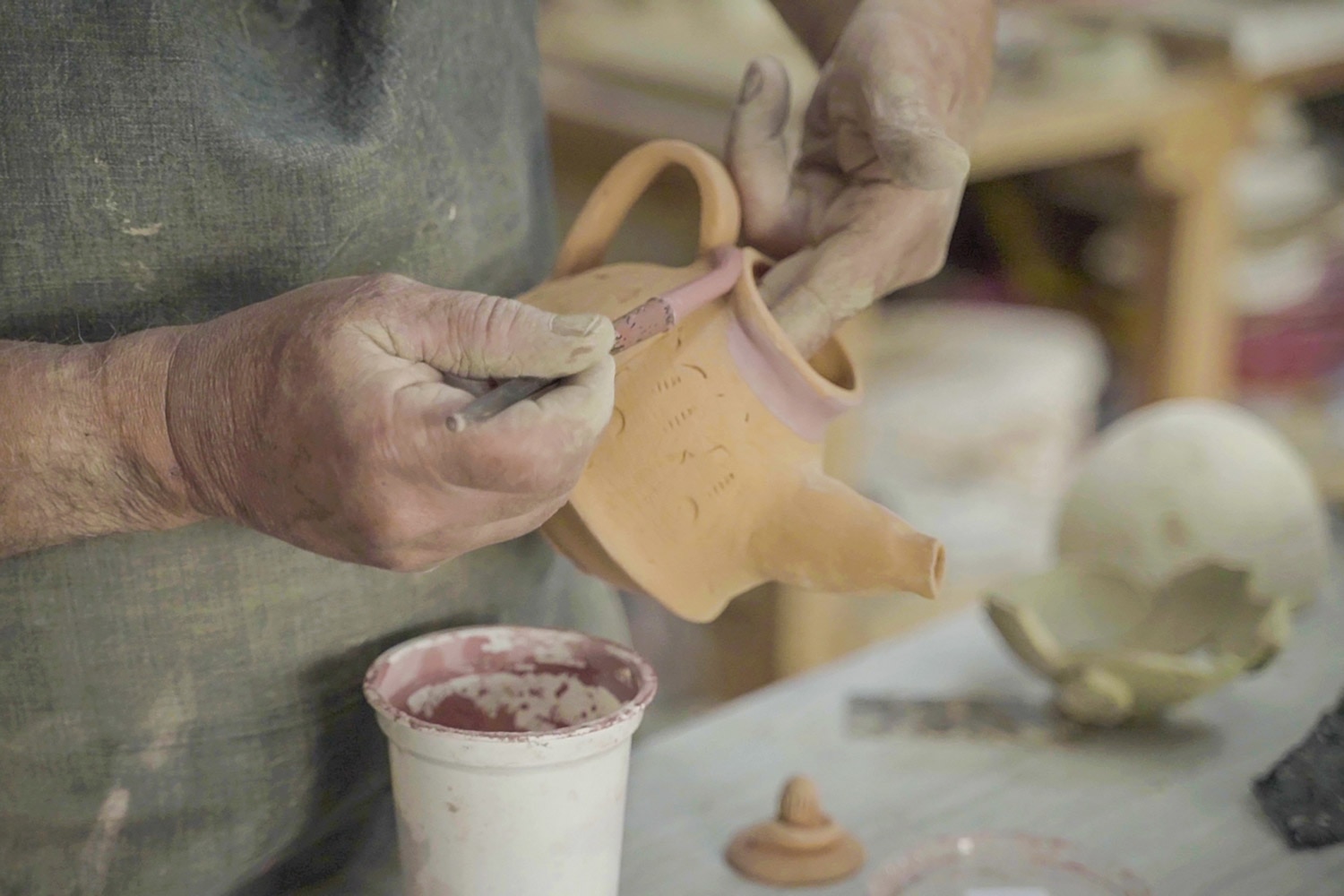
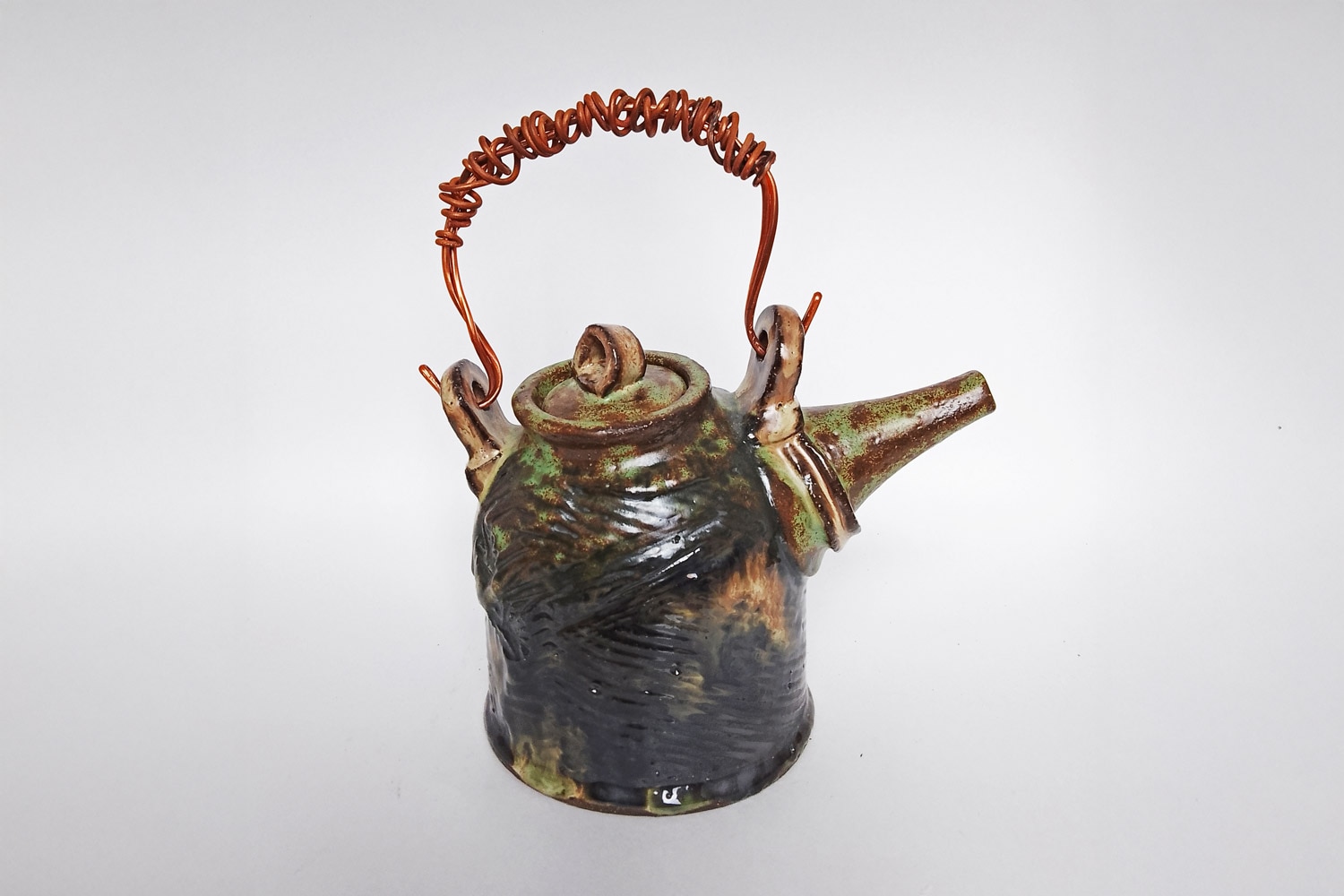
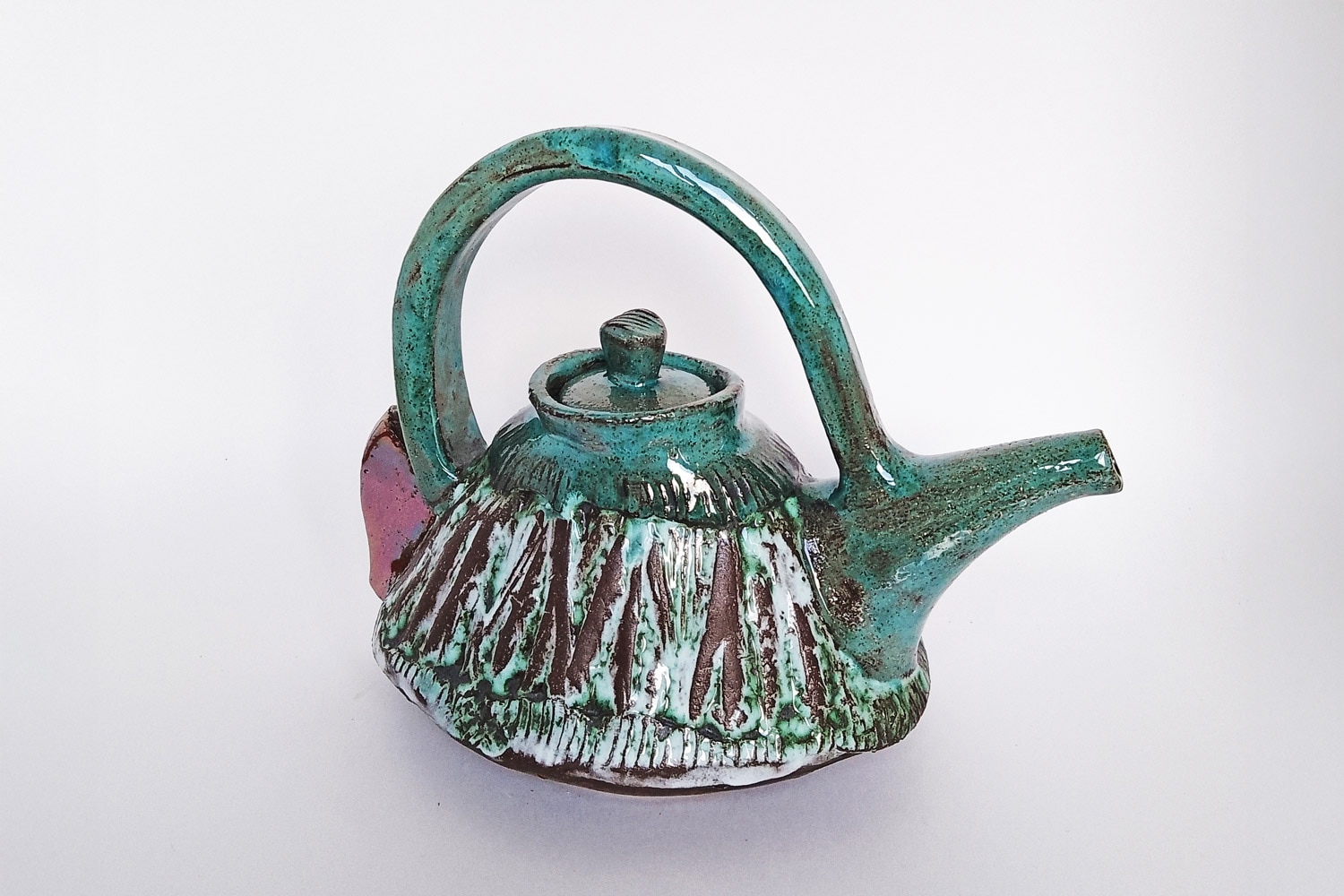
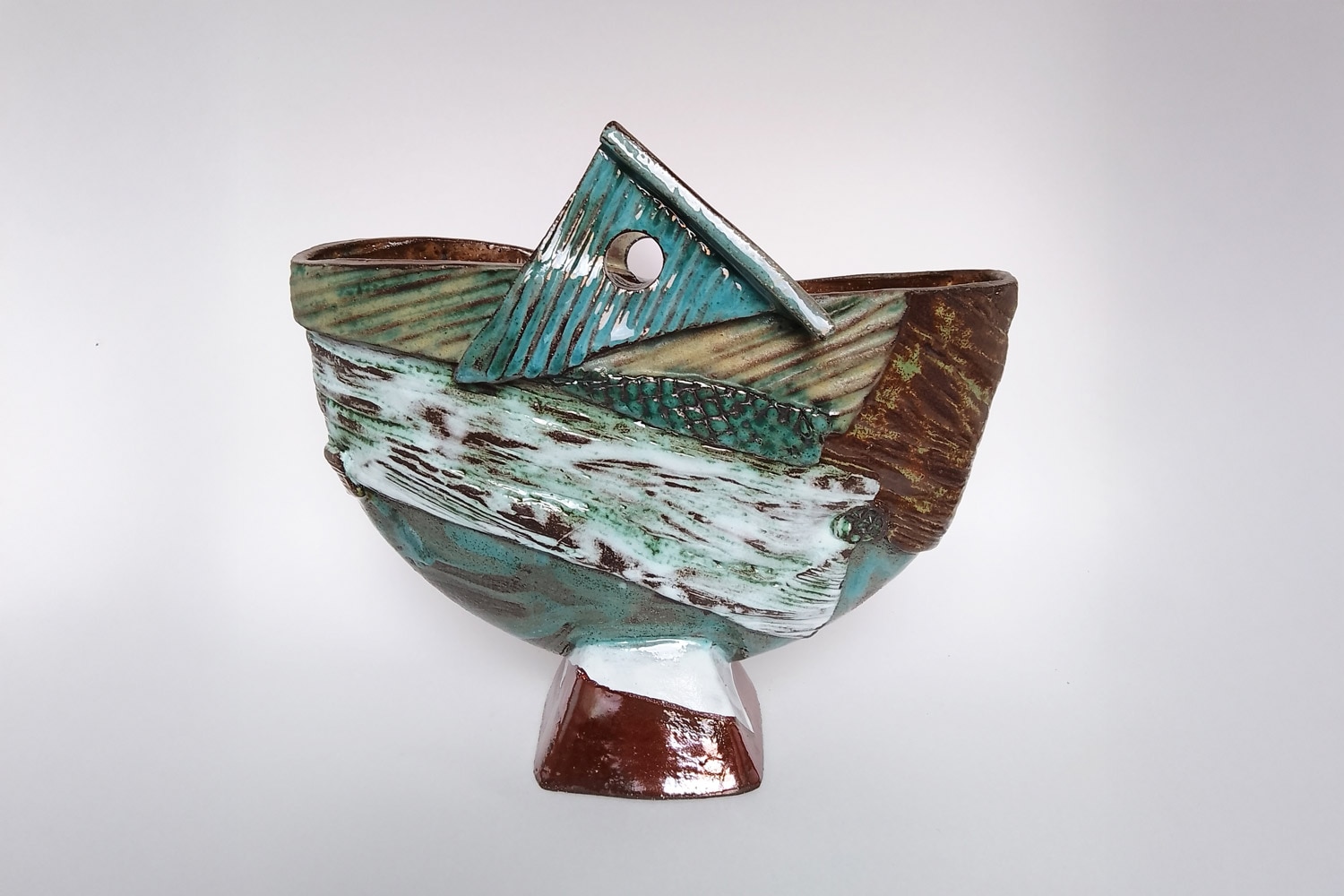
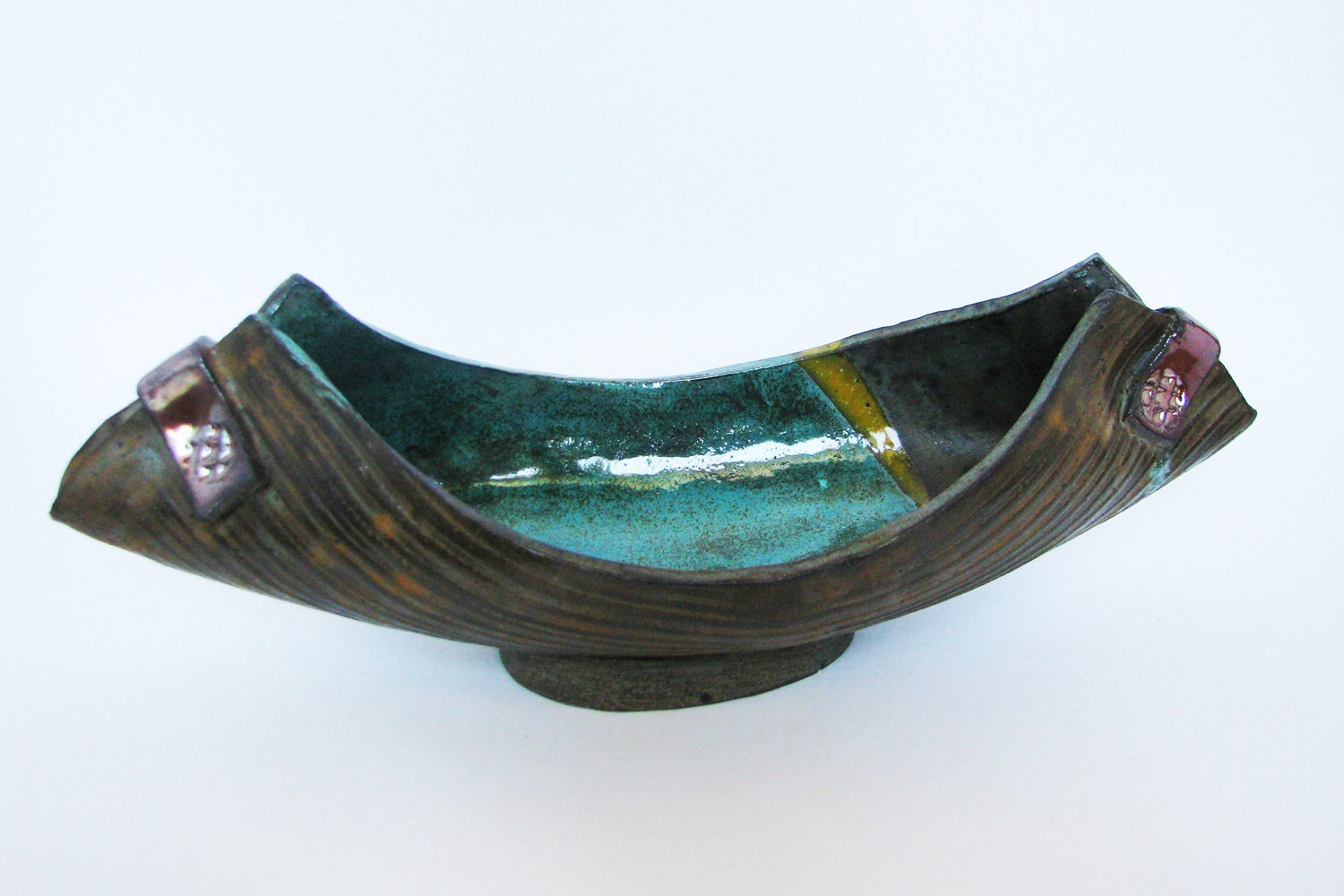
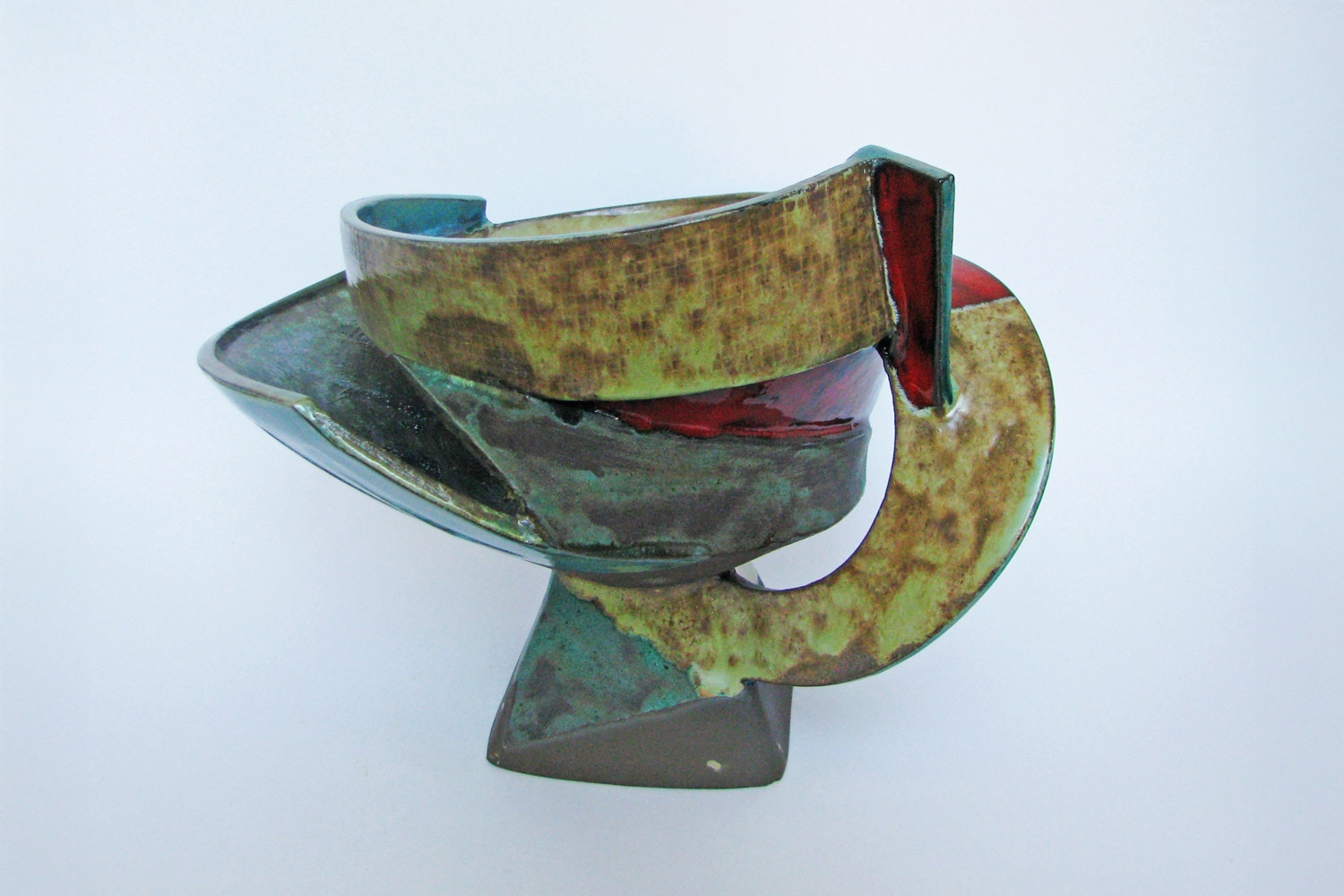
In the small town of Tetritskaro, Otar Sharabidze works with clay the way others breathe: daily, relentlessly, without compromise. A graduate of the Tbilisi State Academy of Arts in 1976, he began his career under Soviet constraints that demanded mass production and conformity. Refusing this approach, he carved out an individual path making one new ceramic piece each day, and never repeating form or line. From functional teapots and bowls to sculptural vessels, each of Otar's works is singular. "My creations are an exploration of shape, balance and process," he explains. Years spent in Istanbul refined his technique, though it is in Georgia that he set up his workshop which doubles as a classroom. A recognised master of Georgian ceramics, Otar continues to create and transmit his knowledge. "My message is that ceramics are a living discipline, that evolves daily through working with one's hands," he says.
INTERVIEW
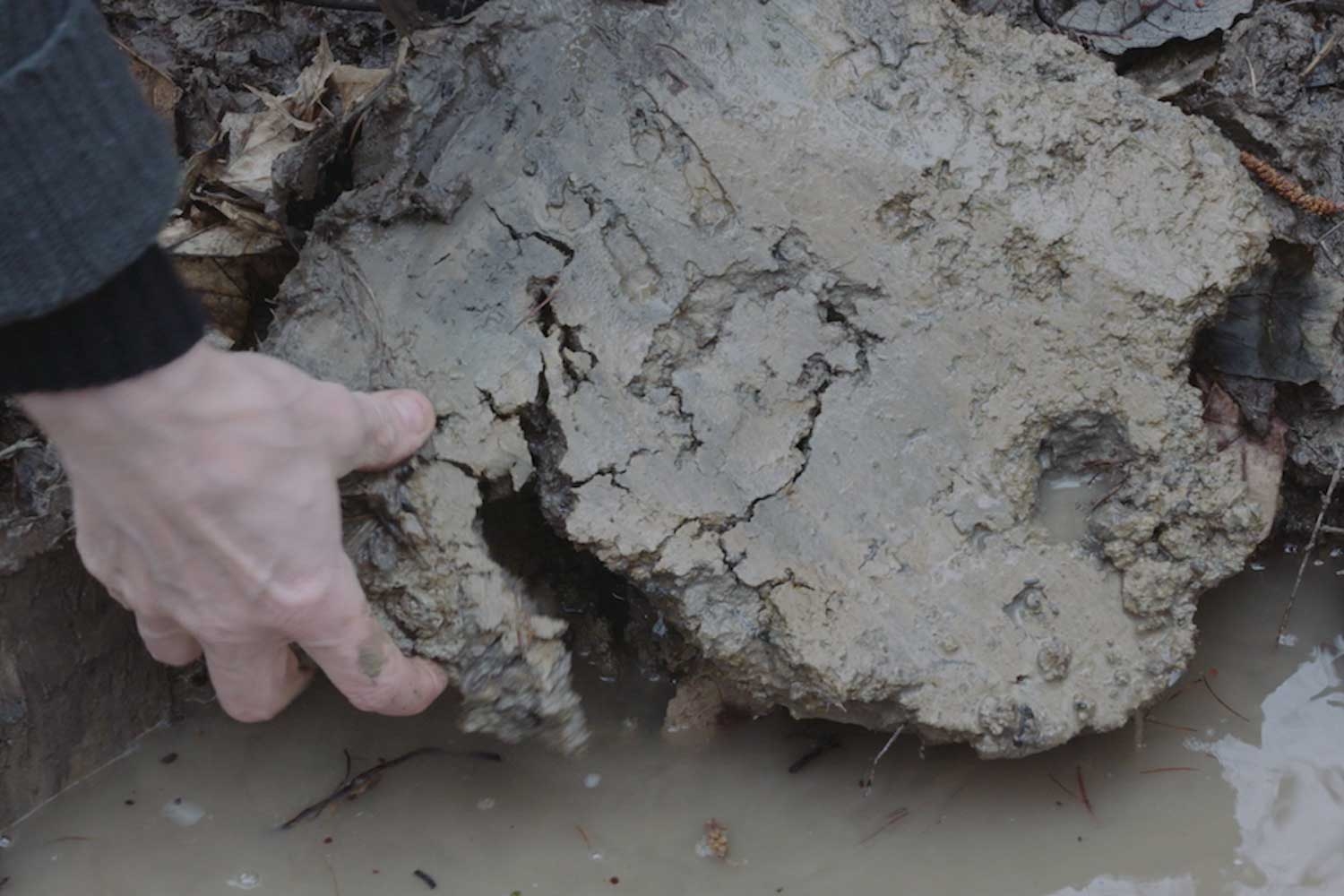
I began with painting, but in Leningrad I discovered clay. It united everything I loved: colour, sculpture, tactility. Unlike a canvas, clay is alive, fusing colours, transforming in the kiln, and always unpredictable. I still think about painting, yet clay continues to captivate me.
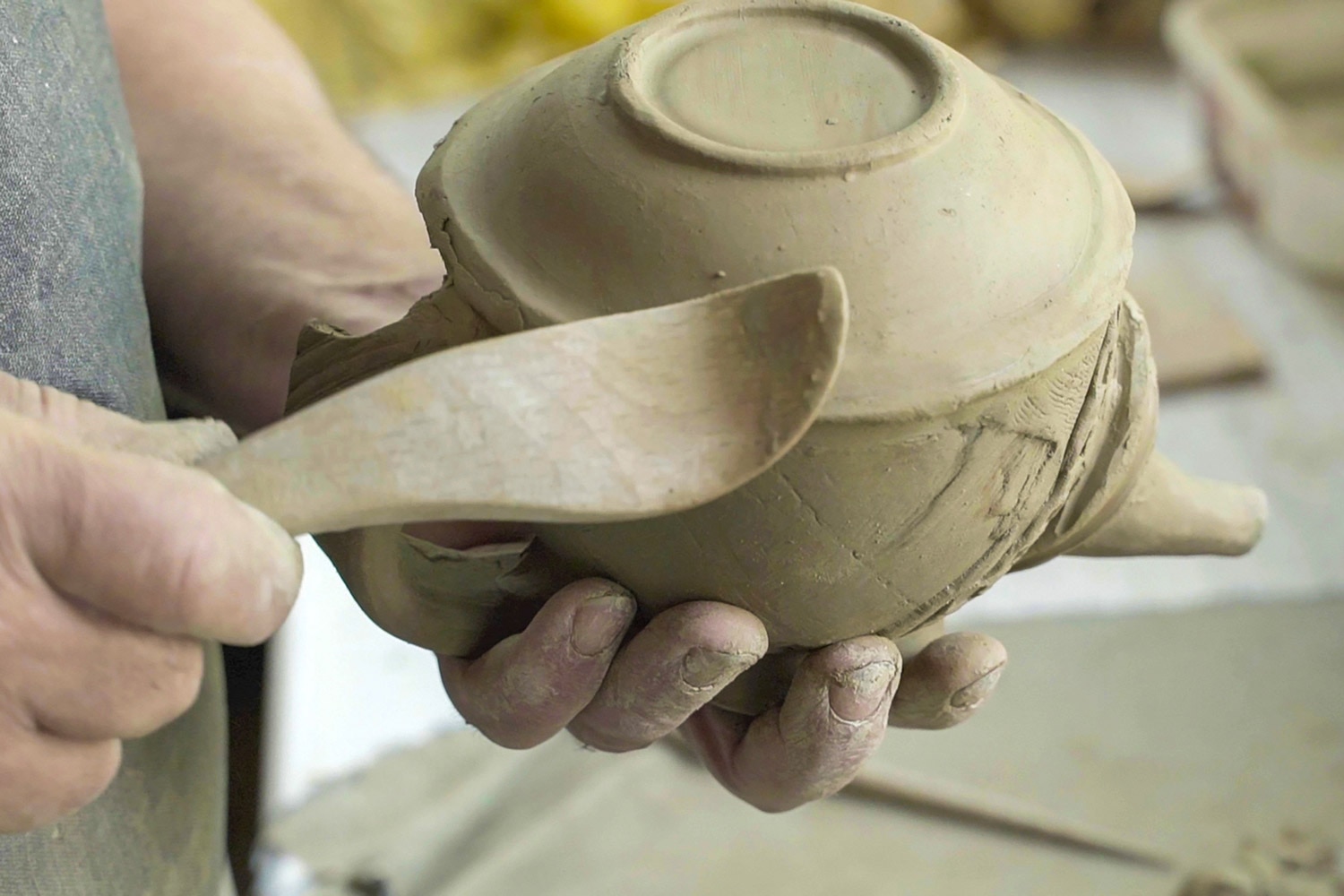
For me, they cannot be separated. A cup without beauty is empty, and a sculpture without function is mute. Clay lets me hold both utility and form. Even the most sculptural of pieces must be able to hold a flower at least, while a teapot must pour and speak through its shape, balance and presence.
First of all, respect for clay, for time, for the process. Then discipline: patience and persistence are essential. I tell them never to wait for a muse. Inspiration comes only through work, in the rhythm of practice. This is not only about clay but about any skill, any path in life. The approach matters more than the medium.
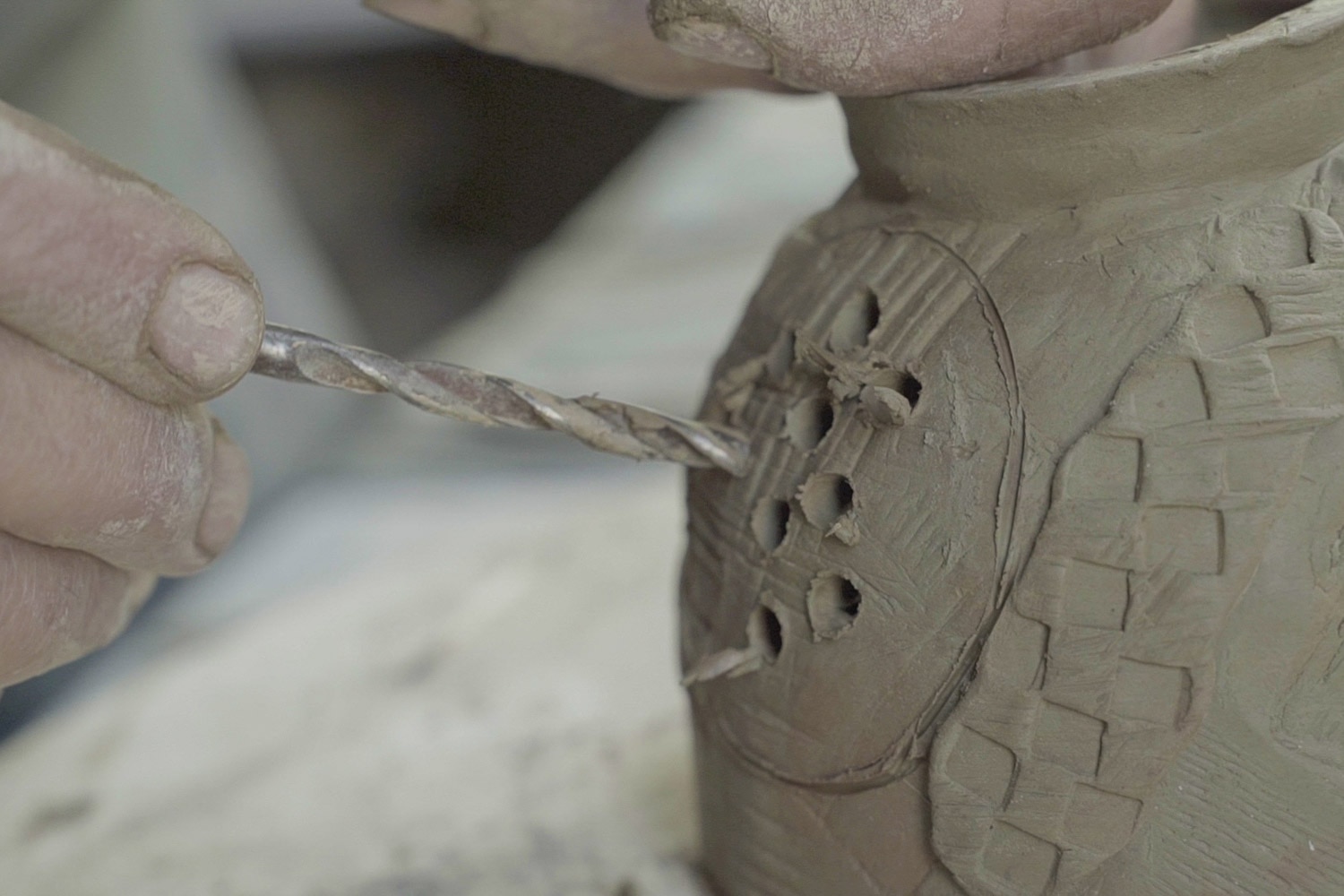
I never repeat. Each day I make at least one new piece, always different in form or proportion from ones made previously. Clay allows endless variation in lines, textures, balances. What defines my style is this discipline of uniqueness: every vessel I make must have its own character.
Otar Sharabidze
Ceramicist
Tetritskaro, Georgia
Recommended by Georgian Heritage Crafts Association
ADDRESS
Address upon request, Tetritskaro, Georgia
AVAILABILITY
By appointment only
PHONE
+995 593685095
LANGUAGES
Georgian, English, Russian
Homo Faber Finds is a new service aiming to inspire admirers of craft to connect and collaborate with exceptional artisans.
We invite you to submit an enquiry here.