Jiha Moon
Ceramicist
Tallahassee, FL, USA
The brushstrokes behind cross-culture symbolism
- Jiha's ceramic sculptures draw from Korean folk traditions and American pop culture
- Her work is exhibited in institutional collections across the USA
- She teaches painting in the Department of Art at Florida State University
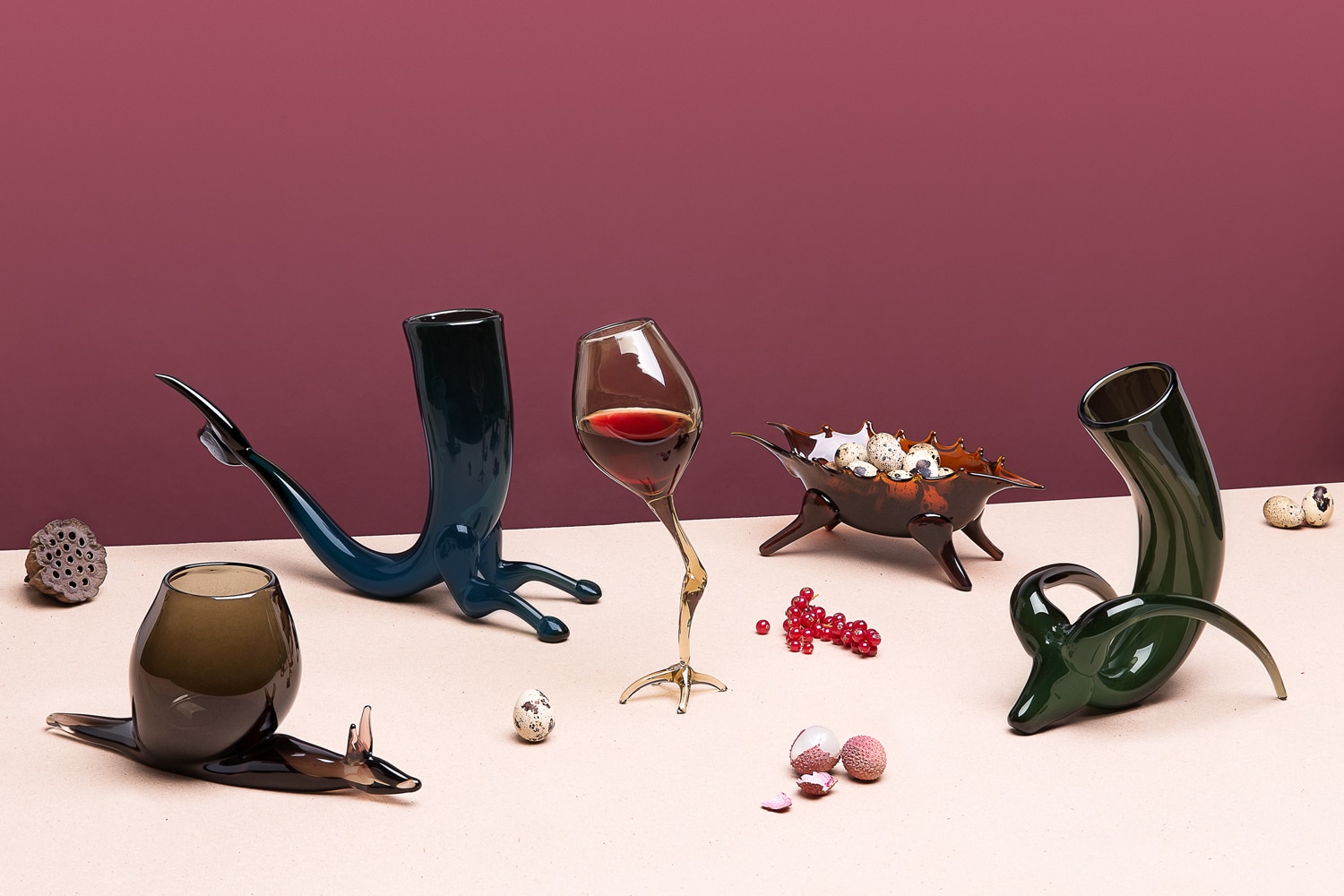
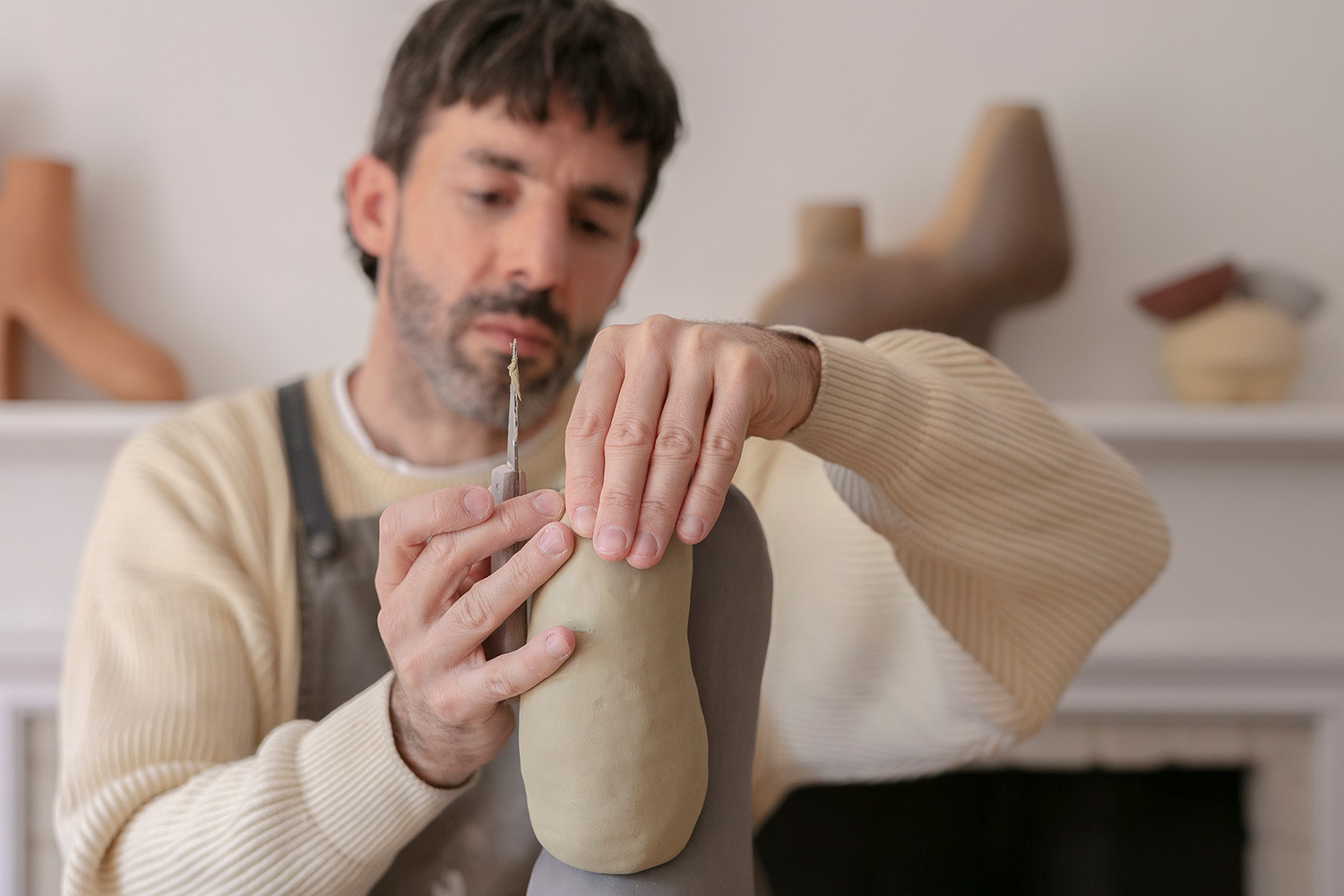
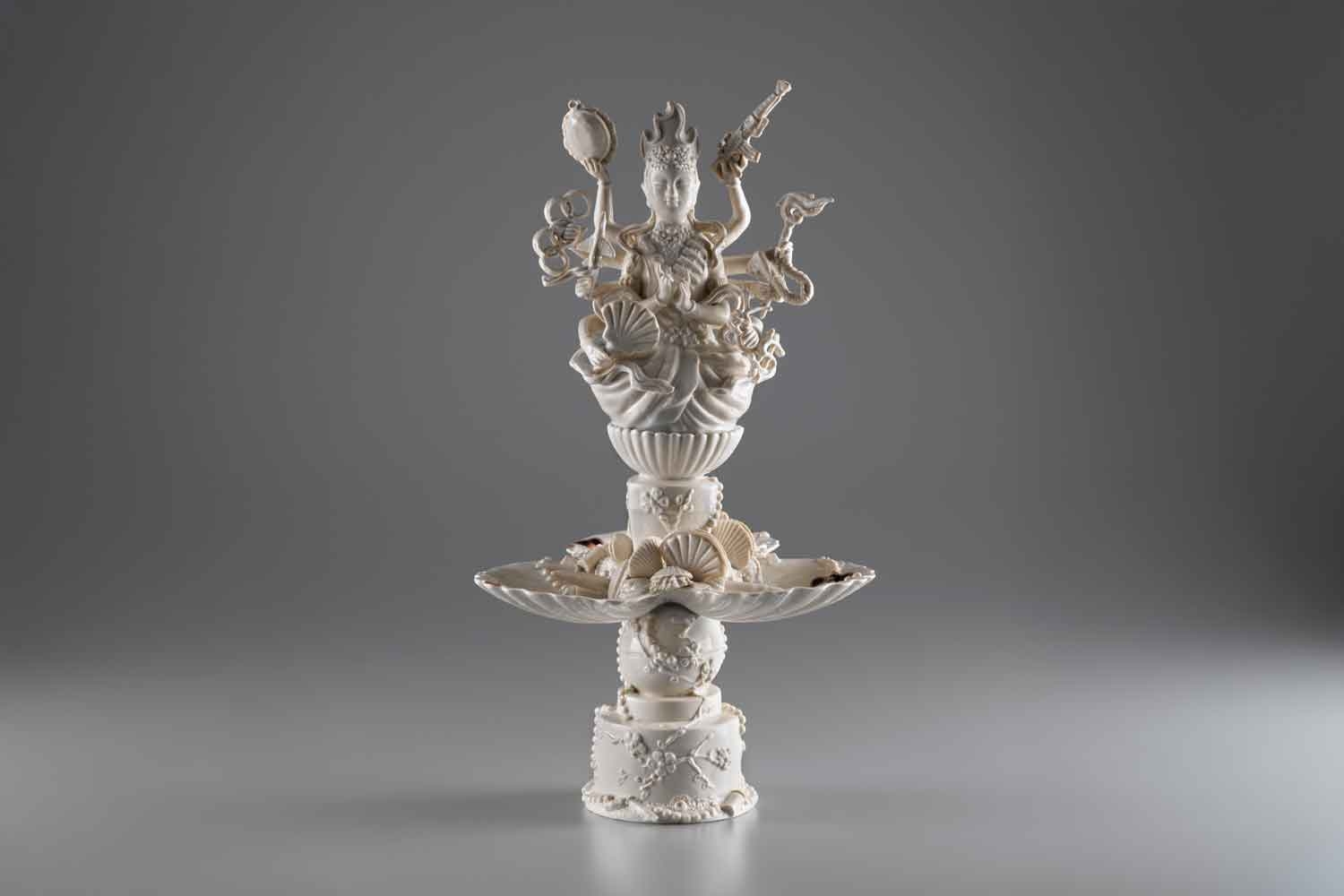
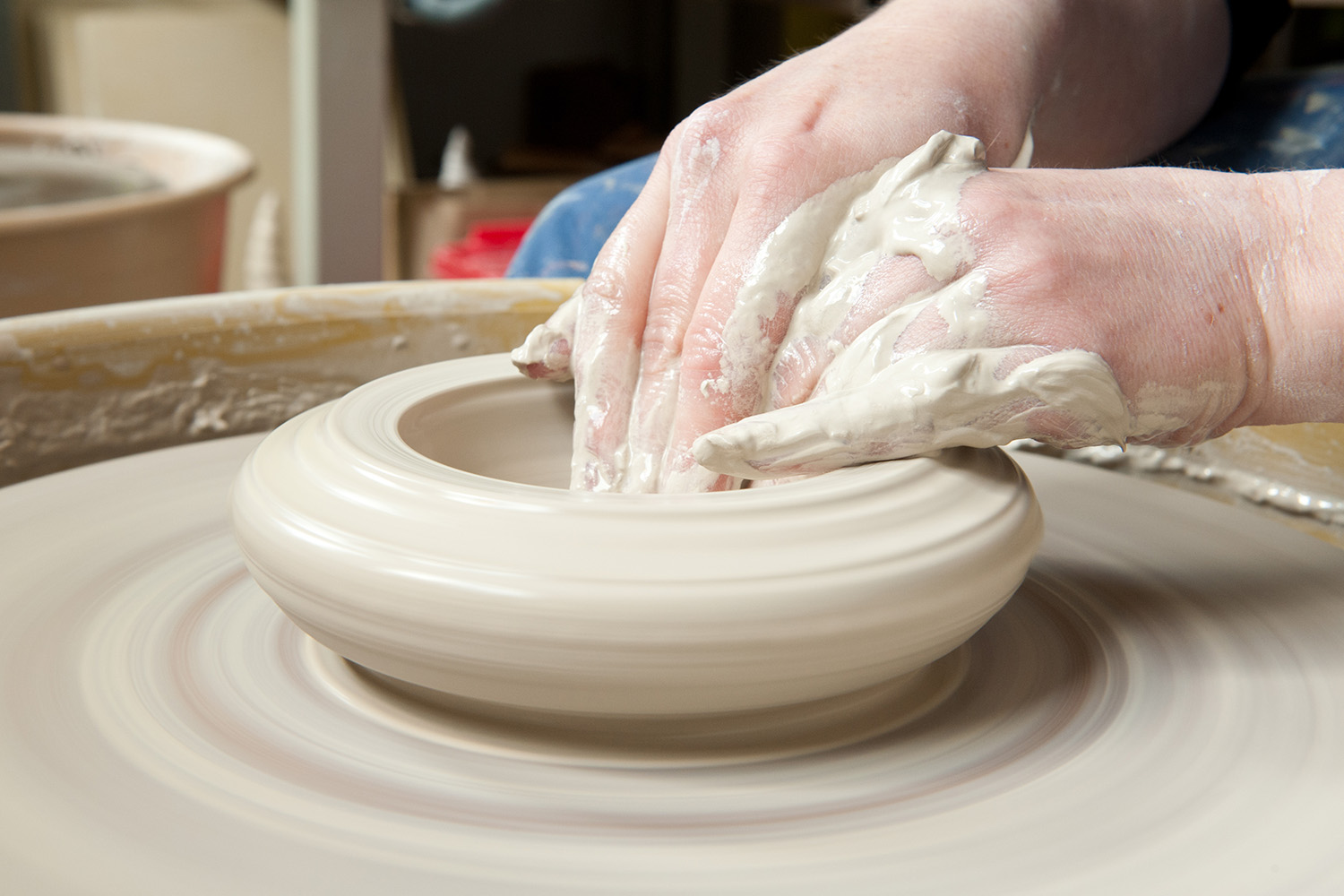
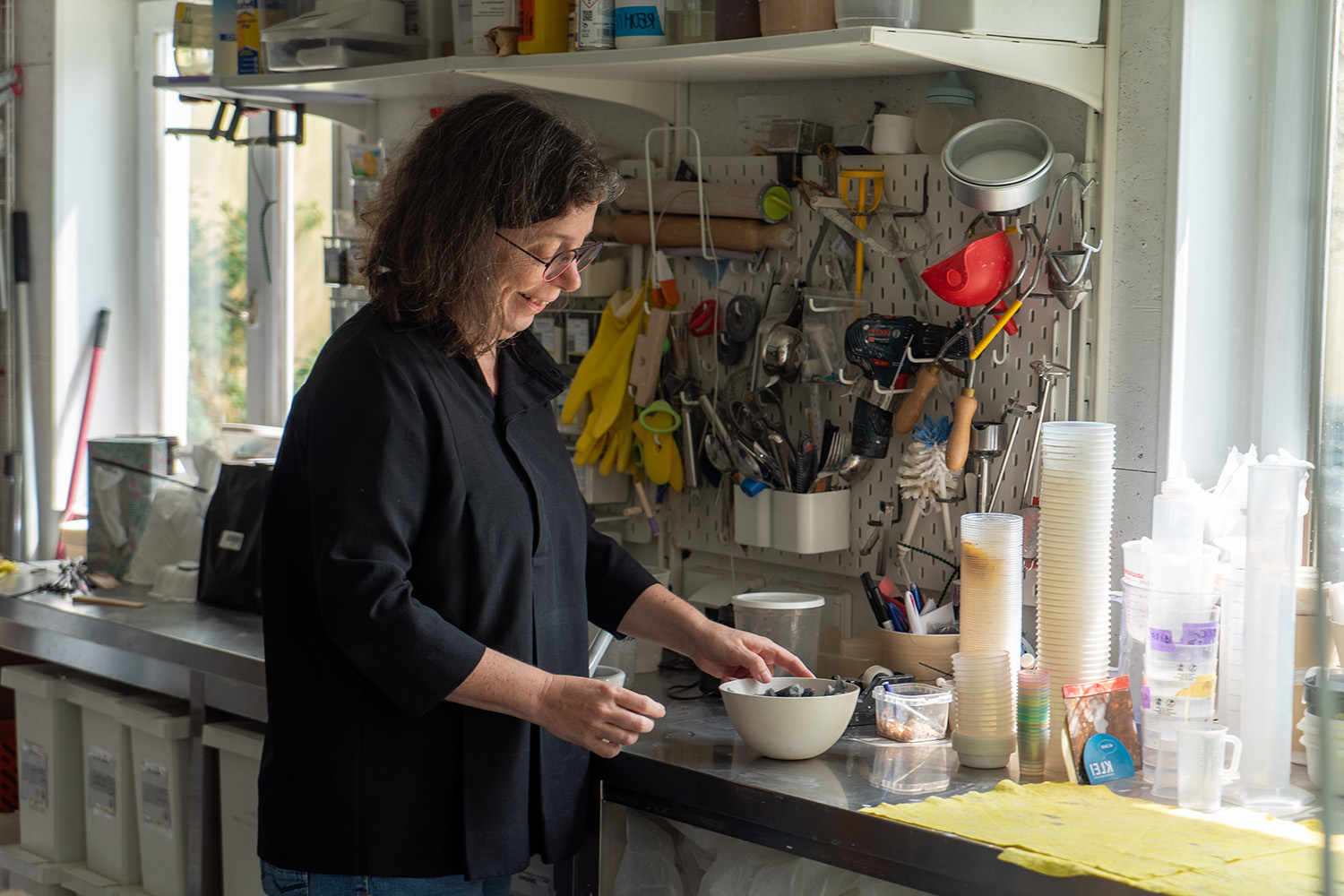
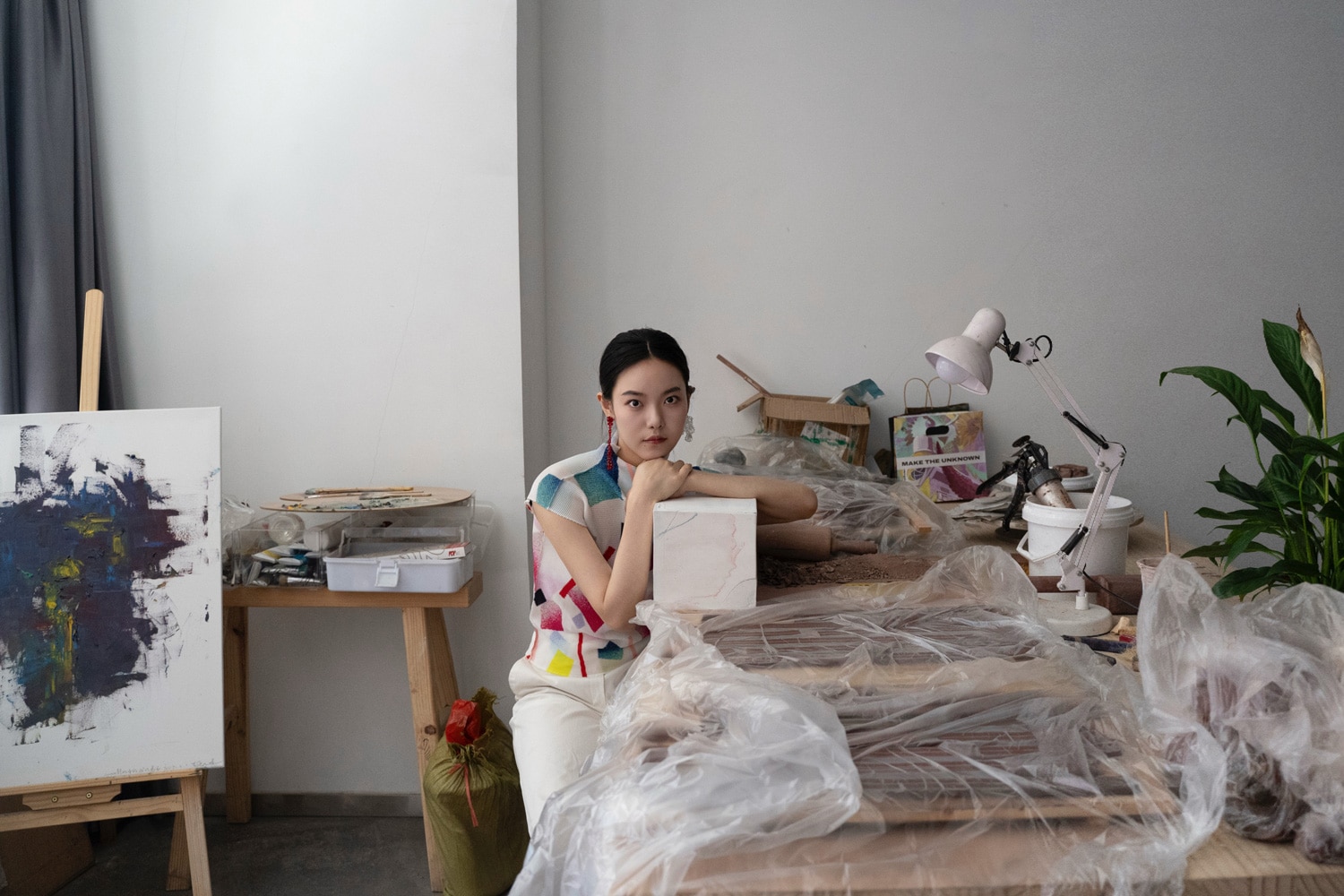
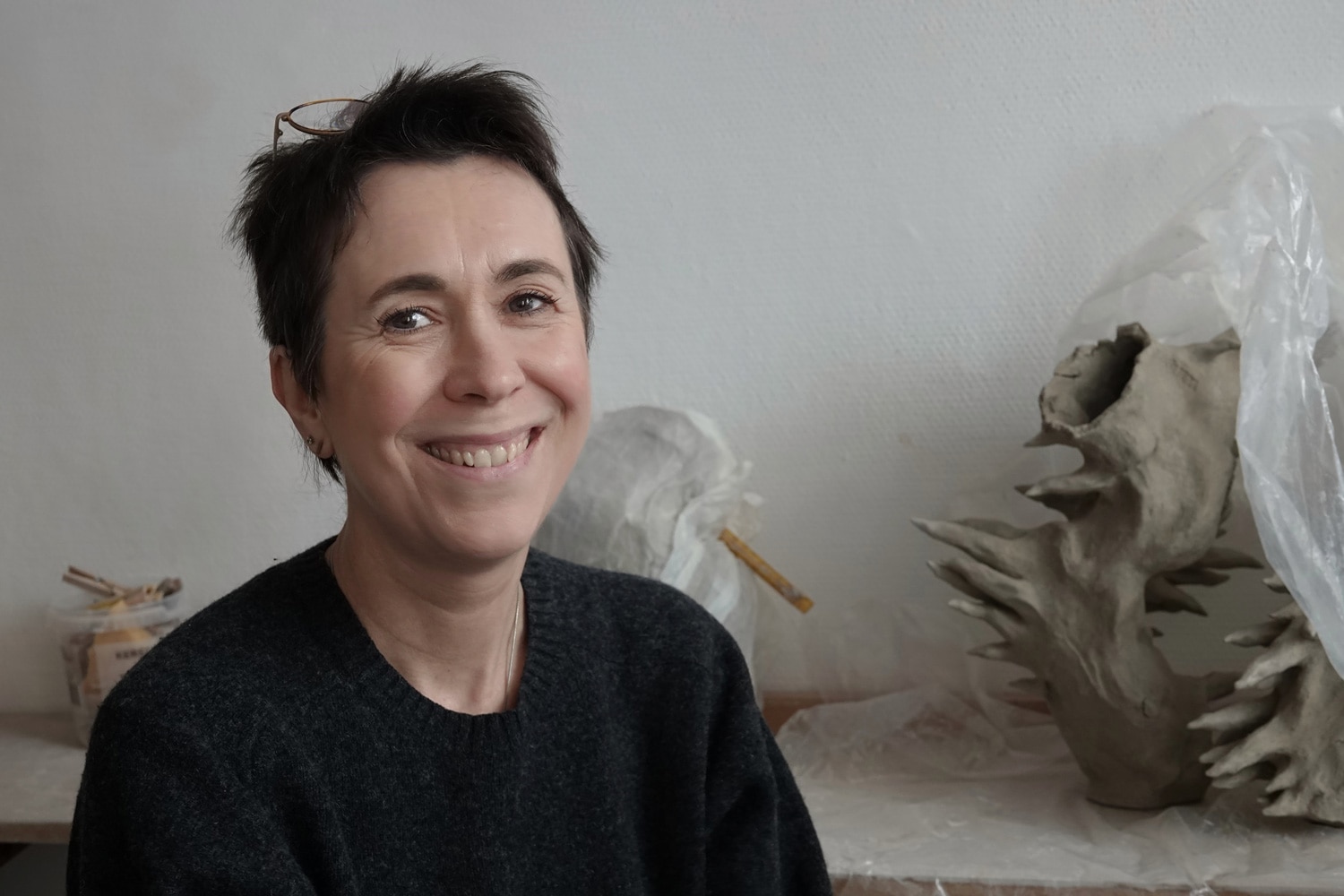
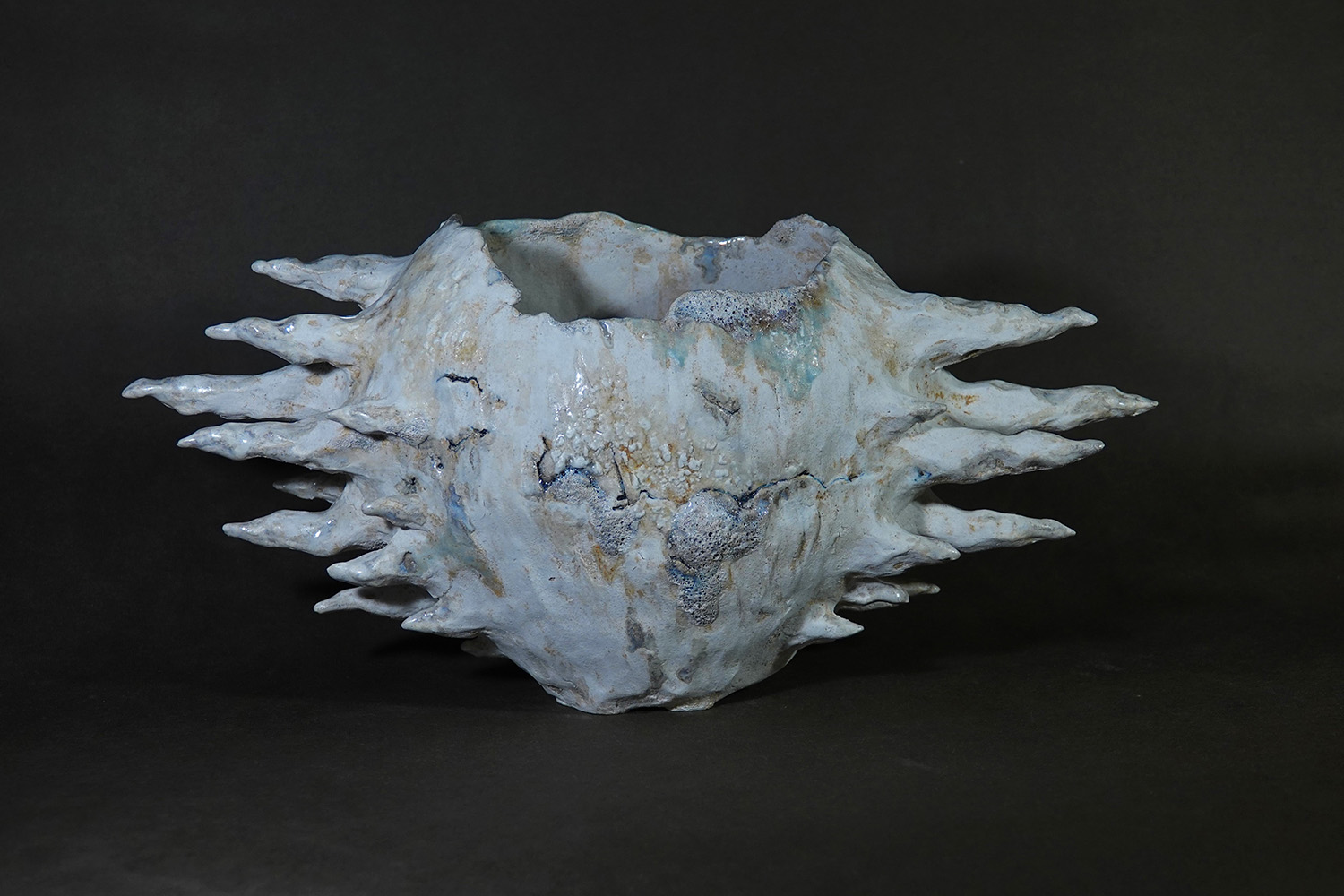
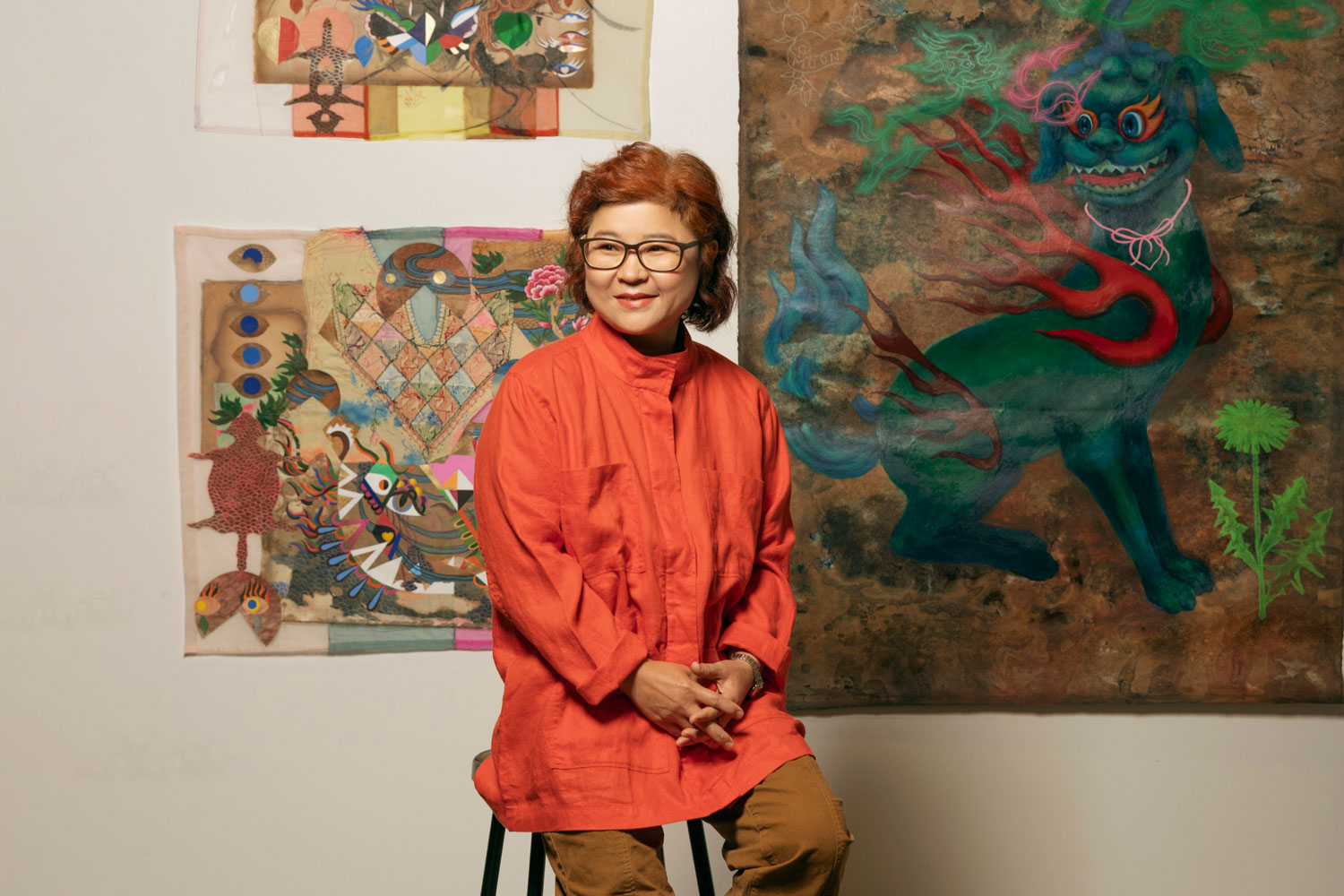
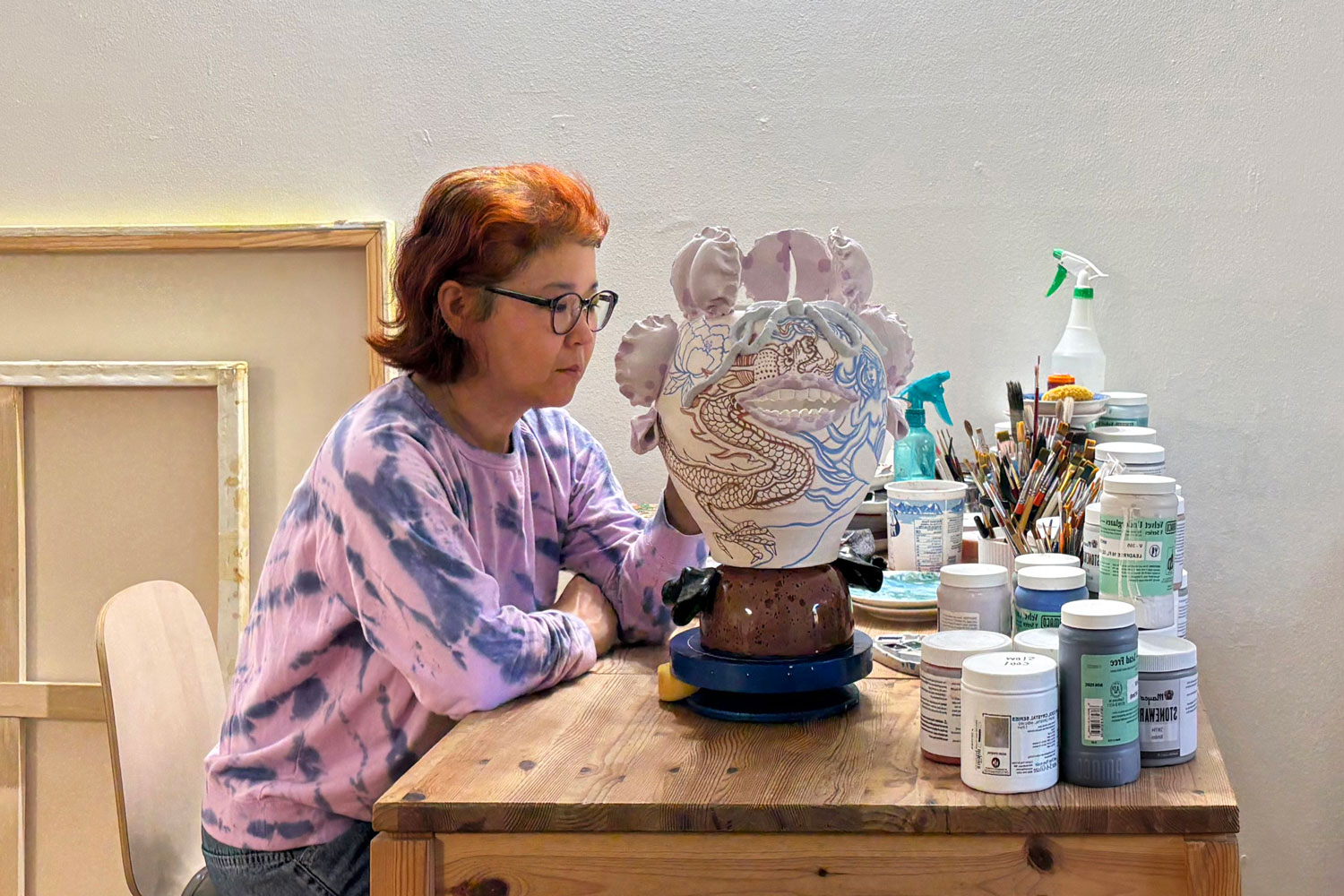
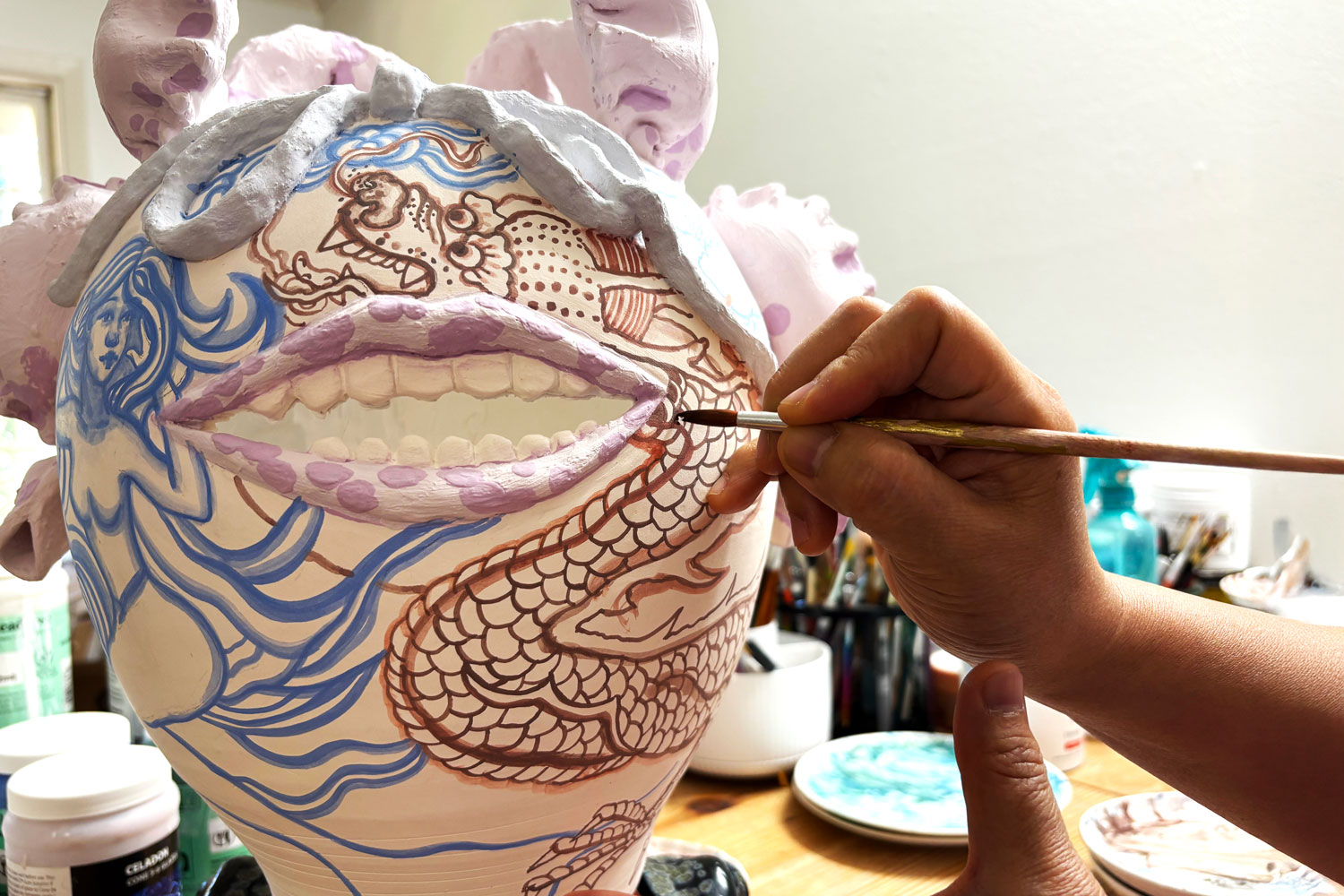
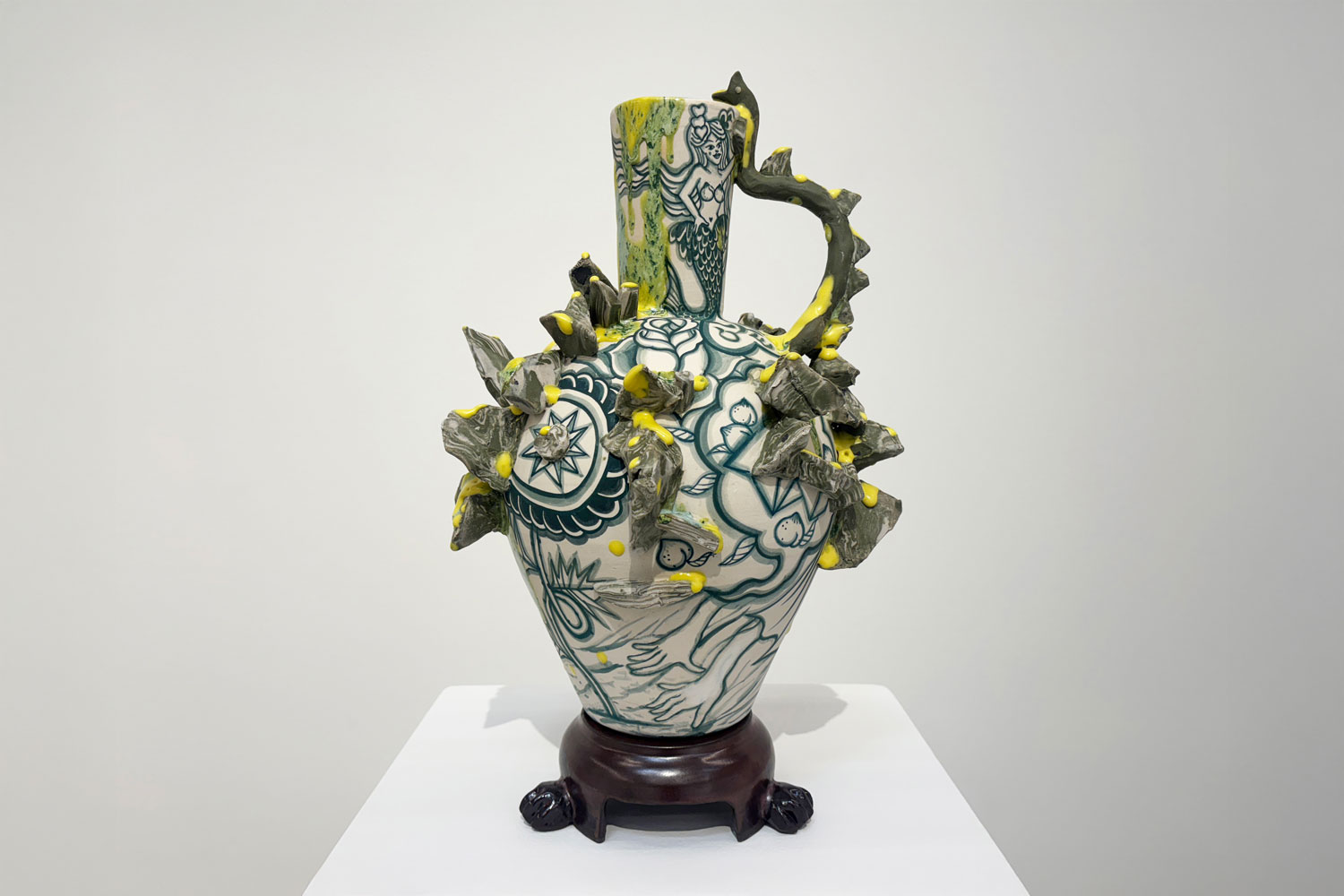
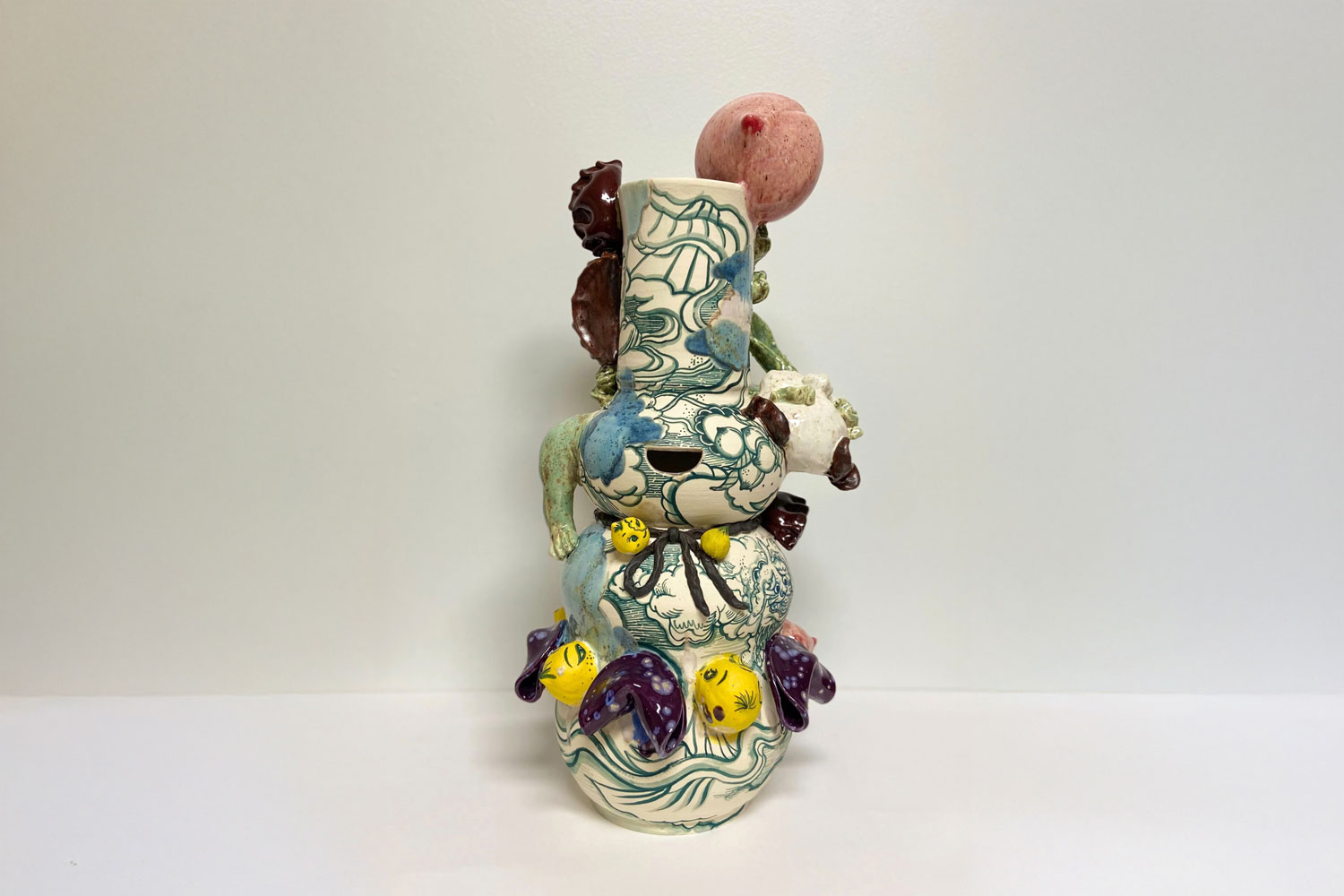
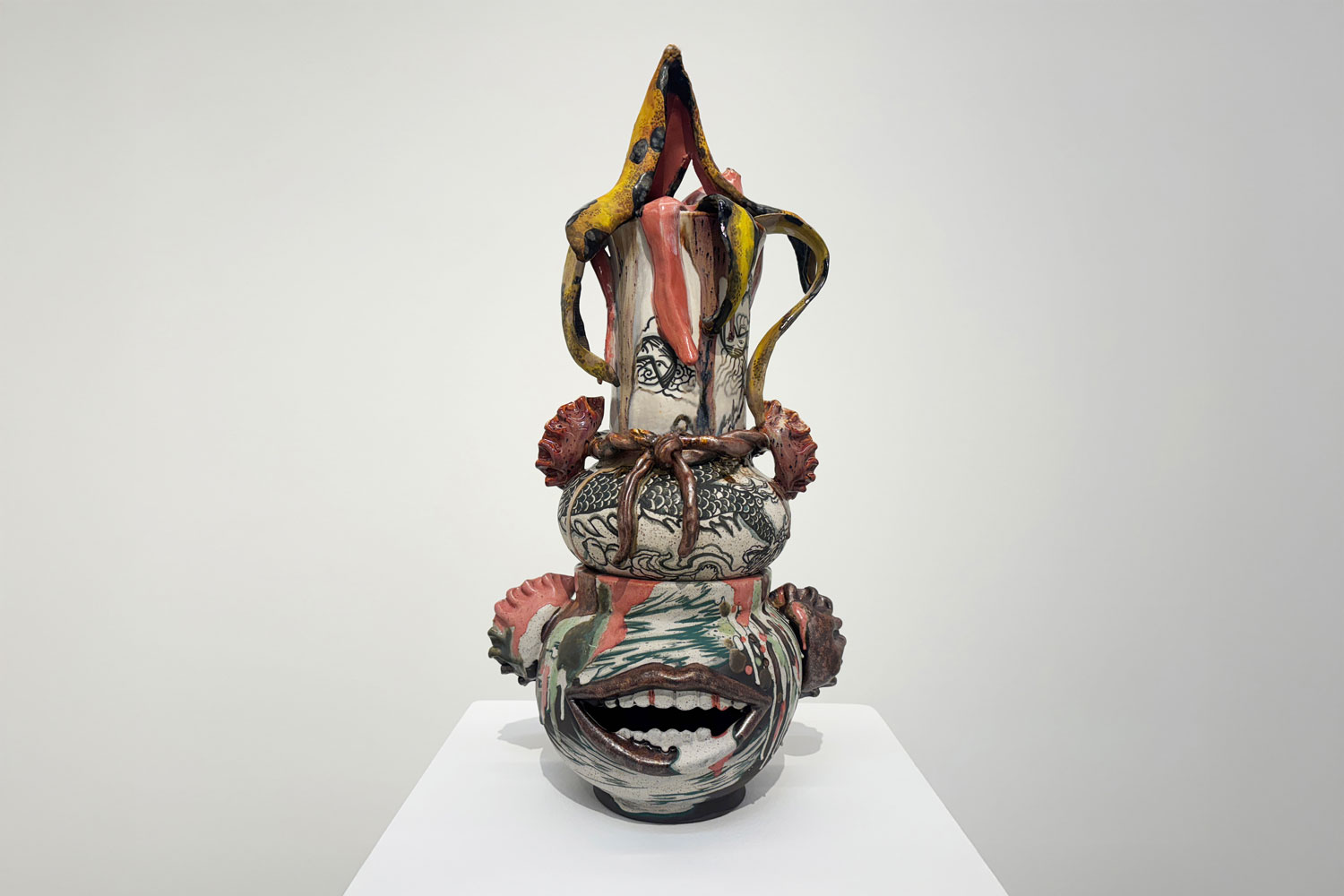
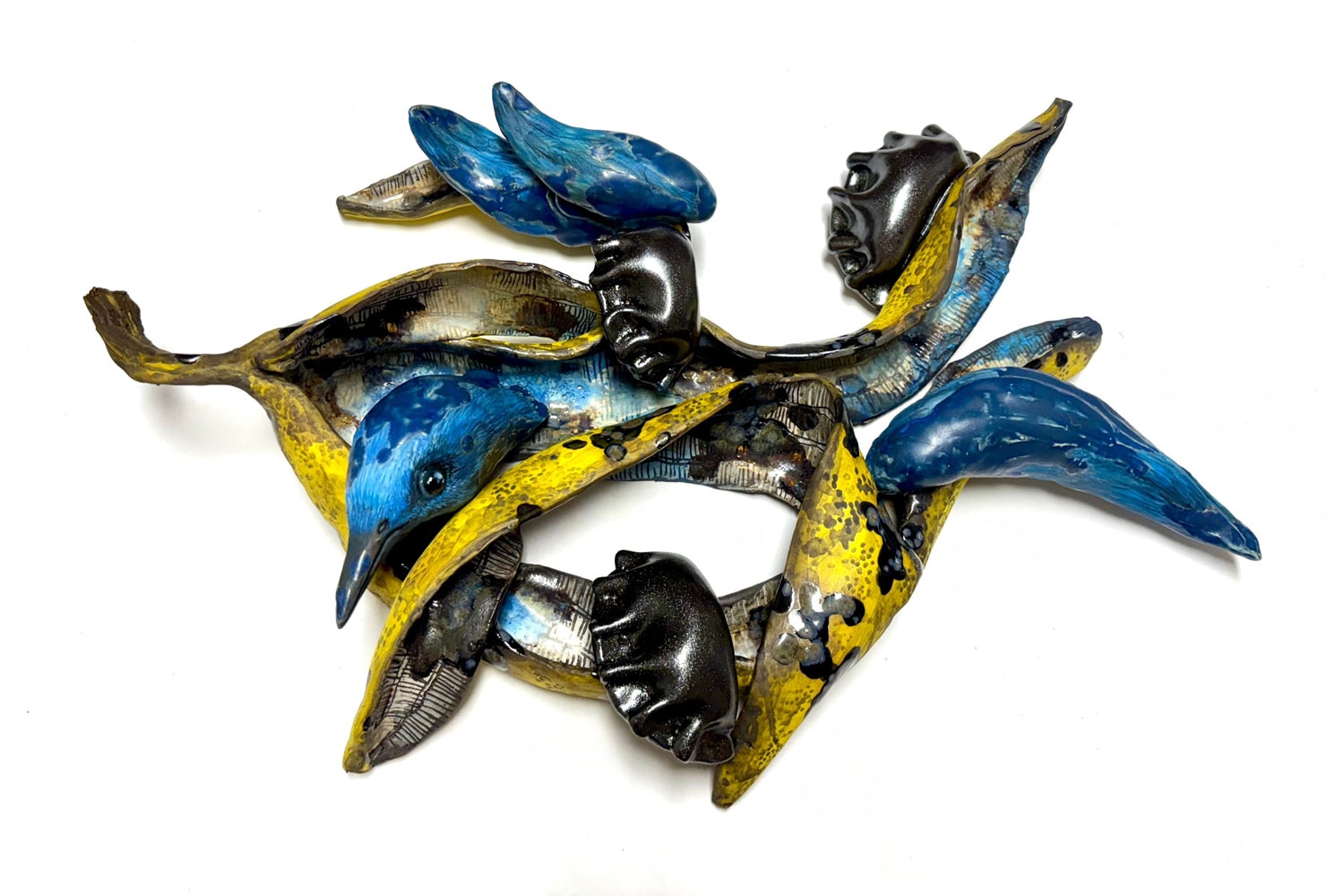
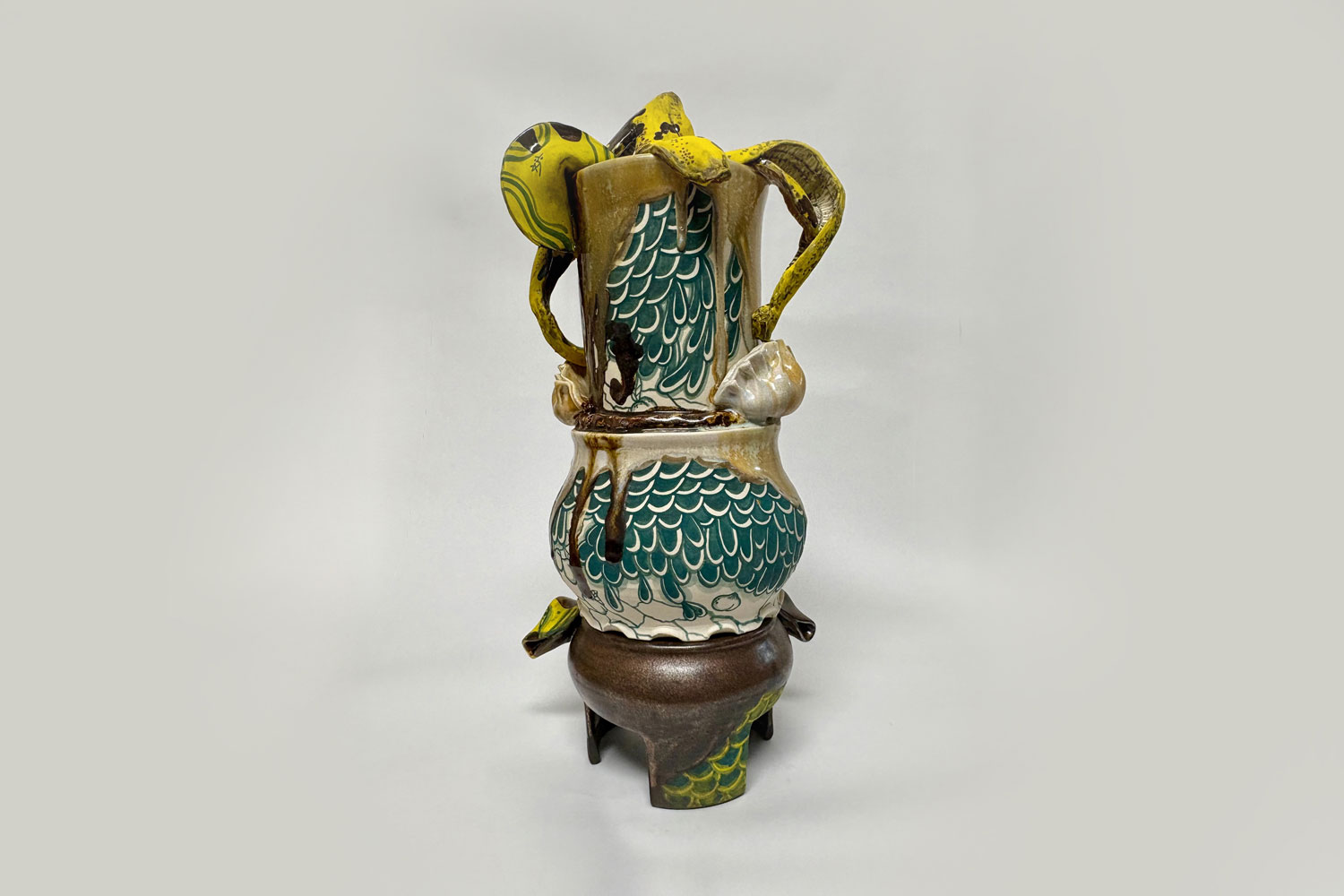
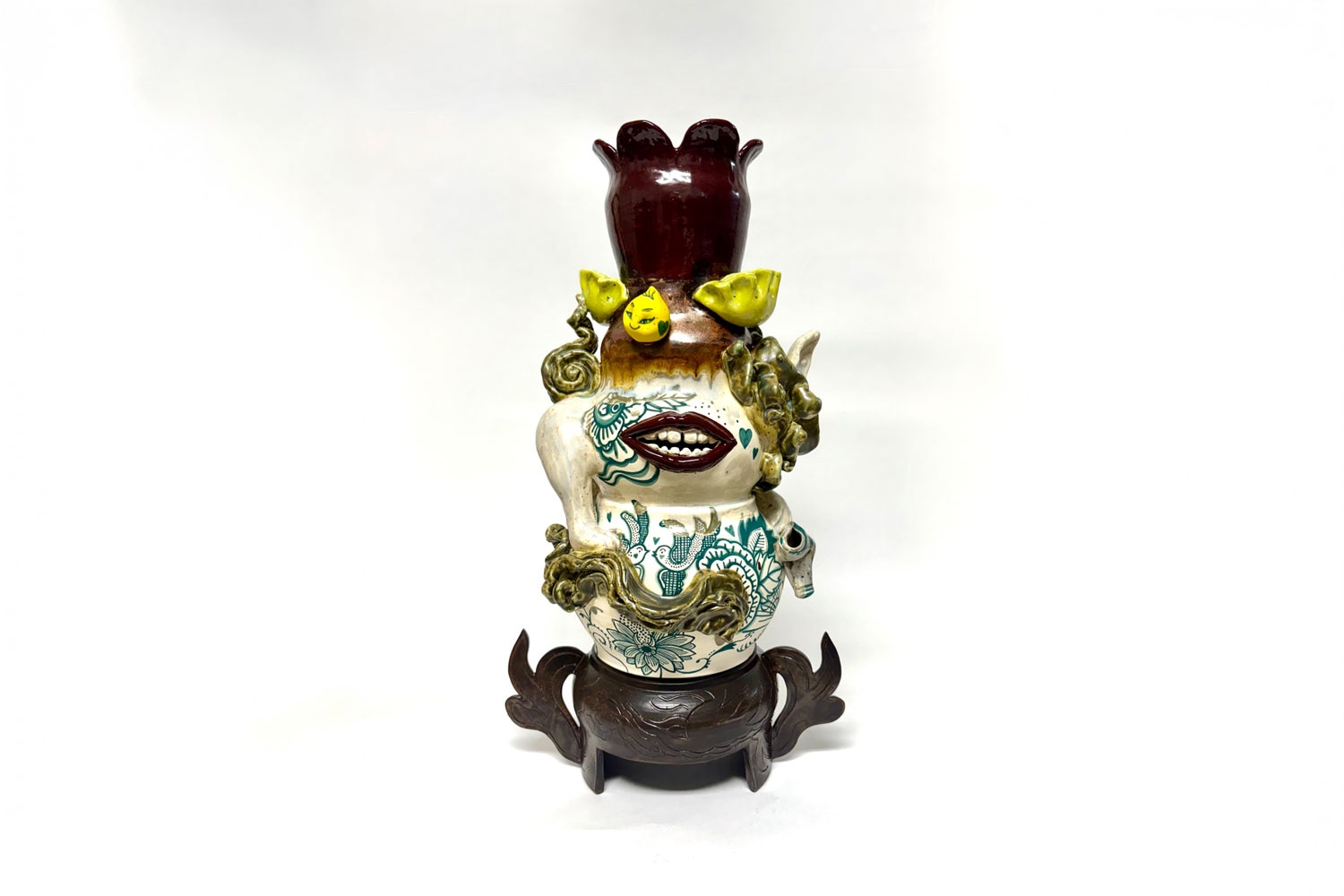
Korean-born artisan Jiha Moon has a formal background as a painter and transitioned to ceramic sculpture in 2012. With her symbolic and hybrid-form creations, she aims to broaden viewership and invite a more participatory relationship with her work. “I hope people find an entry point for connection through the dimensionality of my objects,” she explains. Vivid colours and cross-cultural symbols mingle in her porcelain and earthenware vessels. A peach, for instance, references a Korean folk belief in the fruit as a talisman for warding off evil spirits, while also evoking the American South, where Jiha has lived since the early 2000s. “I have long been interested in what it means to be American,” she adds, “and in the role diversity plays in shaping the country.” Jiha's works are included in the collections of The Asia Society, The High Museum of Art, and the Smithsonian Institution, among others.
Discover her work
INTERVIEW
In Korea, I trained as an observationally-focused painter, but over time, I became interested in exploring more abstract notions, such as the human spirit. The American Abstract Expressionism movement offered me a point of departure for this.
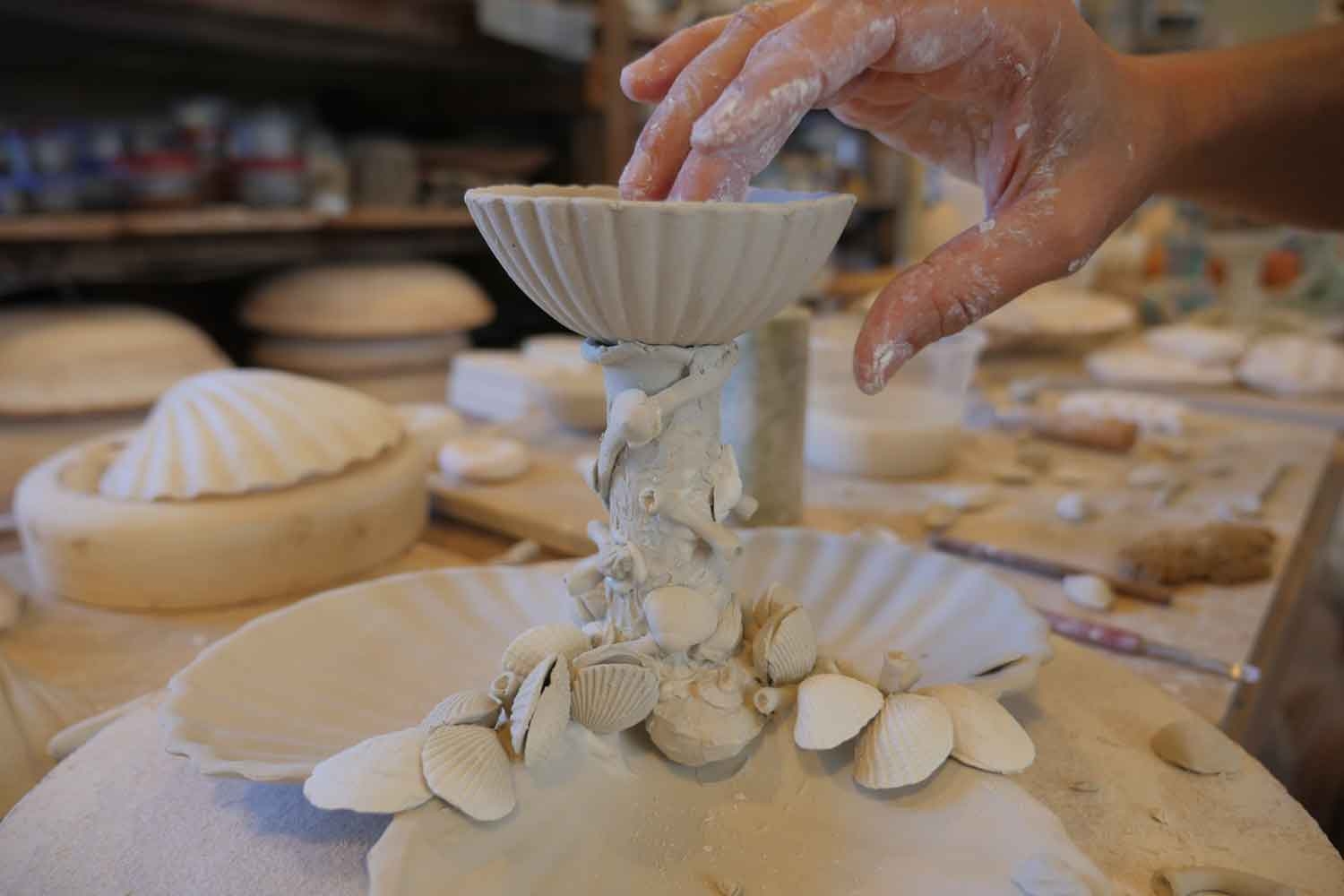
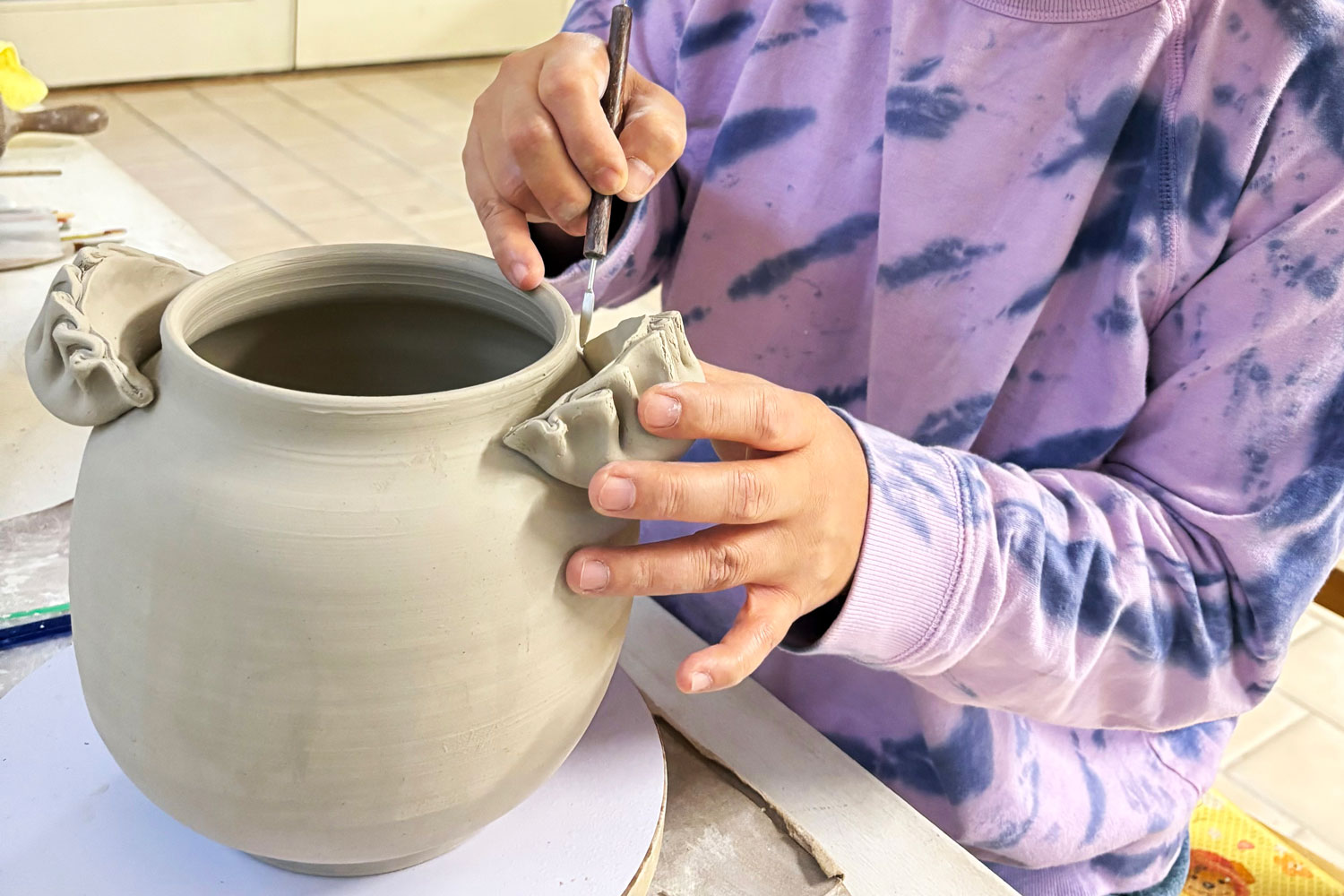
I plan about 20% to 30% of what I am going to do, but I try to not obsess over the work or put too much pressure on whatever I am creating. This is especially true with my ceramic sculptures, because the kiln process is so collaborative. Disappointment and excitement are built into the process.
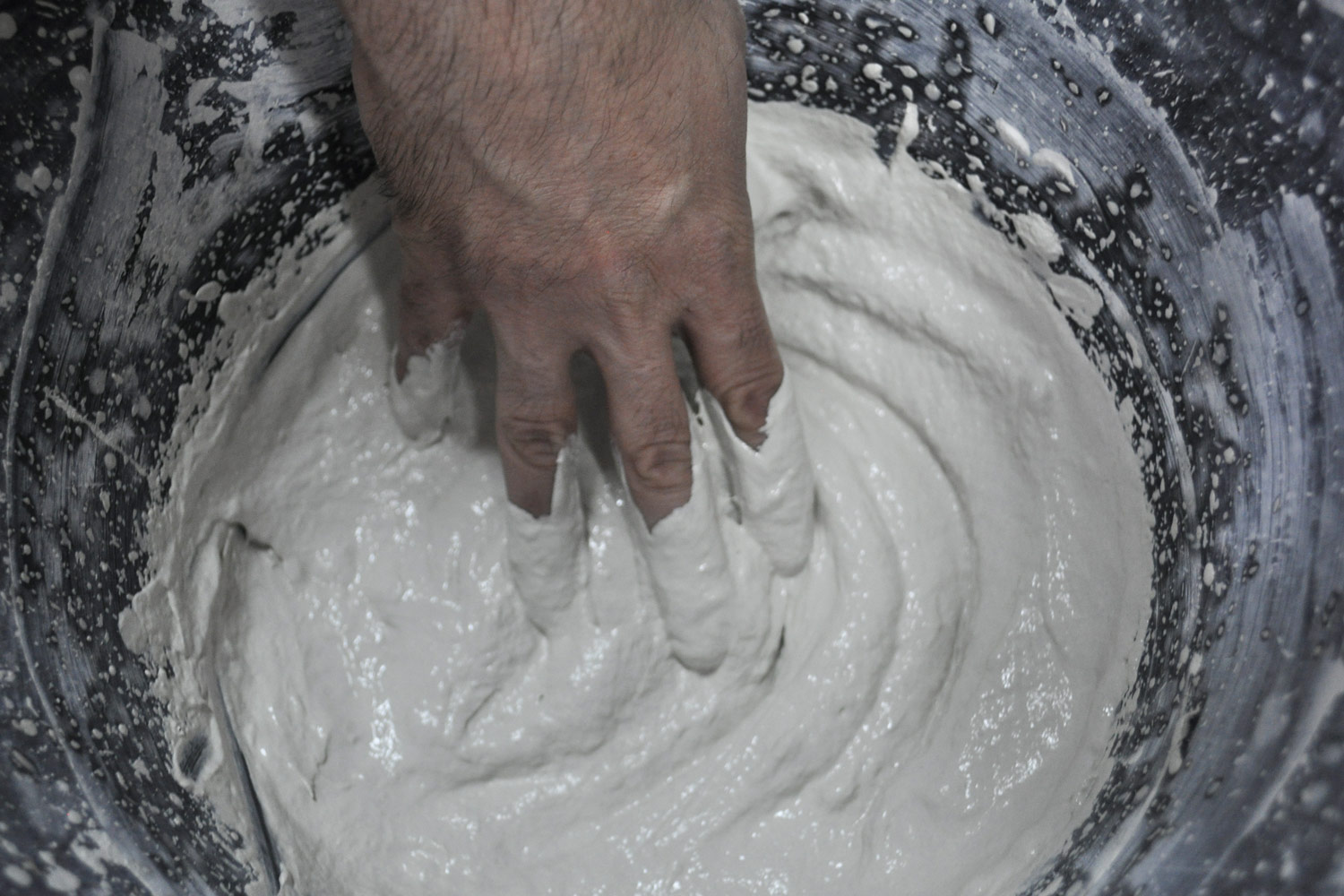
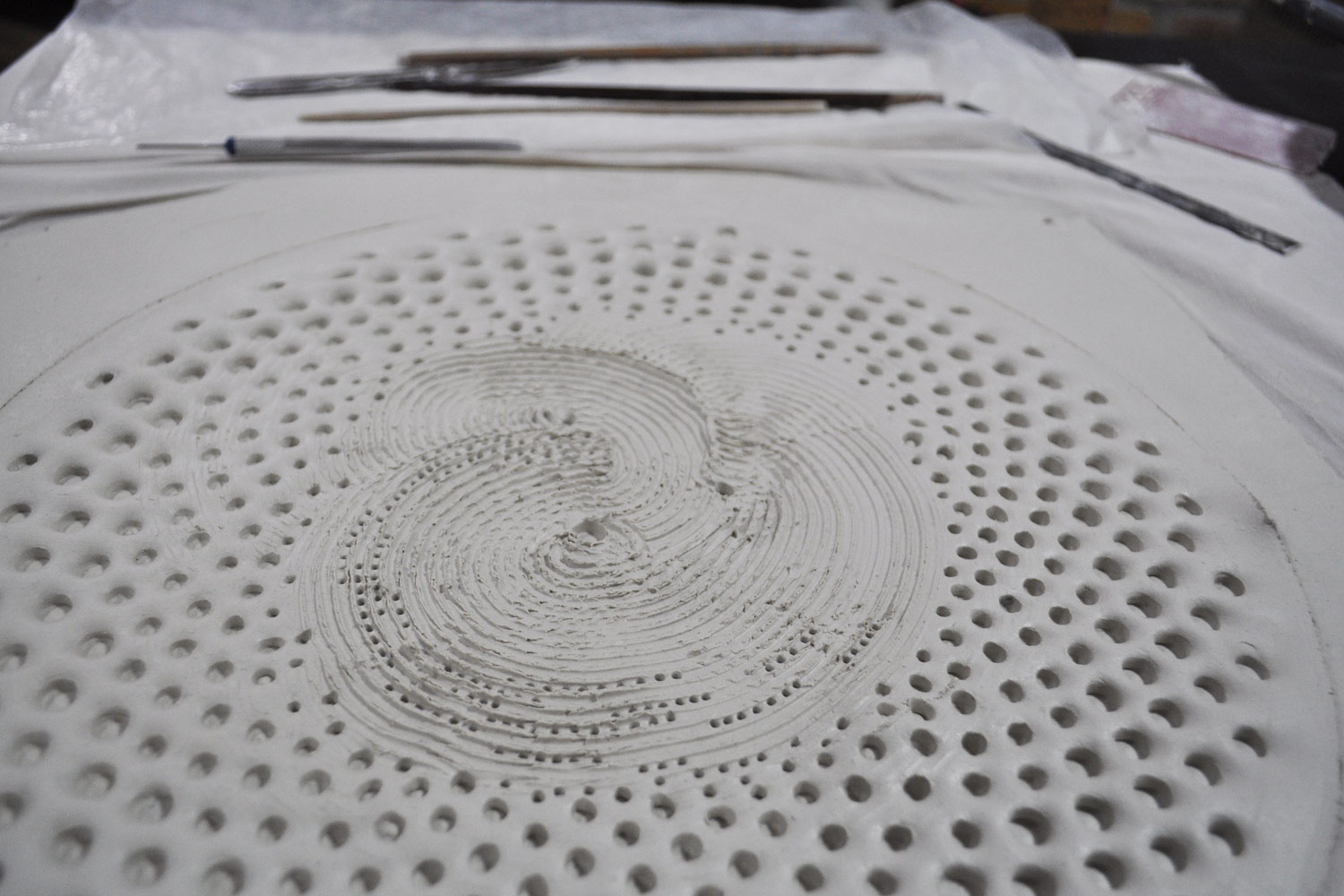
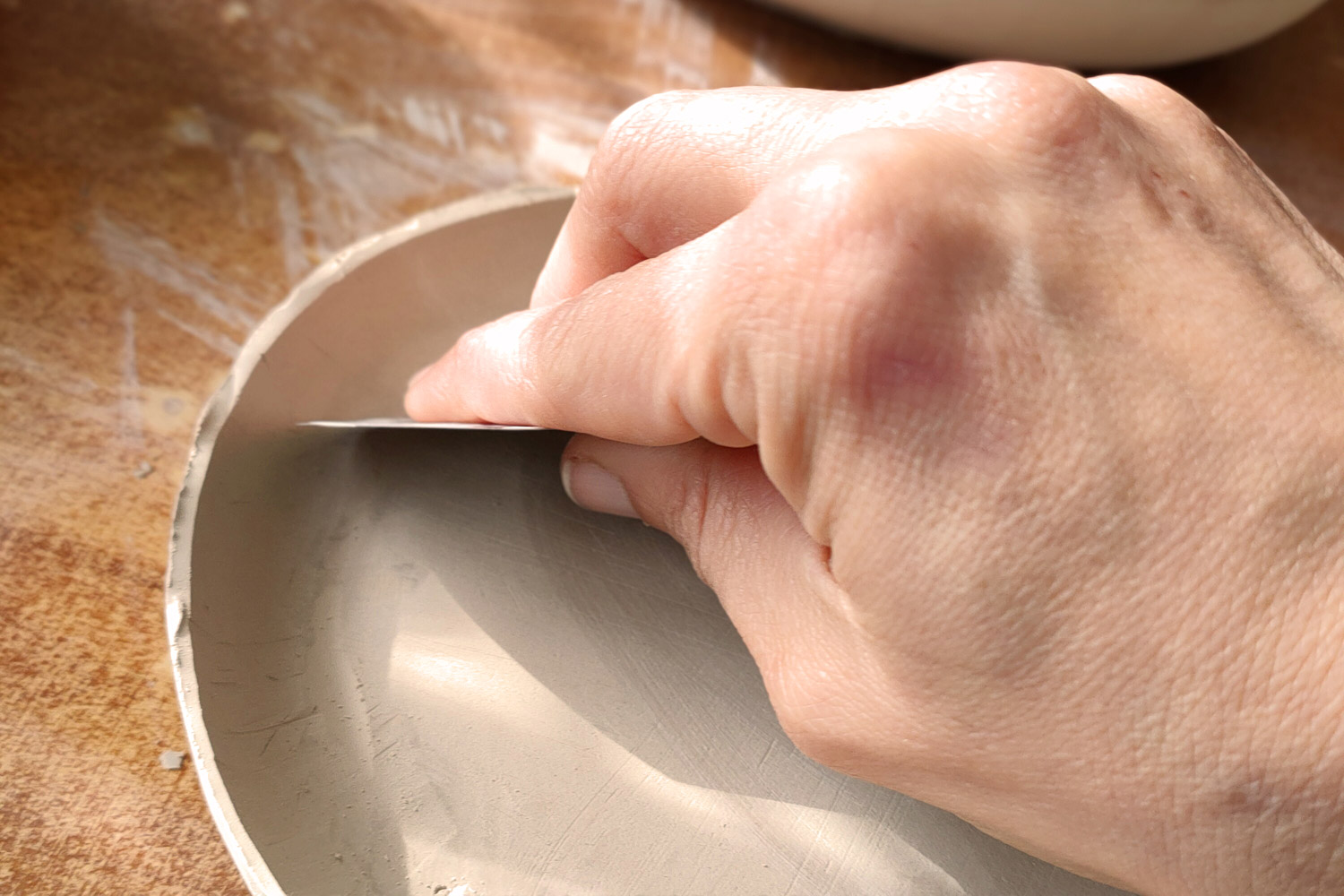
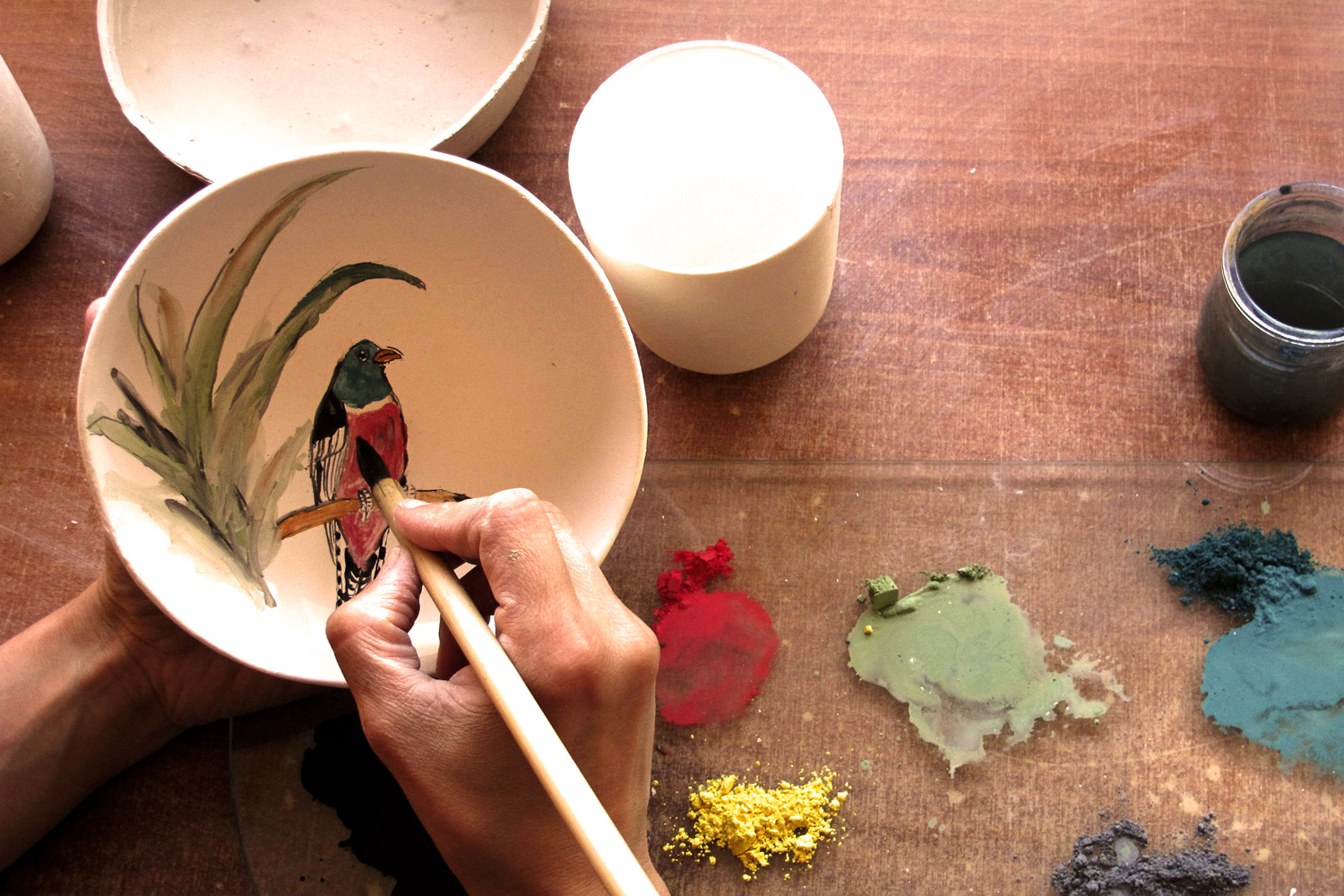
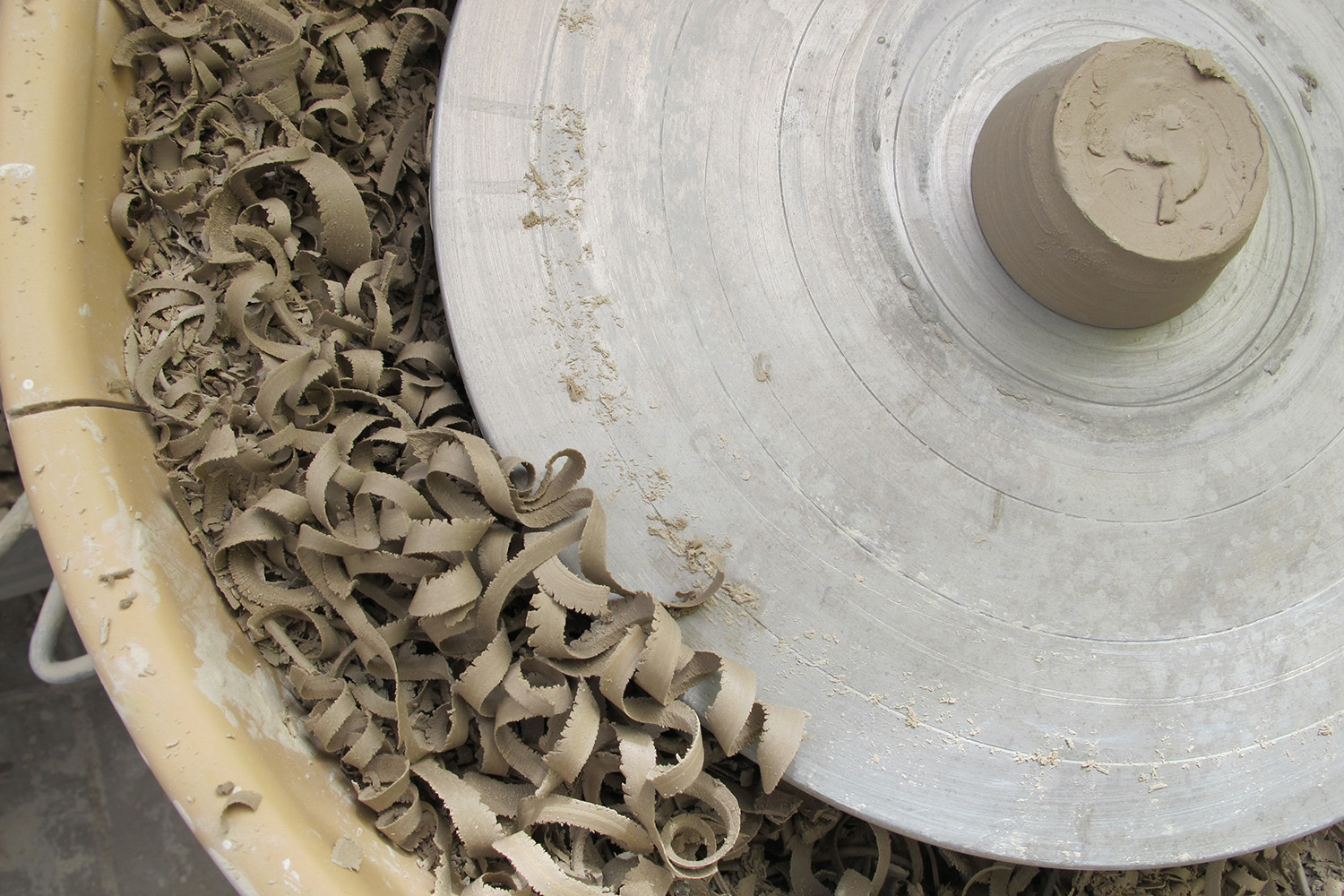
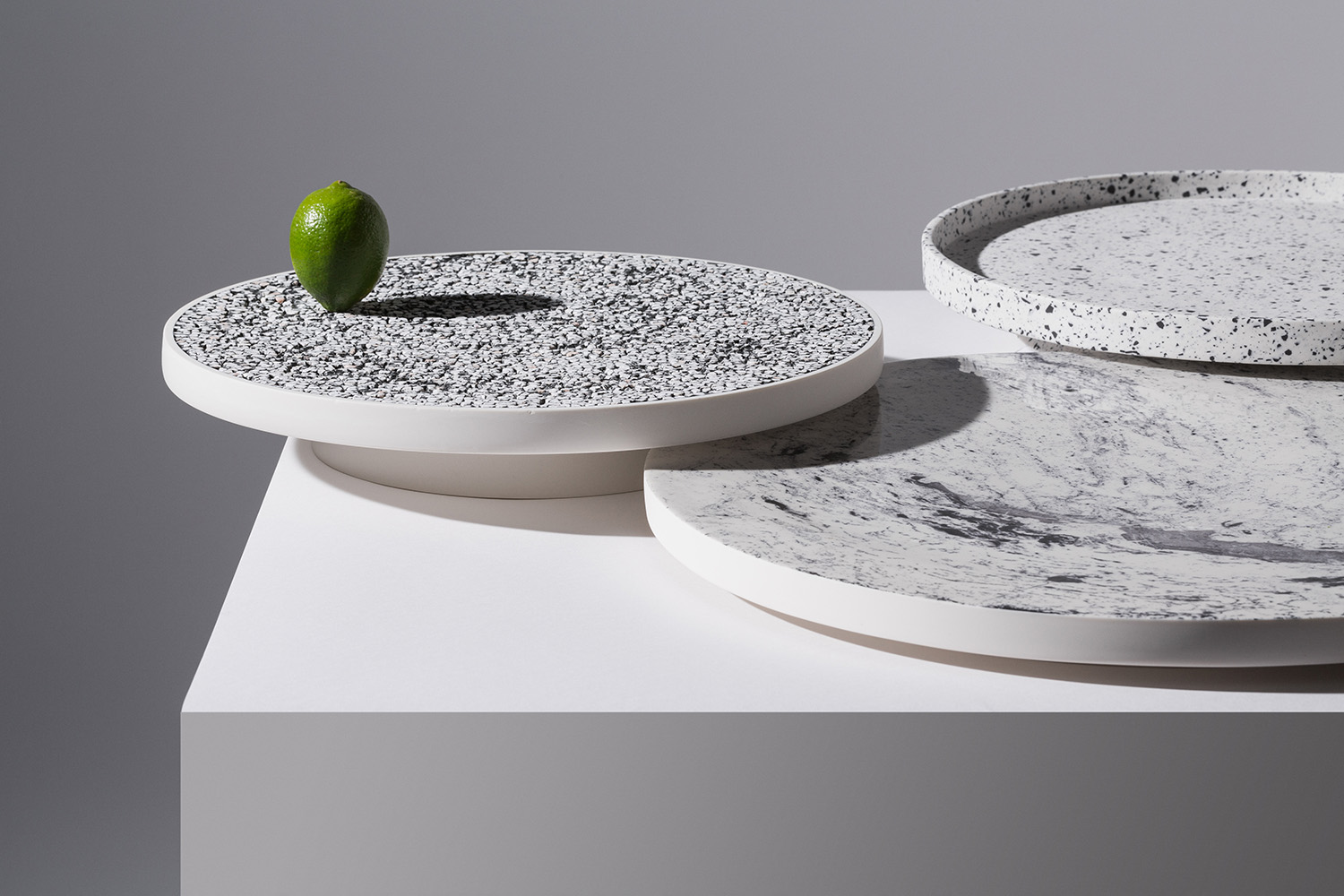
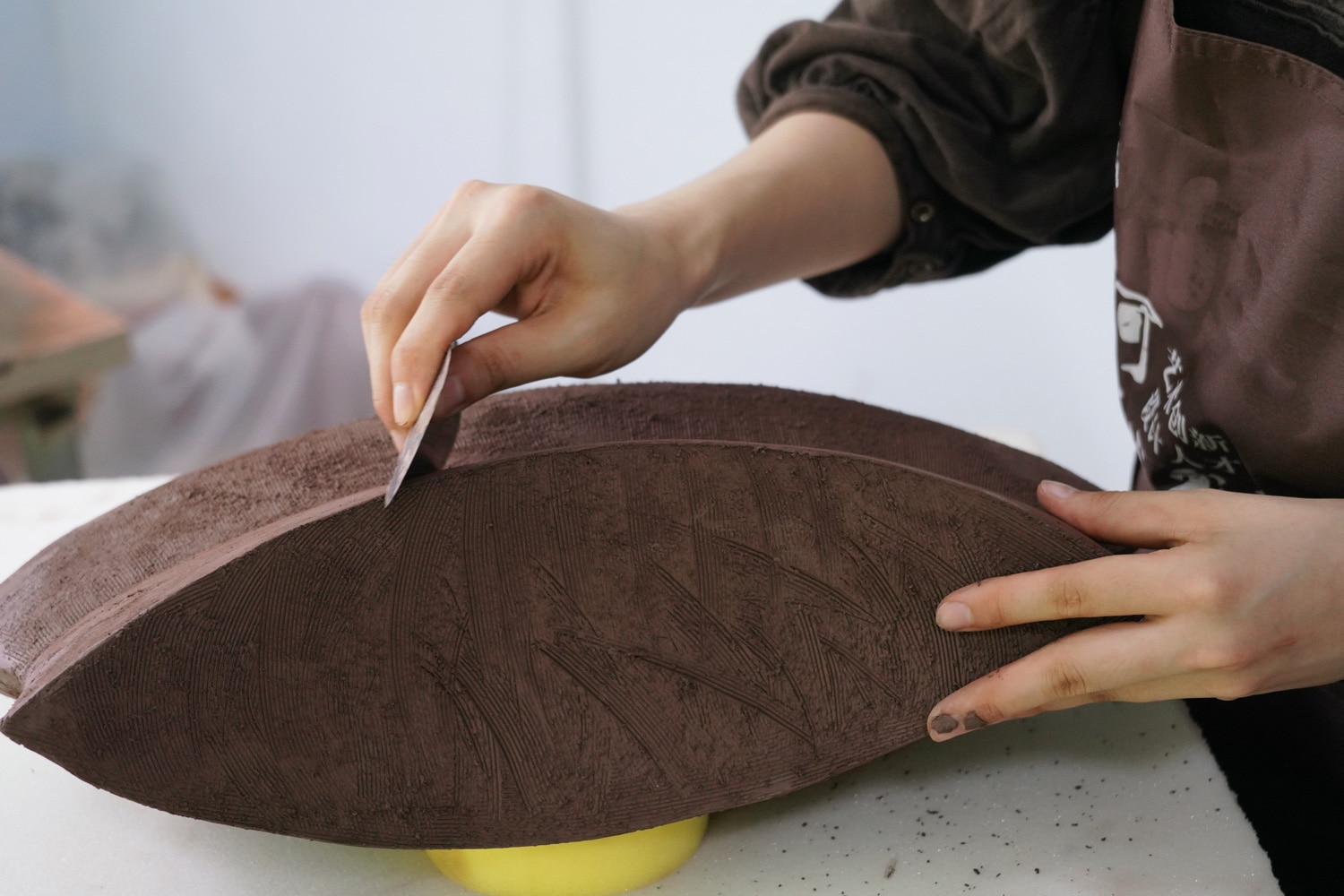
With my paintings, I cover my canvases with Korean mulberry paper, or hanji, which makes it difficult to quickly discern whether you are looking at wood, canvas or paper. With my ceramics, I try to do the same thing. I am very intentional about what clay body I am using and how the interaction of different slips and glazes creates material ambiguity and a layered surface.
My mother was a high school music teacher, and she always said that teaching was a calling. I have always felt very lucky to teach because it is a privileged role. Teaching allows me to speak with a younger generation and helps bridge the generational gap, which, in turn, allows me to connect my work to a broader audience.
Jiha Moon
Ceramicist
Tallahassee, FL, USA
ADDRESS
Address upon request, Tallahassee, FL, USA
AVAILABILITY
By appointment only
LANGUAGES
English, Korean
Homo Faber Finds is a new service aiming to inspire admirers of craft to connect and collaborate with exceptional artisans.
We invite you to submit an enquiry here.