Fflur Cadwaladr Owen
Leatherworker
London, United Kingdom
The science of leather
- The first object Fflur made was a poncho
- She documents her work as a scientist would
- She worked as an intern for Alexander McQueen
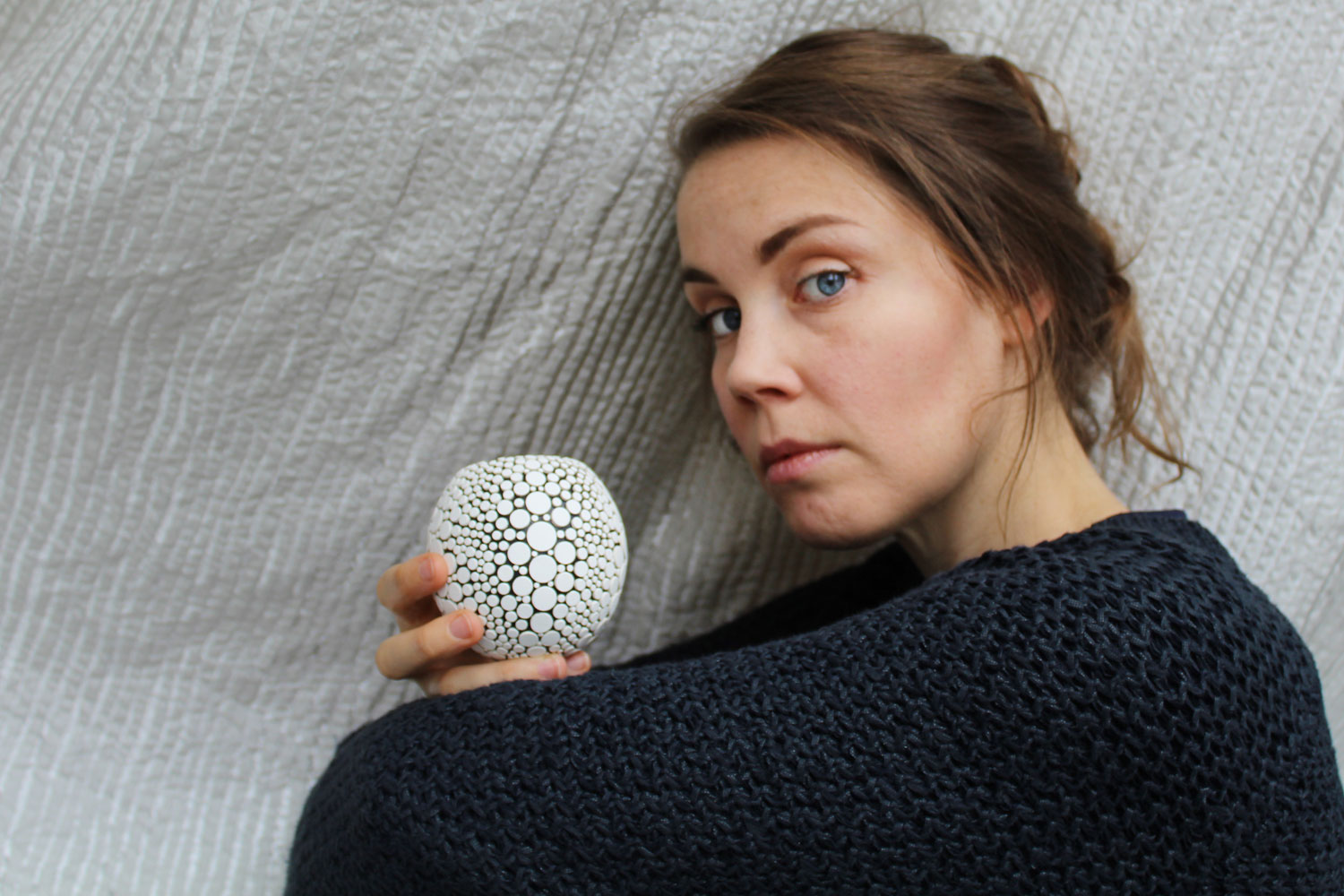
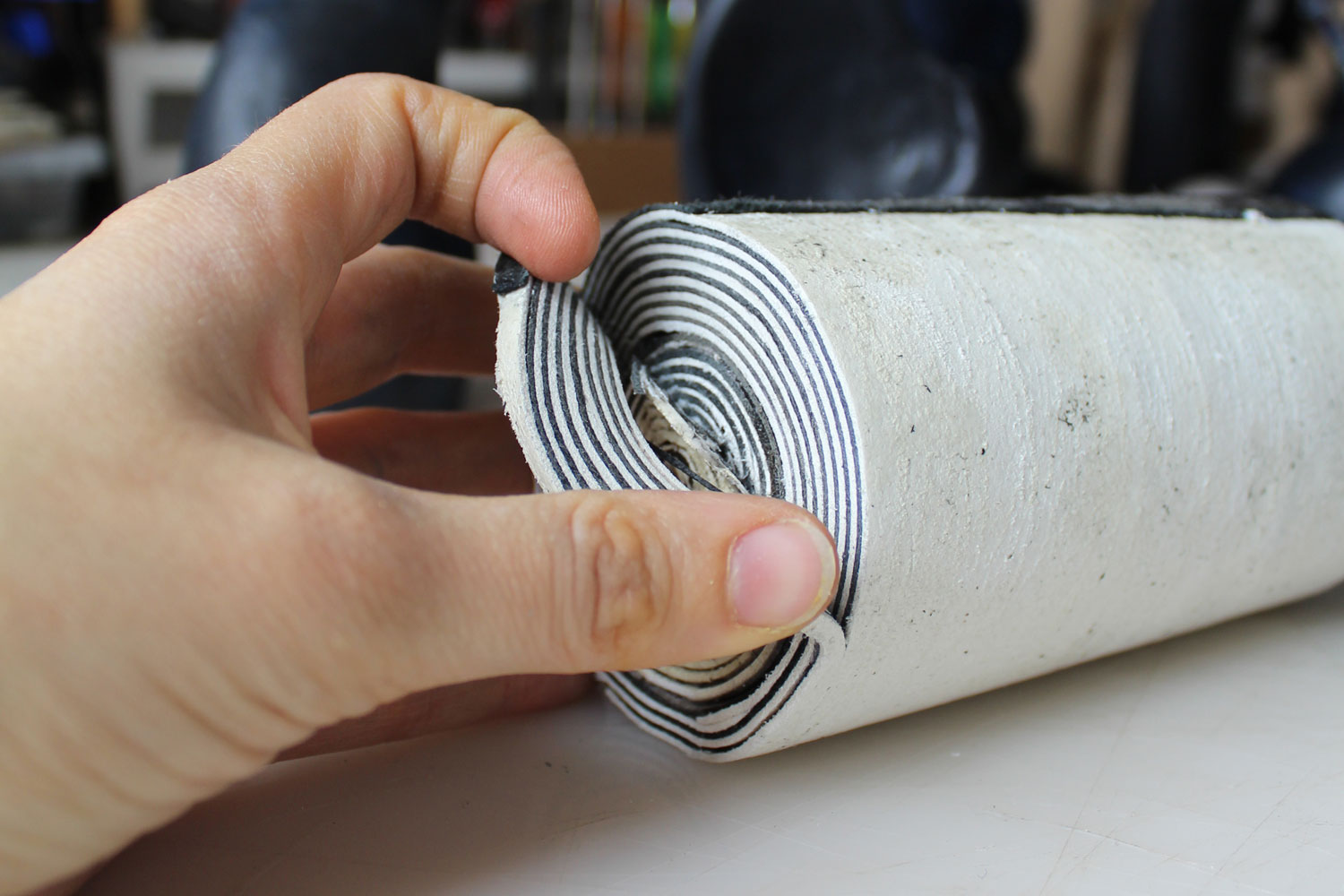
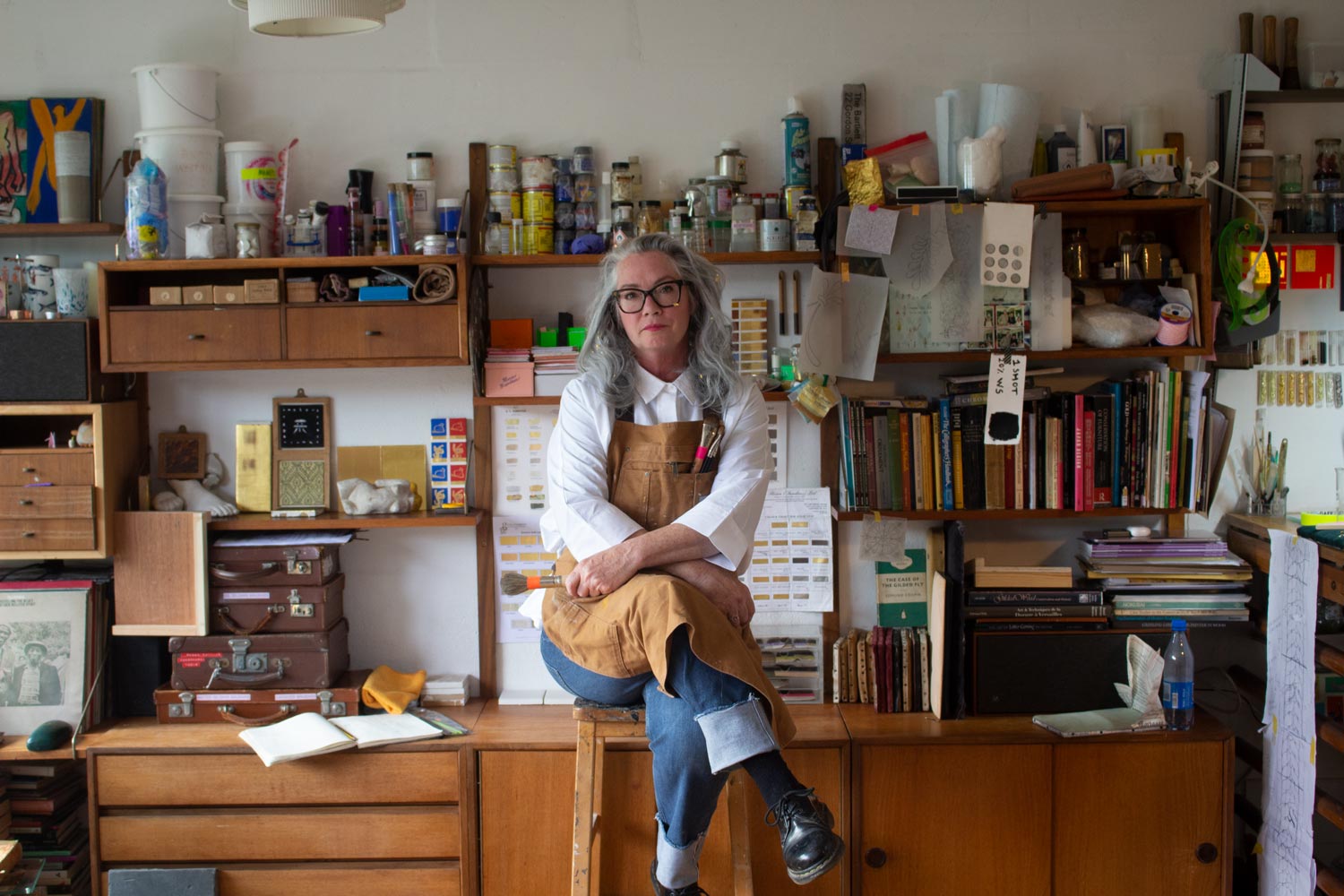
Fflur Cadwaladr Owen grew up in rural Wales and at the age of 10 was already carving wood with her carpenter father. “Since a very early age, I’ve enjoyed making. It was very natural to me. Discovering nature and recreating it from materials was something I enjoyed doing as a child,” she explains. She started working with leather during her studies in fashion design. “I sourced very thick, natural, vegetable tanned leather and started experimenting with it.” She learned as much as she could by herself, and after two years she applied to the Royal College of Art. Thanks to a scholarship she set up her studio in 2015.
INTERVIEW
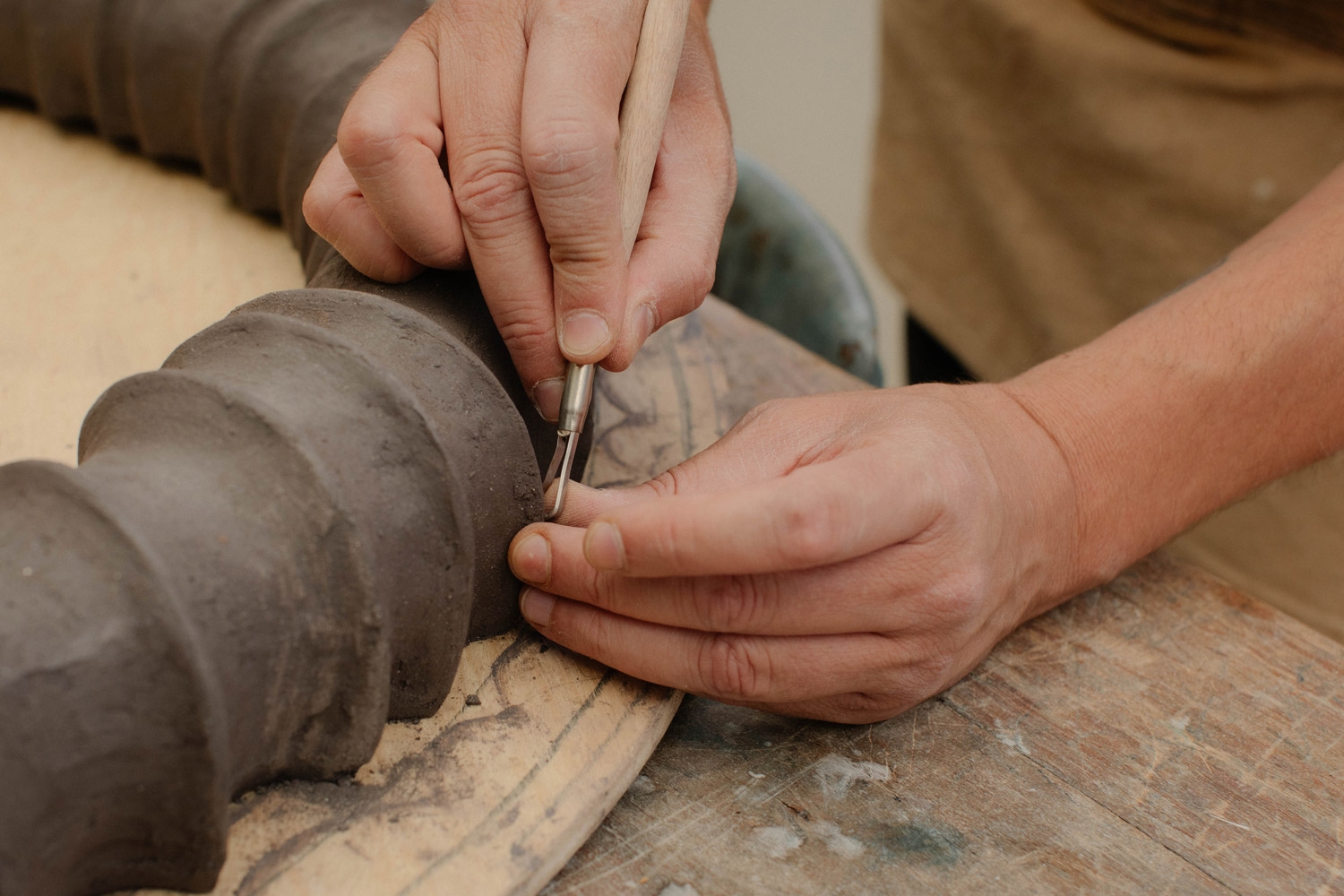
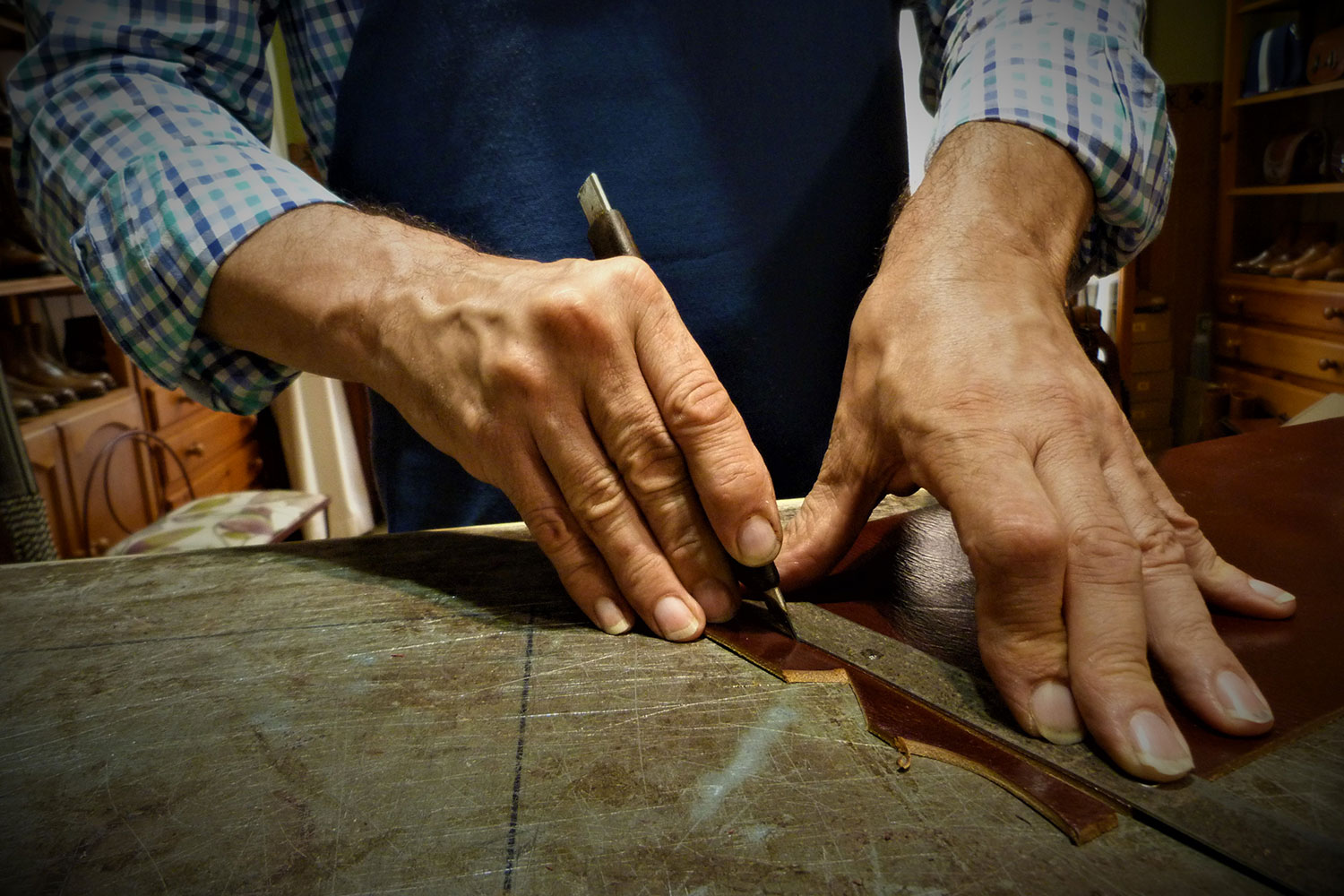
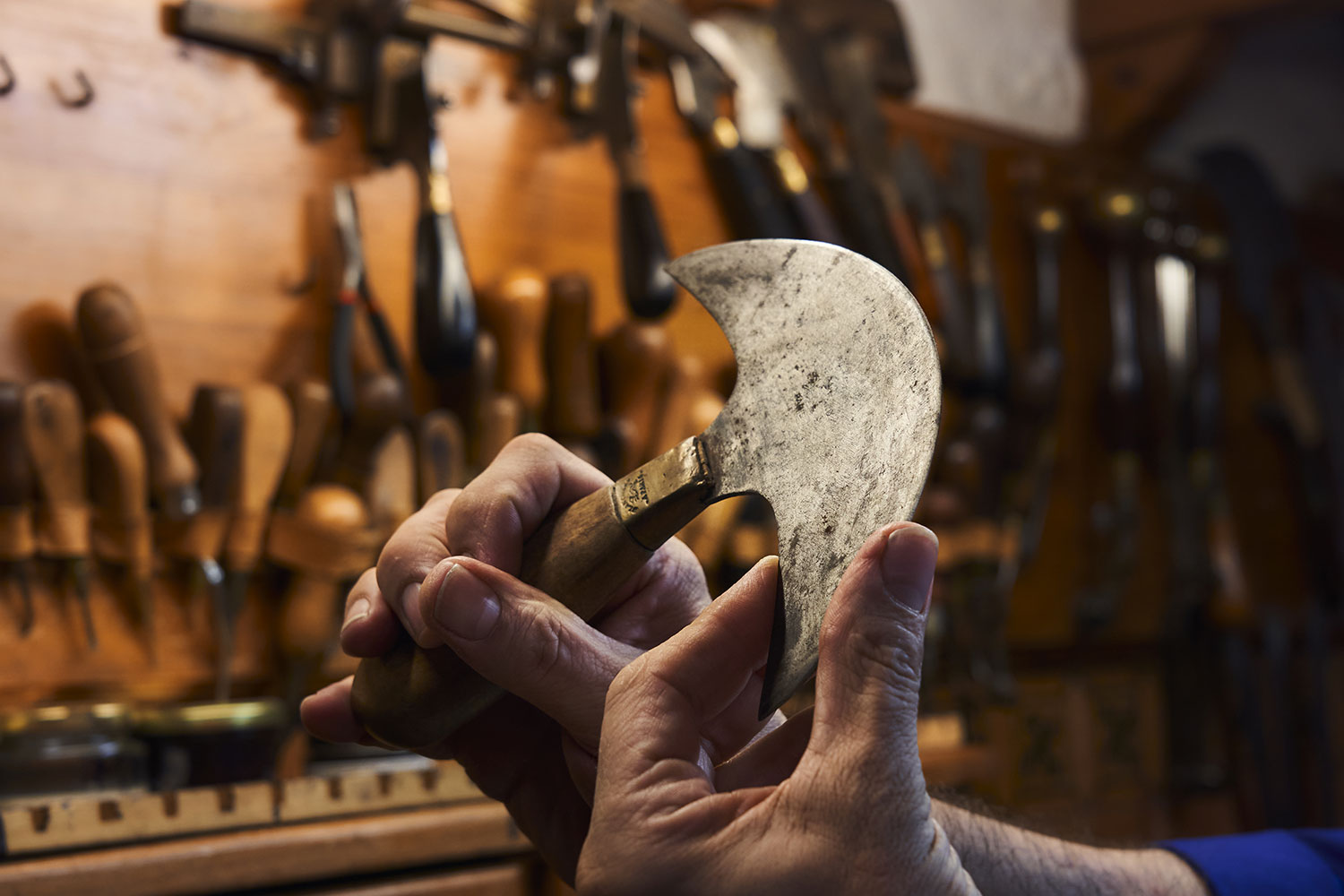
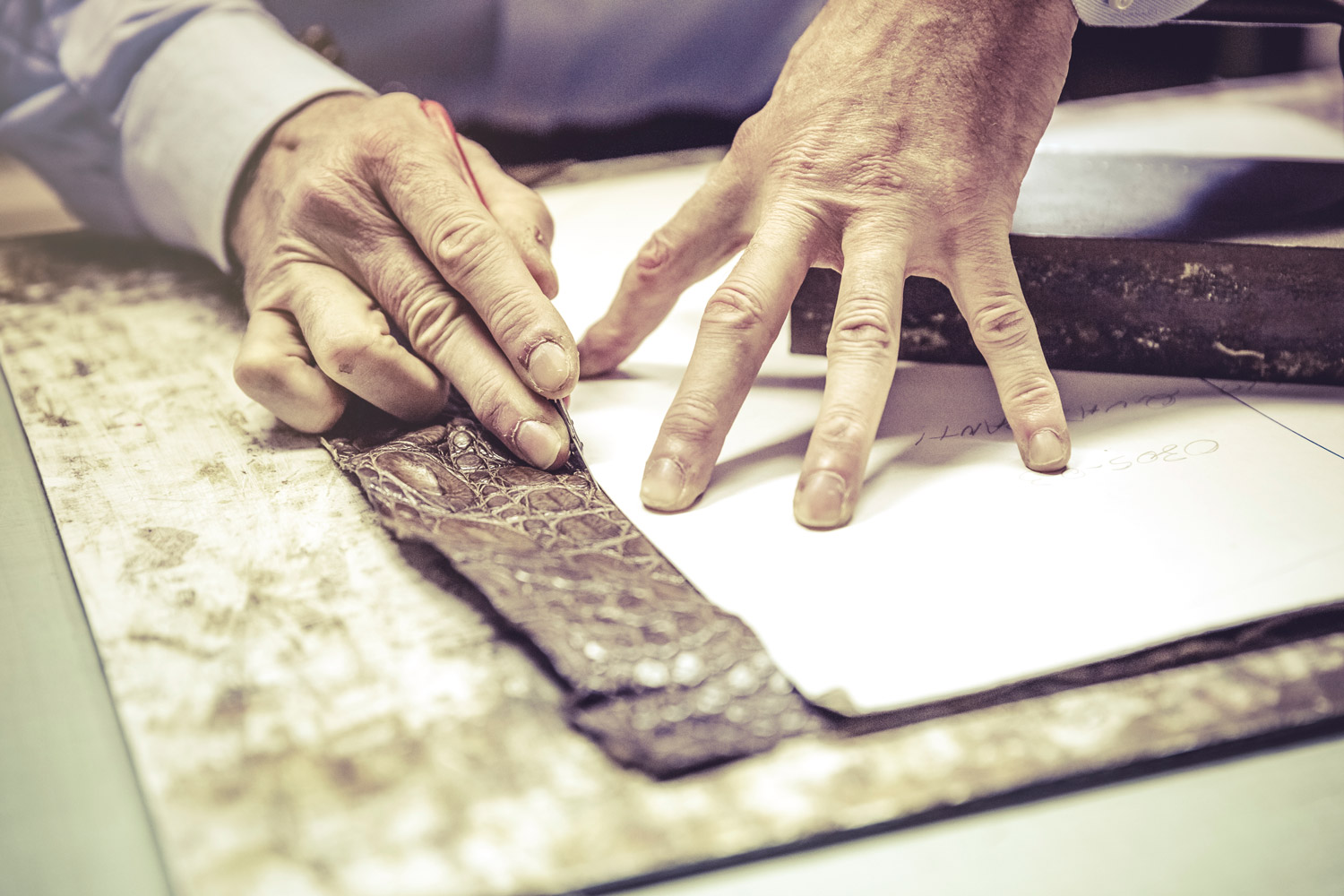
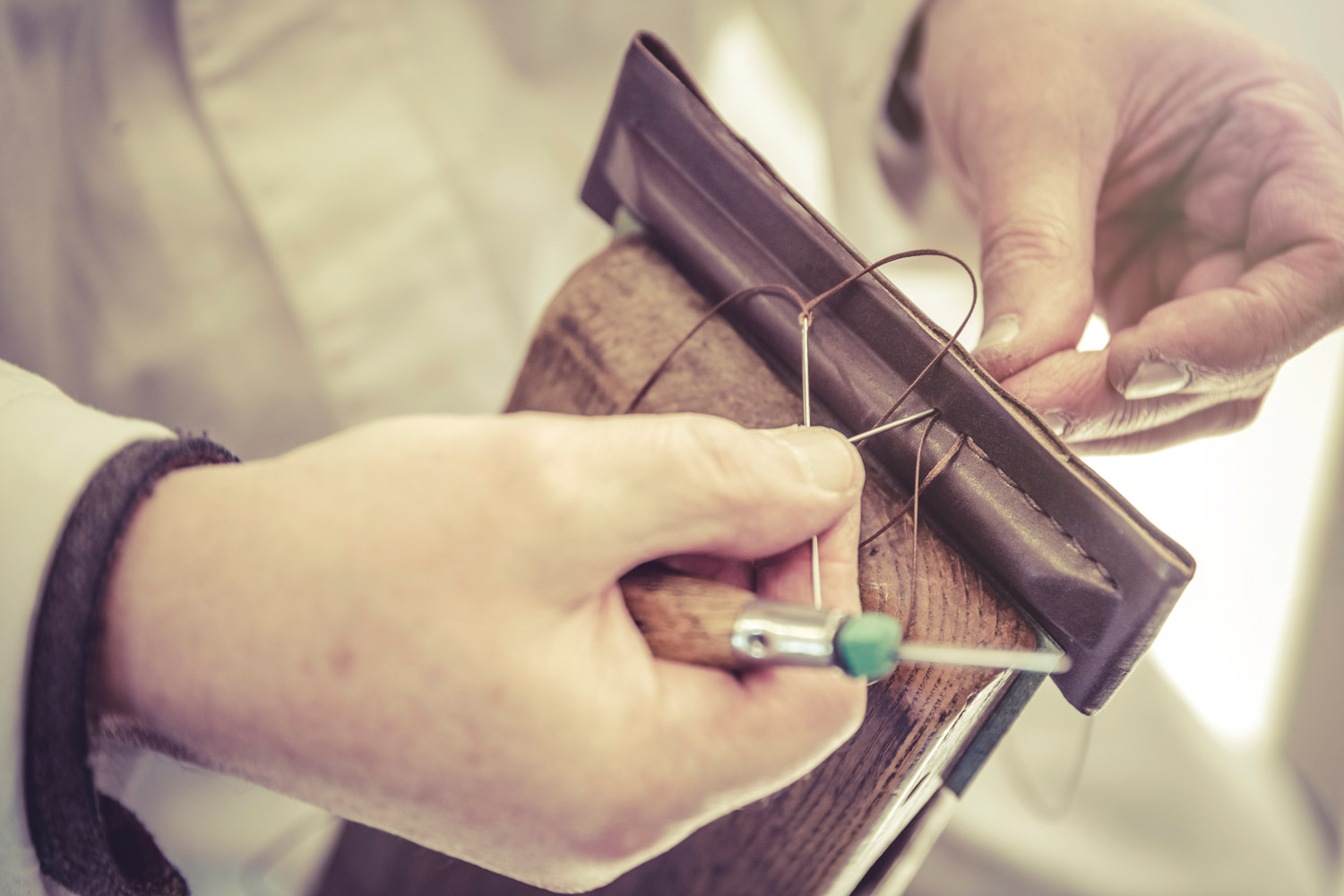
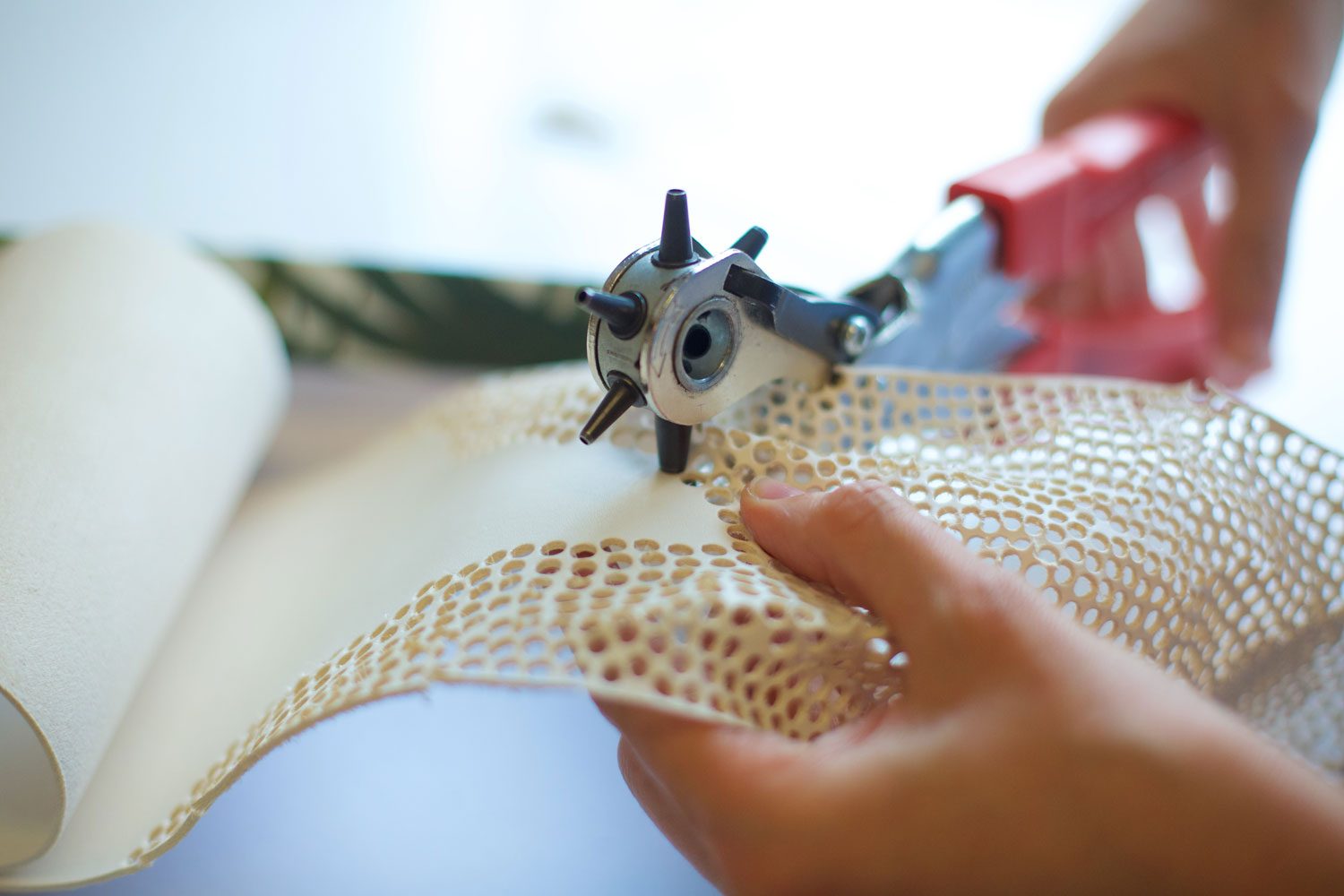
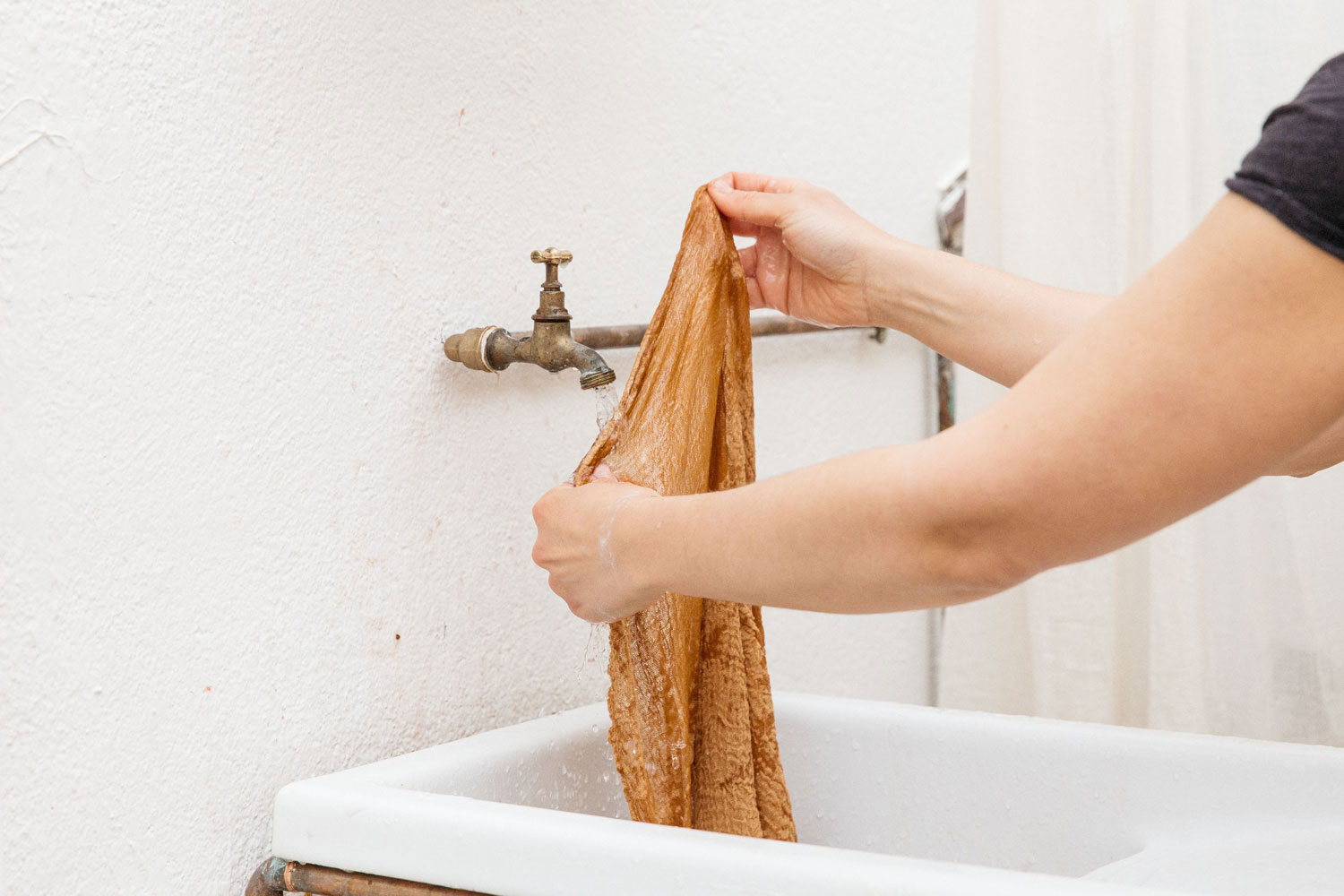
I’ve been working with him and learning his craft since I was very young. I approach the thick leather using lots of the tools my father taught me how to use. It was a big learning curve; I developed some new techniques I still use to this day.
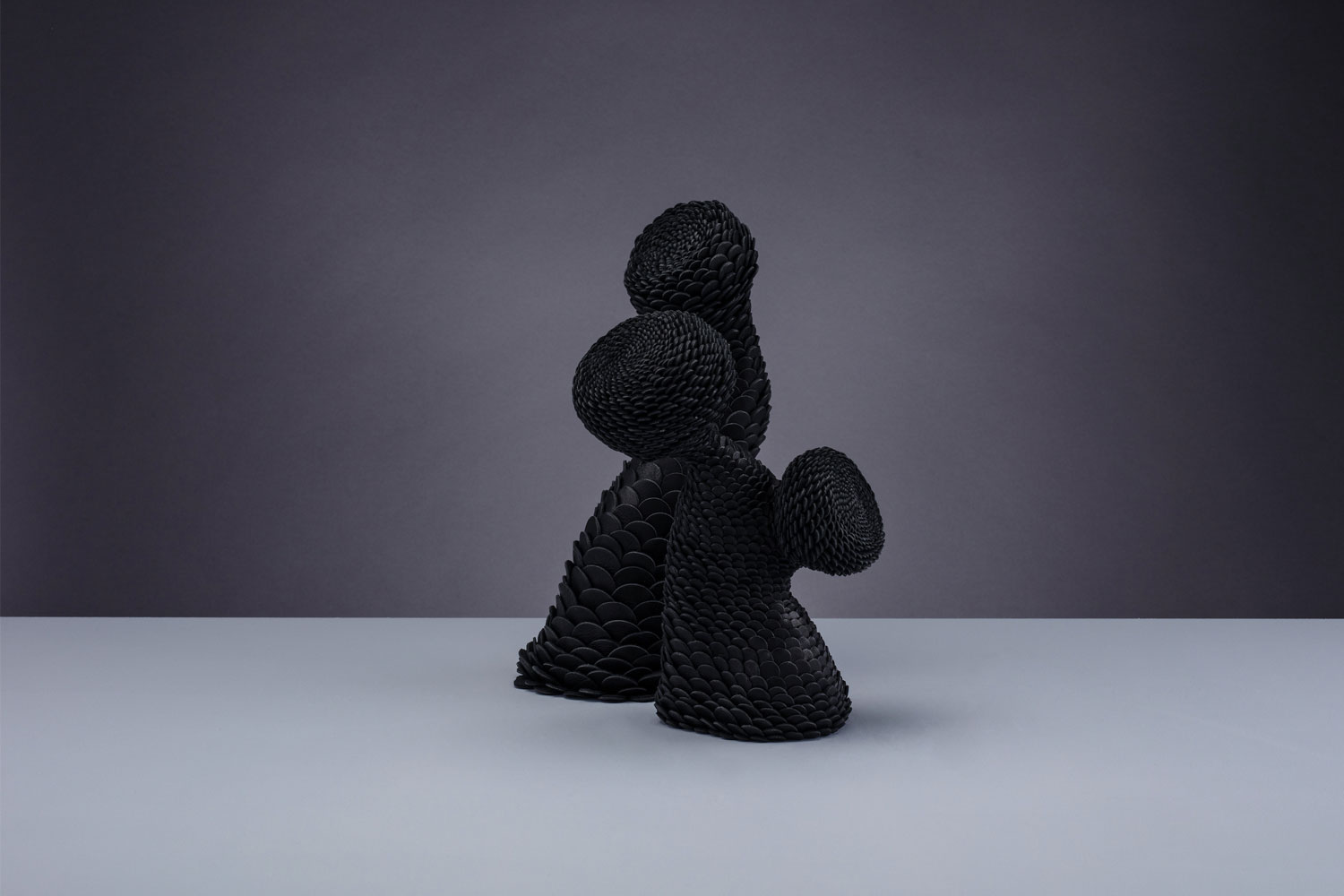
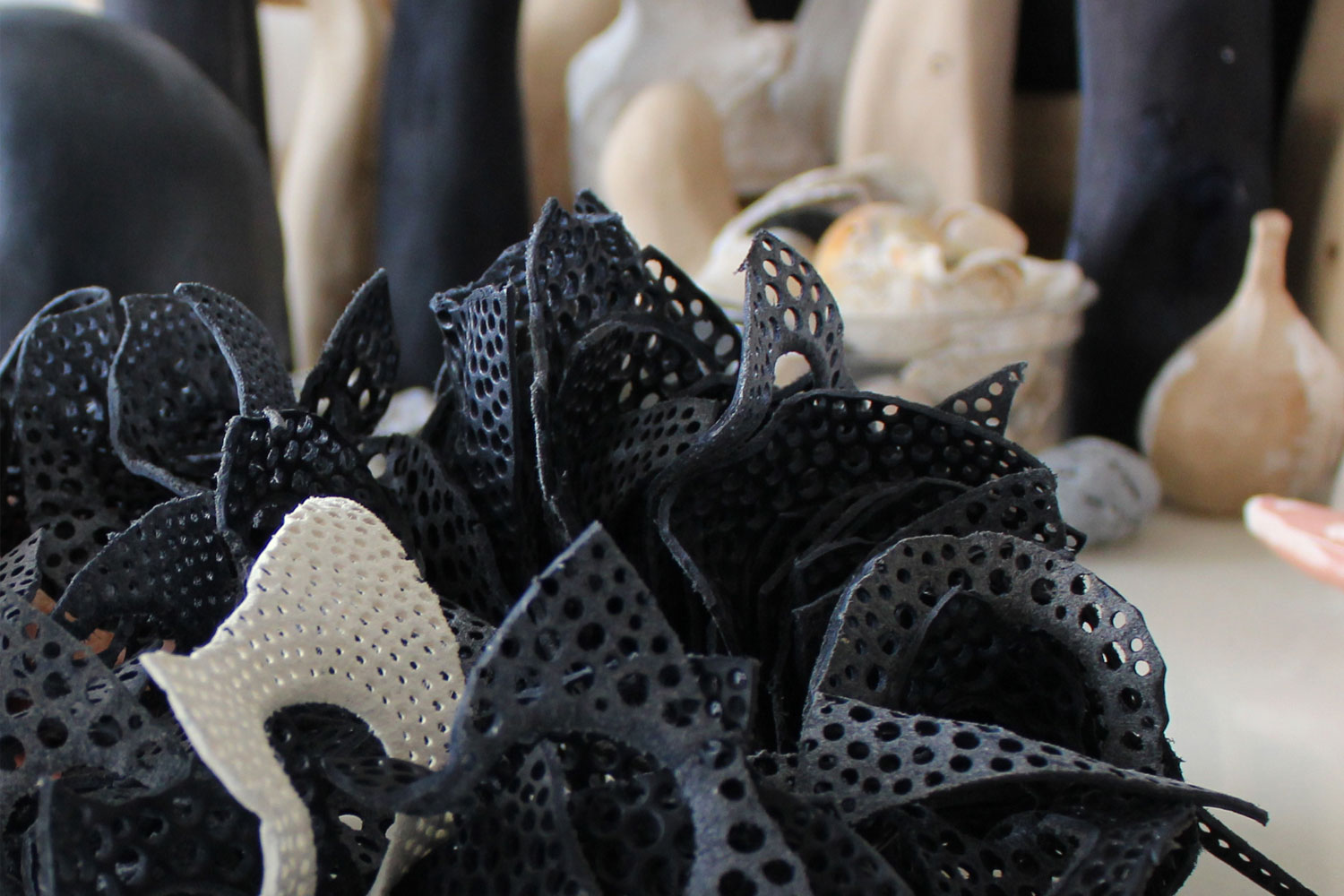
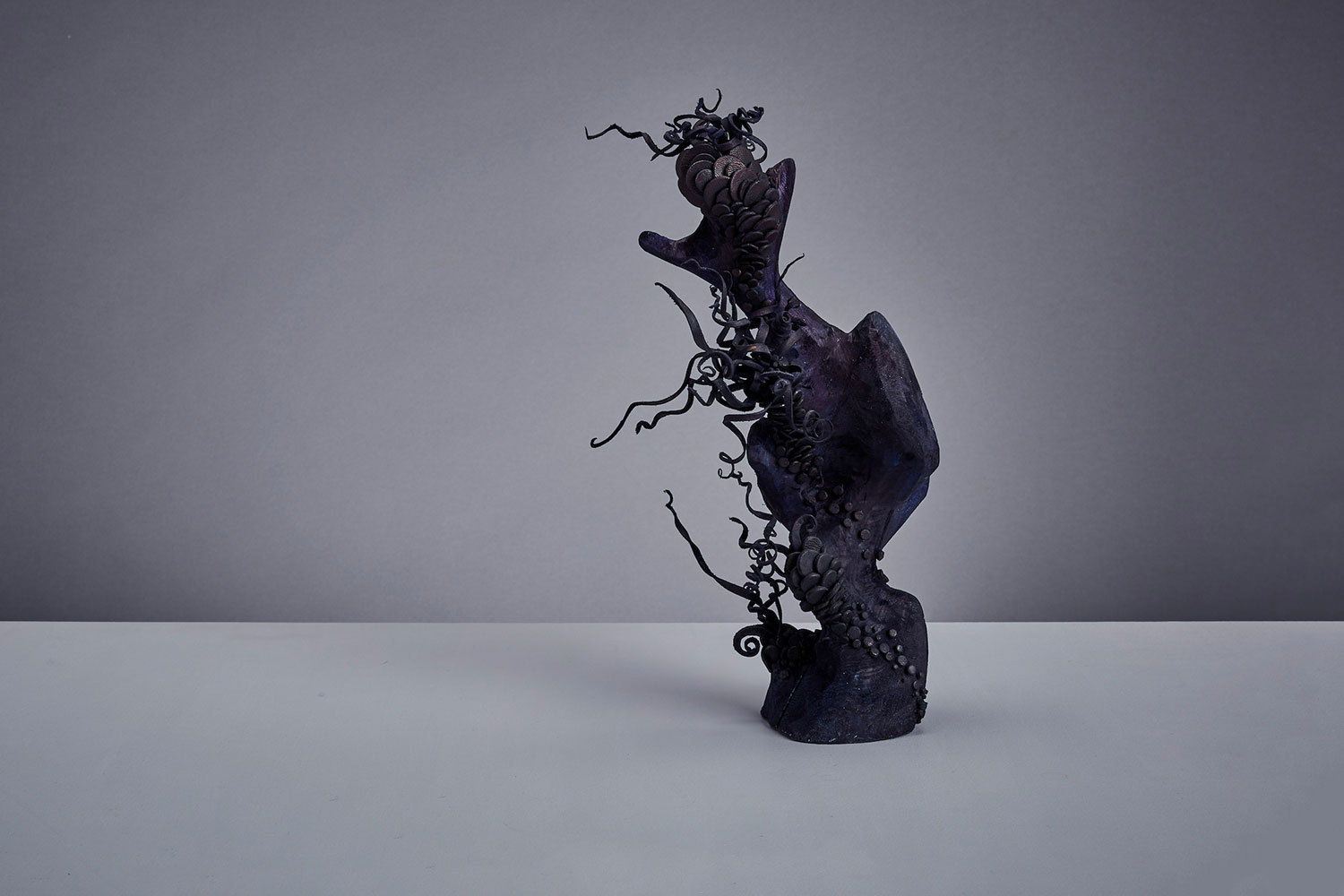
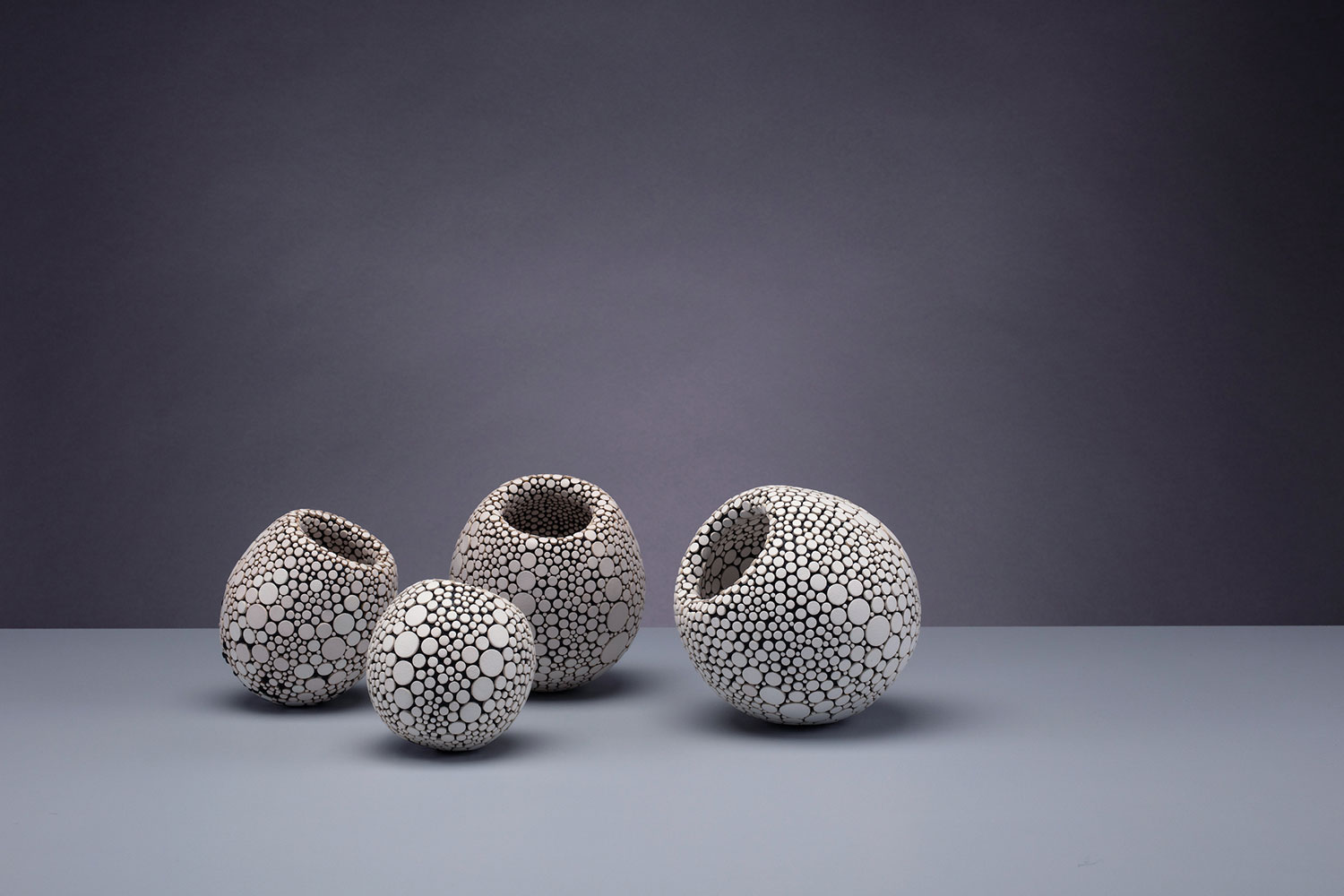
I focus on objects and textures found in nature, as well as artefacts collected along the shores. I document every piece and number them as a scientist would, so these works are my sculptural specimens.
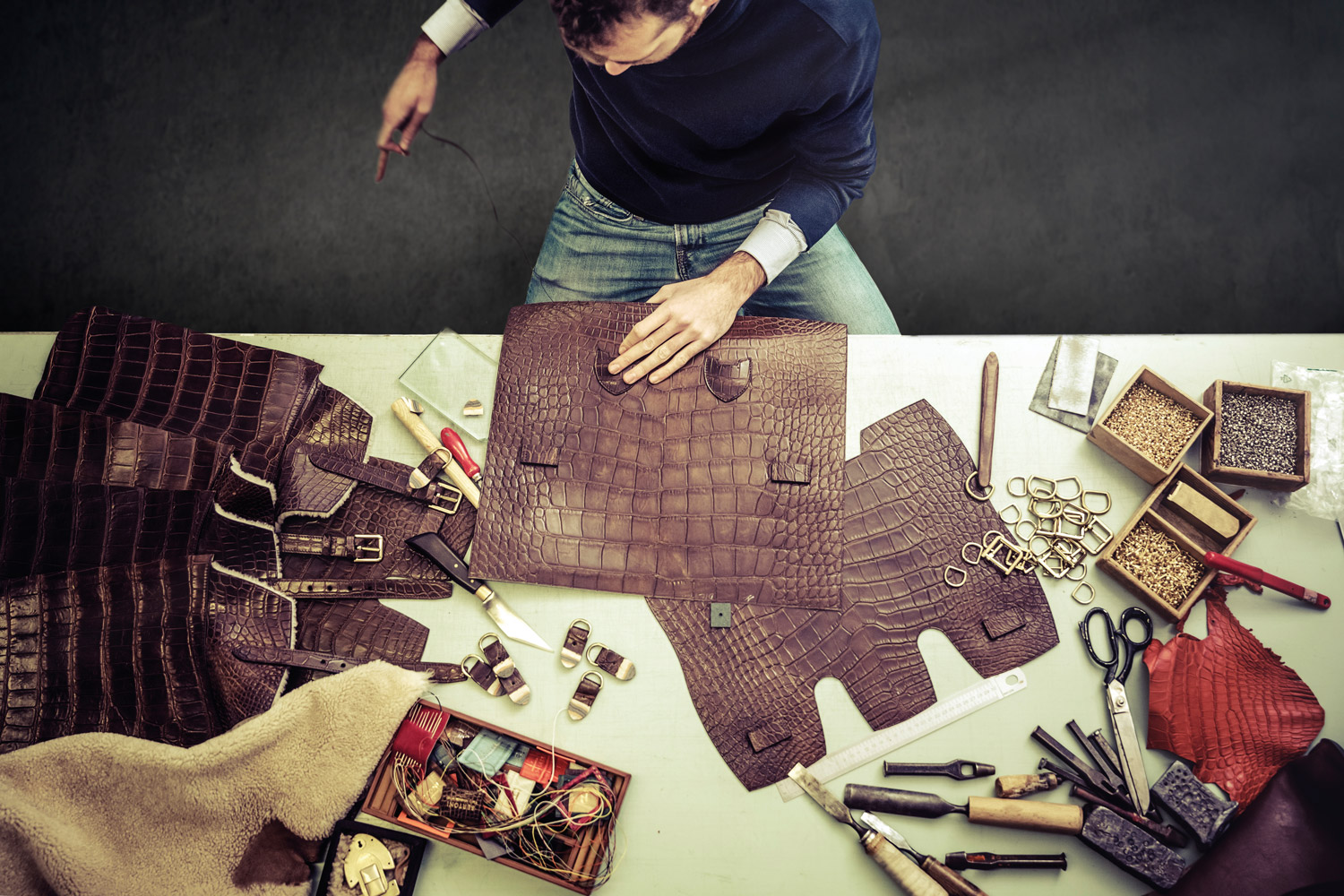
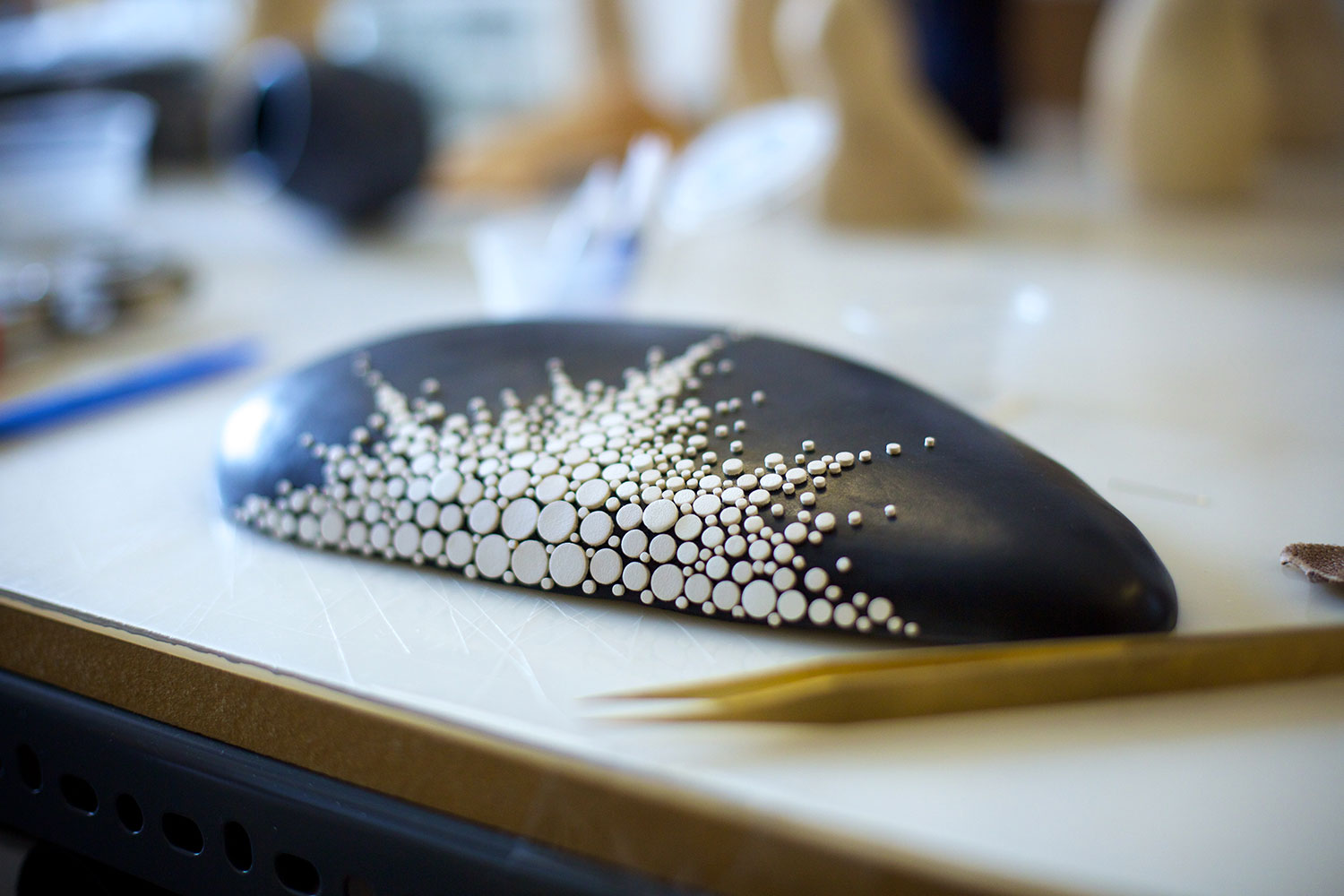
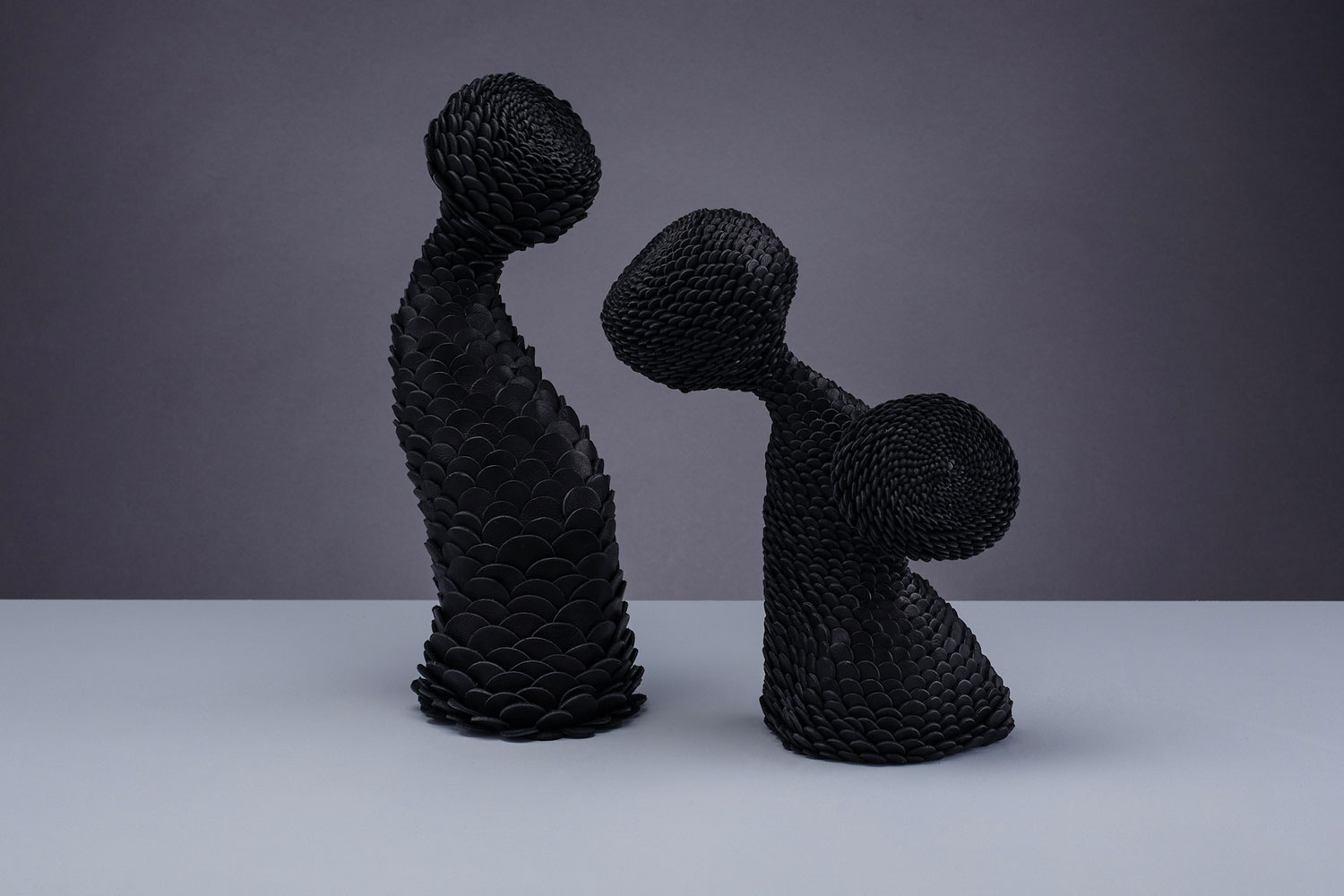
I fuse traditional leathercraft techniques with carved wood or hand sculpted clay. Each individual piece has thousands of leather disks meticulously placed to form complex textured patterns and it takes weeks to complete.
Most people assume my work is ceramic! I love surprising them and explaining it’s made of leather combined with either wood or clay. I usually end up talking about the process for a long time.
Fflur Cadwaladr Owen
Leatherworker
London, United Kingdom
ADDRESS
Address upon request, London, United Kingdom
AVAILABILITY
By appointment only
LANGUAGES
English, Welsh
Homo Faber Finds is a new service aiming to inspire admirers of craft to connect and collaborate with exceptional artisans.
We invite you to submit an enquiry here.
DSC02402_©Meg-Lovell.jpg)
DSC01379_©Meg-Lovell.jpg)
DSC01458_©Meg-Lovell.jpg)