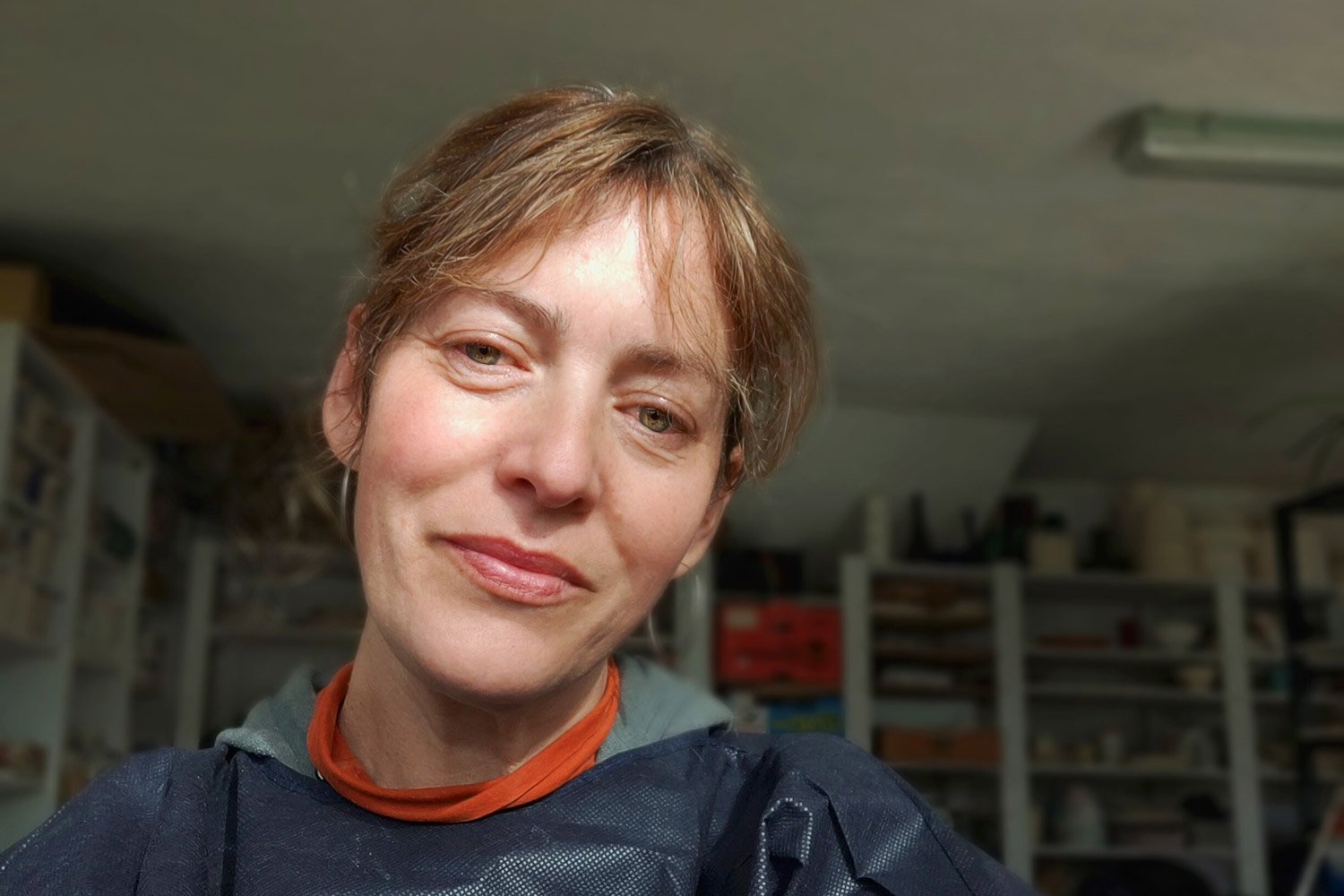
Angelica Tulimiero
Ceramicist
Bozzolo, Italy
The enchantment of clay
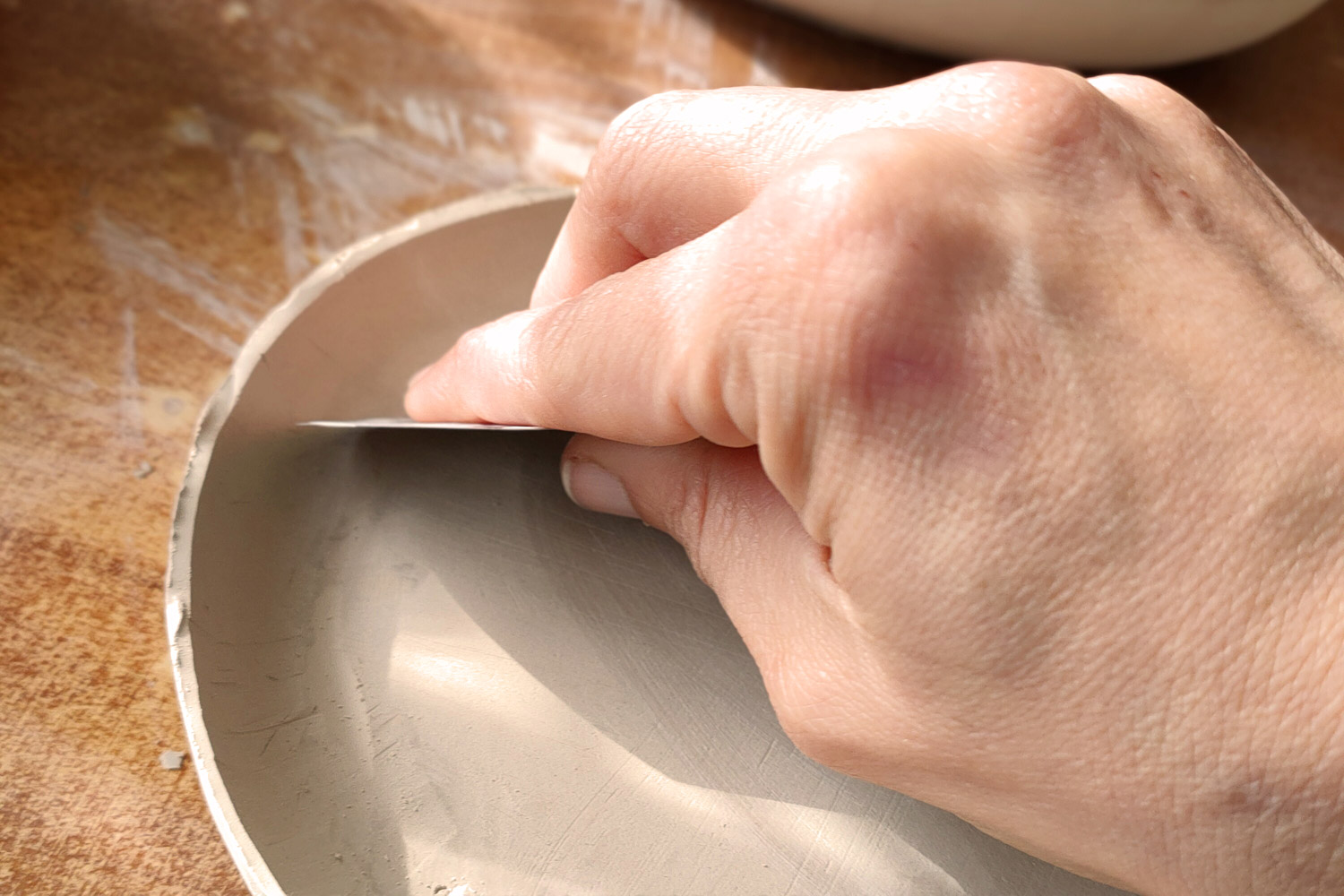
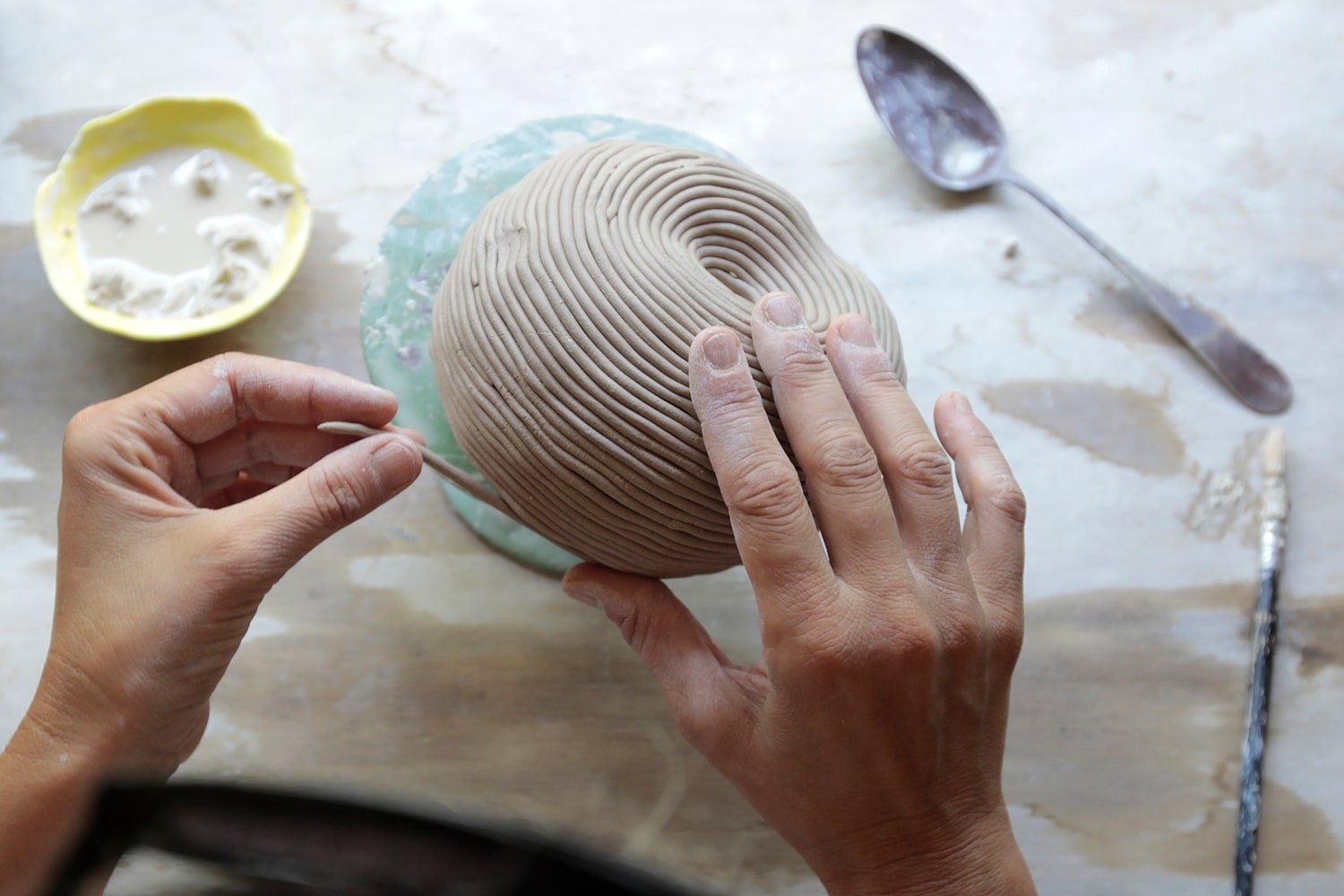
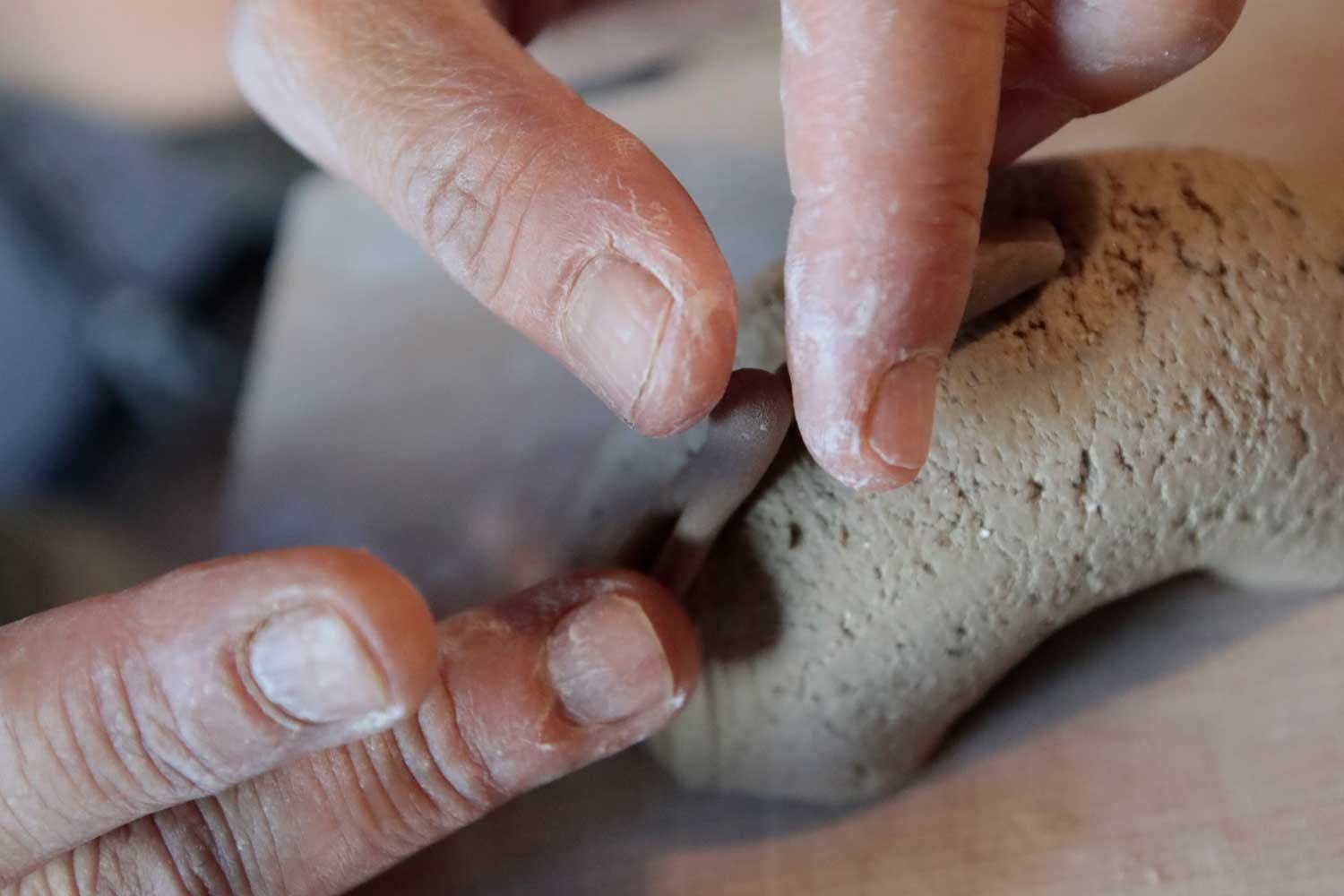
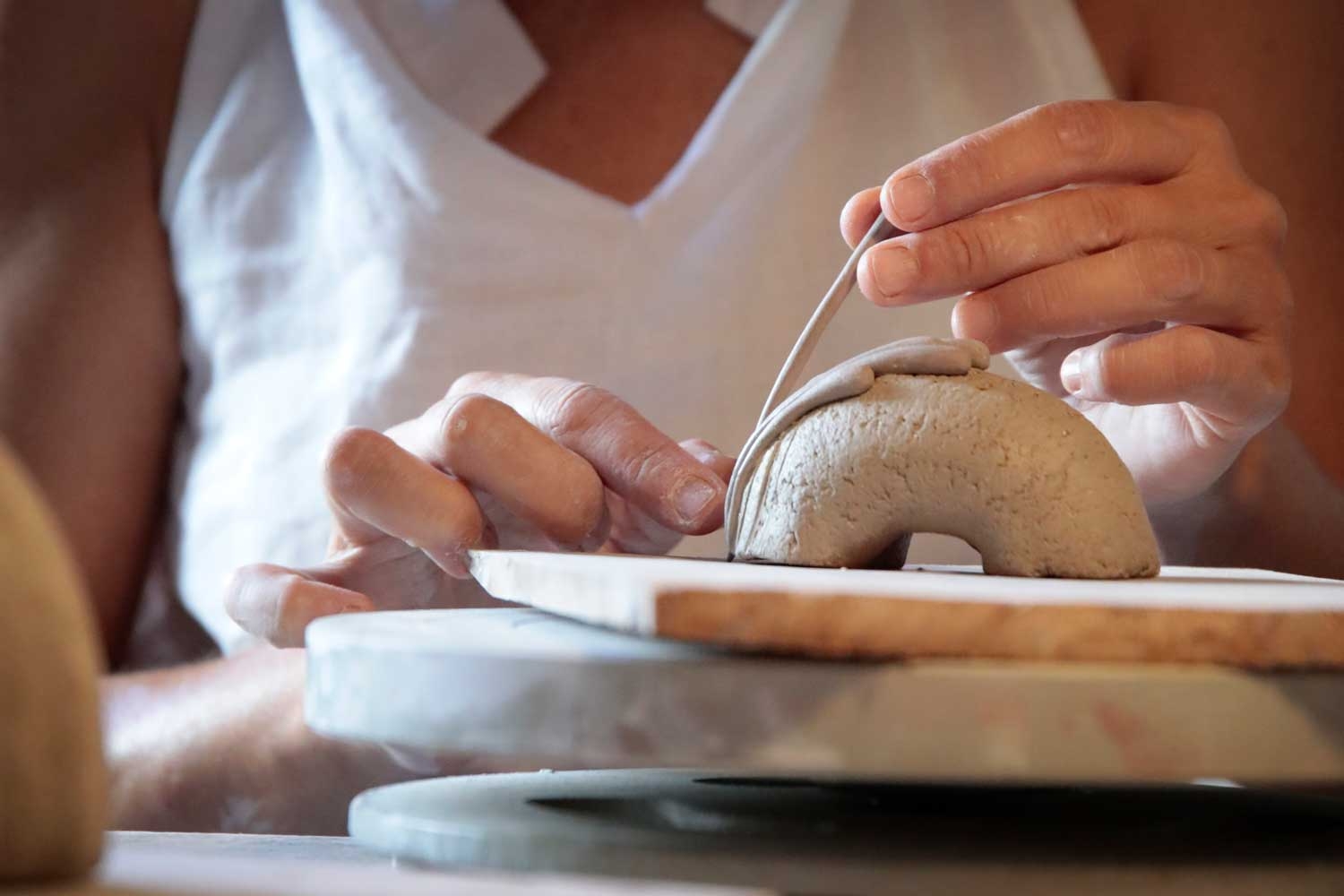
- Angelica creates unique pieces through the coil building technique
- Her passion for ceramics has led her to work abroad a lot
- She received the first prize at the International Ceramic Competition of L'Alcora in Spain in 2015
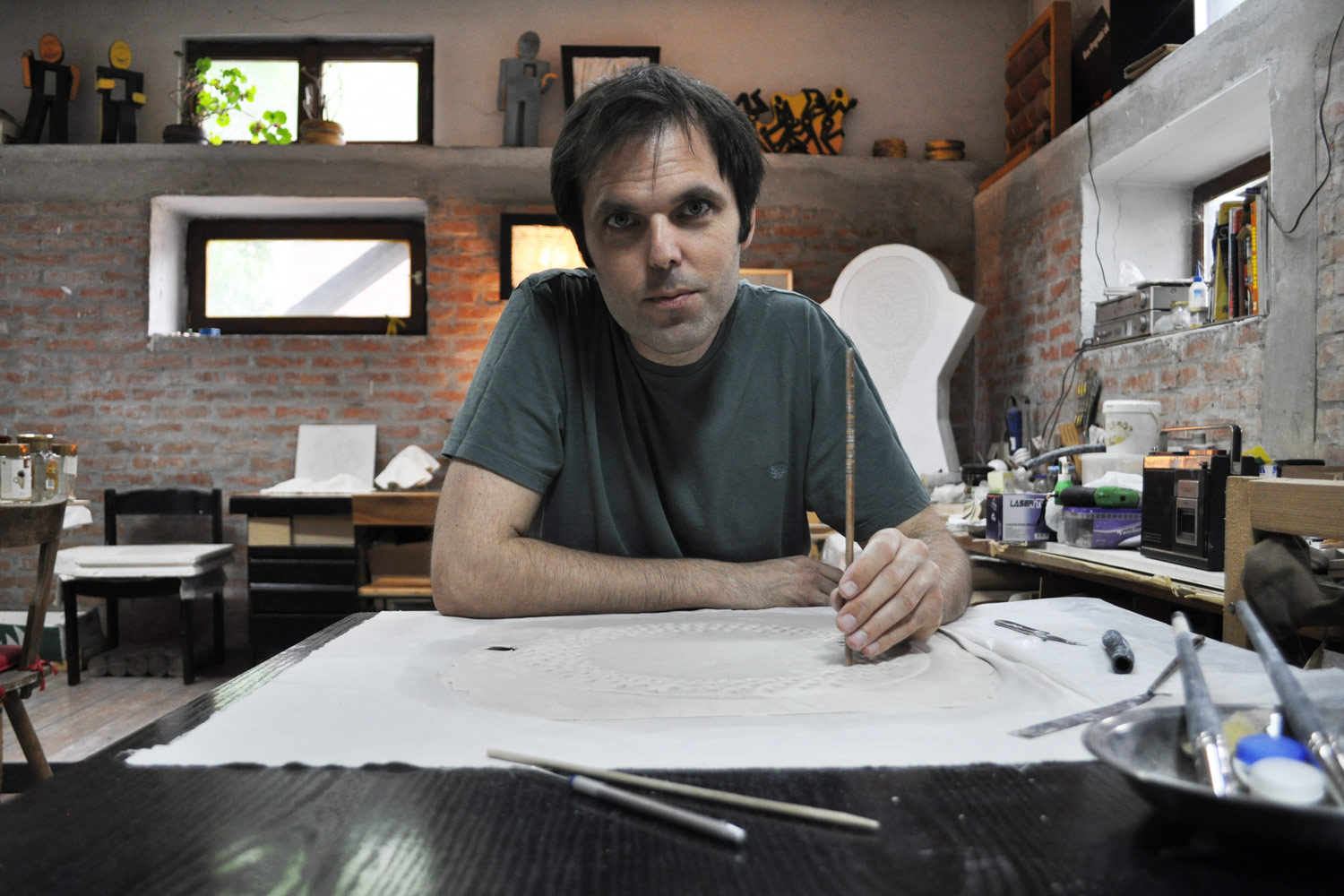
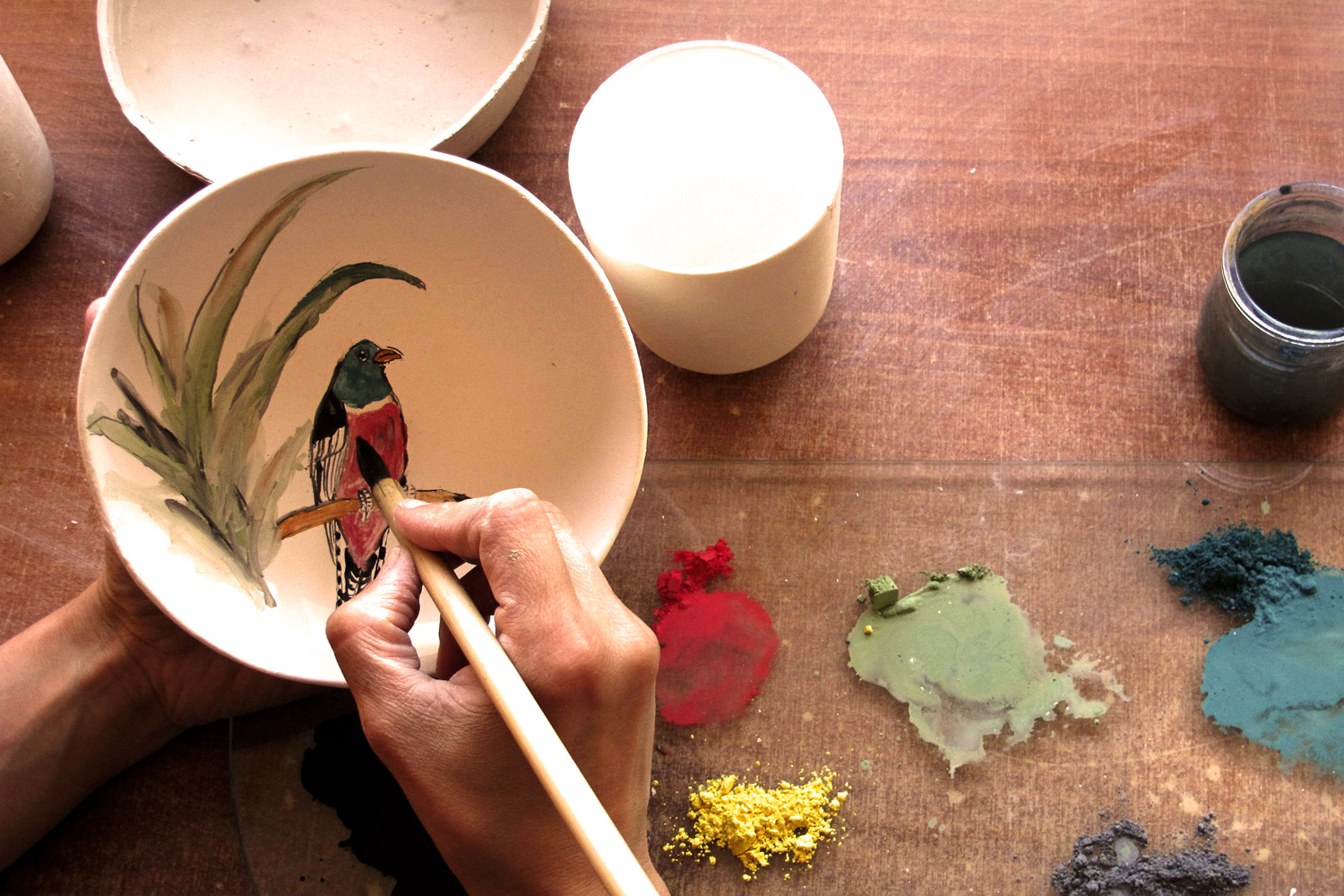
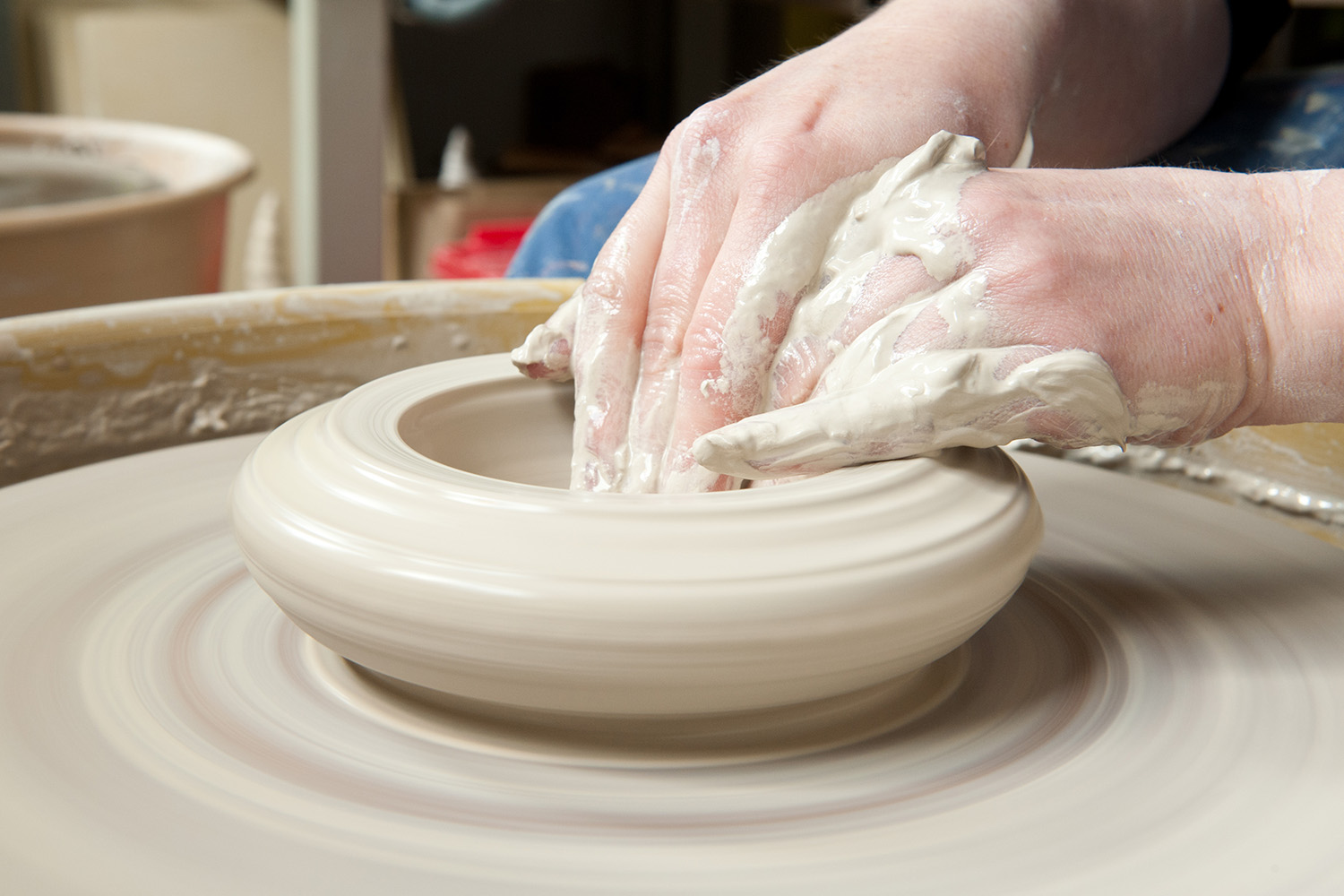
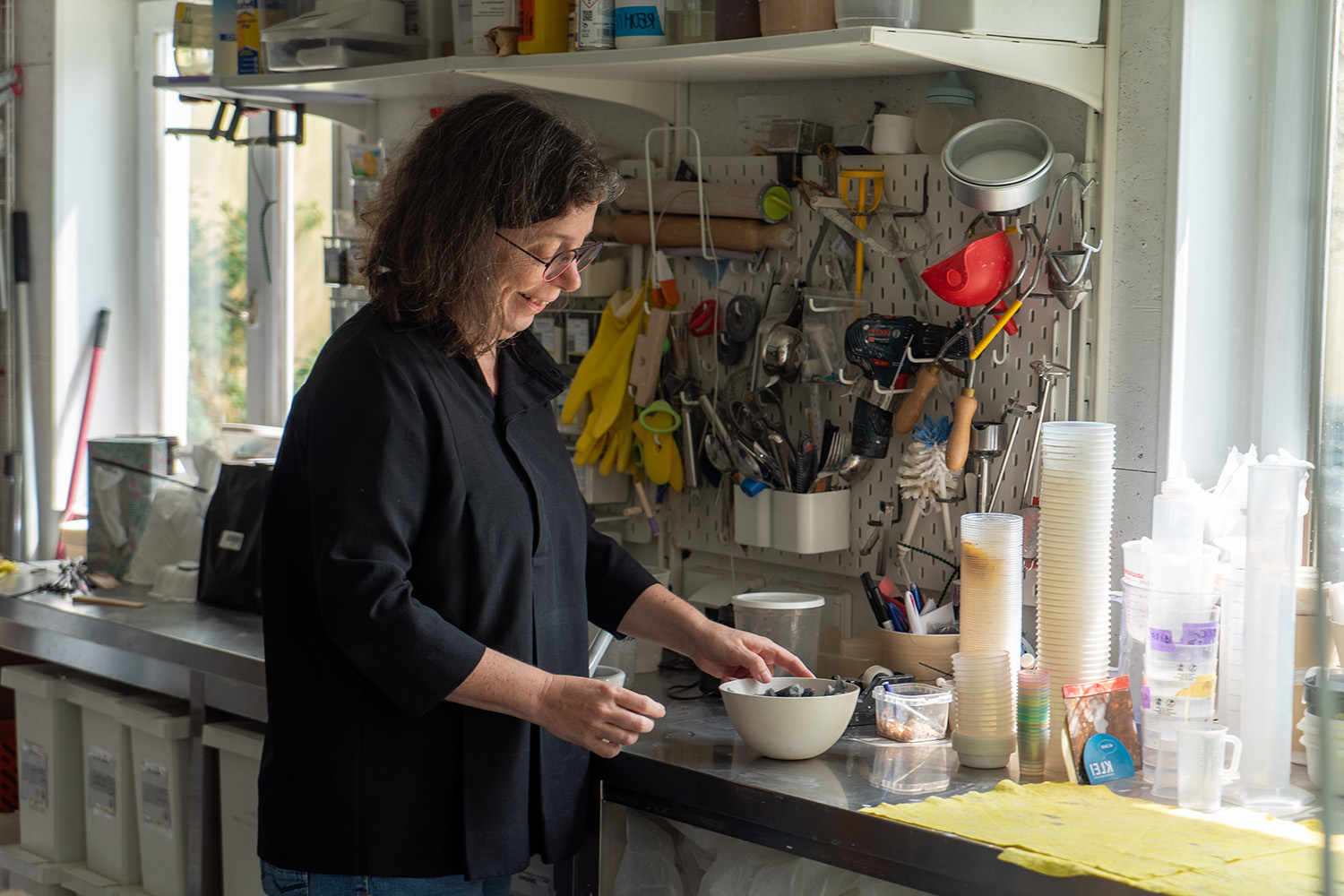
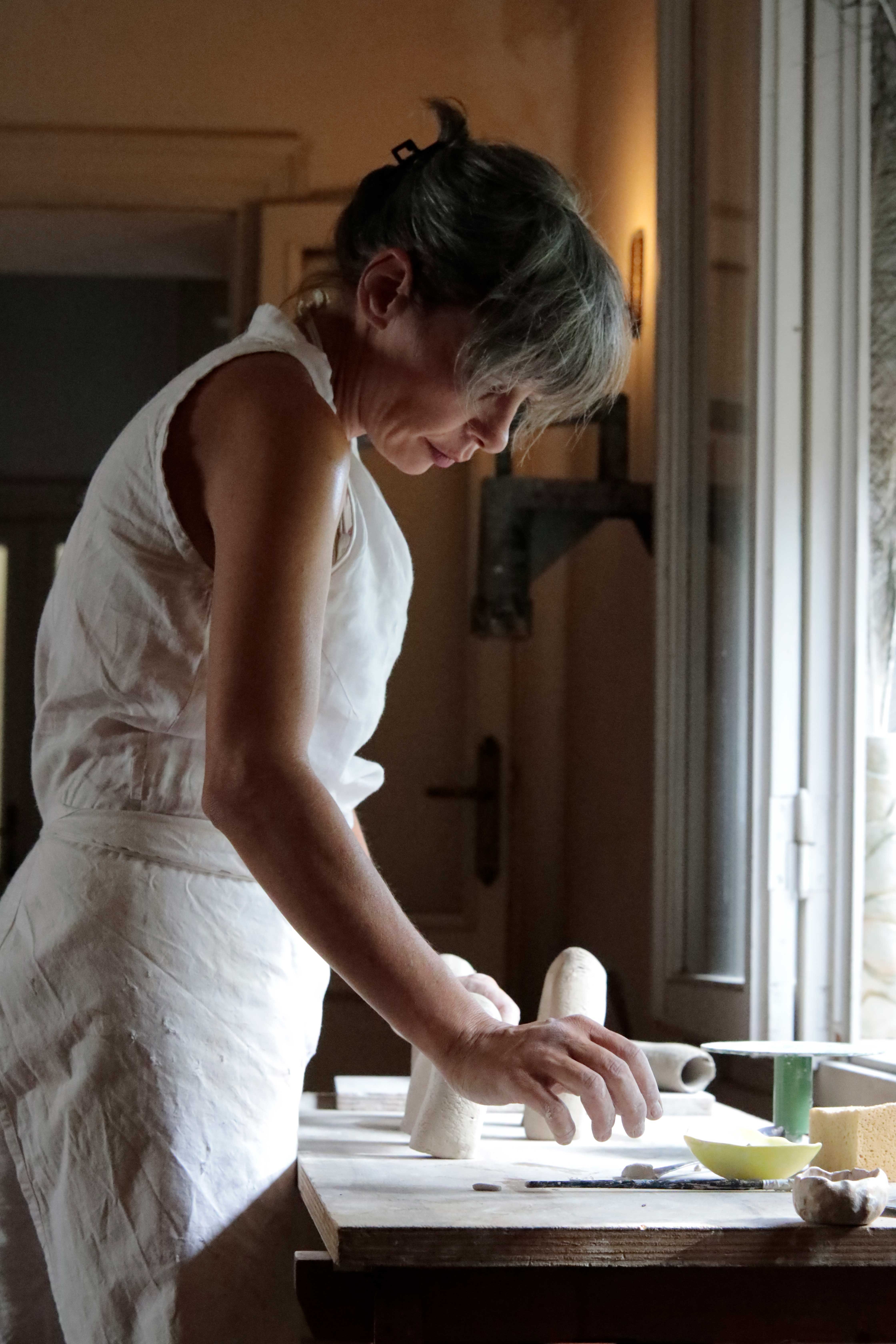
As a child, Angelica Tulimiero loved colouring ceramics in her grandmother's shop and it was there that she made her first contact with the material. After studying at the I.S.A. DE LUCA art institute in Avellino, she moved to London in 1999. She spent five years between studying ceramics at the Morley College with Jill Crowley, and working at Stoltzman & Thomas Sculptural Garden Ceramics as an assistant. It was in the latter that, through intensive study of stoneware, hand-building, large form making and high temperature gas firing, she realised she wanted to have clay in her everyday life. From then on, her gypsy spirit, as she calls it, and her passion for ceramics led her to work in various countries around the world and collaborate with various artists, including recently with Thiébaut Chagué in France. Angelica has worked in France, but also in China and Armenia.


INTERVIEW
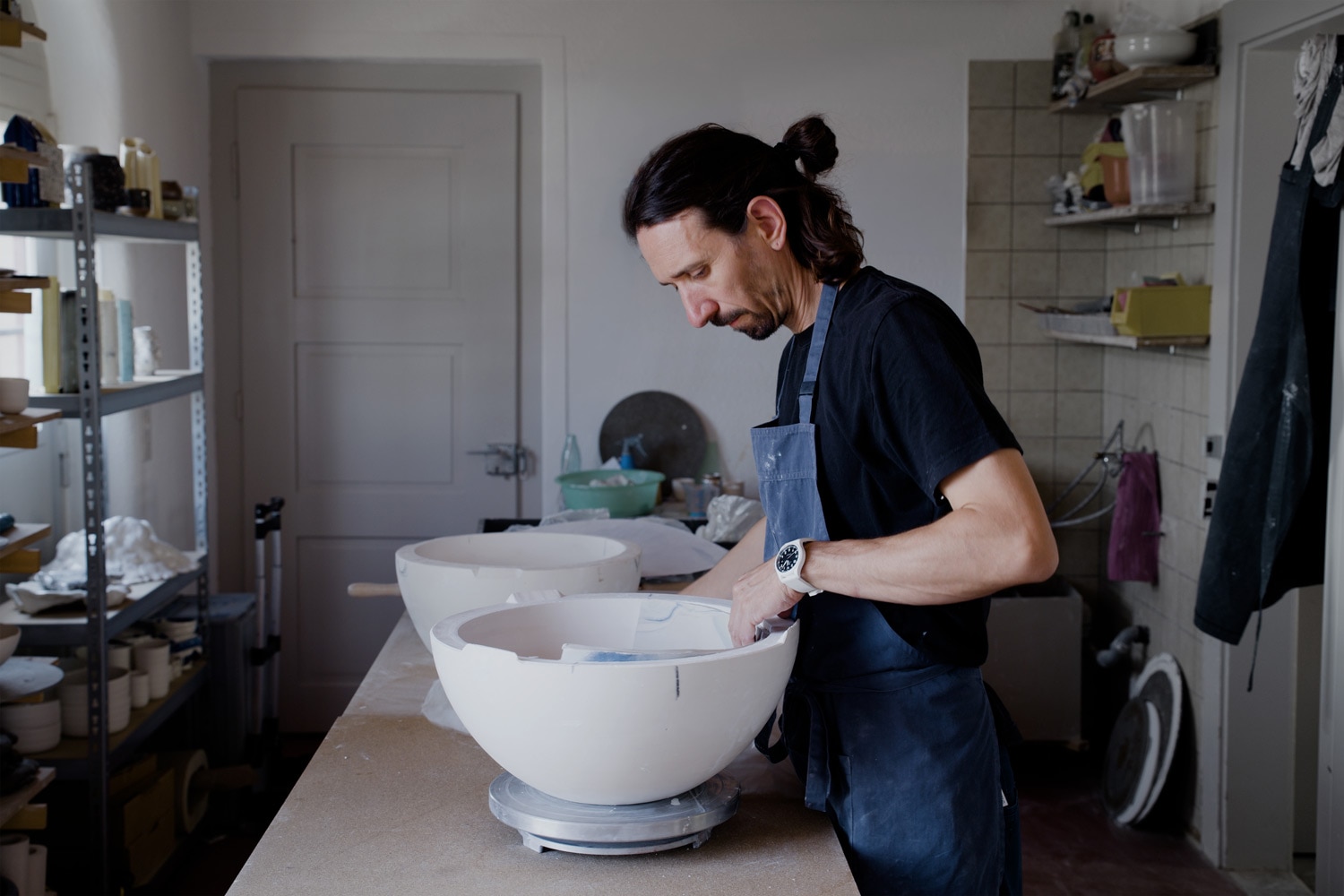
I became addicted to the process, to the huge variety of techniques, finishes and possible experimentations. The versatility of clay, the resistance, the endless possibilities enchanted me. So in 2004, after leaving my position at an architect studio in Naples, I decided to set up my own workshop. I used to fire my pieces in the studios of ceramicists on the outskirts of Naples and by doing so, I was able to participate in my first official event as early as 2005: the Steenwerck Ceramic Biennale in France.
I share my knowledge with my students, all from the area where I live. Having changed home many times, I still connect to various territories through clay. I also participate in and organise spectacular firings in squares all over the country.
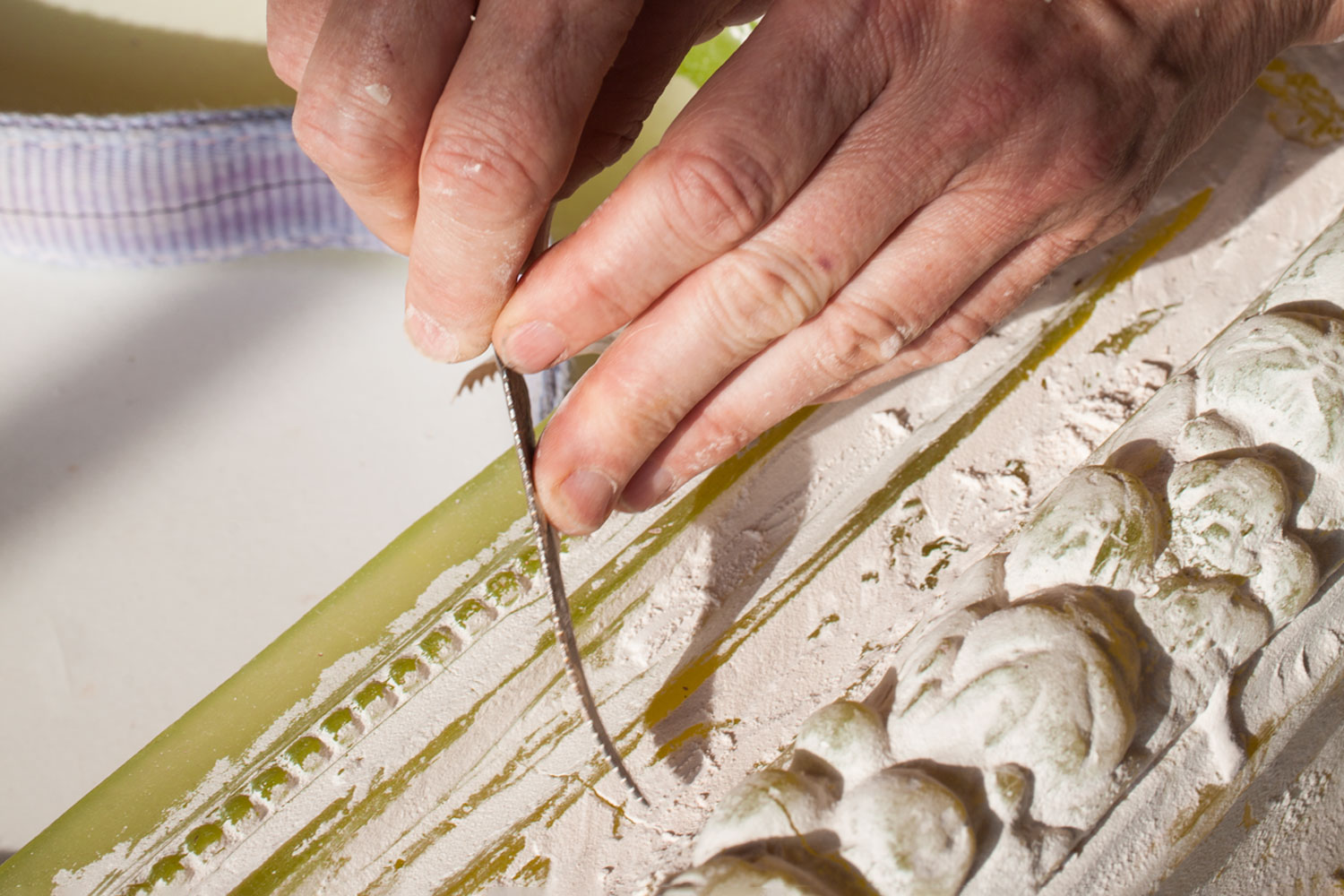
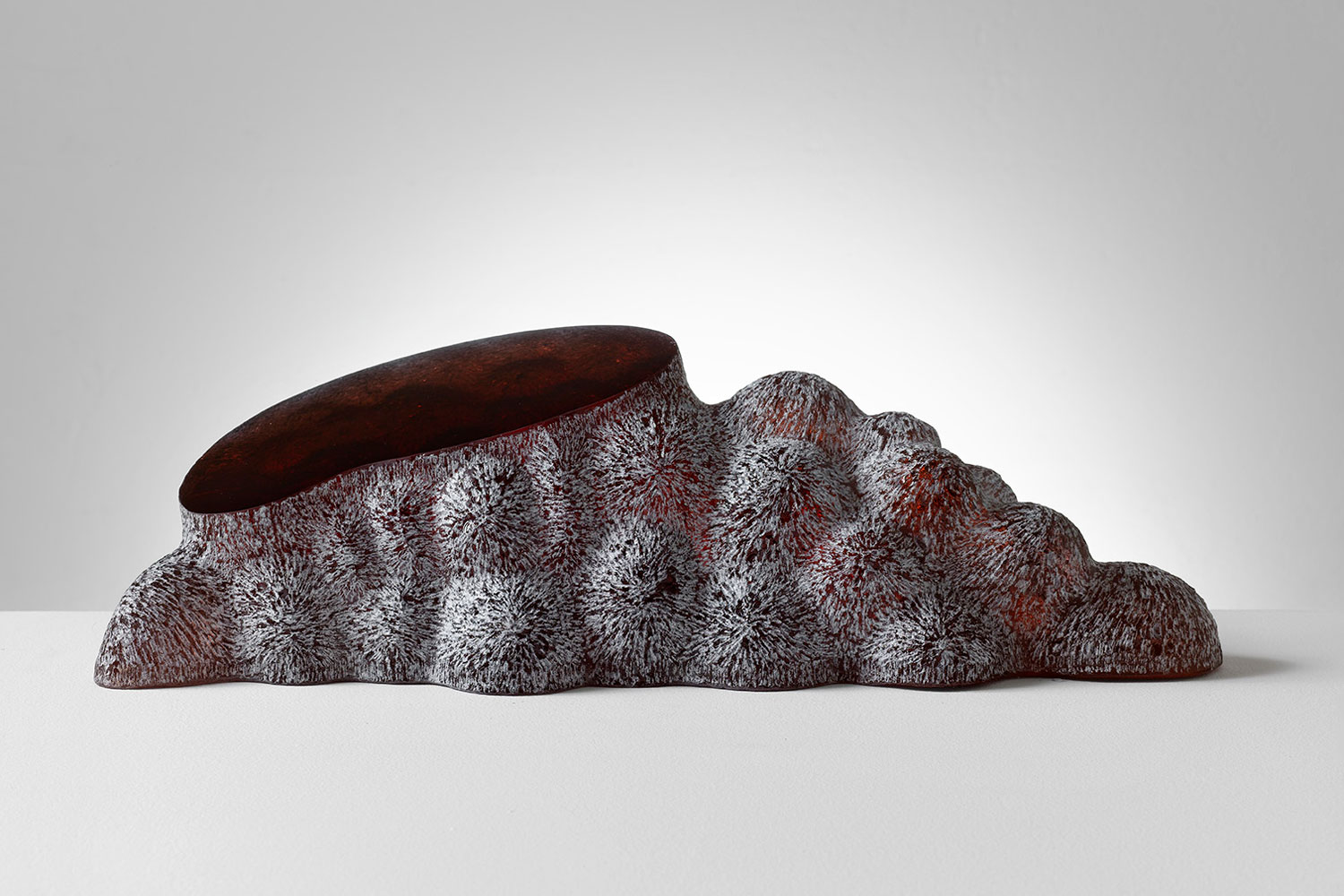
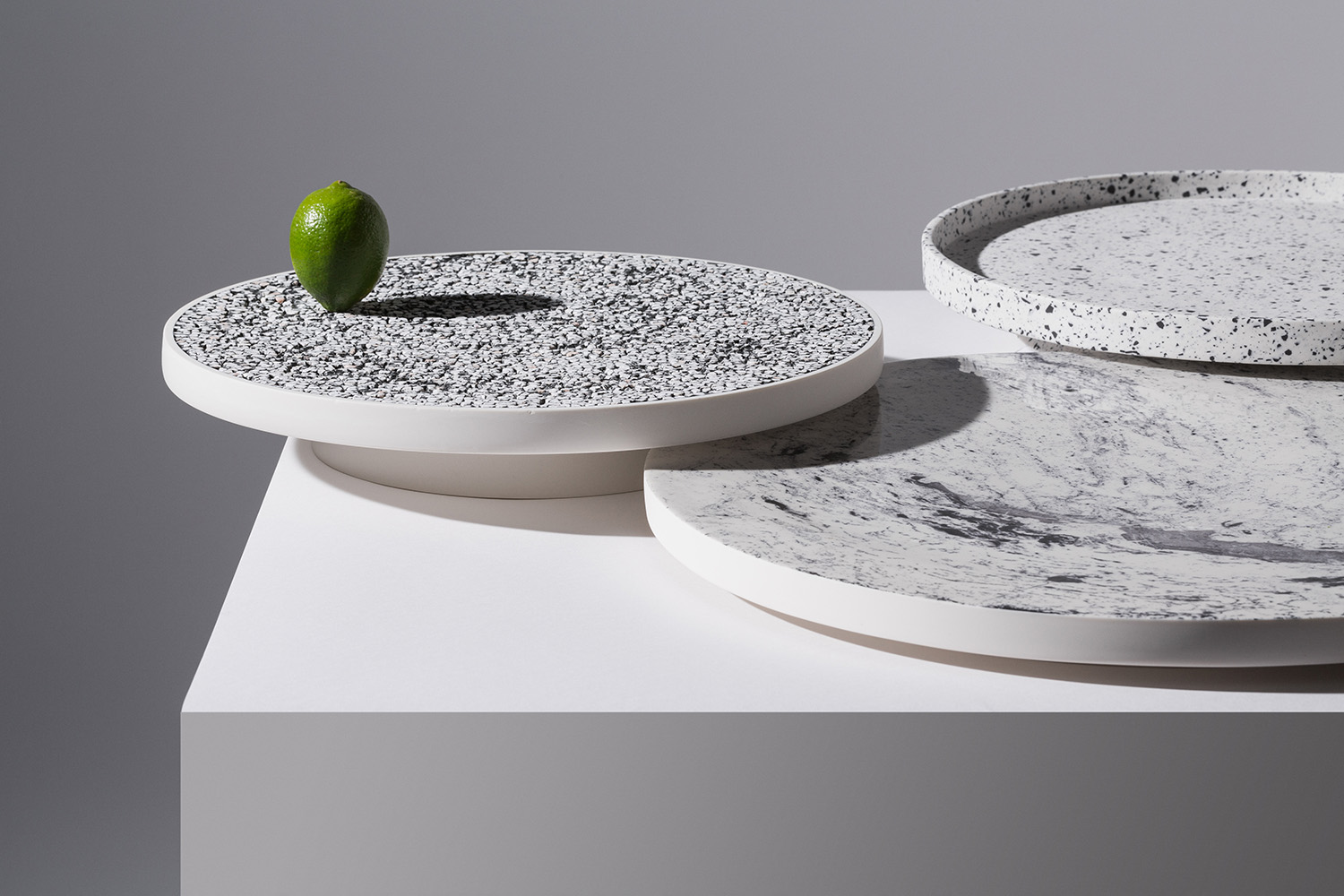
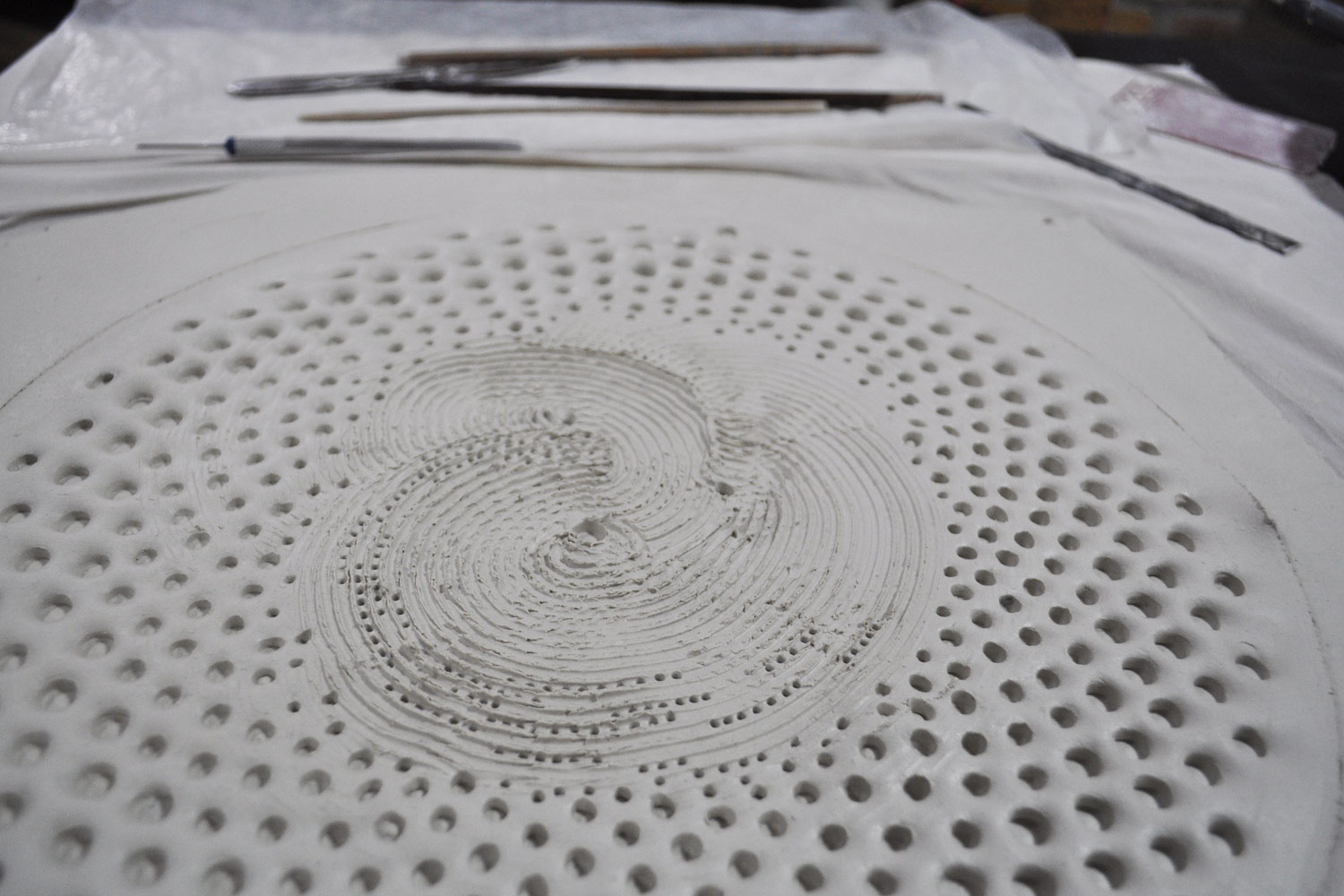
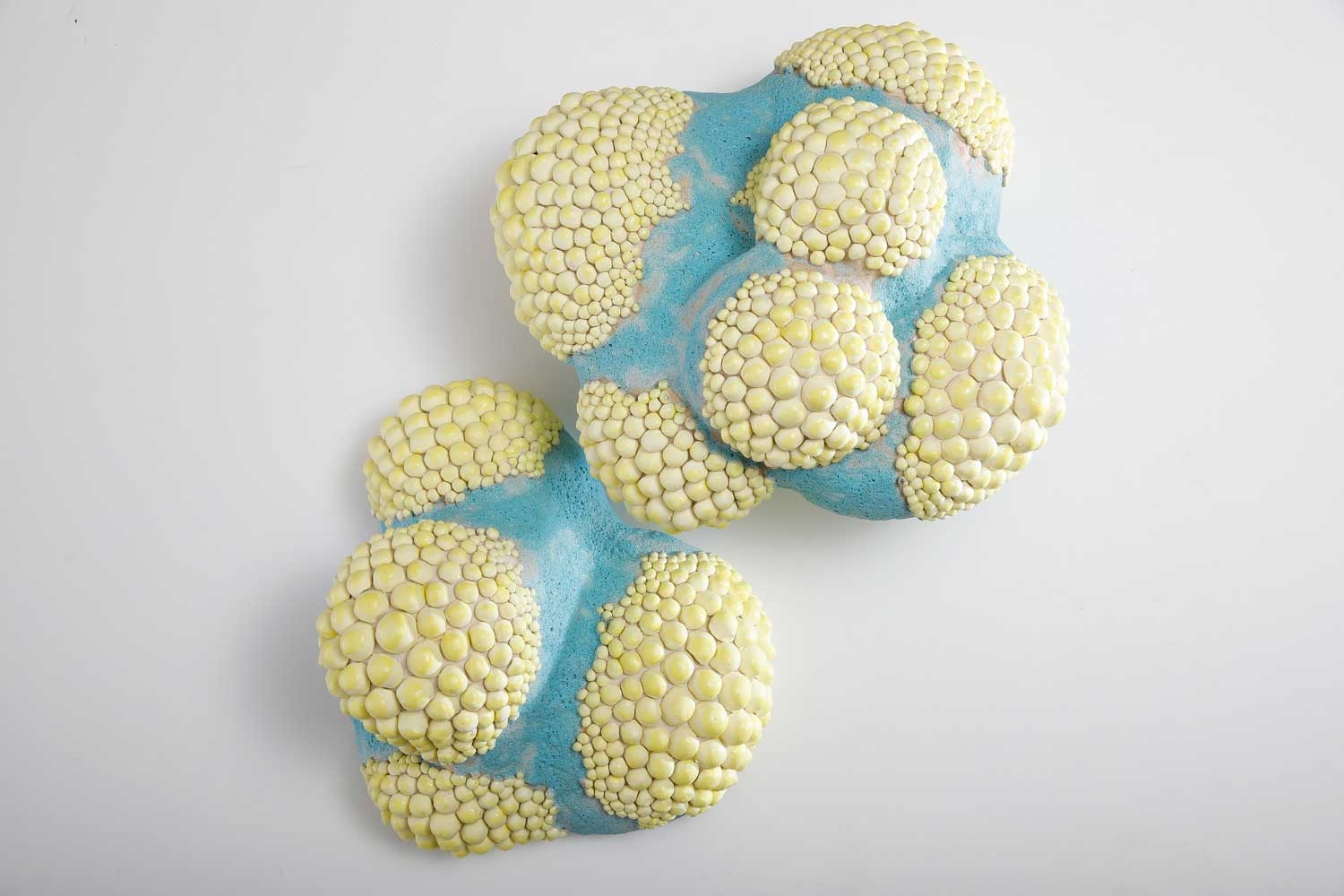
The exploration of textures has been and still is an incredible journey, which guides me in all my work. I am instinctively drawn to intricate surfaces. I find them everywhere and the more I research, the more I realise that everything is made of patterns. Matter has its own internal structure, an inner world made up of repetitive forms. From the macro to the micro, nature uses the same language: within this vocabulary I search for my own language to talk about emotions, humanity and nature.
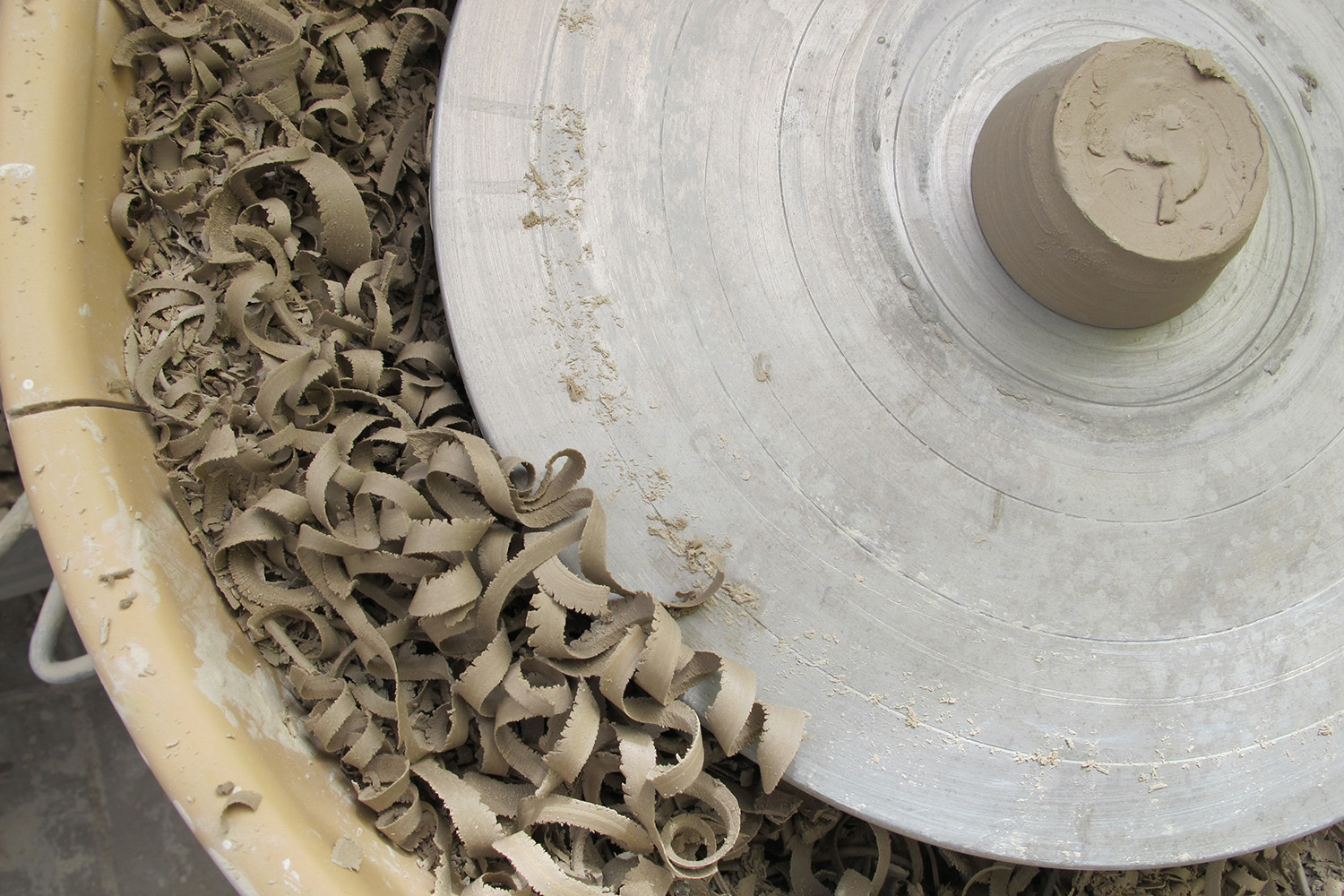
Timing is usually something that people are not aware of. It is difficult to teach it, but it is fundamental. Clay needs time: every stage needs time and patience is the key.
Angelica Tulimiero
Ceramicist
Bozzolo, Italy
AVAILABILITY
By appointment only
PHONE
+39 3485633389
LANGUAGES
Italian, French, English, Spanish
Homo Faber Finds is a new service aiming to inspire admirers of craft to connect and collaborate with exceptional artisans.
We invite you to submit an enquiry here.