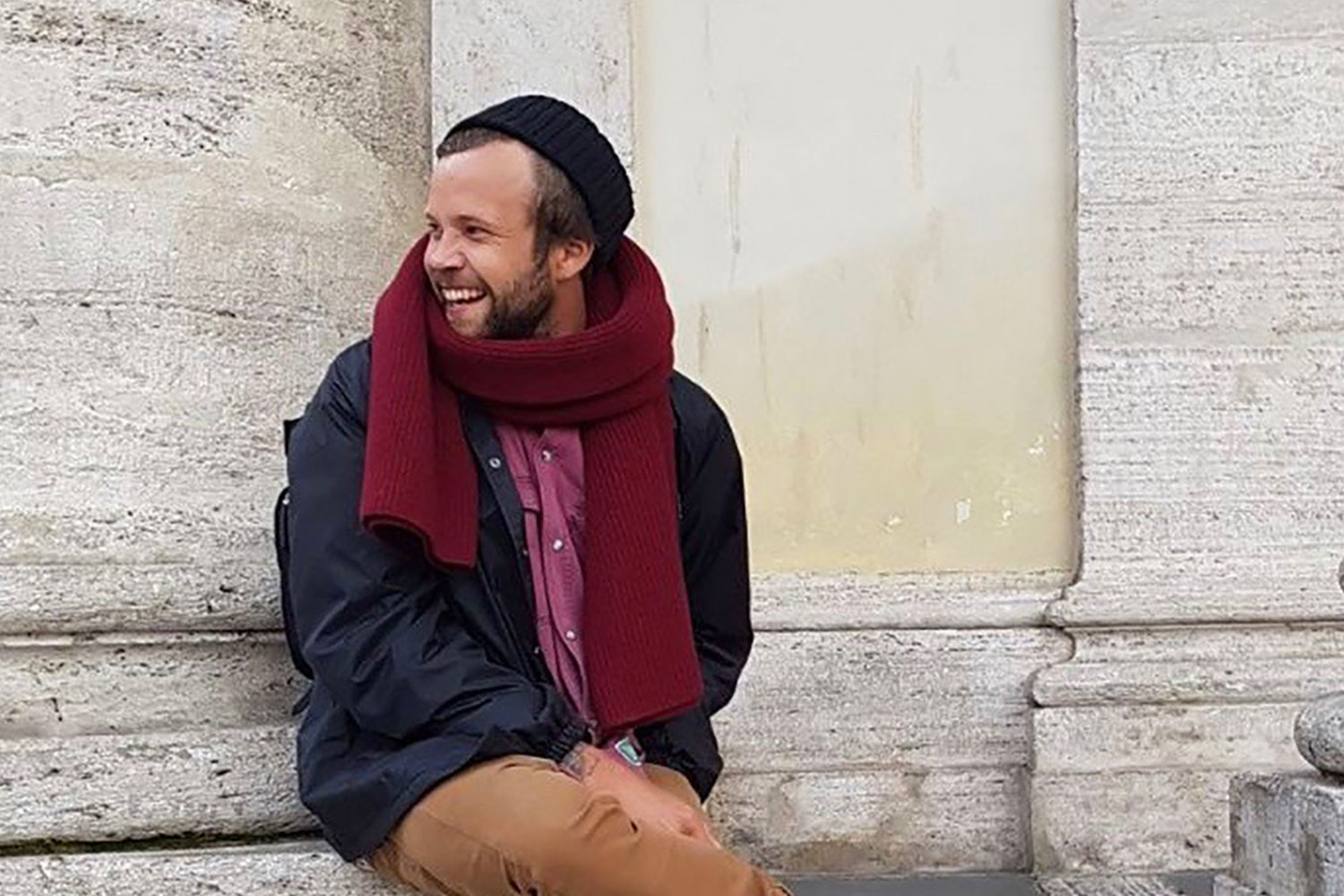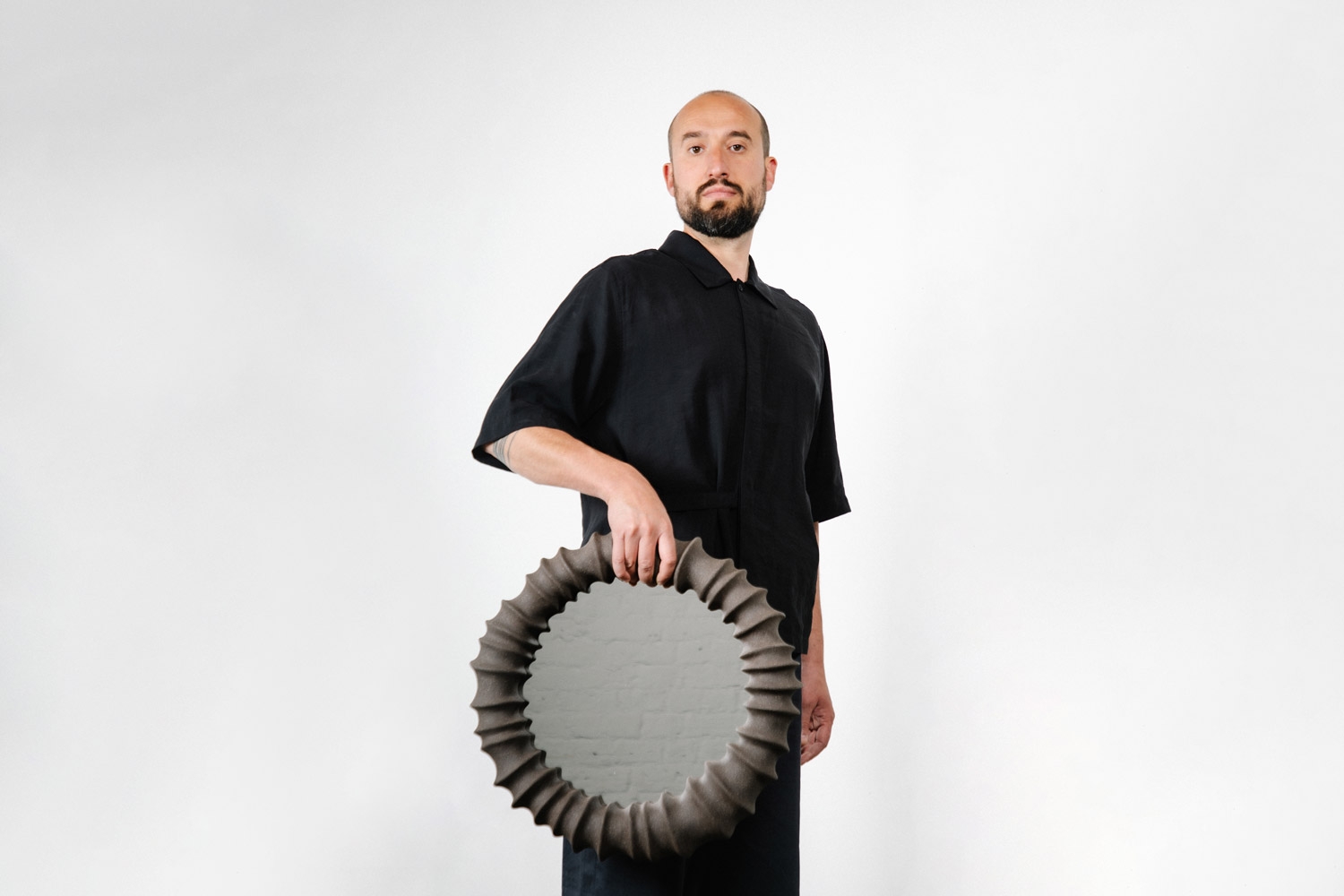
Francesco Raimondi
Ceramicist
Vietri Sul Mare, Italy
Recommended by Mariella Avino
Rooted in his region
- Francesco started making ceramic objects as a child
- In 2016 he received the MAM Maestro d'Arte e Mestiere prize
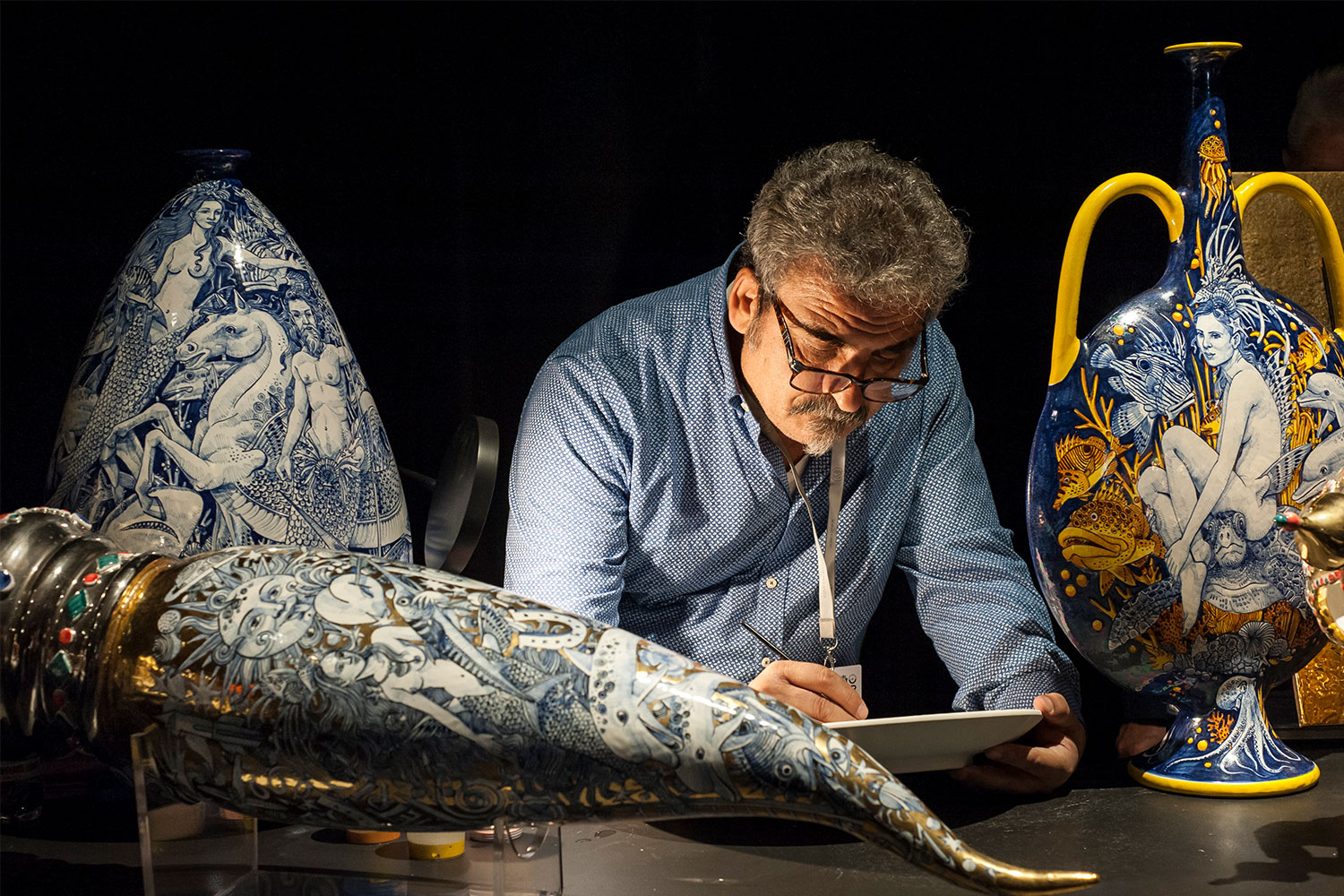
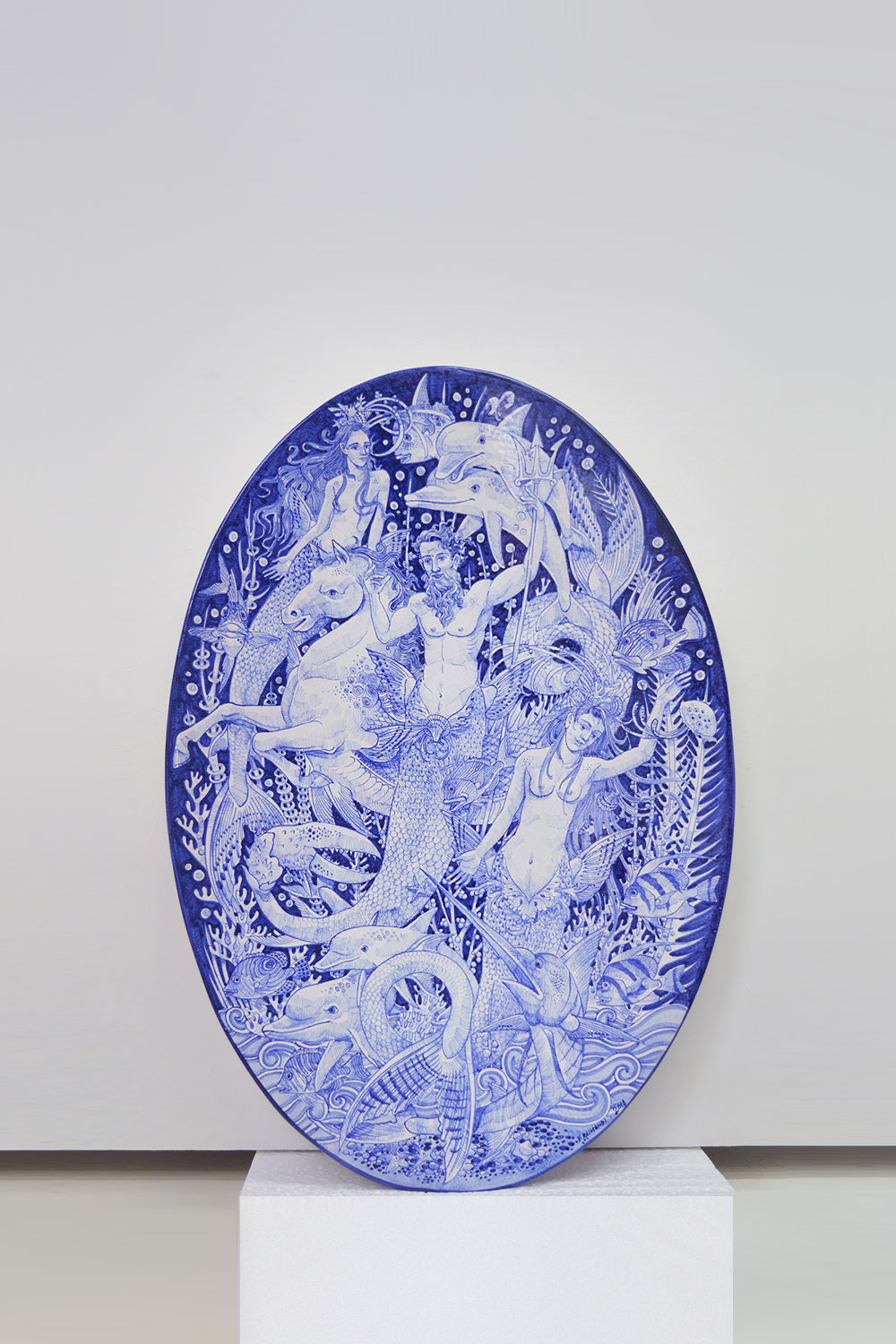
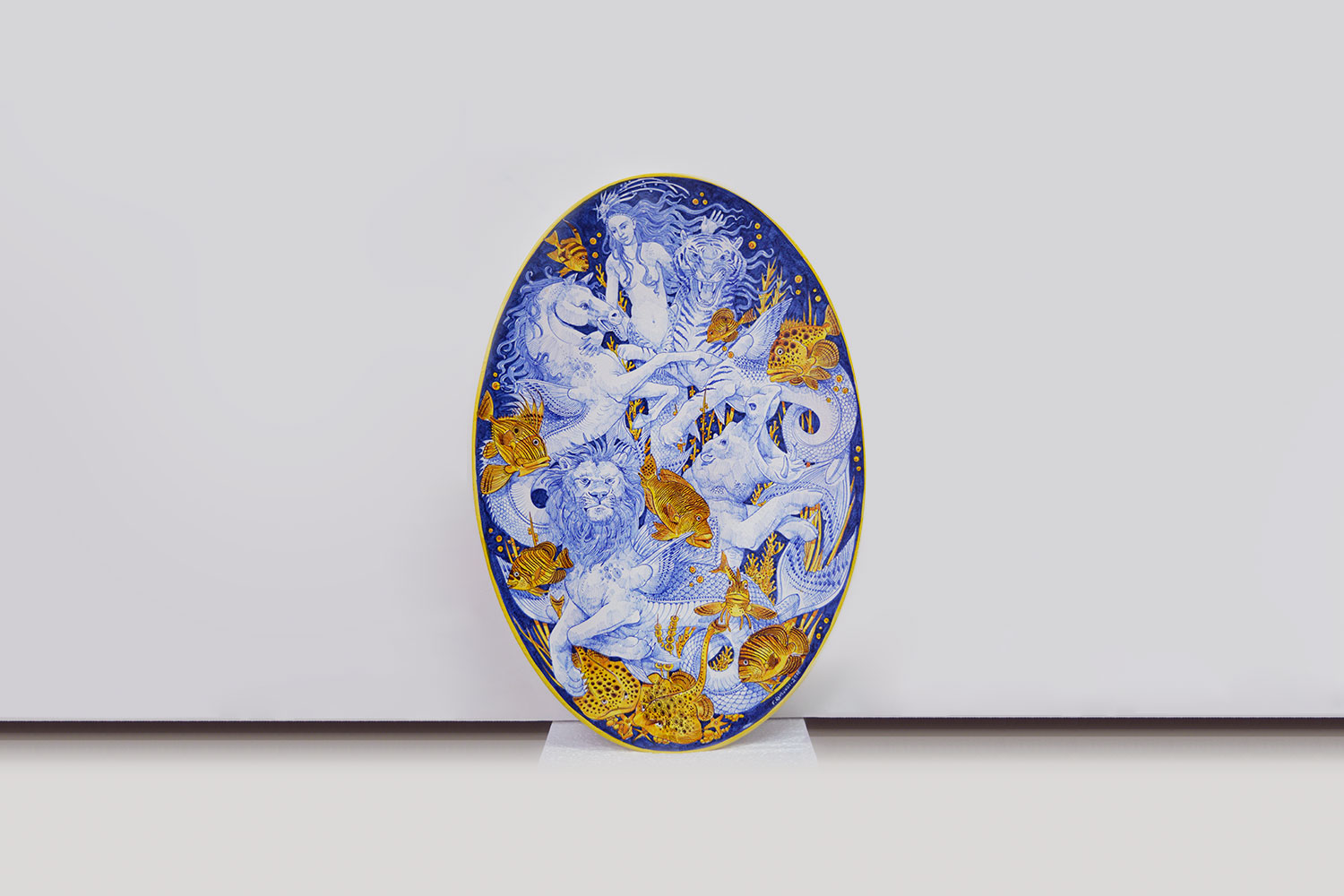
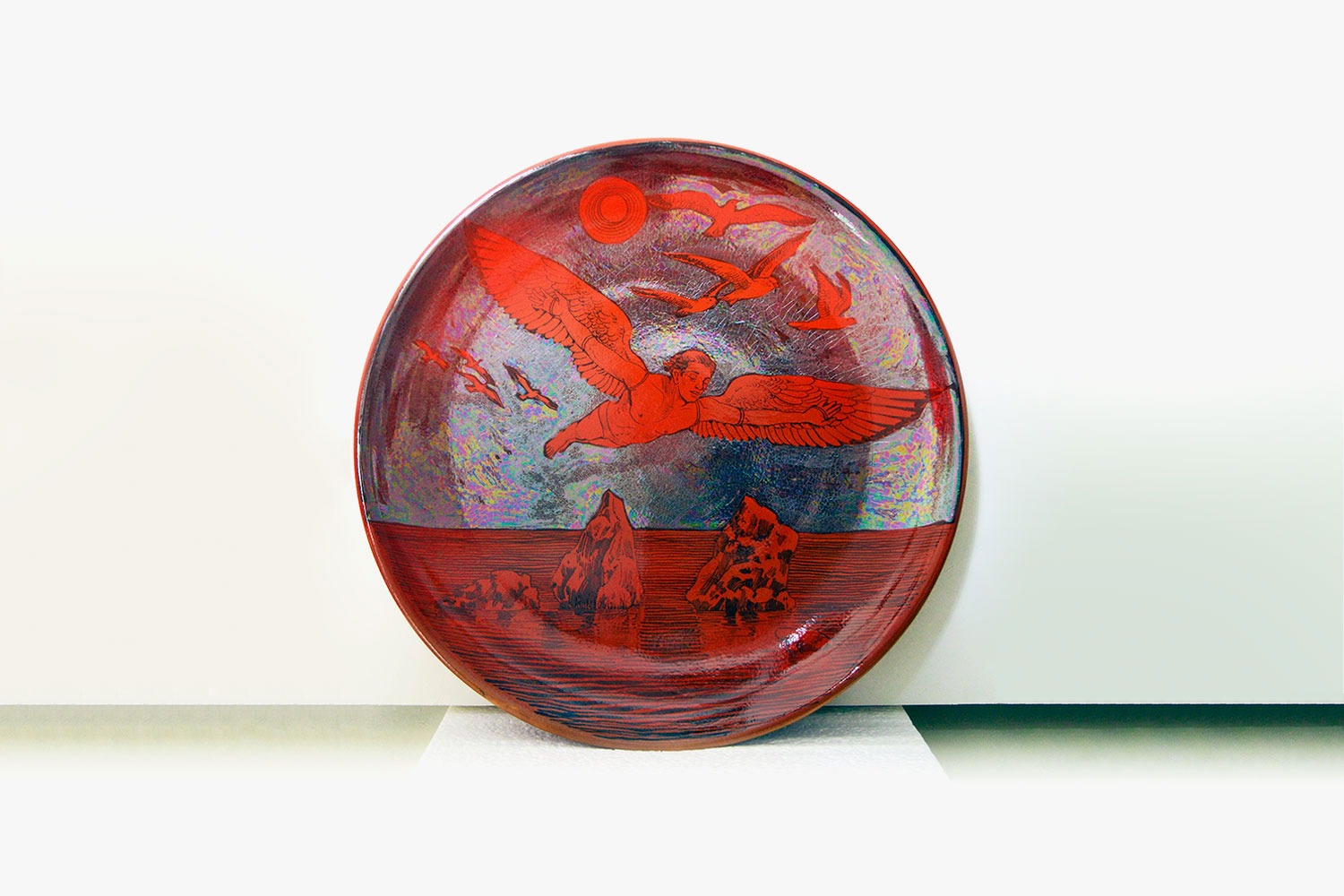
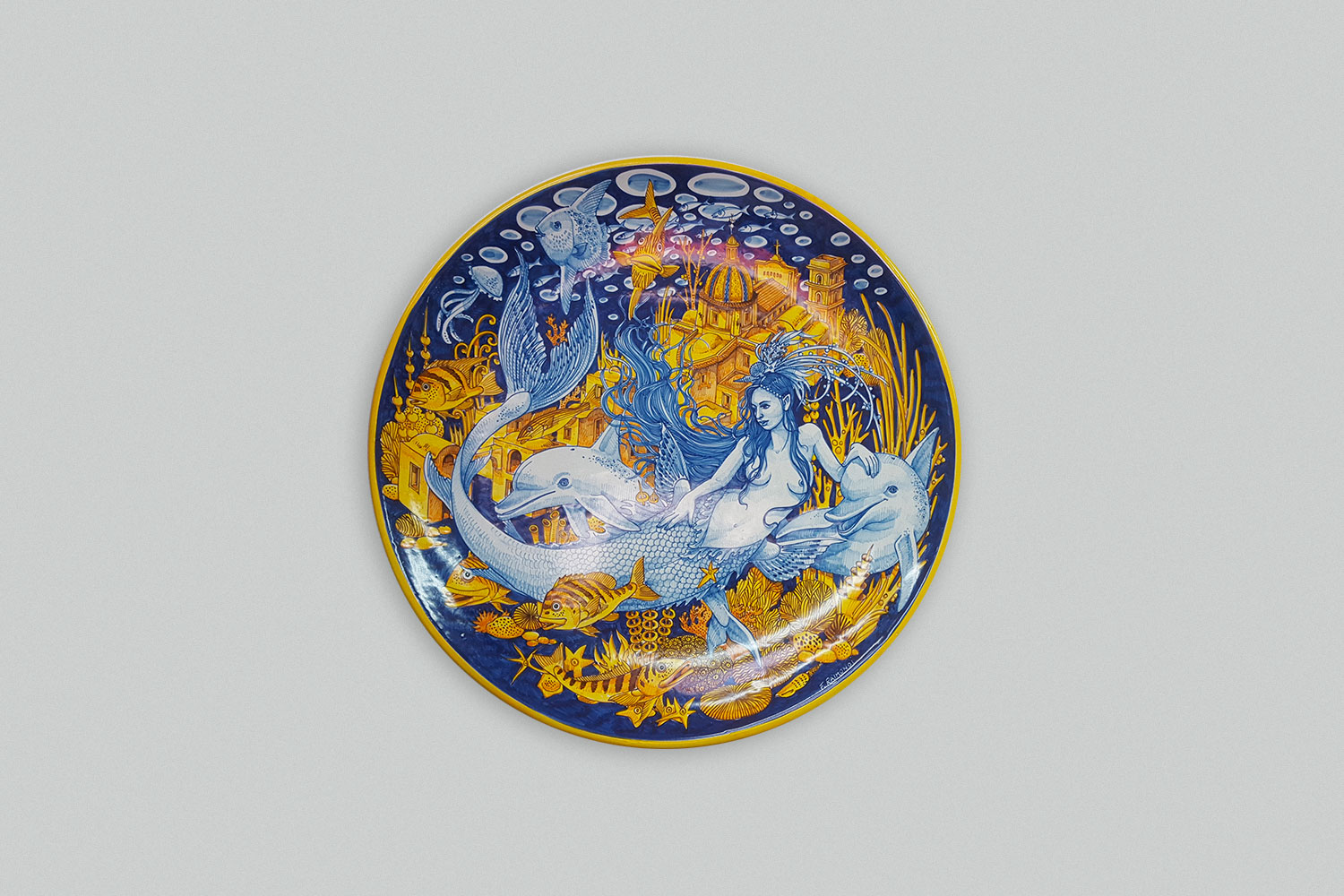
- He is particularly inspired by mythology and local legends
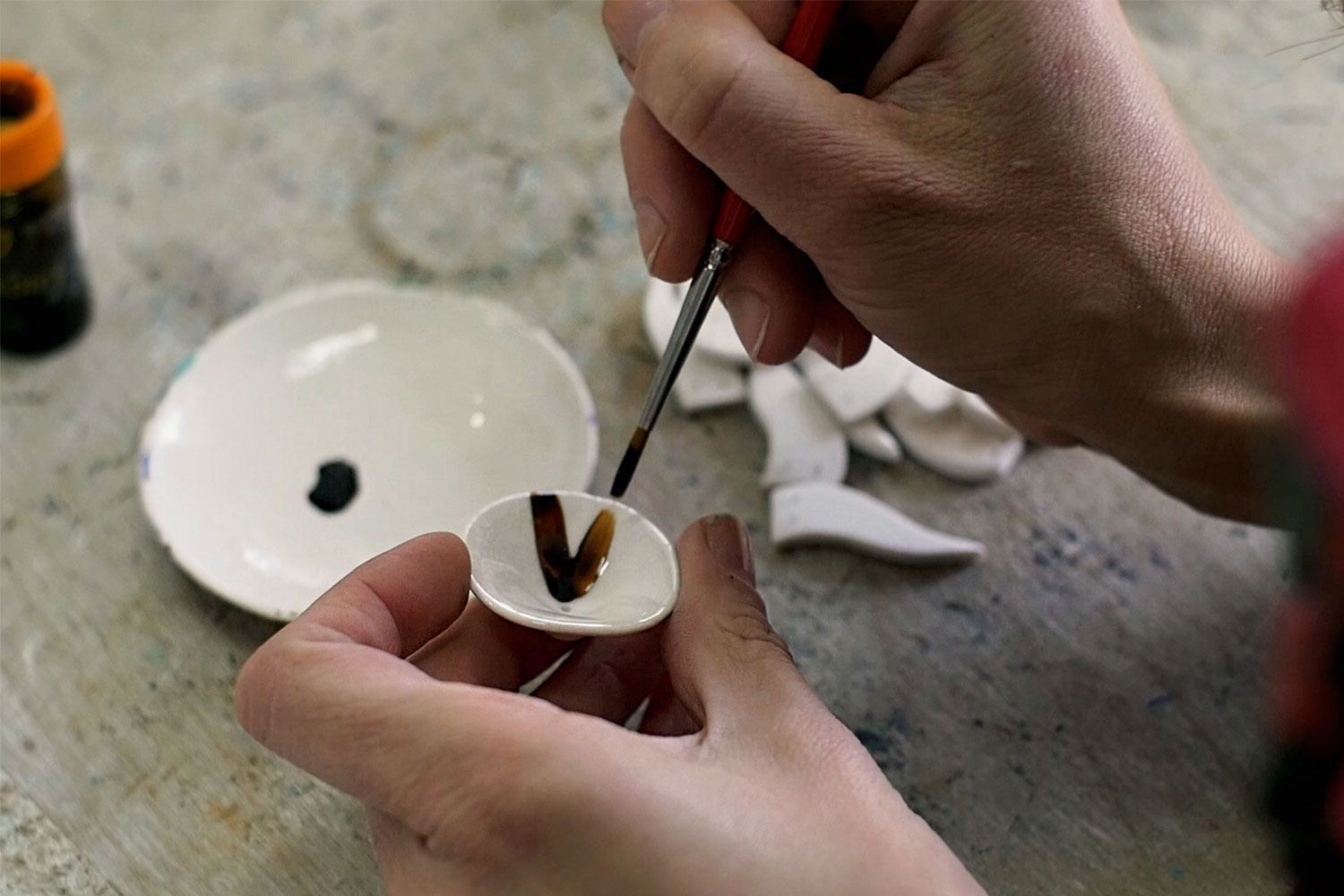
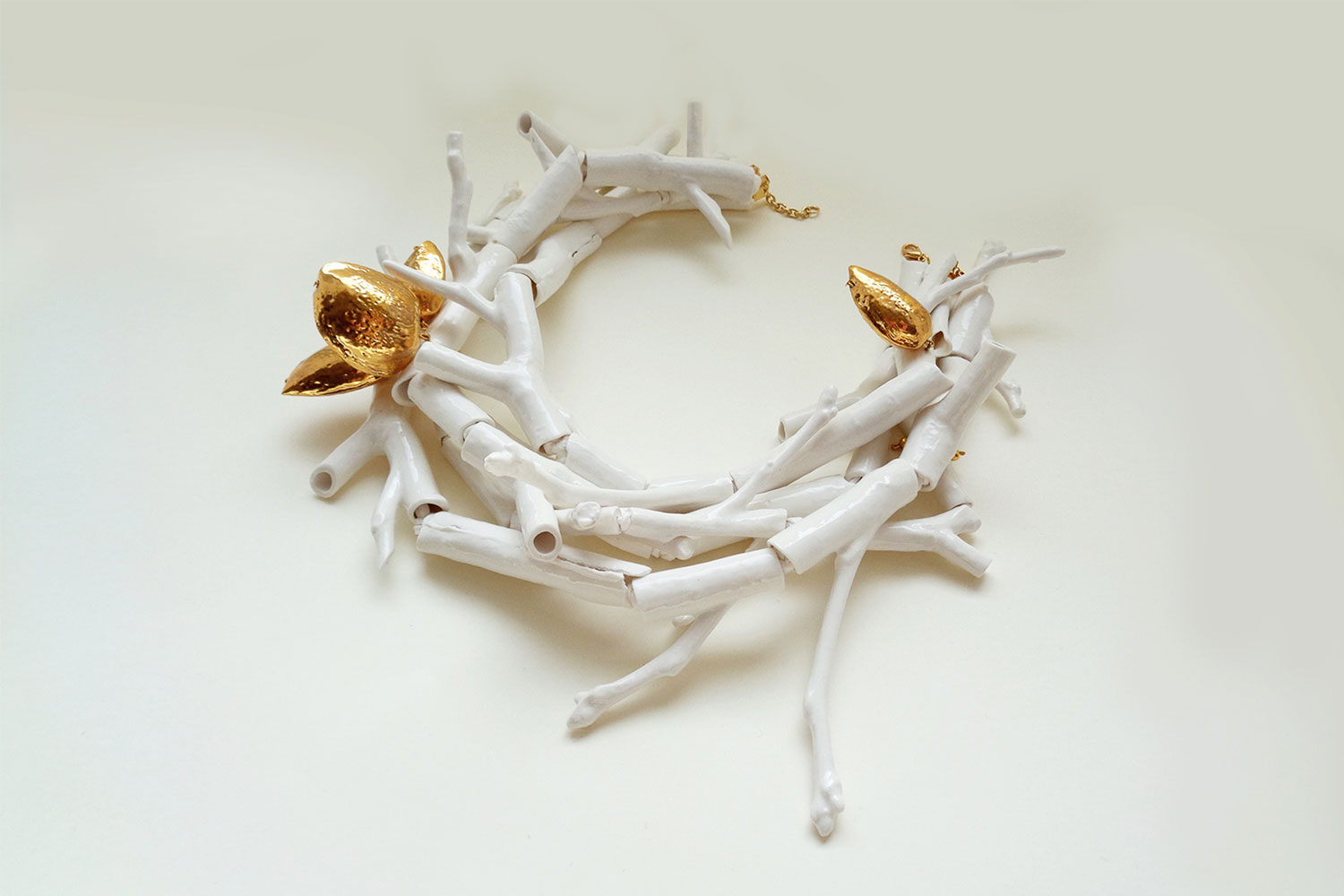
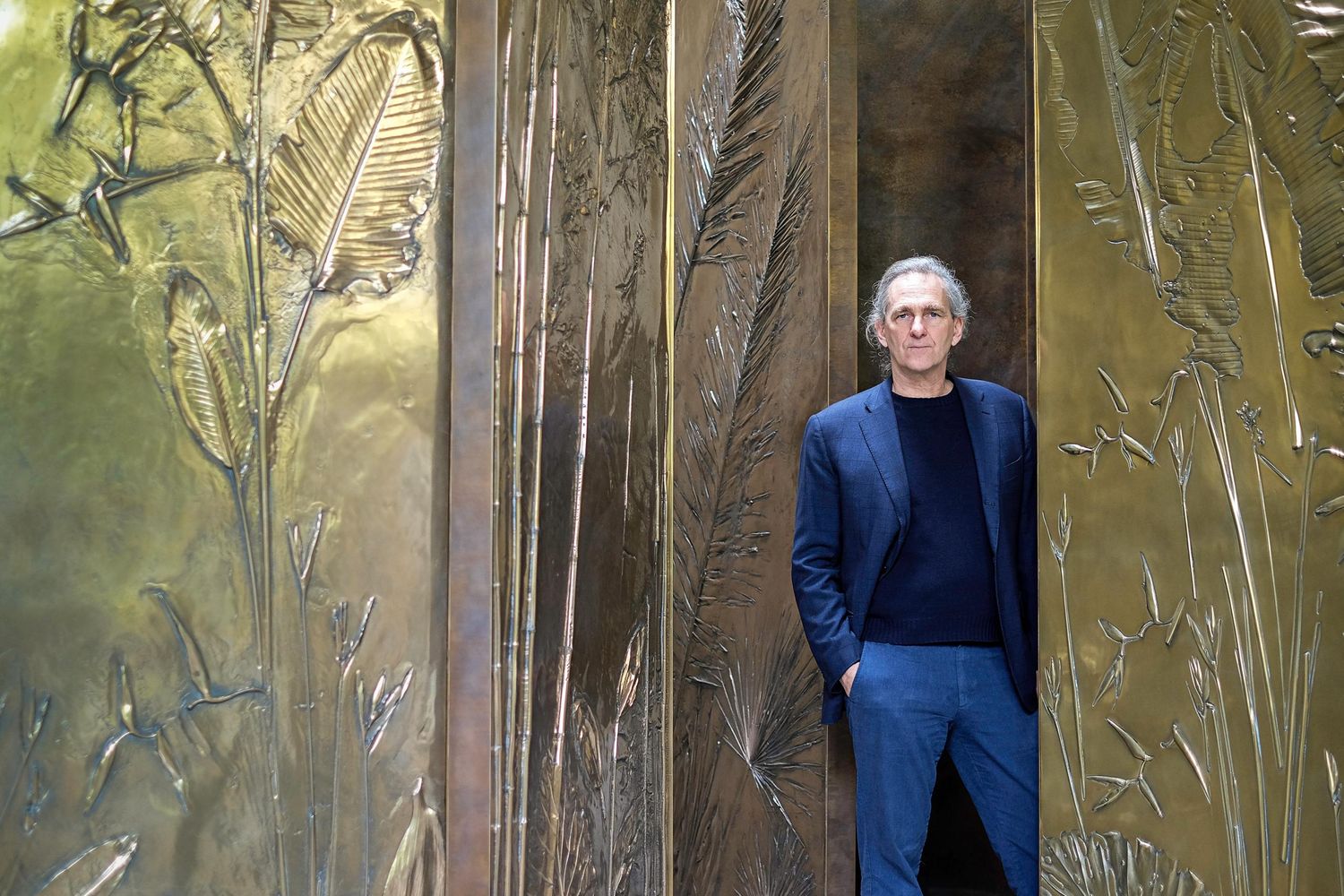
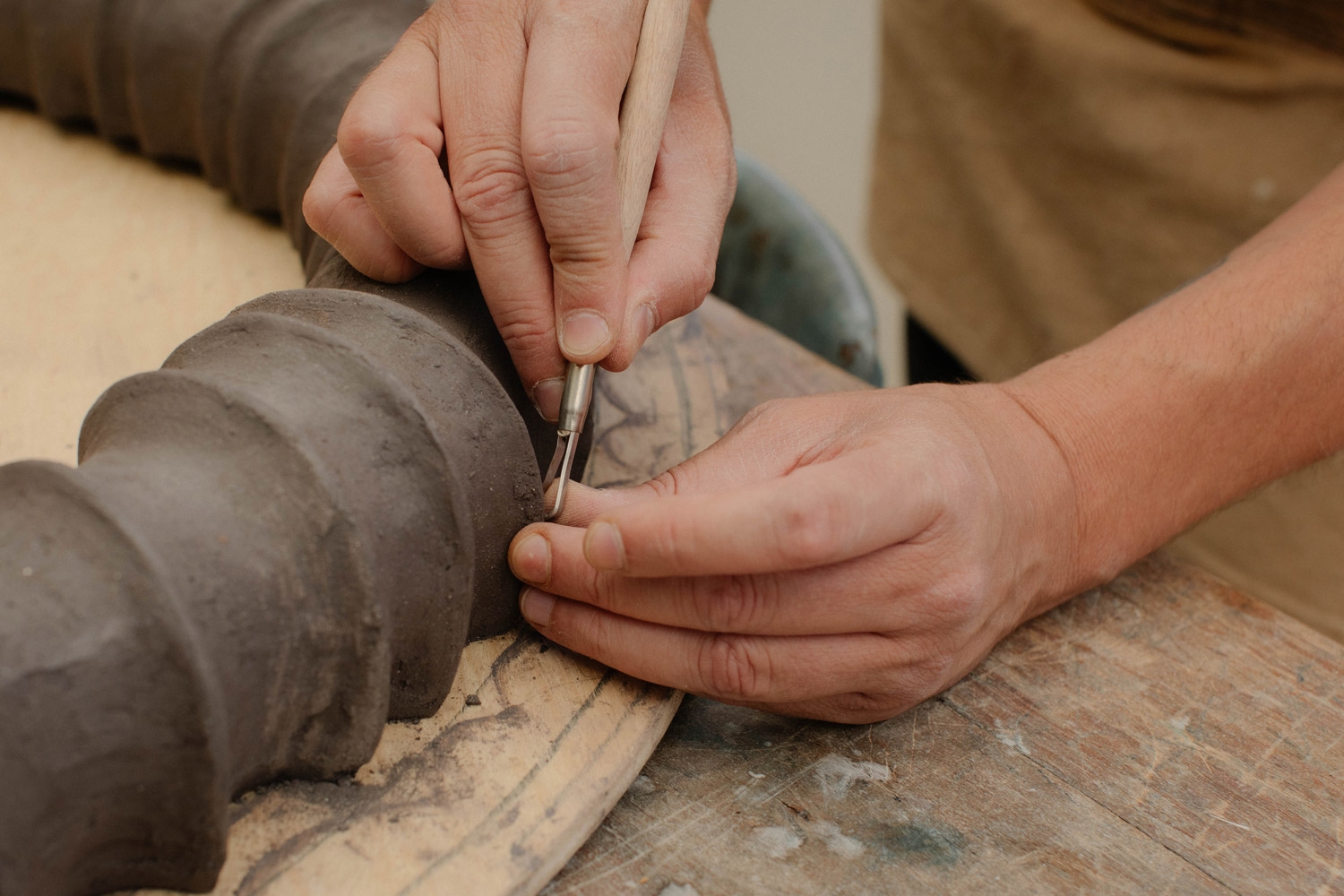
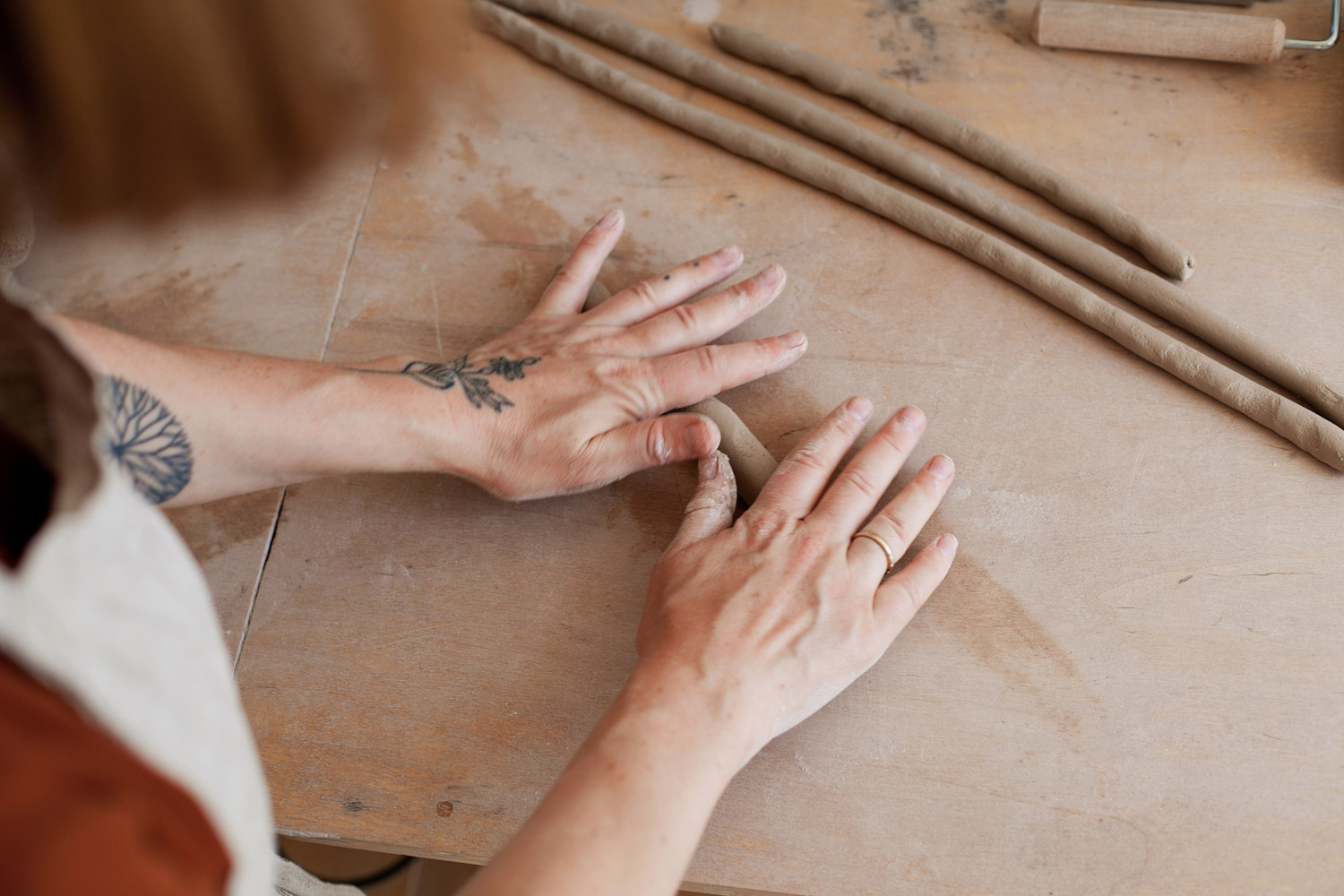
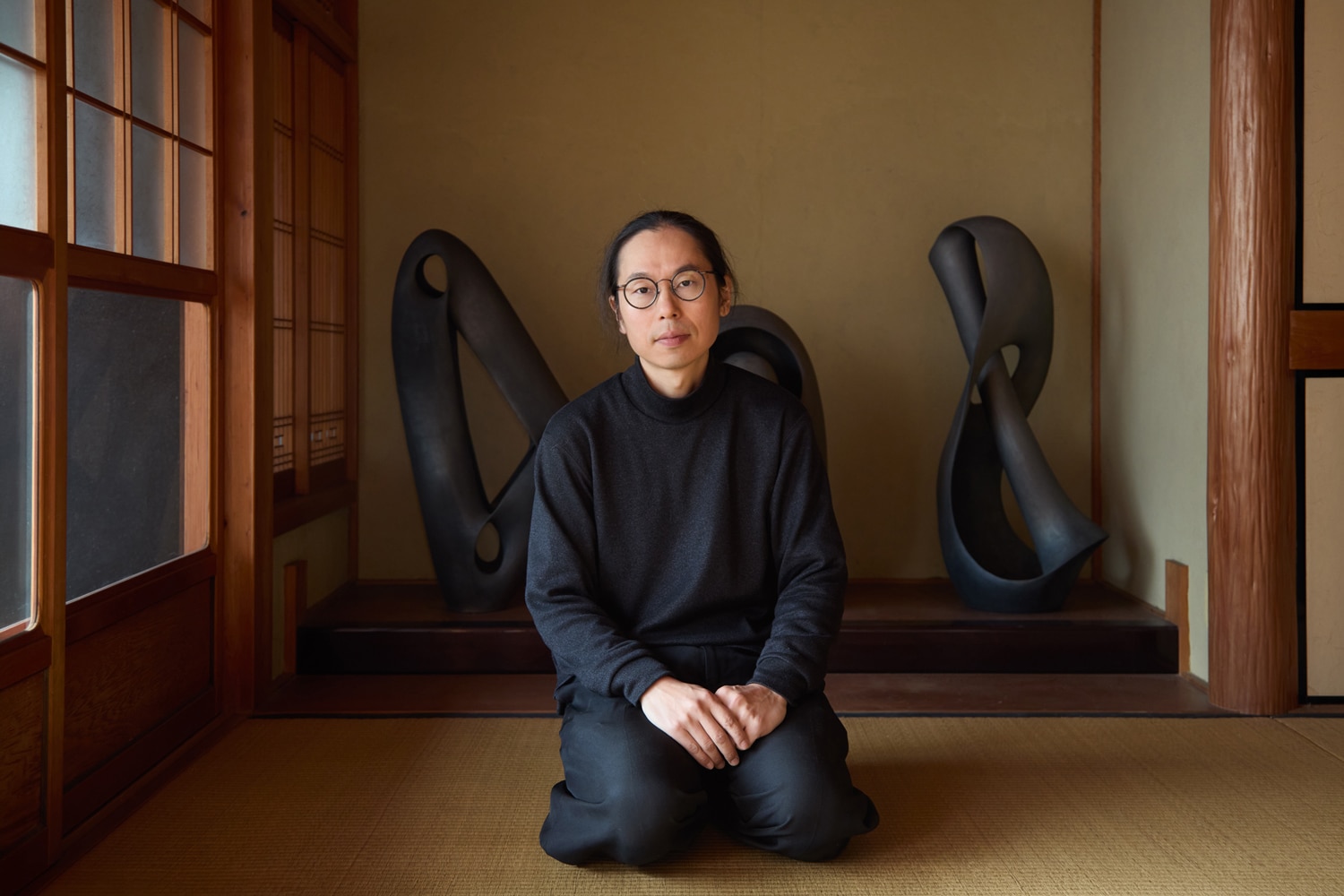
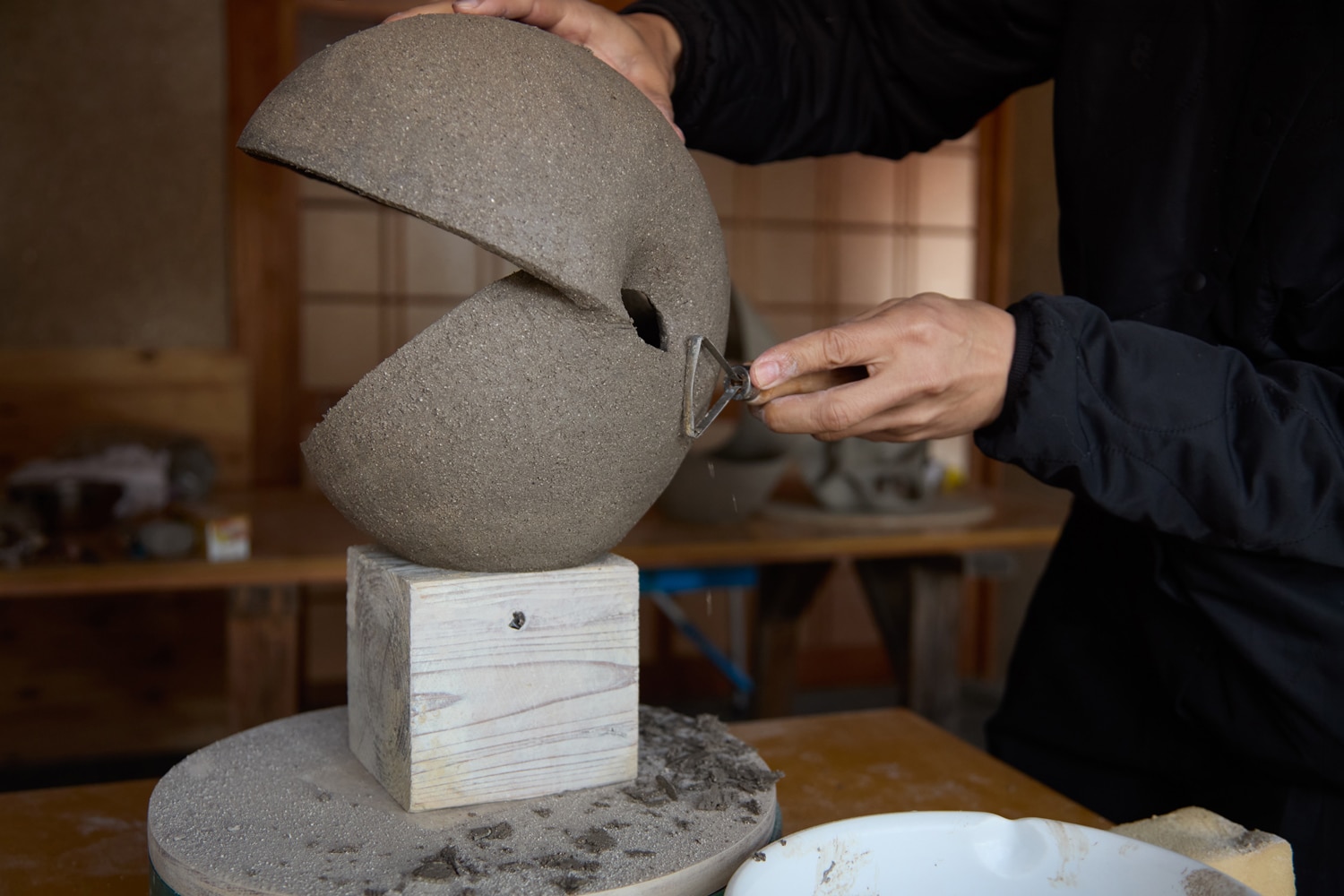
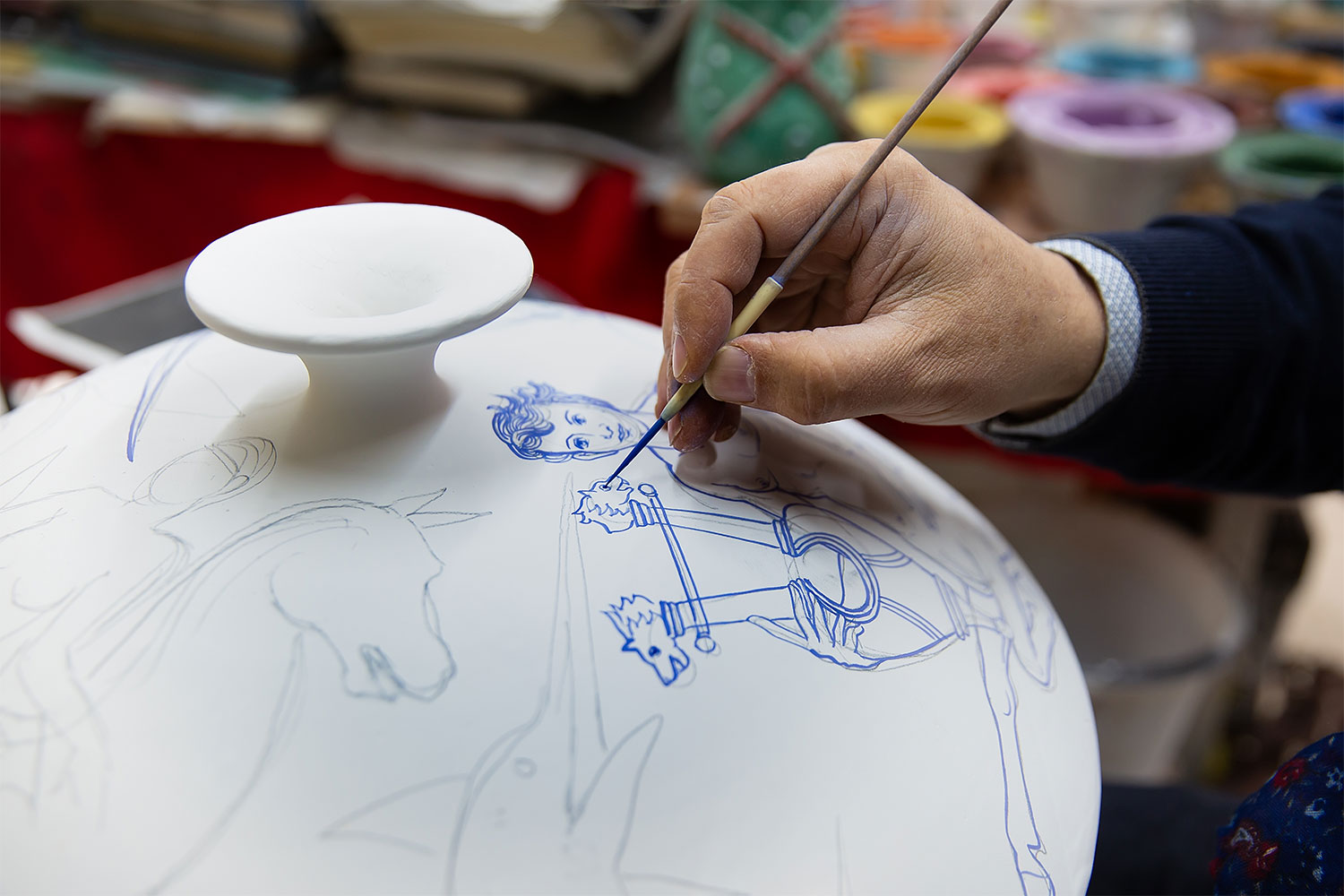
Vietri sul Mare has been a centre of ceramics since Roman times, thanks to the clay found in the mouth of the Bonea river, around which sprung up a unique town with a terracotta heart. “If you scrape the plaster off the houses you will find waste material from the furnaces,” explains Francesco Raimondi, one of the area’s undisputed masters of ceramics. He learned this art as a child; after school, he would run to the workshop of Bambiniello, an artisan living in his neighbourhood. One day his master decided to put him to the test. “He had just finished firing a horse, and he told me to take it away and decorate it. He liked the result so much that he agreed to train me during my free time after school.”
INTERVIEW
I enrolled in art school, but I soon had to leave to help my mother, who was suddenly left on her own. I started working in workshops, then one day I met Giovannino Carrano, a former pupil of Richard Dolke, the German ceramicist who settled in Vietri in the 1920s and breathed new life into ceramics here.
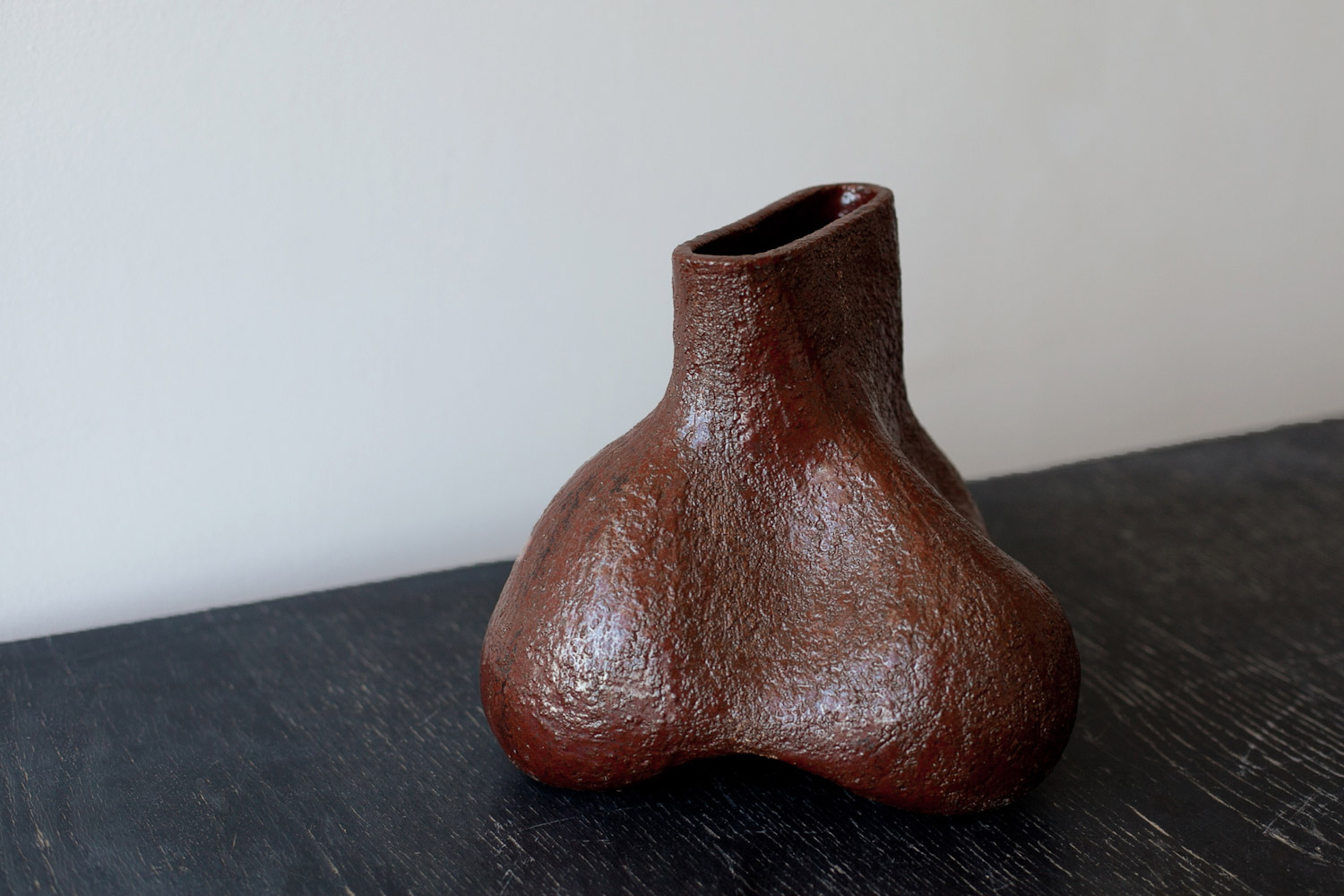
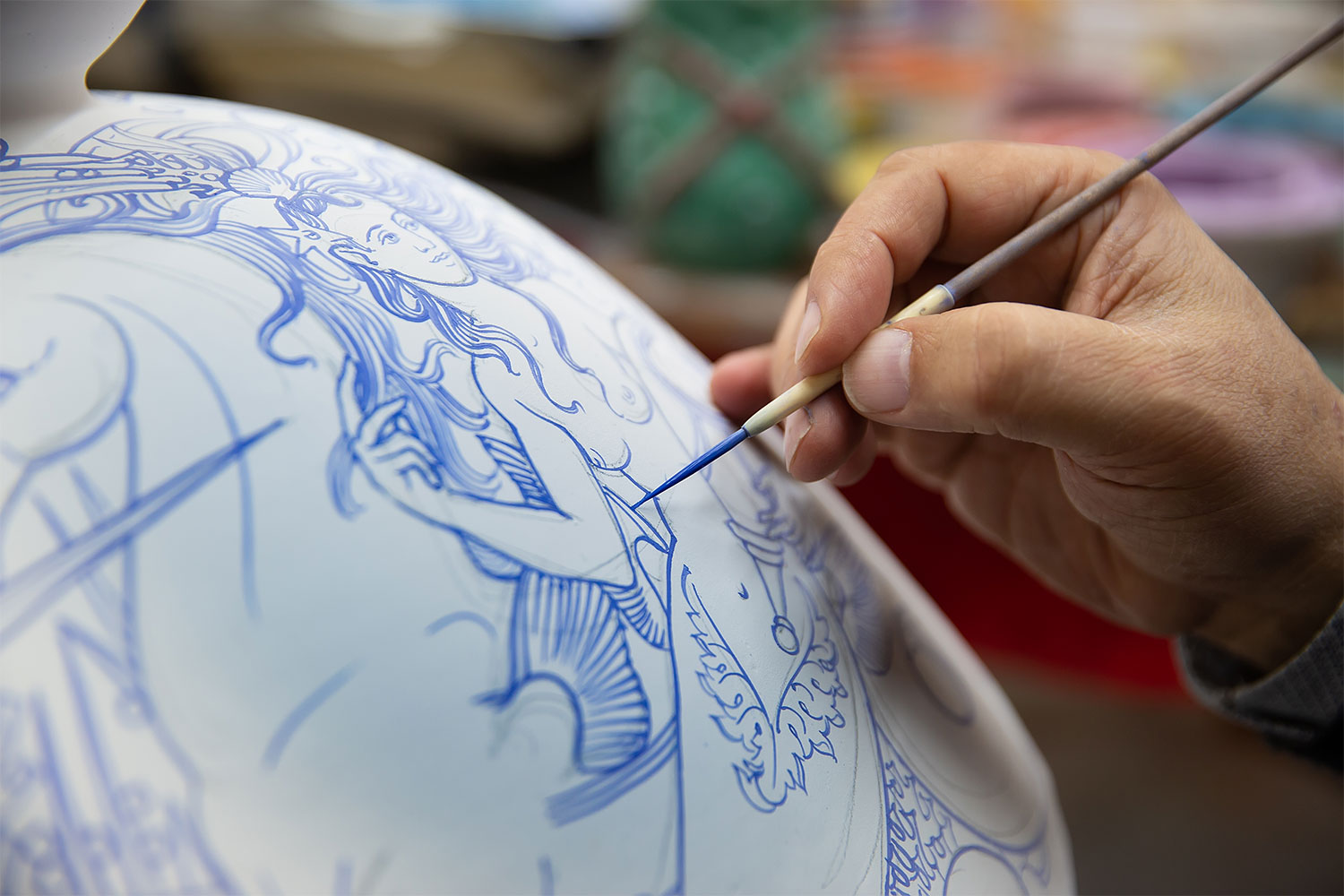
Some of the stories have been passed down from generation to generation, and they tell of mythological creatures, of mermaids and soothsayers. These legendary characters have always stimulated my imagination and influenced my creations.
This is also tied to the history of this region. The ceramics produced in Vietri were traded for other raw materials that were transported to our coasts by ships coming from faraway countries, in particular from North Africa.
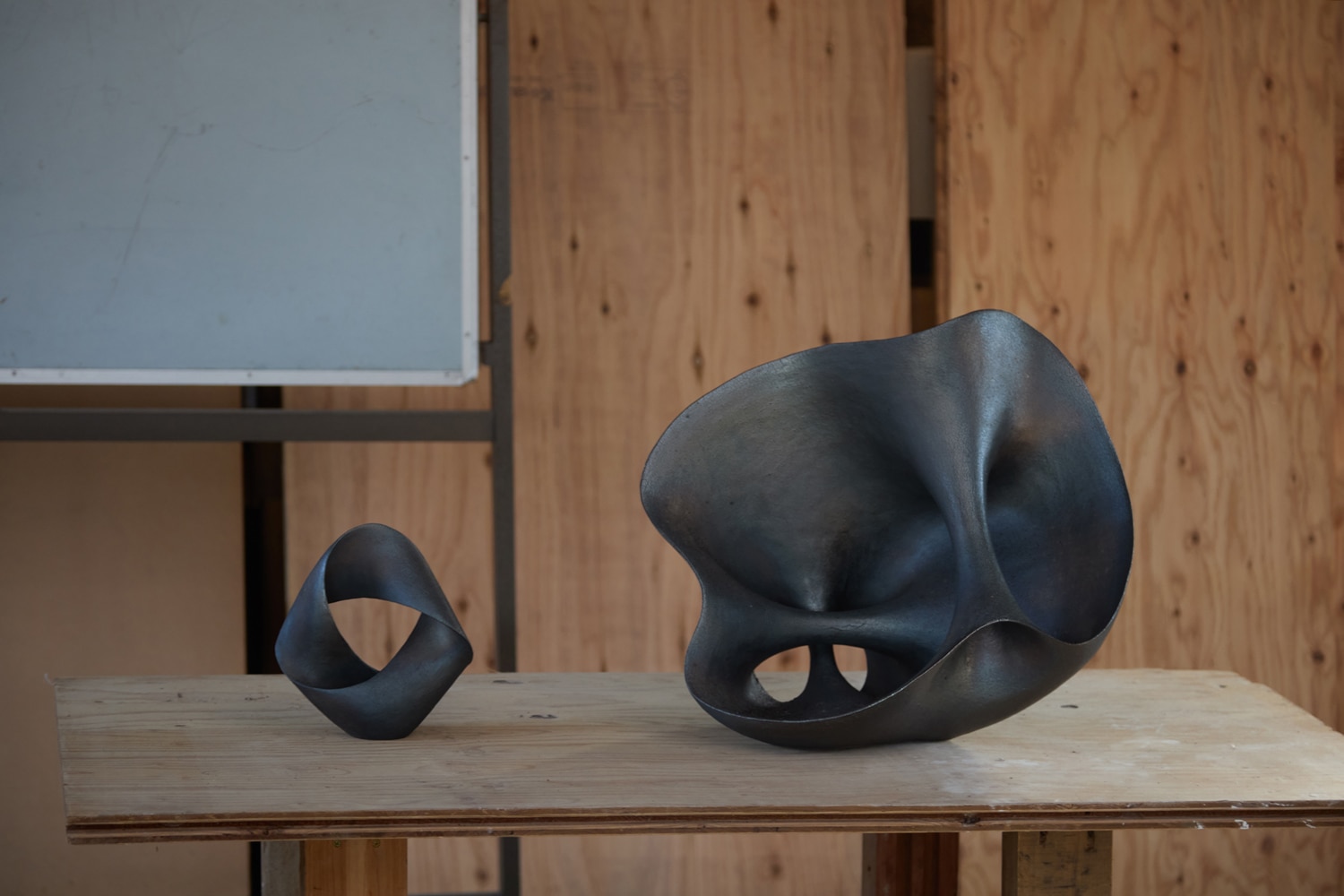
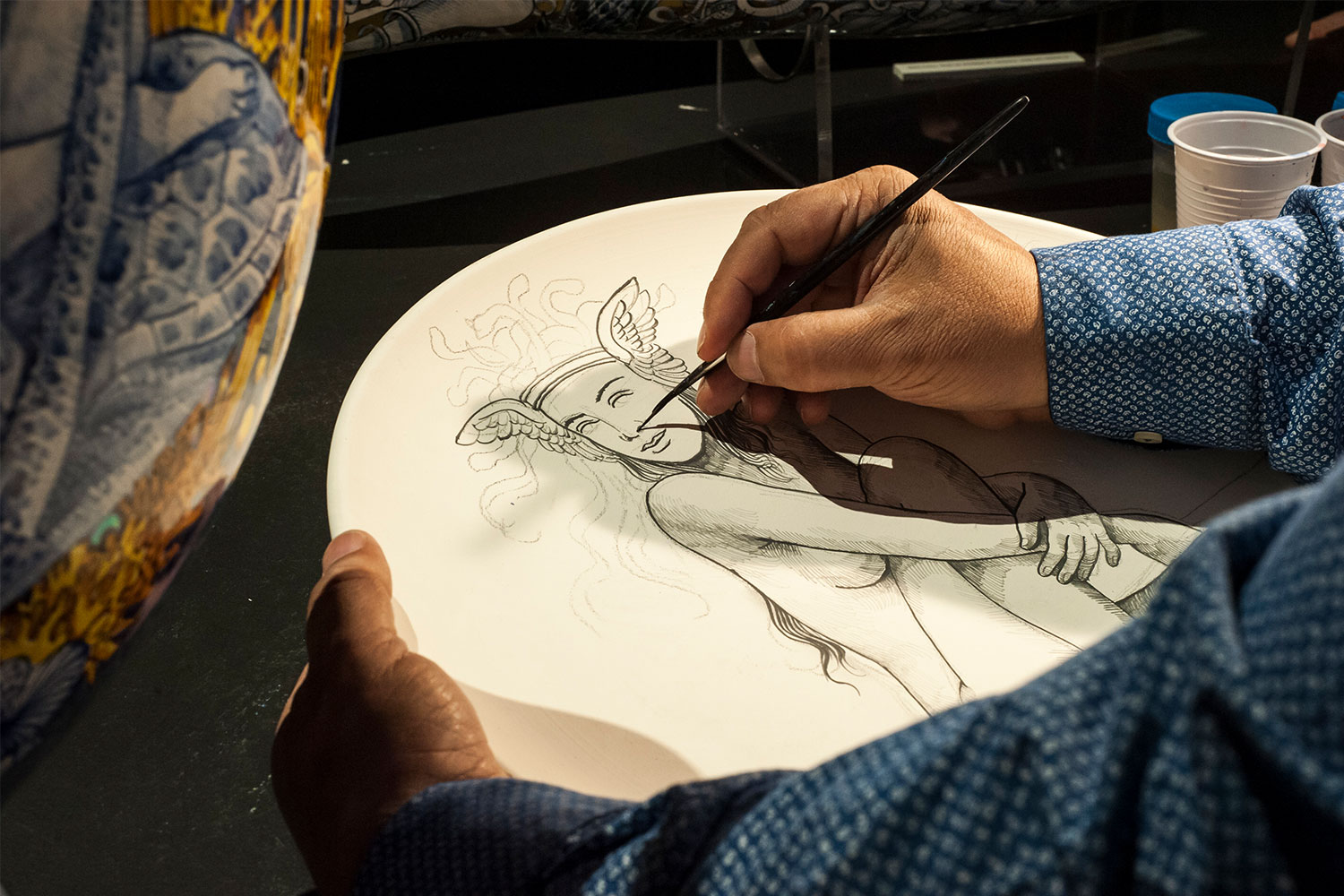
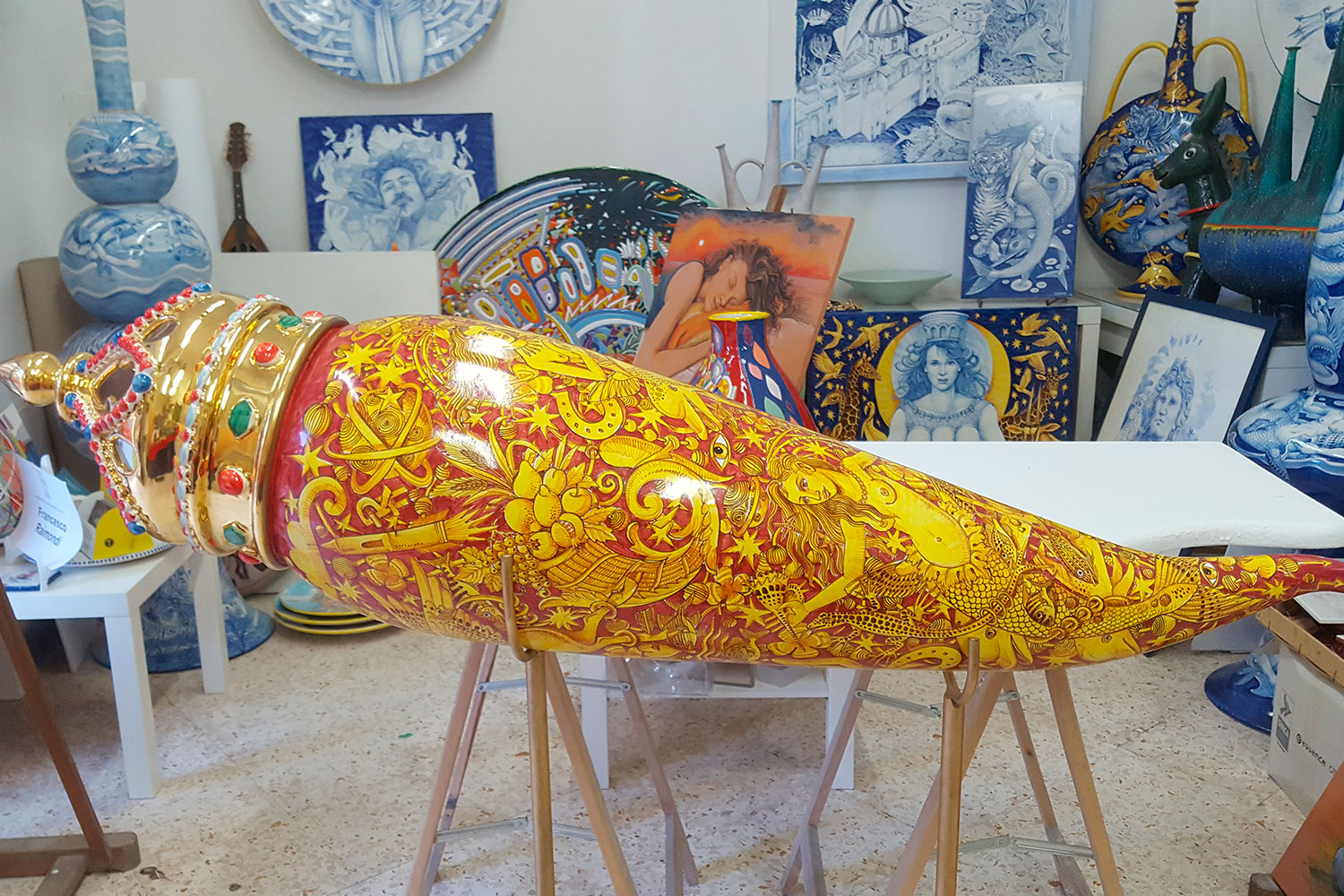
The shapes and designs. Over the years, I have had a number of apprentices in my workshop. To each of them I explained that the difference between an artisan and a master lies in their point of view: the master can convey his own, and make it recognisable.
Francesco Raimondi
Ceramicist
Vietri Sul Mare, Italy
Recommended by Mariella Avino
AVAILABILITY
Monday to Saturday 08:30-13:30 / 14:30-18:00
PHONE
+39 3475392490
LANGUAGES
Italian, English
Homo Faber Finds is a new service aiming to inspire admirers of craft to connect and collaborate with exceptional artisans.
We invite you to submit an enquiry here.