Hasan Numan Suçağlar
Ceramicist
Konya, Türkiye
The boundless potential of ceramic sculpture
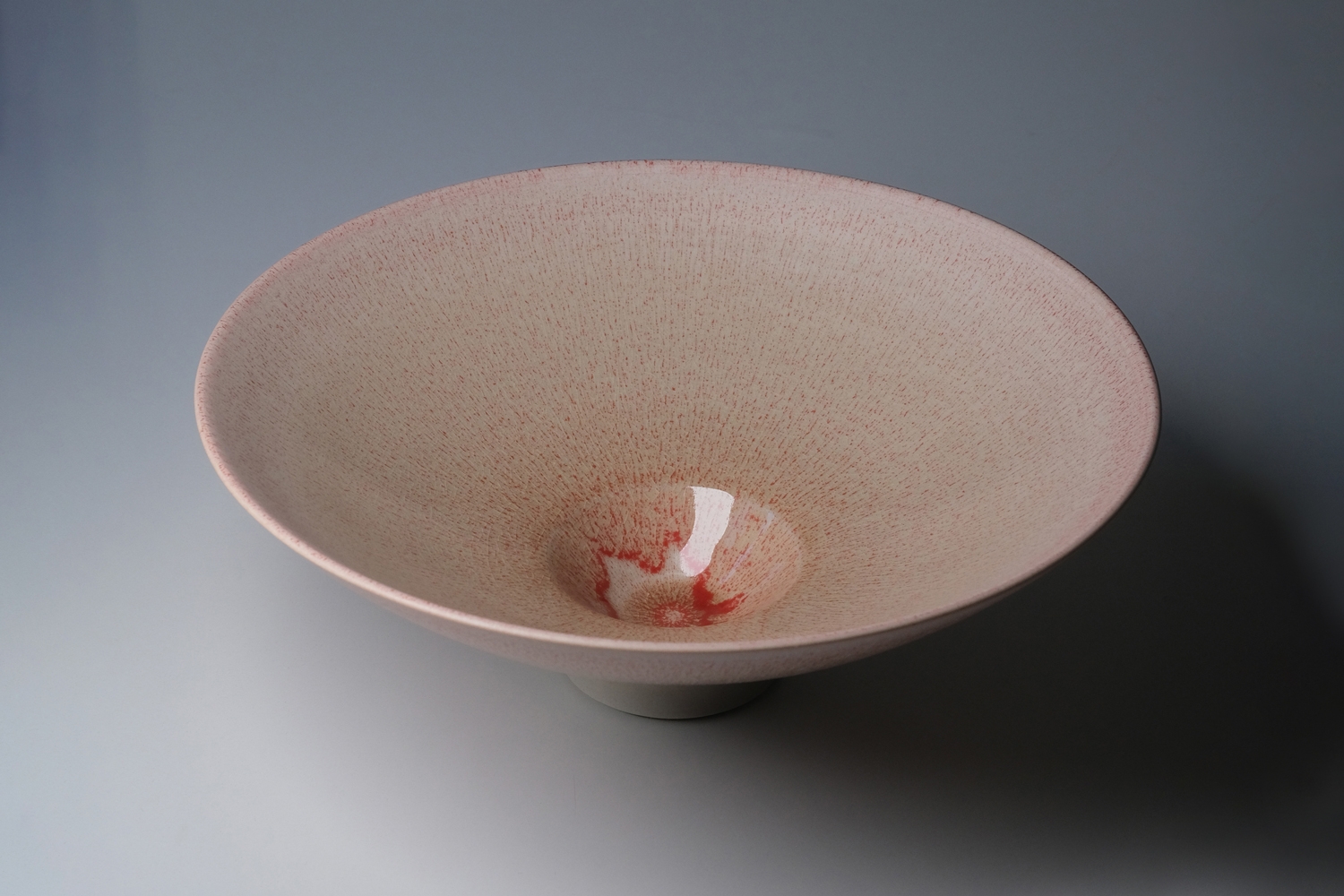
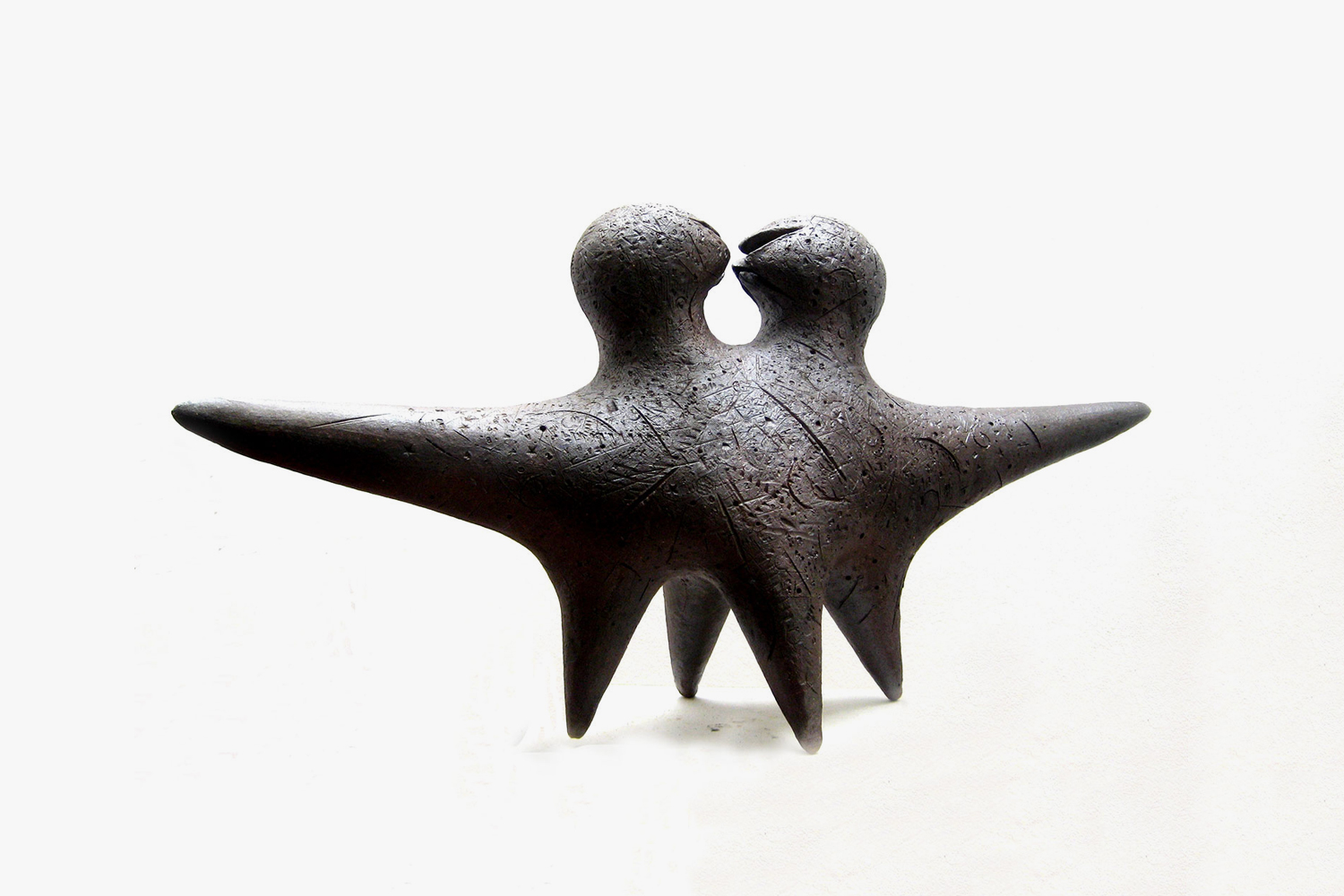
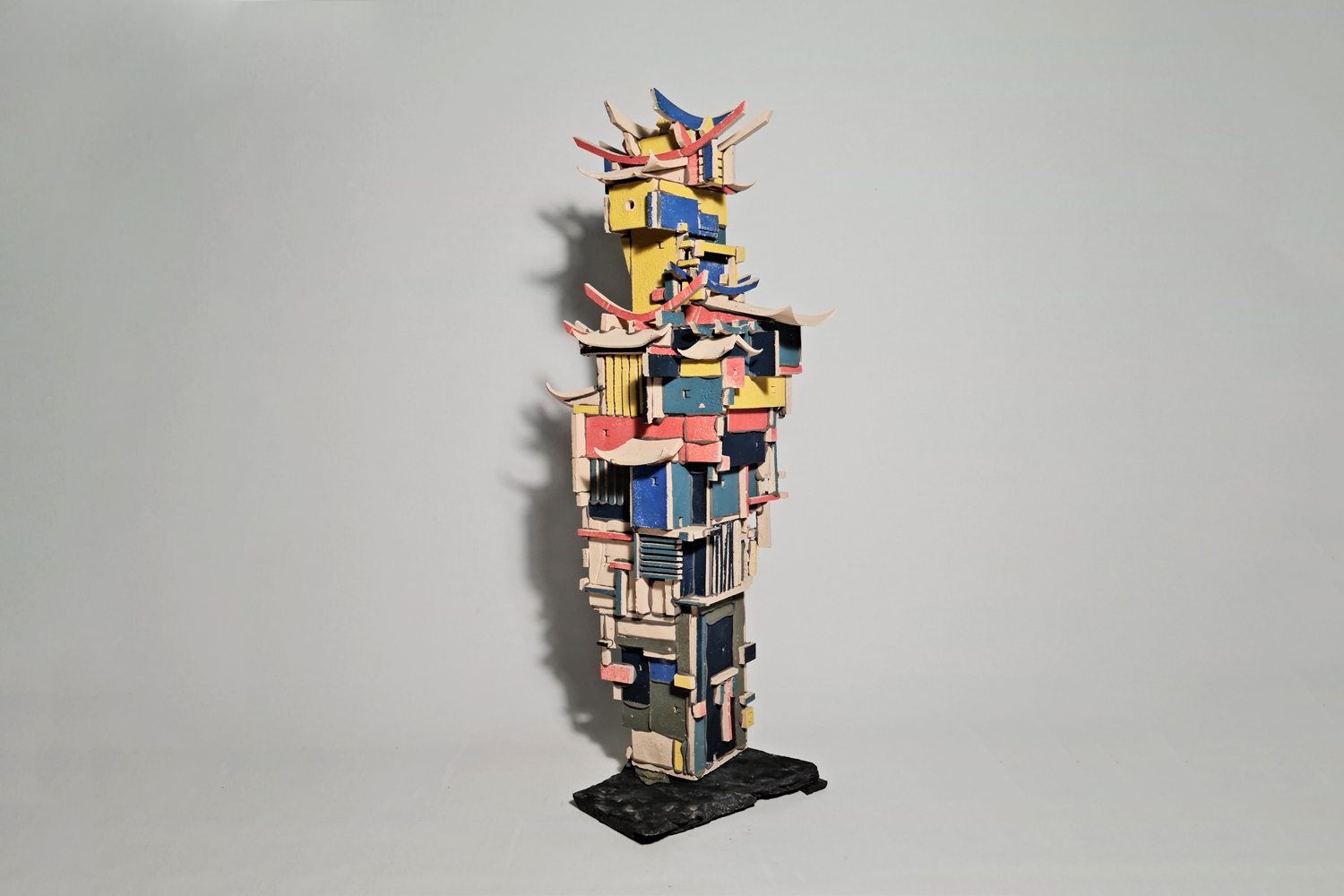
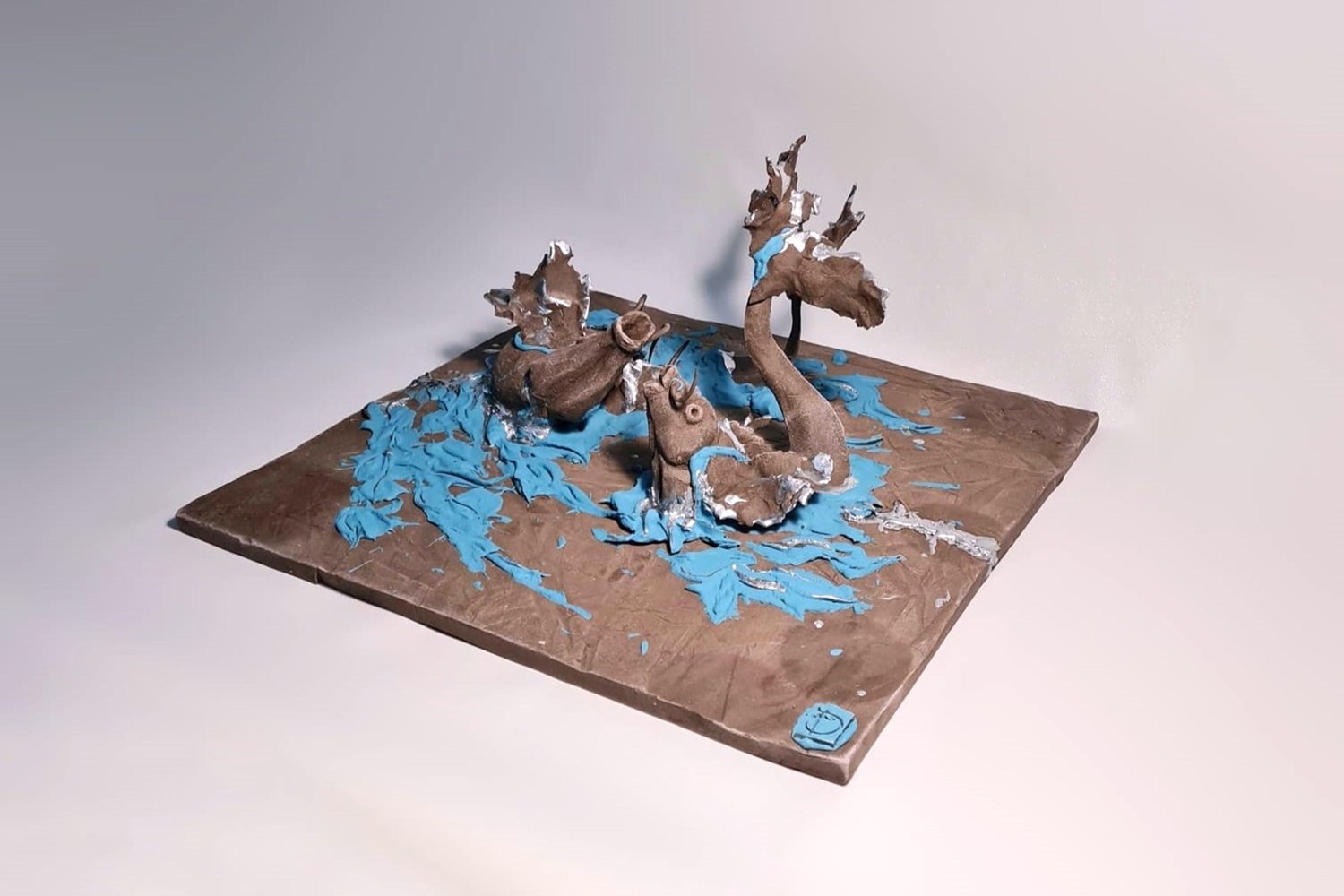
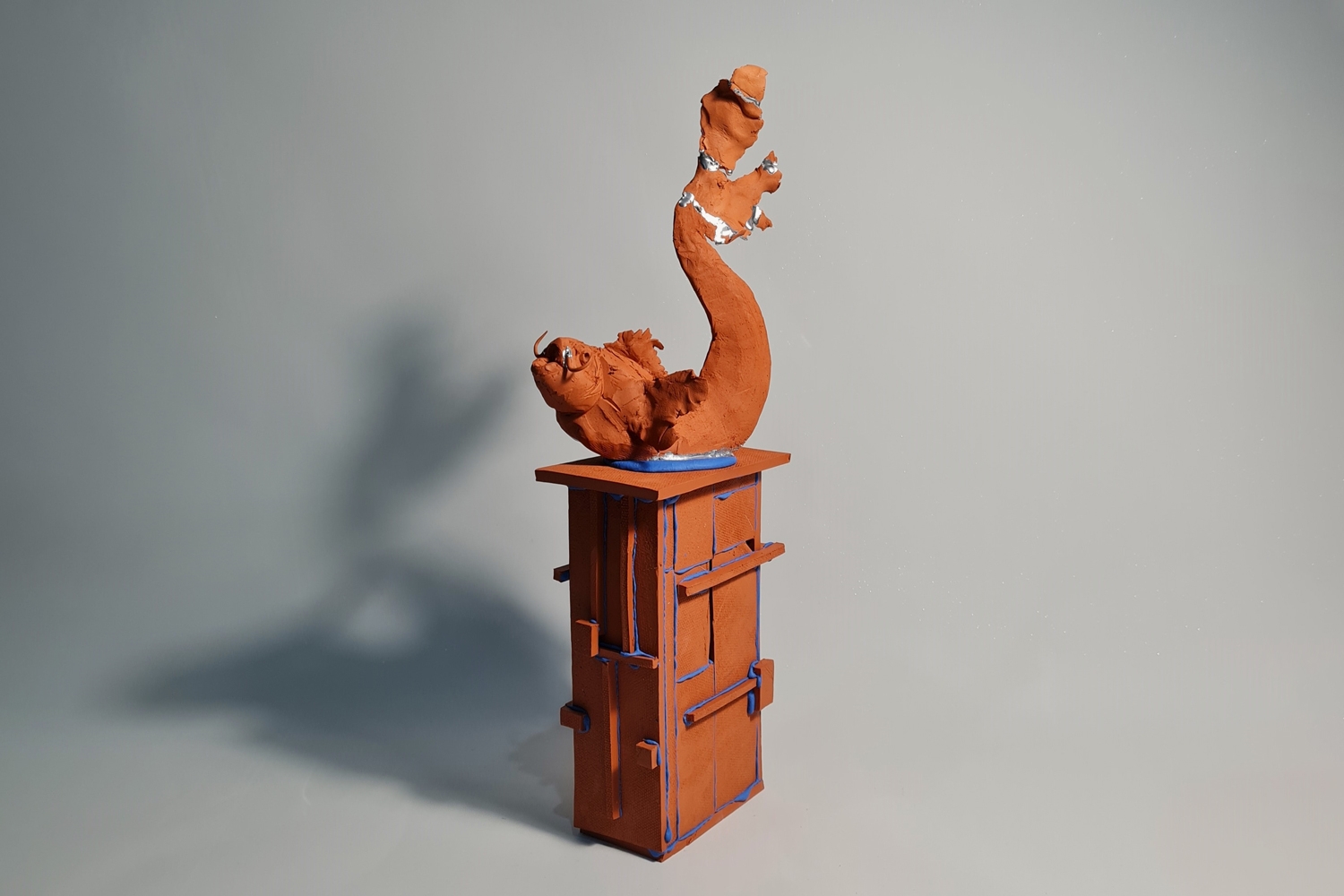
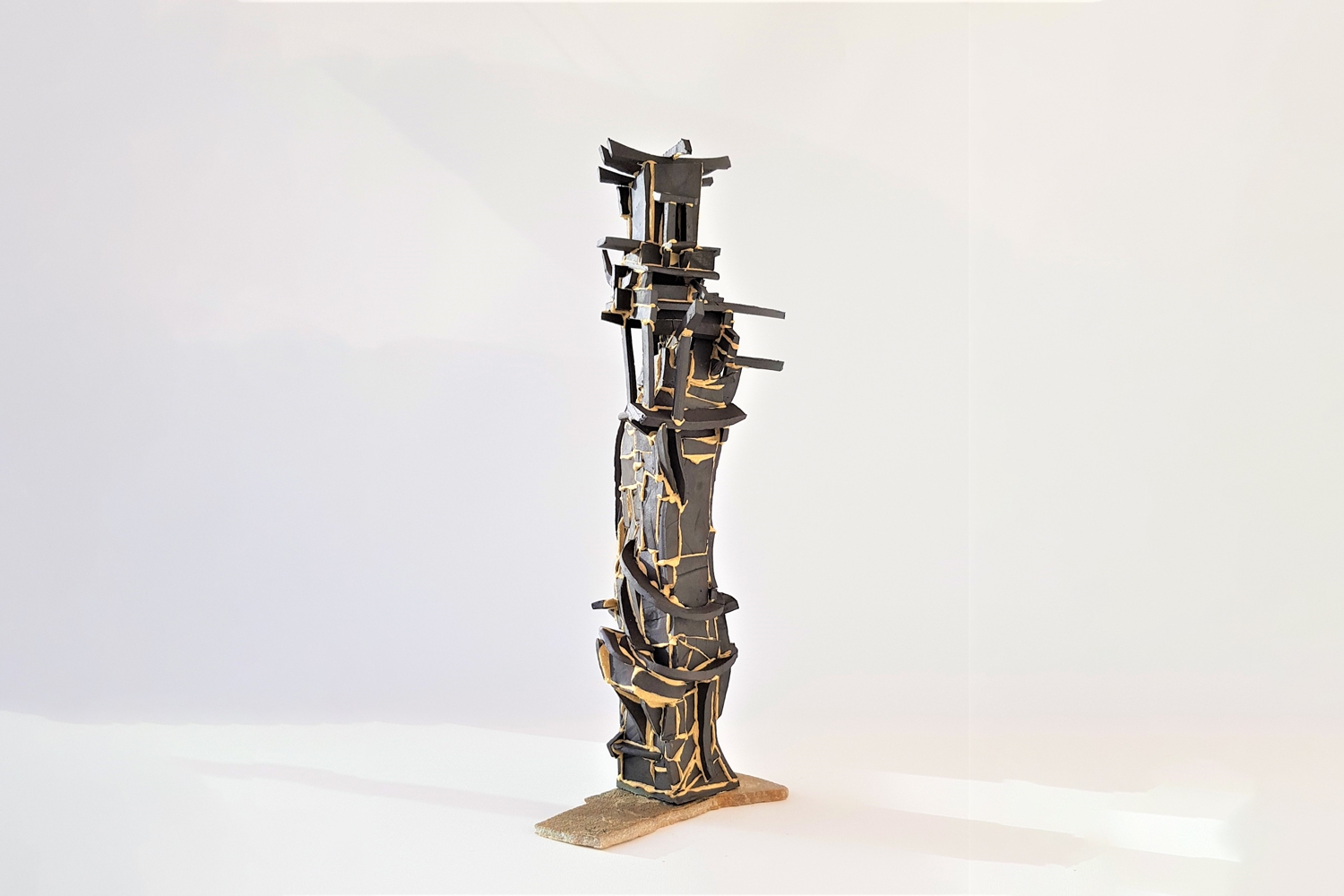
- Hasan makes evocative ceramic sculptures, and often adds other materials such as wood and metal
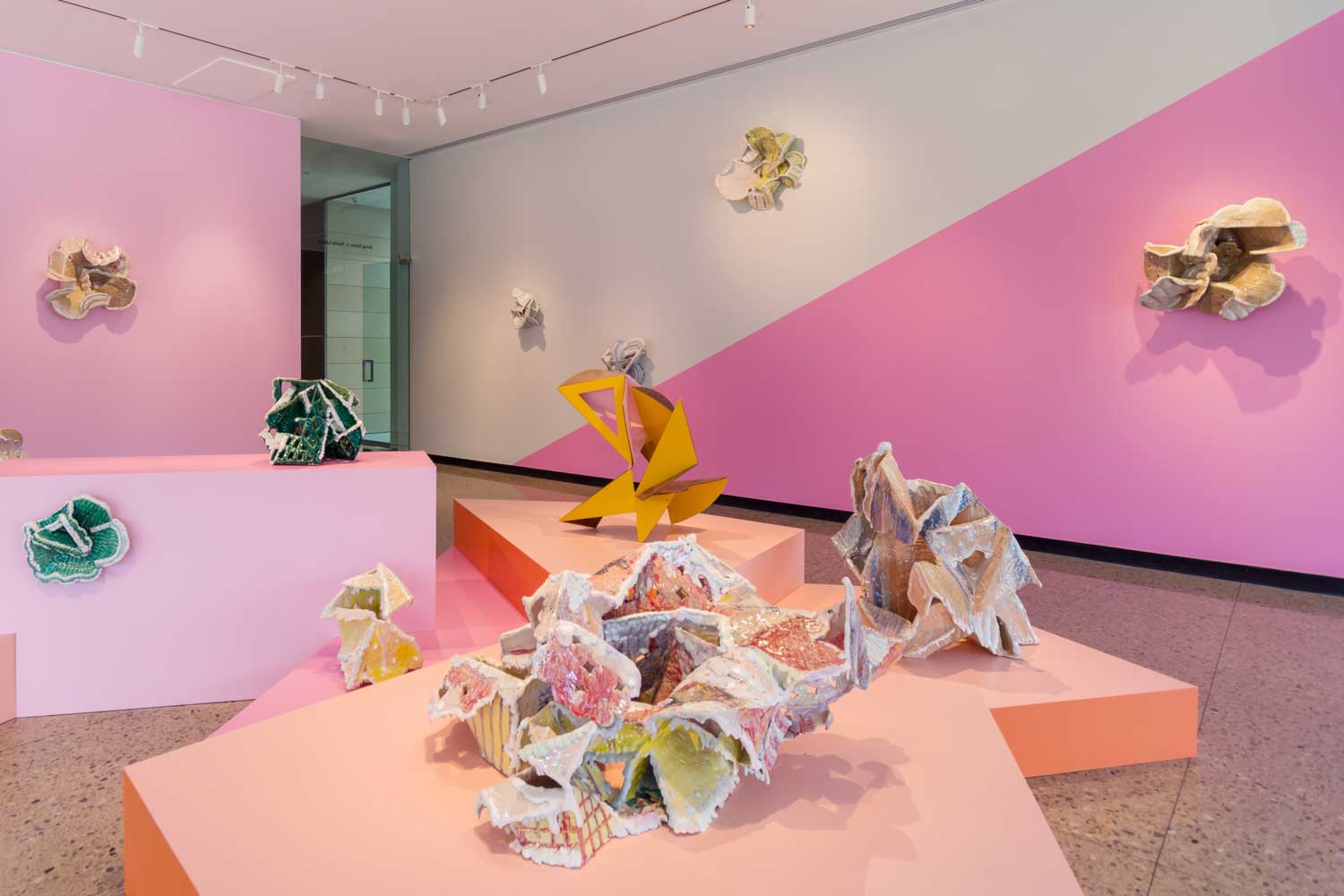
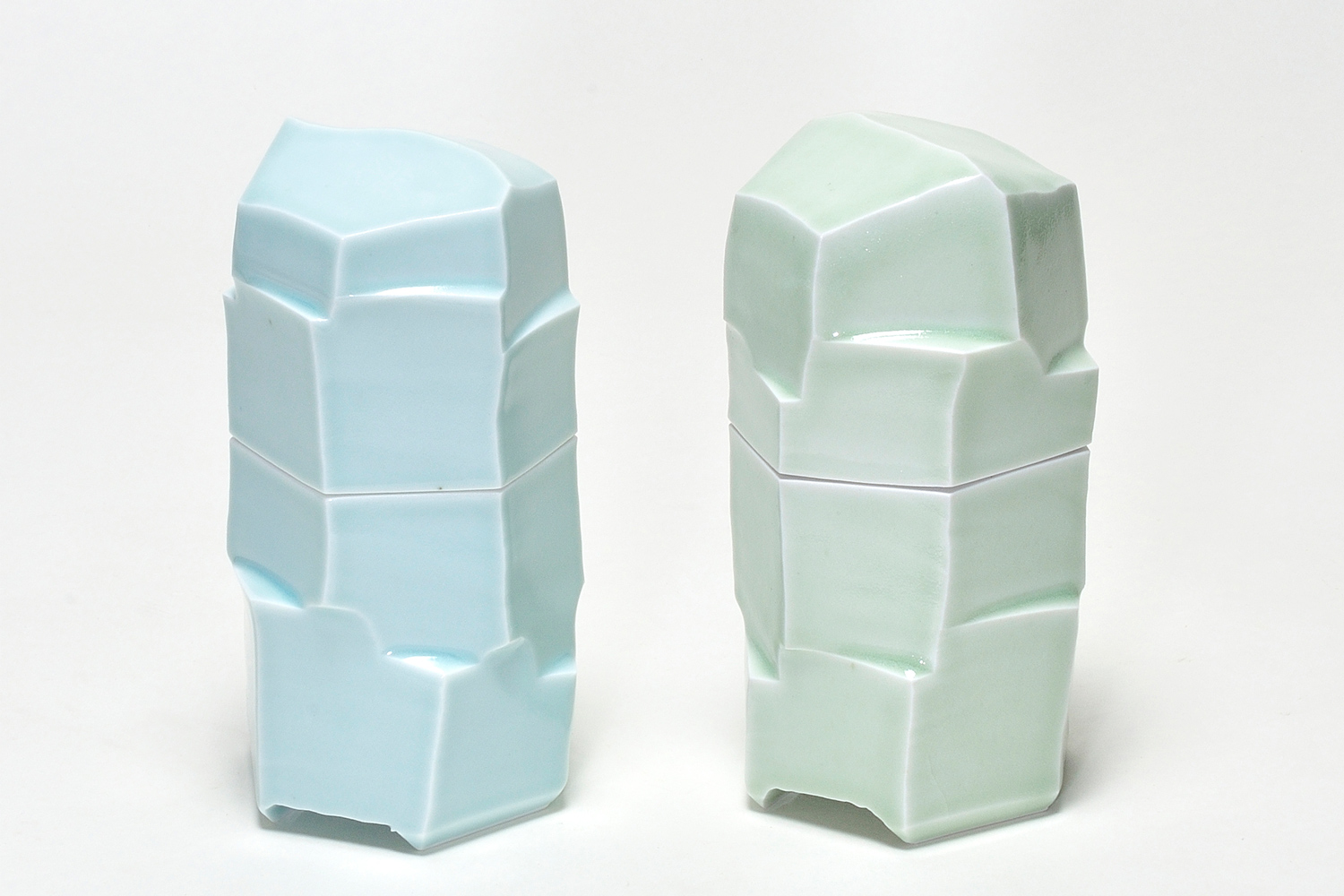
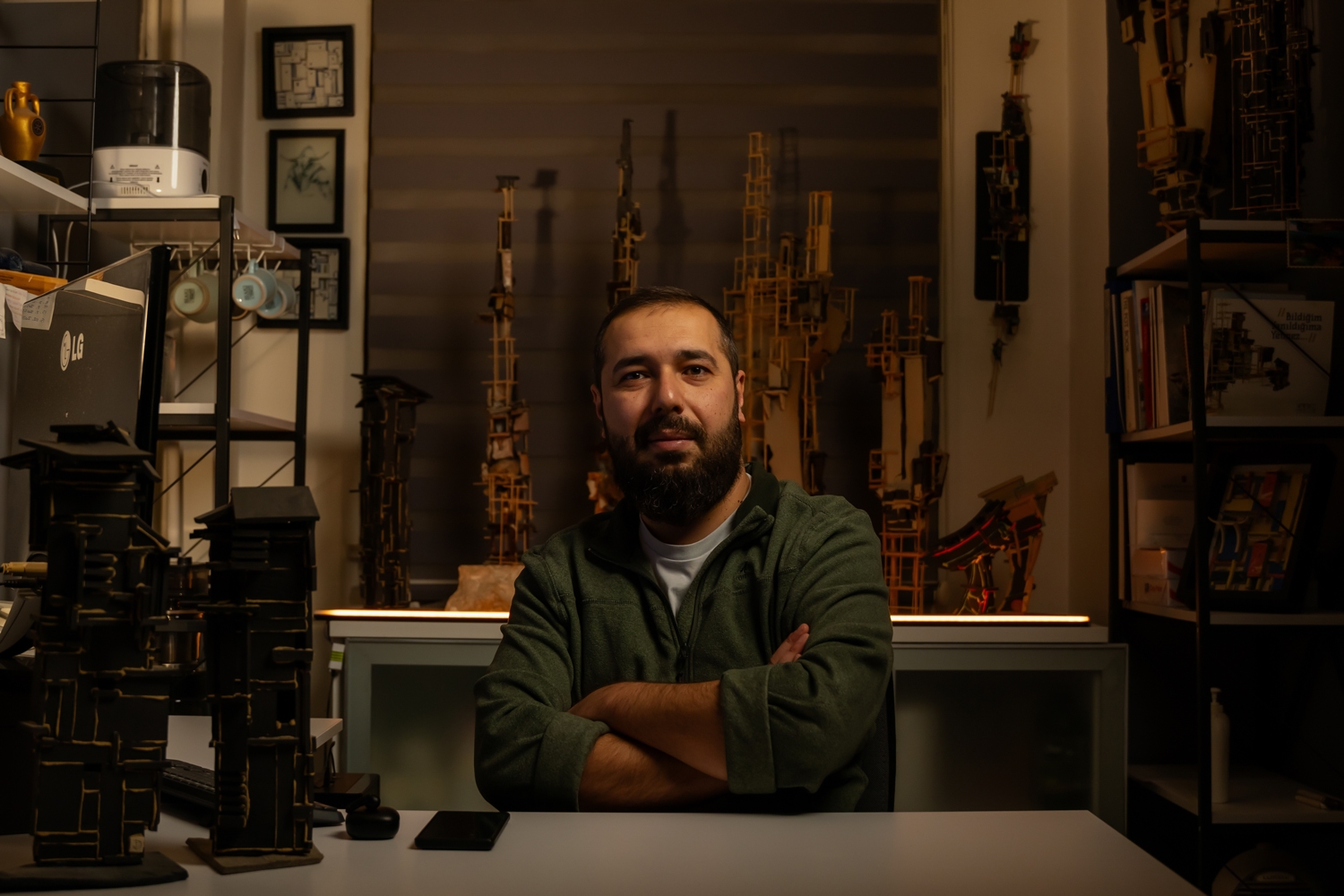
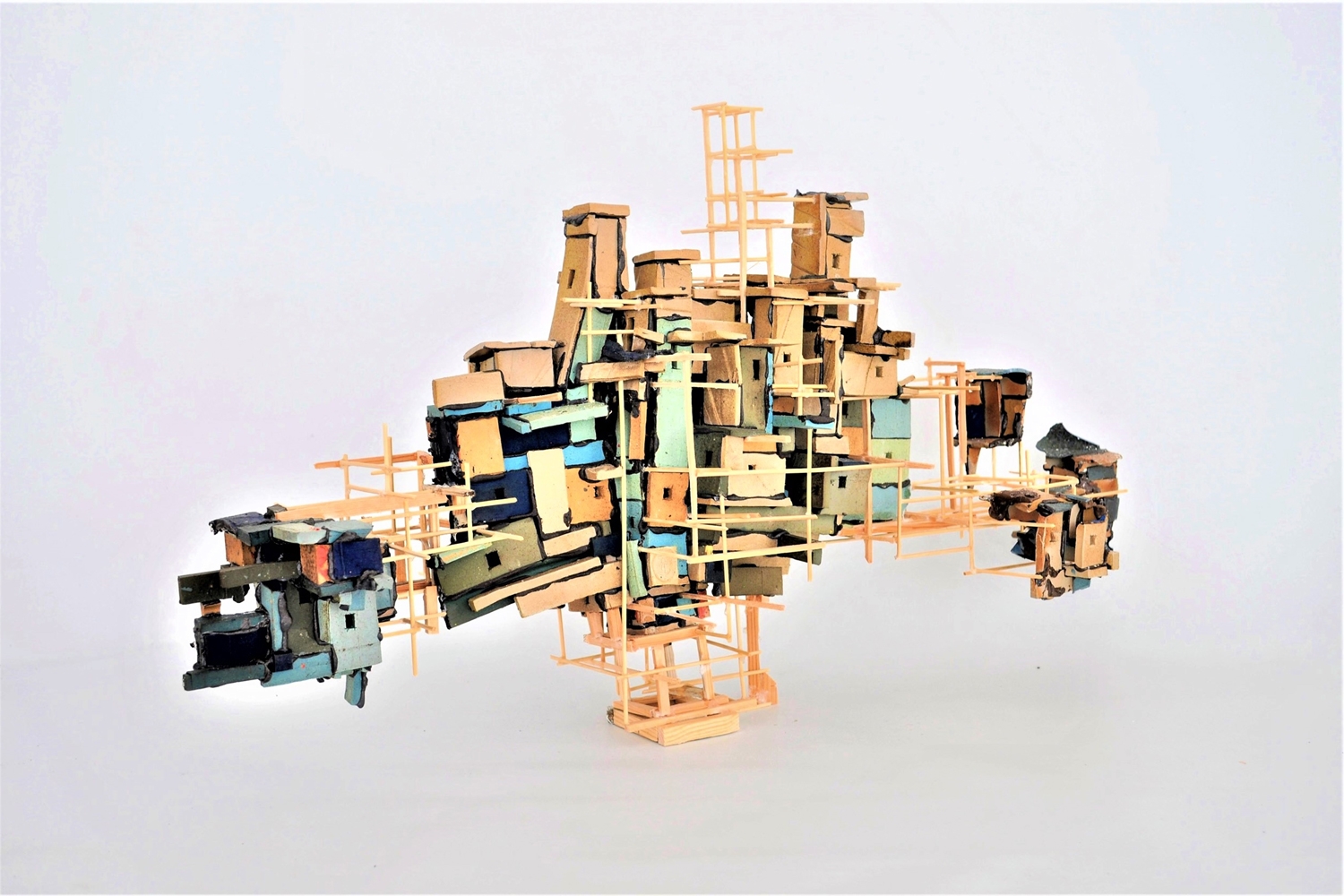
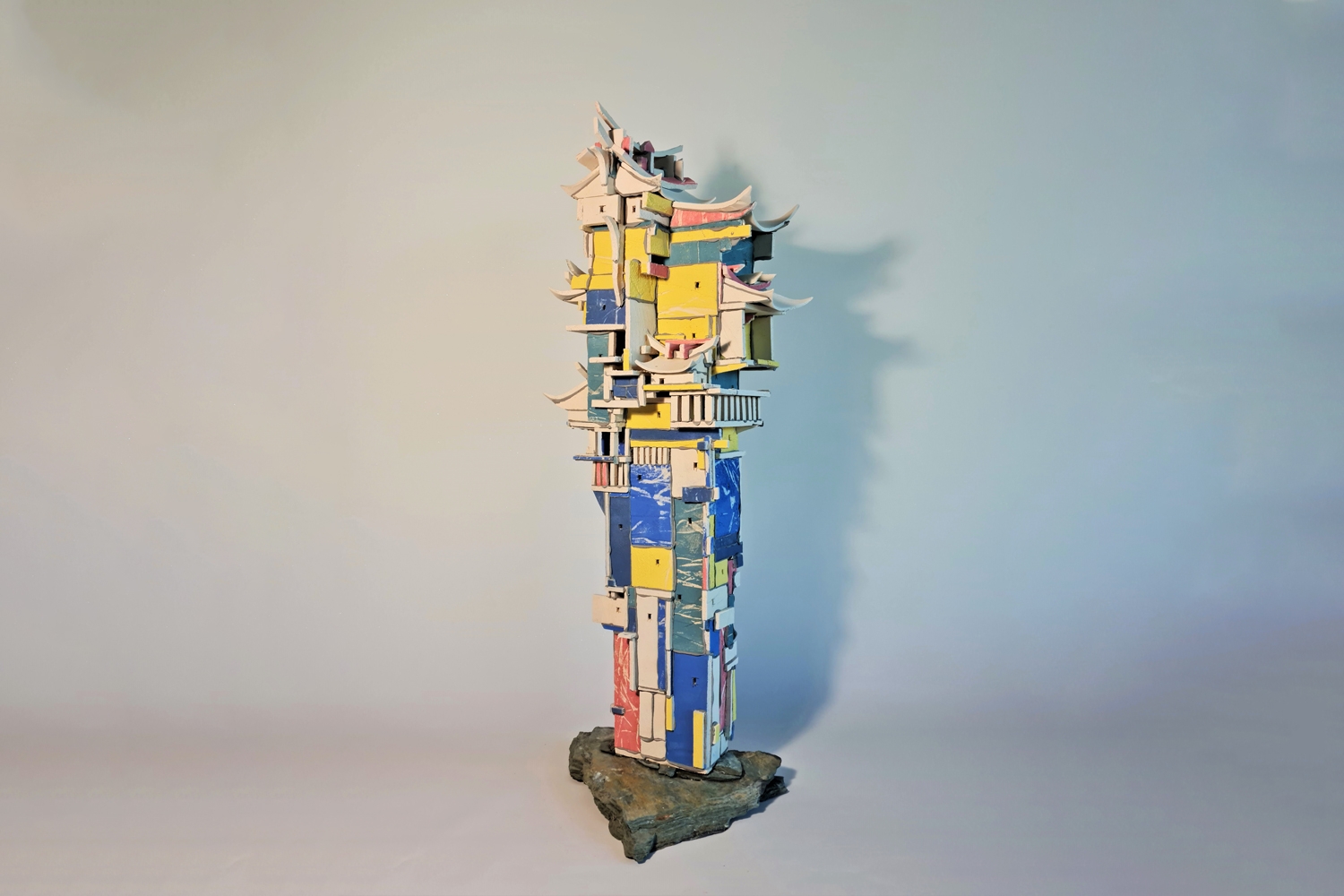
- His artworks are often a reconstruction of architectural forms
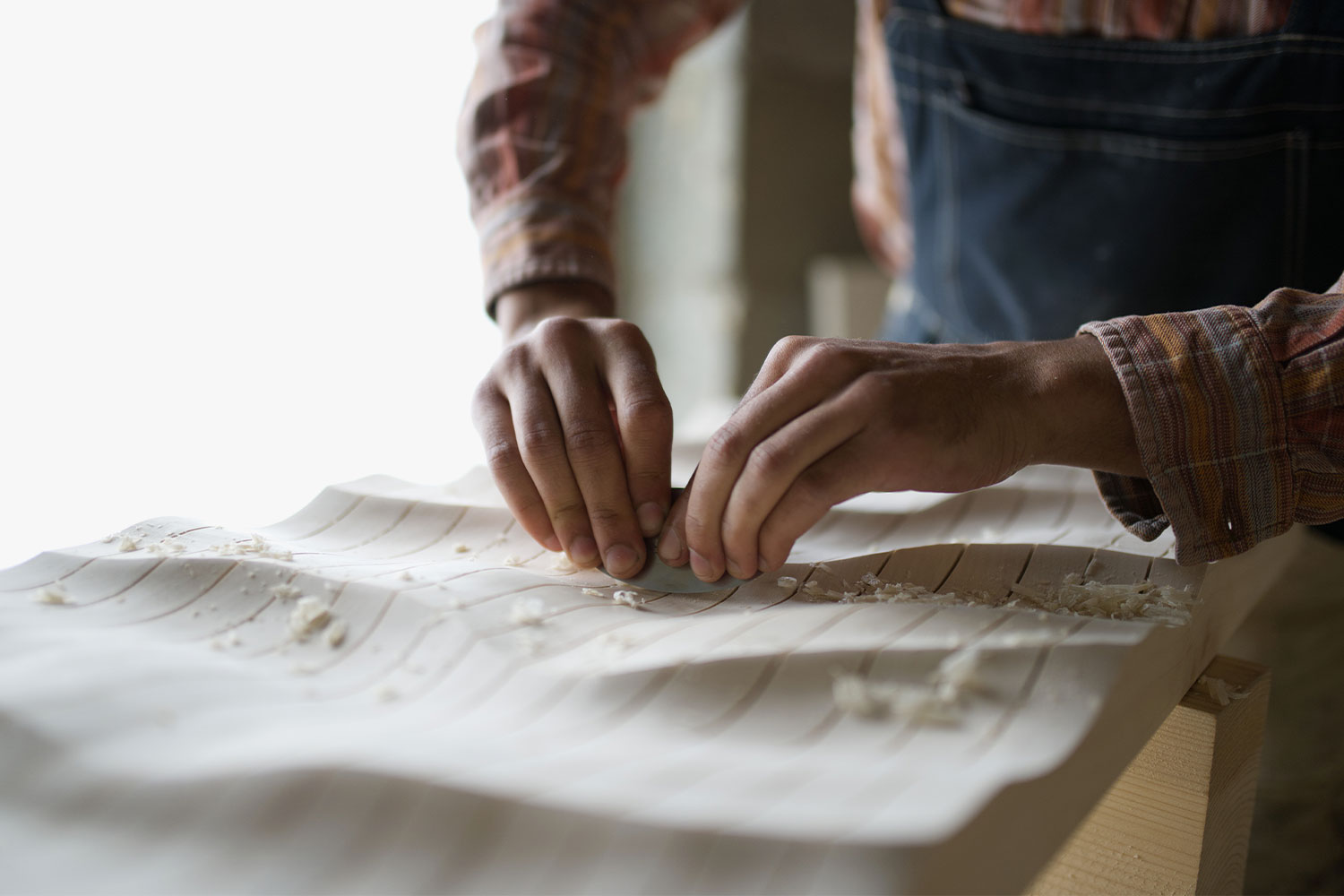
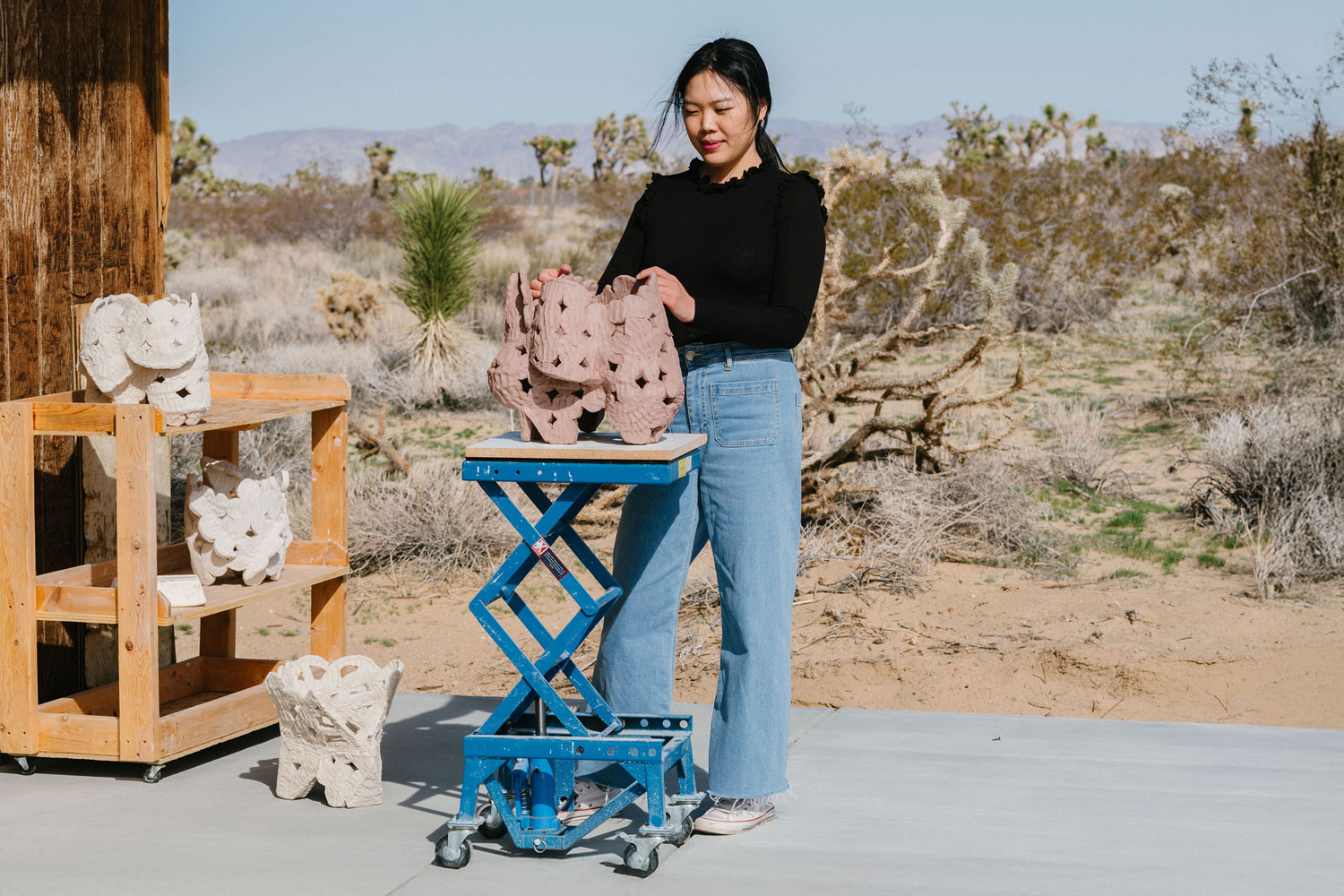
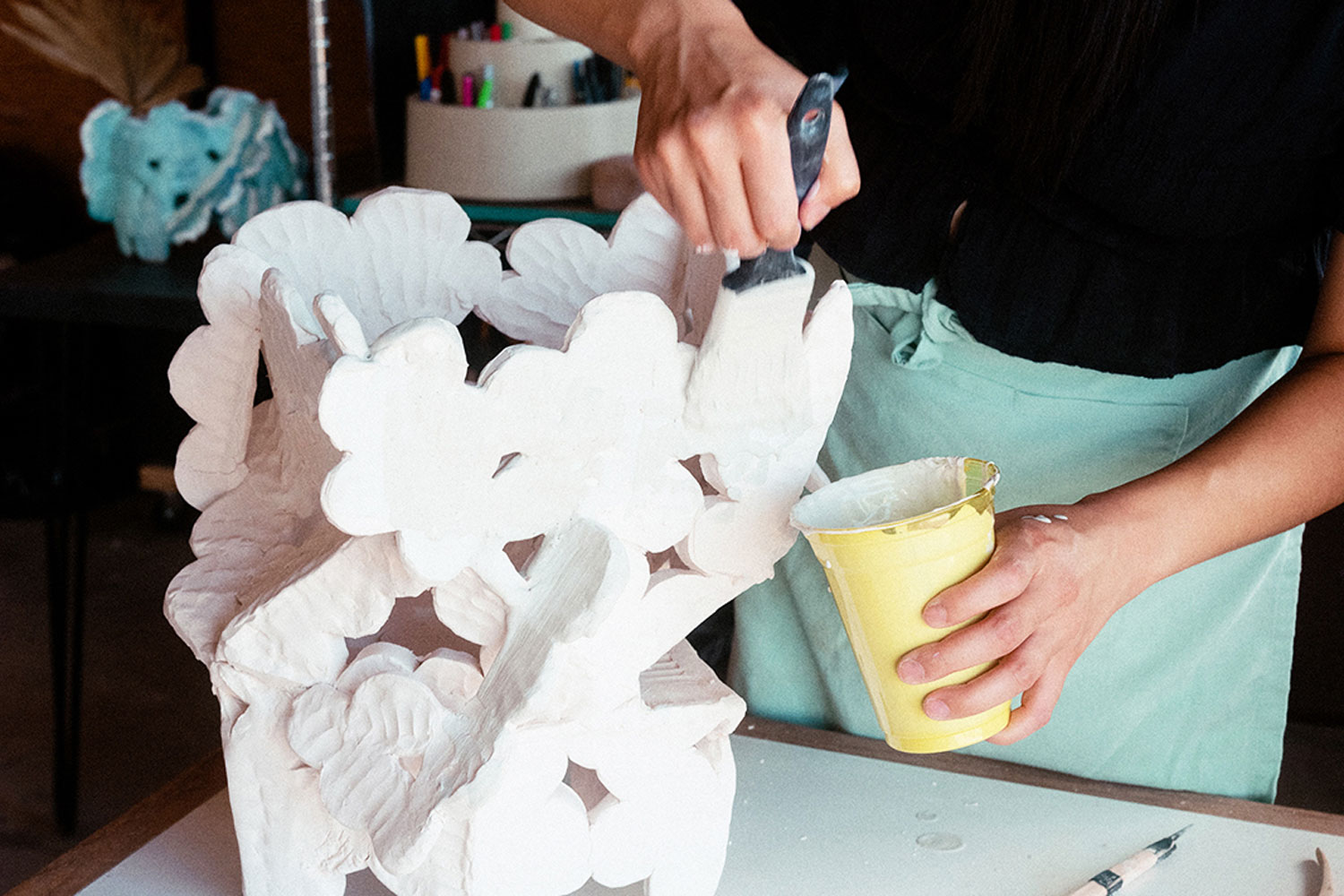
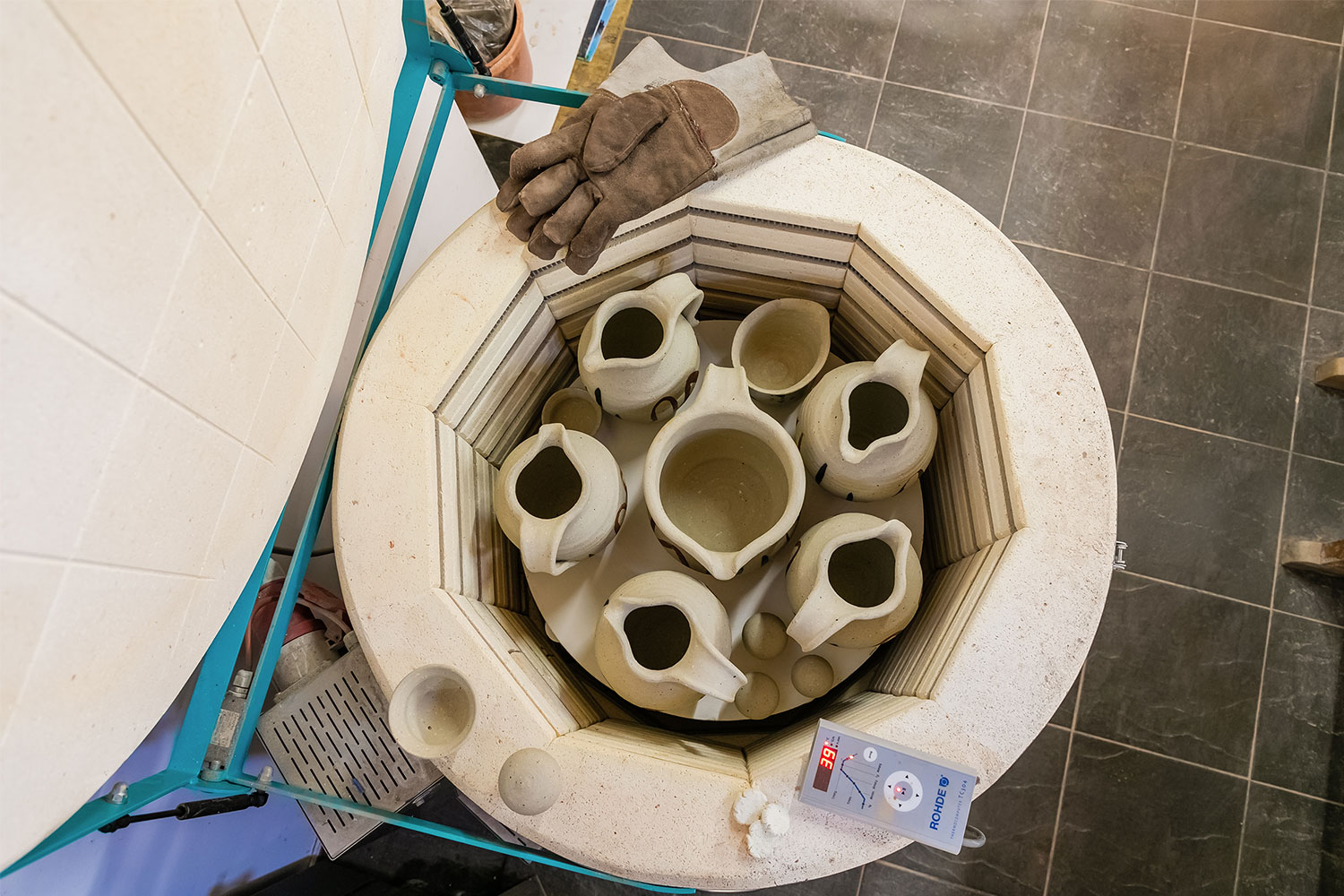
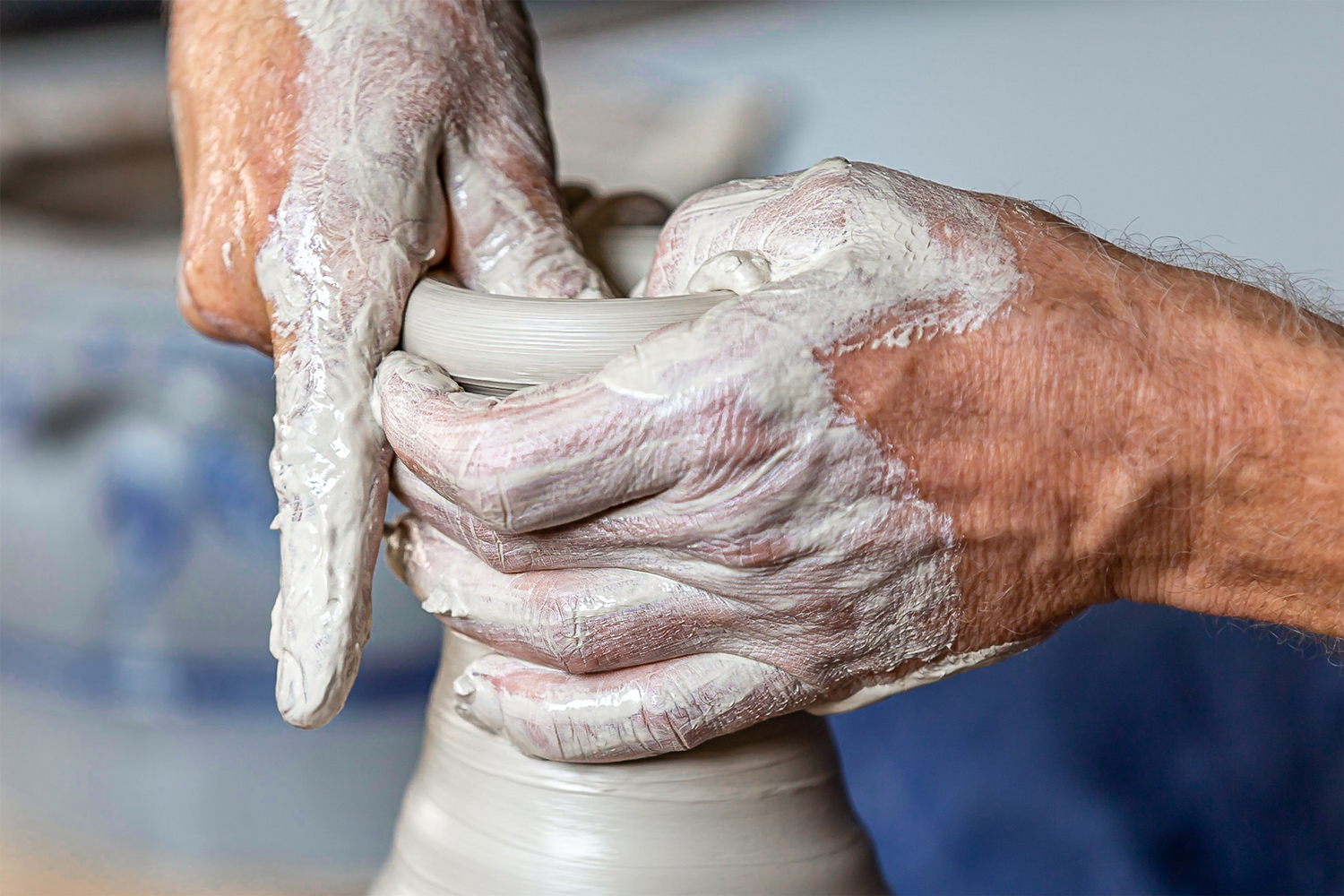
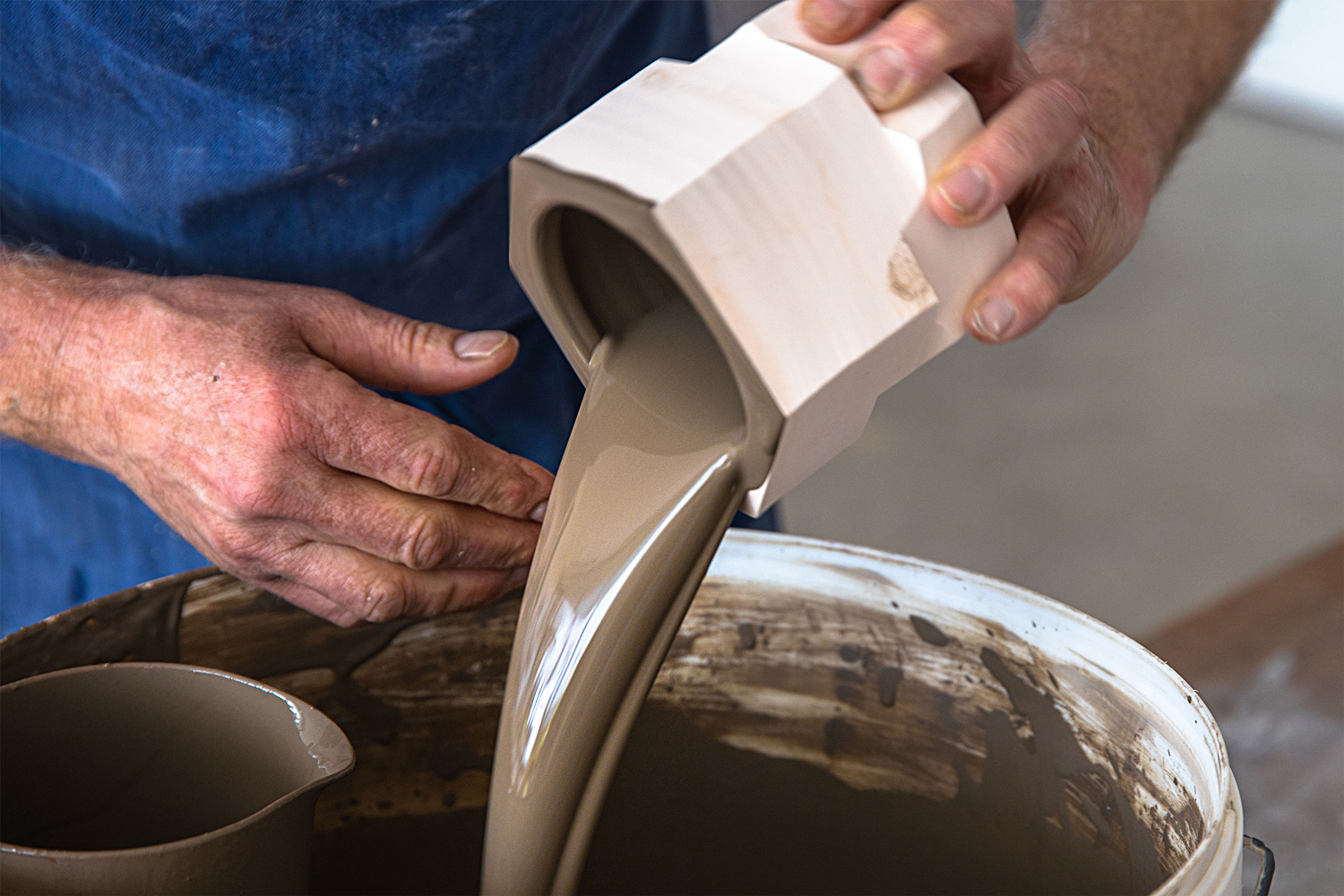
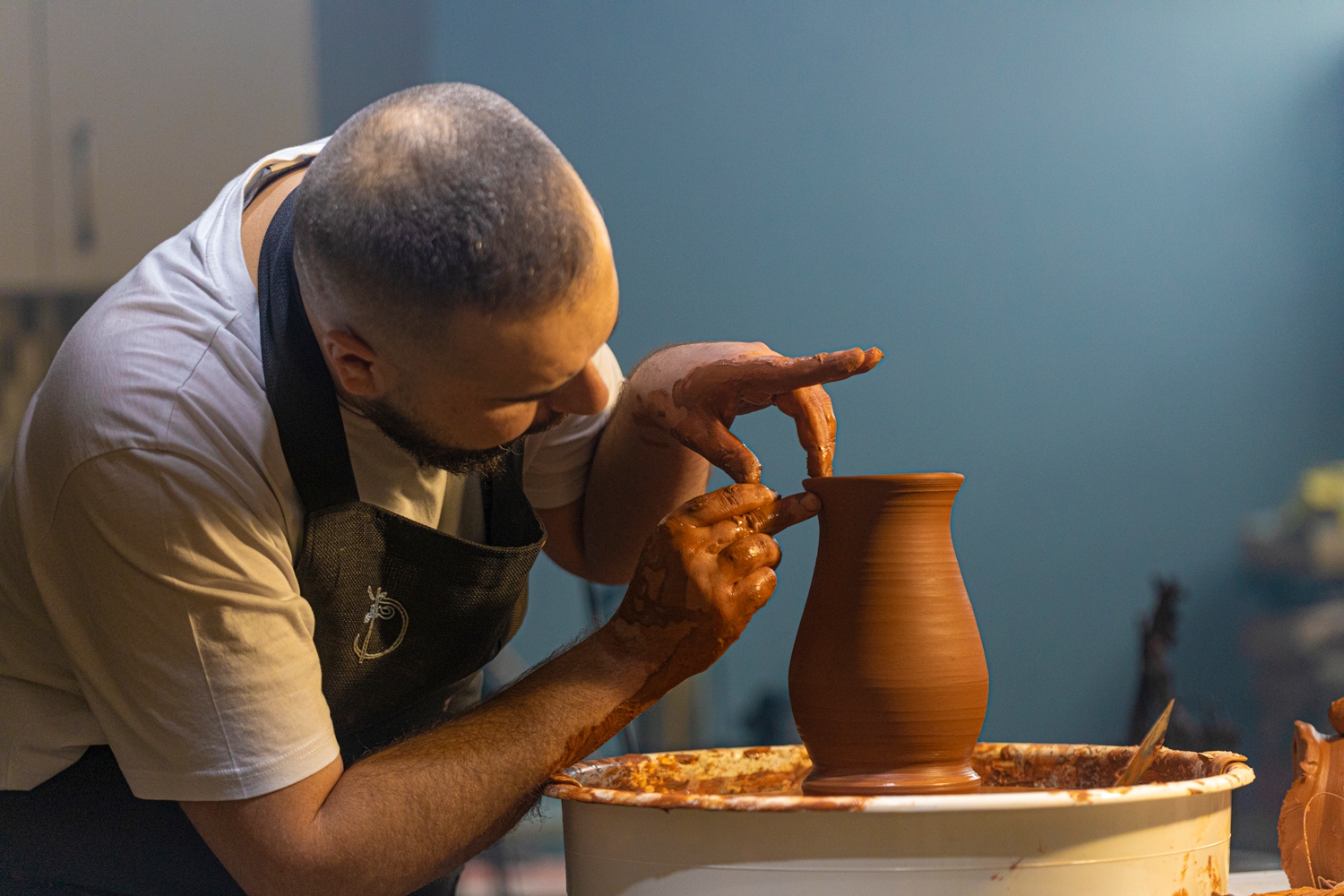
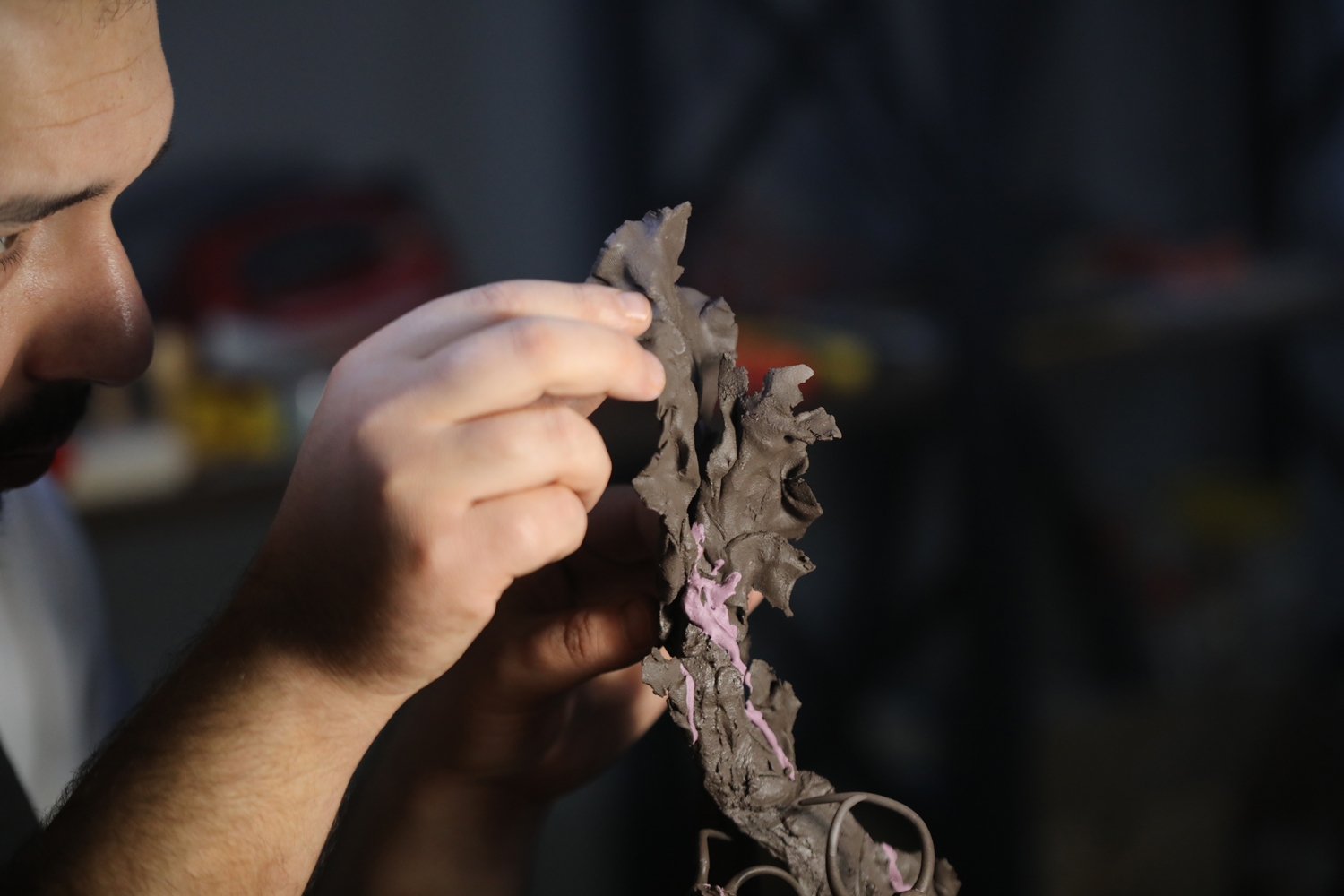
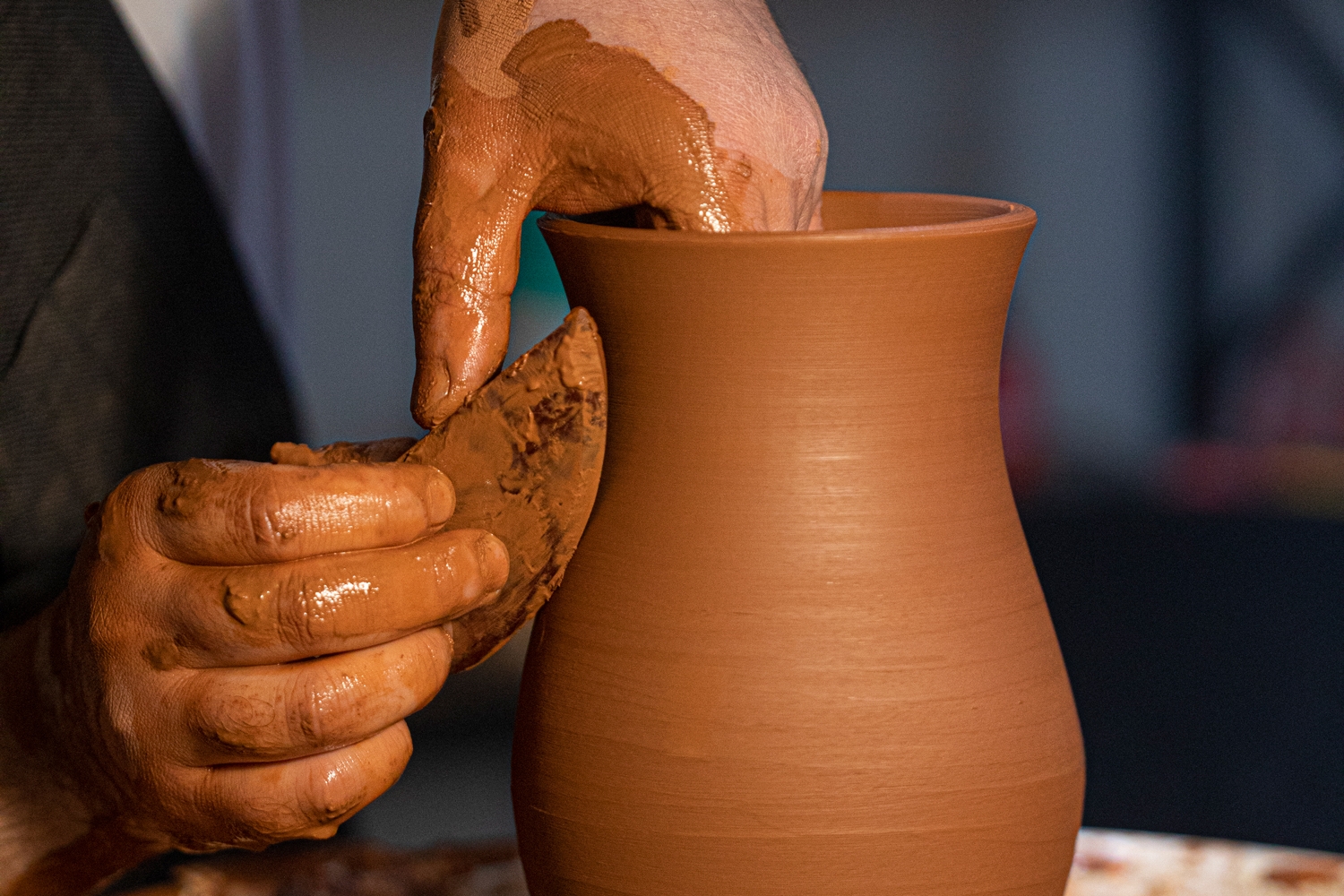
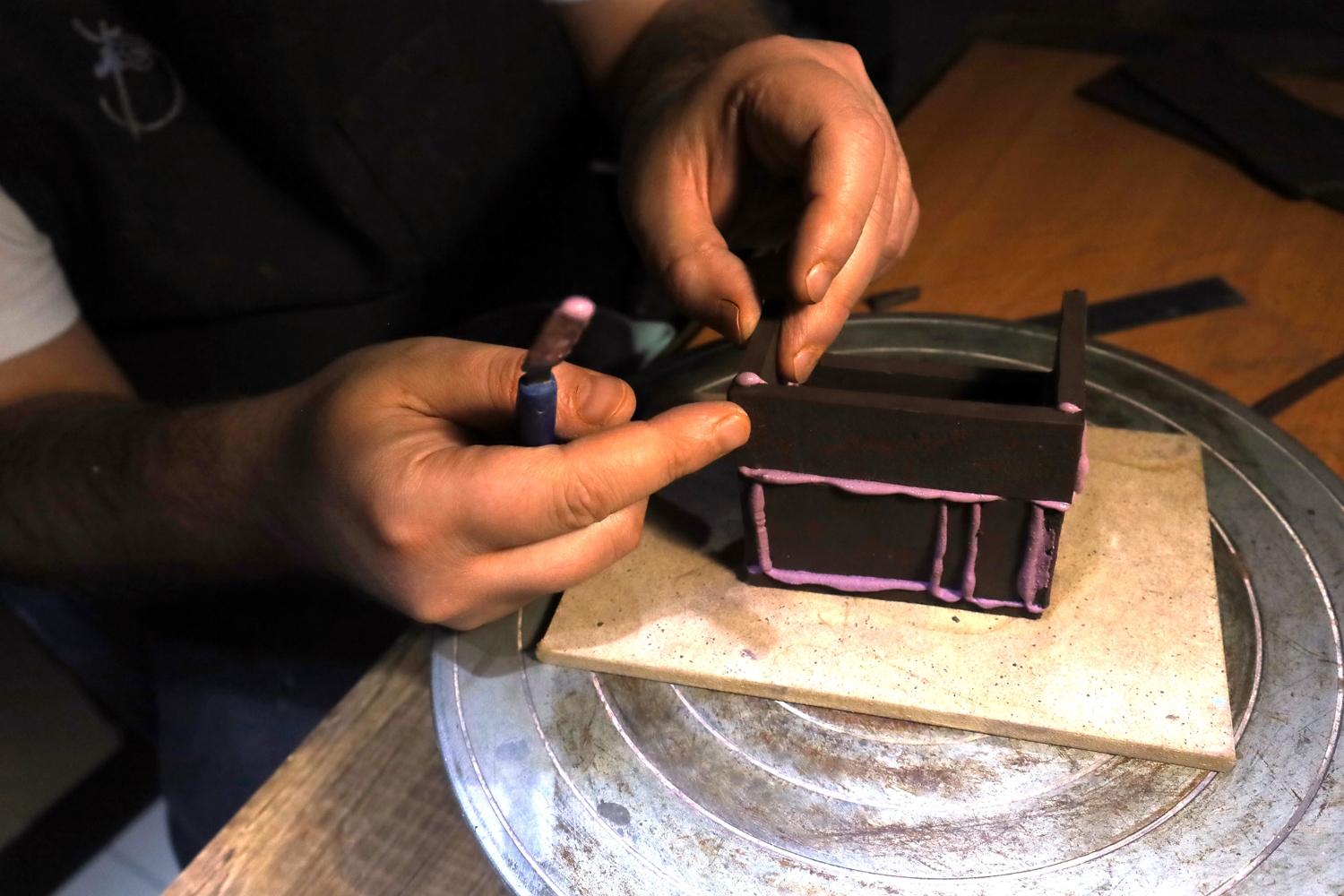
- Hand modelling, moulding, hand shaping and slab building are his specialist techniques
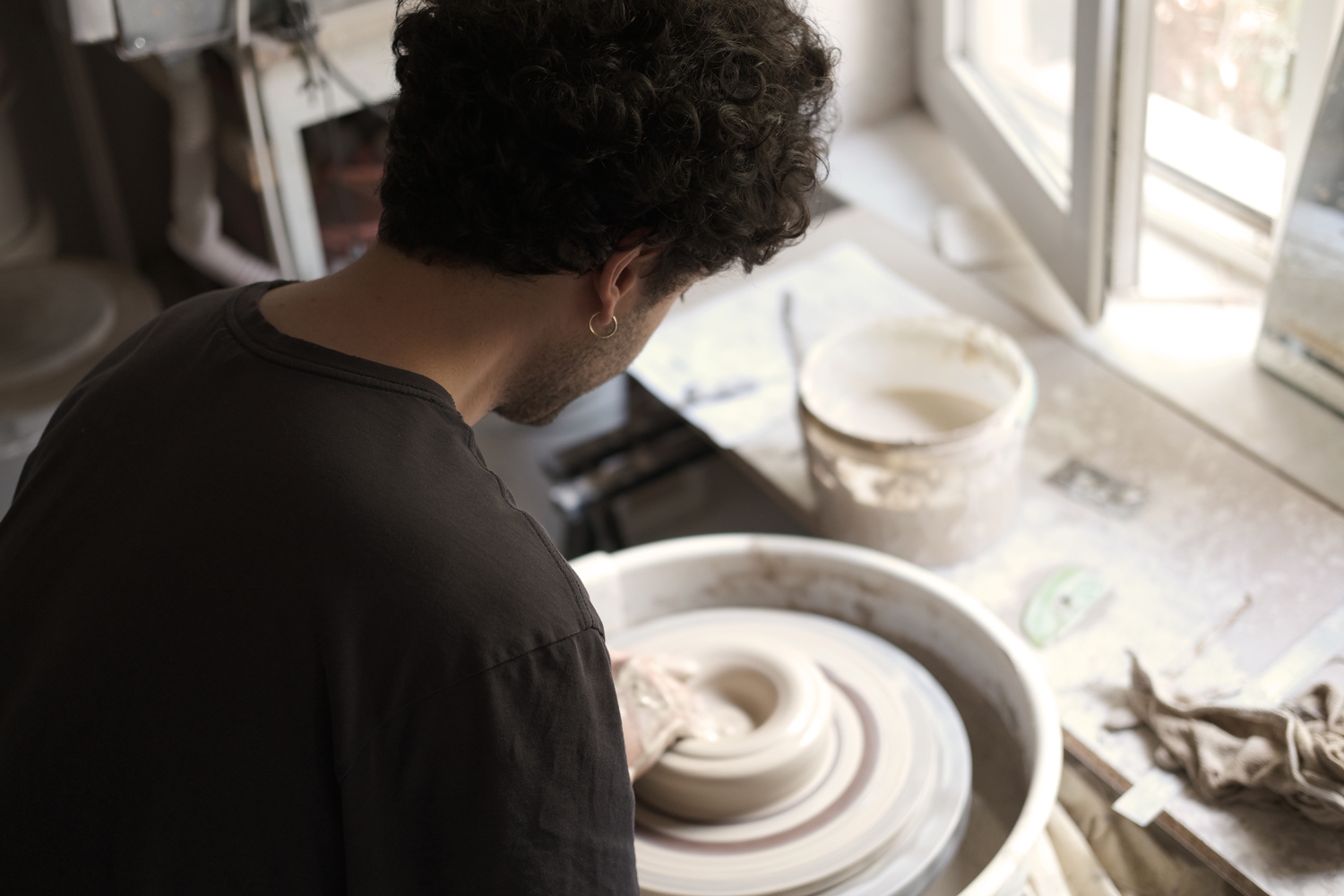
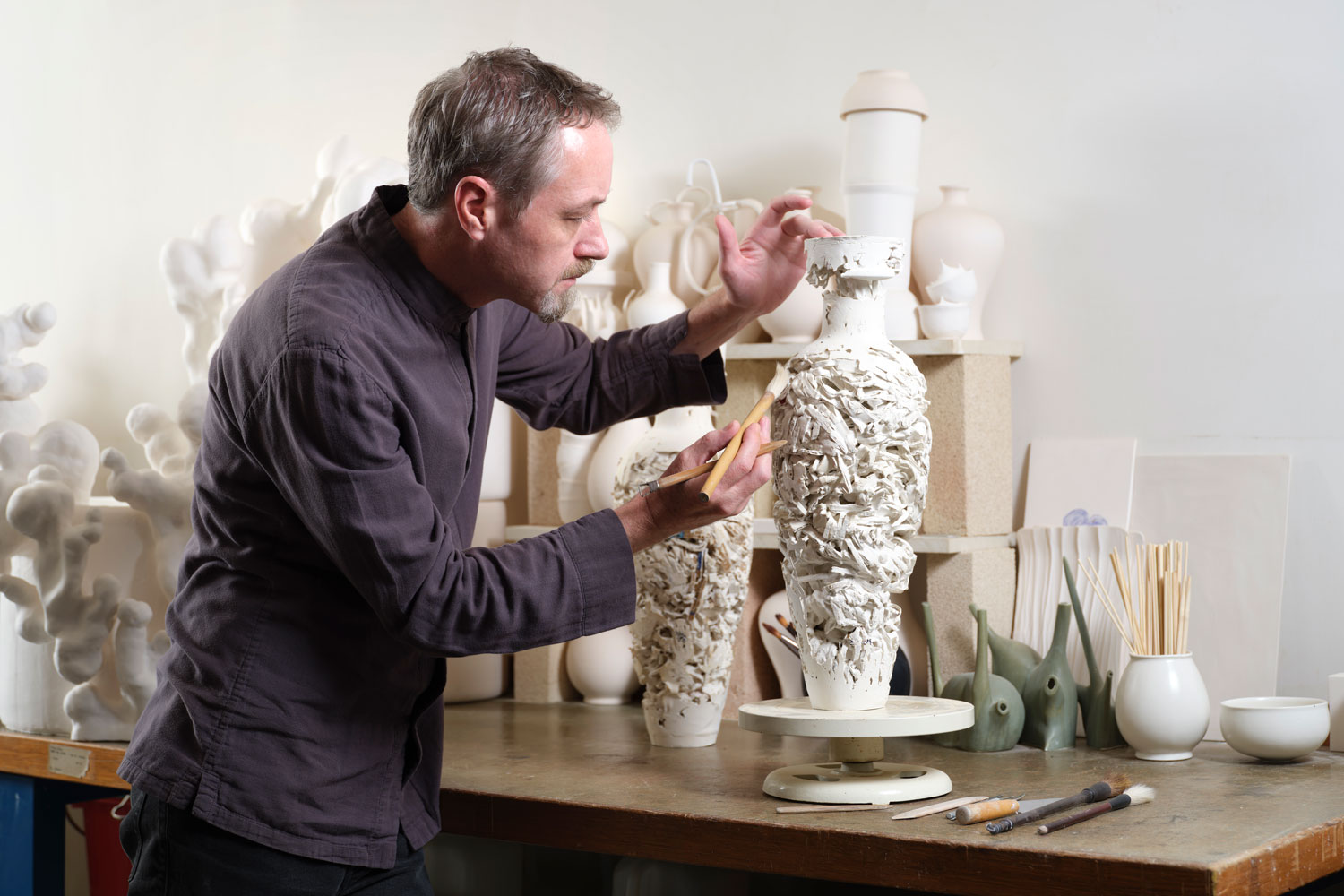
Hasan Numan Suçağlar’s initial encounter with ceramics was by chance, an unplanned choice made at university, which later defined his artistic career. “I discovered a profound connection to ceramics and its limitless creative possibilities. This unexpected choice quickly became a passion that shaped my artistic journey,” he says. In his works today, Hasan recreates architectural forms and their narratives, as ceramics not only have the potential to reflect physical forms, but also to convey emotions. “Architecture and urban landscapes serve as the foundation of much of my artistic practice, but I explore beyond these themes,” says the artist. Hasan defines his work as an ongoing dialogue between his past and the new possibilities of the future. He teaches his craft to students, an experience that enriches his own practice in the ongoing flow of exchange and expression that ceramics incite and allow.
INTERVIEW
Its transformative nature and the endless possibilities it offers for creative exploration. As an artist, ceramics allow me to shape materials while transforming abstract emotions, personal memories and environmental observations into tangible forms. My work reflects a deeply personal journey, where imagination and the dynamic interplay between tradition and innovation take centre stage.
For me, every structure has a soul and a narrative to tell. My work seeks to capture and reinterpret these unseen stories, creating a bridge between the physical world and the emotions tied to it. While ceramics form the core of my artistic practice, I often incorporate other materials such as wood, metal, marble, or stone into my works.
For me, it goes beyond technical perfection or flawless craftsmanship. While skill and precision are undeniably important, a well made piece must resonate on a deeper level—it should evoke emotions, provoke thought, and establish a connection between the creator, the artwork, and the audience.
Like many crafts, ceramics are evolving with technology. 3D ceramic printing offers exciting possibilities but also raises questions about the uniqueness of handmade work. Additionally, today’s fast-paced world sometimes challenges time-intensive crafts like ceramics. Still, the individuality and tactile nature of handmade ceramics ensure its lasting value alongside new technologies.
Hasan Numan Suçağlar
Ceramicist
Konya, Türkiye
AVAILABILITY
By appointment only
LANGUAGES
Turkish, English
Homo Faber Finds is a new service aiming to inspire admirers of craft to connect and collaborate with exceptional artisans.
We invite you to submit an enquiry here.