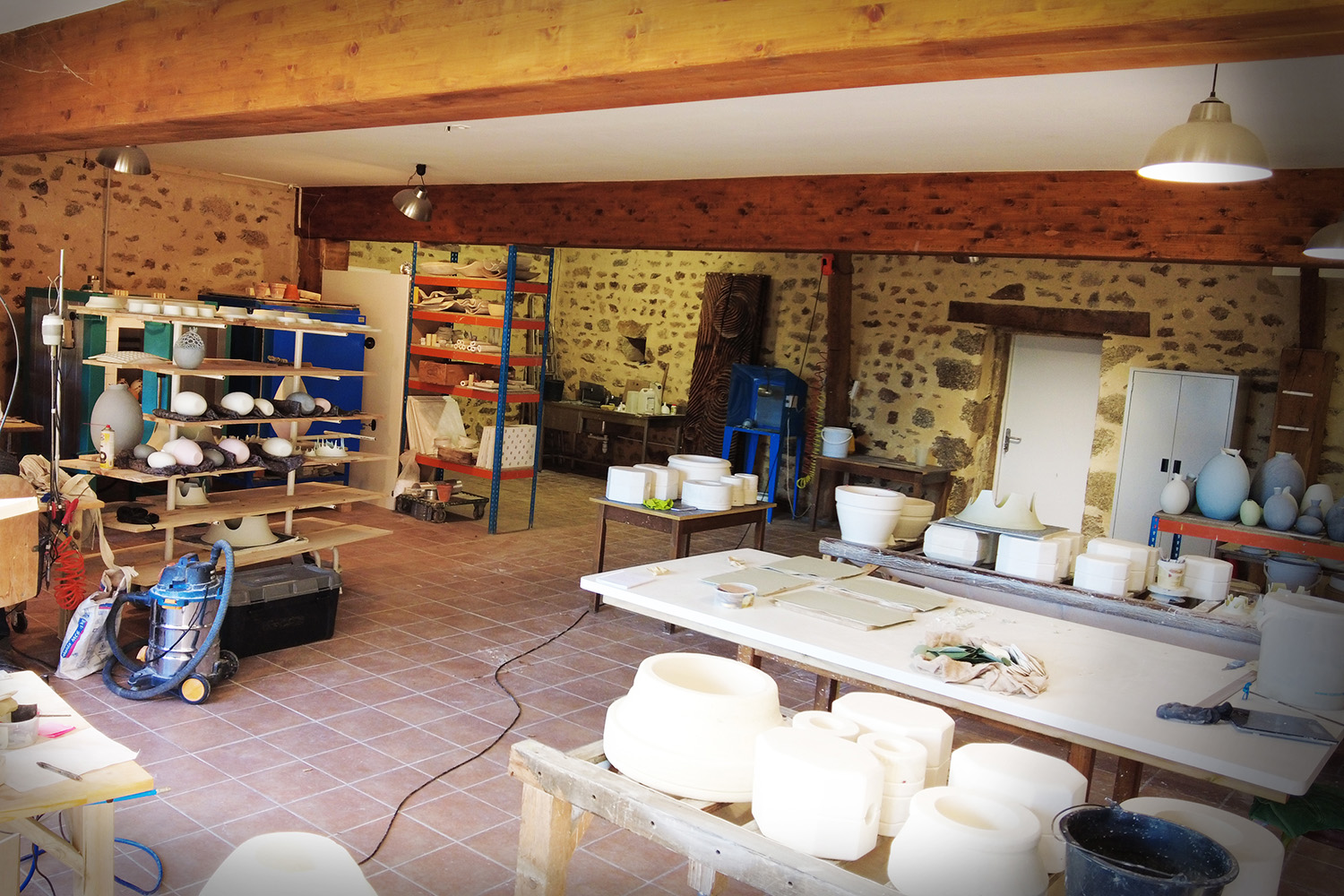
Yaël Malignac & Guillaume Descoings
Passage secret
Ceramicist
Cheissoux, France
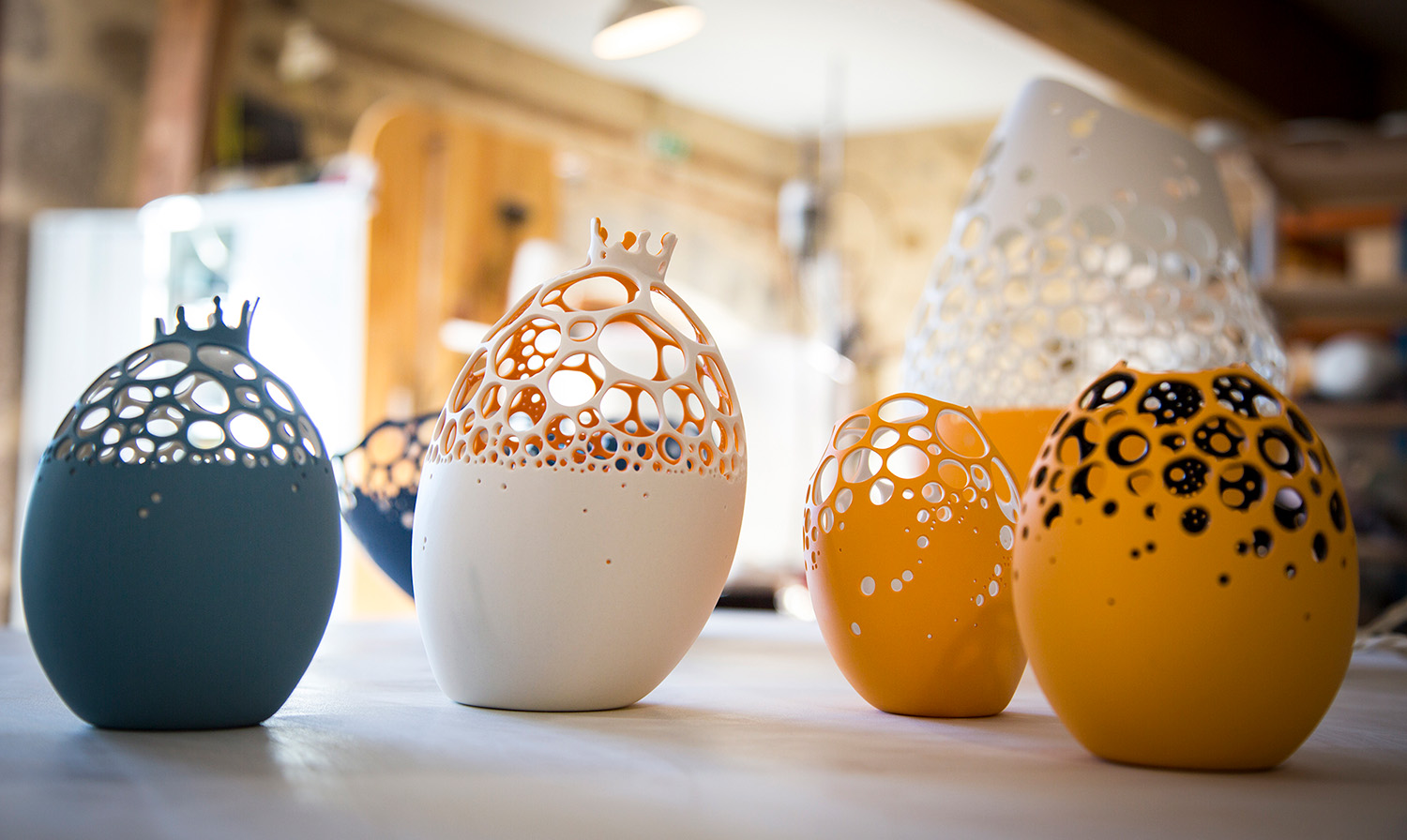
Sculptures born from contrasts
- Yaël and Guillaume met in Limoges
- Their work embraces and blends dualities
- They opened their workshop together in 2013
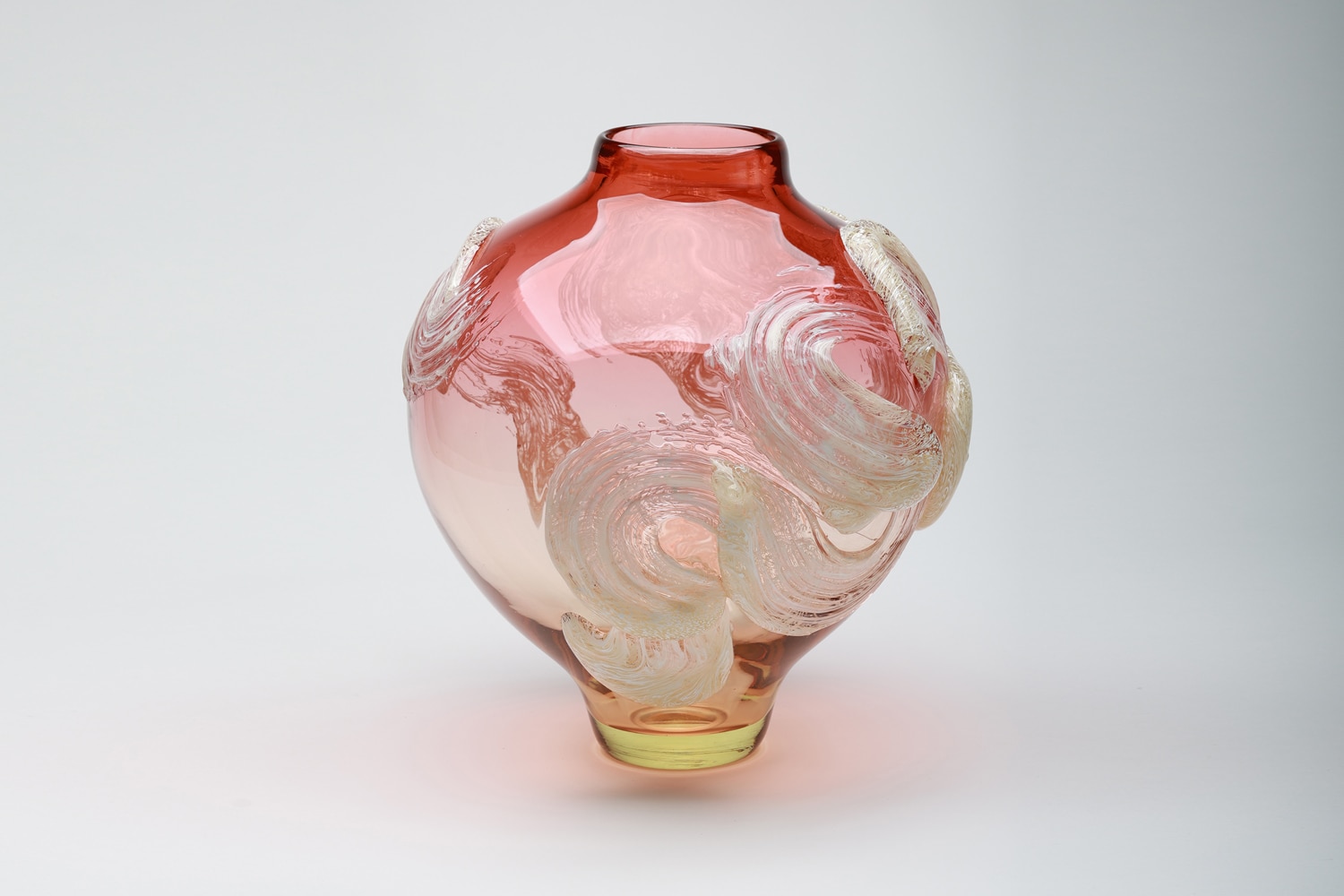
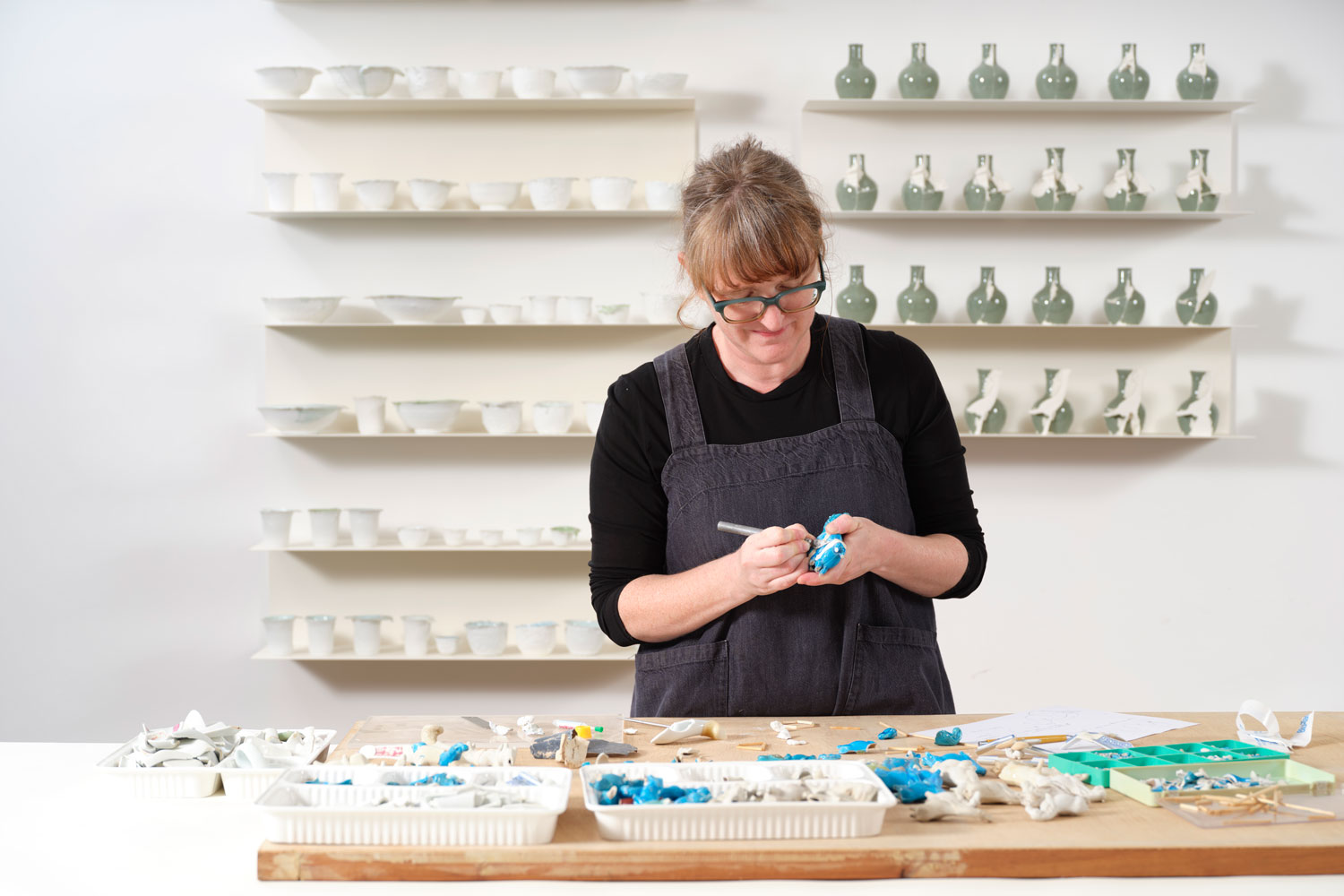
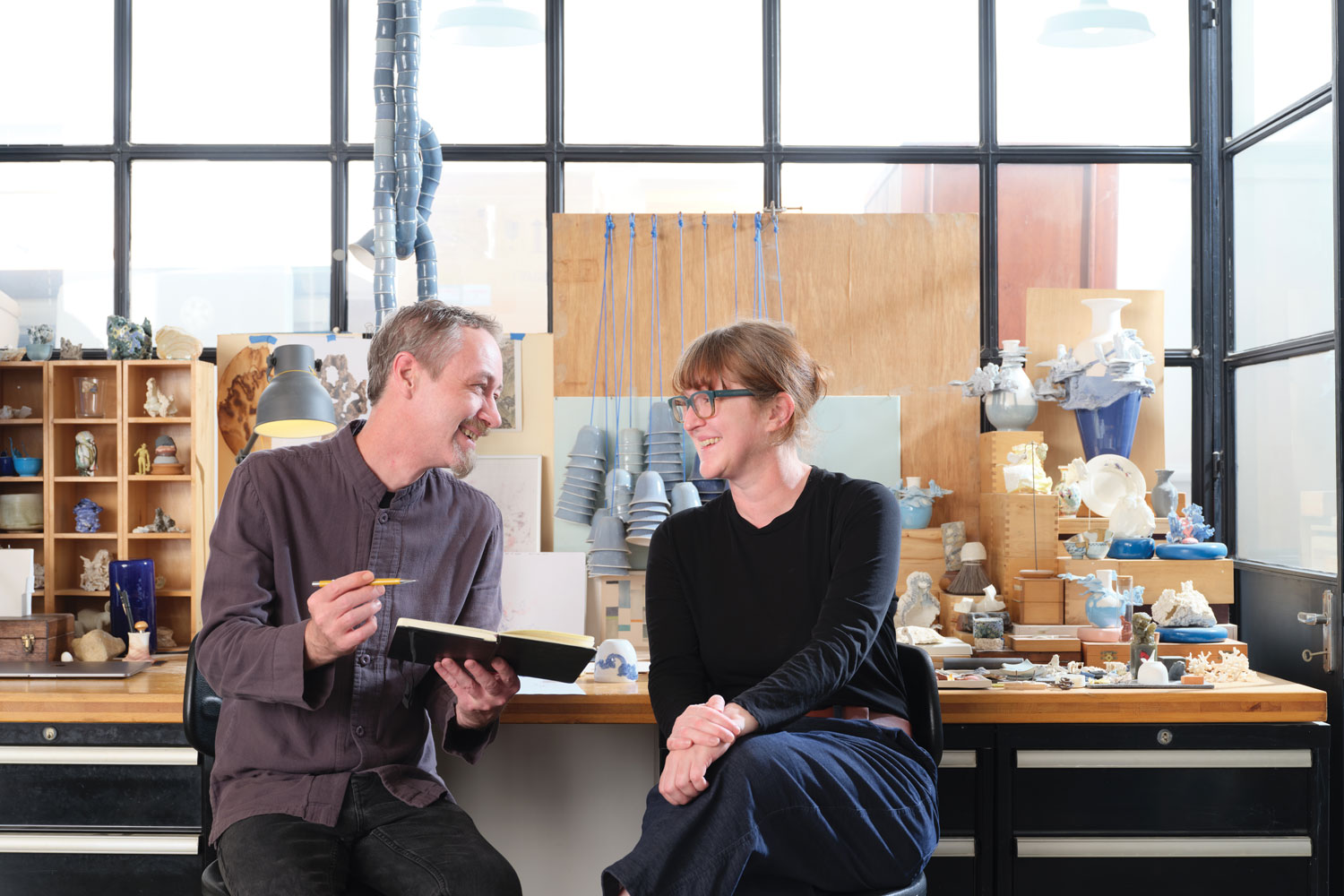
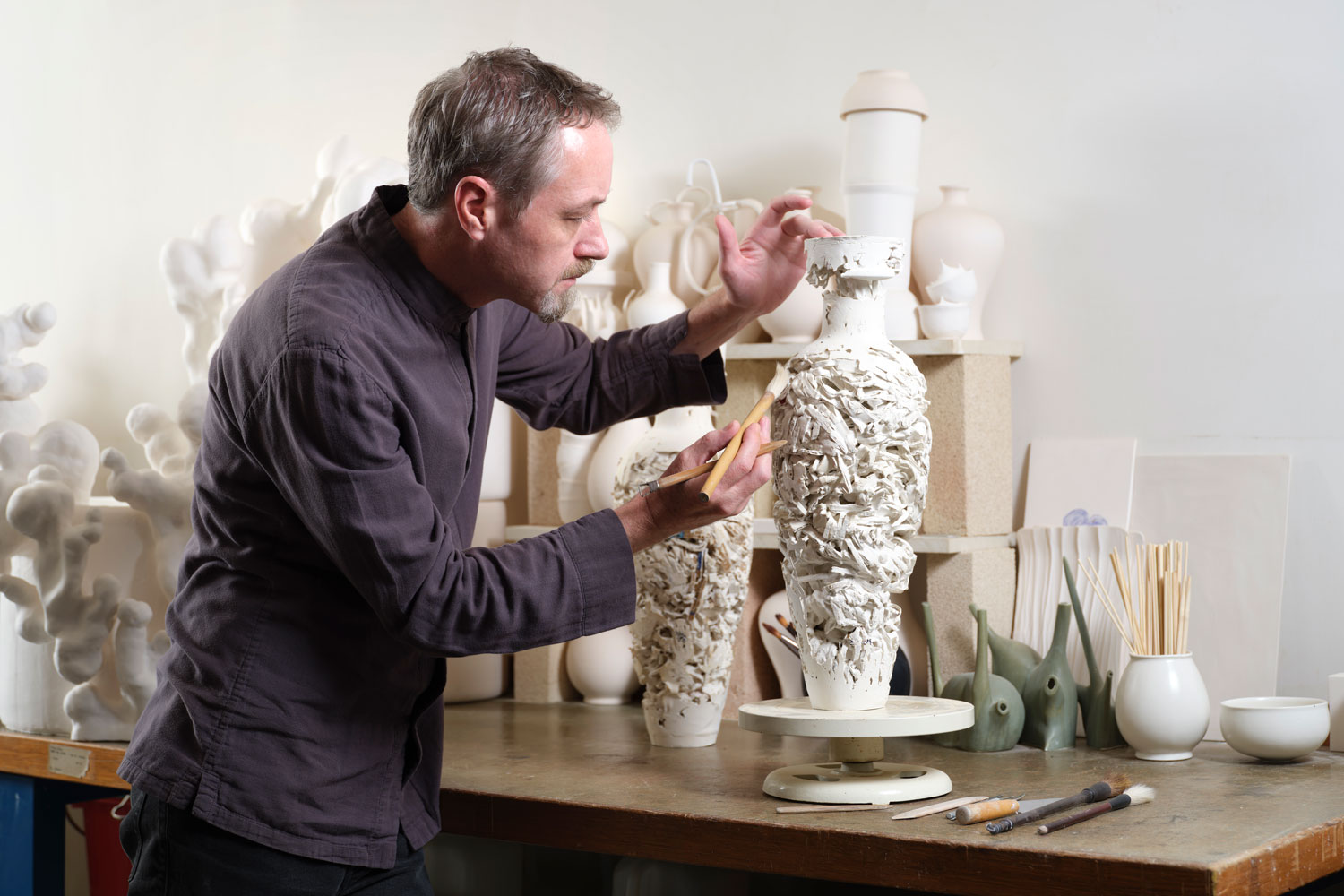
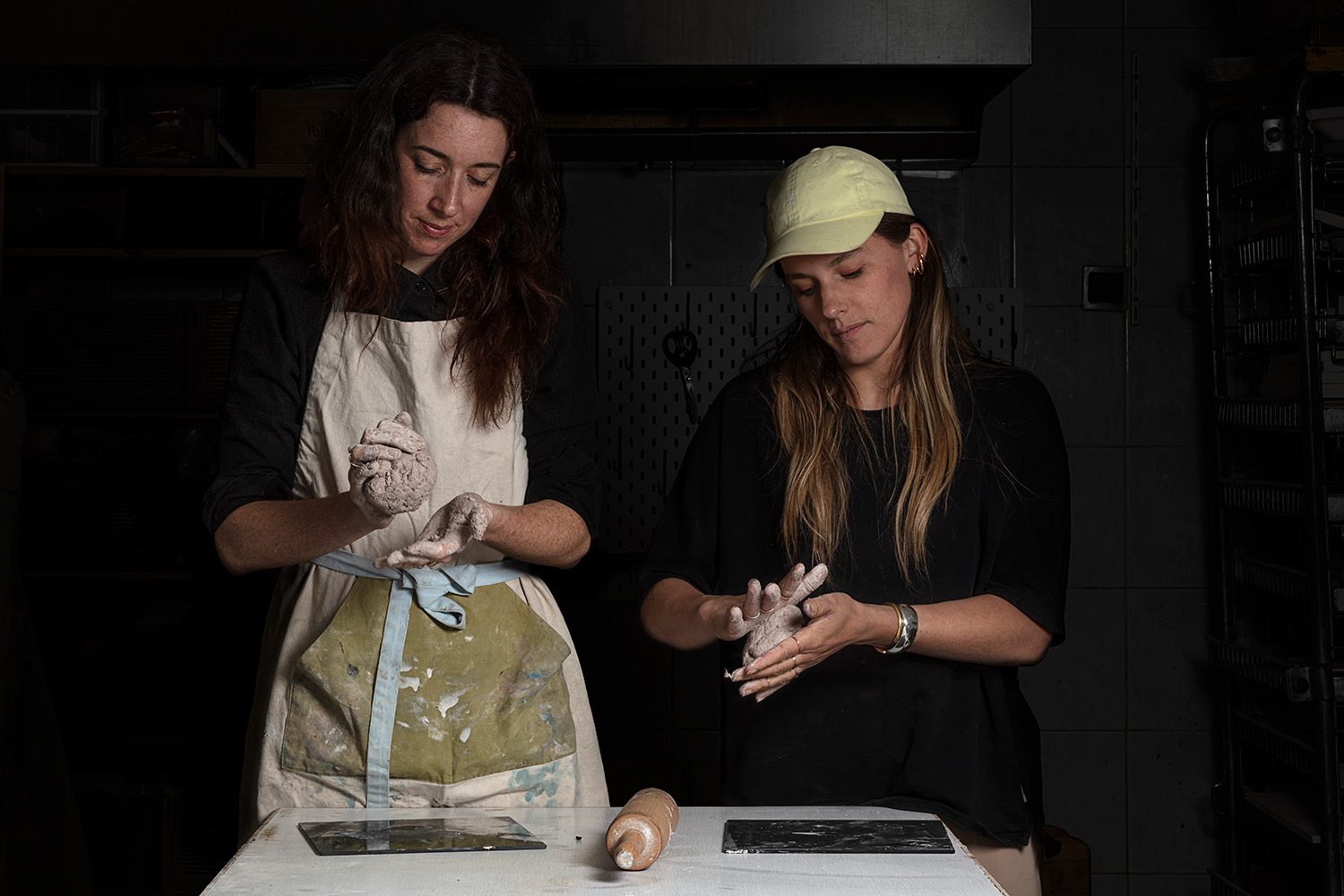
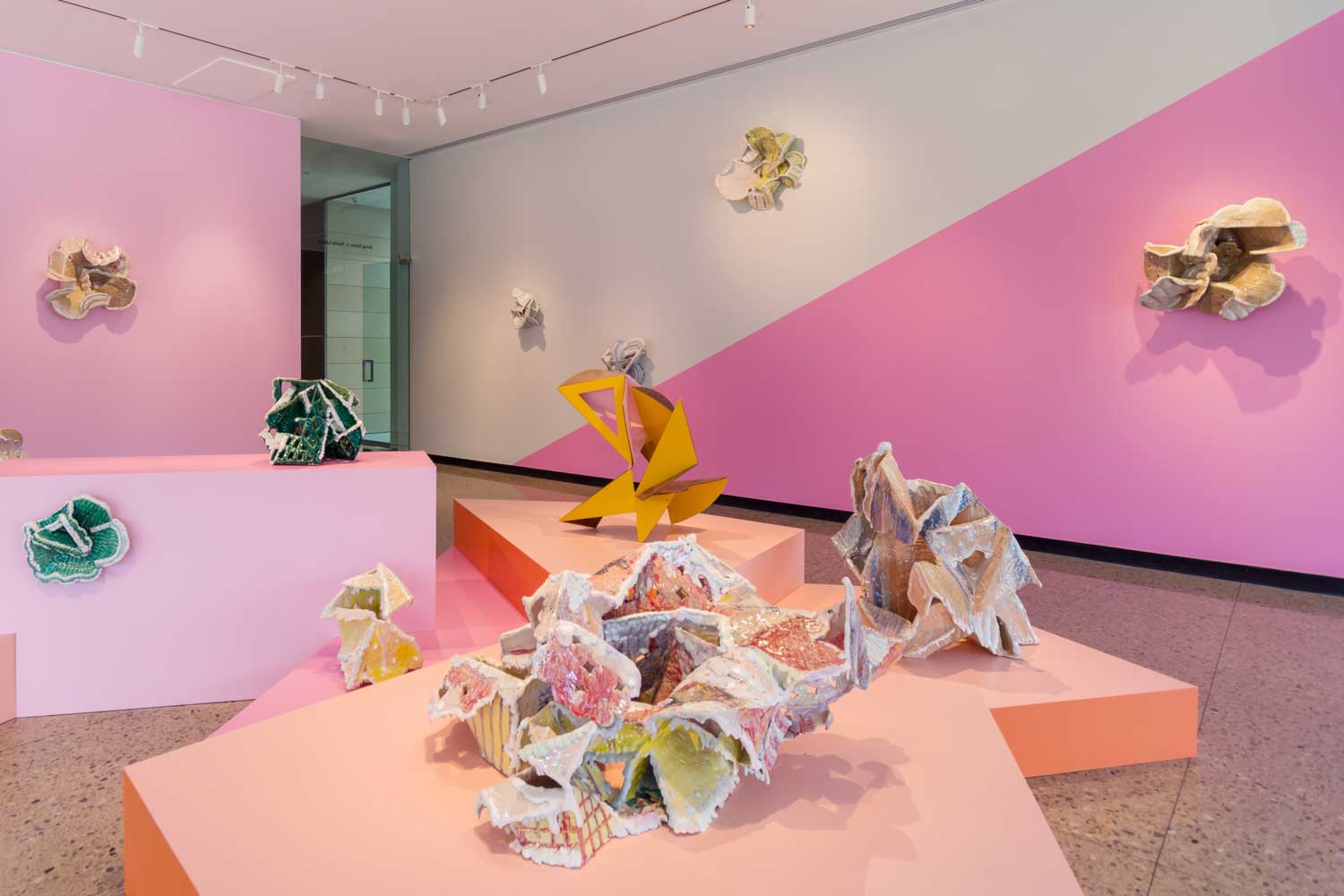
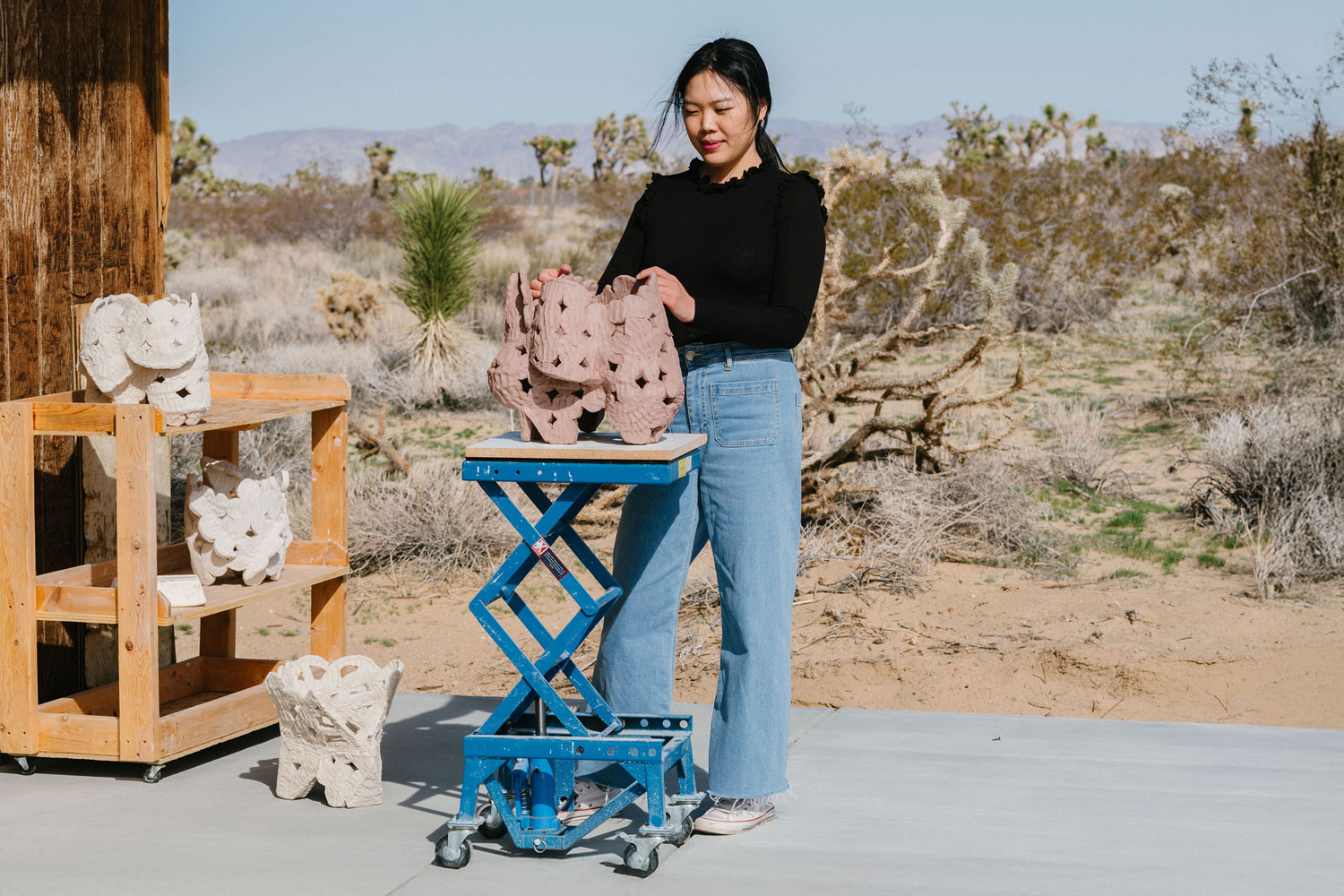
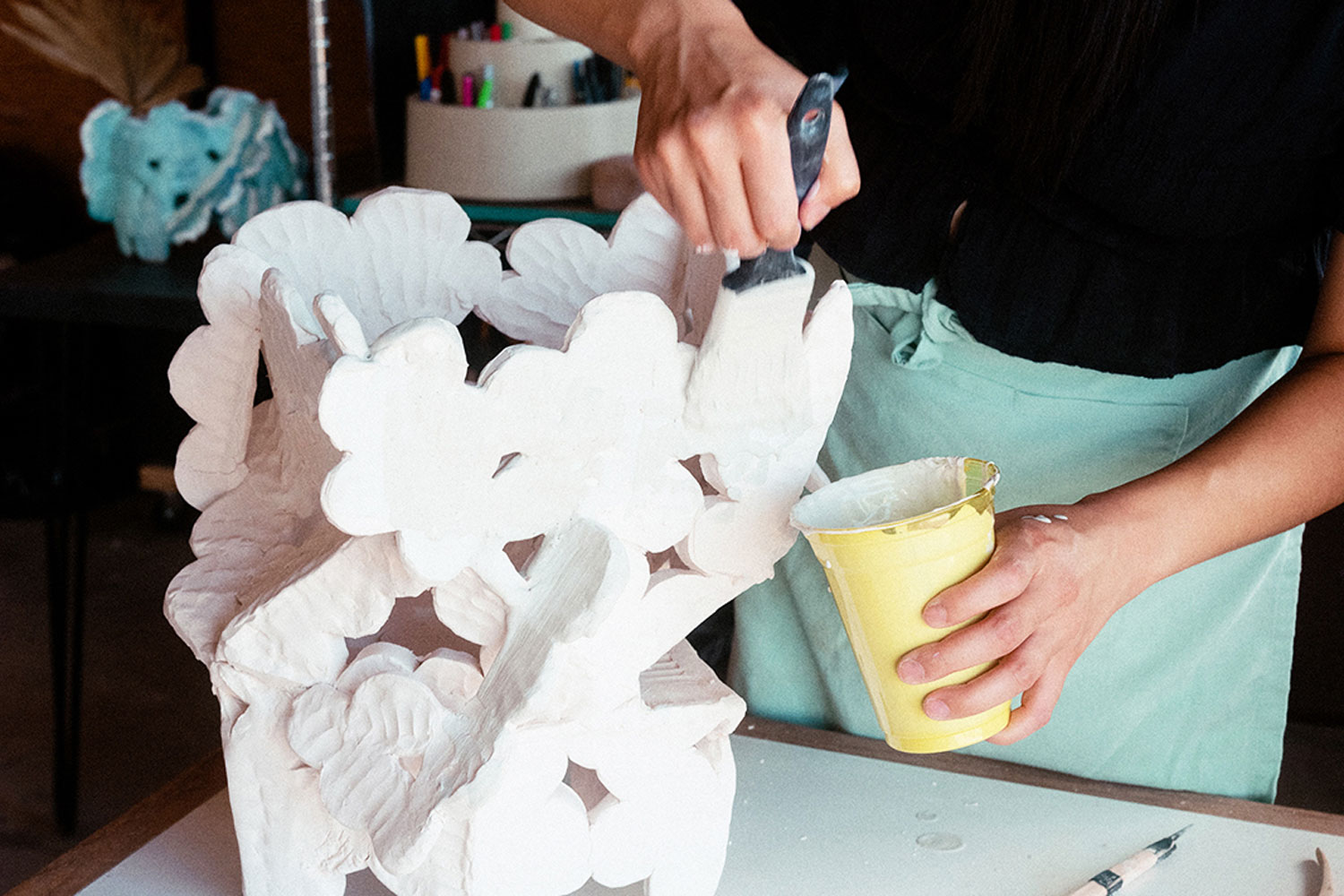
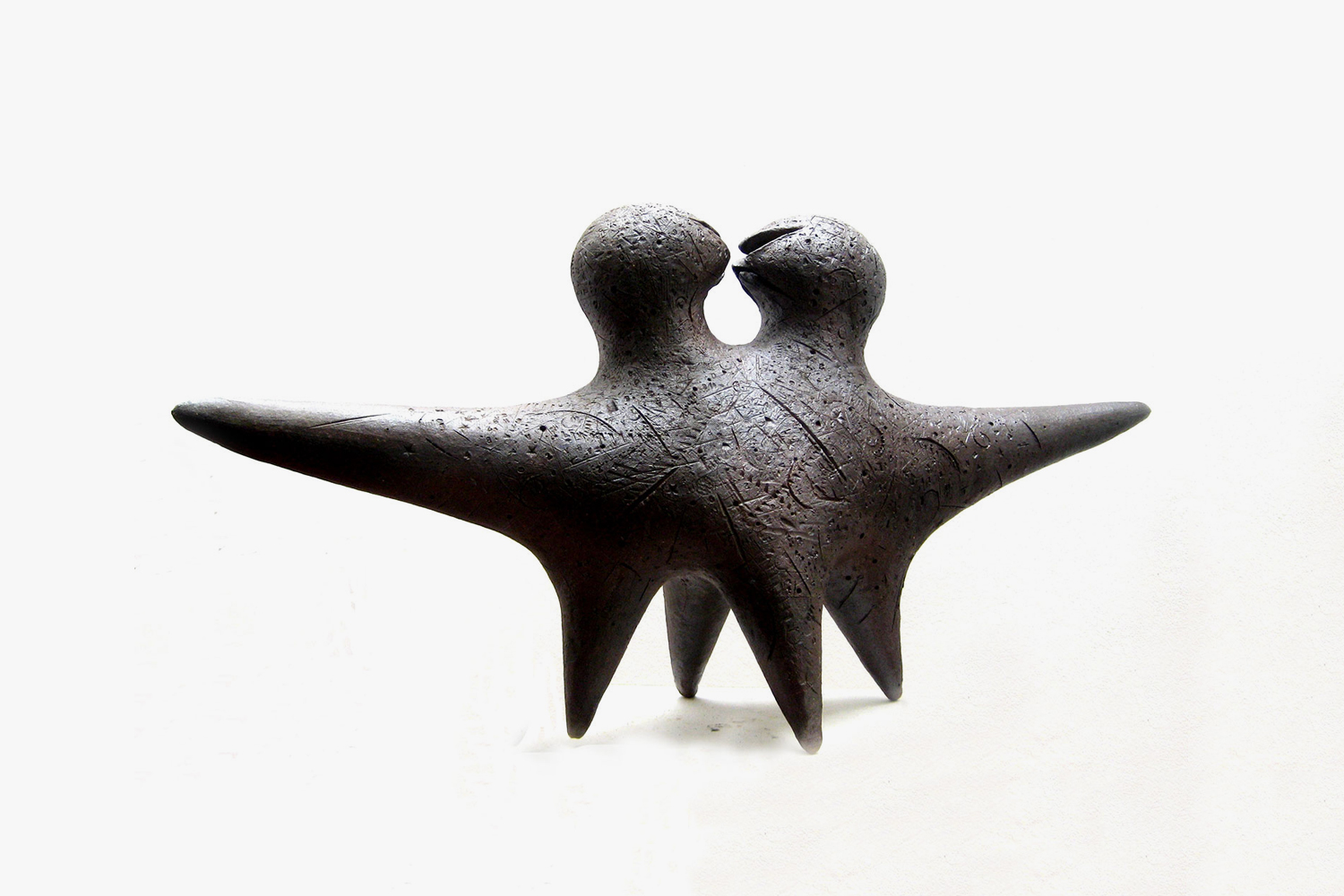
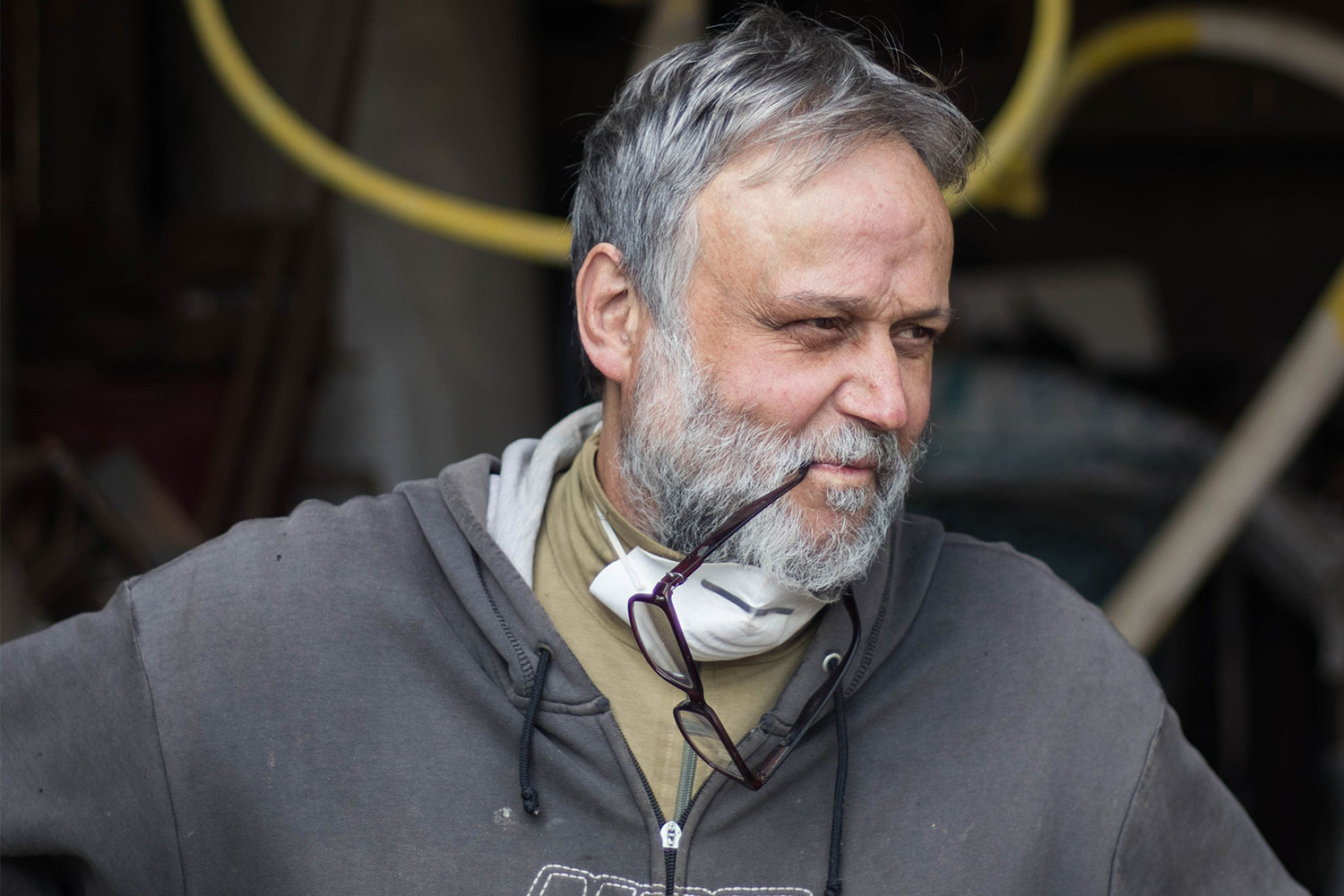
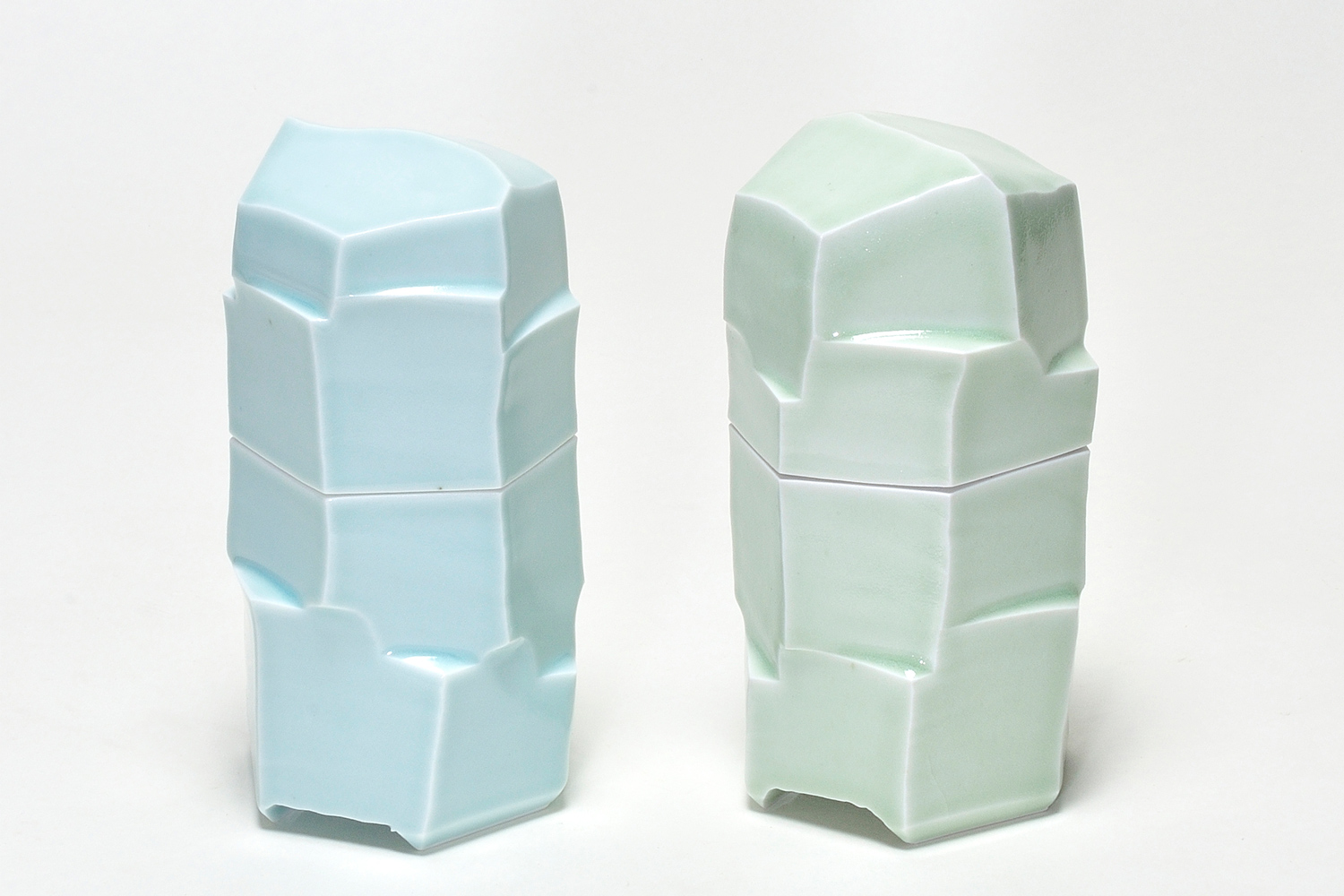
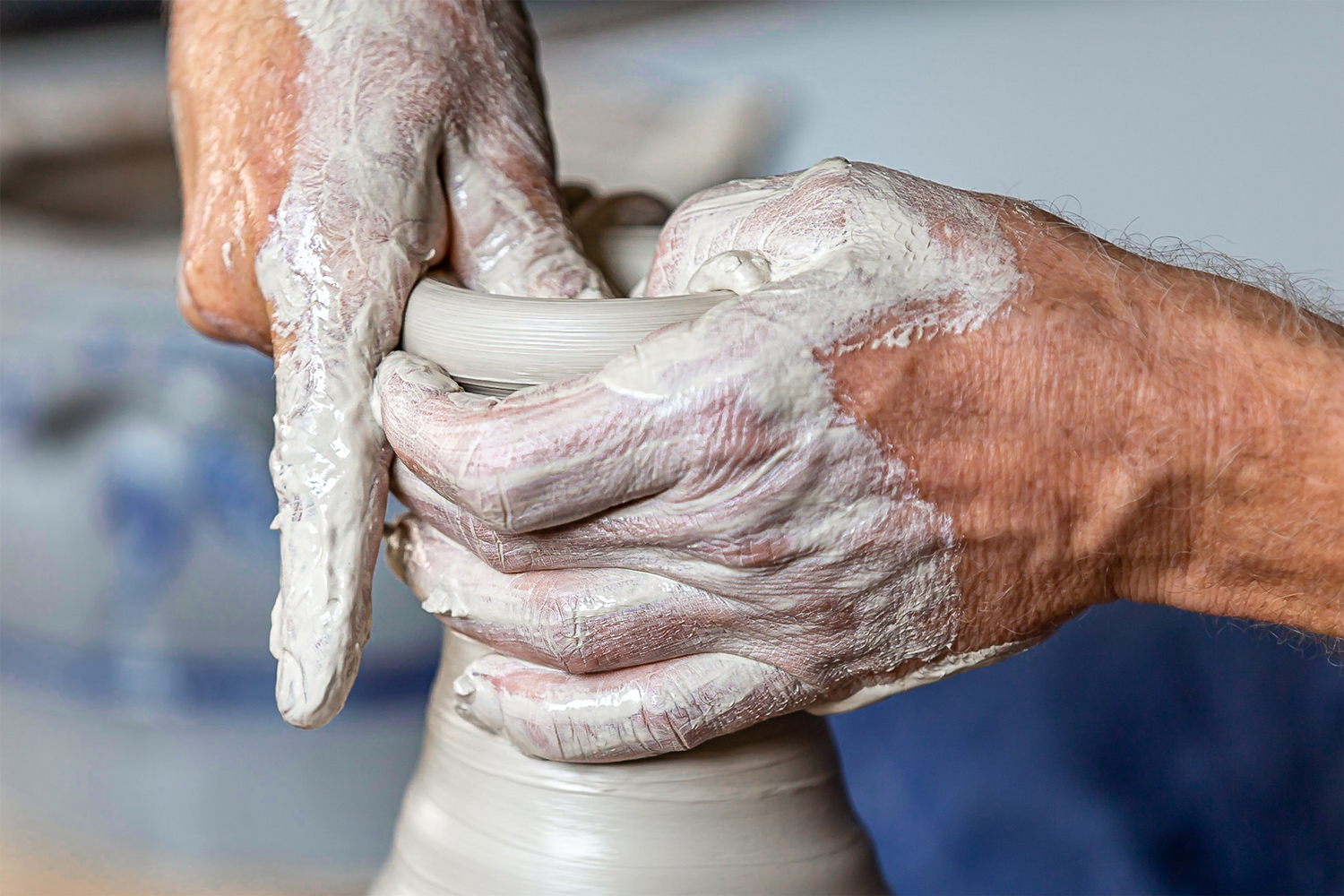
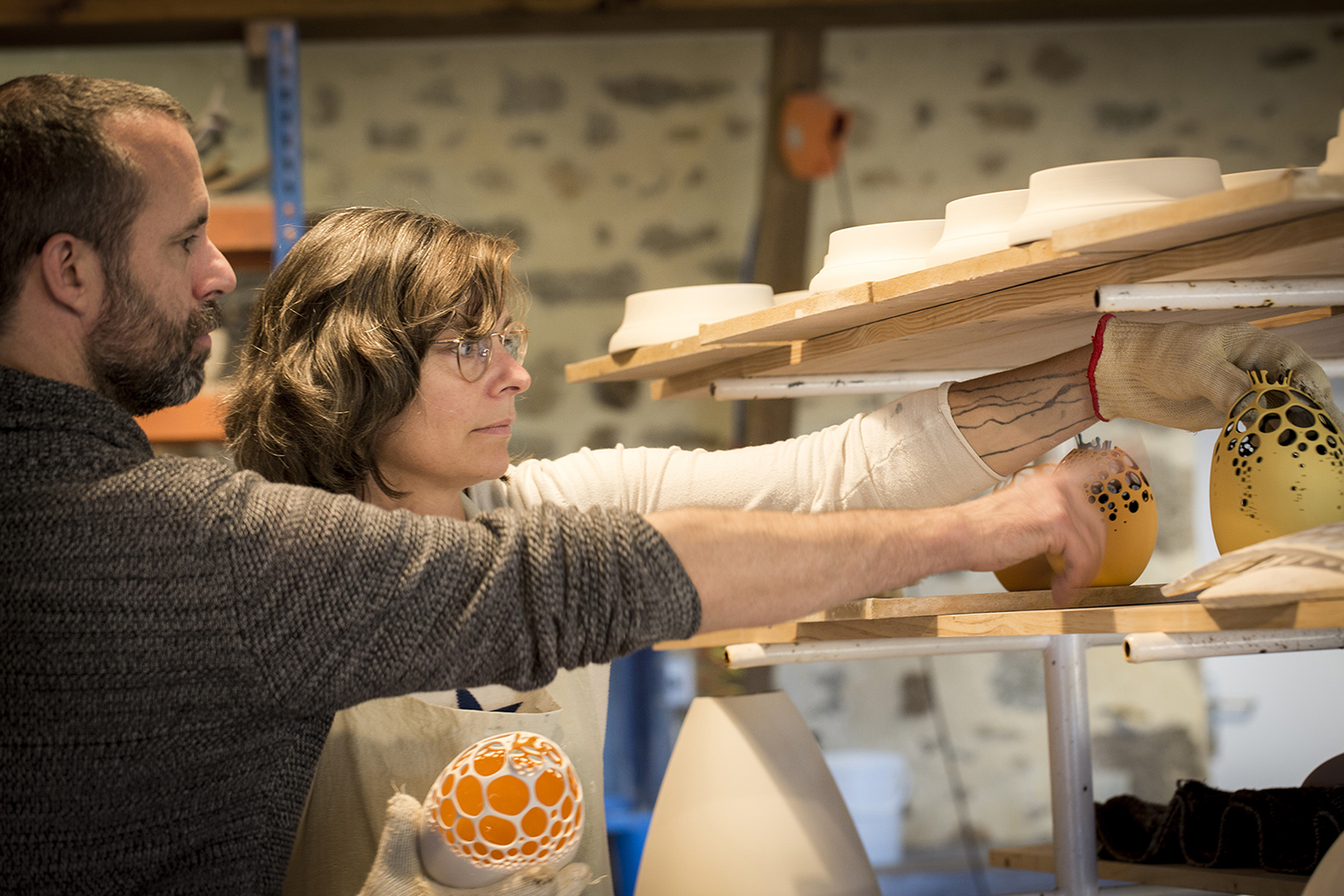
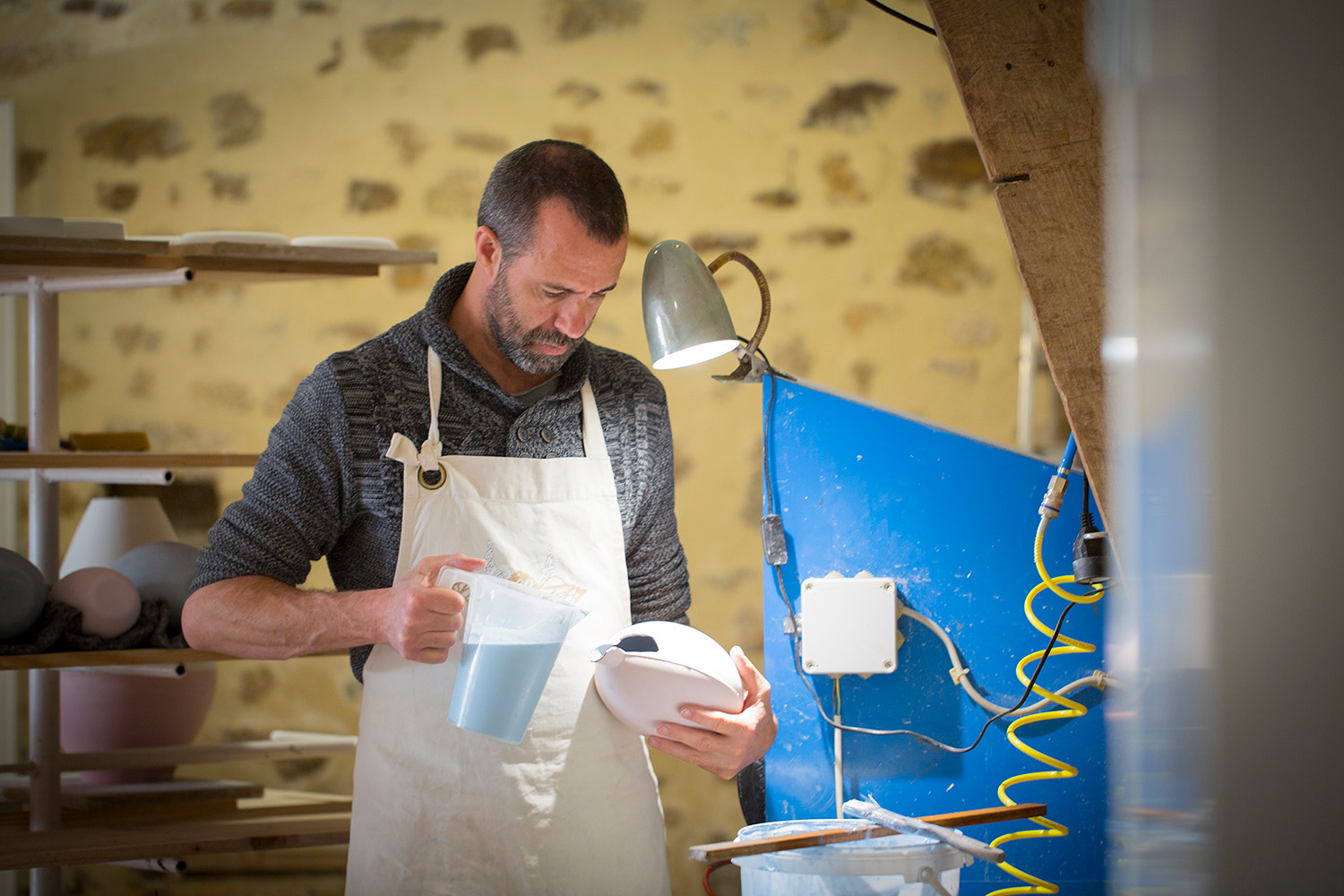
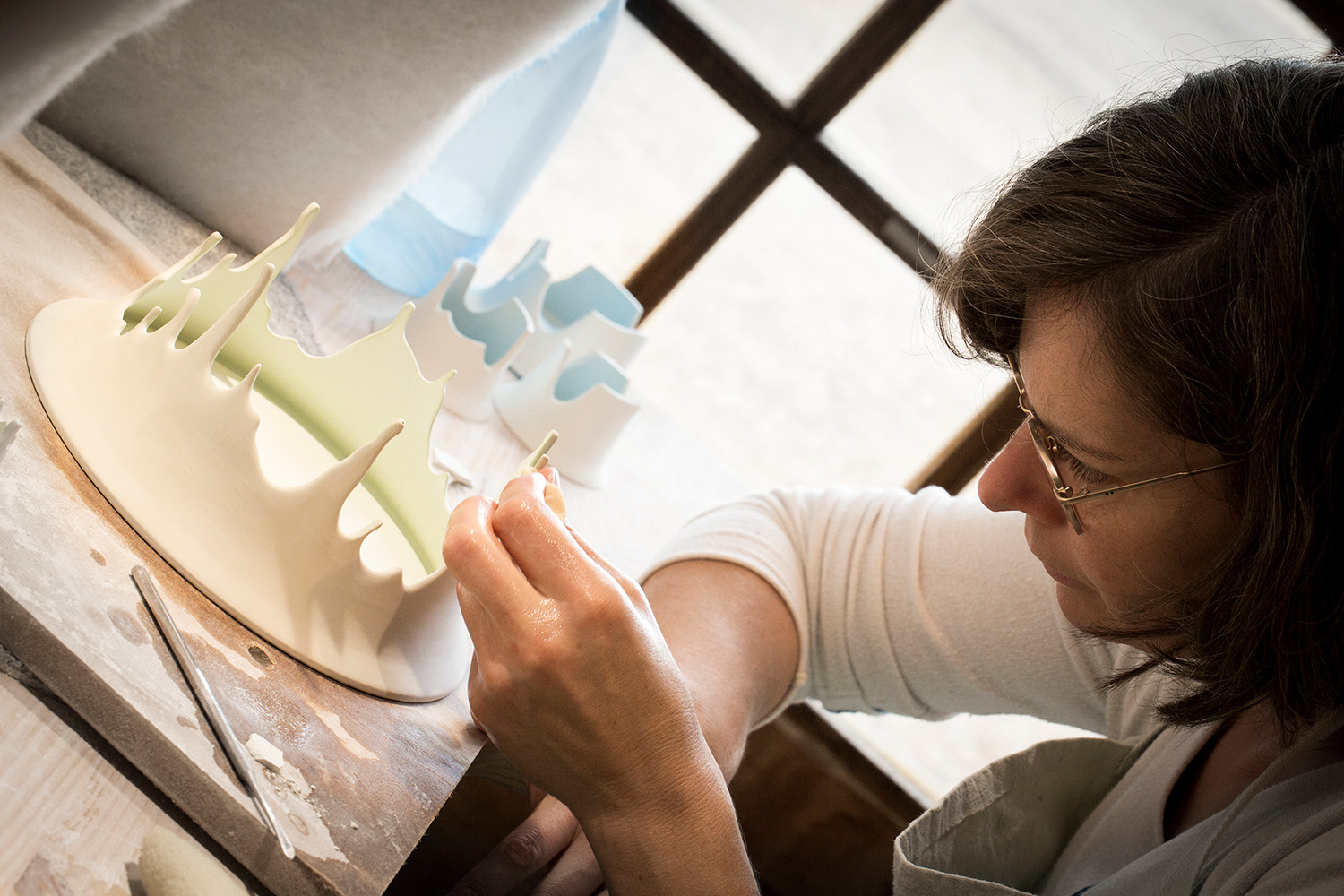
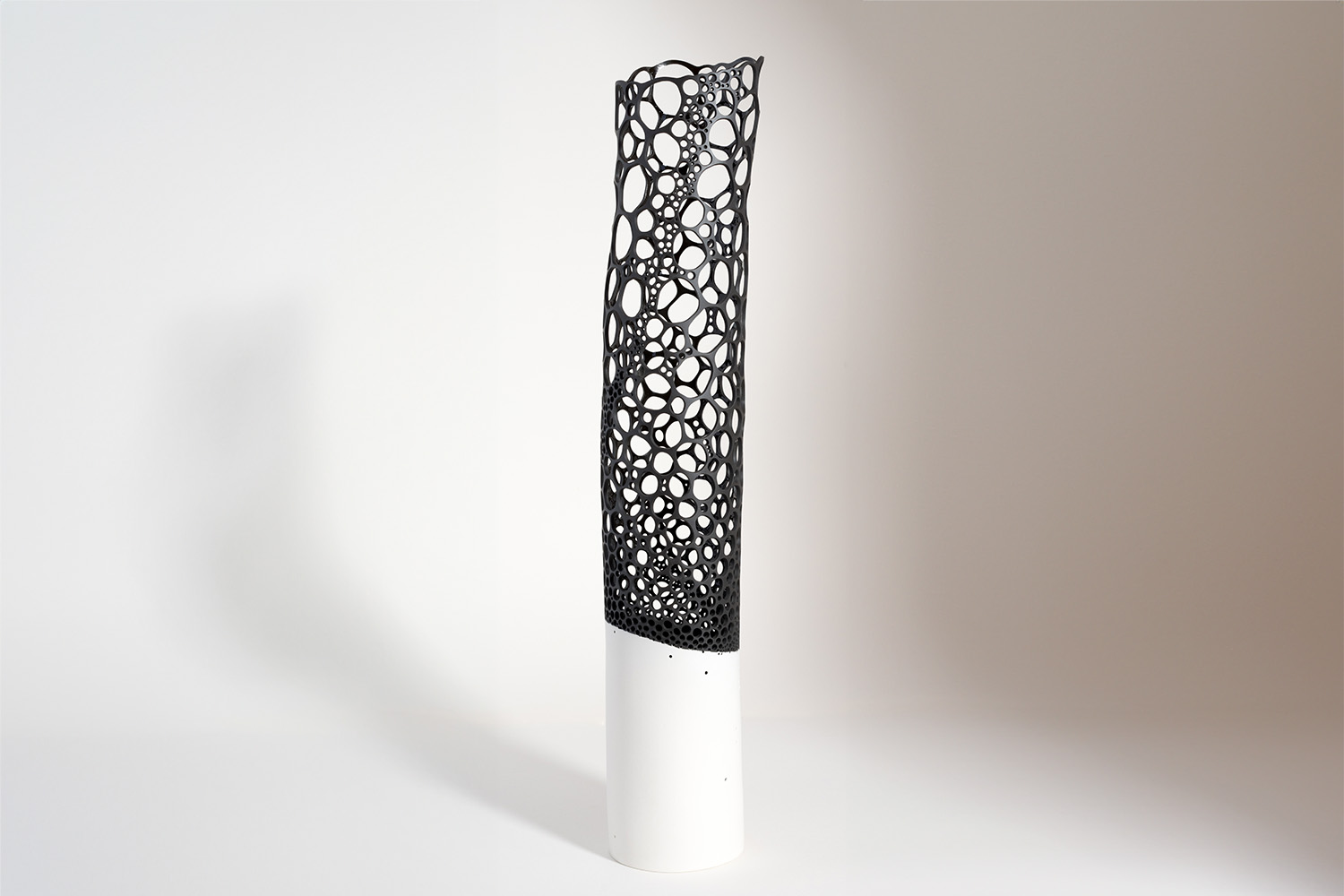
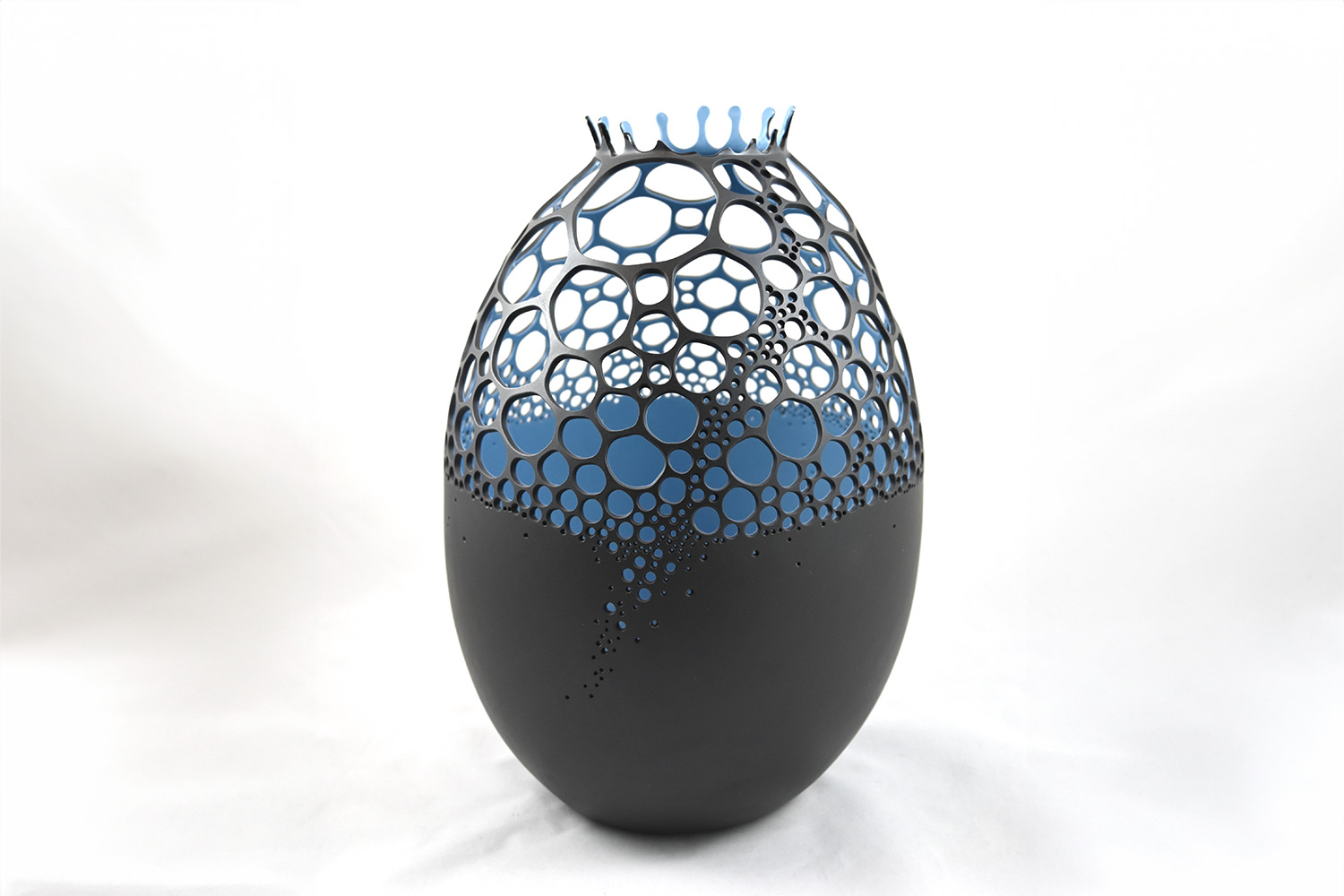
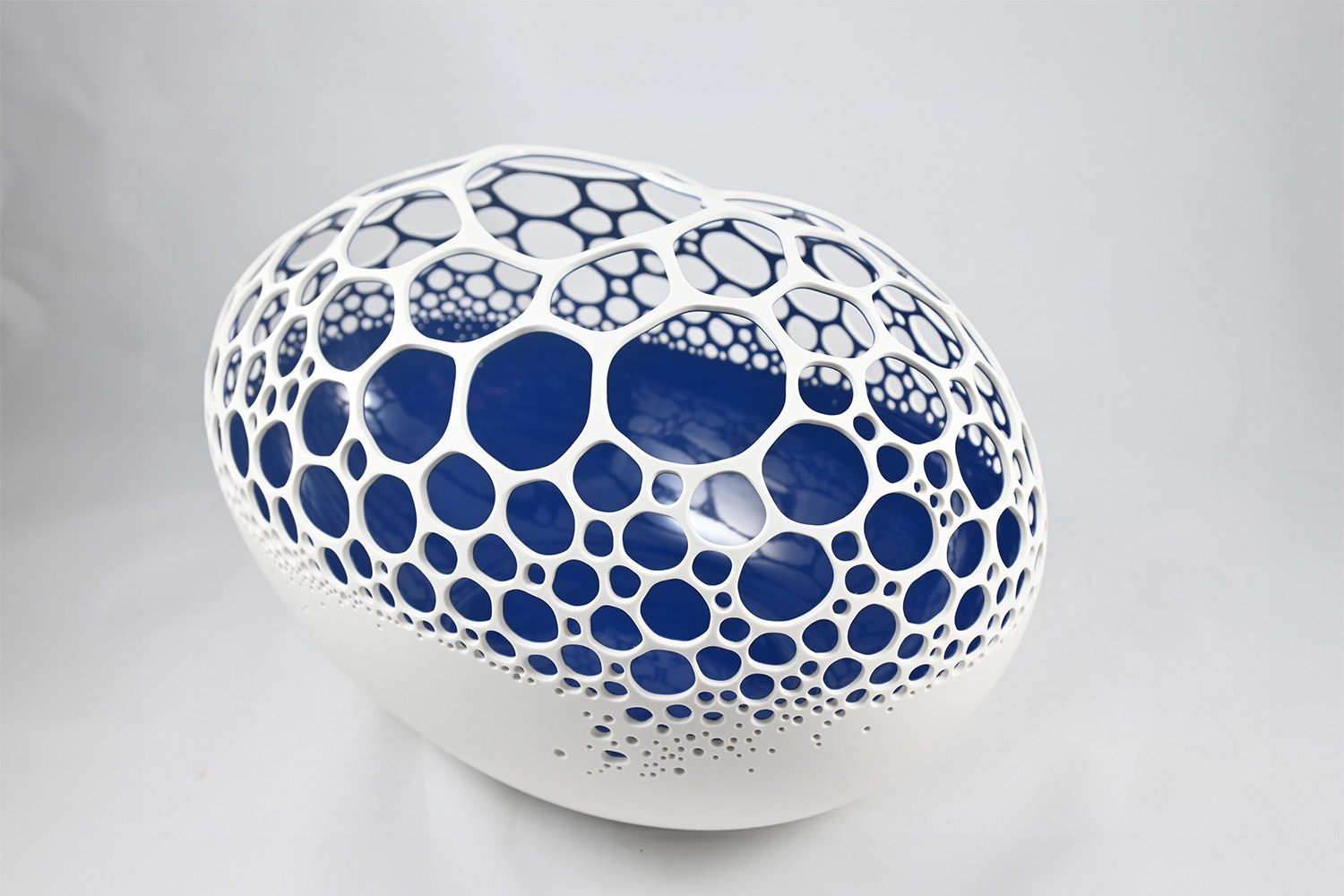
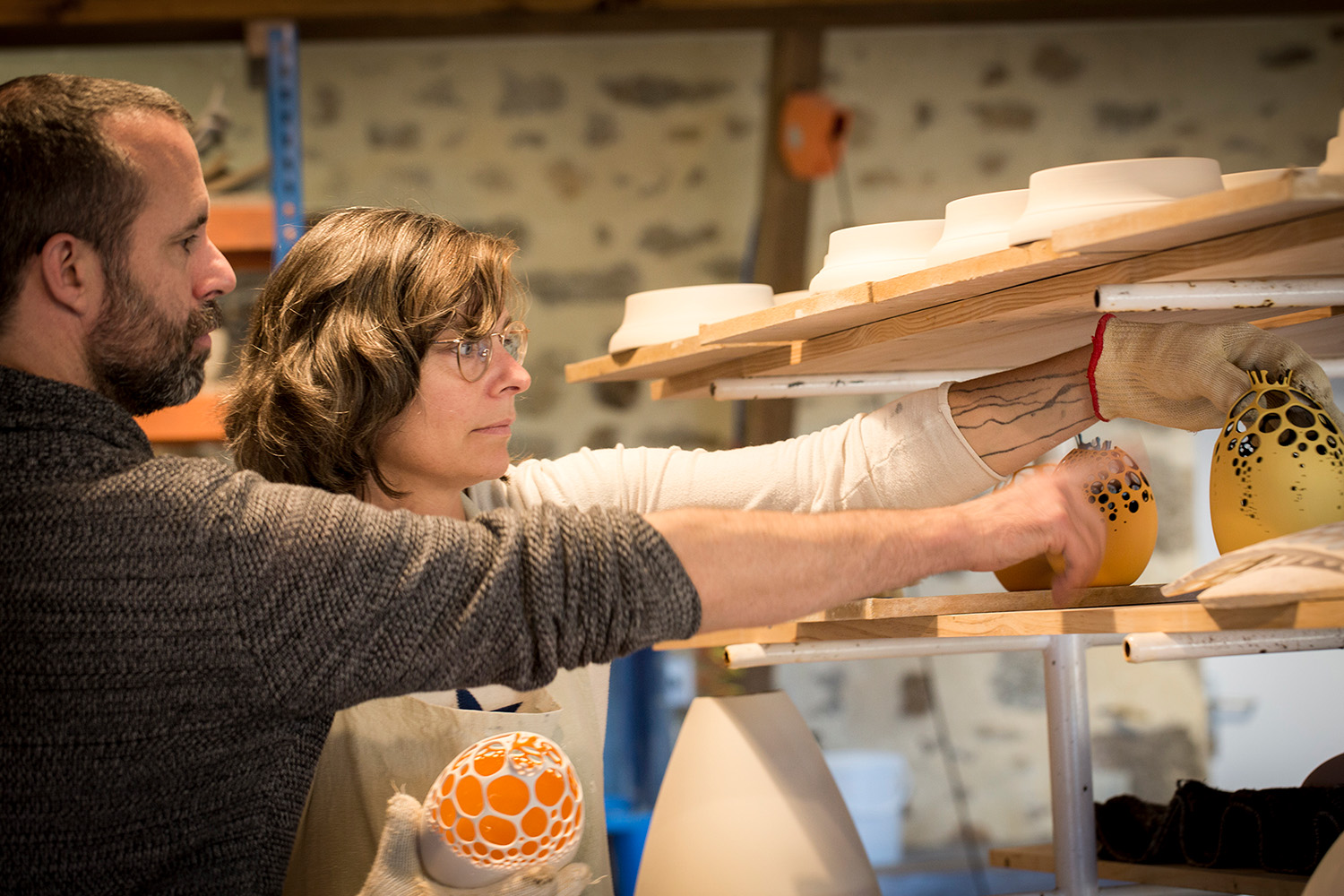
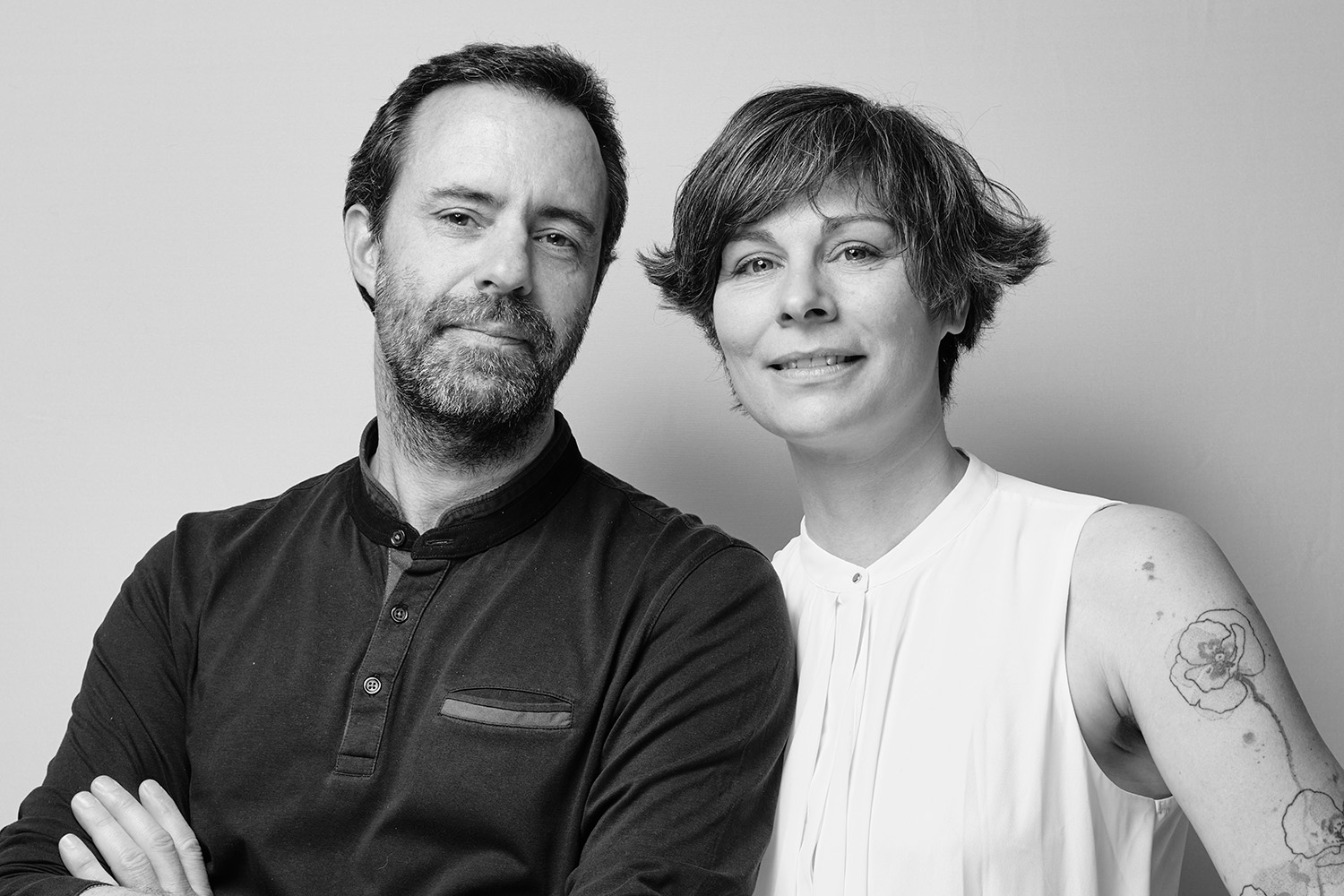
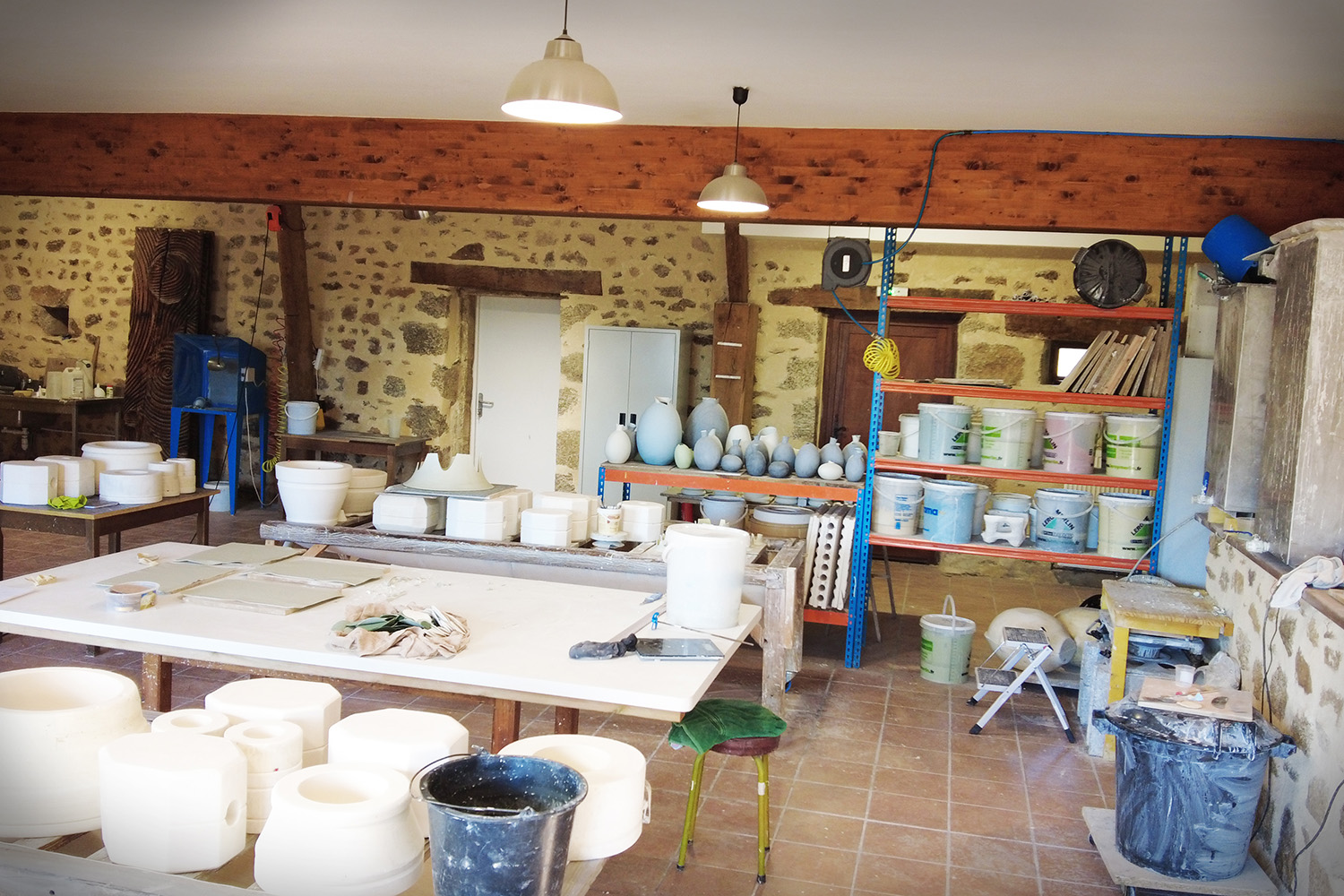
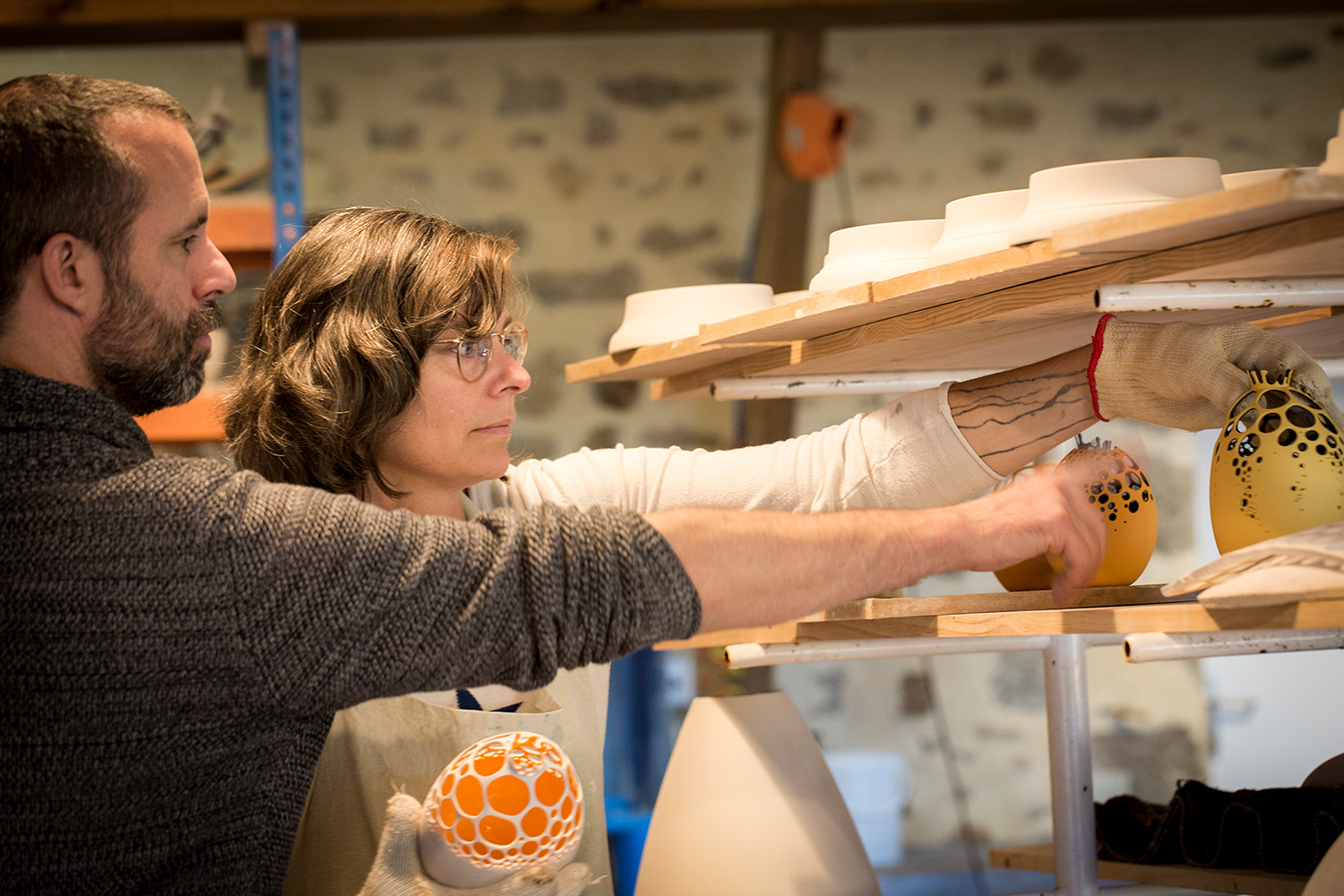
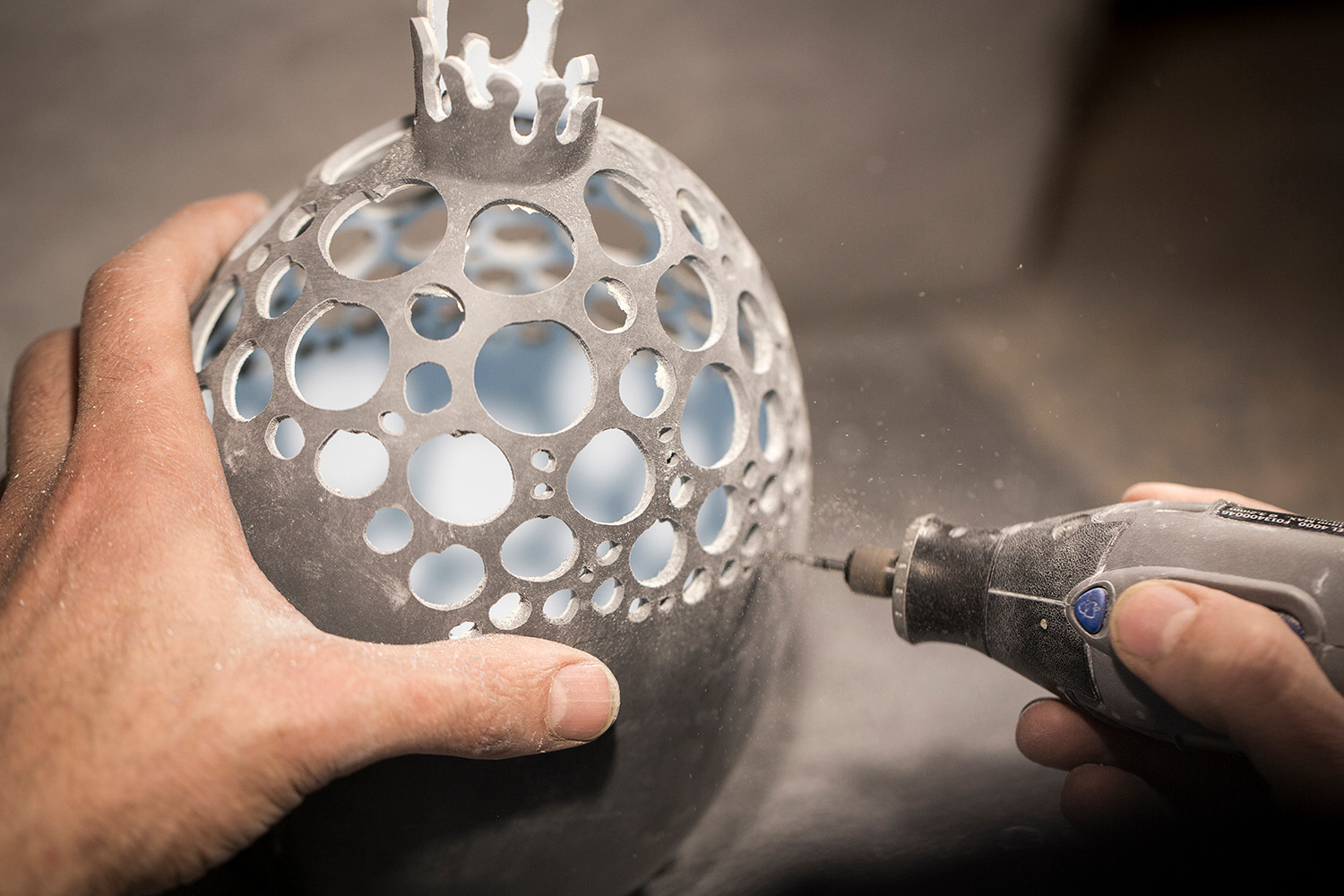
Yaël Malignac, originally from Paris, and Guillaume Descoings, raised in the Jura countryside, come from distinct backgrounds that enrich their creative collaboration. Yaël's deep understanding of fine arts and her exacting standards harmonise with Guillaume's hands-on expertise and theoretical knowledge of materials. Despite successful stints in the luxury industry, they felt creatively stifled within traditional tableware. This frustration led them to establish their own workshop, where they could let their creativity flourish unrestrained. Their artworks, a fusion of urban and rural influences, masculine and feminine energies, technical precision, and poetic expression, serve as a beacon of hope, inspiring a more human, imaginative, and vibrant modern world.
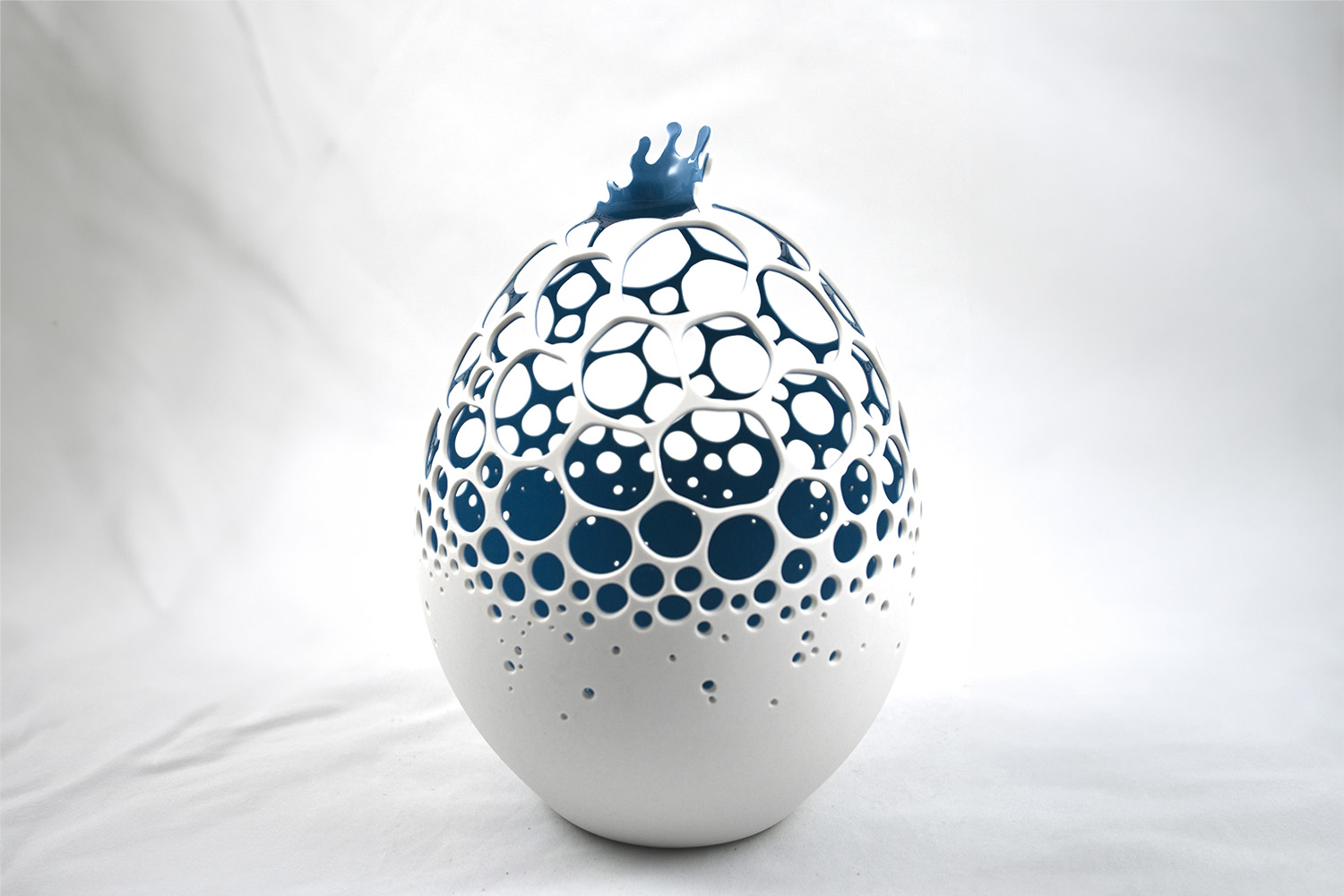
INTERVIEW
We were both working in a porcelain company. We felt confined, restricted, and had a desire to break free from the usual constraints, with the belief that we could achieve more. We just needed a trigger. When there was a wave of layoffs in our company, we took it as a sign.
We draw our first inspiration from the nature of our duo: the urban and the rural, the feminine and the masculine, the poetic and the technical. Far from opposing these dualities, we want to blend them together to make the impossible possible.
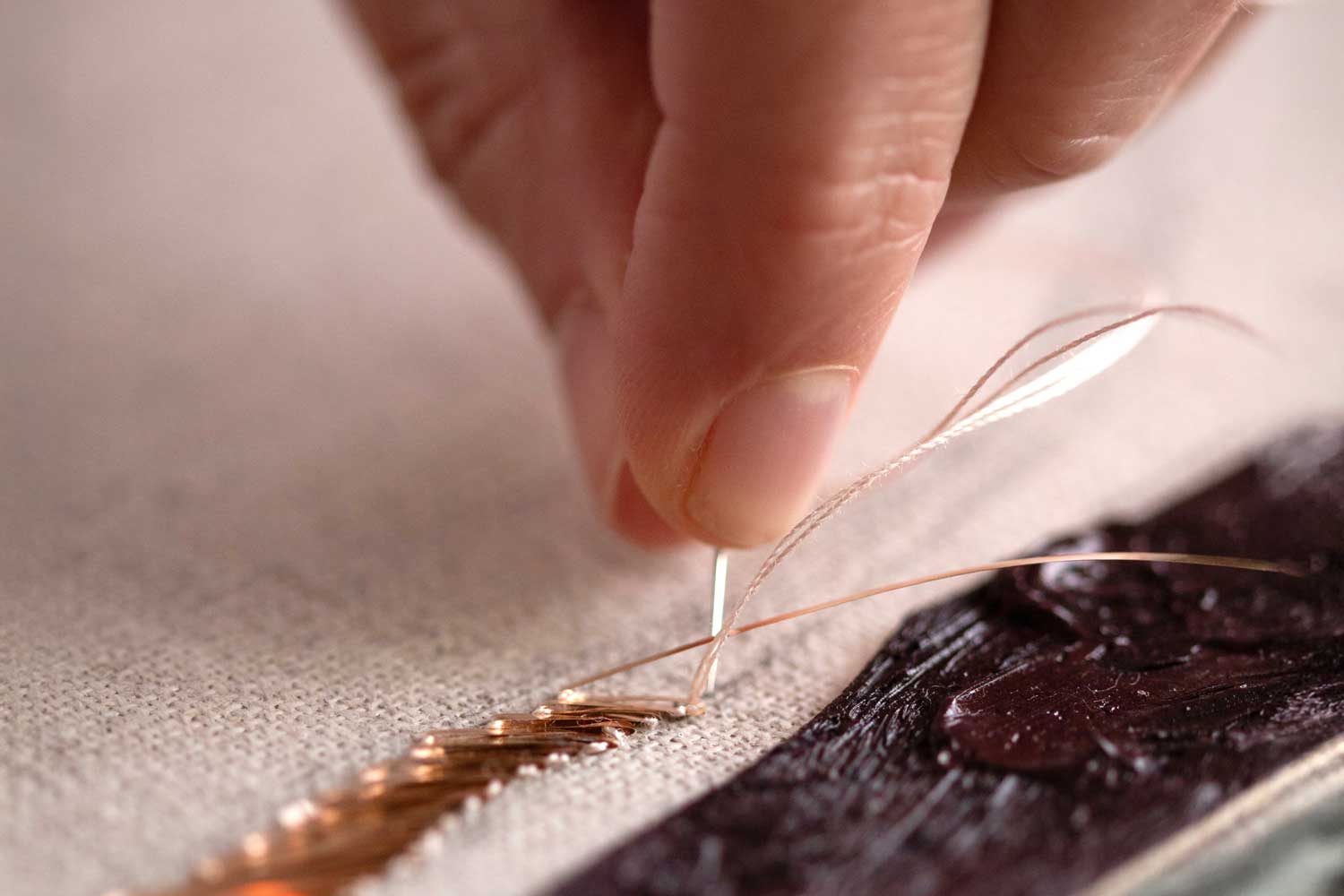
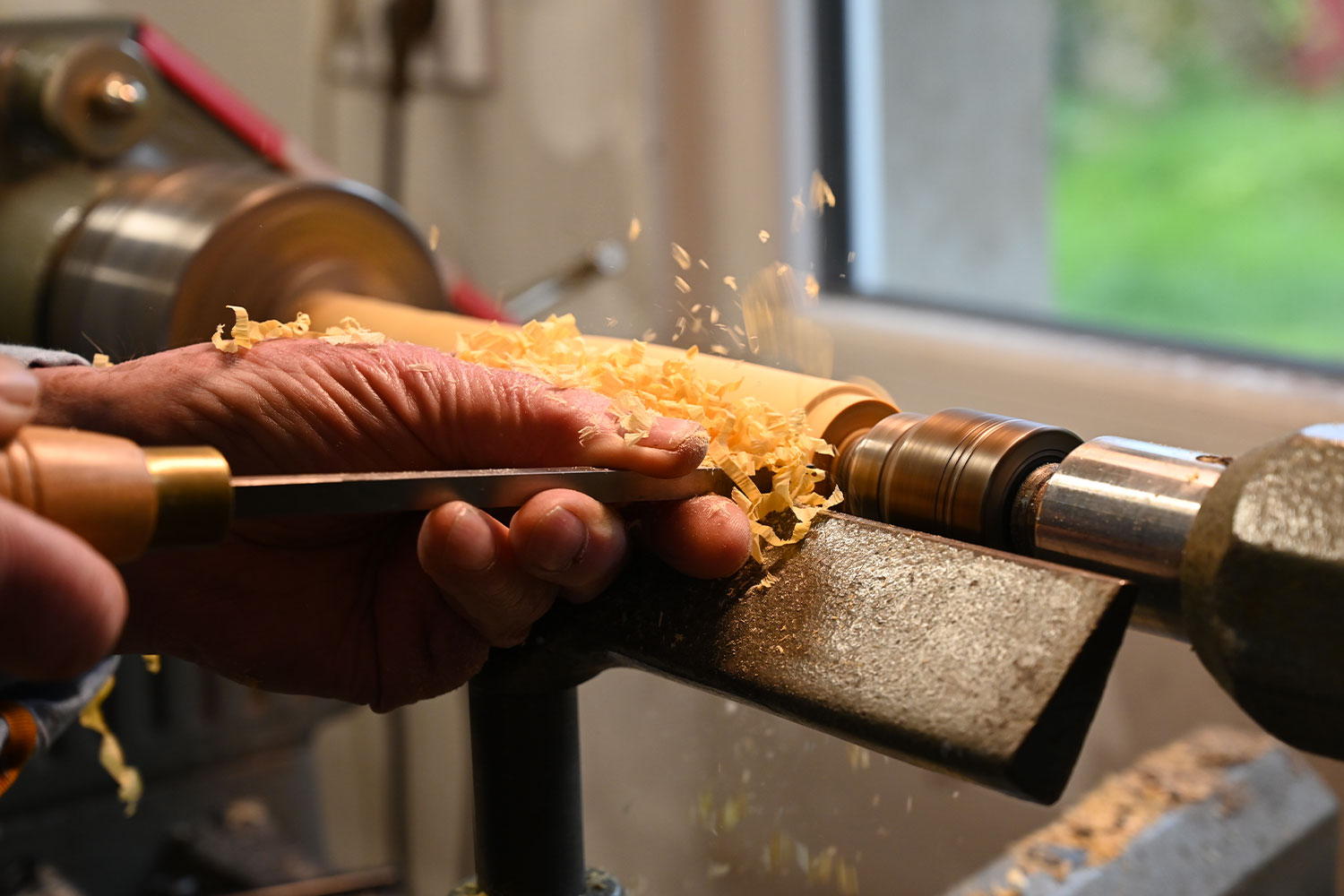
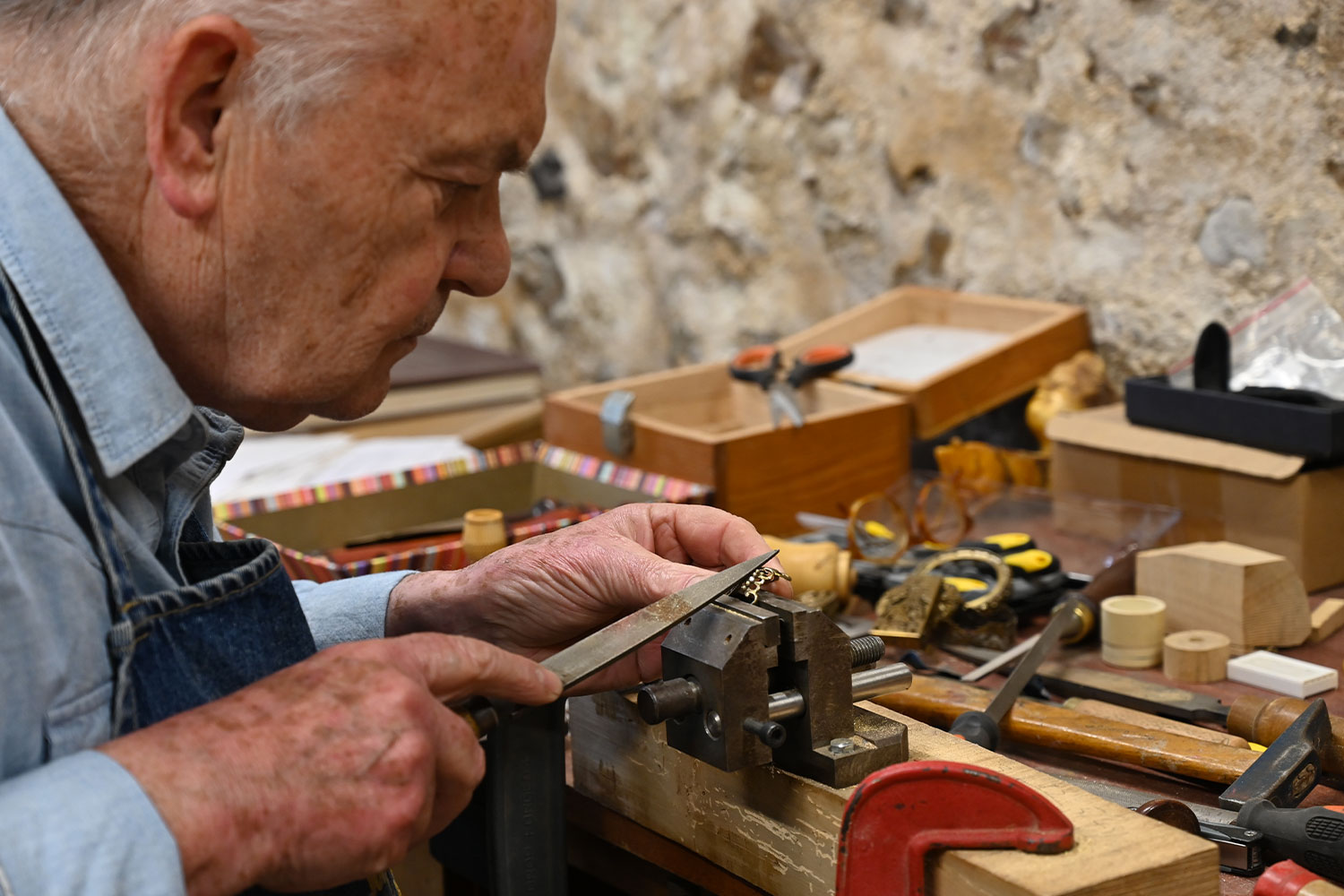
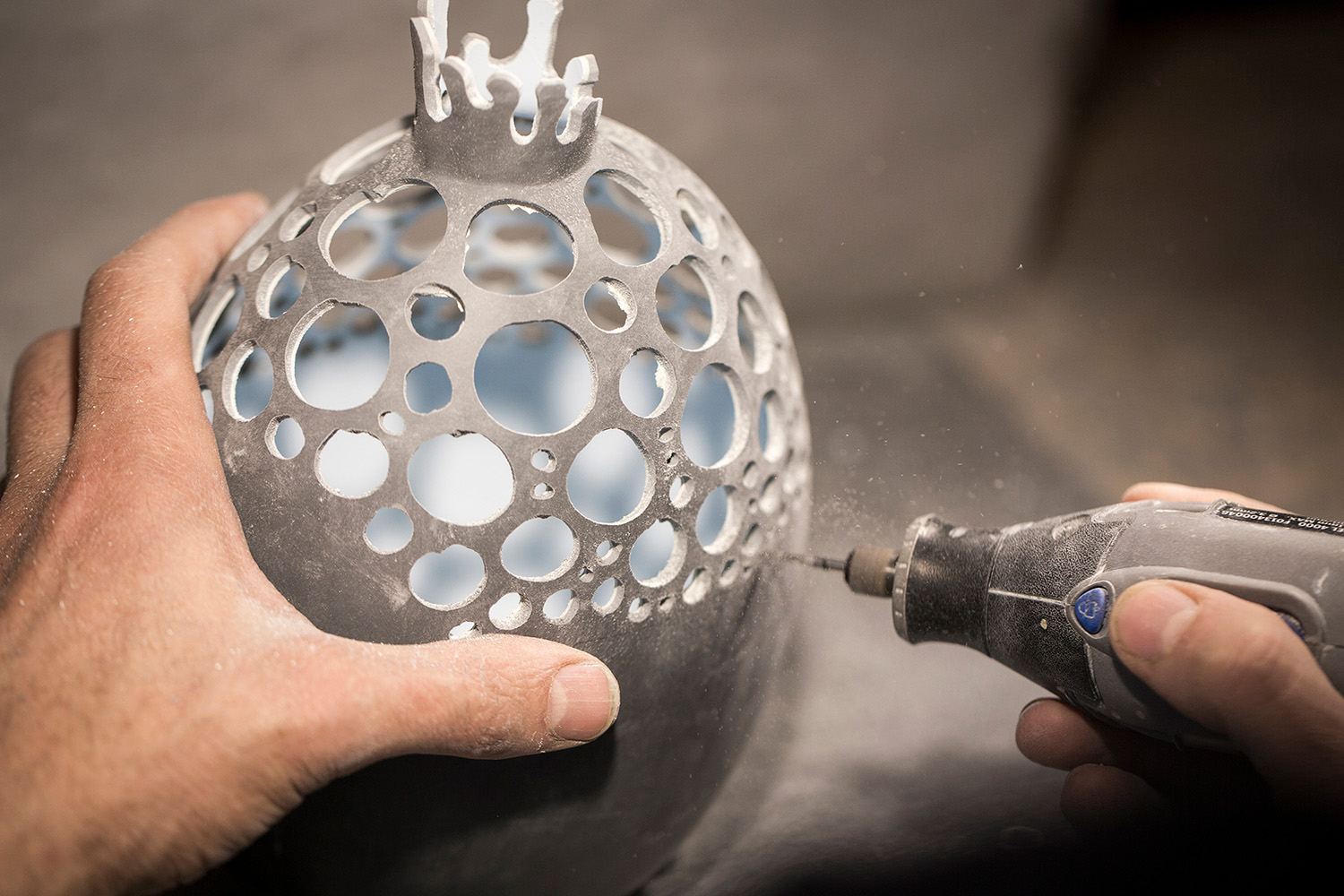
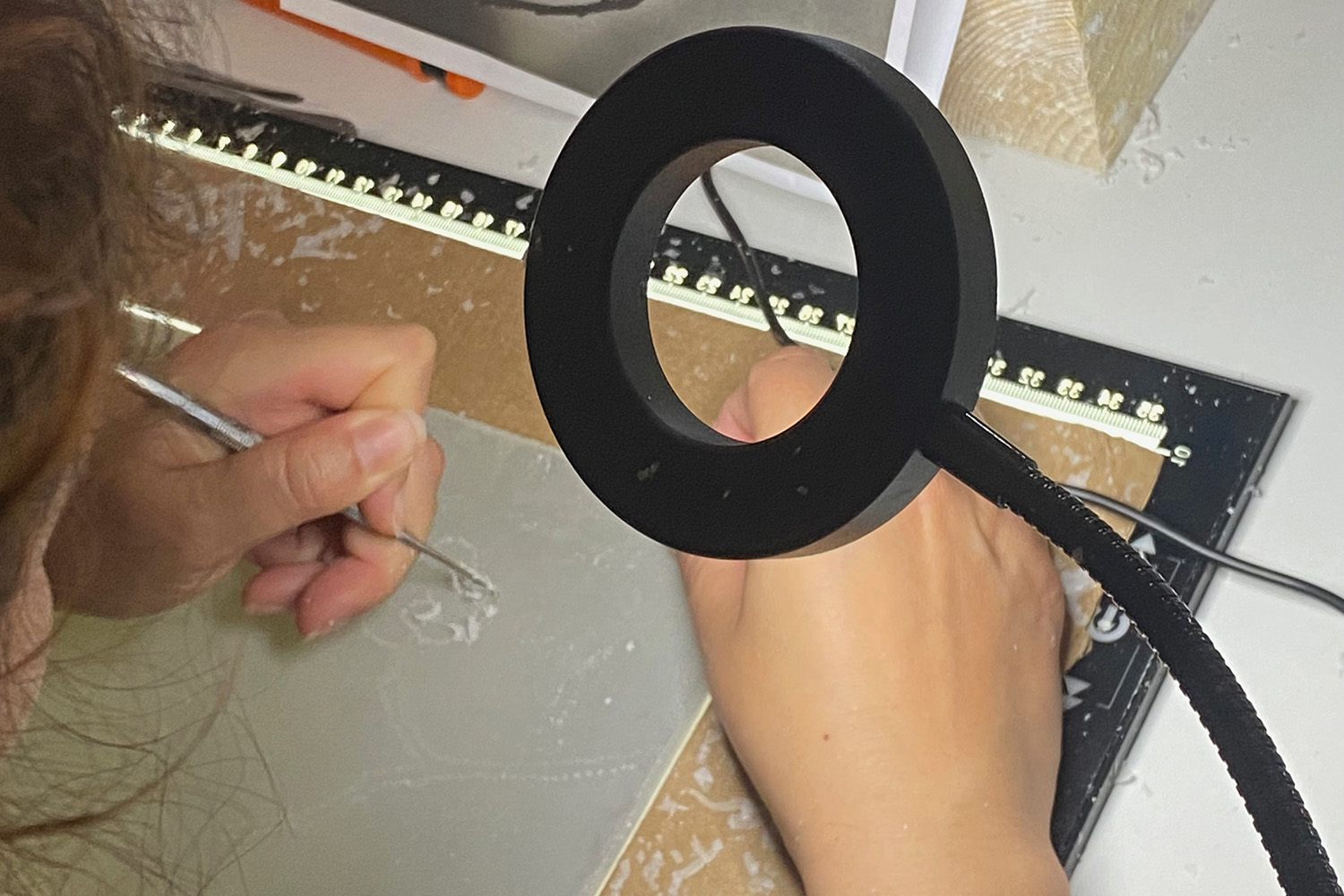
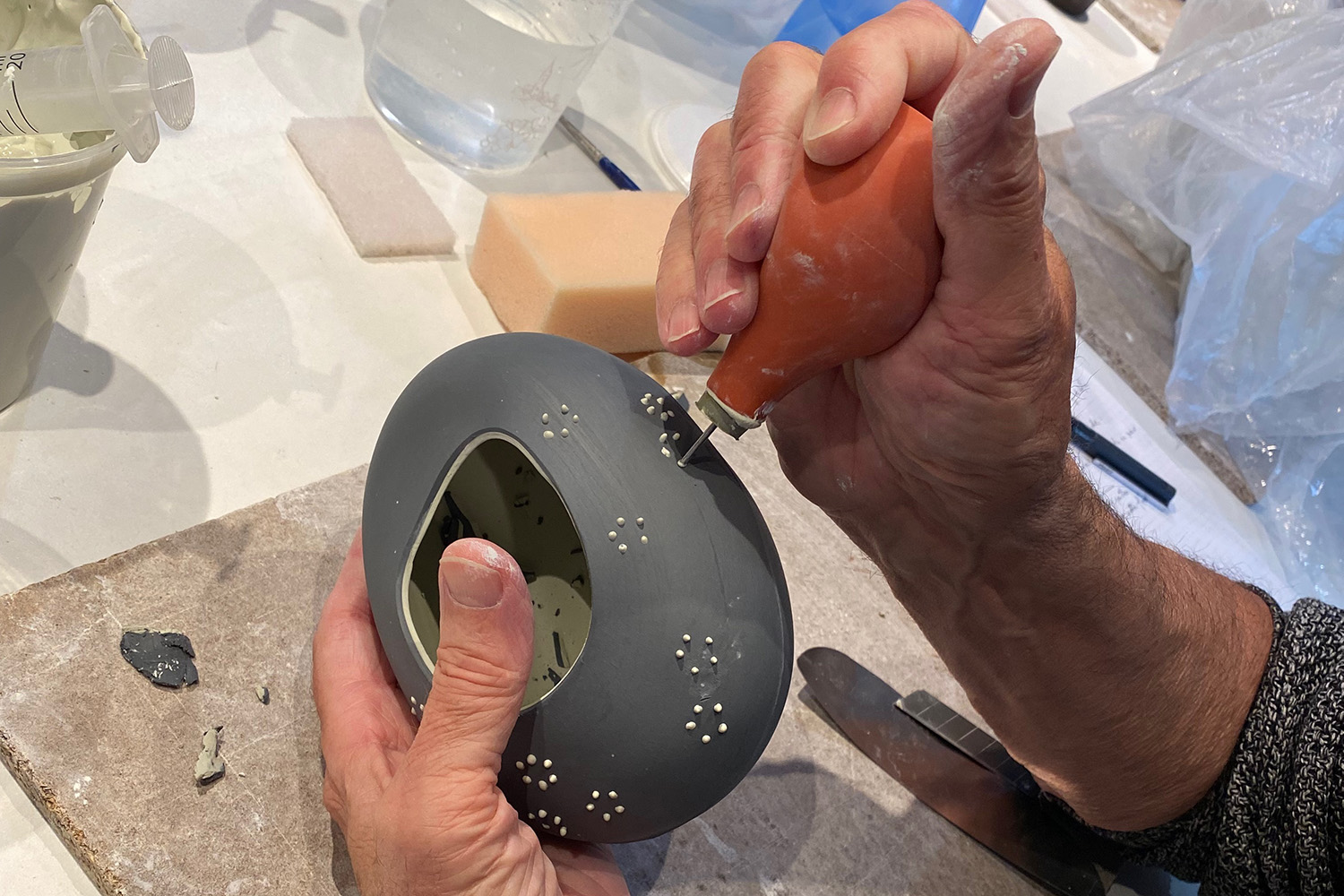
It is precisely this complementarity that seems interesting to us. It is about combining one person's technical expertise with the other's creativity, rather than pitting them against each other. Sometimes, creativity leads us to explore specific techniques, such as weaving porcelain with stainless steel; other times, technique inspires creation, such as the fusion of porcelain and wood.
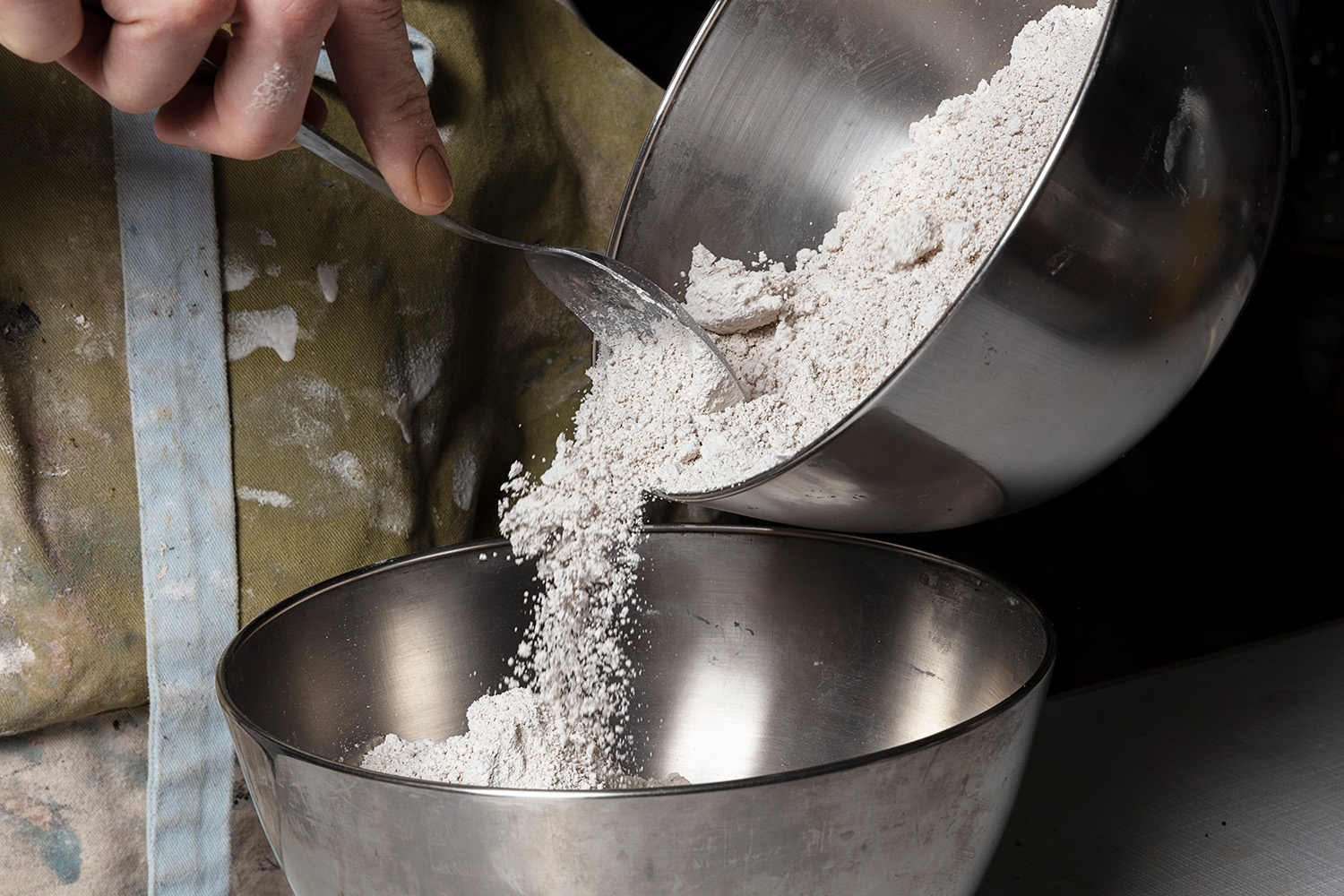
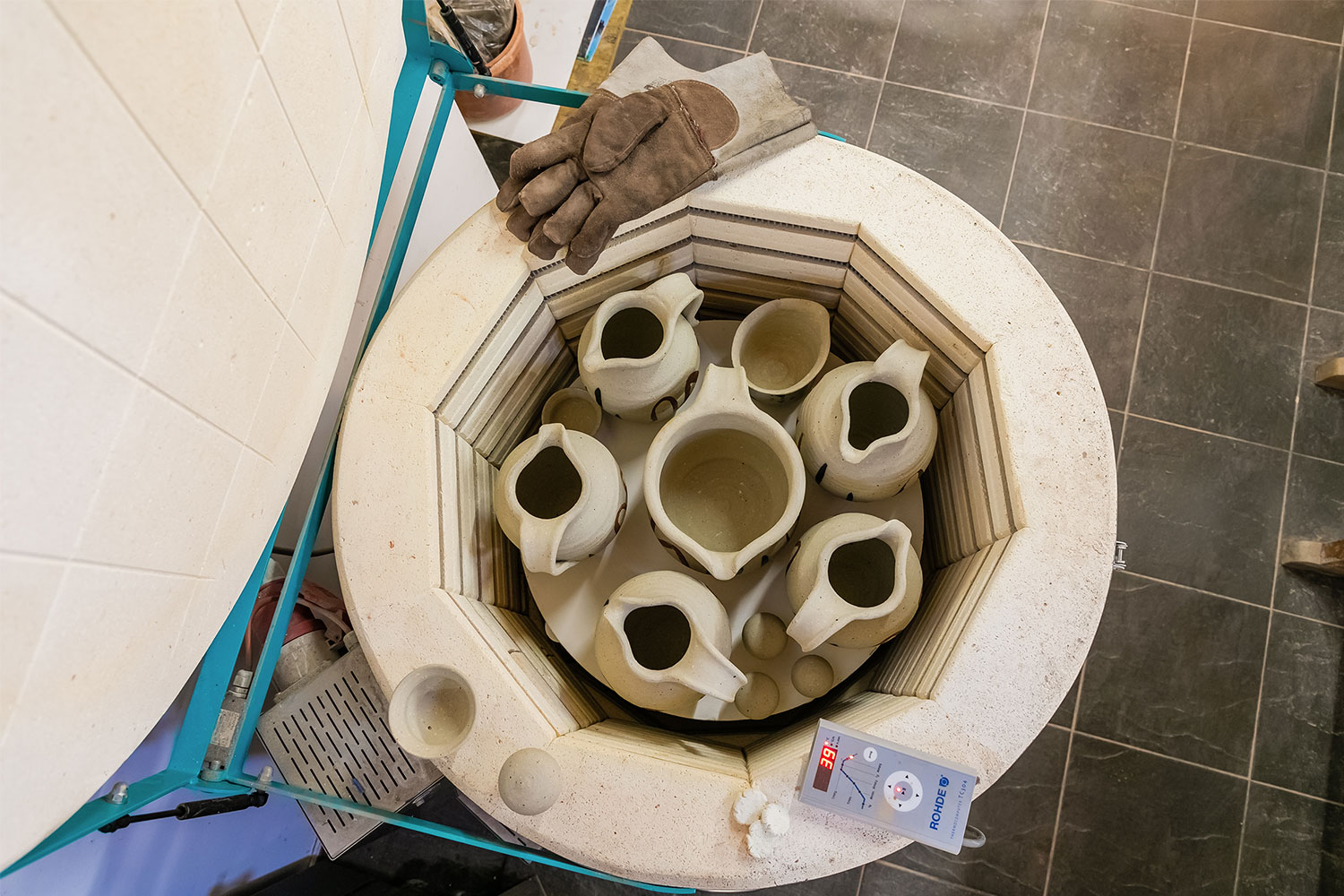
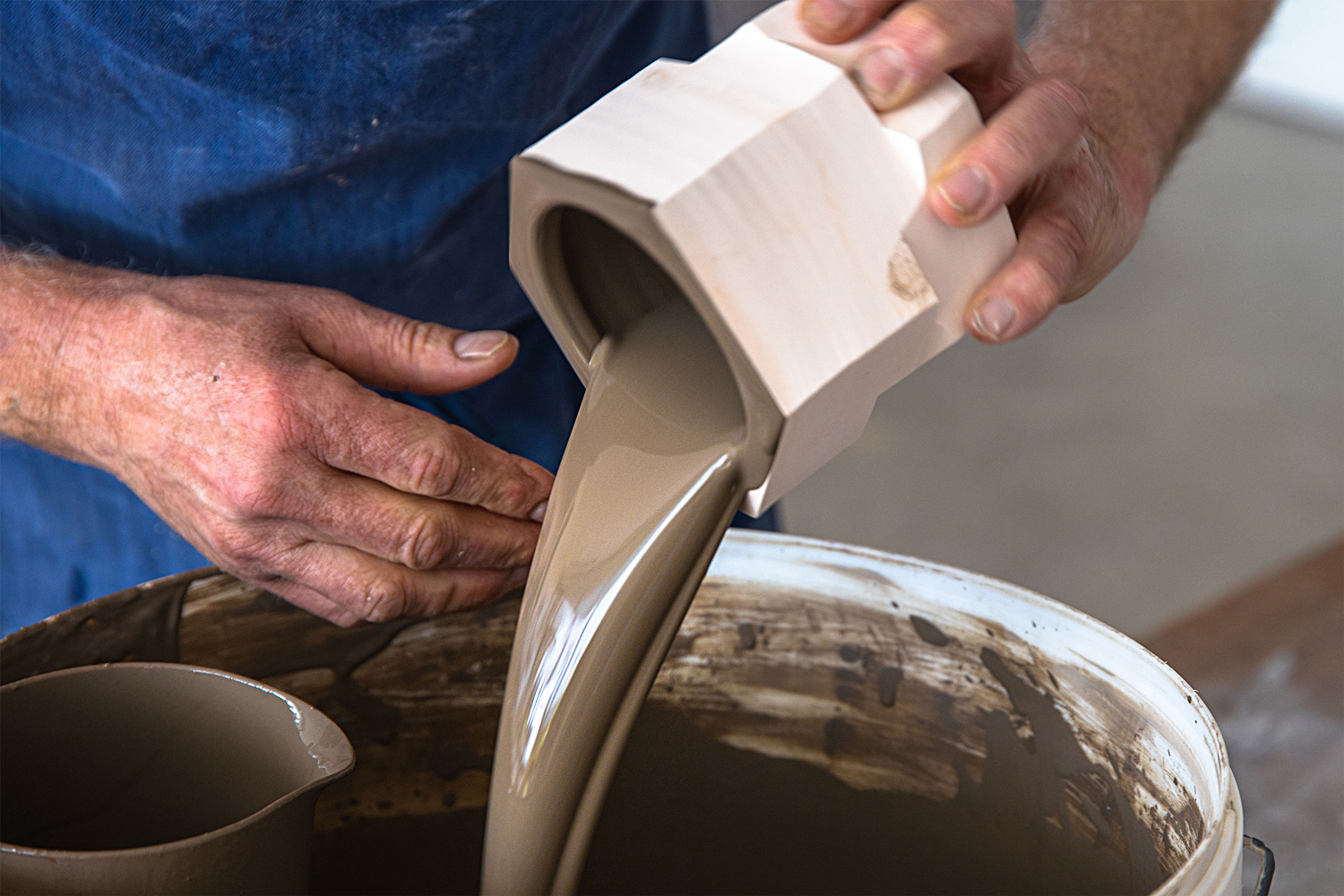
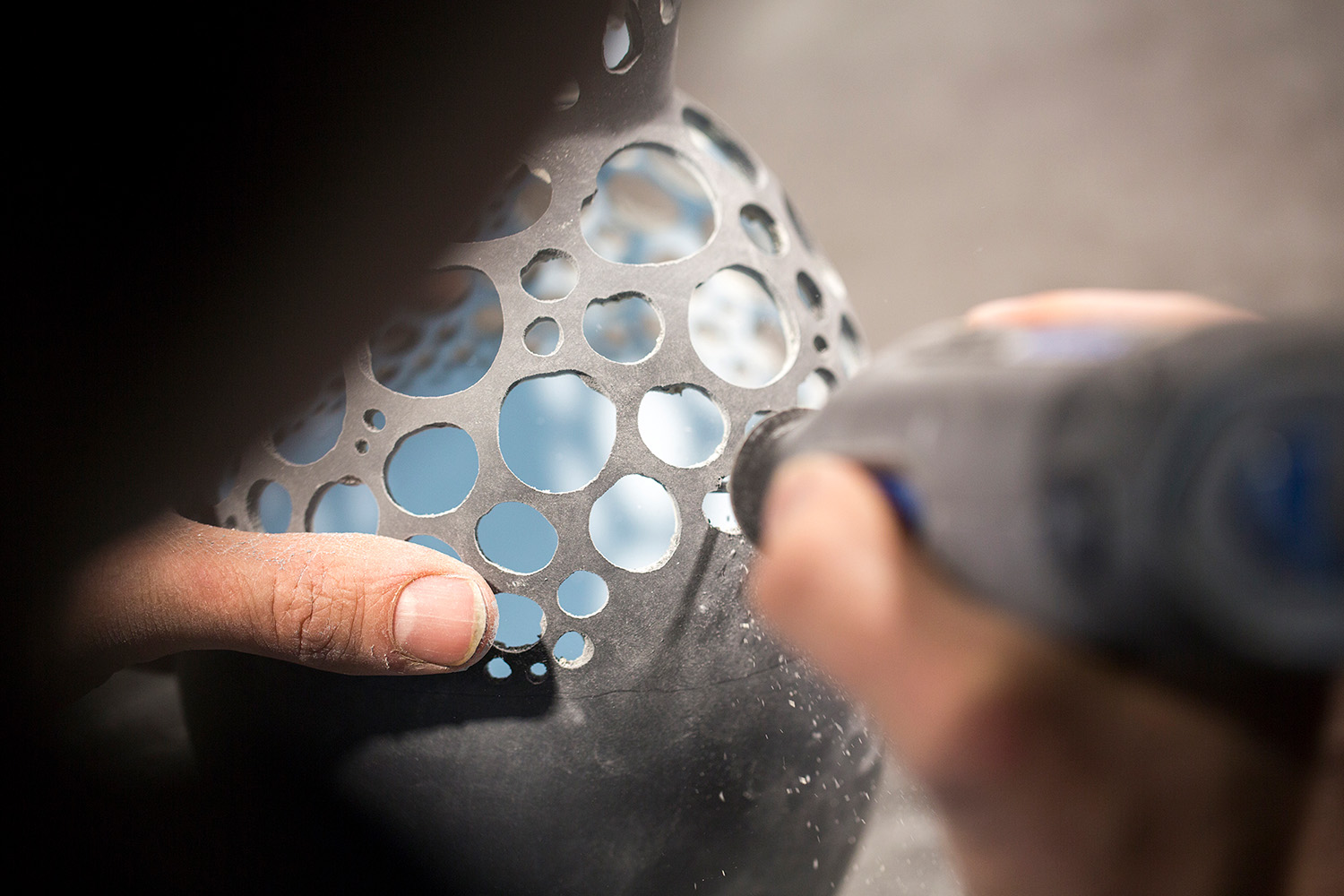
To remain true to our environmental standards, we decided to deviate from manufacturing processes that are usually used in porcelain making. We opted for an electric kiln instead of a gas one and prioritize firing at lower temperatures. We even limit ourselves to a single firing when most artisans are compelled to do two. Our next challenge is to use only rainwater in the manufacturing process.
4 EXPERIENCES
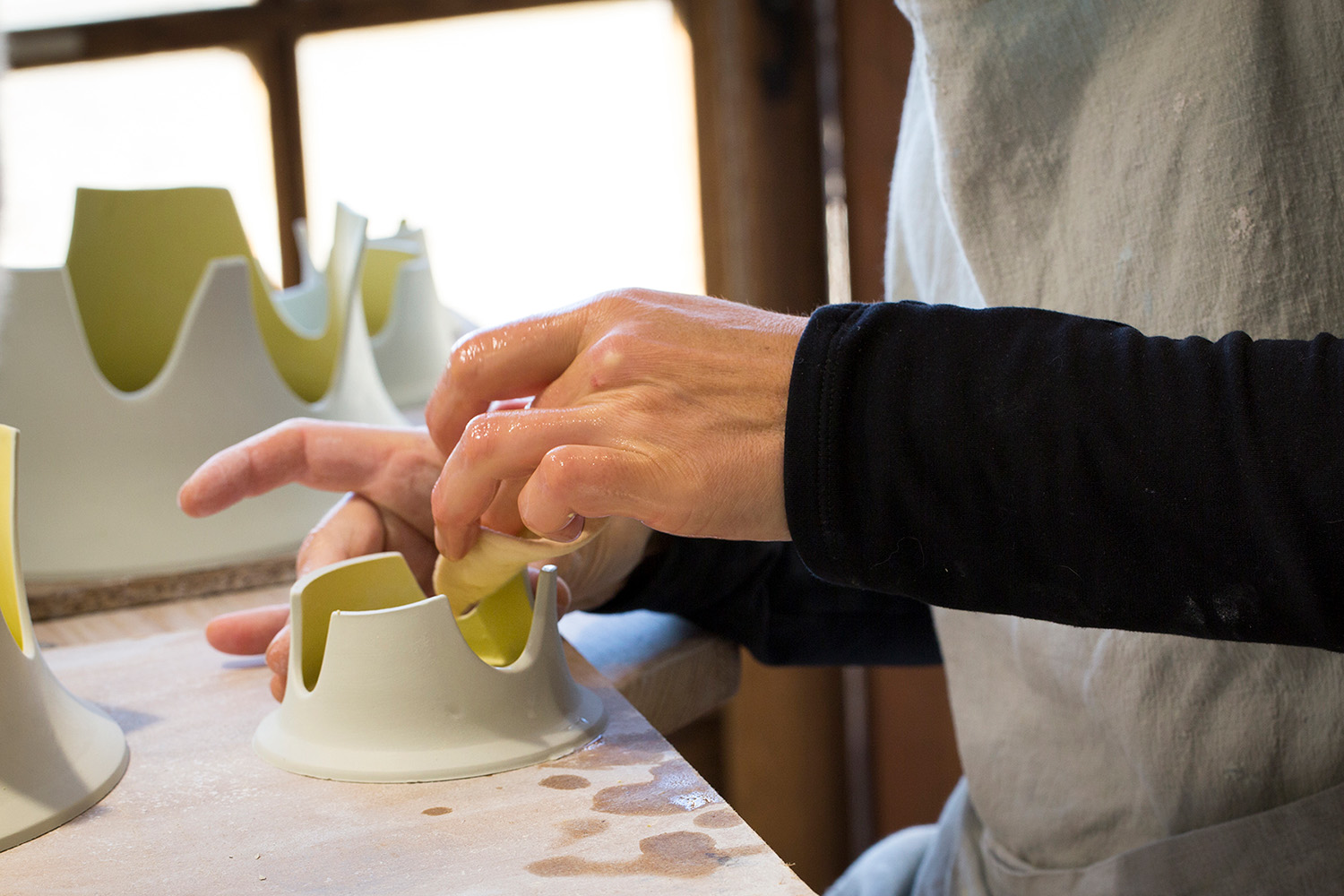
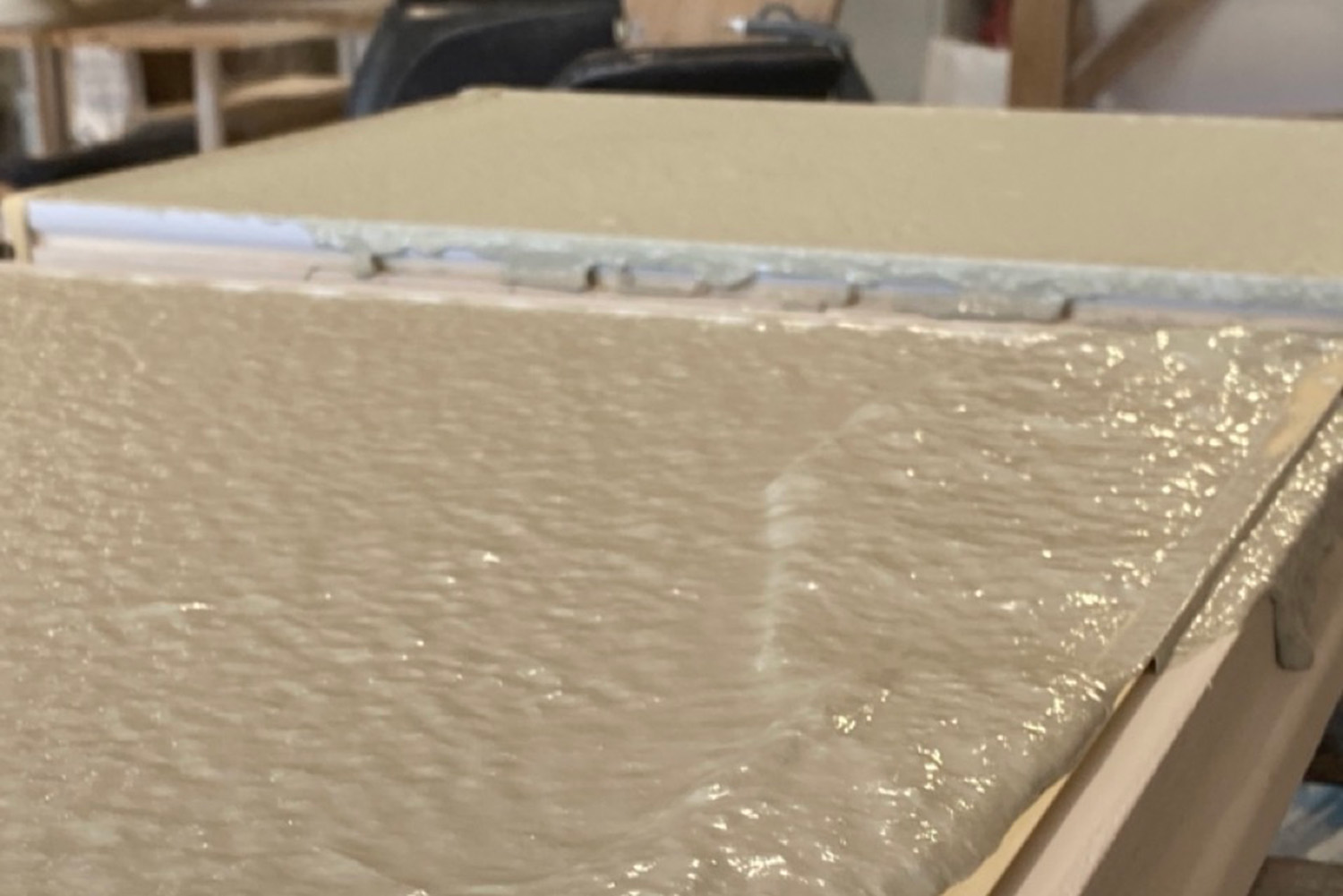
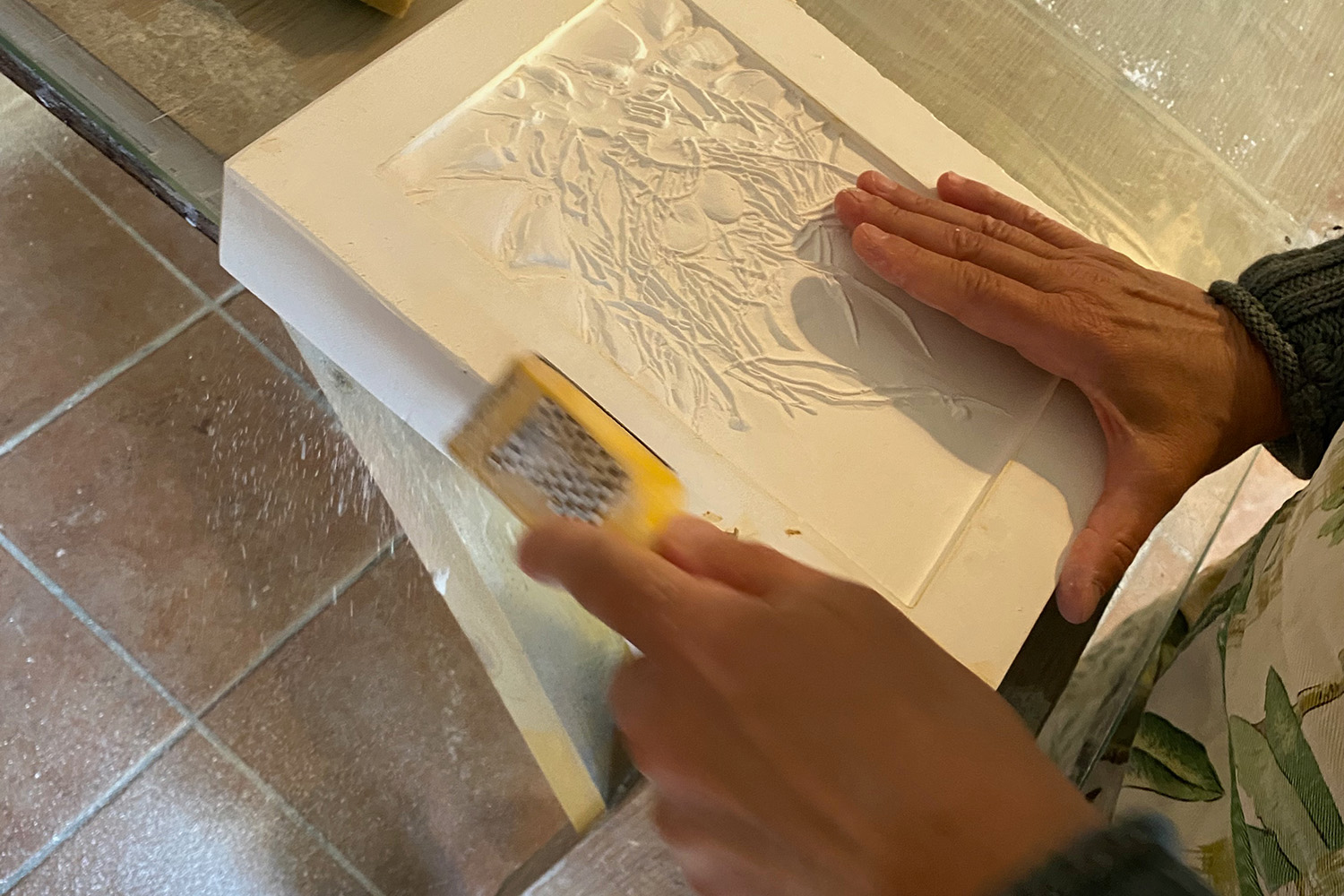
4 EXPERIENCES
Yaël Malignac & Guillaume Descoings
Passage secret
Ceramicist
Cheissoux, France
ADDRESS
Address upon request, Cheissoux, France
AVAILABILITY
By appointment only
PHONE
+33 660501488
LANGUAGES
French, English
Homo Faber Finds is a new service aiming to inspire admirers of craft to connect and collaborate with exceptional artisans.
We invite you to submit an enquiry here.