Wafer-thin ceramics
- Sara was born in Wales
- She apprenticed for ceramicist Kate Malone
- She has a BA in Ceramics from Cardiff Metropolitan University
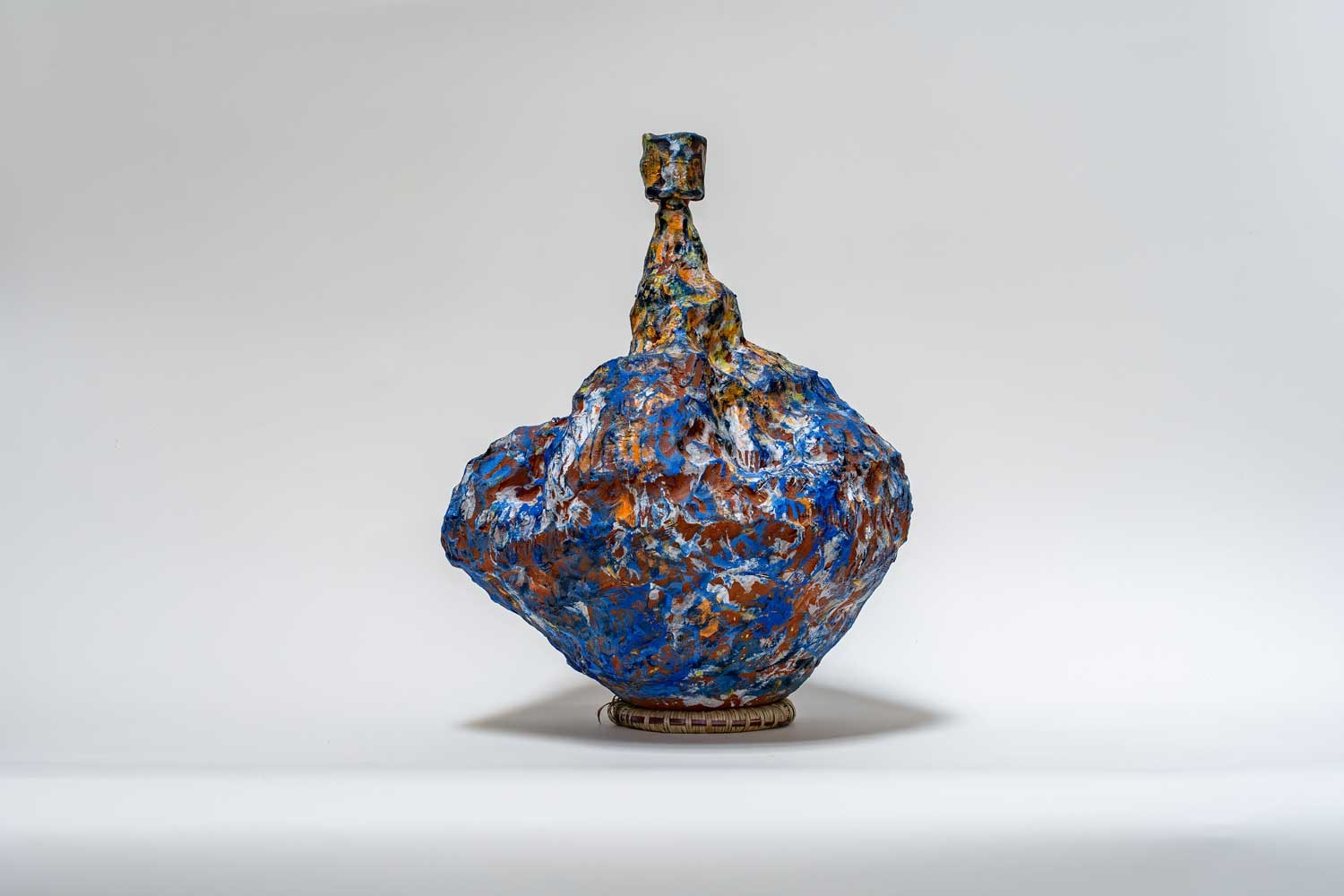
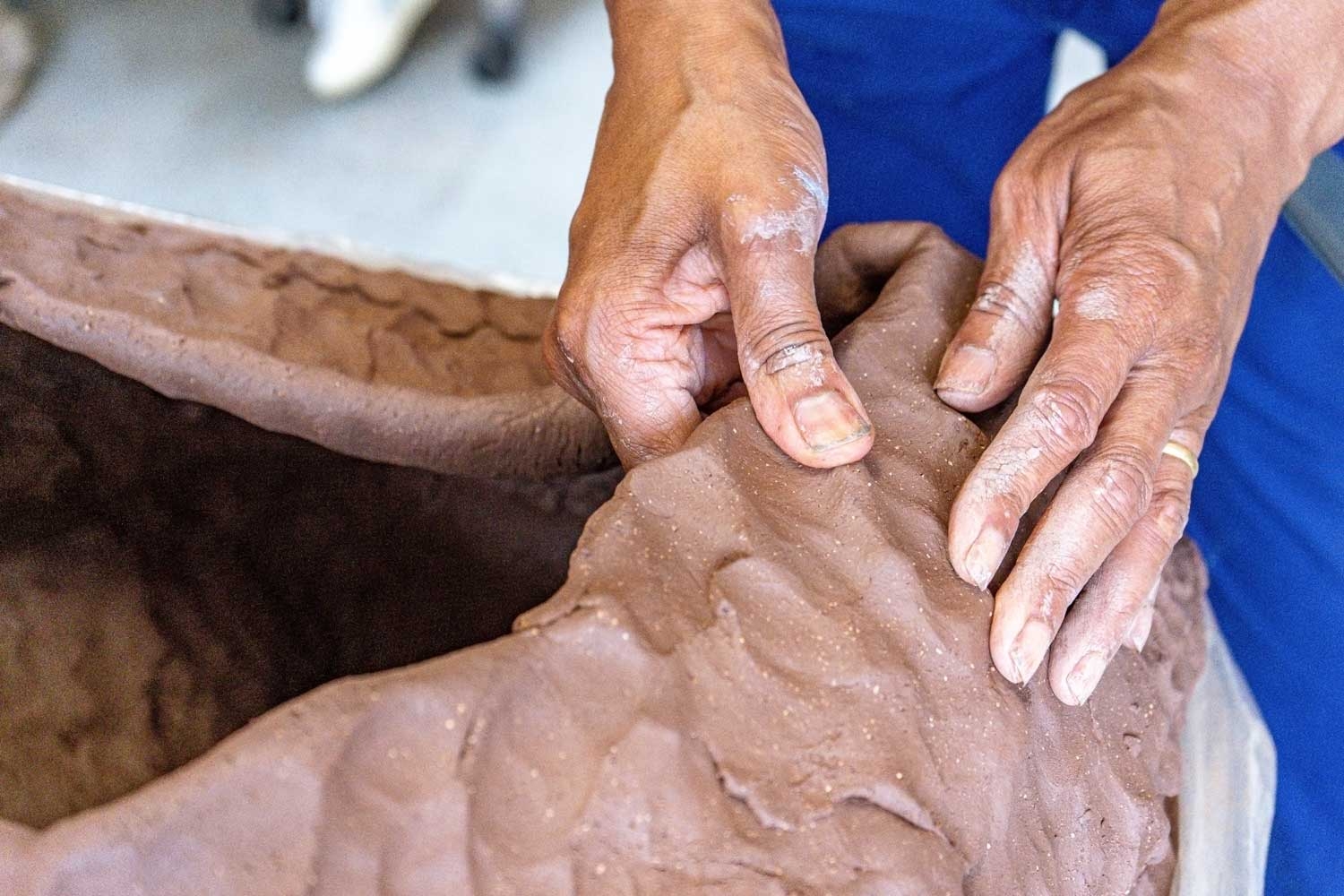
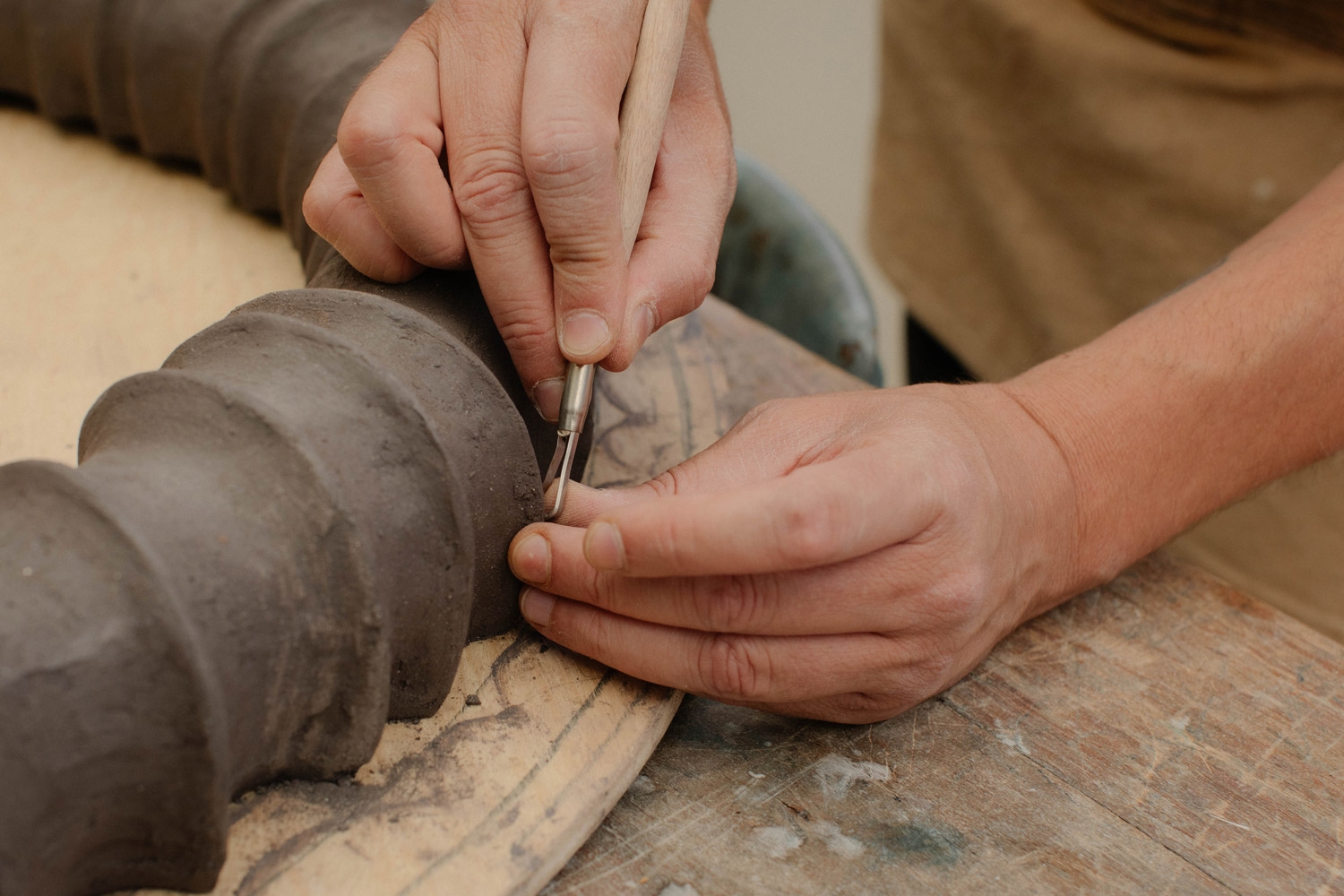
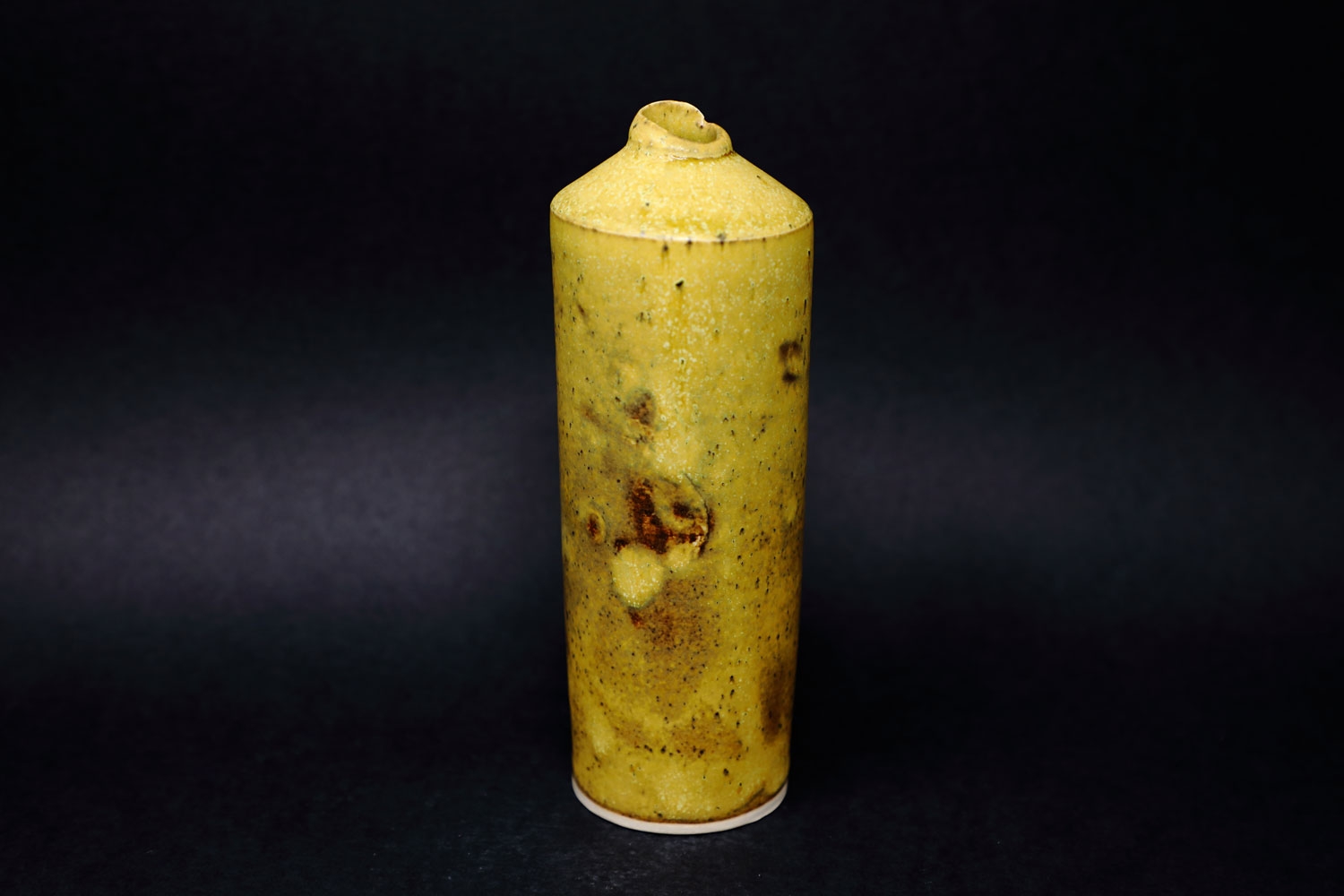
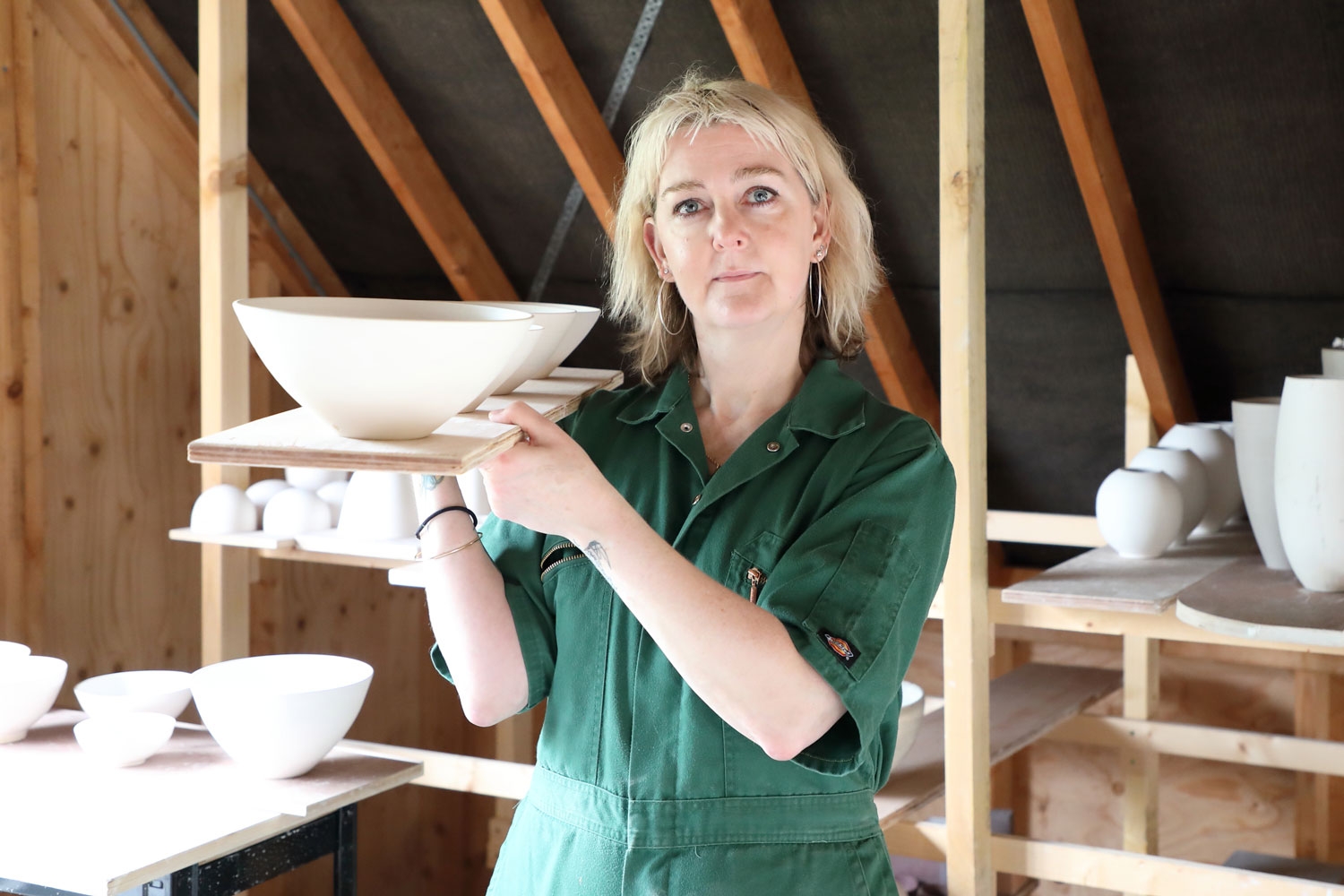
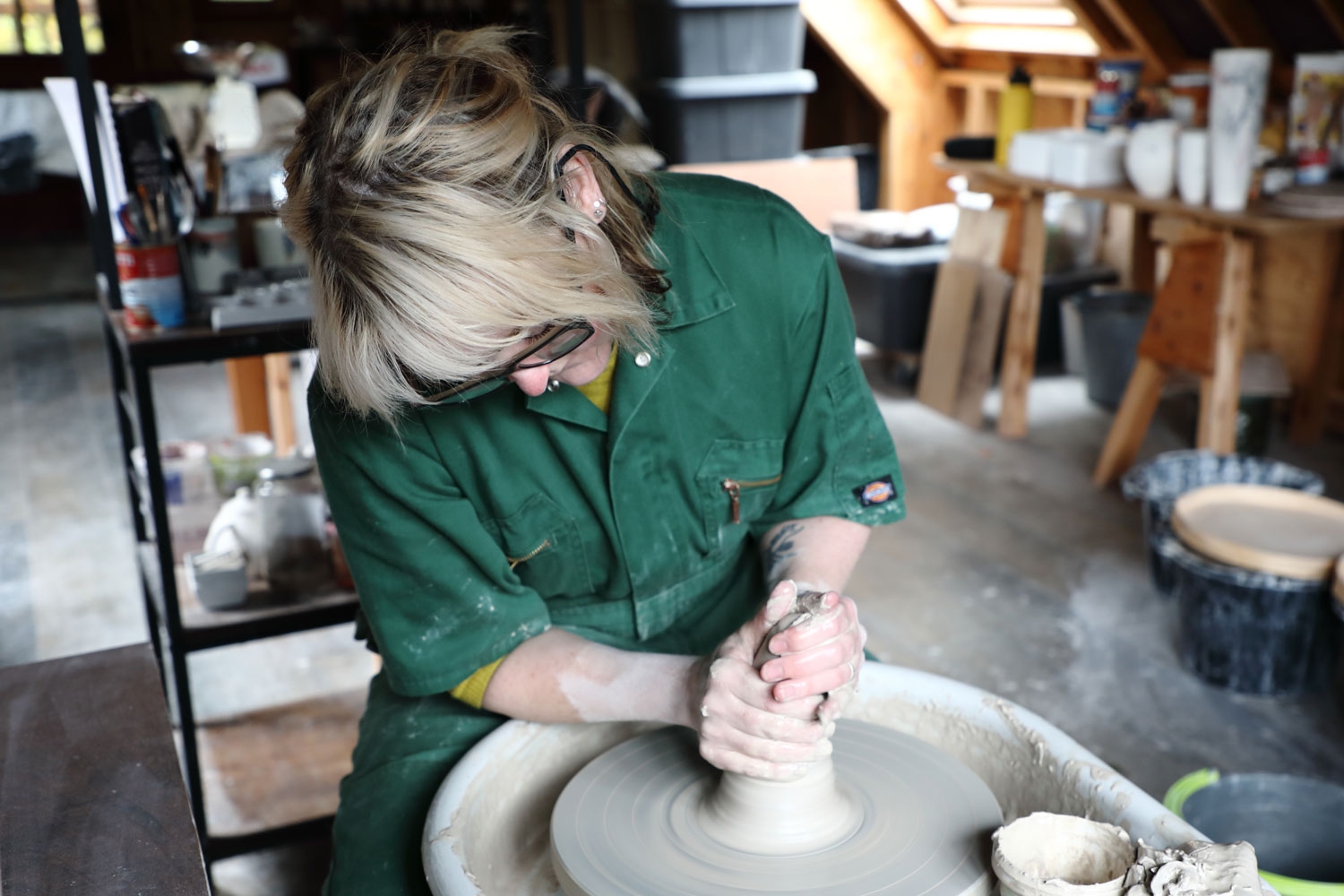
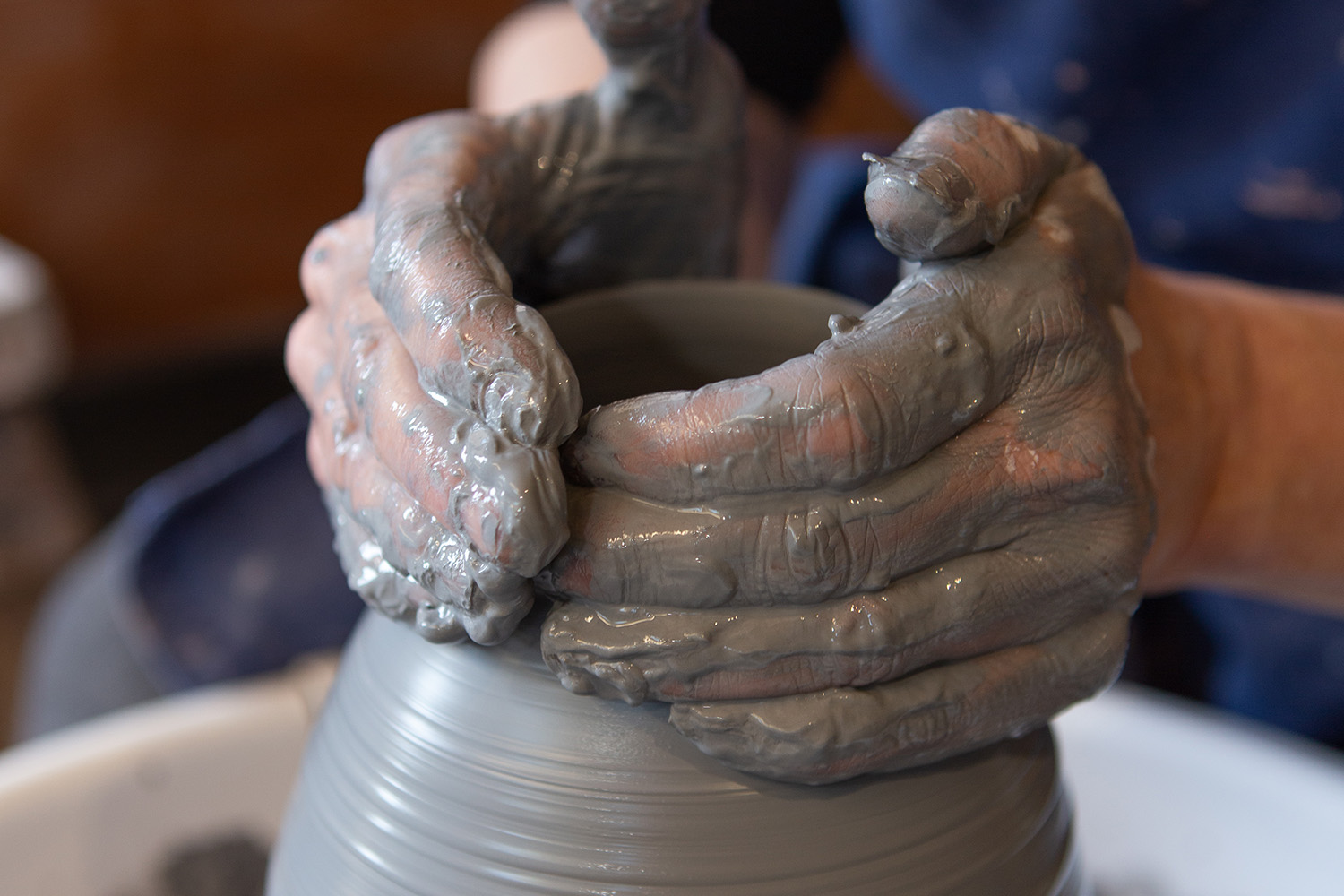
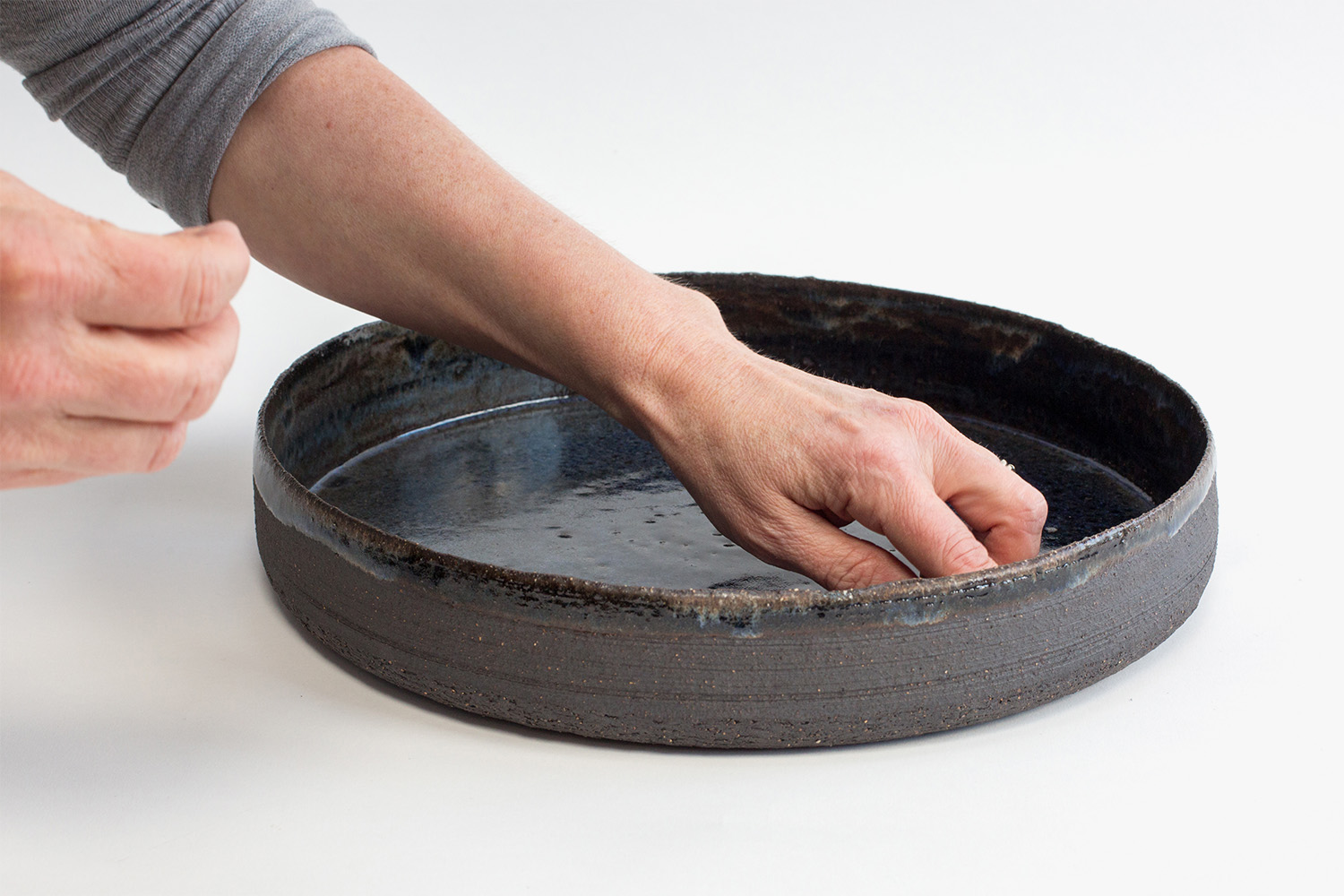
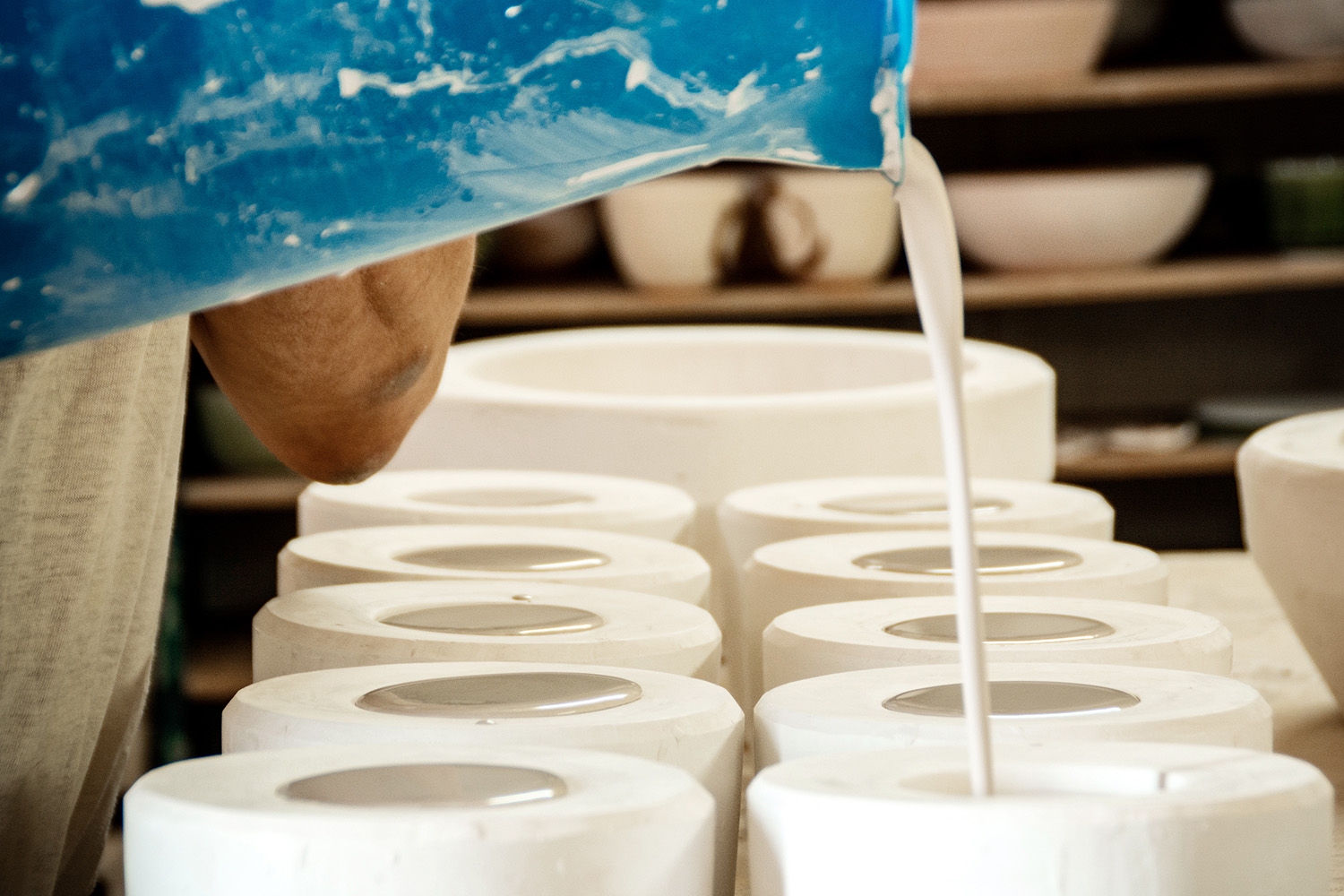
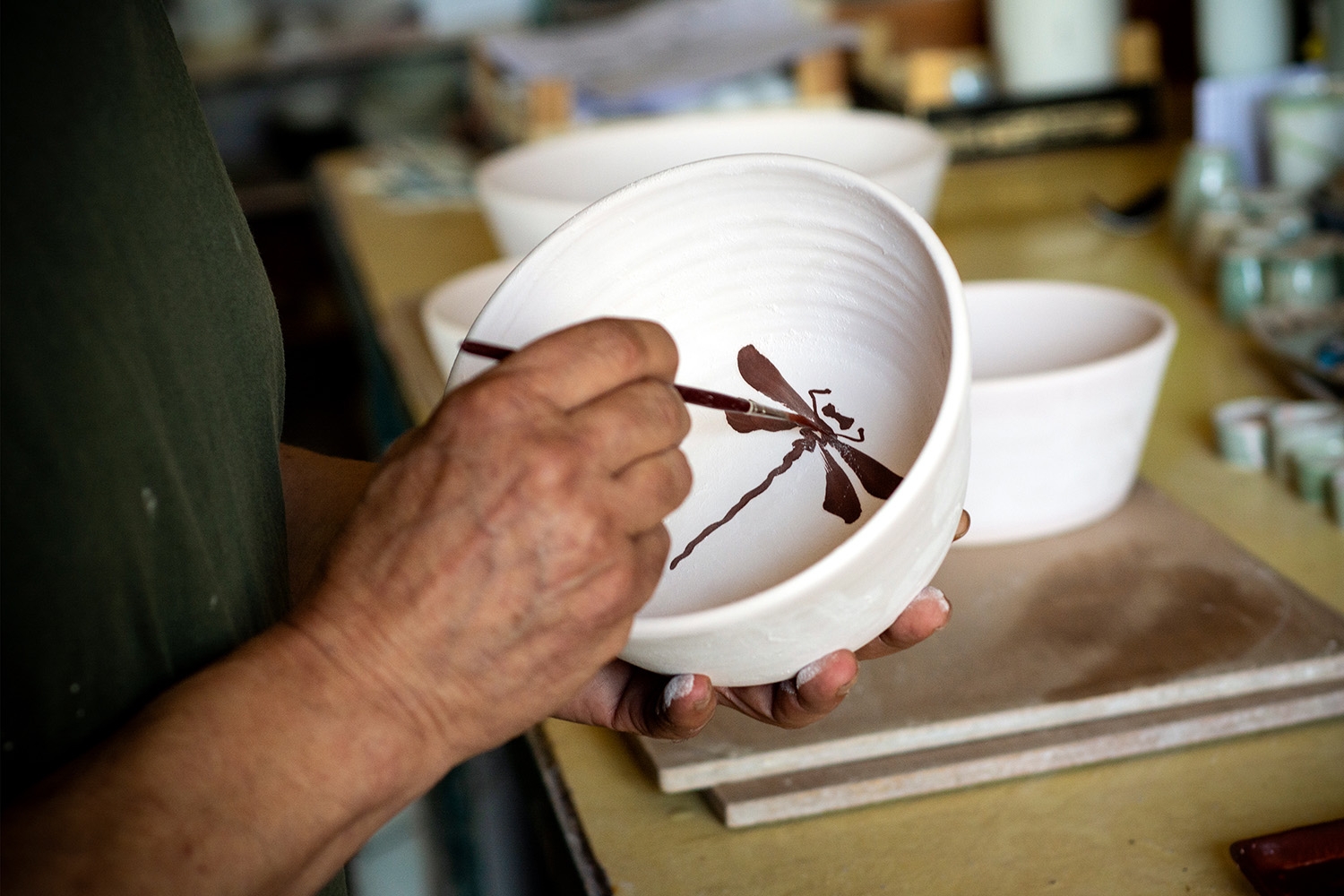
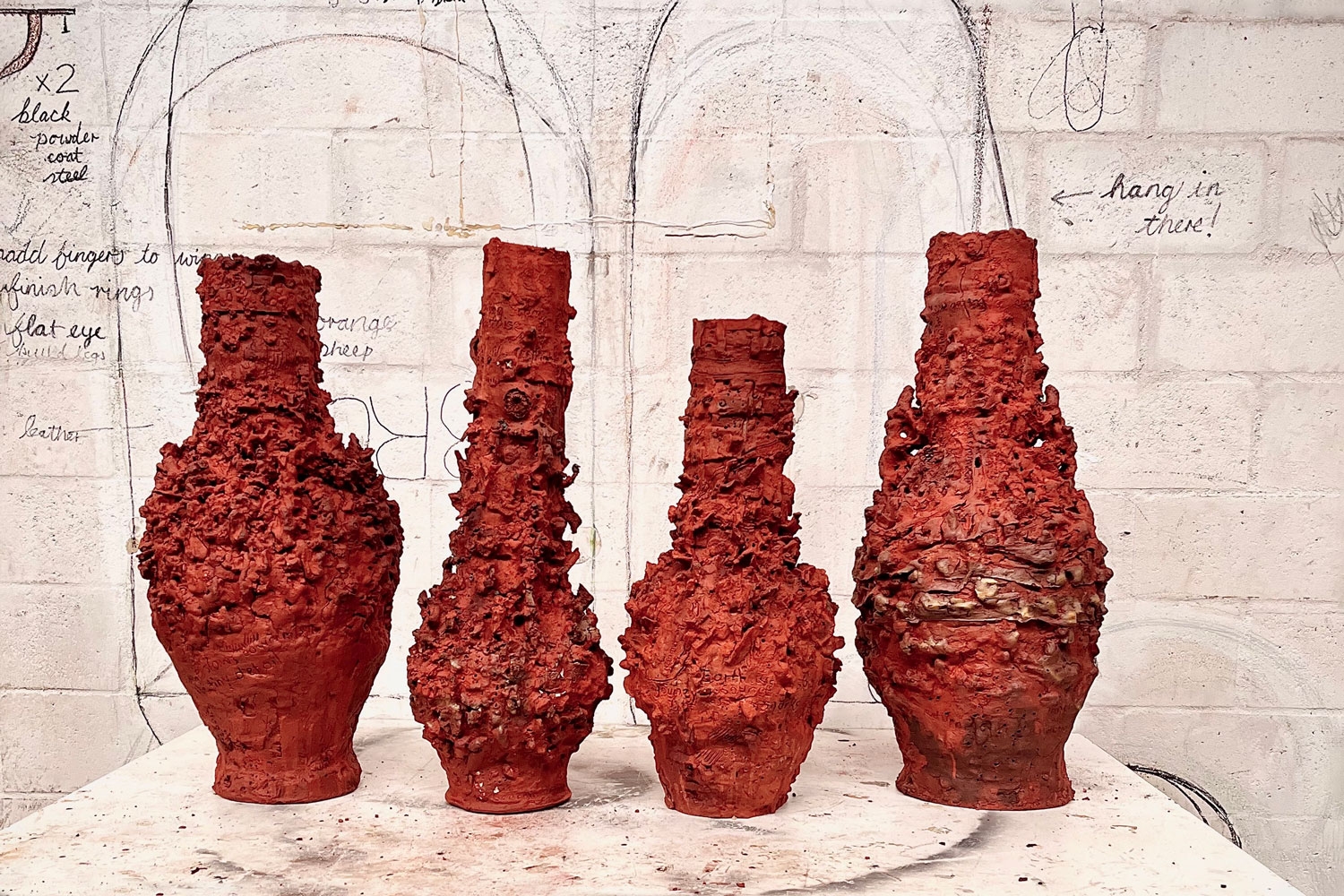
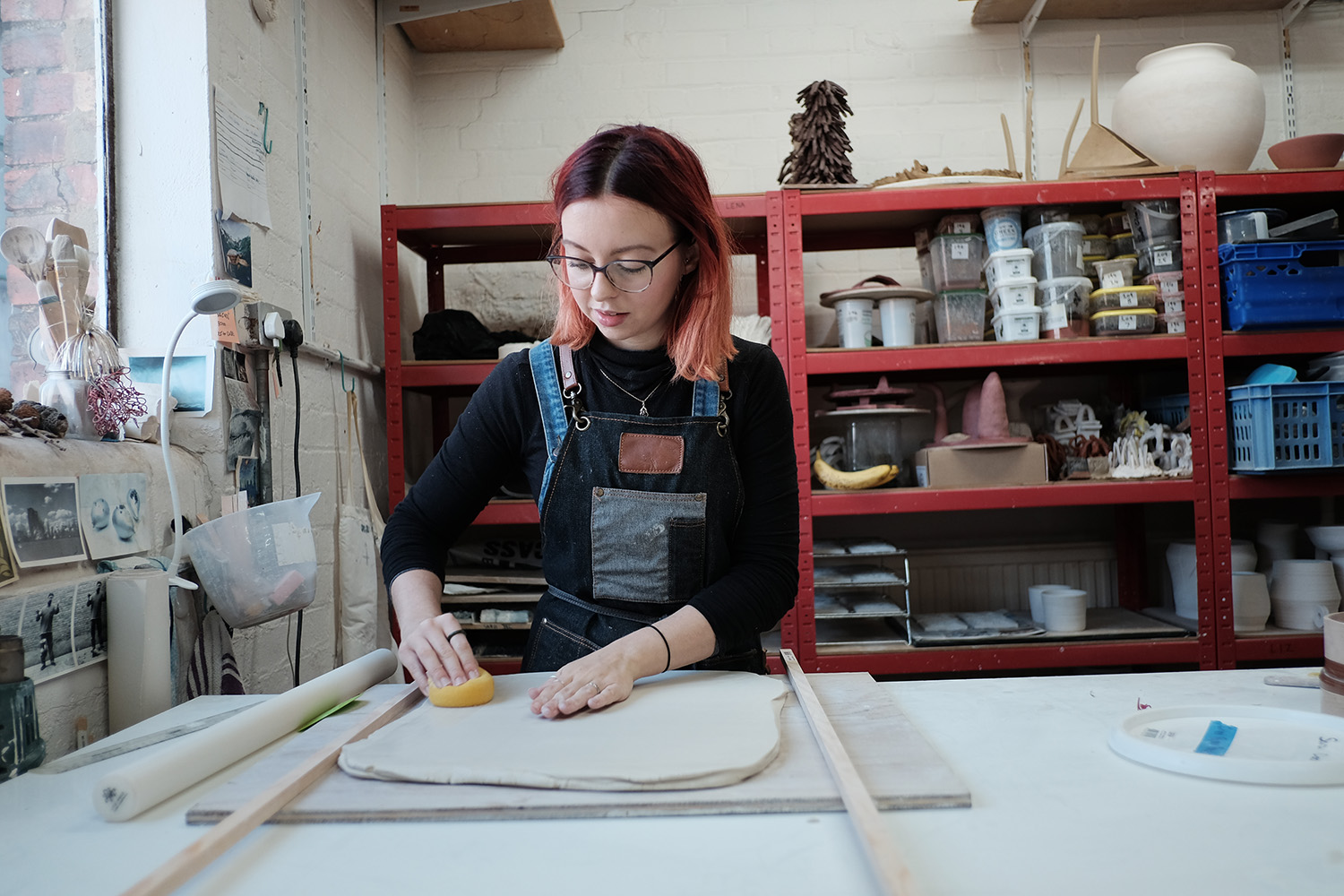
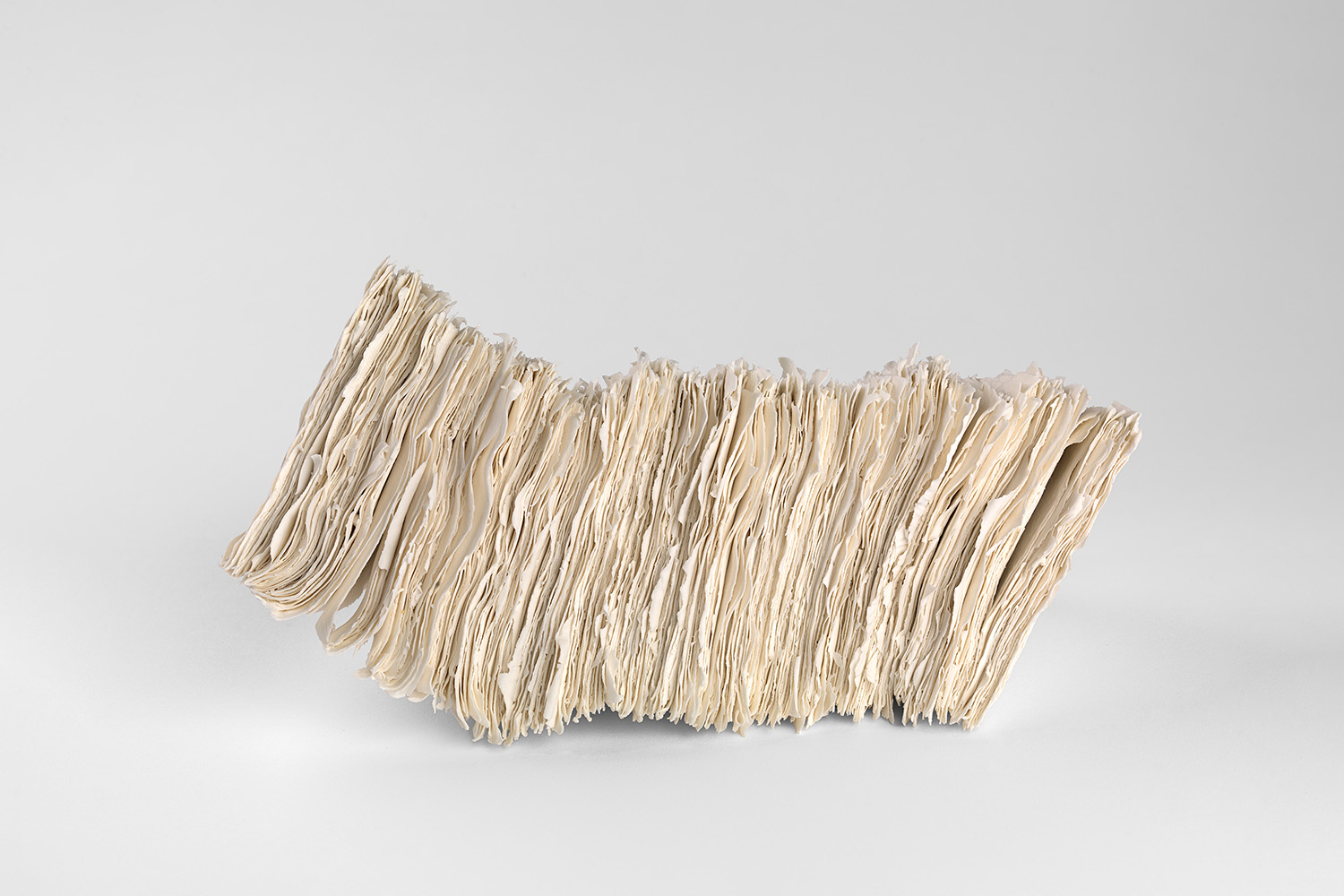
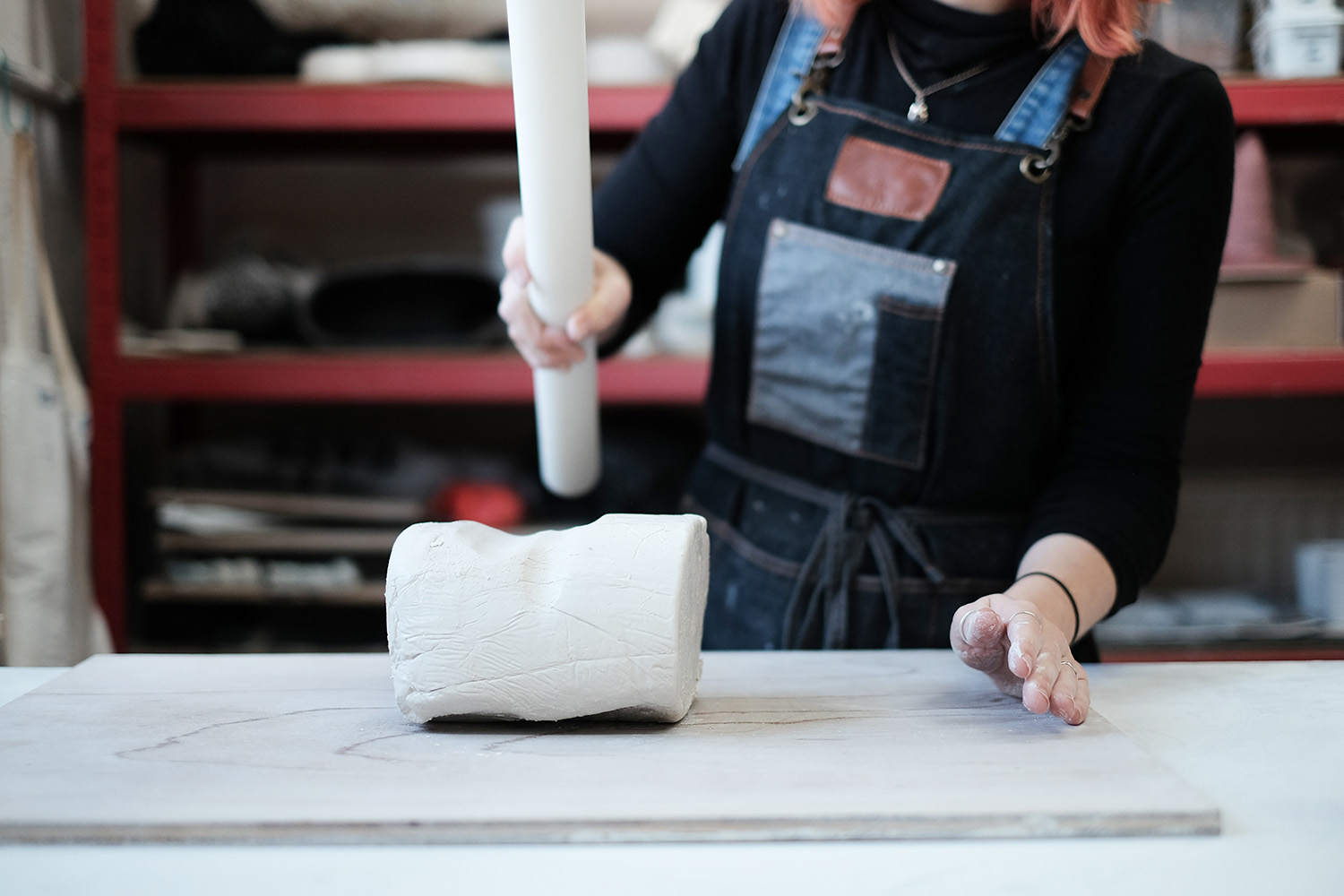
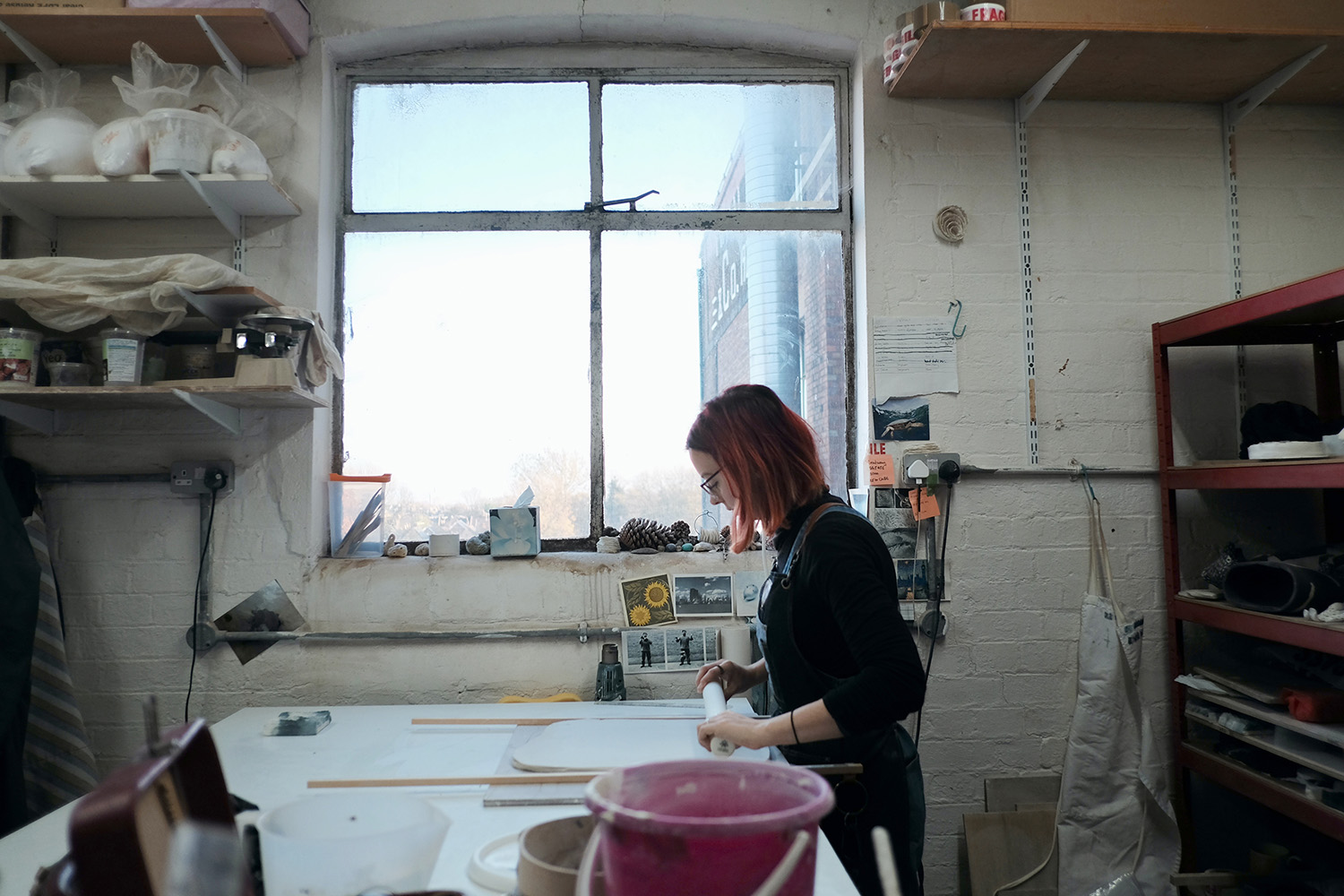
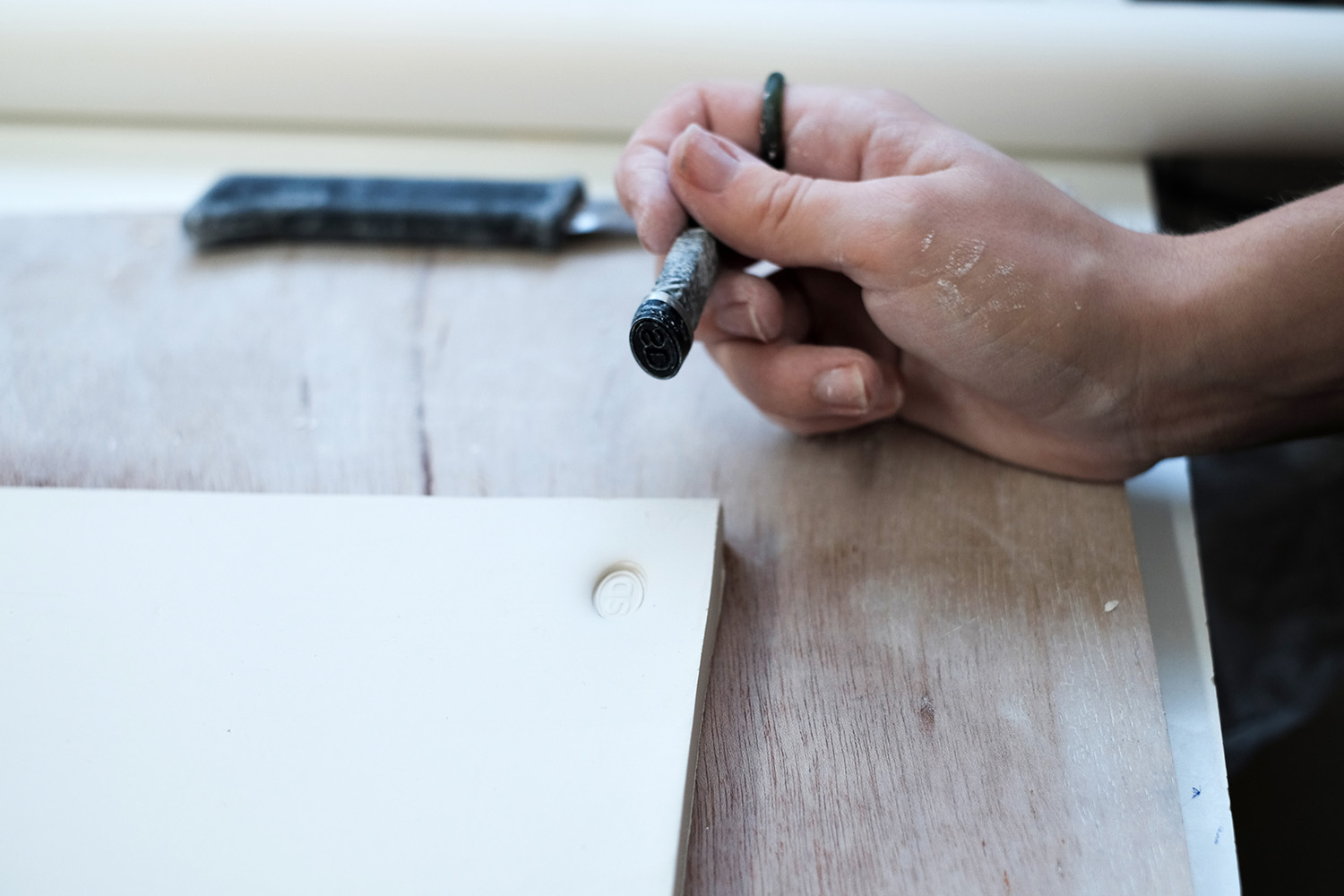
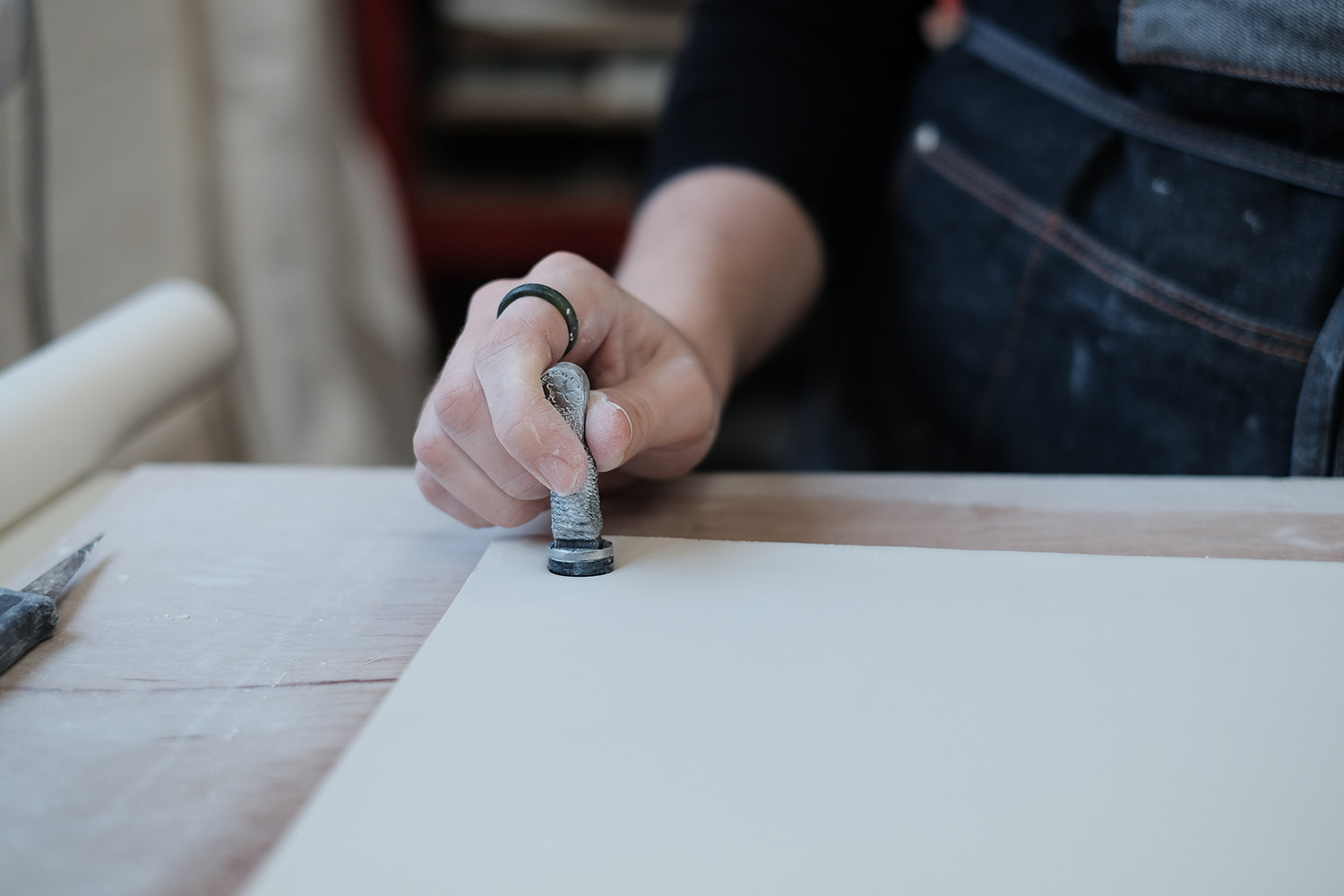
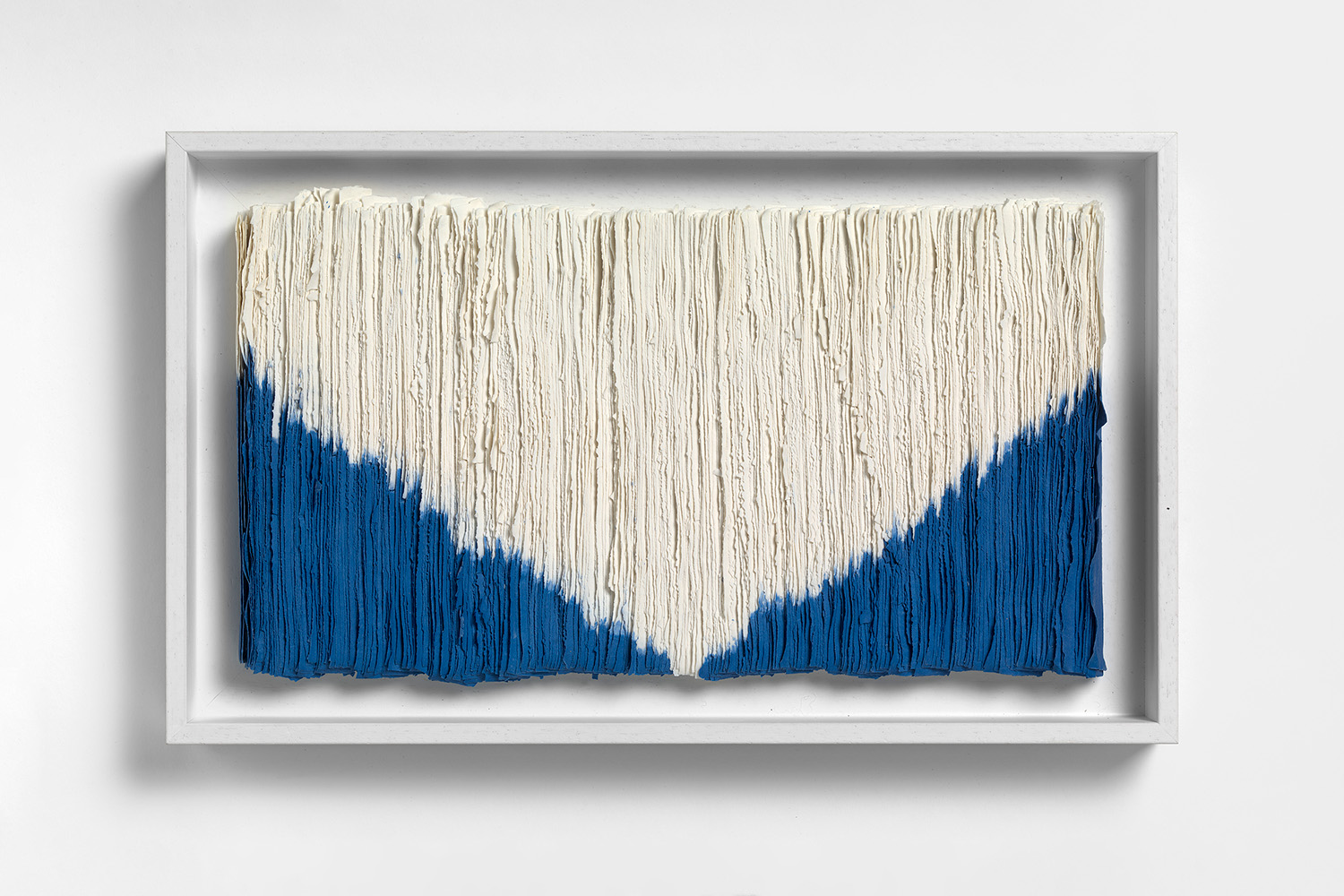
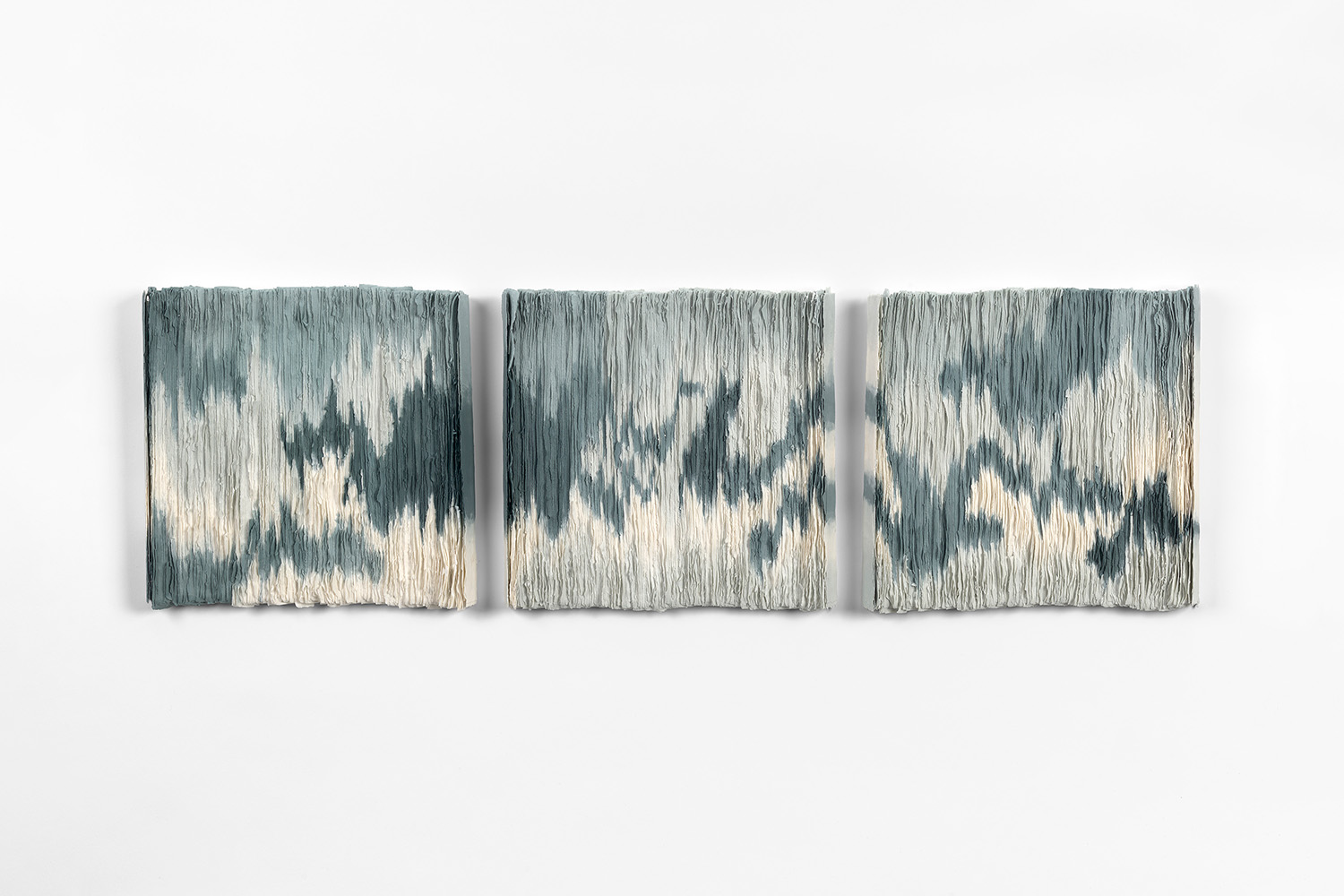
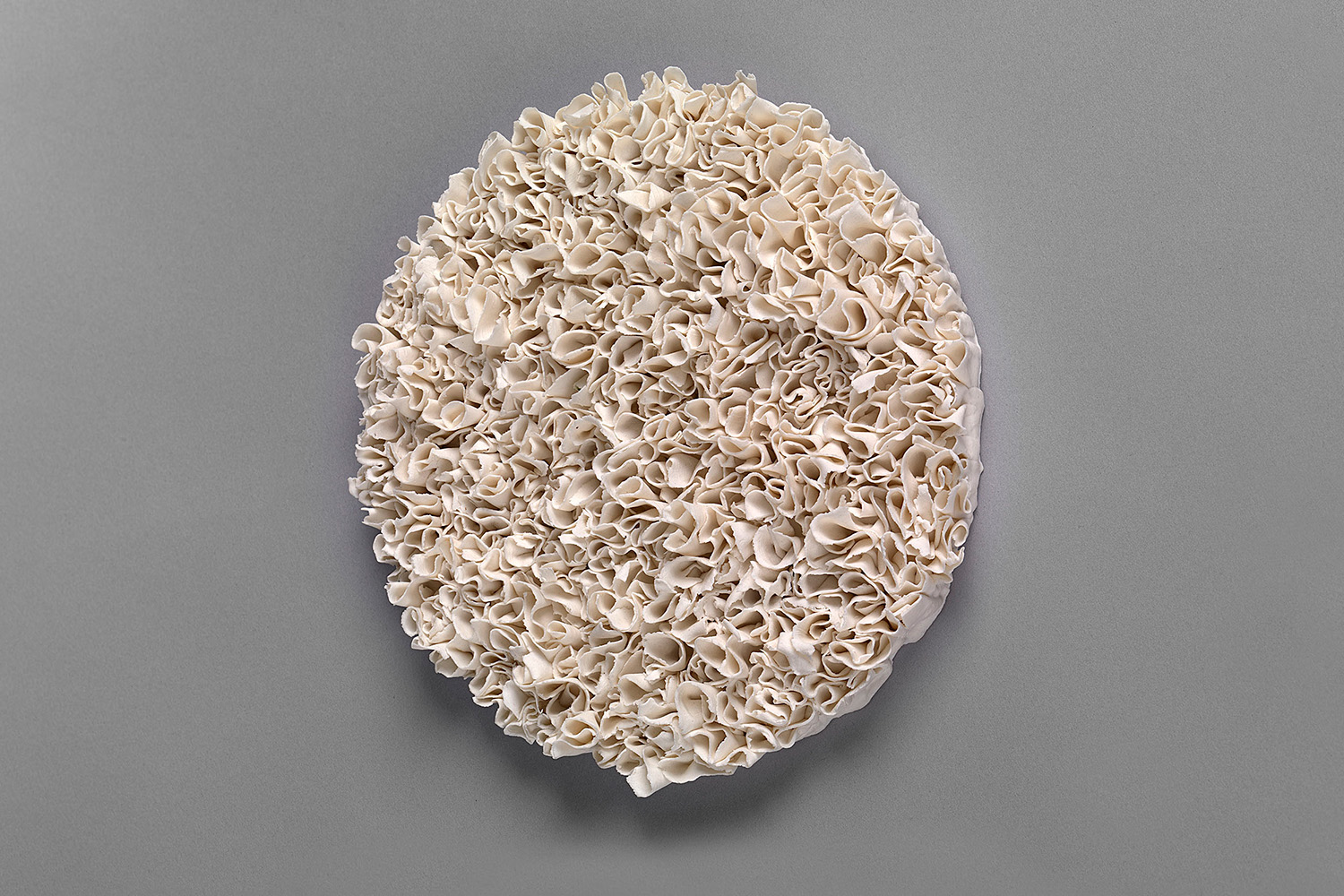
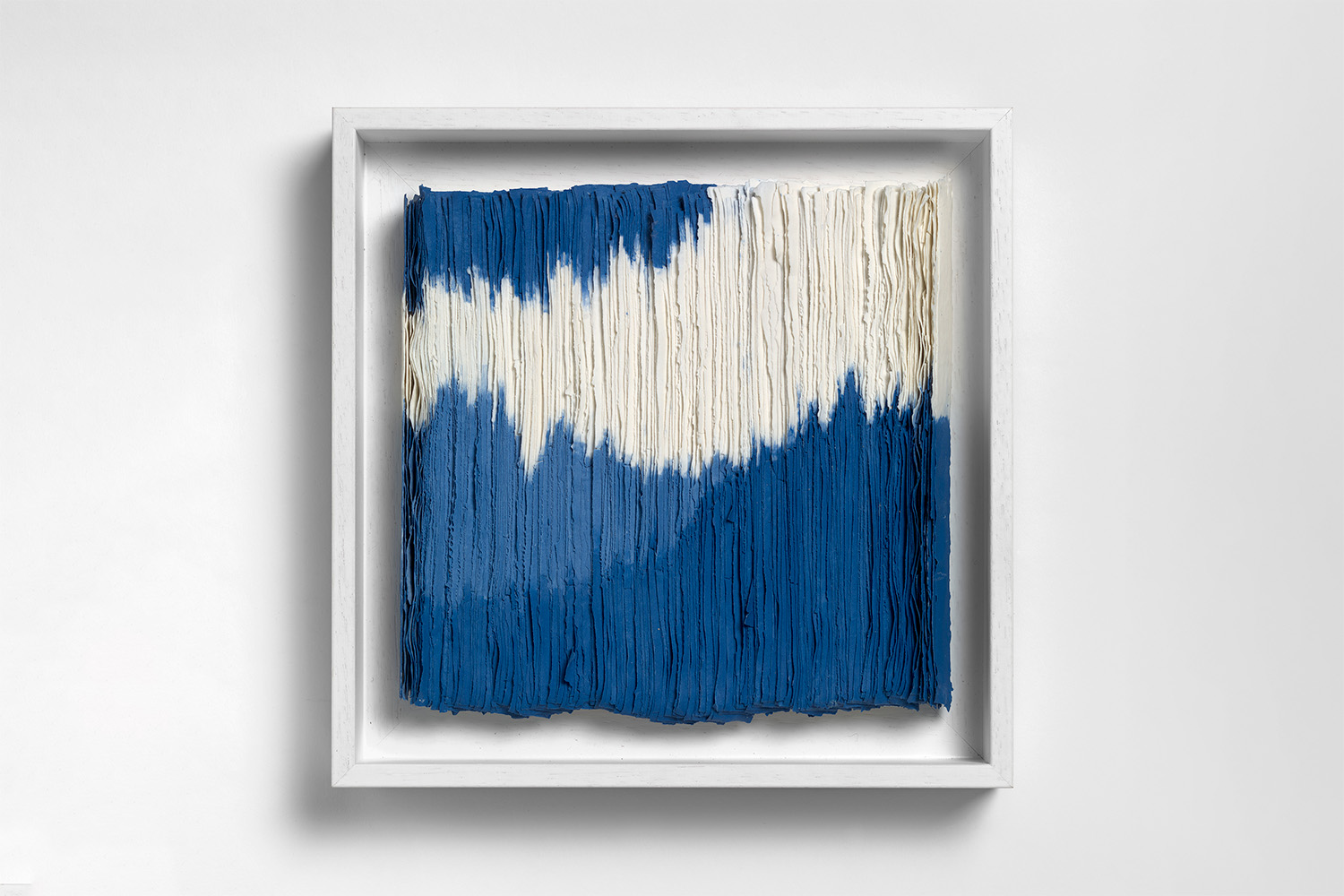
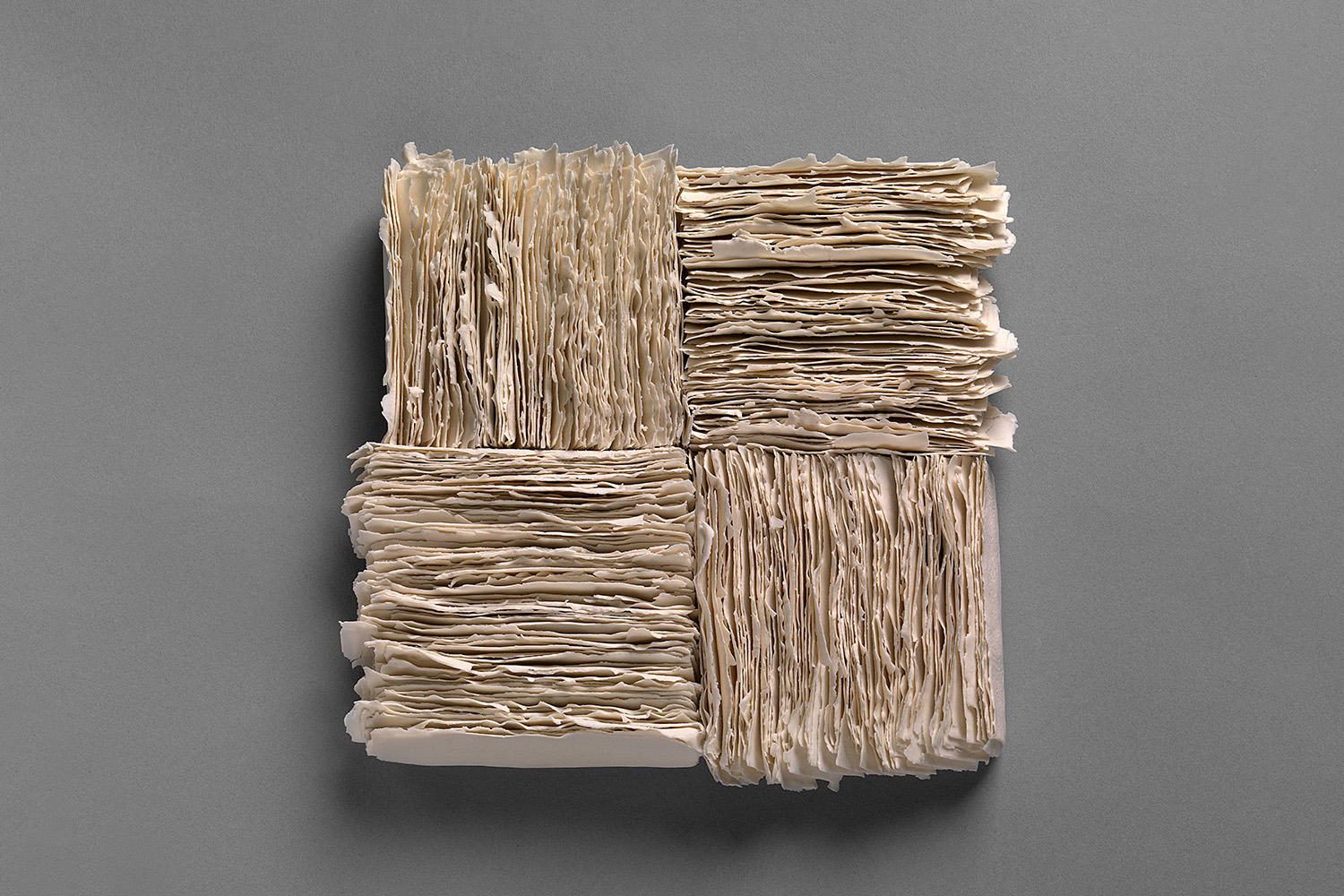
When one looks at the pieces Welsh-born Sara Dodd creates, it’s hard to believe that they are ceramics, so masterful and distinctive is her creative approach. Sara uses slip, liquid clay, to paint and create wafer-thin ceramic pieces. Afterwards, by repetition, the artisan transforms the porcelain into sculptures and wall-based installations. Her works are often unglazed and so the colour pigments are added into the clay body itself by hand before she can begin using them. This unconventional approach is what makes Sara Dodd’s ceramics truly special. She strives to capture freedom and individuality in her pieces, to seize a moment in time. Sara’s work is a frequent guest at international exhibitions like New York Ceramics and Glass Fair and the Royal Academy Summer Exhibition.
INTERVIEW
There is something magical about ceramics. To have a malleable, soft material that turns dry and chalky that can be transformed again in the firing process into something permanent, is special. It has always fascinated me and I feel it’s a privilege to work with a material from the earth.
After finishing my ceramics degree I moved to London and worked as an assistant to the artist Katharine Morling. I stayed with her for 5 years learning how to run a studio, interact with galleries and sell work before leaving to focus on my own practice. It had an enormous impact on me.
My inspiration is drawn from my immediate environment, whether a passing moment taking in sunlight hitting an object, or a more detailed study of the sky setting at dusk. It could be a colour combination or a quality of light, I try to keep my eyes open to discover and absorb the things that surround me.
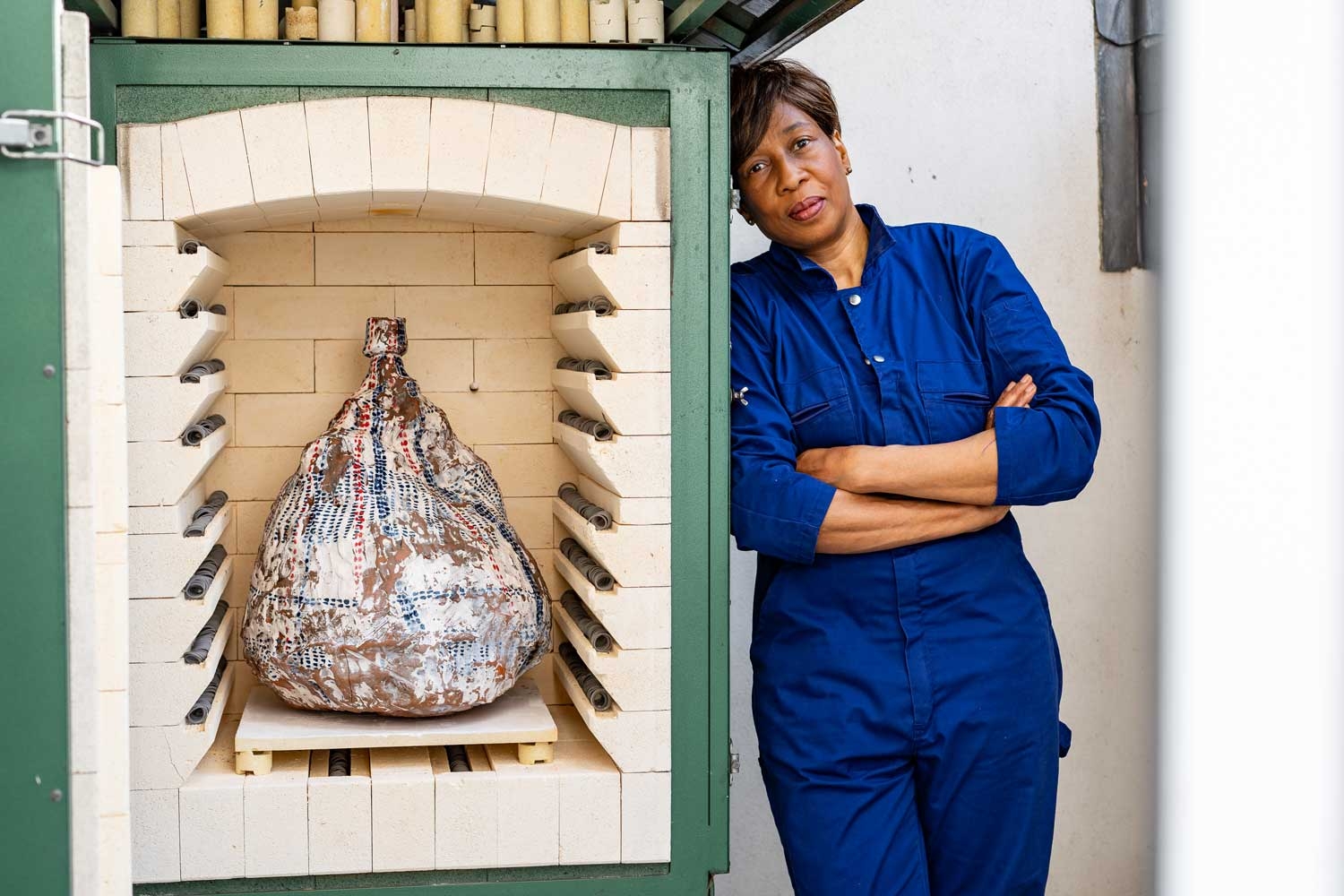
It’s definitely opening the kiln after a firing. When firing at extreme temperatures, the results can be uncertain, pushing the material to these temperatures can cause the porcelain to begin to move and shift. However it is something that I embrace within my work, I use this movement to manipulate my designs.