Isis Dove-Edwin
Ceramicist
London, United Kingdom
Expressive vessels as a homage to history
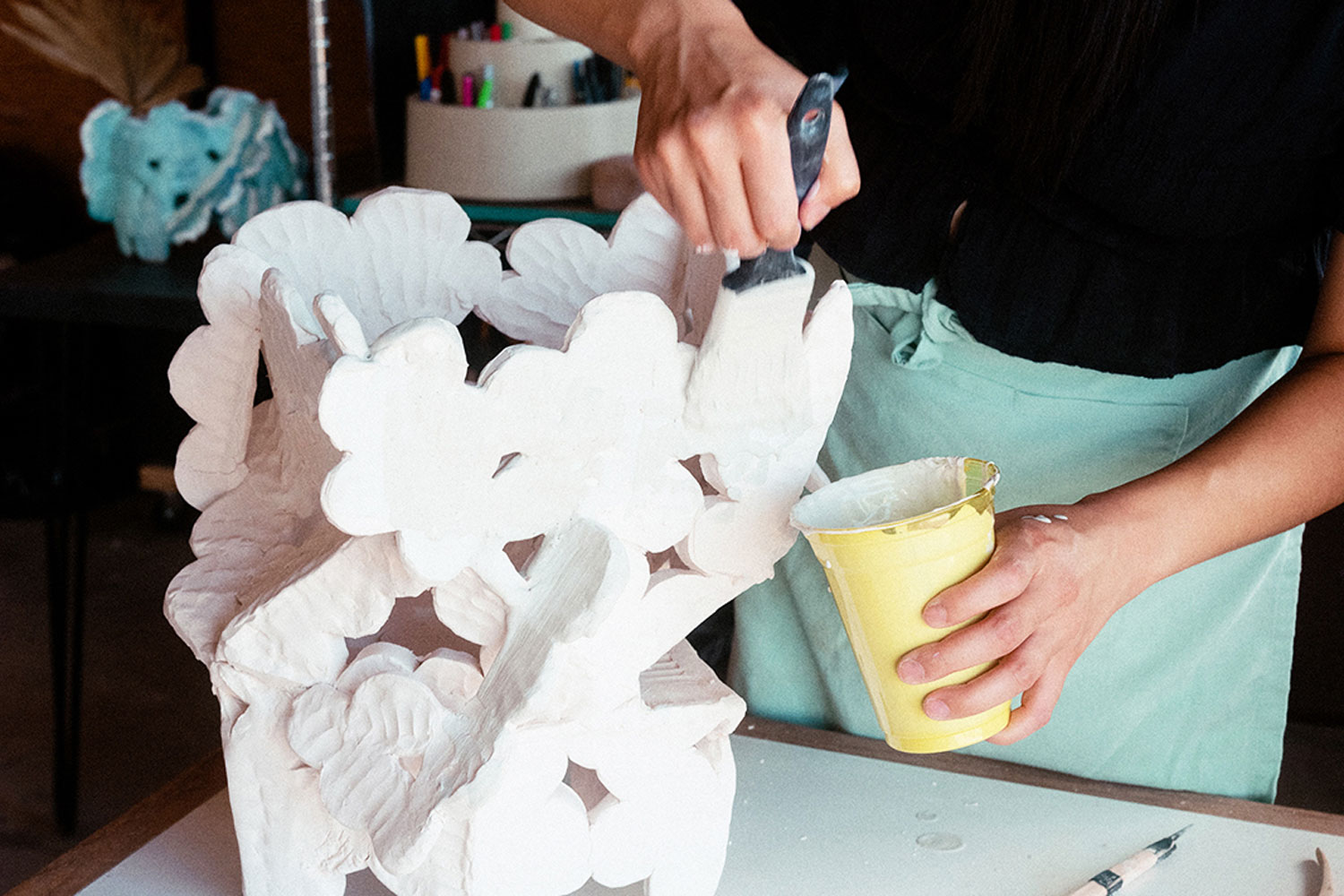
- Isis is a sculptural ceramicist who focuses on using hand building techniques
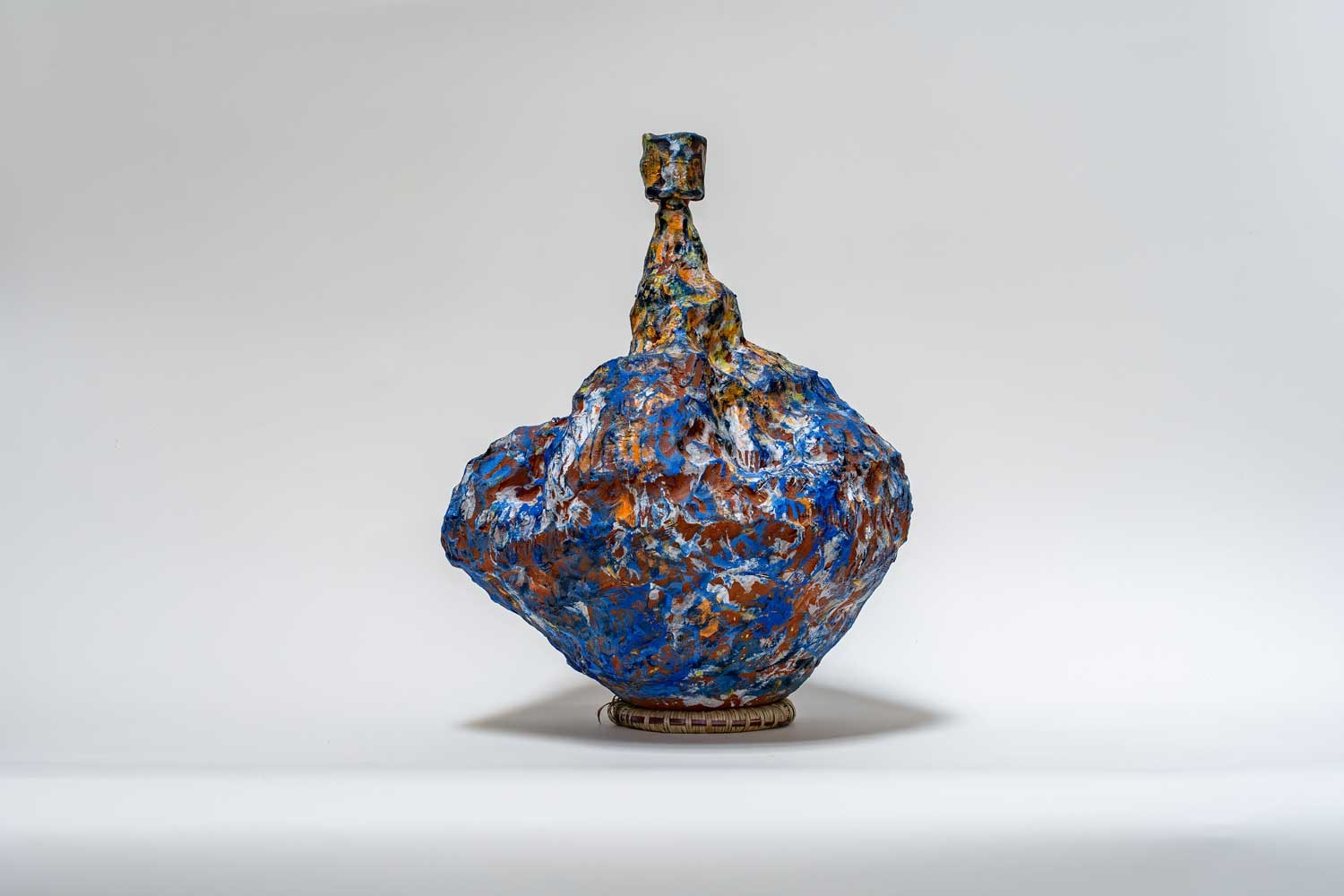
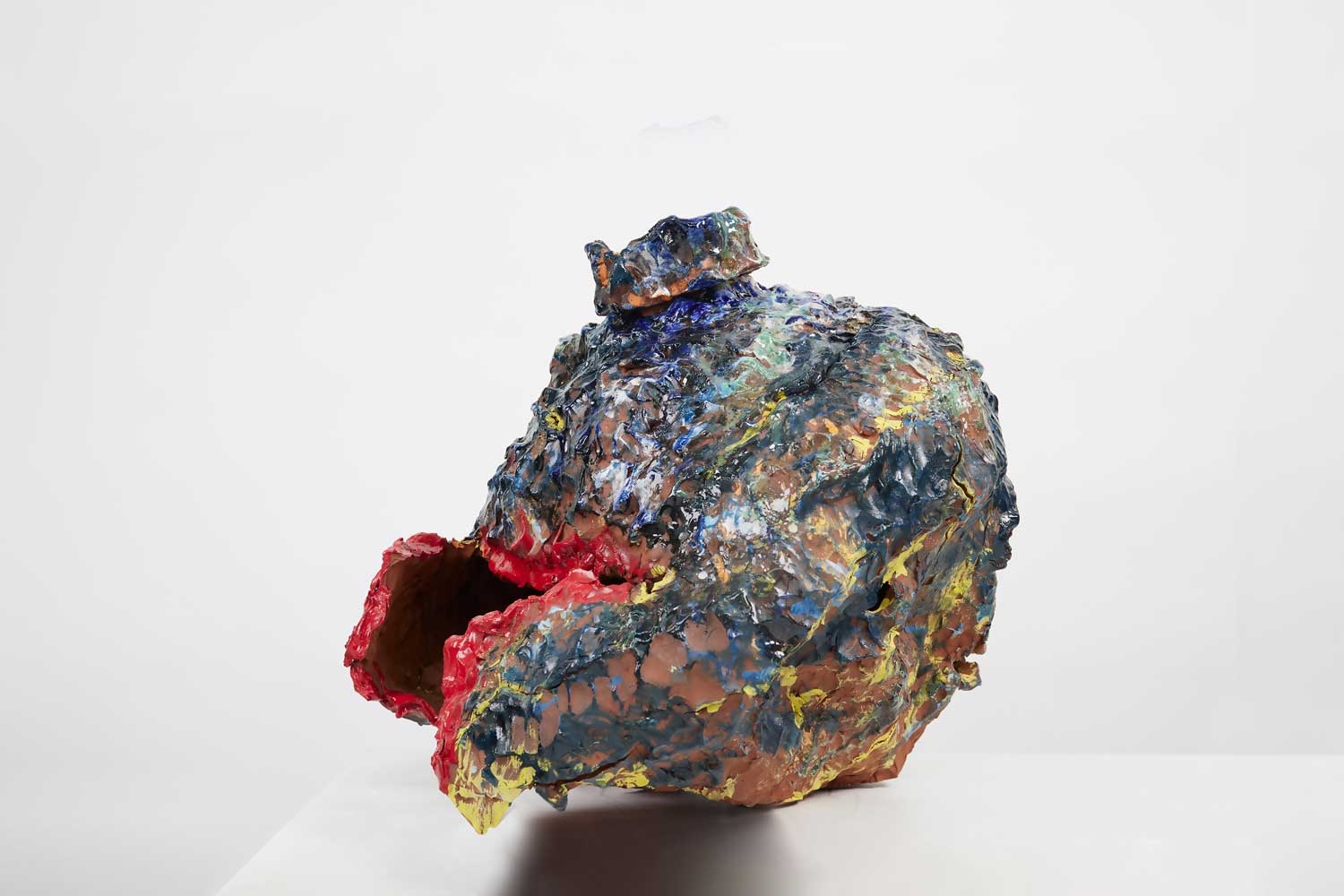
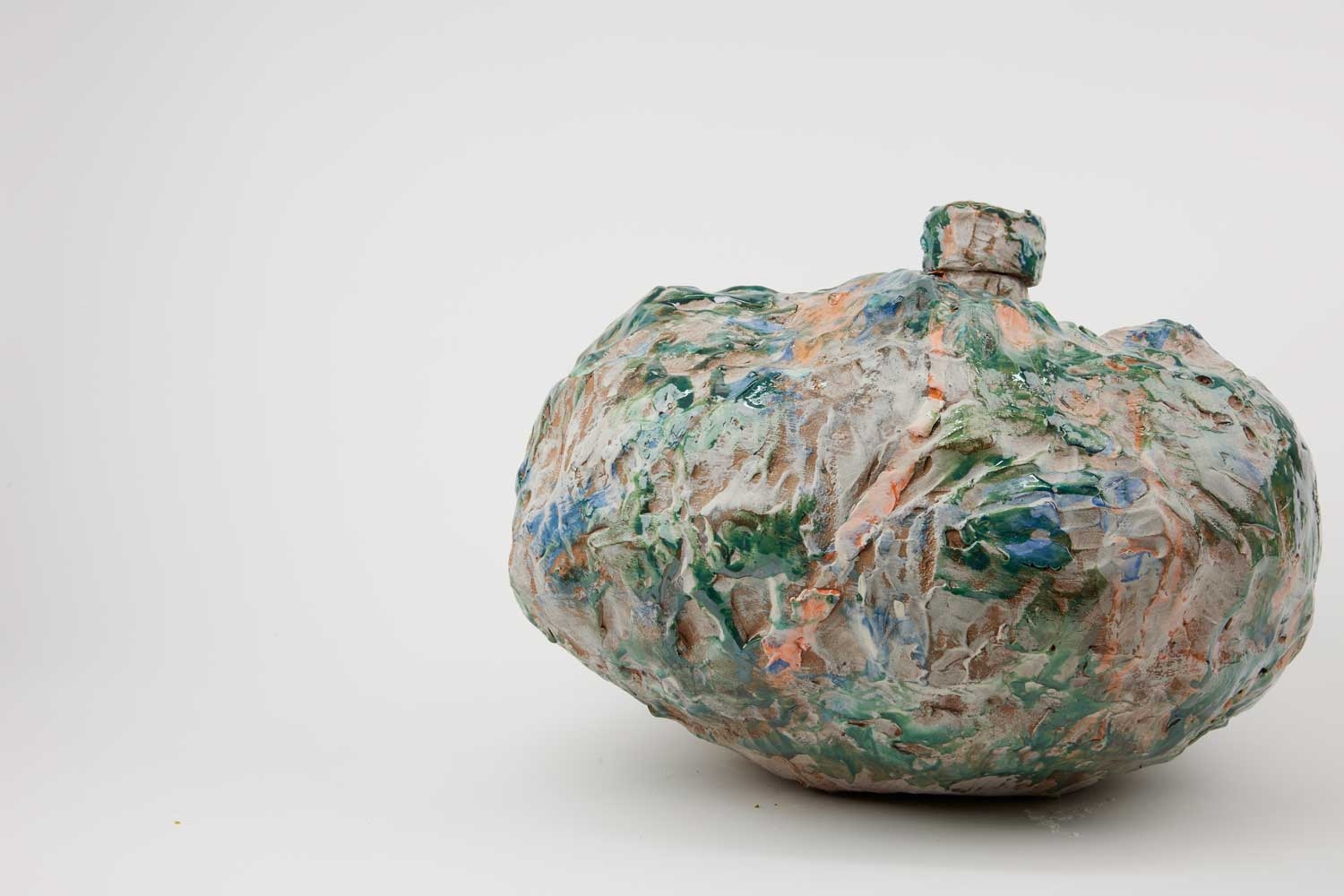
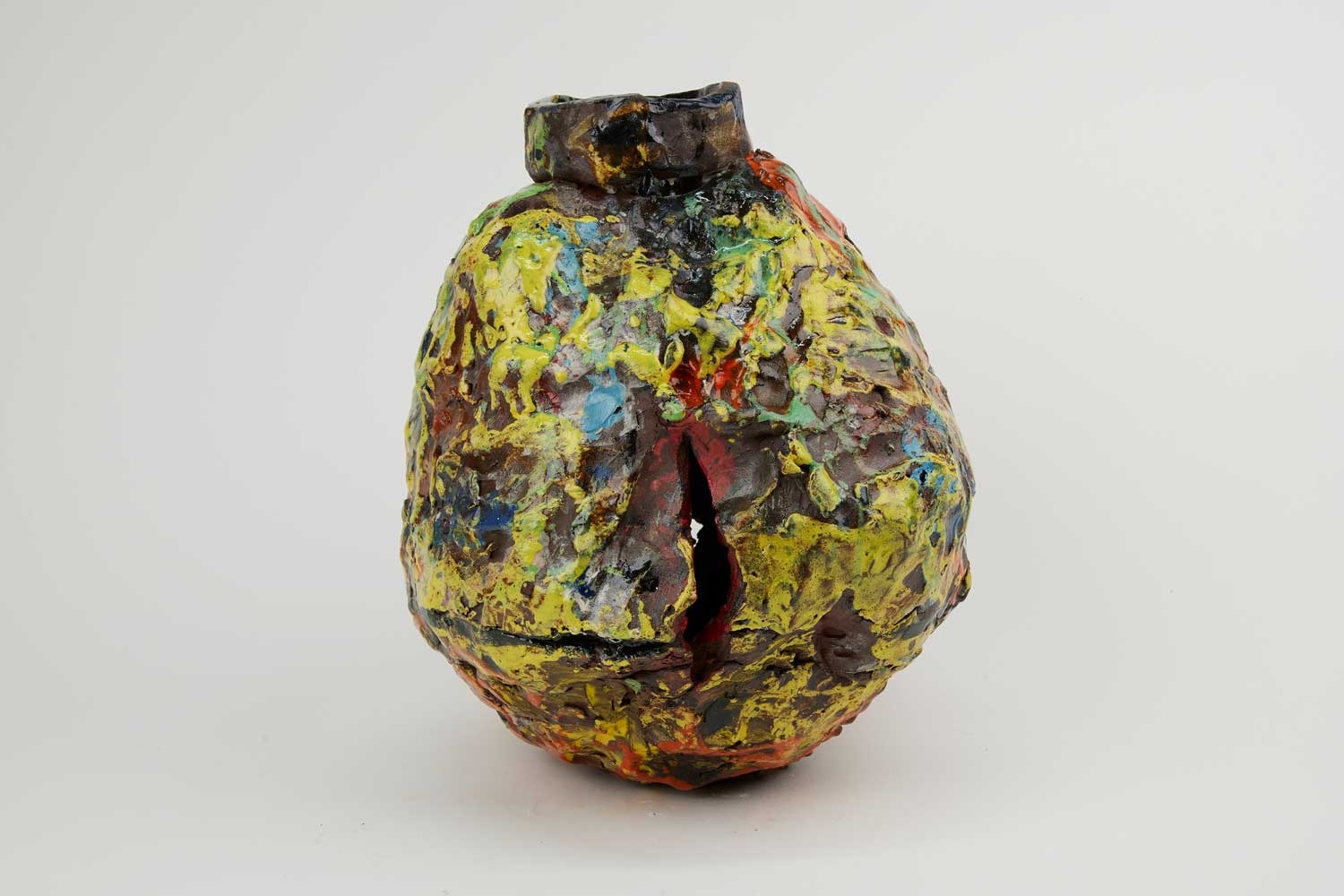
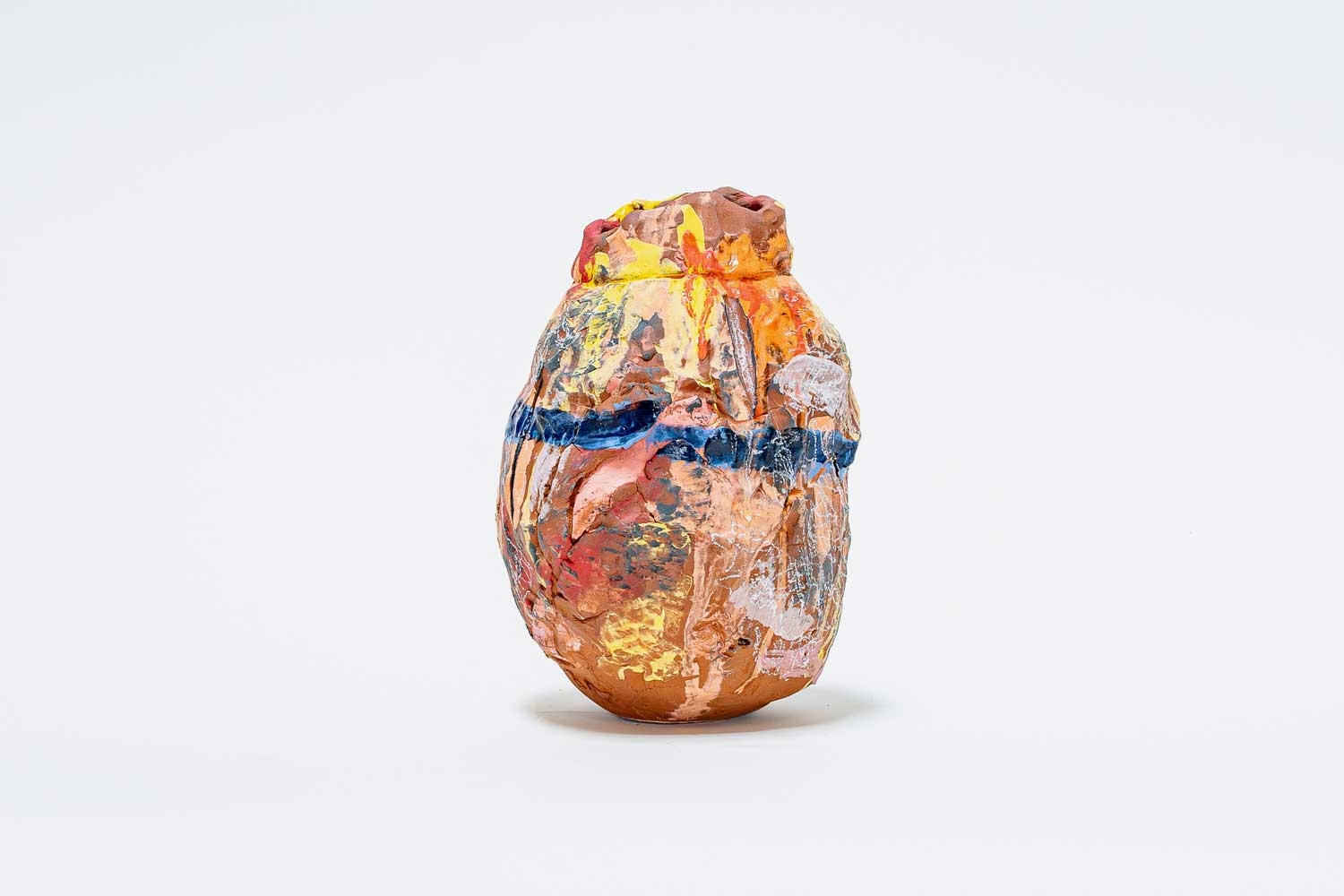
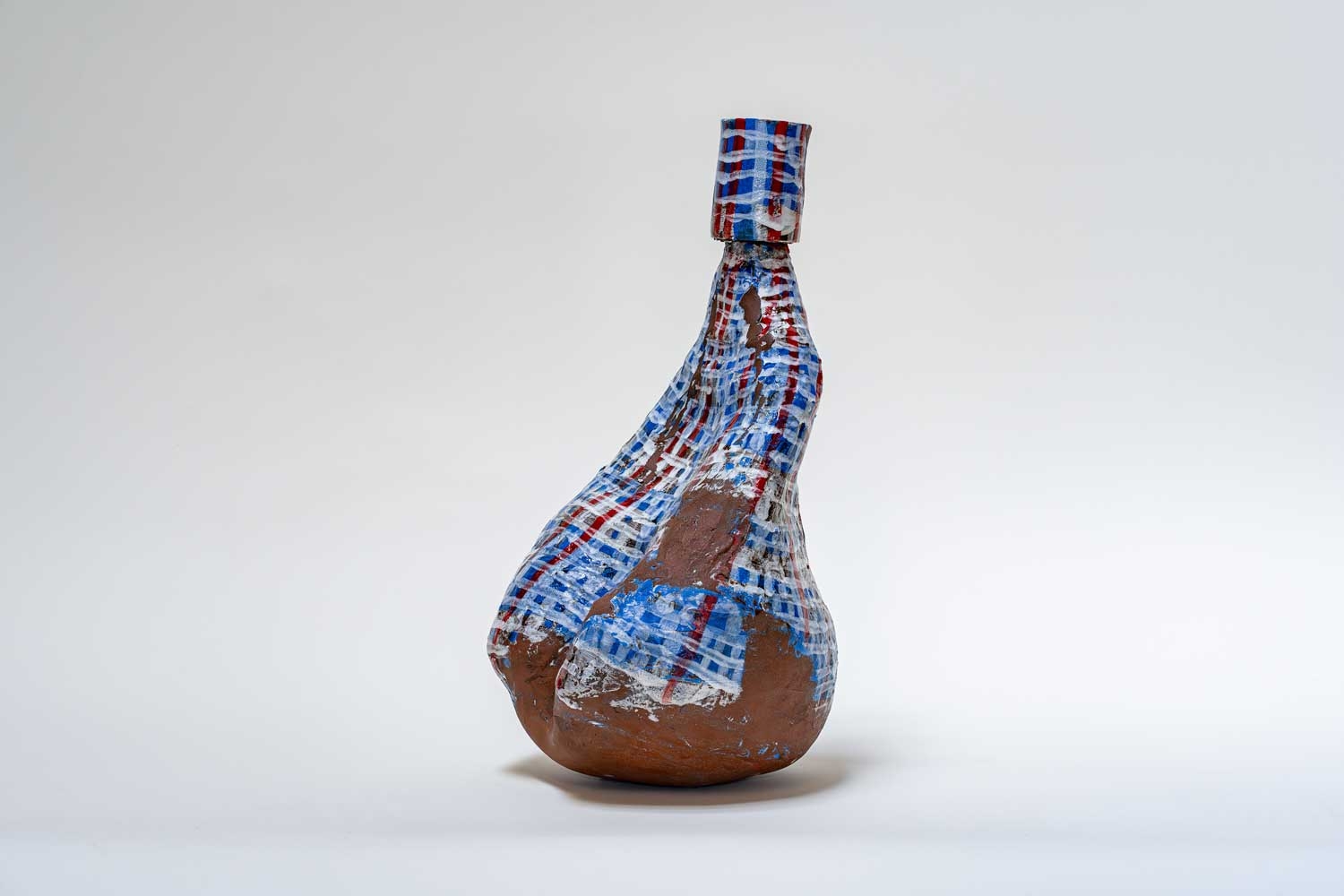
- Her works are a playground of experimentation with texture and colour
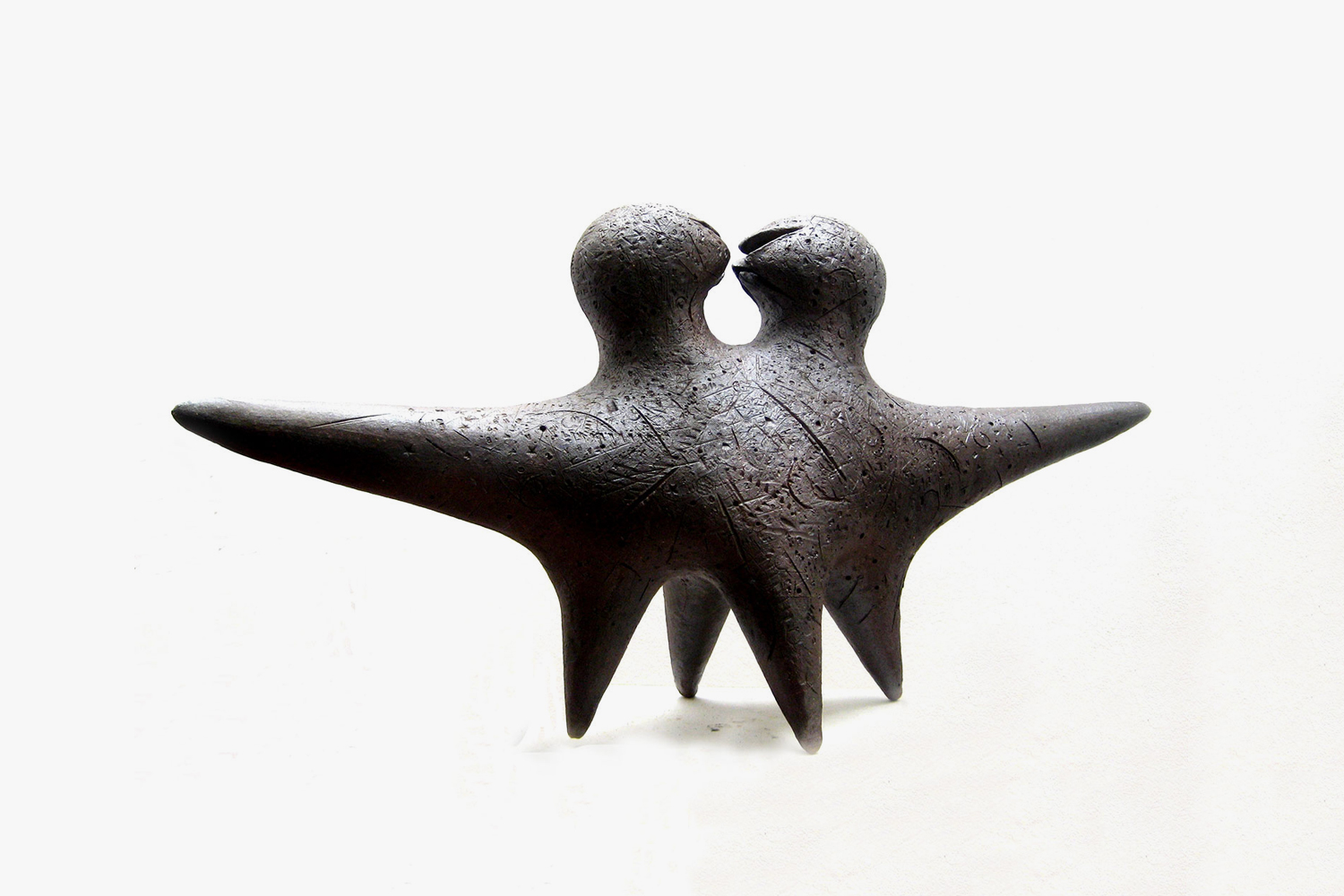
- She addresses themes of the Black African diaspora in her sculptures
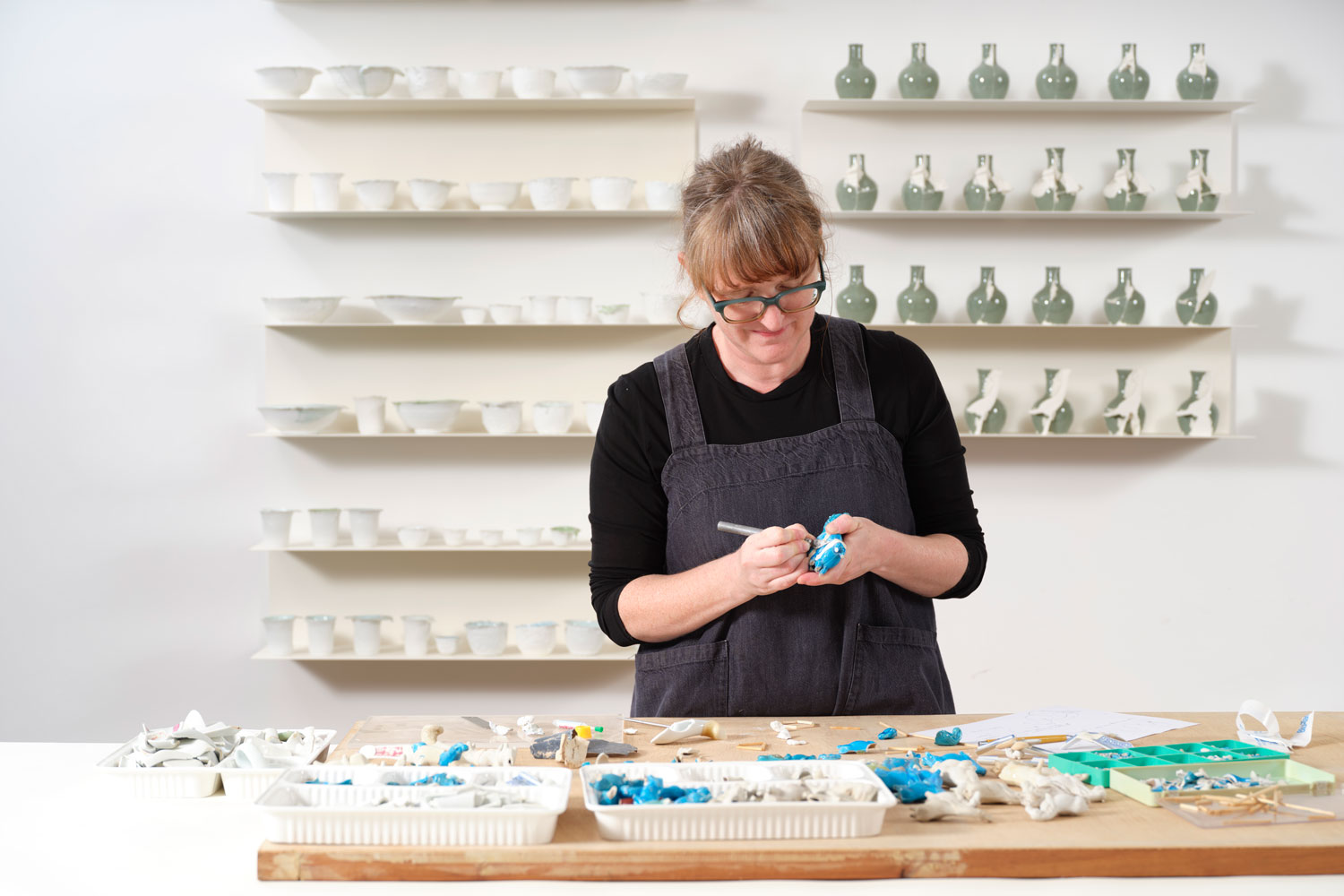
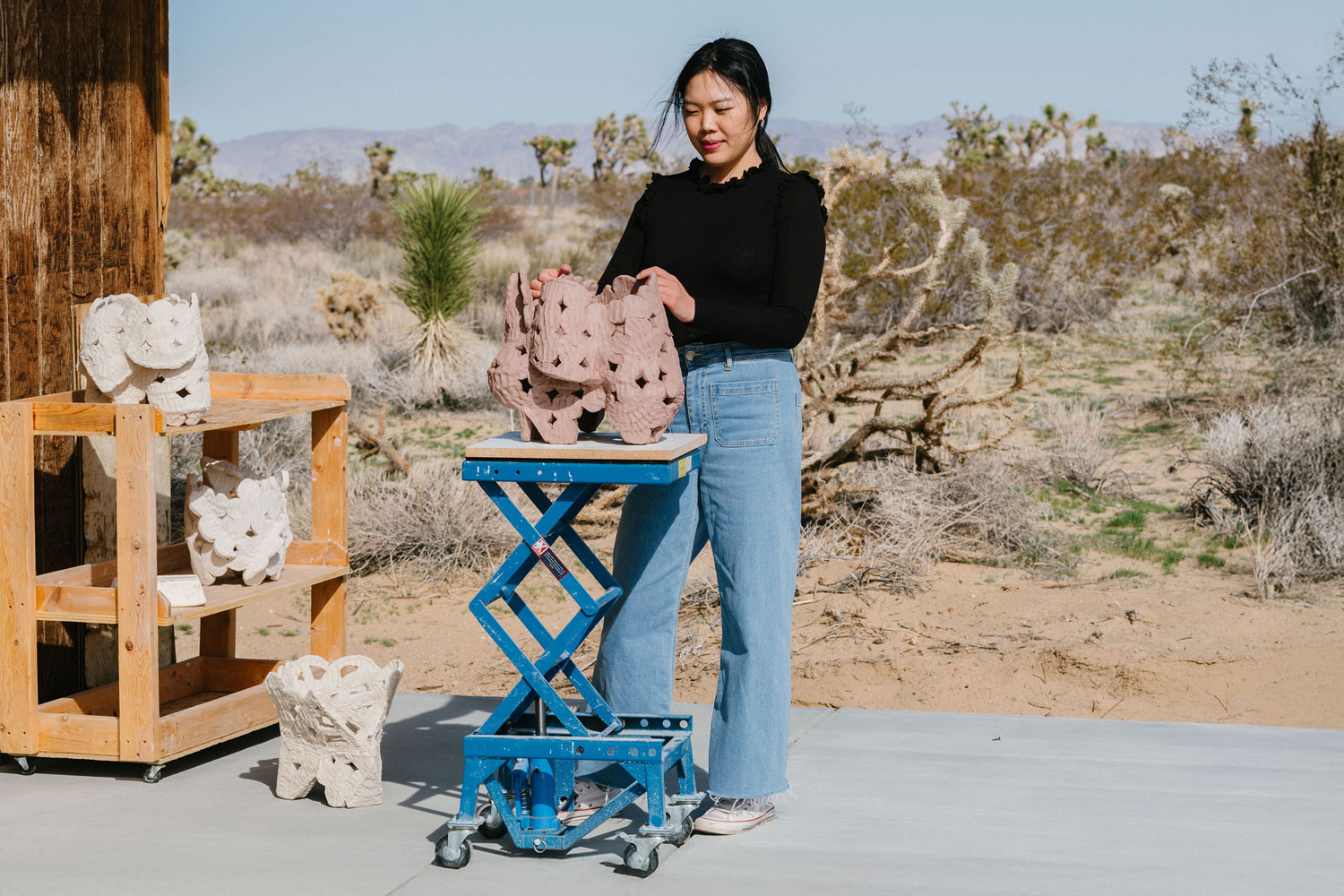
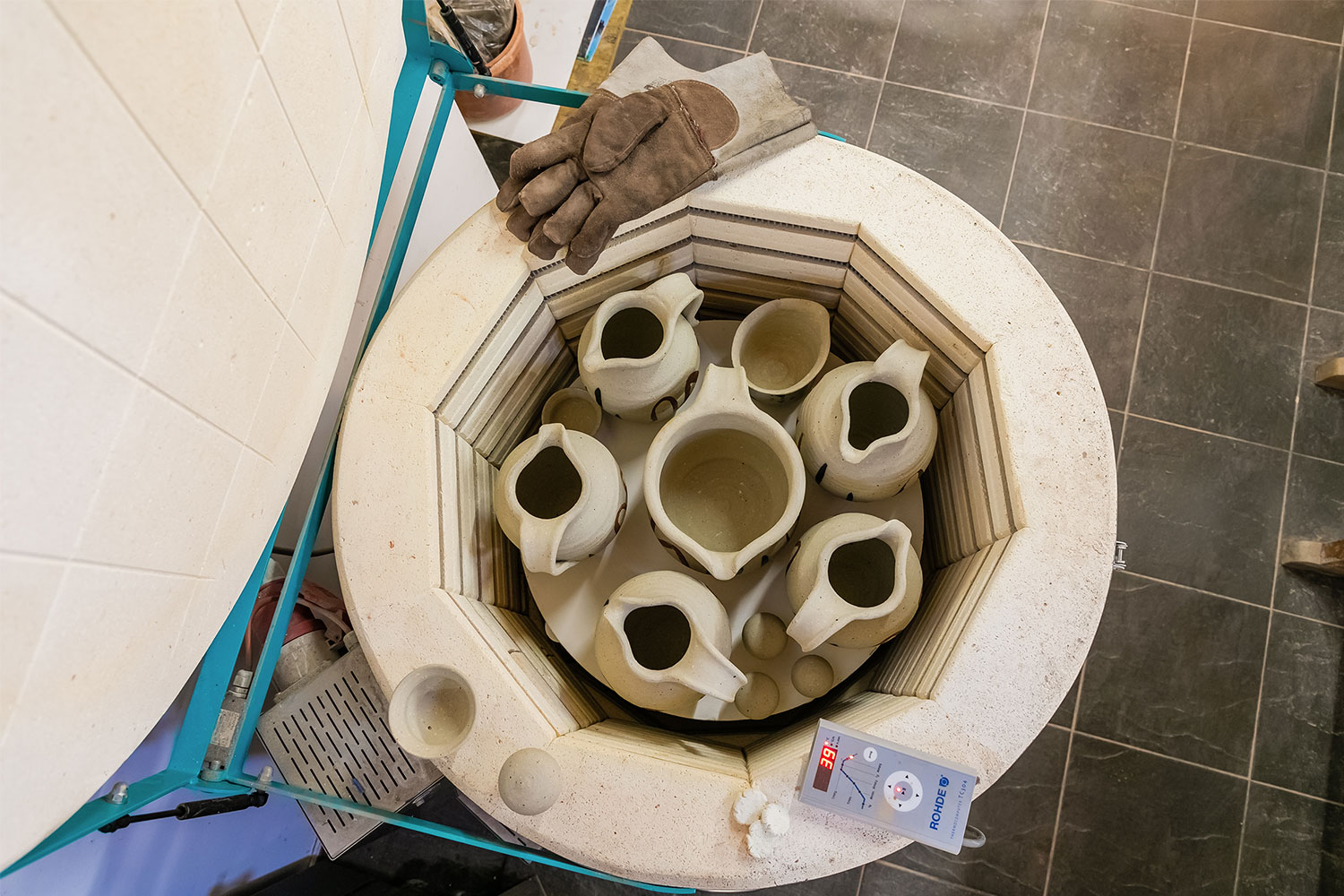
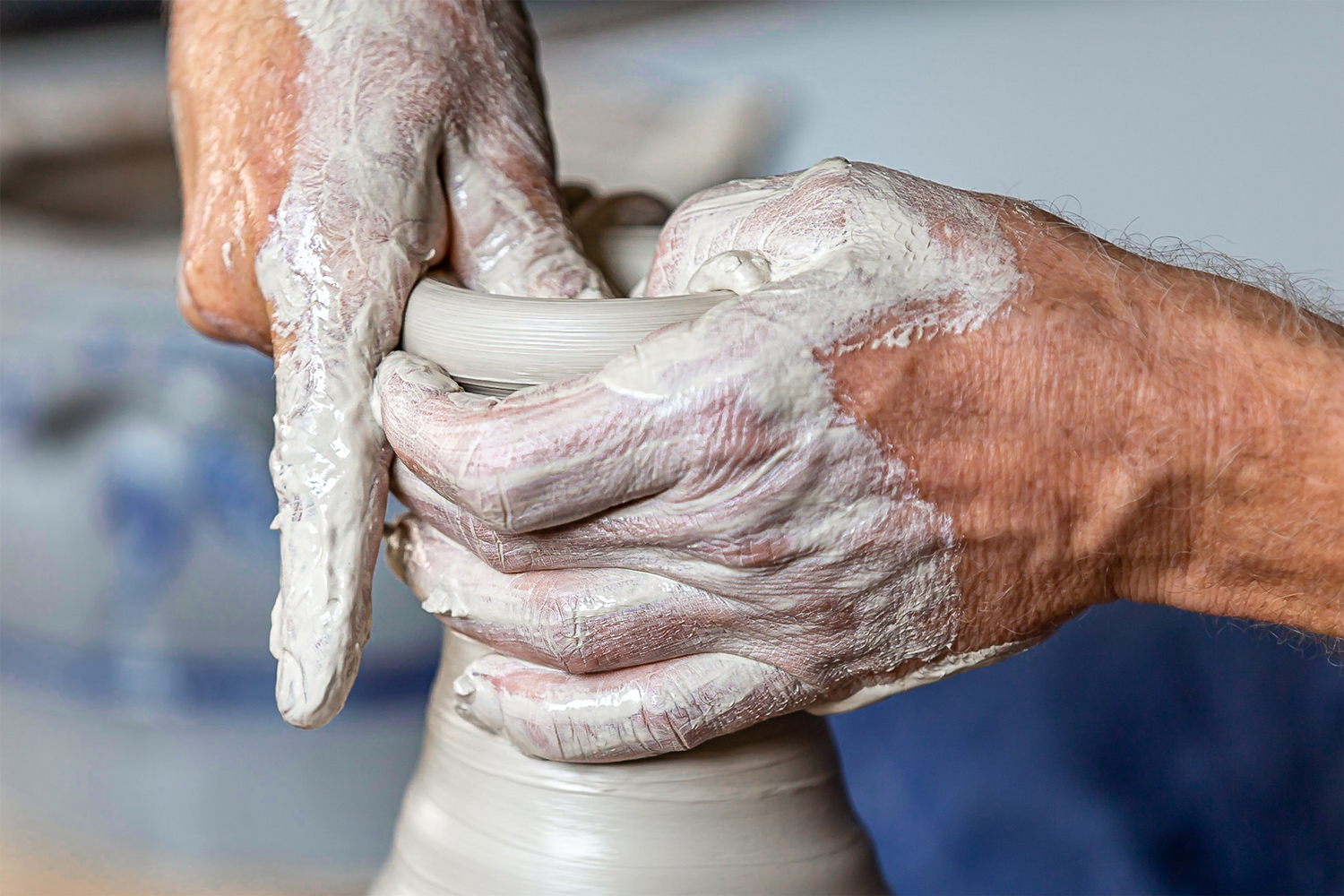
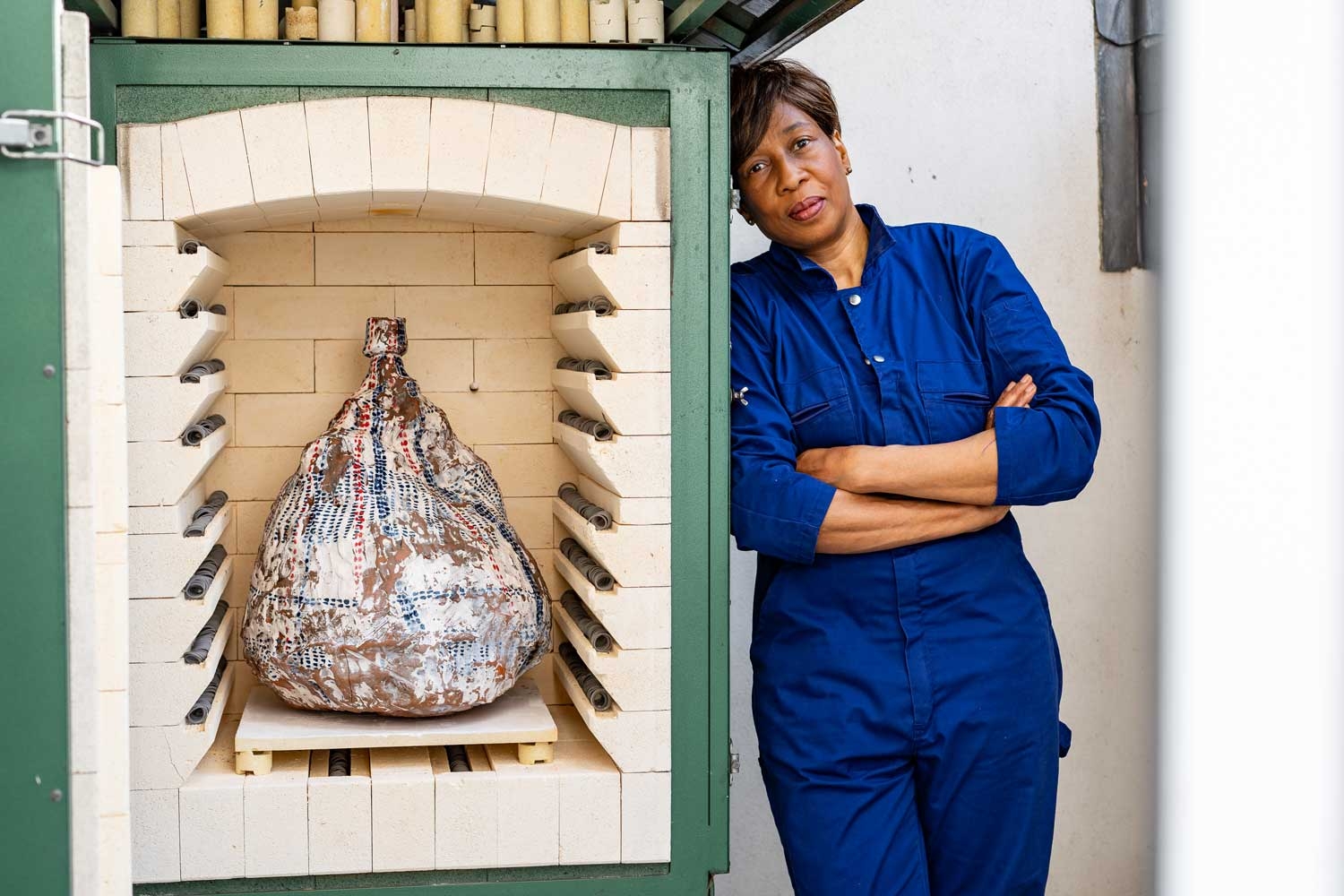
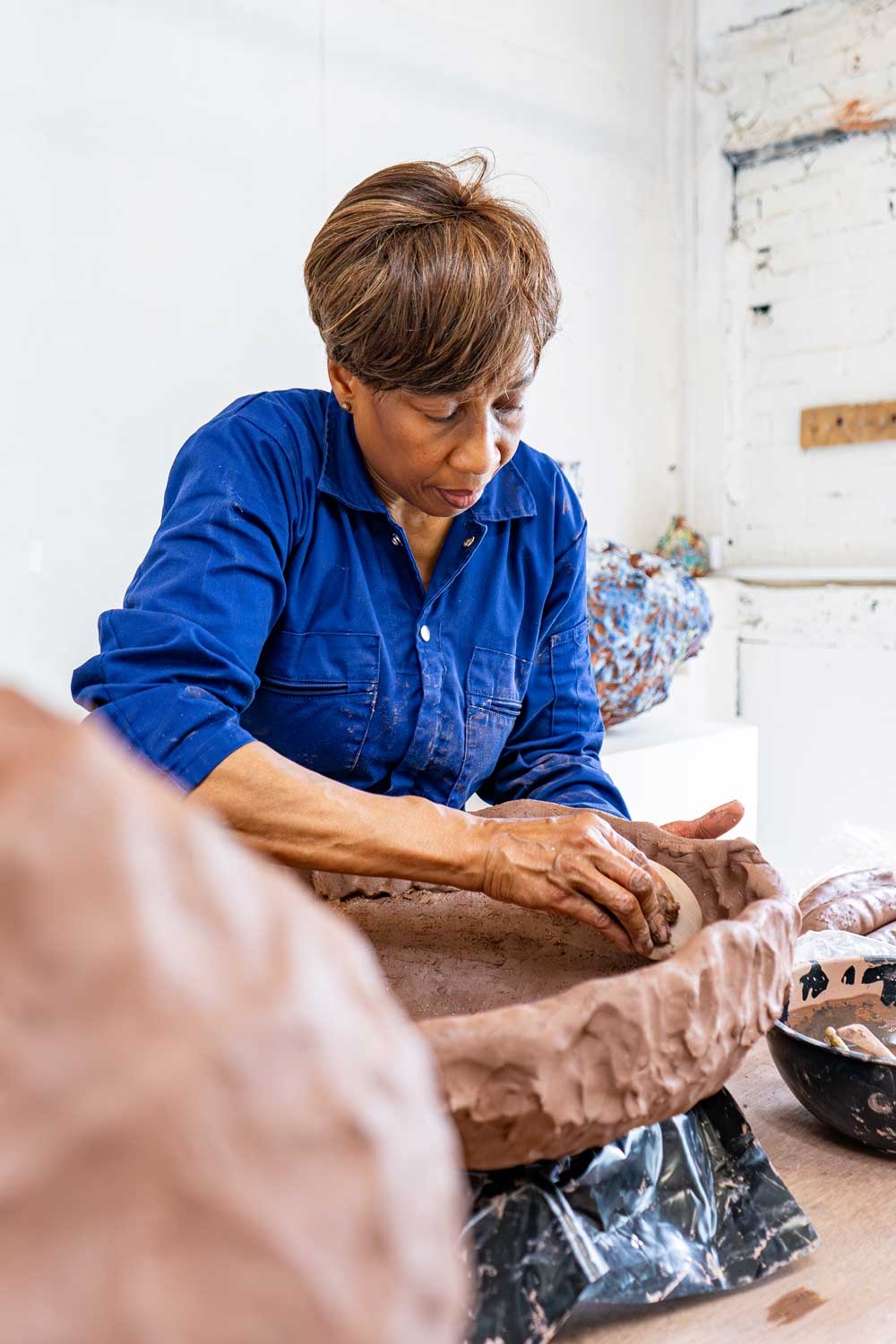
Low-fired, coiled terracotta textures serve as a storytelling vehicle for Isis Dove-Edwin. Born in Cairo and based in London today, she discovered the craft of ceramics later in life. Isis worked as a doctor before taking a break to spend time with her four young children. Fascinated by the transformative power of clay and driven by a desire to capture the contexts of the Black African diaspora, Isis fully embraced ceramics in 2018. She enrolled in a BA course at Central St Martins and later at the Royal College of Art. Isis specialises in hand-building vessels and using colour and texture to develop a narrative visual language. She is a recipient of the RJ Washington Bursary Award 2023. Over the years, her objects have been exhibited at NYCxDesign, London Craft Week, and Tafeta Gallery.
Discover her work
INTERVIEW
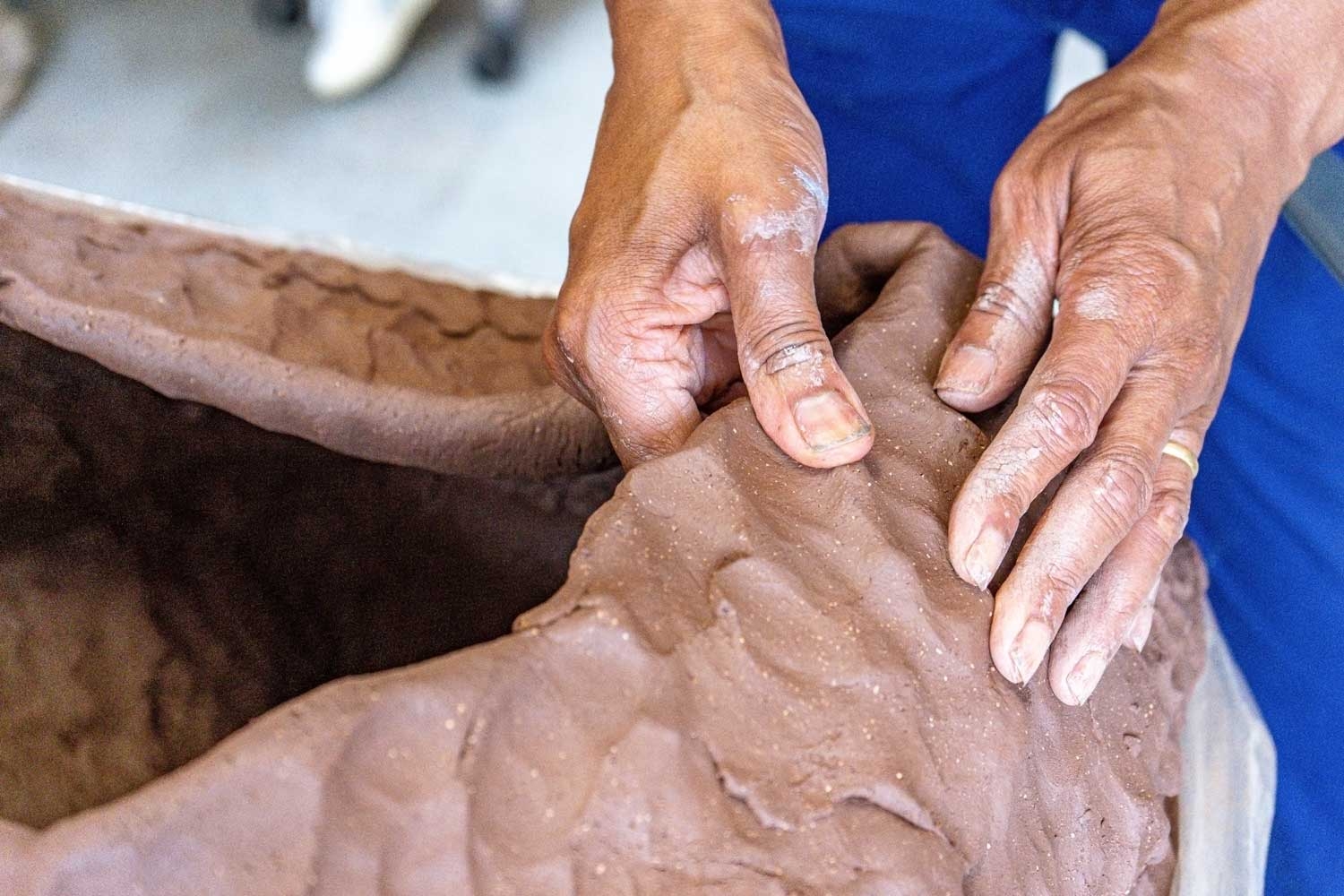
I work within a West African ceramic lineage of building pots with rolled coils of terracotta clay. This choice was motivated by the relative absence of such work within the mainstream canon, and to challenge the idea of a fixed African craft tradition.
Working with creative and talented people, exchanging ideas, having interesting conversations, and being constantly inspired. I also truly love the challenges – testing ideas, working through problems, and going through a process that culminates in a unique object.
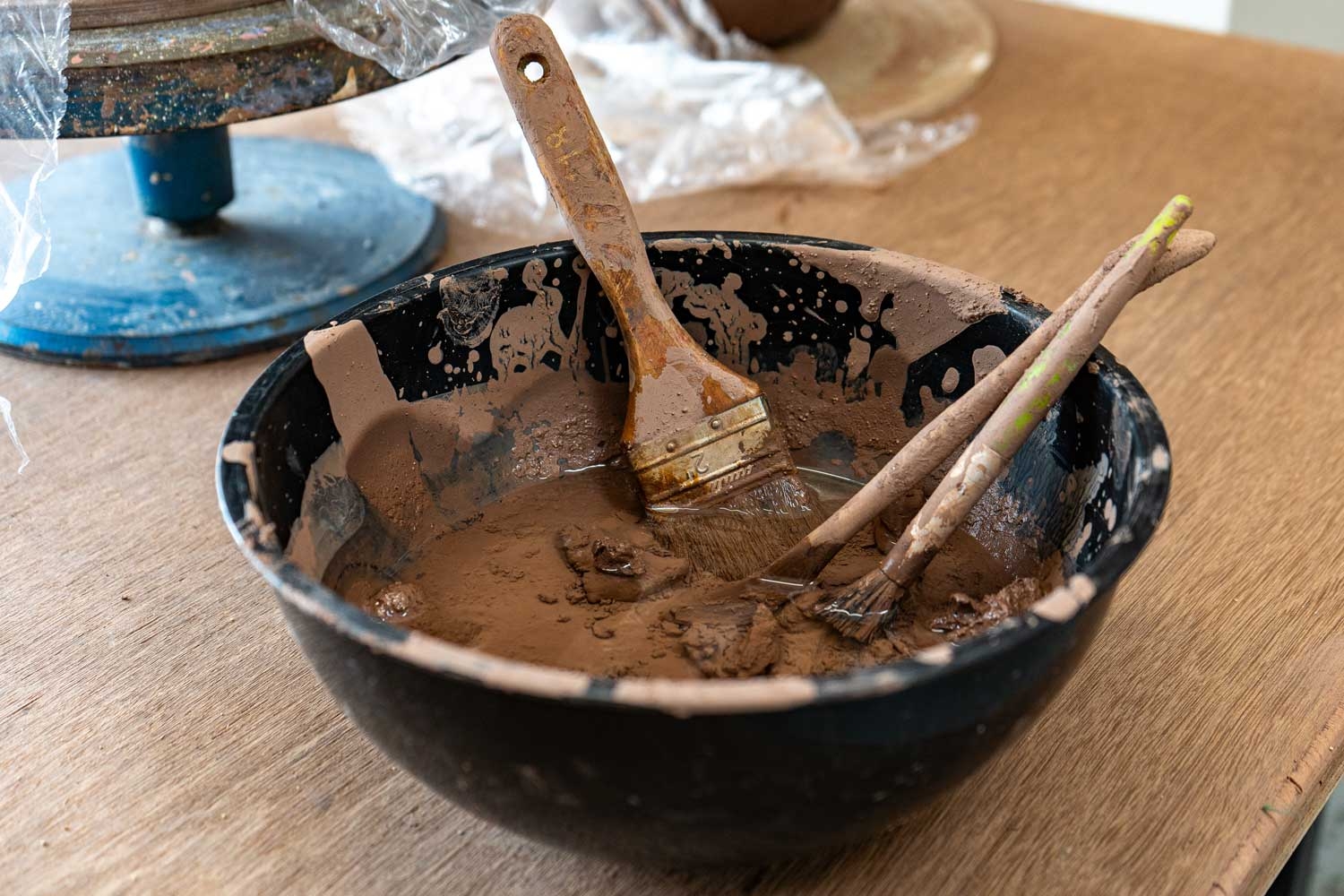
This is a difficult question to answer as I am very transparent about my process. Perhaps, it is that I love building the forms. There is always a block that I have to overcome before applying the surface colour. I really need to get into a 'zone' to produce my pieces.
I think that in a well-made object, the skill – however simple or complex – is tangible and visible. If it is a functional object, it must be fit for its purpose, and if it is a non-functional object, it should provoke a sensation in the viewer.
Isis Dove-Edwin
Ceramicist
London, United Kingdom
ADDRESS
Address upon request, London, United Kingdom
AVAILABILITY
By appointment only
LANGUAGES
English
Homo Faber Finds is a new service aiming to inspire admirers of craft to connect and collaborate with exceptional artisans.
We invite you to submit an enquiry here.


Founders_Storm_V1.jpg)
Materials_Landscape_V1.jpg)
6Metalworker_V1.jpg)