Catalin Filip
Ceramicist
Hastings, United Kingdom
Rough textures and soft forms
- Catalin's ceramics are inspired by natural distortions
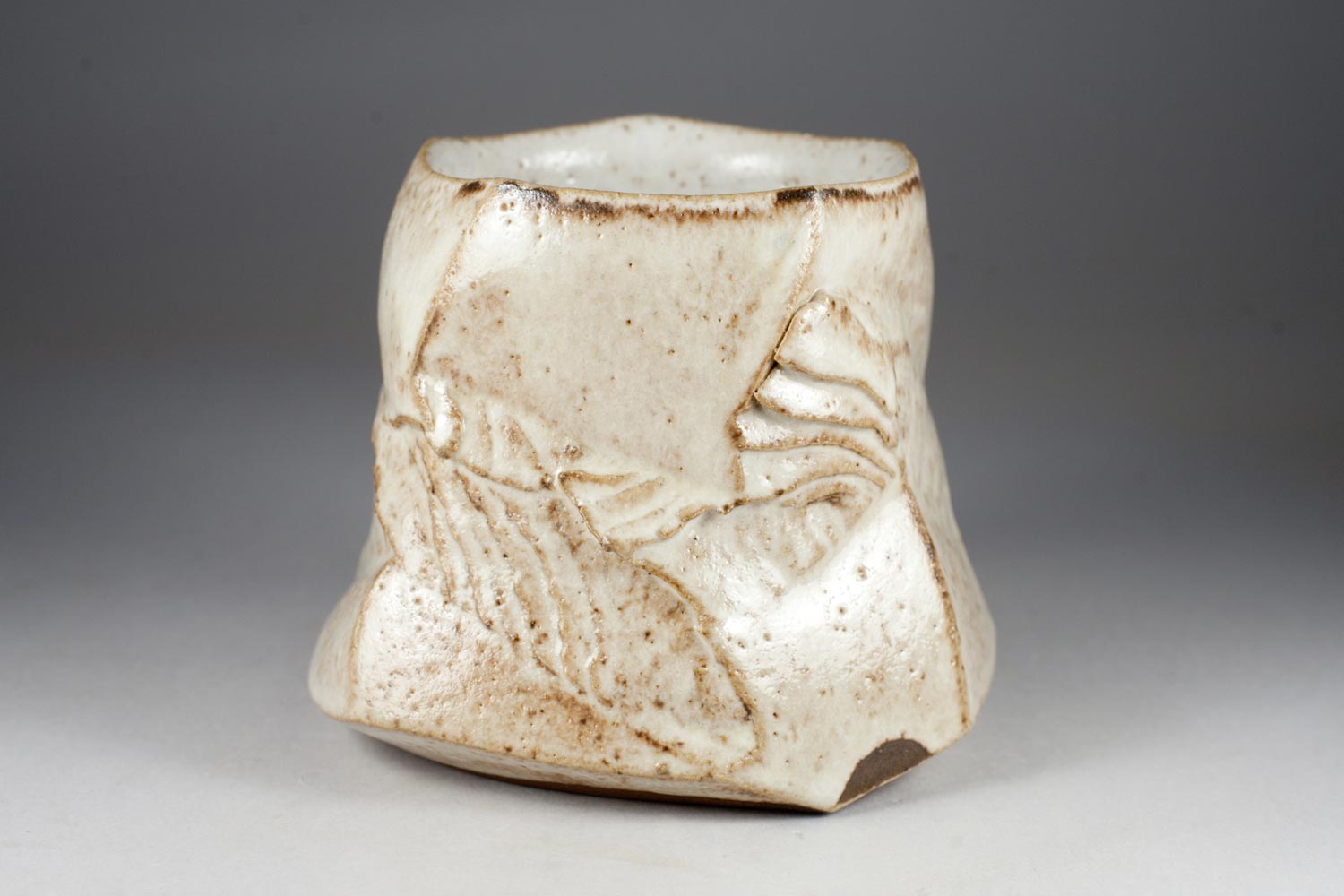
- His pieces embrace rock-like, unglazed textures
- He is largely self-taught
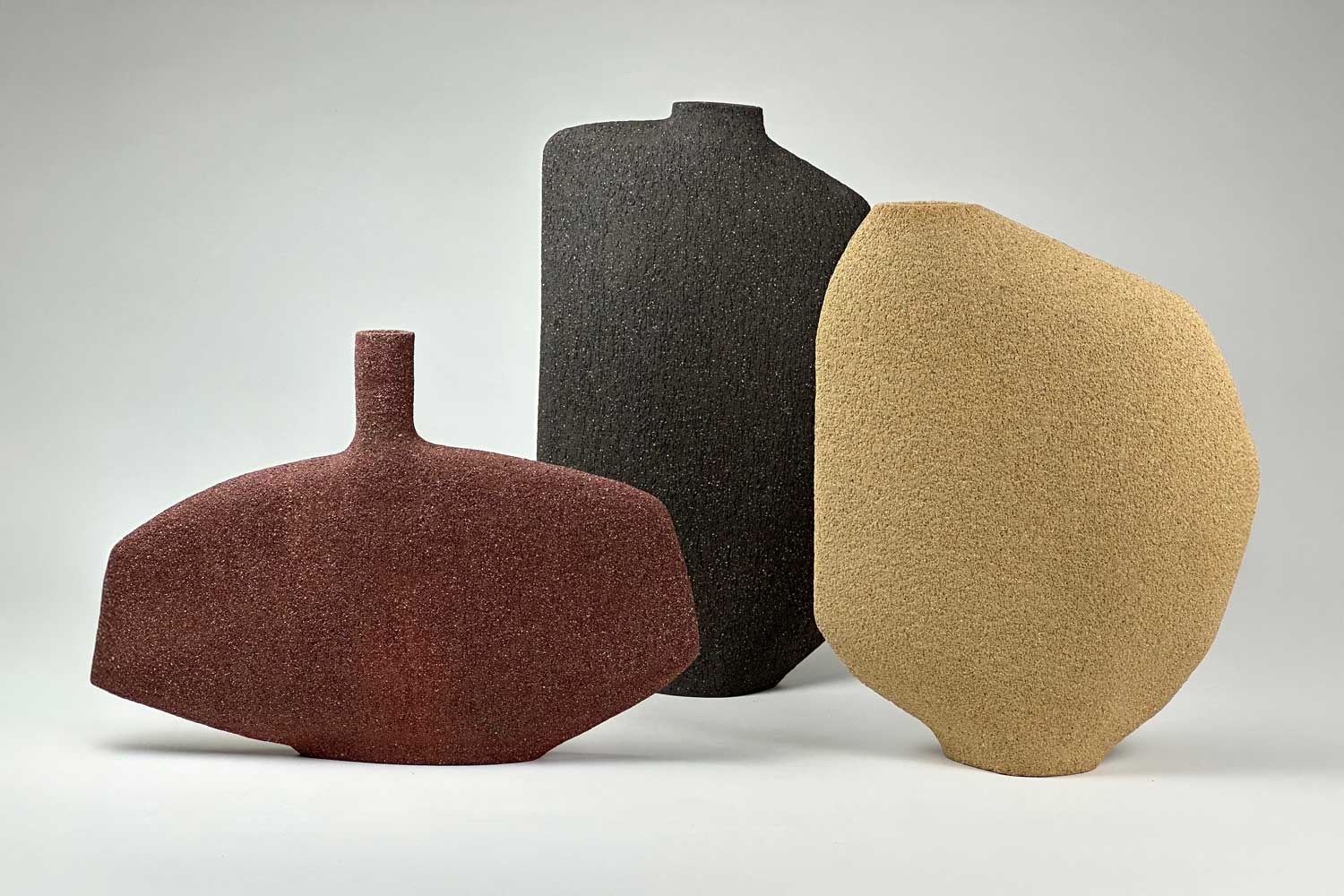
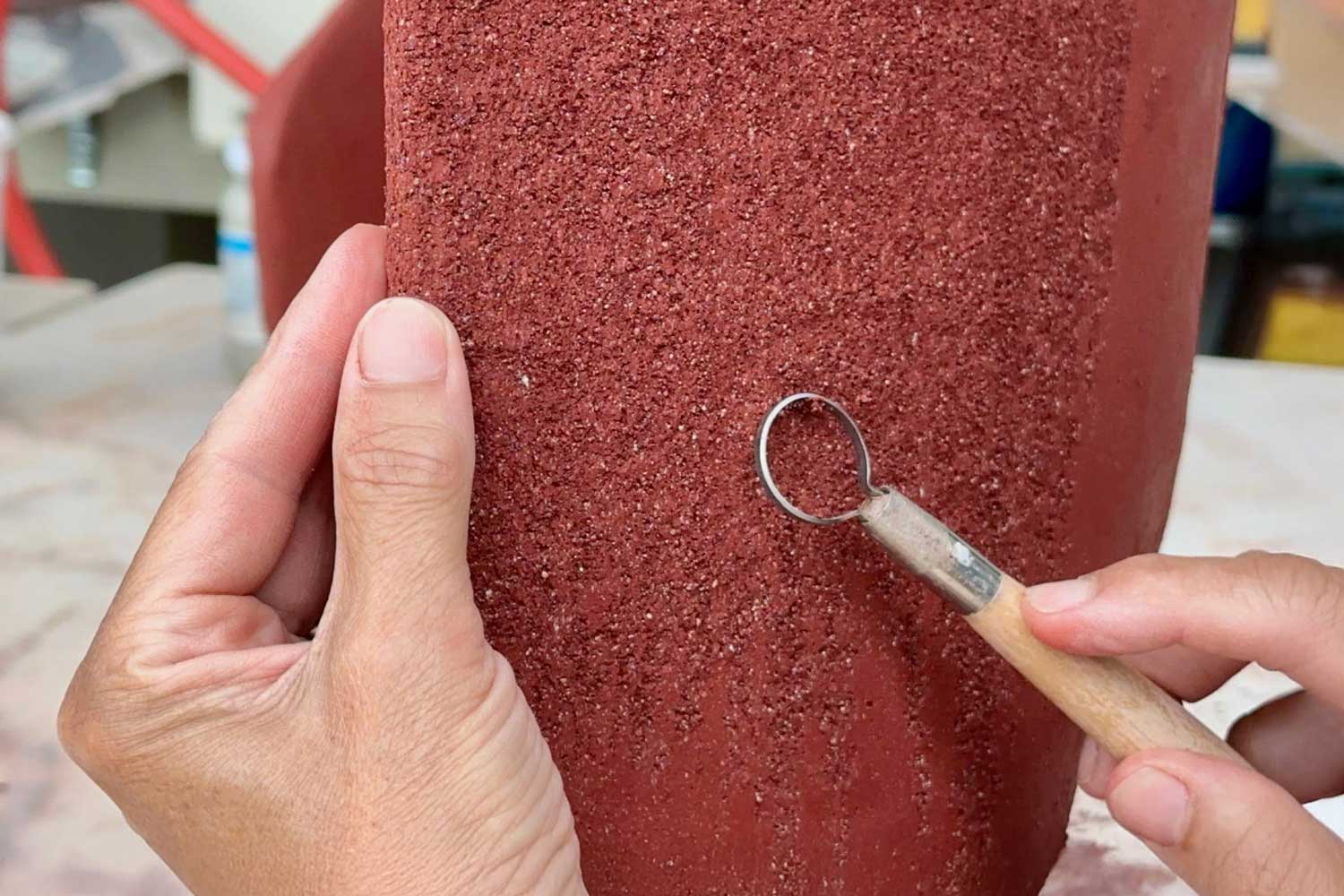
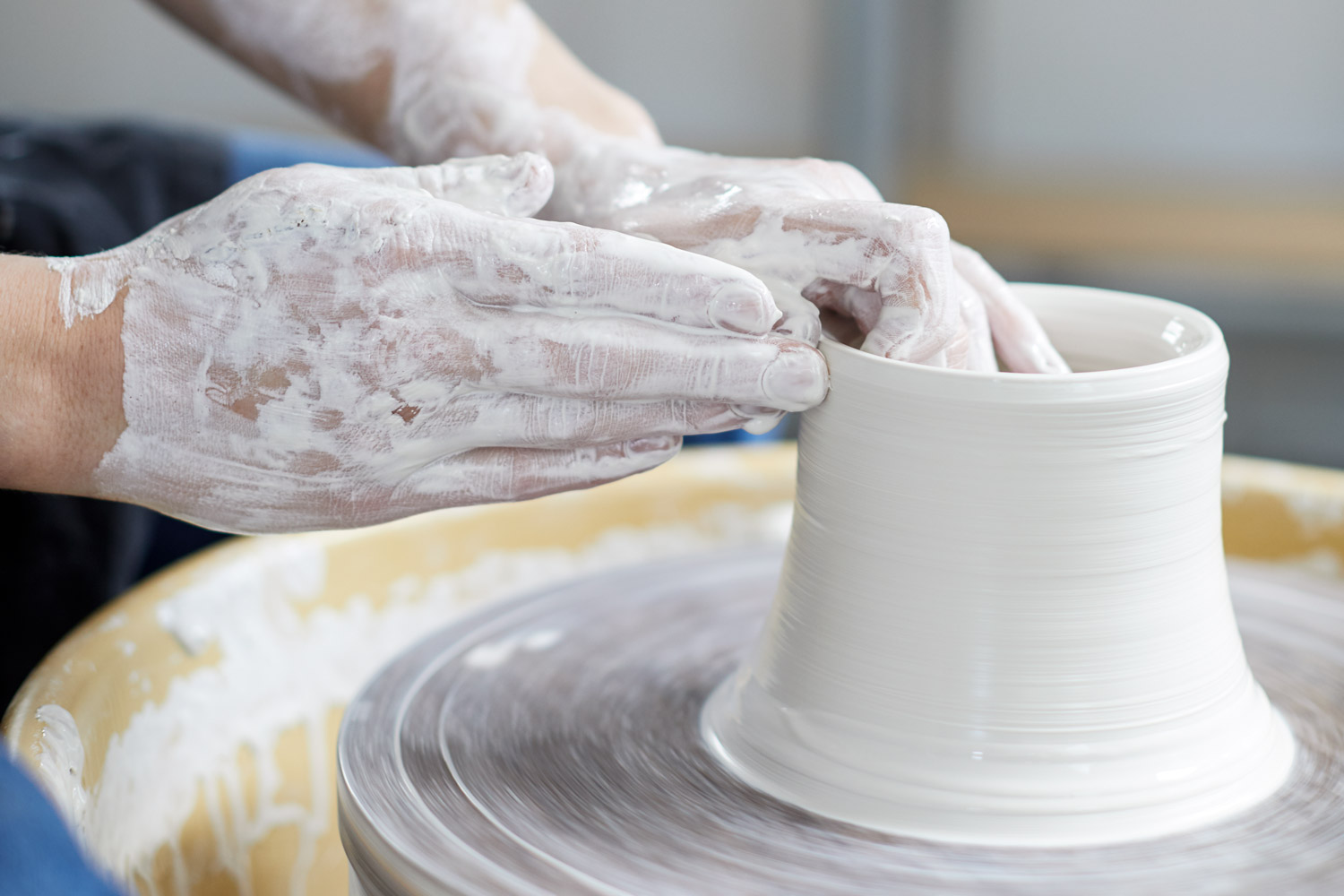
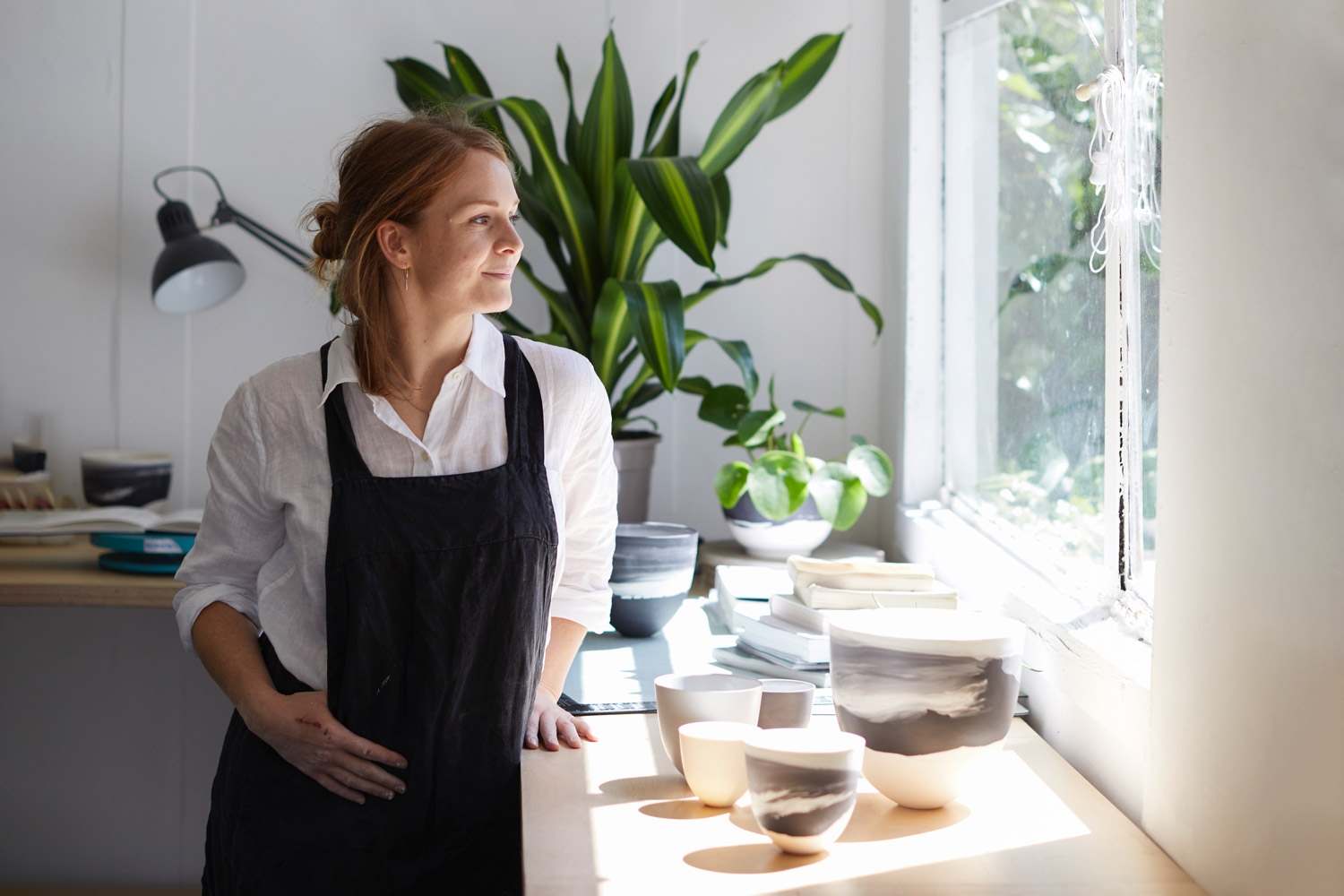
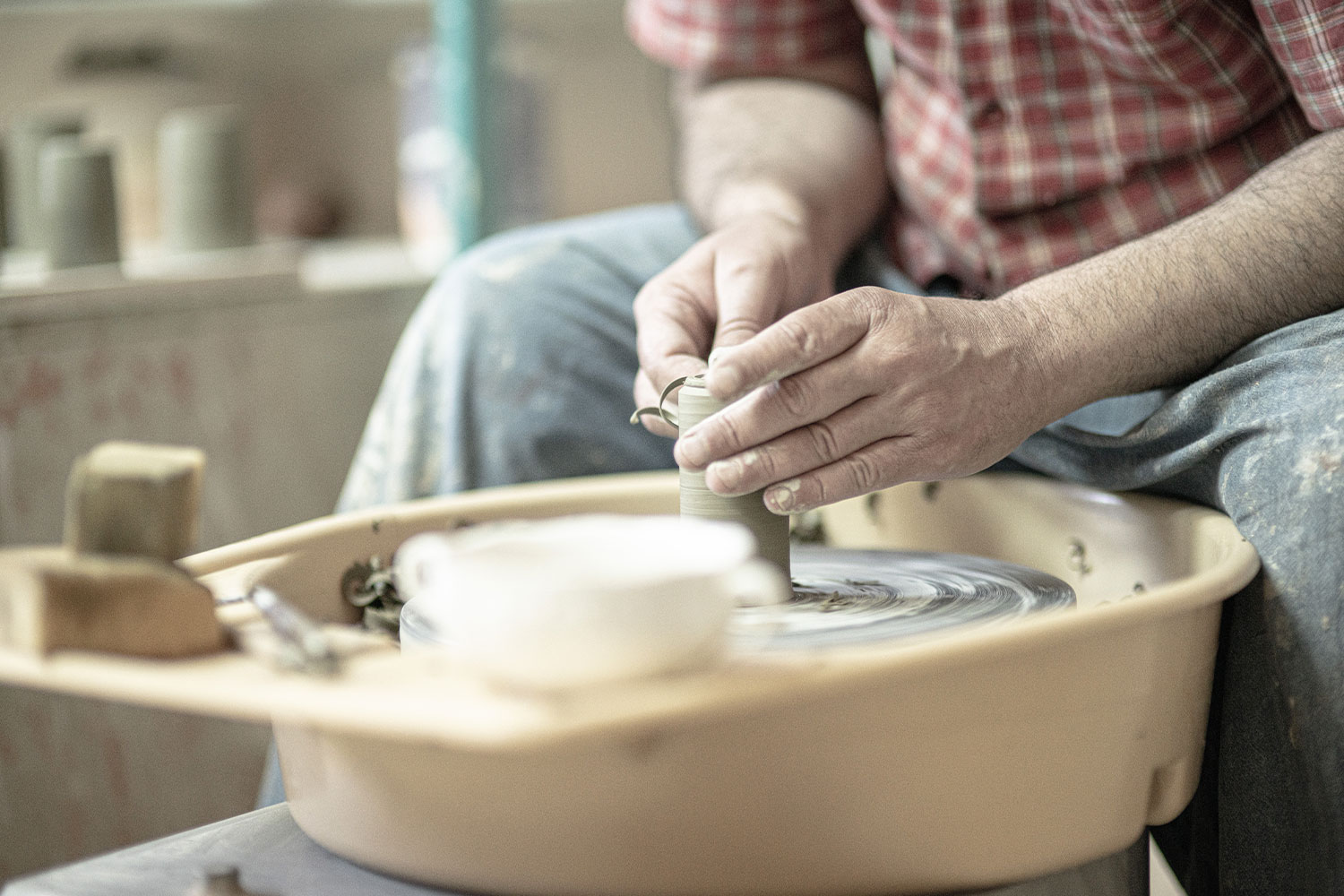
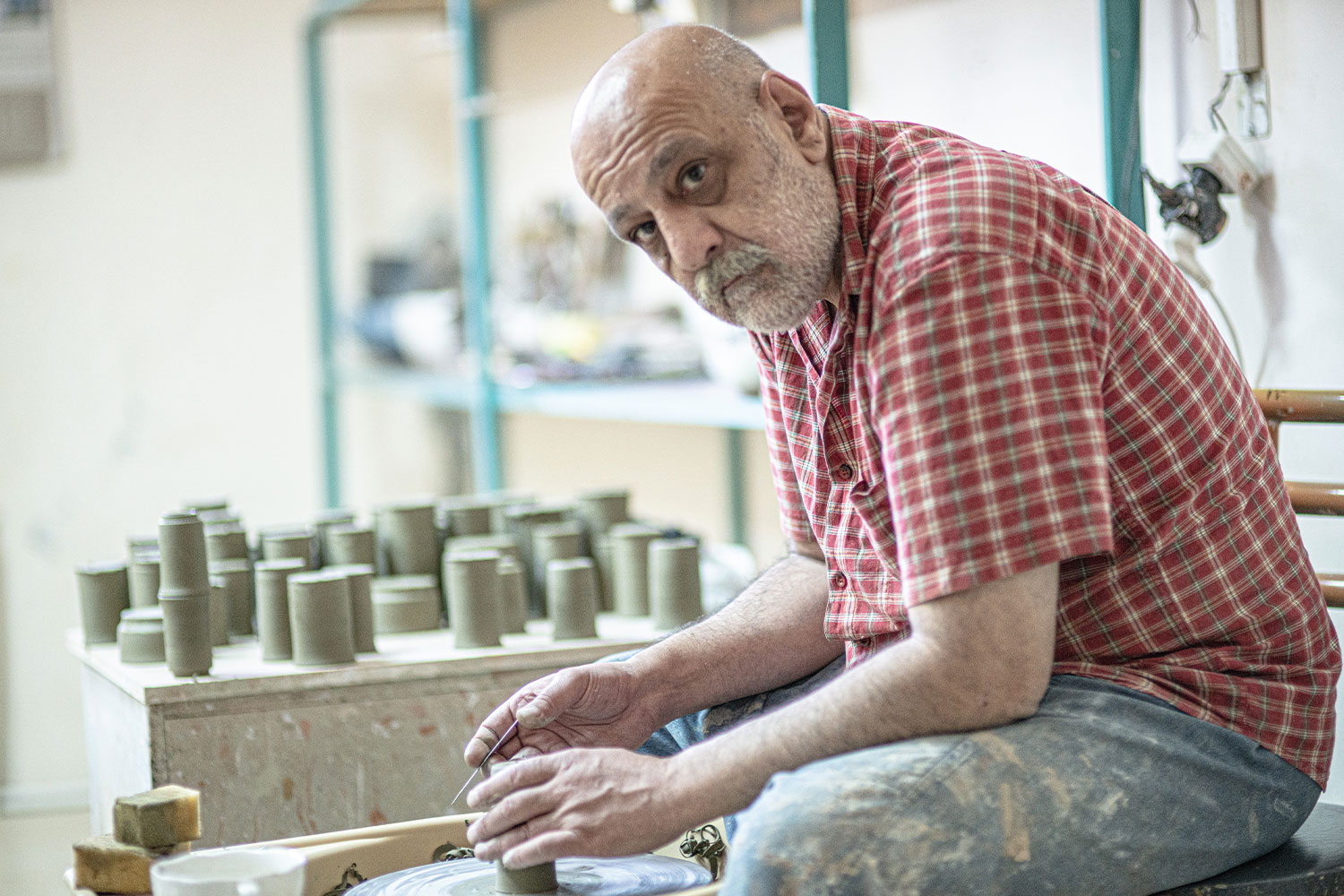
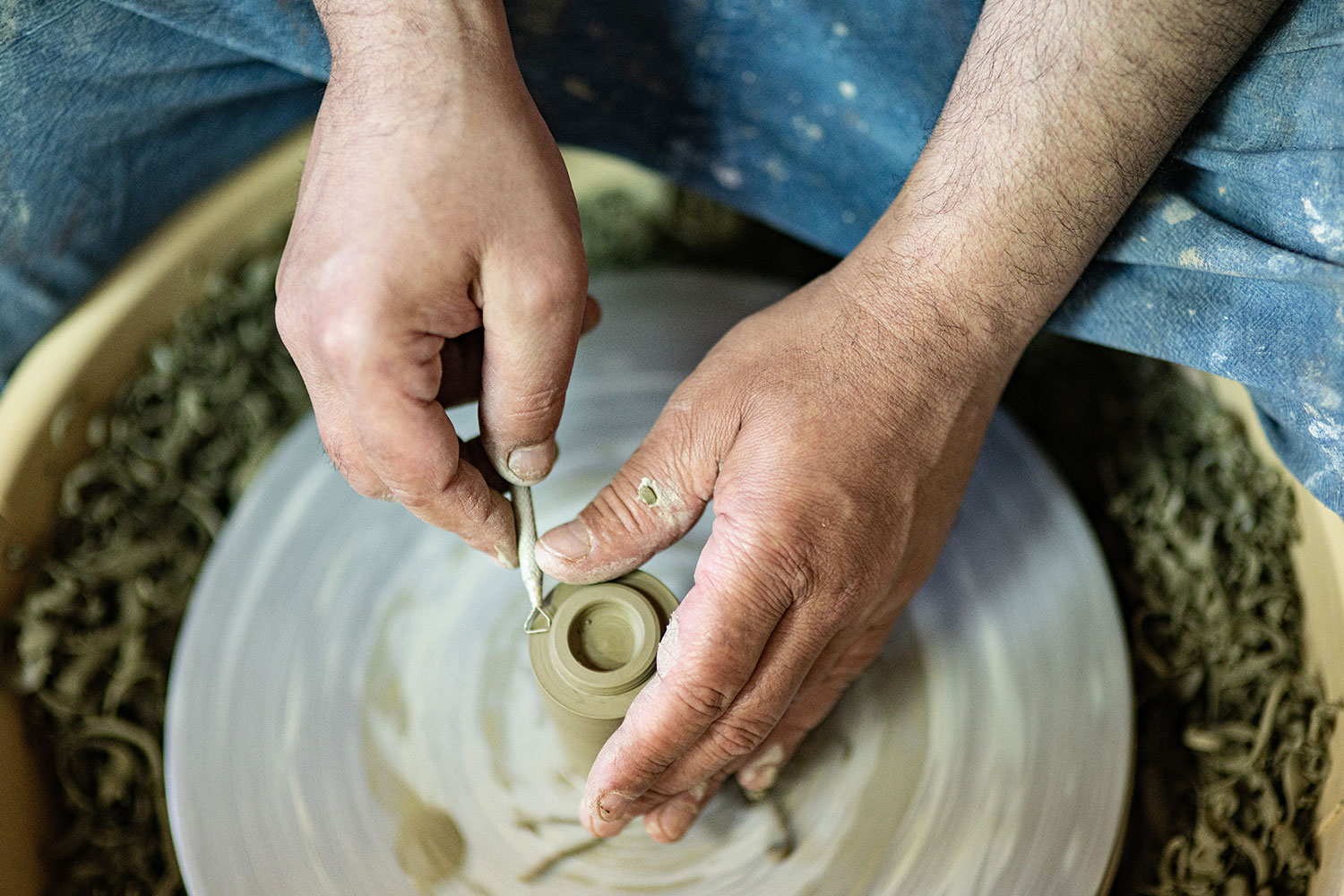
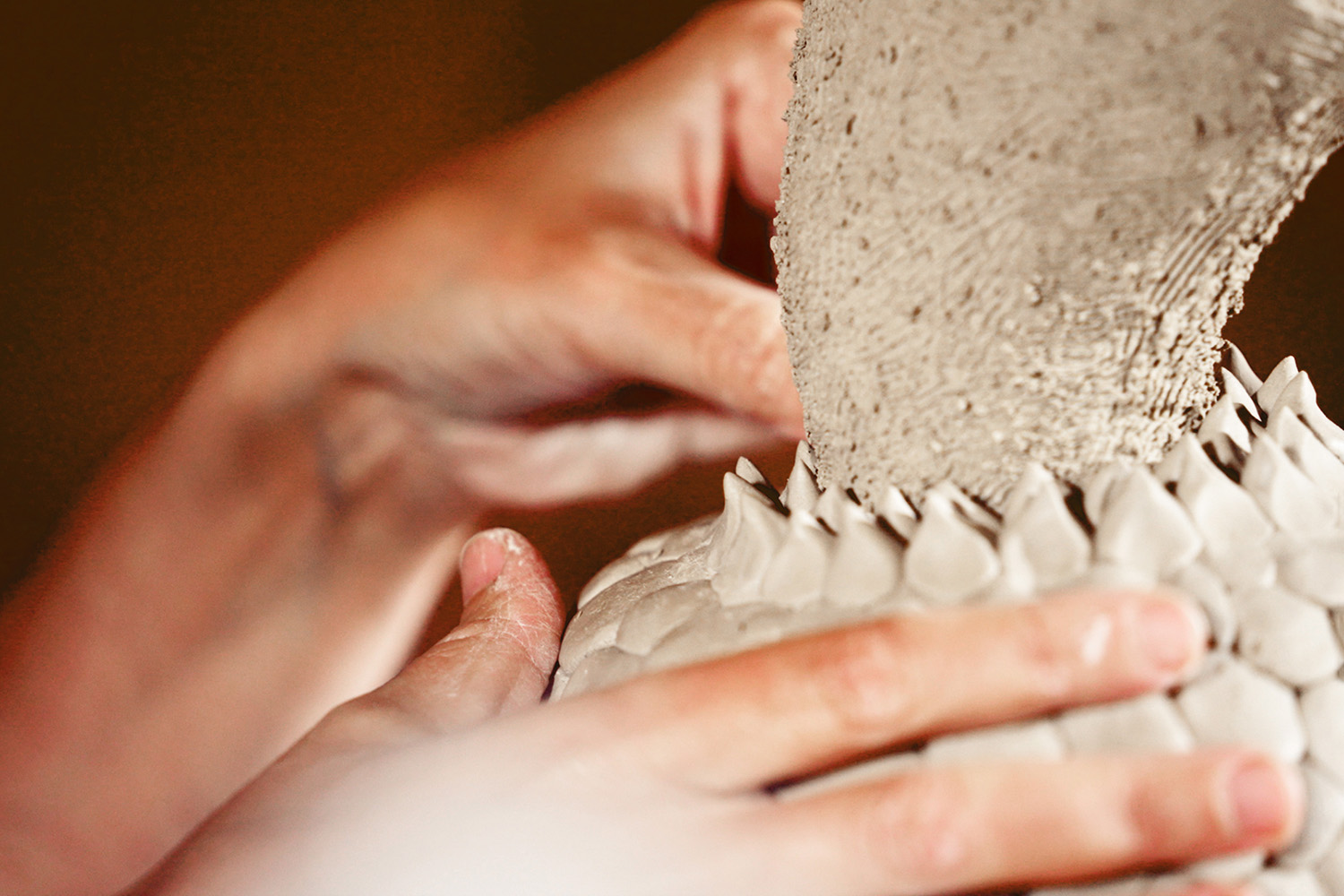
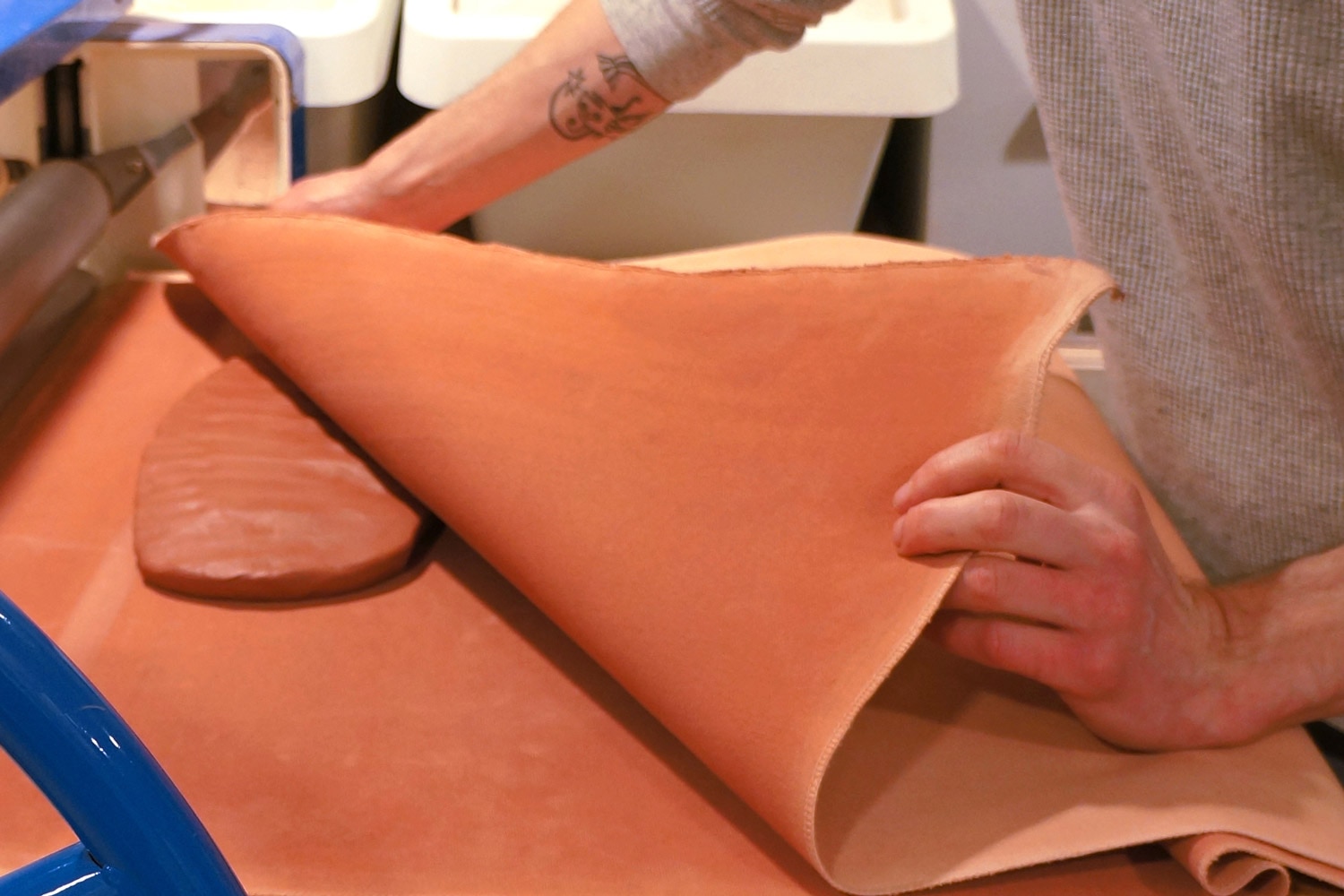
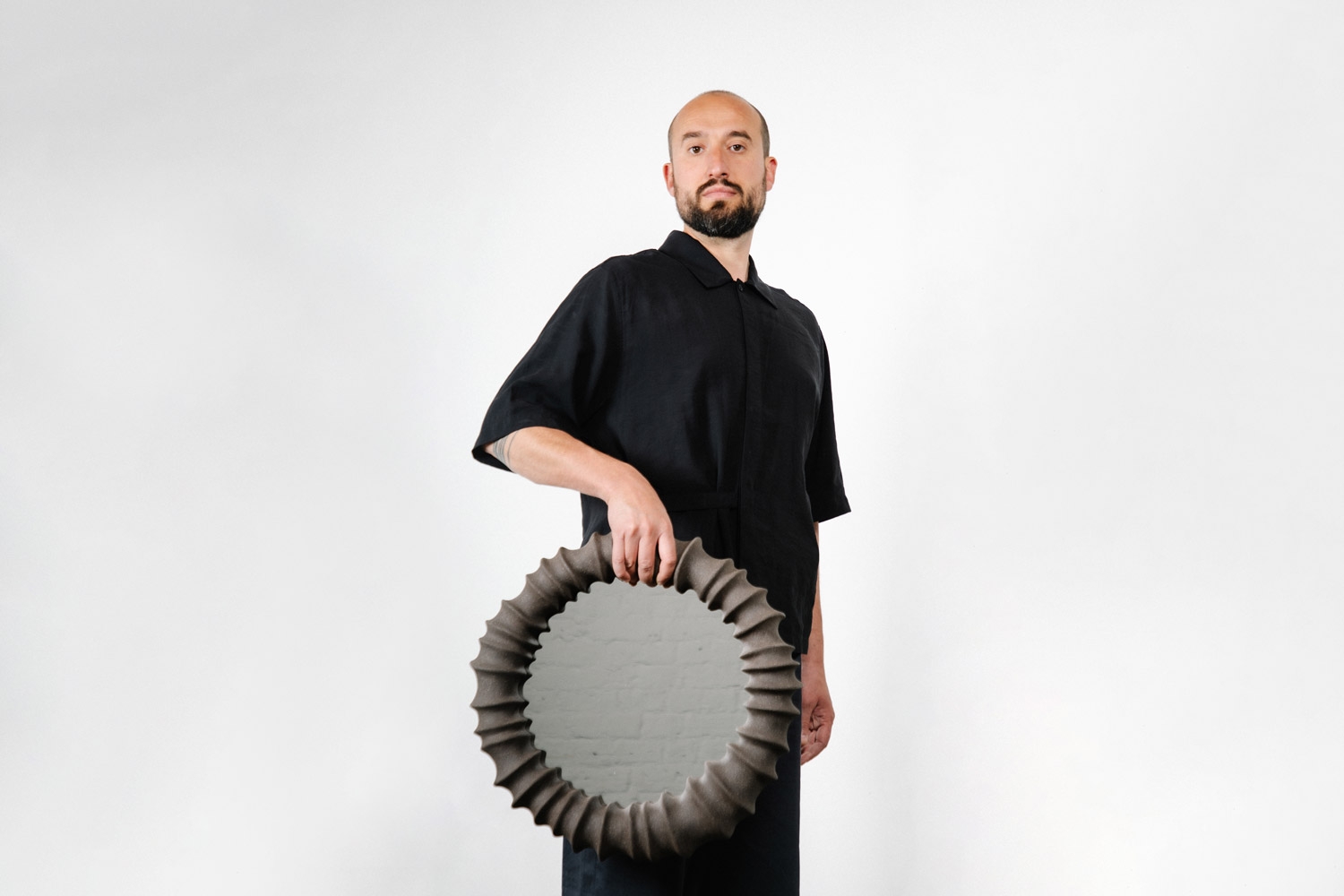
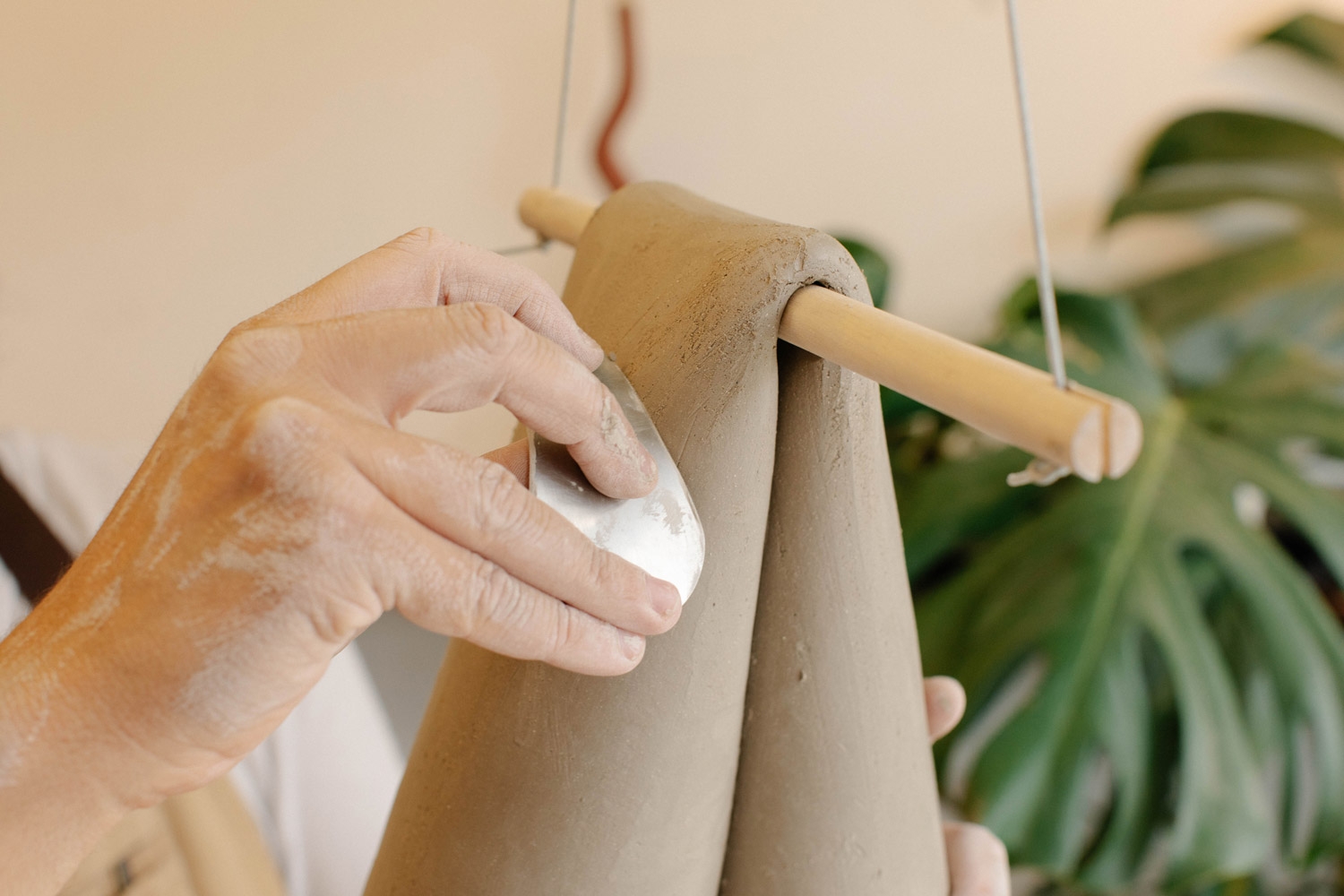
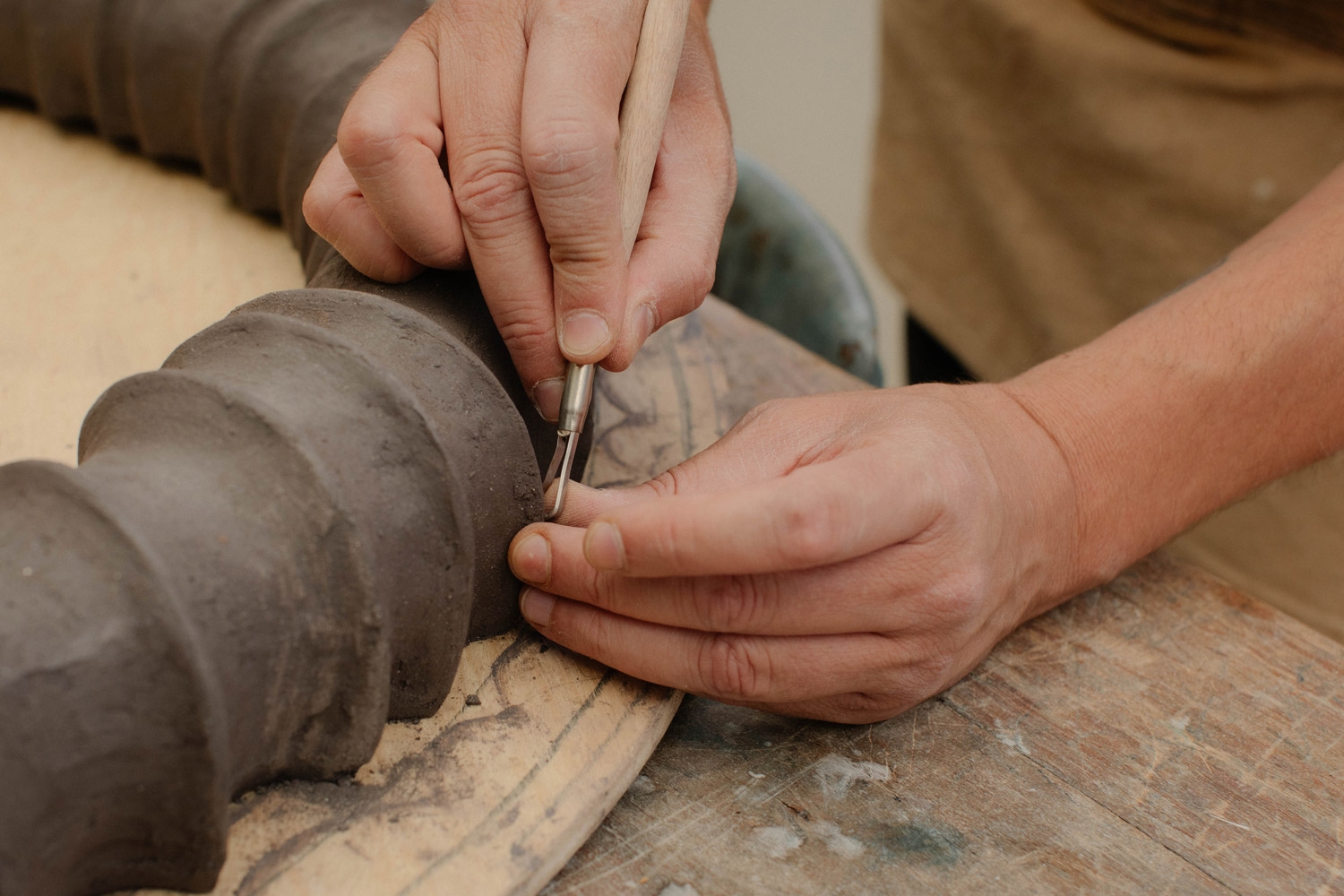
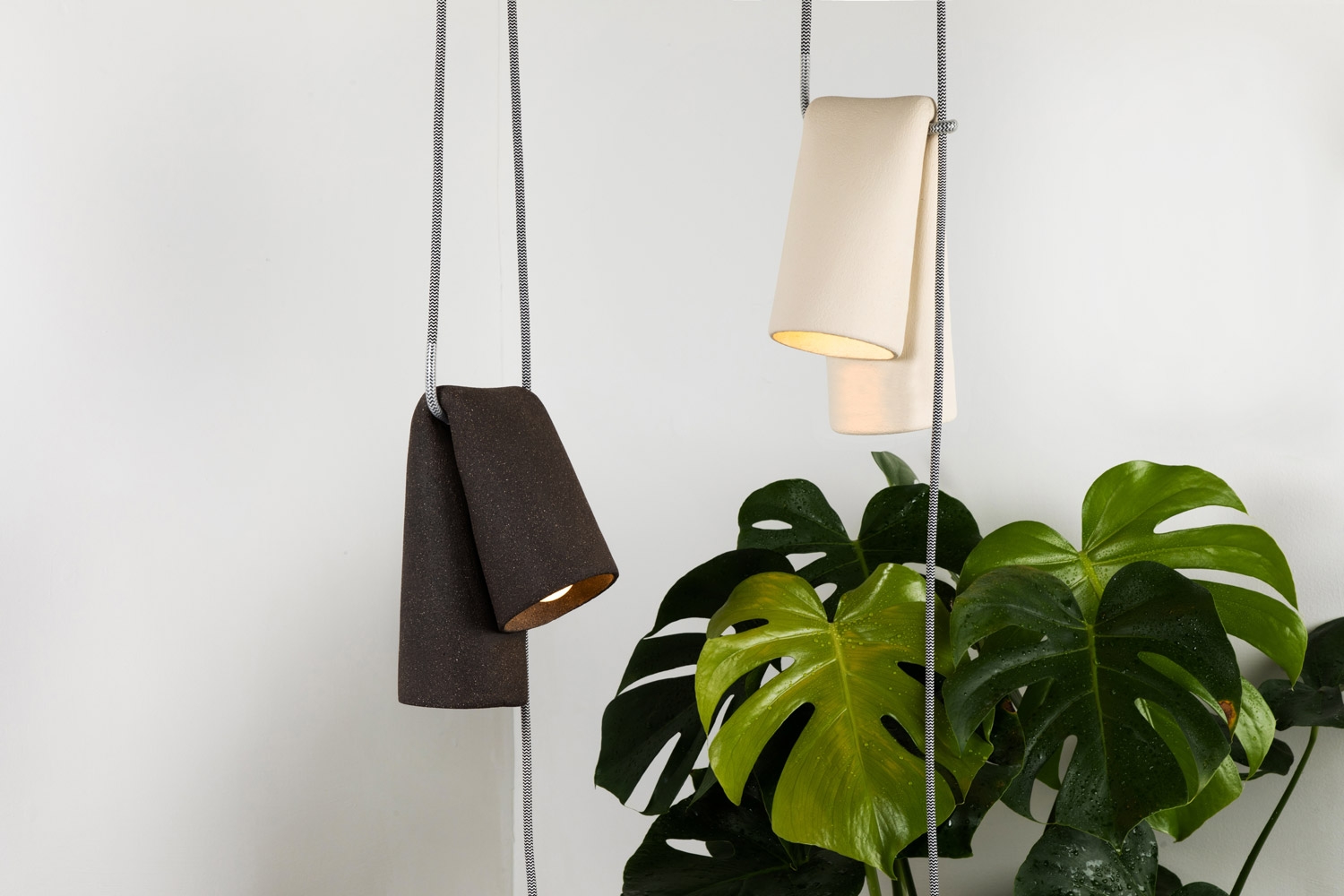
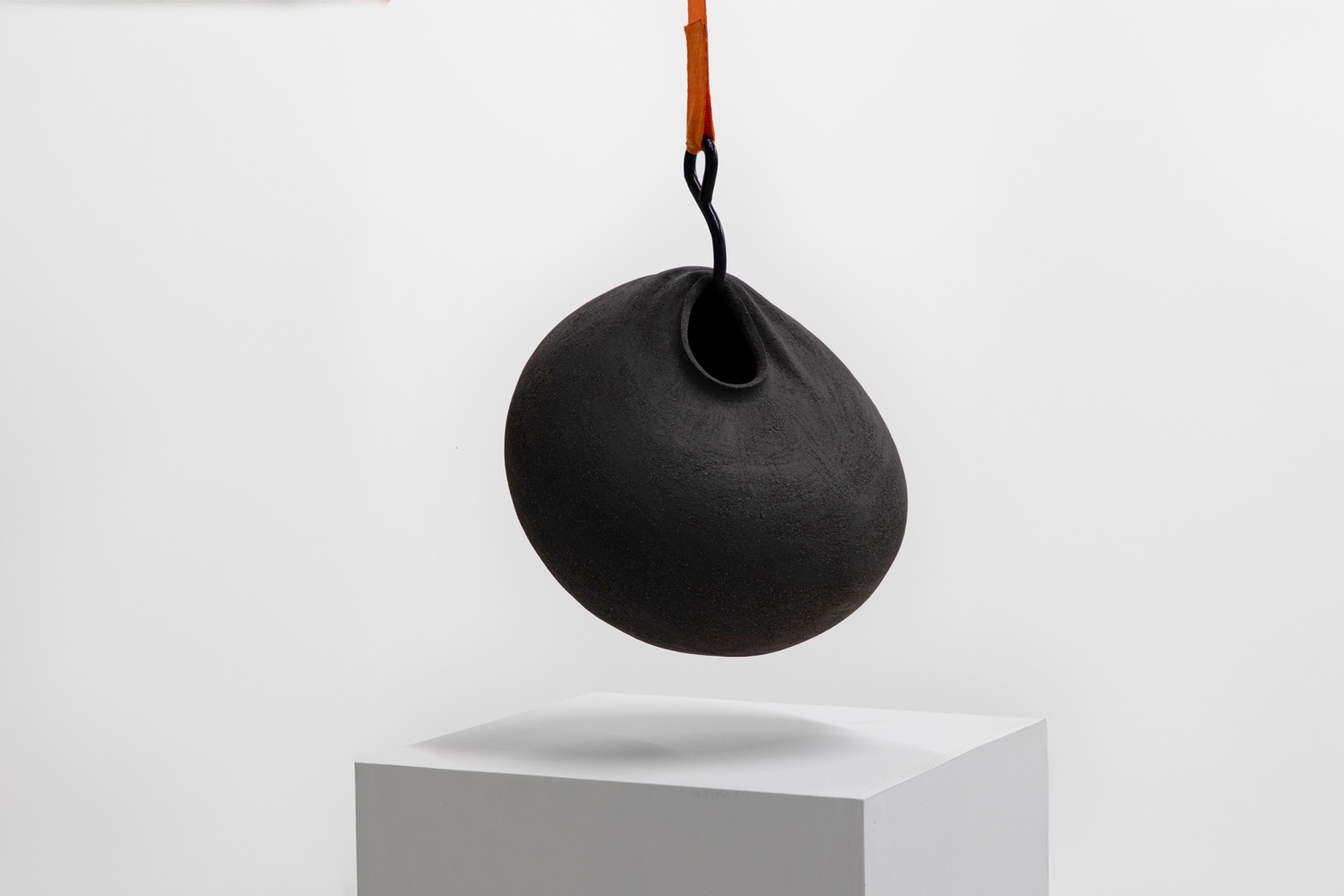
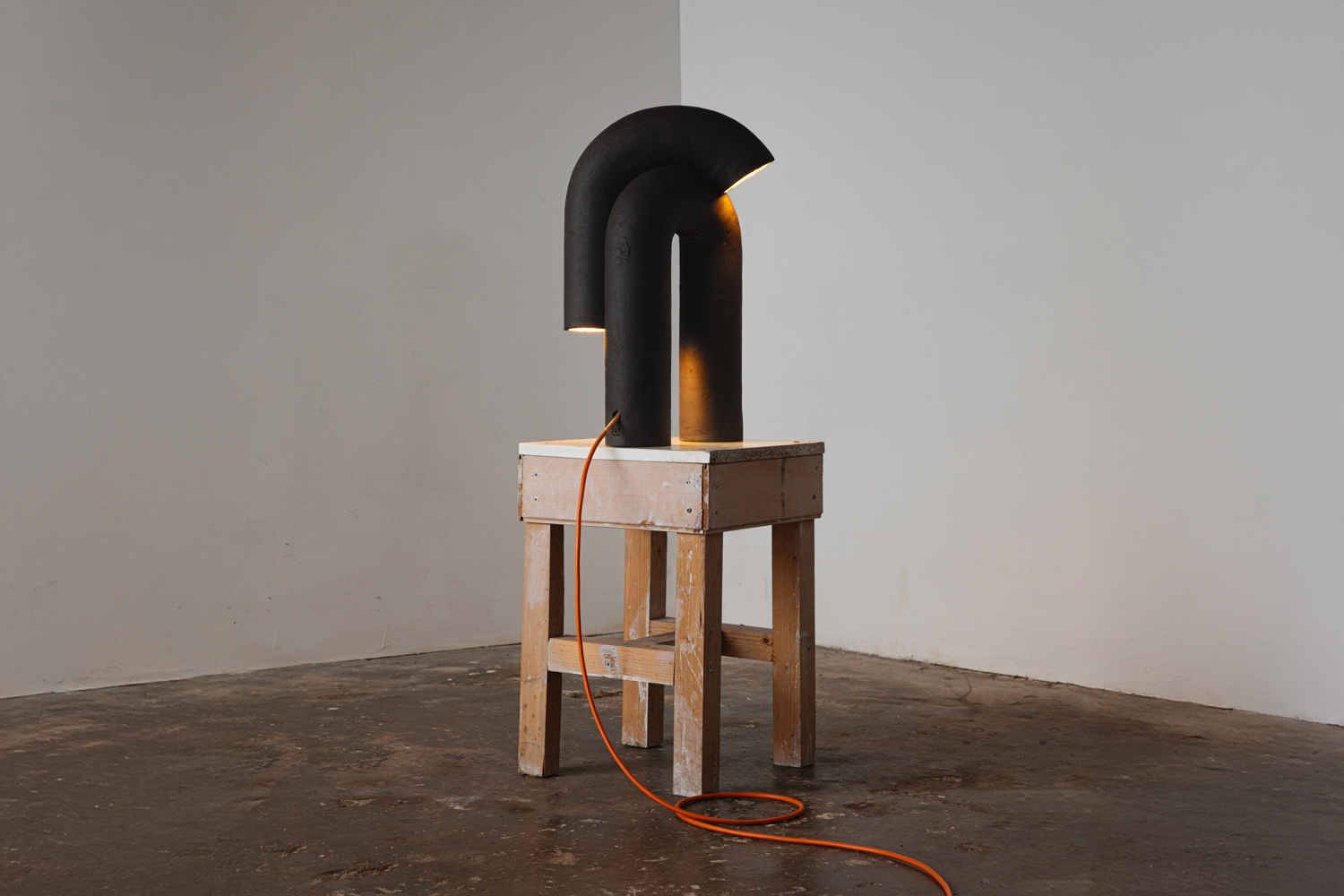
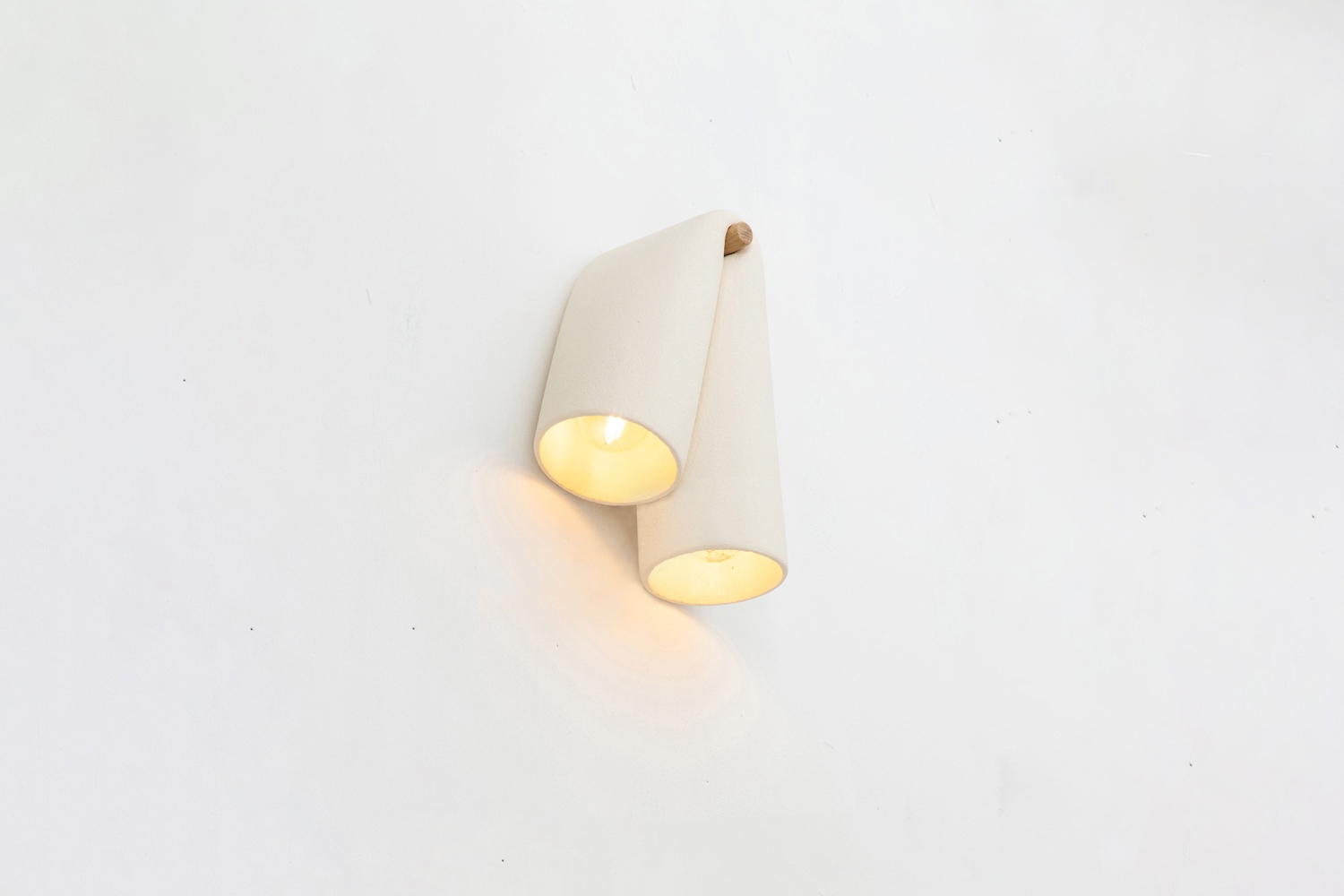
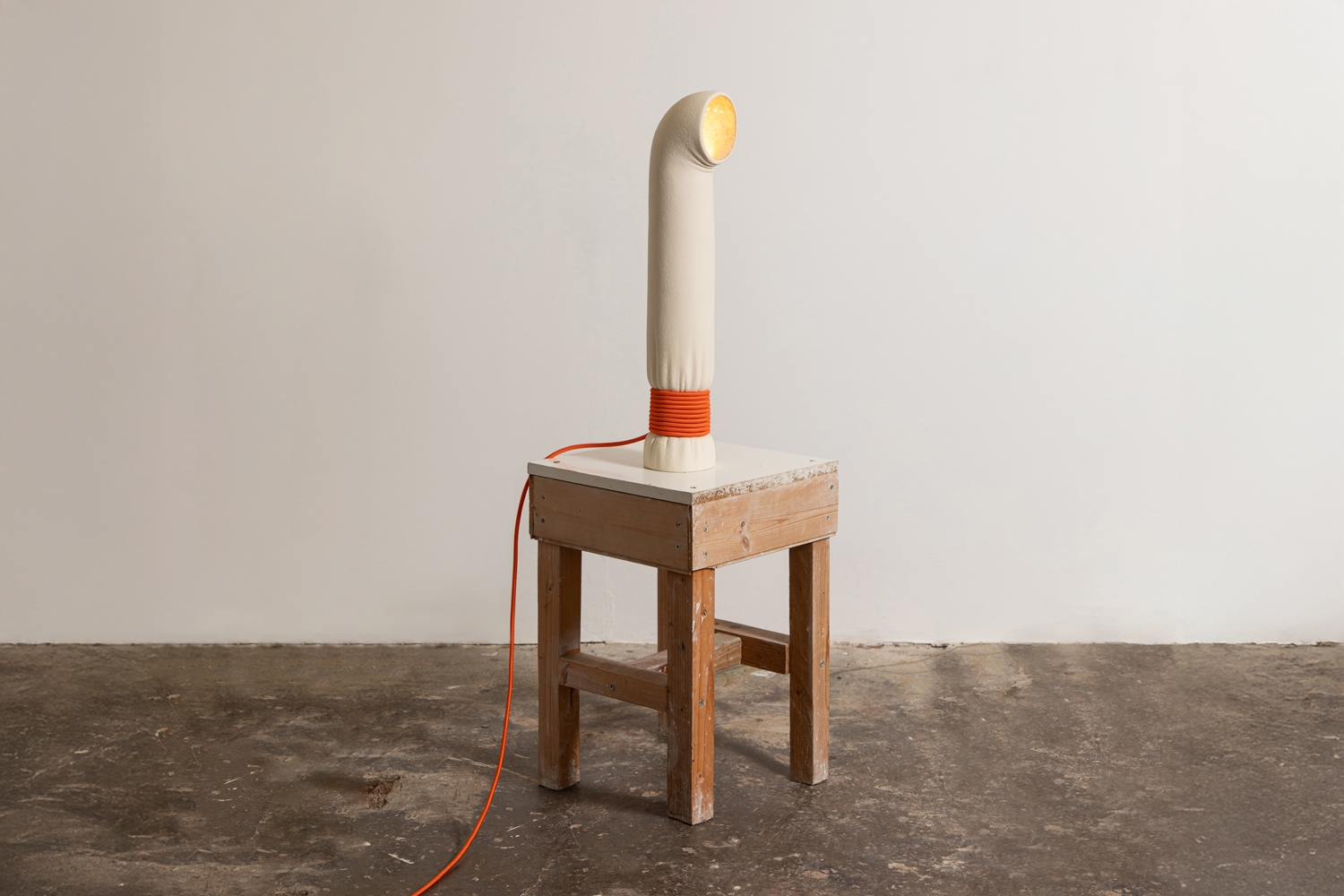
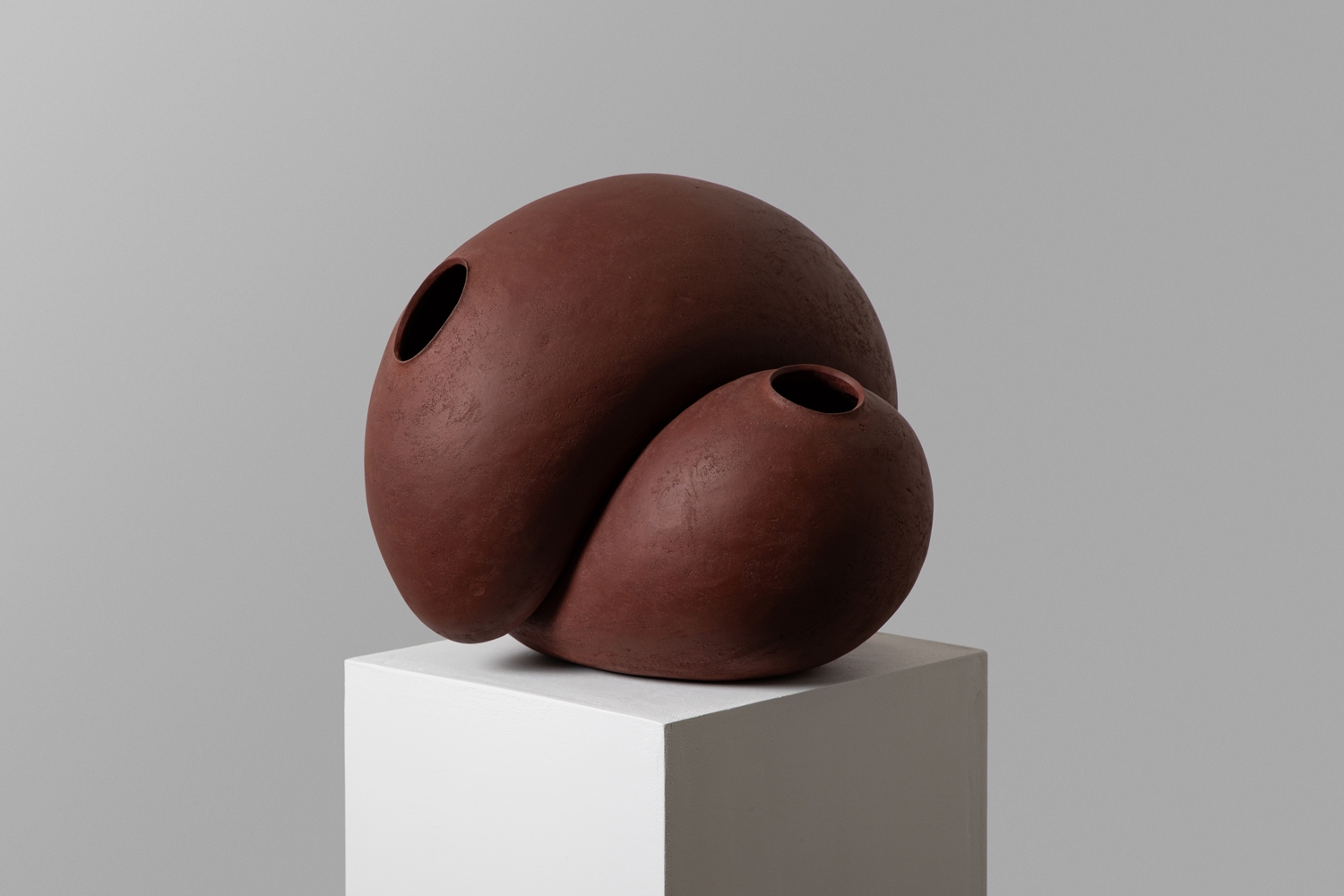
Catalin Filip translates into clay the drama that natural forces can unleash. He studies how hills are carved by water or how trees bend to wind, and echoes those distortions into his work. Catalin's vessels and lamps may look as if they have collapsed, folded or slipped mid-movement, capturing a state between stability and ruin. While he trained as an architect in Bucharest, his journey with clay is self-taught. “I like not knowing the limits, so I can find them myself,” he says. Rejecting the use of glaze except to emphasise rare accents, Catalin leaves surfaces rough and rock-like, amplifying the contrast with the soft, fluid forms of his creations. His work invites hesitation and asks viewers to reconsider not only what clay can be, but how form itself comes into being.
INTERVIEW
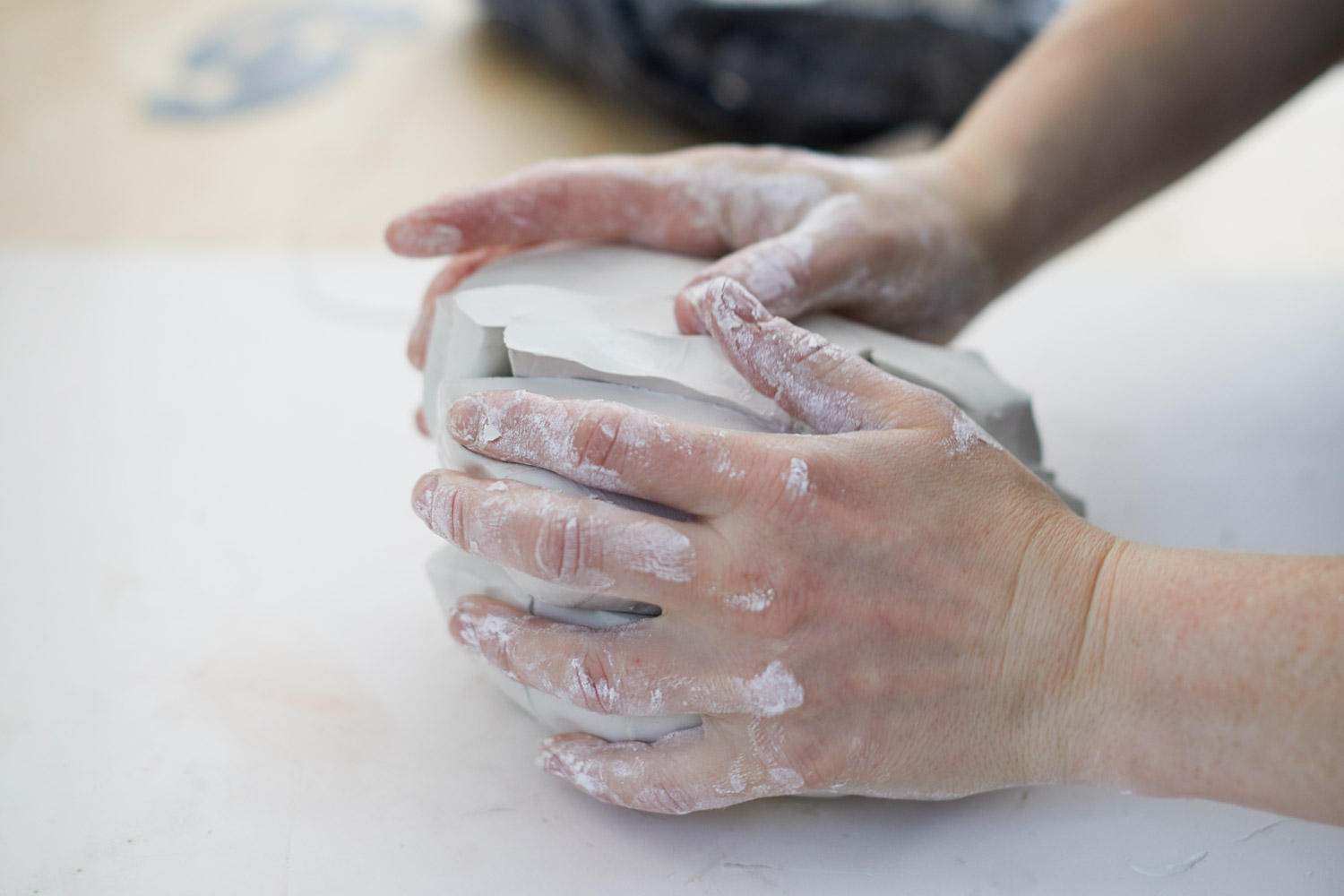
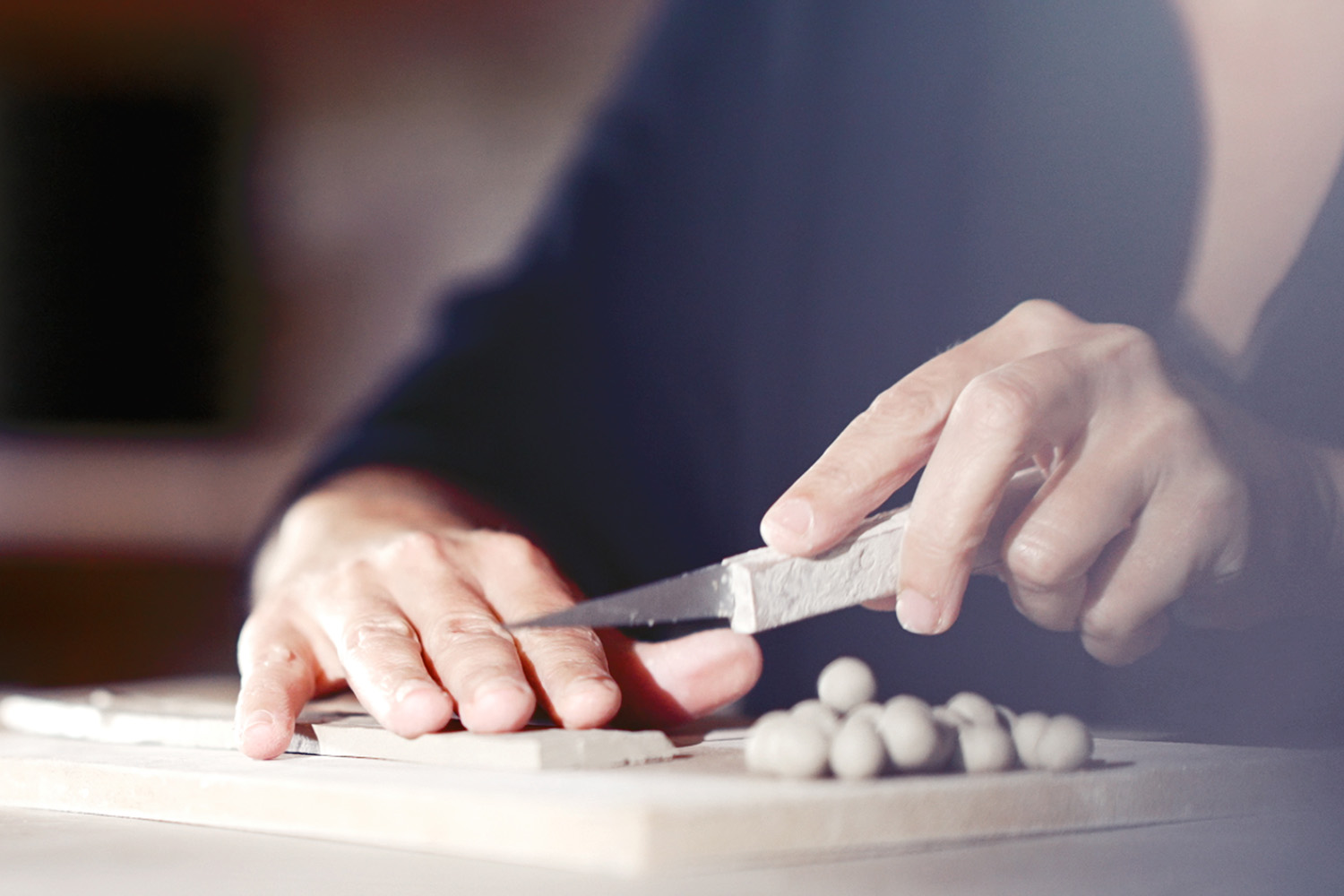
I only started dedicating myself to ceramics professionally during the pandemic. The speed of my learning comes from total immersion. I can work for days on end without noticing time passing. I also rarely get discouraged. If a piece cracks after days of effort, I quickly move forward, take it as a learning opportunity, and start over.
As a kid, I would unearth clay from construction sites in Romania and shape objects with it, long before knowing about firing. The fact that clay is so universally available has always amazed me. Today, I source my clay commercially, but I remain drawn to its unglazed, natural texture and the pure surfaces I first experienced as a child.
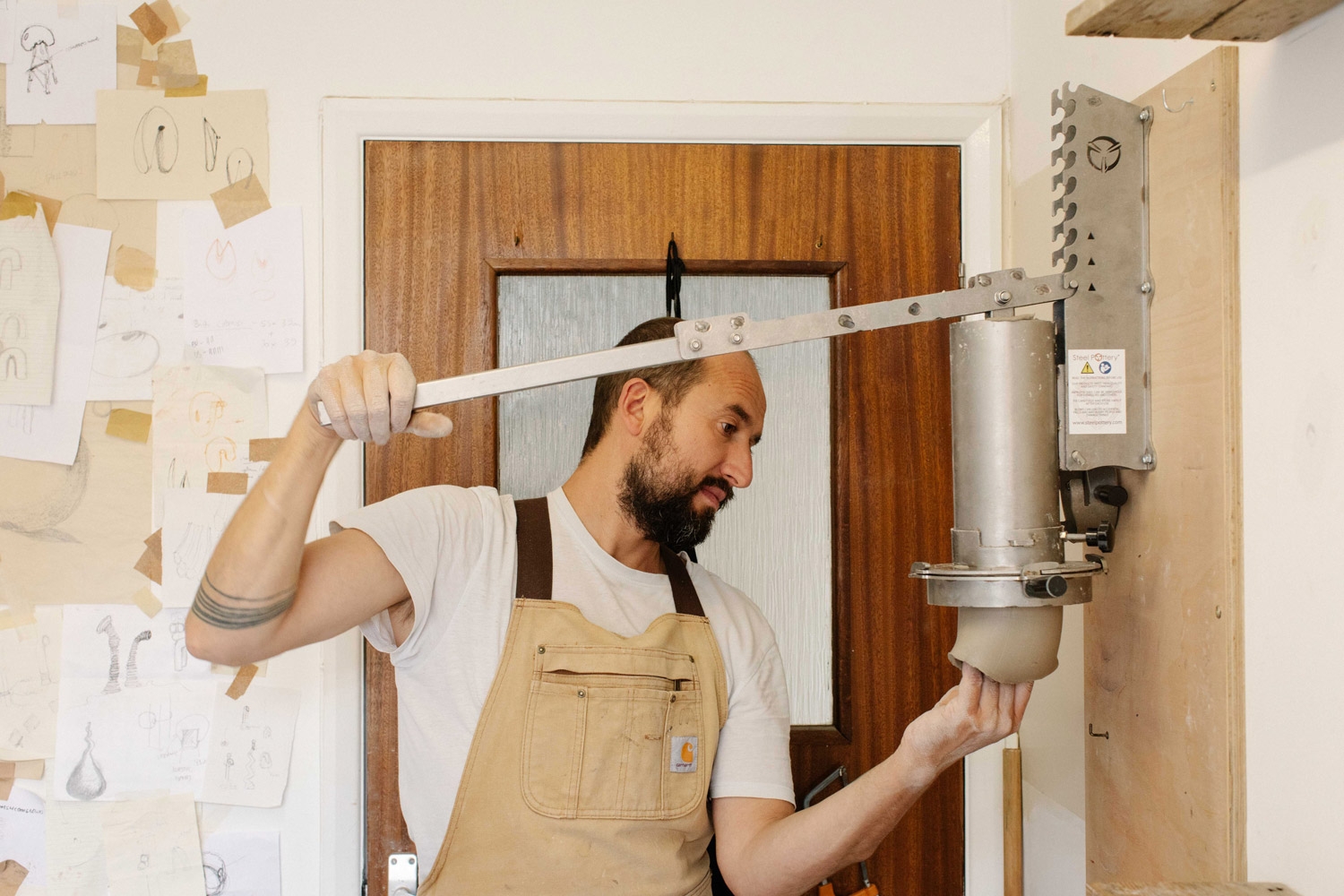
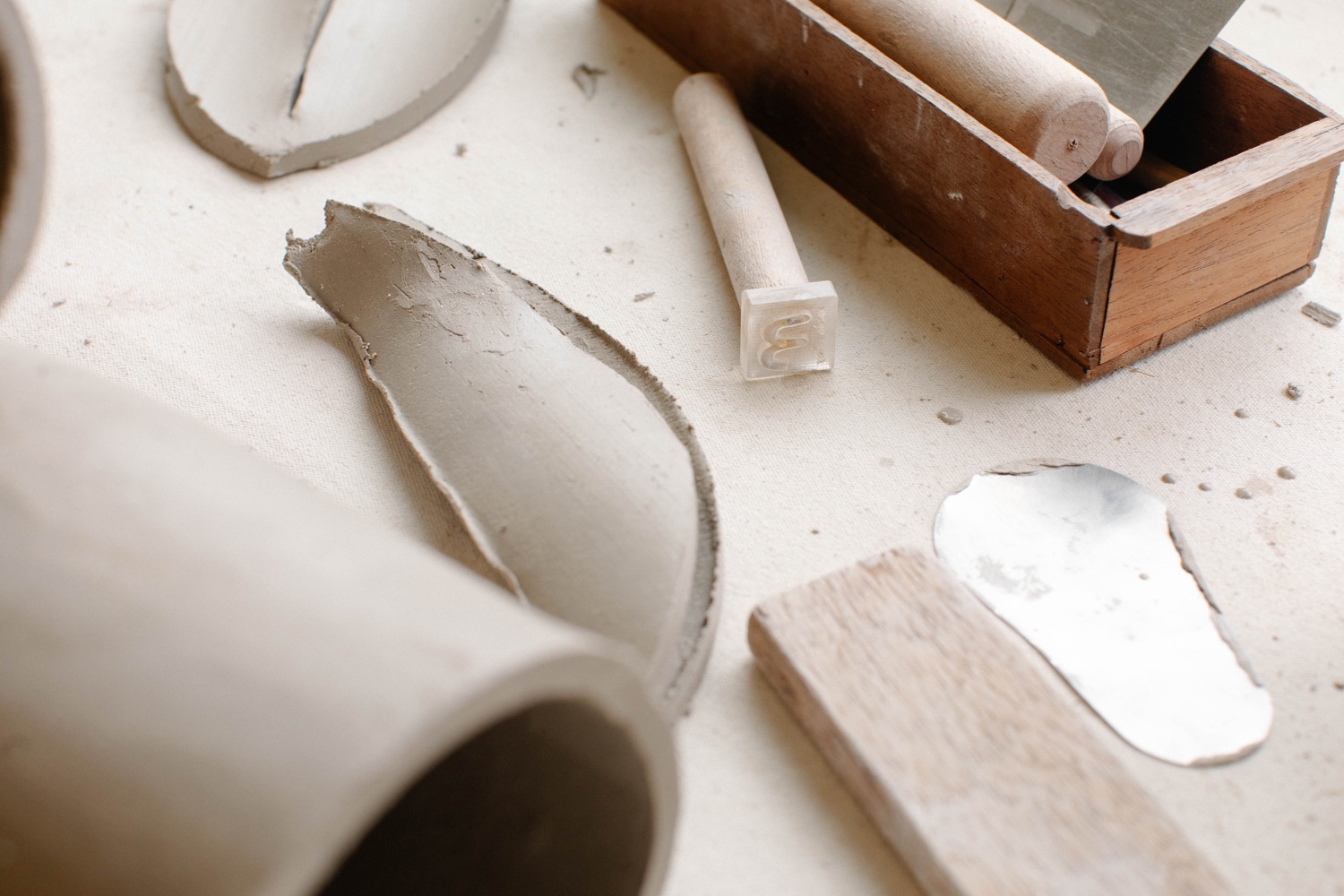
My architectural path was always highly conceptual, and this approach continues to guide my ceramics. I often begin with sketches and 3D models, carefully considering structure, space and proportion before working with clay. Architecture also inspires me to experiment with scale and influences how I share my work through design networks and architectural channels.
London was a natural starting point for me as an architect, but Hastings offers a more nurturing space for my ceramics. The town’s active creative community and events such as Coastal Currents and arts festivals provide ongoing inspiration and exchange. London also remains easily accessible for connecting with the wider art world.
Catalin Filip
Ceramicist
Hastings, United Kingdom
AVAILABILITY
By appointment only
LANGUAGES
English, Spanish, Romanian
Homo Faber Finds is a new service aiming to inspire admirers of craft to connect and collaborate with exceptional artisans.
We invite you to submit an enquiry here.