Jennifer Alford
Ceramicist
Blairgowrie, United Kingdom
Improvisation takes the artistic lead
- Jennifer's practice is a balance between skill and intuition
- She forages local clay for her pieces
- Her mark-making technique took her over three years to develop
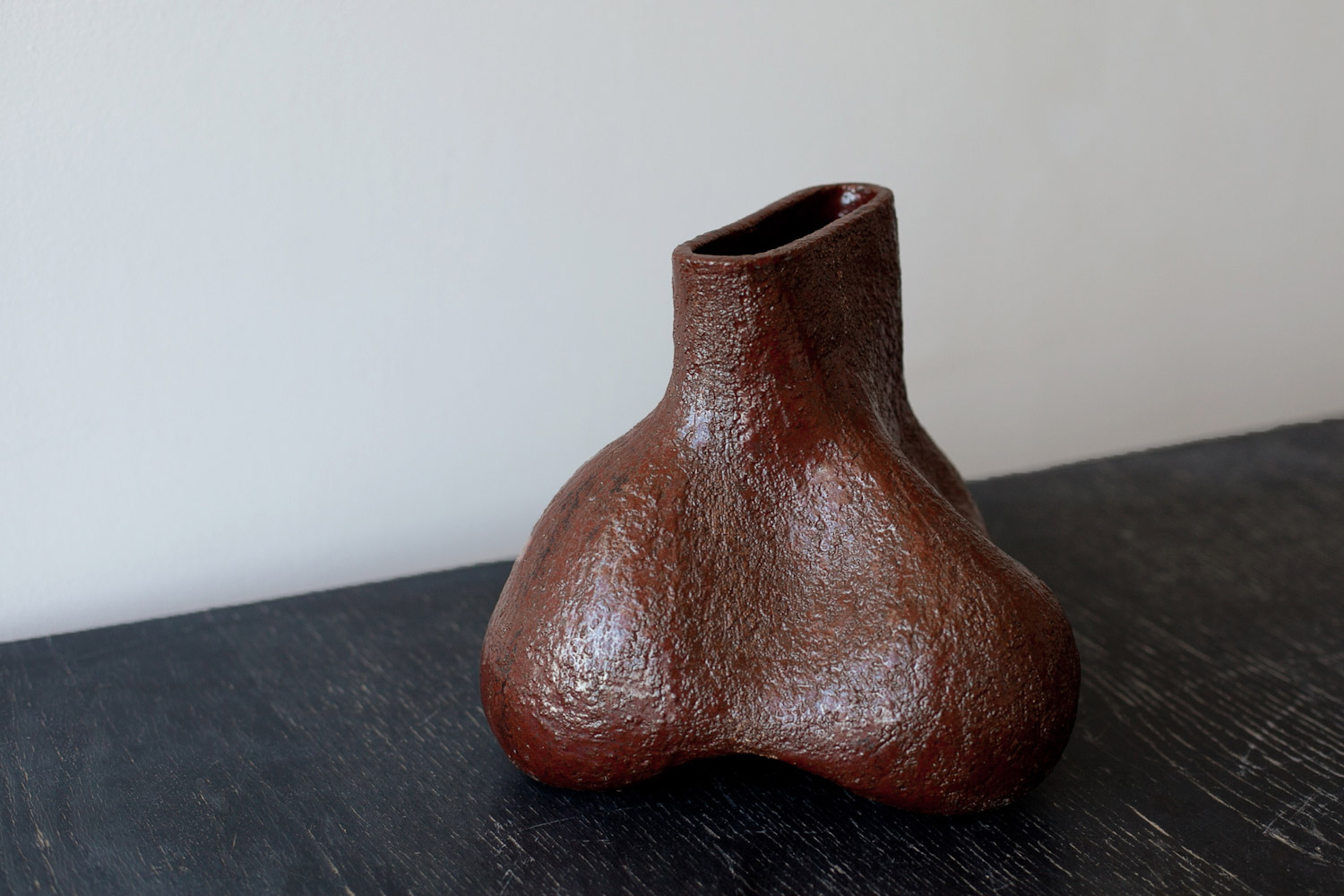
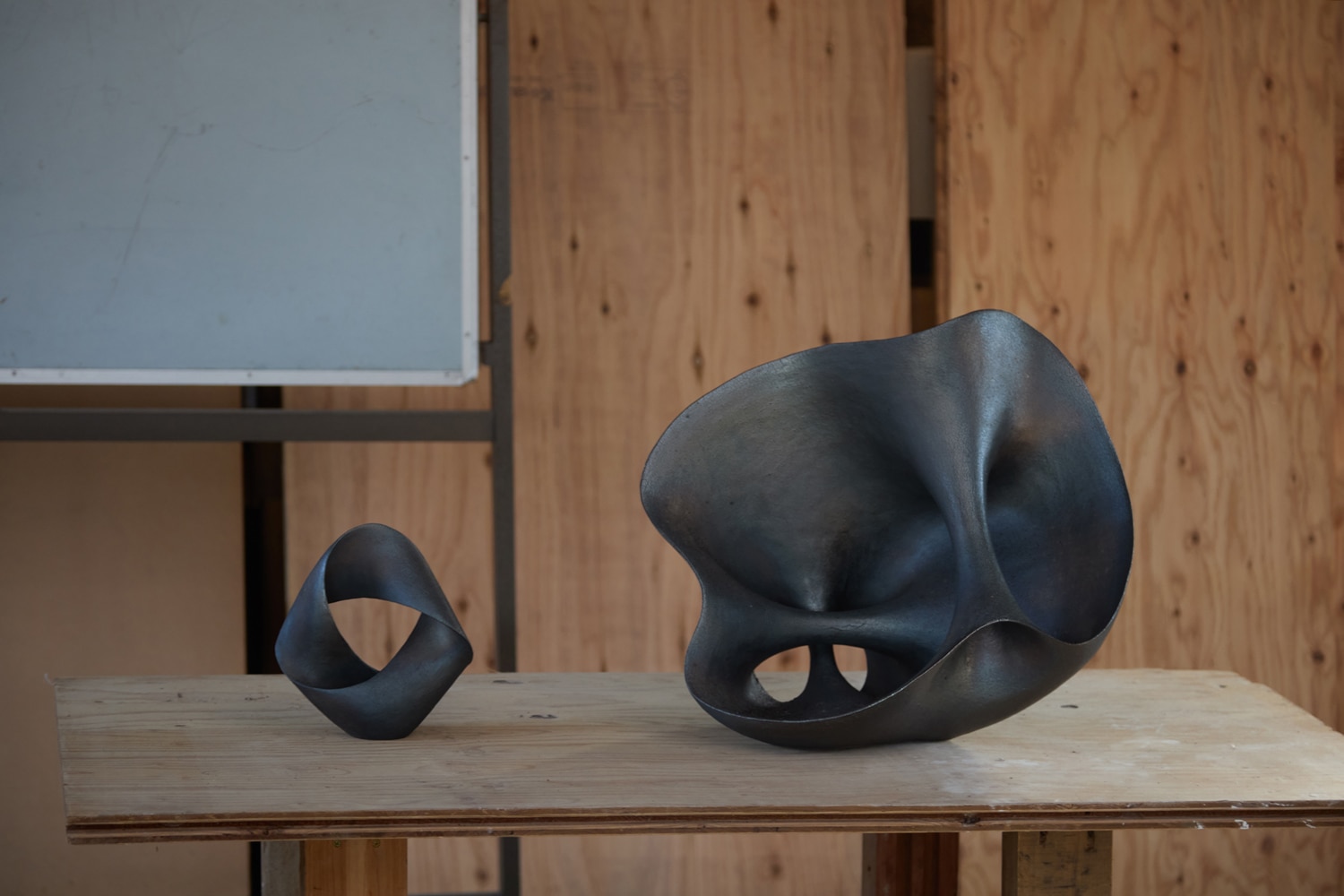
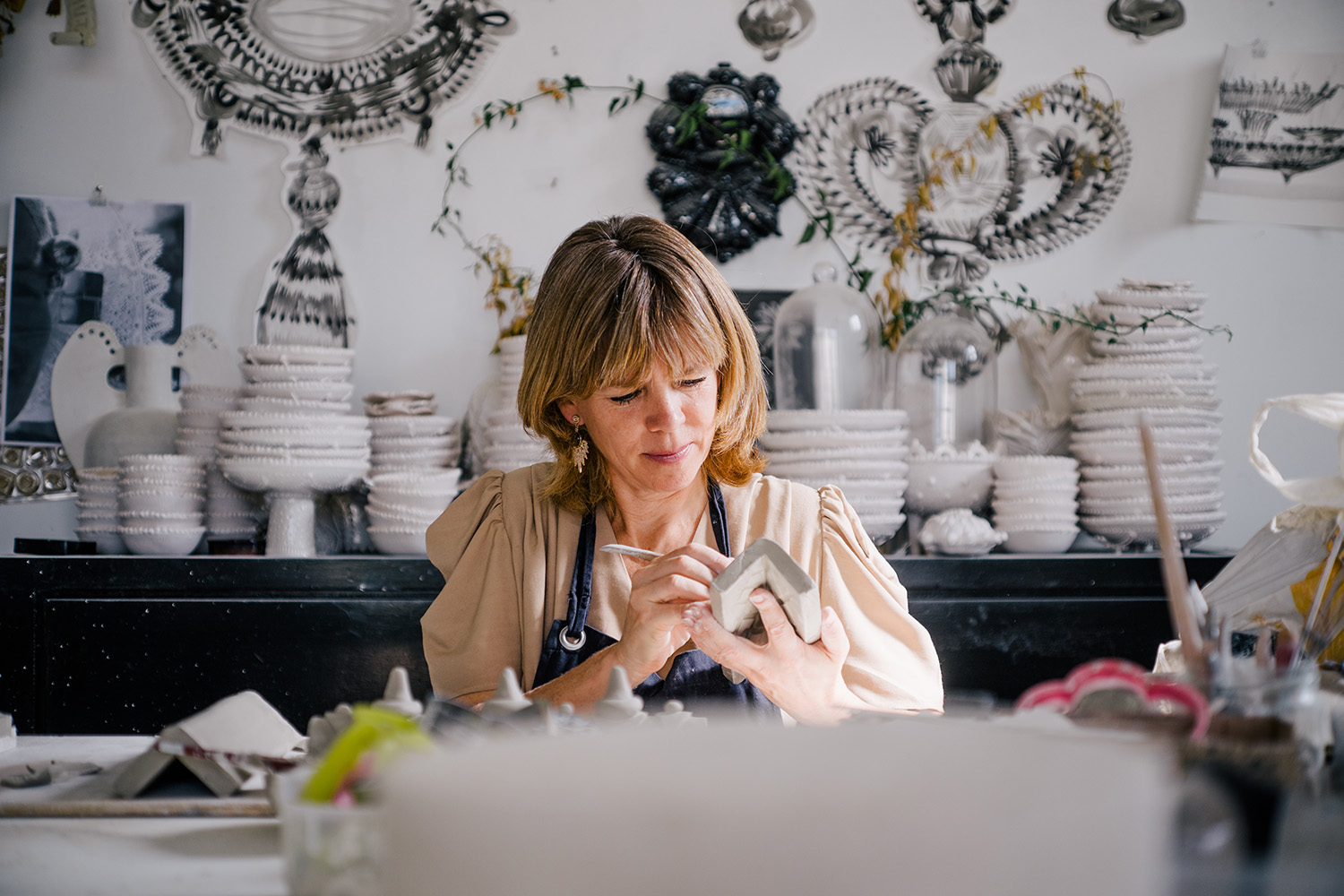
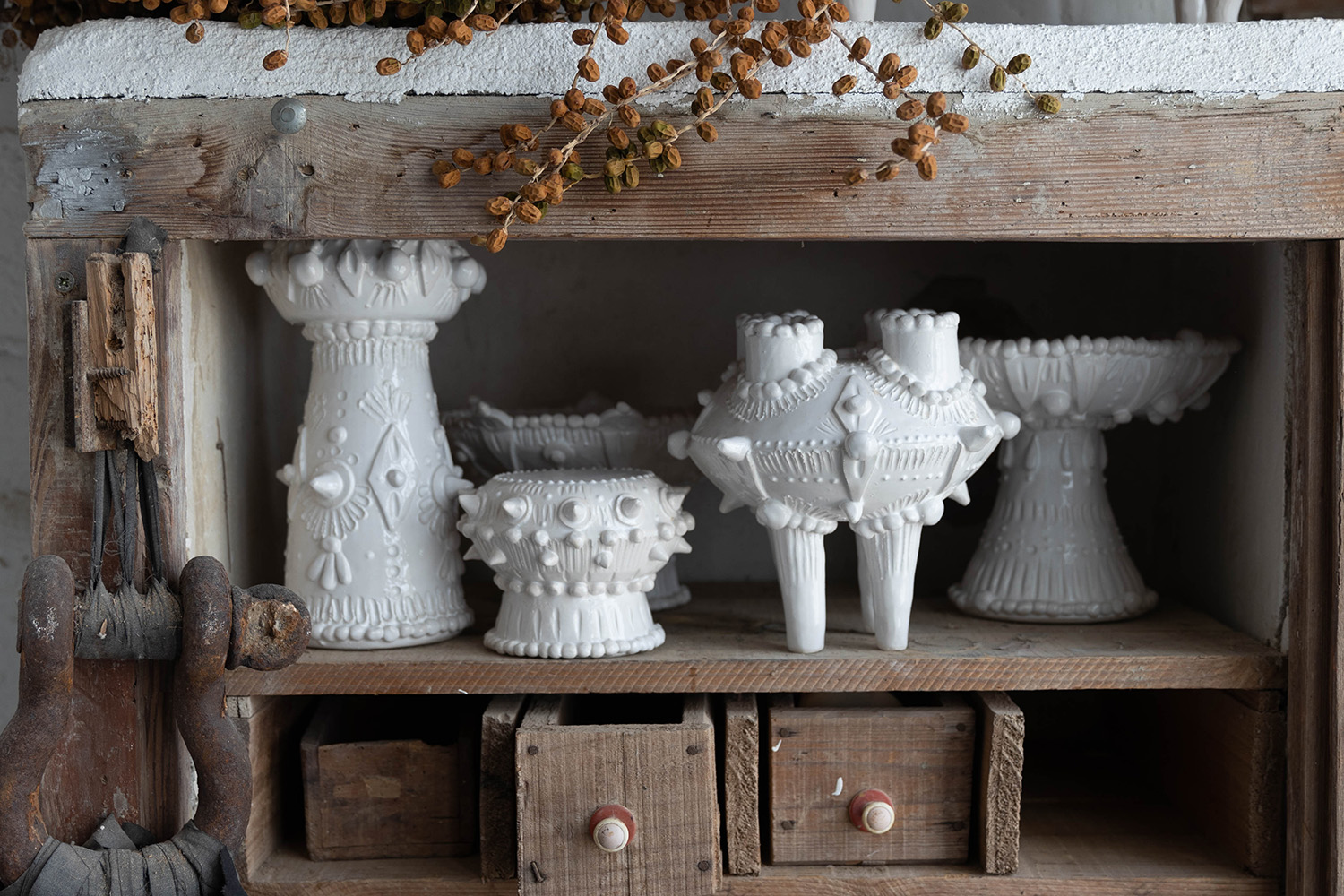
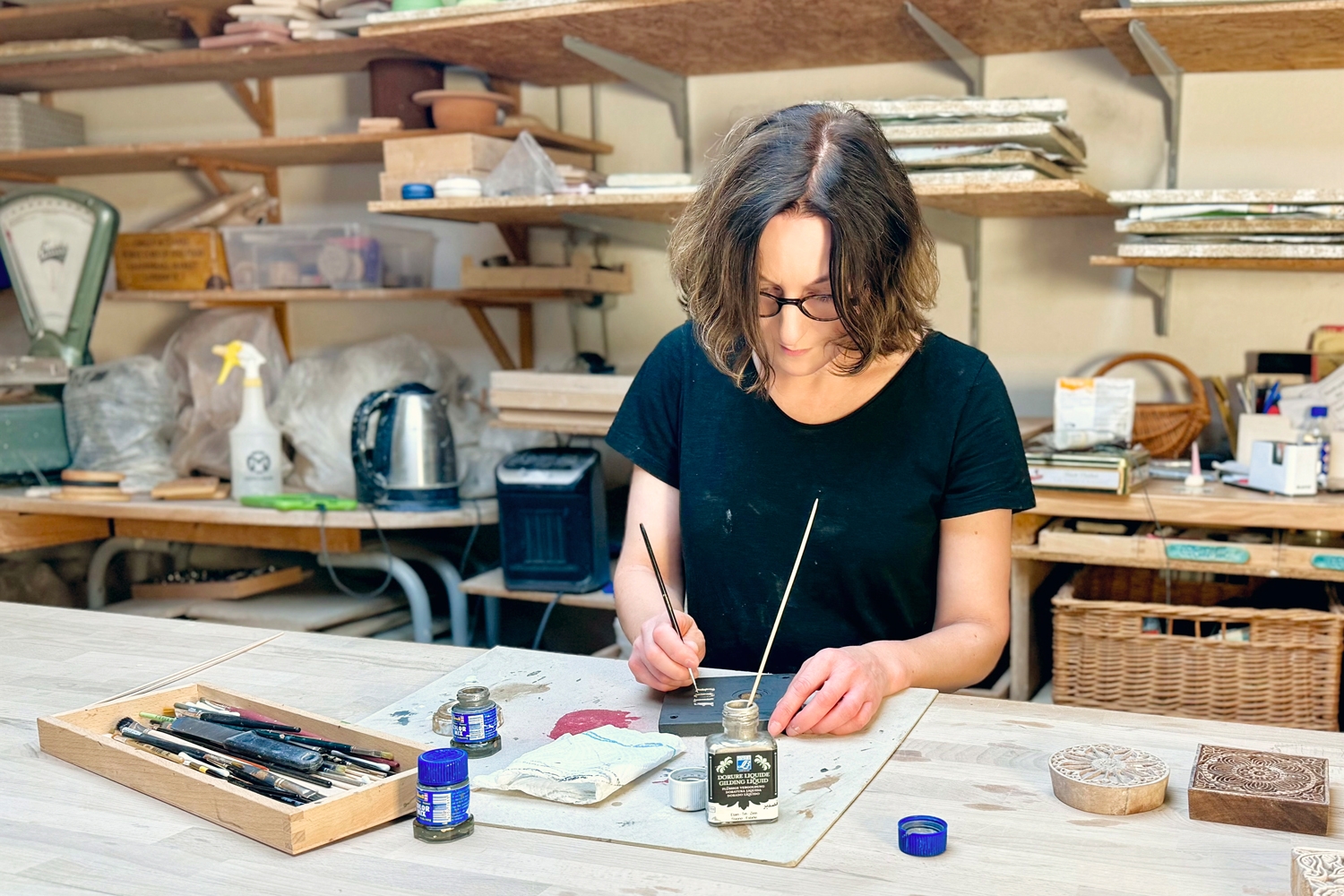
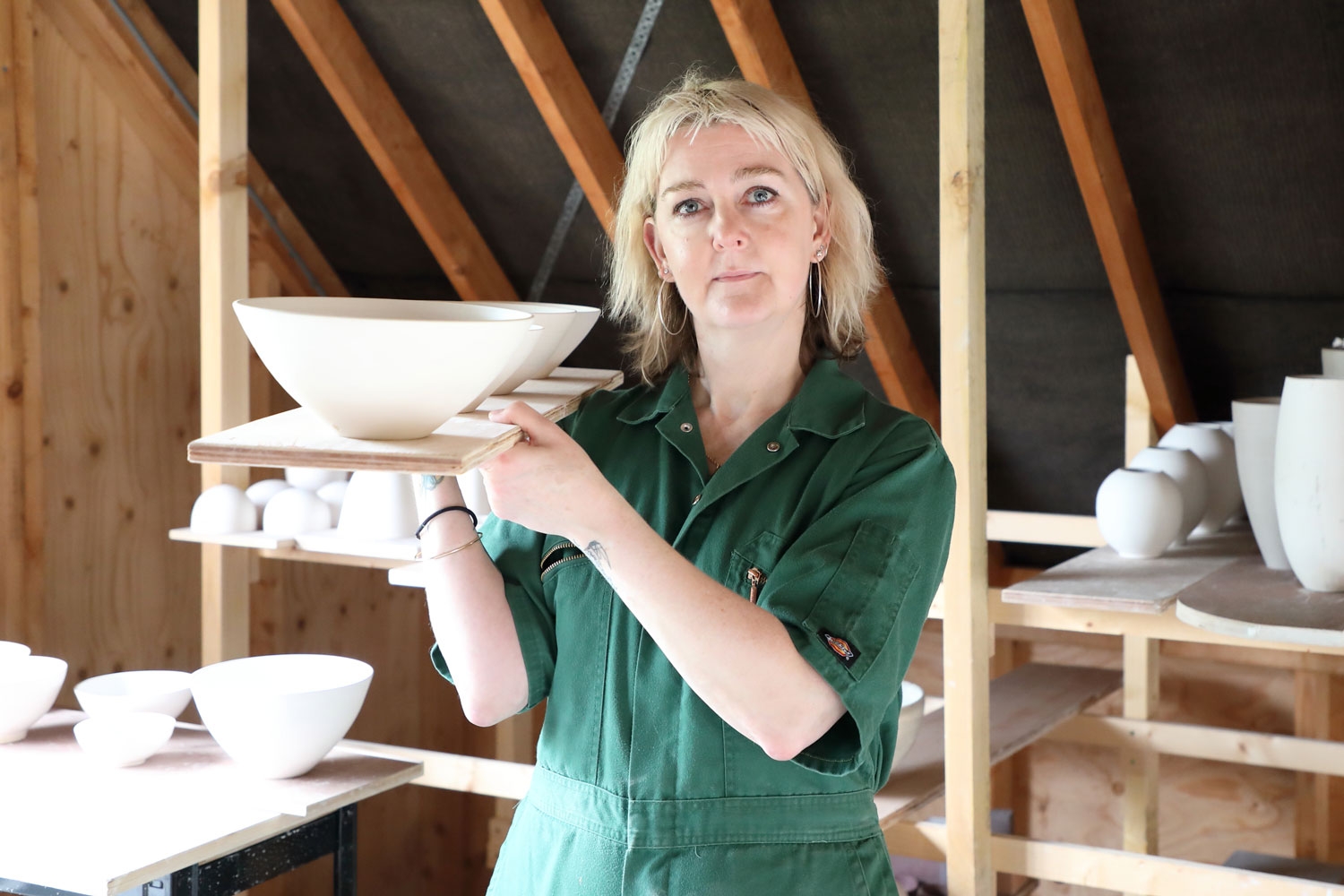
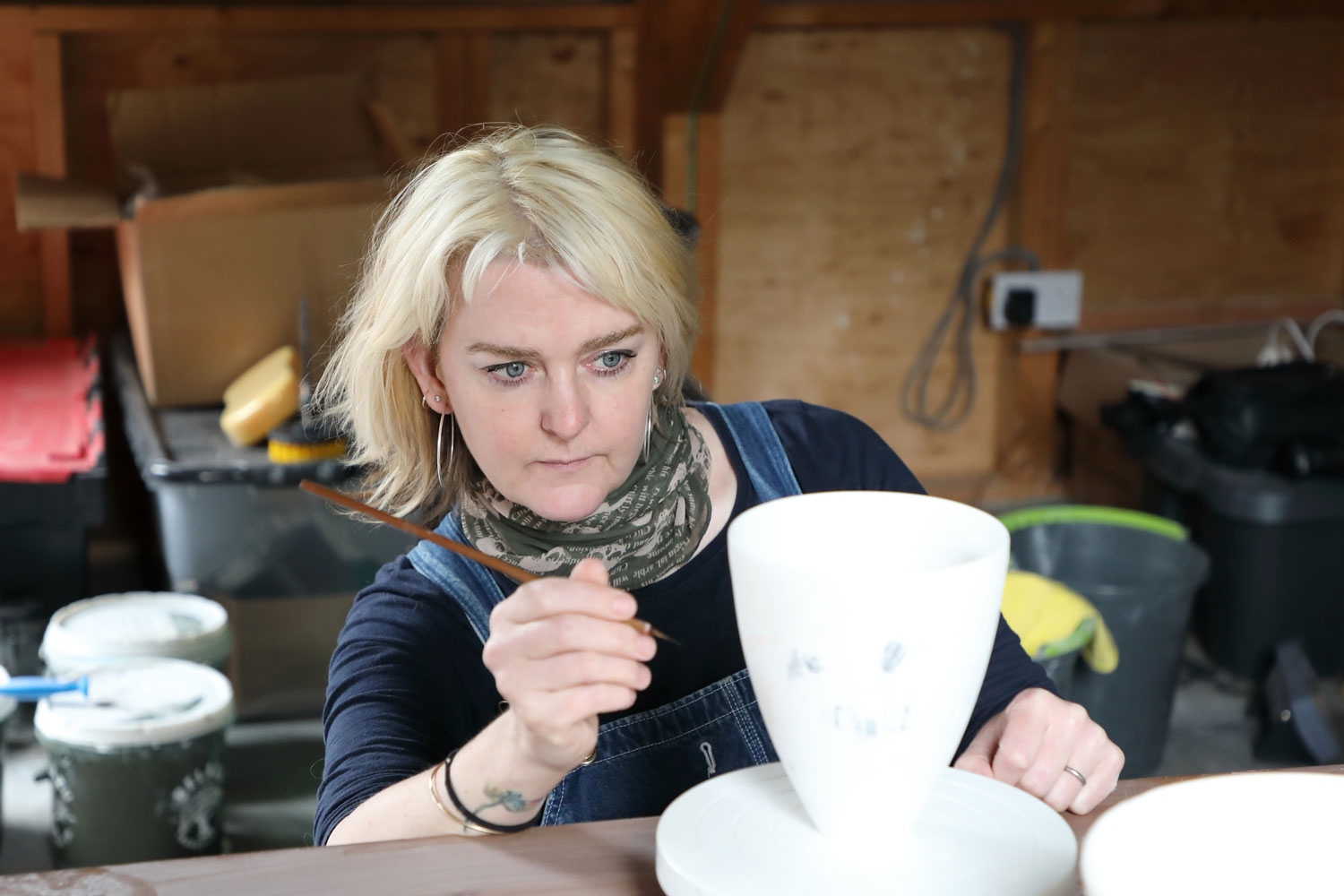
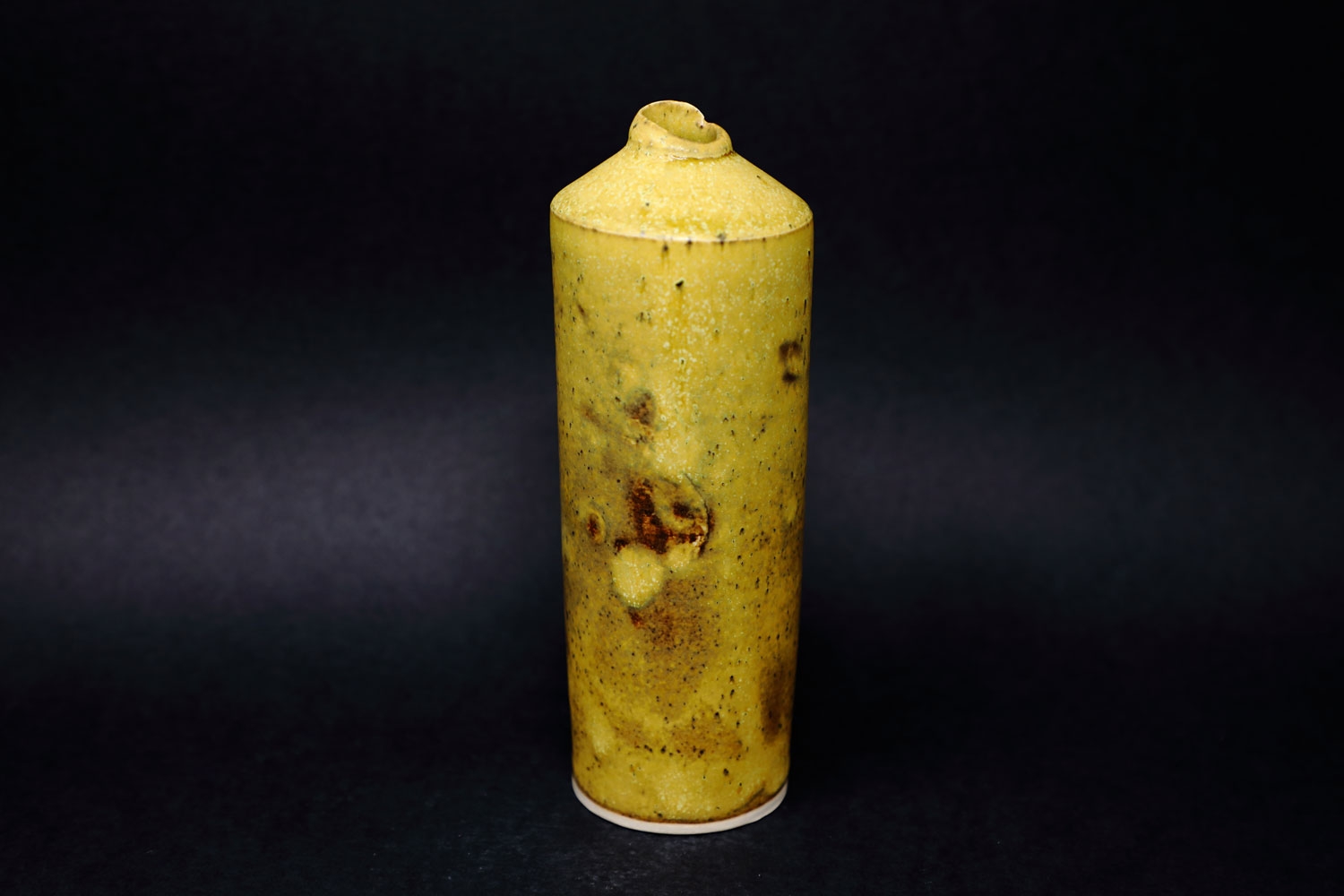
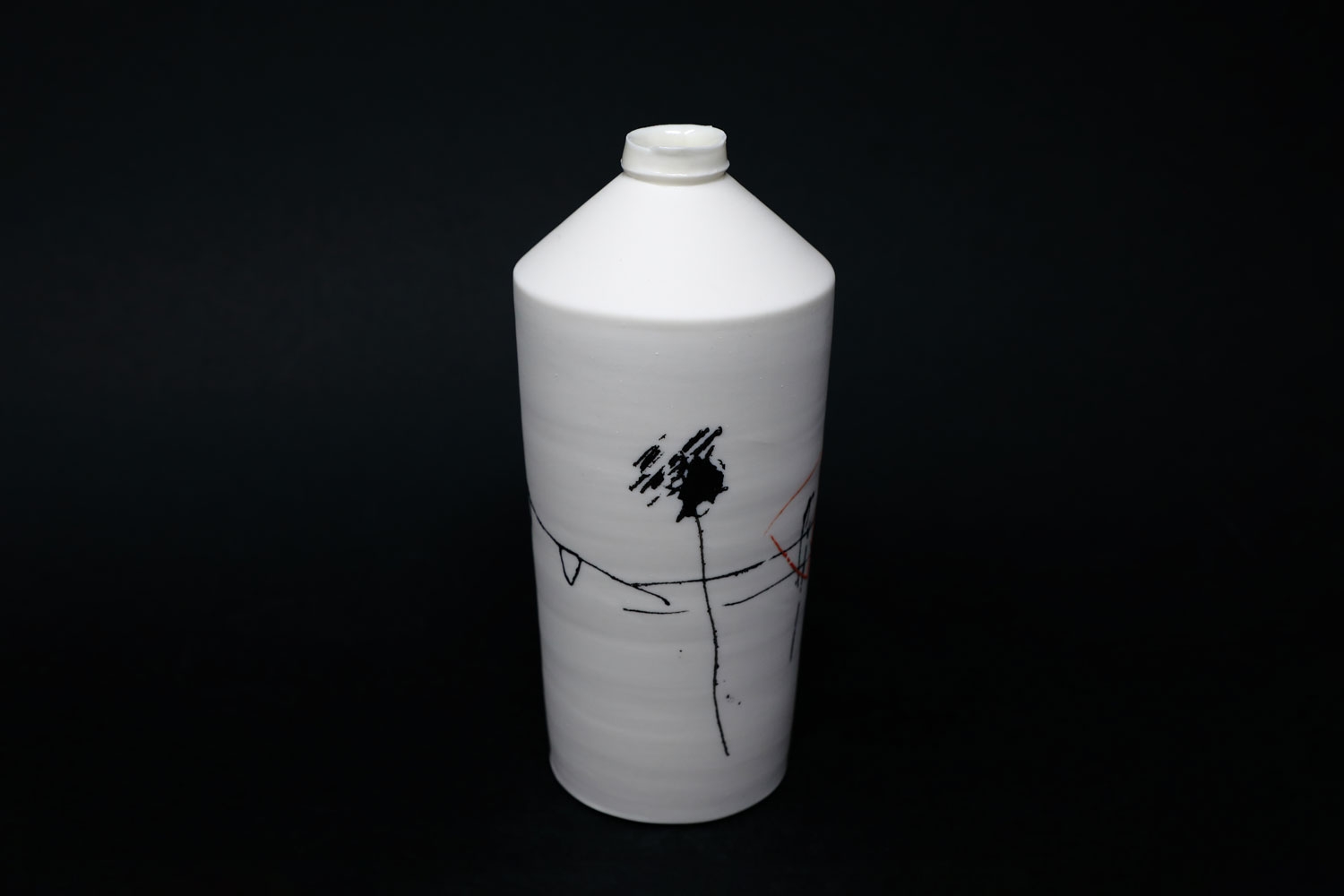
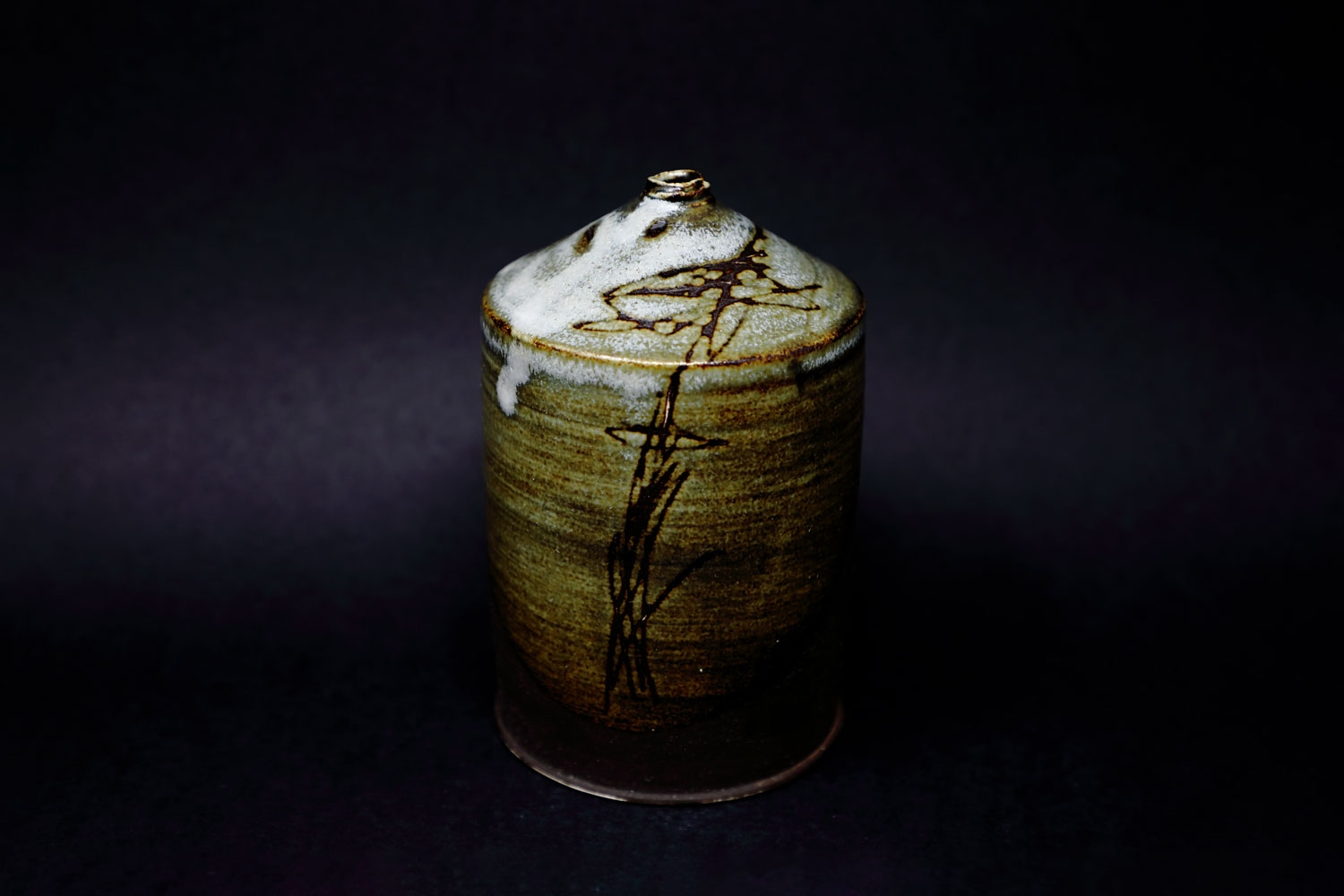
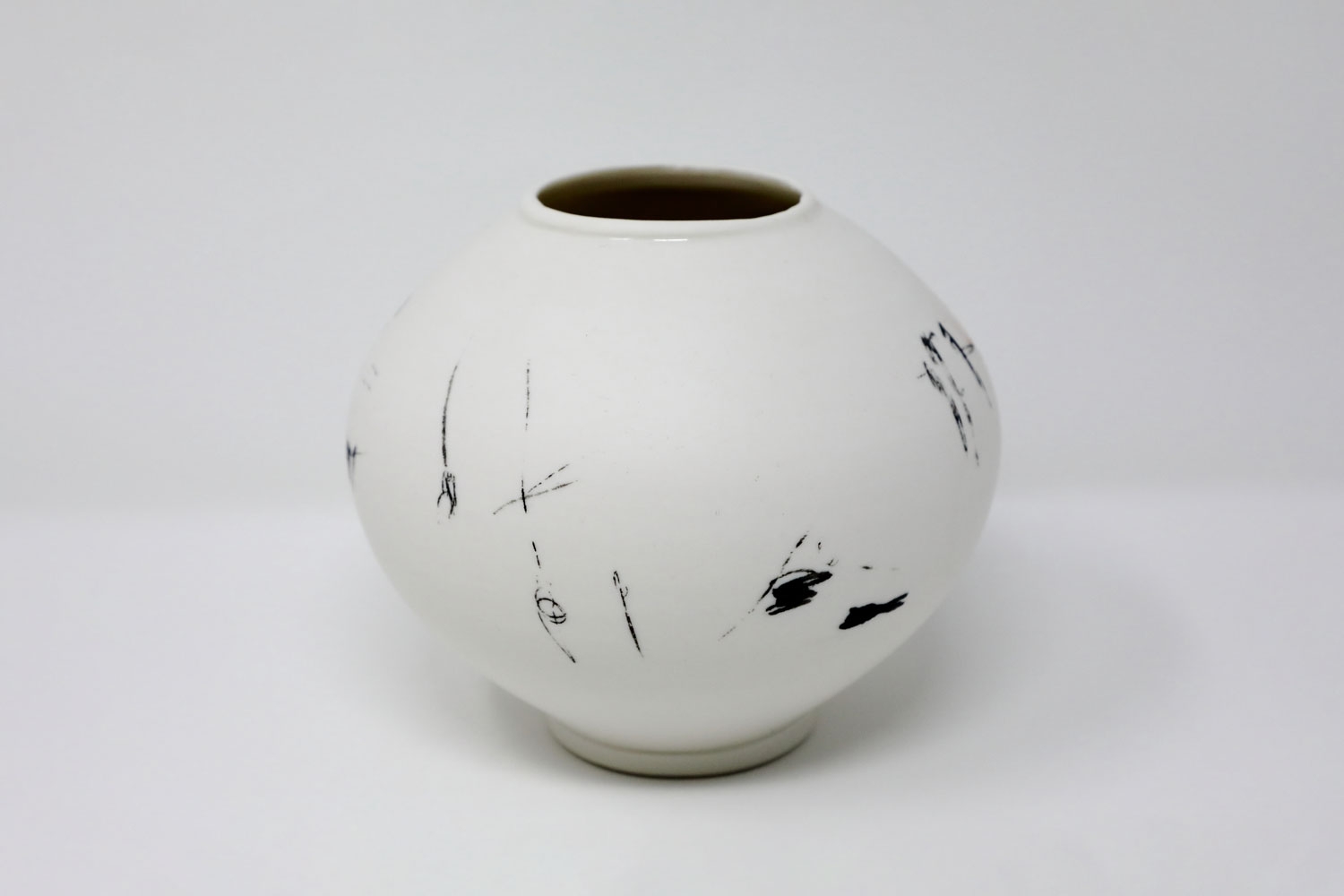
Jennifer Alford creates ceramic pieces and vessels from her home in the Scottish countryside. Having originally trained as a musician and worked as a performer, composer and teacher for a few years, she found her passion for ceramics while attending the Ceramic Skills Course in Thomastown, Ireland. There, Jennifer developed a deep foundation in production pottery, glaze chemistry and kiln firing. Her work now spans expressive porcelain and stoneware pieces with instinctive mark-making. "I draw on a strong improvisational ethos, which stems from my musical background. I embrace moments of chance, often letting the clay guide the outcome," Jennifer says. She has been awarded a QEST scholarship, and is currently exploring large-scale porcelain forms and 2D pieces.
INTERVIEW
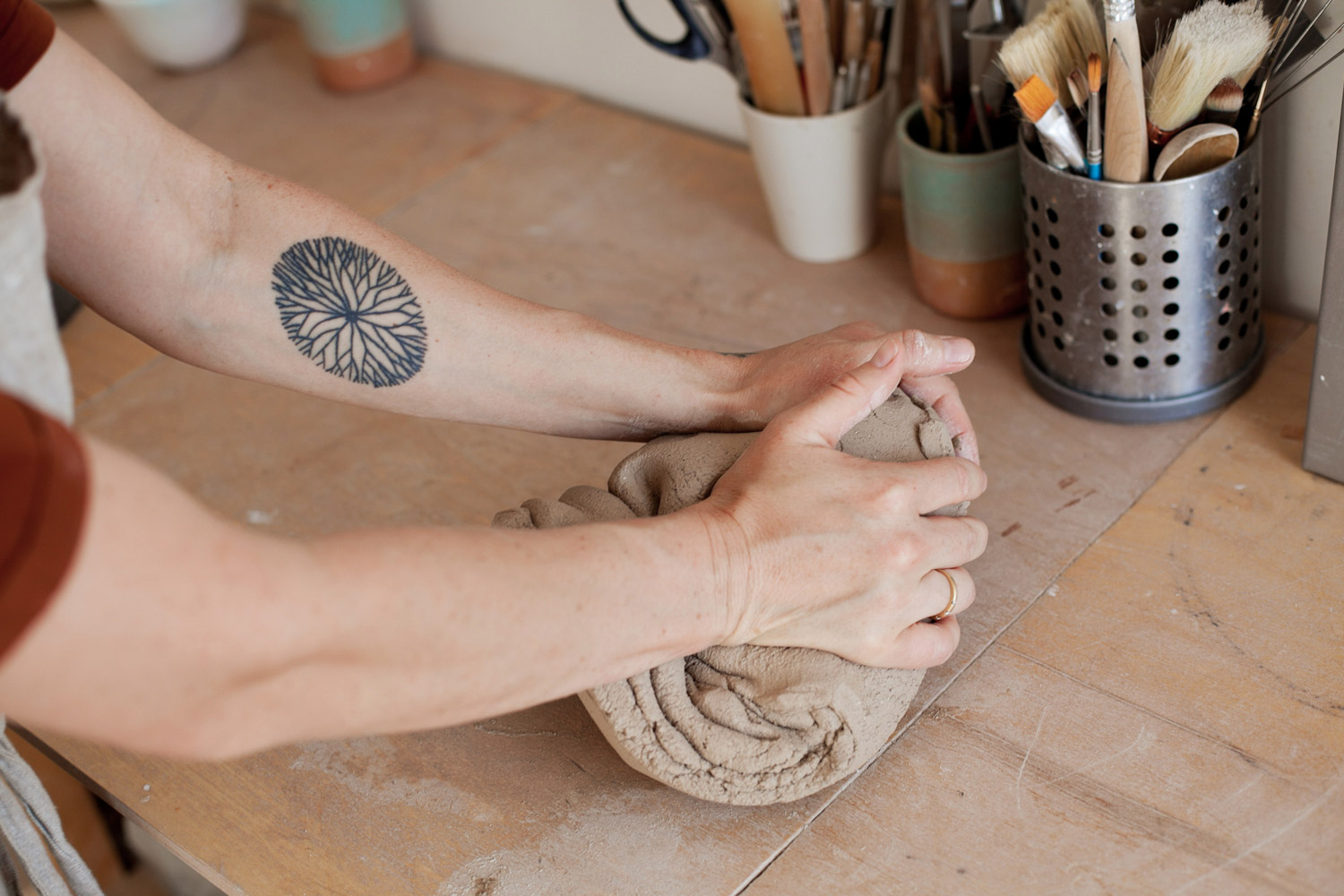
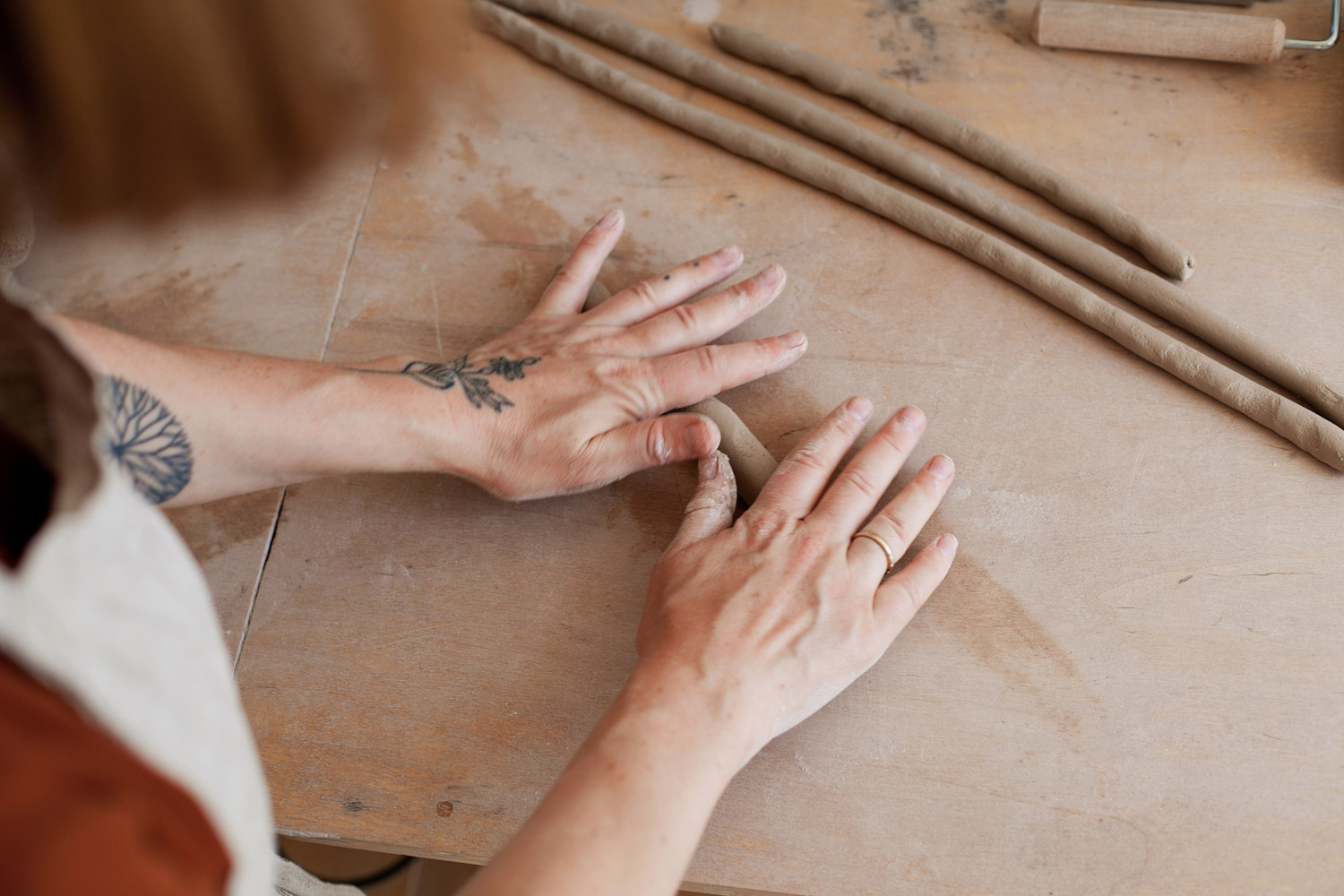
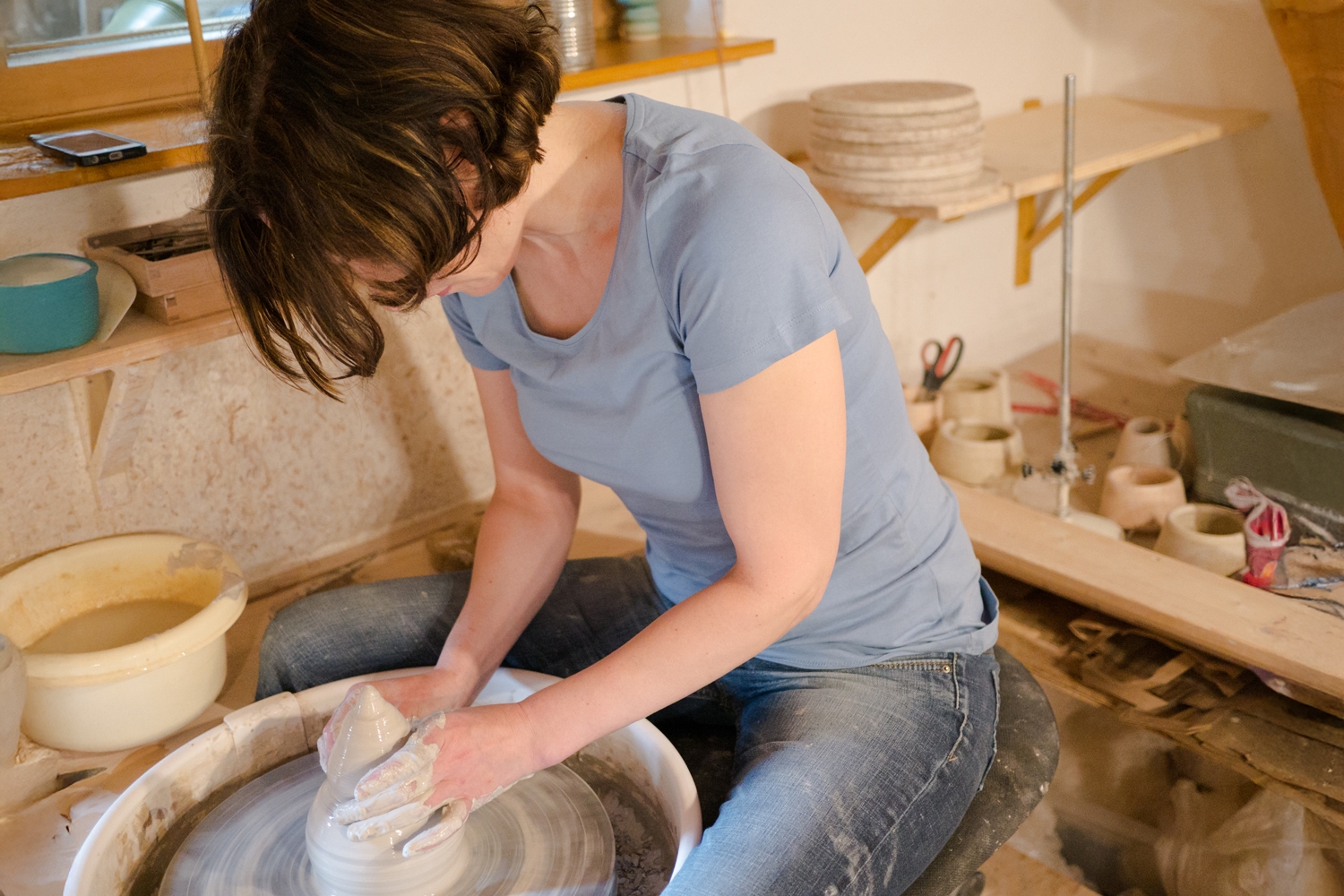
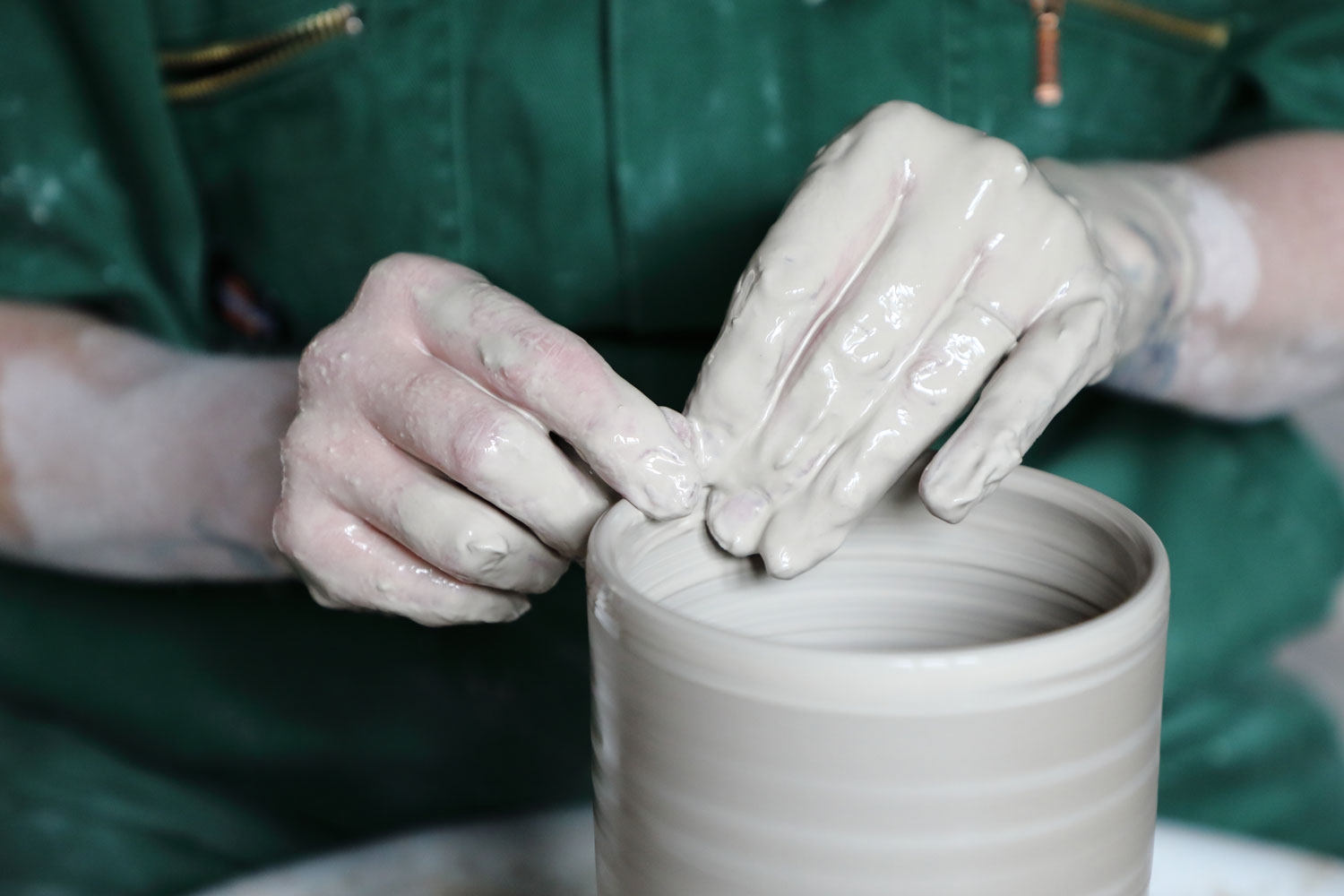
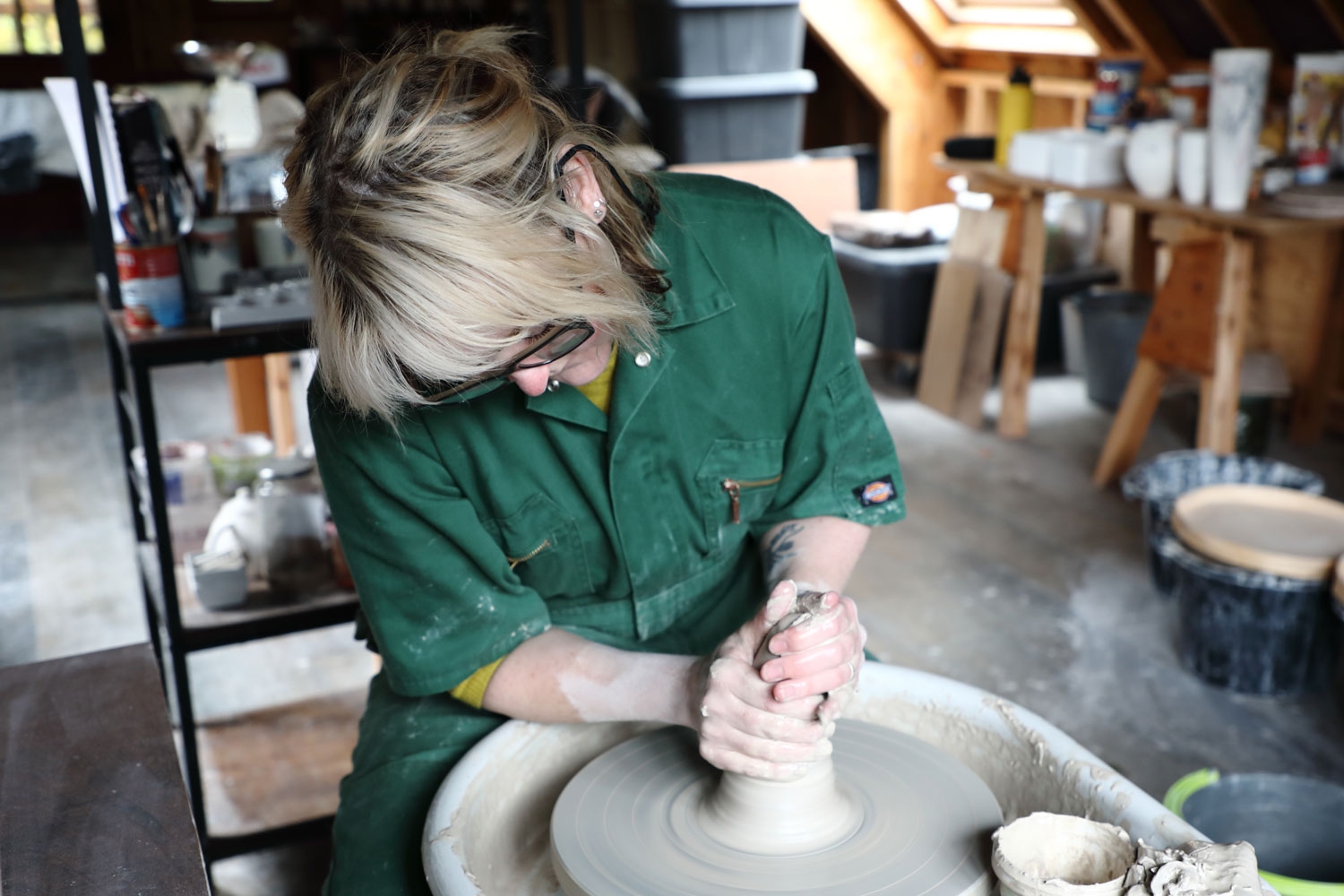
Before I attended evening classes for ceramics, I was trained as a musician. Everything changed when I attended a rigorous skills-based course in Thomastown in Ireland, where I learned throwing, firing and glaze chemistry over a period of two years.
The course sharpened my precision, but I still needed space to improvise. An artist residency gave me time to unlock a looser style. Today, I am able to let go in the studio – I aim for a flow state similar to improvisation in music, where technical skill sits alongside spontaneity and an attitude of playfulness. The last thing I want is to produce self-conscious work.
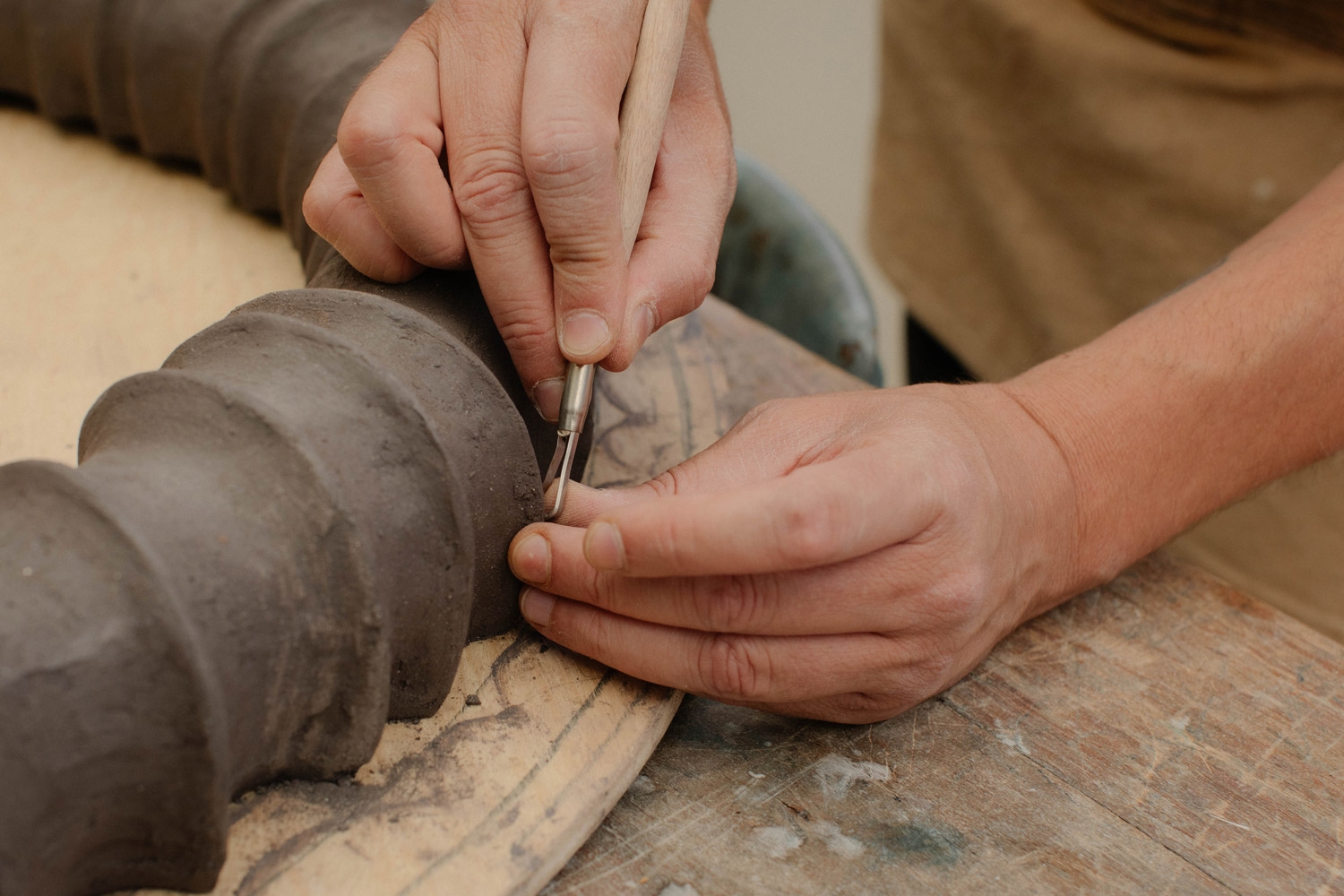
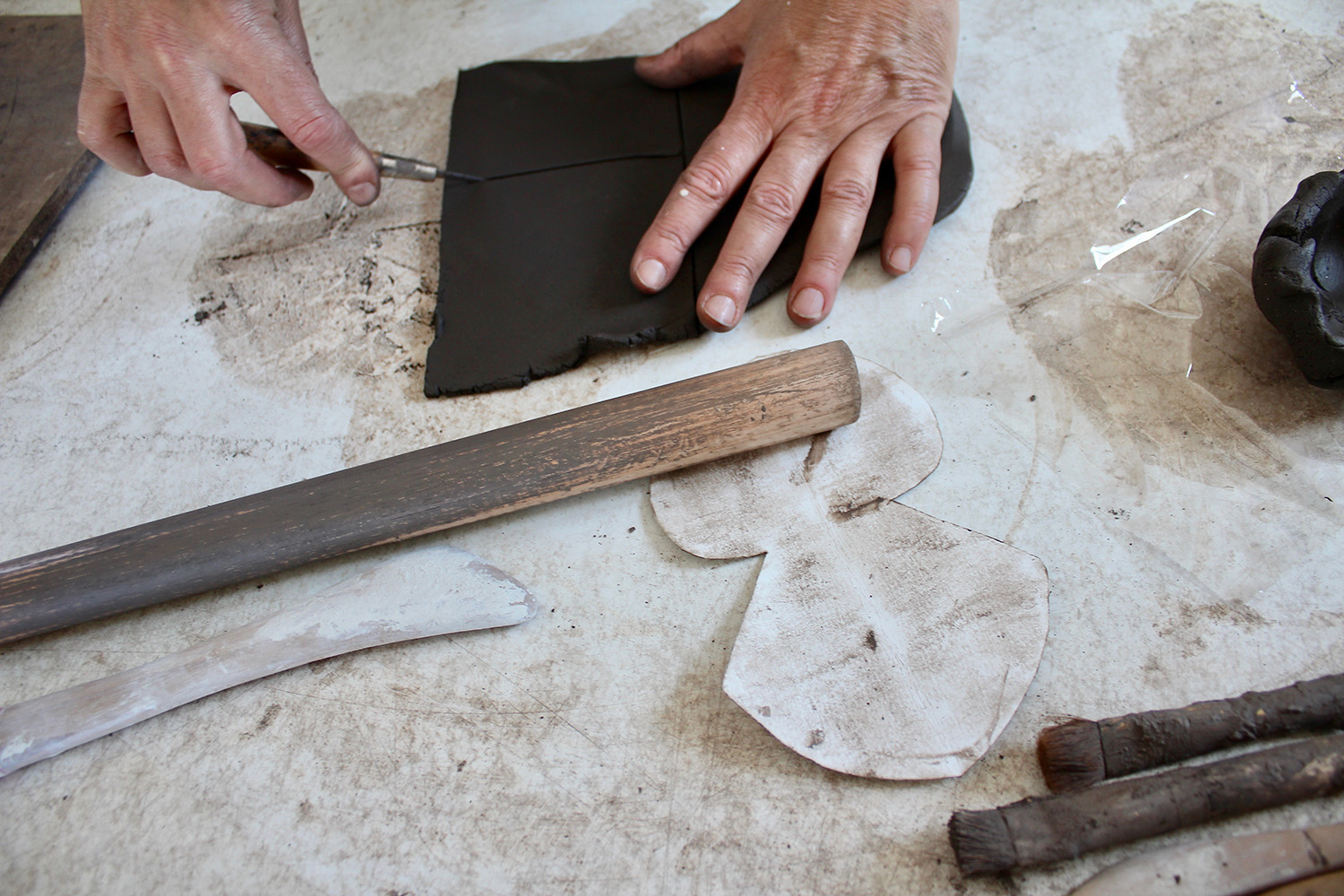
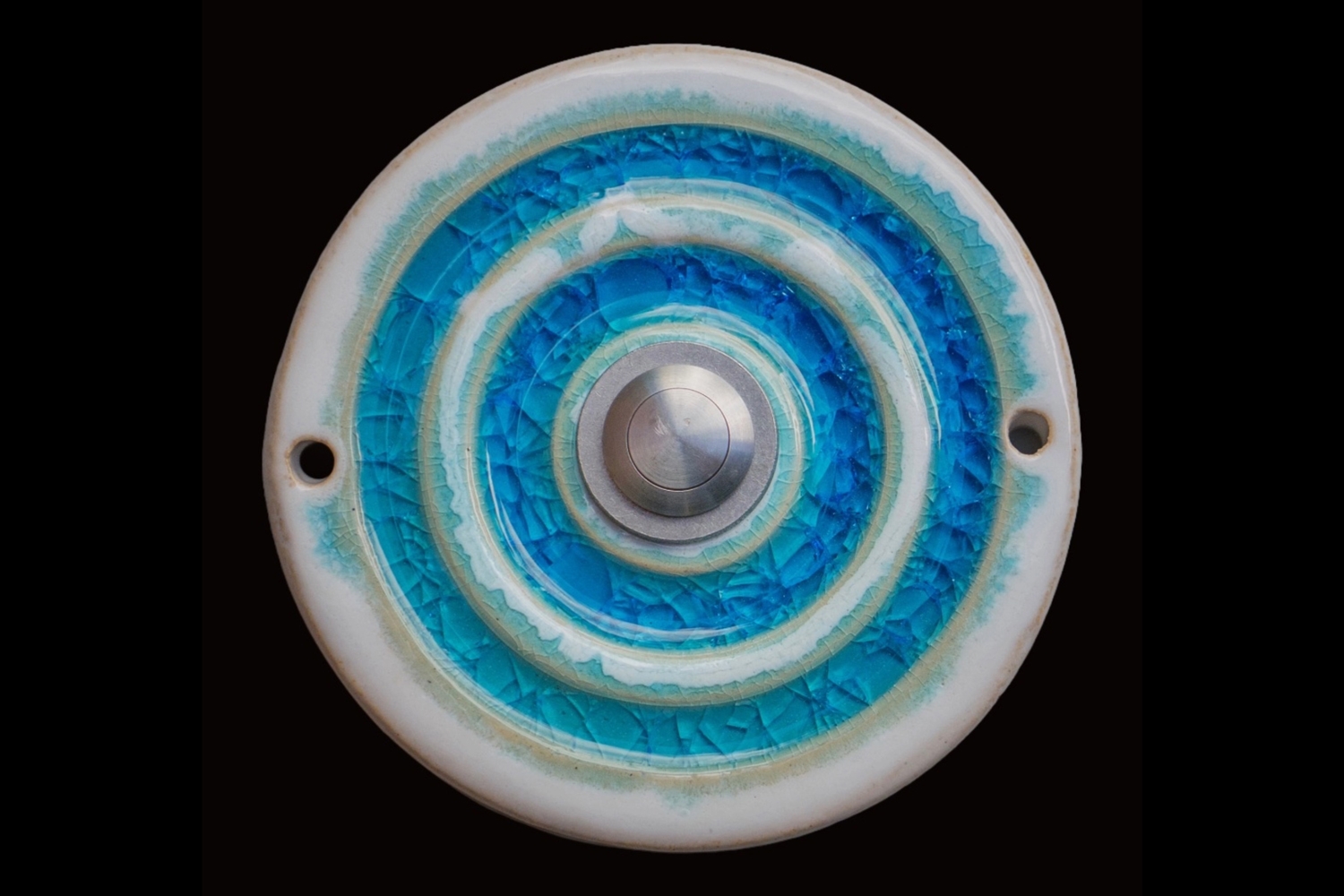
It is important to me to improvise with raw materials and go through rabbit holes in my process of research. I forage local clay, run glaze tests and allow the unexpected to shape direction. It is a scientific yet intuitive, time-consuming process in which I tweak recipes by tiny amounts. The technique I use to make marks on porcelain took me over three years to develop!
I am scaling up my porcelain pieces and exploring two dimensionality. I have been awarded a QEST scholarship to train intensively with a master of large-scale pots based in Italy. It is about building the relevant skills, expanding form and seeing how my mark-making expresses itself on different subjects.
Jennifer Alford
Ceramicist
Blairgowrie, United Kingdom
ADDRESS
Address upon request, Blairgowrie, United Kingdom
AVAILABILITY
By appointment only
LANGUAGES
English
Homo Faber Finds is a new service aiming to inspire admirers of craft to connect and collaborate with exceptional artisans.
We invite you to submit an enquiry here.

DSC02402_©Meg-Lovell.jpg)
DSC01379_©Meg-Lovell.jpg)
DSC01458_©Meg-Lovell.jpg)