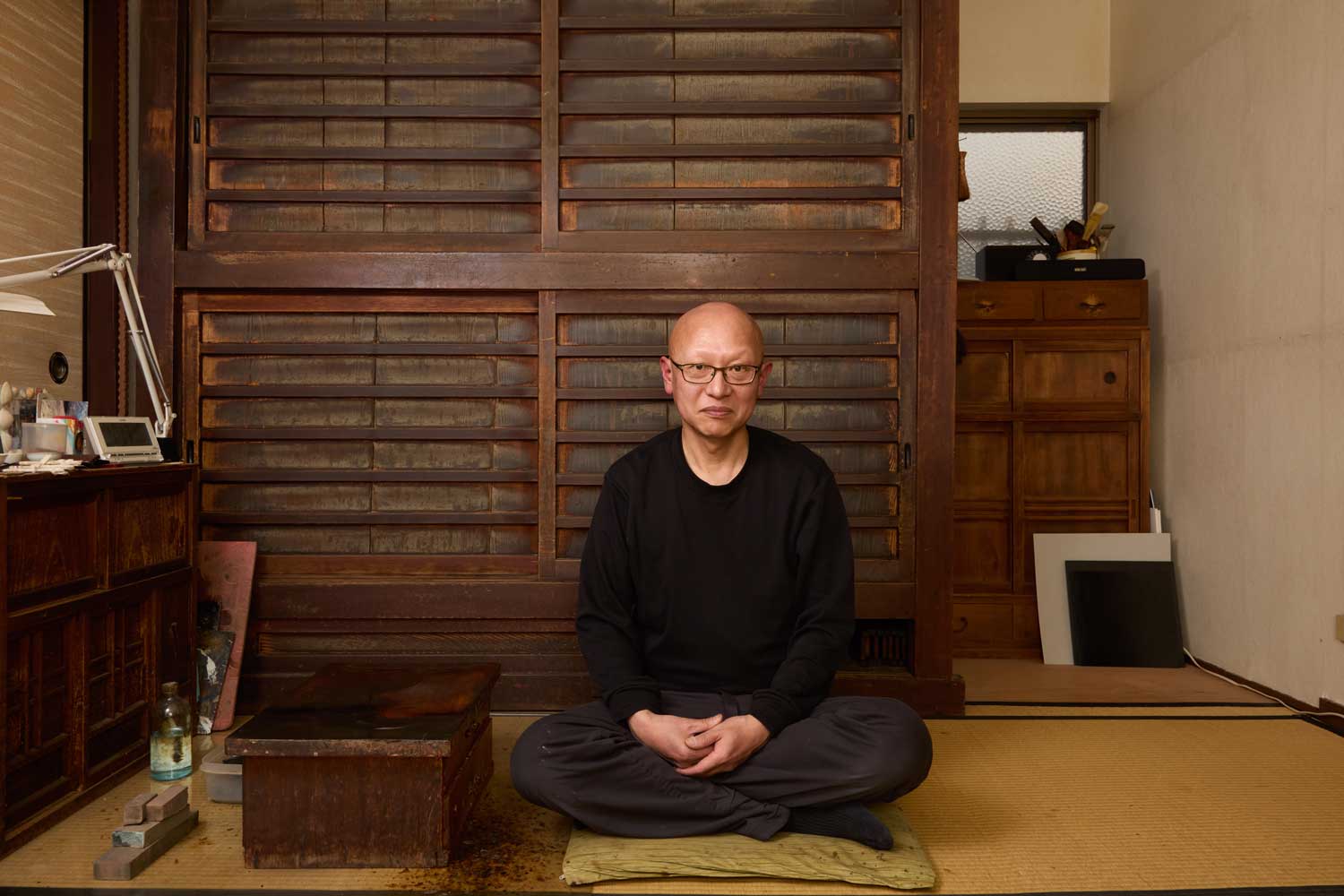
Keikou Nishimura III
Lacquerer
Kyoto, Japan
Connecting all living things through urushi
- Keikou explores themes of transformation by crafting traditional lacquered works
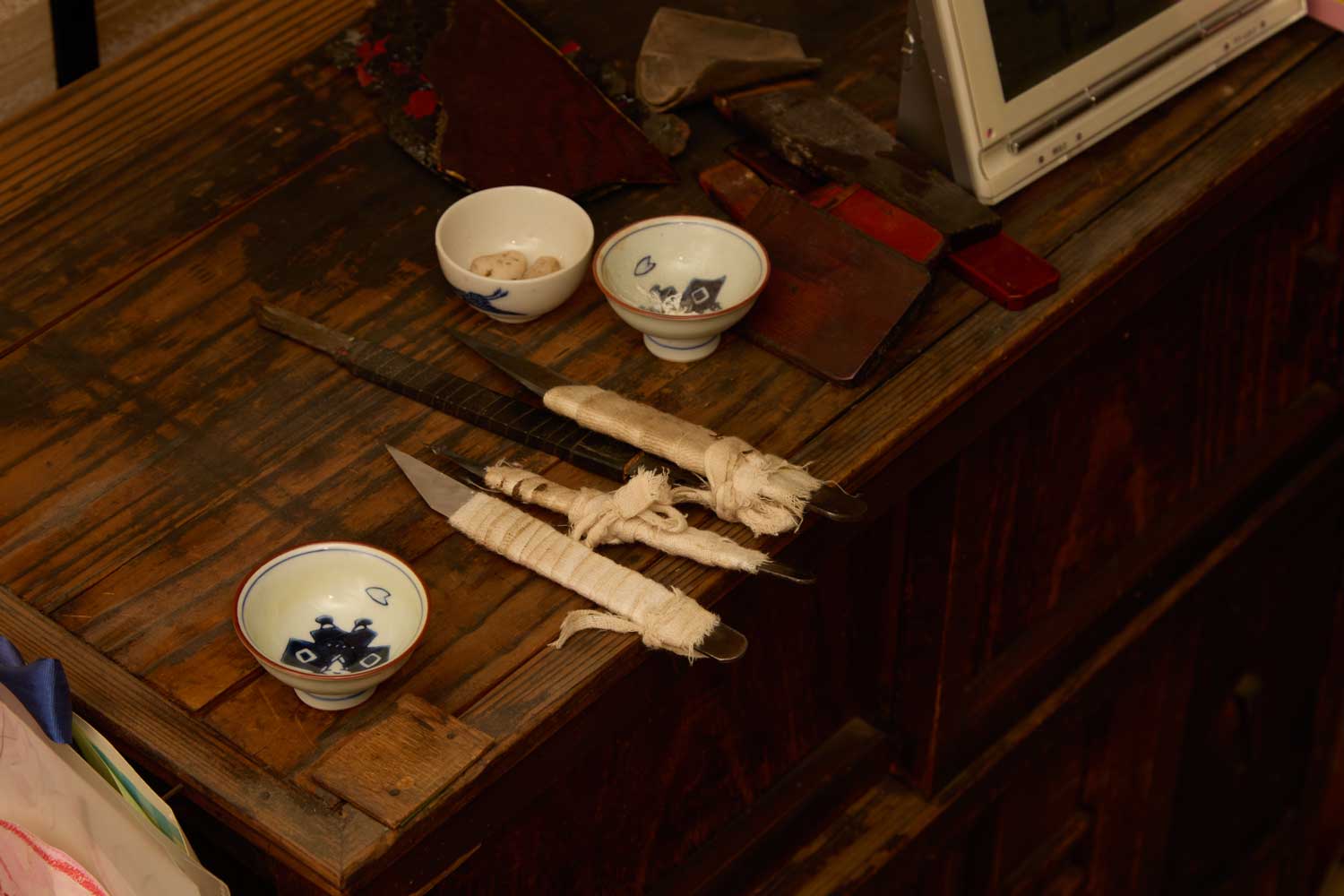
- He also works on ancient objects, that, once restored, are said to last for another 500 to 600 years
- In 2013, he received the Traditional Craftsman honour from the Association for the Promotion of Traditional Craft Industries
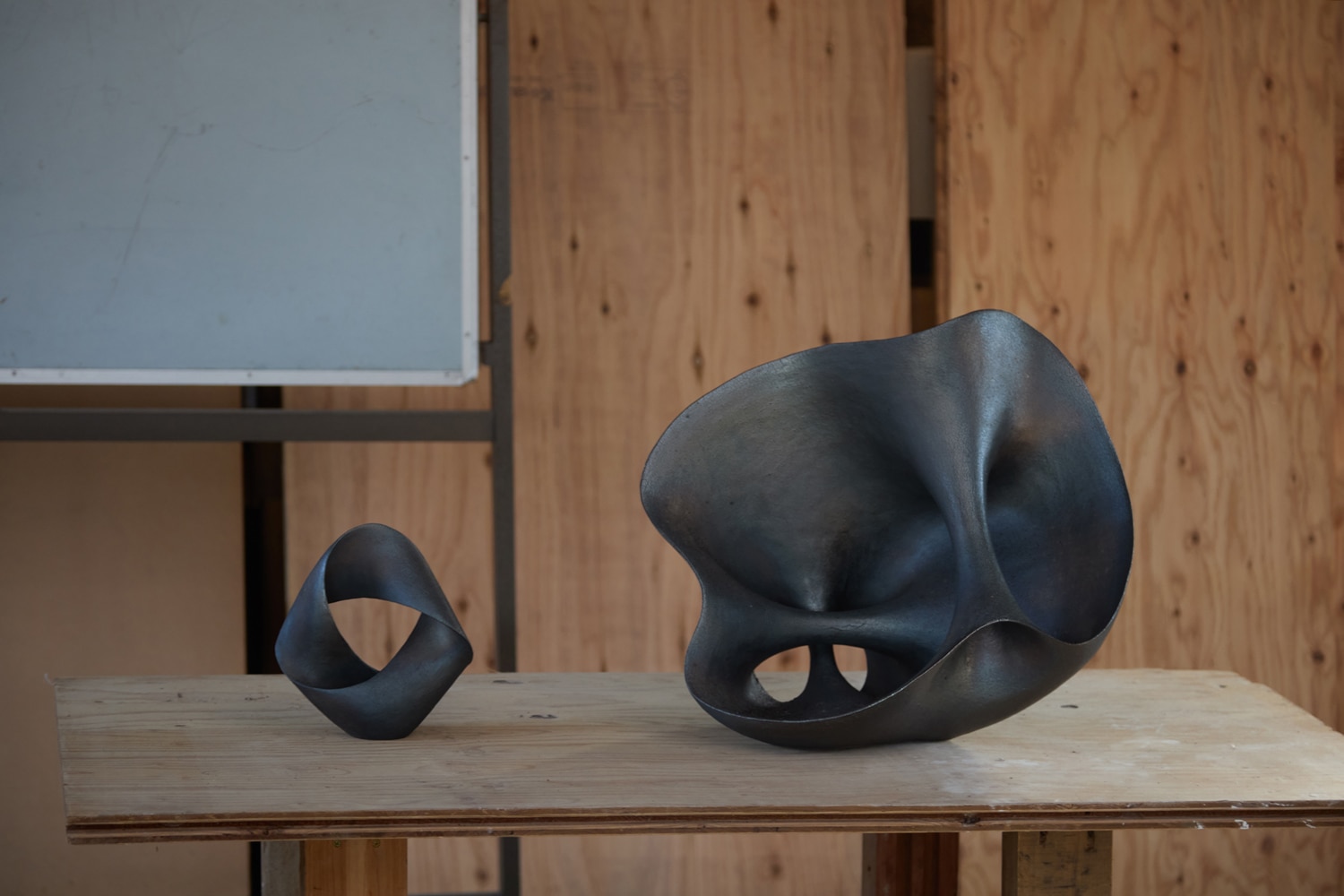
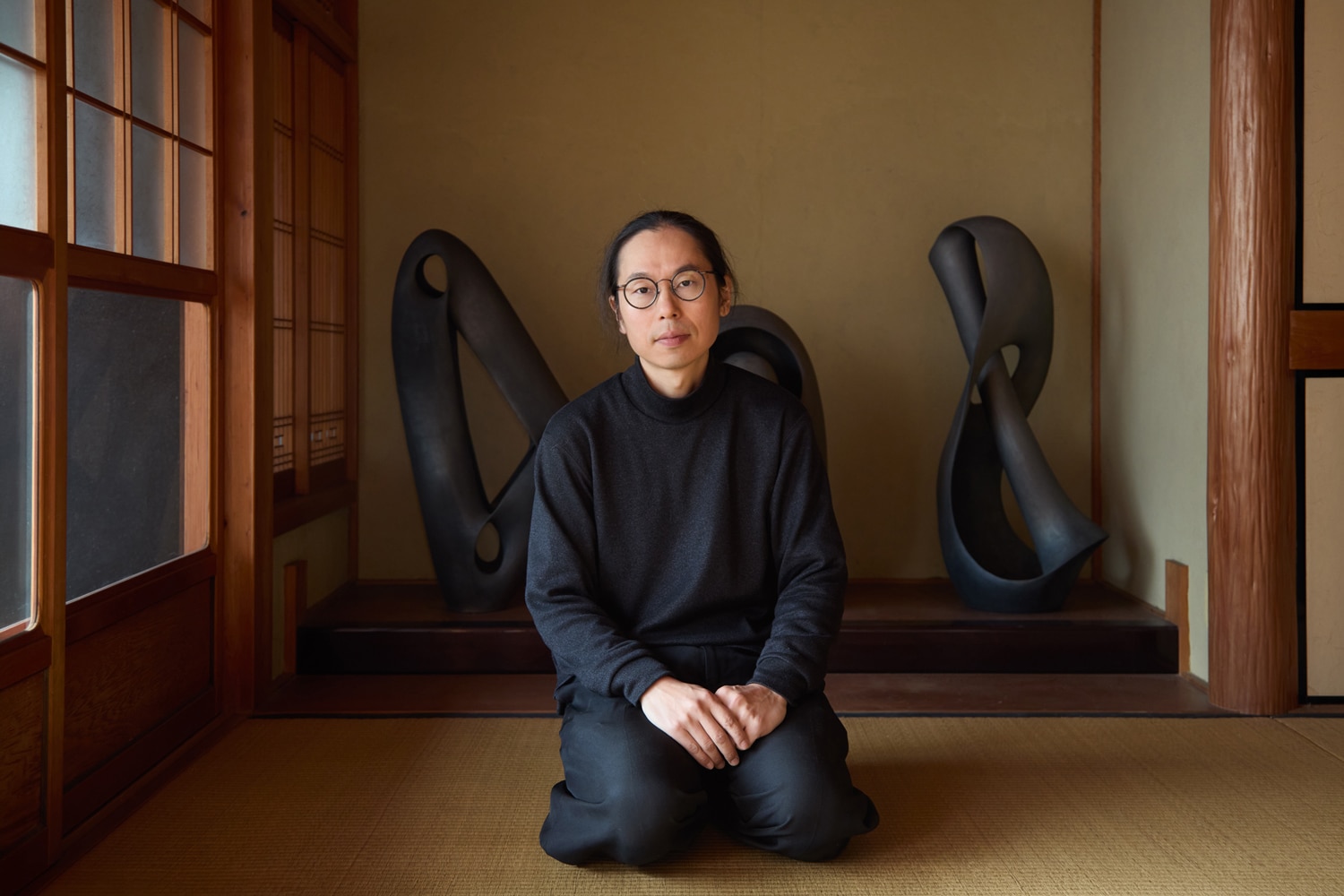
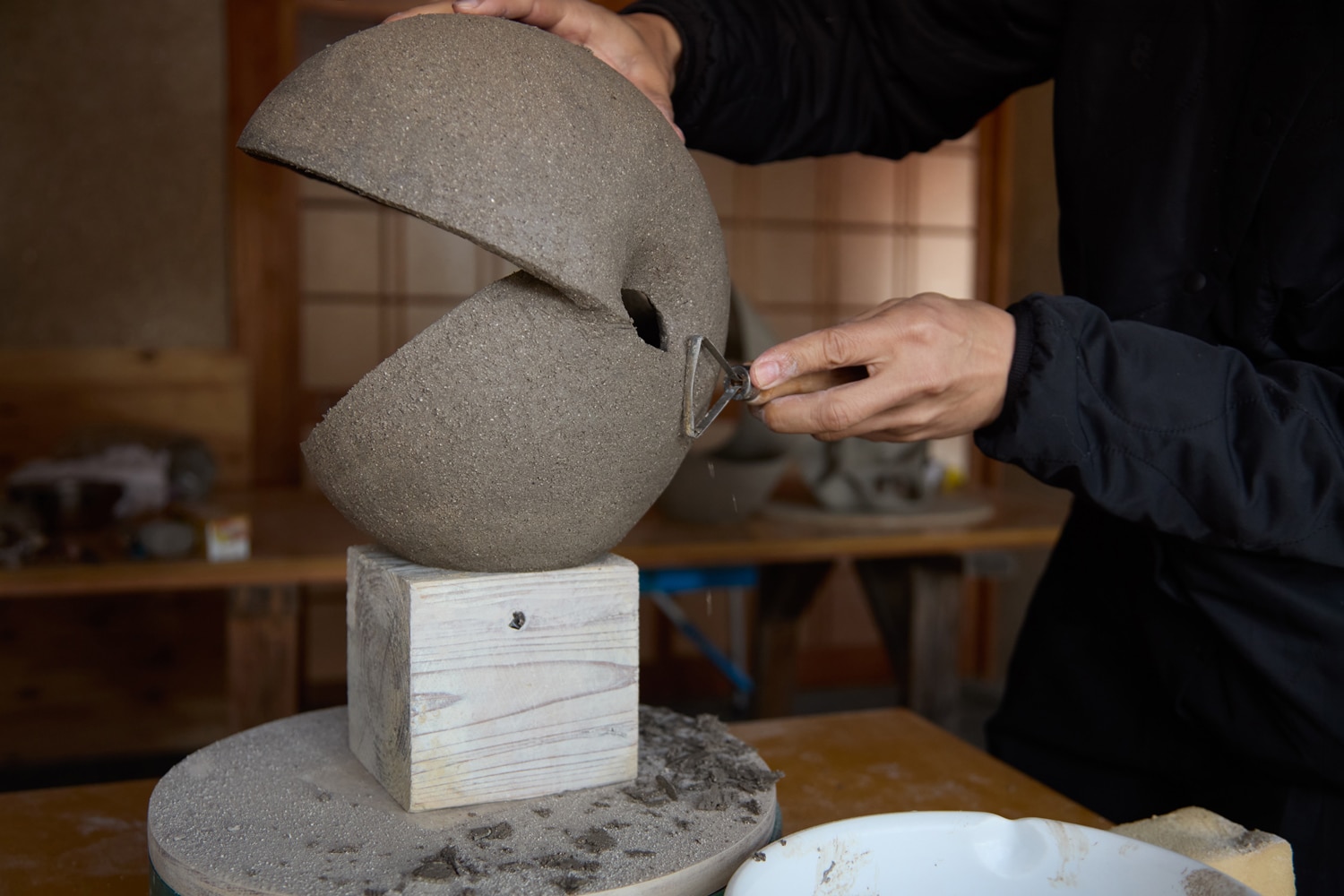
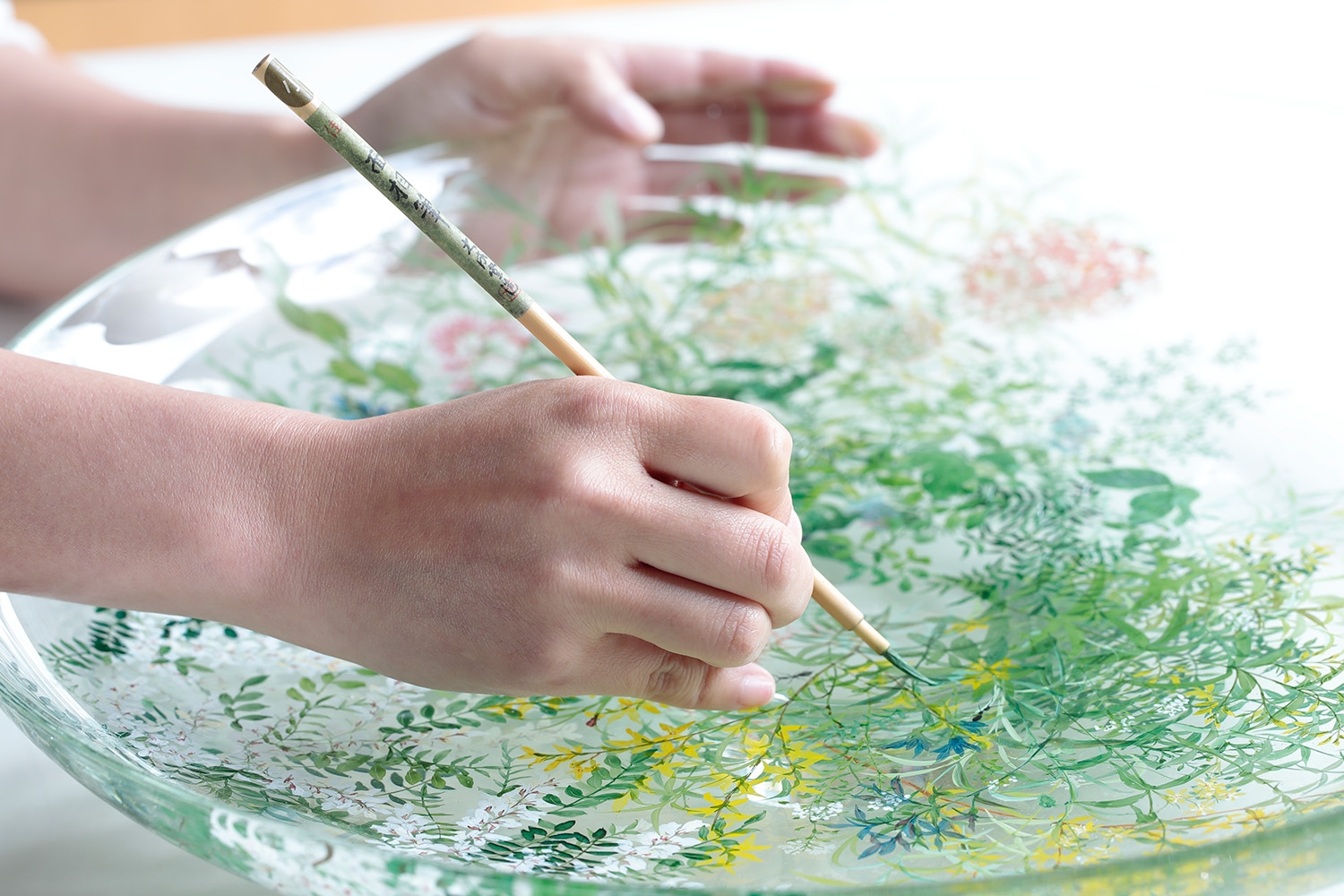
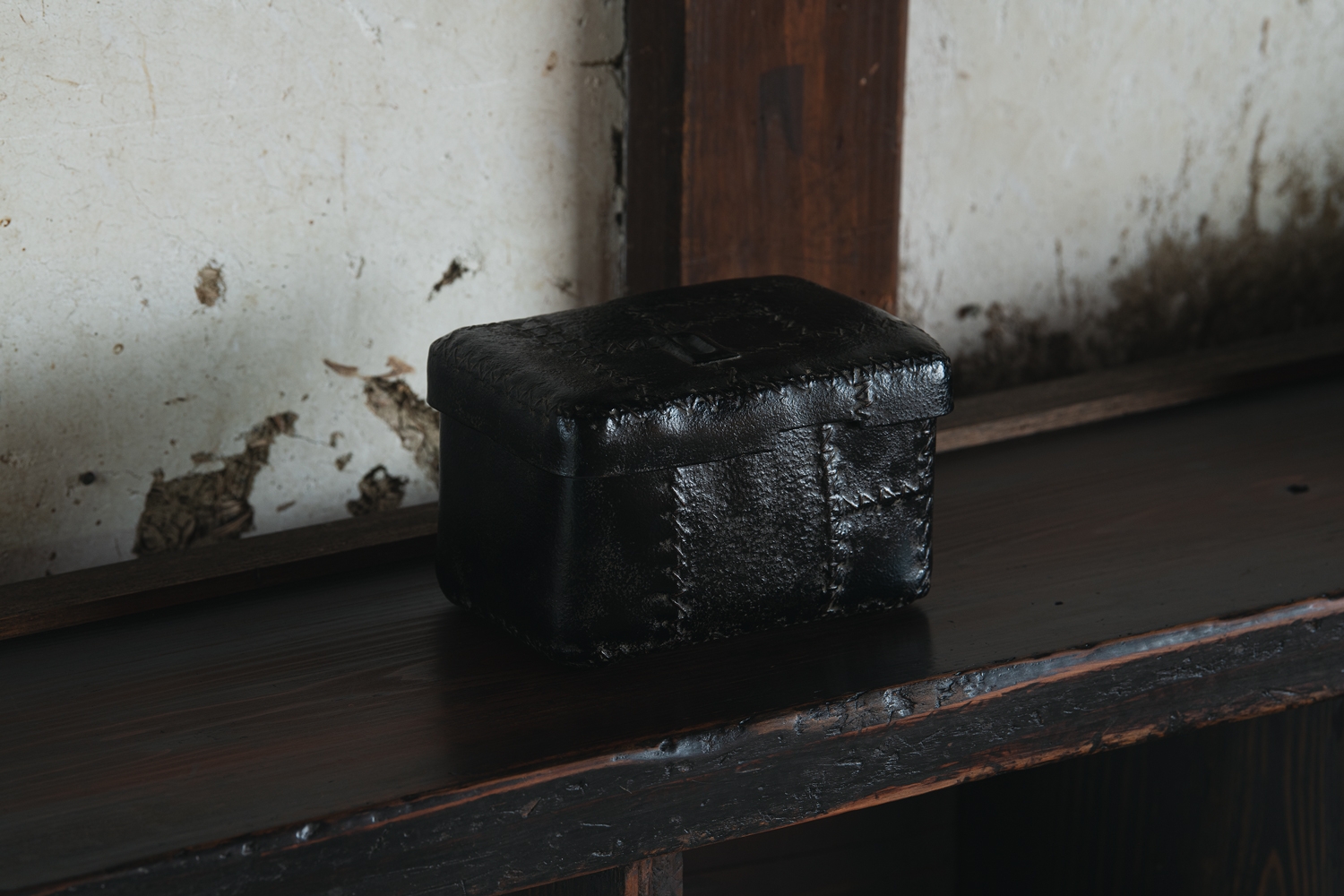
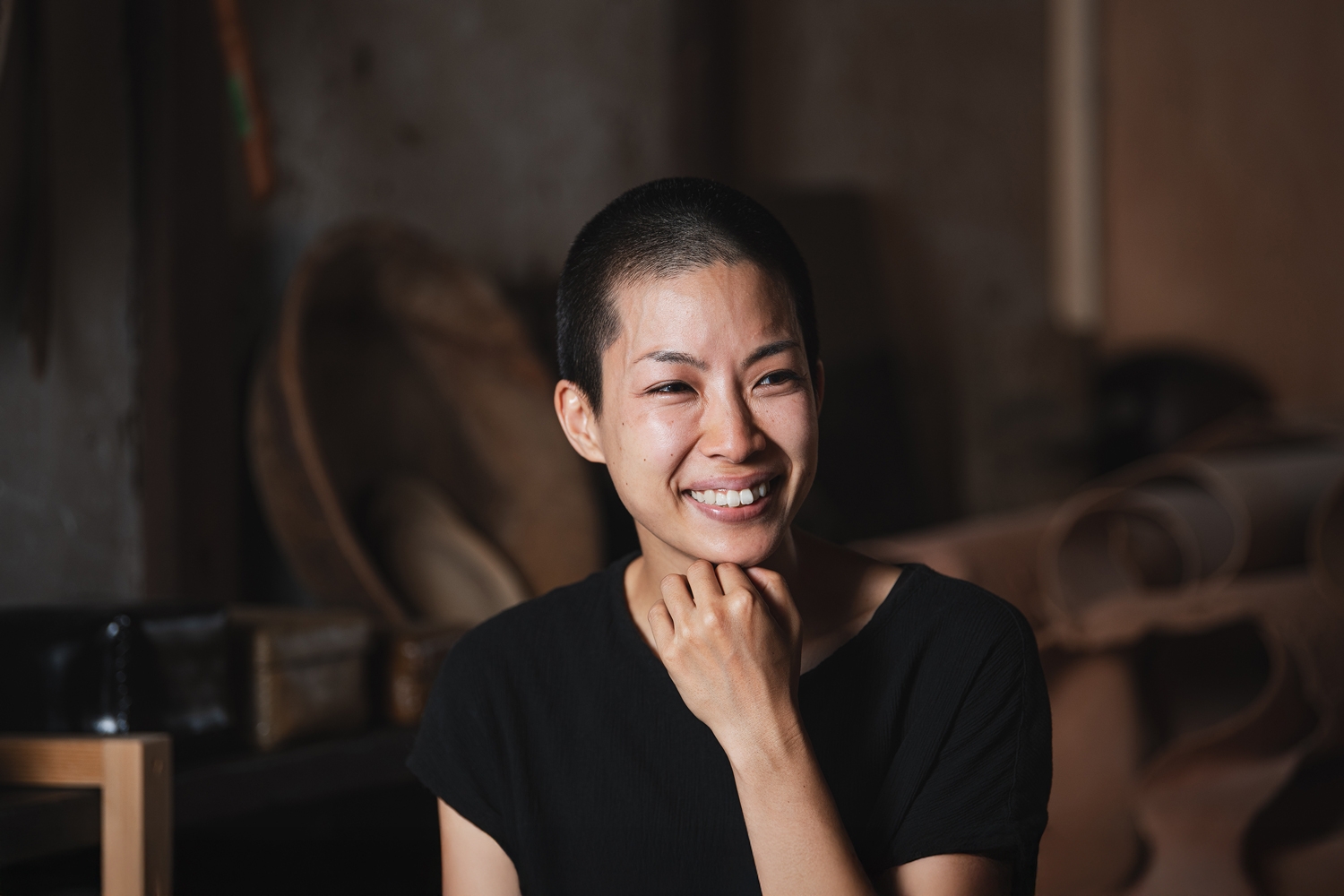
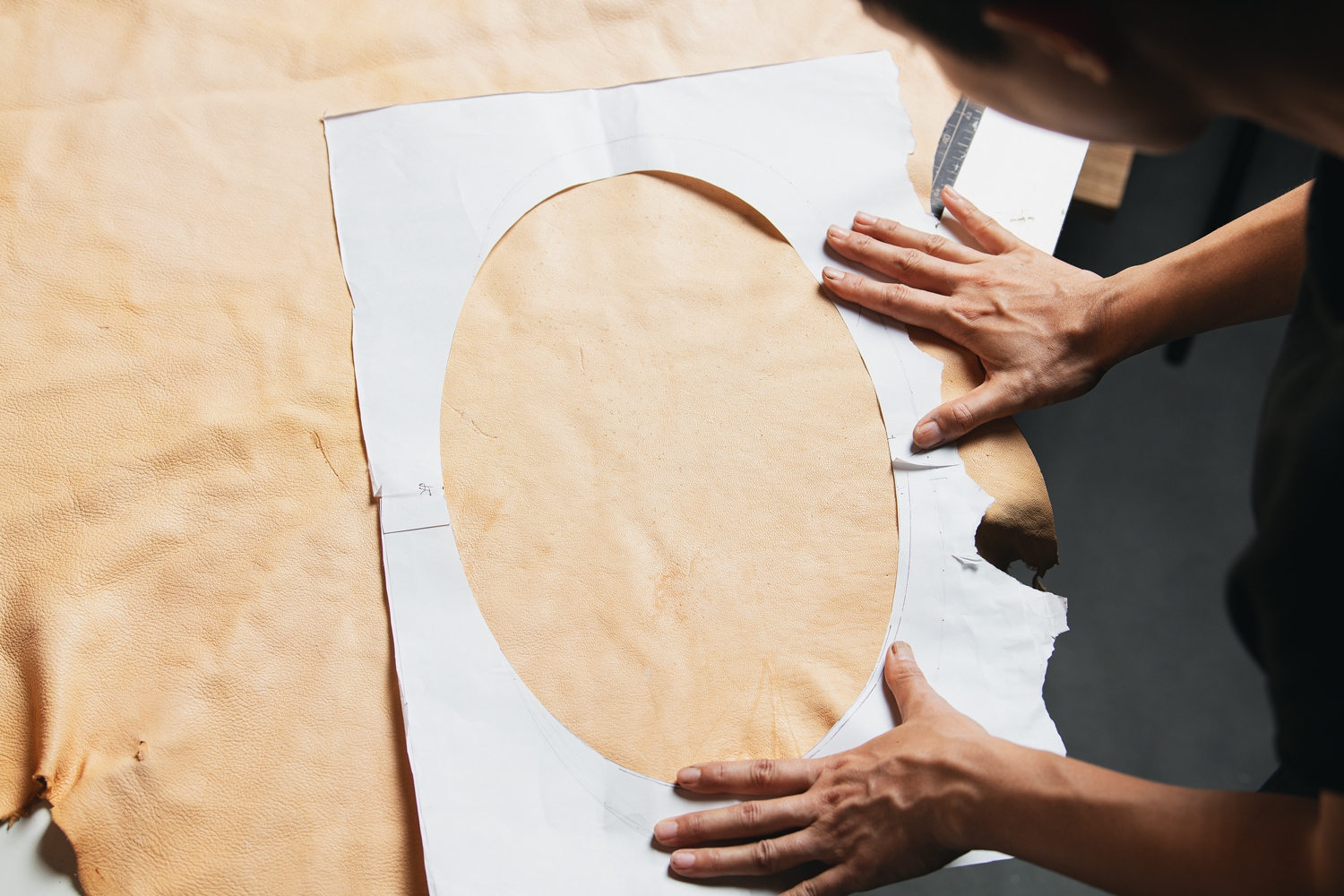
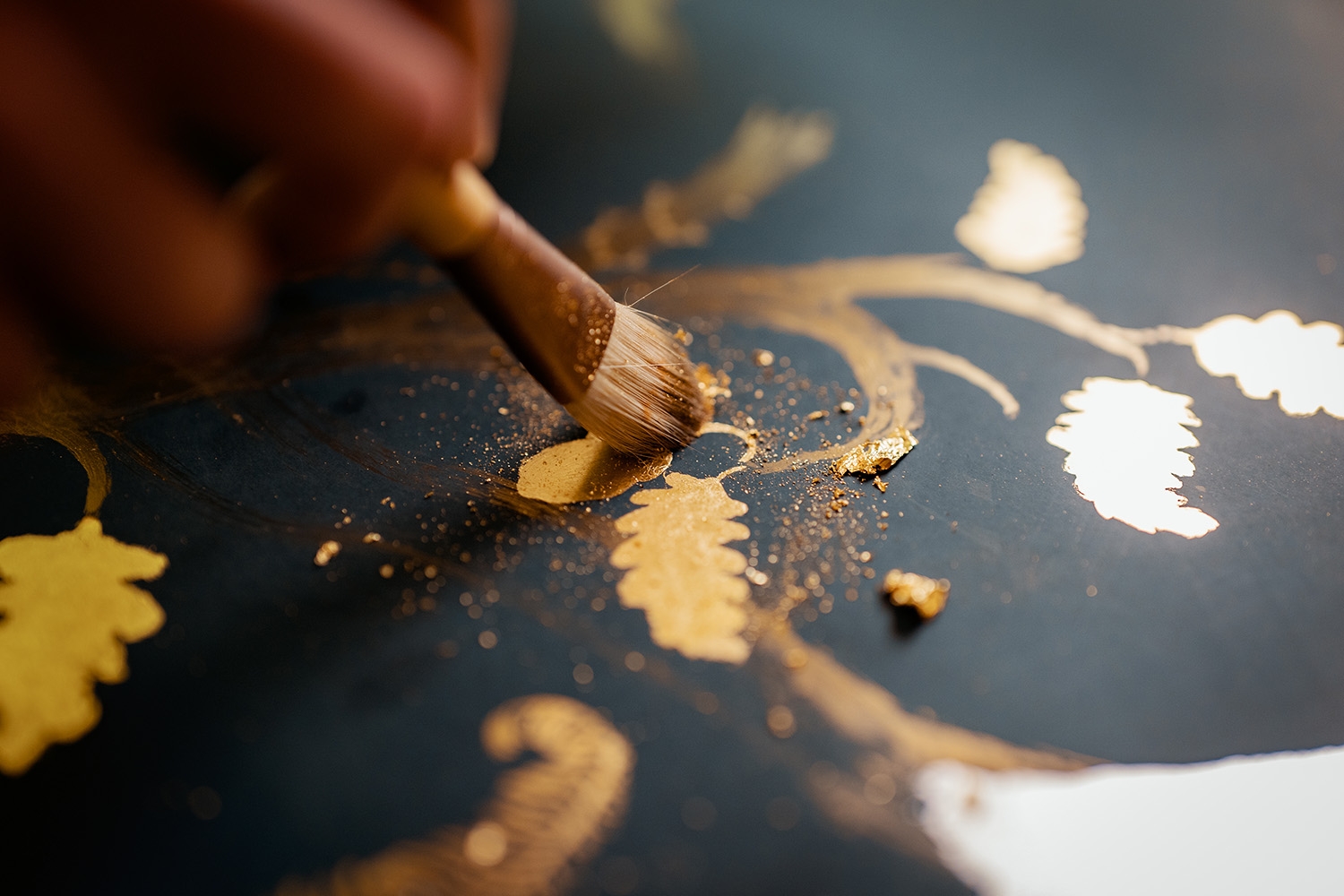
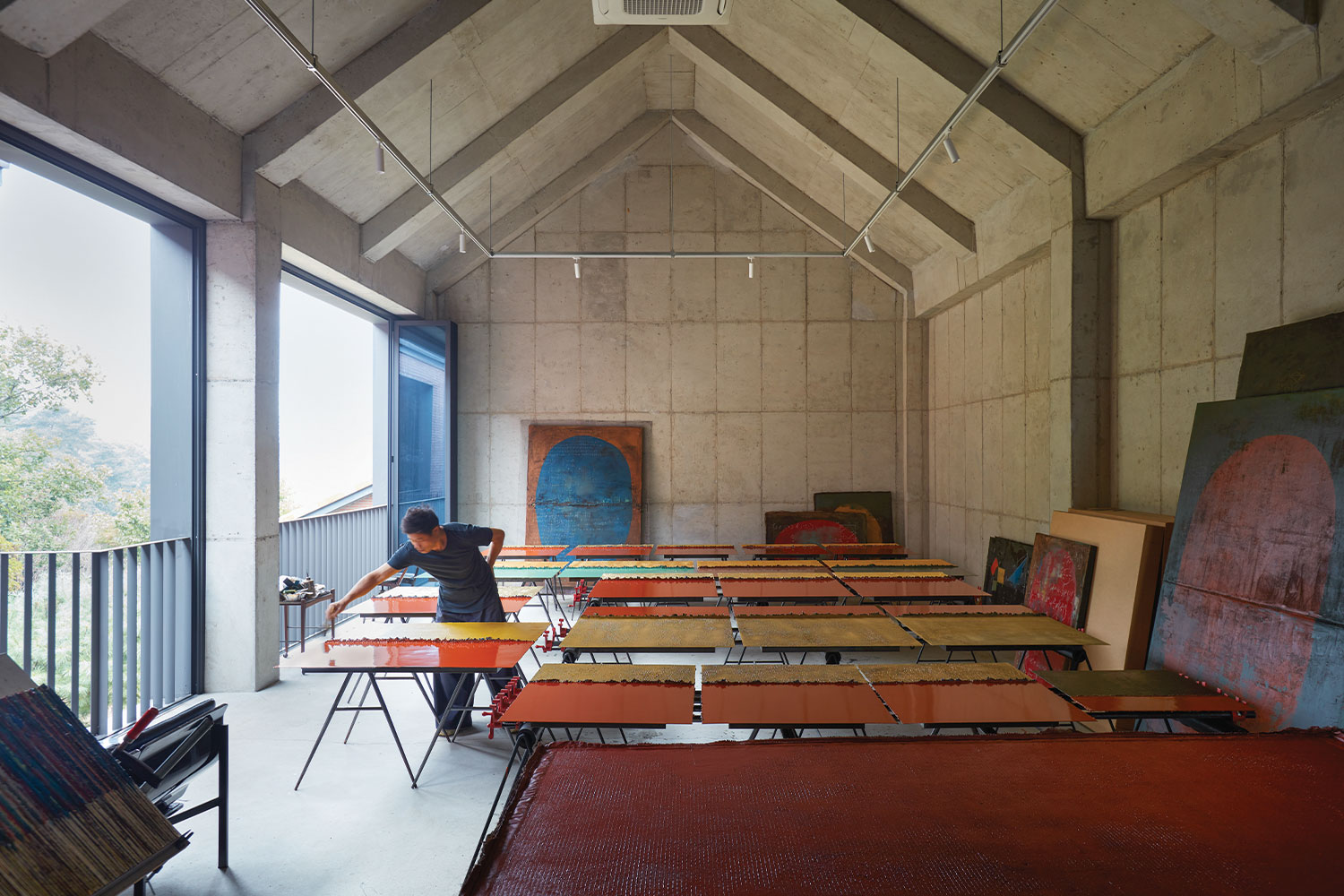
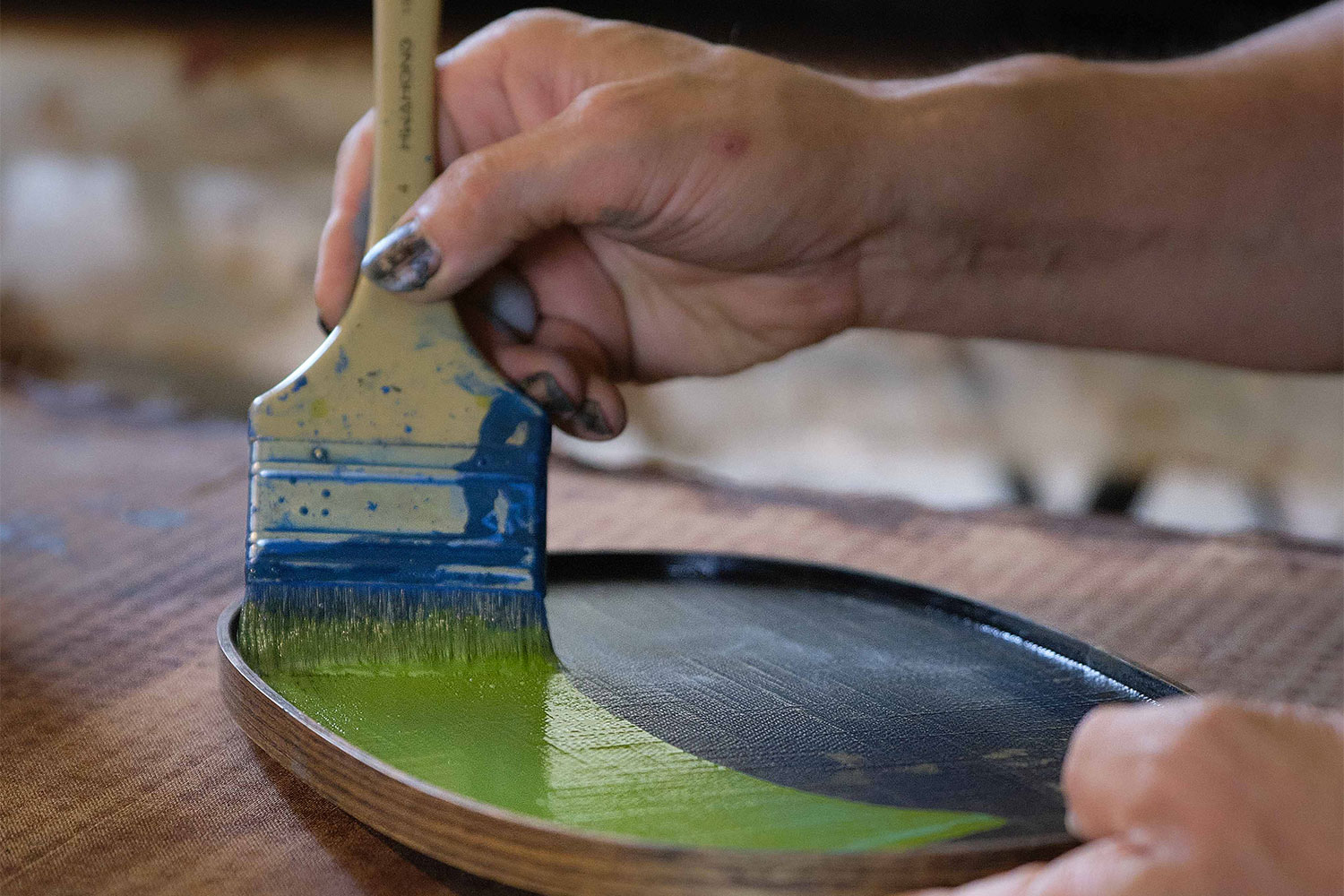
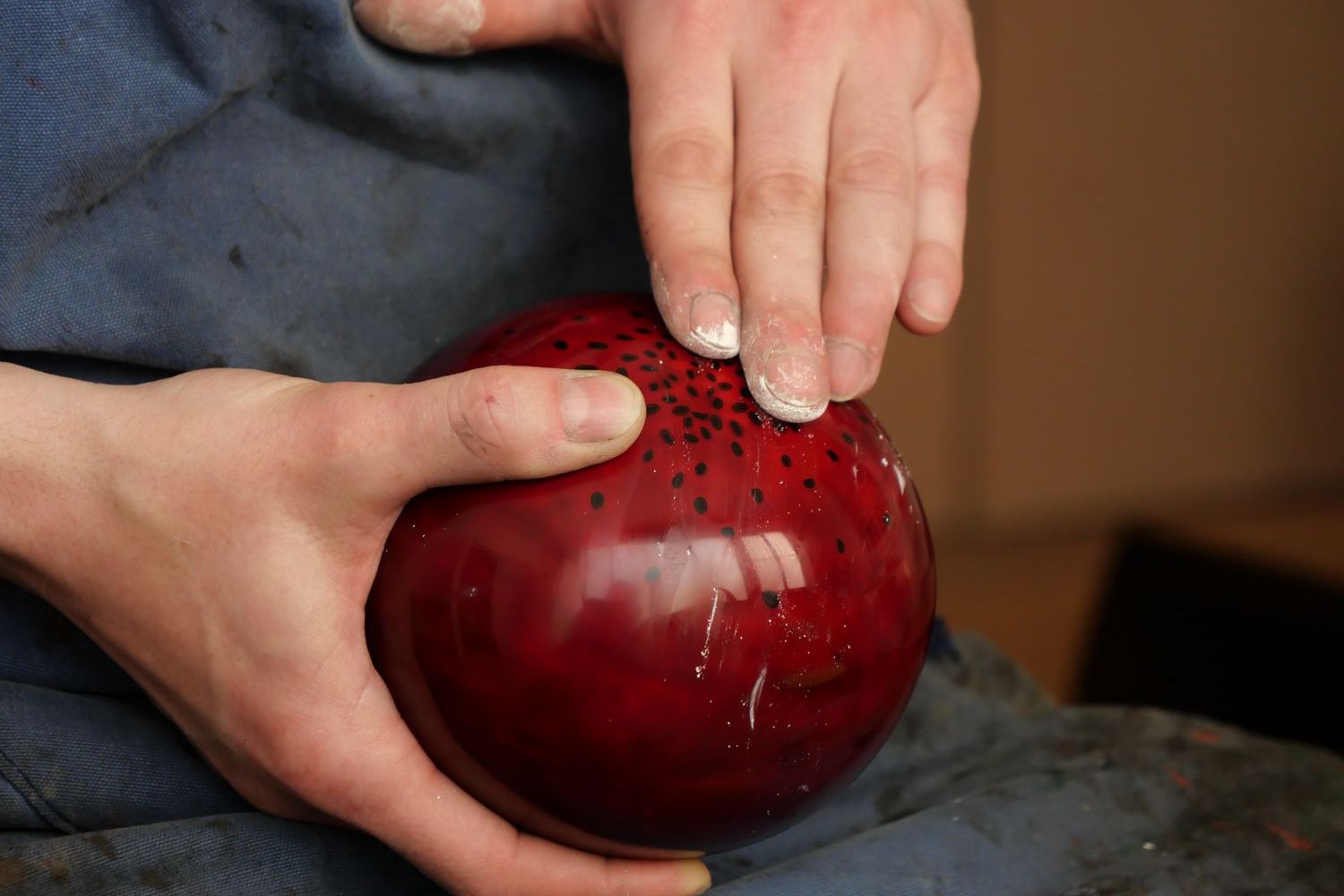
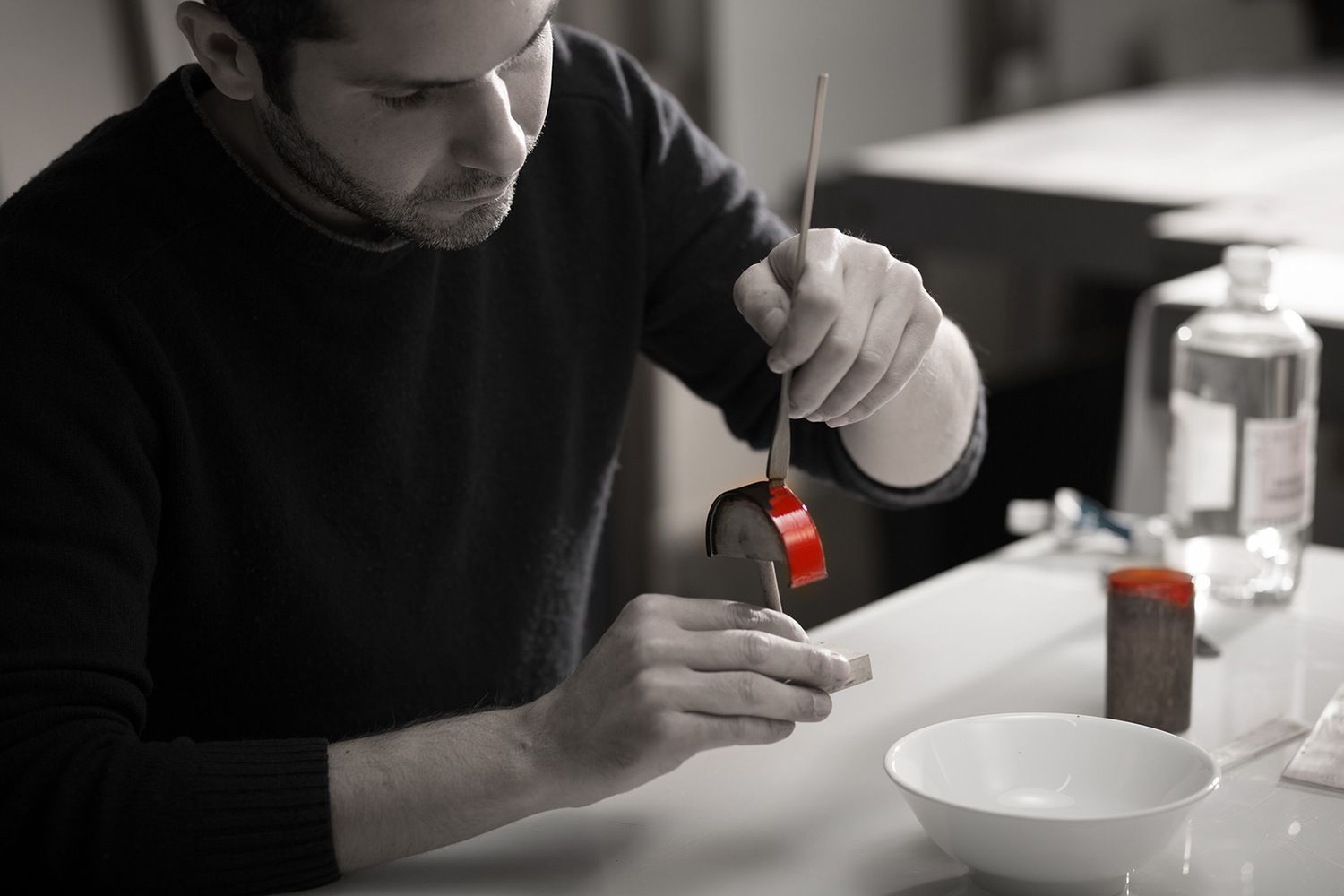
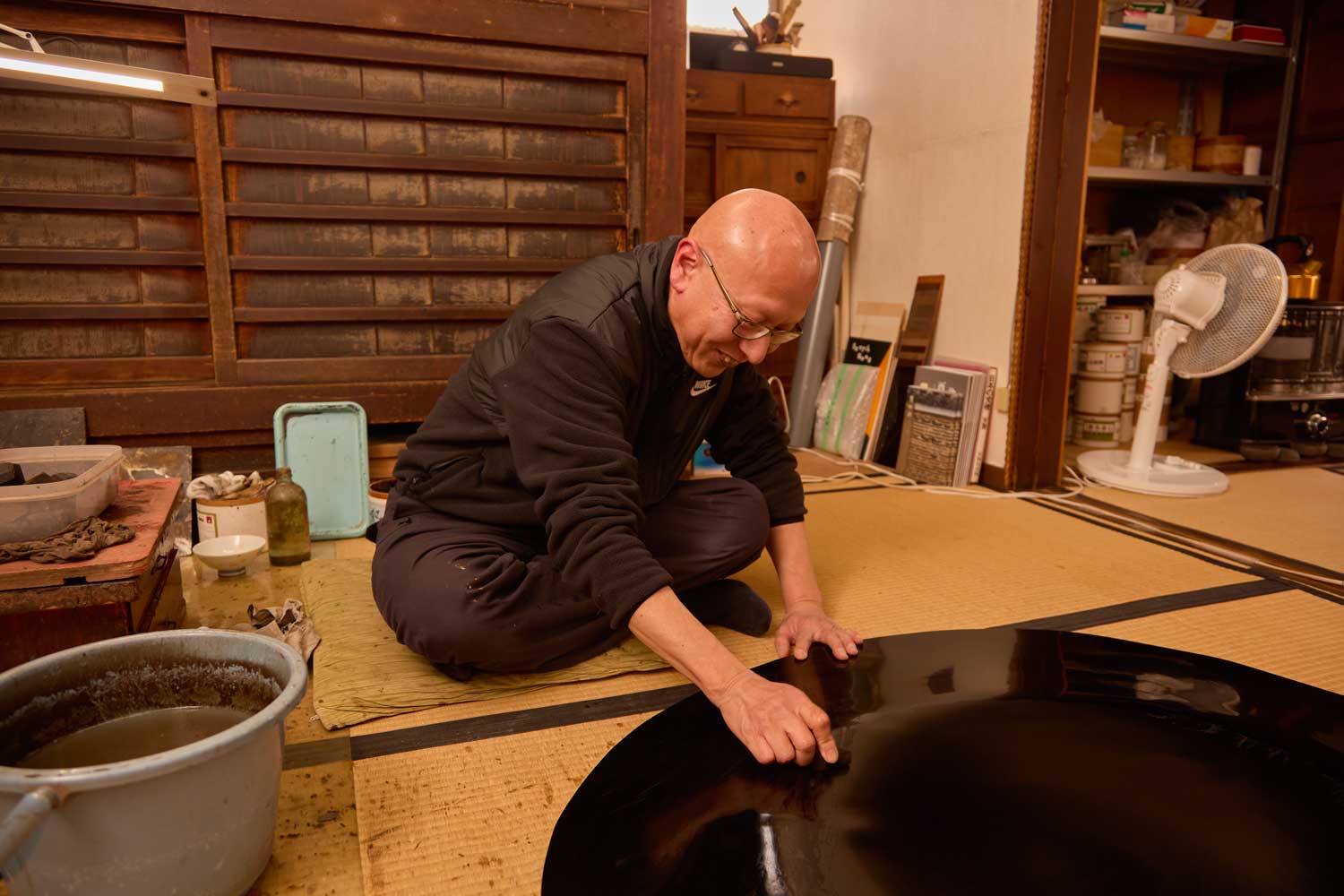
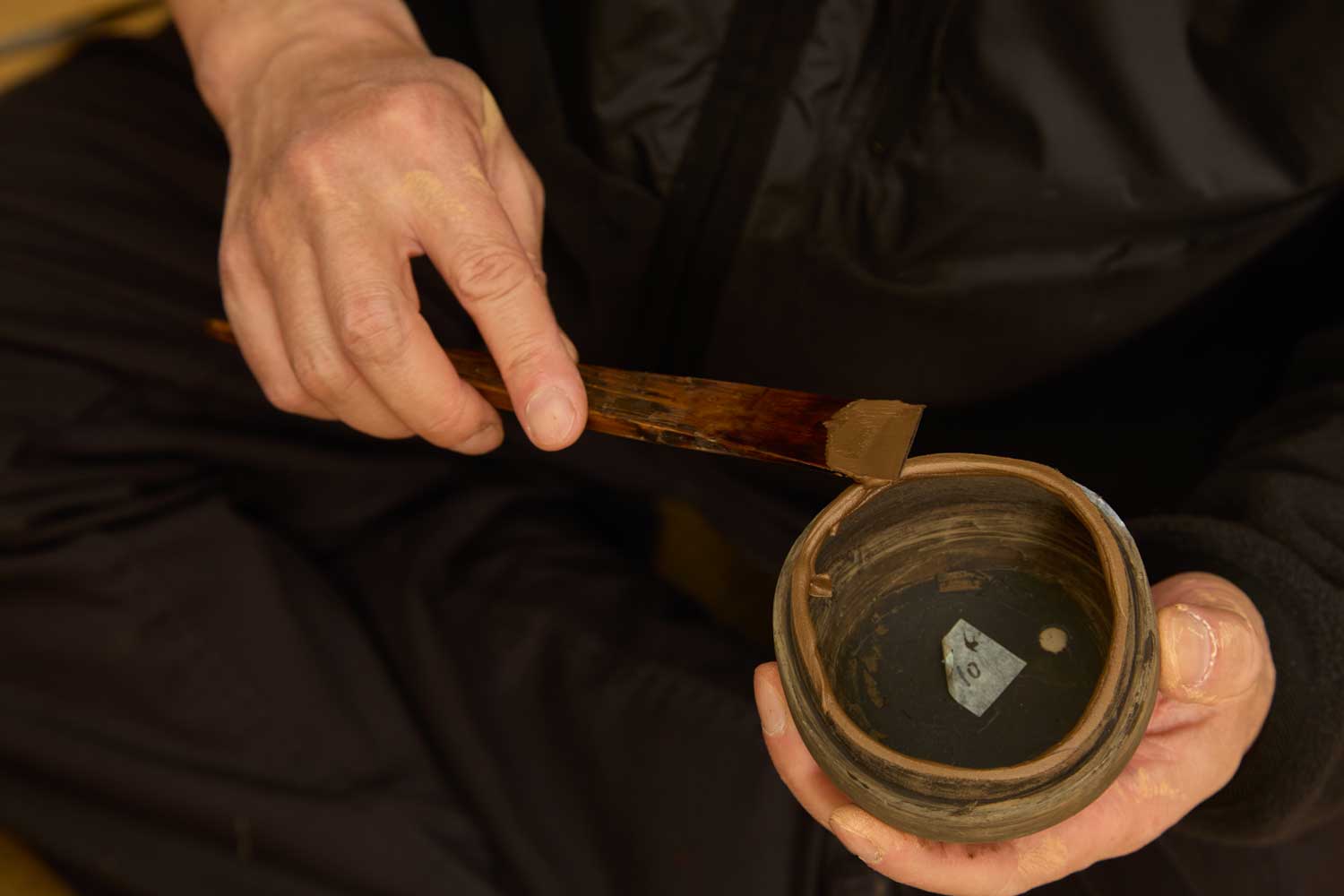
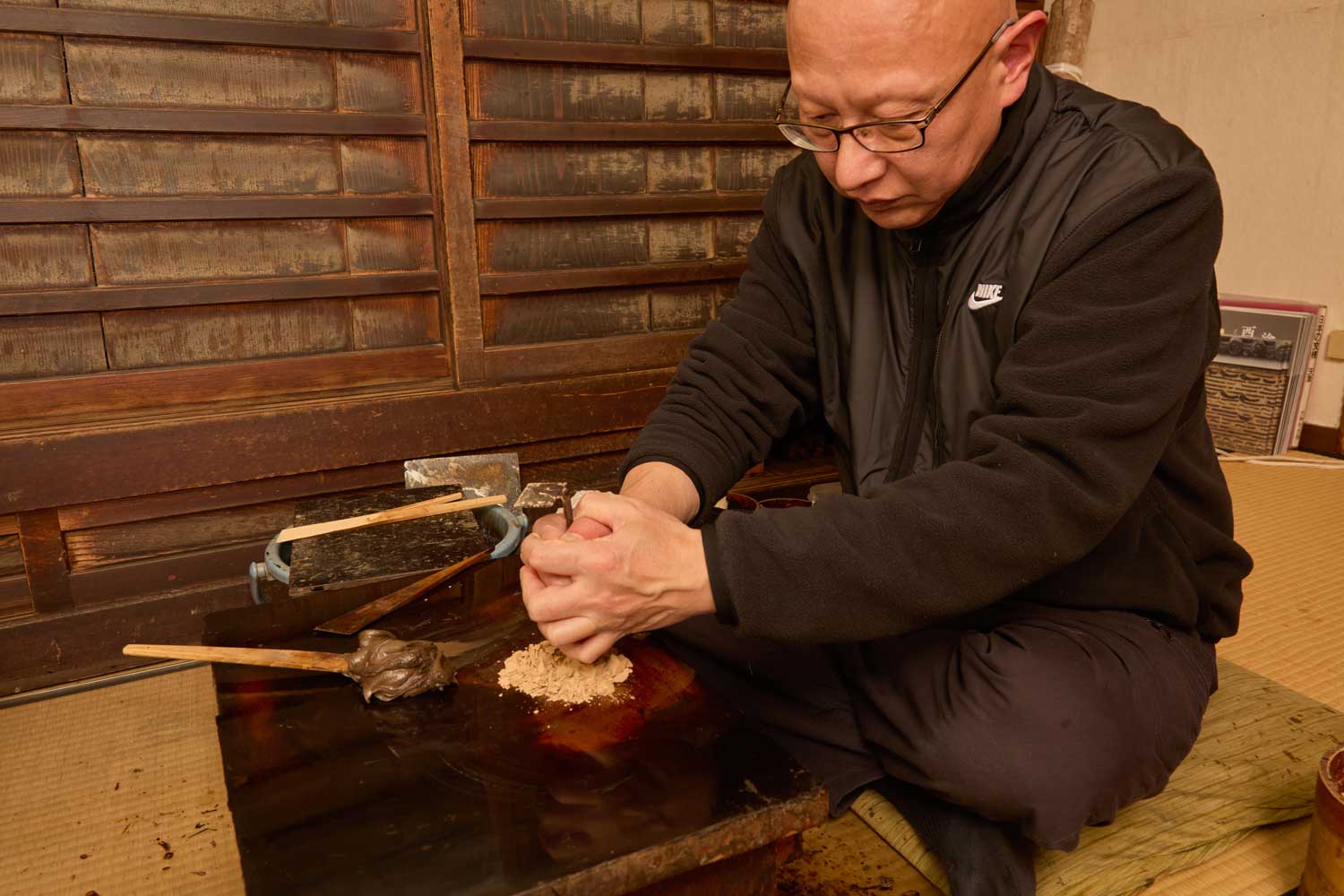
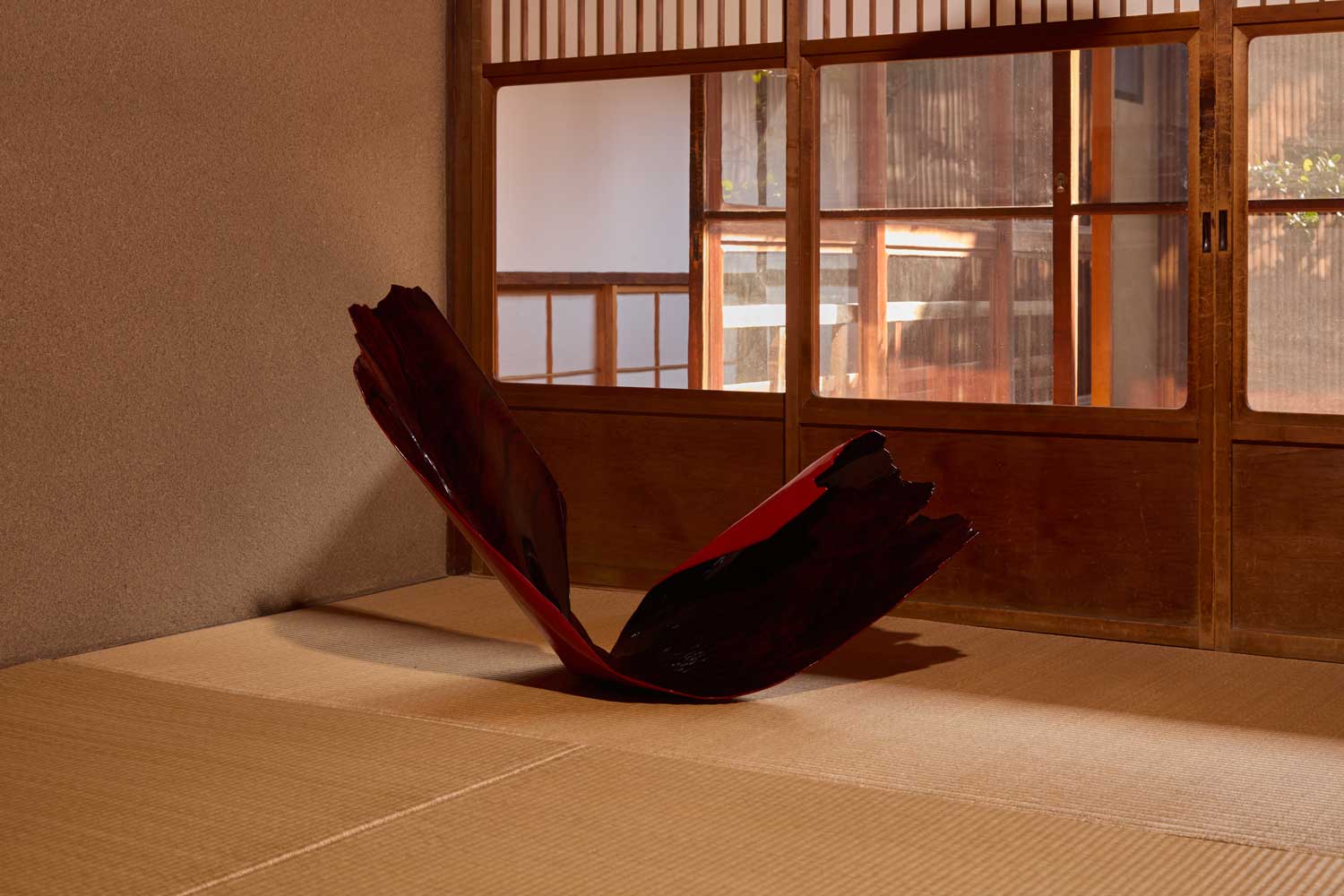
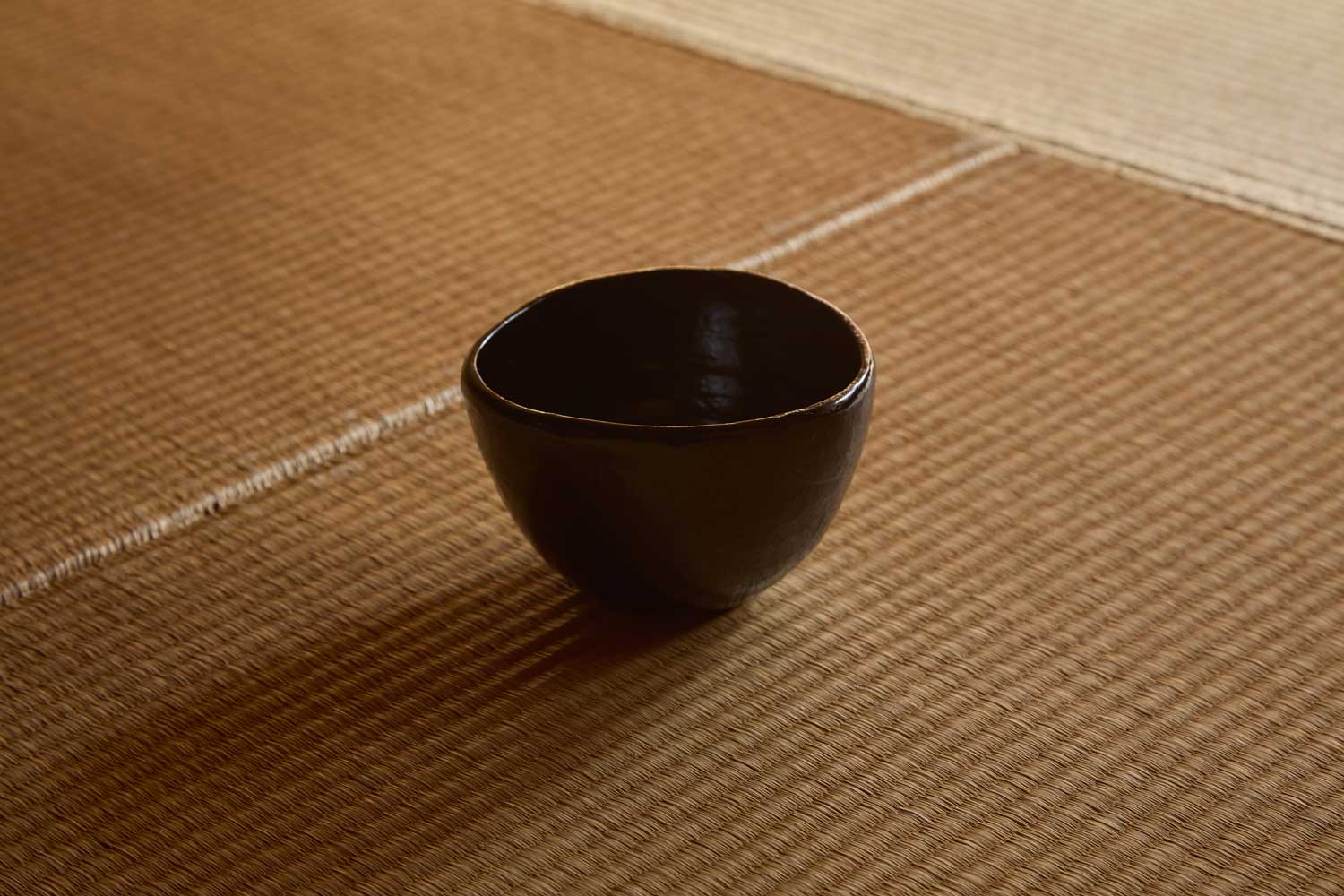
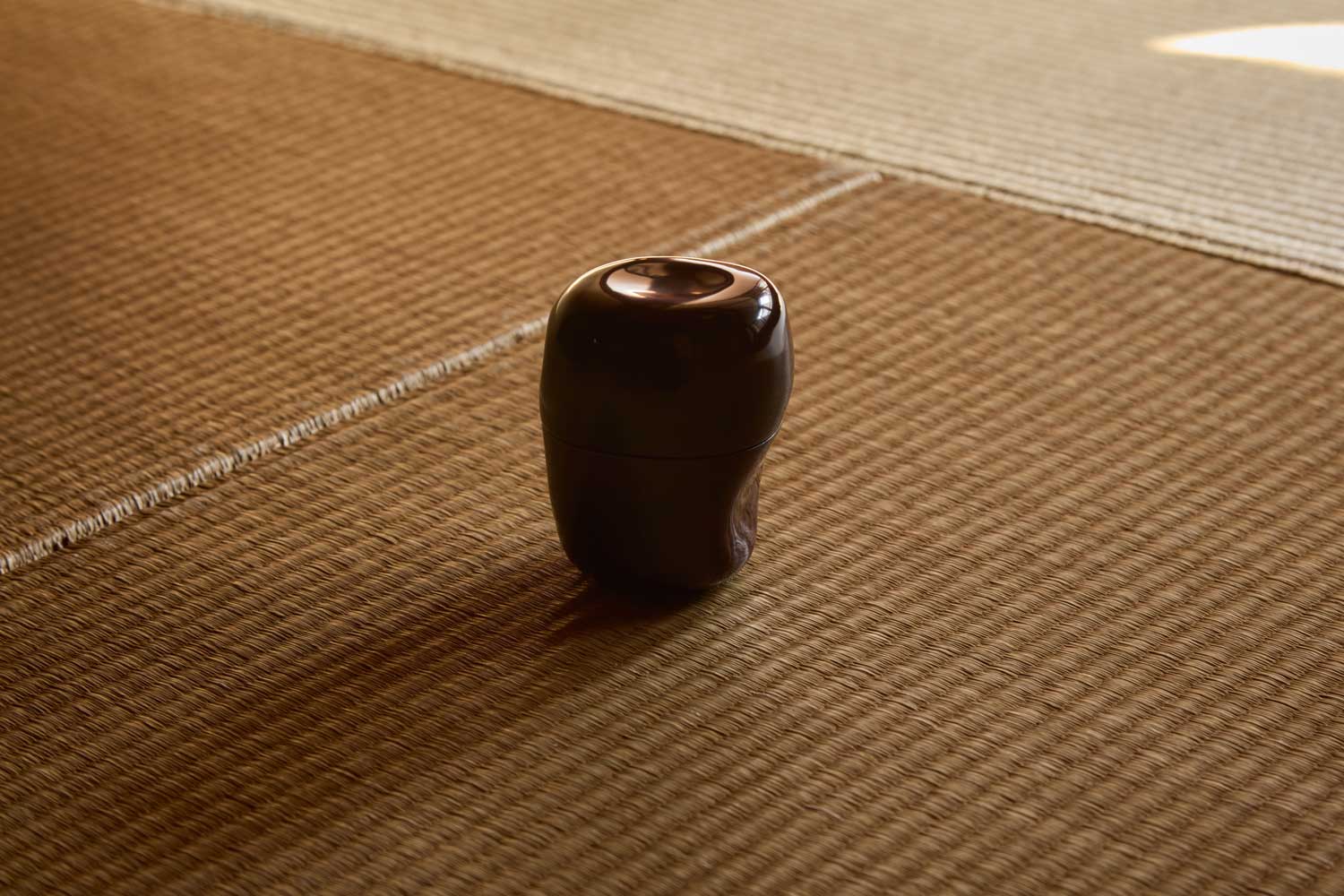
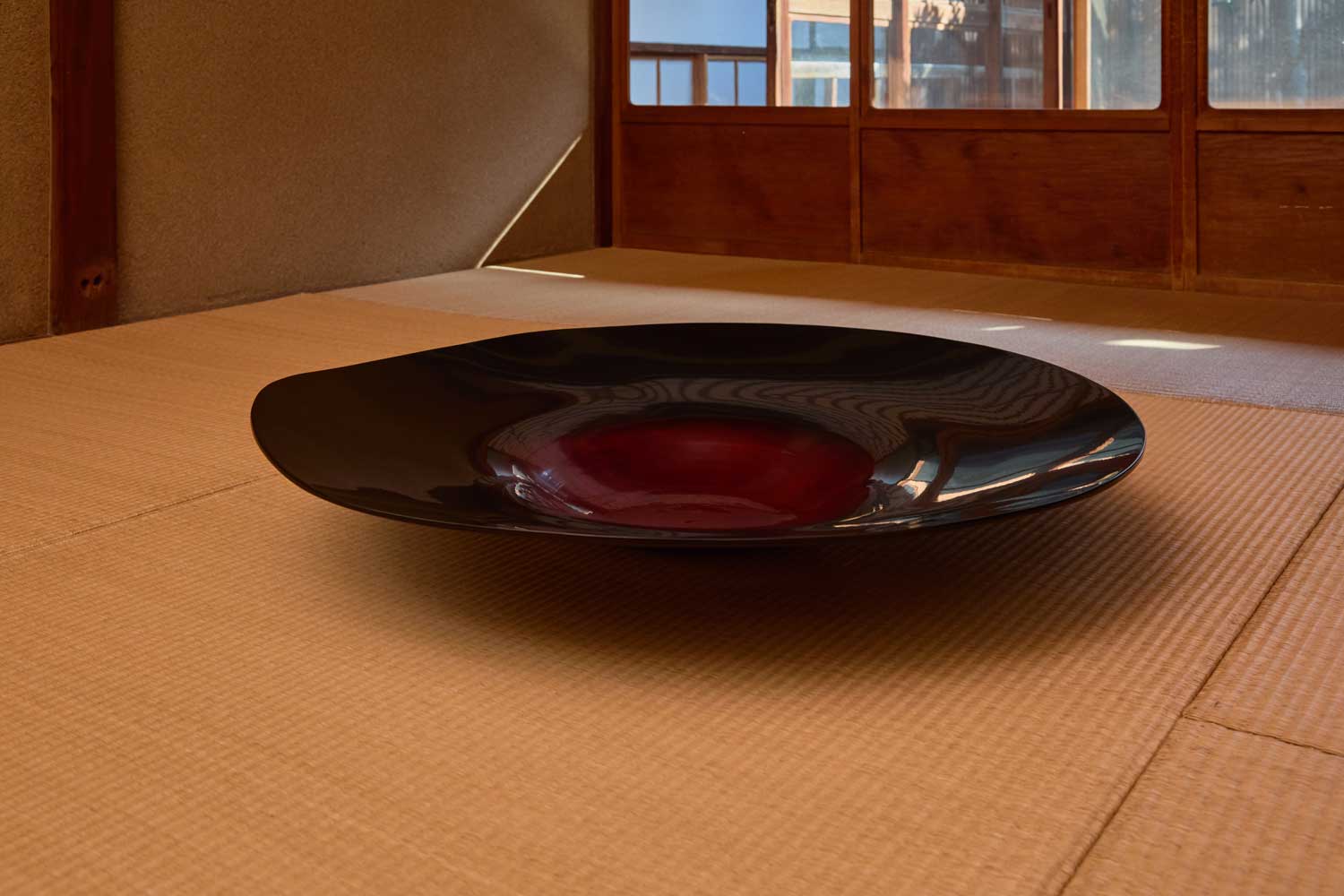
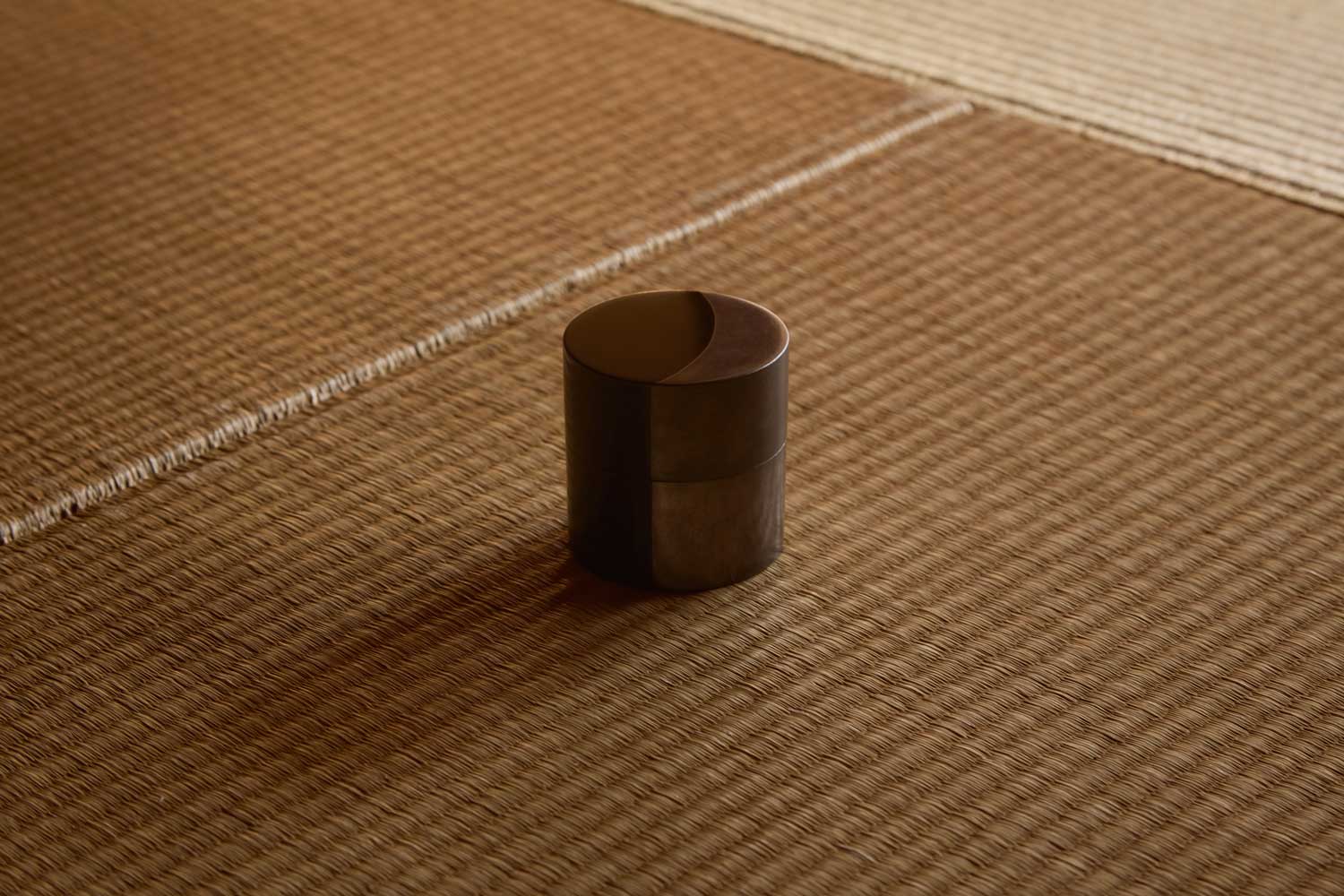
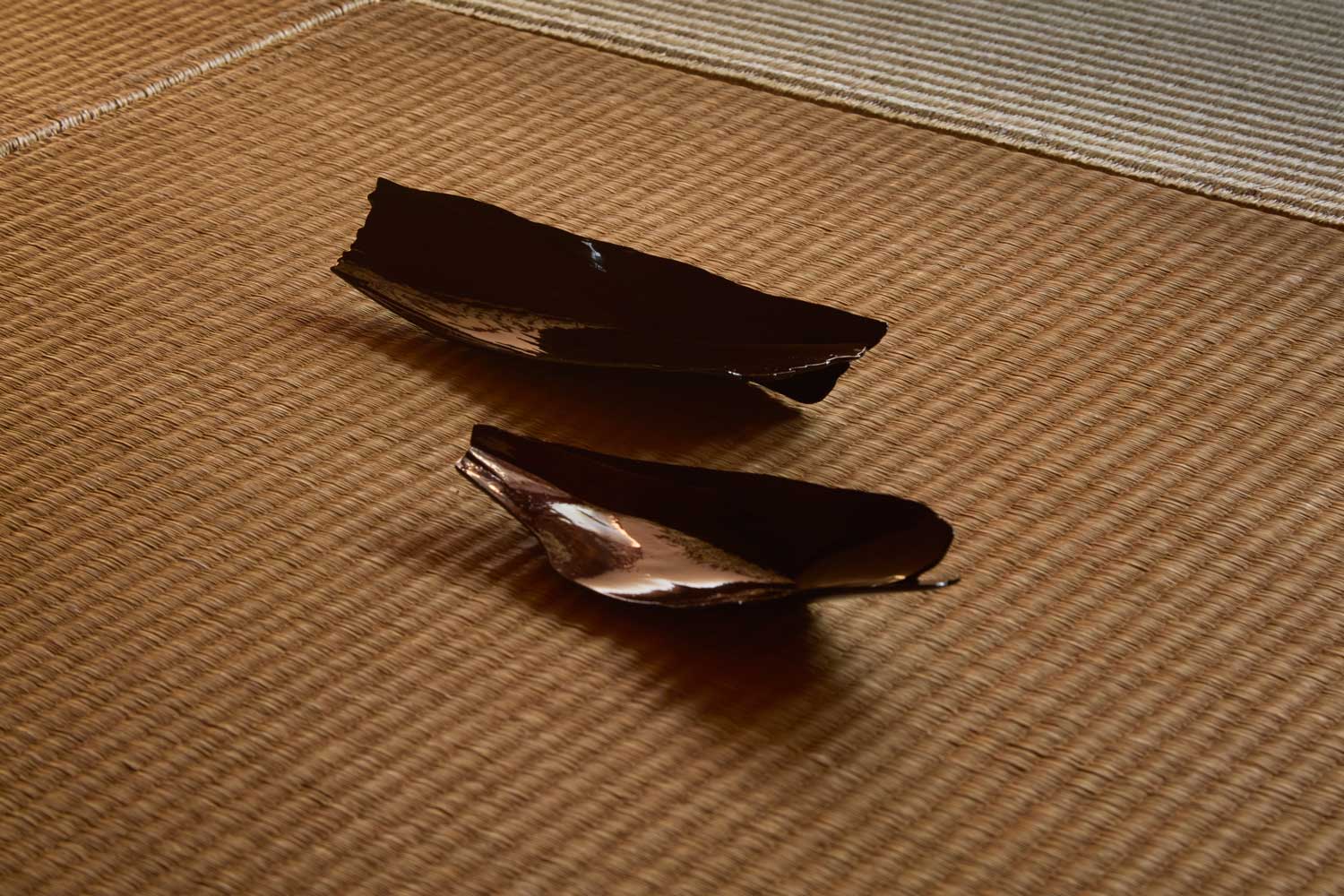
Born as the first son in a family of lacquerers in Kyoto, Keikou Nishimura followed in the footsteps of his father, becoming the third generation of the lineage. After graduating from the lacquer division at Dohda Arts High School, Keikou entered apprenticeship under Masaya Suzuki III. Today, he handcrafts tea ceremony utensils, often aiming to achieve the thinnest wood base possible with Japanese Zelkova wood. "I will typically apply 14 layers of lacquer to the wood, to create the remarkable depth and beauty unique to lacquerware," says Keikou. Combining multiple techniques, his large-scale works take the form of vessels with irregular, organic shapes. Their centres seem to draw the viewer inward, mirroring the idea that humanity itself is part of a greater universe and that urushi belongs to a vast natural cycle.
INTERVIEW
Lacquer has been used across Asia since humanity first began inventing tools. People planted urushi trees, cultivated them, harvested their sap, and applied it back onto wood, working in a cycle. Even when the Industrial Revolution arrived in Asia about 10,000 years later, slightly later than elsewhere, lacquer working miraculously survived, unshaken.
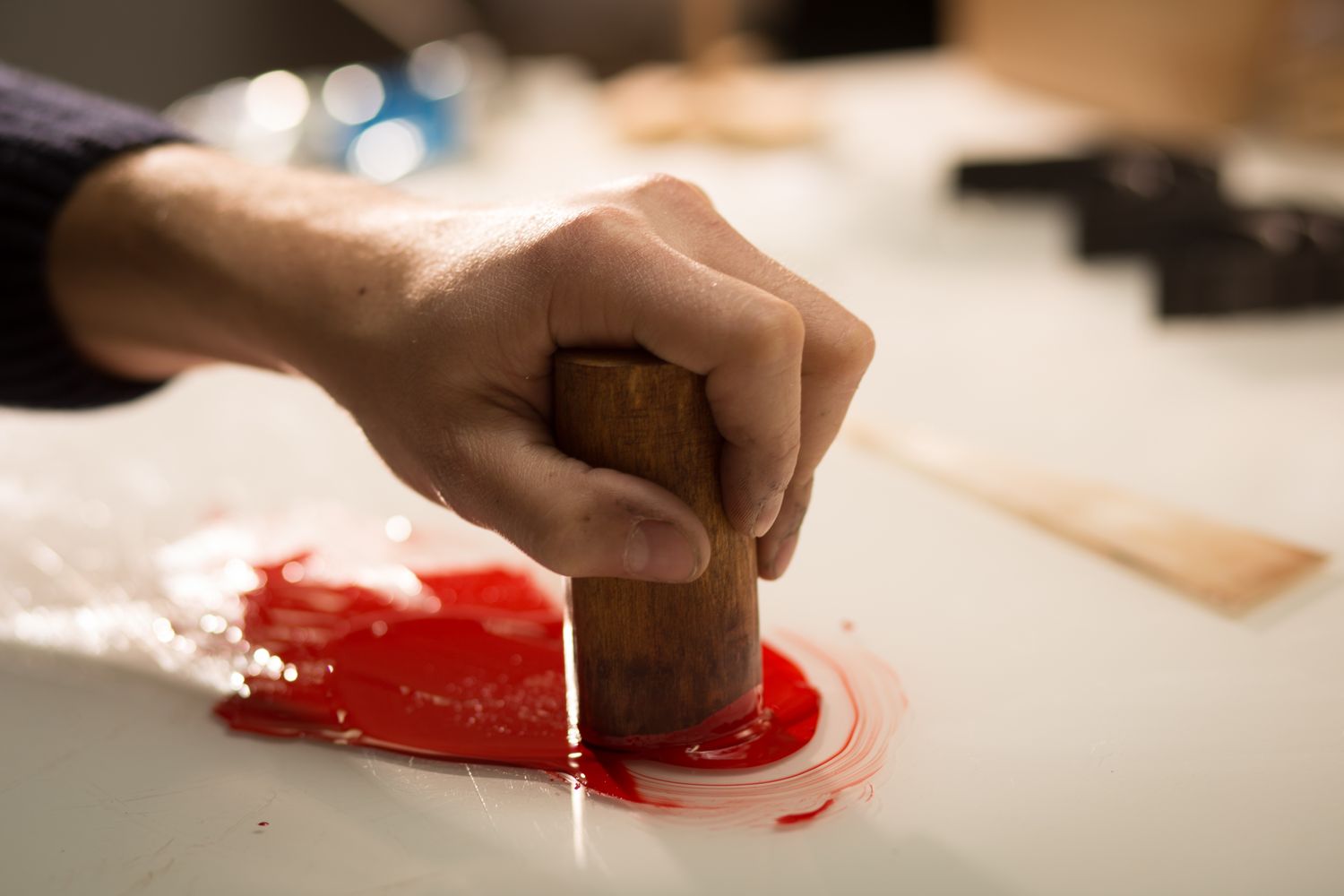
The process of lacquering involves materials made entirely from natural sources. I want people to know that urushi is a material for the future: one that does not rely on petroleum.
My 2016 solo exhibition at Imura Art Gallery first led me to work at a larger scale. Encouraged by gallery owner Imura Yūzō to push my irregular tawame dishes beyond their usual size, I created three 80 cm pieces for the show. That exhibition became the turning point that shifted my work from tableware into art.
I feel proud to have entered this great cycle and become a part of nature. When I work on my pieces, I try as much as possible to set aside my ego, and instead enter into dialogue with lacquer and wood as natural beings, respecting their individual character. In doing so, I feel as though I can shed my existence as one small human and entrust myself to a vast, cosmic cycle.
Keikou Nishimura III
Lacquerer
Kyoto, Japan
ADDRESS
Address upon request, Kyoto, Japan
AVAILABILITY
By appointment only
LANGUAGES
Japanese
Homo Faber Finds is a new service aiming to inspire admirers of craft to connect and collaborate with exceptional artisans.
We invite you to submit an enquiry here.