Gakyu Miyamoto
Wood sculptor
Kyoto, Japan
What lies beyond the sculpted form
- Gakyu draws inspiration from millennia-old sculptures to create new representations of deities
- The spiritual aspect of his work is rooted in his upbringing and traditional Kyoto culture
- He finds a balance between tradition and innovation to fuel his creations
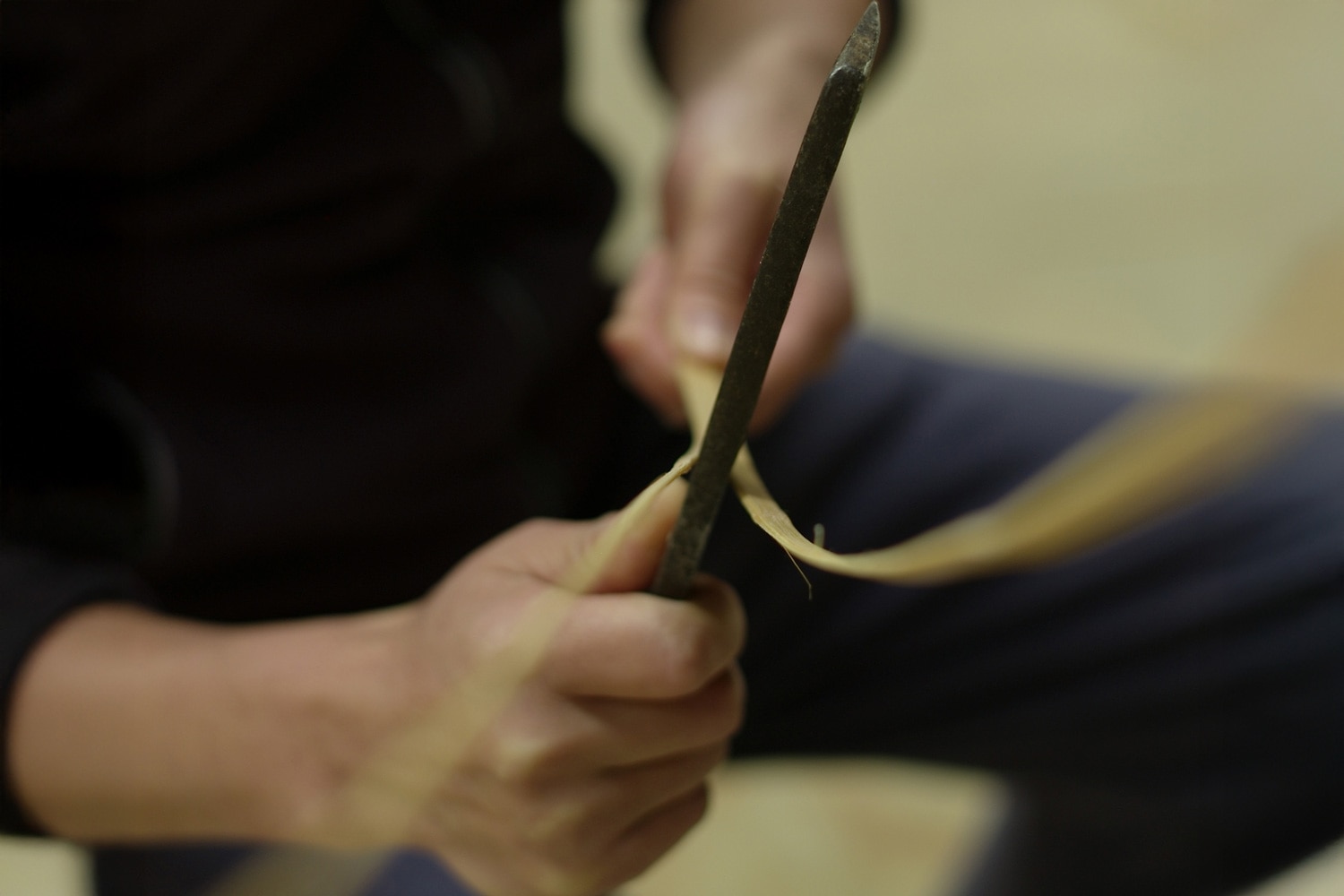
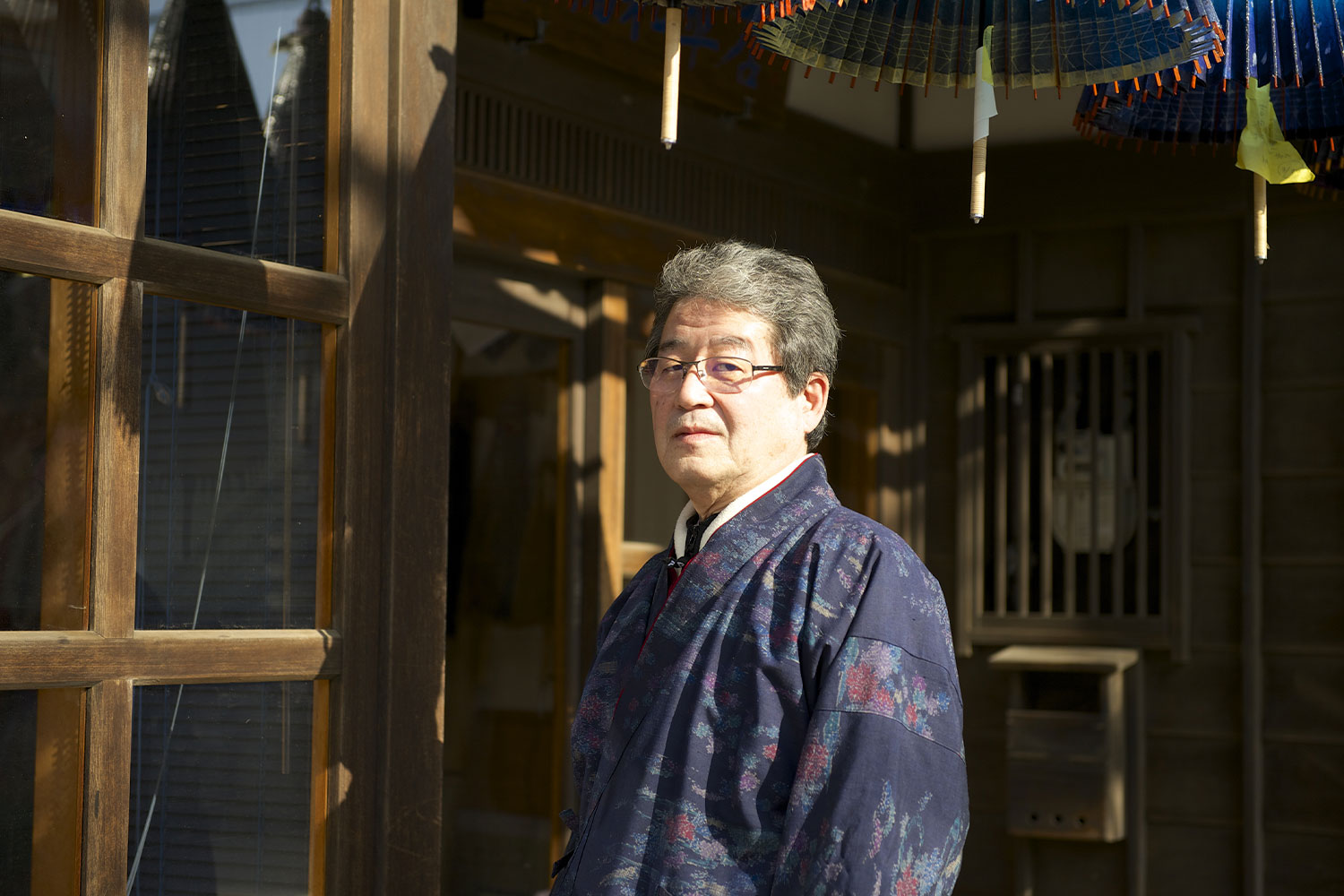
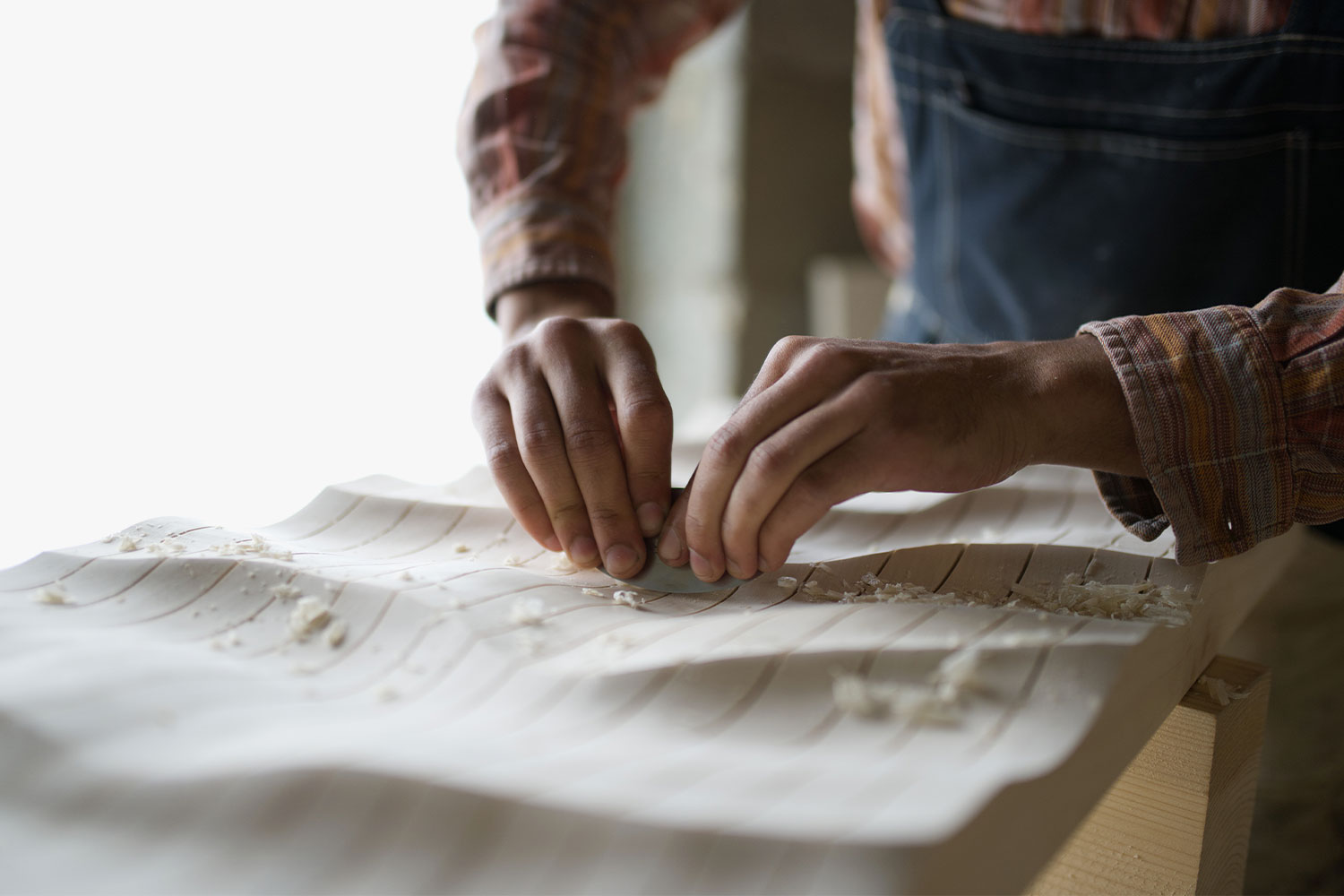
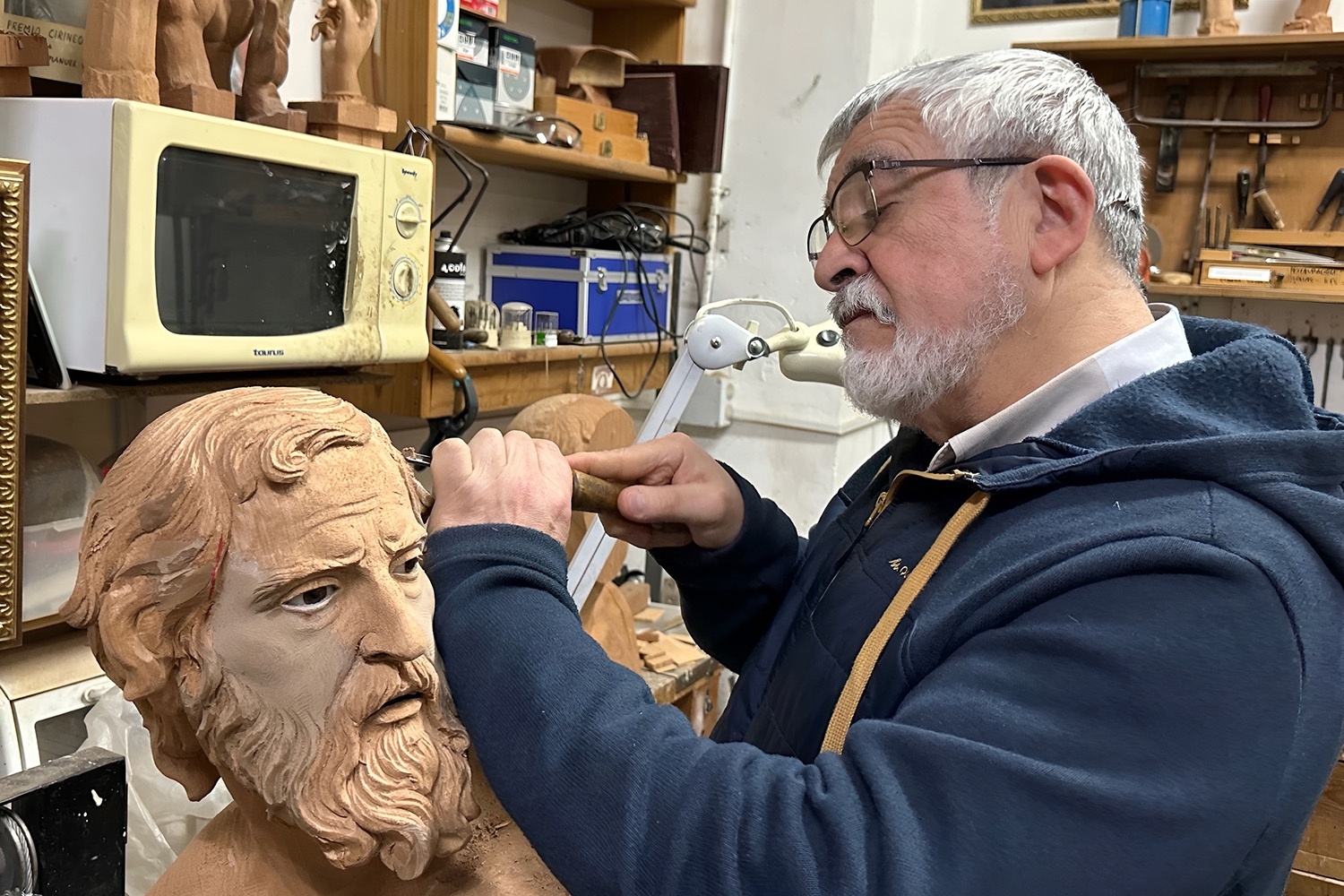
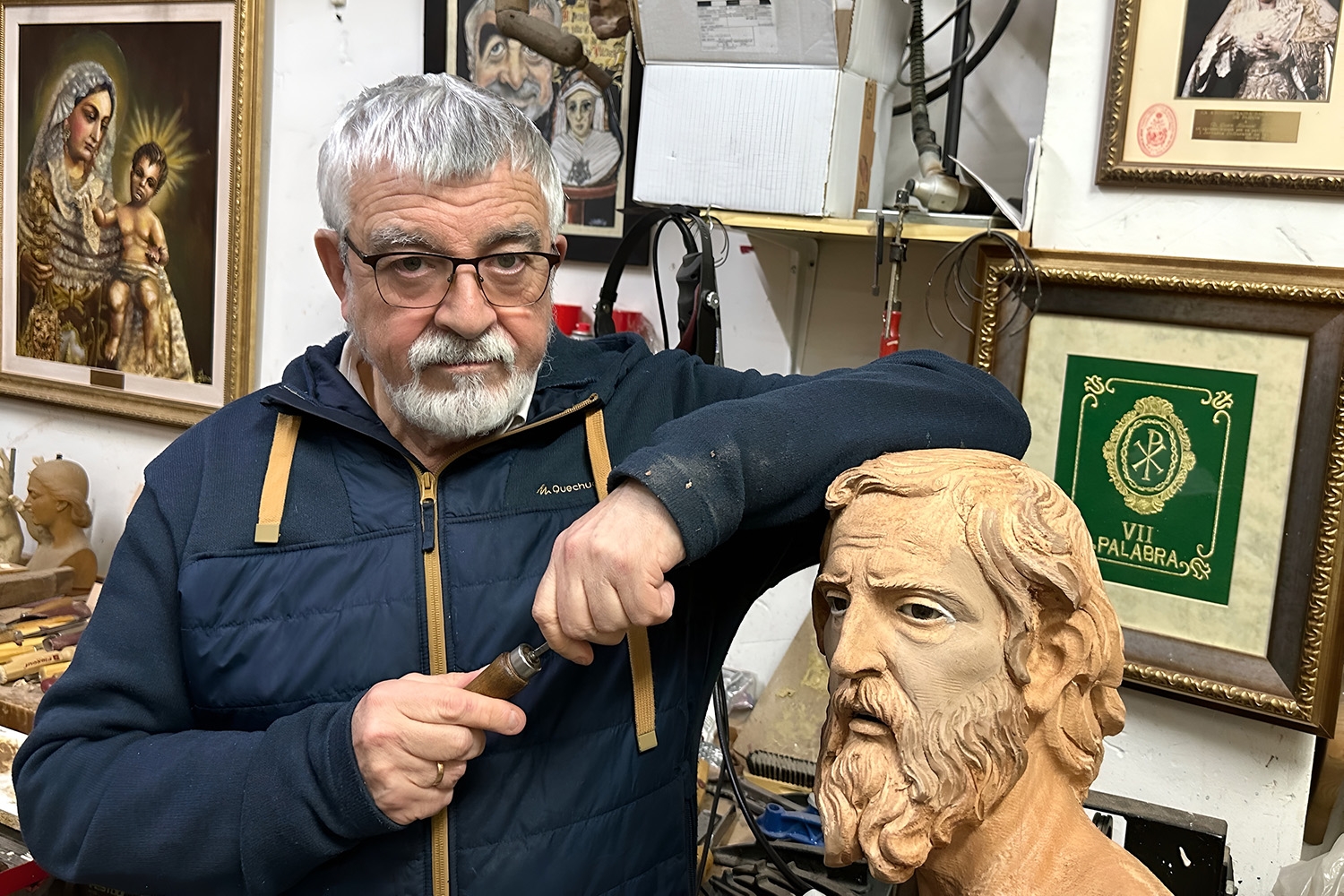
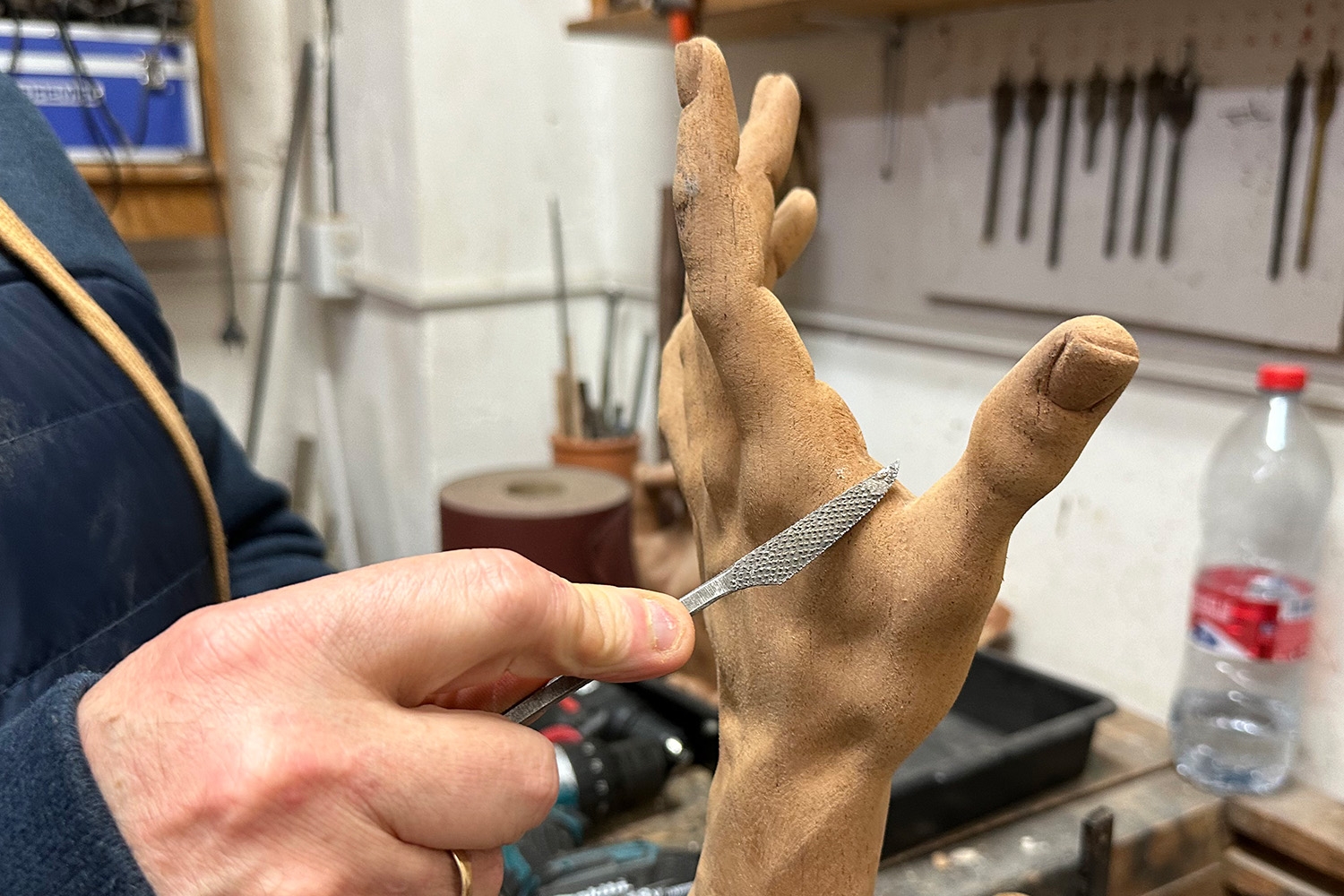
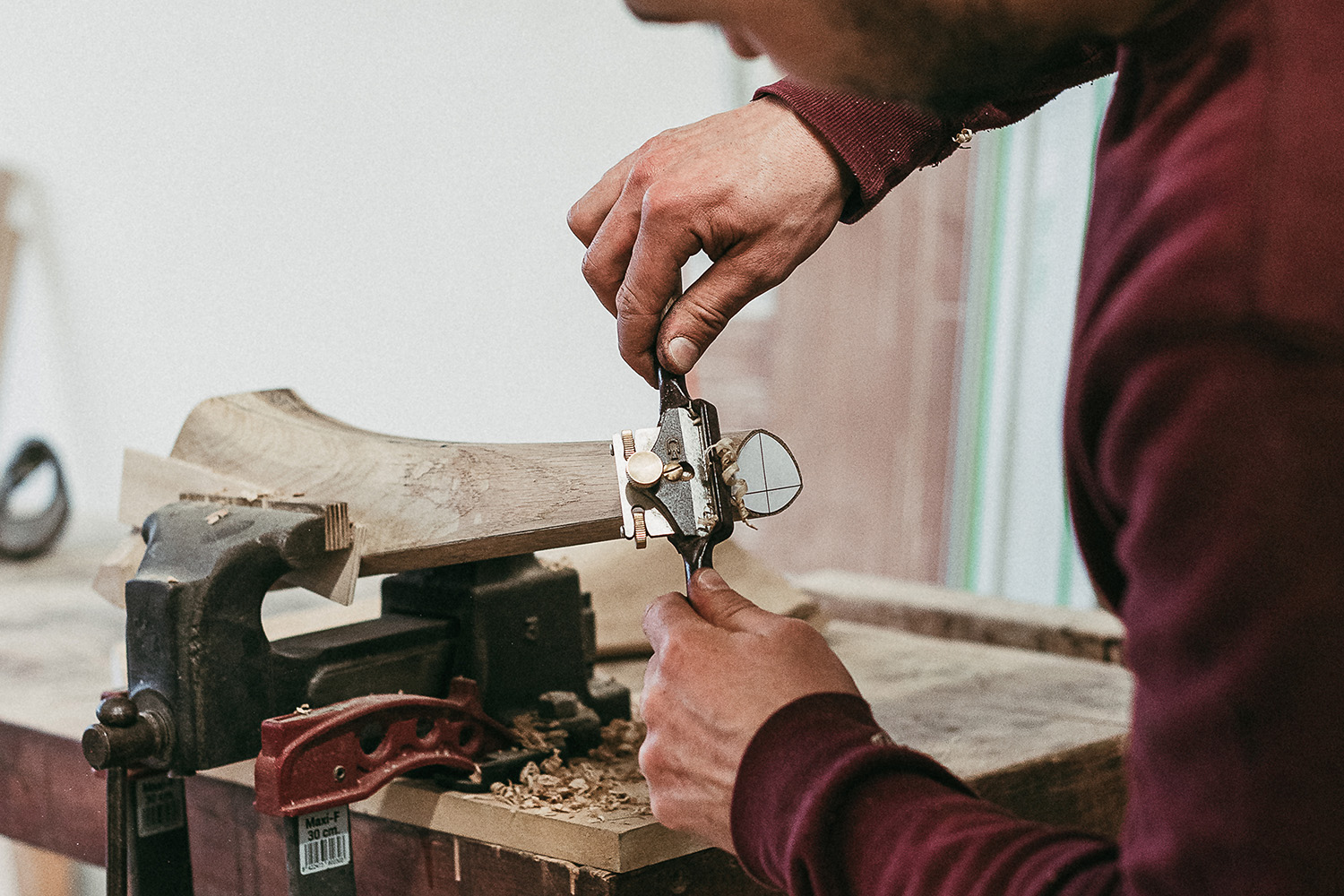
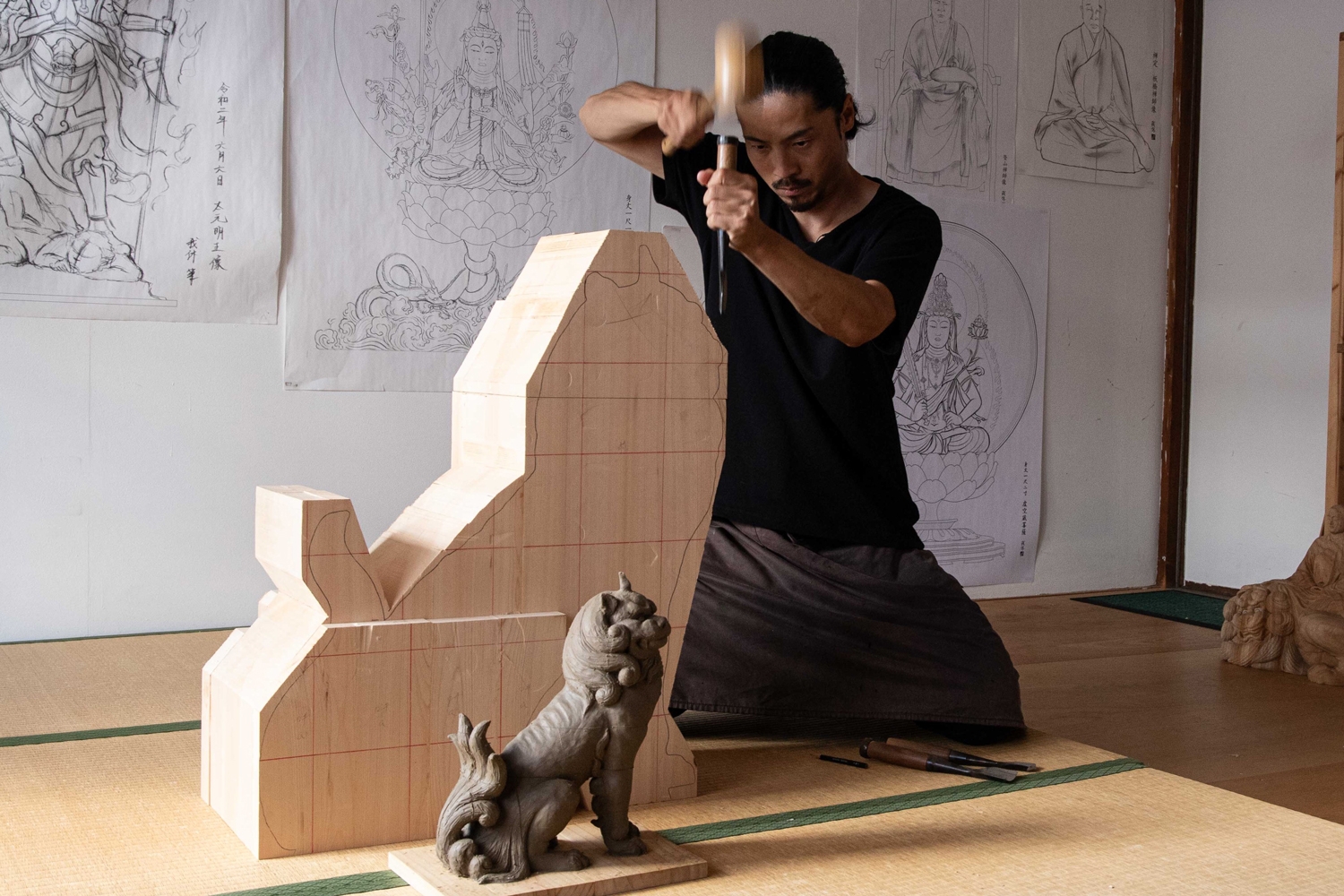
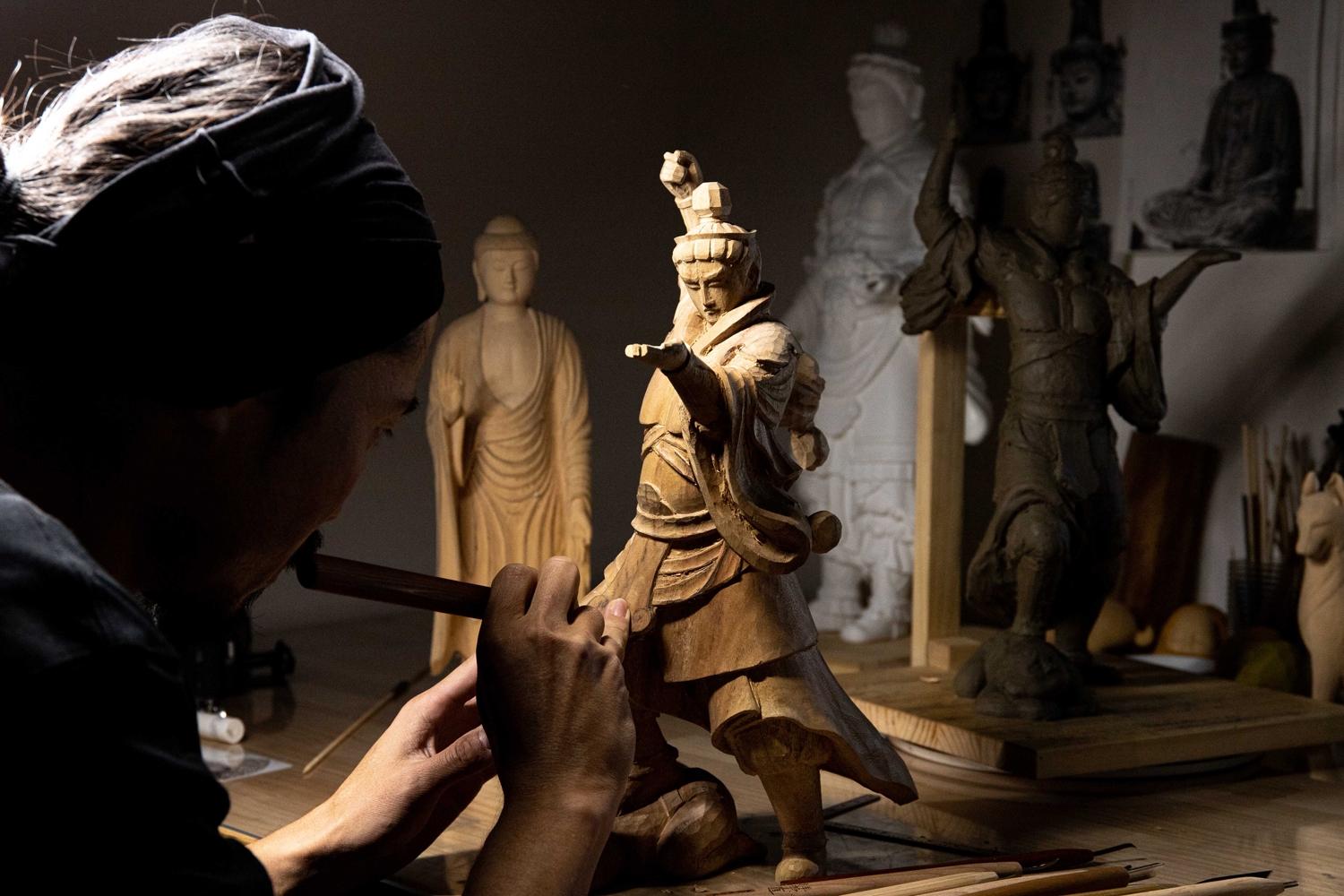
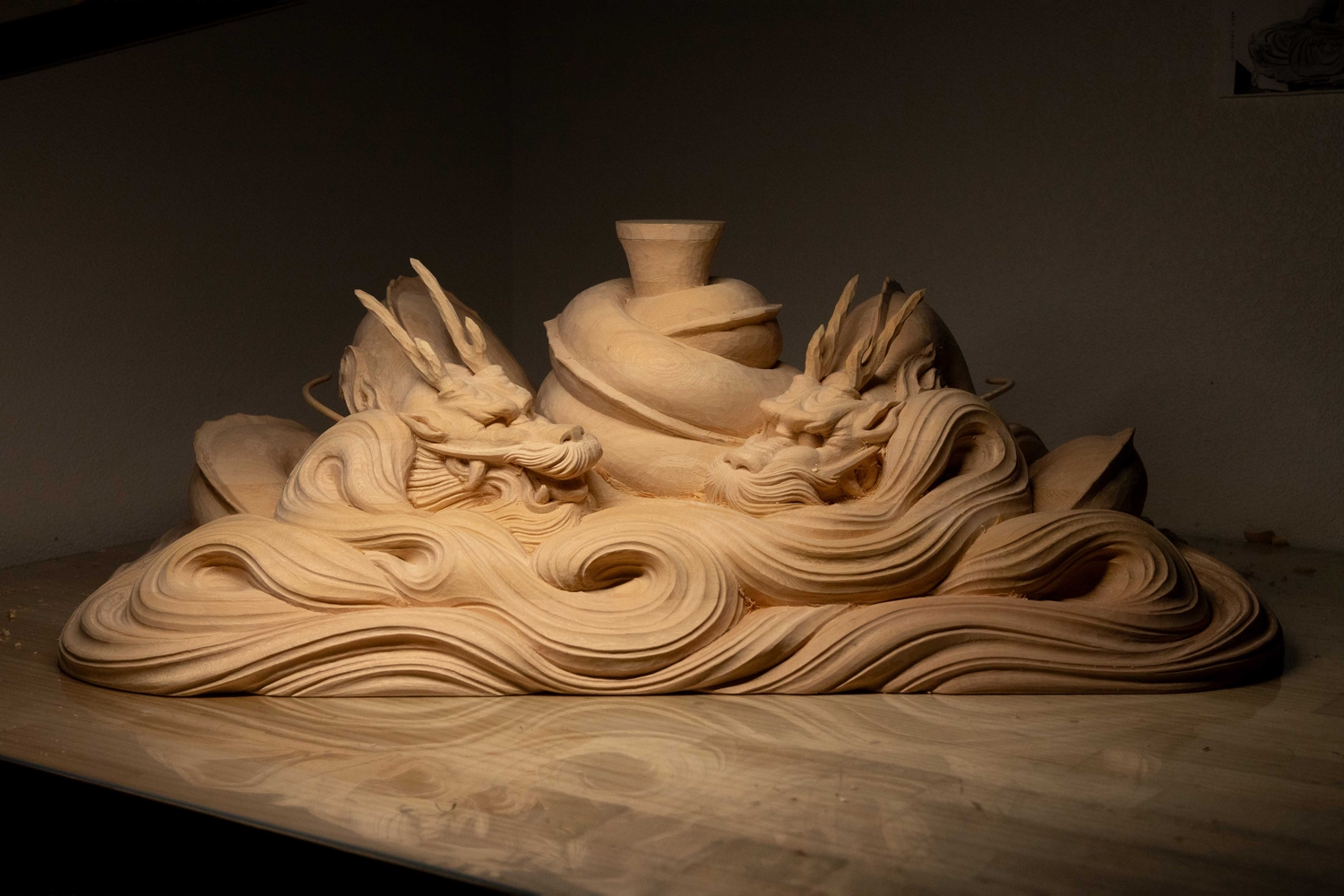
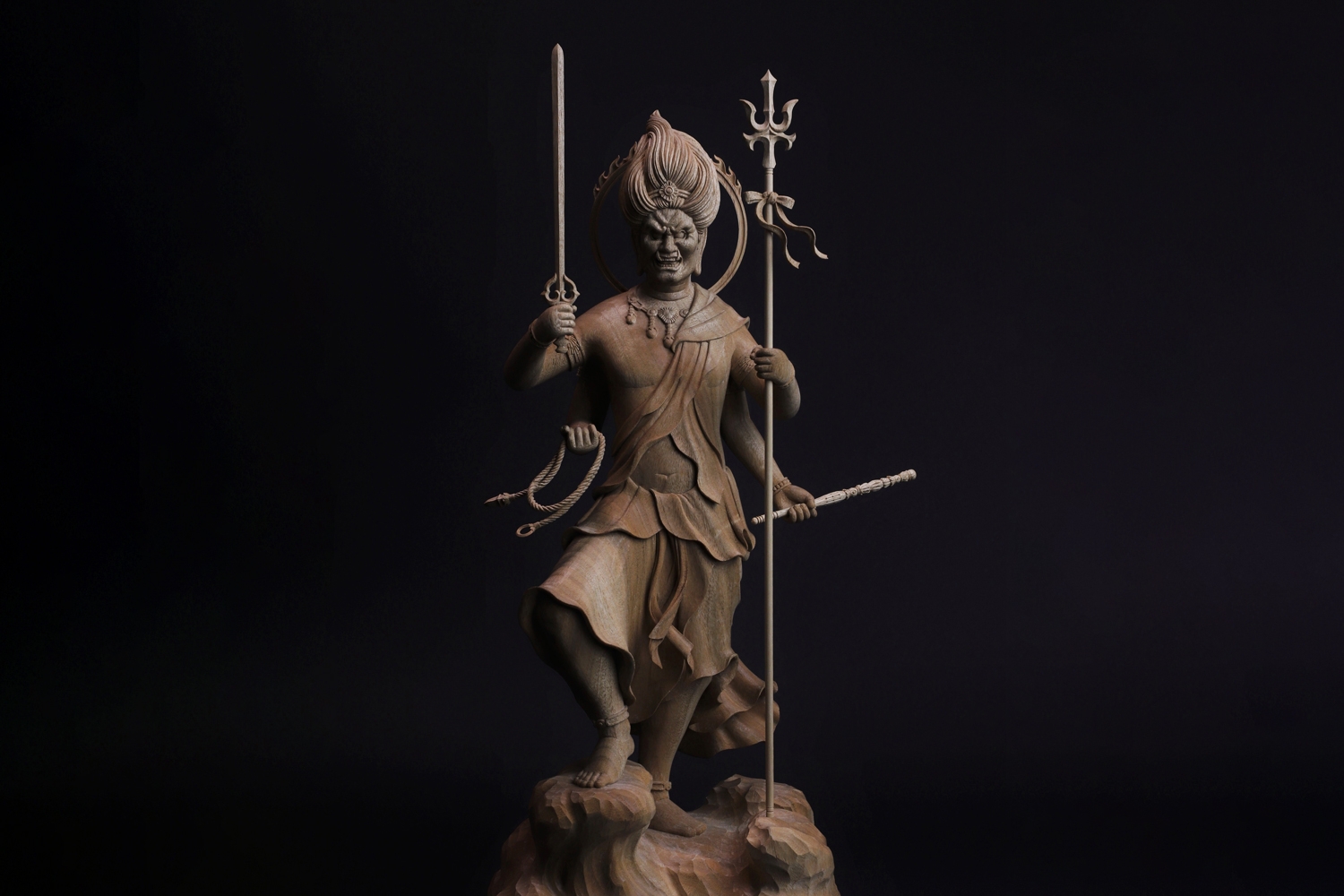
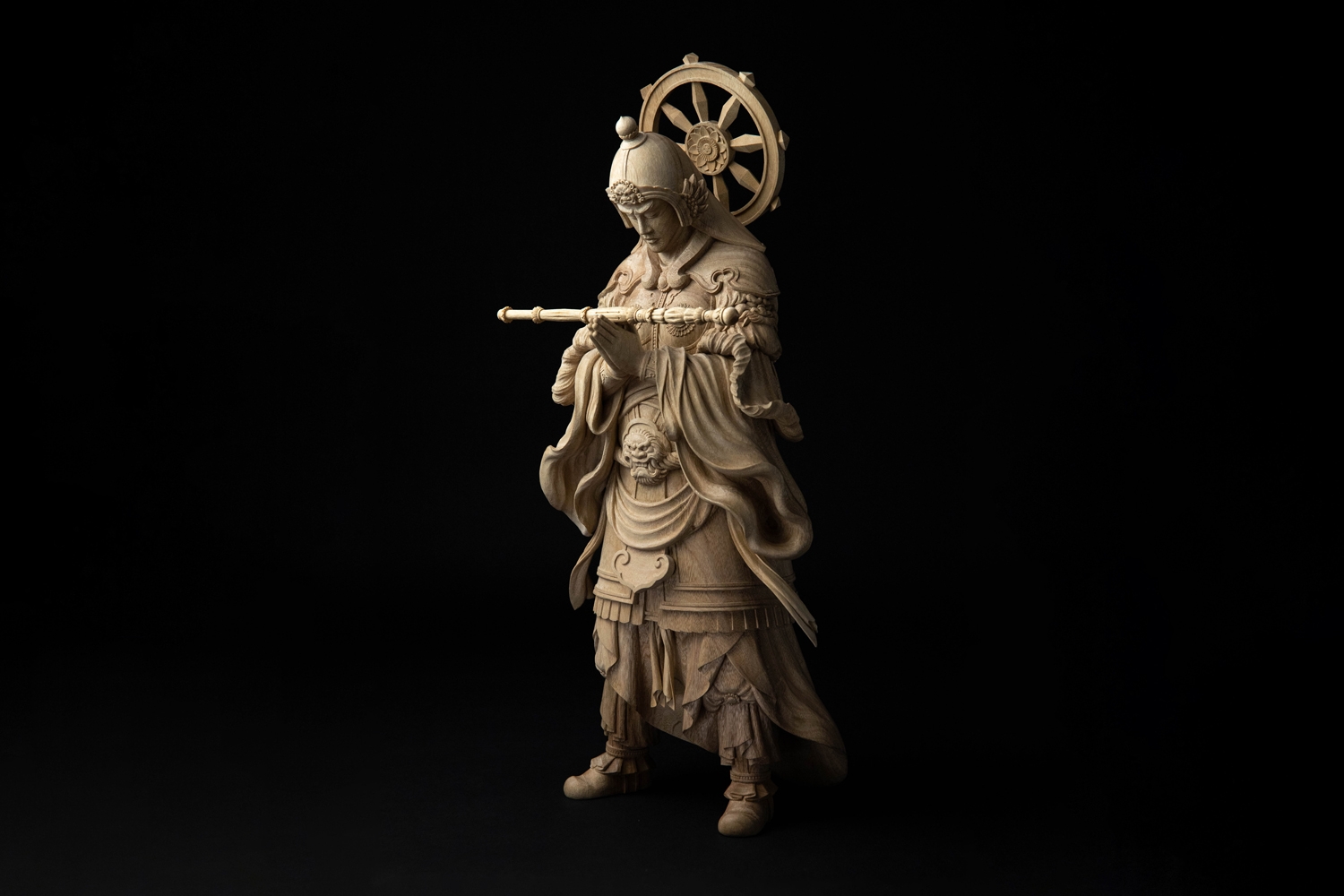
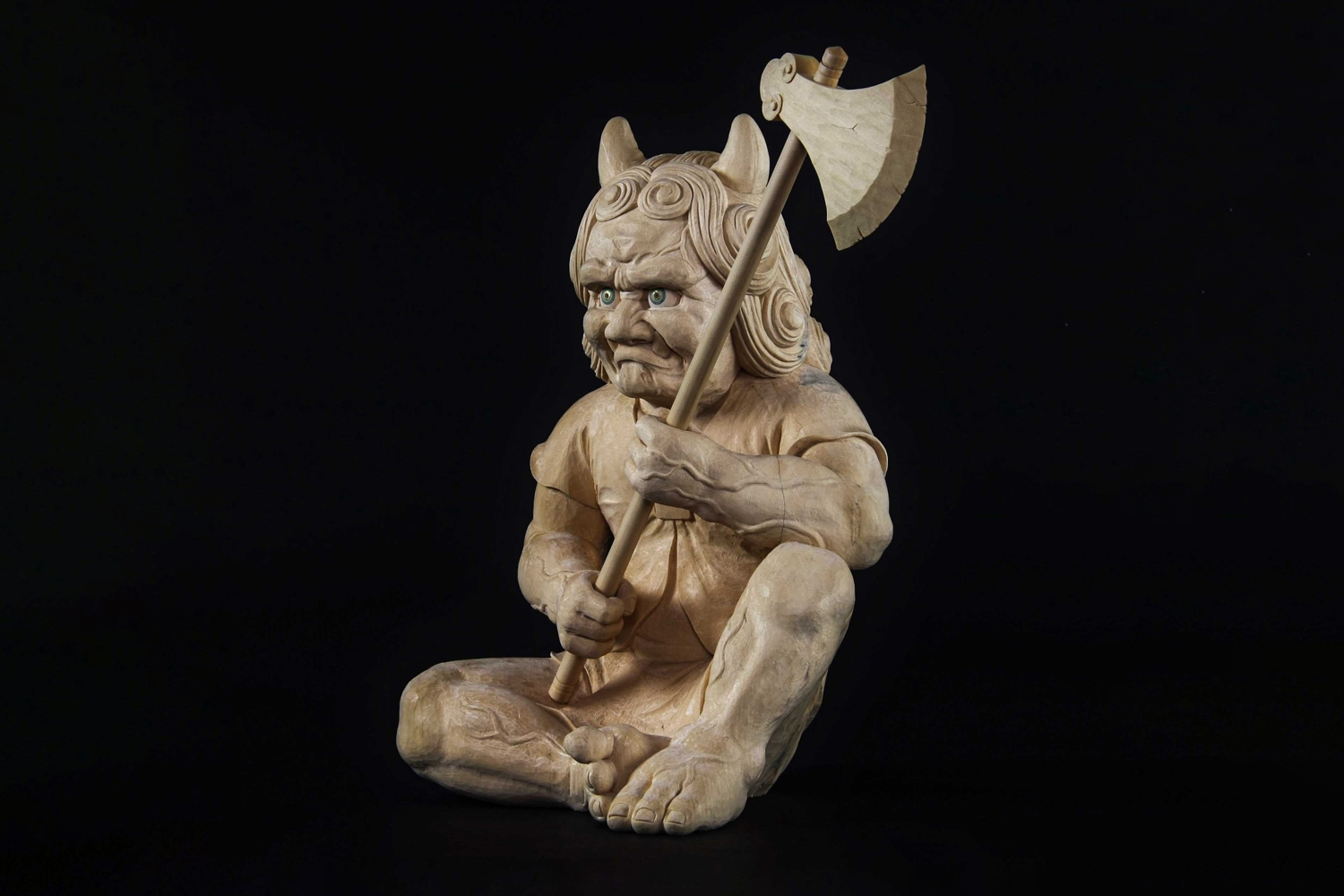
Gakyu Miyamoto shares that he has always had the craftsman’s temperament. "A pencil and a stack of leaflet papers were all I needed as a child. I would spend hours drawing on the blank side of the ads," he confides. Aware of his artistic gift and drawn to the idea of life in the spotlight, Gakyu initially pursued a path in fashion. He meticulously analysed muscle tones, skeletal structure, and the way garments move and drape through sketching. These observations all later came to serve for his skill as a sculptor. Gakyu's path took a sudden turn when he encountered the world of Buddhist sculpture restoration. Captivated by the artistry and timelessness of these statues, he decided to dedicate himself to this ancient craft. He also creates new works, showcasing his creativity with an updated sense of aesthetics.
INTERVIEW
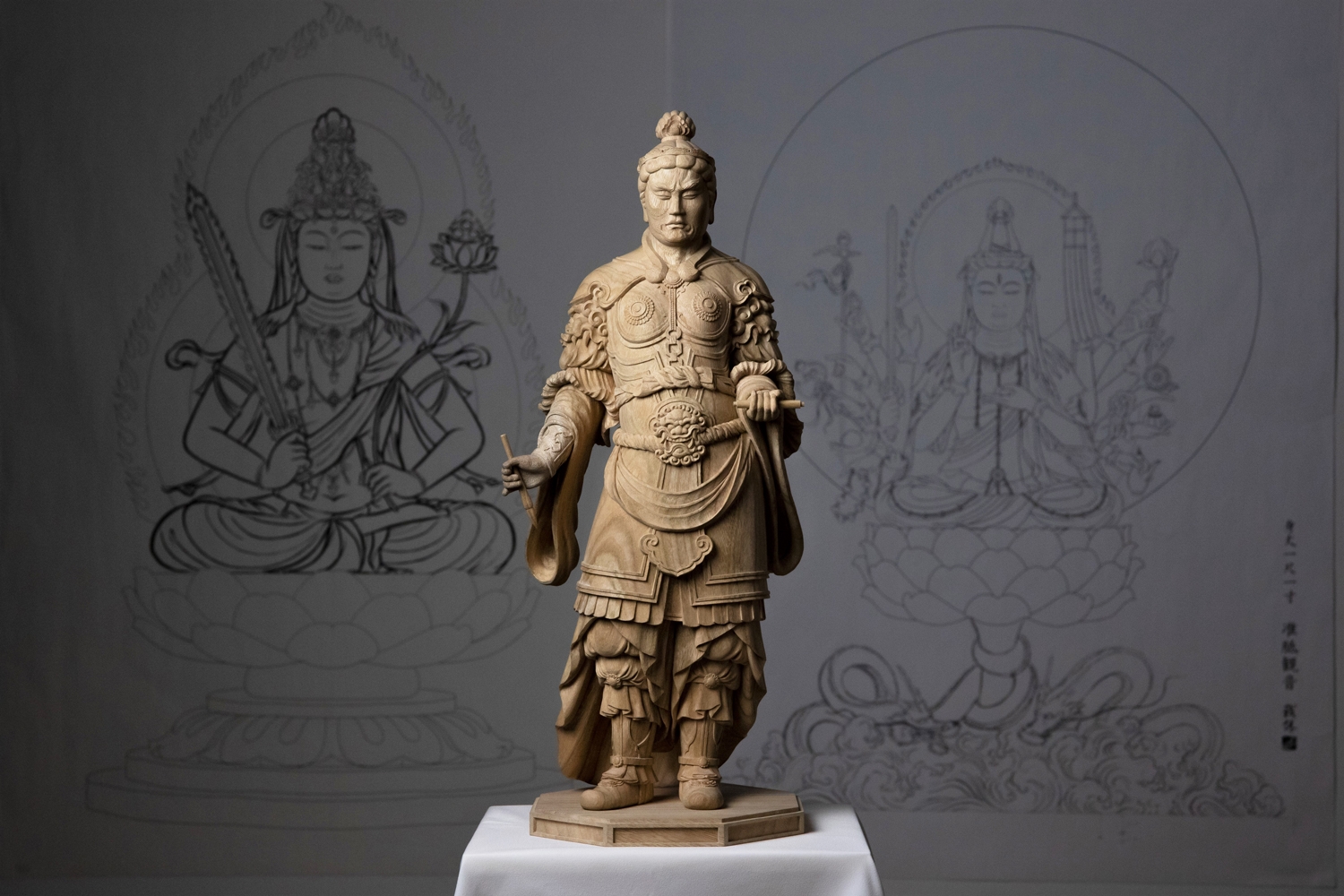
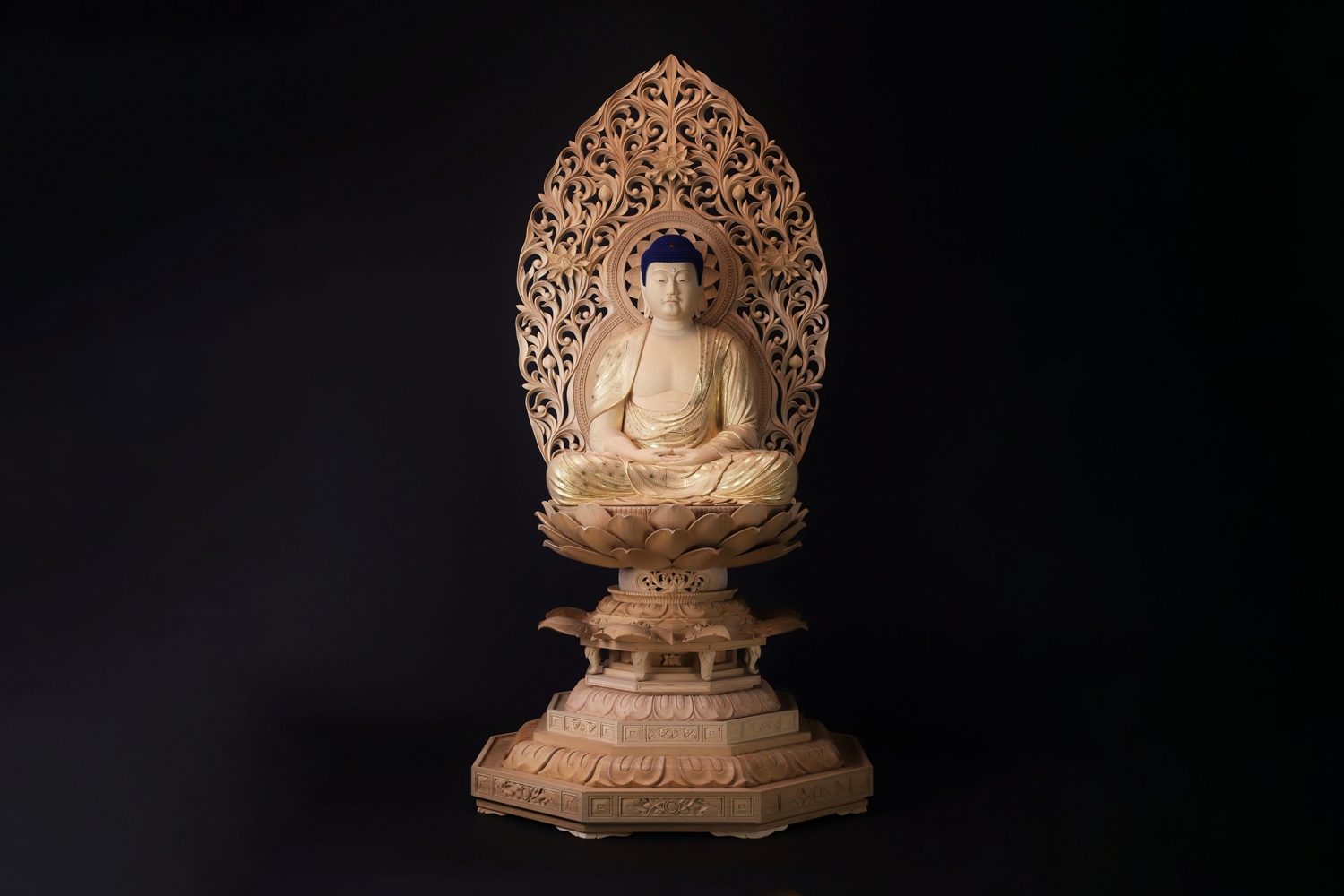
In restoration, I try to restrain my artistic ego and restore the work to its original state. I am learning the technical aspects from my predecessors. In my new works, I can exercise my technique and aesthetic fully to meet client requests. It is crucial for me to know the past, in order to create something beautiful one or two thousand years later.
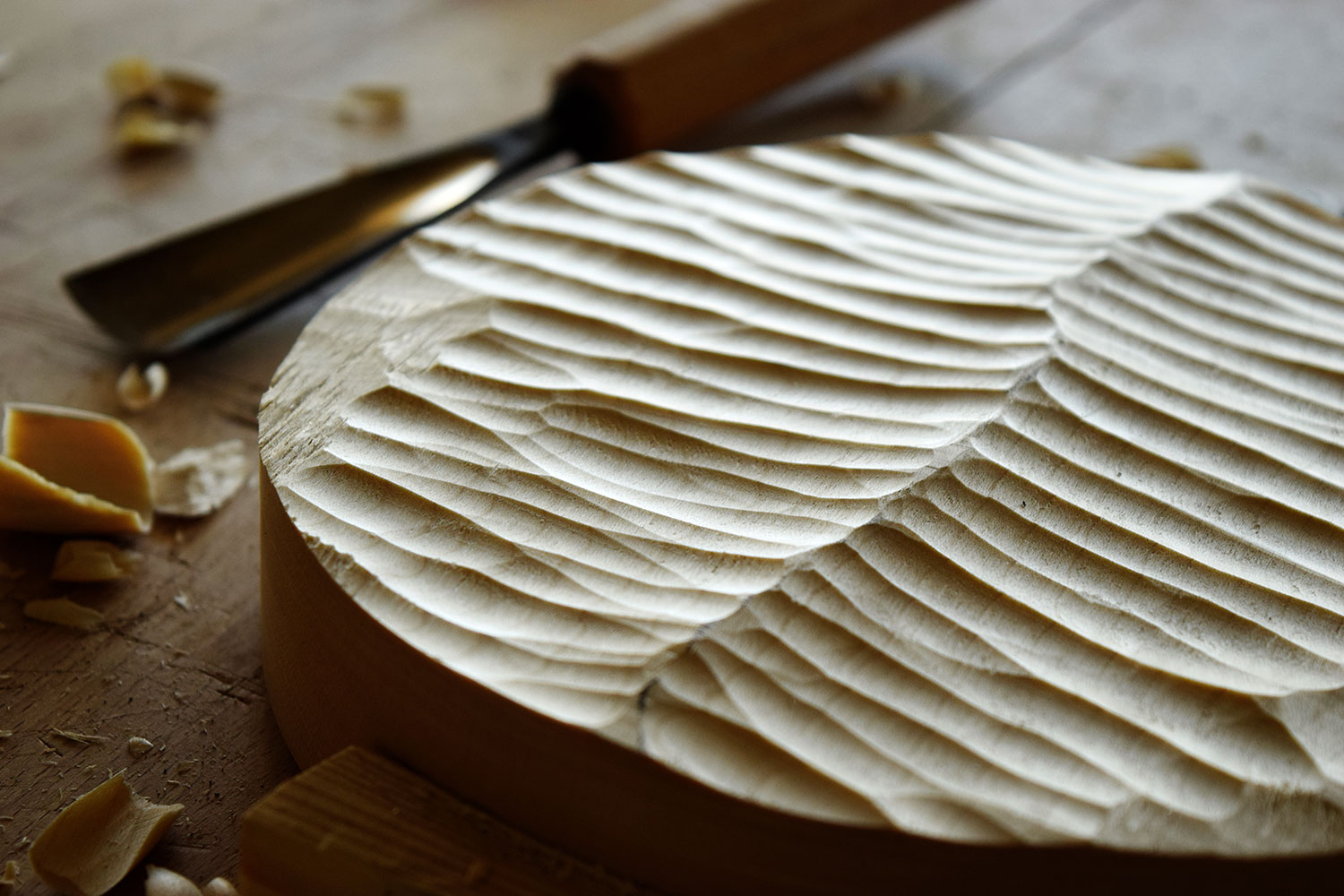
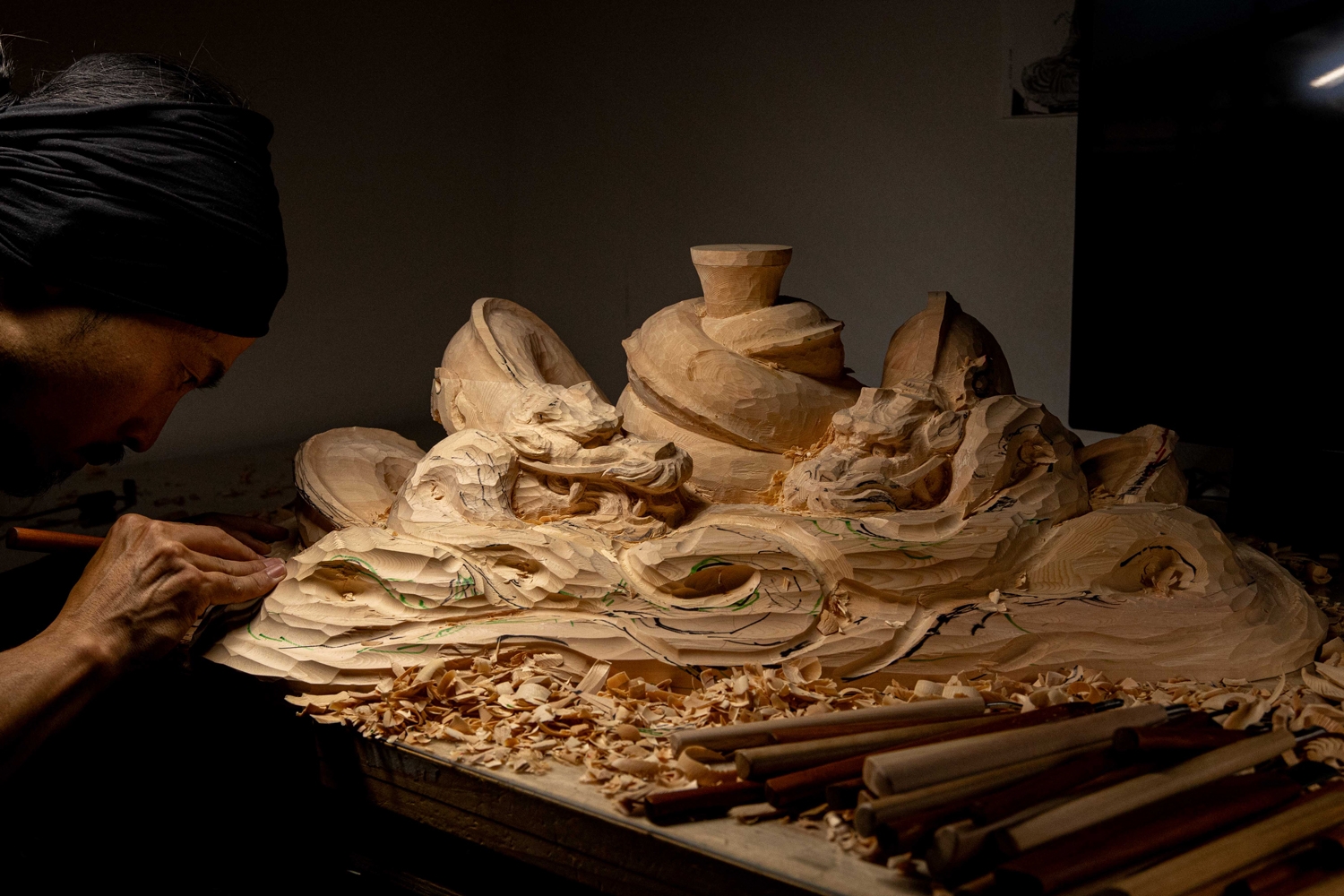
I start carving from the face of the figure, though I know not many do. If I come to the point where I think the face looks good, I fix it and carve everything else to match the face. Seeing a good face appear gets me excited, and keeps me motivated and concentrated throughout the long process of carving the rest of the piece.
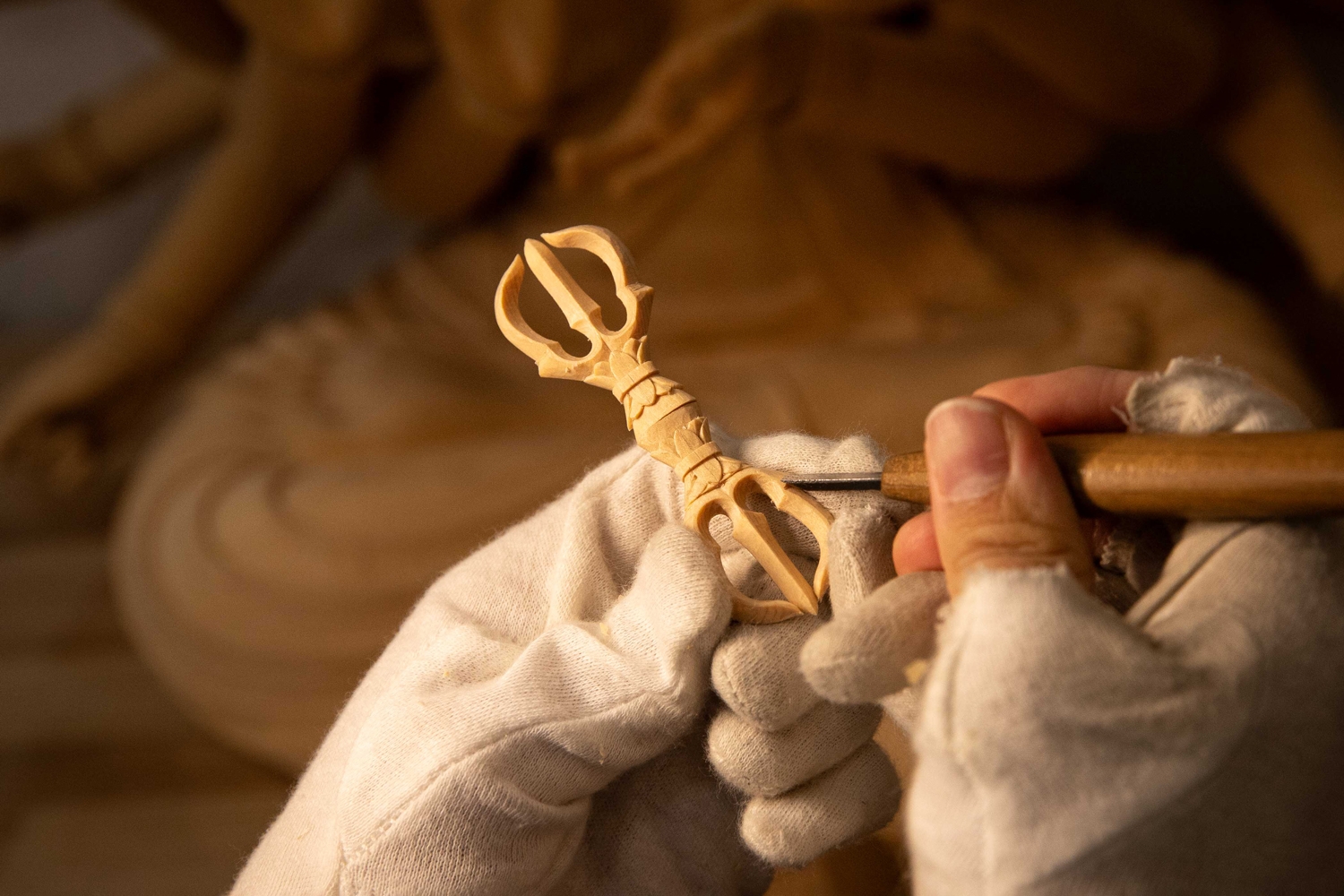
I invest 120% of myself into everything I create, striving to deliver the best possible quality at every stage. However, because my sense of aesthetics evolves daily, I must continually hone my skills to keep up with—and surpass—my own standards. This chase between aesthetics and skill is a lifelong process.
When I visit student exhibitions, I am always impressed by the teacher’s work, which showcases incredible technical skill. Yet, it is often the students' Buddha statues that move me the most. Though not technically perfect, their work carries a sense of divinity that goes beyond craftsmanship. That is the kind of creation I strive for—something beyond technique.
Gakyu Miyamoto
Wood sculptor
Kyoto, Japan
ADDRESS
Address upon request, Kyoto, Japan
AVAILABILITY
Monday to Friday 09:00-17:00
PHONE
+81 752022292
LANGUAGES
Japanese
Homo Faber Finds is a new service aiming to inspire admirers of craft to connect and collaborate with exceptional artisans.
We invite you to submit an enquiry here.