©All rights reserved
©All rights reserved
©All rights reserved
©All rights reserved
©All rights reserved
©All rights reserved
Keiji Onihira
Lacquerer
Wajima City, Japan
©All rights reserved
©All rights reserved
©All rights reserved
©All rights reserved
©All rights reserved
©All rights reserved
©All rights reserved
©All rights reserved
©All rights reserved
©All rights reserved
©All rights reserved
©All rights reserved
Celestial motifs in Wajima lacquer
- Keiji builds on his region's lineage of maki-e, a Japanese lacquer decoration technique
- His practice balances discipline and invention
- He adorns his lacquered pieces with Japanese ornamentation
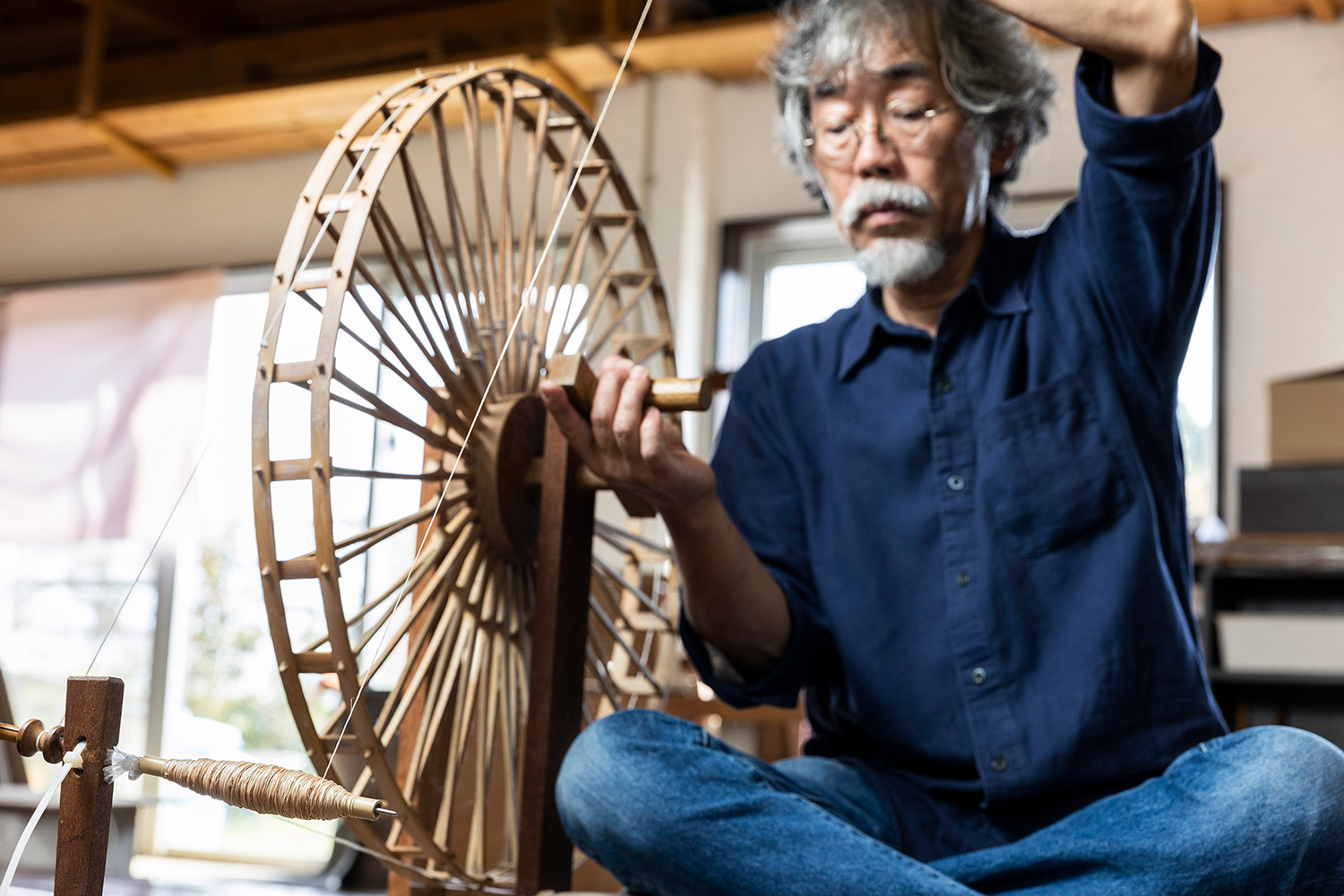
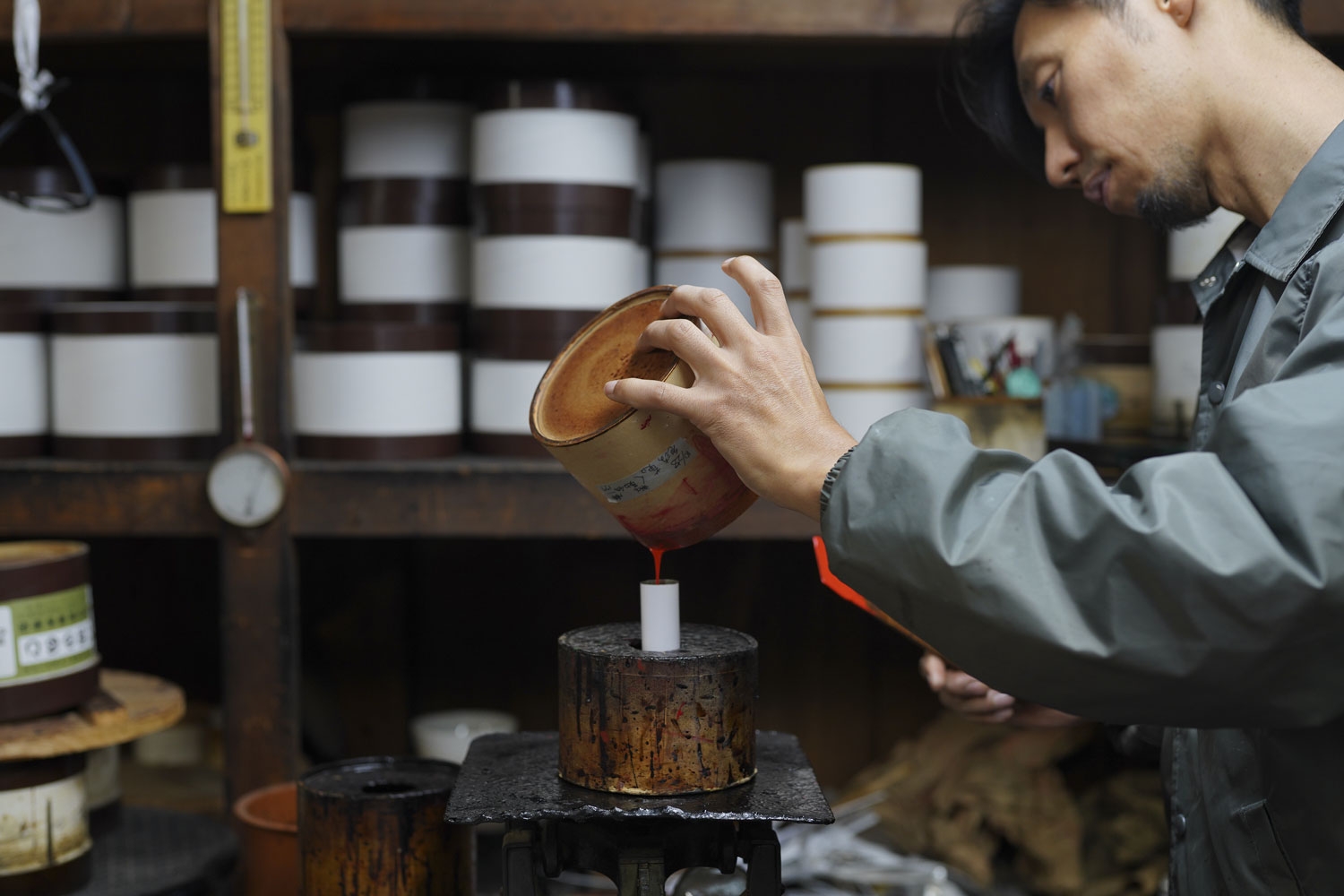
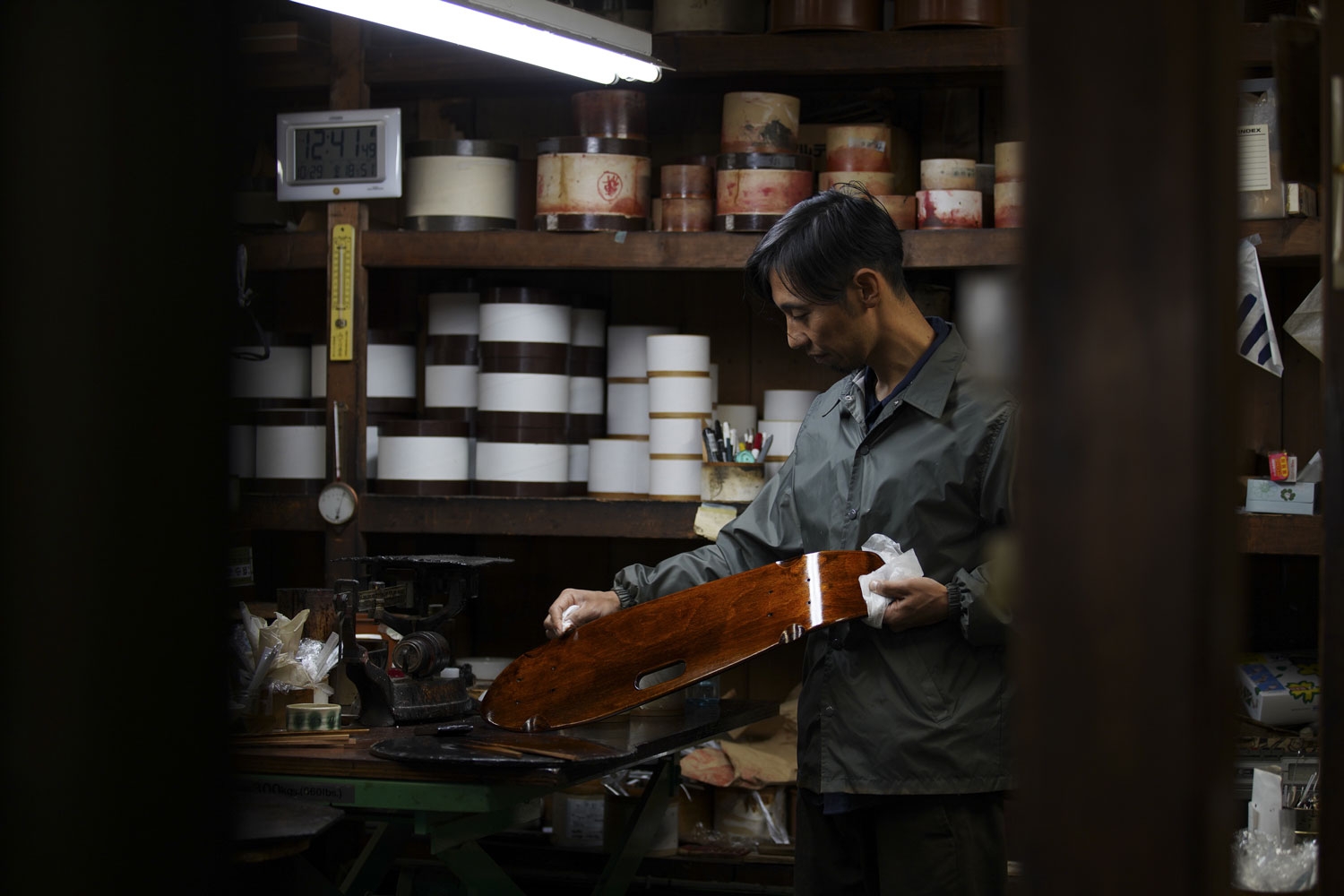
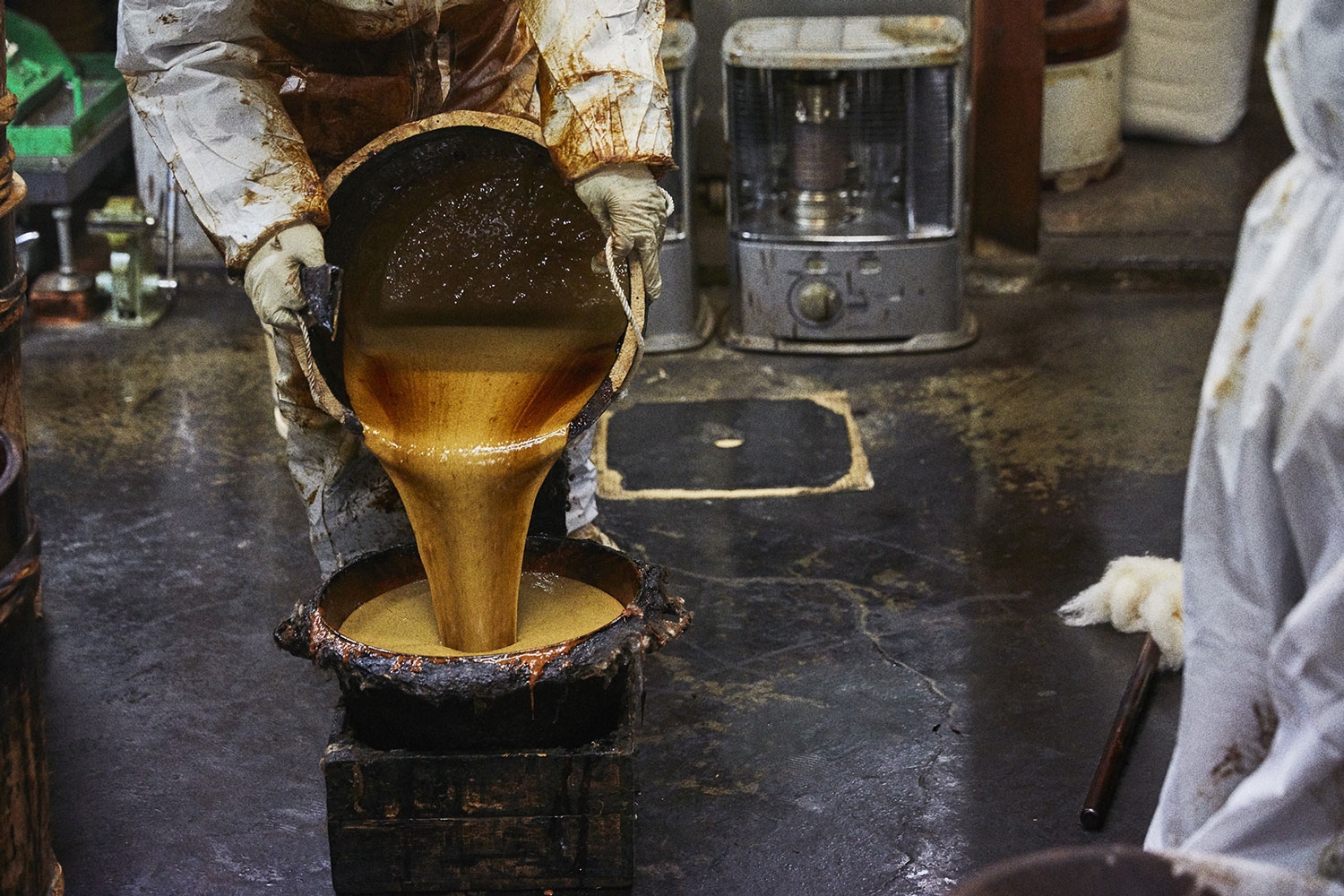
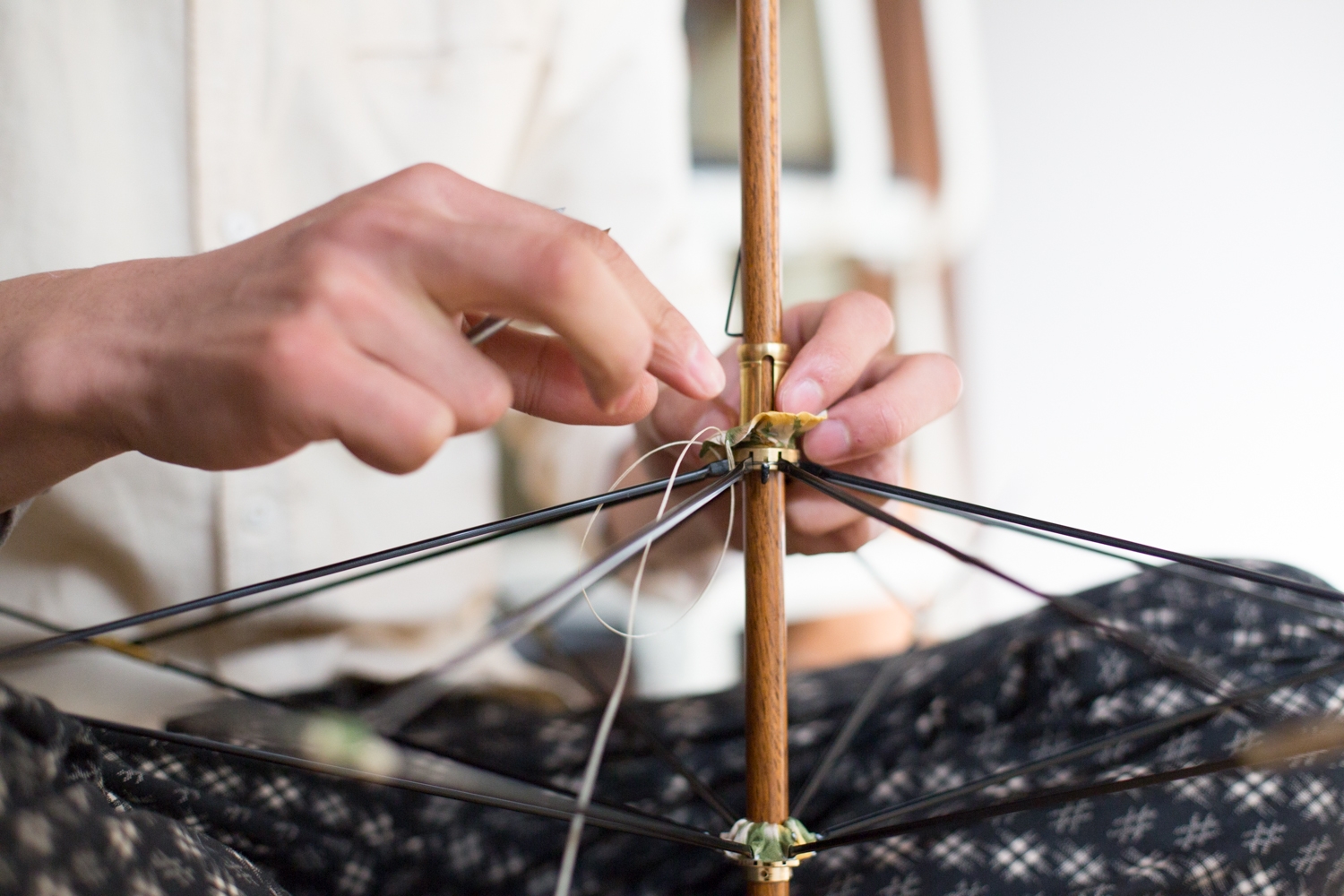
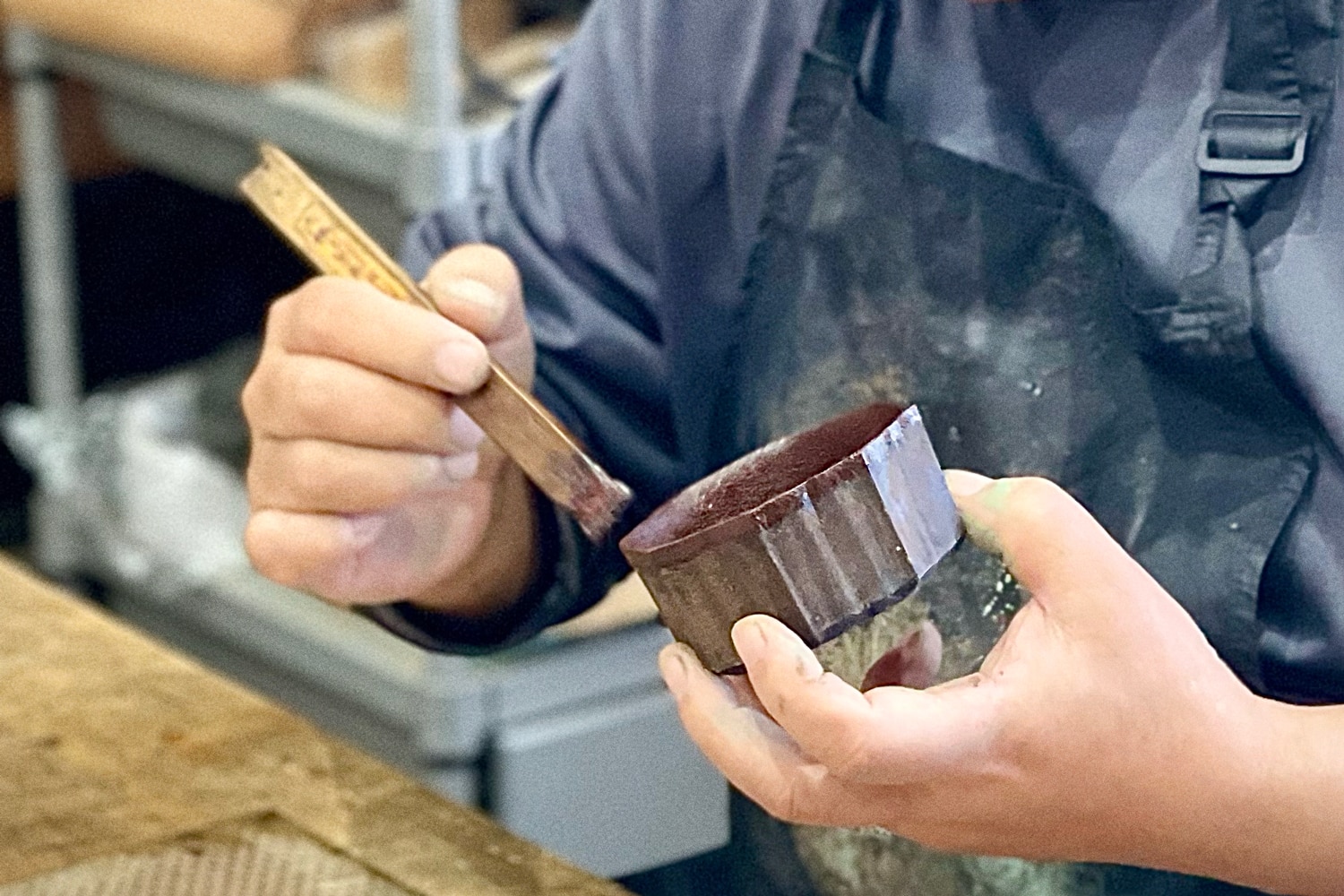
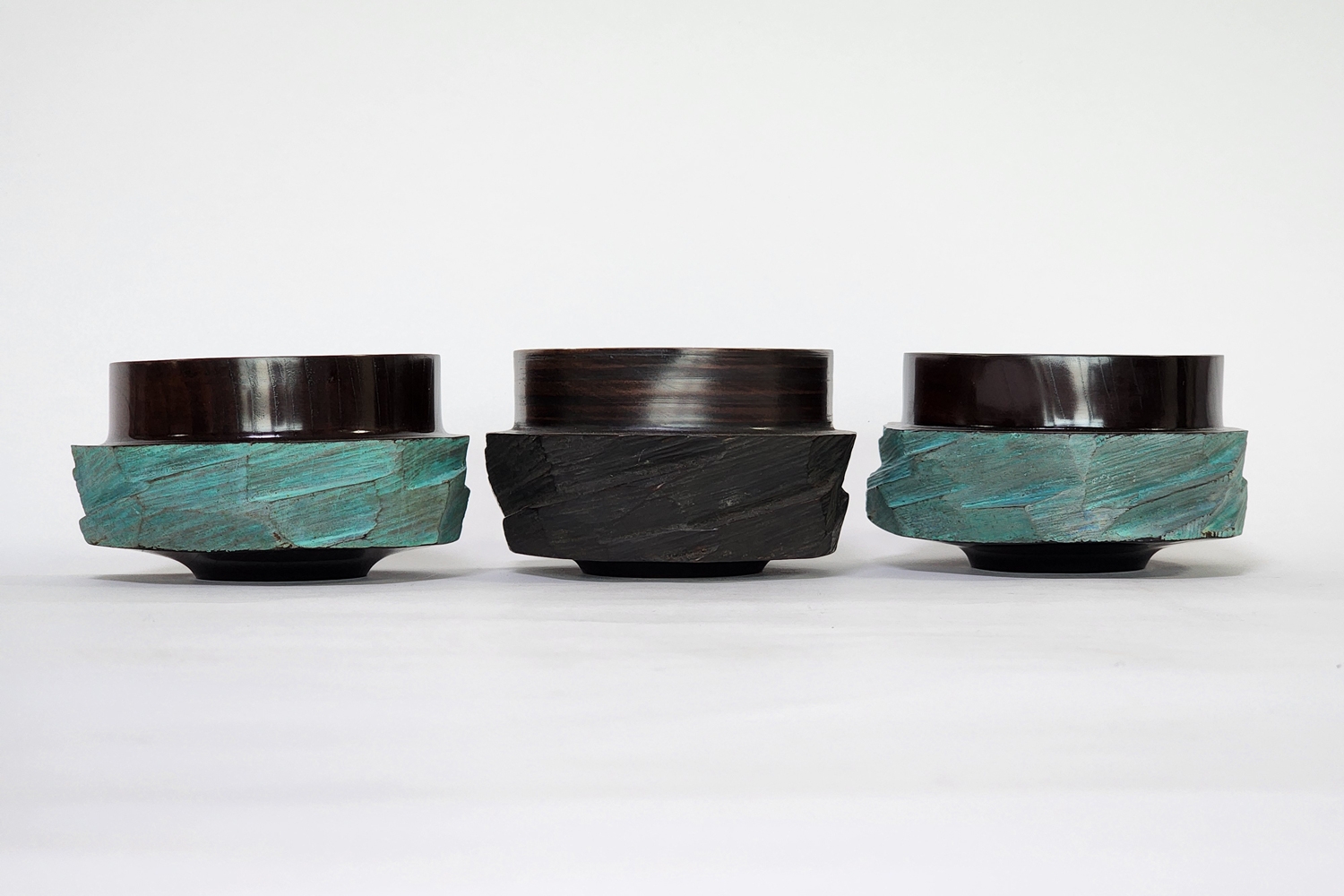
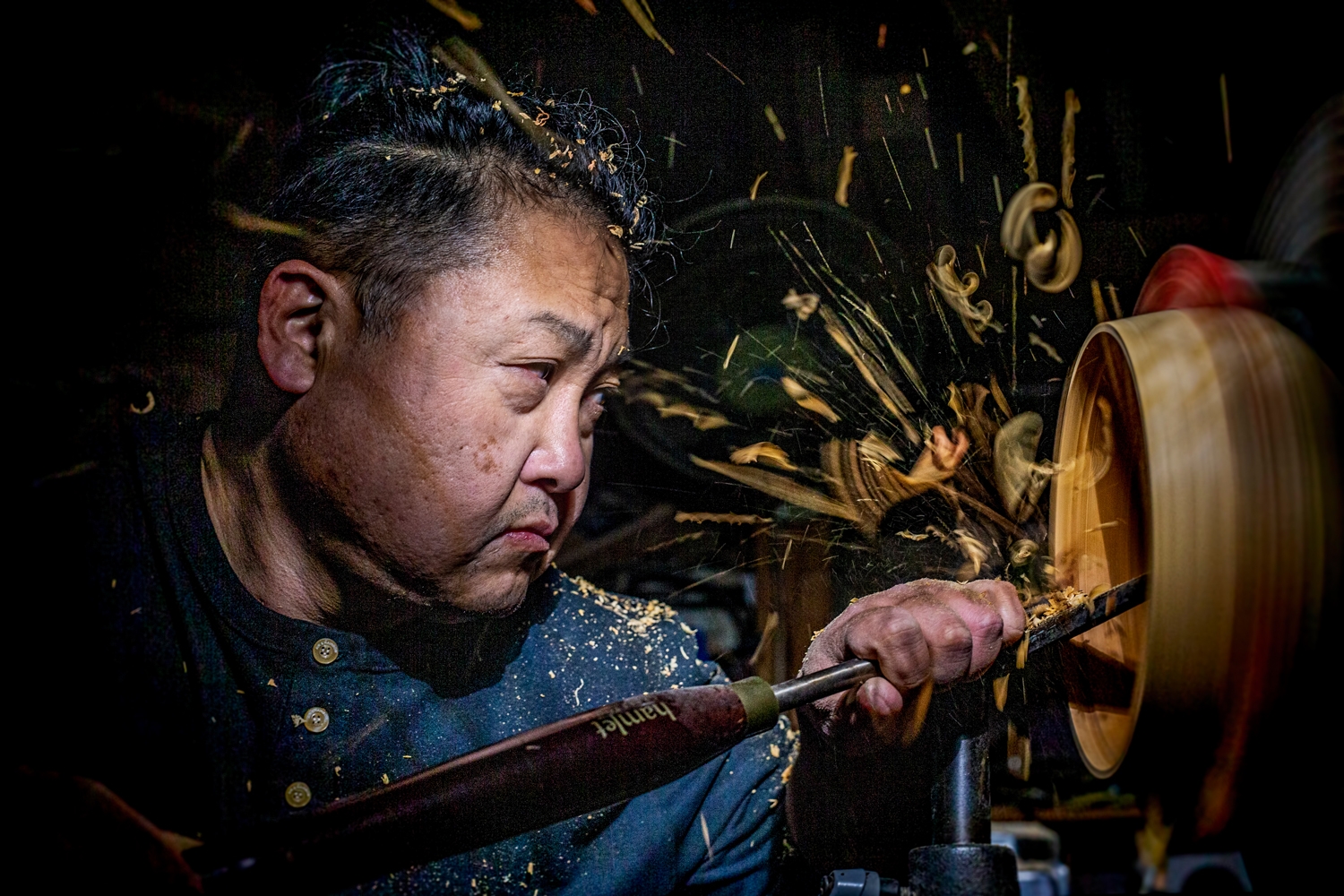
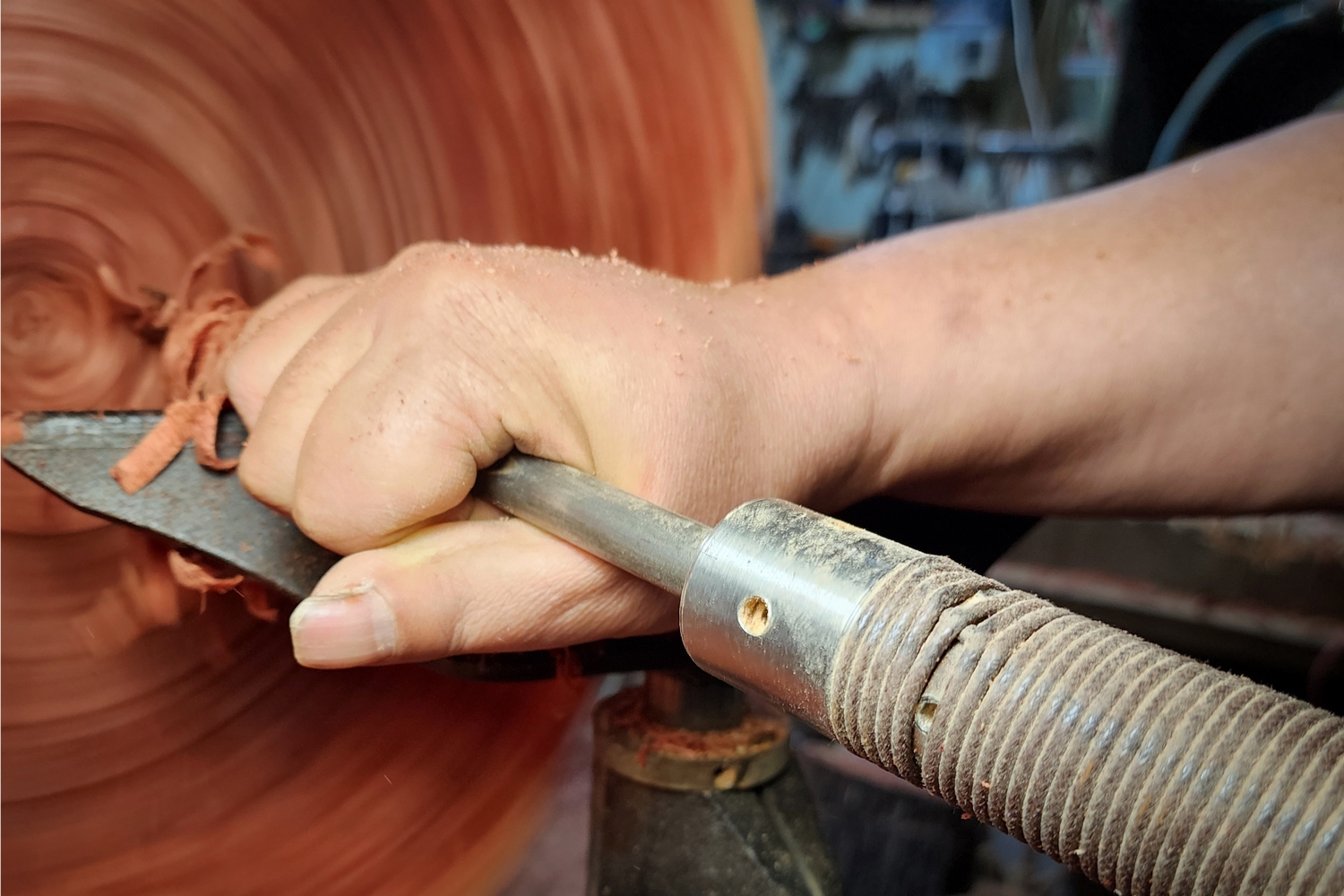
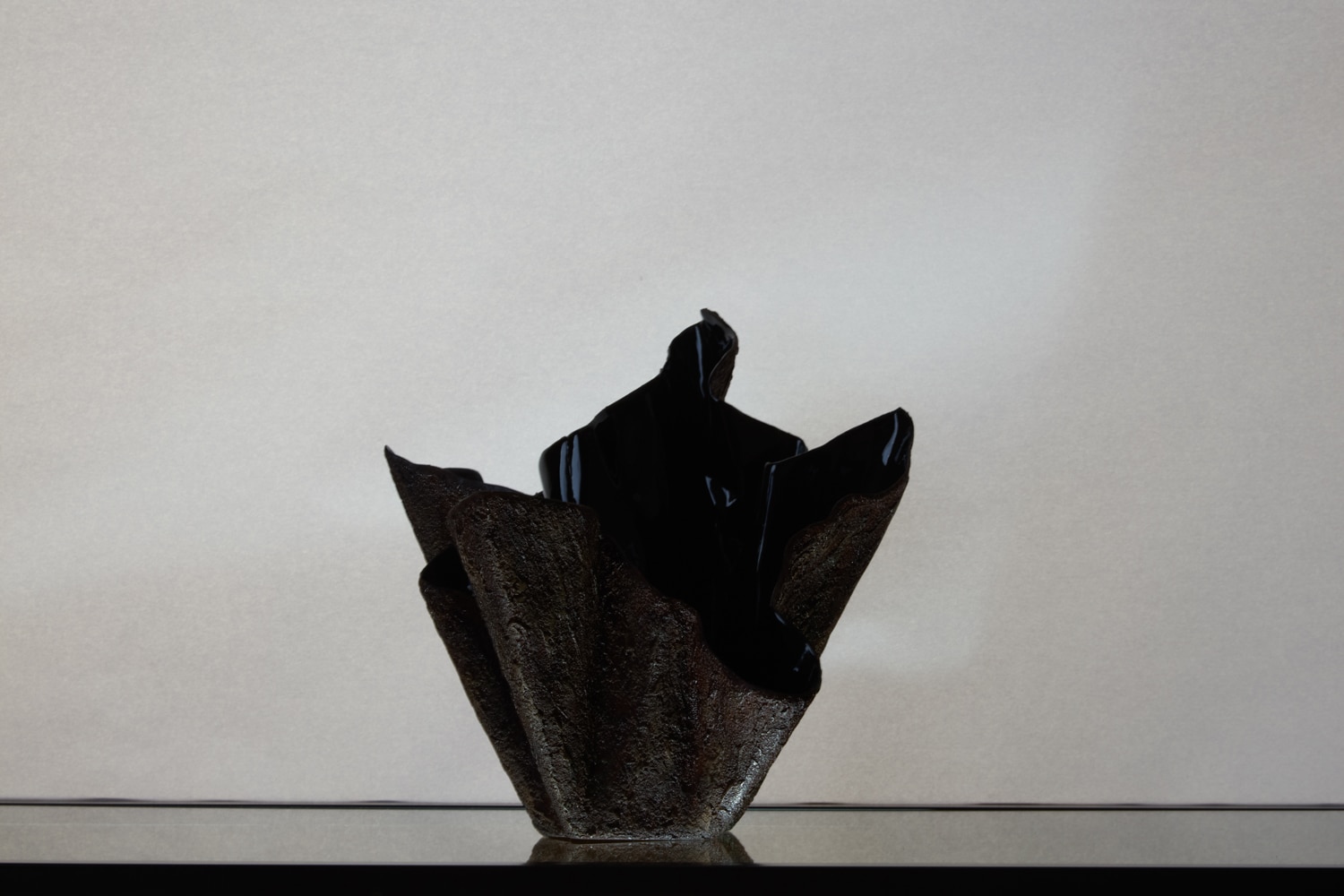
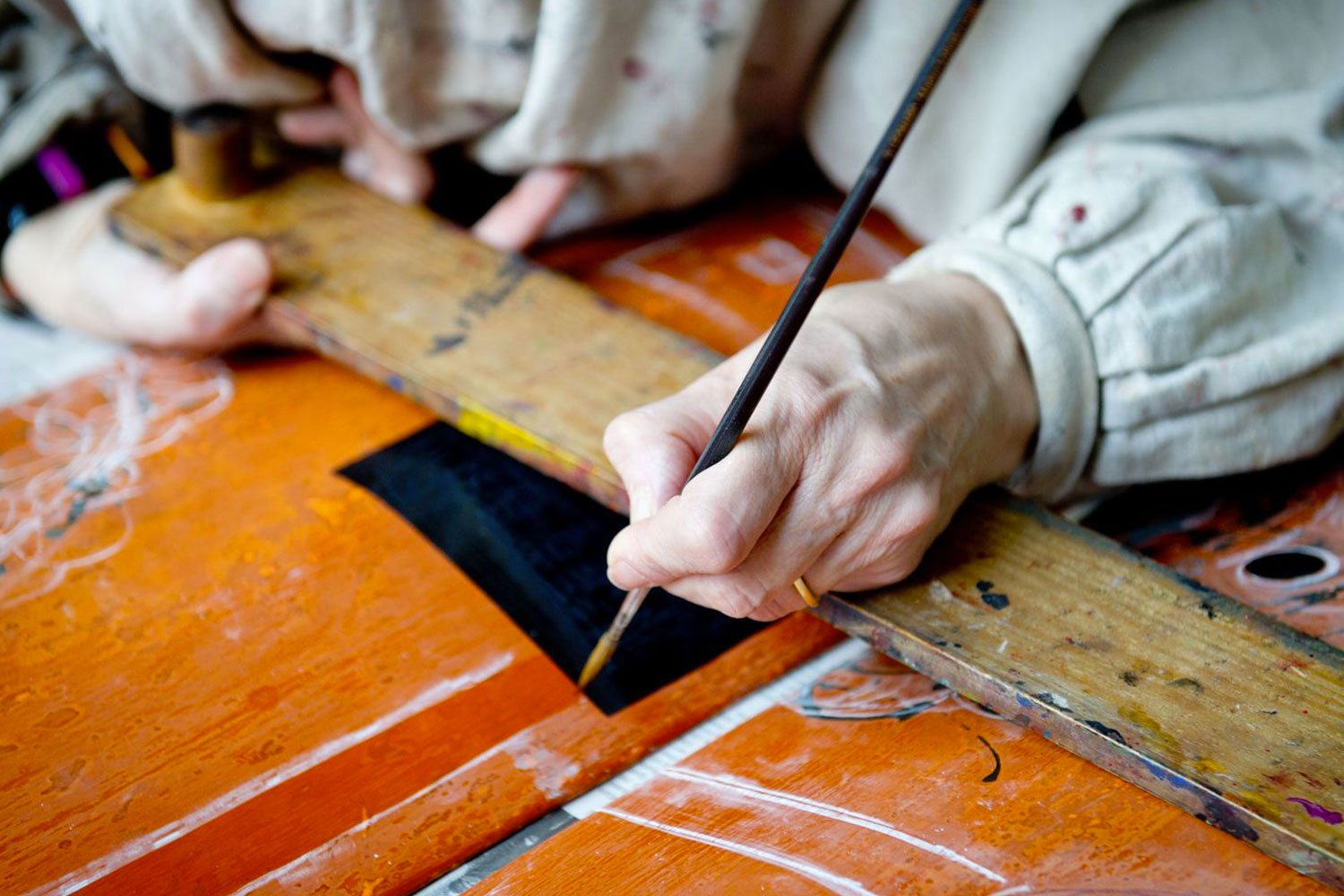
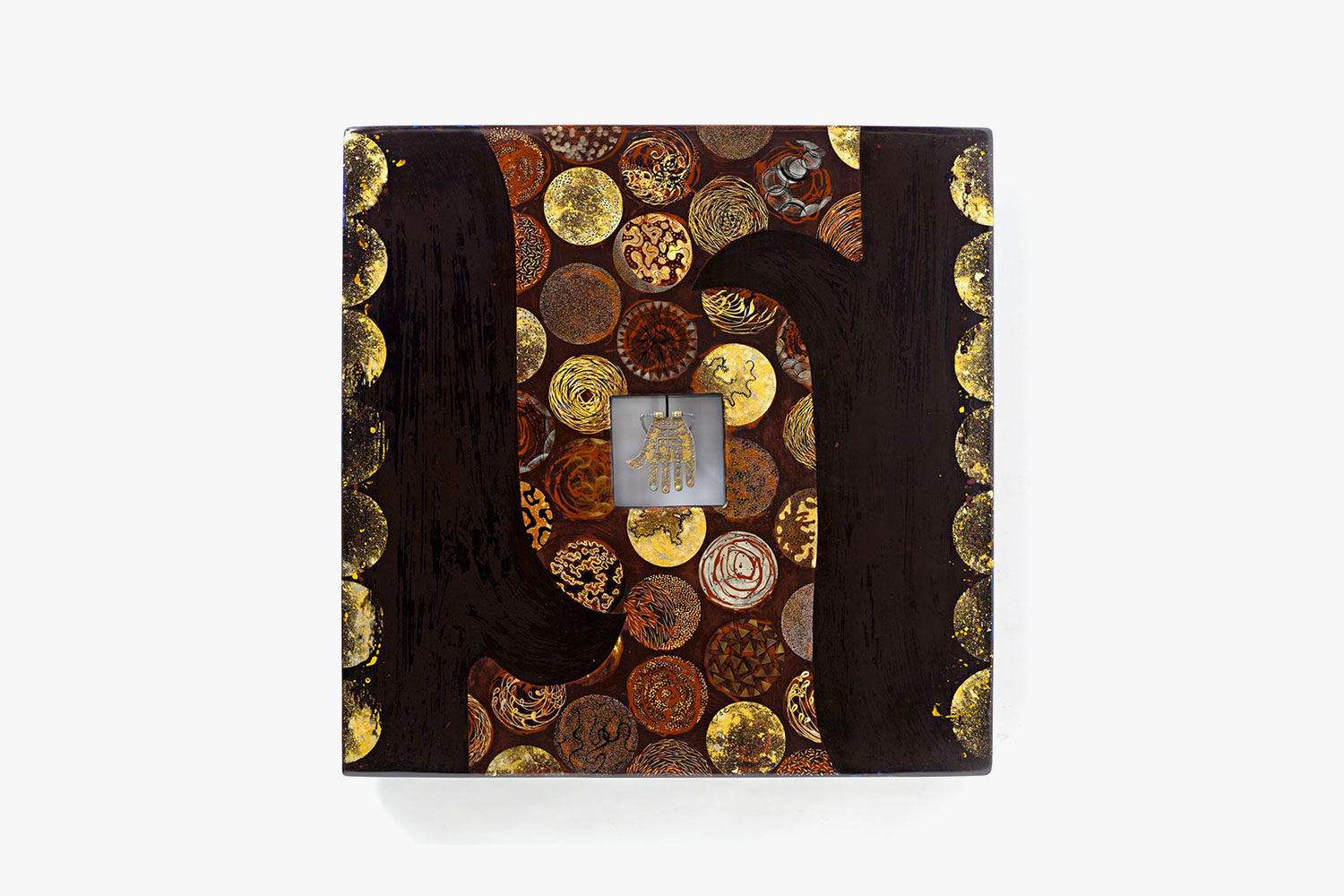
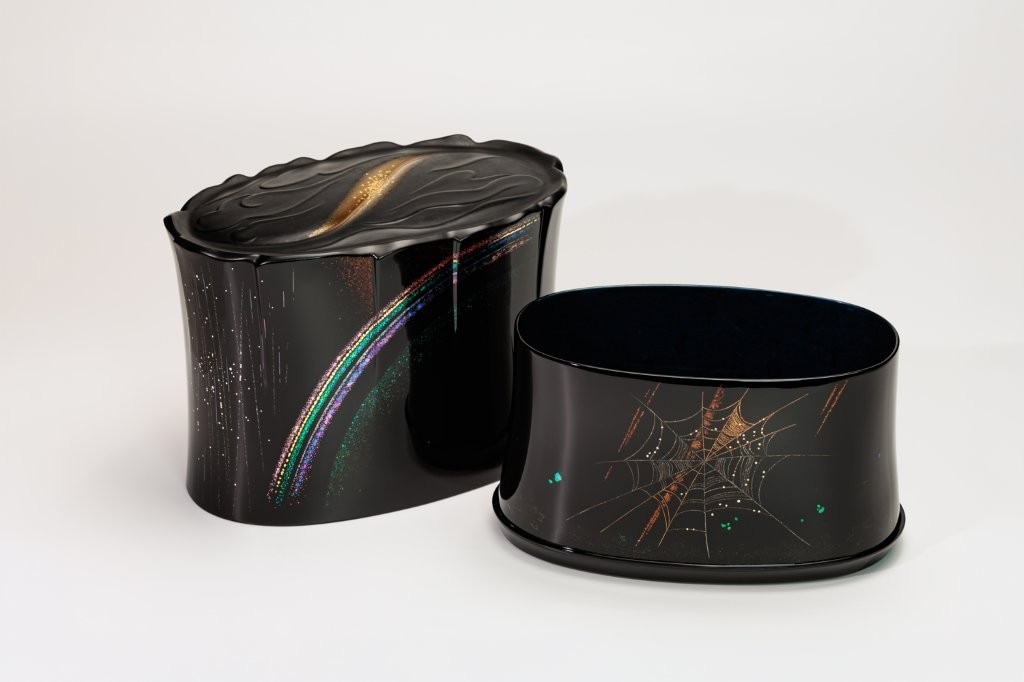
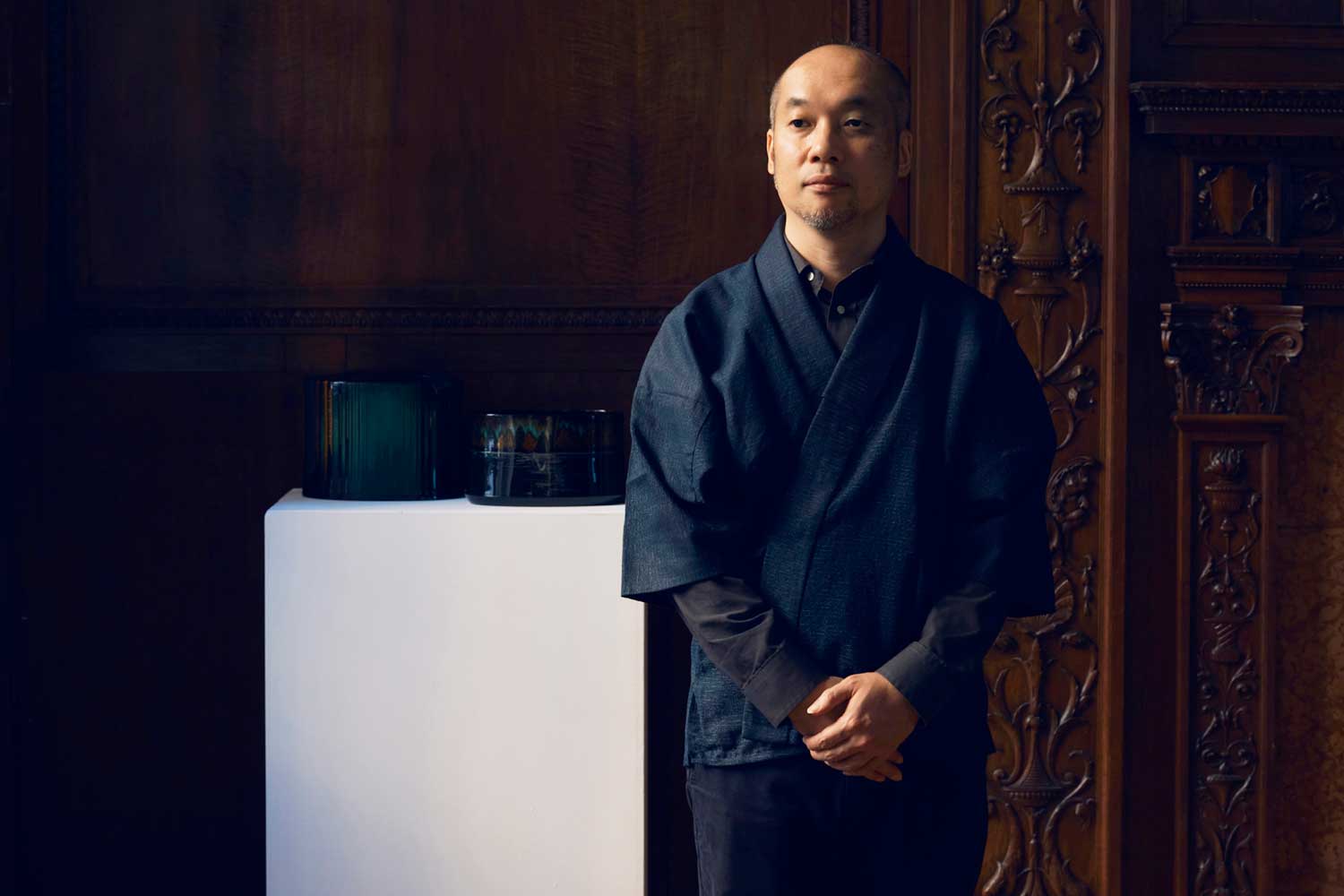
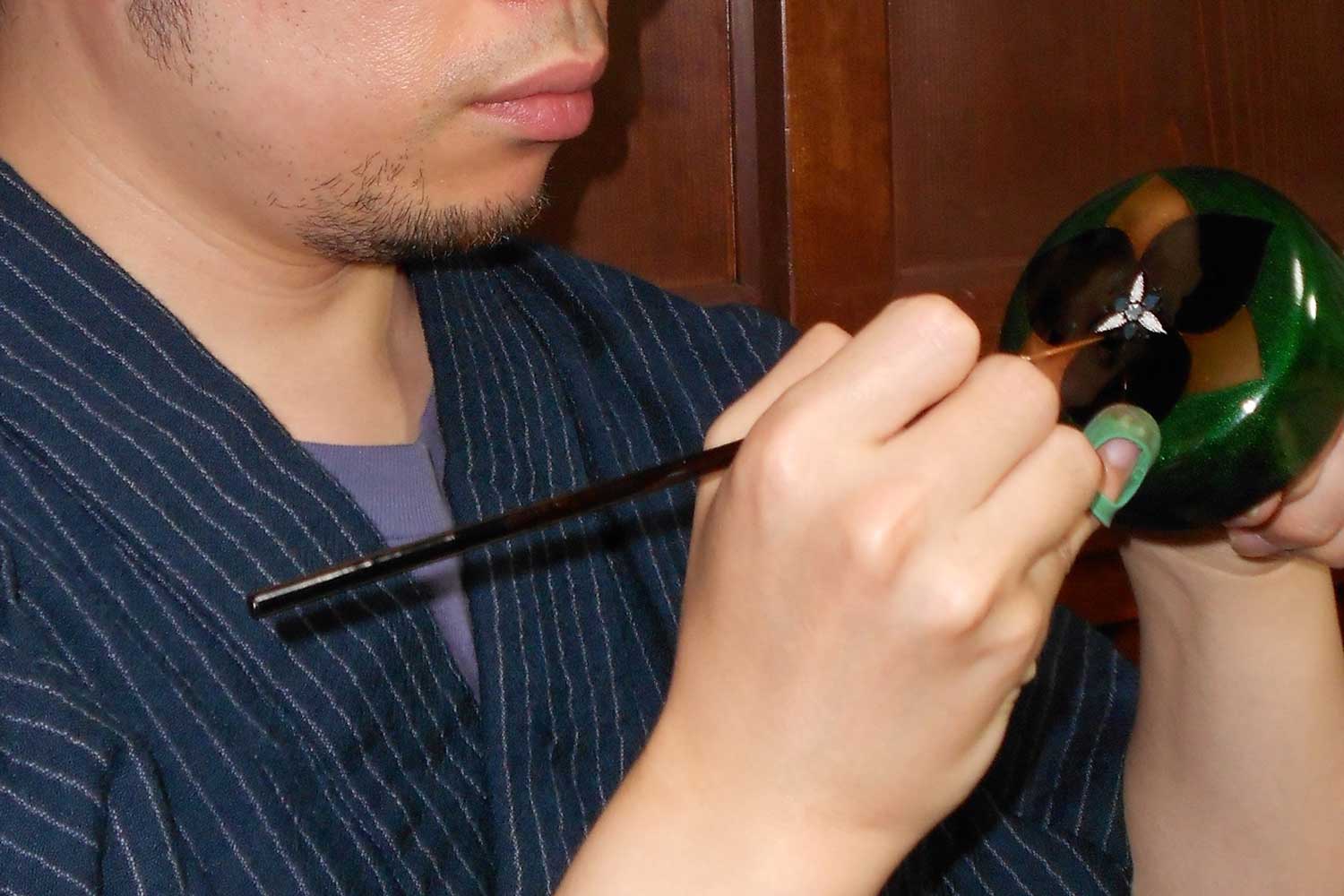
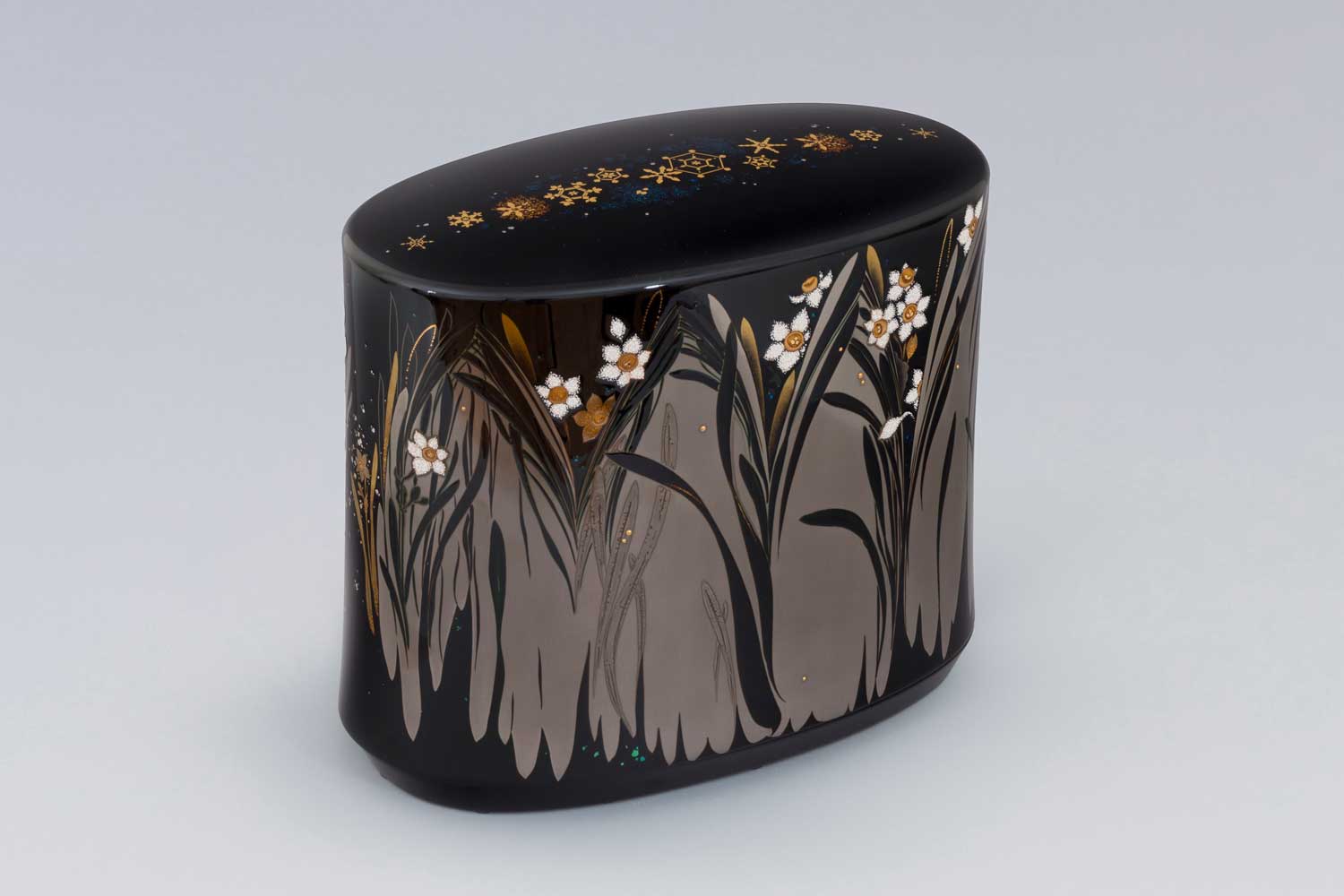
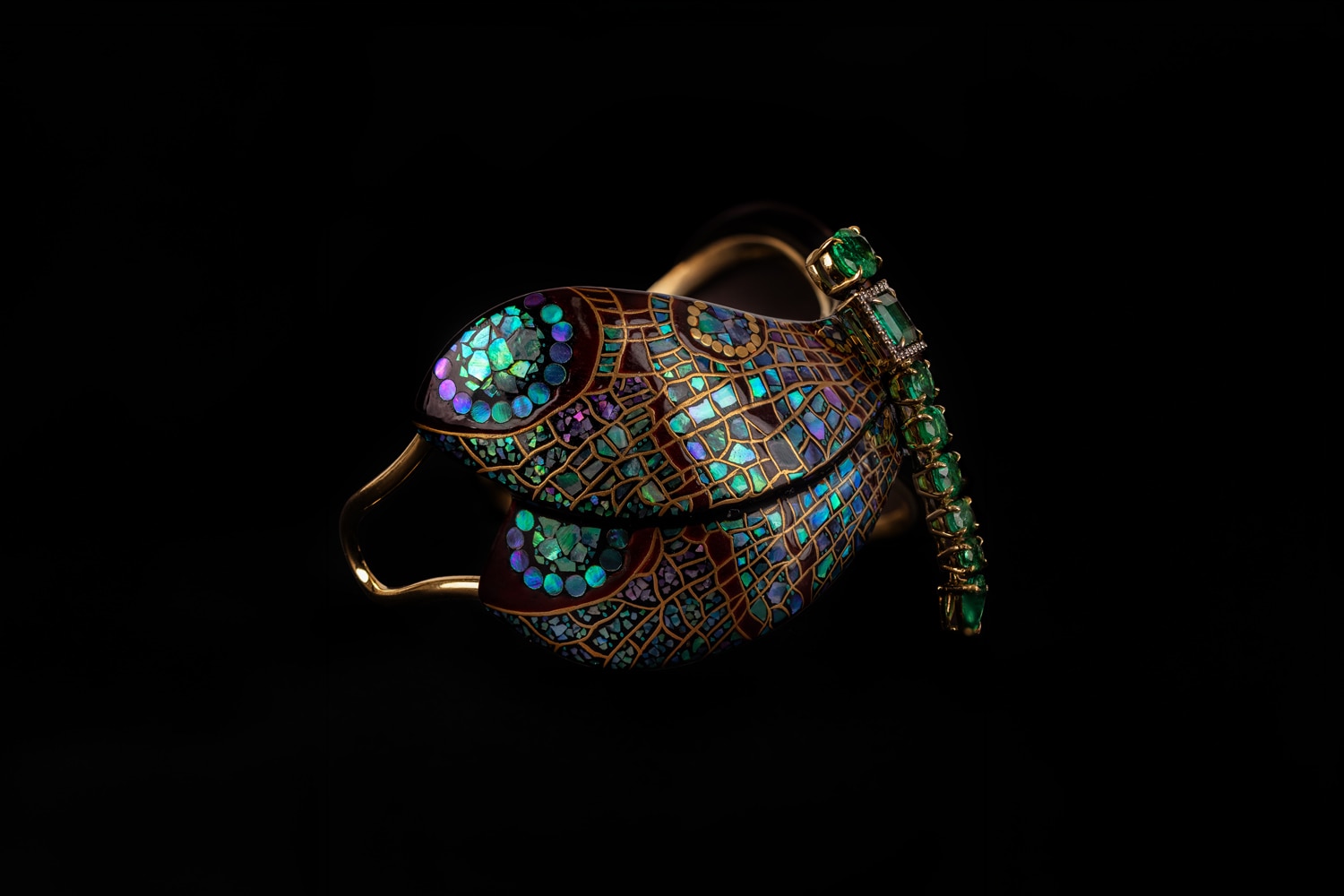
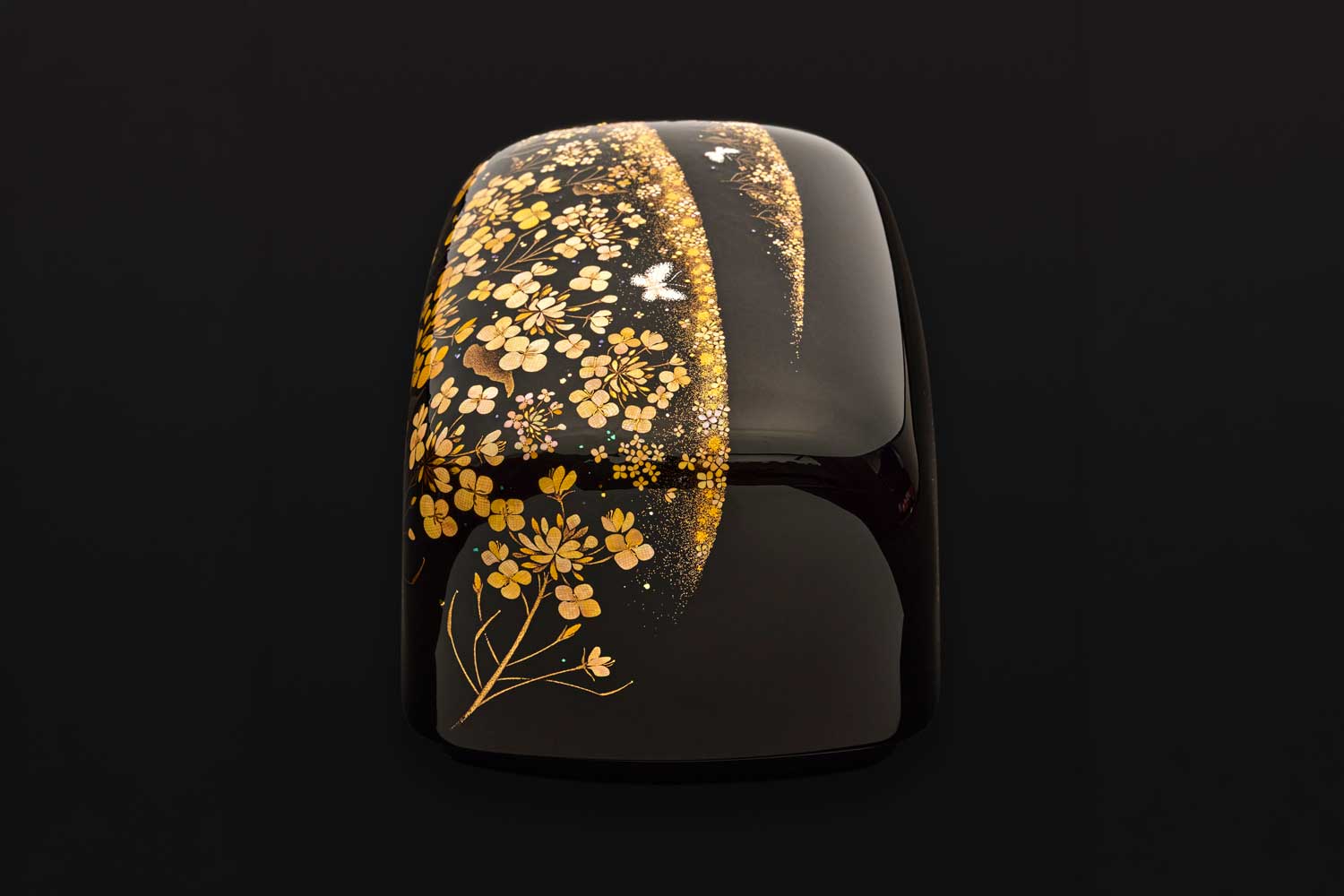
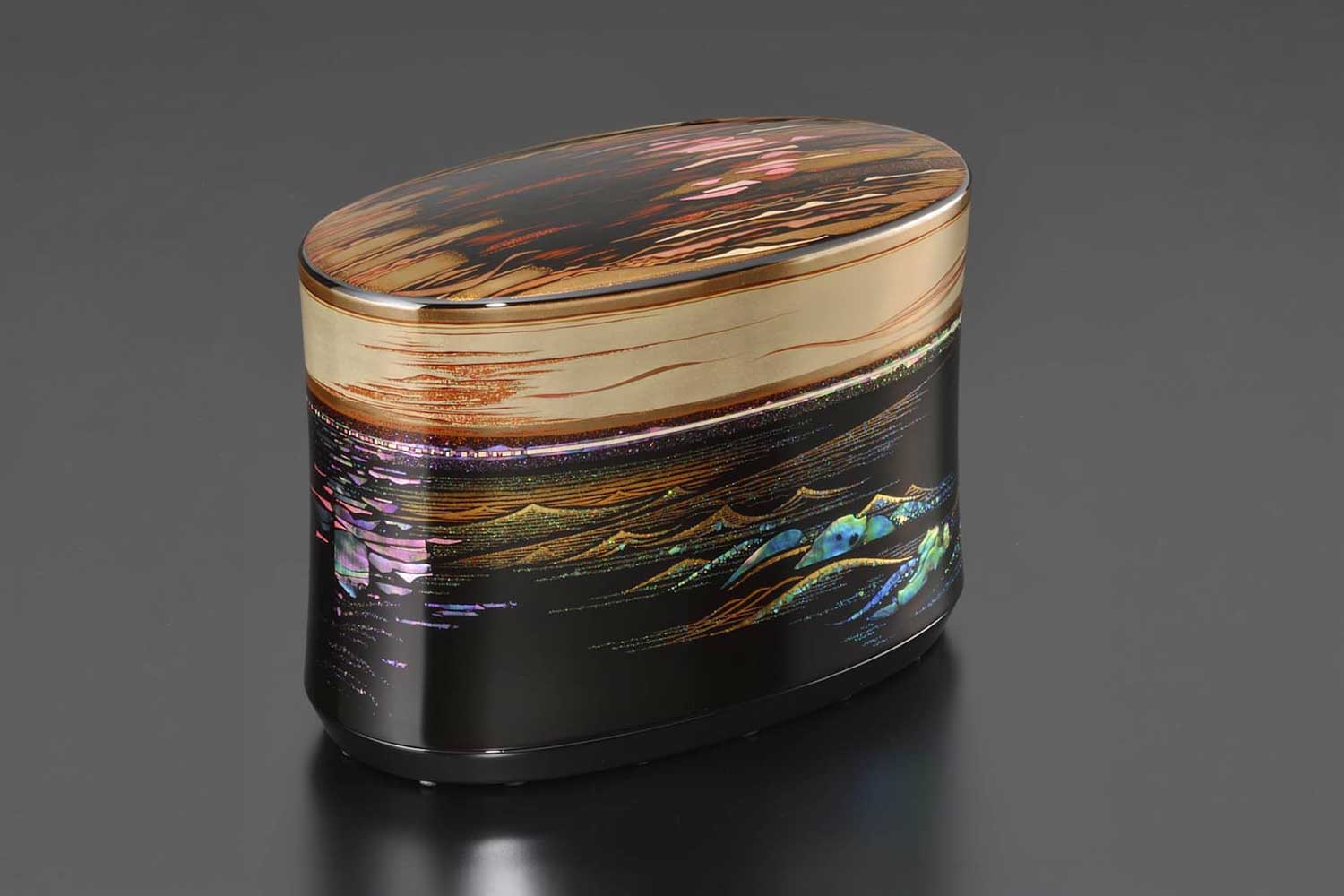
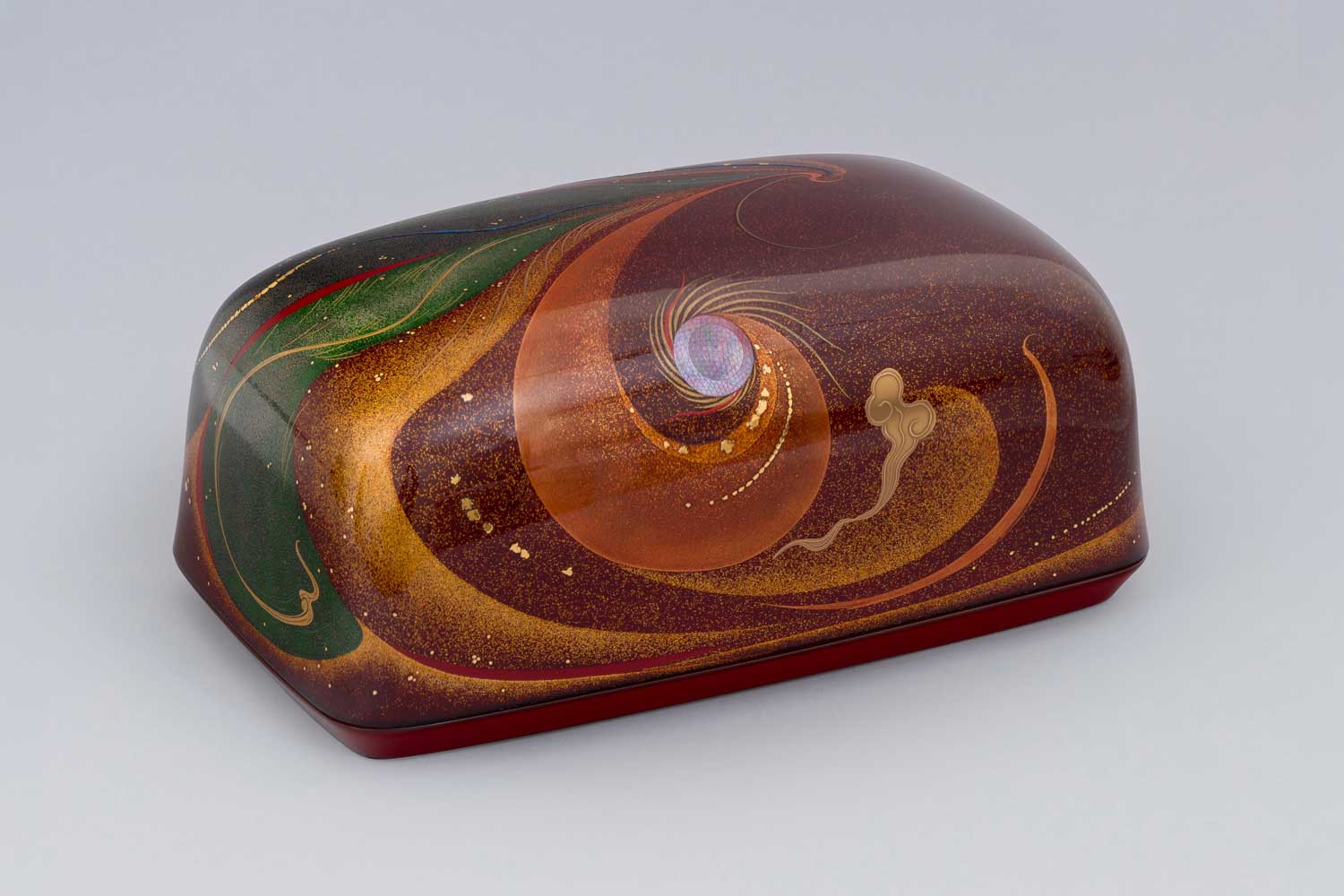
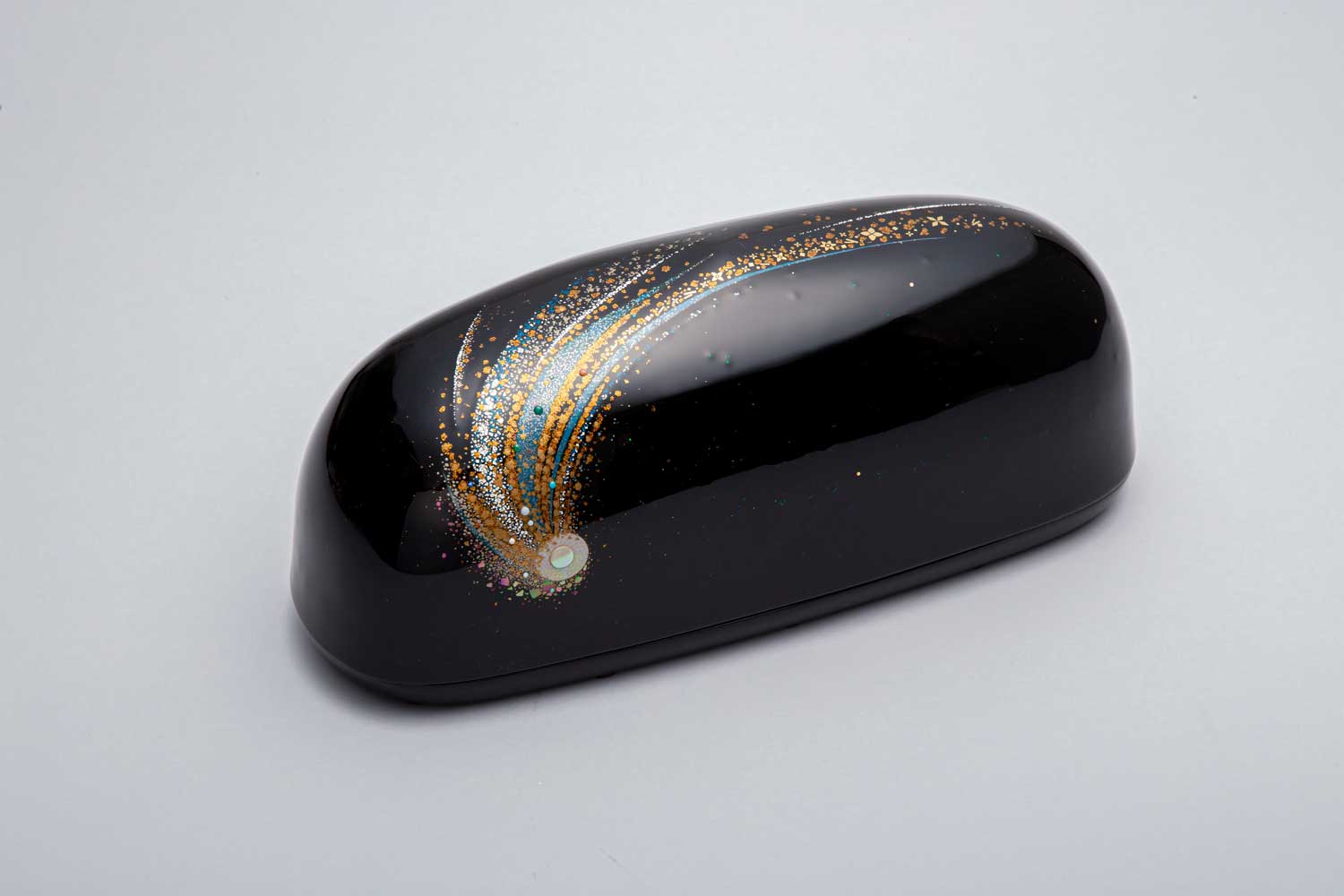
Keiji Onihira was born in Wajima, where lacquerware was a part of daily life and the family business. What began as a craft he pursued for its familiarity became a conviction that developed through training. After a four-year apprenticeship under maki-e master Kumano Sadahisa, Keiji studied at the Ishikawa Prefectural Wajima Urushi Art Technical Training Center. "My encounters with students from outside the region opened my eyes to lacquer’s true cultural value," he says. Keiji's restoration work at the Tokyo National Museum further sharpened his technical discipline. He established an independent studio devoted to maki-e in Wajima, creating lacquer boxes that combine traditional decorative techniques with motifs of auroras, stars and celestial light. "My goal is to broaden how urushi is perceived across generations and borders," says Keiji.
Keiji Onihira is an expert artisan: he began his career in 1991 and he started teaching in 2025.
Discover his work
INTERVIEW
Growing up in Wajima, I was surrounded by lacquerware, which made it seem ordinary to me. I only understood its significance after my formal studies, when I saw people come from all over the world simply to learn the craft. Inspired by their dedication, I reconsidered what had always been right in front of me.
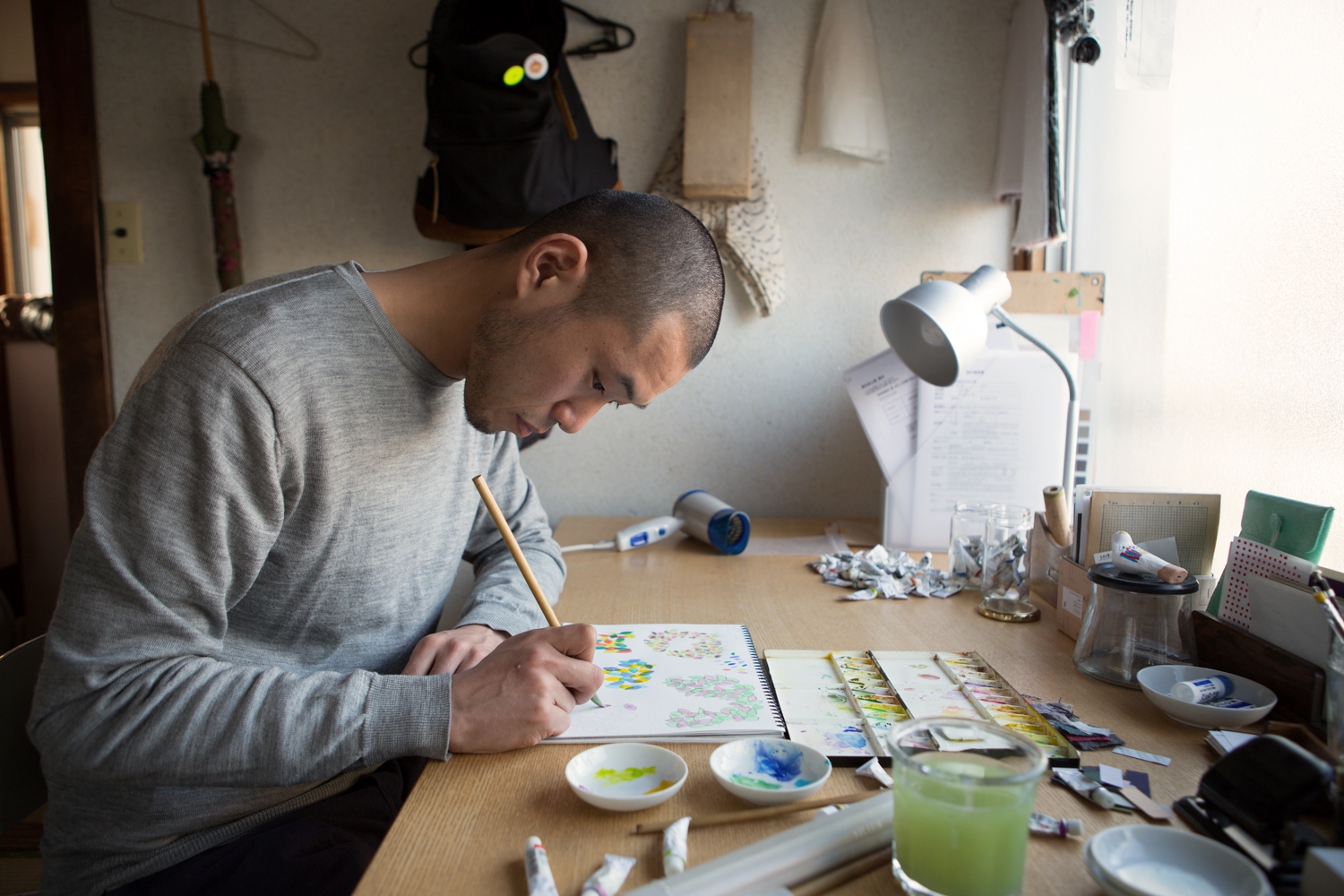
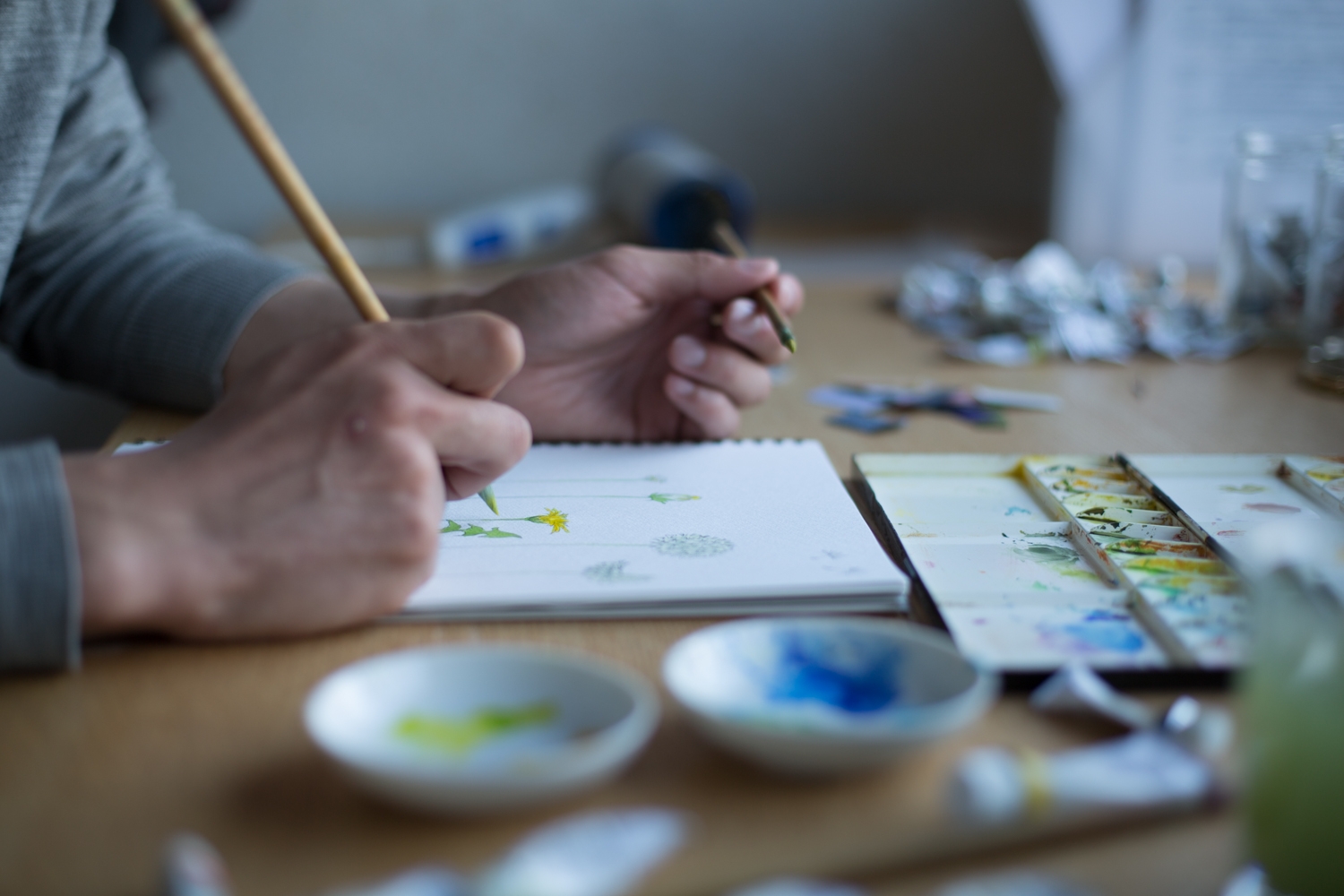
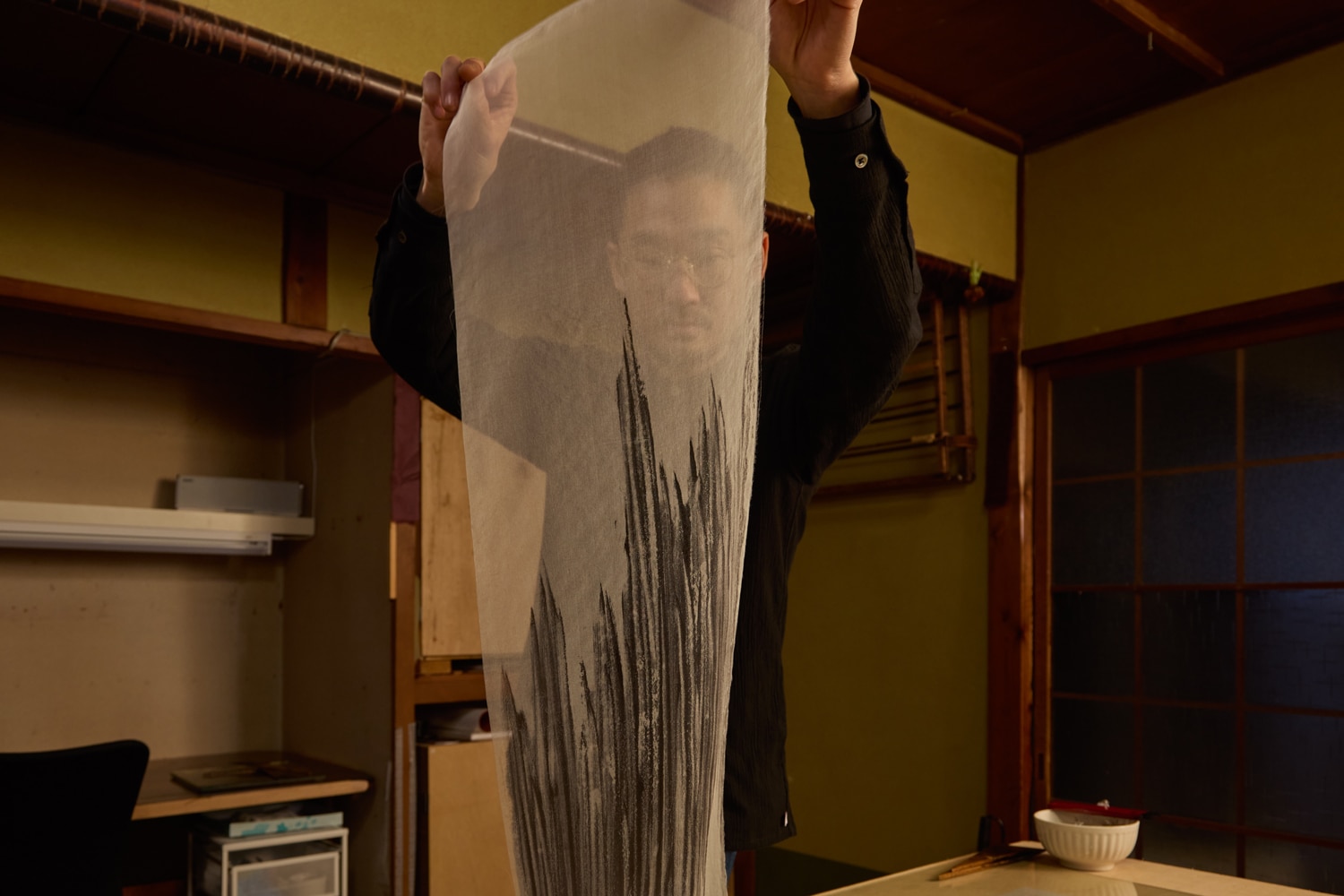
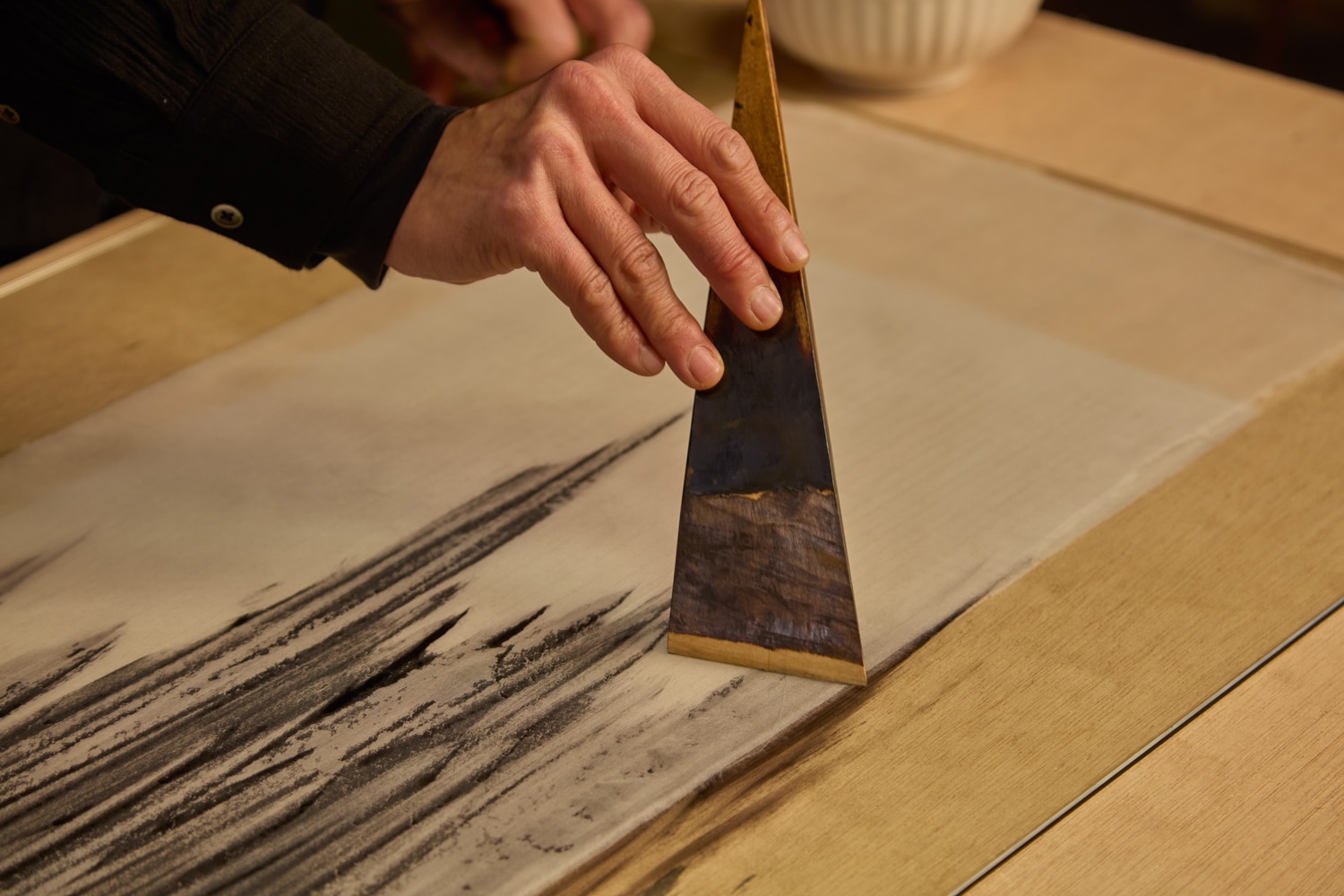
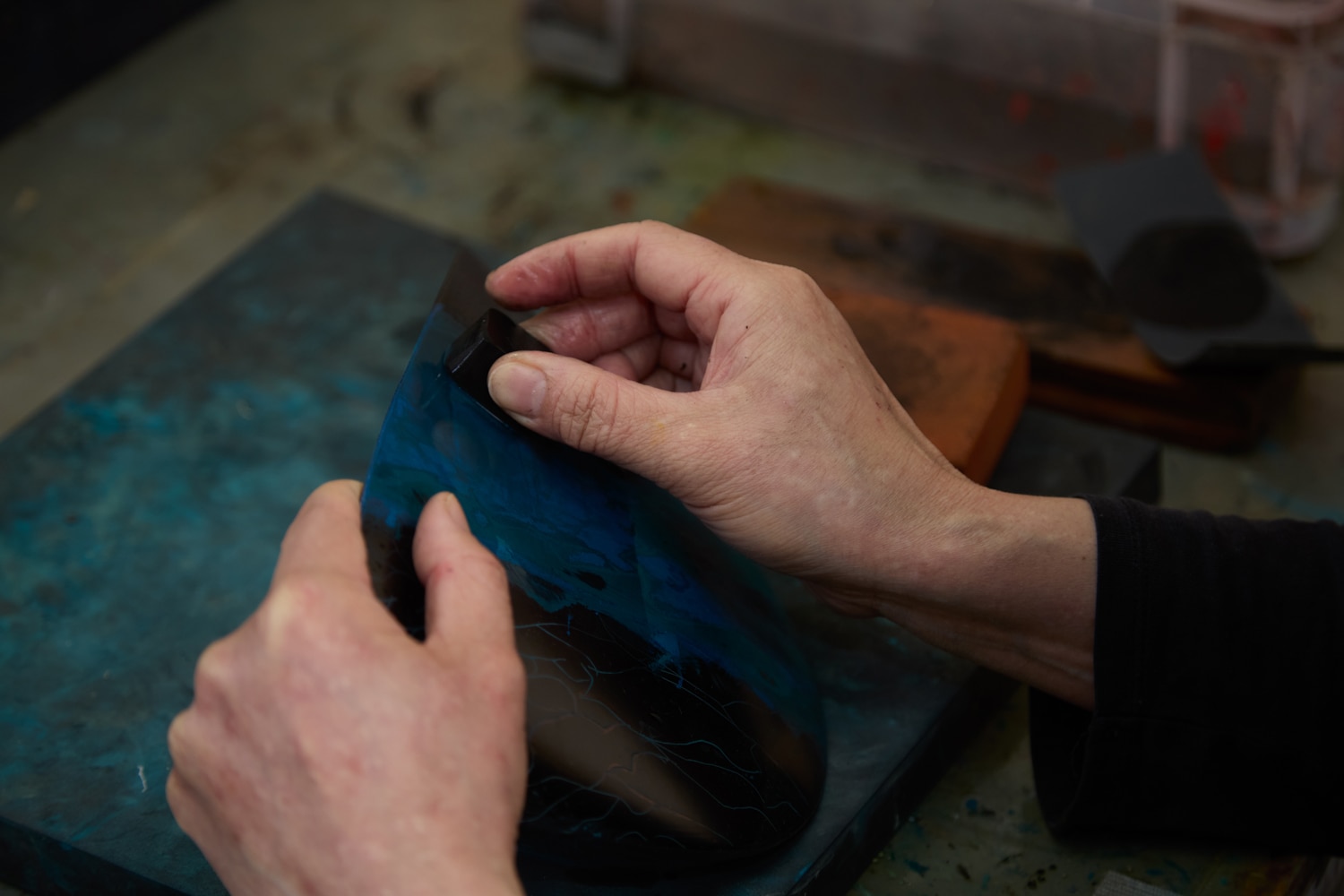
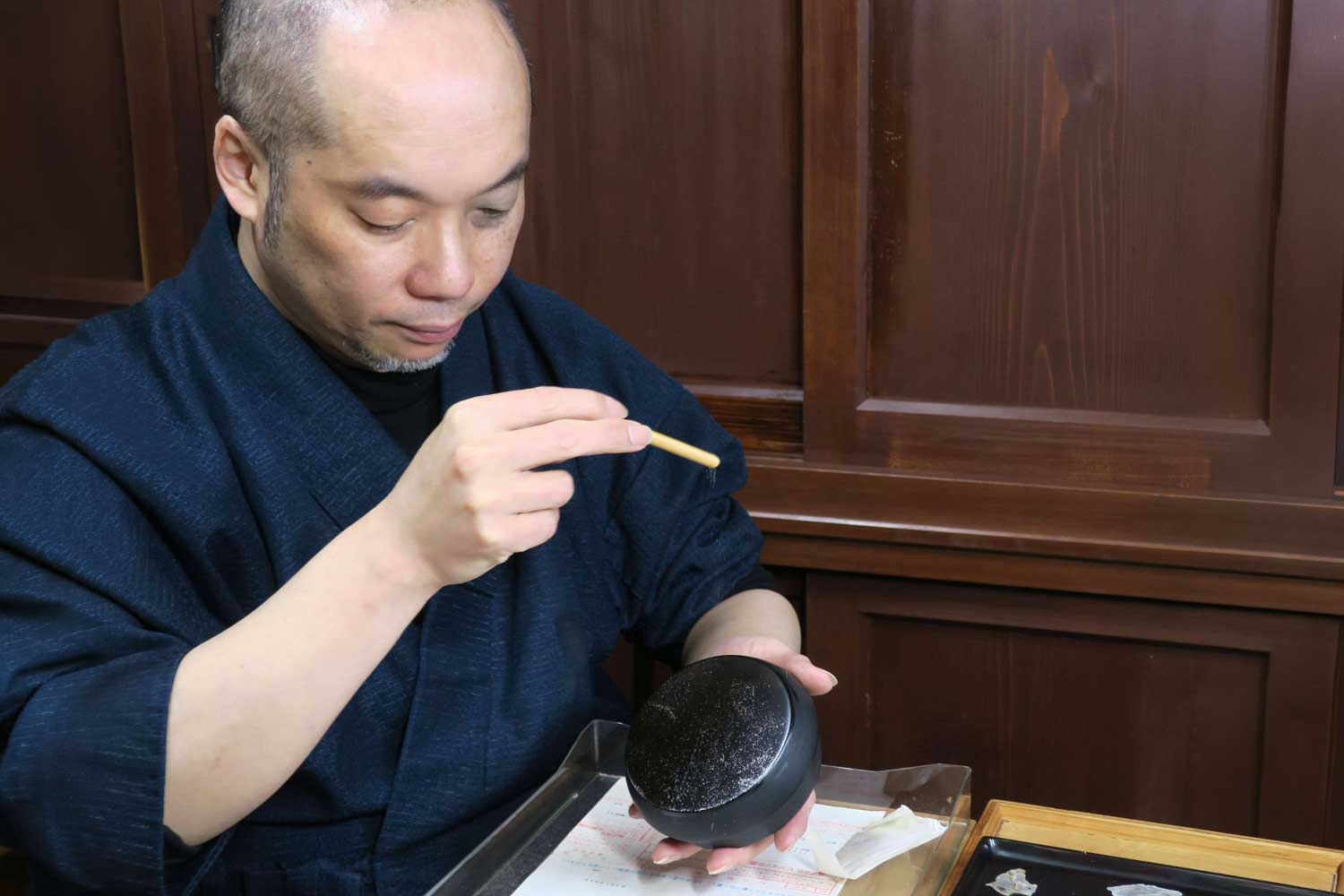
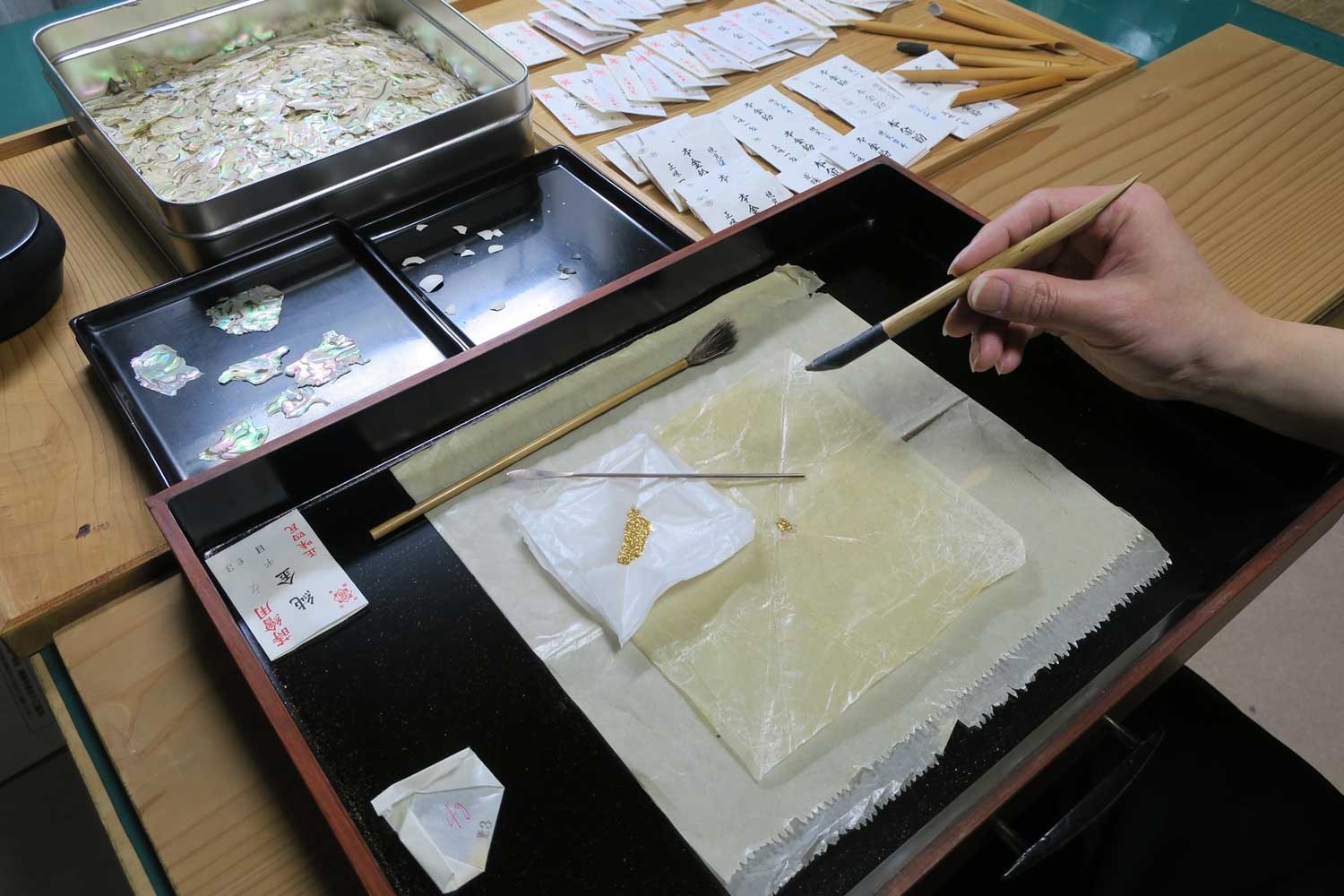
I begin with sketches on a tablet, usually combining Japanese ornamental vocabulary with images such as comets, auroras or rays of light. From there, I build the composition layer by layer through maki-e, shell inlay and powdered metal, adjusting as the surface develops.
While traditional techniques shape my foundation, they are not reflected in the final forms of my pieces. I continue making lacquer works because these methods must remain active to survive. If my objects engage contemporary viewers, then the techniques themselves will endure into the future.
Lacquer work is slow, so I learned not to force results. I proceed step by step and solve problems as they arise. Over time, I also learned that independence requires physical stamina, clear judgment and practical preparation, both in work and life.
Keiji Onihira
Lacquerer
Wajima City, Japan
ADDRESS
Address upon request, Wajima City, Japan
AVAILABILITY
By appointment only
LANGUAGES
Japanese
HOMO FABER FINDS
Homo Faber Finds is a new service aiming to inspire admirers of craft to connect and collaborate with exceptional artisans.
We invite you to submit an enquiry here.