Jihei Murase
Lacquerer
Setagaya, Japan
The artful charm in the details
- Jihei’s craft was passed down to him from his grandfather
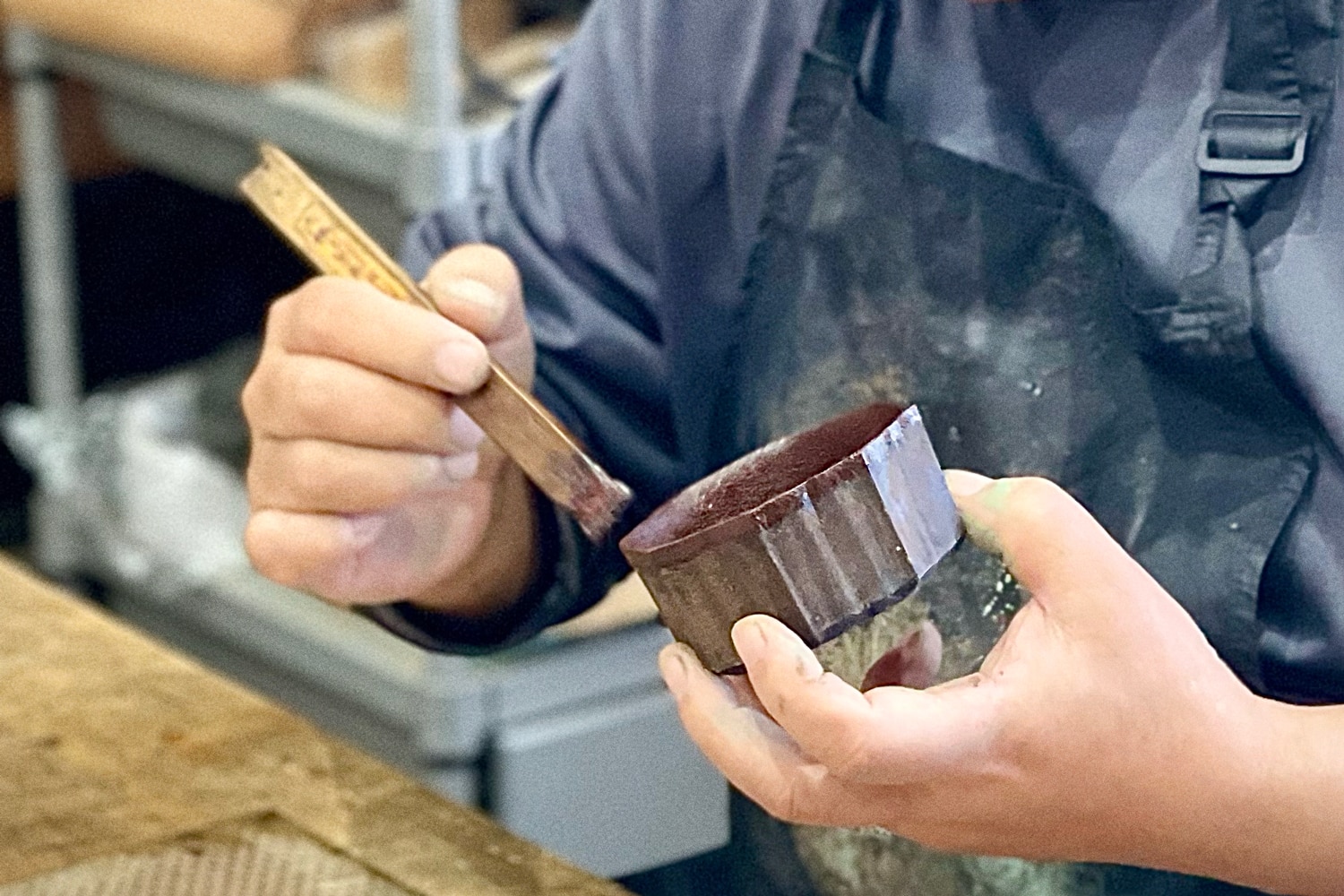
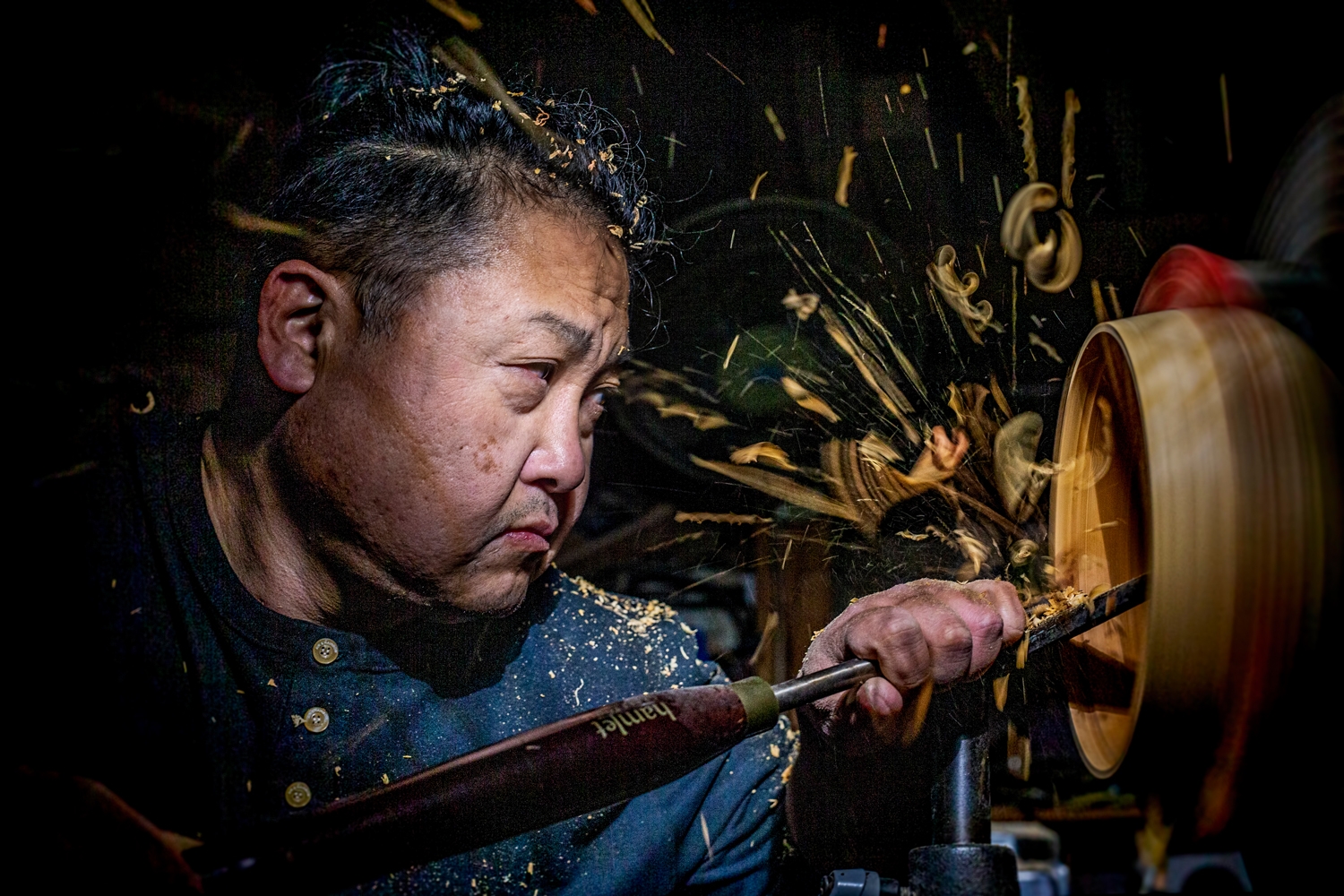
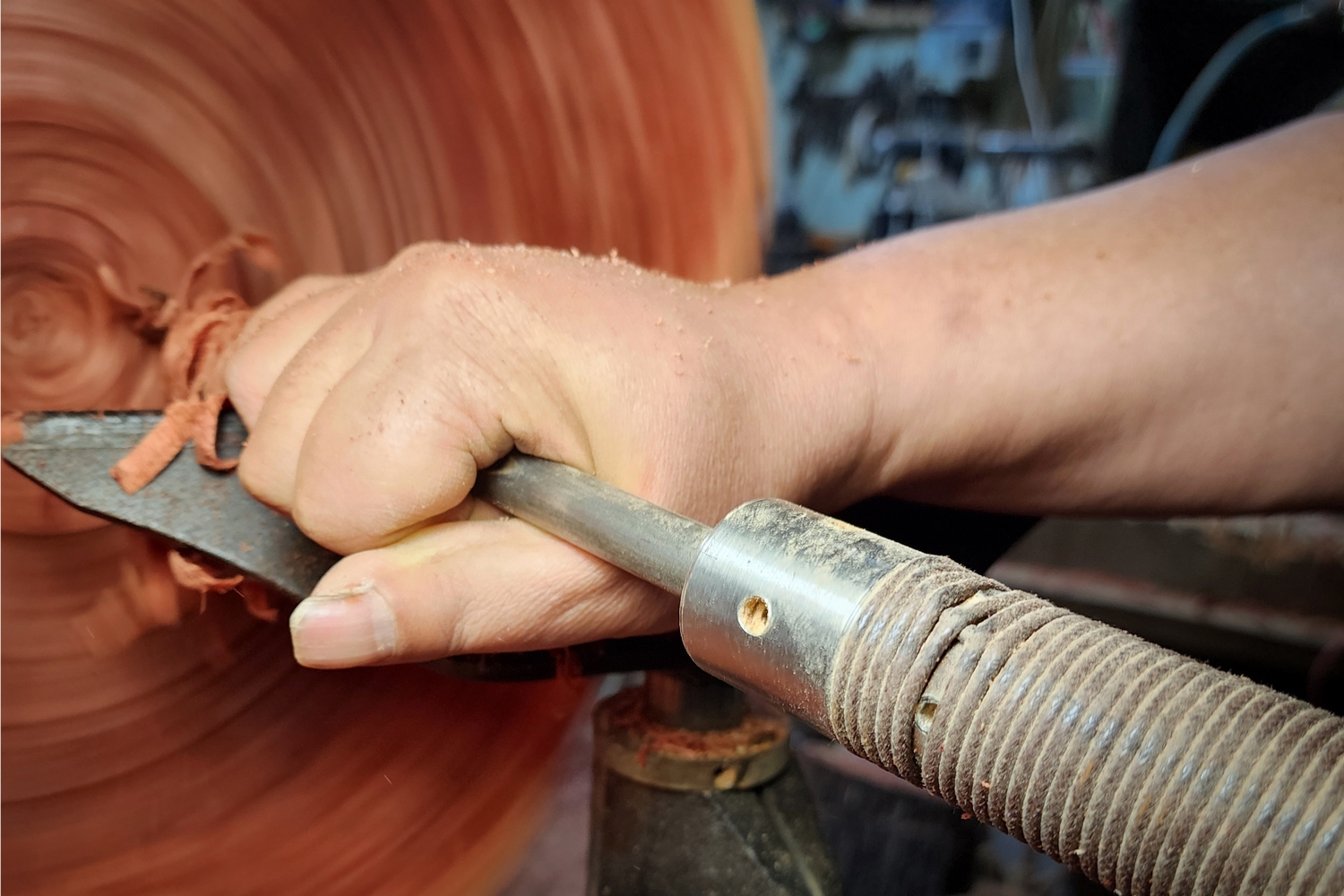
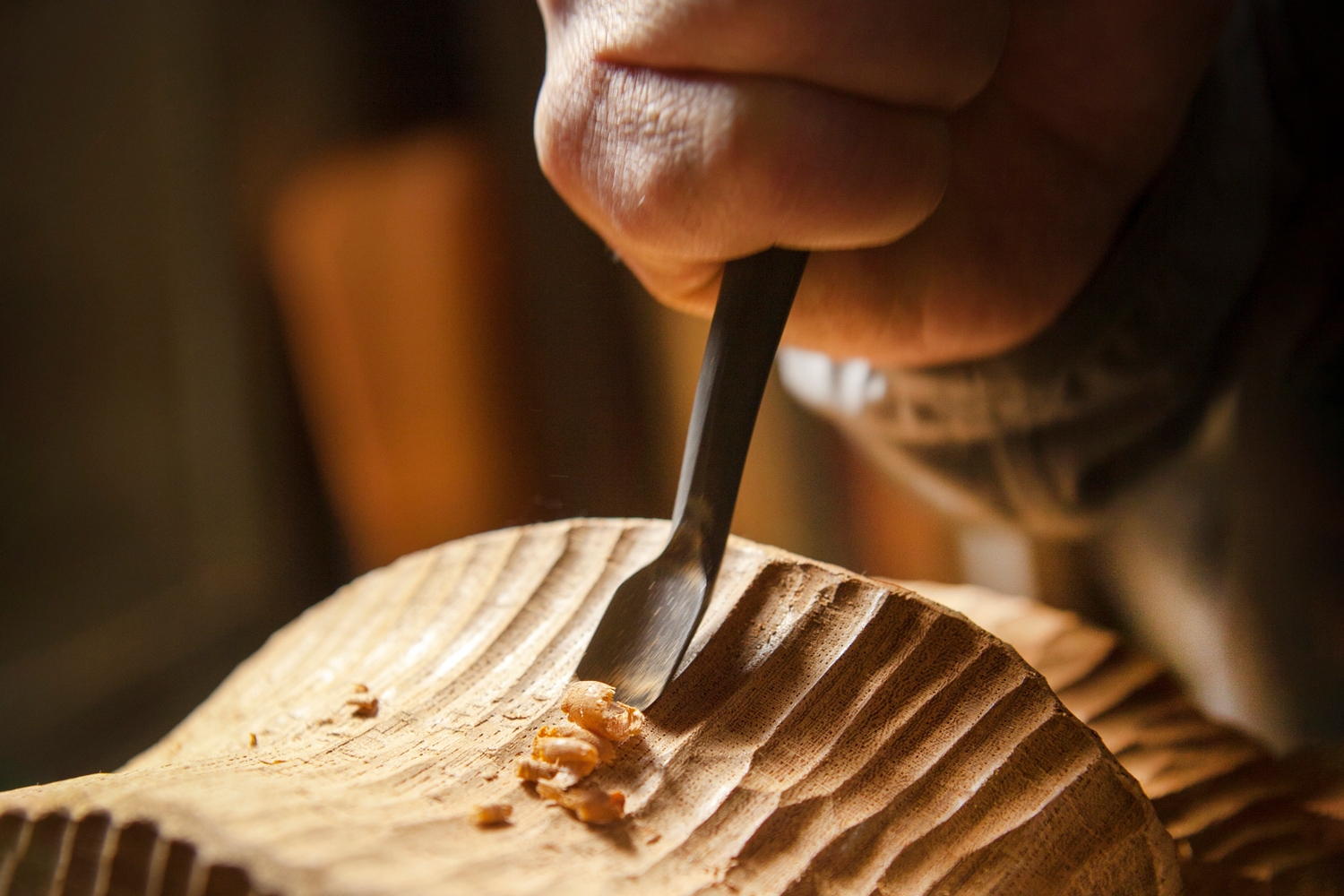
- He carries out the entire making process, from woodturning to lacquering
- He seeks contemporary expressions and new approaches in urushiware
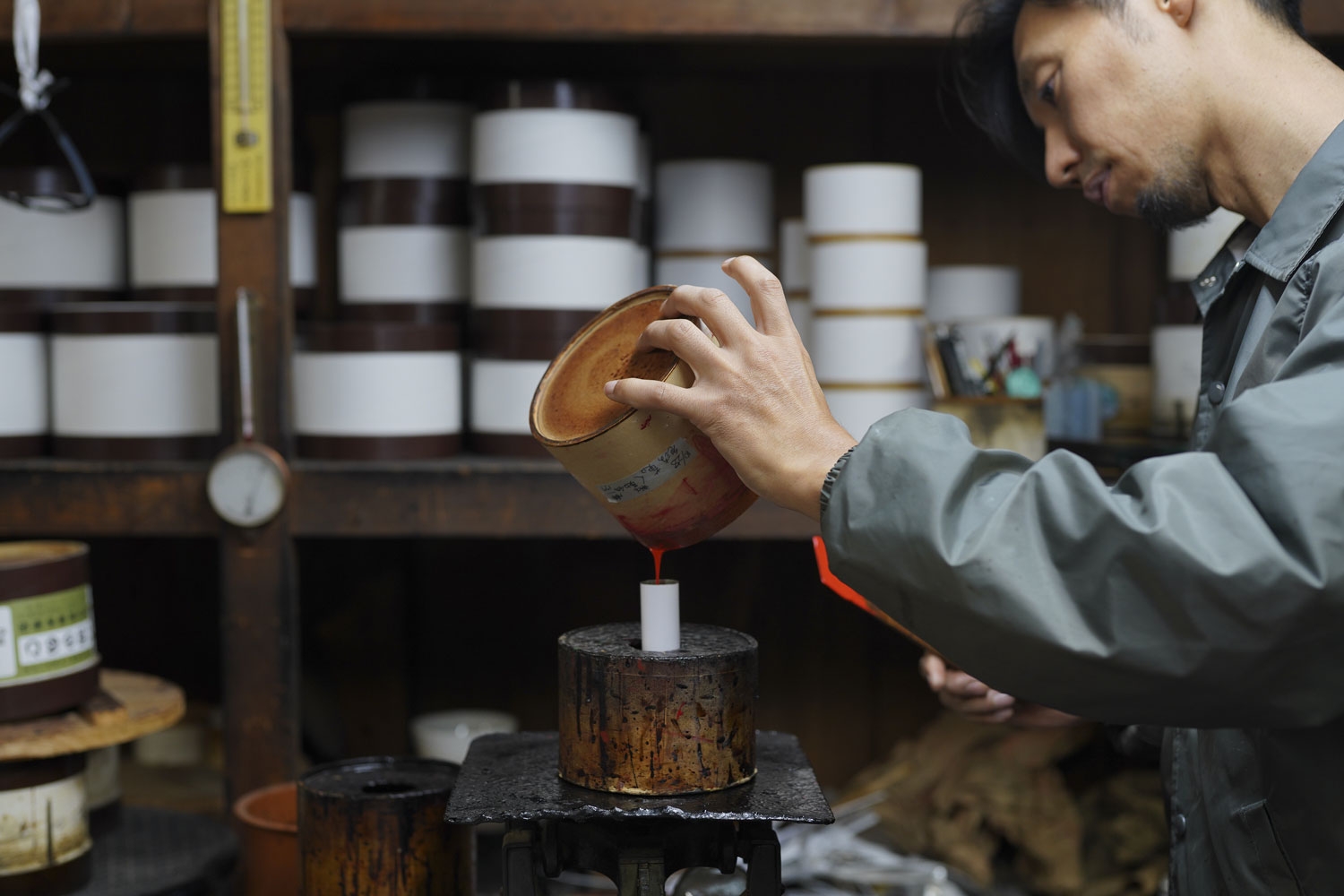
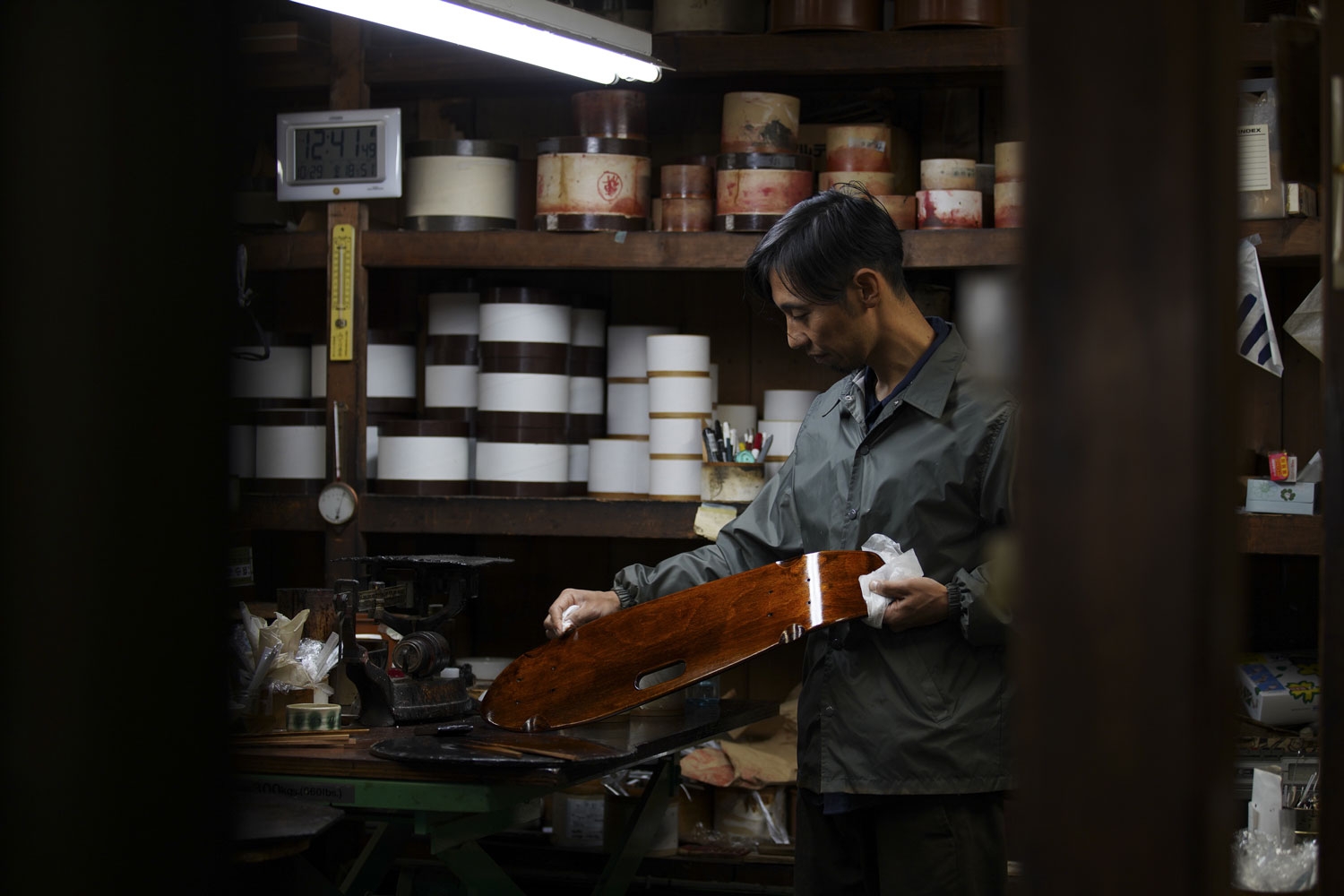
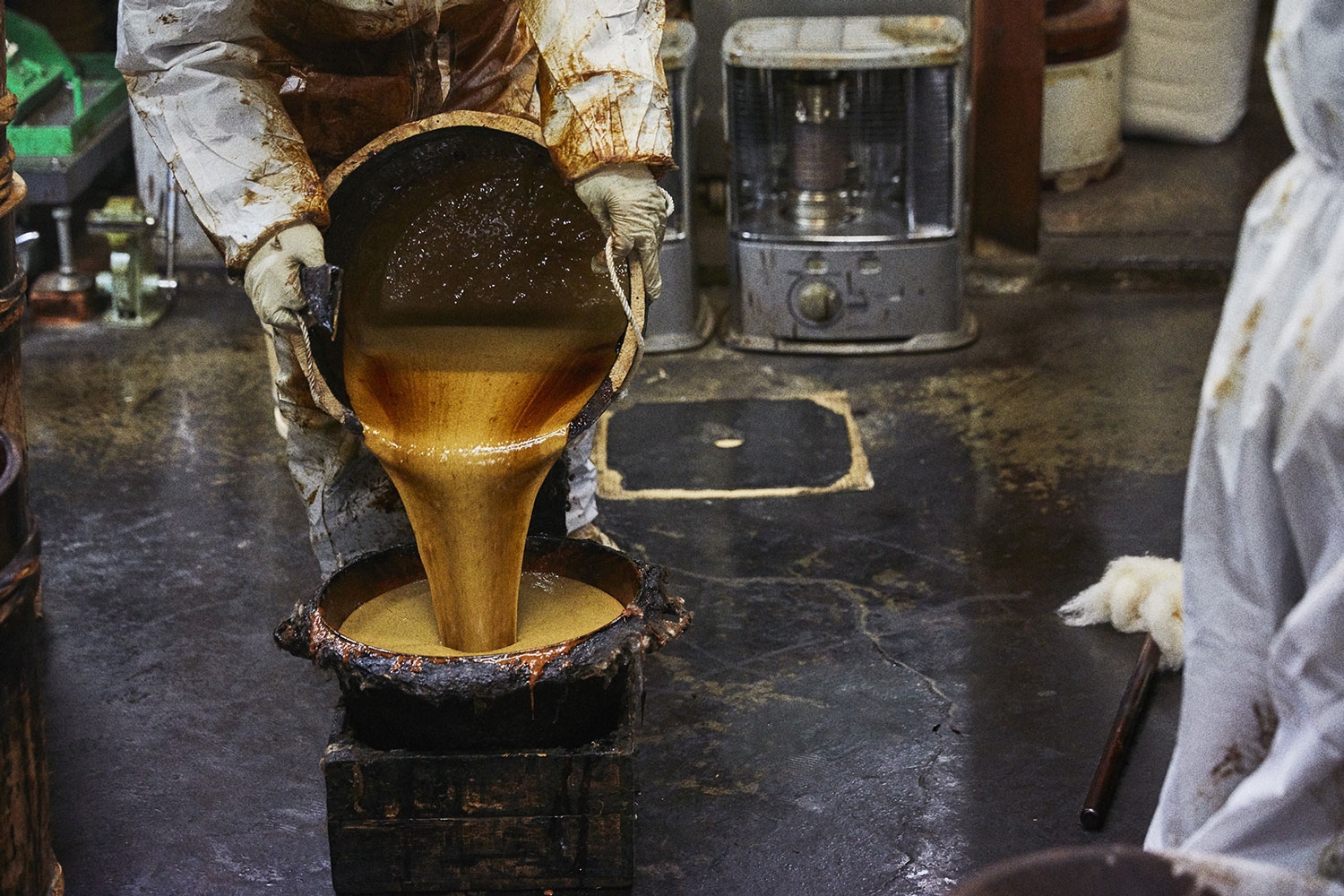
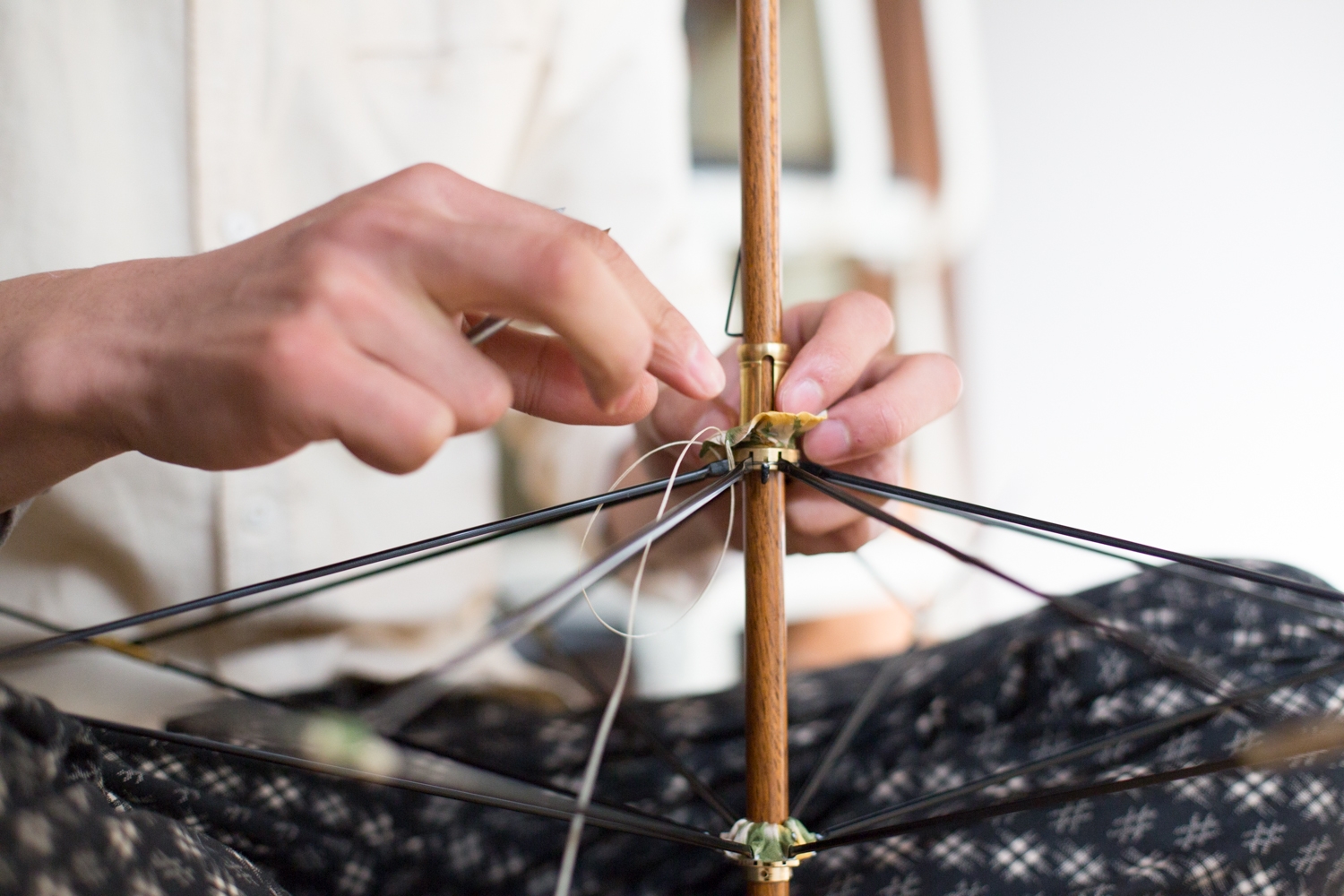
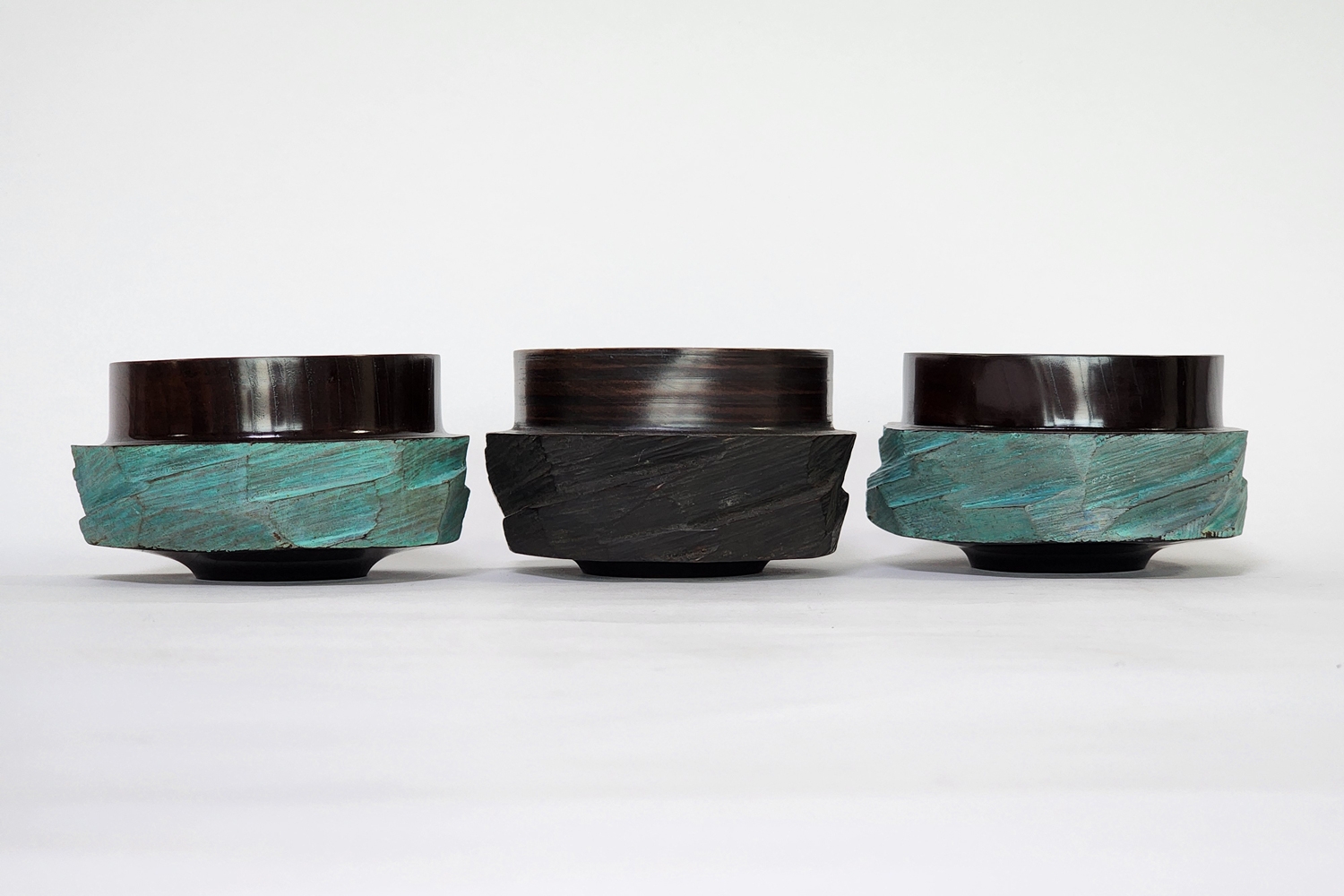
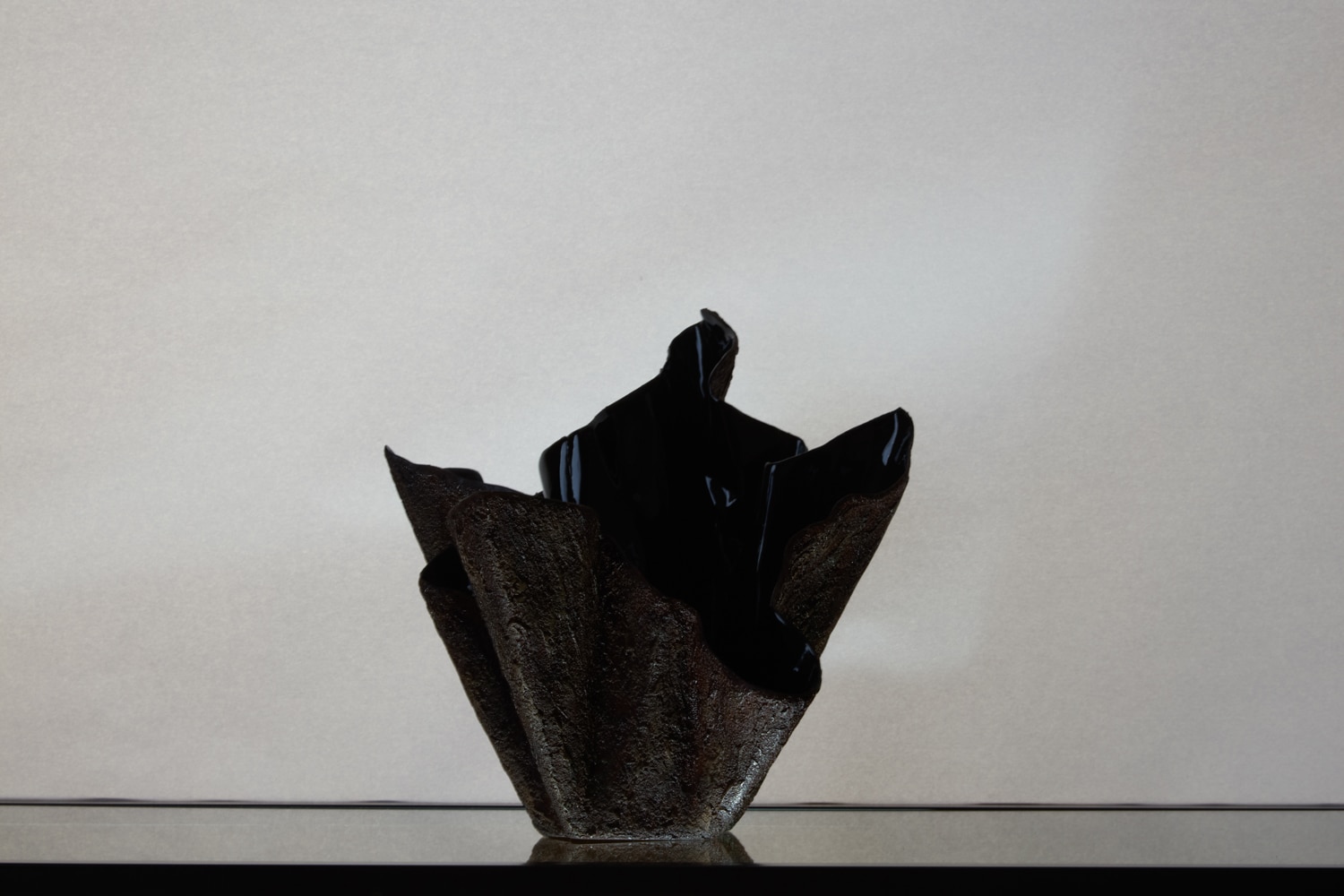
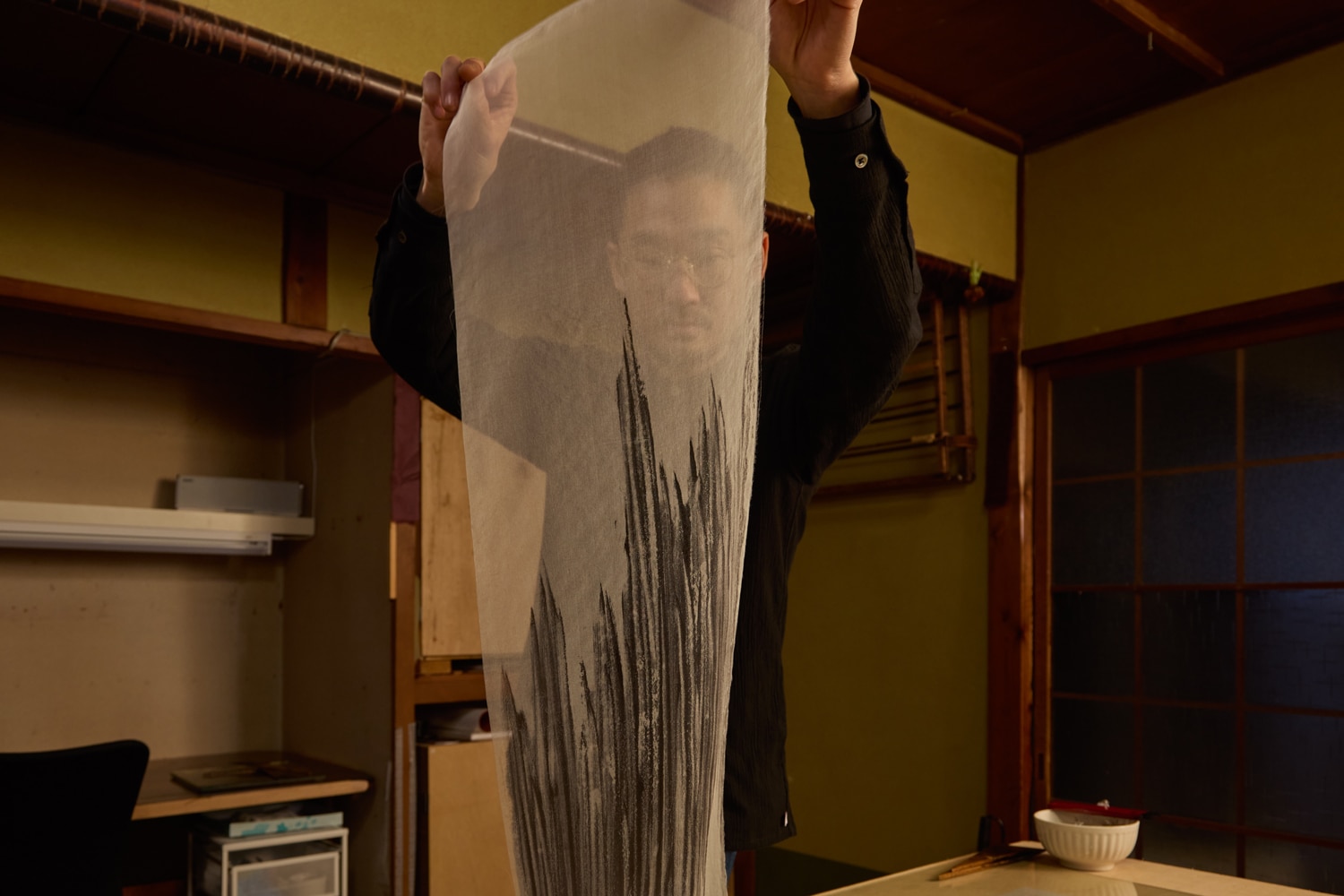
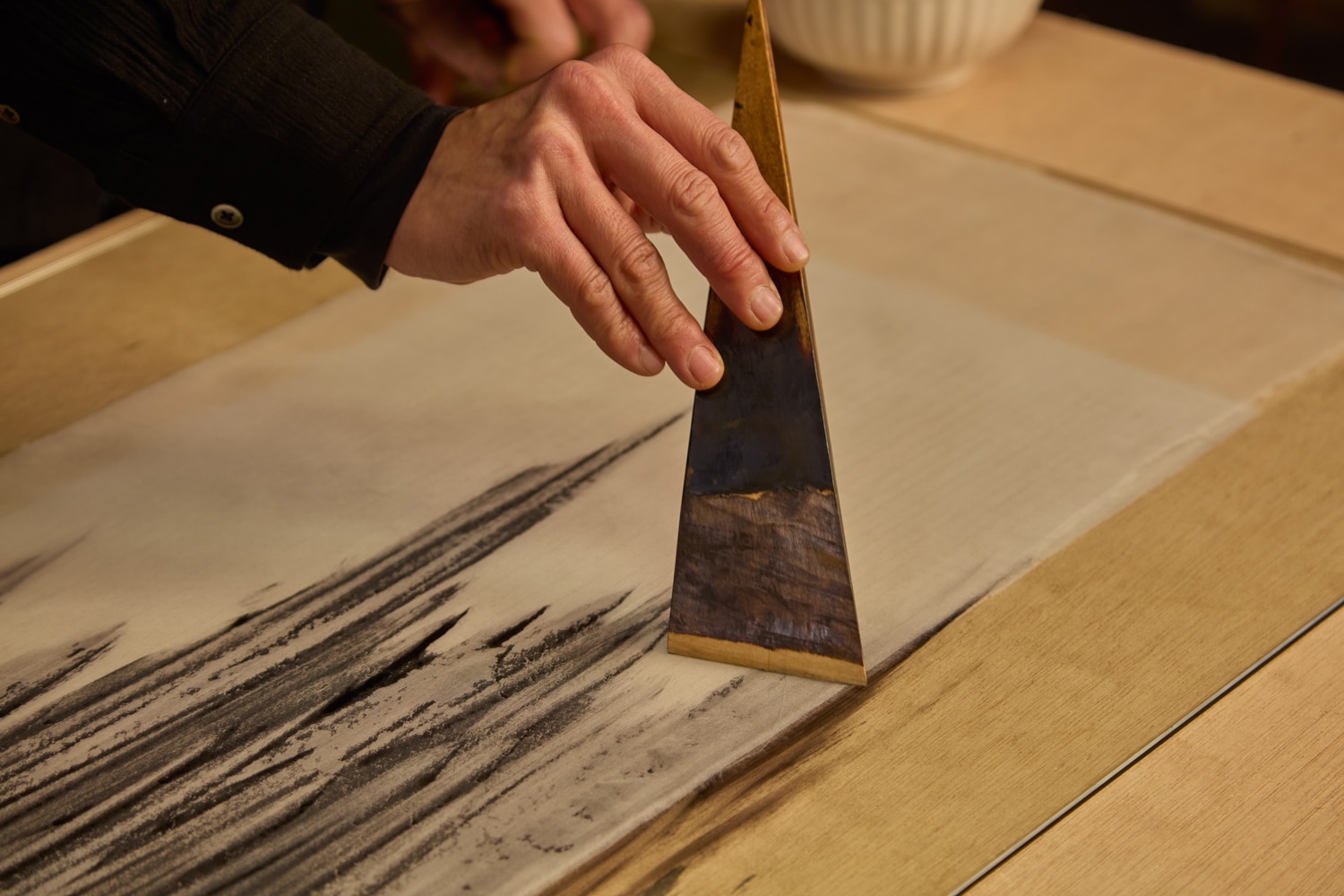
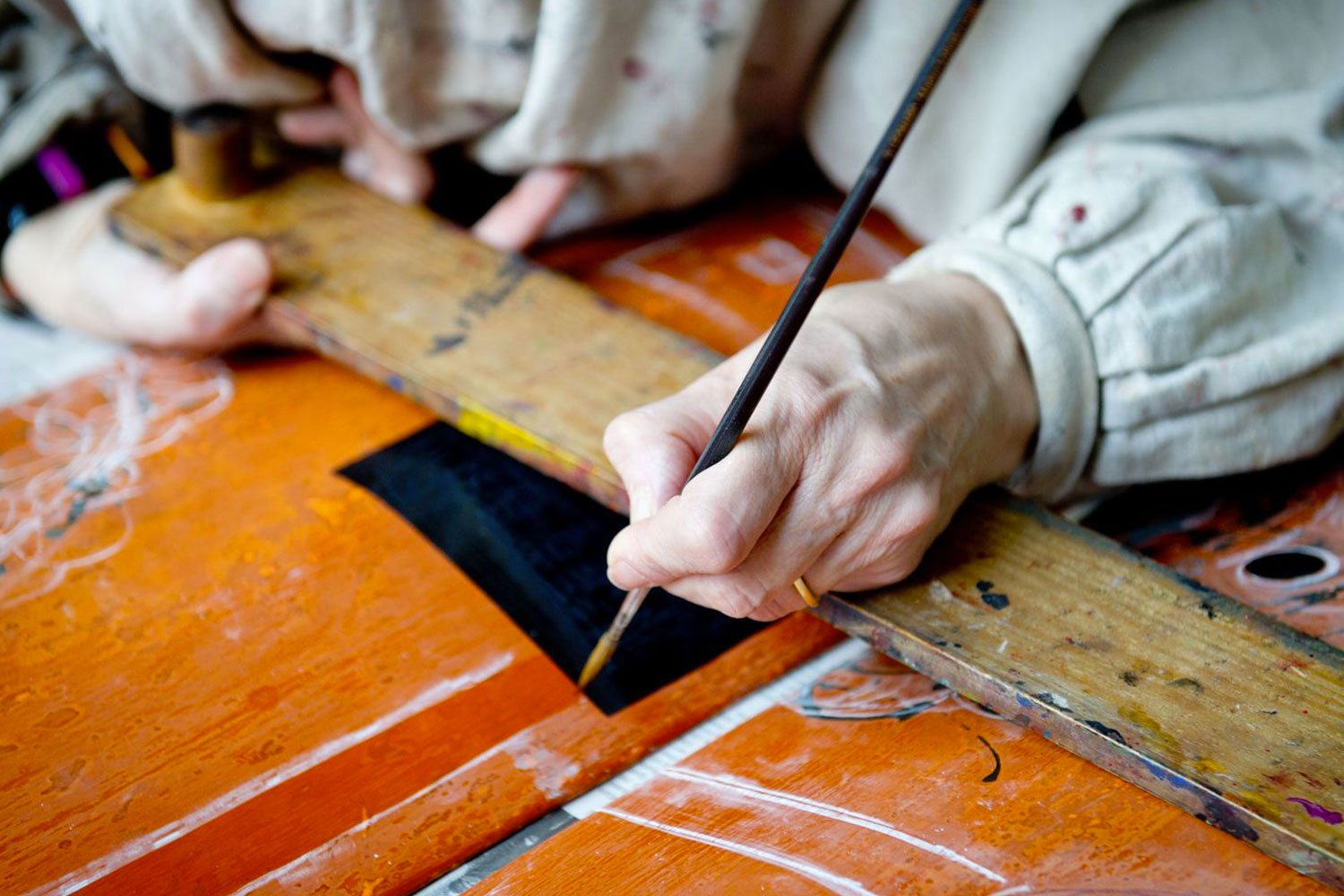
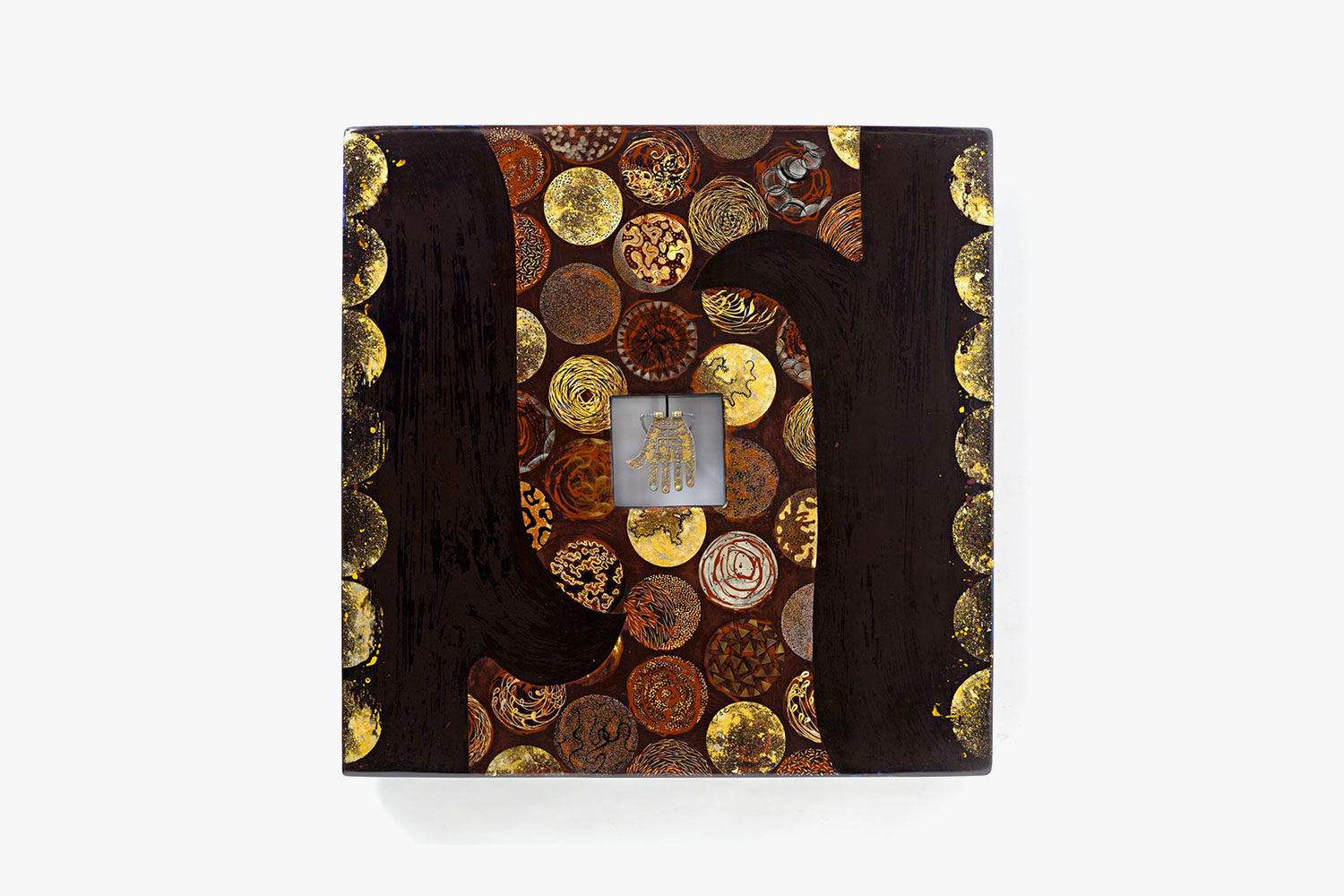
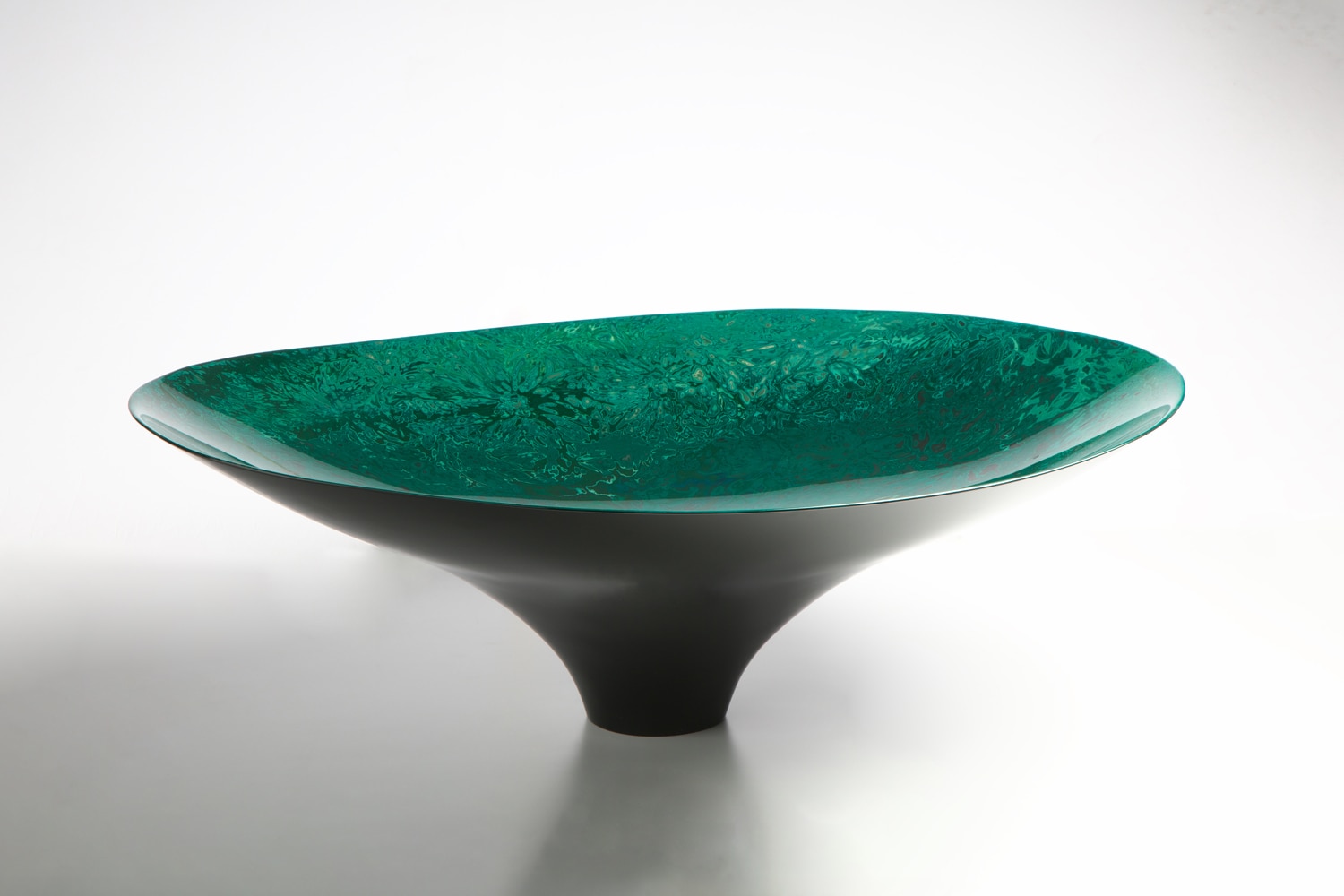
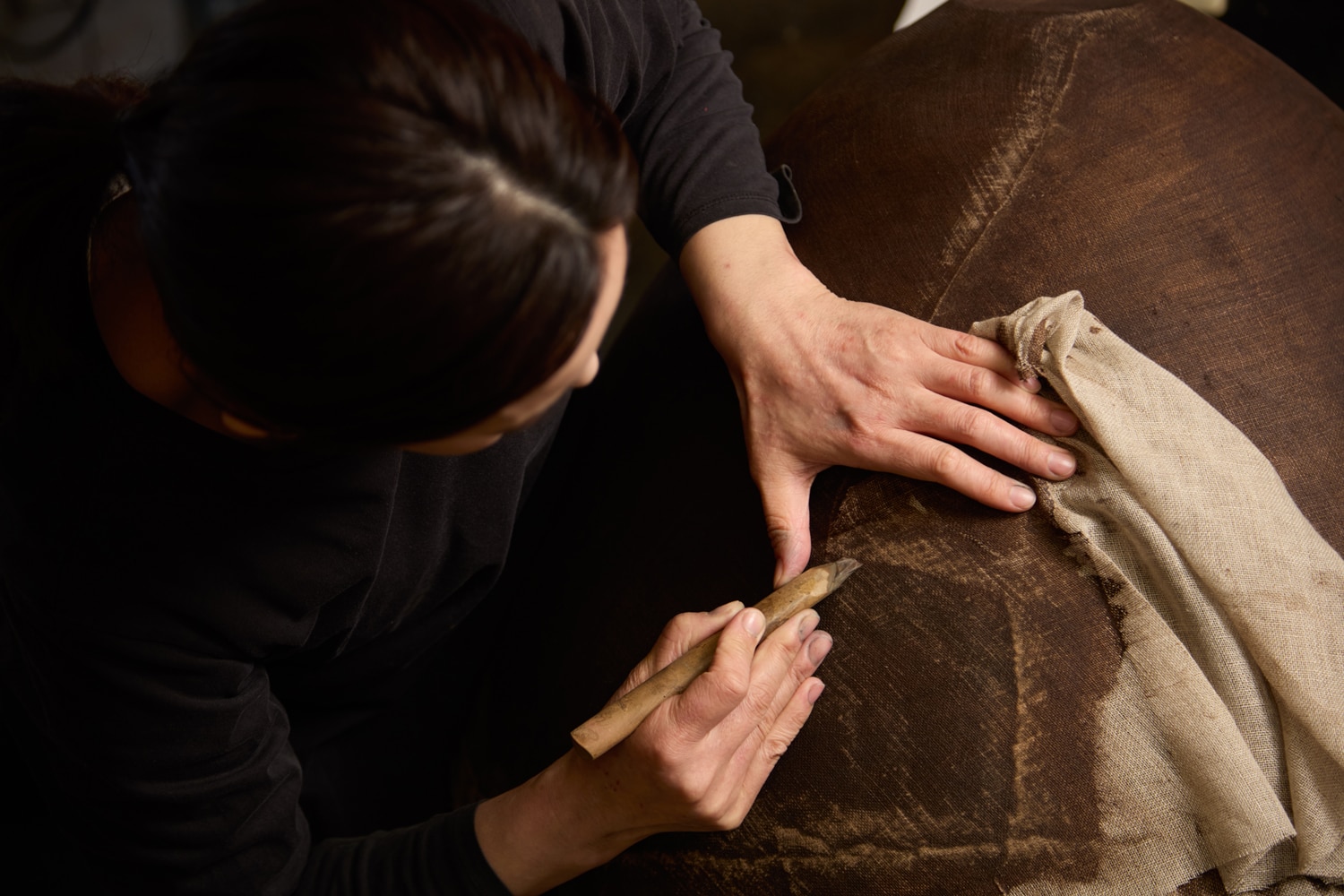
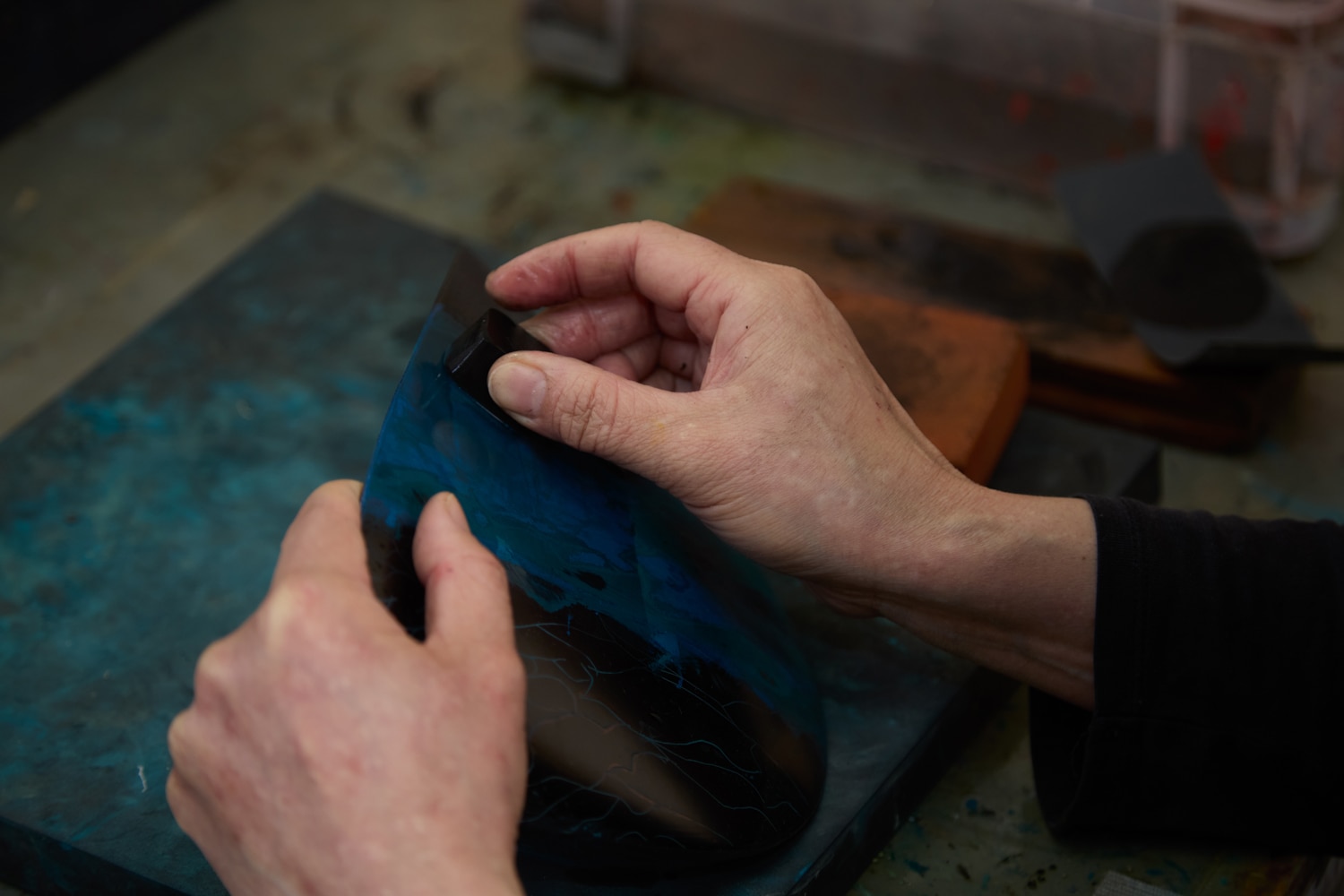
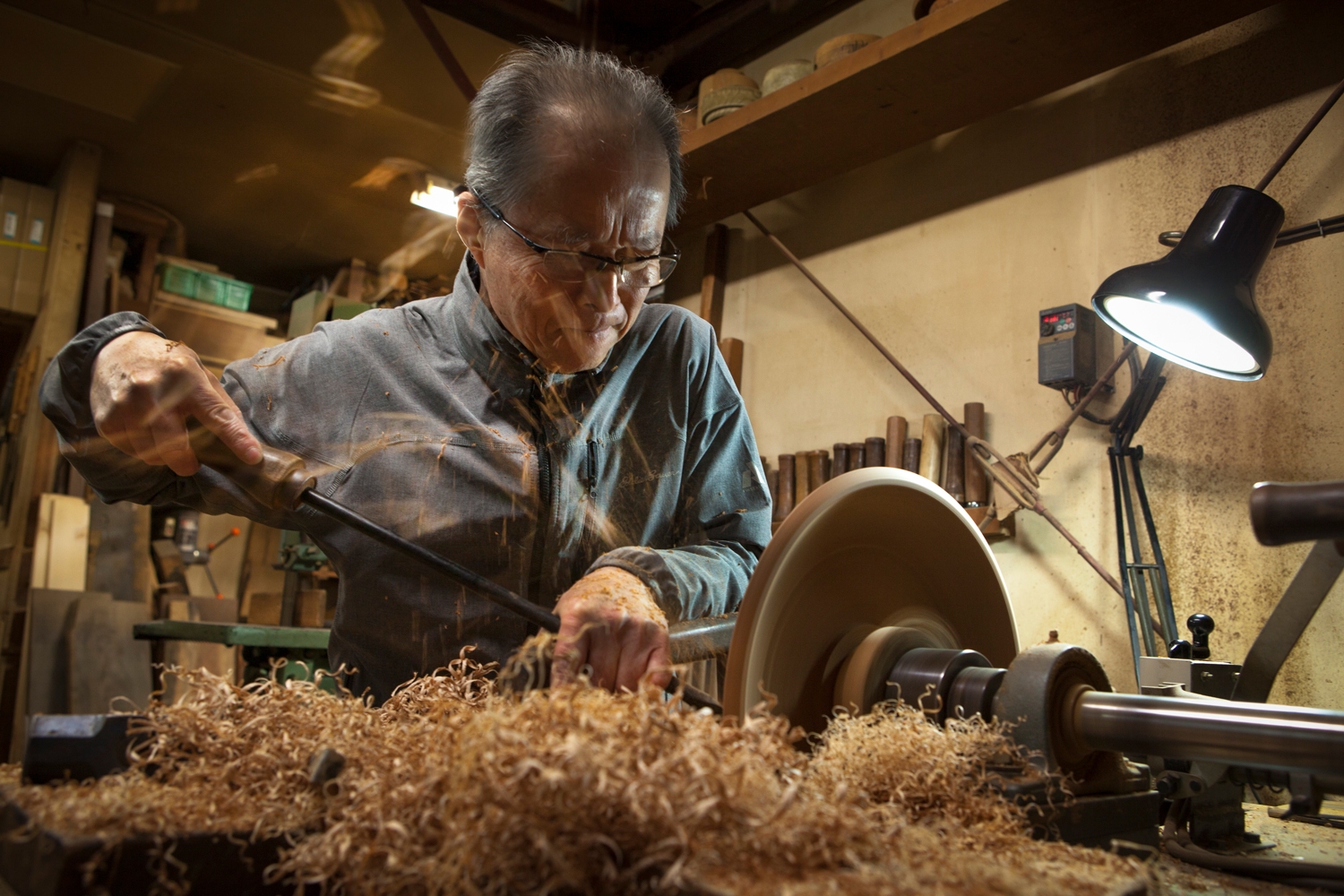
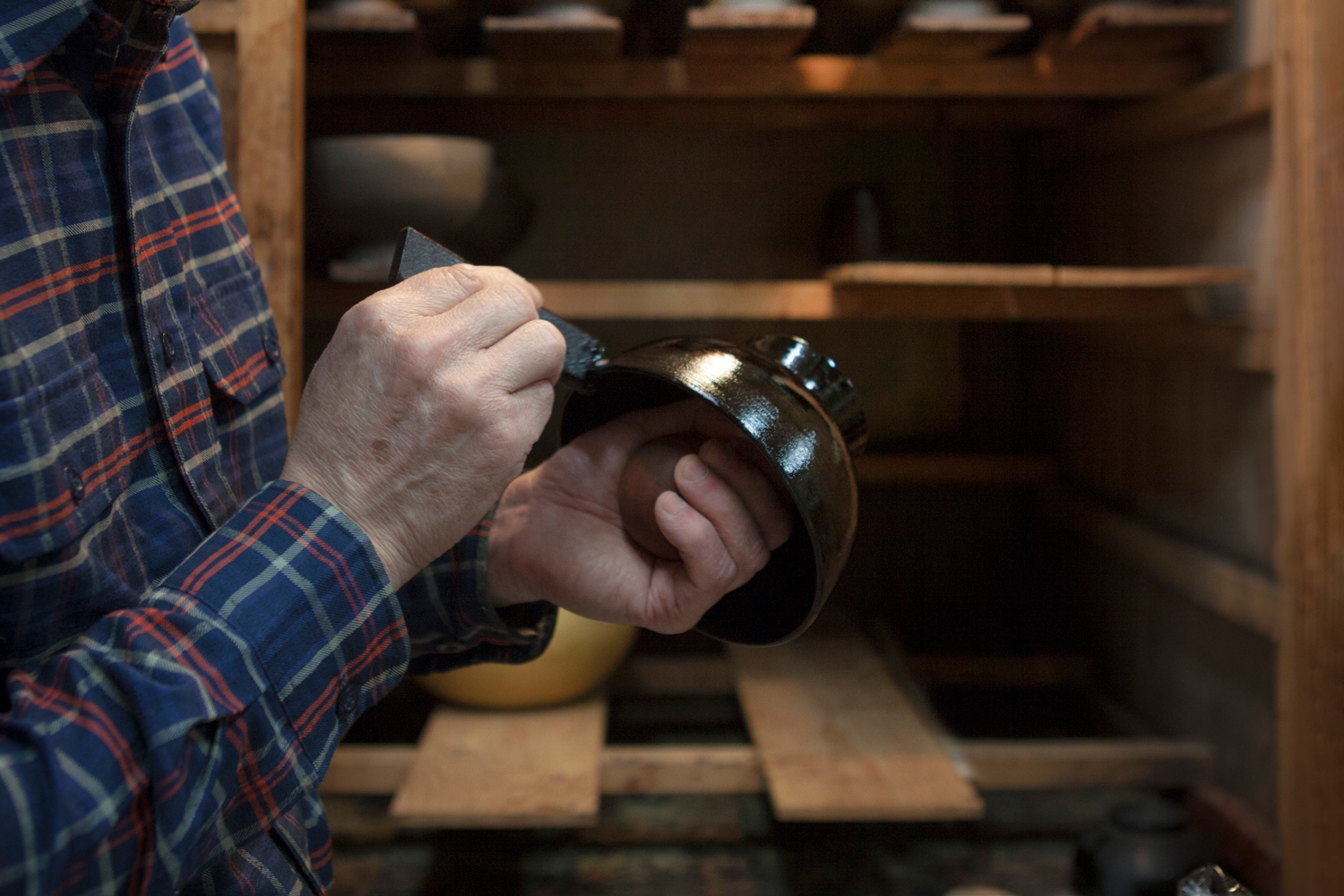
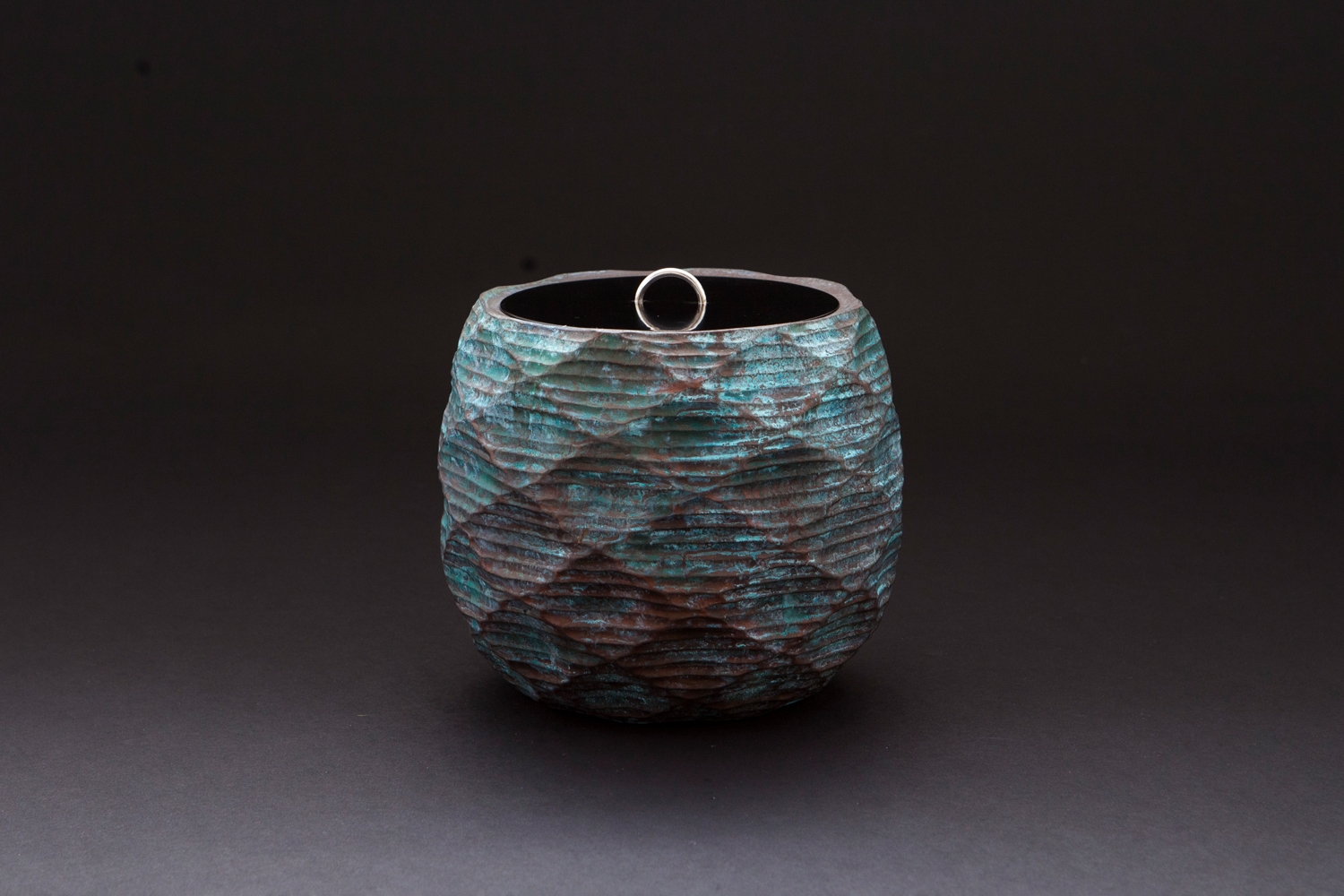
Jihei Murase’s grandfather was a fifth-generation woodturner who mastered the entire creation process behind lacquered works, urushiware. His son continued the craft, making it a family tradition. As the third generation in this line, since 1980, Jihei has explored new approaches to urushi lacquering, transforming it from something inherently Japanese to something with universal relevance in its beauty. He compares each phase of the creative making journey to the Japanese concept of 'shu-ha-ri' – obey, break, depart. "I have followed in the steps of my forefathers as I work at turning wood on the lathe, lacquering my pieces, and like my father, focus on creating Japanese tableware. But in my interpretation, I have departed from these traditions, too," explains Jihei. It was his encounter with tea culture and connoisseurs that opened his creative path to new approaches. Today, his works, with their universal appeal and context, are collected and exhibited internationally.
Discover his work
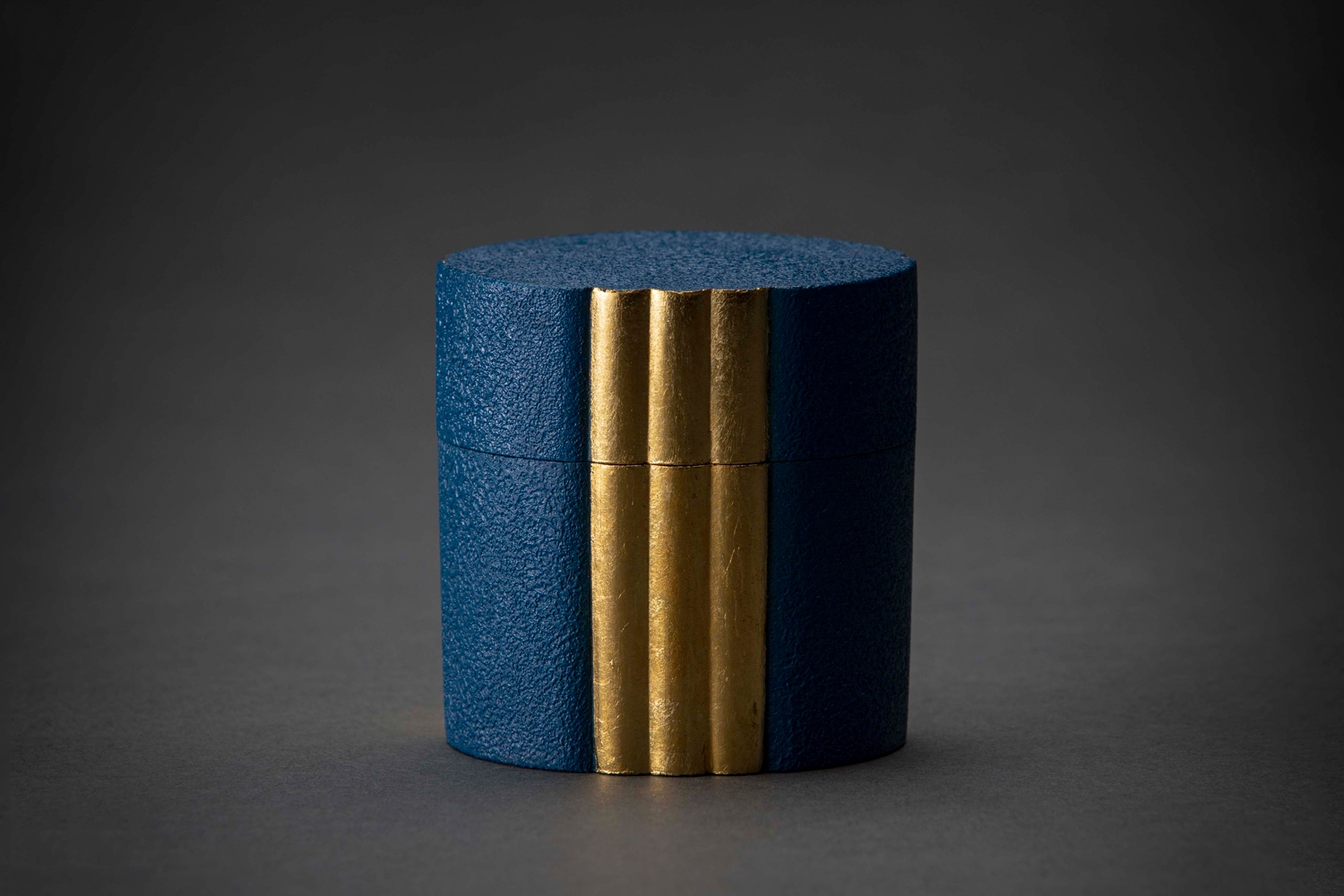
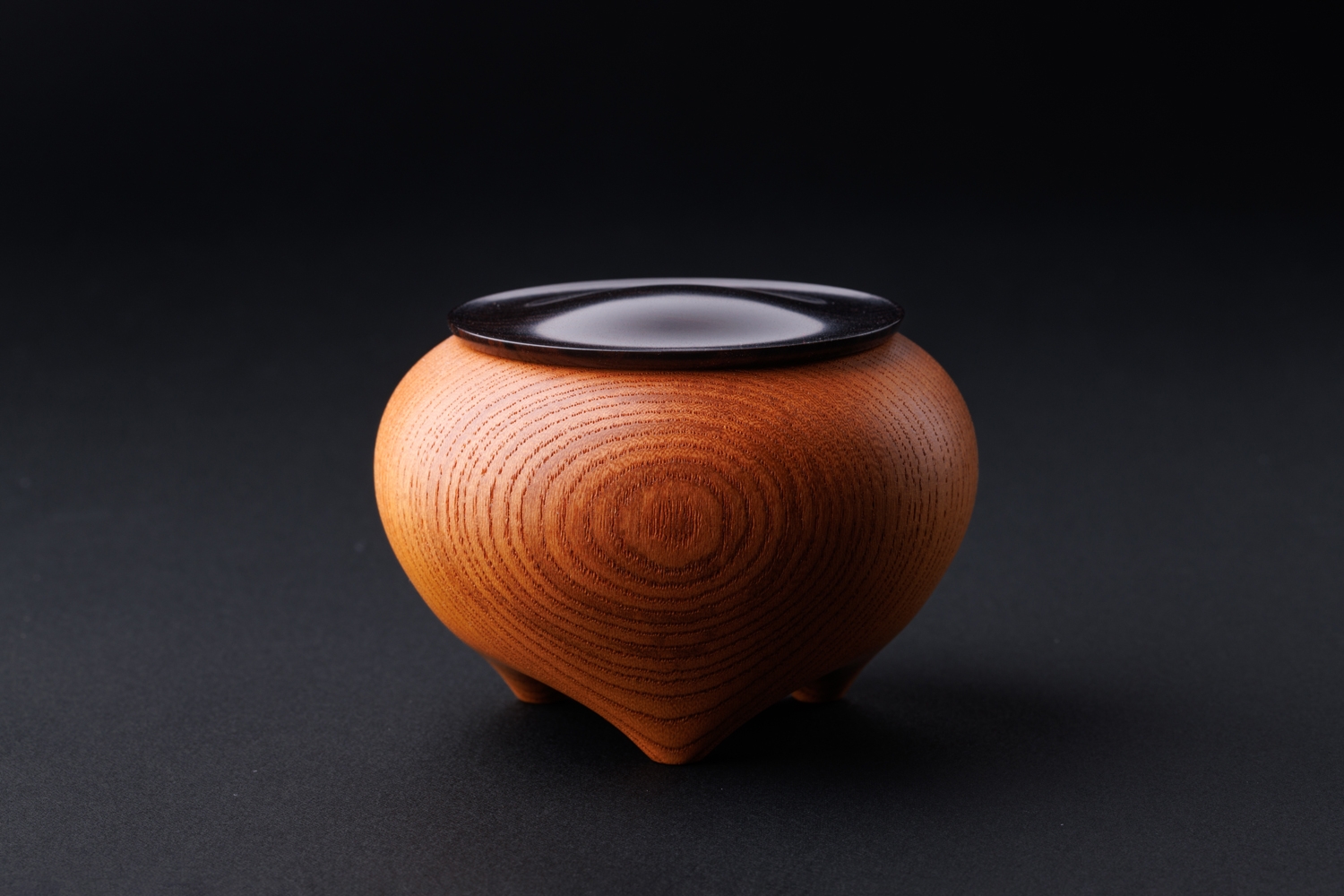
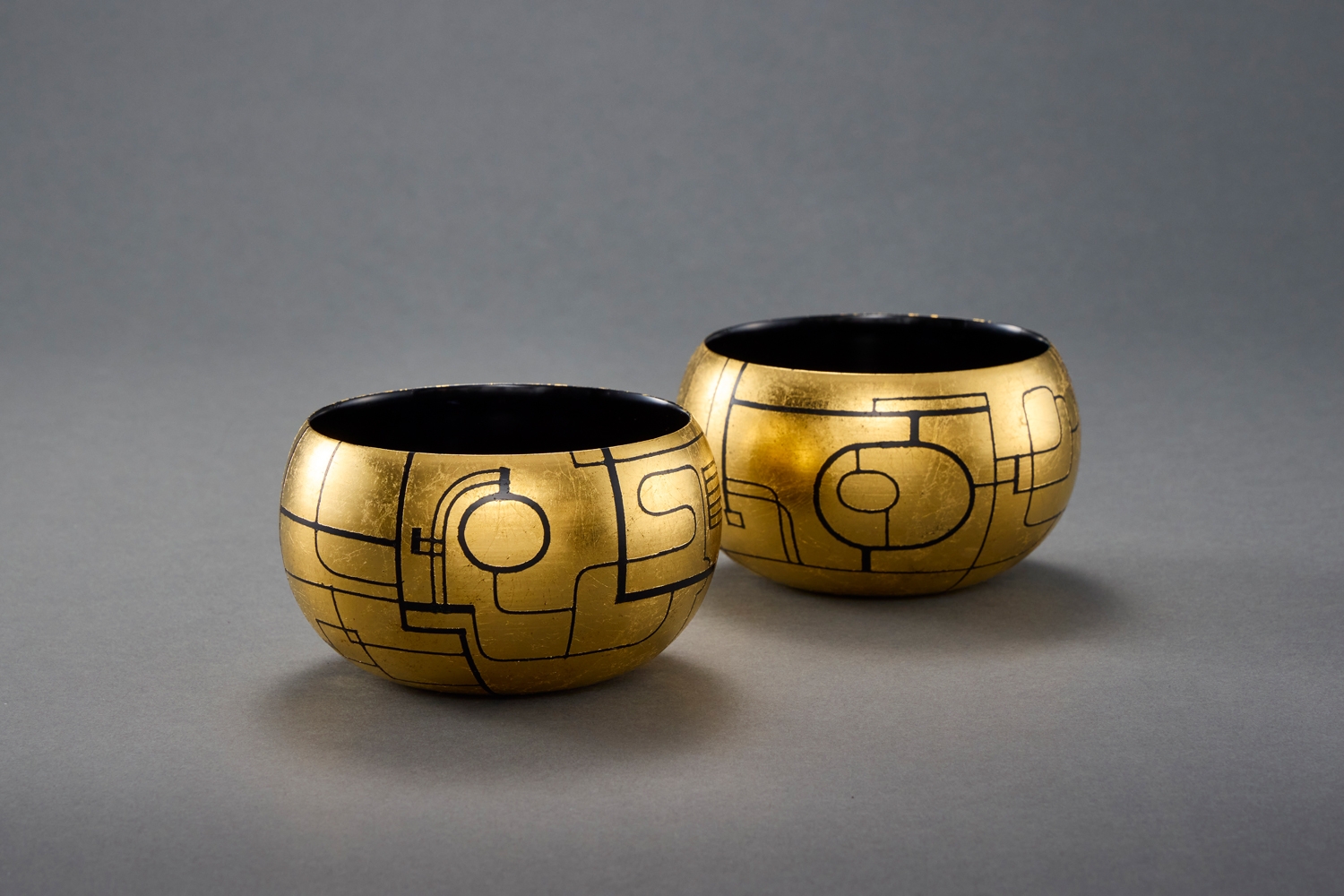
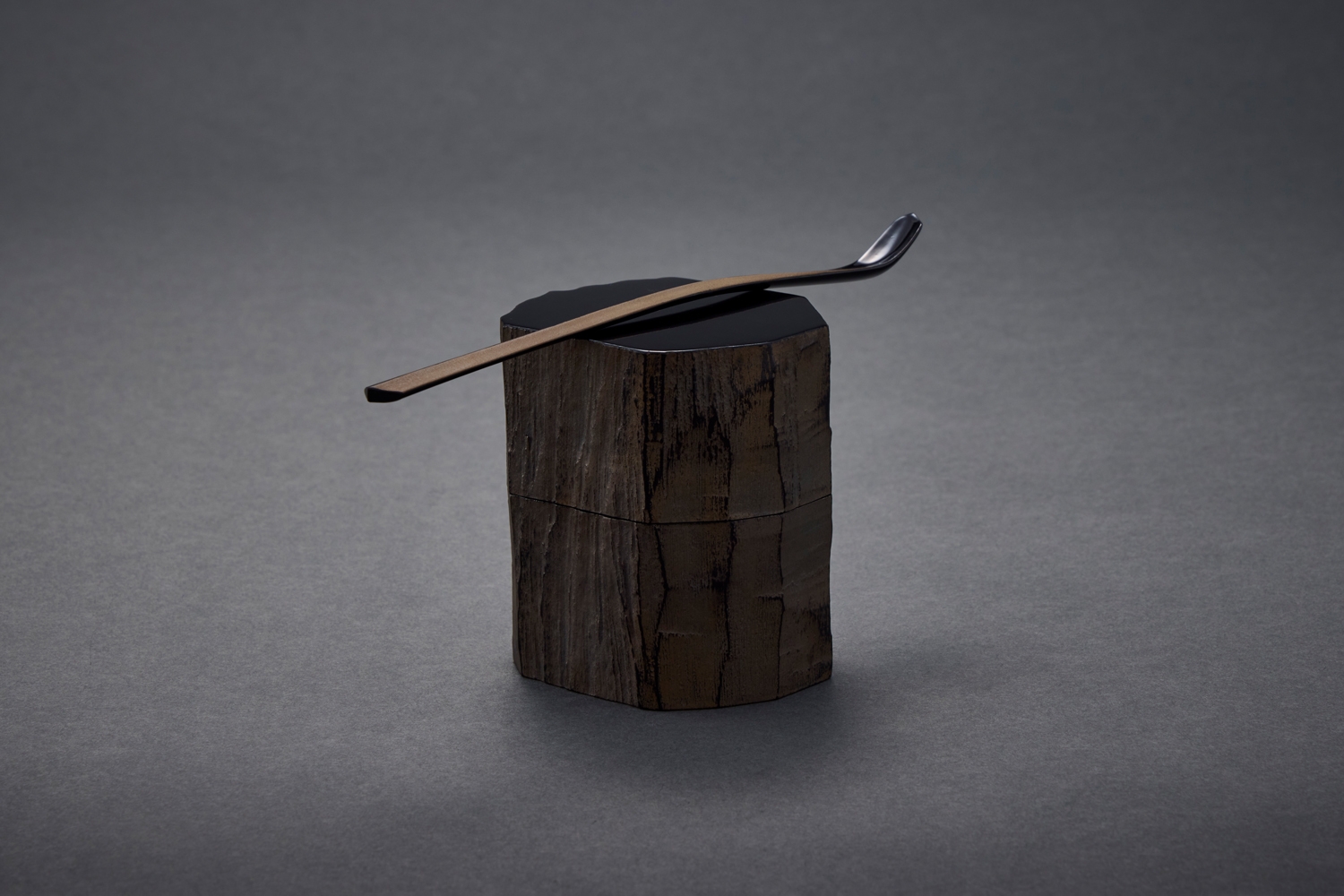
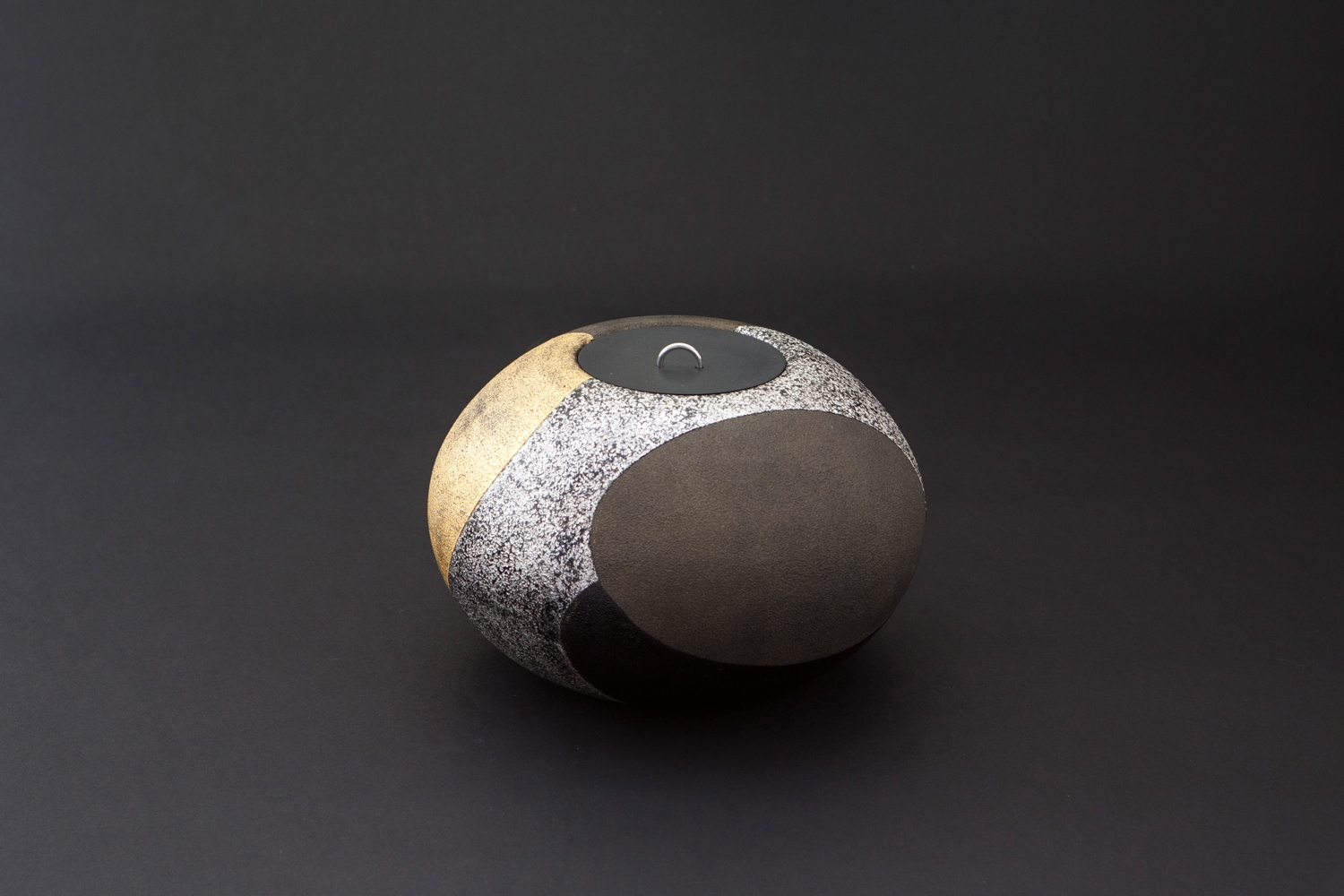
INTERVIEW
Looking back, my attention to detail was not as precise or refined when I started as now. I used to turn wood, adjusting 1mm differences. Now my focus is on 0.02mm. I strive to find the beautiful curve that is achieved through these tiny, meticulous tweaks.
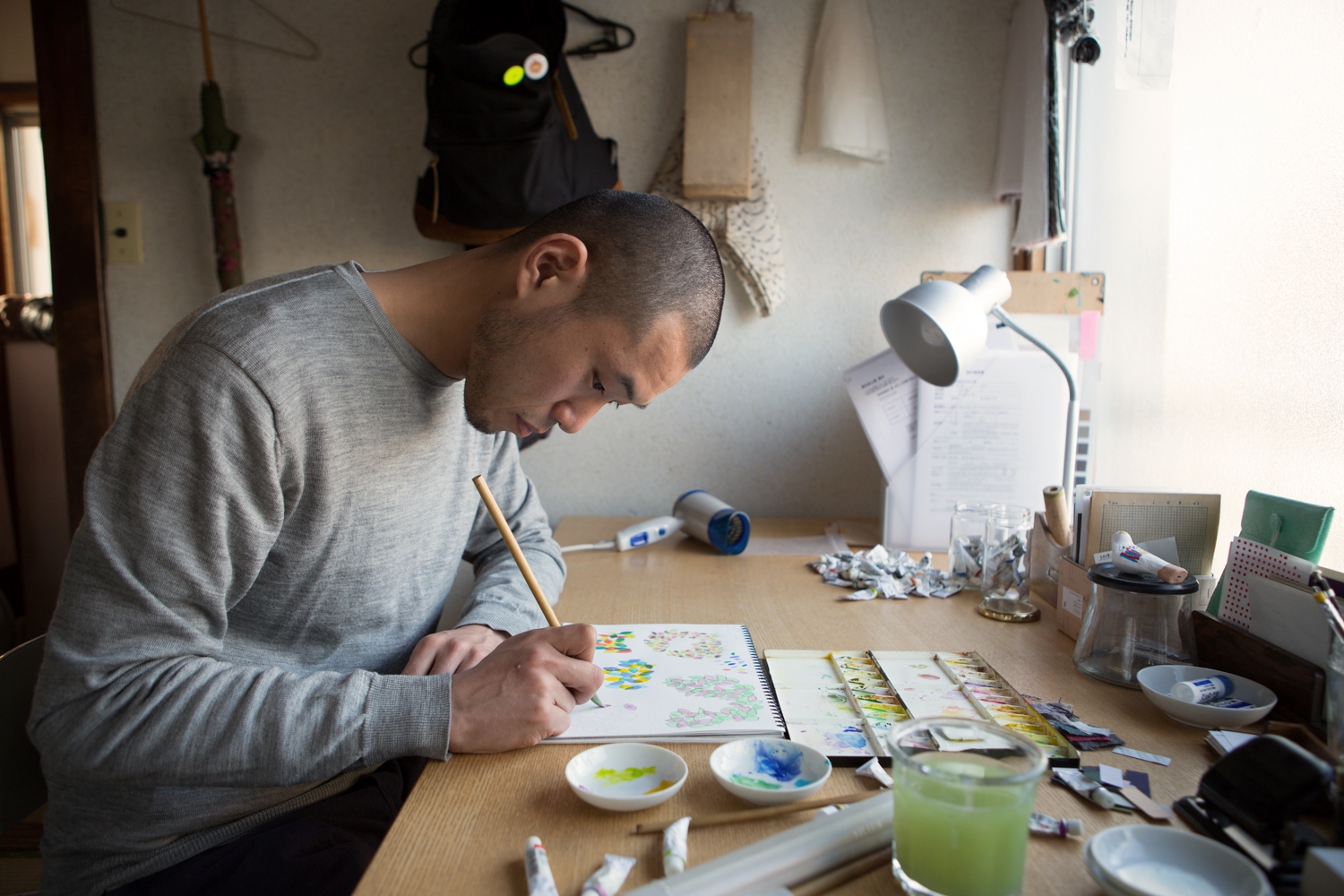
Whether it is an ancient African clay pot or a beautiful painting, I try to capture the essence of what moved me in my work. Ideas often strike when I am working at the lathe, and I will sketch them quickly in white chalk on the workshop floor before they fade from my mind.
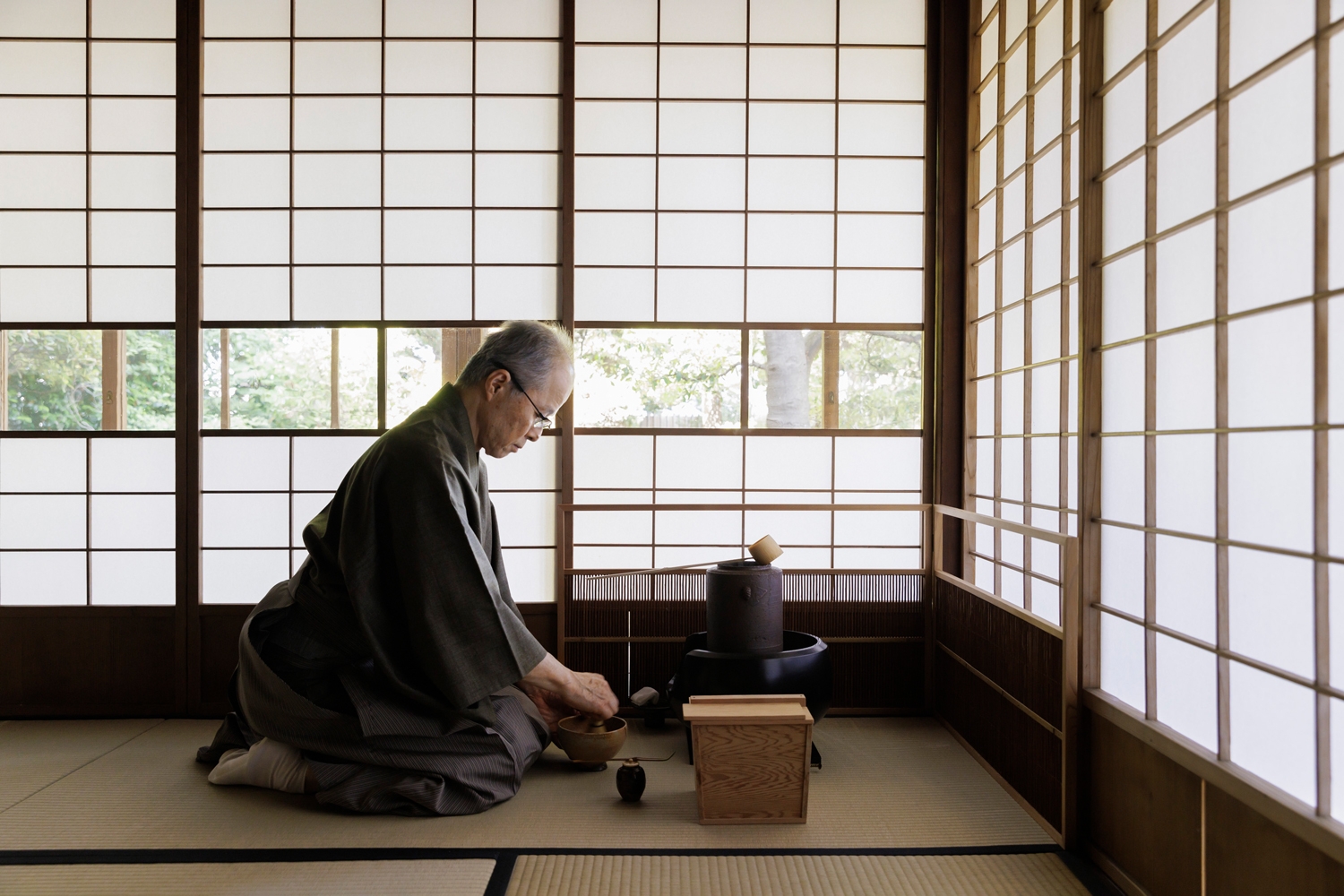
I see tea drinking as a space for new ideas. The tea room is a place where everything is harmonised: the decor, the tea bowl, the utensils, and the scroll in the alcove. If the tea bowl is already chosen, I must create a container that complements it, which pushes me to think beyond convention.
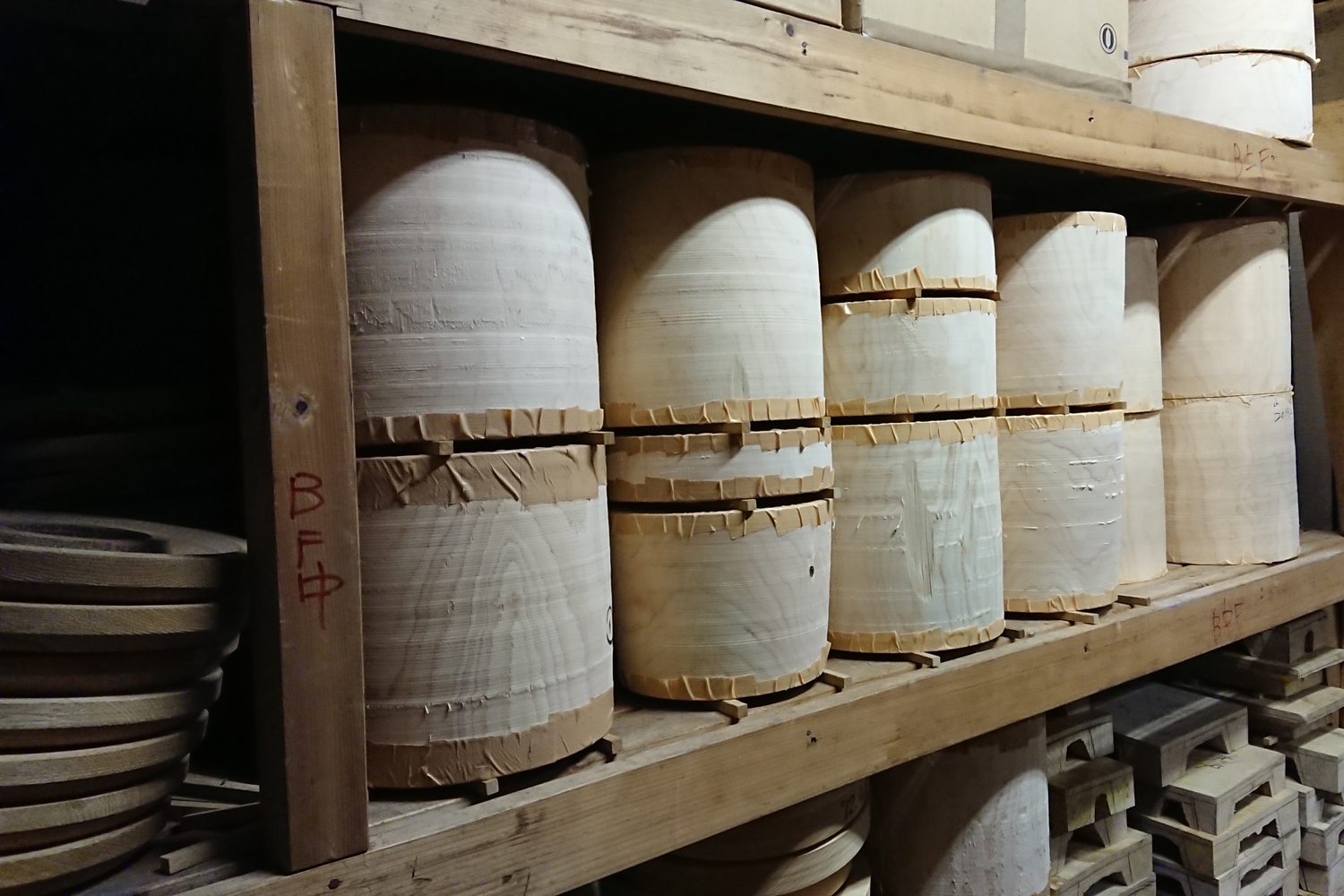
In traditional craftsmanship, we have to obey, break and then depart. I sometimes envy those entirely free from this. Yet I also appreciate having those traditions to follow, as it has stood the test of time. An interpretation I make of 'shu-ha-ri' is to use zelkova wood as it will last for centuries.
Jihei Murase
Lacquerer
Setagaya, Japan
AVAILABILITY
By appointment only
PHONE
+81 334216887
LANGUAGES
Japanese, English
Homo Faber Finds is a new service aiming to inspire admirers of craft to connect and collaborate with exceptional artisans.
We invite you to submit an enquiry here.