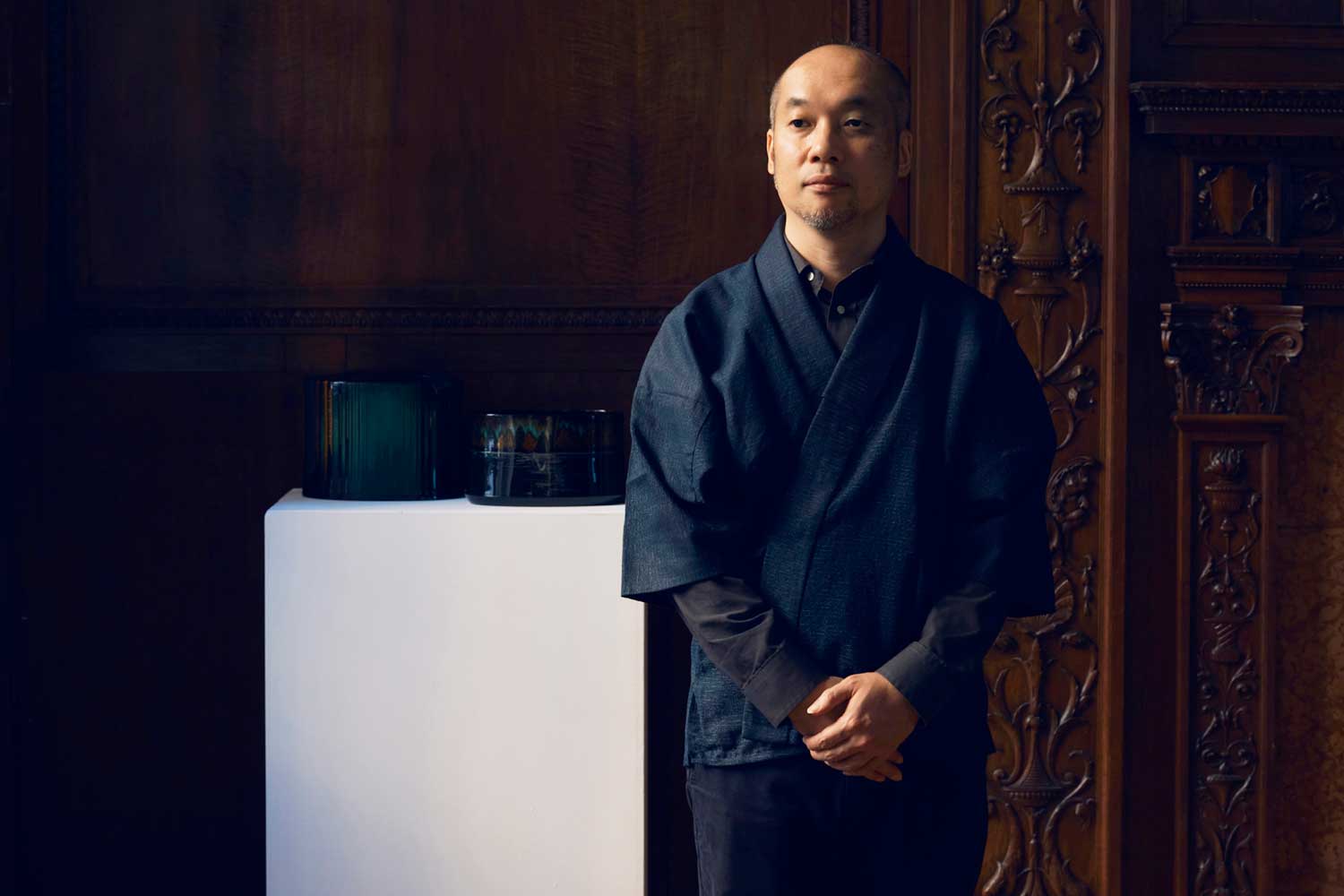
Mayu Nakata
Lacquerer
Kanazawa, Japan
Recommended by Jean Blanchaert & Irina Focsaneanu Eschenazi
Layers of time, memory and colour
- Mayu creates lacquerwork items using the kinma technique
- Her expression is shaped by her experience in calligraphy and contemporary dance
- Her colour choices are born from the air, light and sounds of her surroundings
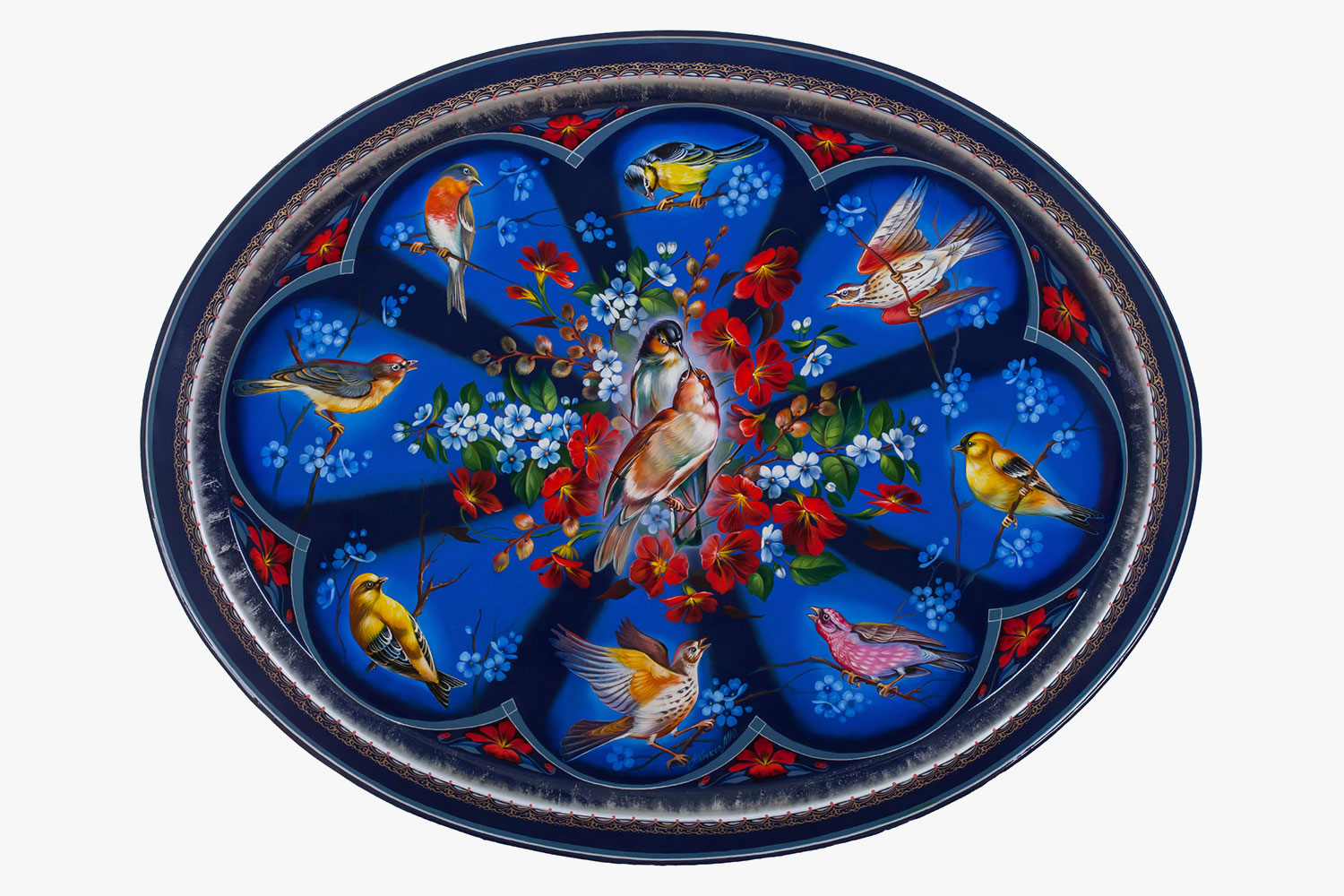
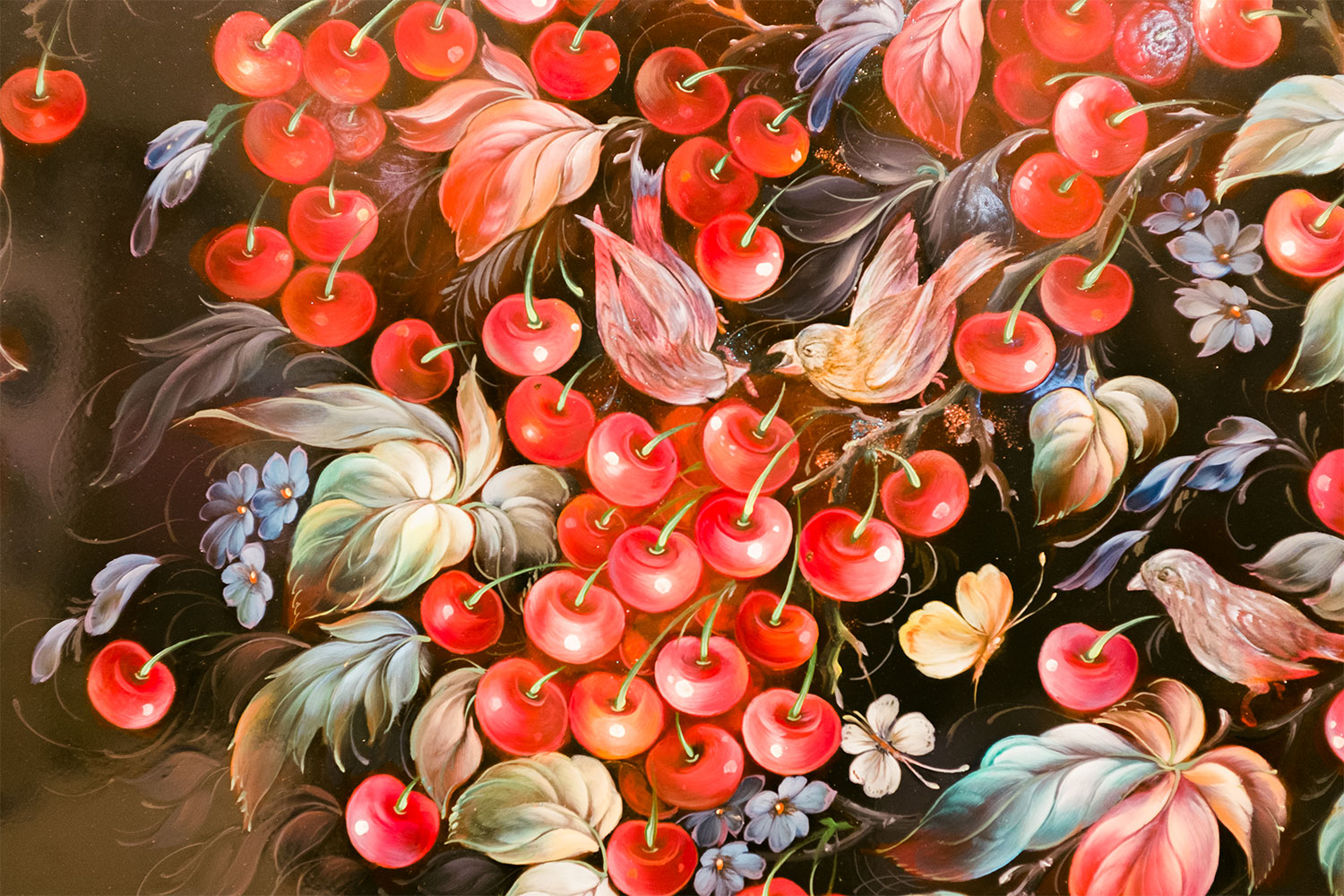
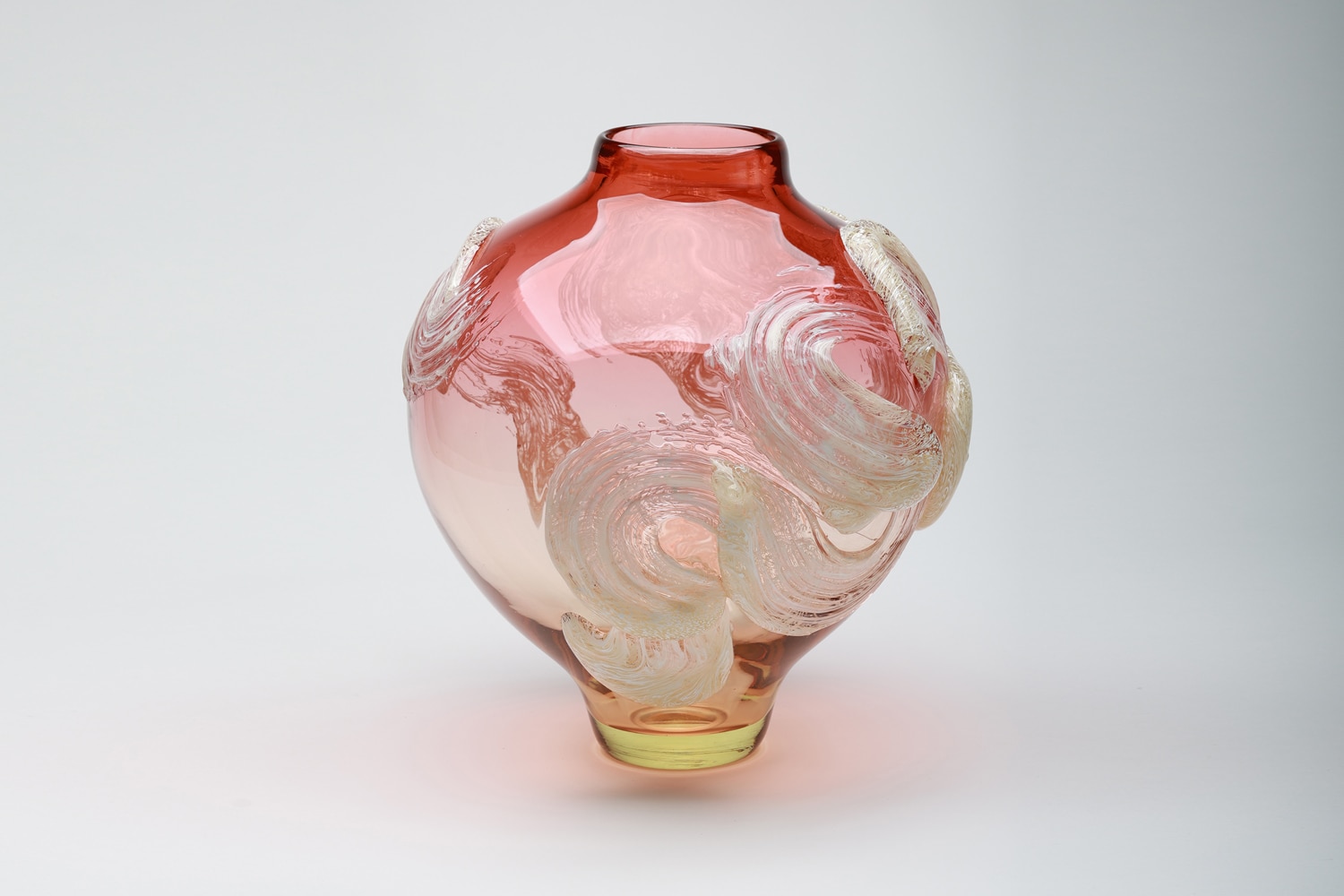
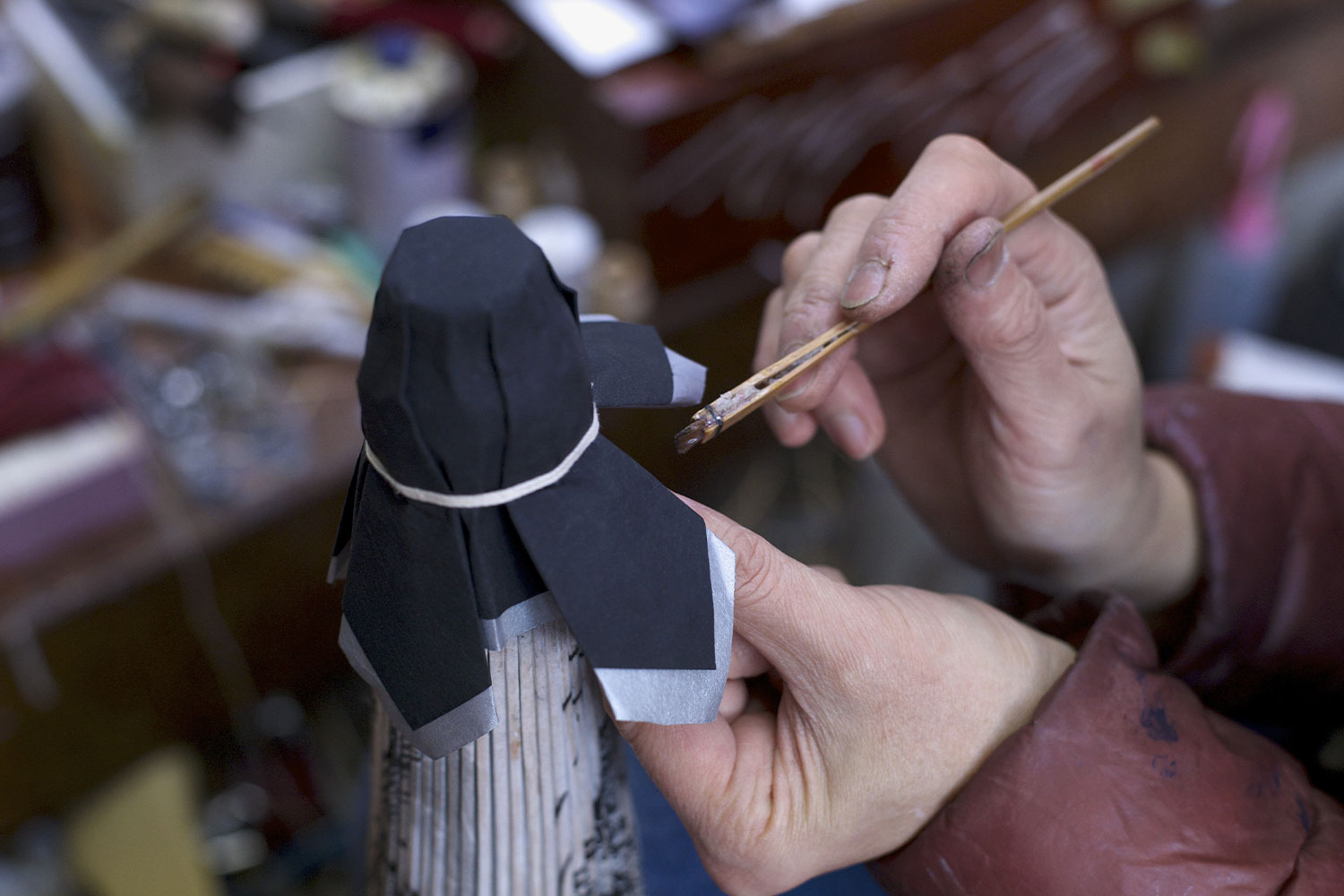
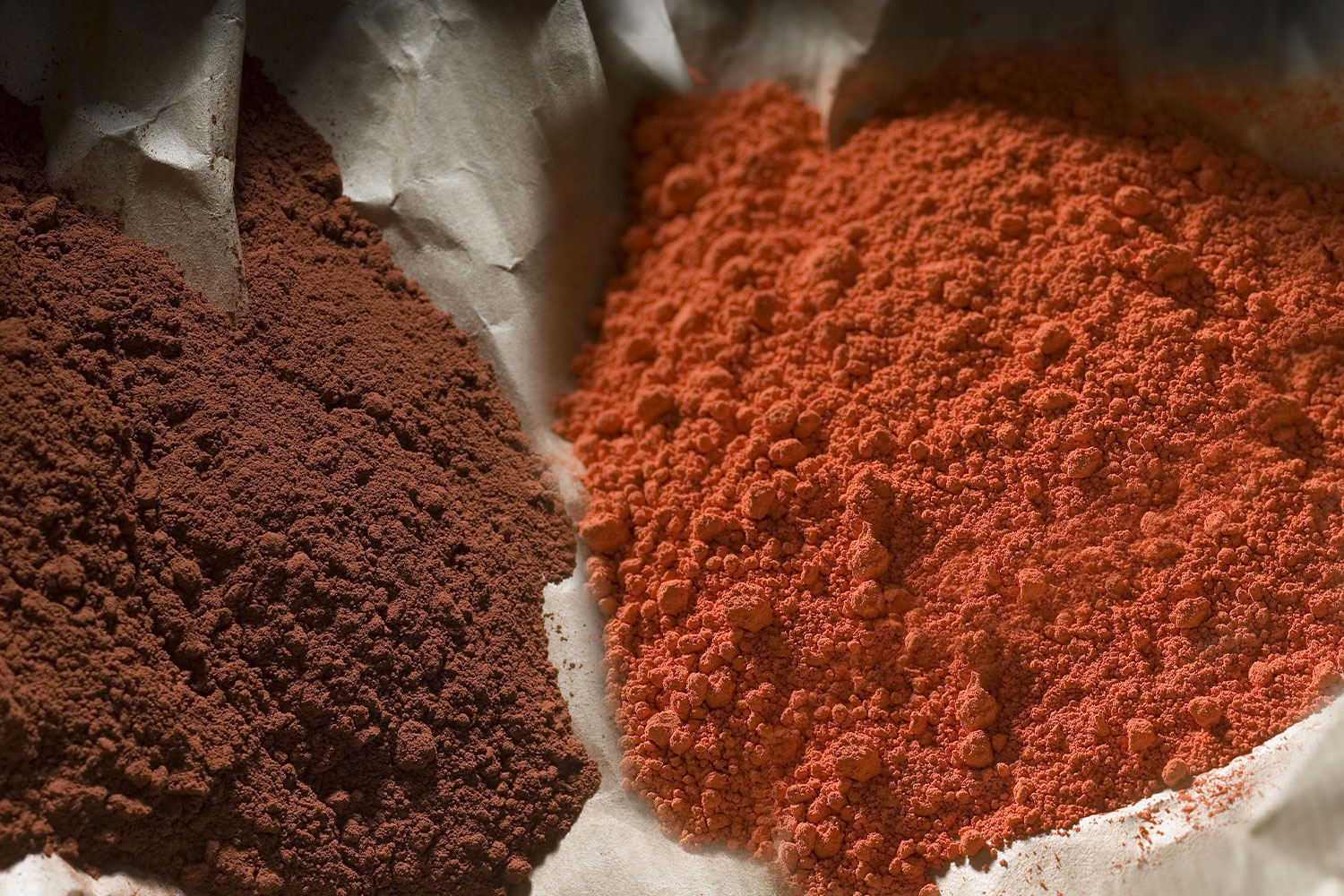
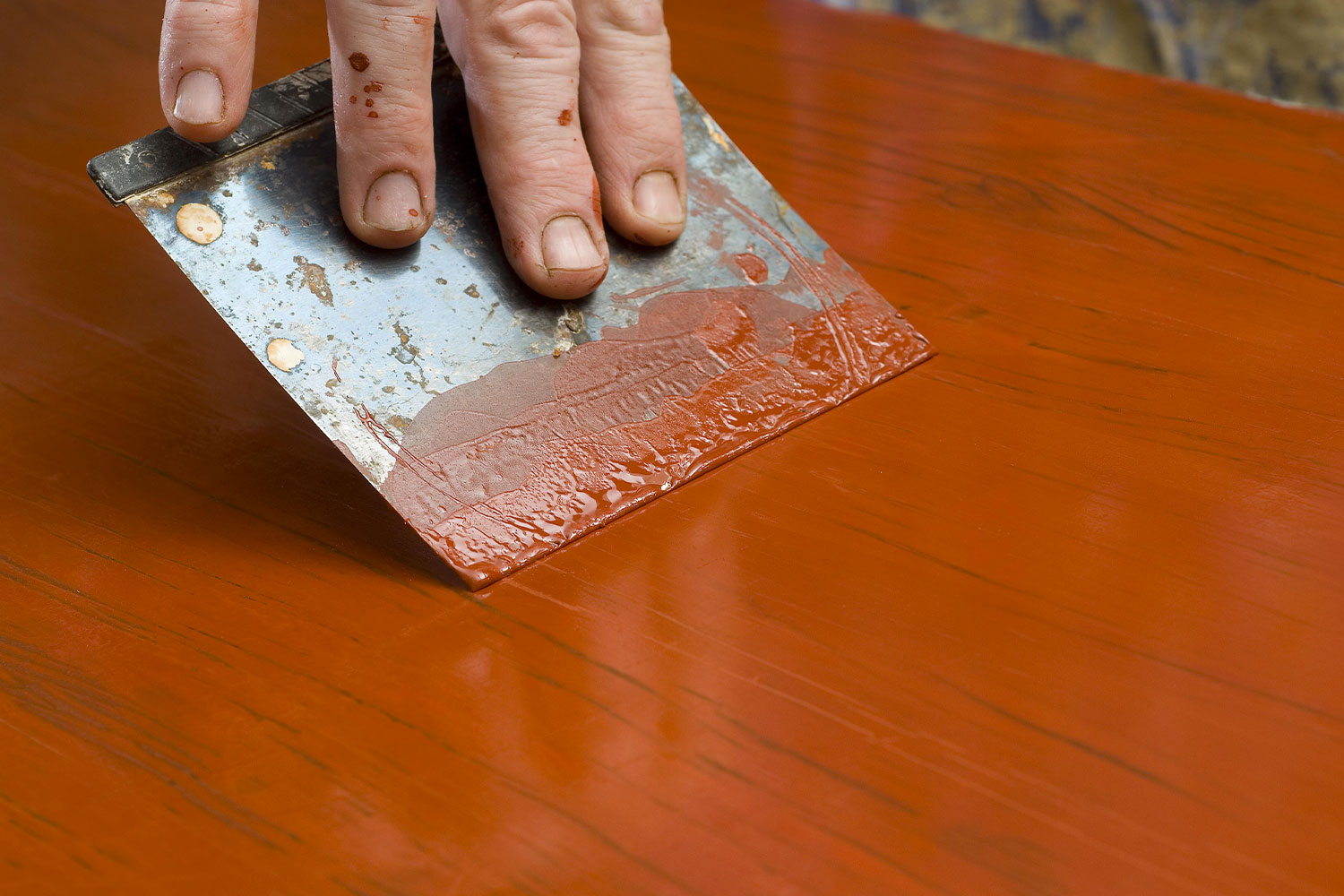
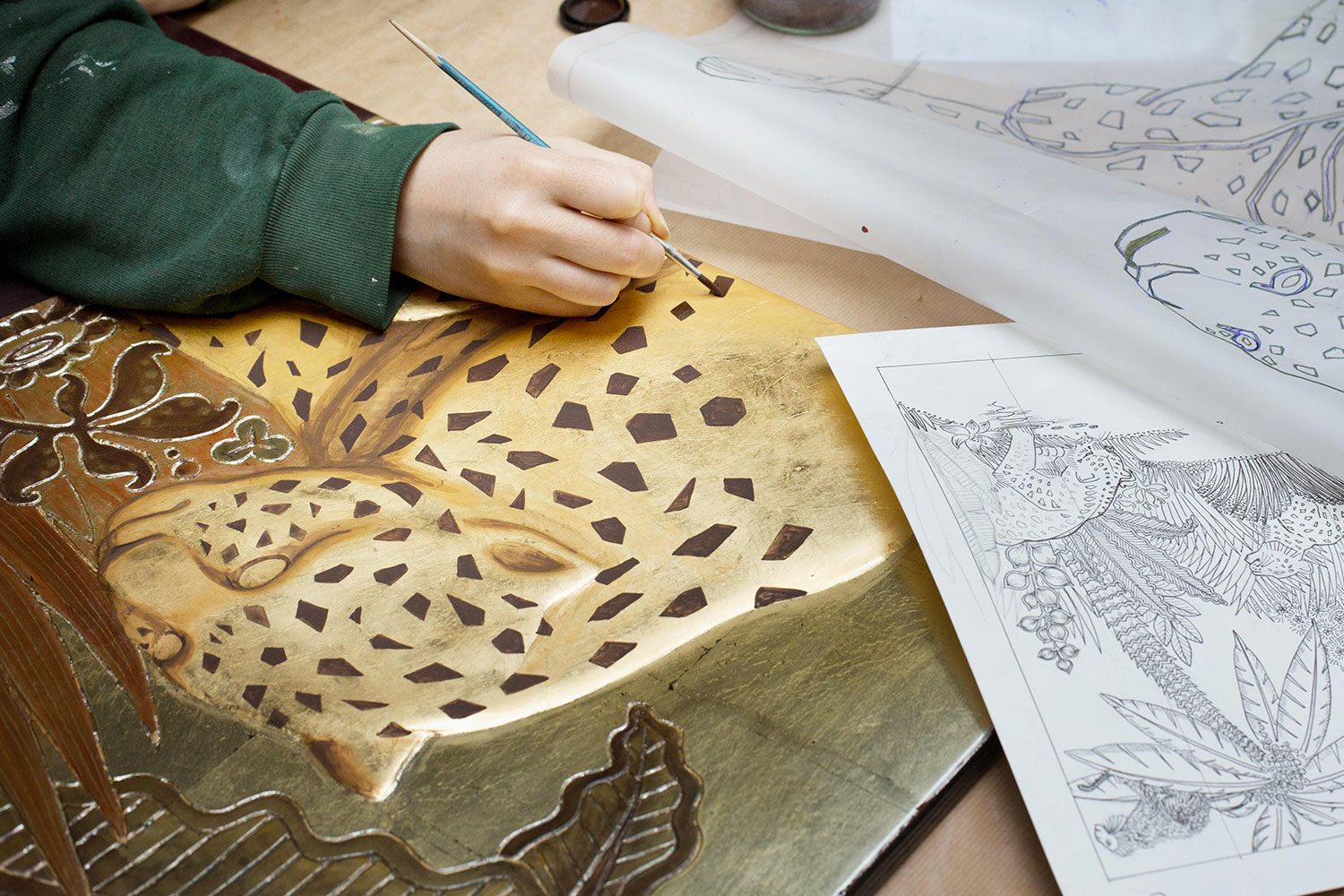
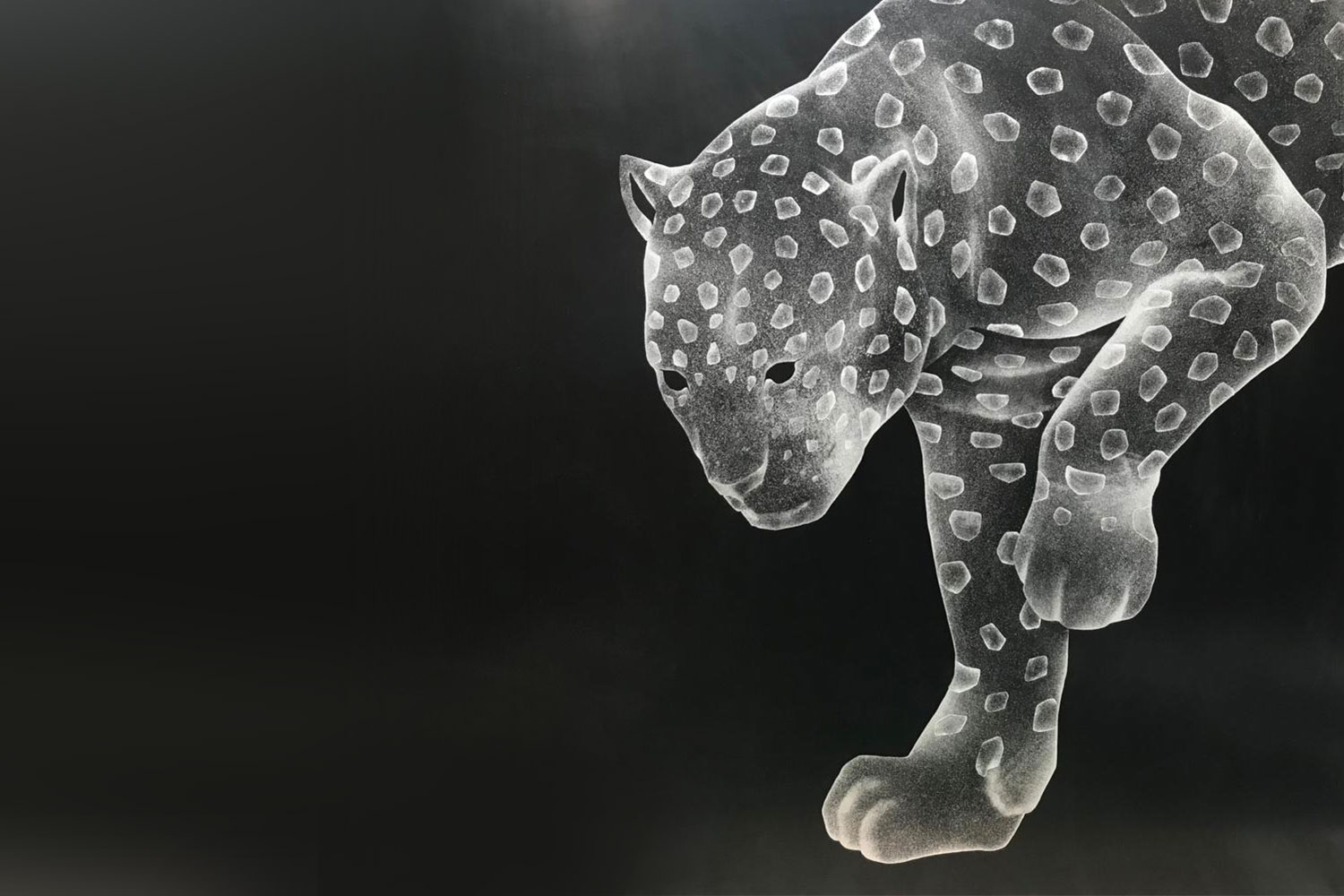
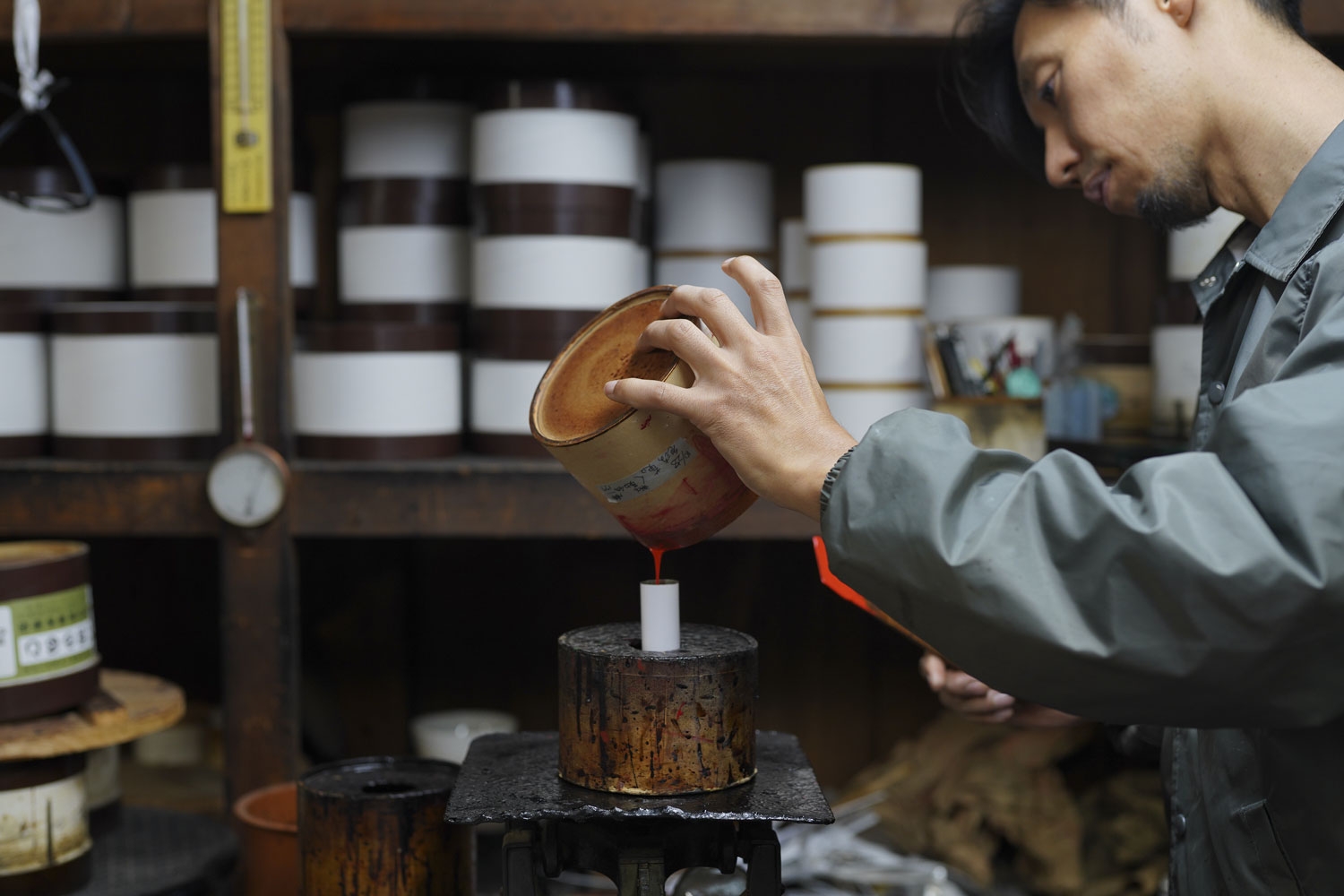
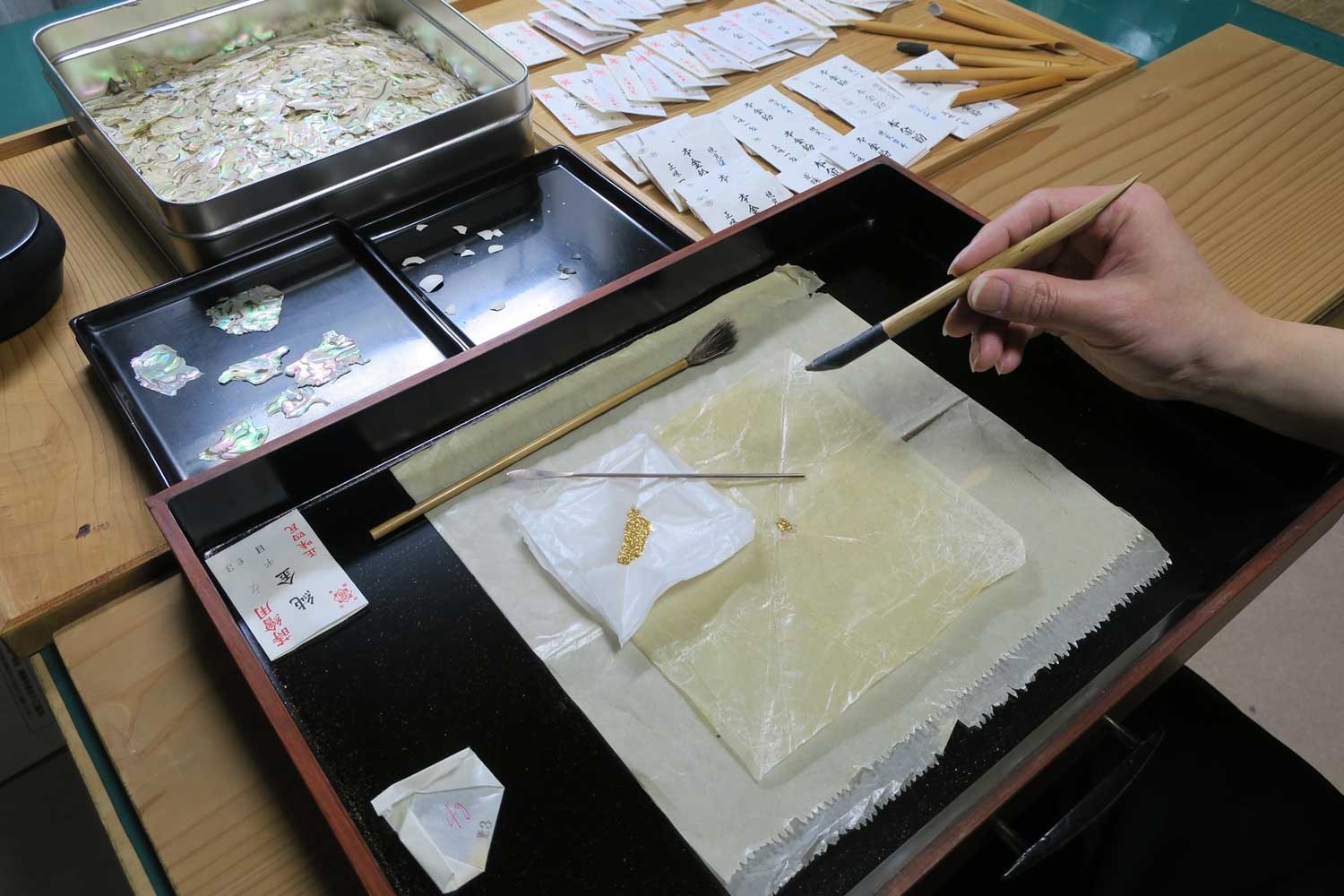
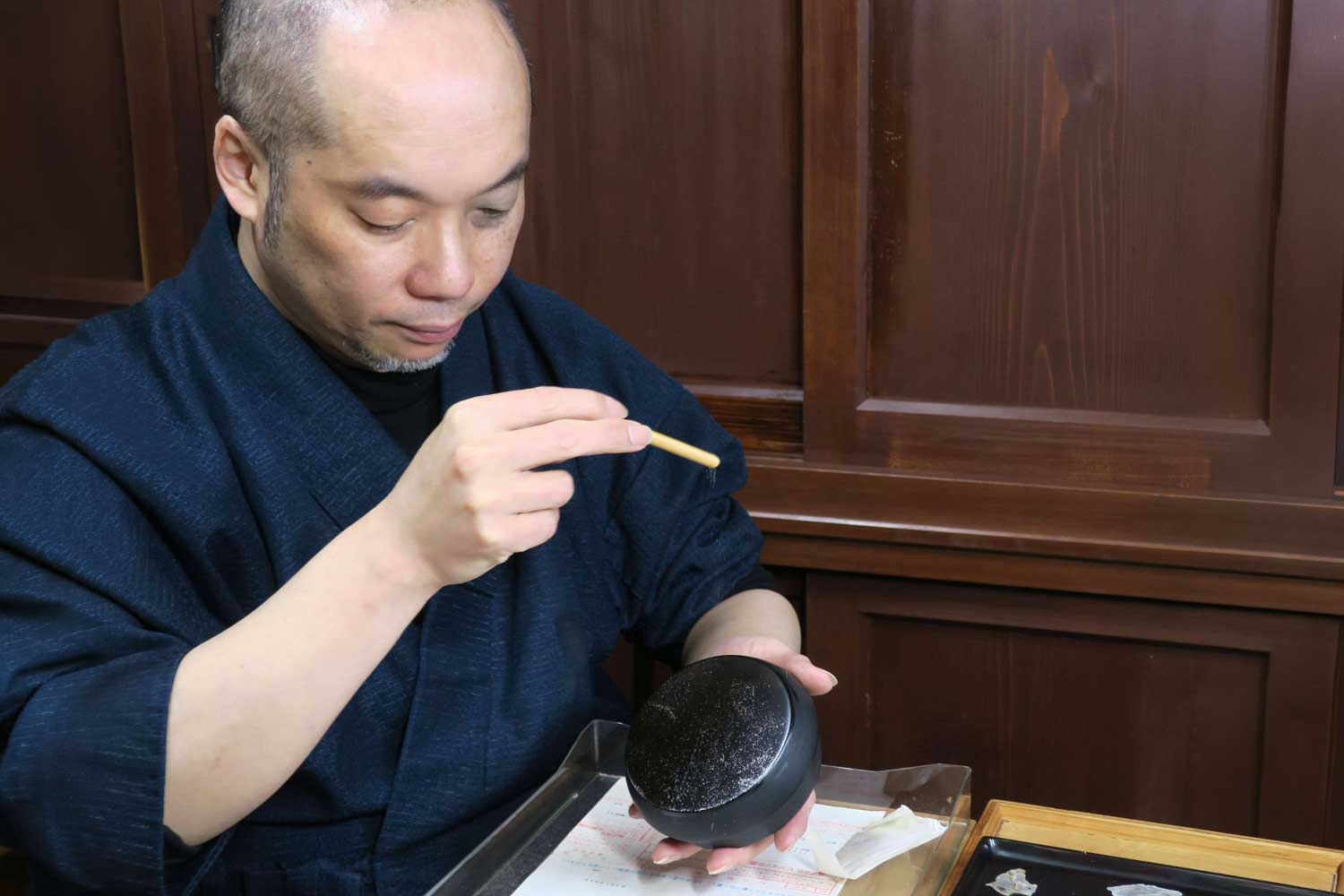
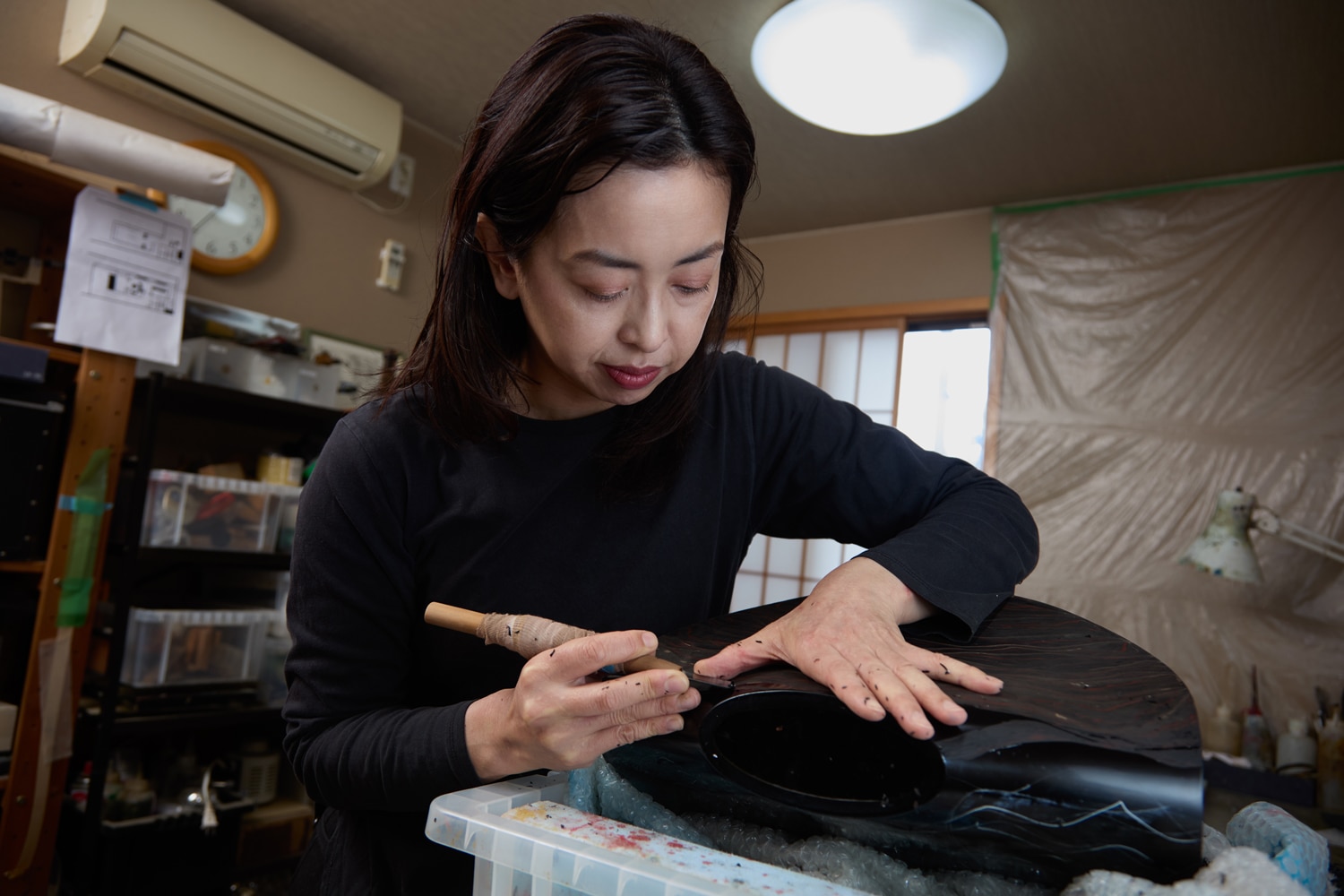
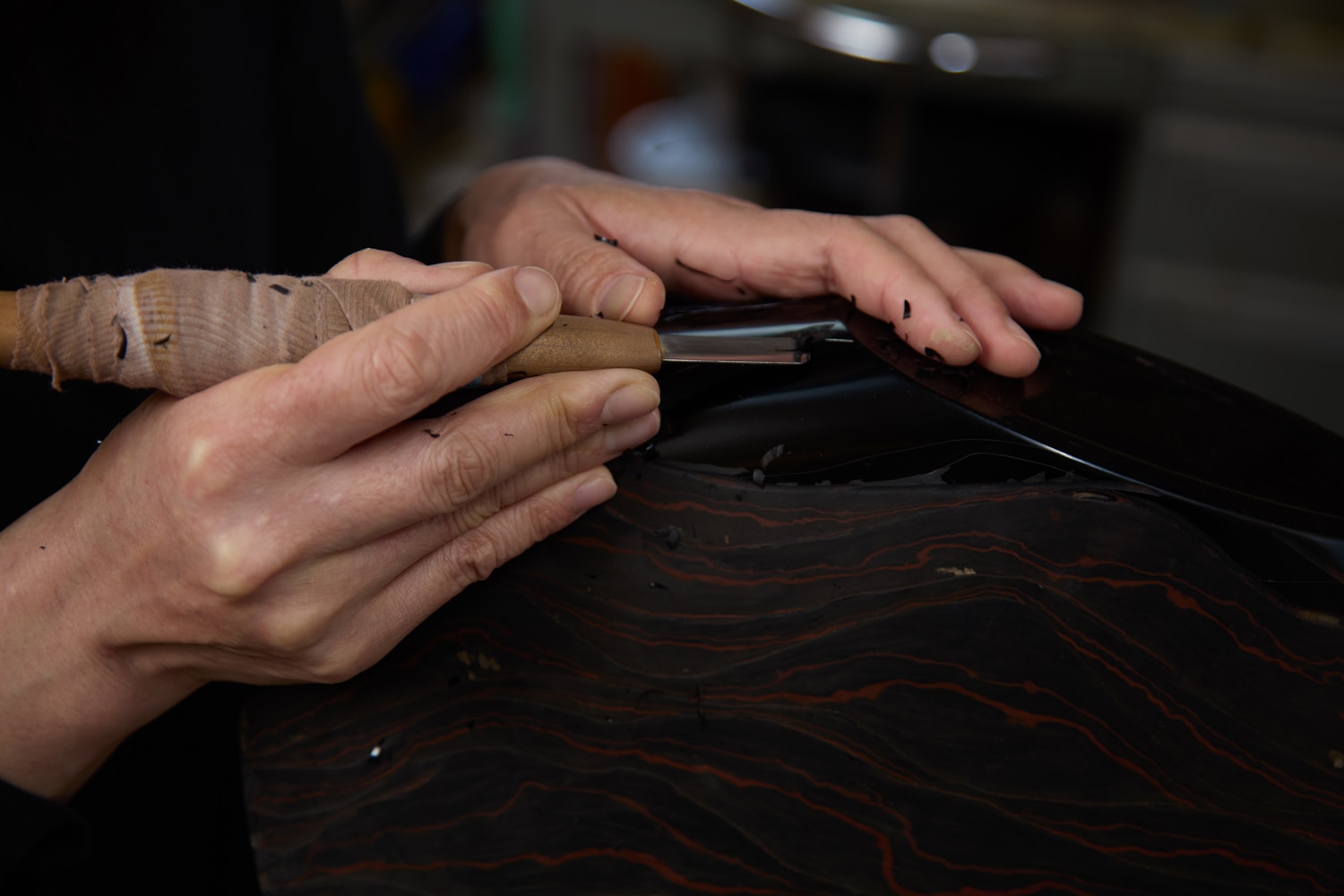
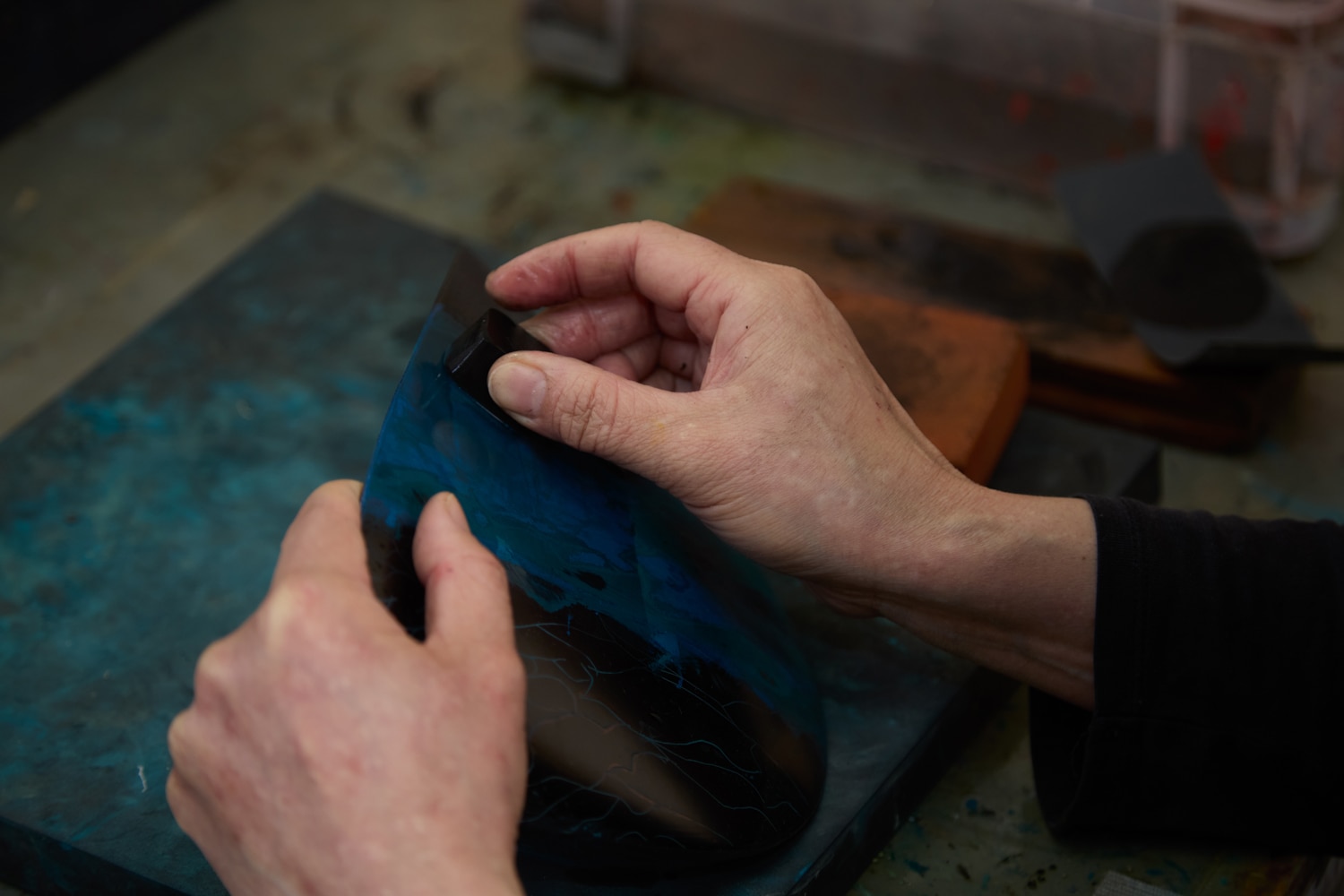
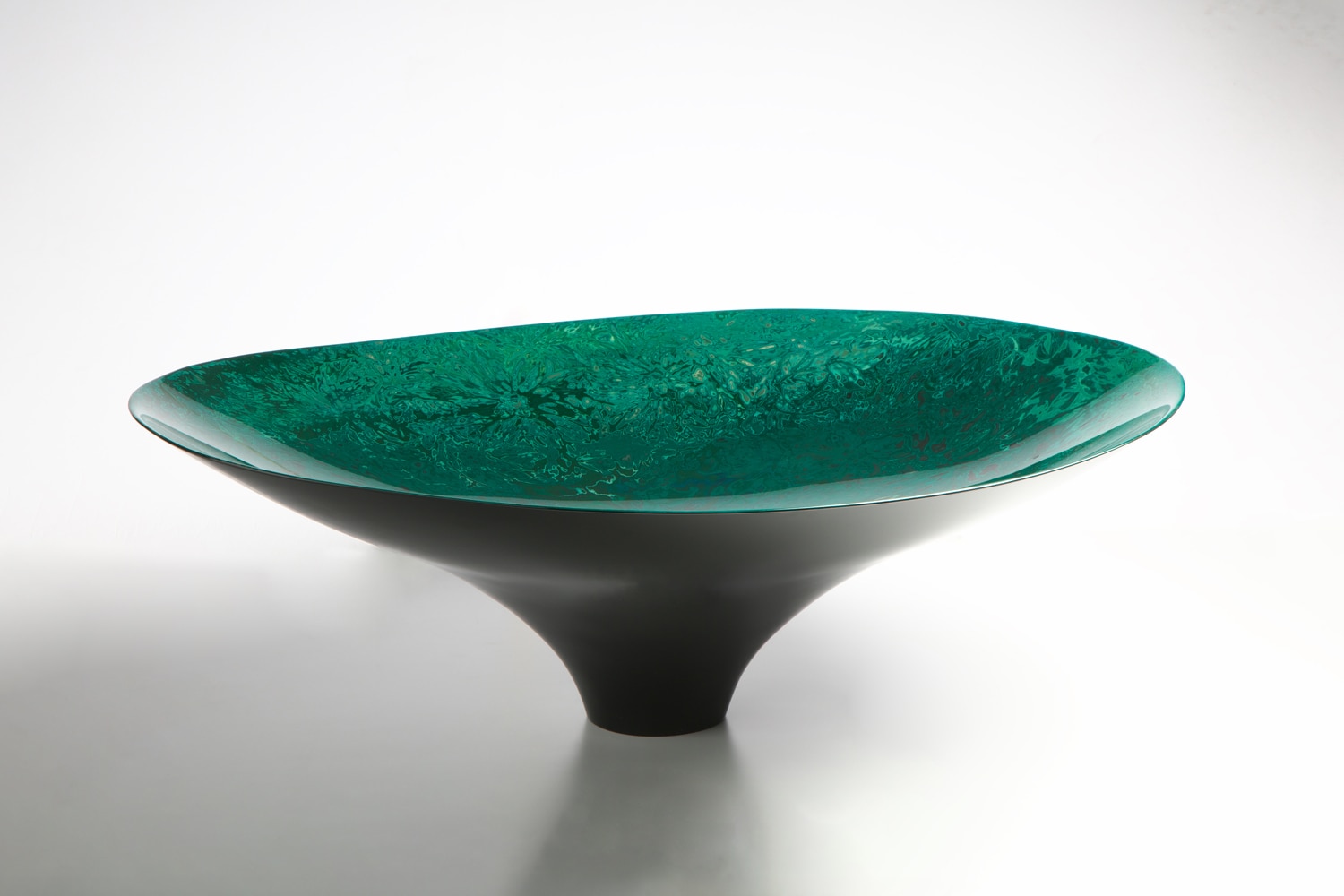
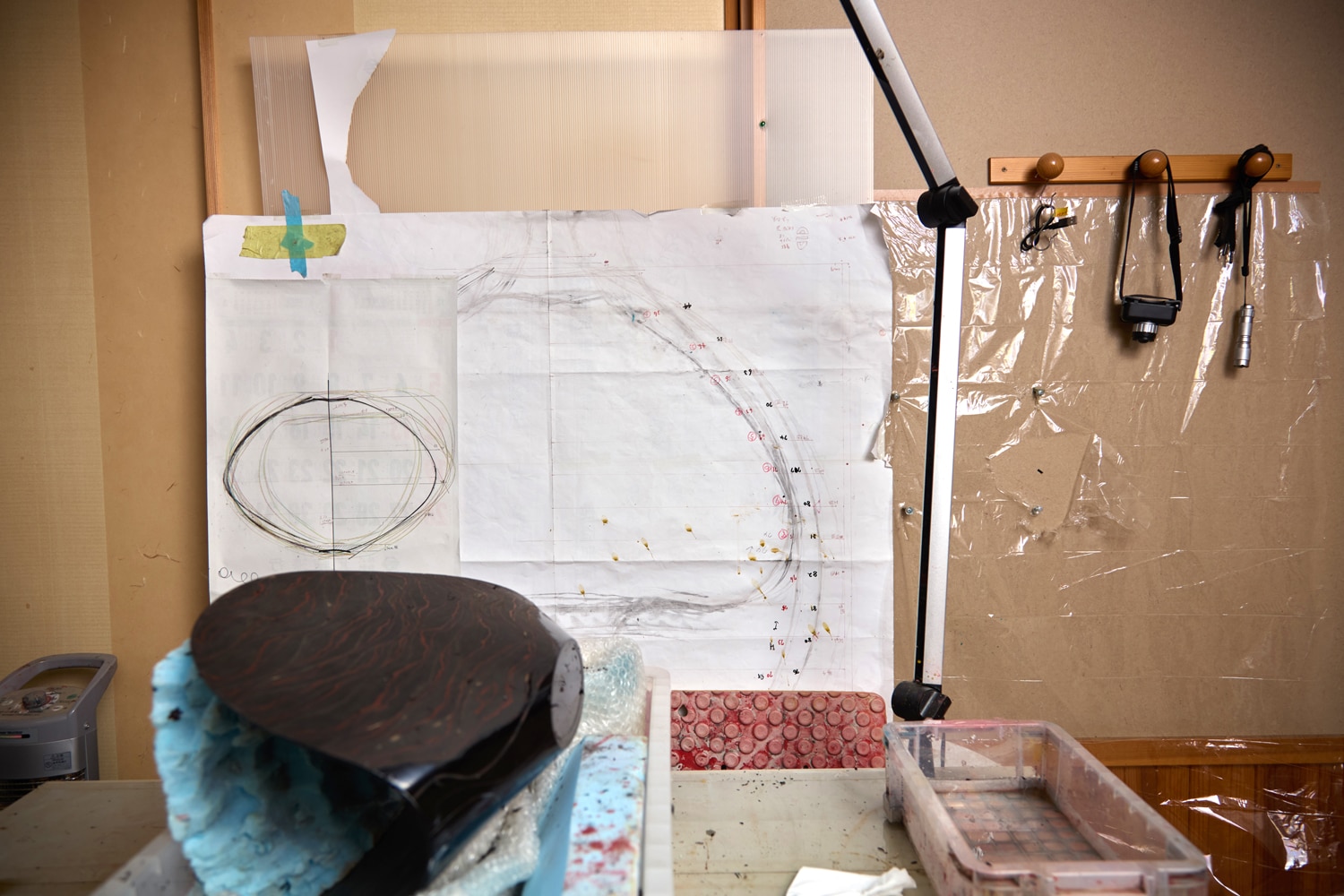
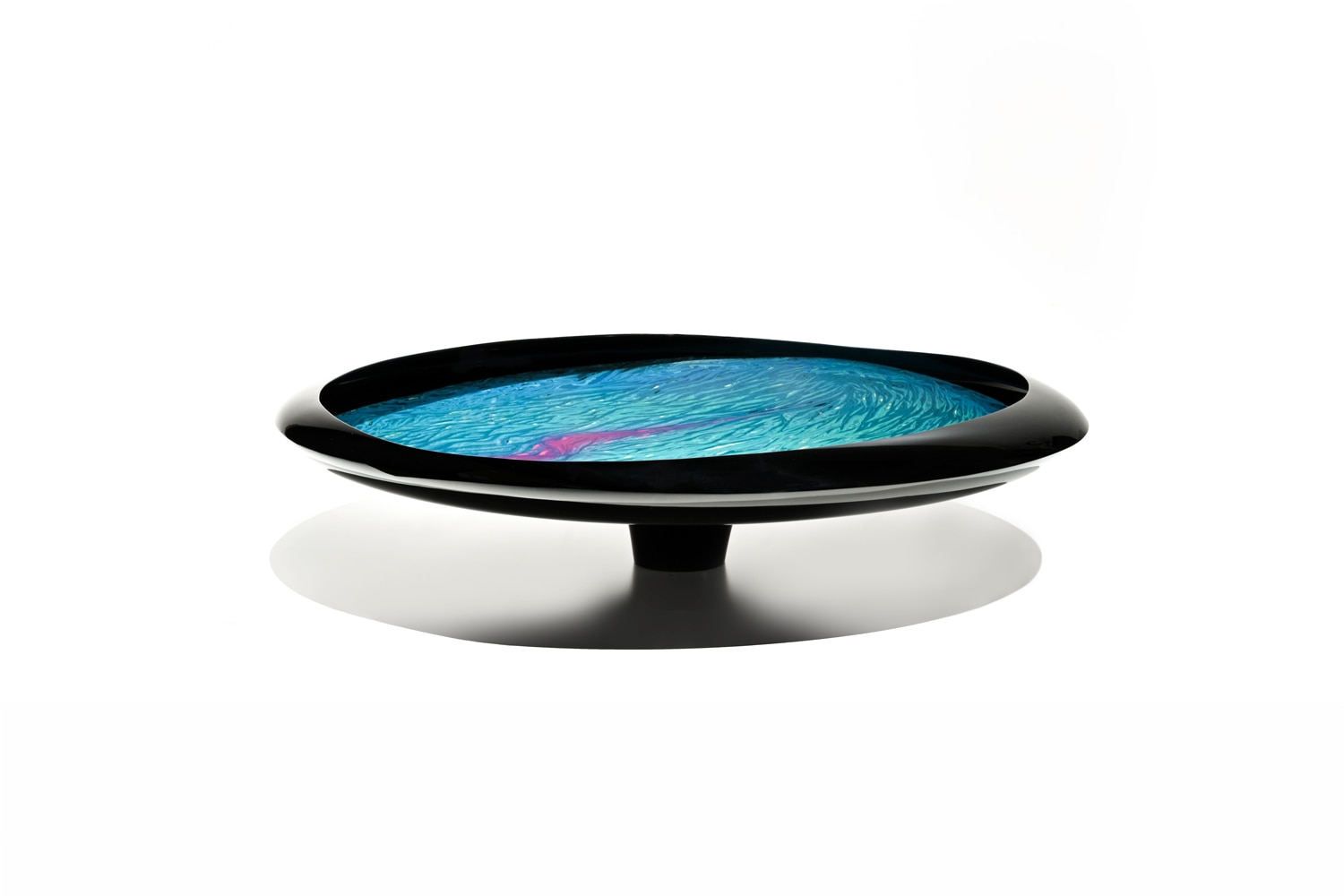
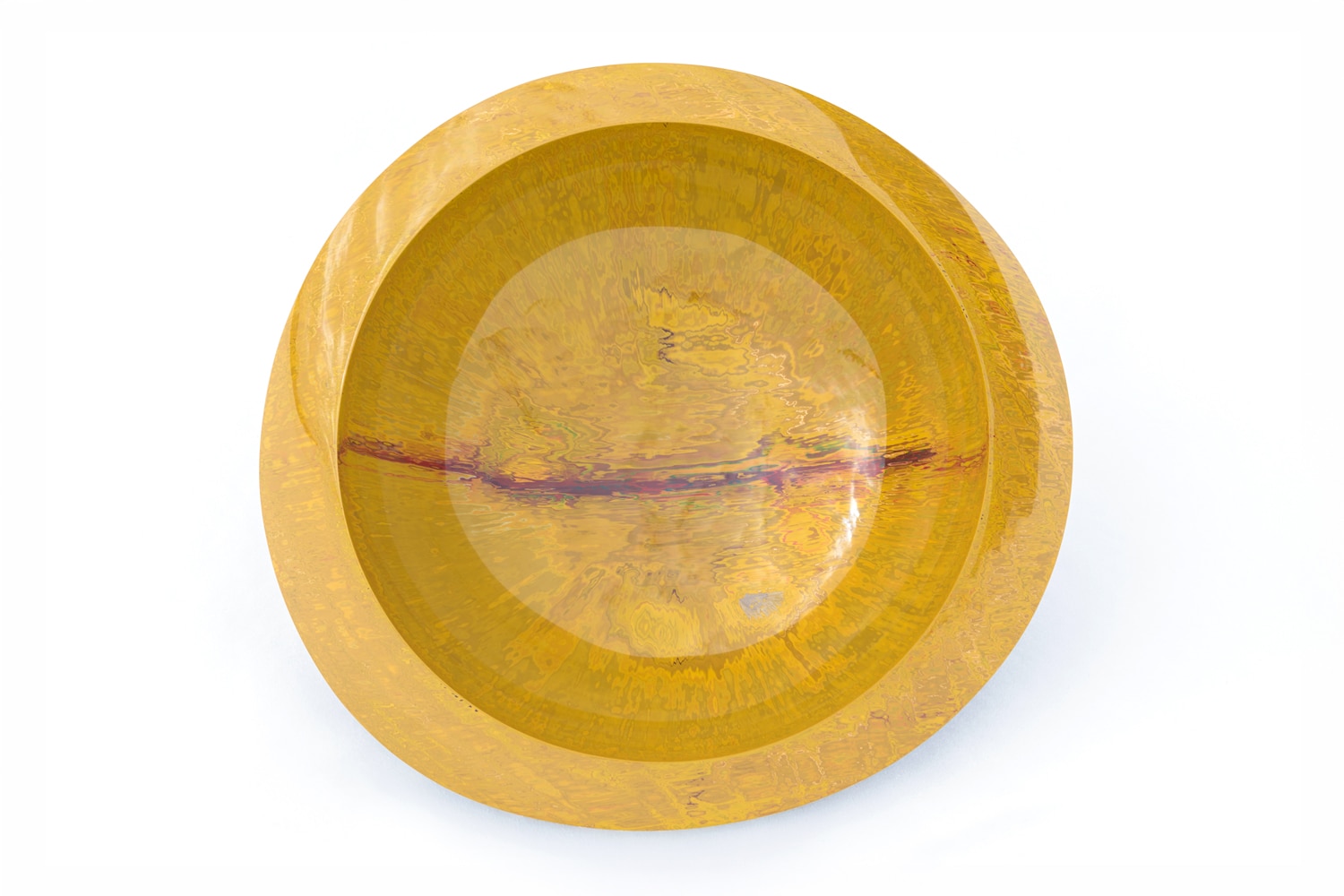
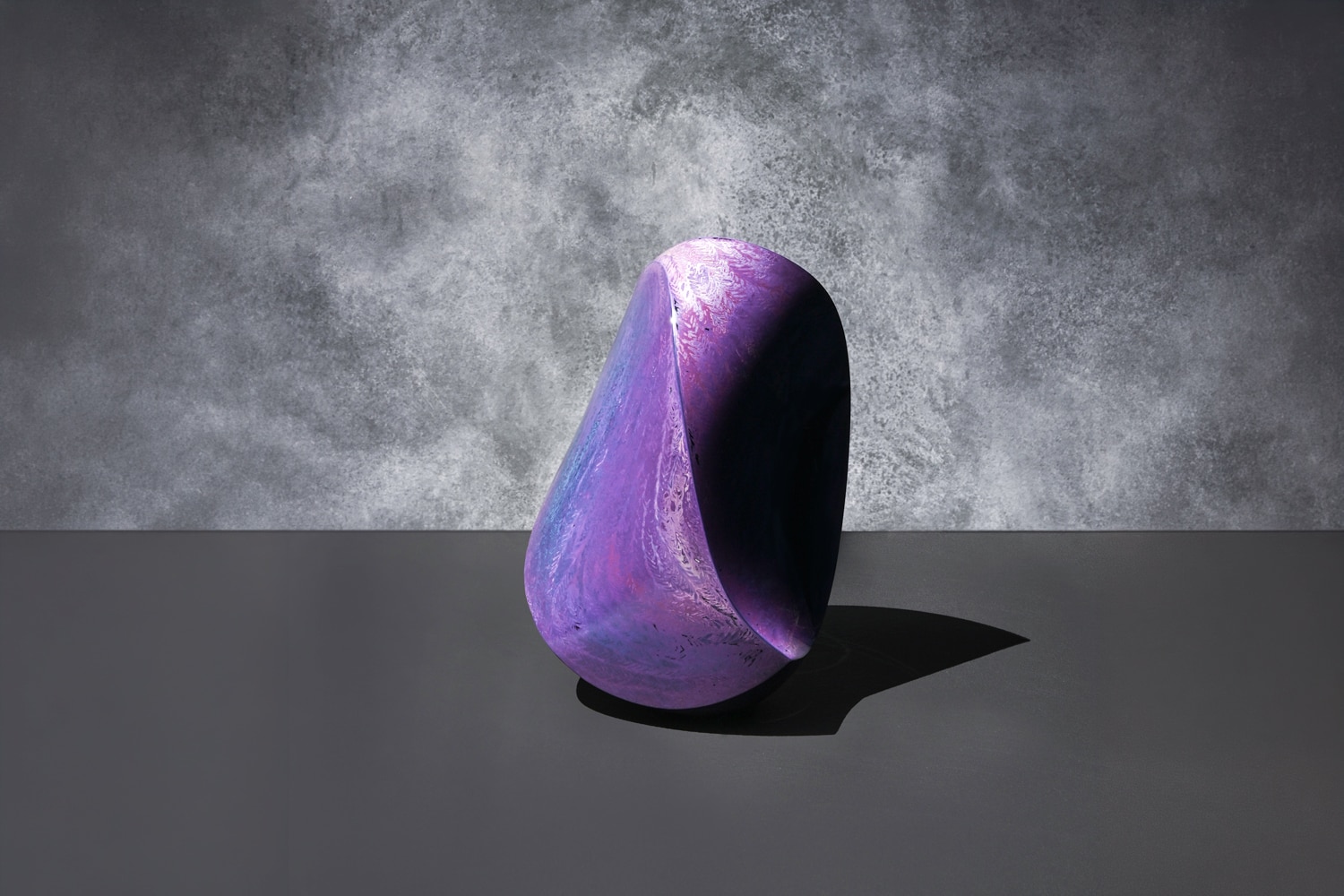
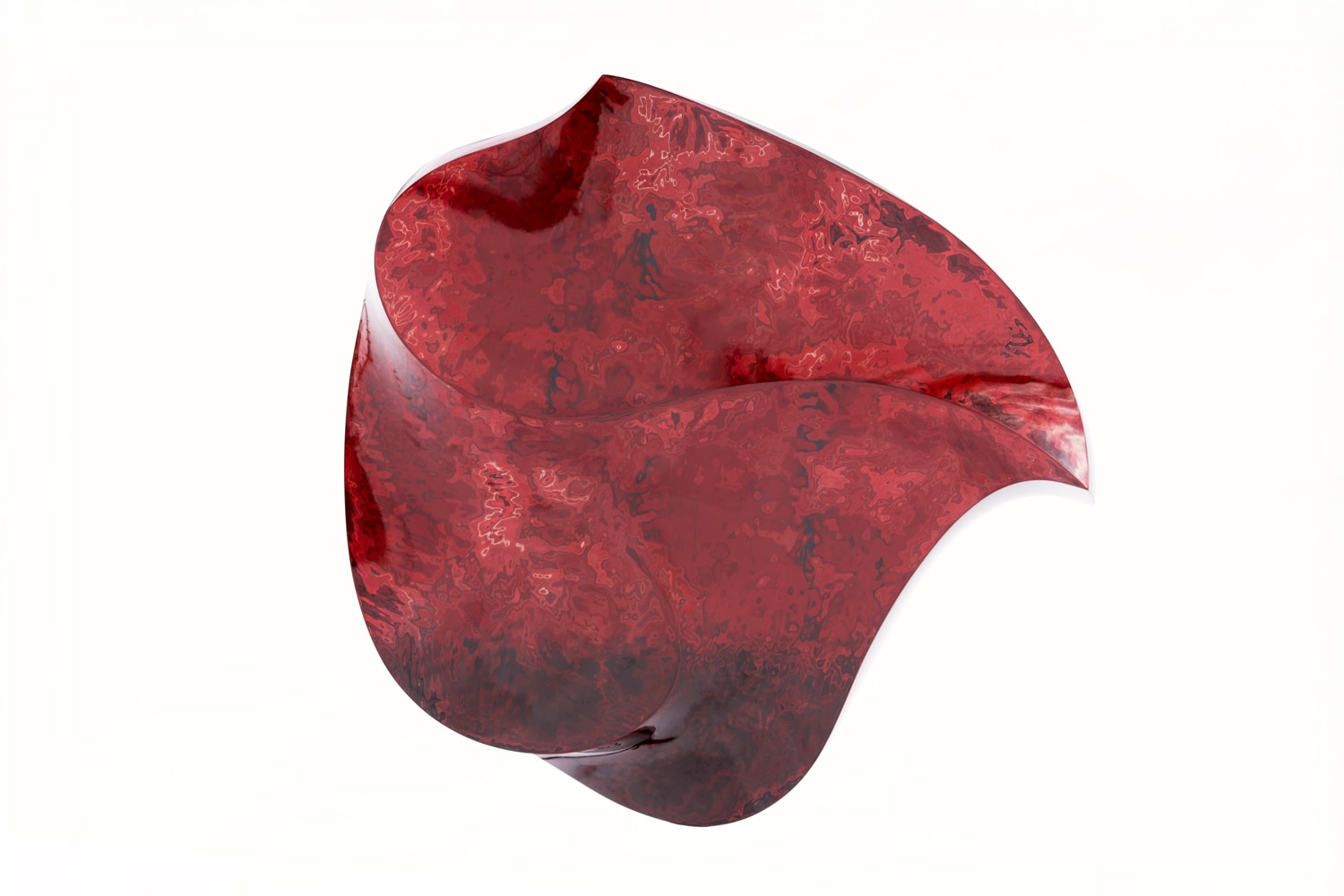
Mayu Nakata trained for five years at the Kagawa Urushi Lacquerware Institute to master the traditional kinma technique, under the guidance of master artist Masami Isoi. Kinma is a meticulous process in which patterns are built up through repeated cycles of carving, painting and polishing across some 40 layers of coloured lacquer. Mayu’s unique style and sense of colour emerged from a desire to create something bigger than everyday crafts, with an intention to give energy to the viewers and draw them fully into the work. “I believe that one’s sense of colour is born not from the memory of colour itself, but from the air, light and sounds of the places one has experienced,” she says. Mayu’s compositions weave together fragments of personal memory, from a contemporary dance lesson to a bird in mid-flight and a thunderstorm in Kanazawa, along with the shifting emotions and circumstances of each day, forming layered and intricate sculptural compositions in striking hues.
INTERVIEW
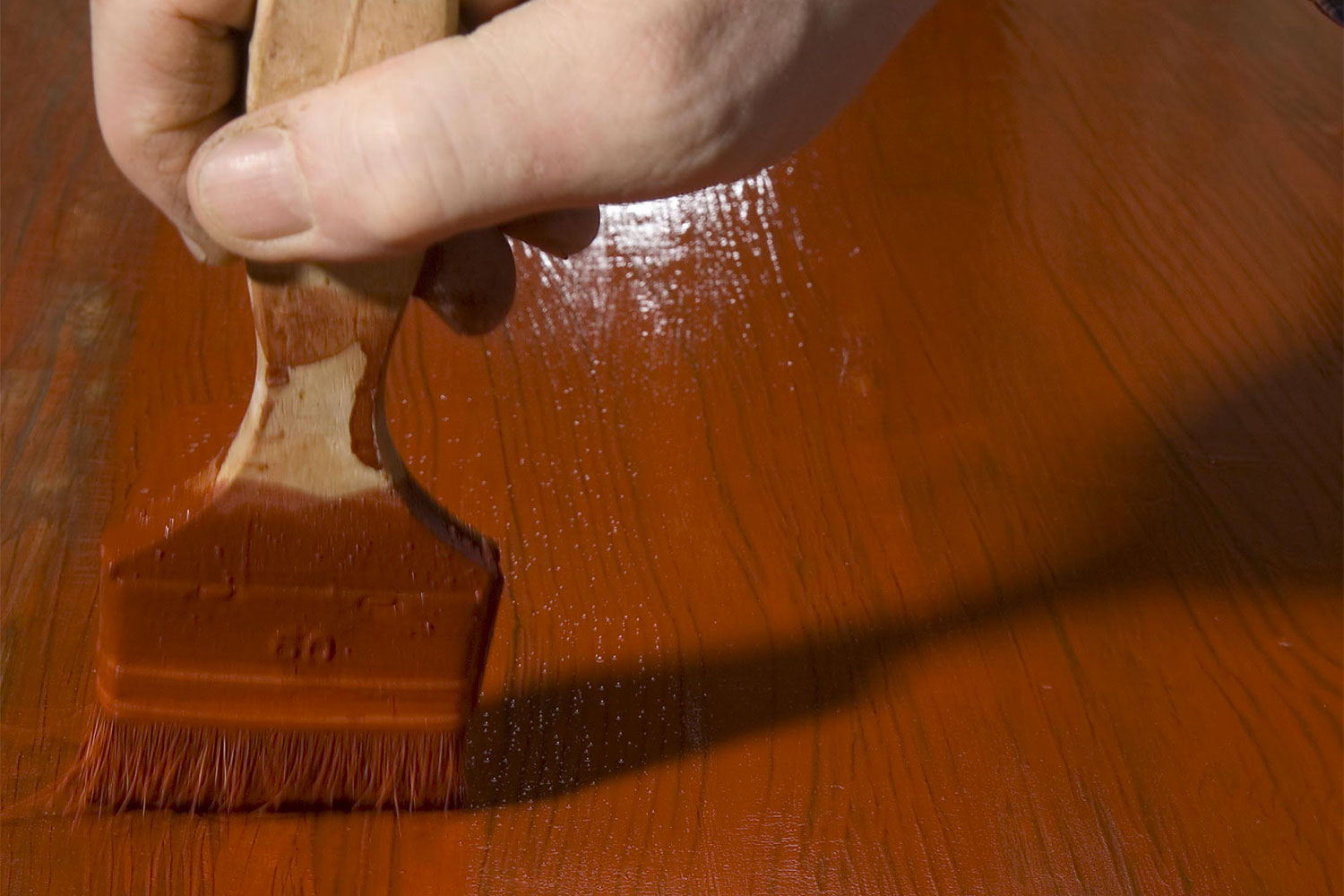
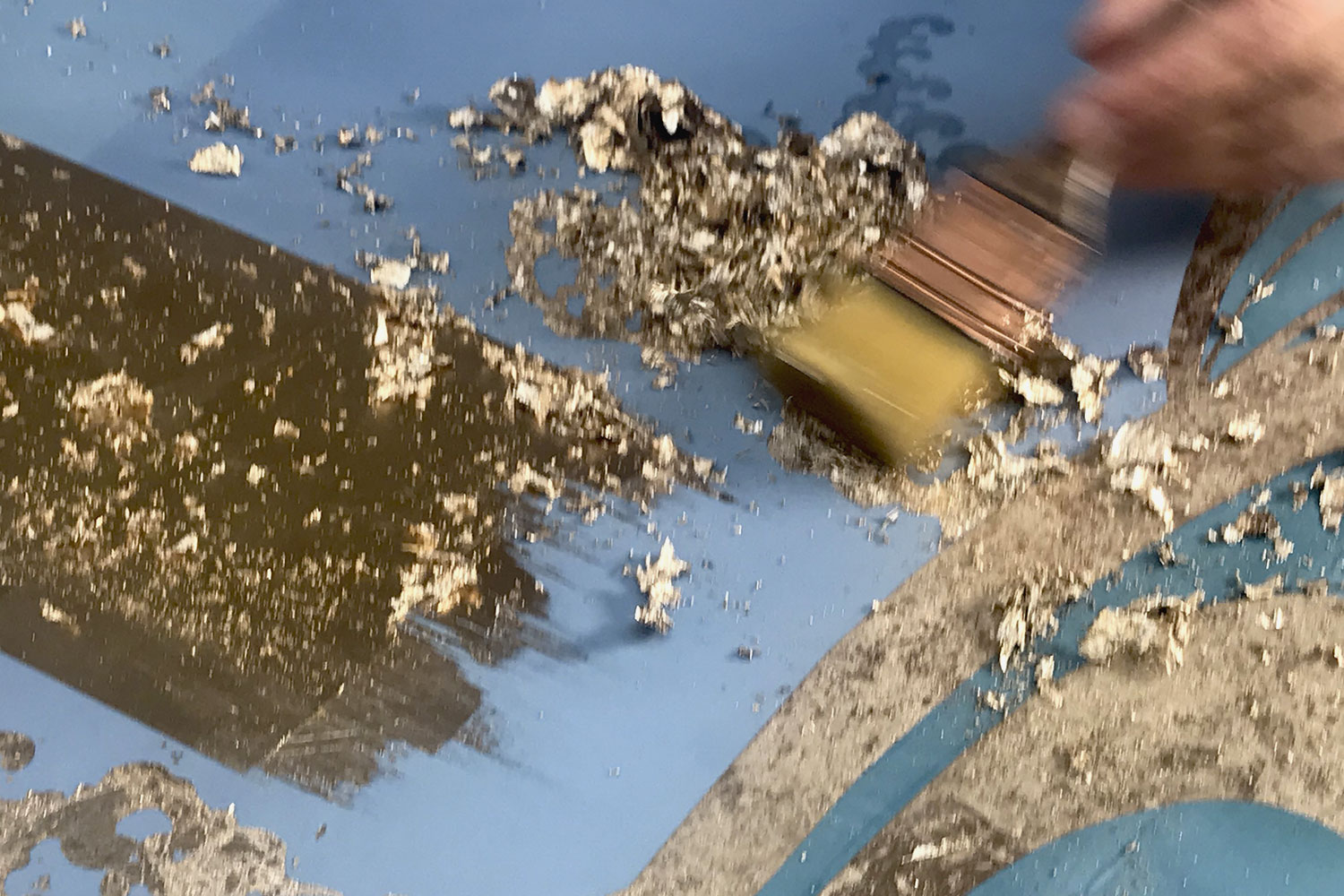
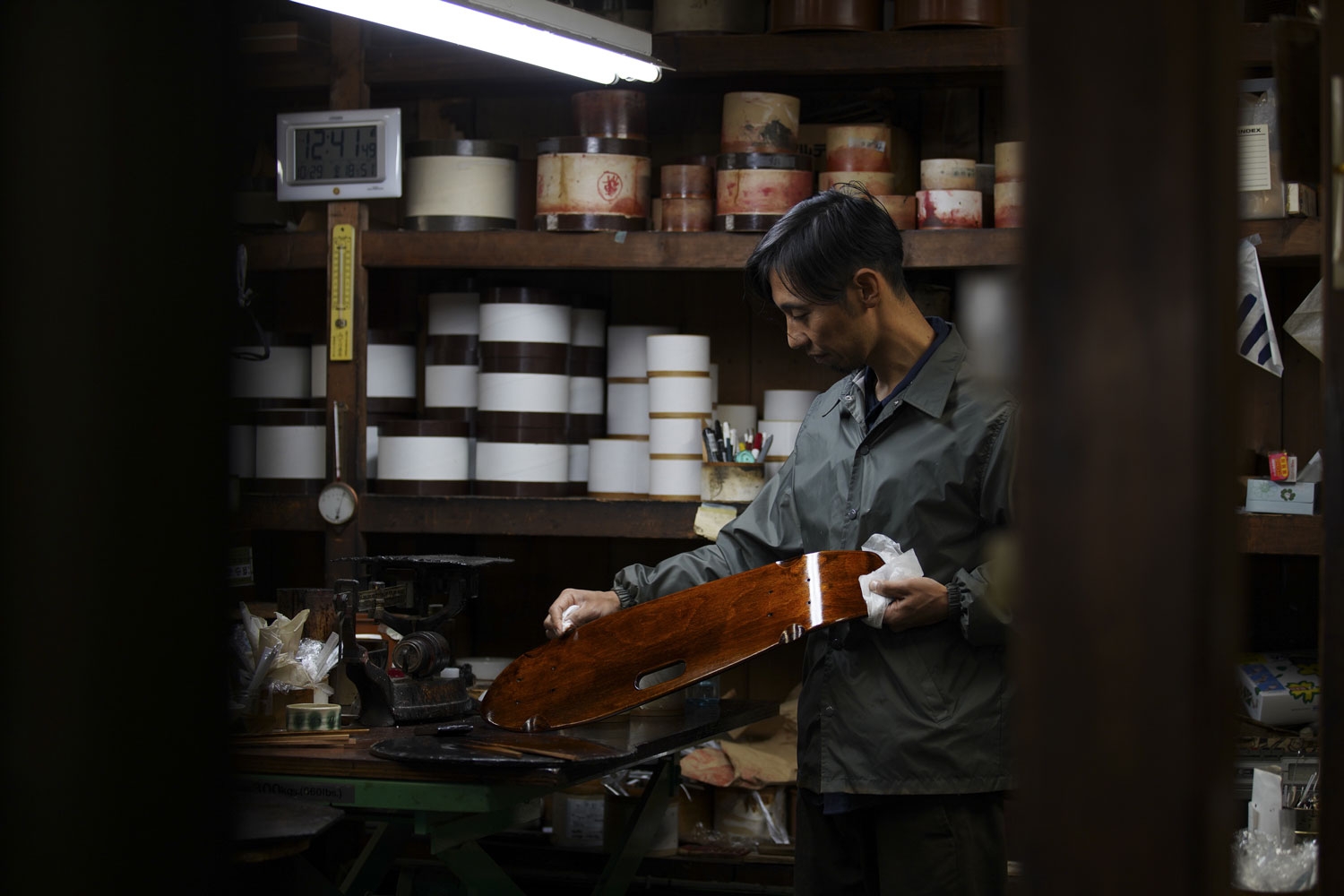
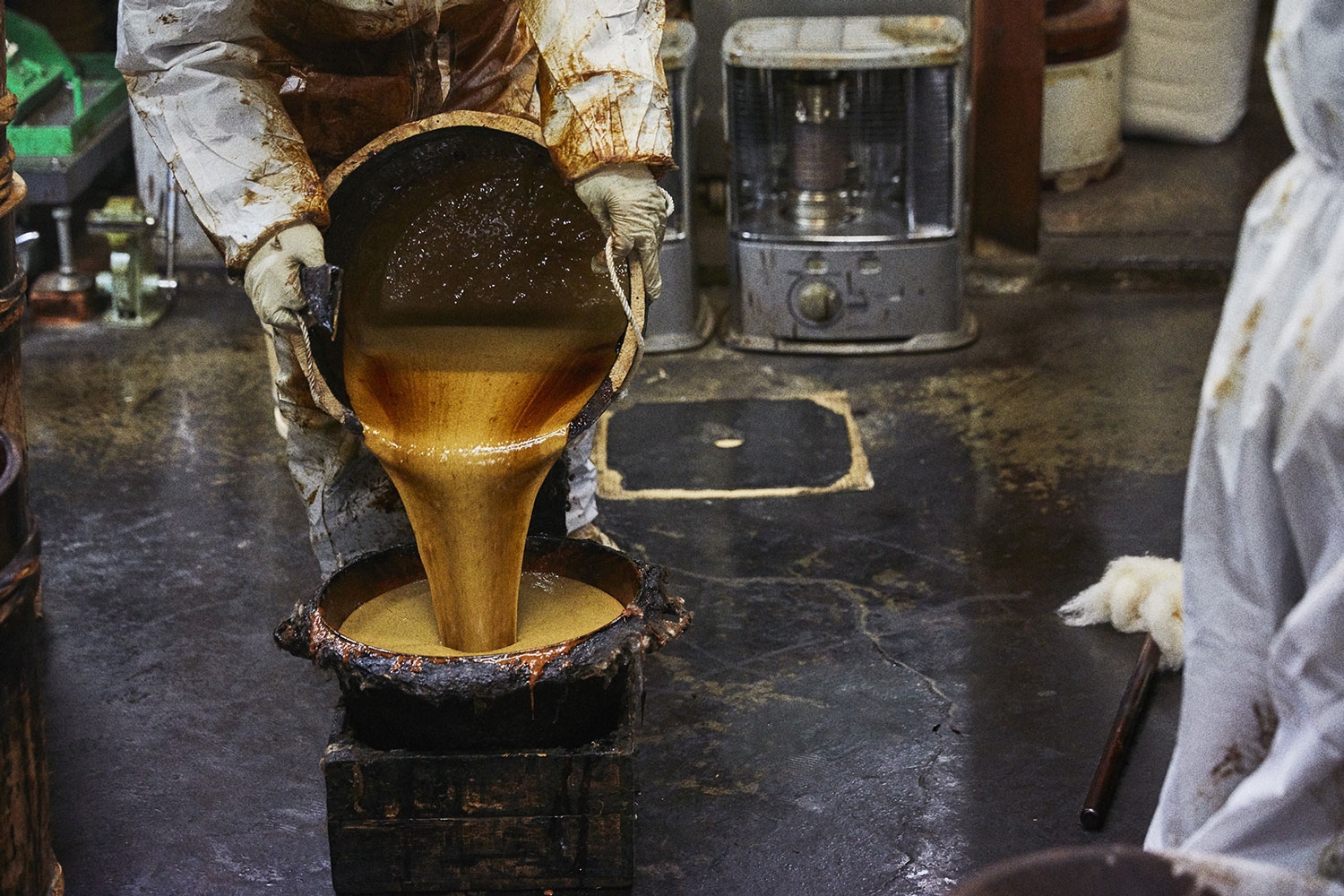
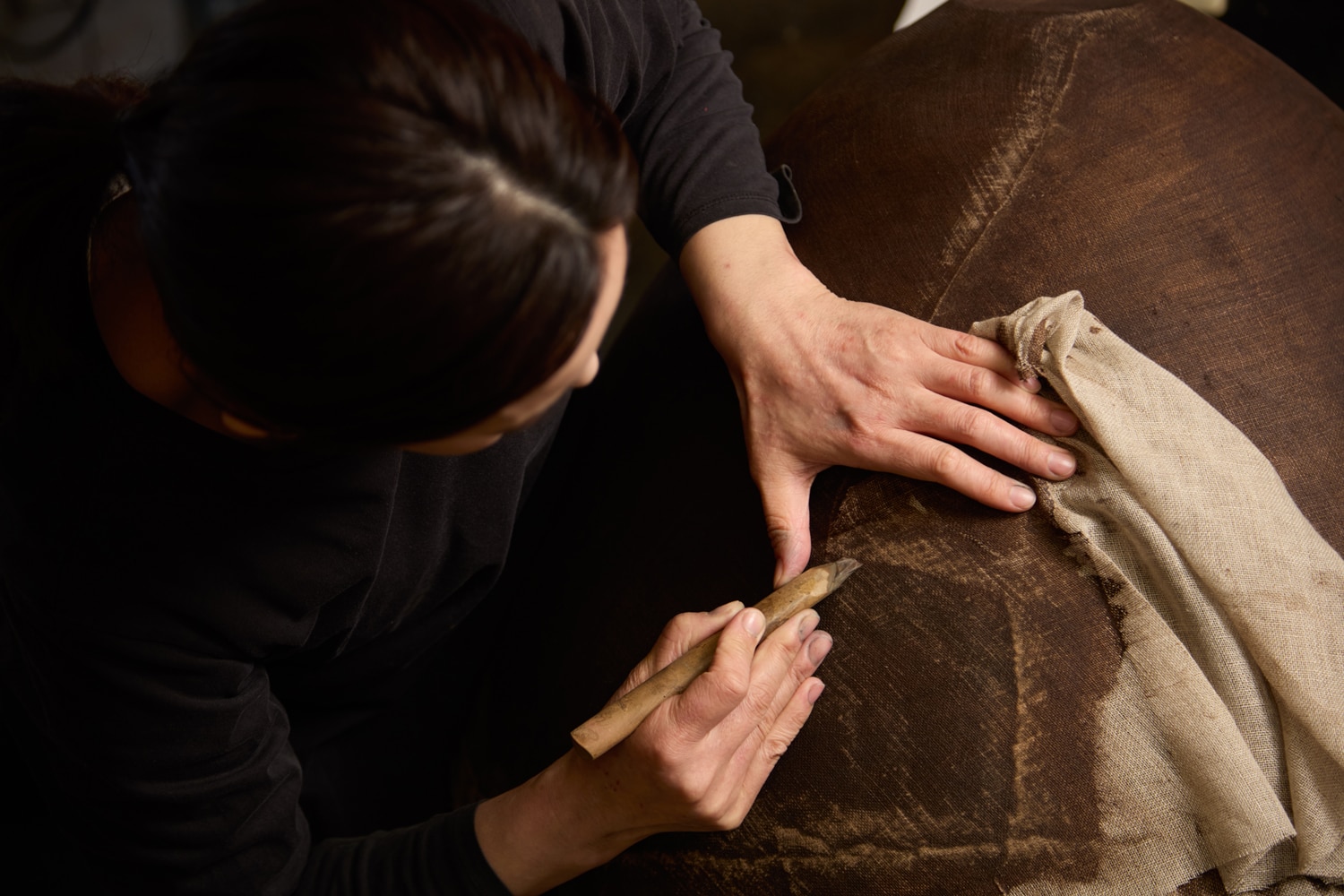
Each piece takes around six months to complete. I build the form in styrofoam, then layer hemp cloth soaked in lacquer and rice starch over it, drying and trimming it repeatedly until the structure is formed. After removing the core, I apply lacquer, carve the surface, add colour and polish it through repeated cycles. The surface gradually develops depth and shine.
I wanted to acquire a skill I could rely on. At first, I considered becoming a shoemaker, but footwear is also subject to many functional constraints. After I began studying, my focus gradually shifted from becoming a highly skilled craftsperson to the pursuit of my own expression. Although I work in lacquer, it feels closer to painting, as I build images through layers.
Lacquer is a long, multi-stage process and my physical condition and emotions inevitably influence it. I therefore need to work at a scale where I can maintain a direct sensory connection with the piece and take responsibility for the outcome. This does not mean controlling everything. The item often changes during making, even allowing a piece to be inverted or completely transformed.
In the beginning, I created works based on landscapes I visited in person. Over time, I increasingly came to rely on my own memory for both colour and form and to lean into more personal experiences. As the second-wave feminist slogan states, the personal is political, and I see how even deeply personal experiences can open into something broader. I hope that in this way, a new form of communication can emerge between my pieces and the viewer.
Mayu Nakata
Lacquerer
Kanazawa, Japan
Recommended by Jean Blanchaert & Irina Focsaneanu Eschenazi
ADDRESS
Address upon request, Kanazawa, Japan
AVAILABILITY
By appointment only
LANGUAGES
Japanese
Homo Faber Finds is a new service aiming to inspire admirers of craft to connect and collaborate with exceptional artisans.
We invite you to submit an enquiry here.