©Julie Percillier
©Marion Saupin
©Marion Saupin
©Marion Saupin
©Julie Percillier
©Marion Saupin
Julie Percillier
Embroiderer
Paris, France
©Julie Percillier
©Julie Percillier
©Marion Saupin
©Marion Saupin
©Marion Saupin
©Marion Saupin
©Marion Saupin
©Marion Saupin
©Julie Percillier
©Julie Percillier
©Marion Saupin
©Marion Saupin
Botanical recreation
- Julie hand embroiders organic installations, sculptures and textile landscapes
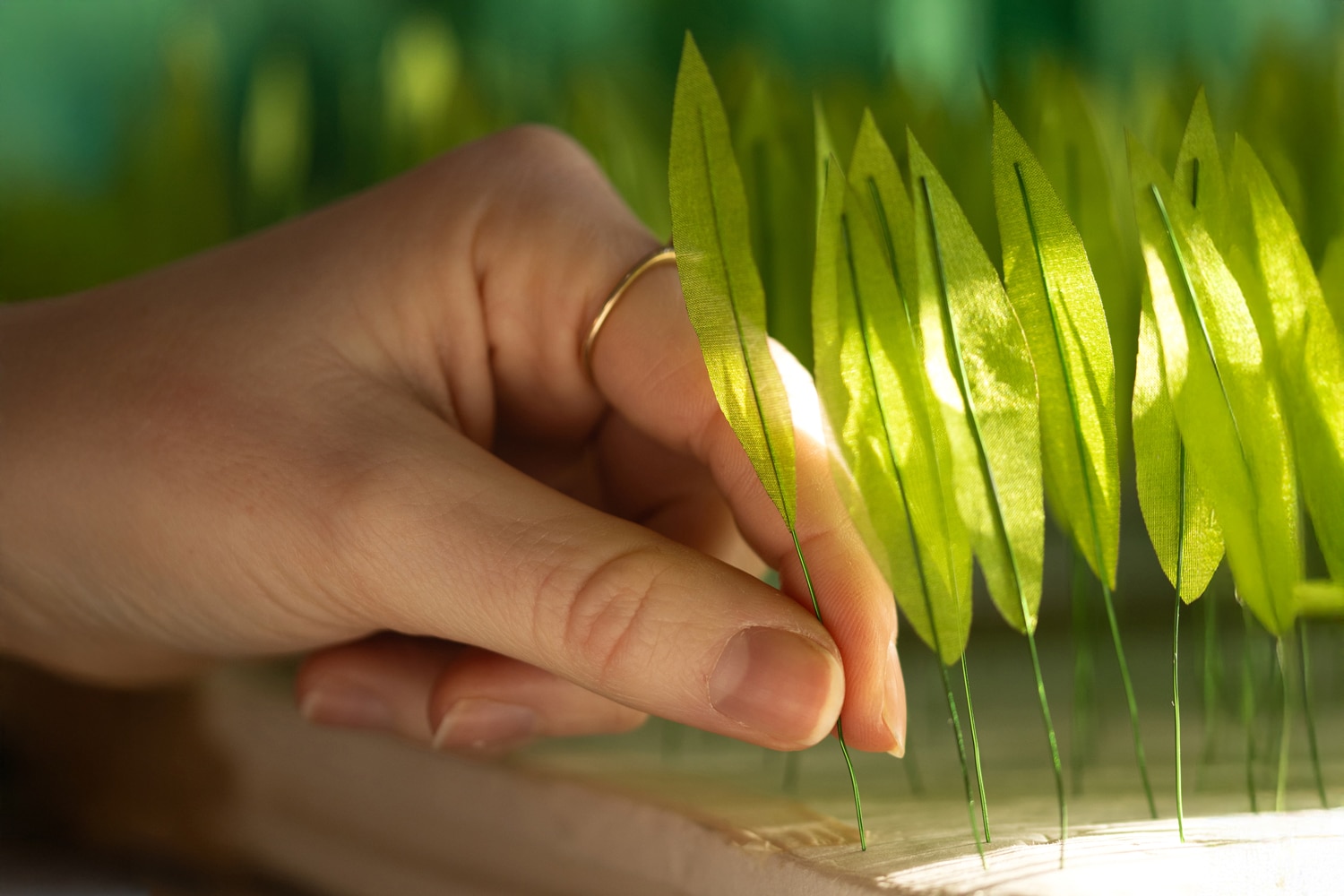
- She marries preserved materials with embroidery to faithfully recreate the living world
- She opened her workshop in 2021
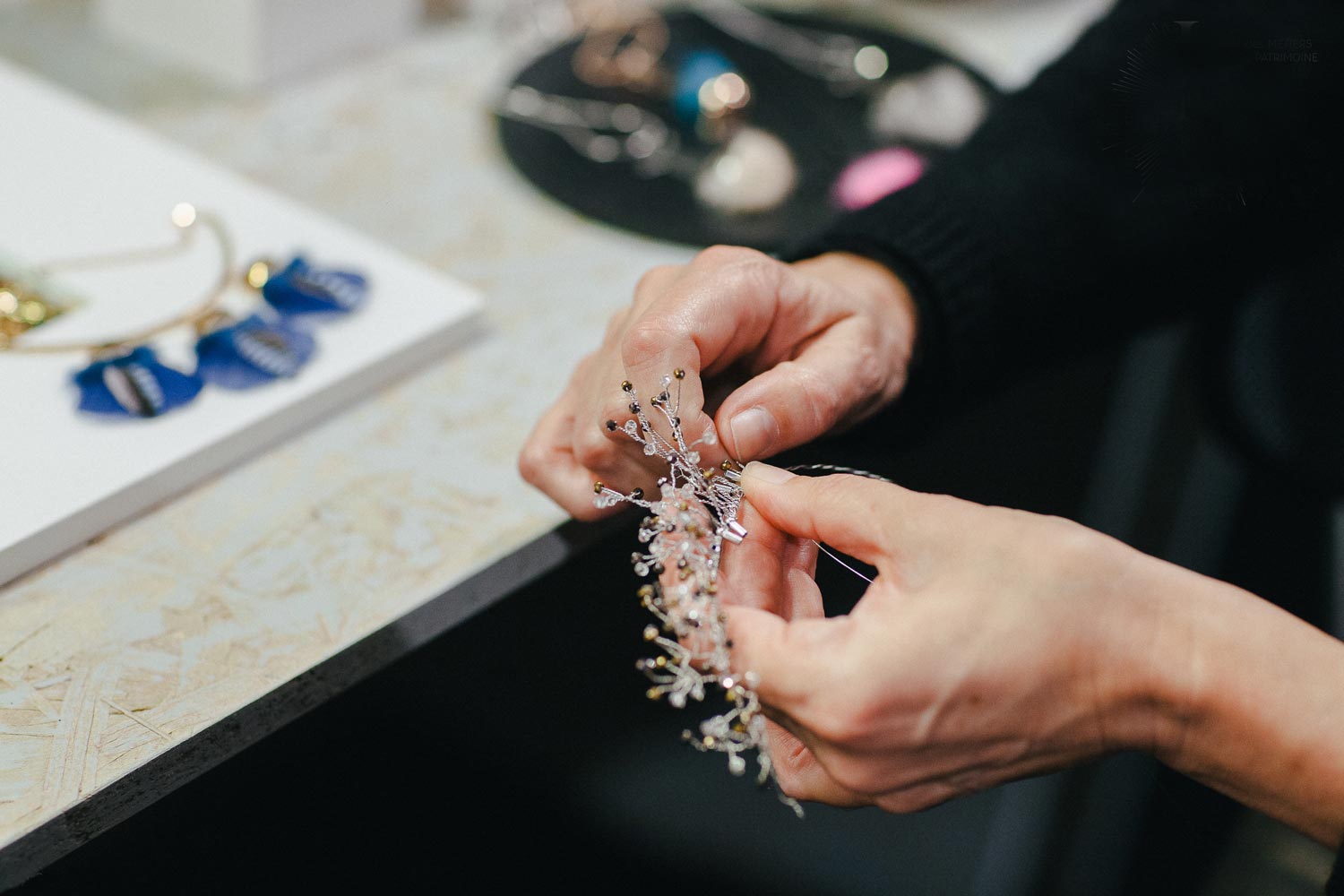
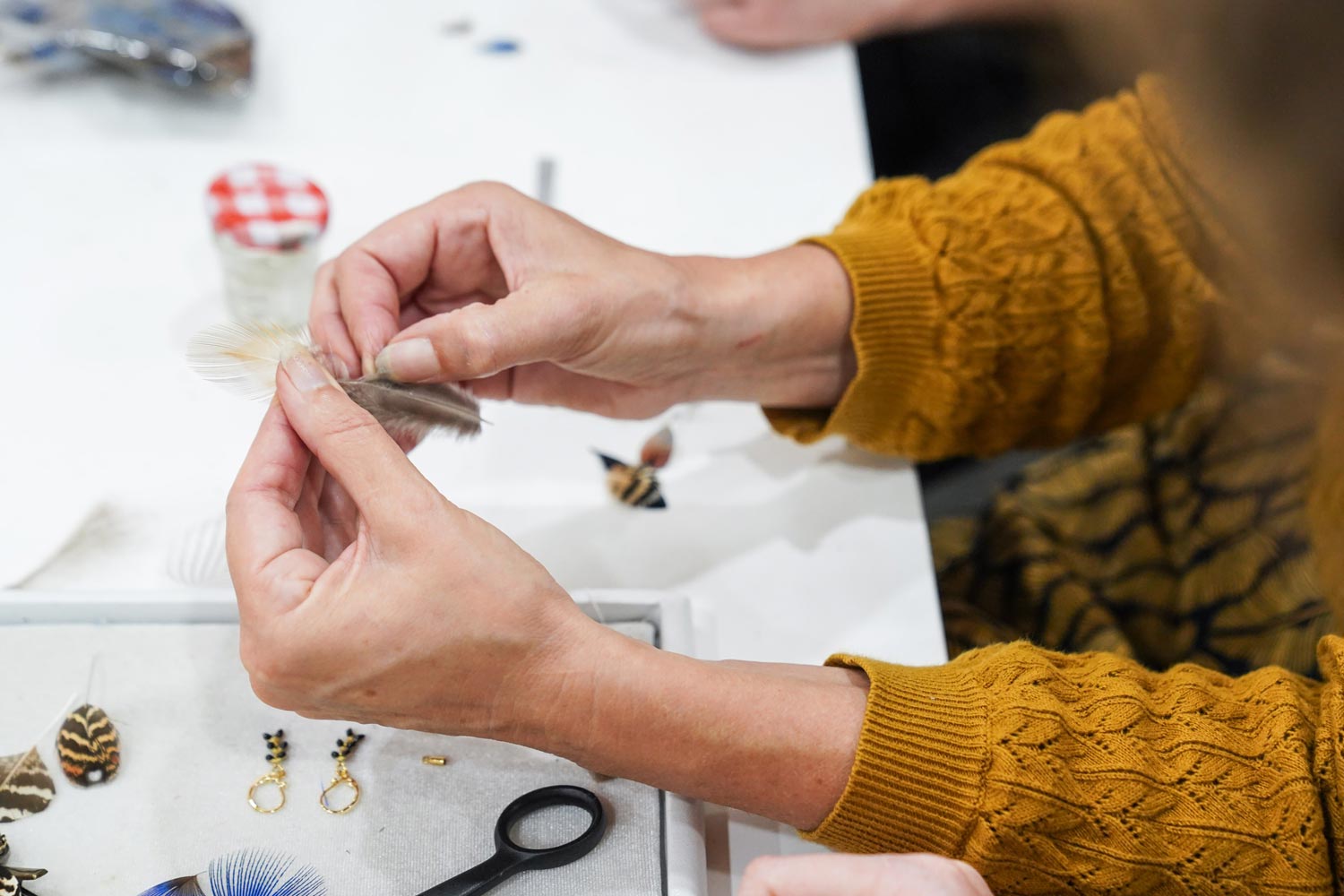
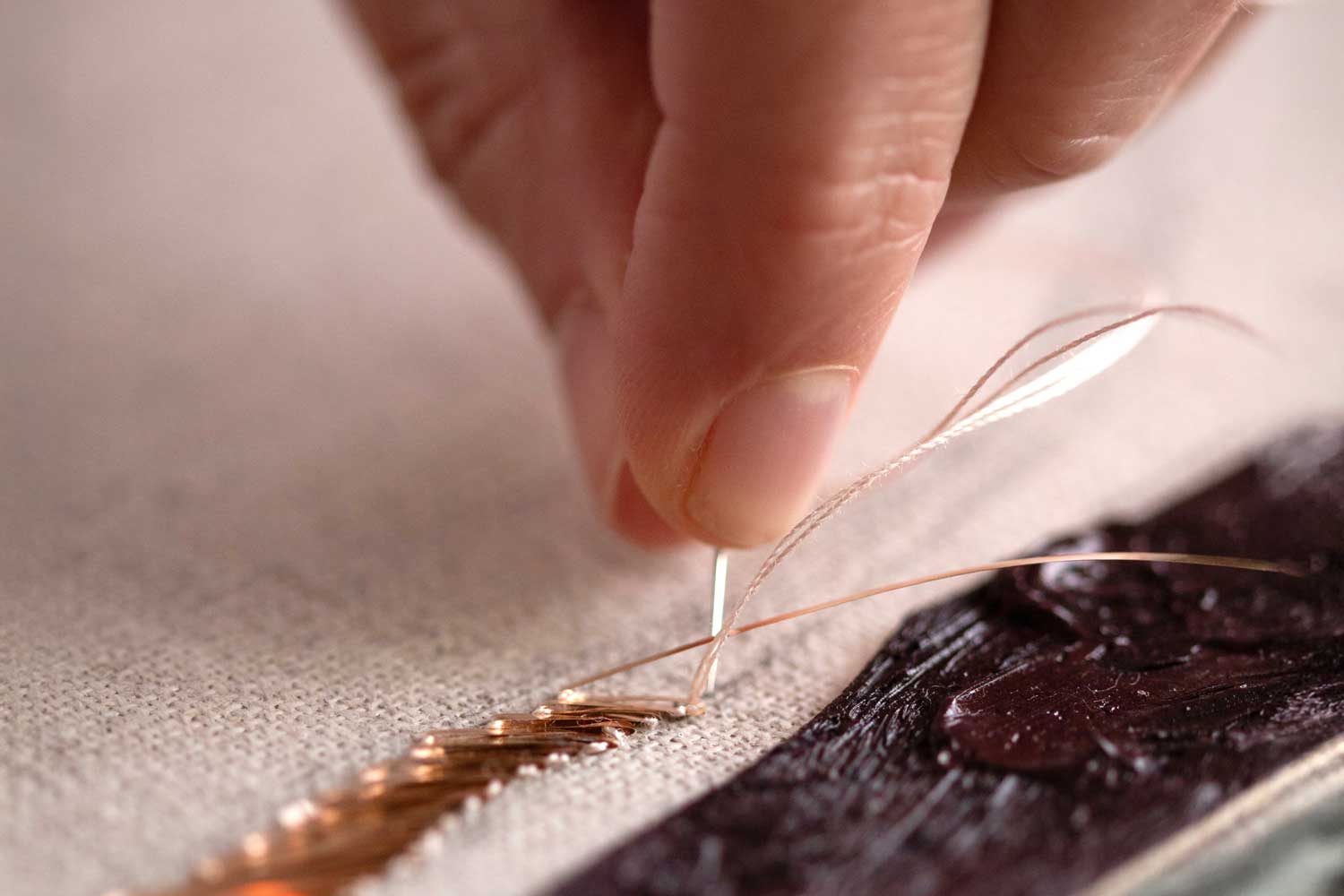
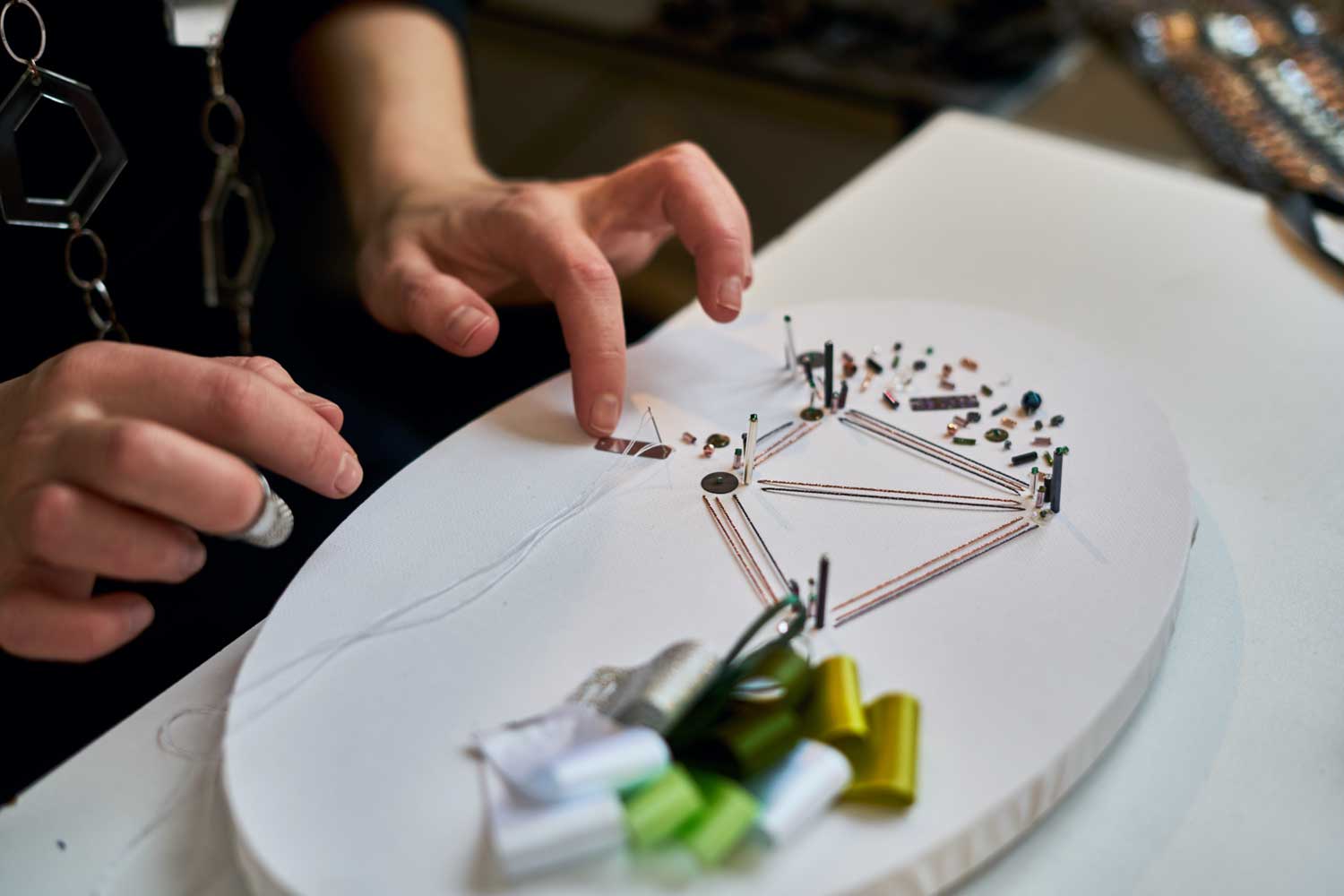
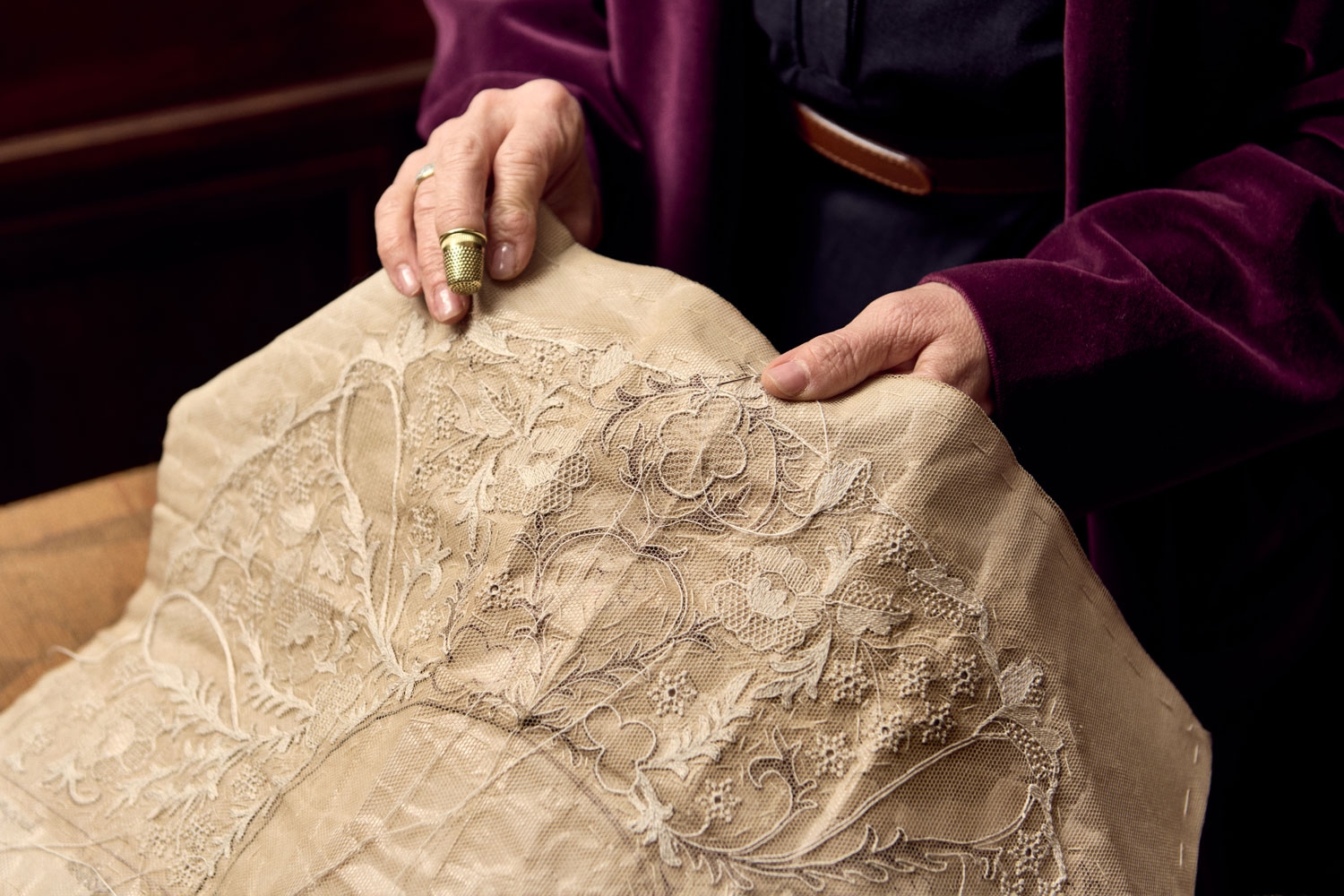
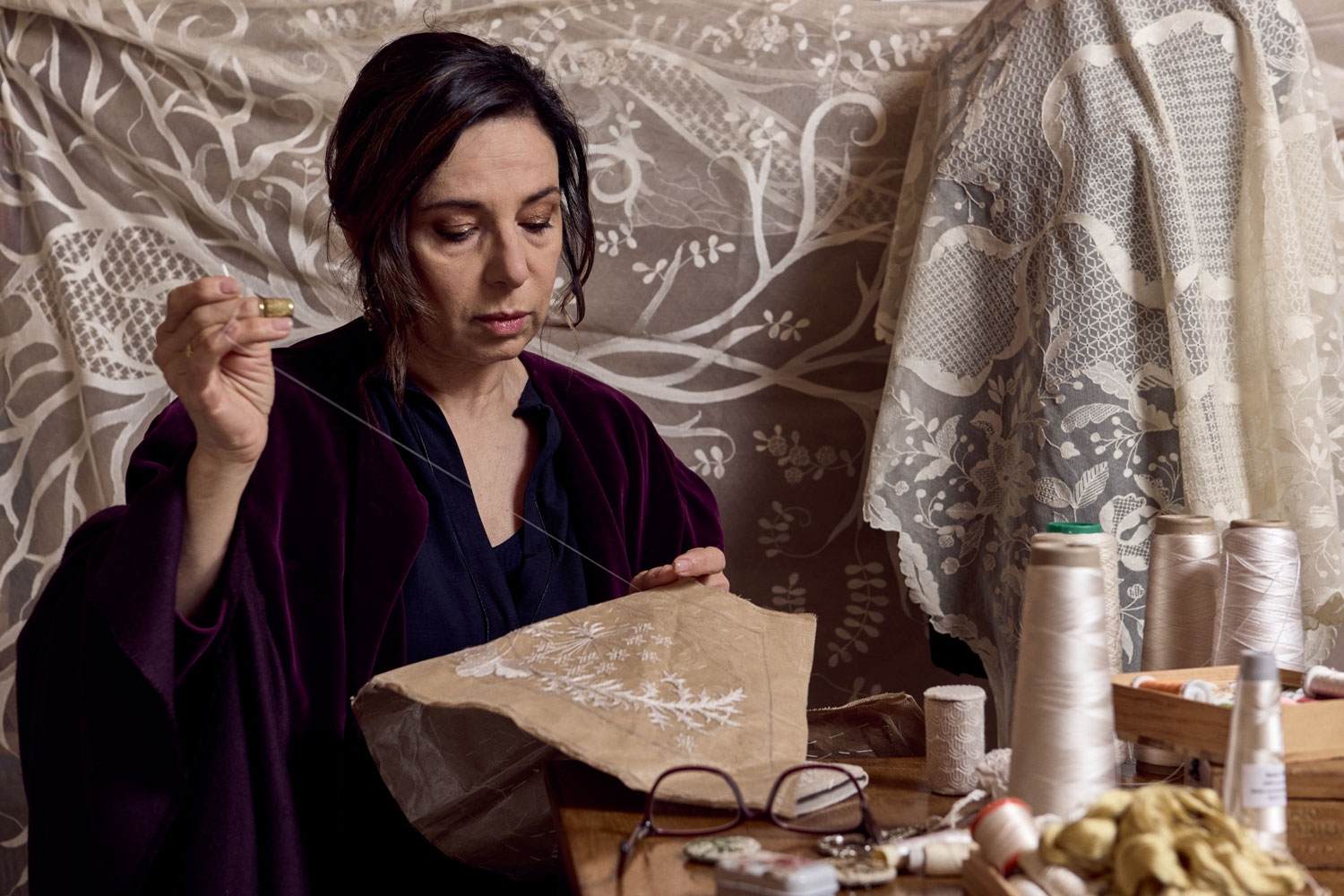
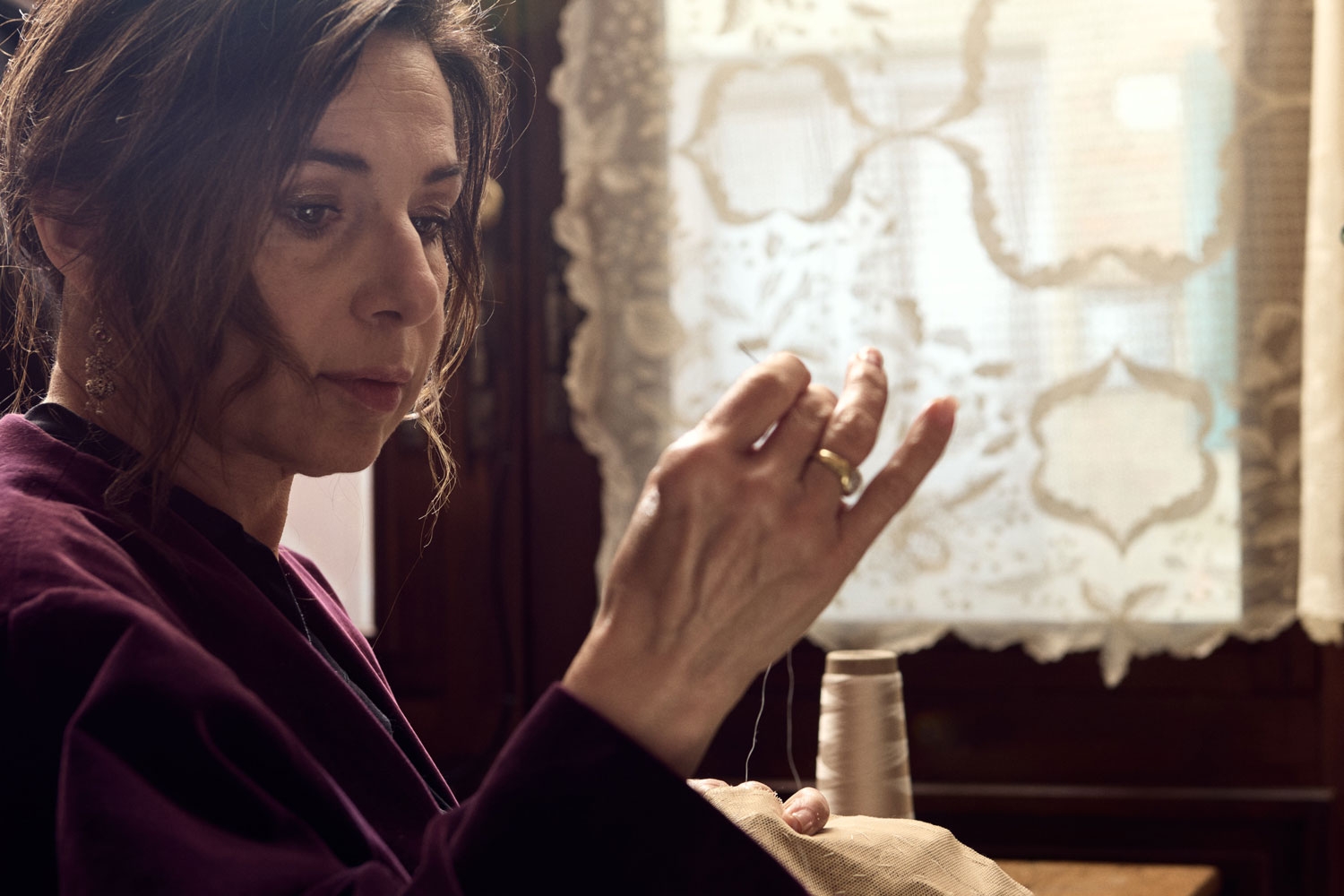
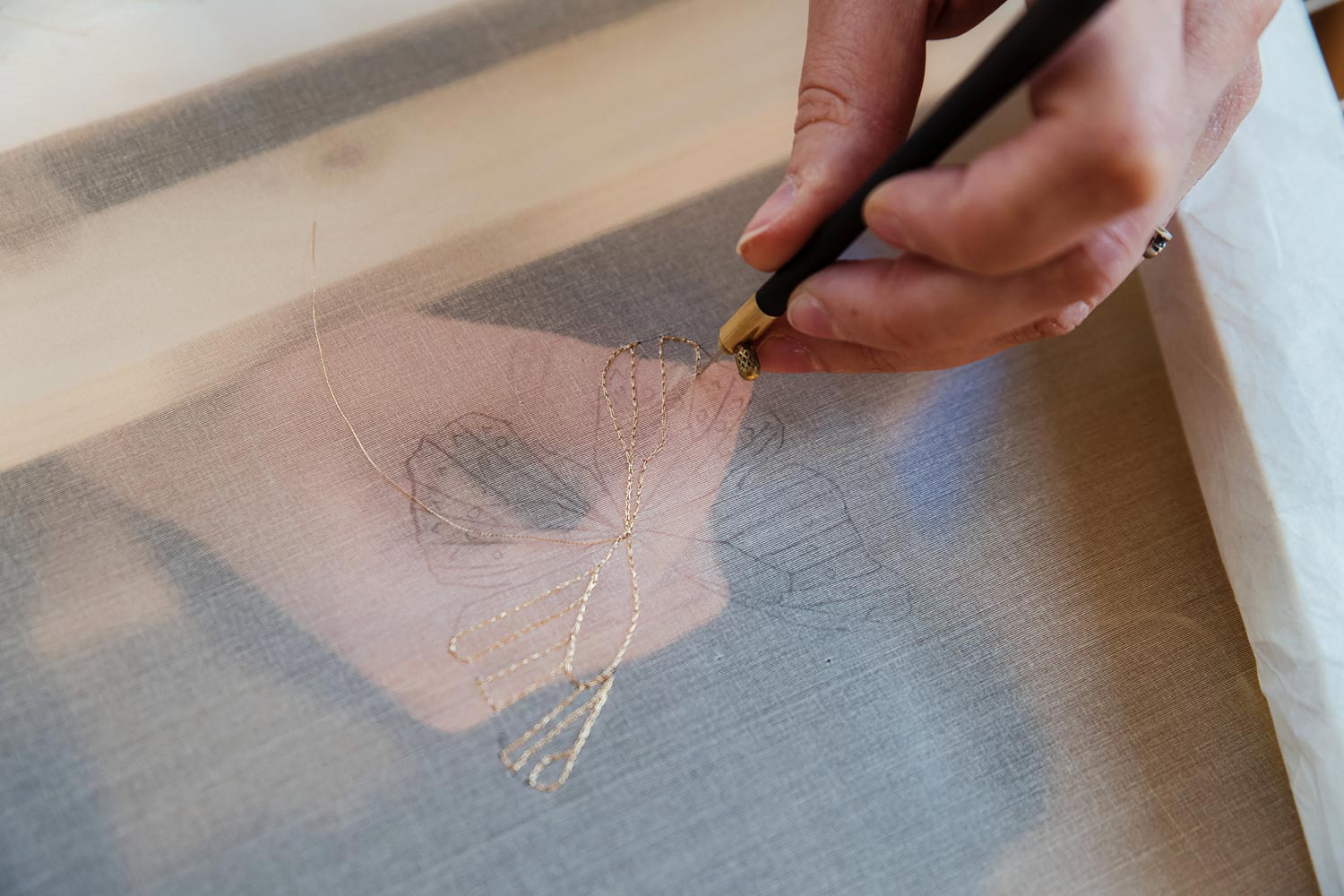
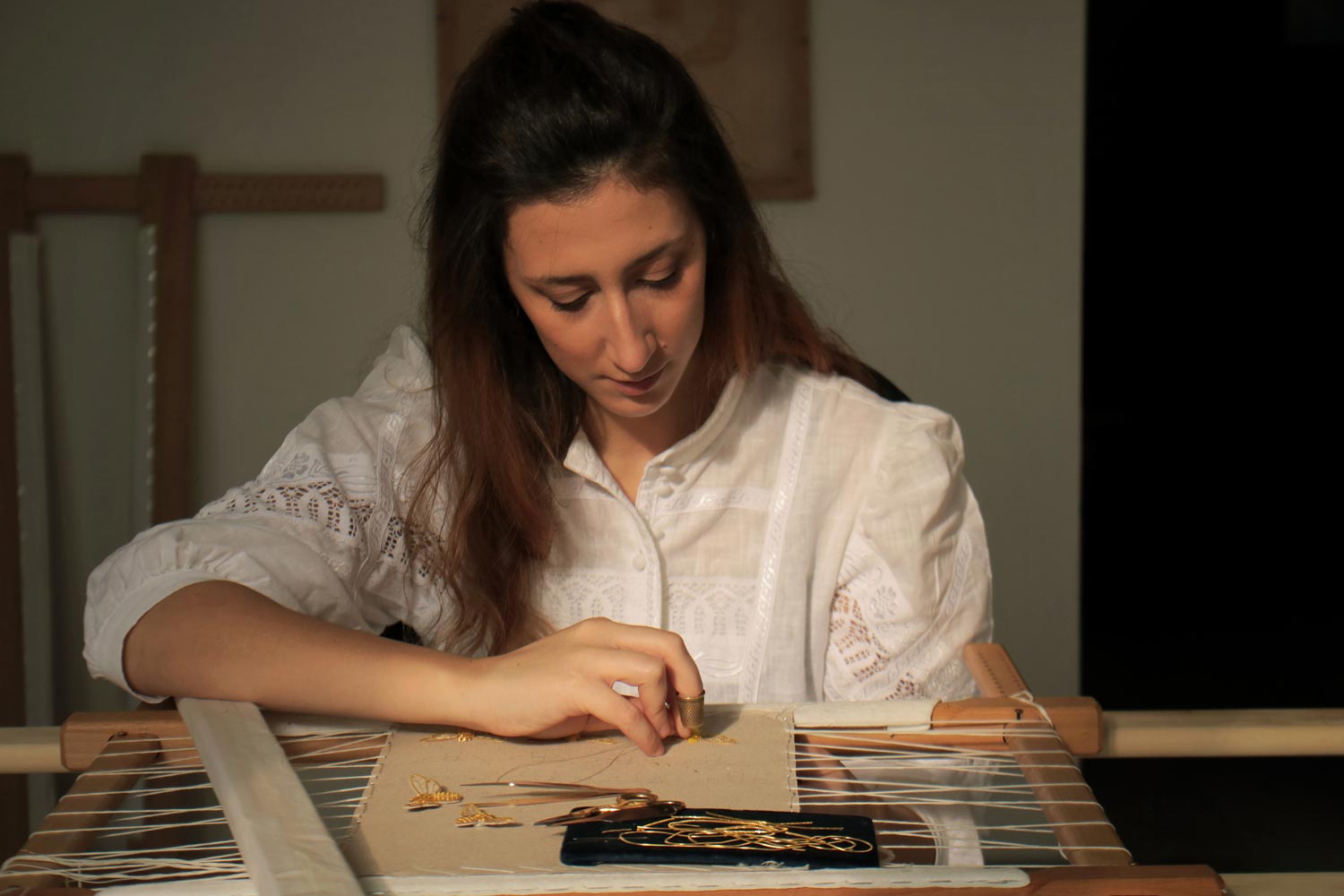
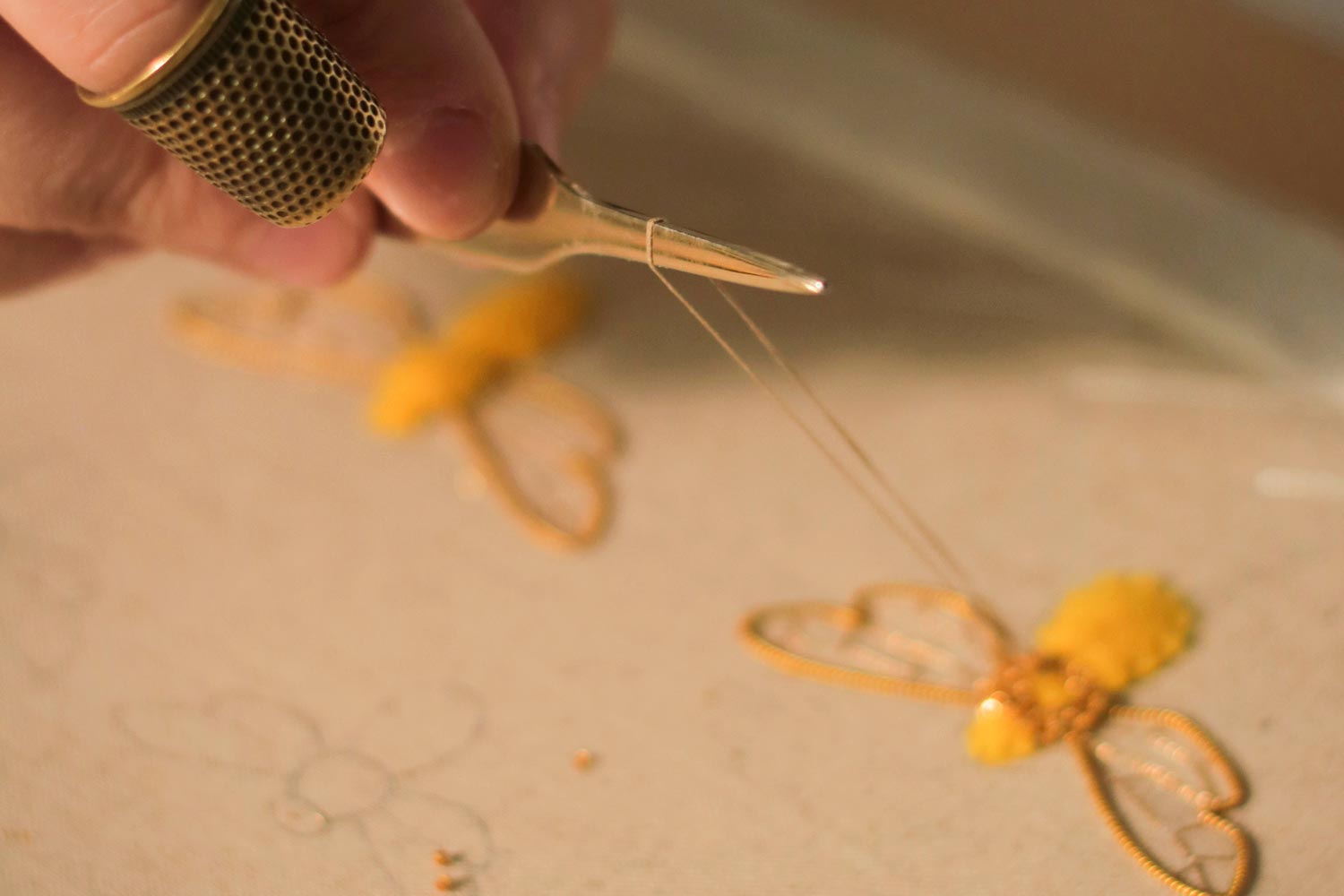
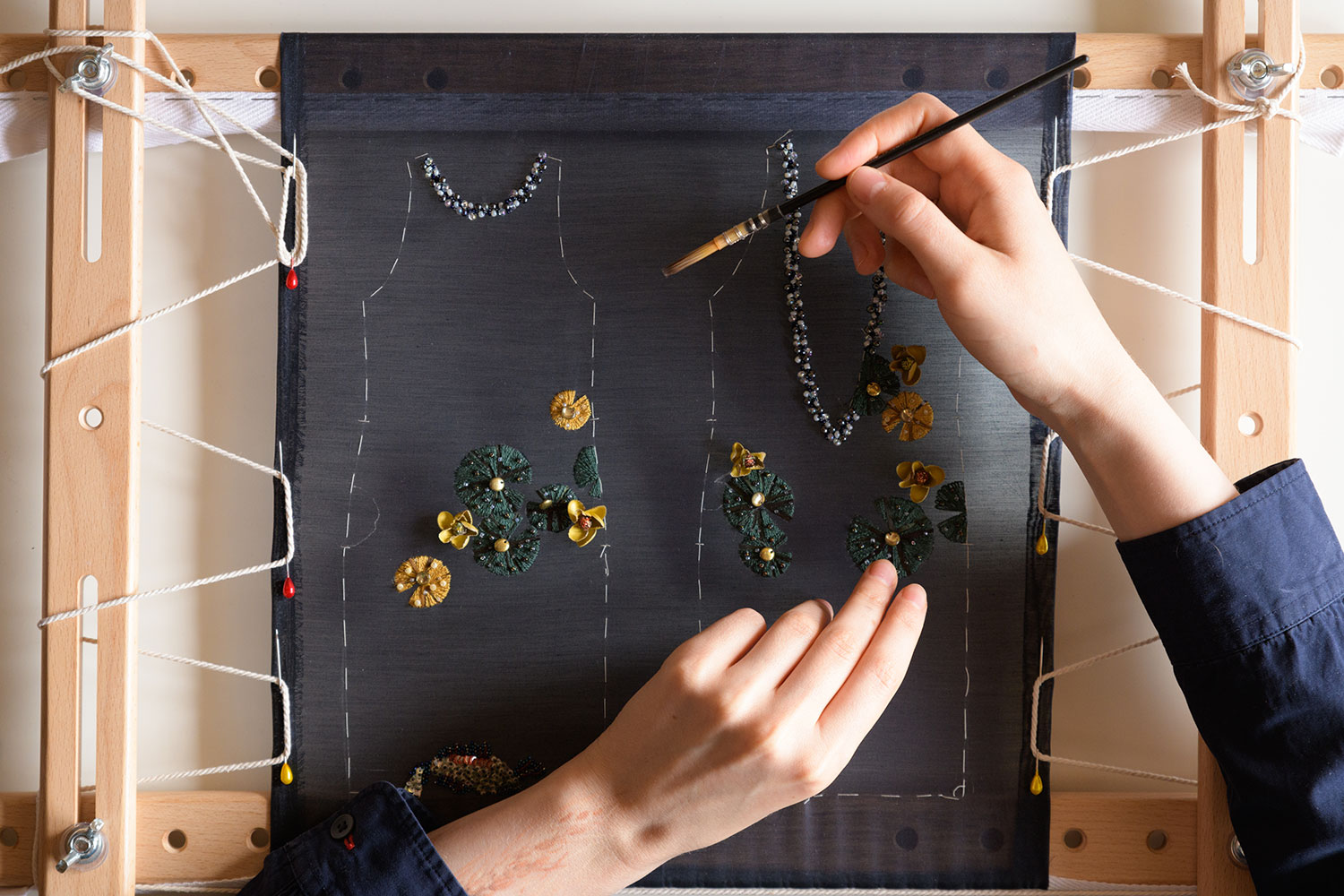
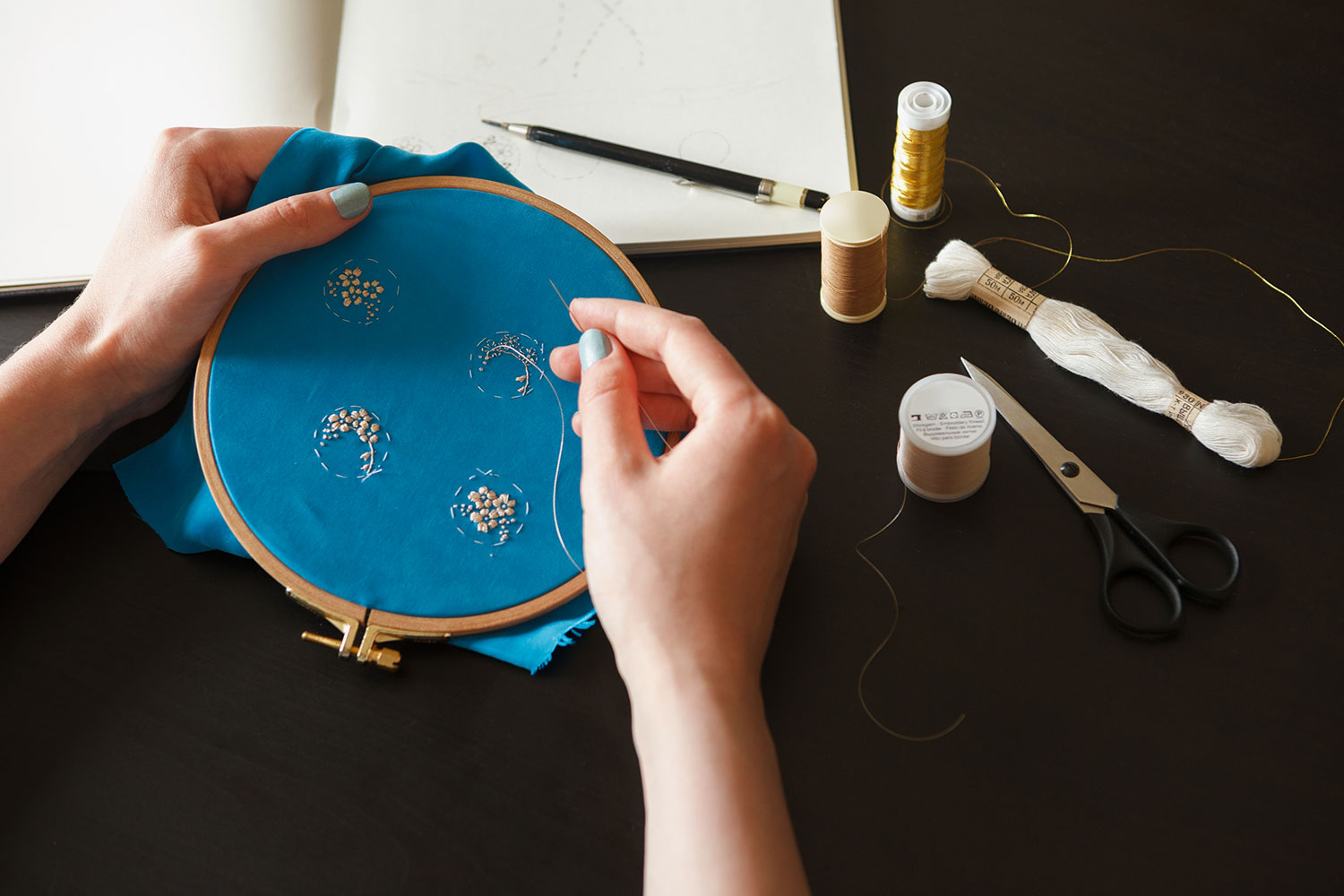
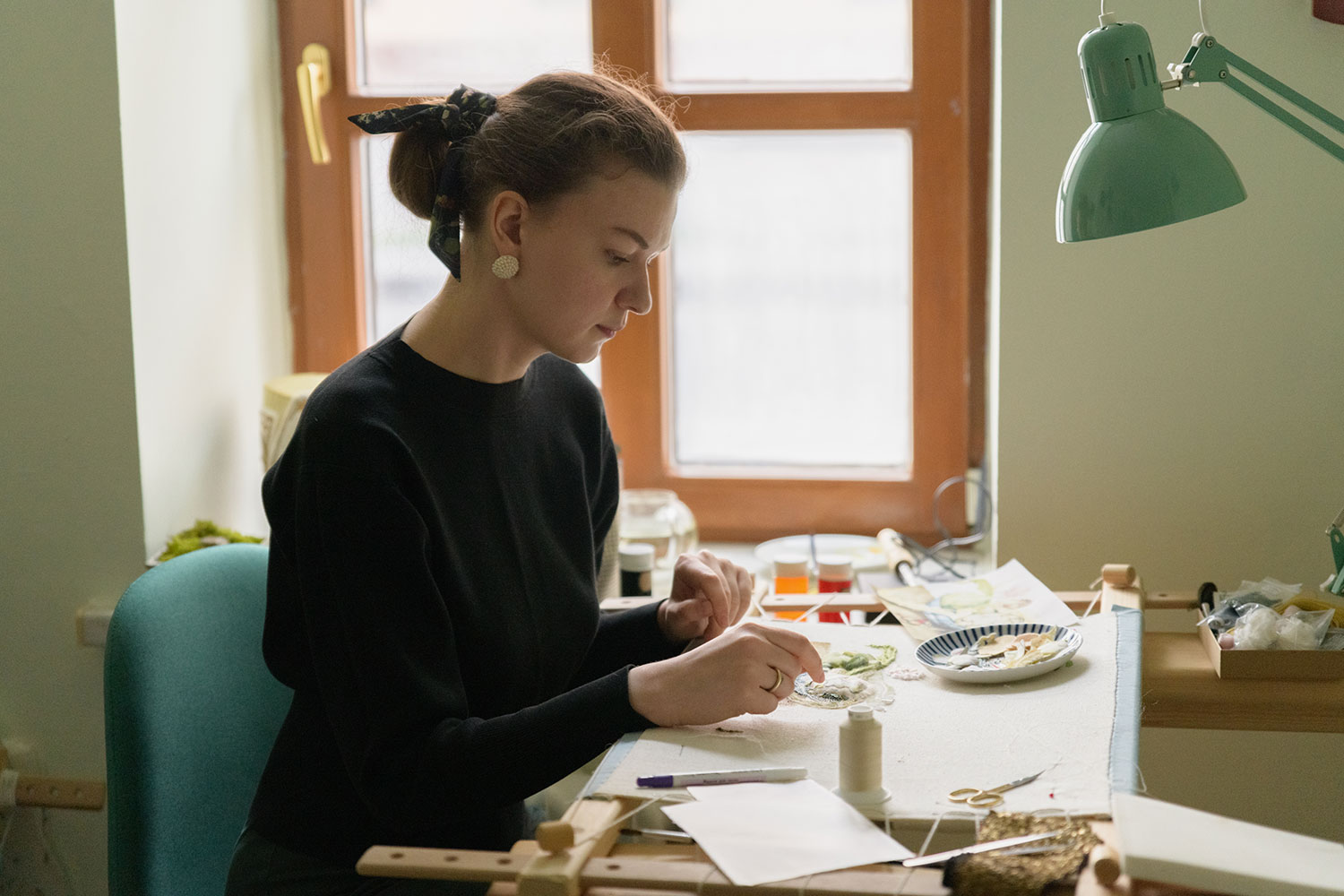
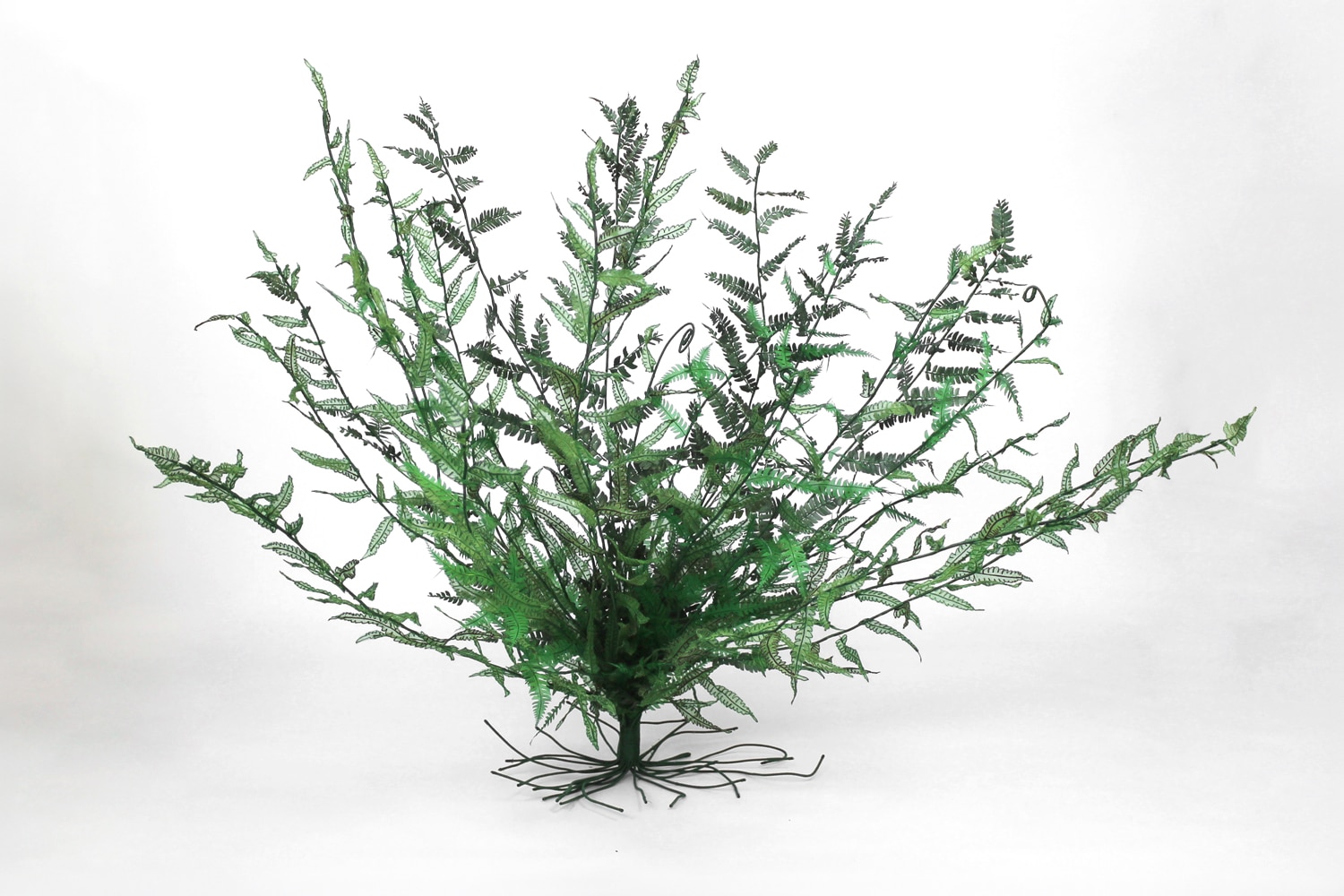
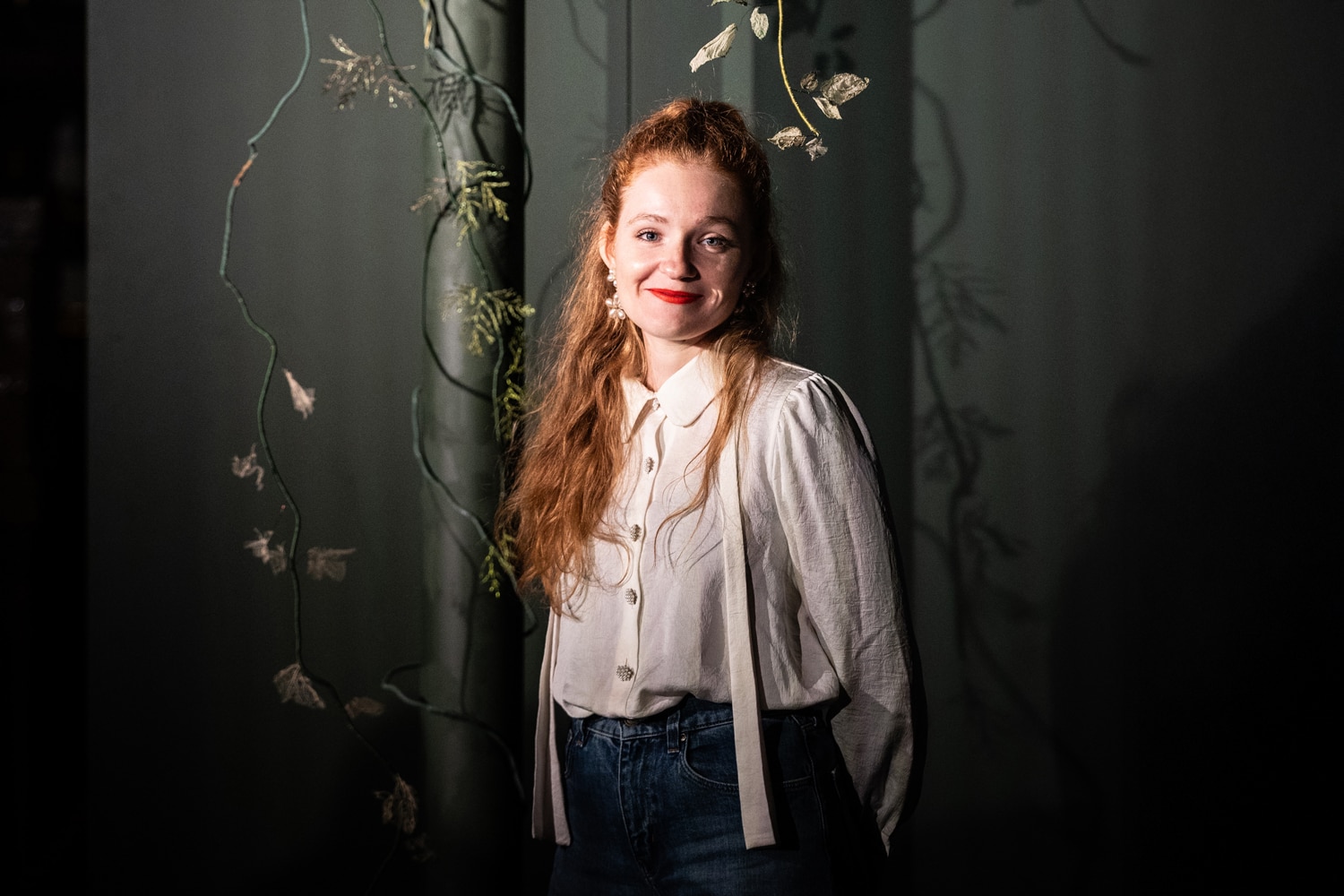
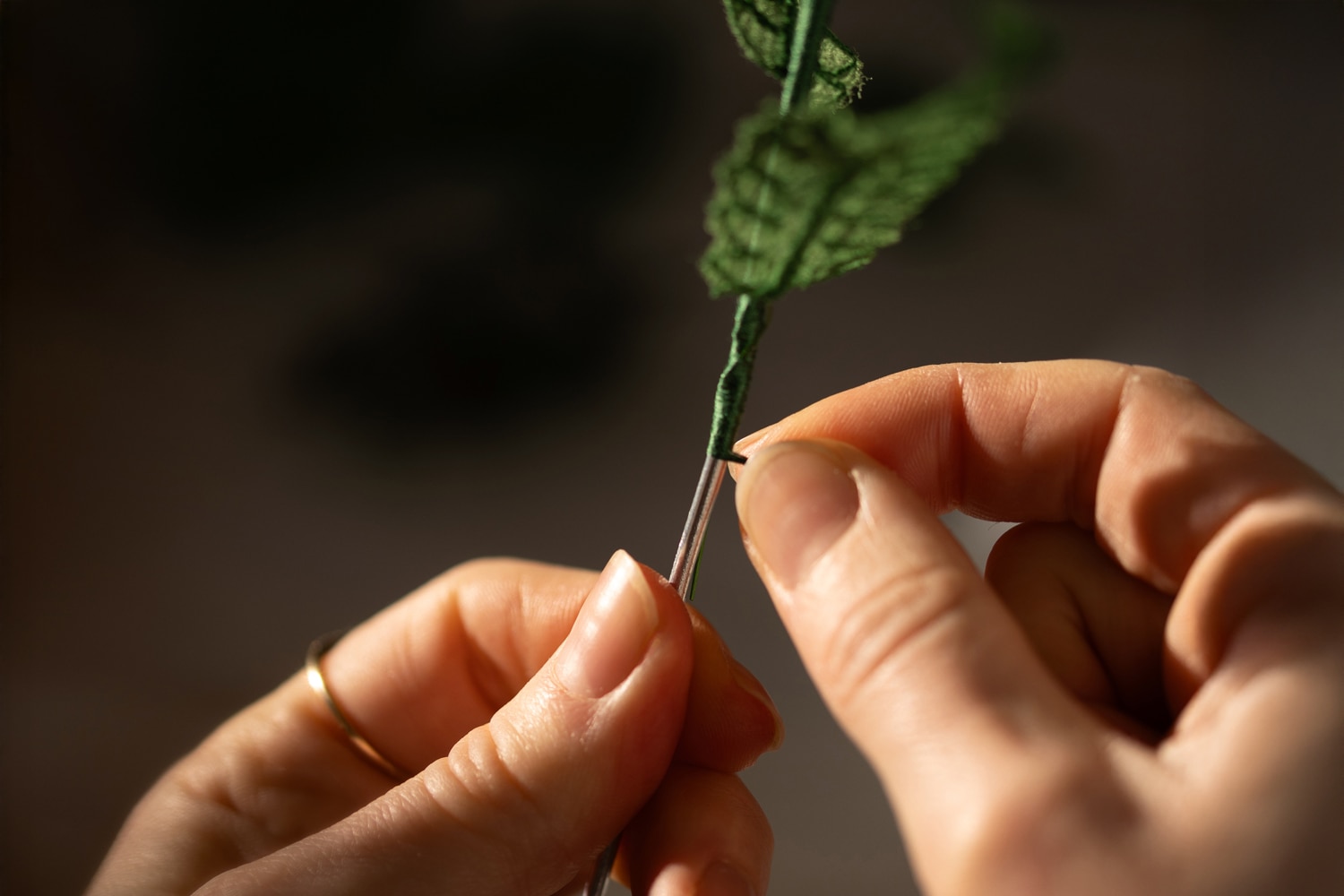
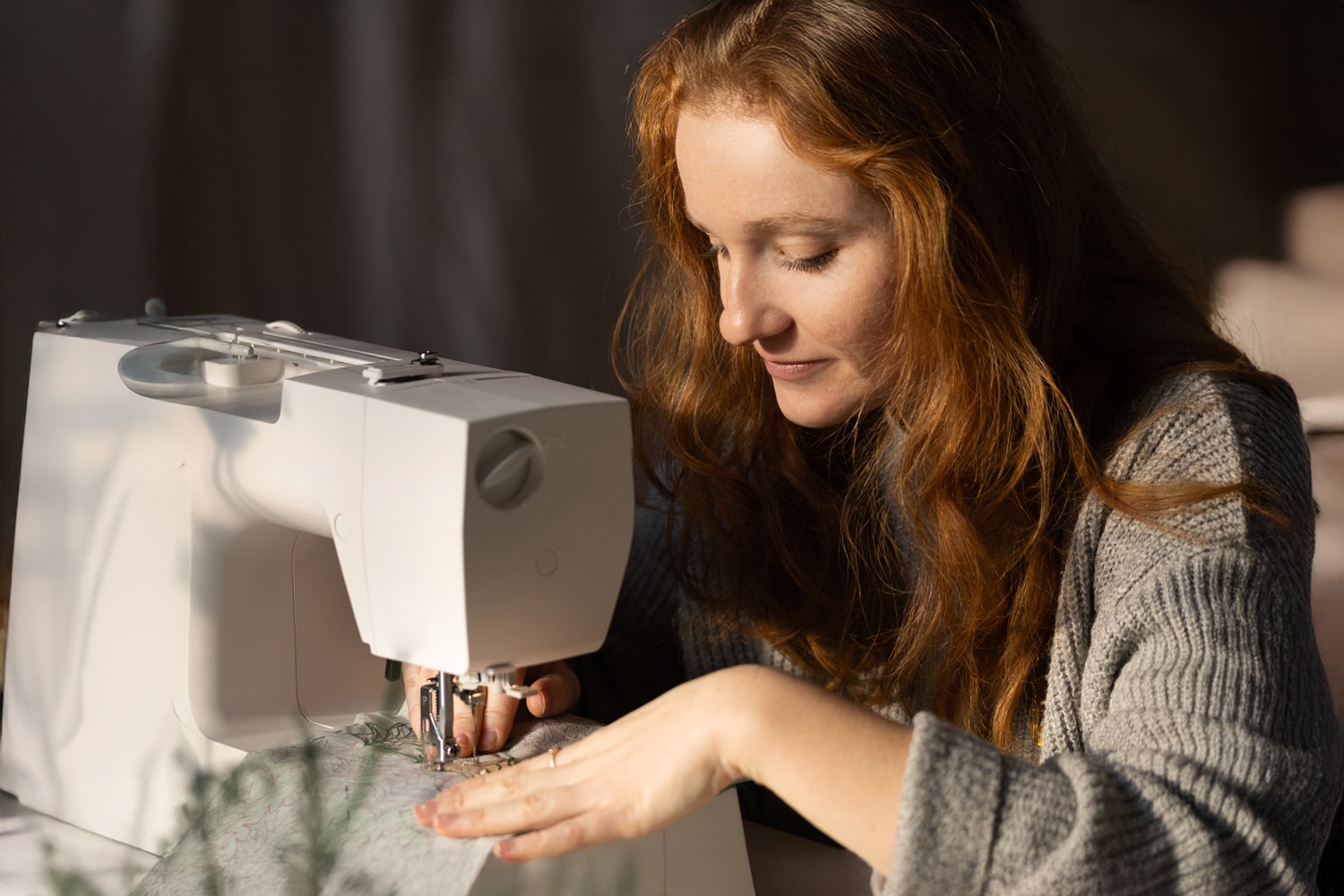
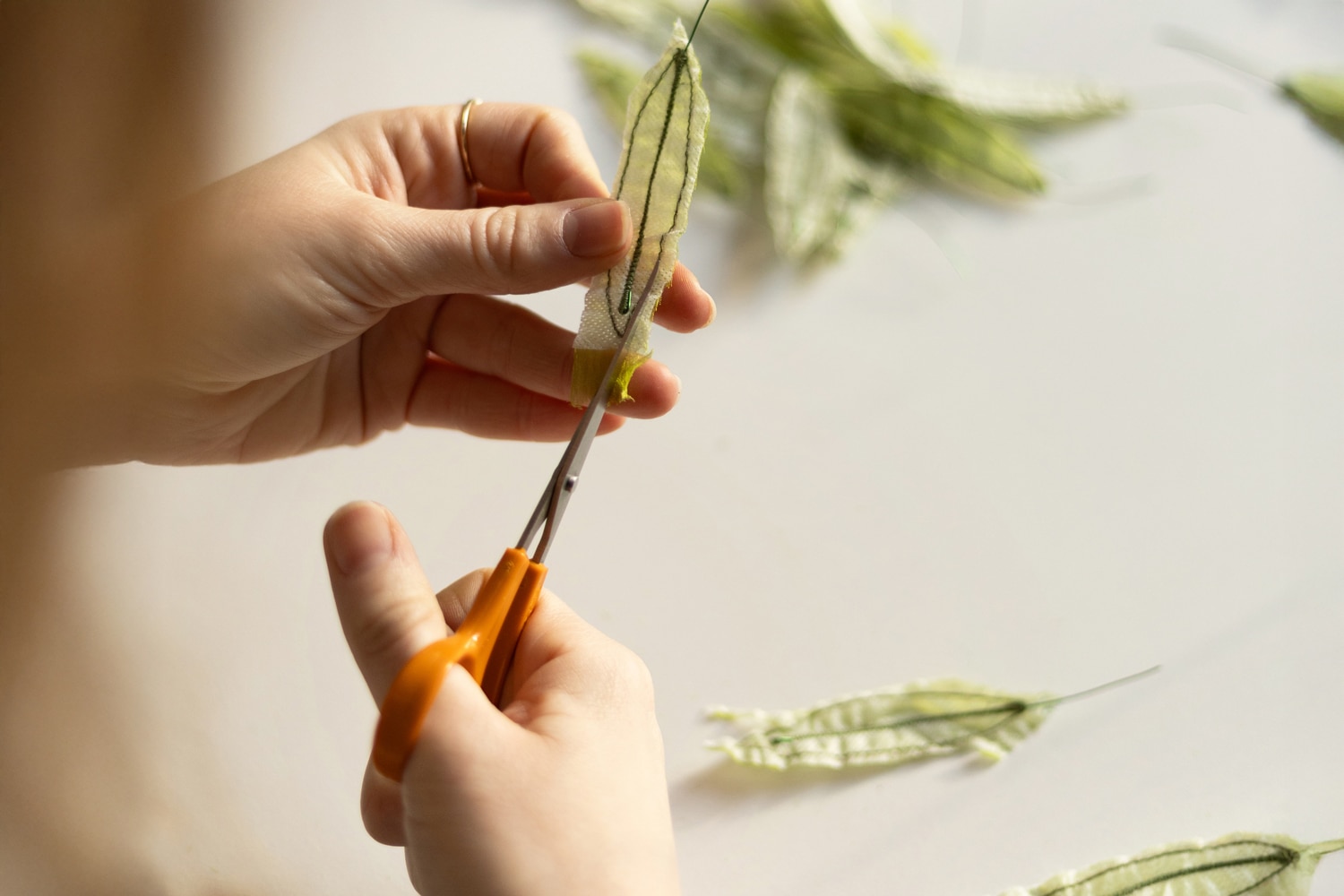
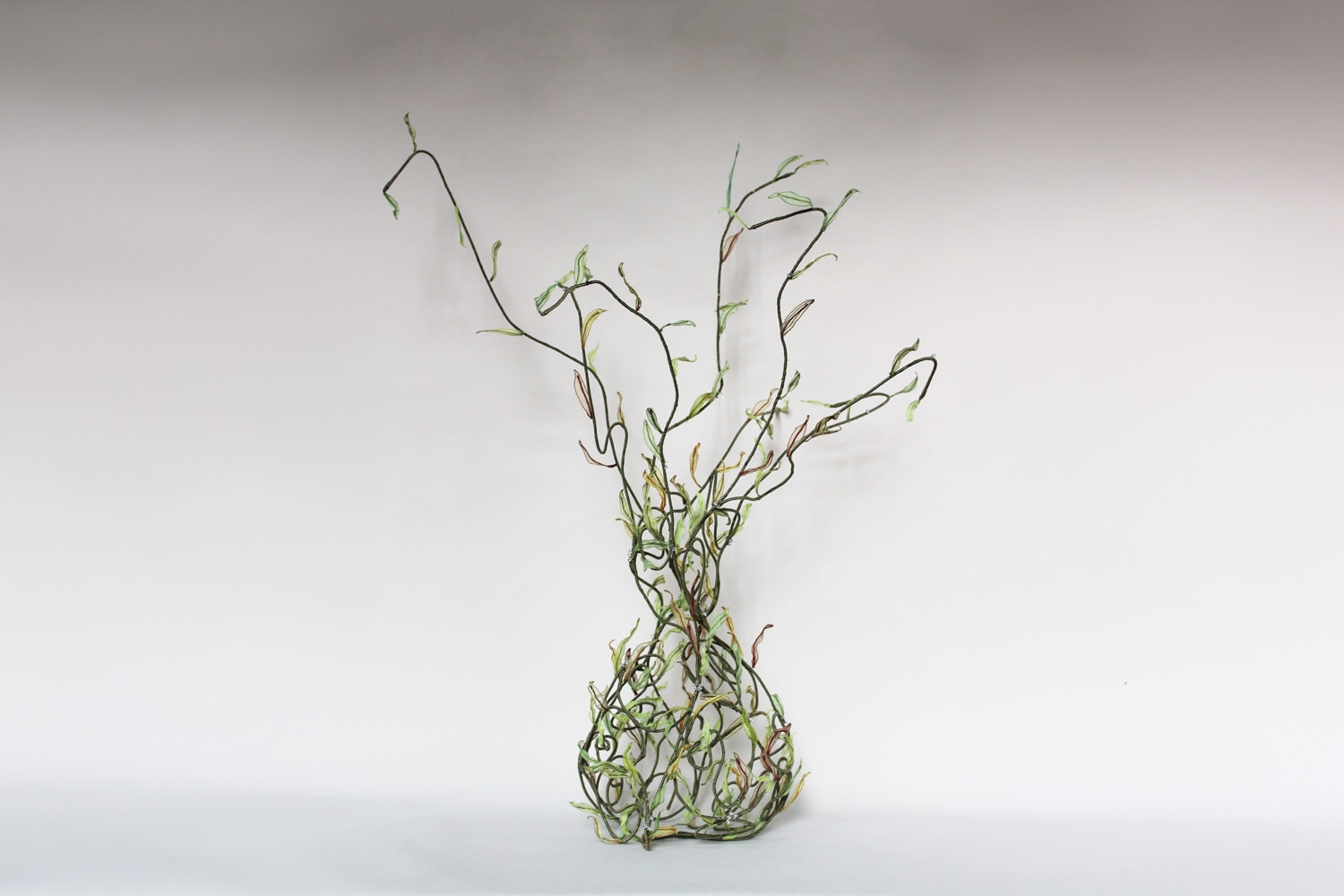
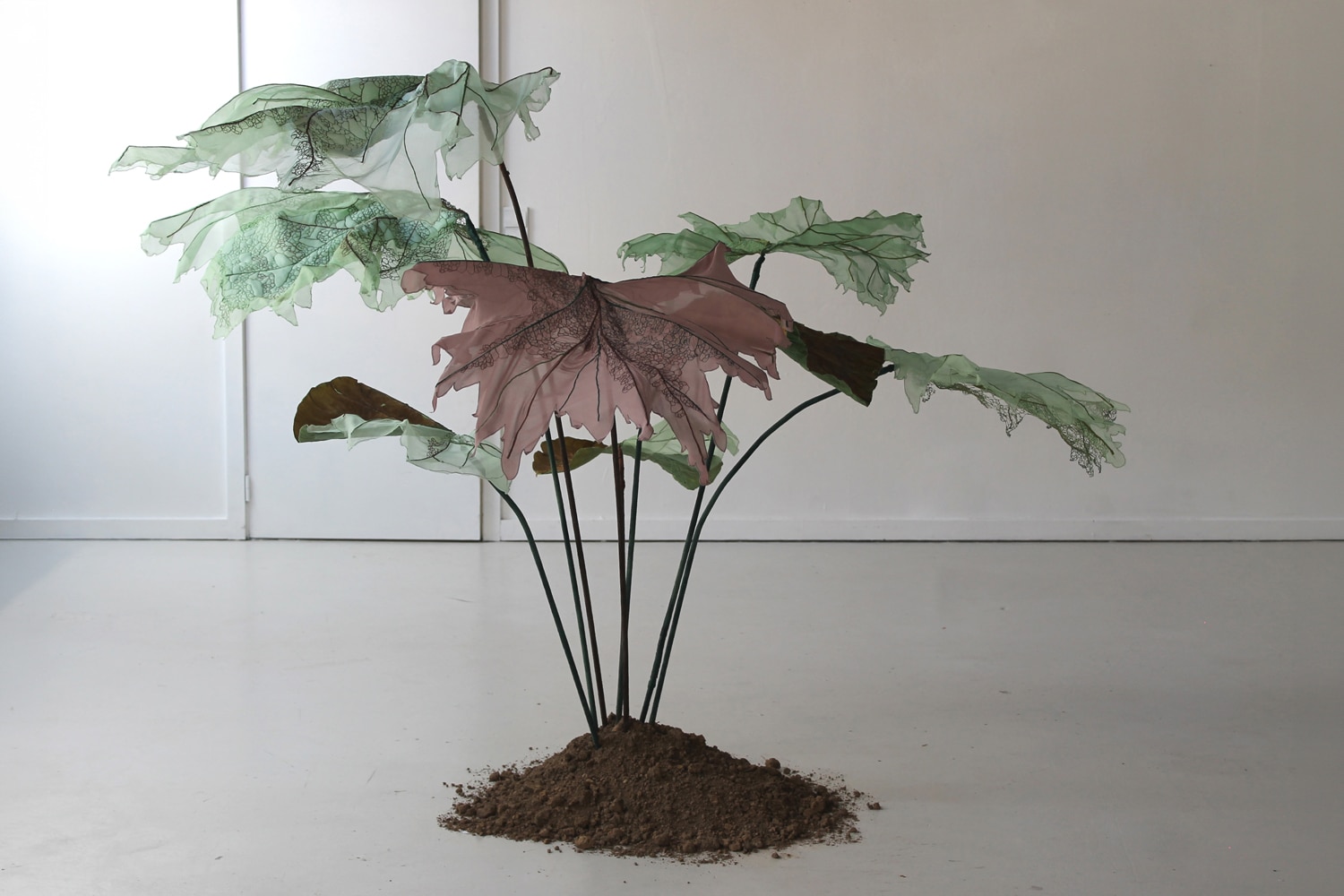
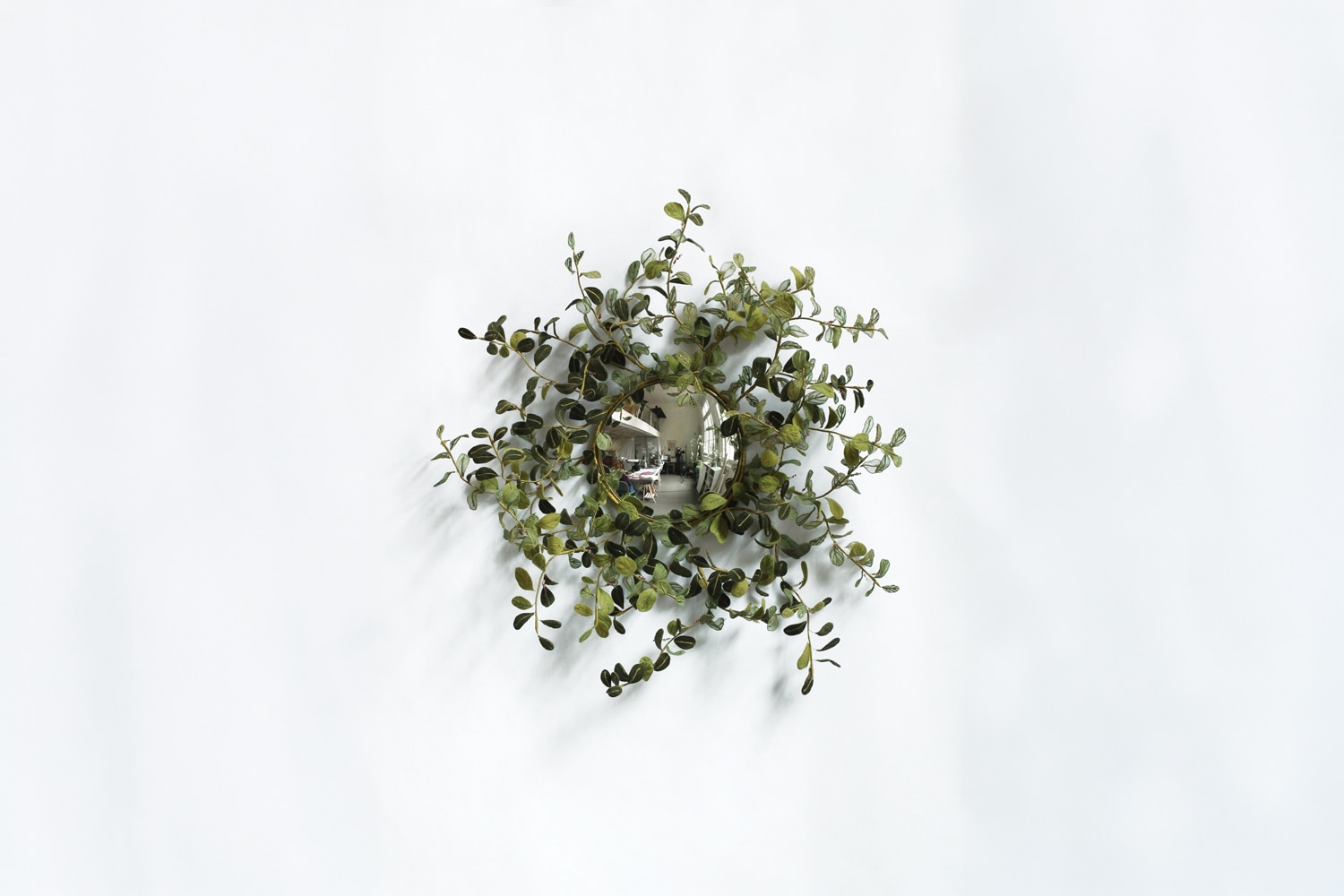
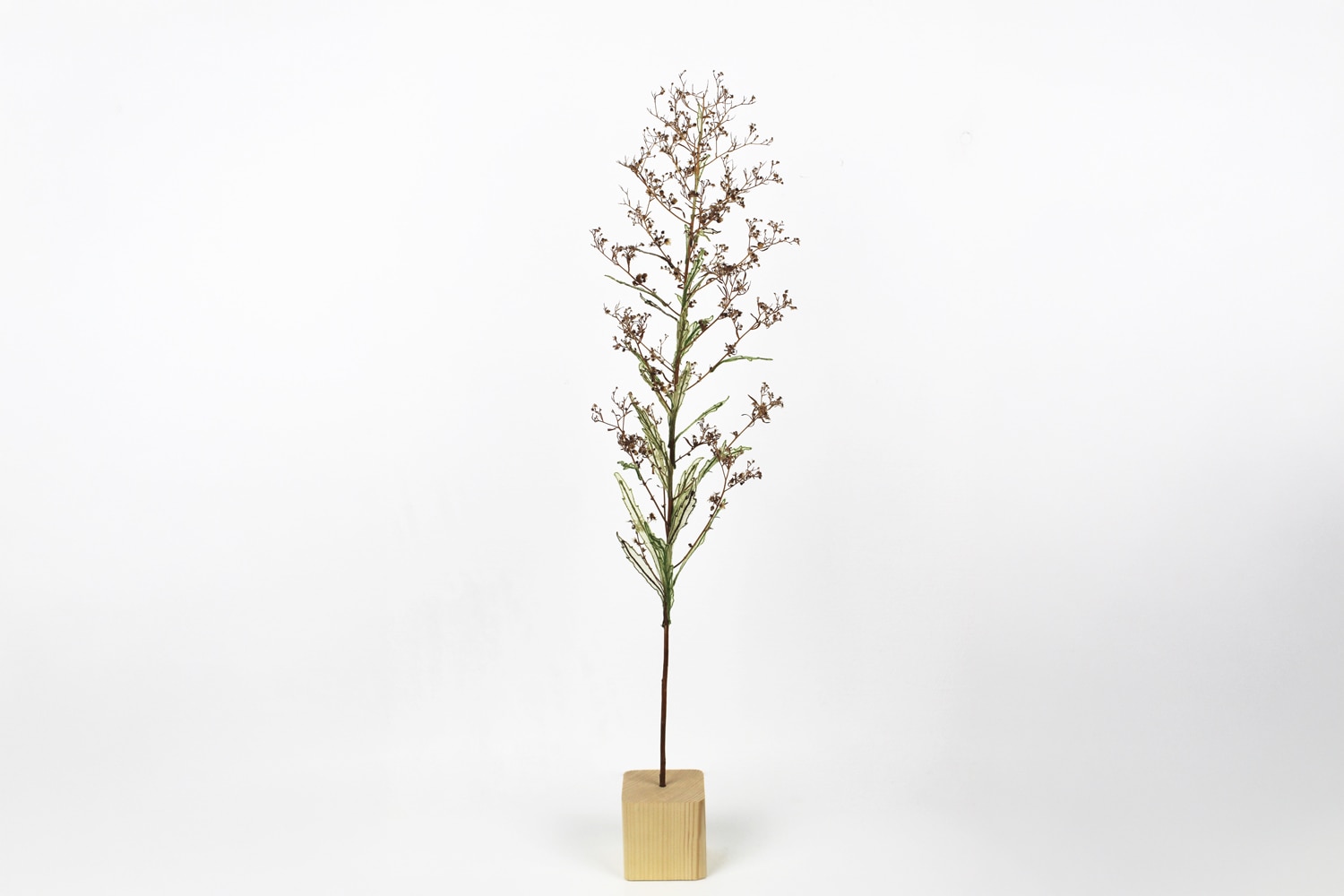
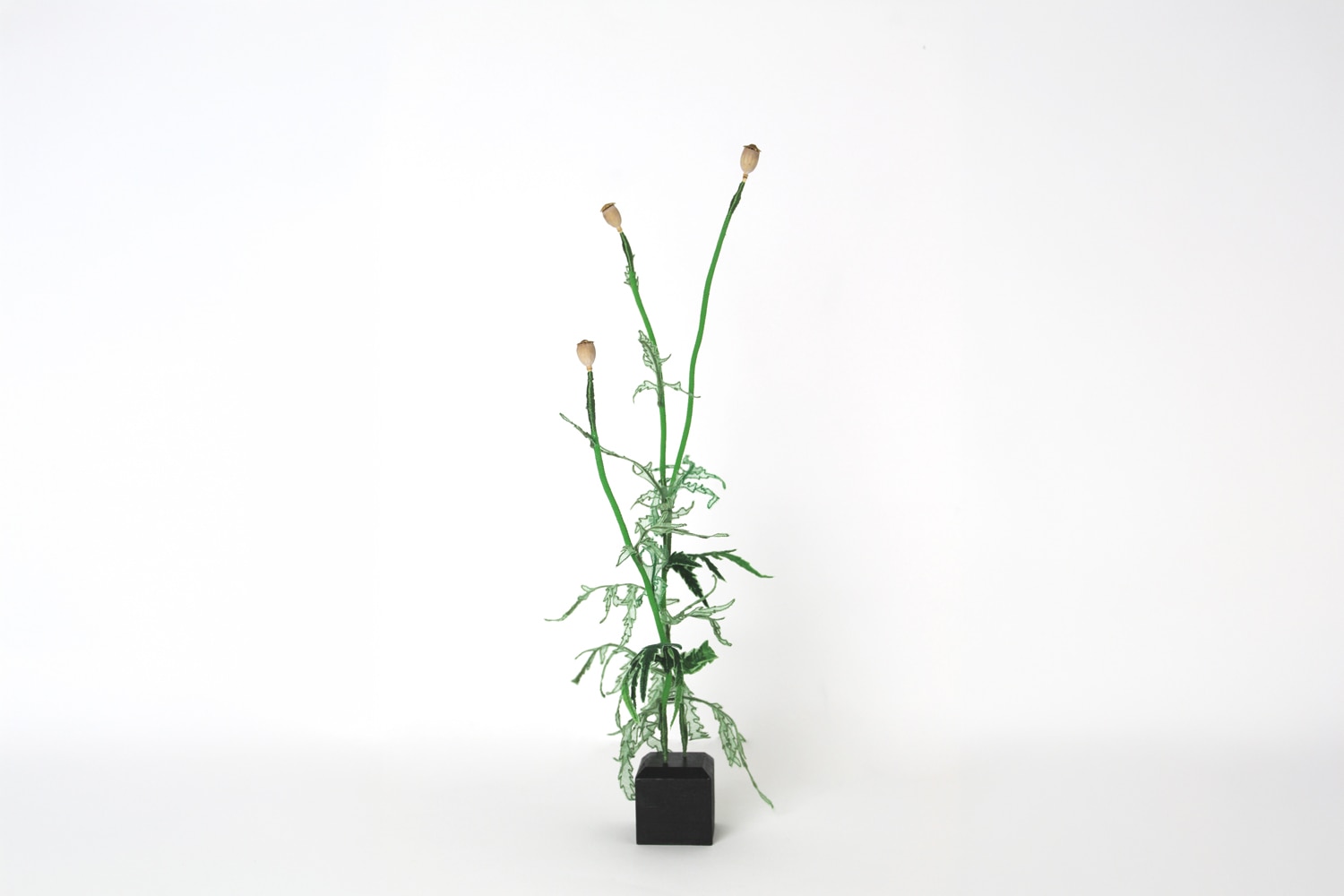
Julie Percillier transforms textiles into botanical forms that blur the boundaries between embroidery, landscape and the plant world. Inspired by nature, she creates suspended and sculptural works by combining thread with dried and preserved plants. Julie uses techniques such as free-motion embroidery, hand embroidery and bobbin lace to create works for galleries, private interiors, hotels, restaurants and office spaces. Her creative process always begins with observation of the natural world: a plant, a texture, a movement or a silhouette that catches her attention during a walk or in botanical books. "From there, I draw, experiment and search for the right materials and techniques to faithfully translate these botanical forms through embroidery," says Julie.
Julie Percillier is a rising star: she began her career in 2021 and she started teaching in 2025.
INTERVIEW
Nature is my main source of inspiration. I draw inspiration from plants that I observe in my surroundings or through botanical books. Through embroidery, I try to reproduce these plants as faithfully as possible, studying and analysing them to reveal their richness.
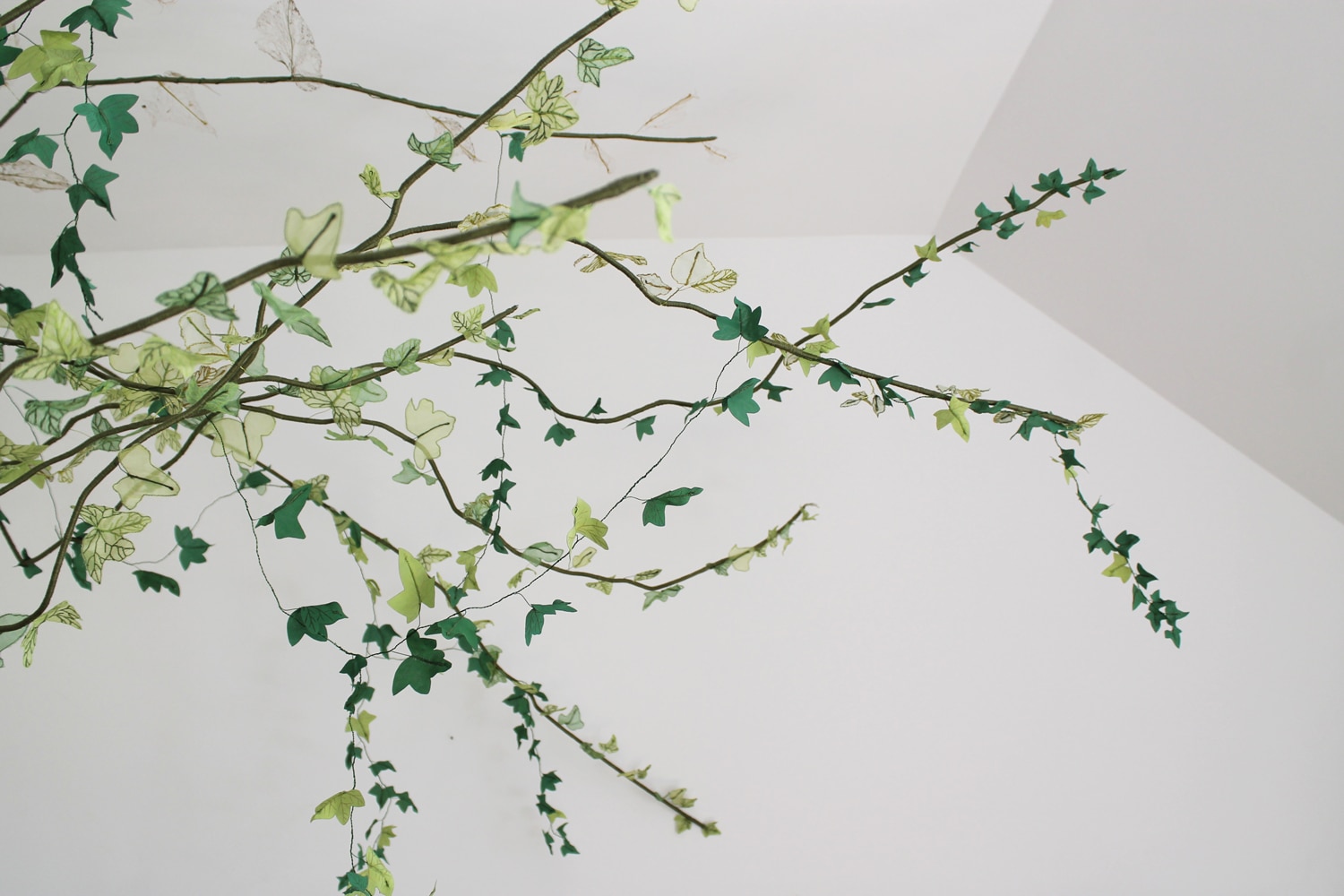
Yes, it is called Lianes. It is one of the first works I created after becoming independent. Lianes is an aerial branch-like piece combining textile nature with dried natural elements. This creation opened the way to the textile silhouettes that I continue to develop and explore today.
Technology can support and enrich my craft, allowing it to evolve with the times, but it could never replace it. Handmade work carries a sensitivity that is entirely different from anything industrially produced.
I do not necessarily see major challenges ahead, except perhaps ensuring that ornamentation continues to remain relevant. Embroidery is an art that will continue to adapt and evolve over time, because it is an extremely versatile technique that can have many applications.
Julie Percillier
Embroiderer
Paris, France
ADDRESS
Address upon request, Paris, France
AVAILABILITY
By appointment only
LANGUAGES
French, English
HOMO FABER FINDS
Homo Faber Finds is a new service aiming to inspire admirers of craft to connect and collaborate with exceptional artisans.
We invite you to submit an enquiry here.