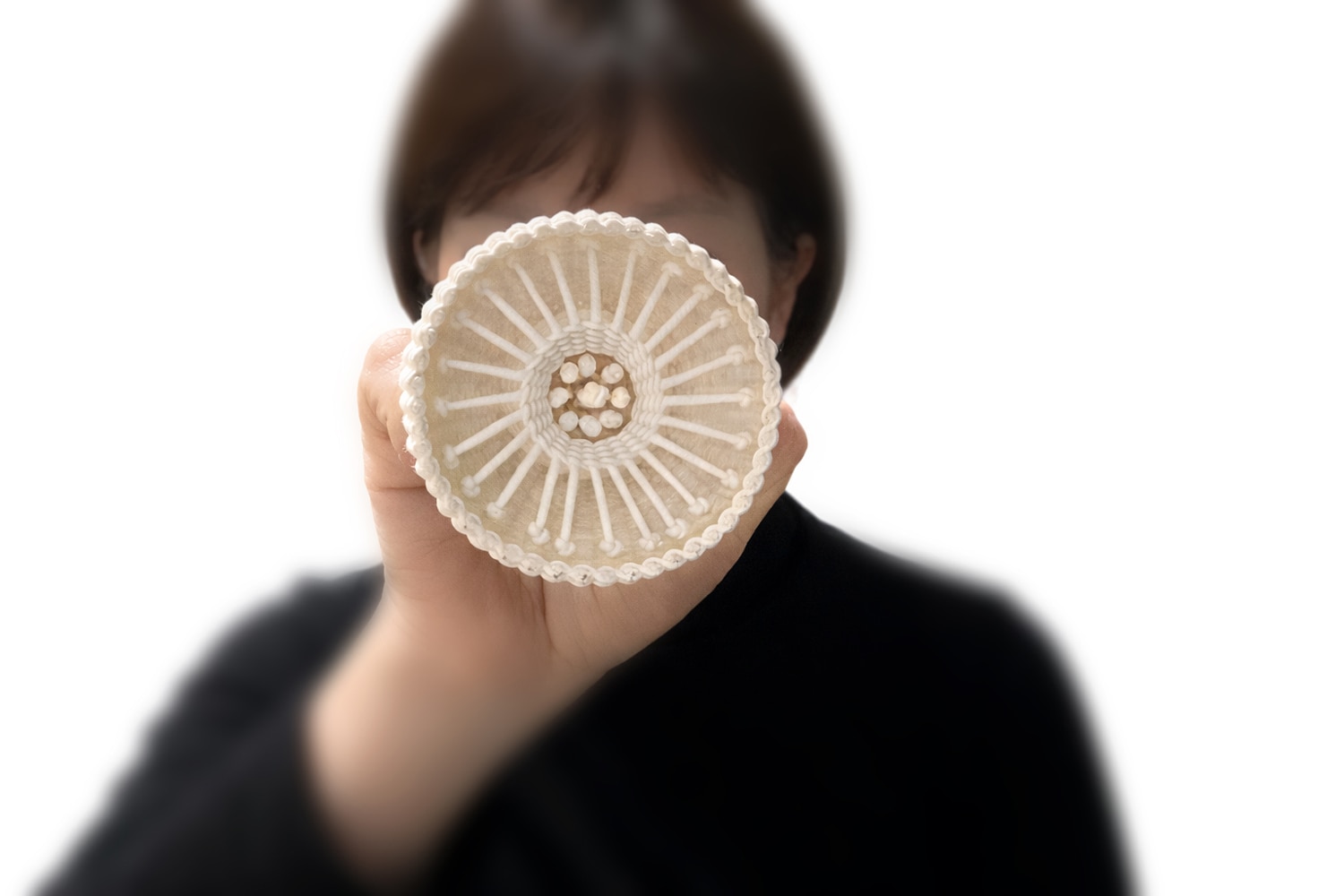
©All rights reserved
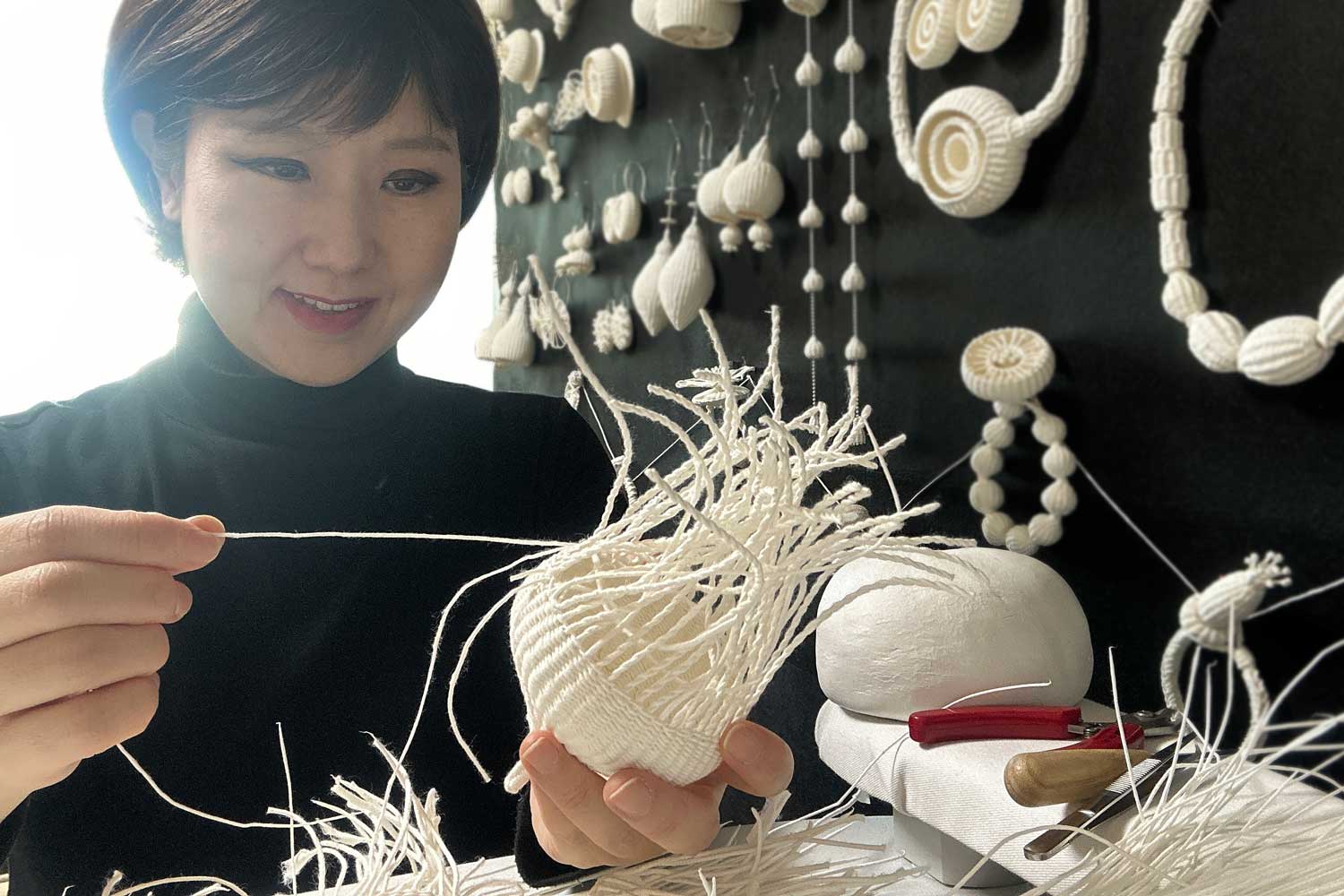
©All rights reserved
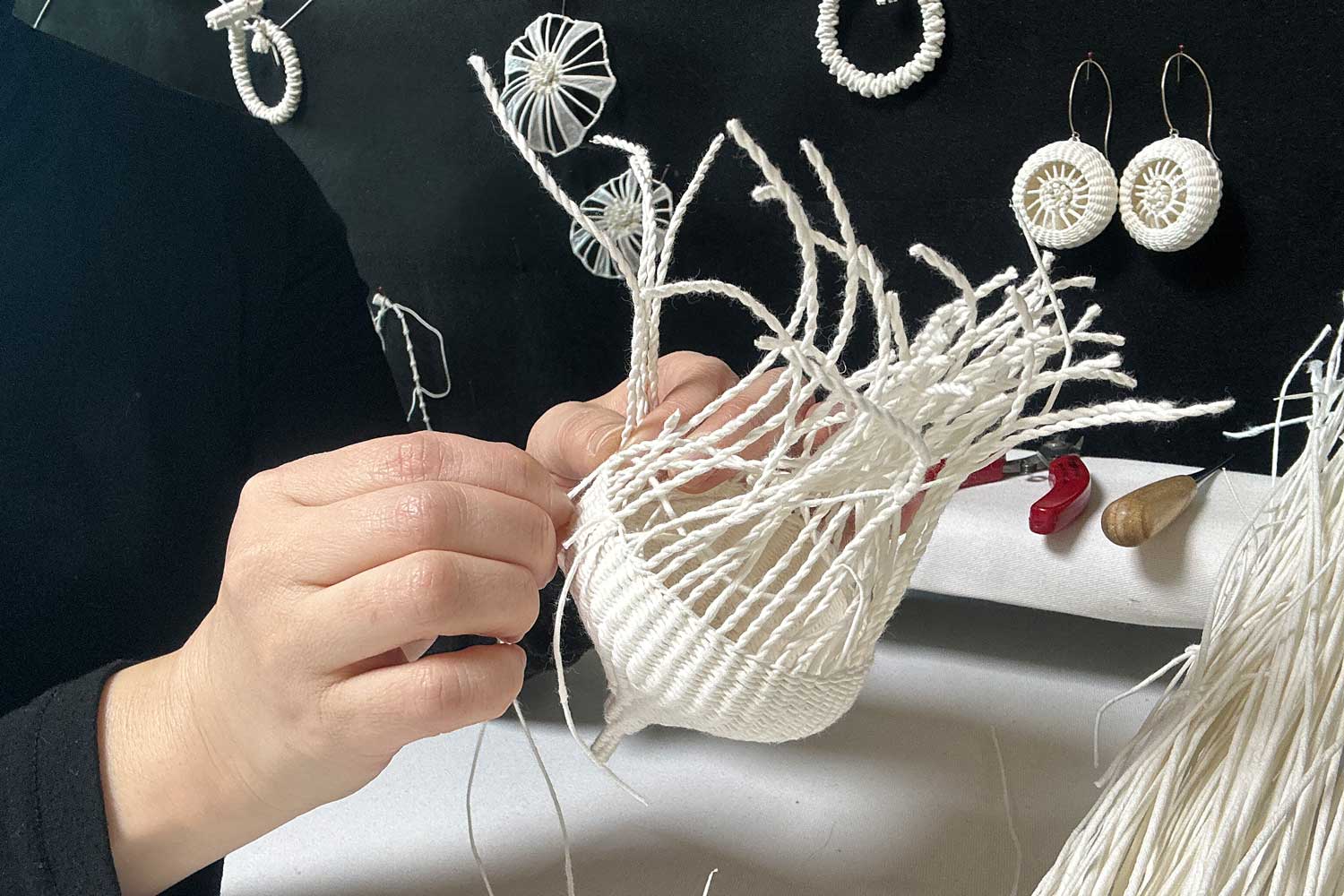
©All rights reserved
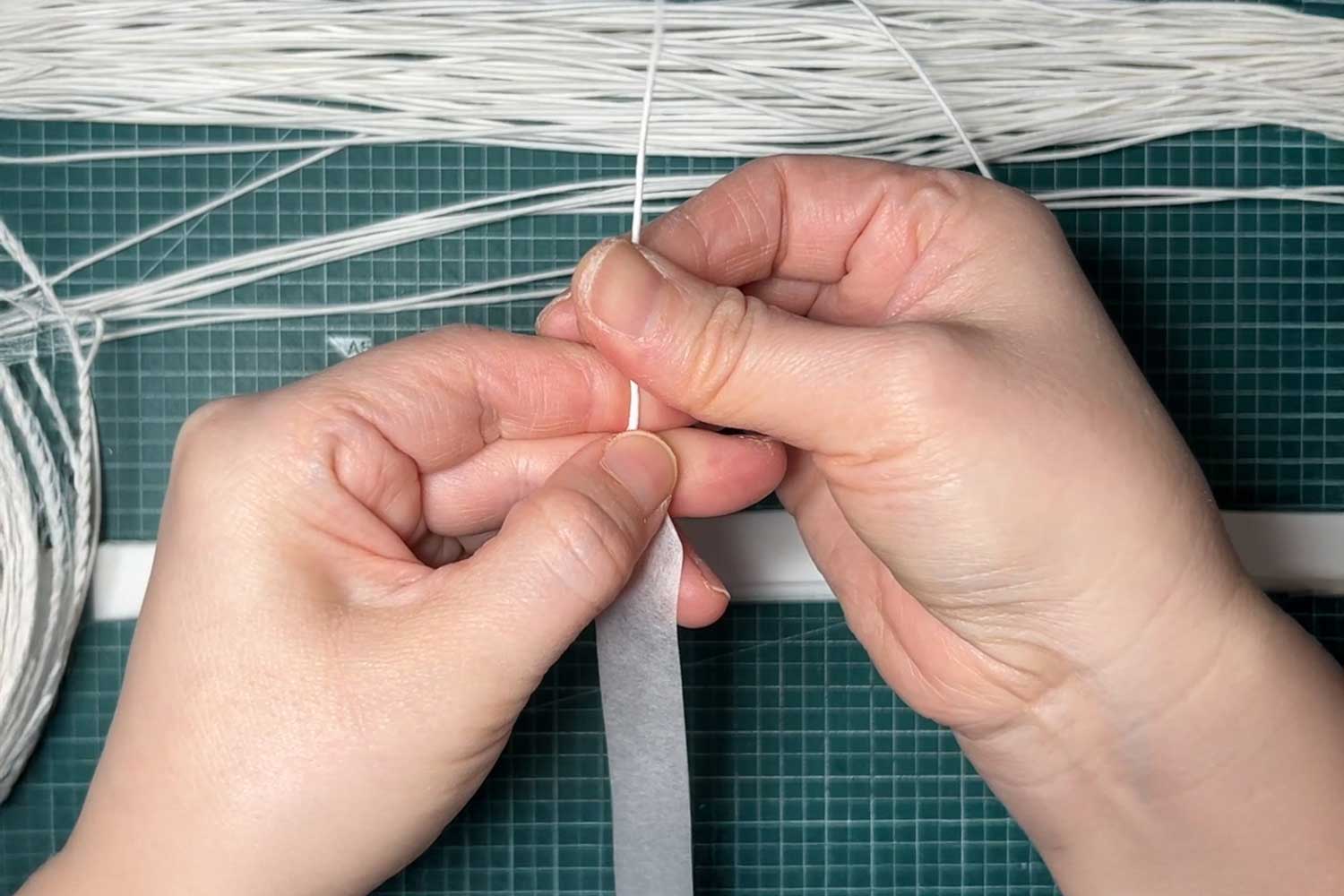
©All rights reserved
©All rights reserved
©All rights reserved
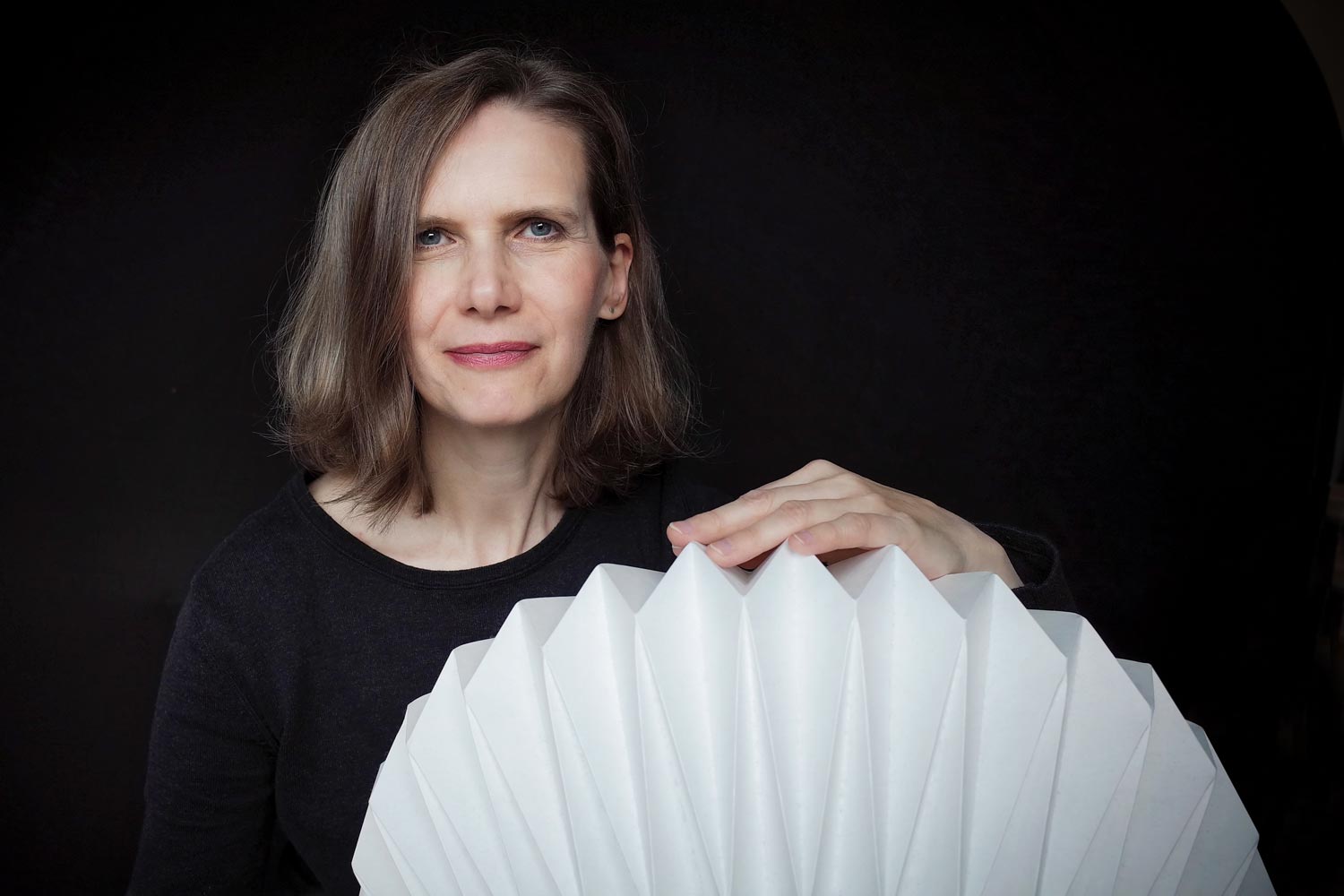
Eunhee Cho
Paper artist
Seoul, South Korea
©All rights reserved
©All rights reserved
©All rights reserved
©All rights reserved
©All rights reserved
©All rights reserved
©All rights reserved
©All rights reserved
©All rights reserved
©All rights reserved
©All rights reserved
©All rights reserved
With fine cords of mulberry paper
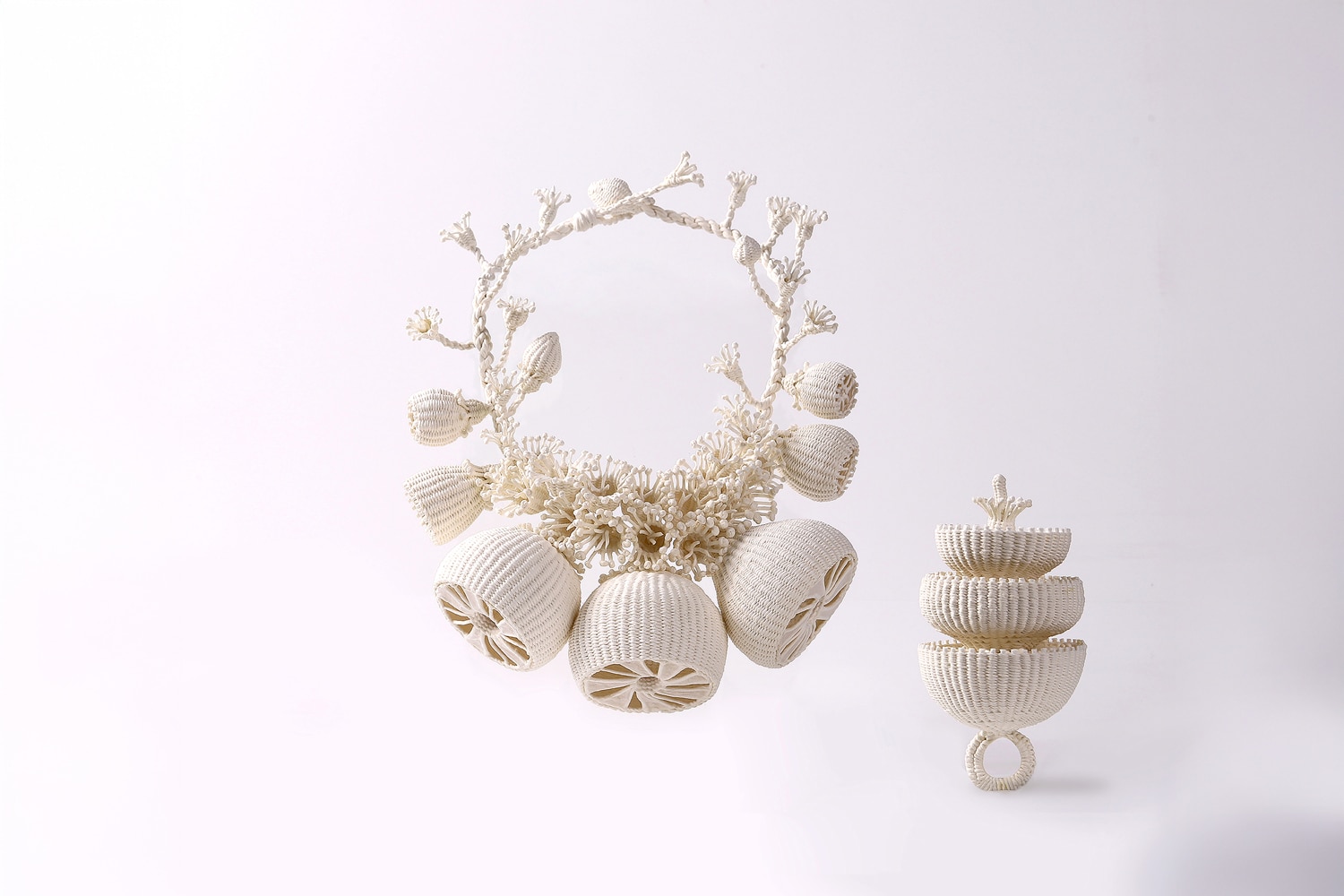
- Eunhee reinterprets the Korean jiseung craft tradition into fine paper jewellery
- The lightweight material allows her to explore sculptural and large-scale structures
- Her practice celebrates the survival of tradition through contemporary making
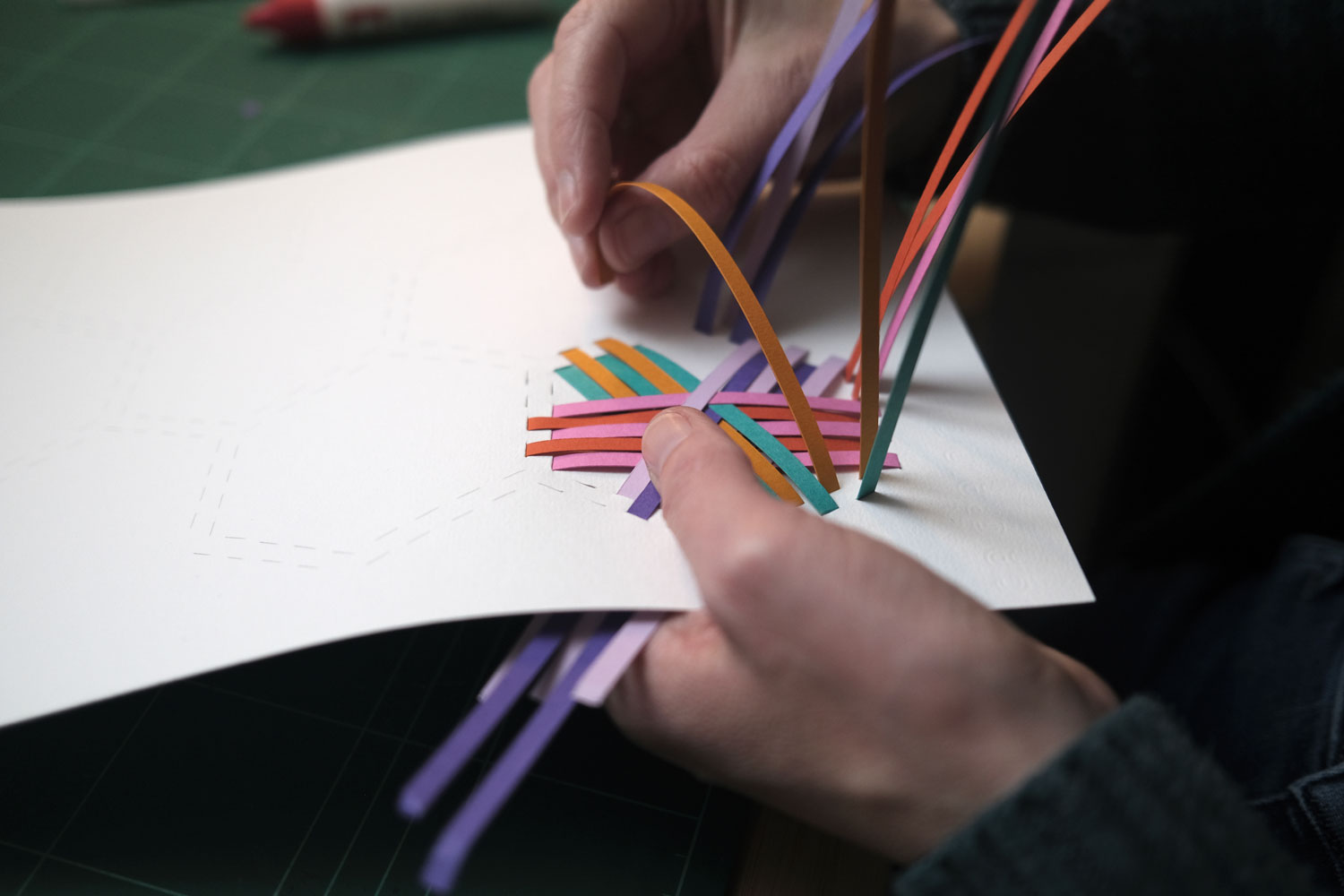
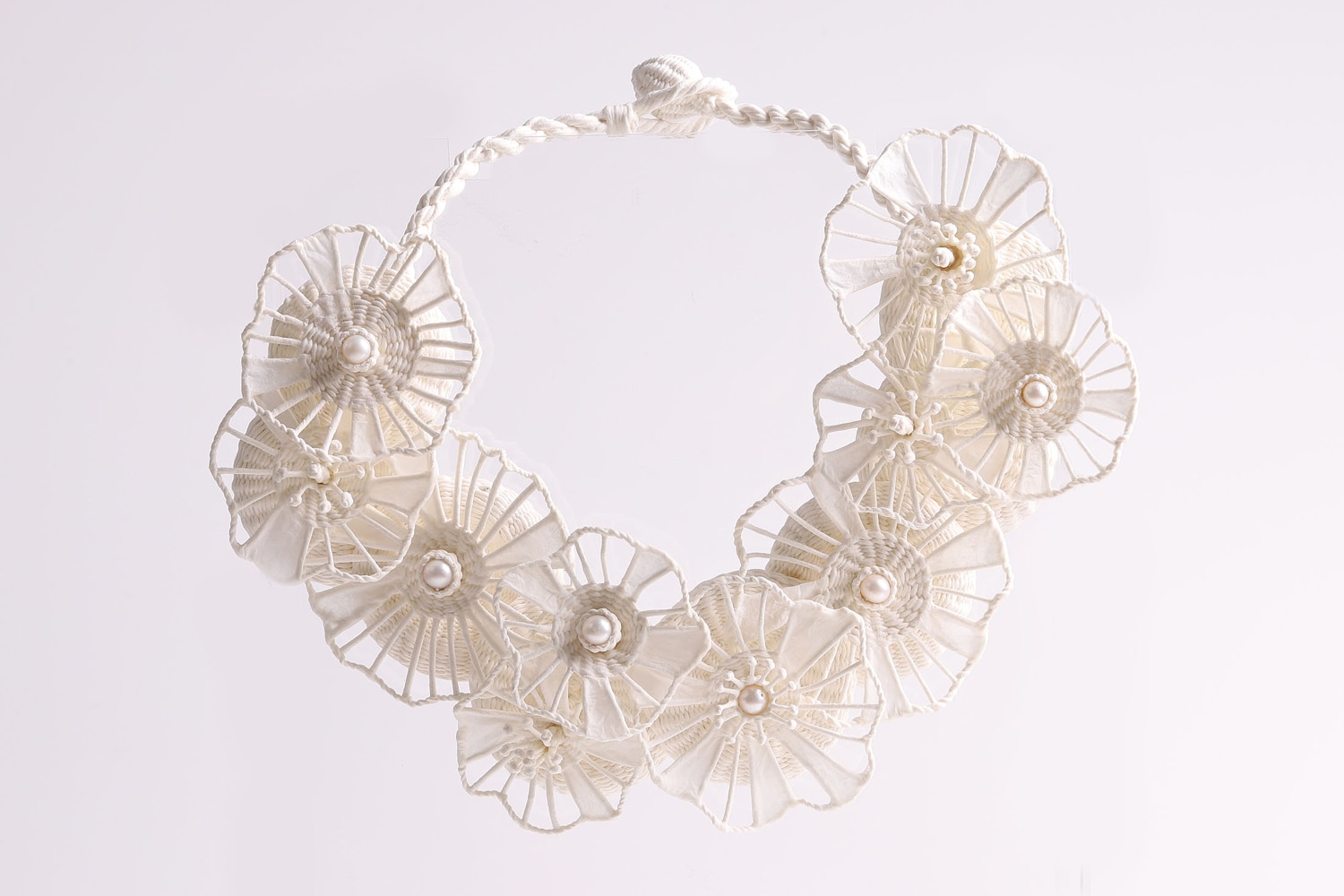
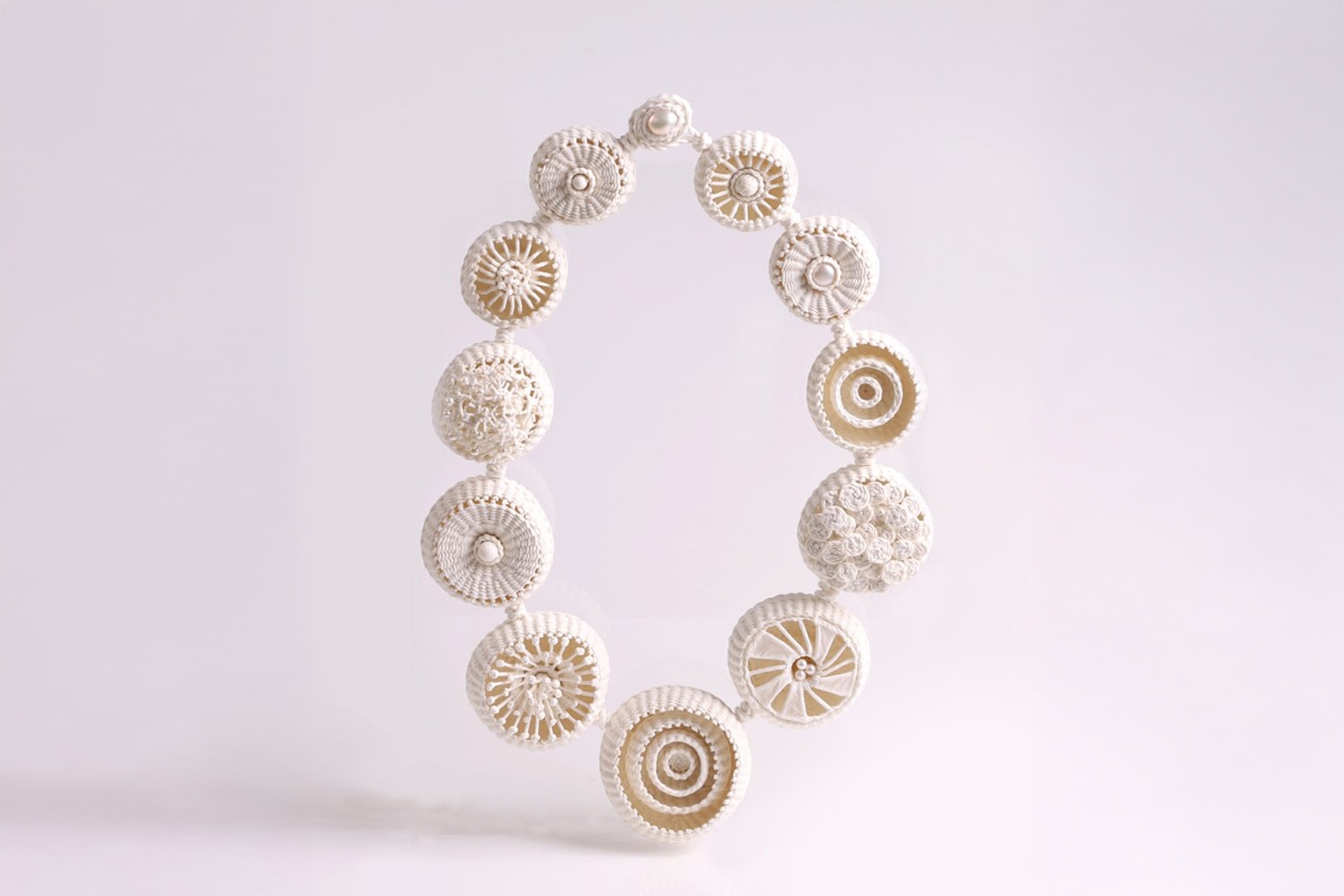
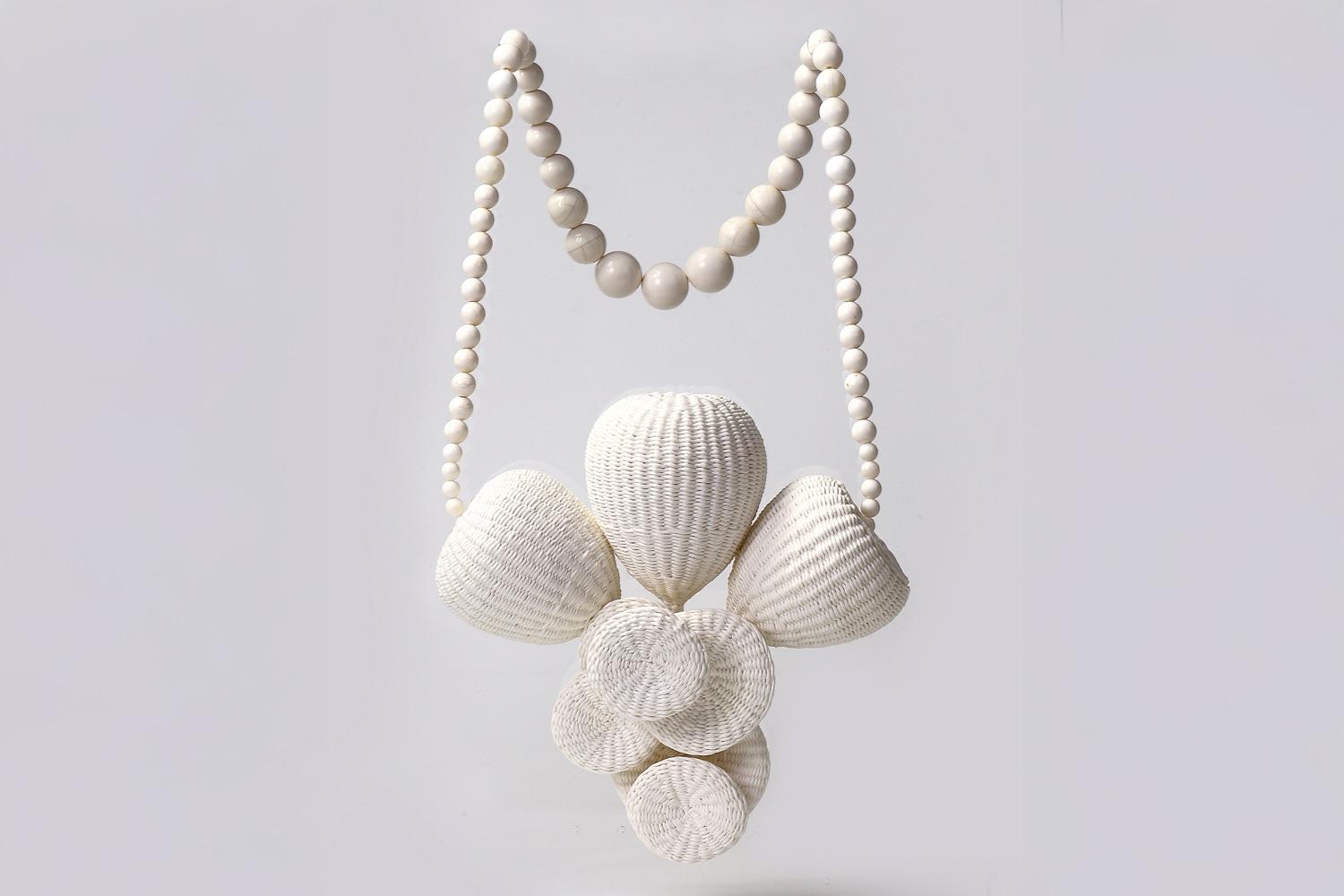
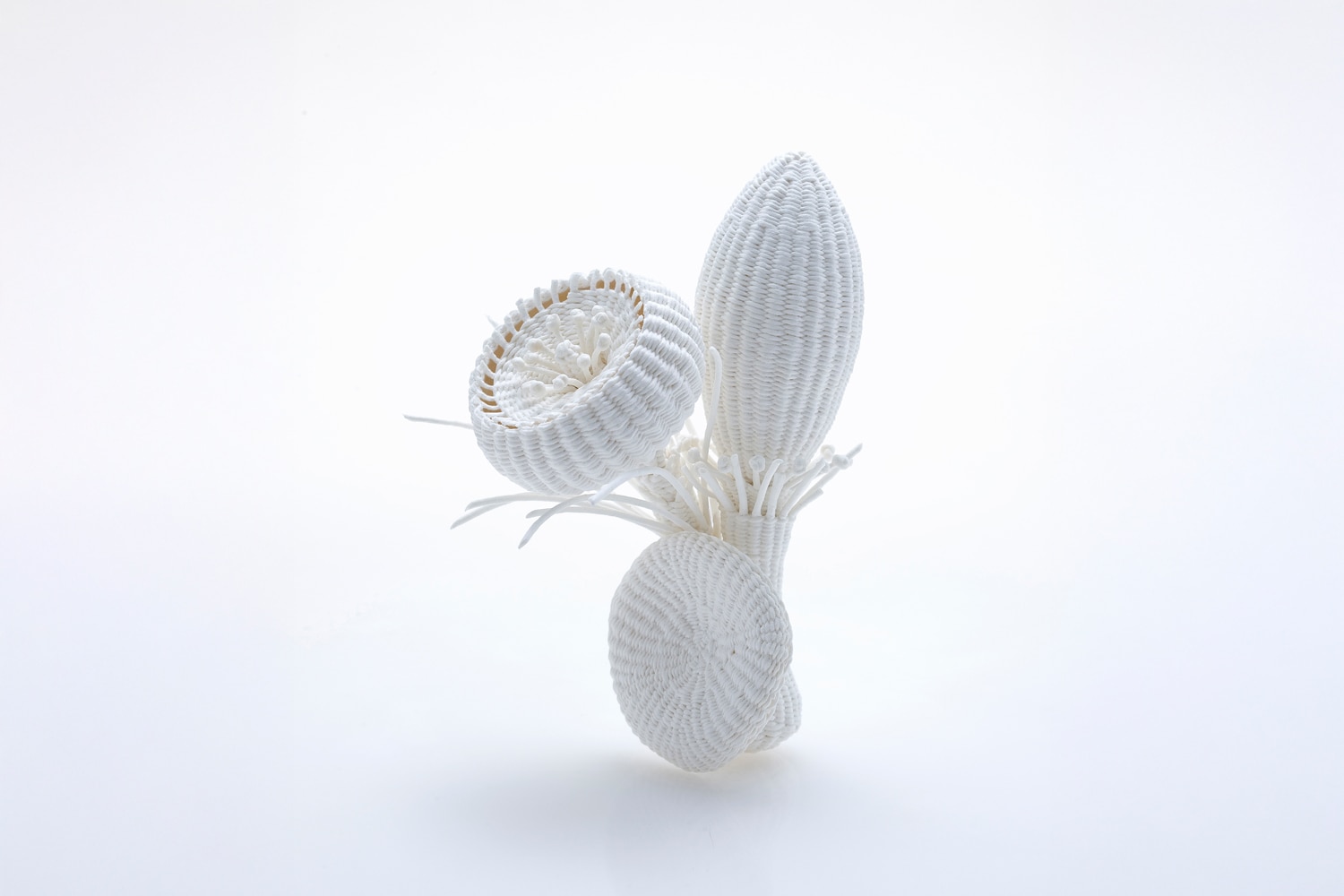
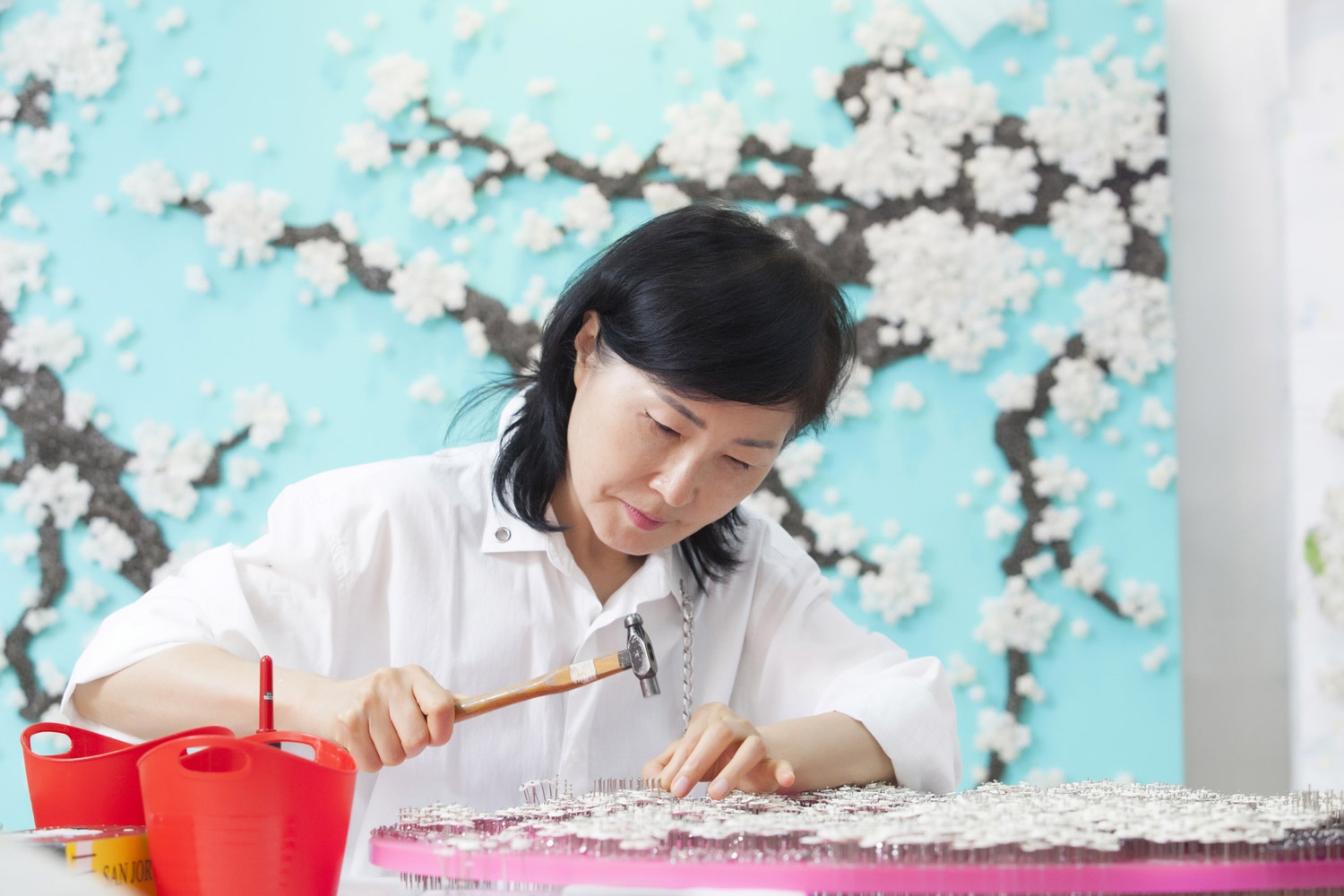
Eunhee Cho transforms traditional Korean hanji paper into contemporary art jewellery, through the craft of twisting and weaving paper cords. Originally trained in metal craft, Eunhee later learned paperworking techniques through Intangible Cultural Heritage training programmes and workshops with master artisans. Her work explores how woven paper can form jewellery that is both lightweight and sculptural. Historically, the jiseung technique involved twisting paper cords to create practical objects and was associated with the refined scholarly culture of the Joseon period. "Working with hanji to create contemporary works is my way of interpreting tradition not as a fixed part of the past, but as a living force that continues to evolve," says Eunhee.
Eunhee Cho is an expert artisan: she began her career in 2007.
INTERVIEW
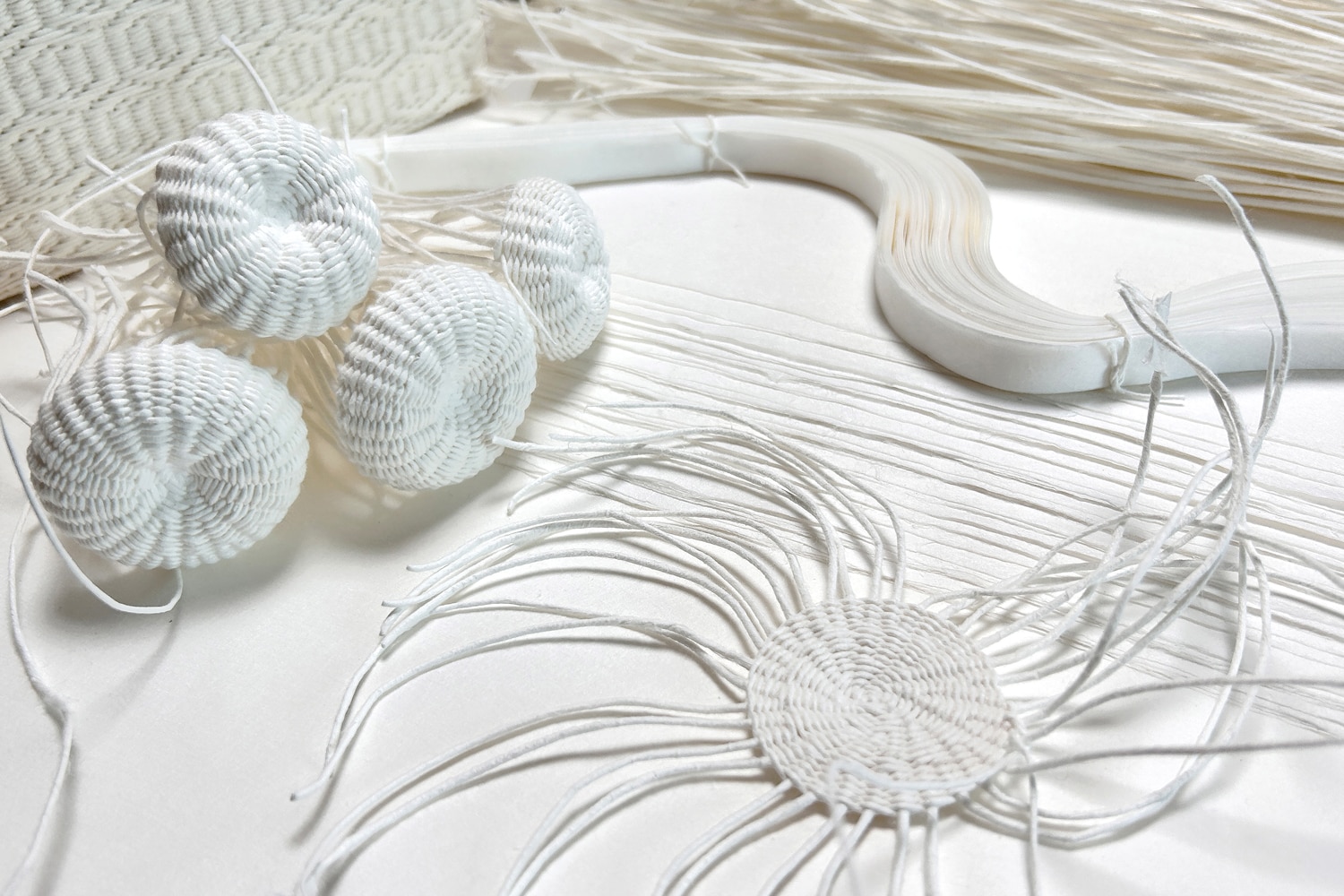
My jewellery is rooted in jiseung, a traditional Korean craft in which cords made from strips of Korea’s handmade mulberry paper hanji are twisted and woven to form objects. During the Joseon period, scholars often reused book pages to create elegant household items using this technique. Today, many of these works survive mainly as museum pieces. In my work, I reinterpret jiseung as jewellery, bringing this traditional technique back into everyday life.
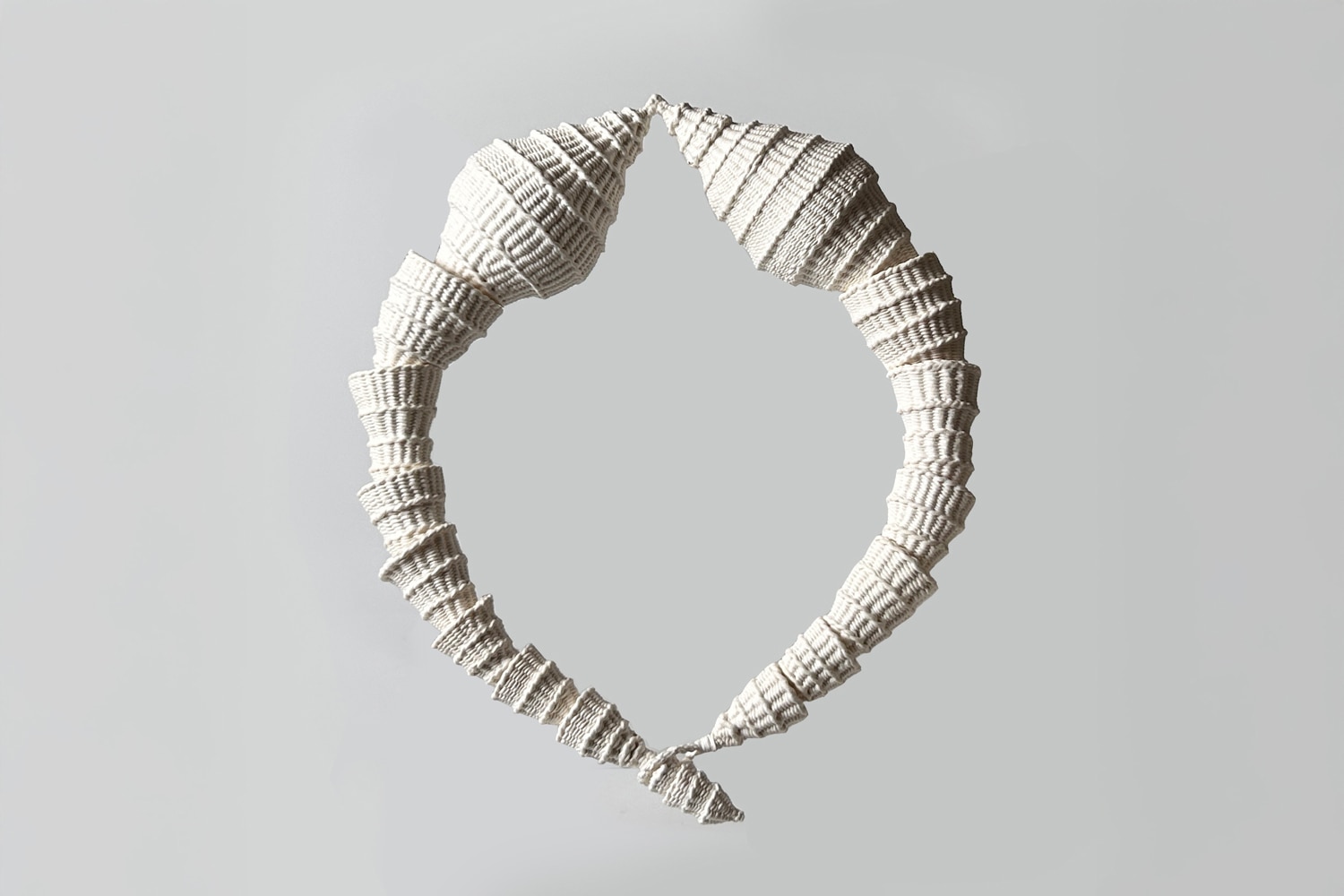
When working in metal, I often faced the physical limitations of weight. The jiseung technique offered a different possibility: it allows complex 3D forms while remaining remarkably light. This freedom encouraged me to explore bold, voluminous designs, reimagining jewellery as wearable sculptures.
Hanji, traditionally made from the bark of the mulberry tree, is breathable, tough and highly durable. When twisted into long, fine cords and woven together, it becomes strong enough to hold its form, remaining remarkably light while retaining its shape even when wet. These qualities allow me to move beyond the physical limitation of weight in jewellery, enabling the exploration of larger scales and freer forms.
For me, tradition continues through transformation and expansion. Tradition should not be something preserved in museums, but a living force that evolves through dialogue with contemporary sensibilities. Just as today’s contemporary culture will one day become tradition, I believe the true continuation of tradition lies in expressing the values of beauty that transcend time and cultural boundaries.
Eunhee Cho
Paper artist
Seoul, South Korea
ADDRESS
Address upon request, Seoul, South Korea
AVAILABILITY
By appointment only
LANGUAGES
Korean, French, English
HOMO FABER FINDS
Homo Faber Finds is a new service aiming to inspire admirers of craft to connect and collaborate with exceptional artisans.
We invite you to submit an enquiry here.


(c)Ye Studio_9306.jpg)
making6(c)Hyunkyeong BAEK.jpg)
DSC_0104.jpg)