Image 1 of 2
Young Soon Lee
Paper artist
Seoul, South Korea
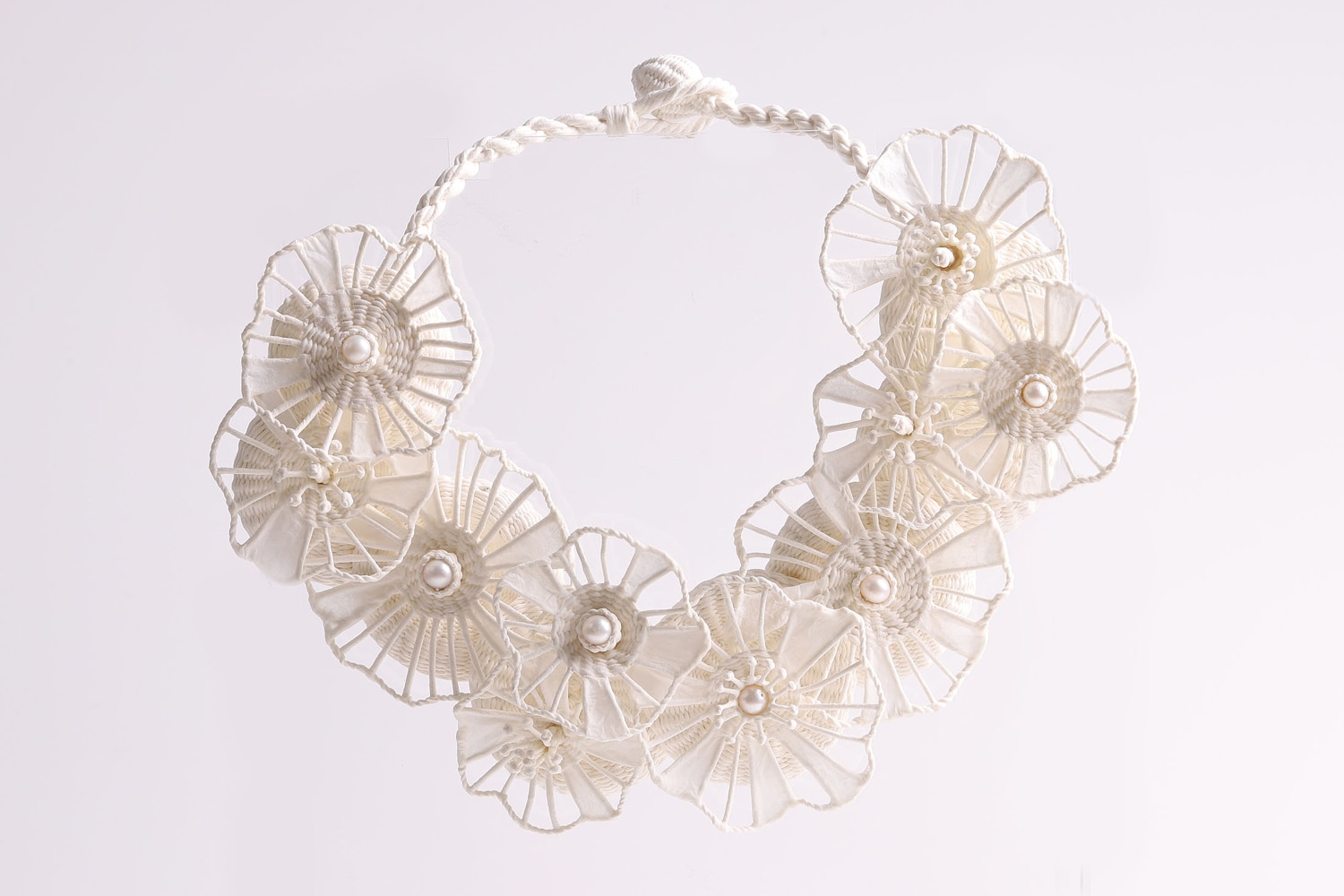
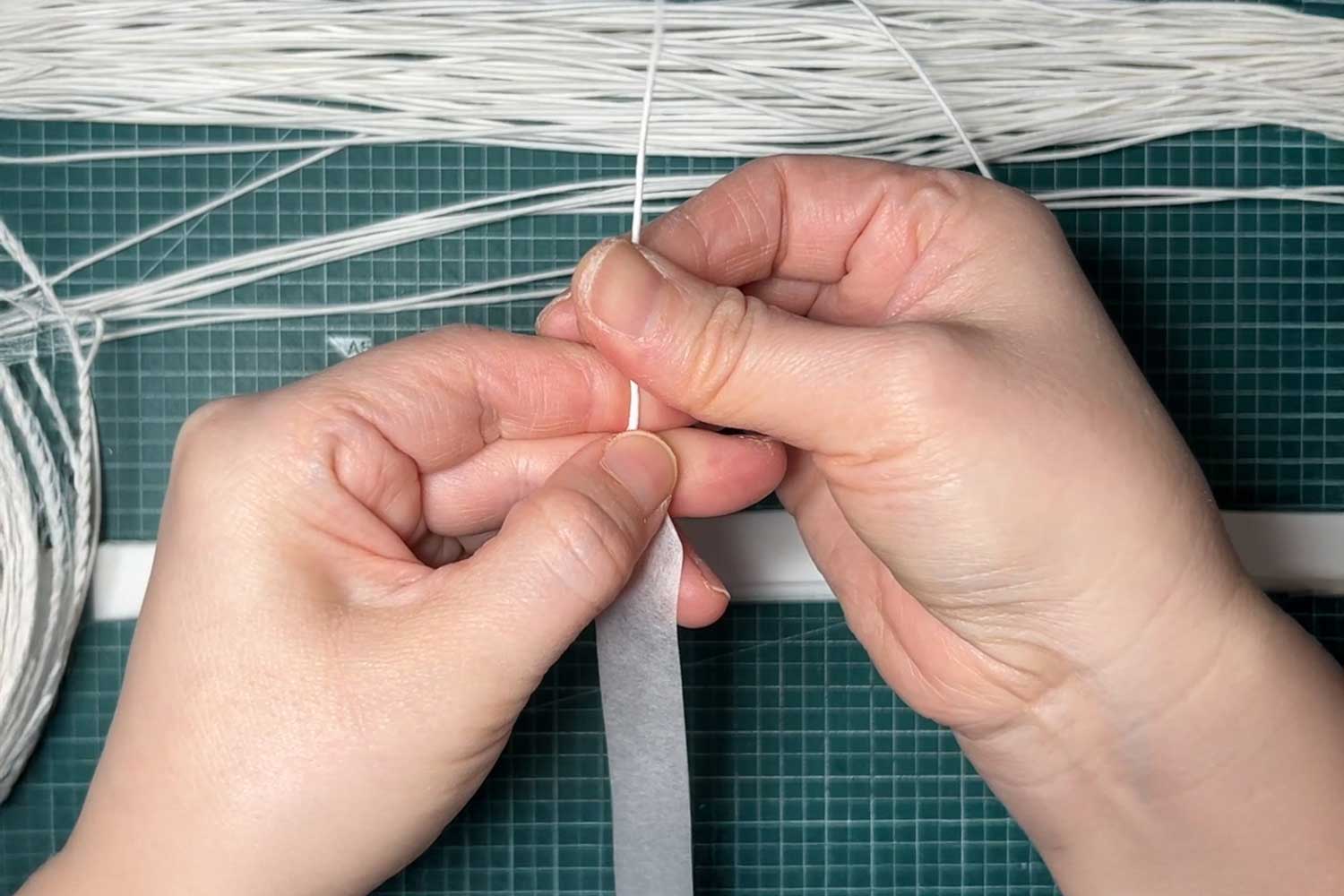
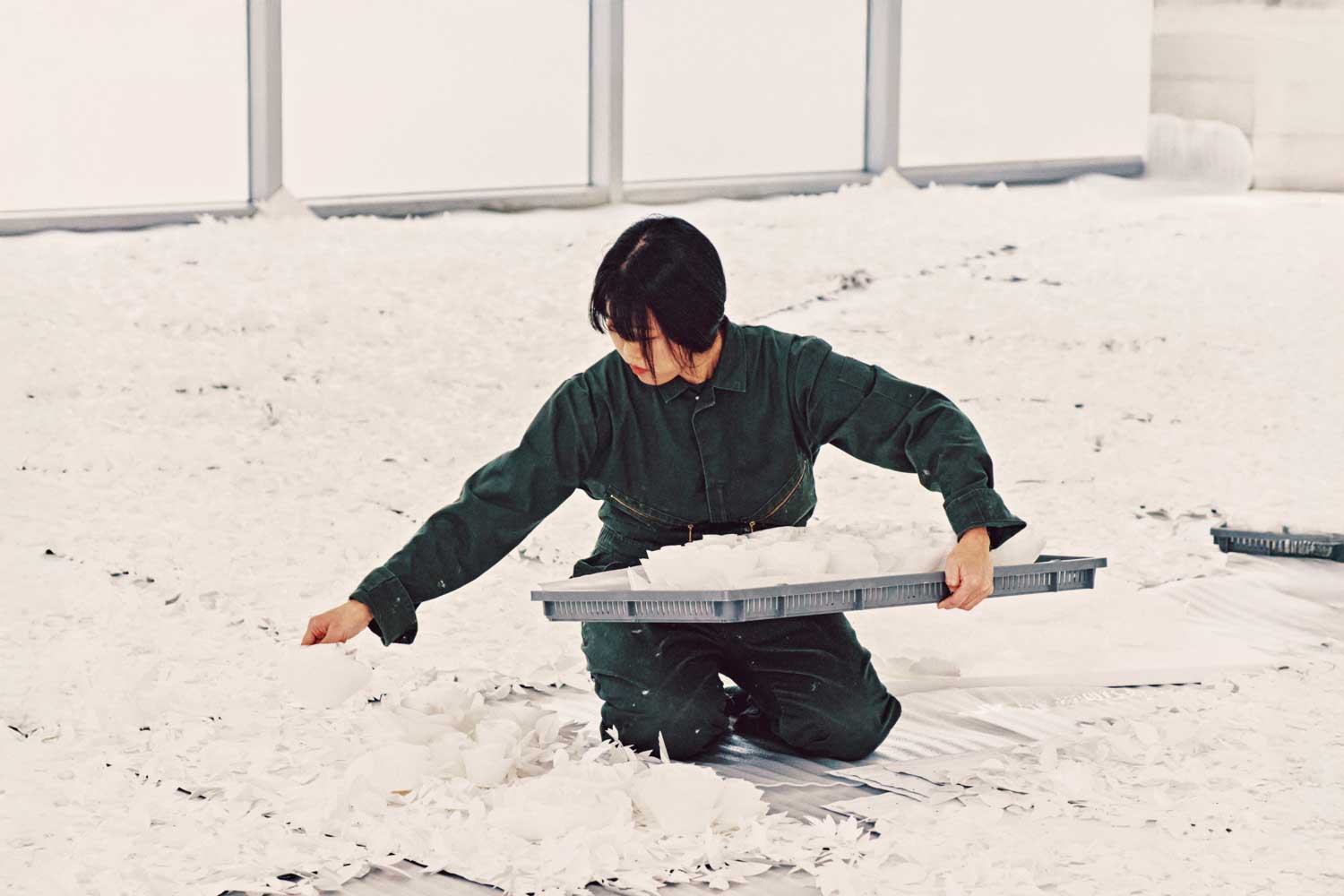
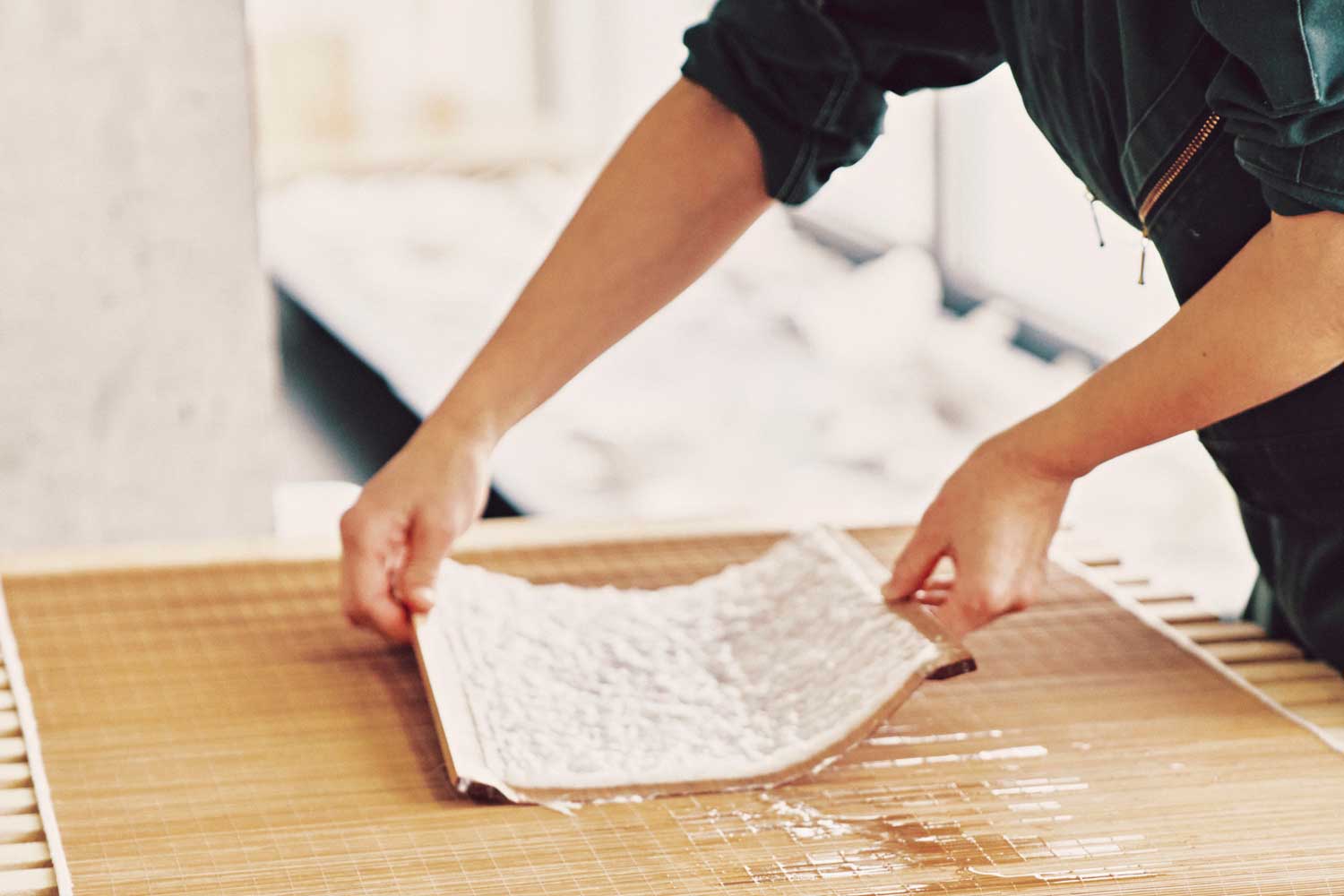
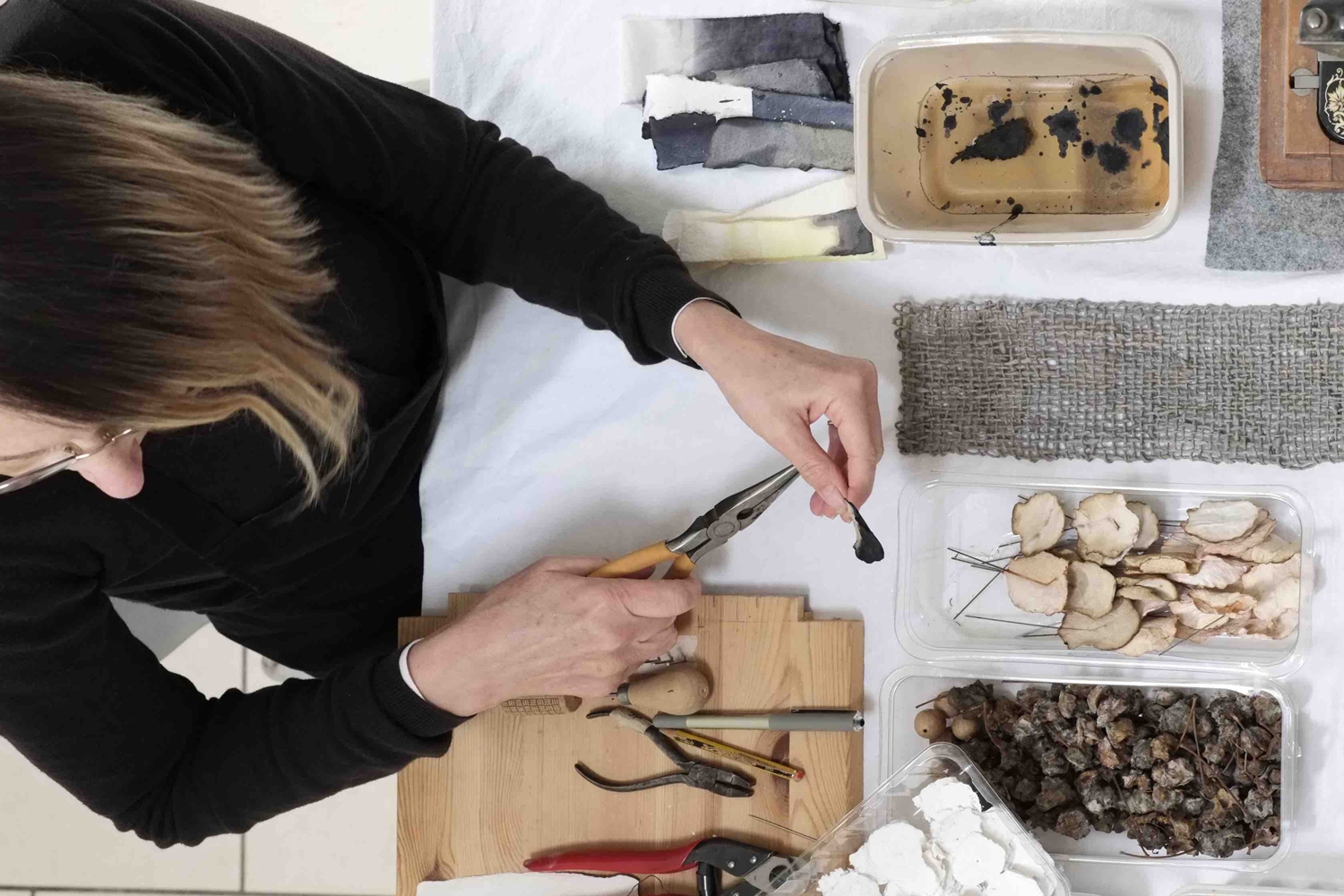
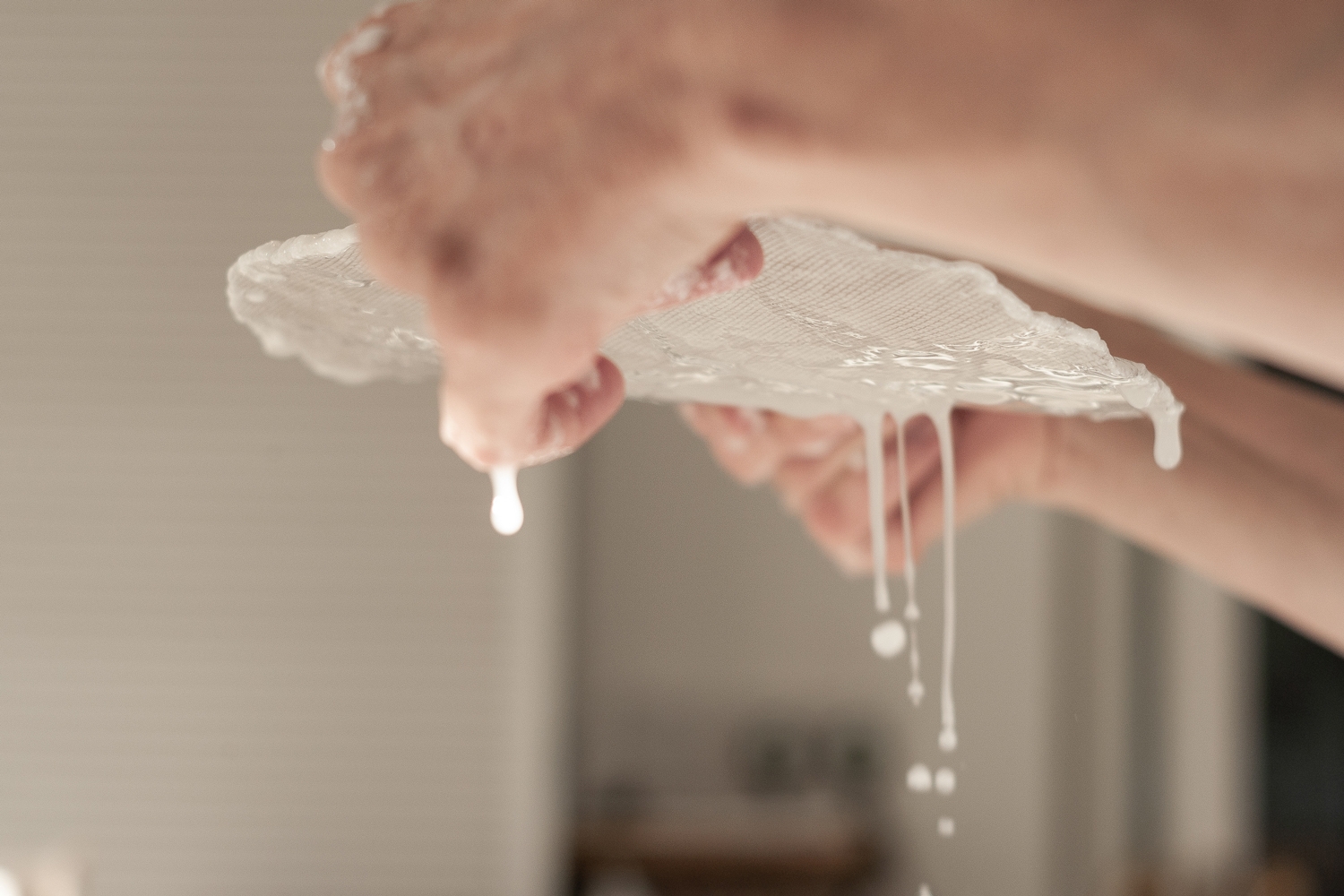
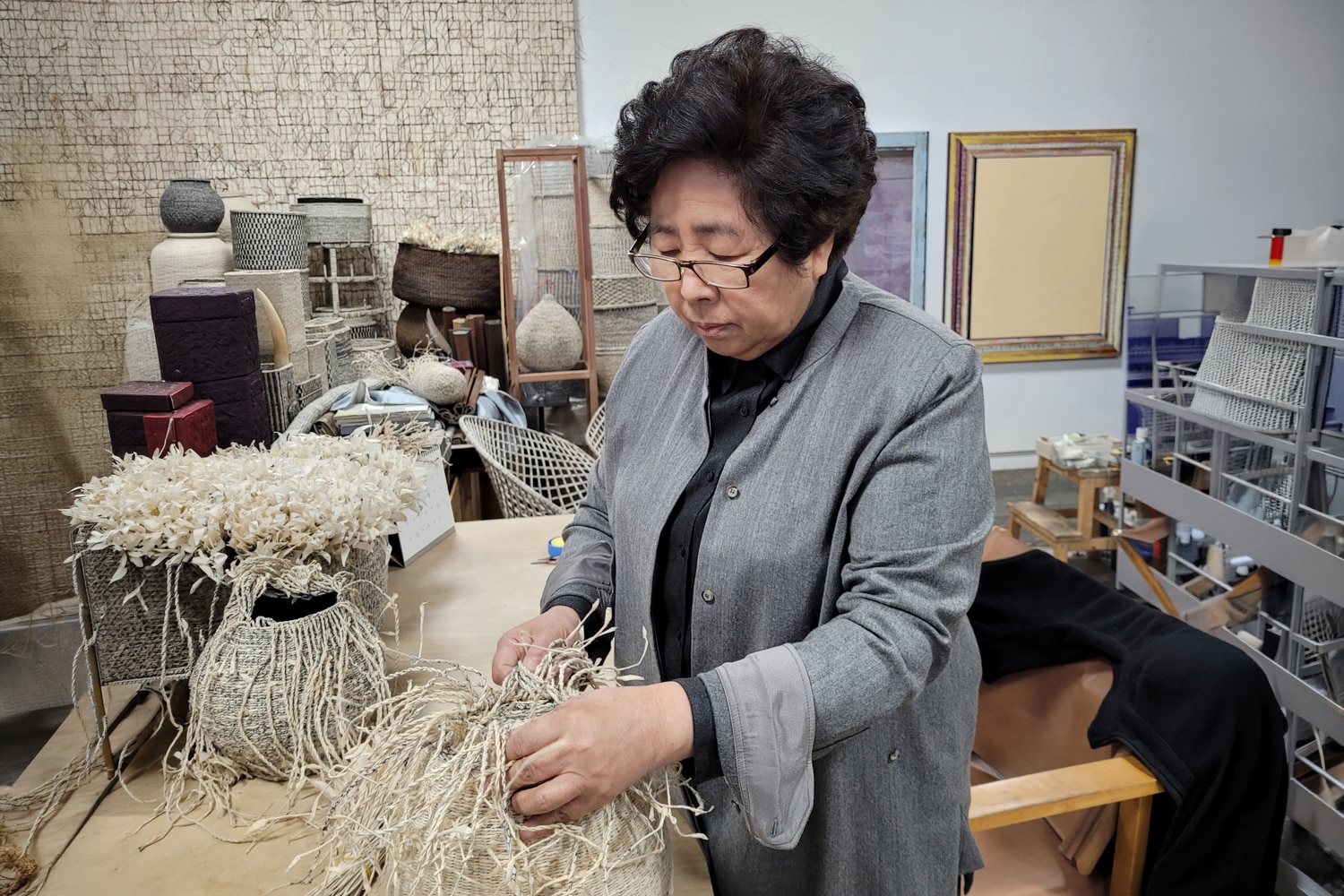
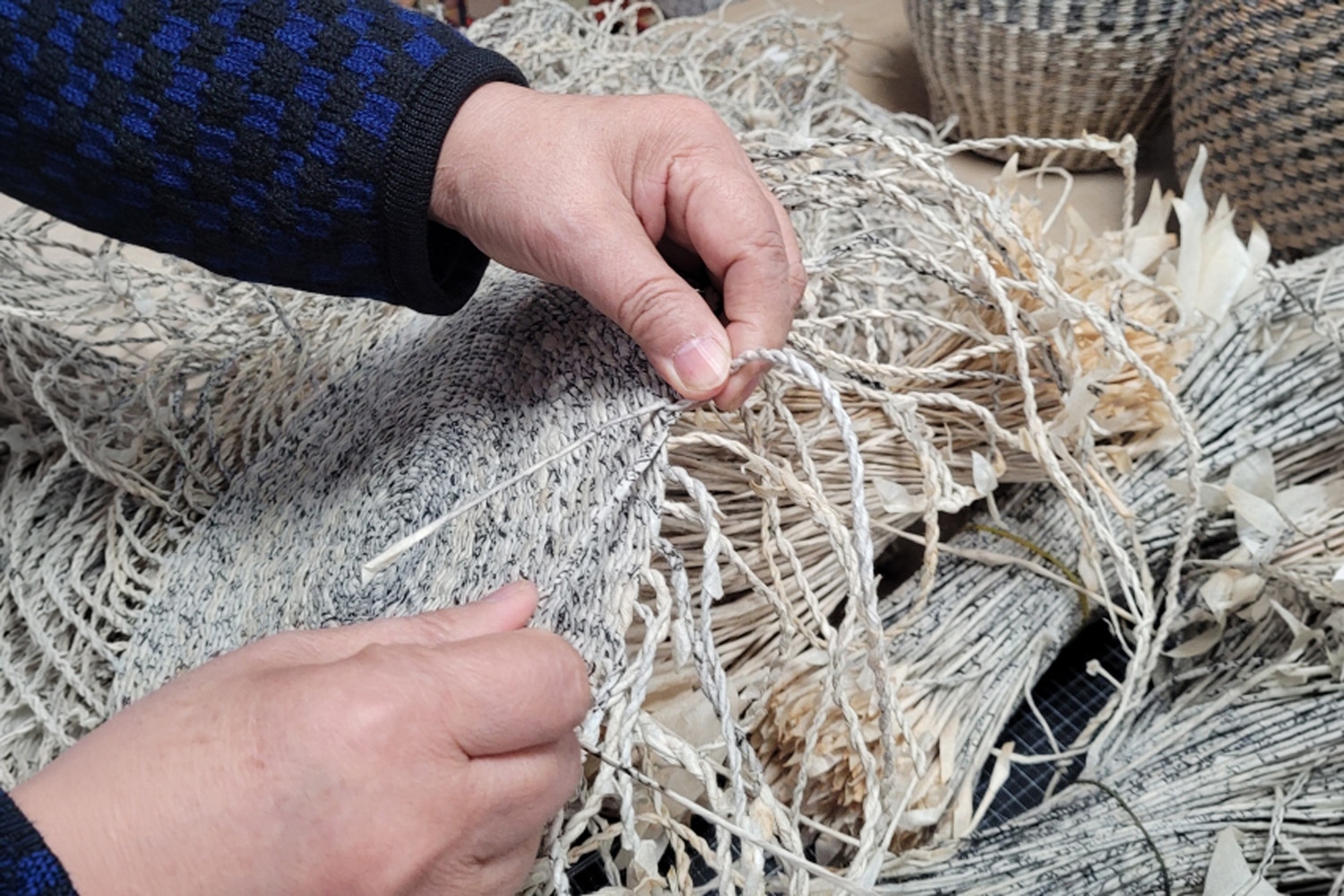
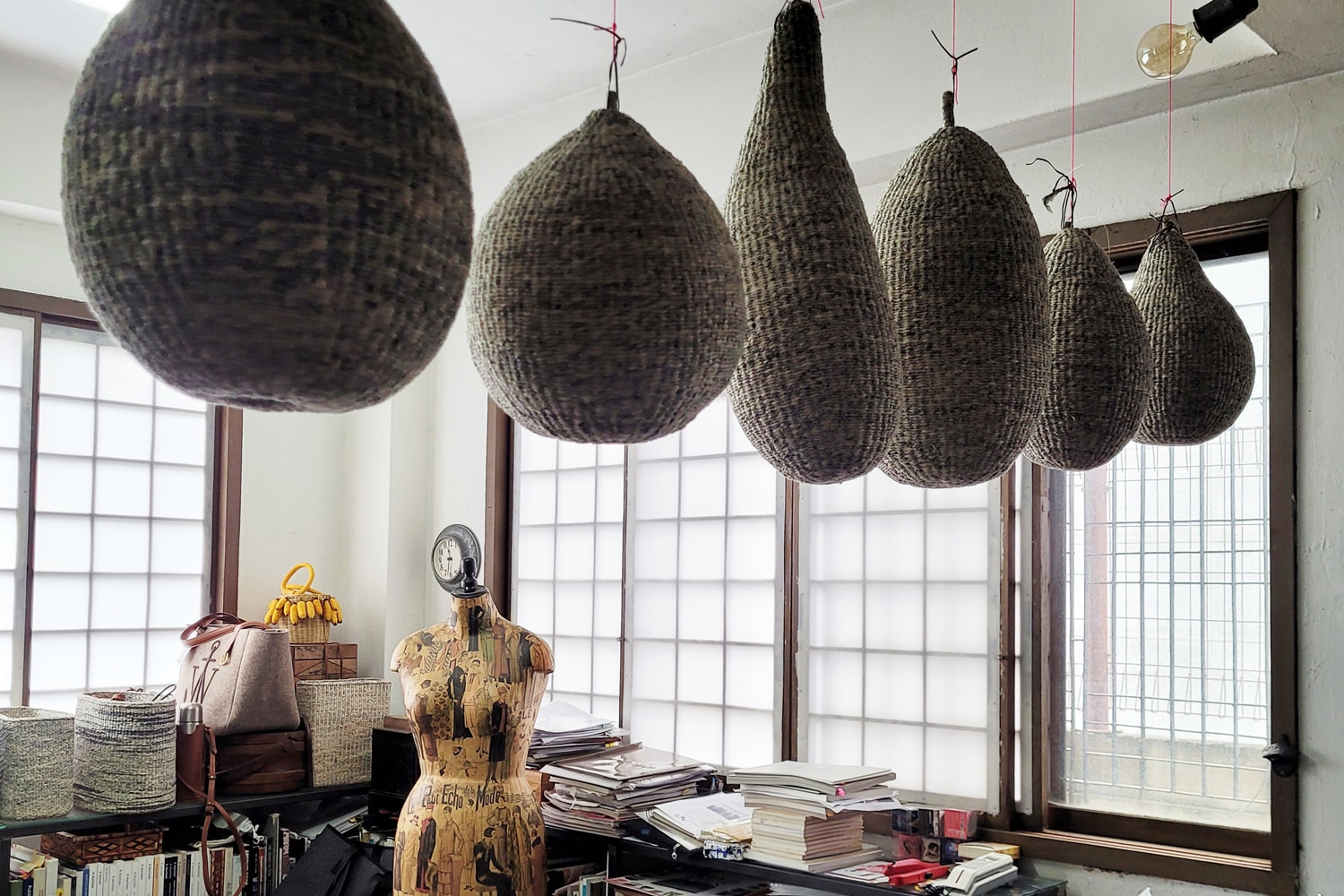
Young Soon Lee creates sculptural paper artworks by twisting pages from damaged books into cords before weaving them into new forms. “I believe that the new can always be hidden in the old,” she says. Young Soon began her artistic journey in the early 1970s, studying art and craft before continuing to work with fibre and traditional Korean materials. She became especially interested in hanji, traditional handmade mulberry paper known for its delicate nature. When rubbed, twisted, tied and woven, hanji becomes remarkably strong and can endure for more than a thousand years, as proven by the many surviving examples preserved in museums today. From these seemingly fragile materials, Young Soon creates newly interpreted works of striking resilience, revealing strength emerging from weakness and the new arising from the old. Her pieces feature in museum collections around the world, including the Victoria & Albert Museum in London.
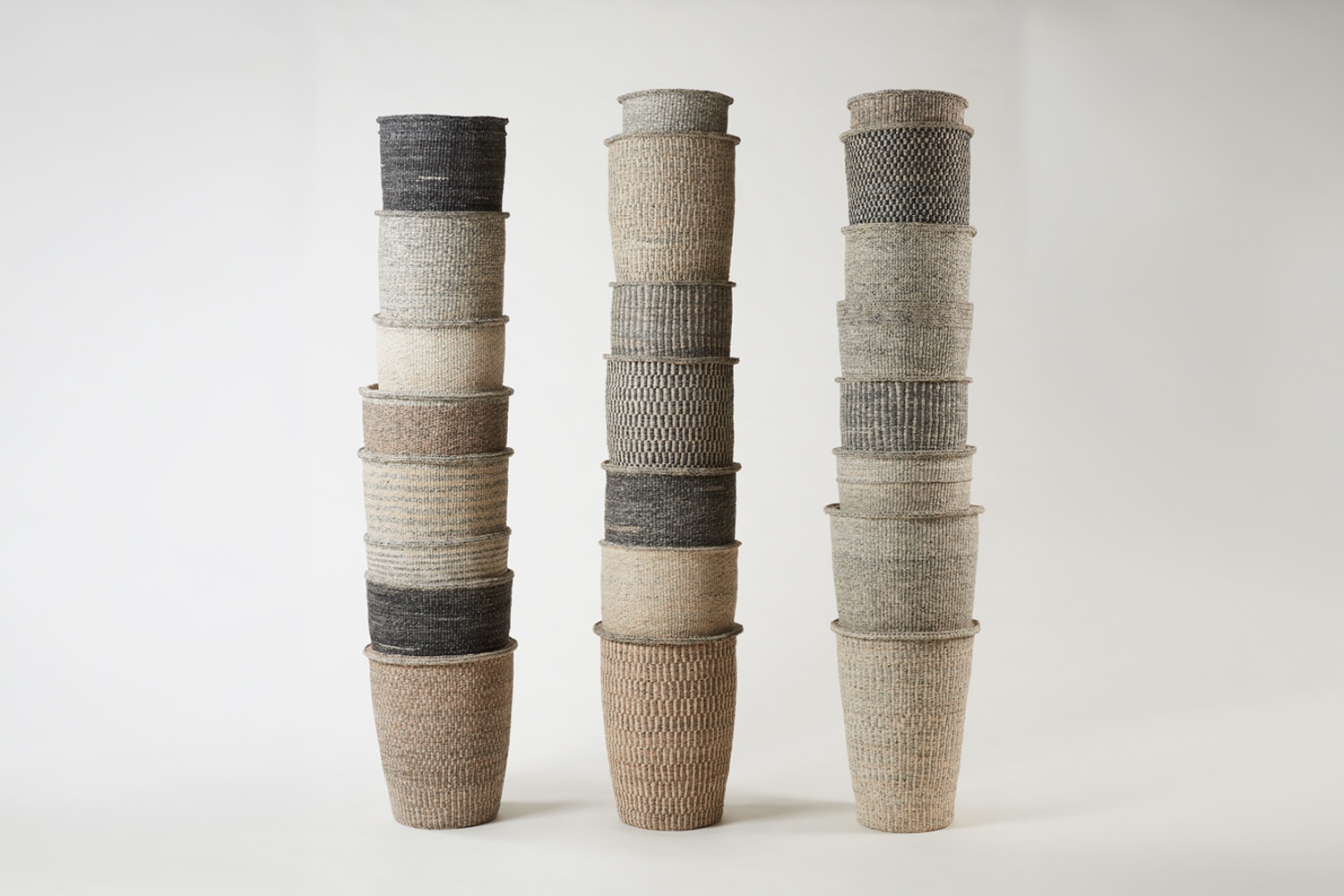
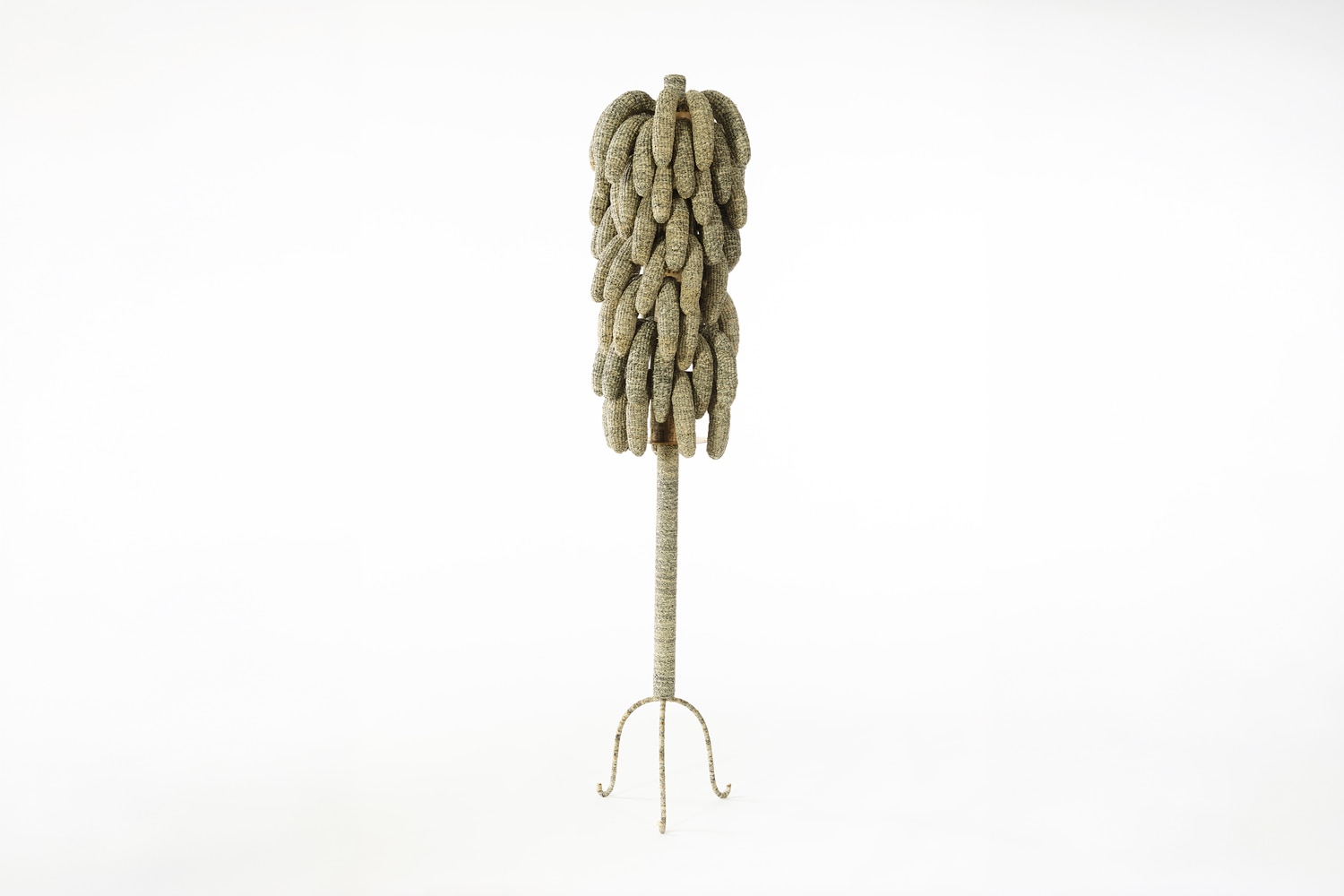
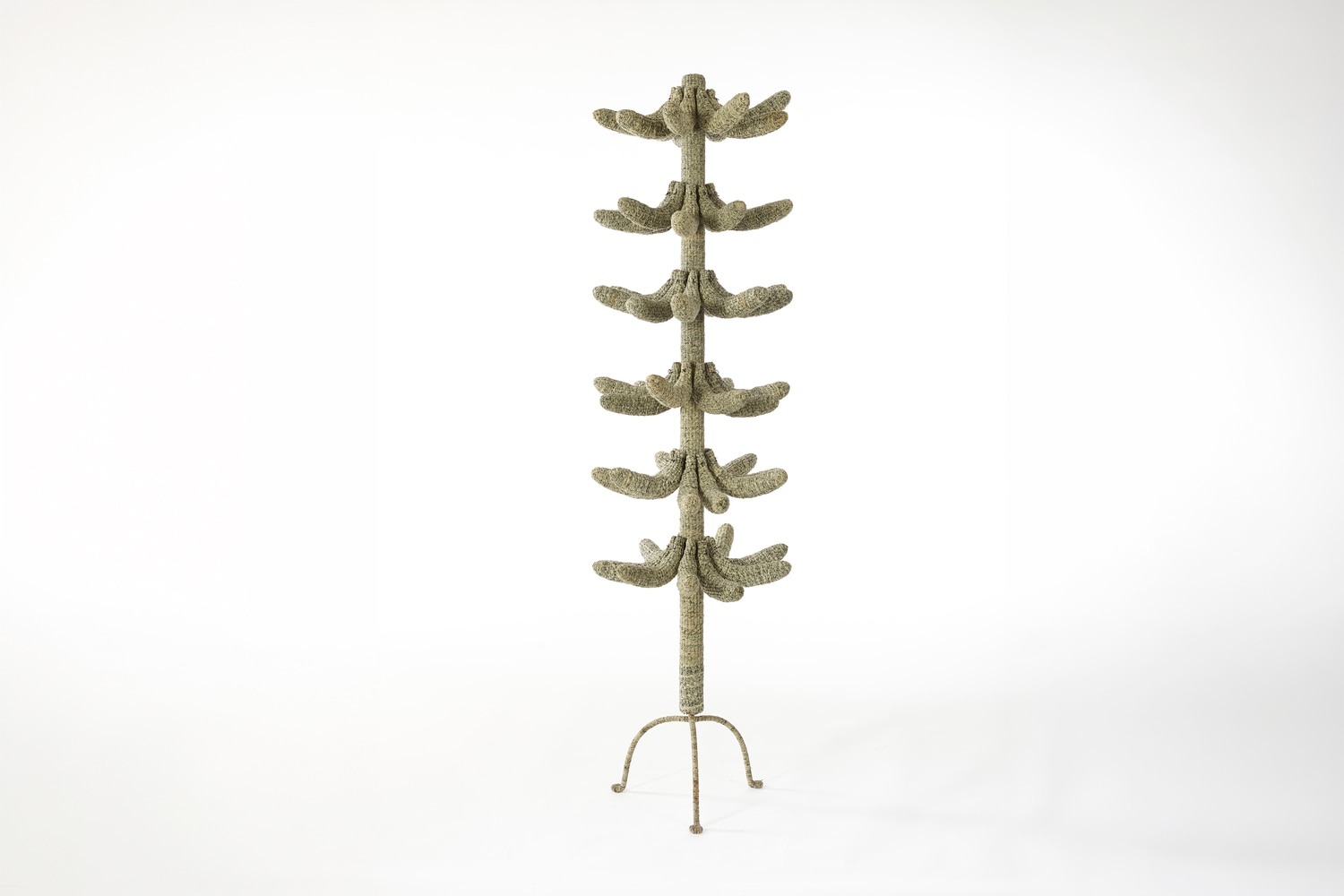
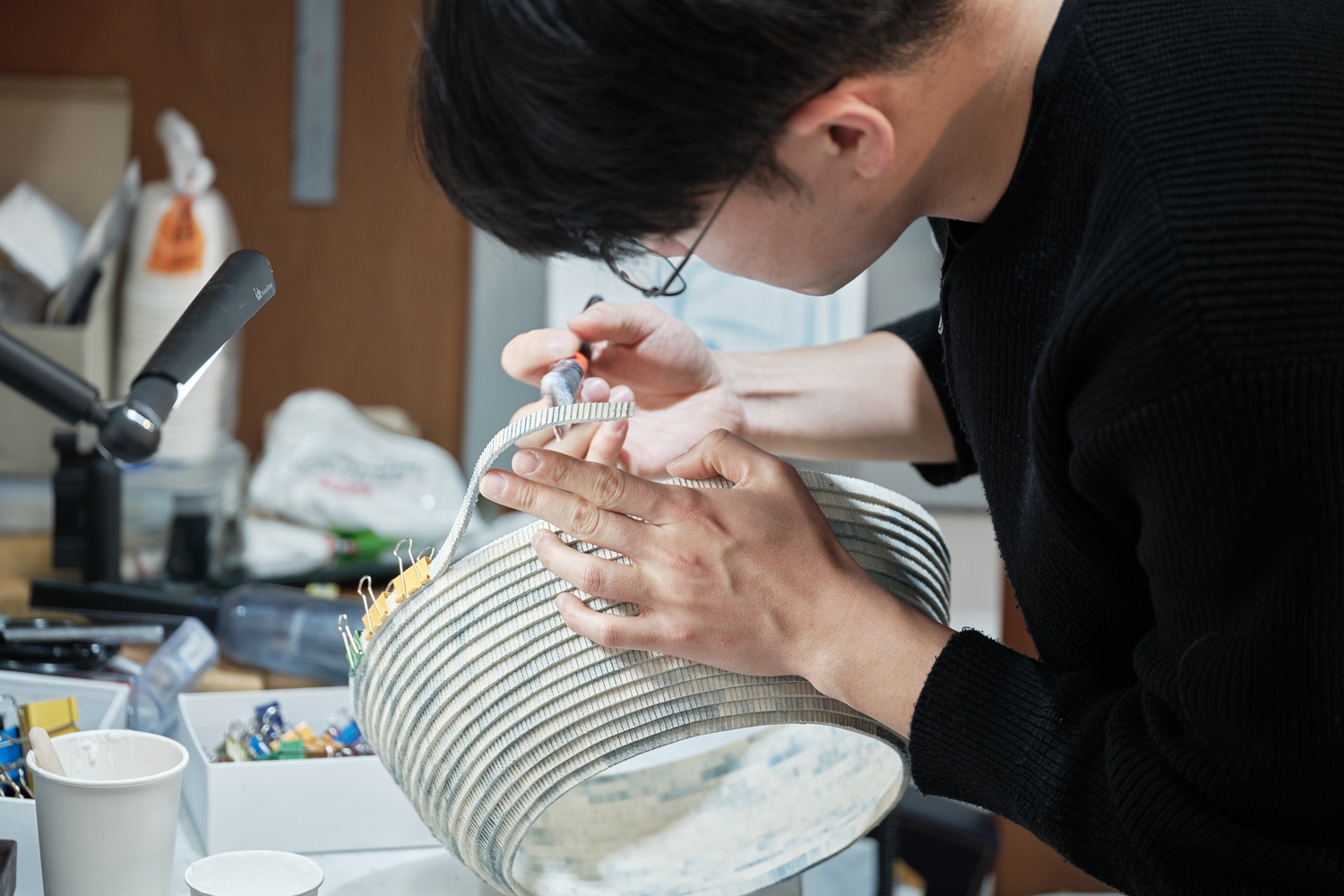
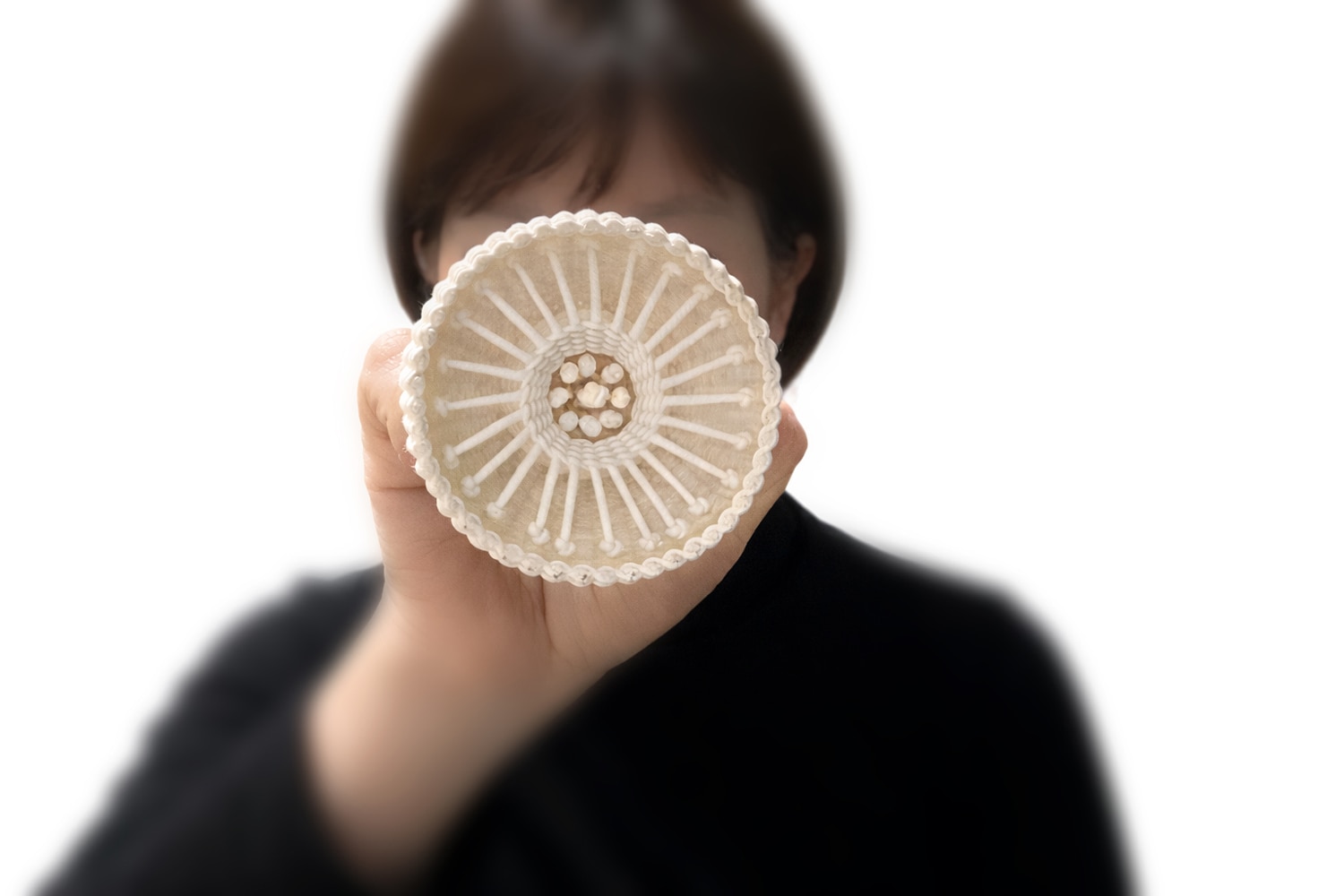
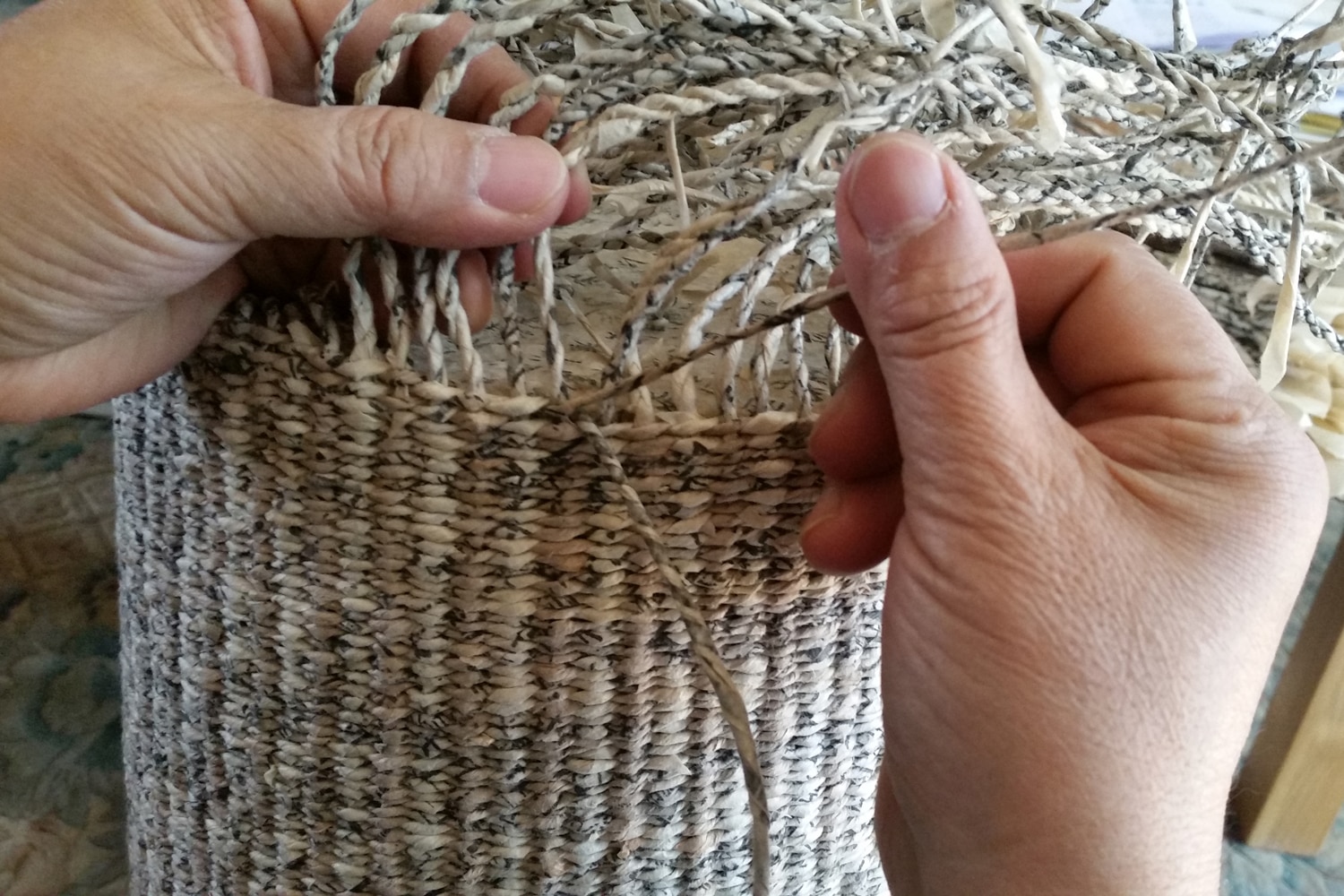
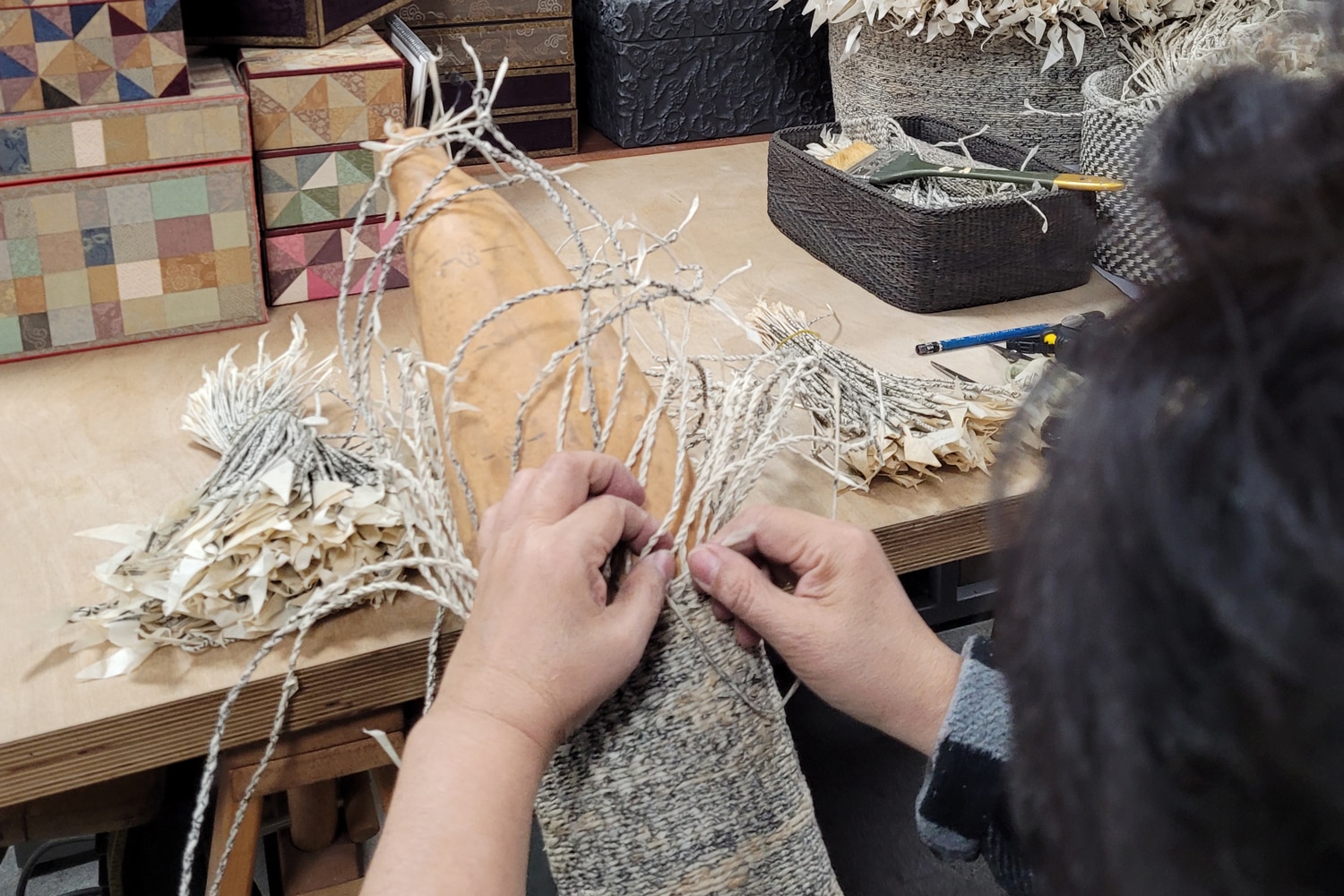
My craft is called jiseung. Ji means paper and seung means strings. I make objects using cords twisted from paper. This technique has been practised in Korea for over 500 years, developing alongside hanji, traditional handmade paper.
Our ancestors did not waste even the smallest pieces of paper. They twisted cords, wove small baskets and made containers for everyday use, even tiny bowls out of leftover scraps to hold cigarettes. By the 1970s, however, jiseung was falling out of favour. While studying at university, I wanted to continue this inherited wisdom.
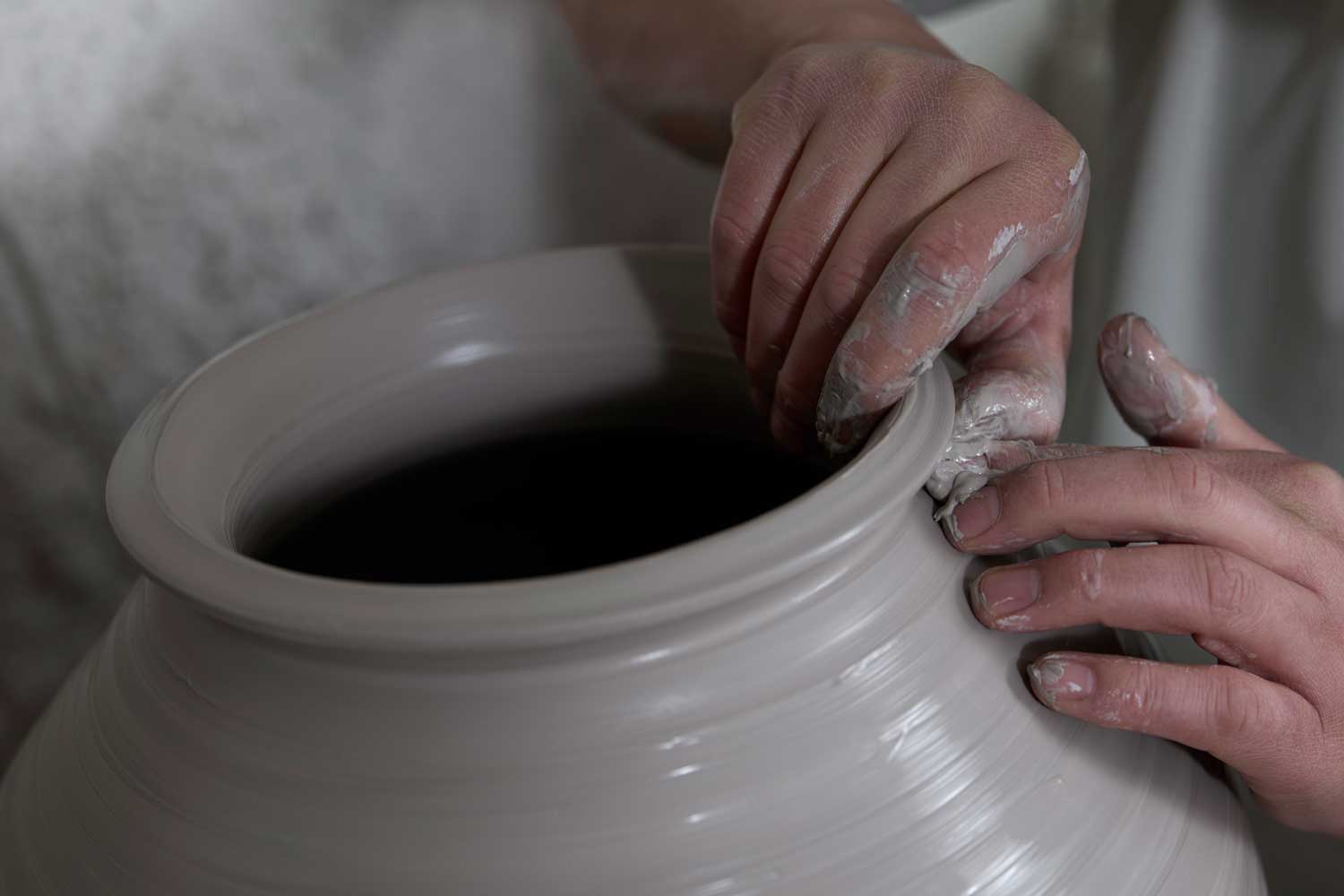
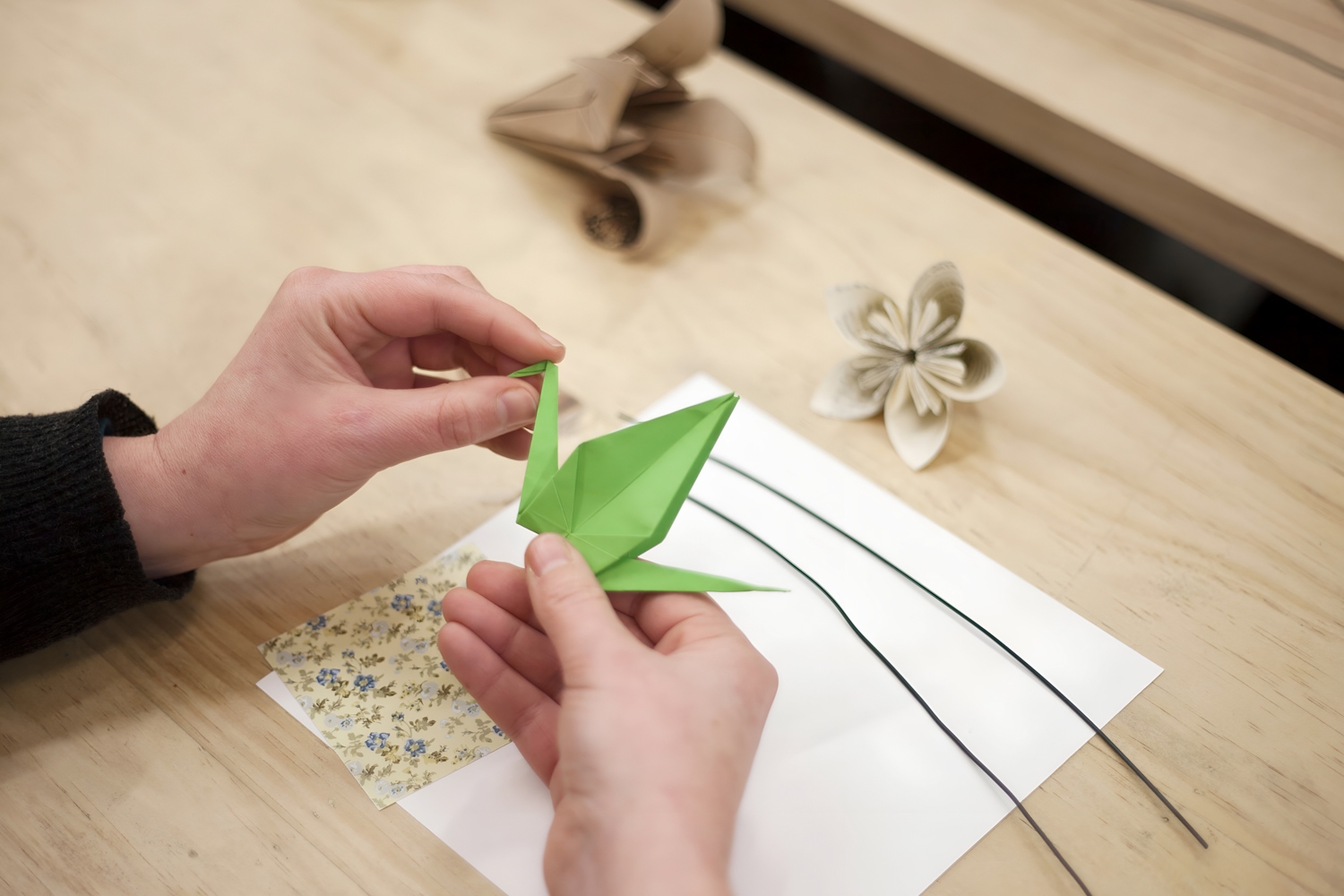
One advantage of paper crafts is practicality. With paper and scissors, I can take my practice almost anywhere. The difficulty is time. A single jiseung piece can take more than a month, and sometimes up to six months to complete.
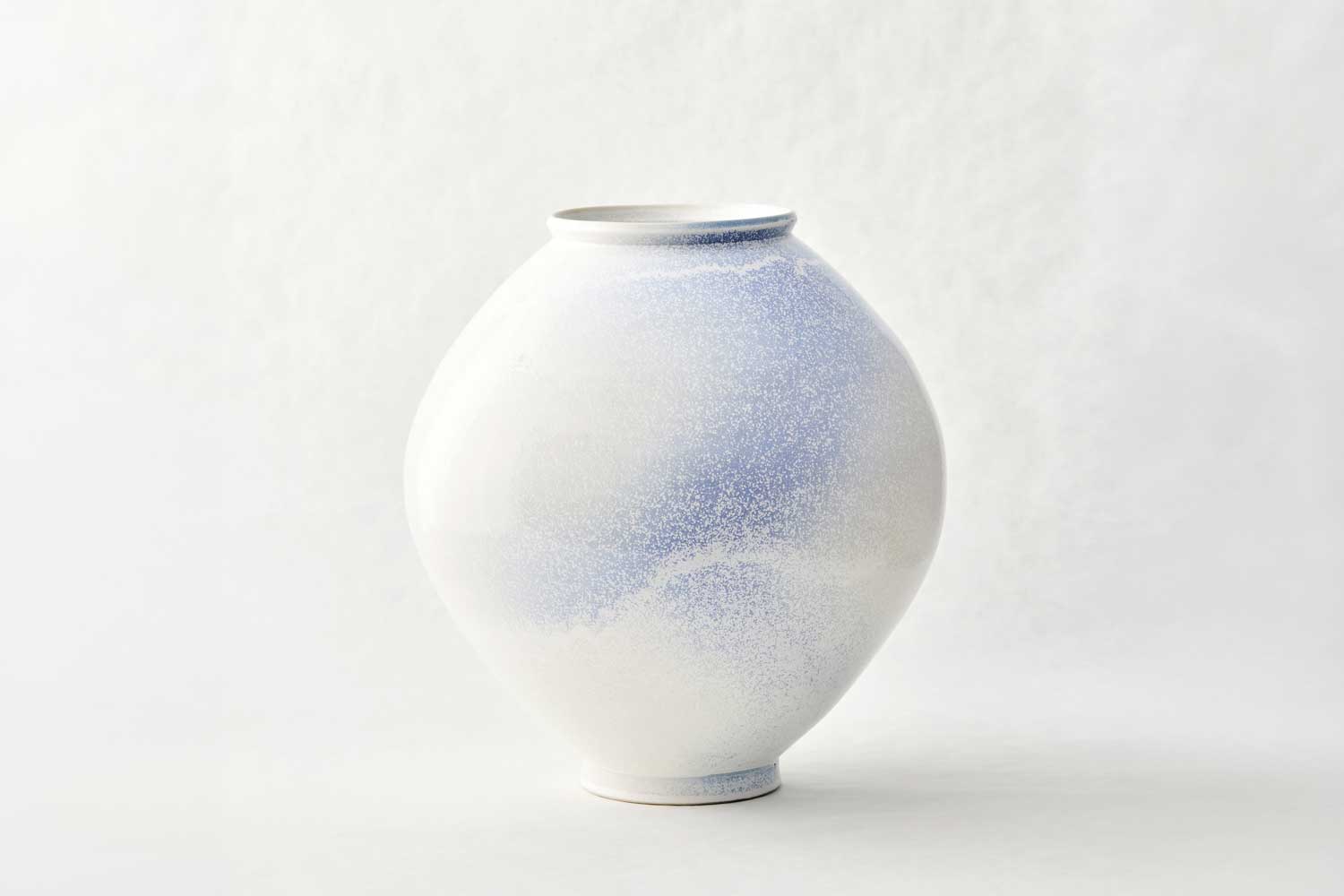
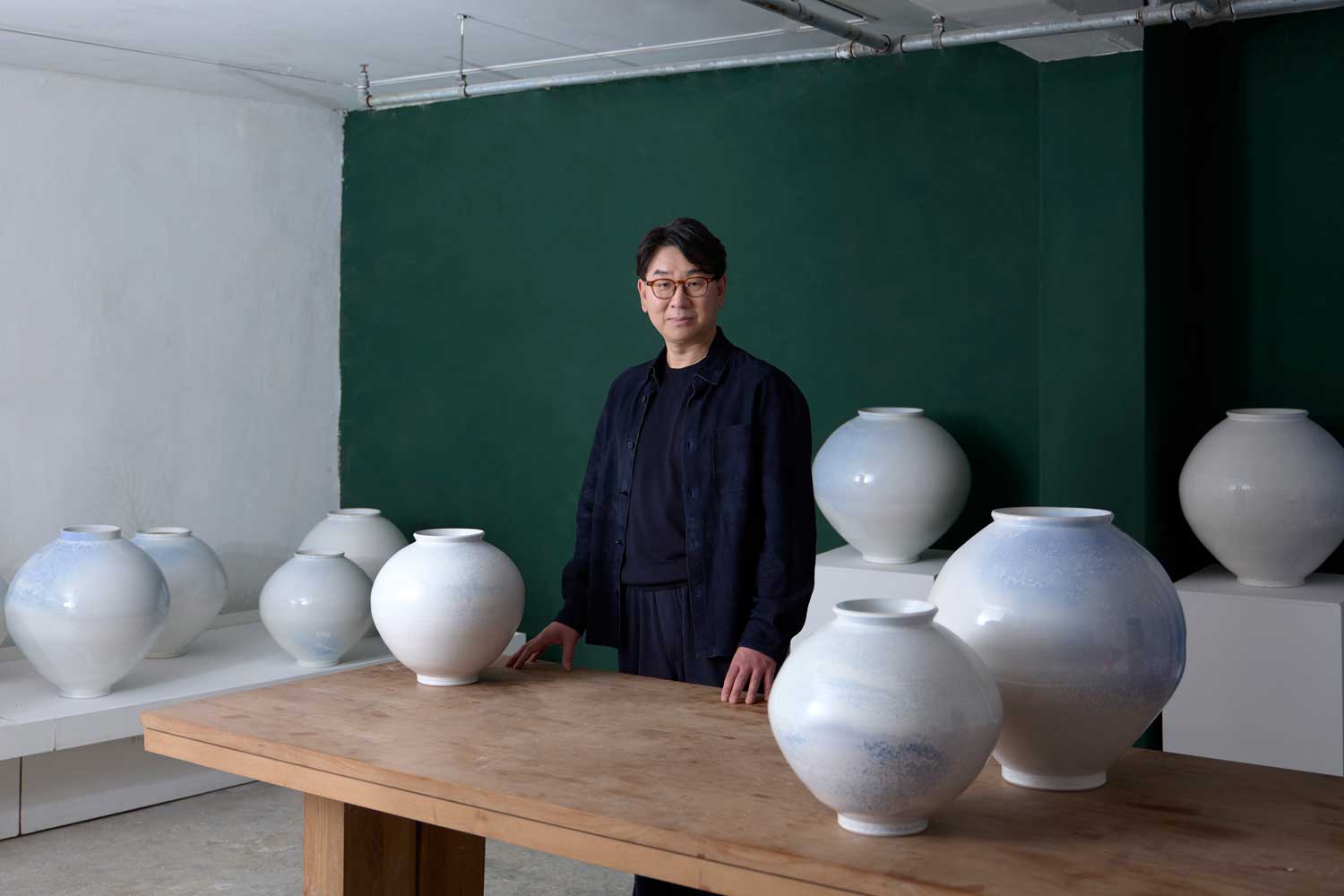
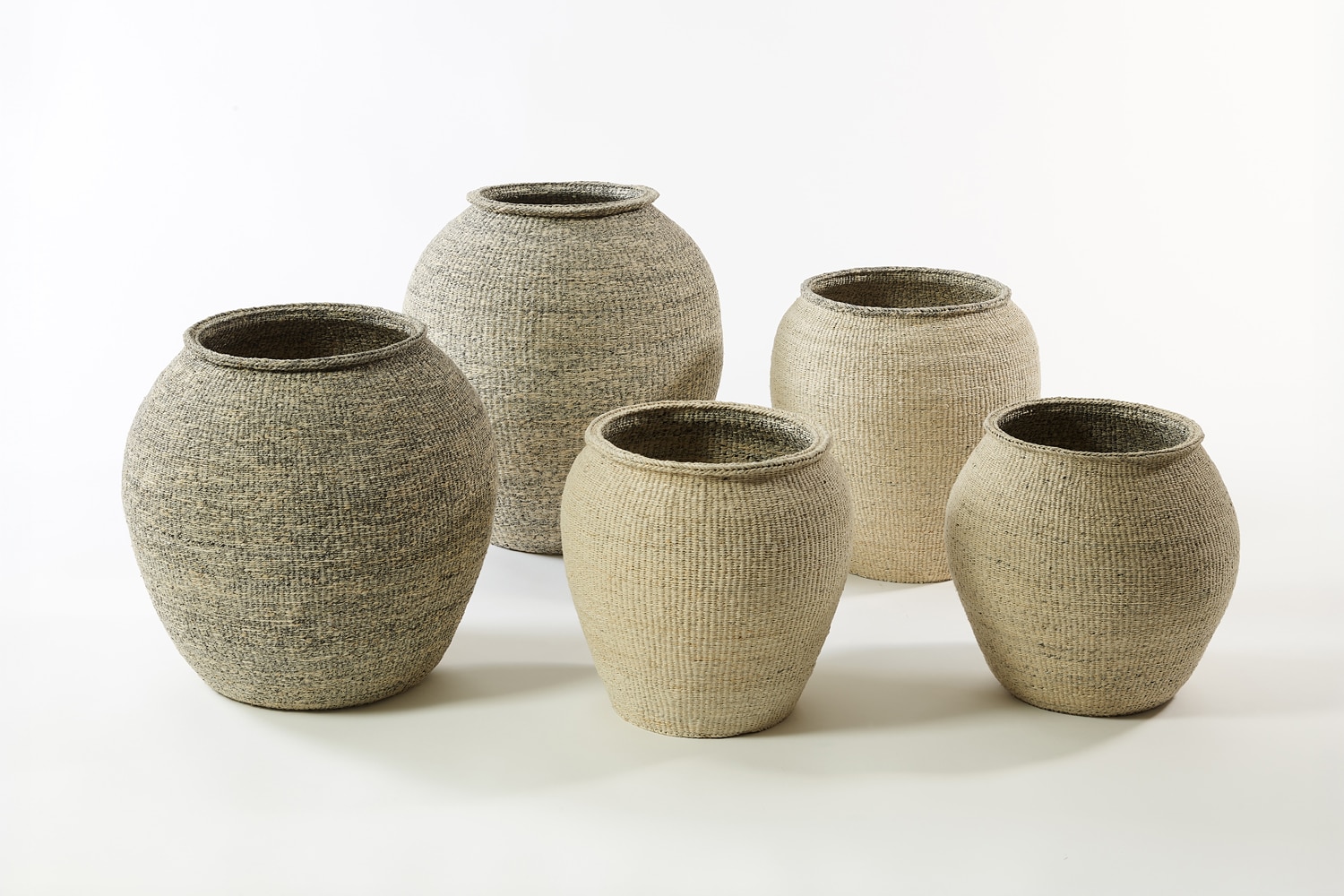
For many years, I have found inspiration for my pieces in antique shops and museum storage collections. Traditional jars and containers are good guides for my forms. I repeat these units and arrange them in installations that reinterpret tradition within a contemporary structure.
Paper artist
Seoul, South Korea
Address upon request, Seoul, South Korea
By appointment only
Korean, English
Homo Faber Finds is a new service aiming to inspire admirers of craft to connect and collaborate with exceptional artisans.
We invite you to submit an enquiry here.