
Macramé magic
- Vasco was introduced to macramé at school
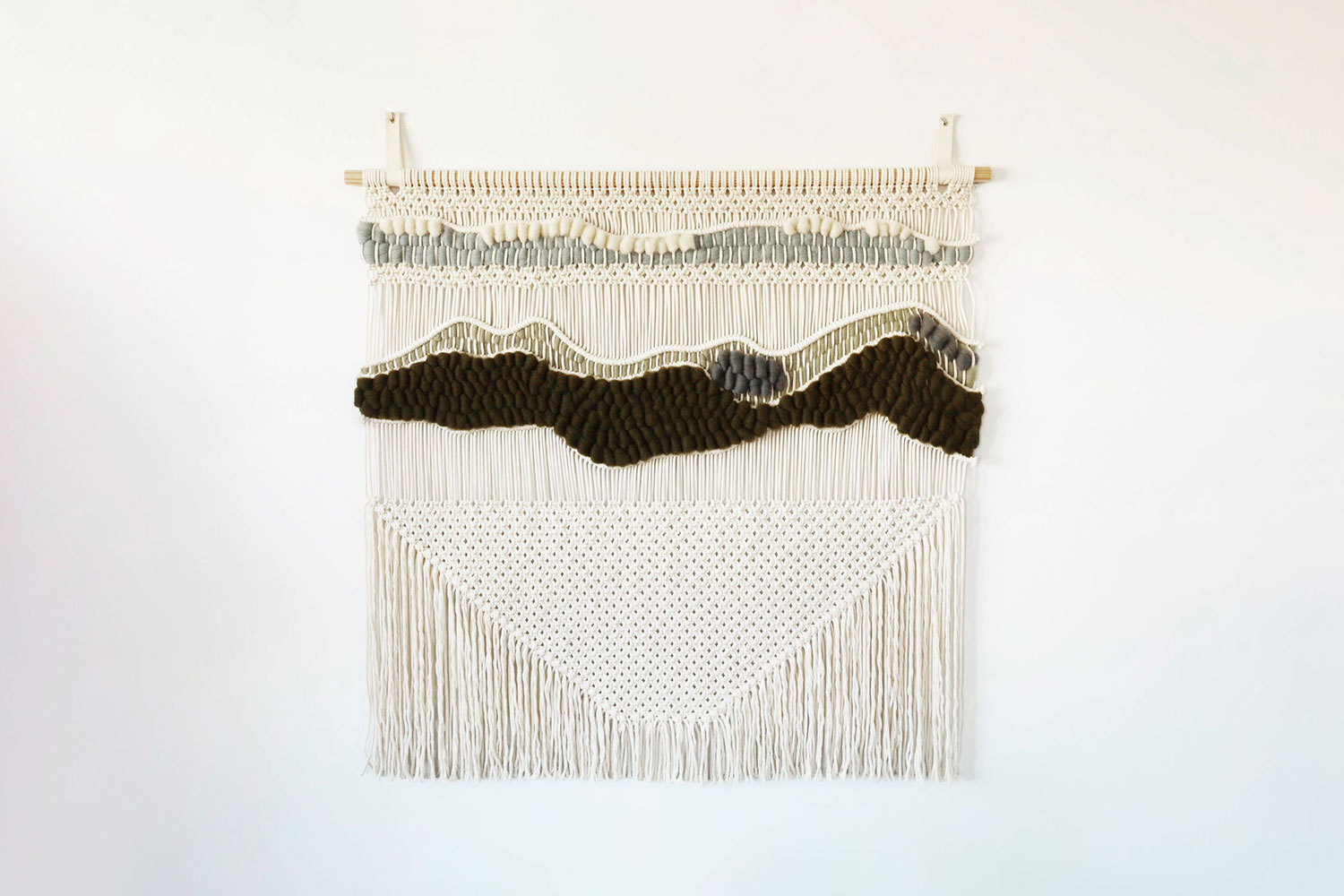
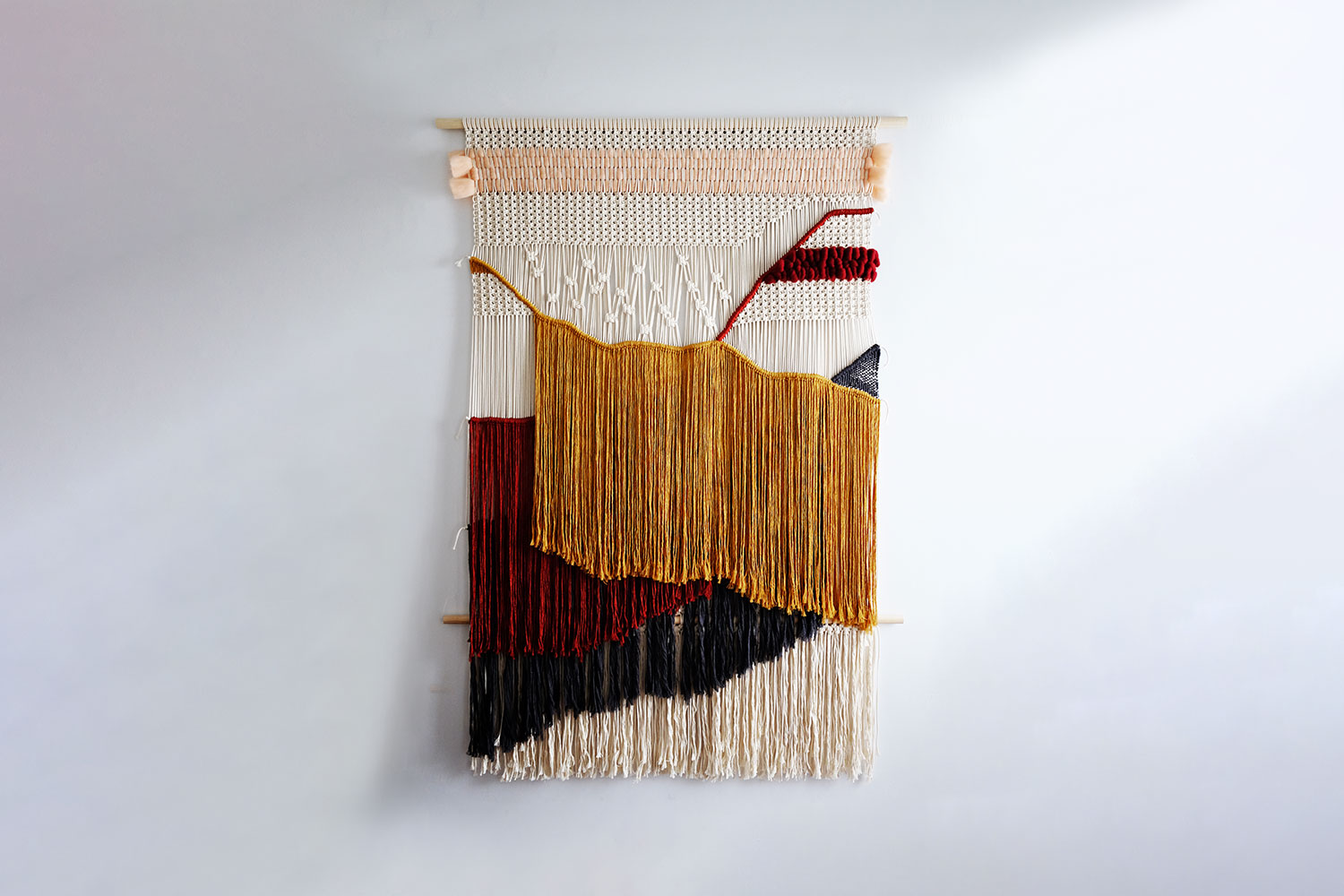
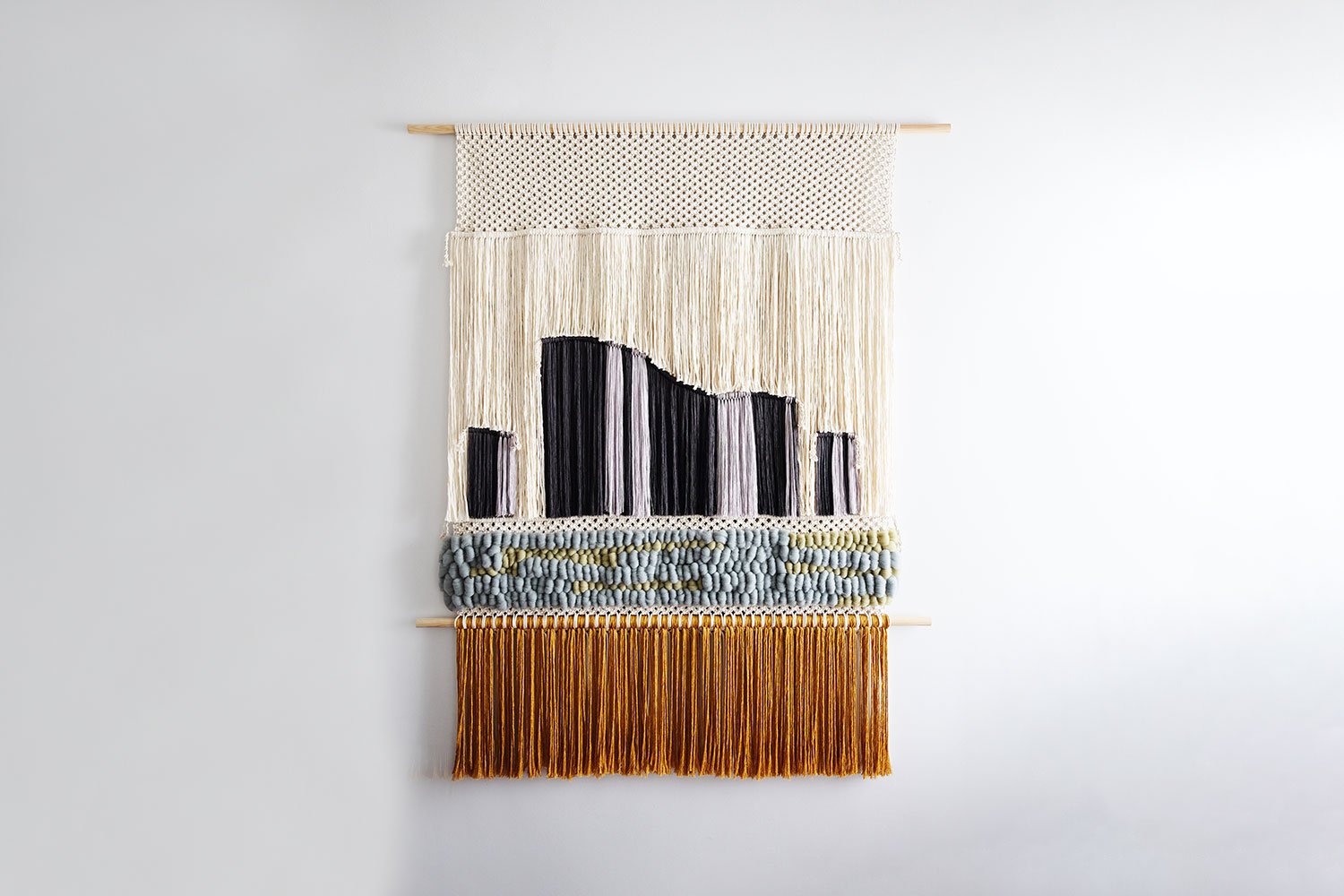
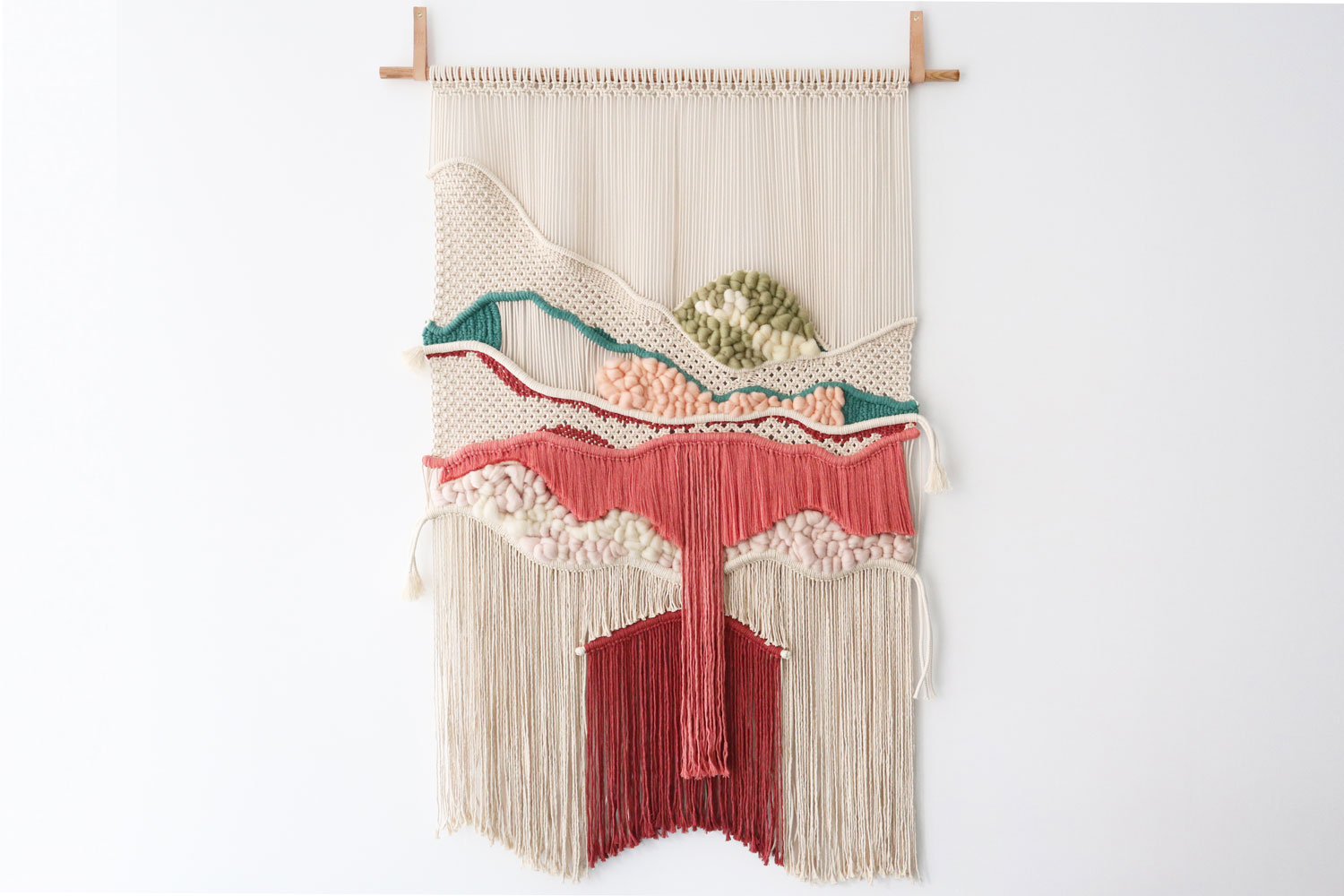
- He makes wall hangings of textile landscapes
- He combines macramé and weaving techniques
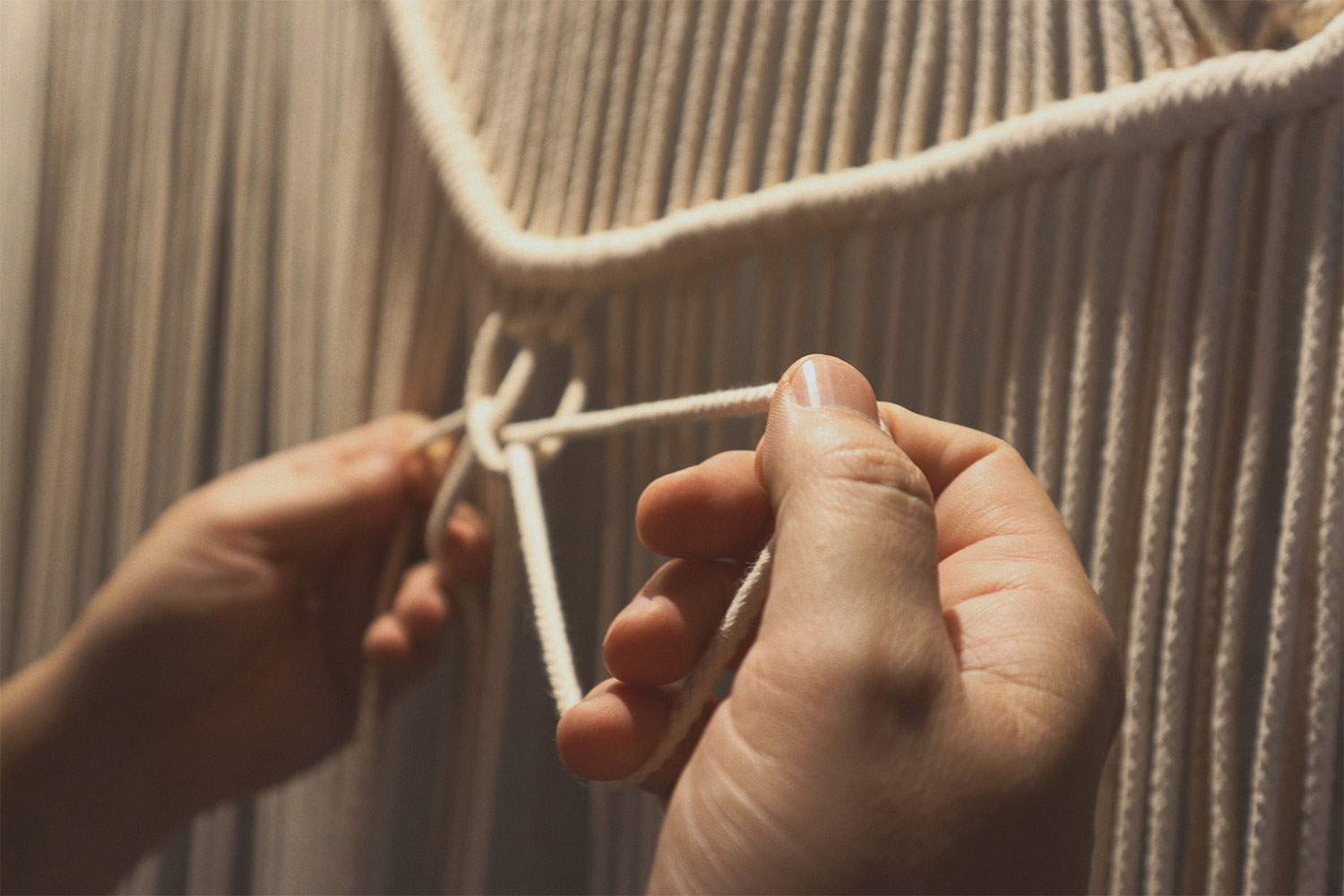
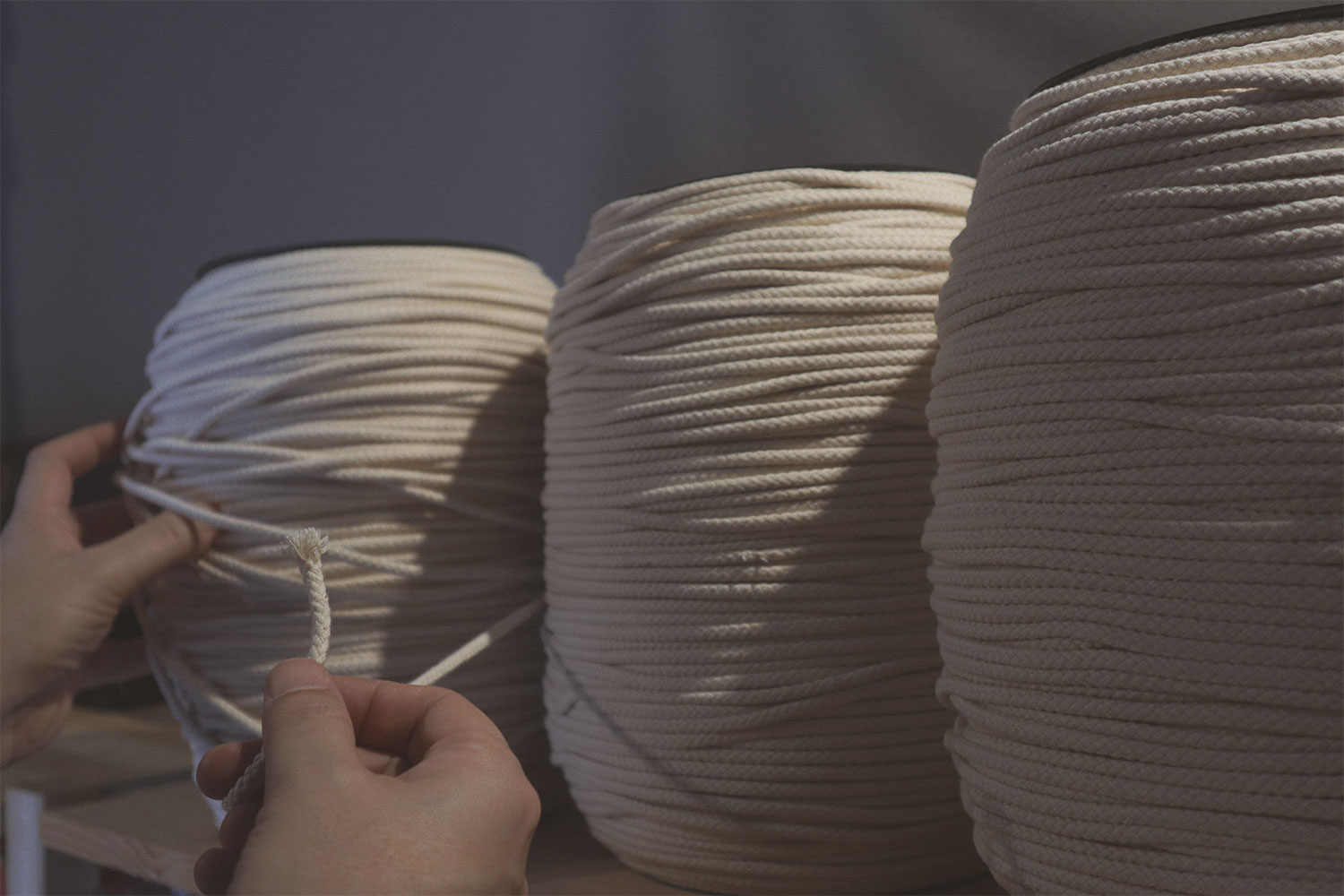
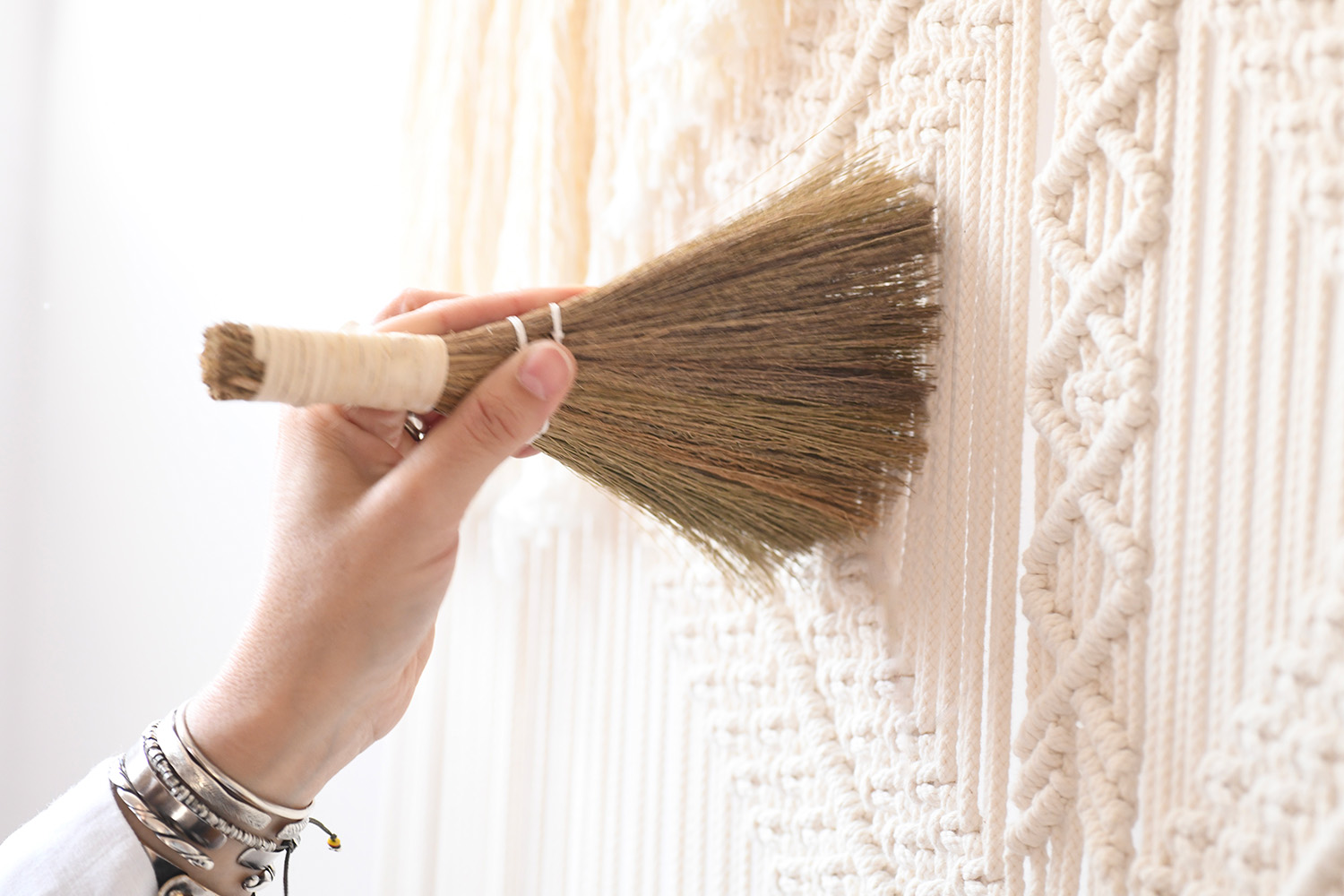
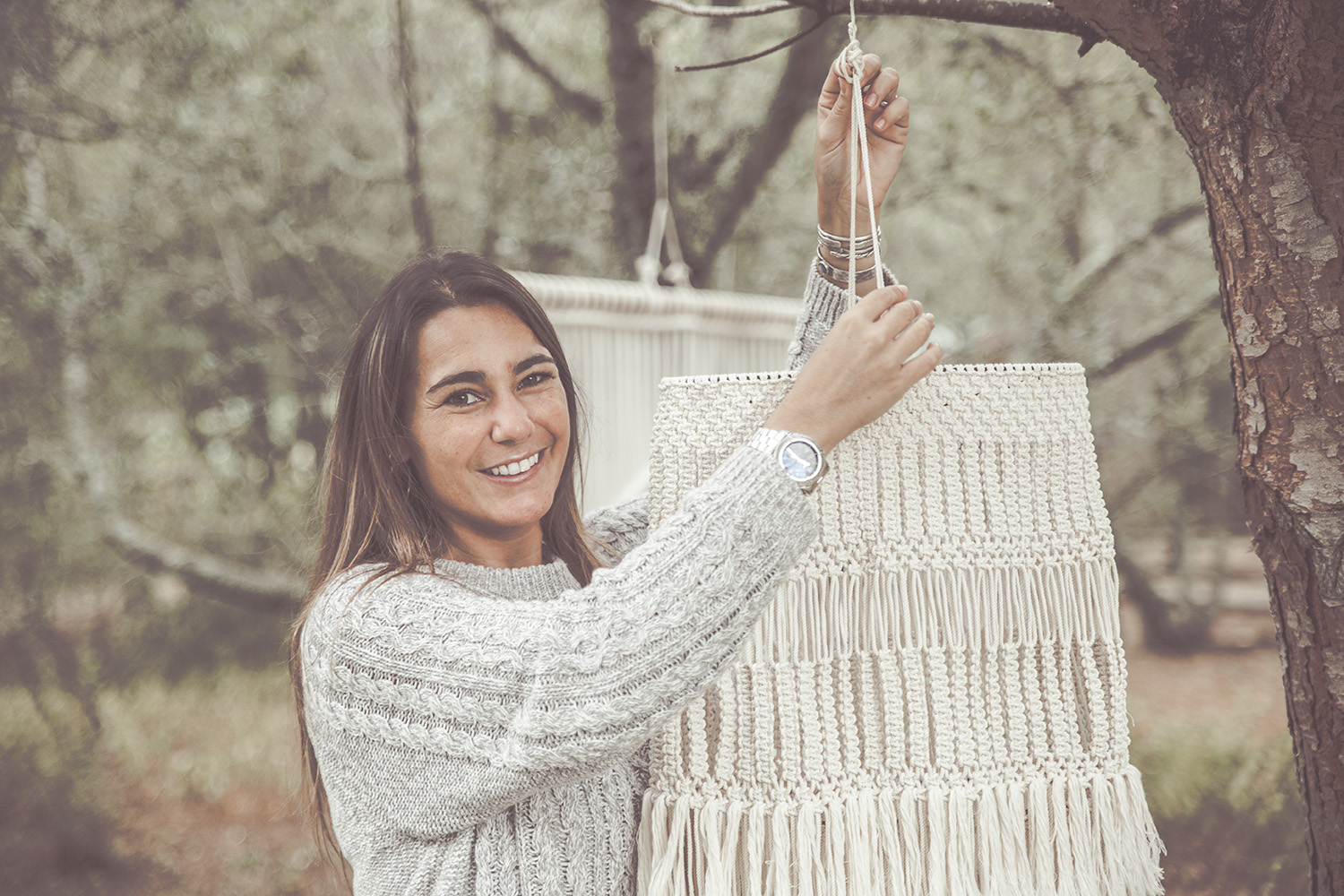
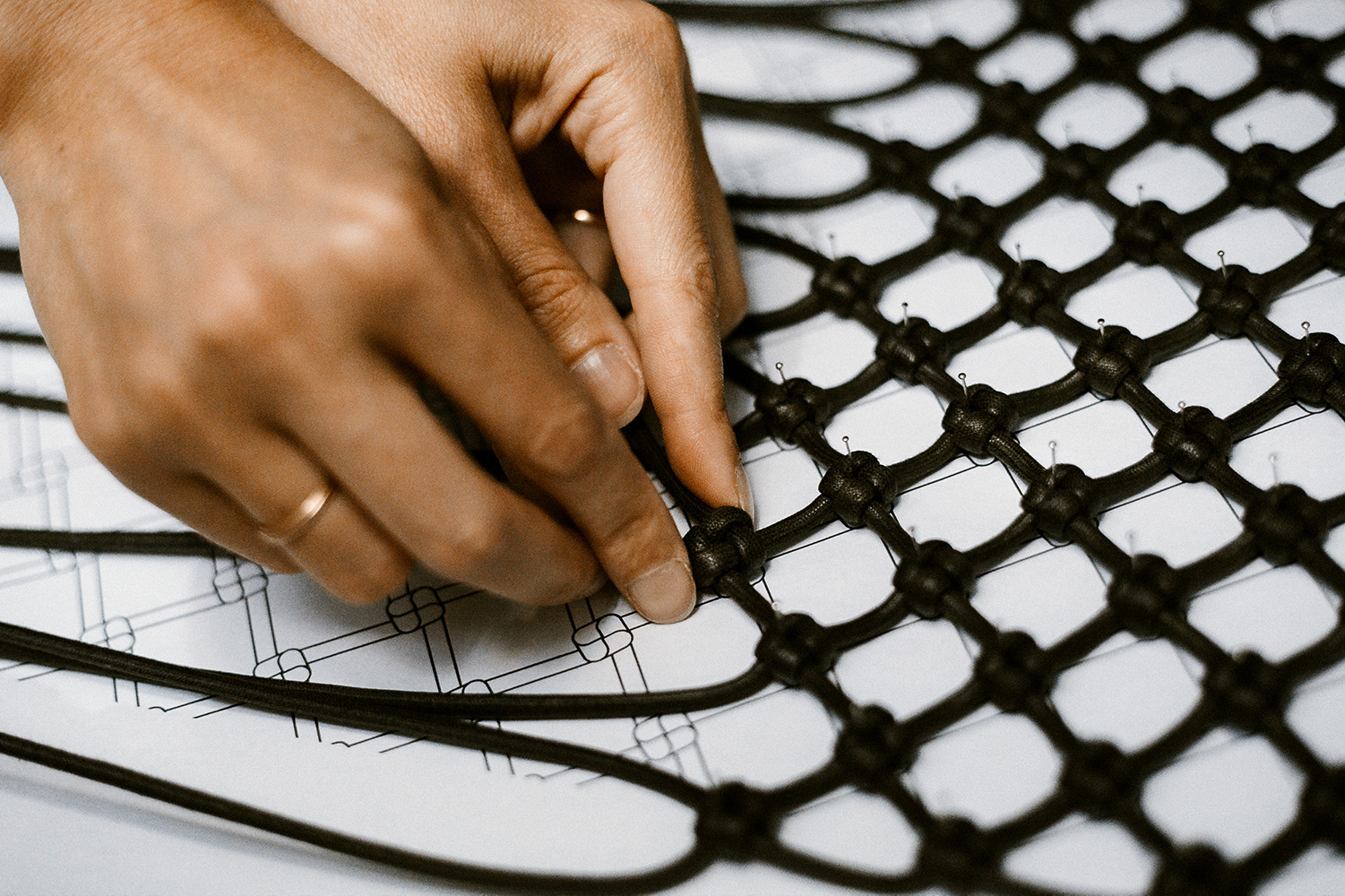
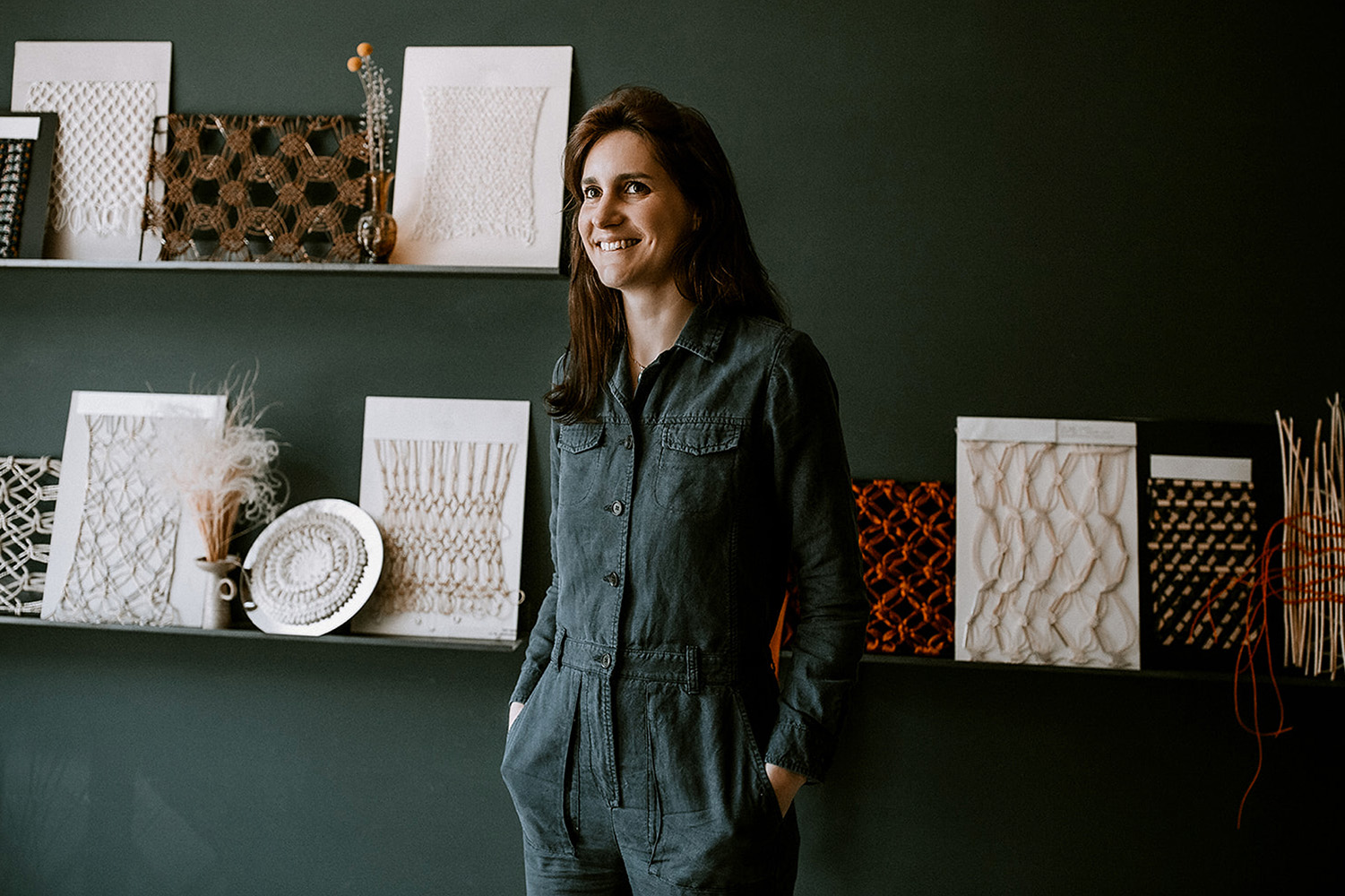
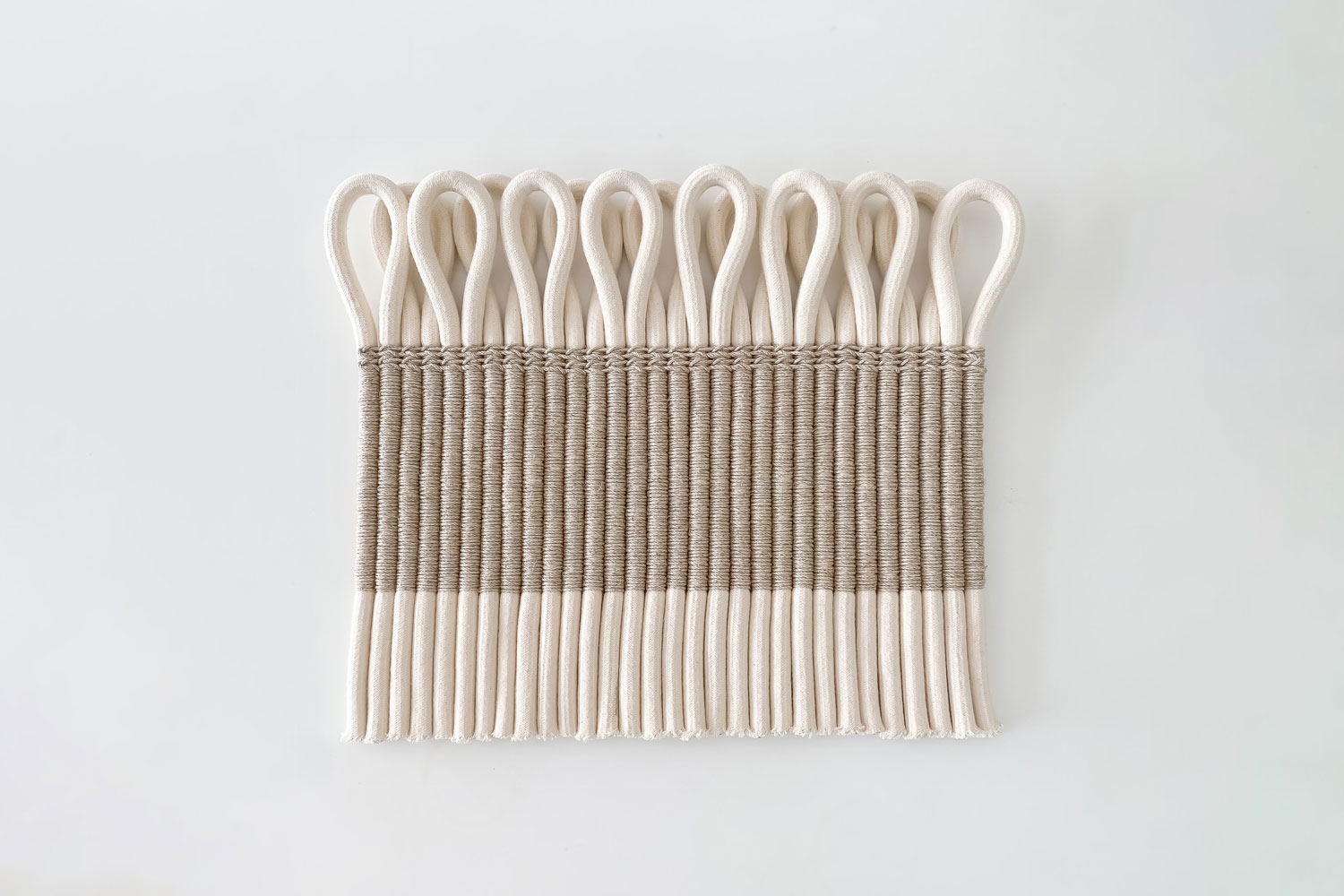
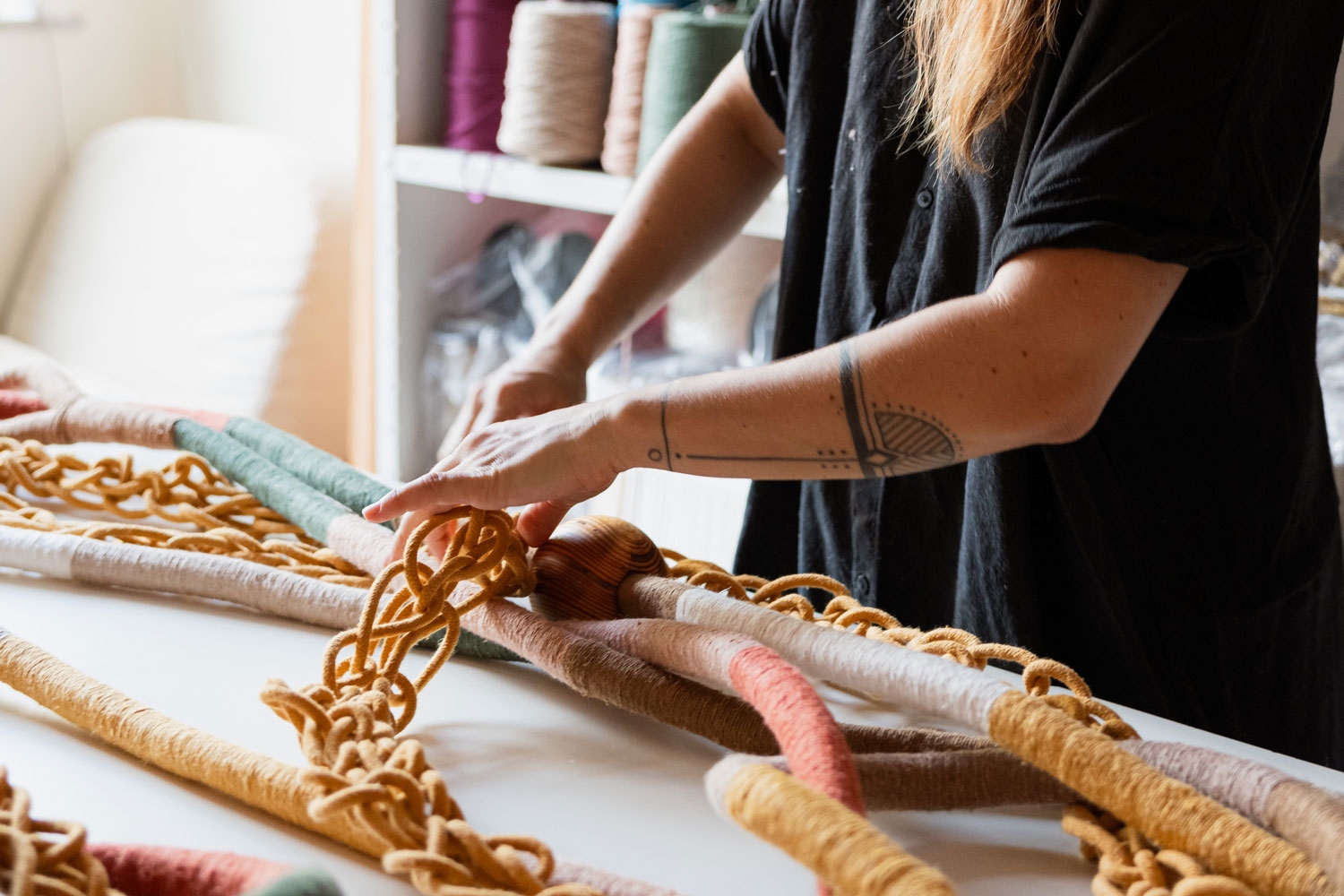
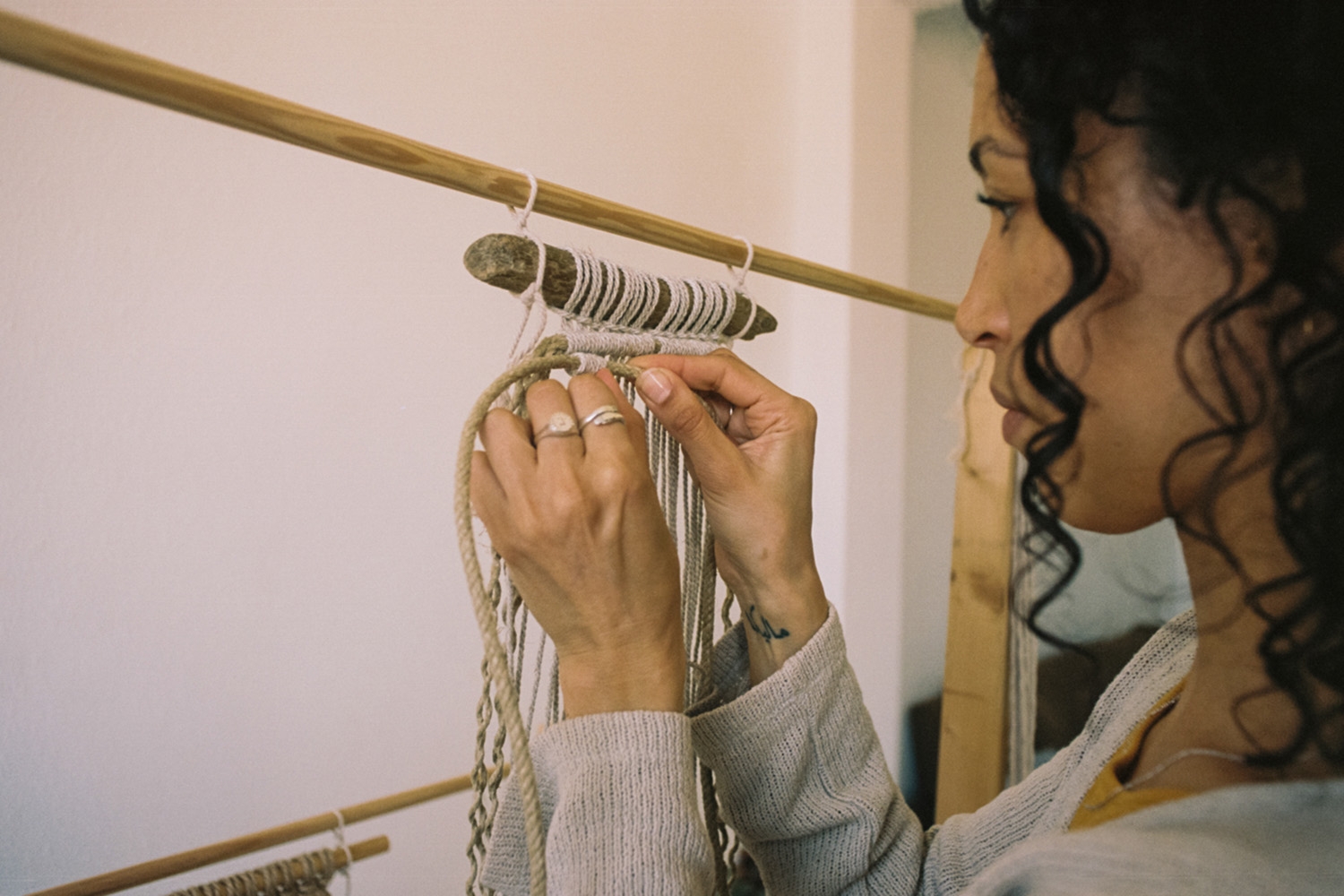
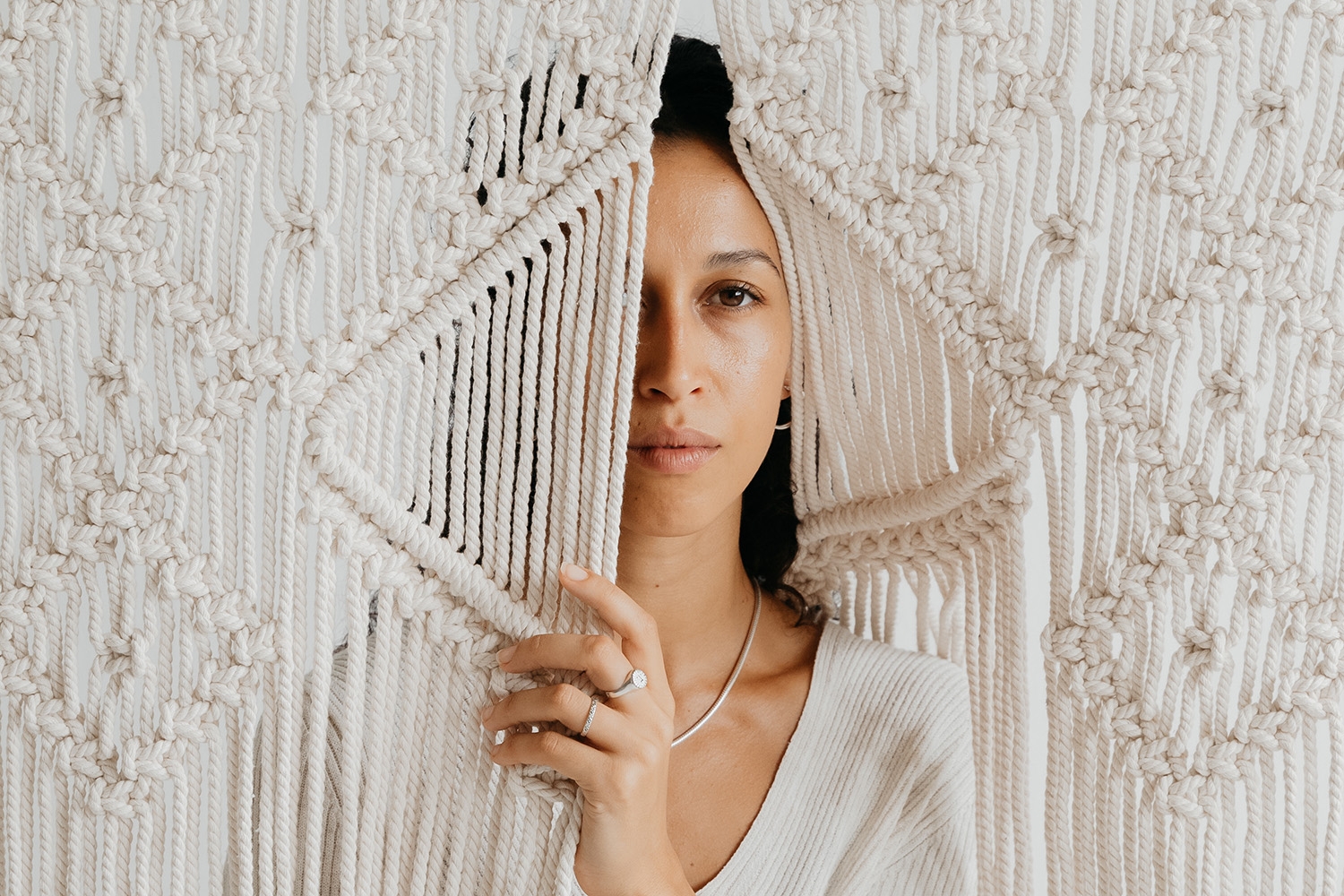
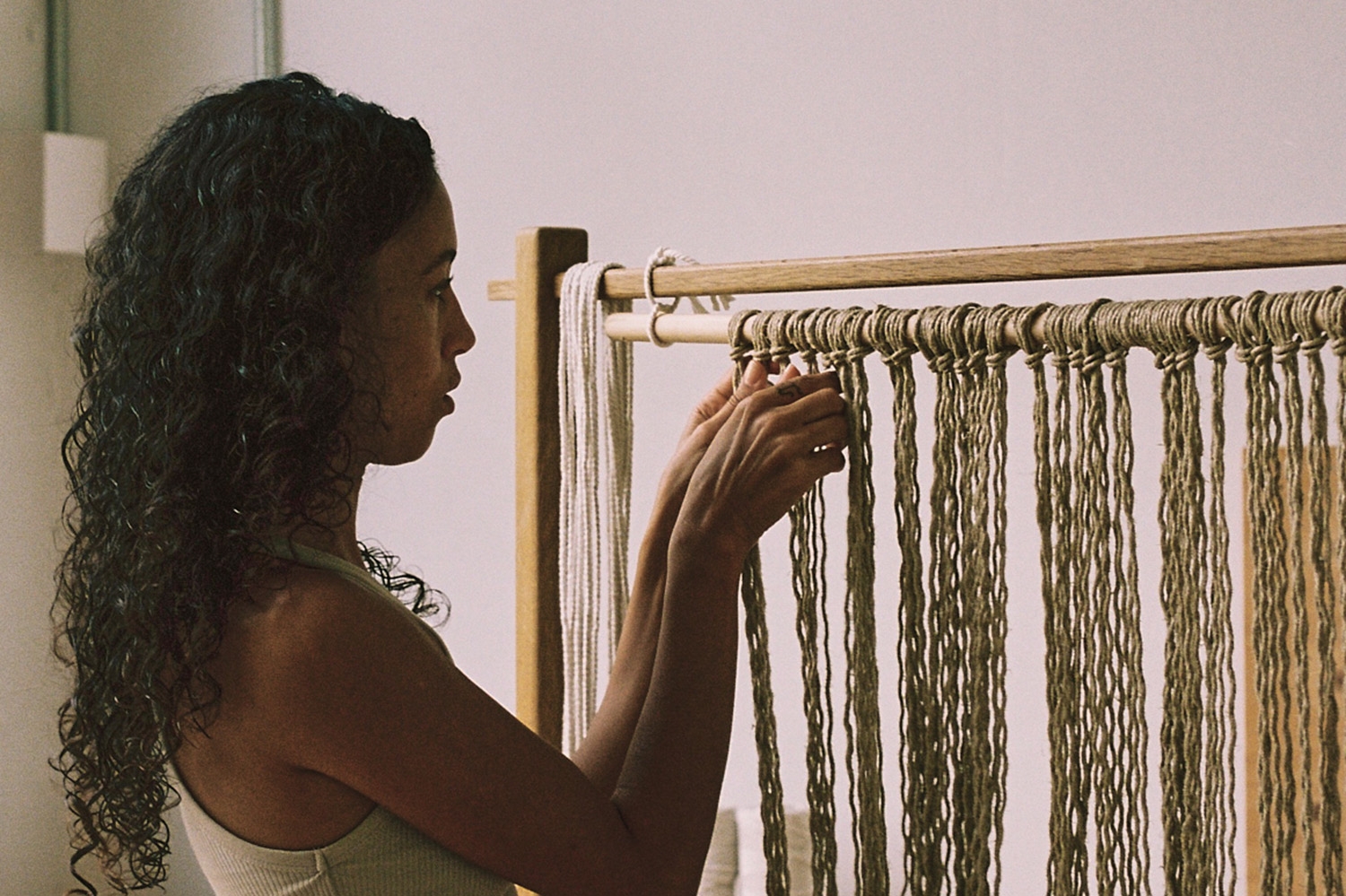
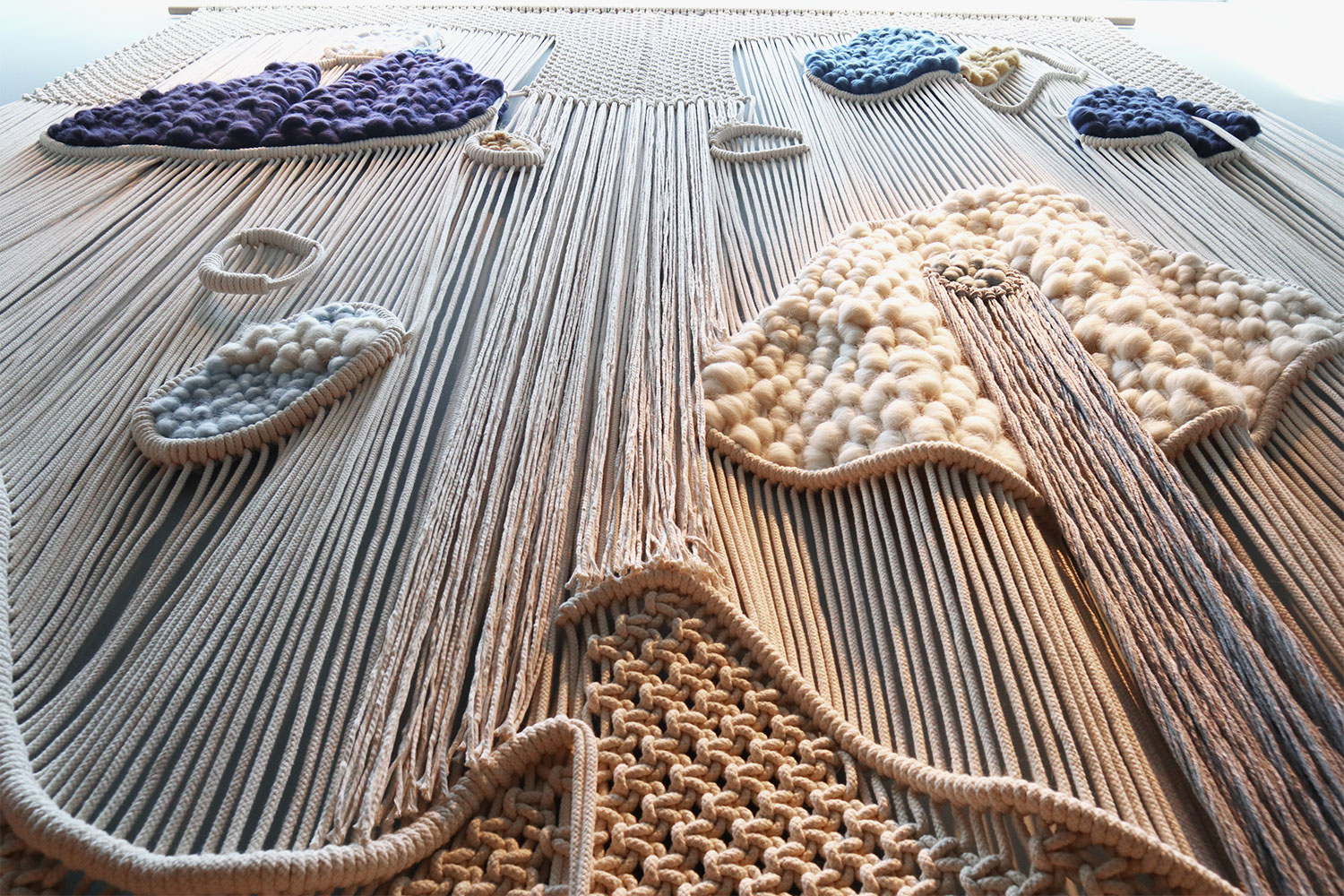
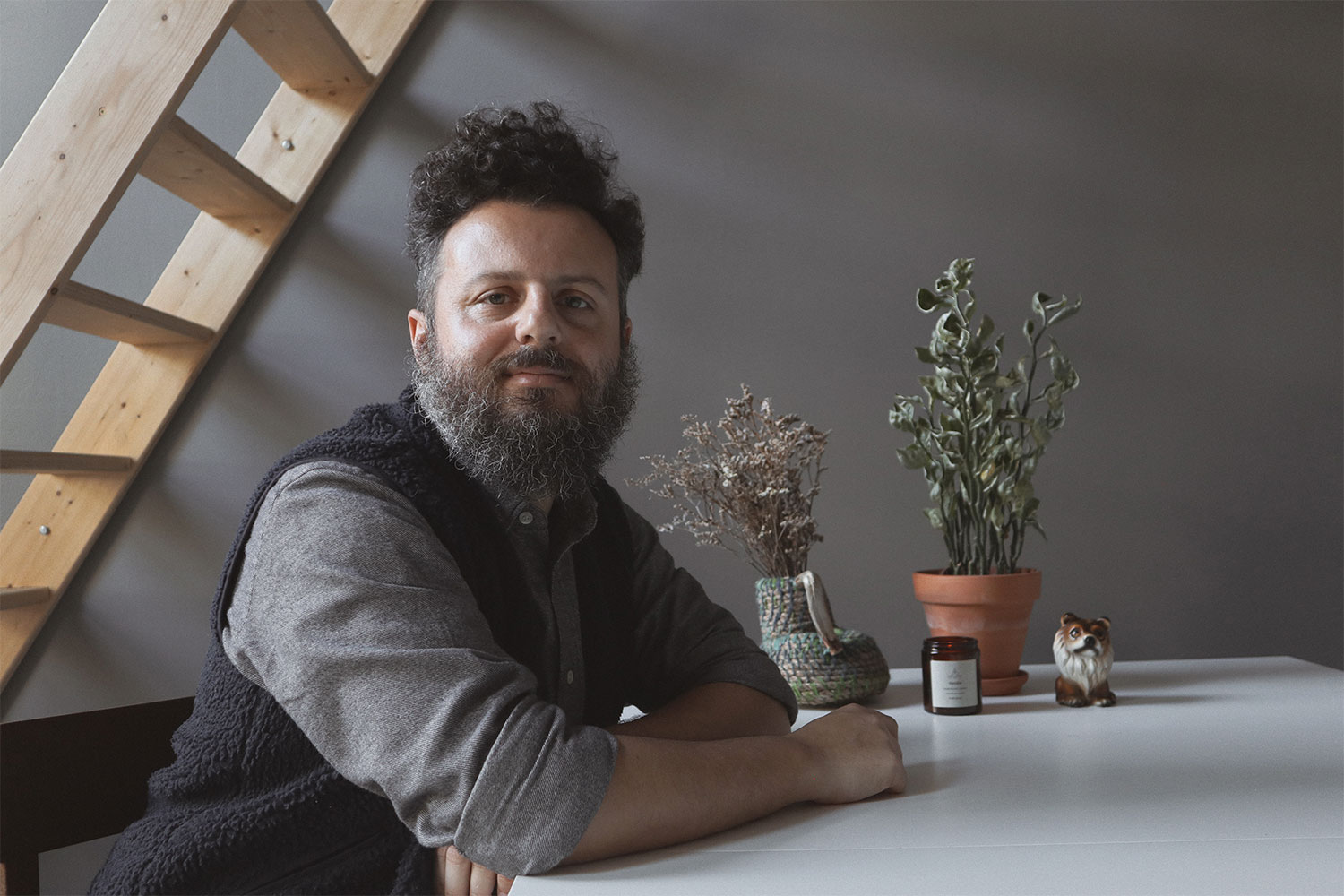
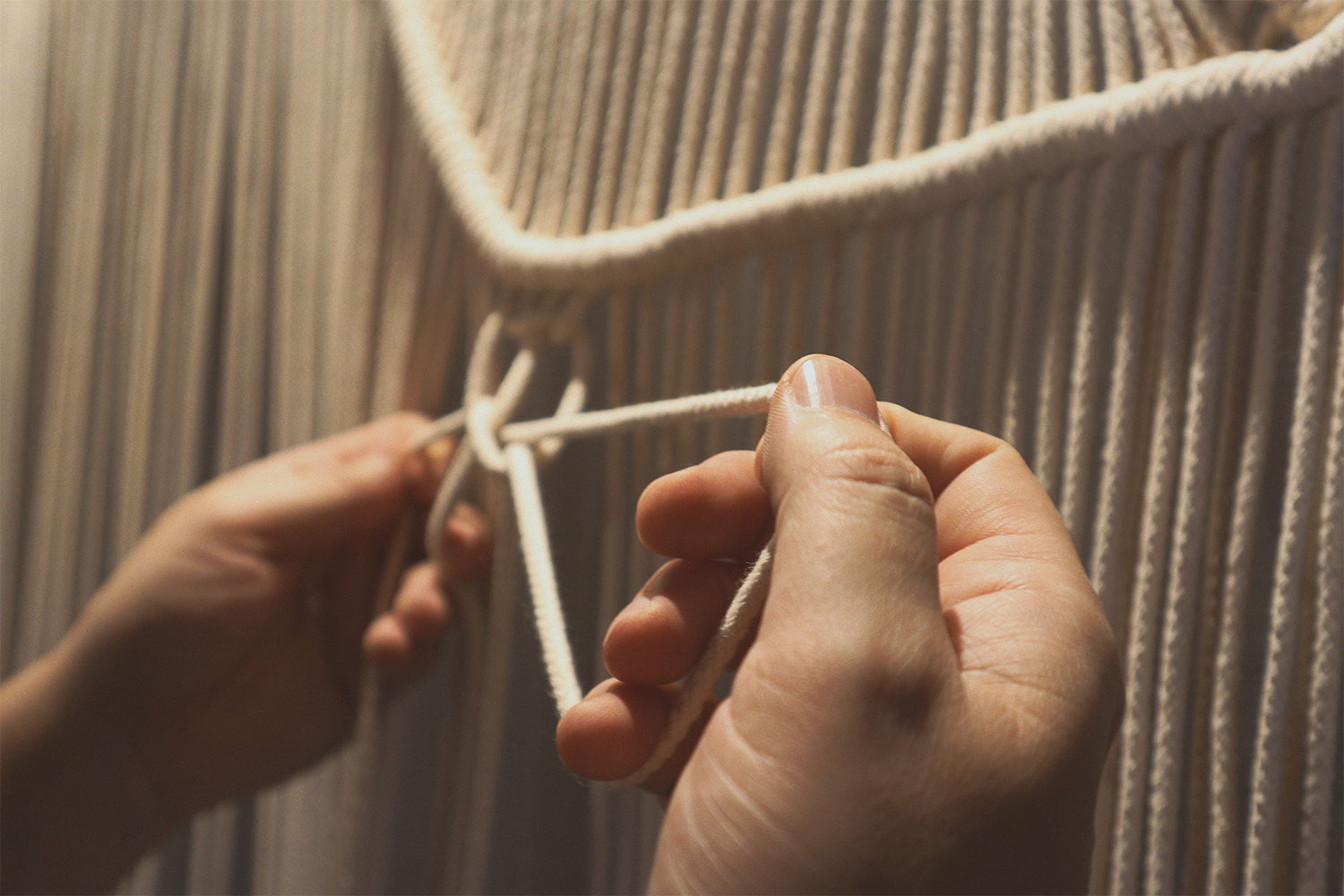
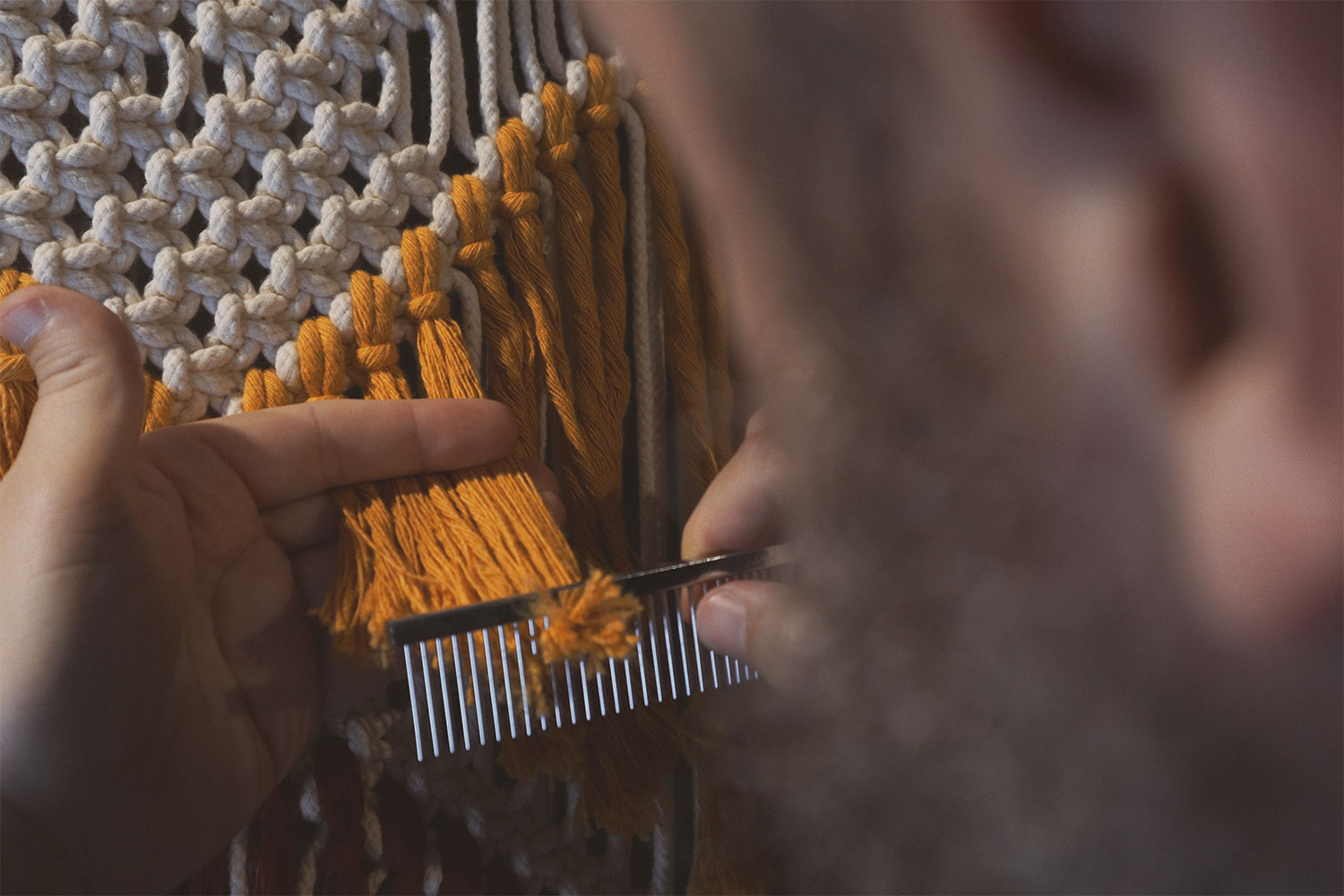
"Macramé has been part of my life for 30 years and something I did whenever I was bored,” says Vasco Aguas de Oliveira. An architect and graphic designer by training, it took a while for Vasco to turn his hobby into a more serious activity. Drawing inspiration from the ocean and nature, his pieces reflect his architectural eye and show his grasp of aesthetics. Macramé is a form of textile produced by using knotting techniques. Vasco uses kilometres of rope to build his macramé canvases, introducing weaving techniques to create layered patterns and effects. His intricate work is especially impressive in large-scale formats, which are more challenging but his favourite to work on.
INTERVIEW
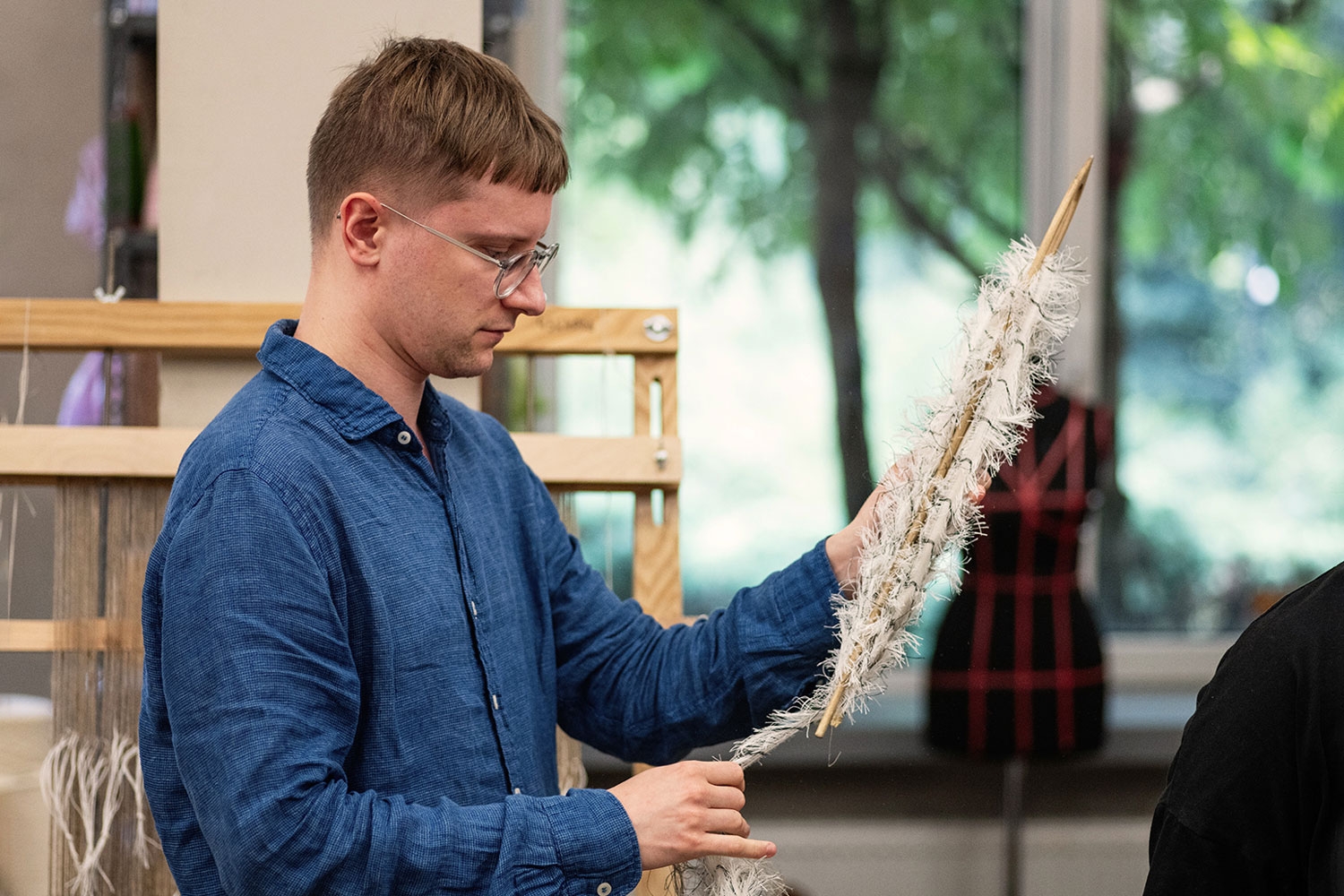
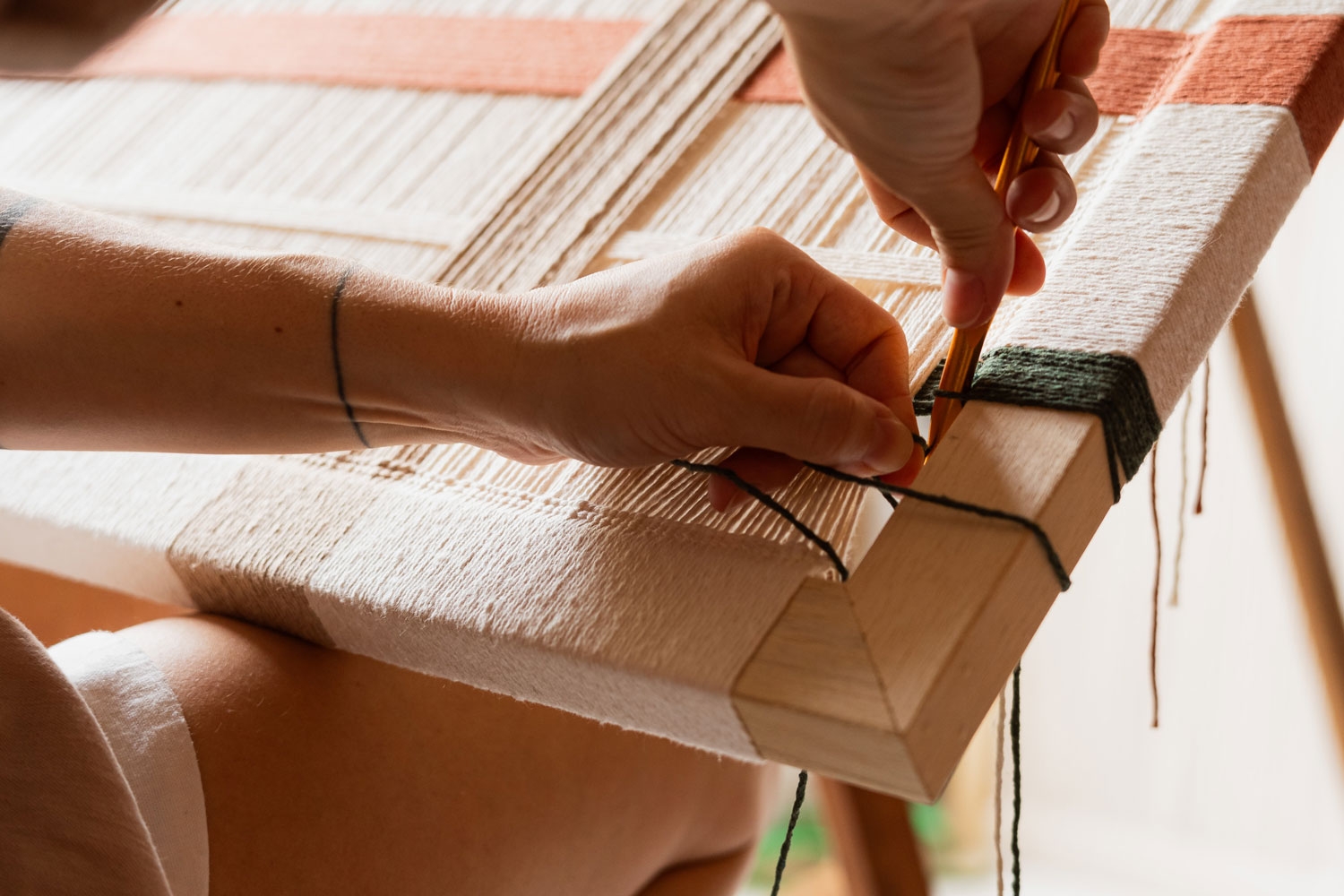
I like to create a harmonious dialogue between macramé and weaving techniques. I took a few weaving workshops as I wanted to integrate weaving into my pieces. I consider myself a textile artist who creates textile landscapes with a macramé structure as a base.
My studies gave me a broader cultural knowledge even in terms of law and setting up my own business. It also gave me rigour; I am quite careful and methodical. Also, as I like creating large pieces, I am able to visualise how they will enhance the beauty of a space.
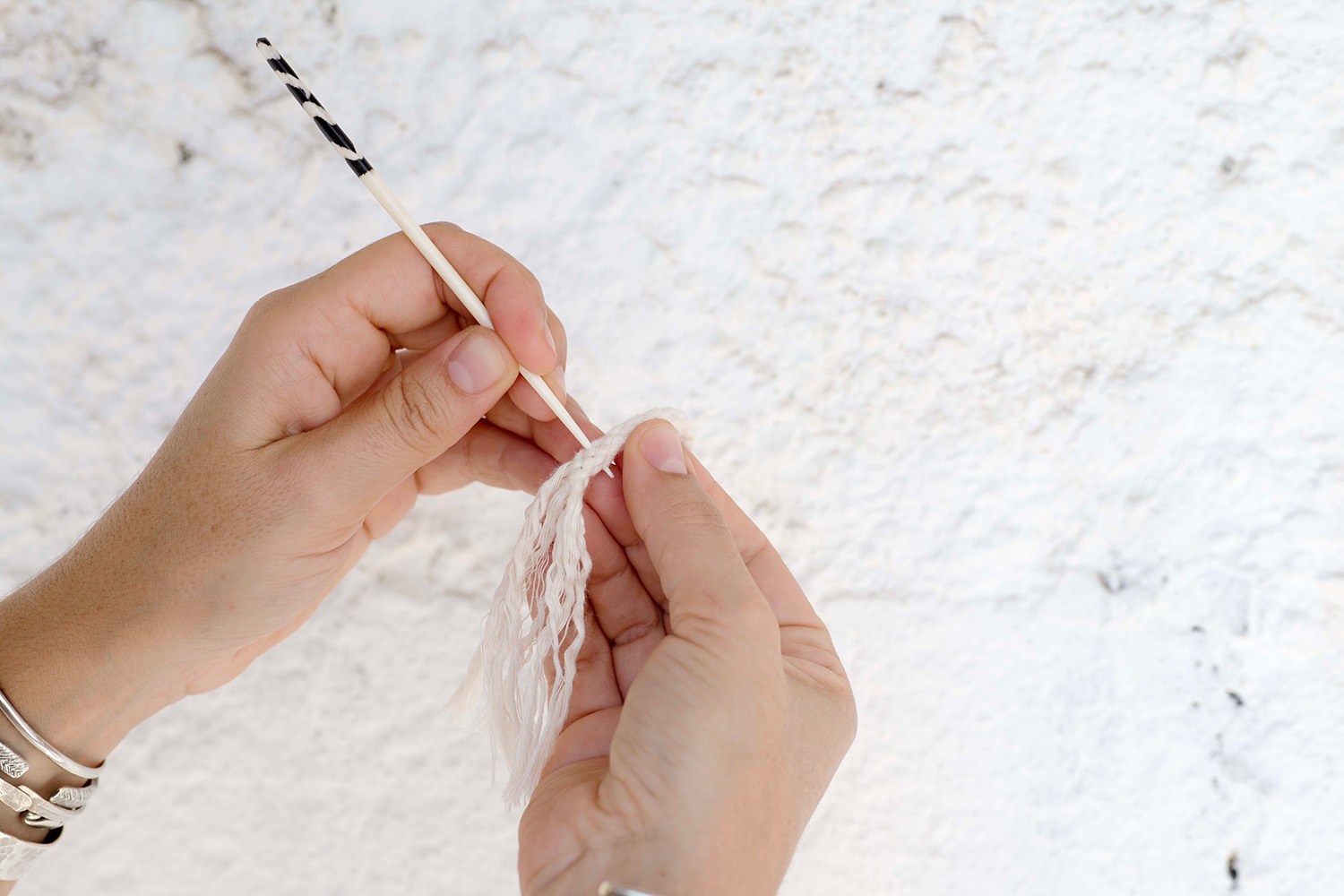
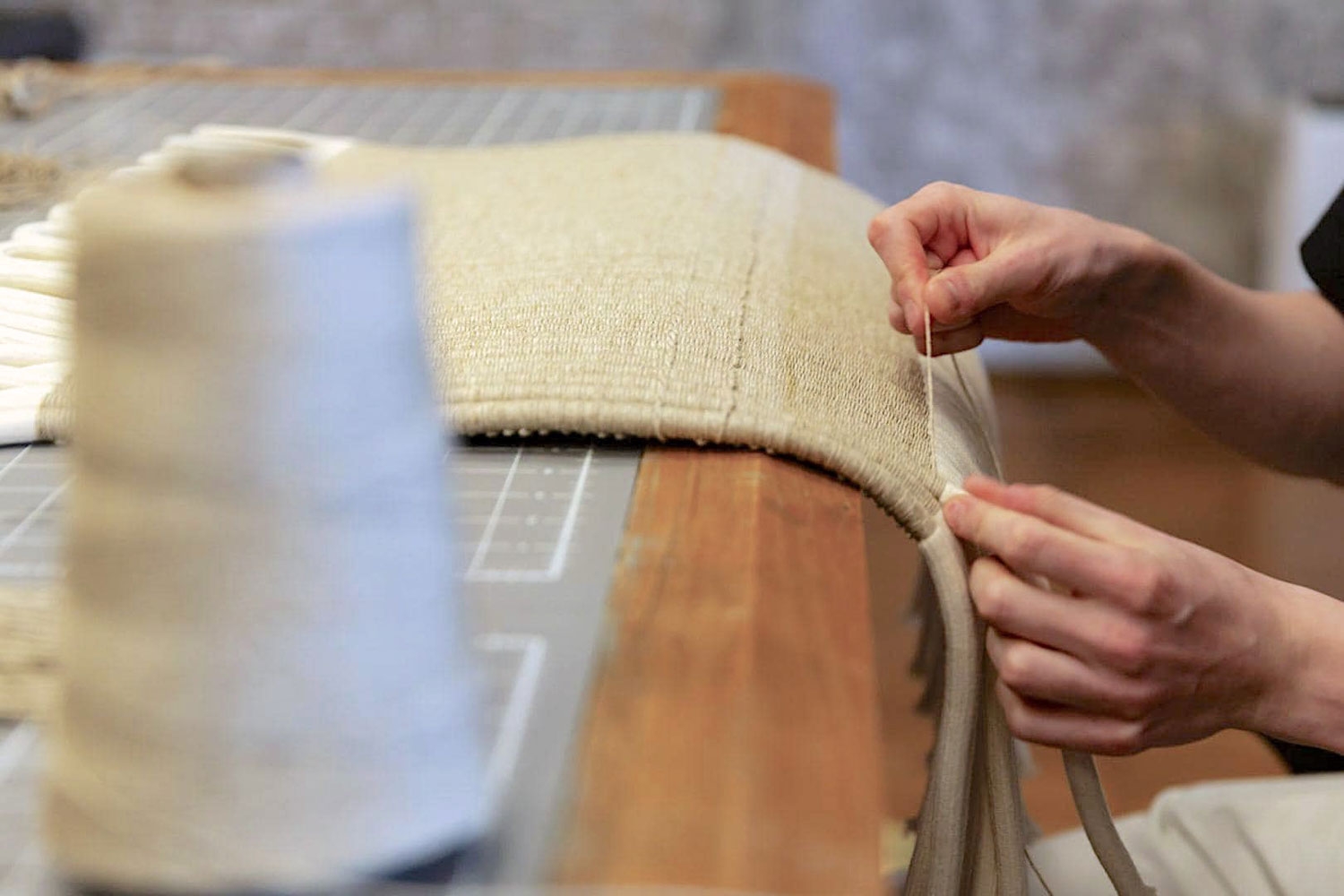
The macramé technique is a combination of strength and giving the right amount of tension to the rope. Each artisan has a personal way of tying the rope. In fact, it is possible to recognise the work of an artist just by the way in which the knots are tied.
That would be a 300 x 400 cm tapestry for the wall of a restaurant belonging to Portuguese chef José Avillez. I had never worked in such large scale. I ended up using three kilometres of rope and spent nine hours on a ladder four metres above the ground to finish the piece on site.
1 EXPERIENCE