Natural musings
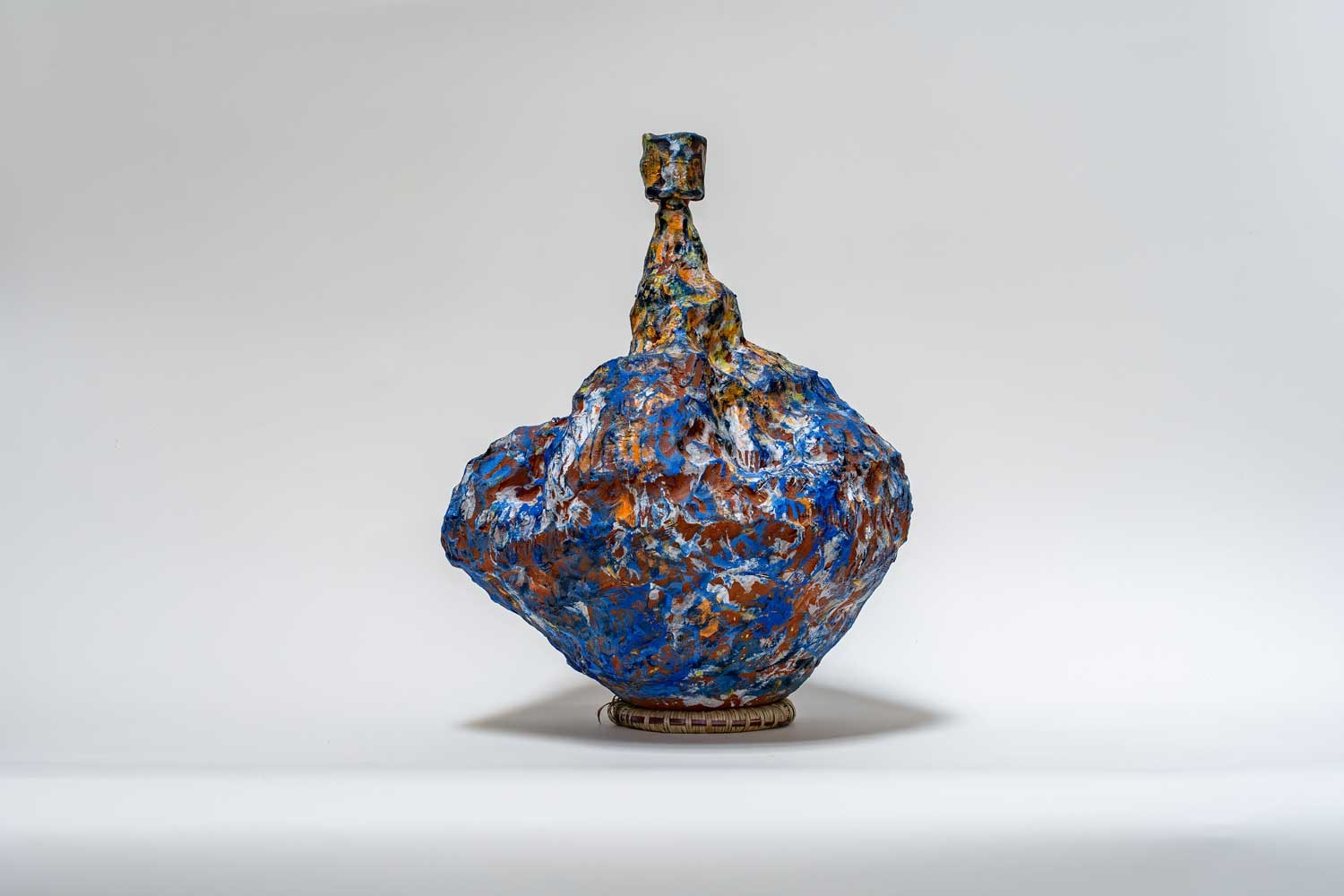
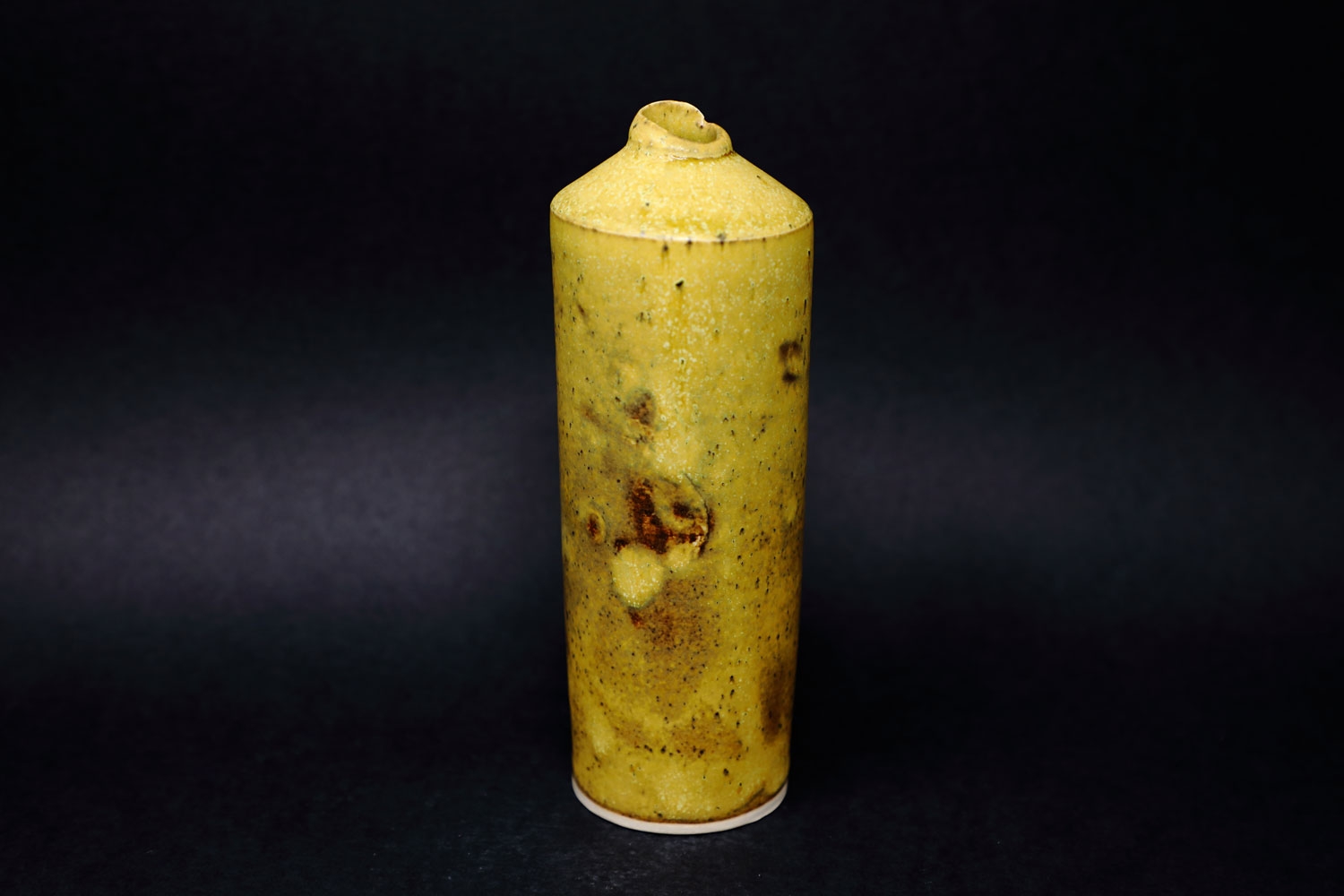
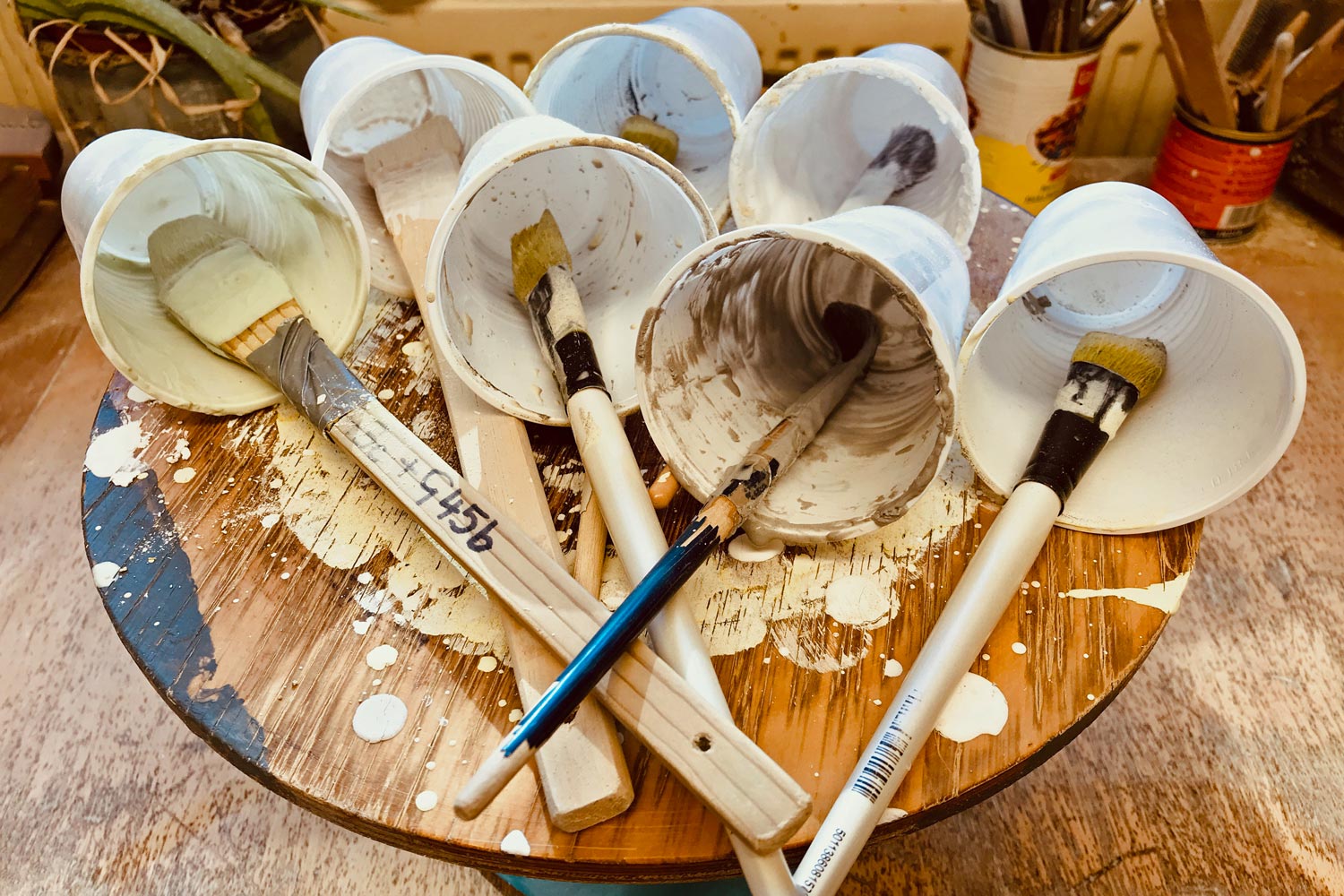
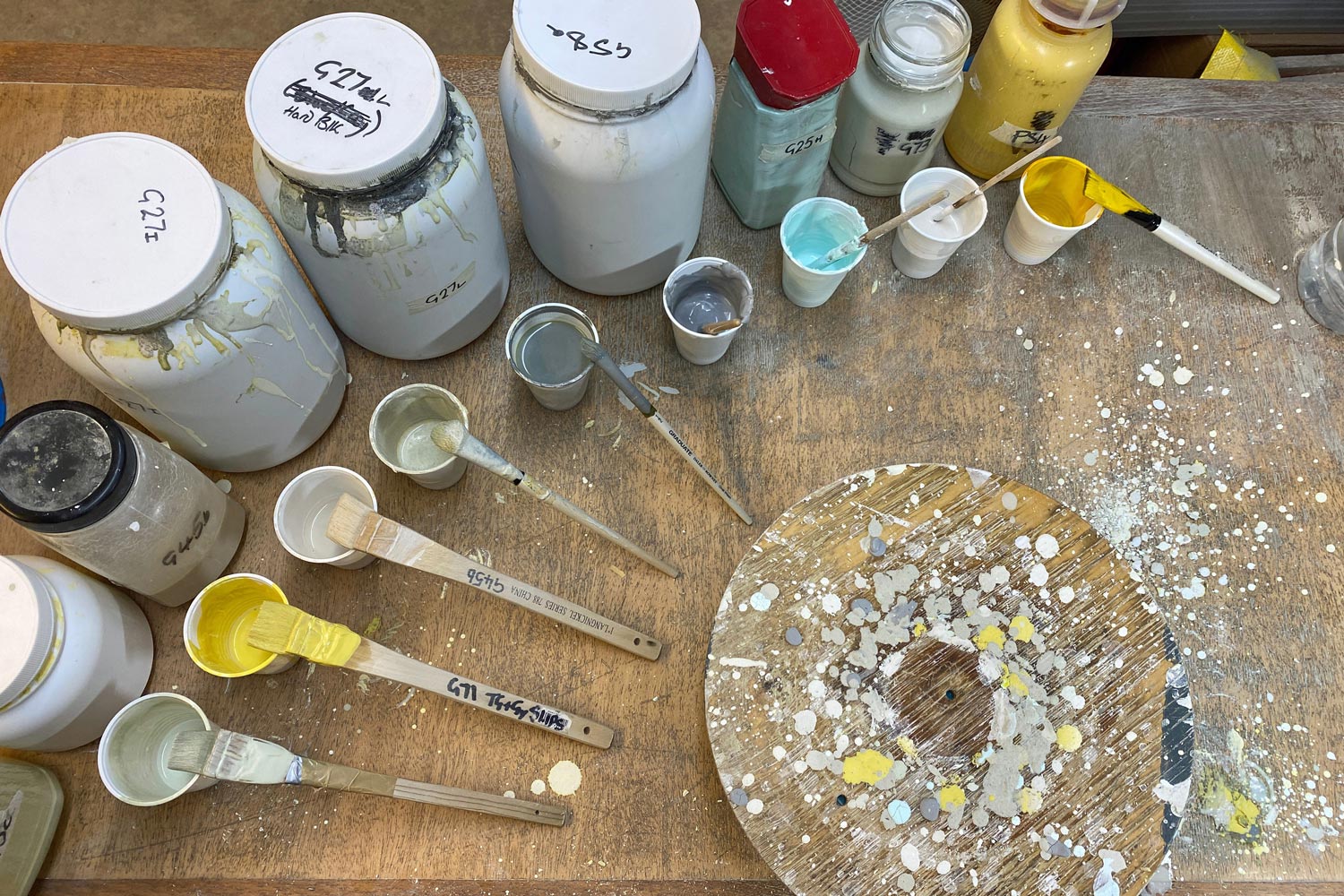
- Paul applies 9-12 different glazes on one object
- He didn't touch clay for three years after his master’s
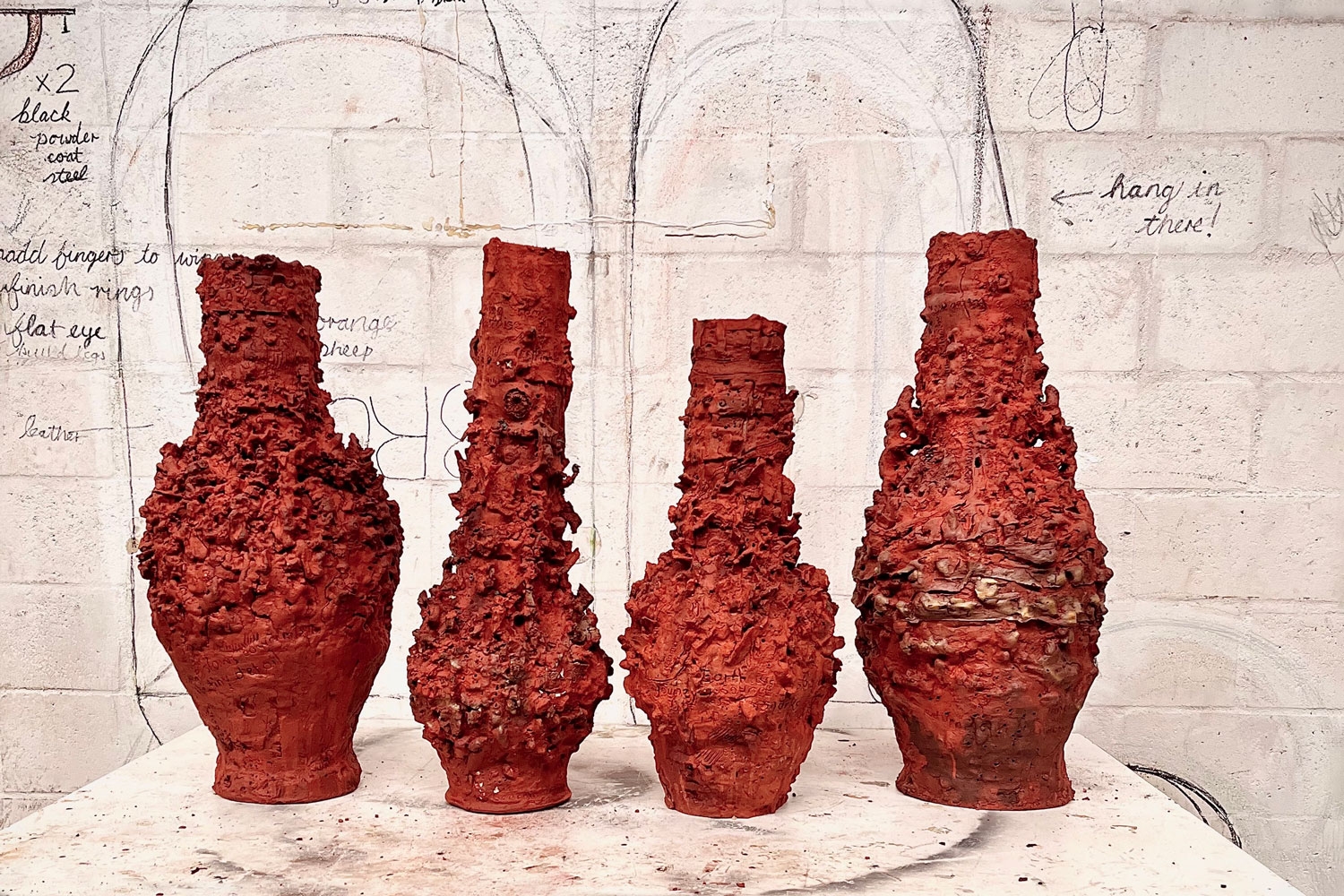
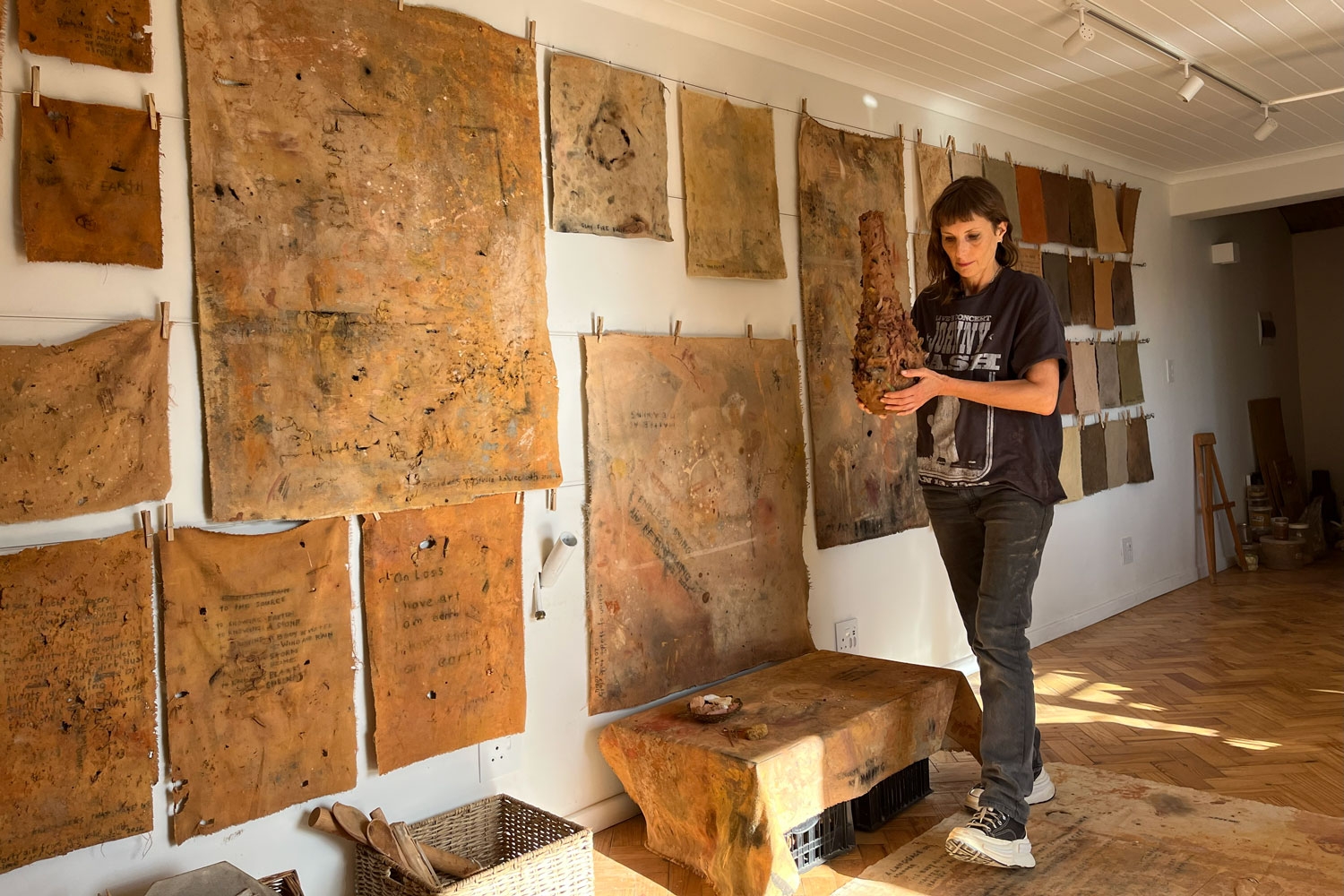
- Natural cycles of growth and decay fascinate him
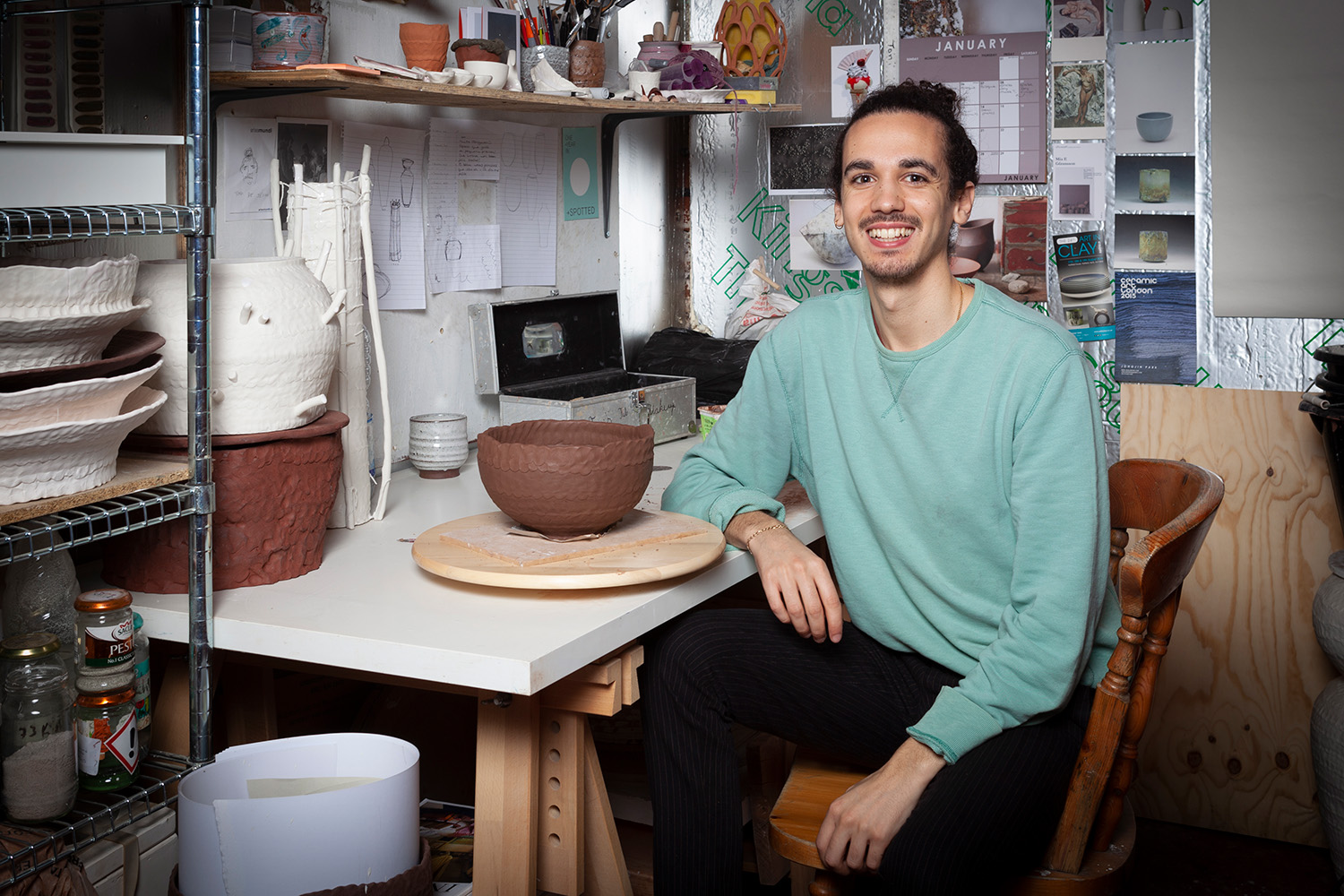
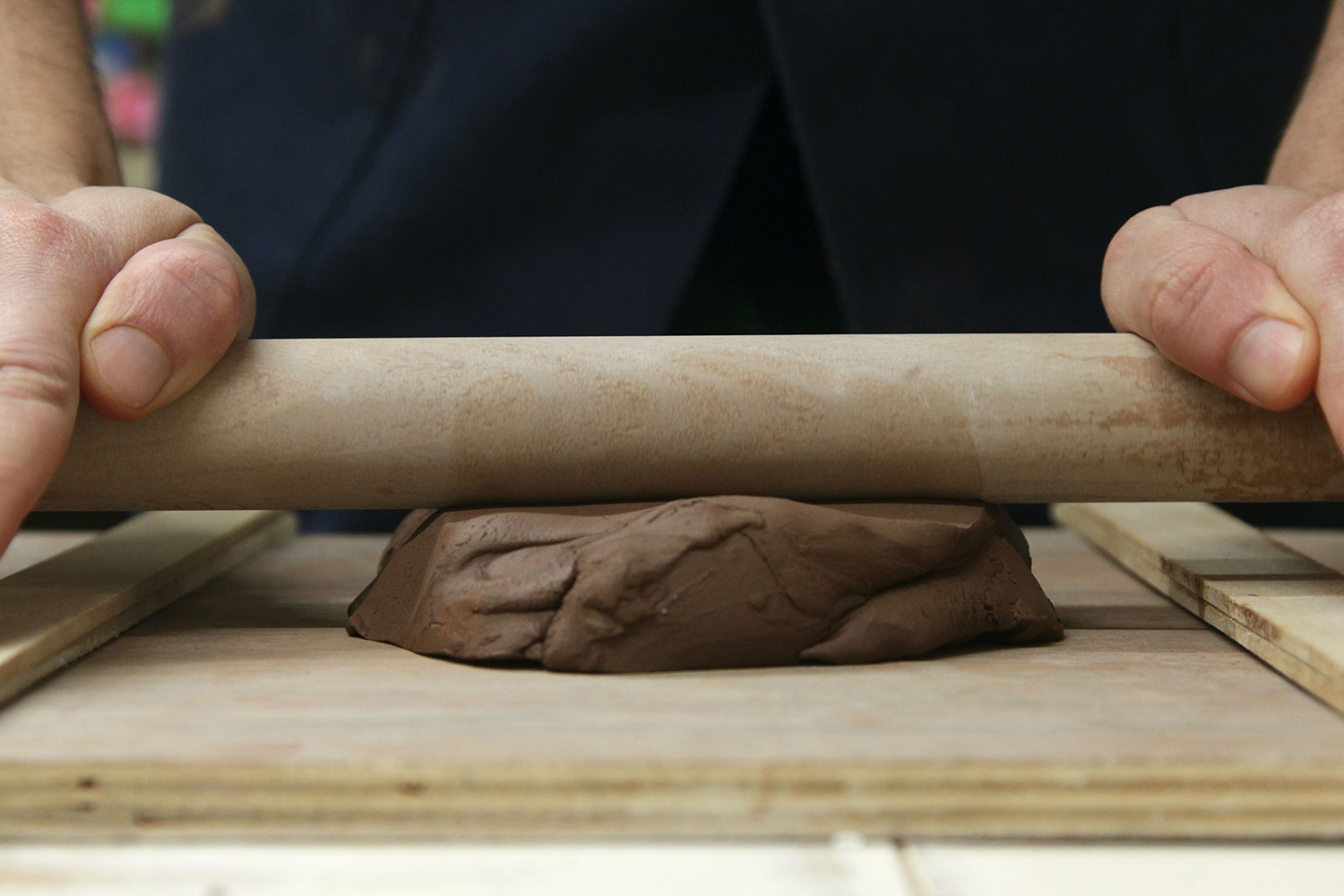
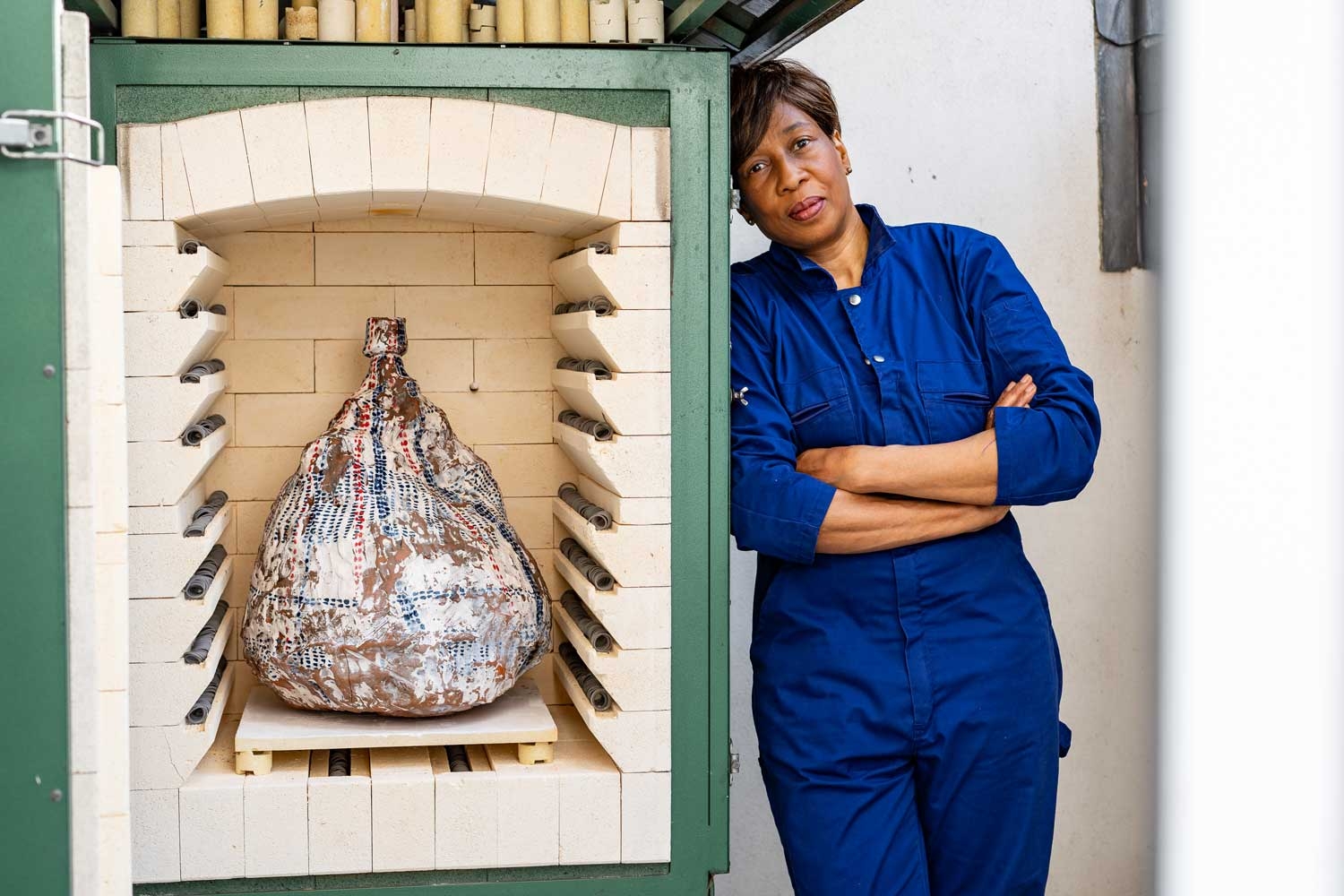
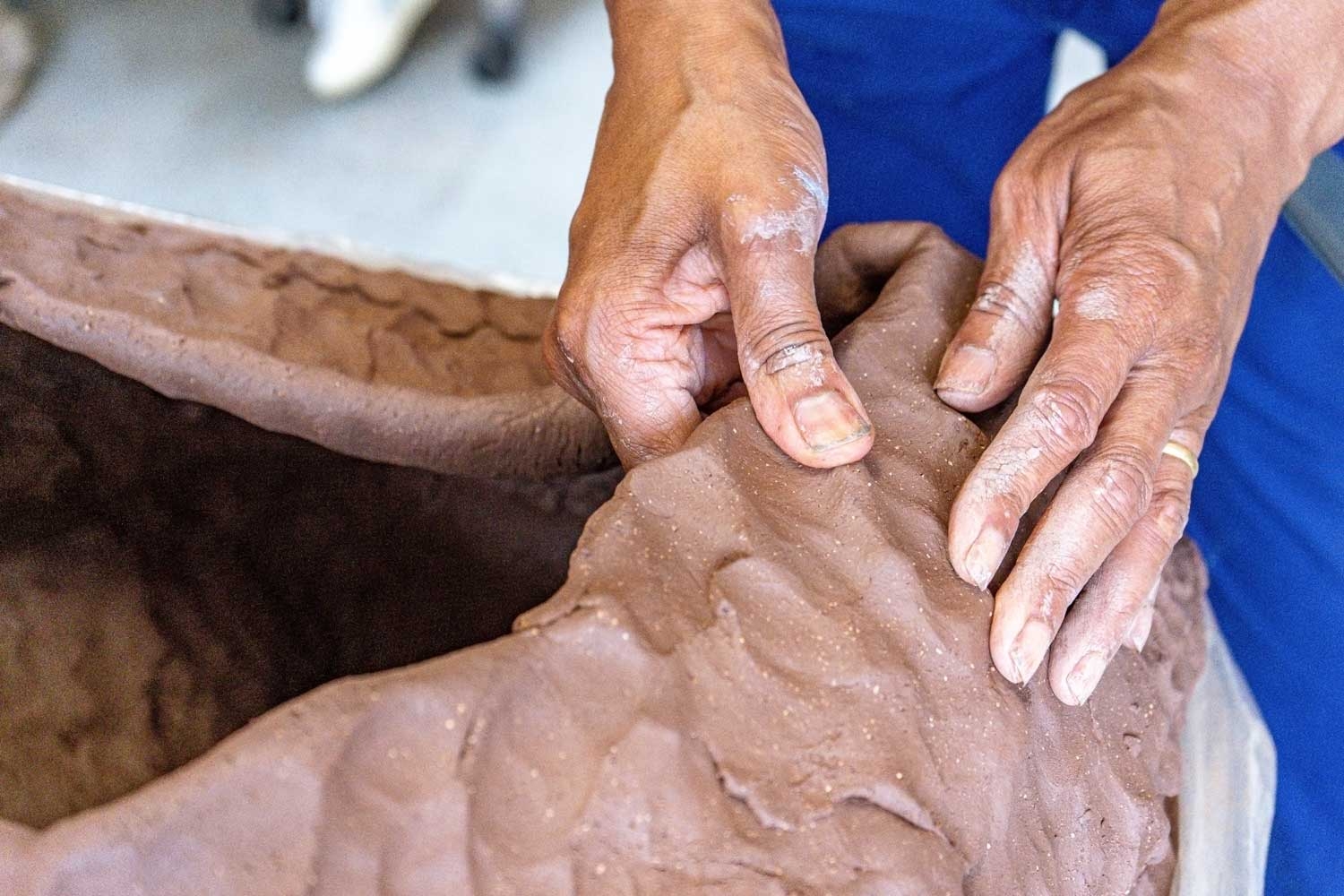
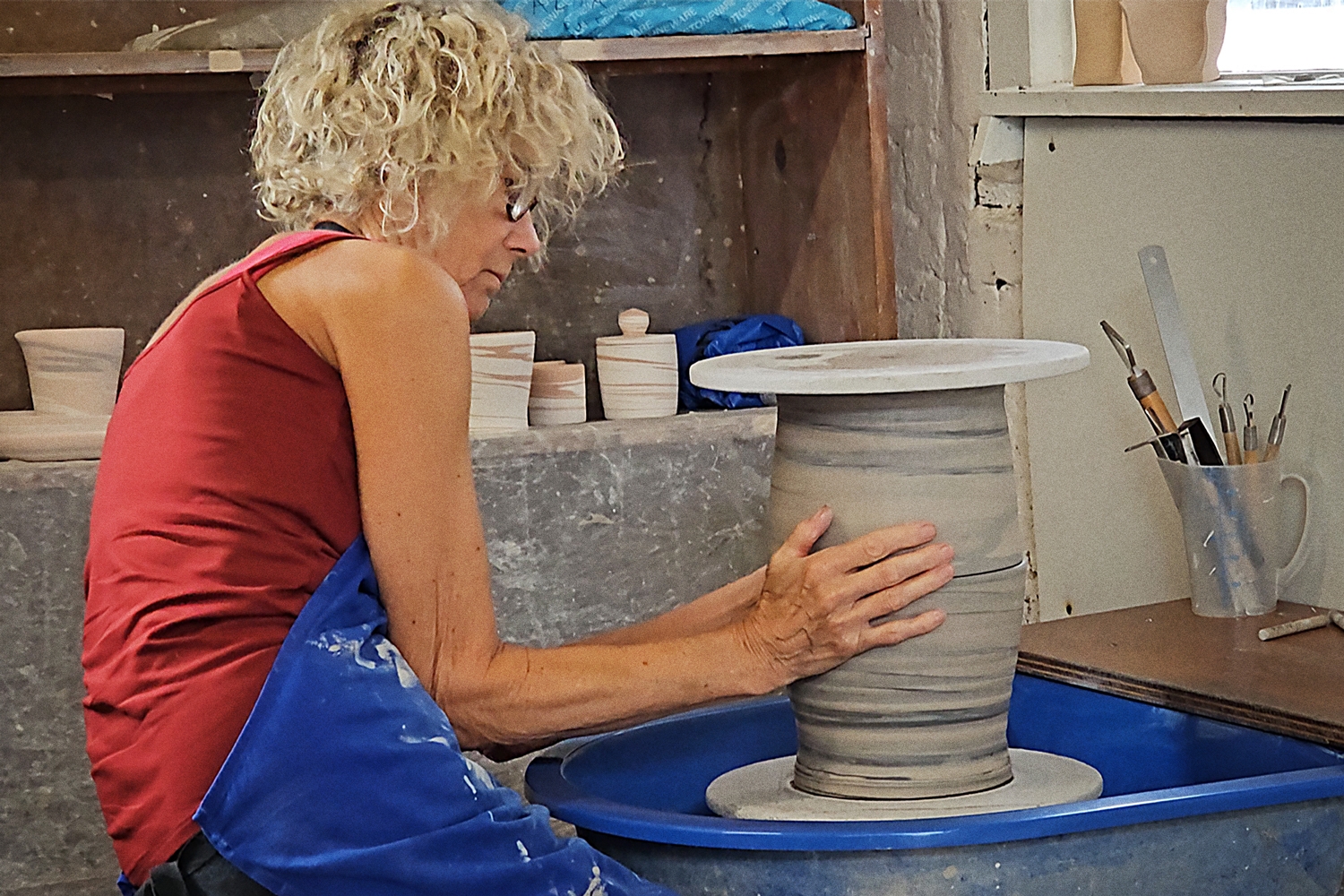
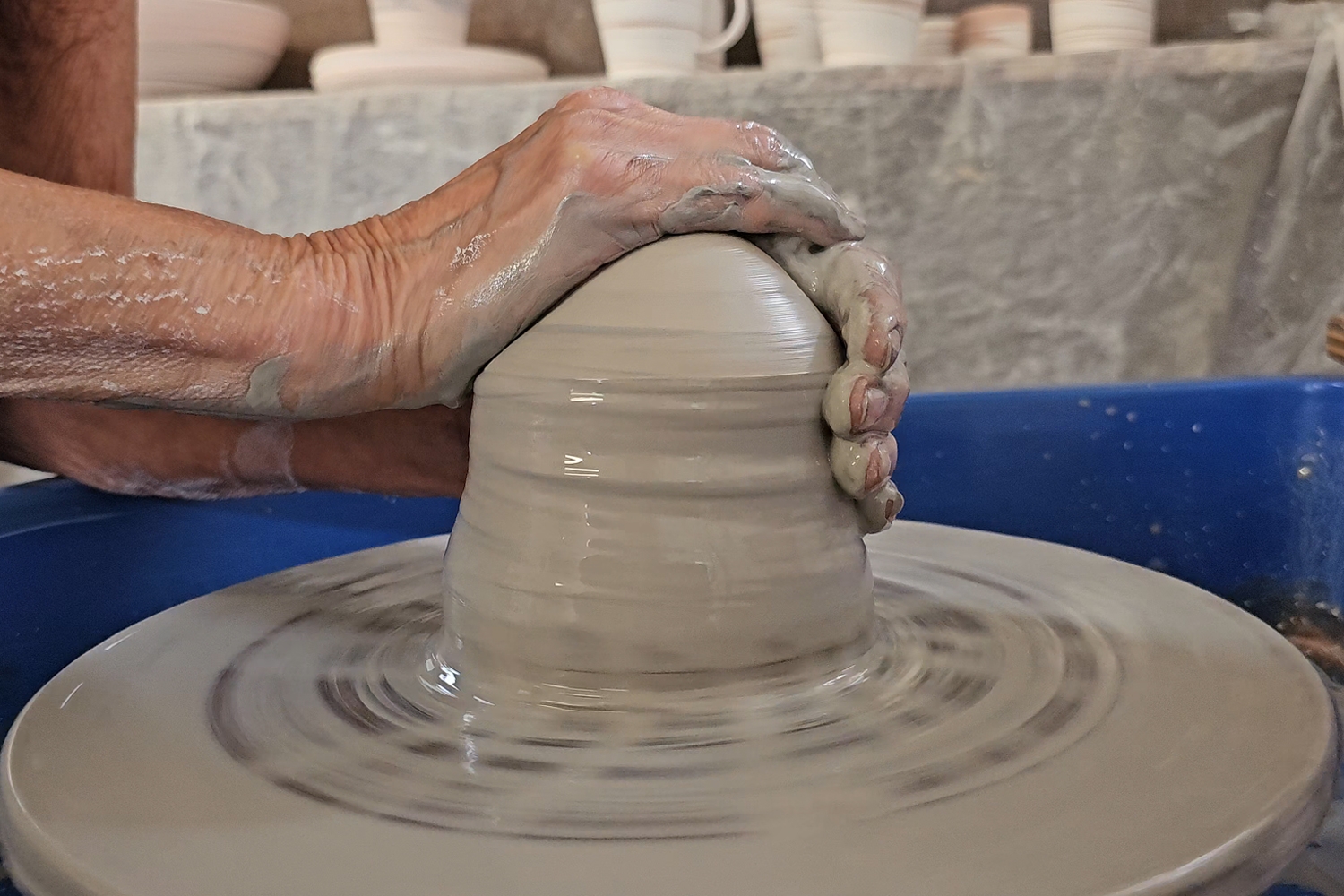
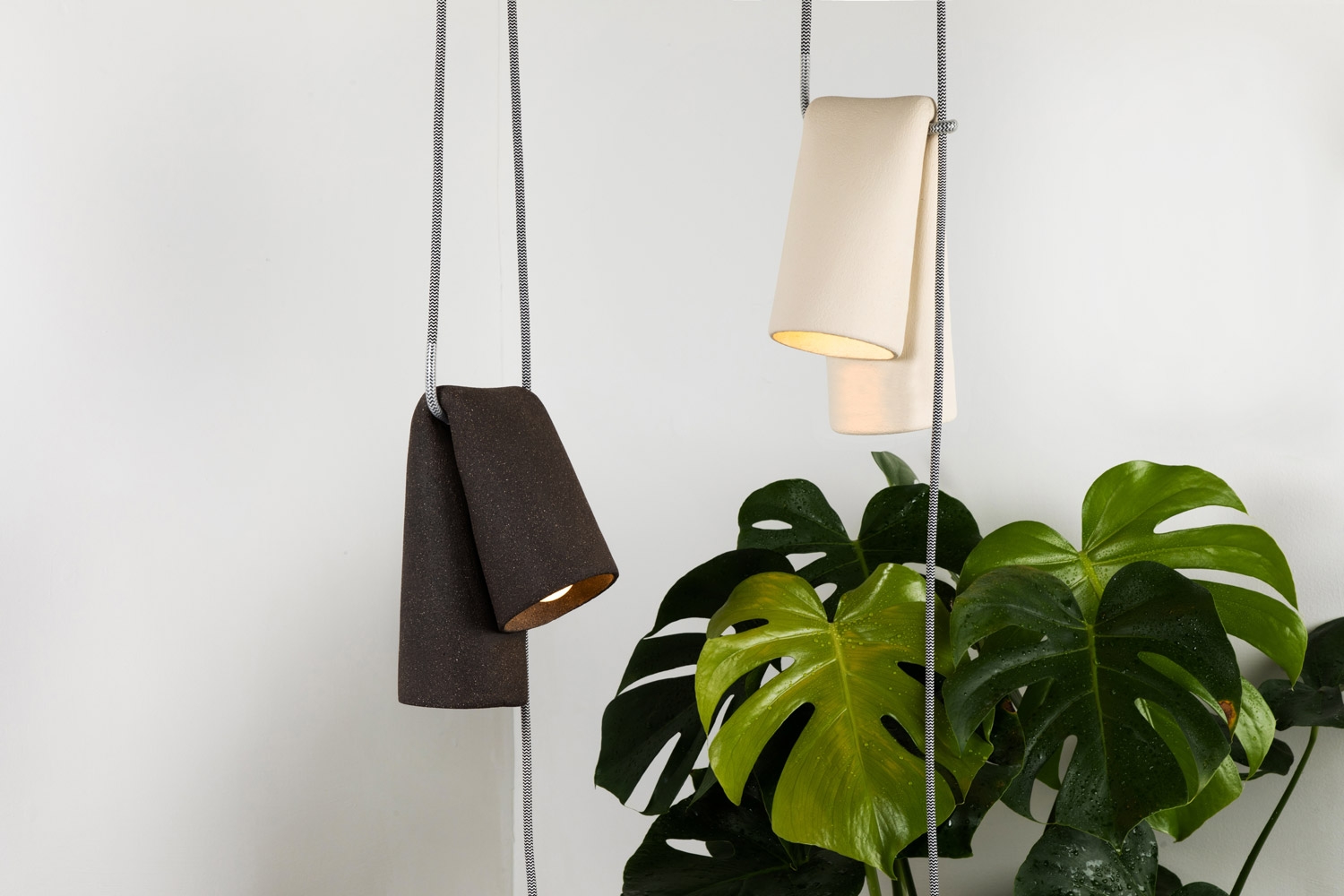
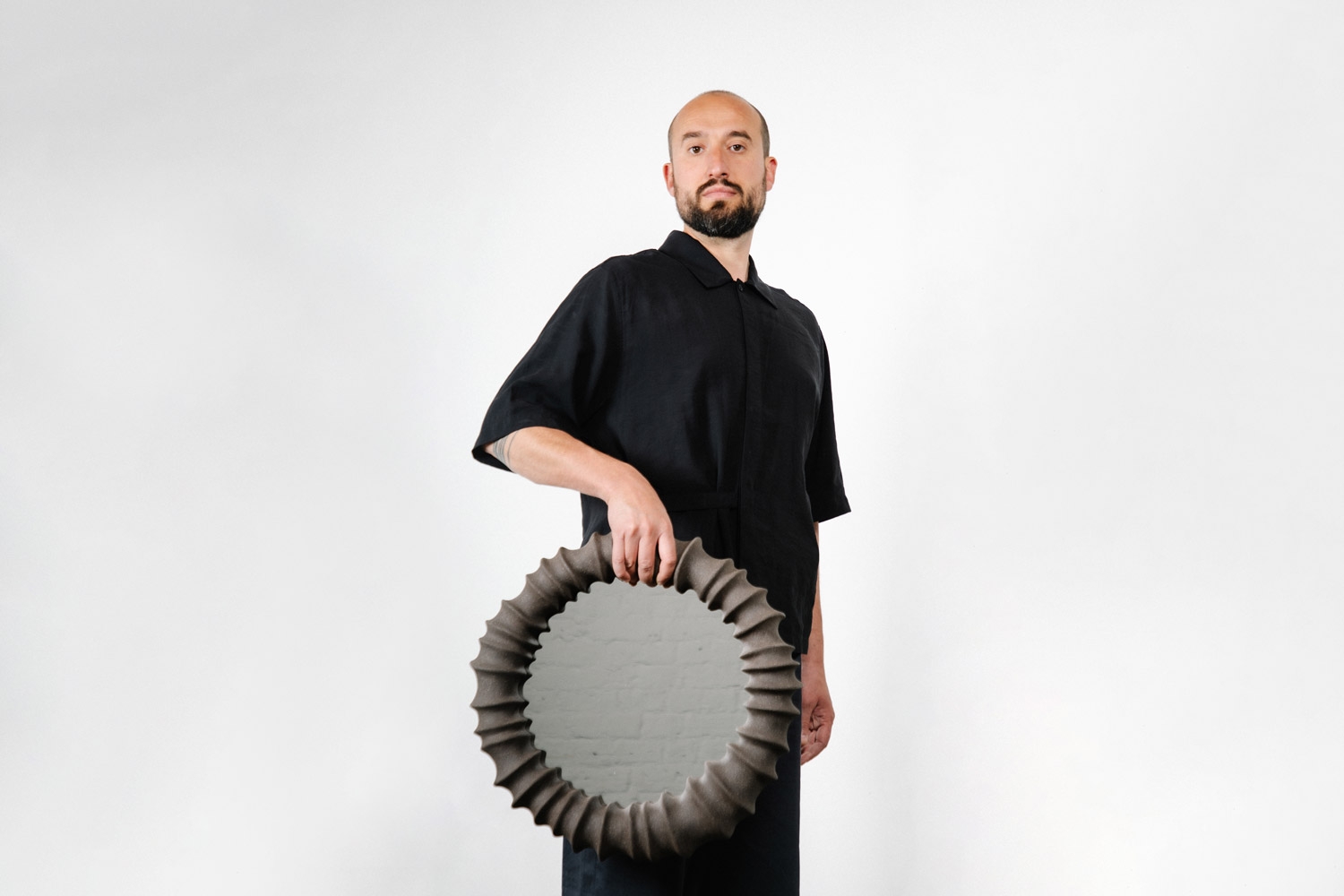
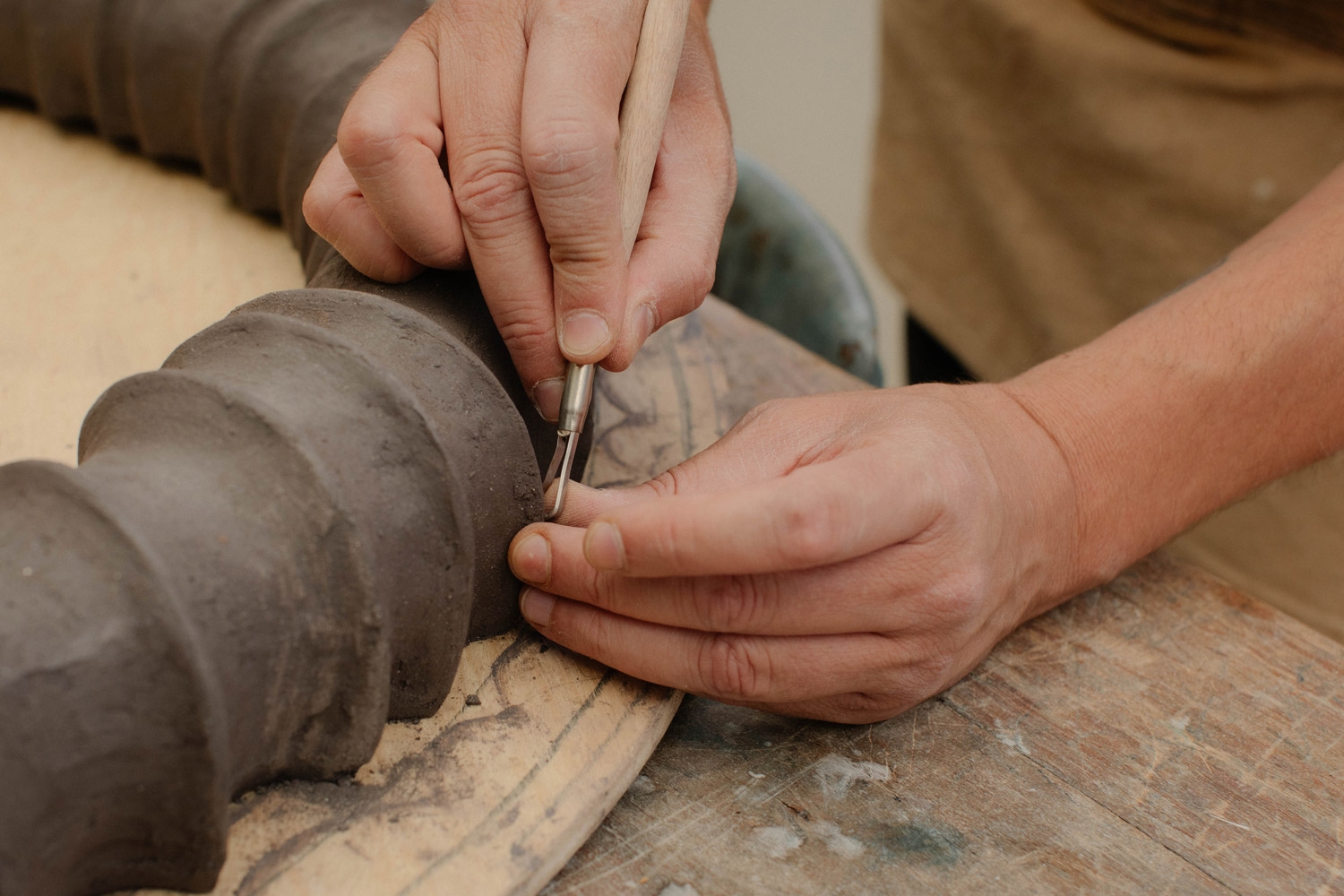
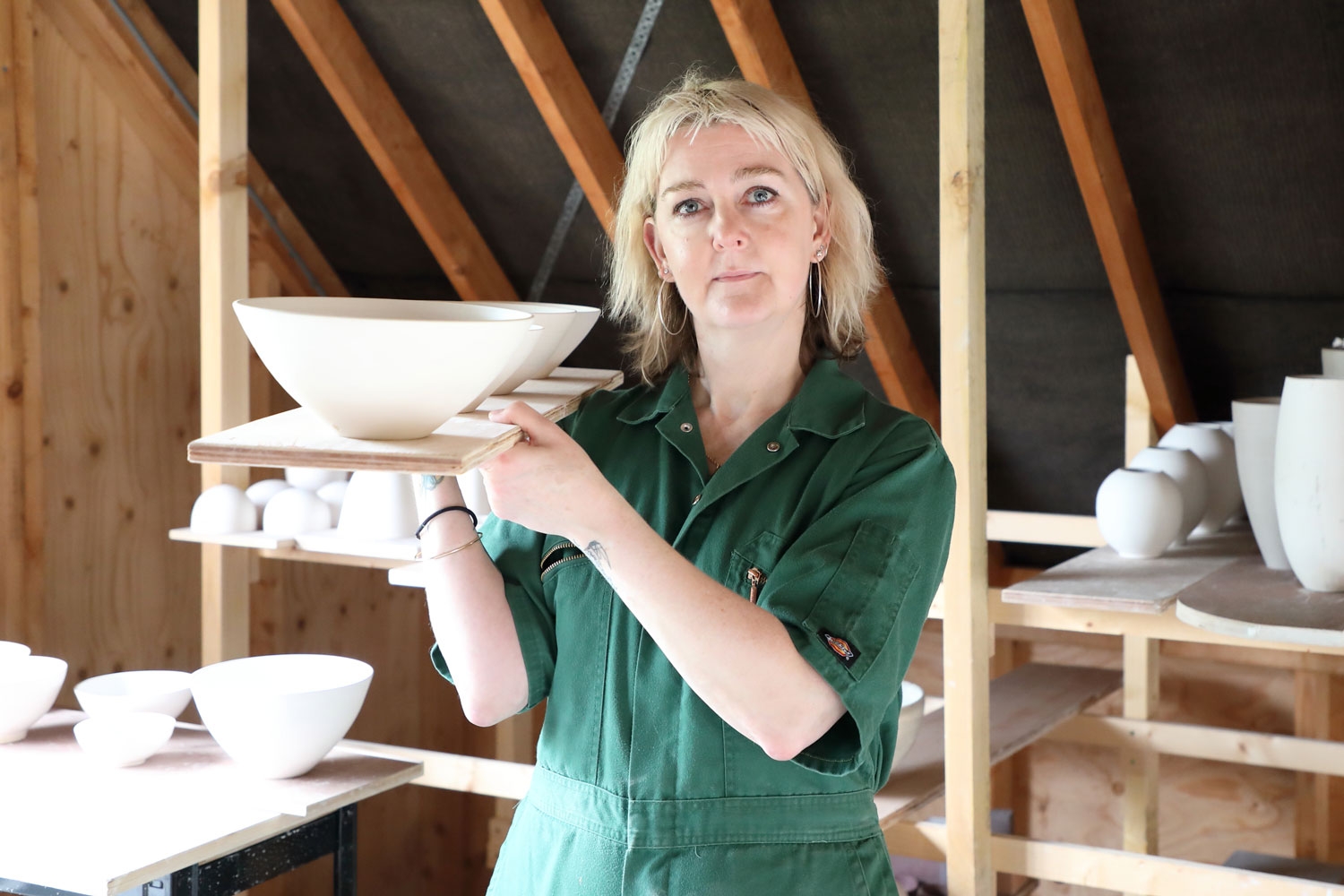
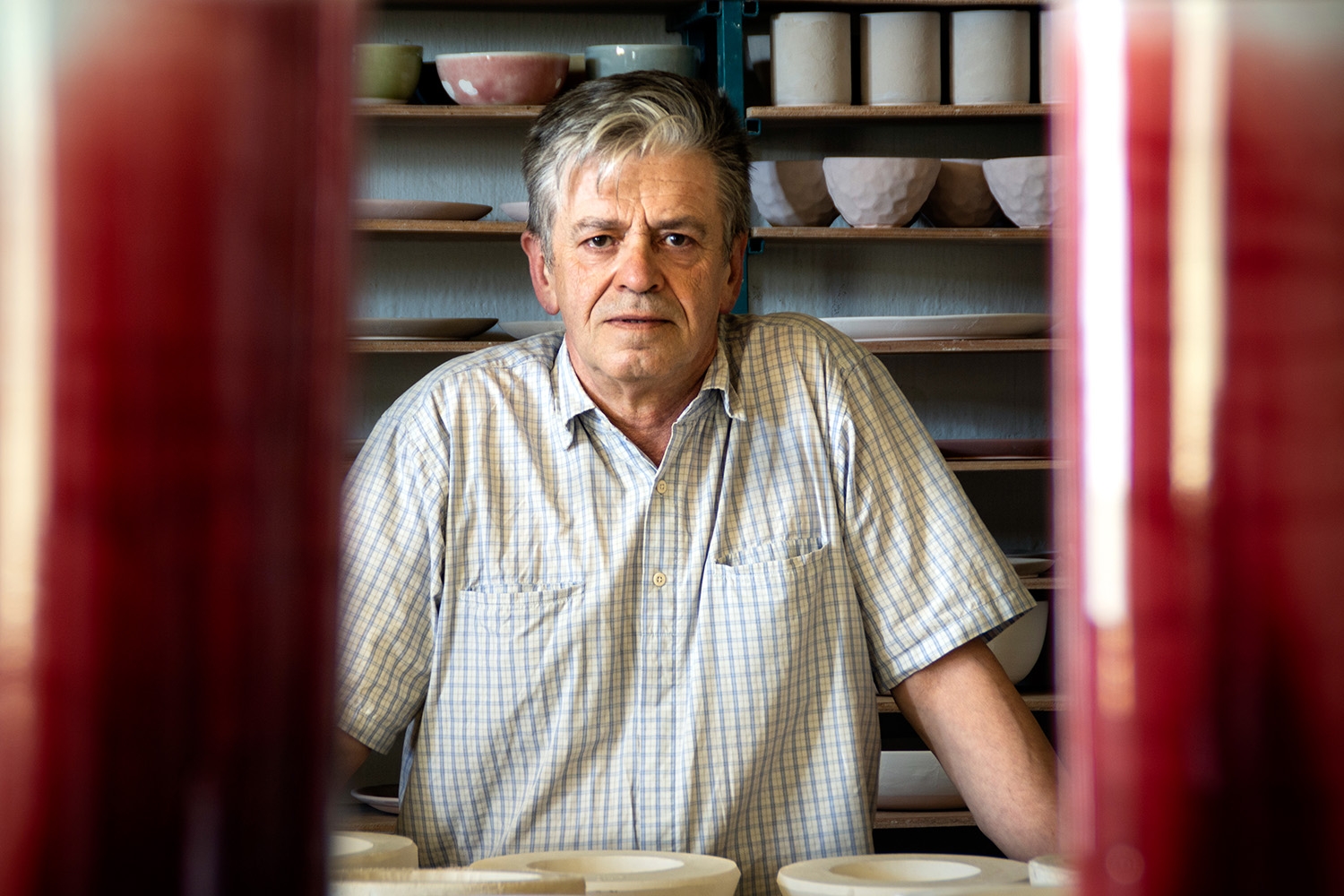
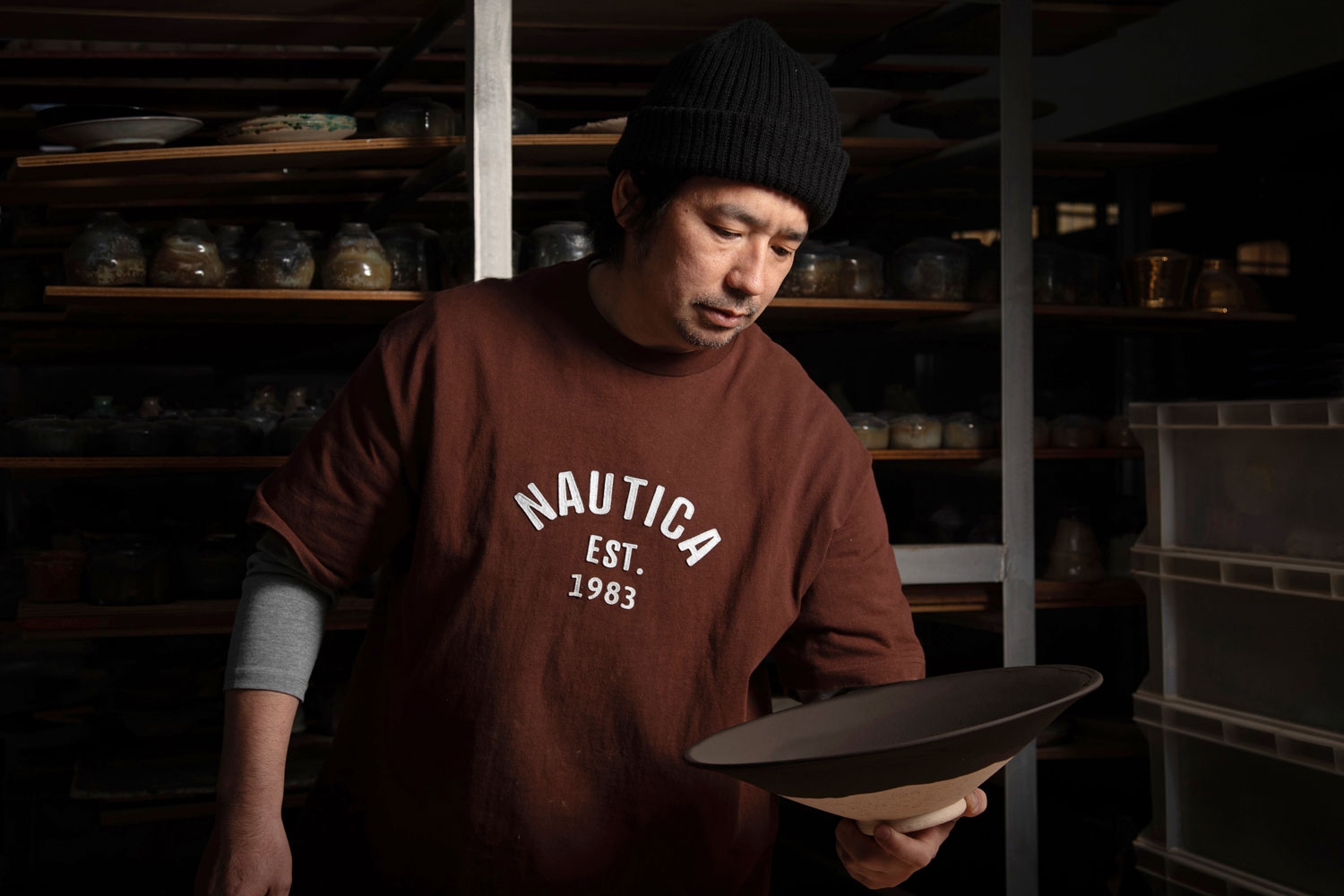
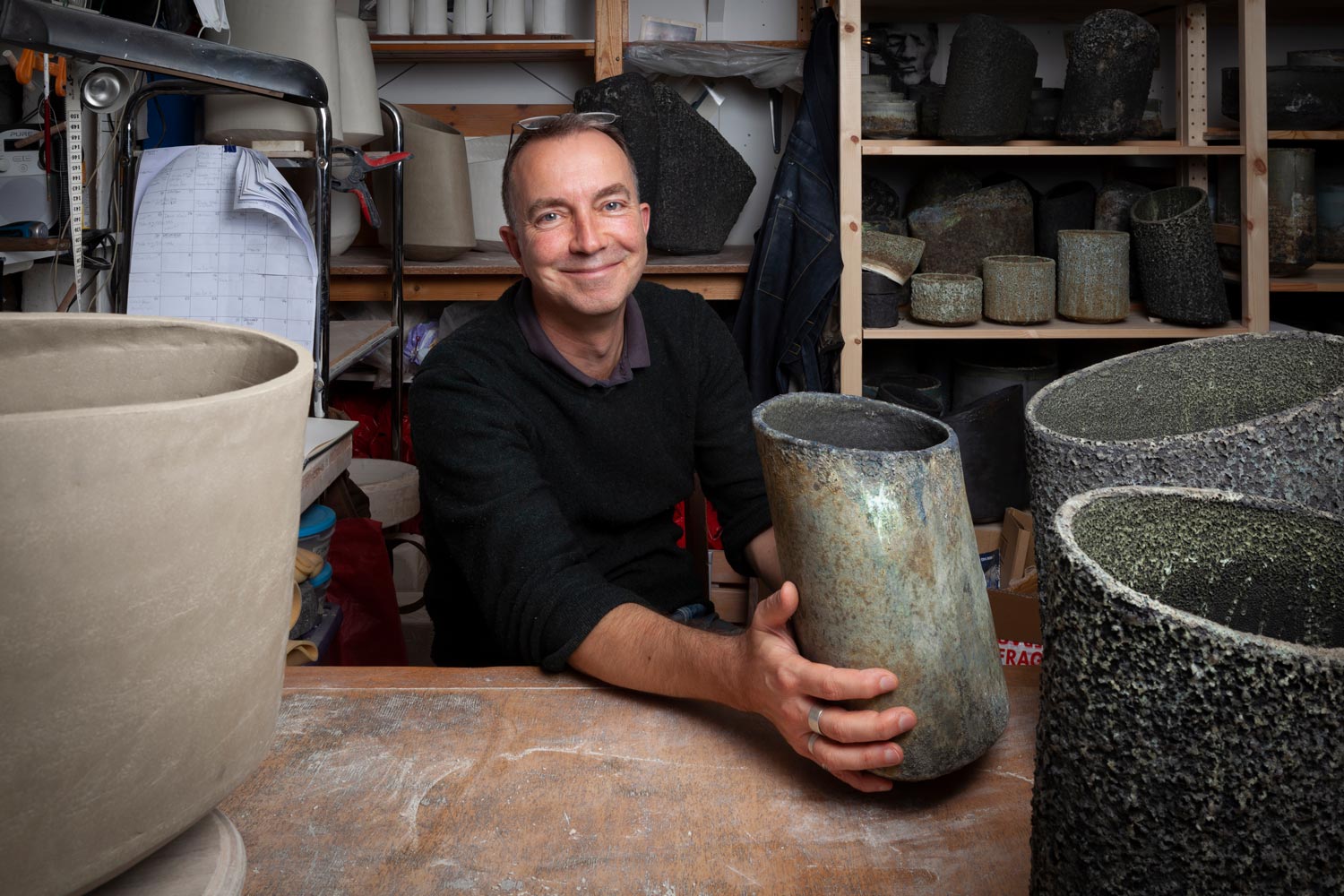
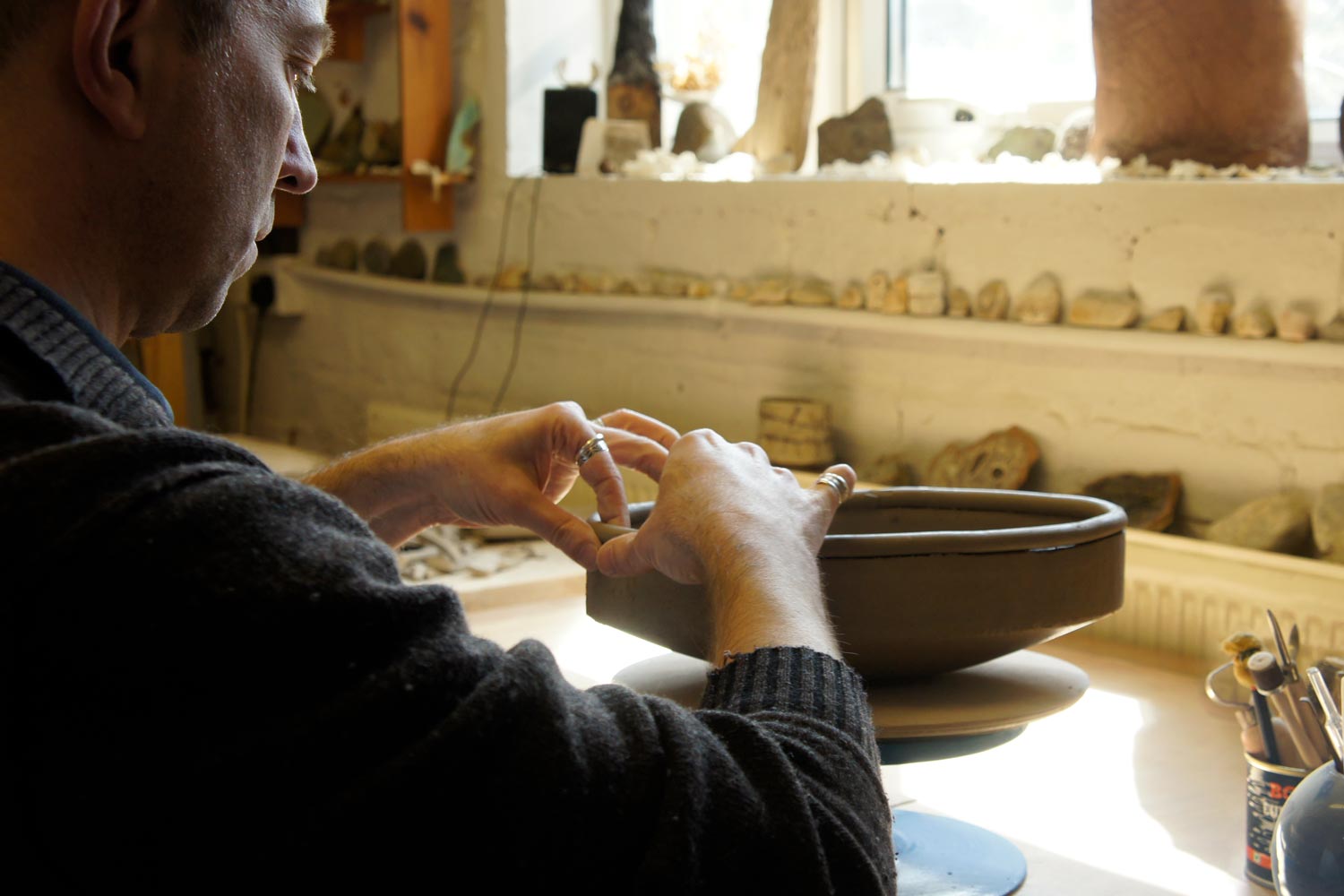
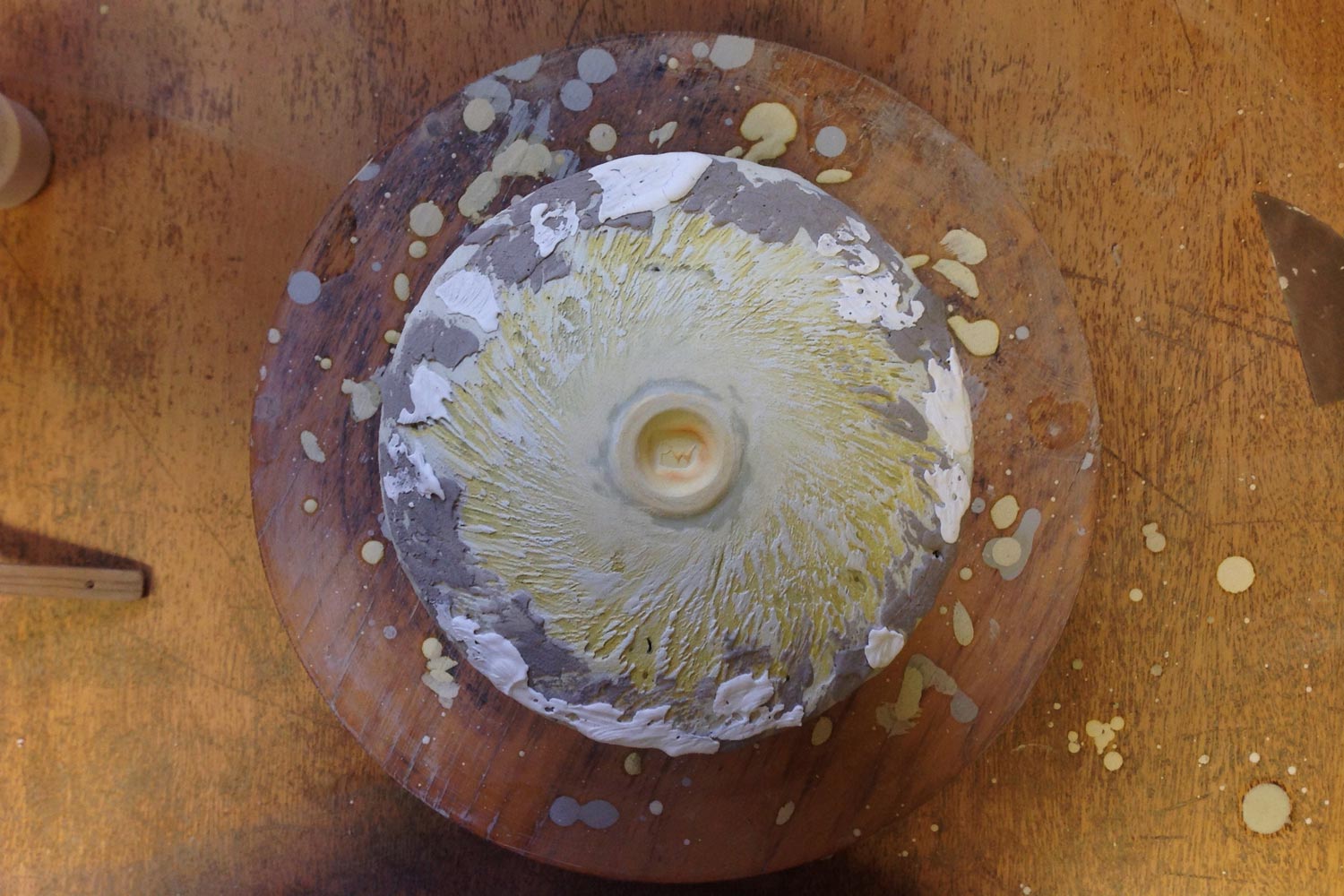
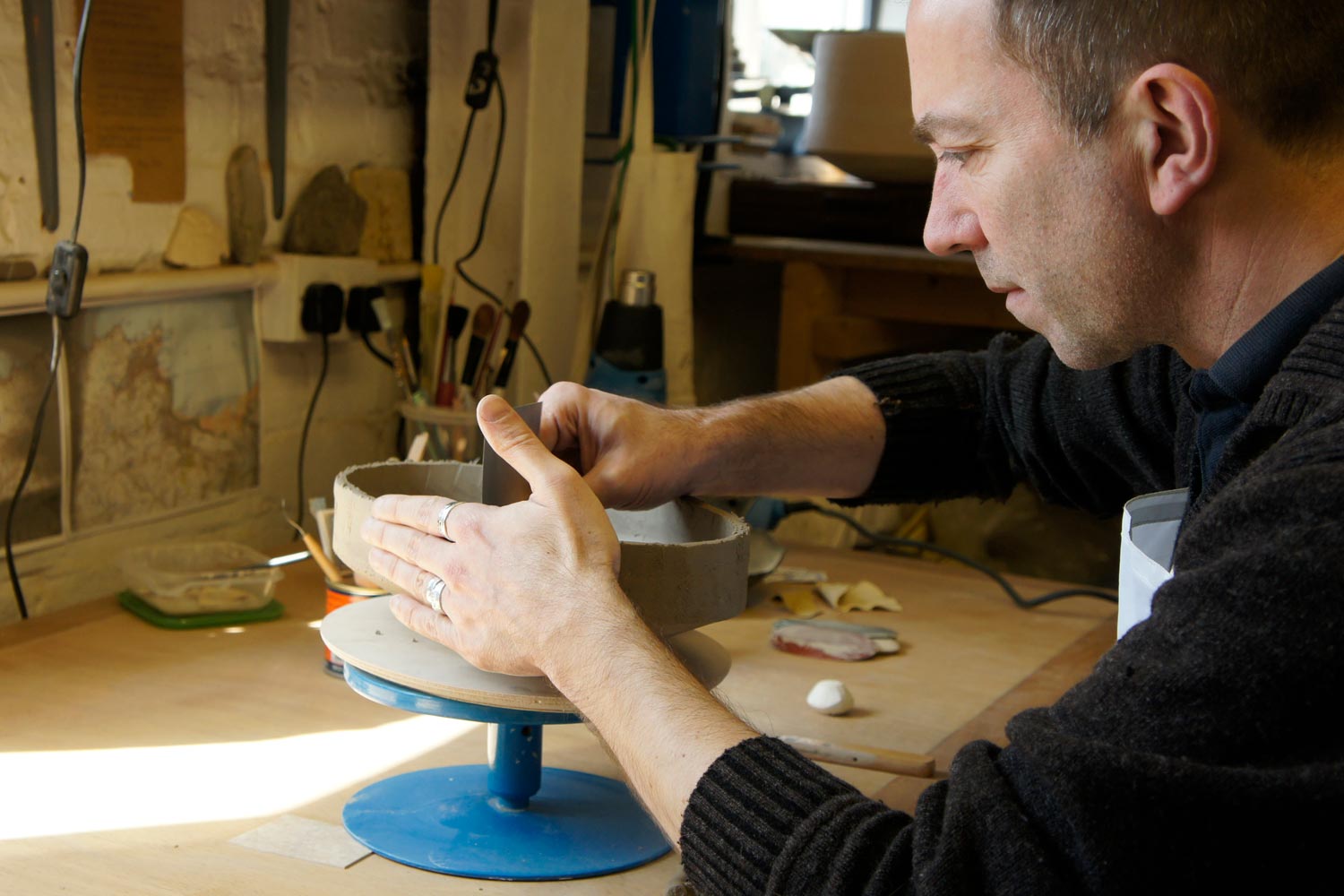
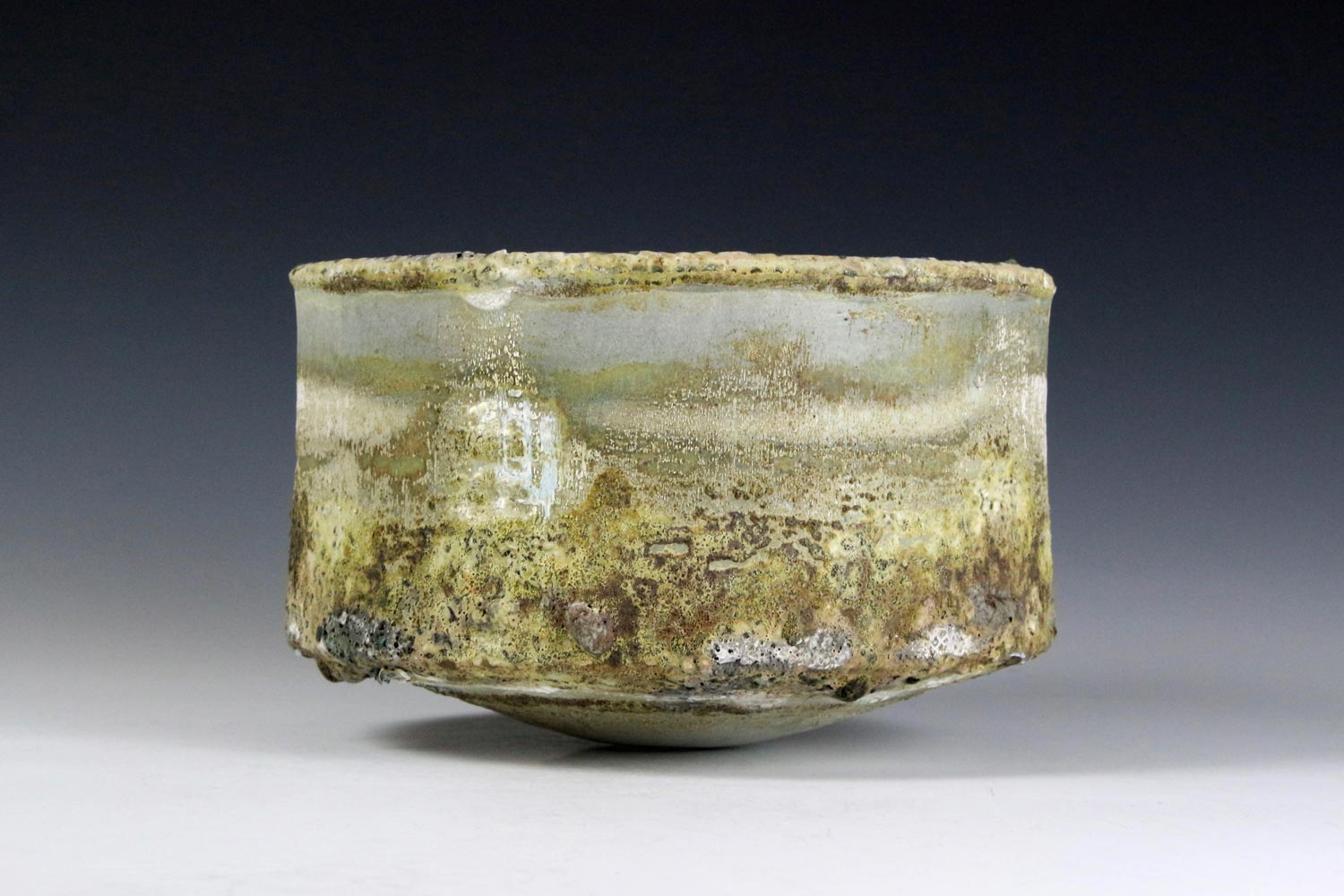
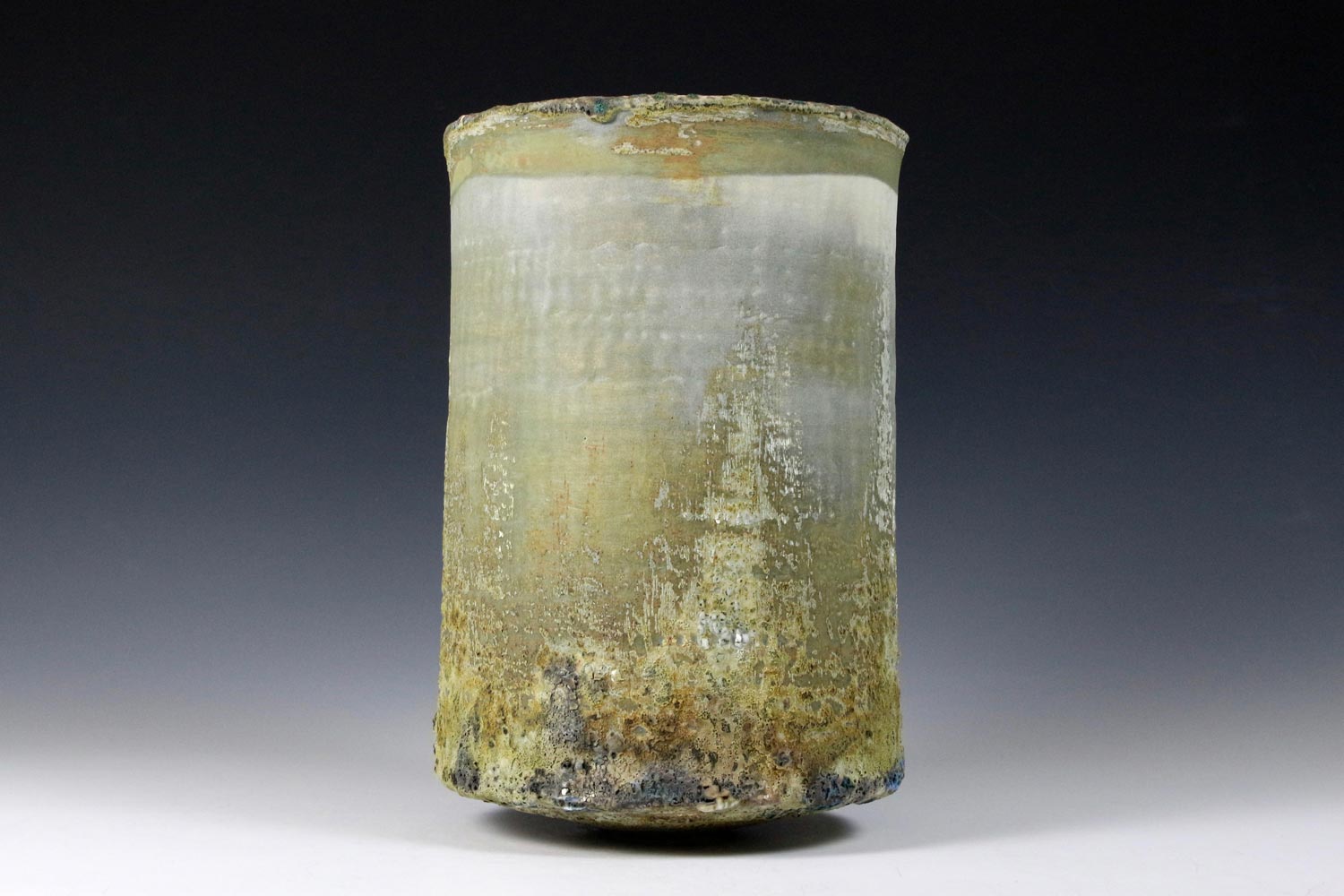
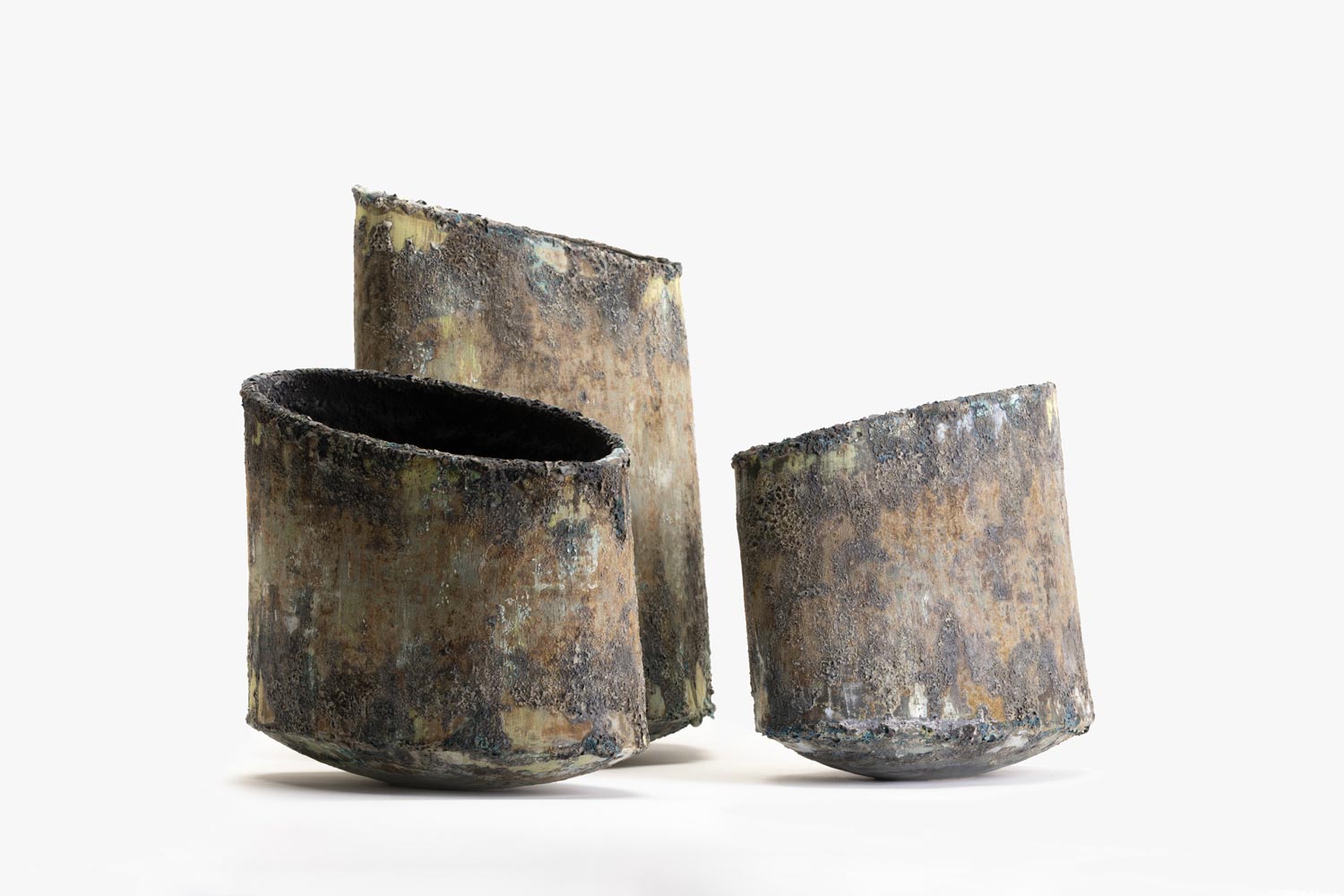
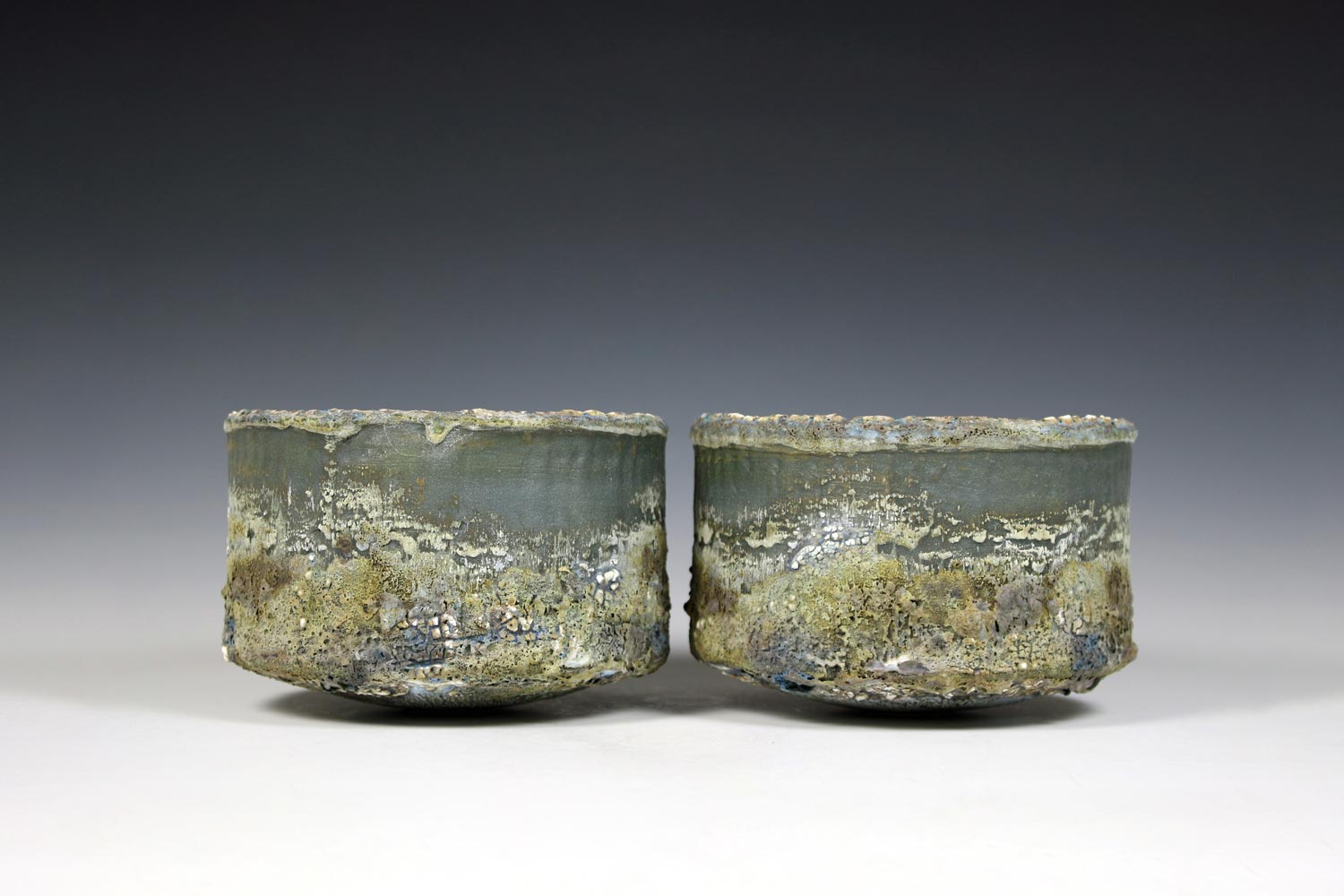
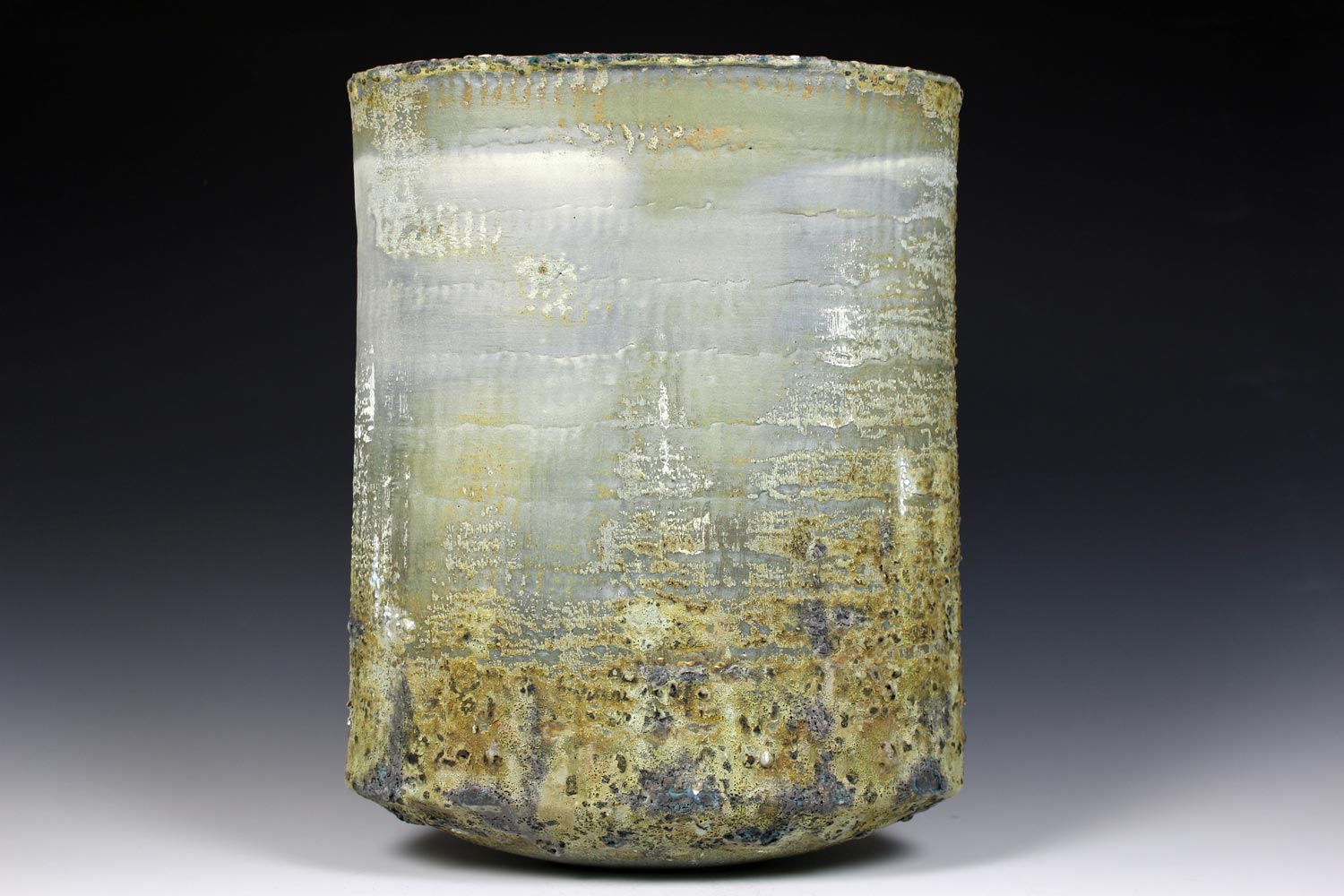
Paul Wearing completed both his bachelor's and master's in ceramics at Cardiff School of Art and Design. In between the two courses, he ran a gallery and studio with a few other graduates in Cardiff for three years. When the studio community broke up, he returned for his master's degree, which he completed after only one year. During this time he was faced with a number of theoretical and philosophical questions concerning his art. Until he clarified these, he lost his motivation to dip his hands in clay. After spending a few years working in the university library, he joined the ceramic studio cooperative Fireworks Clay Studios in Cardiff. The support and appreciation he received from the studio community renewed Paul's motivation and defined his current style. He creates precise hand built ceramics which, through layers of different glazes, take on a natural look and feel that is reminiscent of growth and decay.
INTERVIEW
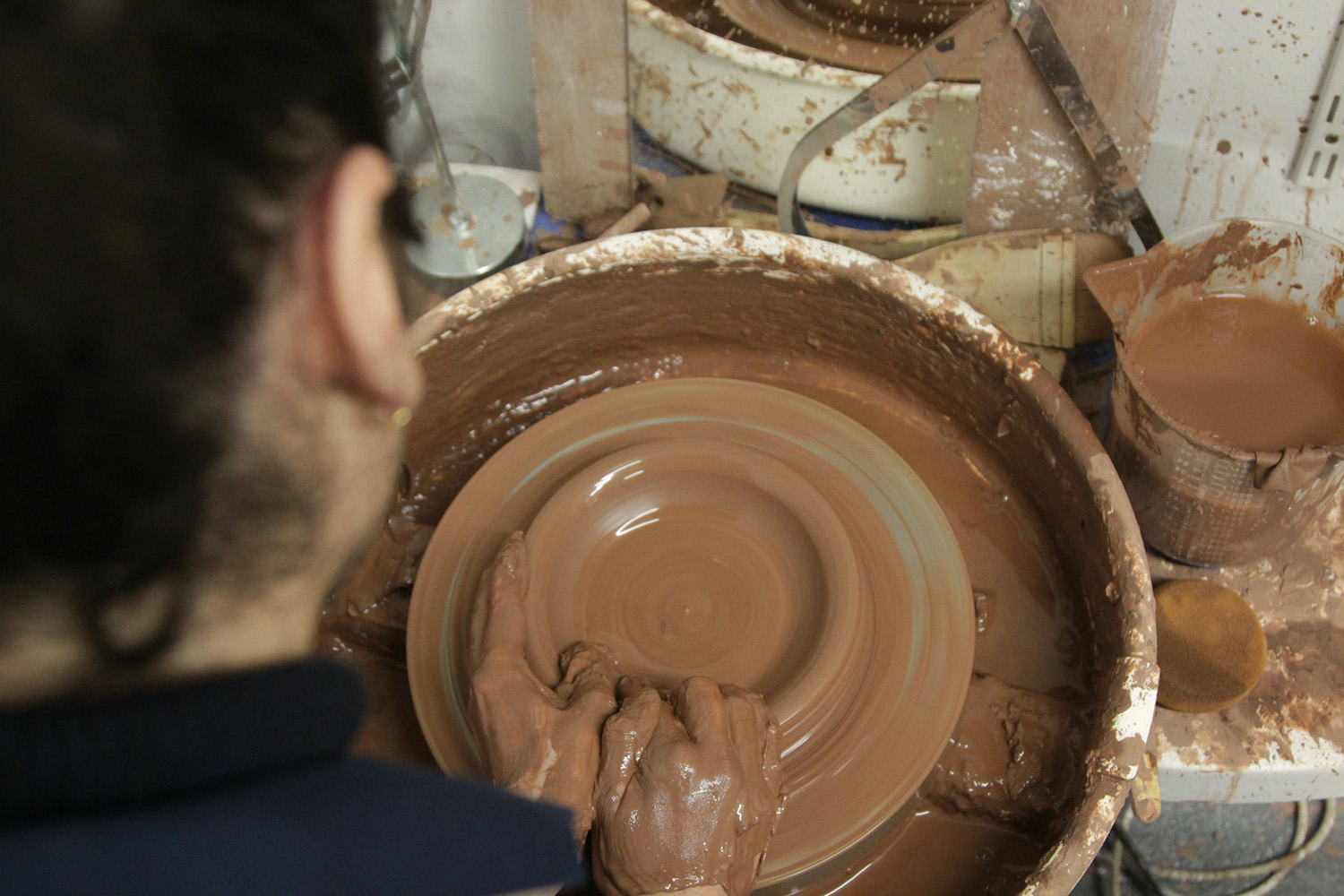
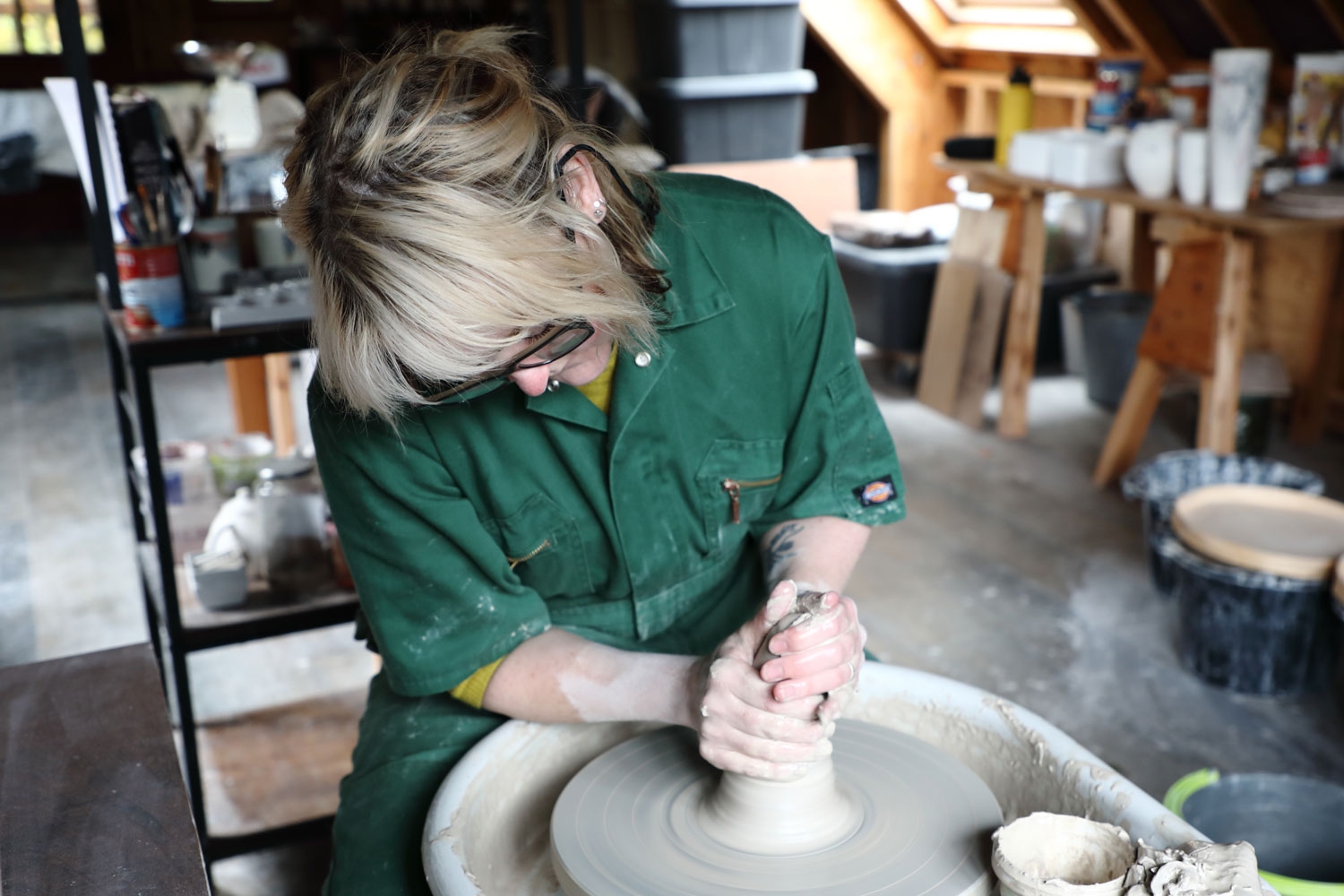
My first experience with clay came when I was about 7 years old. Funny enough, my mother still owns the little house I built back then. In my twenties, I returned to pottery thanks to a friend who offered weekend courses. I did not decide to study ceramics until I was thirty years old.
For me, appreciative exchanges between colleagues are very important. Fireworks Clay Studios offers a very supportive community and a safe environment. Every year, for example, we add two university graduates who are able to work here for a year.
I consider it a great privilege to work as a freelance artist. It's up to me what I do, how I do it, and how much. My confidence to follow this path comes from external validation. Exhibitions I'm invited to, awards I've received, and, of course, the fact that people want and buy my works.
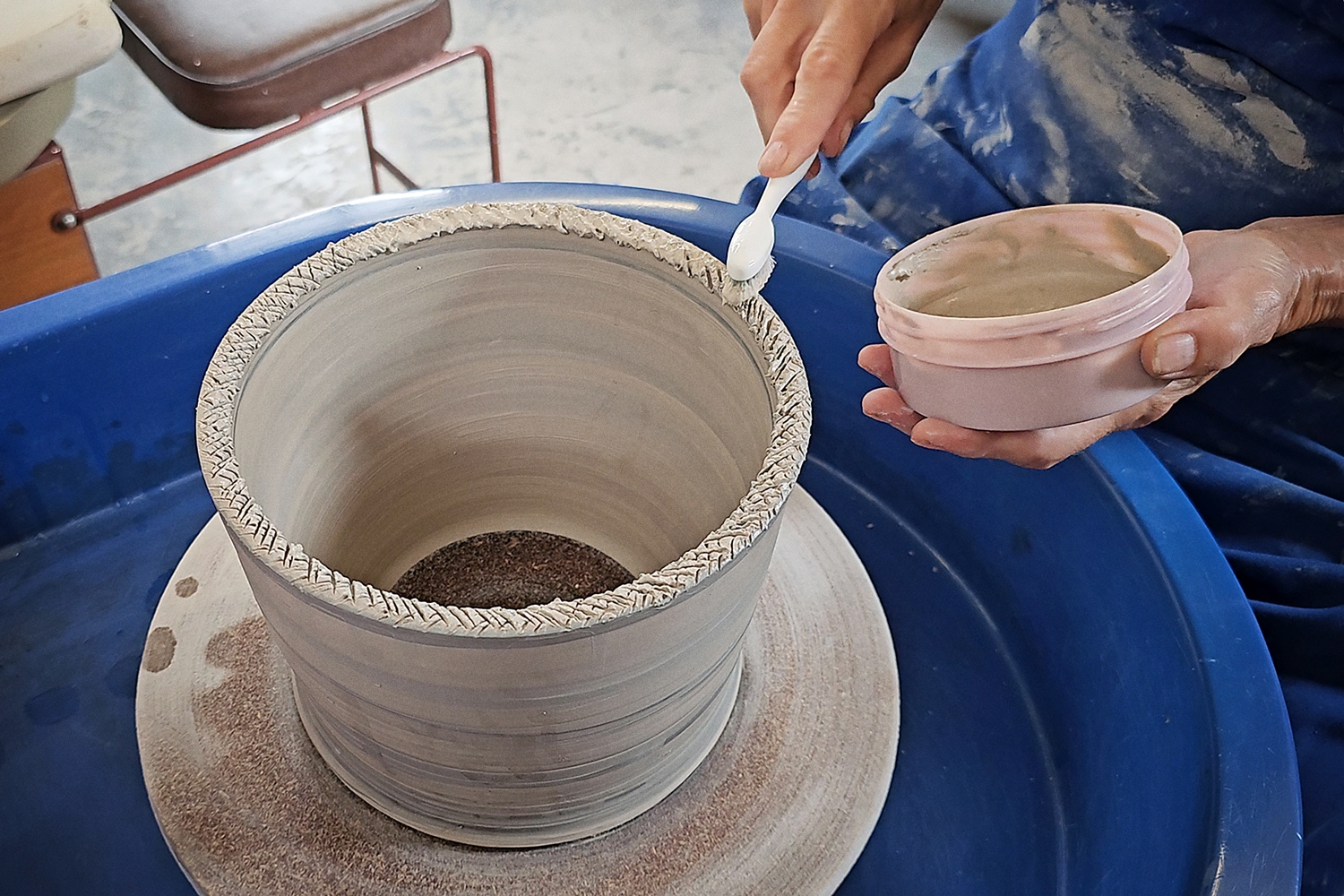
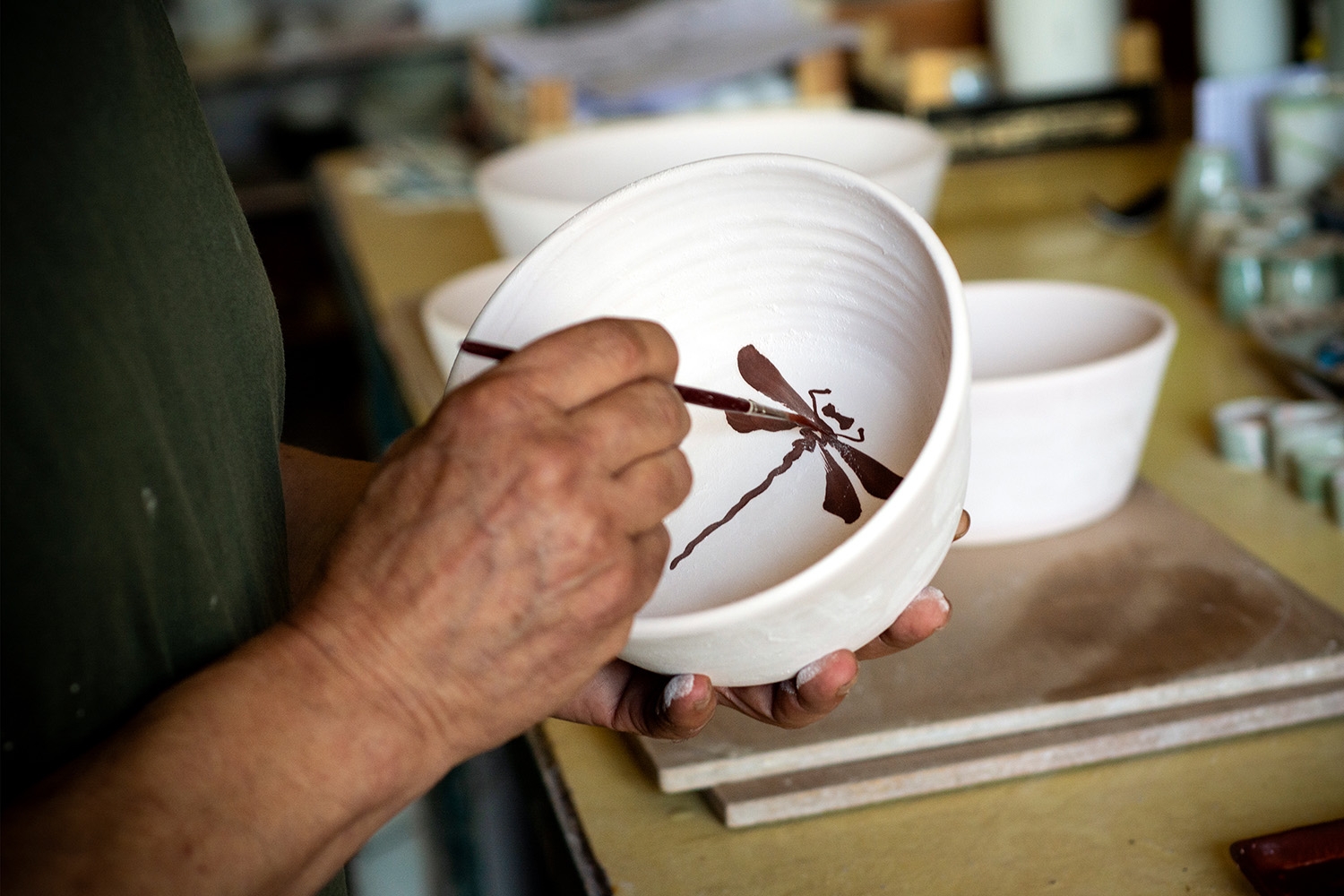
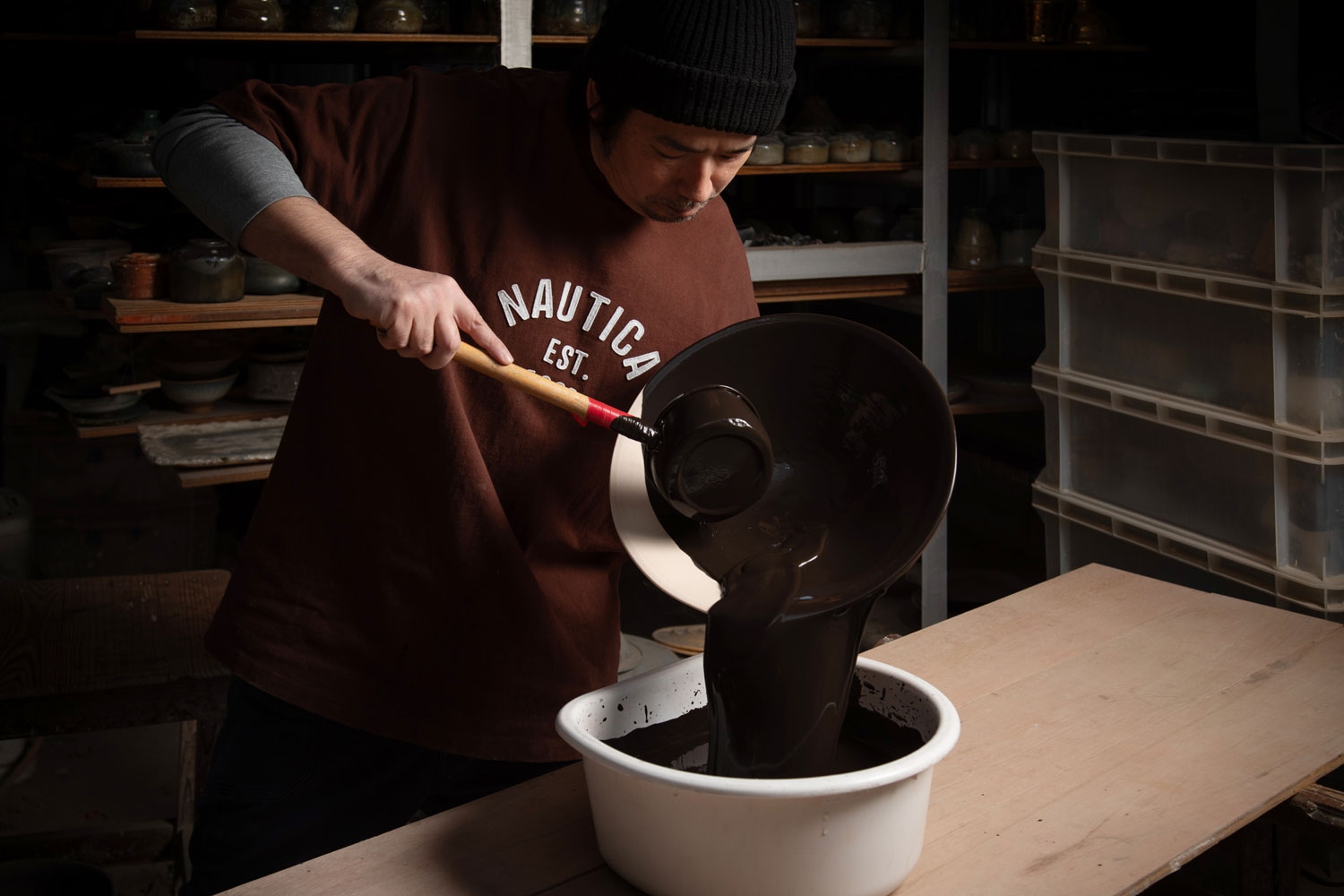
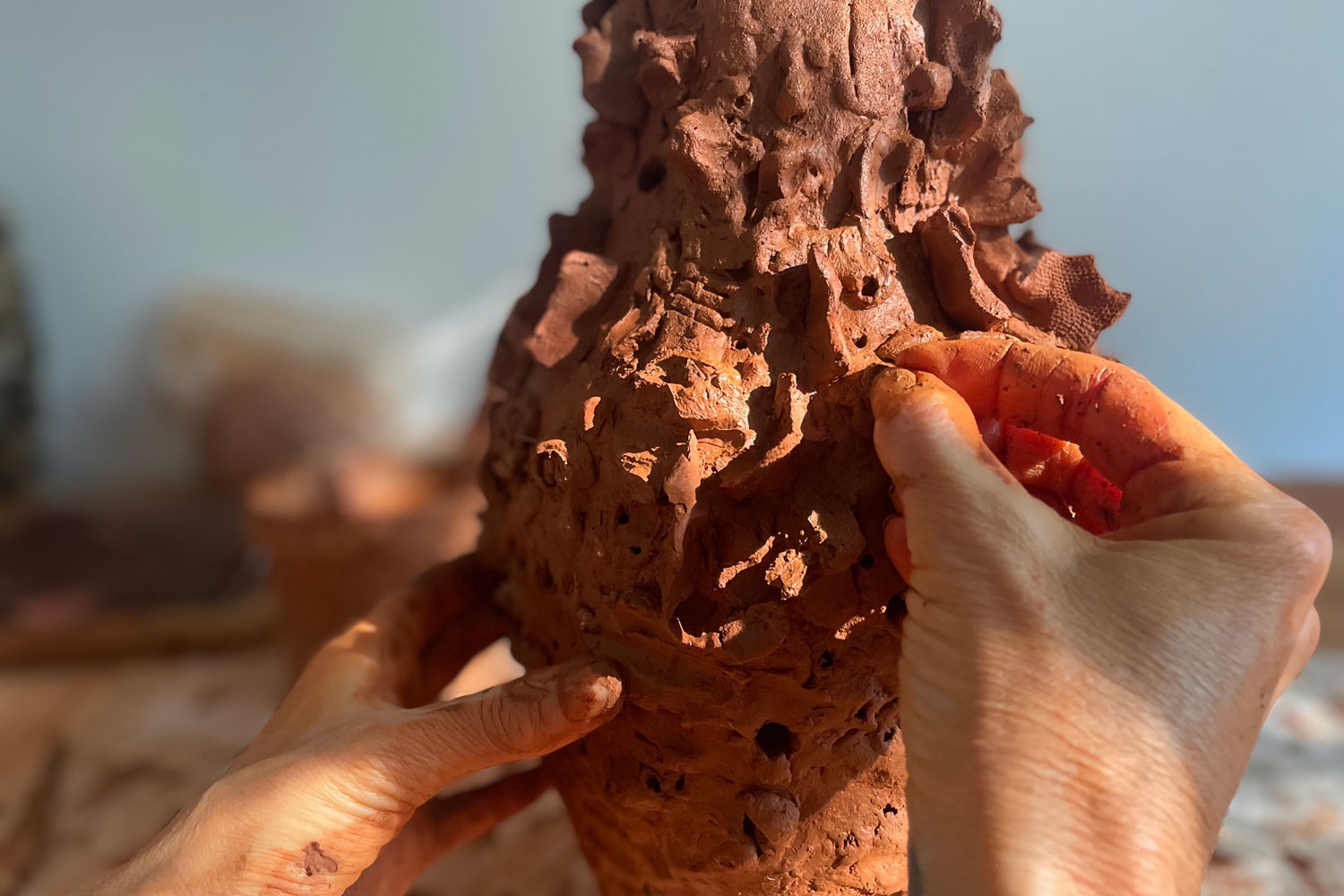
Within the glazing process, I embrace the contrasts between control and chance. I like to use silicon carbonate for the surface structure because it produces bubbles when burned, creating a lava-like structure. With Magnesium Carbonate, I intentionally cause cracks in the surface. With metallic glazes, I create colours.