Thought provoking glassblowing
- In 2018 Ned received the prestigious Hempel Glass Prize
- Cartoons, tattoos and science fiction inspire him
- He believes play is the essence of creativity
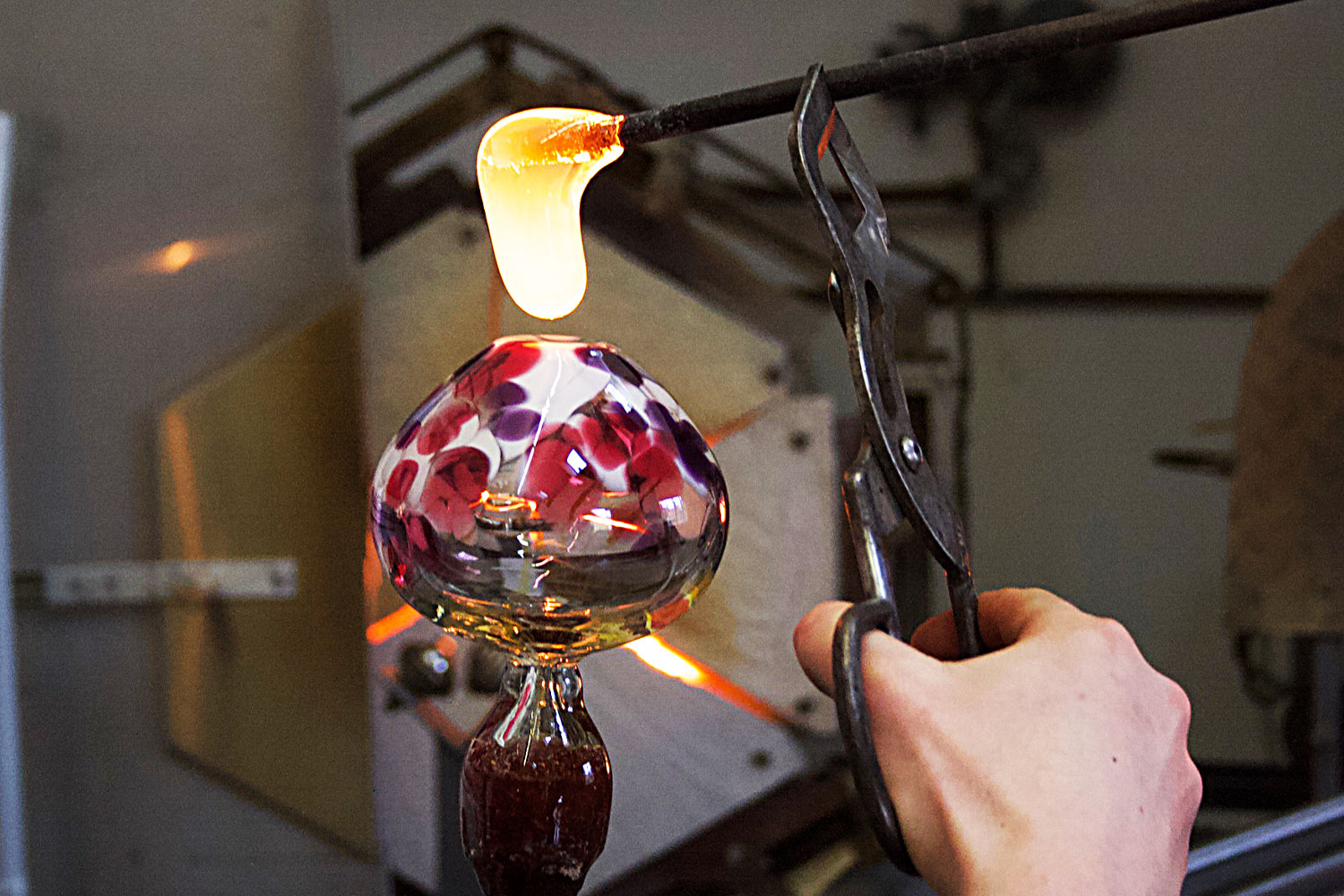
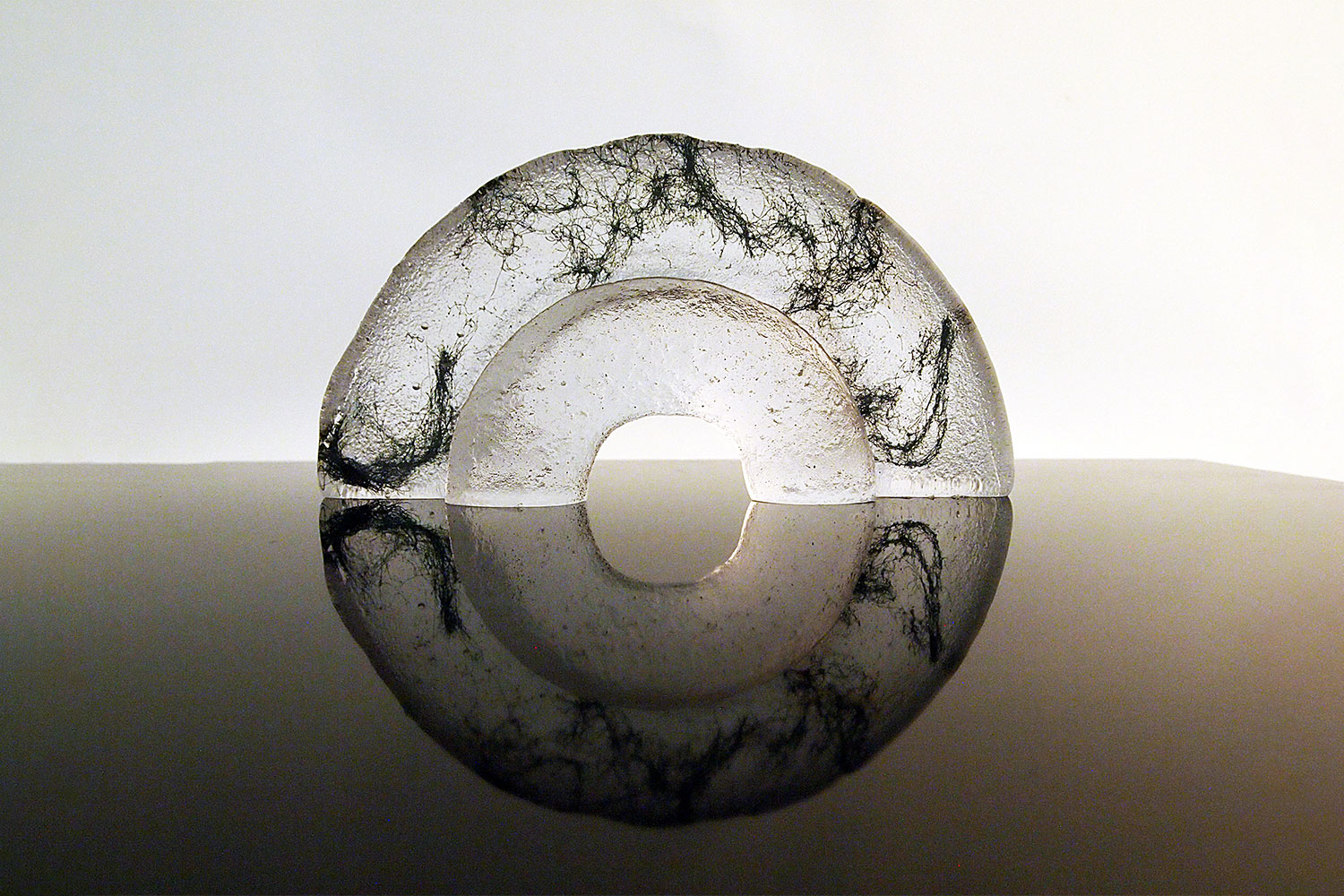
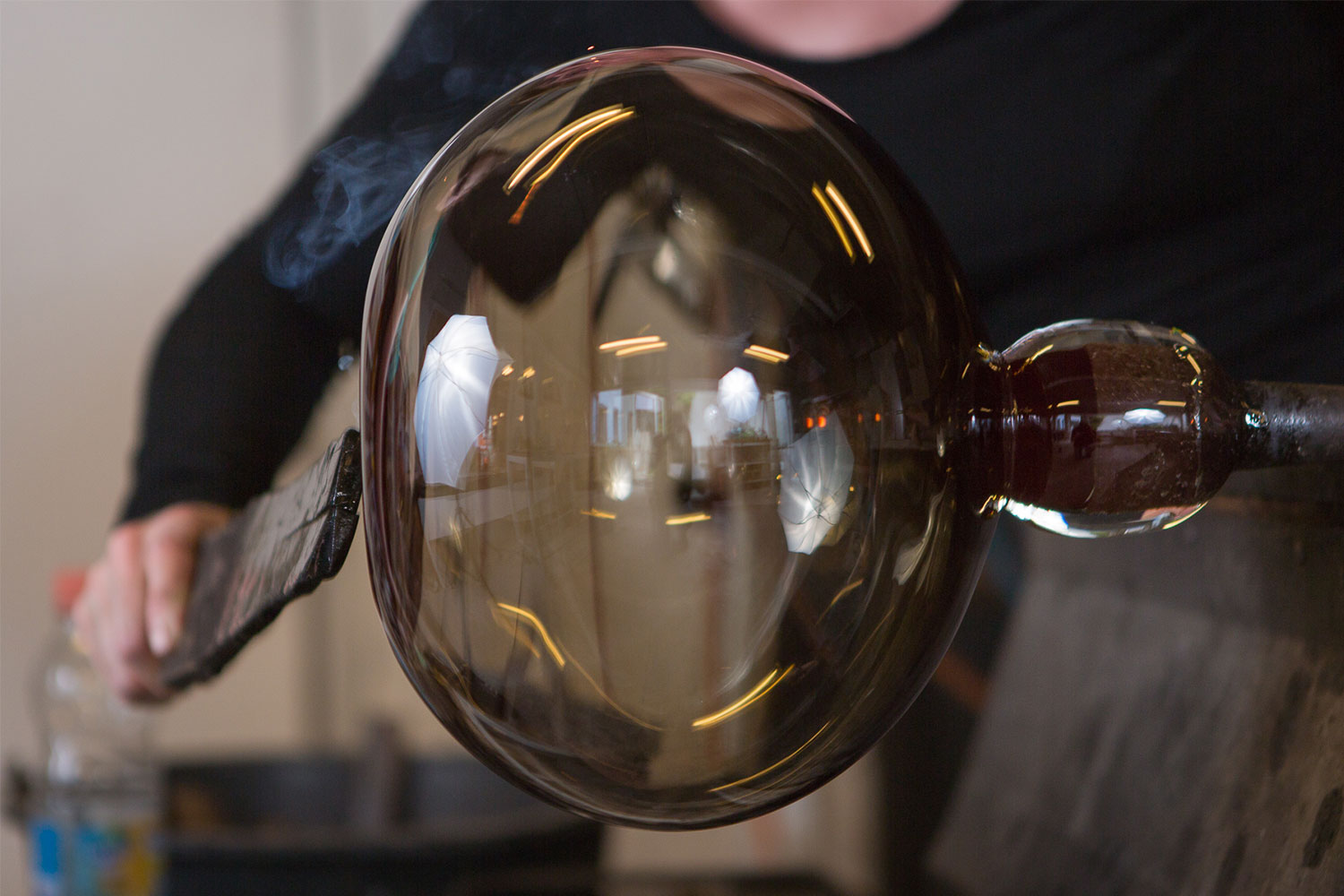
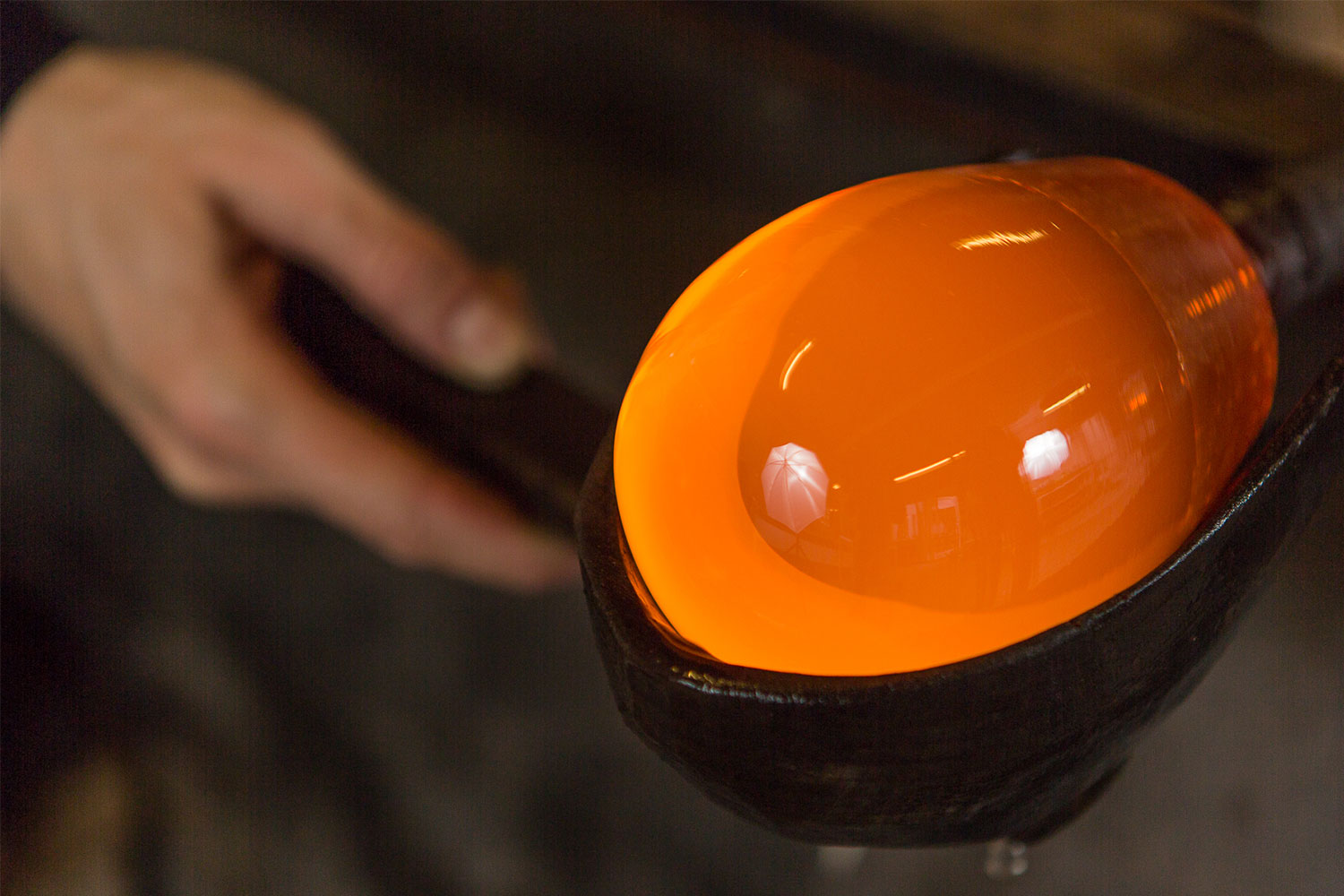
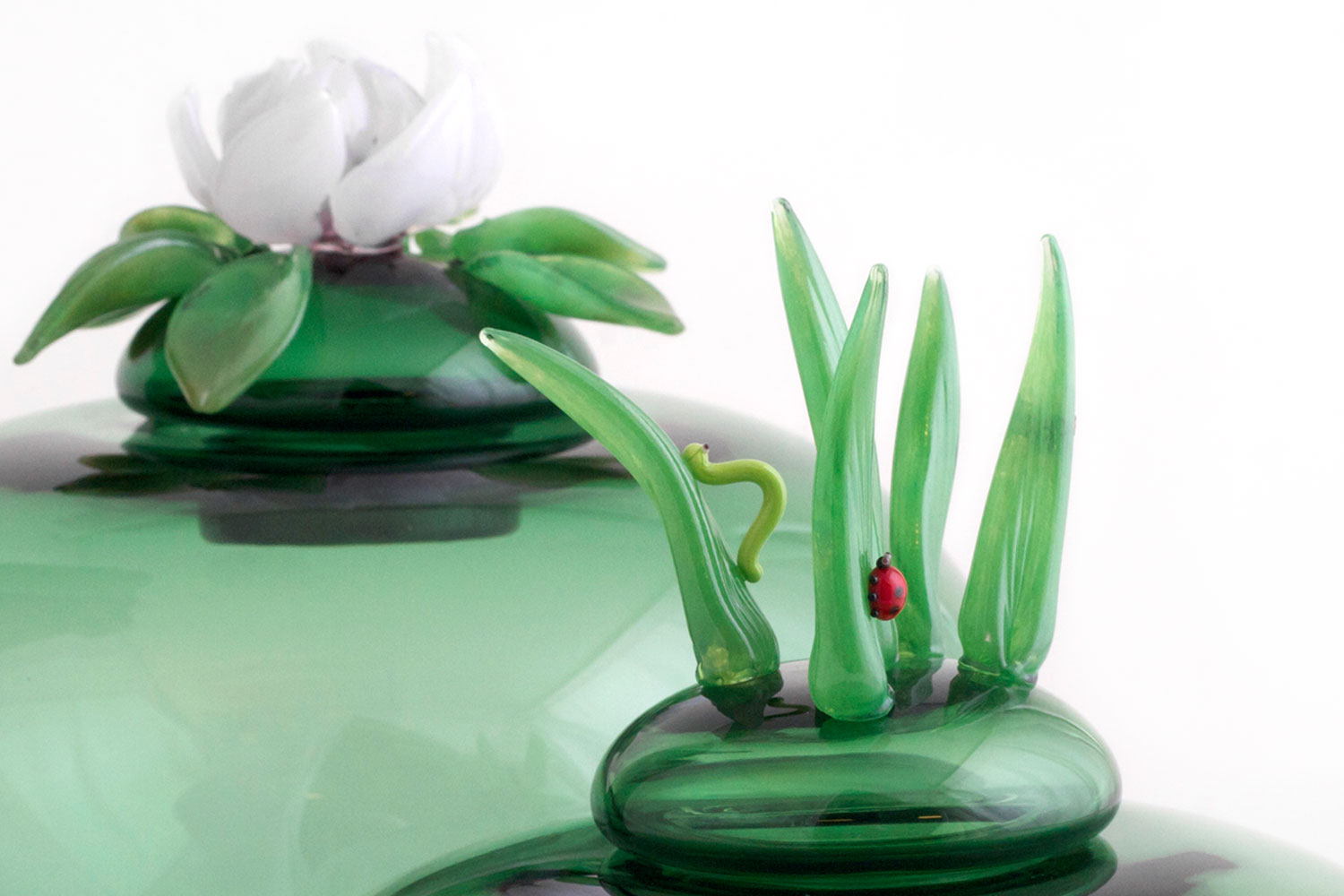
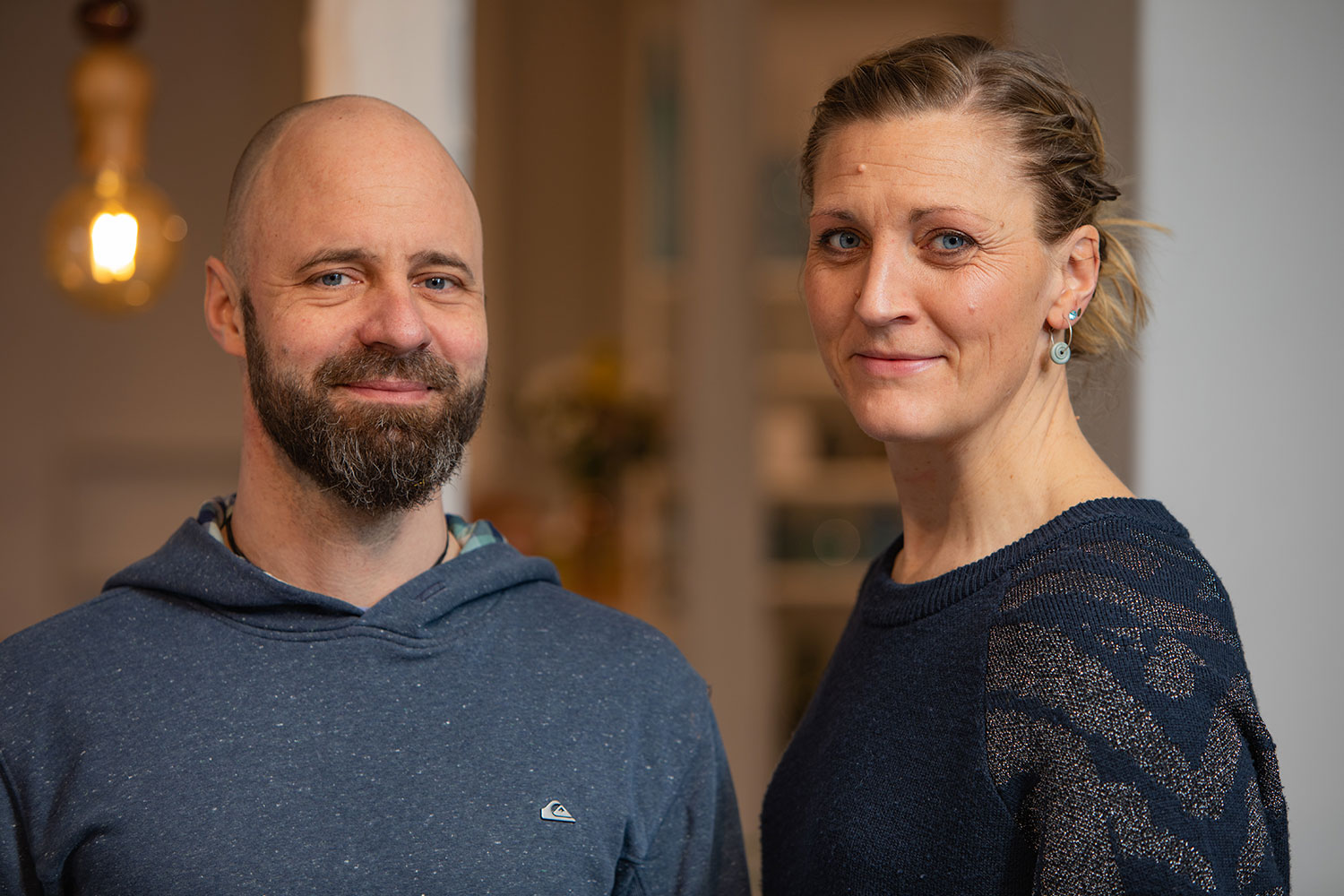
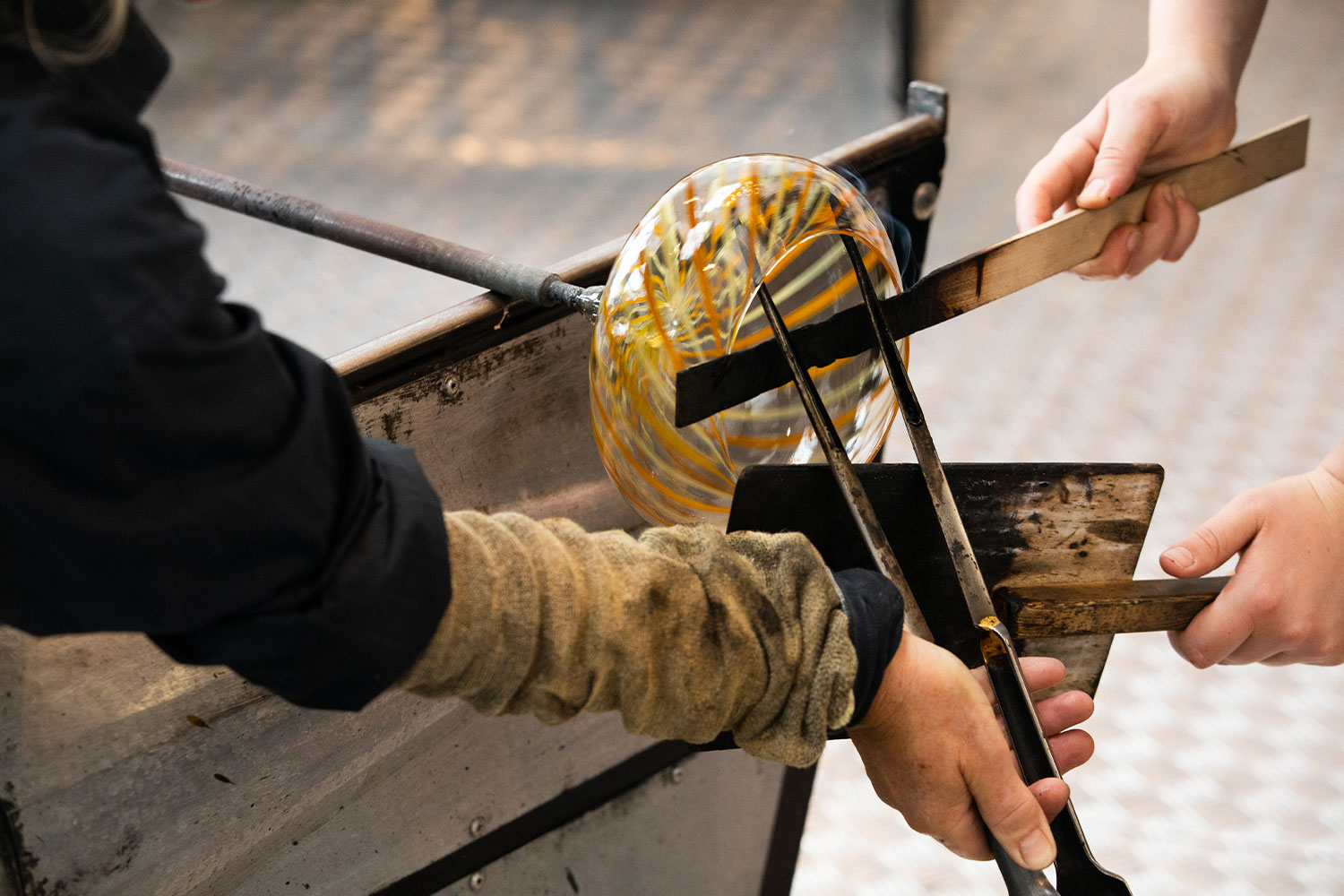
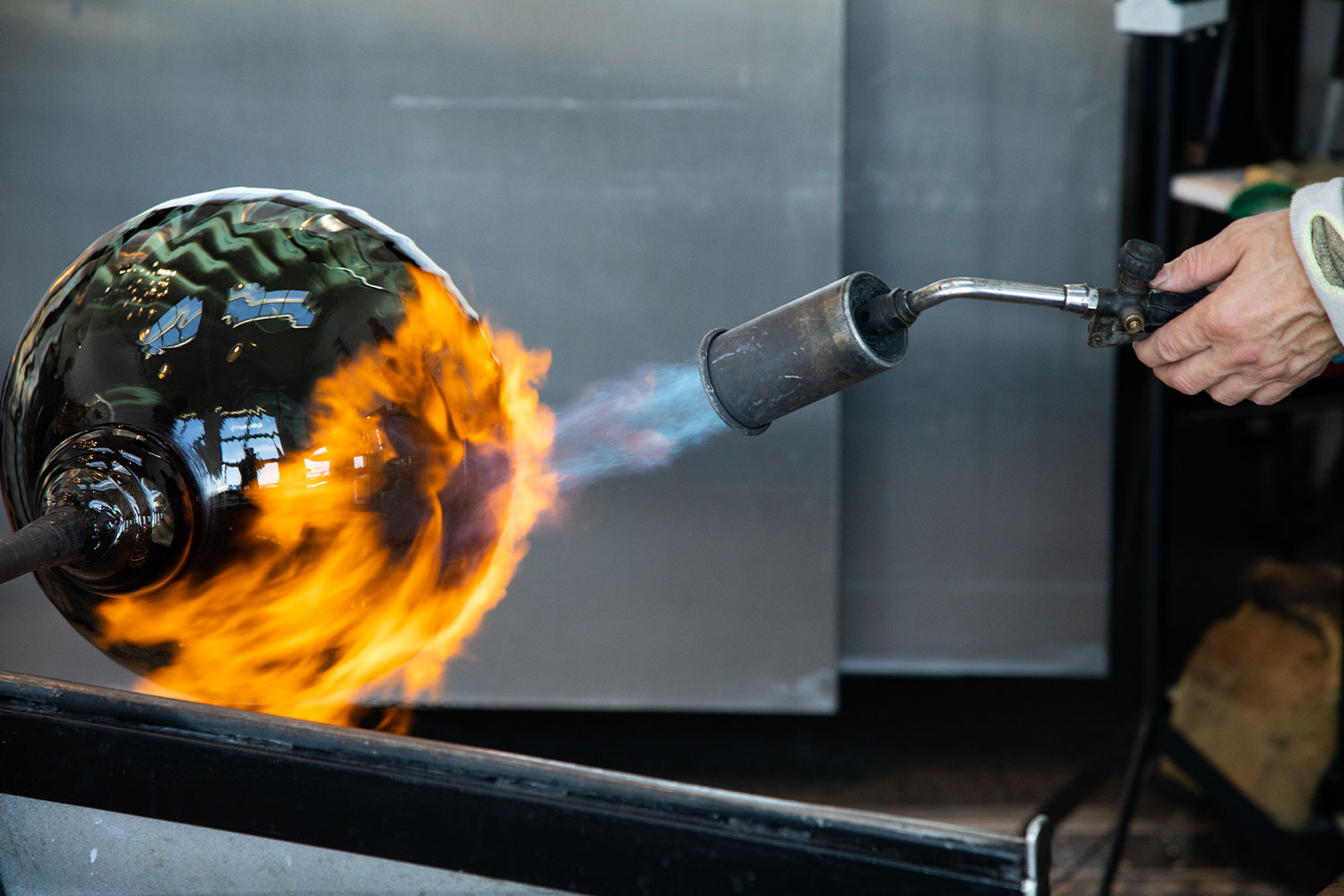
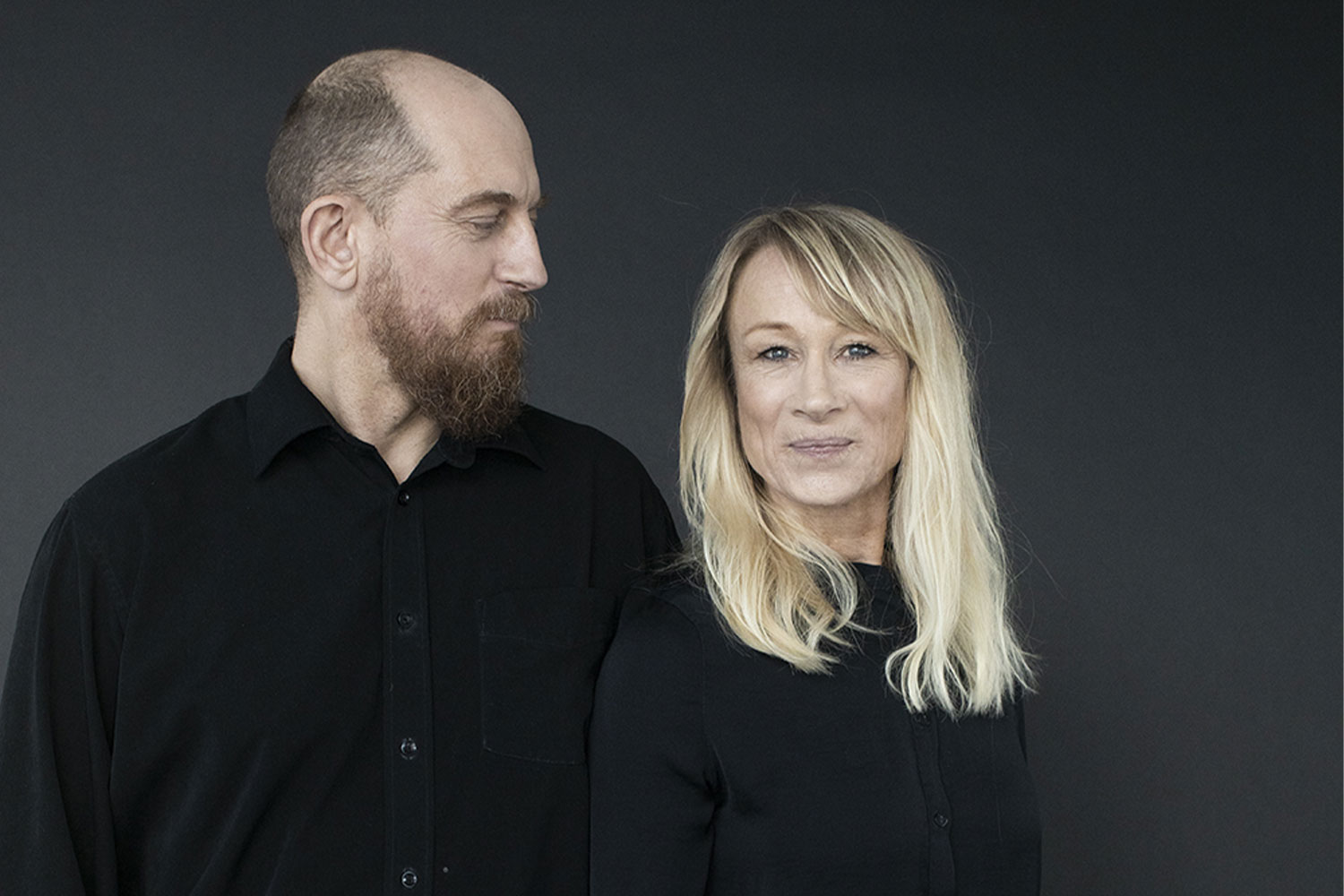
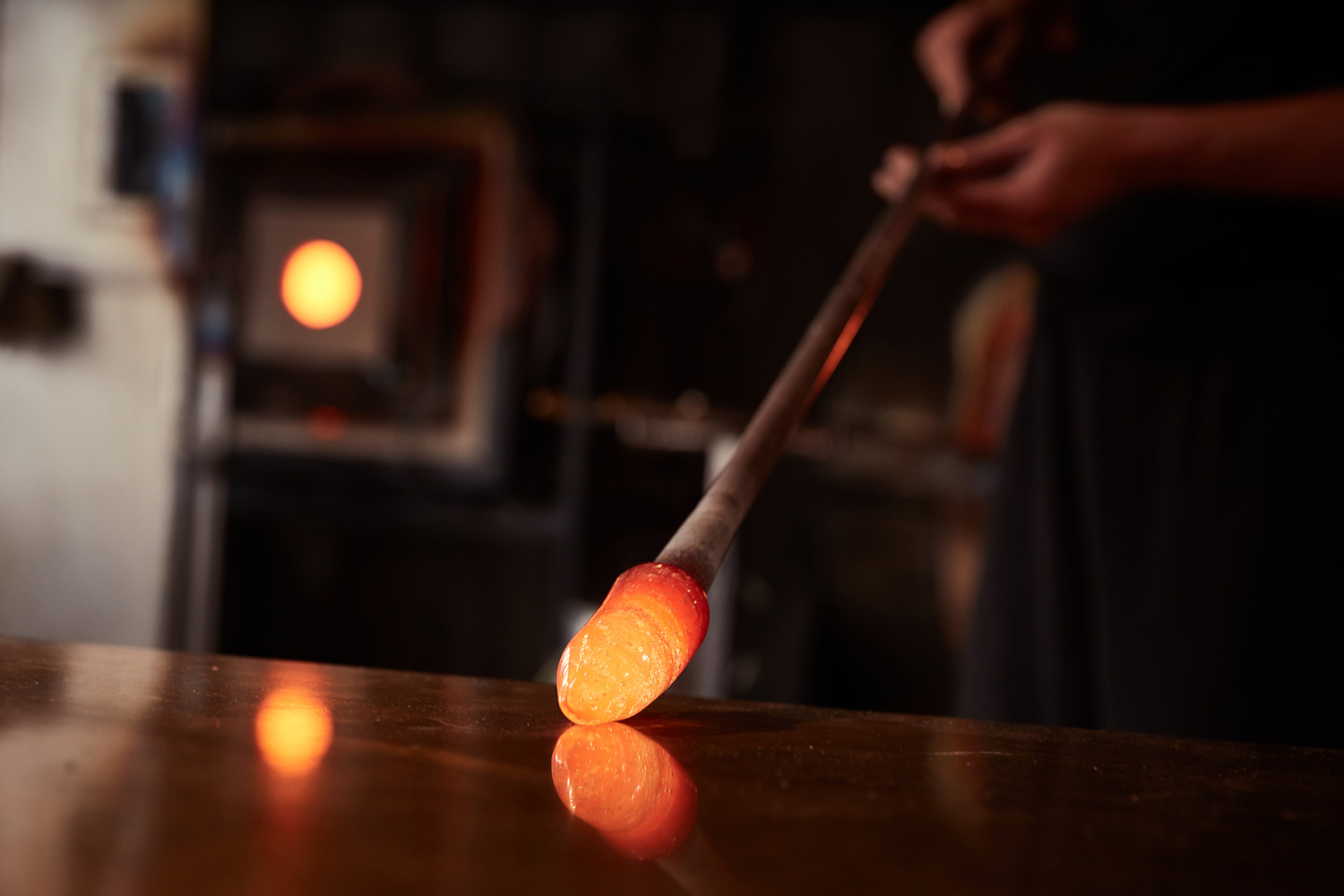
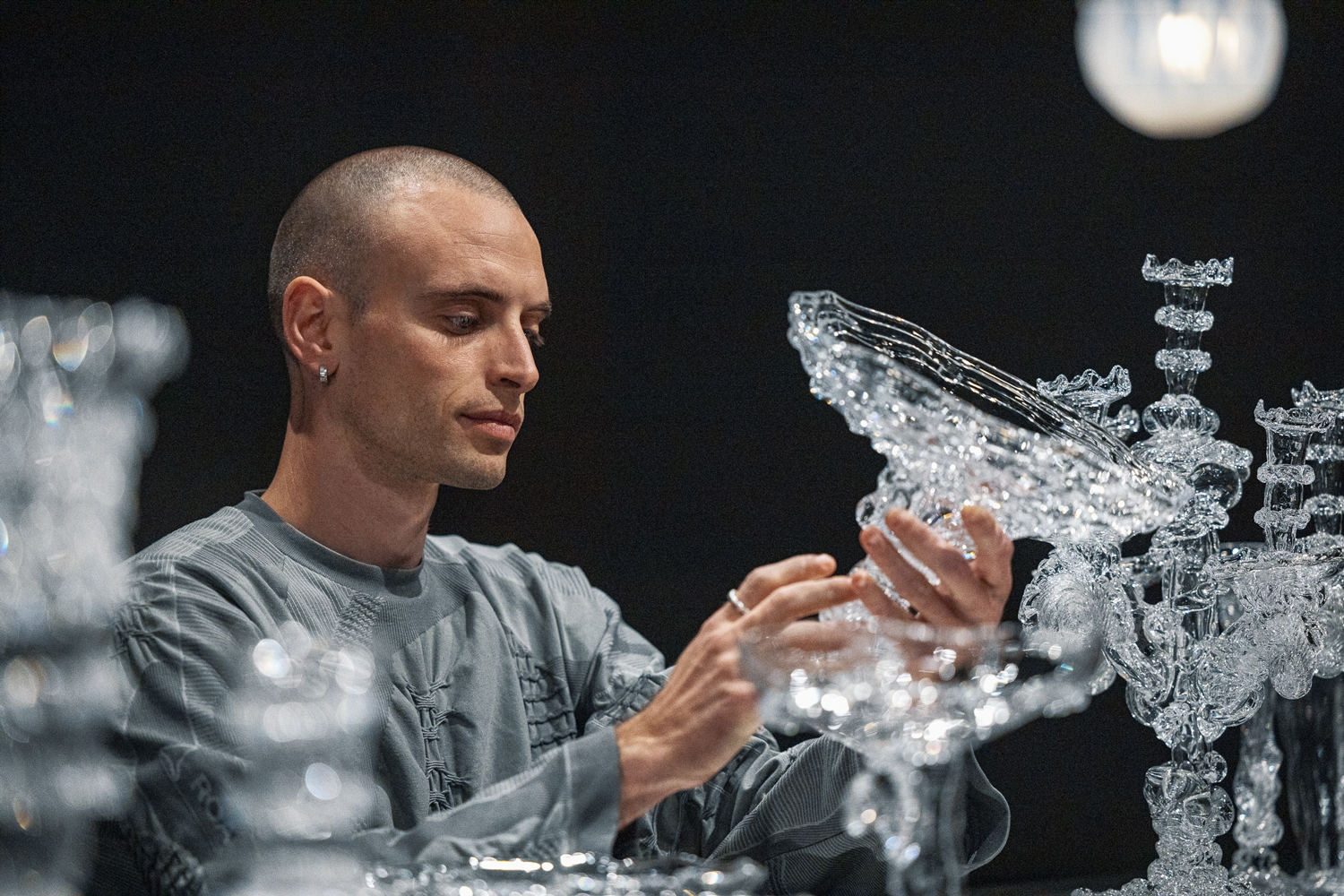
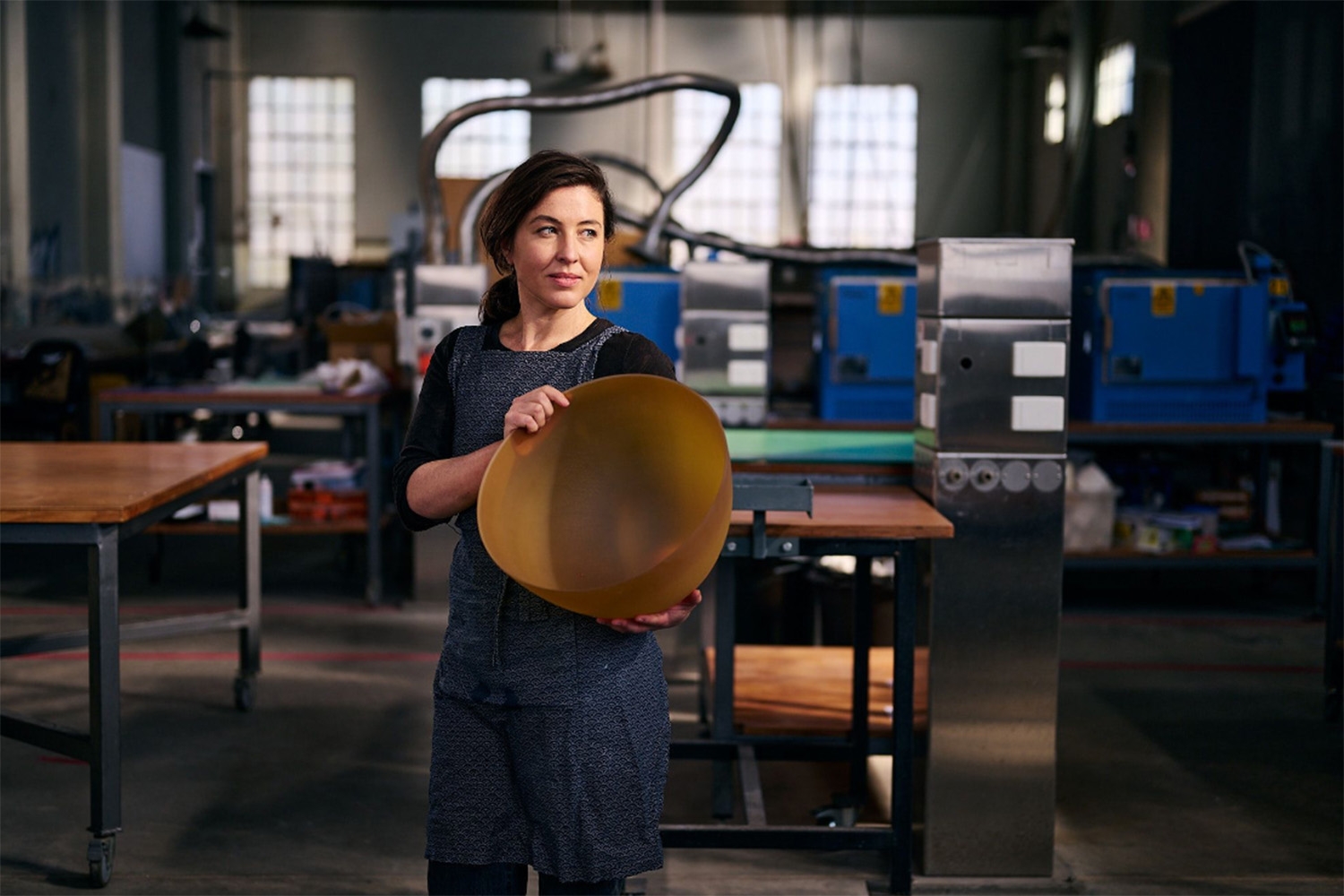
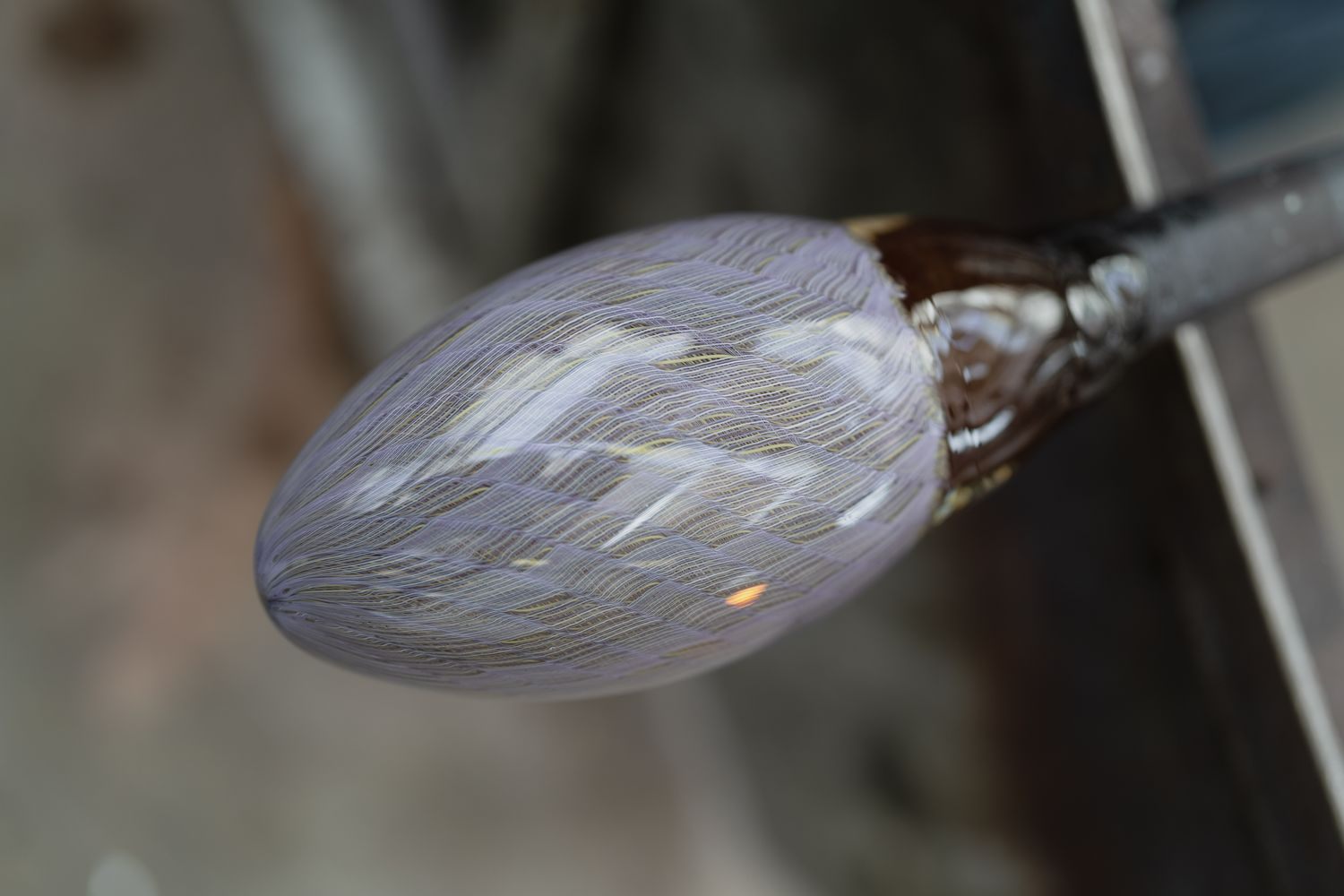
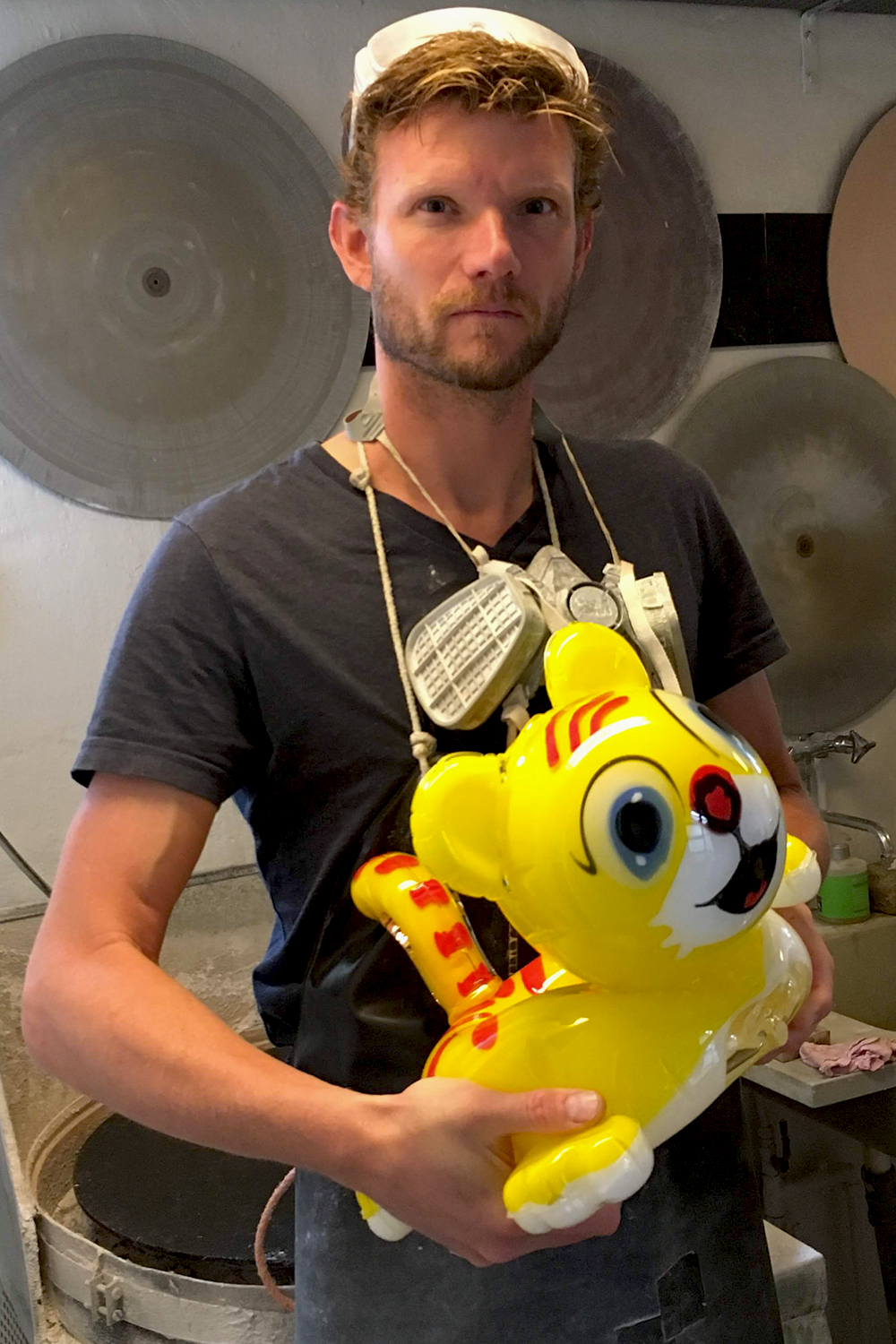
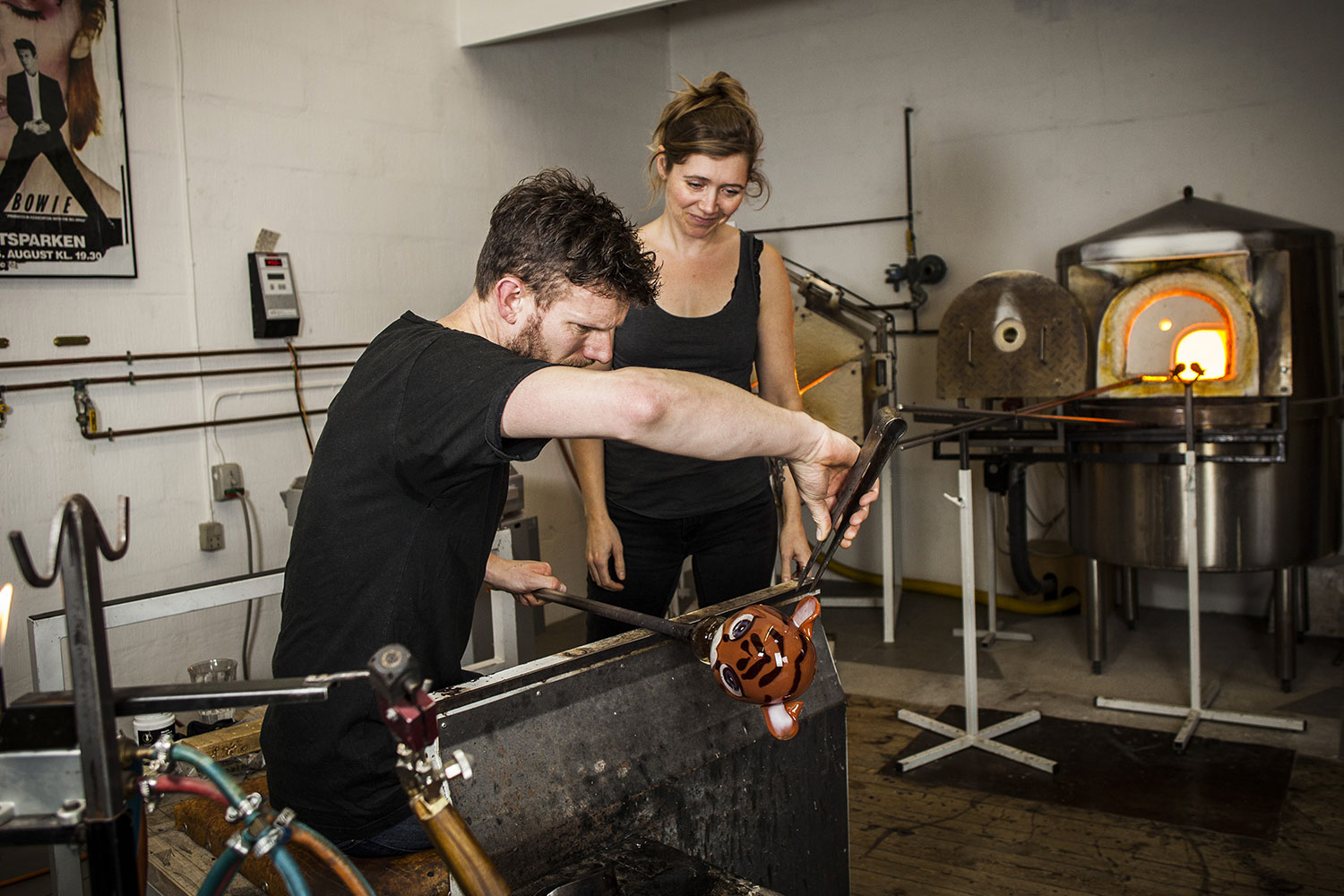
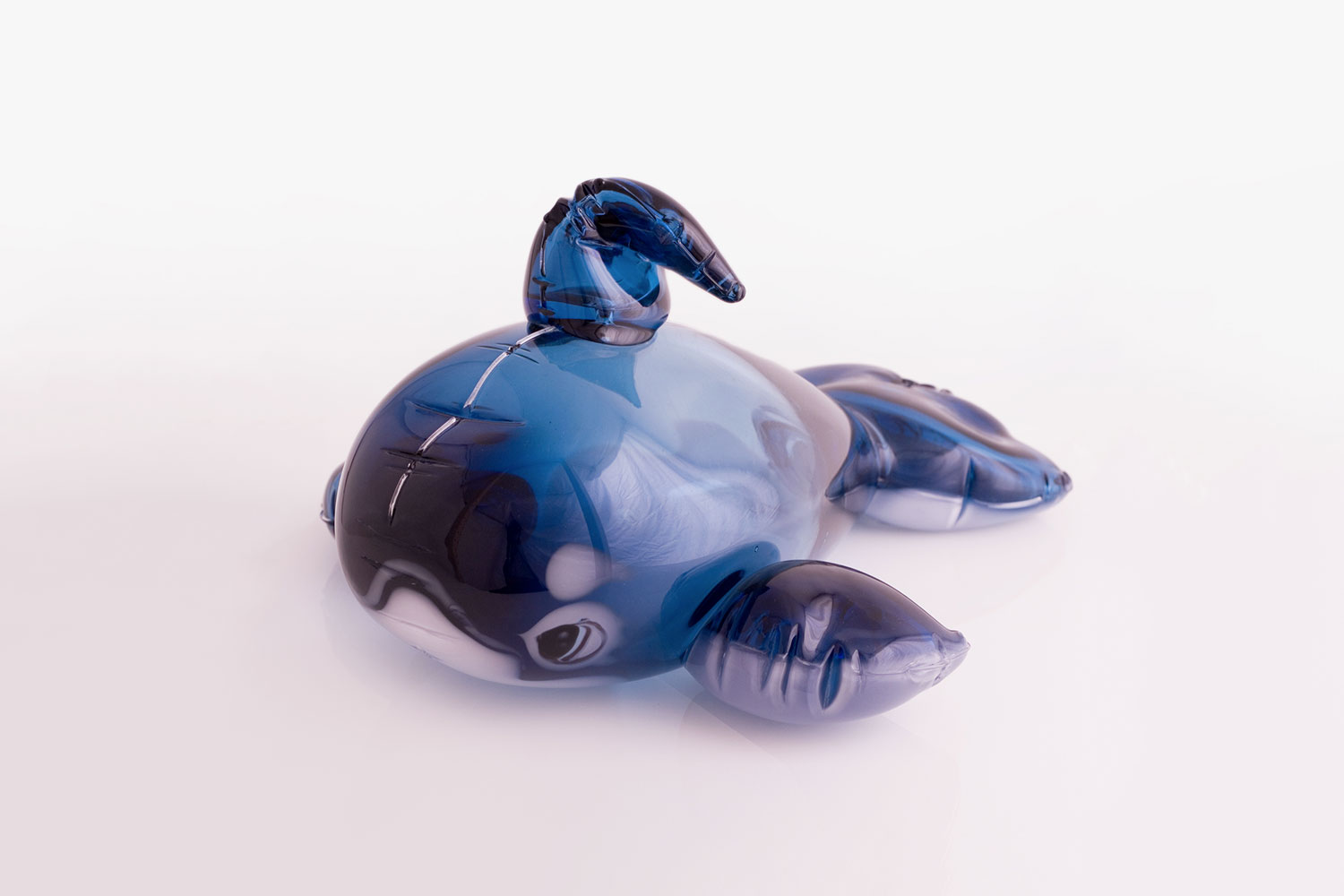
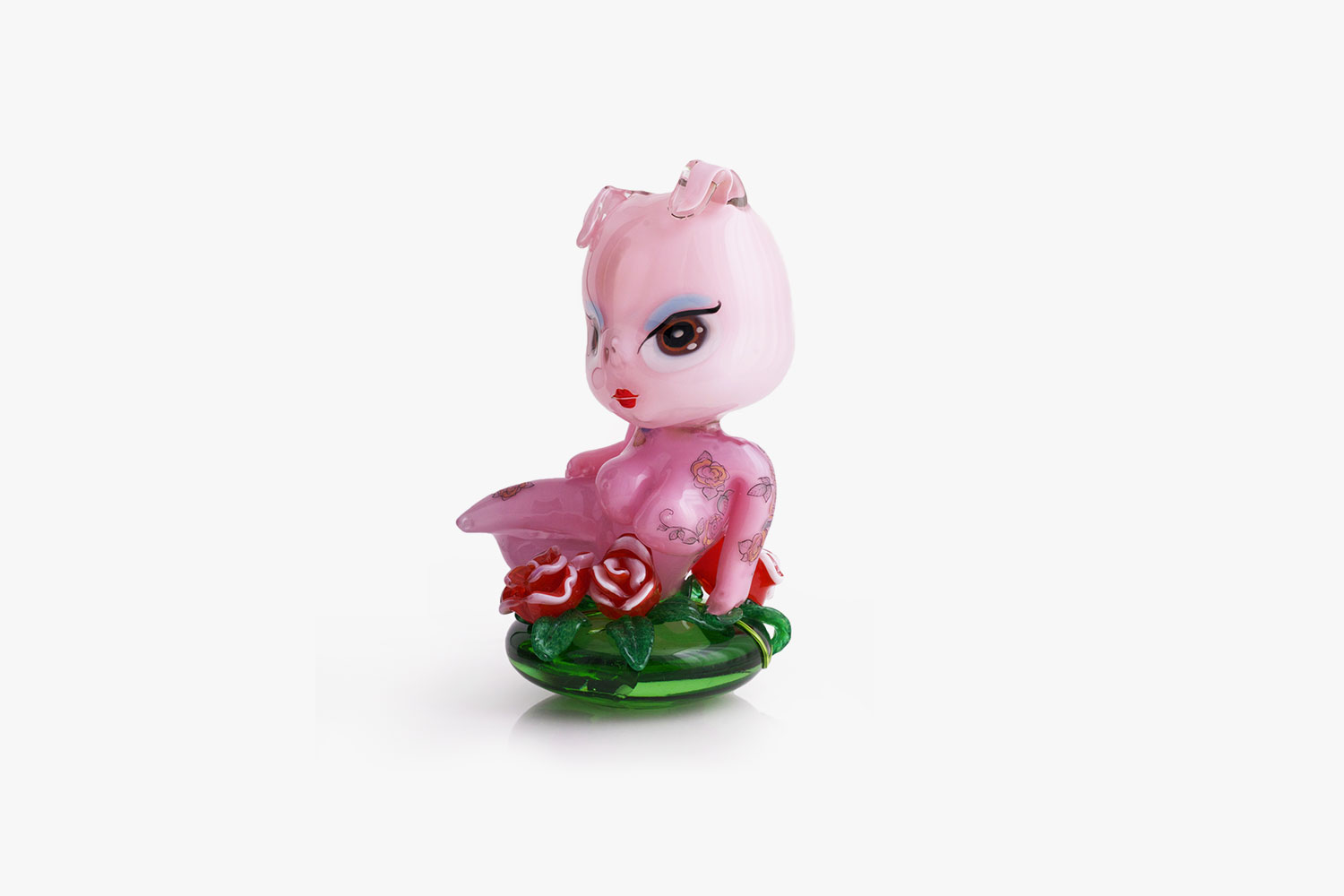
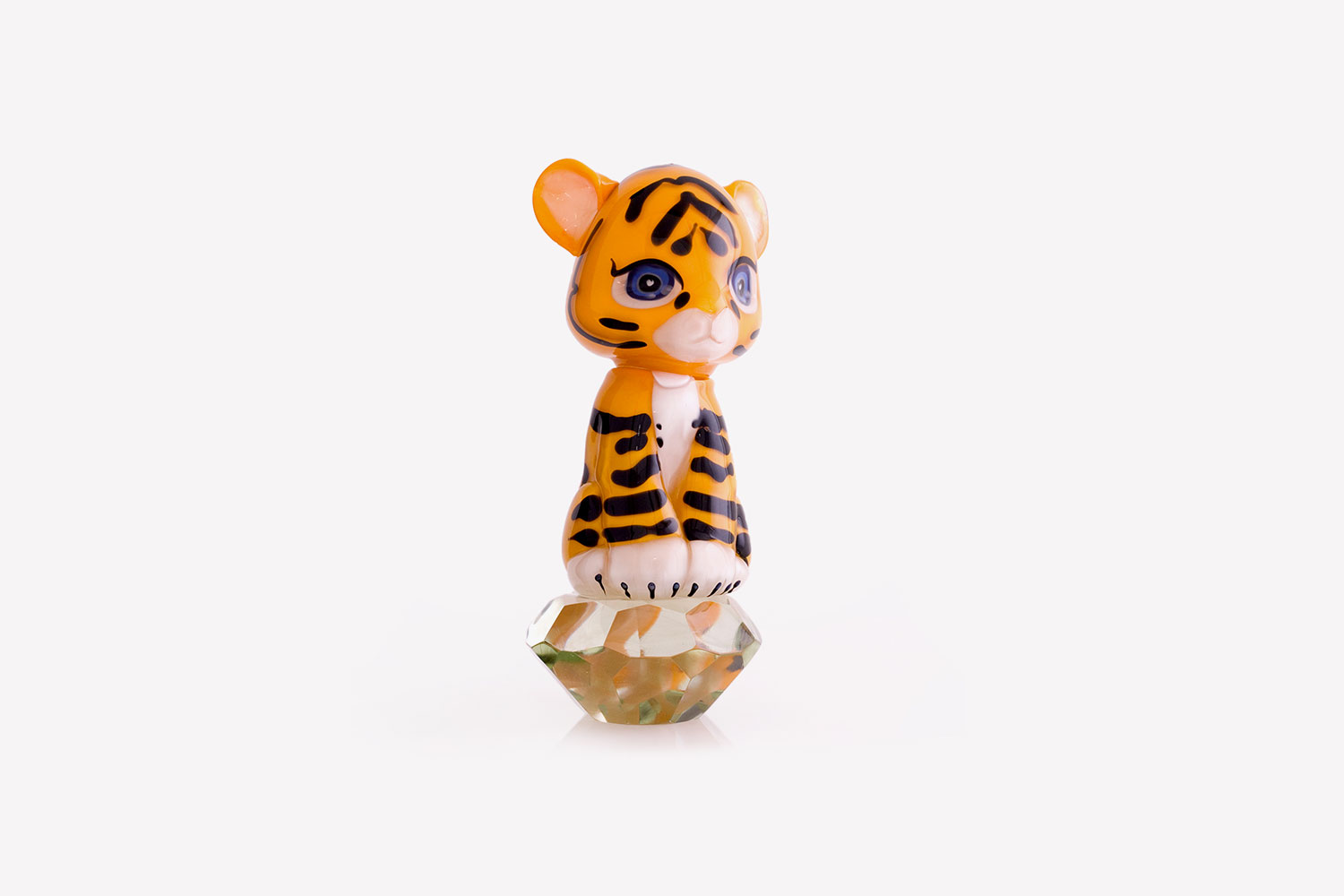
“My fascination with pop culture comes from an early encounter, visiting a Pop Art exhibition around the age of 11, which led me to become an artist.” A glass artist, to be precise. Born in England, Ned Cantrell moved to Denmark, where he now works and lives. He trained at the Surrey Institute of Art and Design in Farnham, UK, where he “made experiments with putting pieces of broken glass into clay vessels, which led to investigations in melting glass in the kiln and eventually to blowing glass,” before learning with several European masters. These days, he combines tradition and modern ideas, high culture and popular taste, to create objects that catch people off guard.
INTERVIEW
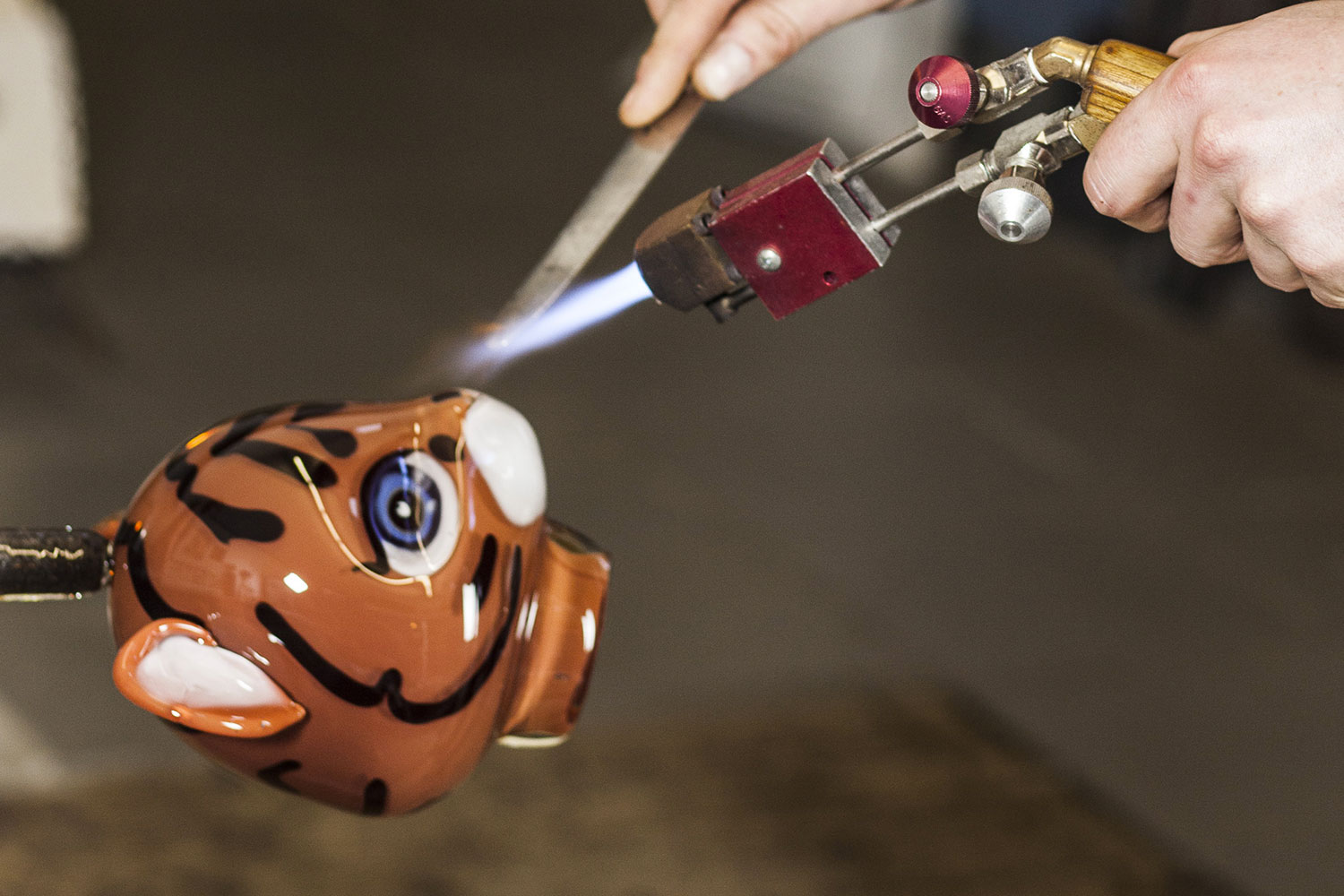
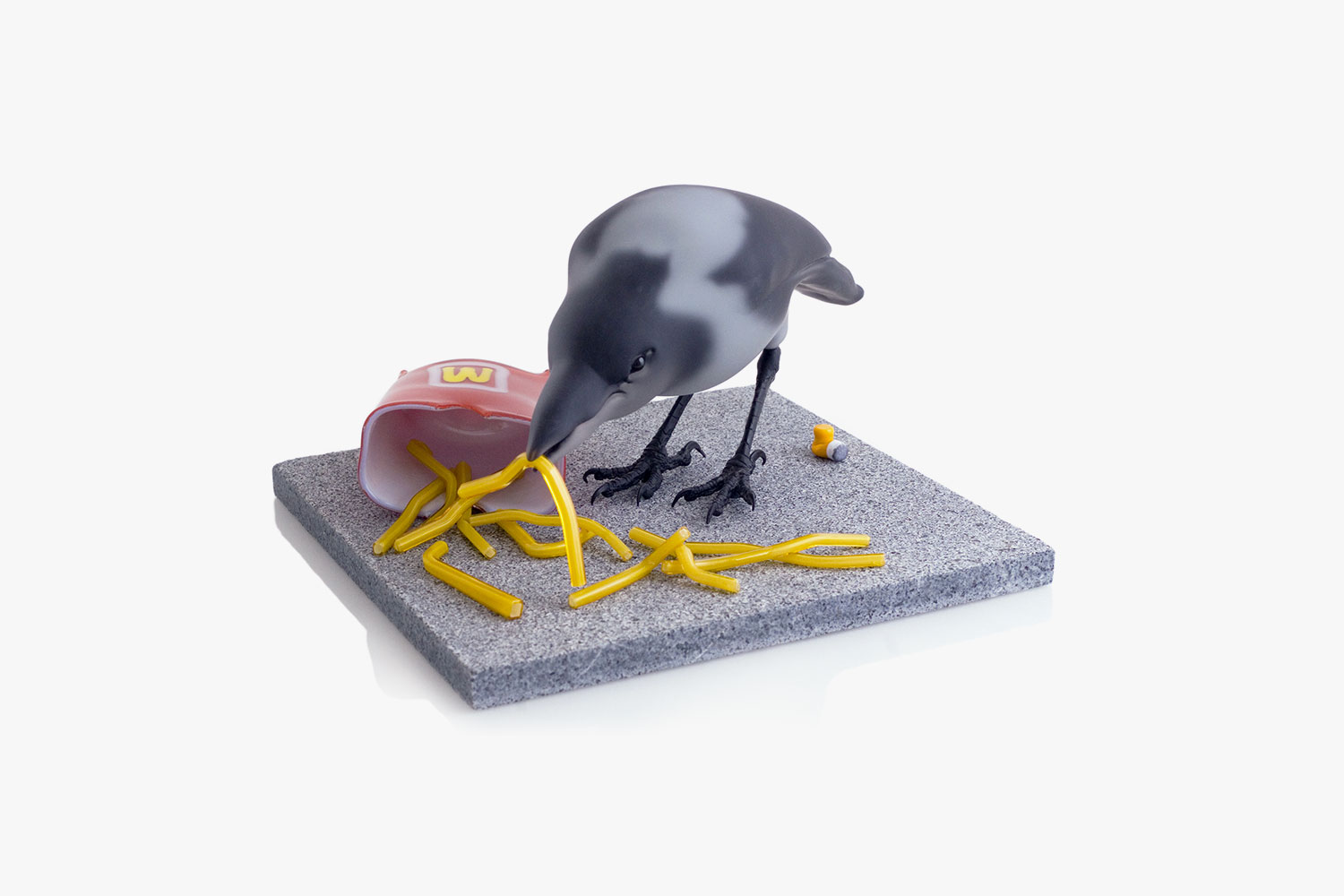
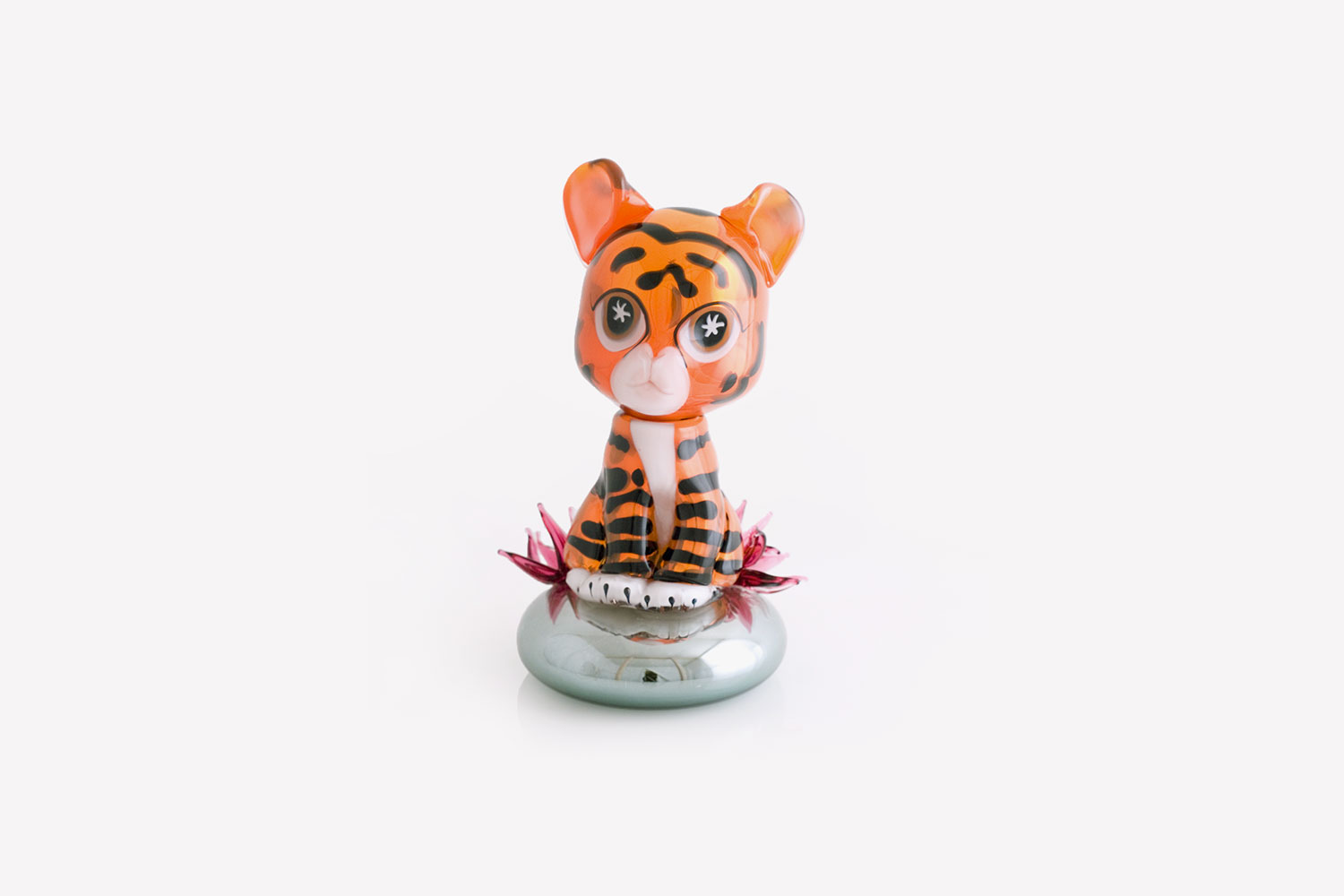
Lowbrow art and Japanese Superflat, which are contemporary developments of Pop Art, are the most exciting to me. I use symbols of pop culture and consumerism because I want to explore the contradiction between the objects’ kitschy spirit and the finesse of craftsmanship.
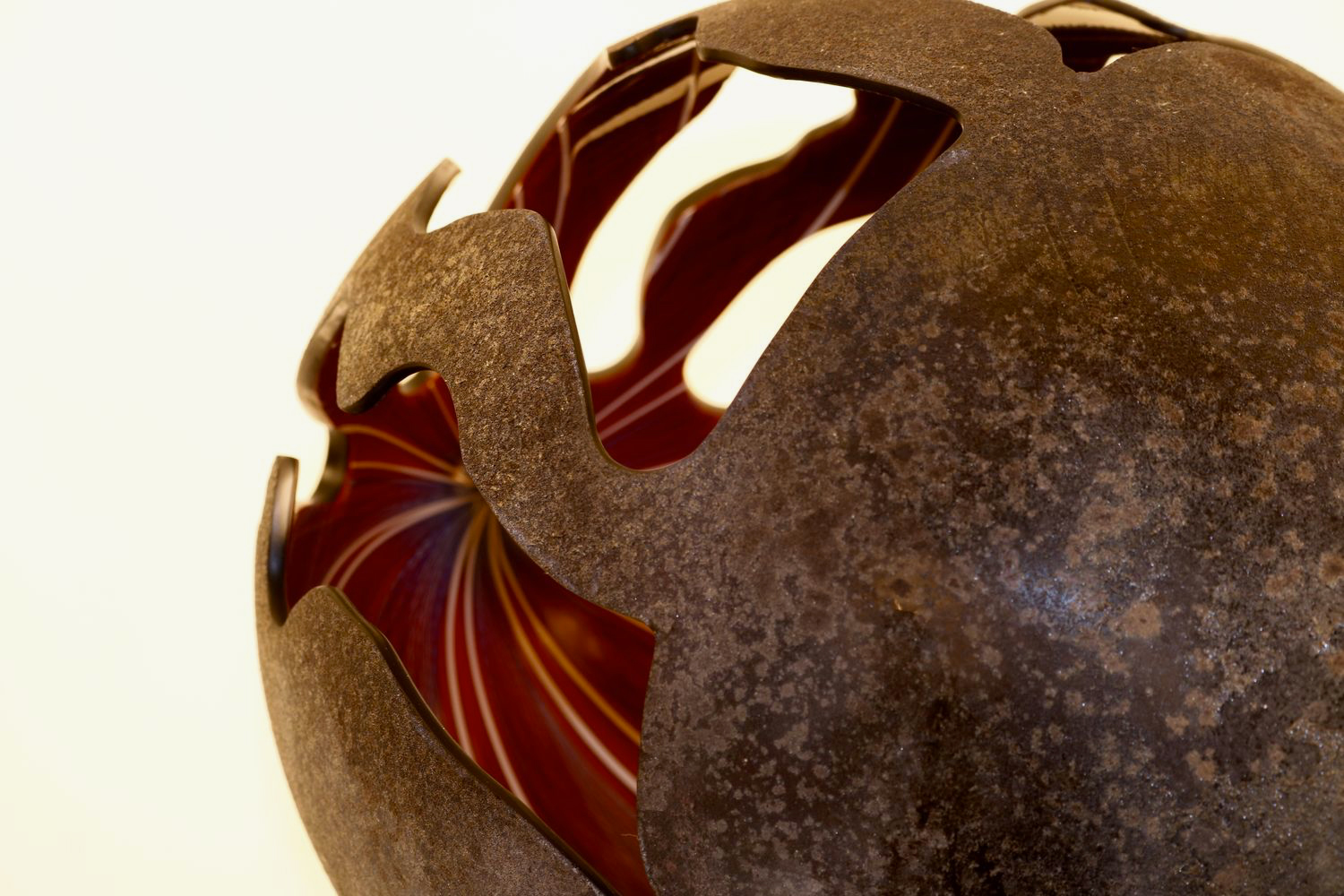
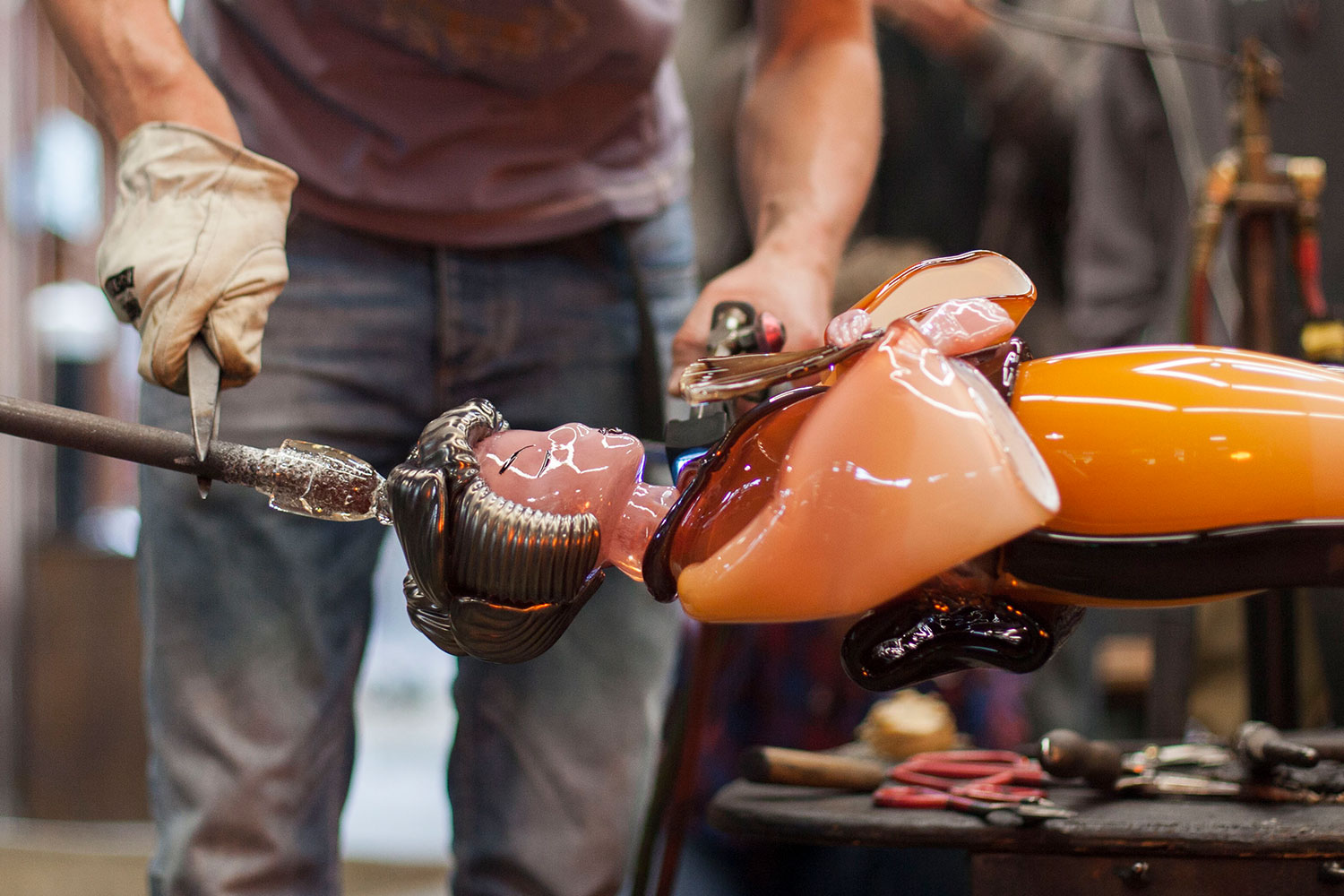
I like to cause people to question inherent ideas about beauty and elitism. I reproduce low cultural subject matter using high cultural techniques. It provokes questions like: why is the skill of a master oil painter valued more than that of a tattoo artist when both have mastered their medium?
High culture means something like virtuoso glassblowing techniques, a refinement of skill that belongs in collections where wealthy people can admire their own good taste. Low (or popular) culture belongs to the masses; it is common, accessible, ephemeral and cheap.
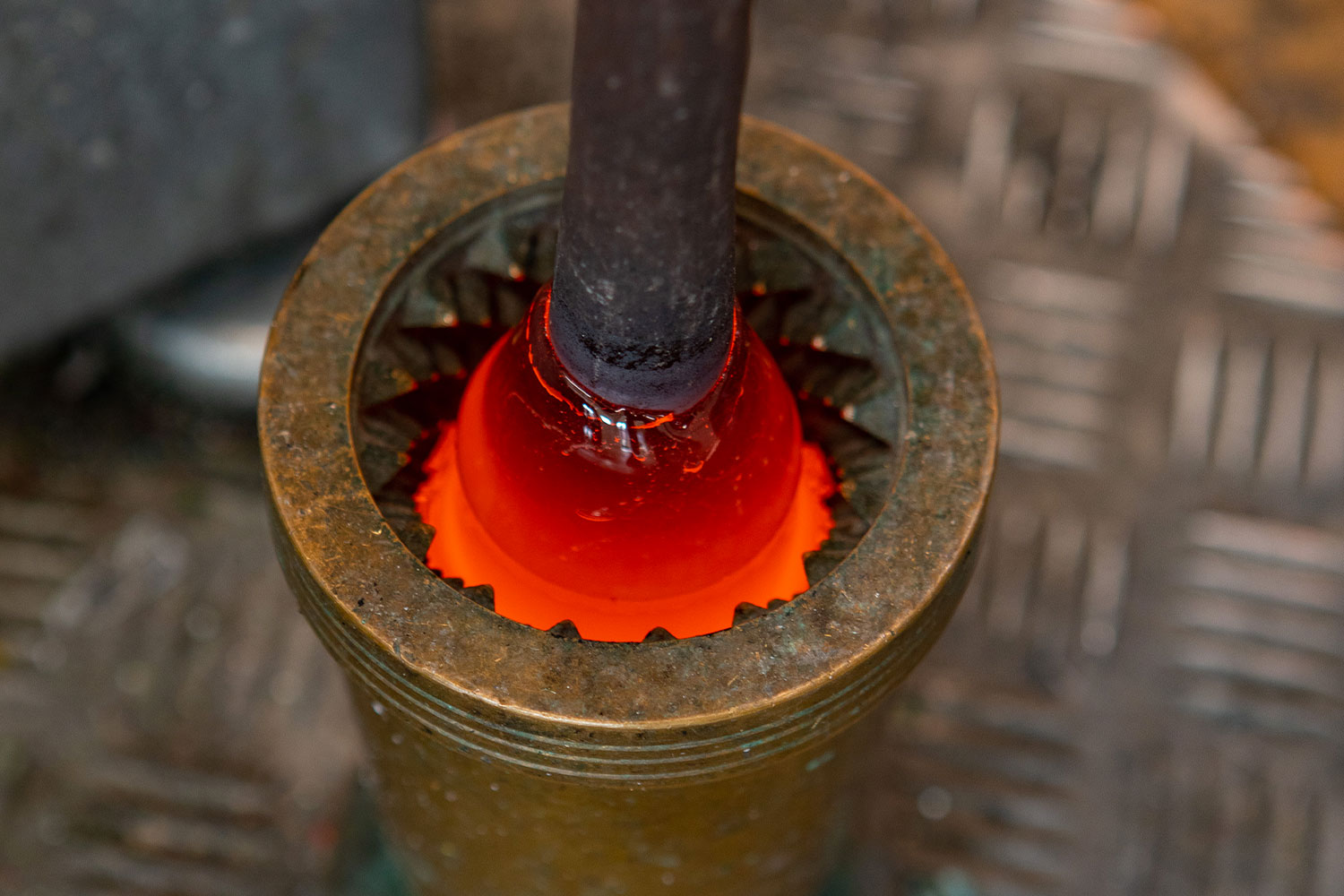
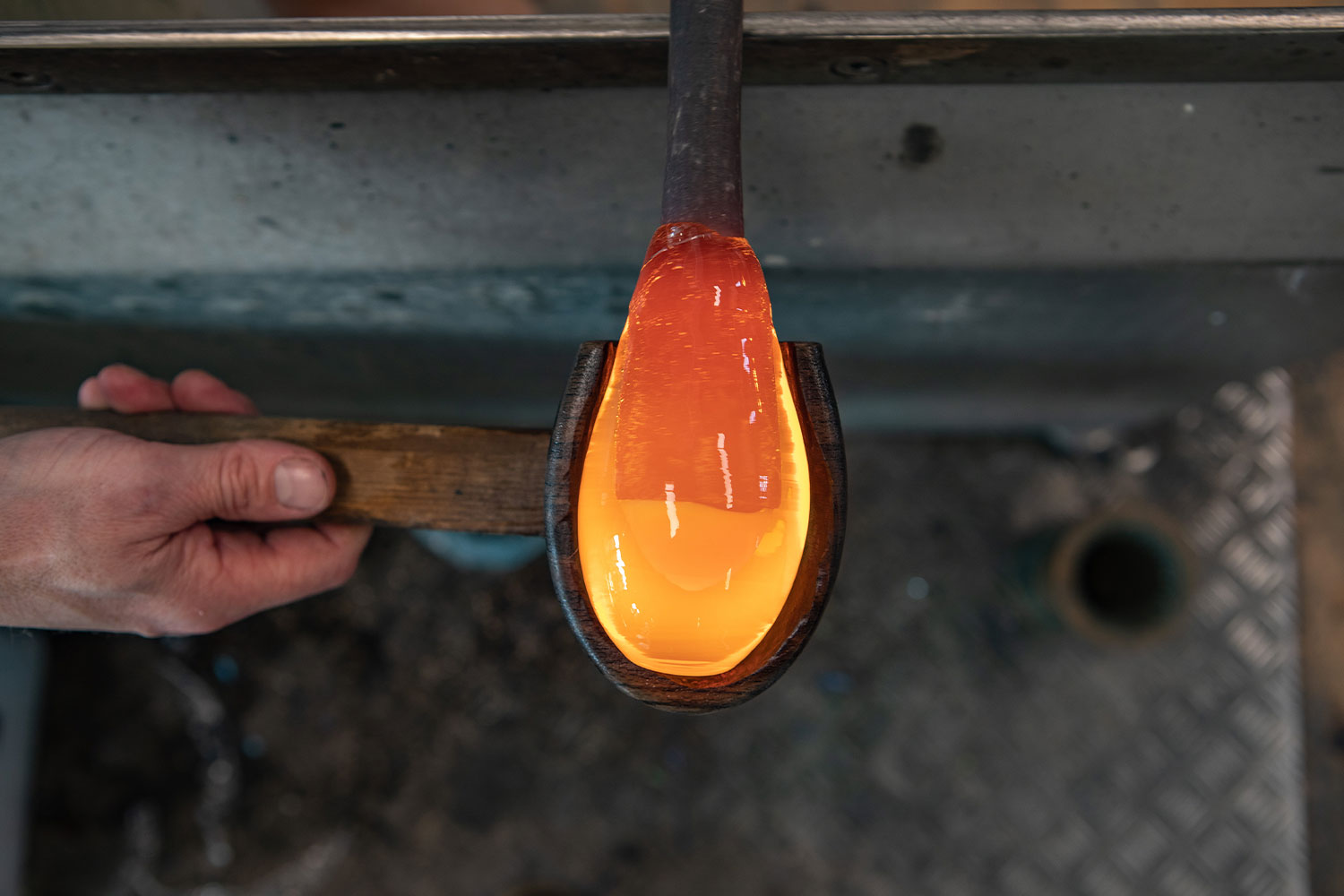
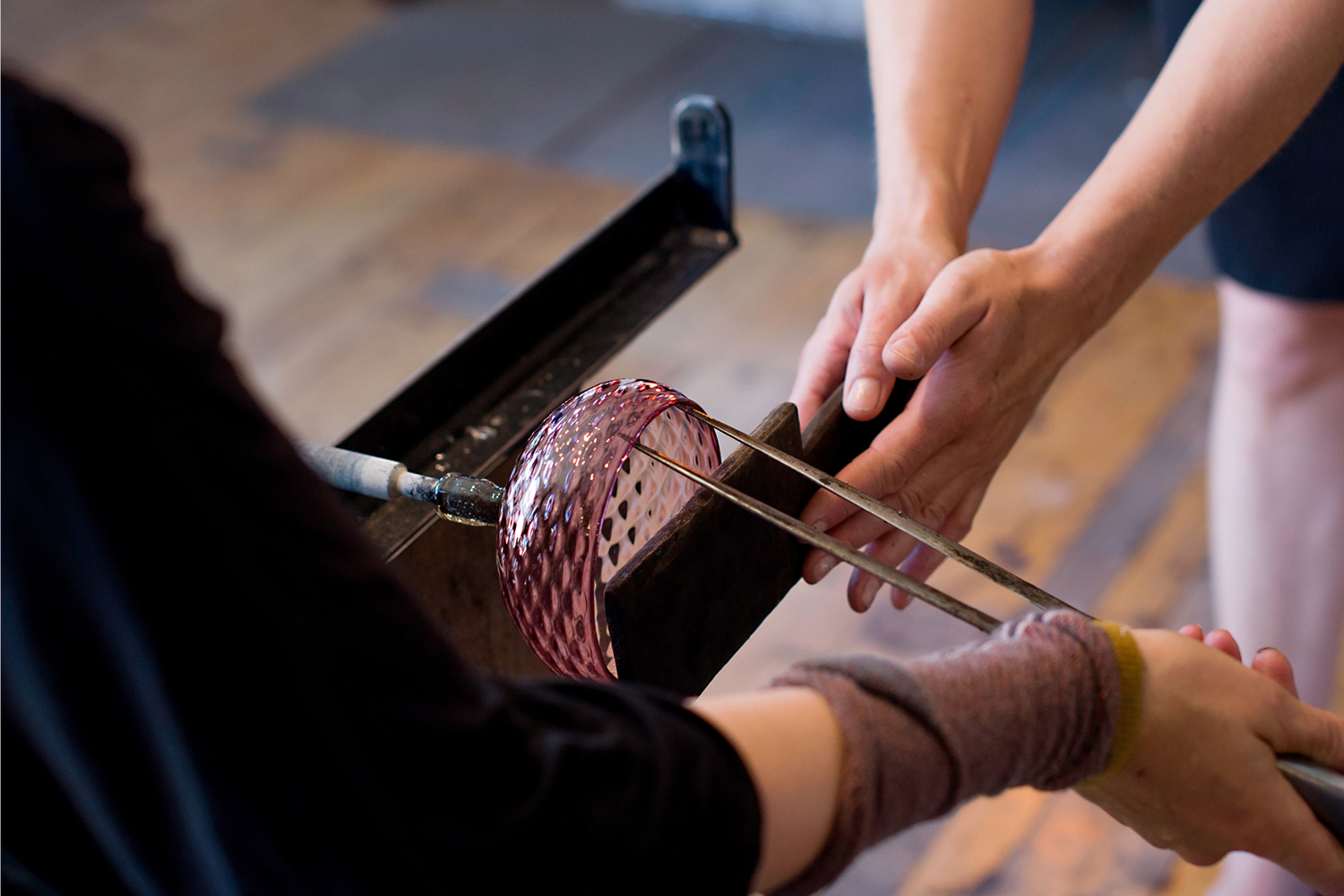
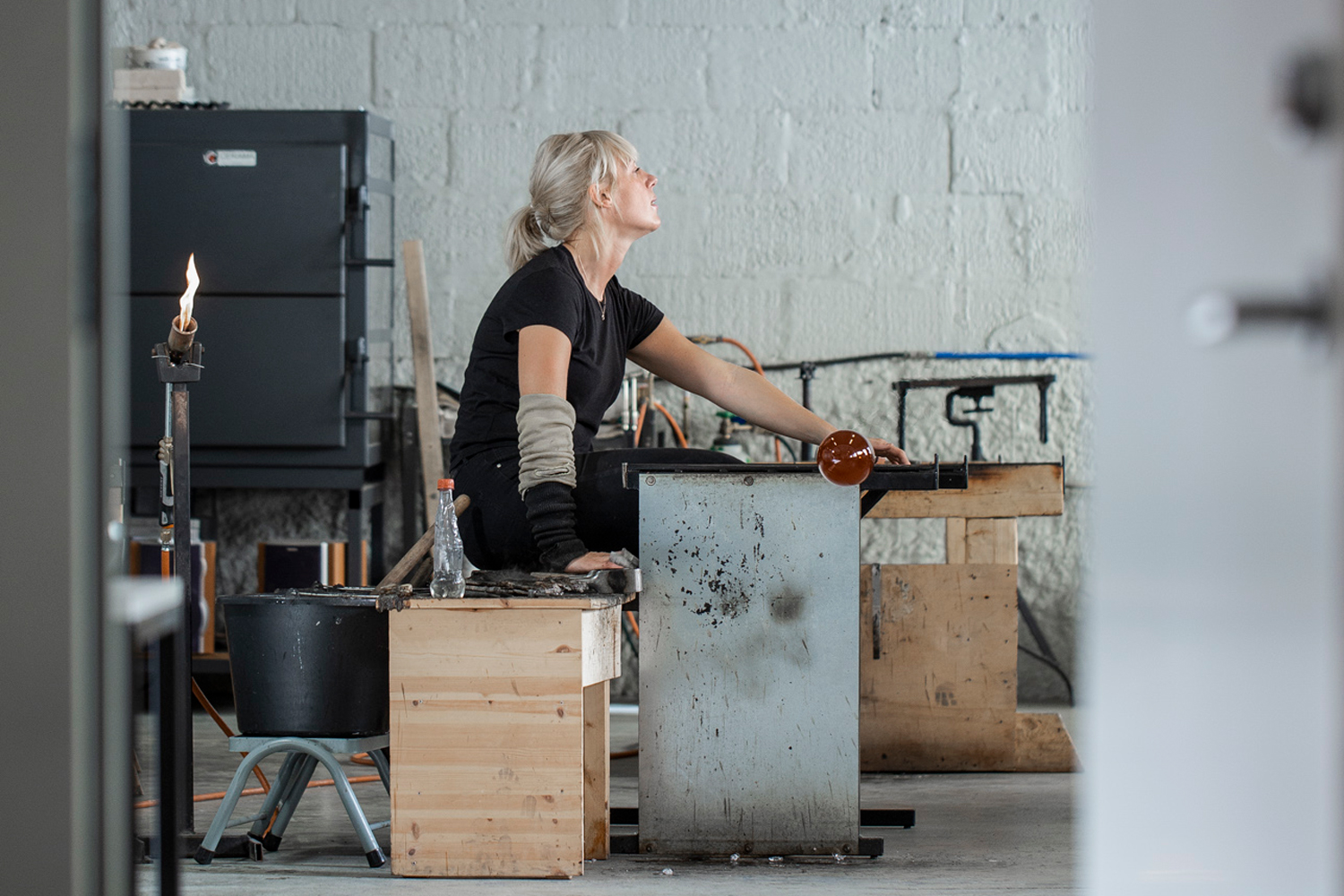
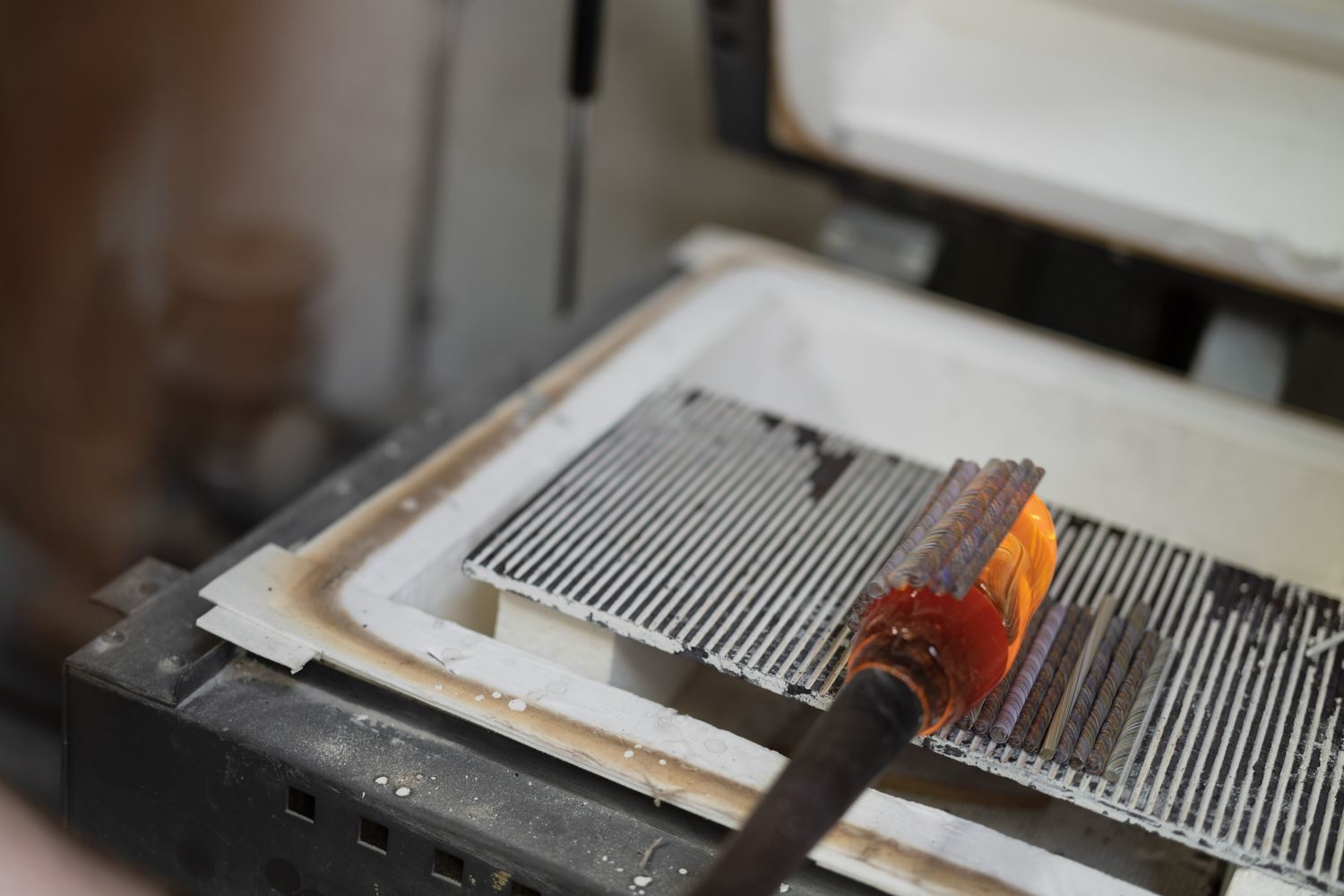
The transfer of skills from master to apprentice is fundamental to learning glassblowing. Or there is YouTube. But because I started before there was YouTube, to learn anything it was necessary to travel, to observe, assist and ask questions.