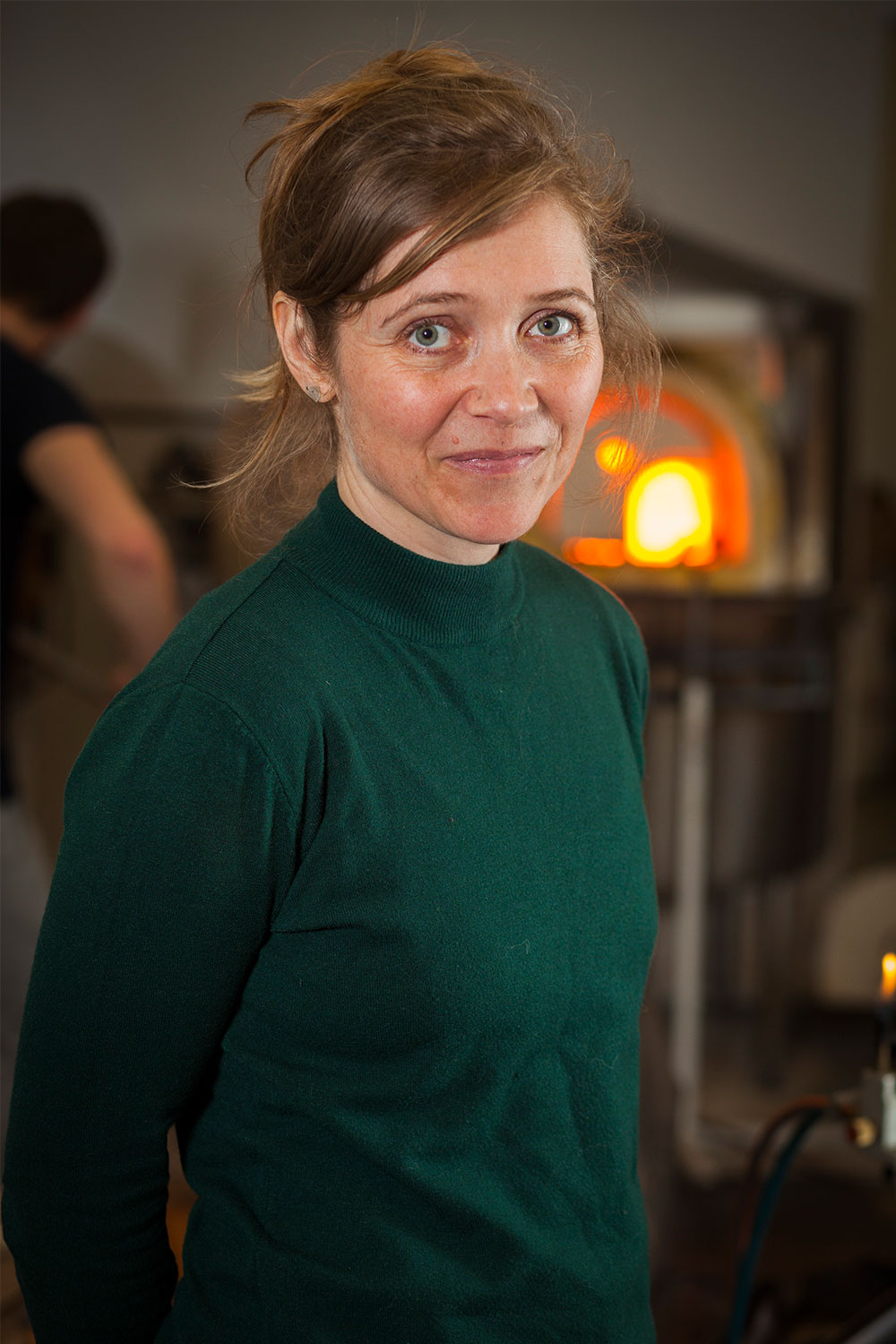
Karen Nyholm
Glassblower
Ebeltoft, Denmark
Recommended by Danish Crafts & Design Association
From imagination to reality
- Karen perfected her skills at the glass school in Bornholm
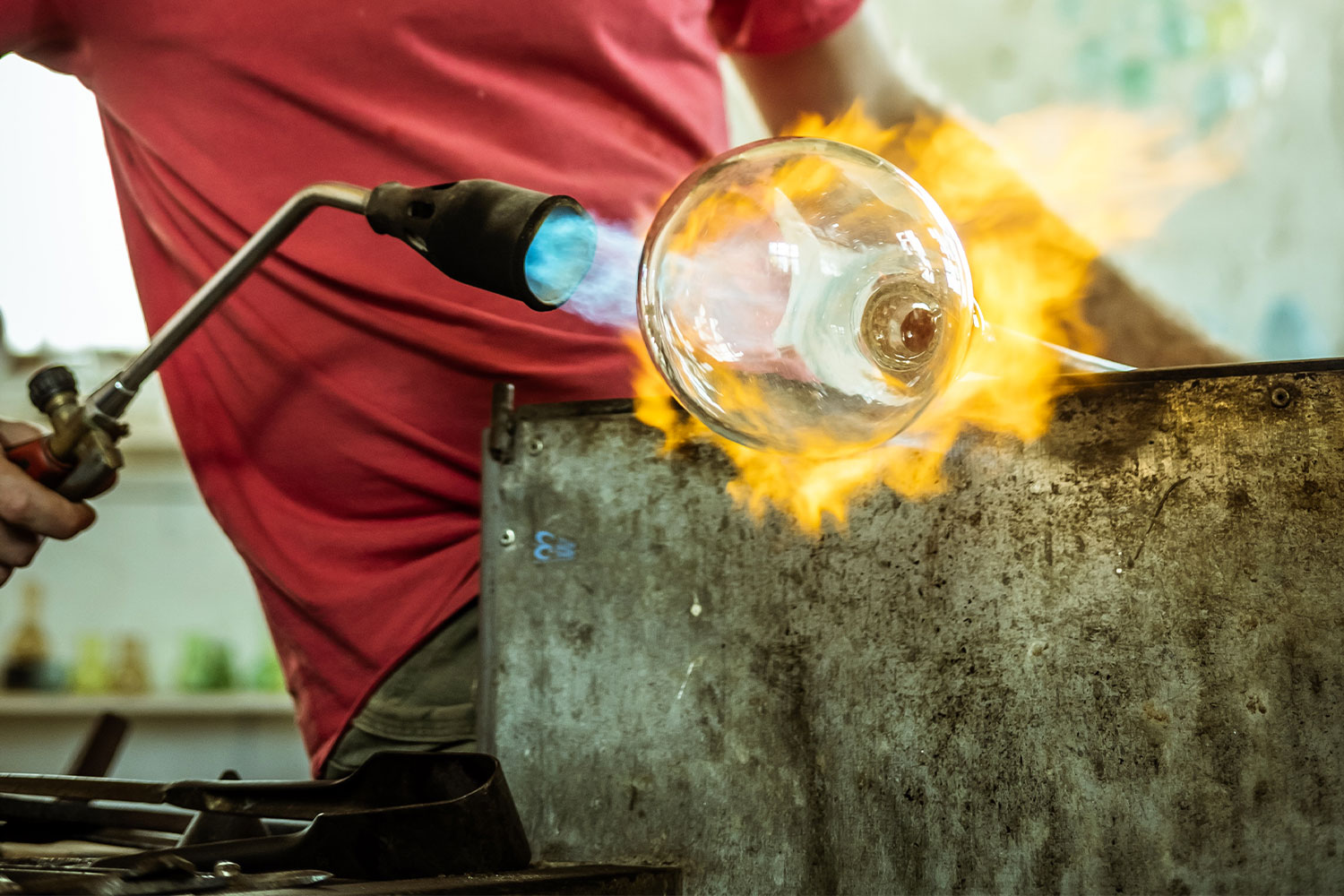
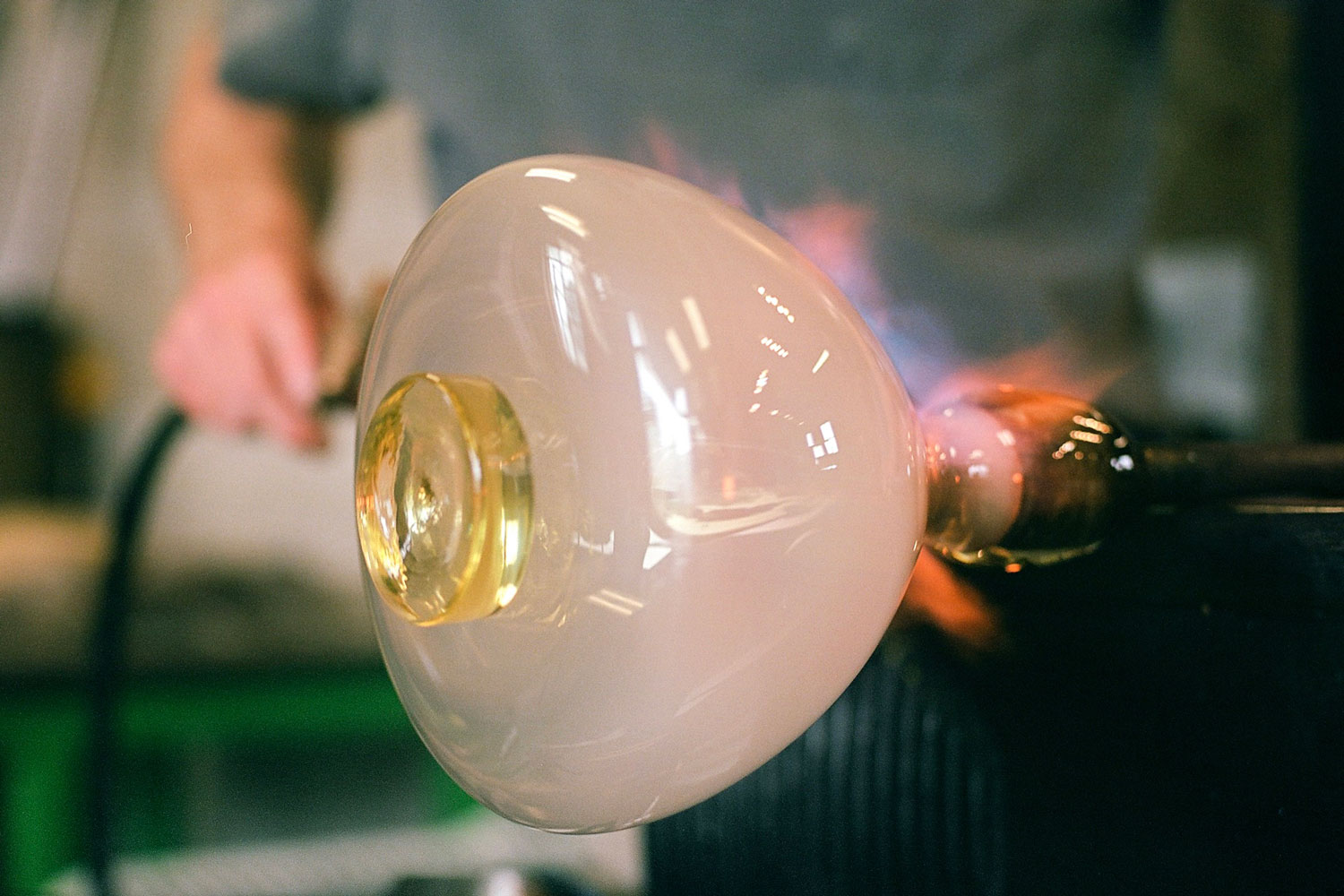
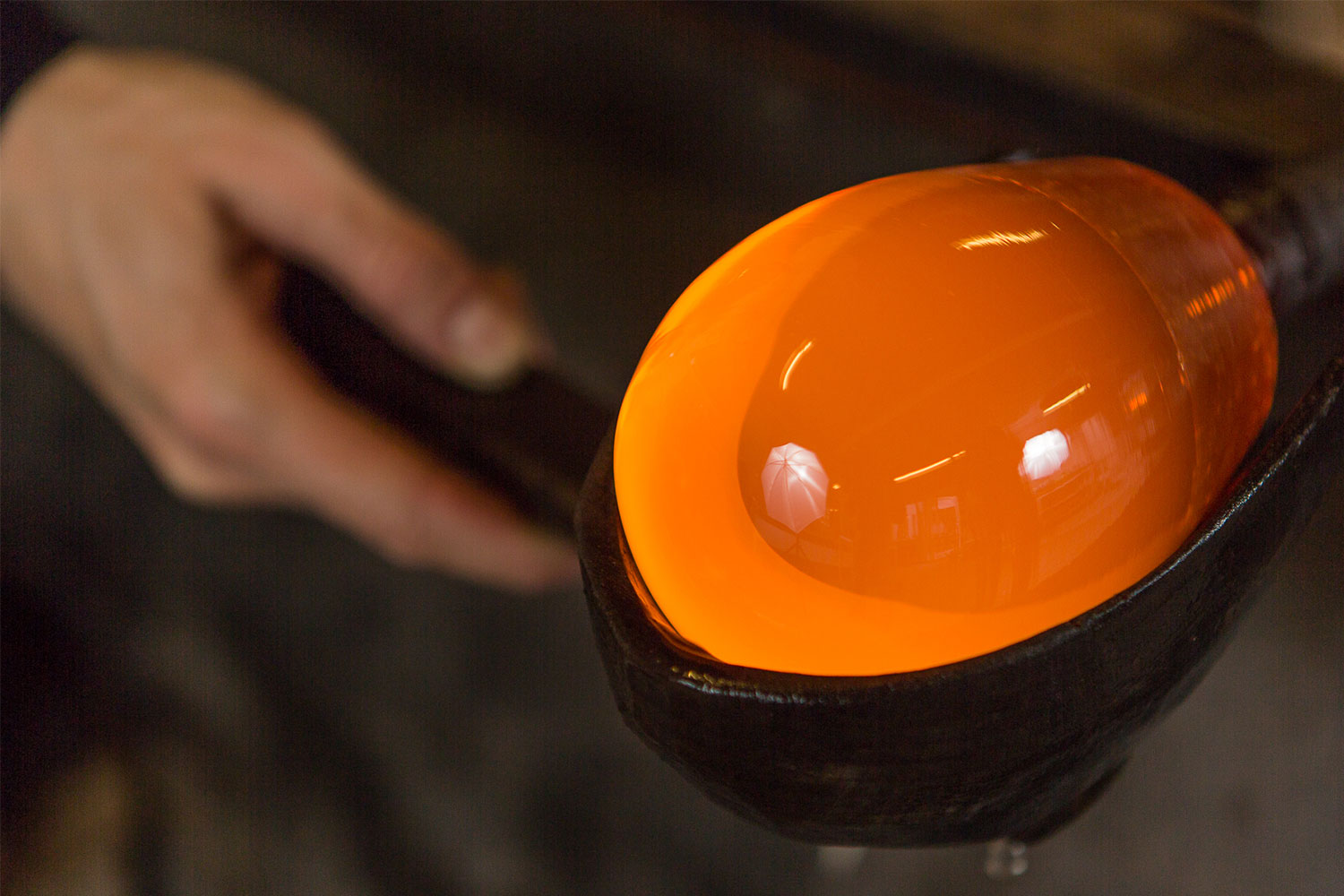
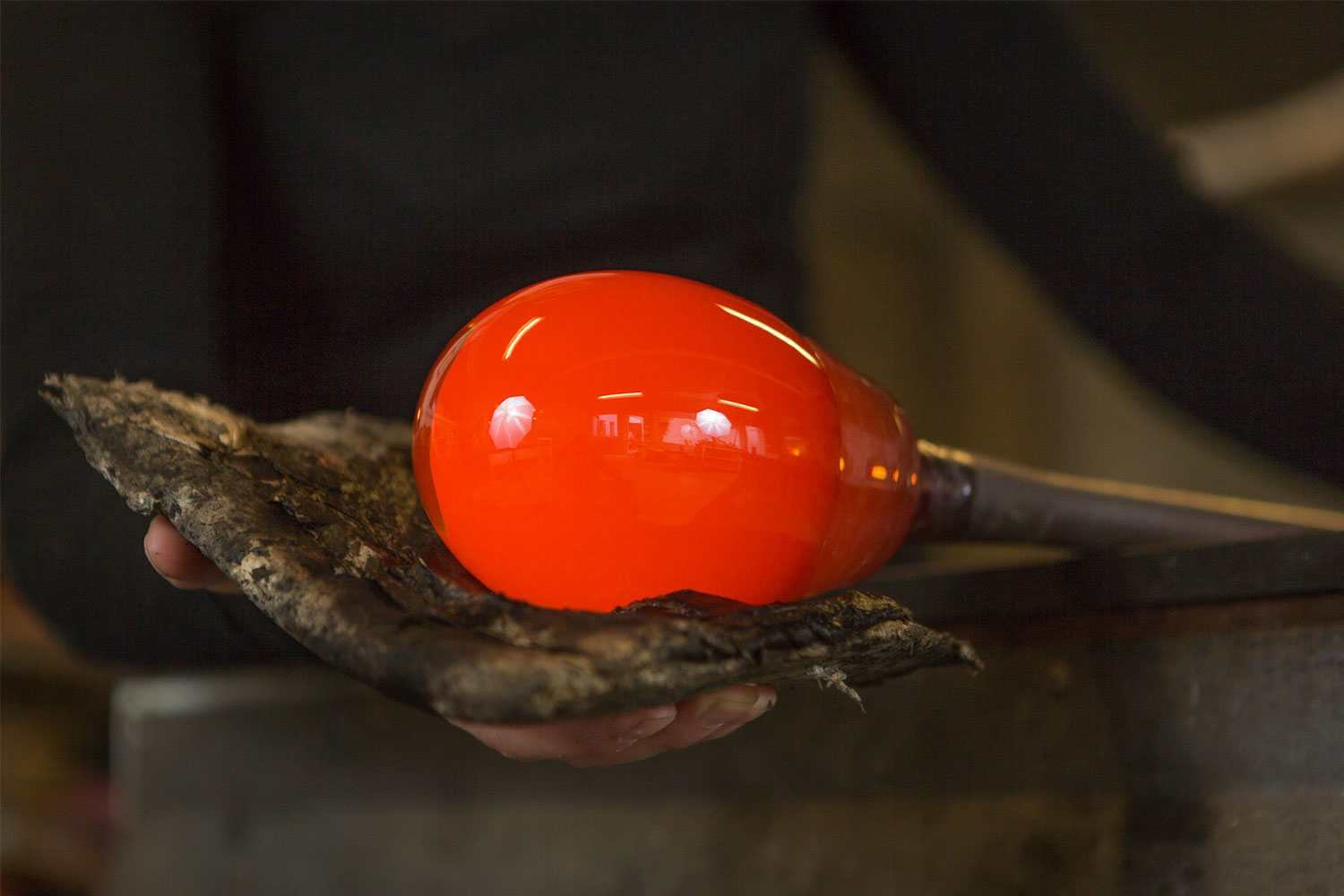
- Her favourite technique is hot sculpting
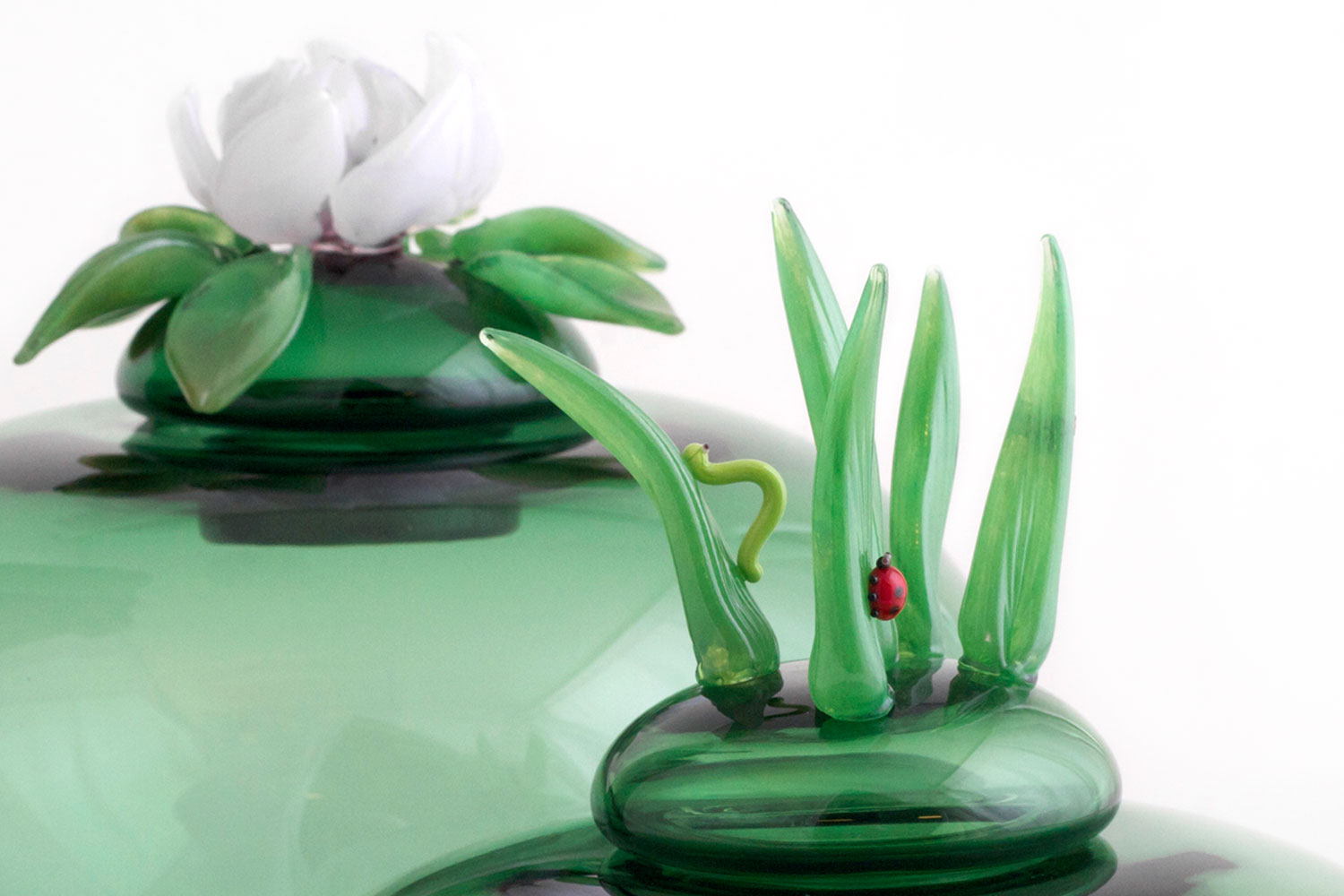
- Nature is an important inspiration, as is the digital world
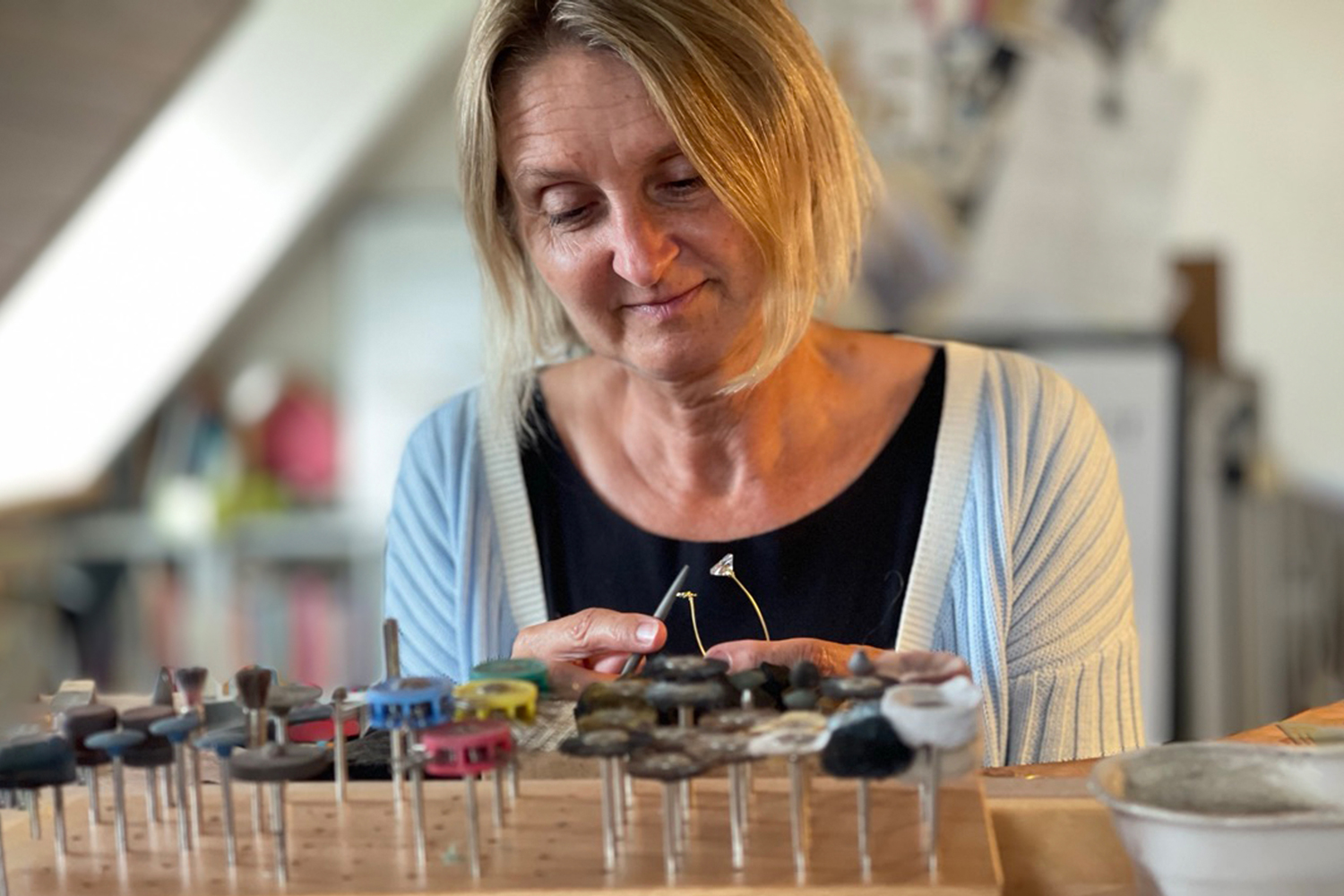
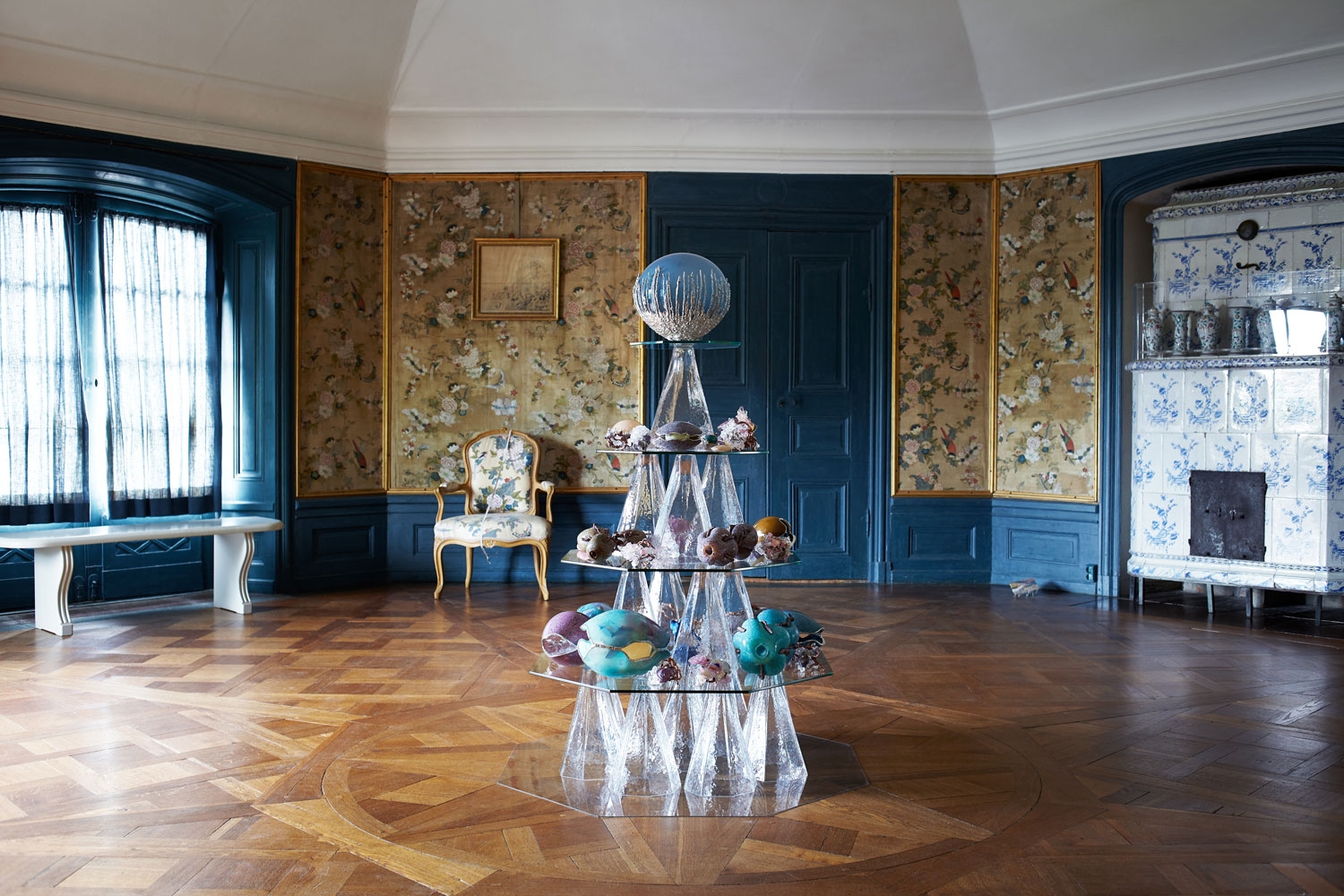
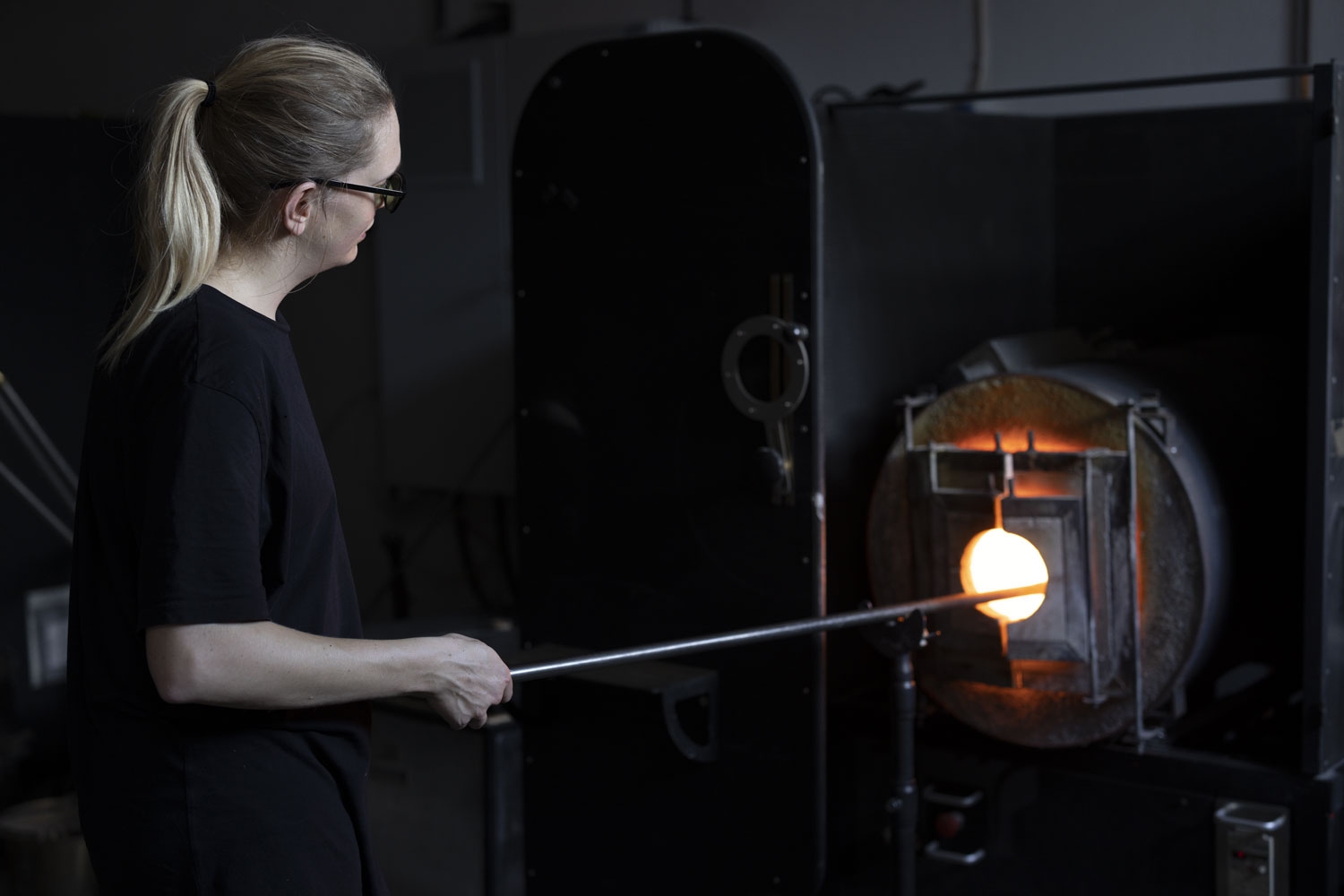
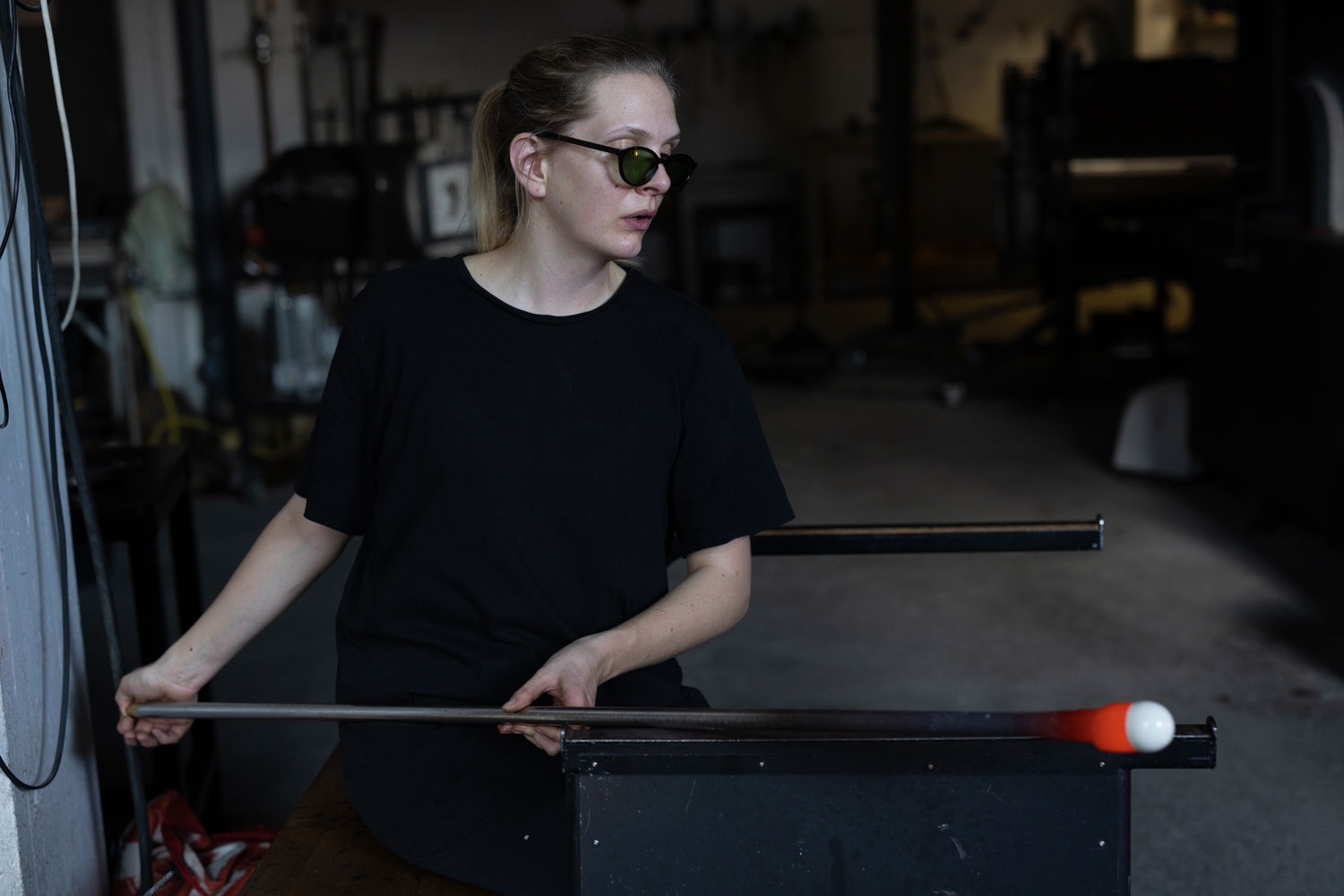
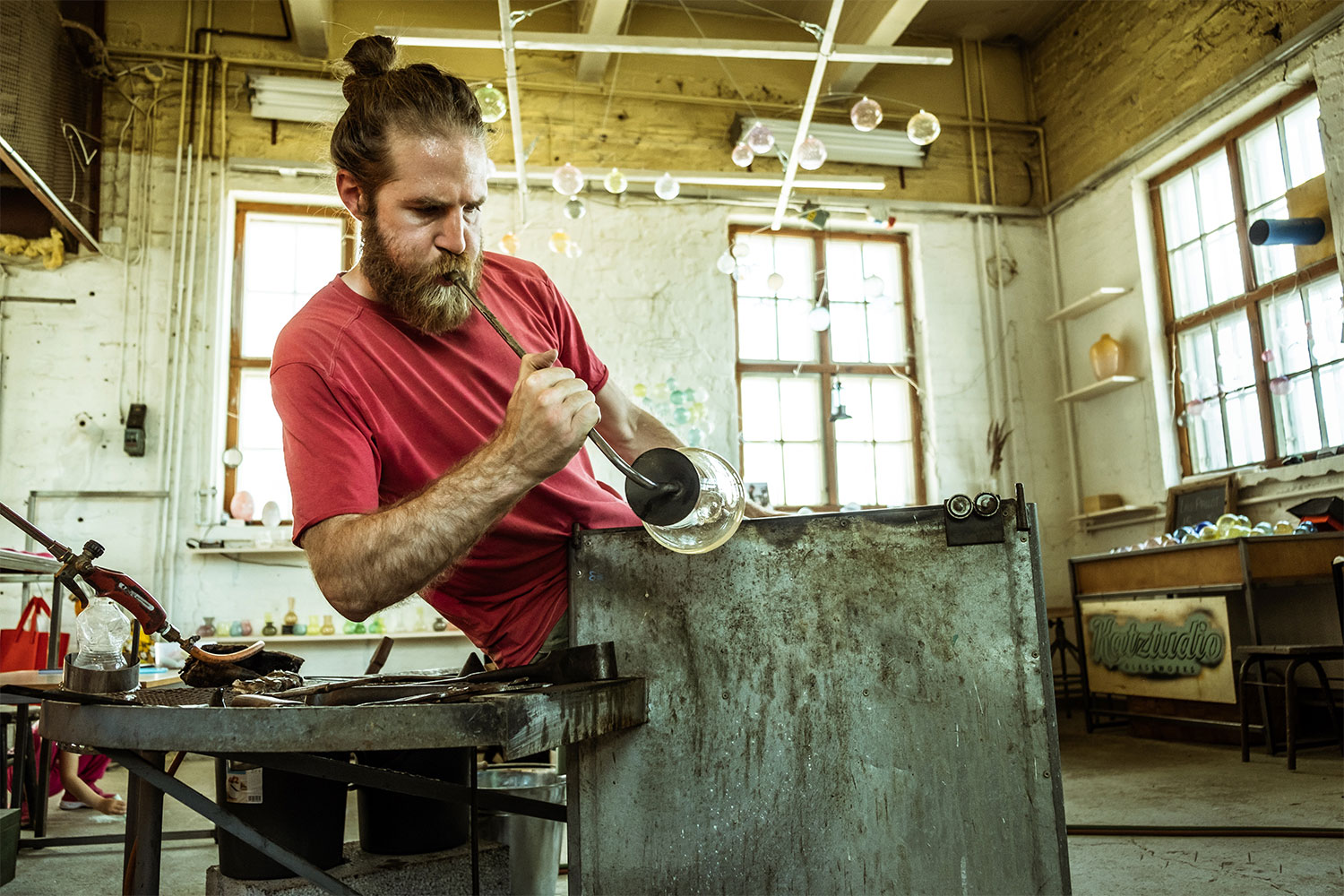
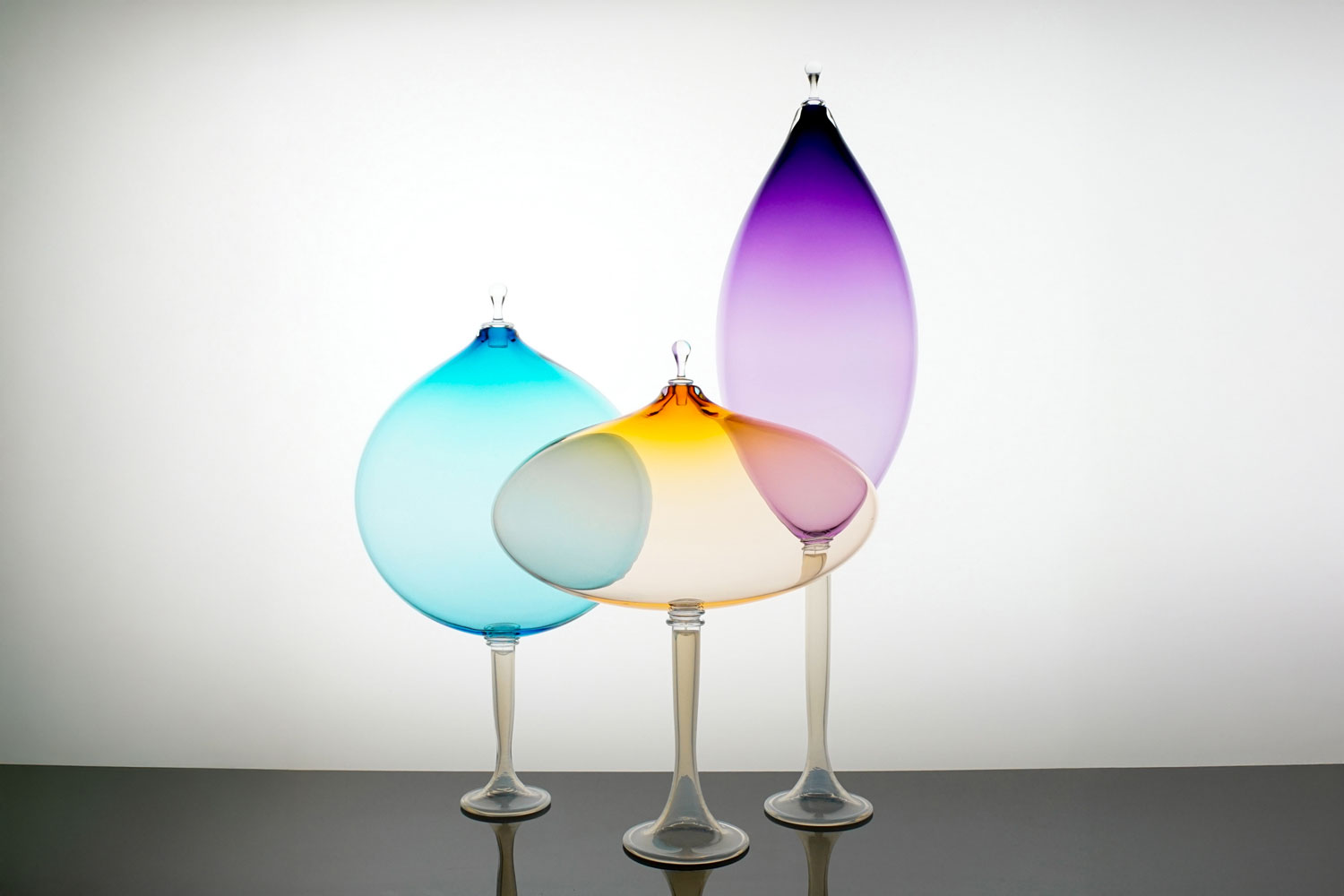
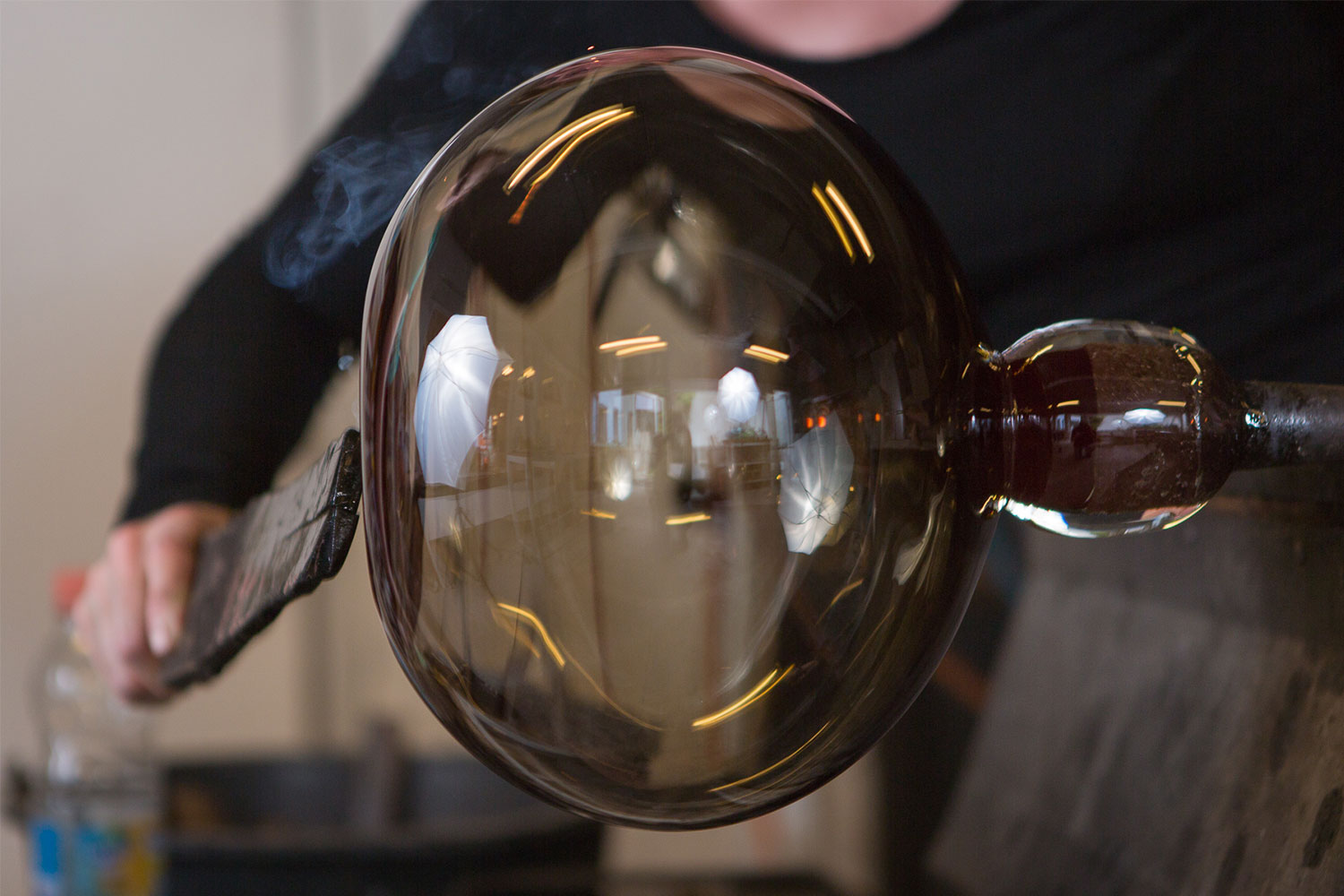
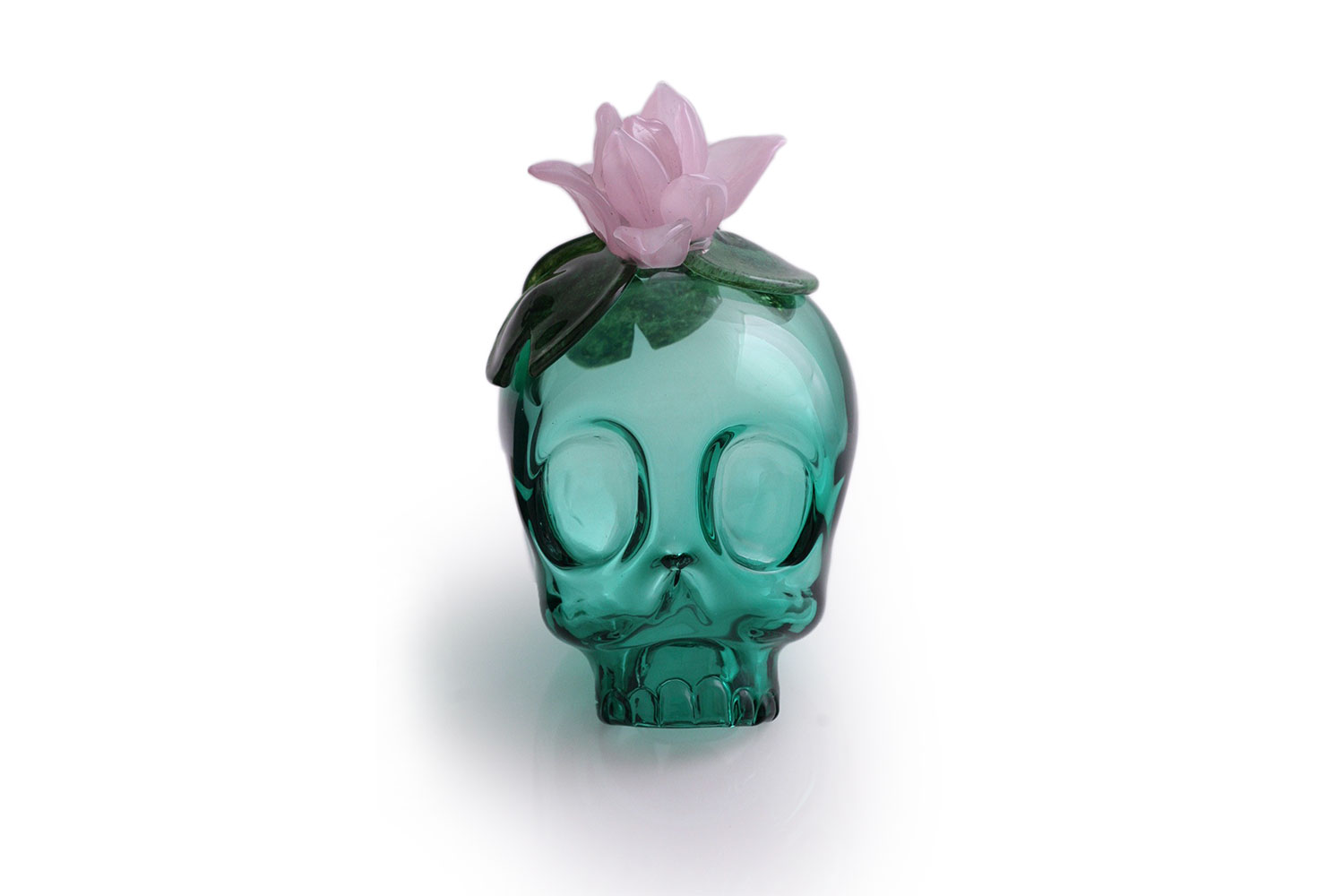
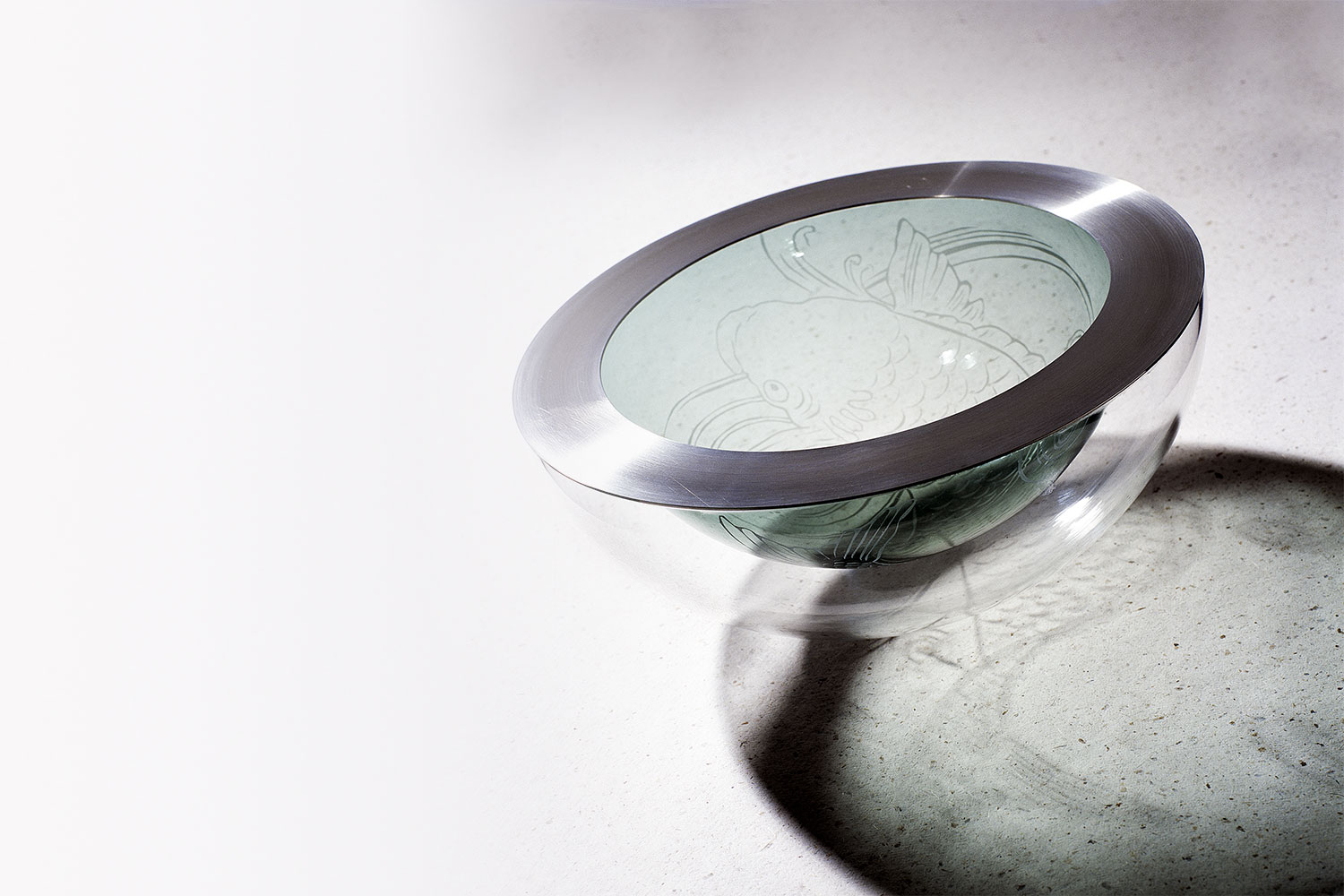
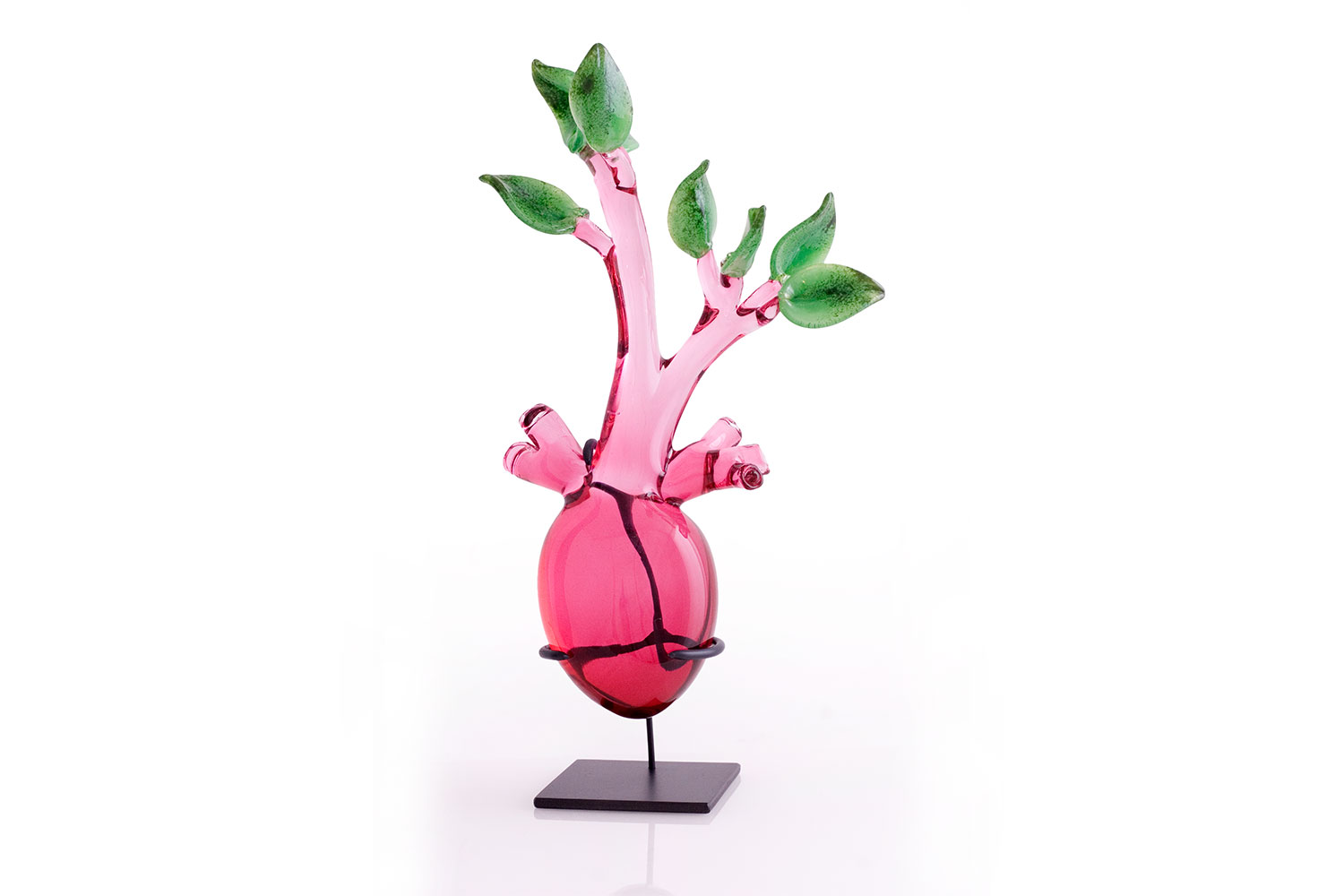
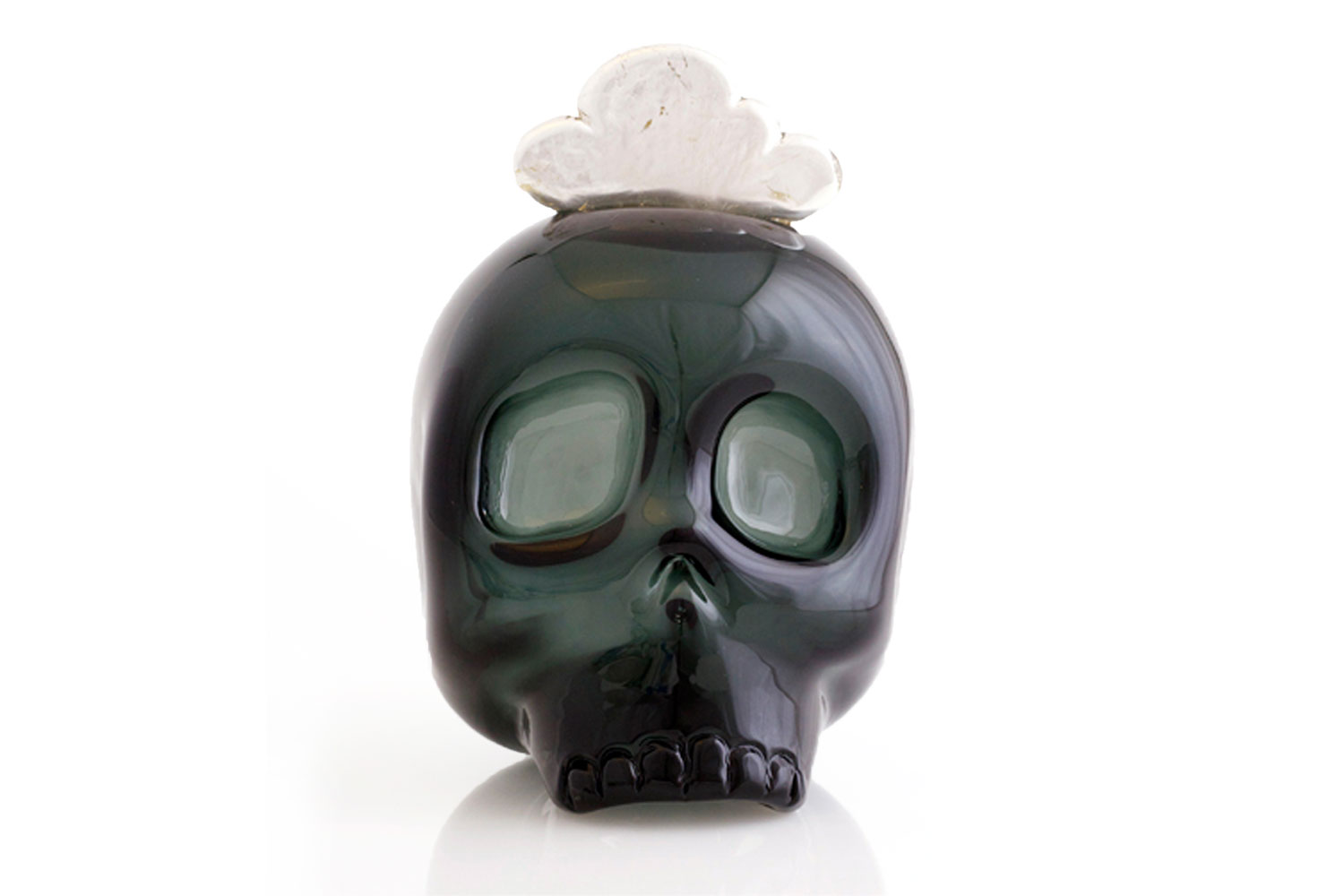
Always fascinated by art, Karen Nyholm has been working with glass since 1998 and fell passionately in love with hot glass the first time she tried it. During her glassmaking studies on the Danish island of Bornholm, she met her husband, the artist Ned Cantrell, and in 2004 they opened their first hotshop in the centre of Aarhus. In 2015, they transferred to the old port town of Ebeltoft and set up Nyholm Cantrell in the ex-studio of Tchai Munch and Finn Lynggaard. There, they support each other in their work, however, since each has their own interests, agendas and aesthetics, they rarely collaborate. As a creator, Karen always infuses the pieces she is working on with part of her personality and that has enabled her most recent foray into subjects including alter-egos and doppelganger (lookalikes).
INTERVIEW
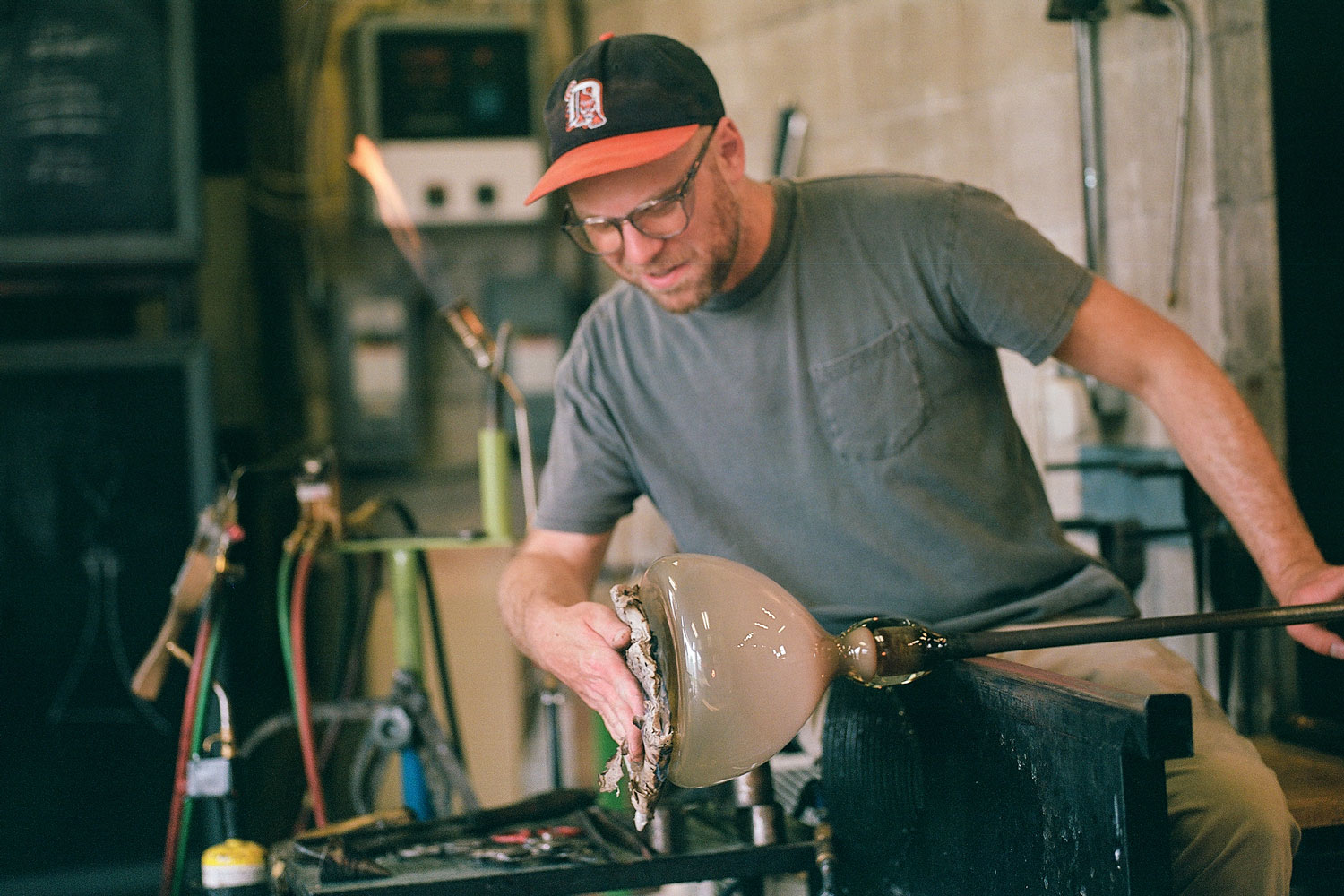
Glassblowing has intrigued me since I saw it for the first time as a little girl on holiday with my family in Sweden. I have always worked creatively, but in 1998 I tried glassblowing for the first time and I have worked with it ever since.
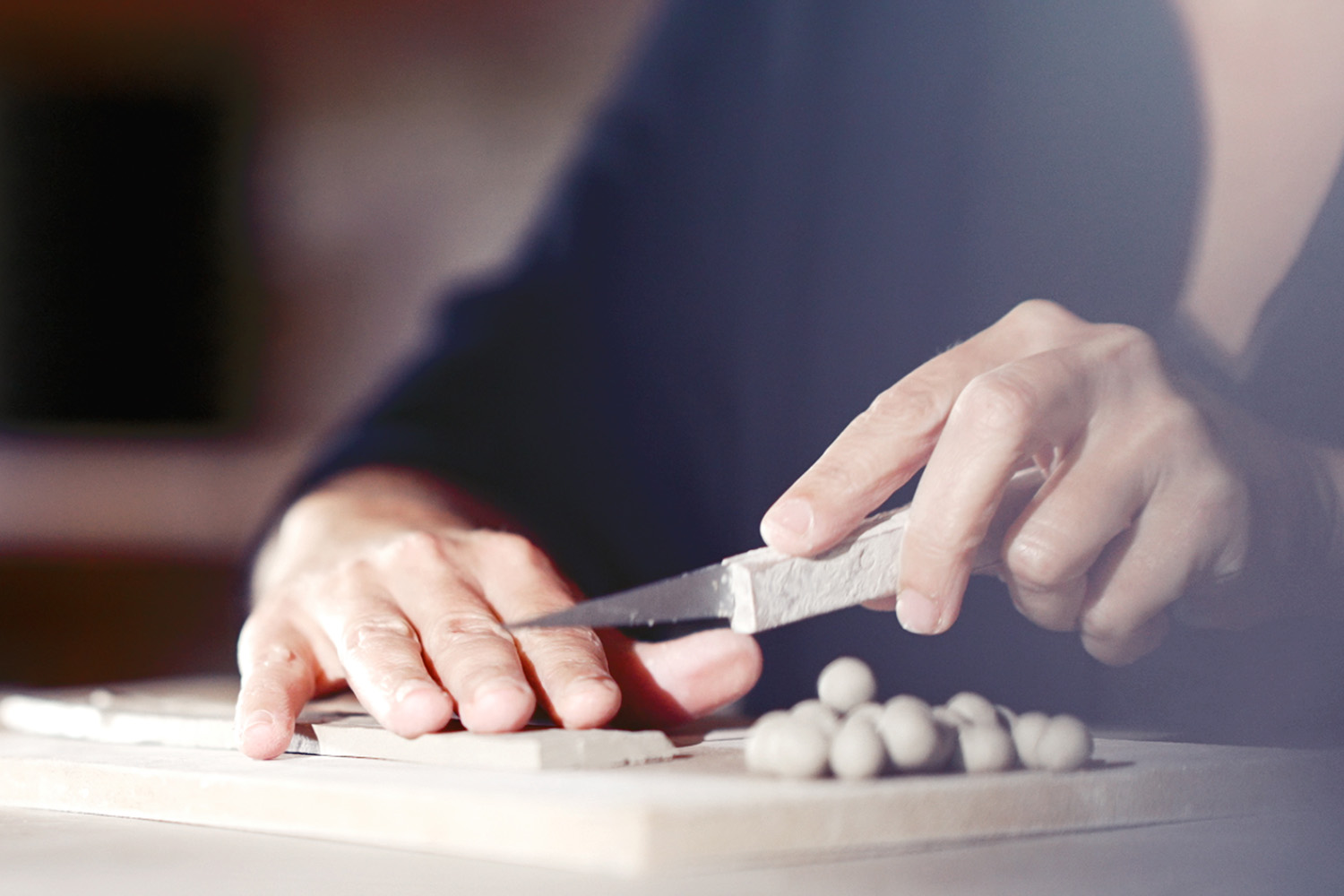
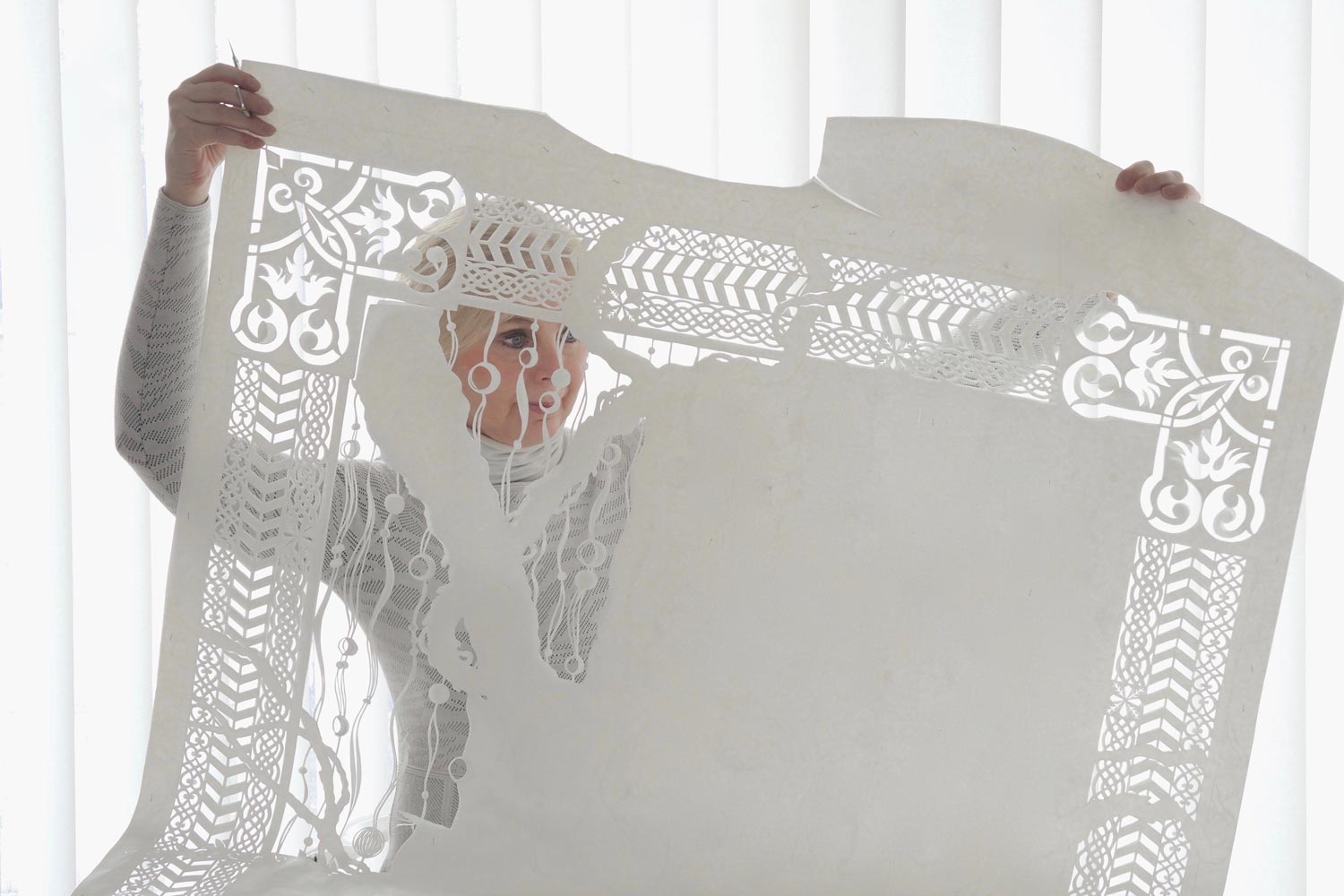
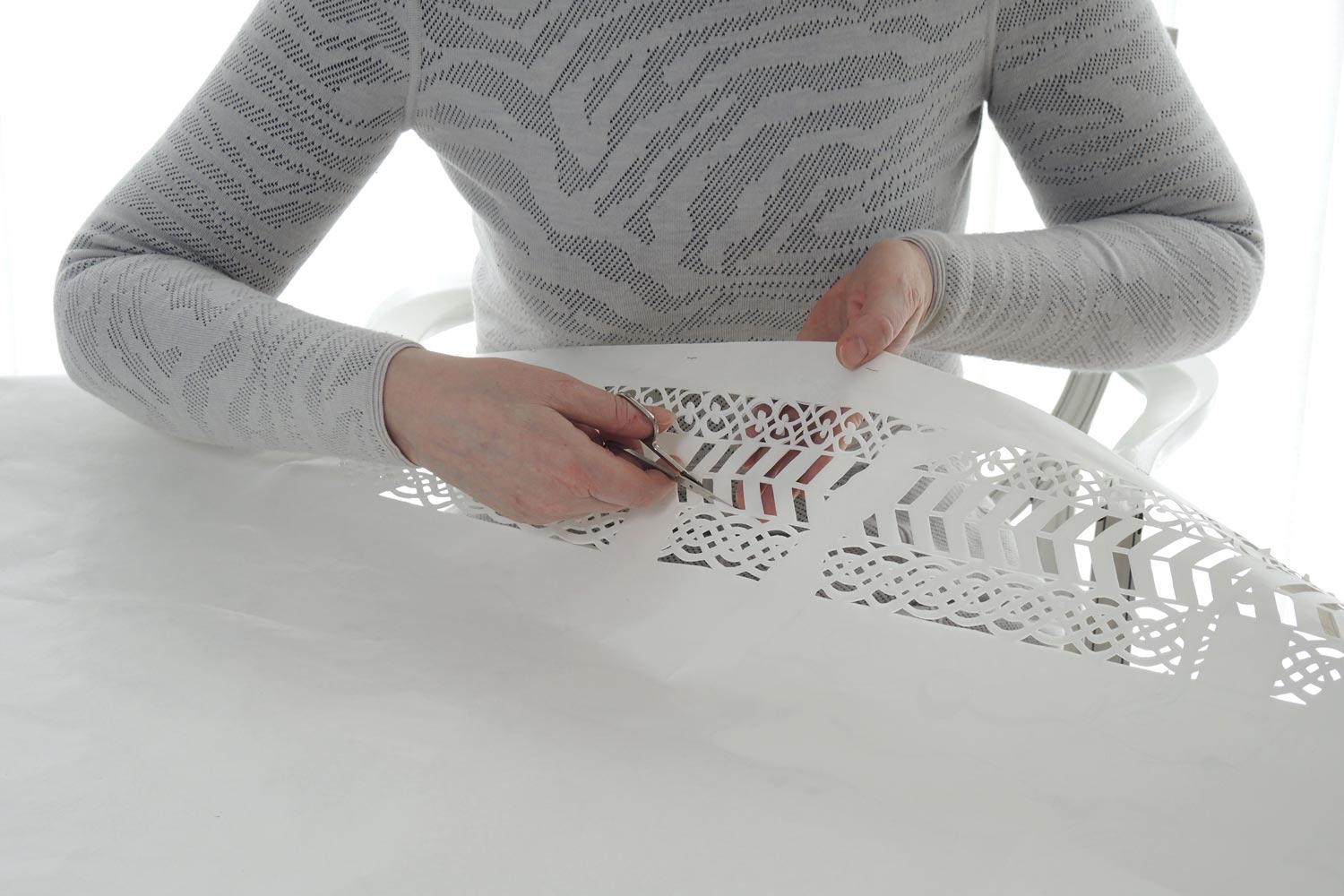
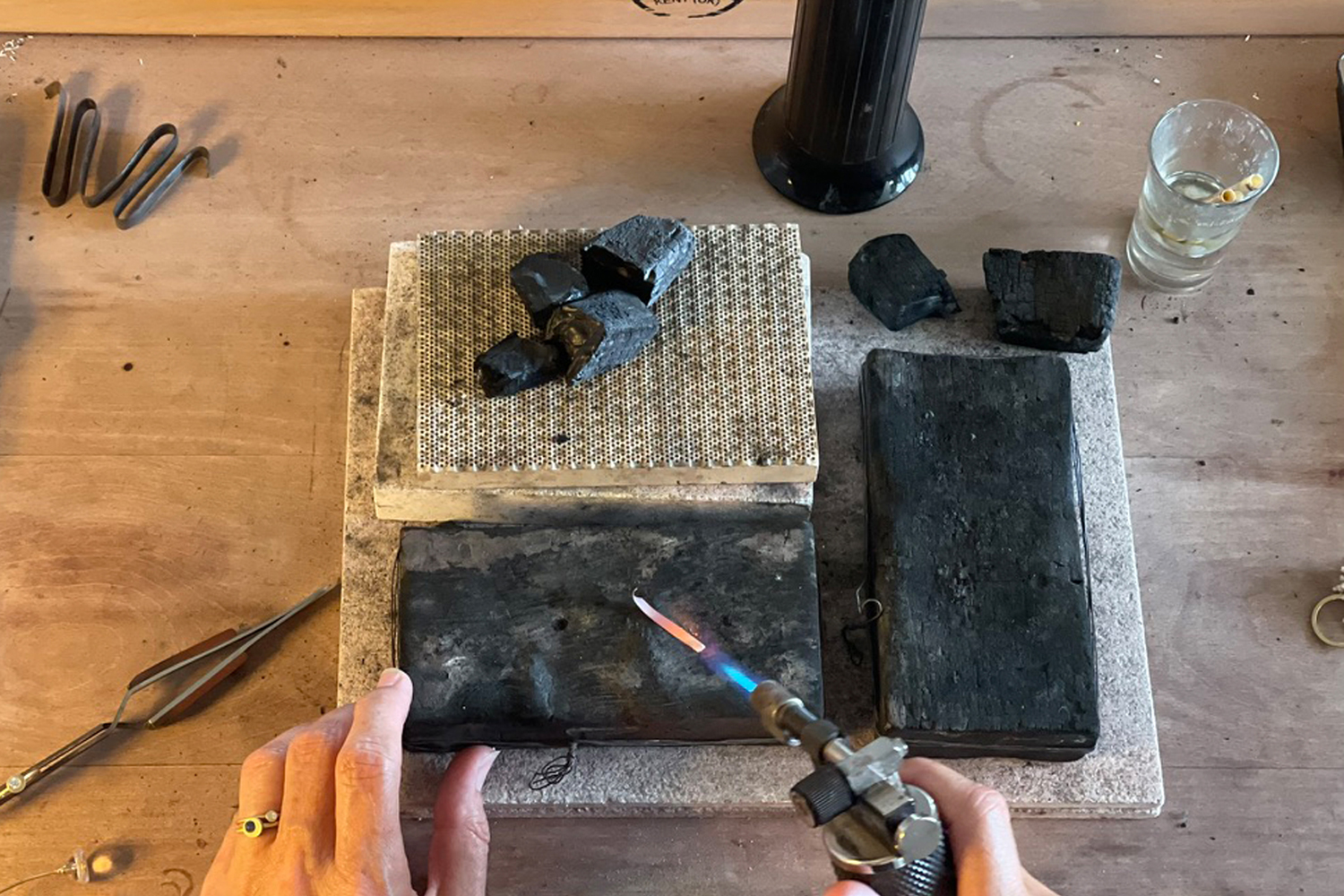
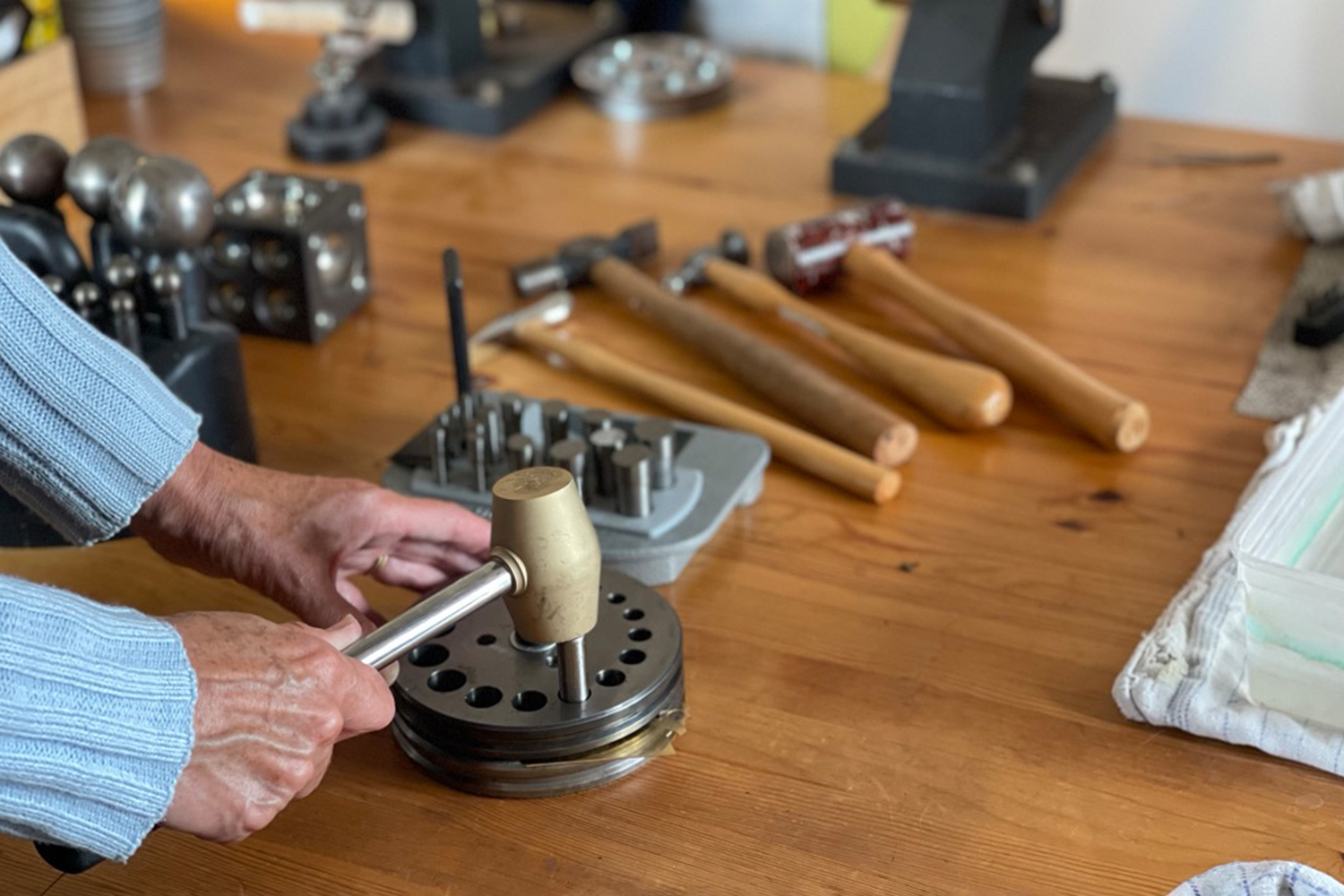
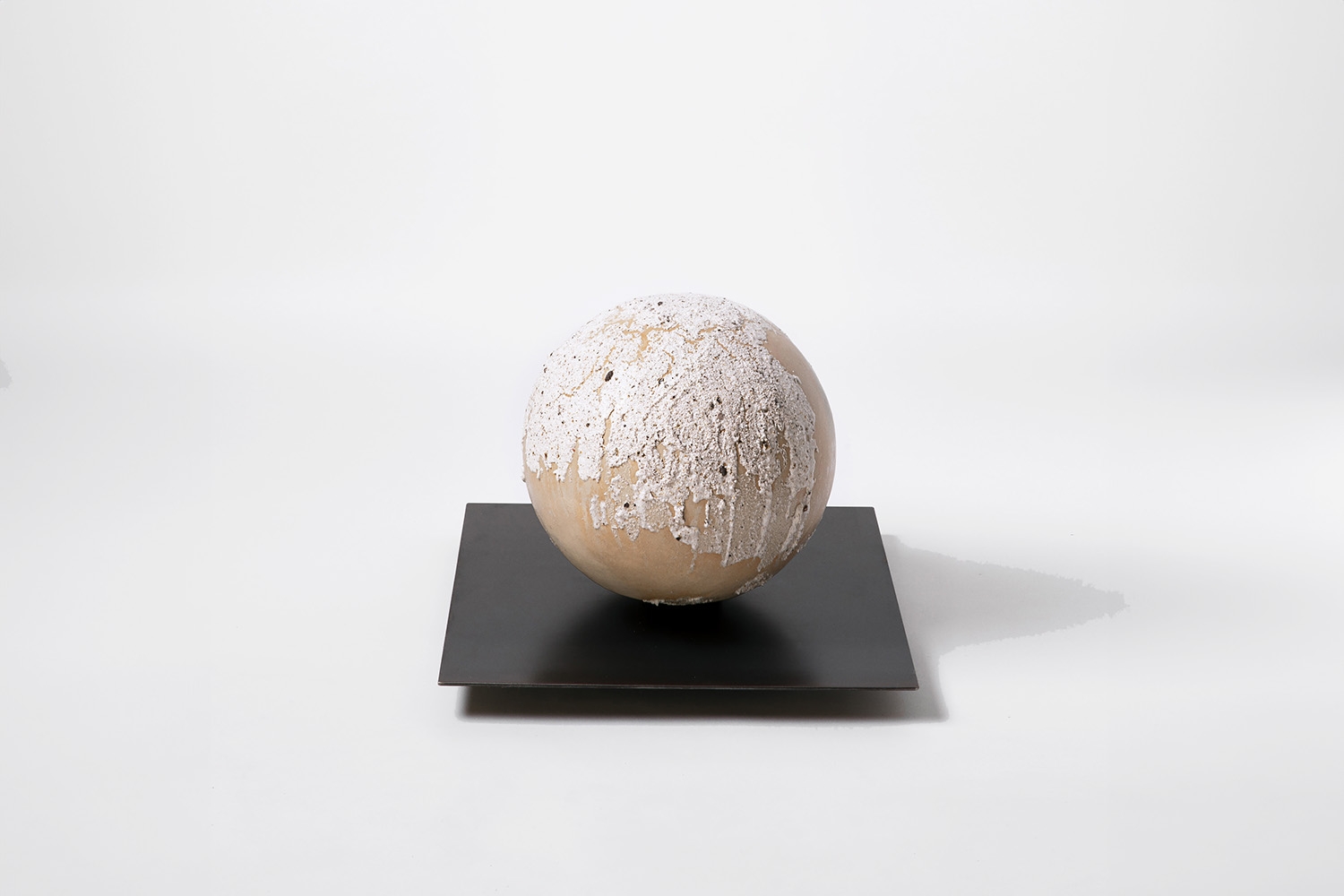
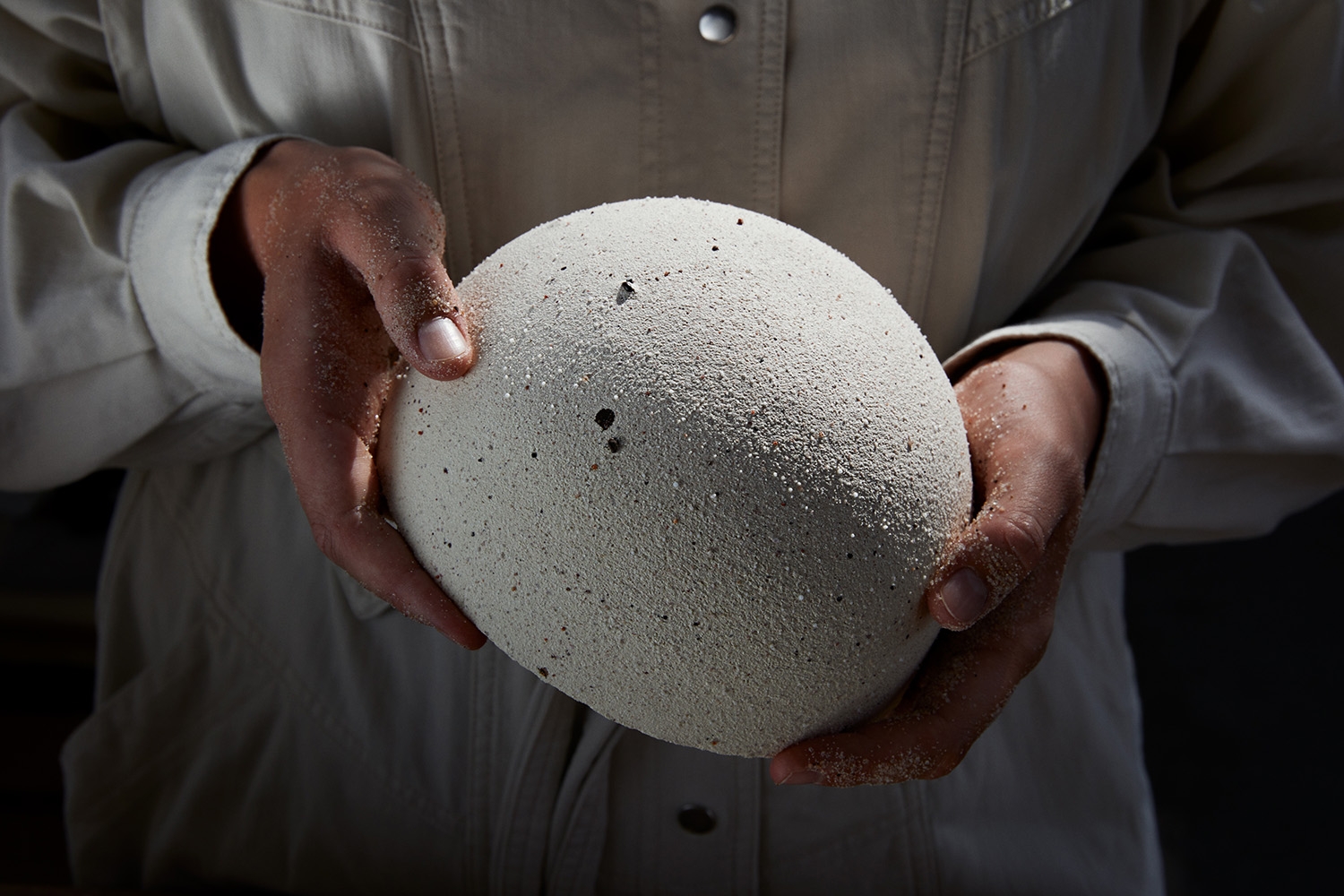
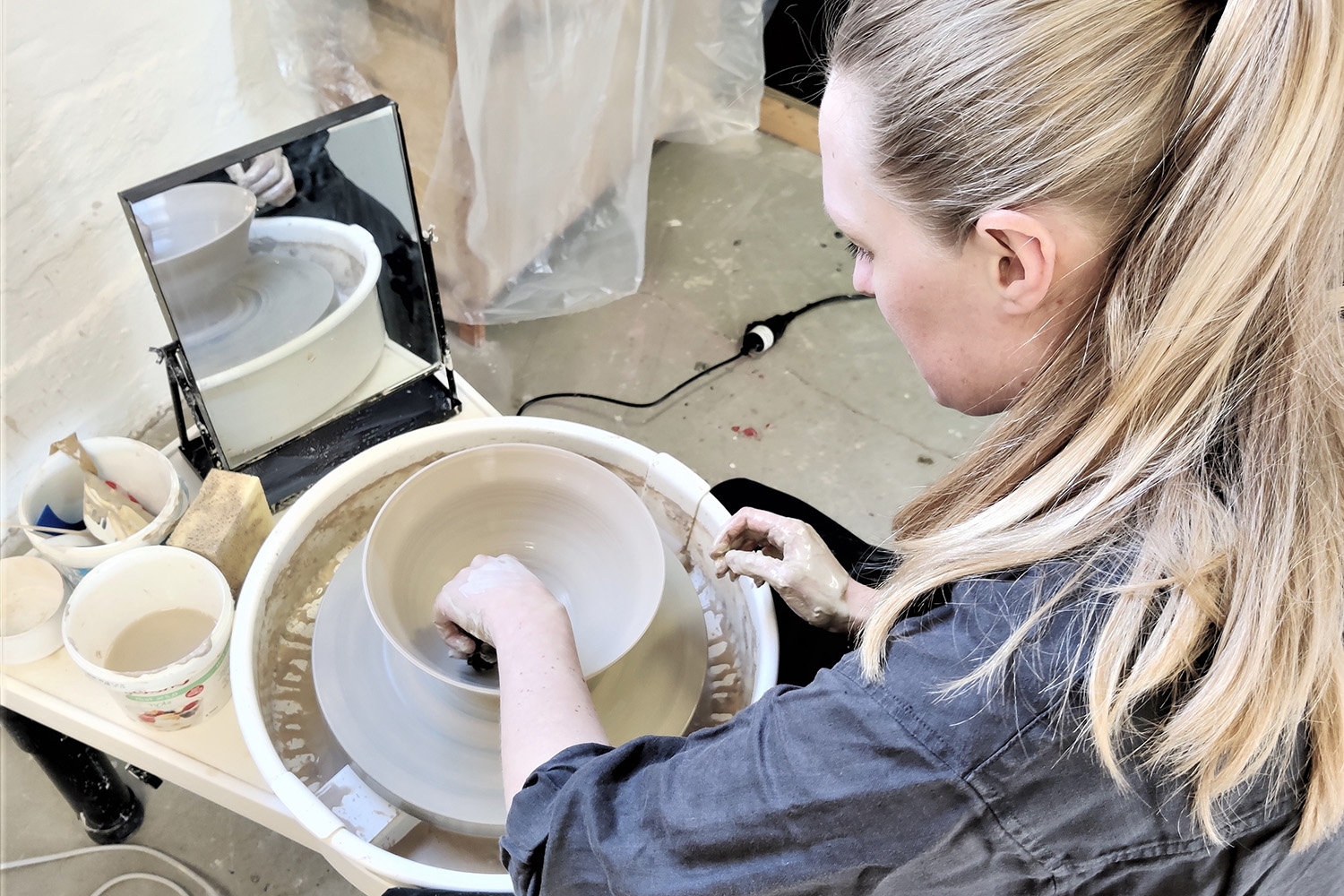
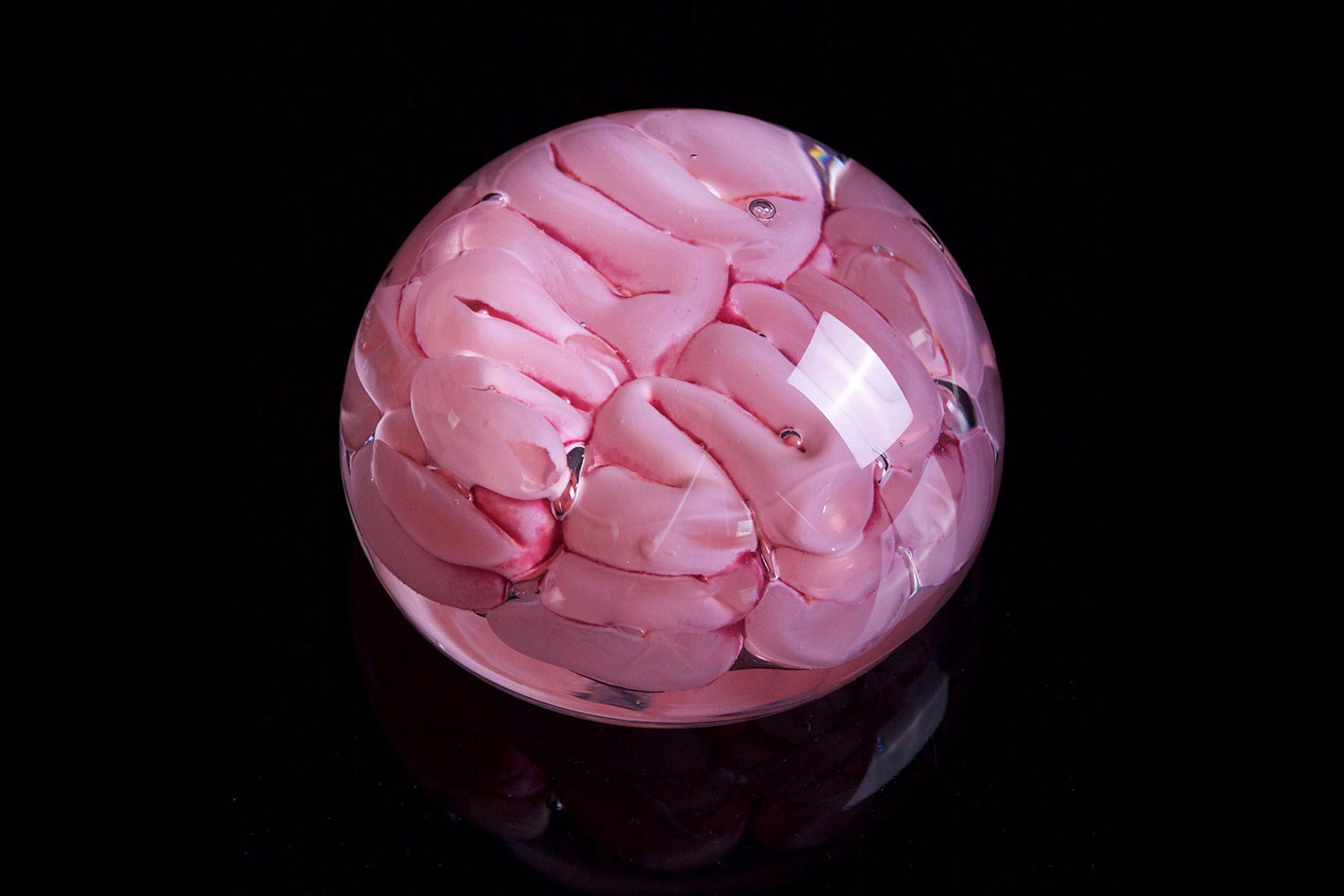
In addition to glassblowing, I use techniques and materials from other disciplines, including silversmithing, oil painting, ink, glue, bead making and ceramics. This crossover is very stimulating and opens up new ideas and possibilities for my artistic expression.
Glassblowing has such a rich tradition, so it can be difficult to depart from the standardised set of rules we need to learn in order to become a skilled glassblower, but lately I have been working on breaking the rules that I have made for myself during the last 22 years.
My sources of inspiration are dynamic and constantly moving. Transience and our interaction with nature are important factors in my work, but at the same time, like most people, I live a parallel life in the digital world, and my latest development is a study of how we attempt to balance the two worlds.
Karen Nyholm
Glassblower
Ebeltoft, Denmark
Recommended by Danish Crafts & Design Association
AVAILABILITY
Tuesday to Friday 11:00-17:00; Saturday 10:00-13:00
PHONE
+45 50985717
LANGUAGES
Danish, English
Homo Faber Finds is a new service aiming to inspire admirers of craft to connect and collaborate with exceptional artisans.
We invite you to submit an enquiry here.