
Finding their rhythm in the forge
- Michael and Gunvor share a joint vision for their work
- They have an intuitive knowledge of forging
- Part of the appeal is that it is both physically and mentally challenging
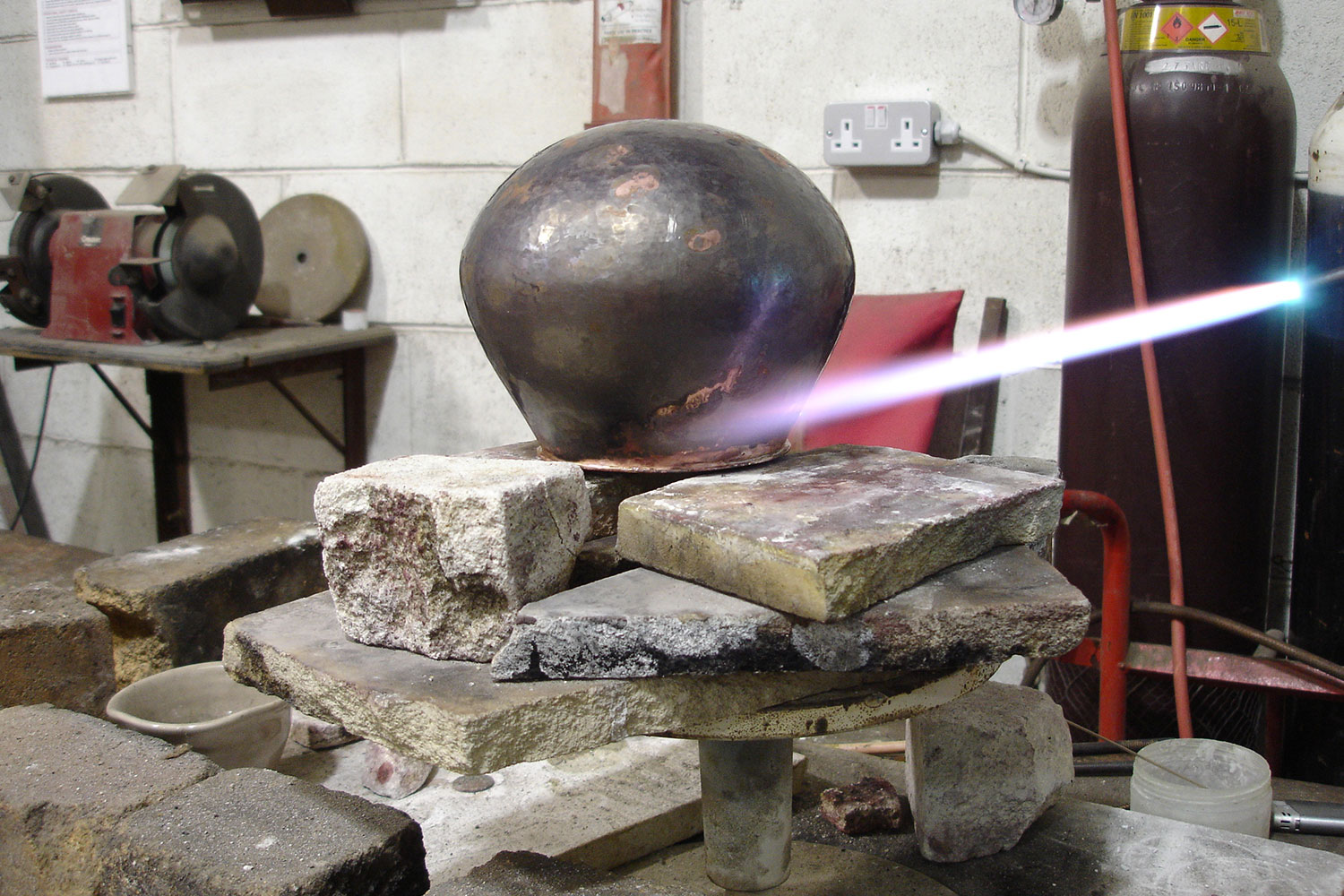
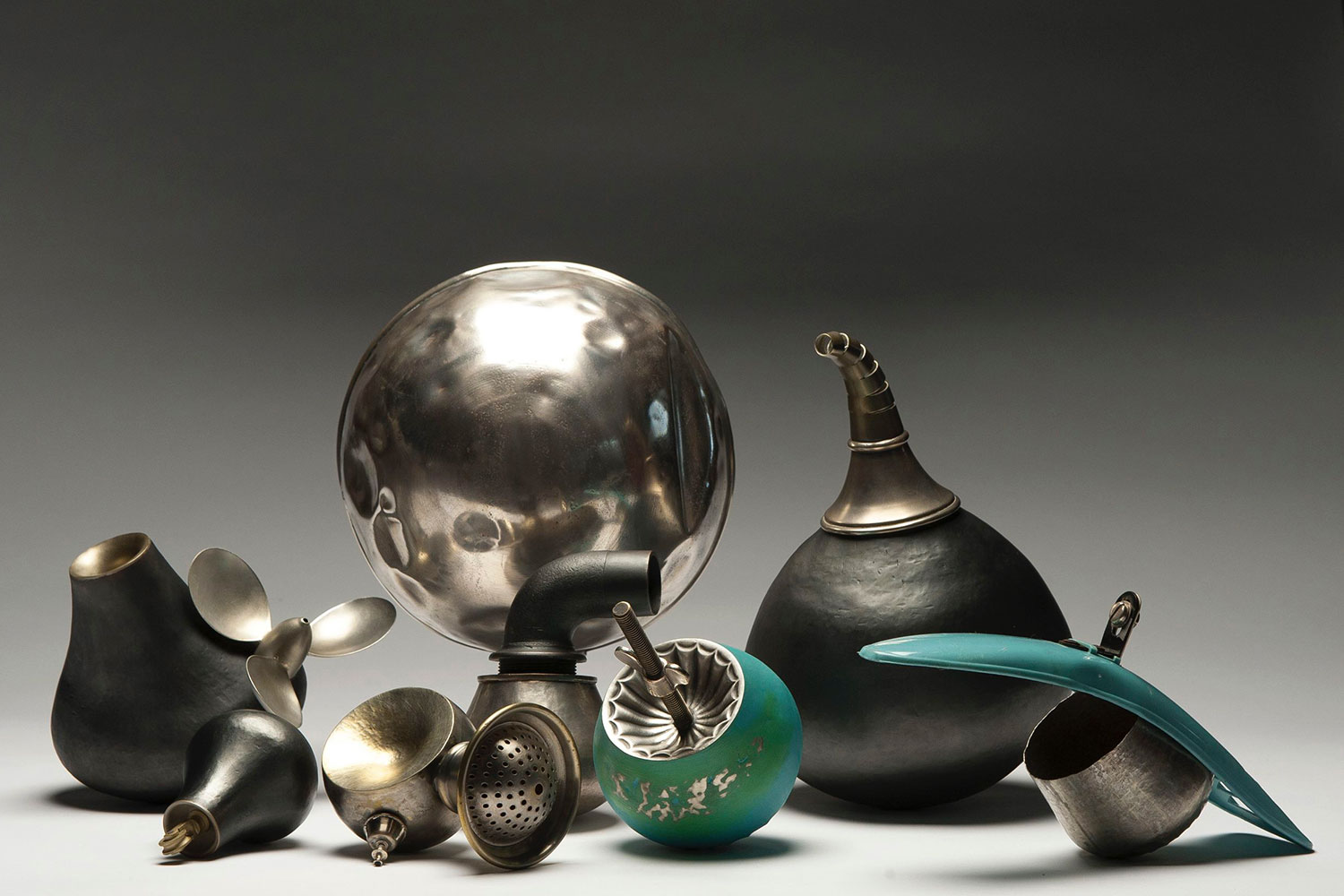
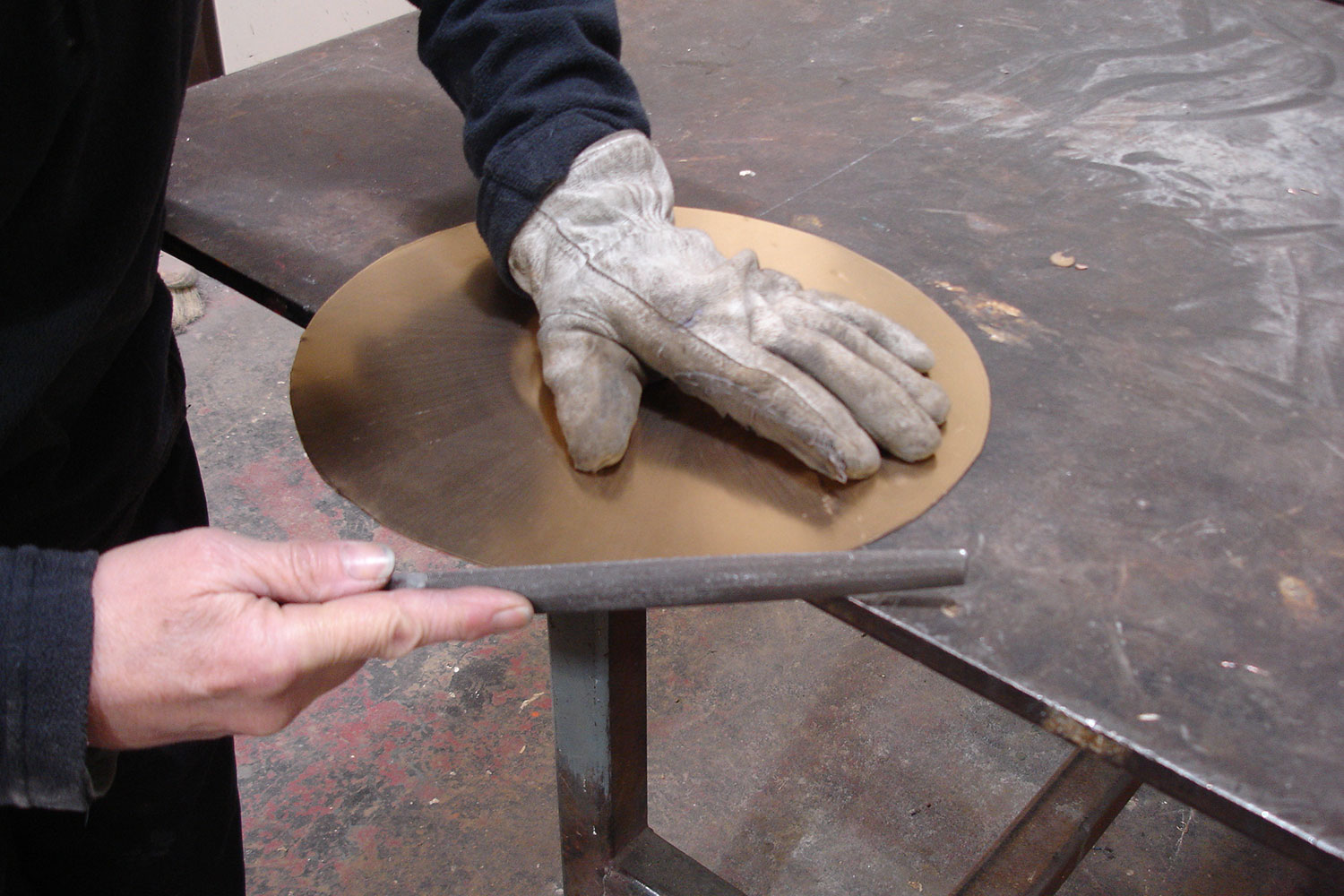
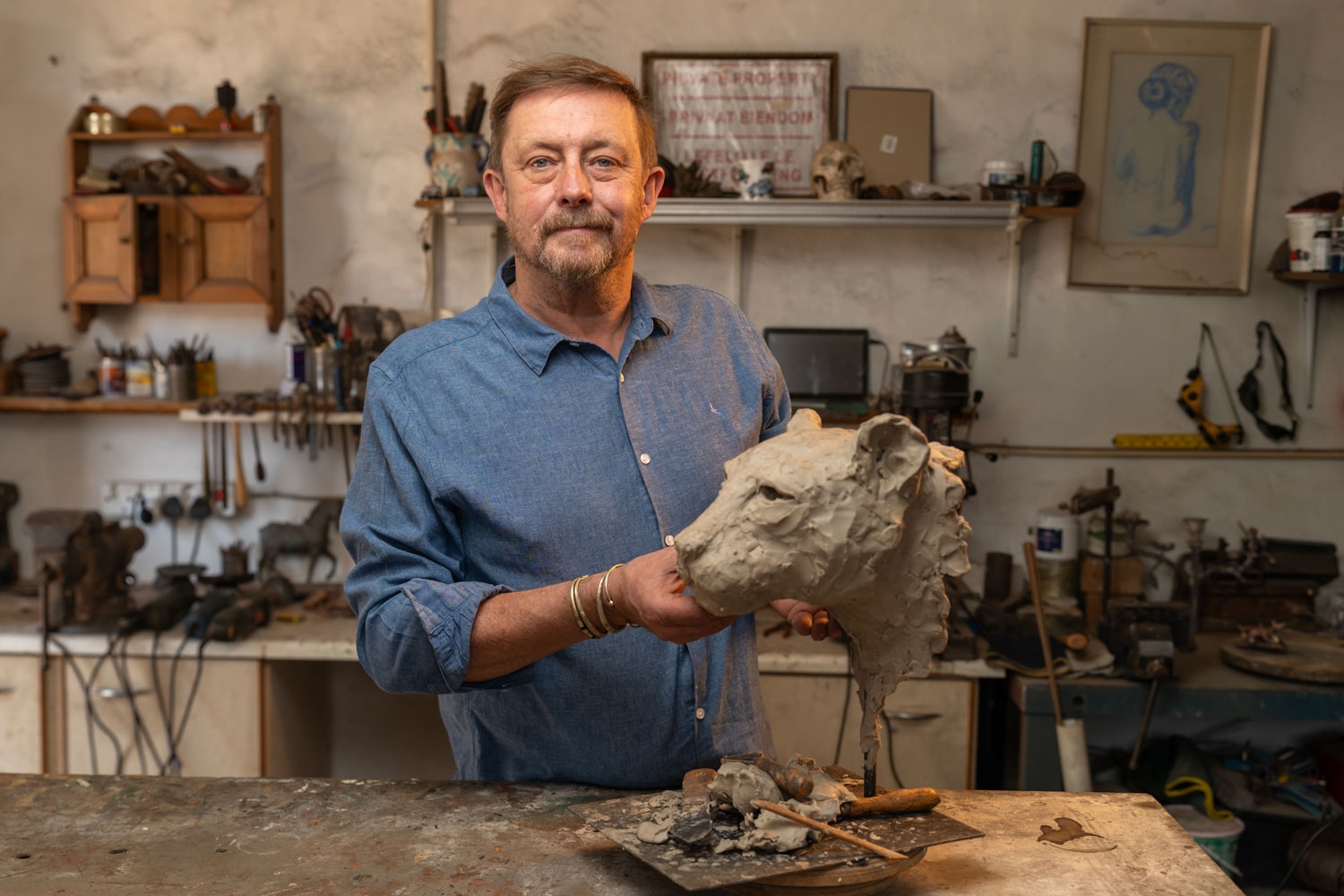
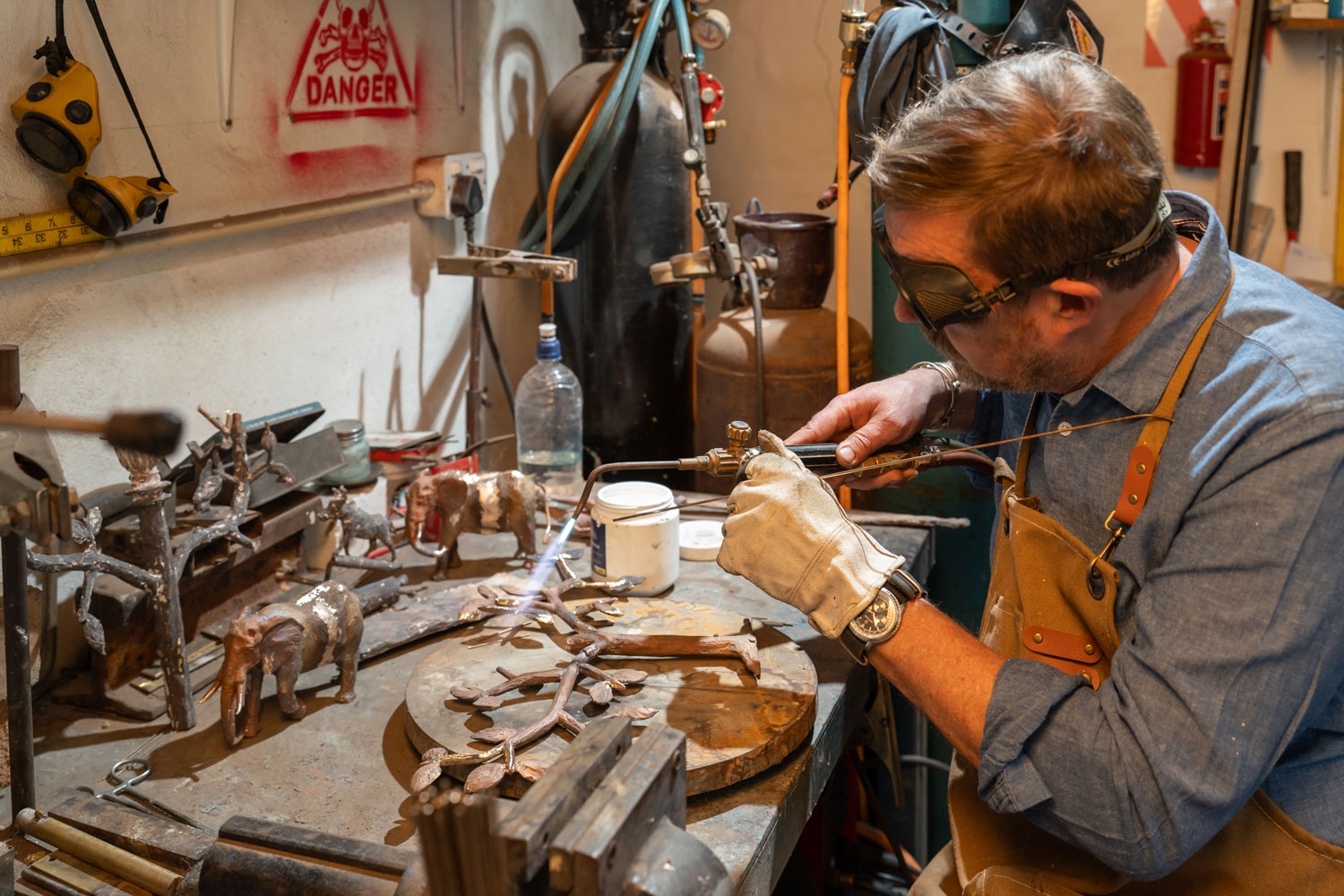
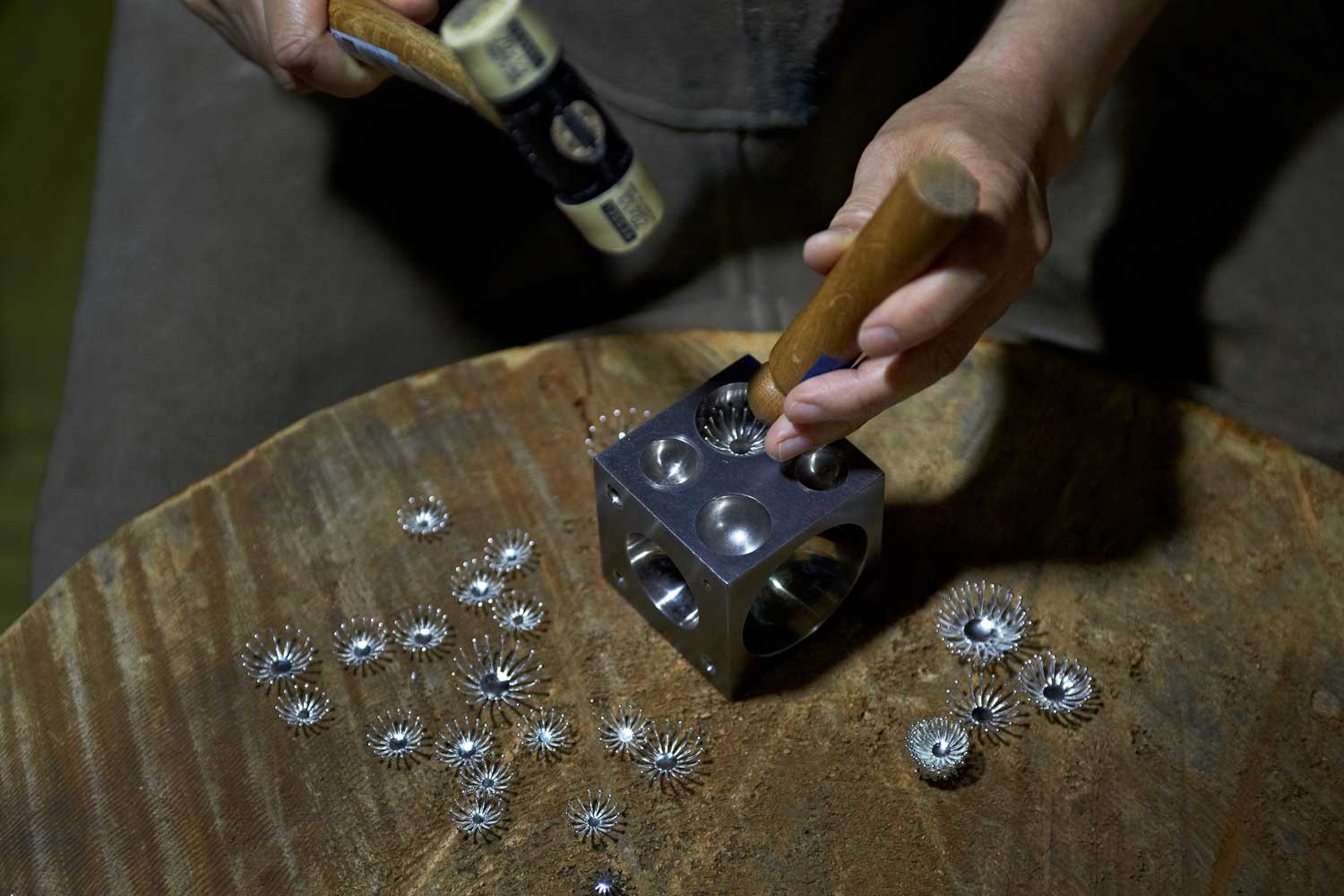
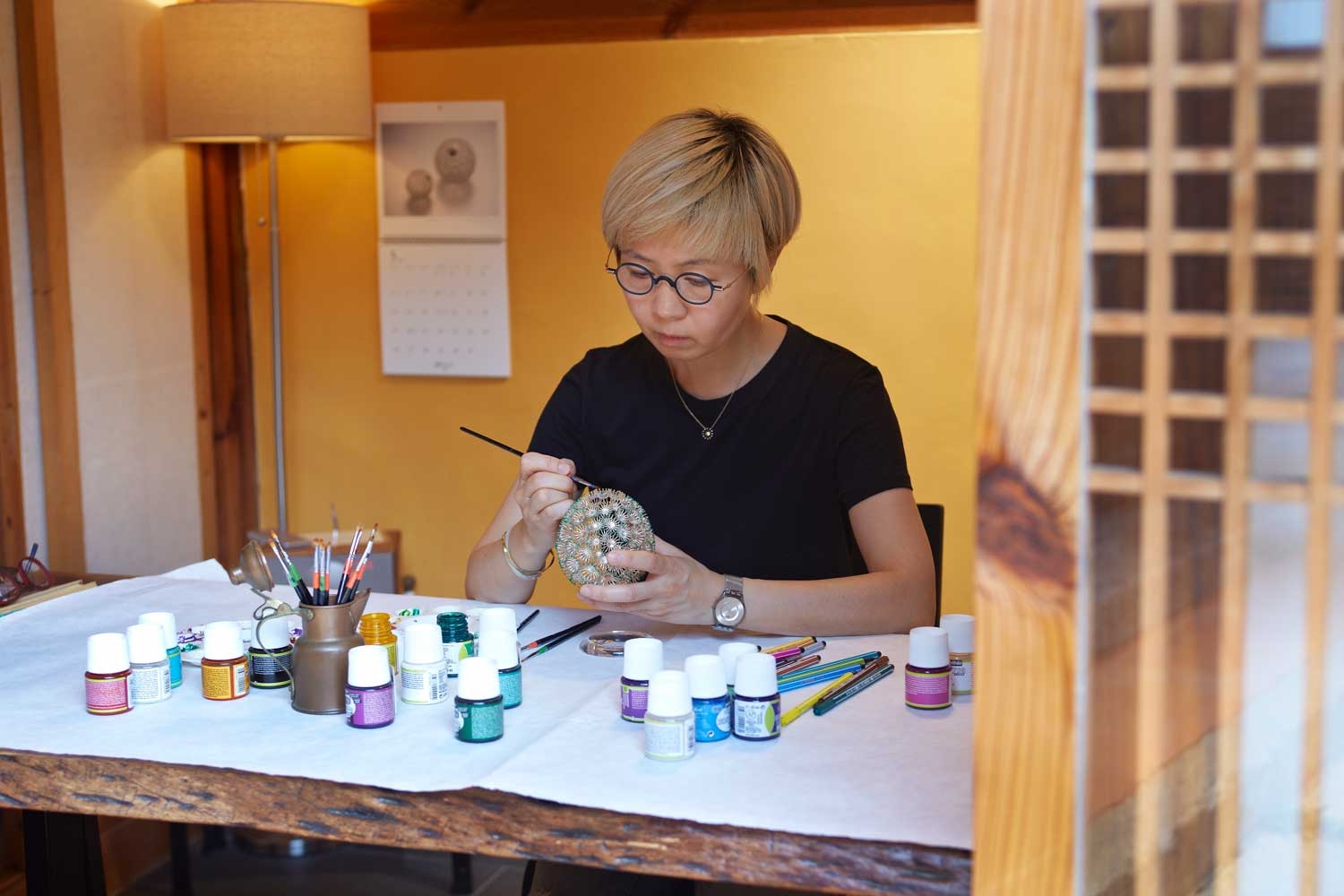
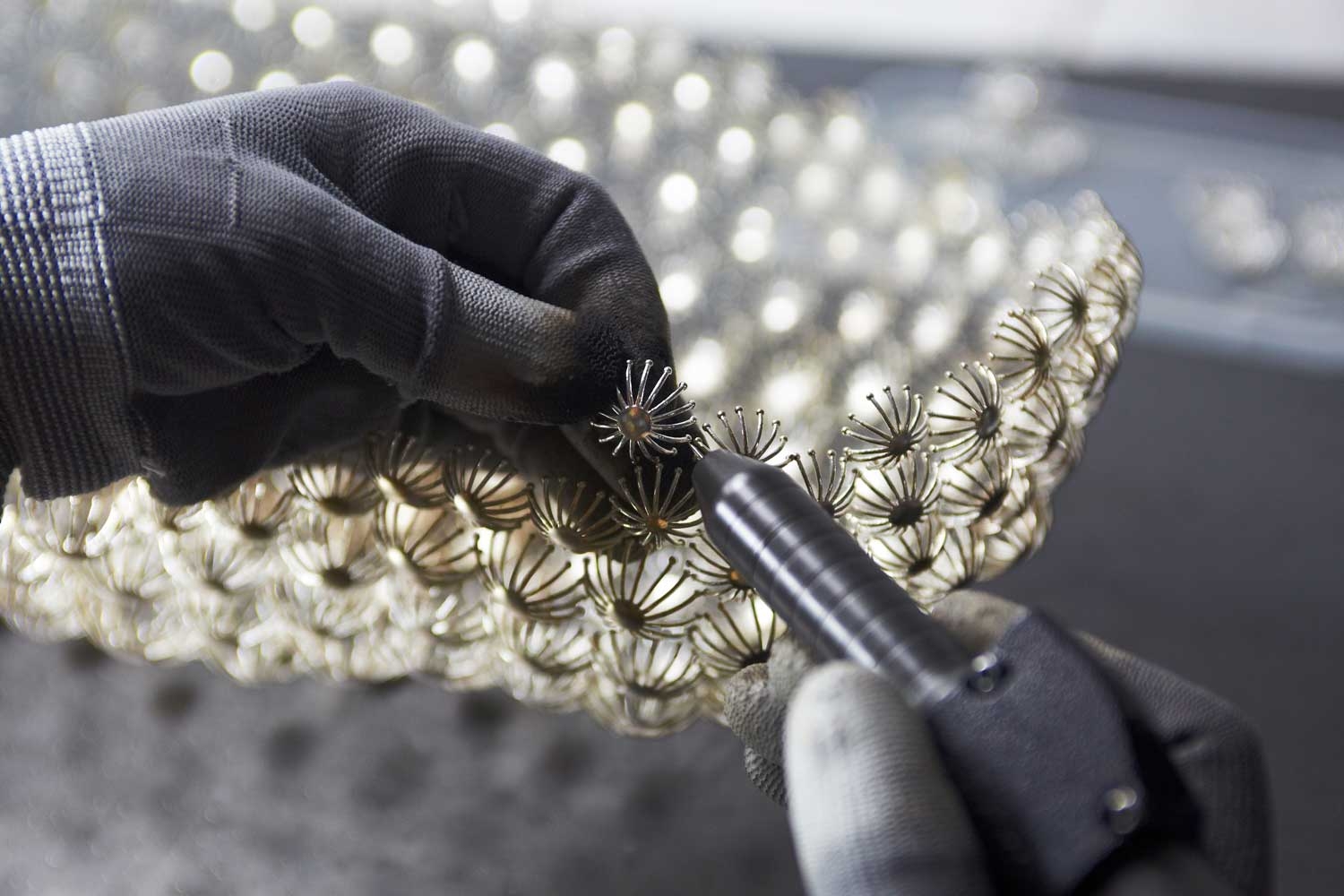
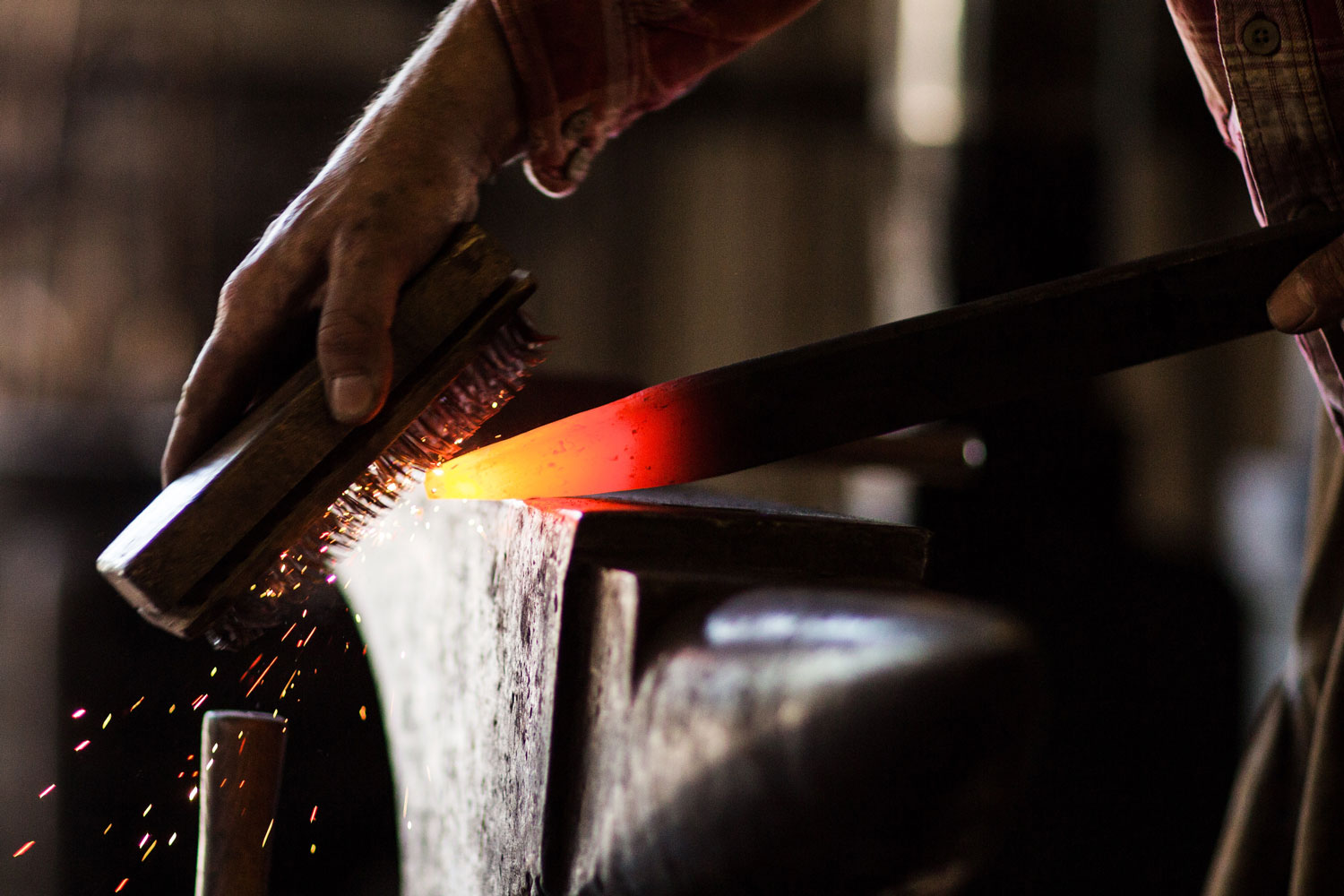
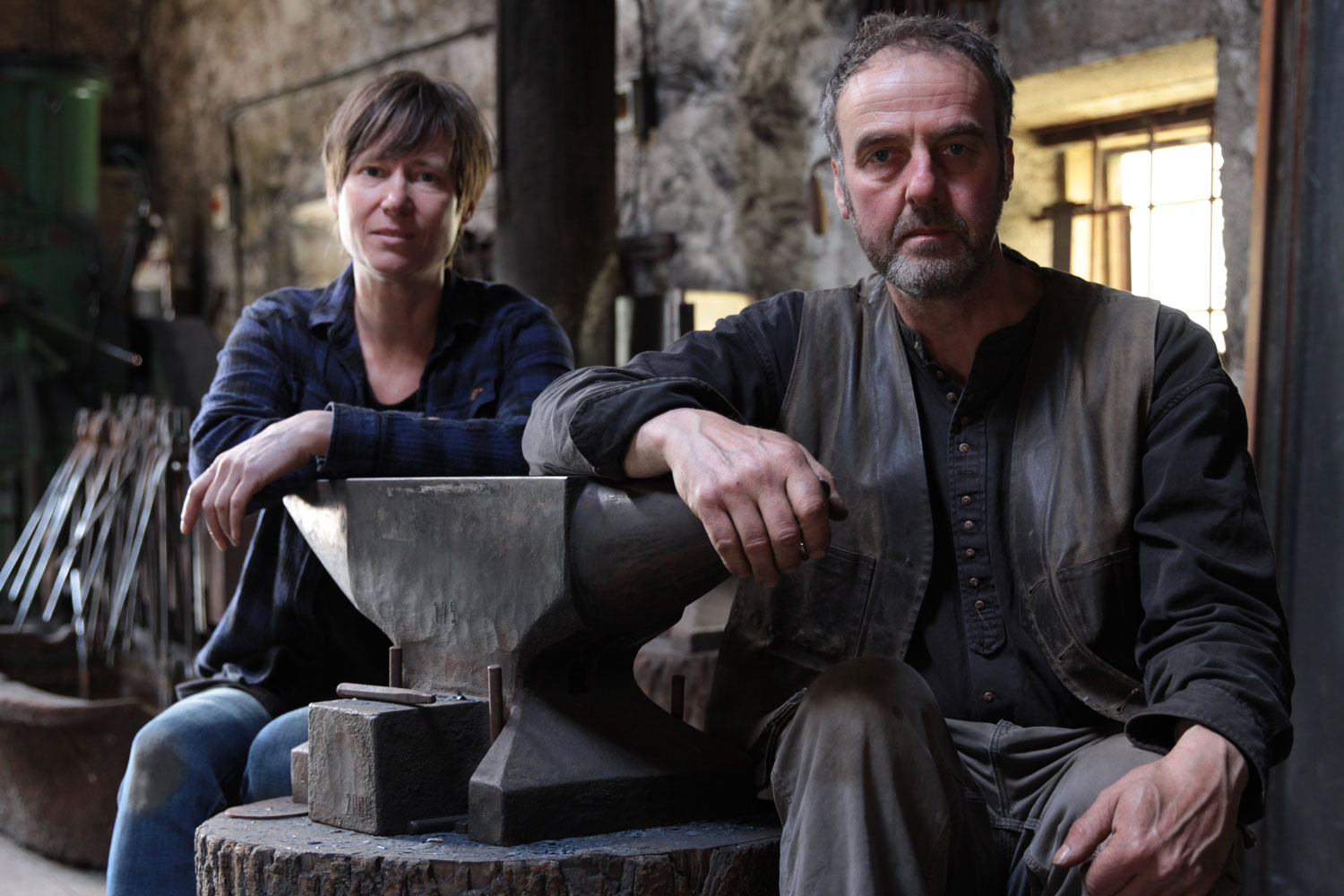
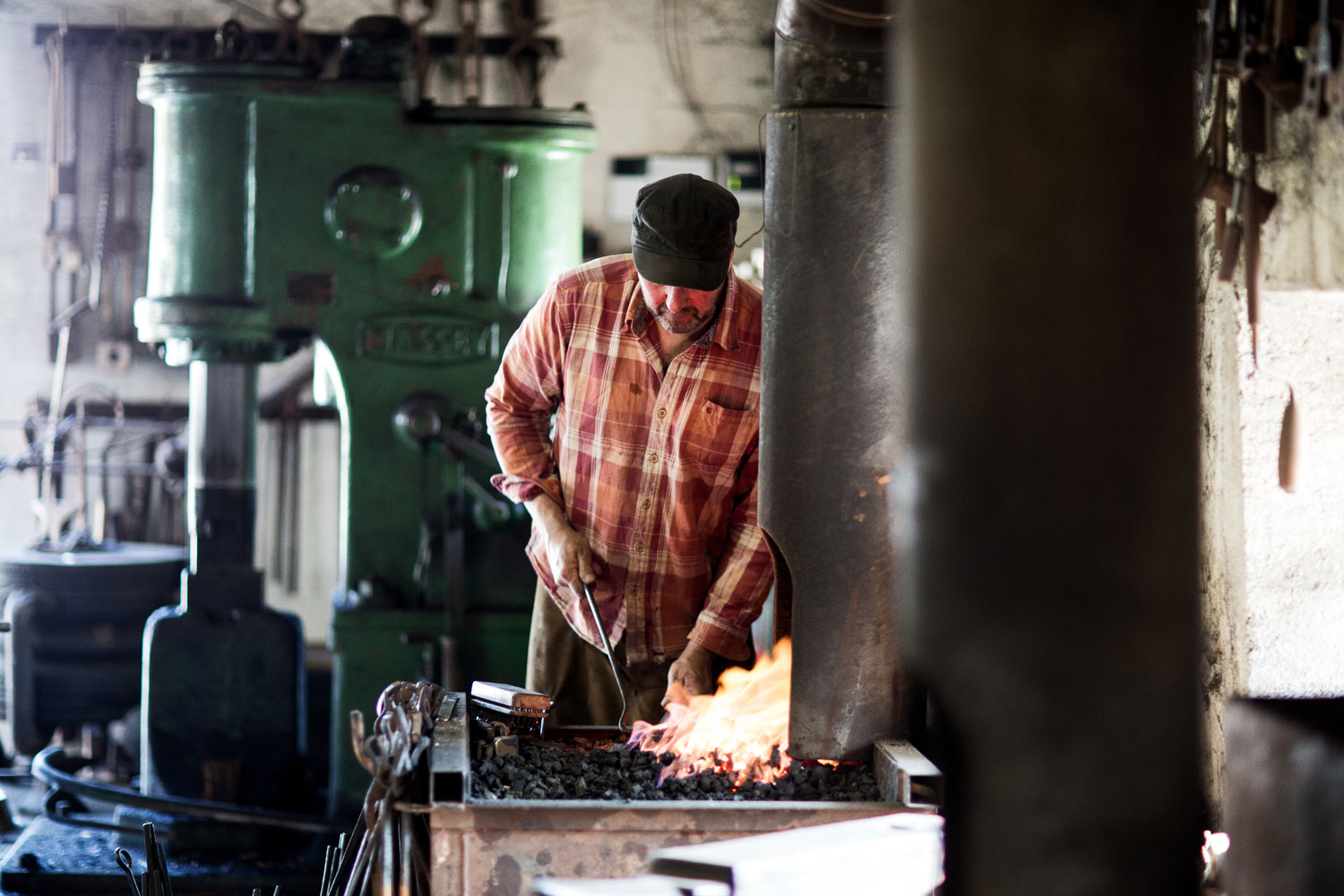
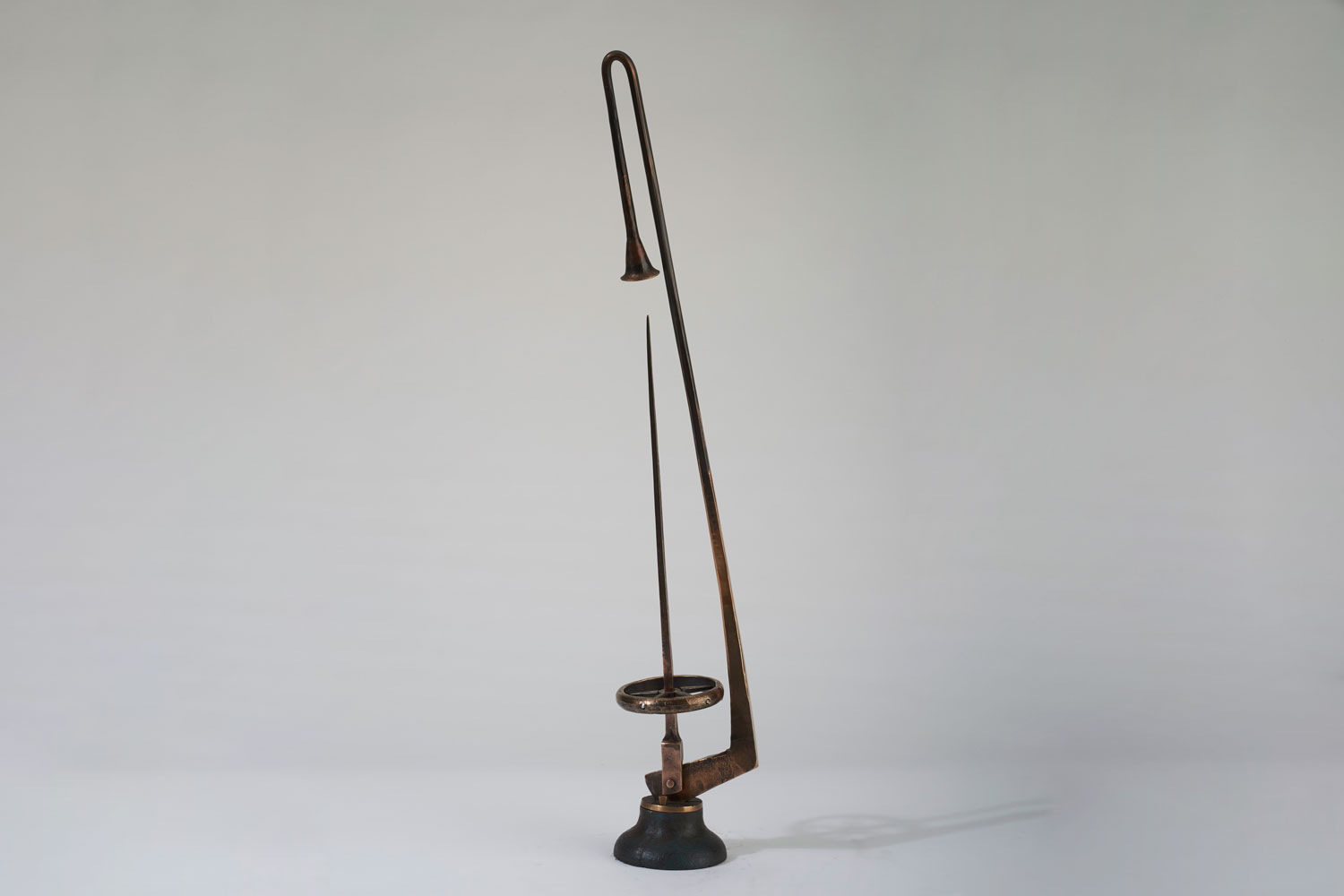
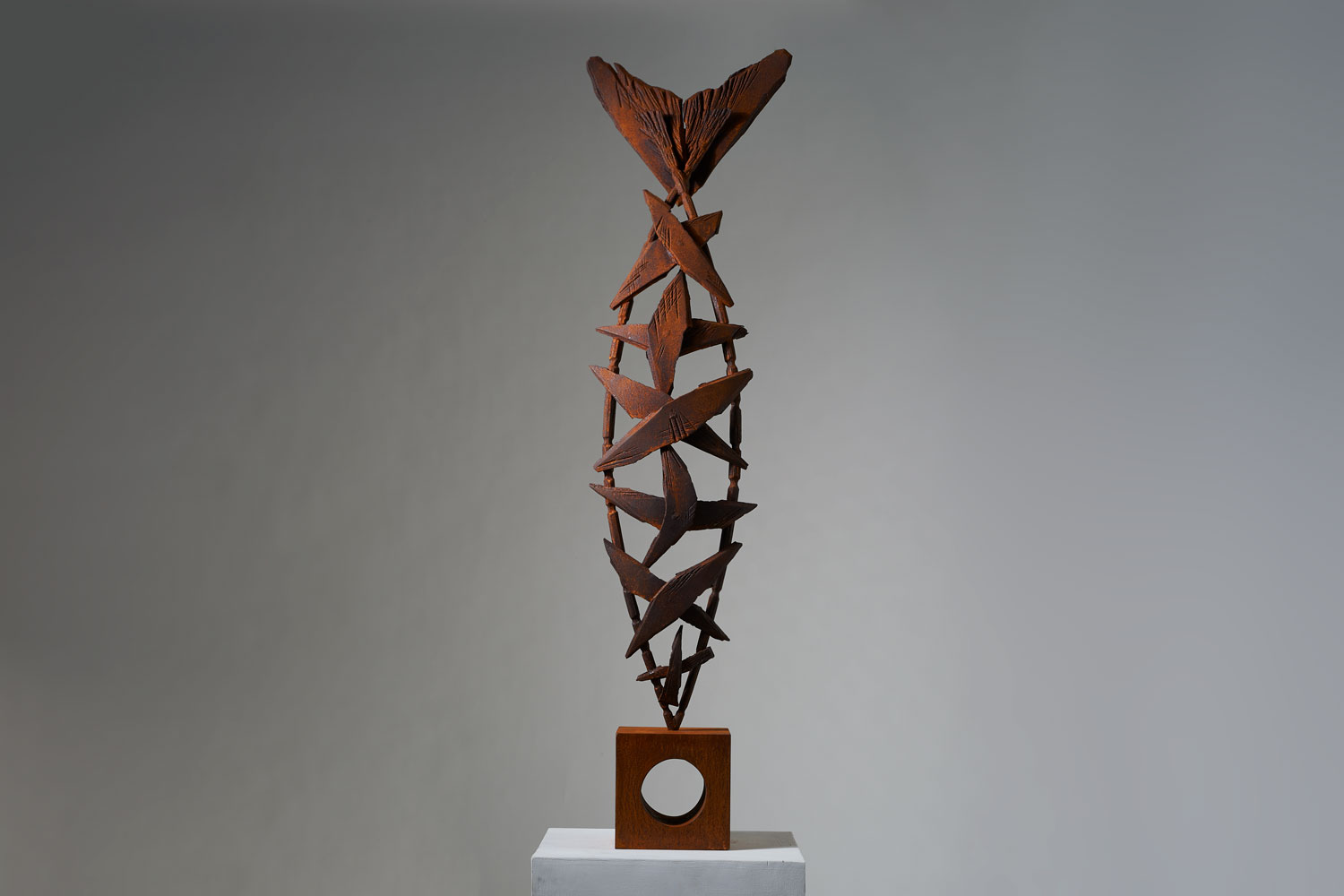
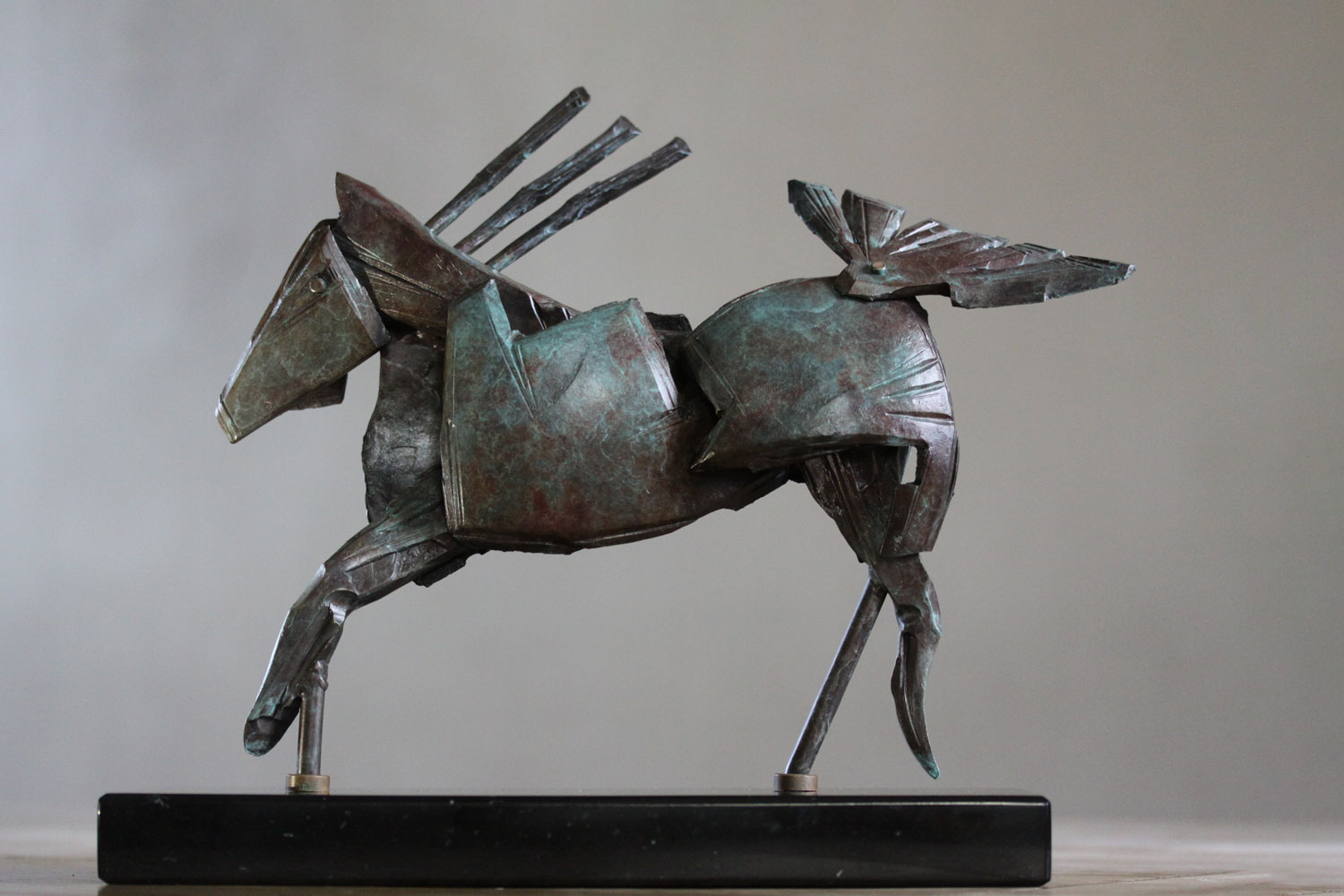
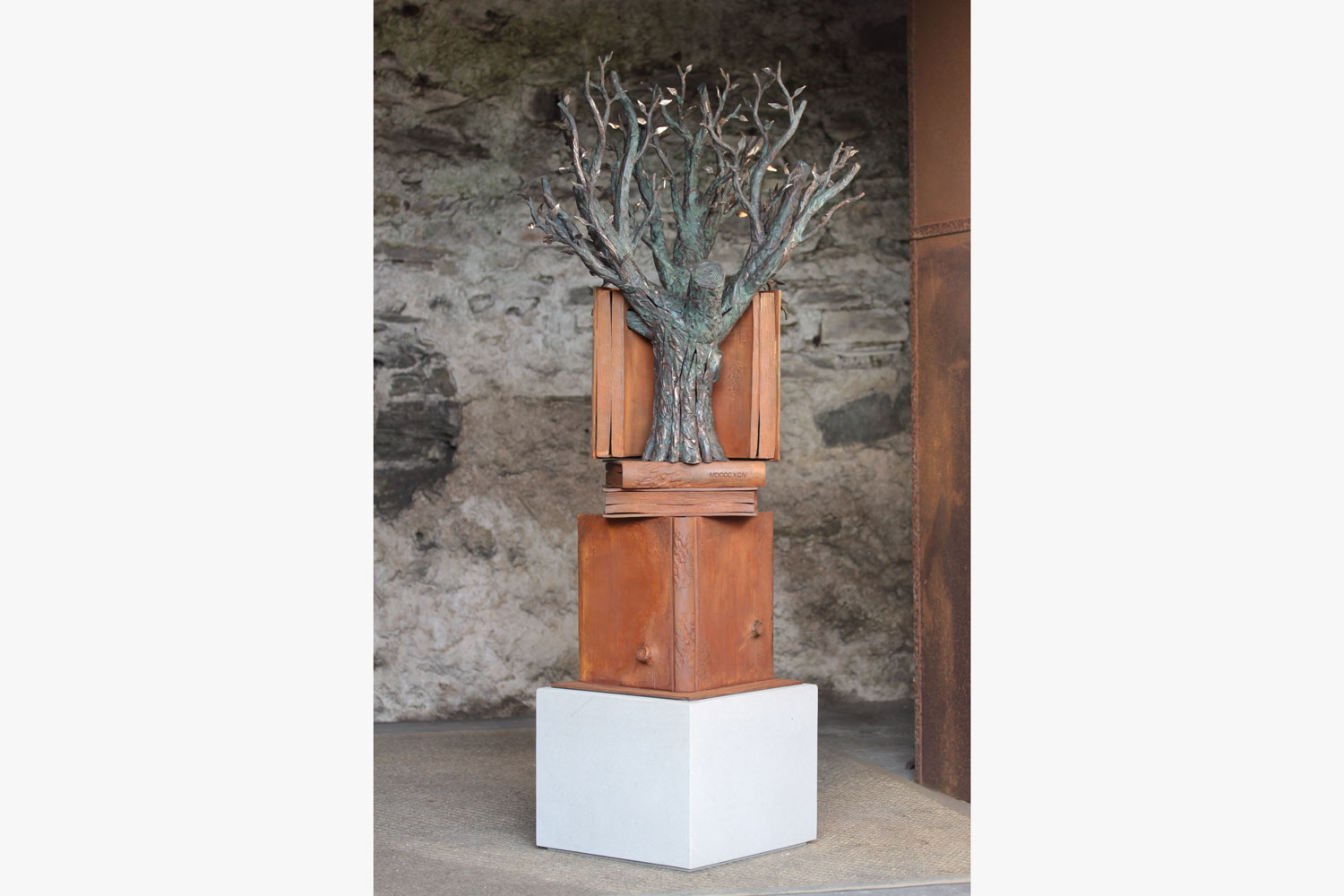
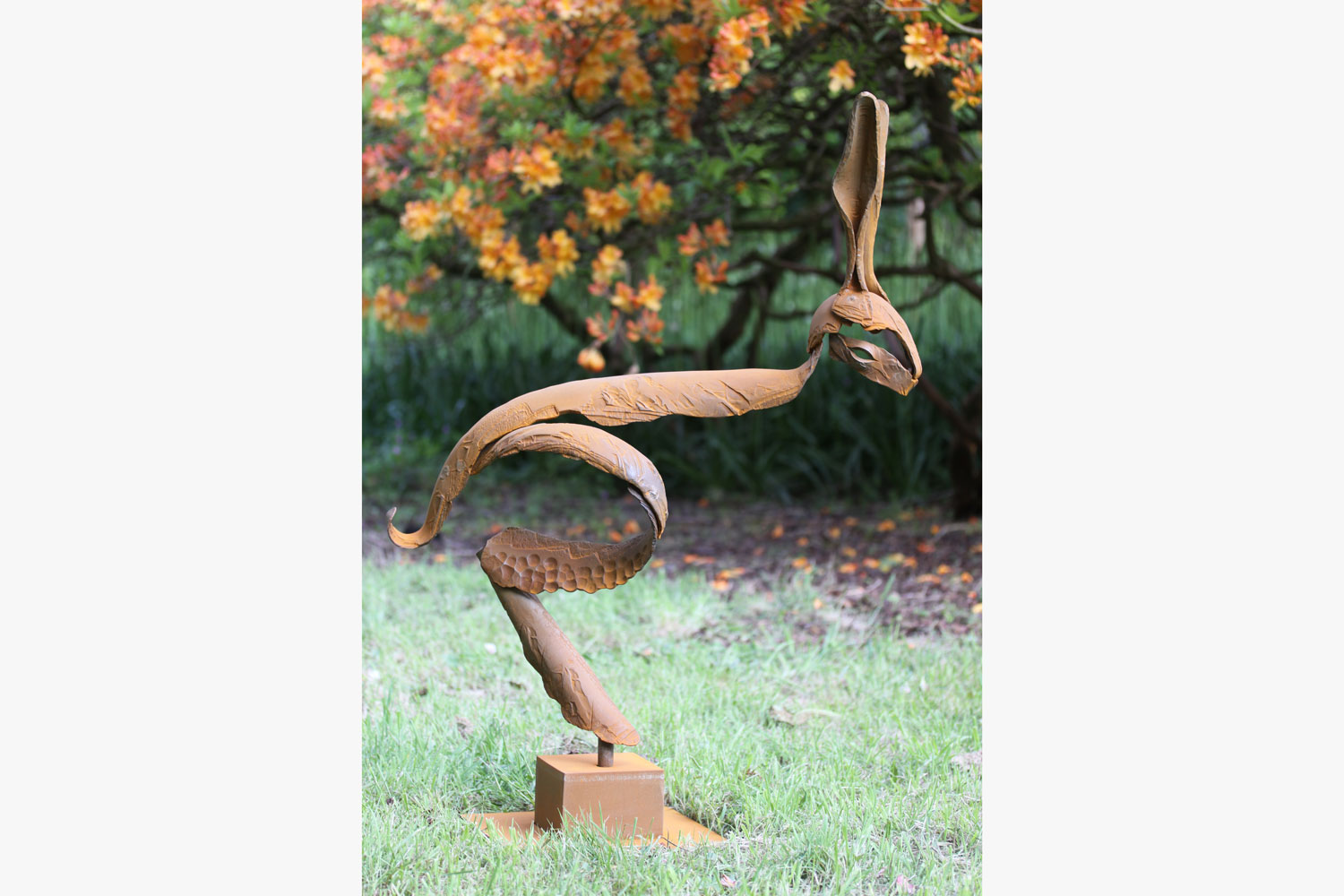
Michael Calnan and Gunvor Anhøj met while studying blacksmithing at the Hereford College of Art & Design. They work in a traditional manner with hearth, hammer and anvil. However, they work mainly bronze and corten steel, rather than iron. The process of forging involves heating the material to below melting point, and then – through impact – changing both the shape and surface texture of the material. Though heavy physical work, there is a sense of gentle creativity in the process. Gunvor describes the parallels between forging and writing poetry, explaining that both encapsulate the idea of creative construction: playing with details and finding rhythm.
INTERVIEW
Michael: My brother has autism, so I wanted to find a profession where I could work from home and be available for him. I wasn’t expecting to get so entirely hooked on this craft when I tried it during a short-course on the west coast of Ireland in 1997.
Gunvor: As a child, I’d sit on my mum’s verandah using a small axe to carve wooden objects, spoons and such. I remember it very clearly, it felt like I was in a little bubble with just the carving block, the tools and the object I was carving. I was totally immersed in the process.
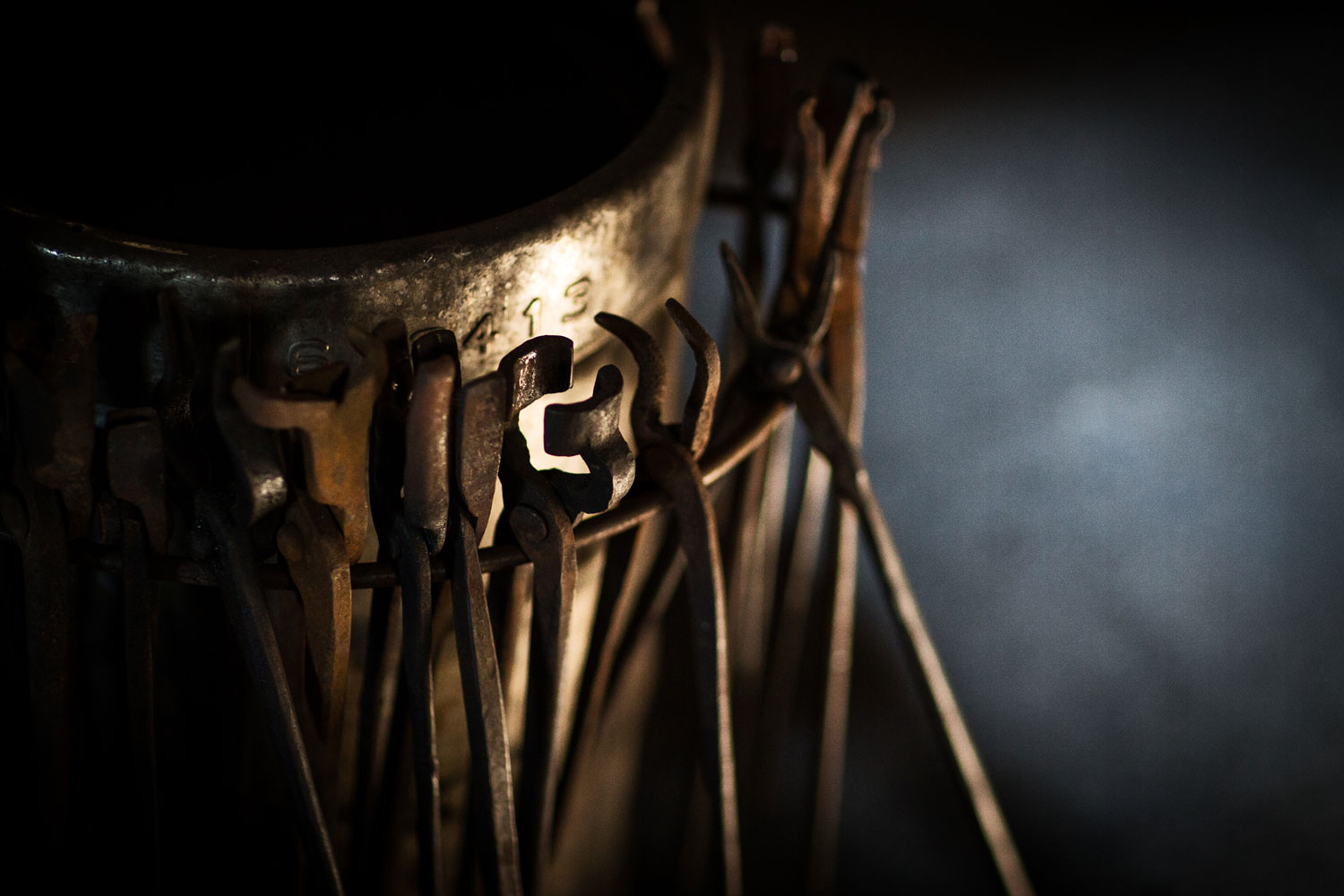
Once you are familiar with blacksmithing there is something very natural about it. You find yourself moving rhythmically between the fire and the tools, perhaps a little like a worker ant – entranced by the work. All earth’s natural elements are present in a forge.
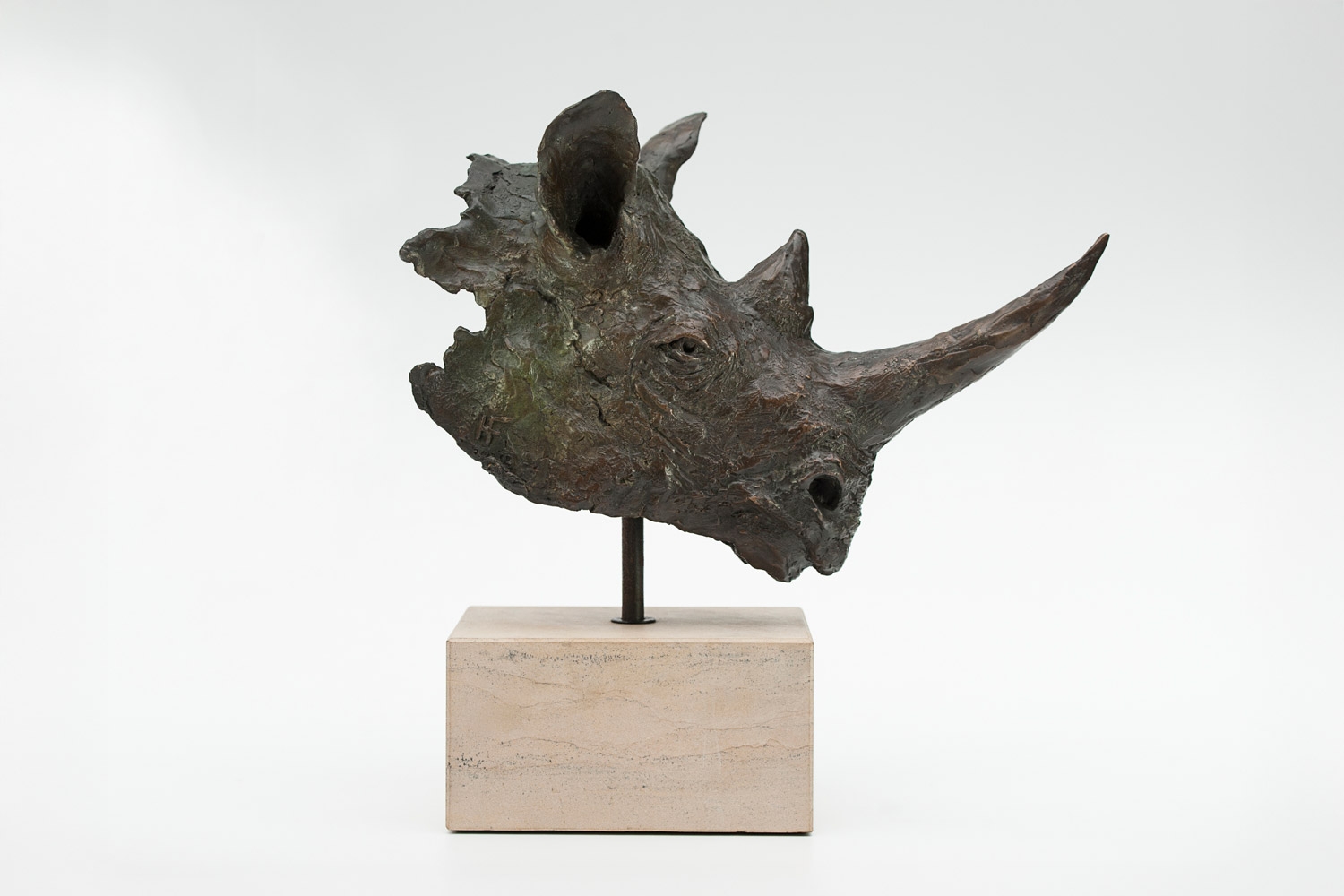
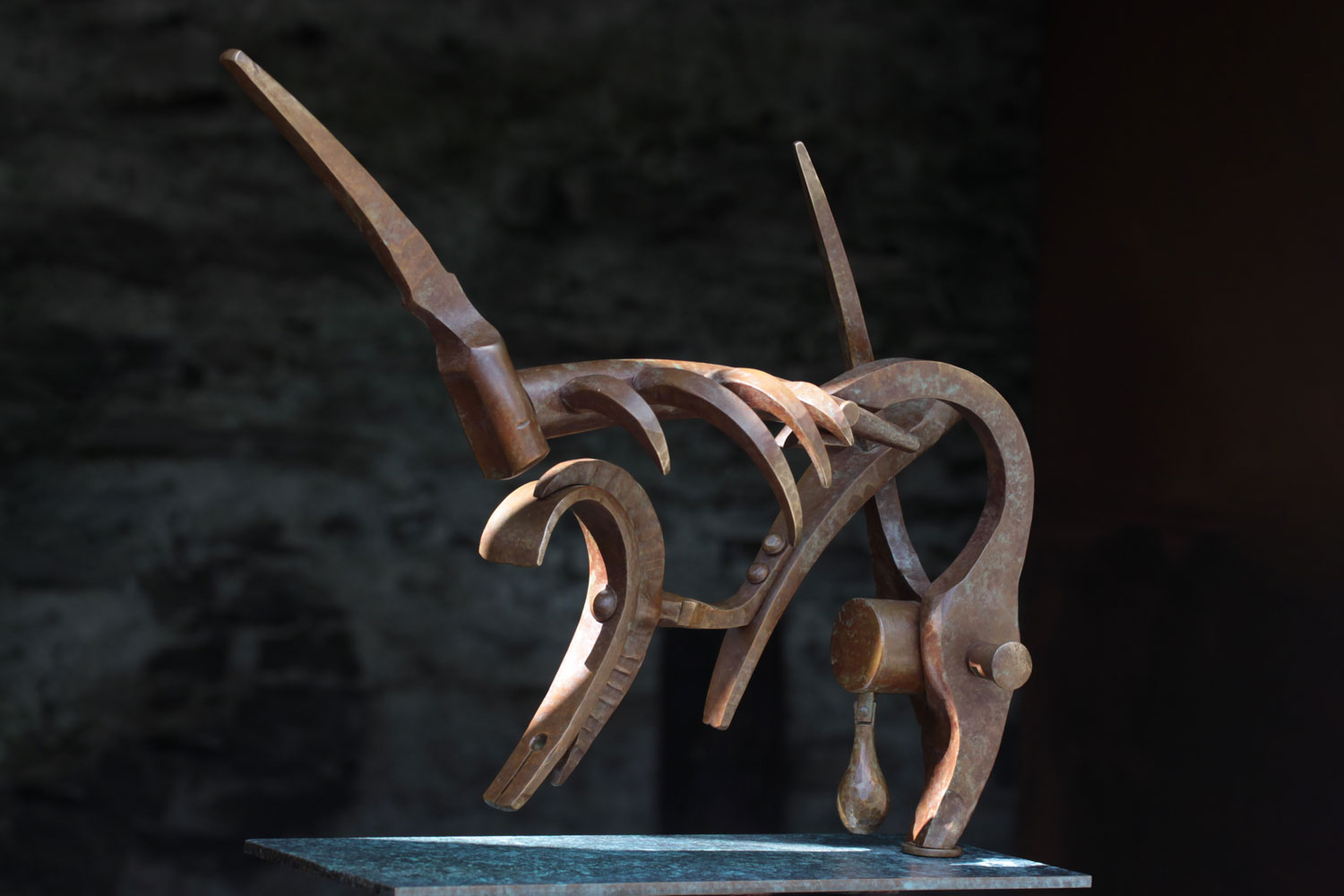
We were commissioned by the New York Saint Patricks Parade Foundation to create eight sculptures. One was presented to Senator George J. Mitchell for his role in the Irish peace process. He later sent us a hand-written thank you letter – we treasure it.