From linguist to artist
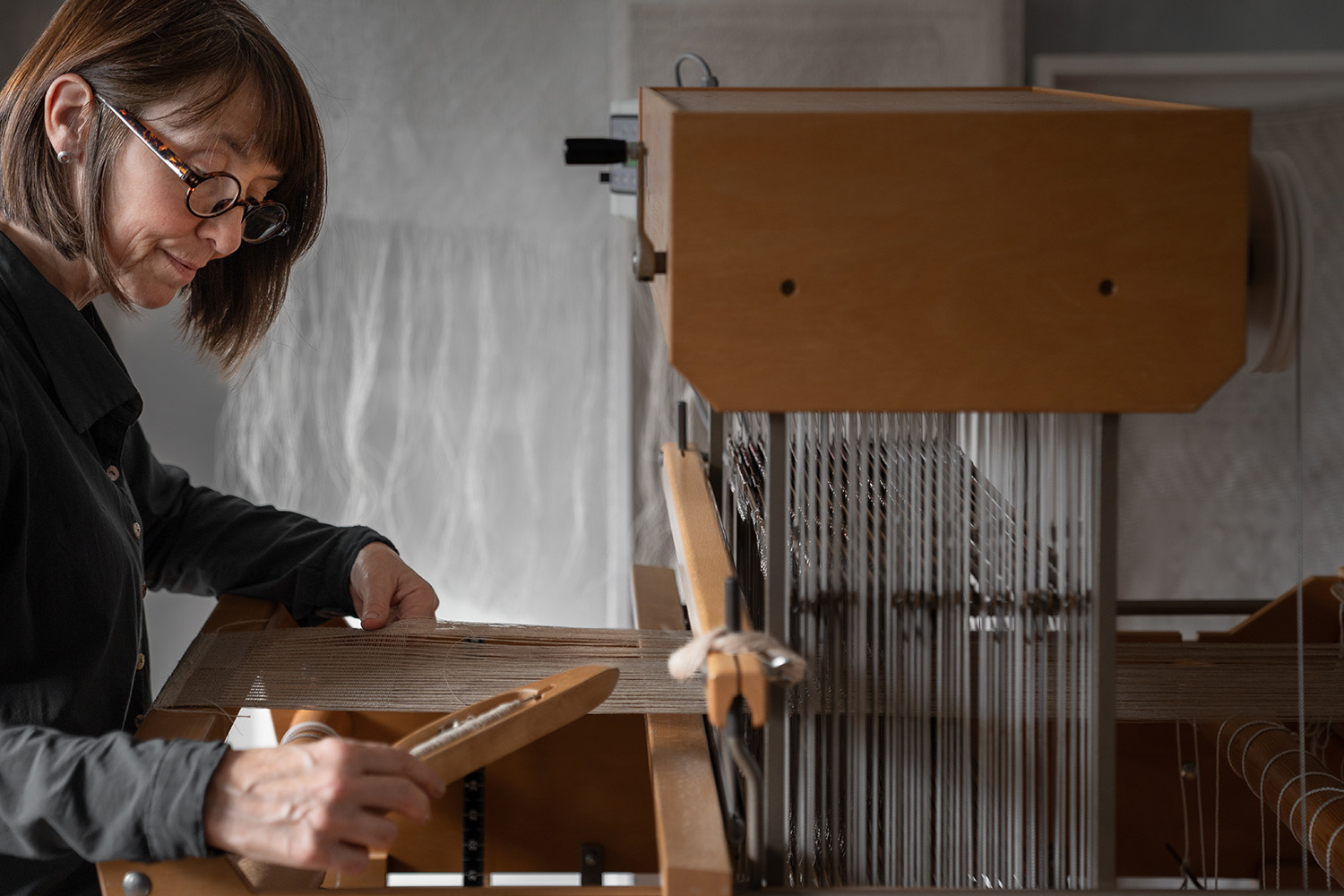
- Kendall designs and hand crafts 2D and 3D textile art
- She applies her craft to create artistic narratives
- Paper, silk and stainless steel are her chosen materials
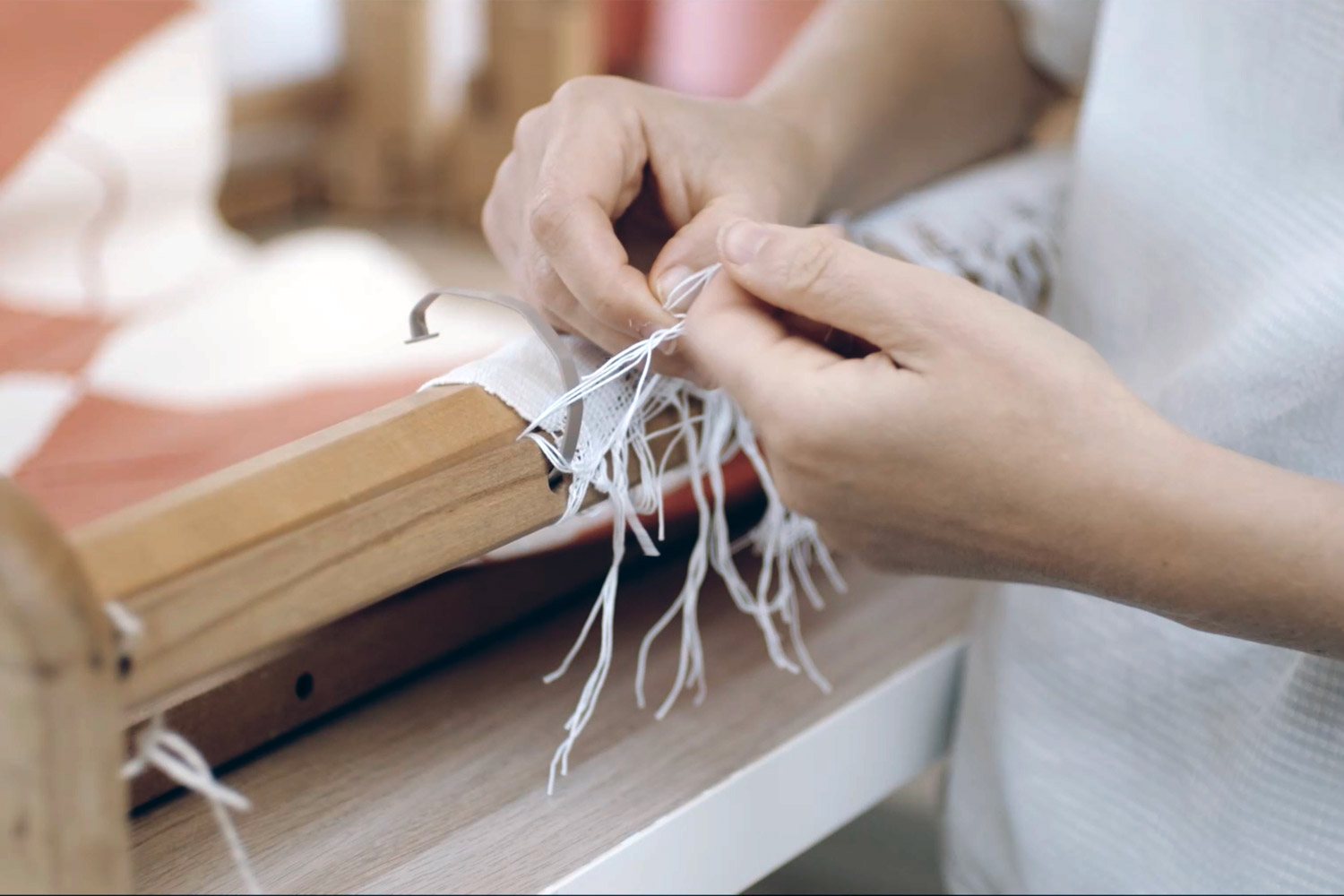
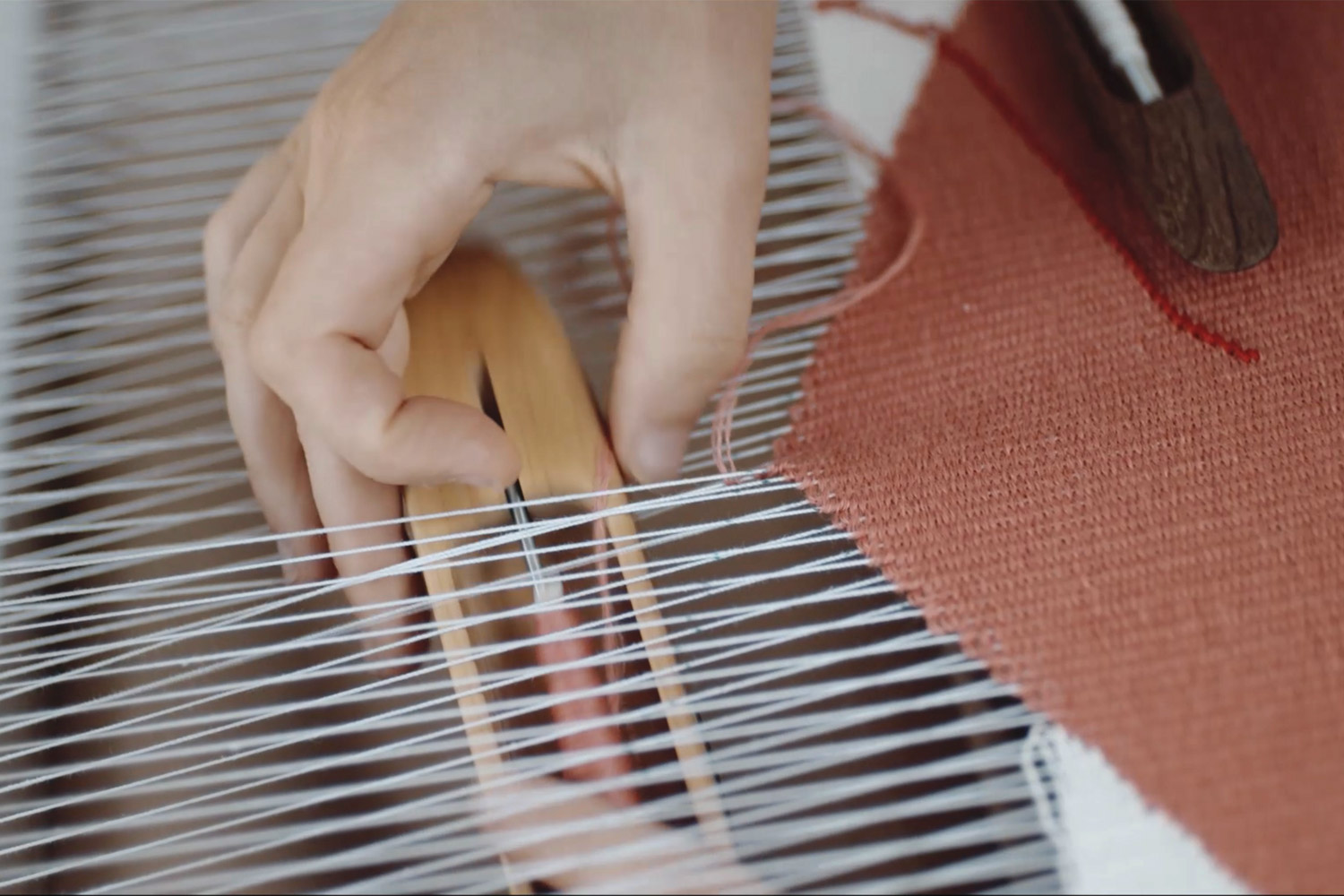
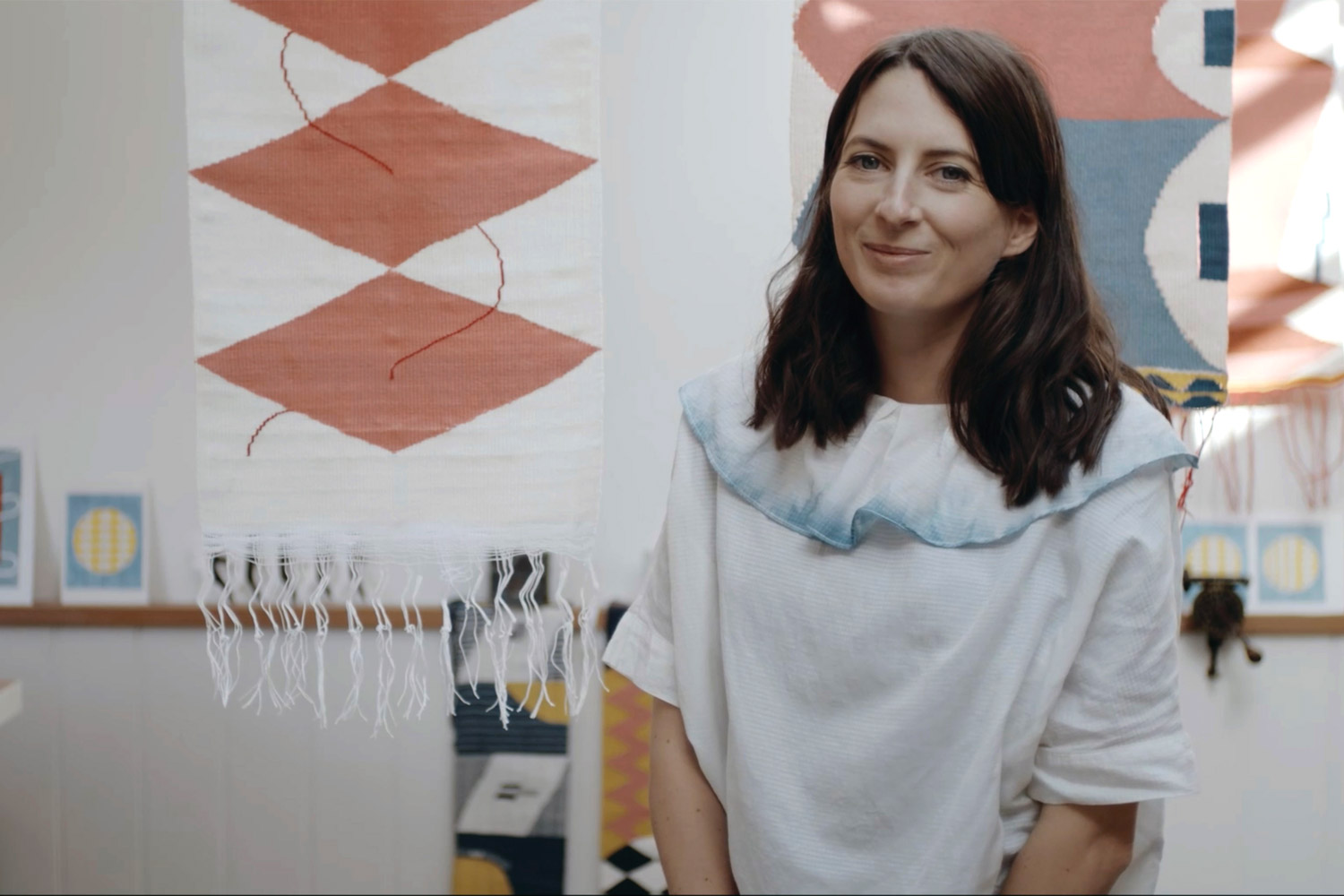
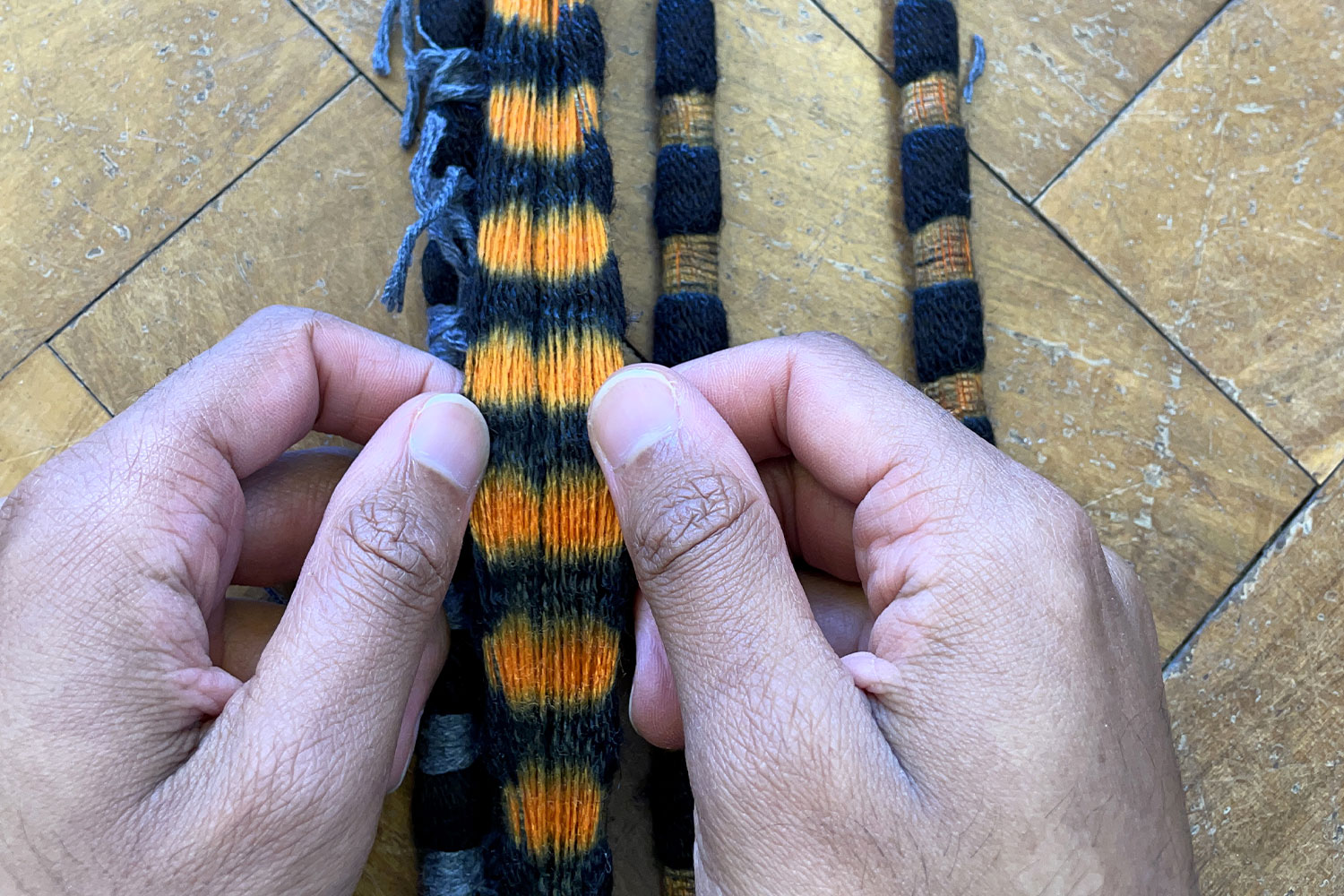
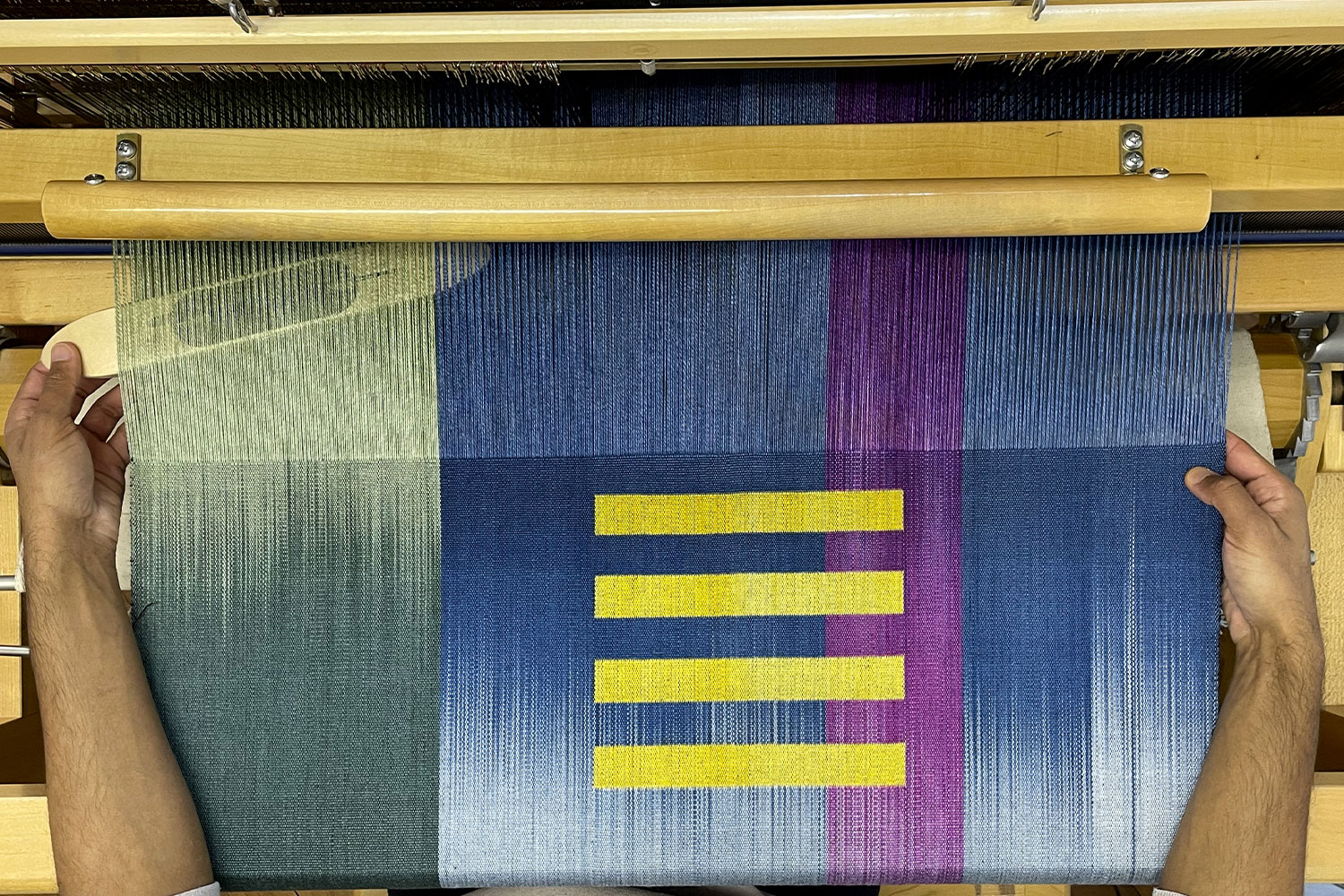
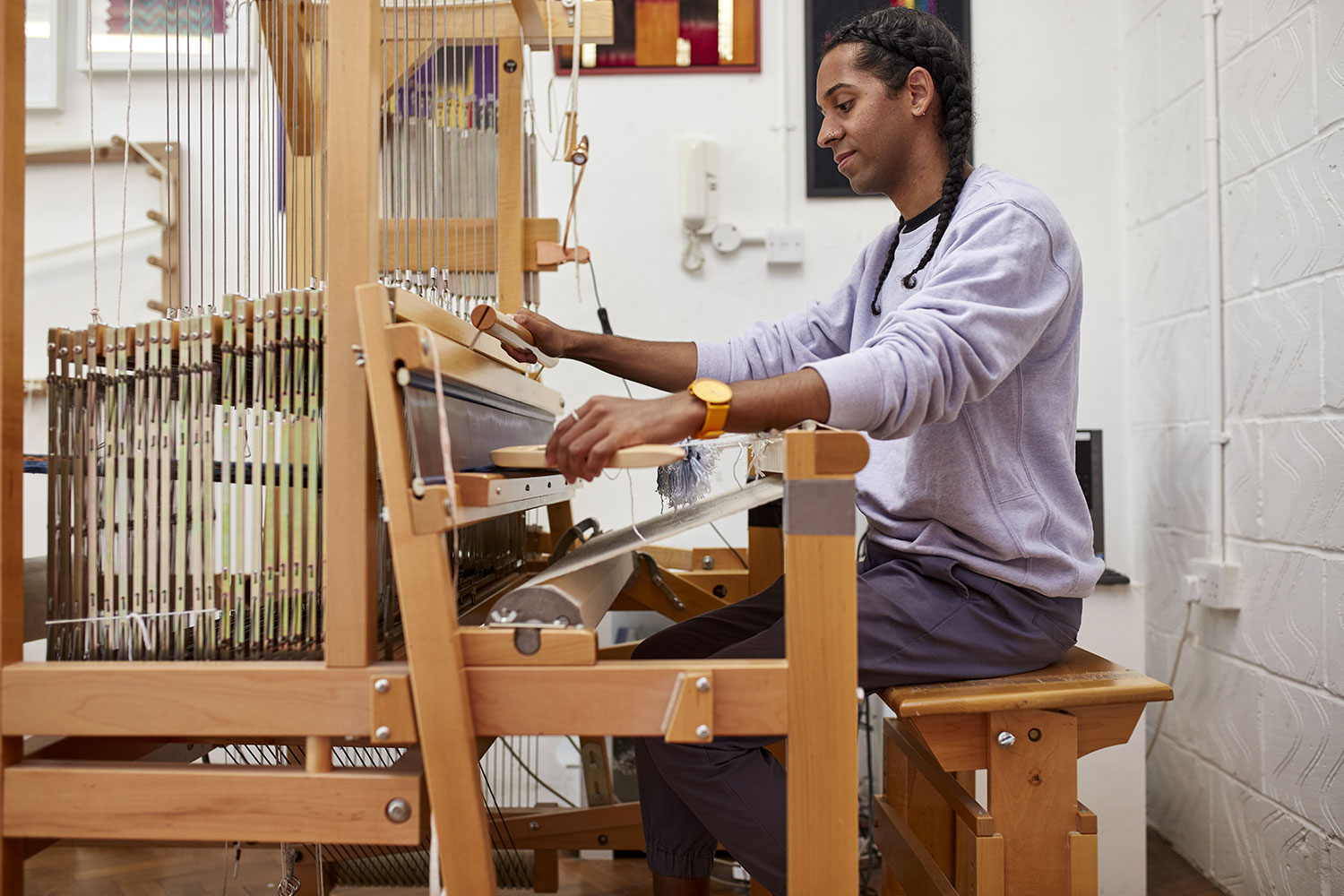
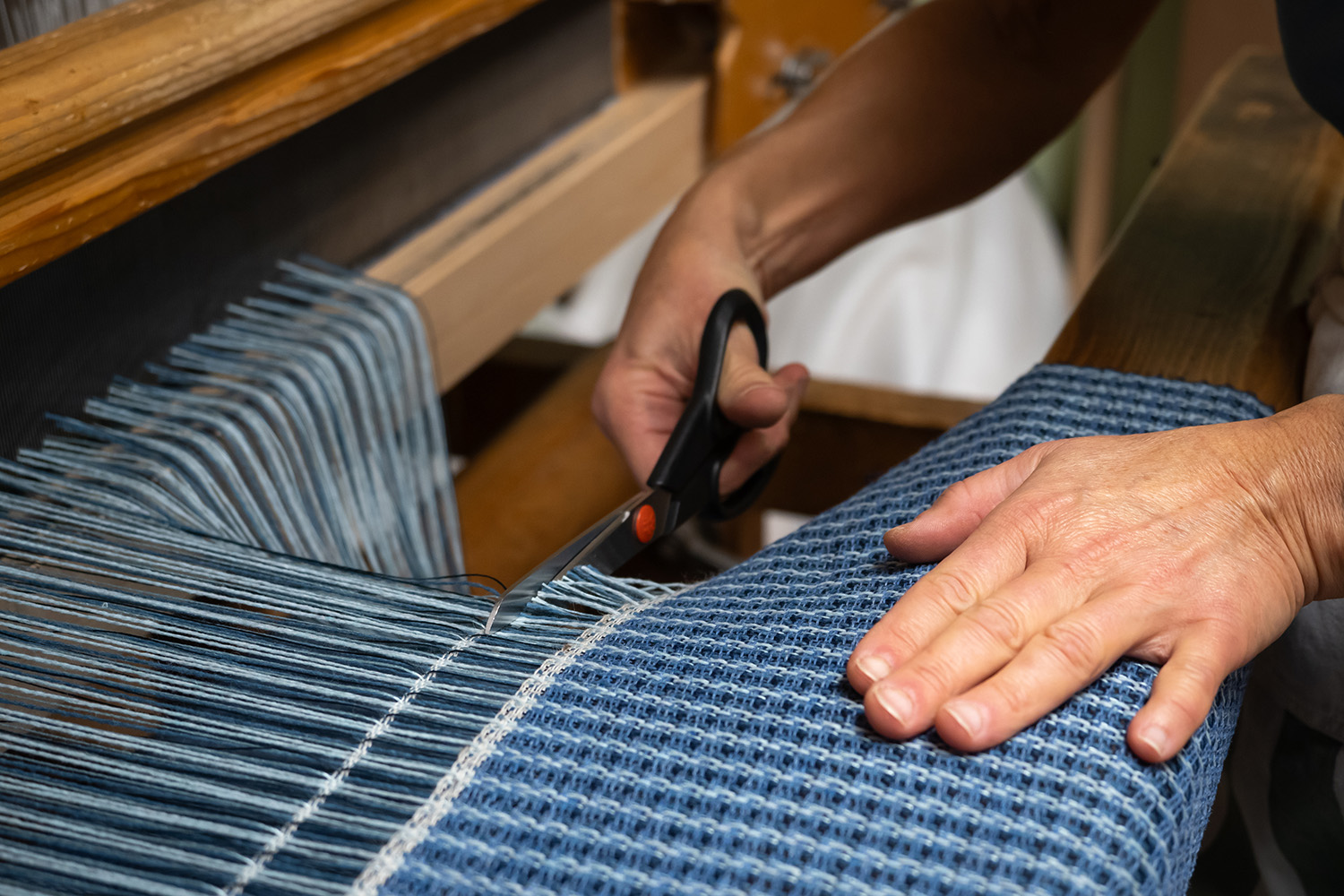
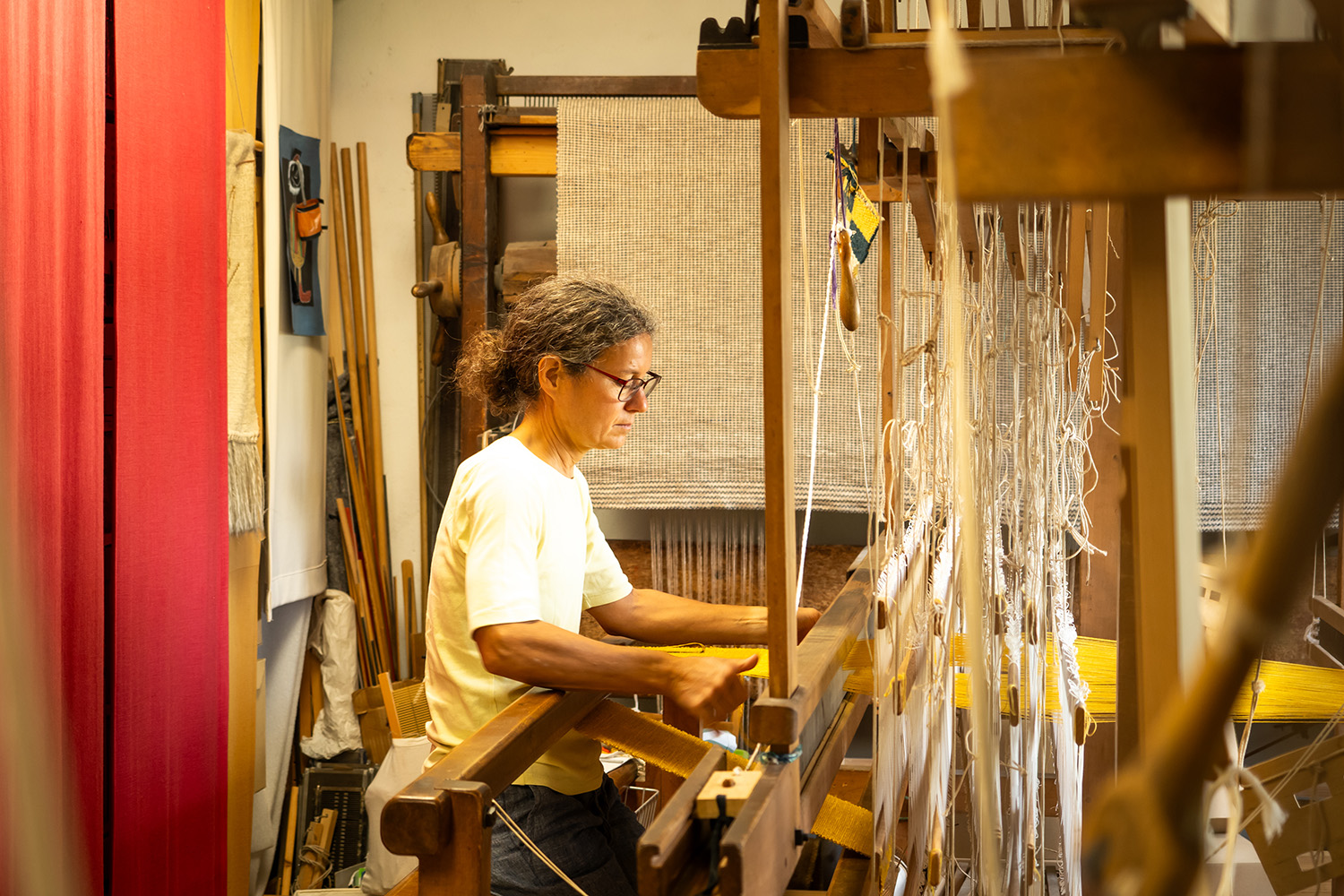
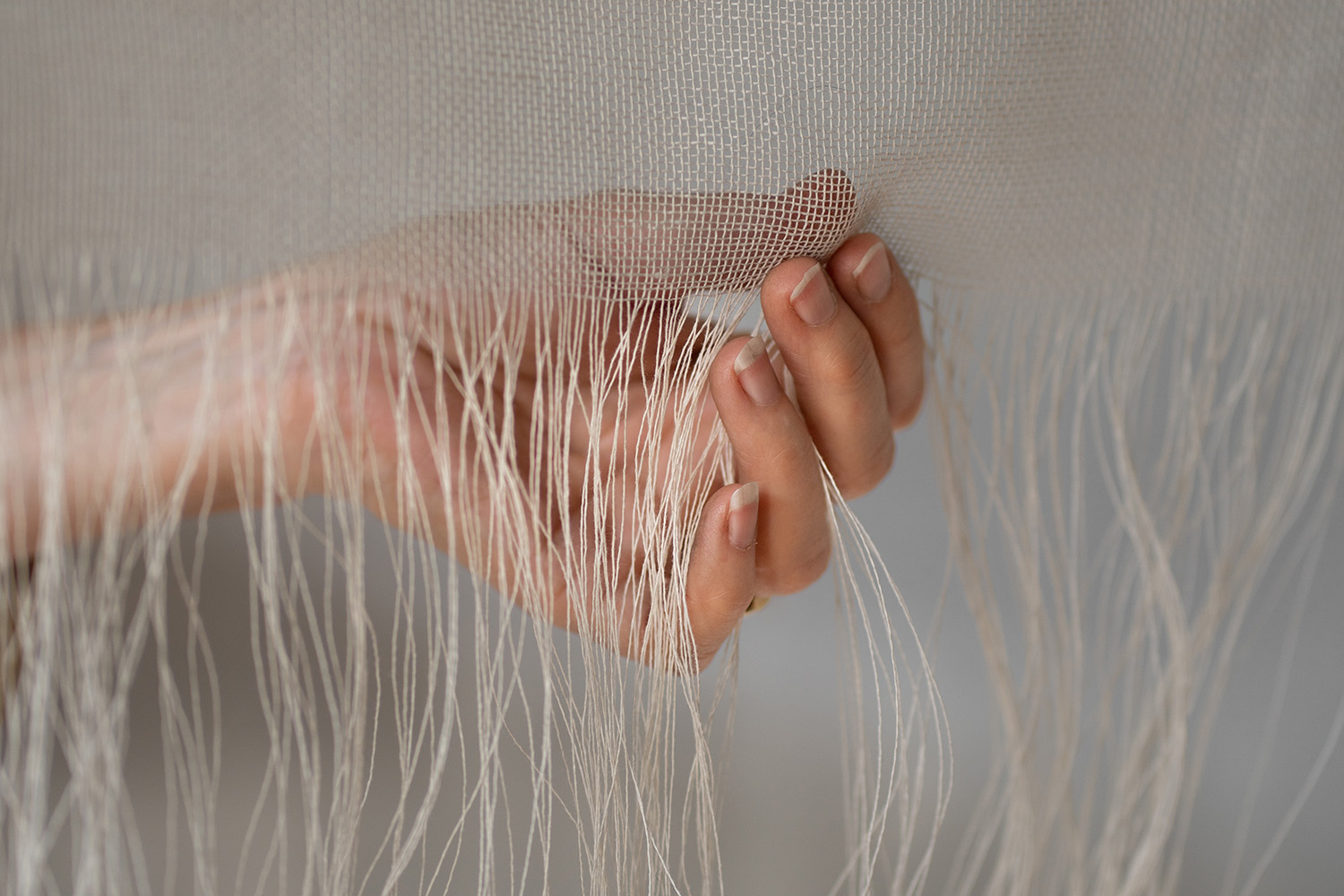
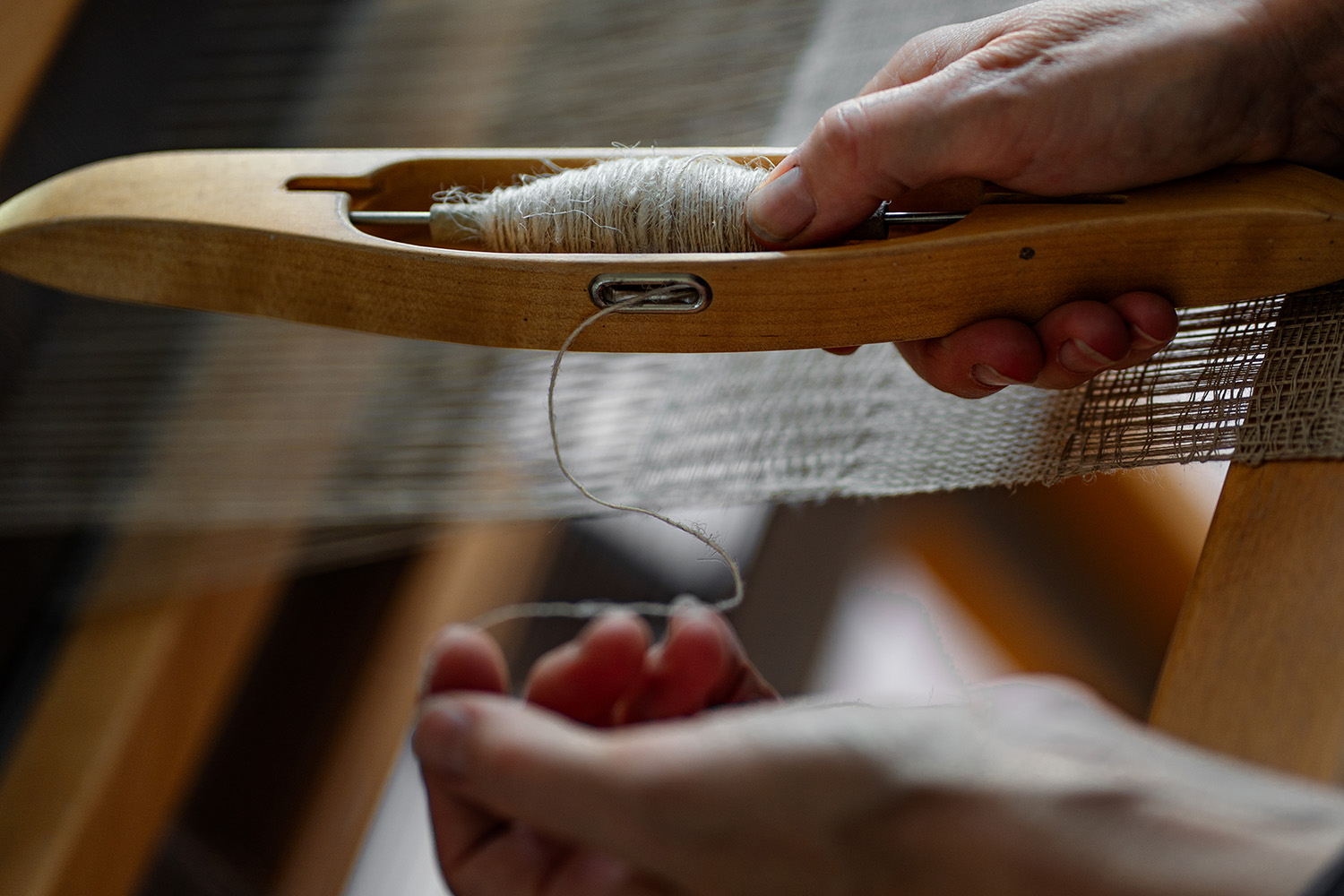
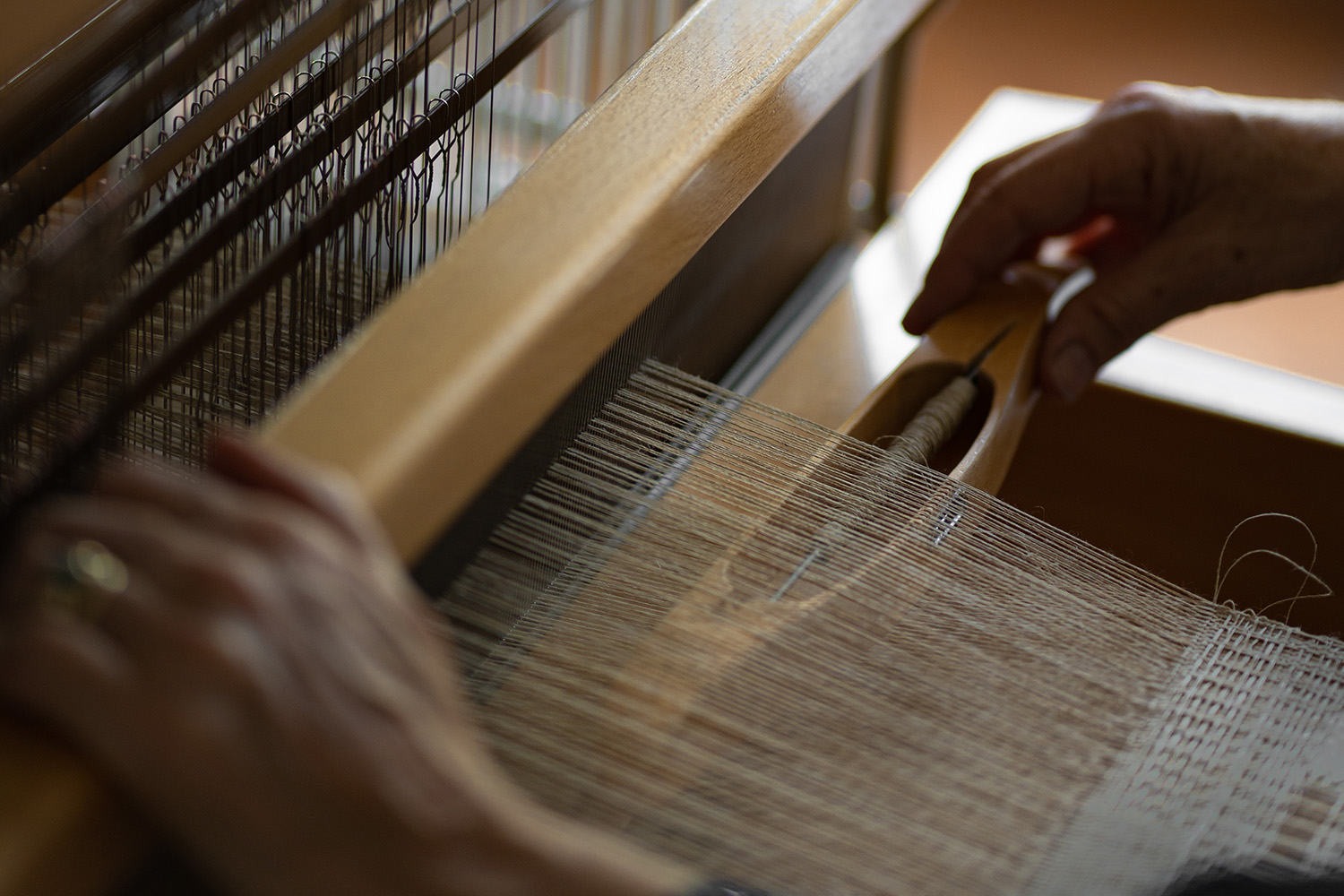
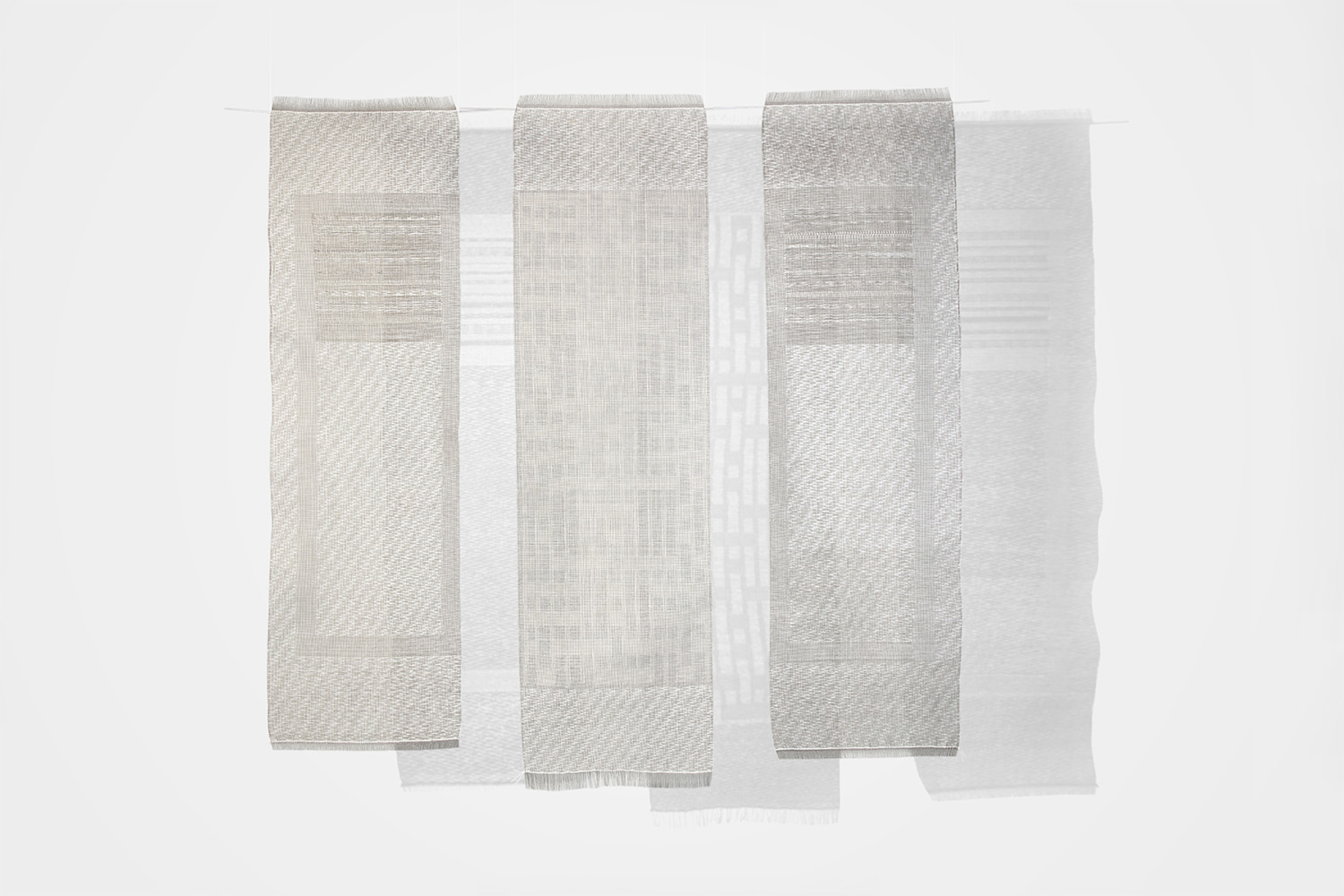
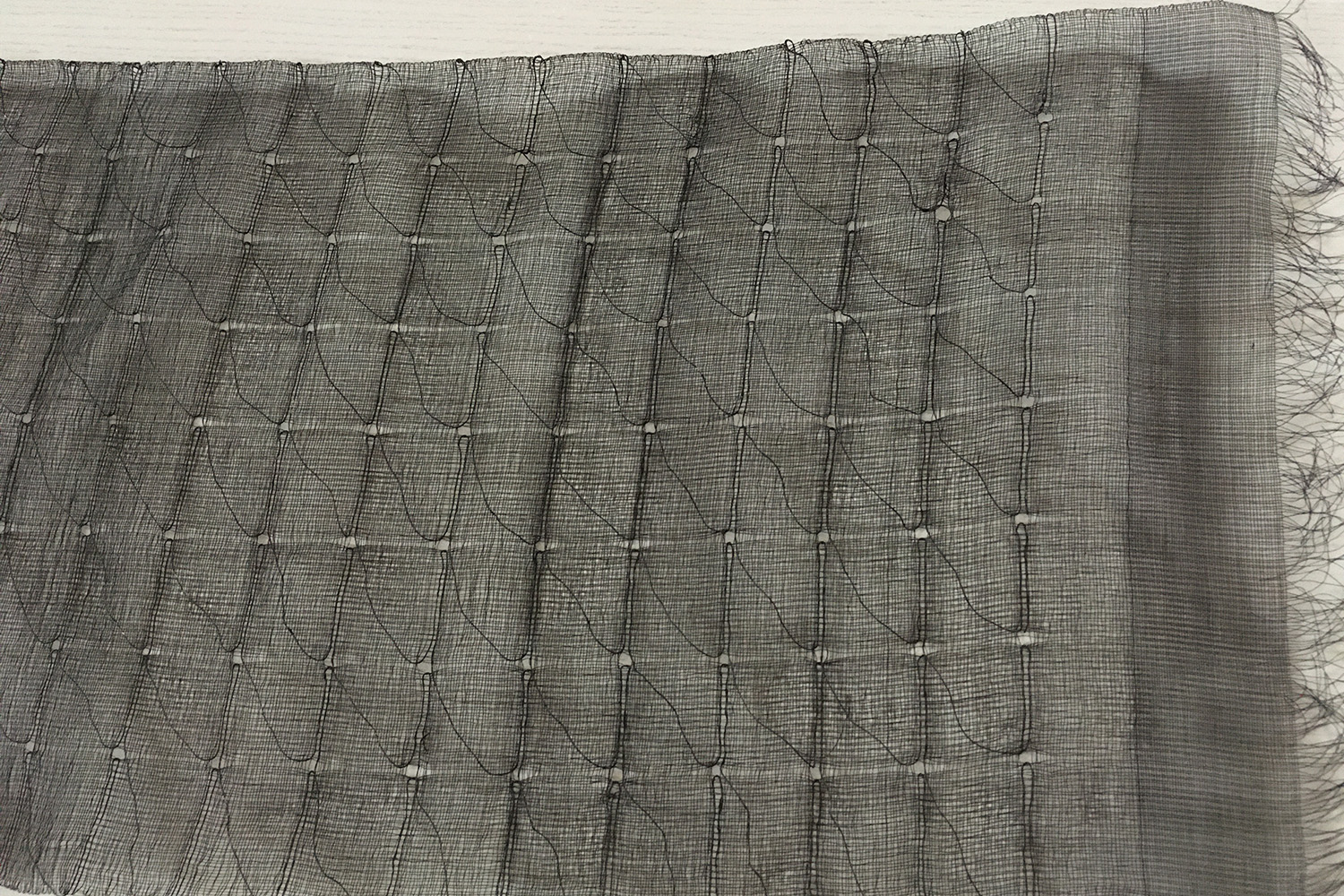
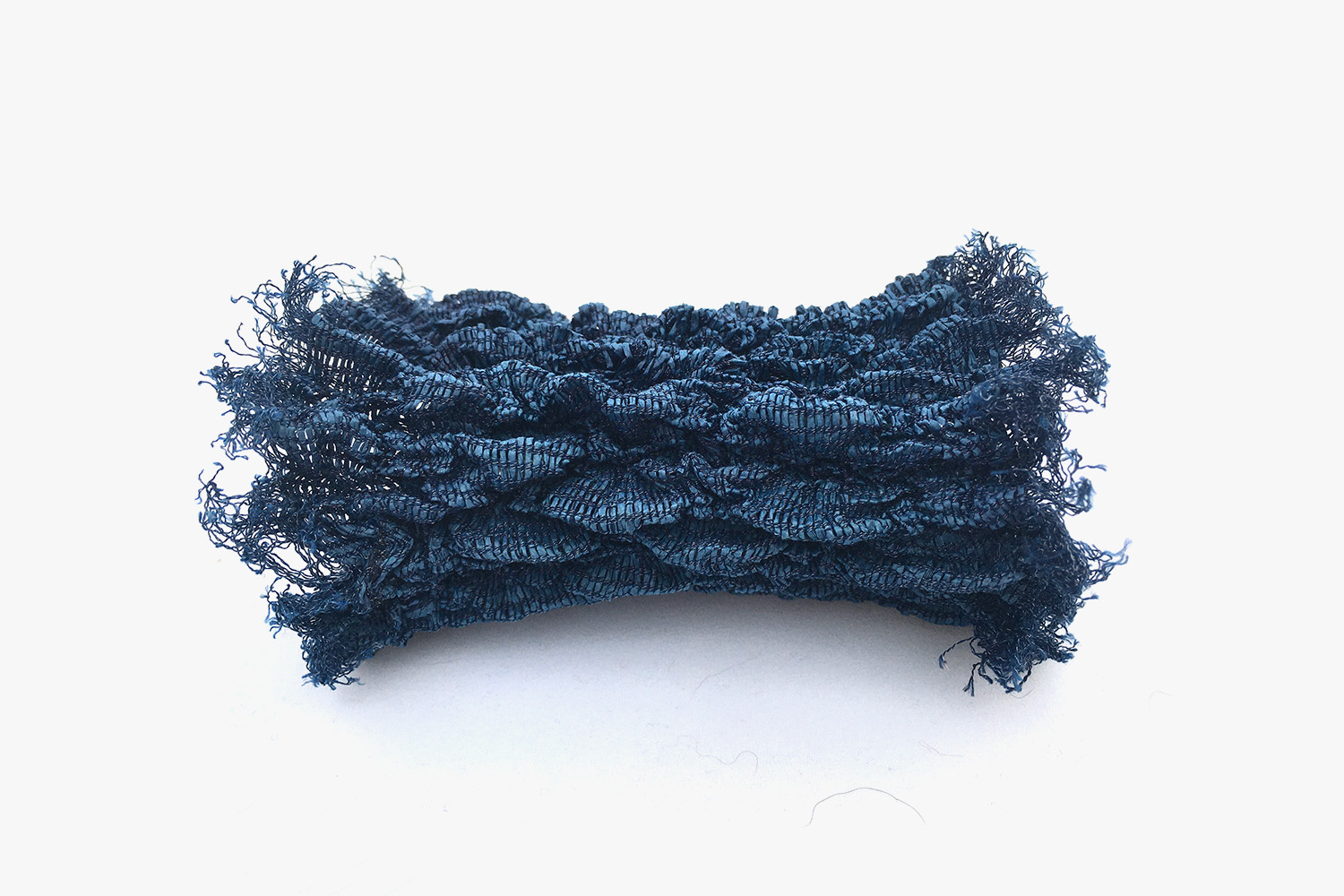
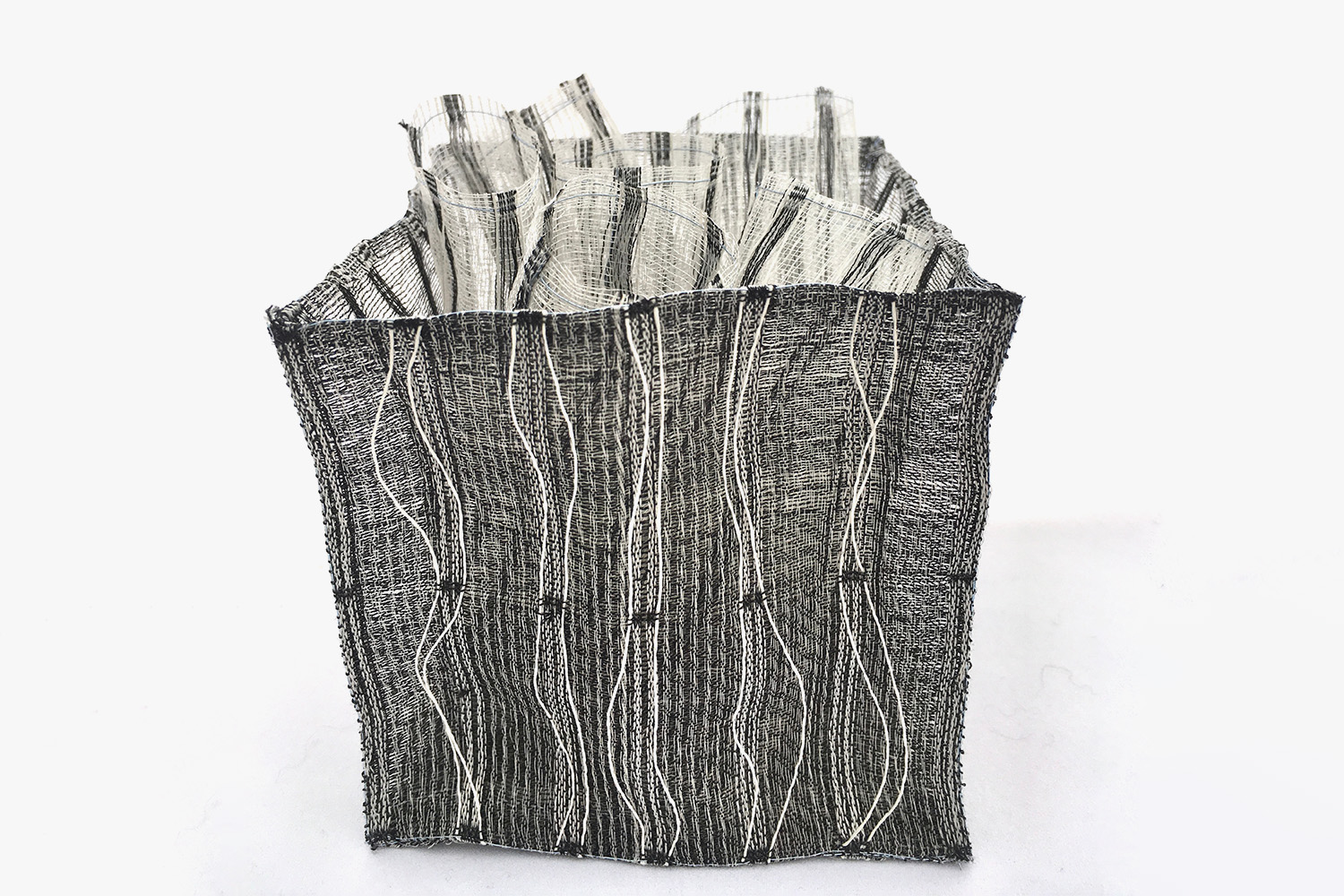
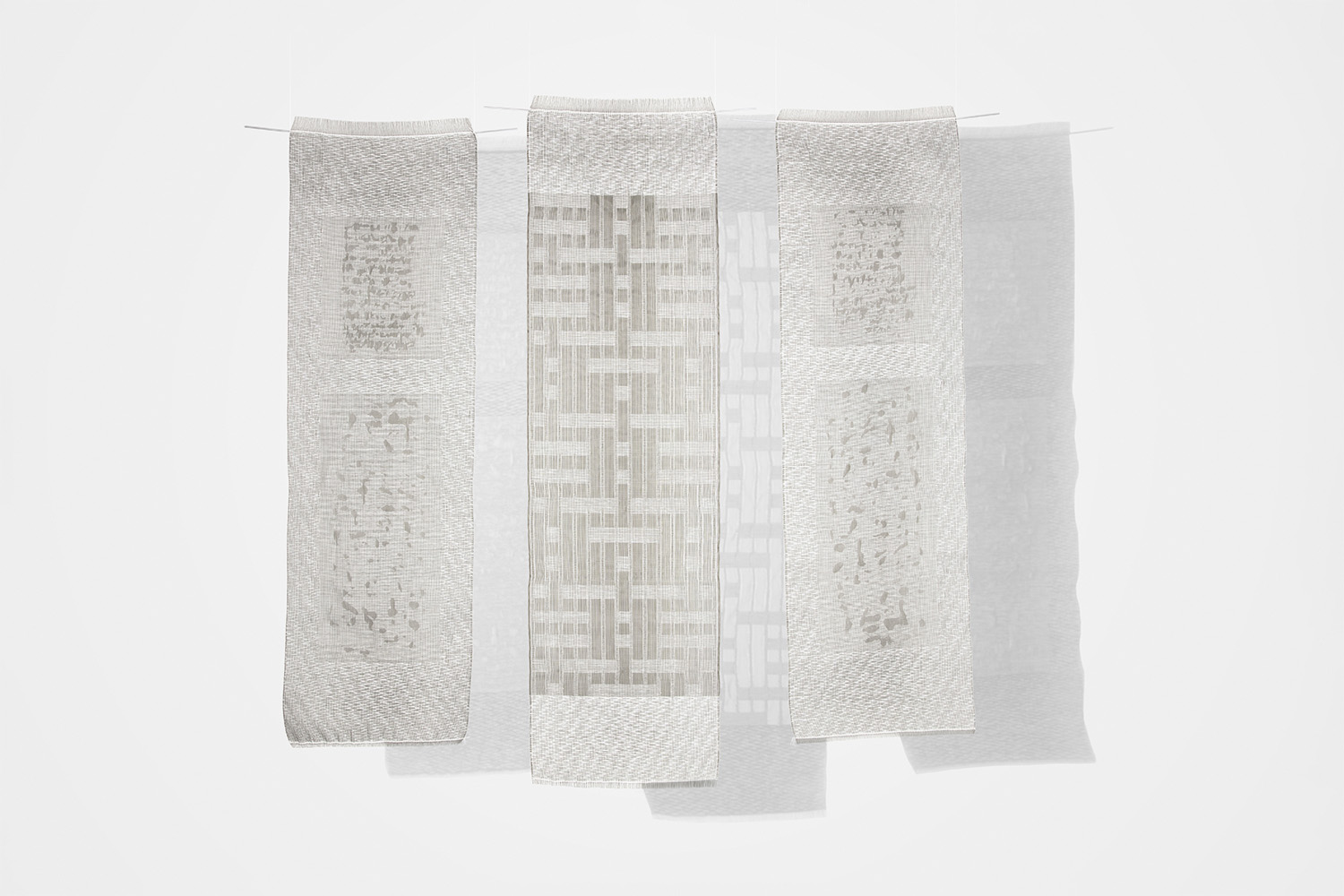
The apparent simplicity of a piece of fabric can hide an outstanding amount of awareness and experimentation. In Kendall Clarke’s woven art pieces, even basic structures are always the result of a considered construction unveiling the potential of a material, or of a combination of materials. Her subtle, sophisticated works subvert people’s expectations, and suggest a variety of concepts that resonate with today’s world: fragility, precariousness, resilience, survival. Kendall used to be a linguist but got caught by the magic of weaving and took a leap to change her path. To her, weaving is both a language and a way to explore language itself. In her multi-layered woven tales, Kendall often uses paper associated with other materials such as silk and stainless steel, in order to give life to her thoughts through art.
INTERVIEW
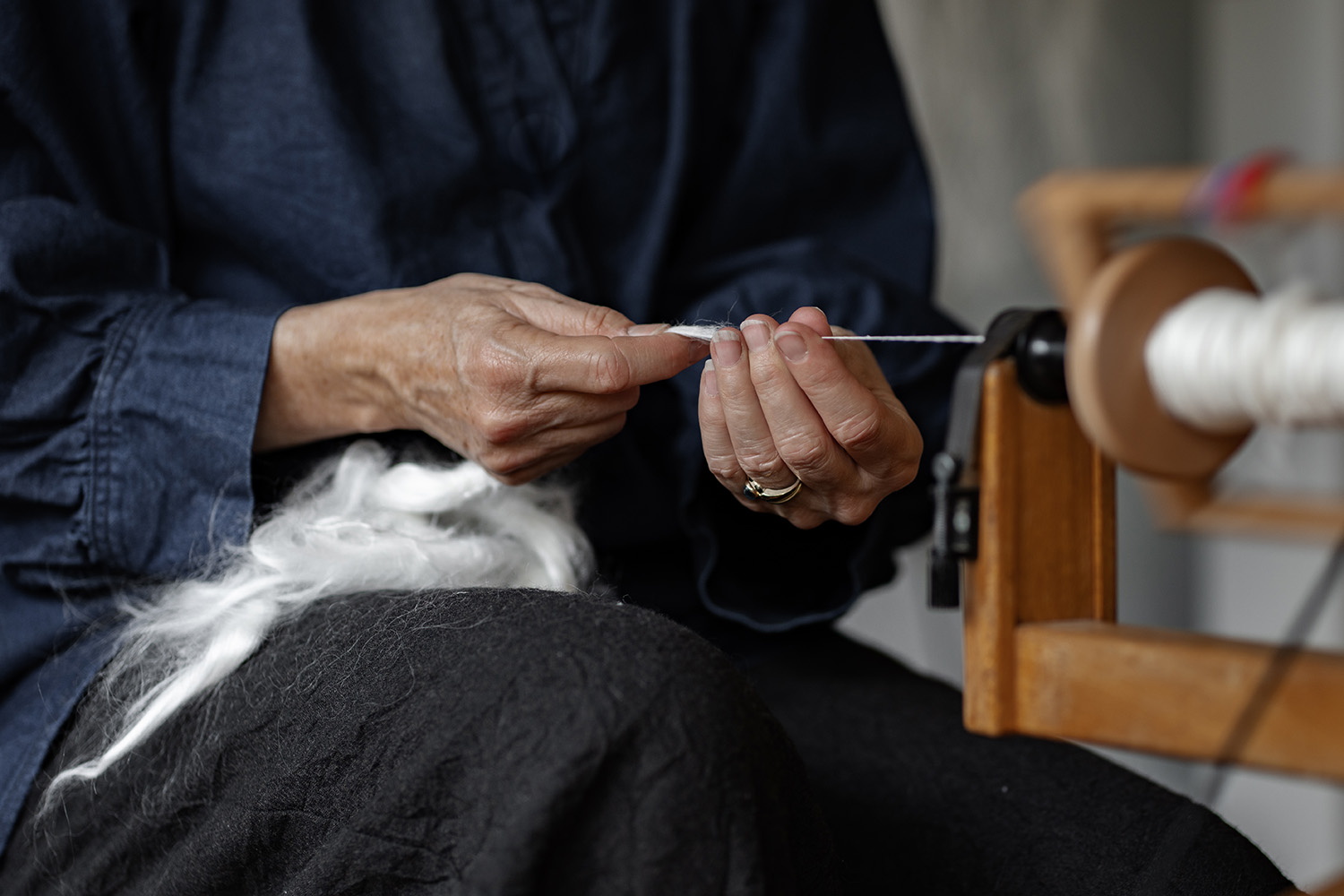
I used to keep sheep and I didn’t want to waste their wool. I had a long-standing interest in traditional rugs so began rug-weaving. But soon I wanted to deepen my knowledge and decided to pursue a technical education in weaving – diploma and masters. I then opened my first studio.
Writing makes thoughts visible. I use calligraphic and gestural marks, sometimes in abstracted form. I often take risks with degrading or distressing my textiles to represent loss and fragmentation. Weaving is definitely a language that I leverage on, with a clear focus on structure and construction.
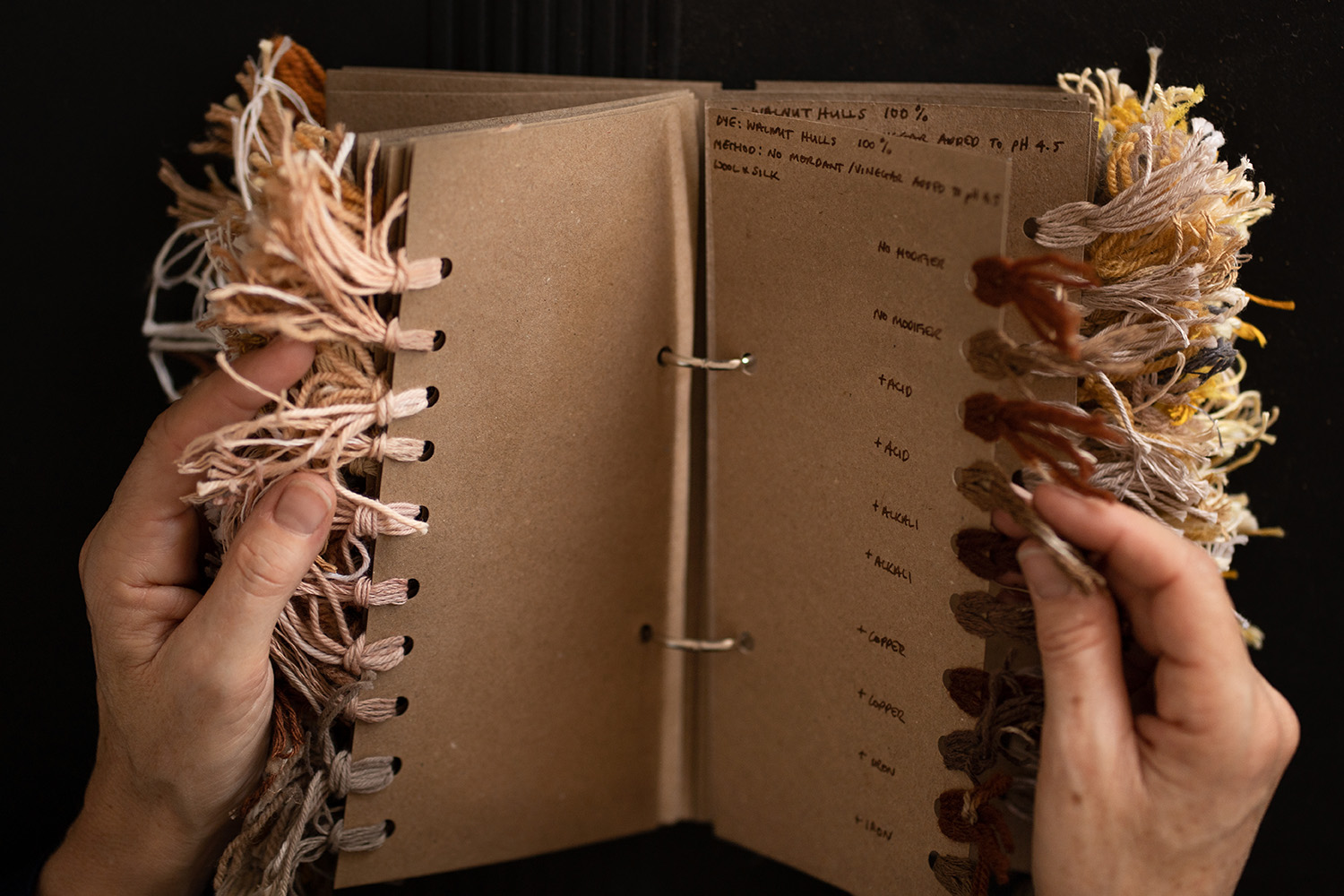
Exploration and experimentation. Sensitivity to materials is key and I enjoy subverting their obvious character to bring out unexpected qualities. I make my own dyes and inks from plants to get quiet colours. I value craft skills and fine work, and I am guided by simple, precise, Japanese-style aesthetics.
It is about survival and resilience, precariousness and fragility, what remains over the passing of time. Something extremely fitting to our current times.