Sue Gunn
Ceramicist
London, United Kingdom
An exploration of form and fragility
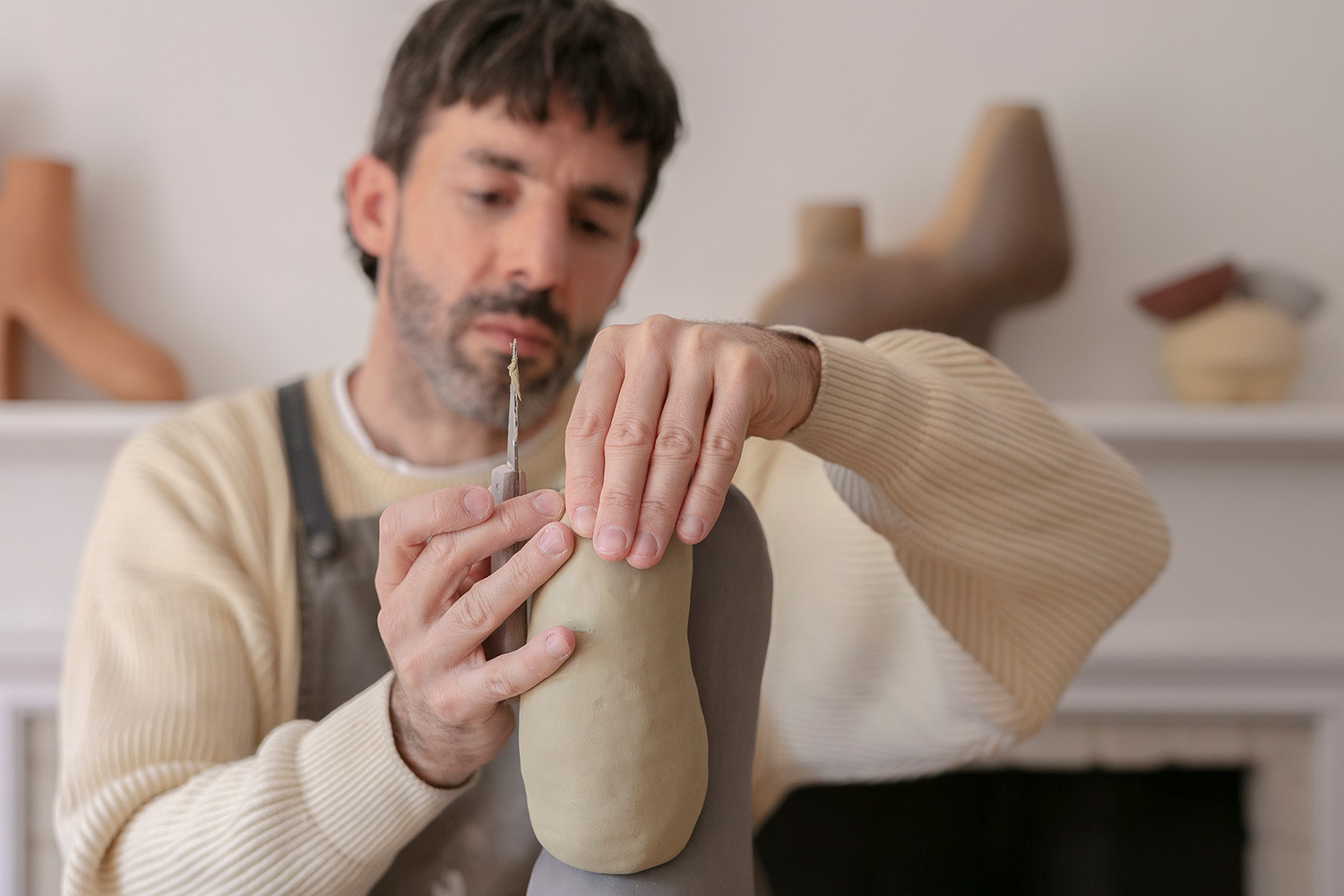
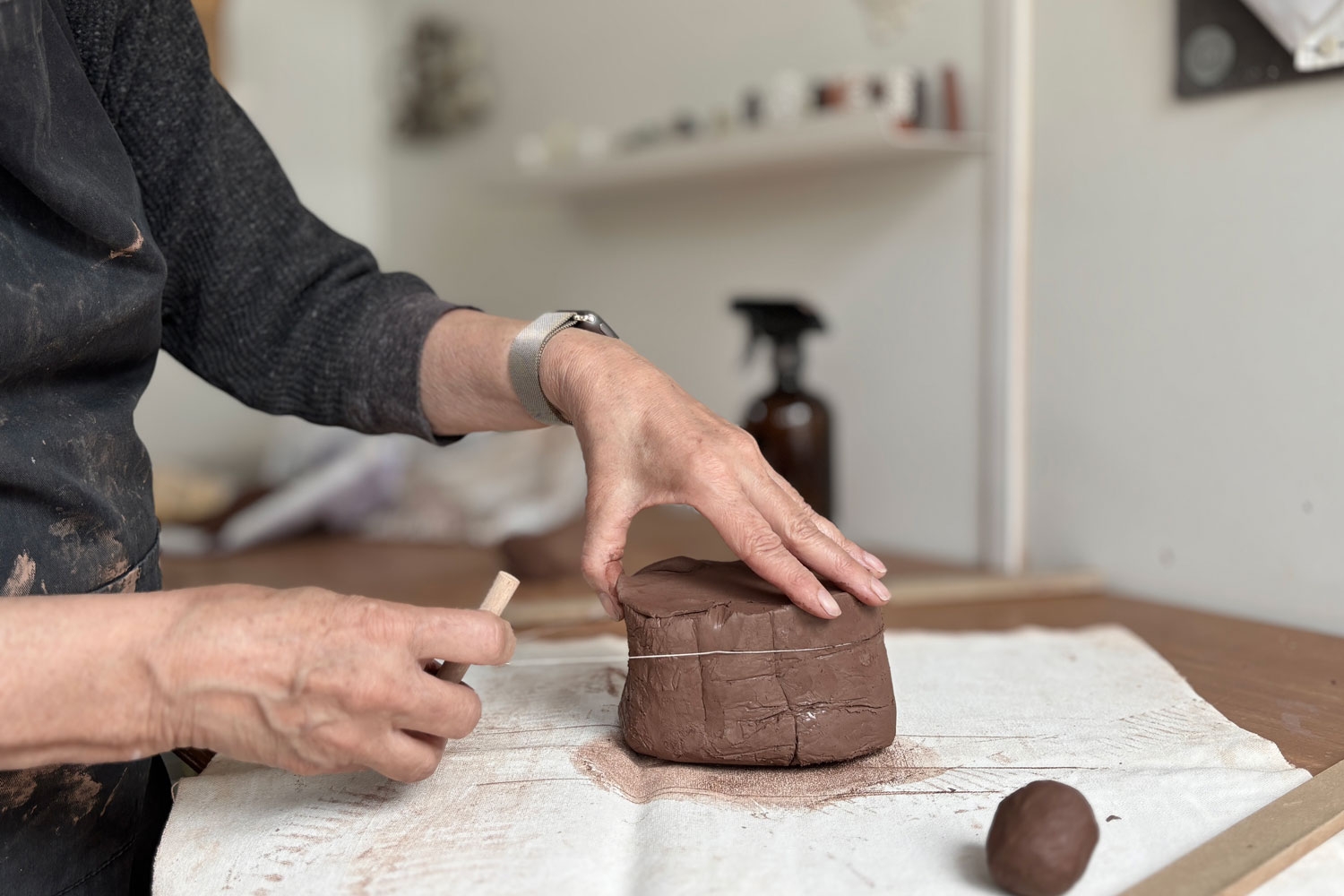
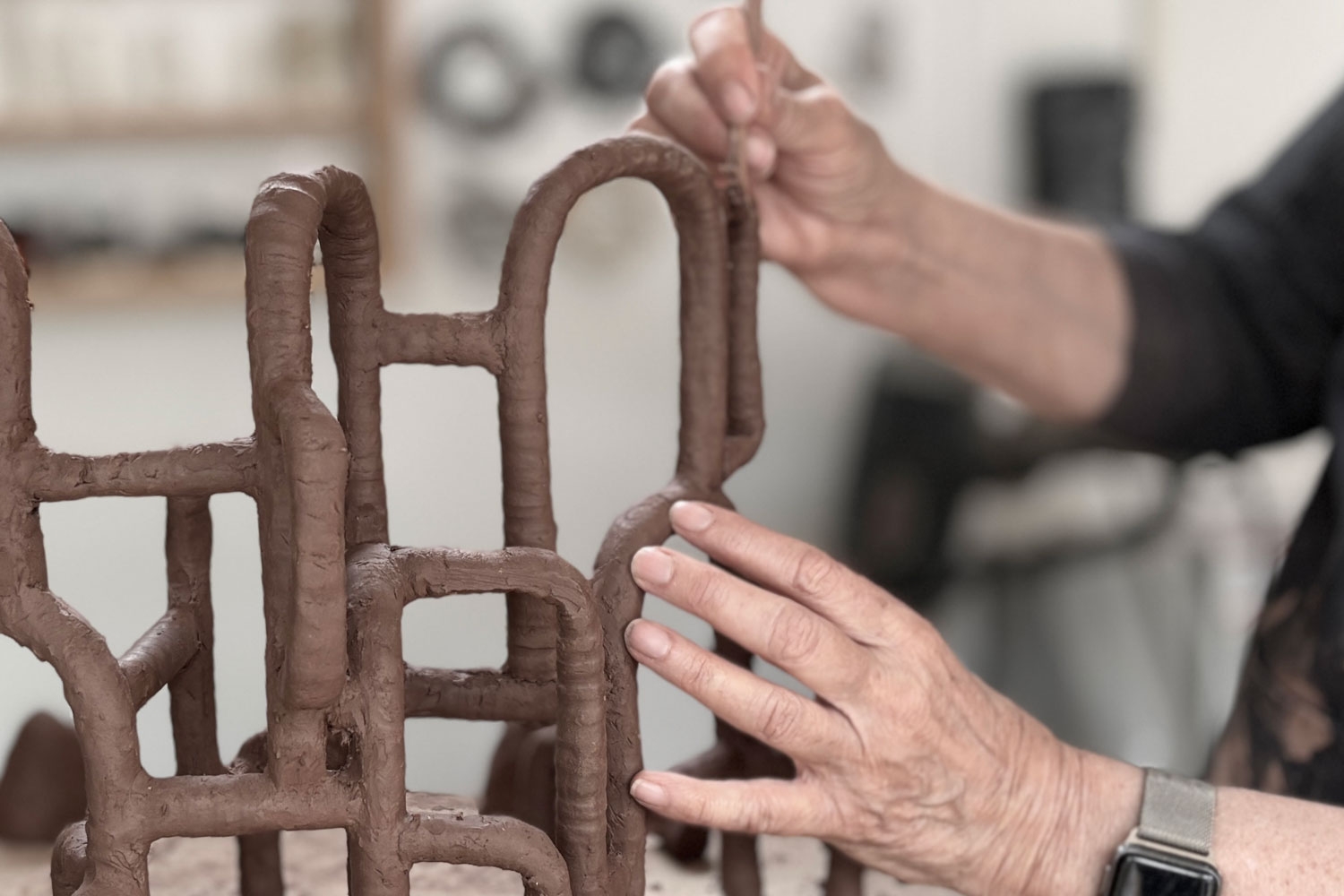
- Sue's creative process involves coiling, pinching and slab building
- She is intrigued by the structural parallels between the human body and the natural world
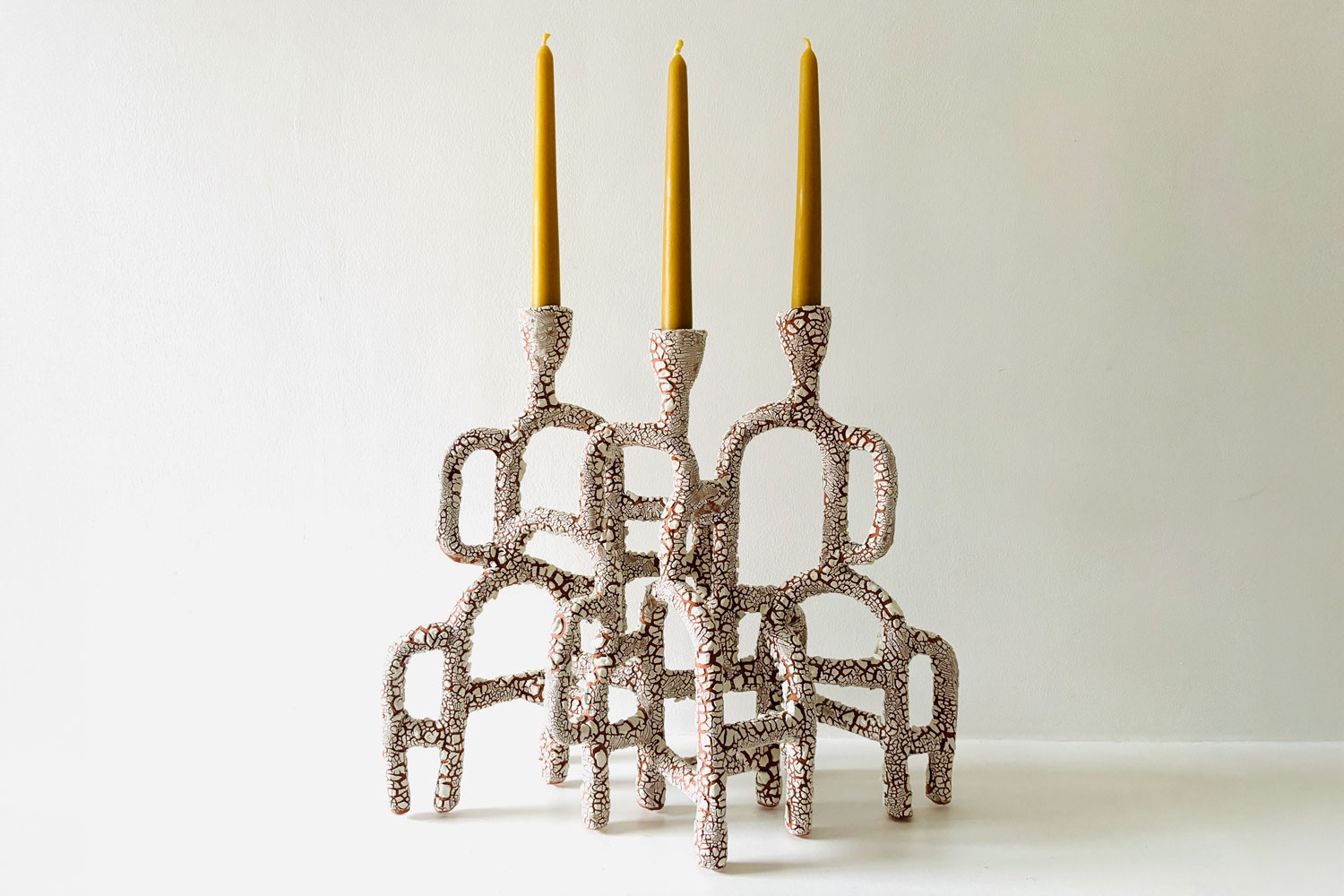
- Her glazes are inspired by fractures and flows found in nature
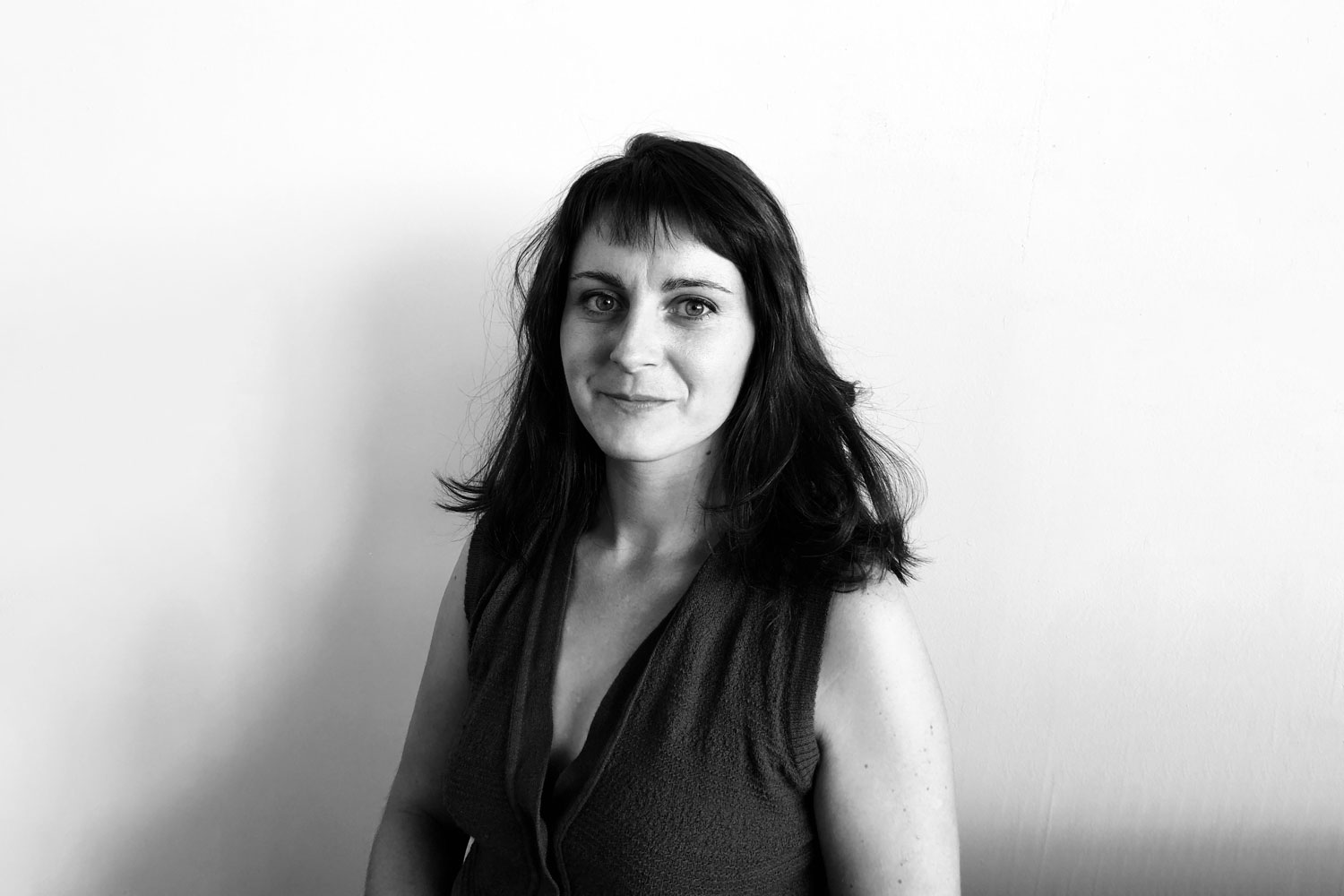
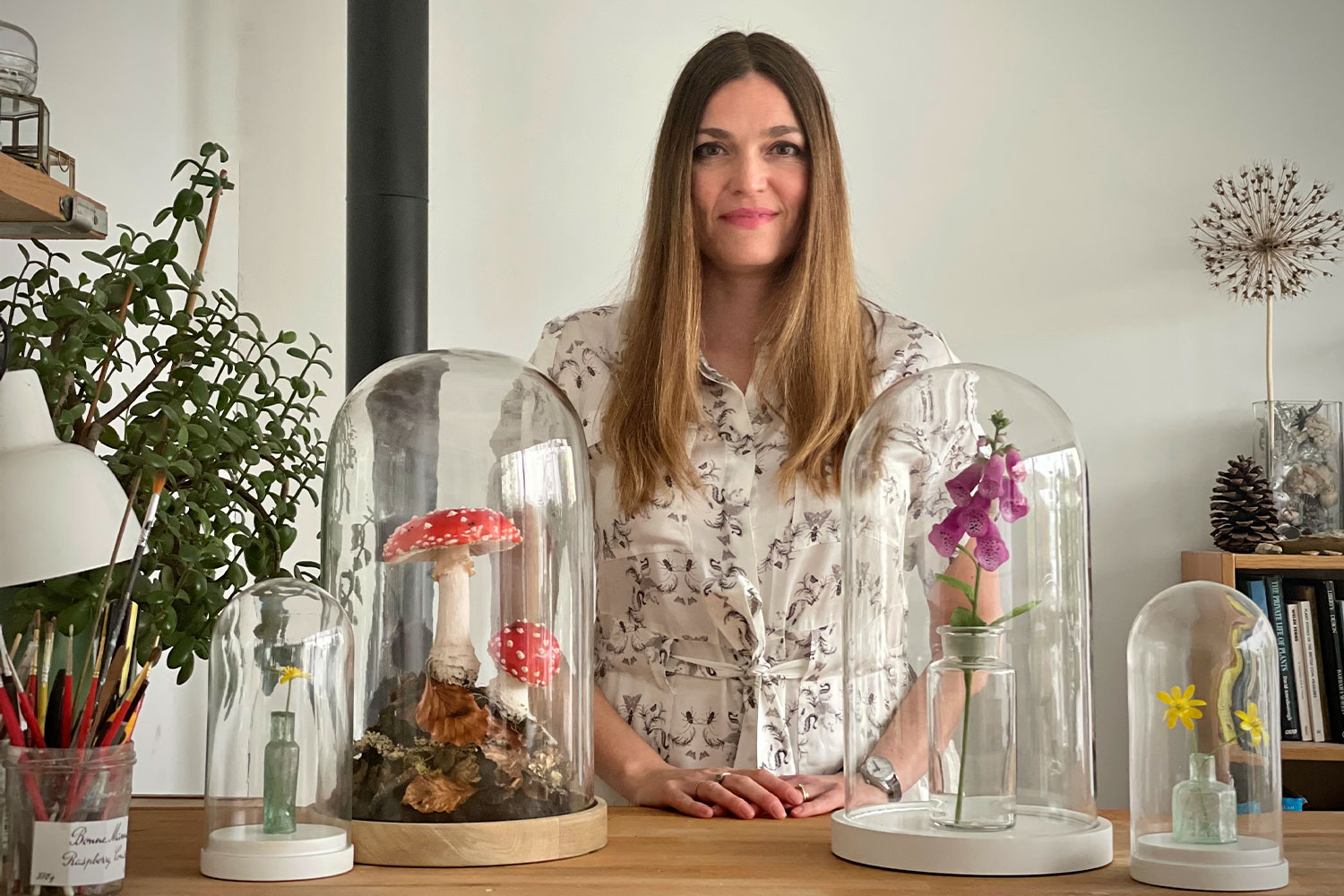
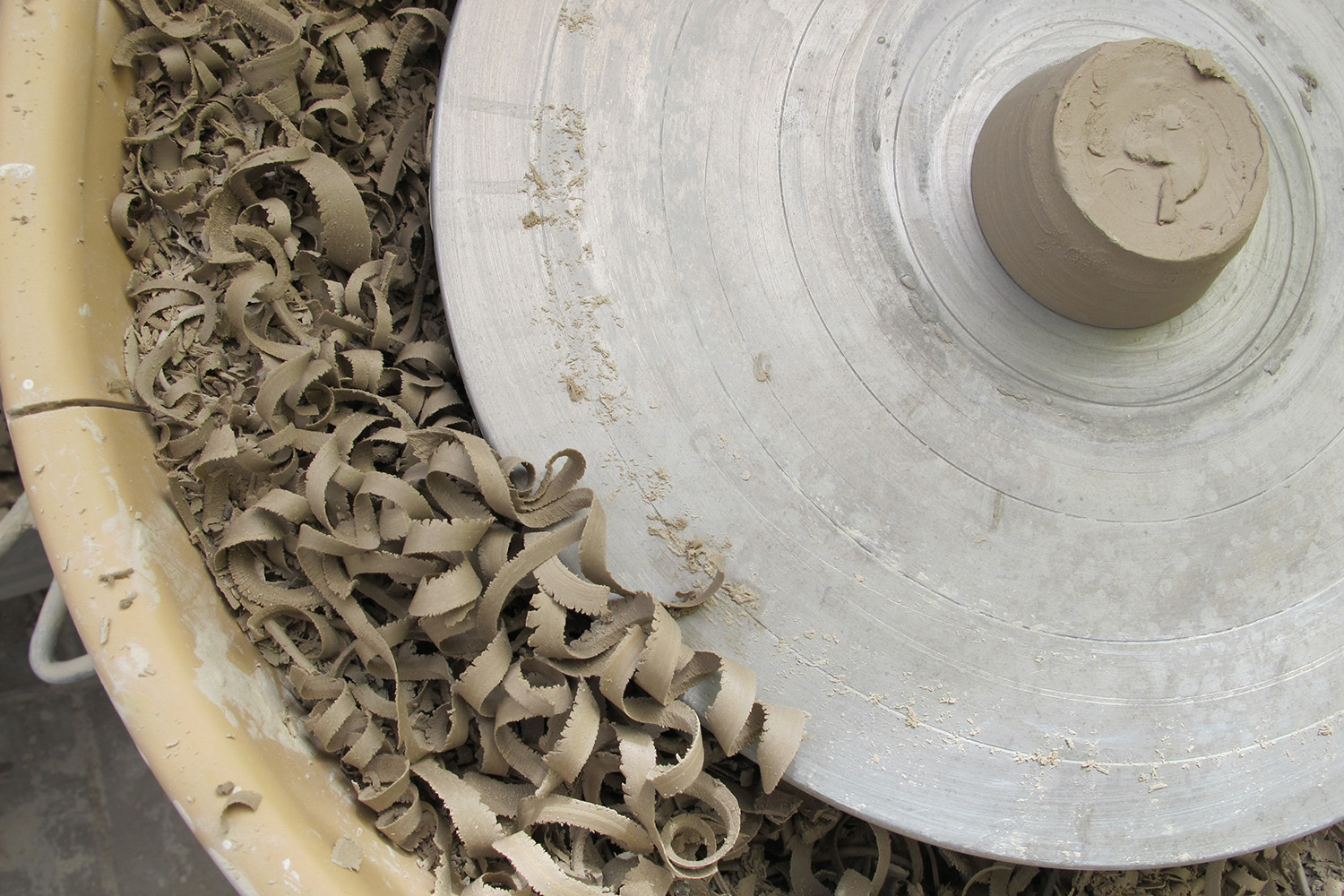
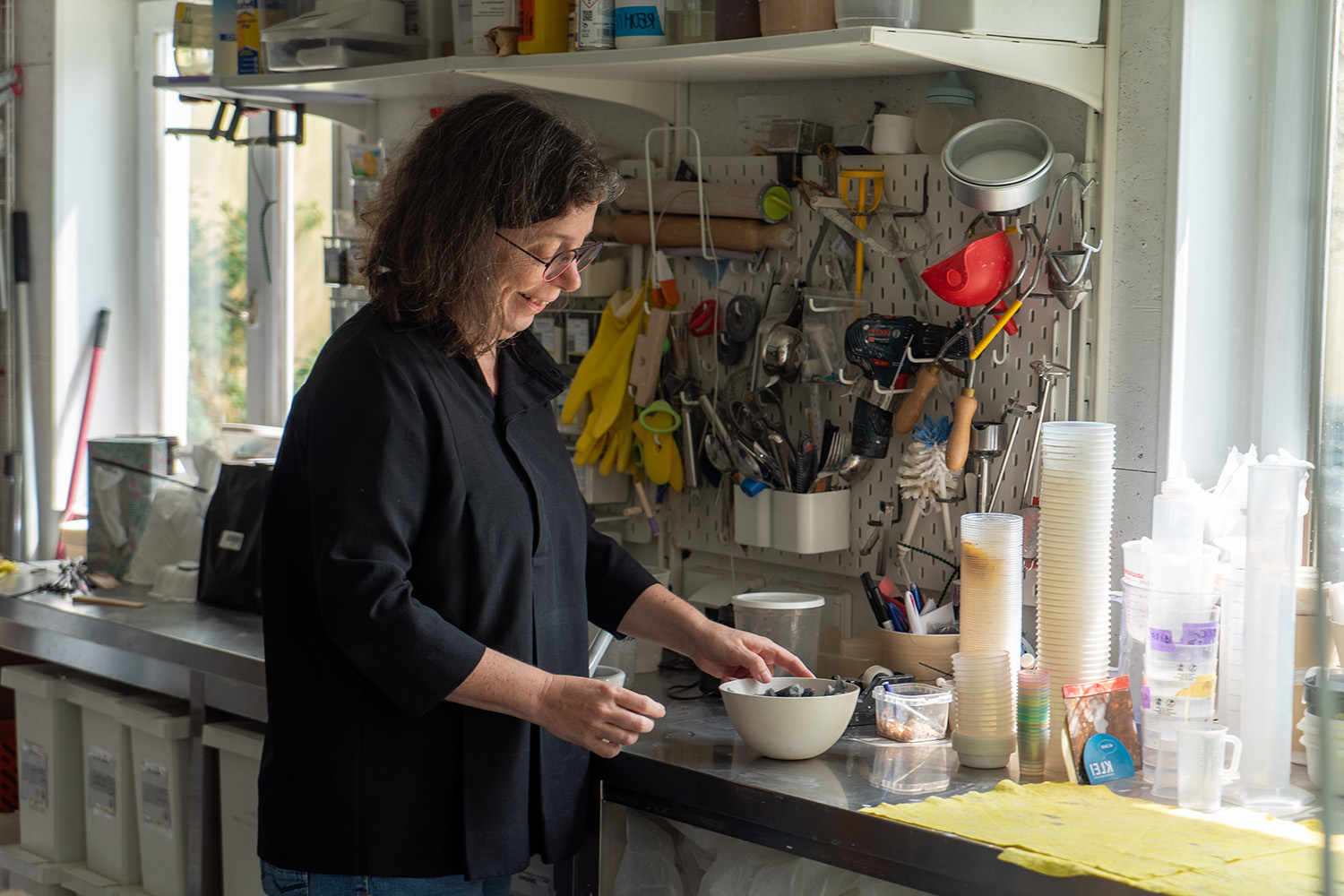
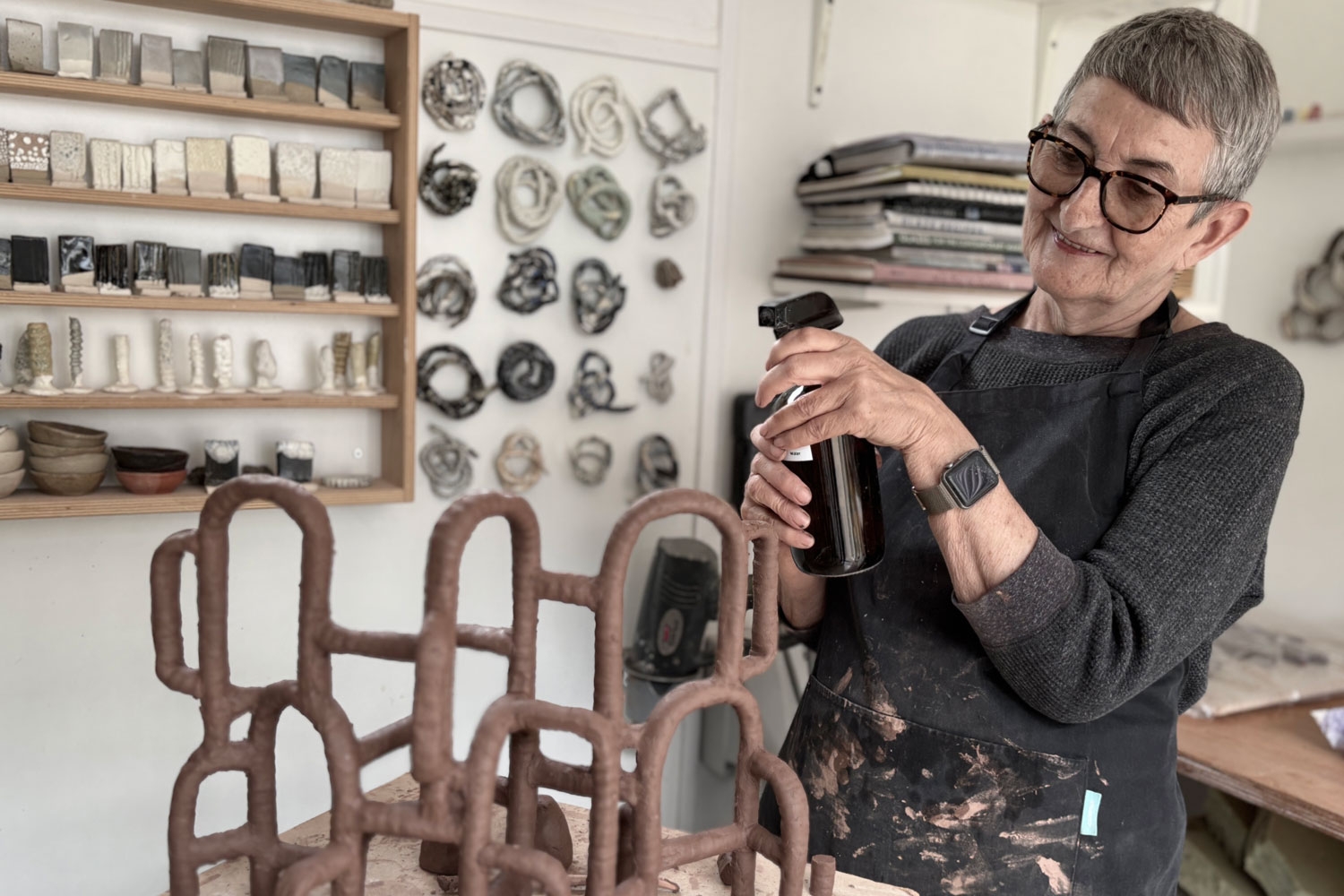
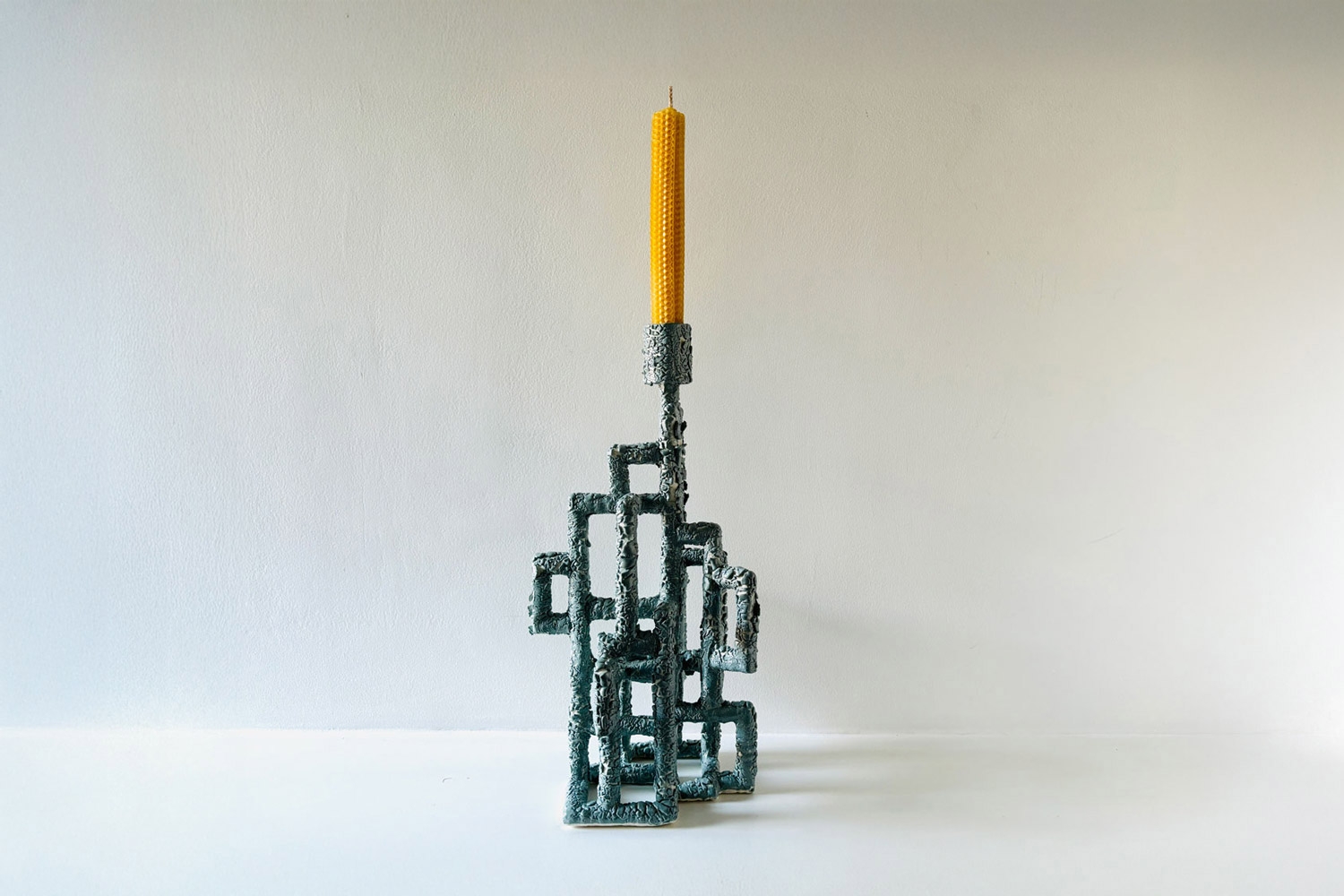
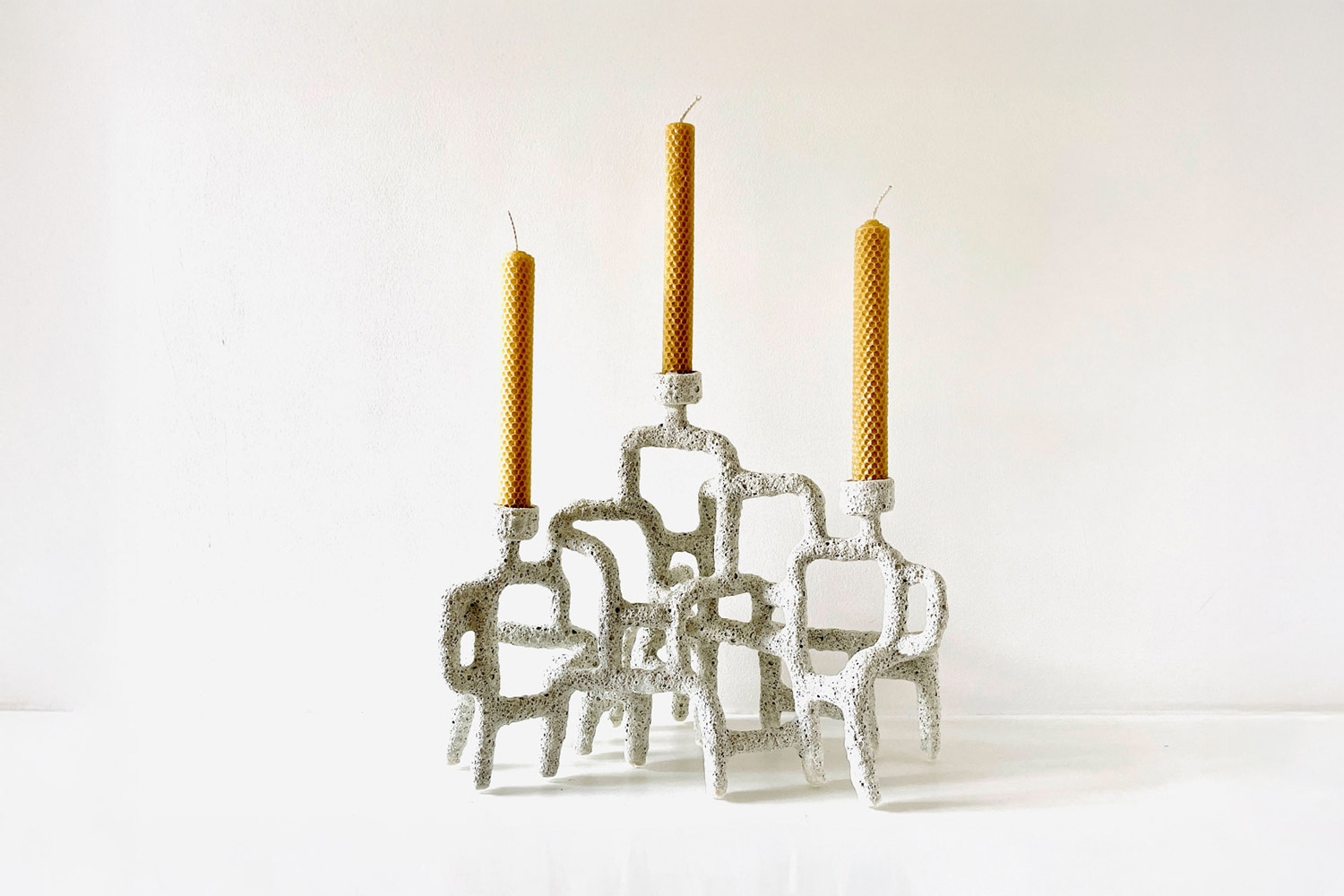
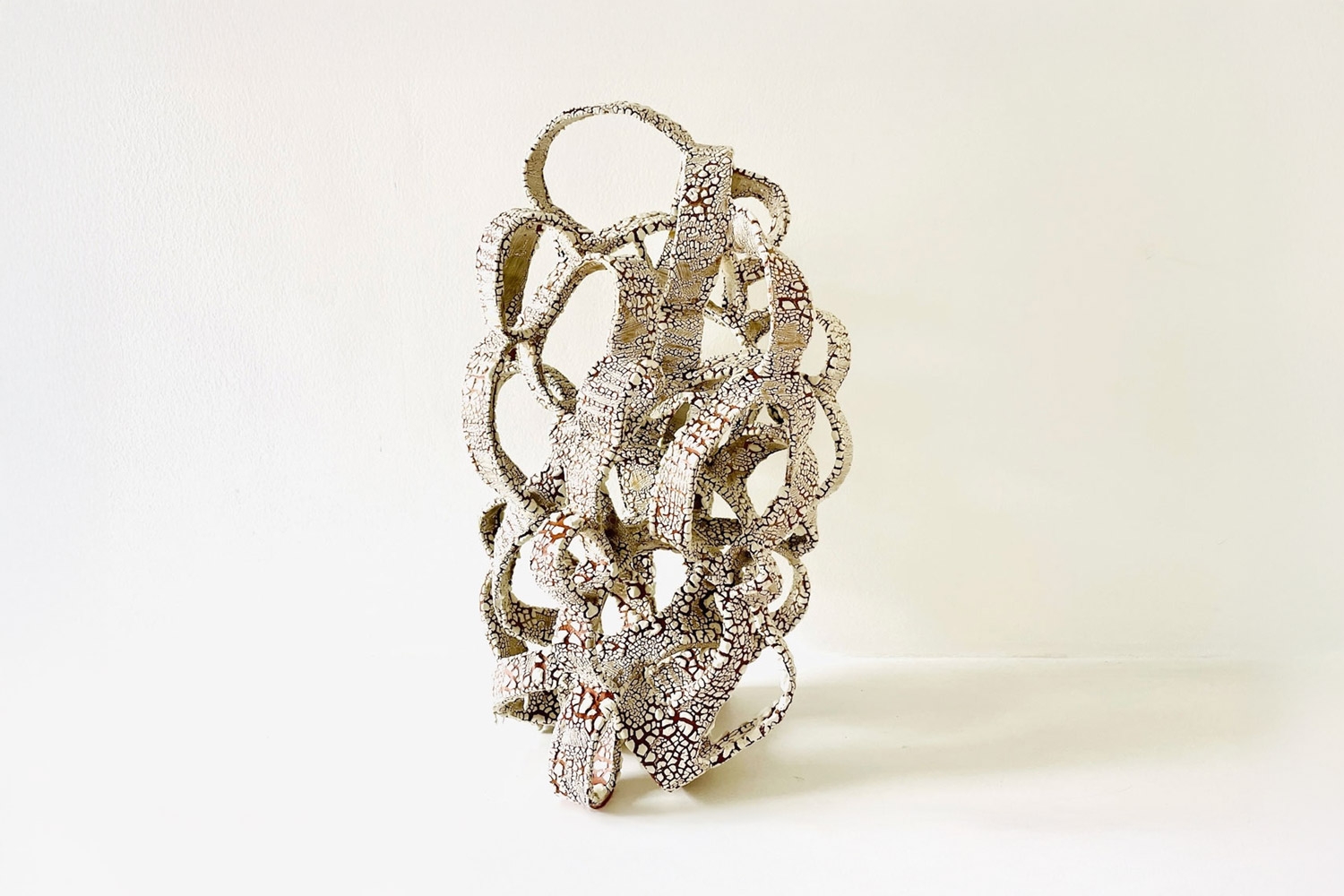
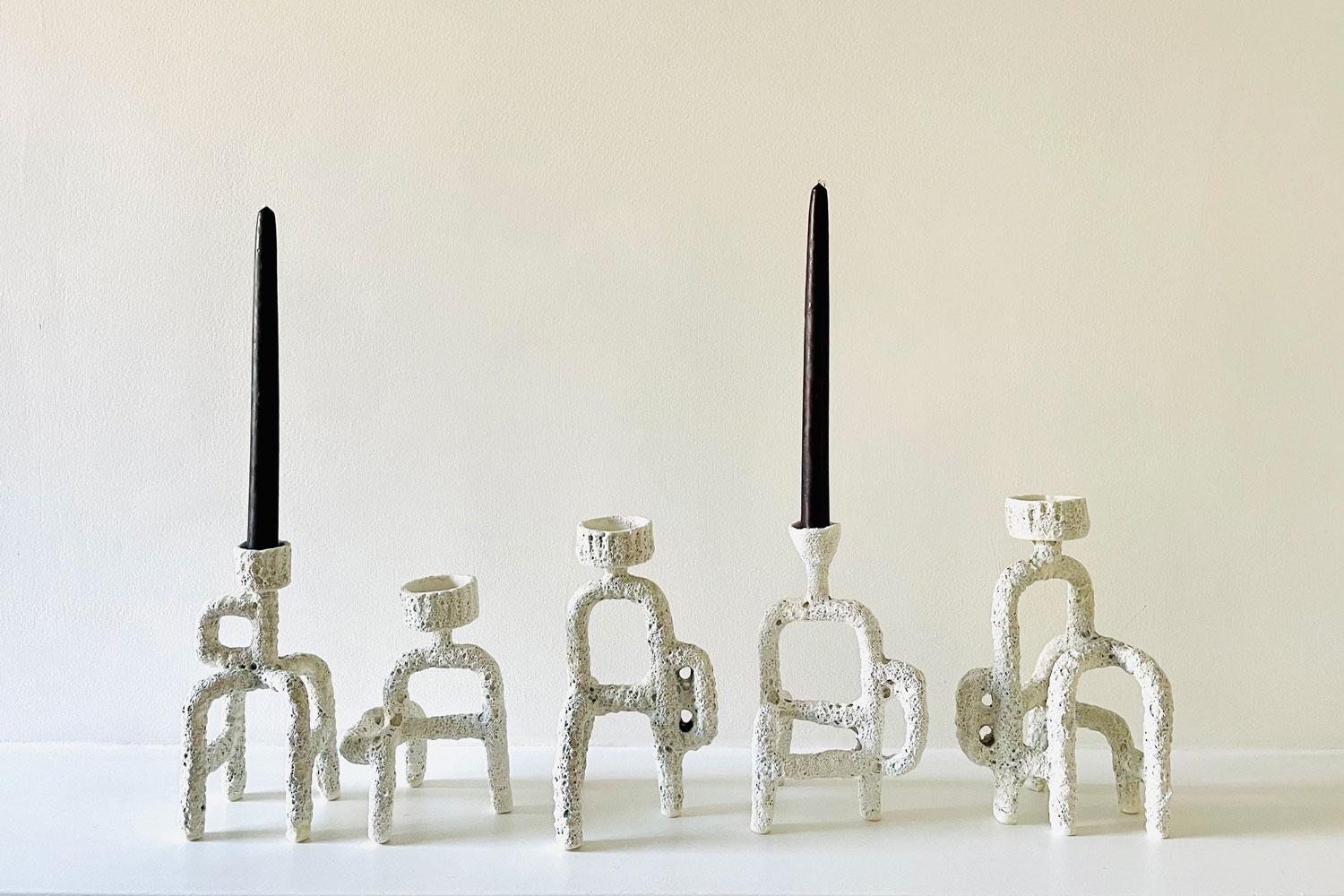
Sue Gunn felt an immediate connection to clay from the moment she touched it. "I fell in love with the sense of discovery, the endless possibilities, and the tactility and responsiveness of the material," she says. When she retired from her career in fashion, Sue joined a beginners pottery course. "I knew then that I had found the medium I wanted to explore," she says. In 2020, during Covid, she graduated from Morley College in London, with an HND in ceramics. Sue is mindful of how she uses natural resources and is inspired by the environment. She developed glazes that feature fractured and bubbled surfaces to evoke the textures and imagery of dried, crumbled earth, lava flows and forest fires.
INTERVIEW
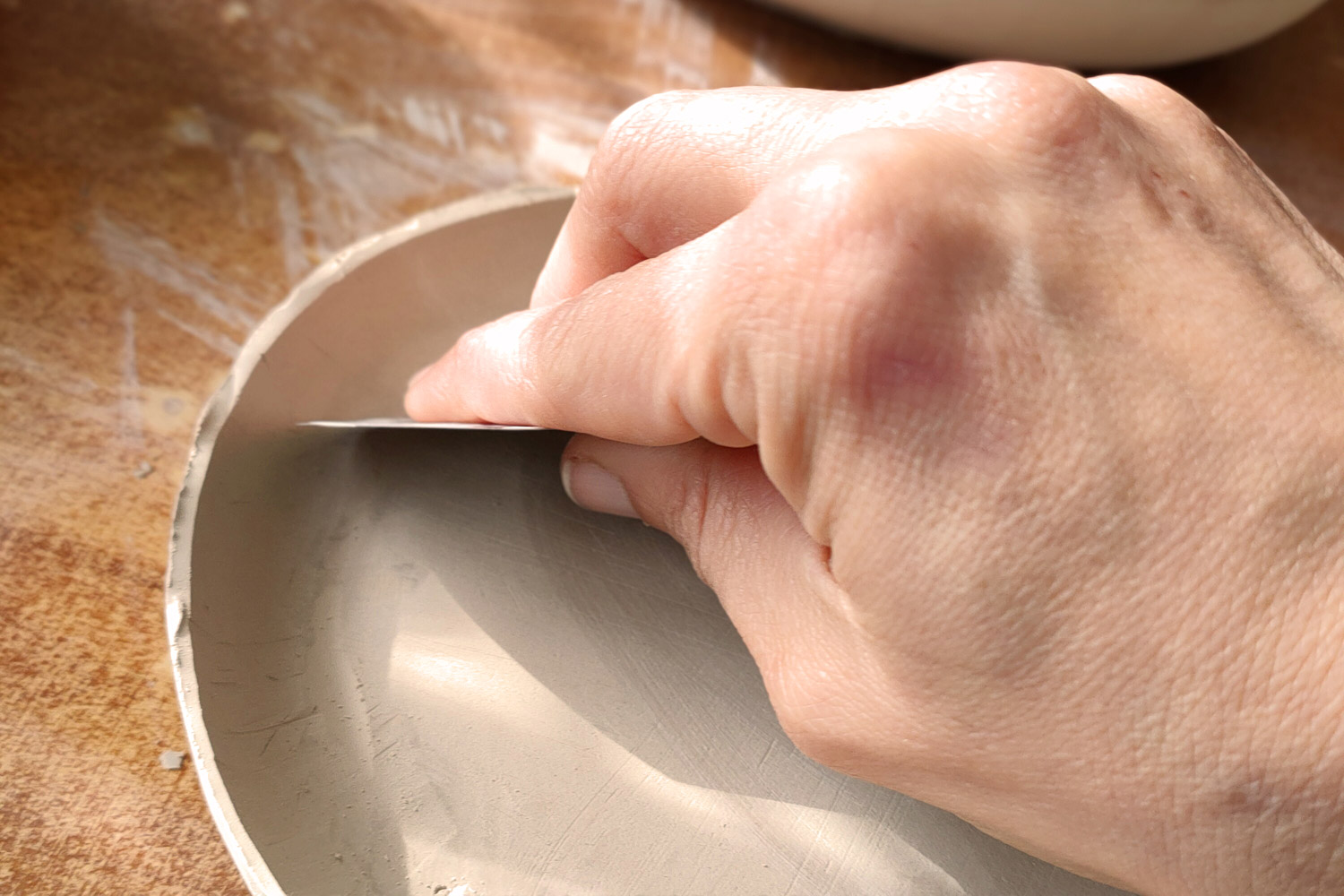
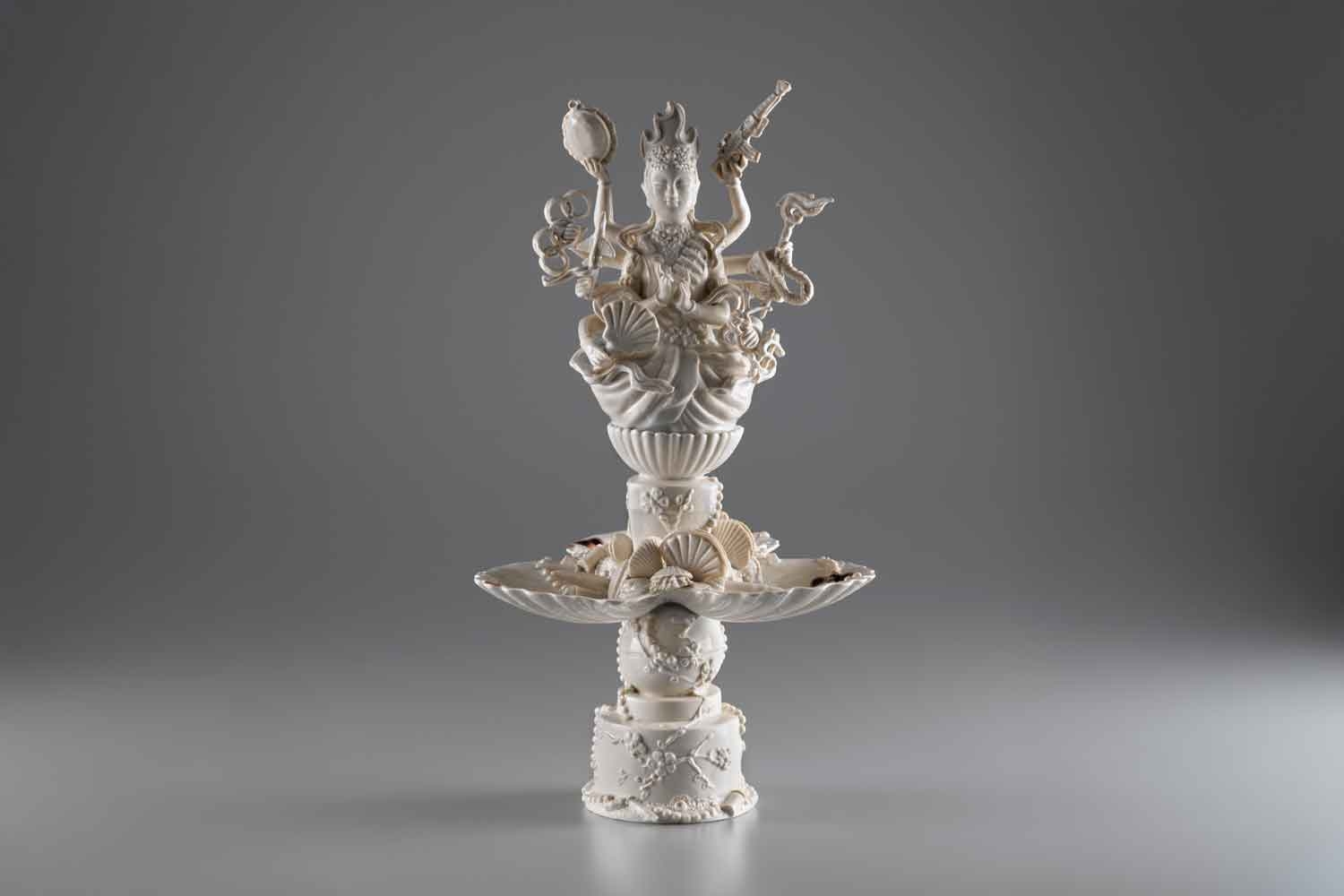
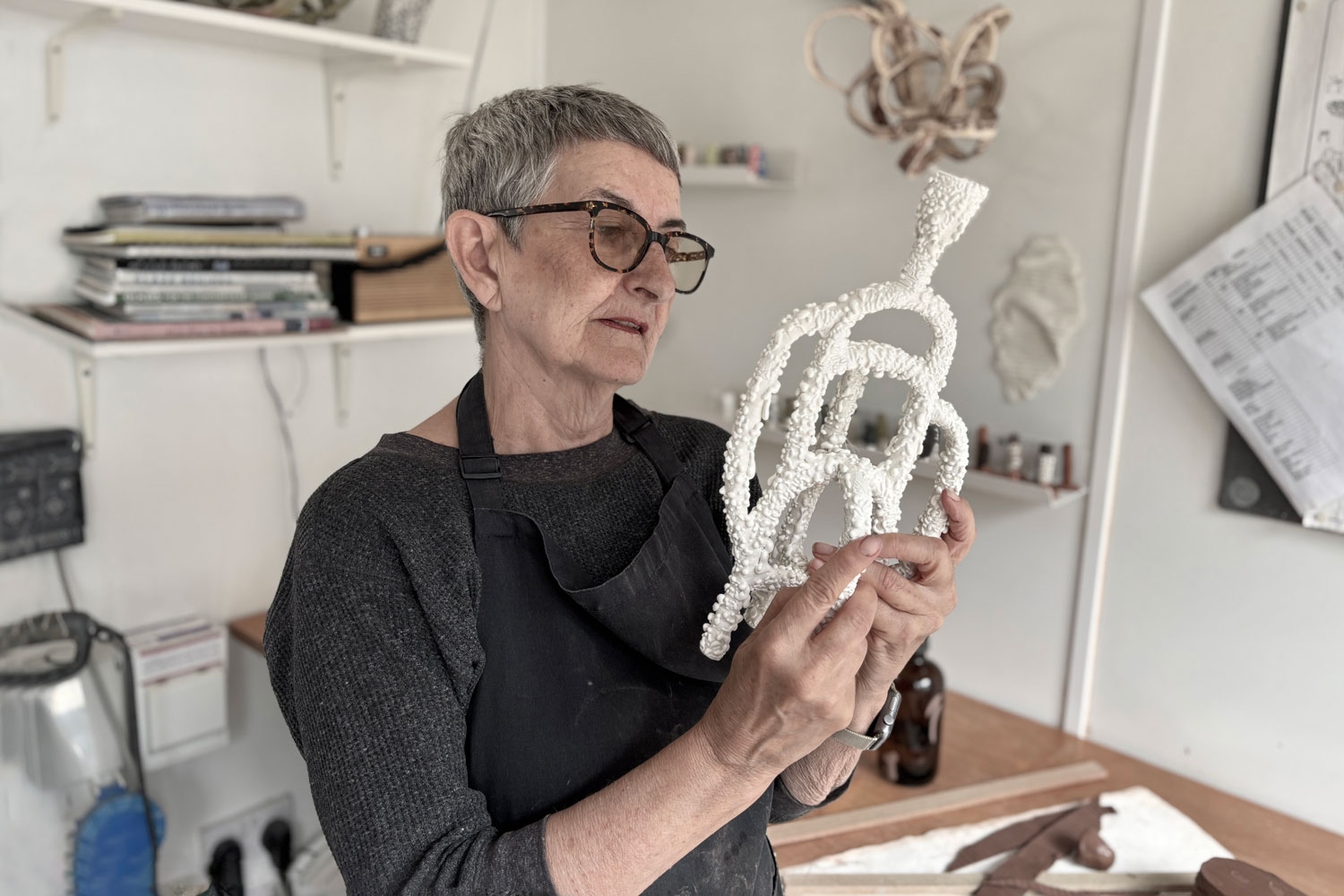
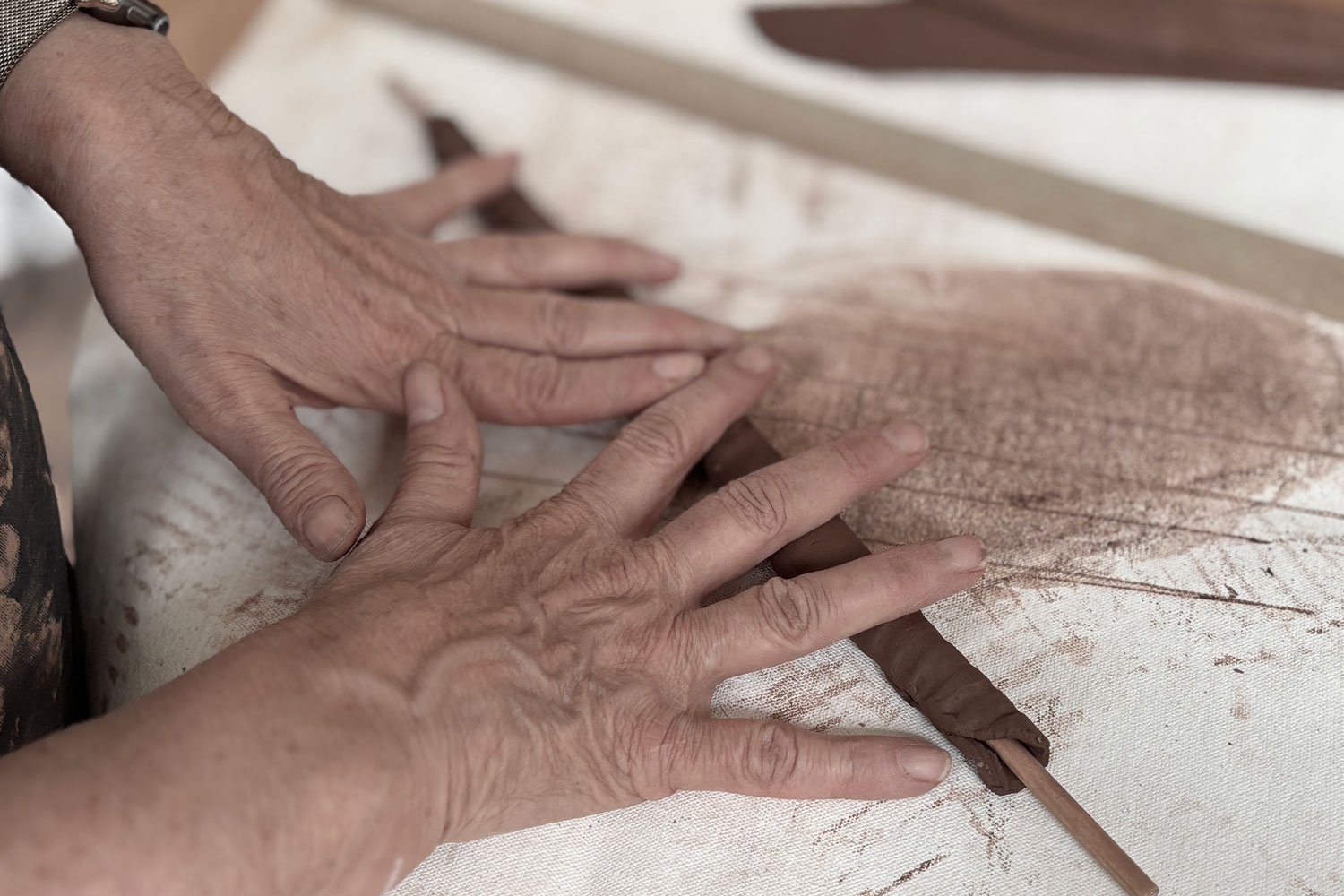
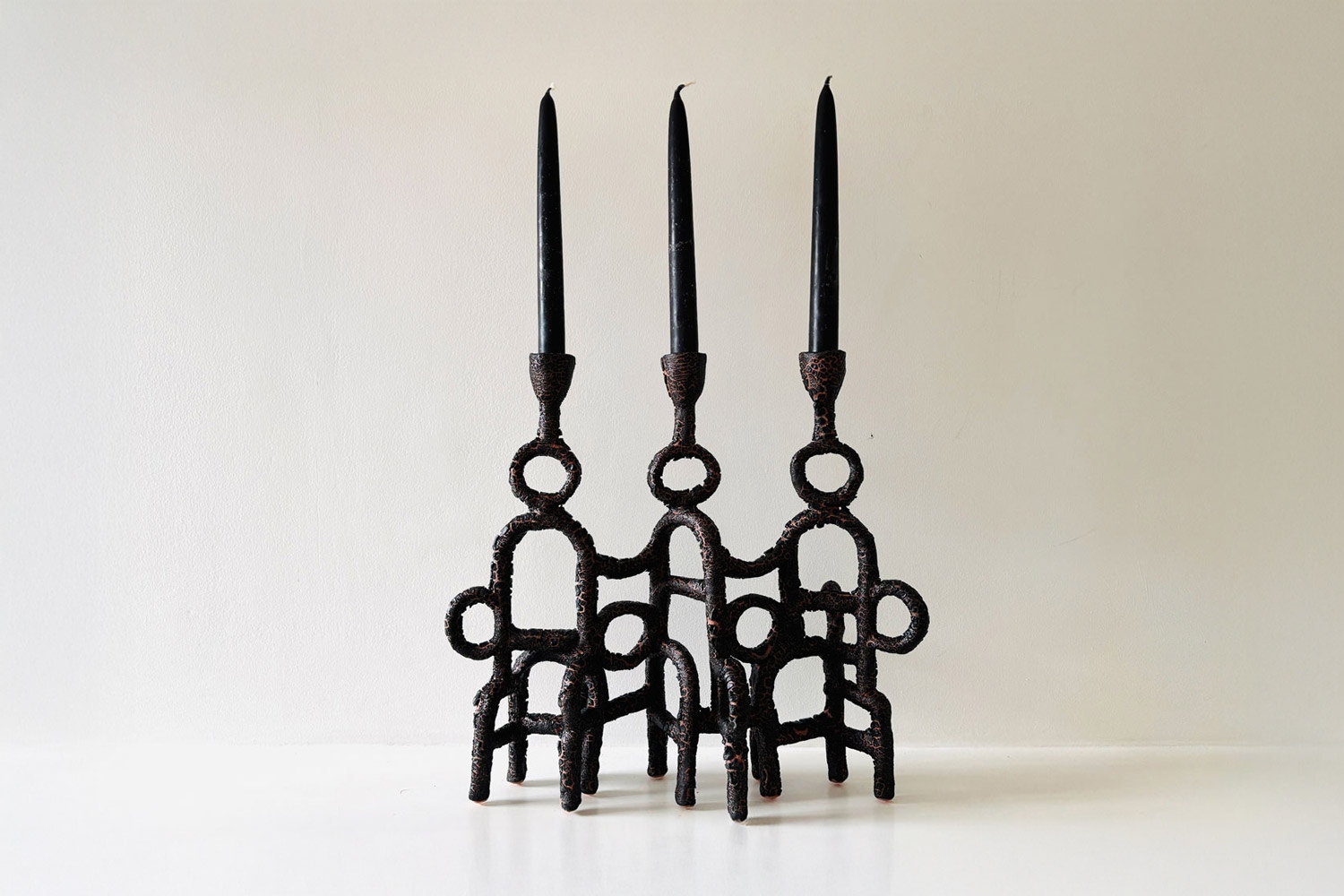
The sculptures I create are composed of delicate ribbons of paper porcelain or terracotta, which I roll and manipulate into hollow, ridged tubes. These are assembled into intricate, tangled forms that evoke the complex, fragile systems found in both the body and nature. The surface of each piece is carved, smoothed and refined to highlight its unique profile.
My delicate sculptures echo the structures of veins, arteries, roots and bones. This interplay between biology and nature inspires my exploration of form, fragility and resilience.
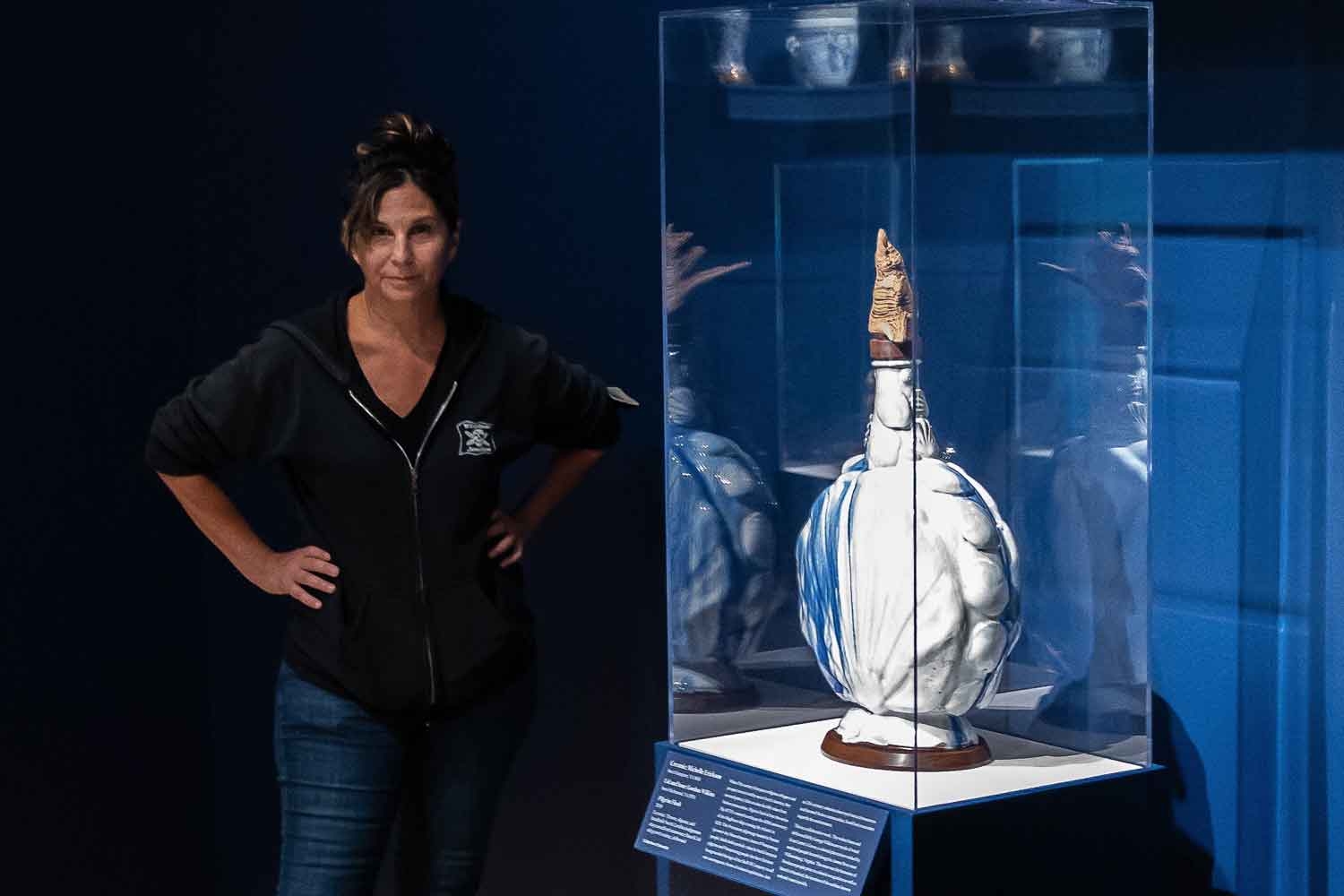
Being selected as a member of Grove Vale Ceramics Gallery was a turning point in my career. This opportunity helped my work reach a much wider audience, and marked the moment I began to be recognised as a serious maker.
As raw material, energy and overhead costs rise, running a small studio becomes more and more challenging. Clients today choose what to spend their money on carefully. Each handmade piece is not just a product, it embodies time, skill and attention, which is what keeps this craft alive.
Sue Gunn
Ceramicist
London, United Kingdom
ADDRESS
Address upon request, London, United Kingdom
AVAILABILITY
By appointment only
PHONE
+44 7778184594
LANGUAGES
English
Homo Faber Finds is a new service aiming to inspire admirers of craft to connect and collaborate with exceptional artisans.
We invite you to submit an enquiry here.