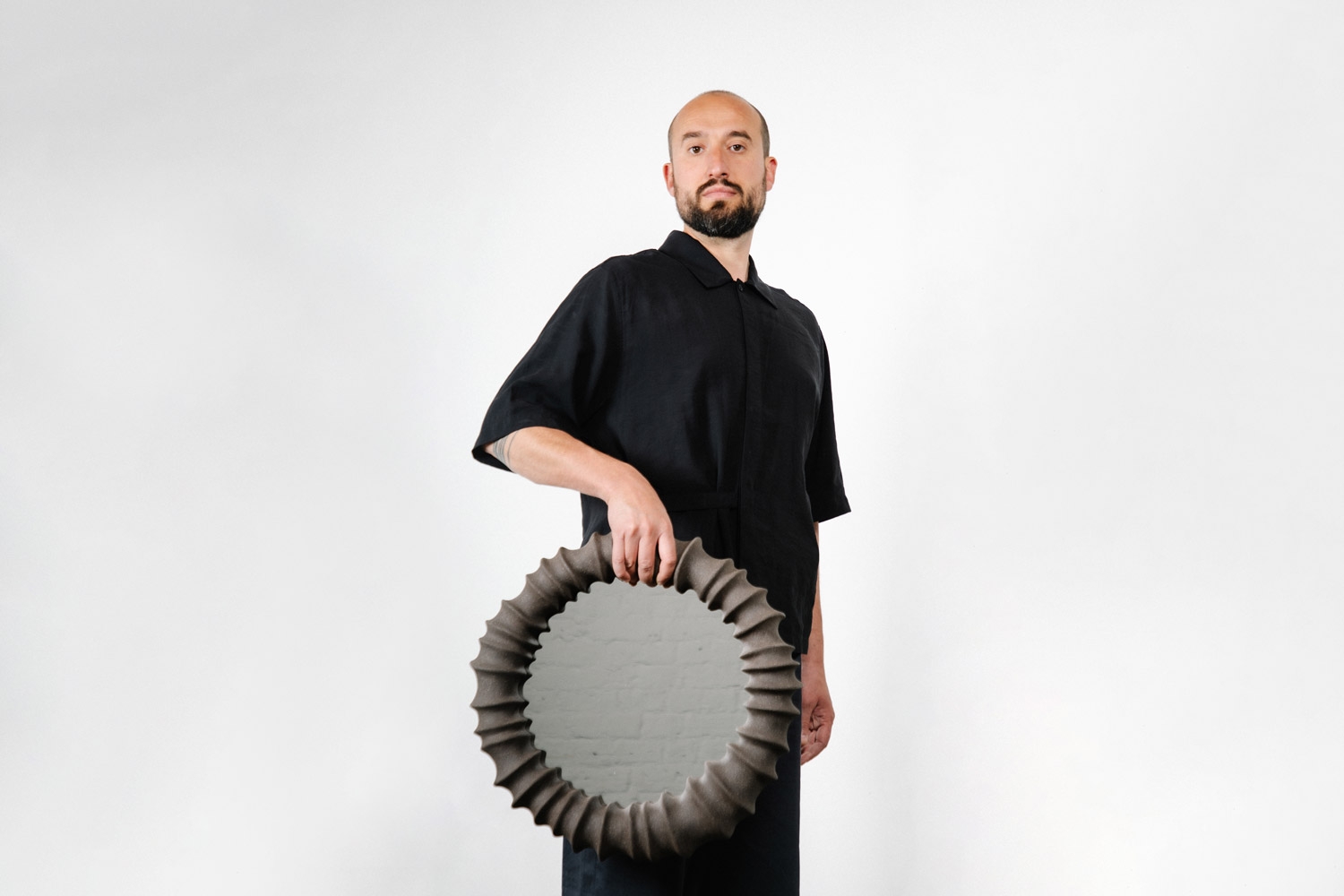
Silvia K
Ceramicist
Brighton, United Kingdom
Beautifully simple, simply beautiful
- Silvia is inspired by historical folk objects
- In 2016 she was awarded the Elle Decoration Design Award
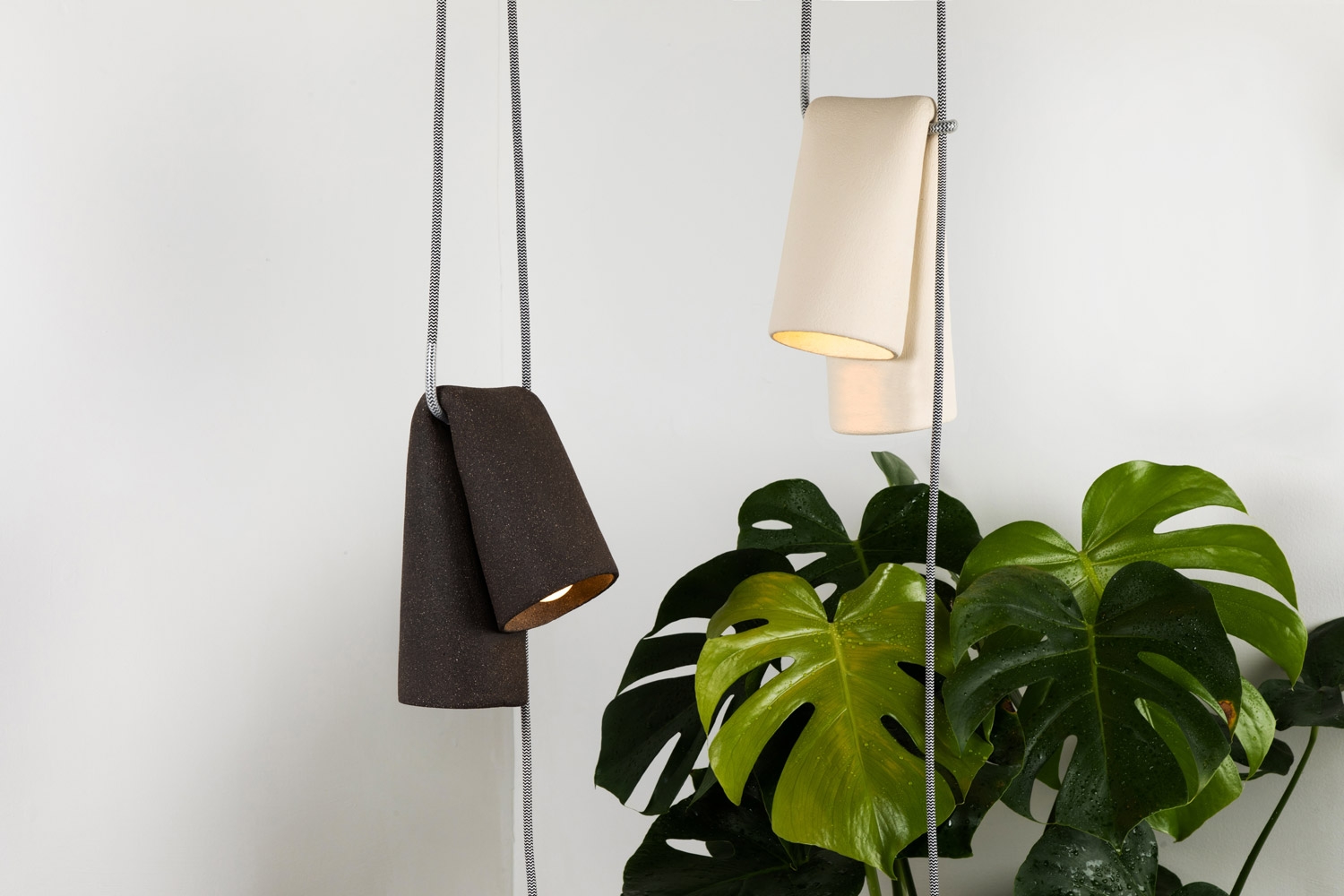
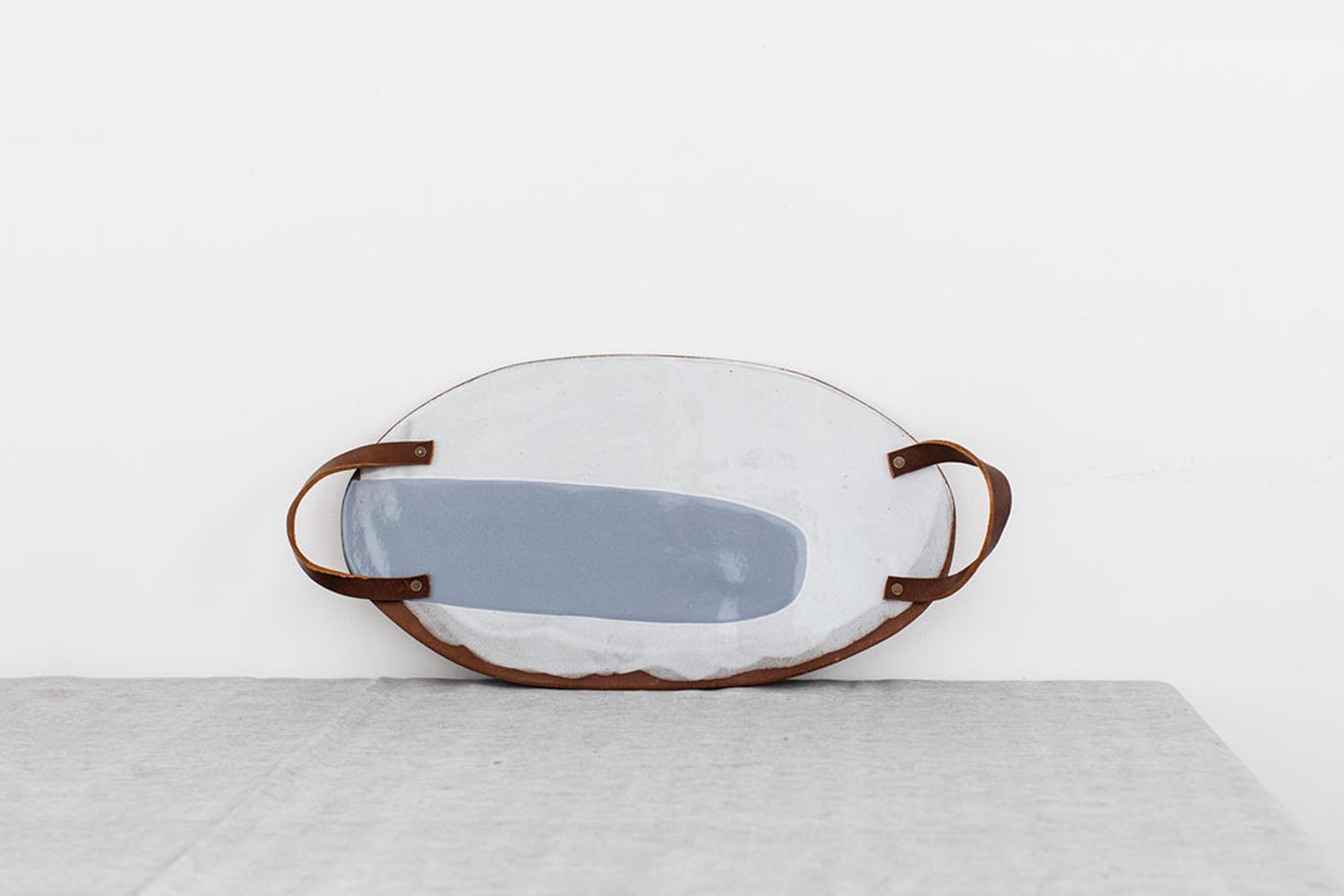
- Her signature style is to combine ceramics and leather
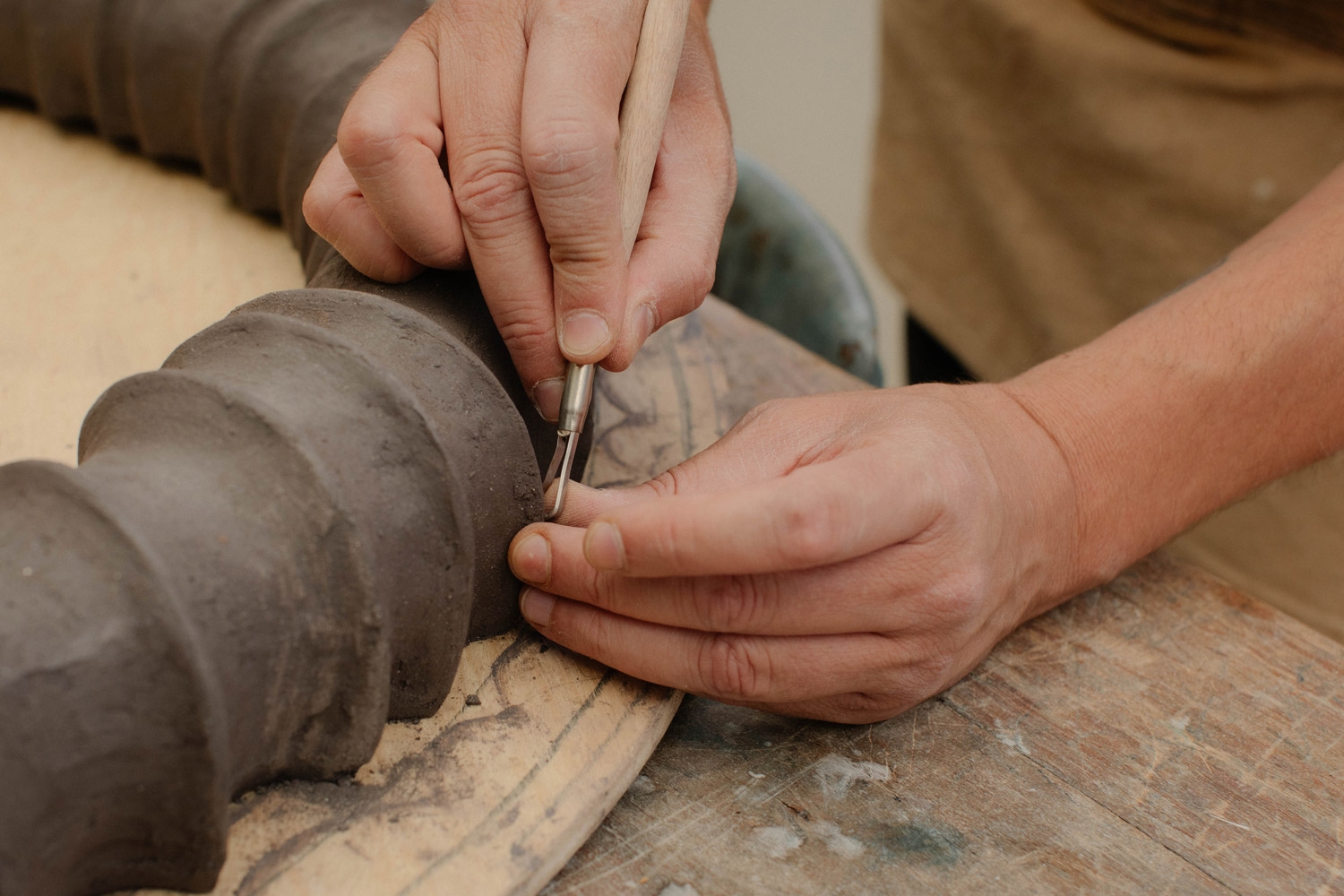
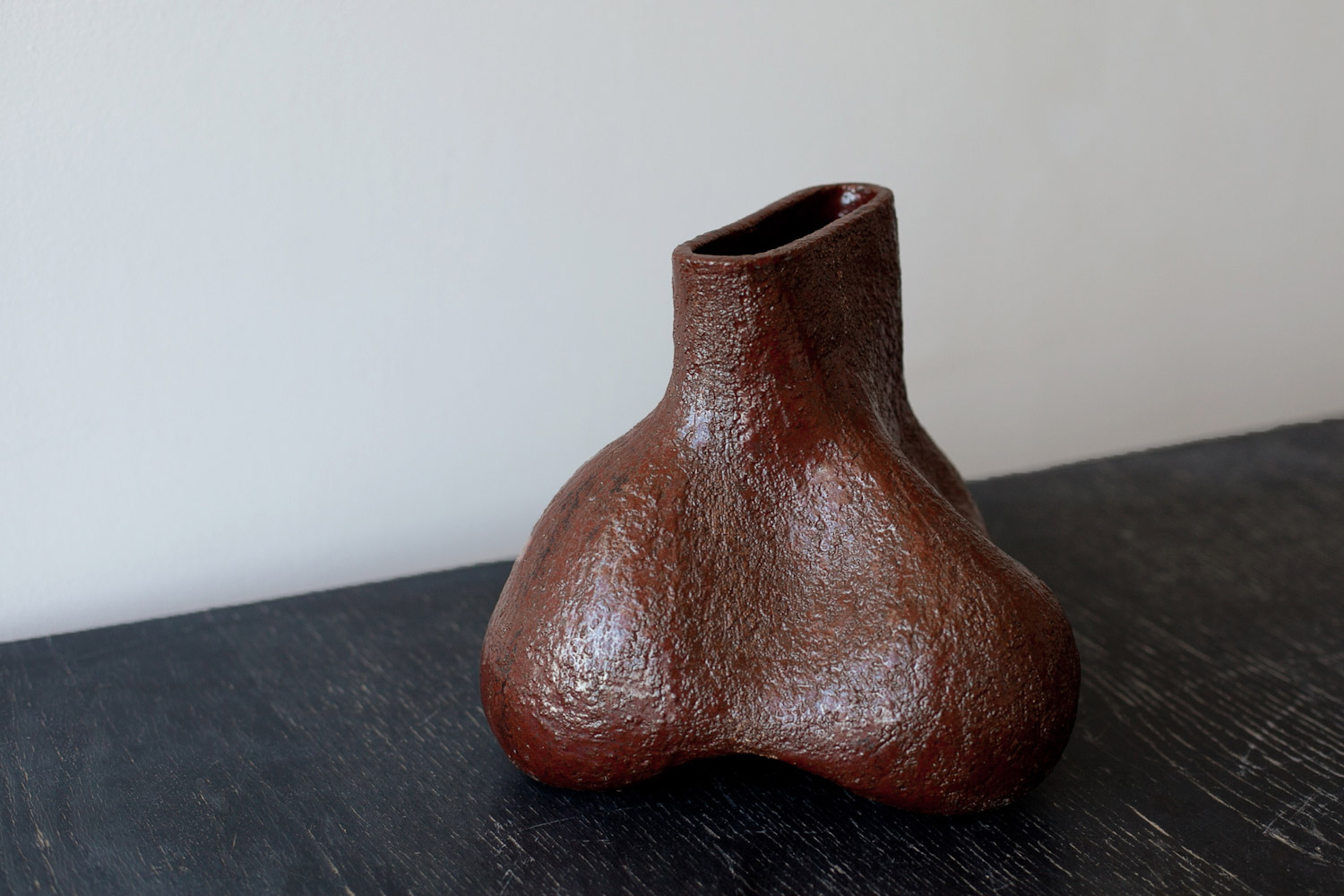
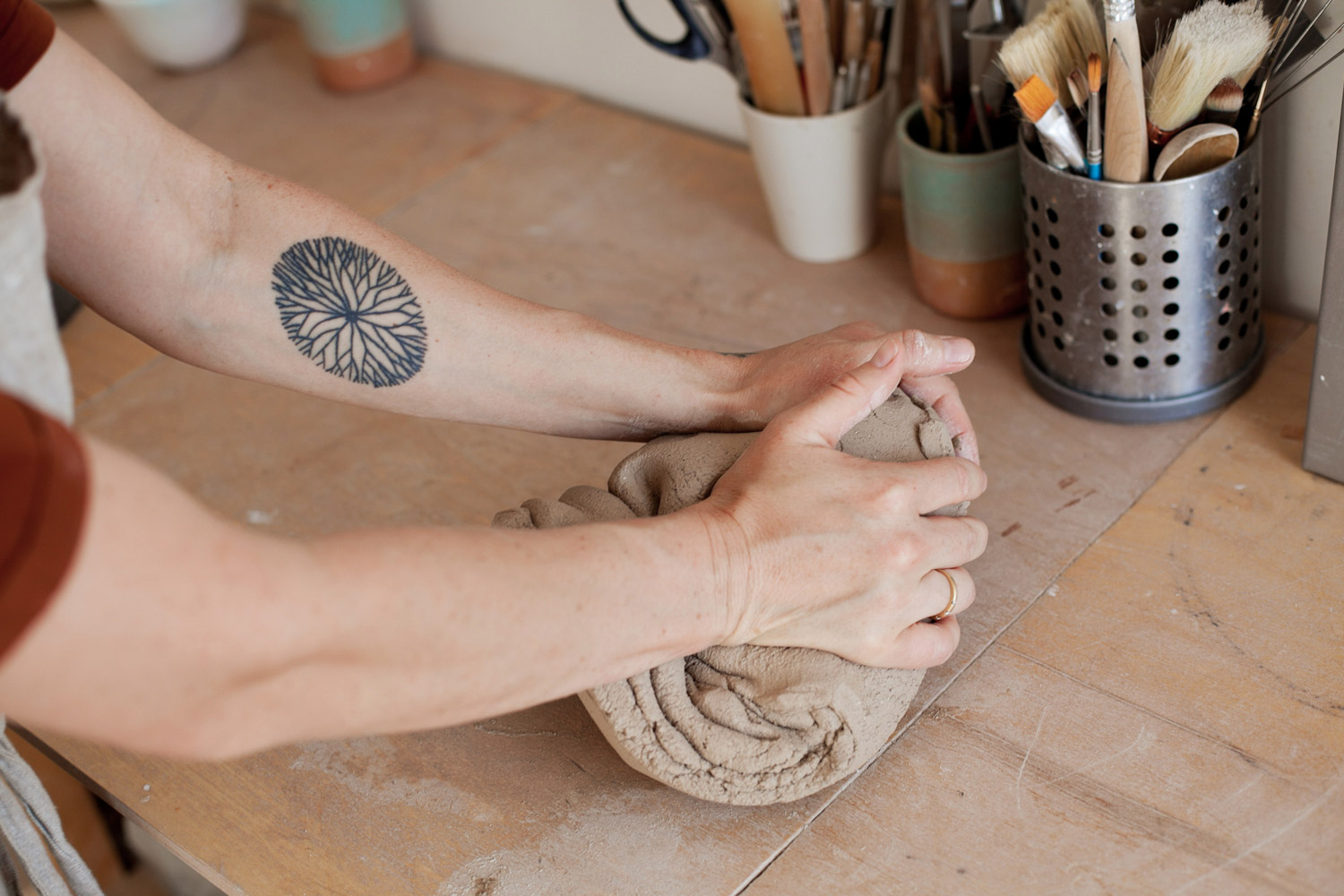
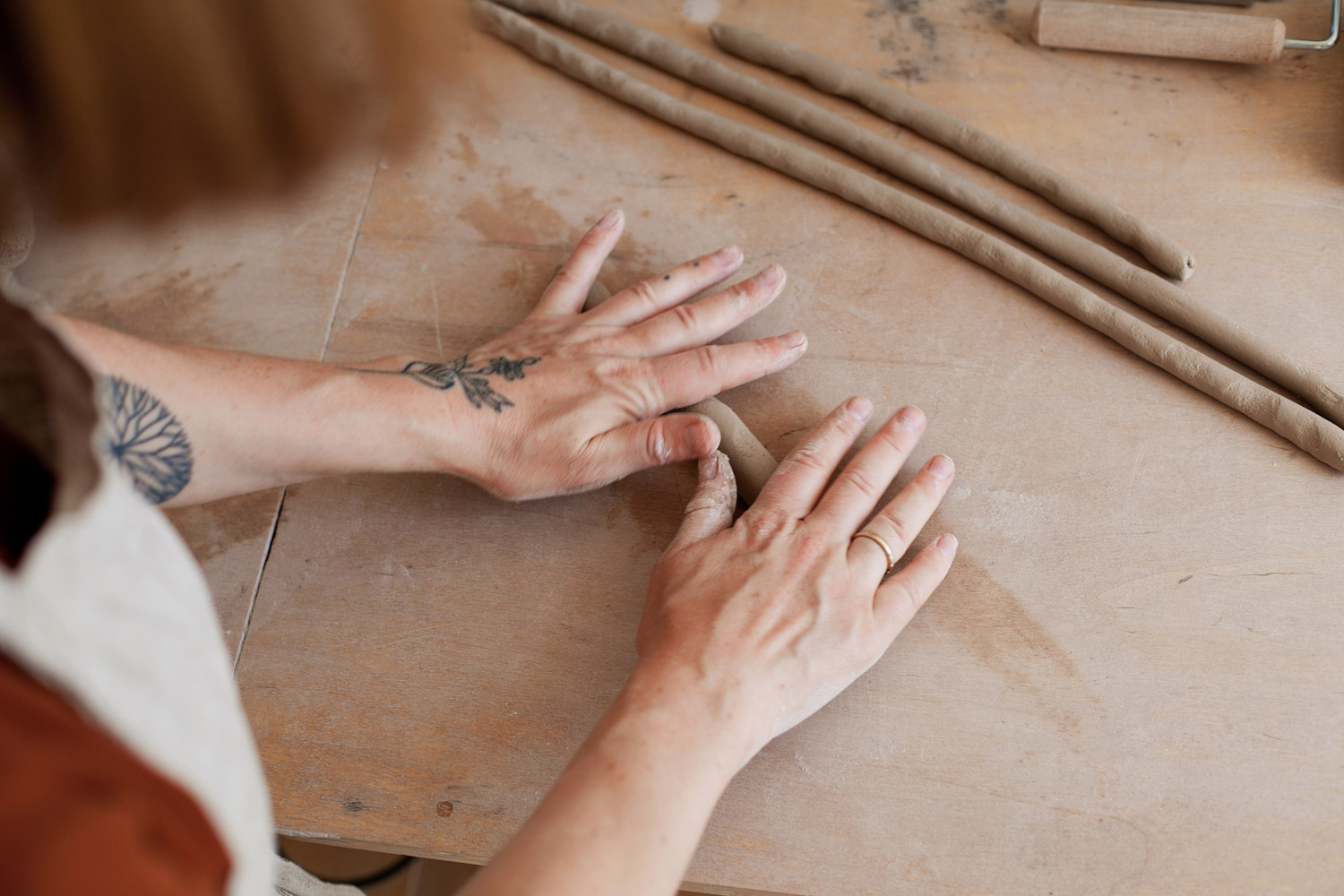
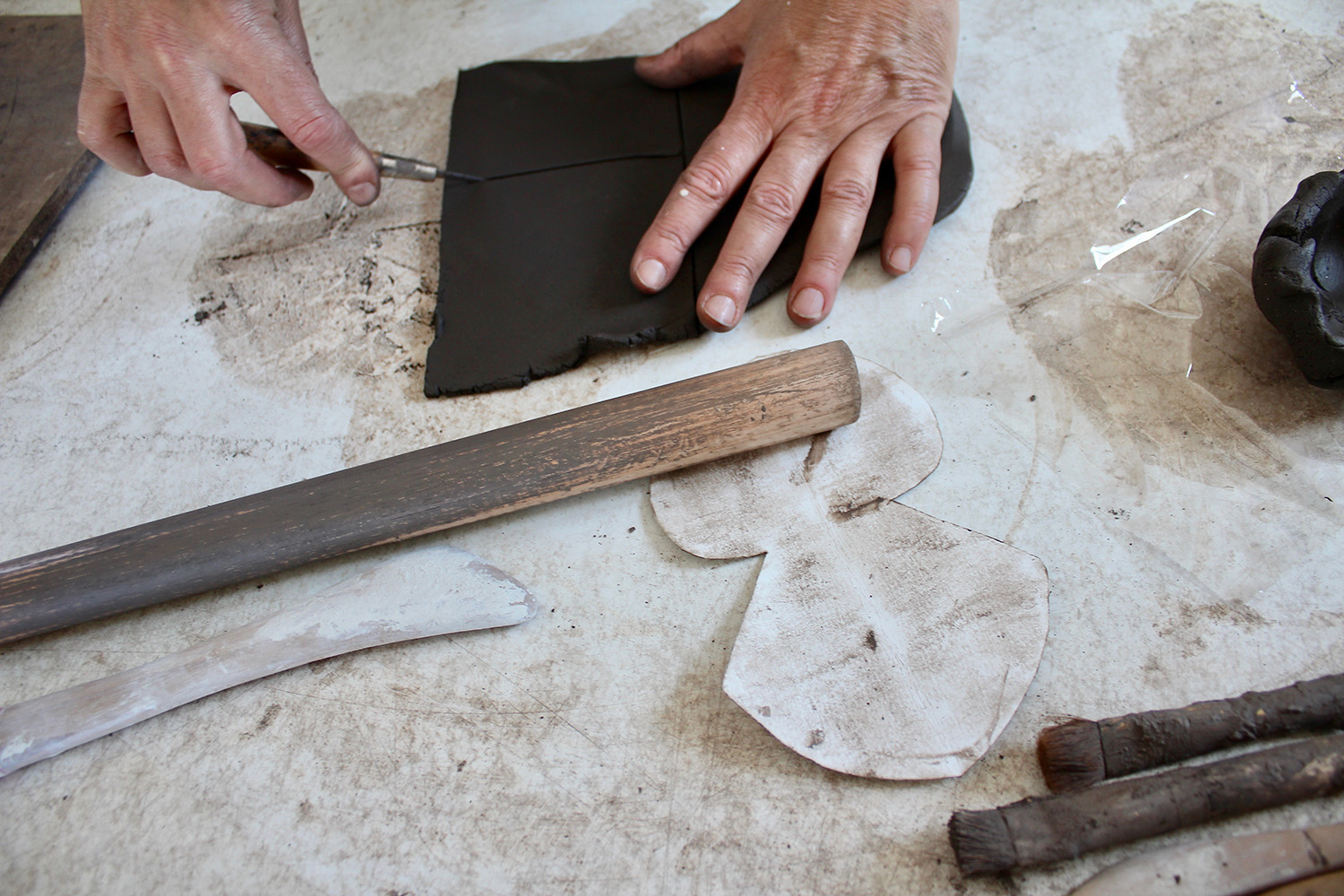
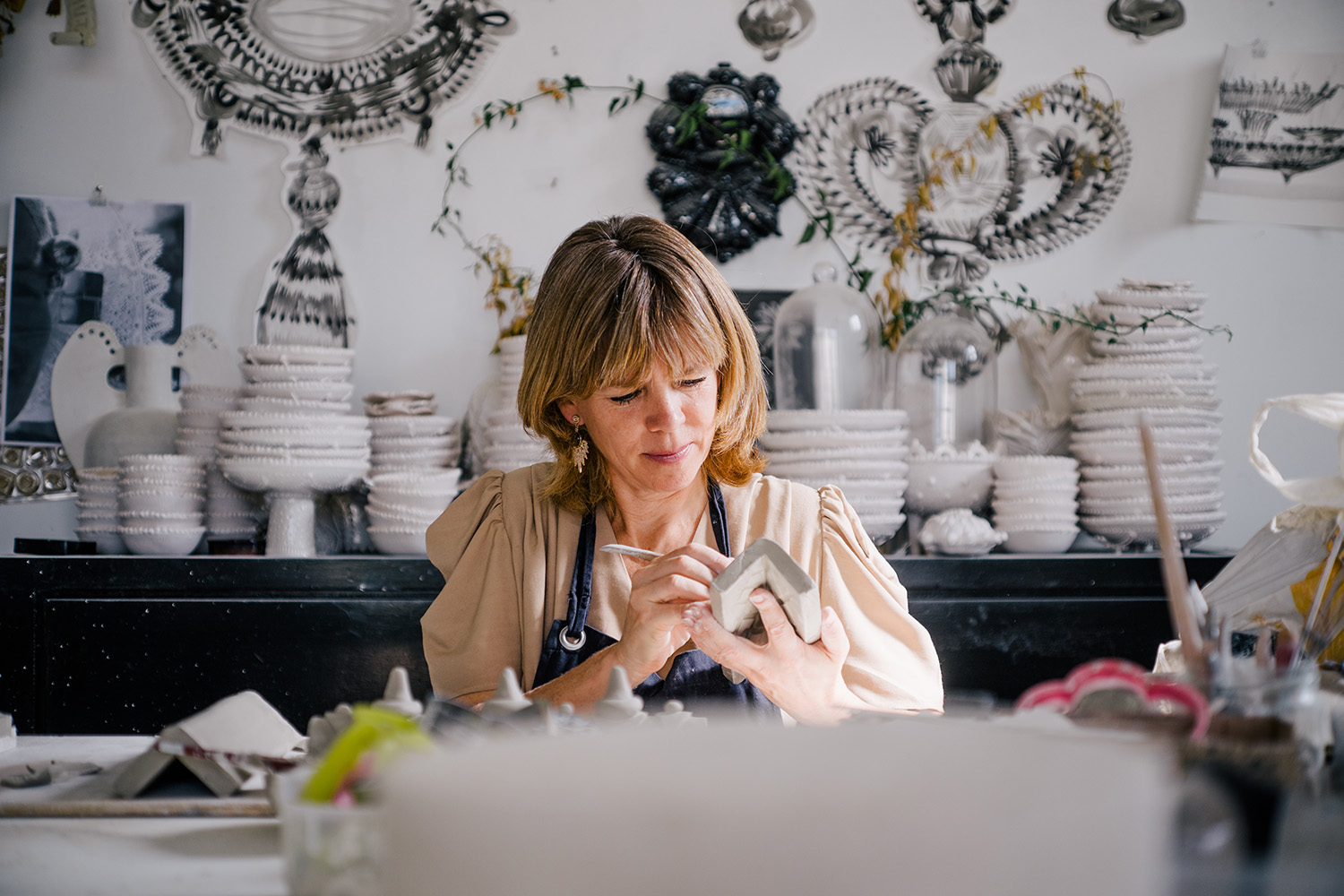
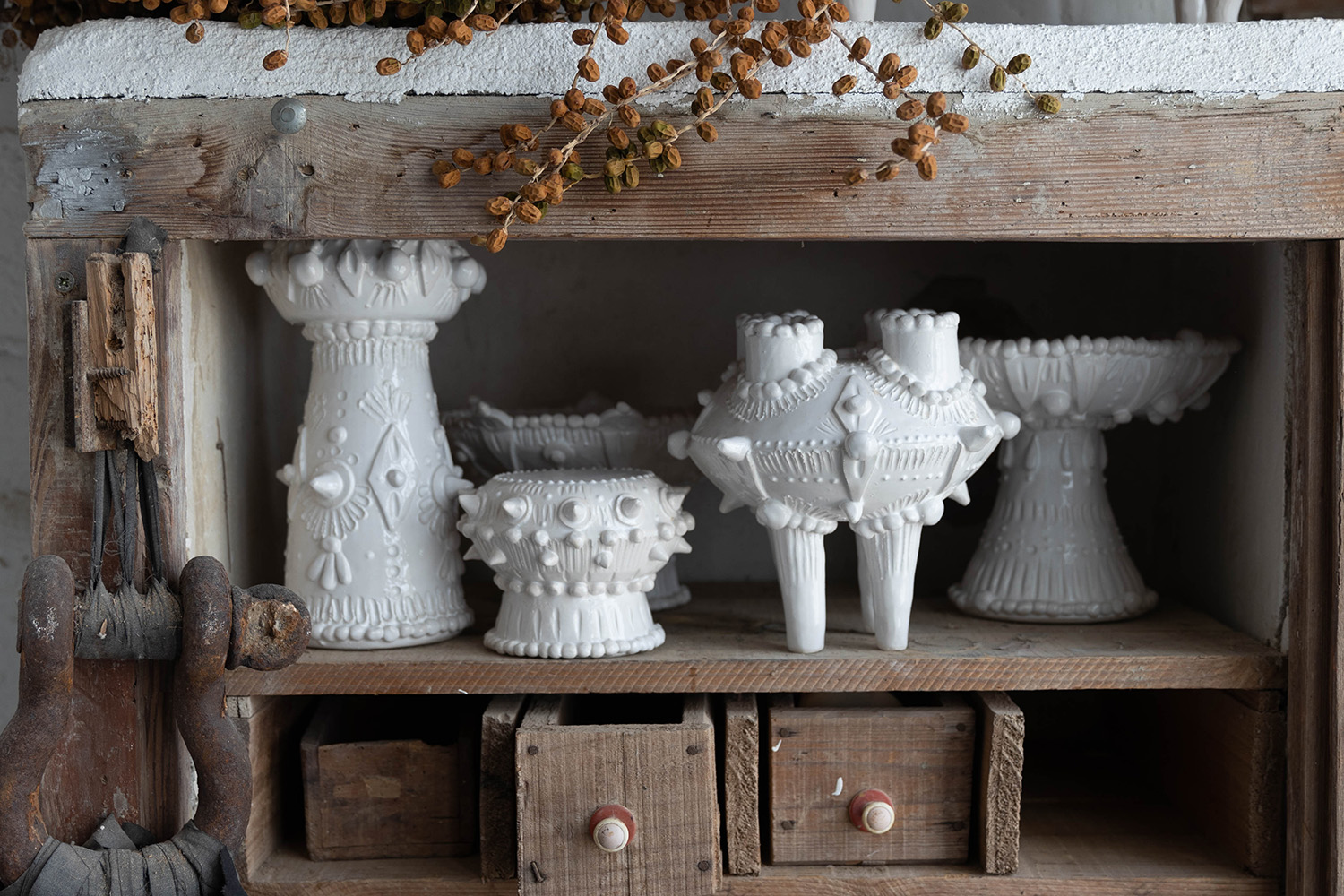
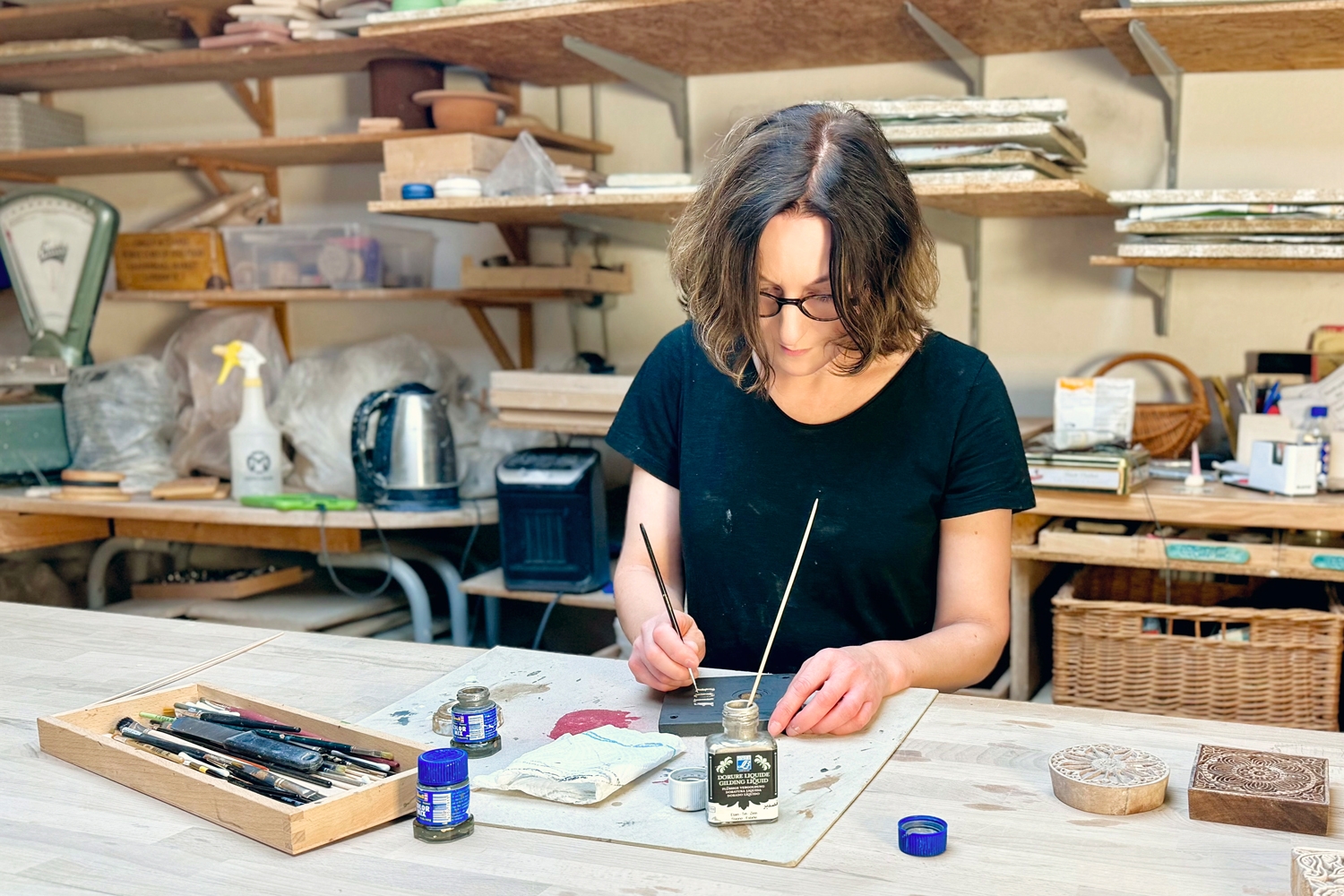
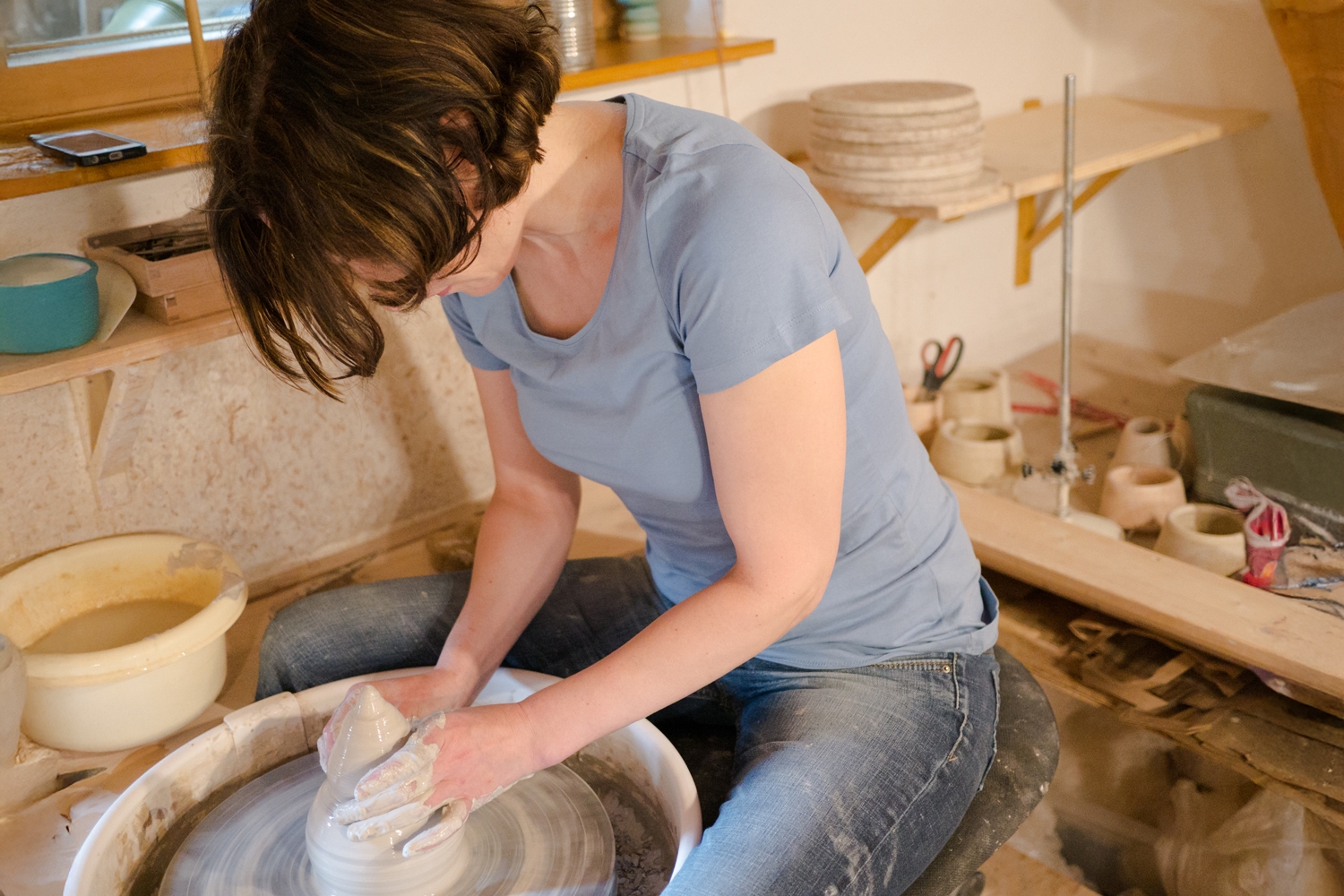
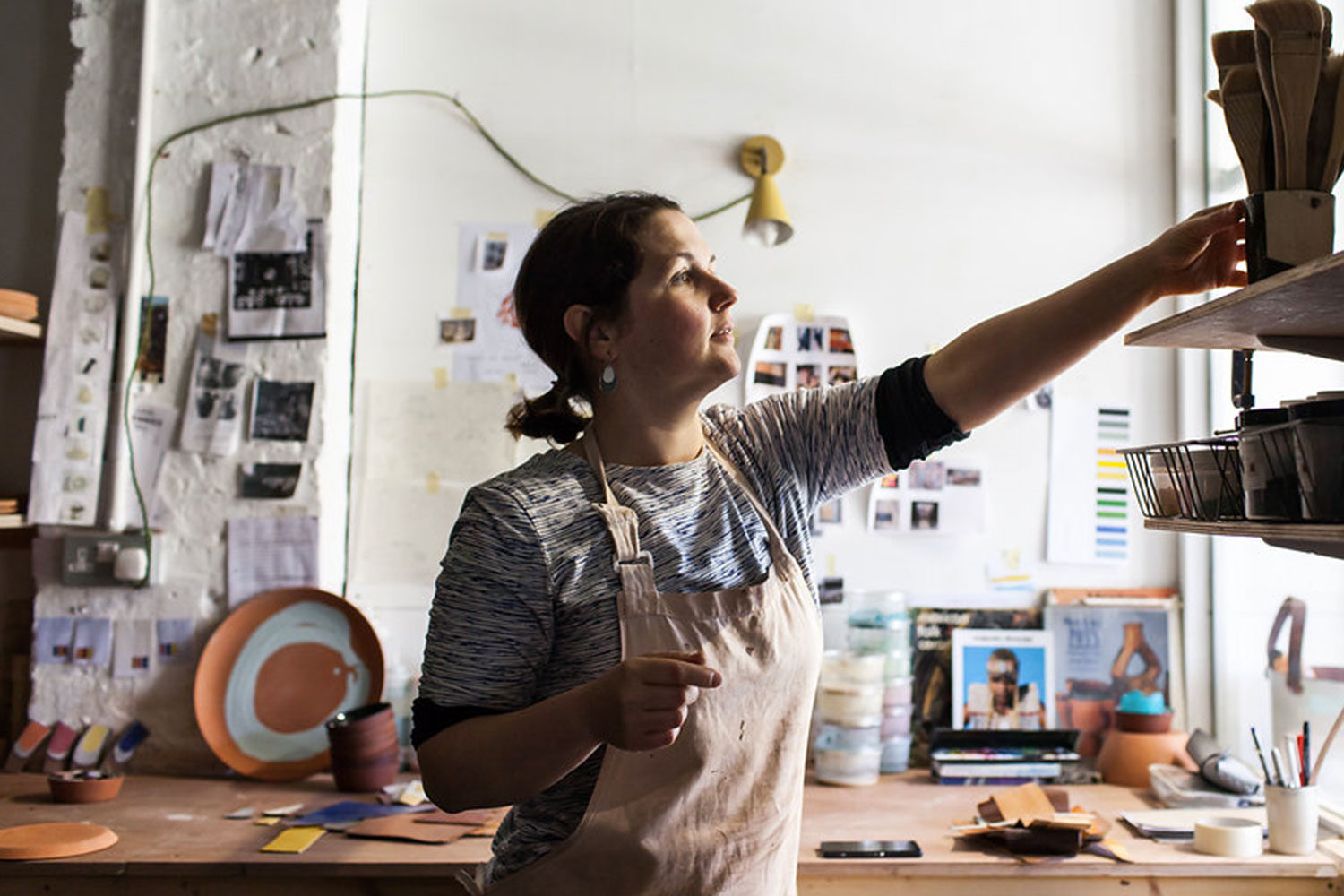
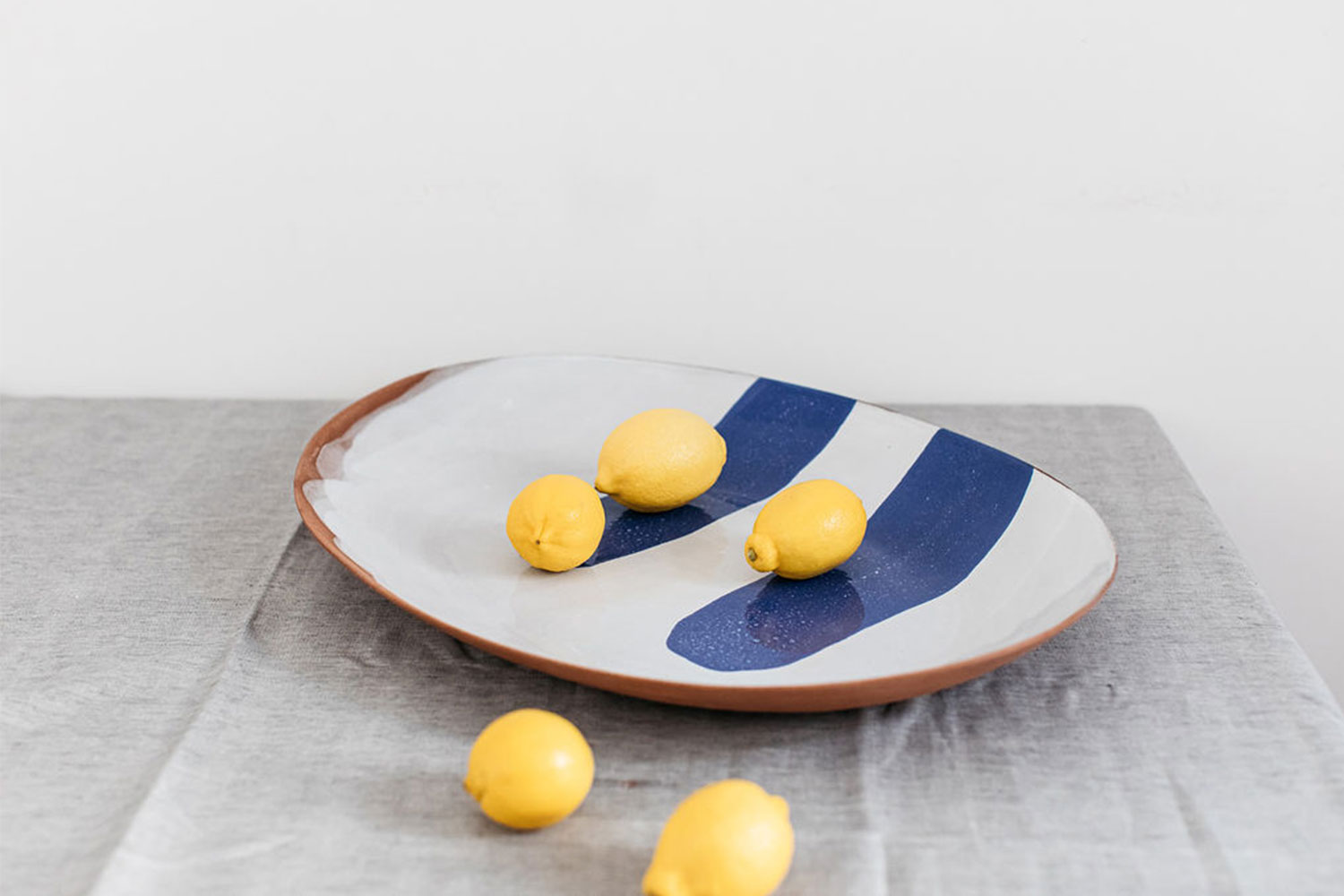
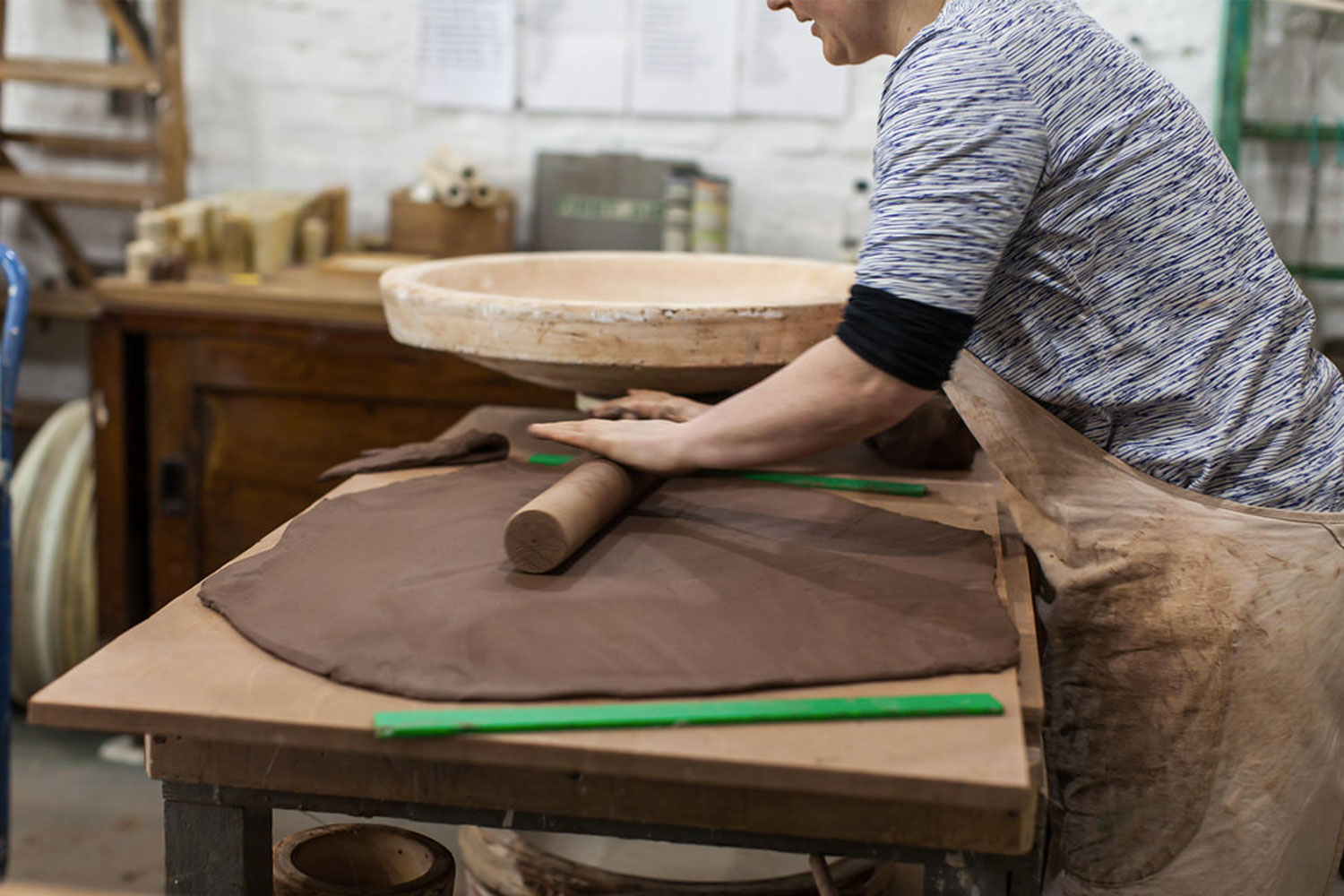
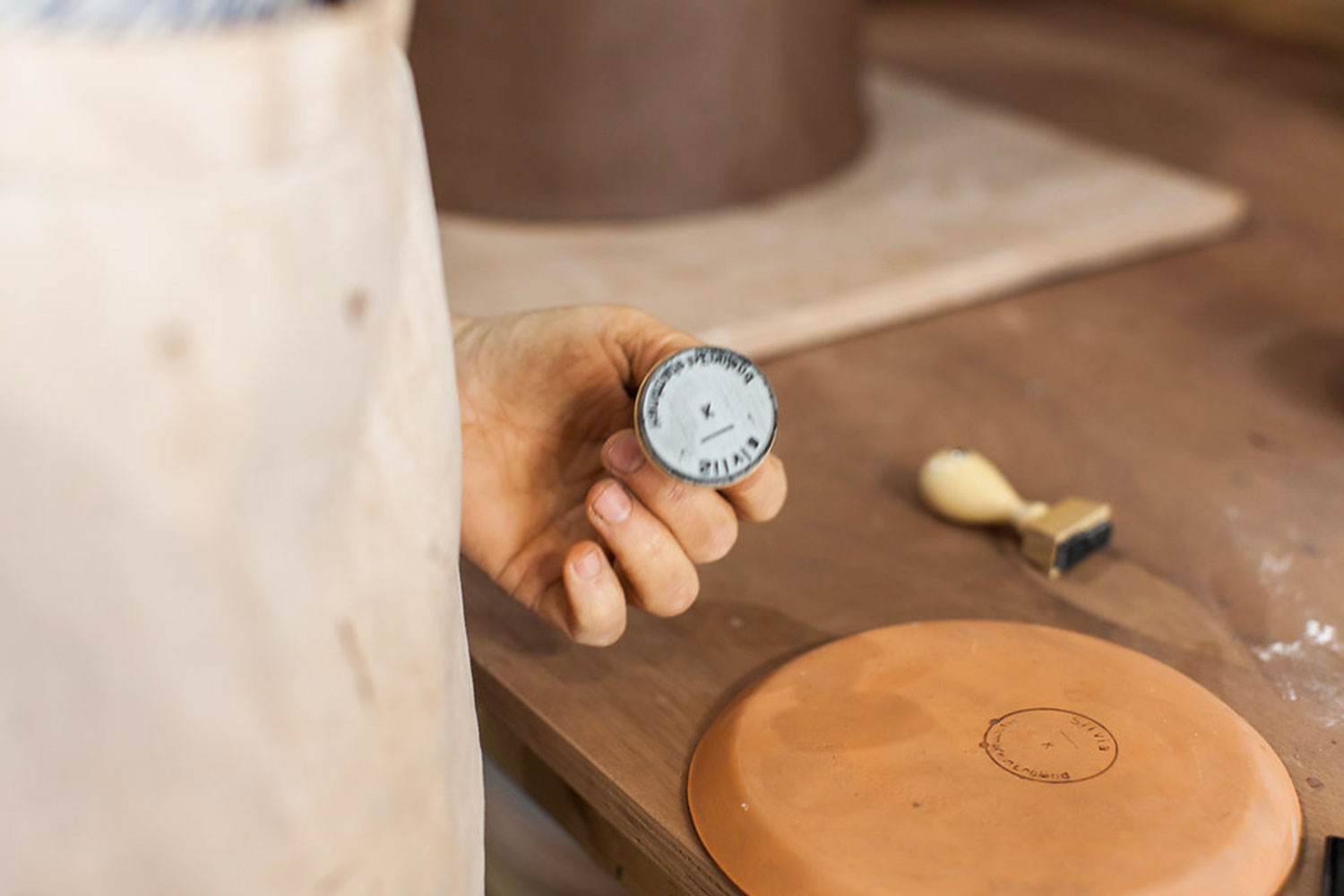
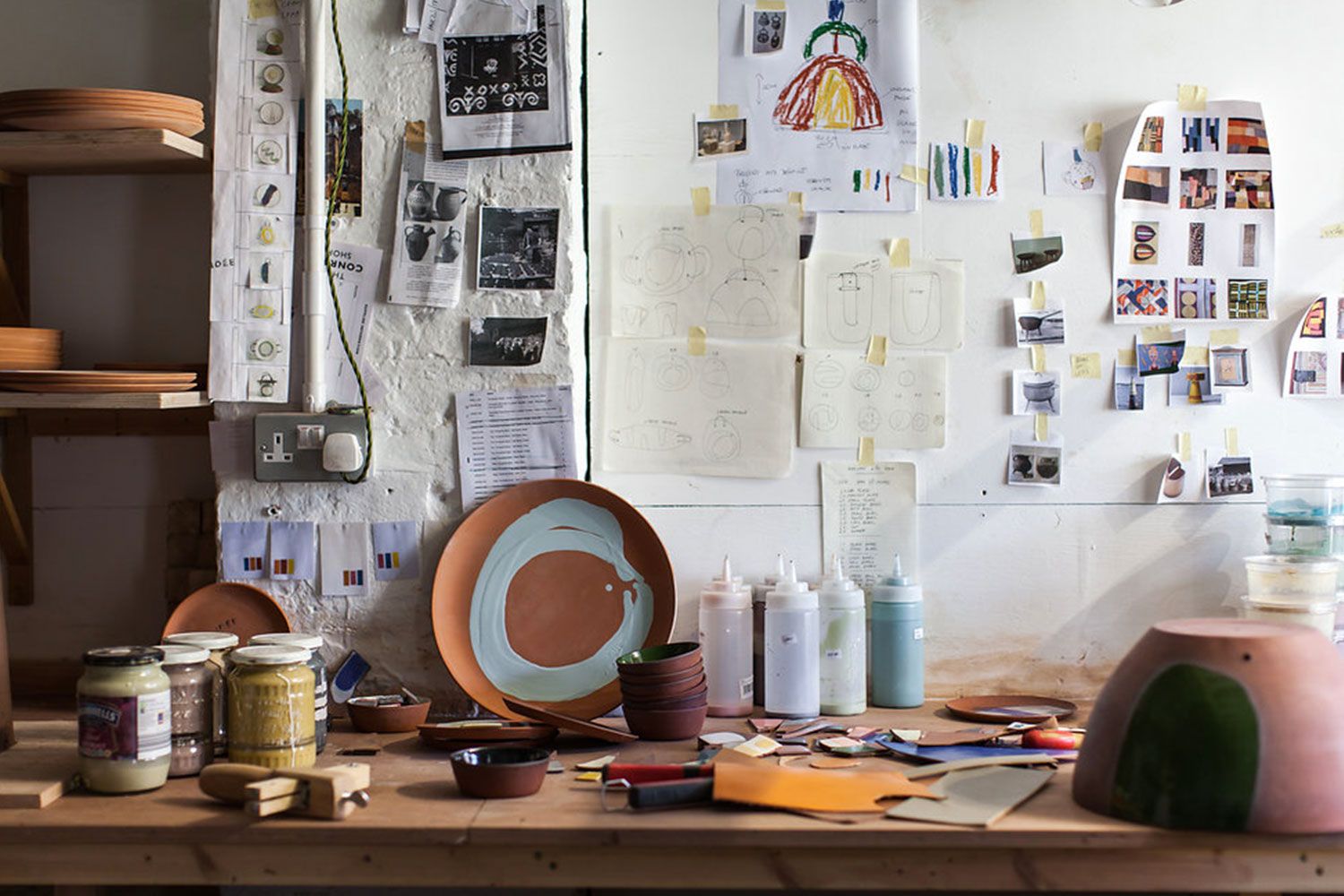
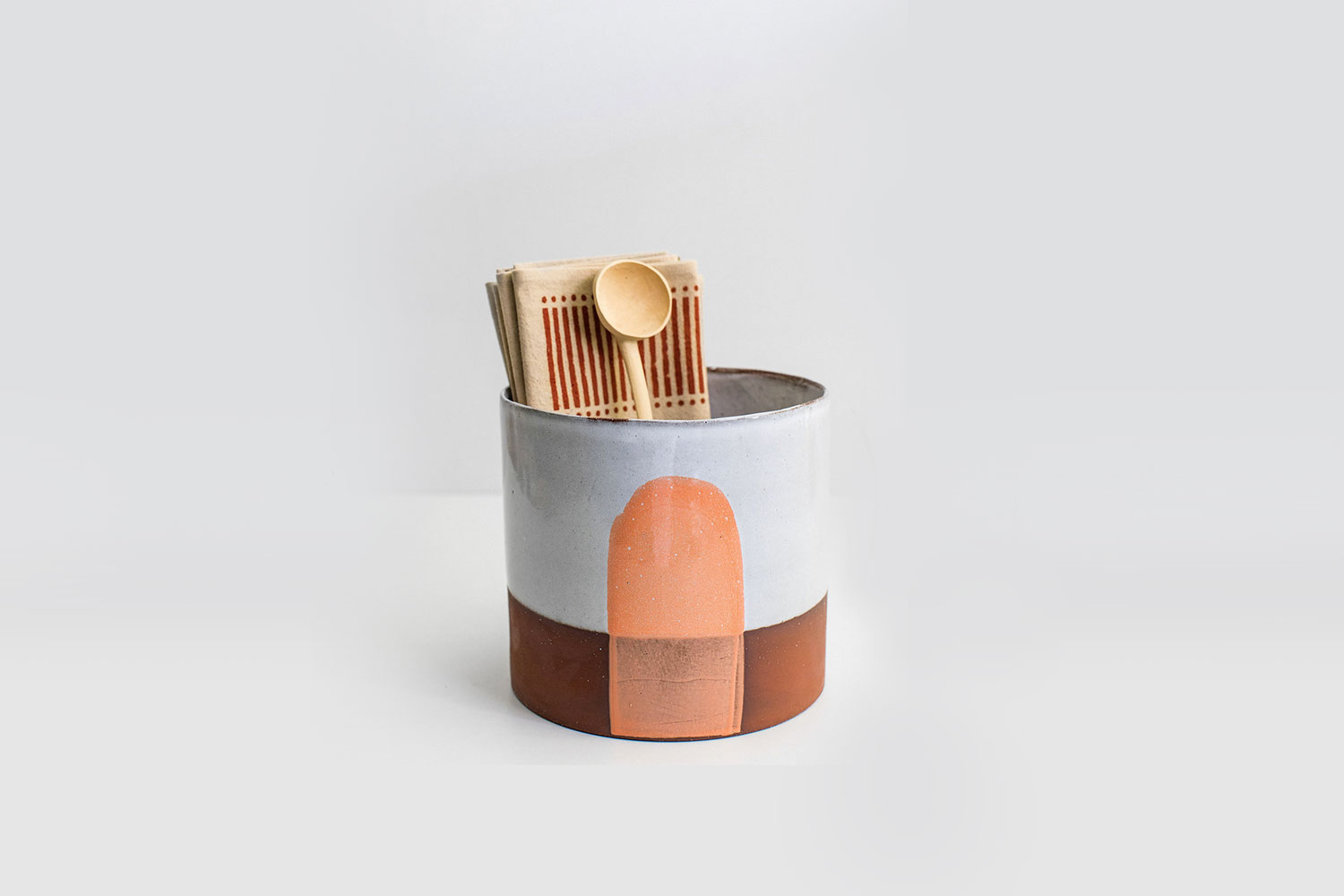
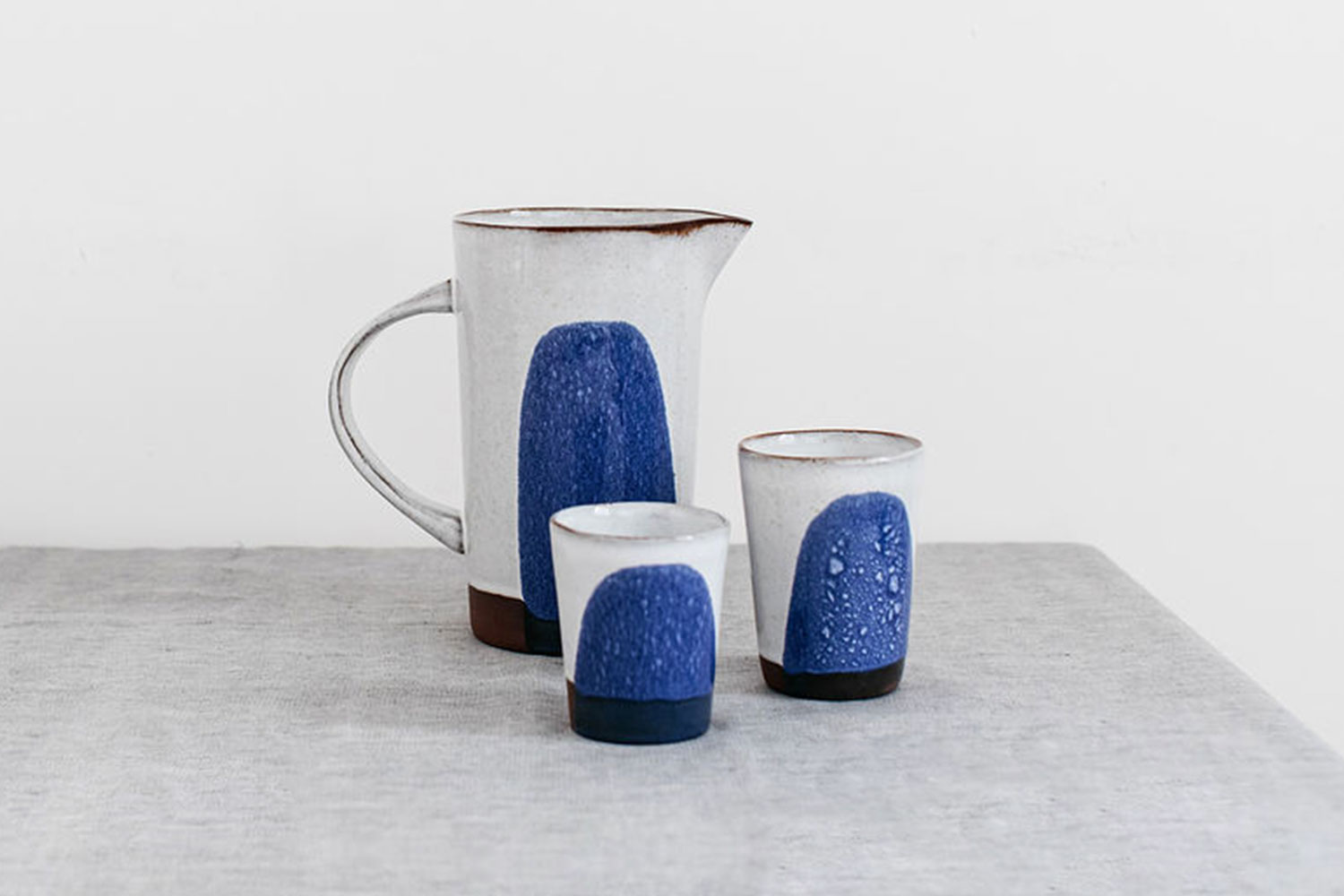
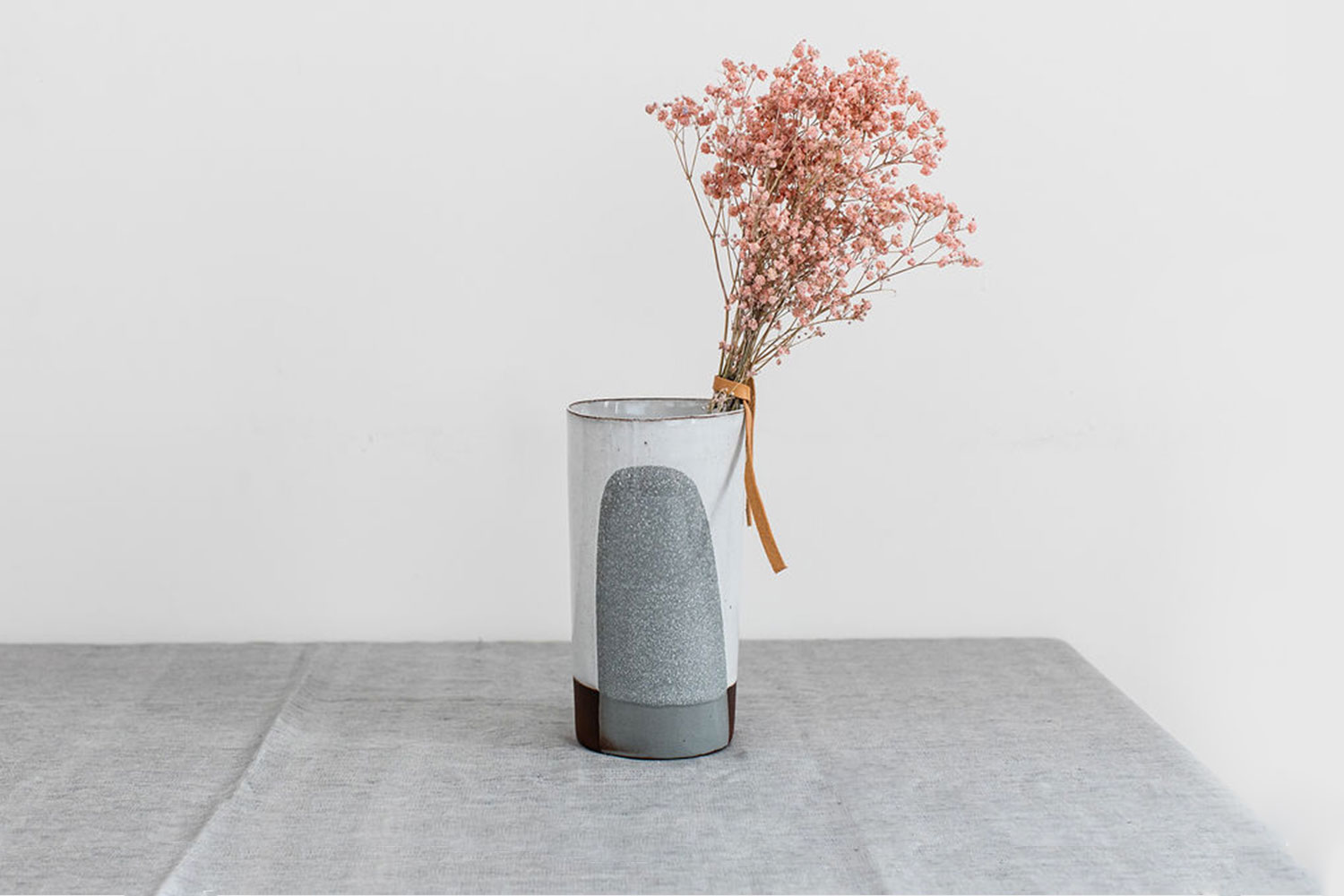
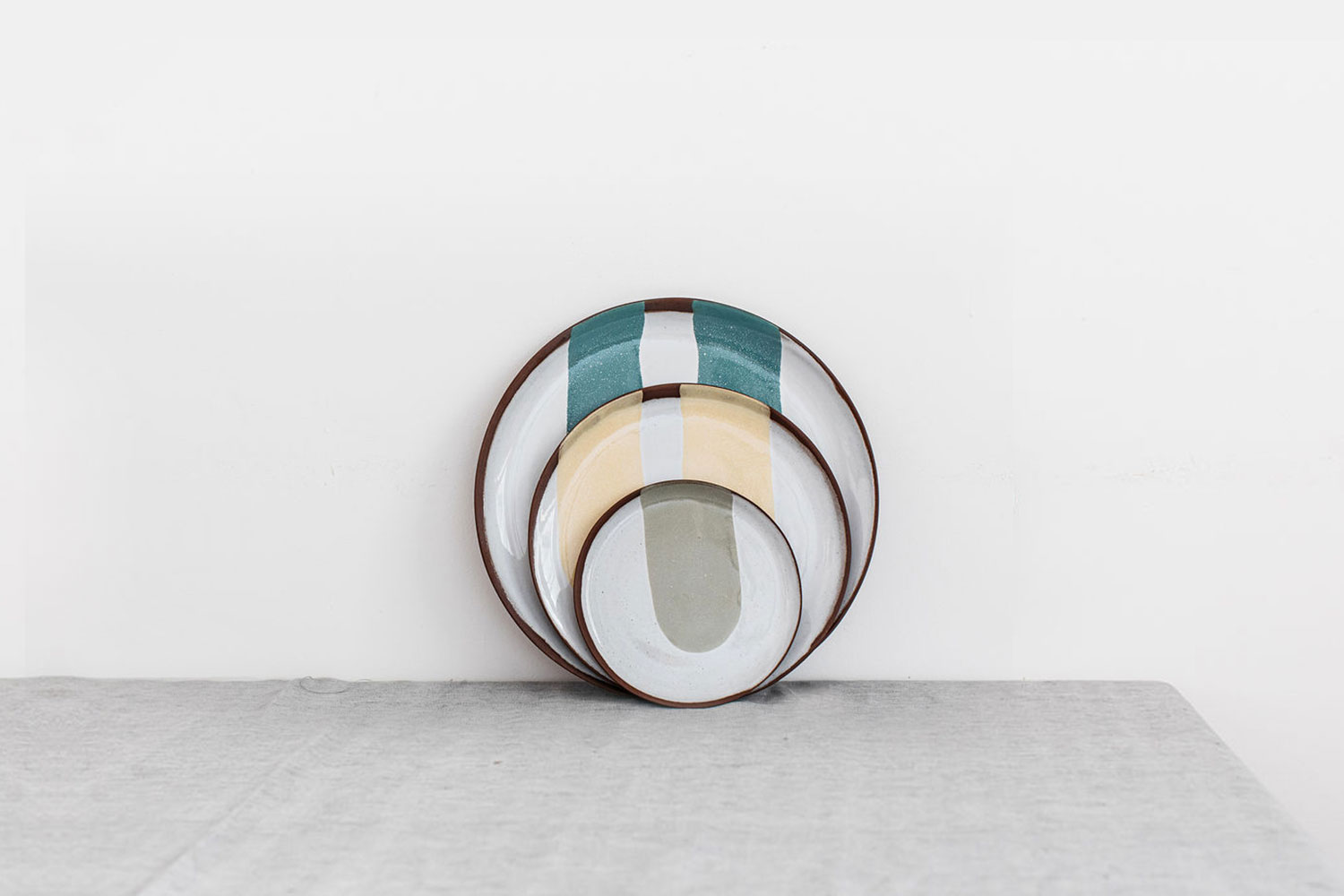
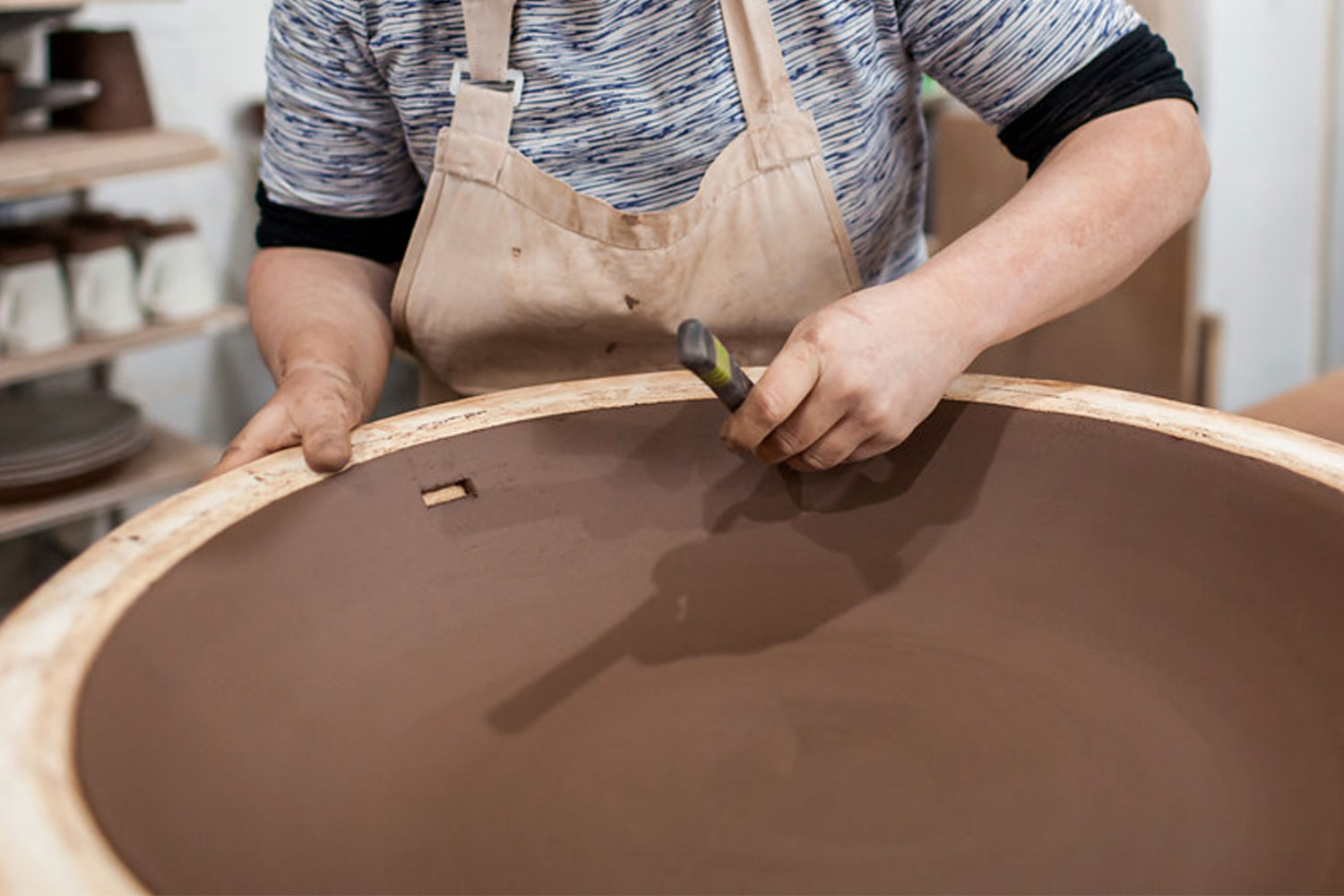
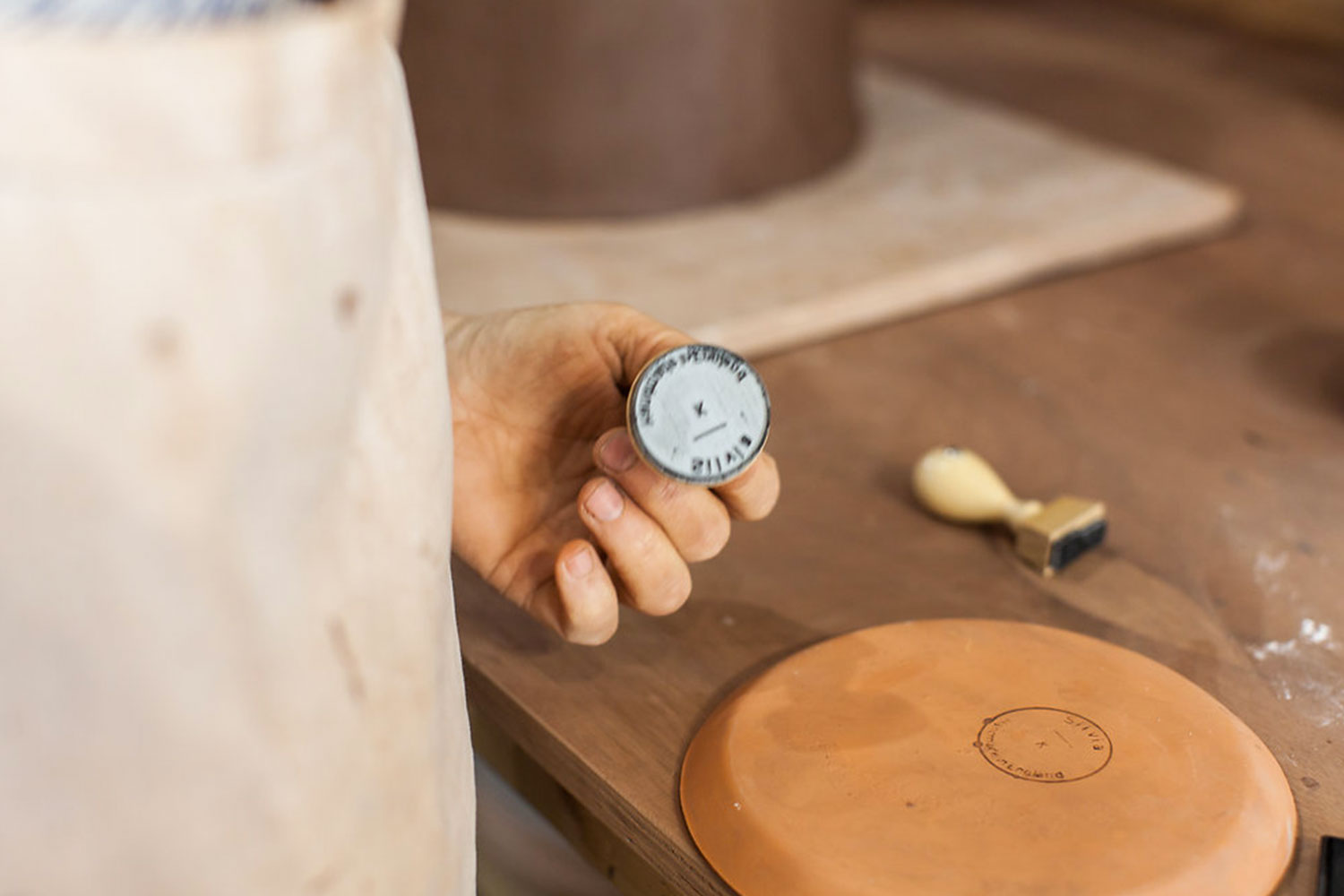
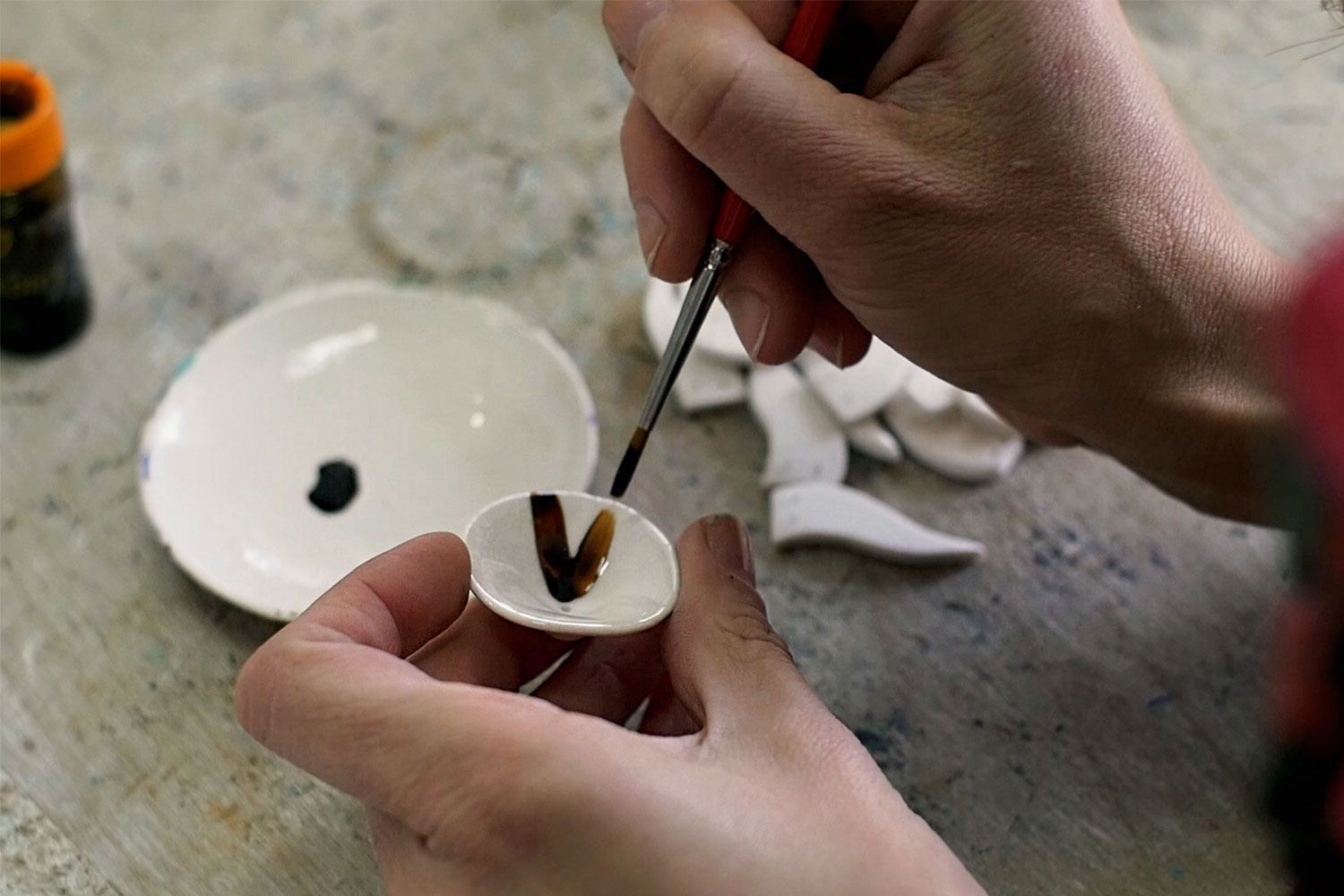
Born in Slovakia, Silvia Kamodyova arrived in England in 1999 with the aim of improving her English. She fell in love with ceramics and, in 2012, after graduating from Brighton University, opened her first studio in the same city. Coming from a country of rich cultural heritage, she finds inspiration in artisanal products from around the Mediterranean. She channels this into her own tableware and terracotta vessels, which interpret folk objects in a contemporary way, with a strong focus on function and colour. In search of authenticity, every aspect of her production takes place in-house: she uses the wheel to throw the initial shape instead of drawing it, then makes the mould, mixes casting slip, makes glazes and cuts leather.
Discover her work
INTERVIEW
Maybe it is because I feel that nowadays everything is so complicated and there is too much of everything. I’m fascinated by old relics that transport me to a different time and place and by the simple beauty of farming vessels like wooden storage containers and herdsman's buckets.
The juxtaposition between ceramic and leather was inspired by my grandad. Every time the handle of his basket broke off, he used to replace it with an old leather belt just to make it last a little bit longer. But it is also part of the Slovak heritage. Herdsmen and shepherds always had leather in the objects they used.
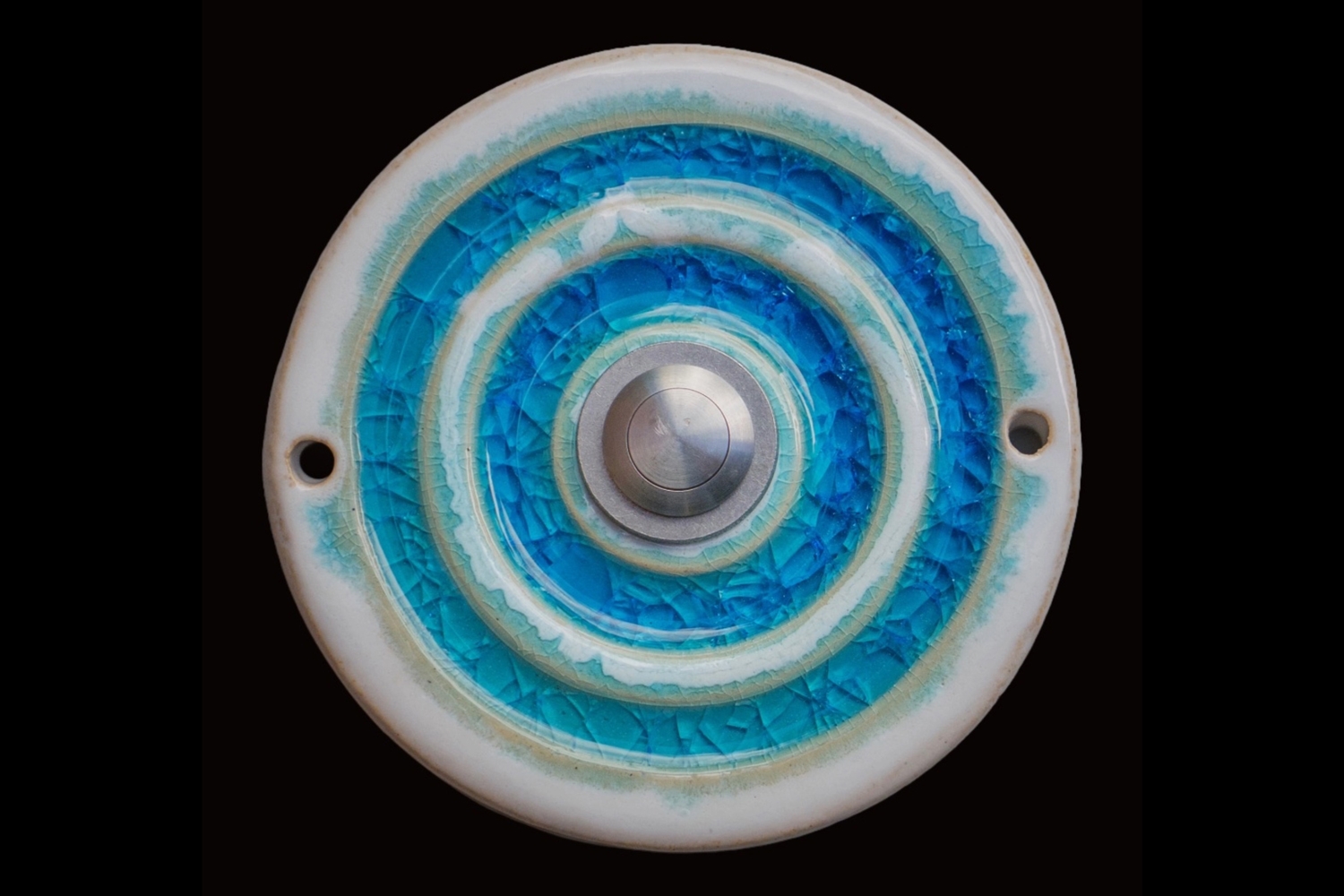
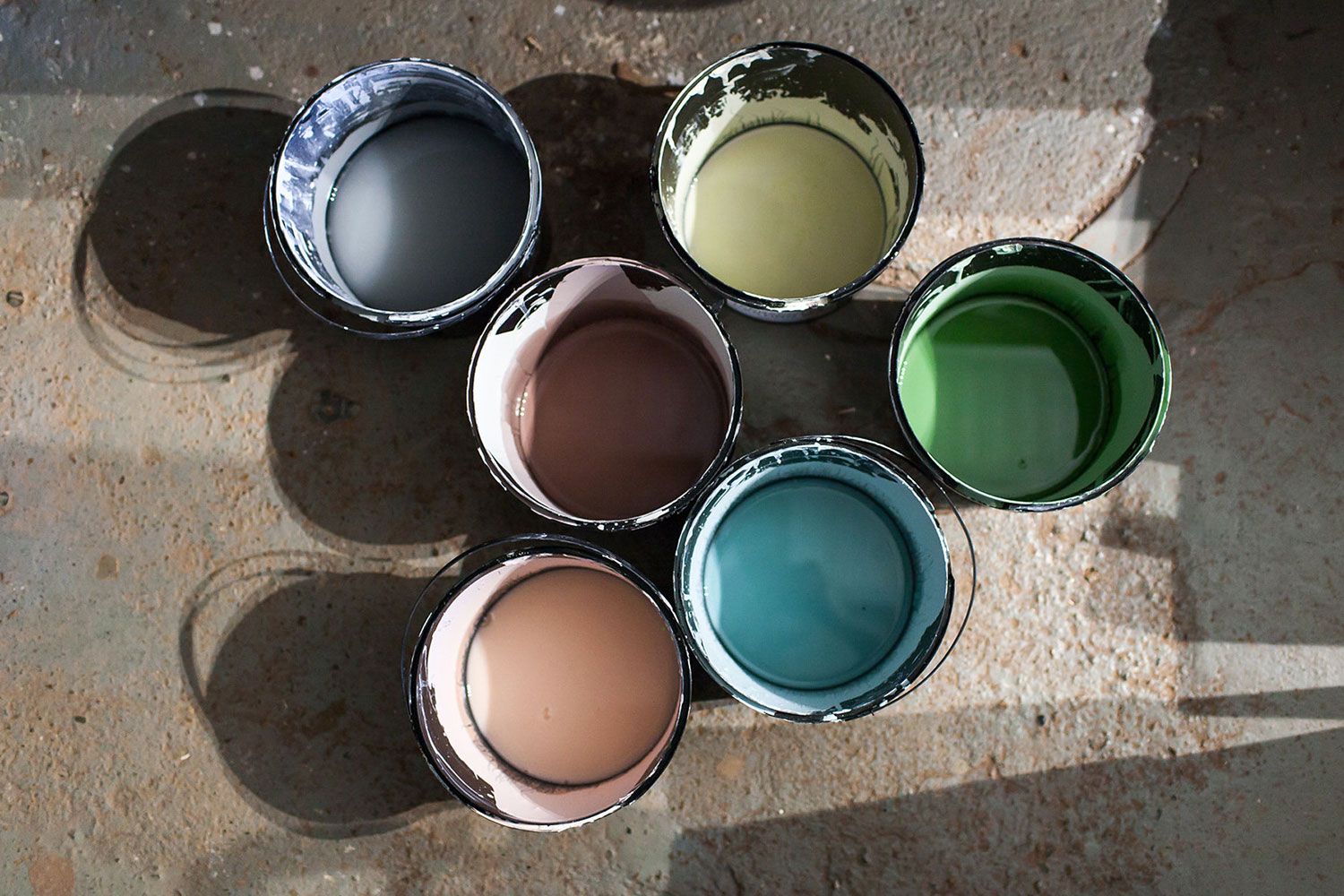
My colours are broken down from all the over-decorated majolica pieces that my mum had in her kitchen. I have 15 colours in my catalogue and I’m playing with that. It is interesting to see how people choose colour depending on their location. In the UK, most people go for muted blues, greys and black, whereas in Spain and France, they go for happier tones.
Artisan suits me best because I’m creative but I don’t do conceptual work. Craft can be art and there is a very fine line between the two, but craft is perceived in different ways depending on the country.
1 EXPERIENCE

Silvia K
Ceramicist
Brighton, United Kingdom
AVAILABILITY
By appointment only
PHONE
+44 7817650709
LANGUAGES
English, Slovak
Homo Faber Finds is a new service aiming to inspire admirers of craft to connect and collaborate with exceptional artisans.
We invite you to submit an enquiry here.




DSC02402_©Meg-Lovell.jpg)
DSC01379_©Meg-Lovell.jpg)
DSC01458_©Meg-Lovell.jpg)