Fernando Casasempere
Ceramicist
London, United Kingdom
Almost impossible made possible
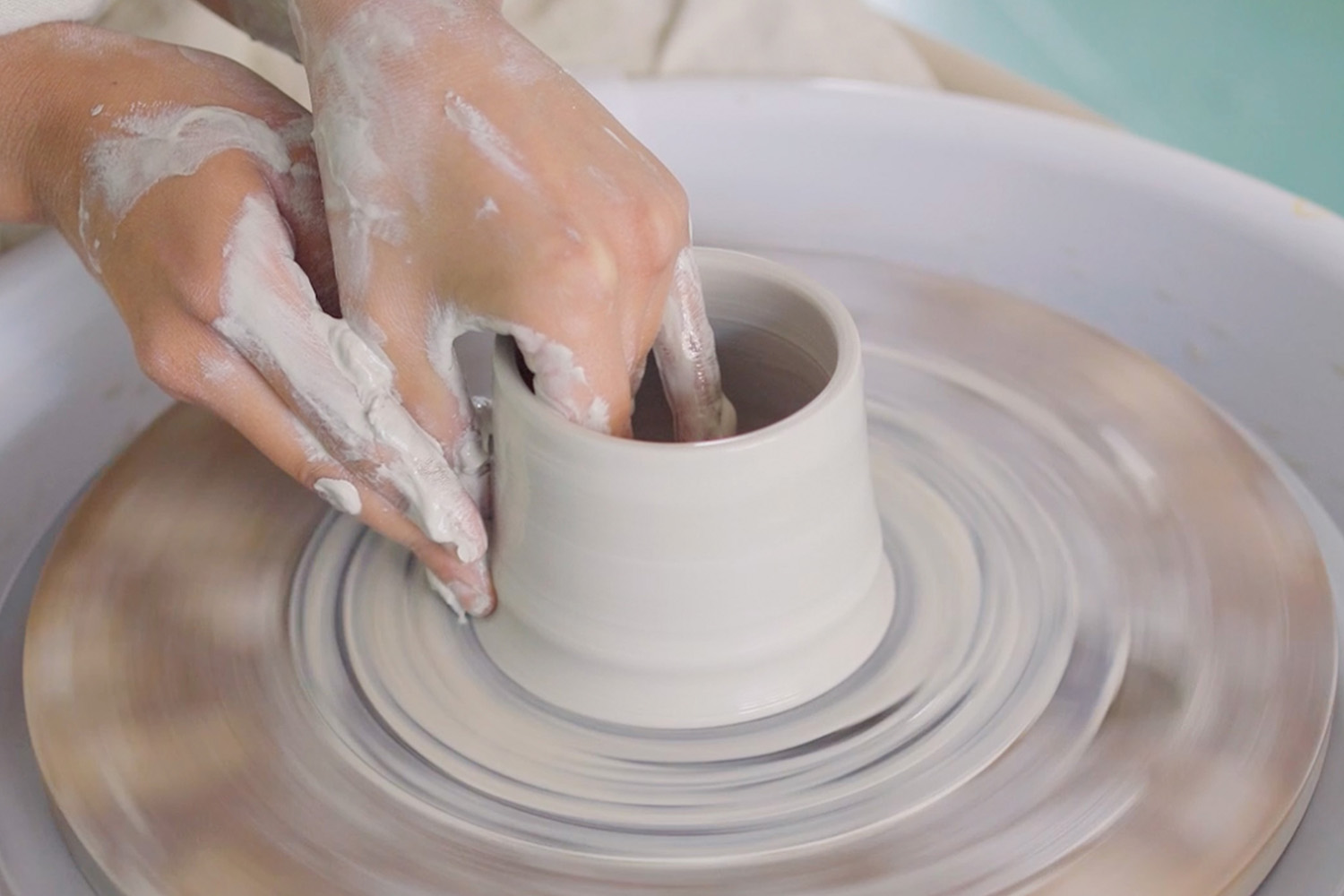
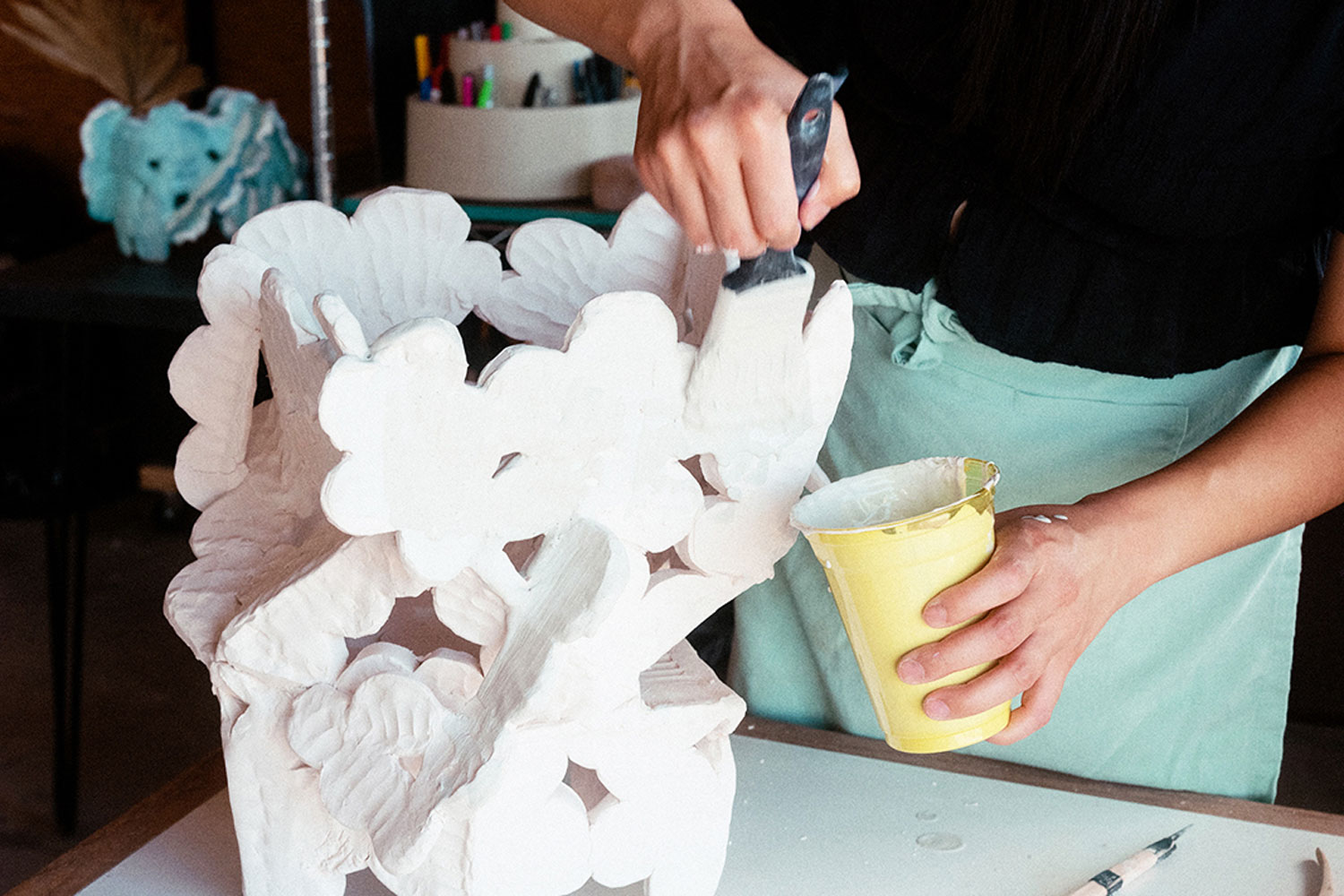
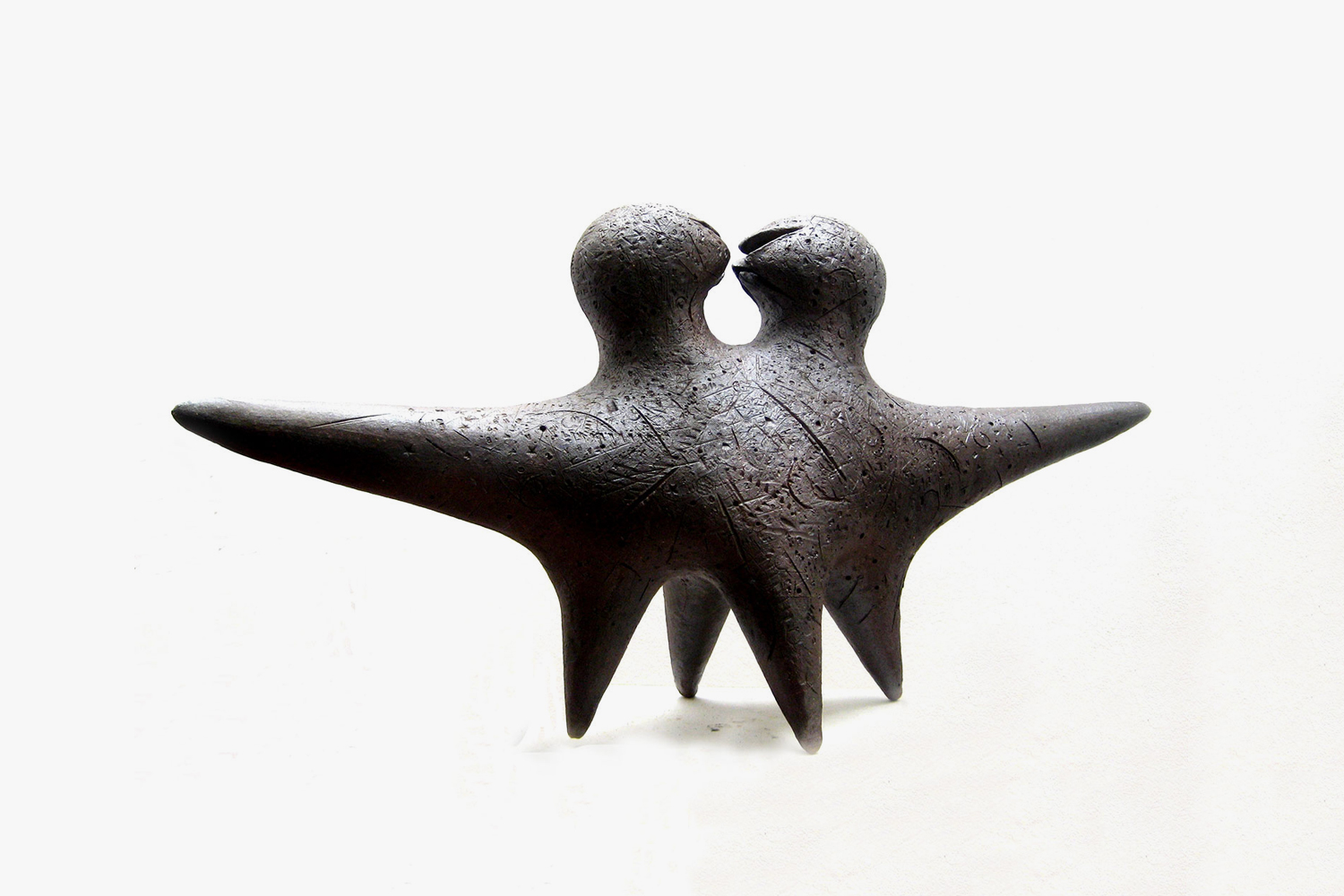
- Fernando makes large and small porcelain and clay works
- He finds London's craft scene liberating and challenging
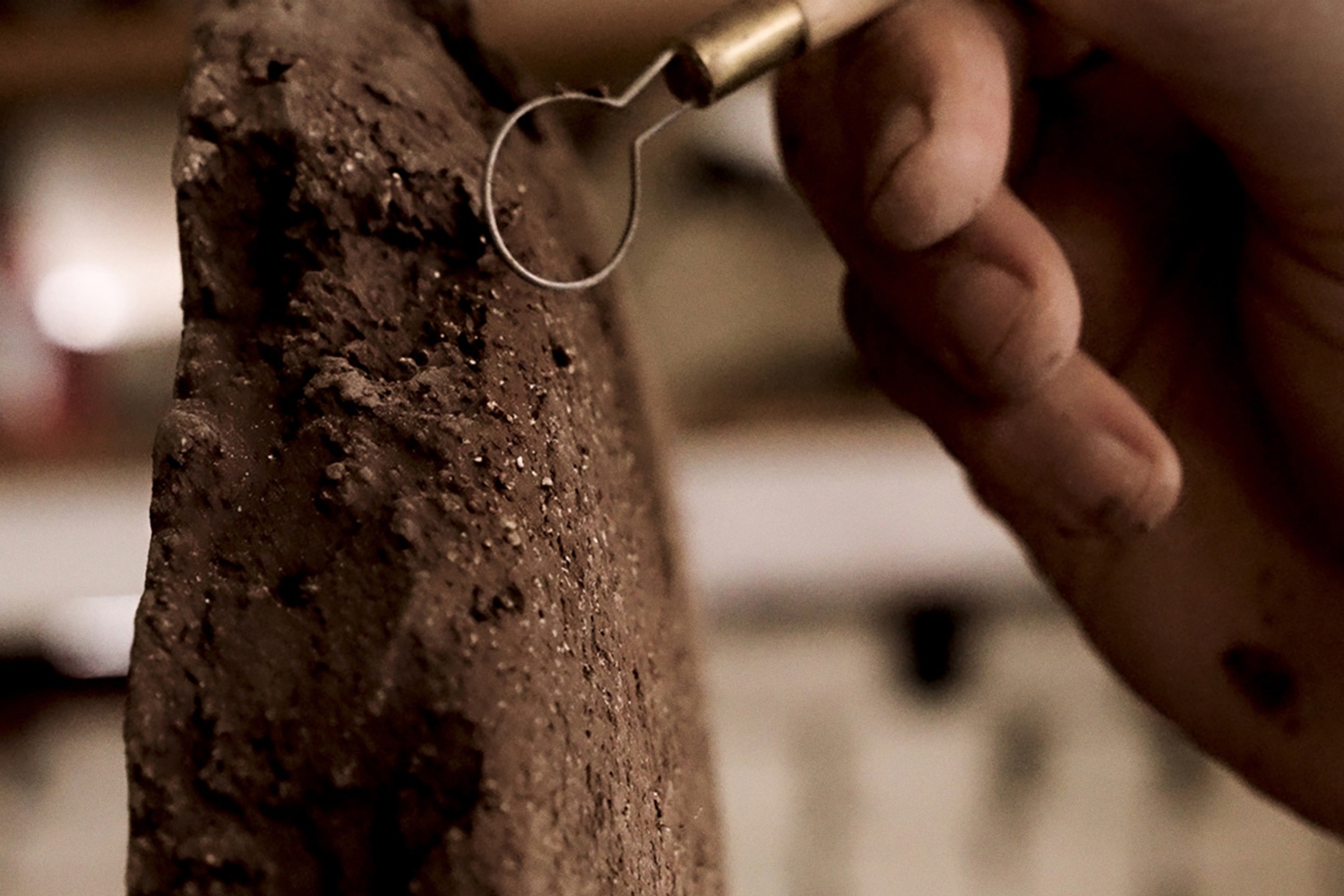
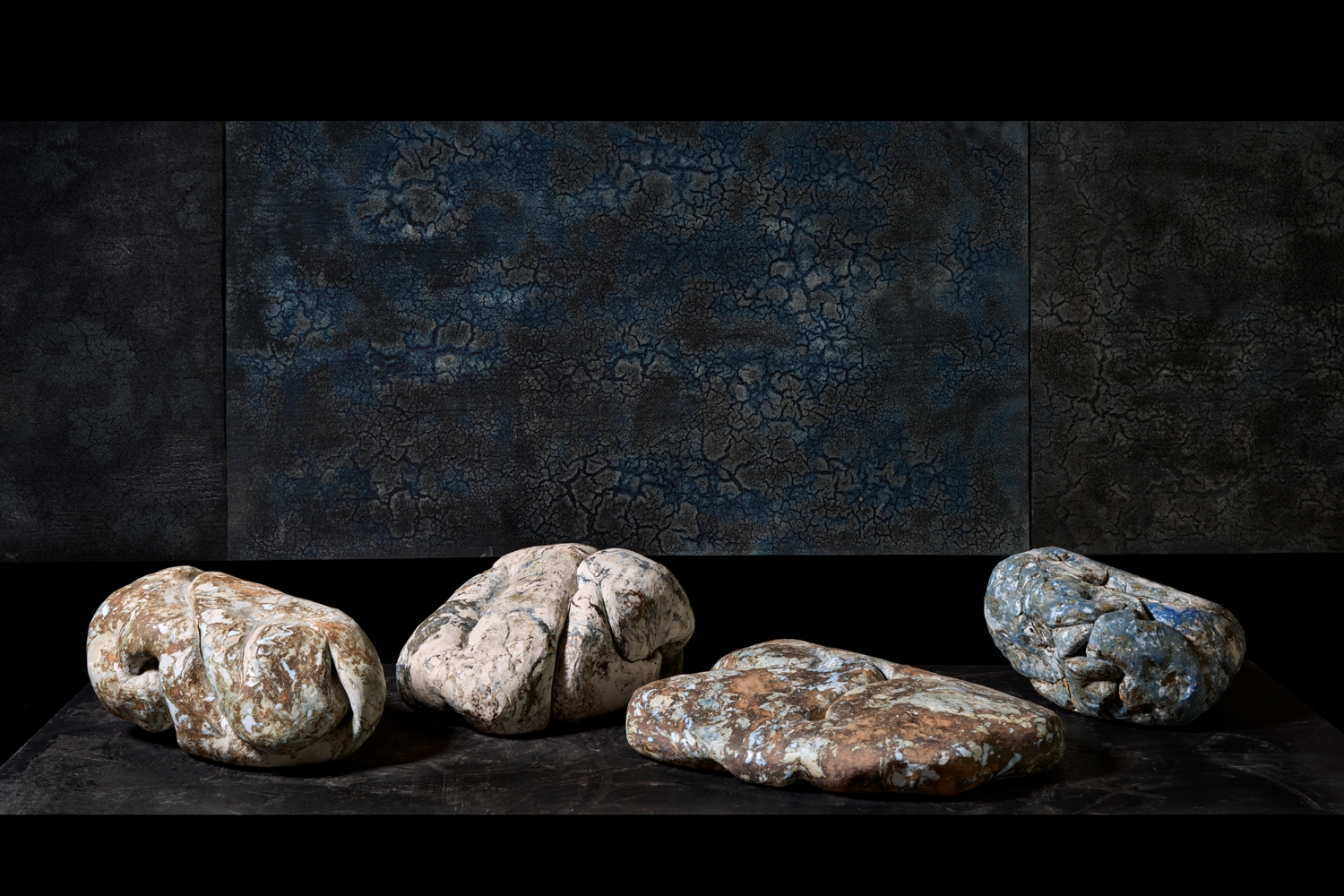
- He incorporates minerals into the clay for colour and texture
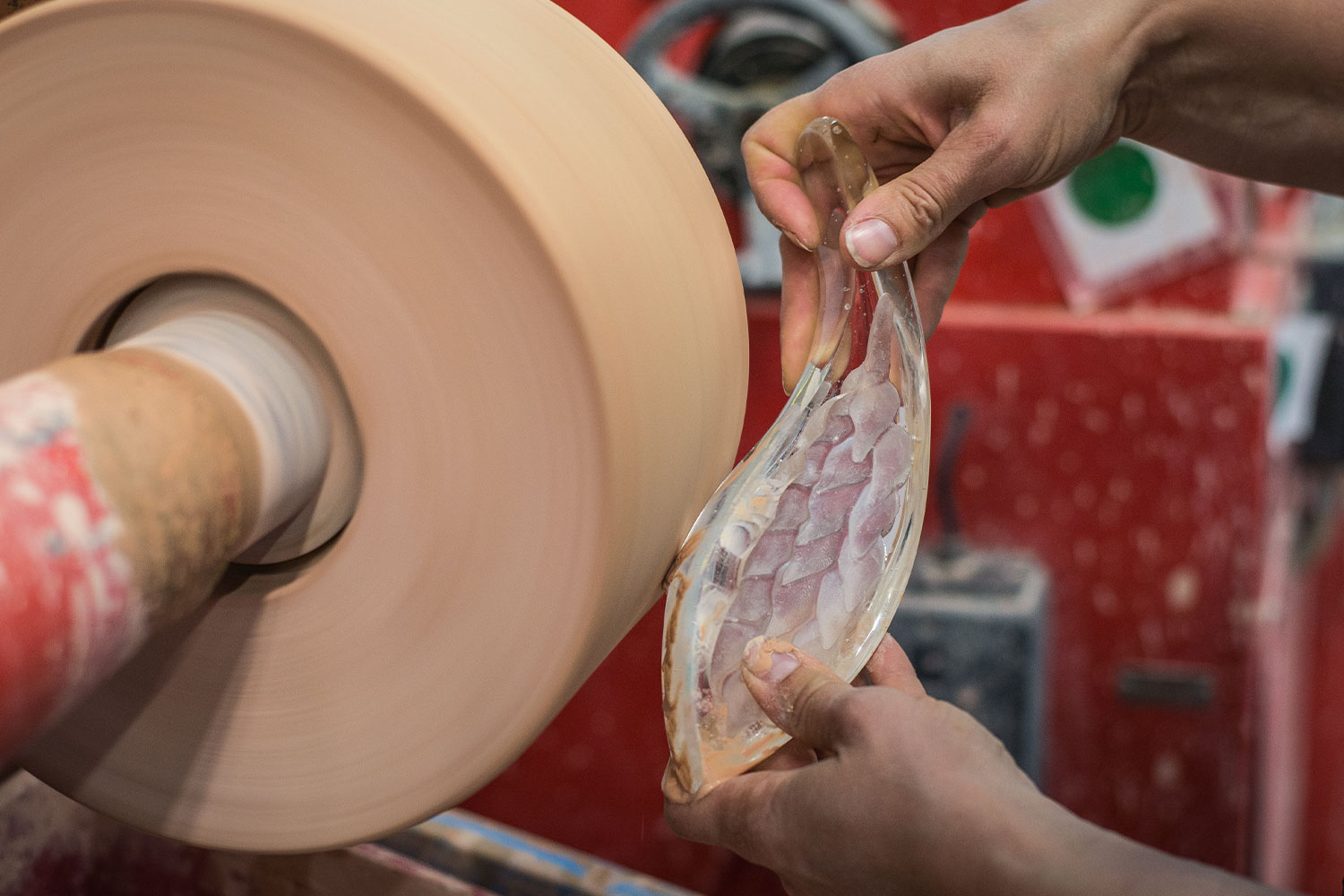
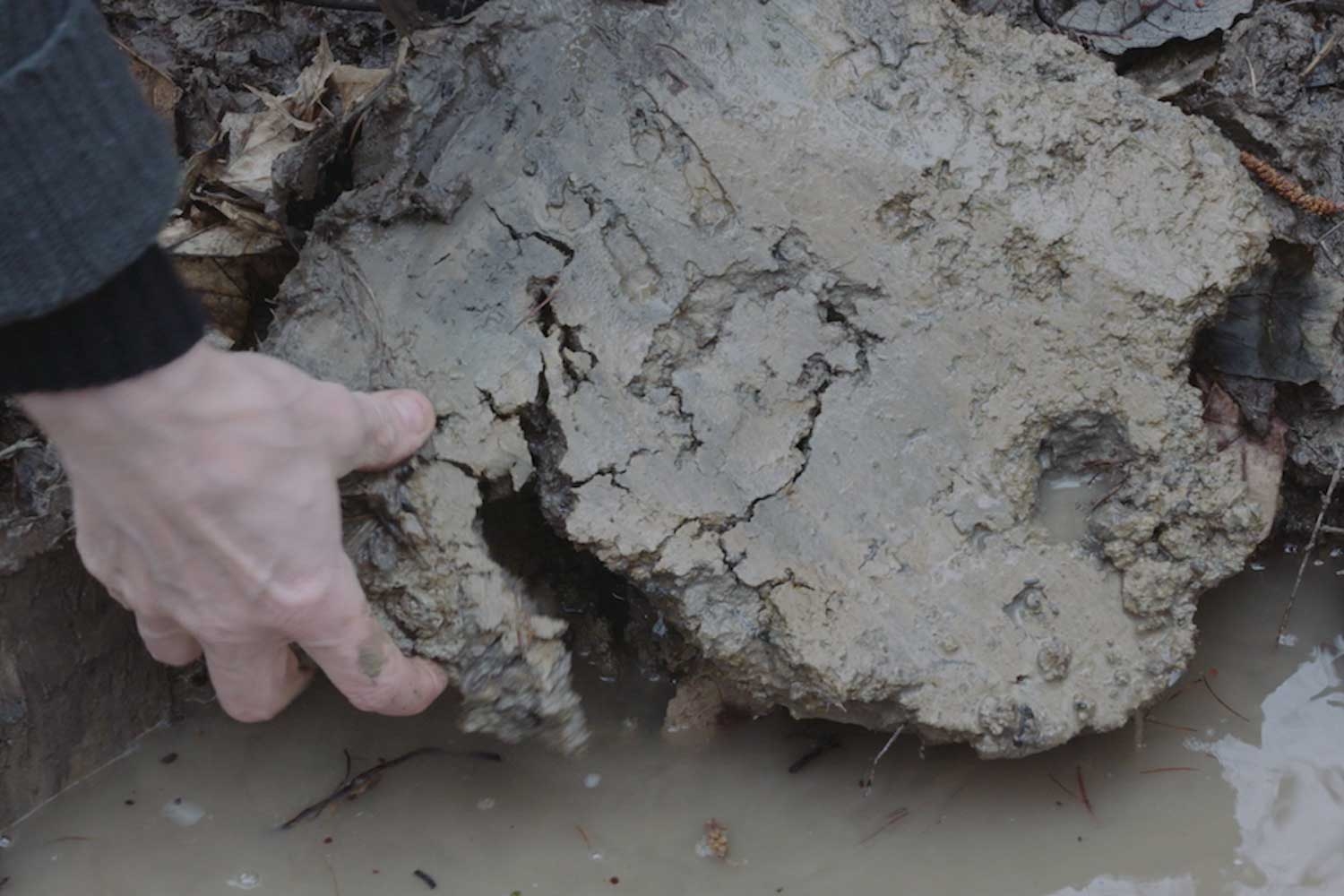
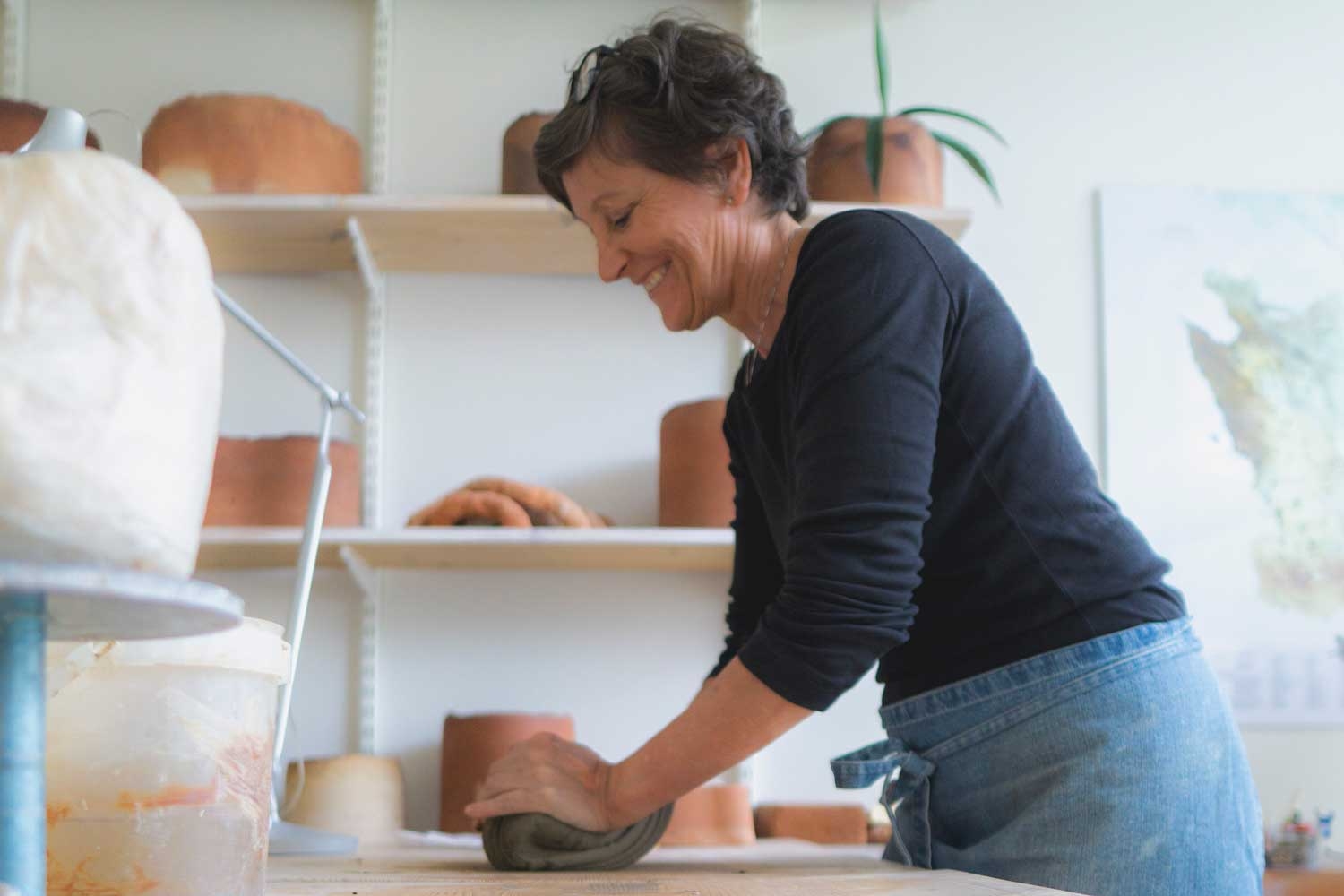
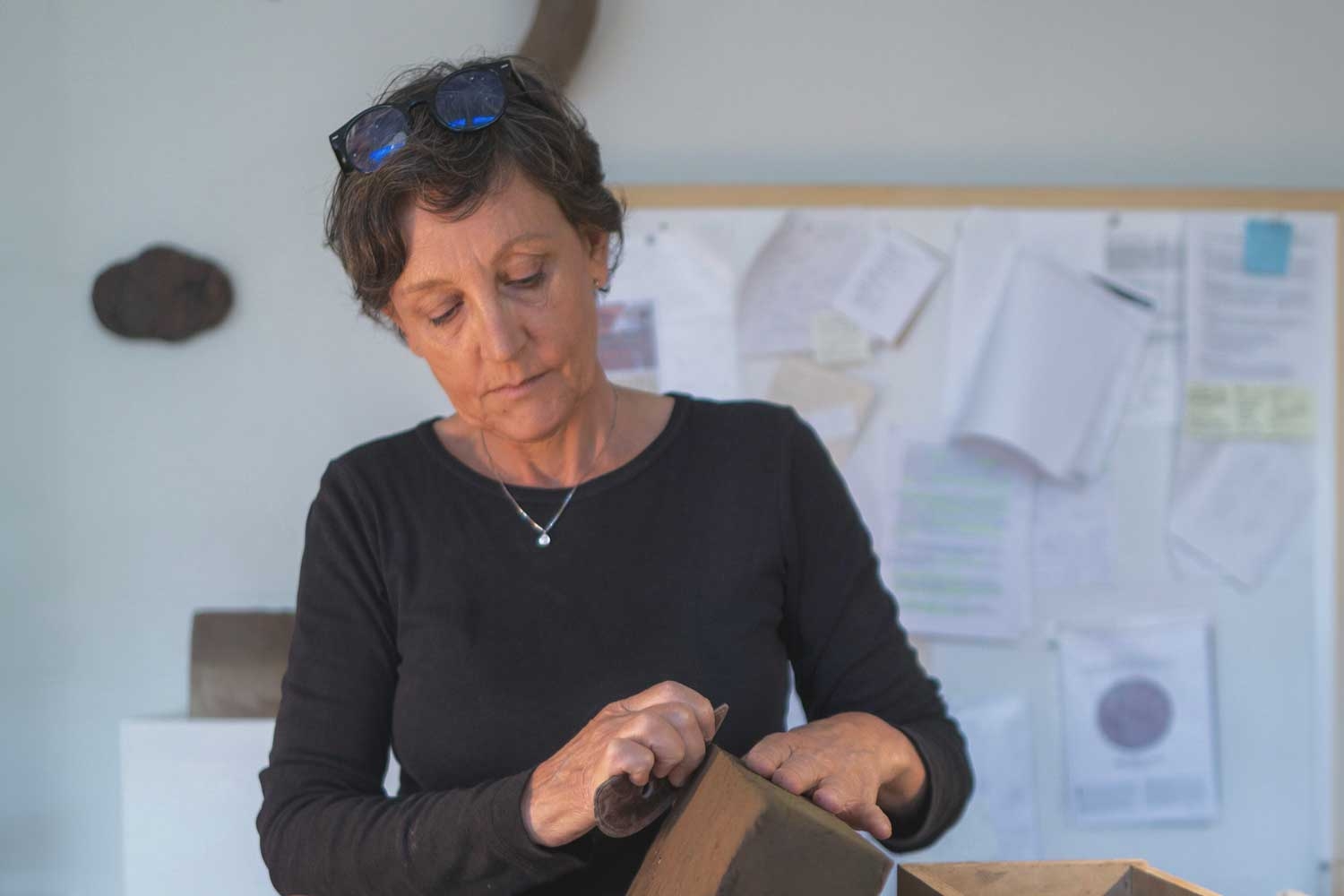
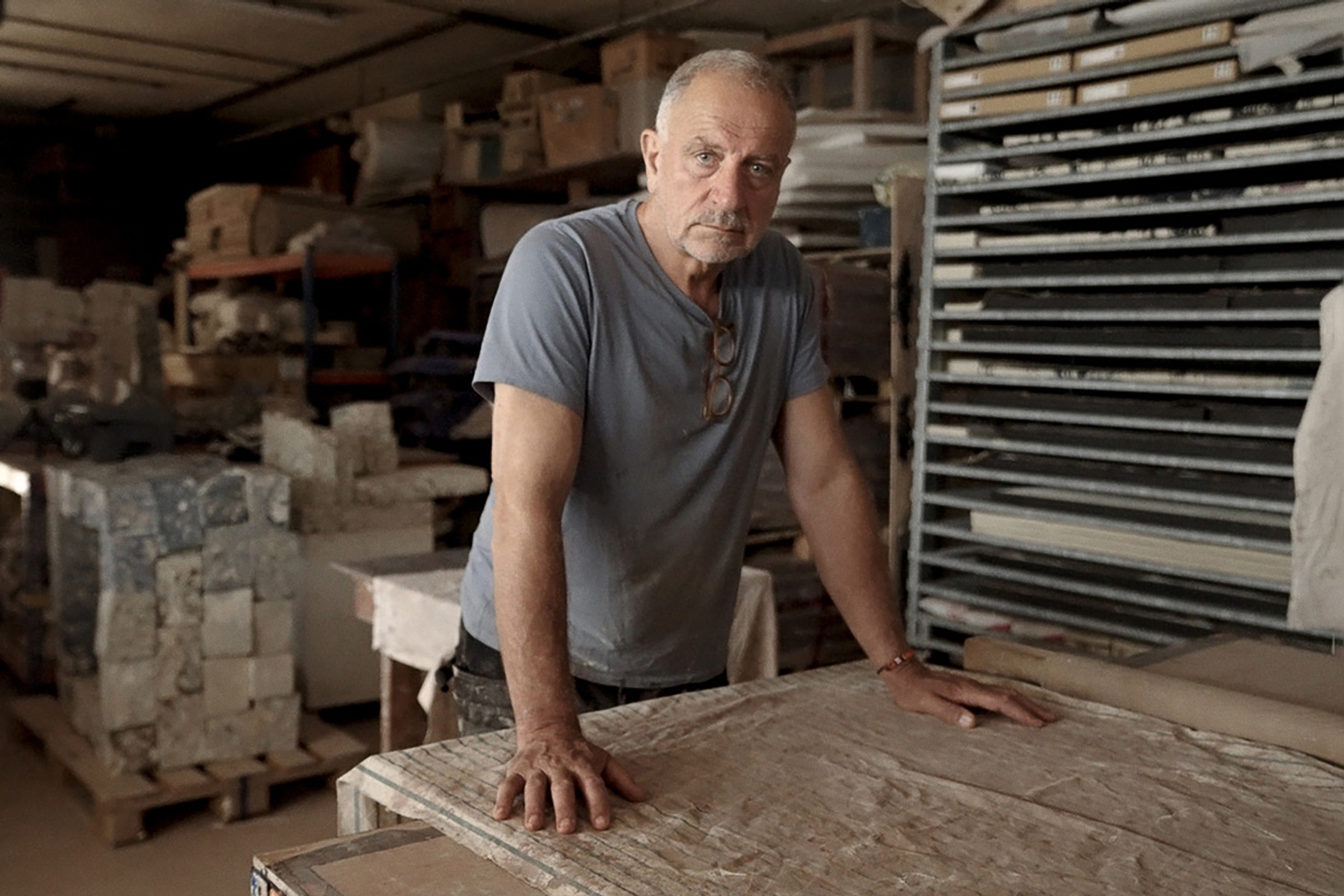
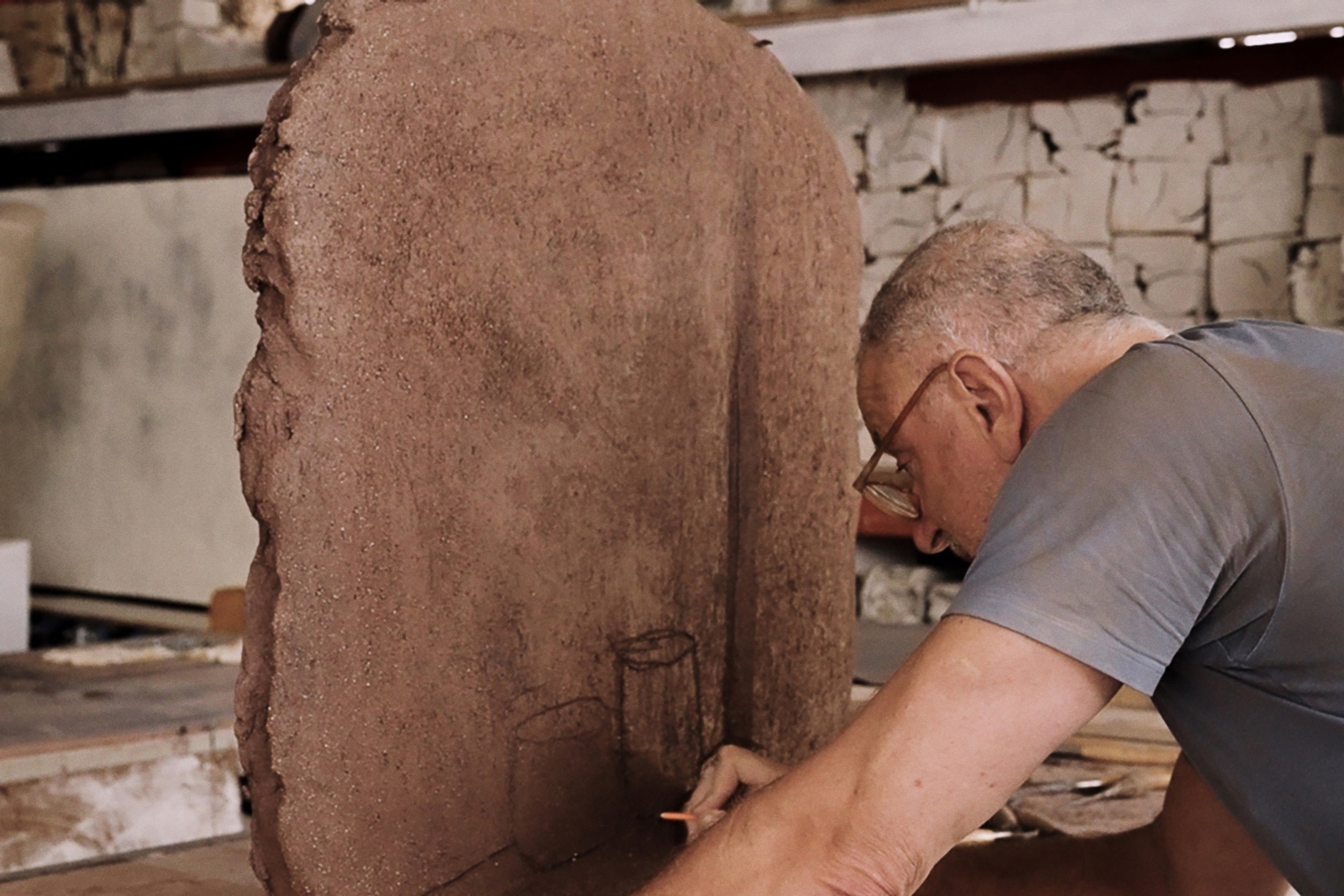
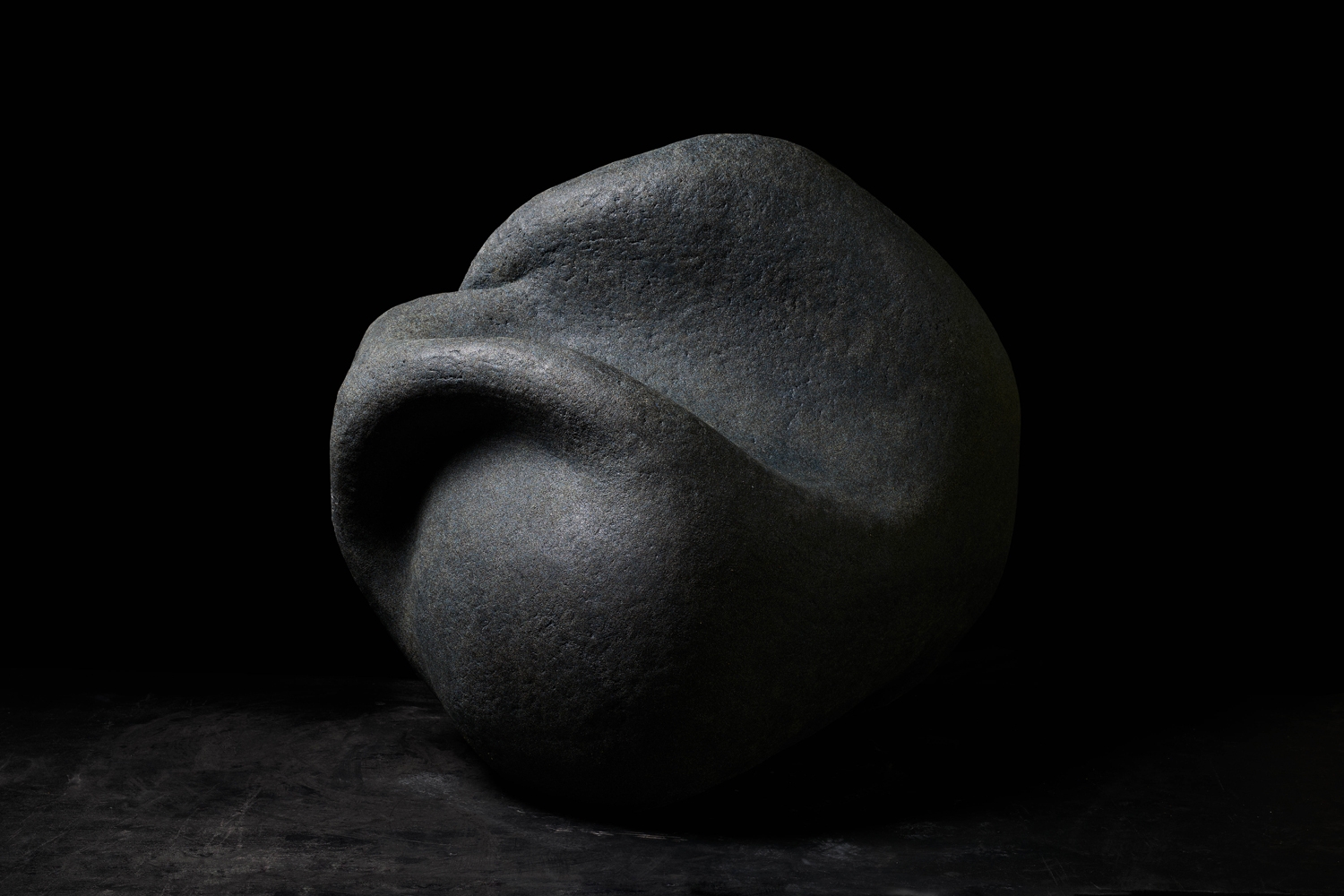
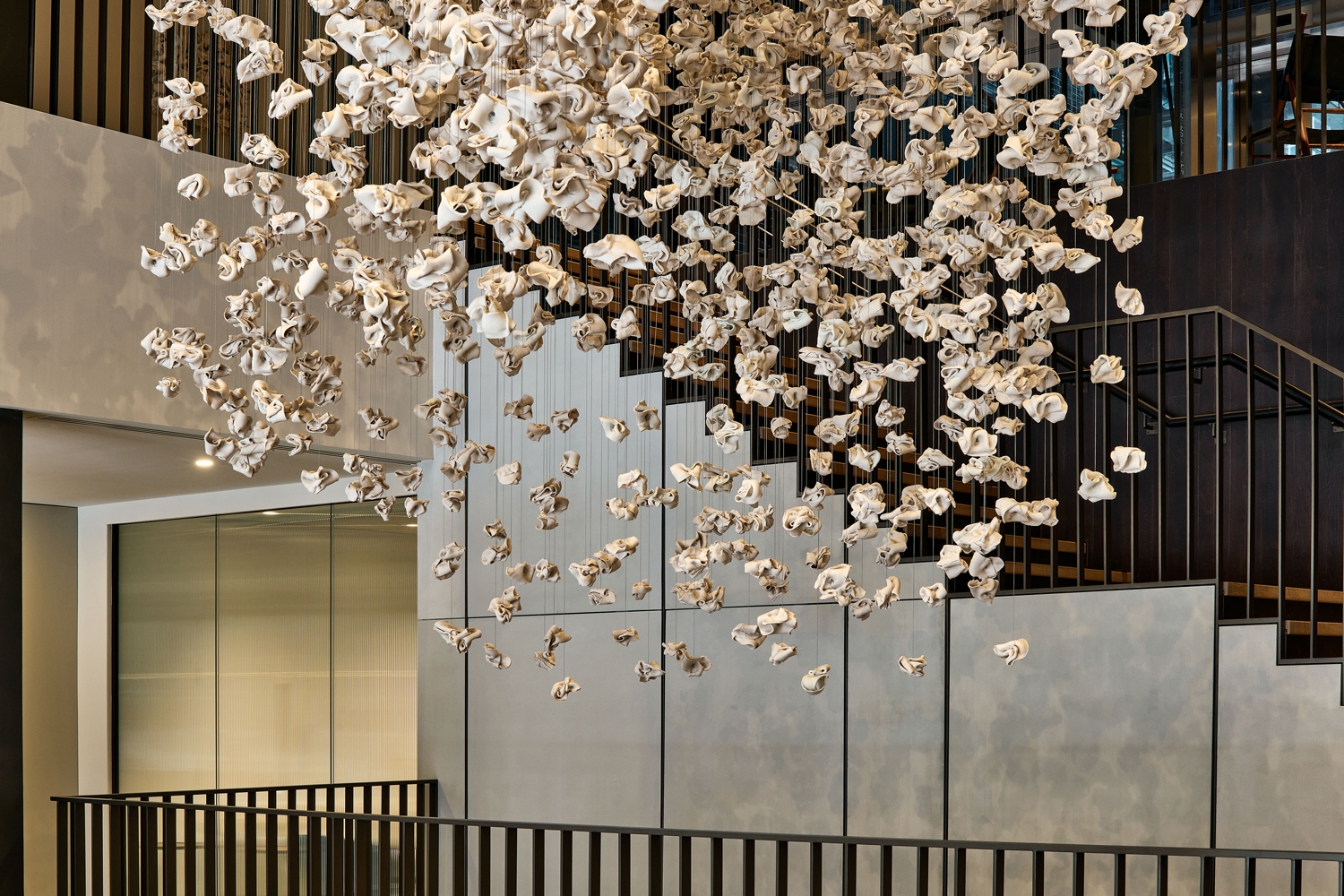
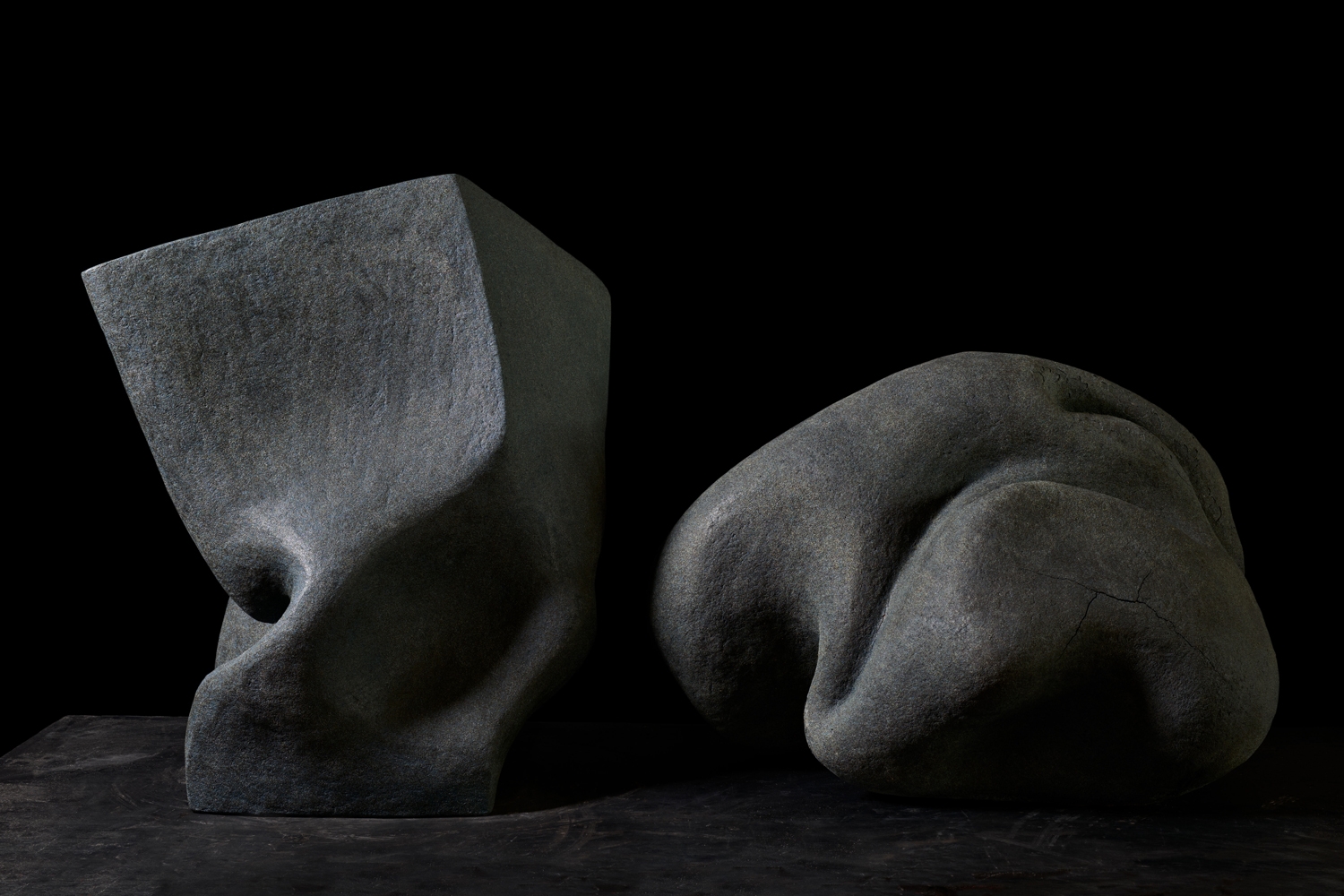
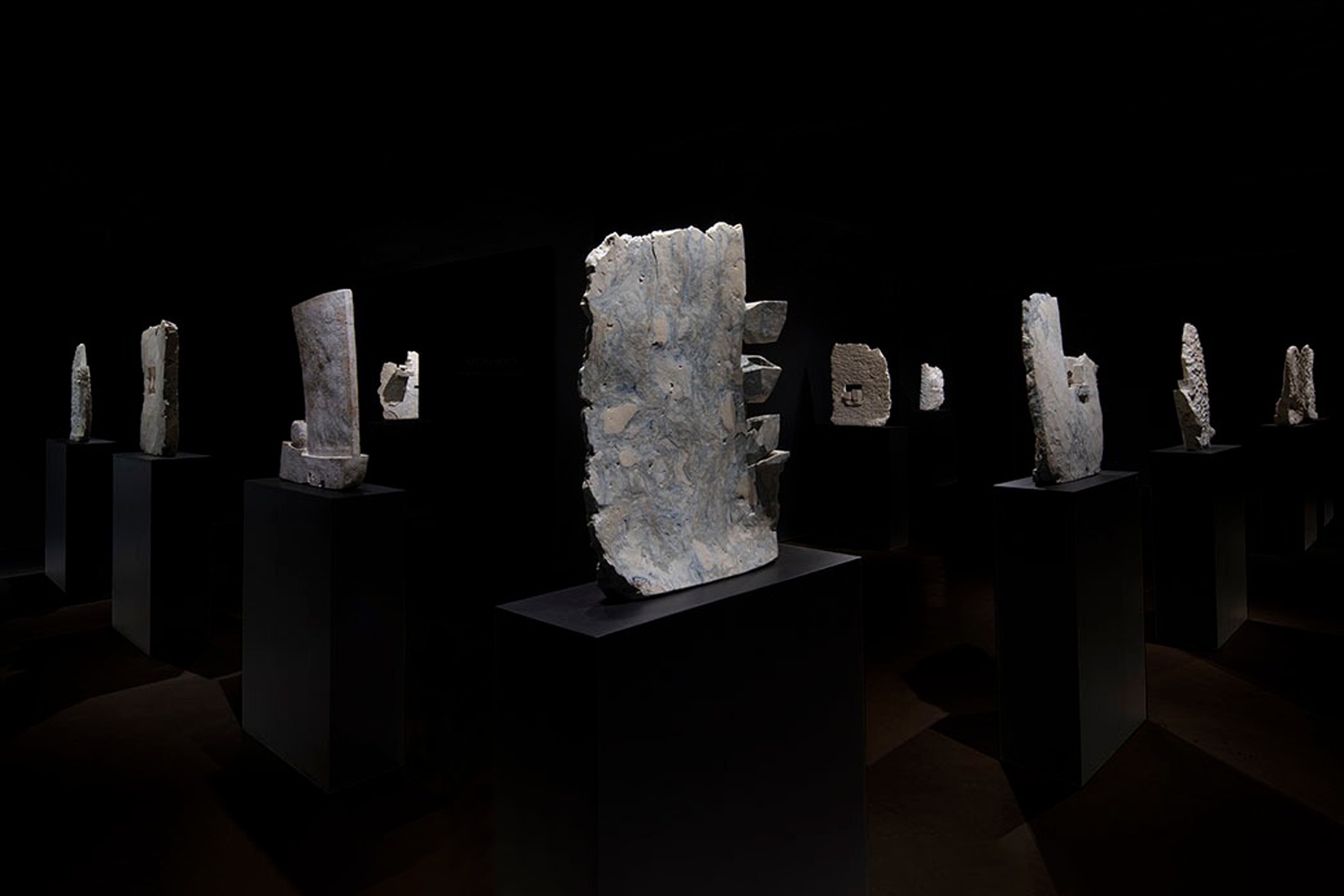
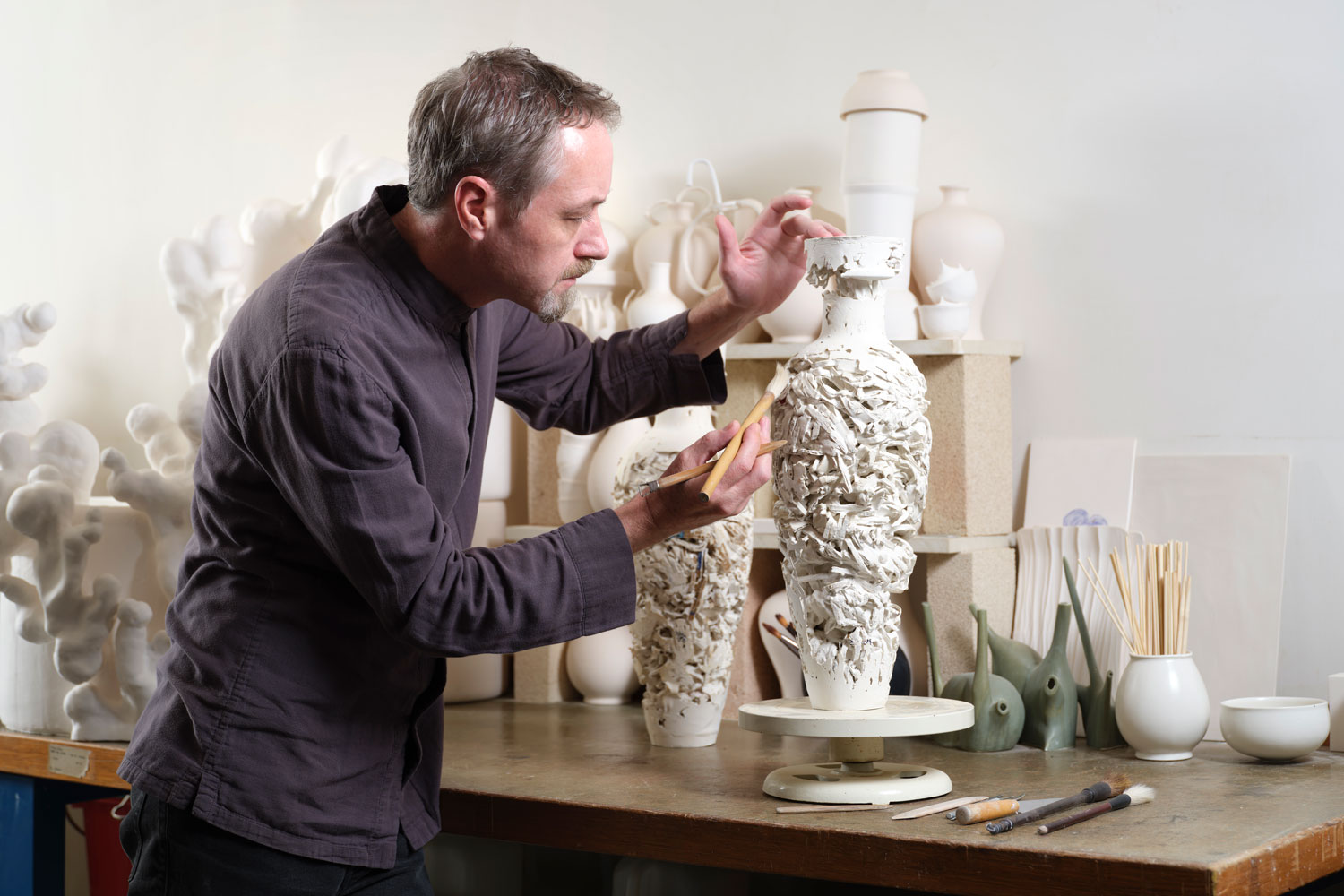
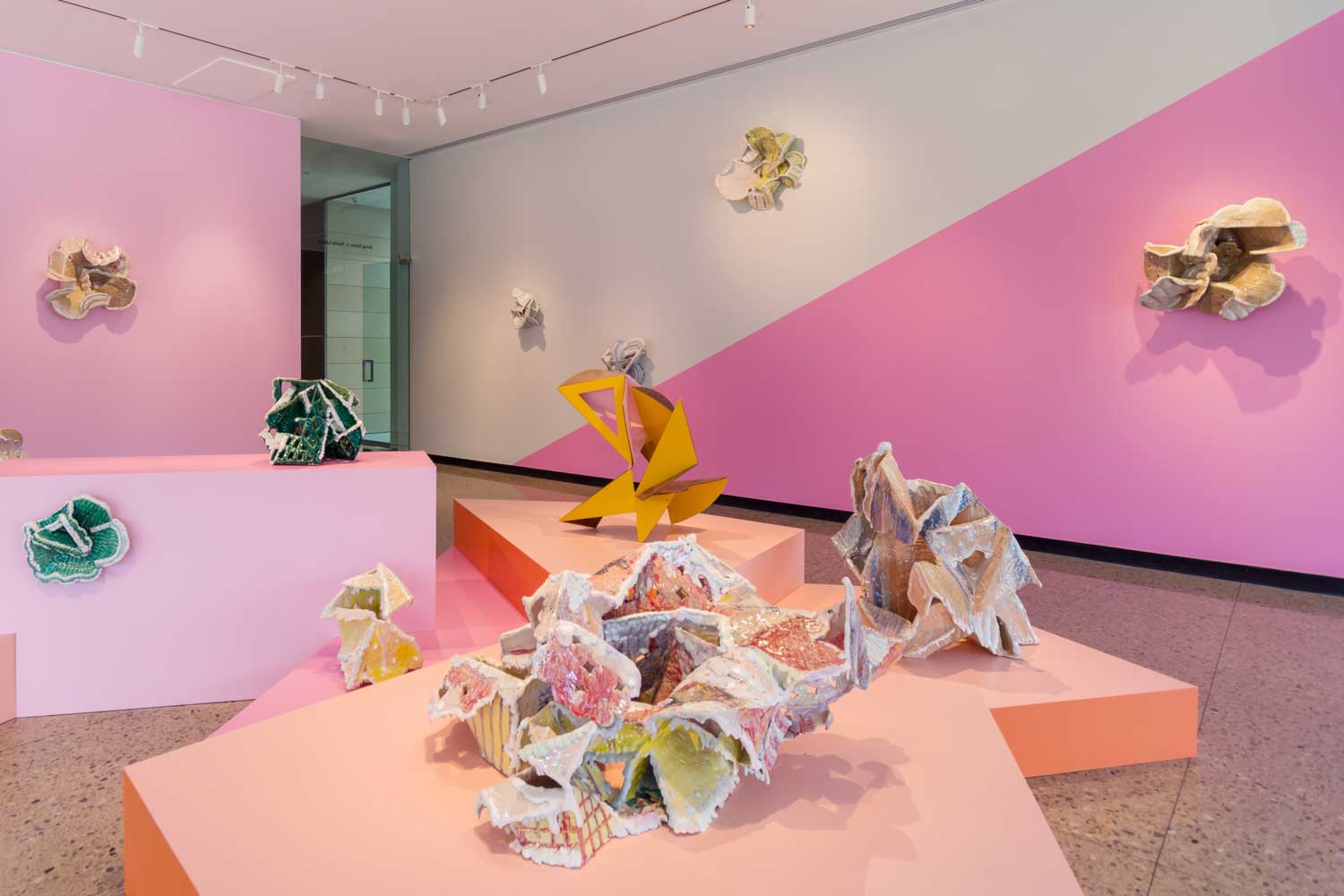
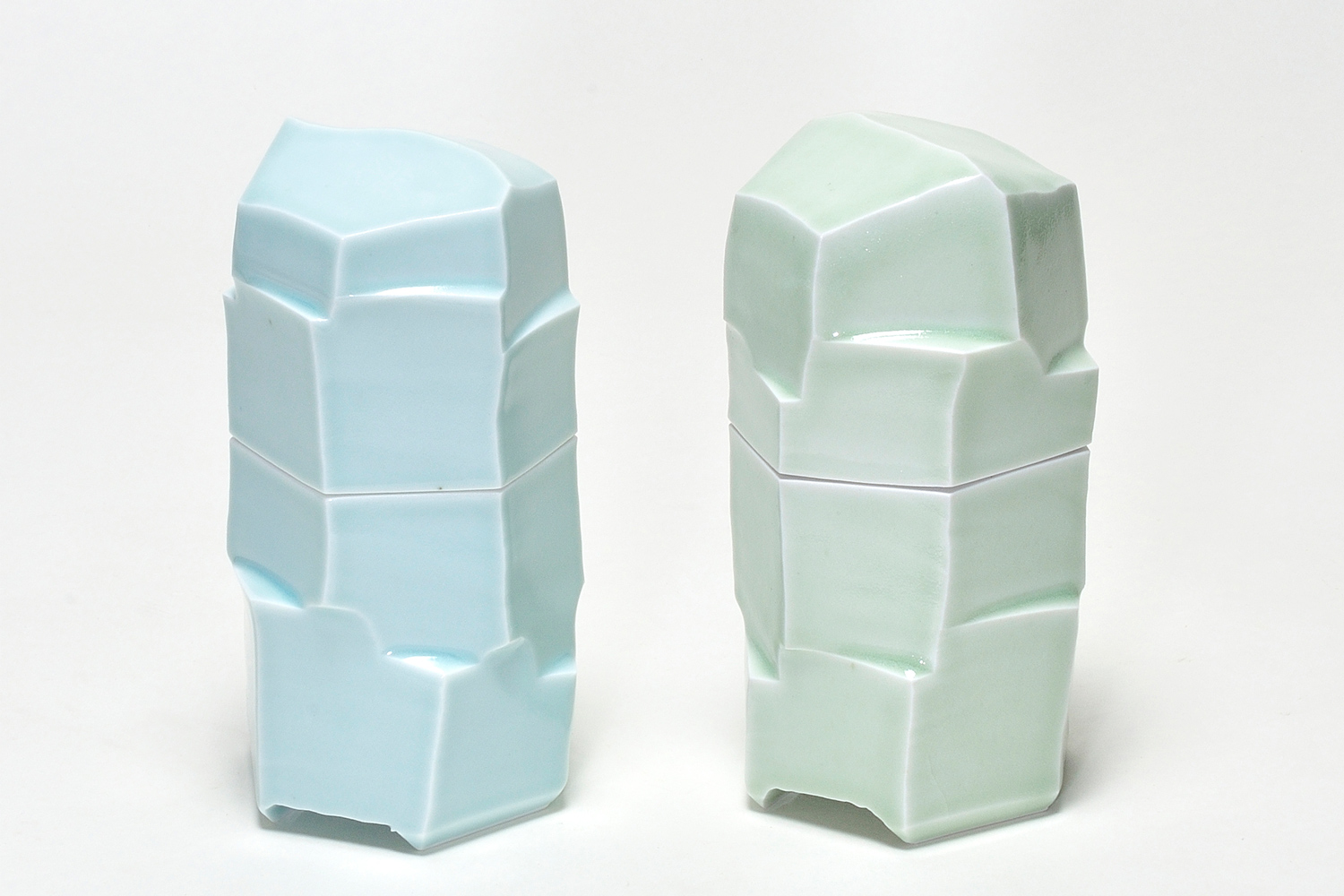
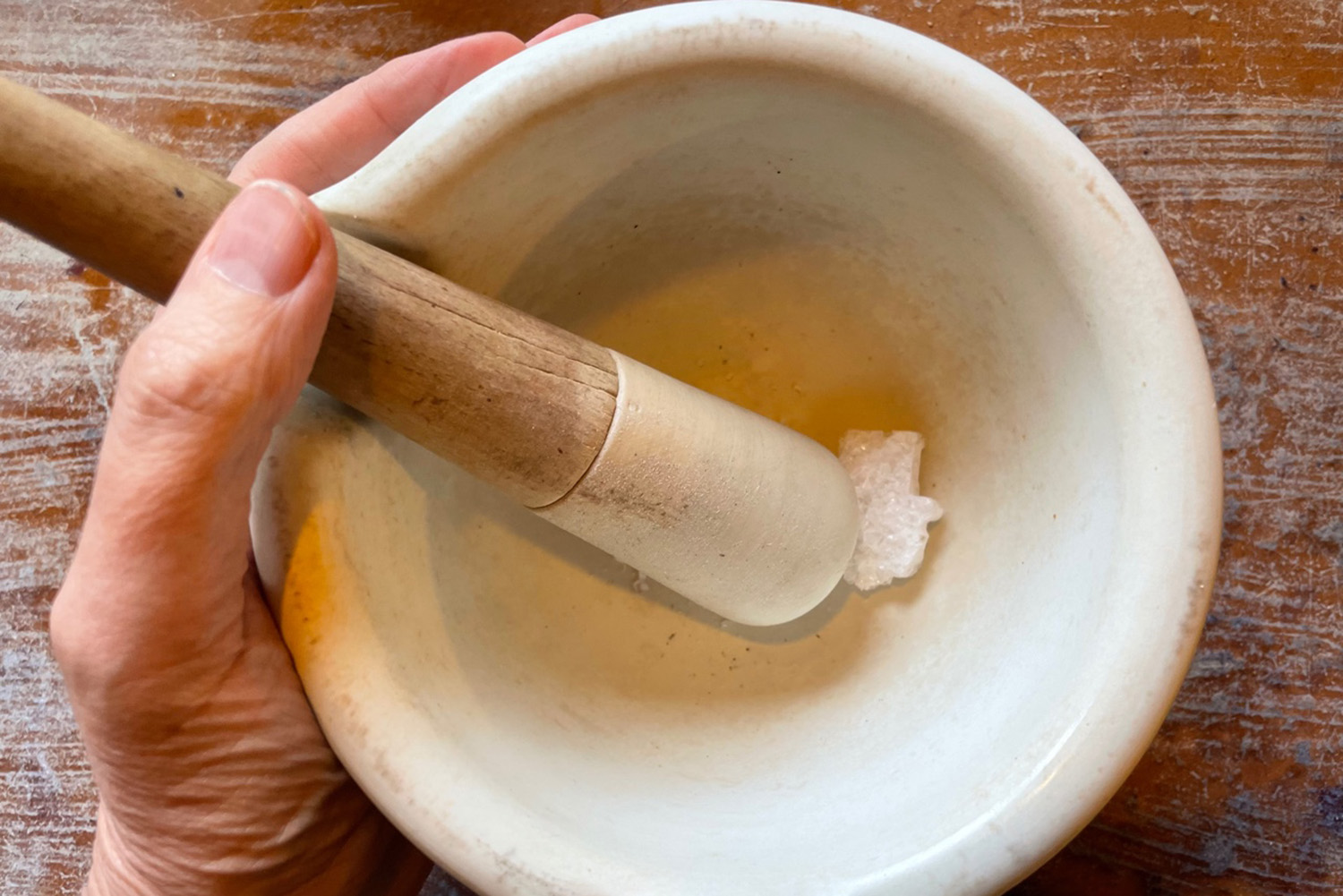
Fernando Casasempere was born and raised in Santiago, Chile. He studied ceramics in Barcelona, and stayed consciously rooted in the influences of South America in his creative expression. "In Chile, I researched materials that I could use within ceramics and discovered the industrial waste from copper production. I have incorporated this into much of my work in powder form," explains Fernando. After a sell-out show in Chile in 1996, Fernando moved to London, to explore the rich English tradition in clay. "It was also an opportunity to push my artistic boundaries," he says. Ever since then, Fernando has worked from his studio in East London, building an archive of samples of all his previous materials, and an extensive apothecarial library of minerals in jars. Fernando creates public art installations on a grand scale alongside collectible vessels and sculptures.
INTERVIEW
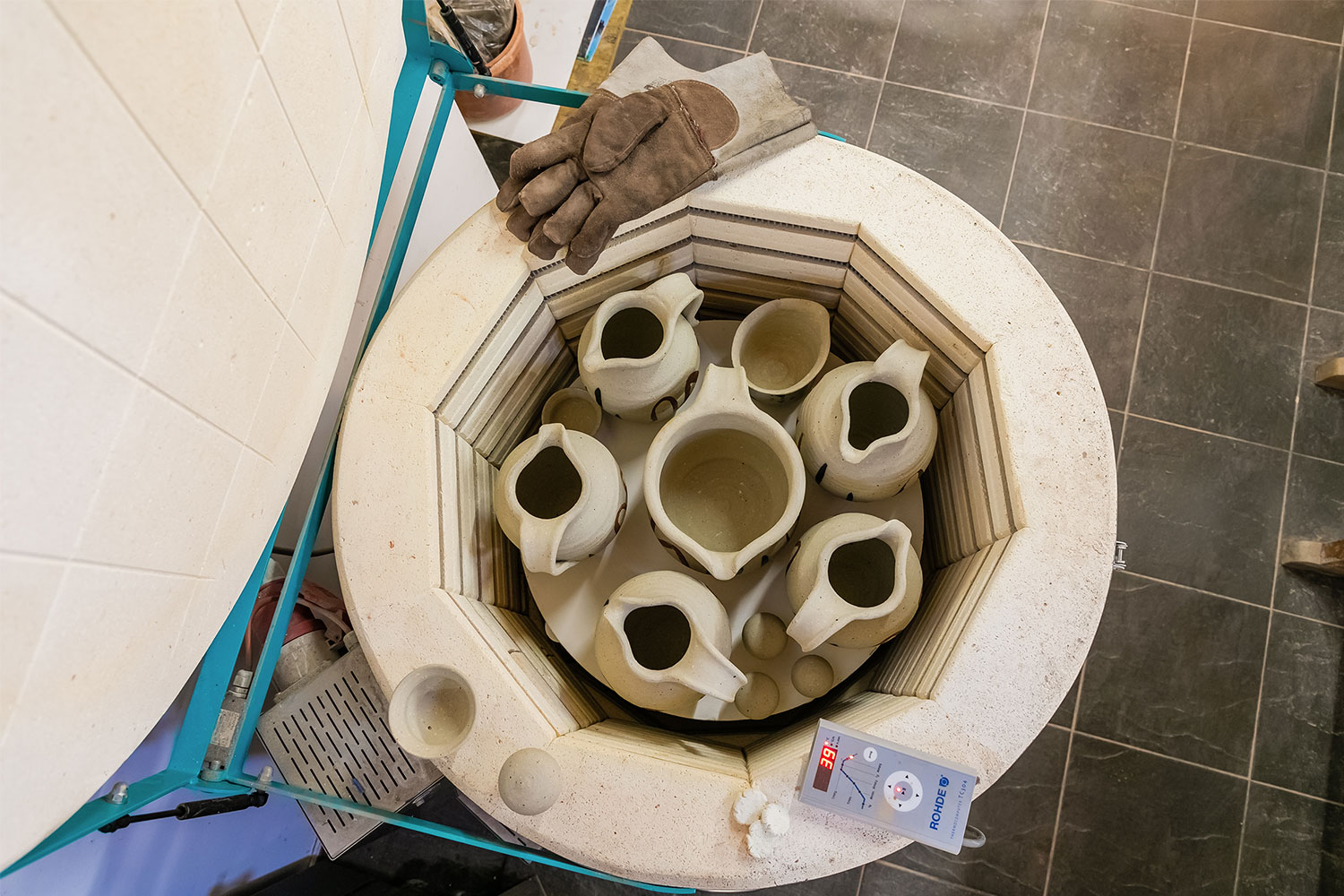
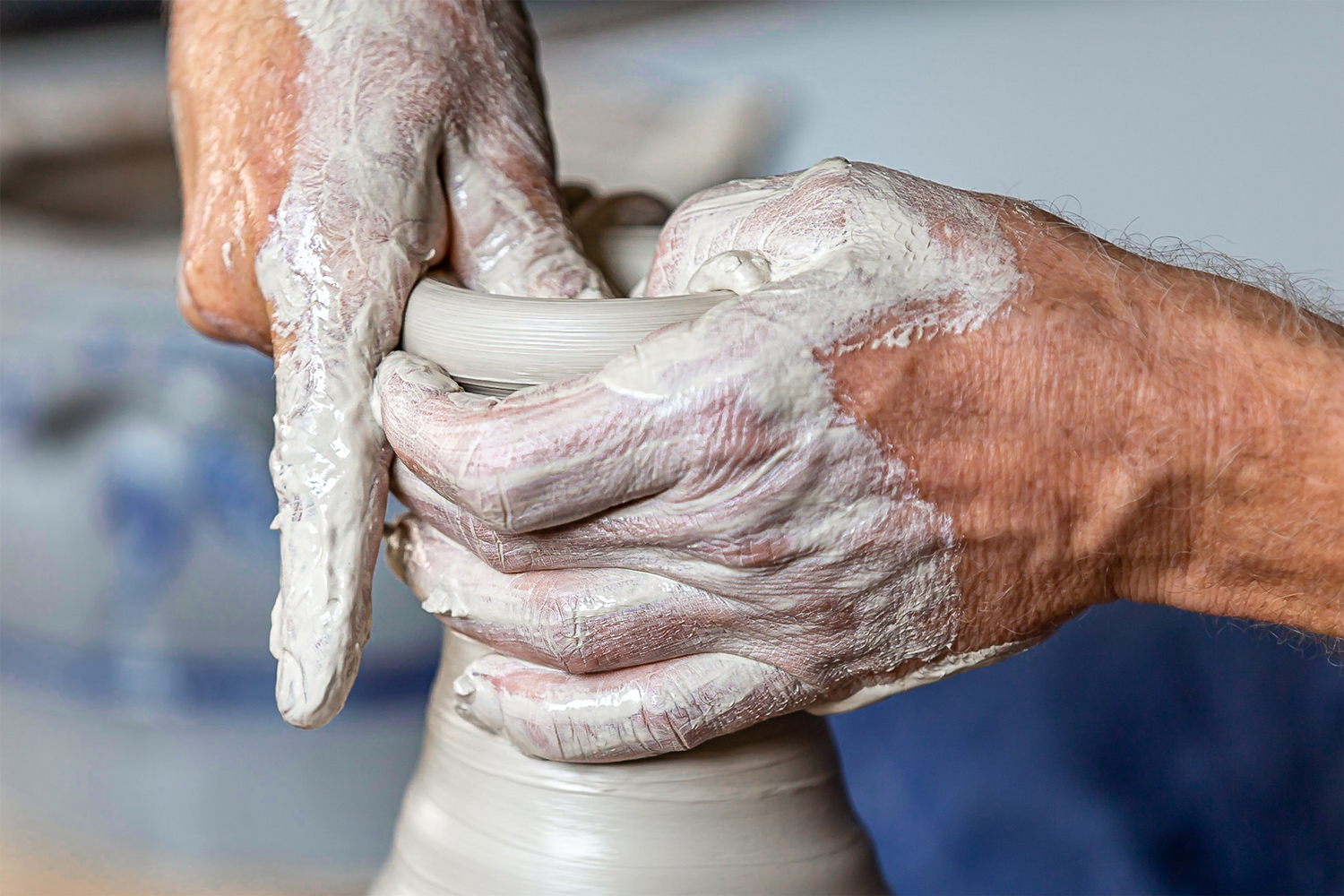
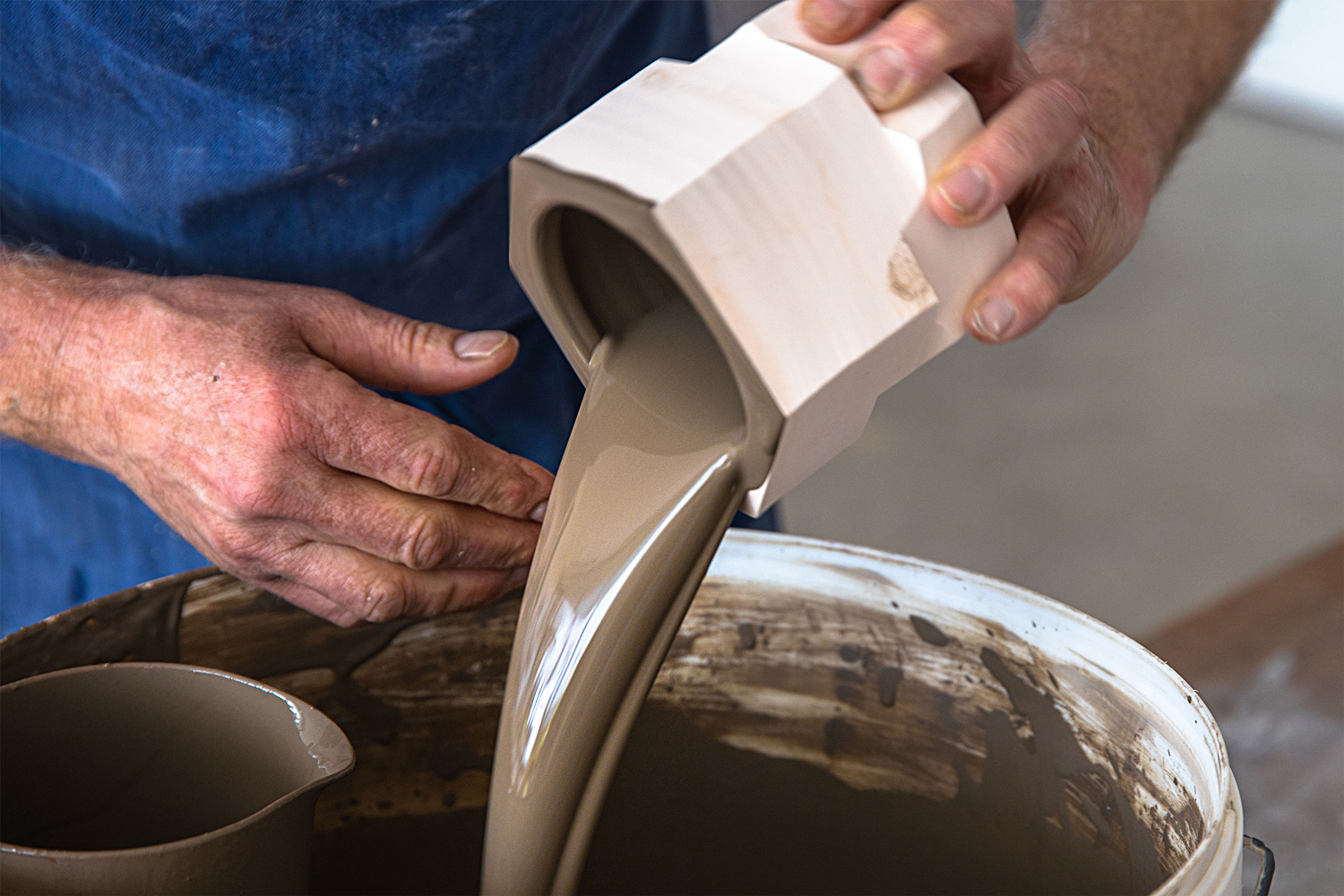
I use a variety of clays, from red stoneware to really fine white porcelain. Originally, I shipped tonnes of my own clay mix from Chile, as it was faster than mixing it anew. But then I began to explore porcelain and British materials.
Colours and textures from pre-Columbian art and the landscape of Chile are so inspiring. It is brutal, raw and so wild. Thirty years in London have given me a lot of freedom and the challenge I was looking for when I decided to move away from Chile.
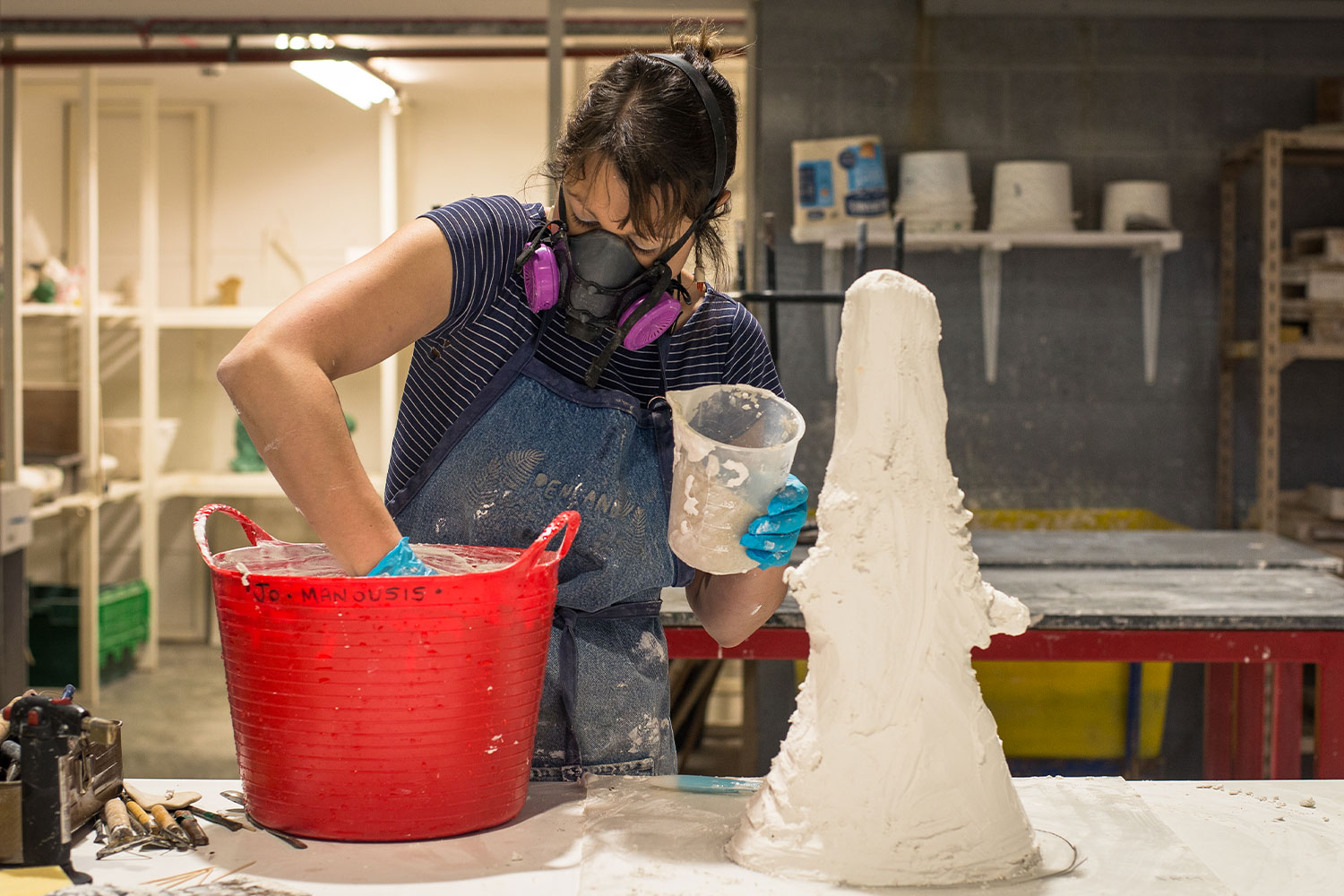
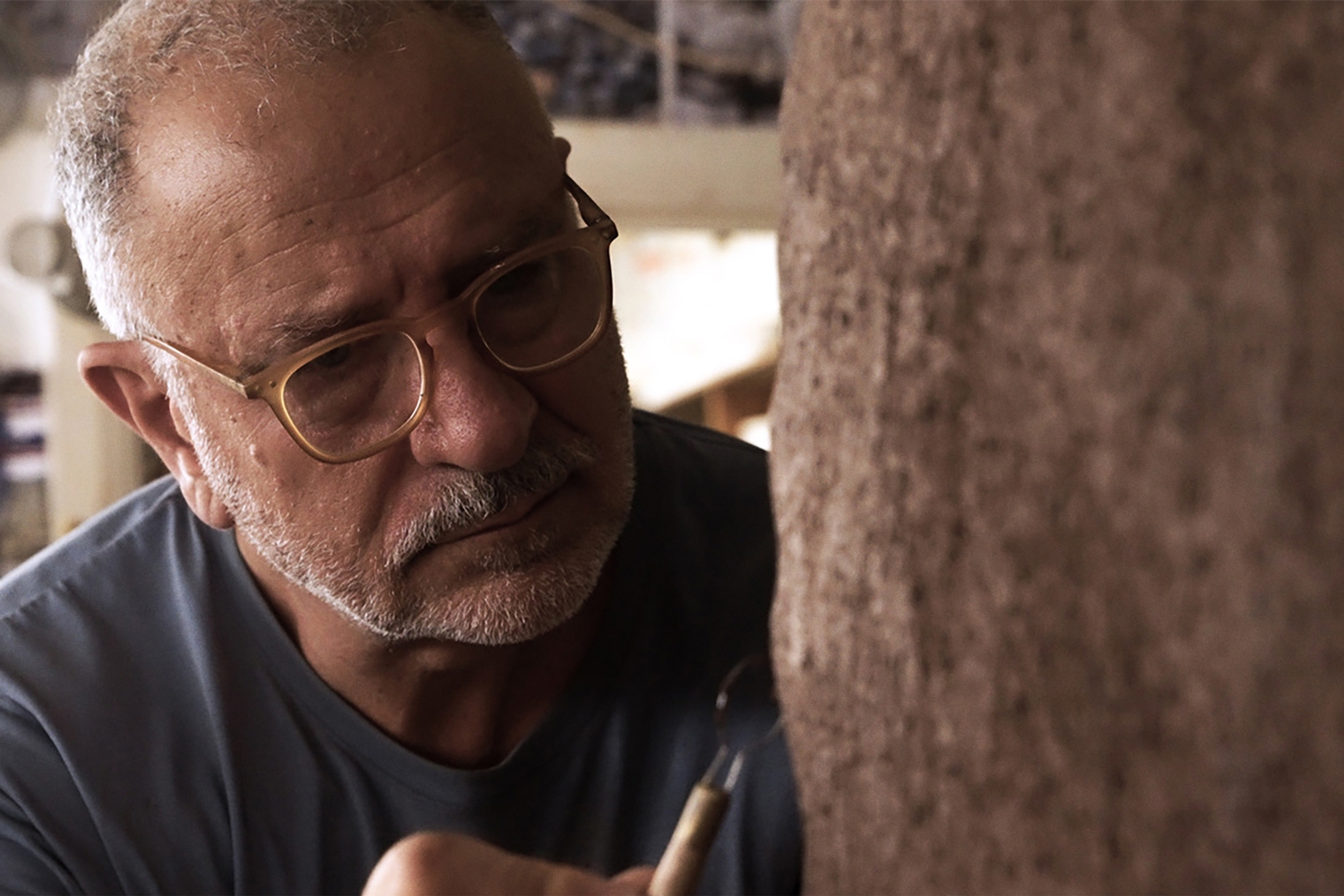
I love to research. I explore new materials, new textures, new colours, and push boundaries to do what is supposed to be impossible. For example, a solid block of porcelain is supposed to be almost impossible, yet I have been building blocks of 150 kg.
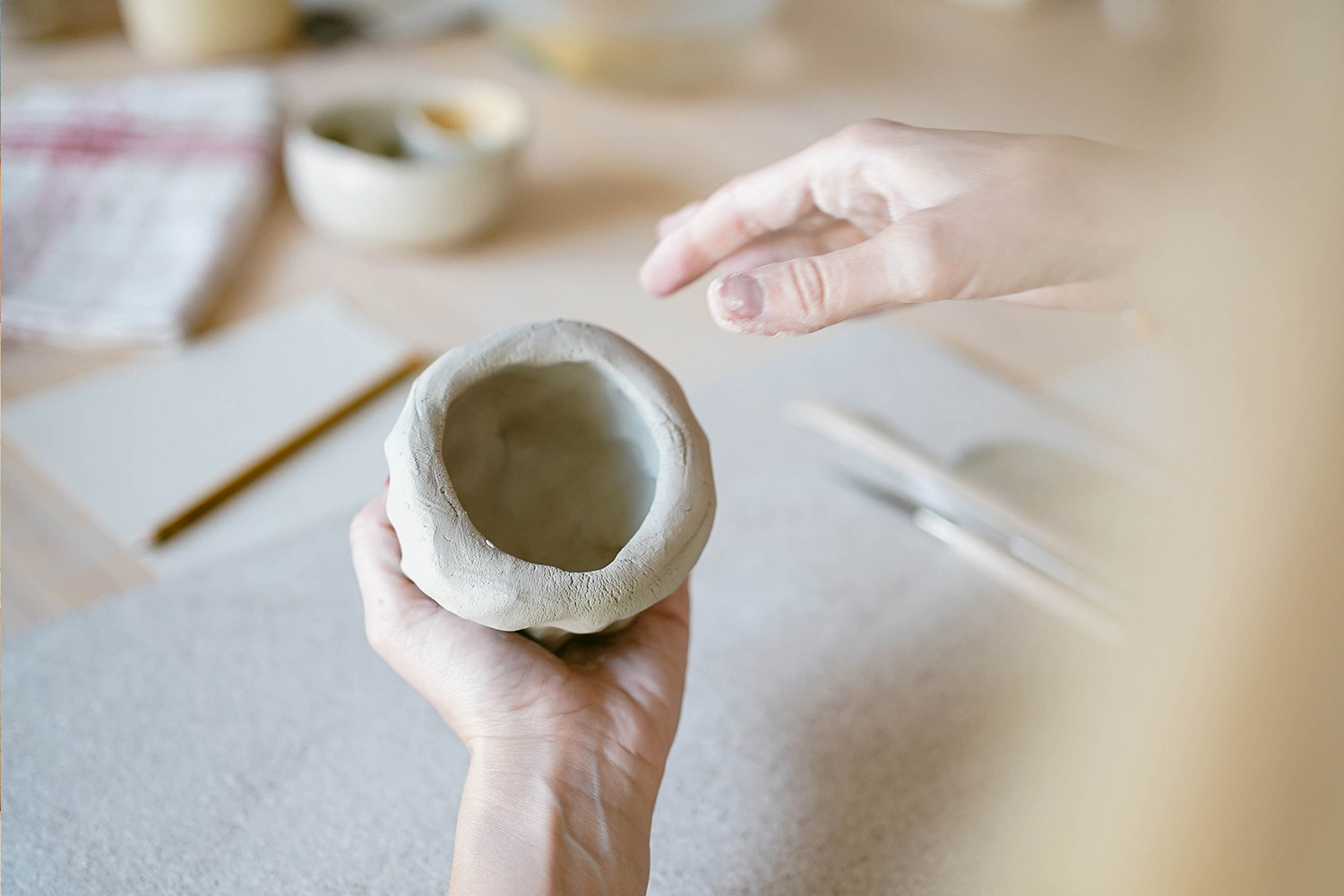
I work on both. Small scale is very beautiful as you can control everything between your hands. In contrast, the abstract potential of a larger scale means I use other parts of my brain, and completely challenge the material.
Fernando Casasempere
Ceramicist
London, United Kingdom
ADDRESS
Address upon request, London, United Kingdom
AVAILABILITY
By appointment only
LANGUAGES
English, Spanish
Homo Faber Finds is a new service aiming to inspire admirers of craft to connect and collaborate with exceptional artisans.
We invite you to submit an enquiry here.
Founders_Storm_V1.jpg)
Materials_Landscape_V1.jpg)
6Metalworker_V1.jpg)