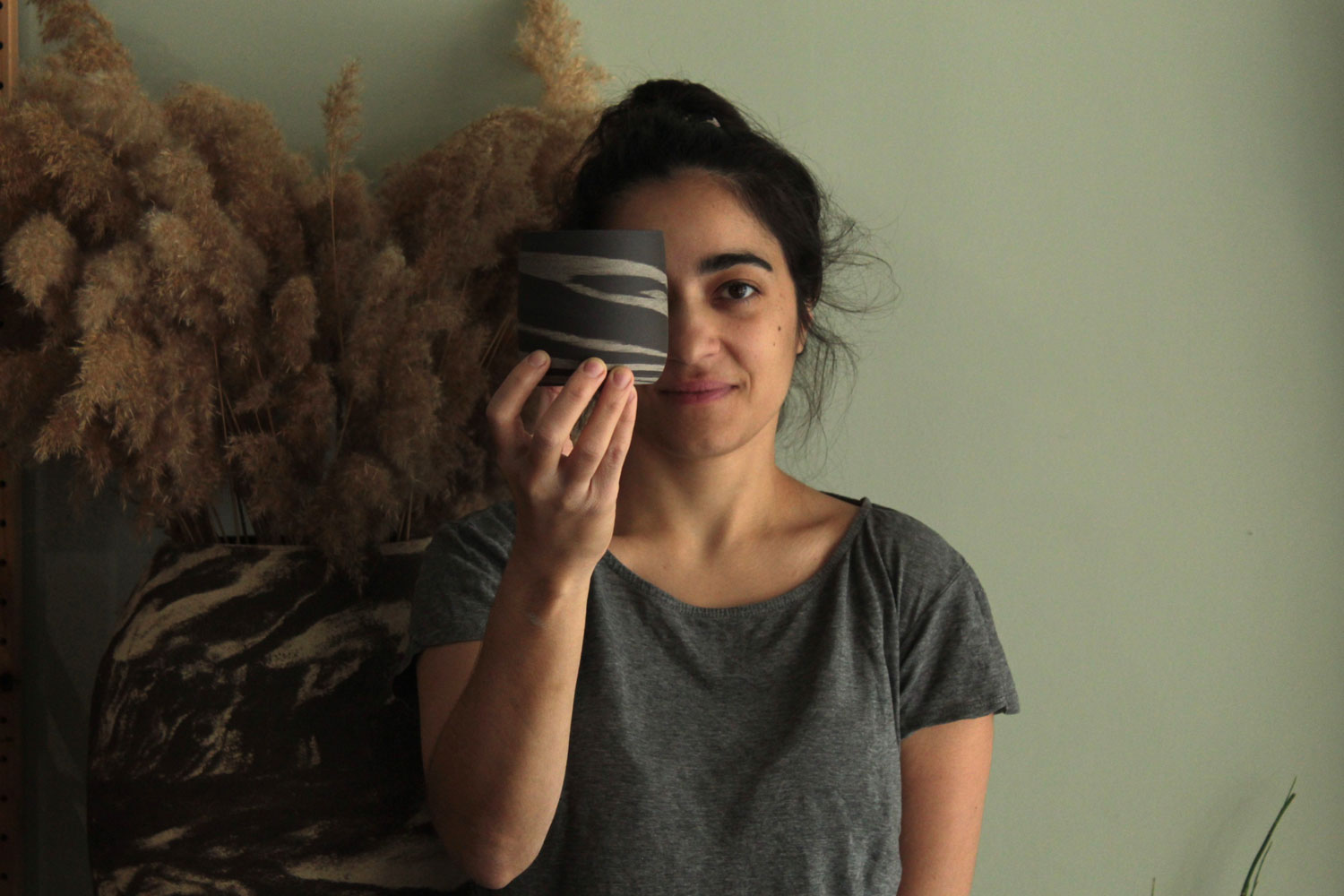
Katie Spragg
Ceramicist
Brighton, United Kingdom
Sharing a passion
- Katie loves teaching ceramics
- She enjoys working with and engaging with others
- She is inspired by our interconnection with nature
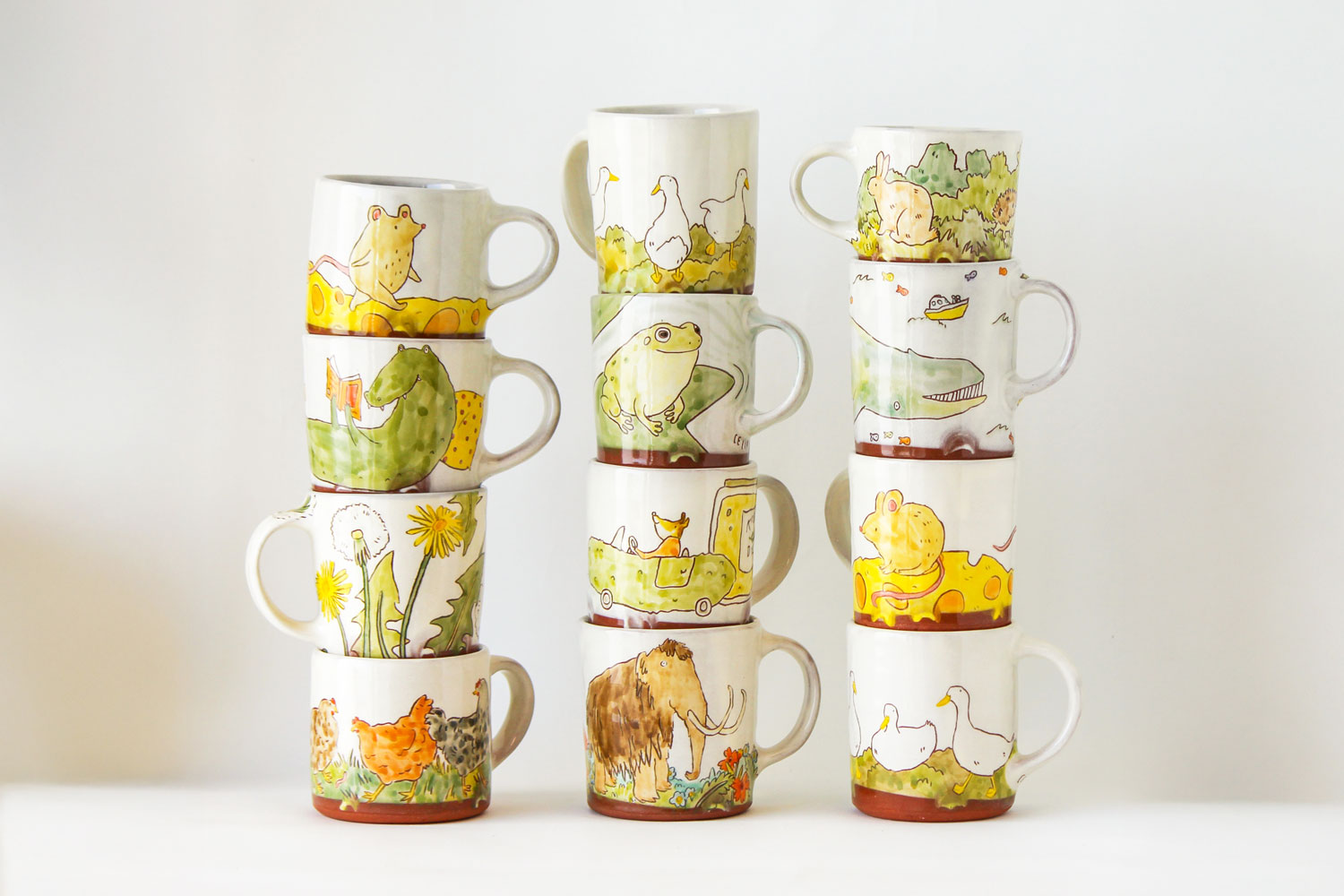
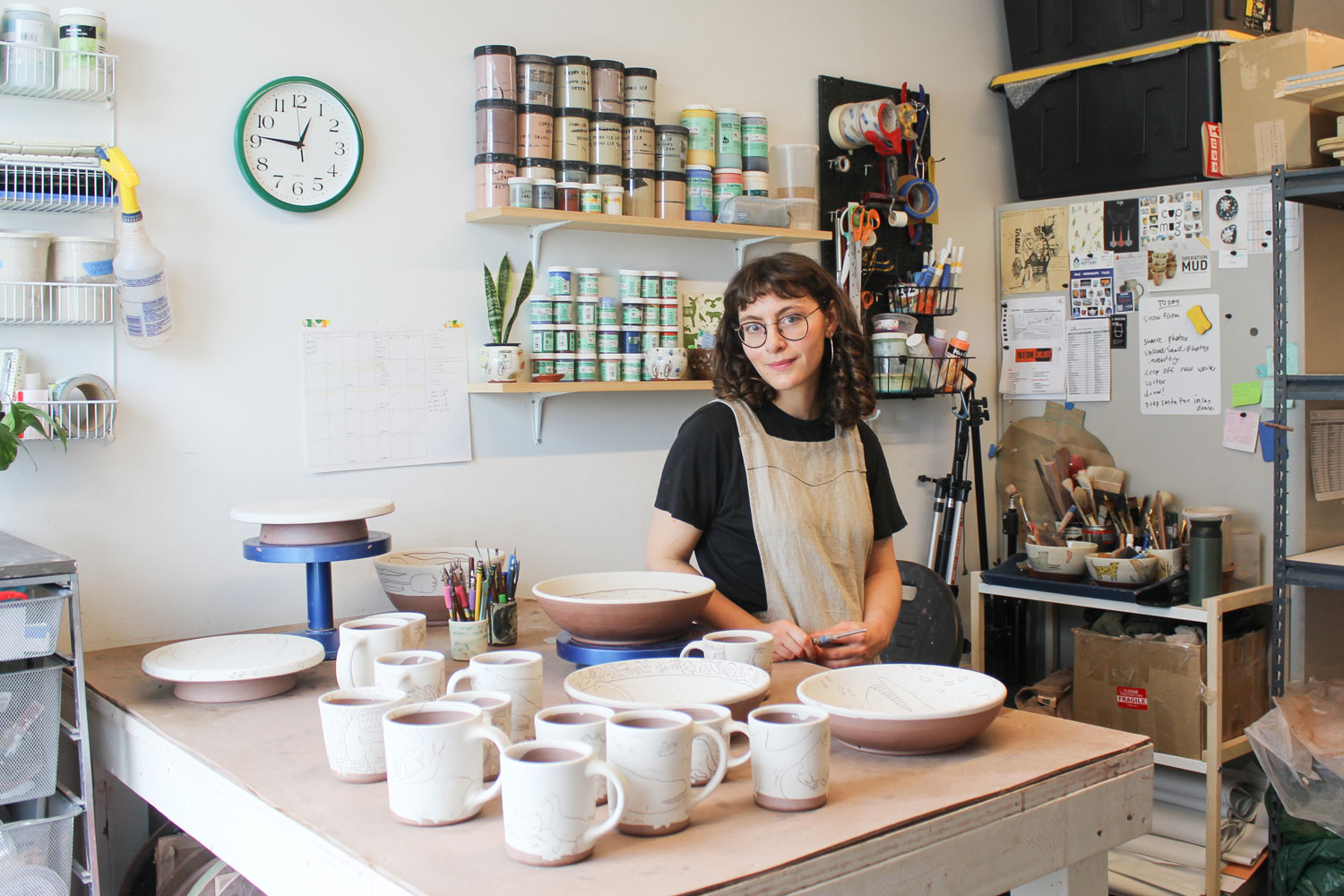
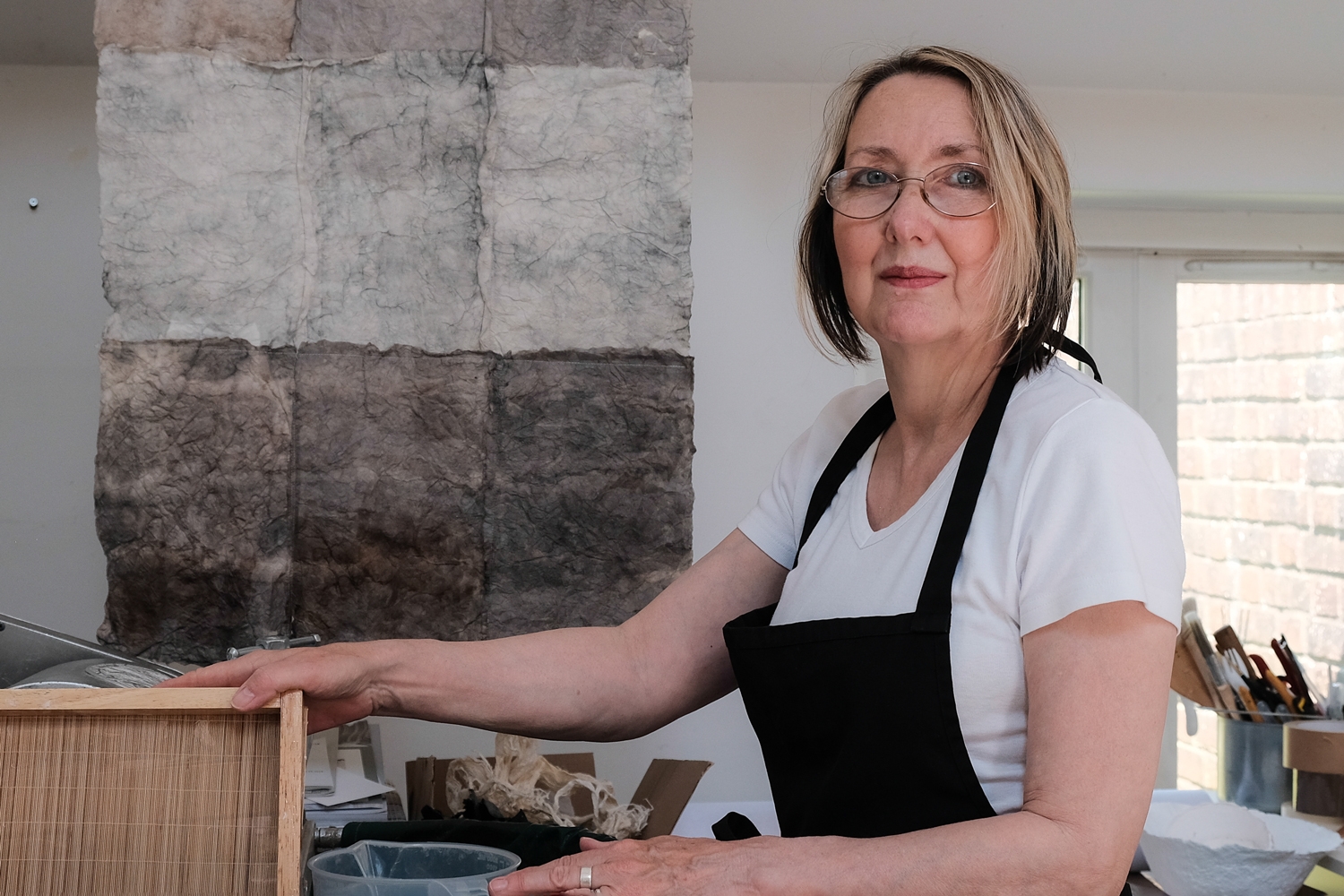
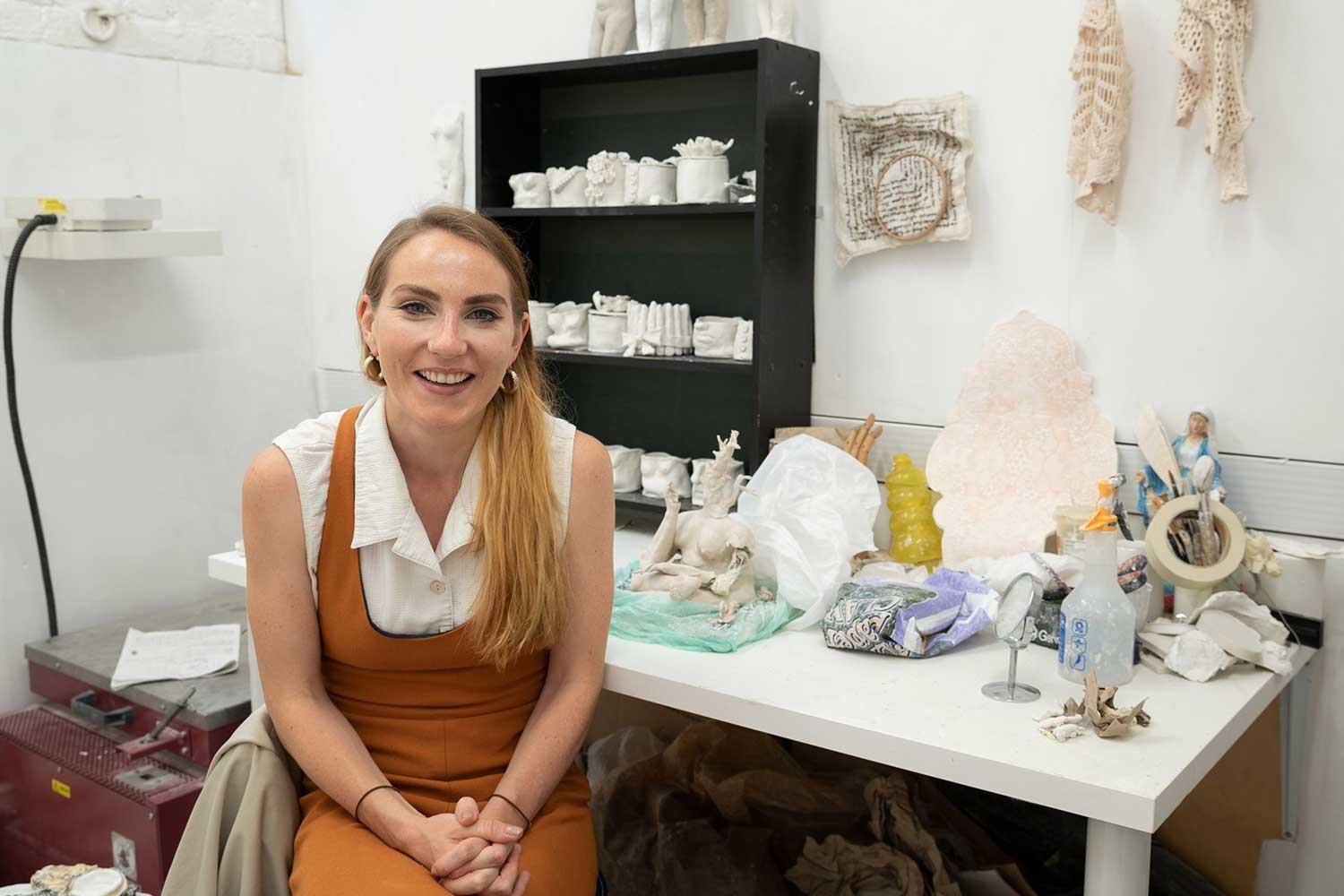
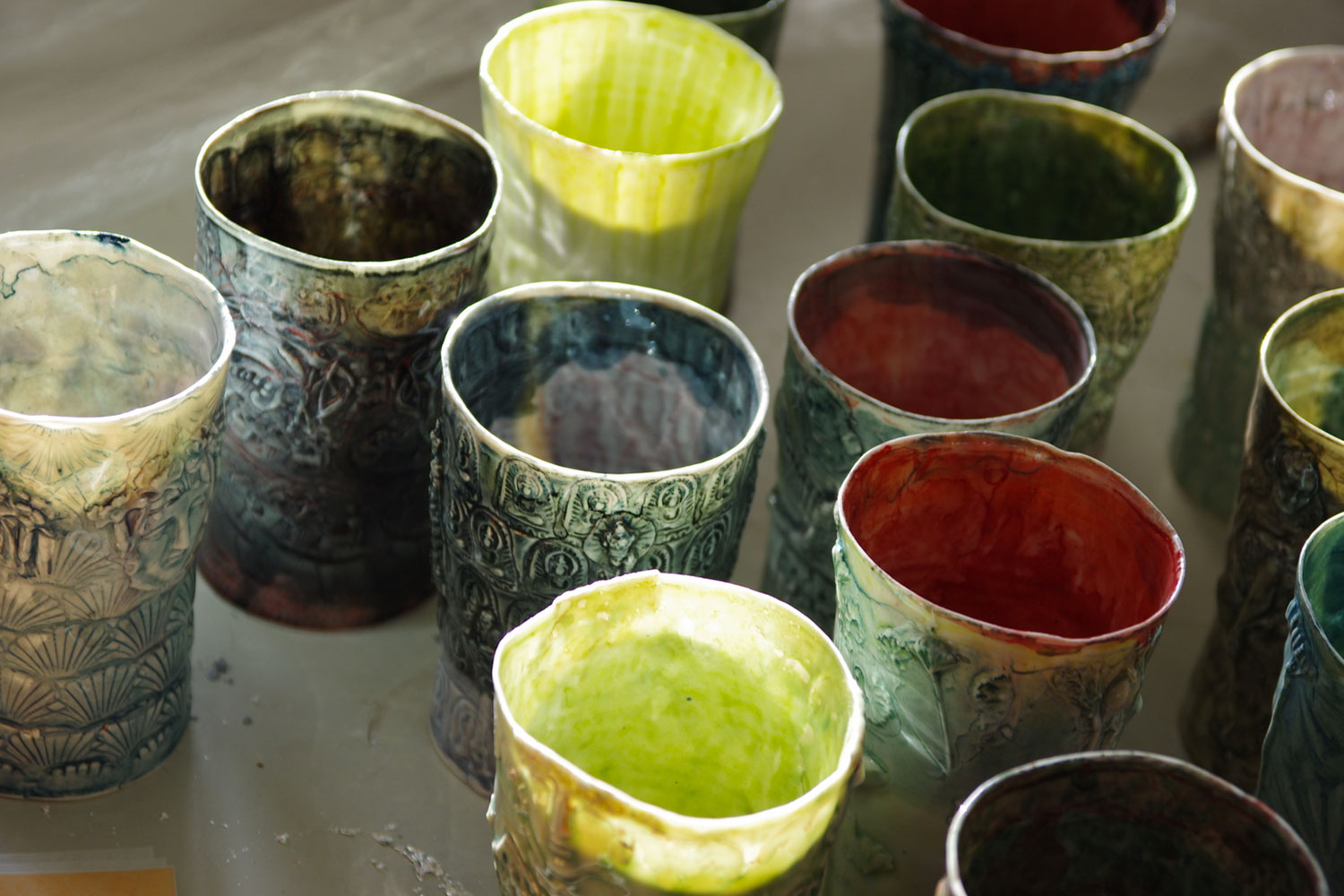
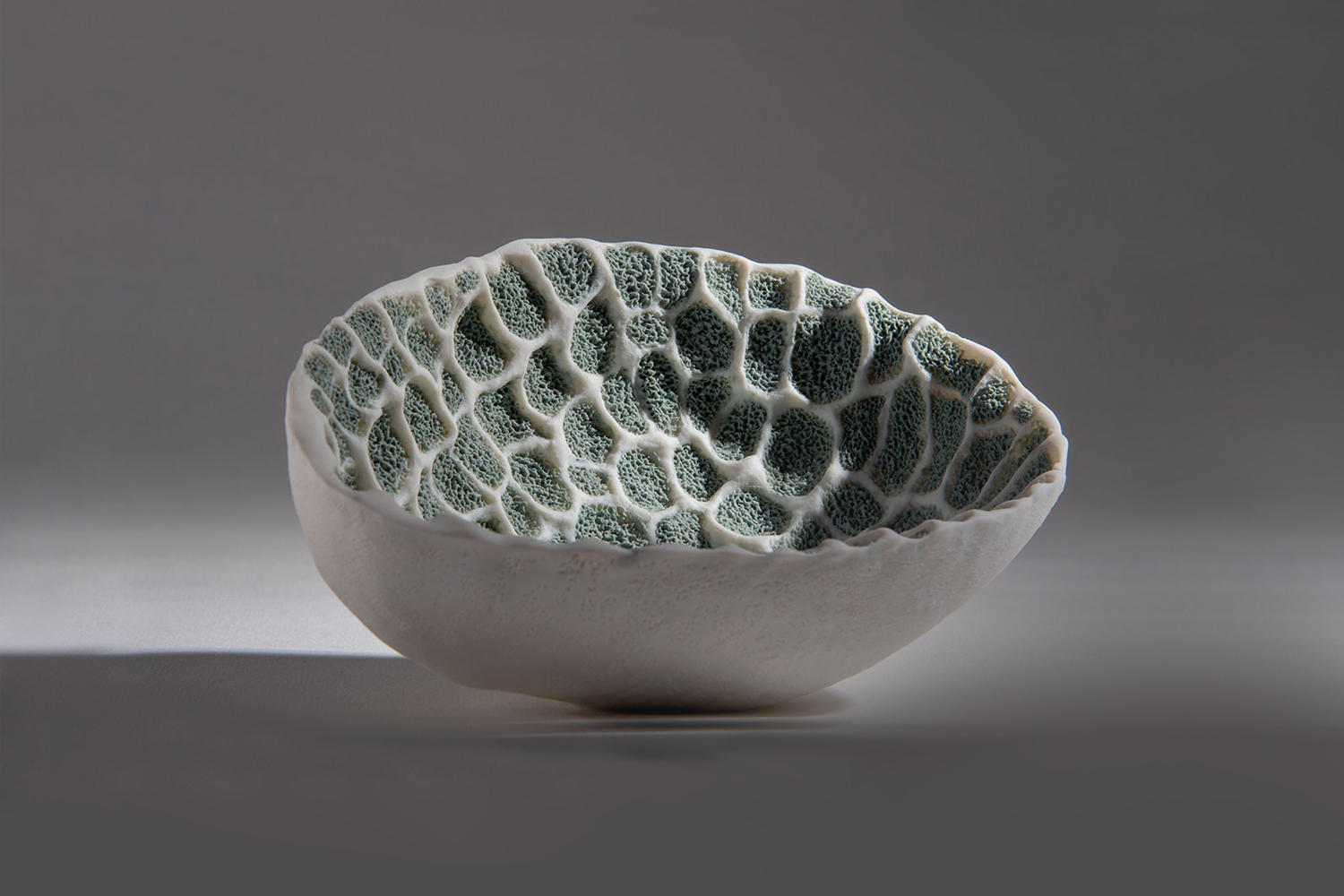
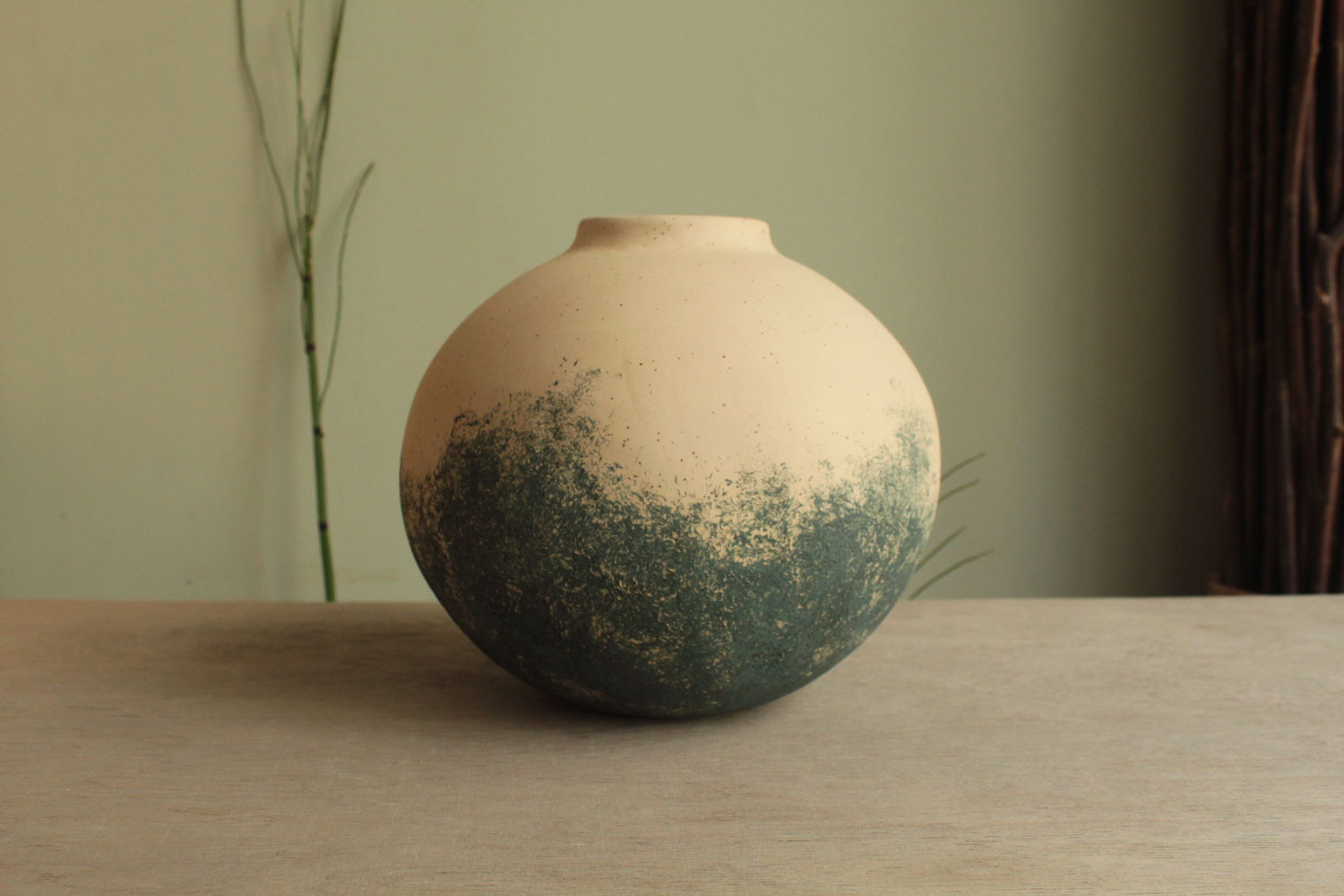
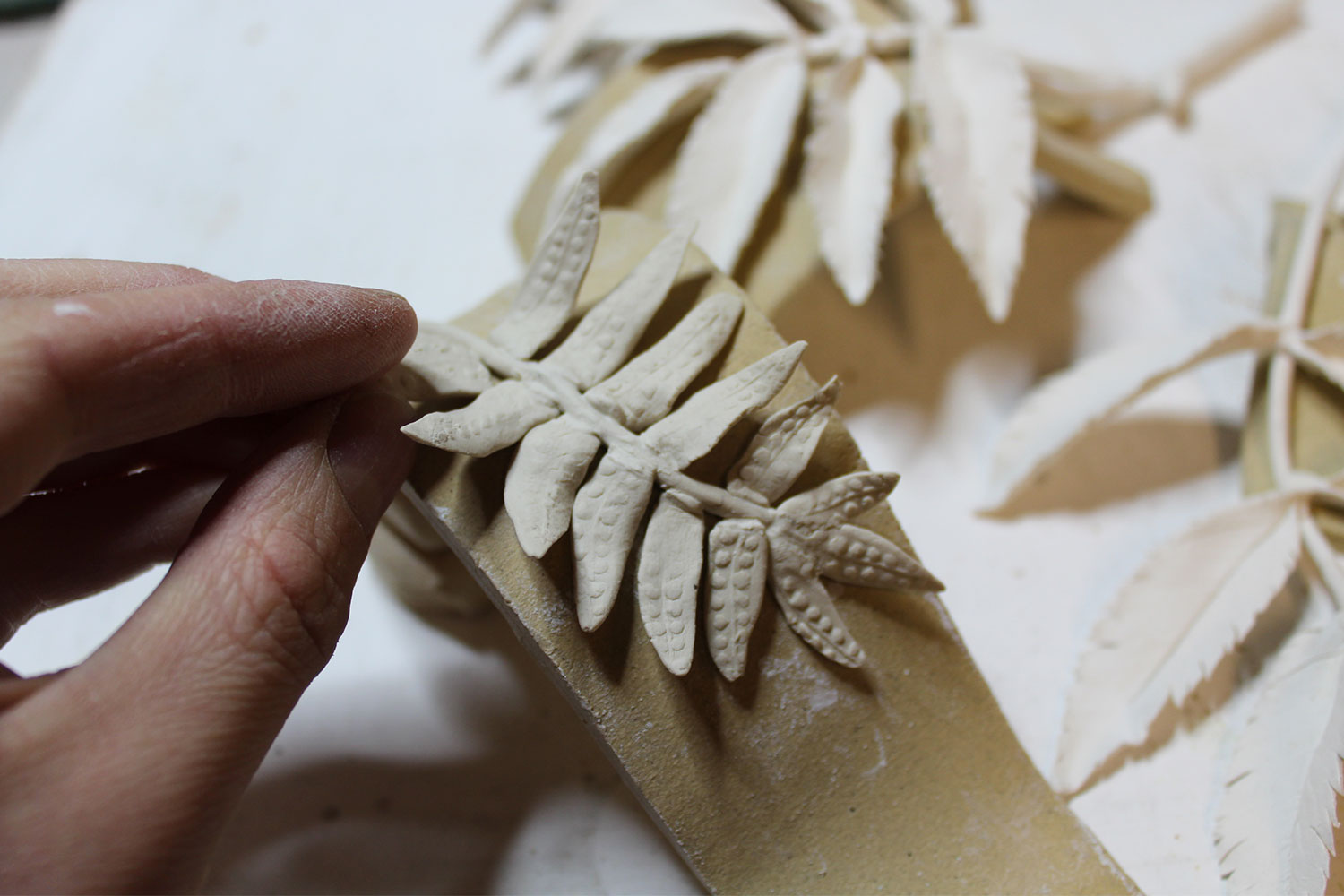
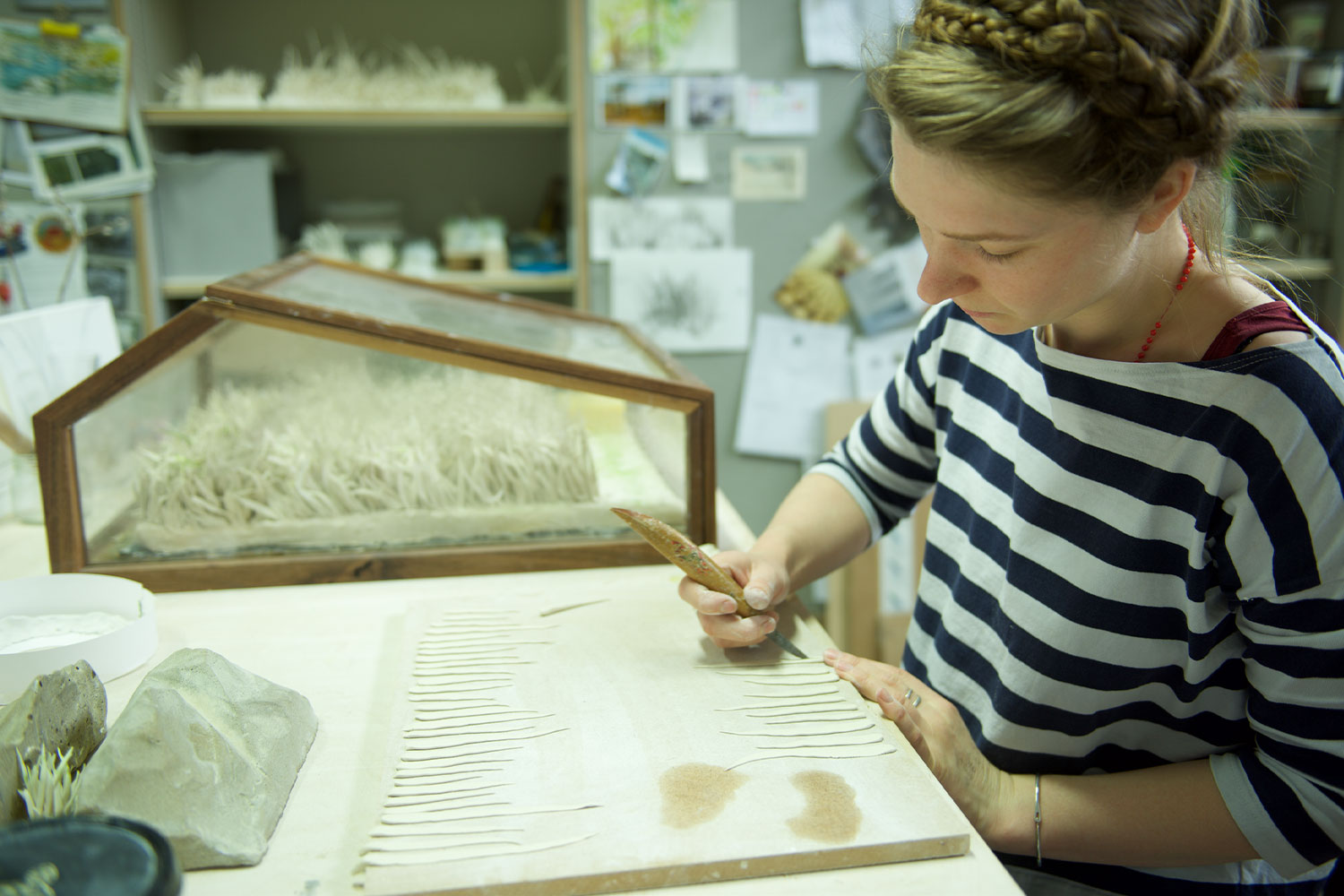
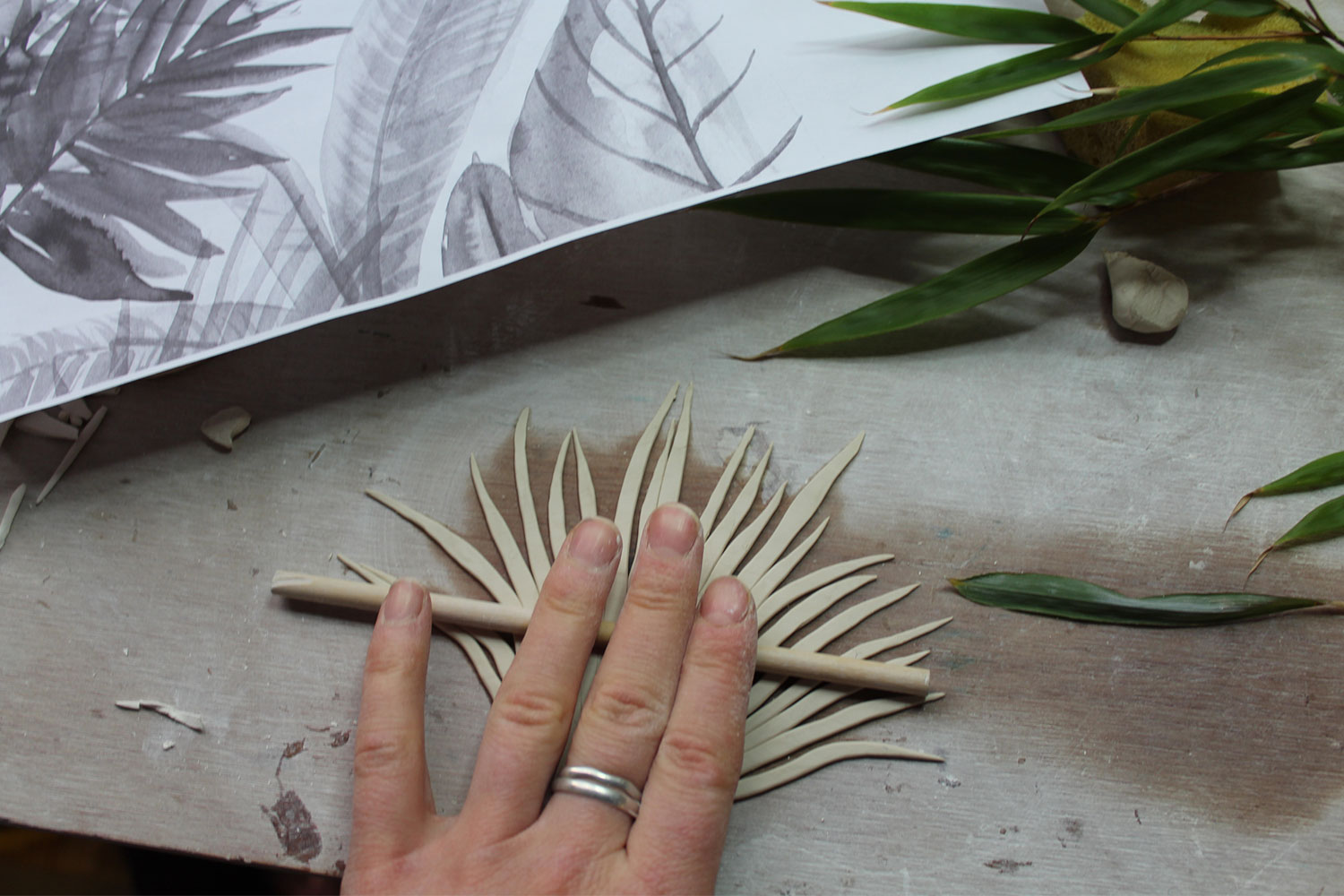
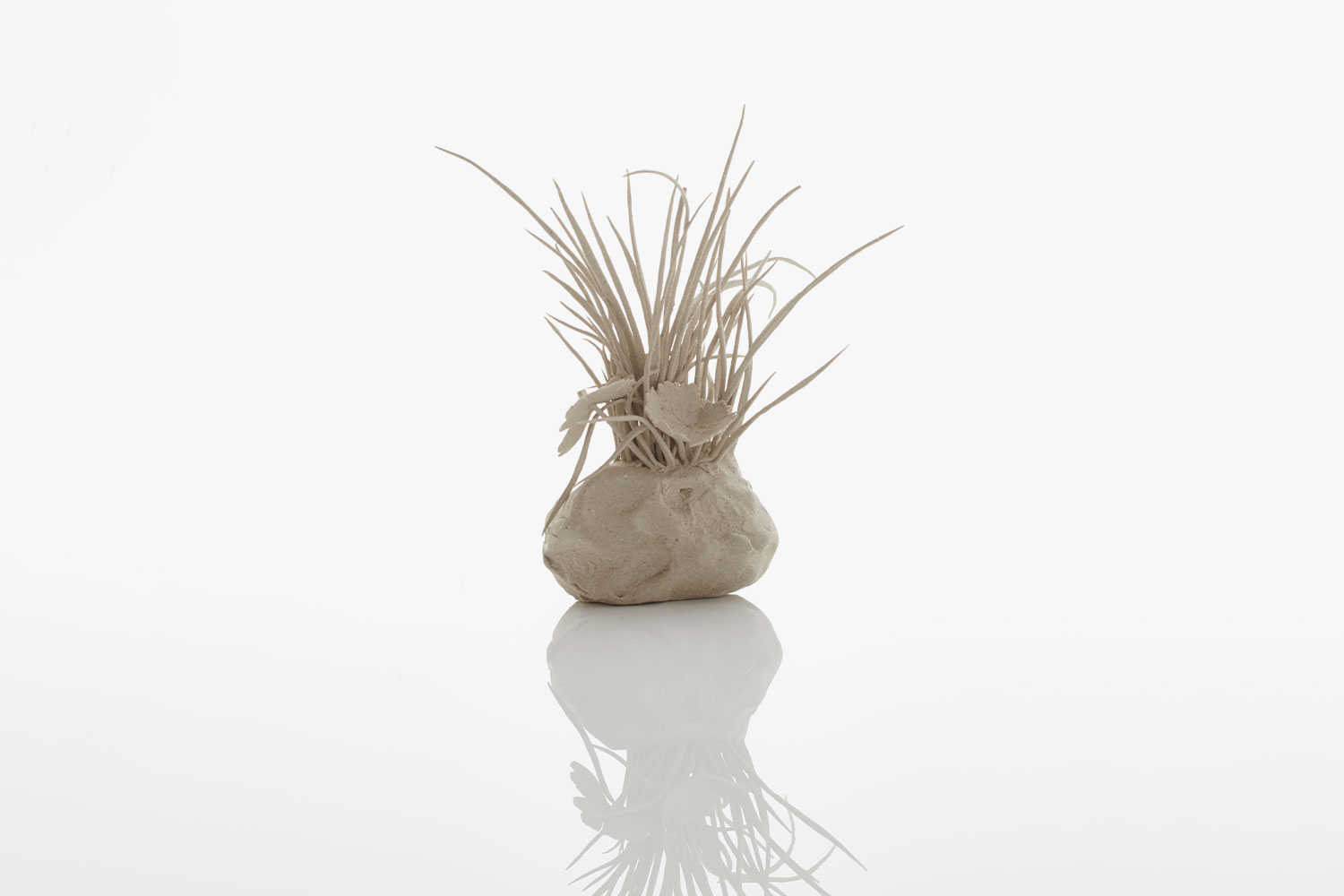
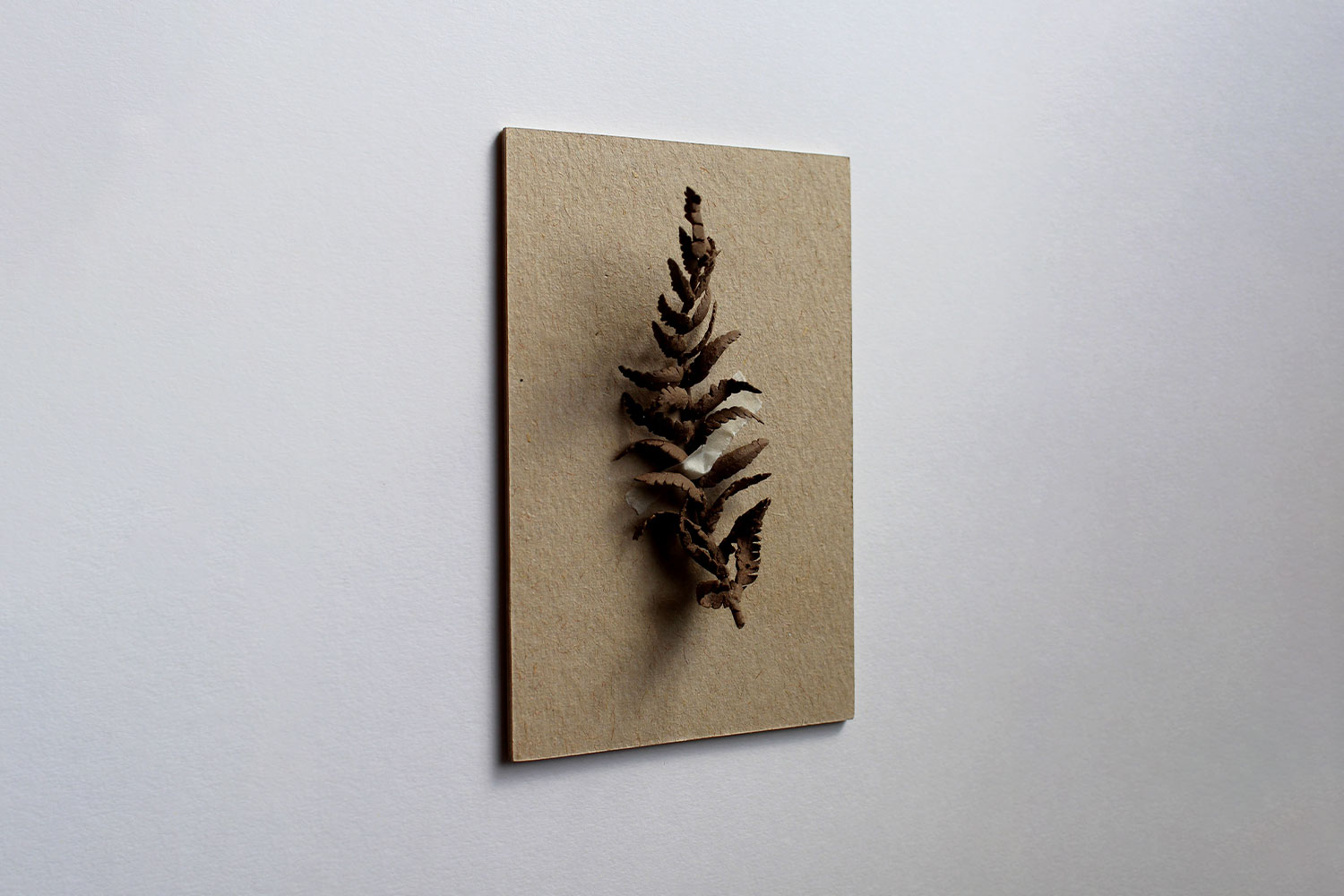
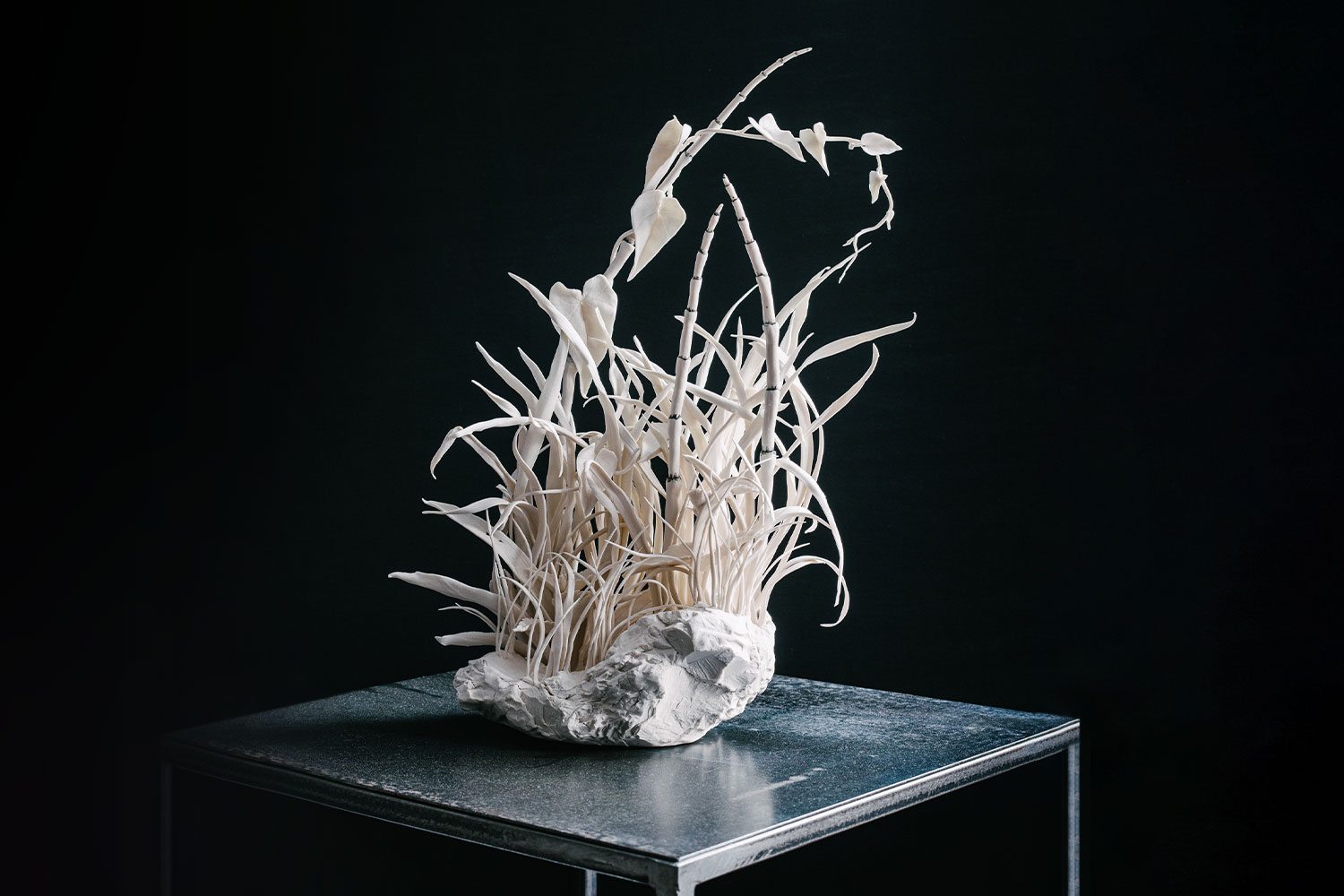
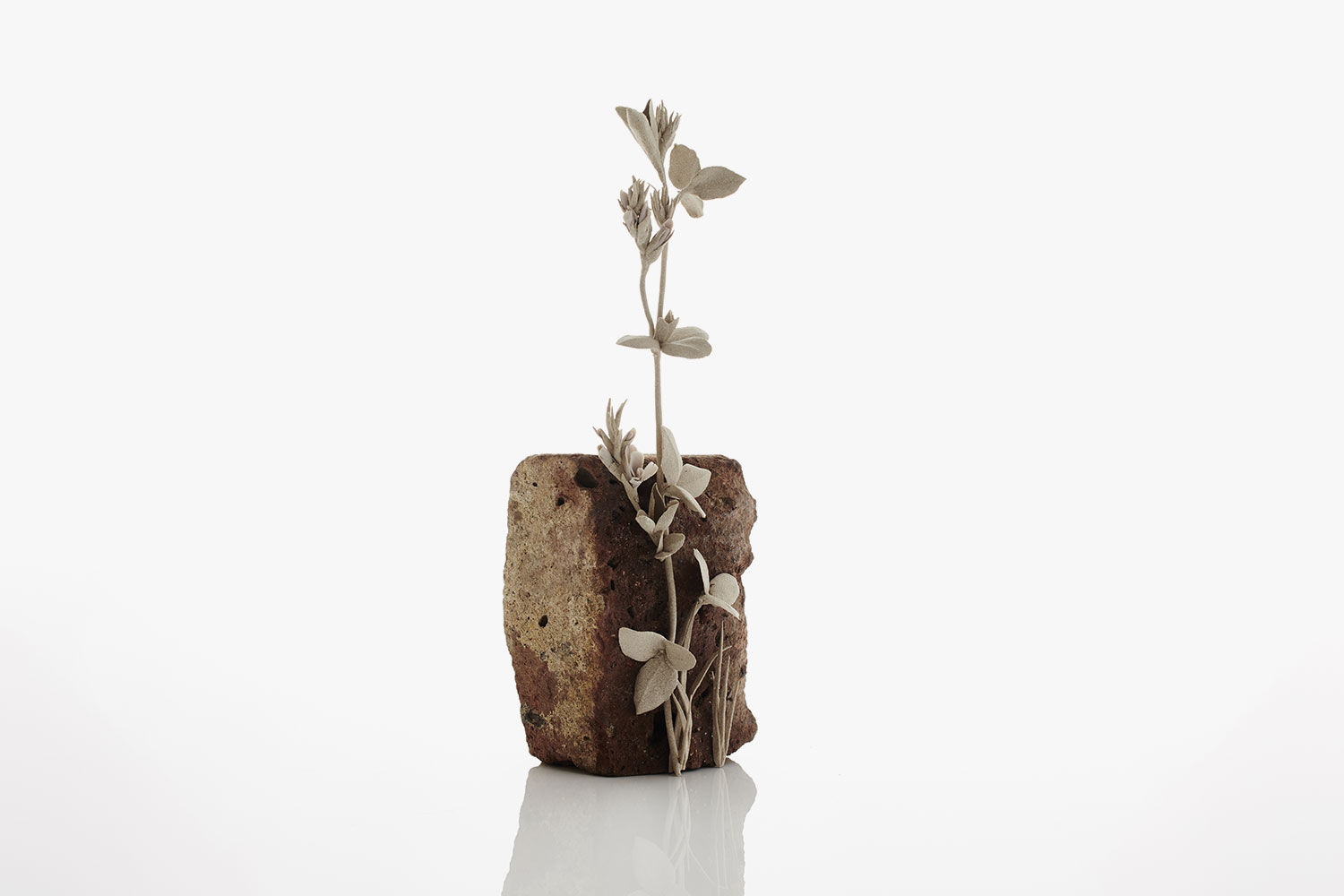
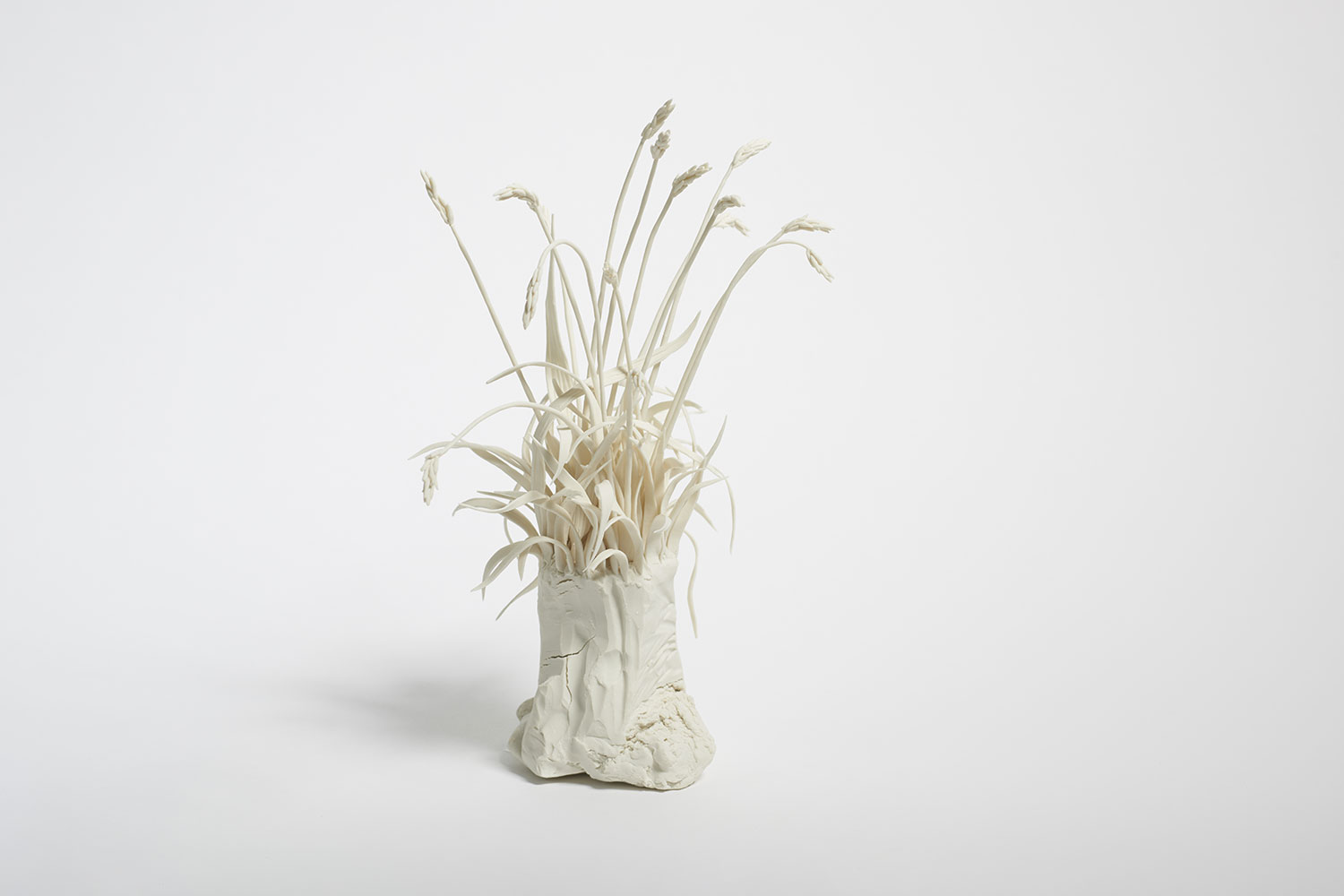
Working predominantly in ceramics, Katie Spragg creates artworks that peer into our interconnected relationship with nature, questioning the evolving patterns in which humans and plants co-exist. She is interested in the tension and space between managed and cultivated landscapes and the tenacious resourcefulness of nature, pulling focus to the margins and intersections. Her work encourages deeper investigation into how plants behave and how their behaviour can help us reconsider our own approach to communities and landscape. Katie often creates work in response to the participation of other people, this has included Lambeth Young Carers and Clay for Dementia groups at the Garden Museum for Arts Council, a project funded by Lambeth Wilds, and working with young refugees in Norwich on a collaborative project and exhibition with Caroline Fisher and Norwich International Youth Group.
Discover her work
INTERVIEW
Share your passion, persevere, and reach out for help and support wherever you can.
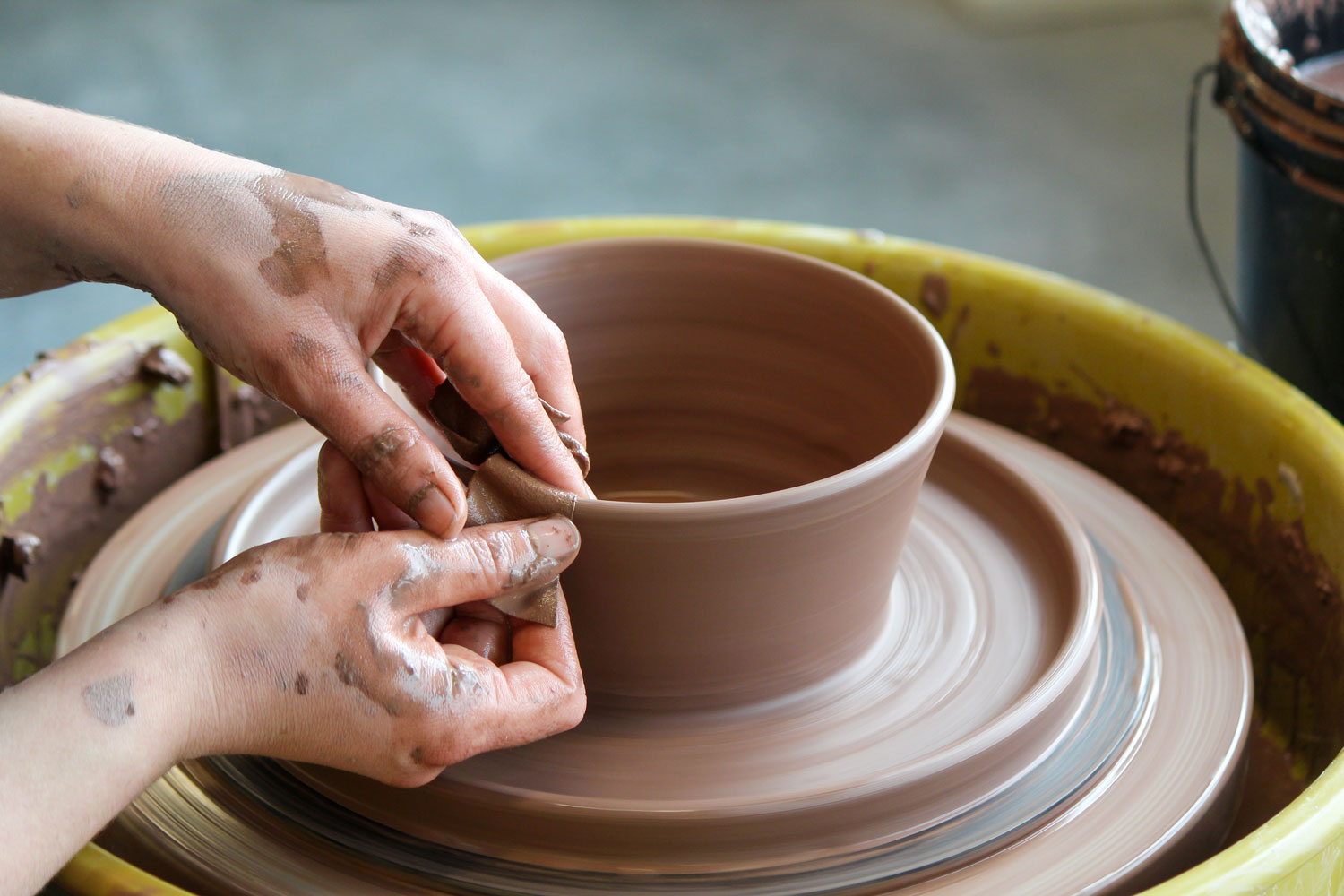
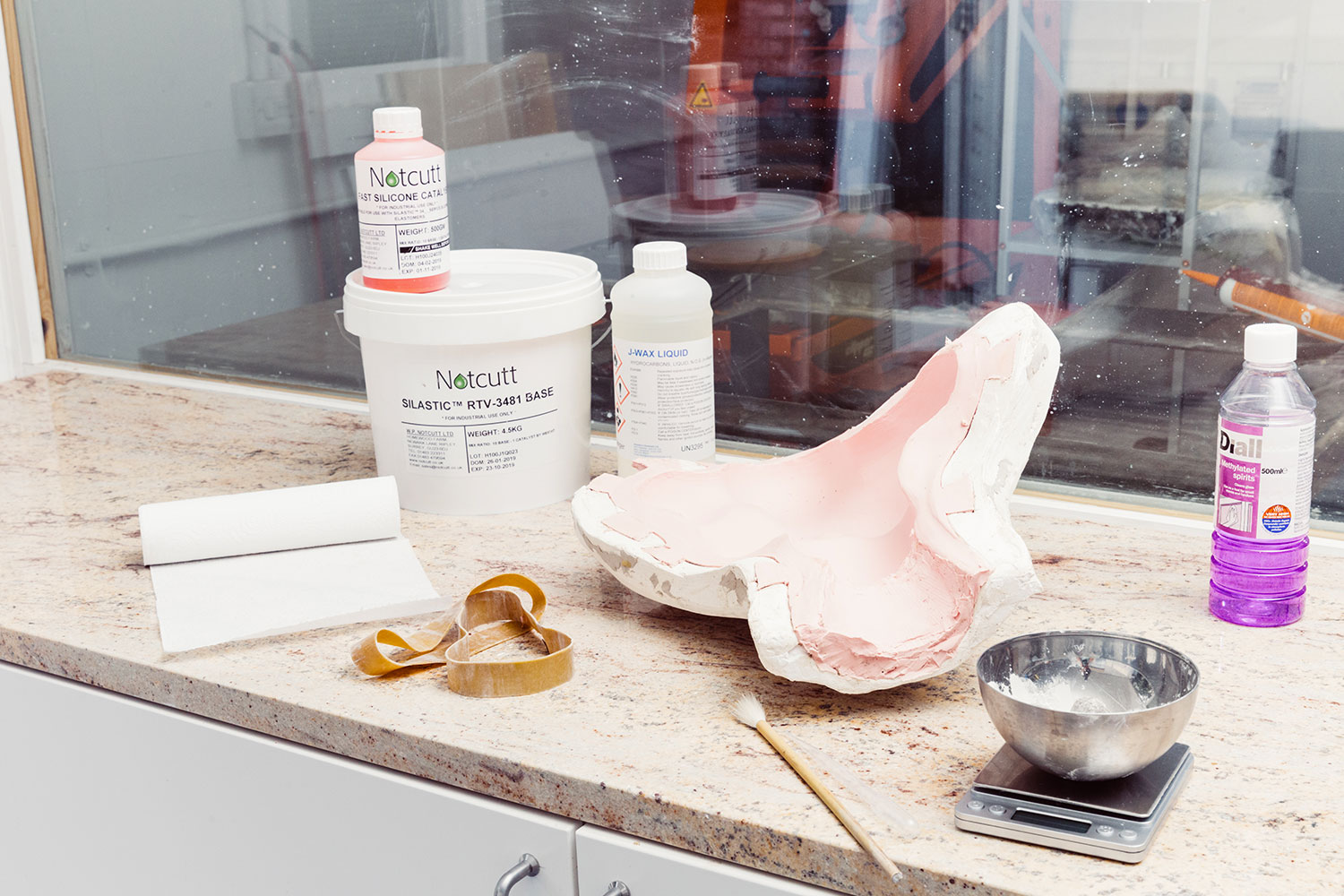
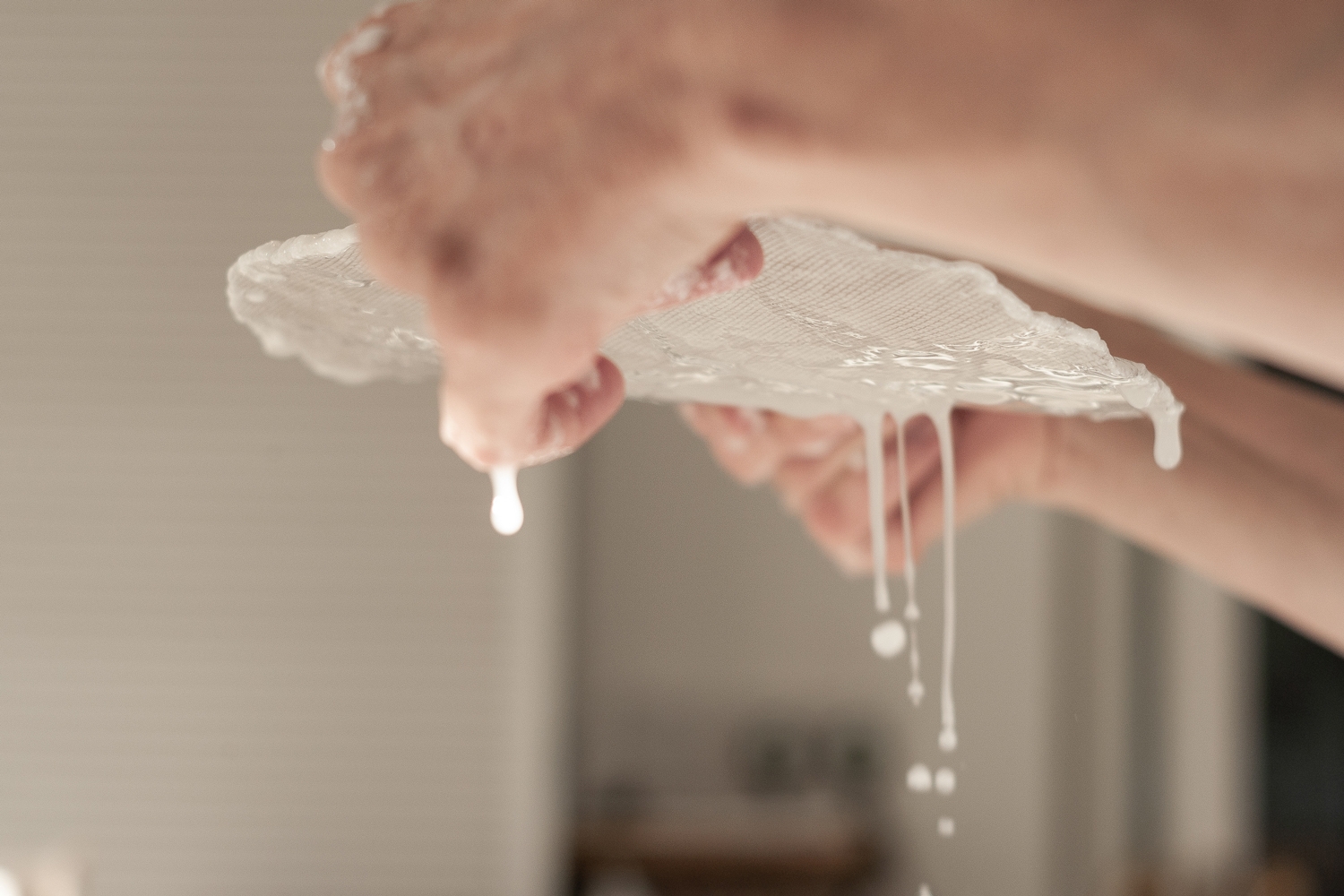
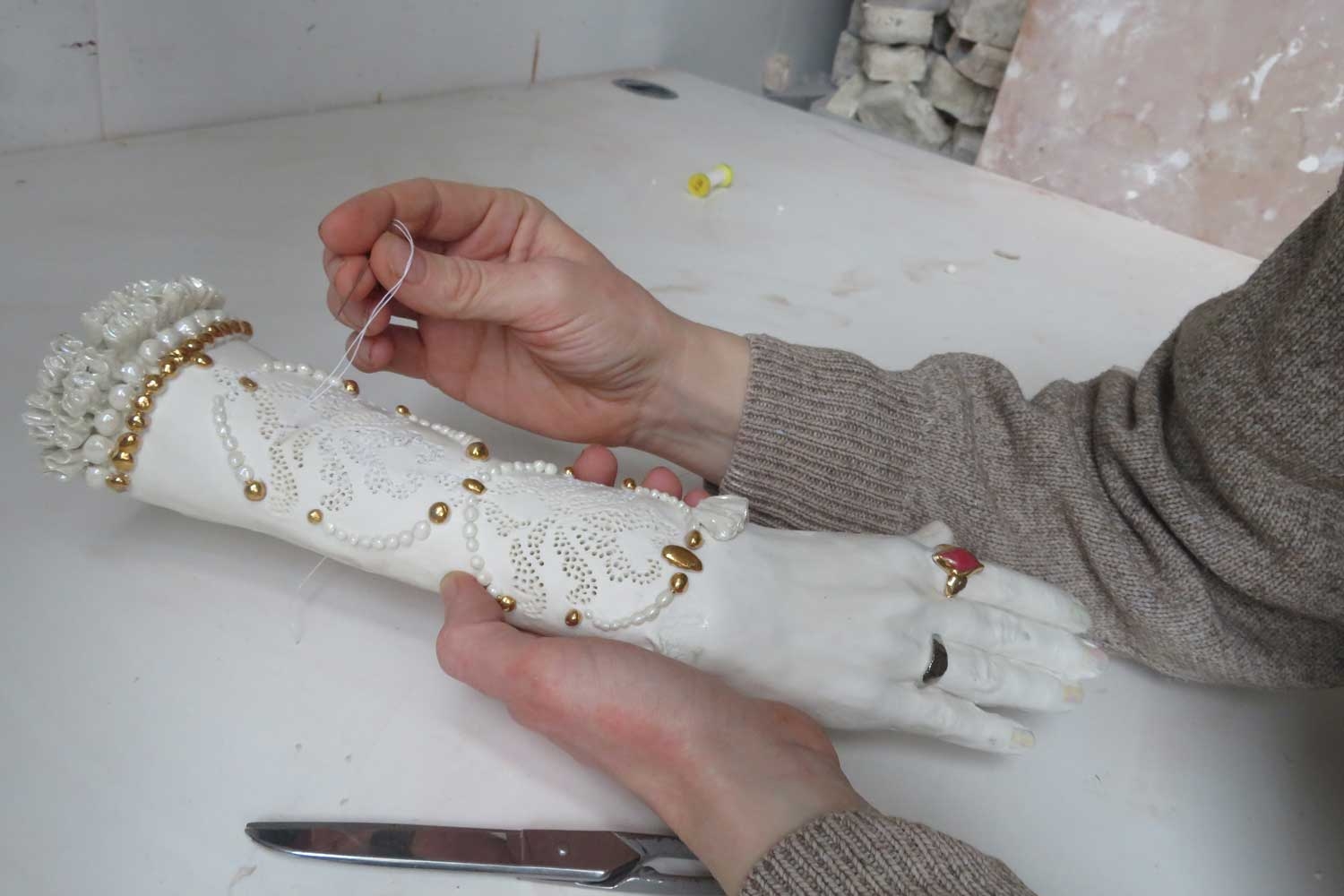
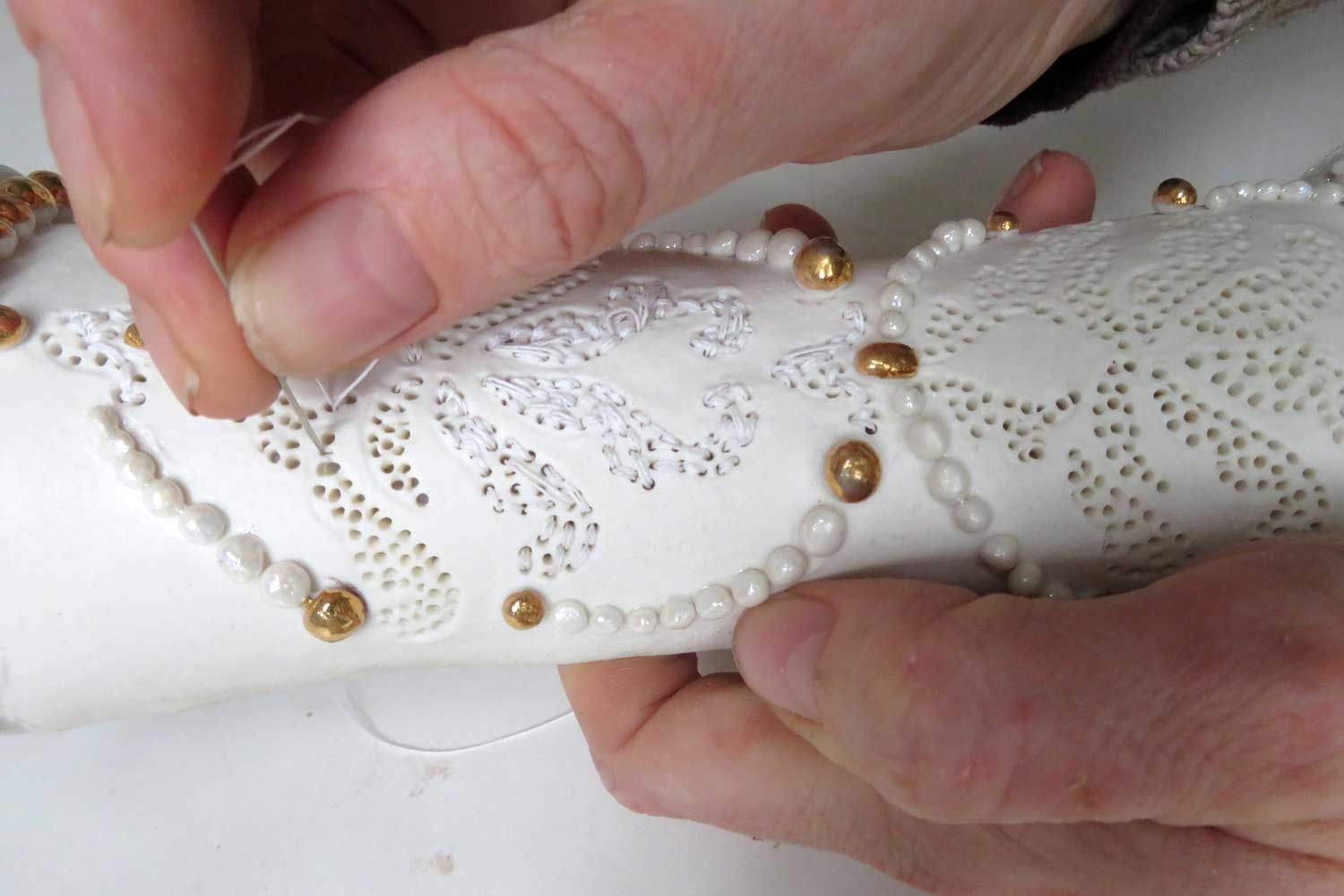
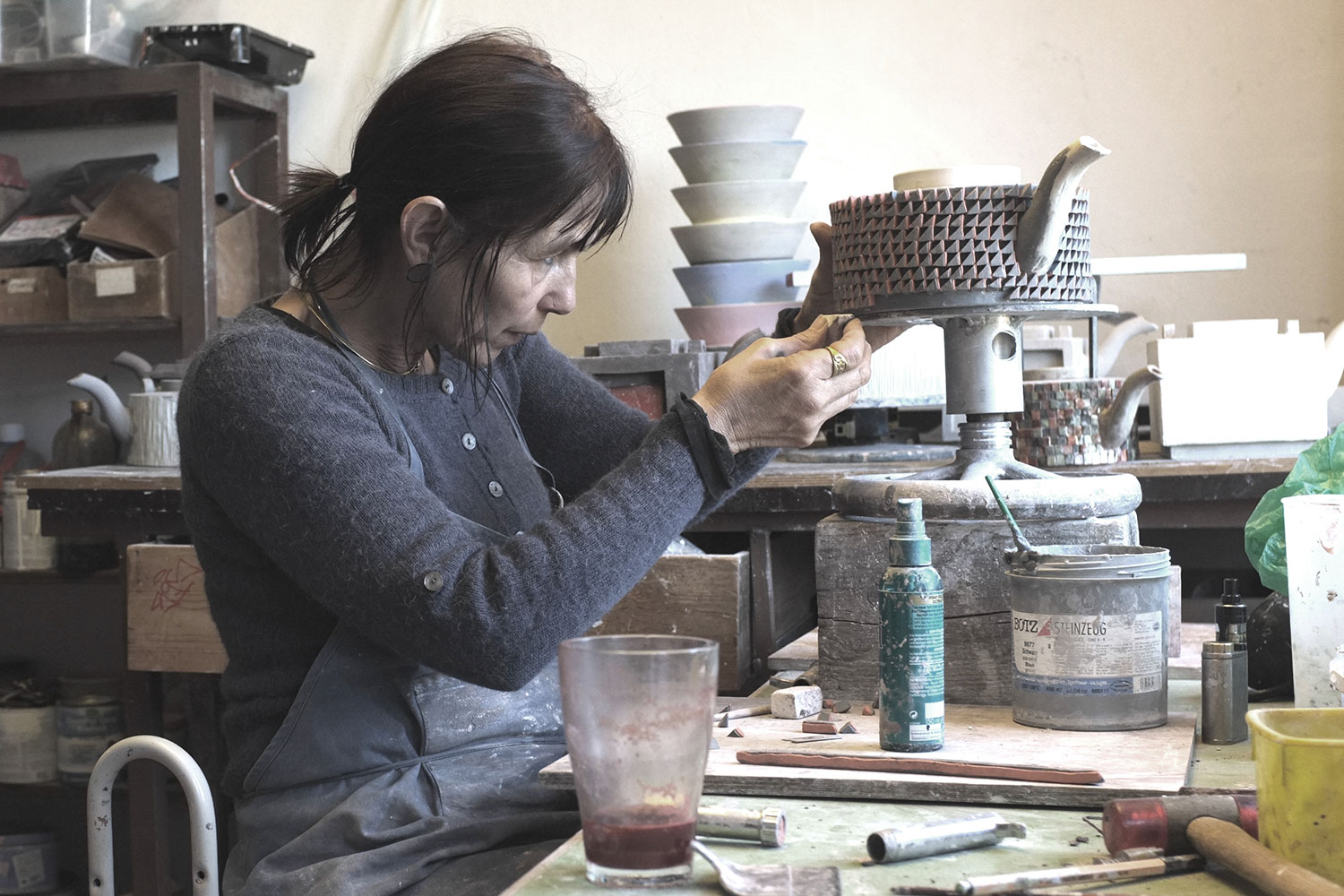
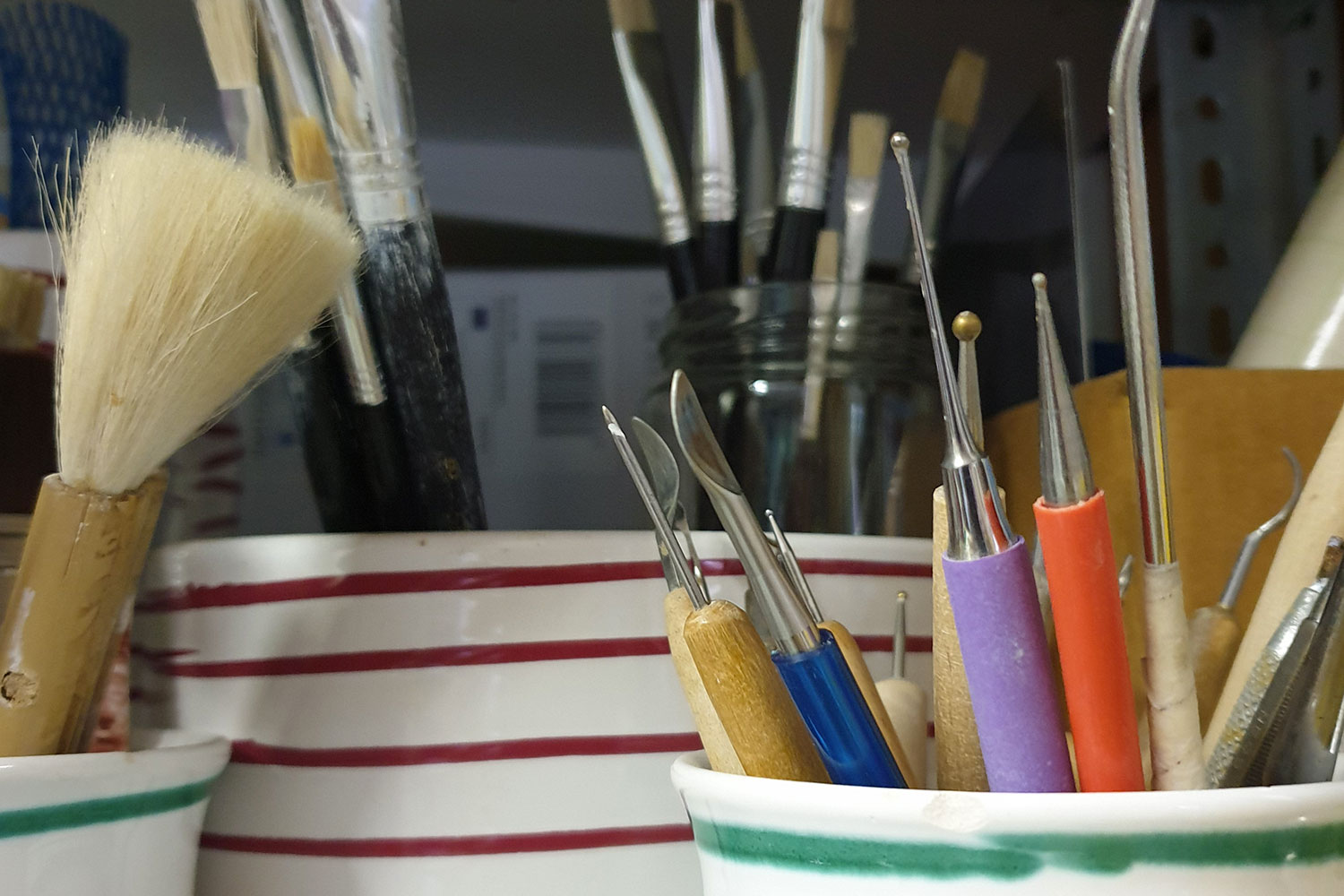
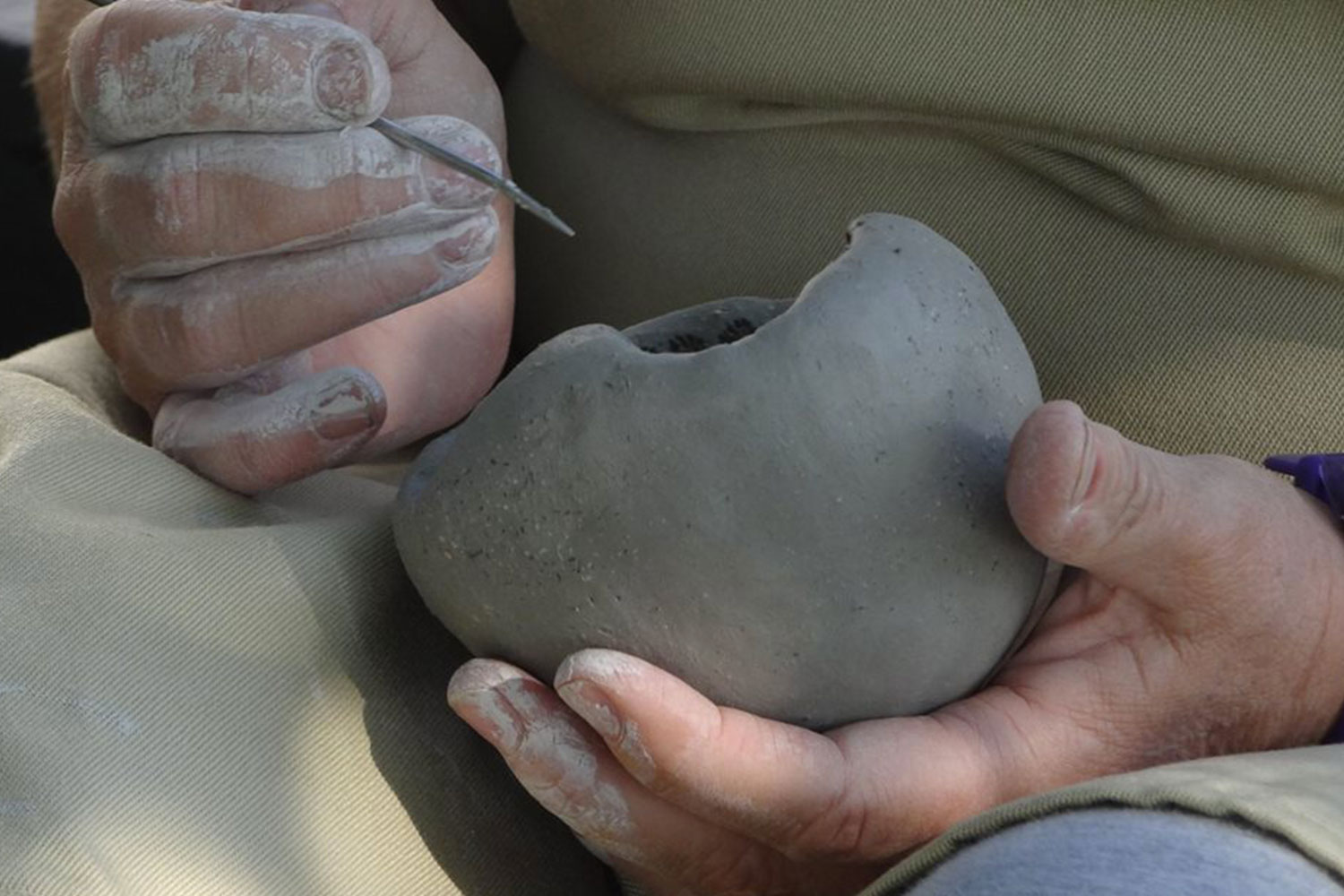
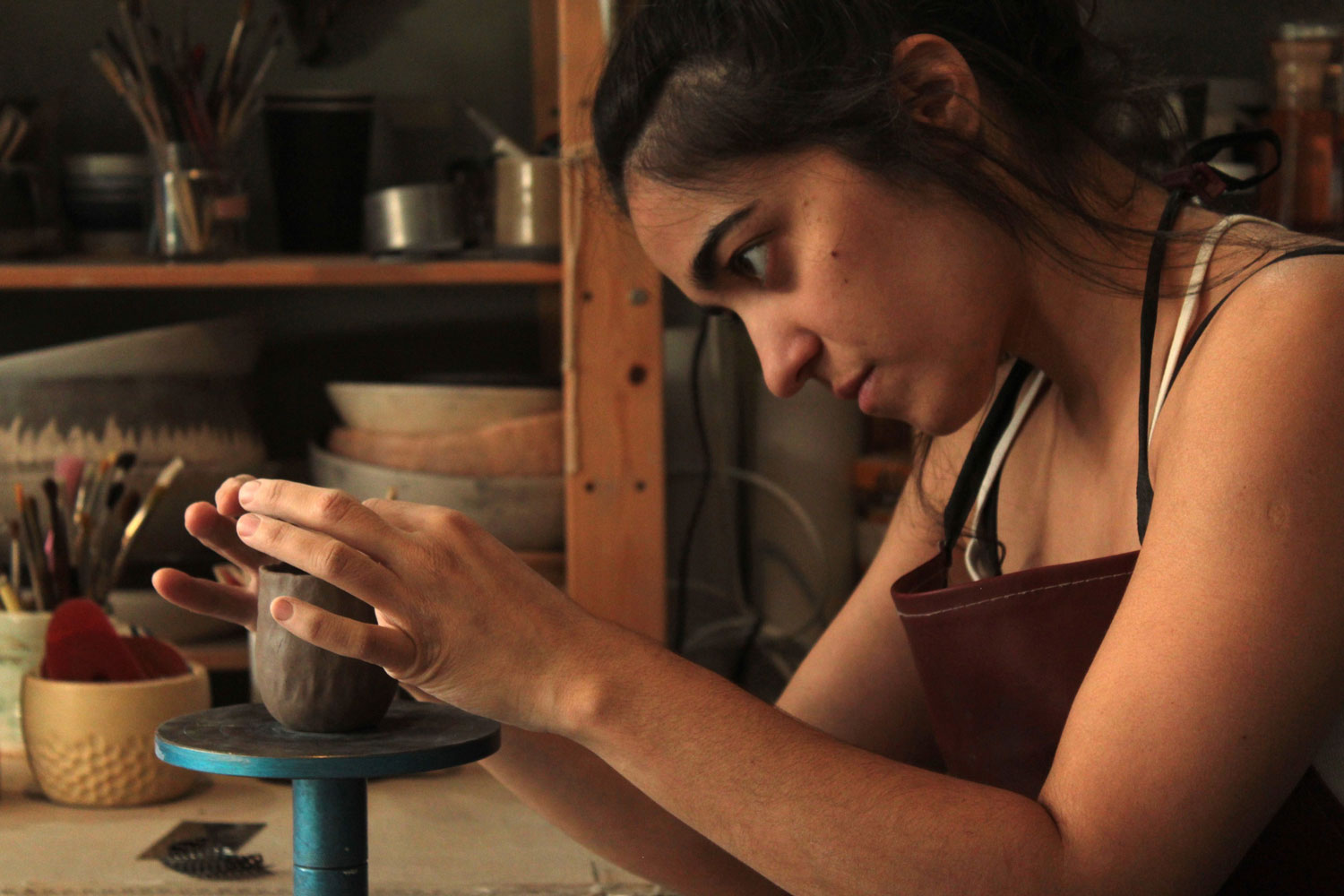
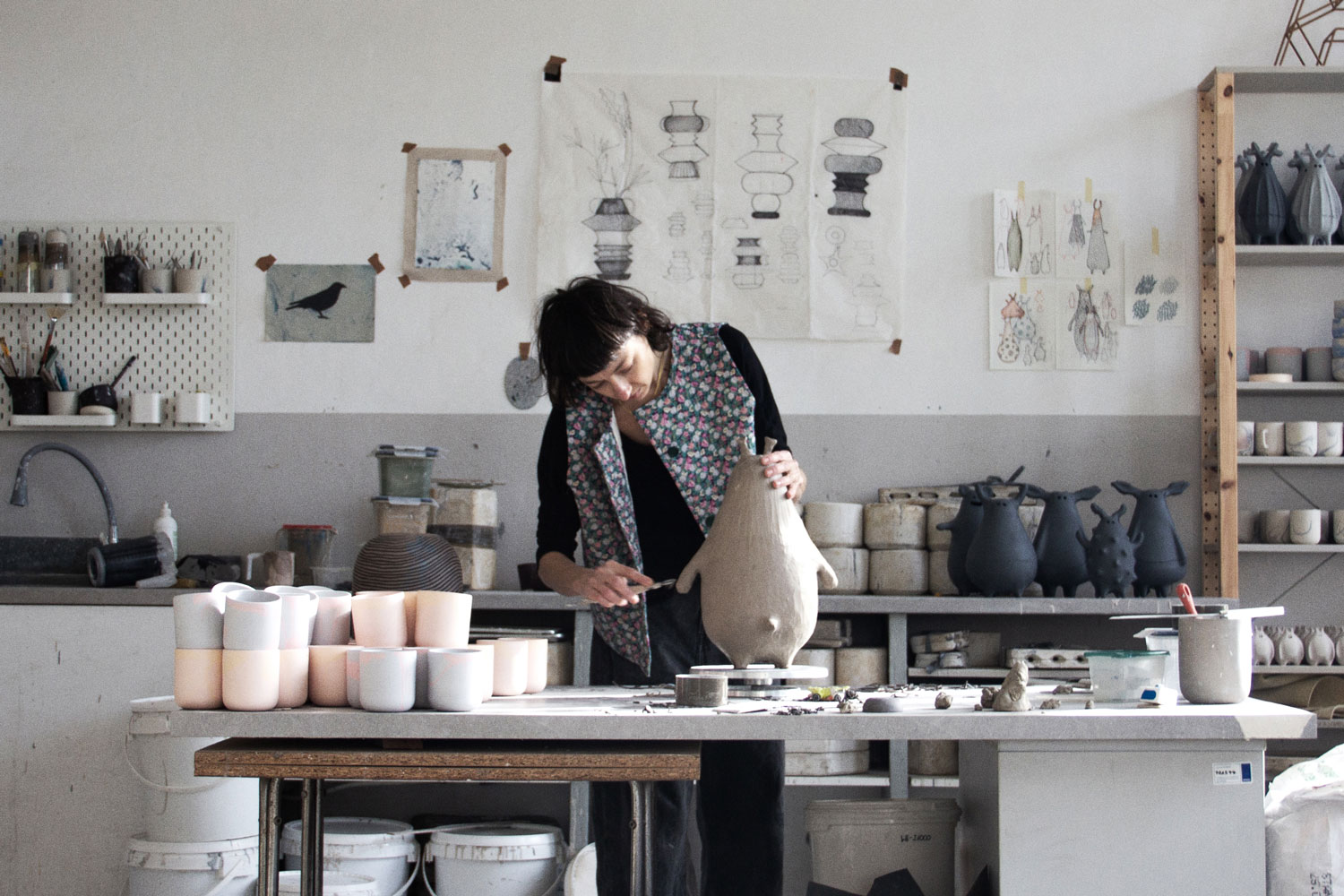
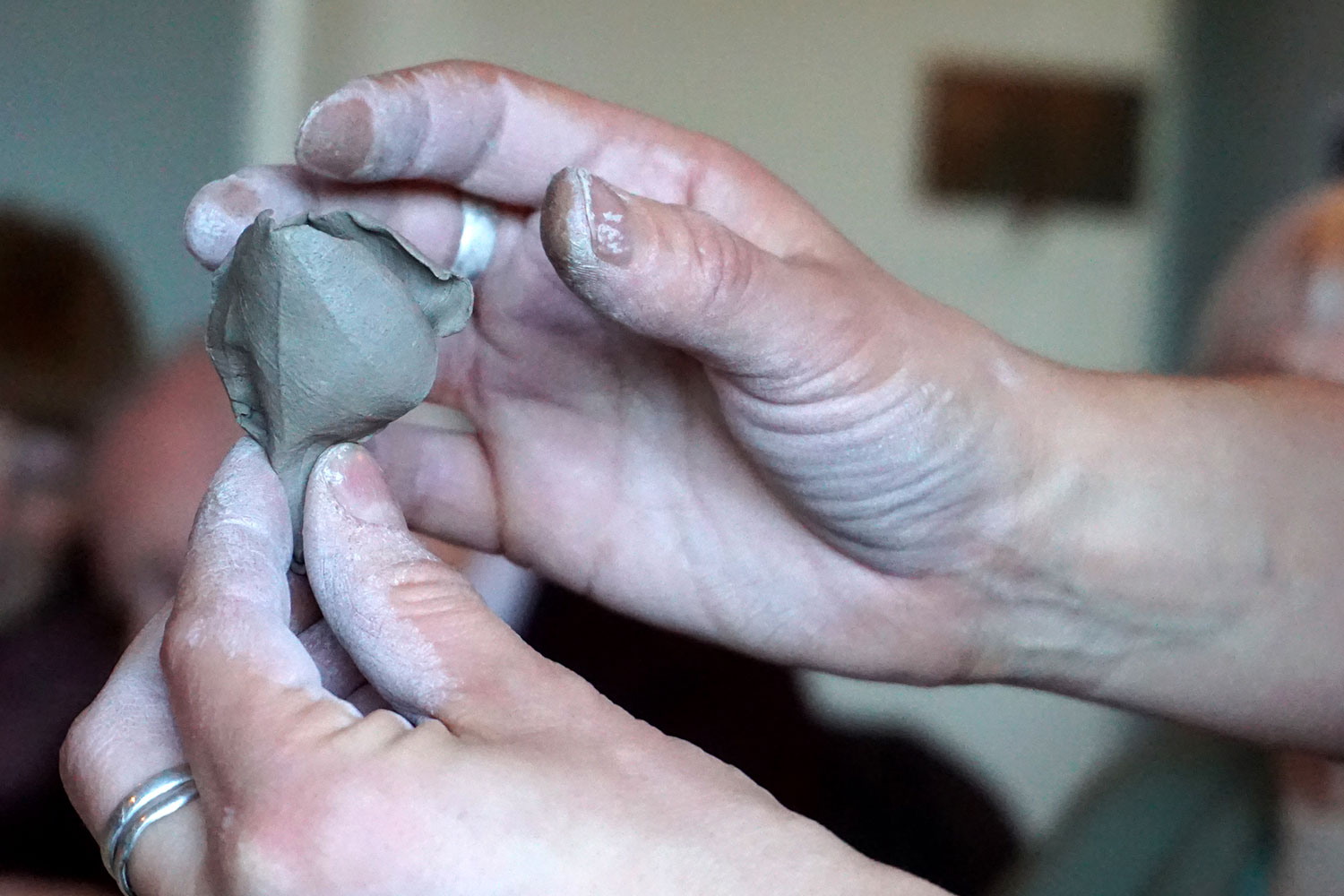
There is such a variety of processes and techniques available when using clay, there is always something new to explore, test, and master. By its nature clay is transformative – by just touching the clay you are changing it and creating something, this is one of the reasons I love teaching ceramics.
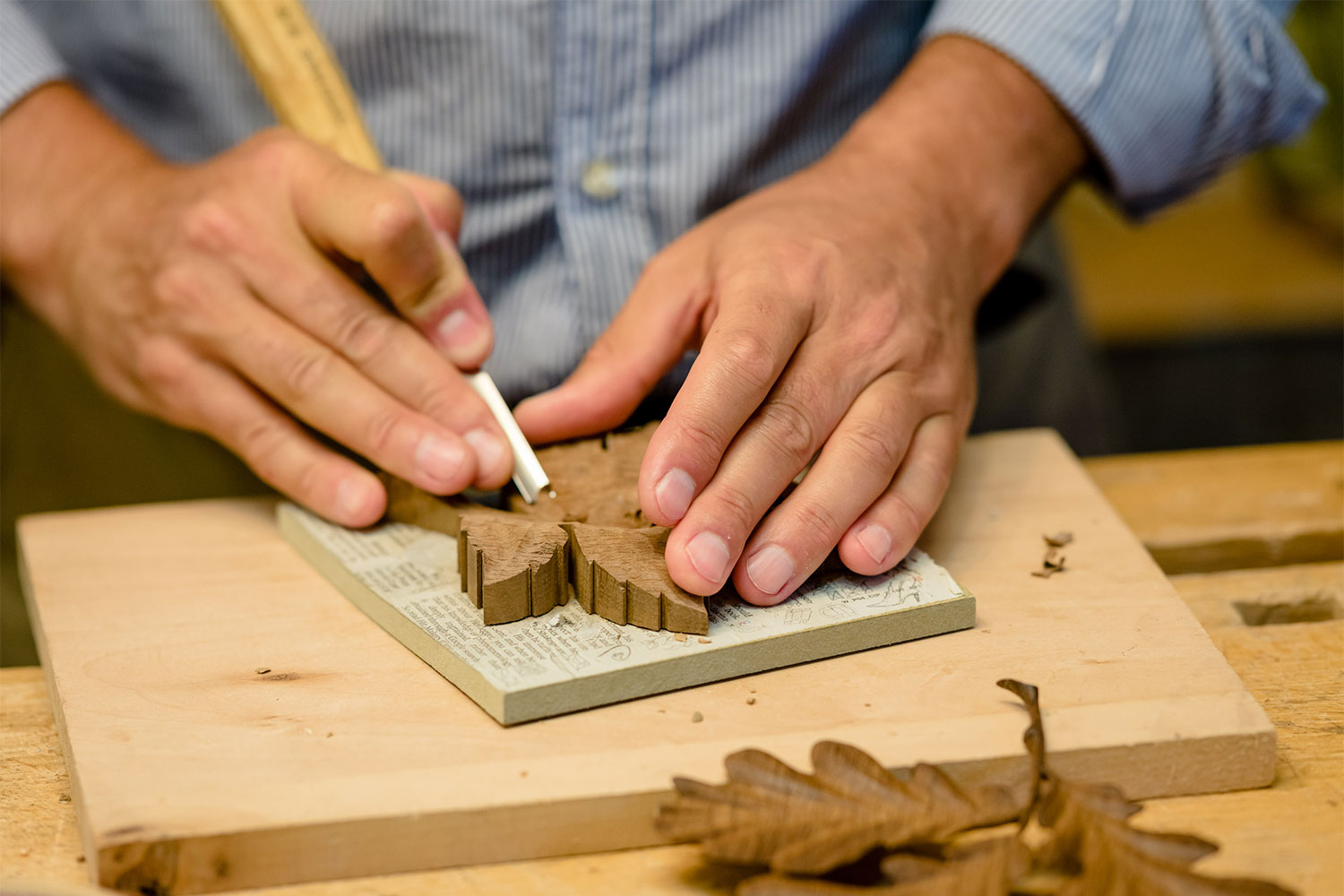
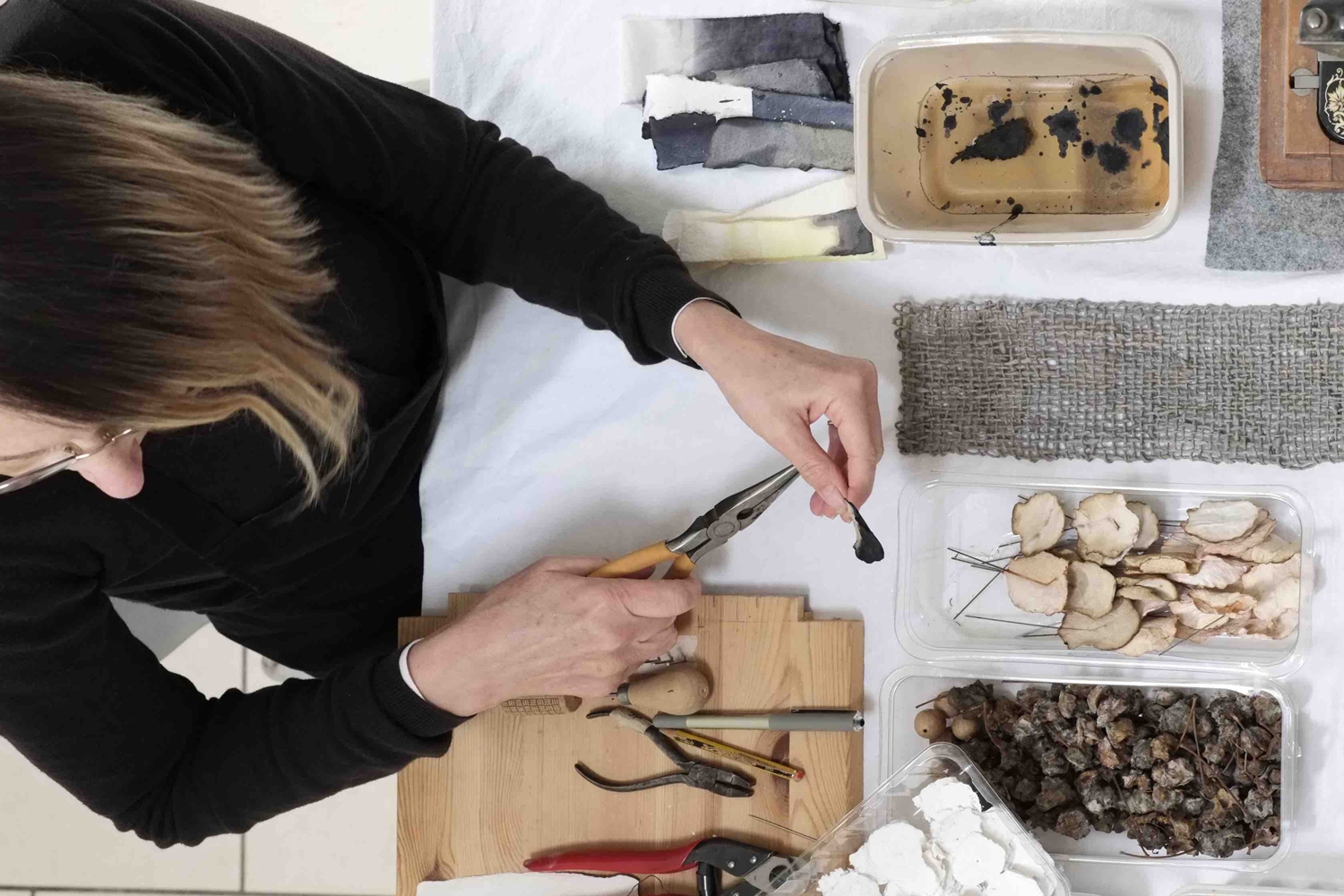
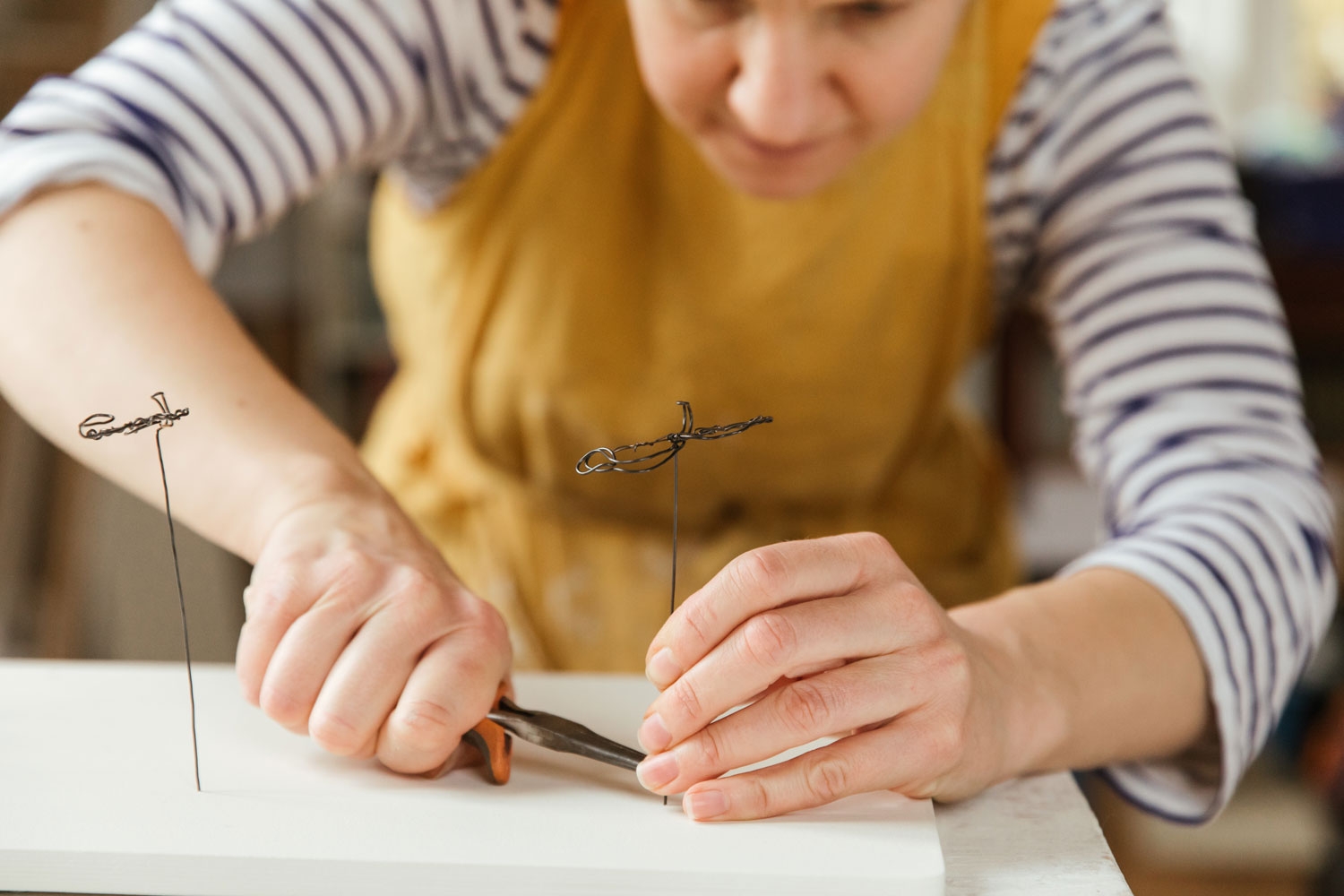
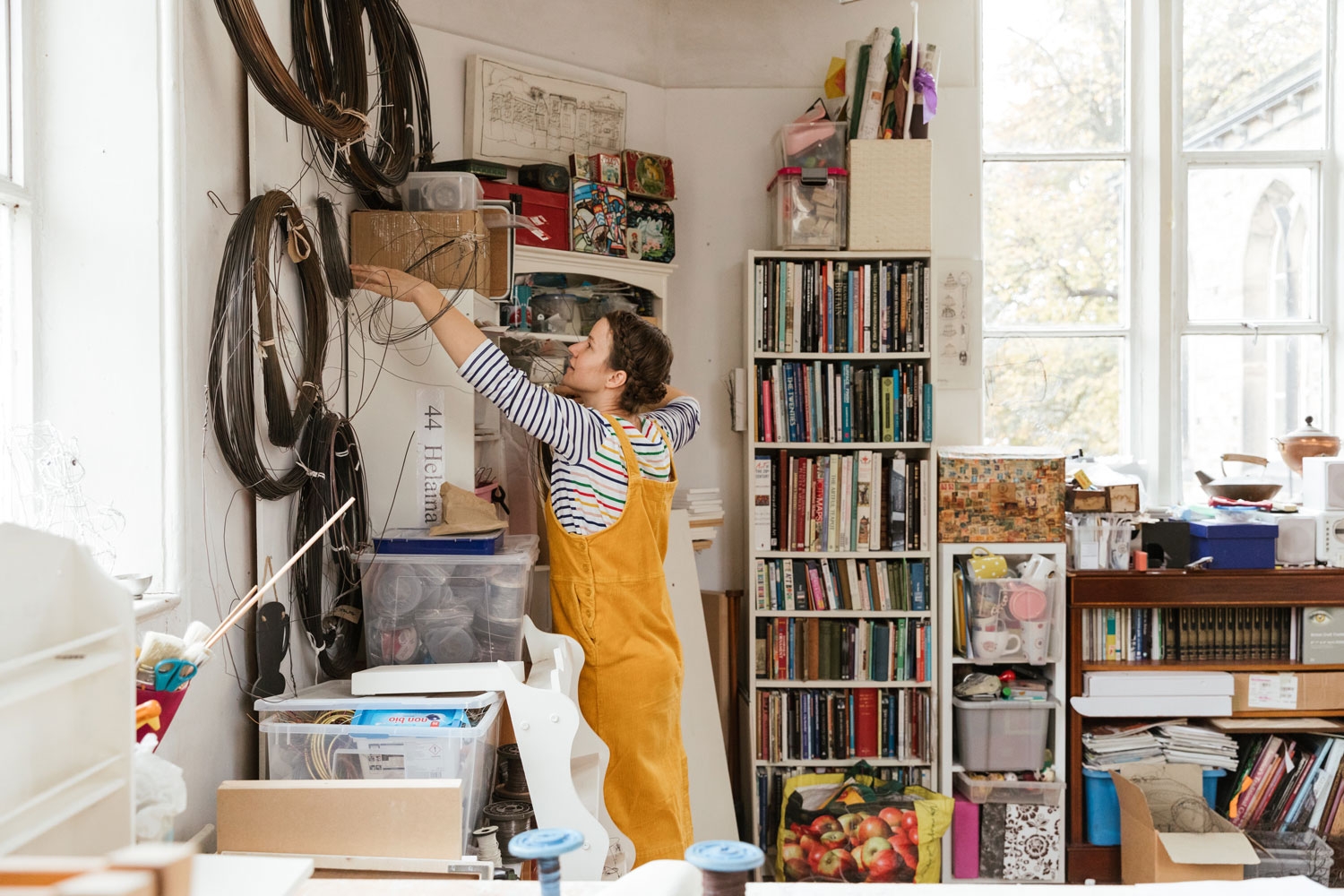
I have an understanding of other materials that I bring into my clay sculptures such as wire, concrete, stone and wood. I collaborate with my partner Geoffrey Hagger, a bespoke furniture maker and woodworker to create the structures that contain or support many of my works.
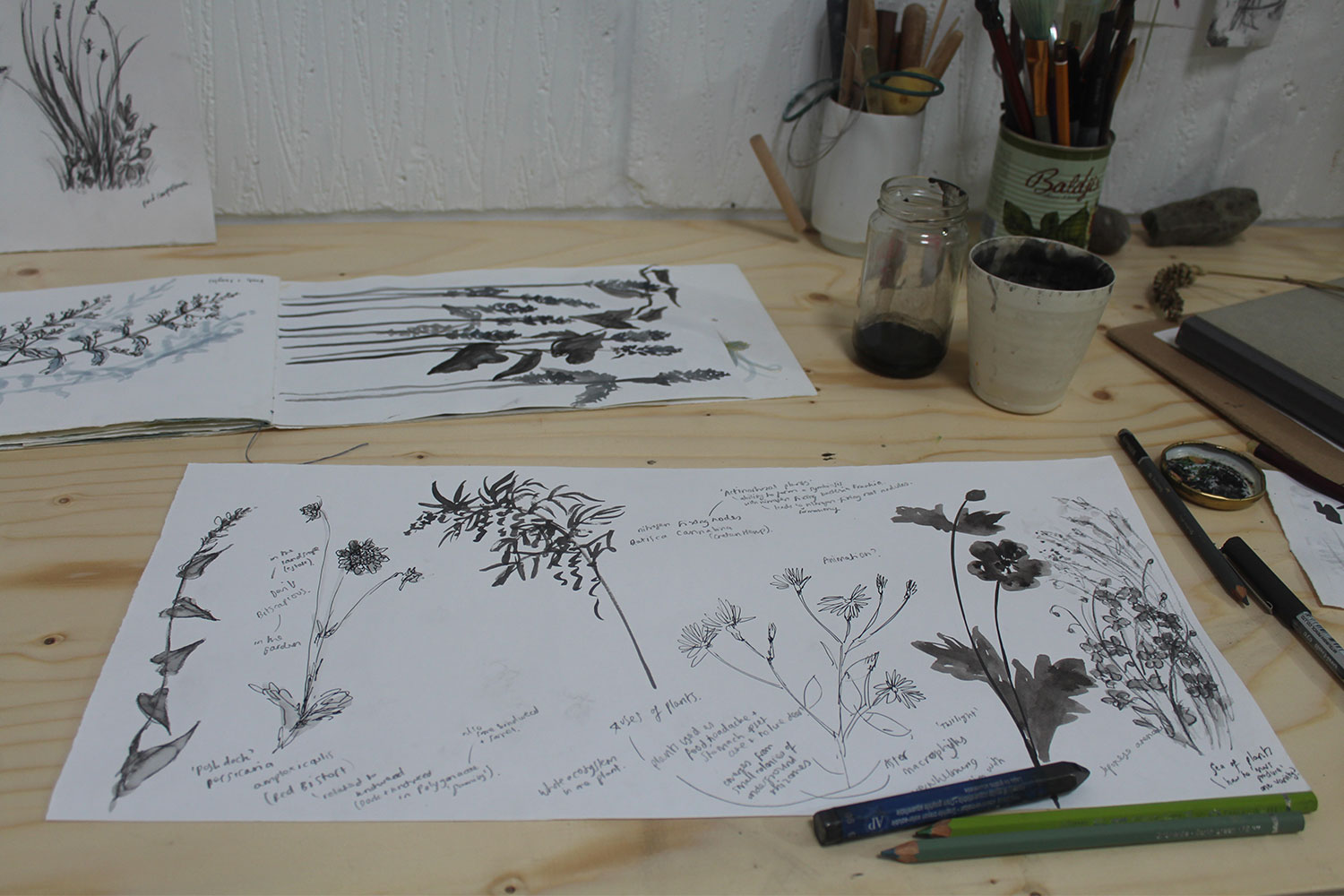
The natural world, specifically plants, is my main source of inspiration. By creating imaginary worlds, I hope to encourage a deeper investigation into how plants behave and how their behaviour can help us reconsider our own approach to communities and landscape.
Katie Spragg
Ceramicist
Brighton, United Kingdom
AVAILABILITY
By appointment only
PHONE
+44 7756467319
LANGUAGES
English
Homo Faber Finds is a new service aiming to inspire admirers of craft to connect and collaborate with exceptional artisans.
We invite you to submit an enquiry here.