

Sally-Ann Provan
Milliner
Edinburgh, United Kingdom
With origami, history and a passion for research
- Sally-Ann is an award-winning Scottish hat maker
- She combines traditional techniques and modern technologies
- Her craft is informed by practice-led research
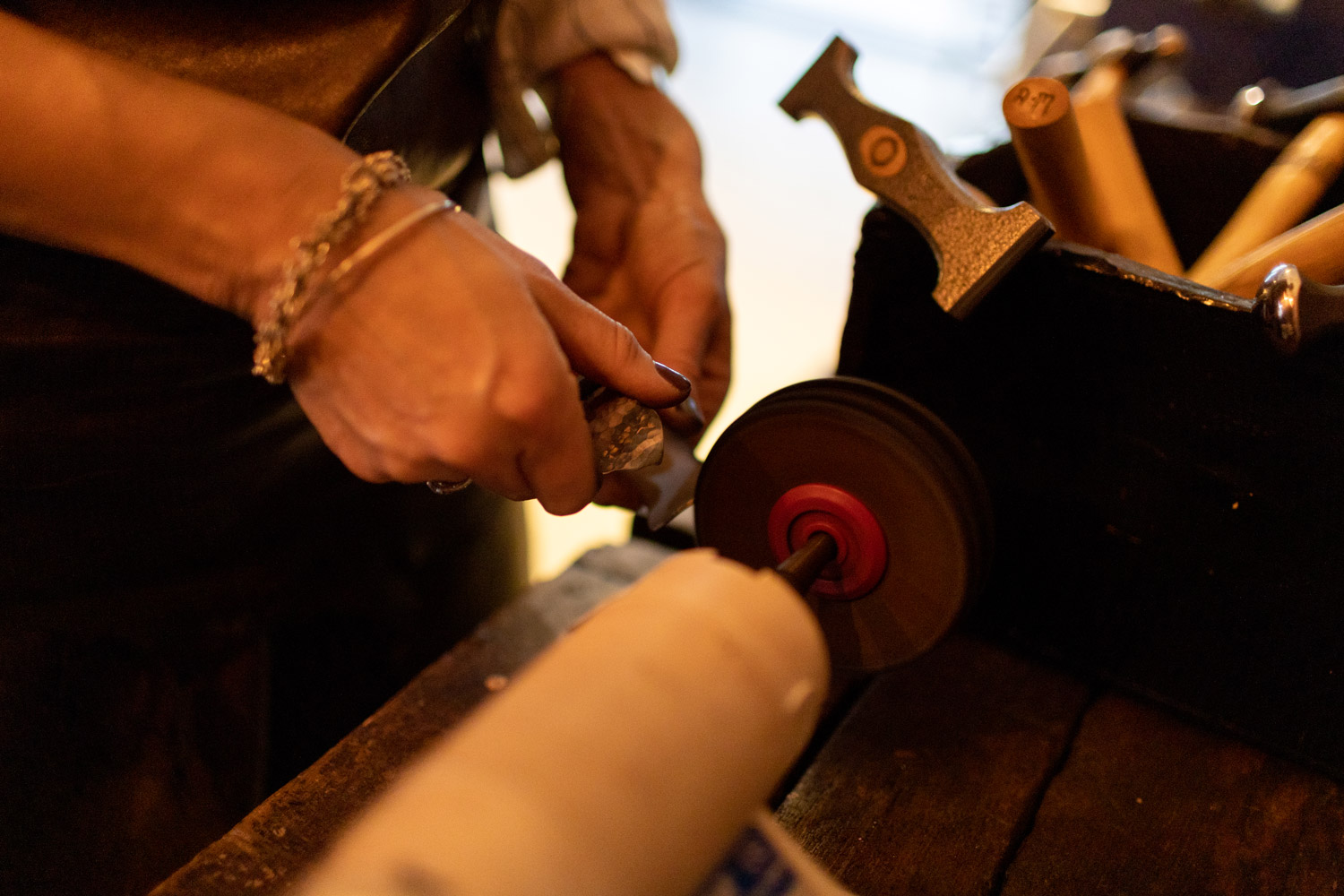
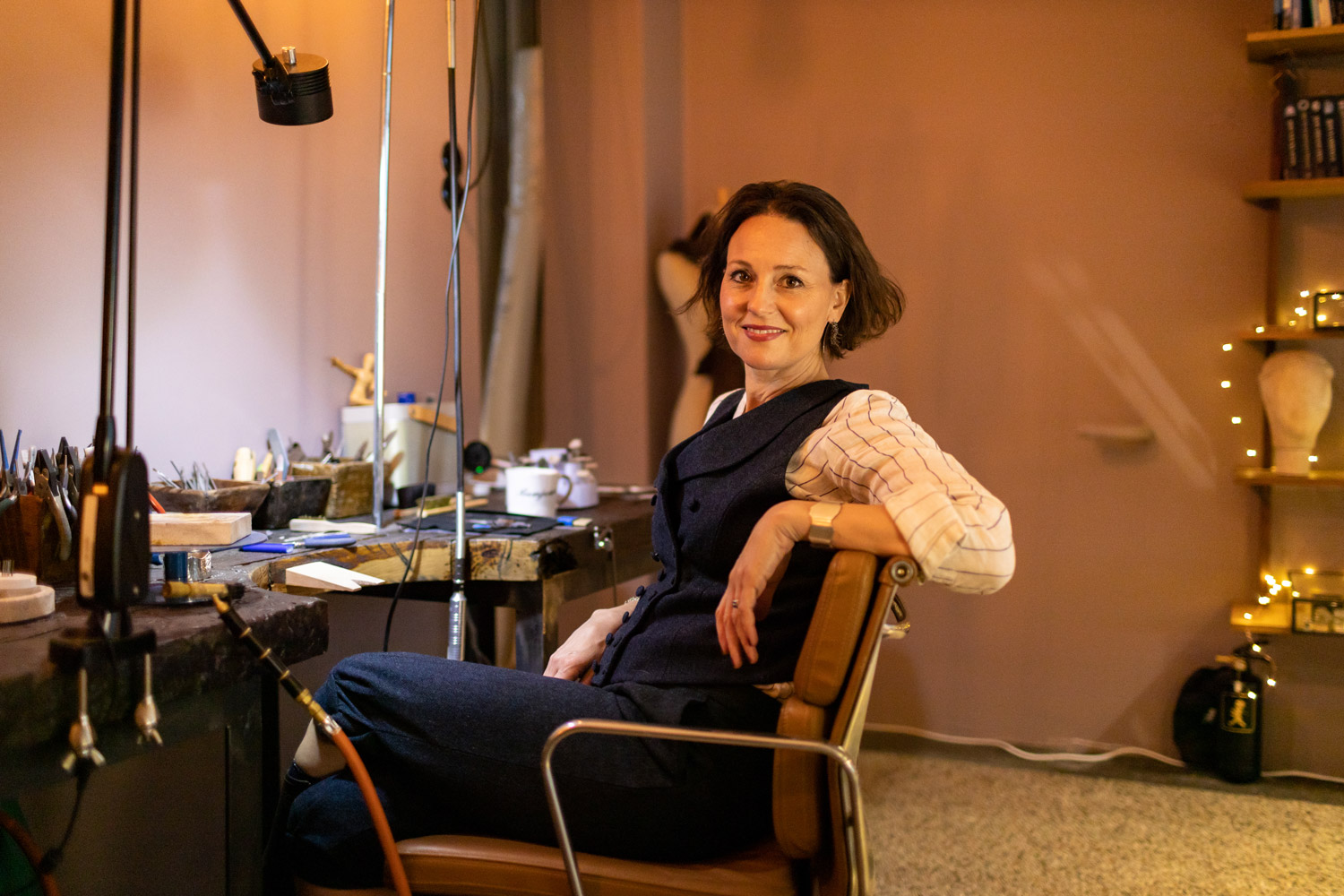
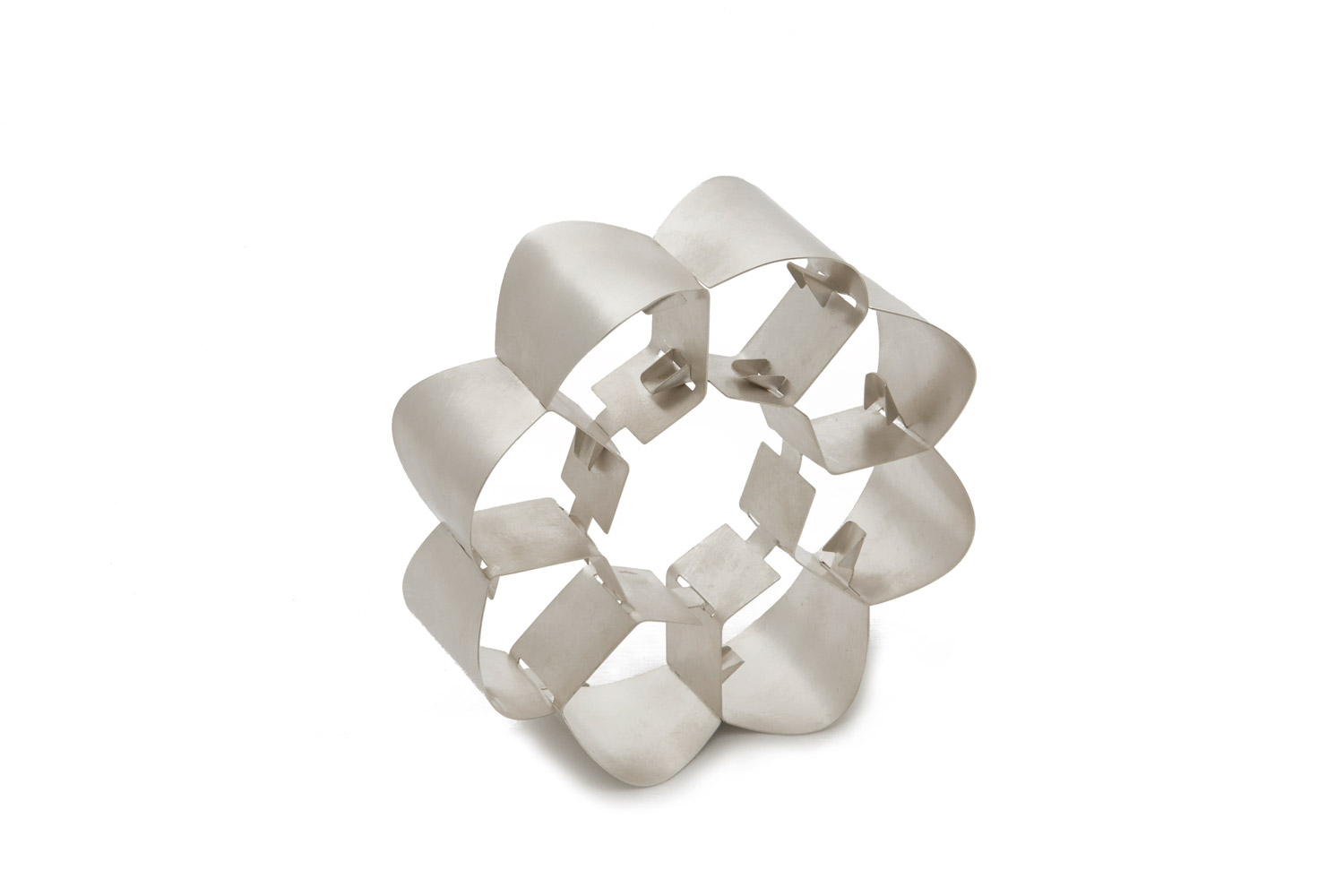
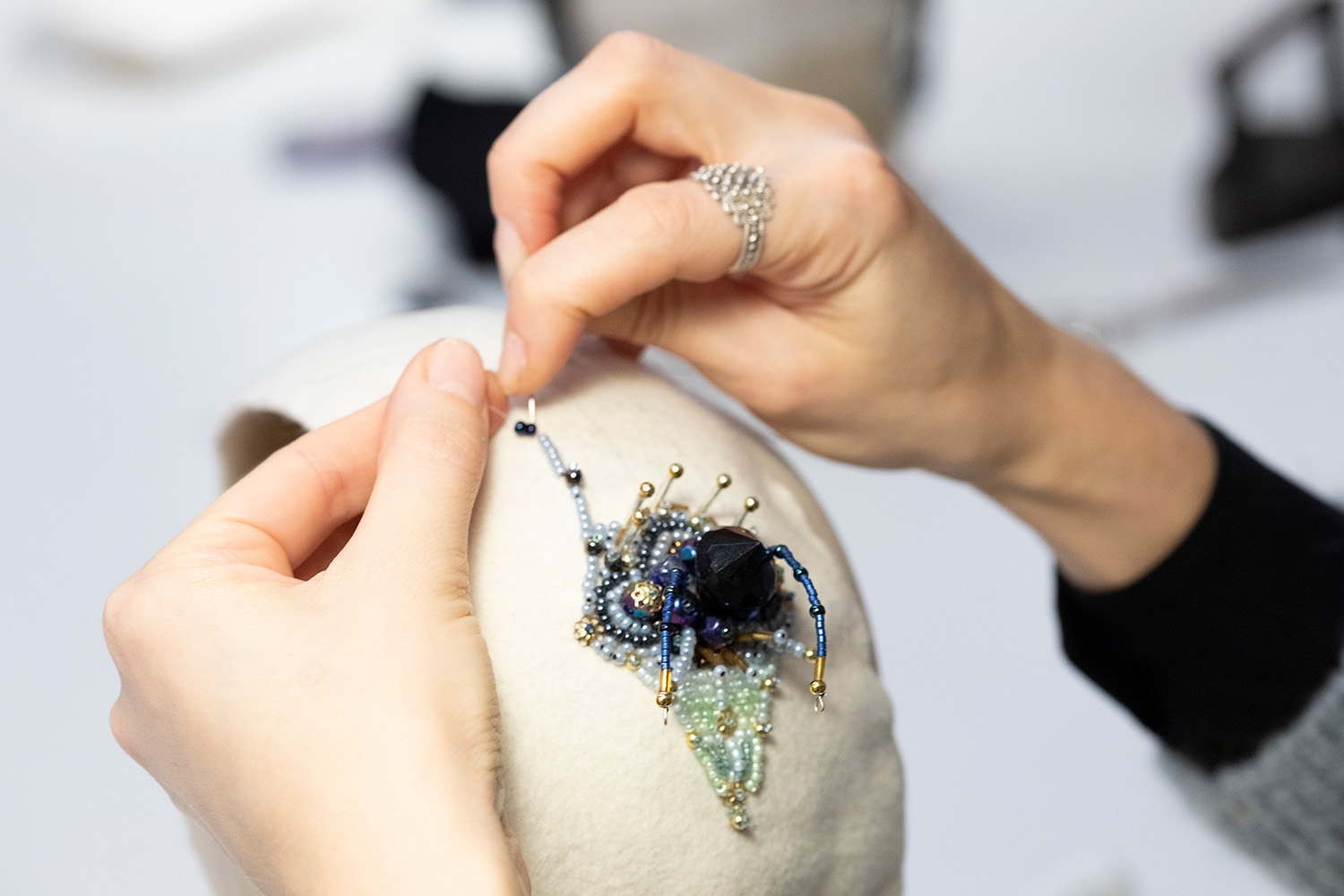
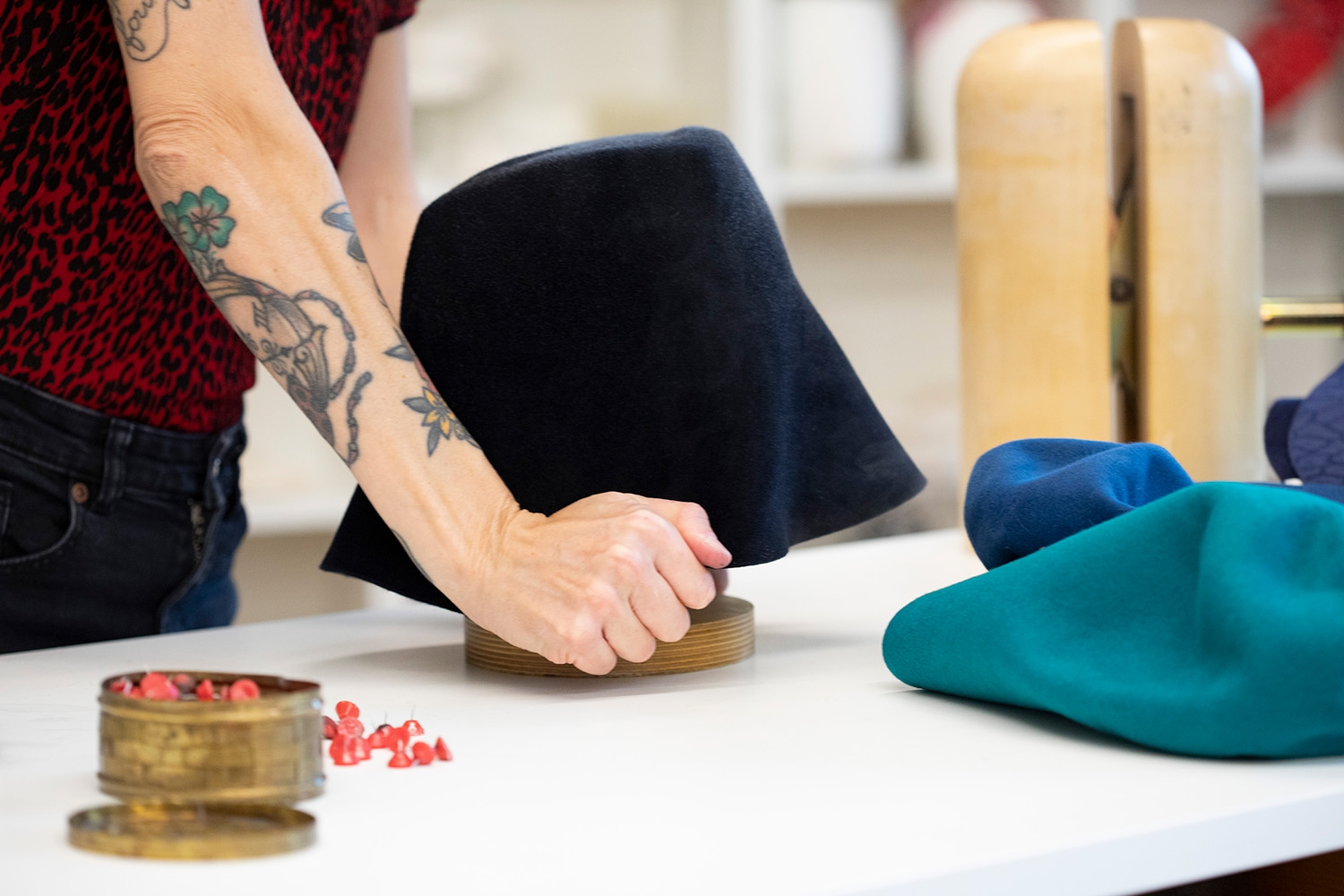
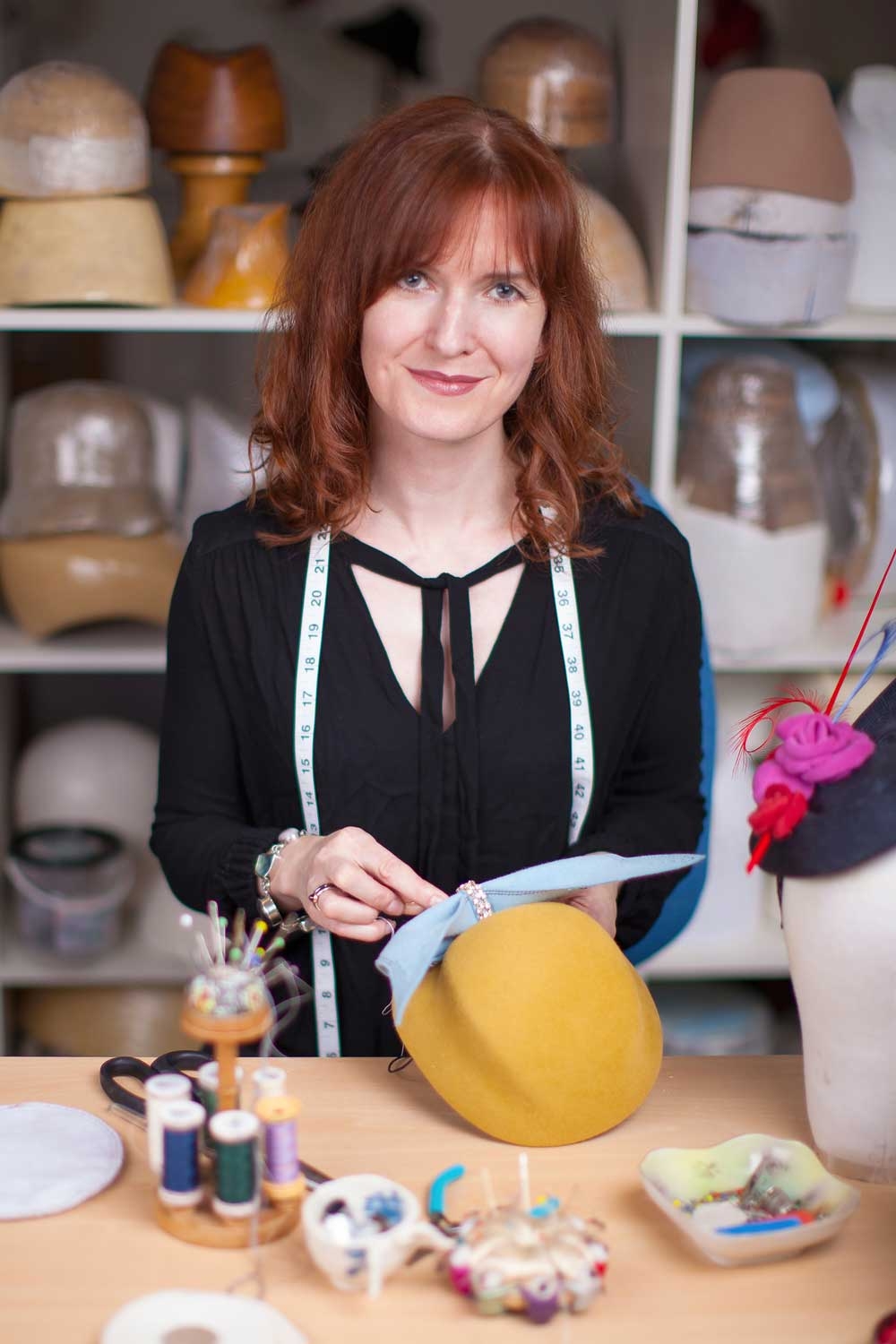
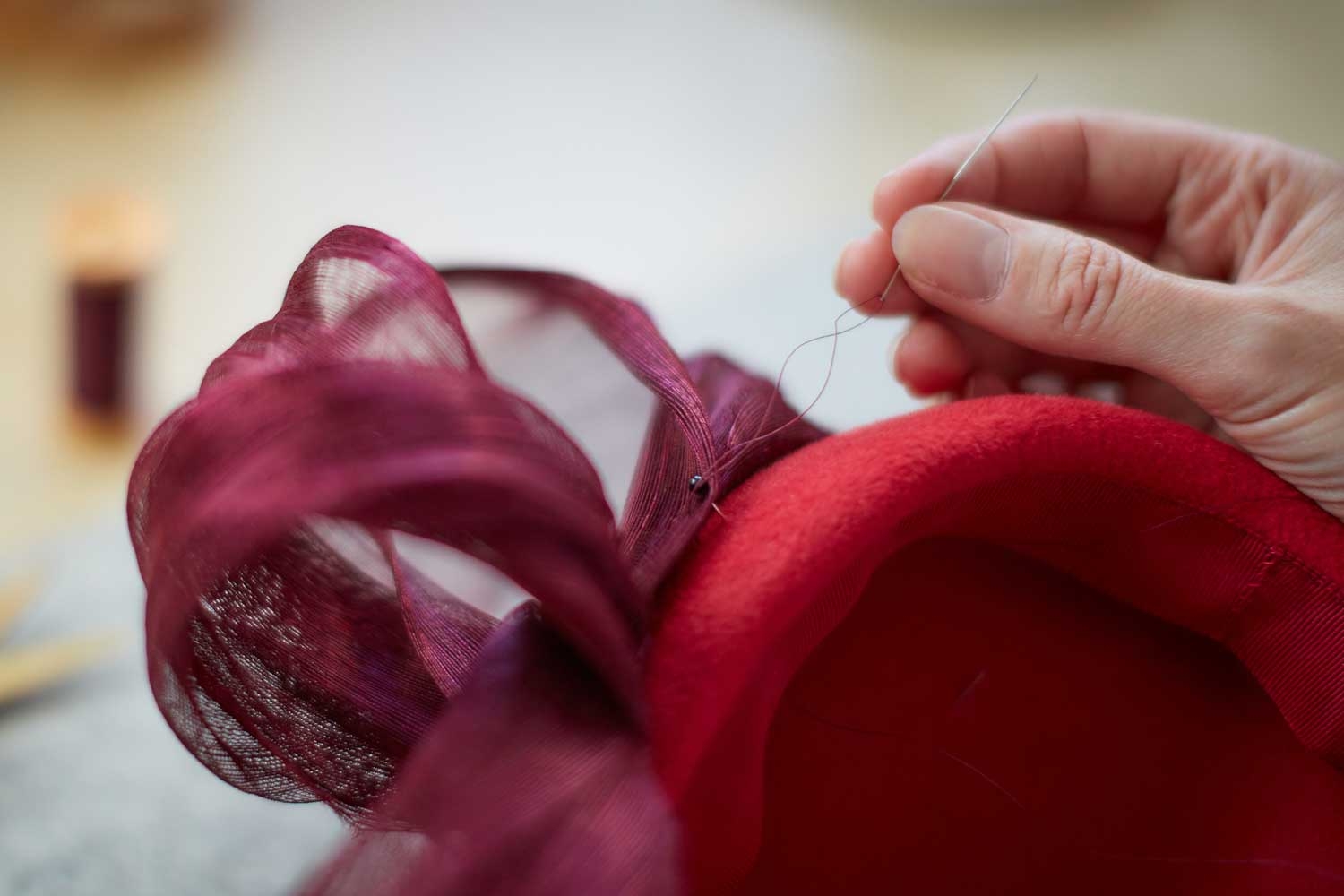
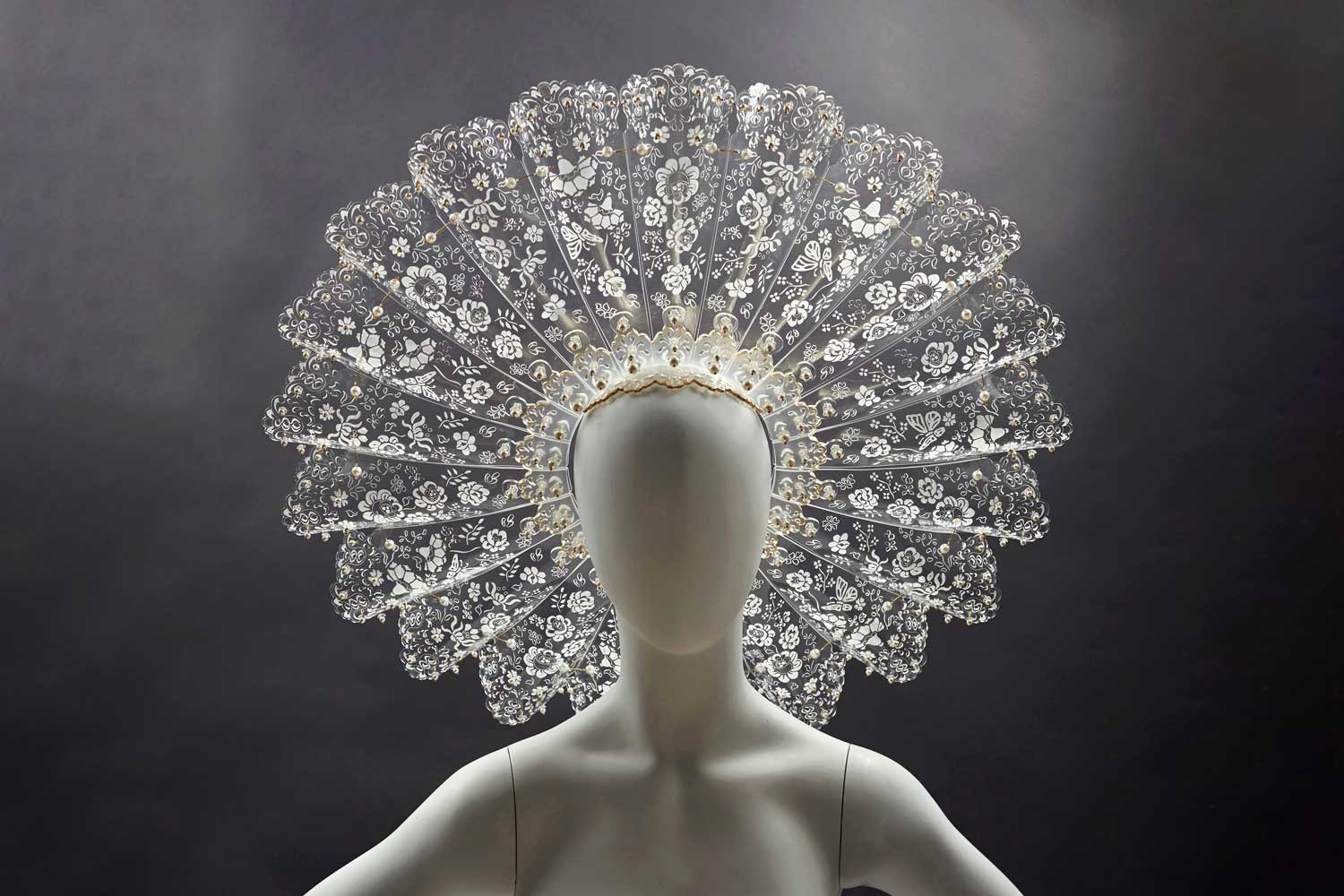
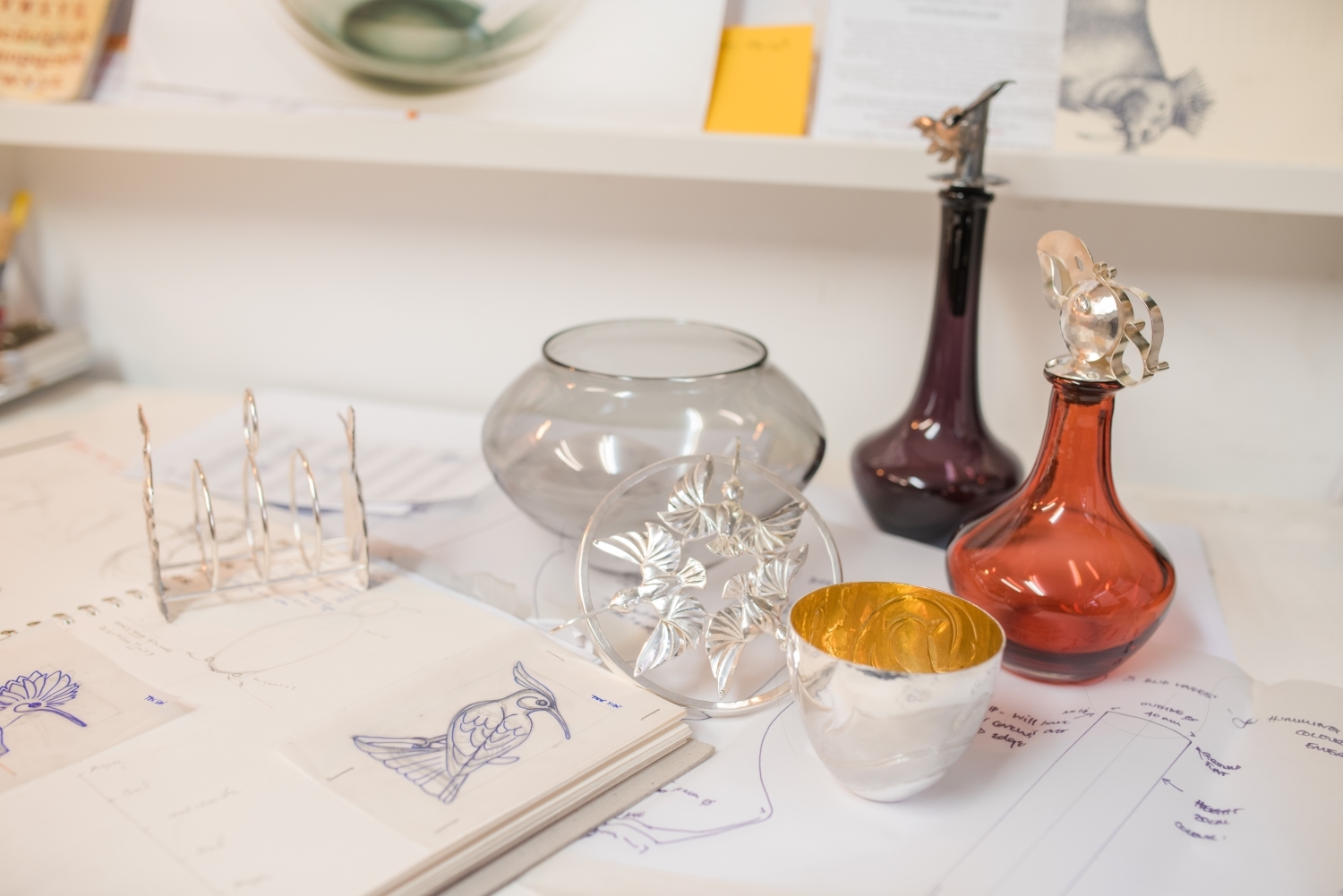
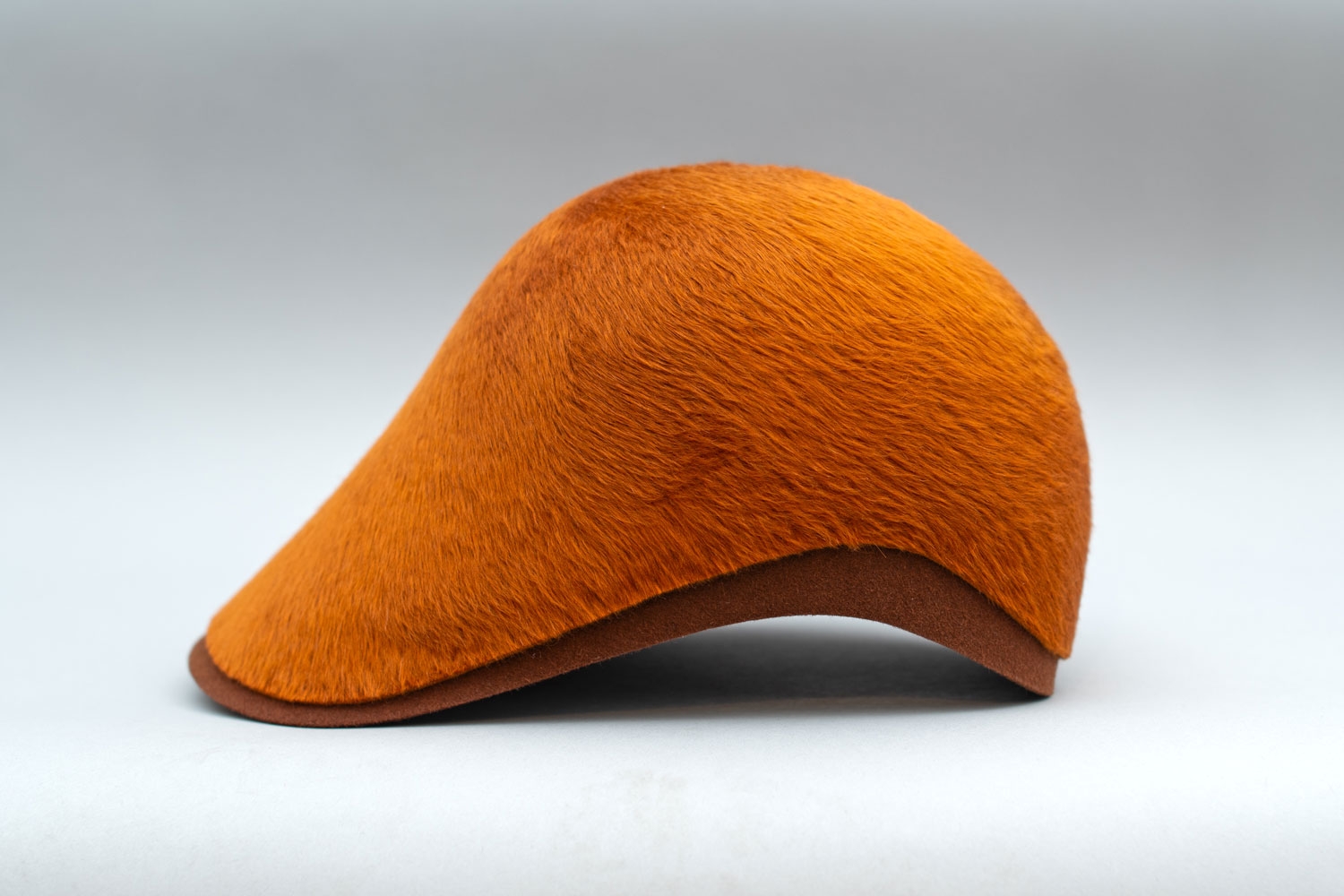
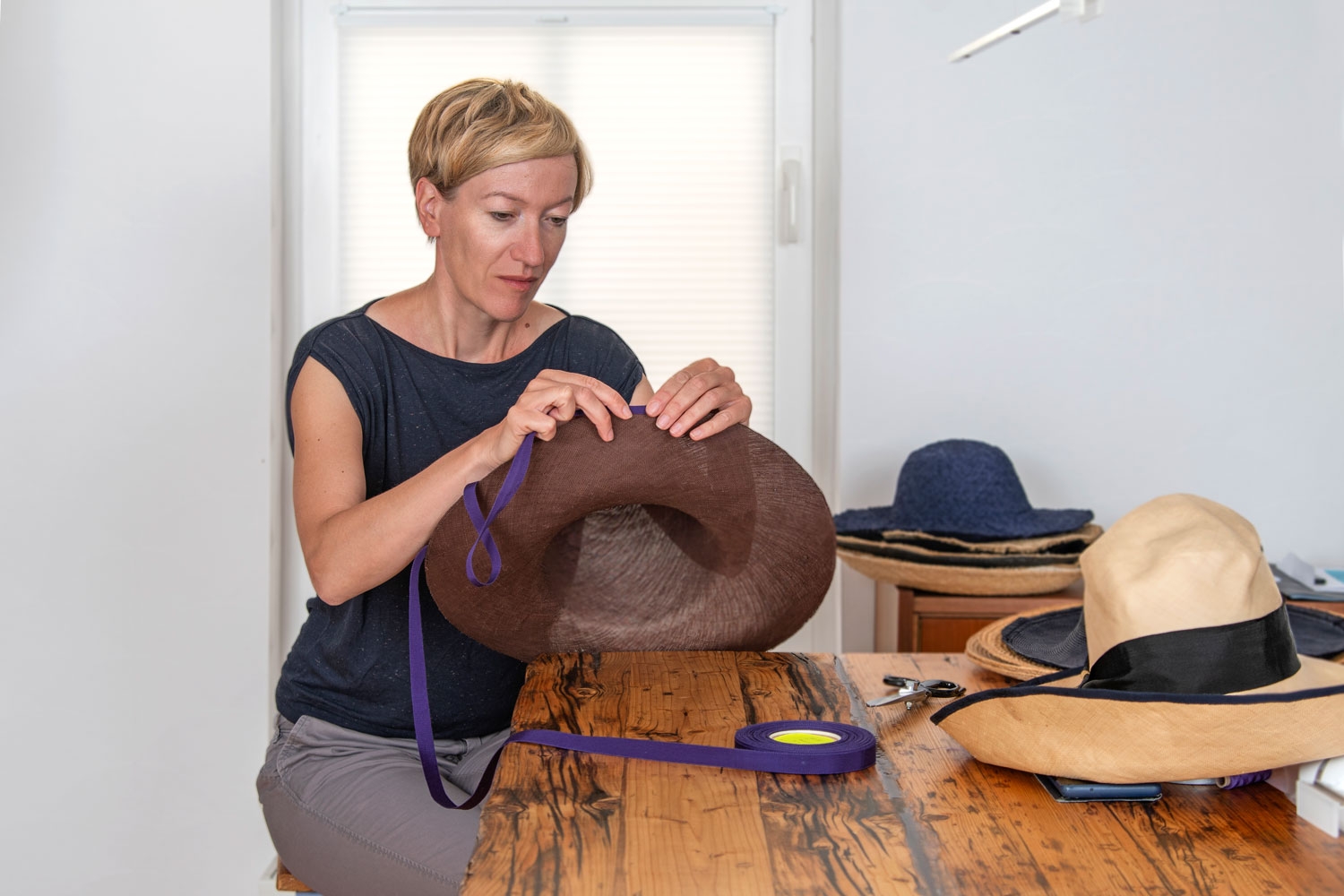
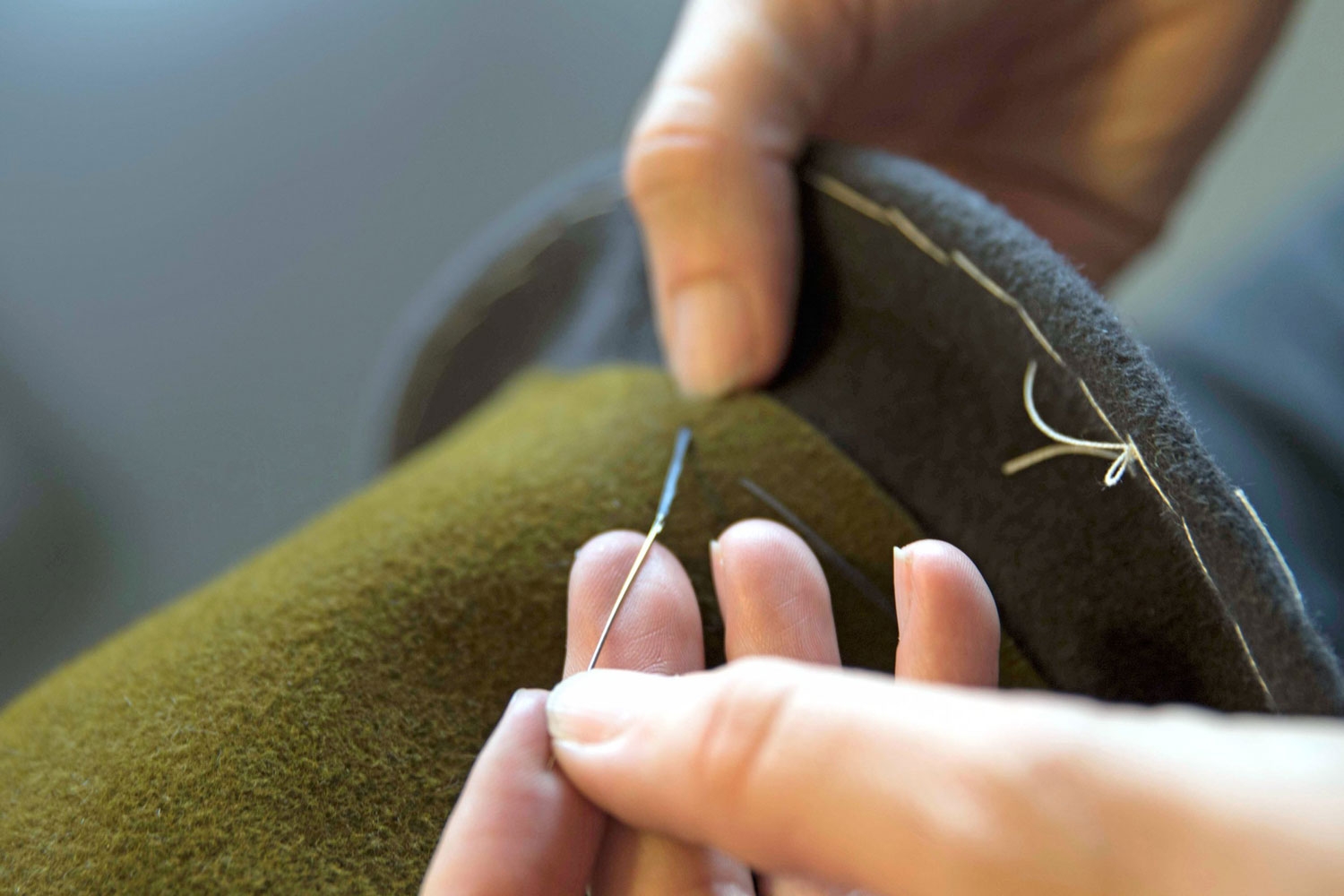
Scottish milliner and hat maker Sally-Ann Provan creates striking contemporary headwear for individuals and the stage and screen. Her interest in millinery began while studying jewellery and metalwork. As Sally-Ann experimented with making metal headpieces, she began incorporating softer materials and creating larger sculptural forms. The origami-like trims in her designs are inspired by her interest in Japanese art and culture. She is also committed to keeping the UK’s long tradition of hat making and its historical links alive. This is why Sally-Ann sources her materials in the UK and carried out her training under the late Queen Mother's milliner and with The Royal Opera House. Sally-Ann is a Director of The British Hat Guild and regularly teaches at the Edinburgh College of Art.




INTERVIEW
As a descendant of five generations of Scottish artisans working in wood, leather and metal, it has always seemed natural that I would become an artisan. I have been sewing since the age of 7, have always enjoyed working with fabrics, and studied jewellery and metalwork.
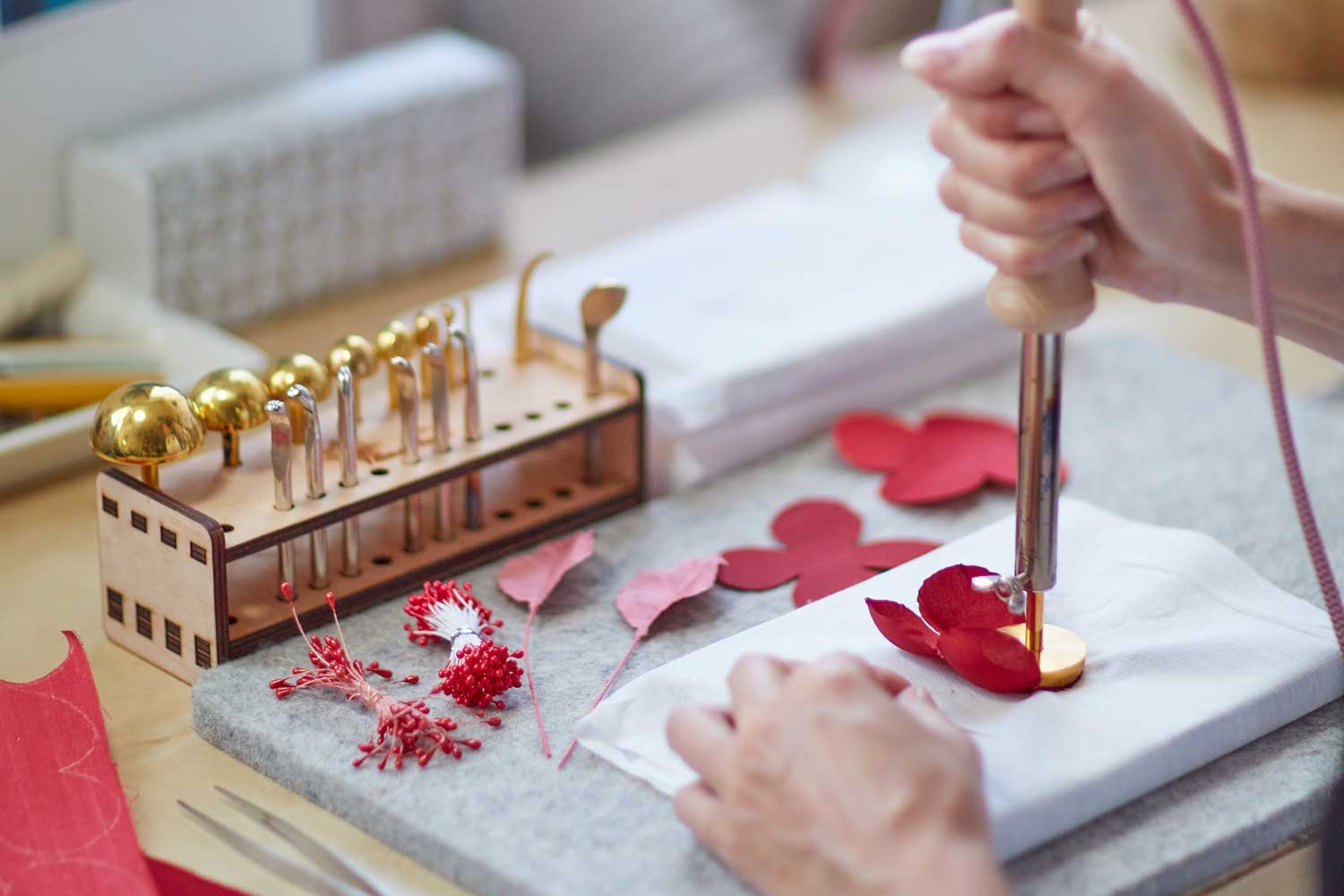
Japanese art and culture inspire me. I use origami techniques in my trimmings. I also find practice-led research really helpful when developing new ideas for designs or trimming elements.
The UK has a long tradition of hat making in both straw (near Luton), and felt (in the North of England). I buy most of my materials from suppliers who are still based in these two regions – it is important to keep these historical links alive.
The Heritage Crafts Association considers certain aspects of millinery and hat-making endangered. I constantly research, practise and develop my skills. I also teach people of different skill levels as part of my practice. This ensures that skills are shared and passed on.


Sally-Ann Provan
Milliner
Edinburgh, United Kingdom
AVAILABILITY
By appointment only
LANGUAGES
English, French
Homo Faber Finds is a new service aiming to inspire admirers of craft to connect and collaborate with exceptional artisans.
We invite you to submit an enquiry here.
chanel_goossens-savoir-faire-©alix-marnat_18-HD.jpg)
chanel_maison_goossens_©alix-marnat-11-HD.jpg)
chanel_goossens-©alix-marnat_17-HD.jpg)