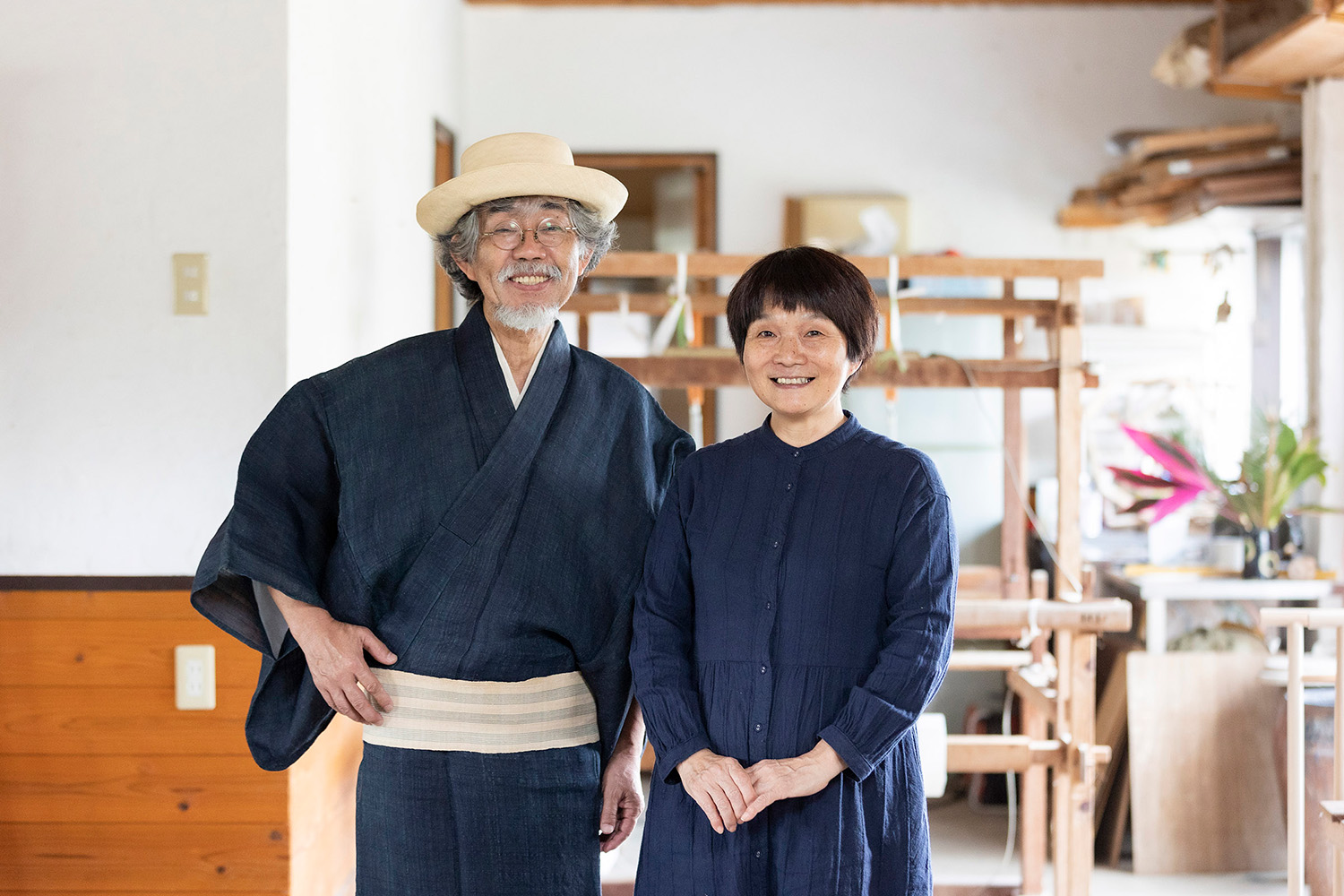

Rikio & Kazuyori Hikimochi
Wajimanuri Studio RAKU
Lacquerer
Wajima, Japan
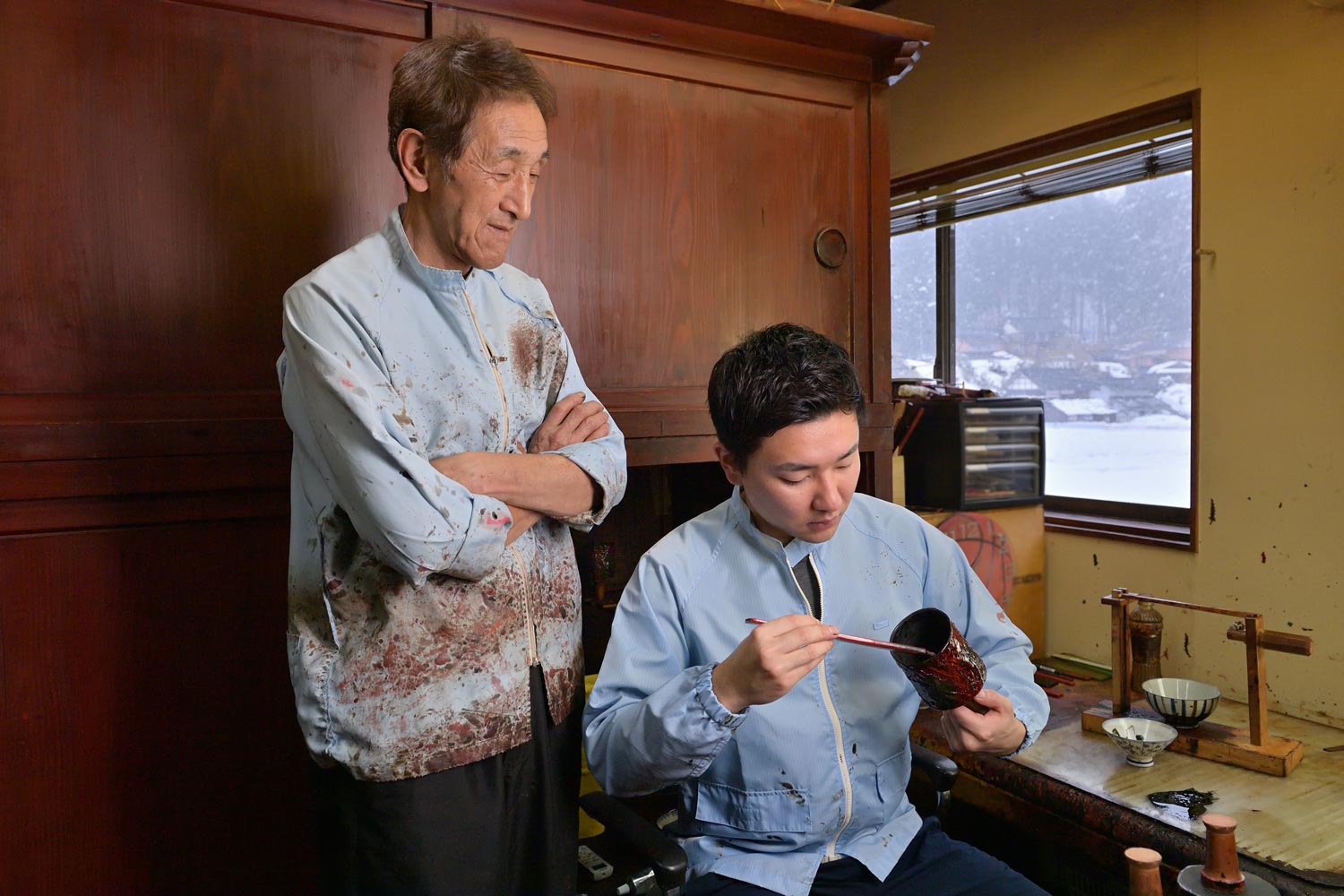
From father to son
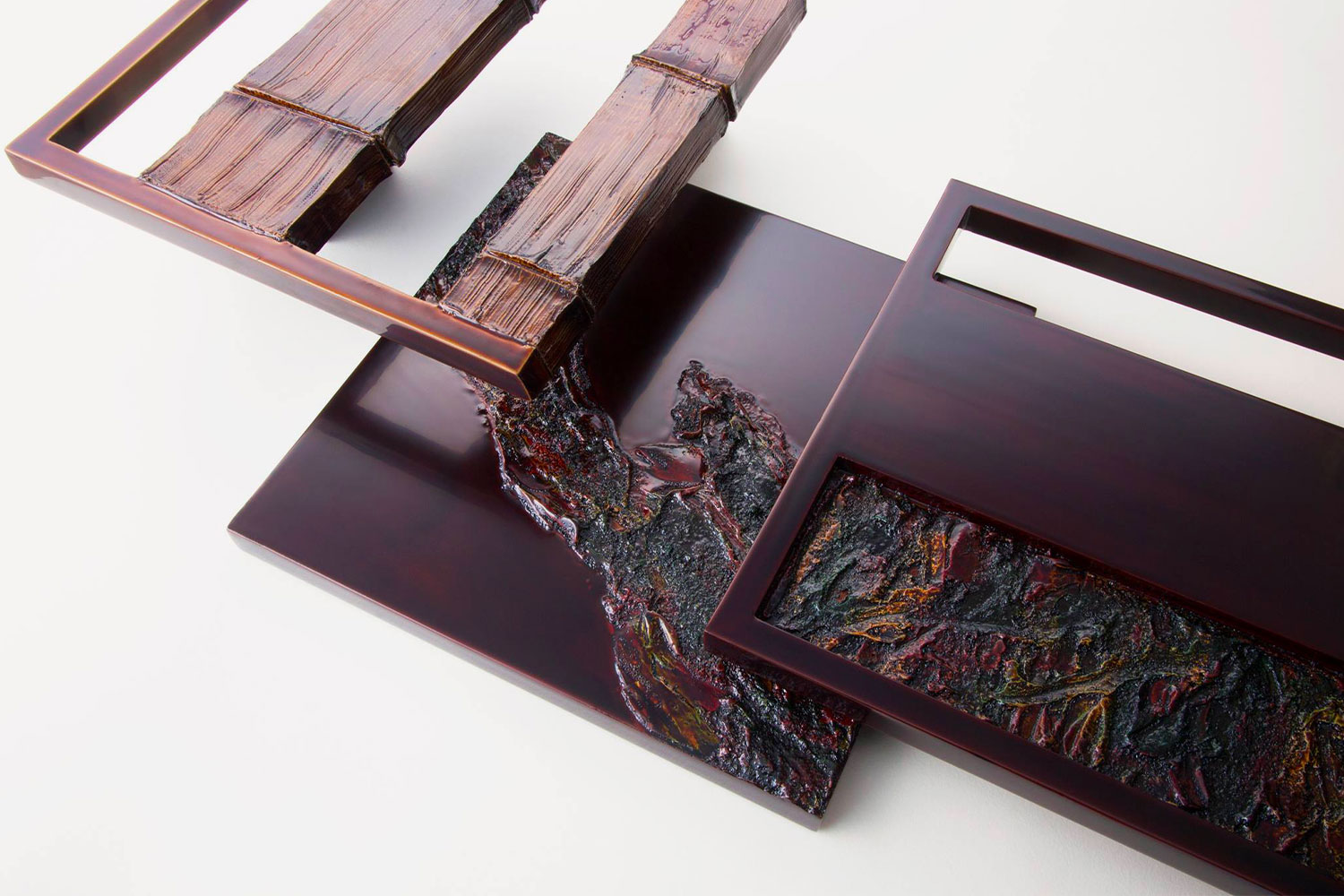
- Rikio invented the Nerikanshitsu technique
- His son, Kazuyori, also explores lacquer's potential and promotes the craft overseas
- Wajima-nuri is the most famous variety of lacquerware in Japan
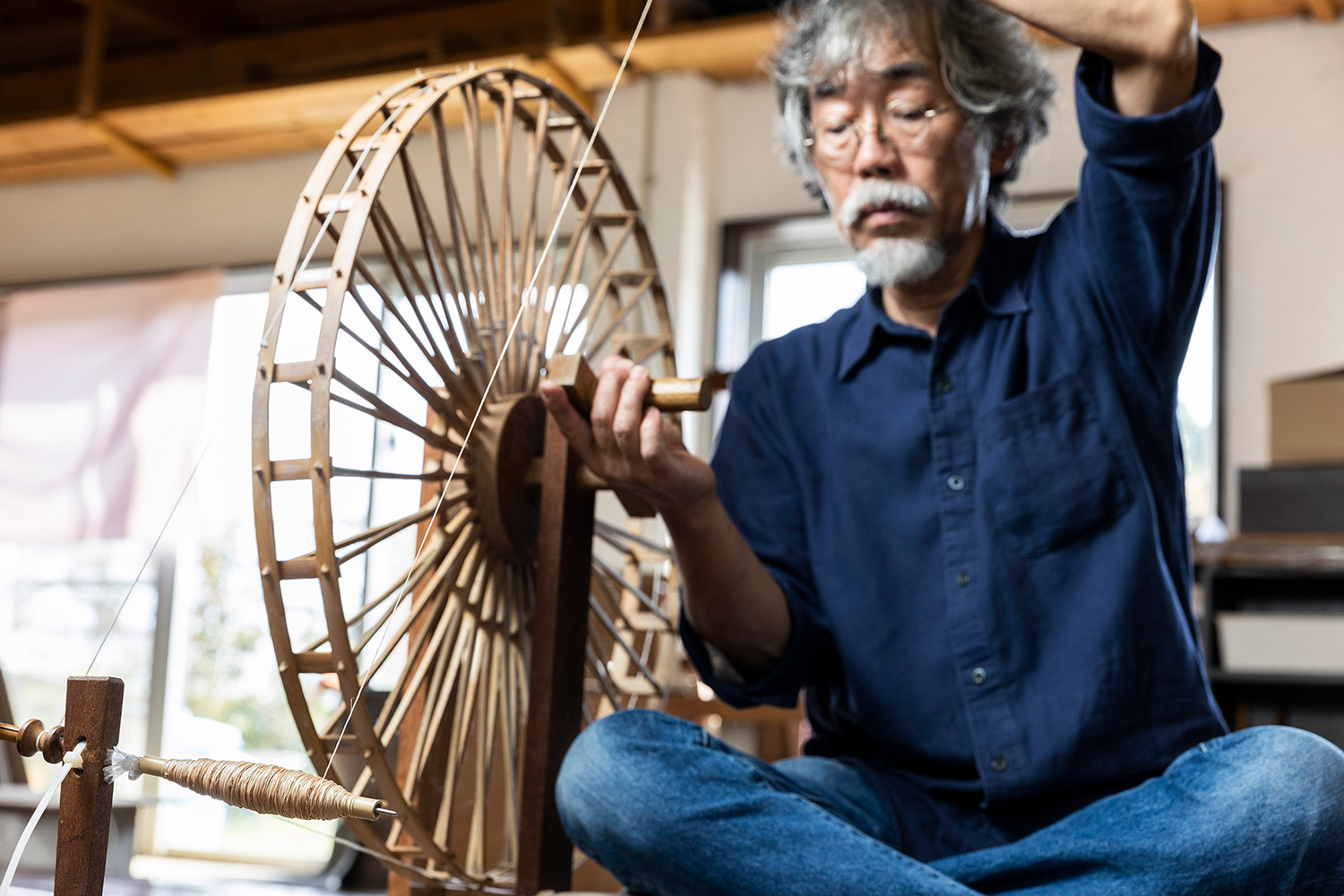
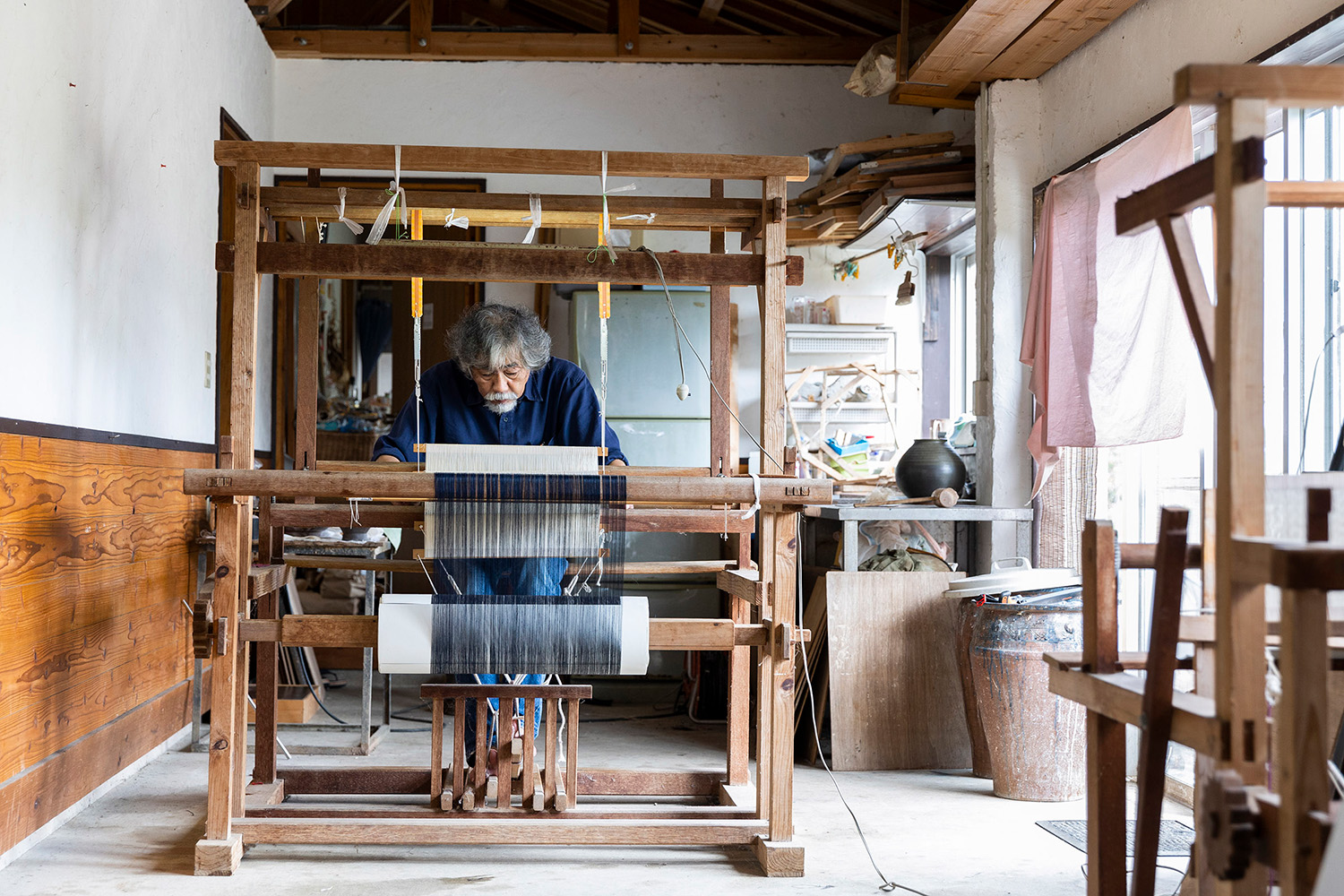
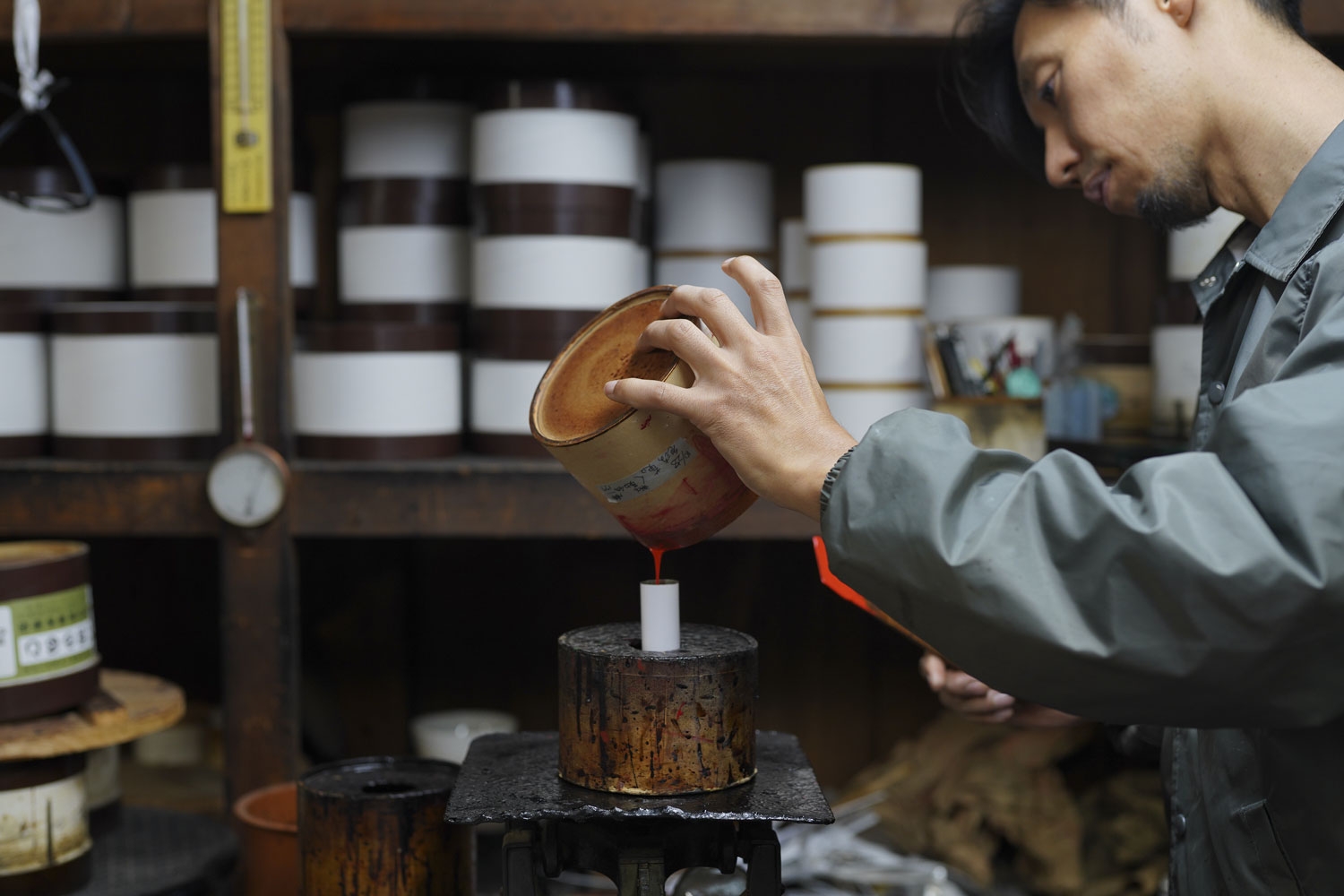
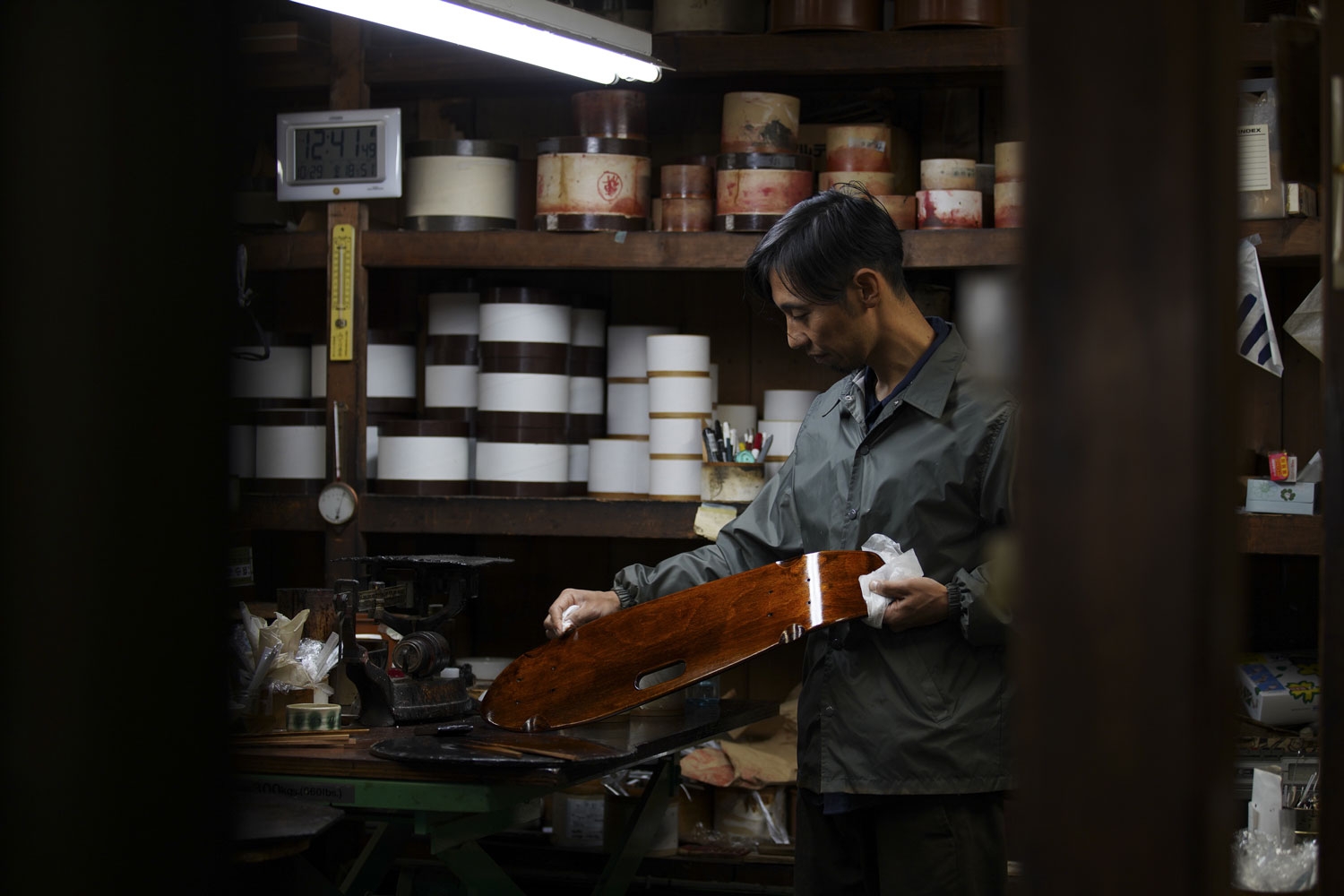
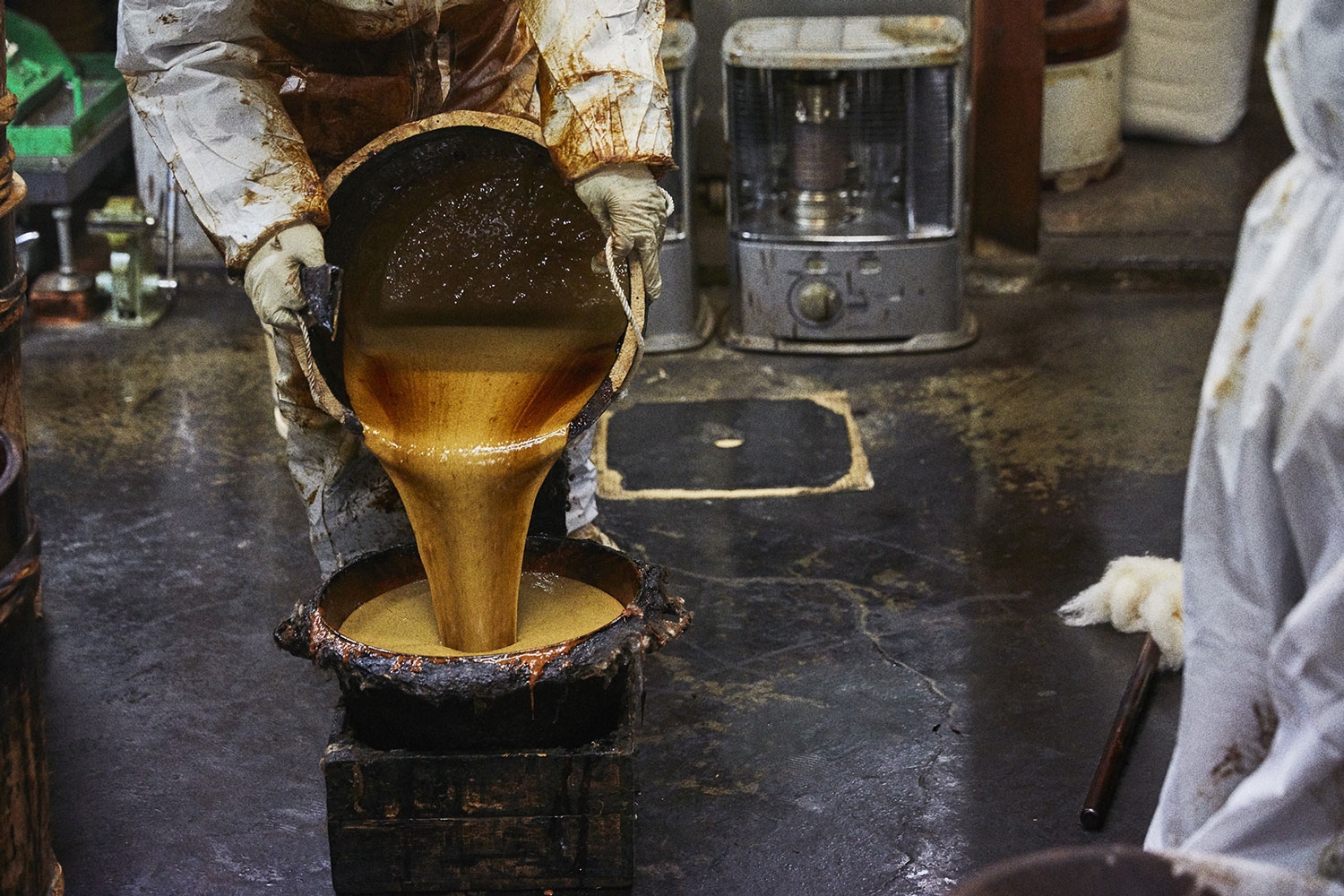
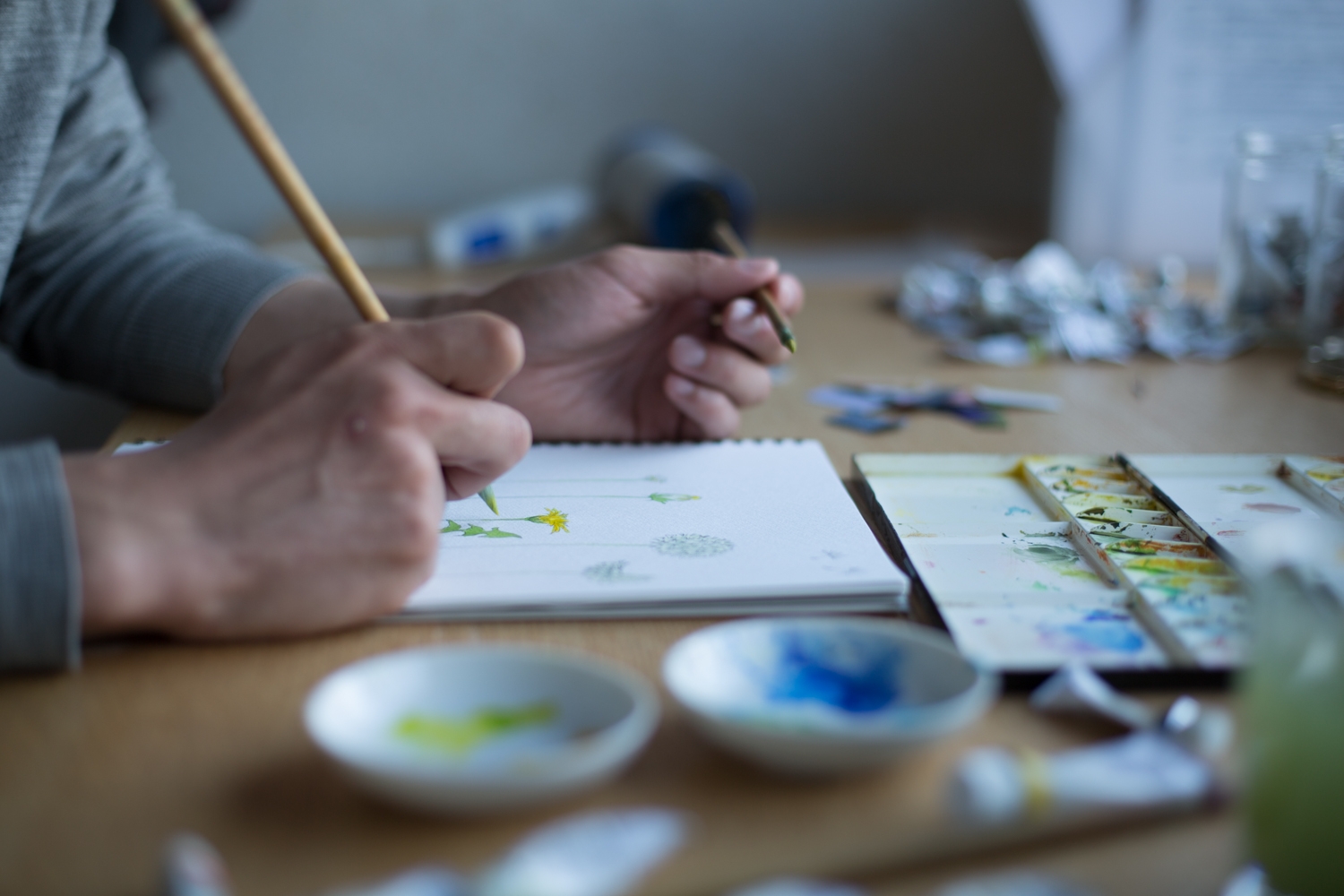
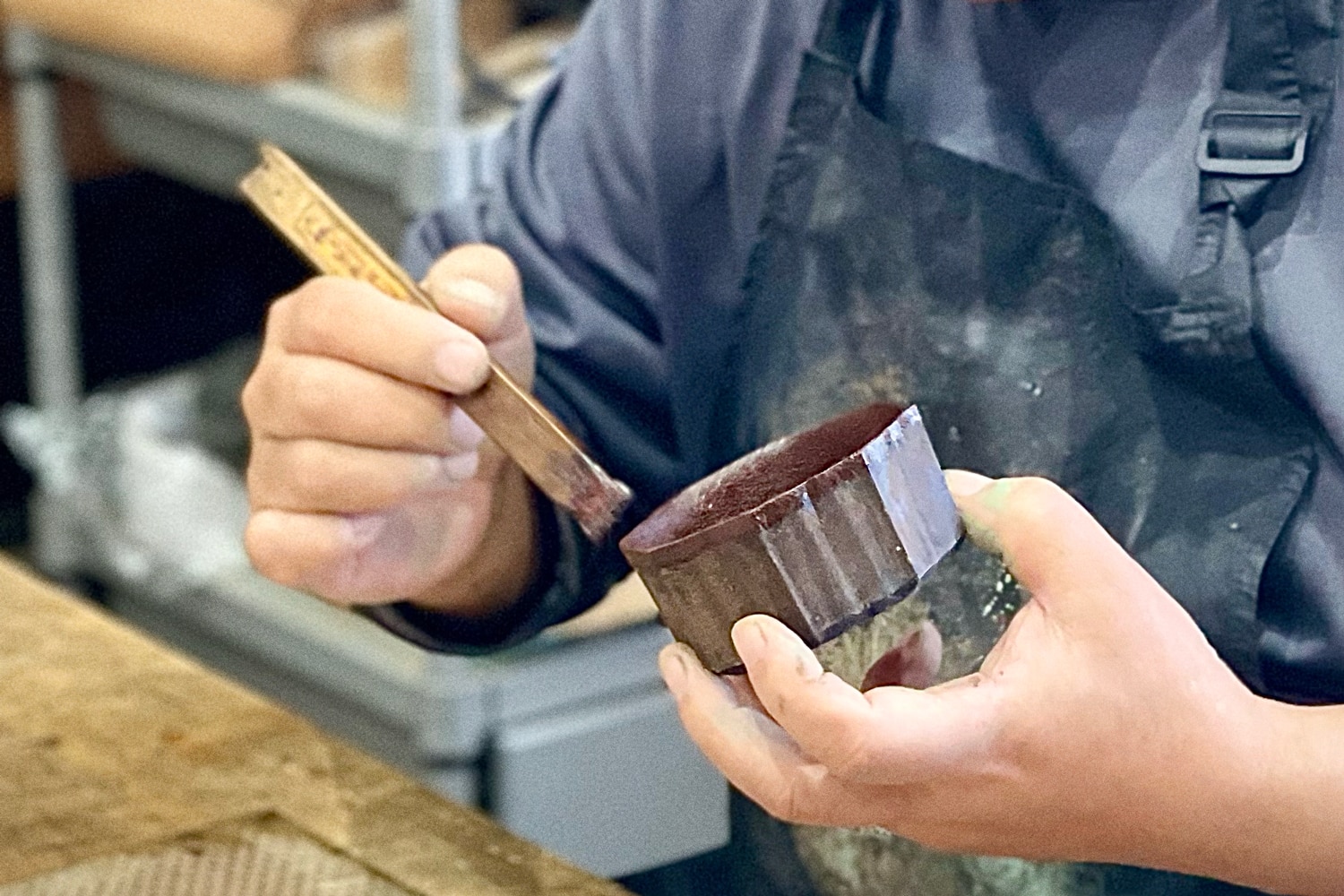
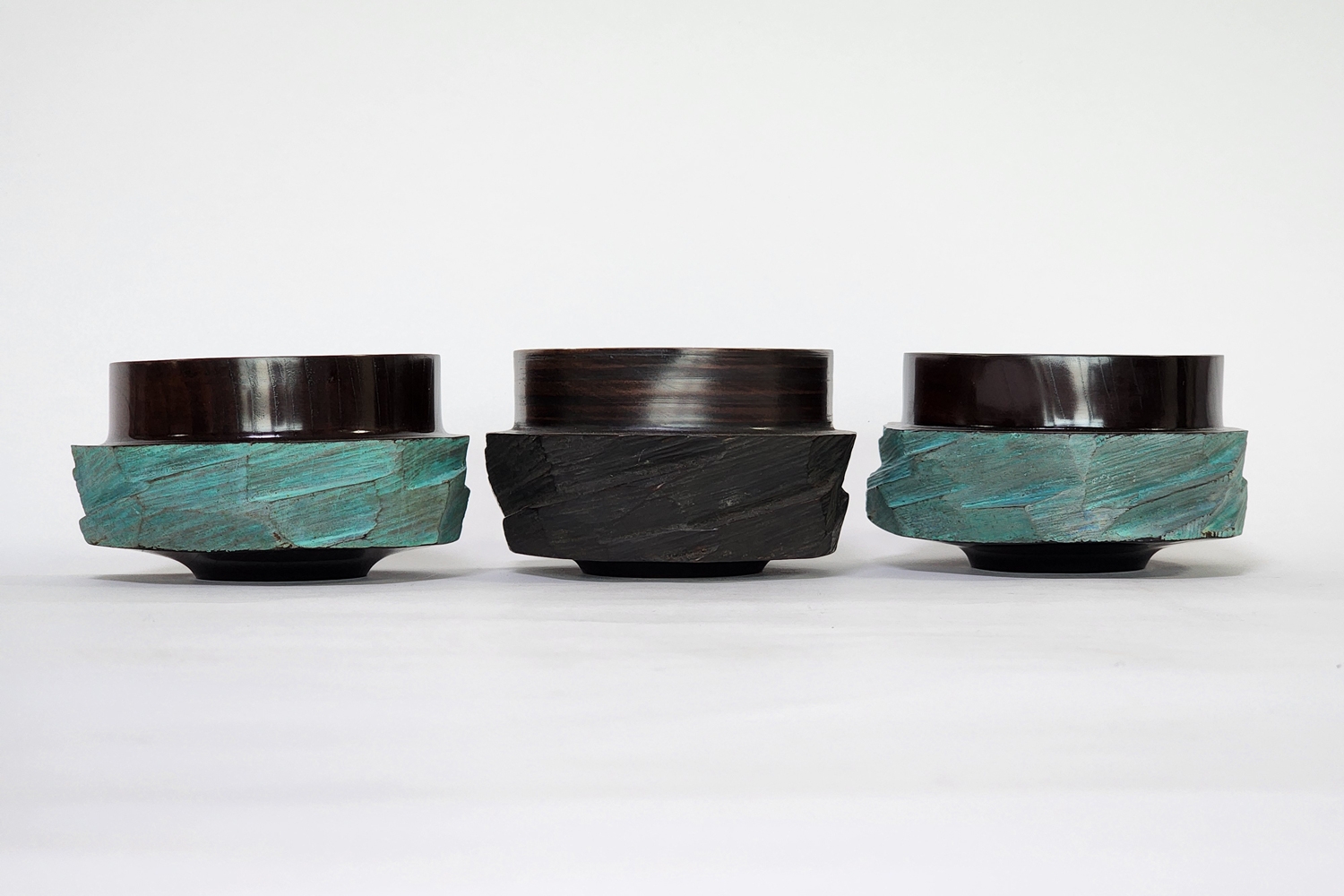
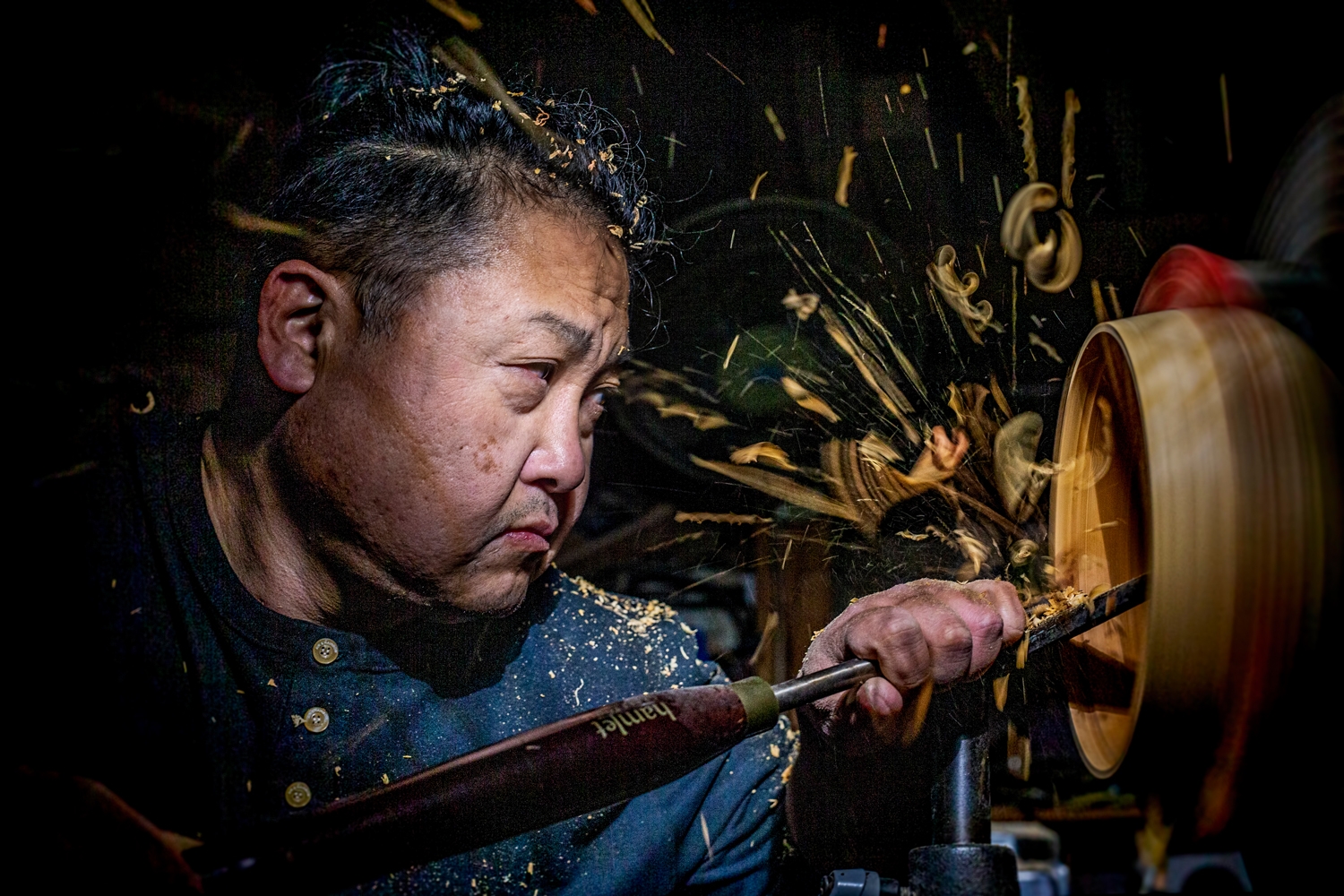
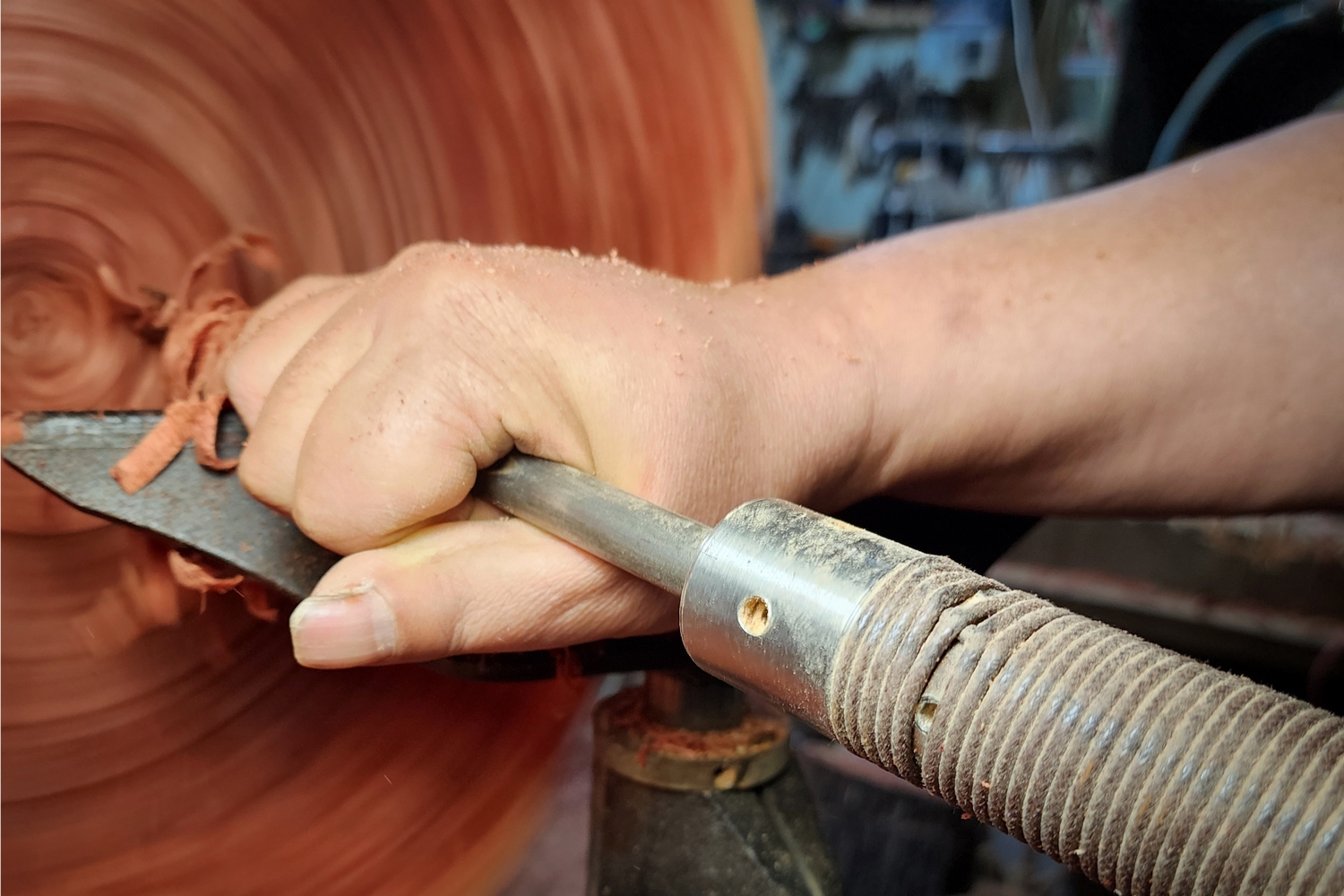
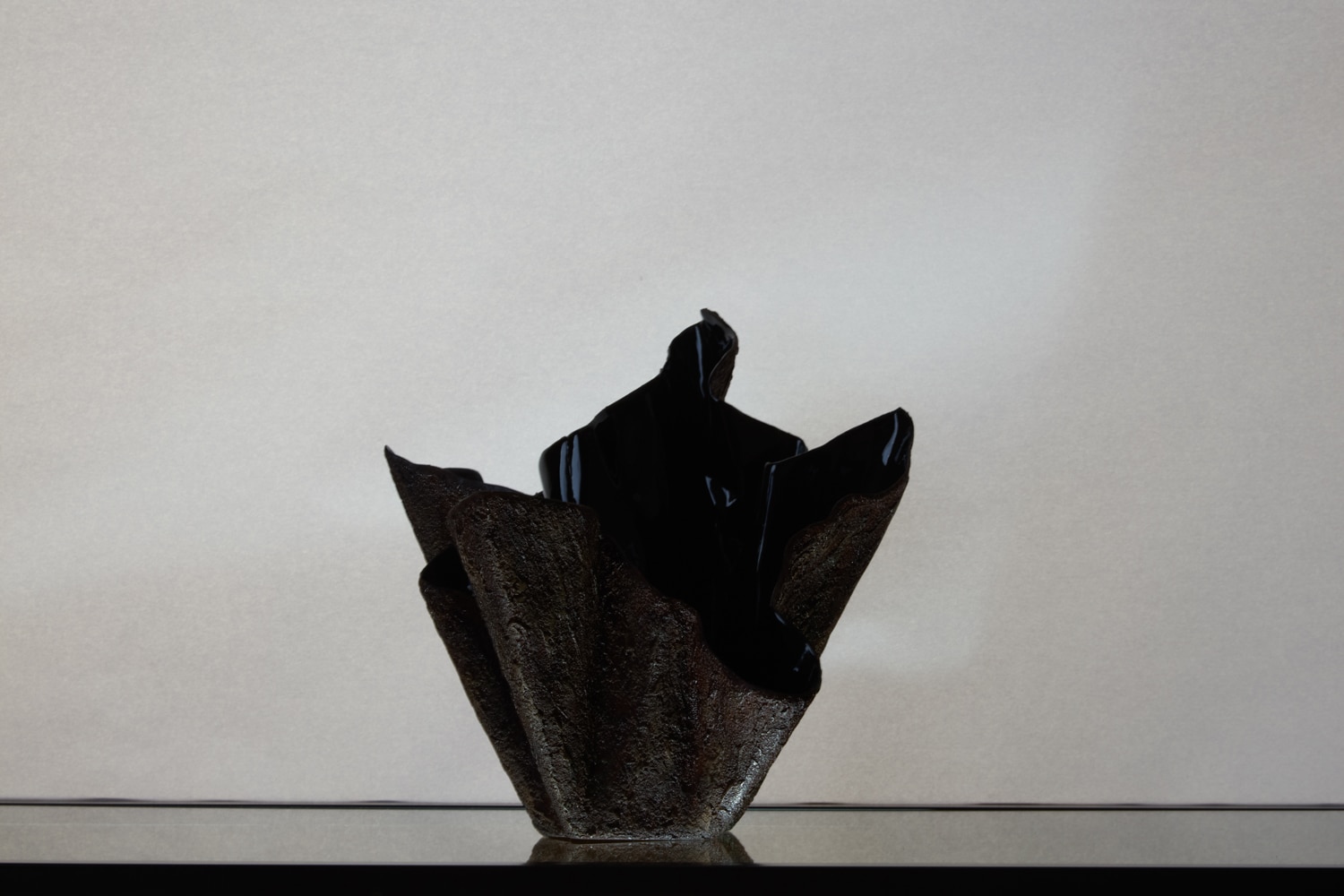
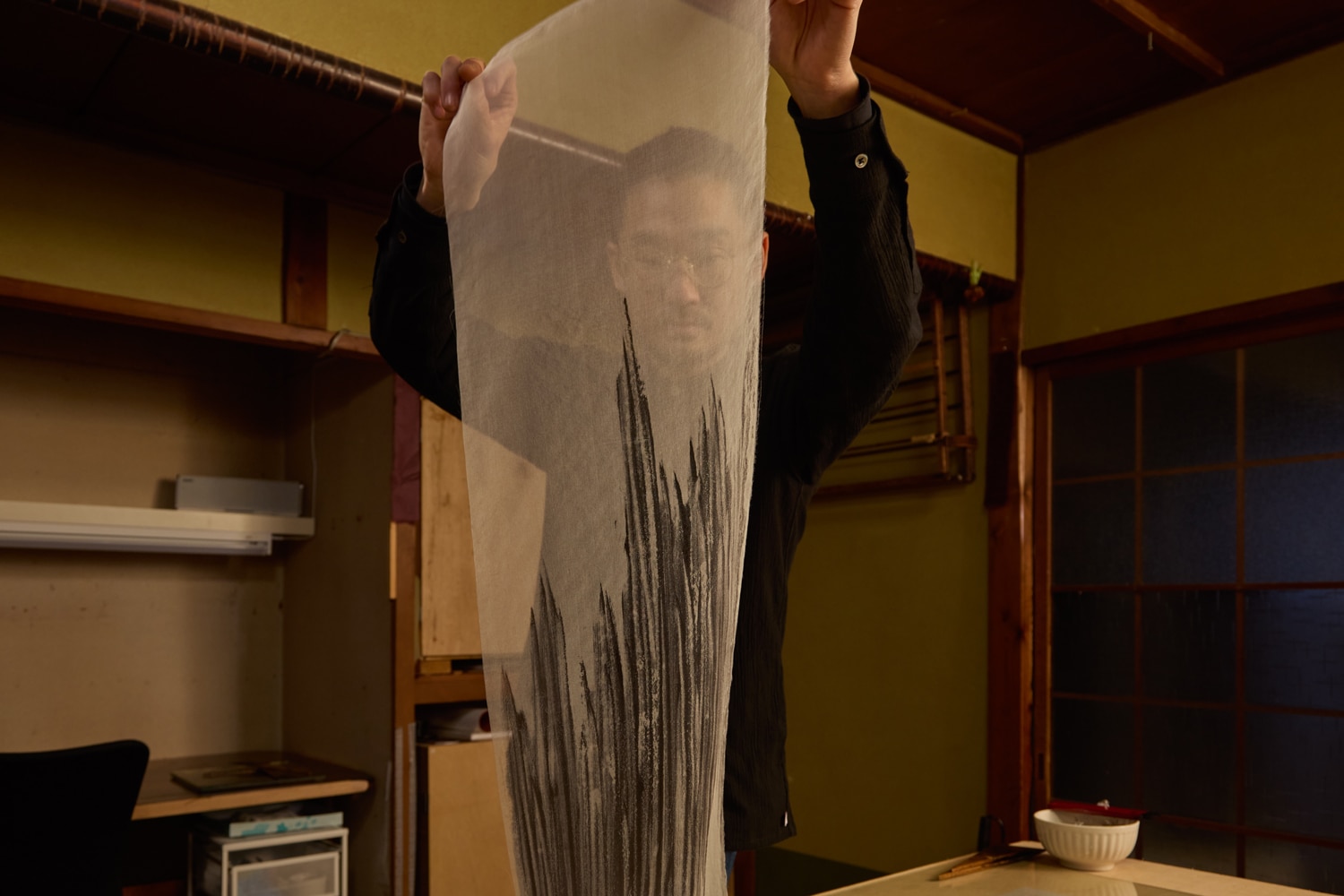
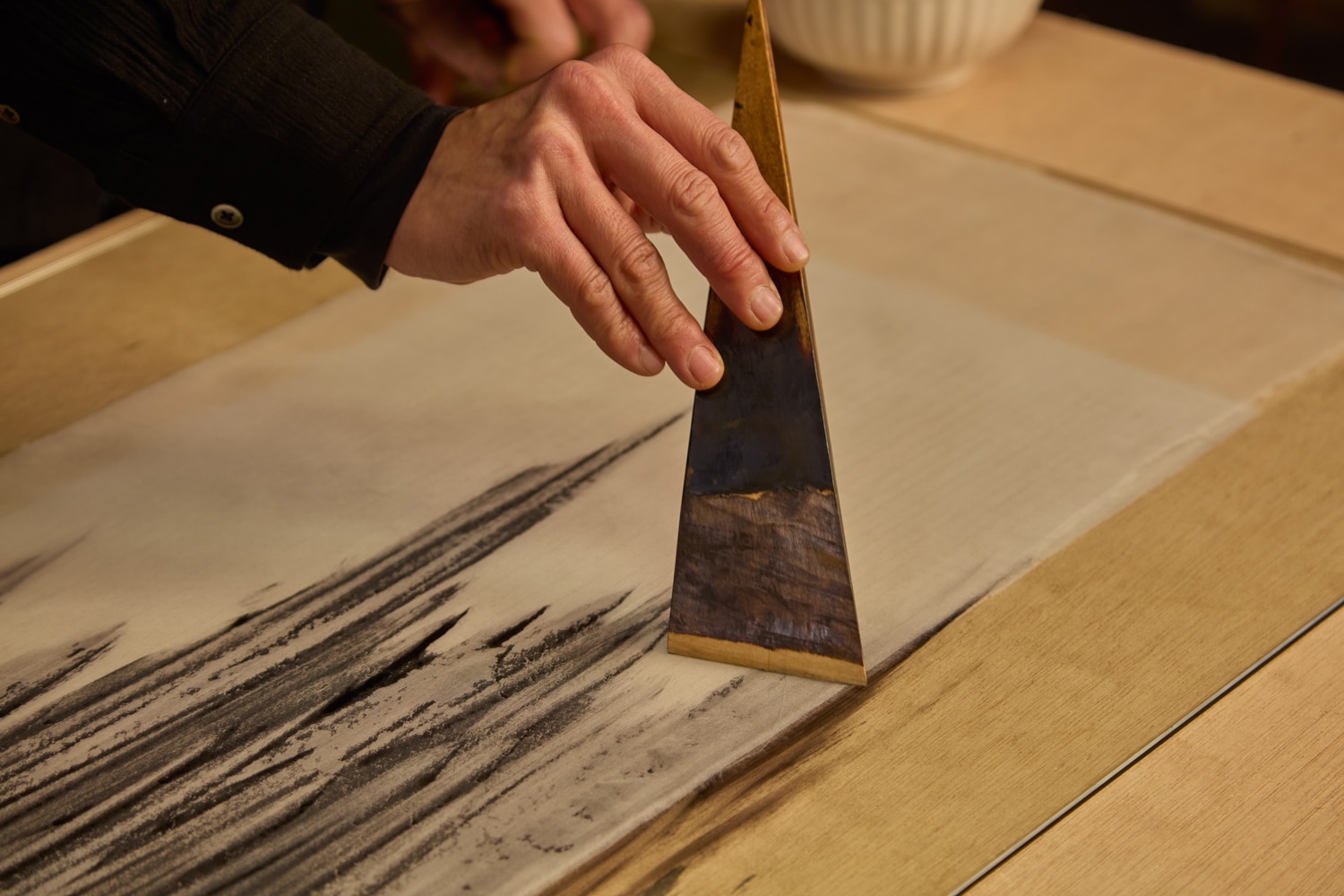
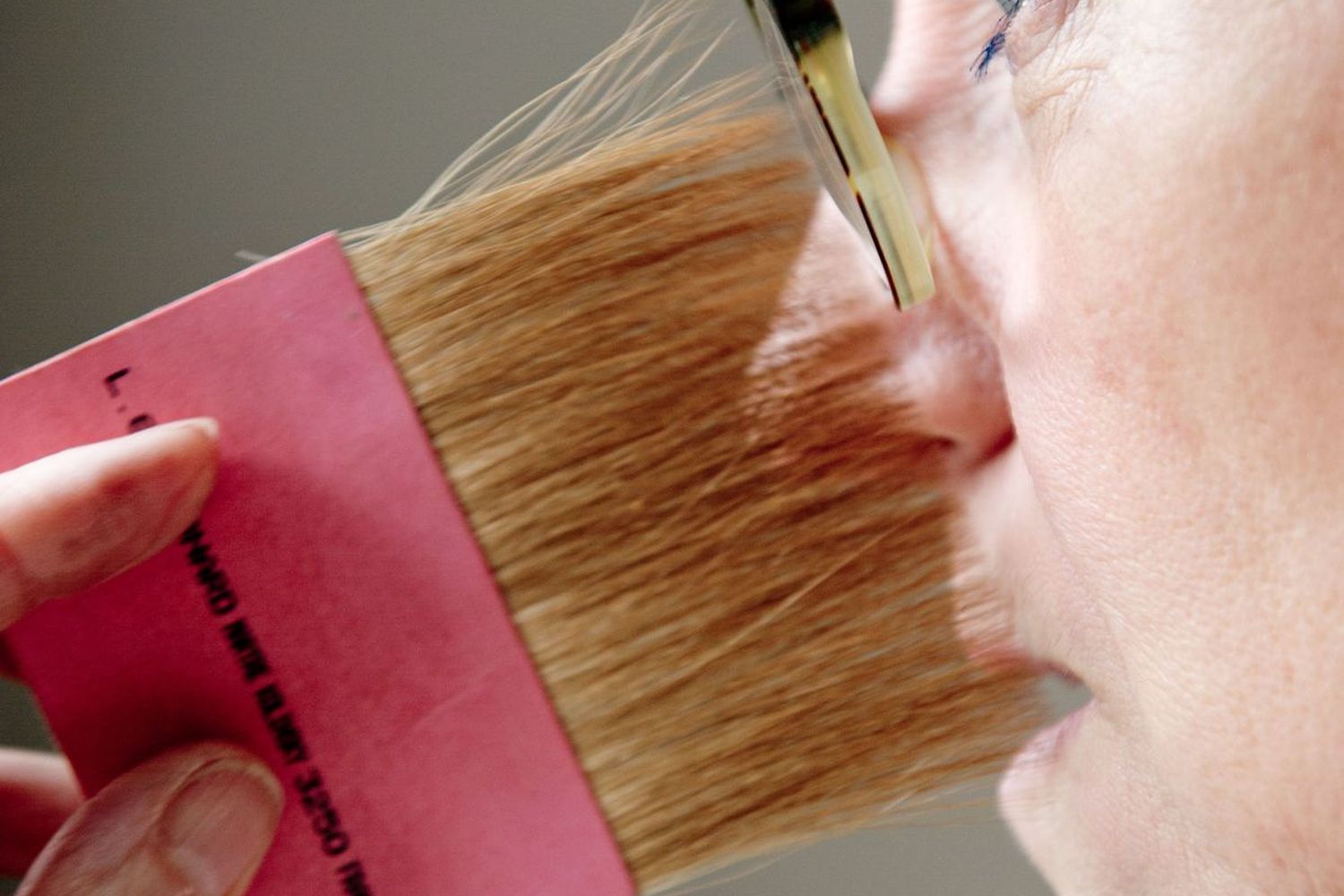
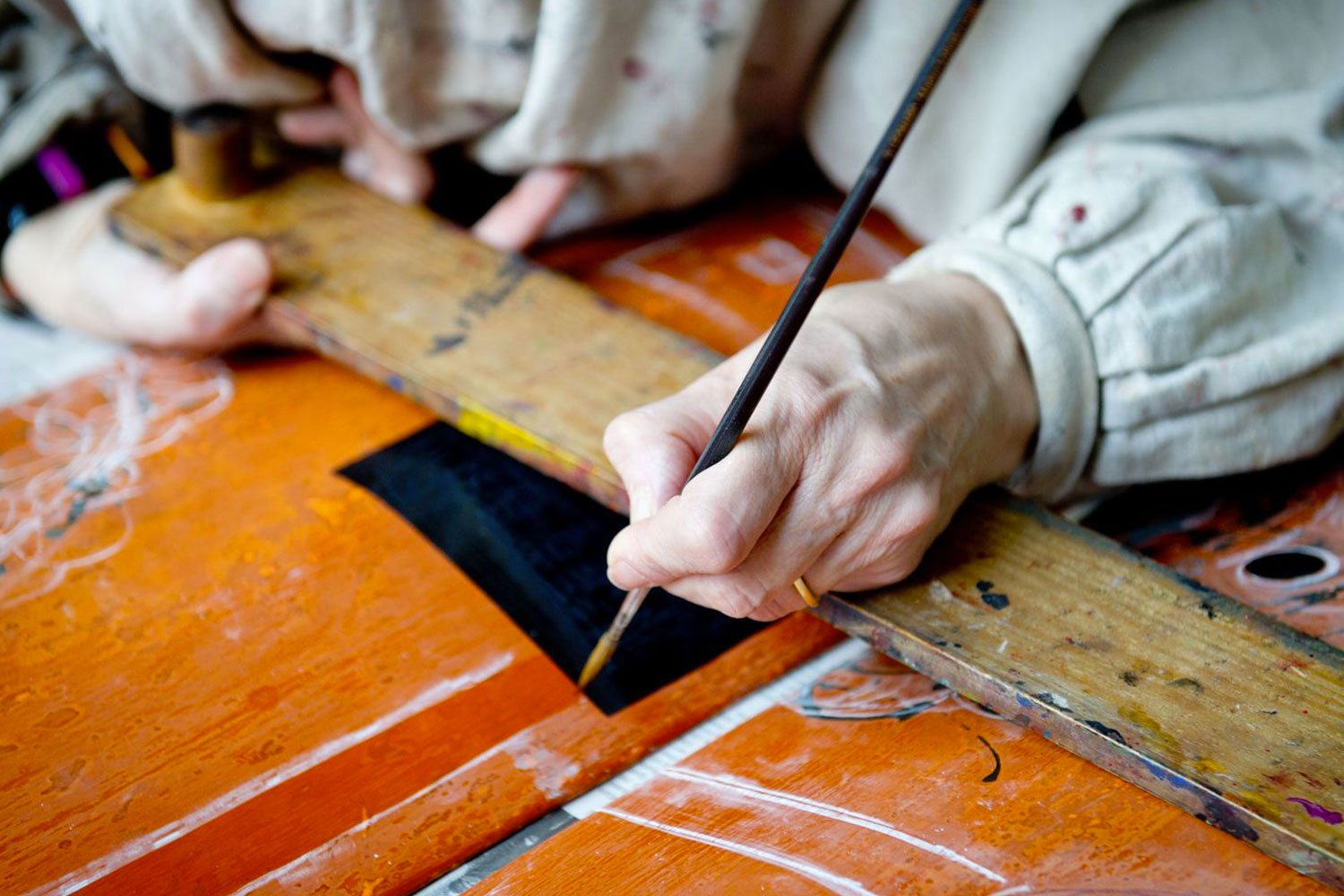
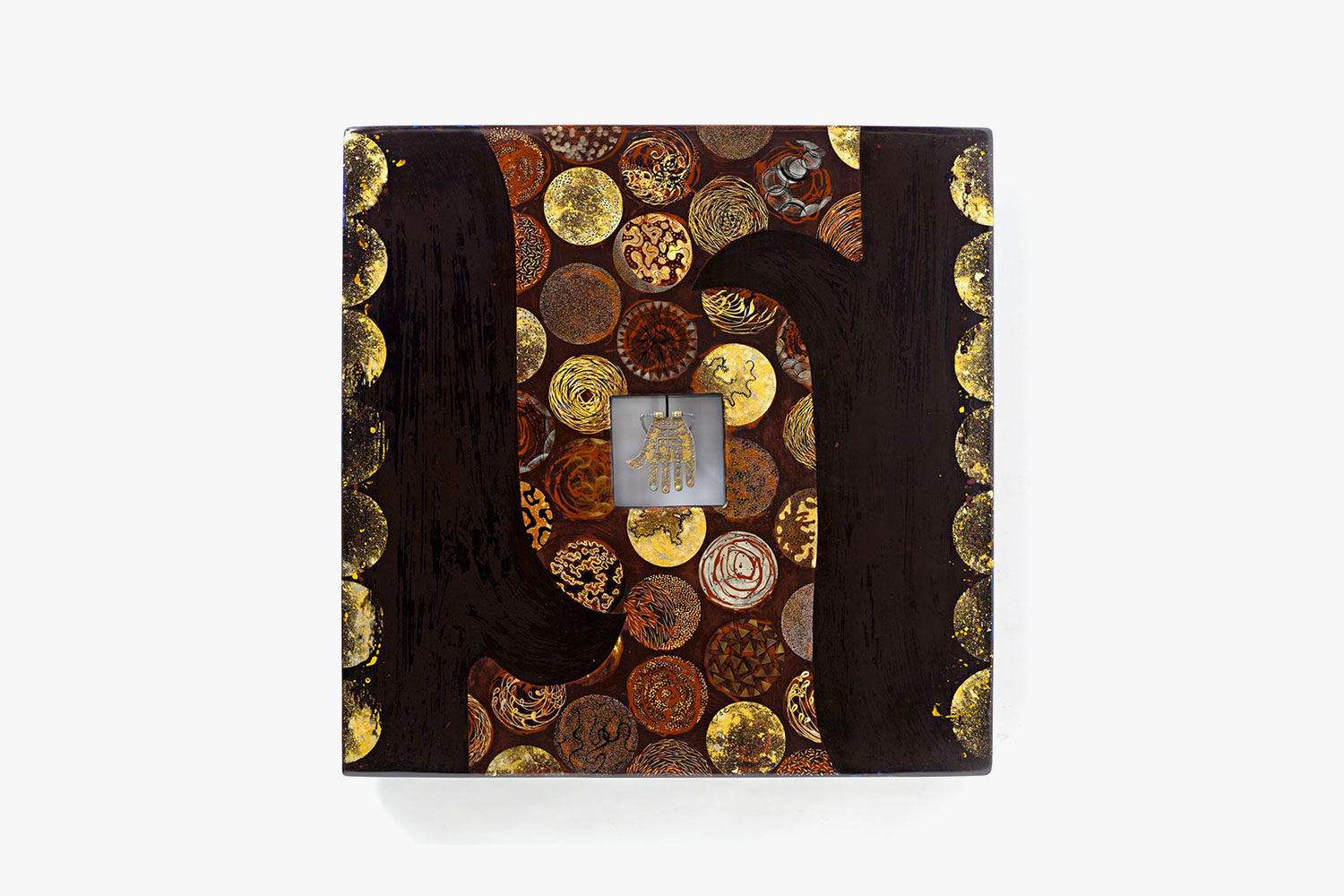
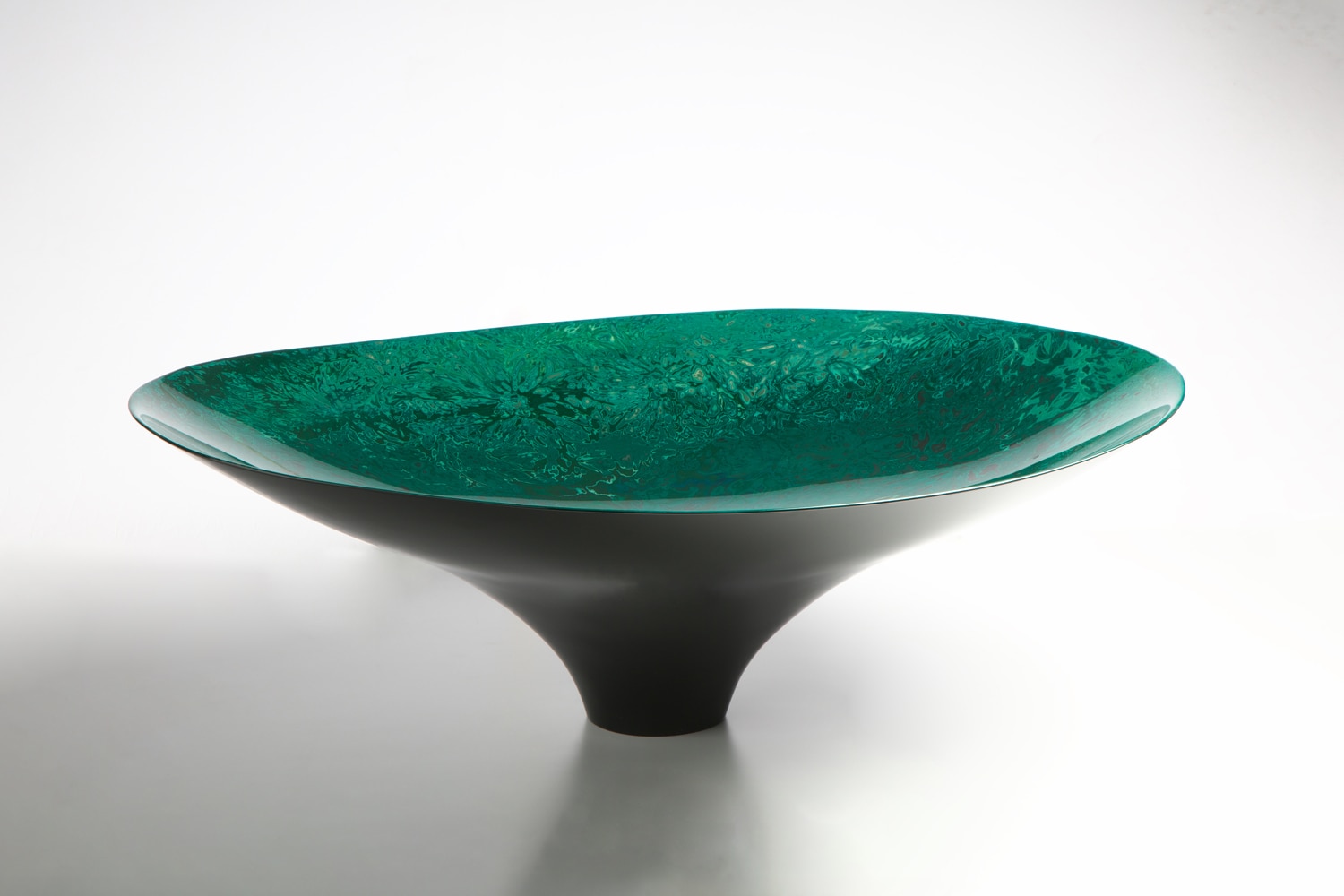
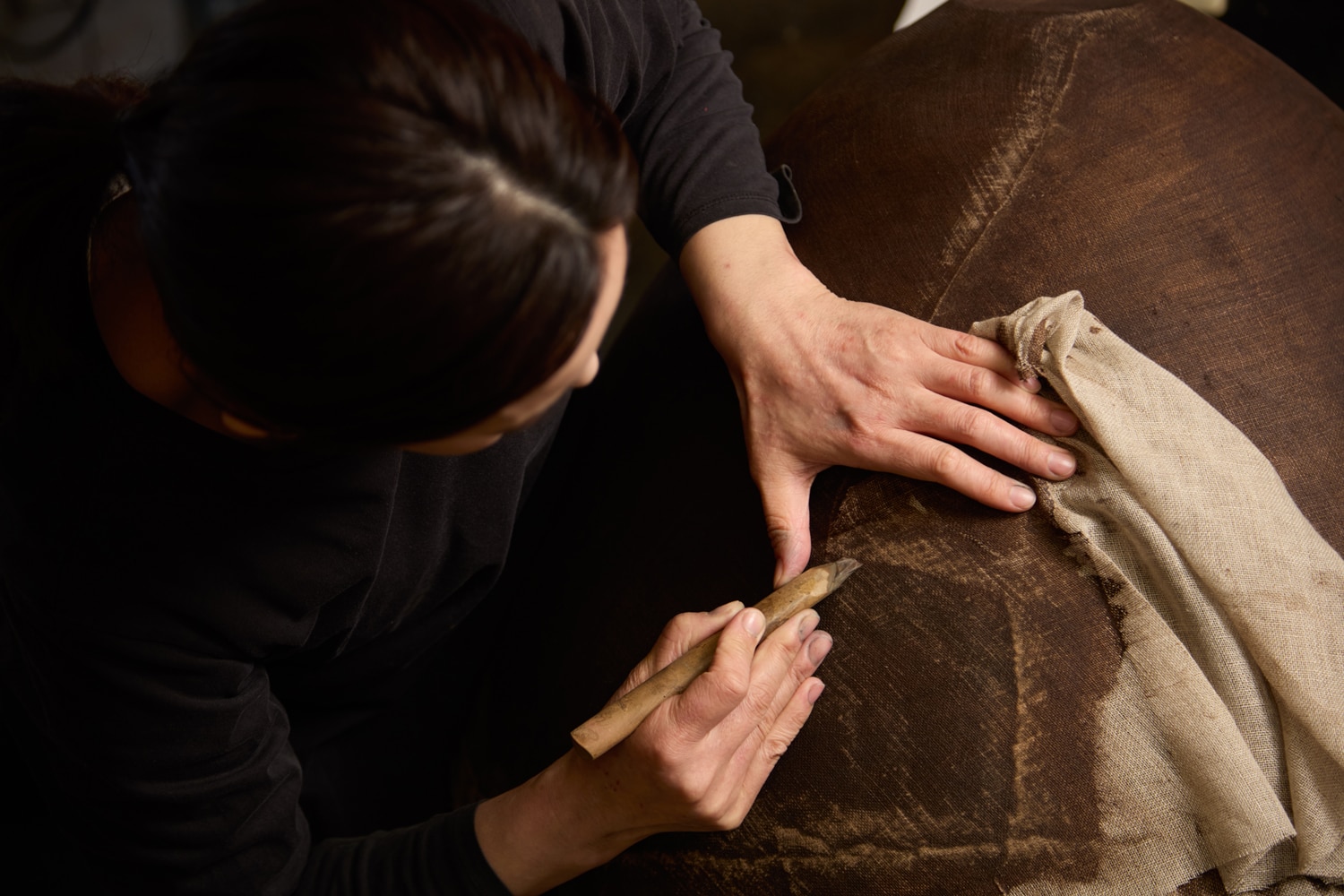
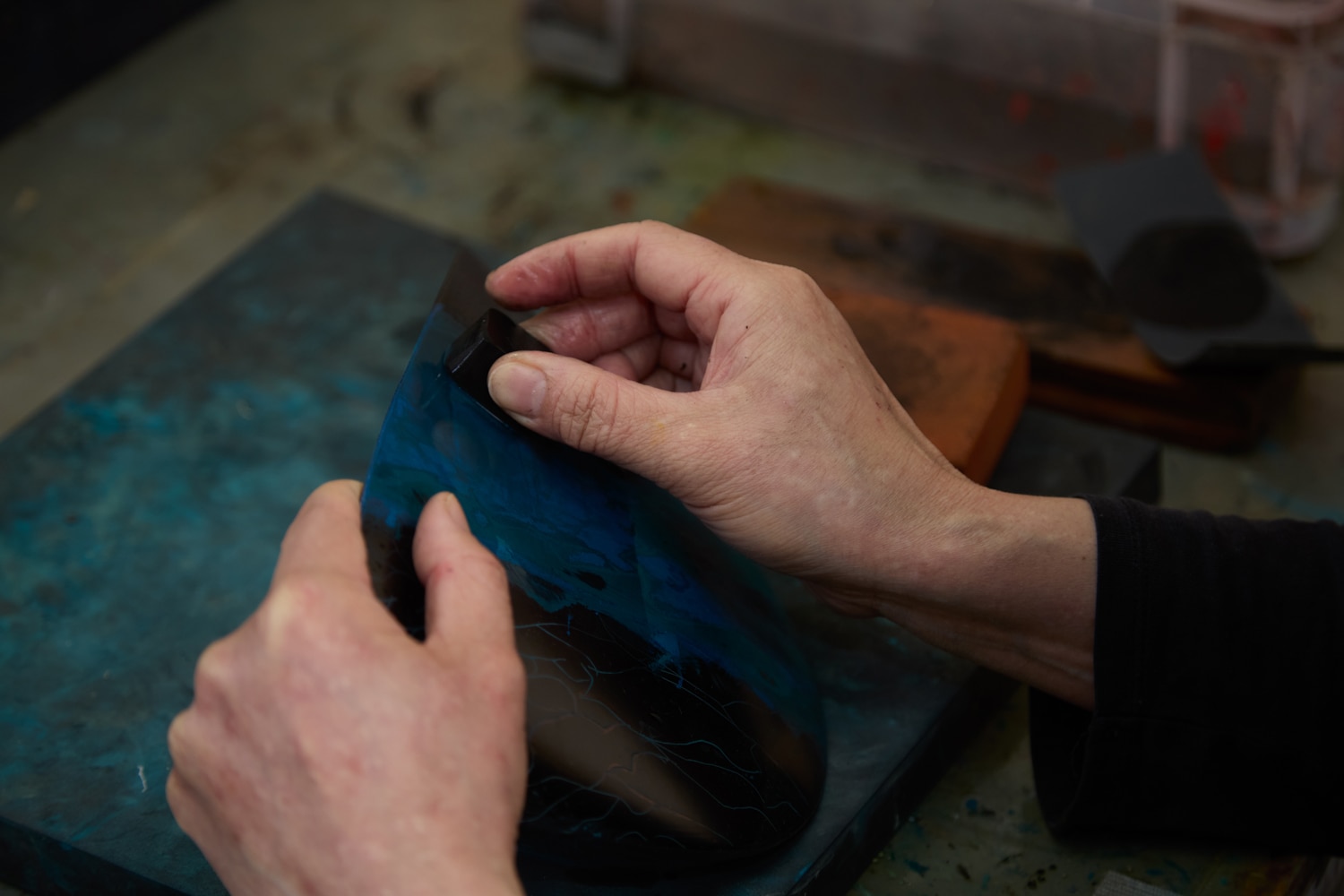
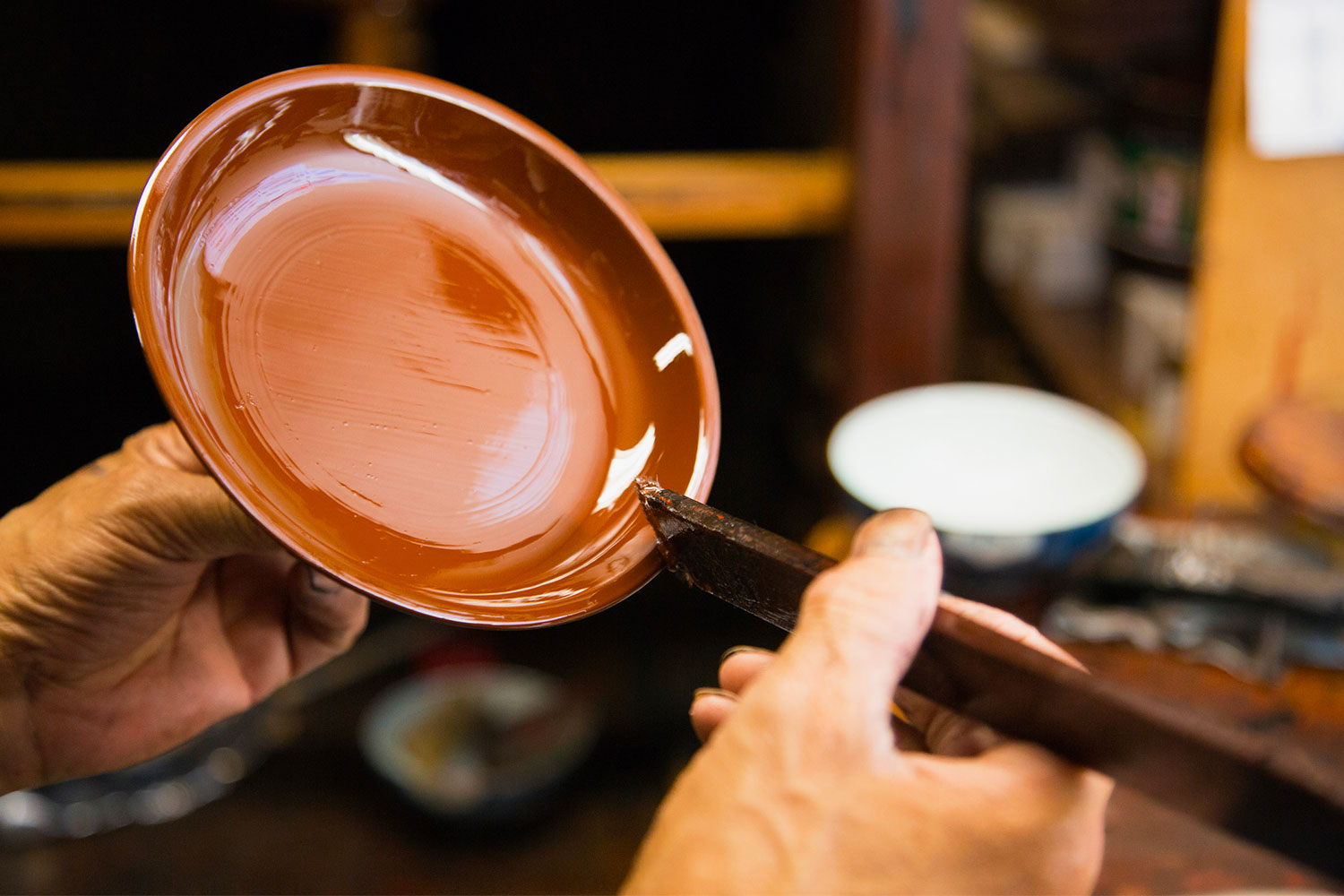
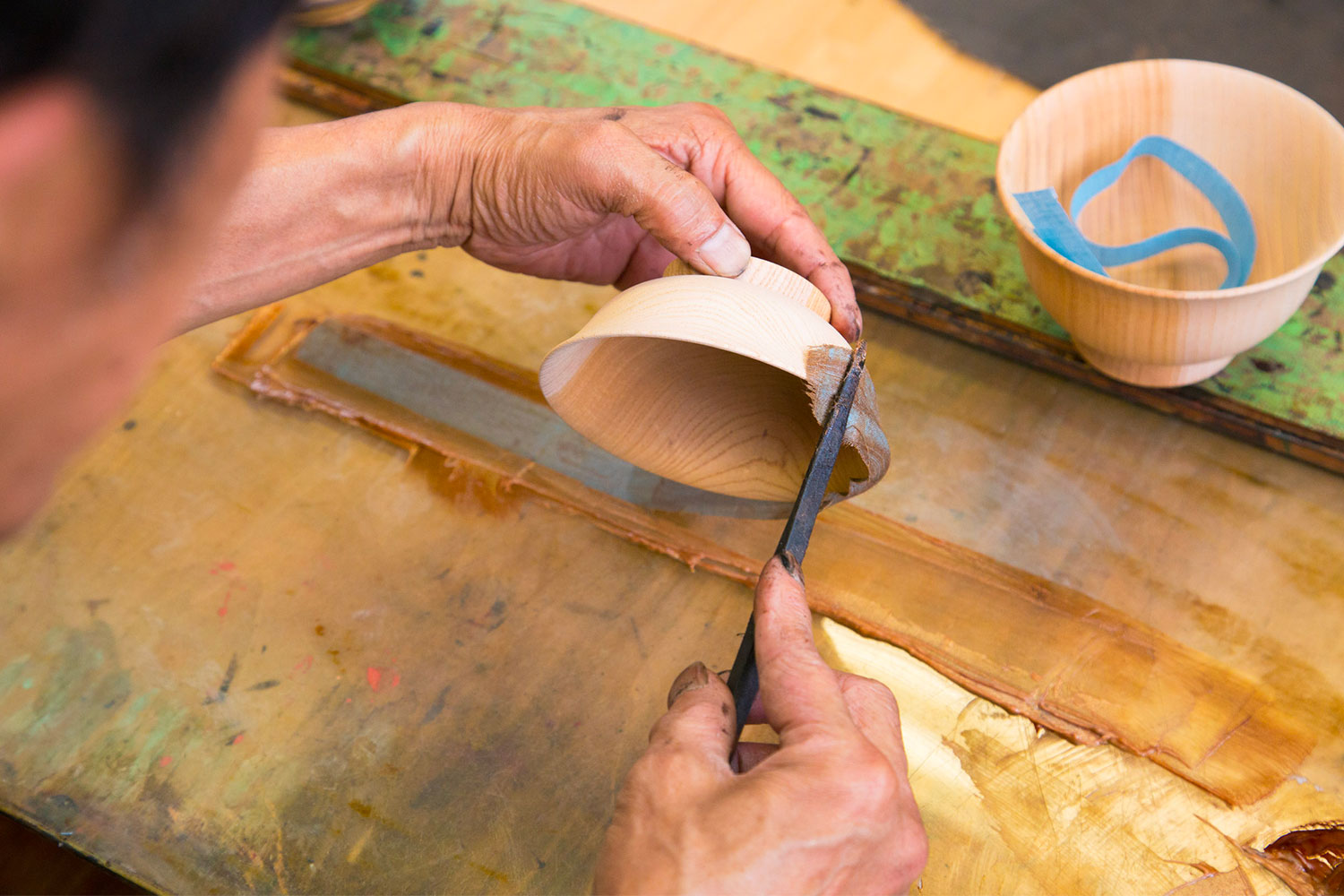
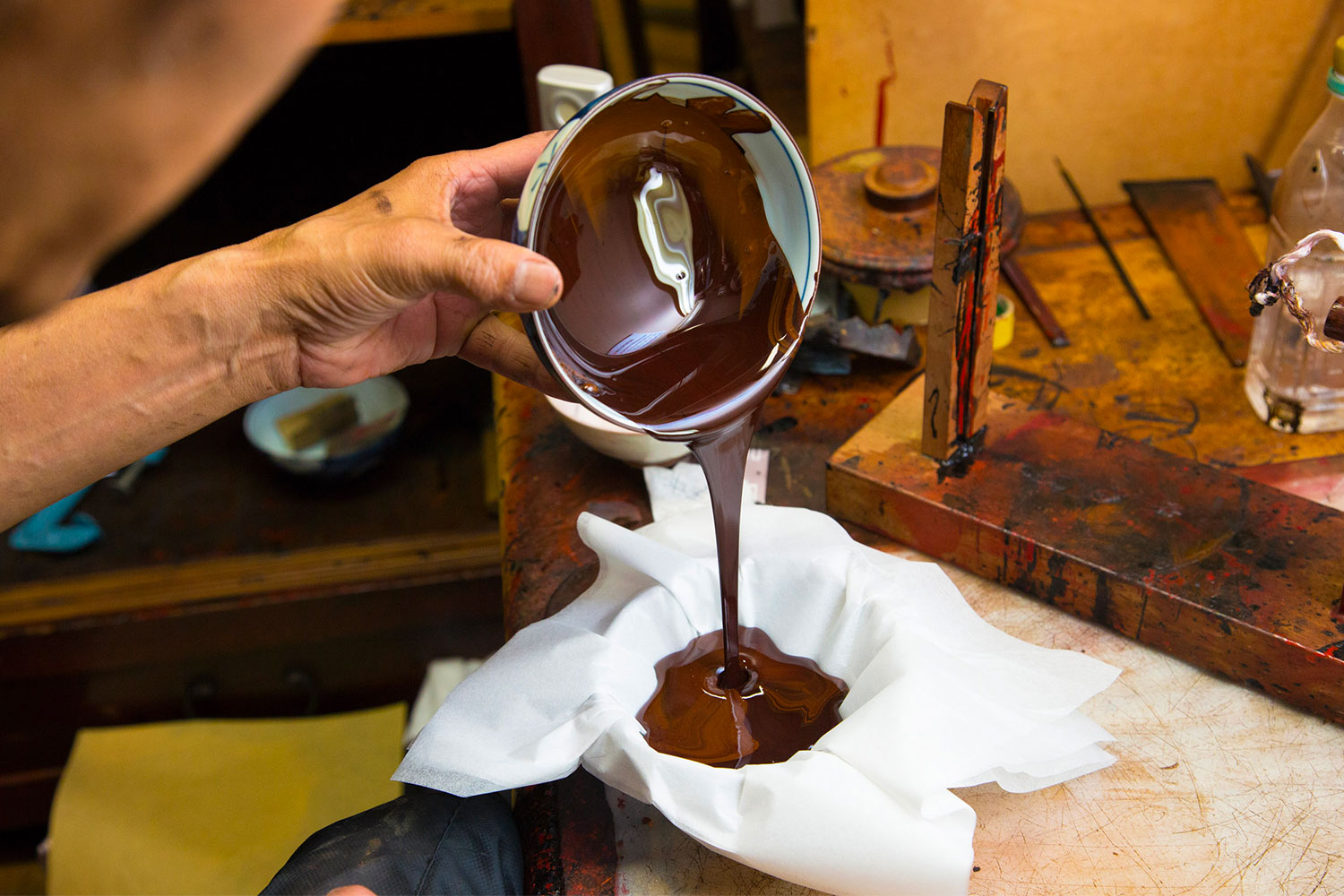
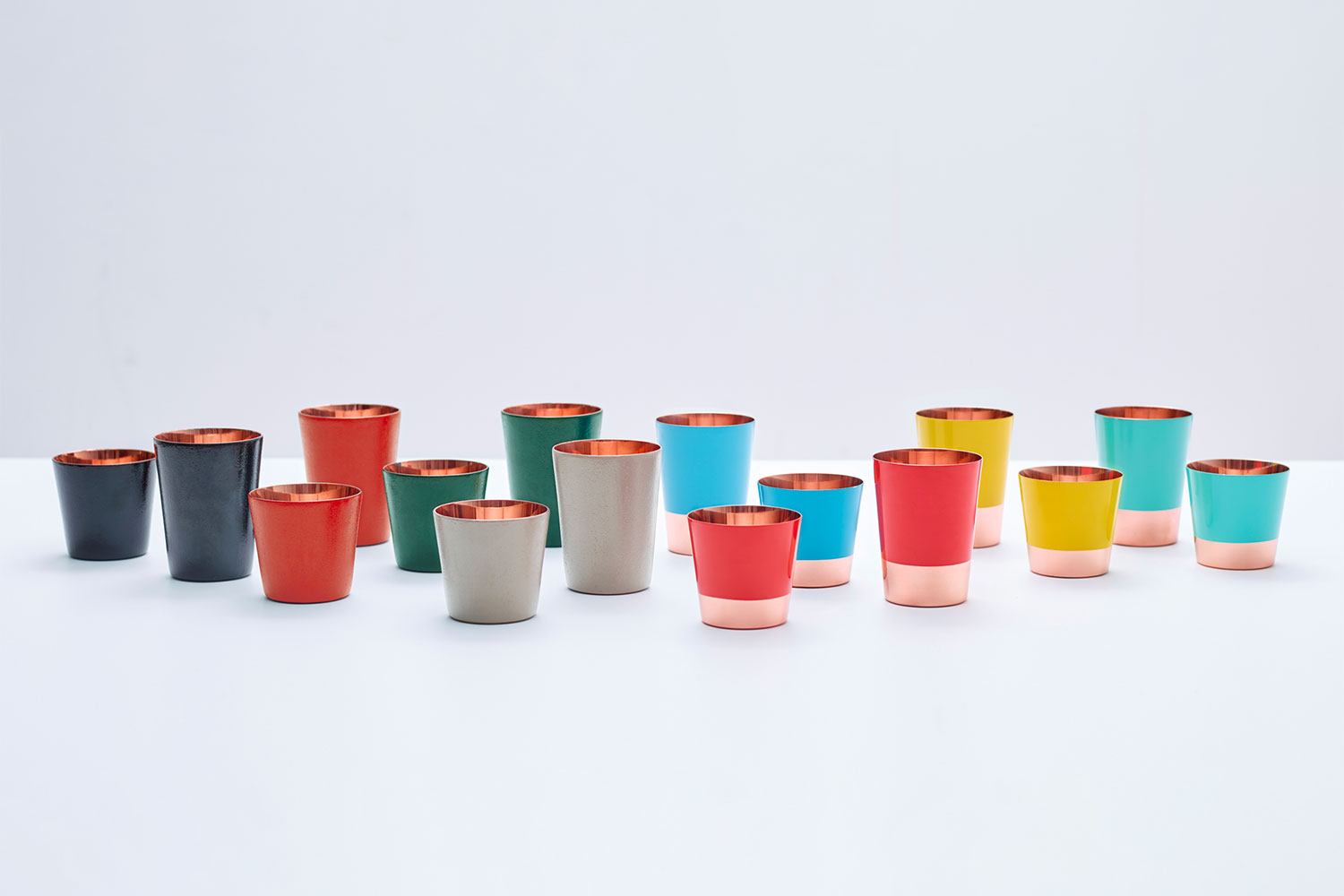
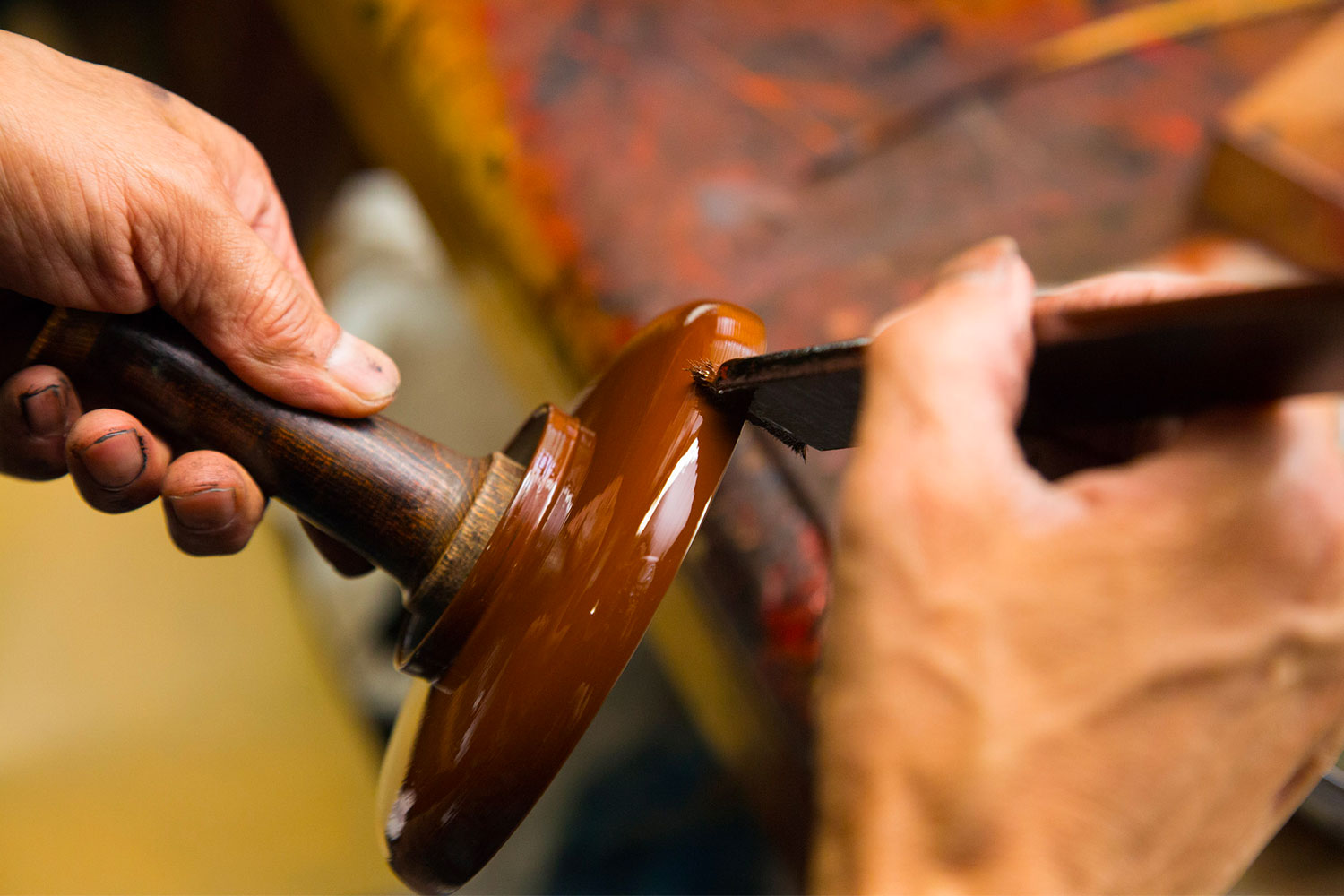
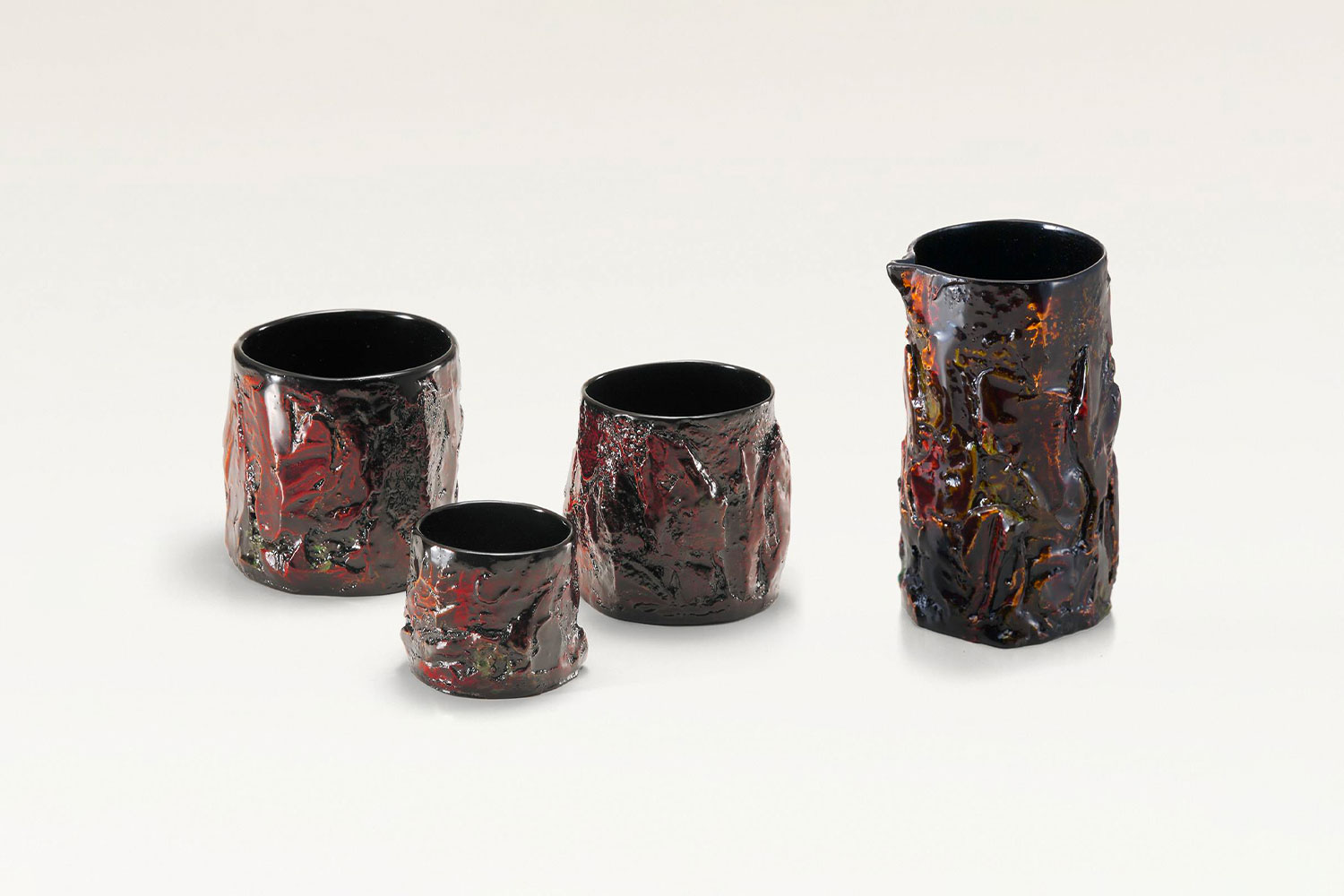
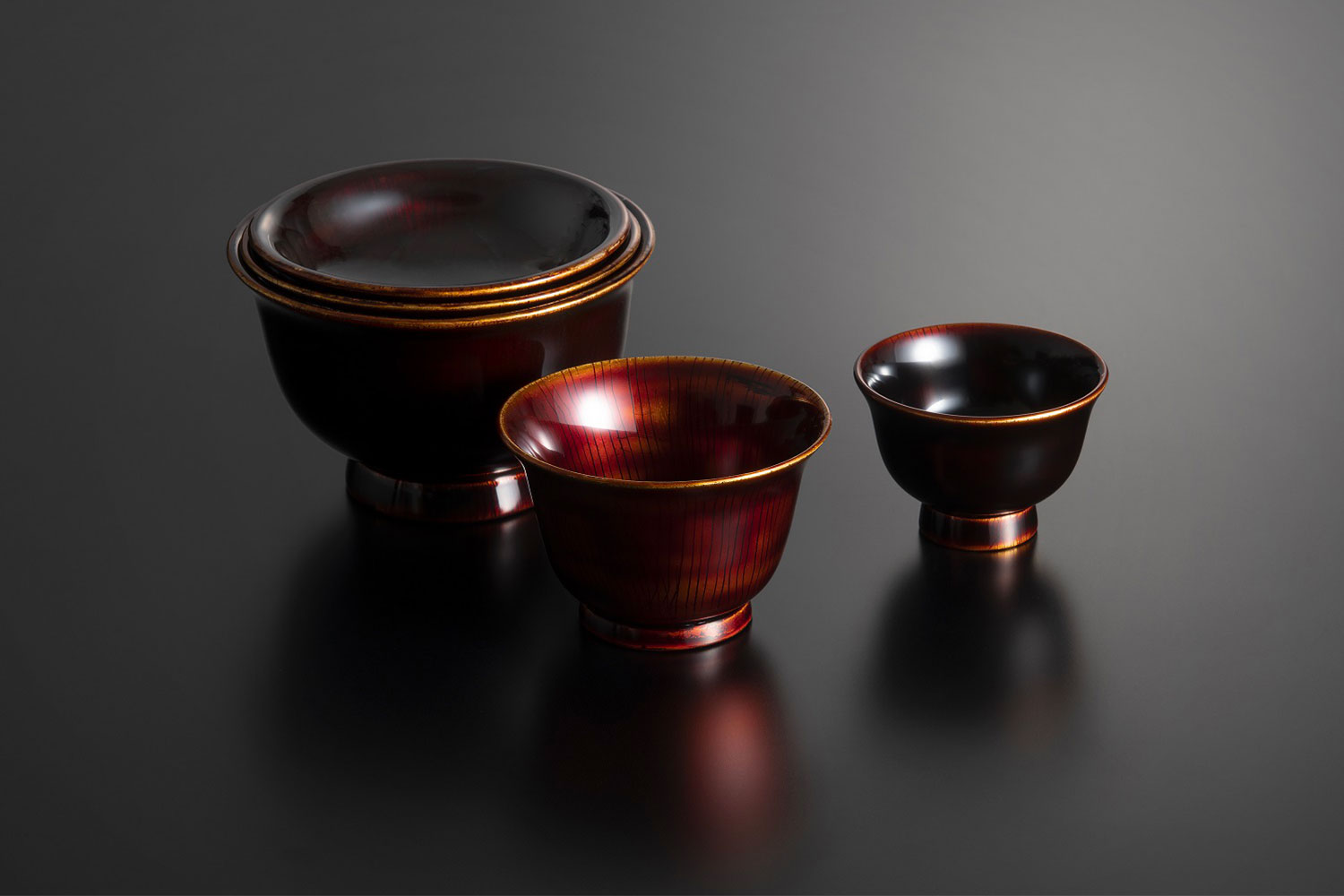
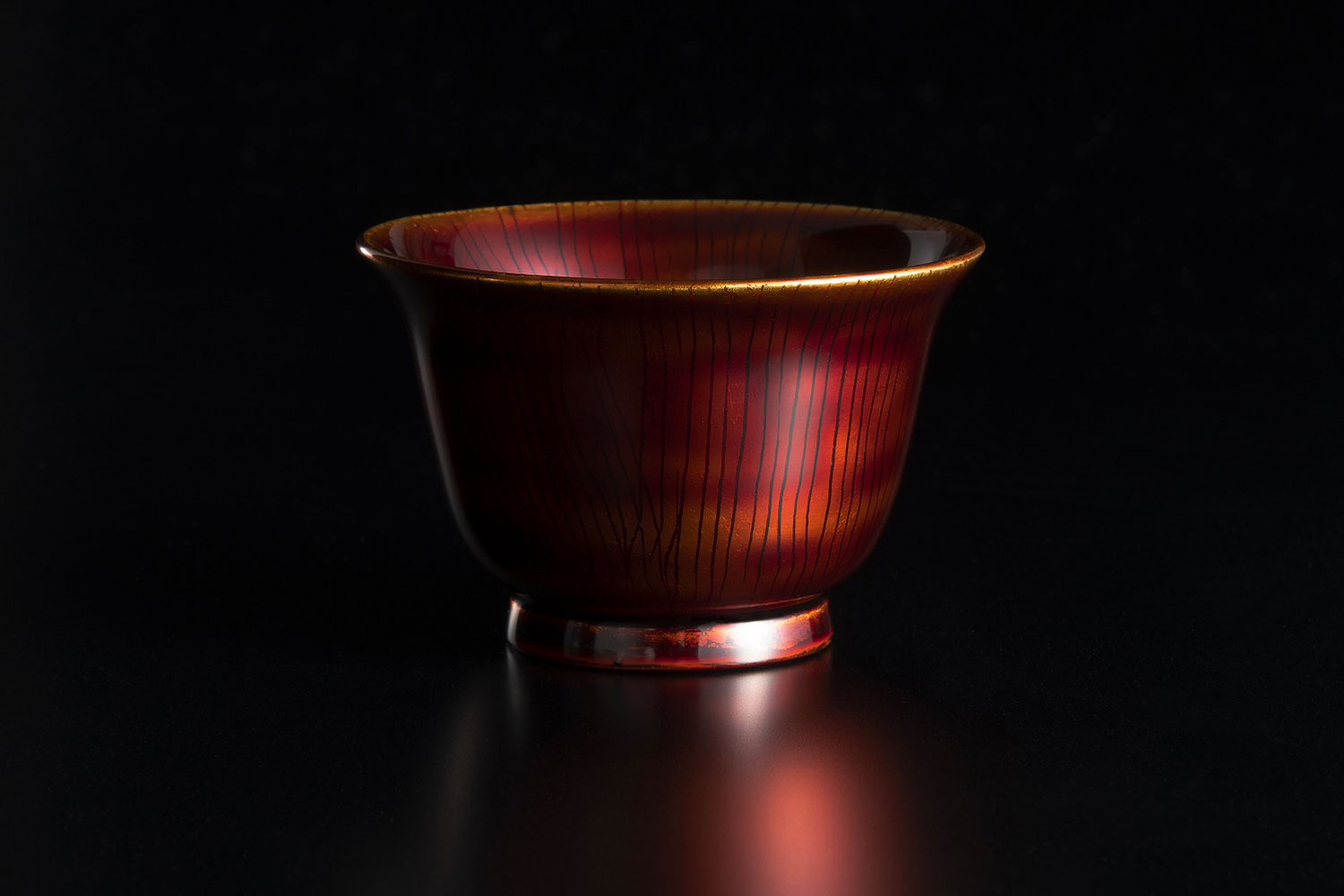
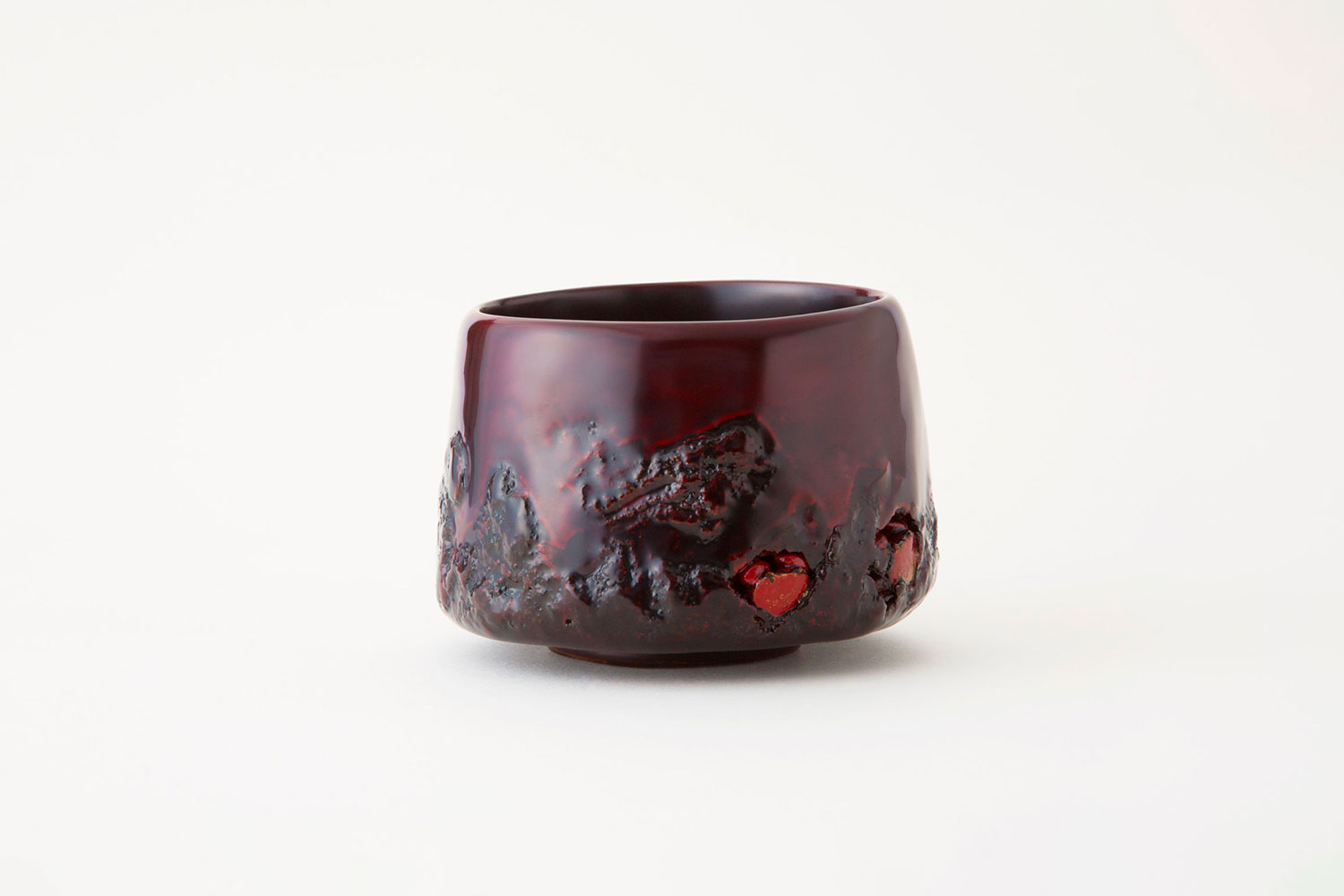
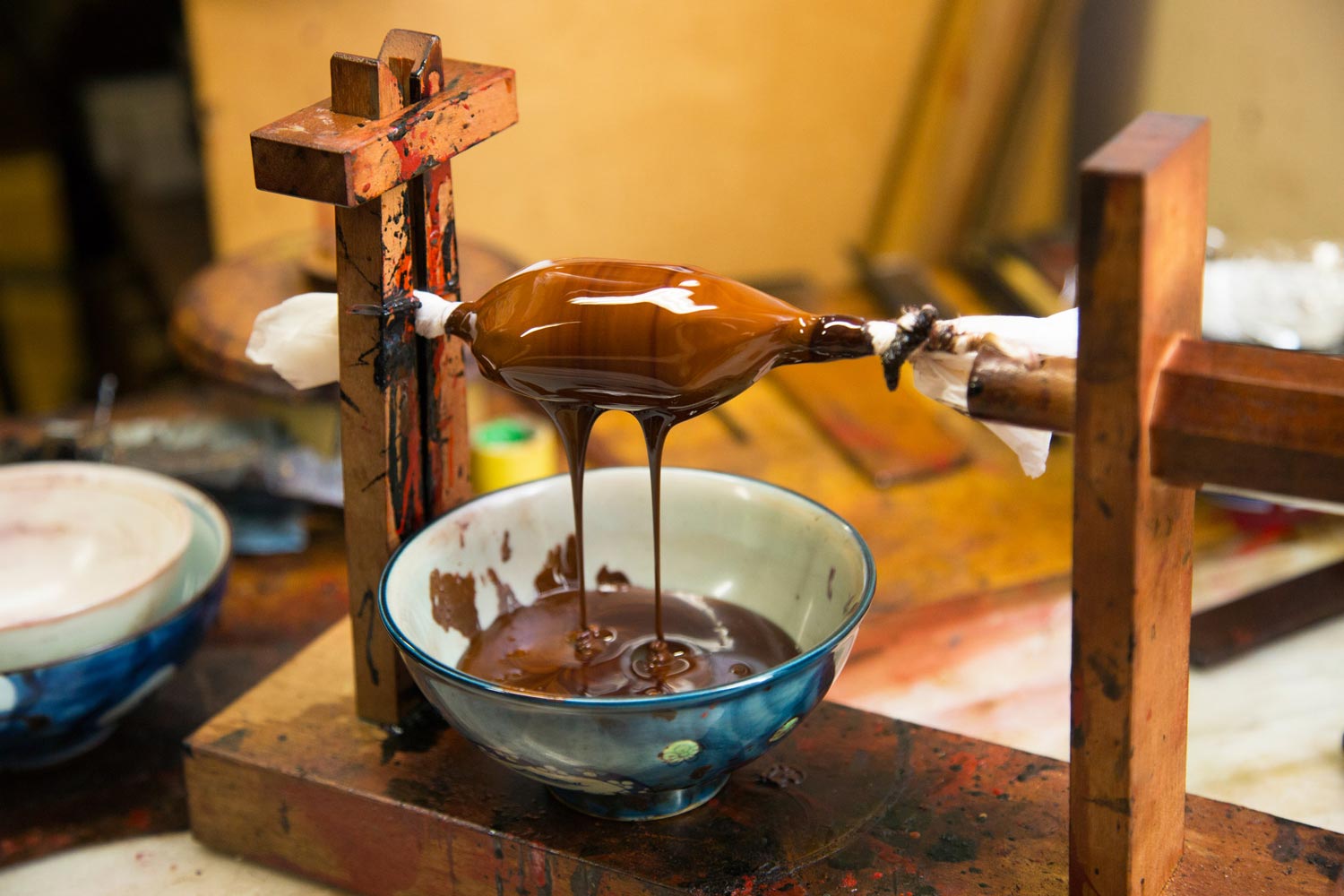
The city of Wajima on the northwestern coast of Japan is the birthplace of the traditional Wajima-nuri lacquerware method. Usually carried out by multiple craftspeople specialising in different stages, Rikio Hikimochi is one of few artisans who can handle the entire lacquering process. After a decade of apprenticeships, he established Studio RAKU in 1983. He then developed the Nerikanshitsu technique followed by the Kokemusu technique, which has the unique quality of turning a moss green colour over time. His son, Kazuyori, is also a lacquerware master and endeavours to combine materials long believed to be incompatible. Father and son alike are committed to sharing the beauty of Wajima lacquer by experimenting with new forms of expression and taking part in various restoration projects.
Discover their work
INTERVIEW
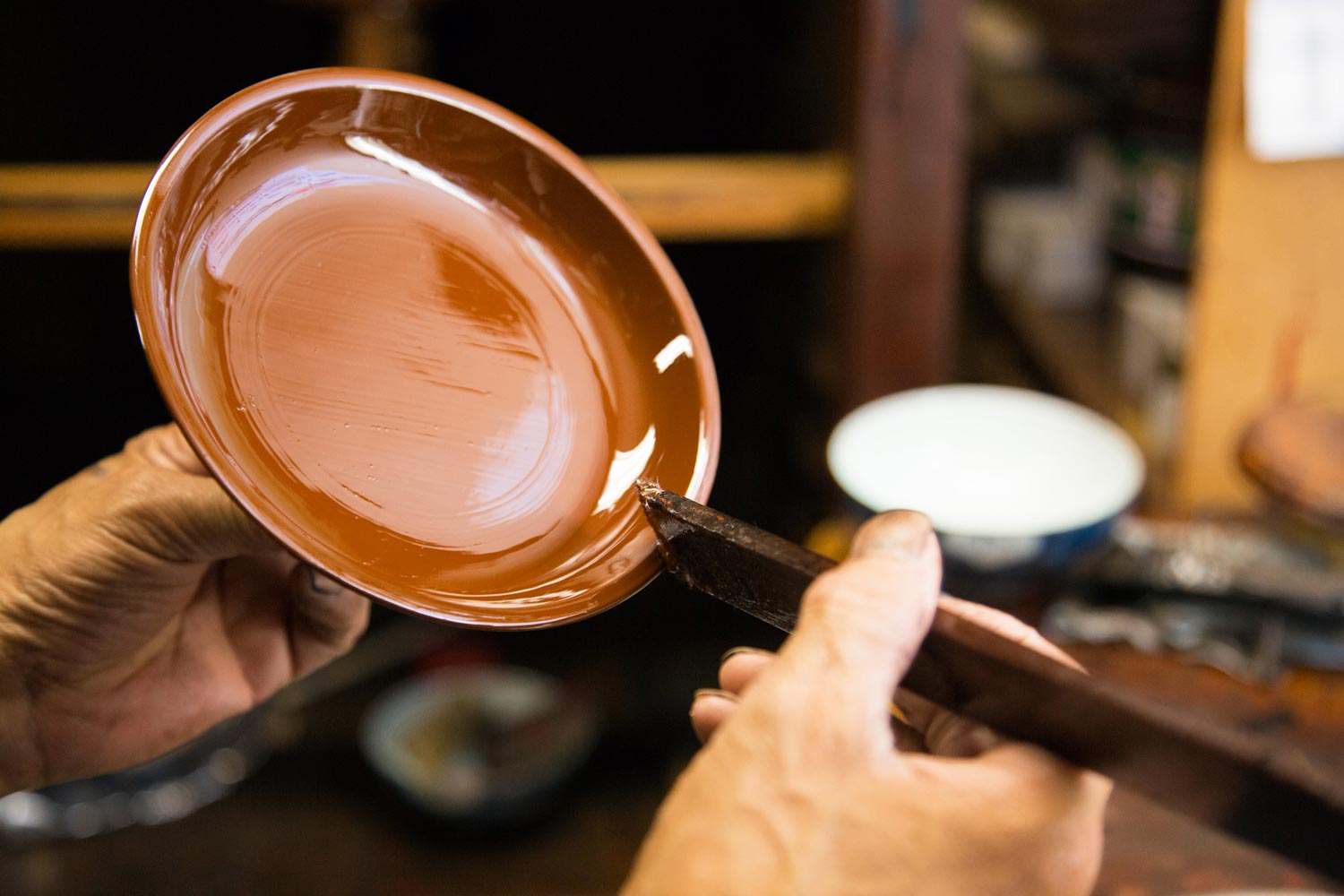
Rikio: It requires exceptional skill to apply the thin layers of urushi lacquer that distinguish Wajima lacquerware. If the lacquer dries unevenly, it leads to cracks and damages the entire coating. Due to my specialized knowledge of urushi, I can even create thick layers without any cracks forming.
Rikio: Wajima lacquering usually involves over 120 stages carried out by specialised artisans. Despite not growing up immersed in the craft, I gradually came to master each step of the traditional Wajima lacquerware technique. Due to this, I have complete control over the production process and can reduce the amount of time needed.
Kazuyori: Once, a repair request came in for a piece with much sentimental value. I painstakingly restored it as close to its original condition as possible, and the delighted client said it brought back many memories. The pleasure of bringing joy to clients motivates me to continue my work.
Kazuyori: The time I have to pass down this long tradition to the next generation is limited. To make the most of it, I aim to preserve the essence of Wajima lacquerware while keeping up with the times and experimenting with new materials and techniques.
1 EXPERIENCE
Rikio & Kazuyori Hikimochi
Wajimanuri Studio RAKU
Lacquerer
Wajima, Japan
AVAILABILITY
By appointment only
PHONE
+81 768261346
LANGUAGES
Japanese, English
Homo Faber Finds is a new service aiming to inspire admirers of craft to connect and collaborate with exceptional artisans.
We invite you to submit an enquiry here.