Rachel Hubbard Kline
Mixed media sculptor
Kansas City, MO, USA
Preserving history and memory in clay
- Rachel gives permanence to the ephemeral through clay
- Her work centres on memory and the history of women’s craft
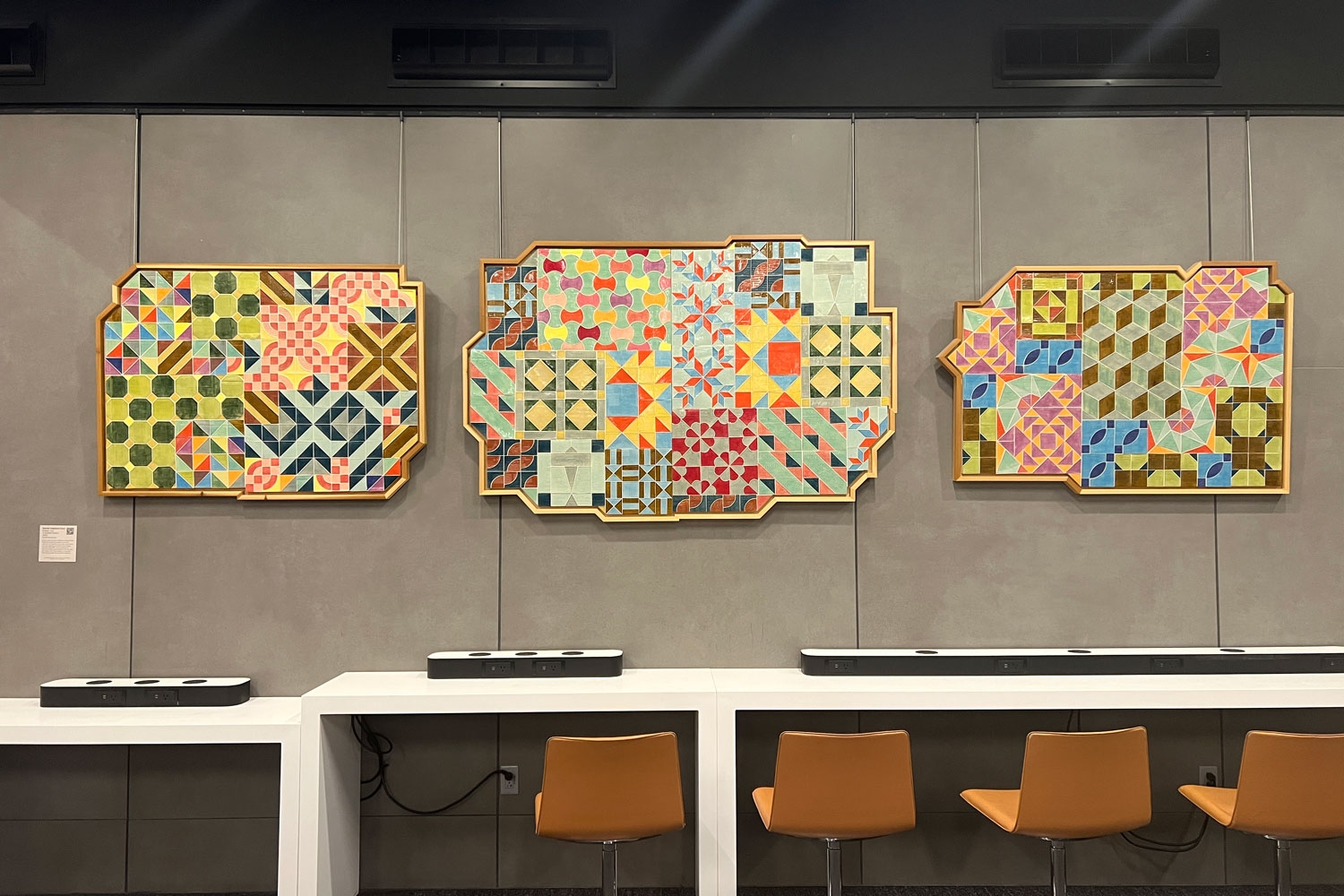
- One of her pieces is on permanent display at Kansas City International Airport
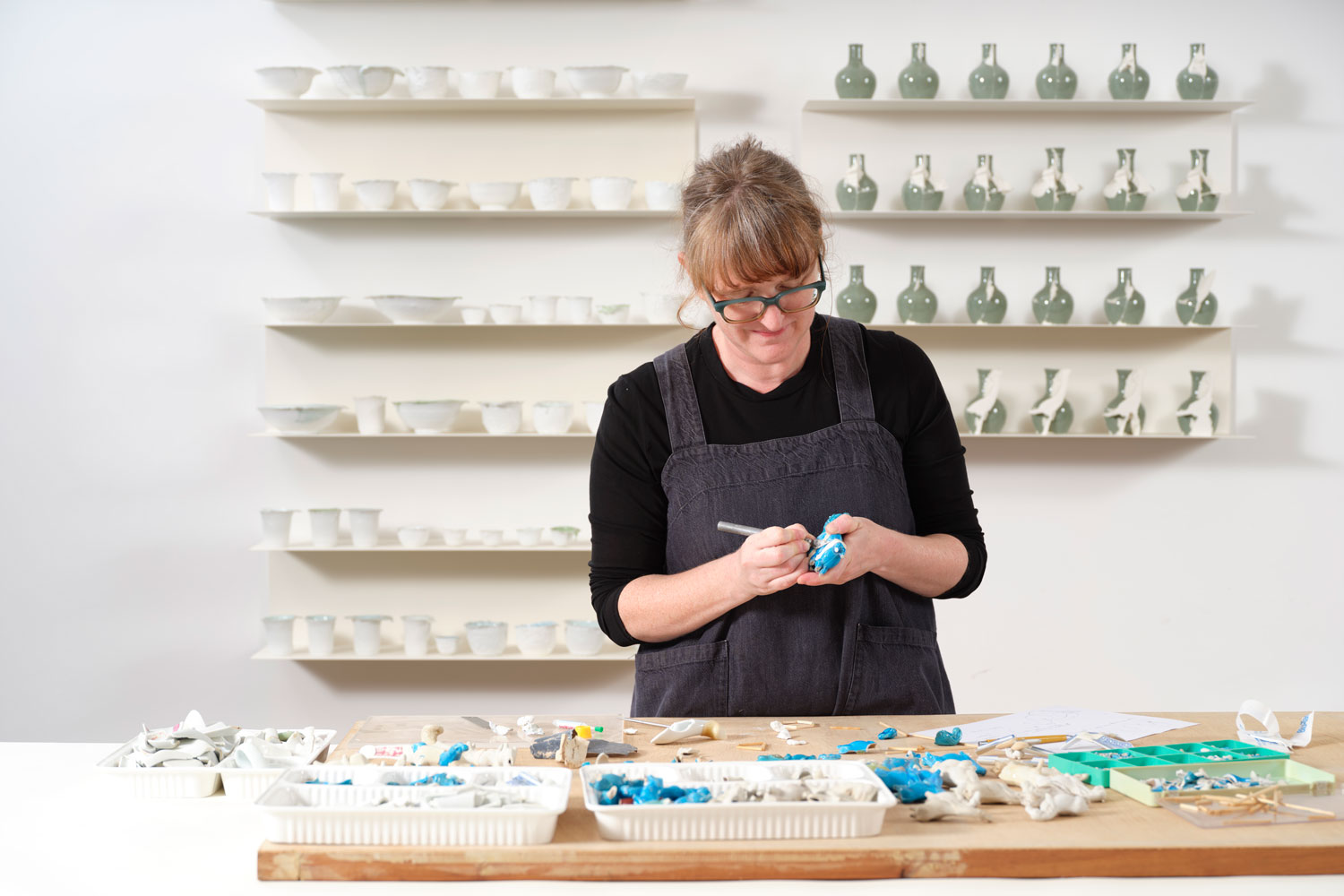
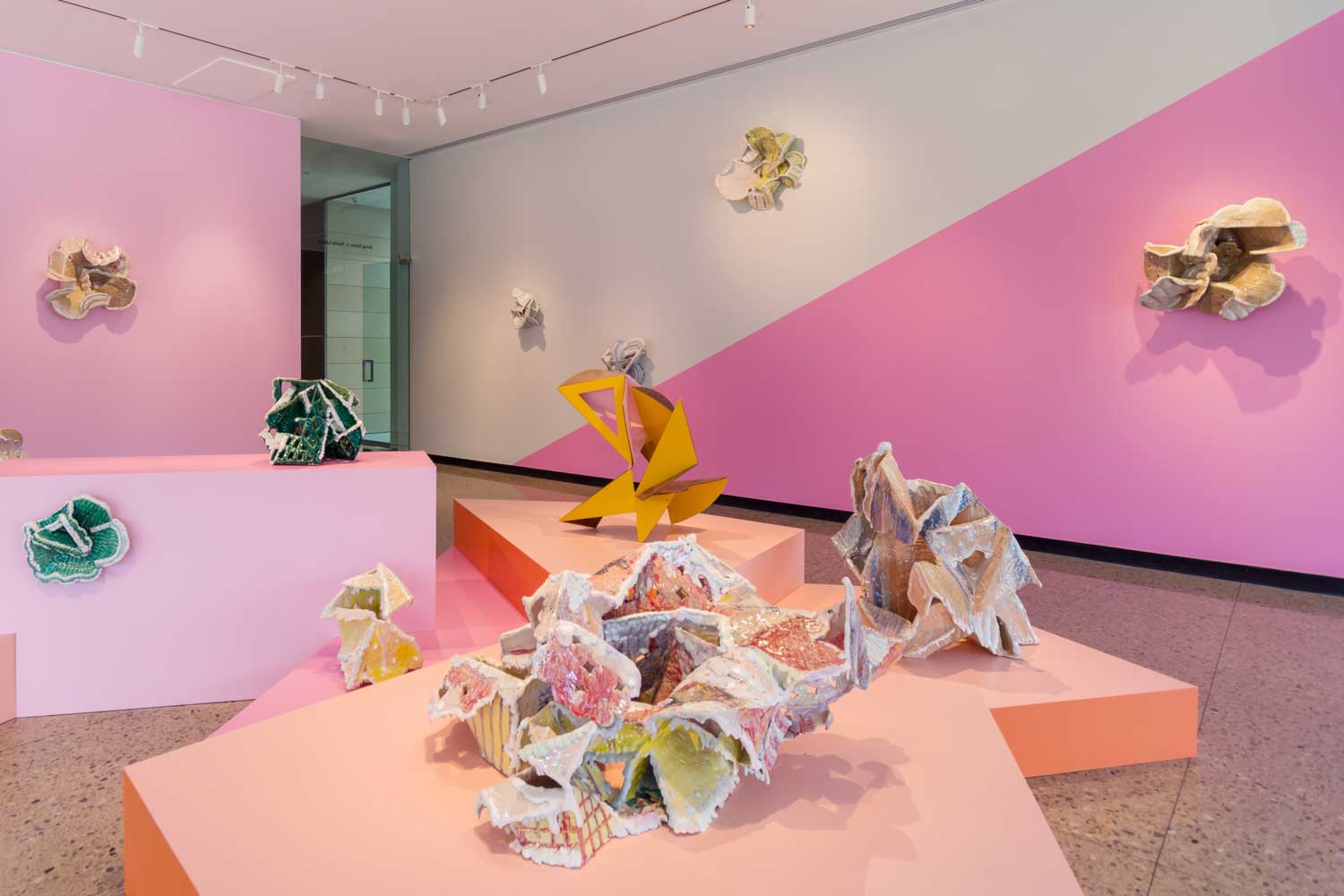
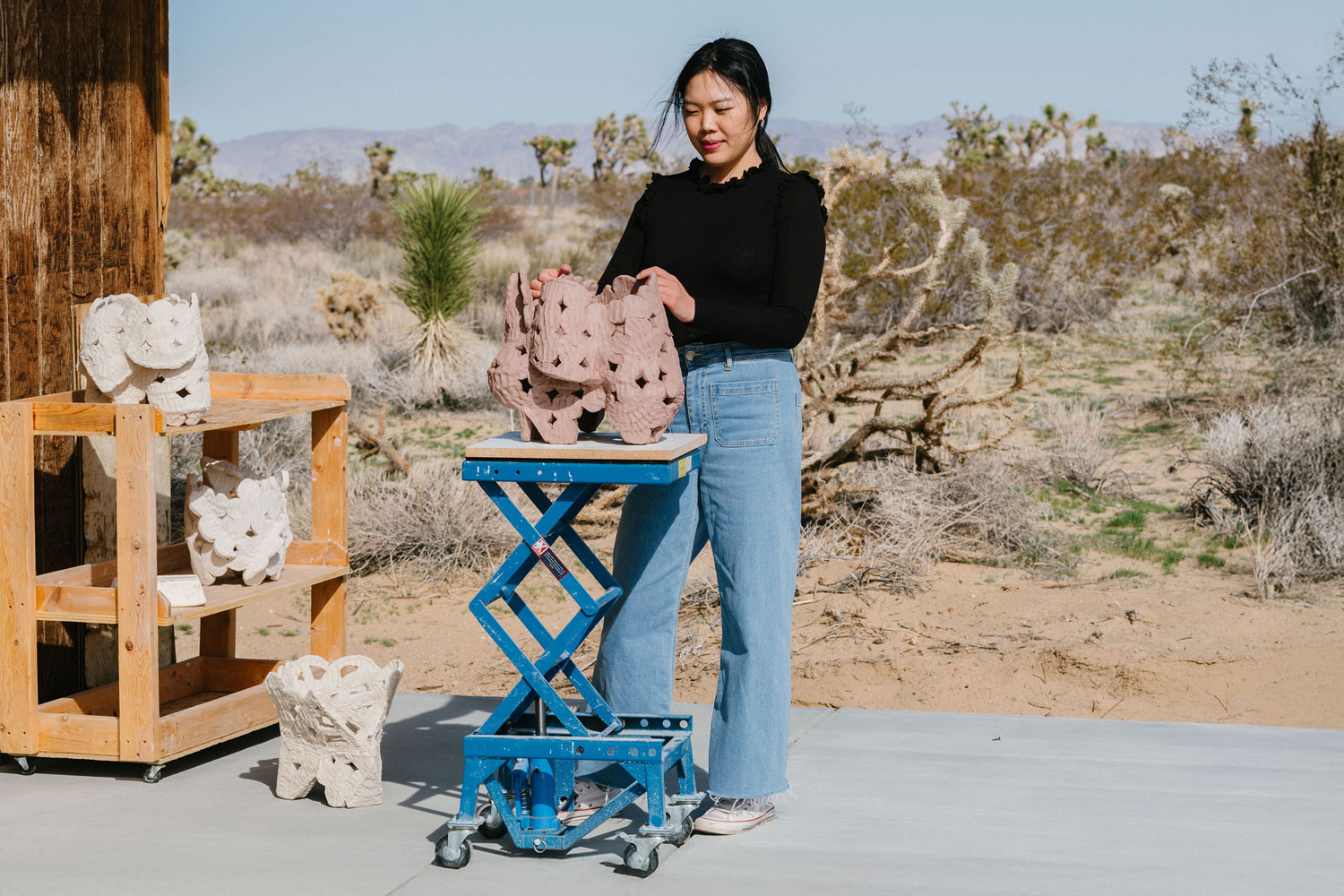
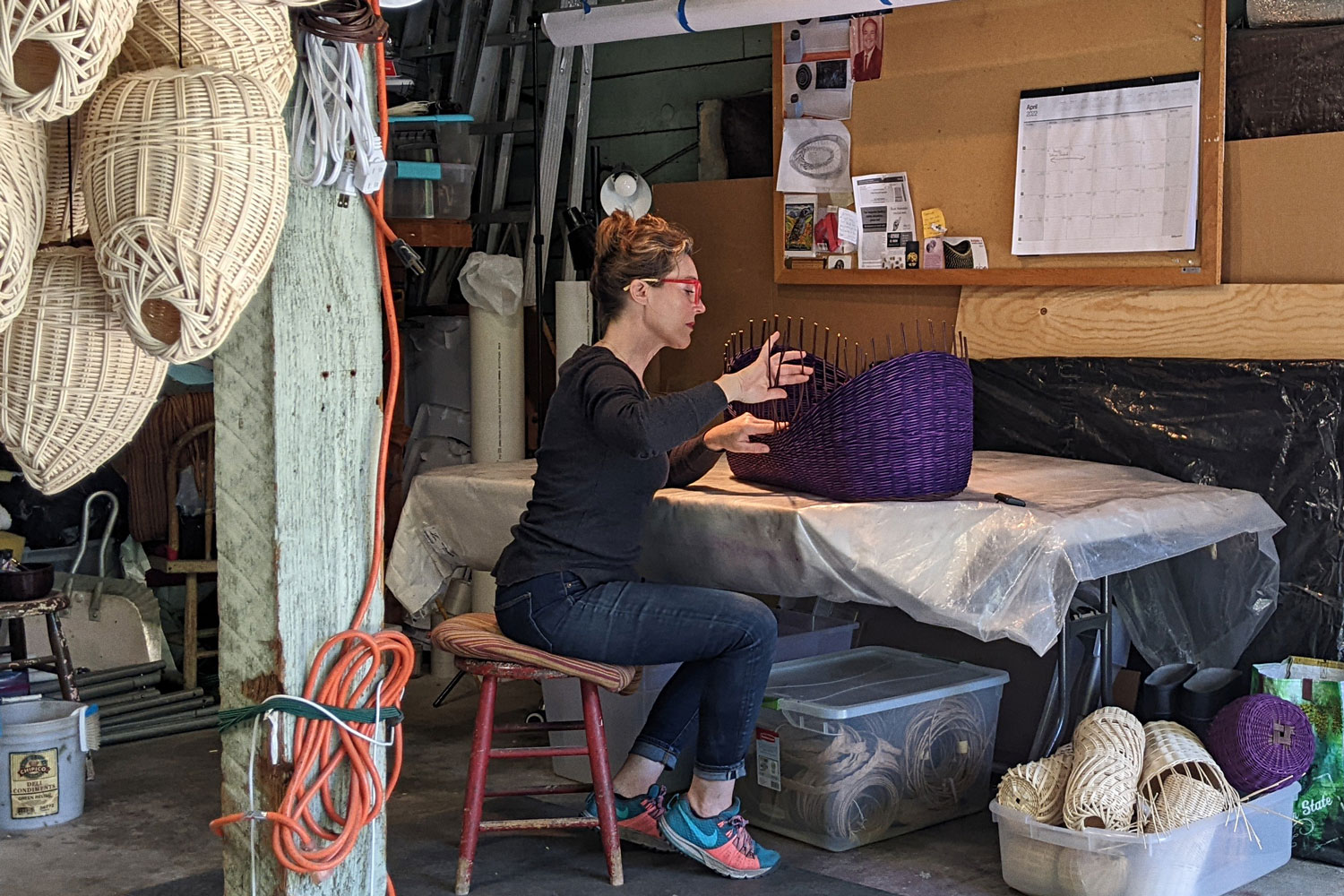
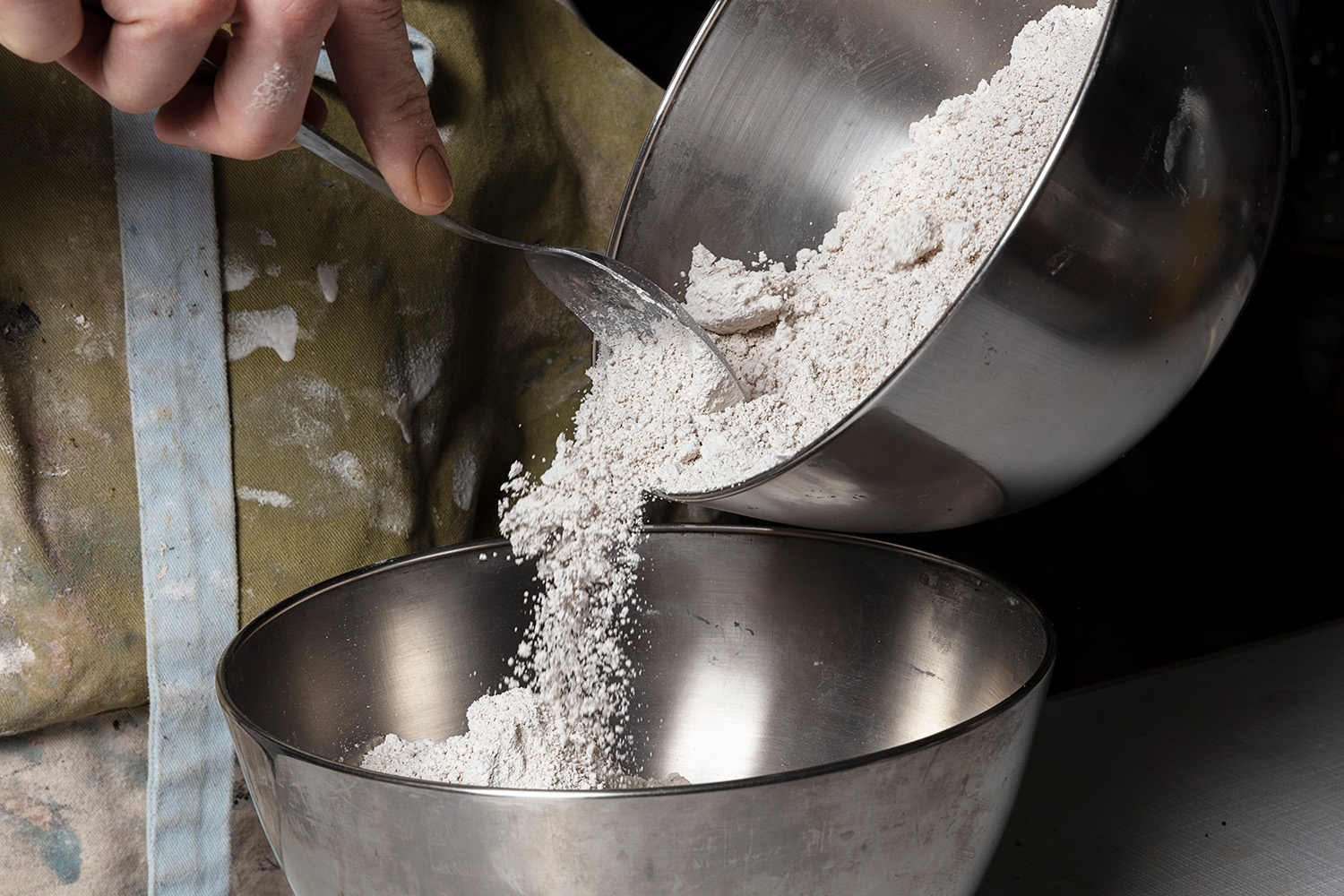
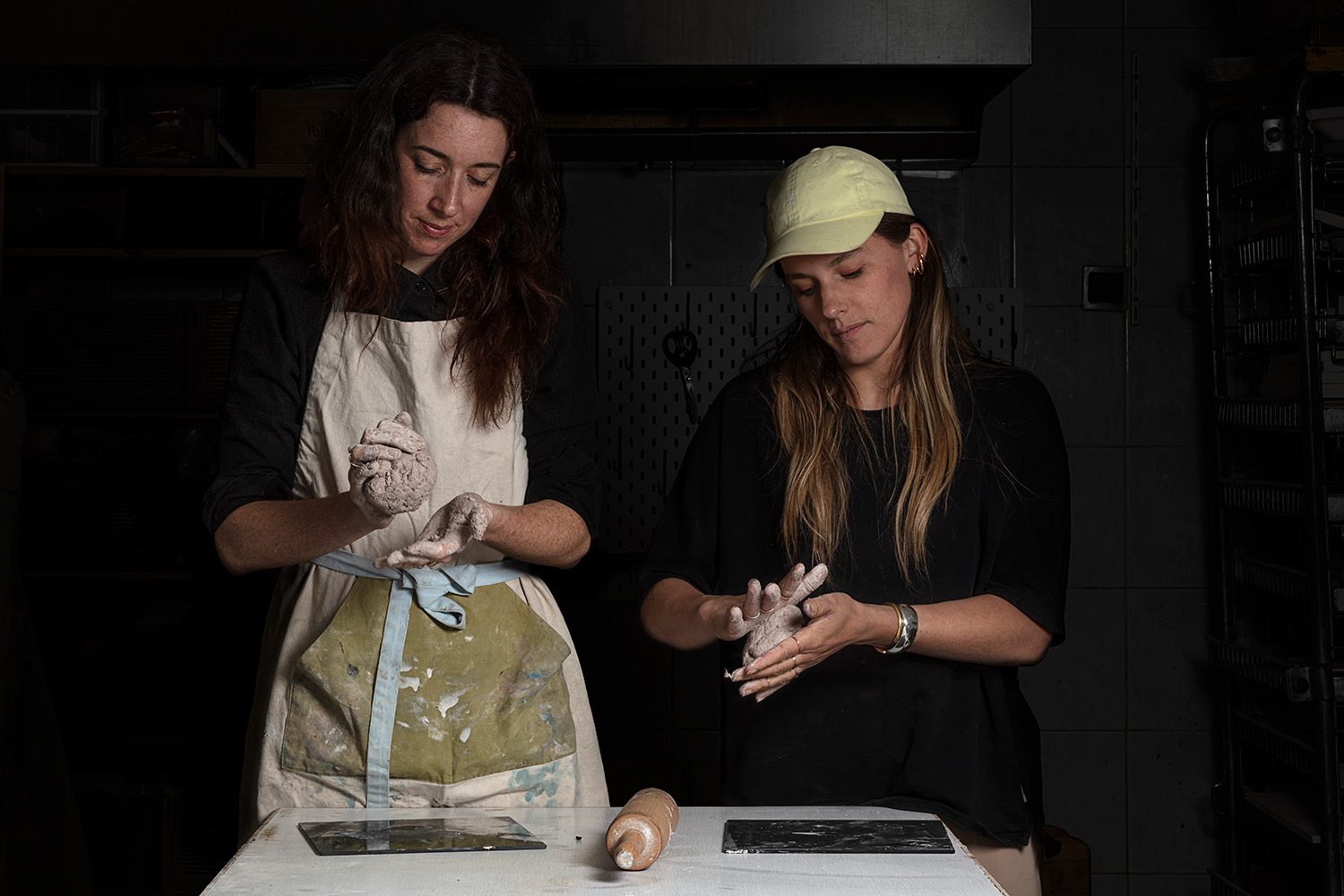
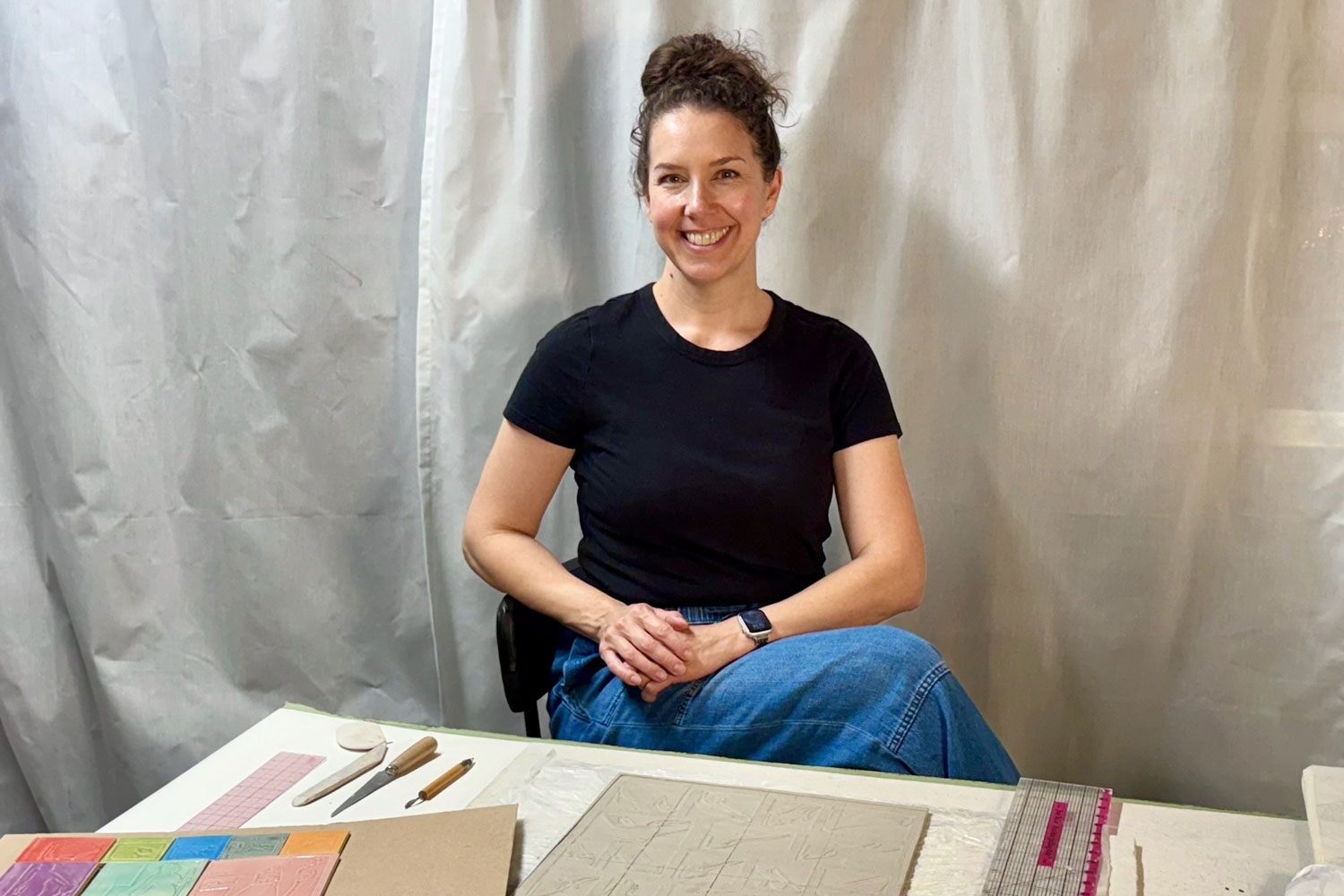
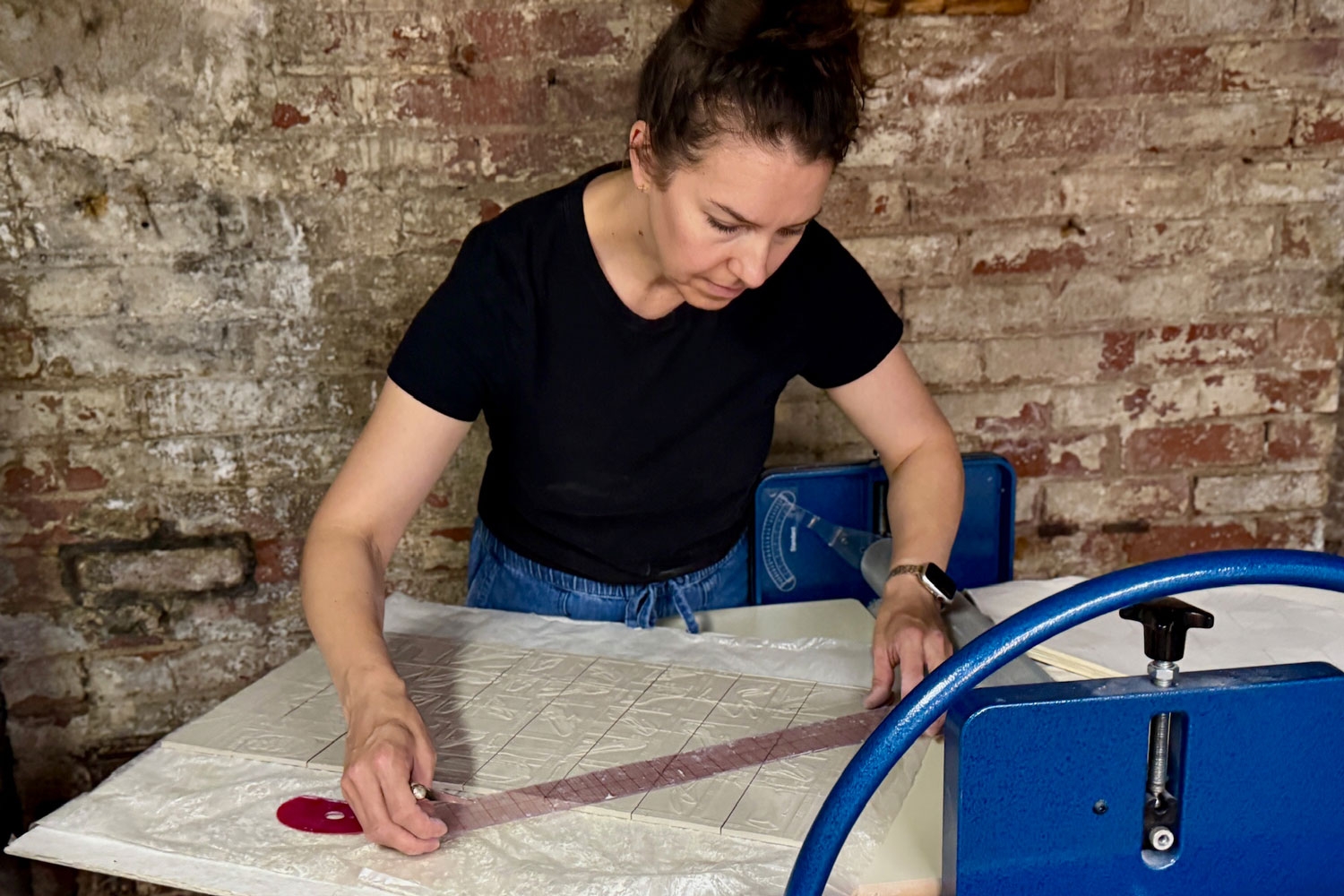
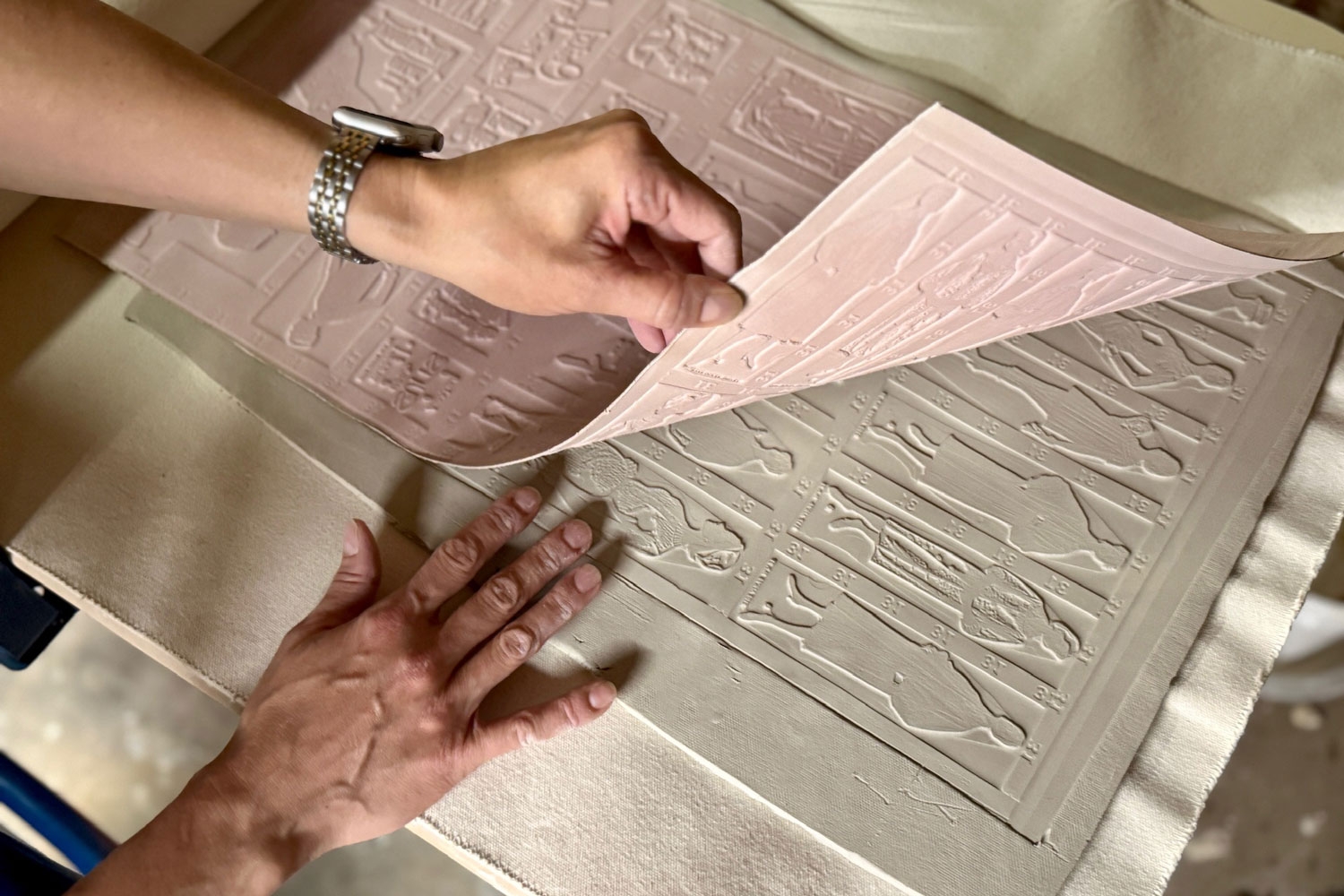
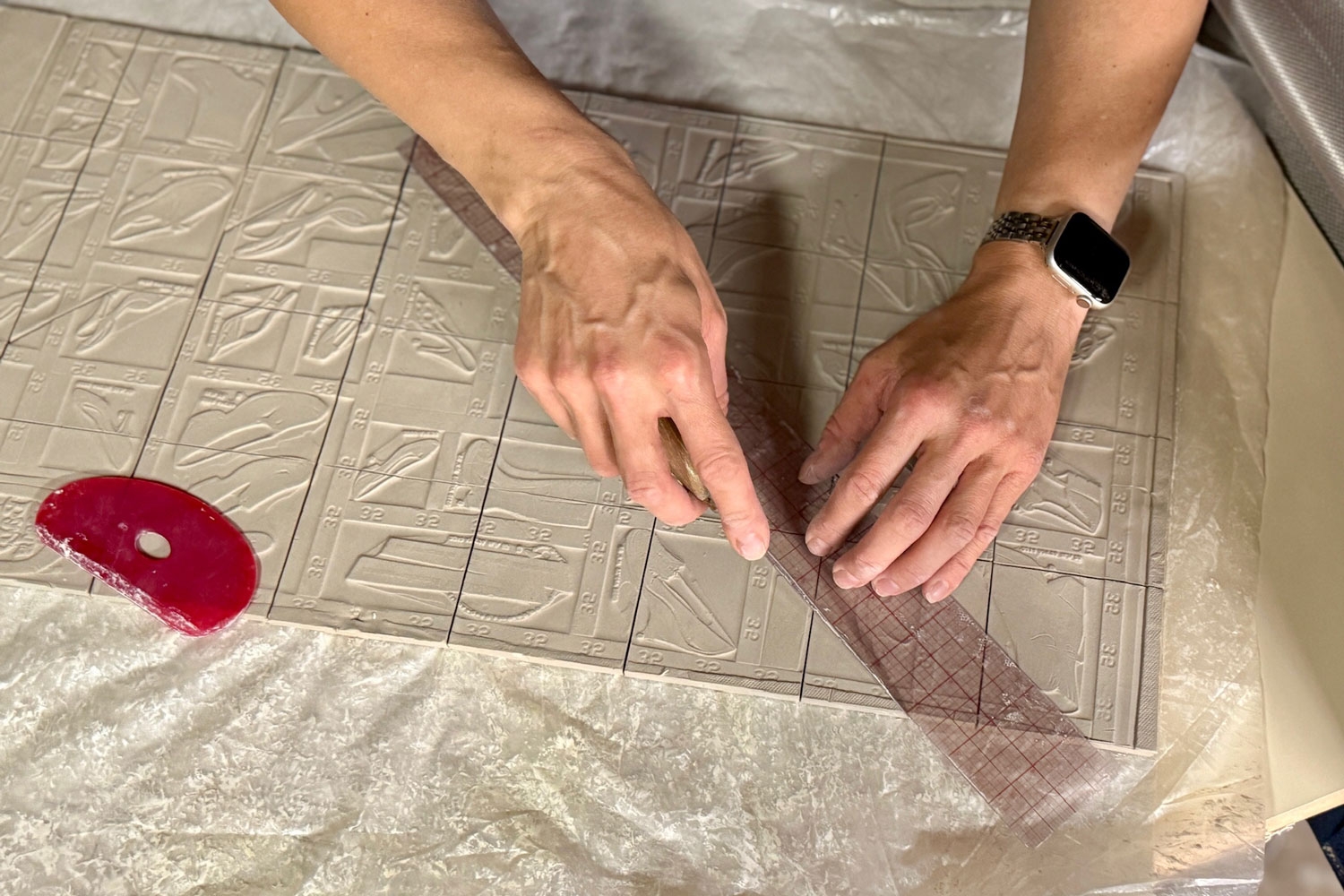
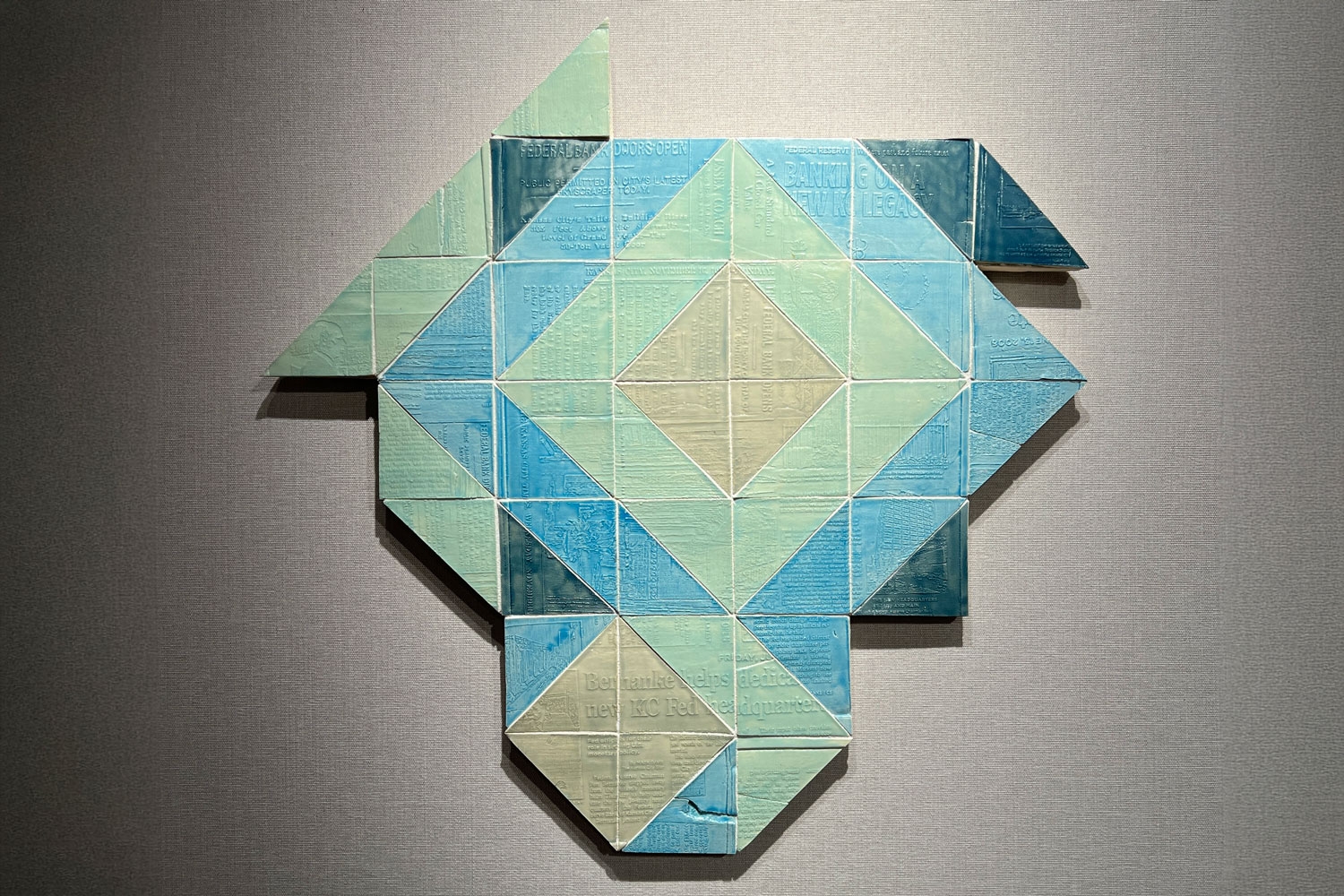
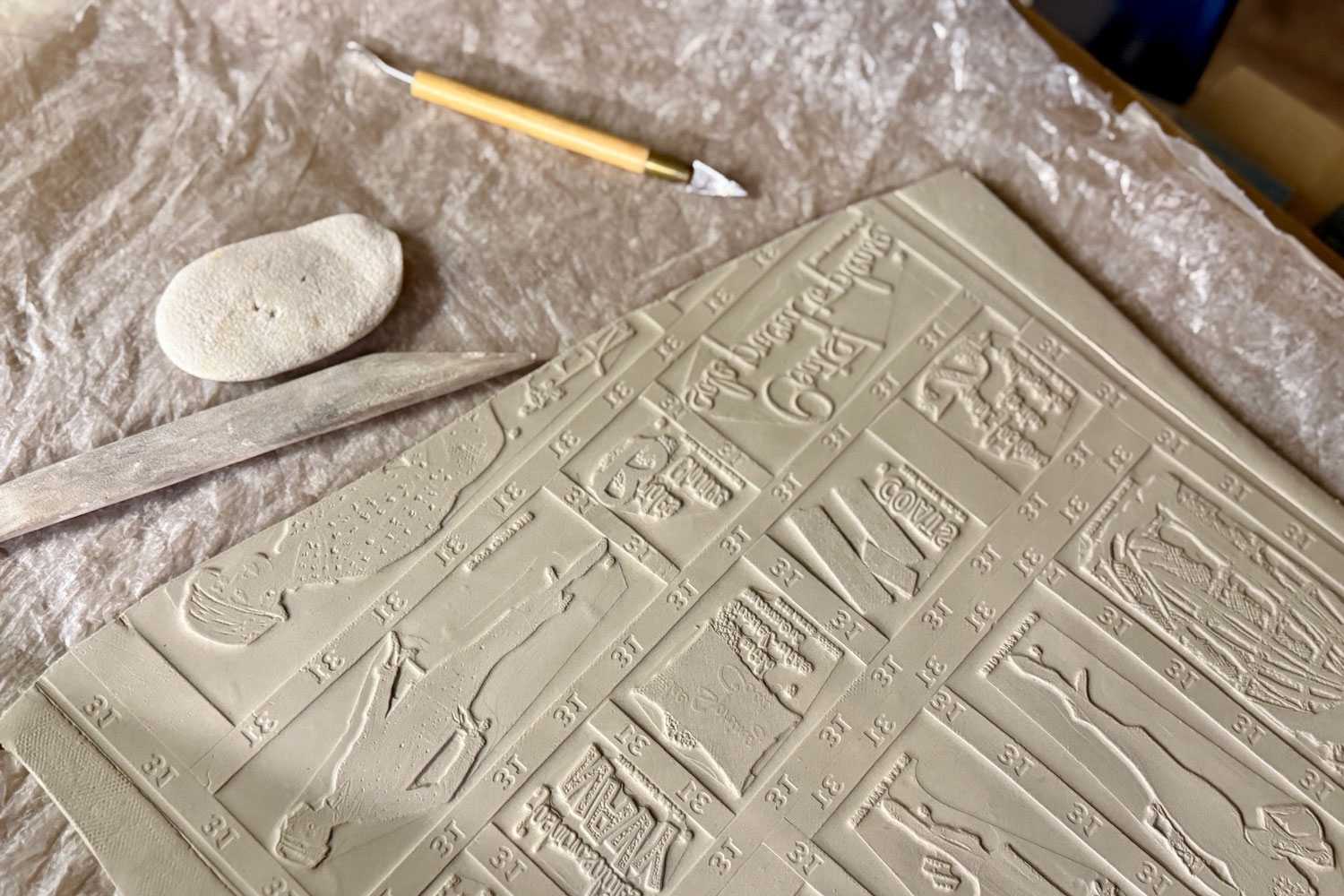
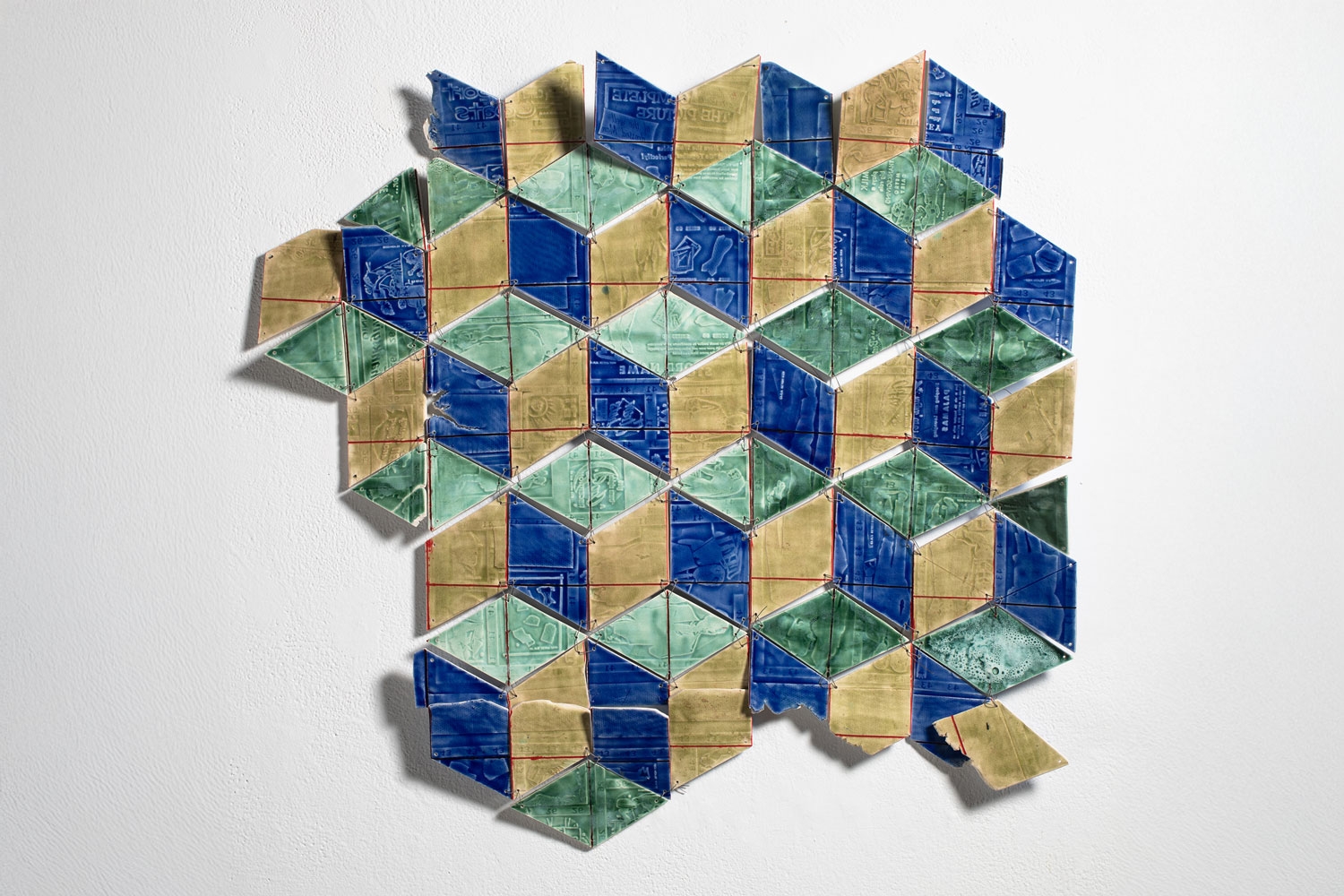
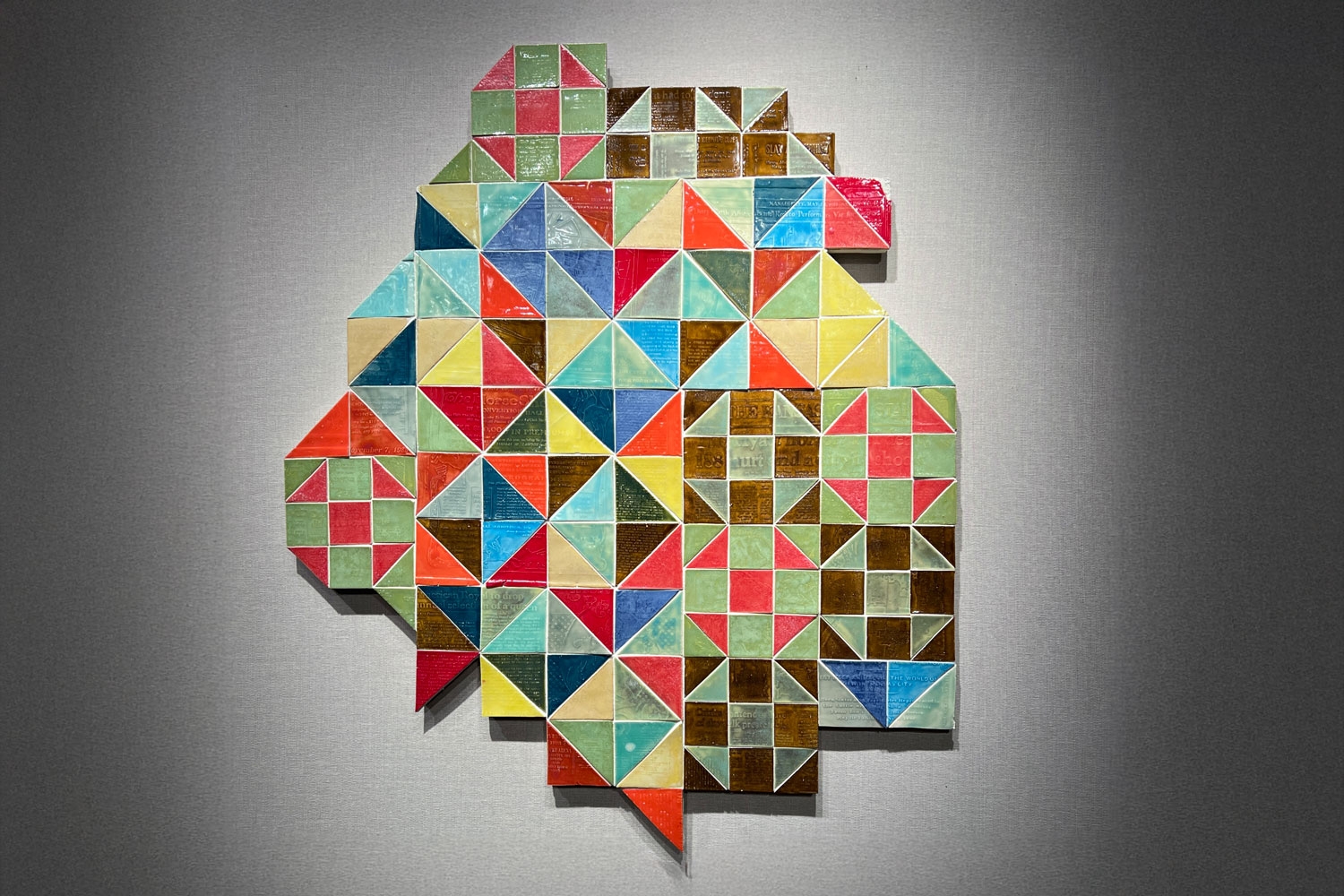
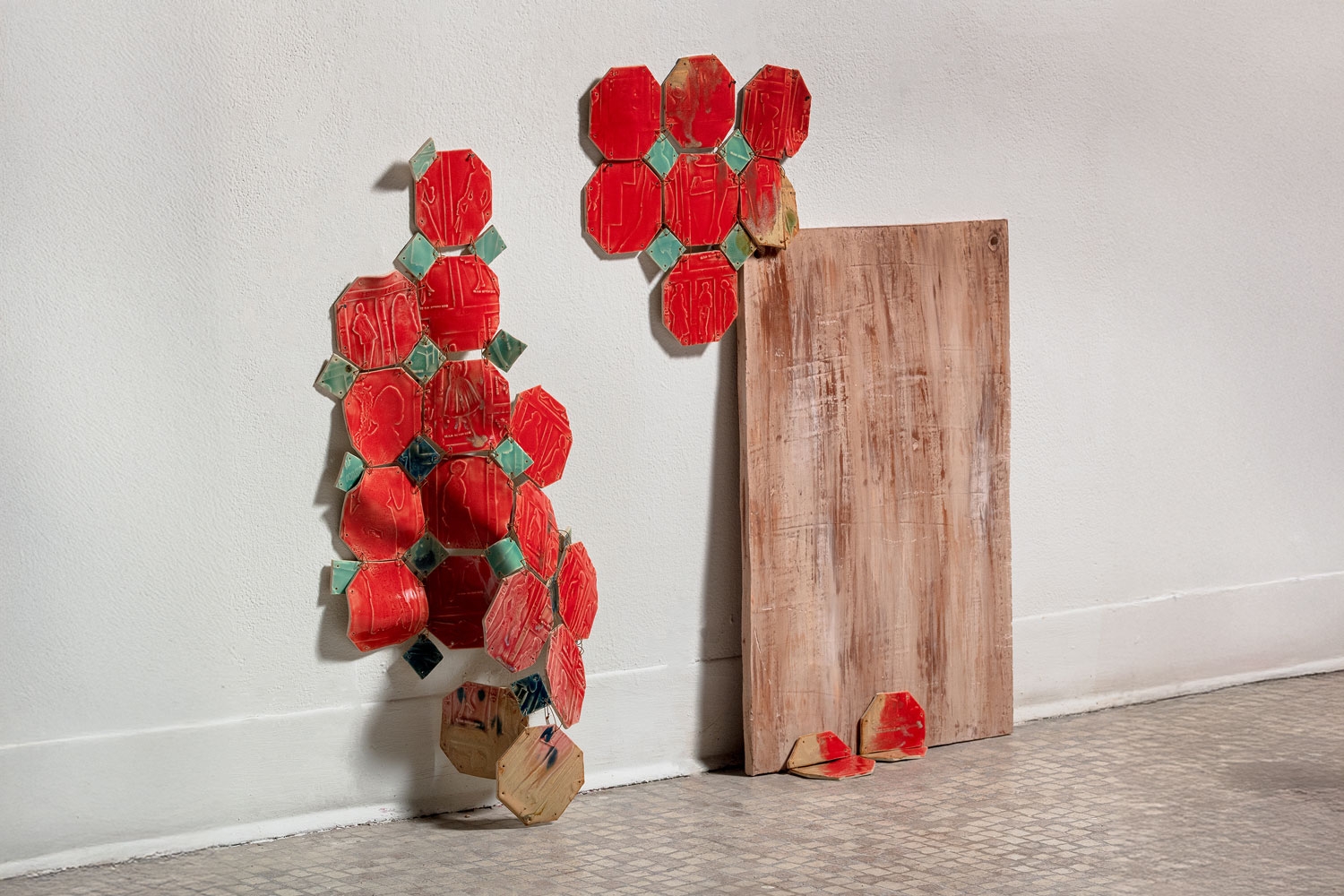
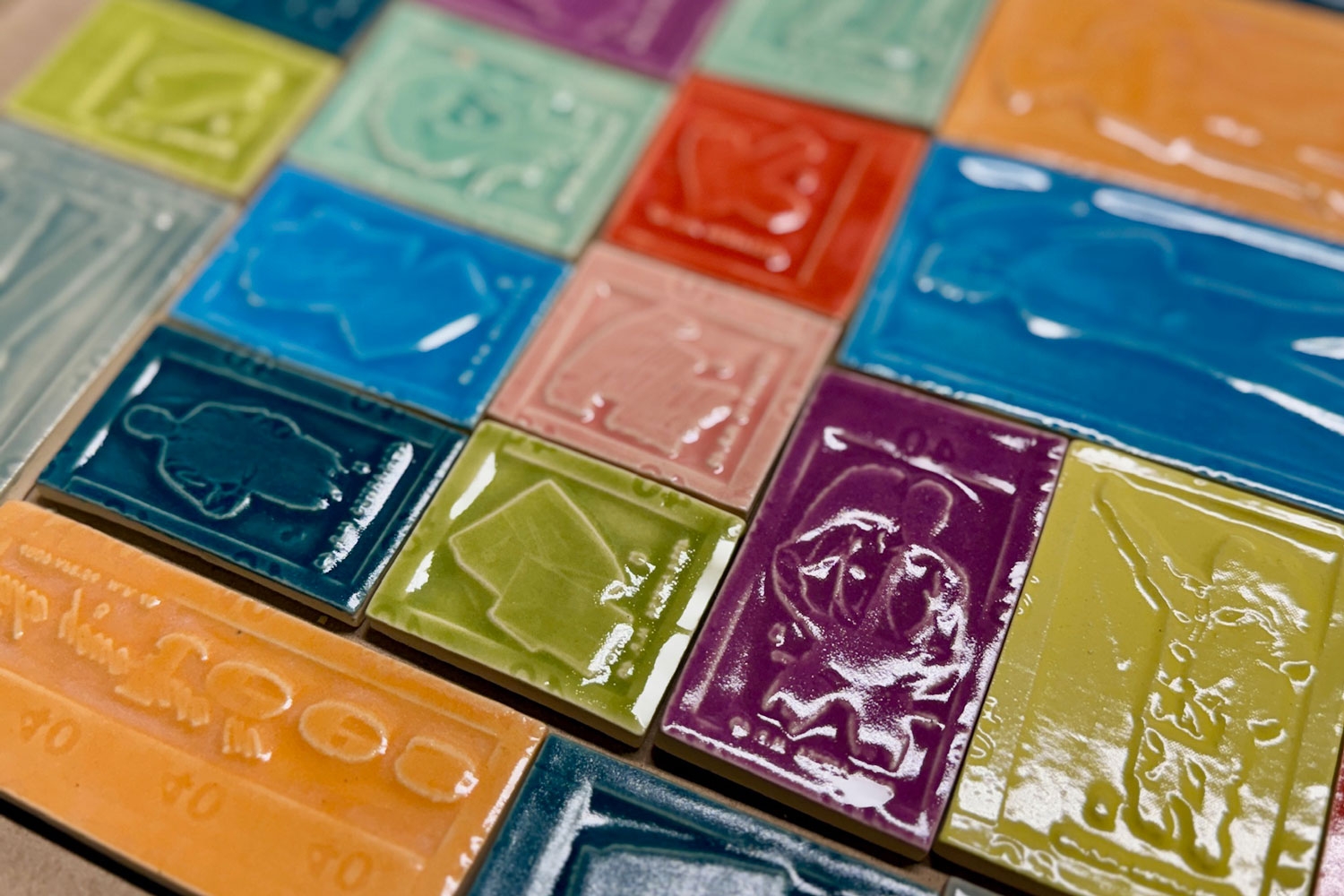
Rachel Hubbard Kline embeds quilting motifs and historic newsprints into clay. She uses the material as a physical and metaphorical vessel to hold impressions for future generations, working with its permanence as a counterpoint to the fragility of textile, printed matter and memory. Research is inseparable from Rachel’s practice. She delves into news archives, quilt patterns, architectural references and period pottery, refining ideas through sketches before her pieces are shaped. “This approach speaks to a Midwestern identity shaped by textile traditions sustained by women in domestic spaces,” she says. By honouring women’s work in textiles and preserving history, Rachel’s pieces reflect how individual stories weave together to shape the larger fabric of society.
Discover her work
INTERVIEW
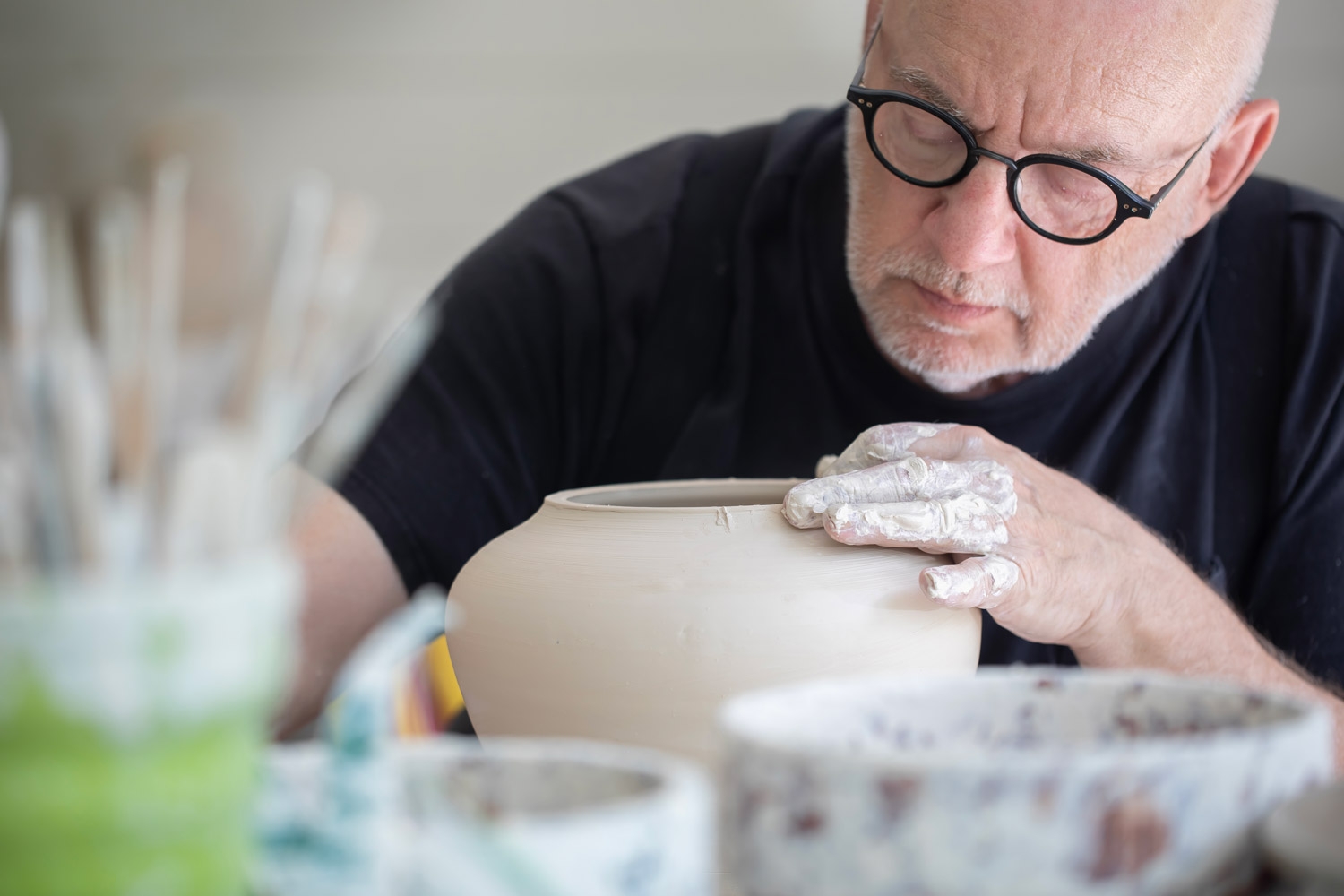
As a high school art teacher, I taught ceramics alongside painting, drawing and fibres. In 2014 I decided to deepen my work in clay. I joined Belger Crane Yard to focus on the ideas I wanted to explore. Even when I worked in other media in graduate school, I always came back to clay. Its materiality and possibilities still excite me.
I draw from historical references and textile palettes, experimentation and material responses. For my Kansas City Airport installation, my rain drop pattern was glazed in blues for Missouri River flood stories and I used red and grey for the World War I Memorial.
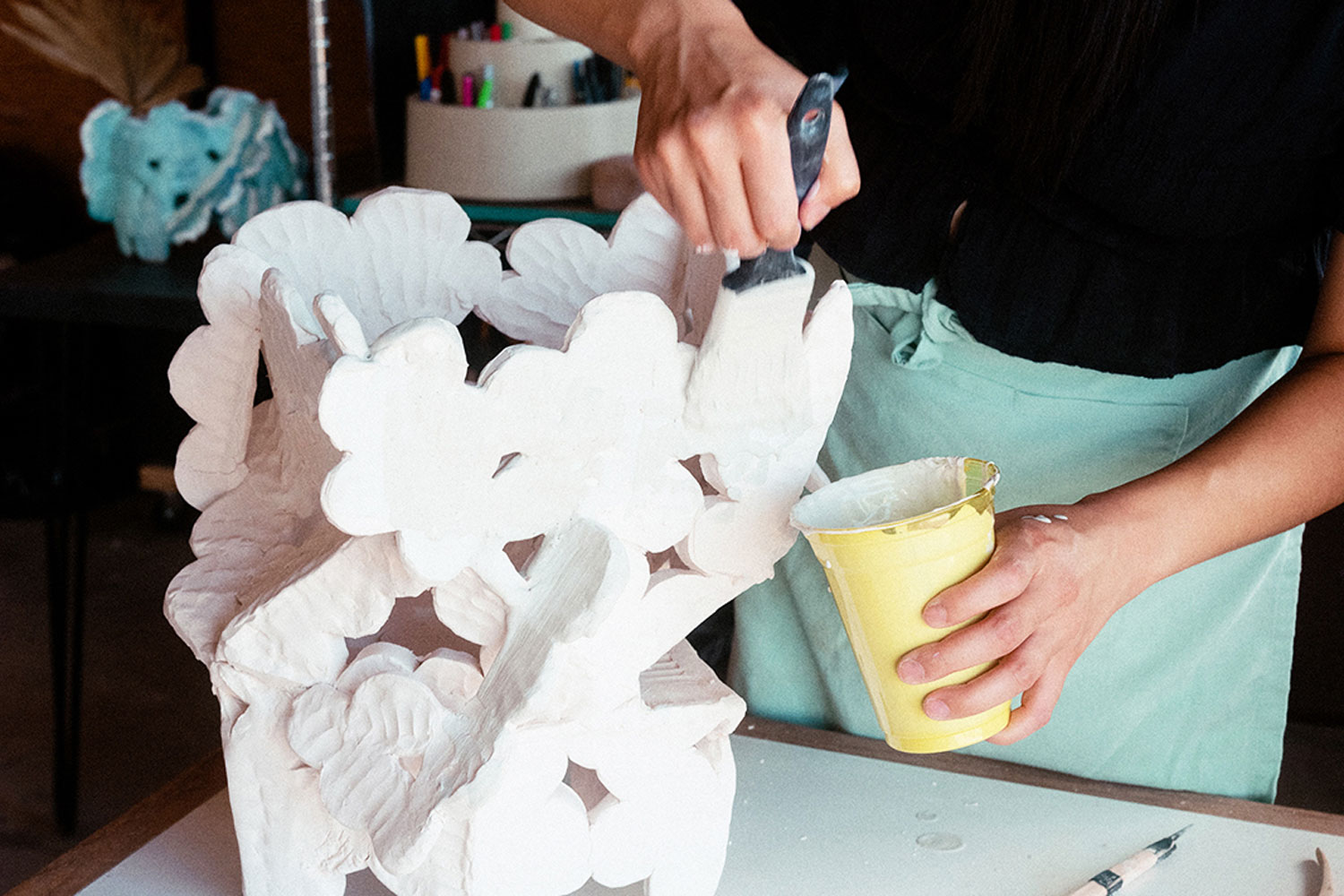
I work in stoneware and porcelain with mid-range glazes. For my tile pieces, I use shiny, slightly transparent glazes so the raised textures are easier to spot. They create a smooth, almost fabric-like sheen. Some tiles also get underglaze washes to suggest worn or weathered areas. For my decorative pieces, I layer underglaze with a clear satin glaze.
The value of craft lies in connecting to a long history of tradition and developing material intelligence. Working directly with materials fosters a deeper understanding of artistic practice and the world around us.
Rachel Hubbard Kline
Mixed media sculptor
Kansas City, MO, USA
ADDRESS
Address upon request, Kansas City, MO, USA
AVAILABILITY
By appointment only
LANGUAGES
English
Homo Faber Finds is a new service aiming to inspire admirers of craft to connect and collaborate with exceptional artisans.
We invite you to submit an enquiry here.